The GameCube is not a cheap console to collect anymore. A loose disc of Gotcha Force sells for over $200, and both Pokémon RPGs go for $100 or more. Even Mario Kart: Double Dash now goes for $65 without its case.
The good news is that plenty of great GameCube games never got that expensive. We checked recent sold prices for loose discs and kept only the games that go for a typical price under $25. That still leaves room for a big RPG, a farming game with a marriage deadline and both Super Monkey Balls. Here are the 14 best cheap GameCube games.
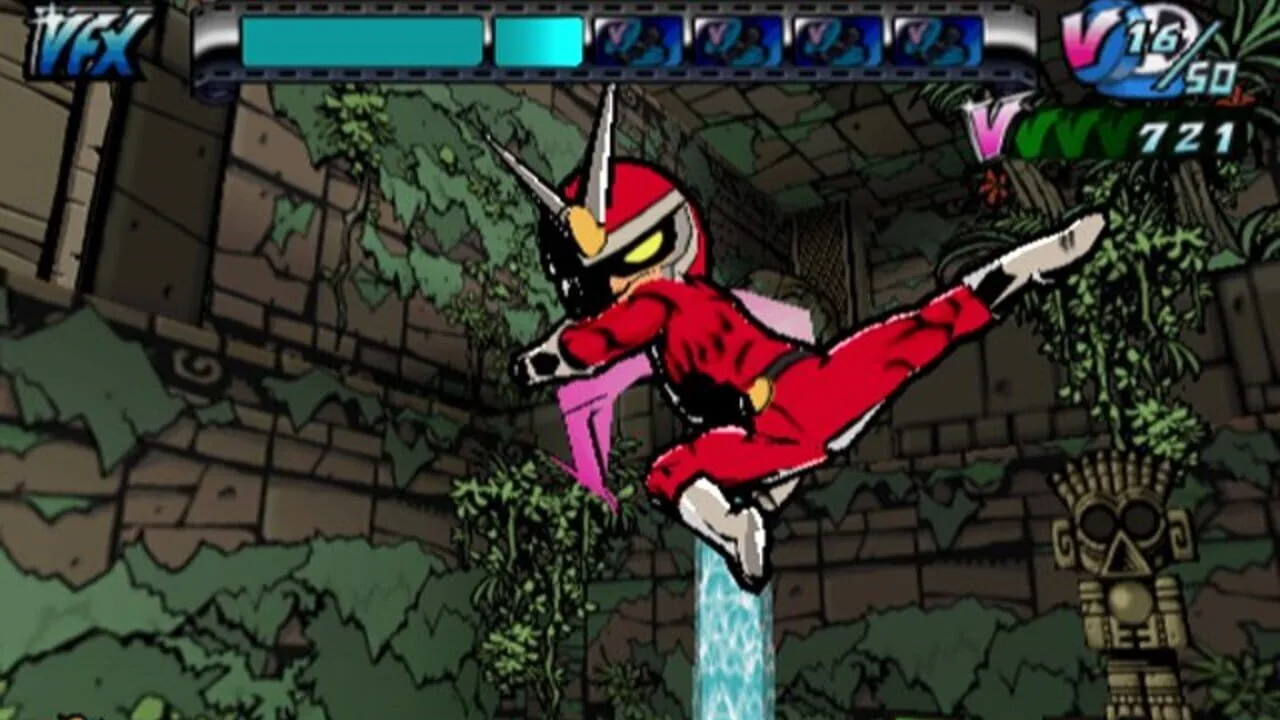
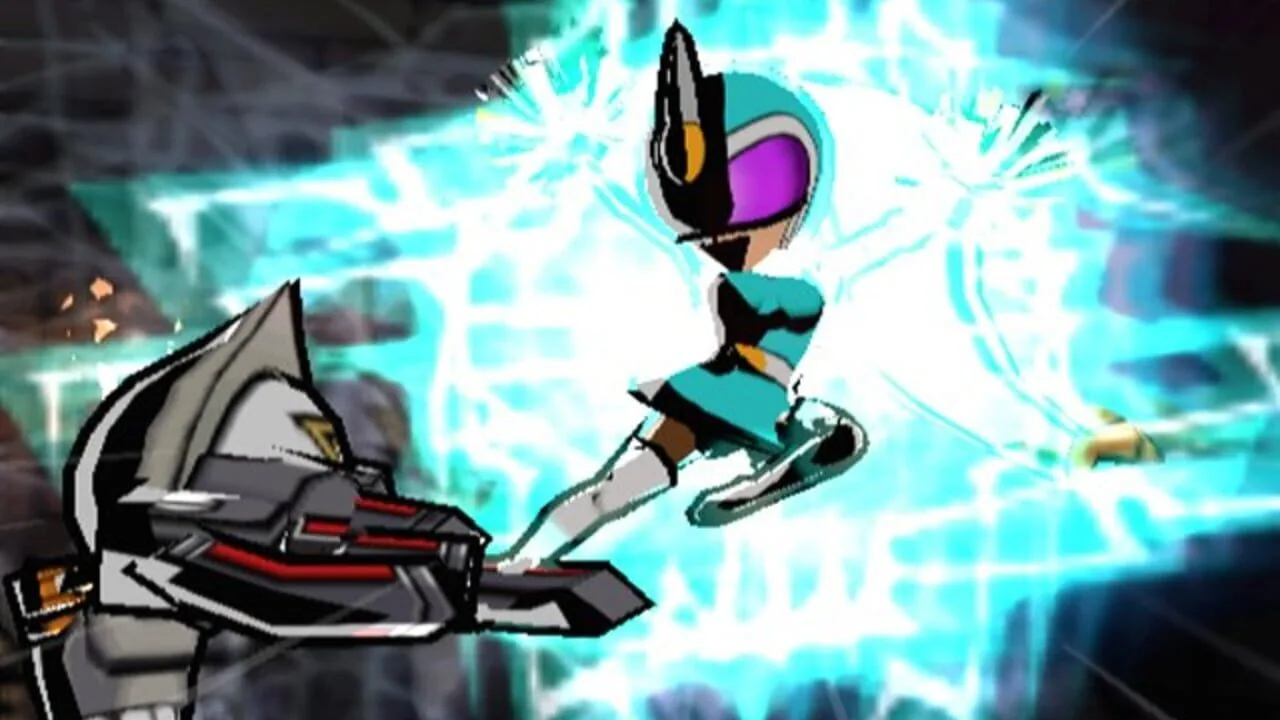
14. Viewtiful Joe 2 (2004)
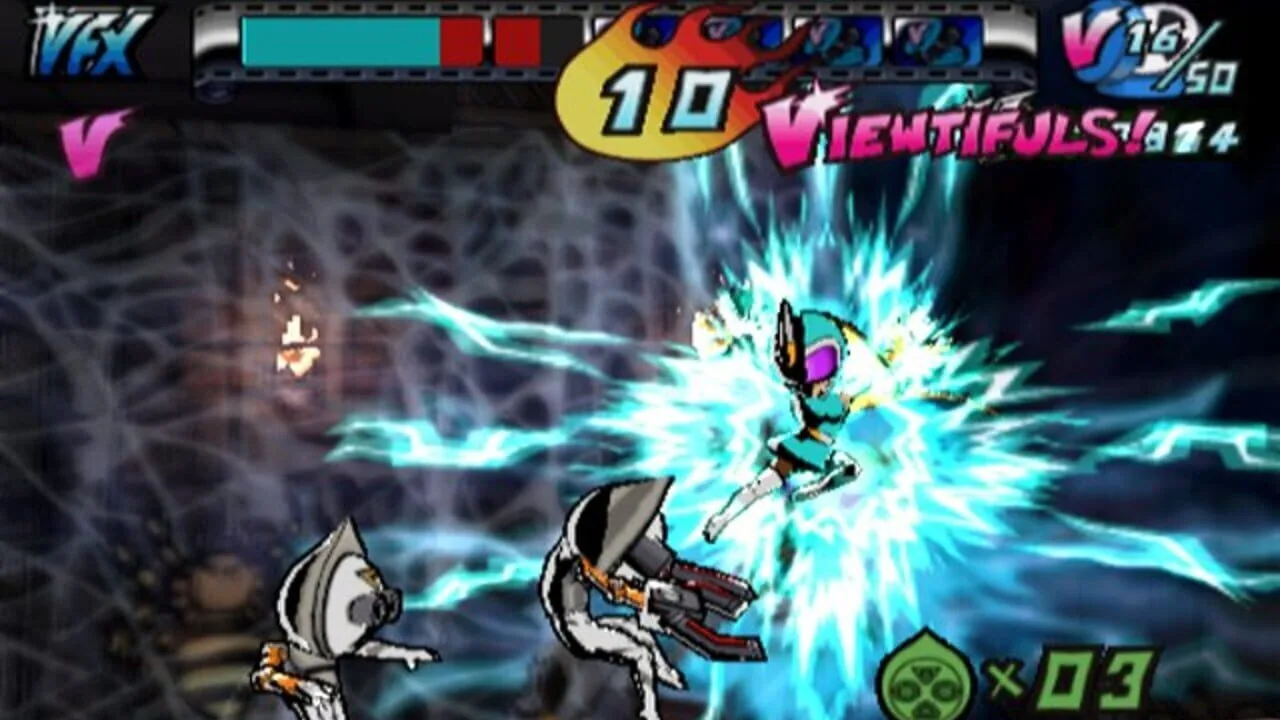
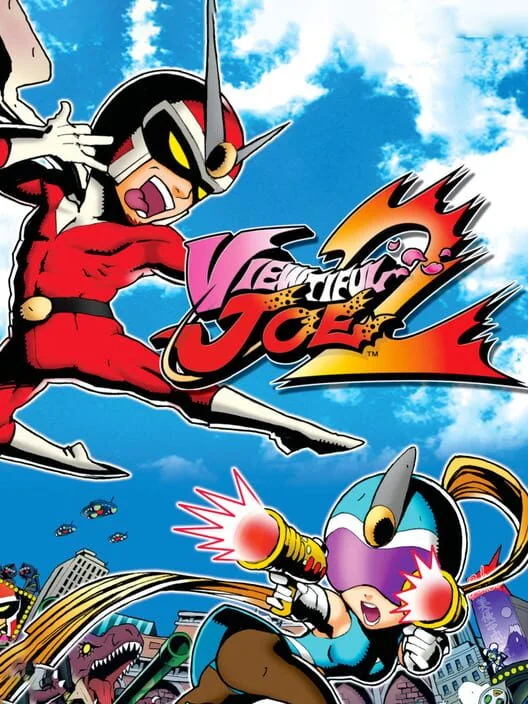
Viewtiful Joe 2 came from Team Viewtiful, part of Capcom's subsidiary Clover Studio. Atsushi Inaba produced it and Masaaki Yamada directed. Hideki Kamiya, who directed the original Viewtiful Joe, was already signed on to direct Ōkami, but he wrote the sequel's story anyway because he wanted to ensure continuity. Kumiko Suekane supervised the character designs again, and Masami Ueda and Sayaka Morita co-composed the soundtrack.
Like the first game it sold modestly, and critics praised its stylish graphics and gameplay. Metacritic lists its two versions at 86 and 85 out of 100.
Loose discs sold for a typical $20 between November 2024 and March 2025. Players still name it among their GameCube favorites.
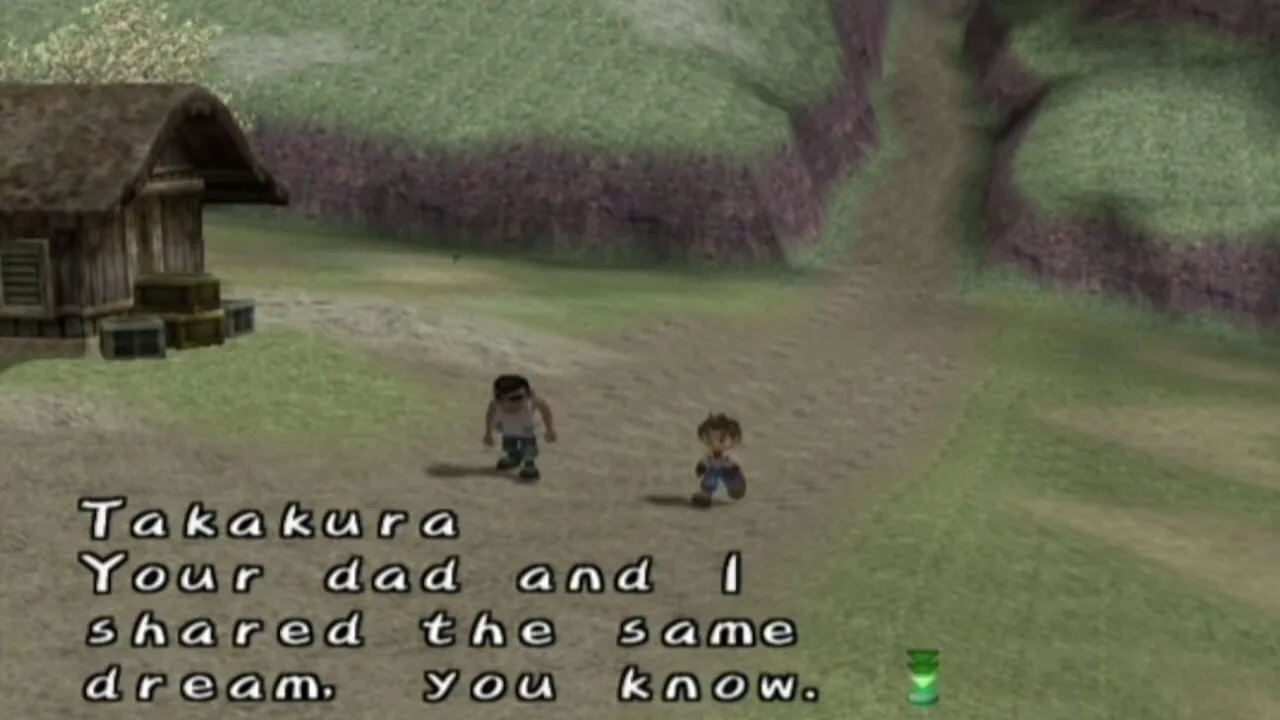
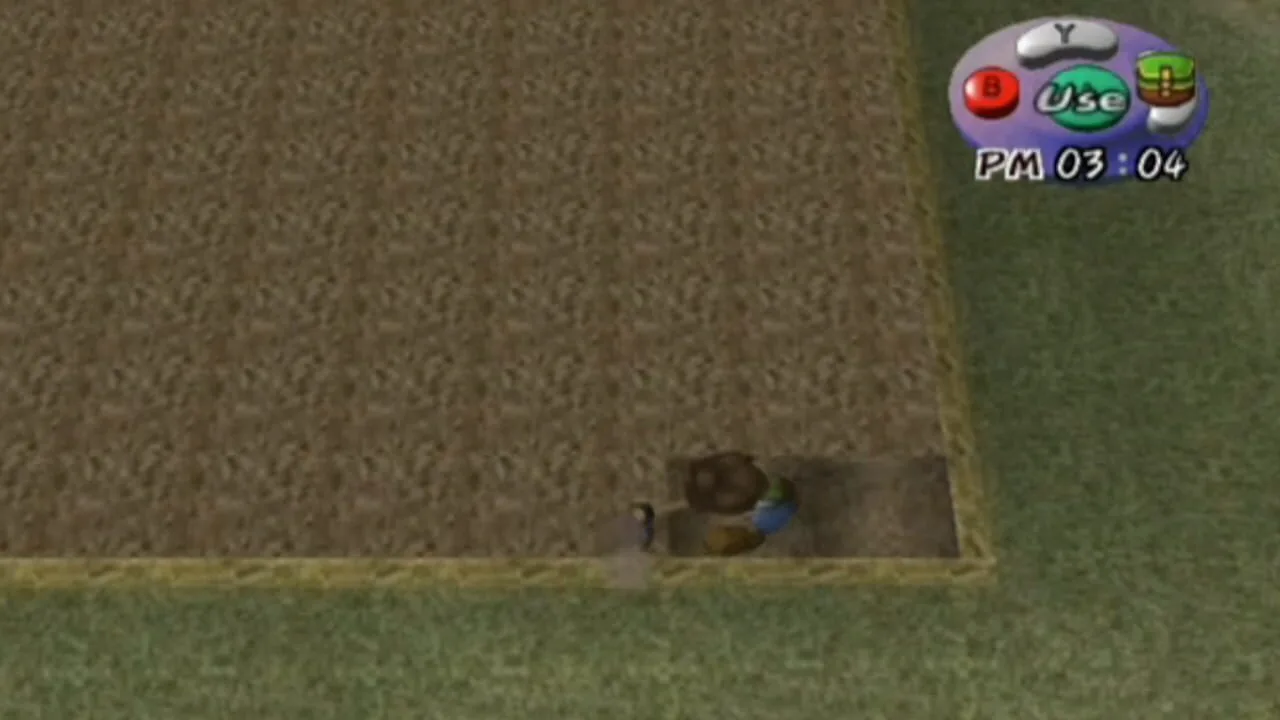
13. Harvest Moon: A Wonderful Life (2003)
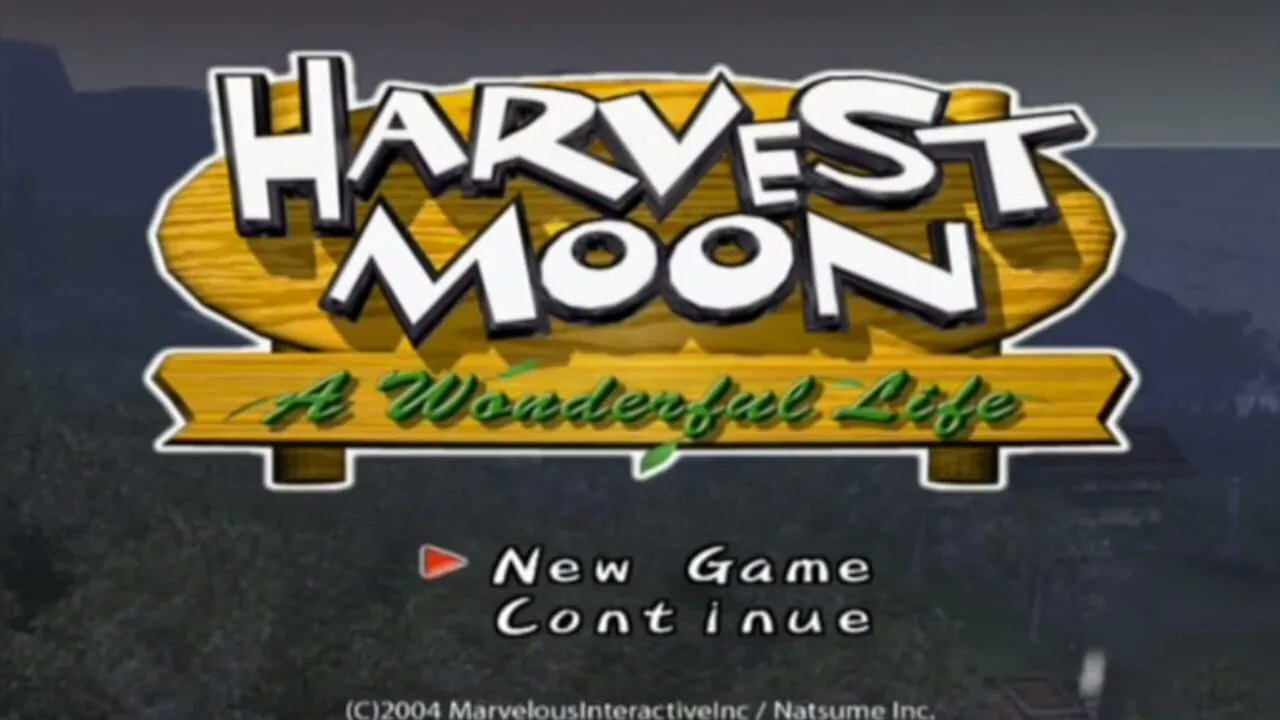
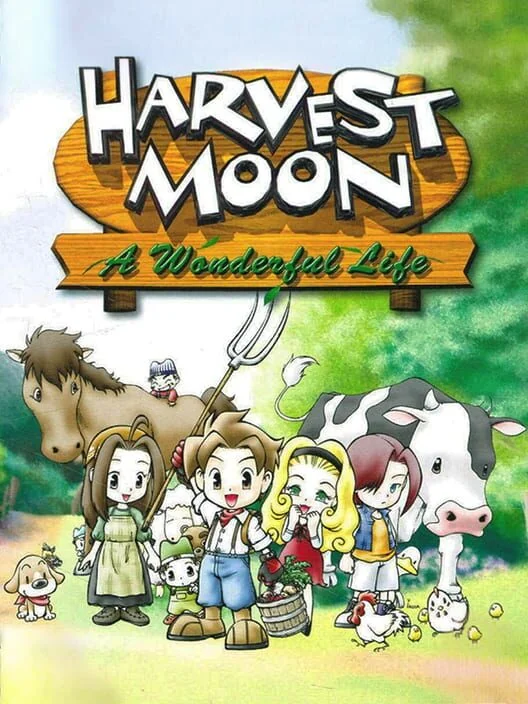
A Wonderful Life is a farming game with a deadline on your love life. By the end of the first chapter you have to marry one of the bachelorettes, or the game ends. Fail at married life later on and you get a divorce, which ends it too. Marvelous Interactive developed and published it in Japan, and it belongs to the long-running Story of Seasons series.
Harvest Moon: Another Wonderful Life, the female version, came to GameCube outside Japan in July 2005. A PS2 Special Edition added some items and events and an updated soundtrack, and Marvelous released a remake on June 27, 2023. If you want the original, the GameCube disc is the cheap way in.
Loose discs sold for a typical $15 between May and August 2025. Players still name it among their favorites on the console.
12. Pac-Man World 2 (2002)
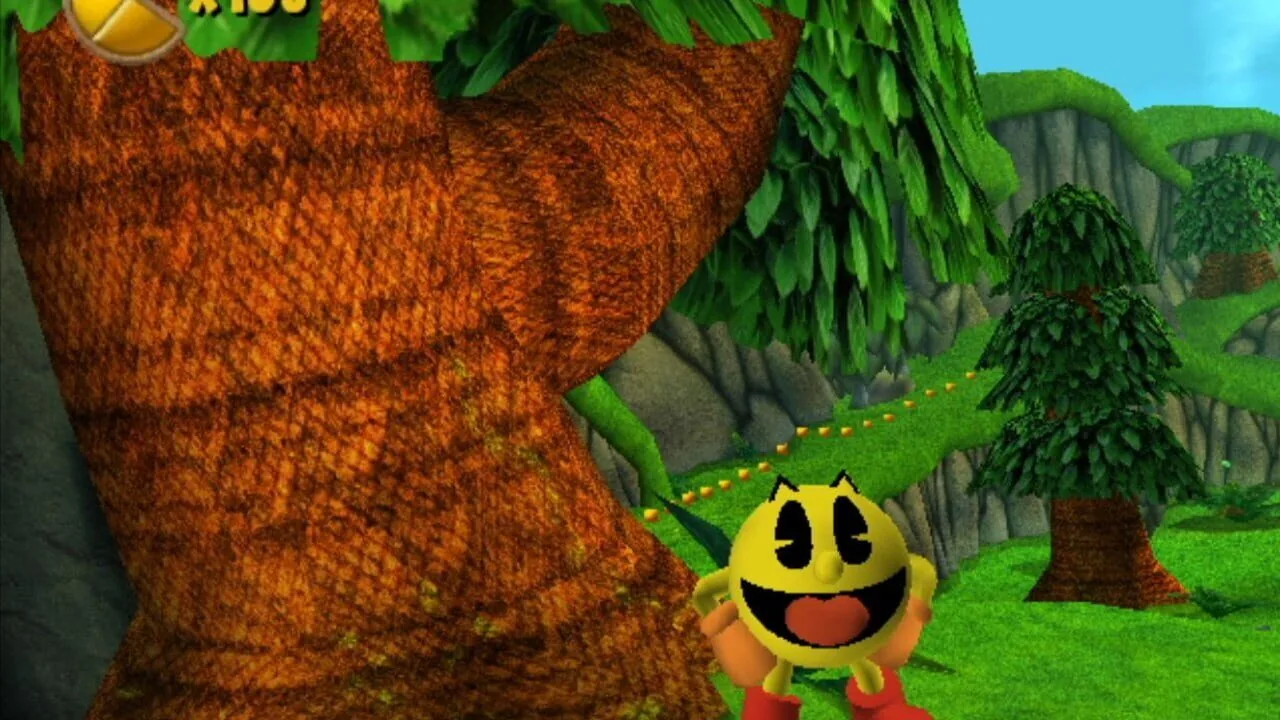
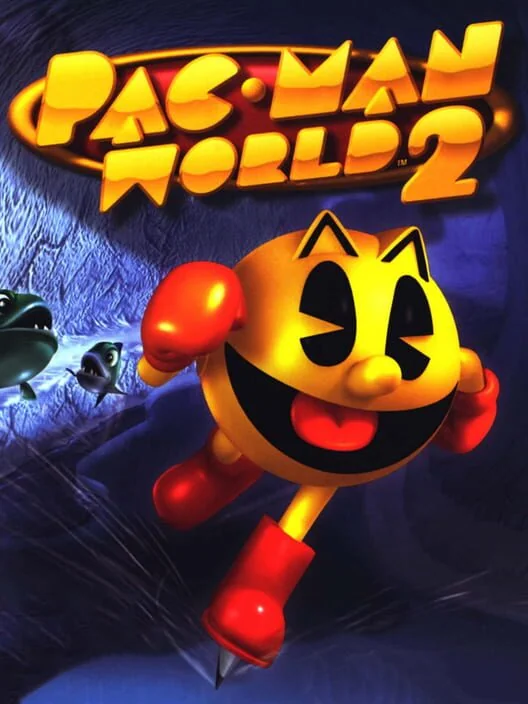
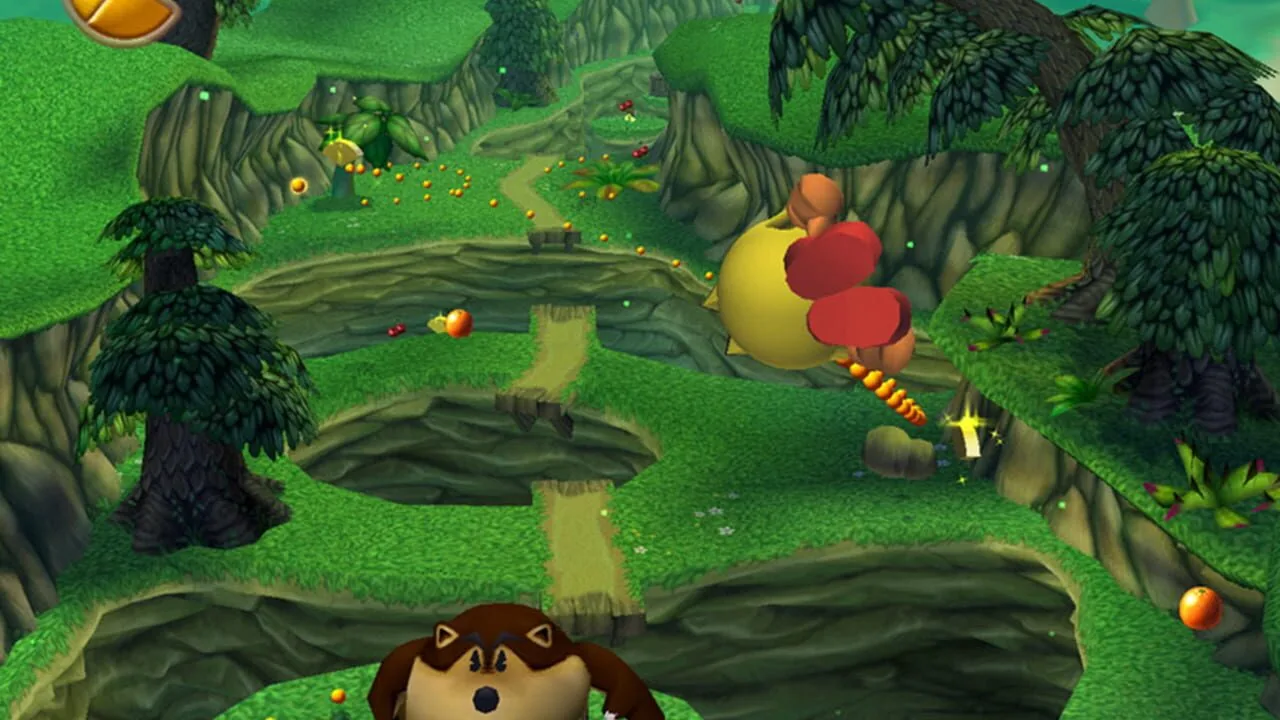
Pac-Man World 2 turns Pac-Man into a 3D platformer hero. The ghosts steal the Golden Fruit from its tree, not knowing what it does, and release the ancient ghost Spooky. Pac-Man has to get the fruit back and stop Spooky from terrorizing Pac-Land. His health bar has only three segments, so it can get tough. Later re-releases toned the difficulty down.
Collect tokens and you unlock emulated versions of older Pac-Man games in the Pac-Village arcade, including Pac-Attack and Pac-Mania. Critics praised the level design and soundtrack and criticized the camera, and the GameCube version averaged 73.83% on GameRankings. A remake, Pac-Man World 2 Re-Pac, came out in September 2025.
Loose discs sold for a typical $10 between March and September 2026. Players keep it on their lists of GameCube platformers worth owning.
11. Crazy Taxi (1999)
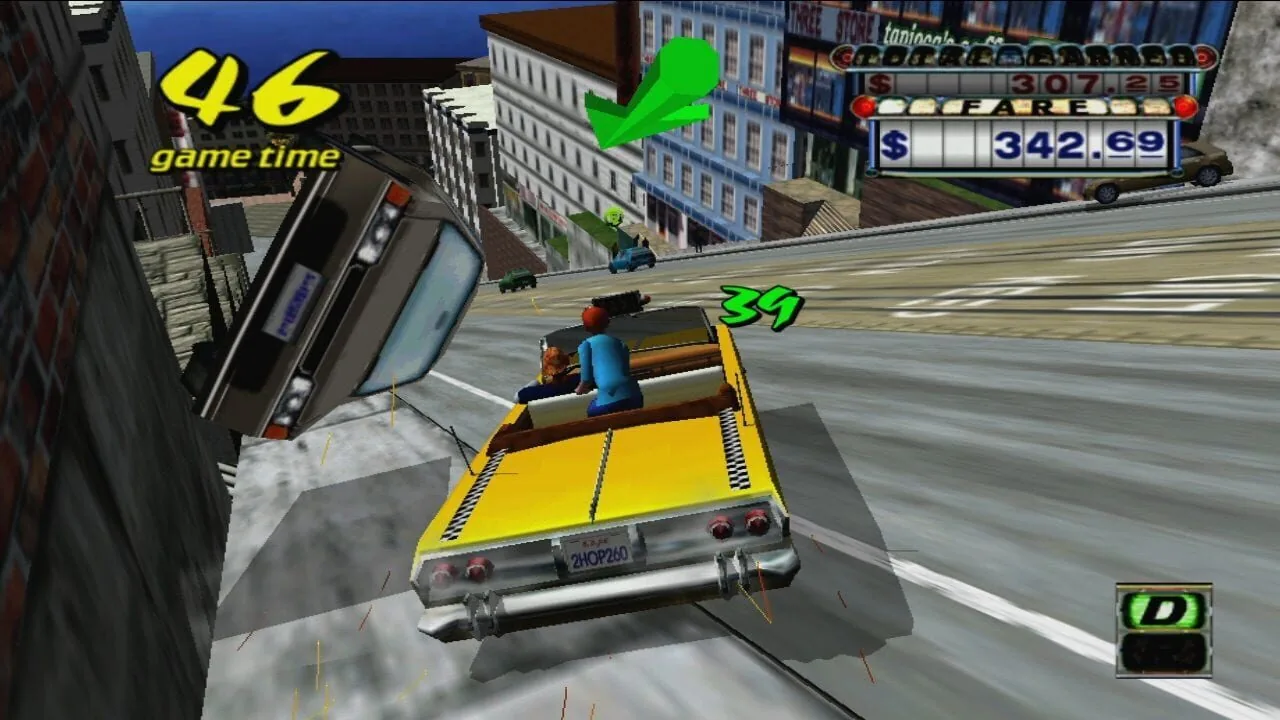
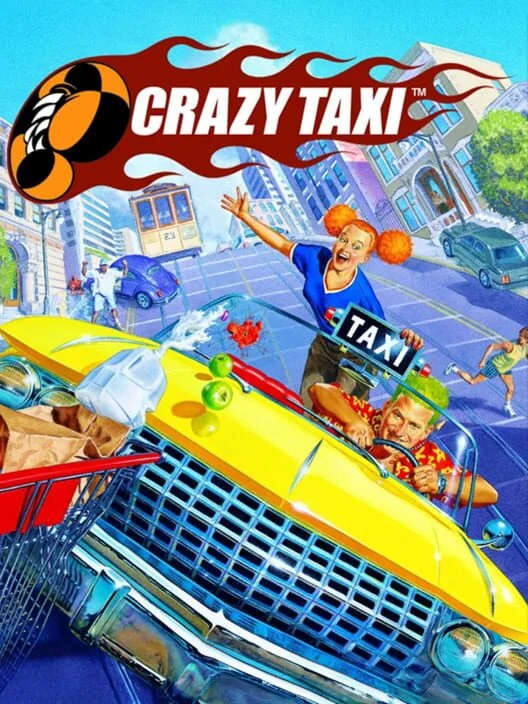
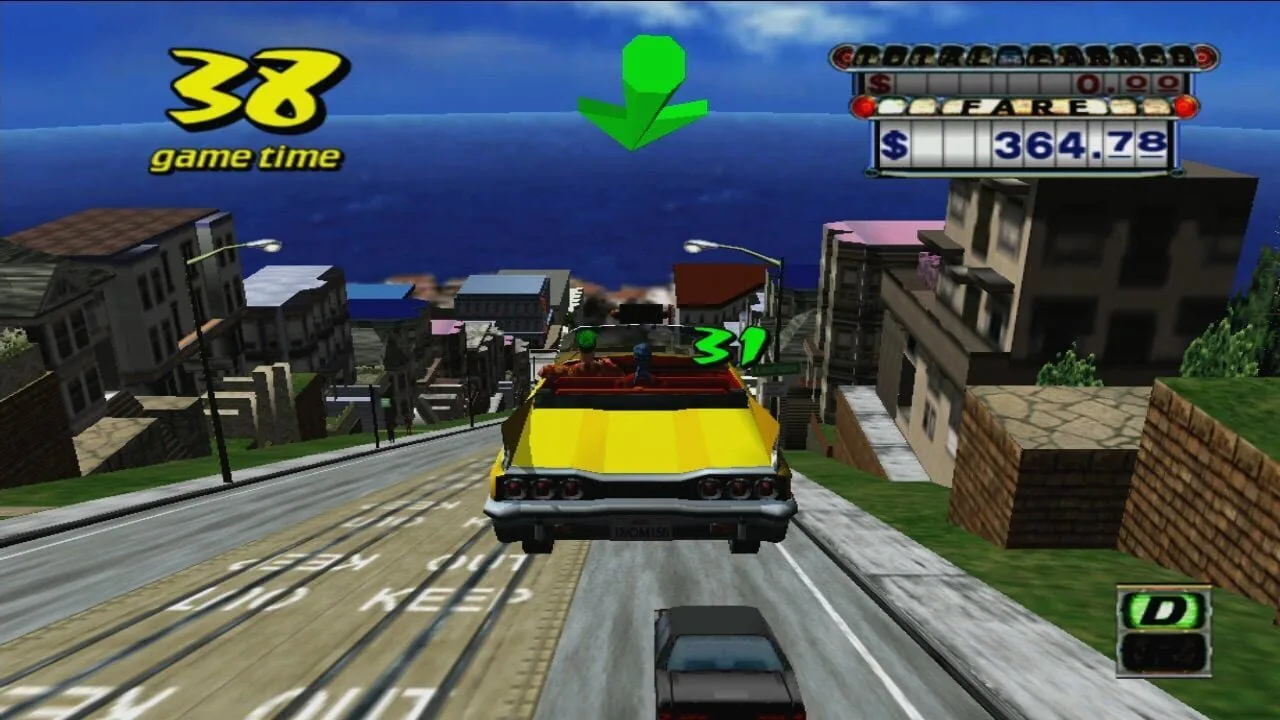
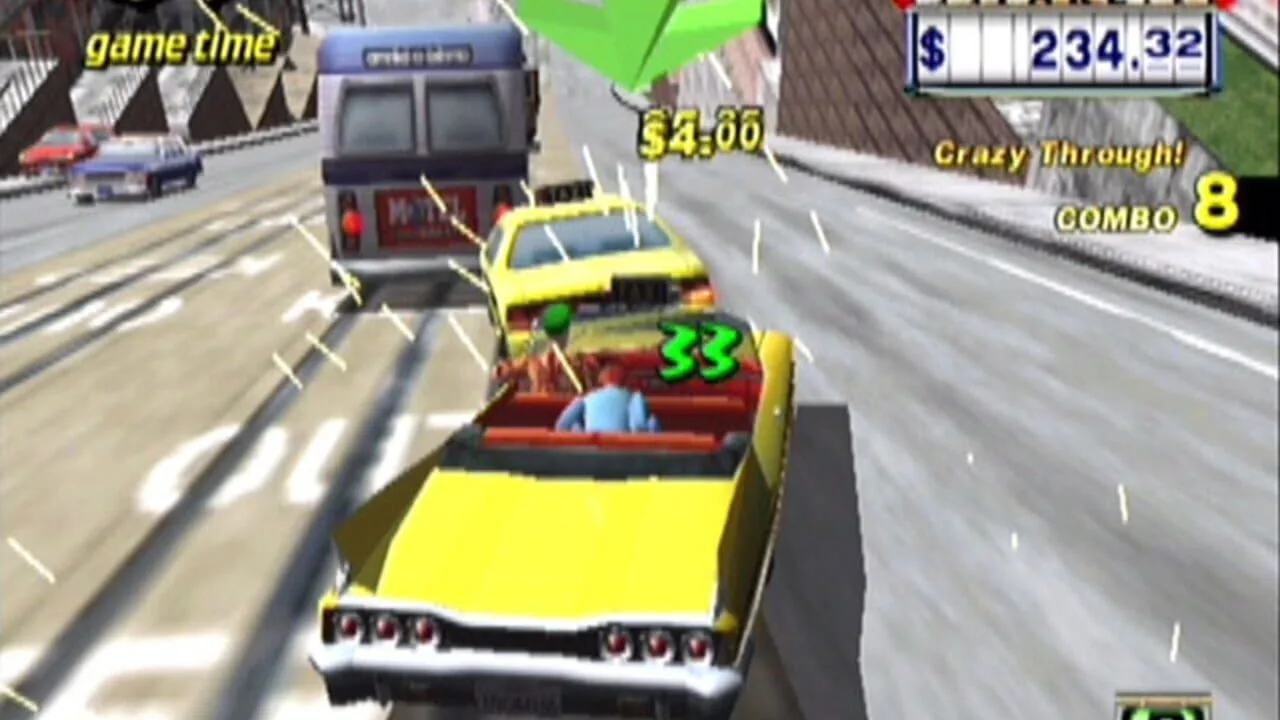
Crazy Taxi started in arcades in 1999, made by Hitmaker, and went to the Dreamcast in 2000. Acclaim Studios Cheltenham ported it to the GameCube. A big green arrow at the top of the screen points you to each destination. The arrow does not care about obstacles. It just points in the general direction of the destination, so finding the actual route is up to you. Near misses with other cars earn you extra money.
Sega was awarded a U.S. patent for the game's mechanics in 2001. Critics called the gameplay "addictive" and praised its difficulty curve, and the soundtrack got a more mixed reception.
Loose discs sold for a typical $19 between April and July 2025. Players keep naming it when someone asks what to buy for the GameCube.
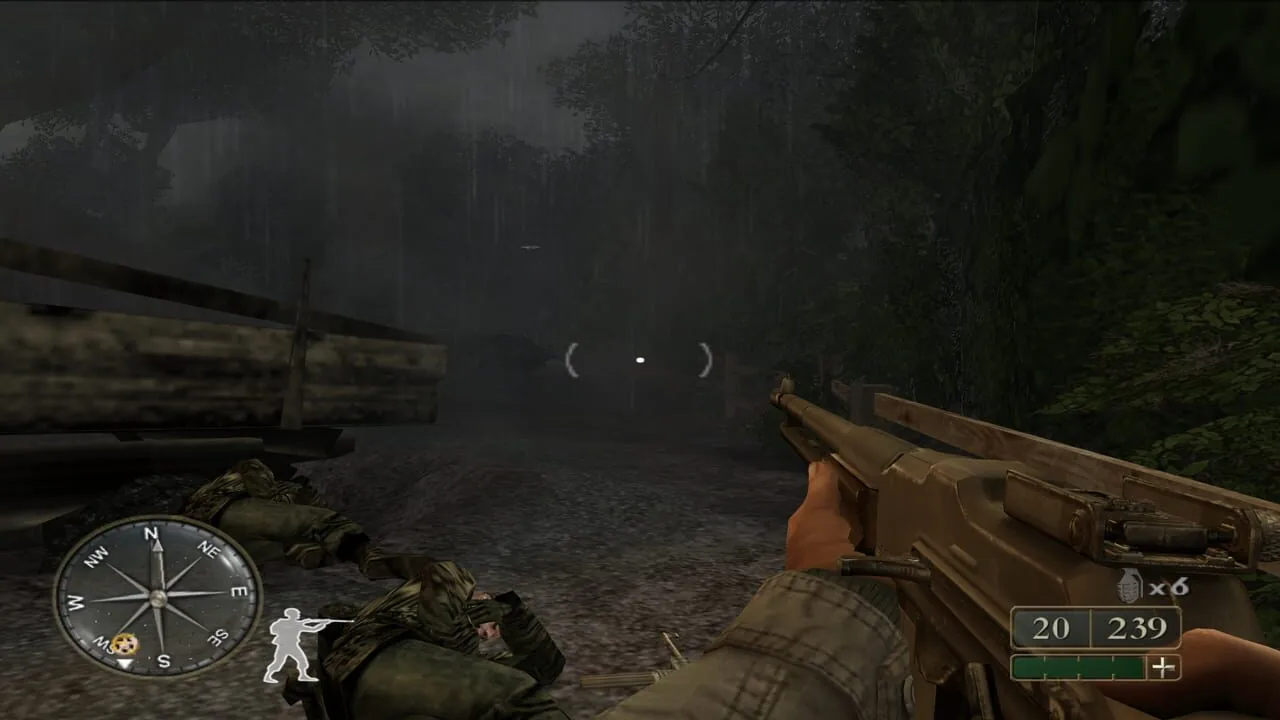
10. Call of Duty 2: Big Red One (2005)
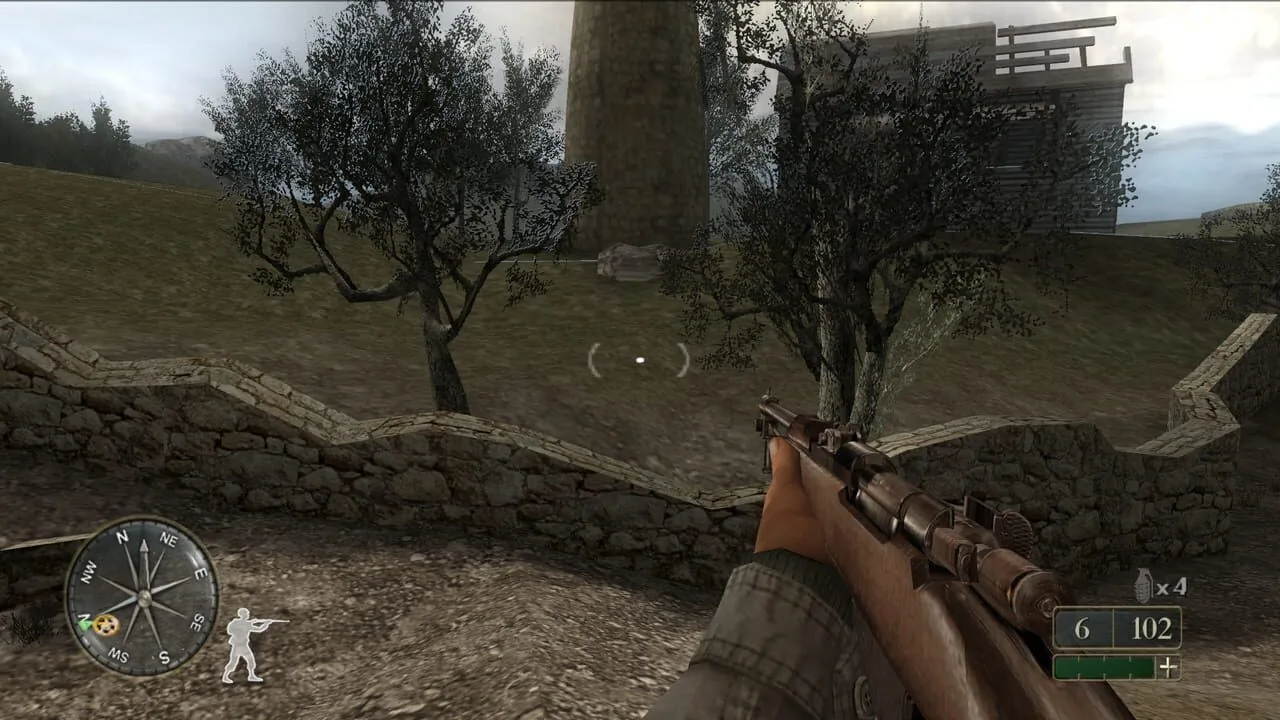
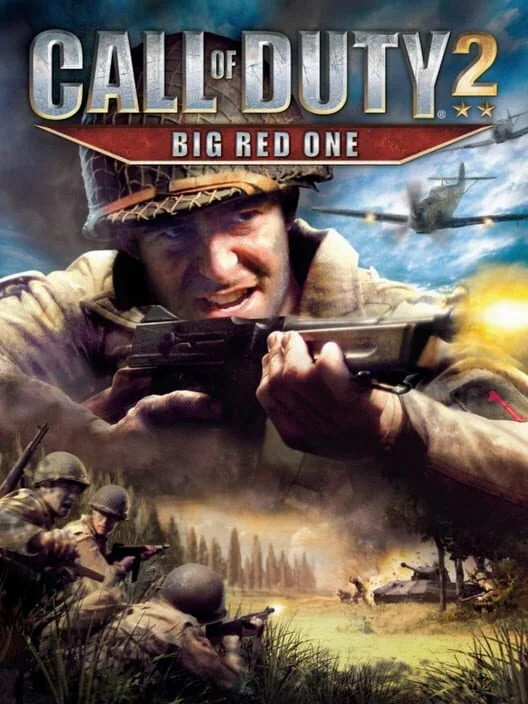
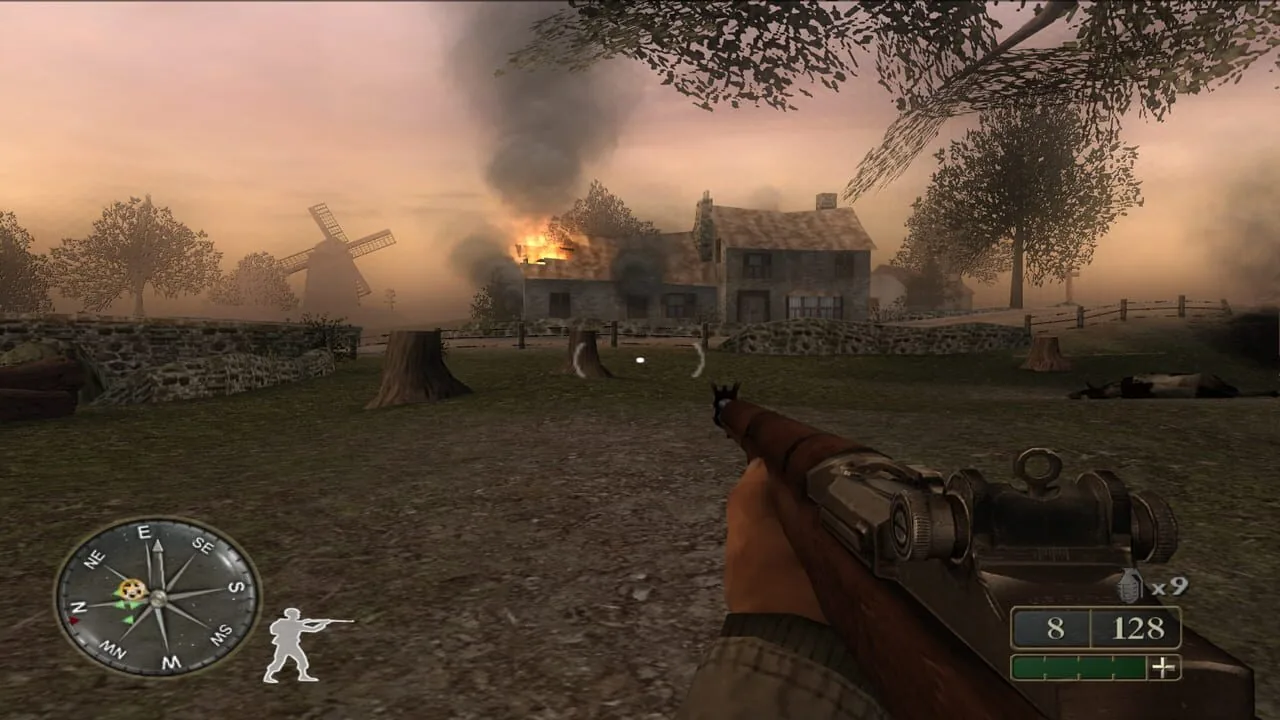
Big Red One is a side story to Call of Duty 2, which came out on PC and Xbox 360. You play as Roland Roger, a soldier in the American 1st Infantry Division. The campaign follows the division through North Africa, the invasion of Sicily and the landing on Omaha Beach, then east until it crosses the Siegfried Line into Germany.
Each chapter opens and closes with period footage from the Military Channel. Mark Hamill narrates it like a World War II documentary, and he appeared in Sam Fuller's film The Big Red One. Several actors from HBO's Band of Brothers lend their voices. On top of the story mode there is a multiplayer mode.
Loose discs sold for a typical $9 between August 2024 and May 2025. That makes it the cheapest game on this list, and it is a lot of war movie for the price of lunch.
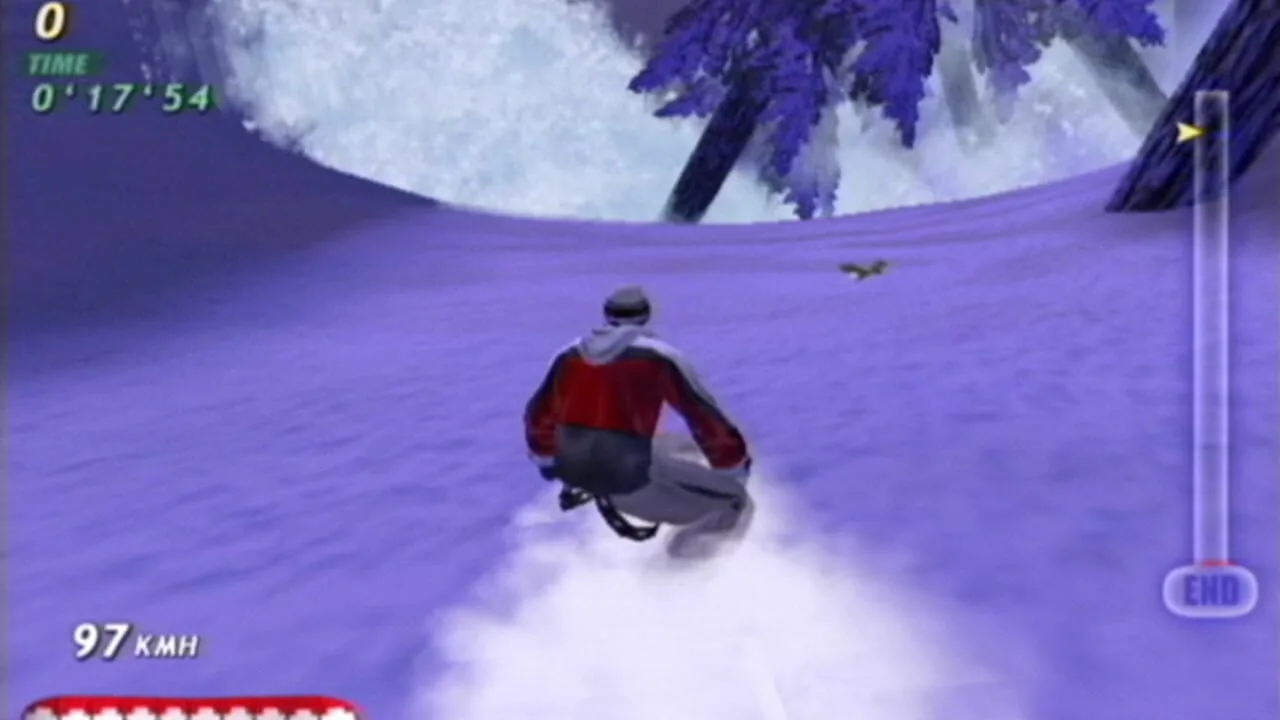
9. 1080° Avalanche (2003)
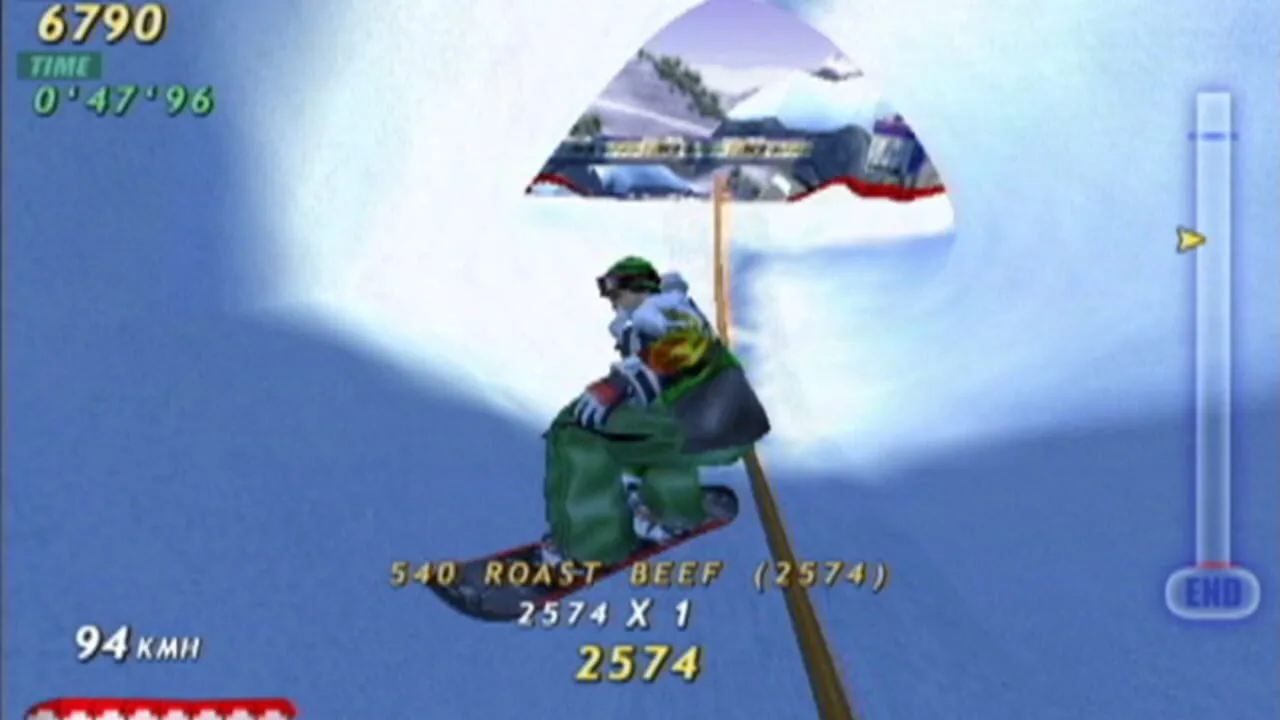
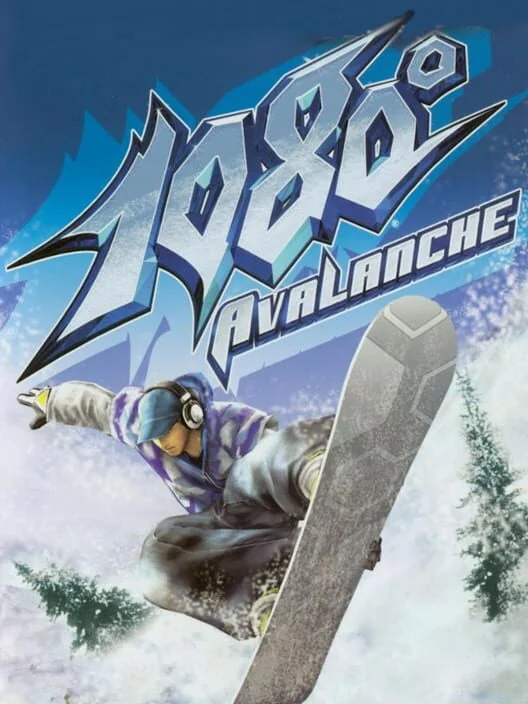
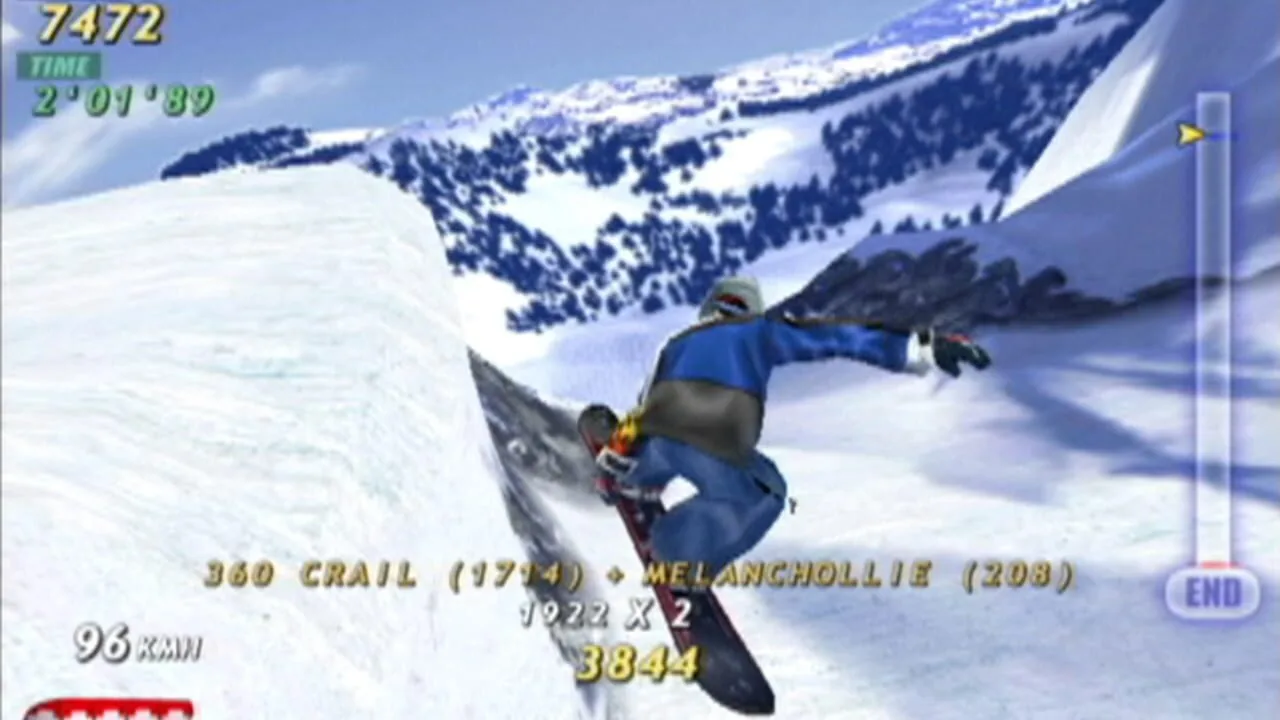
1080° Avalanche is the sequel to the 1998 Nintendo 64 game 1080° Snowboarding. Pre-production planning was done early on, but that version was cancelled in favor of moving development to the then-upcoming GameCube. It reached Europe on November 28, 2003, and North America on December 1, 2003. Japan got it in January 2004 as 1080° Silverstorm.
Its second disc is a miniDVD with half an hour of snowboarding footage and gameplay set to songs from the game. Not every critic was sold. One Electronic Gaming Monthly reviewer, Shawn Elliott, believed it couldn't compete with SSX 3. That review has aged worse than the game.
Loose discs sold for a typical $16 between October 2025 and April 2026. Players still put it on their GameCube favorites lists.
8. Final Fantasy Crystal Chronicles (2003)
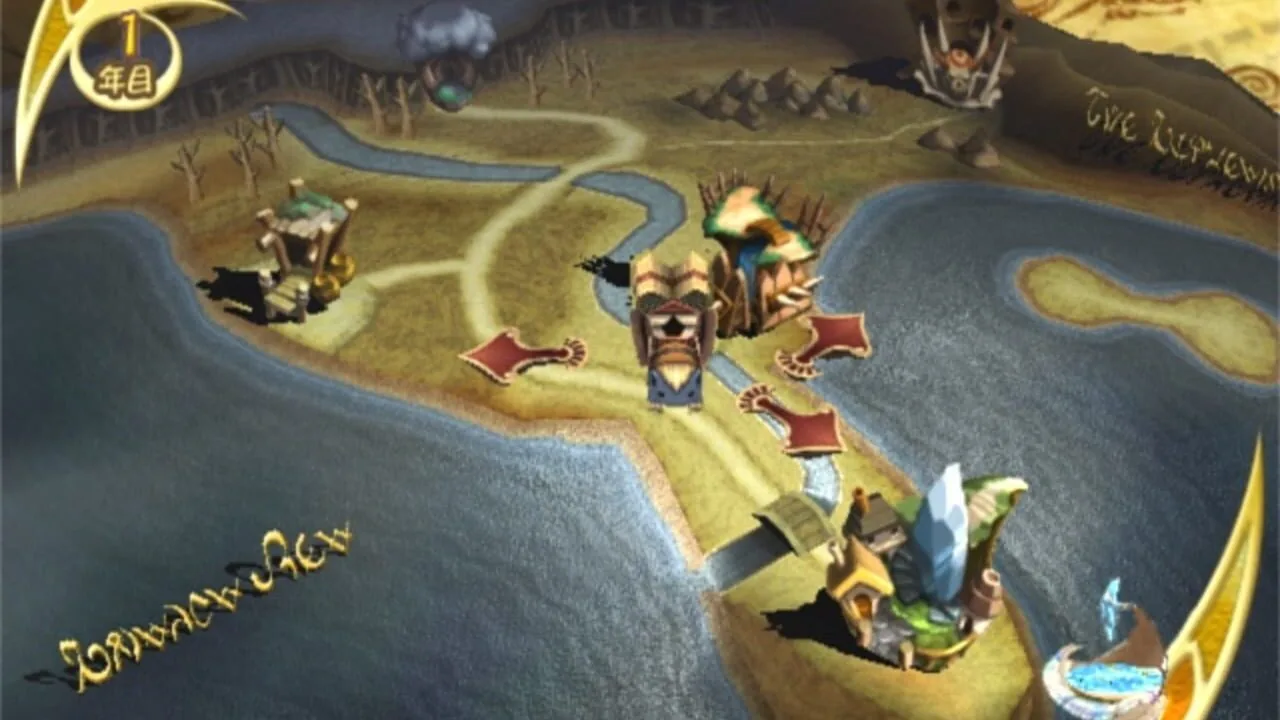
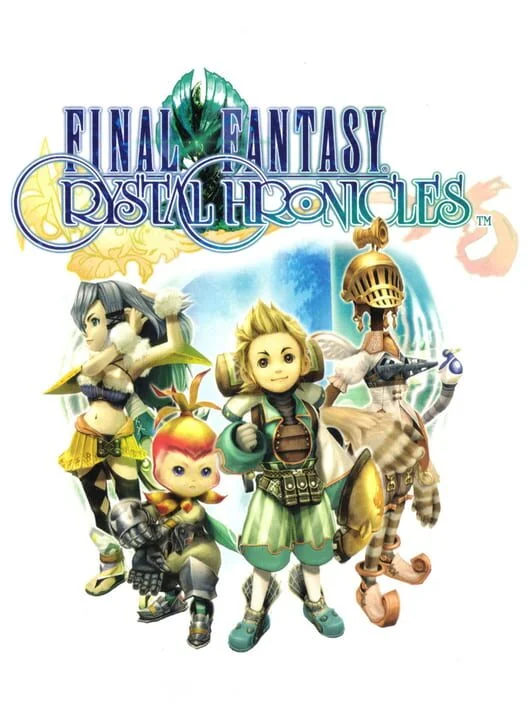
Crystal Chronicles was the first Final Fantasy on a Nintendo home console since Final Fantasy VI in 1994. Square had money troubles after the movie Final Fantasy: The Spirits Within flopped, and it formed a shell company, the Game Designers Studio, to make games for Nintendo. Sony agreed to the deal as long as it did not hurt Square's PlayStation 2 games.
The team wanted accessible gameplay built around multiplayer, and it removed experience-point leveling so every player stands on level ground. Kumi Tanioka wrote the music with lots of medieval and Renaissance instruments. It sold over one million copies. A 2020 remaster got mixed reviews, partly for making multiplayer online-only, so the GameCube disc is still the one to own.
Loose discs sold for a typical $13 in spring 2026. Players keep it on their GameCube recommendation lists.
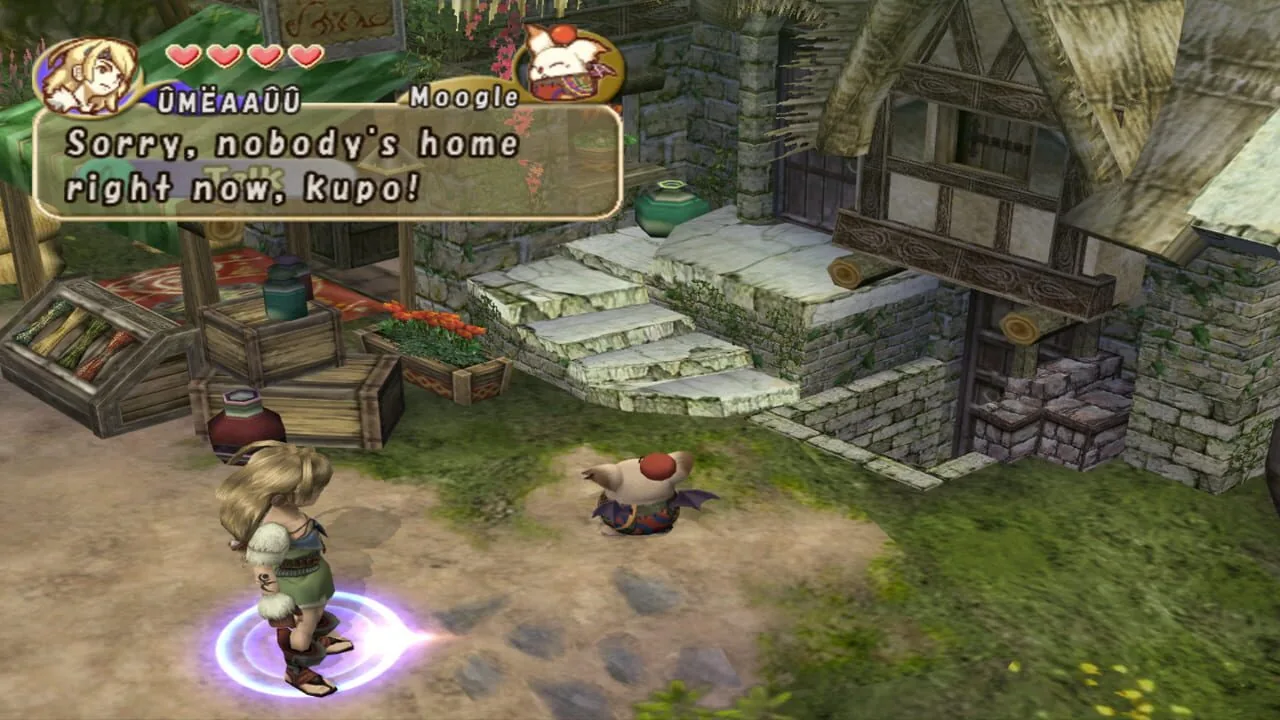
7. Wave Race: Blue Storm (2001)
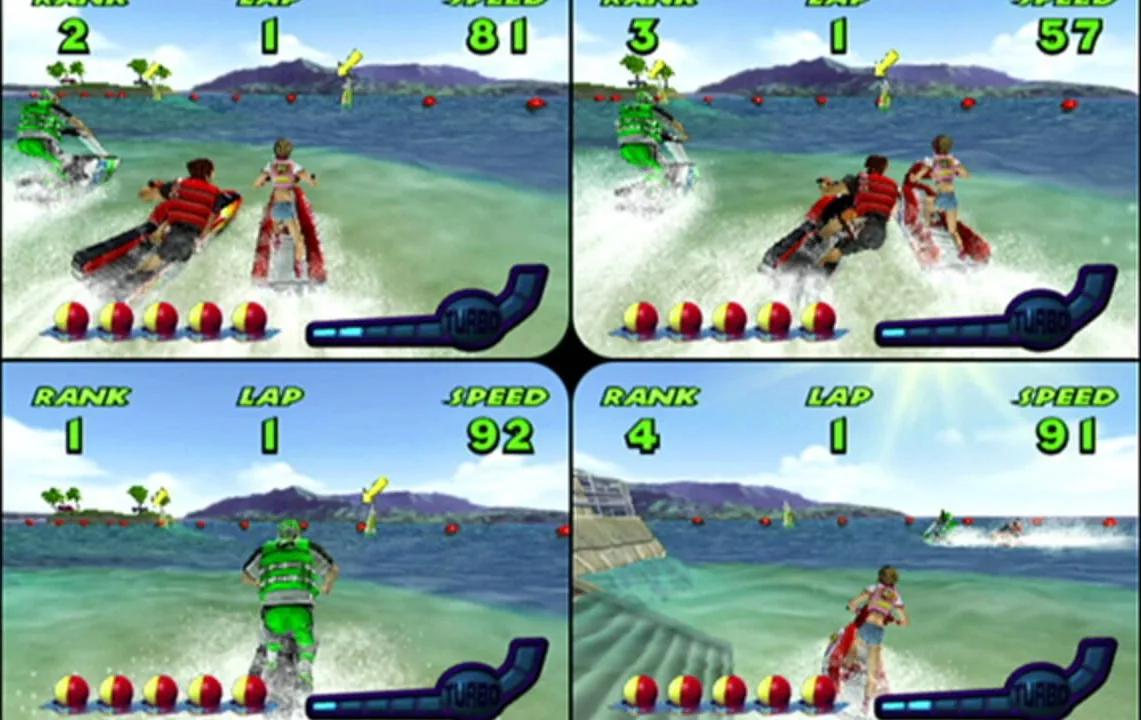
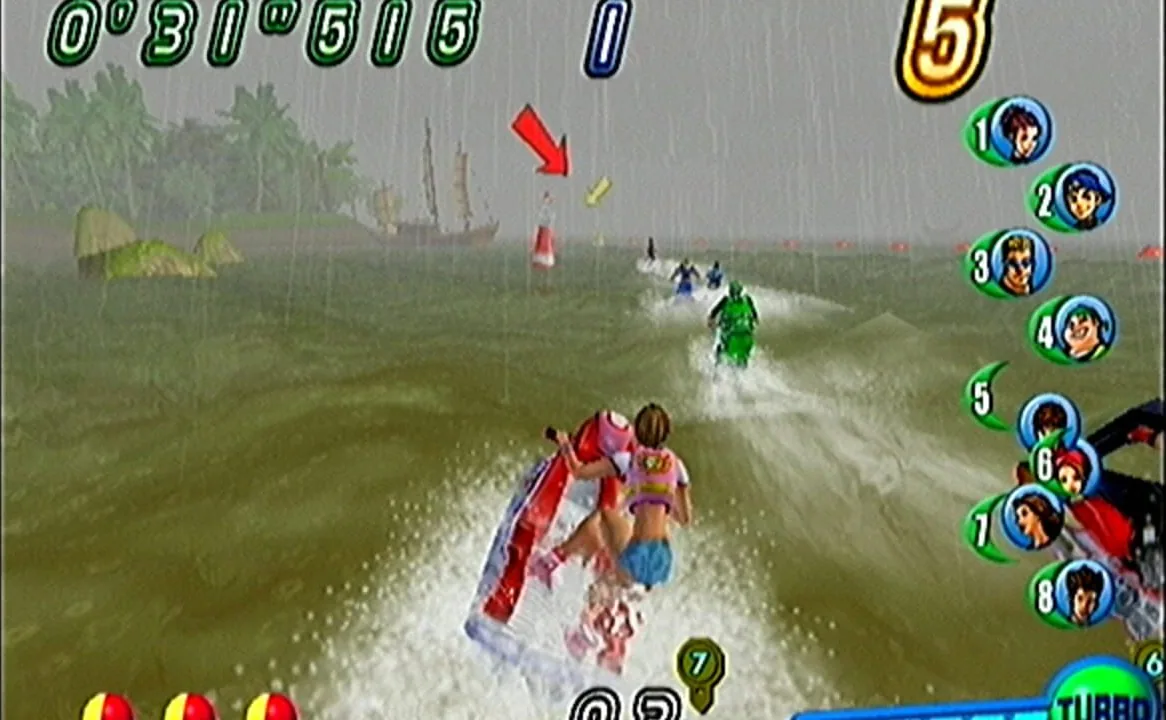
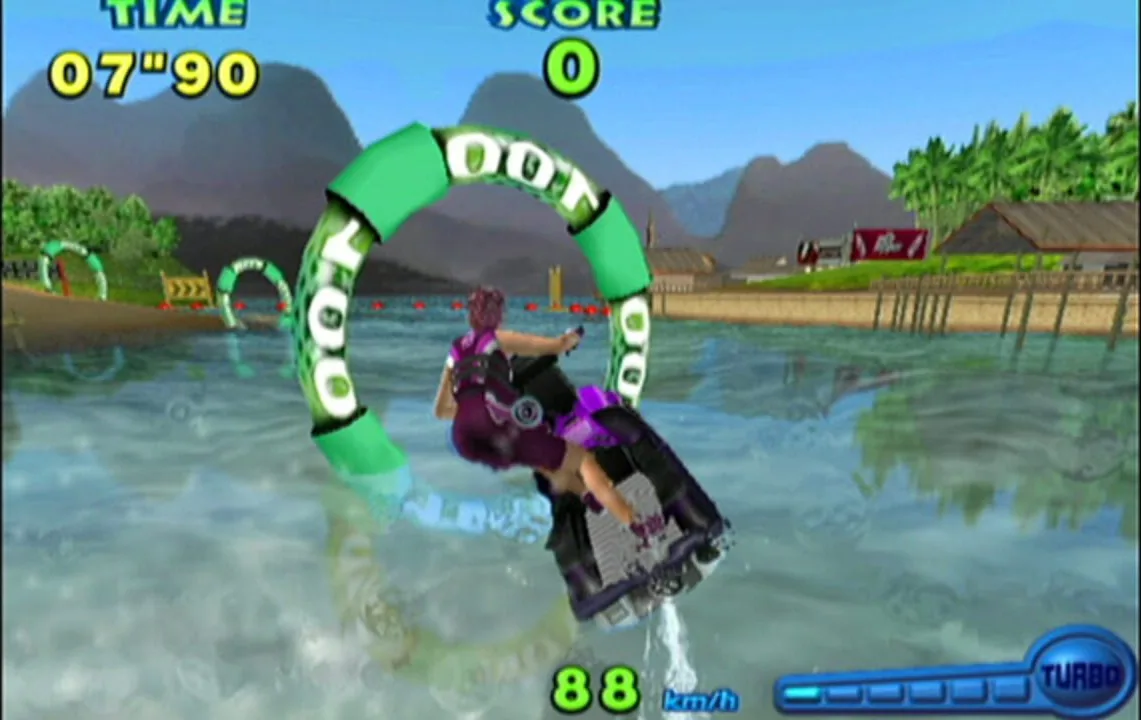
Wave Race: Blue Storm is the sequel to Wave Race 64 and the third game in a series that started on the Game Boy in 1992. You earn turbos by passing five buoys correctly or by pulling off a stunt, then use one to cut off an awkward buoy. There are eight riders, and three of them came over from 1080° Snowboarding. Each one has a crew chief, a voice in your ear offering encouragement and advice.
Winning a circuit means finishing in the top three on points. The expert circuit asks more. You have to finish first in every weather condition in time attack mode.
Loose discs sold for a typical $12 between March and August 2025. Players keep pointing buyers on a budget to it, and one says it "still has better water physics than most AAA games today".
6. Sonic Heroes (2003)
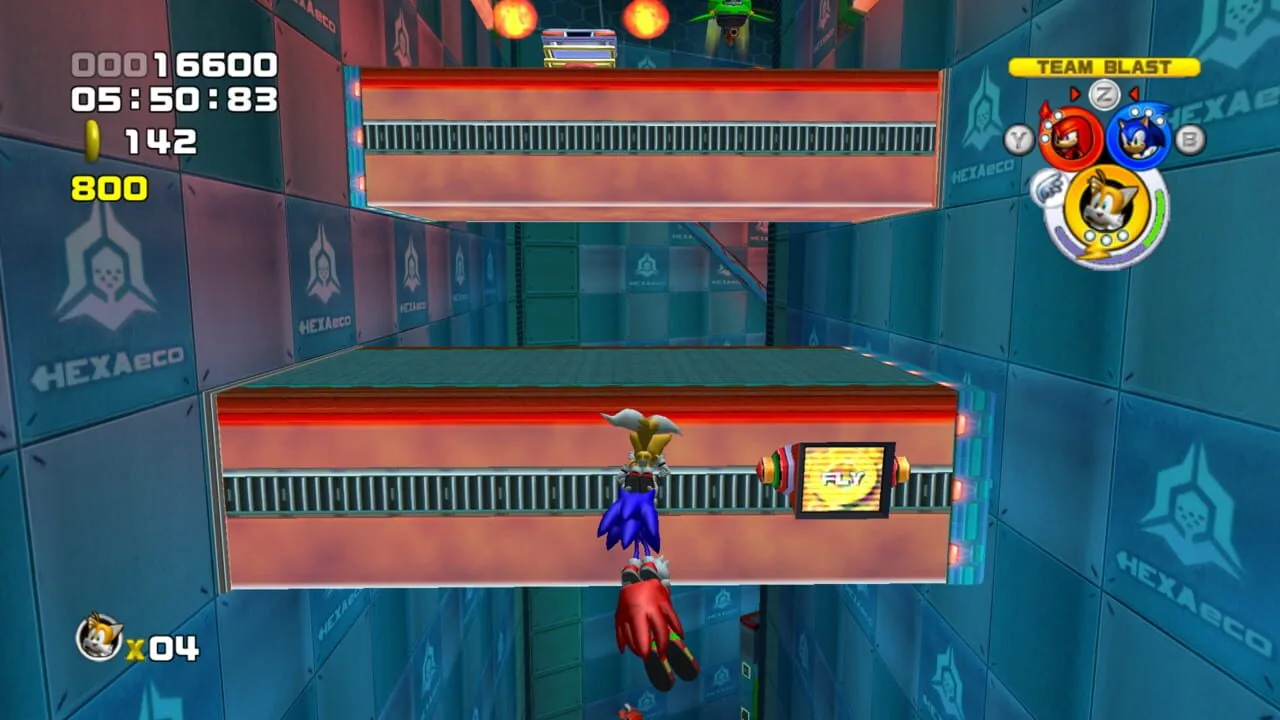
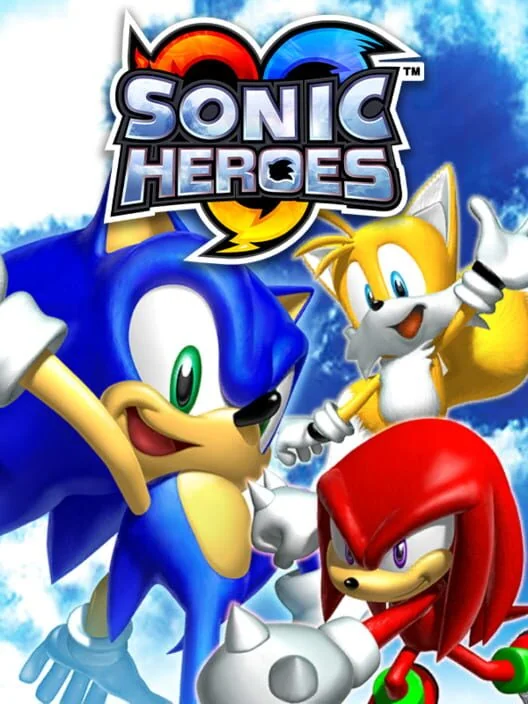
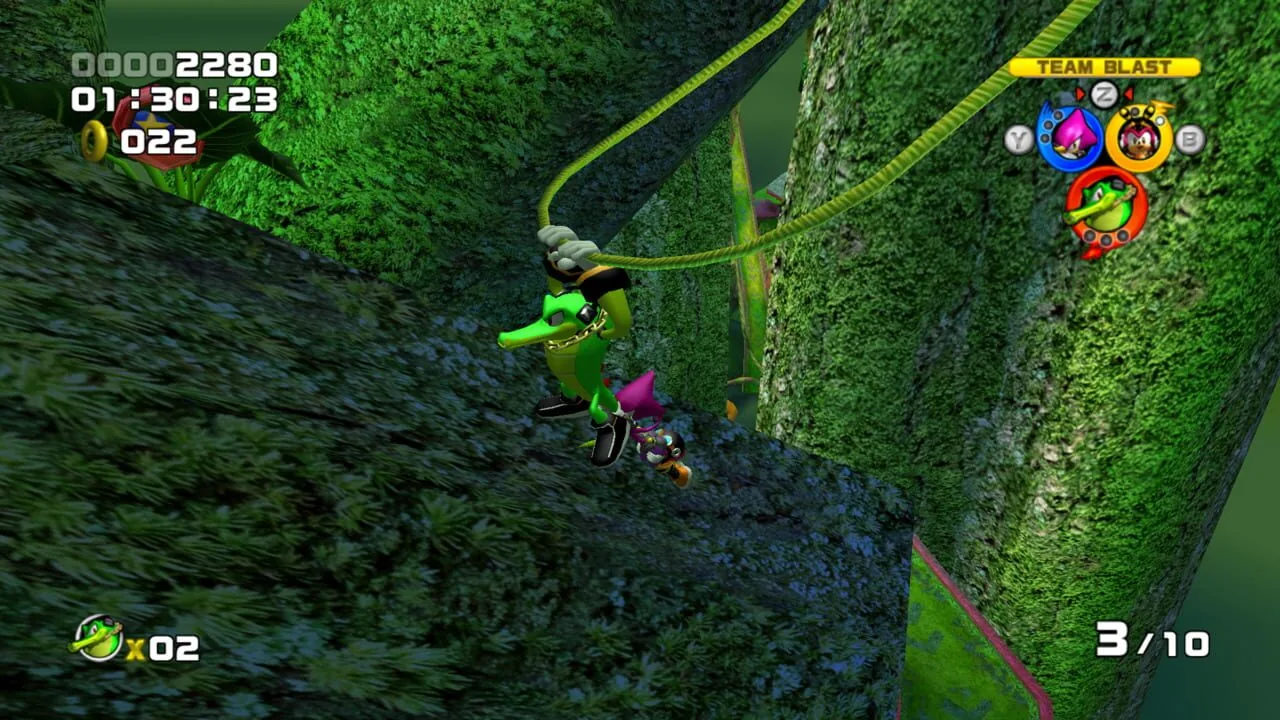
Sonic Team started Sonic Heroes after Sonic Adventure 2, with Takashi Iizuka directing and Yuji Naka producing. It was the first Sonic game on several consoles, made after Sega stopped making the Dreamcast. Iizuka did not want a sequel to Adventure 2, worried it would only appeal to Sonic fans, so the team went back to gameplay closer to the Genesis games.
Iizuka called it the most stressful development of his career. Near the end, programmers were told to fix only the bugs that blocked progress. Reviews were mixed. Critics liked the speed and the visuals but were split on the team gameplay and knocked the camera. It still sold 3.41 million copies.
Loose discs sold for a typical $22 in October 2025, the highest price on this list. Players still name it among the GameCube's Sonic games worth owning.
5. Mario Golf: Toadstool Tour (2003)
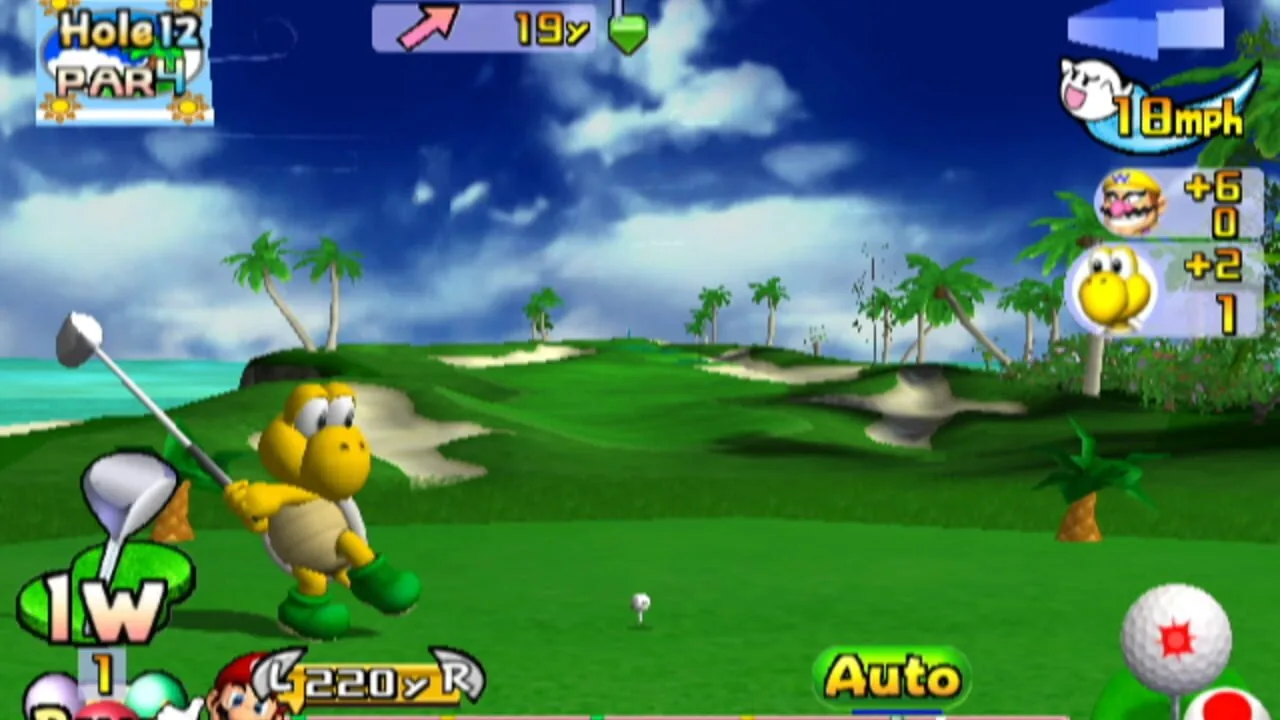
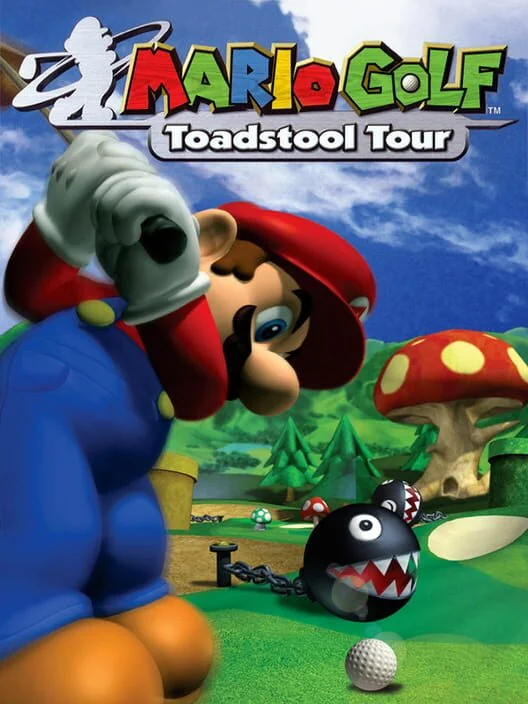
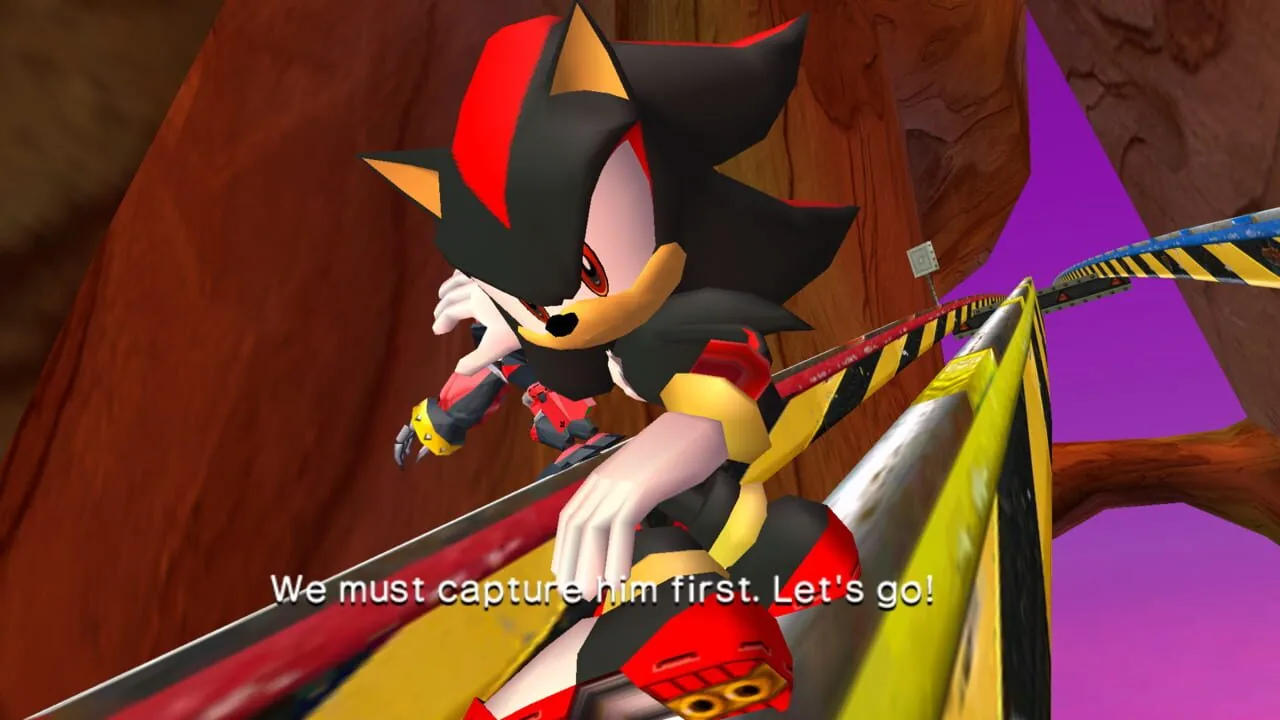
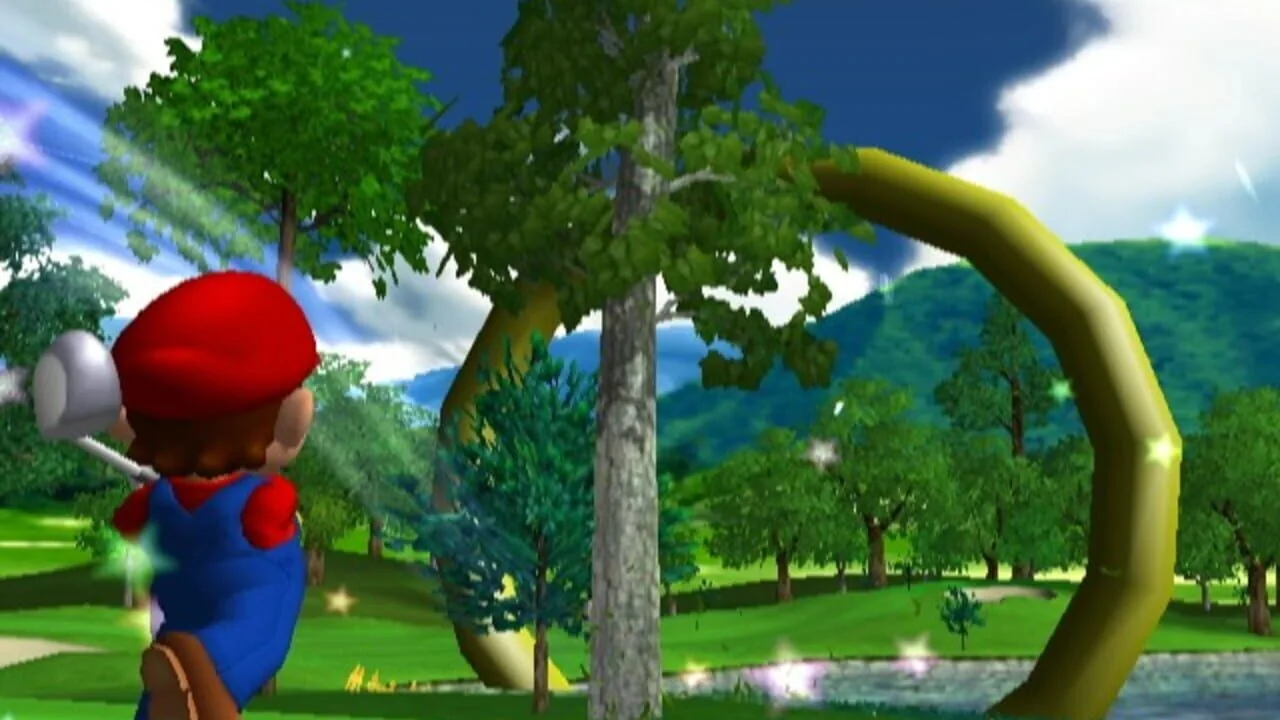
Toadstool Tour is the sequel to the 1999 Nintendo 64 Mario Golf and the third game in the series. It reached North America on July 28, 2003. Camelot made it at the same time as Mario Power Tennis, according to developers Hiroyuki and Shugo Takahashi. Besides regular rounds there is Ring Attack, where you hit the ball through rings while staying on or under par, and it connects to Mario Golf: Advance Tour on the Game Boy Advance.
Reviewers praised its visuals and the variety of courses. The main complaint was that it did not change much from the Nintendo 64 game. If you liked that one, this is more of it on prettier courses.
Loose discs sold for a typical $18 between March and April 2026. Its fans still play it today.
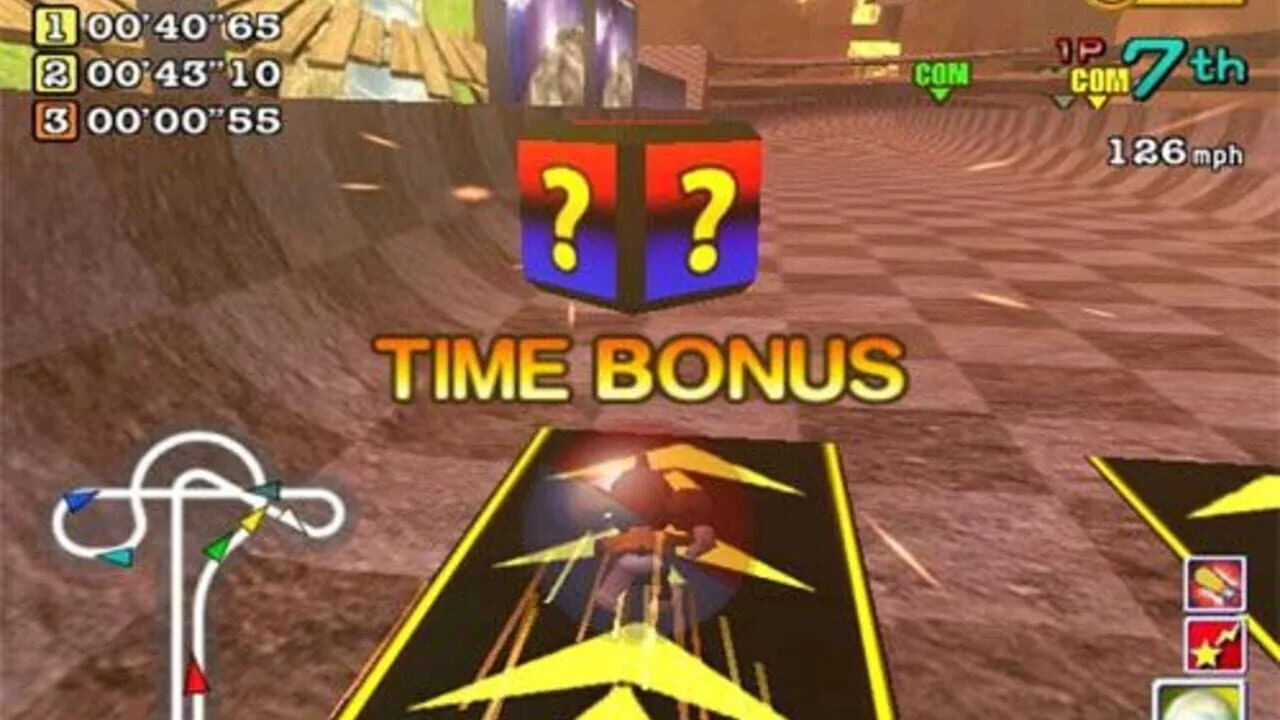
4. Super Monkey Ball 2 (2002)
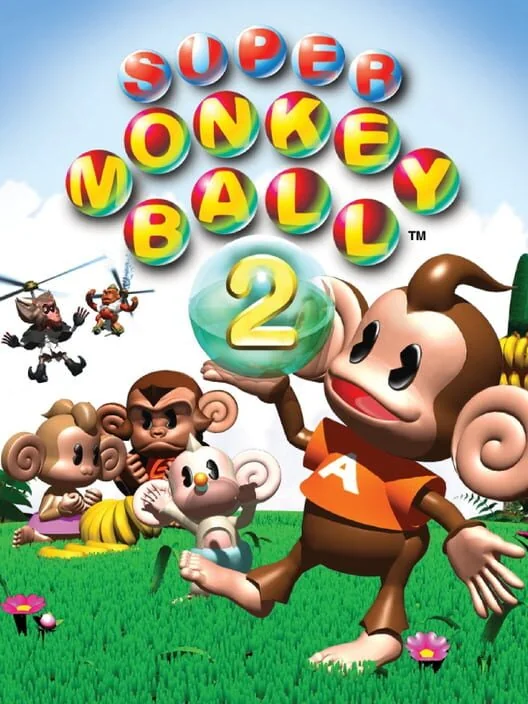
Super Monkey Ball 2 was the first game in the series with a storyline, and the first made only for a home console. Critics highlighted the level design. One review called it "one of the best multiplayer games for GCN, without a doubt and hands down."
It even made it into a hospital. James Rosser set up a gaming area in the physician's lounge at Florida Hospital Celebration Health, saying "I want all the surgeons to warm-up and make sure they give Super Monkey Ball a chance." If it is good enough to warm up surgeons, it is good enough for your Friday night.
Loose discs sold for a typical $19 in summer 2025. Players put it on their lists right next to the GameCube's big party games.
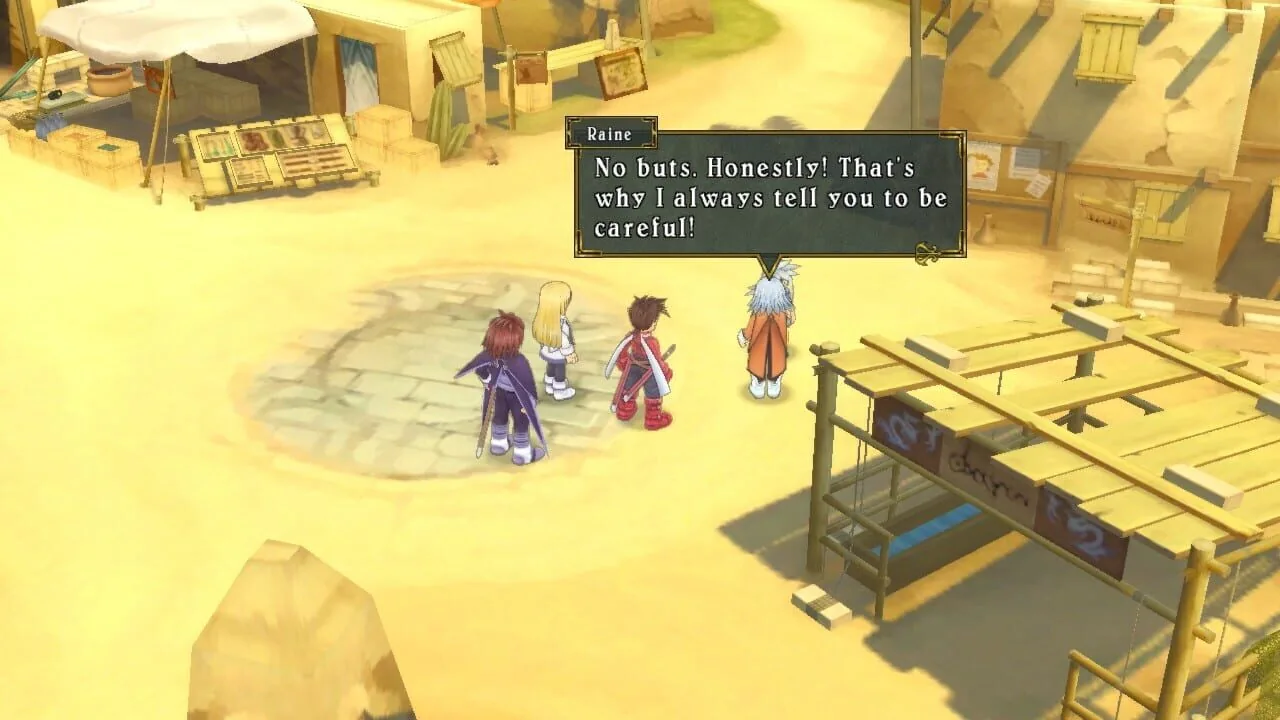
3. Tales of Symphonia (2003)
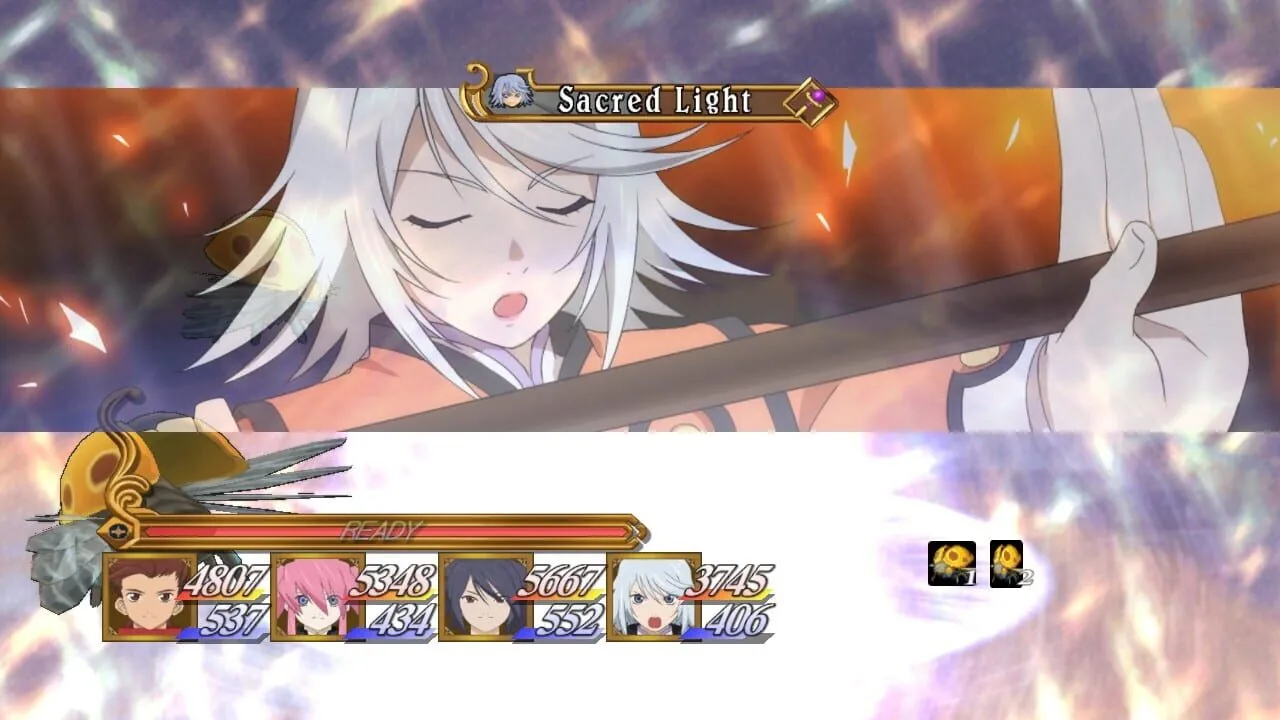
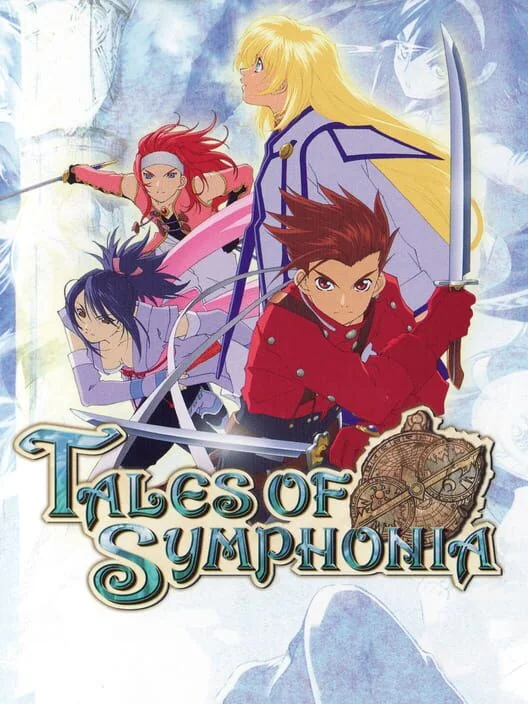
The central theme of Tales of Symphonia is an "RPG that resonates with you", but the battles are where it shines. Combine the right techniques and you get a special attack that does extra damage. After each fight you earn or lose a currency called Grade, which buys bonuses for New Game Plus. Between scenes, short skits cover everything from character development to side details.
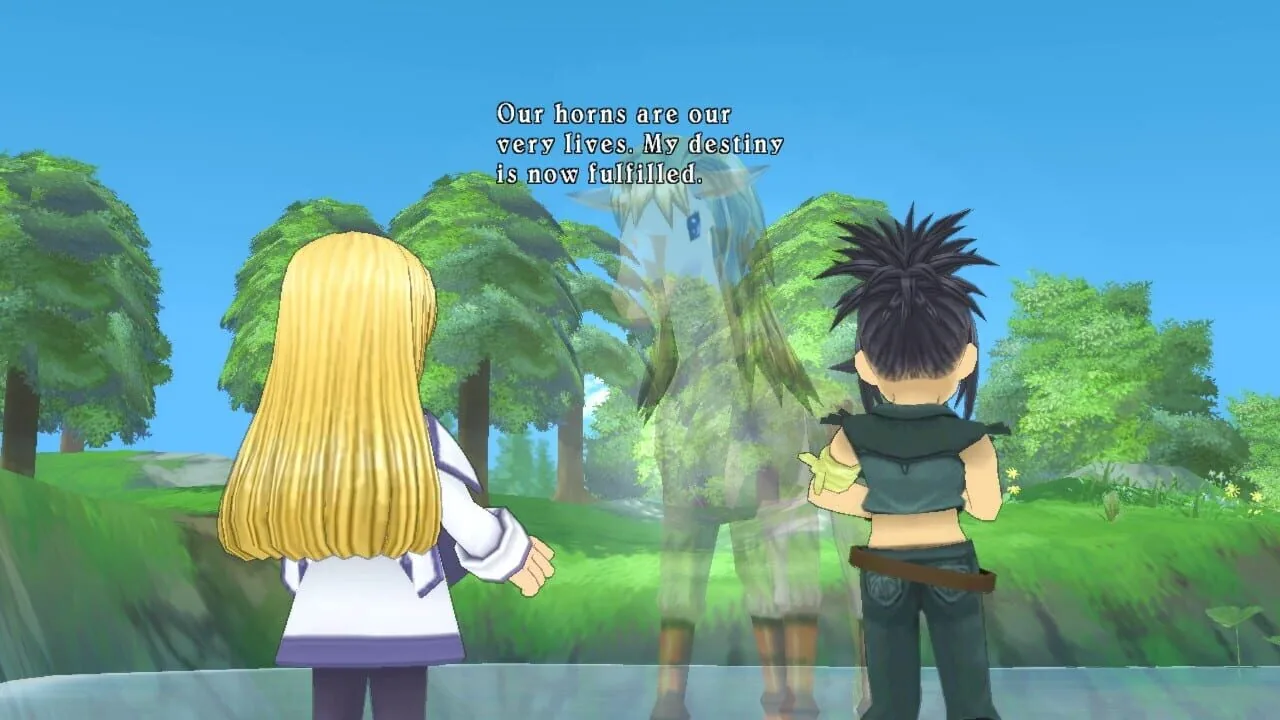
One character's fate shows how much the team fiddled with the story. Zelos was originally meant to die. One plan had his survival depend on the affection system, and he would only survive if he ranked at the top. Critics praised the battle system and the characters, and they were less sure about the music and the story.
Loose discs sold for a typical $20 between September 2025 and January 2026. Players keep it among the GameCube's must-play RPGs.
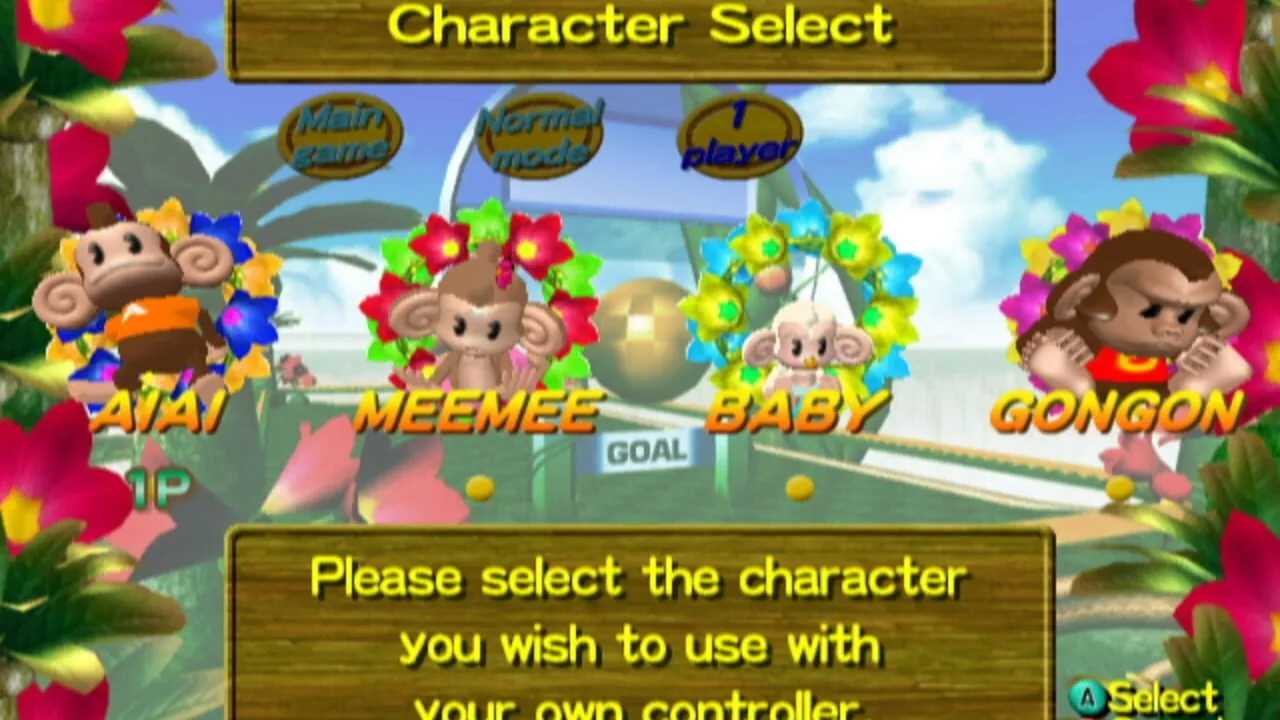
2. Super Monkey Ball (2001)
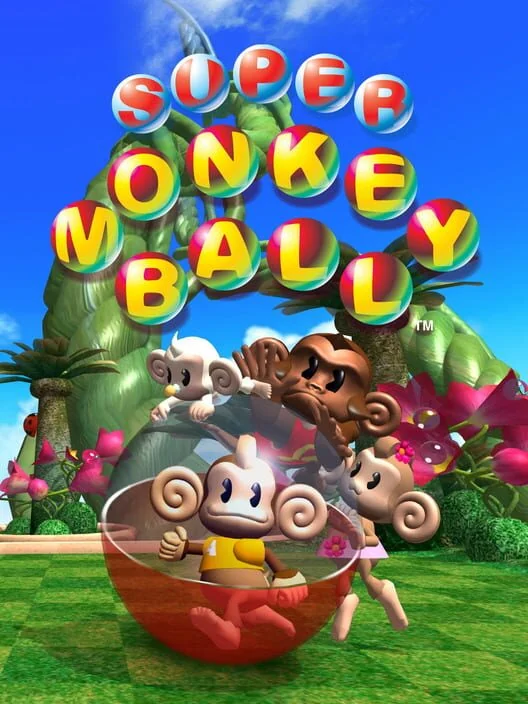
Super Monkey Ball started as Monkey Ball, an arcade cabinet on Sega's NAOMI hardware with a banana-shaped analog stick. It came to the GameCube as a launch title in late 2001, and it was Sega's first game published for a Nintendo home console.
Retro reviewers say the GameCube versions of the first two remain the best games in the series. The sequel added a story, and the original costs about the same.
Loose discs sold for a typical $20 in summer 2026. Players still name it as their GameCube favorite.
1. Metroid Prime (2002)
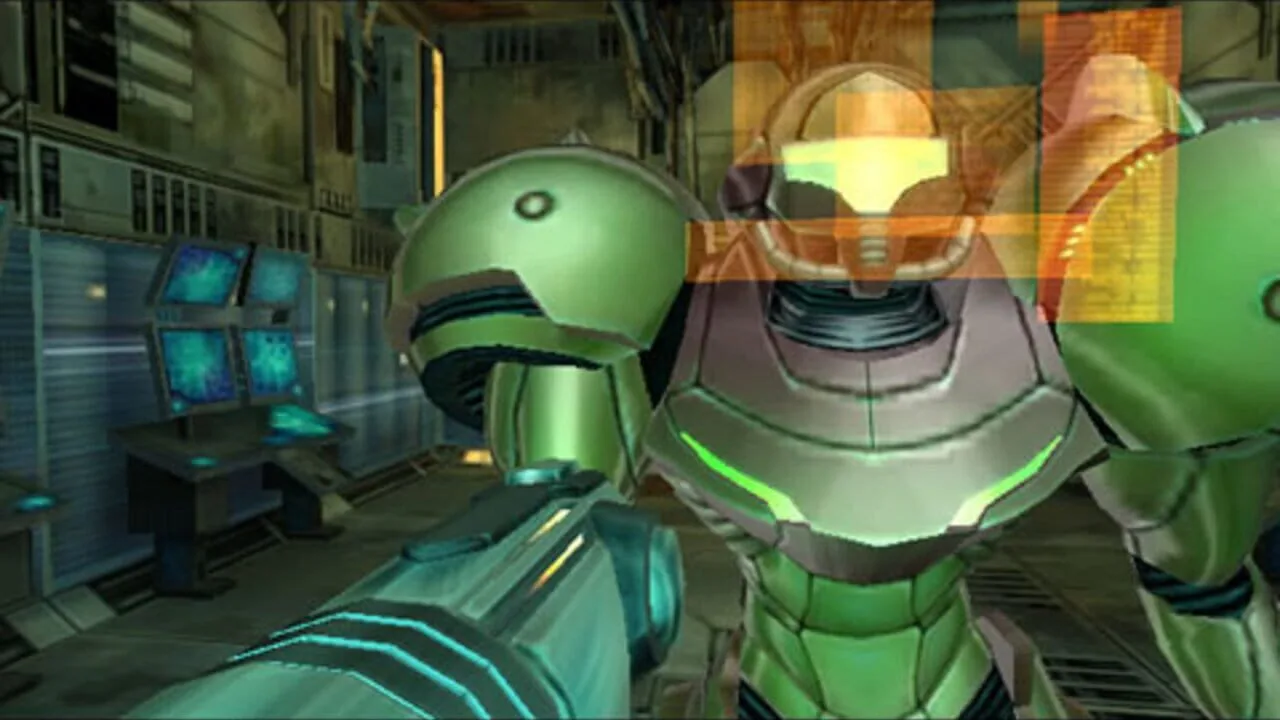
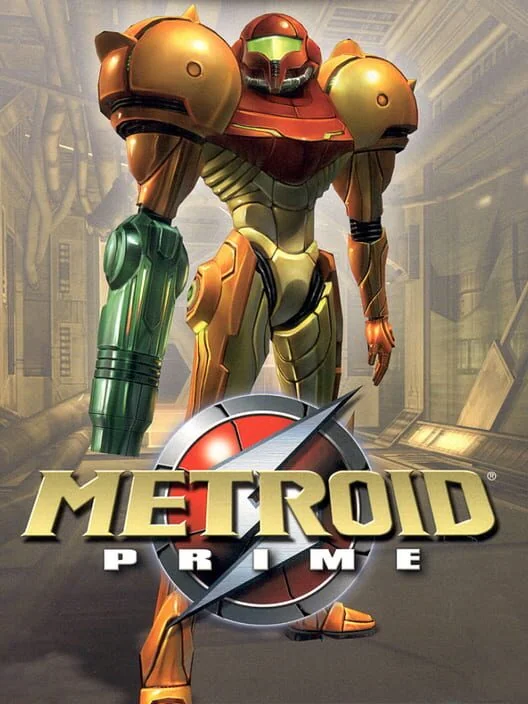
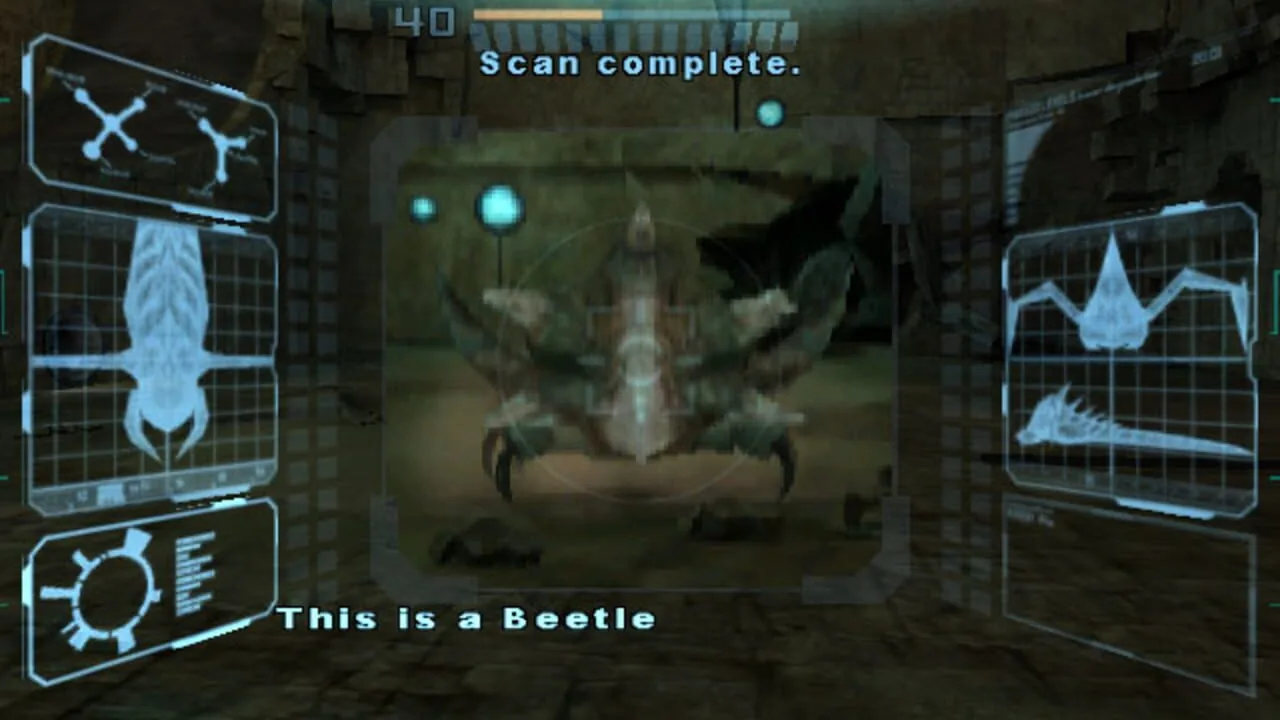
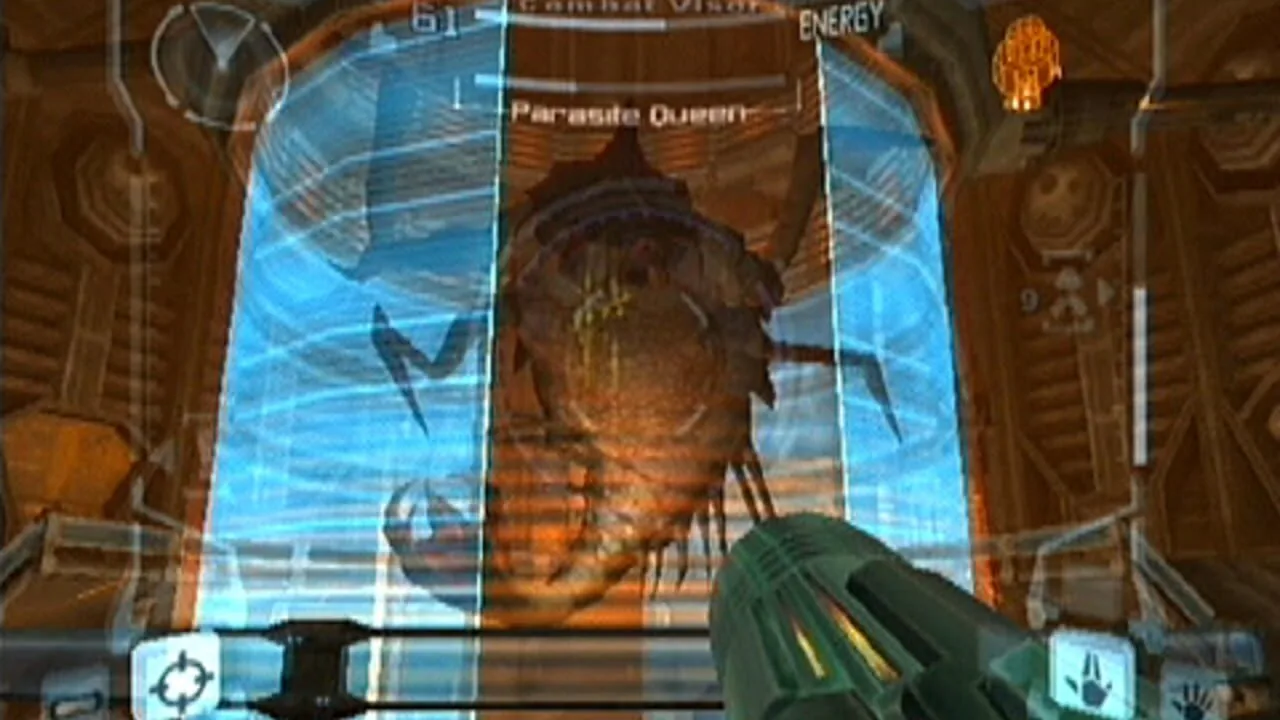
Metroid Prime was the fifth main Metroid game and the first in 3D, played from a first-person view. Retro Studios in Austin, Texas, made it together with Nintendo staff in Japan, including producers Shigeru Miyamoto and Kensuke Tanabe. Exploration matters more than combat, so Nintendo called it a "first-person adventure" rather than a first-person shooter. It came out in North America in November 2002, alongside Metroid Fusion on the Game Boy Advance, and brought the series back after eight years.
It sold more than 2.8 million copies and was the best-selling Metroid until Metroid Dread in 2021. It won a number of Game of the Year awards and is regarded as one of the greatest video games. Loose discs sold for a typical $18 in December 2025. In the full GameCube player count only Super Smash Bros. Melee gets named more, and Melee costs nearly three times as much.
Which one to play
There you have it, the best cheap GameCube games, every one under $25 for a loose disc. Several of them rank near the top of the console at any price.
If you only buy one, make it Metroid Prime. For a night with friends, Super Monkey Ball 2 is the pick. RPG fans should start with Tales of Symphonia, and anyone who wants a slower game can settle down on the farm in A Wonderful Life. Racing fans can grab Wave Race: Blue Storm and 1080° Avalanche for less than one copy of Double Dash. And if all you have is lunch money, Big Red One is waiting.