The GameCube was built for the couch. It had four controller ports on the front, and Nintendo filled its library with games that needed every one of them. Mario Party came out four times on it. Sega, fresh out of the console business, brought Super Monkey Ball over on launch day, and Free Radical Design kept the split-screen shooters coming with TimeSplitters.
A lot of these games did strange things with the hardware, too. Some used a Game Boy Advance as a controller, and one came with a pair of bongos. Here are the 24 best GameCube multiplayer games.
24. Beach Spikers (2001)
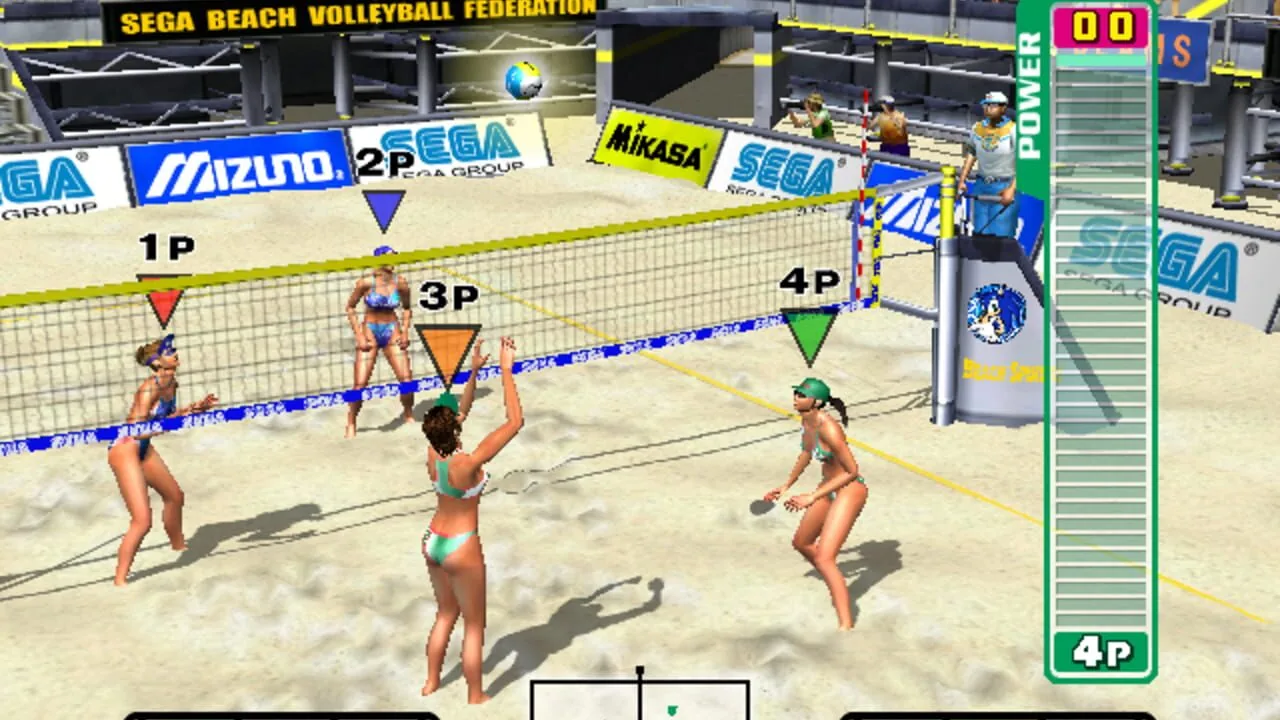
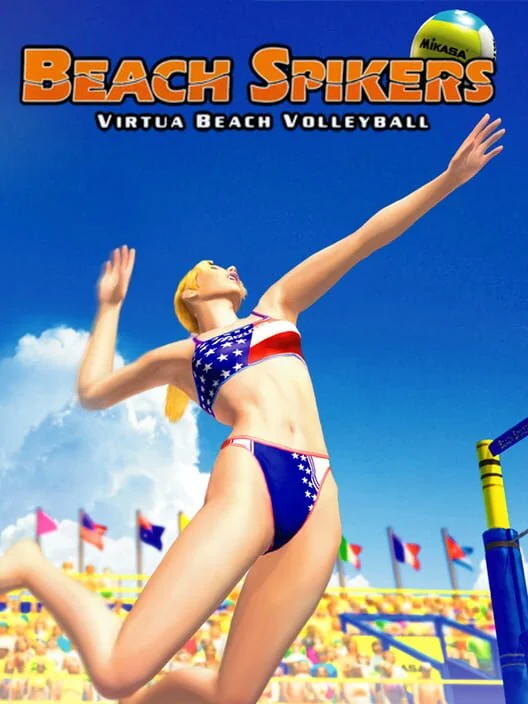
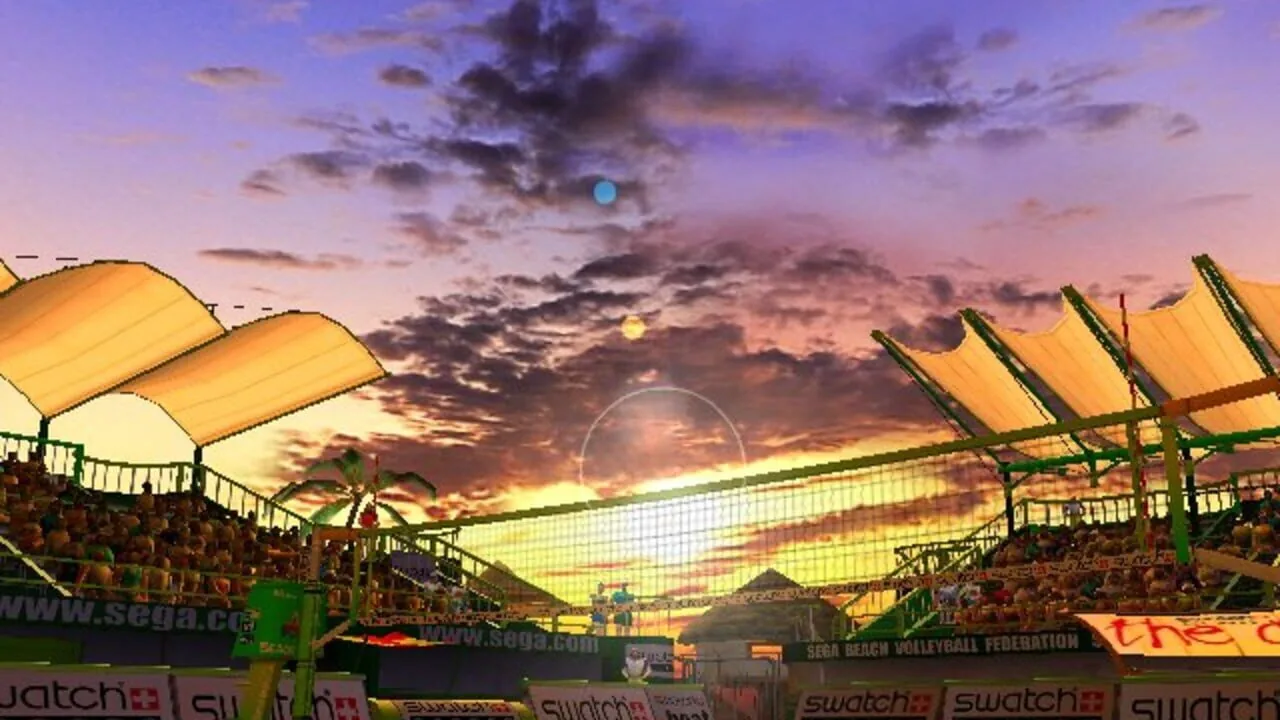
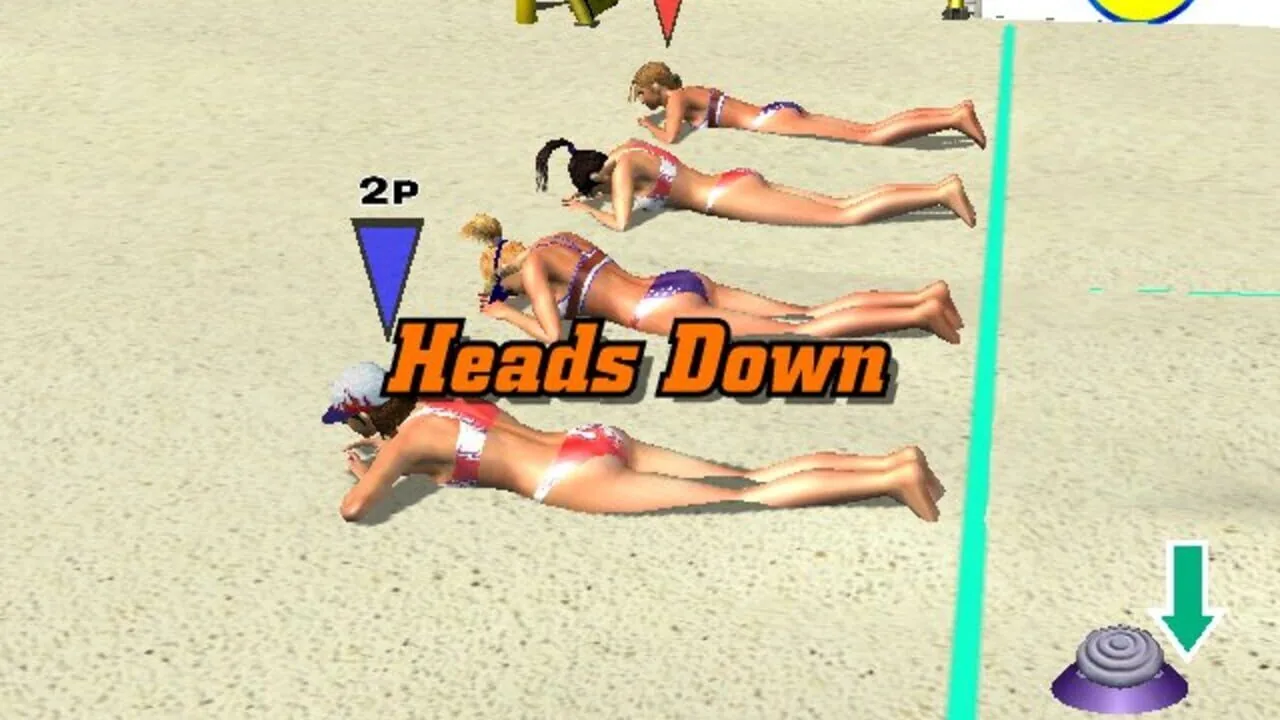
Beach Spikers began as a Sega AM2 arcade game, and a GameCube port called Beach Spikers: Virtua Beach Volleyball came out in 2002 for all regions. Every match is two-on-two, and Arcade mode lets up to four human players go head to head. Like Sega's Virtua sports games, it runs on charging your moves: the longer you hold the button, the harder the hit. AM2 already had PlayStation 2 and Xbox projects planned, so adapting the arcade game looked safer than building something new.
World Tour mode lets you create your own team and unlock outfits, some based on Fighting Vipers and Space Channel 5. The players who found Beach Spikers push it on others with real conviction, and they say it holds up even when you play alone.
23. Bomberman Generation (2002)
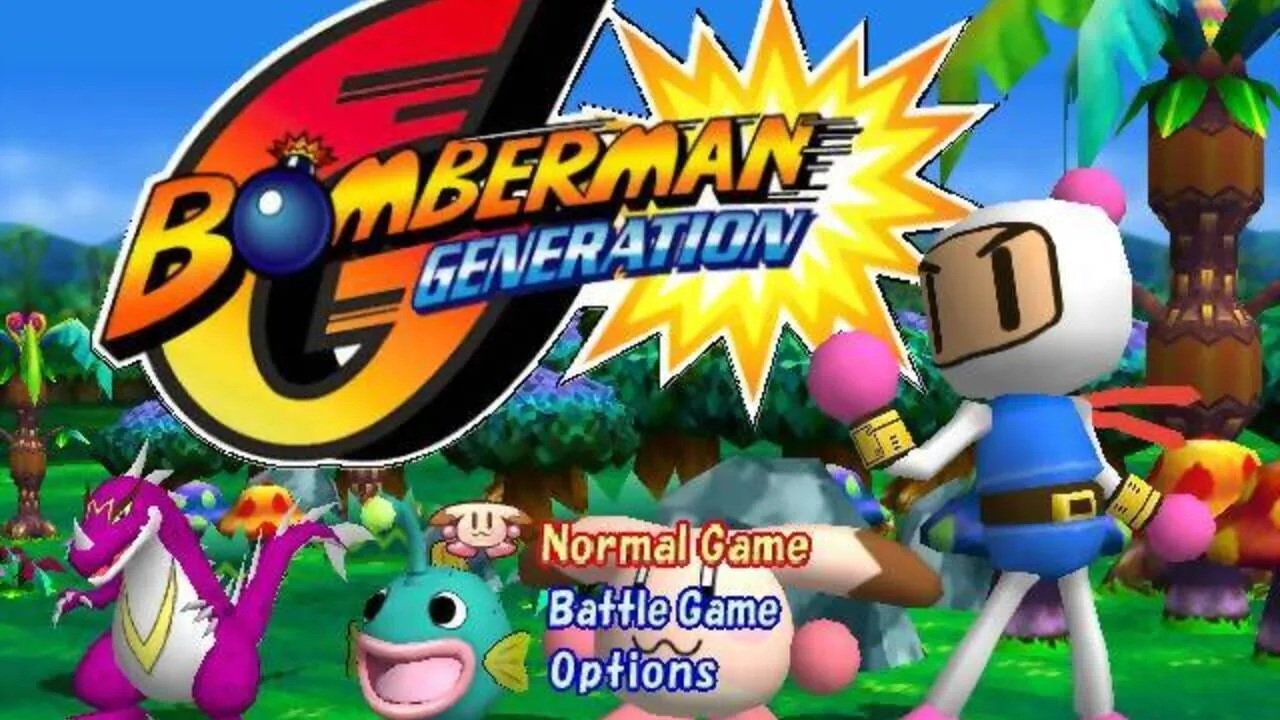
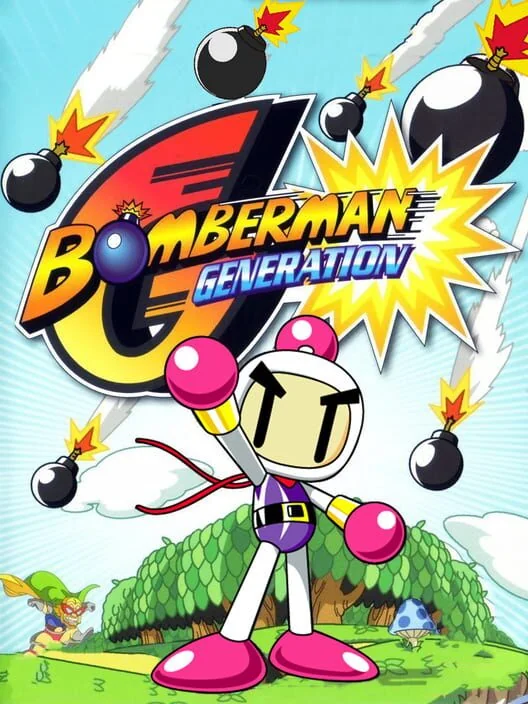
Bomberman Generation was one of the first GameCube games drawn with cel-shading, a style the follow-up, Bomberman Jetters, used again. The adventure mode sends Bomberman across five worlds with sixteen levels in each, racing the Hige Hige Bandits and the Crush Bombers for the Bomb Elements. He learns new techniques and abilities as he goes.
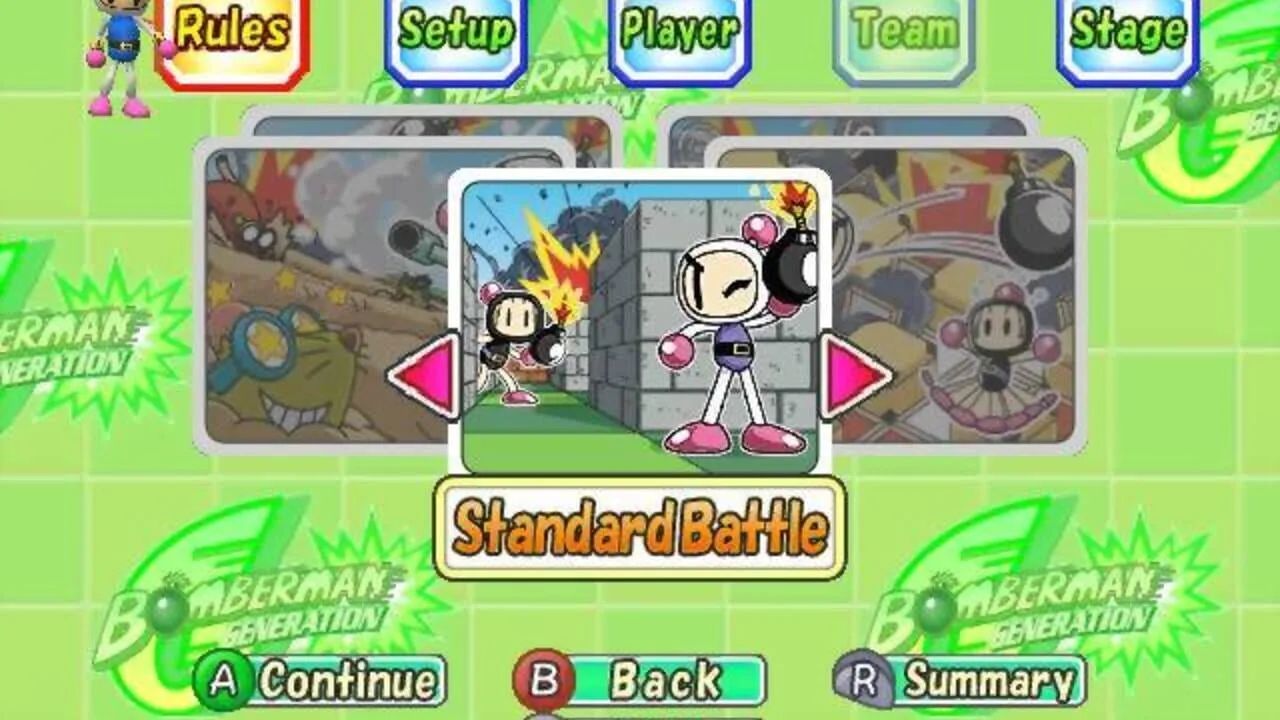
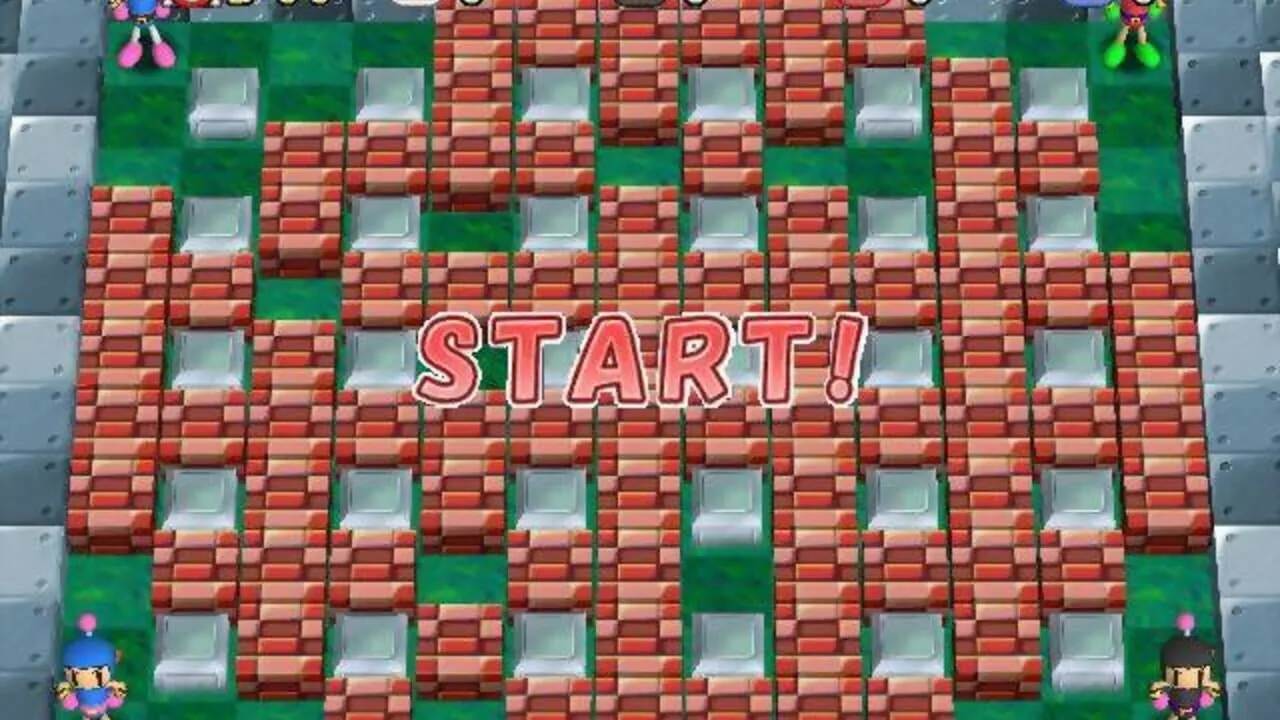
The adventure is fine. The battle mode is why it is on this list. Multiplayer drops the full 3D movement and goes back to the top-down view of the classic games, and Standard Battle is the old formula of four players bombing each other until one is left. Some modes add enemies on screen or timed battles, in case your friends were not chaos enough.
22. The Legend of Zelda: Four Swords Adventures (2004)
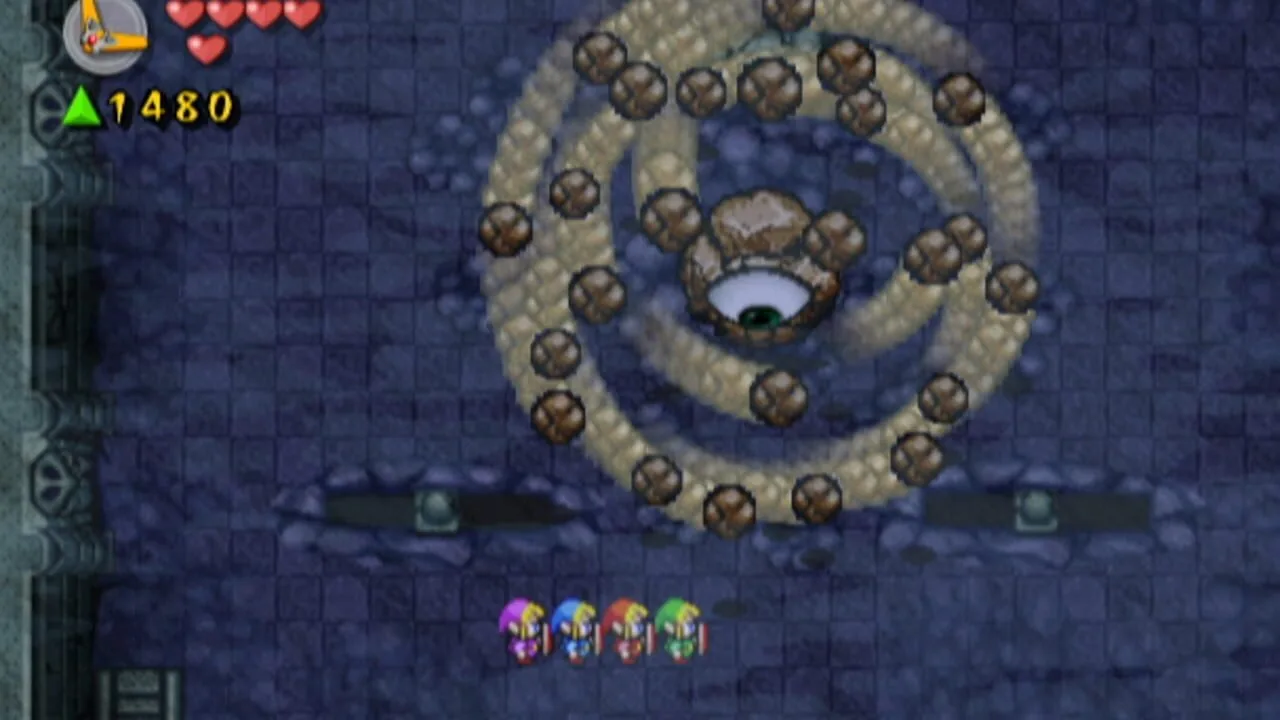
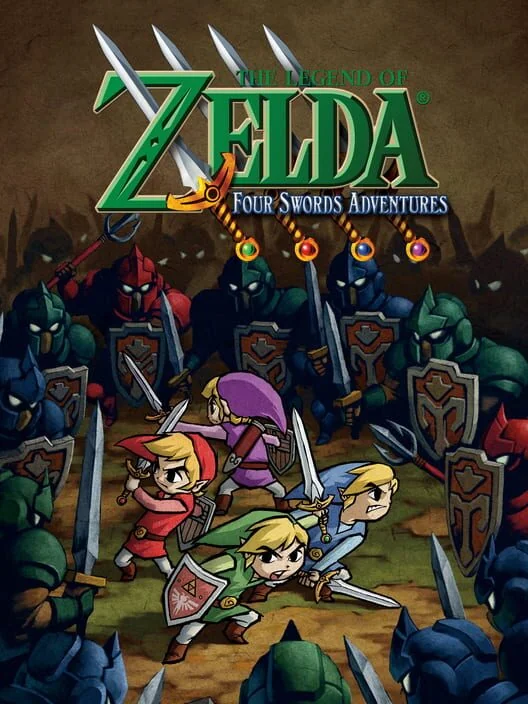
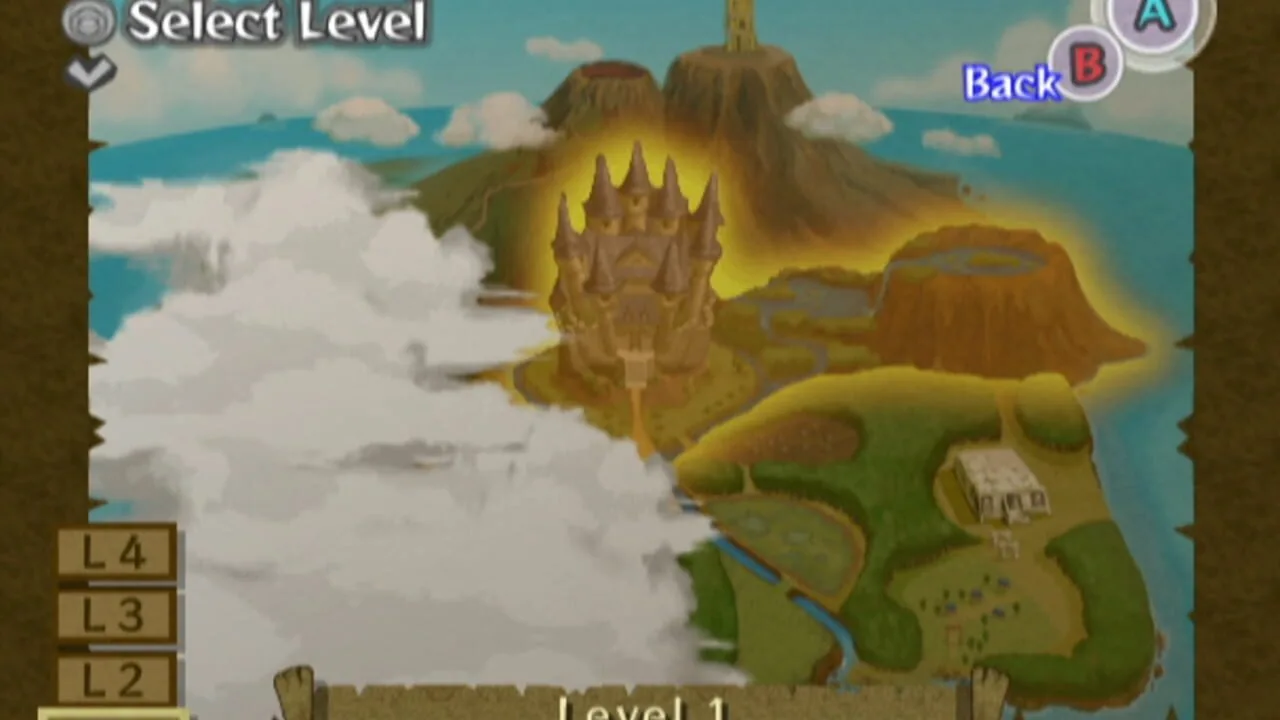
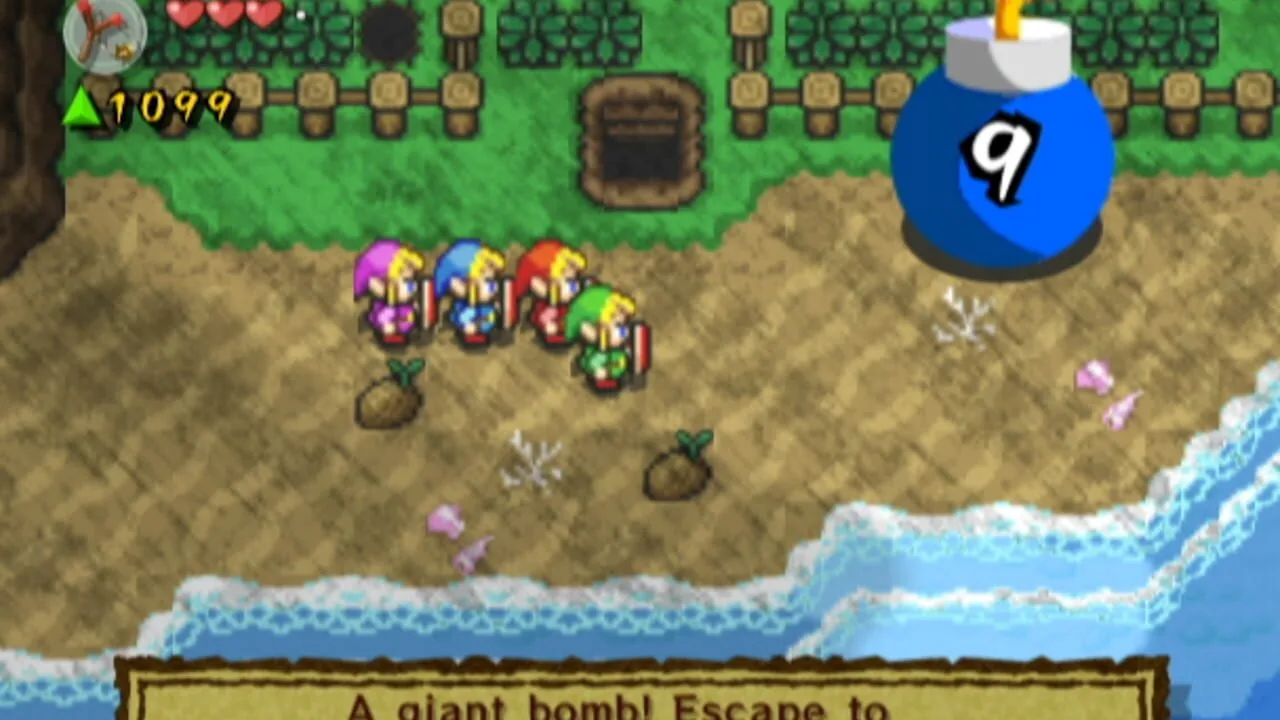
The Legend of Zelda: Four Swords Adventures is the only console Zelda that builds multiplayer into its main campaign. There are always four Links in play, green, red, blue and purple, whatever the number of people holding controllers. Play alone and the spare Links stay attached to yours and move in formations. The look borrows from A Link to the Past, with effects from The Wind Waker on top.
In North America and Europe the box came with the GameCube to Game Boy Advance link cable, because each player can use a Game Boy Advance as a controller. A full four-player game meant rounding up four handhelds and four cables. Shadow Battle, where two or more players fight until only one is left standing, rewards the effort. It scored 86 out of 100 on Metacritic.
21. WarioWare, Inc.: Mega Party Games! (2003)
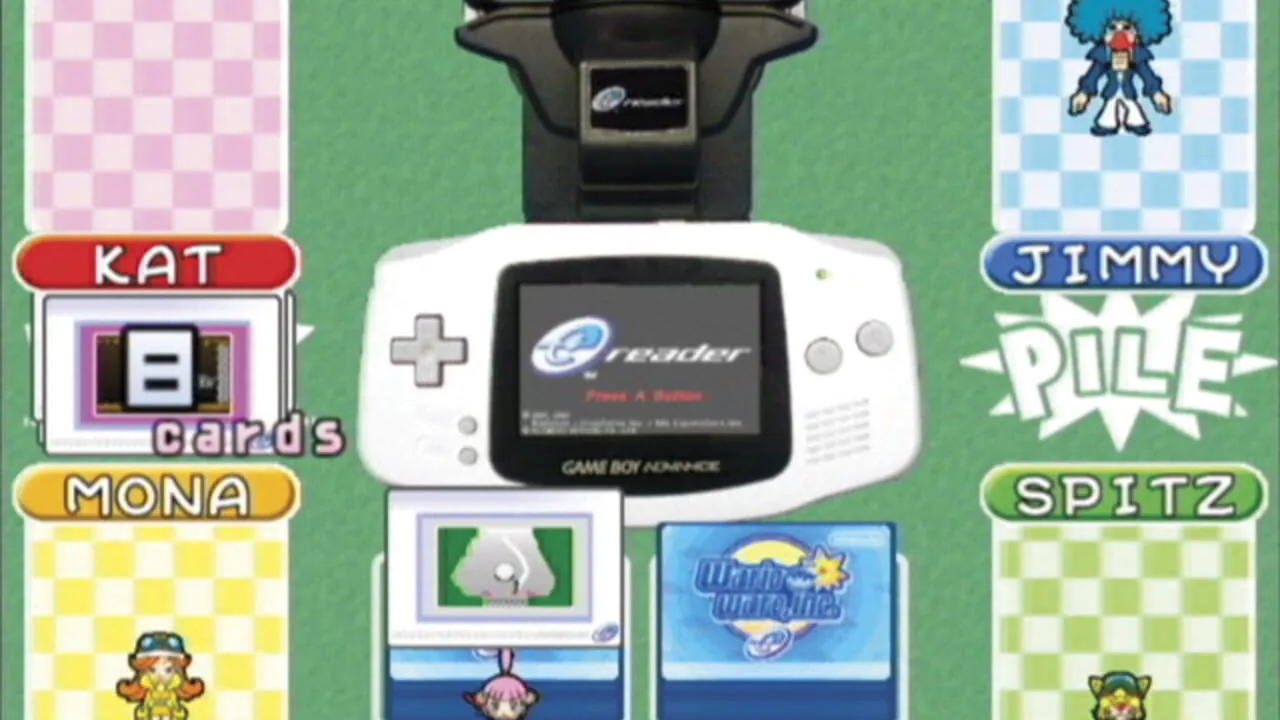
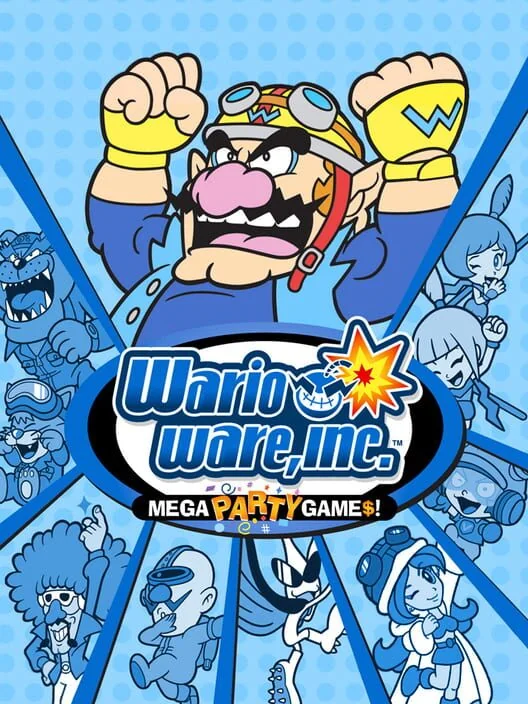
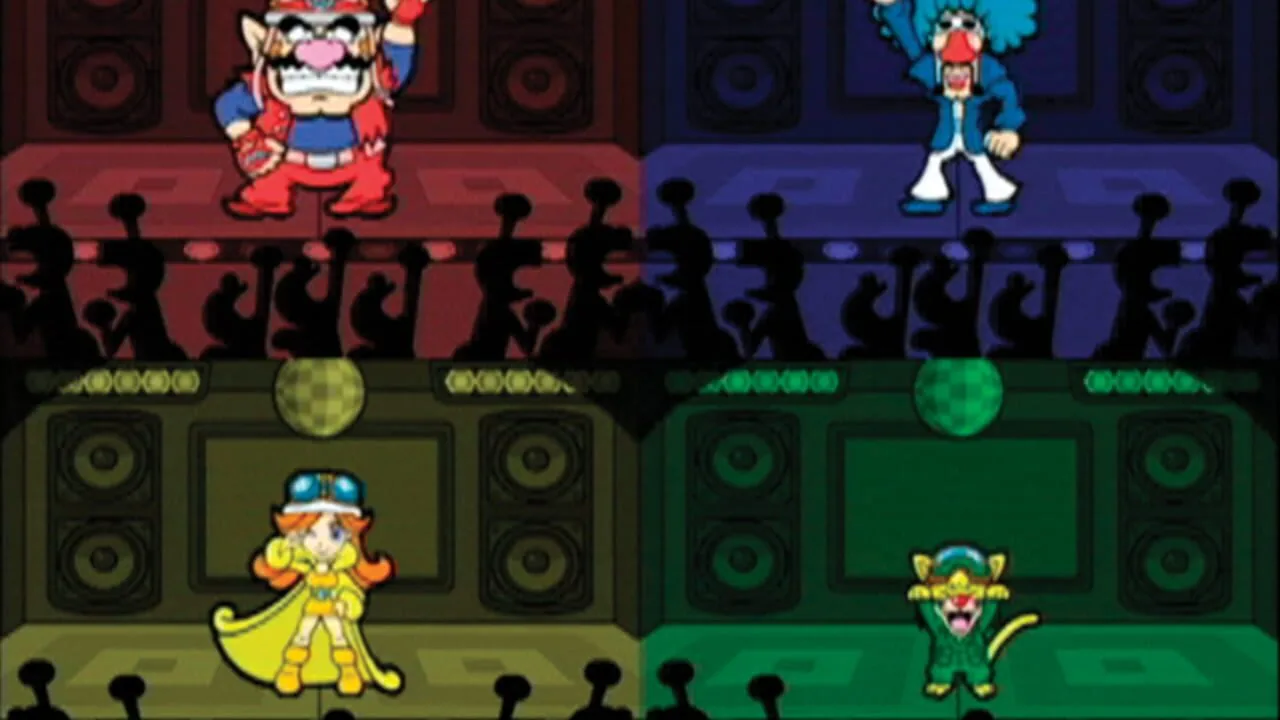
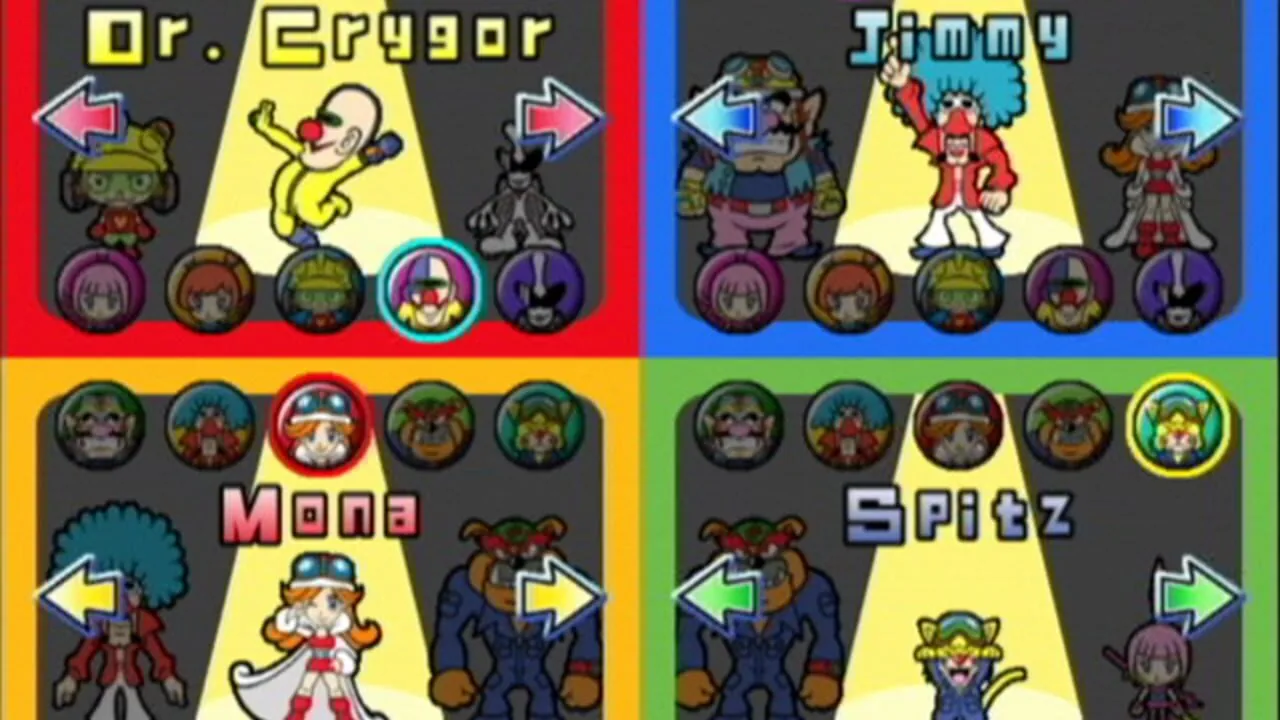
WarioWare, Inc.: Mega Party Games! is a remake of WarioWare, Inc.: Mega Microgames!, made by Nintendo R&D1 and Intelligent Systems. It is the second game in the WarioWare series, and its whole job is to take those microgames and make them playable in a multiplayer environment. A microgame lasts a few seconds and gives you one word of instruction, and you work out the rest while it is already happening.
That sounds simple, and it is, which is why it works with people who never touch a controller otherwise. Nobody needs to learn the rules first, because there barely are any. Pass the controller, watch your friend panic over a game about picking a nose, then take your turn.
20. Cel Damage (2001)
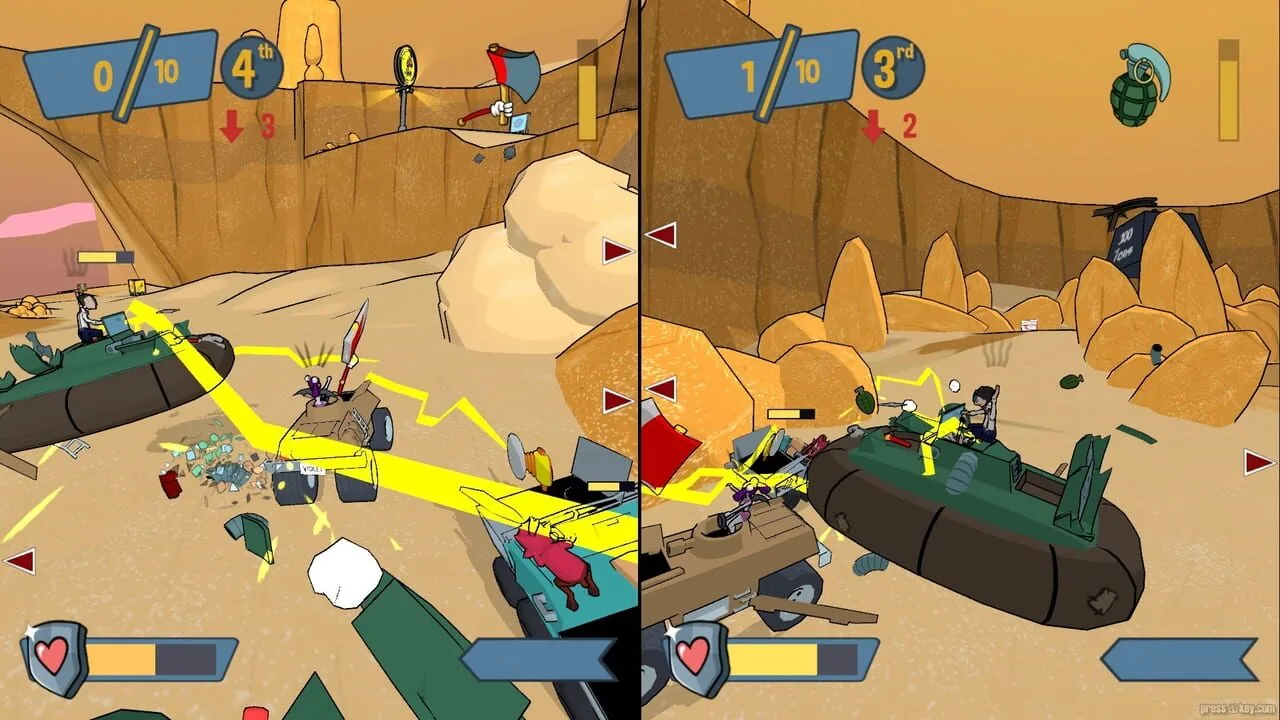
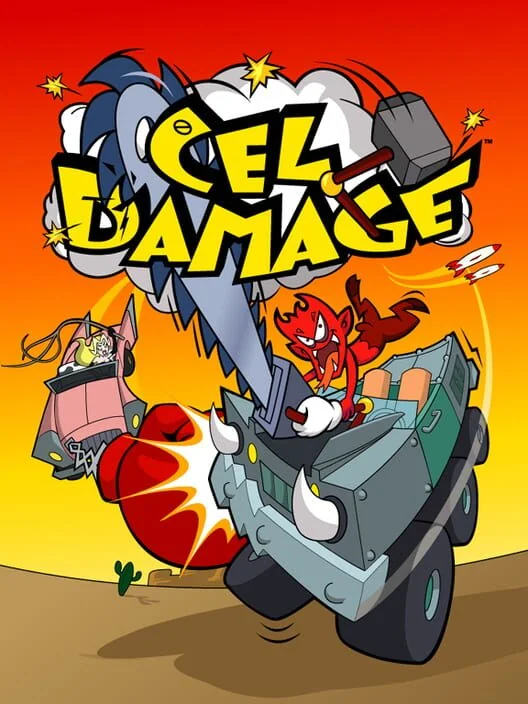
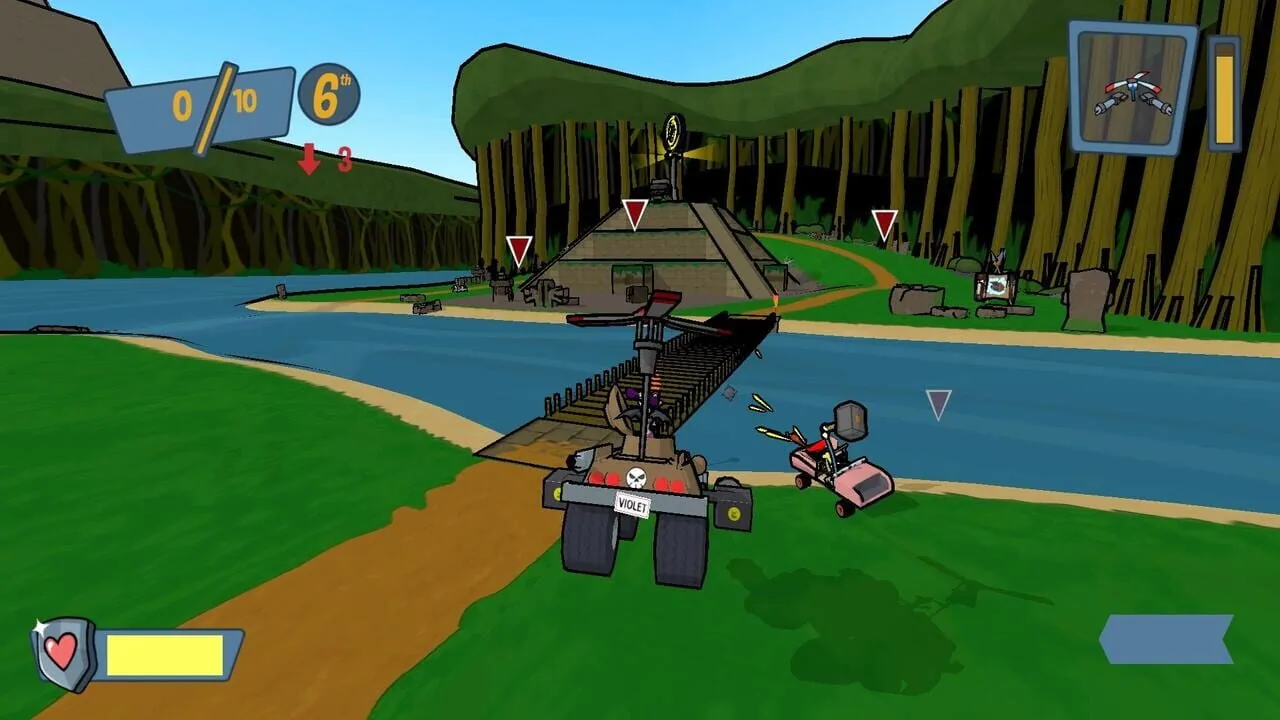
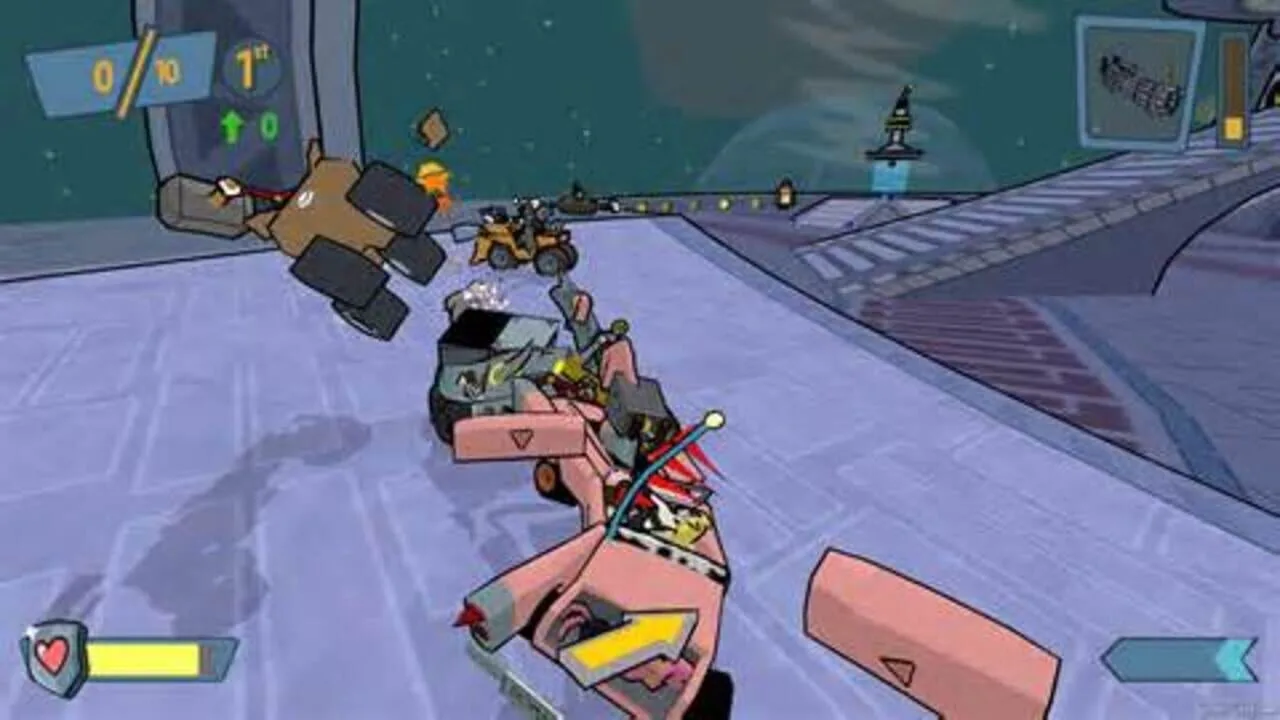
Cel Damage puts cartoon characters in weapon-laden cars and lets them out-smack each other around open cartoon arenas. The weapons run from cartoon staples like vacuum nozzles and portable holes to chainsaws and portable nuclear devices. Smack Attack is the only mode open from the start, so the game teaches you its main idea first.
It was one of the GameCube's launch games in Europe, and it later got an HD remaster in 2014 and a Switch port in 2019. A sequel never happened, because every publisher turned the pitch down after the first game sold poorly. Think Twisted Metal as a Saturday morning cartoon and you have the right idea of an evening with it.
19. Donkey Konga (2003)
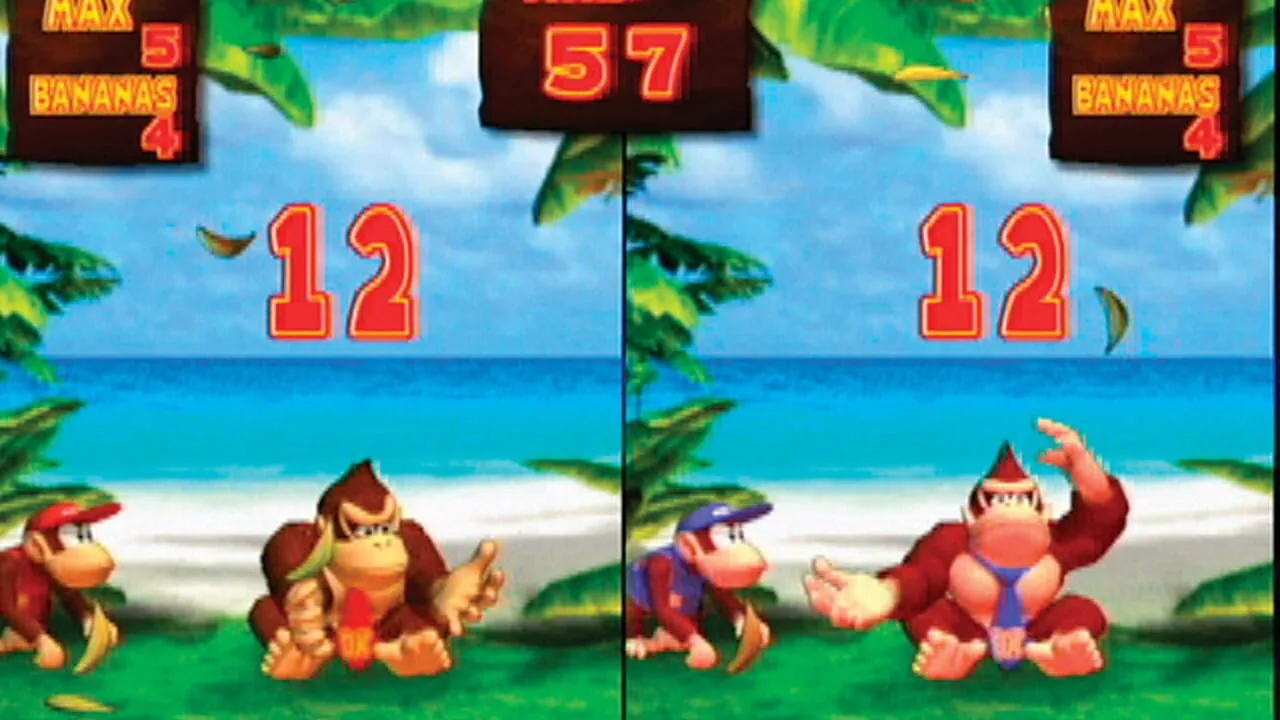
Donkey Konga is a rhythm game from the team behind Taiko no Tatsujin, and it wants you to put the normal controller down. You play it on the DK Bongos, two small drums made for the game. The track list mixes Nintendo music with hits like "We Will Rock You" and "Rock Lobster", though in North America almost all of the licensed songs are shortened covers. Each region got a different list of around 30 tracks.
The sequel, Donkey Konga 2, became the only Donkey Kong game rated T for Teen in North America, thanks to lyrics not suitable for younger players. Players often recommend Donkey Konga next to Donkey Kong Jungle Beat, the platformer that also uses the bongos, and once you own the drums that pairing makes sense.
18. TimeSplitters: Future Perfect (2005)
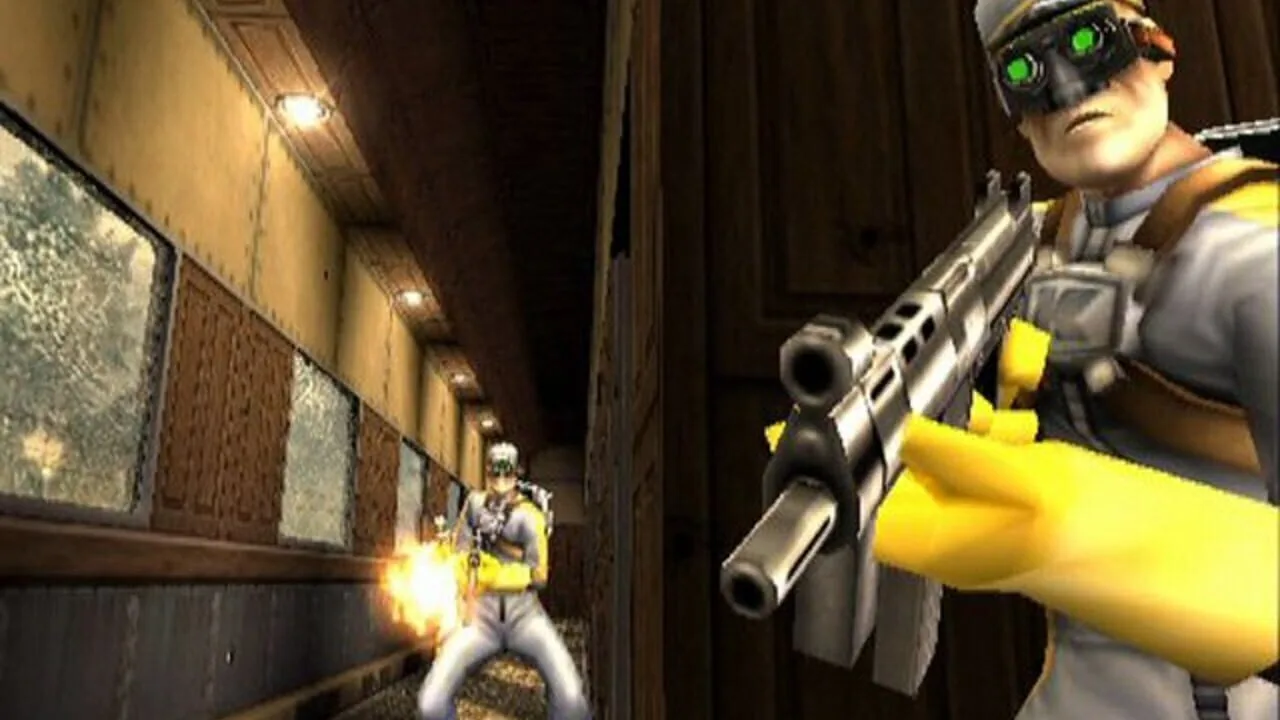
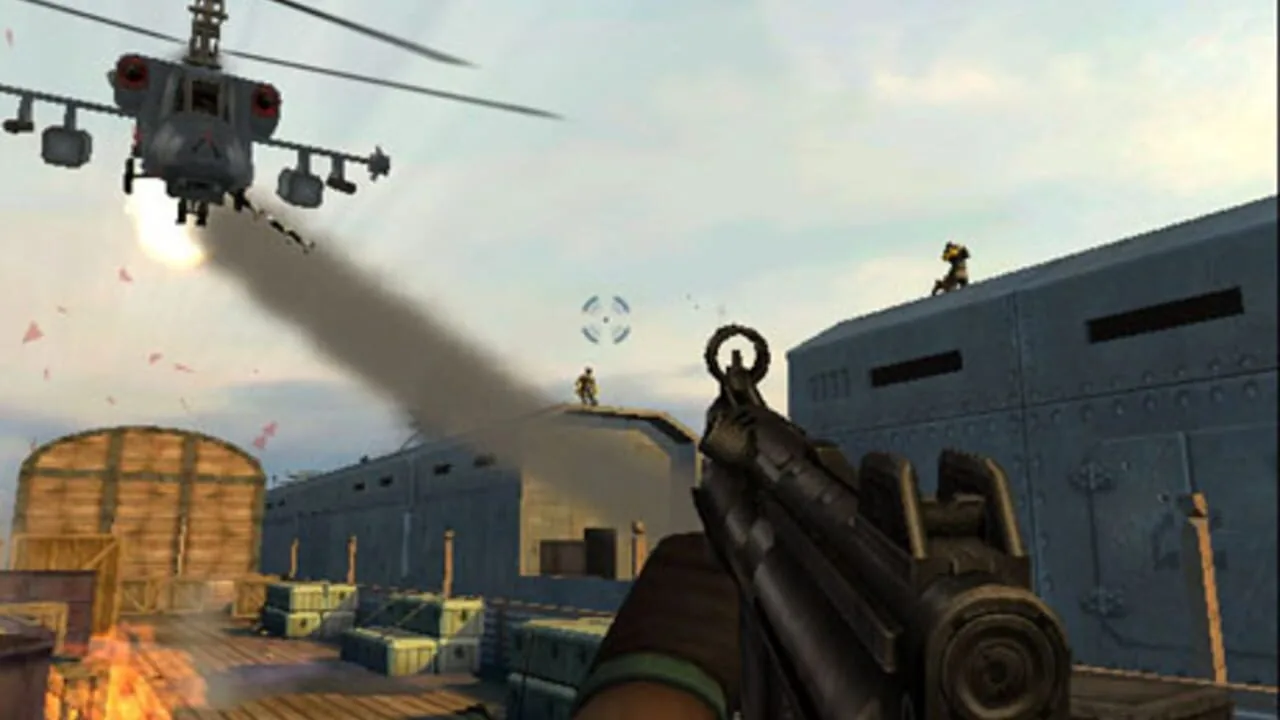
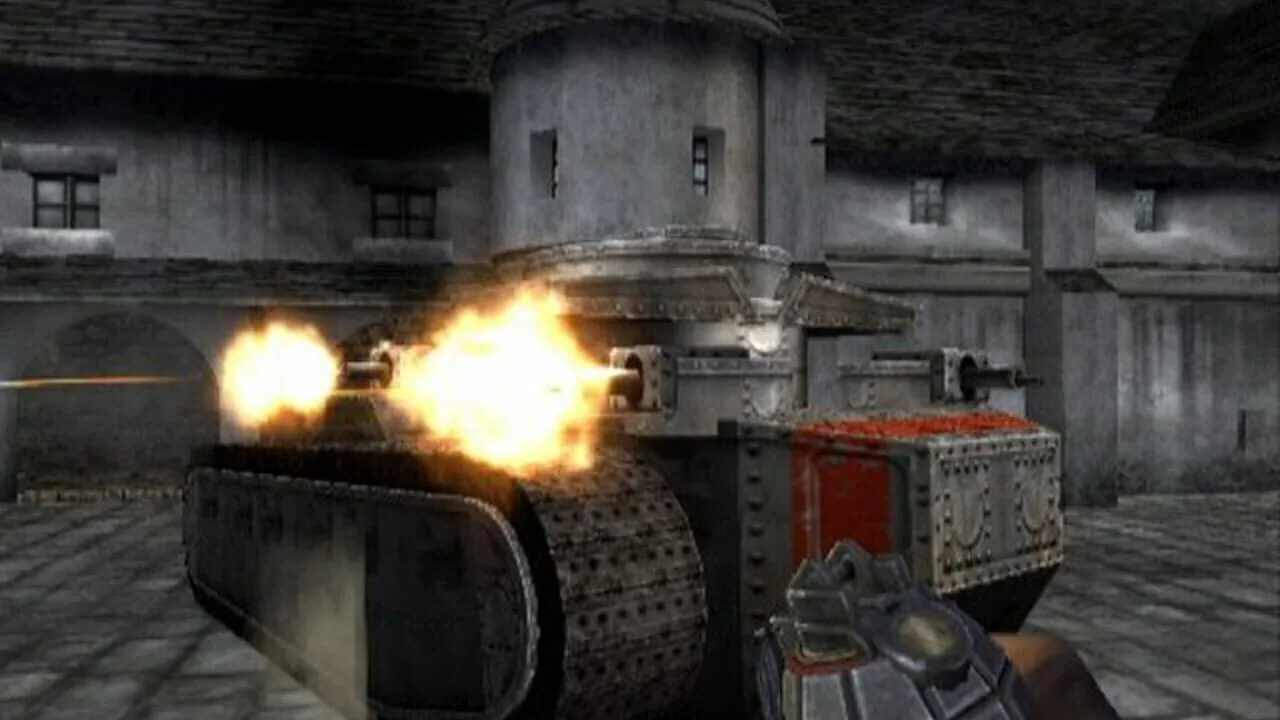
TimeSplitters: Future Perfect is the third TimeSplitters game, made by Free Radical Design and published by EA Games for the PlayStation 2, GameCube and Xbox. The story mode follows Sergeant Cortez, a time-traveling marine from the 25th century. It also plays games with its own premise: at one point Cortez is sent back a few minutes so he can double-team the scientist Crow with a second Cortez.
Challenges and Arcade Leagues pay out medals and unlock new characters. Players rank it below TimeSplitters 2, but they almost never mention one without the other. If you like one, get both.
17. Mario Power Tennis (2004)
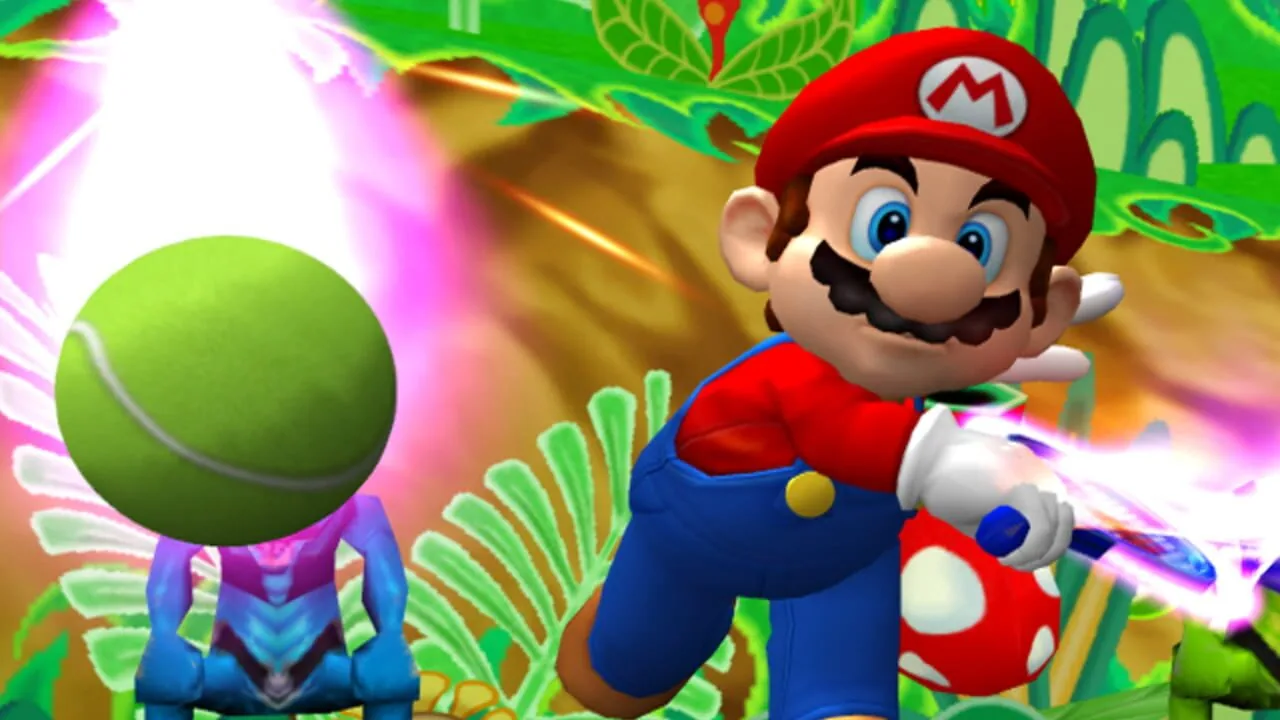
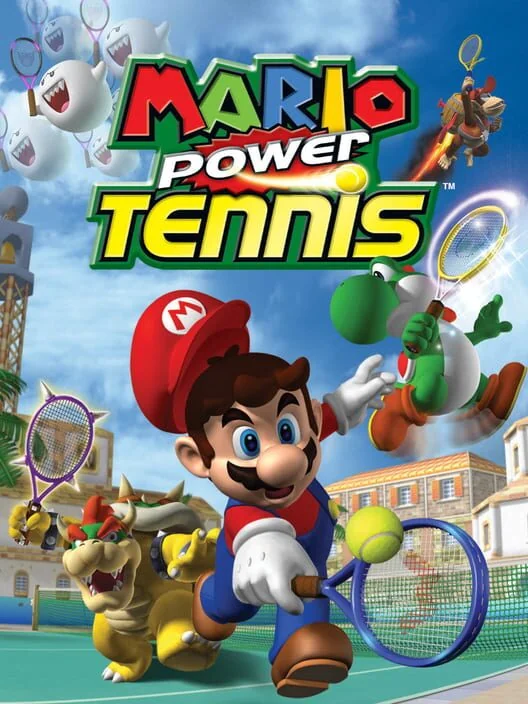
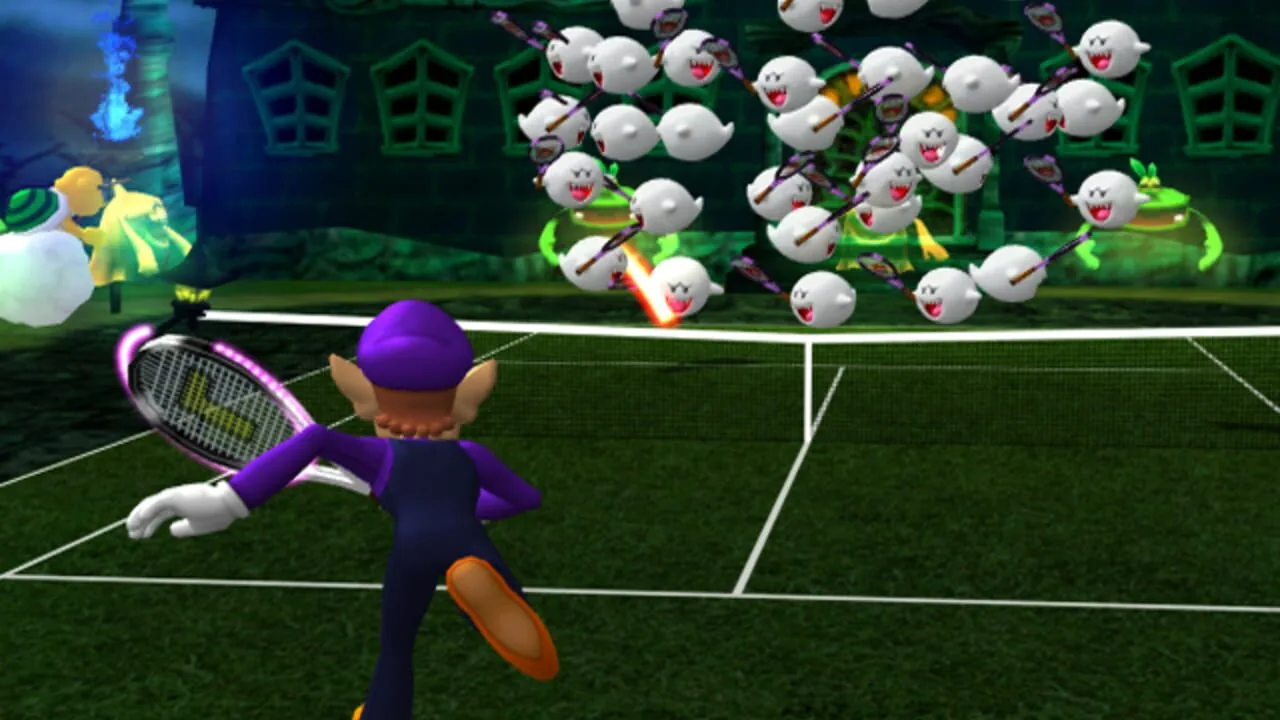
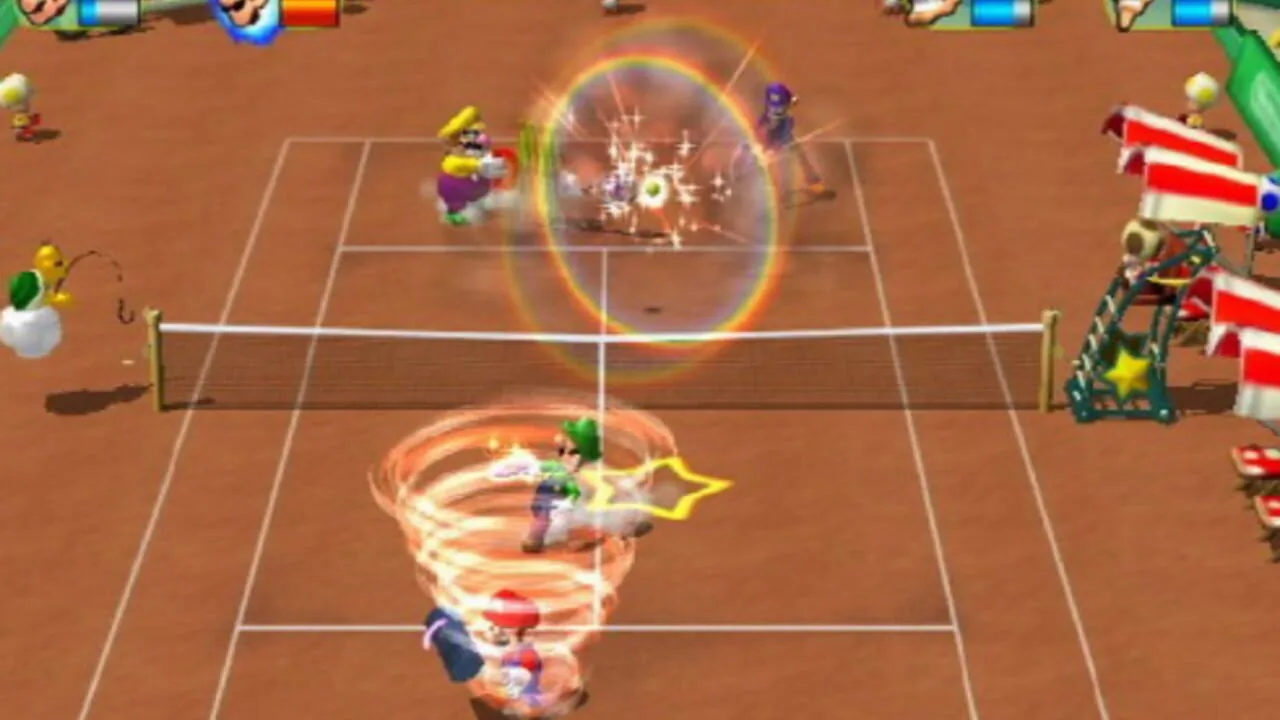
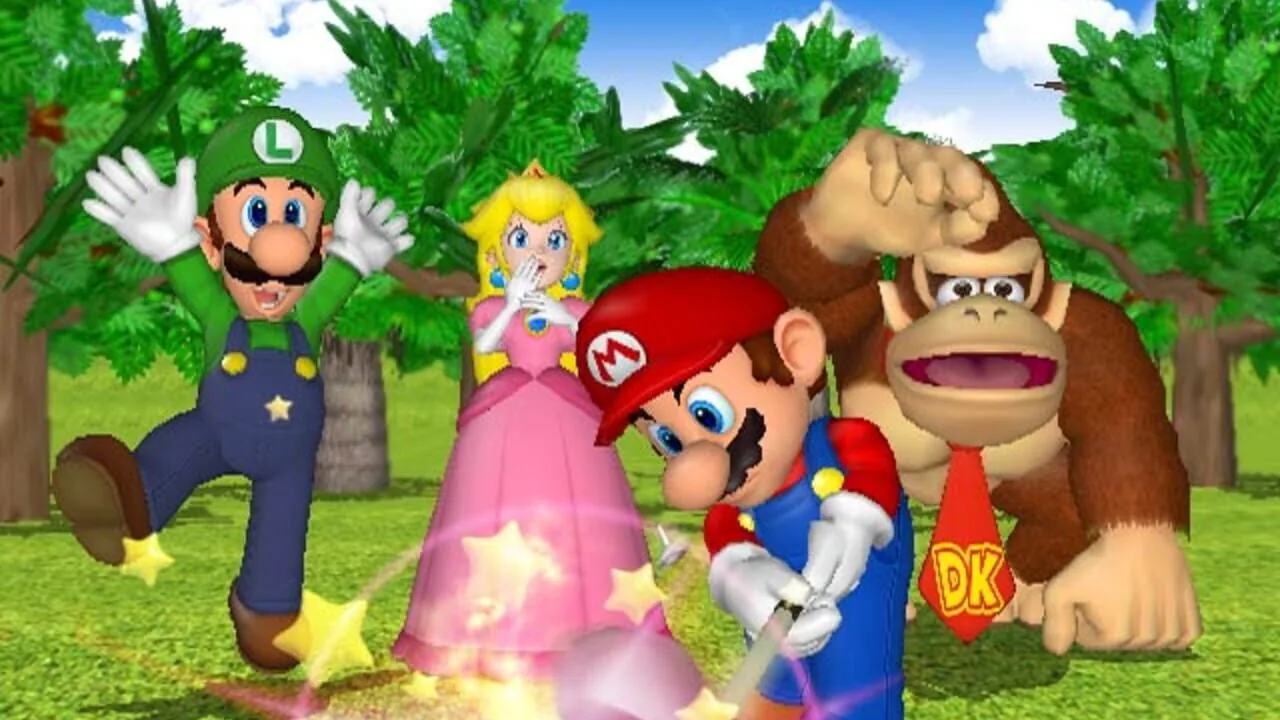
Mario Power Tennis is the sequel to Mario Tennis on the Nintendo 64. Camelot built it at the same time as Mario Golf: Toadstool Tour, and the pair shared similar technology and concepts with each other during production. The standard courts are there, but most courts are themed on Mario games and change how a match plays. On the Luigi's Mansion court, ghosts slow you down when you touch them. Item Battle adds Mario items to mess with the other side.
Critics praised its depth and variety, and their main complaint was the Power Shot animations, which you cannot skip. The GameCube version scored 80 out of 100 on Metacritic, and it was the first game where Wiggler was playable. It works best with four people and a lot of noise.
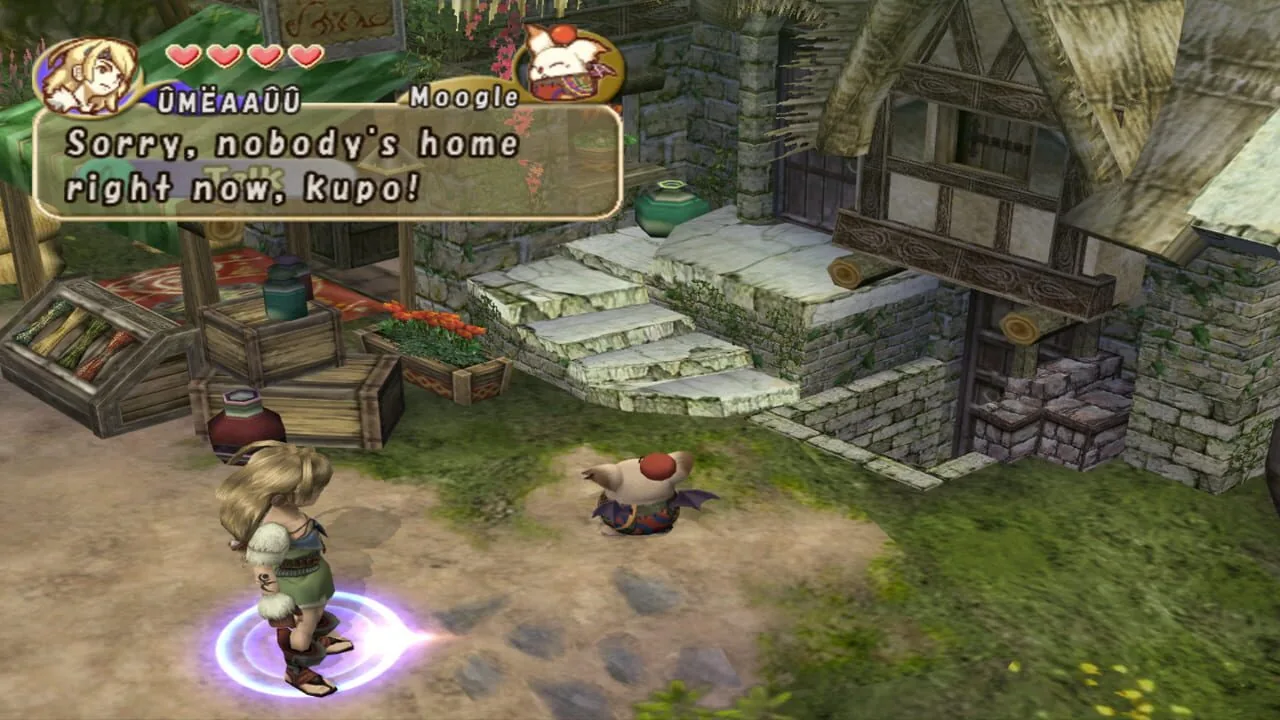
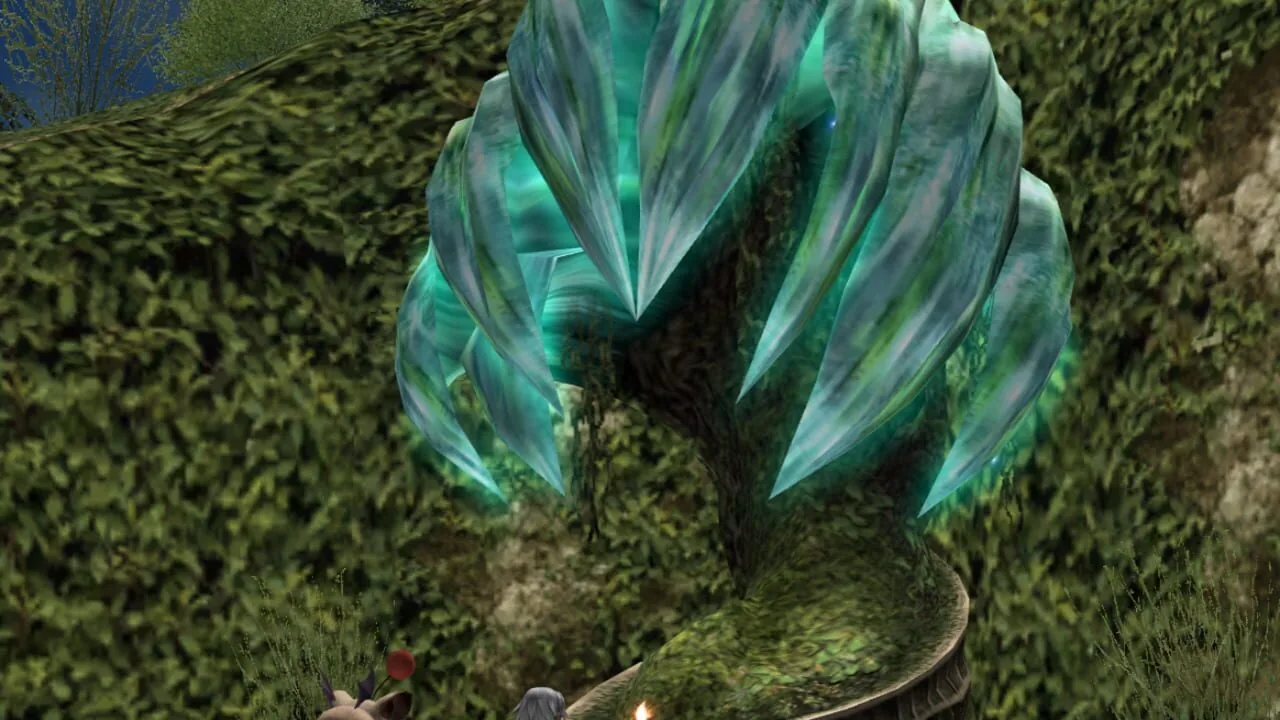
16. Final Fantasy Crystal Chronicles (2003)
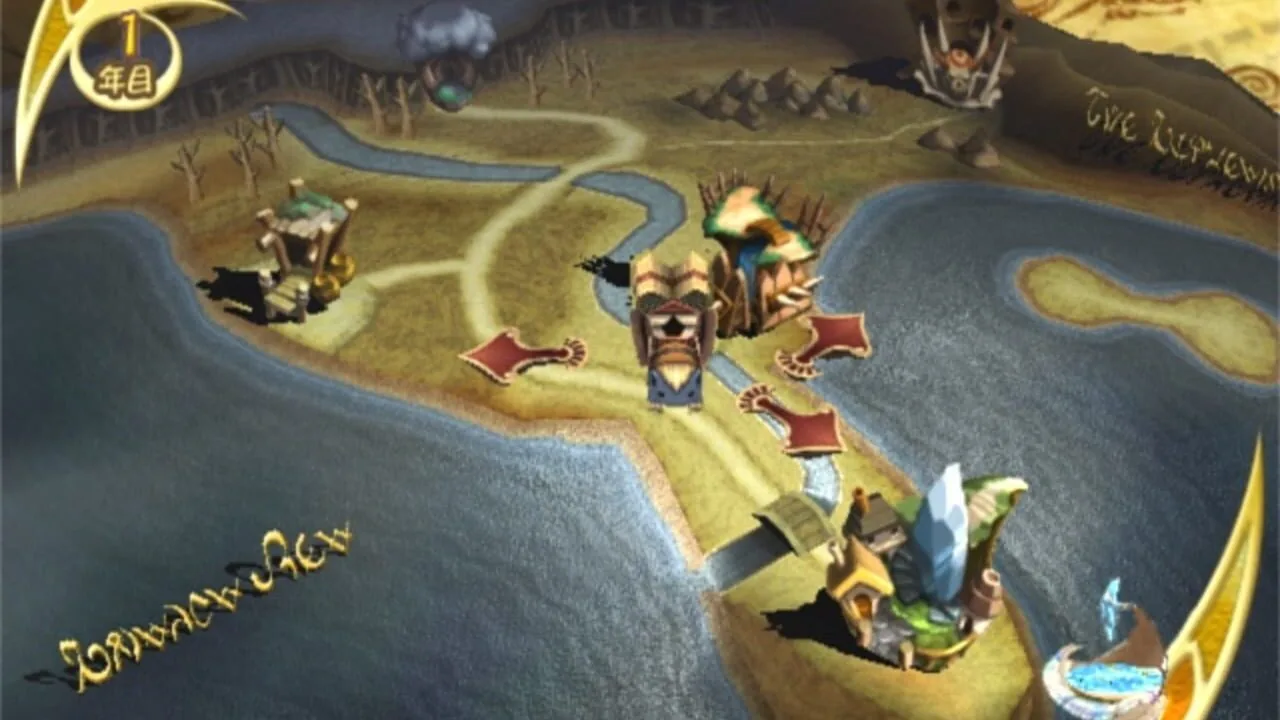
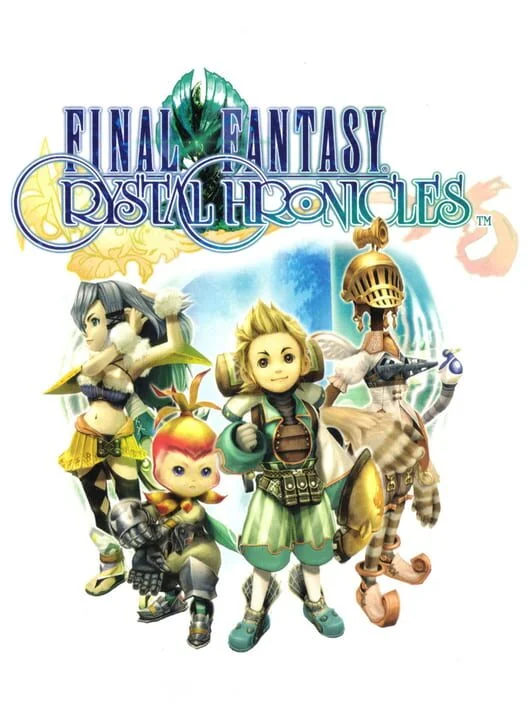
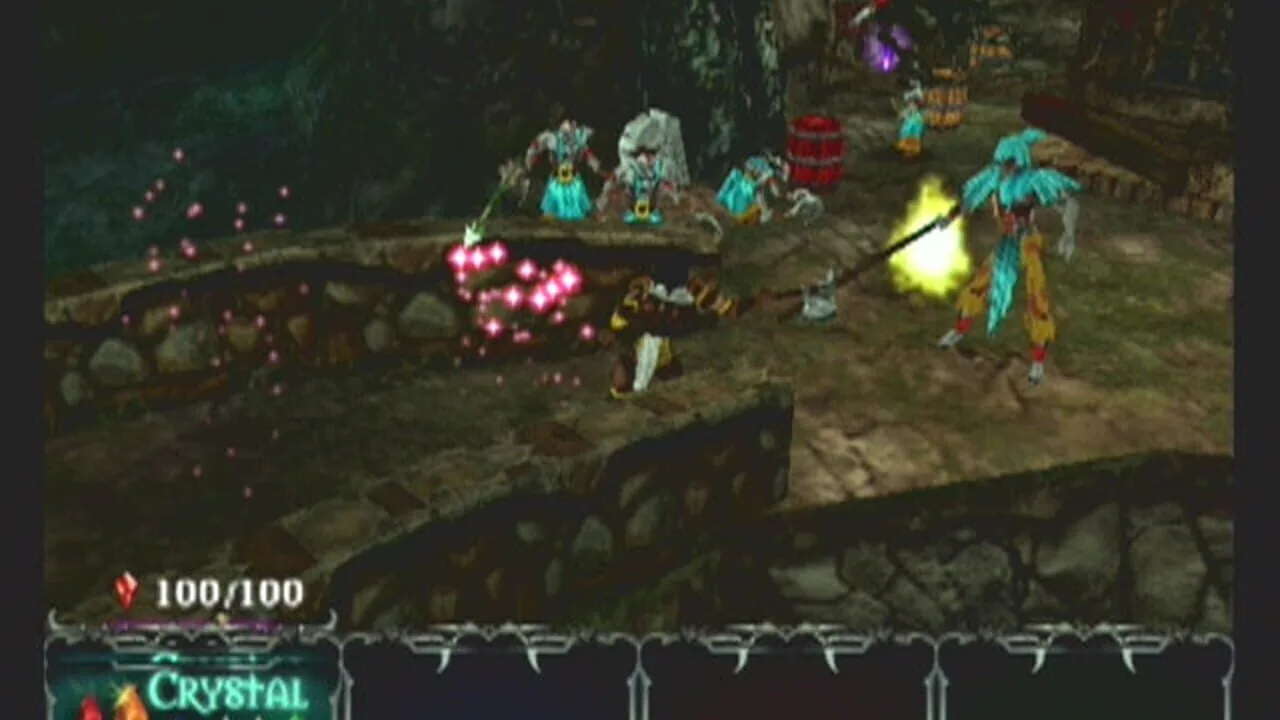
Final Fantasy Crystal Chronicles was the first Final Fantasy on a Nintendo home console since Final Fantasy VI in 1994. To make it without hurting its PlayStation 2 games, Square set up a shell company, the Game Designers Studio, just for Nintendo hardware. The team wanted an accessible game focused on multiplayer, and they even removed experience-point levelling to keep every player on a level field.
A deadly miasma covers the land, and your crystal caravan holds it at bay, with friends joining the caravan to share the danger. Kumi Tanioka's music uses medieval and Renaissance instruments, and it is lovely. The game sold over one million copies worldwide. The remaster that came out in August 2020 went online-only for multiplayer, and many reviewers faulted it for that.
15. Gauntlet Dark Legacy (2000)
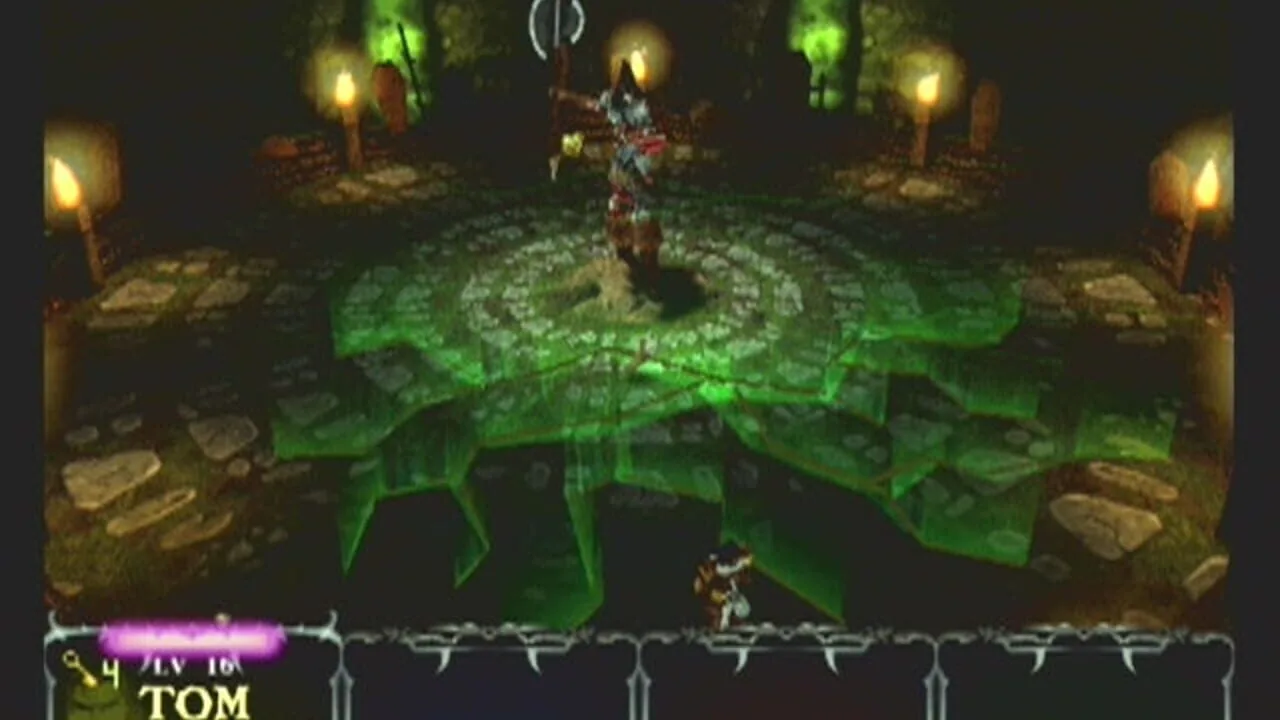
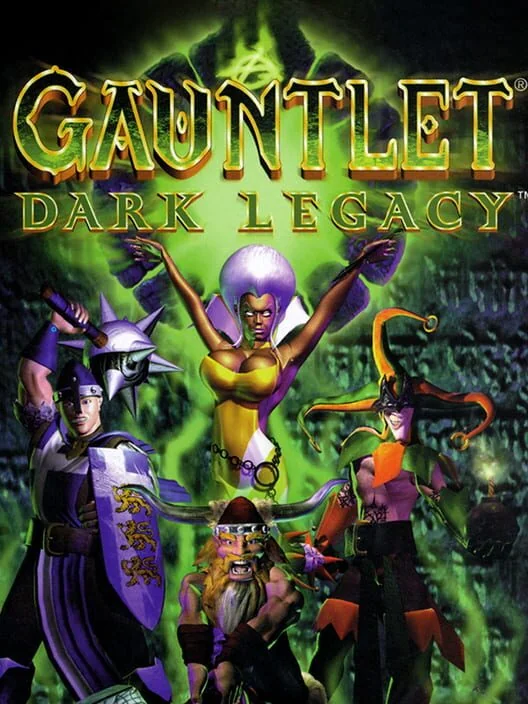
Gauntlet Dark Legacy is the follow-up to Gauntlet Legends, and it began as an arcade game. A direct port to the PlayStation 2 was released in 2001, and the GameCube version followed in 2002. Eight heroes are ready from the start, from the mighty Warrior to the chaotic Jester. You can unlock alternate versions of them, or enter cheat codes for a crowd of secret characters.
Up to four players fight through the realms together, and the game has rules for how much they can hurt each other, which tells you how these sessions tended to go. The series rule still applies: destroy the generator, or the enemies never stop spawning. It is the old arcade Gauntlet in 3D, and it does that job well.
14. Phantasy Star Online Episode I & II (2002)
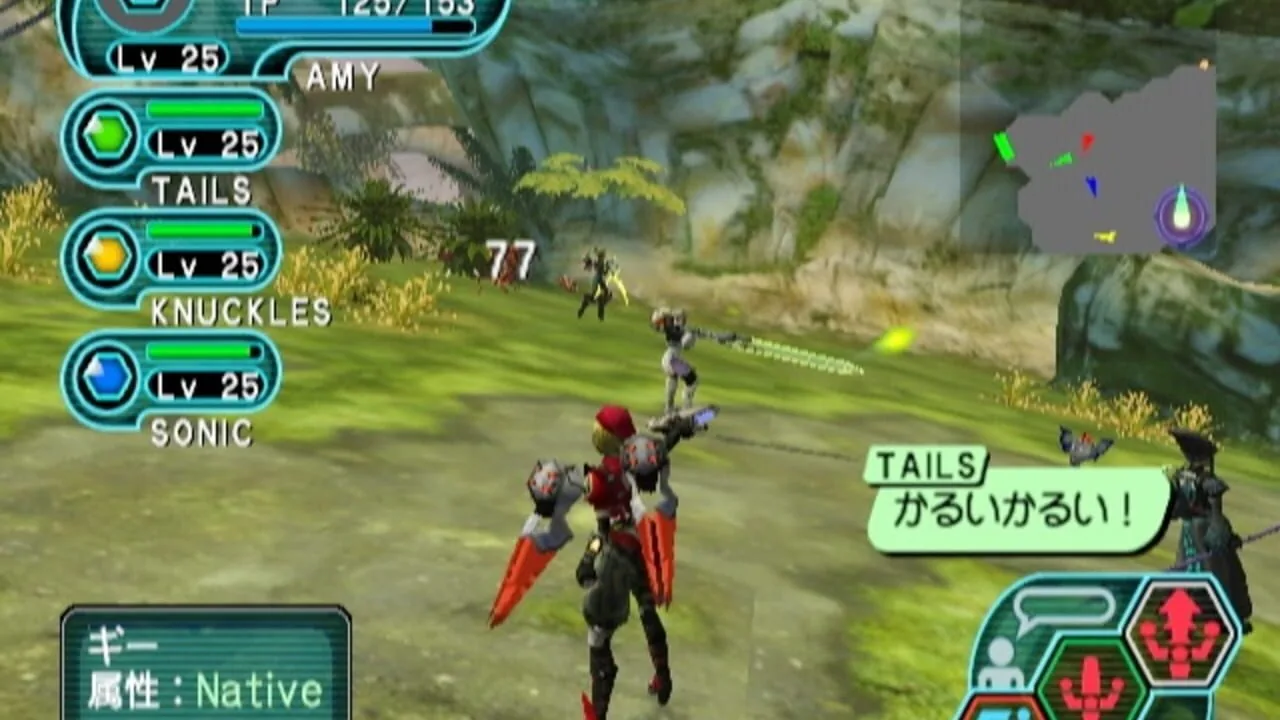
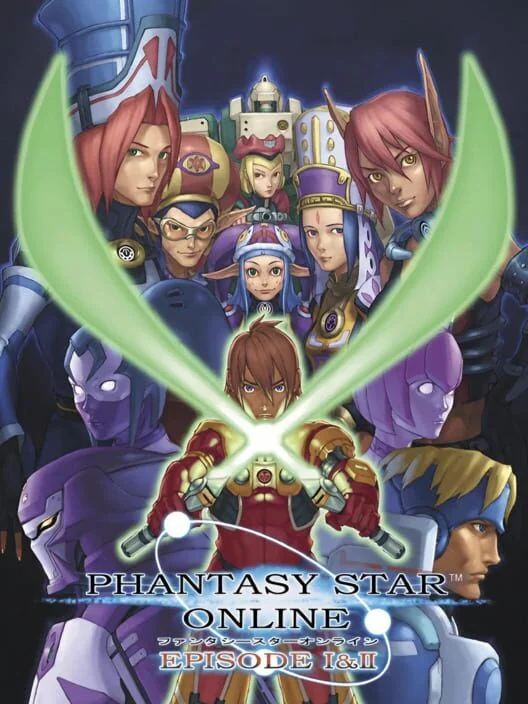
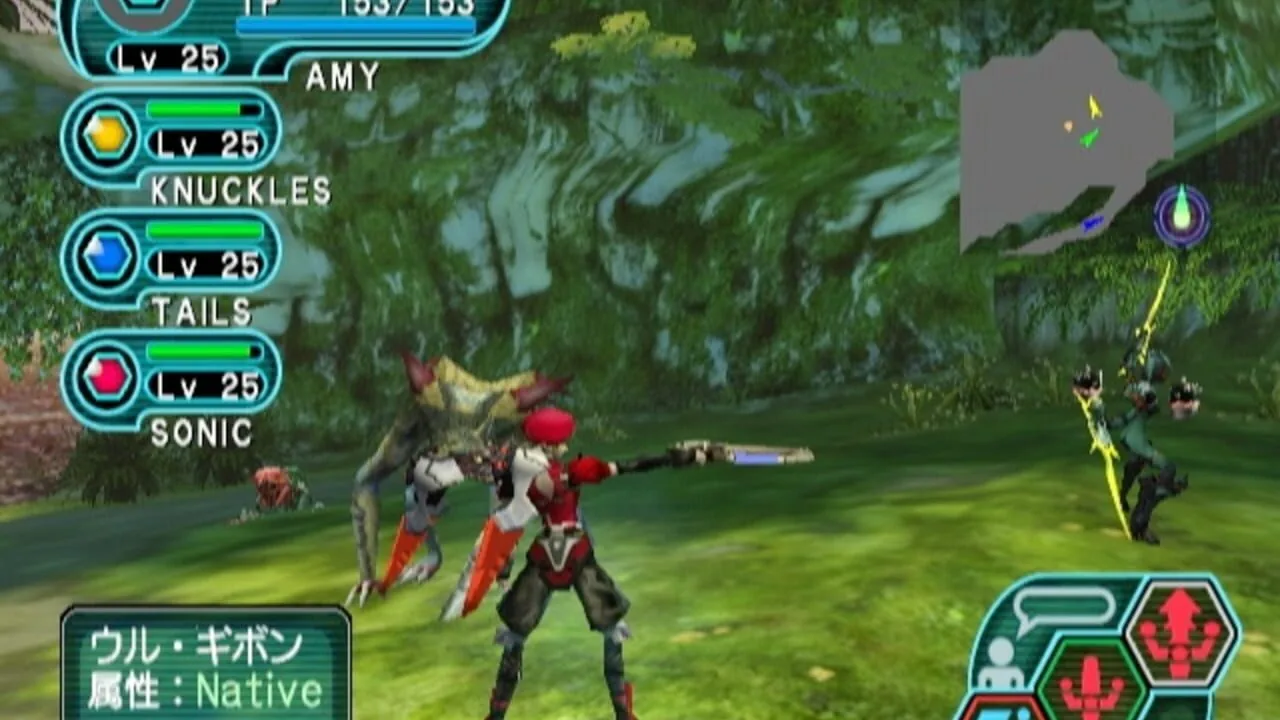
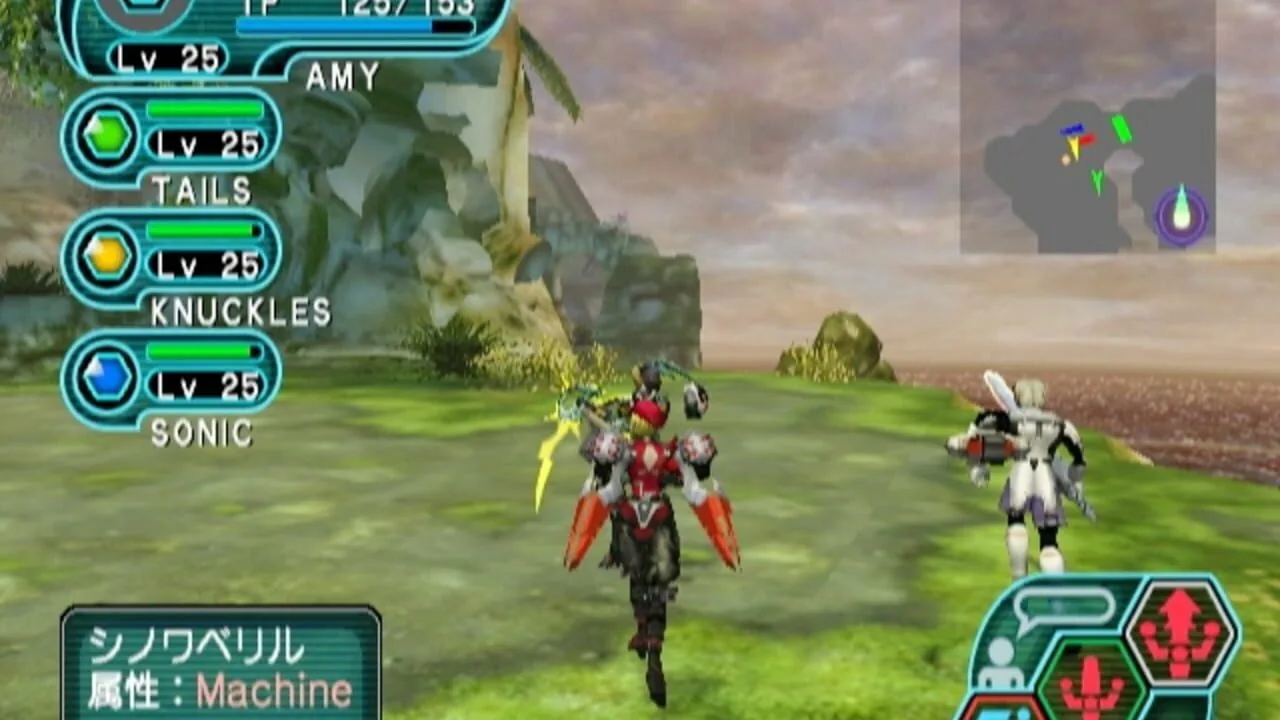
Phantasy Star Online was the first successful online RPG for game consoles, and it started on the Dreamcast. After Sega left the console business in 2001, the game was ported to GameCube and Xbox as Phantasy Star Online Episode I & II, with new characters and environments. You create your own character from one of the three races and pick a class type, then head into the world of Ragol.
You can play with up to three other people, and the four difficulties give a group a reason to keep going. The music follows the fight: short four-bar melodies get sequenced depending on gameplay, and an enemy showing up brings its own music with it. The game went on to influence Monster Hunter.
13. Mario Superstar Baseball (2005)
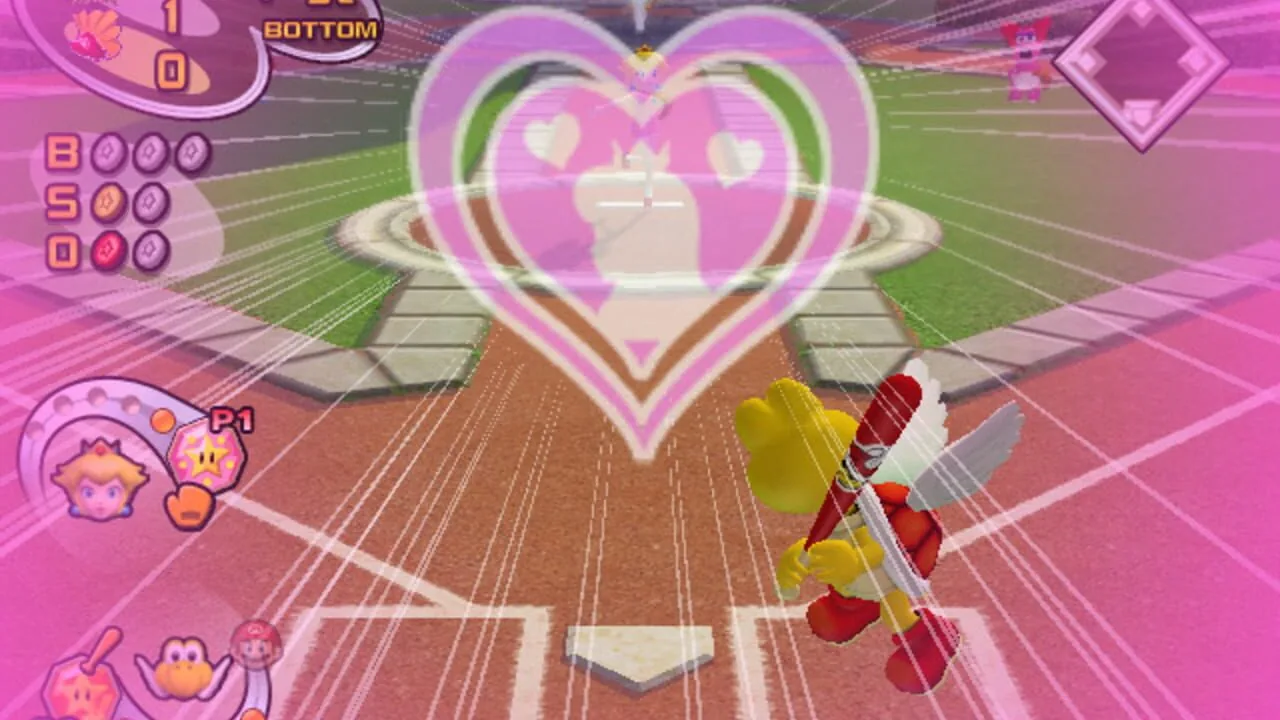
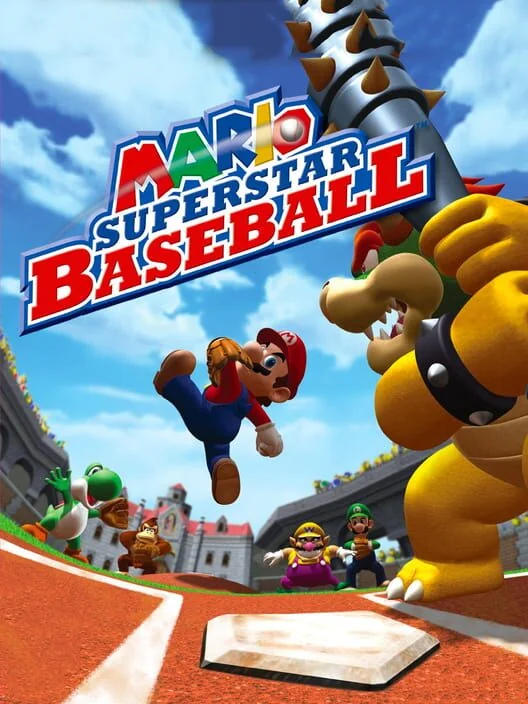
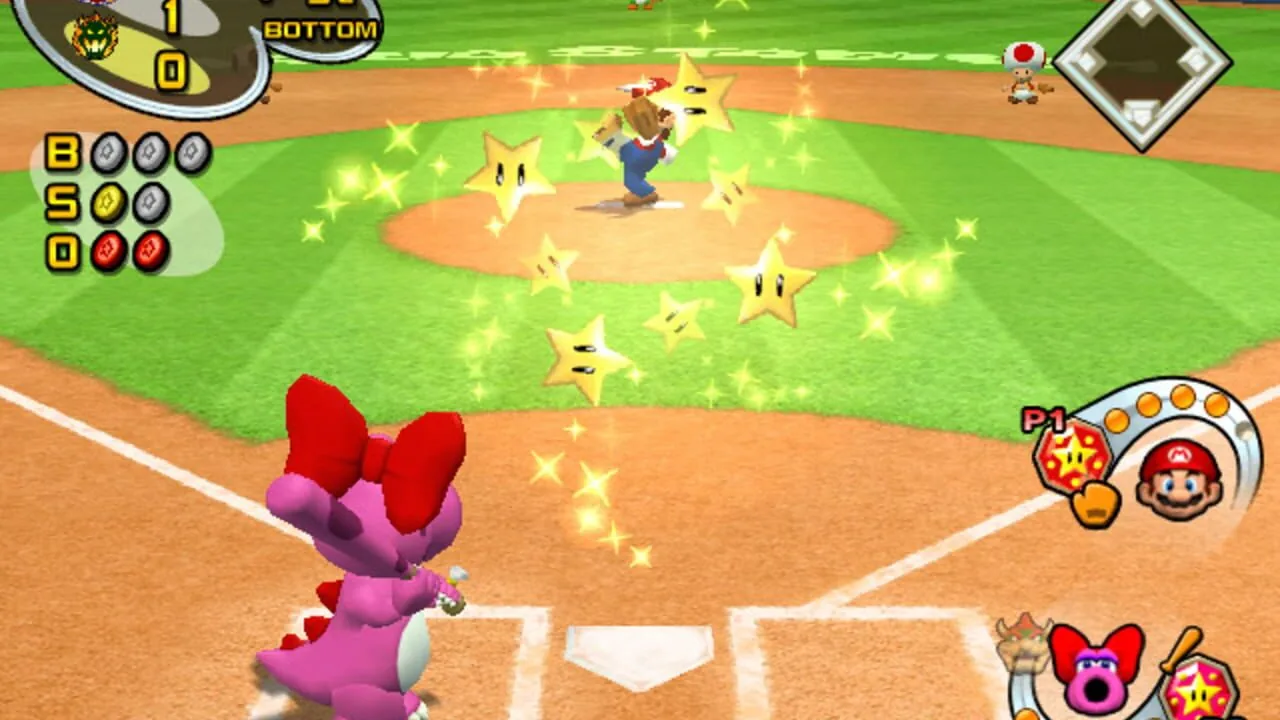
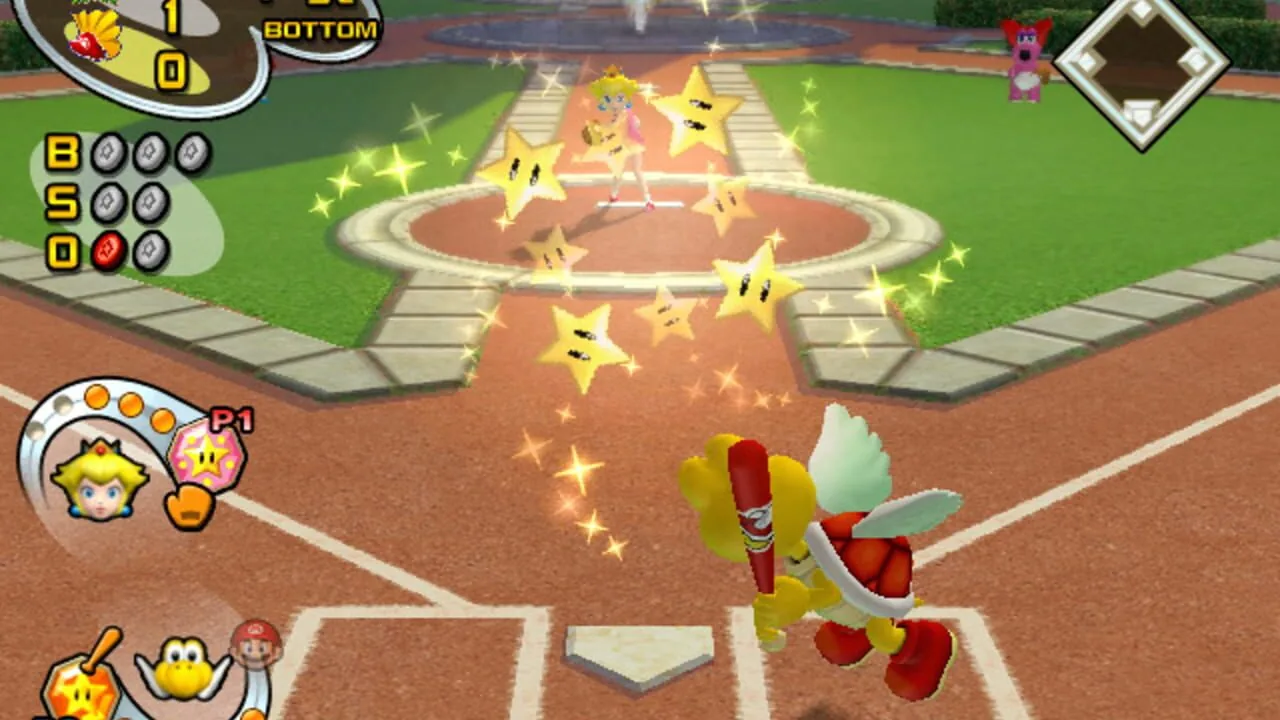
Mario Superstar Baseball has you pick a captain, then fill your team with your favourite Mario characters. Each captain has a special Star Skill for pitching and batting, so Mario hurls fireballs and Donkey Kong blasts curving banana balls. An Exhibition Game is the quick option. Challenge Mode is the long one, where you take a team across a map, recruit players and beat the other teams, with Bowser waiting at the end.
It received generally favorable reviews, and a sequel, Mario Super Sluggers, came out for the Wii in 2008. It moves much faster than the real sport. The coins you earn in the minigames buy power-ups, and the minigames give the rest of the room something to do between innings.
12. Mario Party 5 (2003)
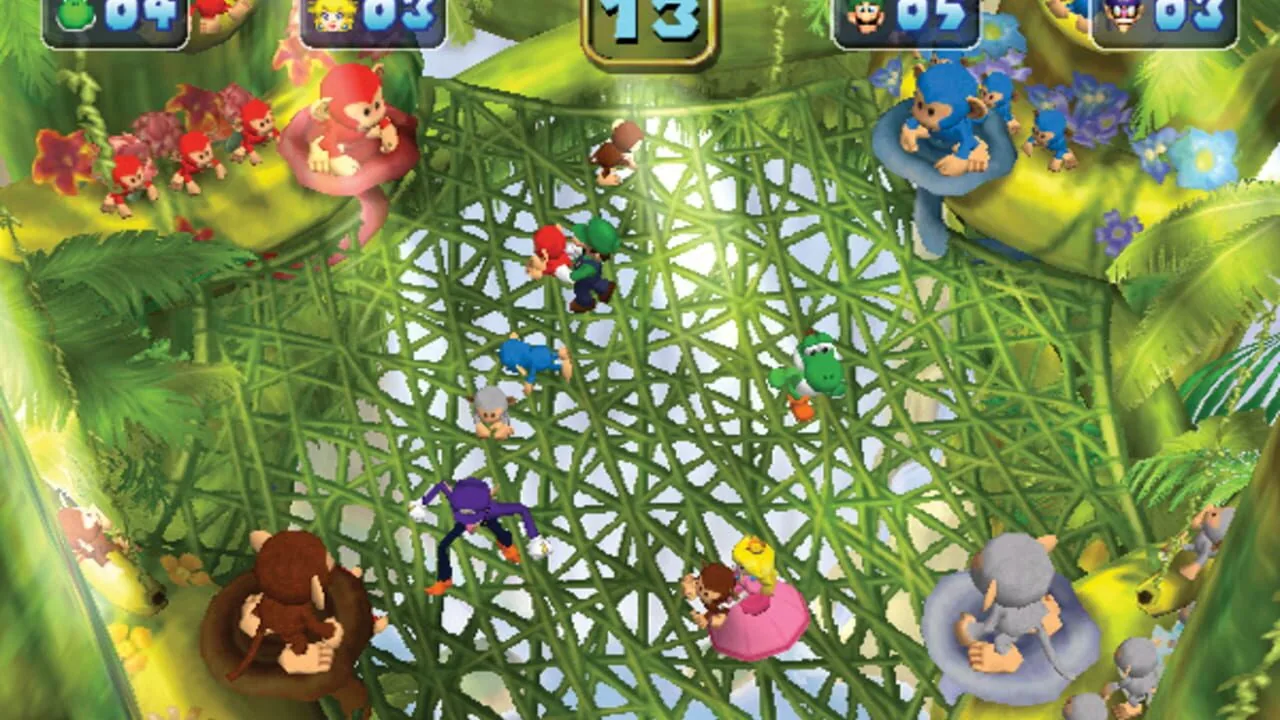
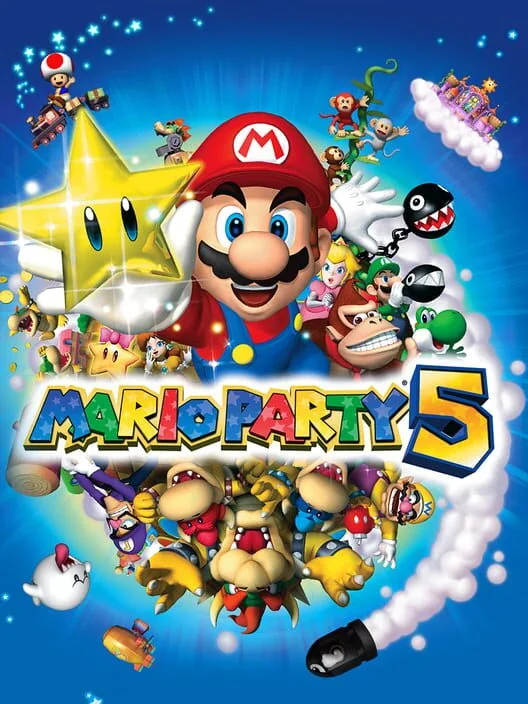
Mario Party 5 was the second Mario Party on the GameCube, and this time Mario and his friends have to restore peace to Dream World. Critics enjoyed the new minigames and complained about a lack of originality, which is the review every Mario Party gets. It still won the Console Children's Award at the 2004 Interactive Achievement Awards and joined the Player's Choice label the same year.
Players put it last of the four GameCube Mario Parties, but that says more about the other three than about this one. If your group has worn out Mario Party 4 and wants new minigames, this is the obvious next box.
11. Mario Party 7 (2005)
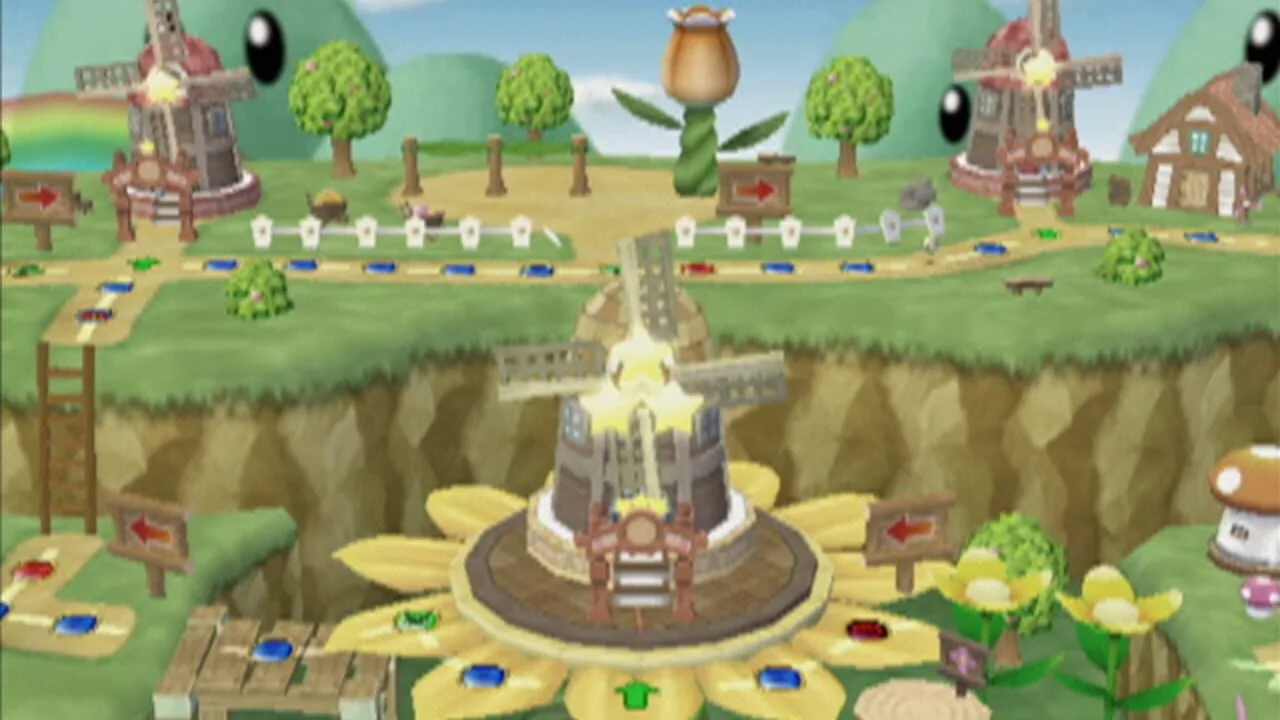
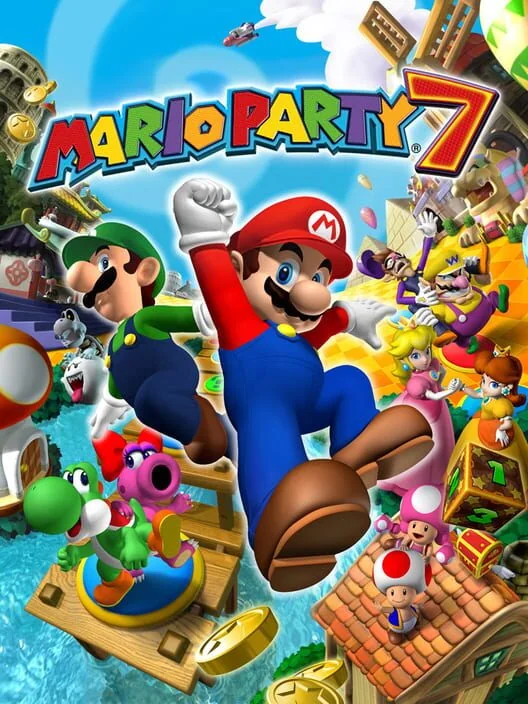
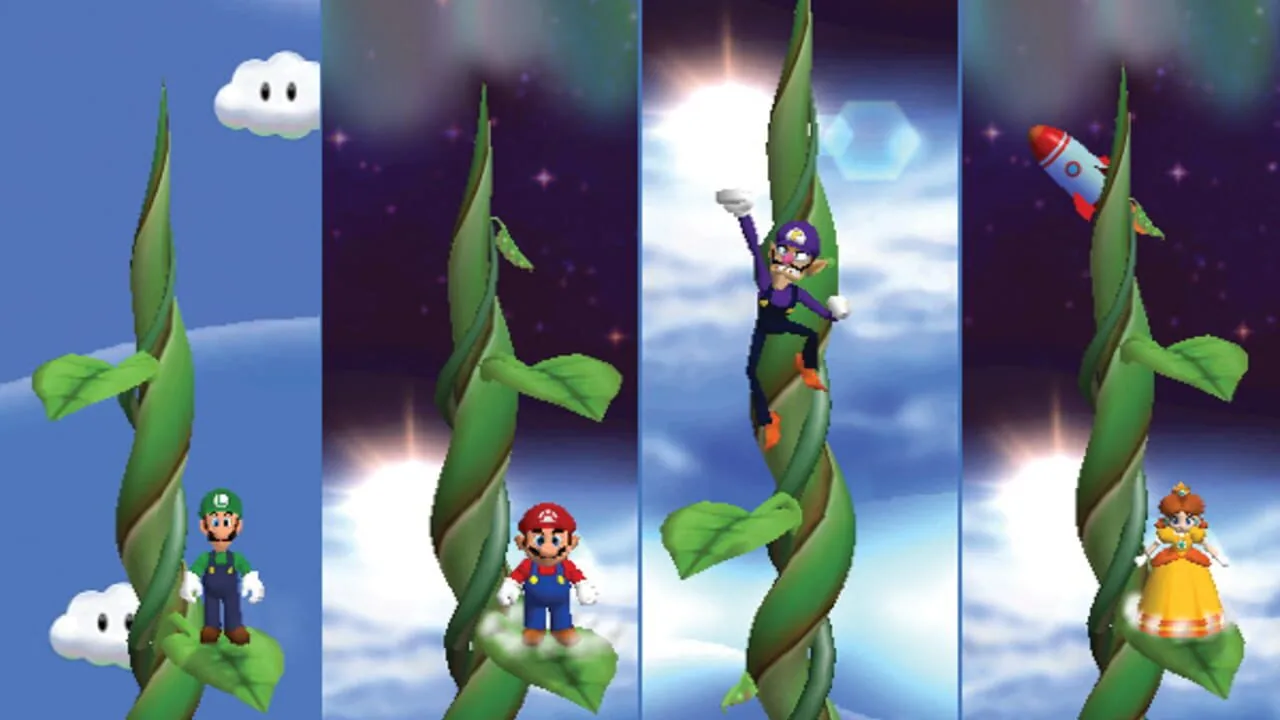
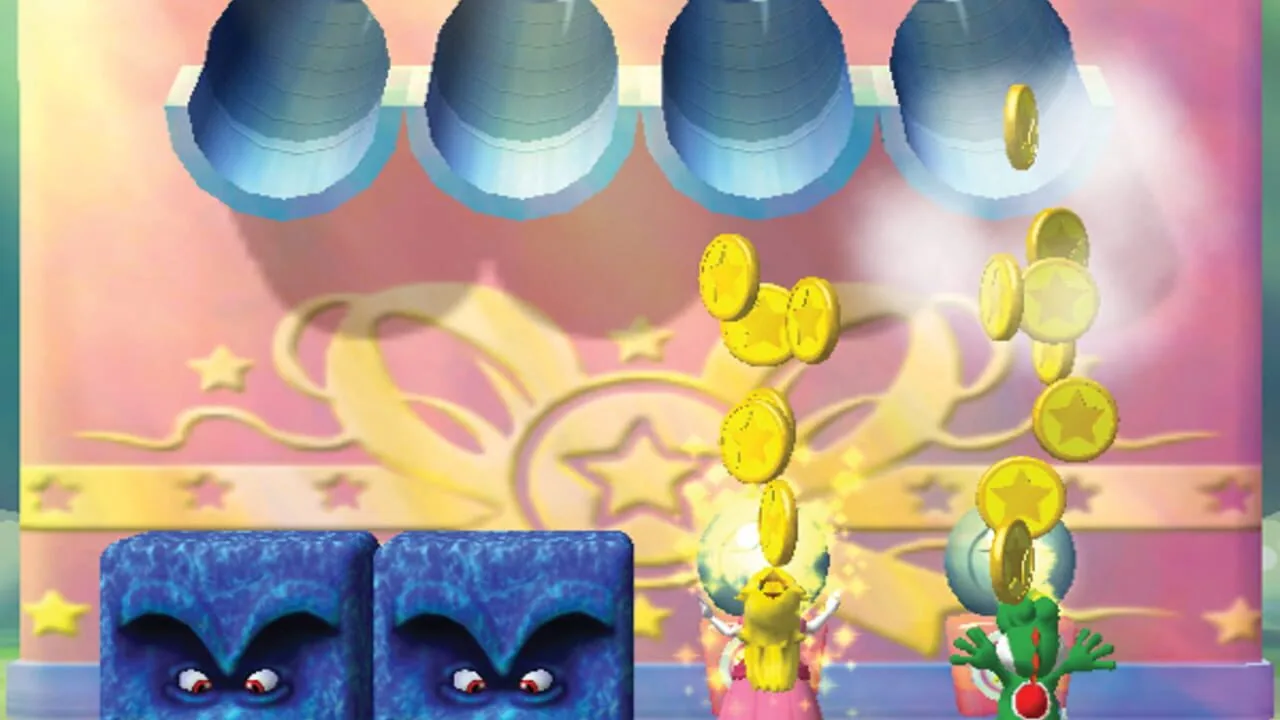
Mario Party 7 is the fourth and final Mario Party on the GameCube, and its theme is a cruise that Mario and his pals forgot to invite Bowser on. It has more than 80 new minigames and brings back microphone support from Mario Party 6. The big change is the player count: you can battle up to seven of your friends on a single GameCube system.
Critics praised the minigames and the eight-player mode, and it sold more than two million copies, making it the 11th best-selling game for the GameCube. A lot of players call it their favourite Mario Party, and for many of them it is about the people they played it with.
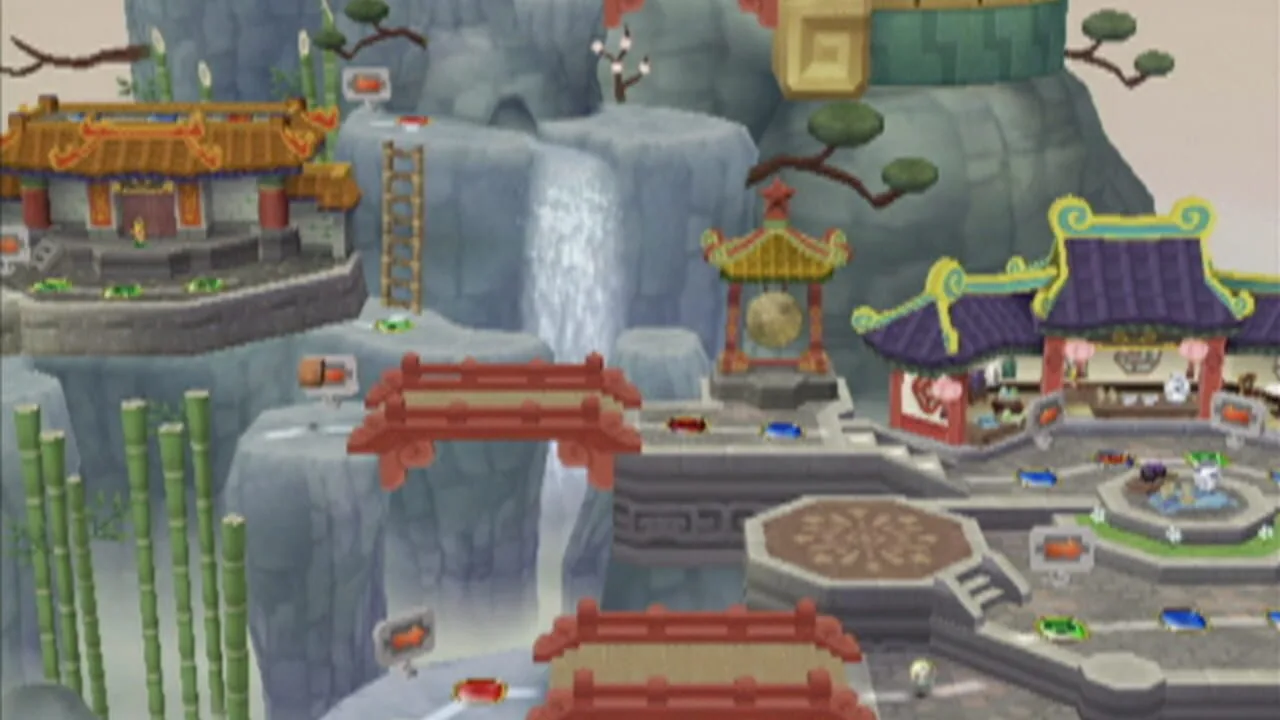
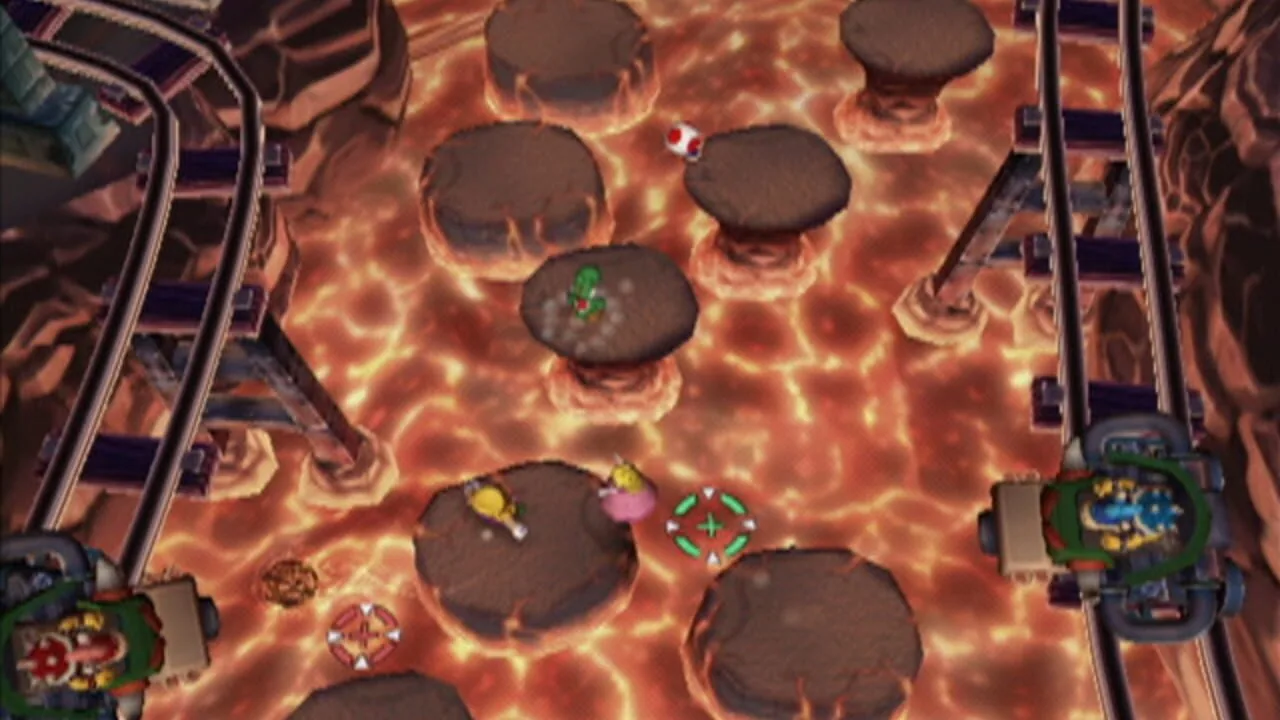
10. Mario Party 6 (2004)
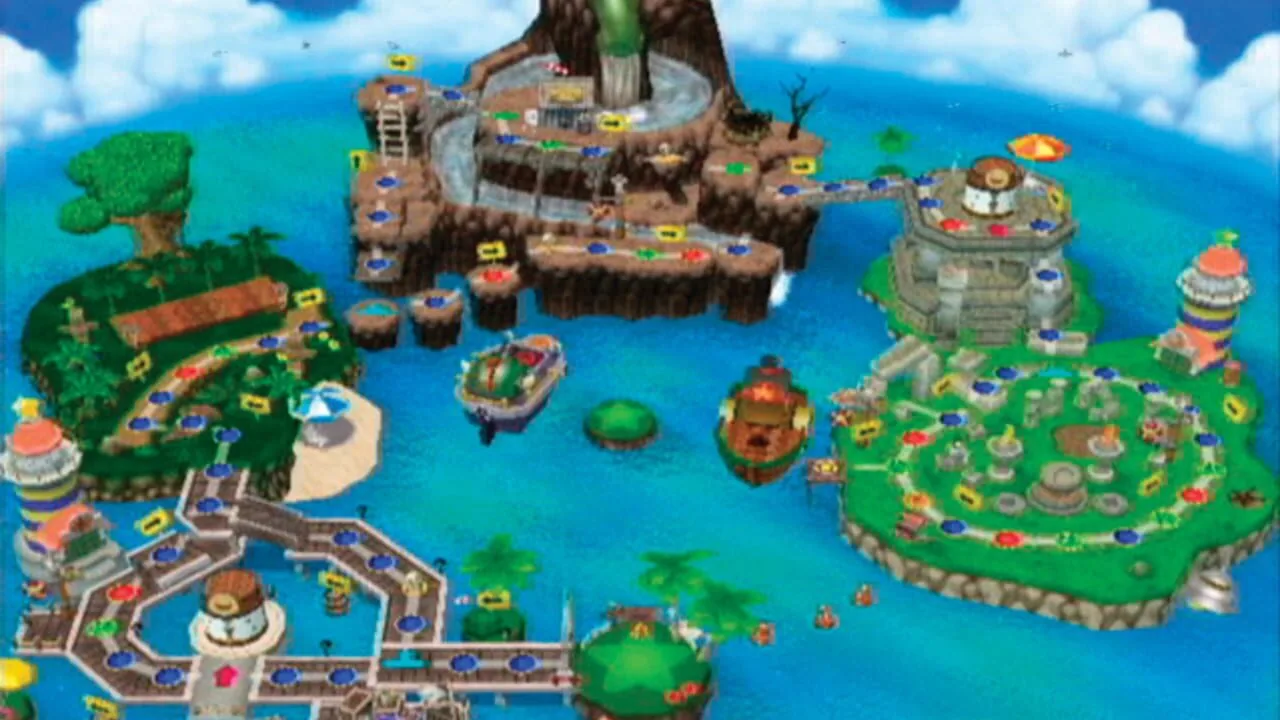
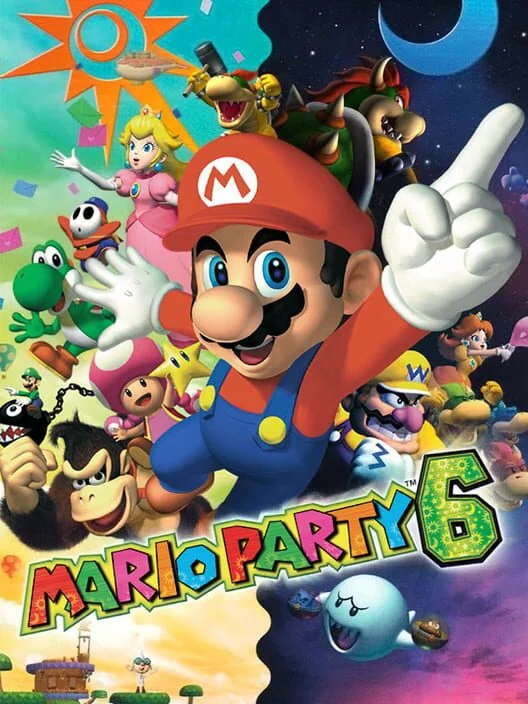
Mario Party 6 came with a microphone, and it was the first GameCube game to use one. Some minigames need your voice as well as your fingers. The boards change with the time of day, with new characters showing up depending on whether it is day or night. It also took out the coin bonus star and replaced it with an Orb star, given to whoever used the most Orbs, the items that can steal coins from the other players.
Critics liked the day-and-night system, and they did not like the microphone. Players rank it a step above Mario Party 7. Shouting at a GameCube turns out to be more fun than it sounds.
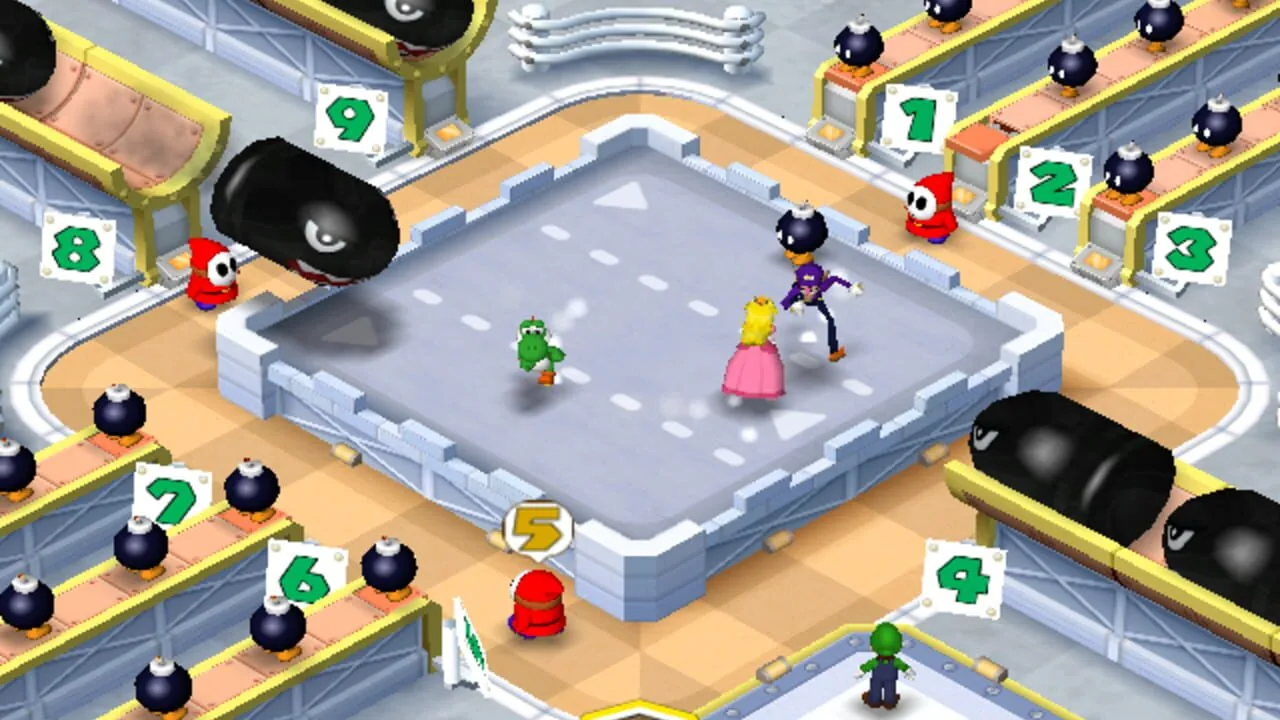
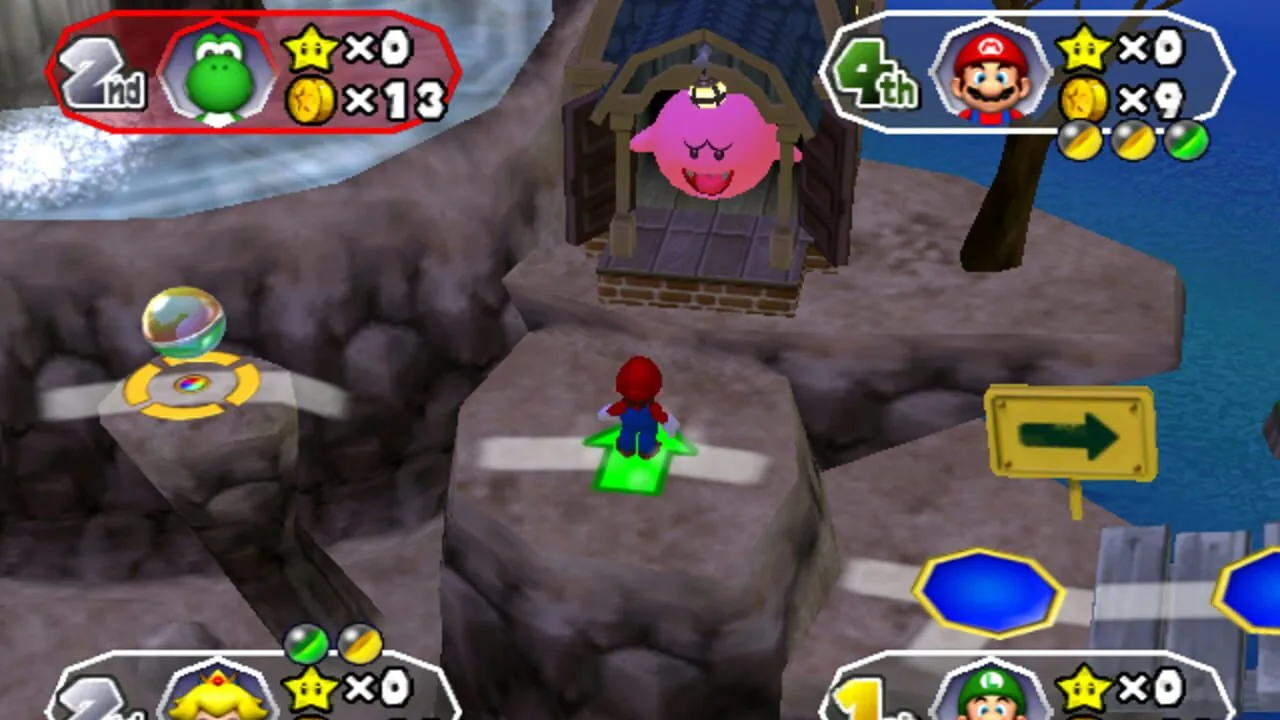
9. Super Mario Strikers (2005)
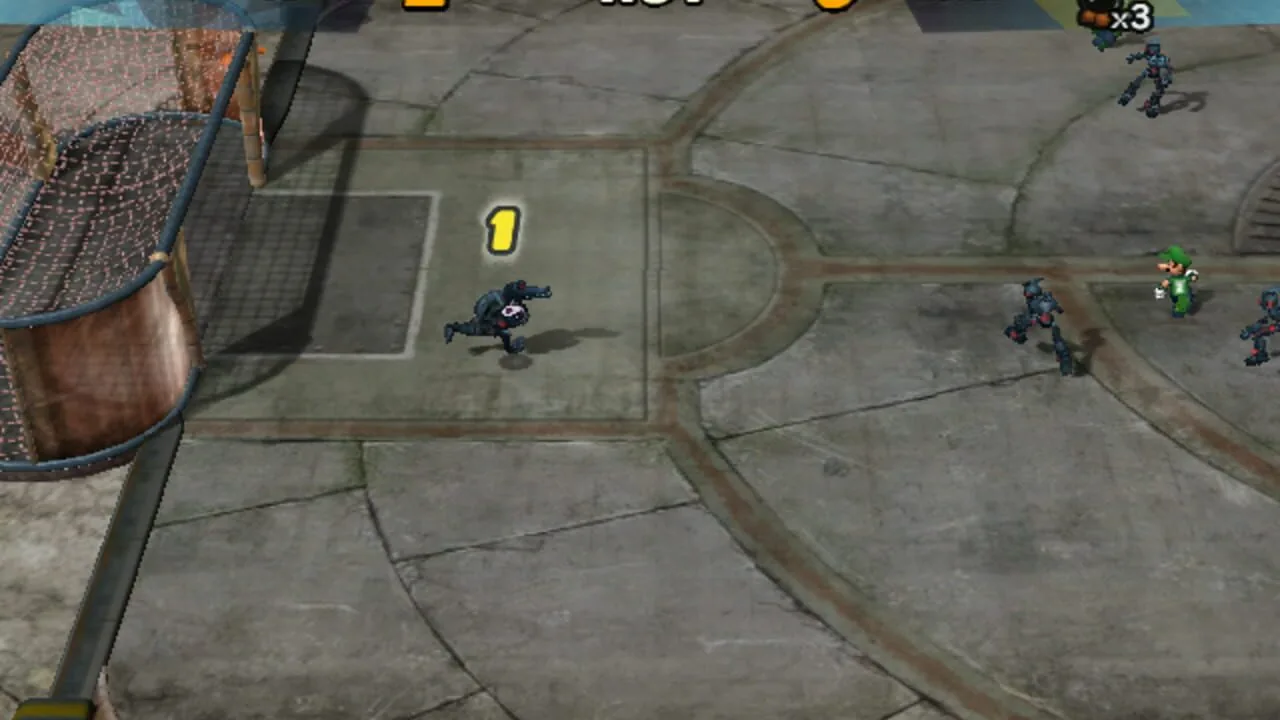
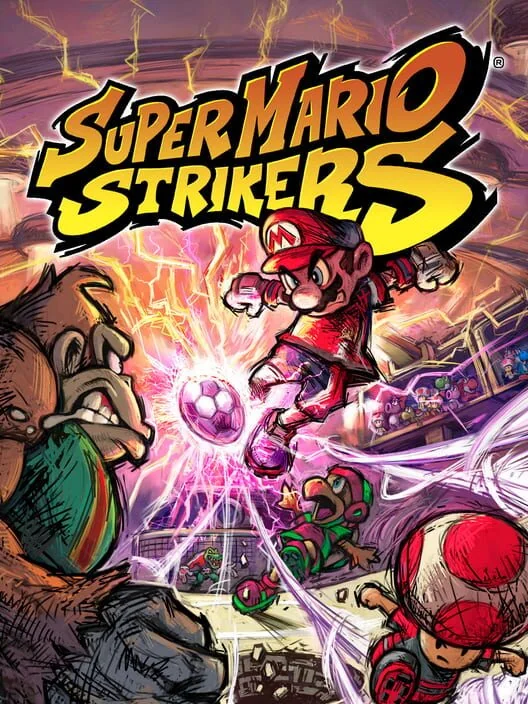
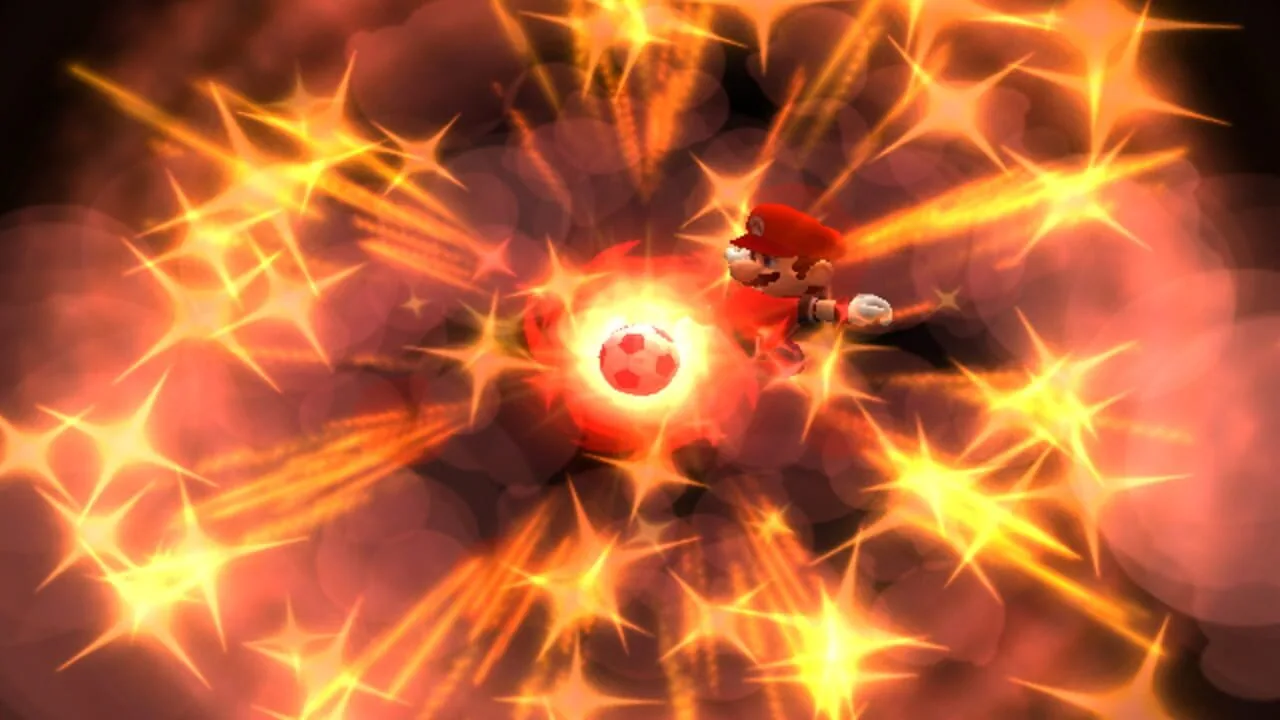
Super Mario Strikers is soccer without referees or rules. Teams have five members on a smaller field, power-ups fly around, and the captain's Super Strike counts as two goals. The developers had worked on NHL Hitz Pro before this, and you can feel it: Strikers is fast and physical, closer to a hockey fight than a football match.
It was the last Mario game released on the GameCube in Japan and North America, and it got its first official re-release on the Nintendo Switch 2 through Nintendo Classics on July 3, 2025. Matches last 5 minutes by default, with sudden death if it is tied. Players rank it above every other Mario sports game here except Mario Golf: Toadstool Tour.
8. Mario Party 4 (2002)
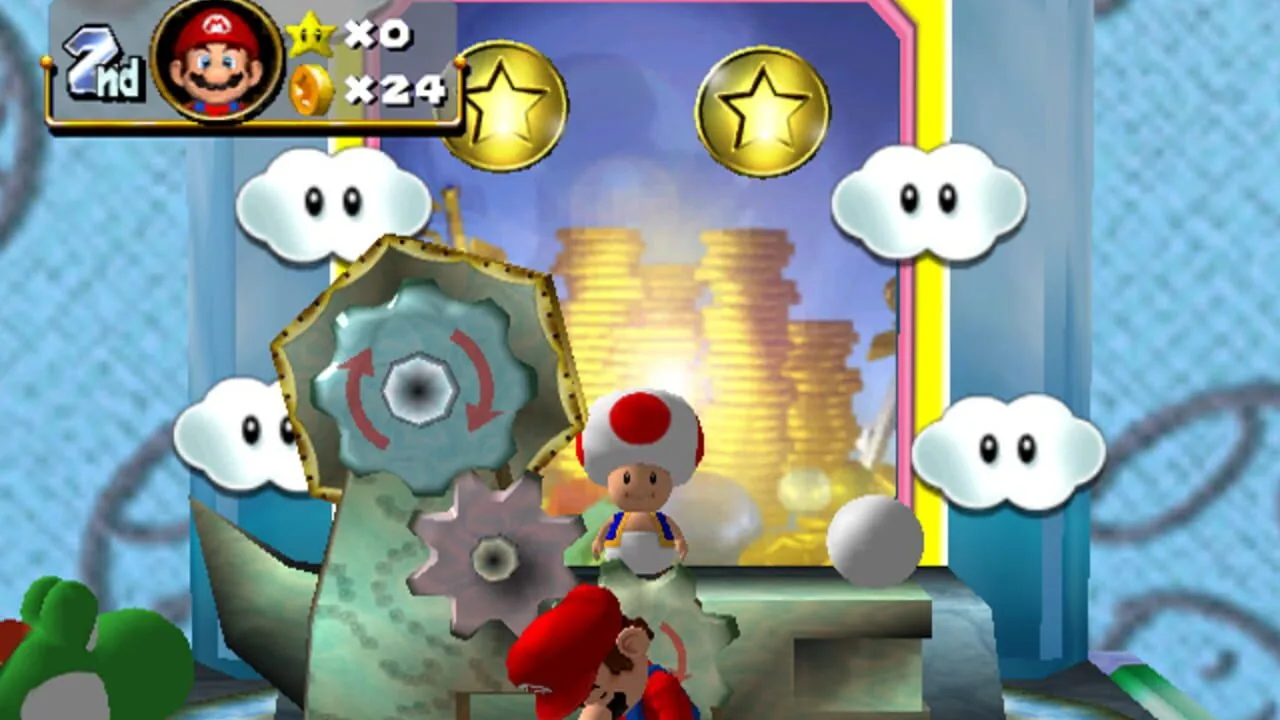
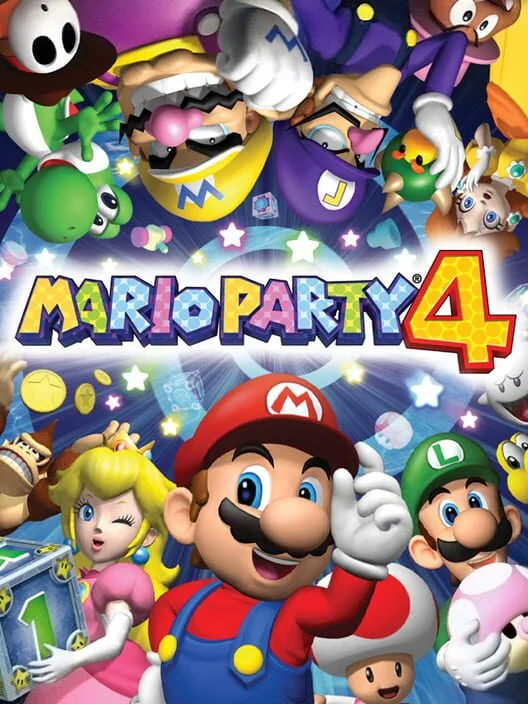
Mario Party 4 was the first Mario Party on the GameCube. The story is a birthday: Toad and Koopa have hidden presents inside the Party Cube, and the Mario cast plays boards and minigames to win them, with Bowser in the way as always. Reviews were mixed. Critics complained about the single-player mode and the boards, and praised the graphics and the controls.
None of that stopped it winning Family Game of the Year at the Interactive Achievement Awards of 2003, the one award a Mario Party needs. Players rank it the highest of the four GameCube Mario Parties, and plenty of them simply tell you to get all four, from 4 to 7.
7. Mario Golf: Toadstool Tour (2003)
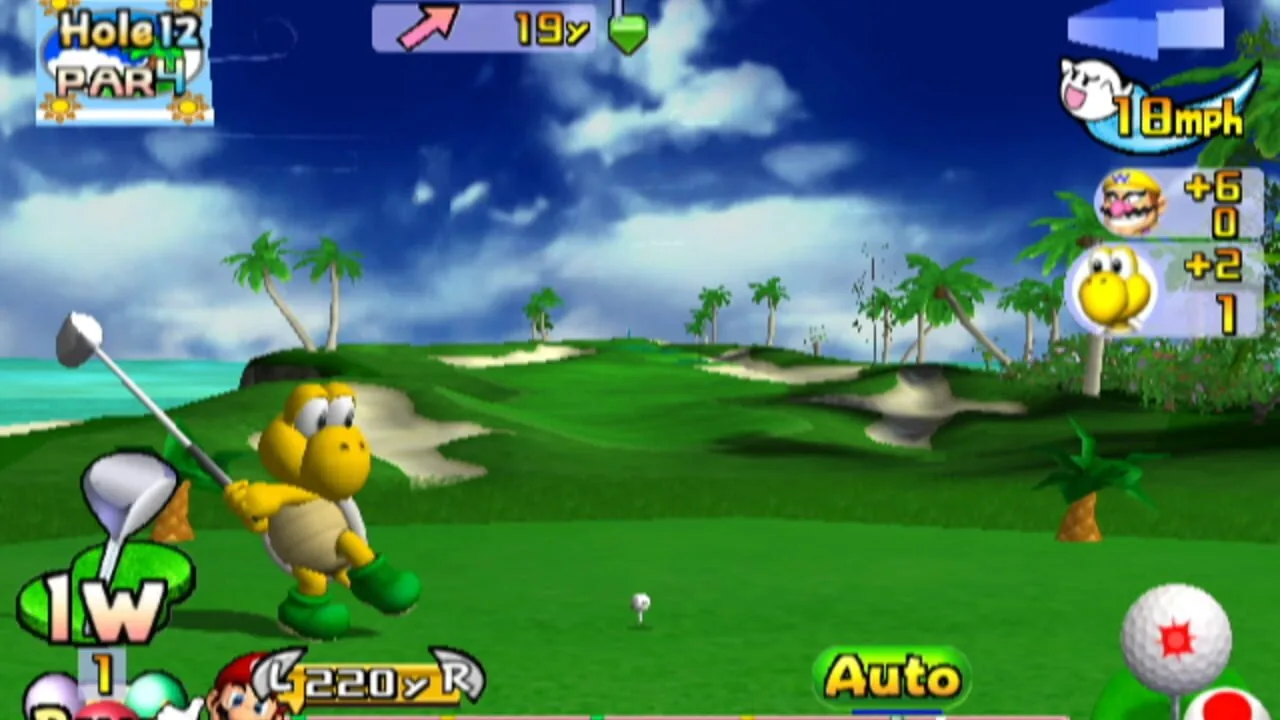
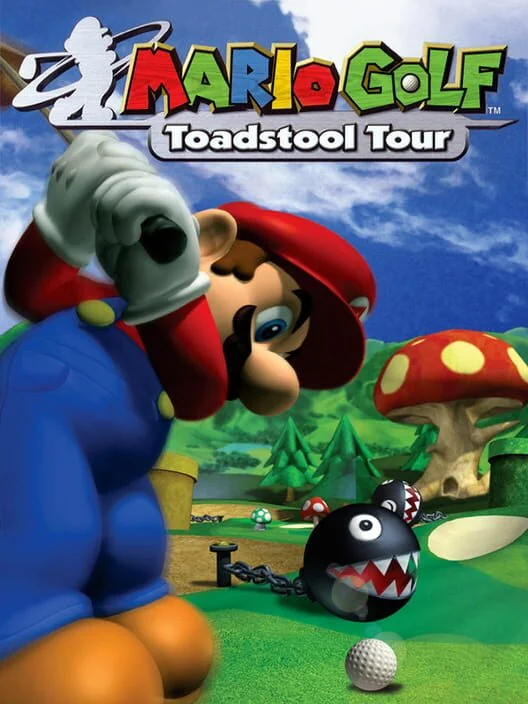
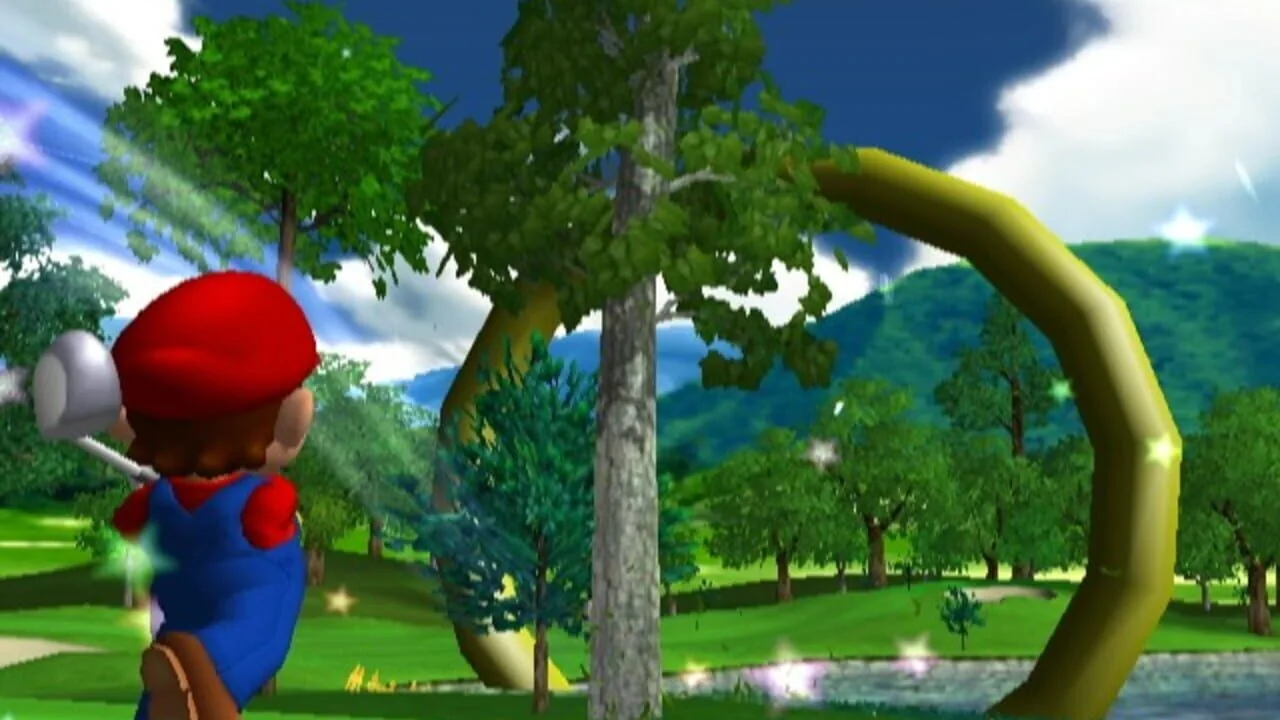
Mario Golf: Toadstool Tour is the third game in the Mario Golf series and the sequel to the Nintendo 64 Mario Golf. It came out in North America on July 28, 2003, more than a month before Japan. Camelot made it alongside Mario Power Tennis. Besides the resort-style courses, it has Mushroom Kingdom courses with Chain Chomps and Thwomps to look out for, plus Ring Attack, where you hit the ball through rings and still have to stay on or under par.
Reviewers praised its visuals and its variety of courses. Golf sounds like a strange multiplayer pick until four people are arguing over a putt. It still has fans who play it today, which you cannot say about most sports games from 2003.
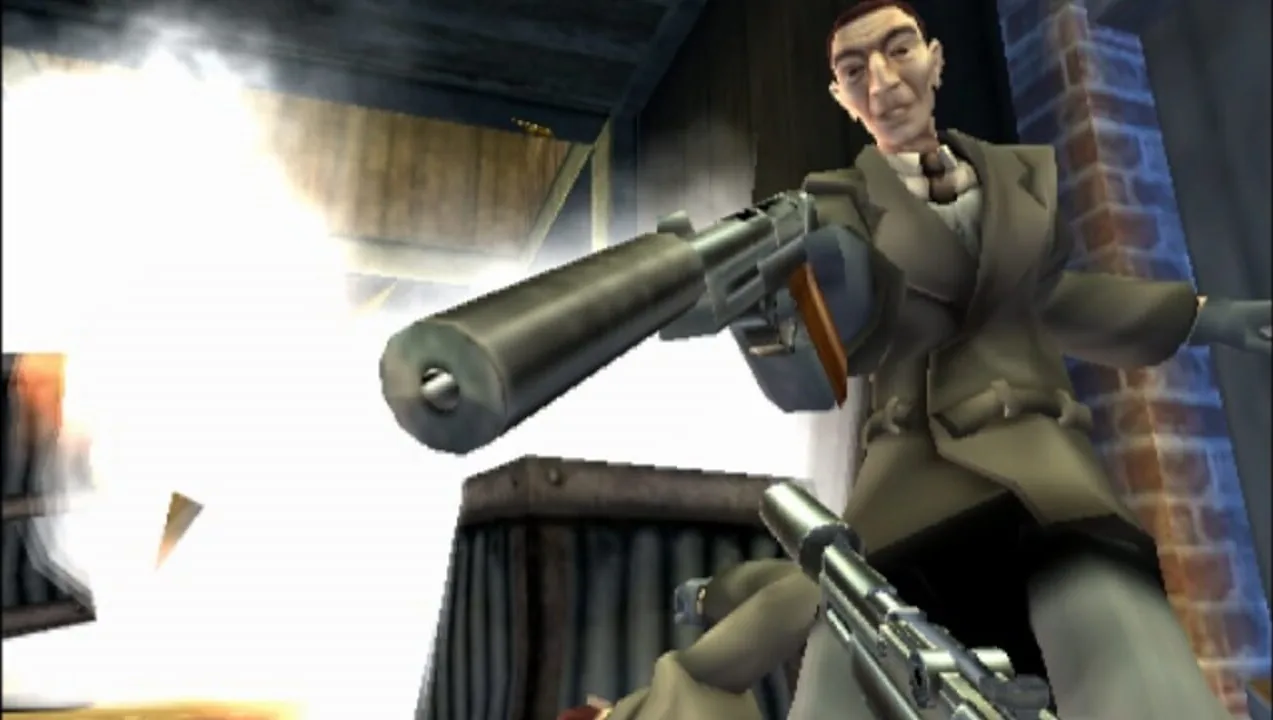
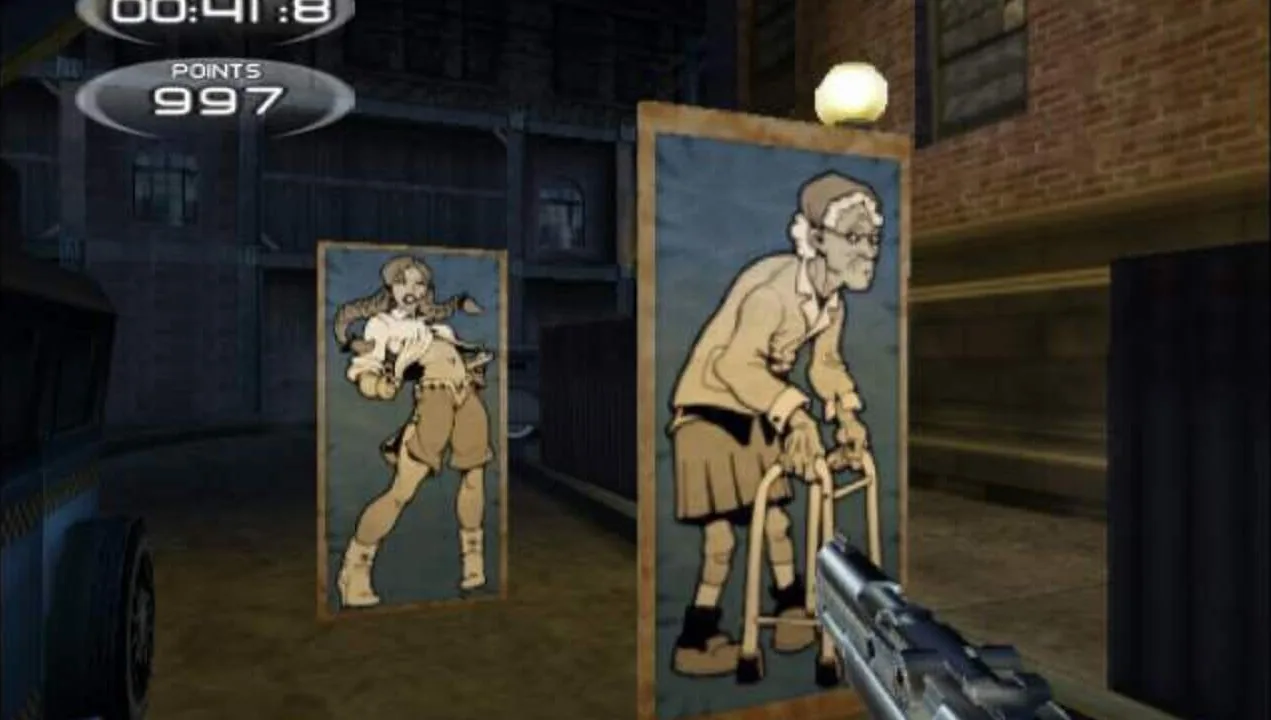
6. TimeSplitters 2 (2002)
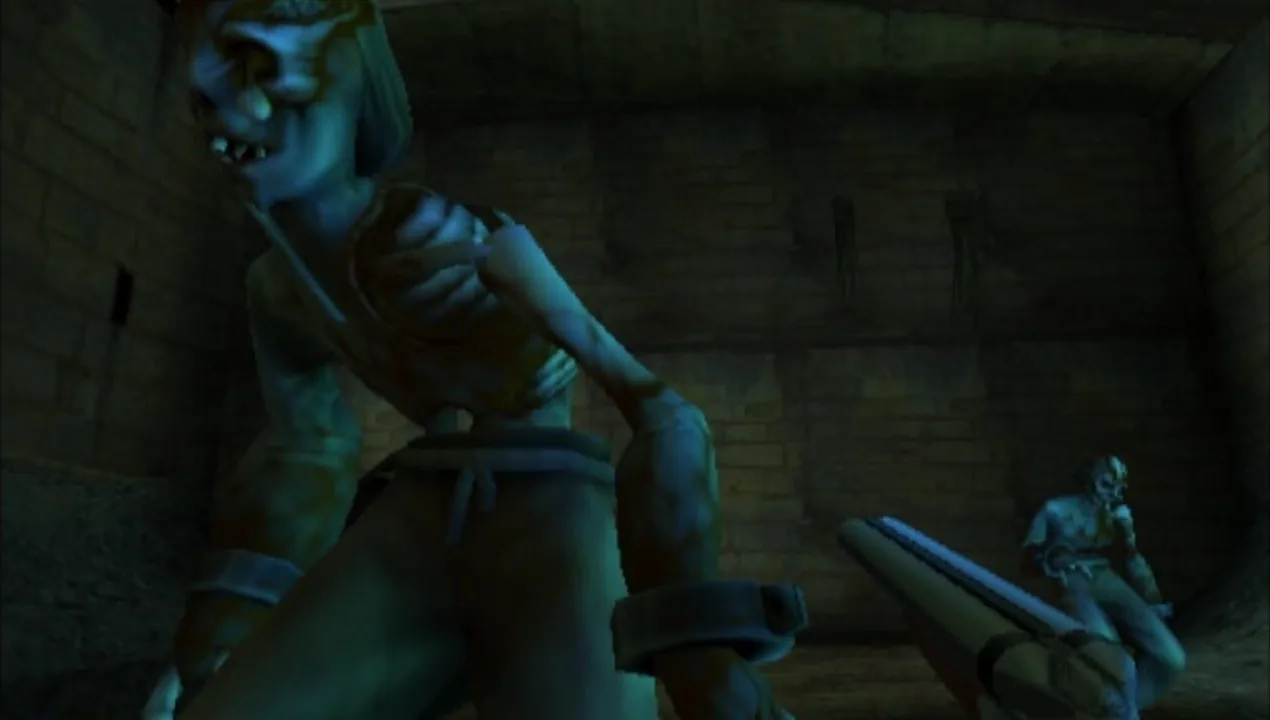
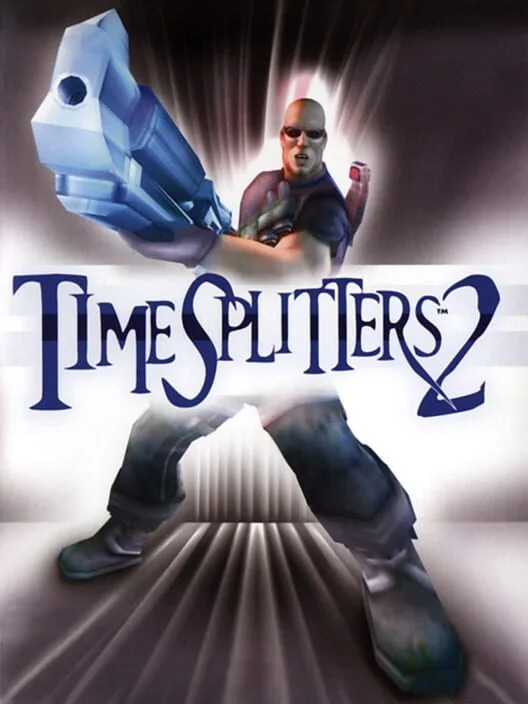
TimeSplitters 2 is a first-person shooter from Free Radical Design, a follow-up to 2000's TimeSplitters, and its story borrows from film genres from horror to science fiction. In 2401 humanity is at war with the TimeSplitters, and the crystals you chase are scattered across moments in human history.
The story was never the point. Critics praised the multiplayer, and you can tweak almost everything about a match, even the music that plays with the level. There are nearly 60 awards handed out based on what players did in a match, and each player's profile keeps track of them. The one thing missing was online play, since only LAN networks are supported. Players rank it well above Future Perfect.
5. Kirby Air Ride (2003)
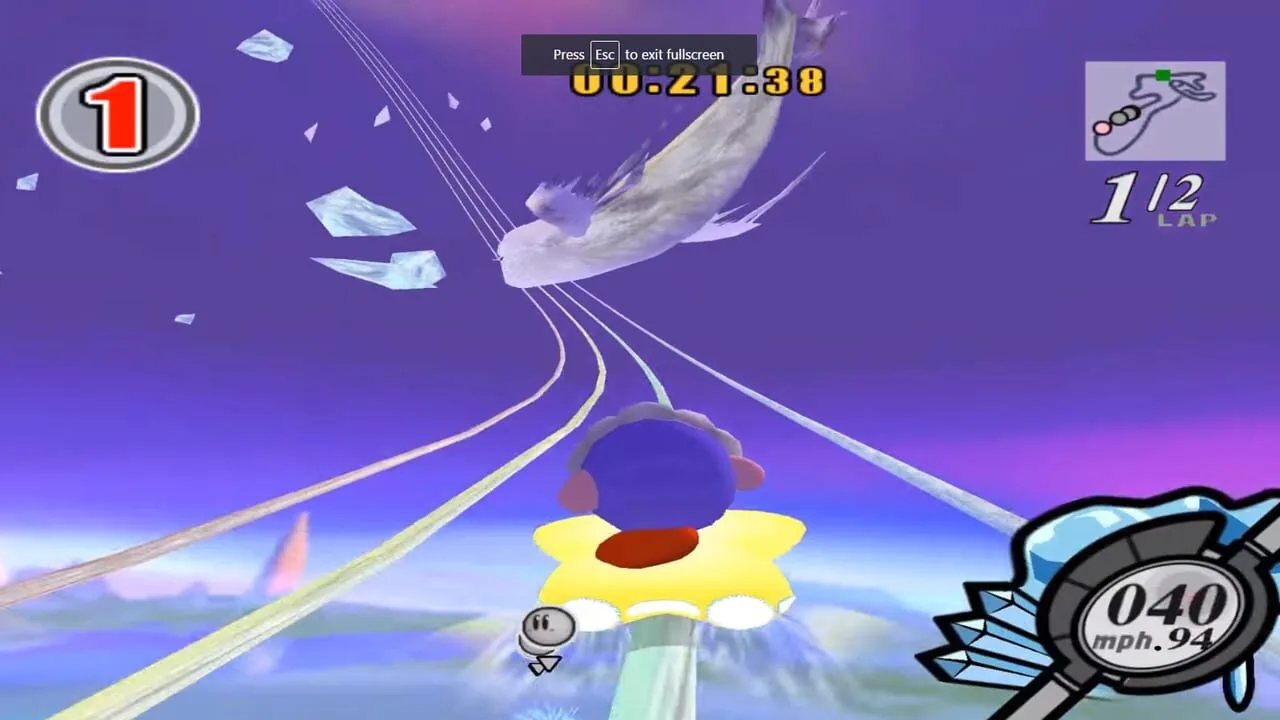
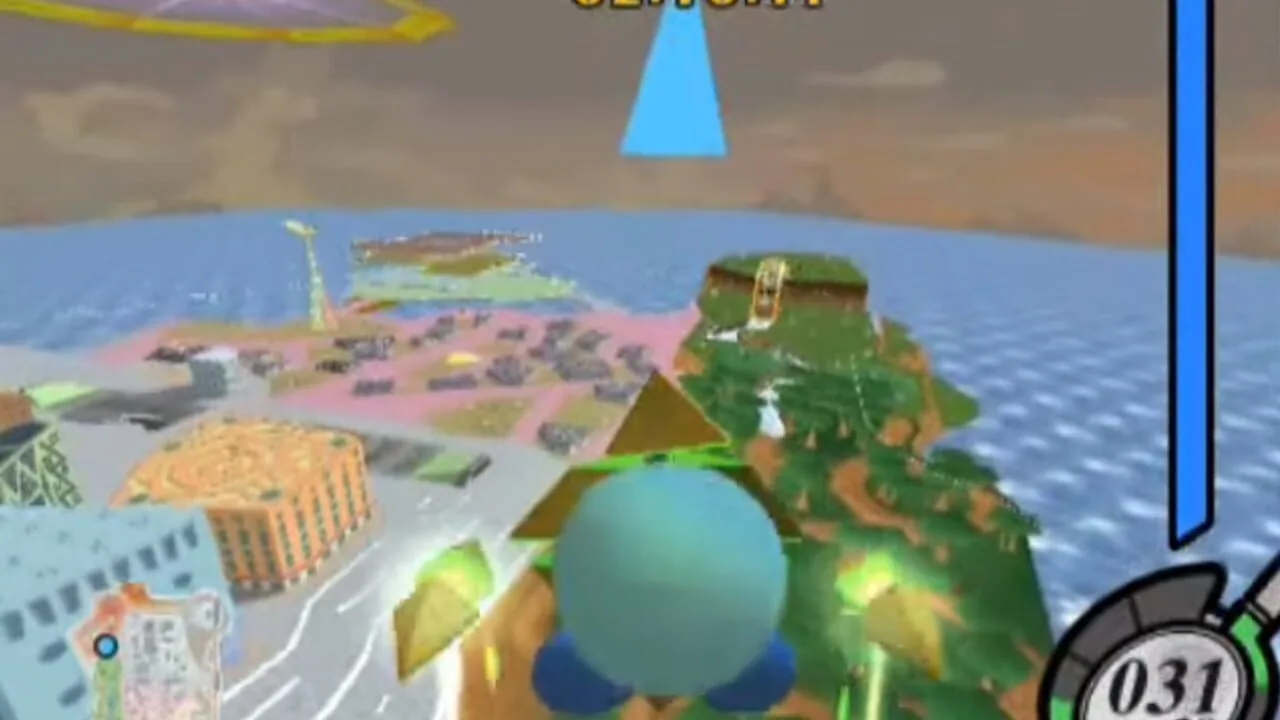
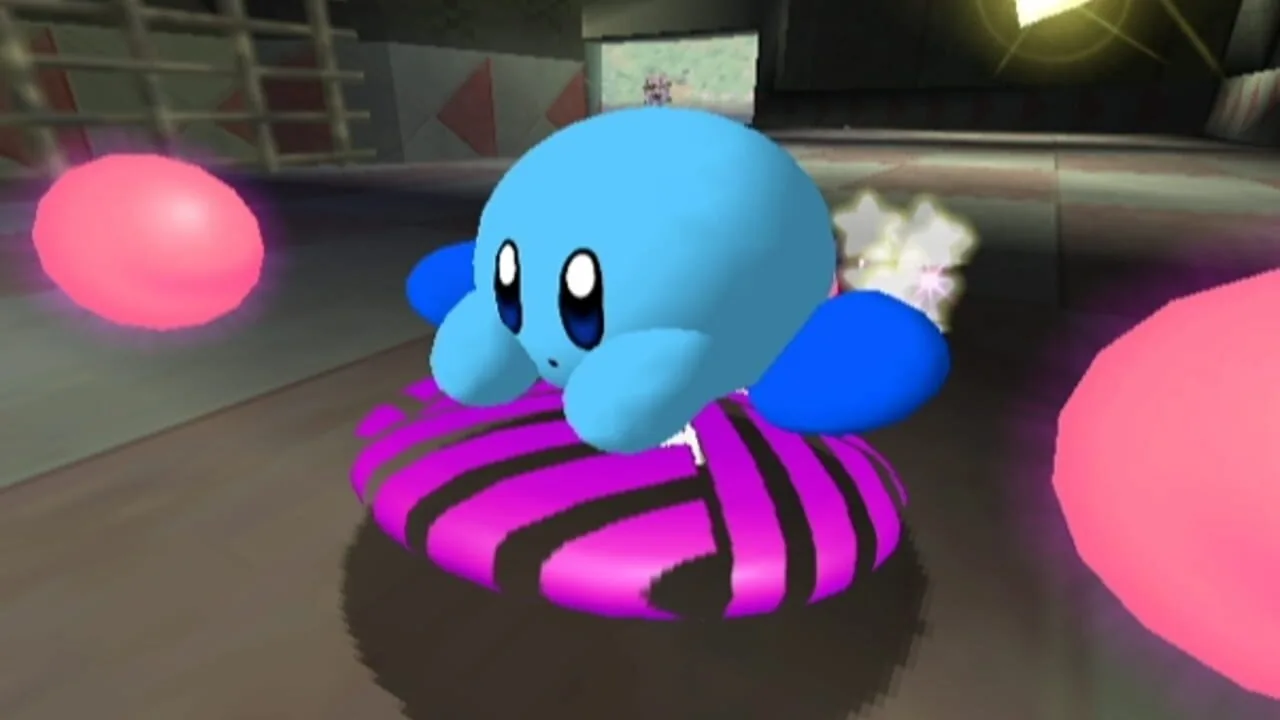
Kirby Air Ride is a racing game from HAL Laboratory, and its best-loved mode is City Trial, next to the more traditional Air Ride and Top Ride. It began development in the early days of the Nintendo 64, went through numerous revisions, was cancelled for a time and was finally finished for the GameCube on a tight production schedule. It was the final Kirby game directed by Masahiro Sakurai before he left HAL. It was also the first GameCube game to support LAN play, linking up to four GameCube systems with broadband adapters.
Critics found it too simple. Players kept playing anyway, and it built a cult following and sold 1.35 million copies. Sakurai finally directed a sequel, Kirby Air Riders, for the Switch 2 in 2025. Players rank it above every Mario Party.
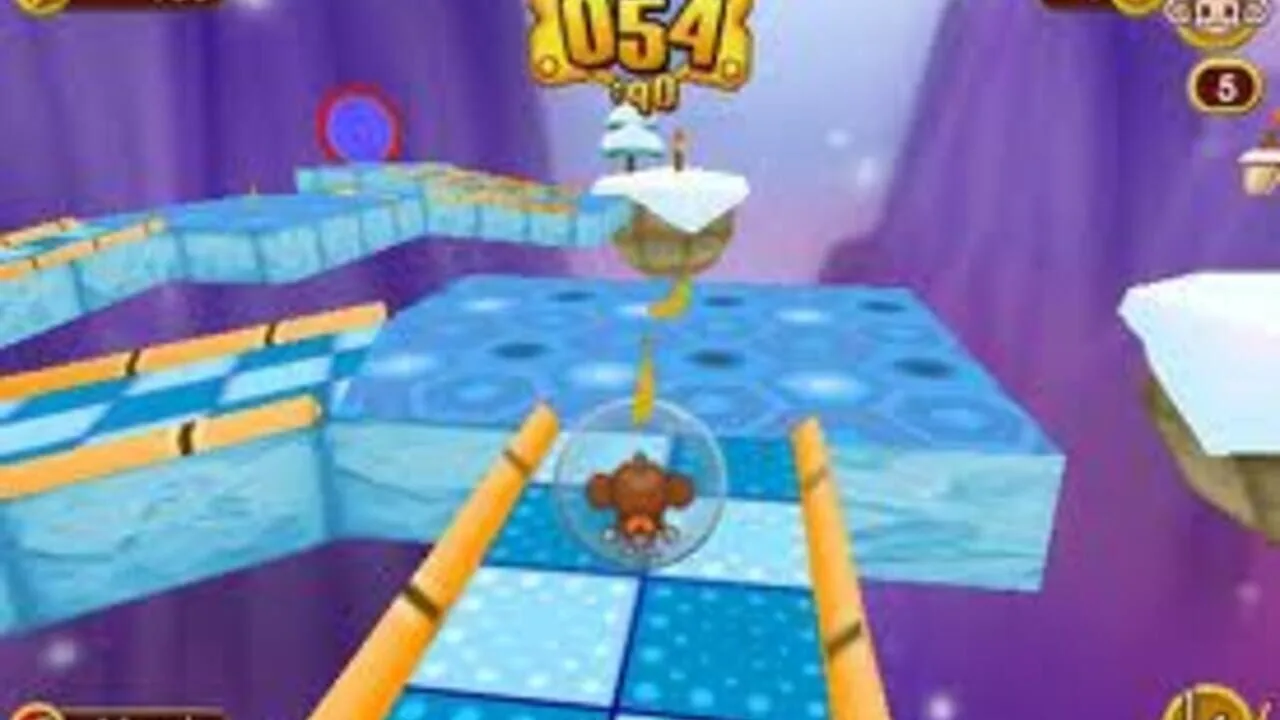
4. Super Monkey Ball 2 (2002)
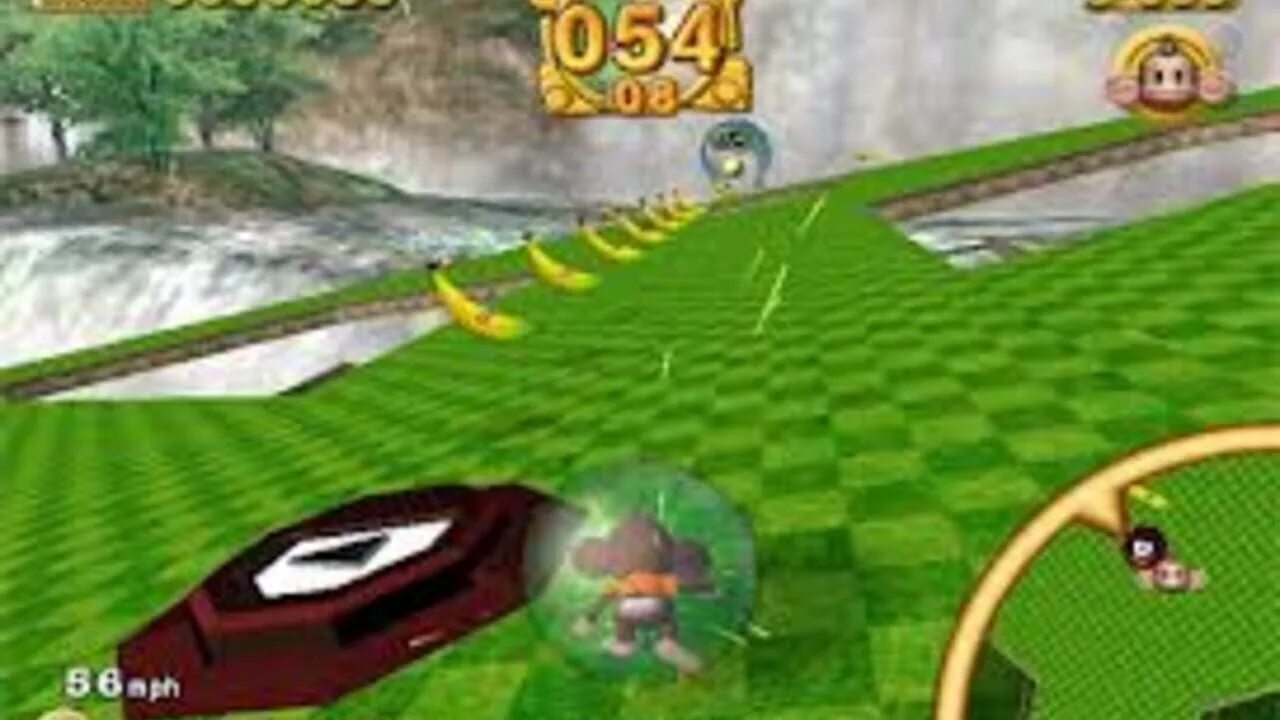
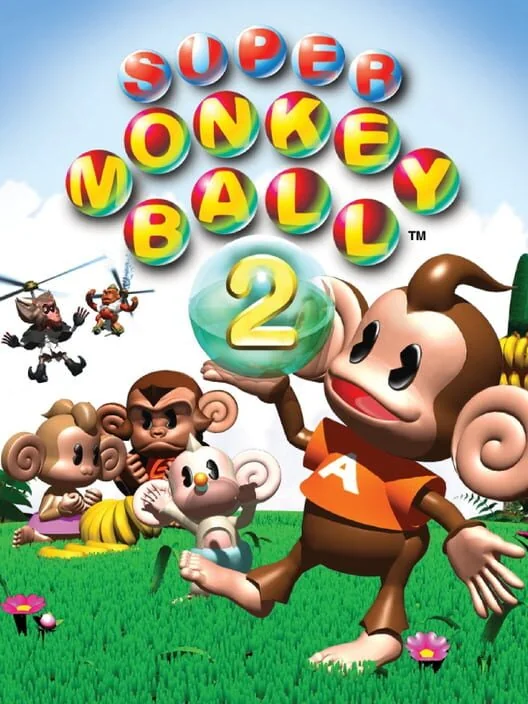
Super Monkey Ball 2 was the first game in the series to have a storyline and the first released only on a home console. You still guide a monkey in a plastic ball through a maze to the goal, and in story mode a movie and a new world follow every 10 stages. The real draw is the party games, a dozen of them for one to four players, from monkey target and monkey bowling to monkey tennis.
One critic called it "one of the best multiplayer games for GCN, without a doubt and hands down." A hospital took that seriously. James Rosser created a gaming area in the physician's lounge at Florida Hospital Celebration Health, saying "I want all the surgeons to warm-up and make sure they give Super Monkey Ball a chance."
3. Super Monkey Ball (2001)
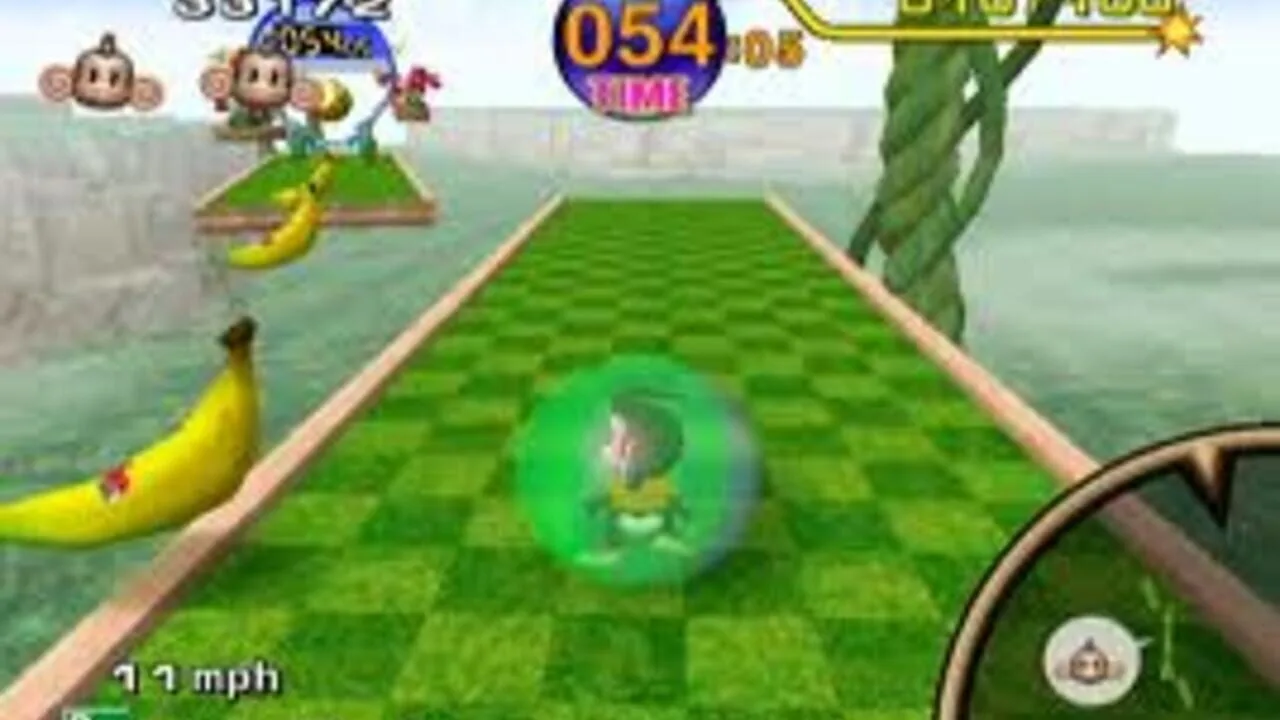
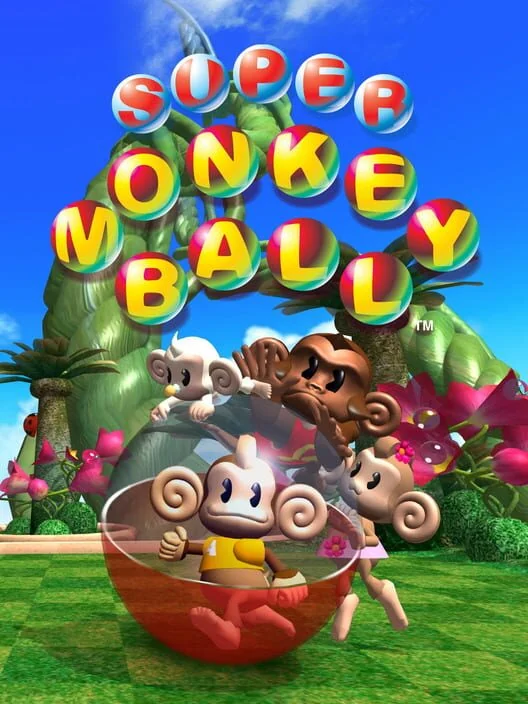
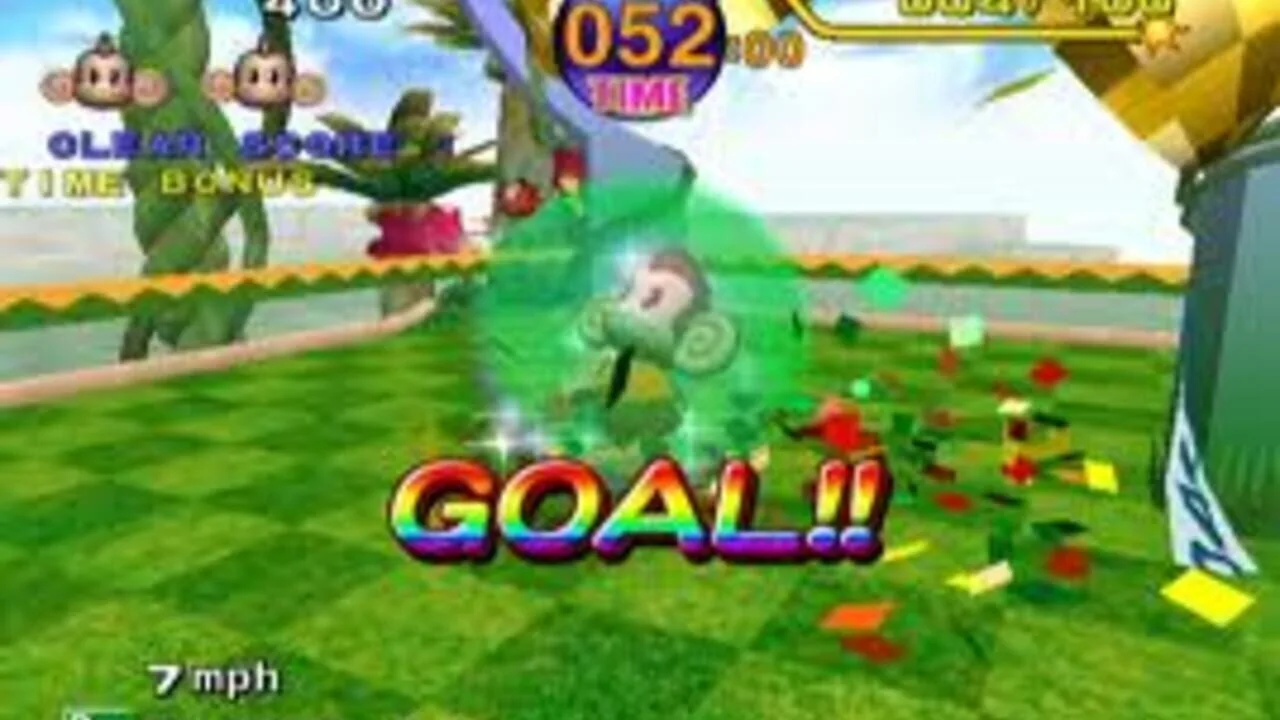
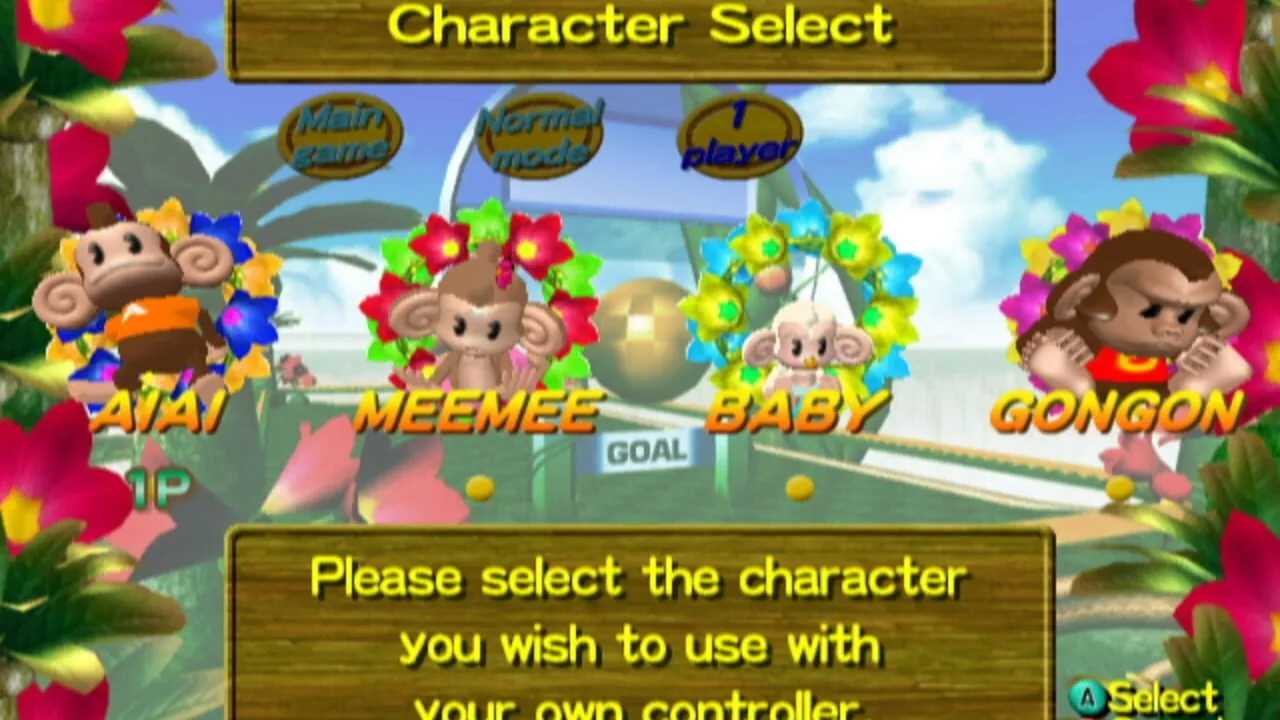
Super Monkey Ball started as Monkey Ball, an arcade game that debuted in Japan at the 2001 Amusement Operators Union trade show, controlled with a banana-shaped analog stick. After the Dreamcast failed and Sega restructured, an enhanced port came to the GameCube as a launch title, Sega's first game for a Nintendo home console. Toshihiro Nagoshi came up with it: guide one of four monkeys in a ball across maze-like platforms to the goal before the timer runs out.
There are several multiplayer modes, some of them separate minigames and some built on the main game. Players rank it above its sequel, and one player put it best: "The game is perfection with a gamecube controller."
2. Mario Kart: Double Dash (2003)
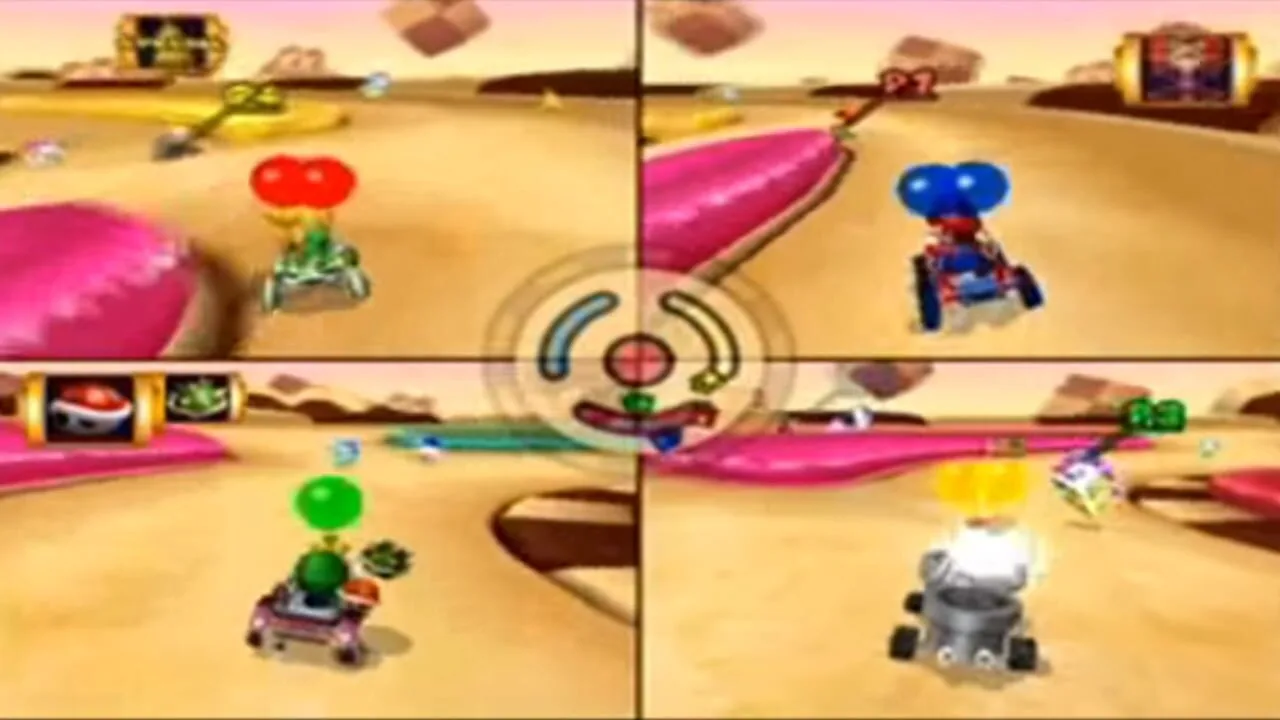
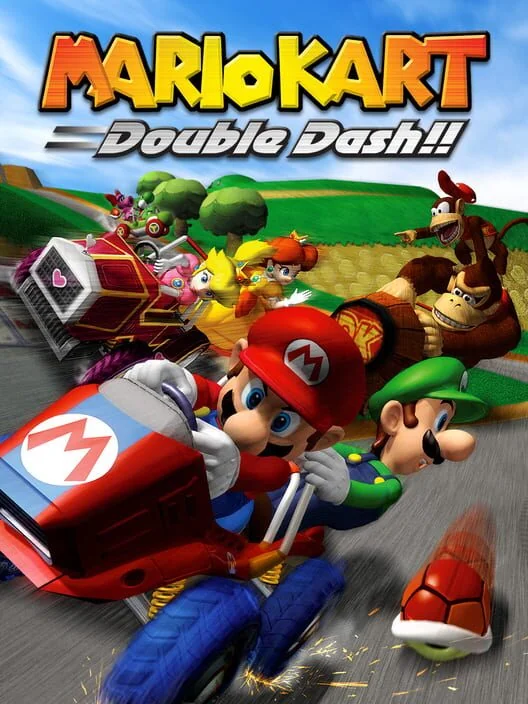
Mario Kart: Double Dash puts two racers in every kart, and they can switch places at any time. The one in front drives, and the one in the back handles the items. On top of the normal items, each character has a special item only they can use, so picking a pair is half the game. Director Kiyoshi Mizuki wanted to attract people with no experience of the series, so he made the gameplay as simple as possible.
Two friends can share one kart, one driving and one throwing, and it might be the best co-op idea Nintendo had that generation. It sold more than 3.8 million copies in the United States alone. A lot of players still call it their favourite Mario Kart.
1. Super Smash Bros. Melee (2001)
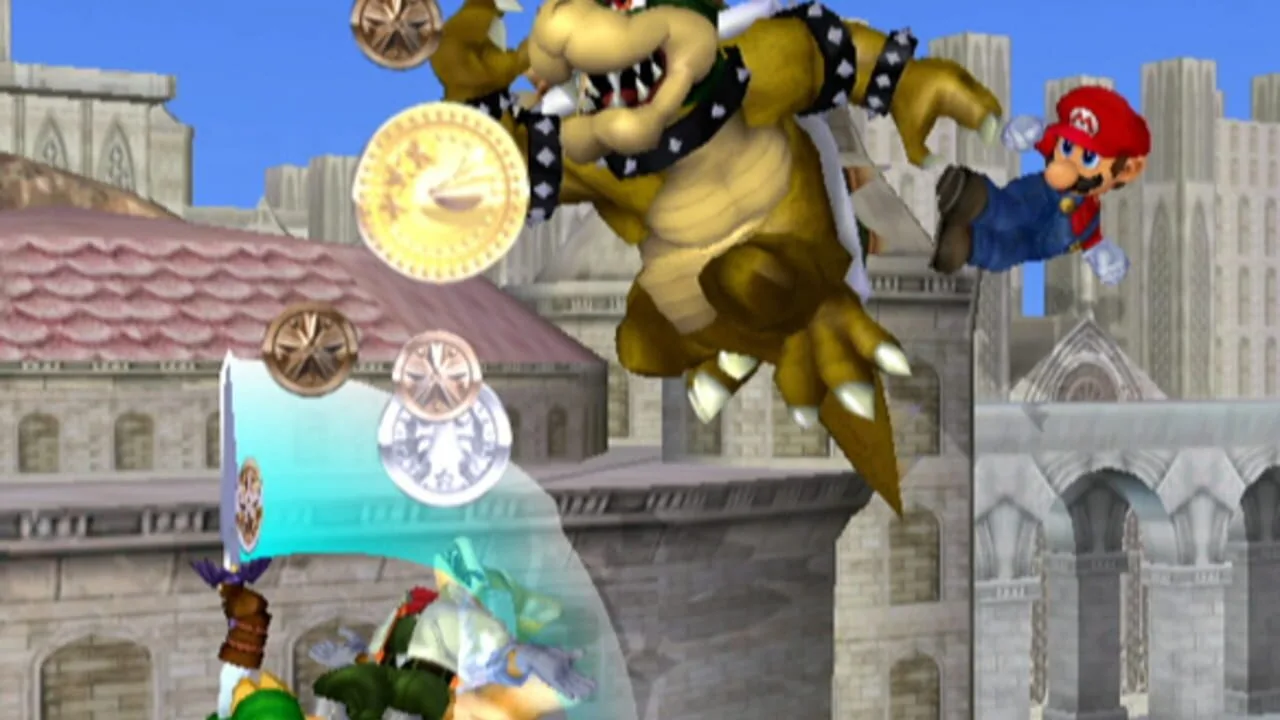
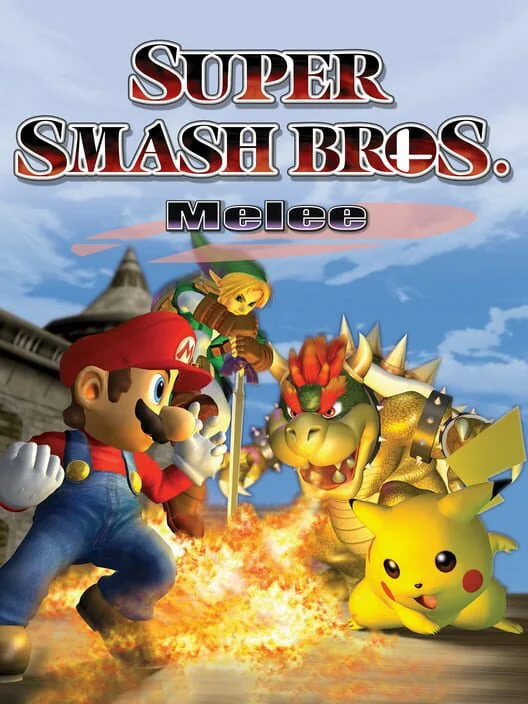
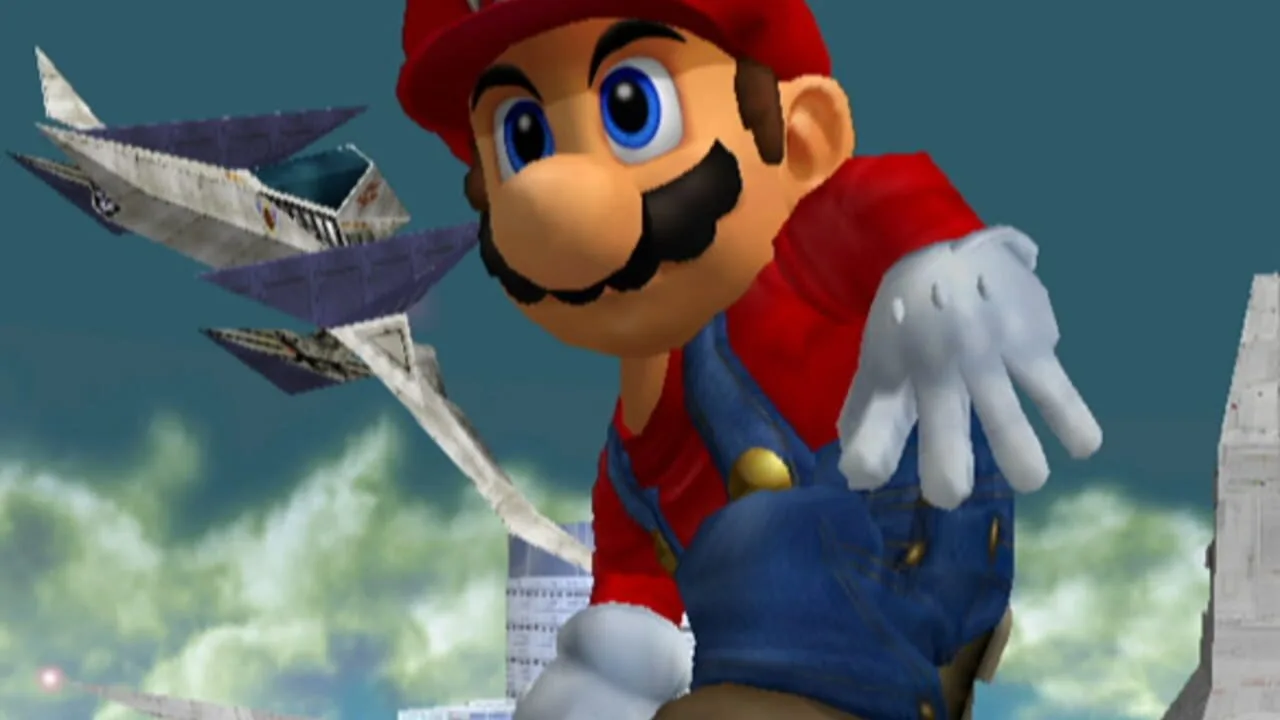
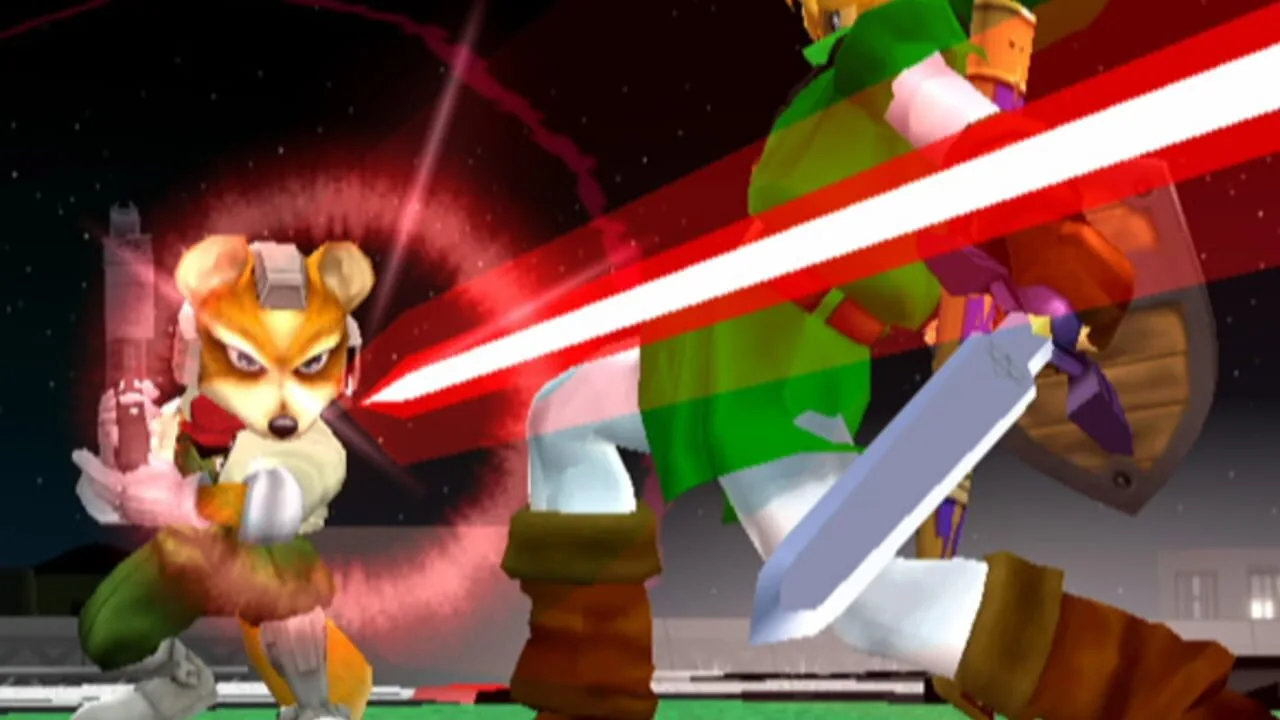
Super Smash Bros. Melee is a crossover fighting game from HAL Laboratory, with Masahiro Sakurai at the head of production, and it was one of the first games released on the GameCube. You do not drain a health bar. Damage builds up as a percentage, and the higher it climbs, the farther a hit sends you, until someone flies off the stage. Moves come from one button and a stick direction, so anyone can start playing. It added Marth and Roy from Fire Emblem at a time when no Fire Emblem game had come out outside Japan.
It became the GameCube's best-selling game, with over seven million copies sold by 2008, and its competitive scene is still going long after the console. Players pick it nearly twice as often as Mario Kart: Double Dash.
Which one to play
There you have it, the whole list of the best GameCube multiplayer games. With four controllers and the right group, any game in the top ten can carry an evening.
If you are not sure where to start, start with Super Smash Bros. Melee. For friends who never play games, put on Mario Party 4 or WarioWare, Inc.: Mega Party Games!. If you would rather fight side by side than against each other, try Phantasy Star Online Episode I & II. Shooter fans should get TimeSplitters 2. And for a hidden pick, Cel Damage is the one almost nobody remembers.