The GameCube was not where anyone expected strategy games to live. The genre belonged to PC players with a mouse, and Nintendo's little purple box came with a controller built around one giant A button. That turned out to be a good thing. The games that did show up had to work on a gamepad, and a lot of them got strange in interesting ways.
Fire Emblem came back to a home console for the first time since the Super Famicom. Nintendo also hired a London studio to make a war game where you take control of the tanks yourself, and published another where you shout orders into a microphone while playing pinball. There are card battlers too, plus a couple of PC strategy games brought over to the disc. Here are the 11 best GameCube strategy games.
11. Goblin Commander: Unleash the Horde (2003)
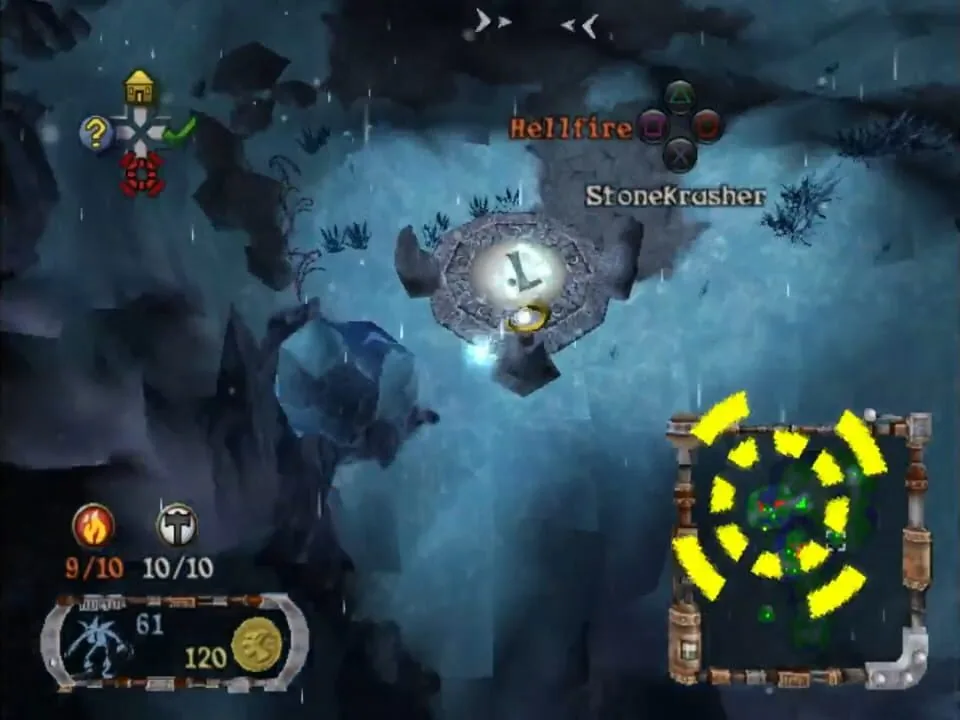
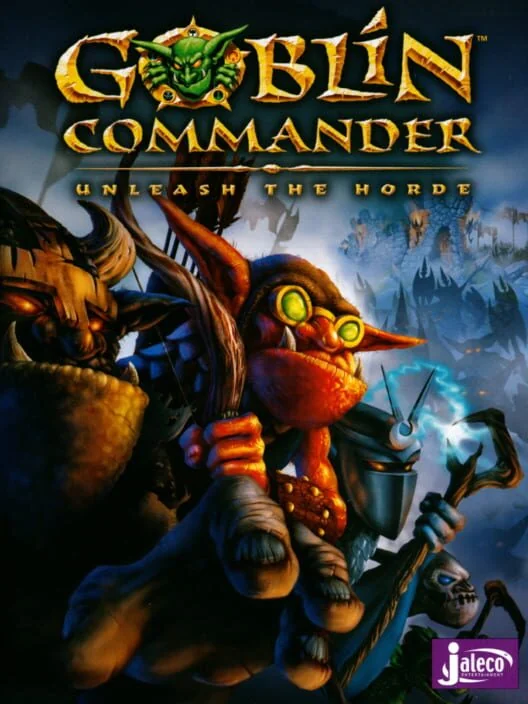
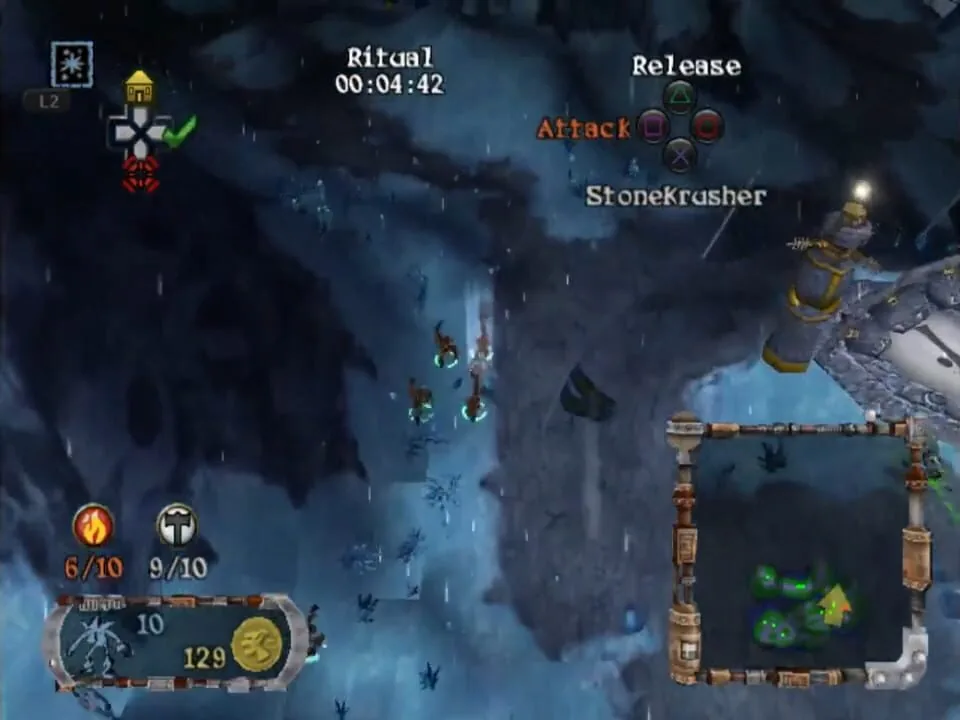
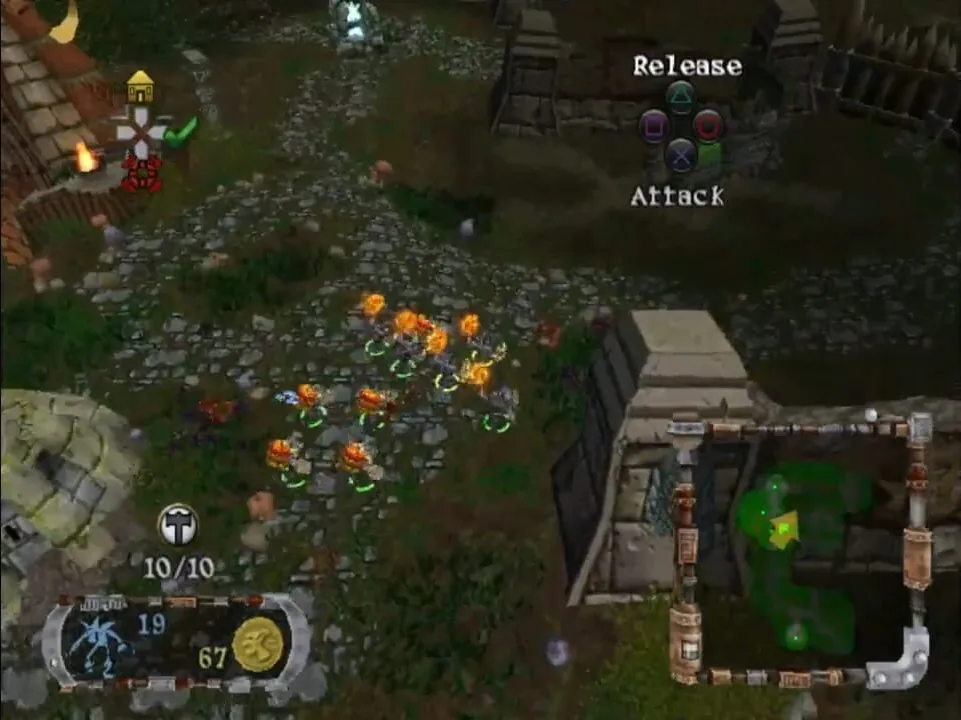
Goblin Commander reached the GameCube in December 2003, a month after the Xbox and PS2 versions. It mixes real-time strategy with light action. You gather resources and build up a horde of goblins, then take direct control of a horde or a titan and fight in a third person view. Each goblin clan leans toward either close combat or ranged units, and every clan has its own titan, a large beast with high damaging attacks. Only one titan can be under your control at a time, which keeps the whole thing from turning into a monster parade.
The story is set in the land of Ogriss, where a human sorcerer named Fraziel set out to build something known only as the "Great Machine". Reviews were average. The players who remember it still recommend it, usually as a lesser-known pick.
10. Army Men: RTS (2002)
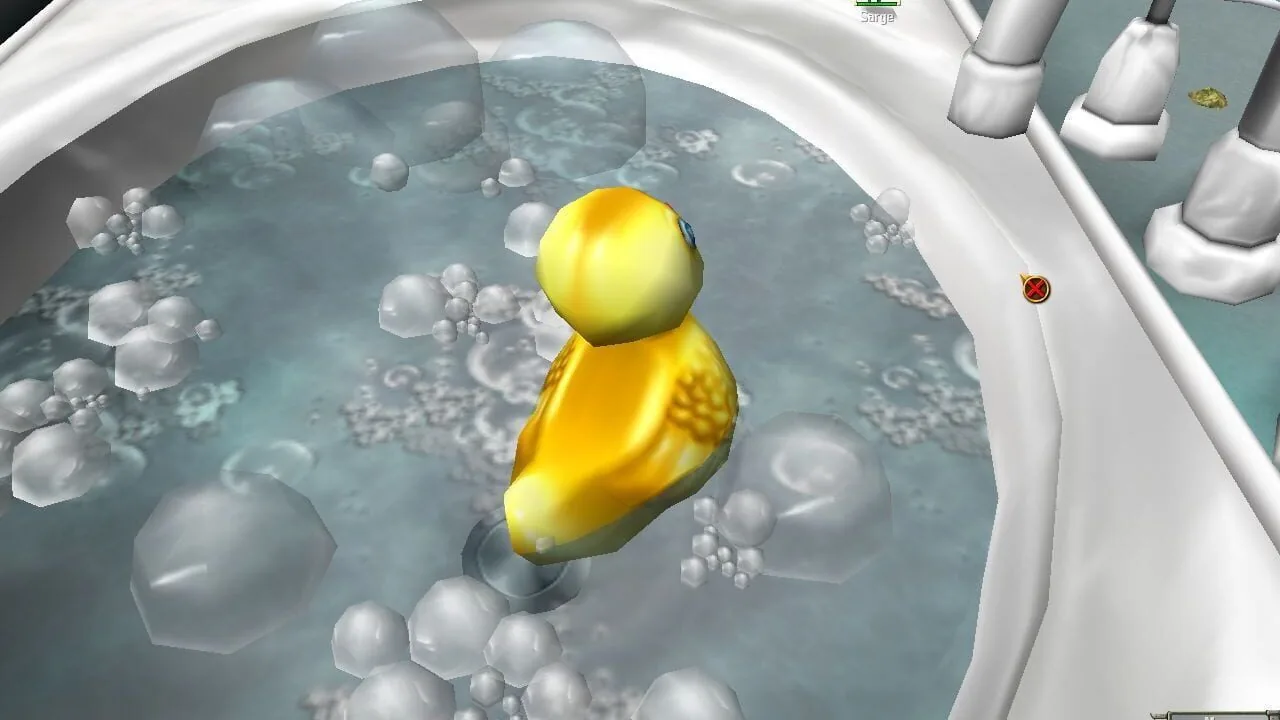
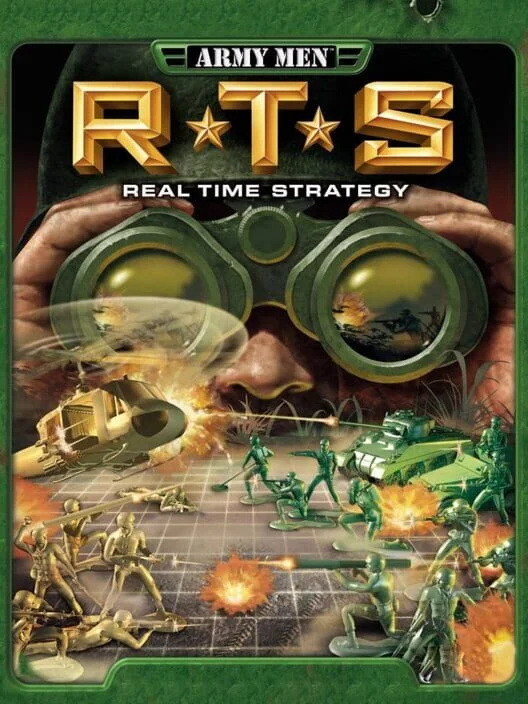
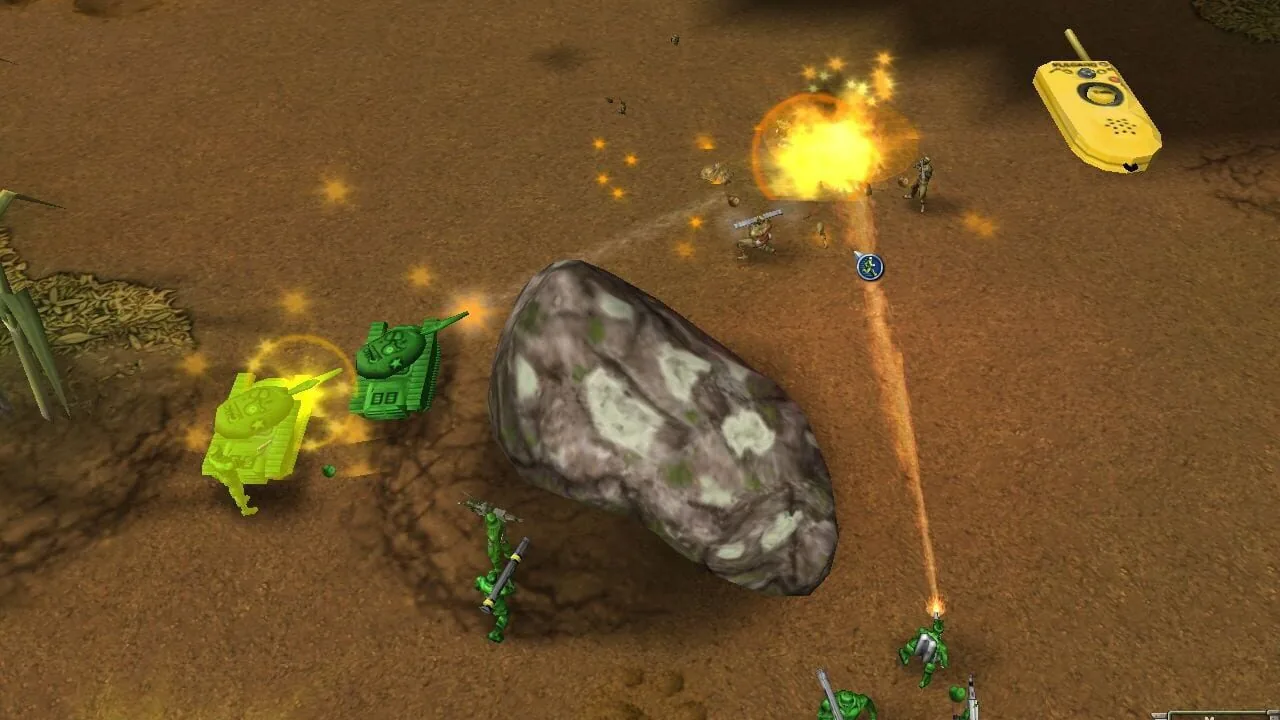
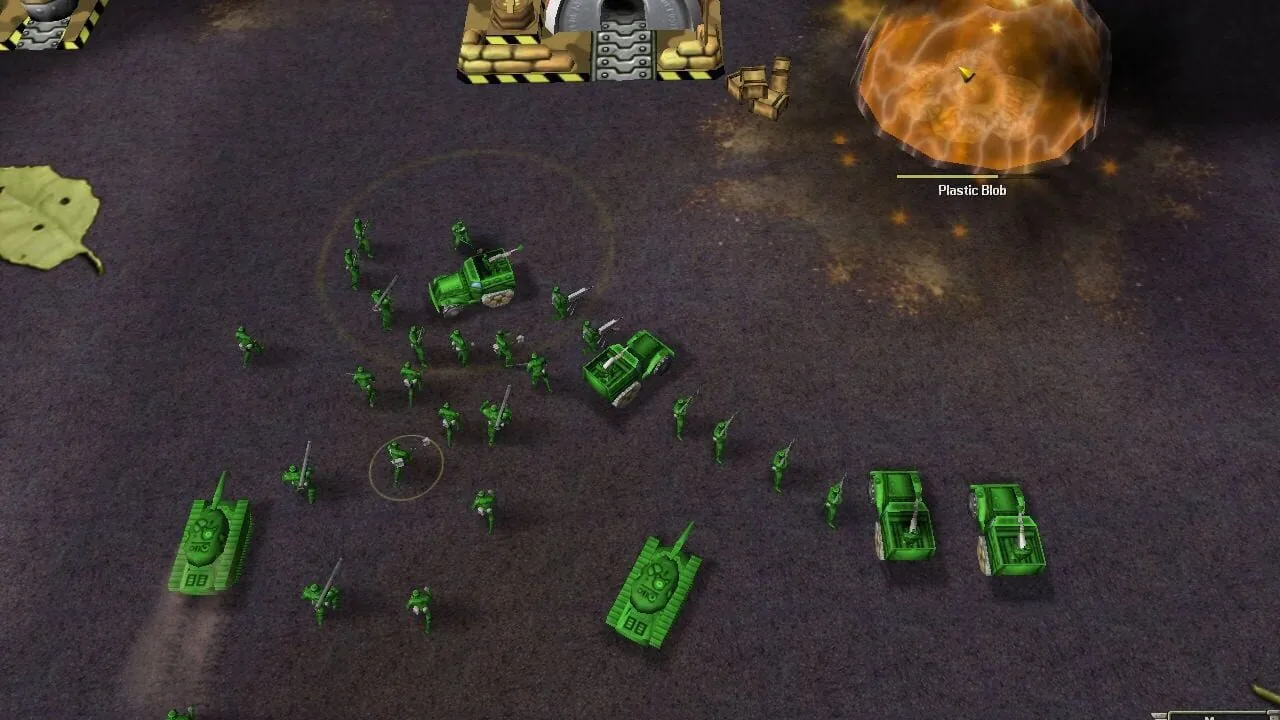
Army Men: RTS takes the little green plastic soldiers and gives them a proper real-time strategy game. Building is the heart of it. Some buildings assemble vehicles and produce soldiers while others provide defense, and most upgrades depend on what you have already built. The PC original came from Pandemic on a version of the Dark Reign 2 engine, and the GameCube version was developed by Coyote Developments. It even has special operations missions that are absent from the PC release.
The plot is inspired by Apocalypse Now. Colonel Blintz of the Green army has "turned Tan" by painting himself and his soldiers, and Sarge has to hunt him down through a house, starting in the front yard. Reviews were mixed or average, but players still put it on their lists of personal favorites.
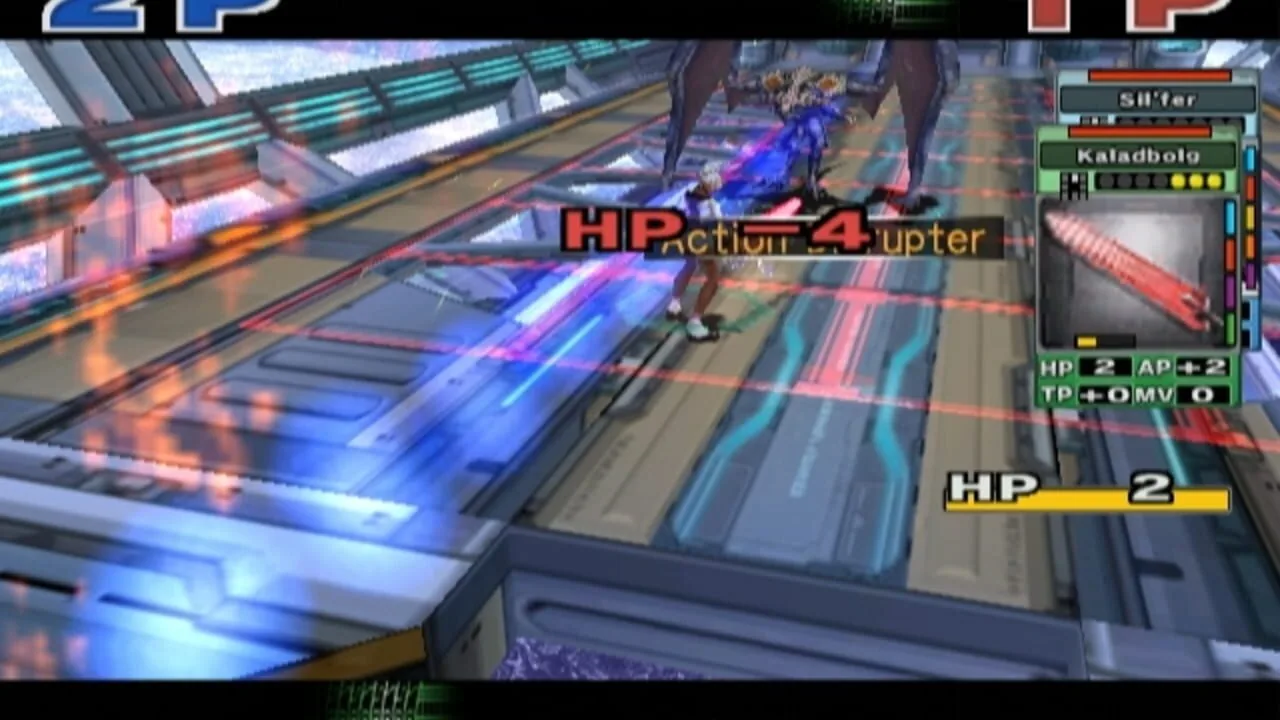
9. Phantasy Star Online Episode III: C.A.R.D. Revolution (2003)
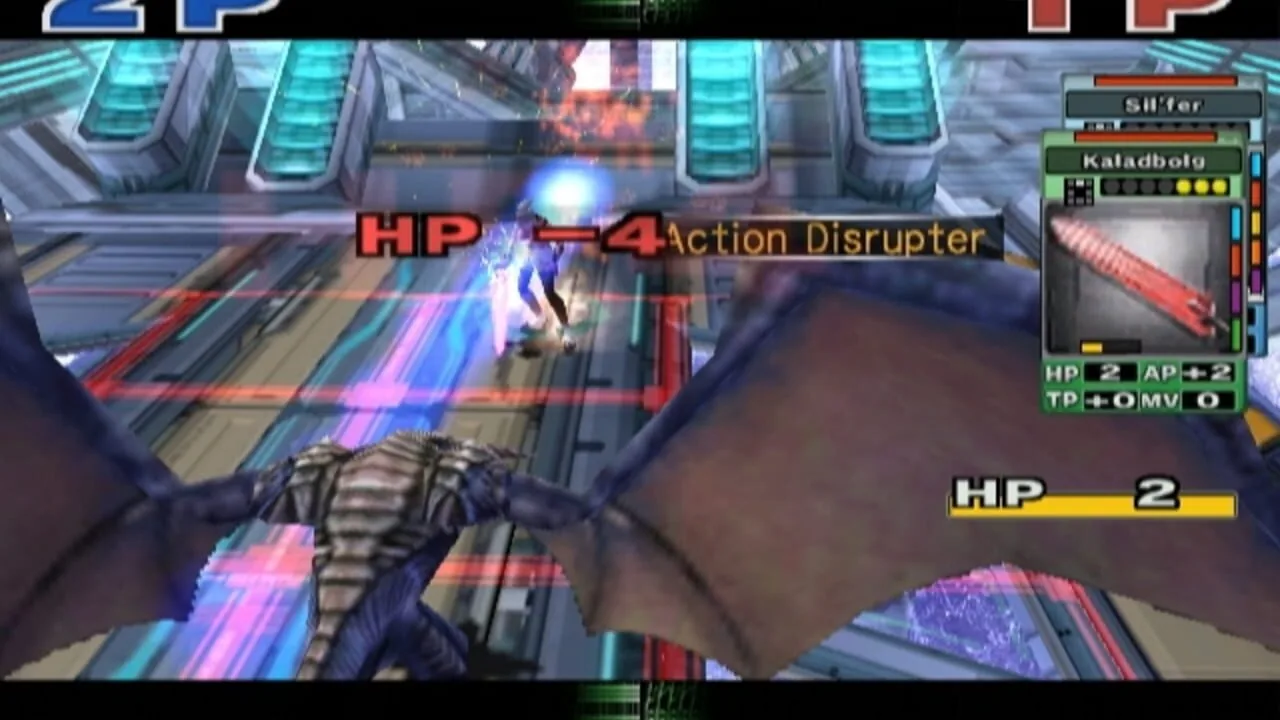
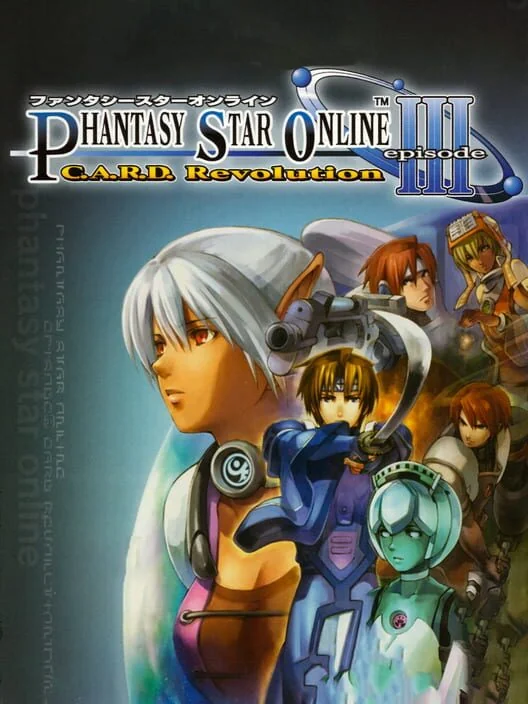
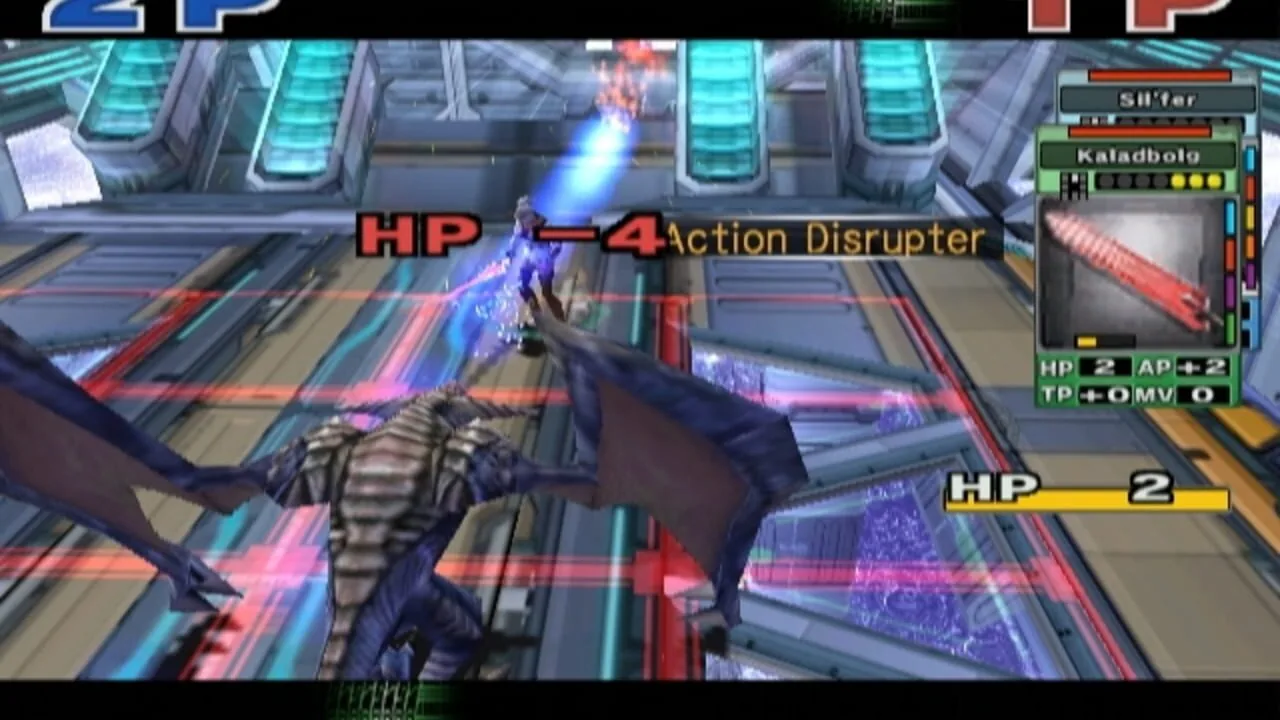
Phantasy Star Online turning into a card game sounds like a fever dream, and it plays like a tactics game. Episode III is turn-based, and its cards are weapons or creatures from Phantasy Star Online Episodes I and II. You join the Hero side or the Dark side. Hunters fight by equipping weapons, Mags (small flying robots that boost their abilities) and shields, while the Arkz have only one set weapon and use their decks to summon creatures that attack for them.
The story is set twenty-one years after the fourth episode, and you only see the whole of it after finishing both sides. It is the strangest Phantasy Star there is. One player called it the "best singleplayer gameplay on Gamecube".
8. Worms 3D (2003)
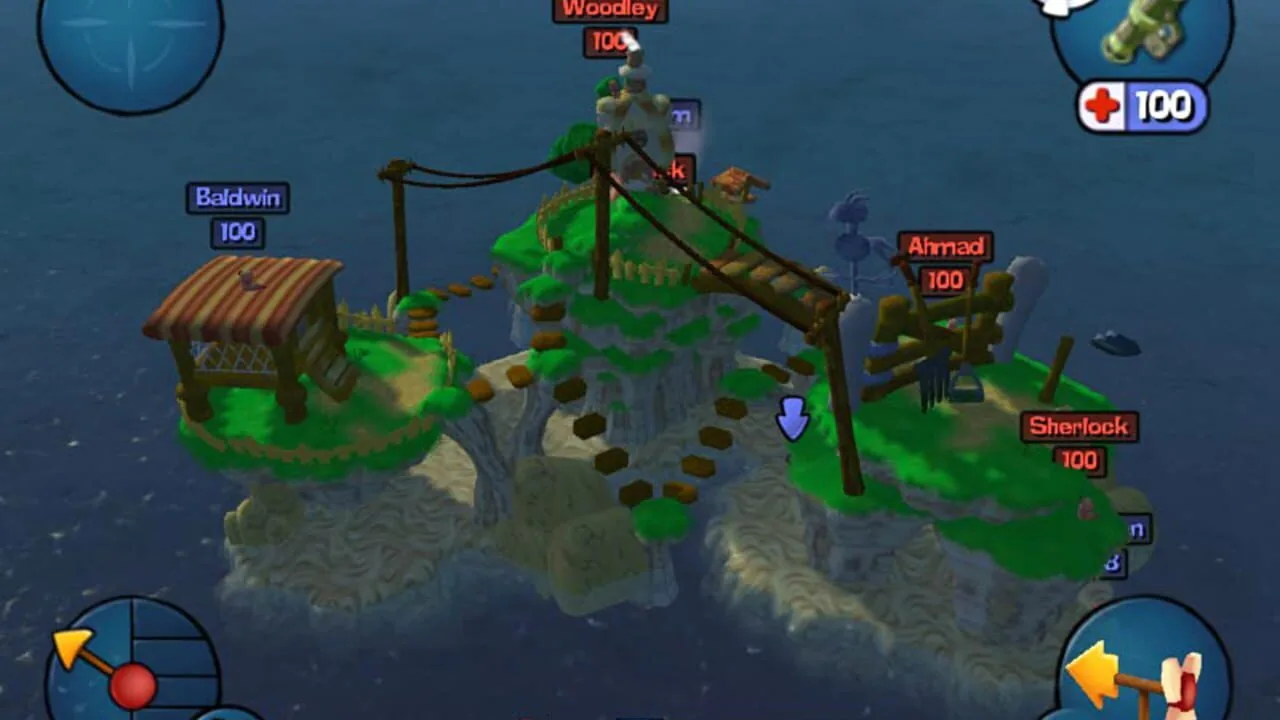
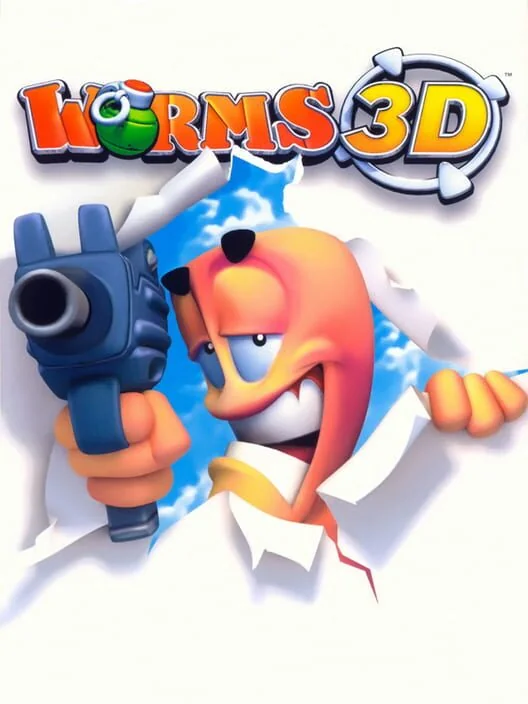
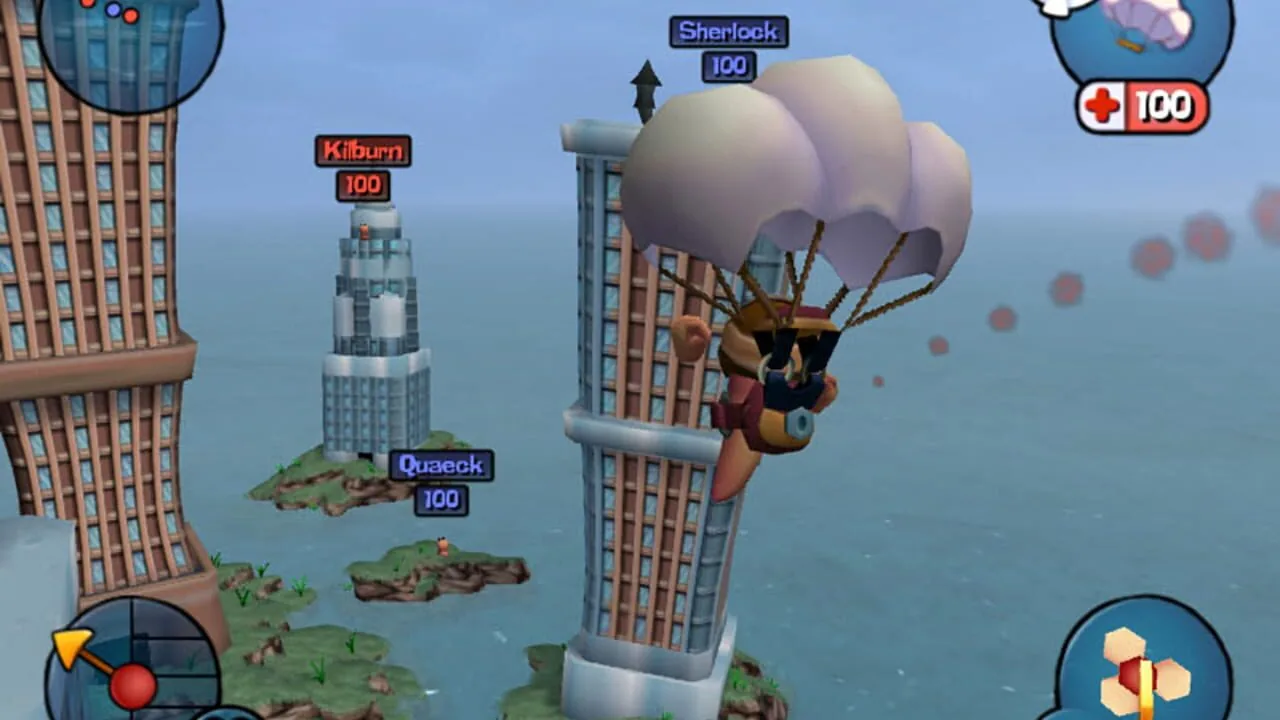
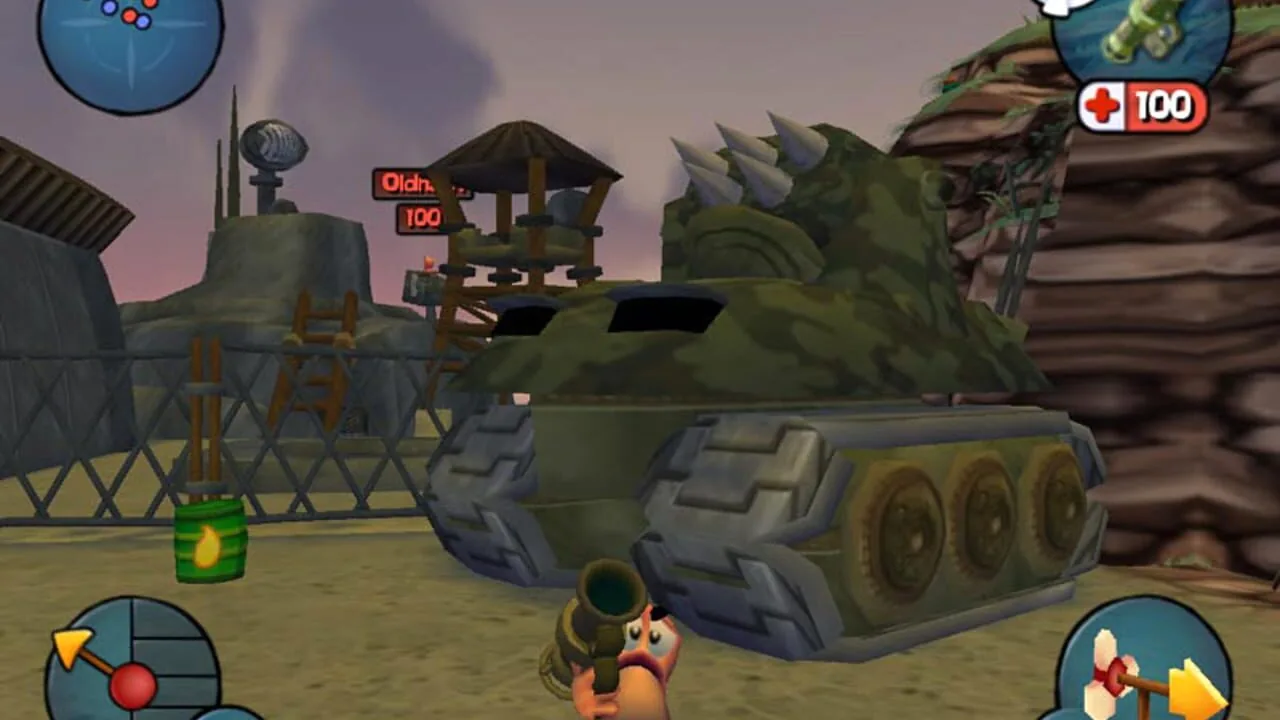
Worms 3D is the sixth game in the series and the first to be fully 3D. Team17 announced it in July 2002 as Worms 3, and it got its final name in April 2003. The joke is the same as ever, only now the maps have a back side you can walk around to. Missions hand out awards for how well you did, and gold medals unlock bonuses like new maps and challenge missions.
Not everyone bought the jump to 3D. One reviewer argued that Worms and its mechanics were built on two dimensions only, and that adding another one broke much of what made it work. It was never a GameCube exclusive either, since four other platforms got it too. Players still recommend it anyway when someone asks what to get for the console.
7. Odama (2006)
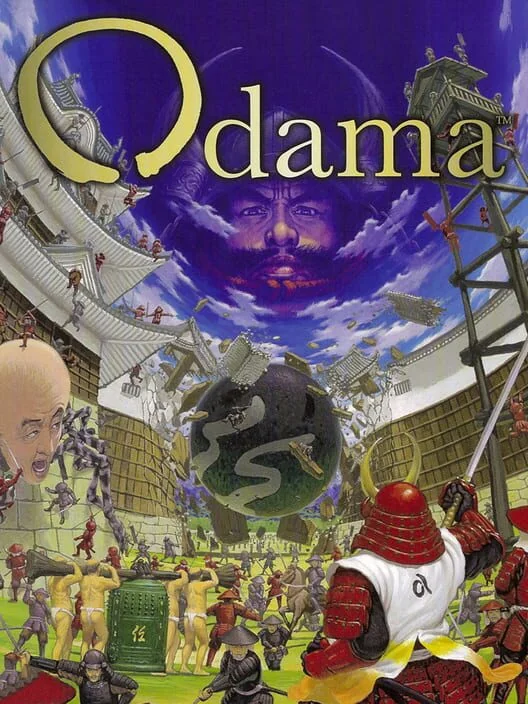
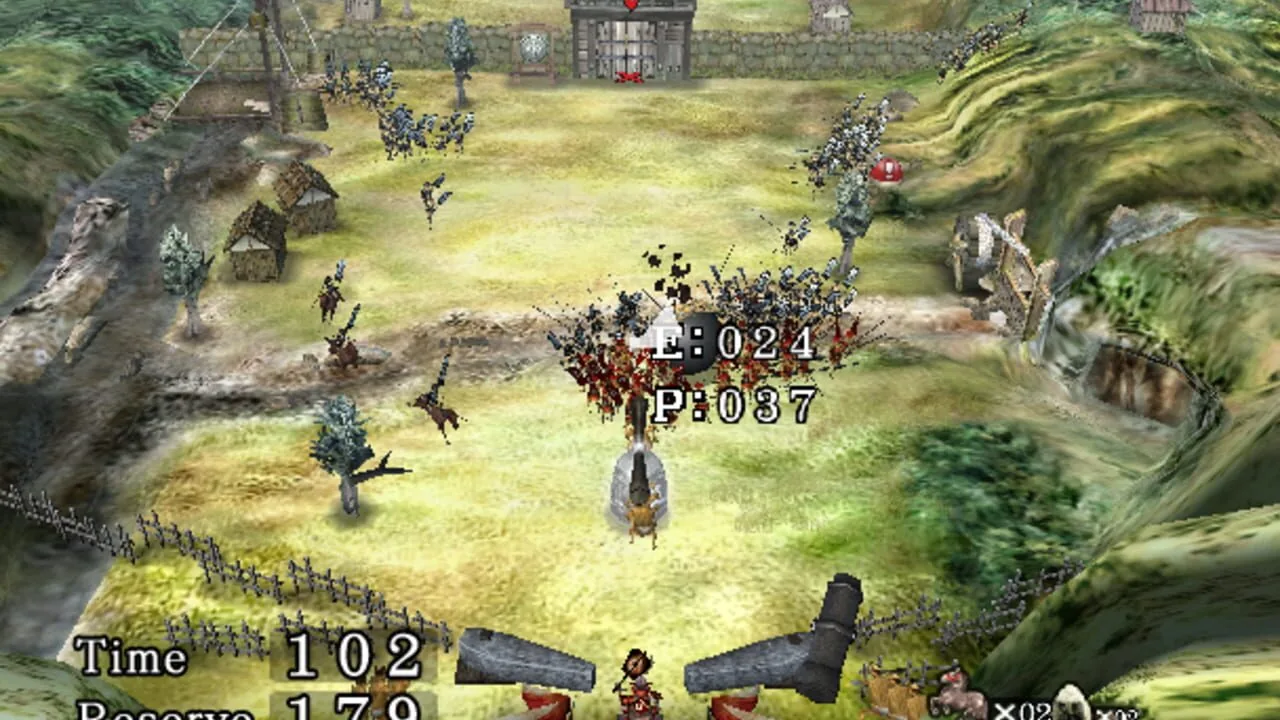
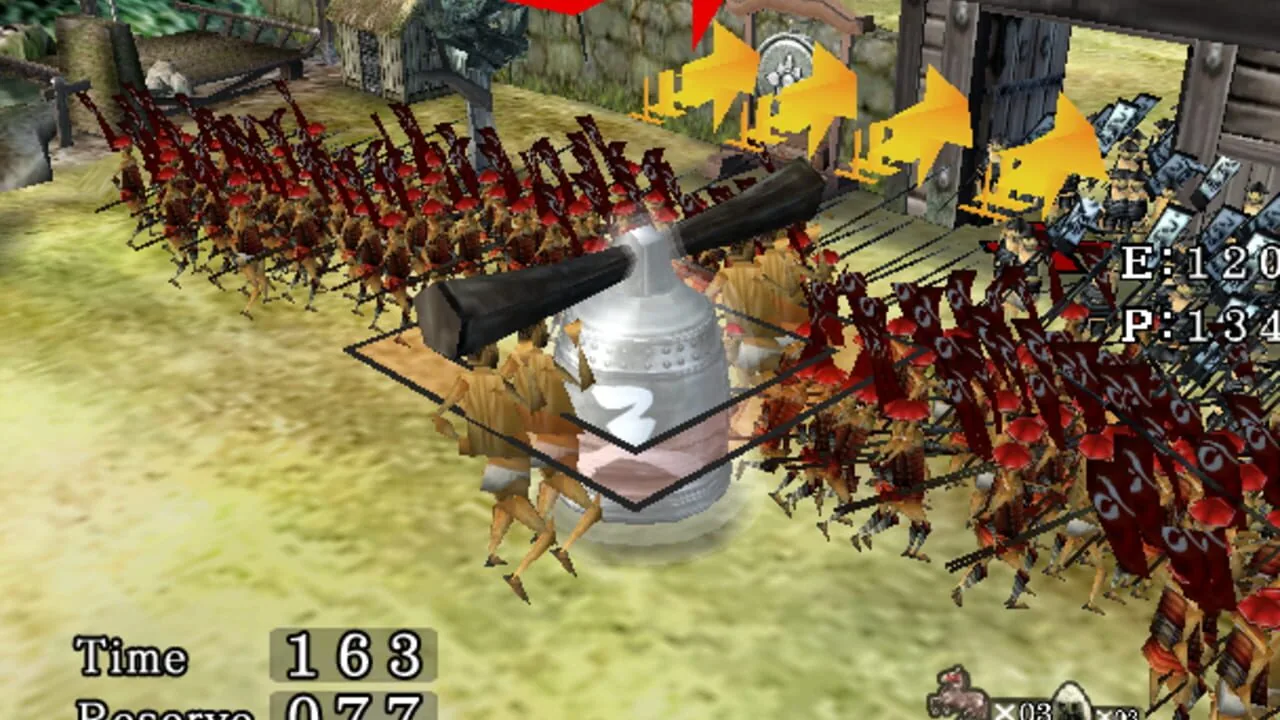
Odama is pinball, except the ball is a giant war weapon and the table is a battlefield in feudal Japan. It came from Vivarium and Yutaka Saito, the creator of Seaman, and it was the second-to-last GameCube game Nintendo published, right before Twilight Princess. You play Yamanouchi Kagetora, a young general out to avenge his father's death. The flippers strike the Odama back into the field, where it destroys whatever it hits, friend or foe.
The goal is to shatter the enemy gates and get a crew of your men carrying a giant bell through them. You give your soldiers orders by speaking into the GameCube Microphone, which was not a normal thing to ask of anyone in 2006. It is strange in the best way, and players still bring it up when they list the GameCube games worth playing.
6. Lost Kingdoms II (2003)
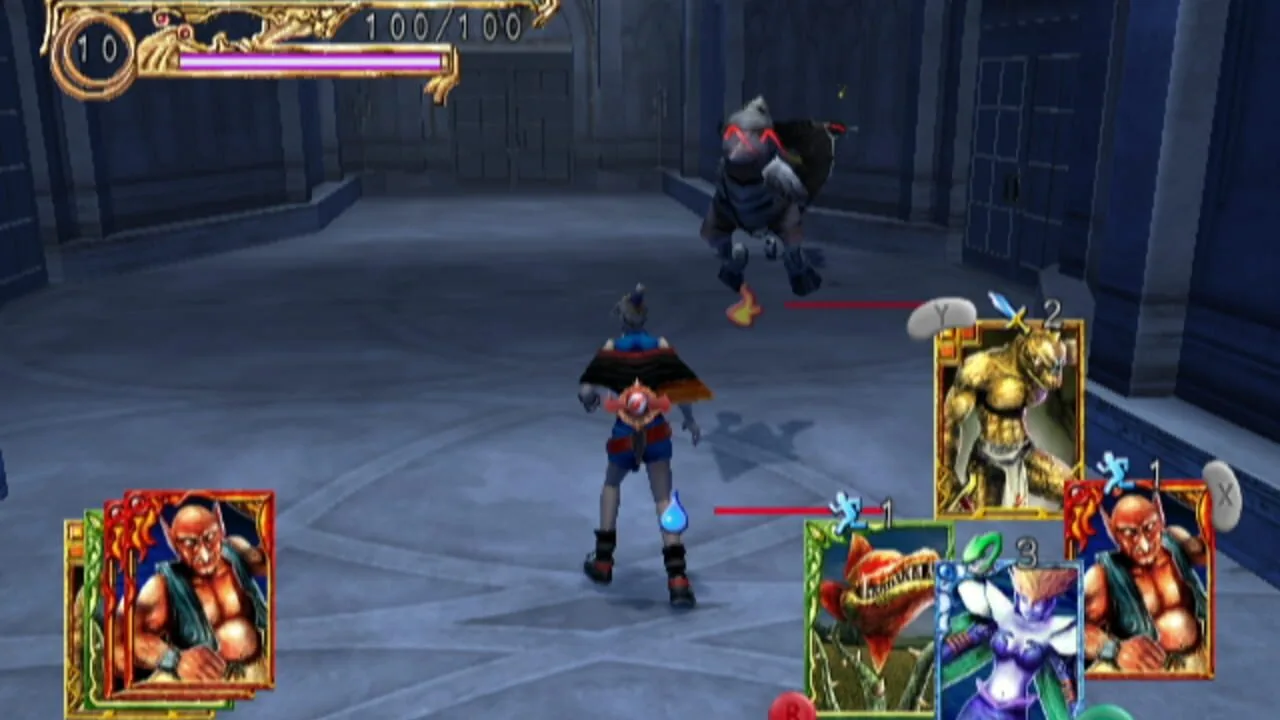
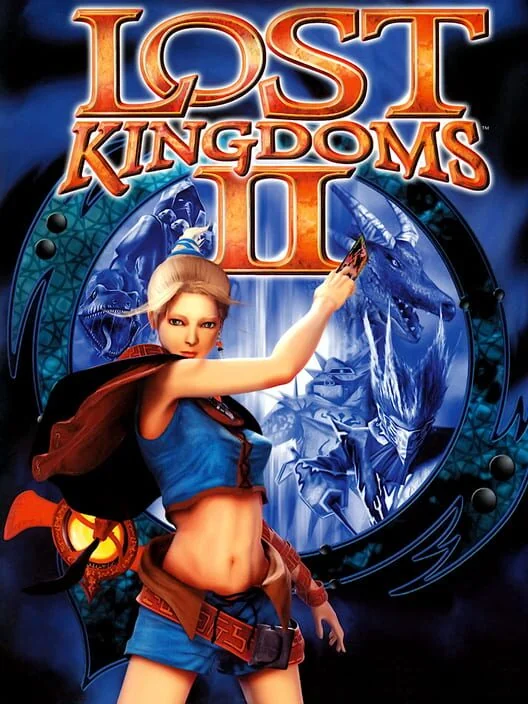
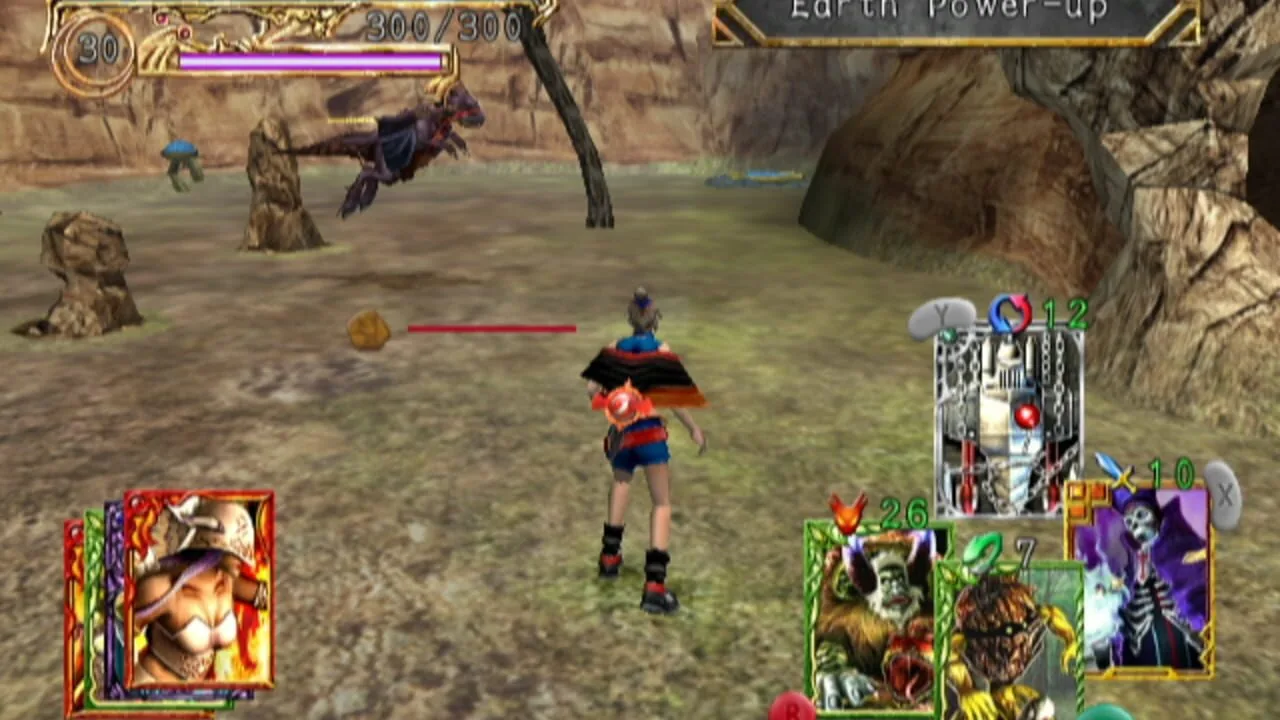
The sequel jumps 200 years ahead. Queen Katia saved her kingdom from the God of Destruction in the first game, and now Tara Grimface has to save the land from a new threat. It is still a card-themed RPG, and your deck still does the fighting. There are a number of new cards, but most of the original cards from the first game are back, so fans of Lost Kingdoms start out on familiar ground.
The big new idea is elements. Using cards of the same element over and over raises that element's power level, while all the others drop slightly and the opposite element drops even further. That turns deck building into a balancing act, and it rewards a player who commits to a plan. Players still name it among their favorite GameCube games.
5. Lost Kingdoms (2002)
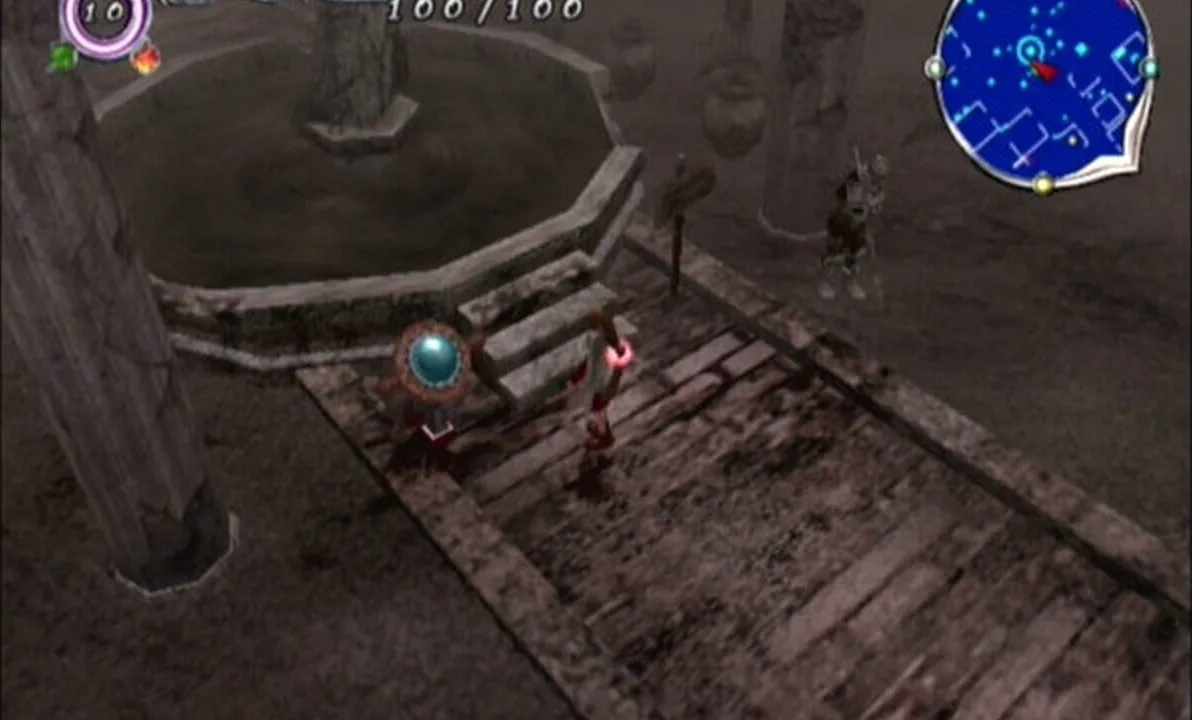
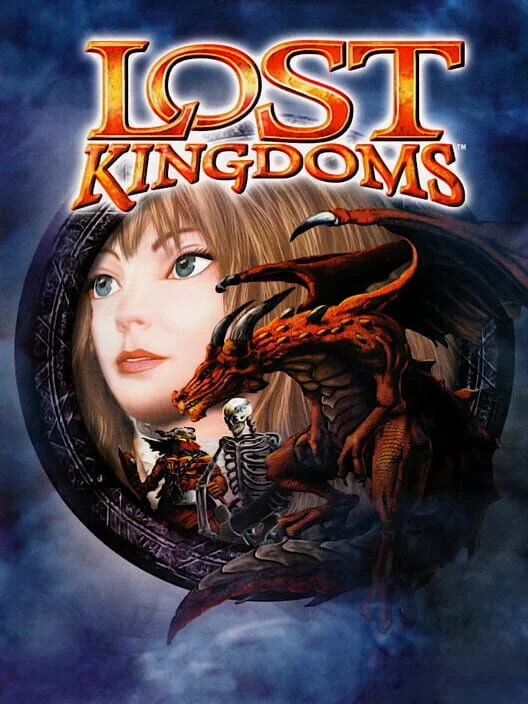
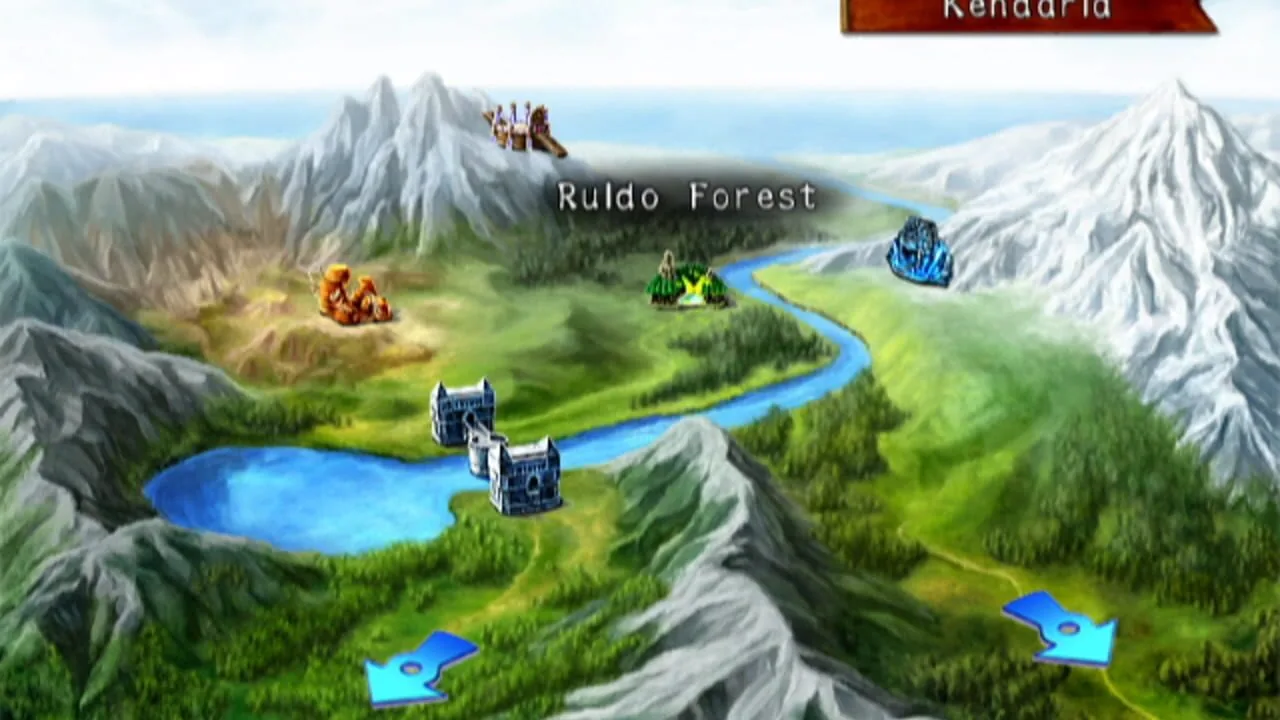
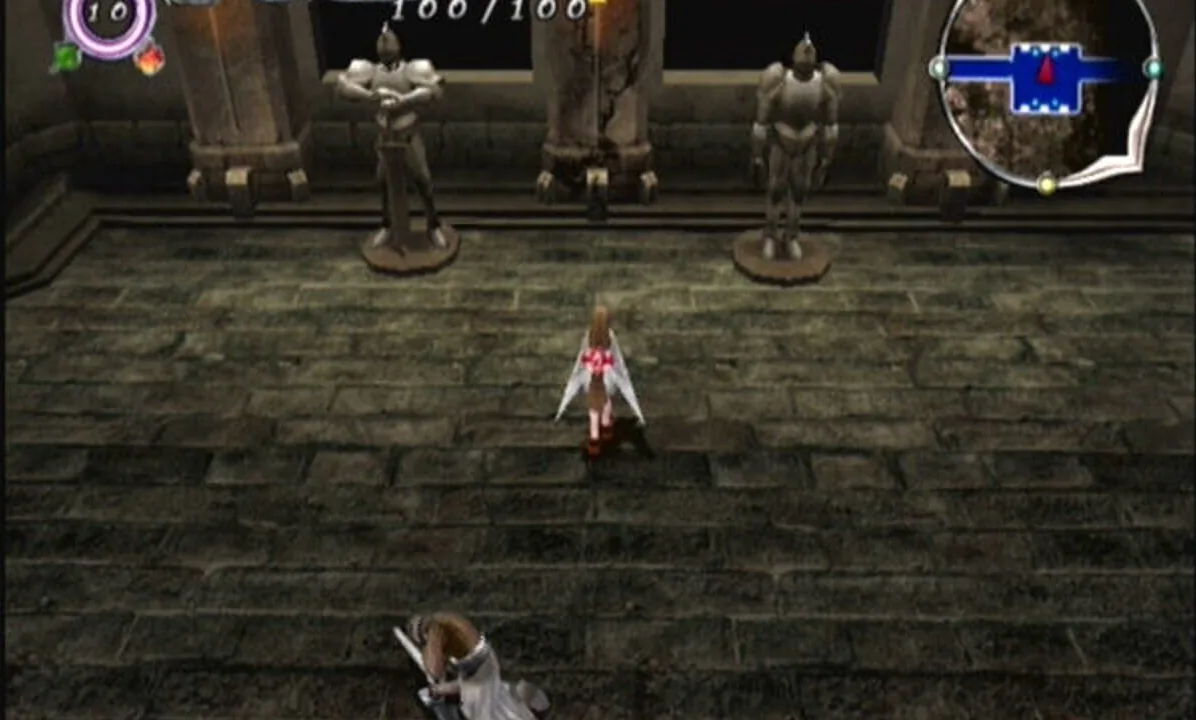
Lost Kingdoms reached North America in May 2002, a month after Japan. A dark force has taken over the five Kingdoms of Argwyll, and Princess Katia sets out to stop it across more than two dozen 3D worlds. The twist is that Katia cannot fight. She uses her cards for battle and nothing else, and they summon over 100 guardian creatures to do the hard work for her.
Cards can also capture monsters, but a failed capture throw only takes a small part of the enemy's life, so every throw is a gamble. New cards come slowly, only a couple after each level, and you learn to love the ones you have. There is a two-player Versus mode as well. Players still name it when they pick their GameCube favorites.
4. Battalion Wars (2005)
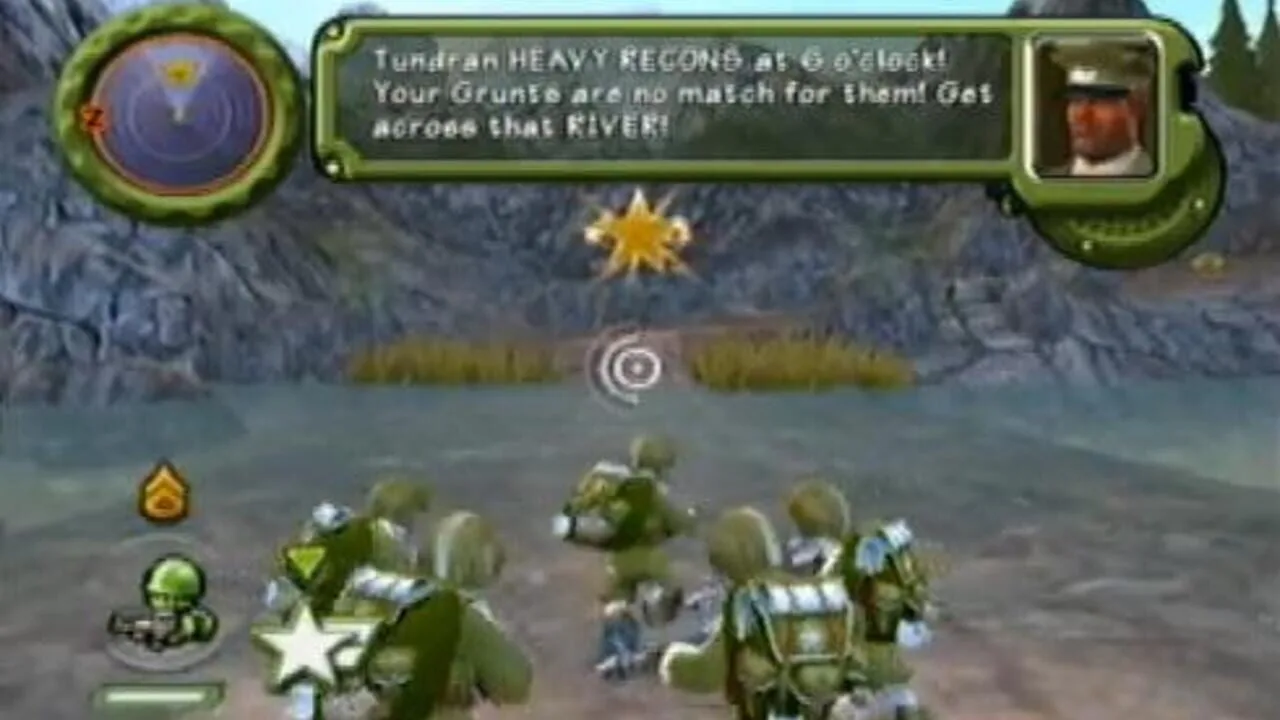
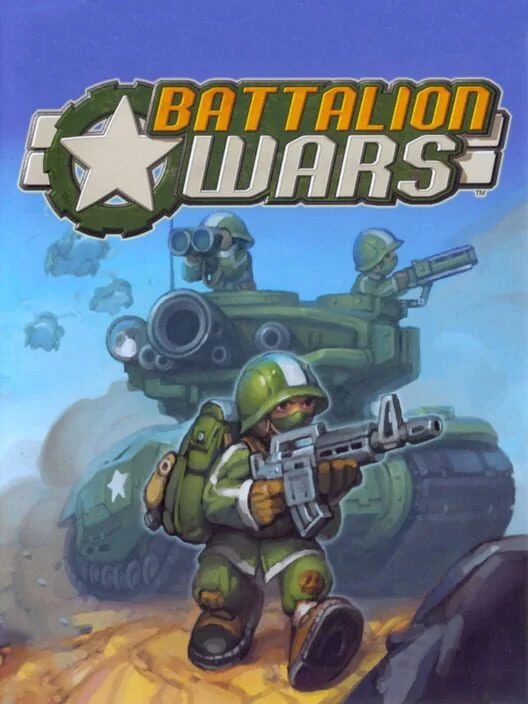
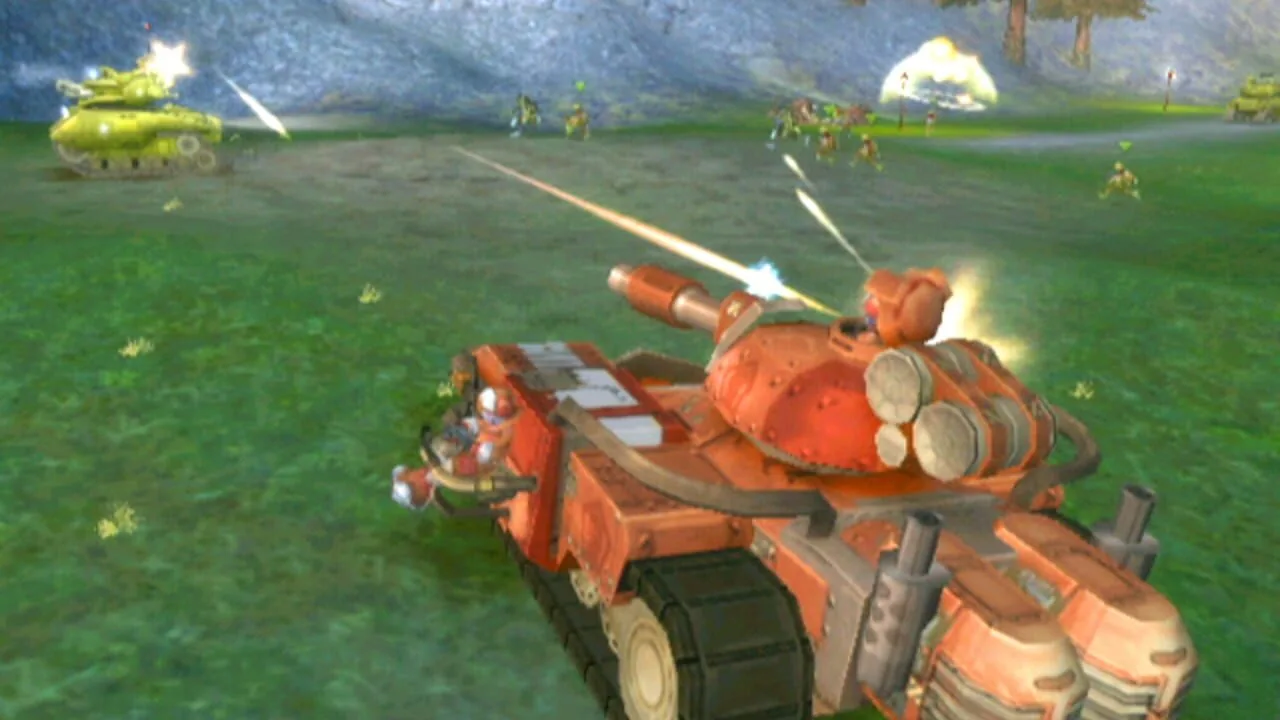
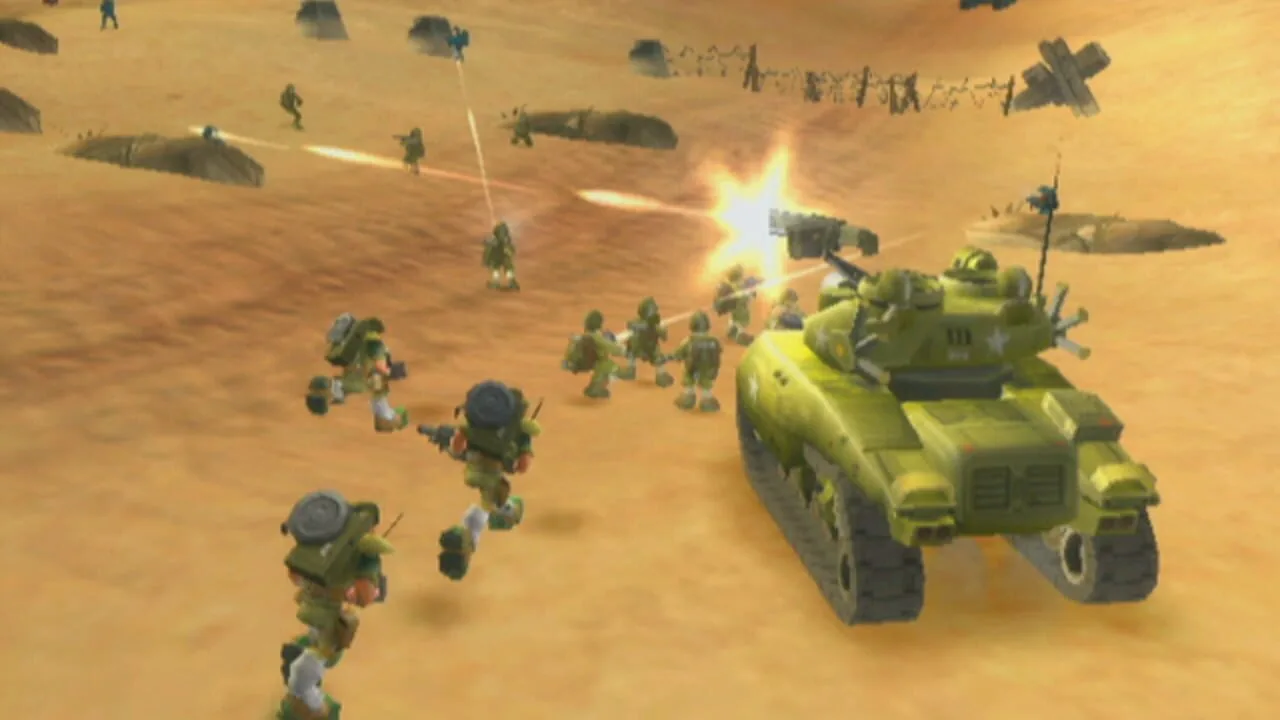
Battalion Wars is a 2005 real-time tactics game developed by Kuju London and published by Nintendo, and in Japan it was Totsugeki!! Famicom Wars. You play from a third-person view and take control of the different units that make up your battalion. Infantry can take cover from enemy fire or man mounted gun emplacements, and only infantry can capture the flags some objectives ask for. When things get messy you can pause and check the map to find every unit and objective.
The nations are a big part of the charm. Xylvania mixes pre-World War I Germany with vampires and gothic themes, and the Western Frontier has Brigadier Betty, whose uniform is based on a cheerleader outfit. Reviews were generally favourable, and the Wii got Battalion Wars 2 in 2007. Players keep recommending it right next to Nintendo's biggest names.
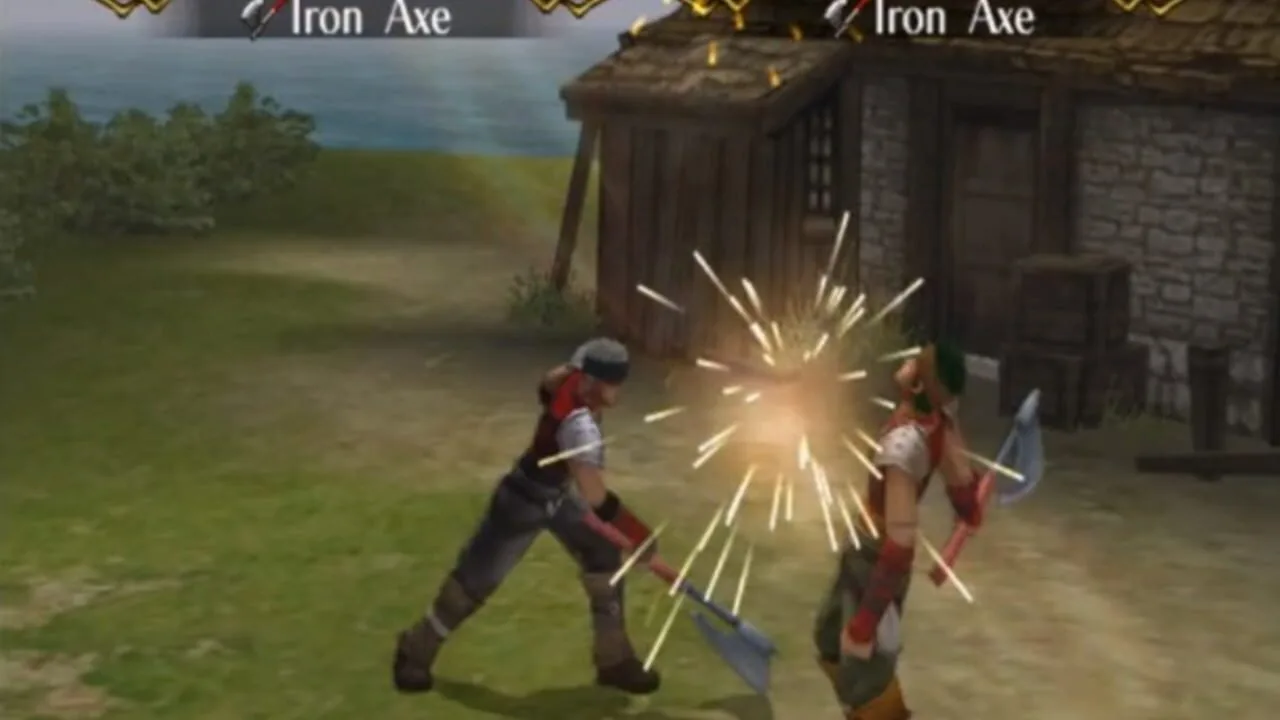
3. Fire Emblem: Path of Radiance (2005)
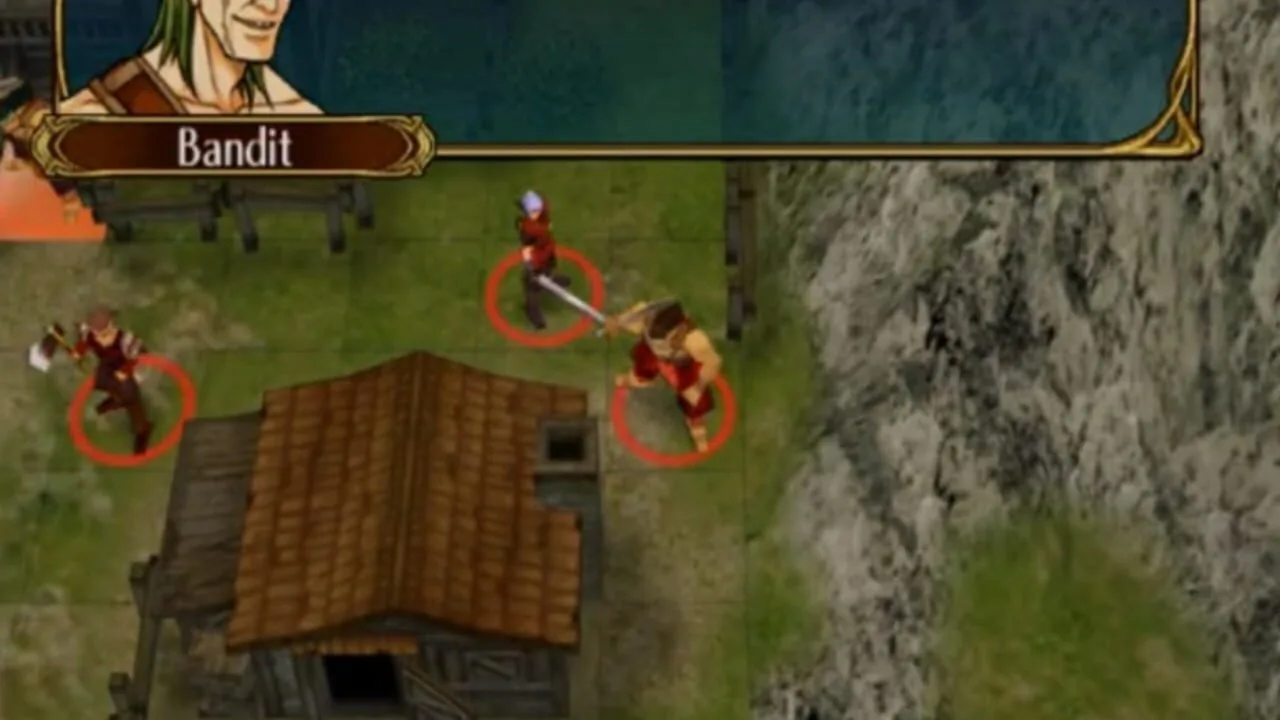
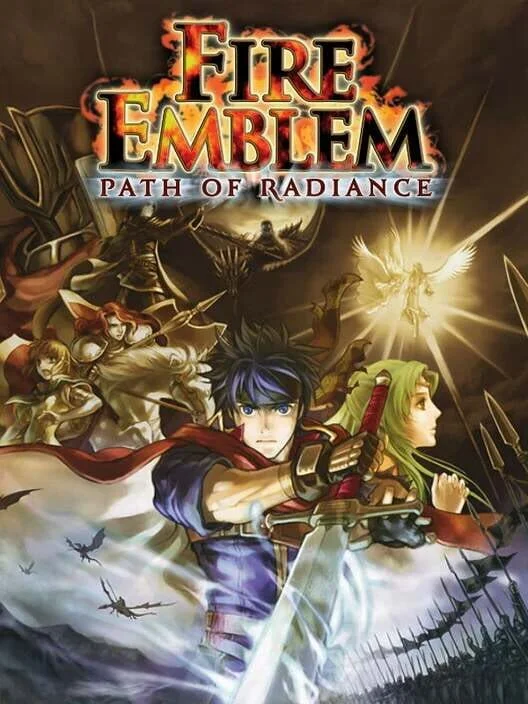
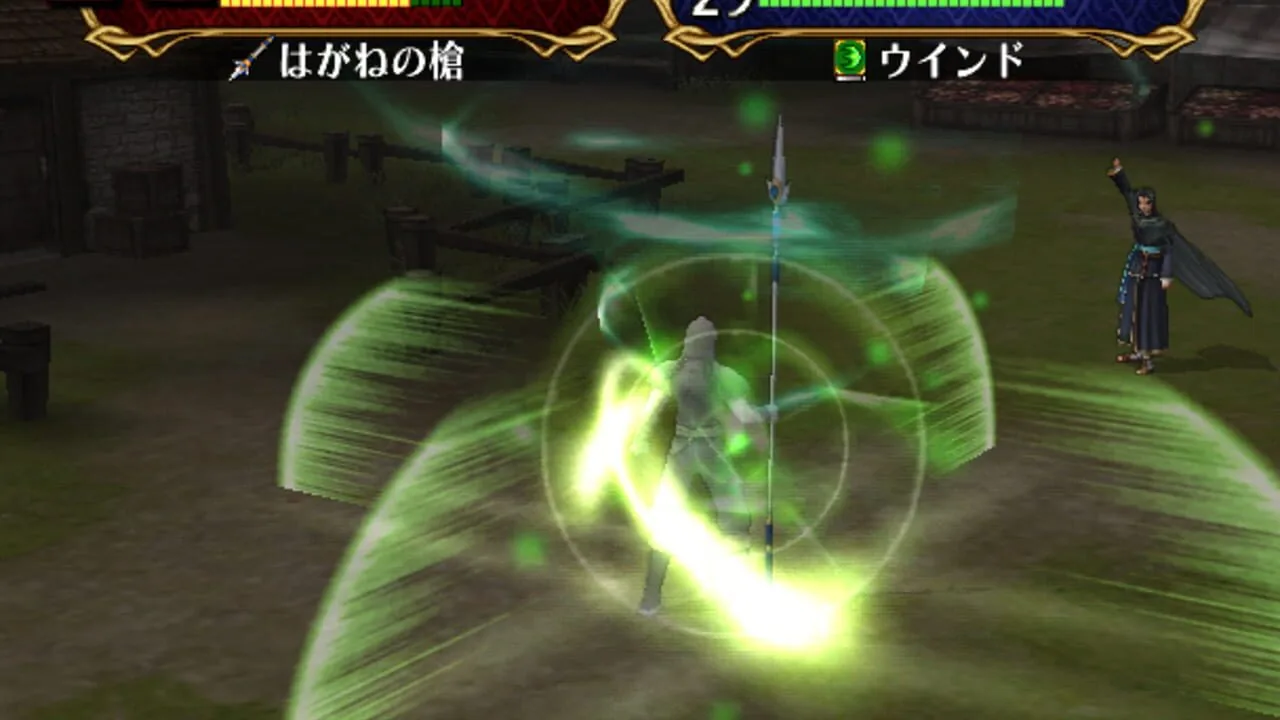
Path of Radiance exists because Fire Emblem did well overseas on the Game Boy Advance. After that success the team went back to home consoles for the first time since Thracia 776 on the Super Famicom. It was the first Fire Emblem in 3D, and the move gave the developers real trouble, most of all the jump from the tilted overhead map to a character-to-character battle in third person. It was also the first in the series with voice acting.
The new base gave characters a place to talk away from the battlefield, and Ike was built as a hero everyone could empathize with. Critics liked the gameplay and story, and were less kind about the graphics. Radiant Dawn continued the story on the Wii in 2007. Players keep it on their GameCube must-play lists.
2. Pikmin 2 (2004)
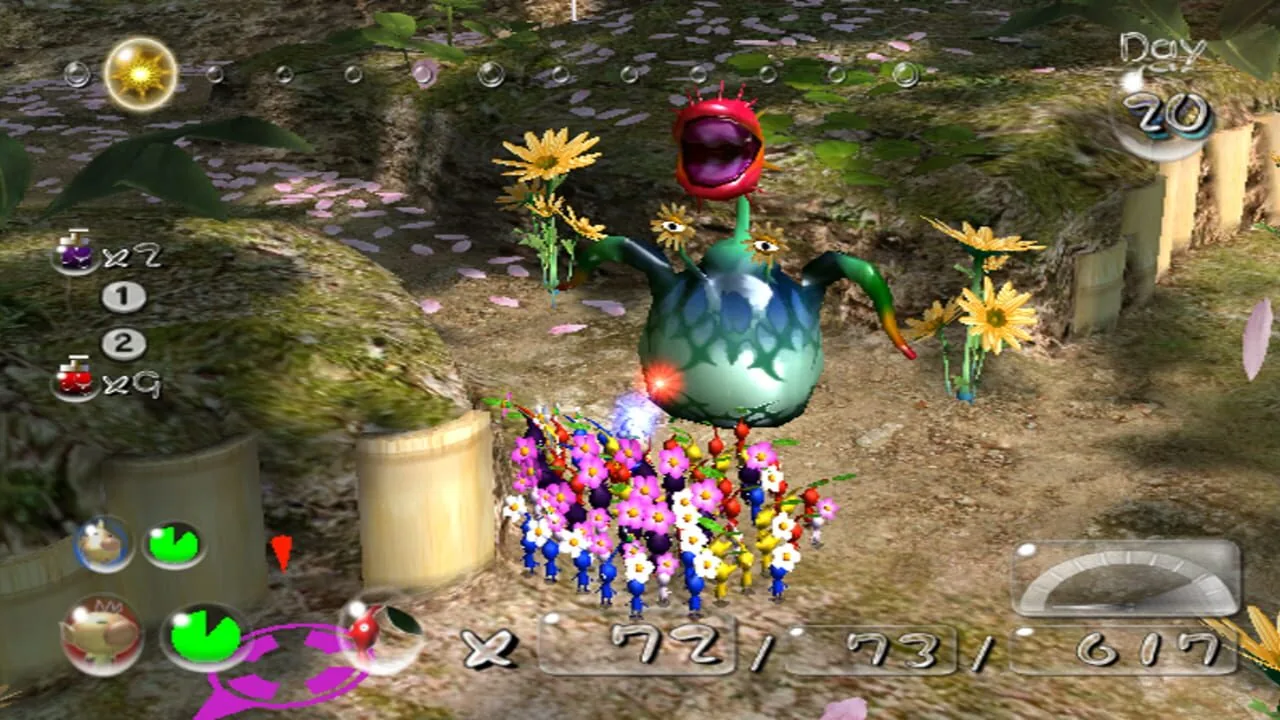
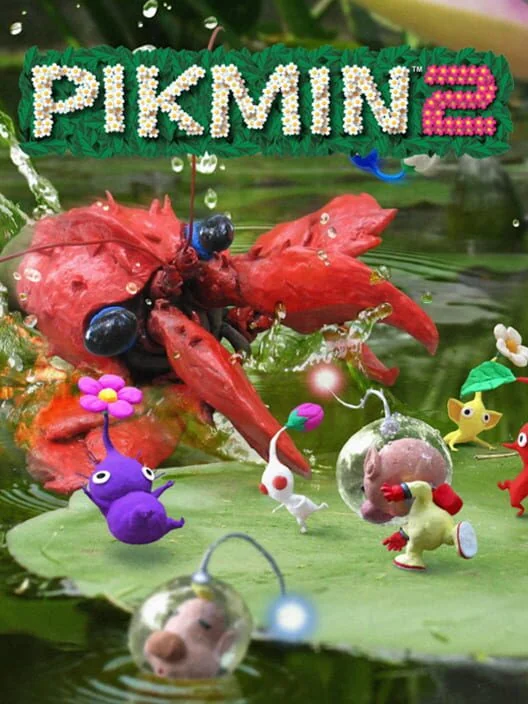
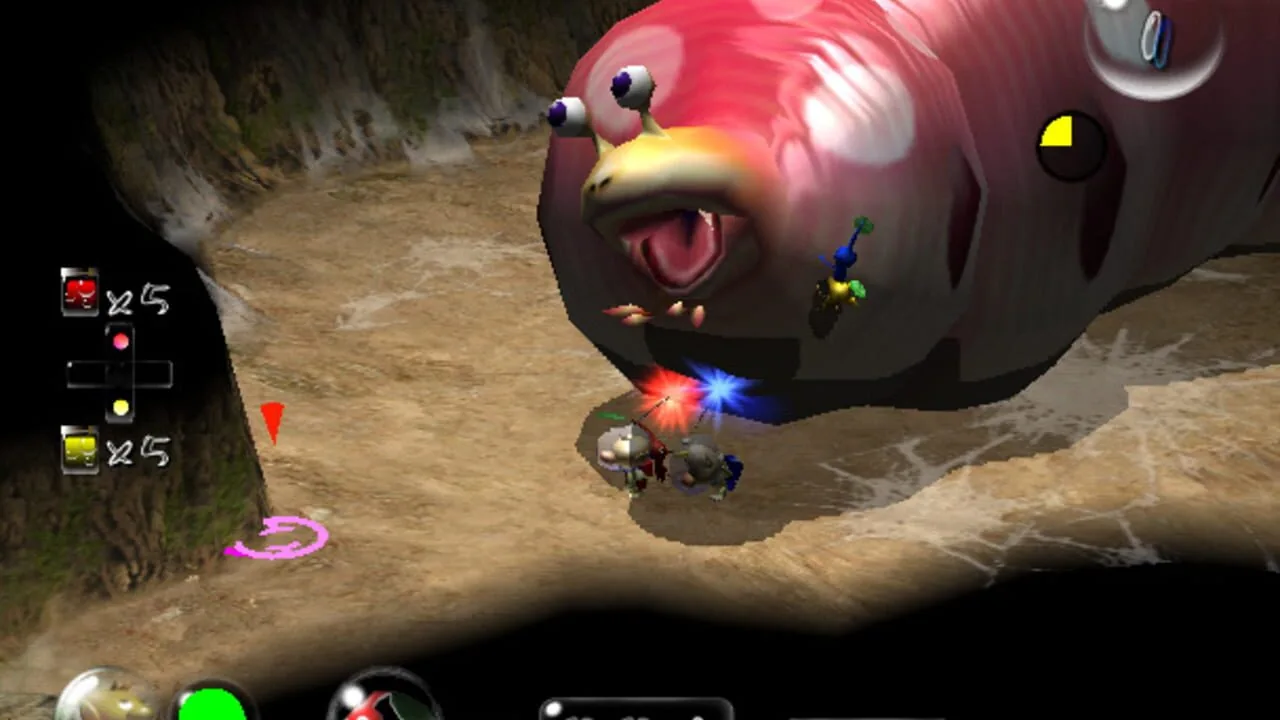
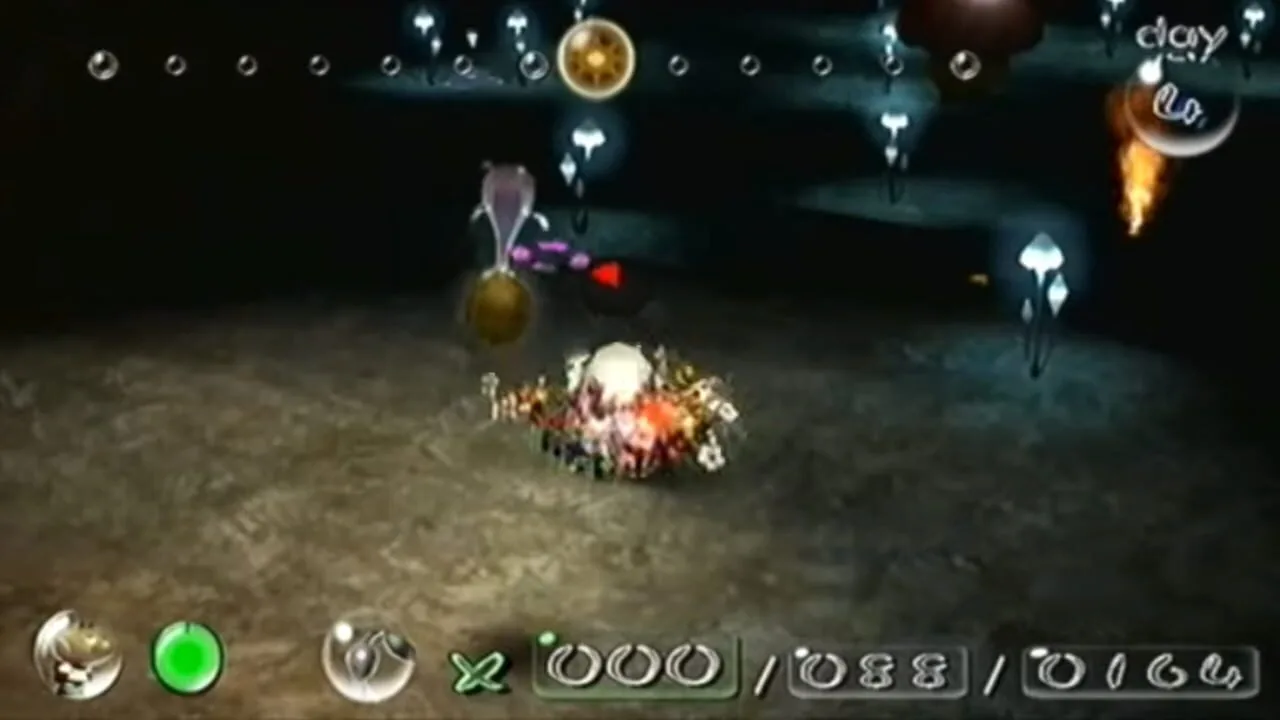
Pikmin 2 keeps the idea of the first game and takes off the clock. The 30-day time limit is gone, and critics praised that along with the new Pikmin types and the longer story mode. You still lead a horde of plant creatures to defeat enemies and haul objects home, and you still have to wrap up every task and gather every stray Pikmin before sunset. You can grow as many as you like, but only 100 fit on the field at once.
The caves are the new part. They hold bigger, stronger enemies that act as bosses, and beating them gives you treasures with new abilities. Down there you also meet Bulbmin, a sixth type that resists every hazard but only sticks around for a while. It scored 90% on Metacritic, and players rank it right behind the first game.
1. Pikmin (2001)
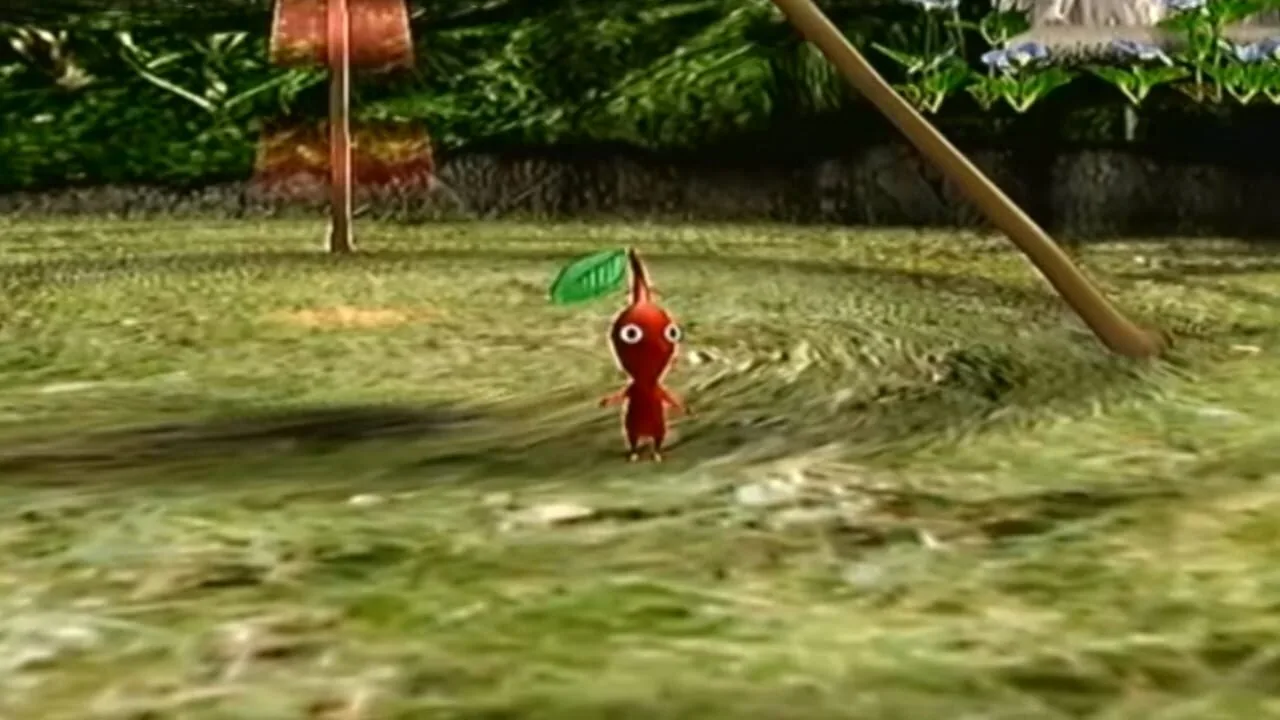
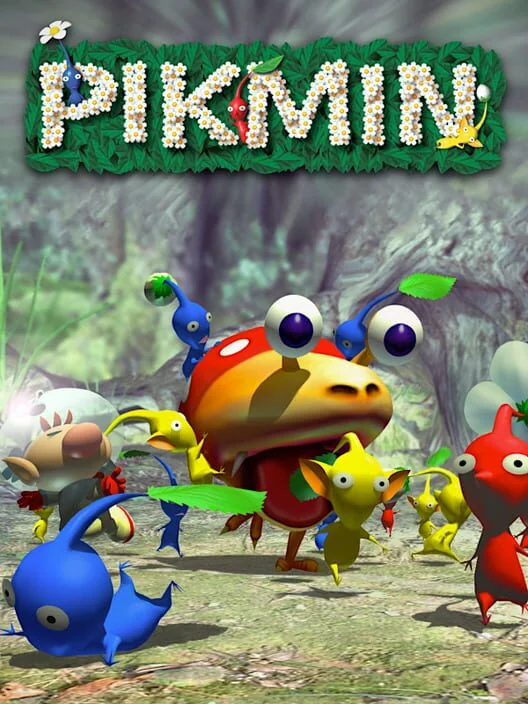
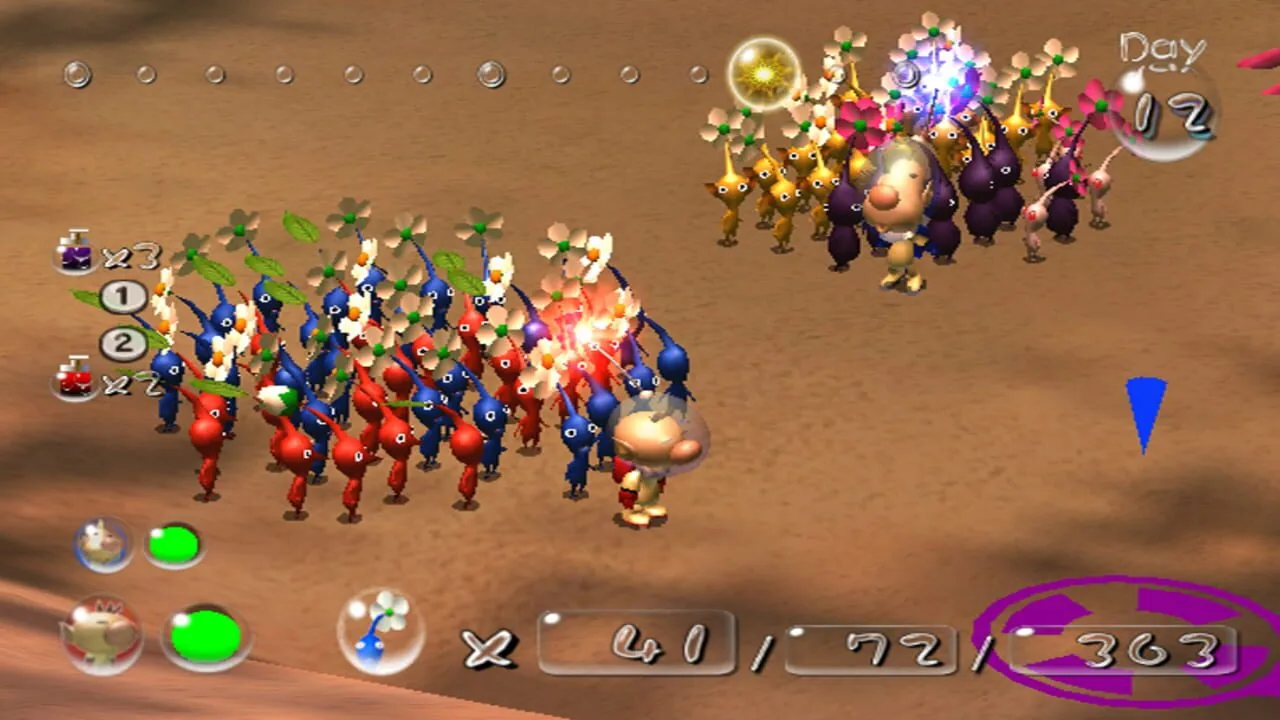
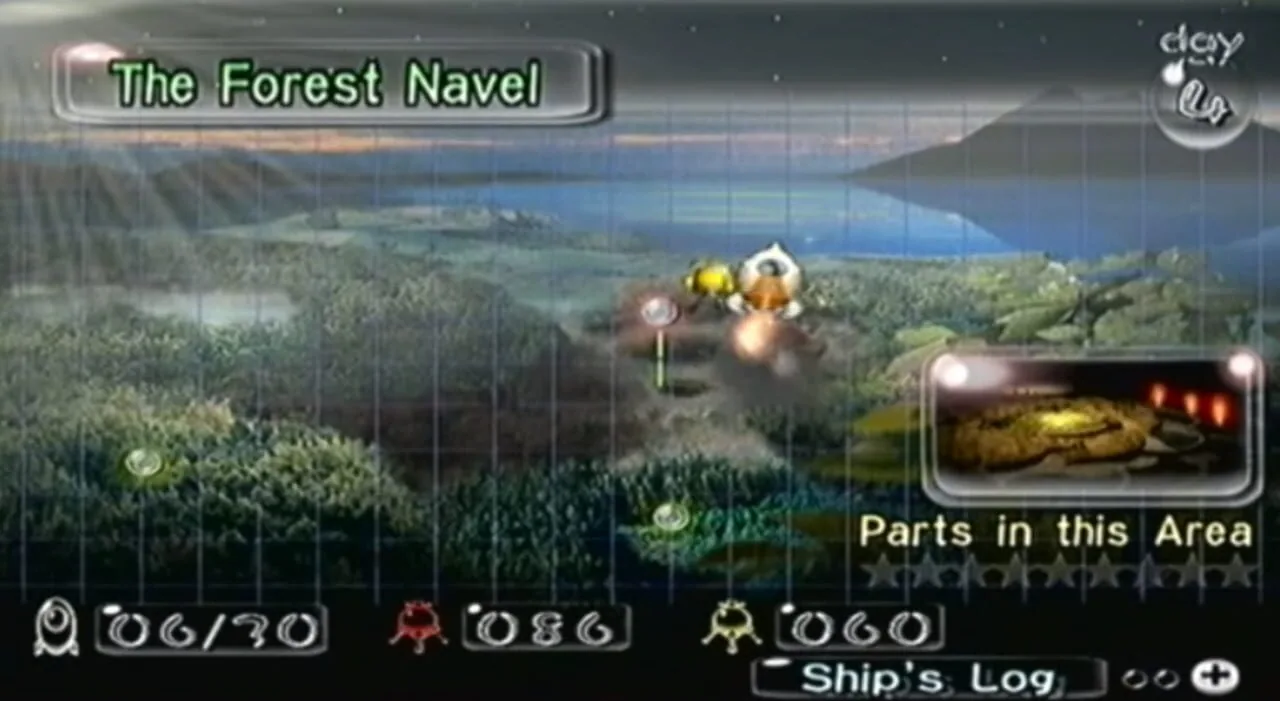
Pikmin was created and produced by Shigeru Miyamoto, and it was one of the first GameCube first-party games planned. Captain Olimar crash-lands on a planet whose air is full of poisonous oxygen, and his life support gives him only thirty days. He needs 25 ship parts to get home. The only help around is the Pikmin, plant creatures that are nearly extinct and cannot survive without someone leading them. Each day lasts about thirteen minutes, and only one hundred Pikmin can be out at a time, so every day needs a plan.
The art style was inspired by Tim Burton, and the theme by Fantastic Planet and The Selfish Gene by Richard Dawkins, which is quite a reading list for a game about tiny plant people. Red Pikmin resist fire and hit hardest, and Blue Pikmin are the only ones that survive in water. Players recommend it more than any other GameCube strategy game.
Which one to play
There you have it, the whole list of the best GameCube strategy games. The top three rank among the best games on the console, full stop.
If you are not sure where to start, play Pikmin. If you want a traditional tactics game with a story, Fire Emblem: Path of Radiance is the pick. If you would rather be on the ground with your army, try Battalion Wars. For card battles, start with Lost Kingdoms and move on to the sequel. For something lighter, Worms 3D is the one. And for a hidden pick, Odama is unlike anything else on the console.