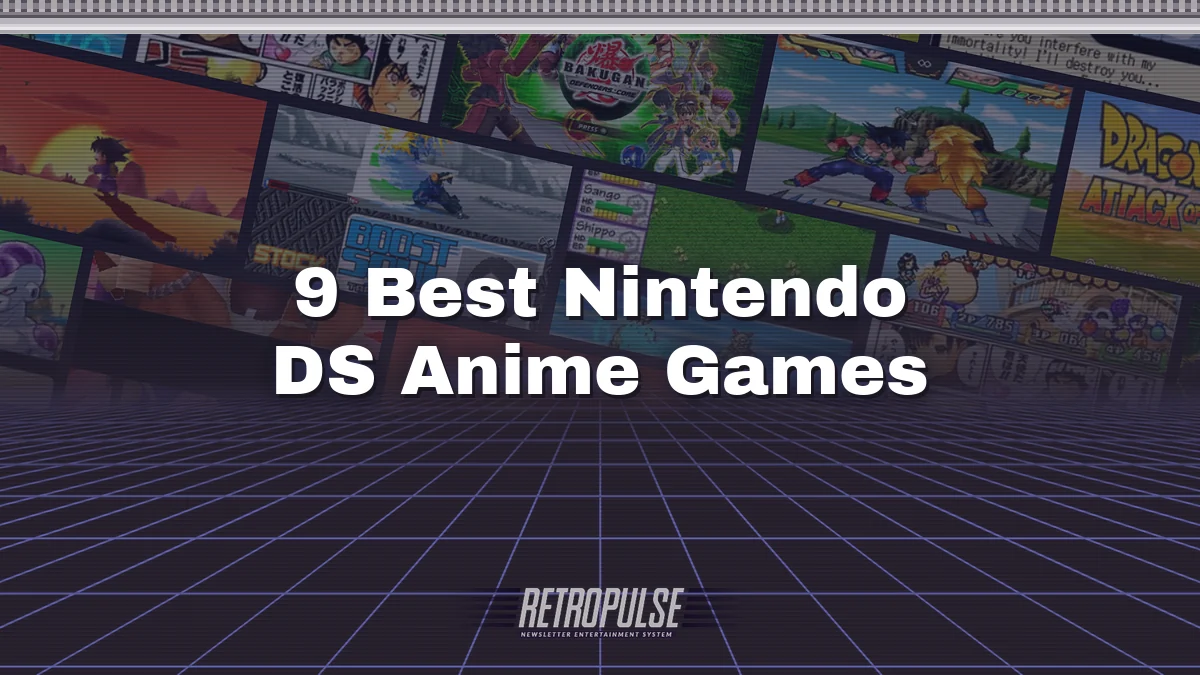
If you grew up taping anime off the TV, the DS was the handheld that let your shows come along in your school bag. Licensed games had a bad name back then, and plenty of them earned it. The DS got a good number that were made with real care, though, by studios that knew how to build a fighter or an RPG.
Dragon Ball takes up a big chunk of this list, which will surprise nobody who spent lunch breaks arguing about Goku and Vegeta. Bleach and Inuyasha show up as well, along with a toy line that had its own cartoon, and a couple of games that never got an English release at all. Here are the 9 best Nintendo DS anime games.
9. Inuyasha: Secret of the Divine Jewel (2007)
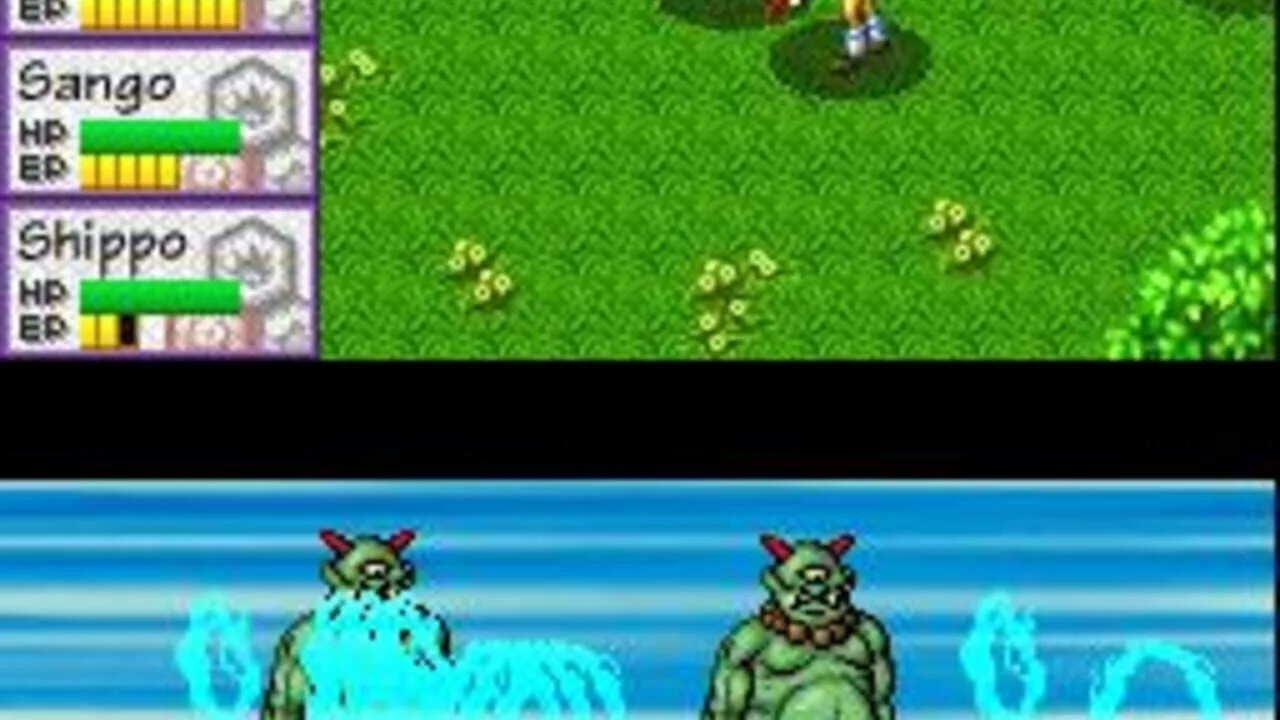
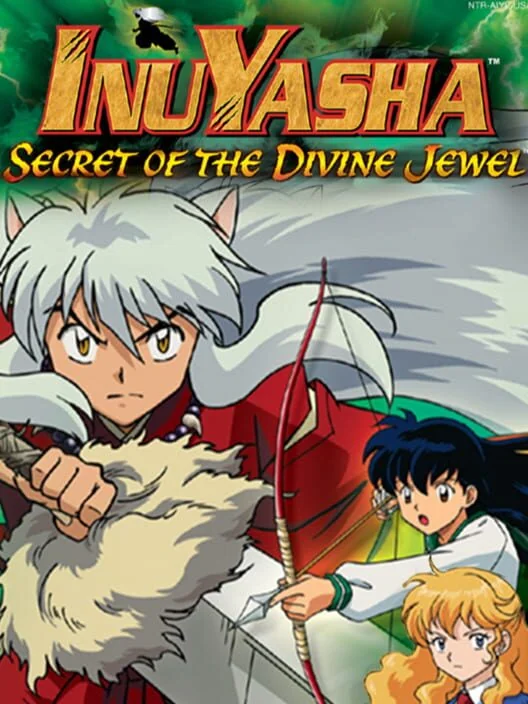
Secret of the Divine Jewel is a role-playing game based on the anime series Inuyasha, and it leads into Inuyasha: The Final Act. It was developed by Art Co., Ltd and Frontier Groove, Inc and published by Namco Bandai Games, and it came out in North America on January 23, 2007. The story hands the lead to a new girl. Janis is a student who had transferred from the United States, and she meets Kagome in present-day Japan during Kagome's last year of middle school. A great power inside Janis makes her a target for demons.
Critics were not kind about that choice. They called the game a shameless insult to the fans of the original show, mostly because the new girl takes the spotlight, though they praised the graphics and the storyline. It made this list on player picks all the same.
8. Bleach: The Blade of Fate (2006)
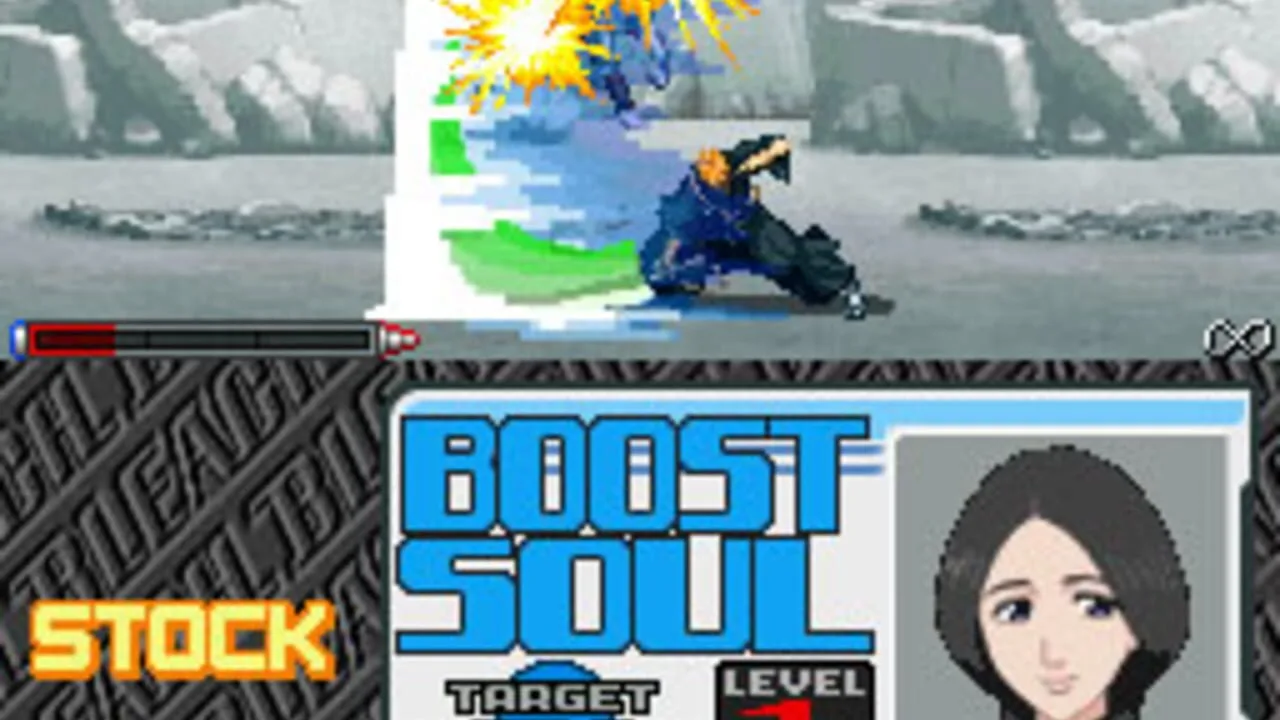
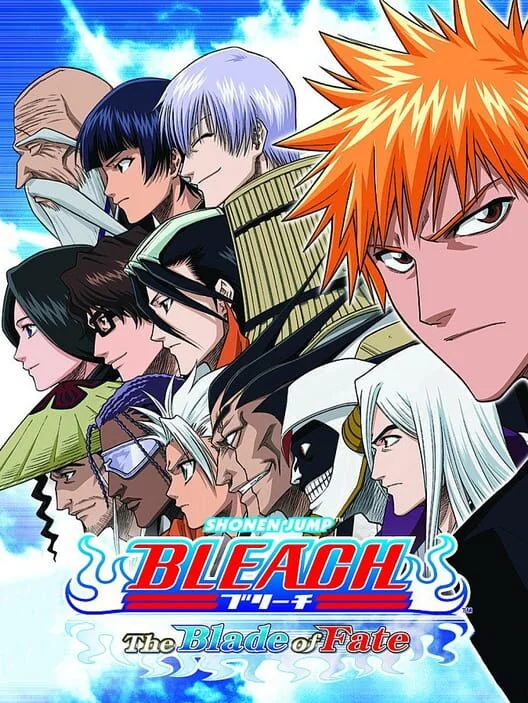
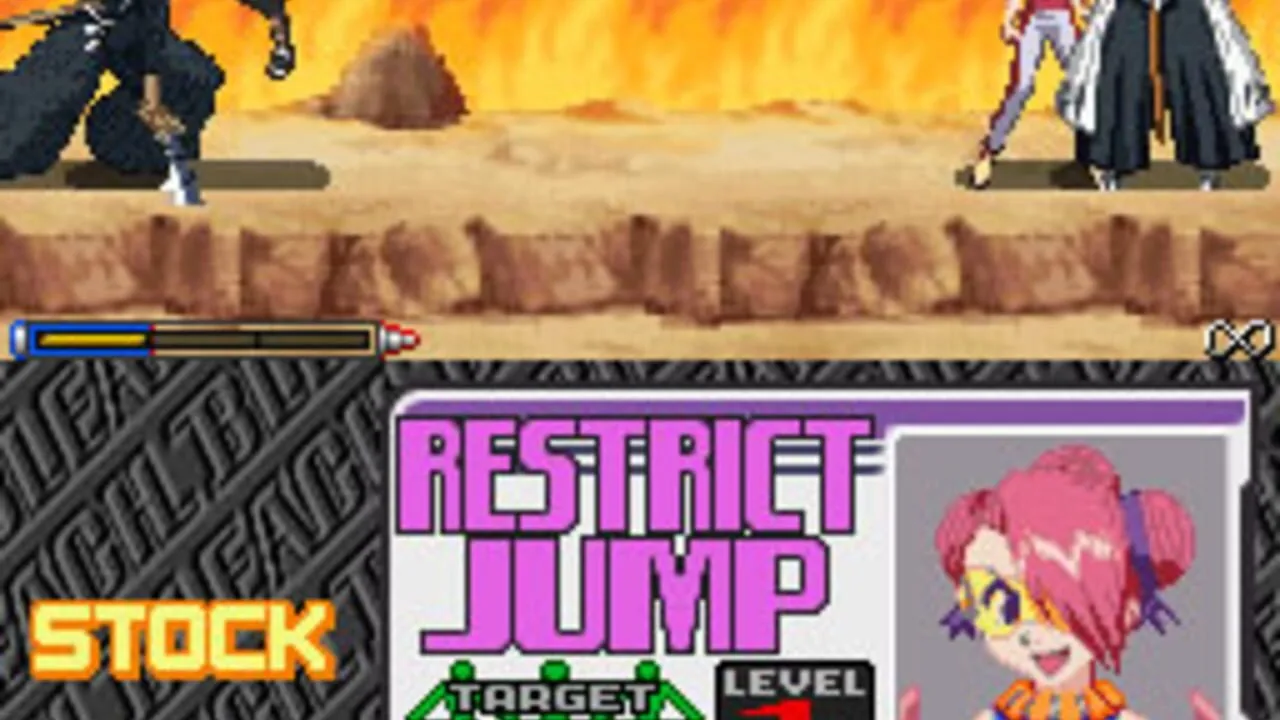
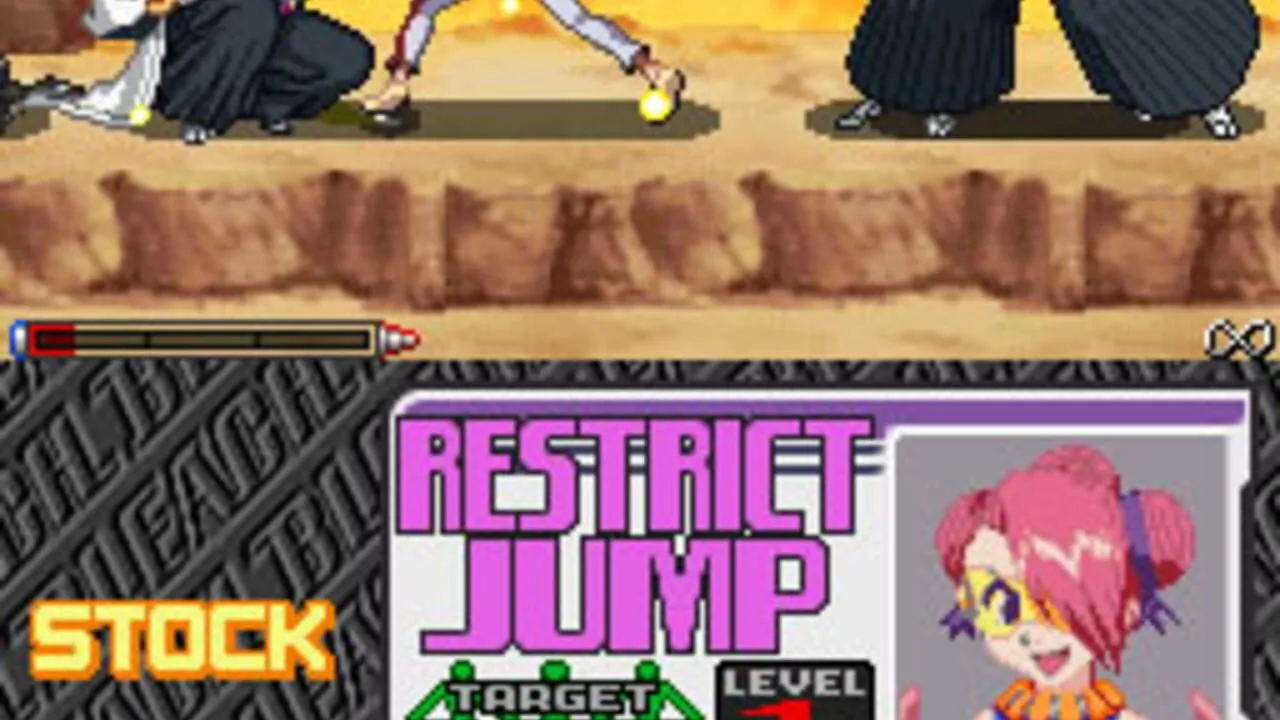
The Blade of Fate is the first Bleach game on the DS, and it is a fighter where battles are between two and four characters in any combination of teams and enemies. You move with the D-pad and attack with the face buttons, while the touch screen is used to initiate special attacks and play cards that change the fight. Friends could join over DS Wireless Communications or Nintendo WFC, which was a lot to ask of a handheld fighter at the time.
The English release left the game mostly unchanged from the Japanese version apart from several fixed balance issues. In Japan, Famitsu gave it 31 out of 40. A sequel, Bleach: Dark Souls, followed it, and no, it has nothing to do with the other Dark Souls.
7. Dragon Ball: Origins 2 (2010)
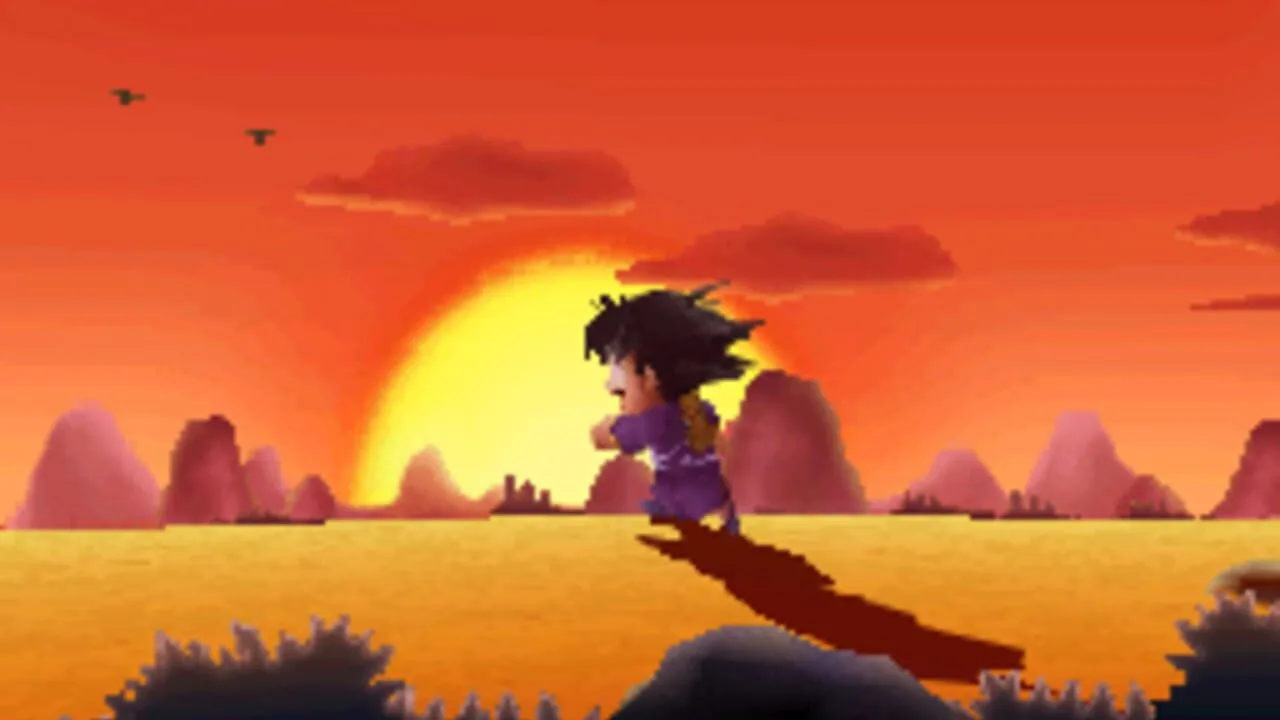
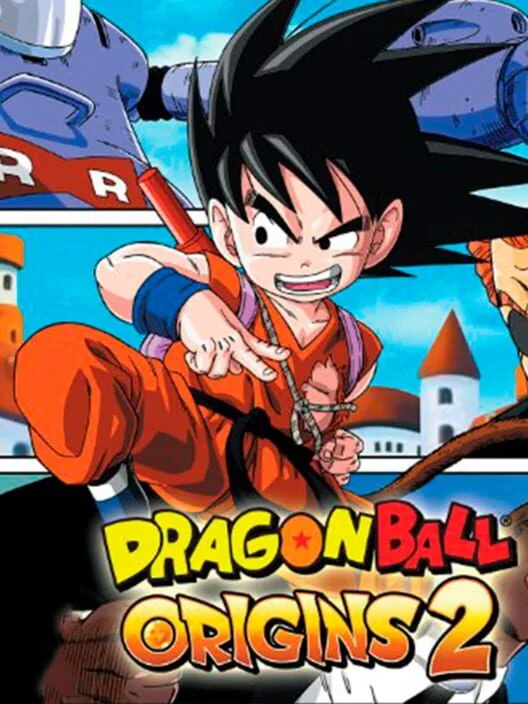
Origins 2 is the sequel to 2008's Dragon Ball: Origins, made again by Game Republic, and it reached North America on June 22, 2010. In Japan it went by Dragon Ball DS 2: Charge! and a subtitle about the Red Ribbon Army, who are the villains this time. The bigger change is the cast. Besides Goku, you get to play as Bulma, Kuririn and Yamcha, which gives the levels more variety than the first game had.
The Japanese release comes with an emulated version of the 1986 Famicom game Shenlong no Nazo as a bonus, a nice surprise to find on a DS cartridge. If you finished the first Origins and wanted more of the original Dragon Ball story, this is the rest of it, told with the same love for the early, sillier days of the series.
6. Dragon Ball: Origins (2008)
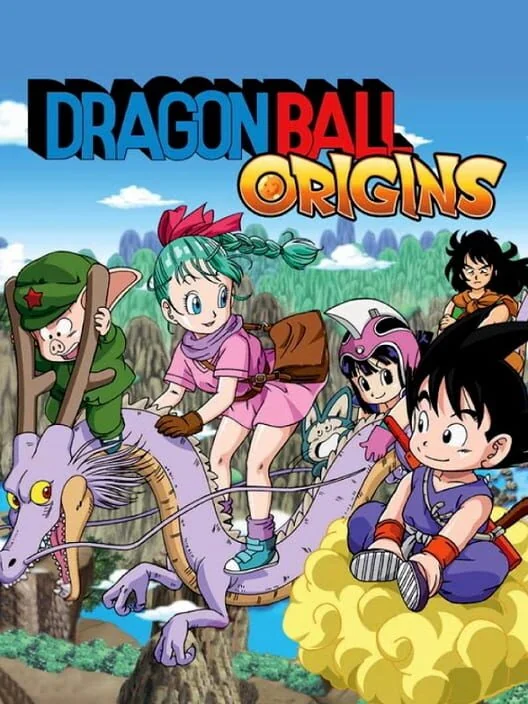
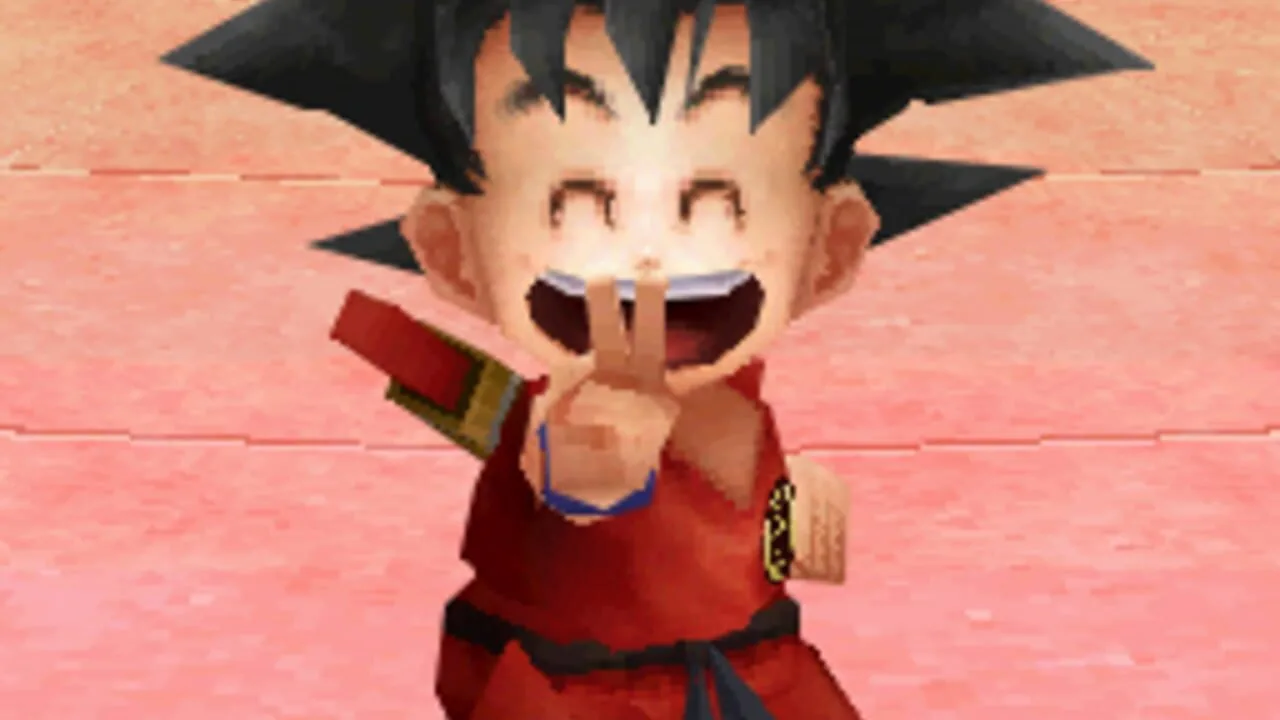
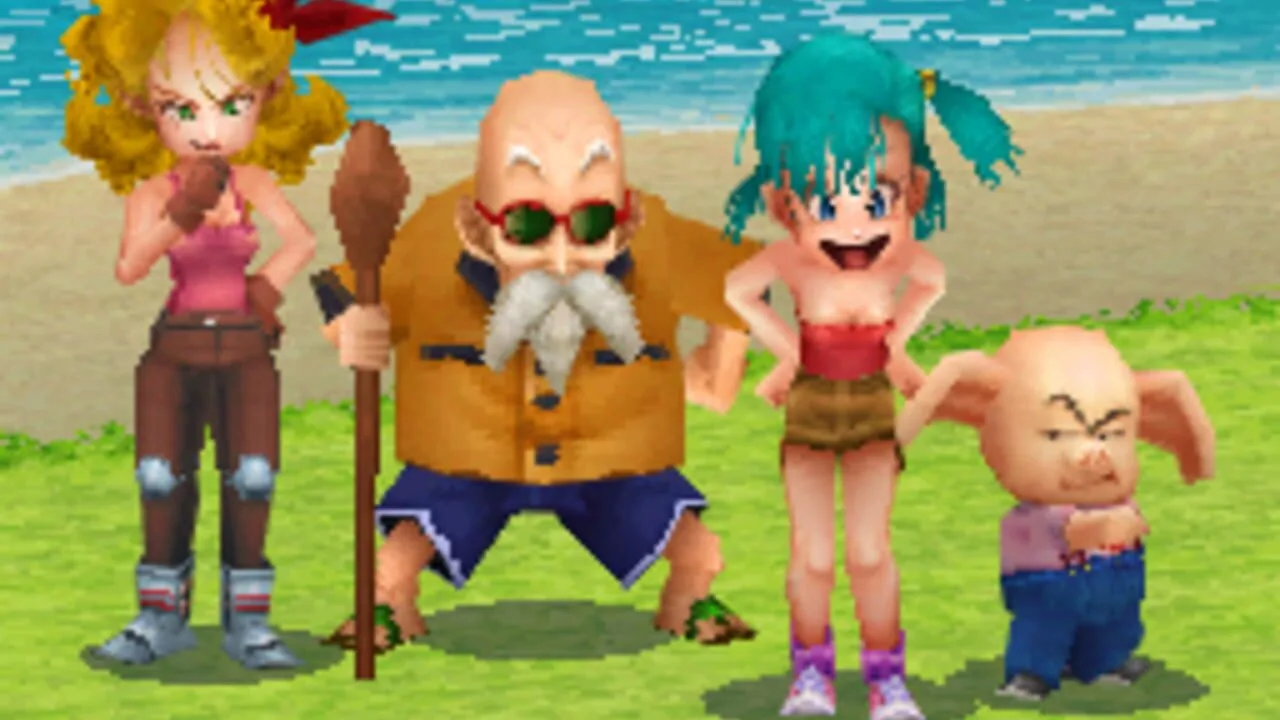
Origins goes back to where Dragon Ball began. It follows events from the original manga and anime series, from Goku's journey with Bulma to find the seven mythical Dragon Balls to his training under Master Roshi for the 21st Tenkaichi Budokai. Game Republic developed it, and it came out in North America on November 4, 2008. You use the stylus and touchscreen to take control of Goku, though the directional button still works if you would rather play the old way. Bulma tags along in many of the levels.
Anime News Network called it "Impressive for a DS game." Famitsu gave it a "Silver Hall of Fame" score. It is faithful to the source in every way, which got it in trouble in Australia: it was recalled because its PG rating did not reflect the "racy" content in the game. Anyone who has seen early Dragon Ball knows which old man is to blame.
5. Dragon Ball Z: Supersonic Warriors 2 (2005)
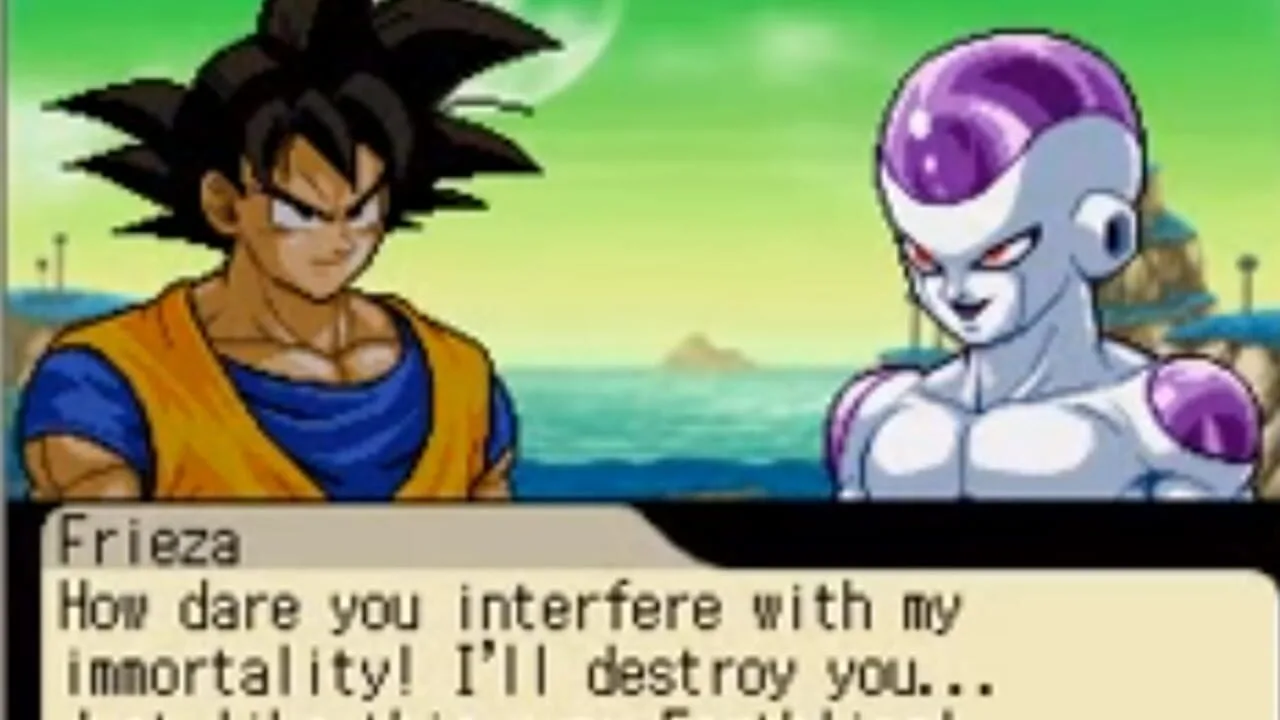
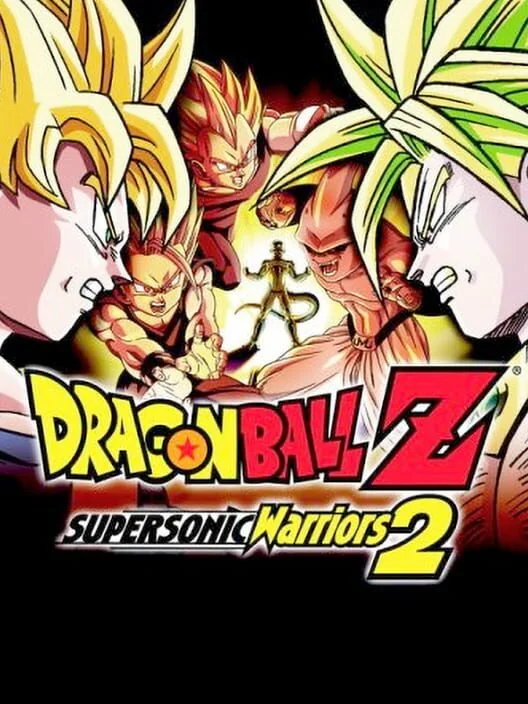
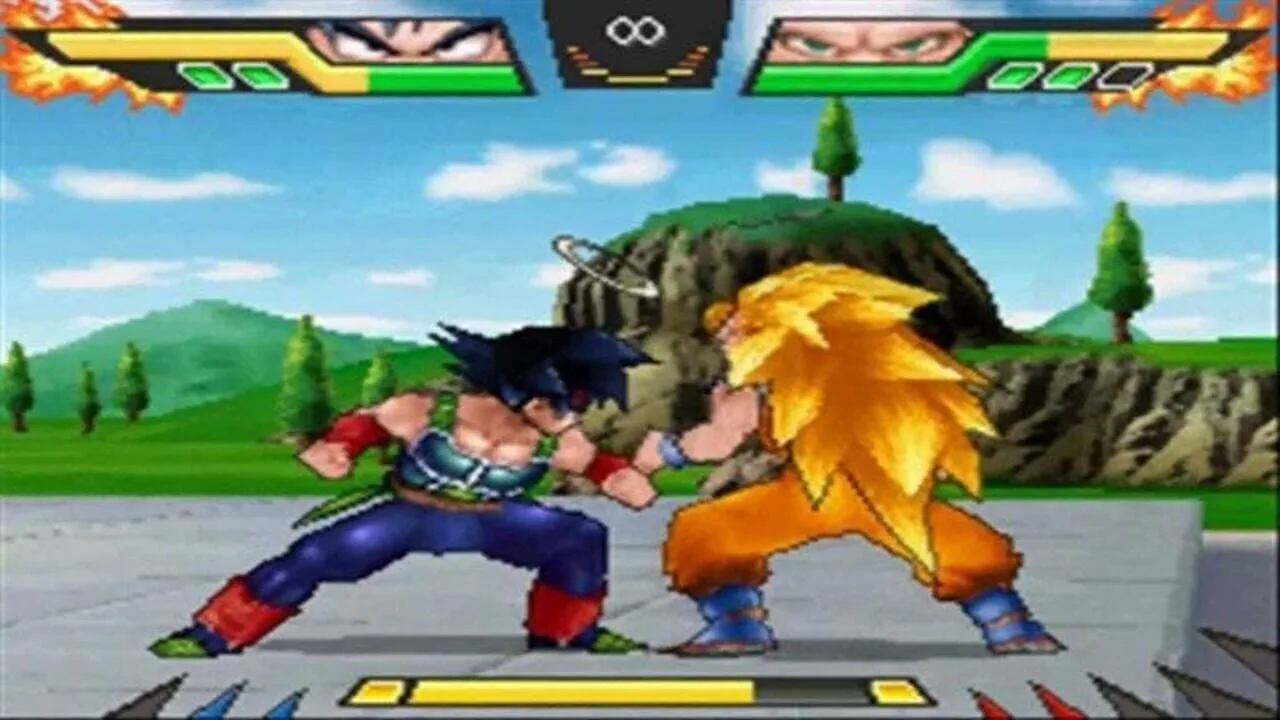
Supersonic Warriors 2 is the second and final game in the series, published by Atari for the Nintendo DS in 2005. Fights pit two players or two teams of up to three Dragon Ball characters against each other in large environments, and everyone flies. All thirteen characters from the first game return, and Cooler and Broly join from the Dragon Ball Z movies. You can also unlock support characters, who step in with special moves or a revival option.
The story mode has a branching path system, and meeting certain conditions opens special "What If" storylines. That is the real treat for fans. You have watched these fights end the same way a dozen times, and here you get to see them go the other way. For a Dragon Ball fight that moves at Dragon Ball speed, this is the DS game to play.
4. Dragon Ball Z: Attack of the Saiyans (2009)
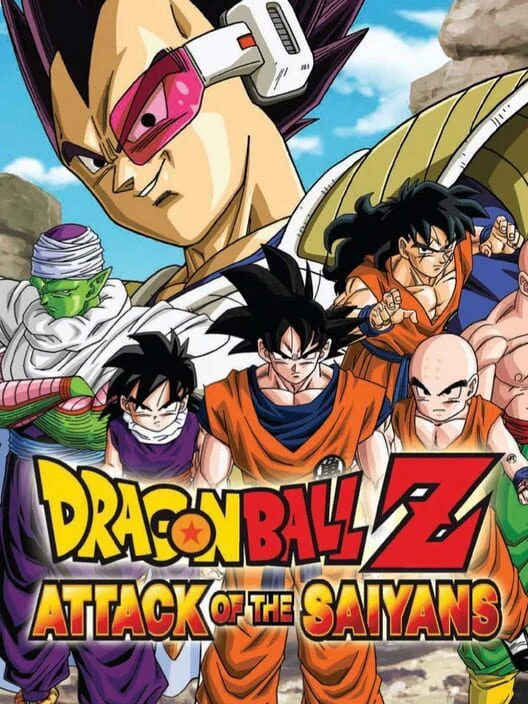
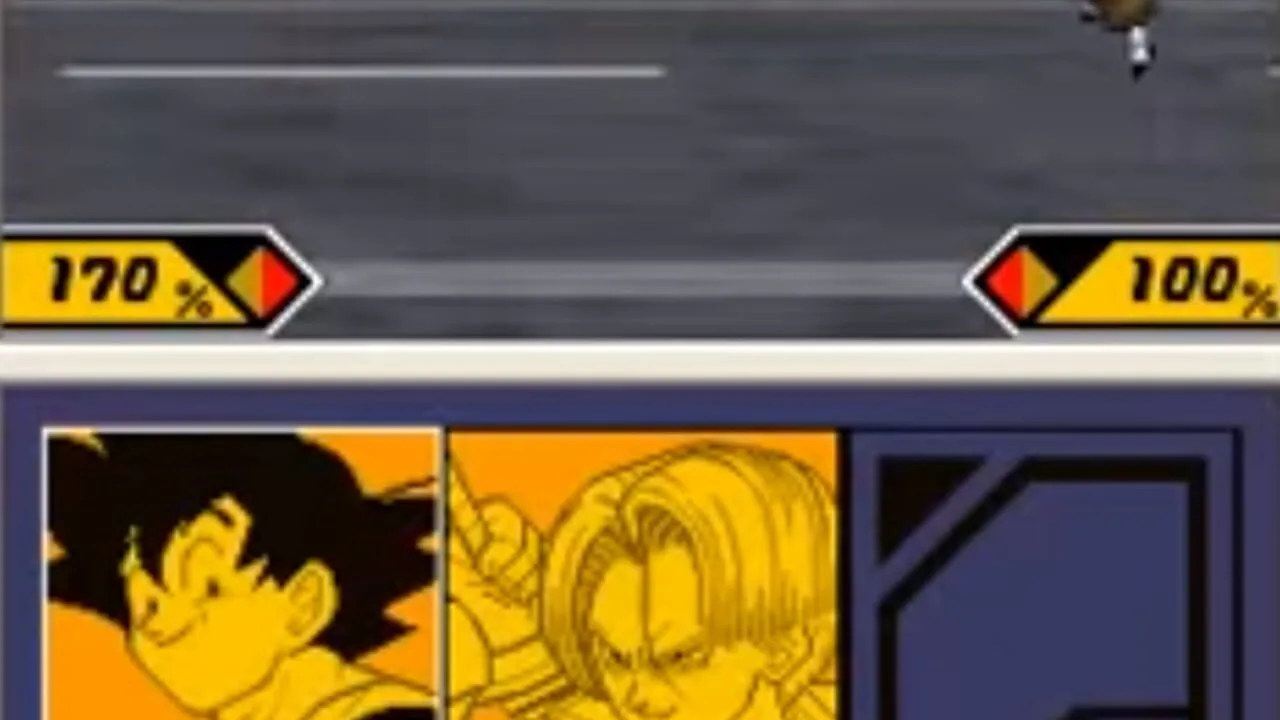
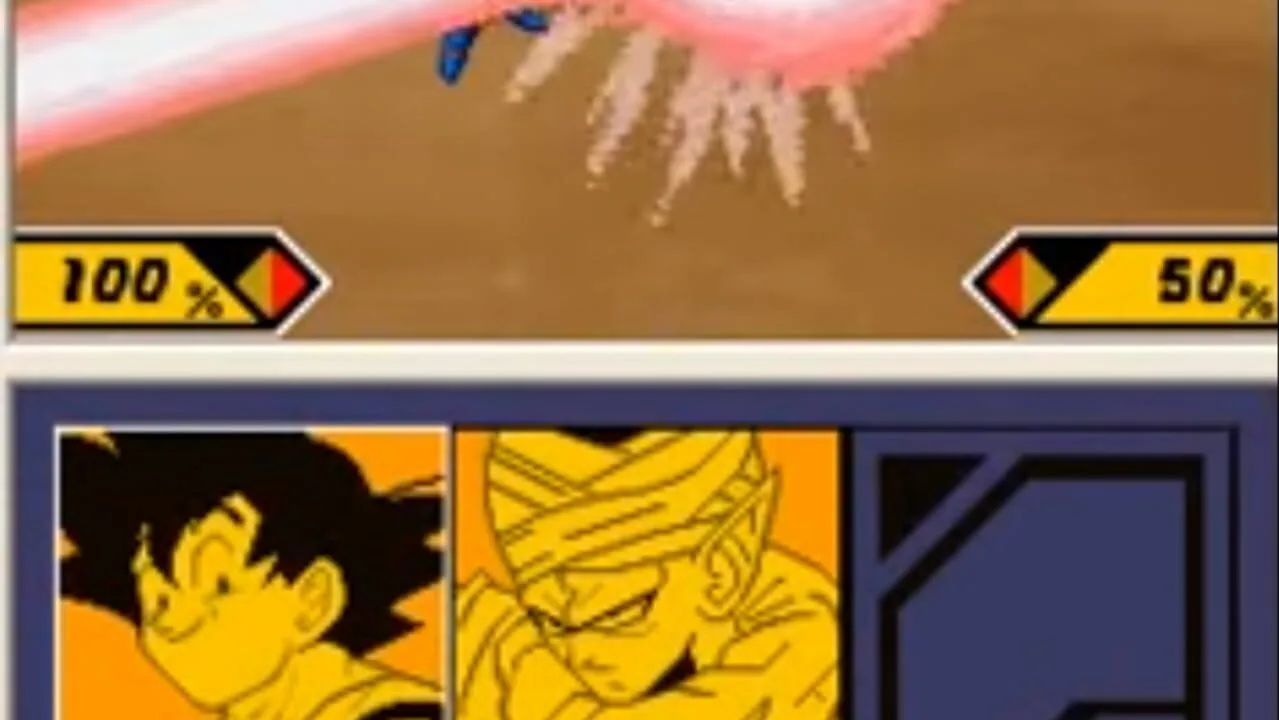
Attack of the Saiyans is a role-playing game made by Monolith Soft exclusively for the DS. It came out in Japan on April 29, 2009, and in Europe and North America in November 2009. The story starts at the 23rd Tenkaichi Budokai saga and runs into the Saiyan saga, and only the first three members of your party fight at a time. It was one of the first Dragon Ball games published in North America by Namco Bandai, which took over the license from Atari in July of the same year.
Reviews were mixed, but critics liked the battle system and how faithful it stays to the original series. In Japan it was the third-best selling video game of May 2009. One critic warned that the difficulty will make you revert to the start screen many times, so save every chance you get. Goku would want you to train harder anyway.
3. Dragon Ball Kai: Ultimate Butouden (2011)
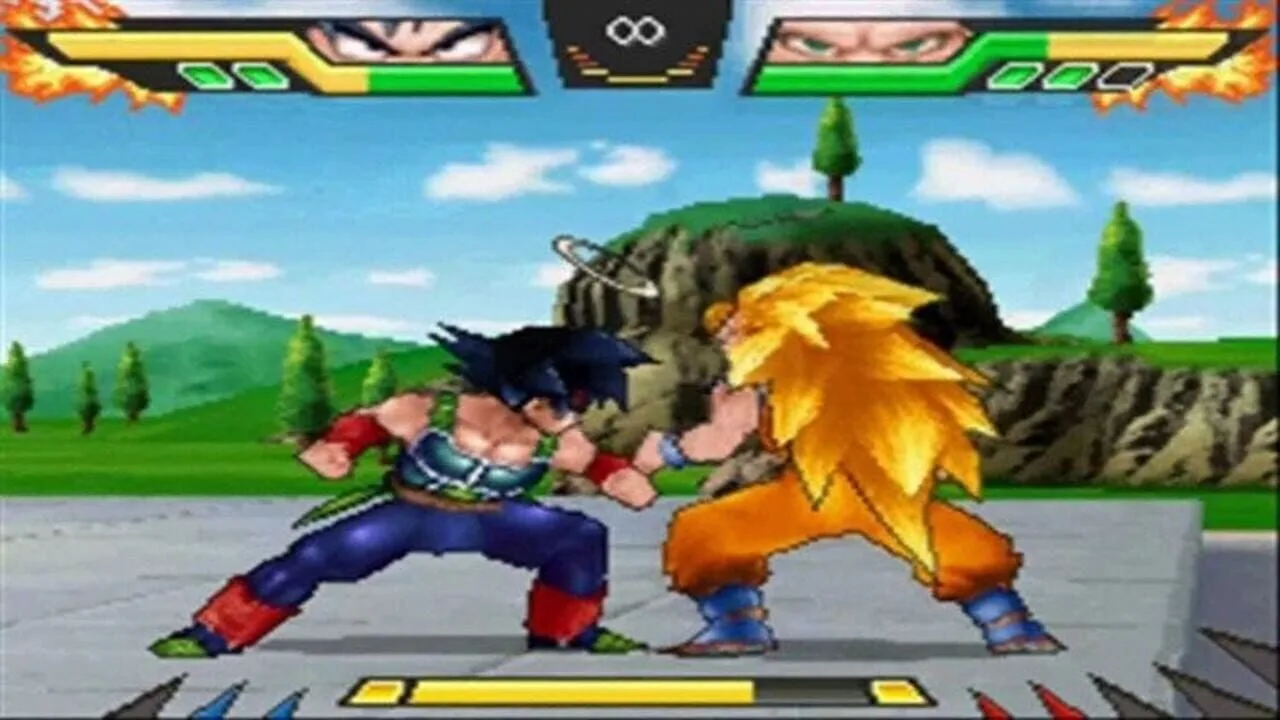
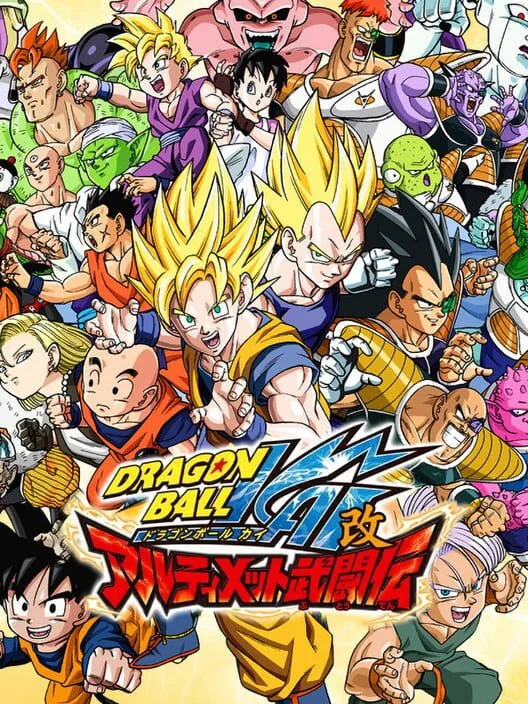
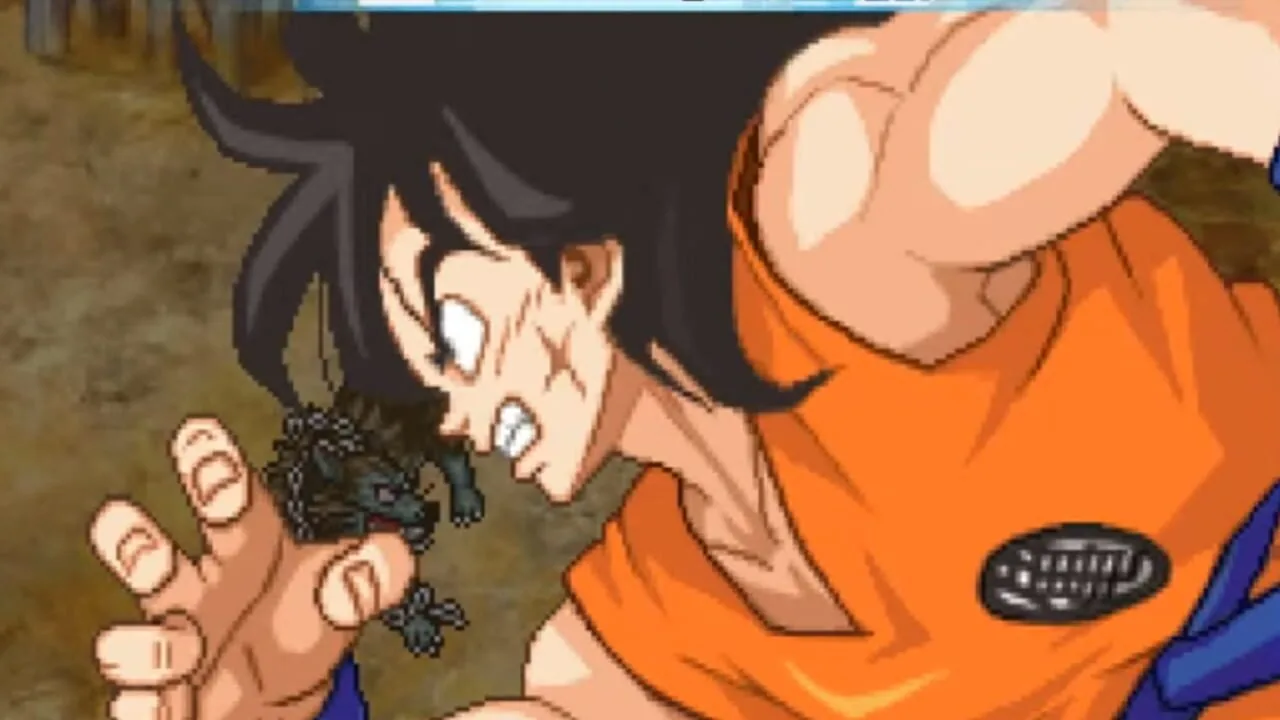
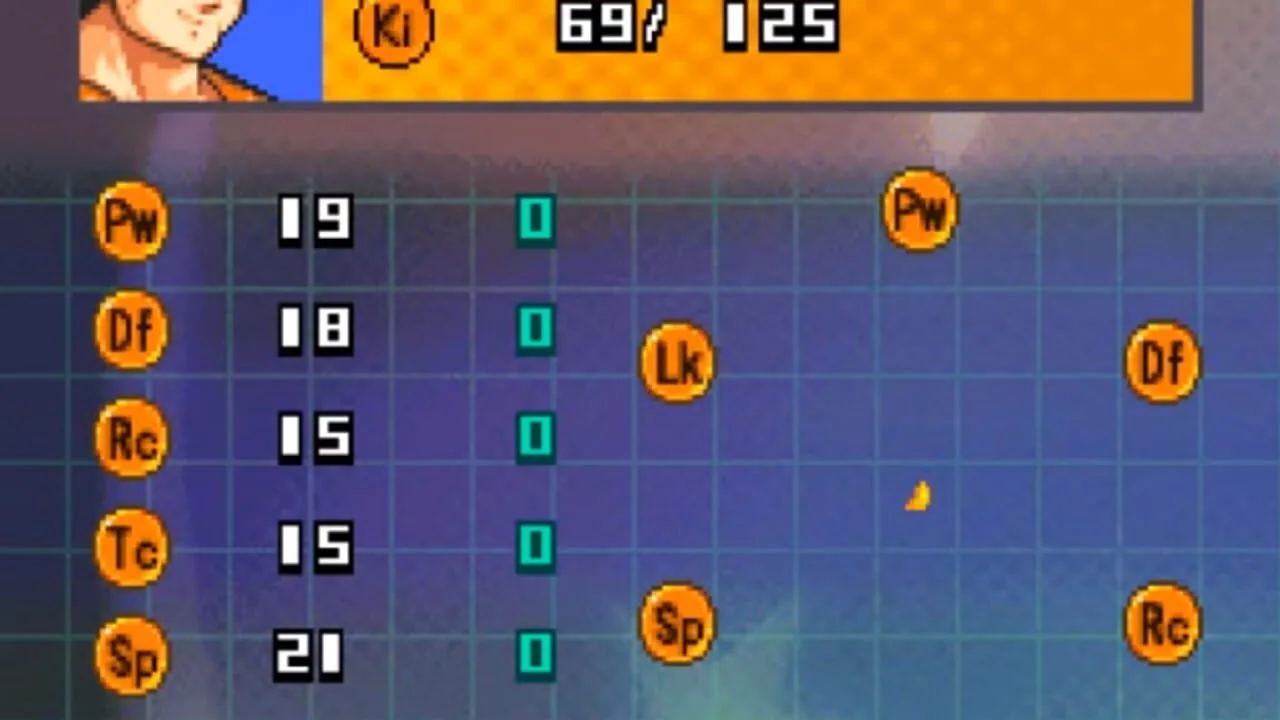
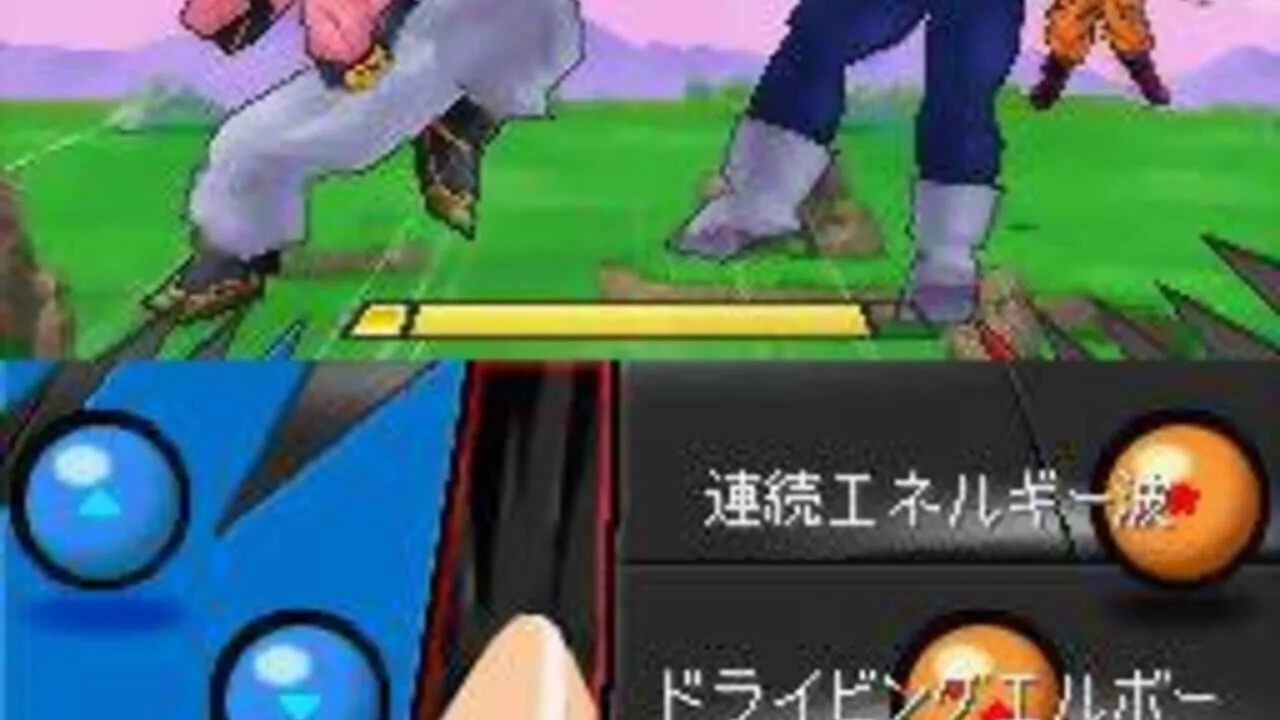
Ultimate Butōden is a fighting game that was released only in Japan on February 3, 2011. It is the fifth installment in the Butōden sub-series and the first since 1995's Dragon Ball Z: Shin Butōden. It is also the first based on the Dragon Ball Kai anime, itself a revised cut of the 1989 Dragon Ball Z anime. Special moves work with either button input combinations or a tap on the touch screen, so old fighting game hands and stylus kids both get their way.
Story mode covers the Saiyan arc to the end of the Majin Buu arc, with "What-if" scenarios on top, and the game got to the Buu arc before the Kai anime did. It sold 31,108 copies within its first week of release in Japan. The menus are all in Japanese, but punching needs no translation.
2. Bakugan: Defenders of the Core (2010)
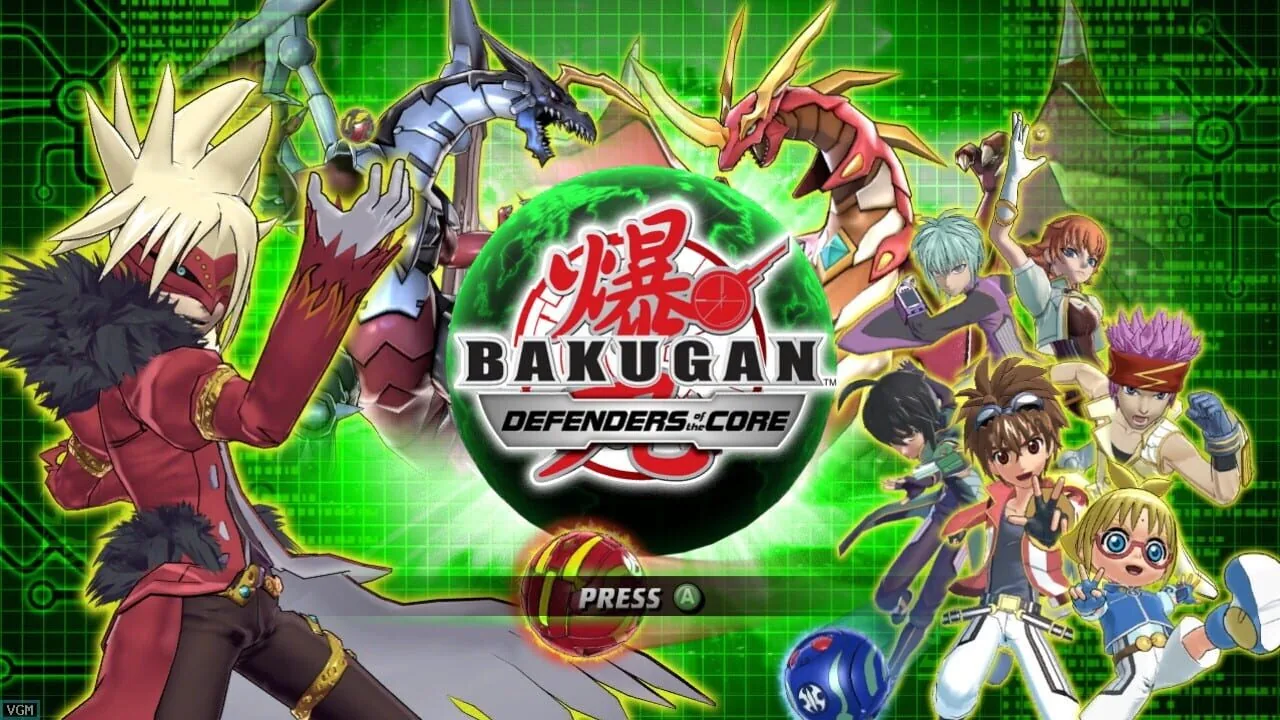
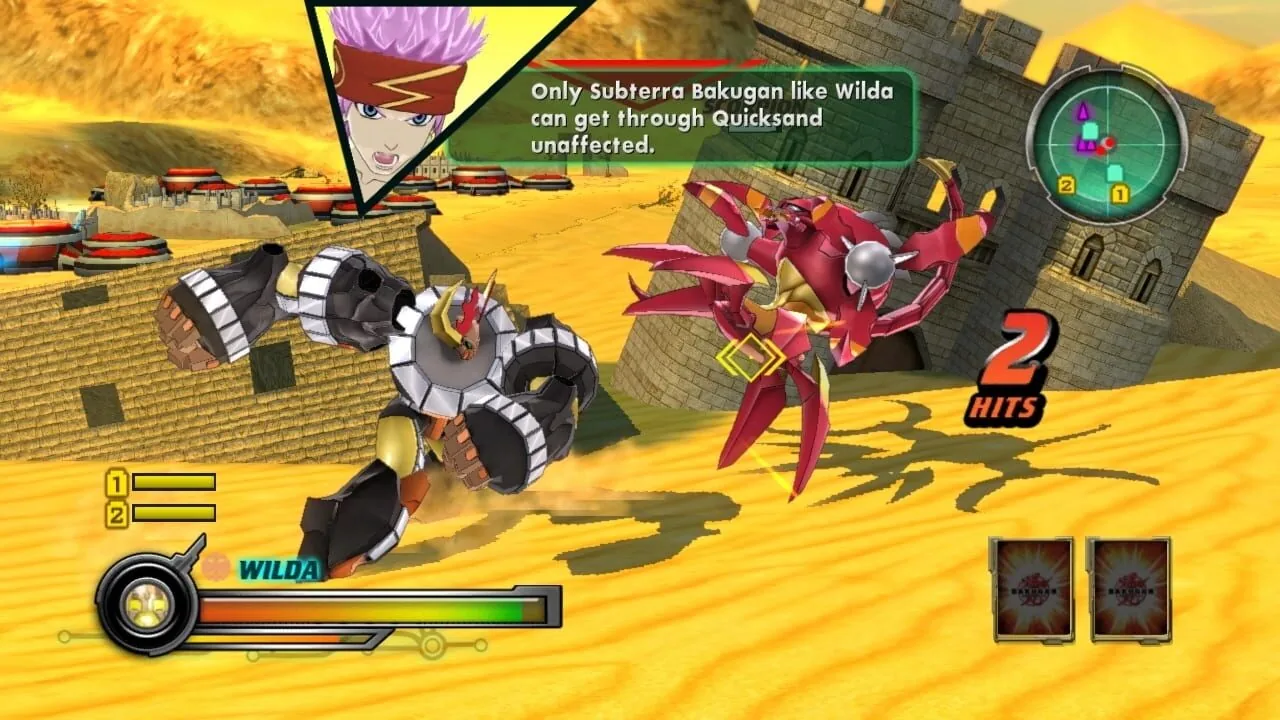
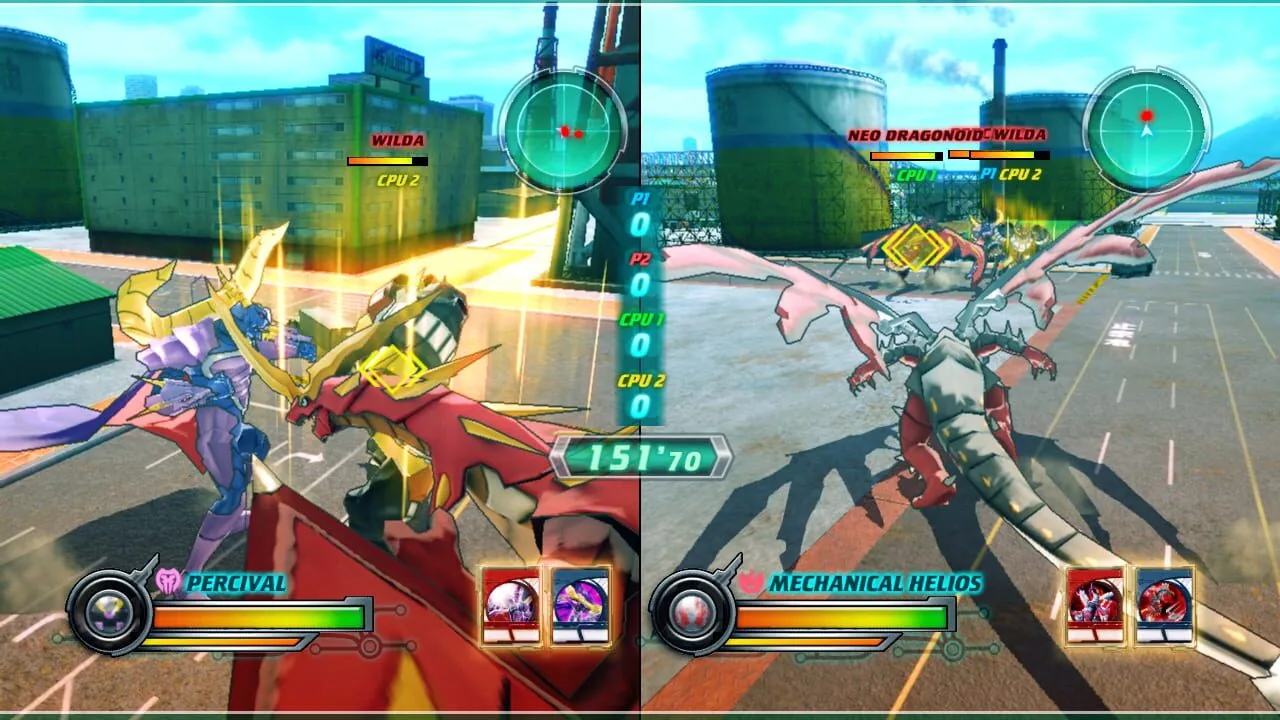
Defenders of the Core came out in North America on October 26, 2010, and it was released for the DS, Wii, PSP, PS3 and Xbox 360. Despite its title, it is based on Bakugan: New Vestroia. It tells a separate story arc from the anime, in which the Resistance protects Earth from the Vexos, who are after the Perfect Core inside Drago. Now Production developed it, and the DS version reached Japan on December 9, 2010.
The DS version received "mixed" reviews according to Metacritic, and Famitsu gave it 27 out of 40. It sits second here, which means a game based on a toy line beat five Dragon Ball games on player picks. If you had the spinning toys and the cartoon on every morning, you already know why.
1. Jump Ultimate Stars (2006)
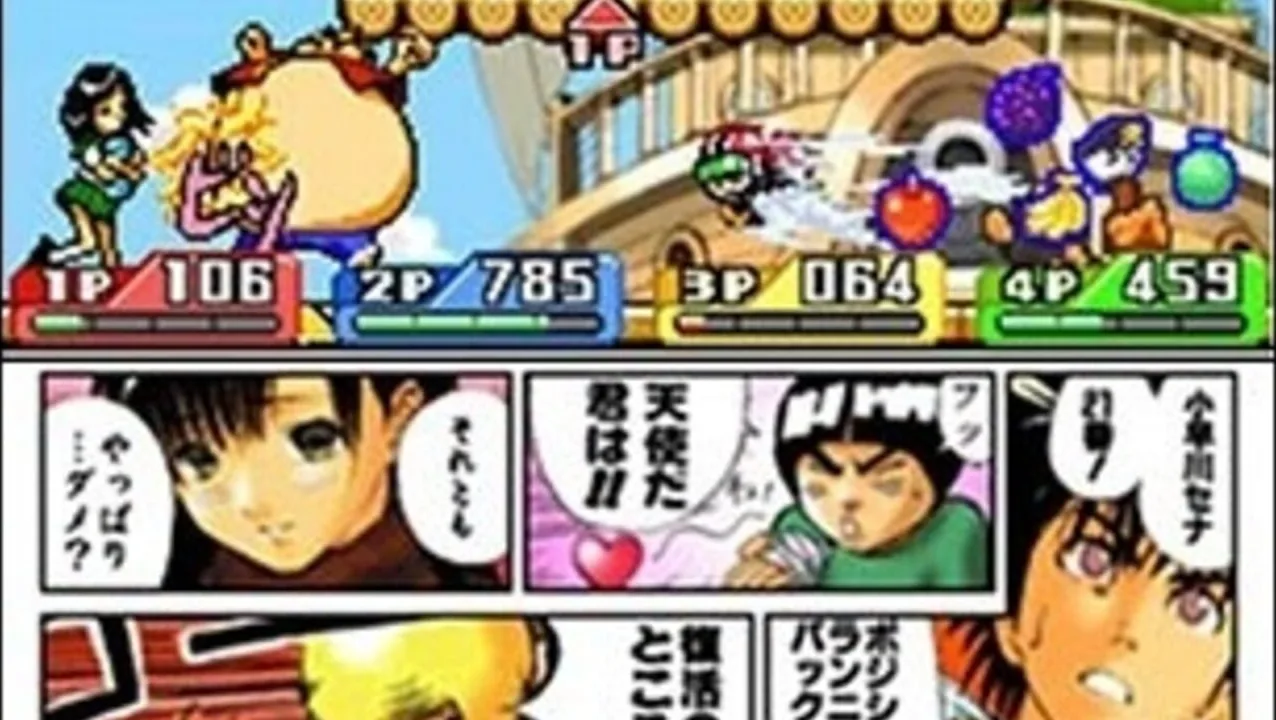
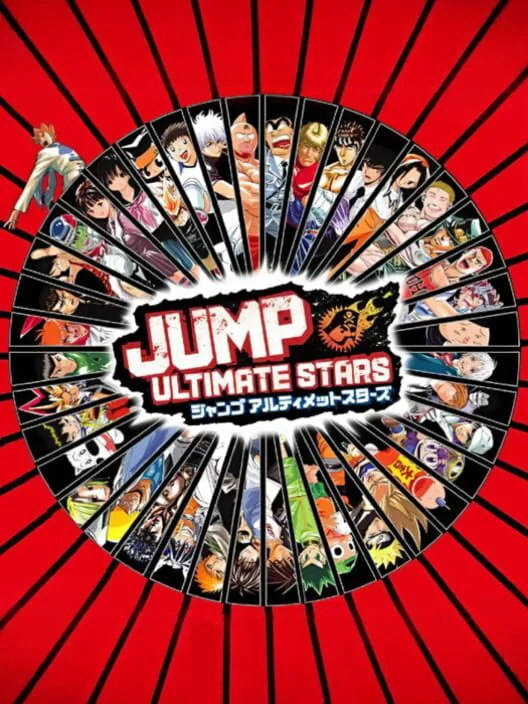
Jump Ultimate Stars is a fighting game developed by Ganbarion and published by Nintendo, and it is the sequel to Jump Super Stars. It was released in Japan on November 23, 2006, and it has 305 characters (56 of which are fully playable) from 41 different Shōnen manga series. You build a deck of manga panels on a four by five grid, with big panels for fighters and small ones for helpers and boosts. Battles take place in arenas made to look like the page of a manga, and you win by doing enough damage or knocking them off the stage.
It garnered "generally favorable reviews", according to Metacritic. One player summed it up: "even if you are not into anime, if you enjoy something Smash you will like it." Players recommend it more than any other DS anime game, at least three times as often as any other game here.
Which one to play
There you have it, the whole list of the best Nintendo DS anime games. Licensed games had no right to be this much fun.
If you are not sure where to start, play Jump Ultimate Stars. If you want a traditional RPG, Attack of the Saiyans is the one, as long as you save often. For the best 2D fighter in English, pick Dragon Ball Z: Supersonic Warriors 2. If you love Dragon Ball from the very start, play Dragon Ball: Origins and then Origins 2. And for a hidden pick, try Bleach: The Blade of Fate with three friends.