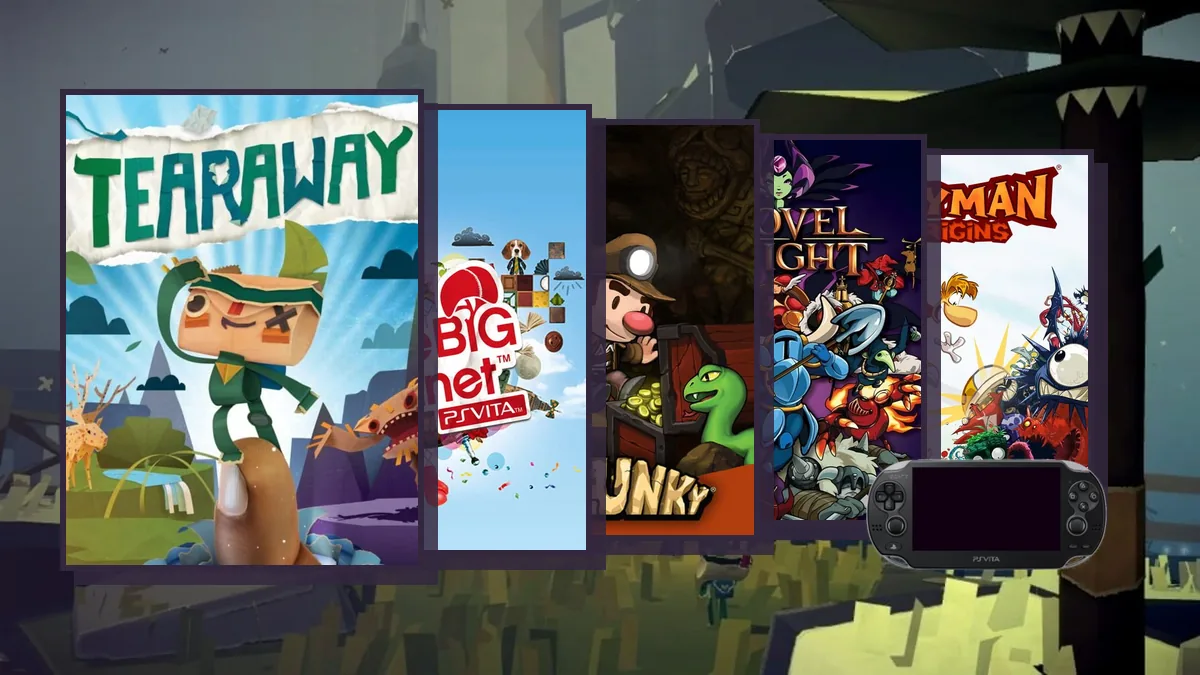
The PS Vita turned into the handheld for people who like to read their games. Its big, sharp screen made anime art look lovely, and English publishers kept bringing Japanese visual novels over for it. NIS America put out murder mysteries, Aksys Games handled the romance side, and PQube brought over Steins;Gate.
Western studios showed up too. Telltale's comic book dramas came to the Vita, and so did a couple of the best modern point-and-click games. This list is for games where the story is the main thing, from visual novels to puzzle adventures with a mouse cursor turned into a fingertip. Here are the 20 best PS Vita adventure games.

20. Corpse Party: Blood Drive (2014)
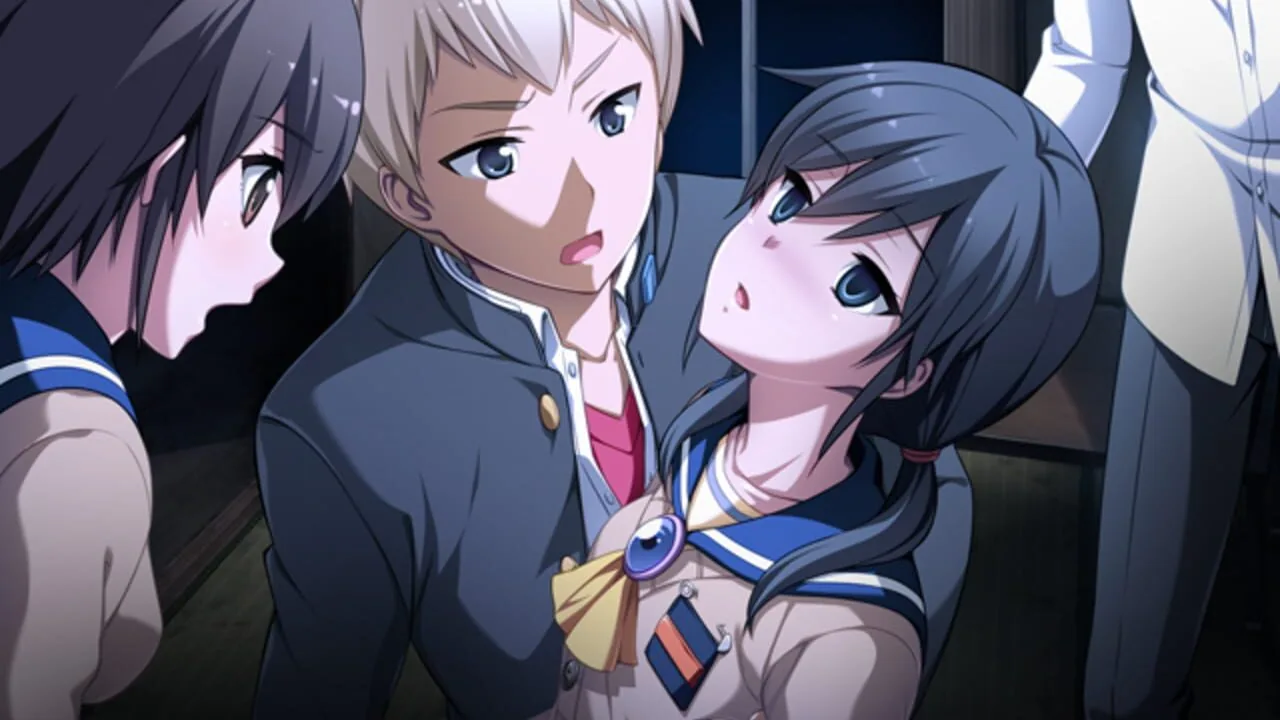
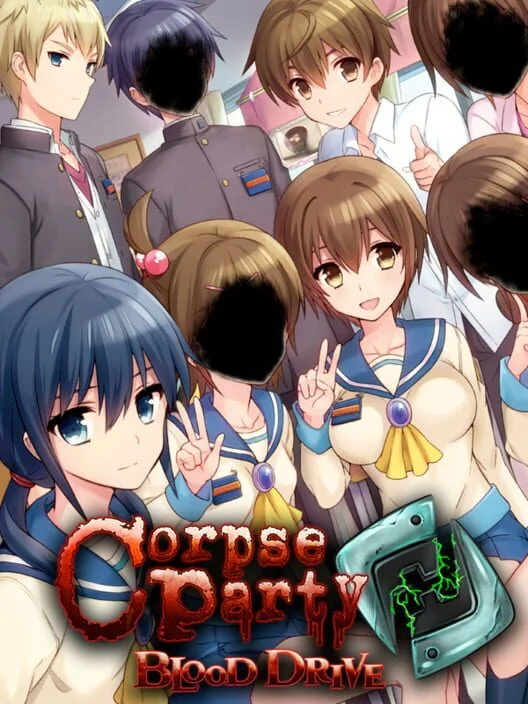
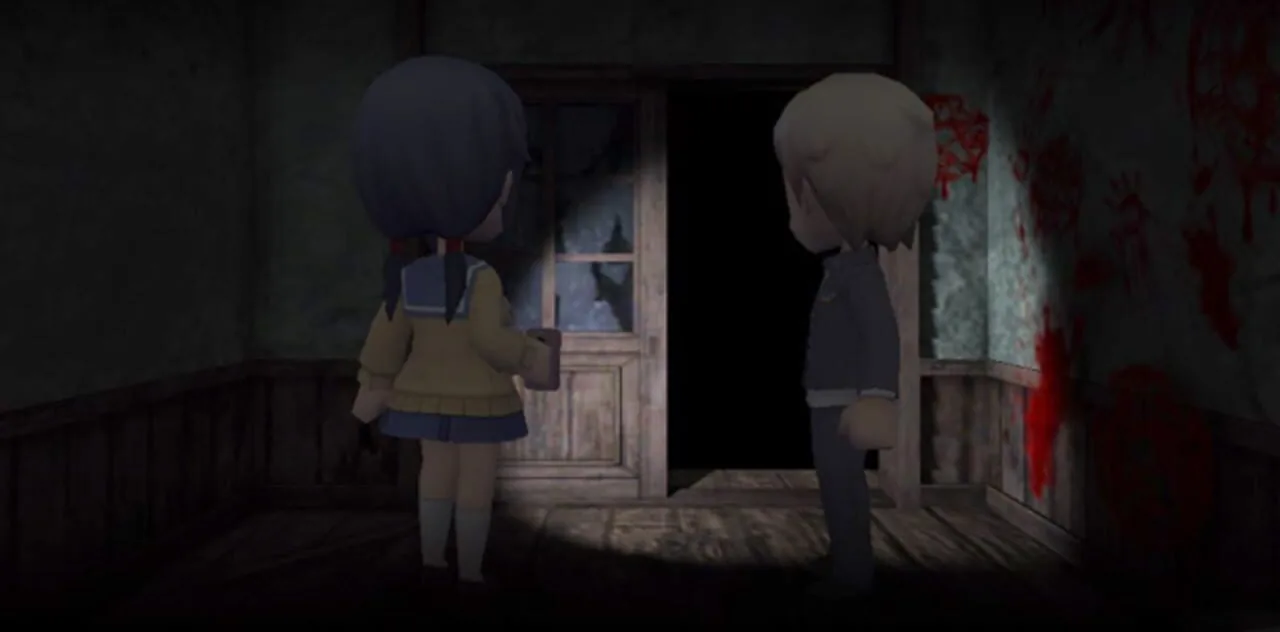
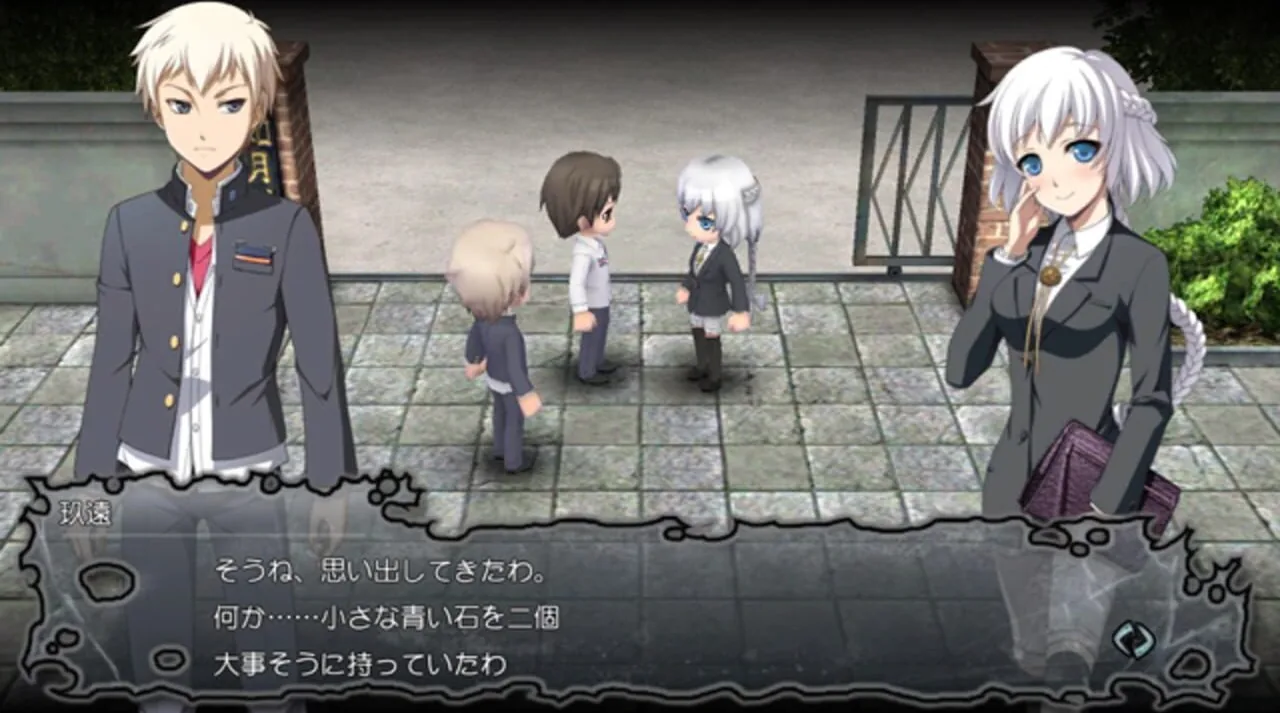
Corpse Party: Blood Drive is the third game in the Corpse Party series and a direct sequel to Book of Shadows. It is the first one with settings and characters in 3D. The story picks up with Naomi saving Ayumi and taking her to a hospital, and it gets darker from there. It came out in Japan in July 2015, and XSEED brought it to the Vita in English late that year, on a cartridge as well as a download.
Critics called it better than Book of Shadows but weaker than the first game. One reviewer's complaints were easy puzzles and long loading times, though he praised the atmosphere and the storytelling. If you played the earlier games, you already know whether you can take the gore. If you did not, start with the first Corpse Party, because this one assumes you know everybody.
19. Collar x Malice (2016)
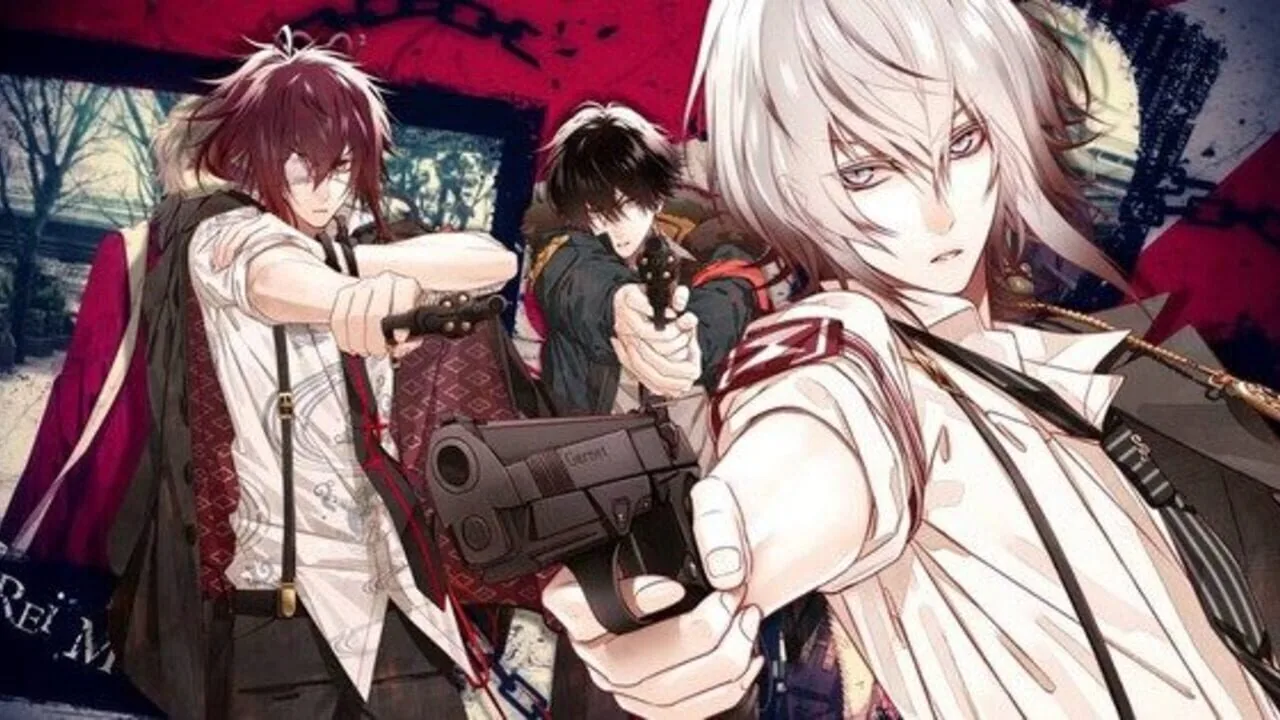
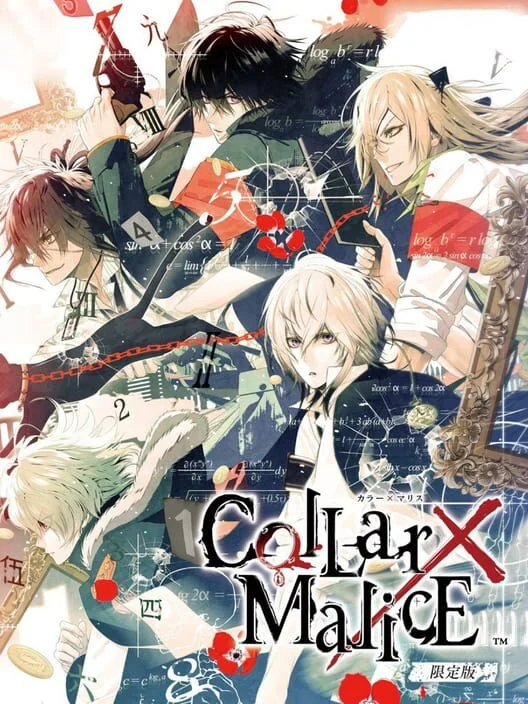
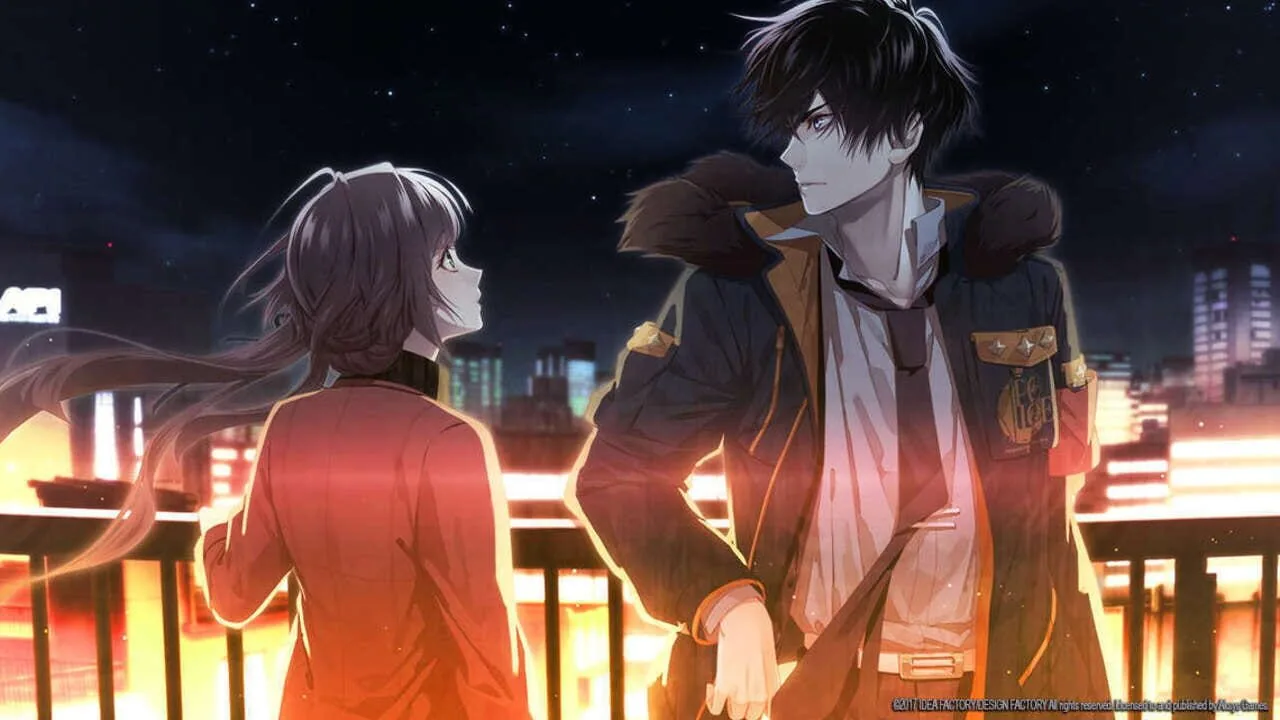
Collar x Malice came out on the Vita in Japan in August 2016, and Aksys Games brought it to North America and Europe in July 2017. You play a young woman with a strong sense of justice in a Shinjuku under quarantine, and you team up with a group of former cops. Aiji Yanagi quit the force to chase the X-Day Incident his own way. Mineo Enomoto wears an eye-patch to honor Date Masamune and is the comic relief.
It is an otome game, a visual novel built around a heroine and the men she gets to know, with a police thriller holding it together. Critics liked it, and it sold well in Japan for a niche game of its genre and platform. A fan disc, Collar x Malice: Unlimited, followed in 2018, and a Switch port came in 2020. The Vita had it first.

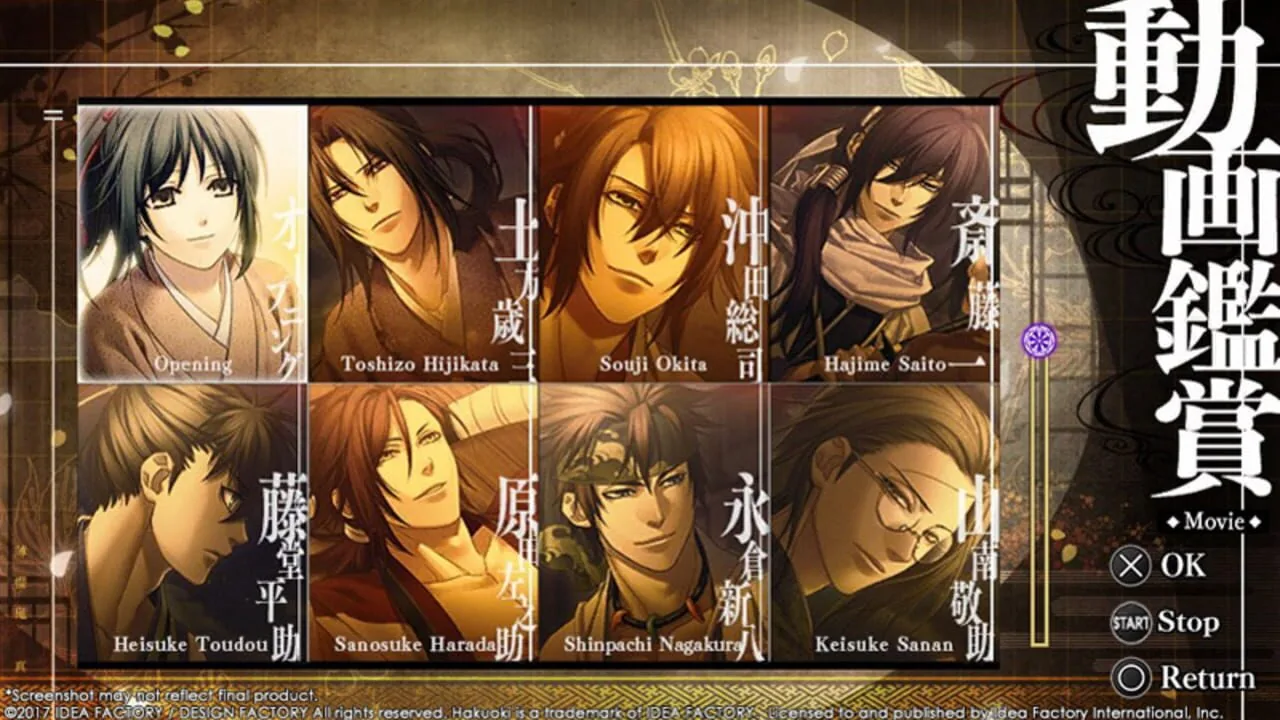
18. Hakuoki: Kyoto Winds (2015)
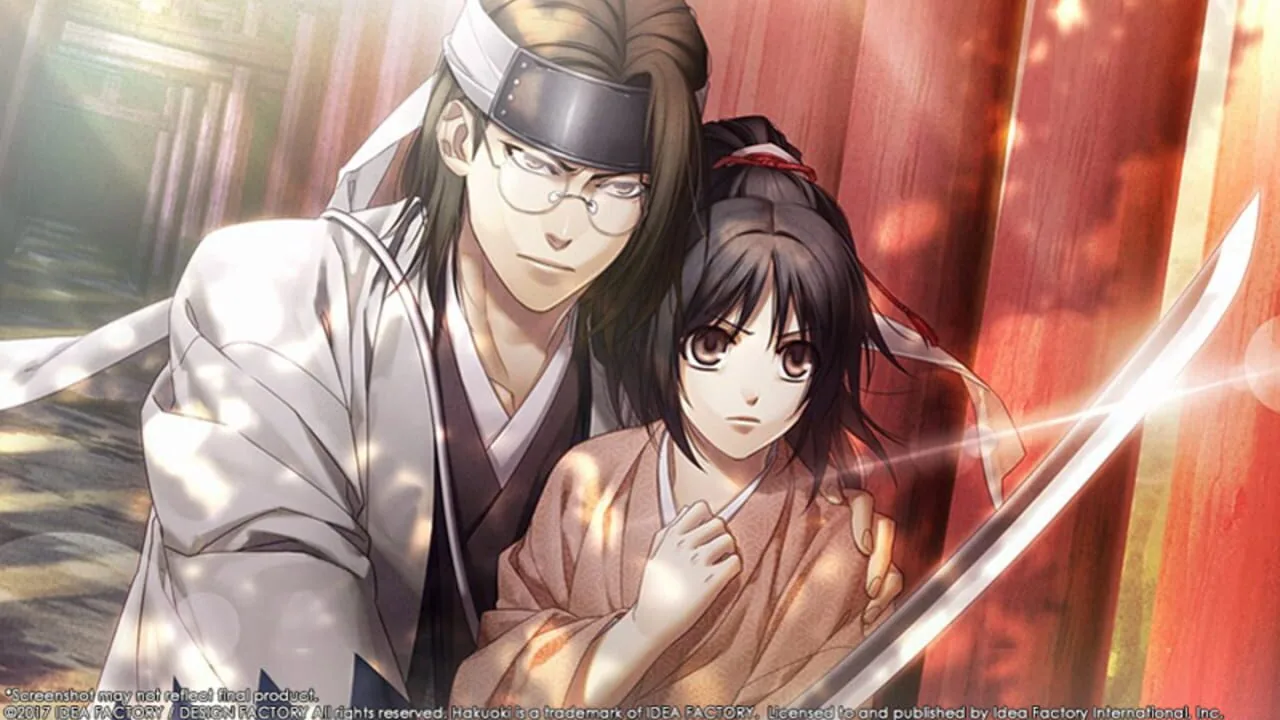
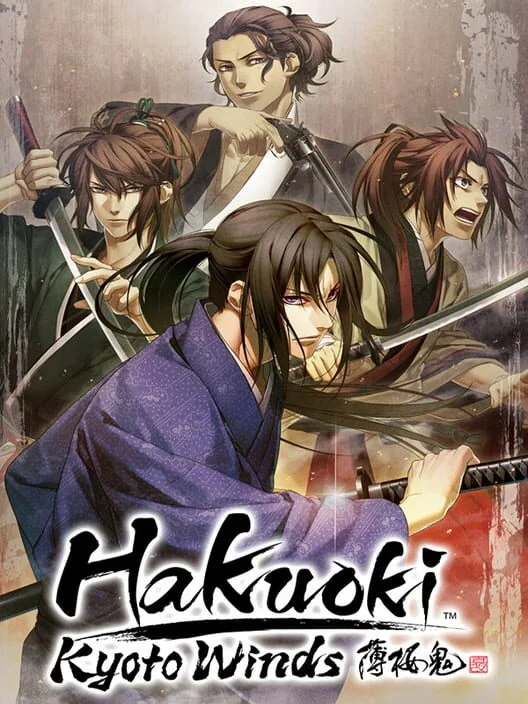
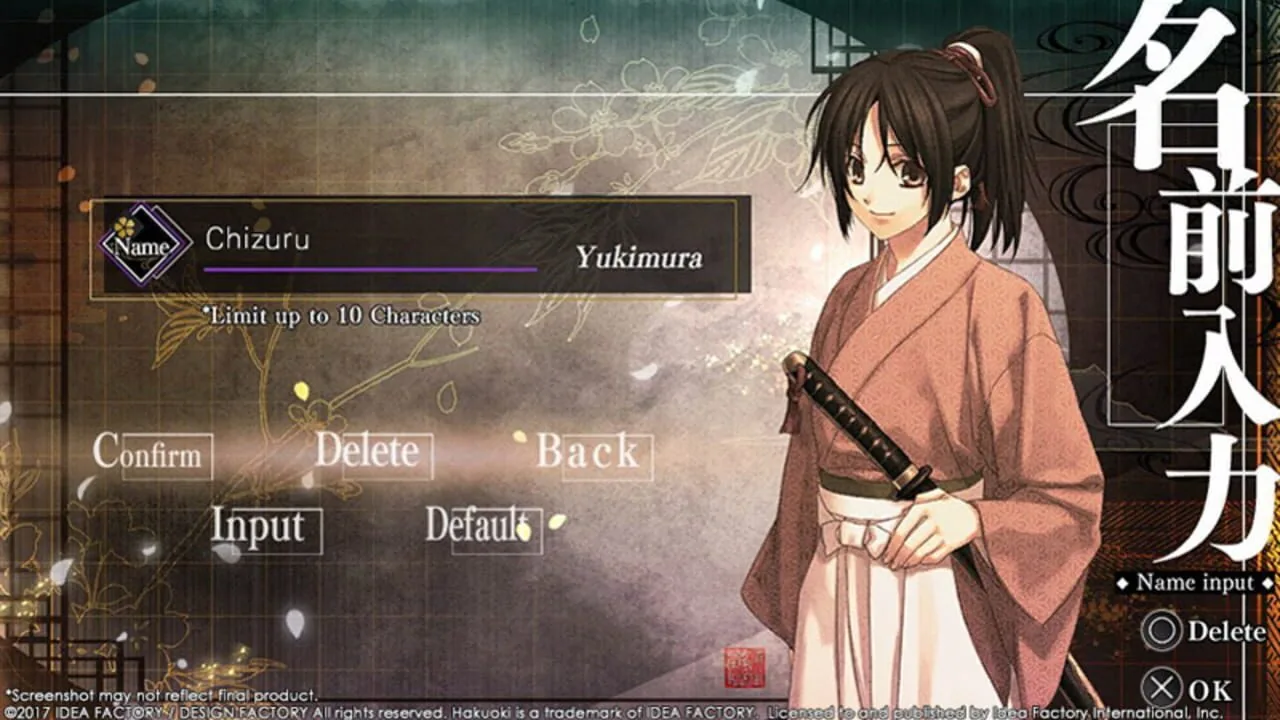
Hakuoki is set in the Edo period, around the 1860s. Chizuru Yukimura heads to Kyoto to search for her father. After mad men attack her, the Shinsengumi save her, but they mistake her for a boy and take her in for questioning. Her father is a doctor who made the Water of Life, an elixir that turns whoever drinks it into a berserker called a Fury. Over time Chizuru builds a bond with the Shinsengumi and its aloof member Toshizo Hijikata.
The game stops at each decision point until you choose, and your choices push the plot in one direction or another. Brittney Karbowski voices Chizuru in English. The story was big enough in Japan to get an anime by Studio Deen in 2010 and two films in 2013 and 2014. It is a romance with swords and a lot of blood, and history fans get extra out of it.
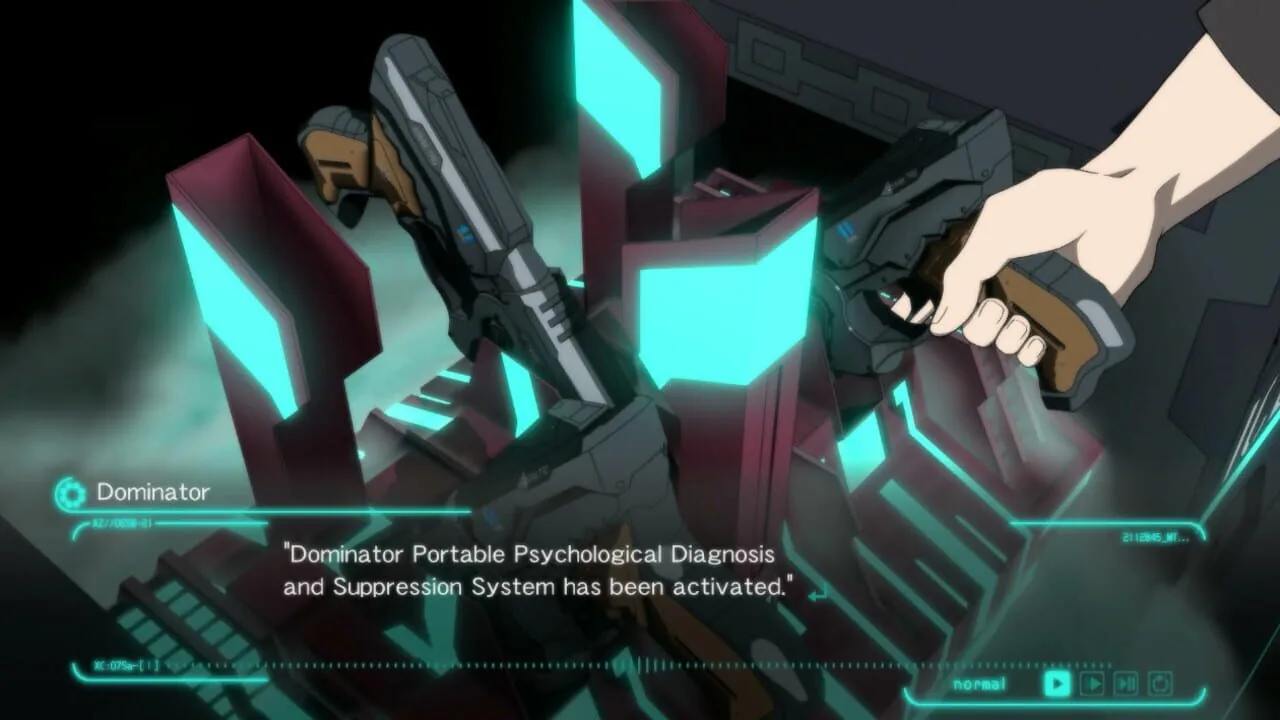
17. Psycho-Pass: Mandatory Happiness (2015)
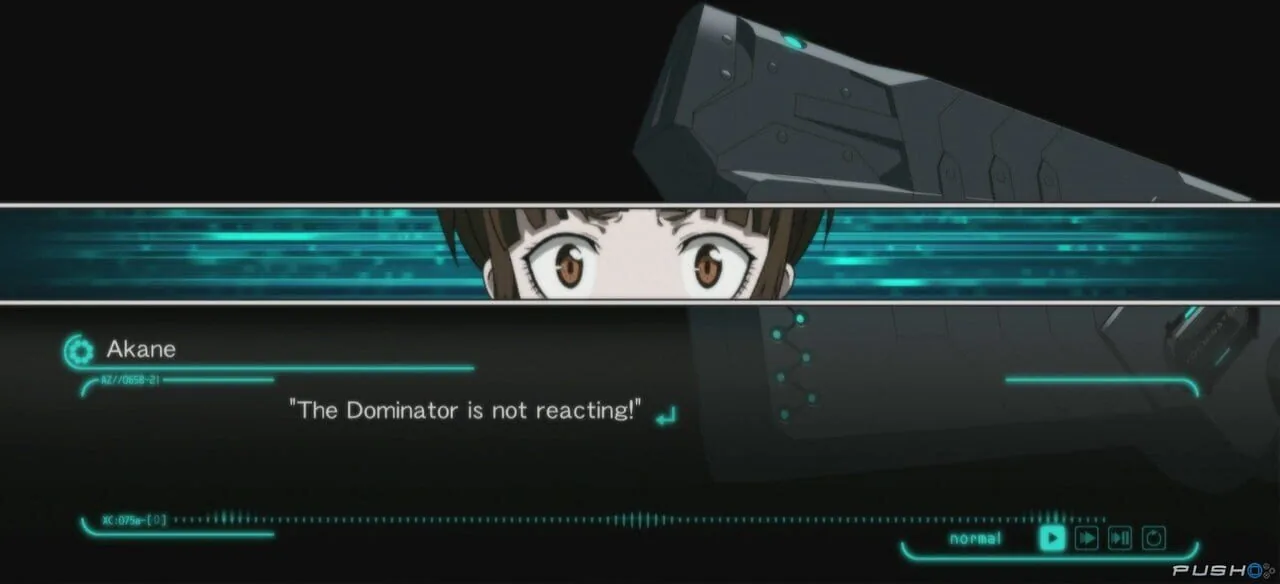
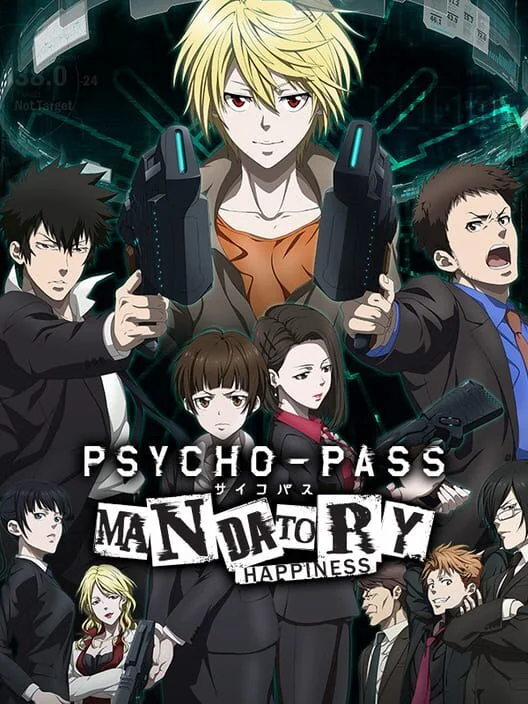
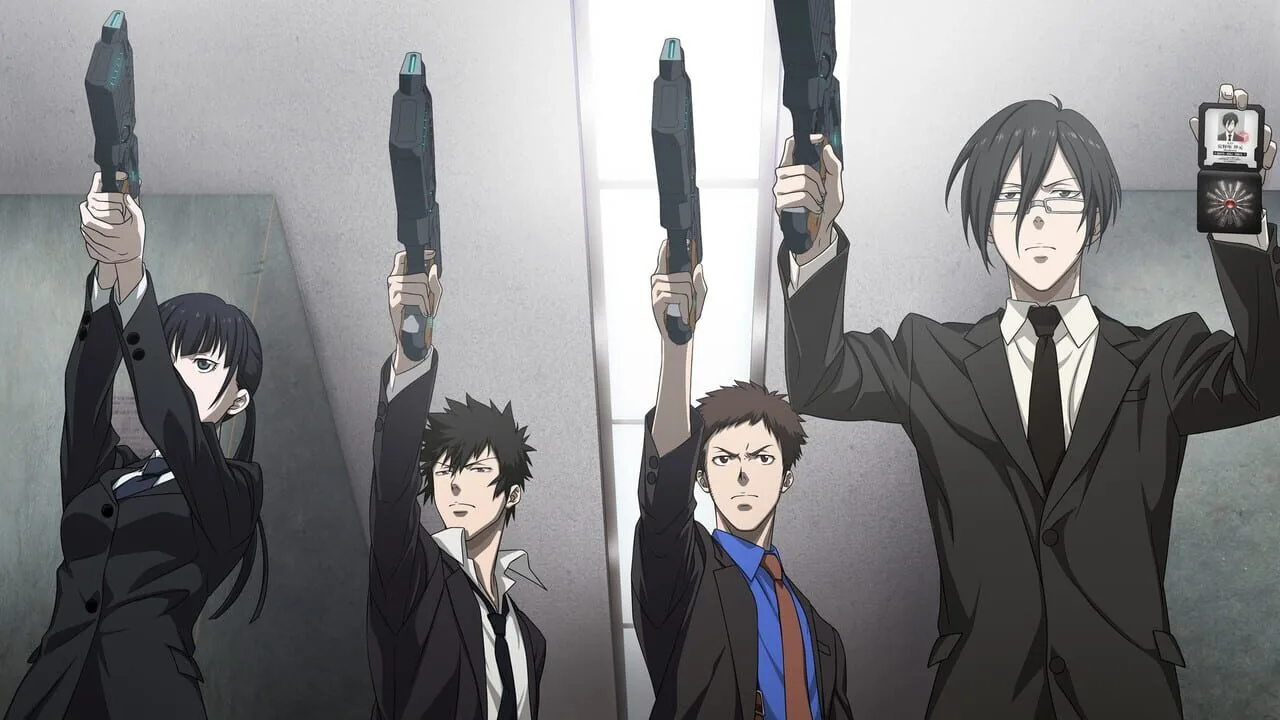
Psycho-Pass: Mandatory Happiness is based on the 2012 anime Psycho-Pass. It is set in a future Tokyo where people can be locked up before they commit a crime, based on a personality scan called a Psycho-Pass. The game takes place within the anime's first 12 episodes, so fans of the show get a new case squeezed in between ones they already know. It started on the Xbox One in Japan in 2015, and the Vita version followed in 2016 in Japan and the West.
Hardcore Gamer called the story and characters "utterly compelling" and was less happy that the Vita port has no way to make the text bigger. Destructoid praised the characters and criticized the production values. If you have not watched the show, watch a few episodes first. The game does not slow down to explain anything.
16. Hatoful Boyfriend (2011)
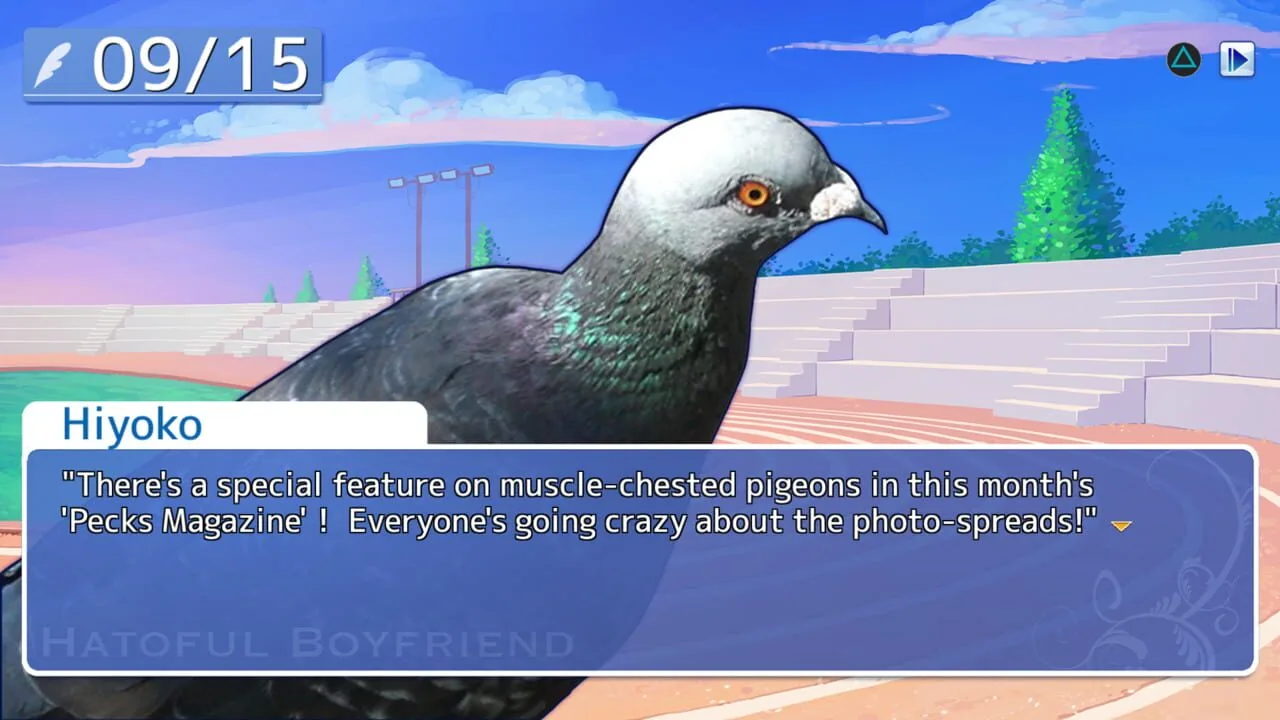

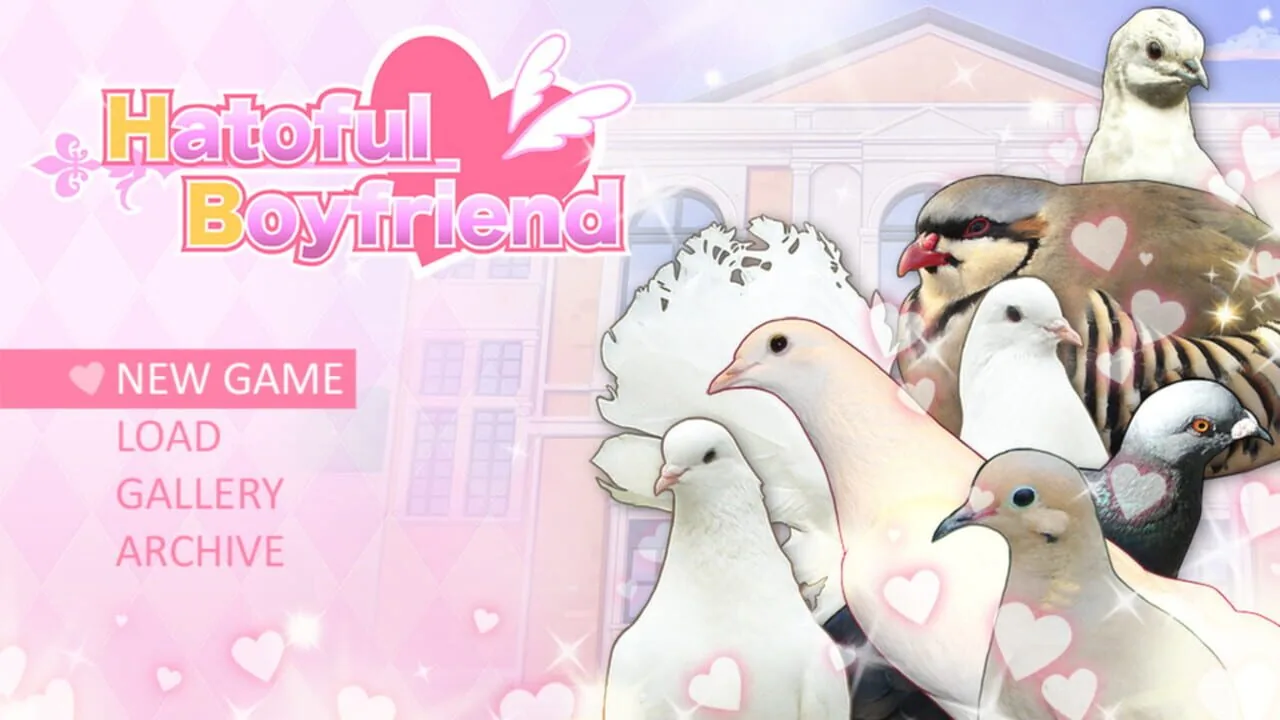
Hatoful Boyfriend is a dating sim about pigeons. It began as a Flash game the manga artist Hato Moa made for April Fools' Day in 2011, and a full version followed that October. You play the only human at a school full of talking birds, and you try to find love among your feathered classmates. The title is a pun on "heartful" and on hato, the Japanese word for pigeon. A remake by Mediatonic and Devolver Digital came to the Vita in July 2015.
Reviewers praised the replay value and the writing. The joke is the hook, and the game knows it, but one route ends with a bloody student ID and turns into a murder mystery. The title is also a pun on "hurtful", which is a fair warning. Few games on this list will surprise you more.
15. Zero Escape: Zero Time Dilemma (2016)

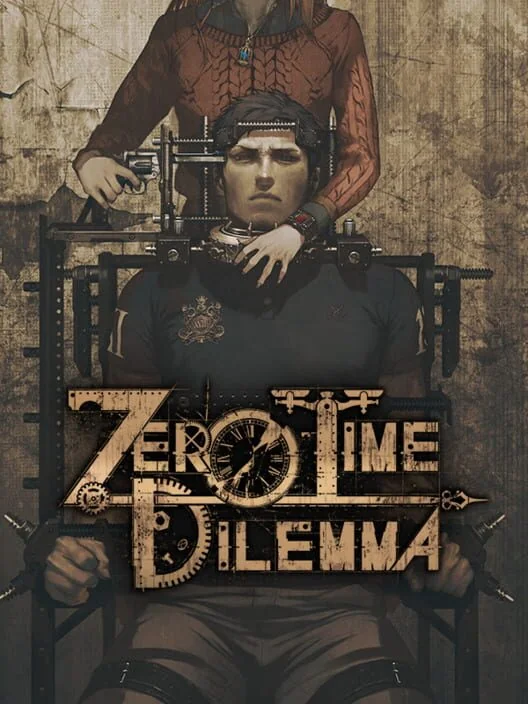
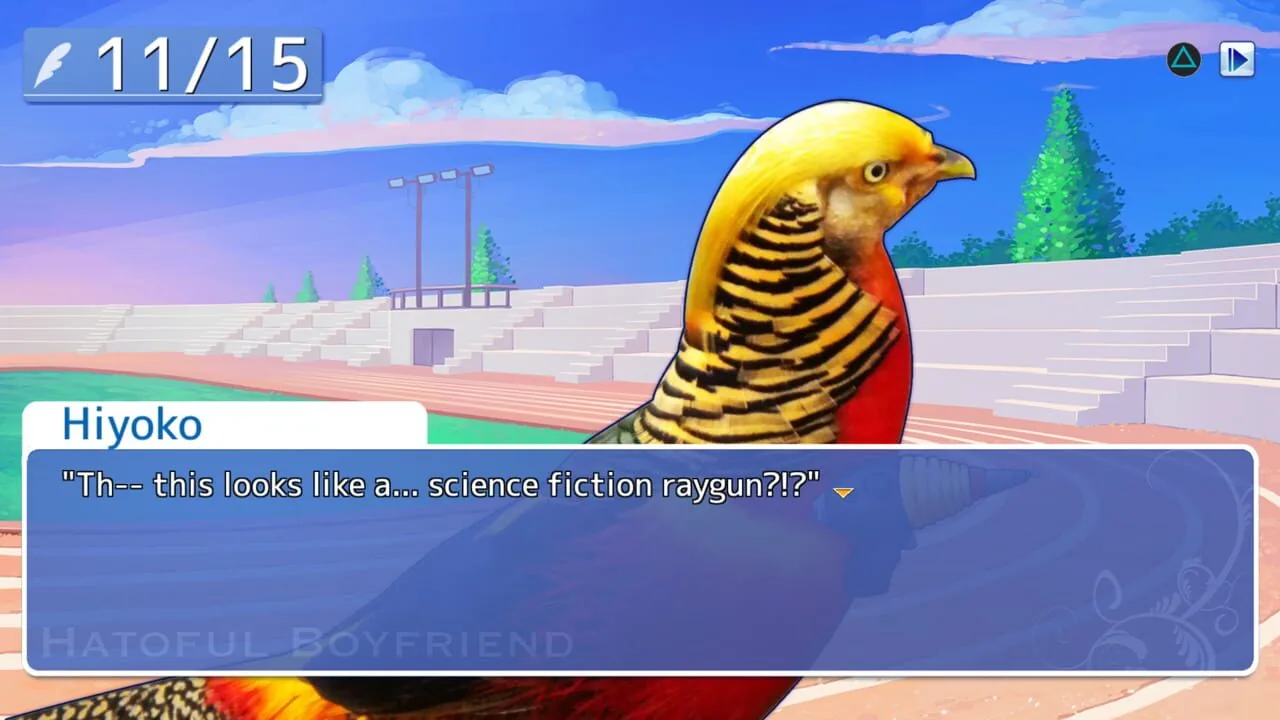
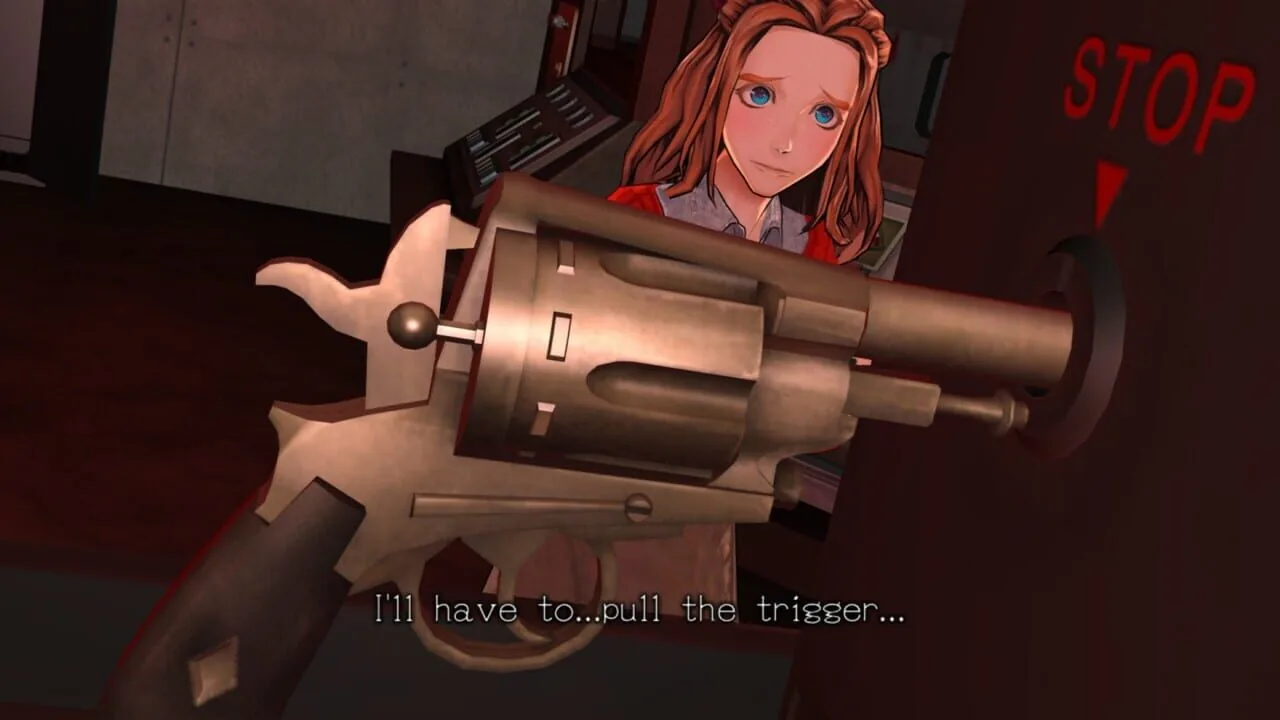
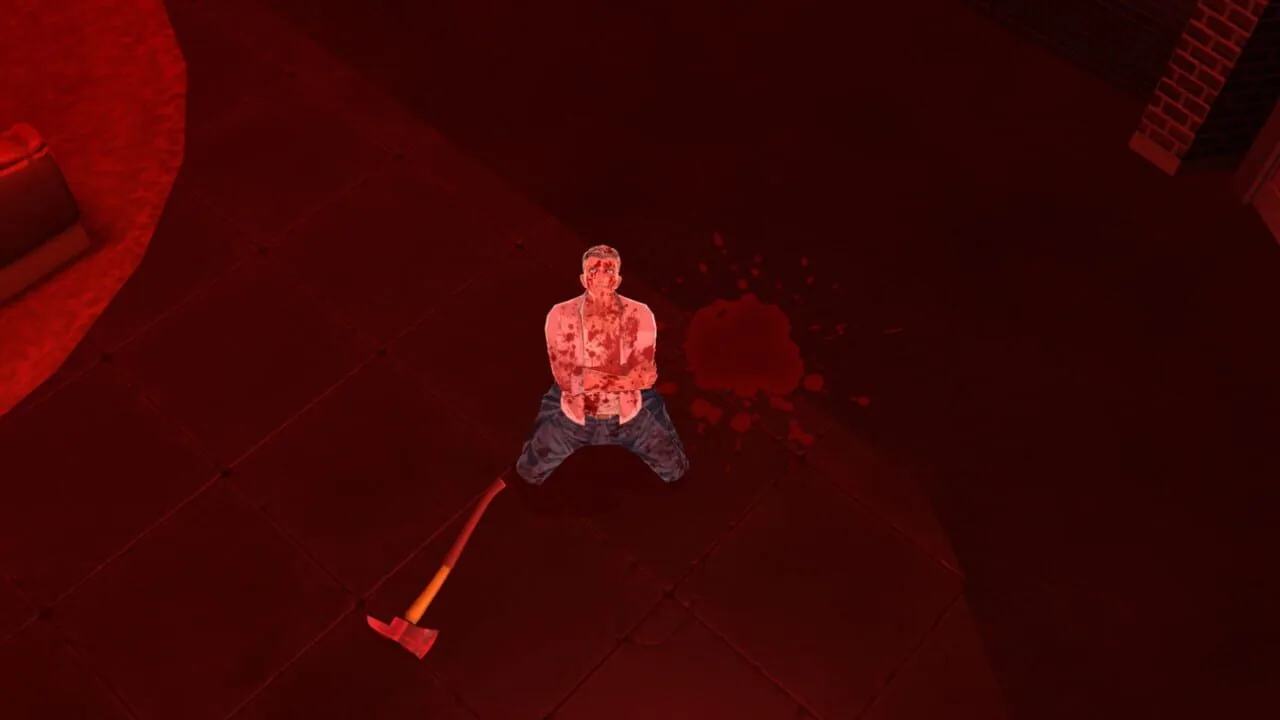
Zero Escape: Zero Time Dilemma is the third game in the series. The first two were made by Spike Chunsoft and this one by Chime. It drops the visual novel style for animated cutscenes, and its stories branch on your choices toward several endings. Kotaro Uchikoshi came up with the series by combining a story with puzzles built into it, and Shinji Hosoe wrote the music again.
It almost did not happen. The first two games were commercial failures in Japan, and the third was put on hold in 2014. It started again the next year because of fan demand and because the pause had become big news. Play it last. It is built to answer what the second game left open, and it lands harder when you know the cast.
14. Broken Age (2014)
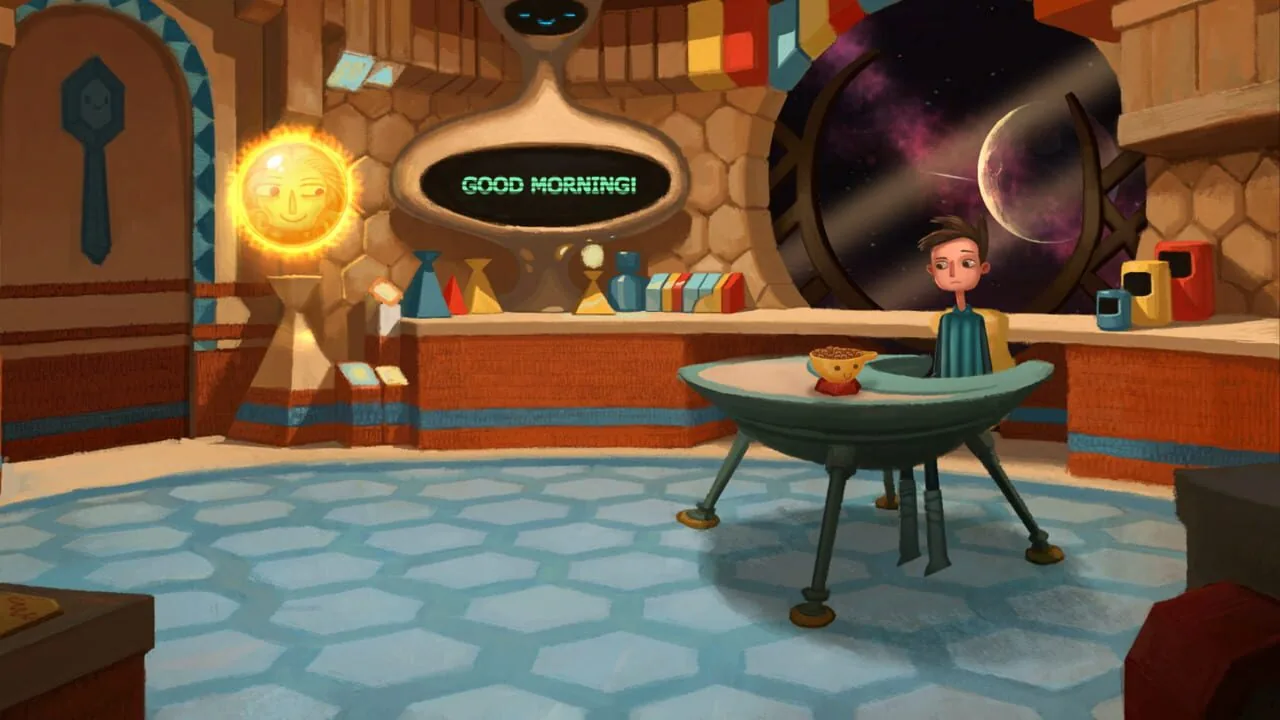
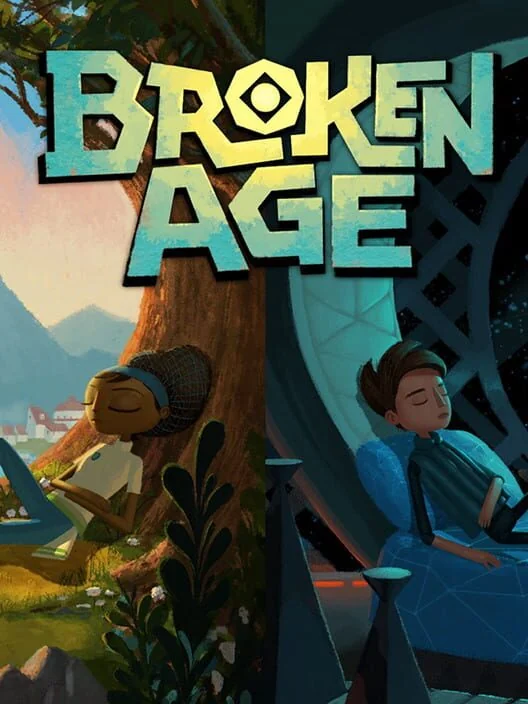
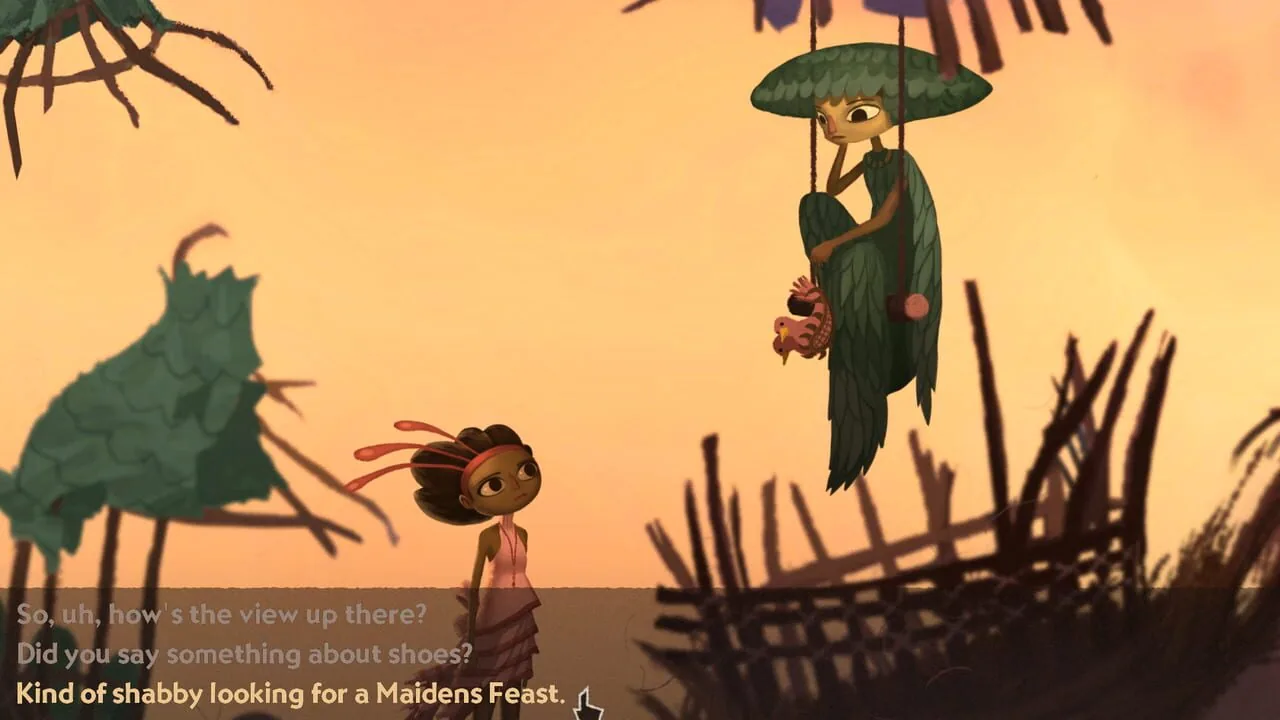
Broken Age is a point-and-click adventure from Double Fine. Its Kickstarter set a goal of $400,000 and raised over $3.45 million from more than 87,000 backers, which made it the largest crowdfunded game at the time. It came out in two acts, the first in January 2014 and the second in April 2015. You follow Vella, chosen by her village to be sacrificed to a monster, and Shay, alone on a spaceship looked after by a motherly computer.
You can switch between the two at any time, though they never meet directly. Elijah Wood voices Shay. On the Vita you tap where you want to go and what you want to look at, which suits this kind of game well.

13. Root Letter (2016)
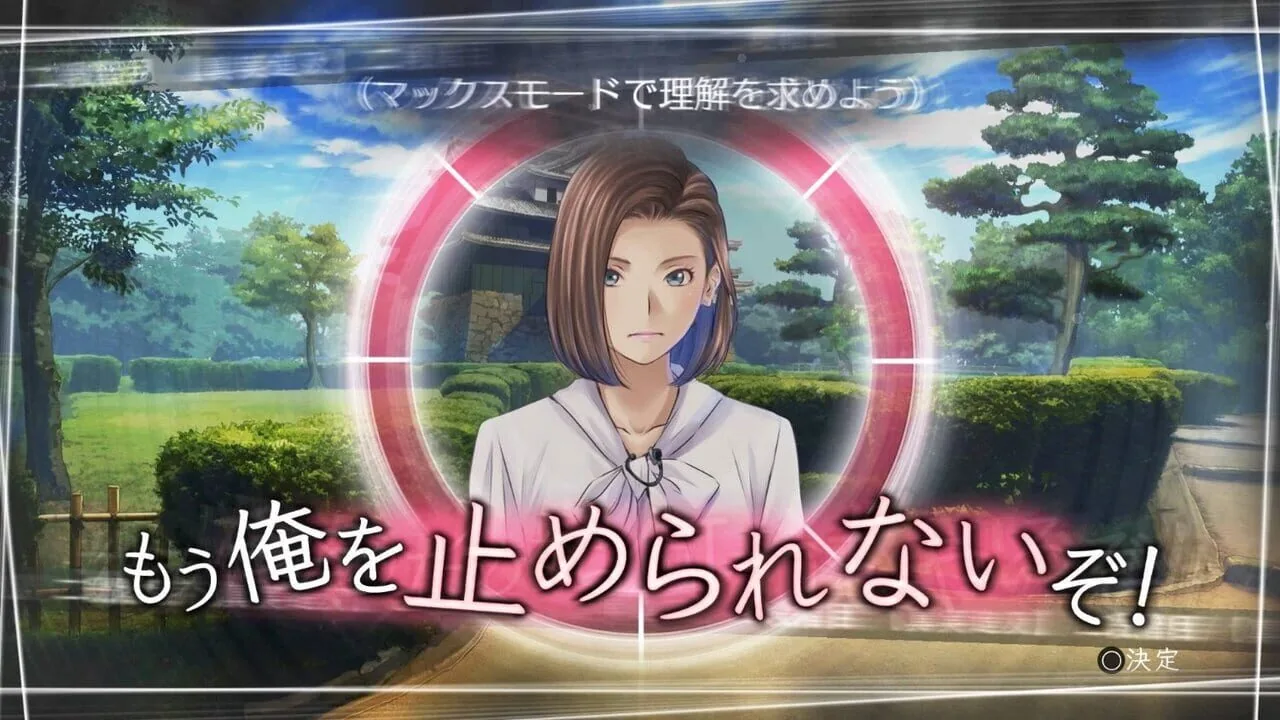
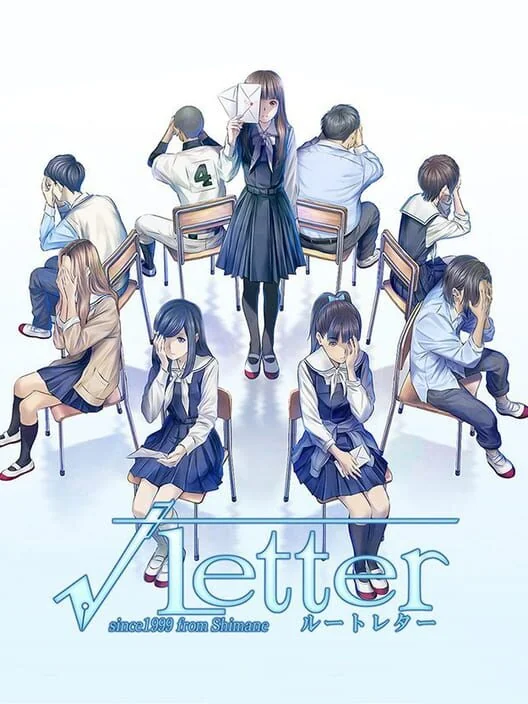
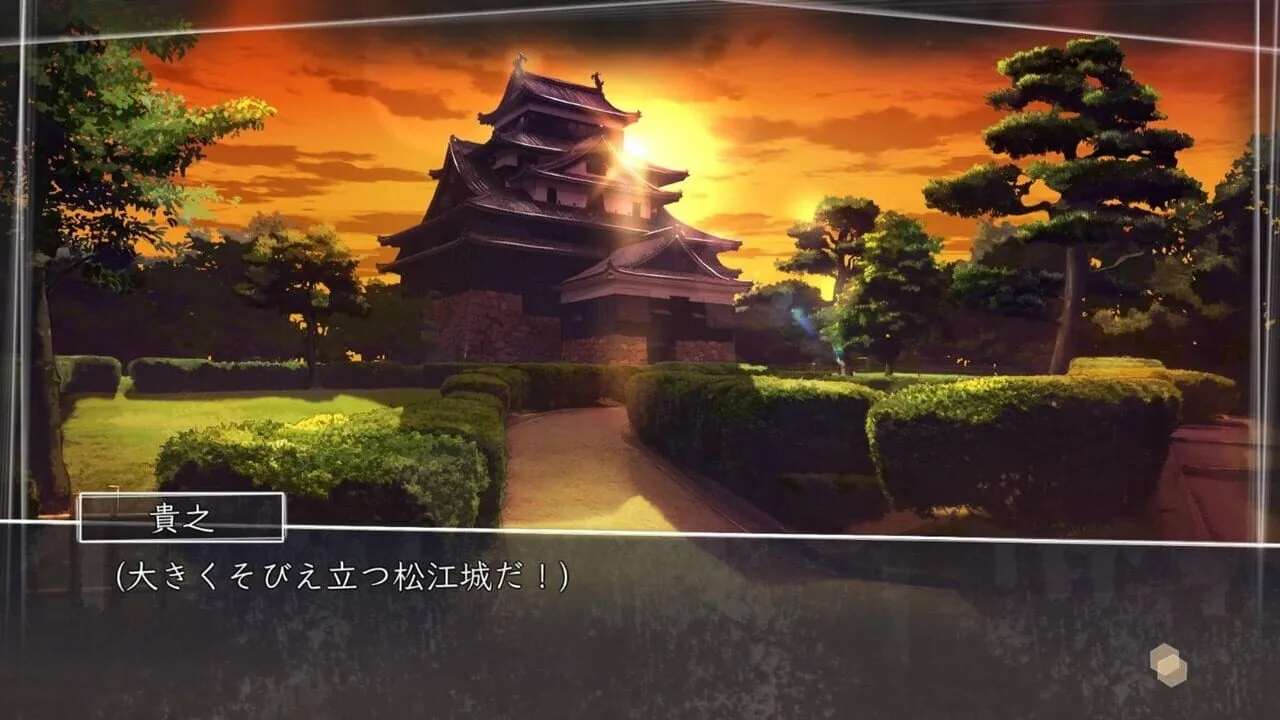
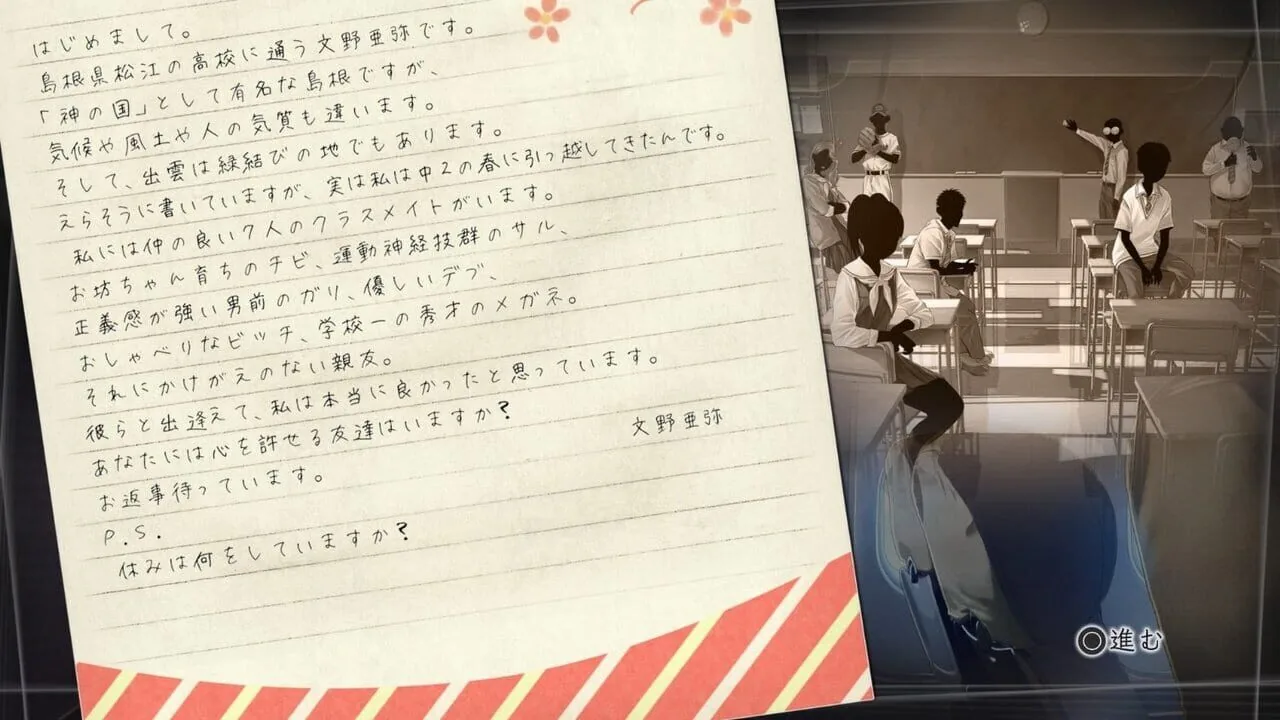
Root Letter is the first entry in the Kadokawa Game Mystery brand, and Root Film followed it in 2020. Its story is about a man looking for a former pen pal who disappeared under mysterious circumstances. The search is the whole game. It got a film of its own in 2022.
Players who gave it a chance found it charming, even if they put it a step below the big visual novels. One player said it "had me hooked" and that is the feeling it goes for. It is a small-town mystery with a few odd turns, and it is easy to finish in a weekend.
12. Machinarium (2009)
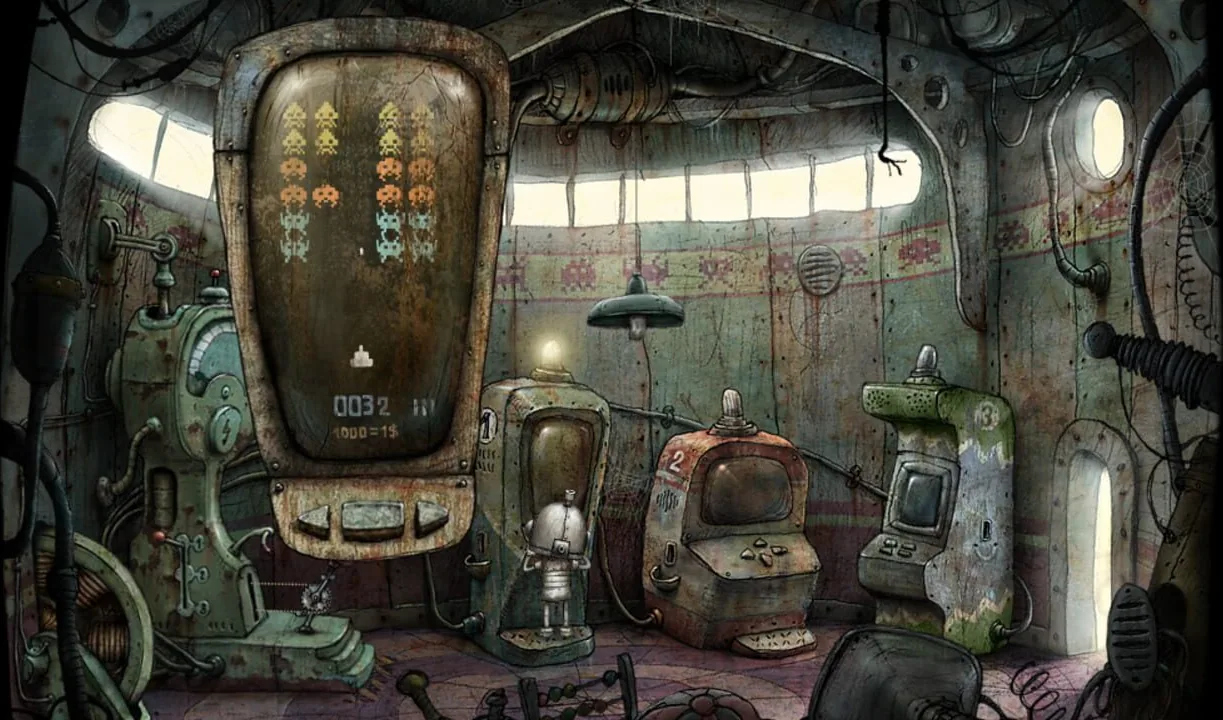
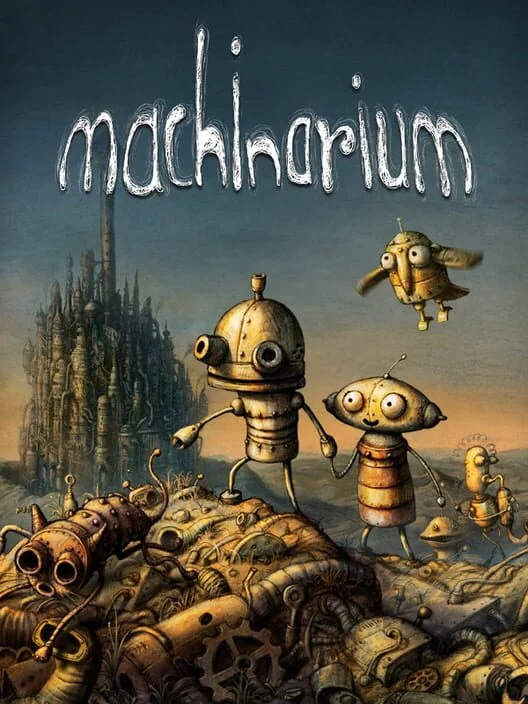
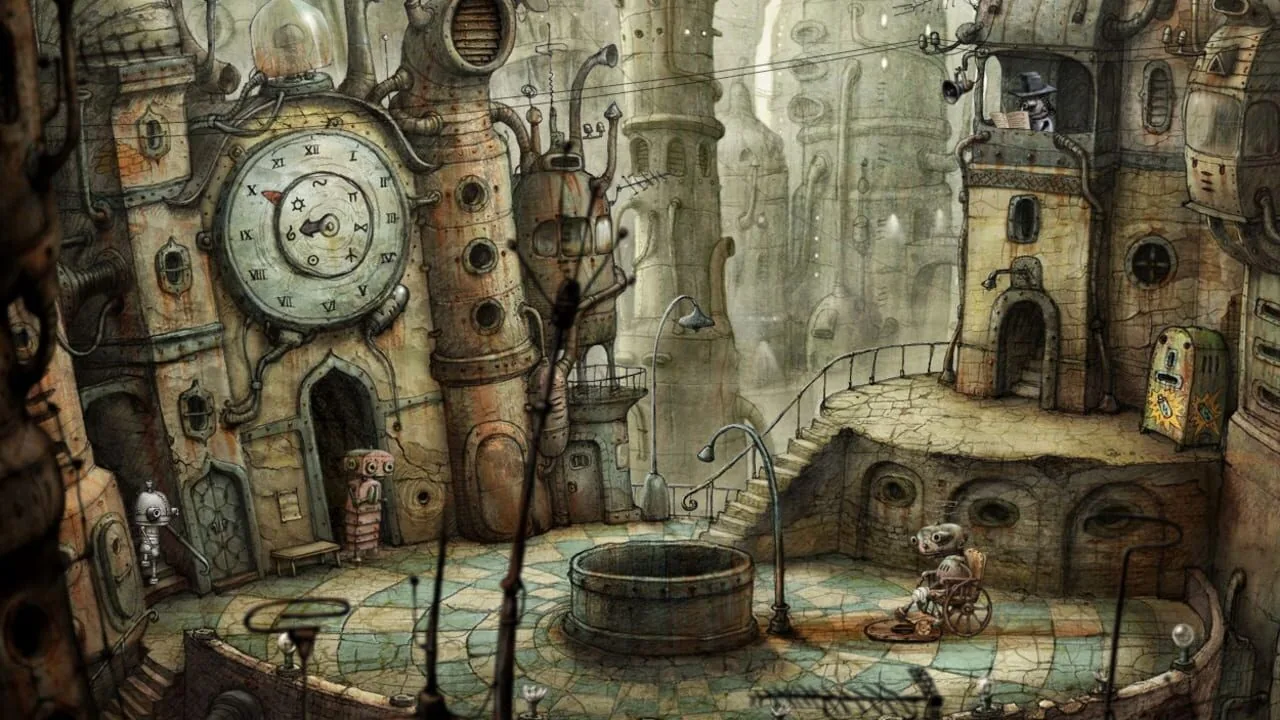
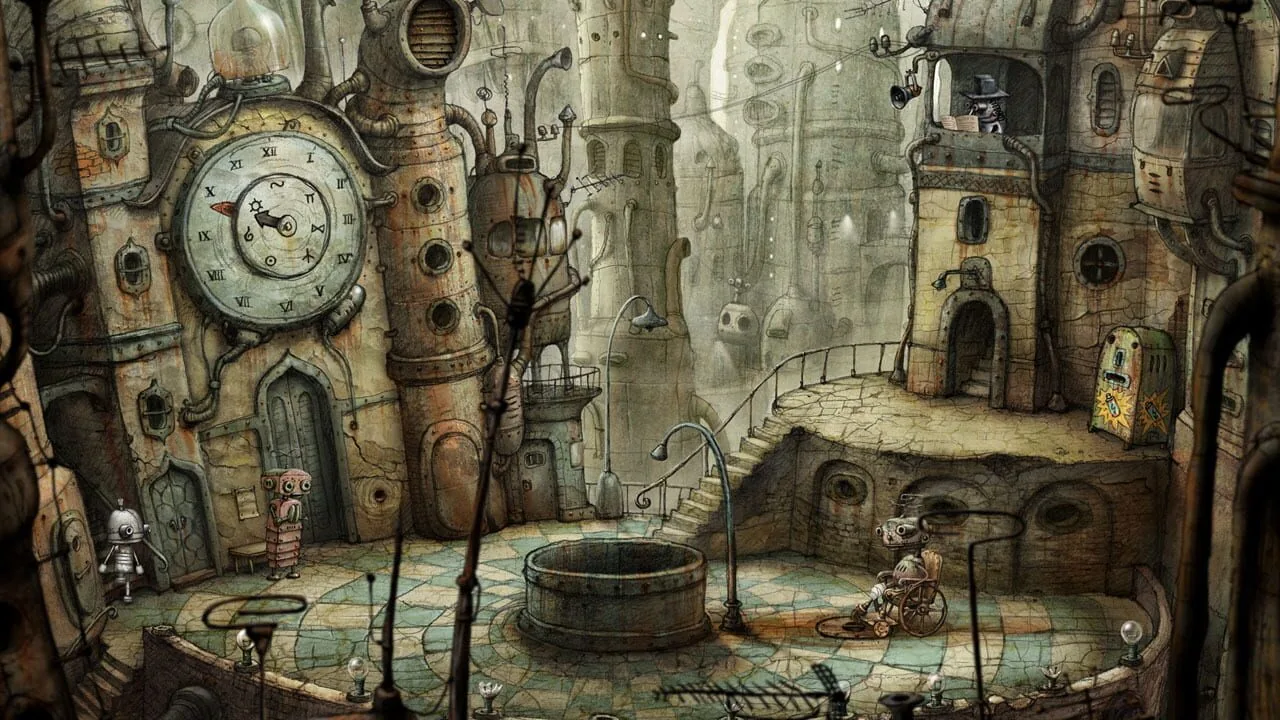
Machinarium is from the makers of Samorost and Botanicula. A little robot thrown out to the scrap yard has to return to the city and save his robot girlfriend from the Black Cap Brotherhood. The game has no dialogue, spoken or written. Seven Czech developers built it over three years with their own savings, and the marketing budget was $1,000.
You can only click on things within the robot's reach, so you move him around to solve each scene. If you get stuck, there is a built-in walkthrough, but it only shows what to do in the current area. That keeps you working on the puzzle. It is one of the best-looking games on the Vita, and the music matches the rusty city.
11. Muv-Luv (2011)


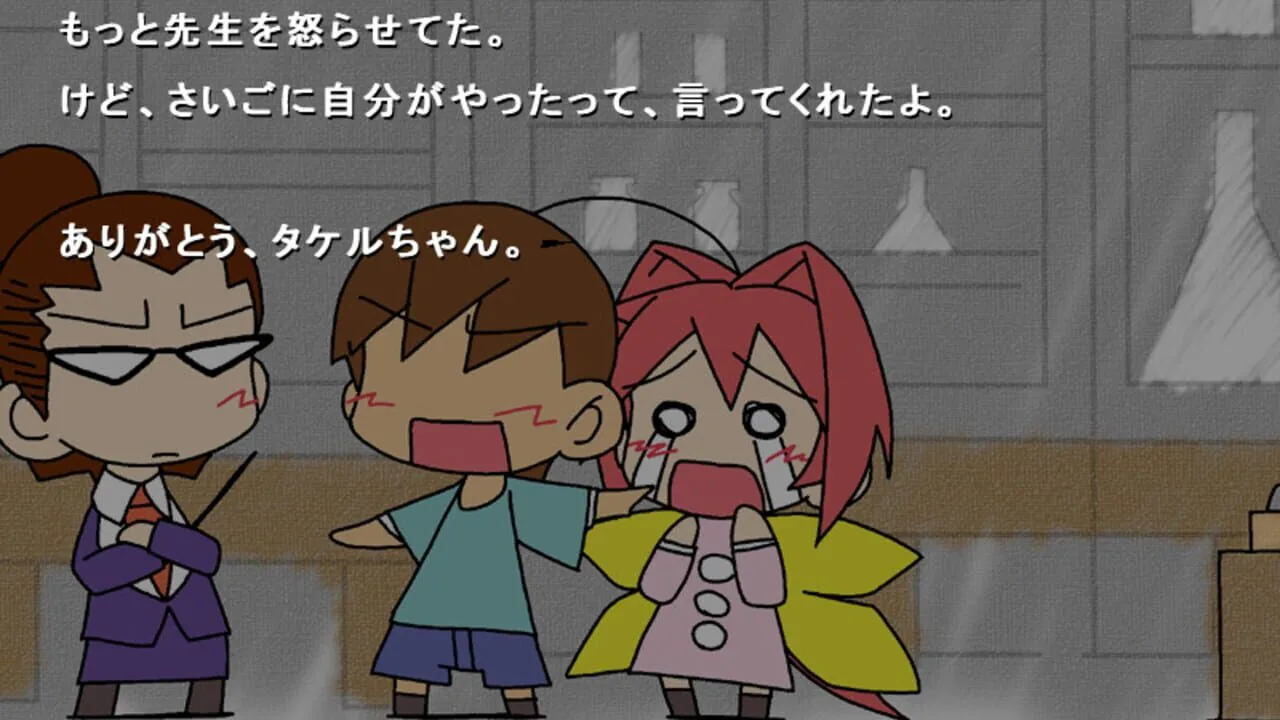
Muv-Luv opens as a school romantic comedy. Meiya Mitsurugi, the heiress to a powerful family, turns up determined to be Takeru's bride. Only the Extra arc is open at first. Finish the routes for Sumika and Meiya and the Unlimited arc opens, and the game becomes a war story about alien invaders called the BETA.
The game pauses at each choice, and your pick sends the plot in a specific direction. The sequel, Muv-Luv Alternative, came out for Windows in 2006 and follows on from Unlimited. It is a long read, and the payoff is in the second half. Get through the comedy part, because the rest of it is the reason people still talk about this series.

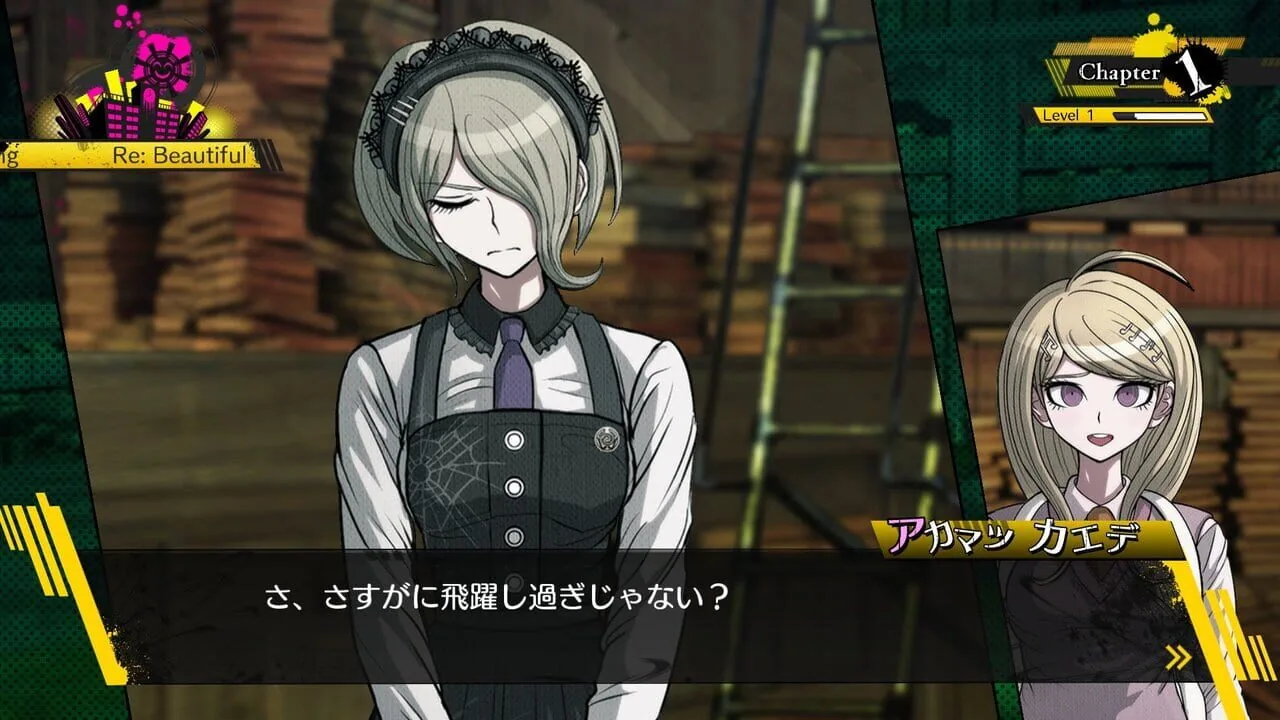
10. Danganronpa V3: Killing Harmony (2017)

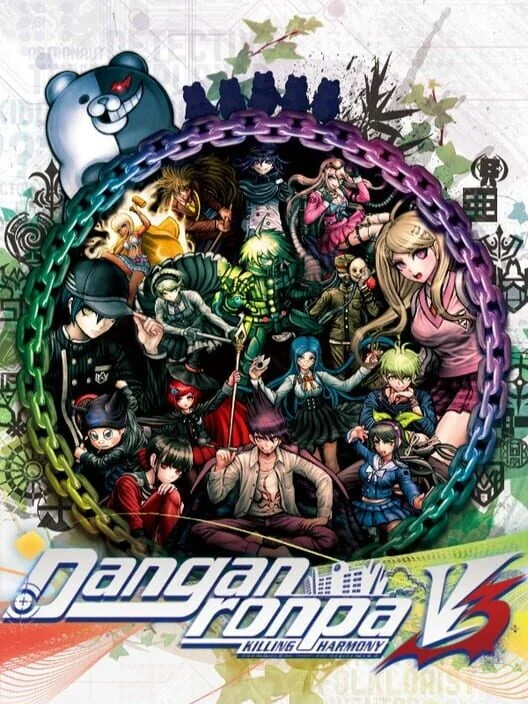
Danganronpa V3: Killing Harmony came out in Japan in January 2017 for the PS4 and the Vita, and NIS America released it in North America and Europe that September. A new cast of 16 students is kidnapped and locked in a school, and Monokuma, a robot bear, says the only way out is to kill someone and not get voted guilty at the class trial. It keeps the series' split into School Life, Deadly Life and Class Trial.
It was a commercial success, and critics praised the story and the gameplay. The ending split critics, and it still splits fans. Kazutaka Kodaka said the first chapter took longer to make than any other in the three games, and it shows. There is also a mode where Monokuma calls off the killing game and turns it into a dating reality show.

9. Chaos;Child (2014)

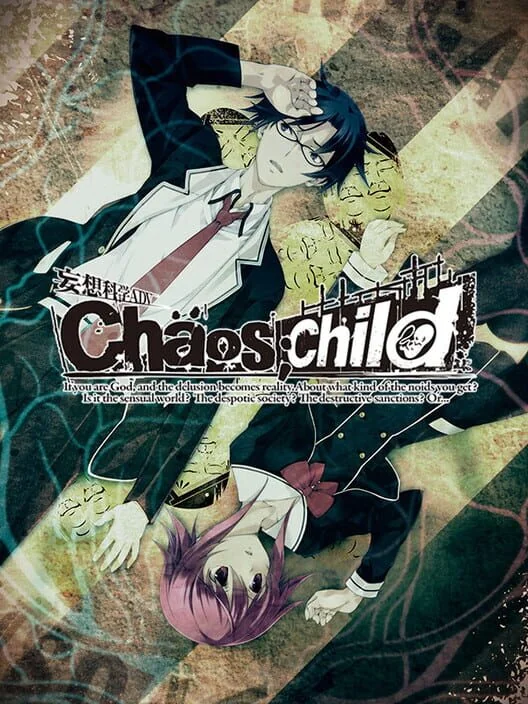
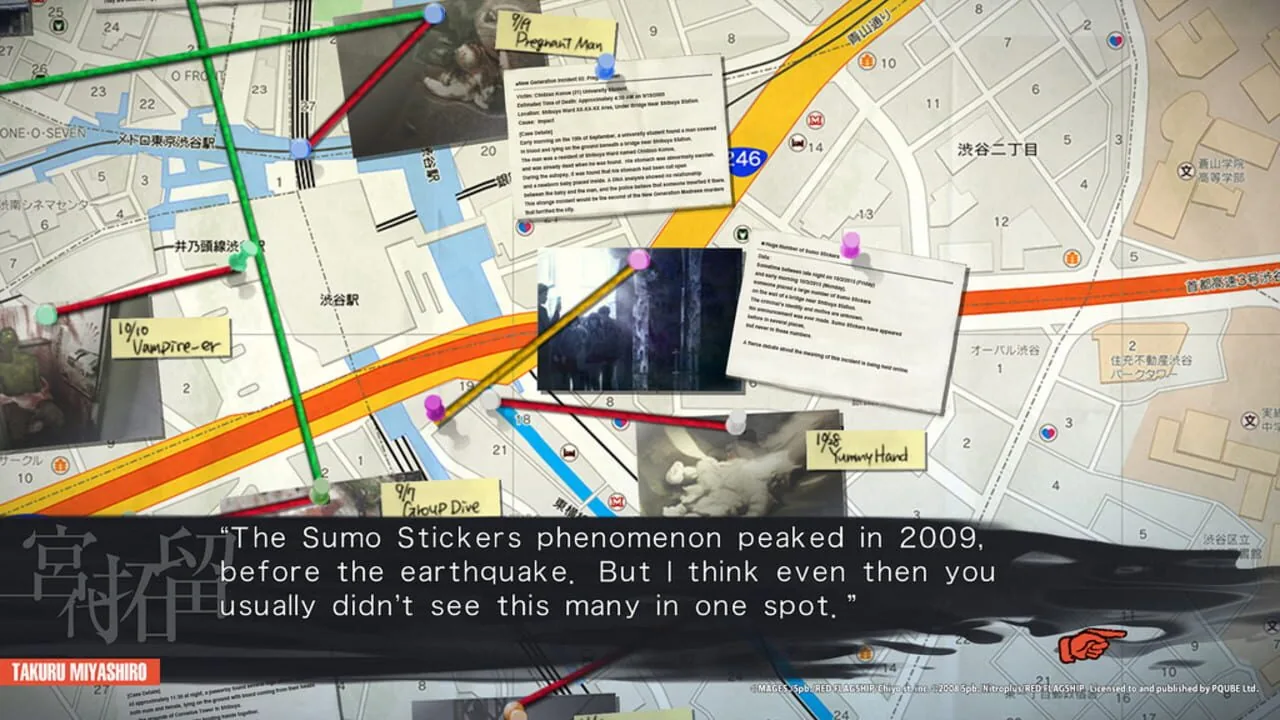
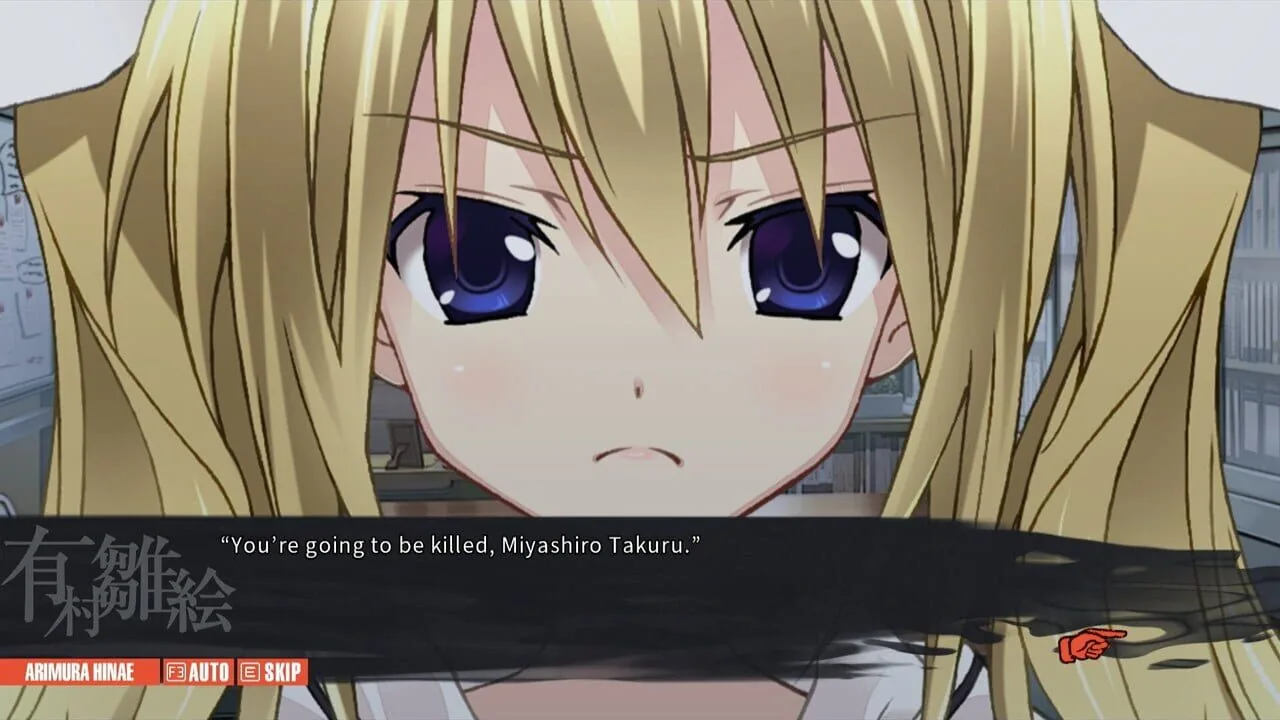
Chaos;Child is the fourth game in the Science Adventure series, the same series as Steins;Gate. It is set six years after the events of Chaos;Head and calls itself a "Delusional Science Adventure", which tells you the kind of night you are in for. It is darker and stranger than its time travel cousins.
It got an anime from Silver Link, with music by Takeshi Abo and Onoken and the cast from the game coming back for the voices. Start with the game, though. The anime has to rush a long, twisty story, and the game has the time to make each turn hurt.
8. The Wolf Among Us (2013)
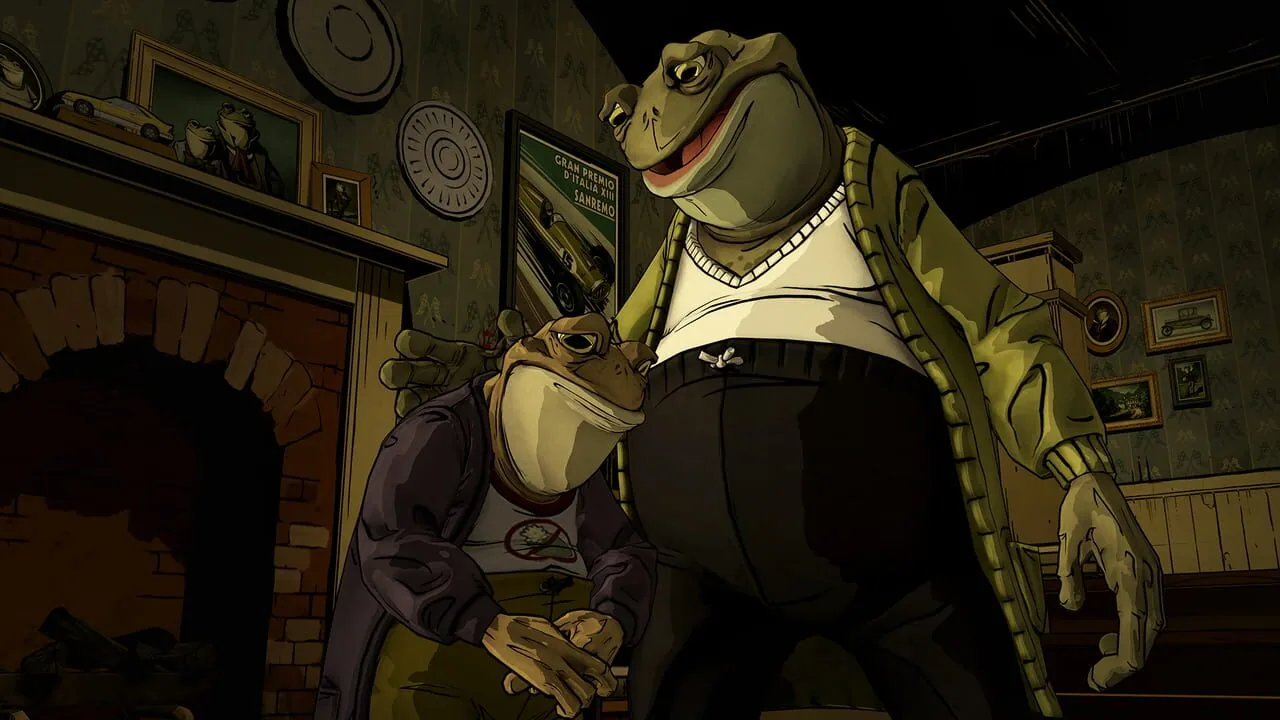
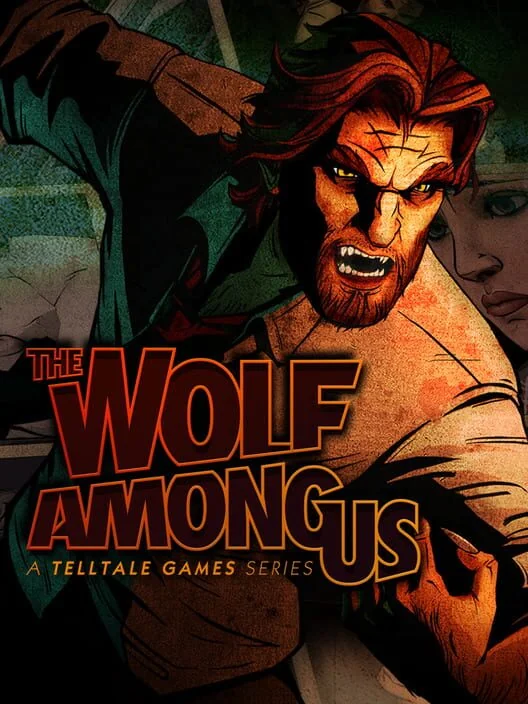
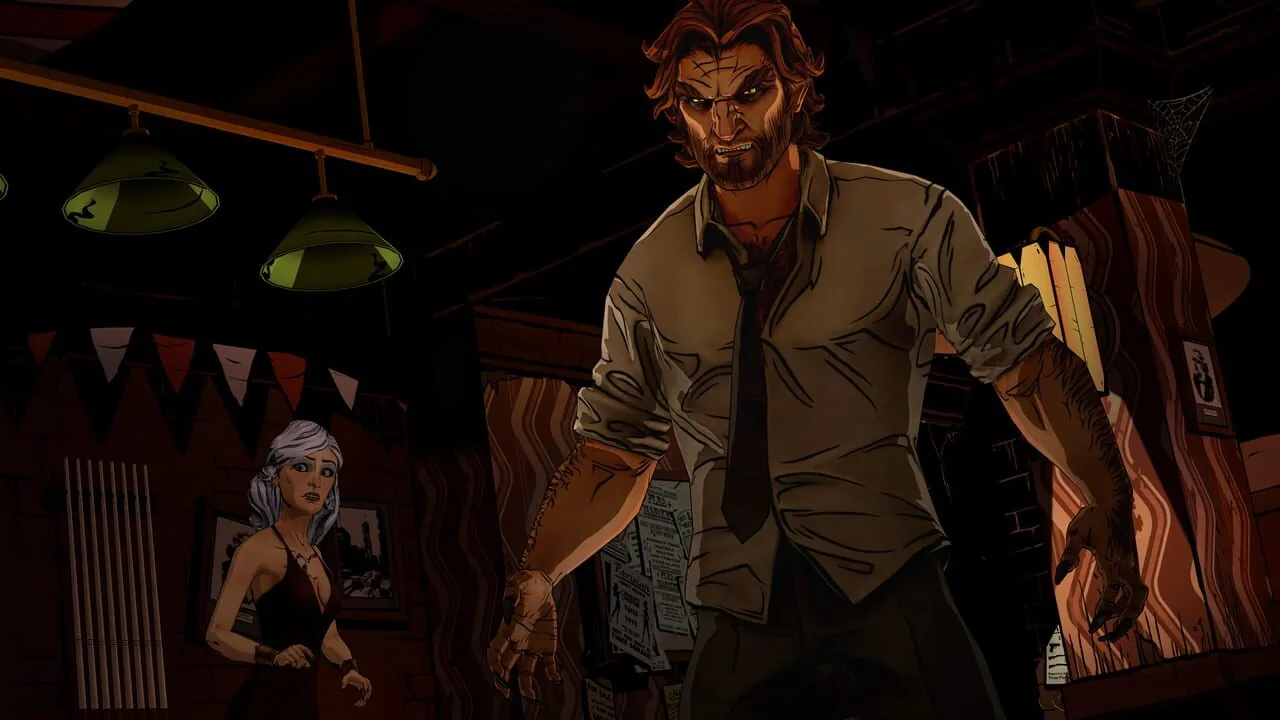
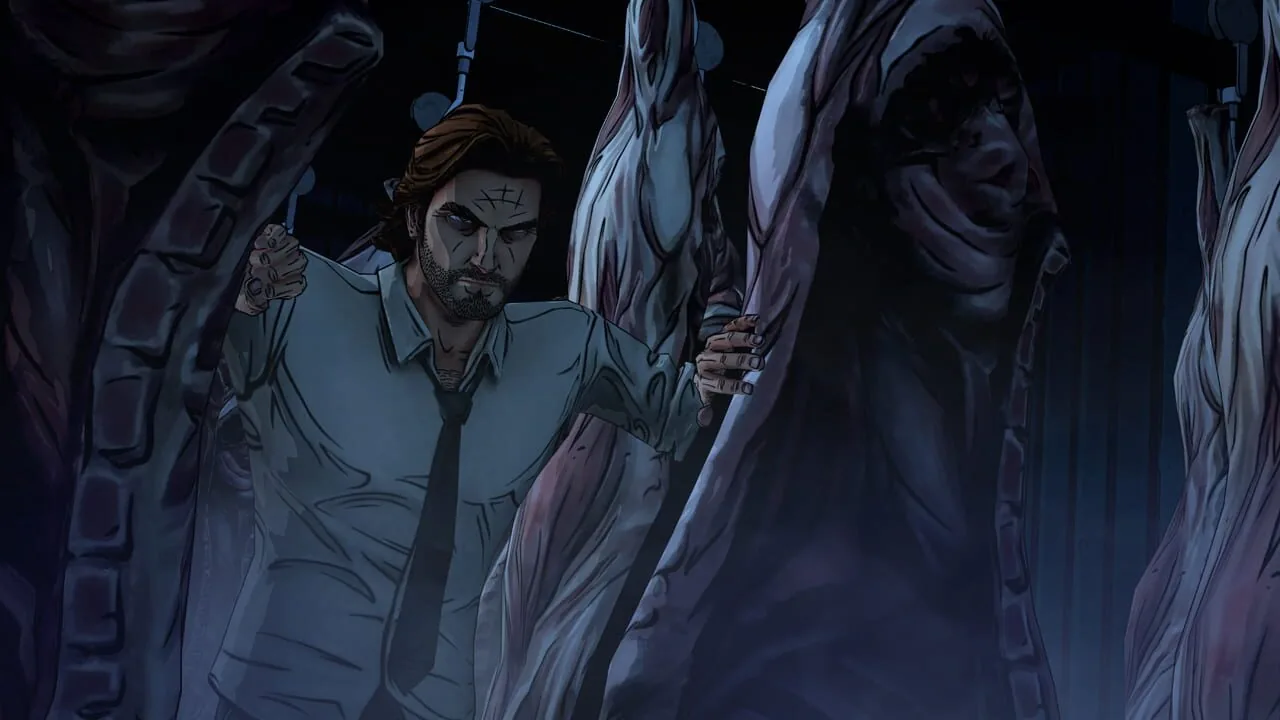
The Wolf Among Us is a five-episode Telltale series based on Bill Willingham's Fables comics, and it serves as a prequel to them. You play Bigby Wolf, the Big Bad Wolf in human form, and the murder of a Fable starts a case that keeps getting uglier. It first came out from October 2013 to July 2014 on PC, the PlayStation 3 and the Xbox 360, and reached the Vita later.
It got mostly positive reviews for its writing and atmosphere, though critics pointed to technical issues. The first episode scored 85 out of 100 on the PlayStation 3. It is a hard-boiled detective story where the suspects are fairy tale characters, and it never treats that as a joke. Your choices decide what kind of sheriff Bigby is.
7. Steins;Gate 0 (2015)
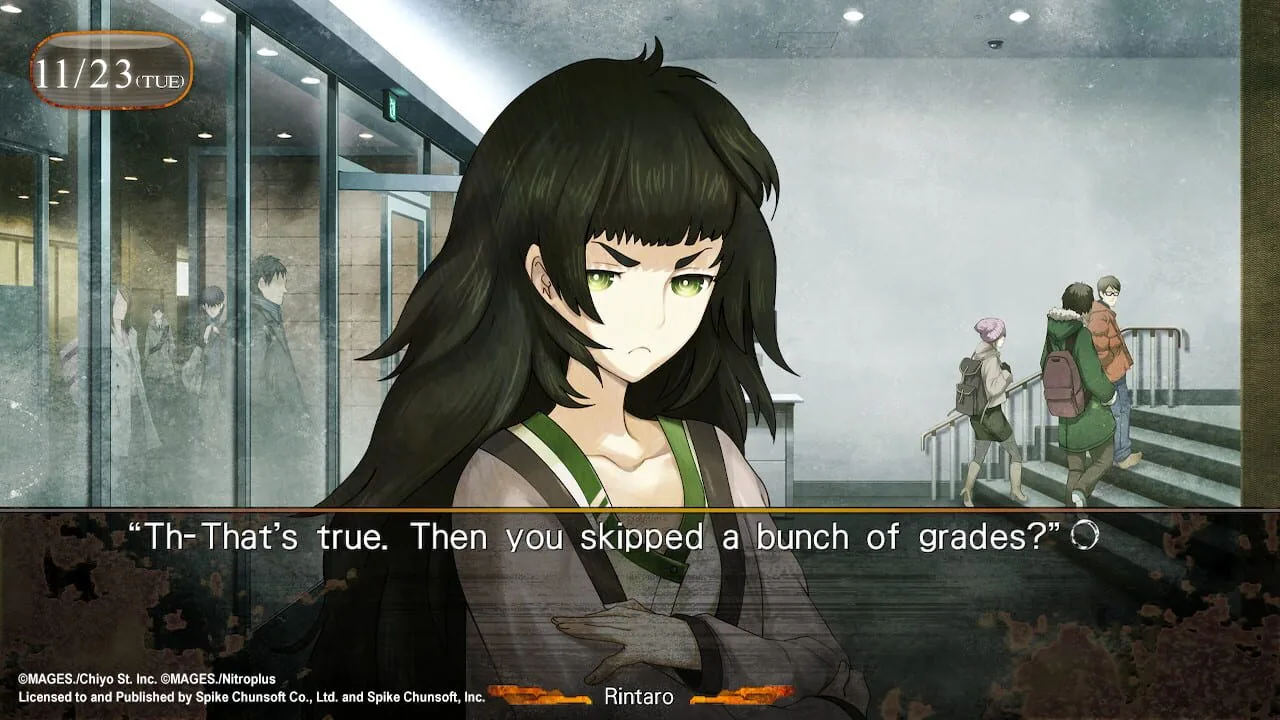
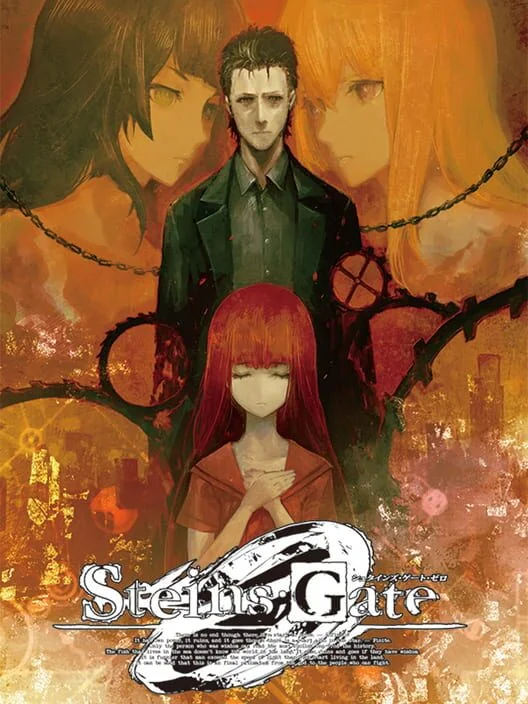
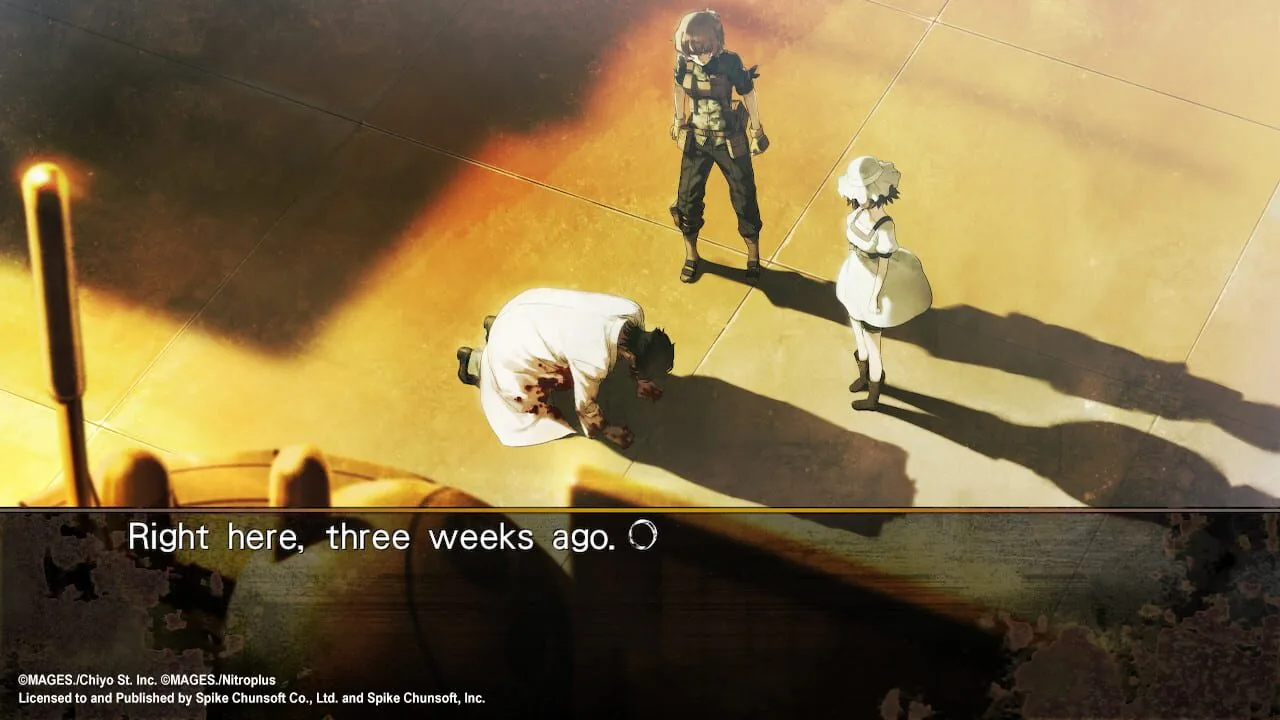
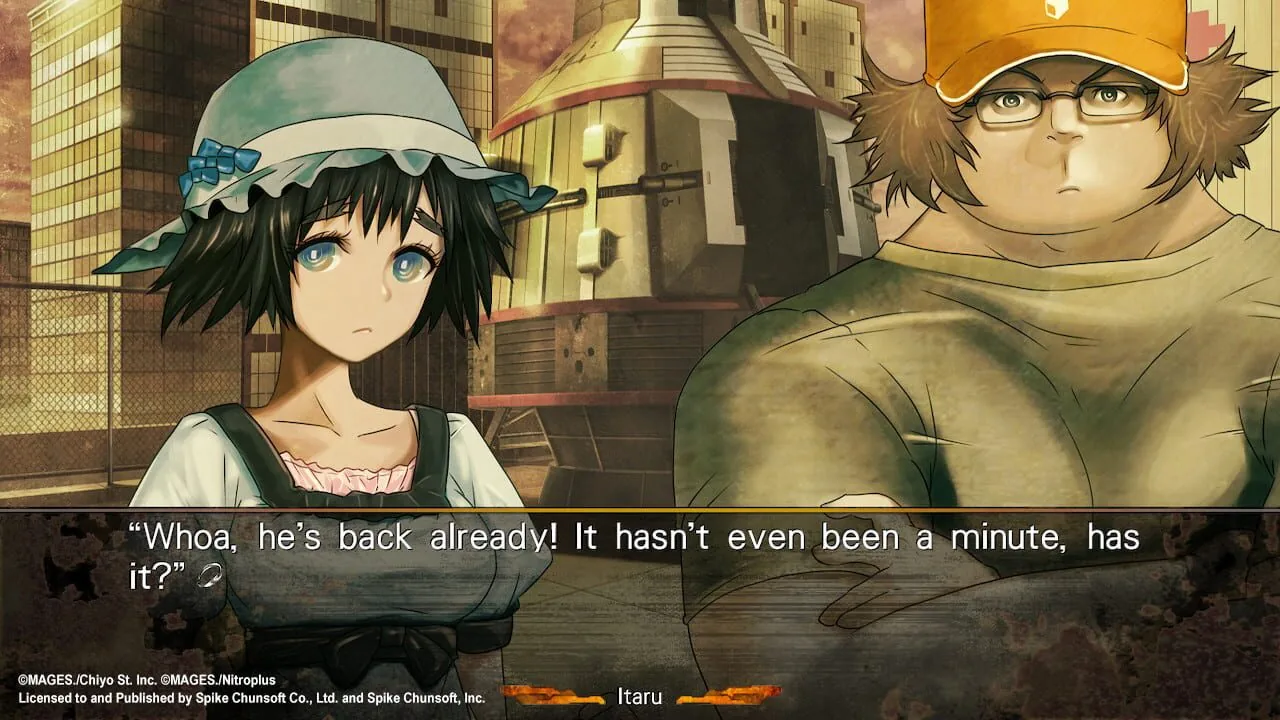
Steins;Gate 0 came out in Japan in December 2015 for the PS3, the PS4 and the Vita, and PQube brought it to North America and Europe on the PS4 and Vita in 2016. You play Okabe after he gives up on changing the past, and an AI called Amadeus, built from Kurisu's memories, pulls him back in. You steer the story by choosing whether to answer phone calls from the Amadeus, and it branches into different endings.
Takeshi Abo wrote the music again. The English version took five months to translate and tries to keep the Japanese setting intact while staying easy to follow. Critics praised the story and characters. This is a sequel for people who finished Steins;Gate, so do not start here.
6. VA-11 Hall-A (2016)
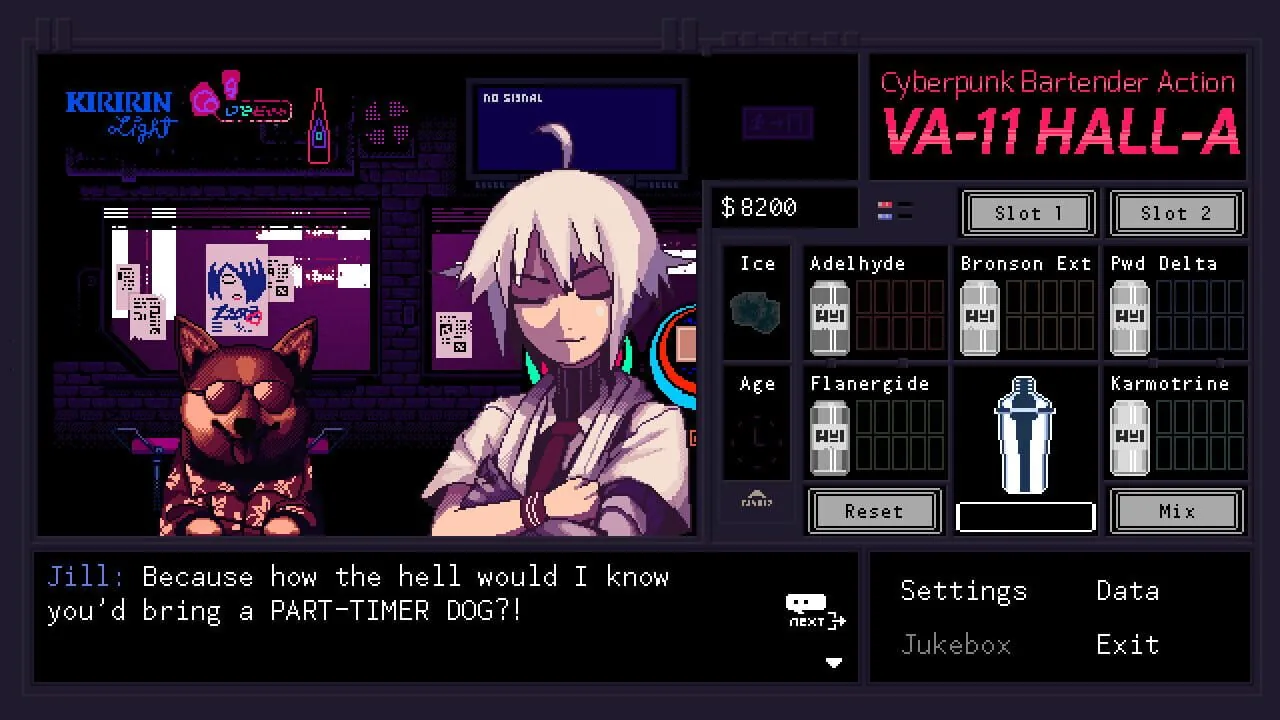

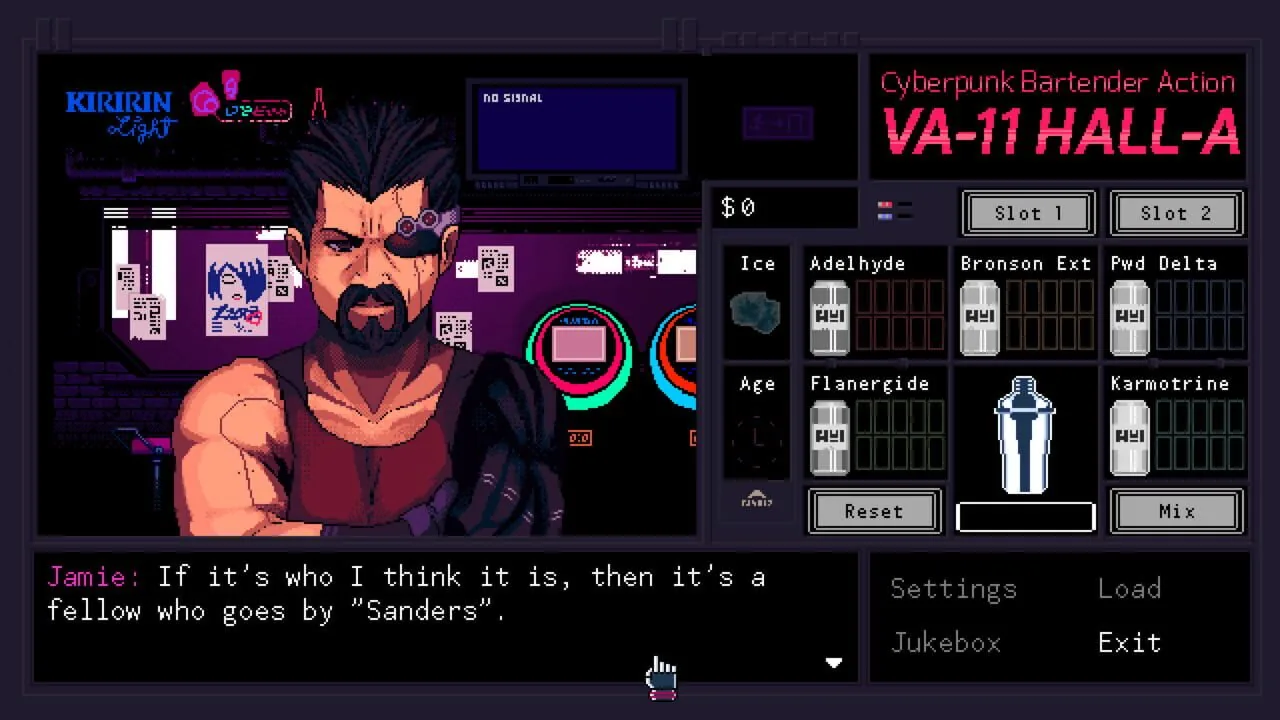
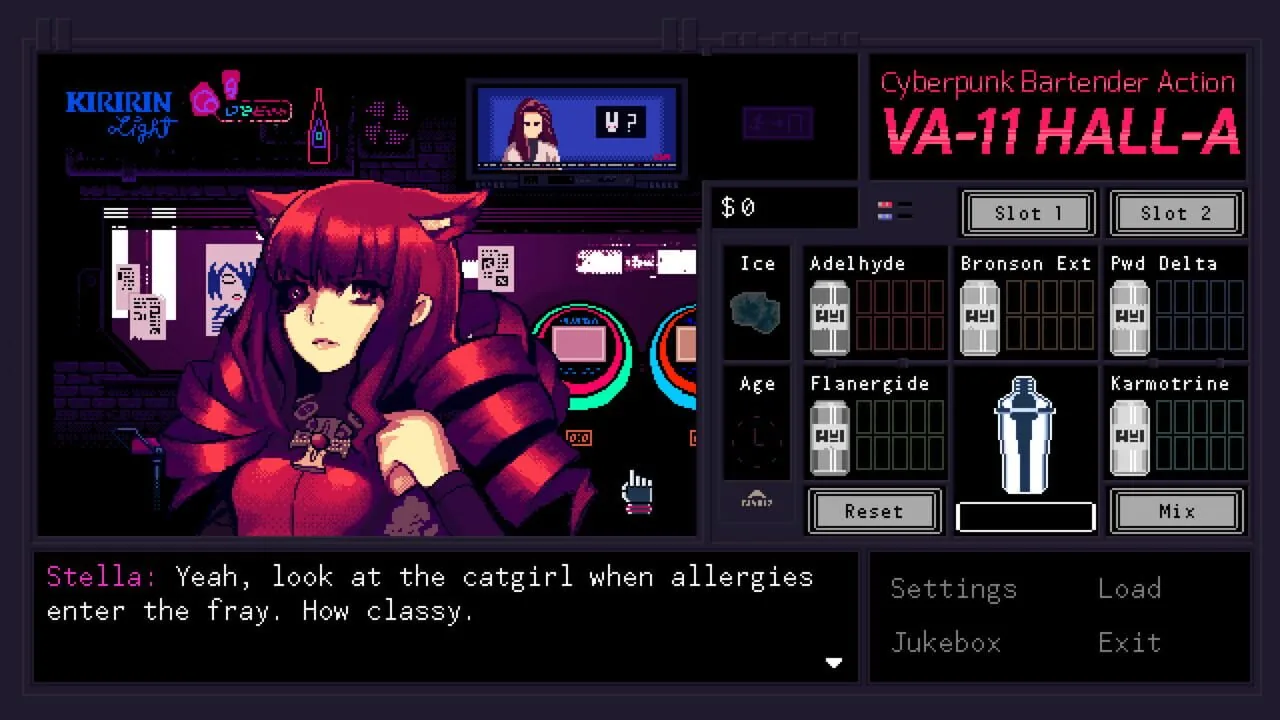
VA-11 Hall-A is a cyberpunk bartender game. There are no dialogue options, and the drinks you make are the only way to change where the story goes. It started at the Cyberpunk Game Jam of 2014, and Sukeban Games liked the idea so much that they made it into a full game. Its look comes from cyberpunk media and old PC-98 games, and it draws on Snatcher and Policenauts.
The Vita port was made by Wolfgame and published by Limited Run Games. The cast are ordinary people, the kind of side characters films never take time with, and the soundtrack by Garoad is a reason to play on its own. Some reviewers found the dialogue awkward and the drink-making repetitive. Give it a few shifts.
5. The Walking Dead (2012)
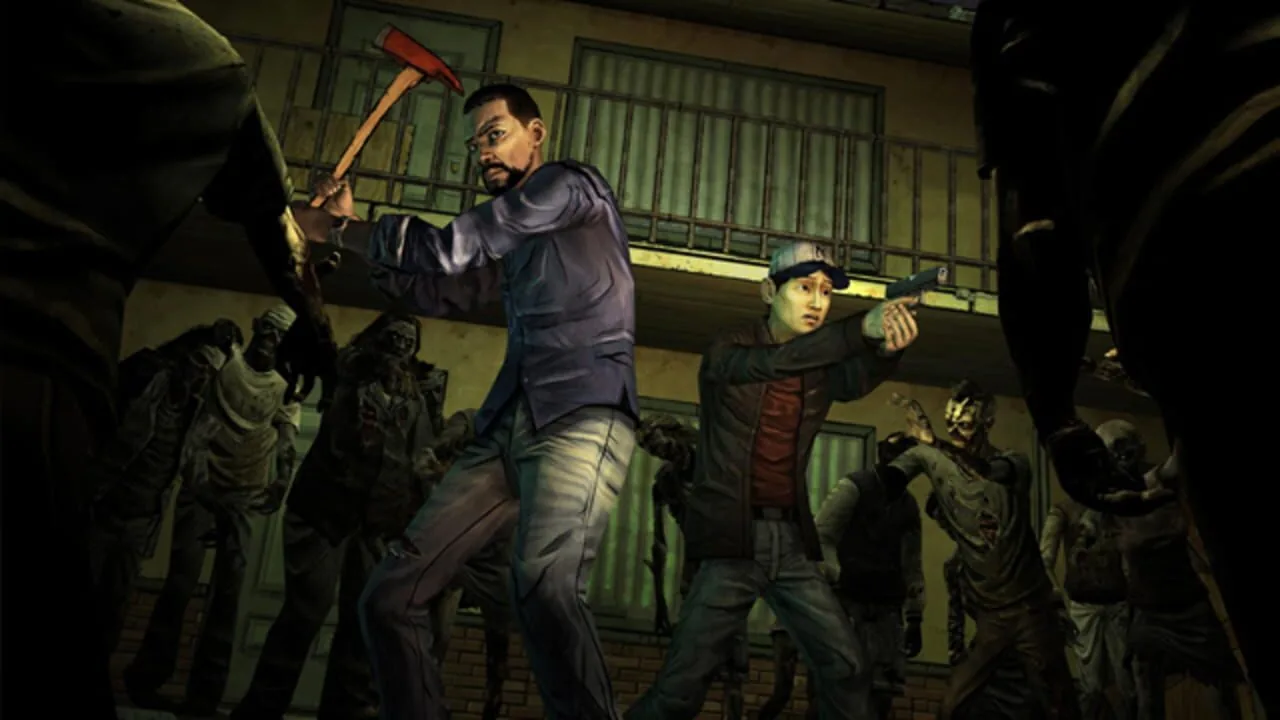
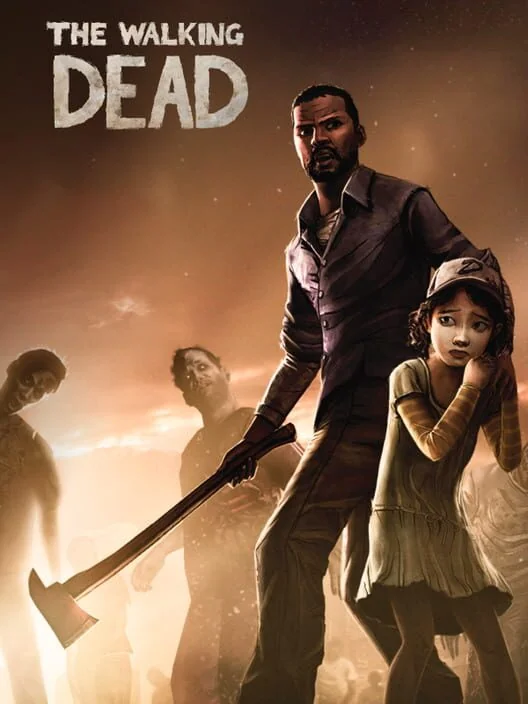
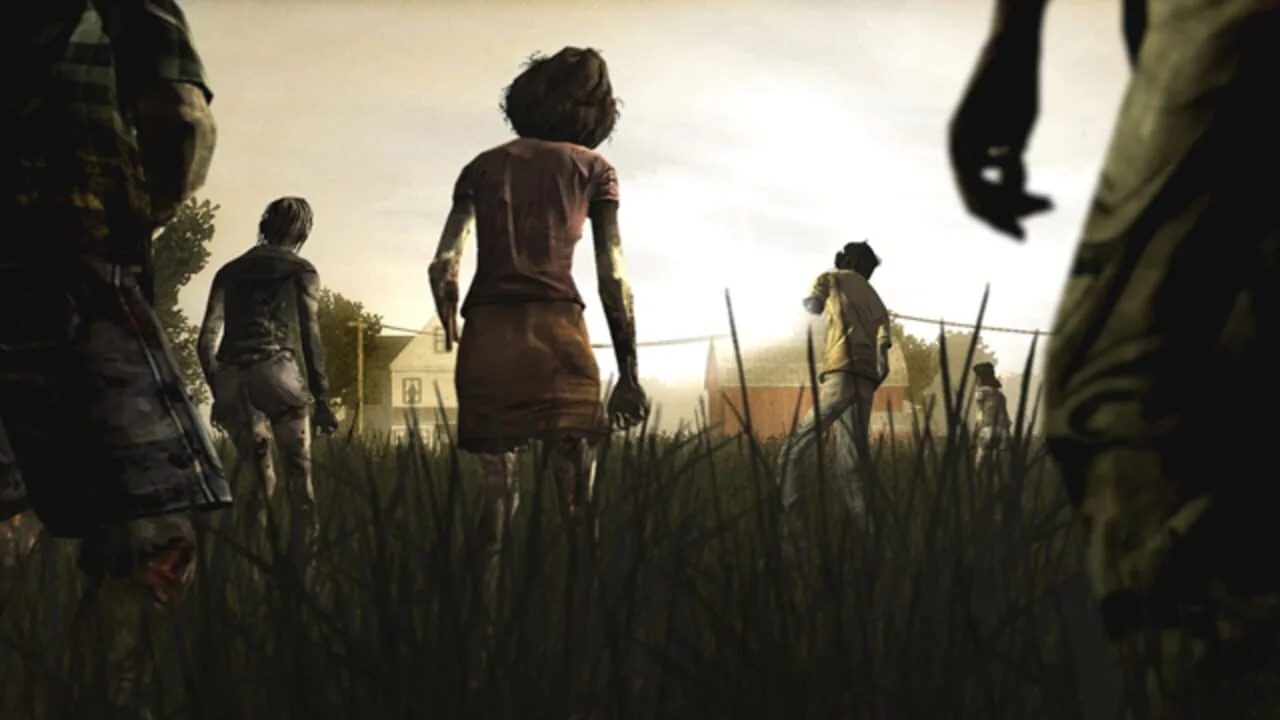
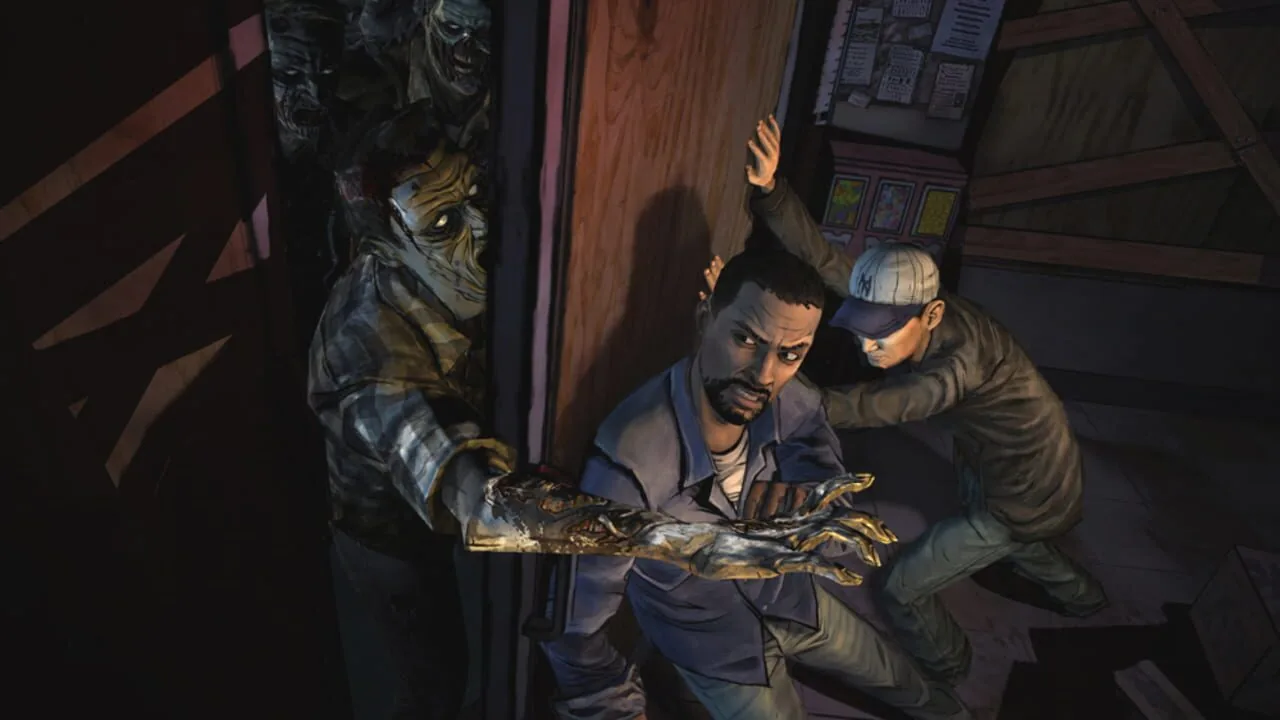
The Walking Dead is an episodic graphic adventure from Telltale Games, based on Robert Kirkman's comic book series. It is five episodes long, first released between April and November 2012, and the Vita got it along with nearly every other system. It was the first of Telltale's Walking Dead games.
You pick what to say and what to do, and the game remembers. The puzzles are light and the zombies are mostly there to force hard choices. It is the game that made Telltale's name, and it holds up because the people around you matter more than the dead. Keep tissues near the Vita for the last episode.
4. Danganronpa 2: Goodbye Despair (2012)
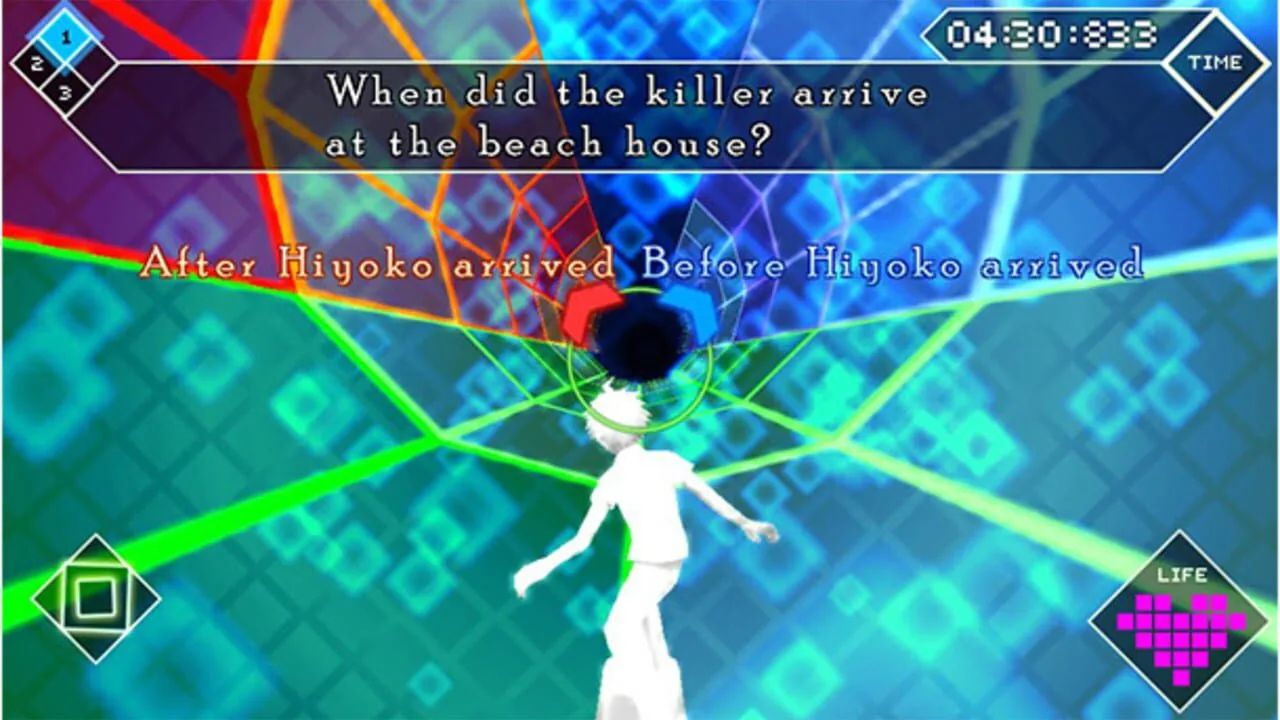
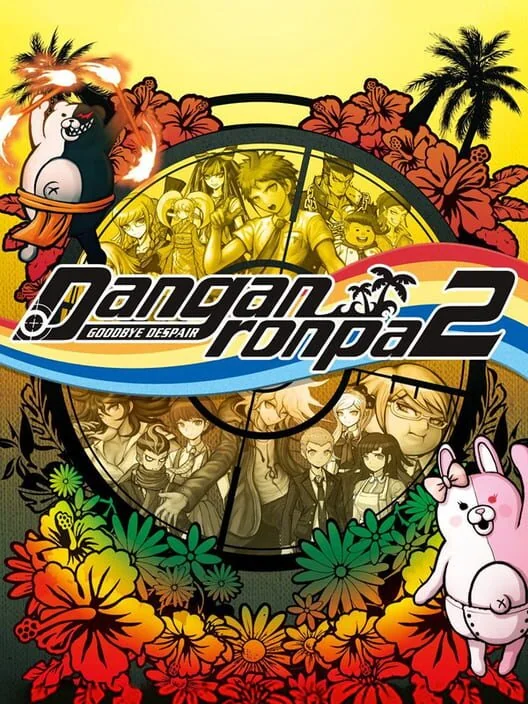
Danganronpa 2: Goodbye Despair came out on the PSP in Japan in July 2012, got a Vita port in Japan in October 2013, and NIS America released it worldwide in September 2014. You play Hajime Hinata, a new student at Hope's Peak Academy whose class goes on a field trip to Jabberwock island with a rabbit teacher called Usami. Then Monokuma shows up and starts a new killing game.
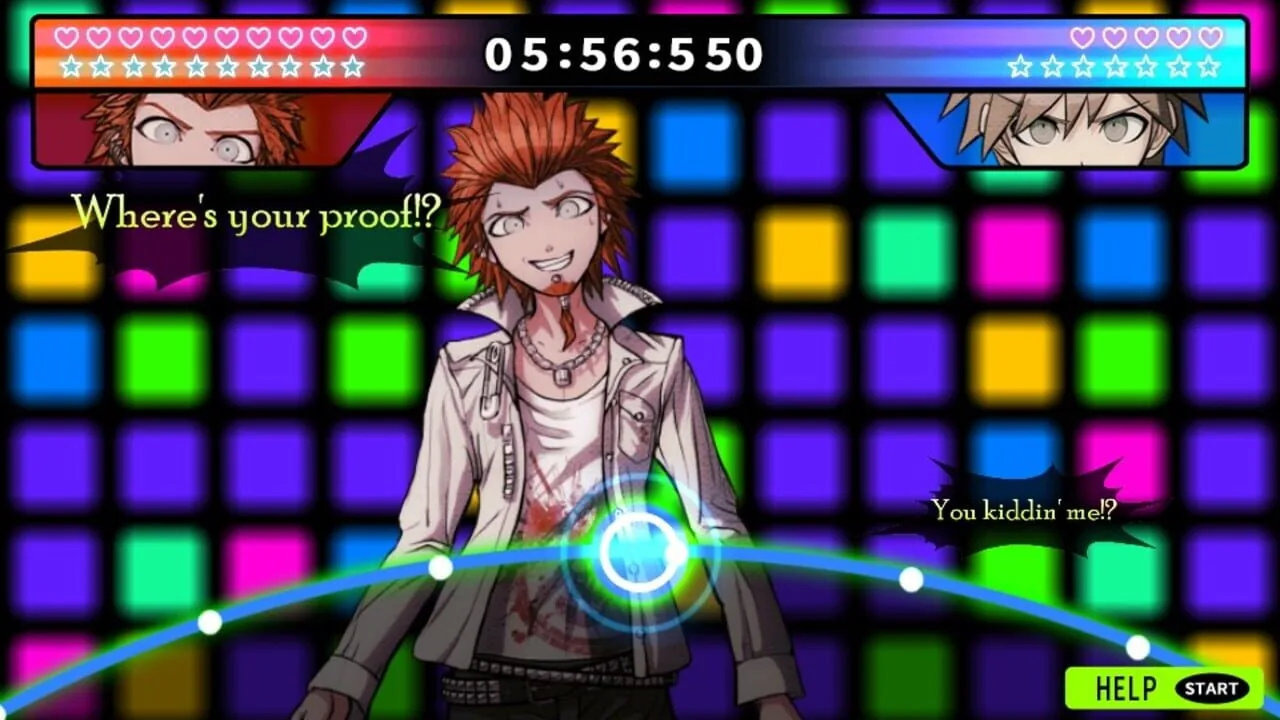
Kodaka wanted more mystery from a group of islands and took inspiration from Lost. The trials add Rebuttal Showdowns, where two students duel, and Logic Dive, a snowboarding minigame for working your way to a conclusion. Critics liked the story and cast, and it sold well. Play the first game before this one.

3. Steins;Gate (2009)
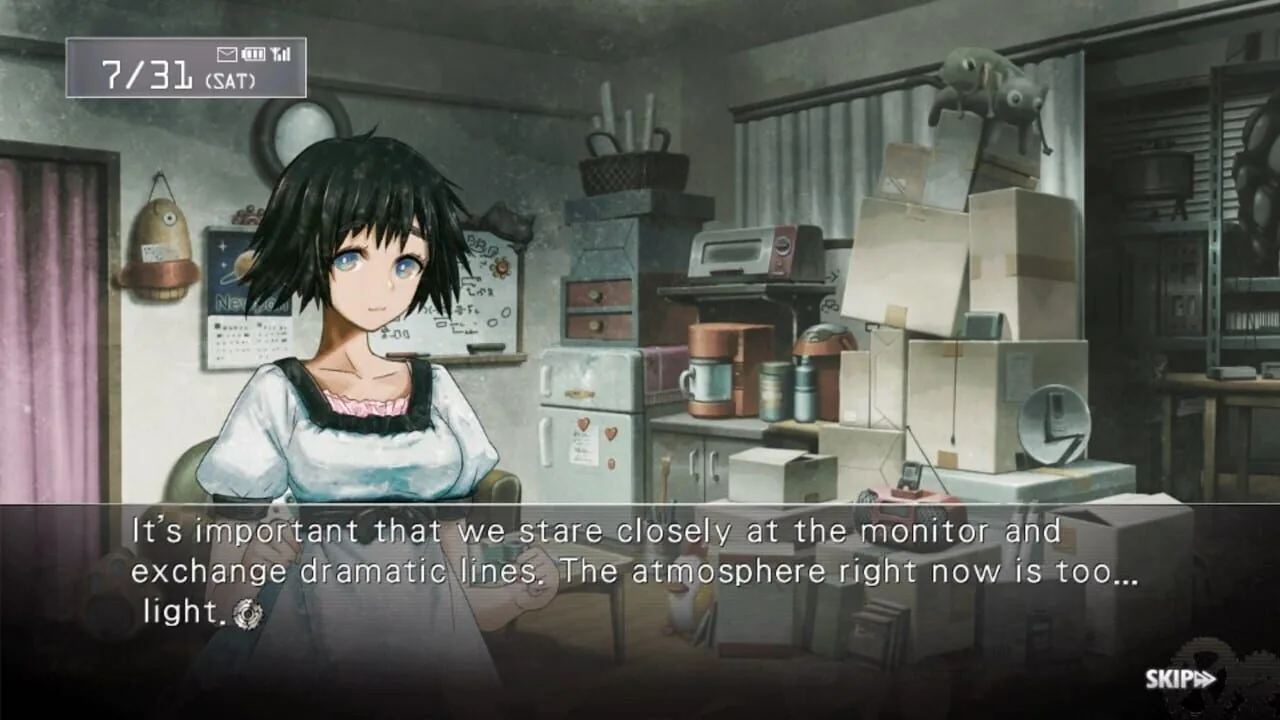
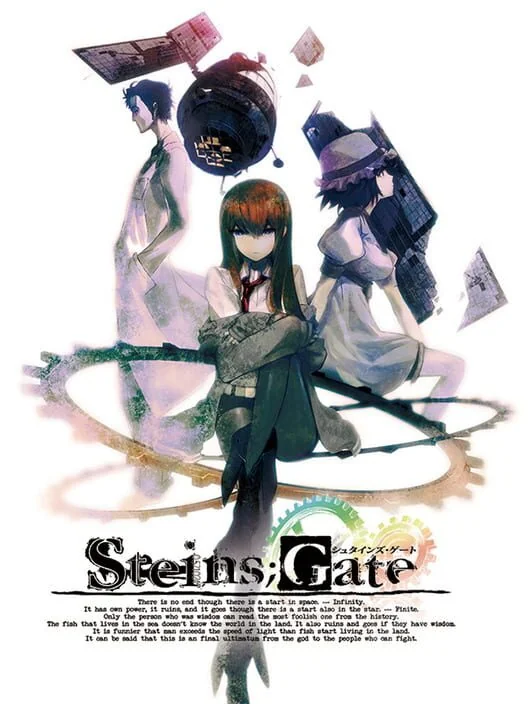
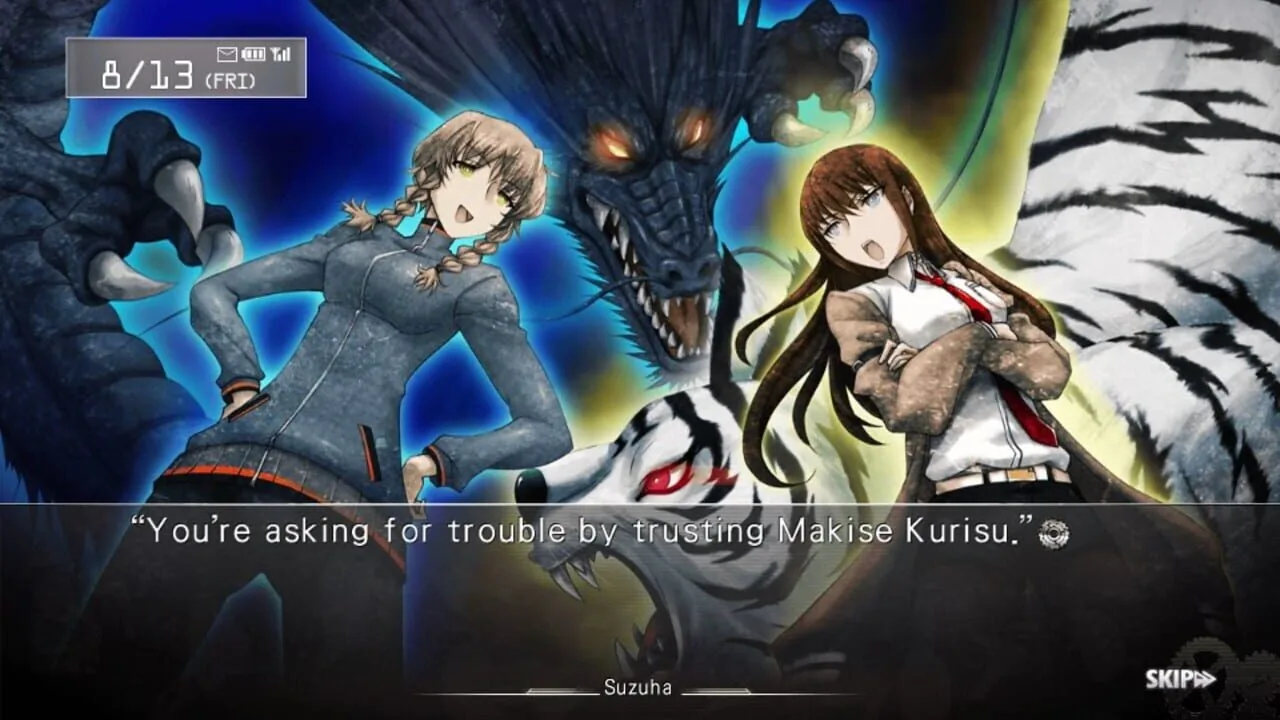
Steins;Gate is a visual novel from 5pb. and Nitroplus, the second game in the Science Adventure series after Chaos;Head. It explores time and time travel in 2010 Akihabara. It came out in Japan on the Xbox 360 in October 2009 and reached the Vita there in March 2013. PQube released the Vita version in North America and Europe in 2015.
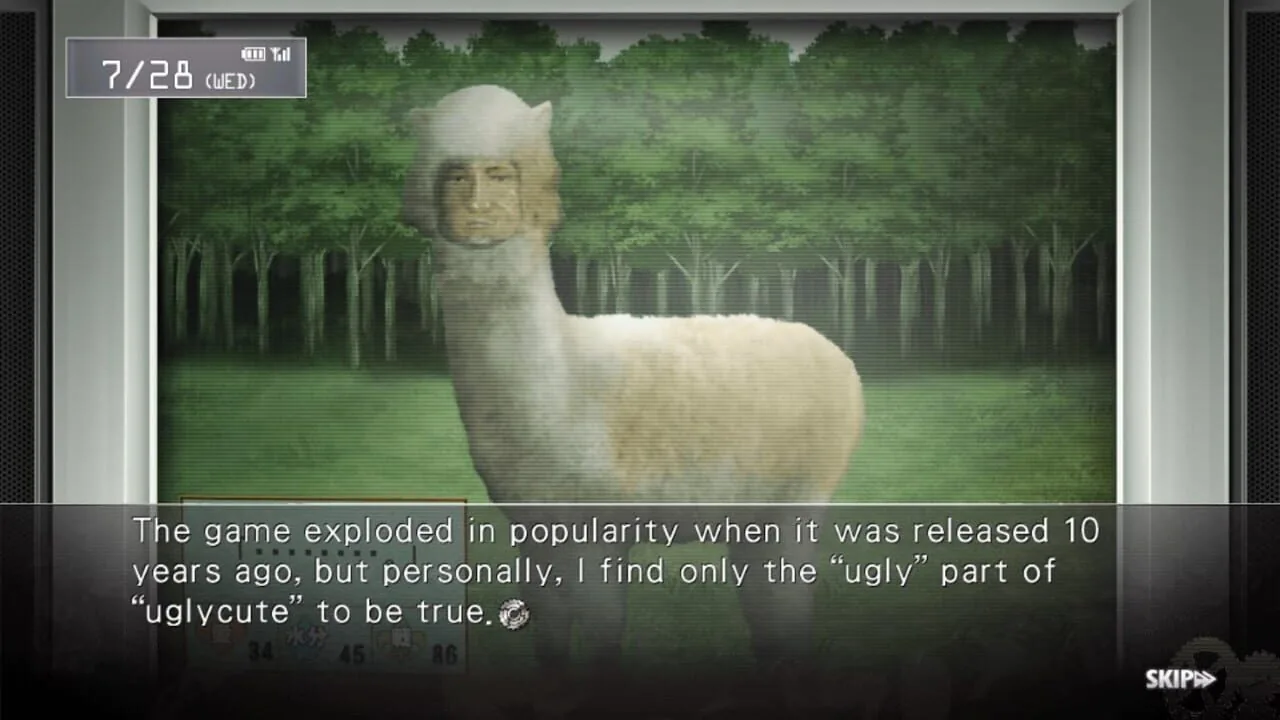
Players who love visual novels name it in the same breath as Zero Escape and Muv-Luv. The first hours are slow and a little silly, and that is on purpose. Once the story turns, it does not let go. The anime by White Fox aired in 2011, but the game is the full version.
2. Zero Escape: Virtue's Last Reward (2012)
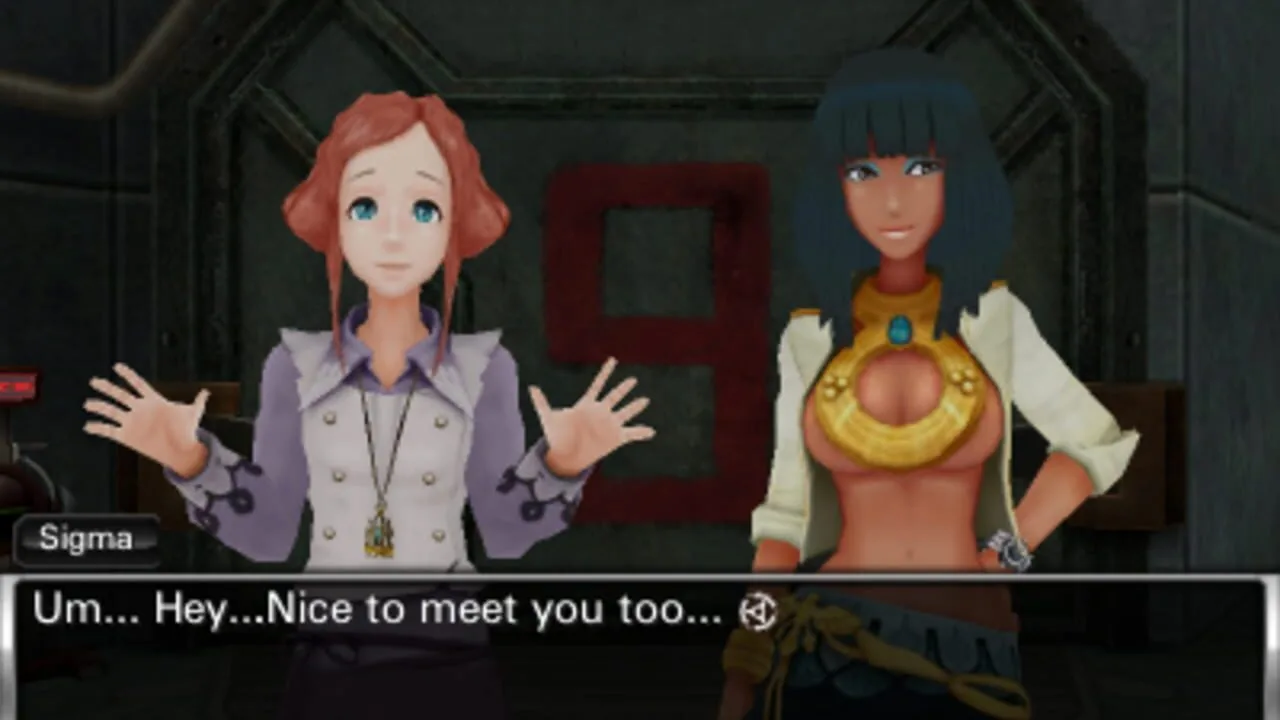
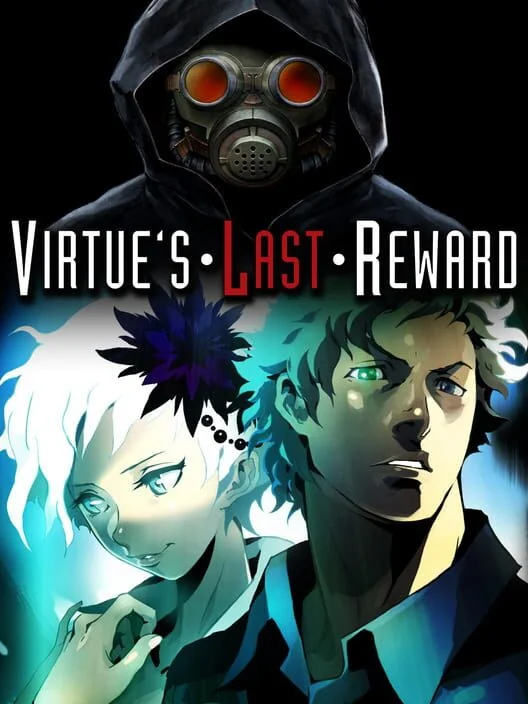
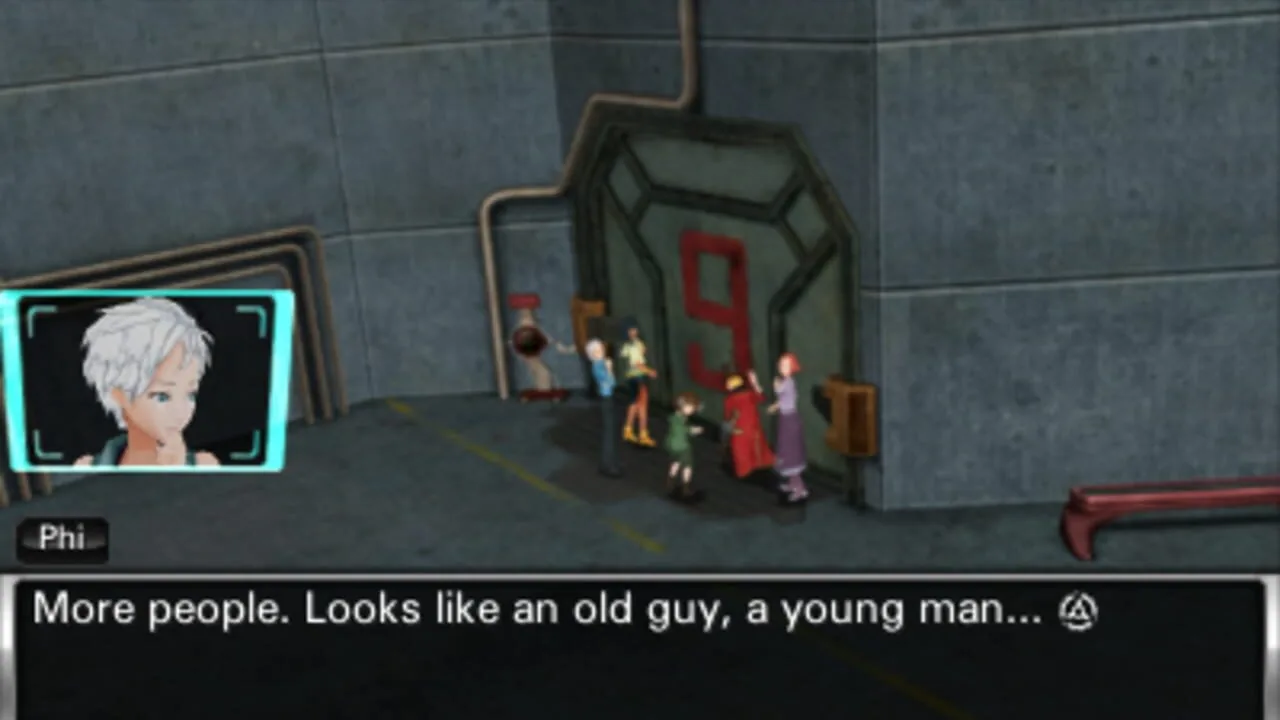
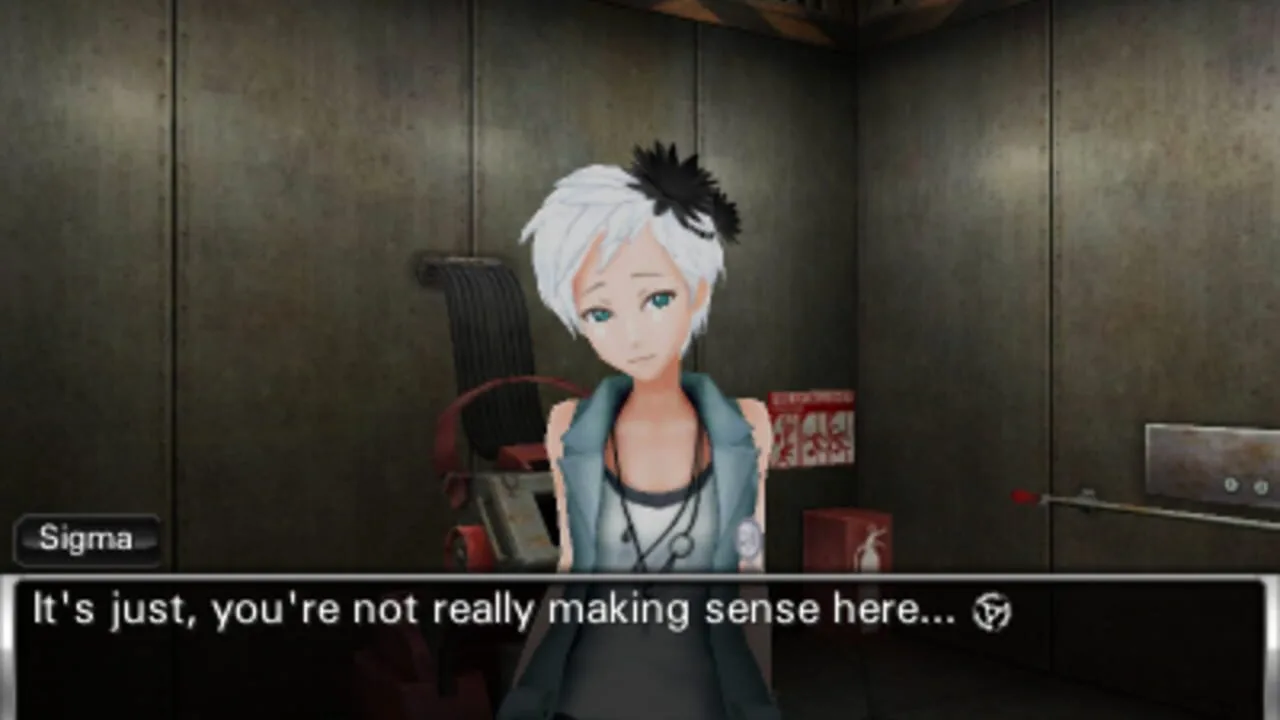
Zero Escape: Virtue's Last Reward is the second game in the Zero Escape series, released for the 3DS and the Vita. The group is trapped in a facility and needs nine bracelet points to escape, which they can only earn by playing the Ambidex Game against each other. Escape sections are first-person puzzle rooms, and a flowchart lets you jump back to any scene and choose differently.
Kotaro Uchikoshi wrote the script, and Aksys Games localized it for North America. Critics praised the story and characters but were divided on the Escape sections. It was a commercial failure in Japan, which put its sequel on hold for a while. Players who love visual novels keep naming the Zero Escape games when anyone asks what to read on the Vita.
1. Danganronpa: Trigger Happy Havoc (2010)
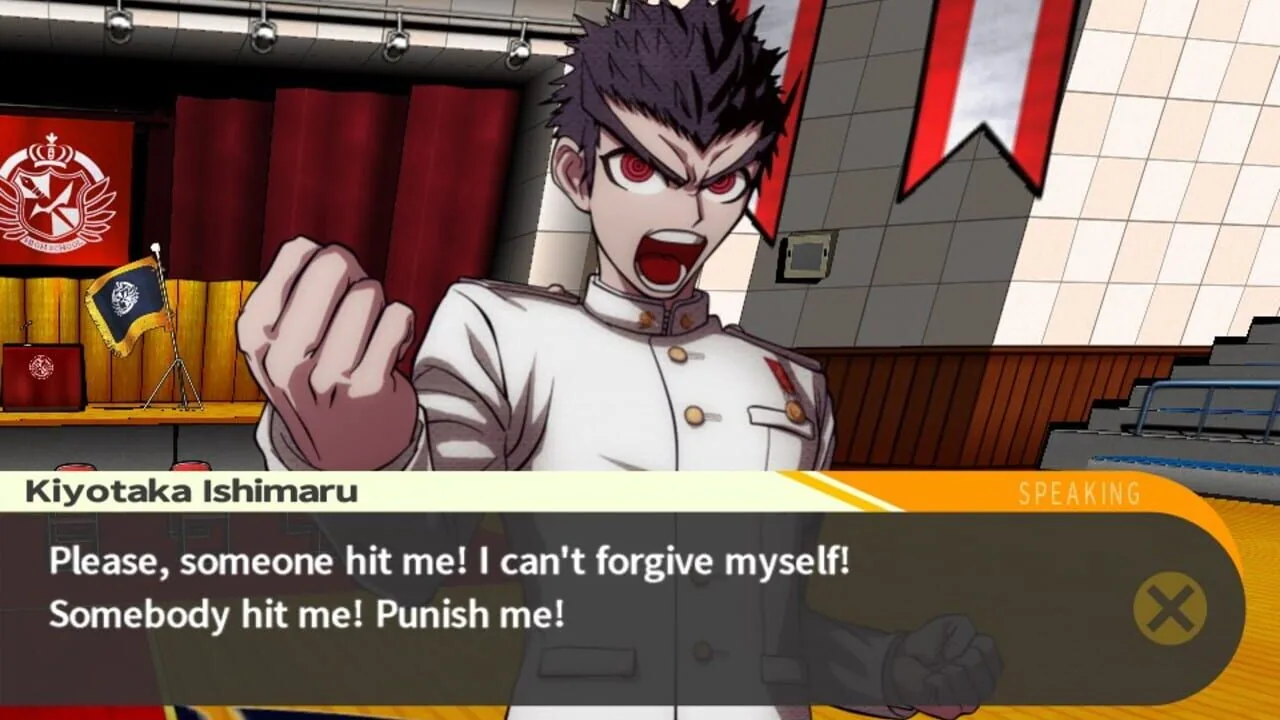
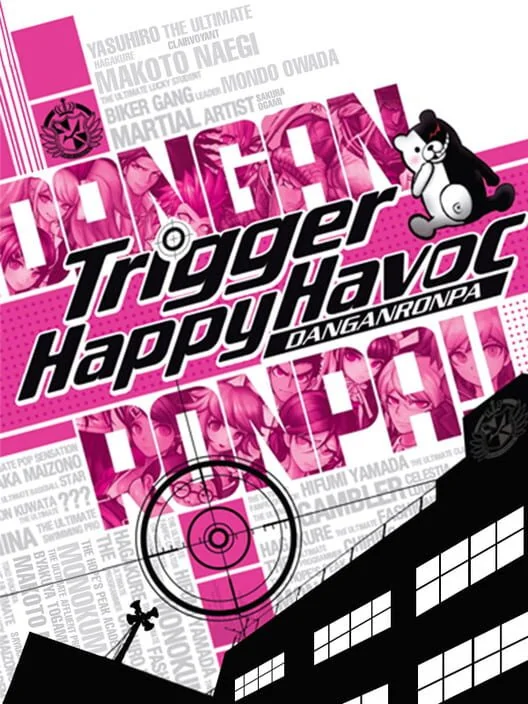
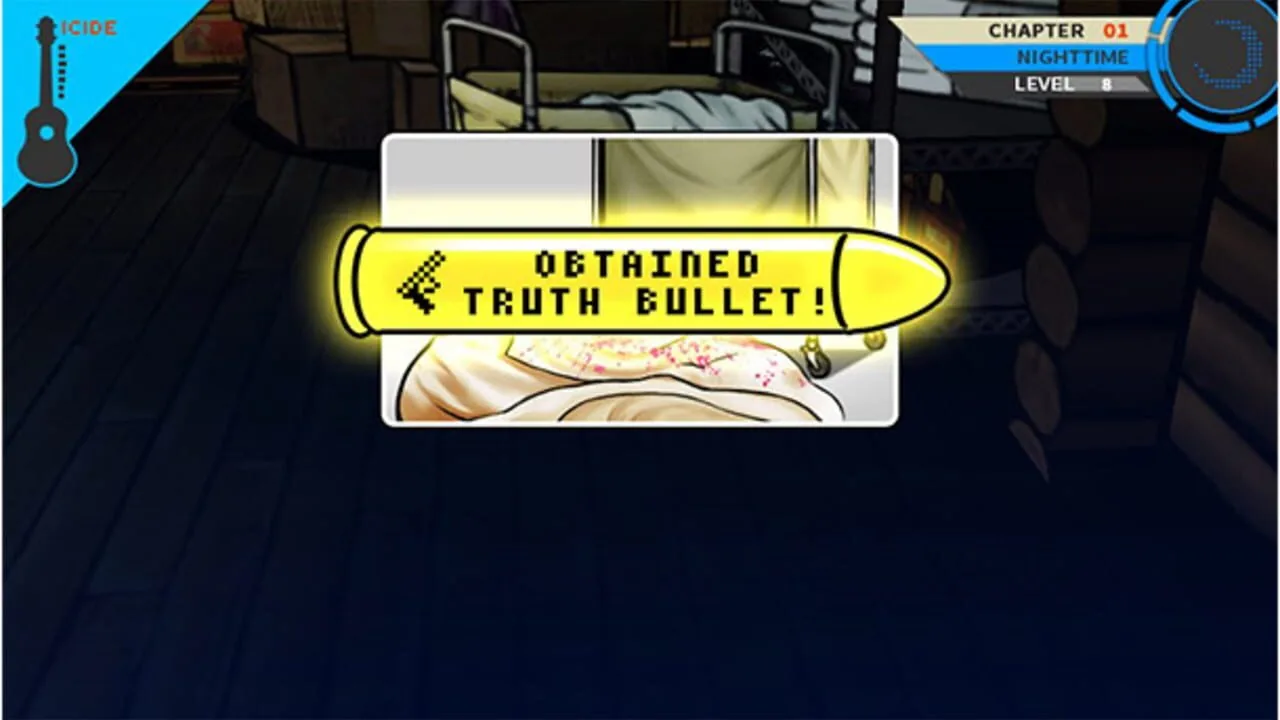
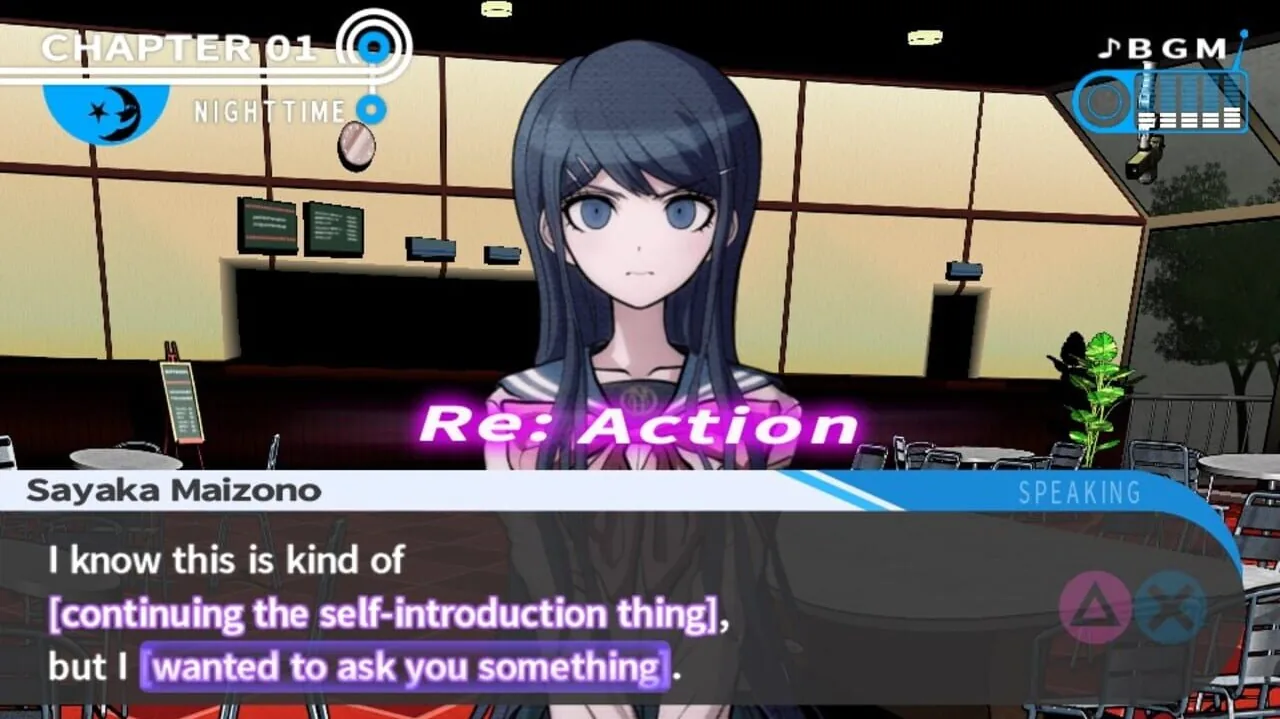
Danganronpa: Trigger Happy Havoc was first released for the PSP in Japan in November 2010, and NIS America brought it to English players in 2014 on PlayStation consoles. A class of students is locked in a school by Monokuma, who says the only way out is to murder a classmate and not get caught. In Daily Life you talk to the others, with some dating sim parts. In class trials you fire "Truth Bullets", pieces of evidence, at the lies in their arguments.
The Vita version added School Life mode, which opens after you finish the game once. It was a commercial success and won awards, though some critics found the trials too easy. Players recommend it more than any other Vita adventure game, and they mean the whole series when they say it.
Which one to play
There you have it, the whole list of the best PS Vita adventure games. Nearly all of them are long, and nearly all of them are worth it.
If you are not sure where to start, play Danganronpa: Trigger Happy Havoc. If you want a puzzle-heavy mystery, Zero Escape: Virtue's Last Reward is the one. For time travel and a slow build, pick Steins;Gate. If you grew up on point-and-click games, try Machinarium and then Broken Age. For something with a fairy tale noir mood, go for The Wolf Among Us. And for a hidden pick, give Root Letter a weekend.