The PS Vita had a bright OLED screen, real sticks and a library full of role-playing games, indie hits and PlayStation classics. The Vita's catalogue is smaller than most, but a lot of it is excellent. These are the 100 best PS Vita games, counted down from 100 to 1.
99. Lone Survivor: The Director's Cut (2012)
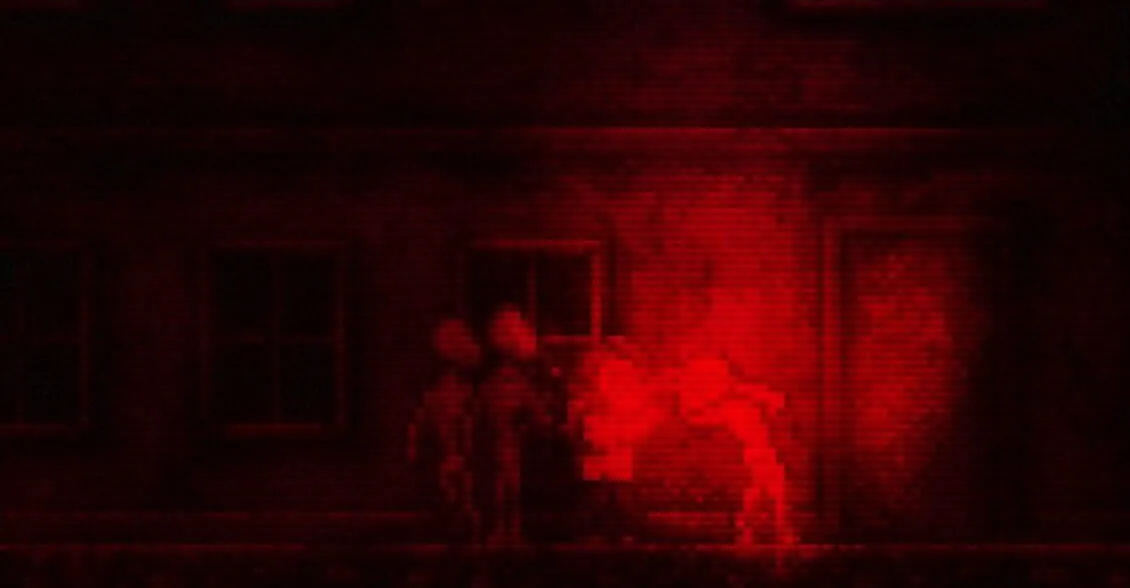
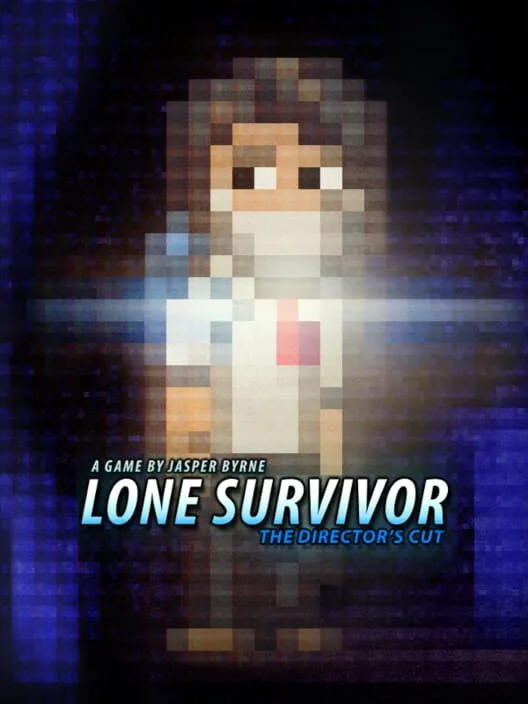
You play a masked man trying to get out of a city ravaged by disease, and the Vita is the right place for it. The Director's Cut is a game for headphones and a dark room. Every door might hide something awful, and every quiet stretch makes you more nervous than the last. Your only goal is to escape by any means necessary.
Horror was thin on the Vita. That makes this small, odd, pixelated nightmare stands out all the more. It is short enough for a weekend and strange enough to haunt you for much longer. Staying inside sounds like a great plan until you see the inside. A pixel game should not frighten anyone this much, yet this one does it with ease.
98. Papers, Please (2013)
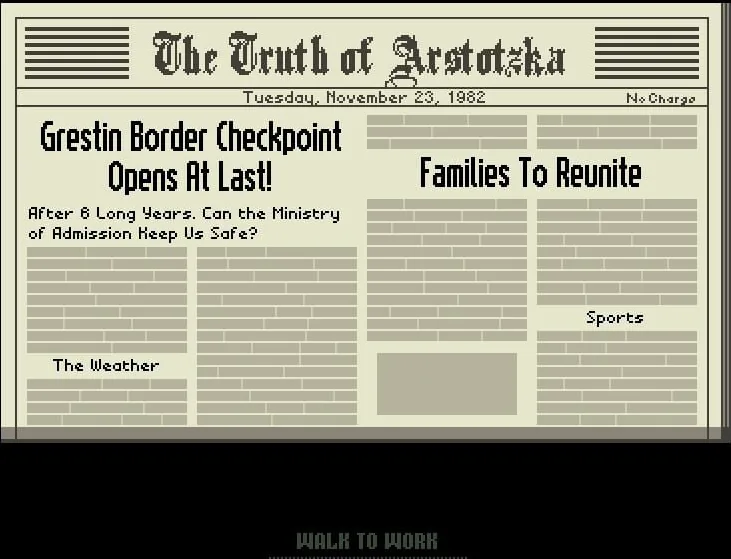
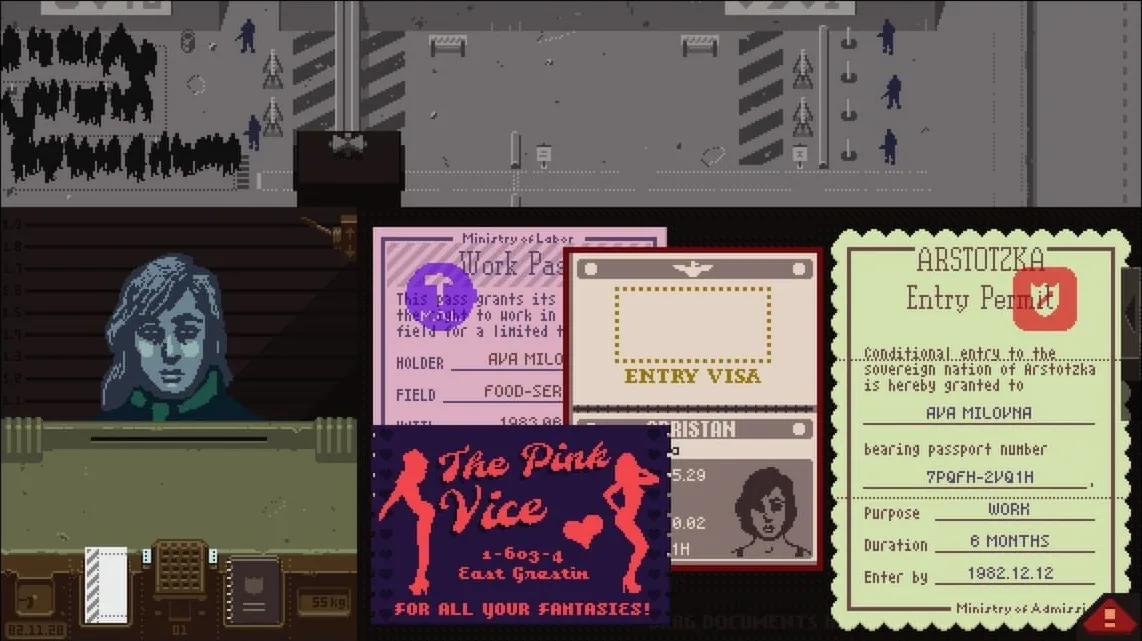
You are the immigration inspector in the communist state of Arstotzka, holding the line at the border town of Grestin. Each traveler hands over papers, and you check them against a growing pile of rules. Then you approve or deny, and sometimes you arrest. The Vita port arrived in December 2017 and suits the job, since stamping a passport is just a button press.
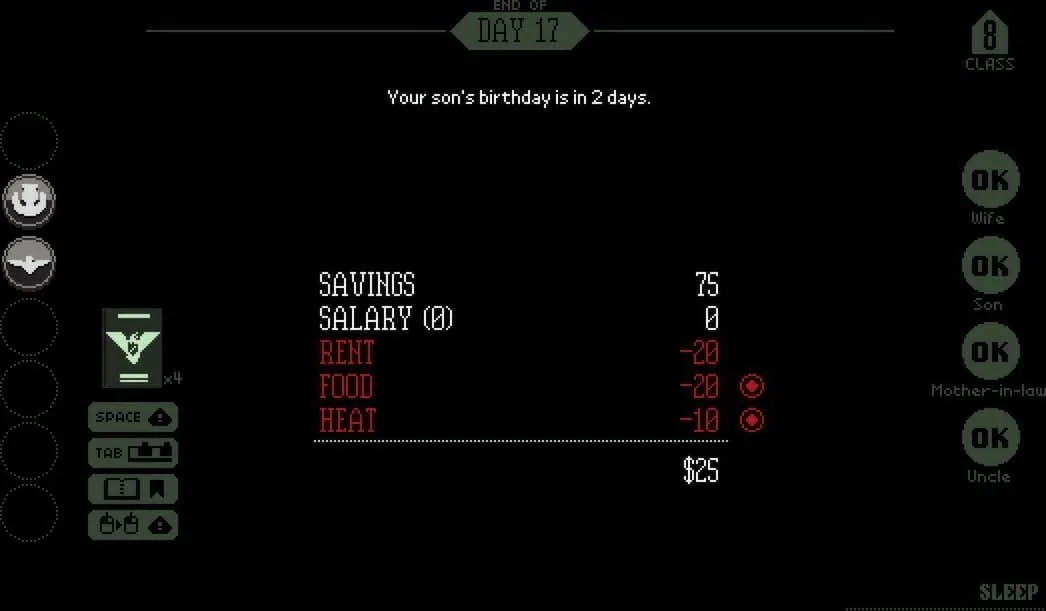
What hooks you is the people behind the passports. A rule that seems harmless on day three ruins a family by day ten. The game has been called an example of video games as art, and it has sold more than five million copies. You will remember the booth long after you switch the Vita off.
97. Fez (2012)
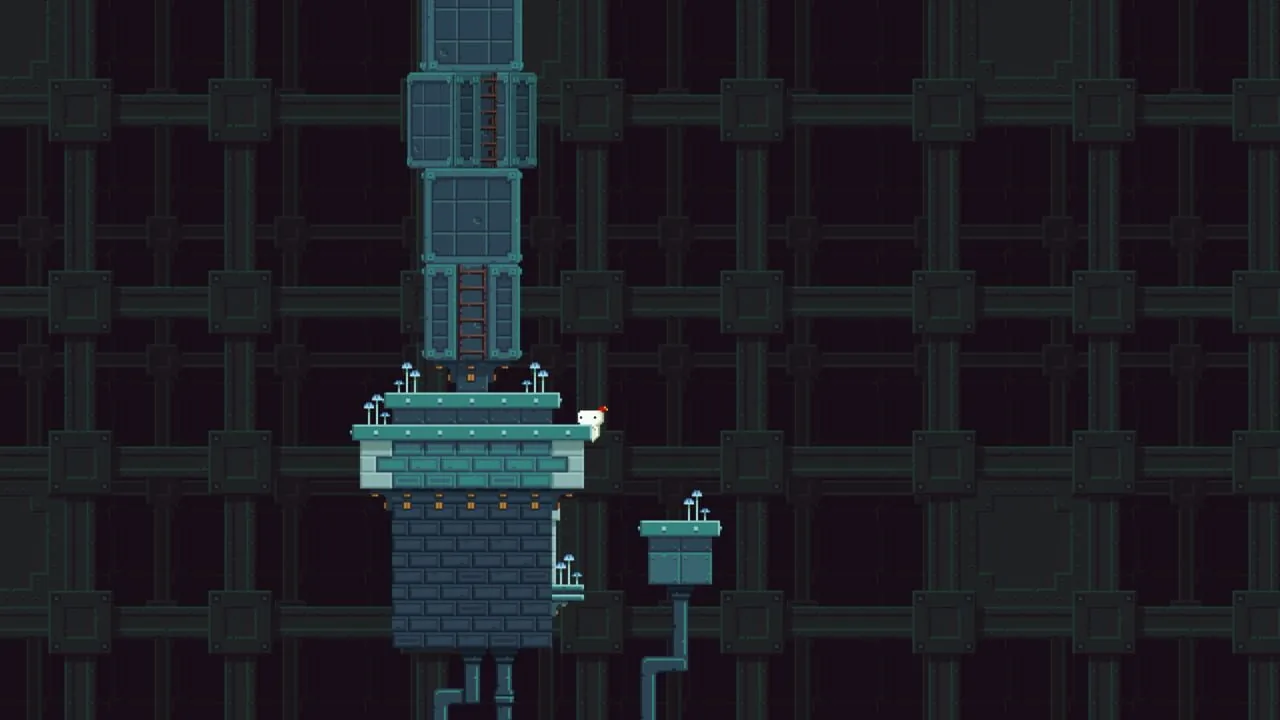
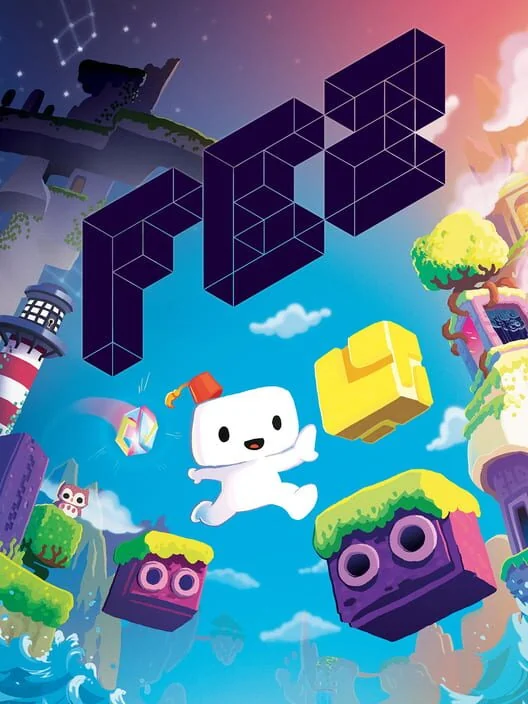
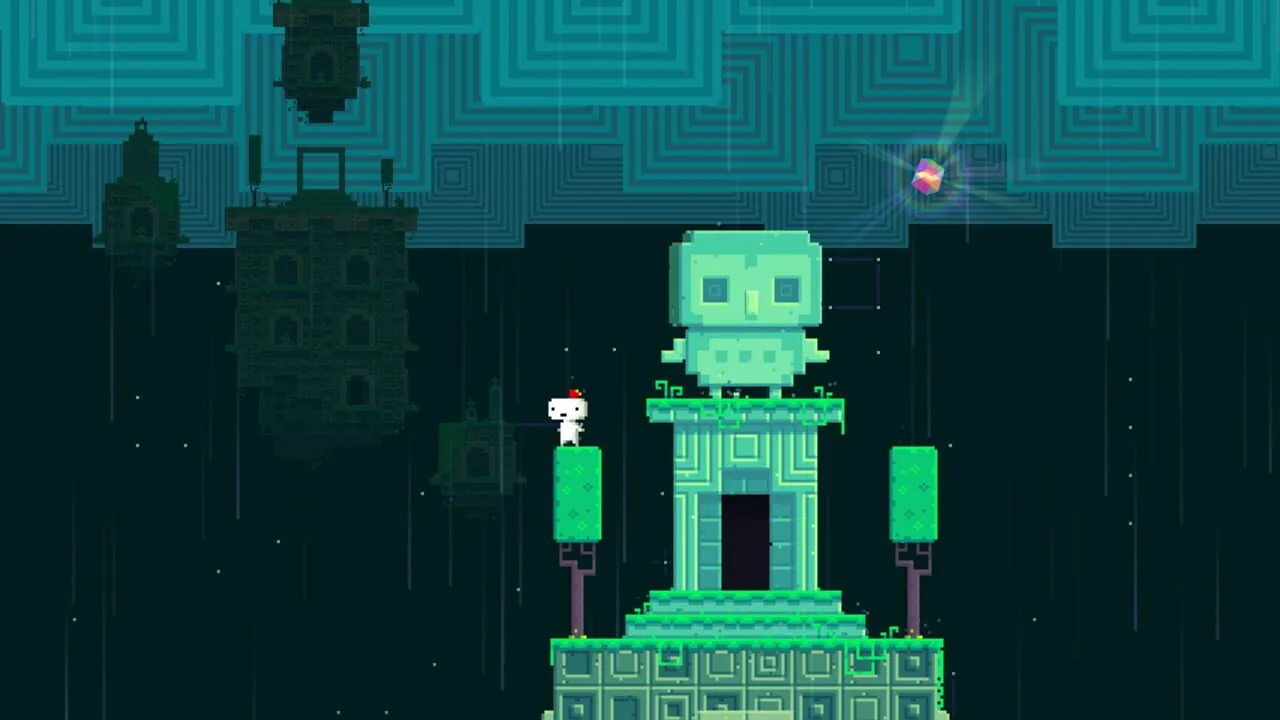
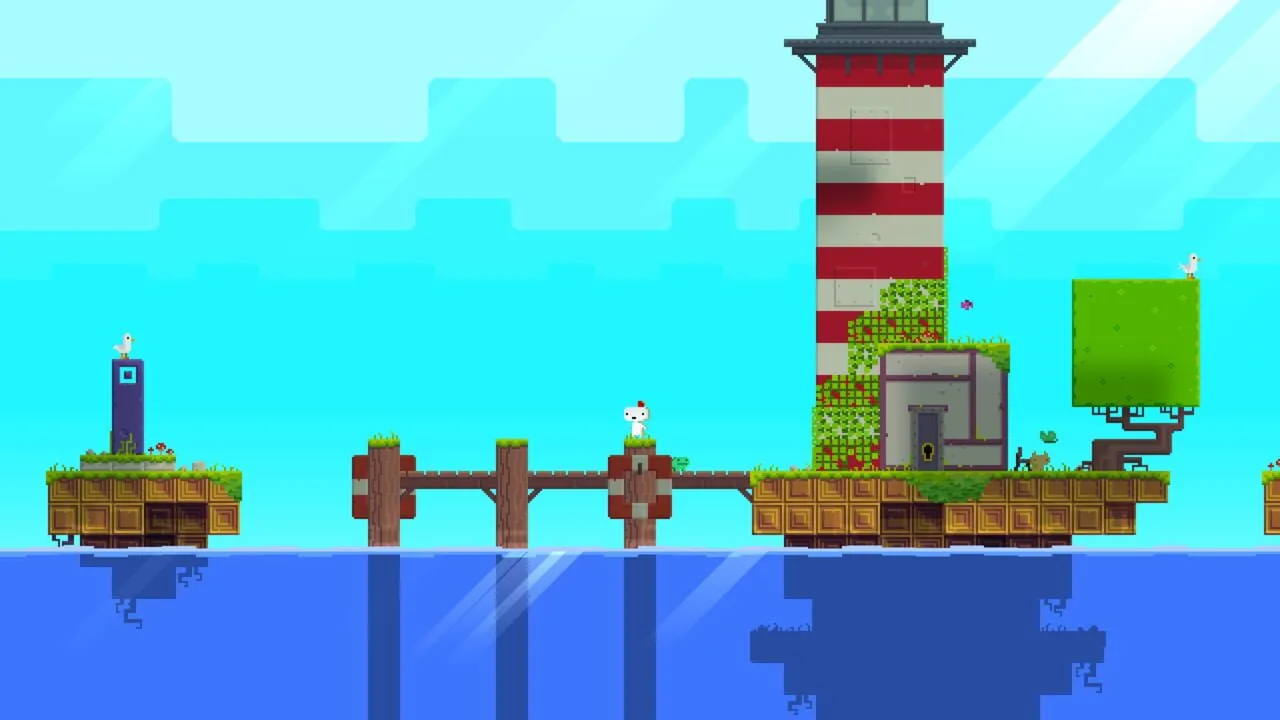
Fez stars Gomez, who thinks he lives in a flat world until a third dimension shows up. Then you spin the whole world around to see it from four classic 2D perspectives, and a path that looked blocked turns out to be wide open. The world is quiet and pretty and full of secrets that you only find if you look harder than the game asks.
Reviewers loved the sense of discovery and disliked the technical issues and the long backtracking near the end. It won the Seumas McNally Grand Prize and sold a million copies by the end of 2013. The development took five years, which is a little longer than most players take to finish it.
96. Conception II: Children of the Seven Stars (2013)
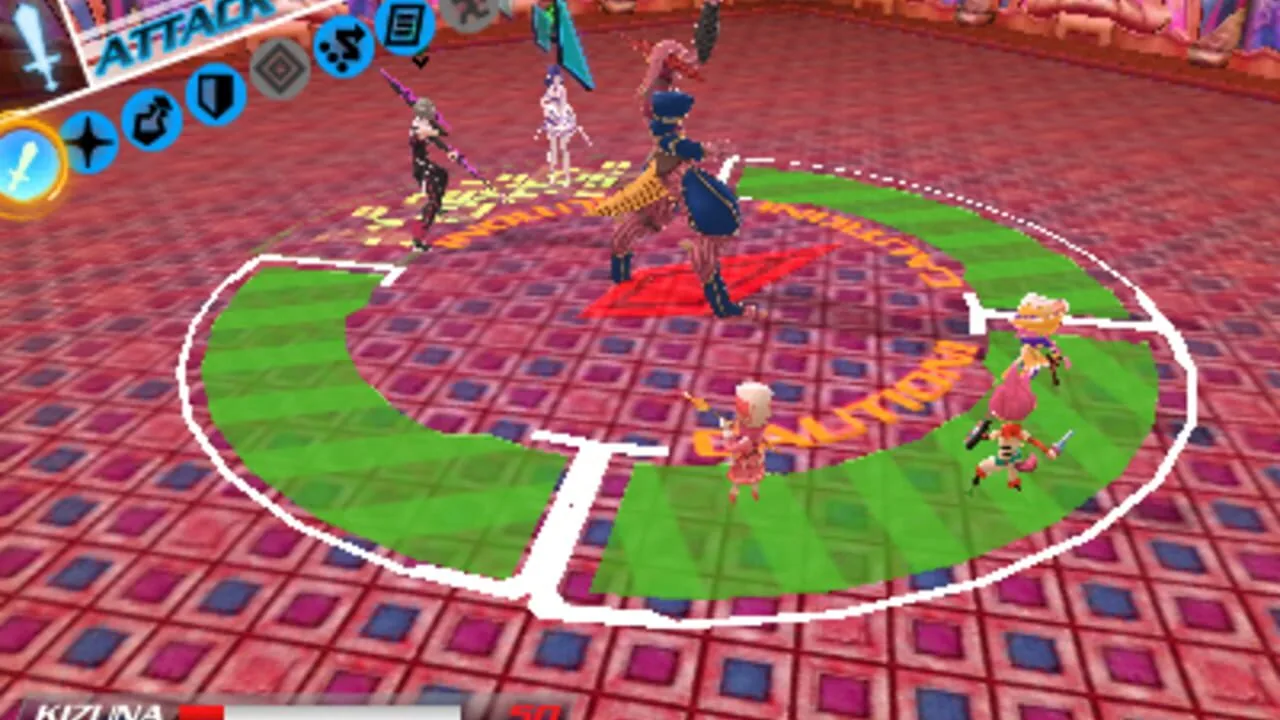
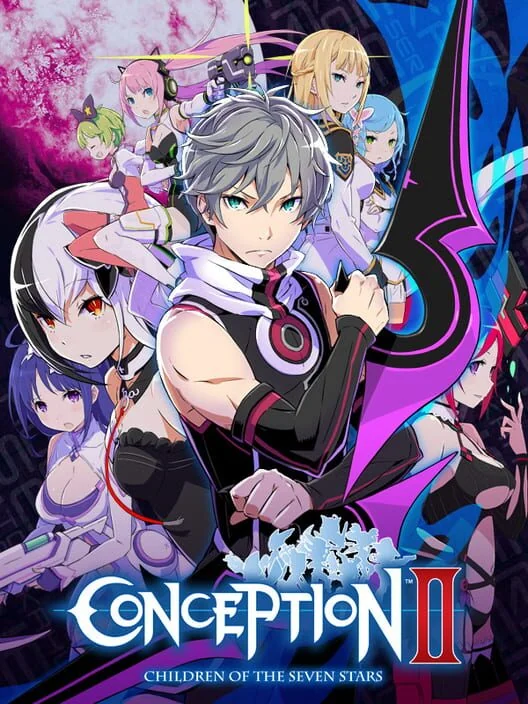
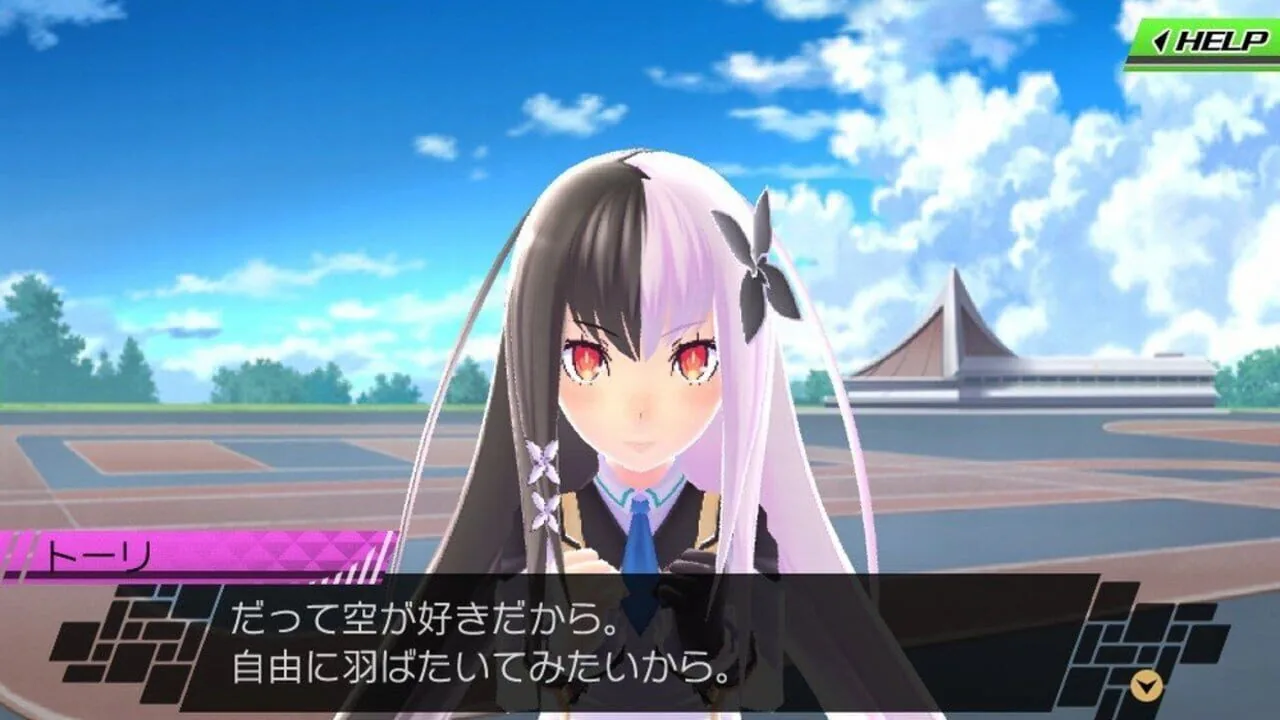
Conception II sends you to a school for demon hunters, where you spend the day with your classmates and the evening in the dungeons. Your hero has so much ether that he can conceive Star Children by "classmating" with the girls in his class, and those children fight beside you. The premise is silly, and the game plays it with a completely straight face.
The fun is in the battles. You can place your fighters around an enemy to hit weak points safely or rush in for bigger rewards, which turns each dungeon into a small tactical puzzle. Each heroine has her own story line to follow between fights. It is a quirky, confident dungeon crawler on a handheld.

95. Lost Dimension (2014)
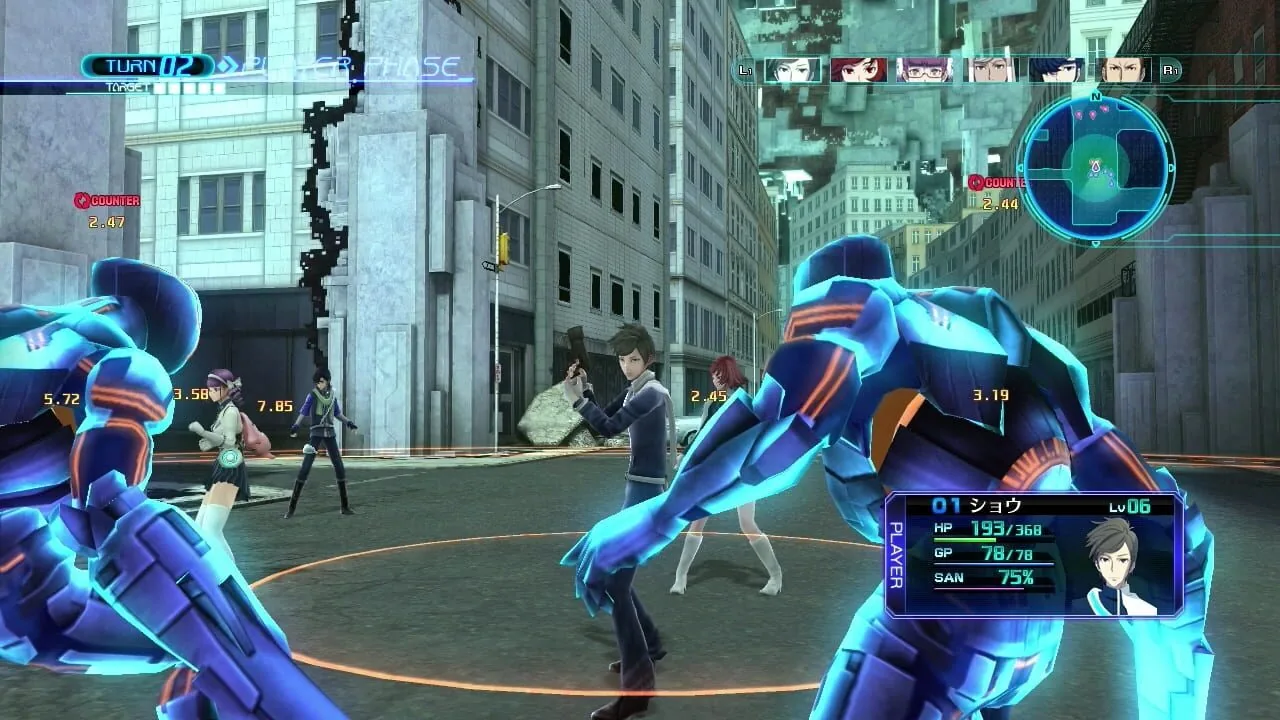
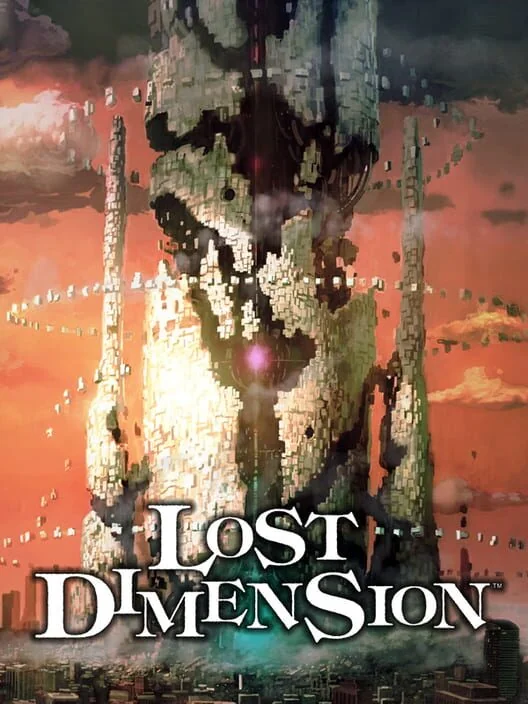
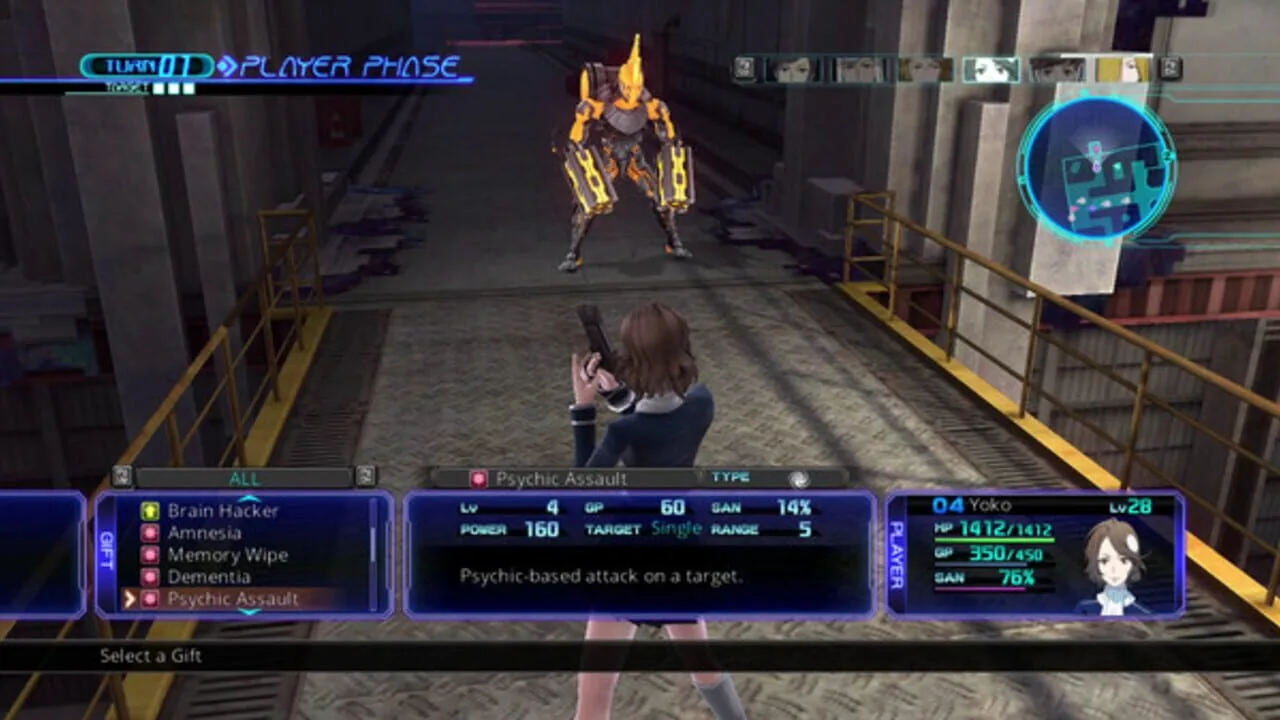
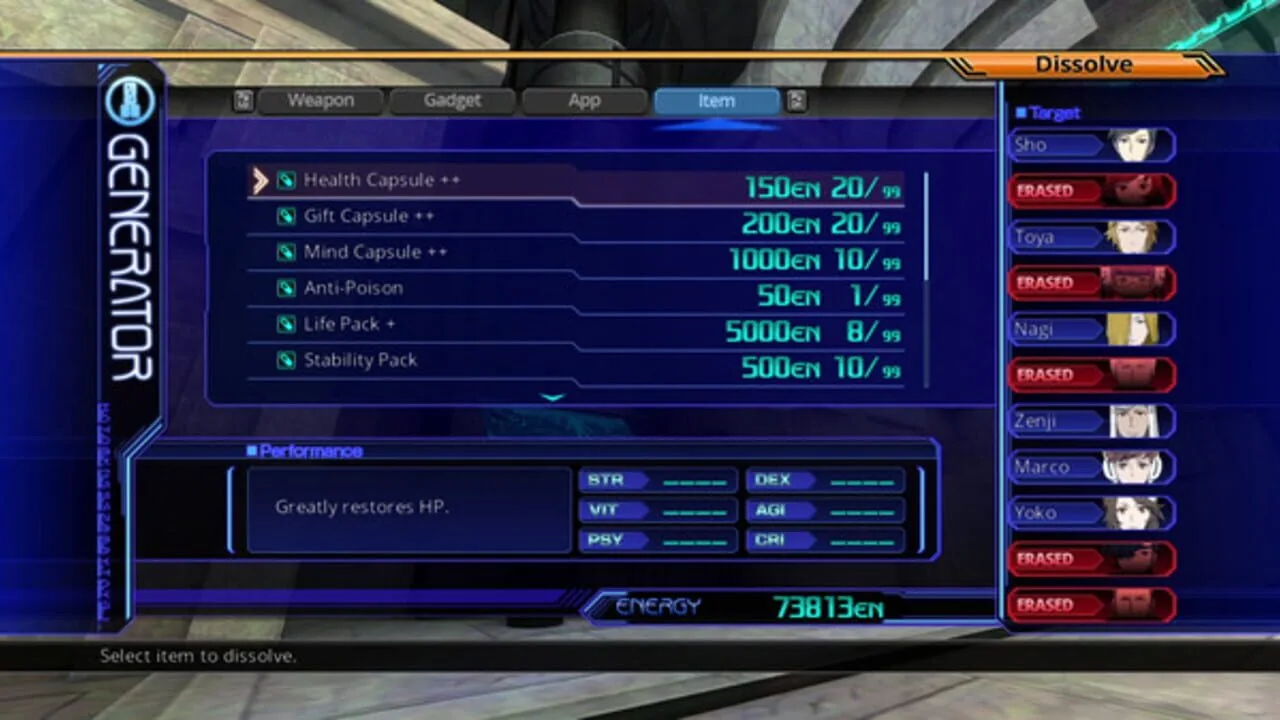
Lost Dimension asks you to climb a tower with a team of young fighters and doubt every one of them. A terrorist known only as The End threatens humanity with nuclear destruction, and a traitor hides in your squad. You fight turn-based battles on a grid and then face the harder part, which is deciding whom to remove.
Five team members will be eliminated by the end. That makes the choices between fights matter more than in most tactical games. The tower structure keeps sessions short. A floor fits neatly into a commute. Nothing builds trust like knowing one of your friends is lying. It is a sharp, compact strategy game with real dread.
94. Bastion (2011)
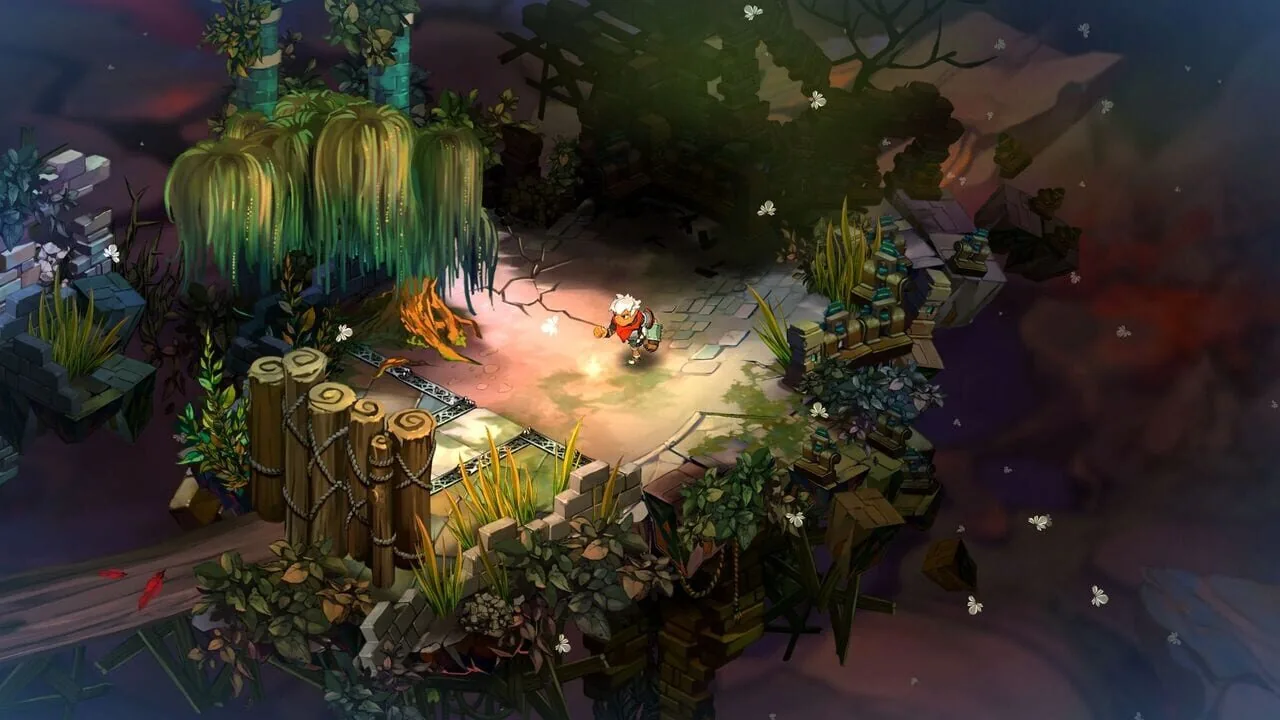
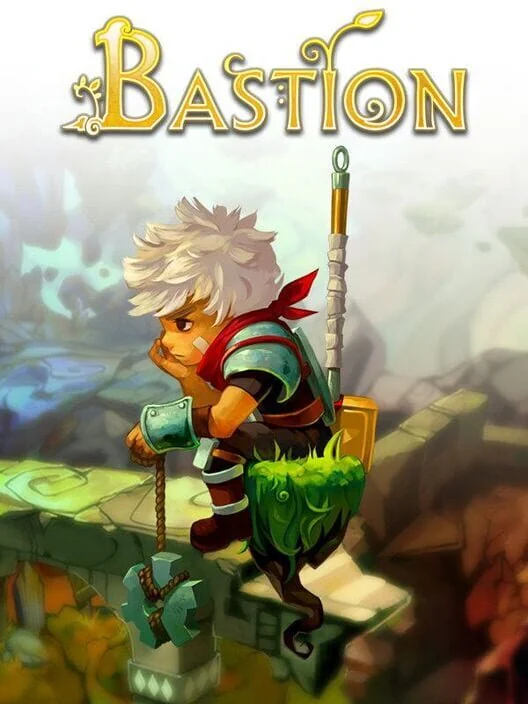
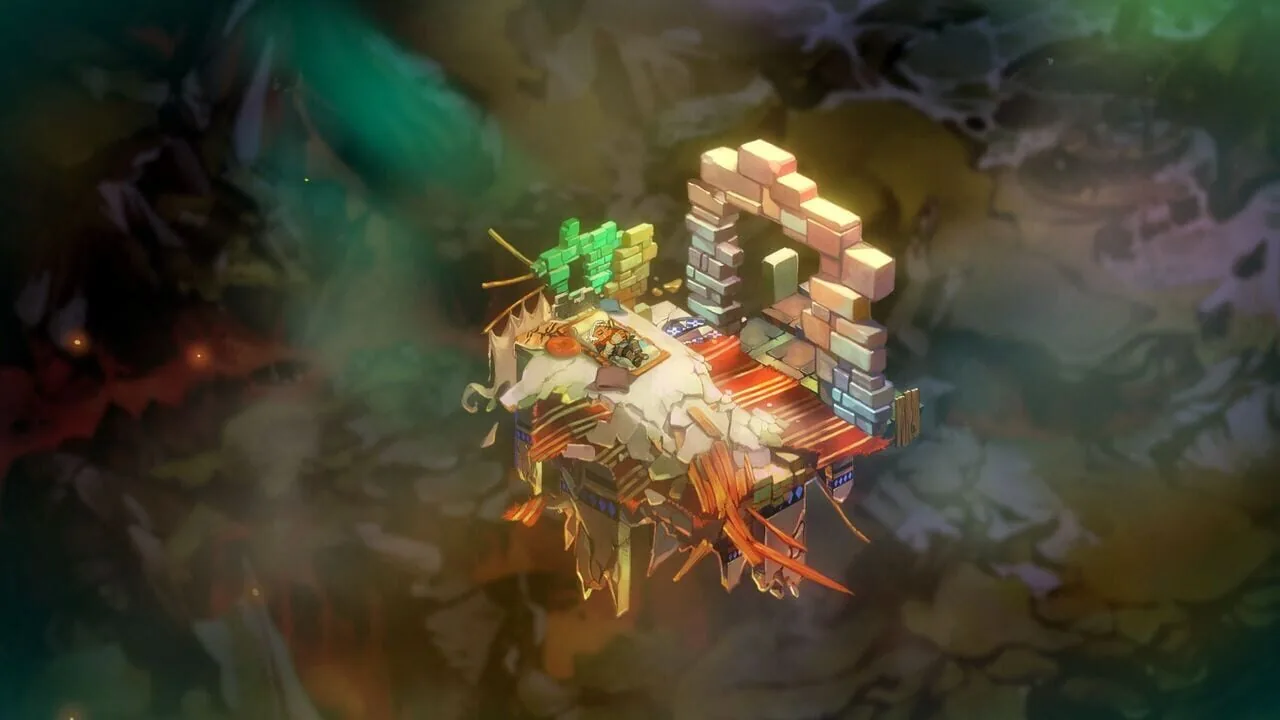
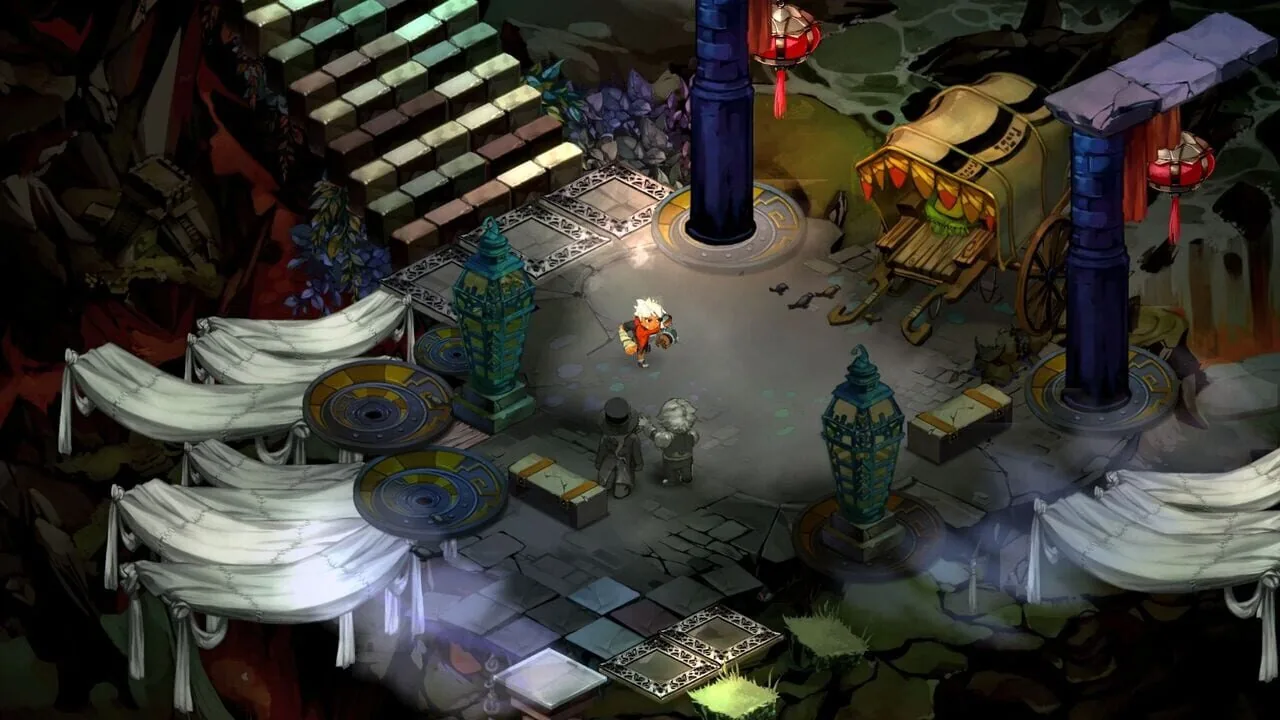
Bastion drops you into a ruined world with a gravelly narrator who describes every move you make. Fall off a ledge and he comments. Land a clever hit and he comments on that too. You play a teenager rebuilding the world around a hub called the Bastion, and each weapon you unlock changes how a fight feels.
Weapons can be upgraded, and each one has its own practice mini-game. You can also turn on difficulty modifiers to earn better rewards. Sessions are quick, the painted scenery is lovely and the voice work is superb. The Vita screen suits it well, and ten minutes is enough for a few good fights. Few games make the end of the world feel so welcoming.
93. VA-11 Hall-A (2016)
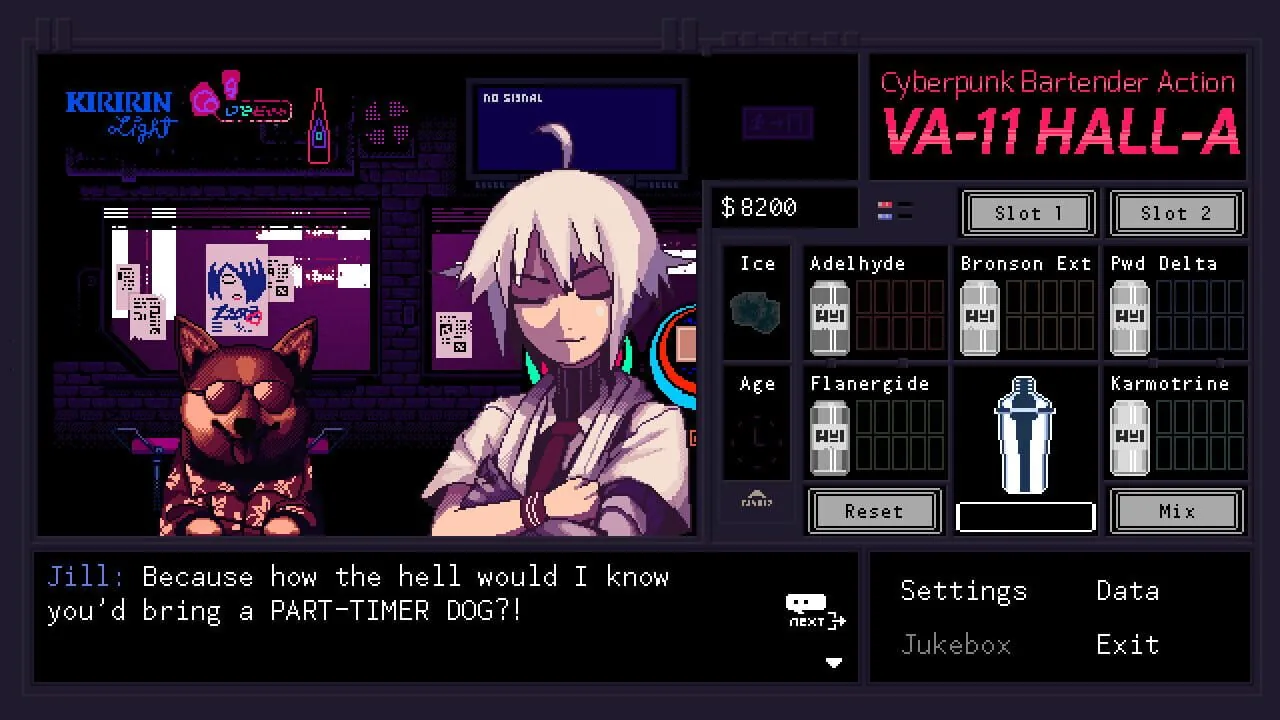

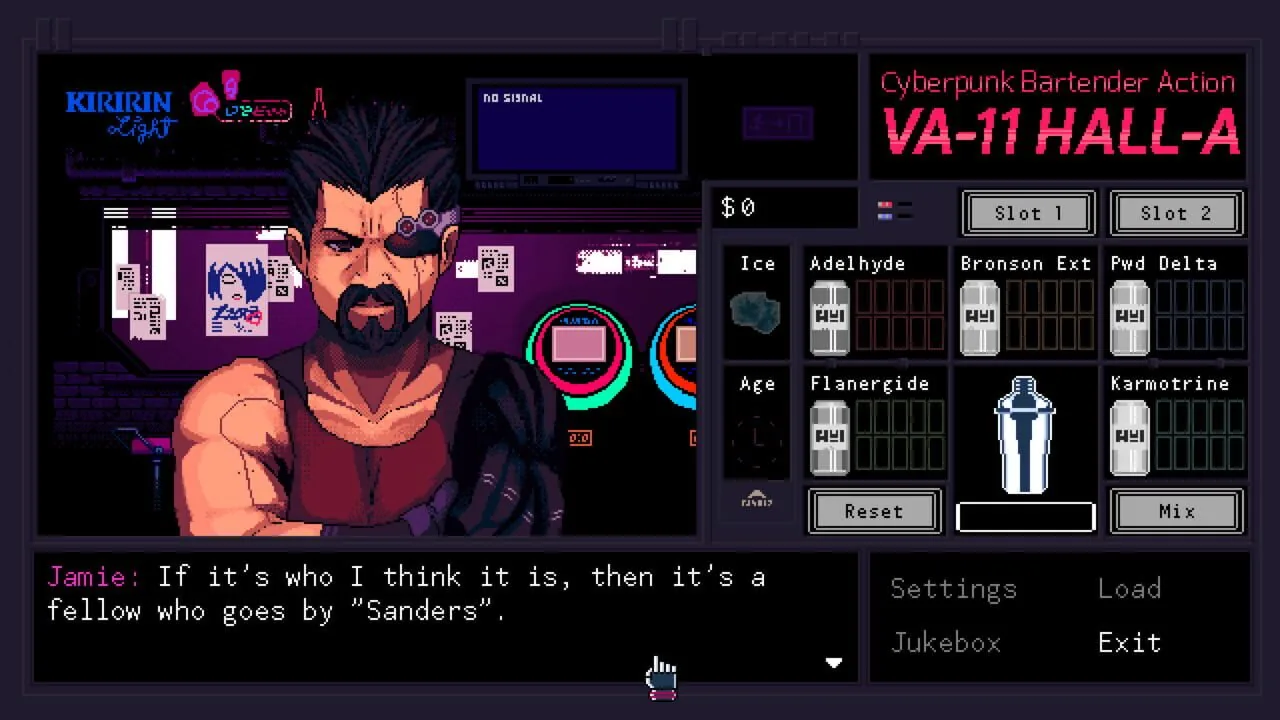
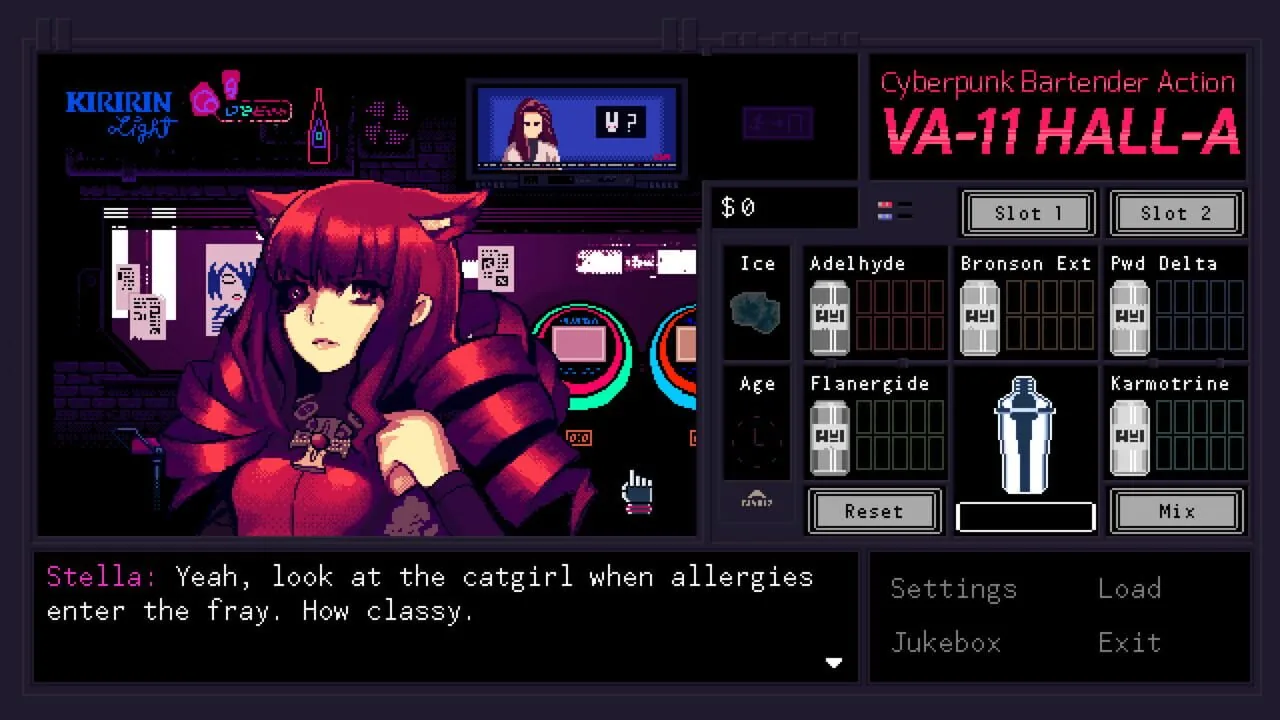
VA-11 Hall-A puts you behind the bar in a cyberpunk dystopia, where you talk to customers while you mix their drinks. There are no dialogue options. The drinks you pour decide where the story goes. The Vita port, made by Wolfgame, followed the June 2016 release on other systems. The look borrows from old Japanese PC-98 adventure games, and Garoad wrote the whole soundtrack.
The customers are ordinary people, which is why the writing works. The developers built them from the side characters that movies never bother to flesh out. The game began as an entry in the Cyberpunk Game Jam of 2014. It is the only job on the system where the customer is always right and the drink is always strange.
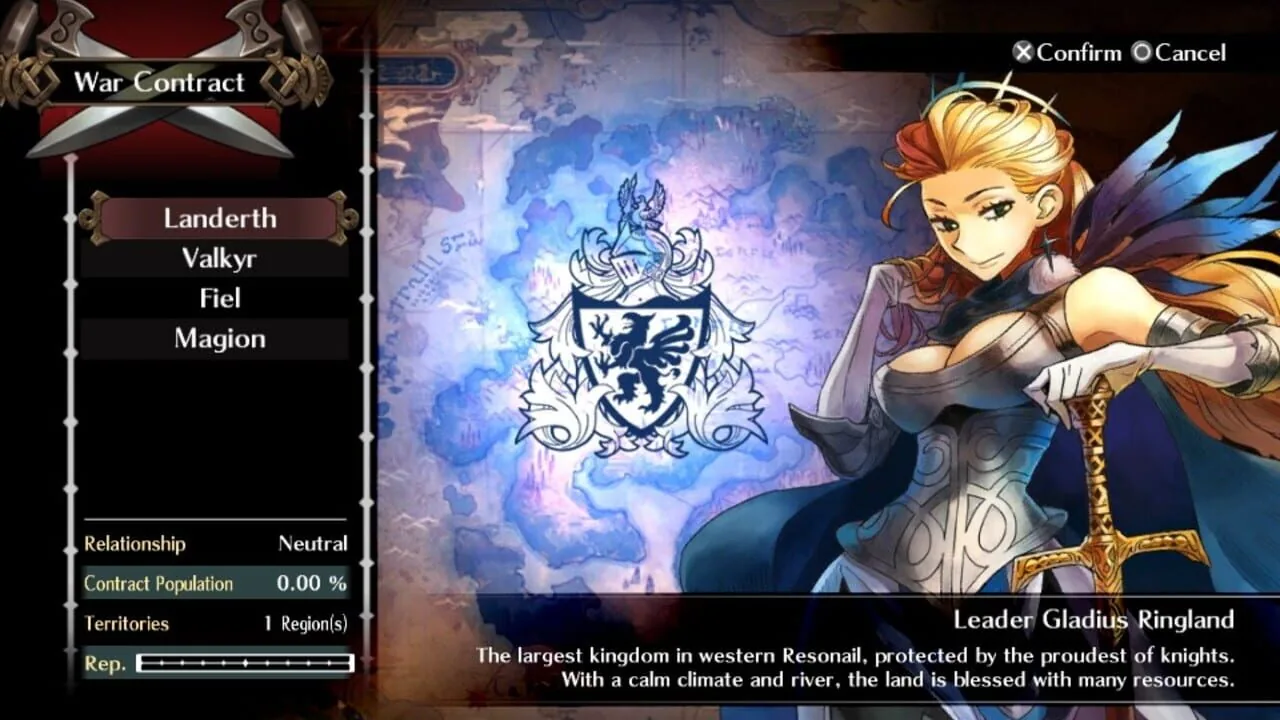
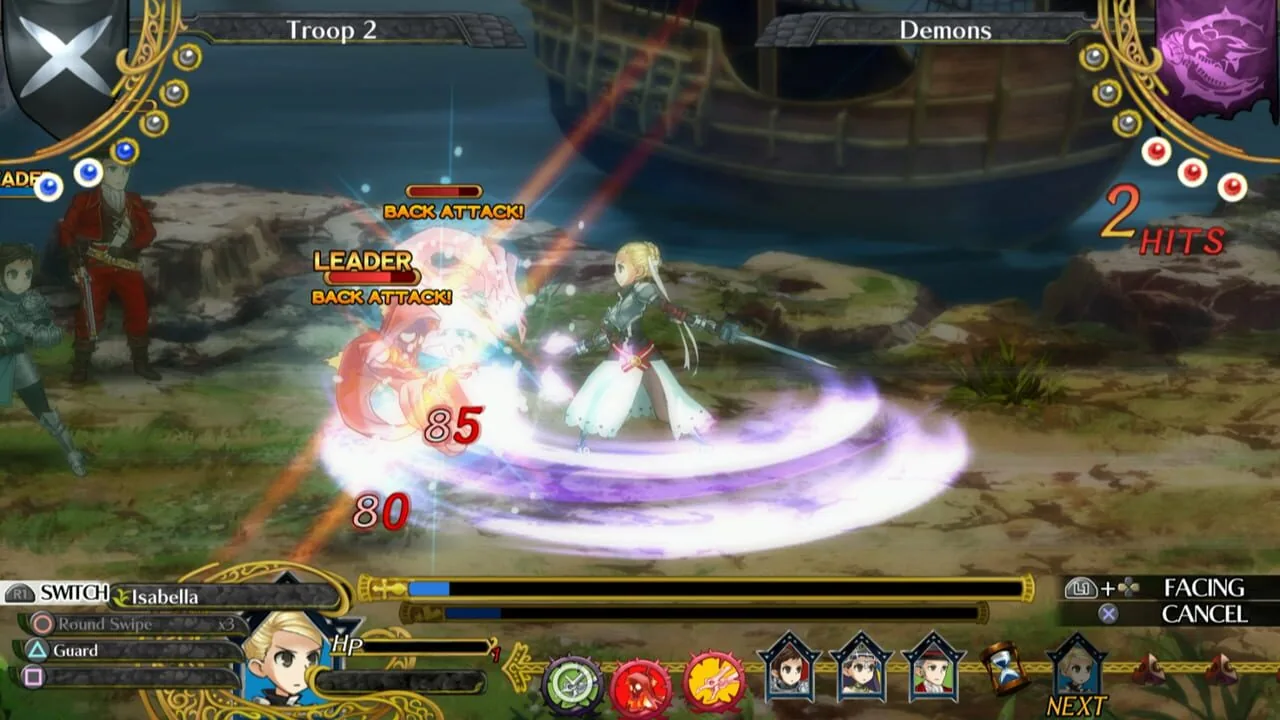
92. Grand Kingdom (2015)
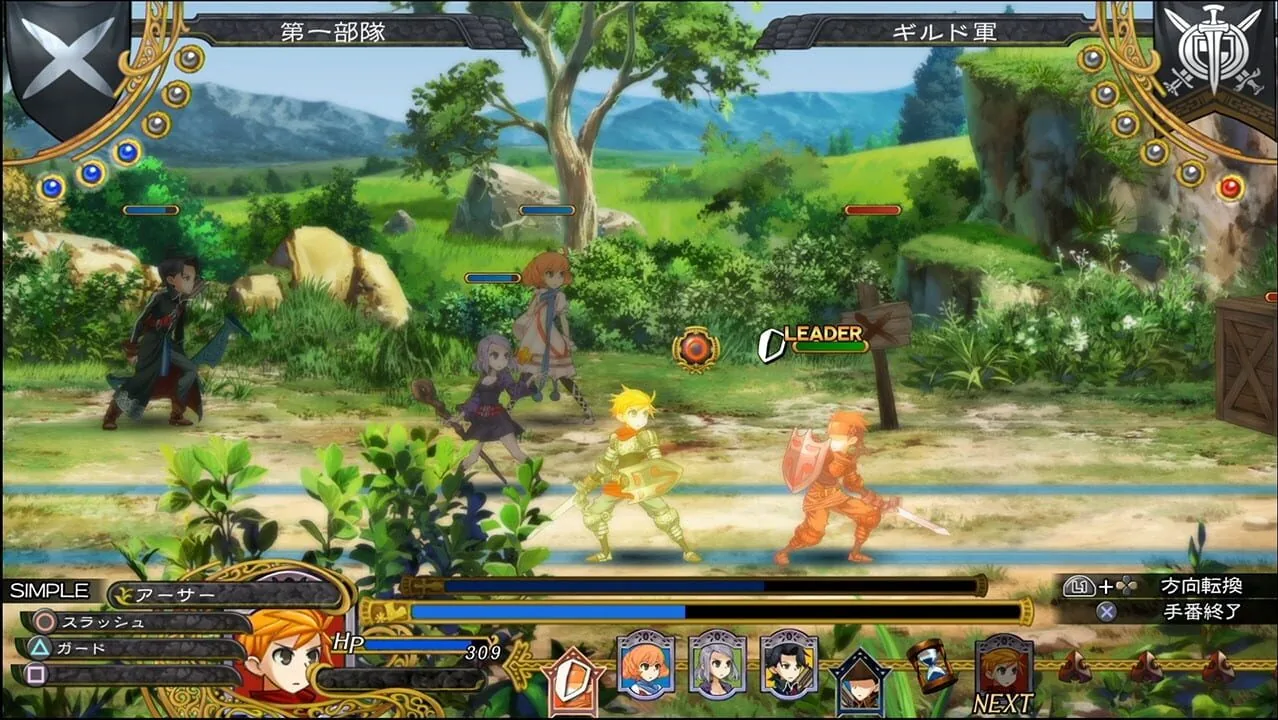
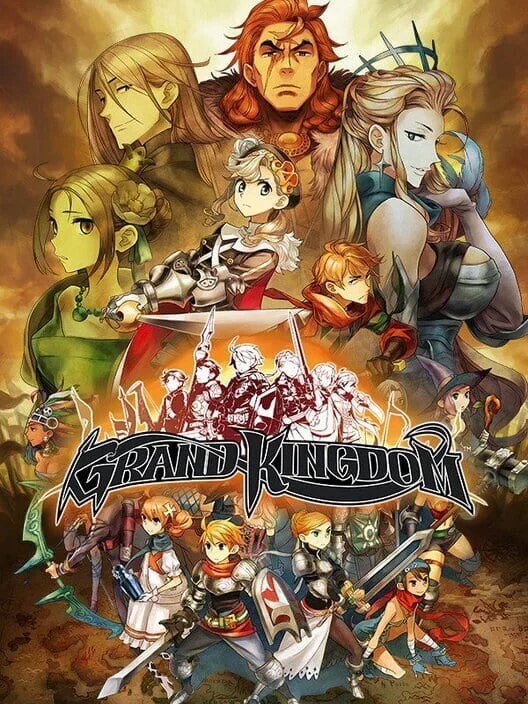
Grand Kingdom puts you in charge of a mercenary squad in a land where four nations are at war and honorable knights have given way to hired swords. You take jobs from each side, march your troops across the map and slowly learn why an empire fell a hundred years ago. The painted art and big orchestral music make the small screen feel large.
Spike Chunsoft published it in Japan in 2015 and NIS America brought it to the West in 2016. The director had worked at Vanillaware, and you can see that influence everywhere. Its online battles ended when the servers closed, but the campaign remains a rich, strategic adventure with plenty of squads to build.
91. Superbeat: Xonic (2015)
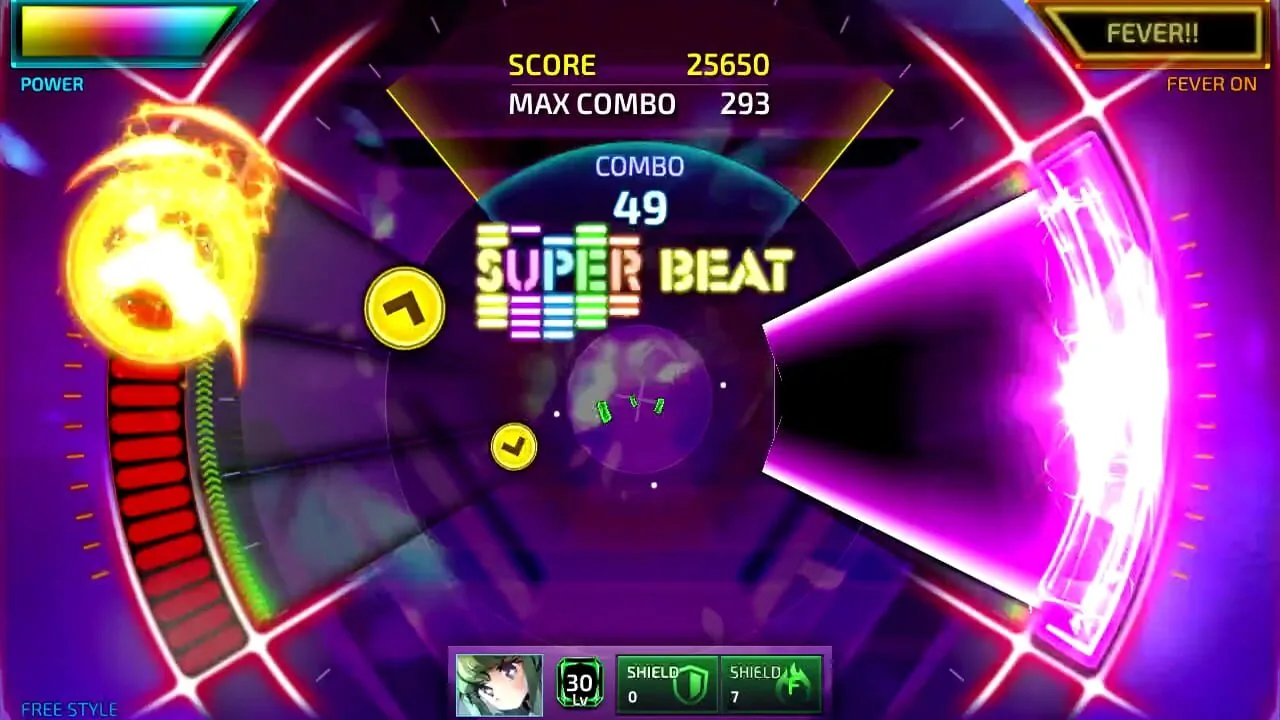
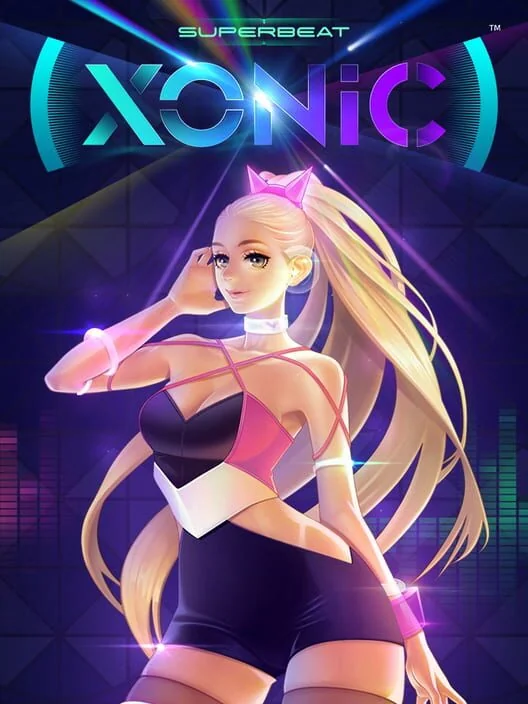
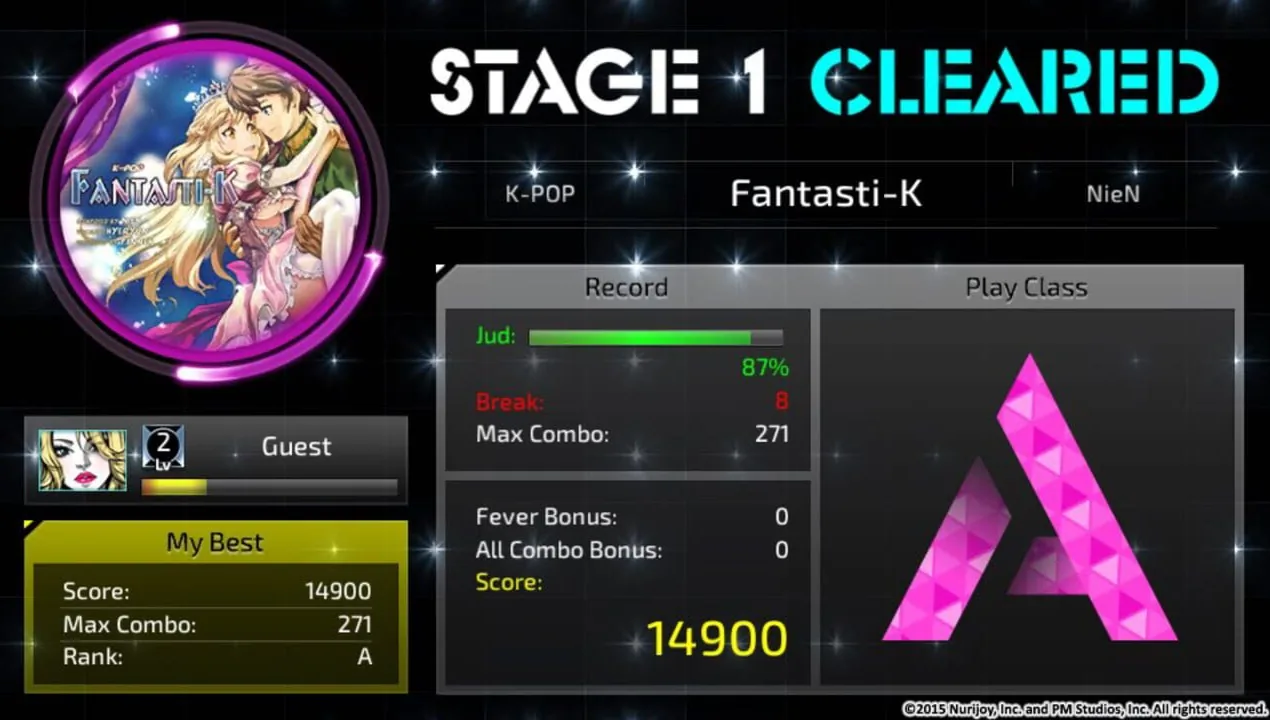
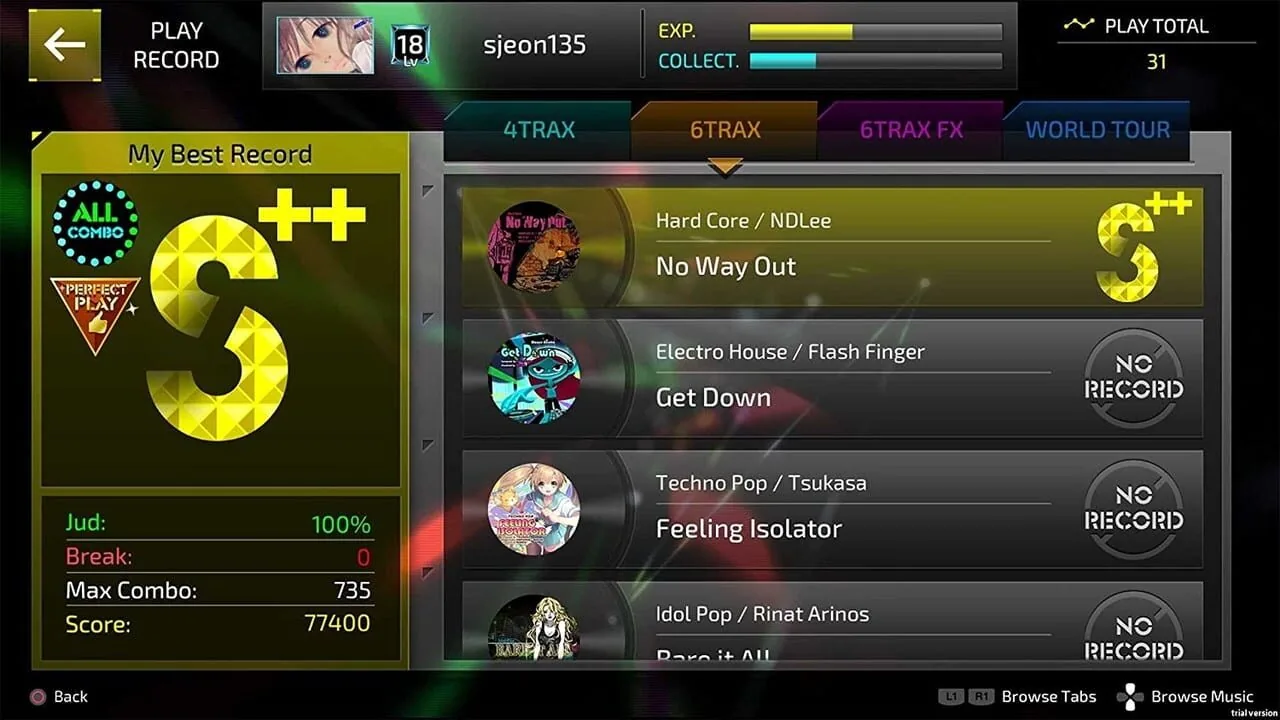
Superbeat: Xonic is a rhythm game where you tap notes in time with the music, using either the face buttons or the touchscreen. It comes from Nurijoy, a company formed by former Pentavision staff, and it is a spiritual successor to the DJMax series. It grew out of Beatcraft Cyclon, a 2014 arcade game from the same studio.
The modes climb in difficulty from 4 TRAX to 6 TRAX and then 6 TRAX FX. Each run plays three songs in a row, which suits a handheld. The missions travel through fourteen nightclubs around the world. Fans of DJMax should feel at home right away. Your thumbs will keep the beat long after you have turned the console off.
90. MotorStorm: RC (2012)
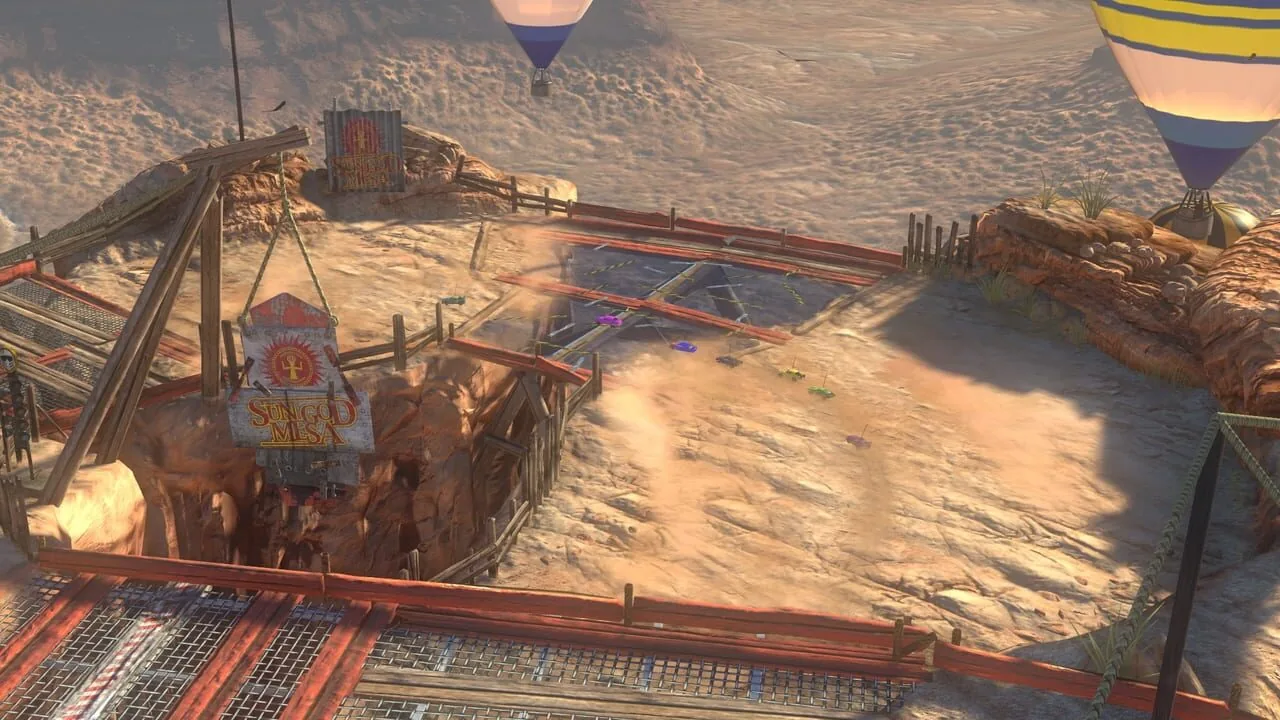
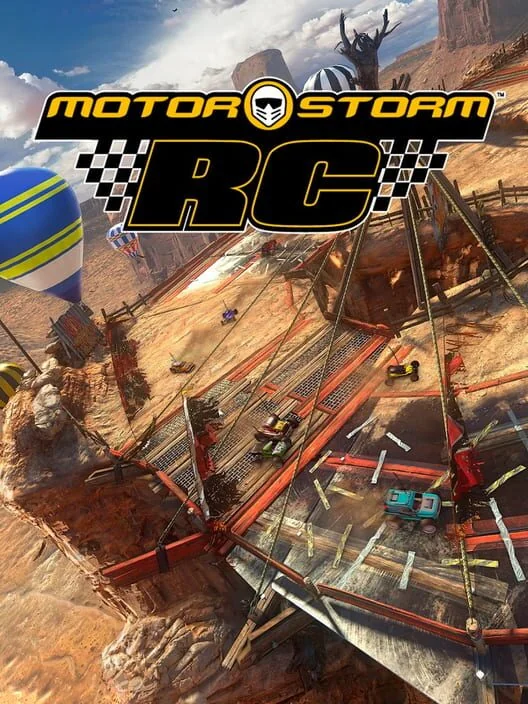
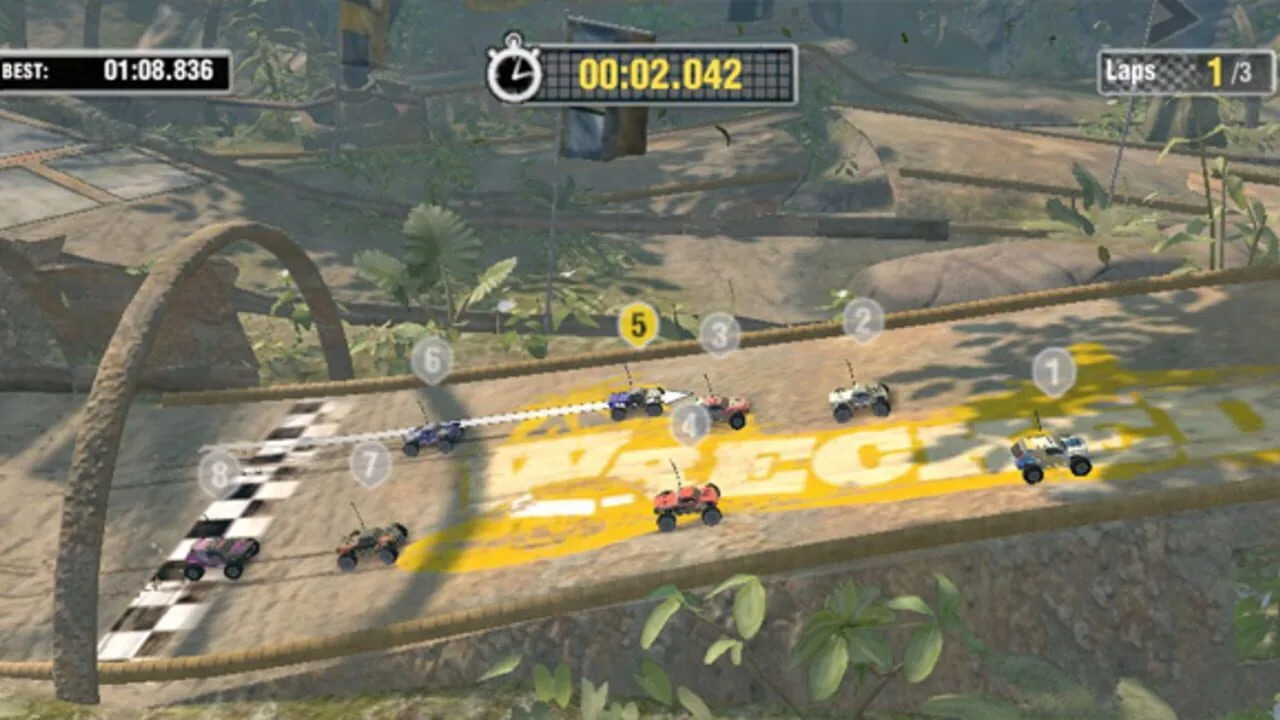
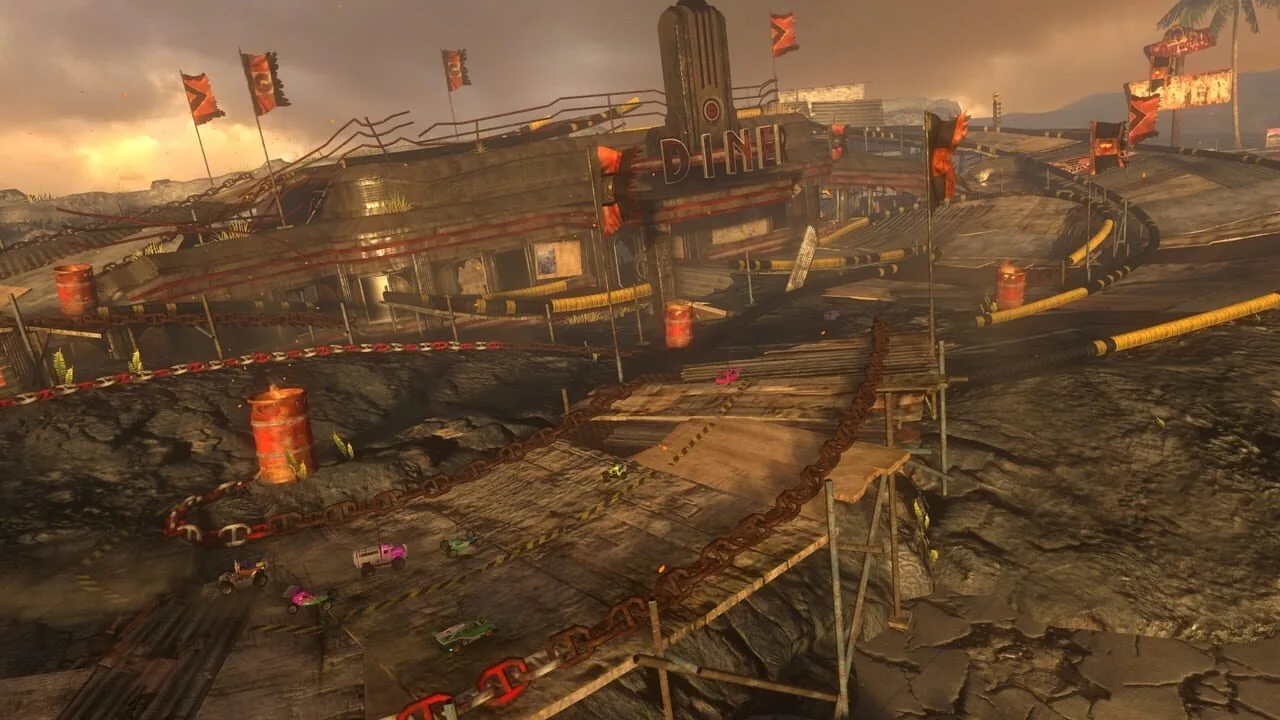
MotorStorm: RC shrinks the series into radio-controlled cars, and the tracks are built for tiny wheels. All four MotorStorm worlds are here, with eight vehicle classes, and you can play on a PS3 or a Vita. The Vita version is a great fit for quick races, since each lap is short and restarts are instant.
The little cars fly over mud and rock and bounce off each other, which makes every lap messy and fun. The tracks are the familiar ones, only seen from ankle height. At an awards show it was nominated for Racing Game of the Year, and Need for Speed: Most Wanted took the prize. It is cheap and quick, and the rules take seconds to learn.
89. Rainbow Moon (2012)
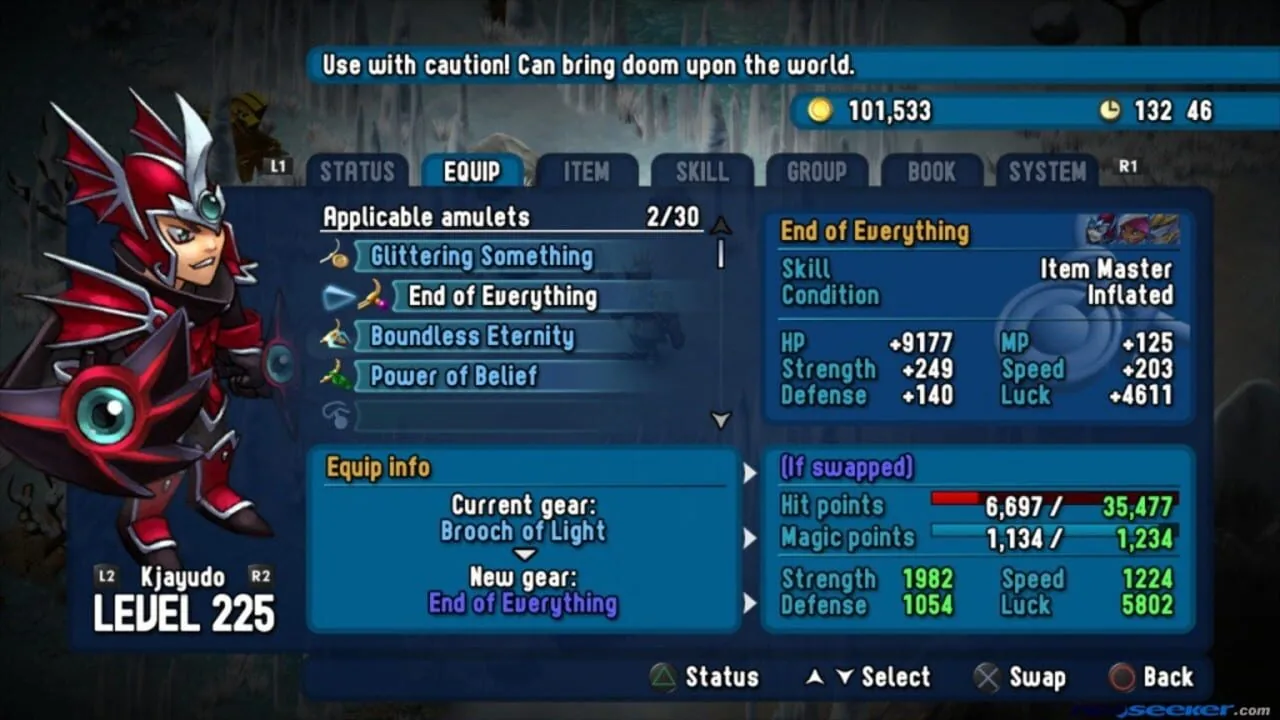
Rainbow Moon is a strategy role-playing game with an isometric open world and a story that runs longer than forty hours. You gather six main characters, learn about a hundred special skills and fight through more than twenty dungeons. The loop of exploring and growing stronger is hard to put down, and each new skill makes your party feel a little more powerful.
Reviewers praised how complete the mechanics felt and complained that some content forced them to grind. True, though the grind comes in Vita-sized bursts, like a very patient snack. It arrived on the PlayStation Network for the PS3 and the Vita, with the PS4 later. The Vita is the right place to play it on a long trip.
88. Suikoden II (1998)
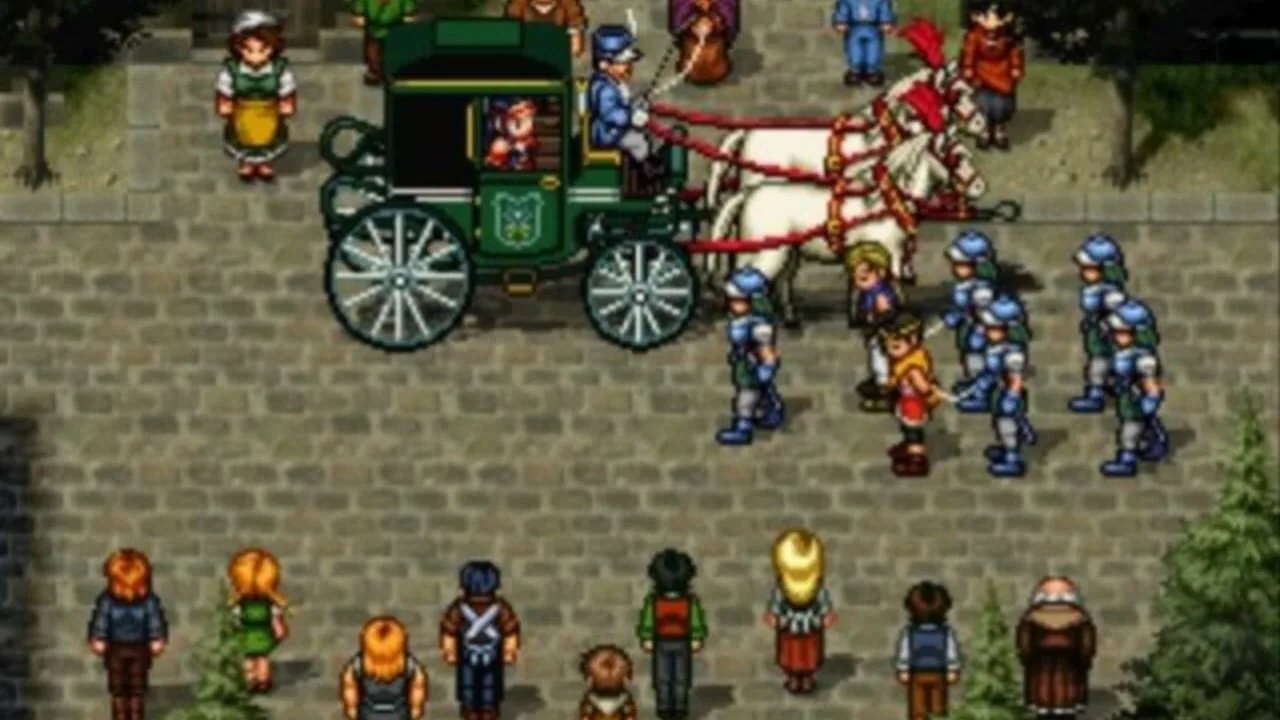
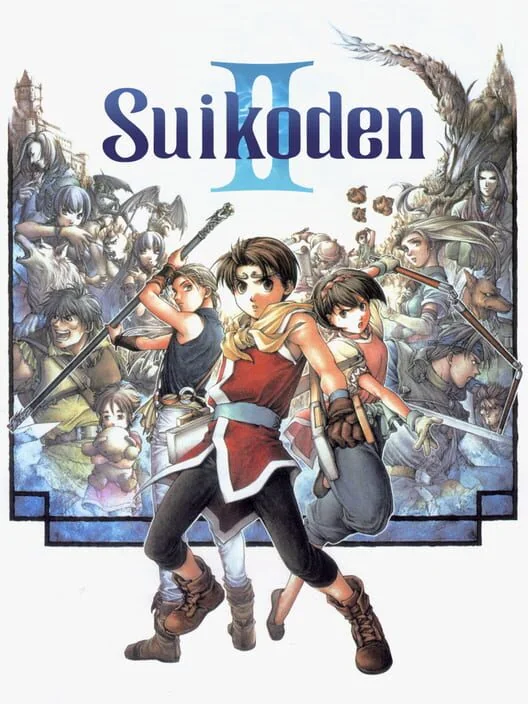
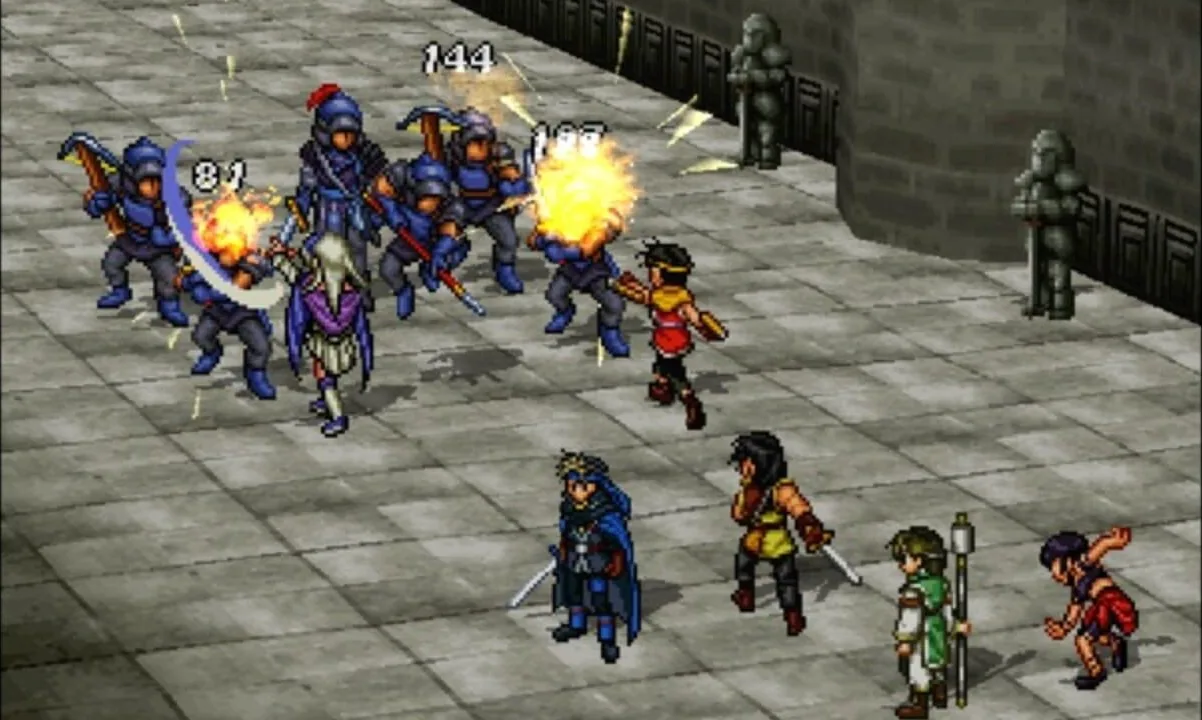
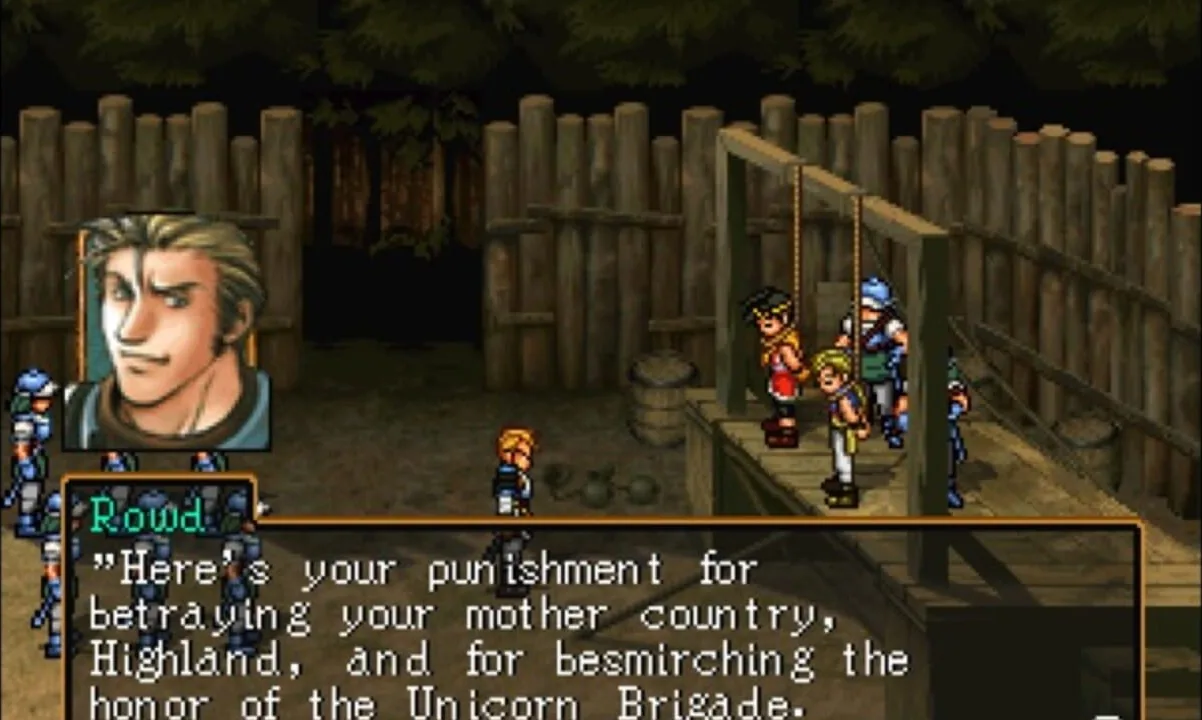
Suikoden II started on the original PlayStation, and the Vita lets you play it again. You play a silent hero whose friends and enemies come from two rival lands, Highland and Jowston. Fights switch between party battles and one-on-one duels, with army clashes on a grid. Over a hundred characters can join you, and many help build up your home base.
When it came out, it had lackluster sales and tepid reviews, partly because the 16-bit sprites looked old-fashioned. It has since turned into a cult classic and is often called one of the greatest games ever made. The Vita is a handy way to find out whether that reputation is deserved. It is.
87. Resistance: Burning Skies (2012)
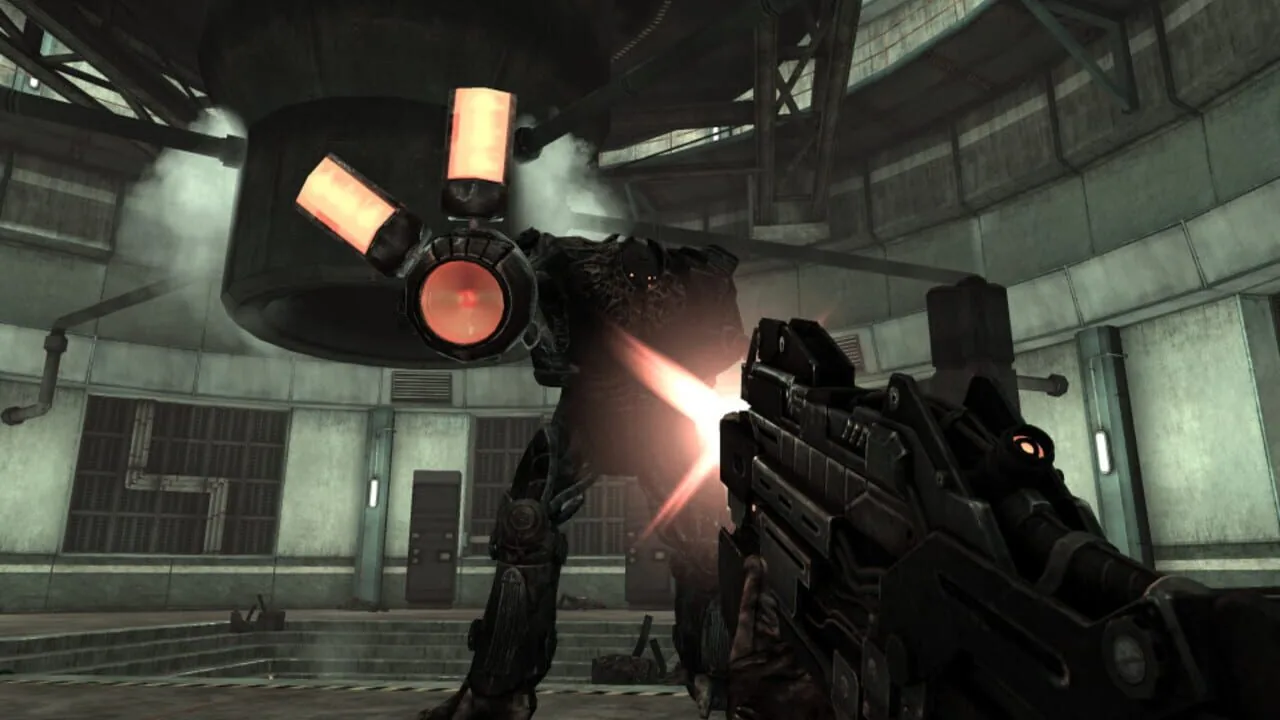
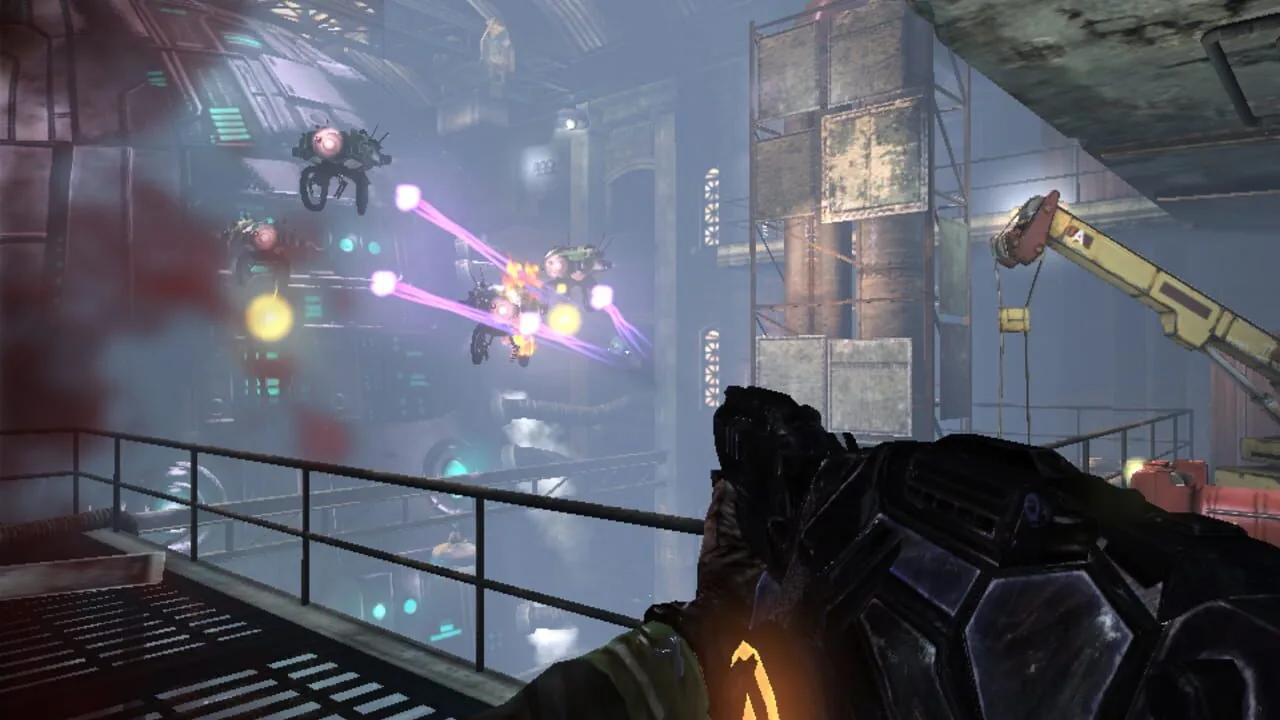
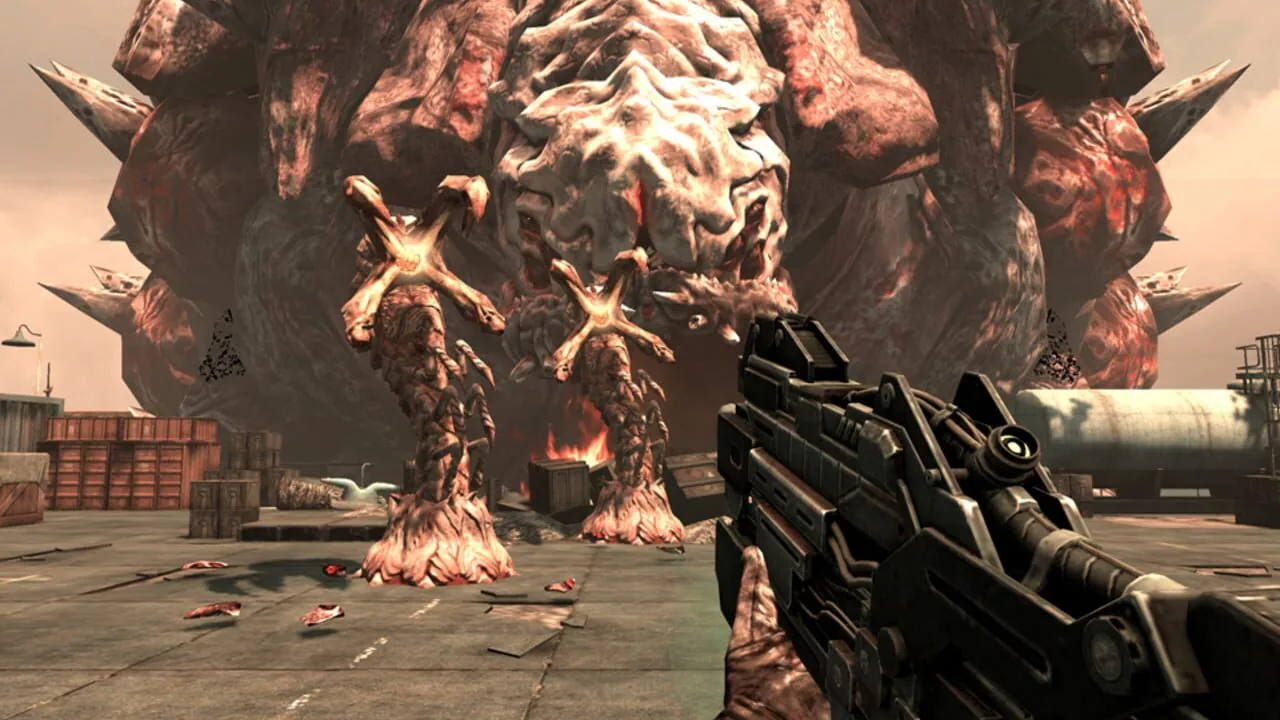
Resistance: Burning Skies was built for the Vita from scratch, with a new hero and a fresh story by William C. Dietz, who wrote the Resistance novels. It uses both analog sticks properly. It feels like a real shooter instead of a watered-down copy. At launch, that mattered a great deal, because the Vita needed to prove that it could handle first-person shooting.
The campaign is short and loud, and it leans on big set pieces and inventive weapons. It does not reach the heights of Killzone: Mercenary, but it is a solid shooter for anyone who wants the Resistance flavor on a small screen. Few handheld shooters of its day looked this good.
86. OlliOlli (2014)
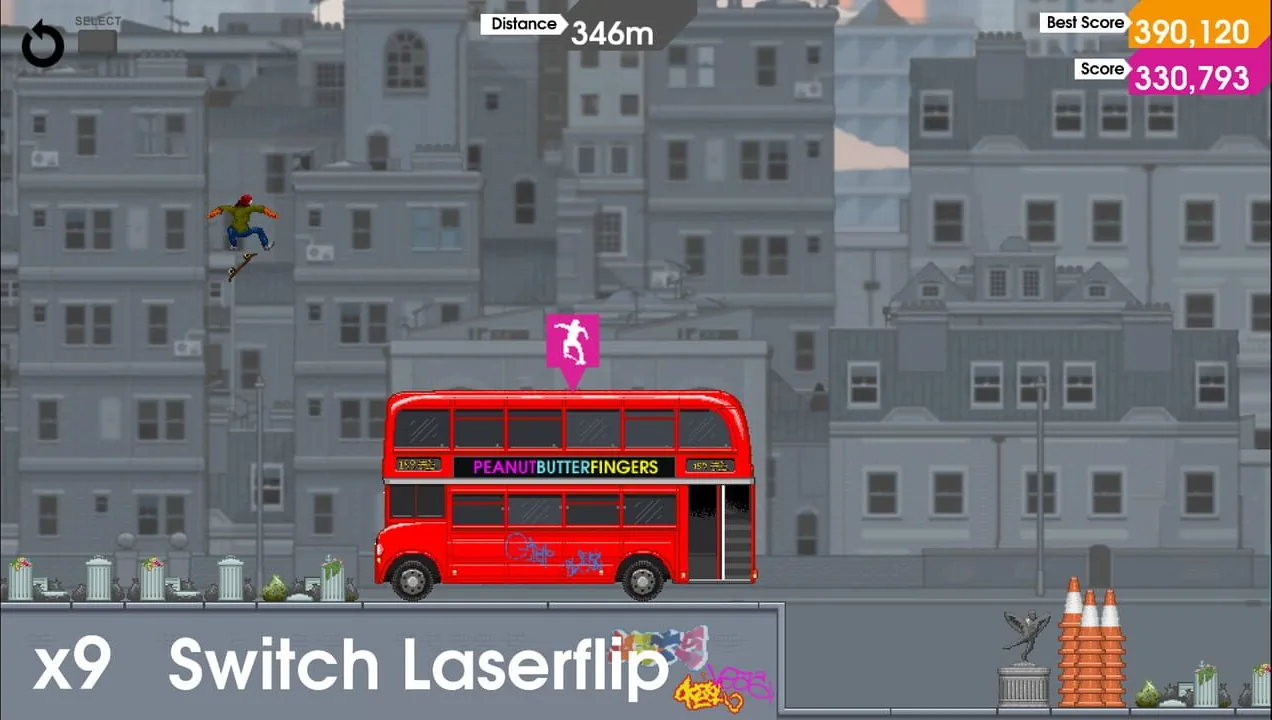
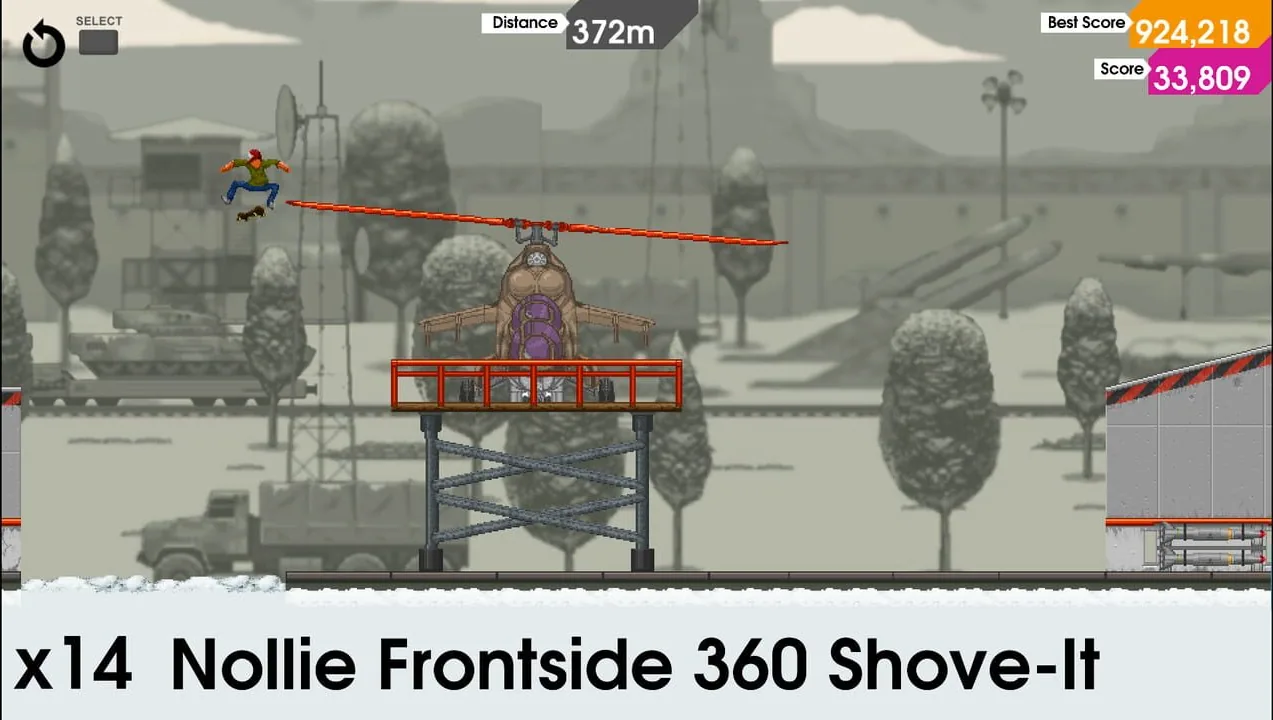
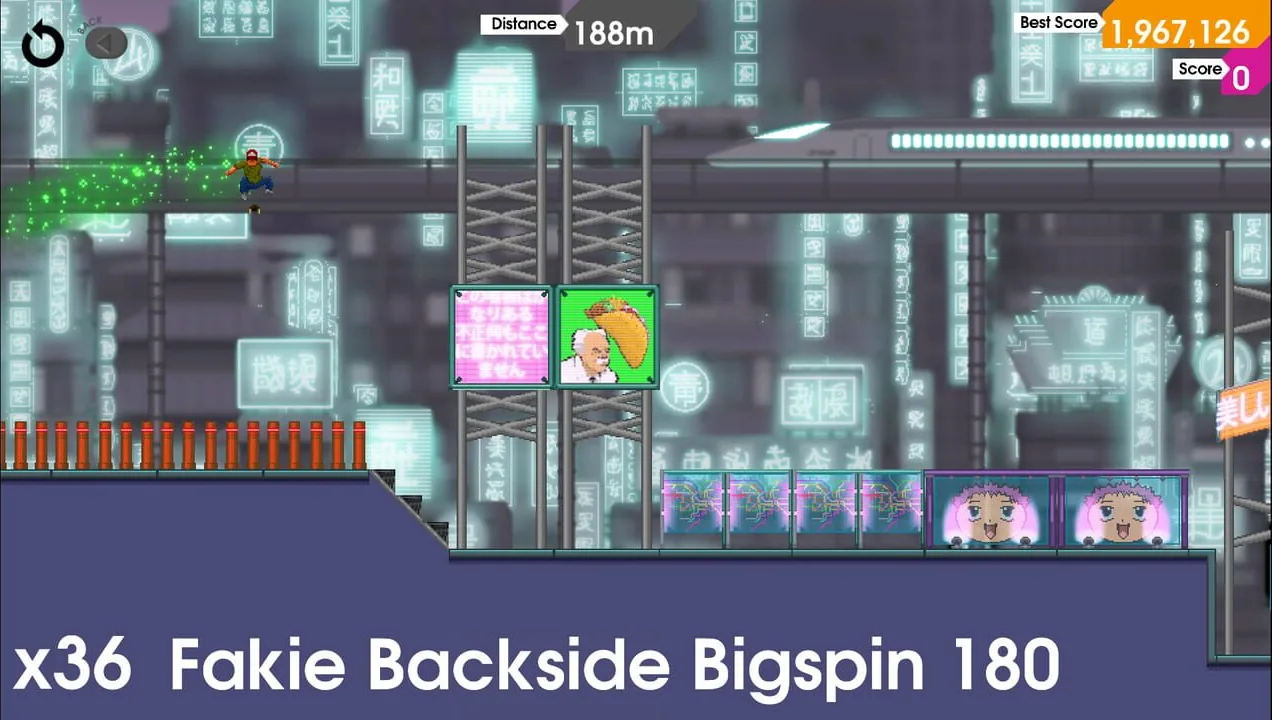
OlliOlli is a skateboarding game with over 120 tricks and grinds across 50 levels. It adds 250 challenges and a Daily Grind. You land each trick with a precise button press, and a perfect landing is worth far more than a sloppy one. It launched on the Vita in January 2014, because the developer dropped its iOS plans after pitching Sony.
There are no checkpoints. Fall once and the level starts over. Every run is a short, tense attempt that makes you instantly want another. The Daily Grind gives you 24 hours to post a score against the world at one random spot. This is the kind of small, fast game the Vita handled better than almost anything.
85. Akiba's Trip: Undead & Undressed (2013)
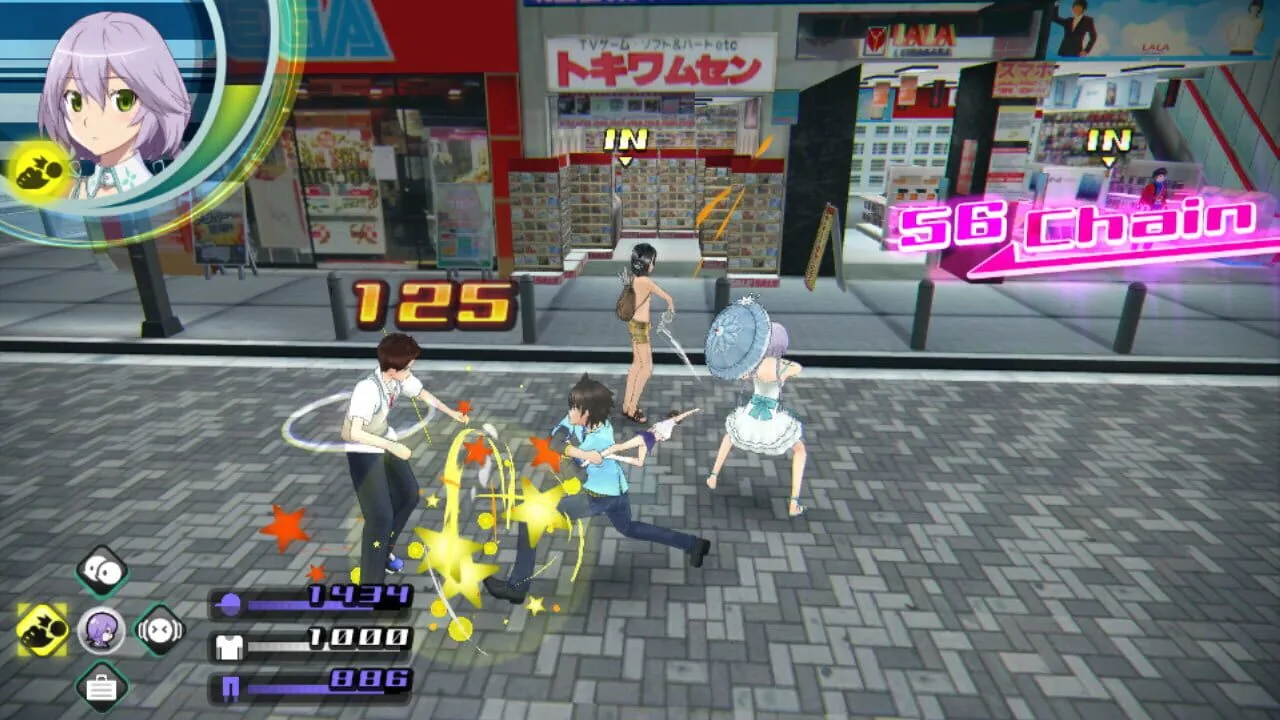
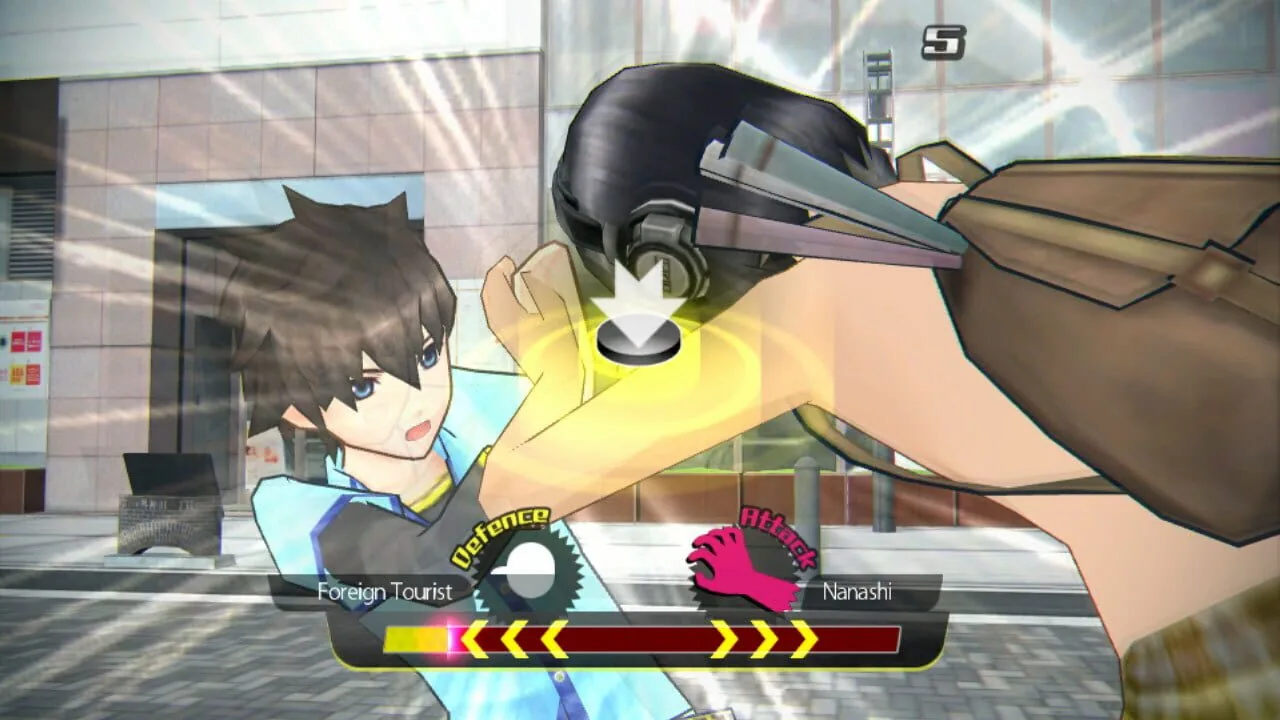
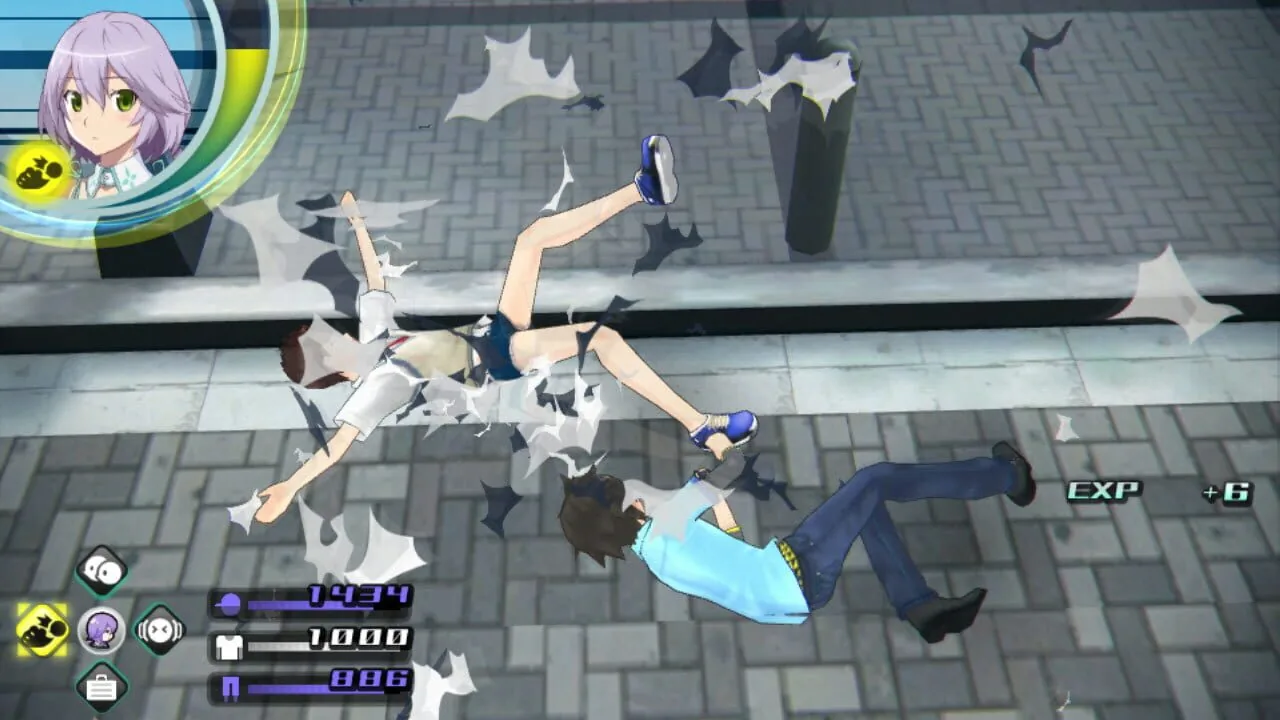
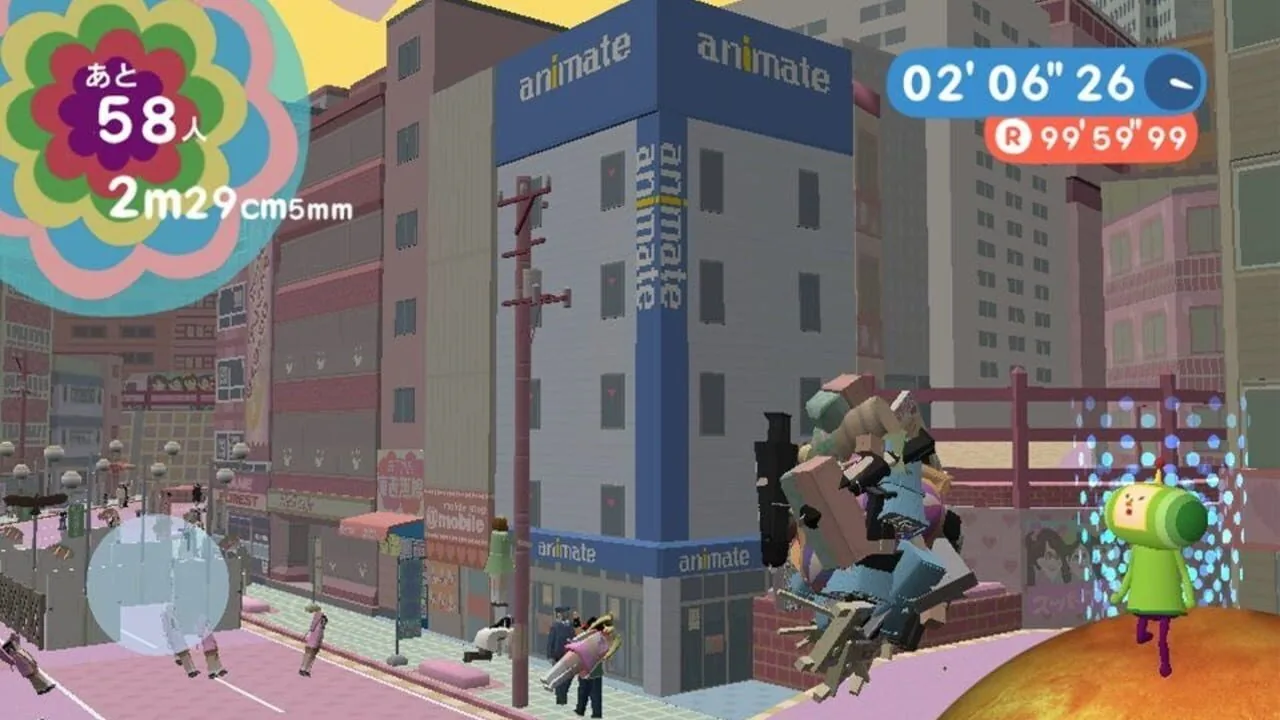
Akiba's Trip: Undead & Undressed lets you run around a faithful copy of Akihabara, Tokyo's Electric Town. The villains are synthisters, and they can only be stopped by sunlight. You win fights by ripping off their clothes. The game plays this absurd idea completely straight. The combat is loud and fast, and it is silly from start to finish.
It follows an earlier PSP game, and a Director's Cut reached other platforms in Japan in 2023. The real draw is wandering a district packed with anime shops and arcades. The Vita screen is the right size for it. Is it good taste? No. Is it a game that nothing else matches? Absolutely.
84. Dead Nation (2010)
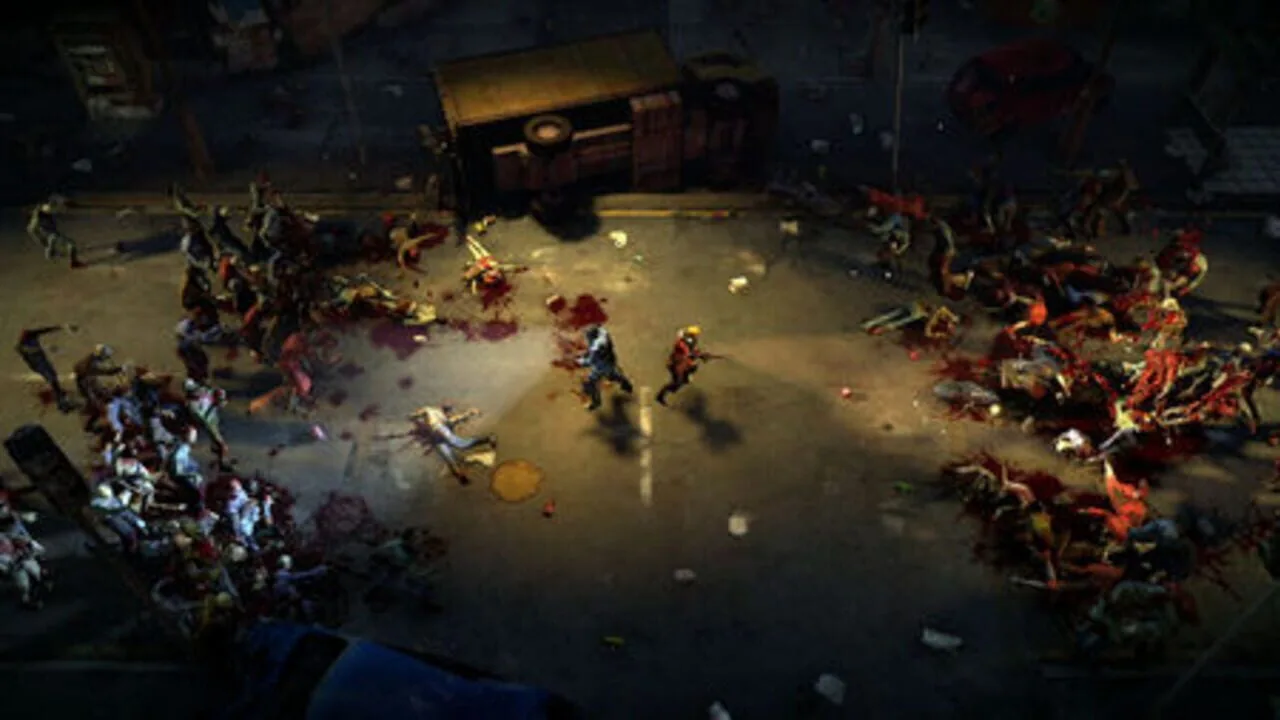
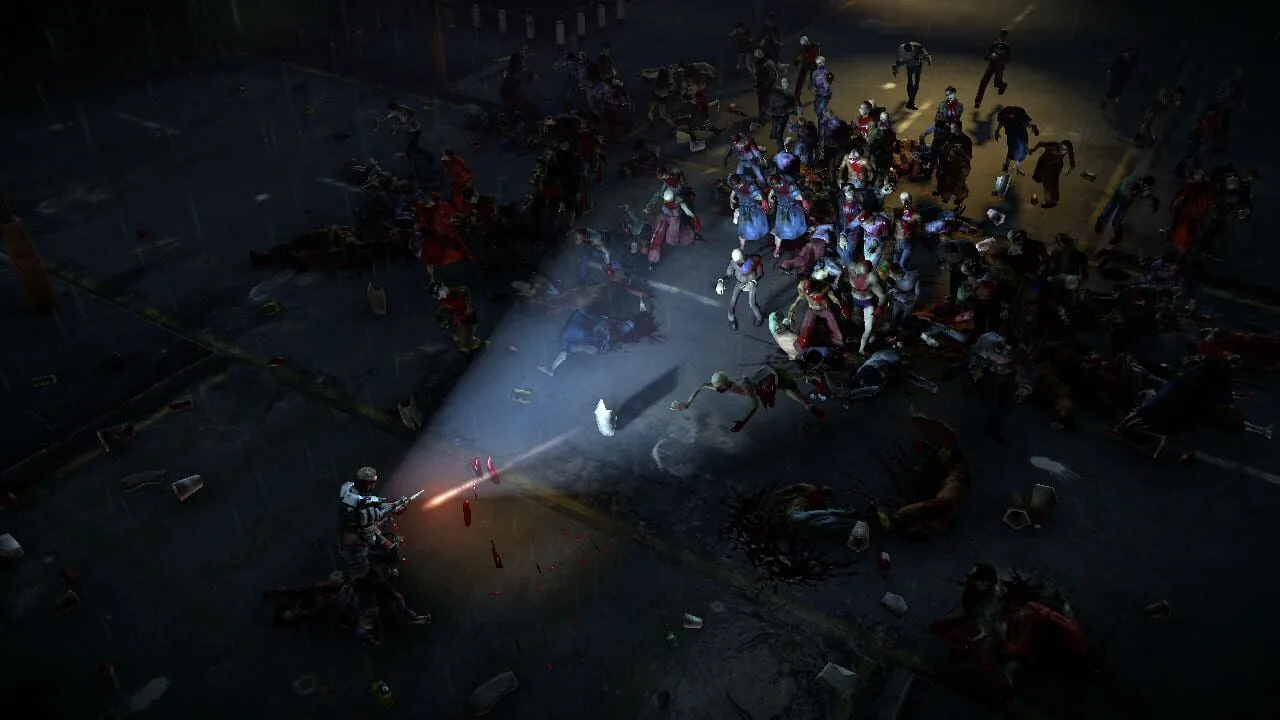
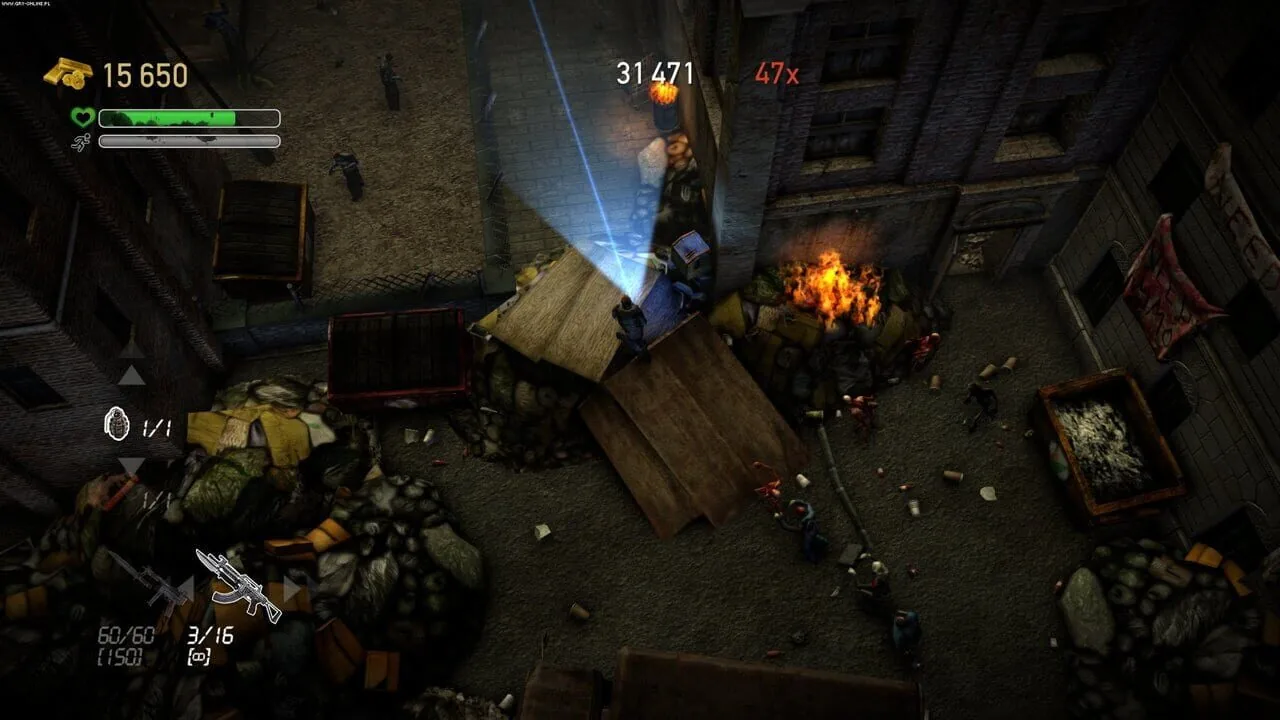
Dead Nation is a top-down zombie shooter from Housemarque, the Finnish studio. Each kill earns you money and score multipliers, and you spend the cash on weapons and upgrades at checkpoints. Take a hit and you lose the multiplier as well as health, which makes you play carefully while the crowd closes in on you.
It plays best with a friend, though the money goes only to whoever opens the box, and that causes the arguments you would expect. The Road of Devastation expansion reached the Vita in April 2014. Housemarque is known for tight arcade design, and it shows in every encounter. Anyone who likes zombies and clean controls should pick it up.
83. Toukiden 2 (2016)
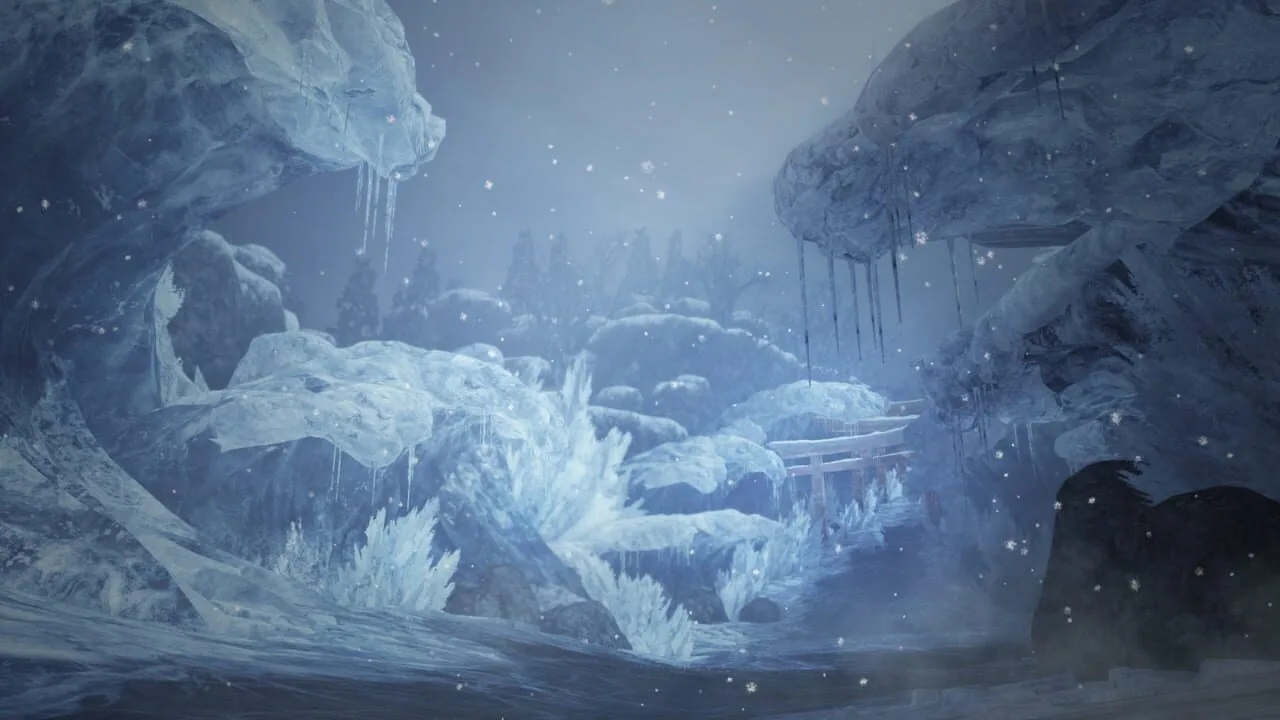
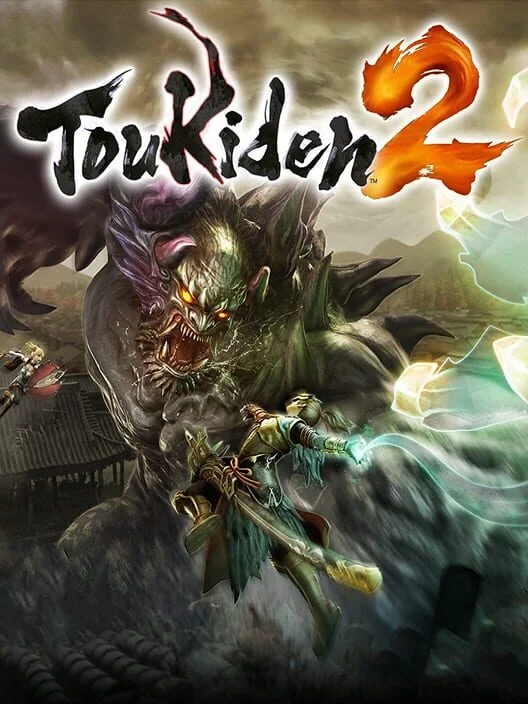
Toukiden 2 sends you out to hunt the Oni, and it is a sequel to Toukiden: The Age of Demons. The big change is that the world is now open. A village is your base, and from there you head into a huge landscape and hunt demons with a destruction system that lets you target their parts.
Equip Mitama spirits, which each learn up to nine boosts, though you can only use three at a time. Your build matters. Fans of monster hunting who want a Vita alternative with a Japanese folklore flavor will feel at home. It adds a real sense of place to a genre that often lacks one.
82. Nuclear Throne (2015)
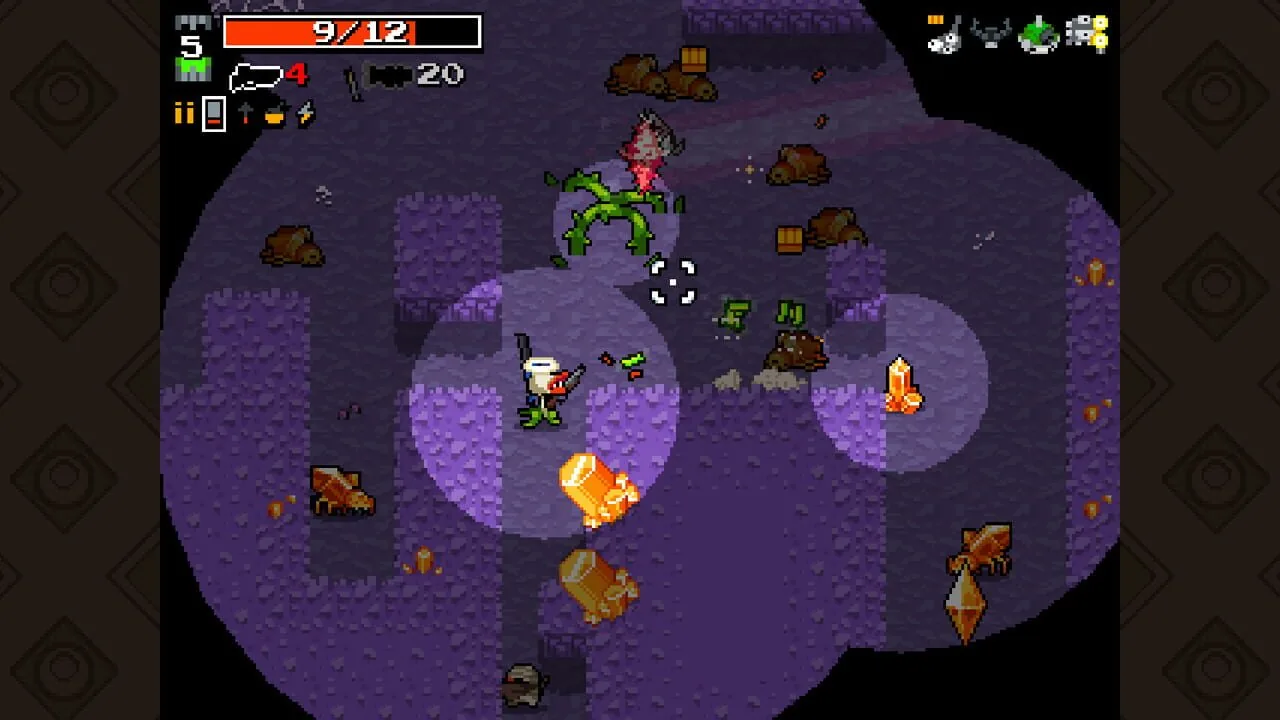
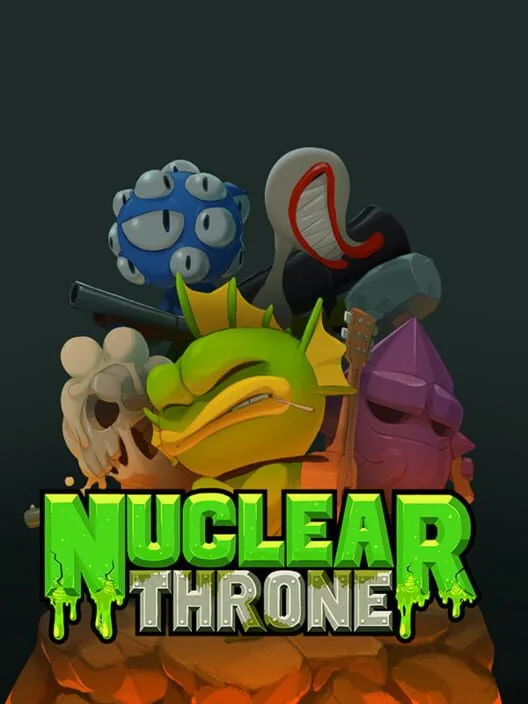
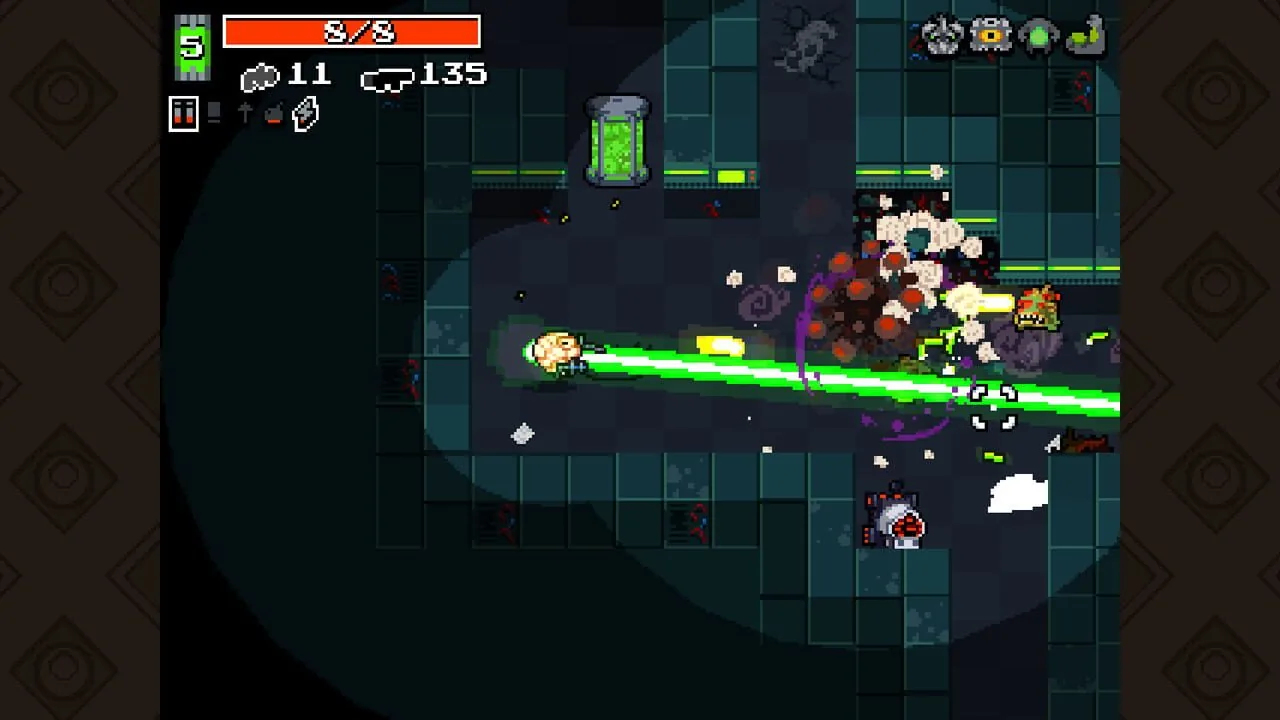
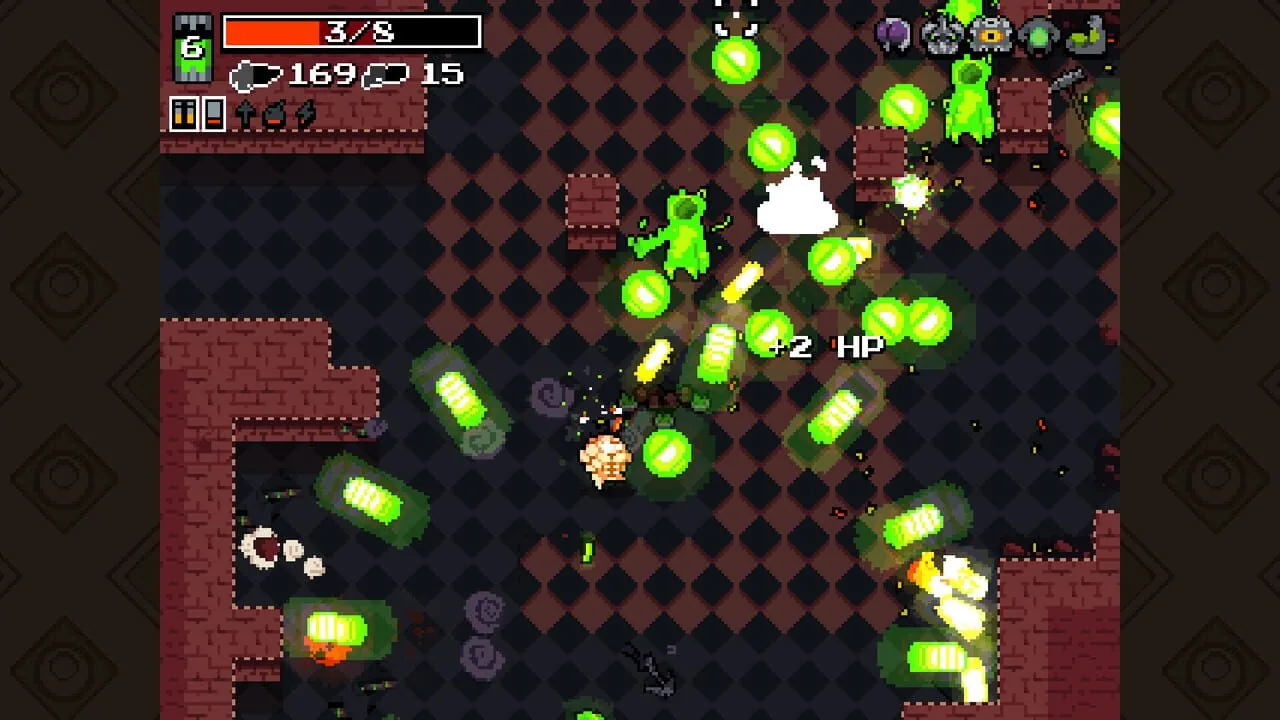
Nuclear Throne is a fast, mean shooter from Vlambeer about mutants fighting through a ruined wasteland. The radiation lets them grow new limbs on the fly, and the heavy guns lying around turn every room into a brawl. A run can end in two minutes or in twenty, and either way you want another. It began in Game Maker 7 and moved to Game Maker Studio, a switch the team found awkward.
Vlambeer streamed the development, and the game had an audience before it was finished. Every character plays differently, and two secret ones appear only under special circumstances. The Vita is a good home for this, since its short, intense sessions fit the system well.
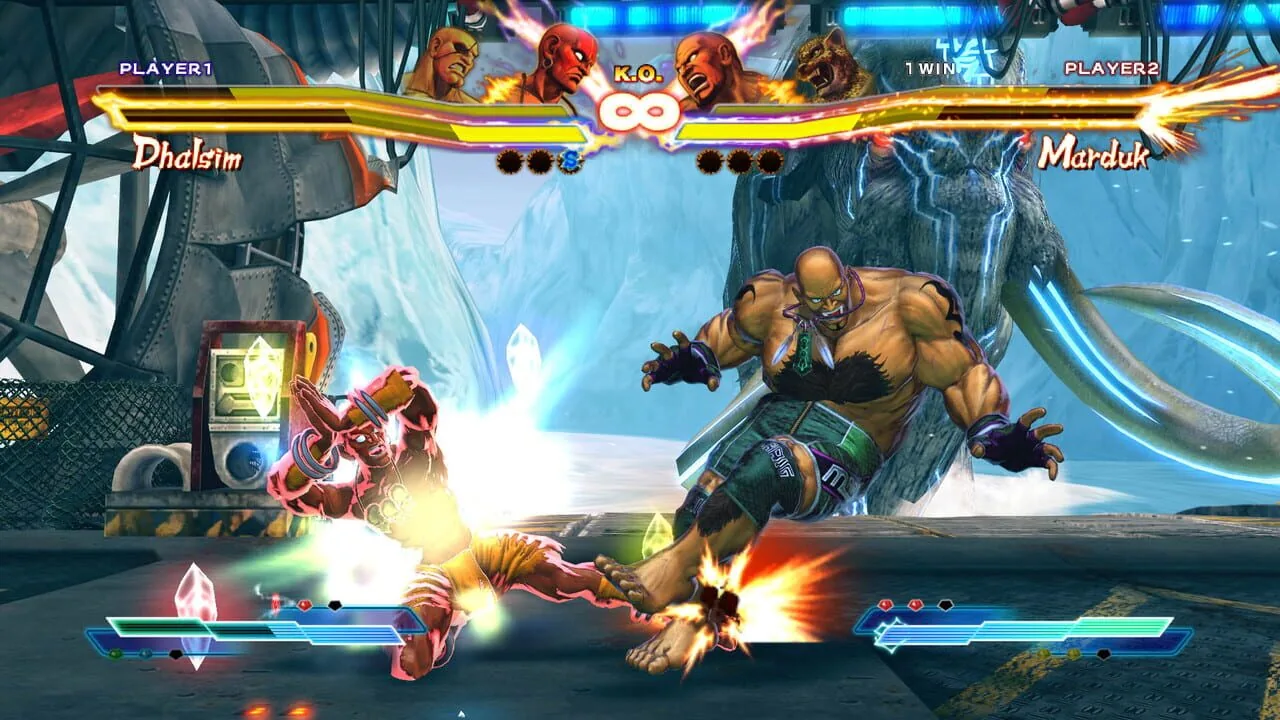
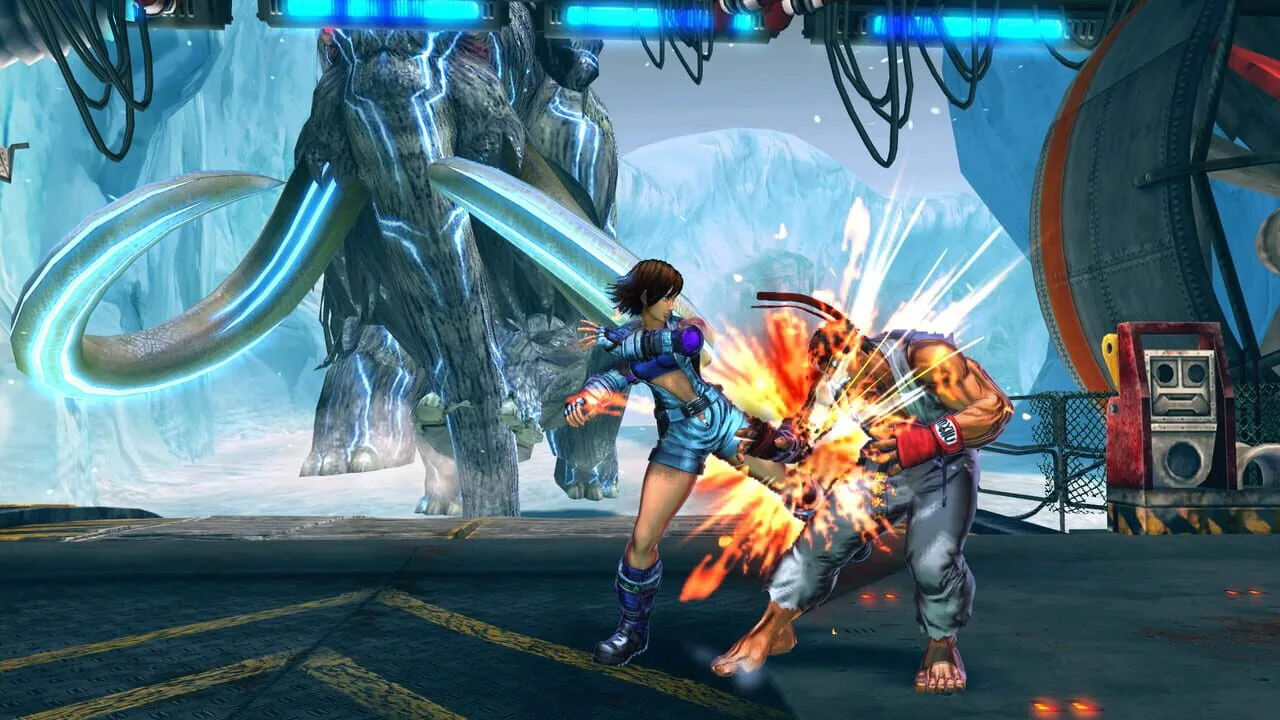
81. Street Fighter X Tekken (2012)
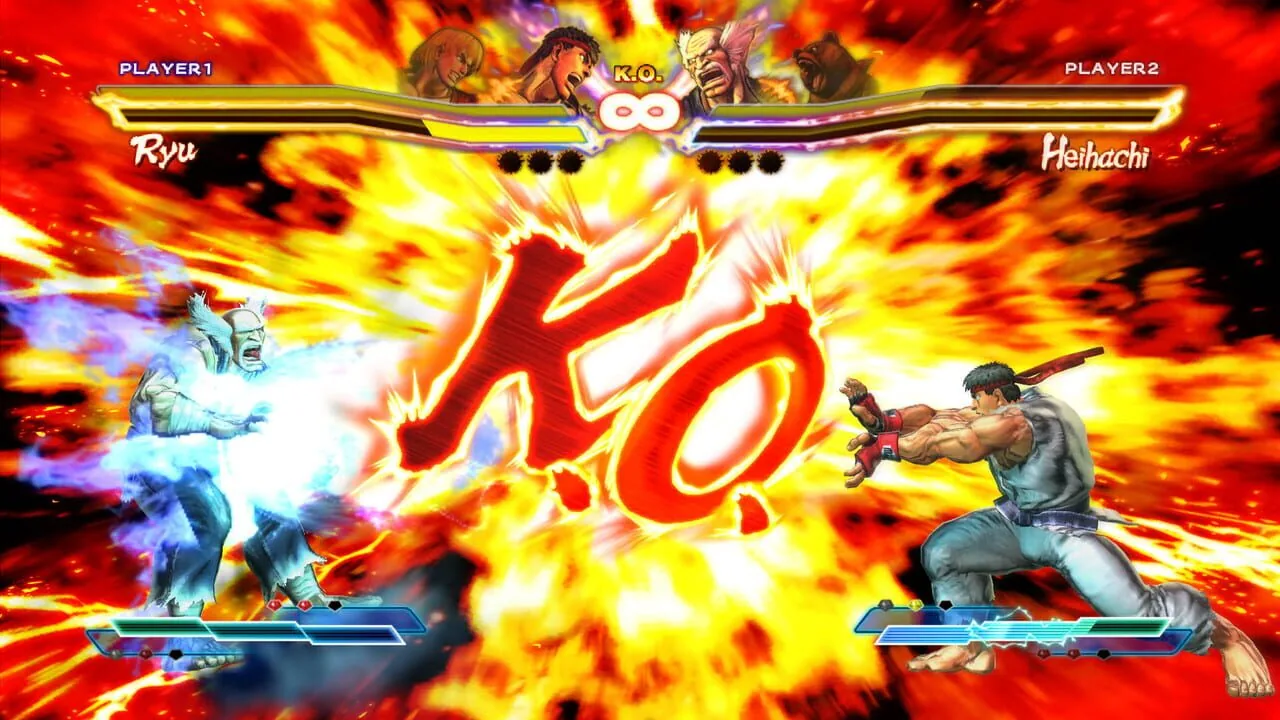
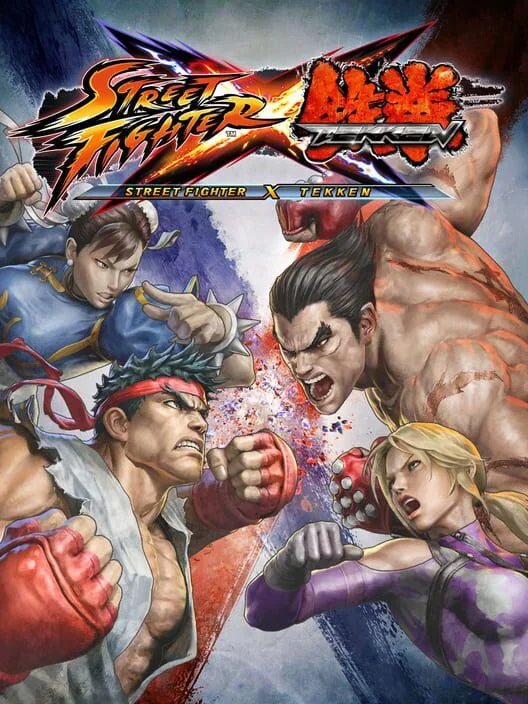
Street Fighter X Tekken is the dream match-up you wanted as a kid. Capcom built it, so it plays like Street Fighter, down to the Hadouken fireballs and Super Combos. A Cross Gauge at the bottom of the screen fills as you fight, and it lets you pull off extra techniques whenever you have the meter.
Critics liked the roster and the deep mechanics. They were less happy that Capcom charged for downloadable characters that were already on the disc, and sales fell short of what the company hoped for. Paying for fighters that were already on the disc is the cheapest shot in the whole game. The fighting underneath is rich and fast.
80. Crypt of the NecroDancer (2015)
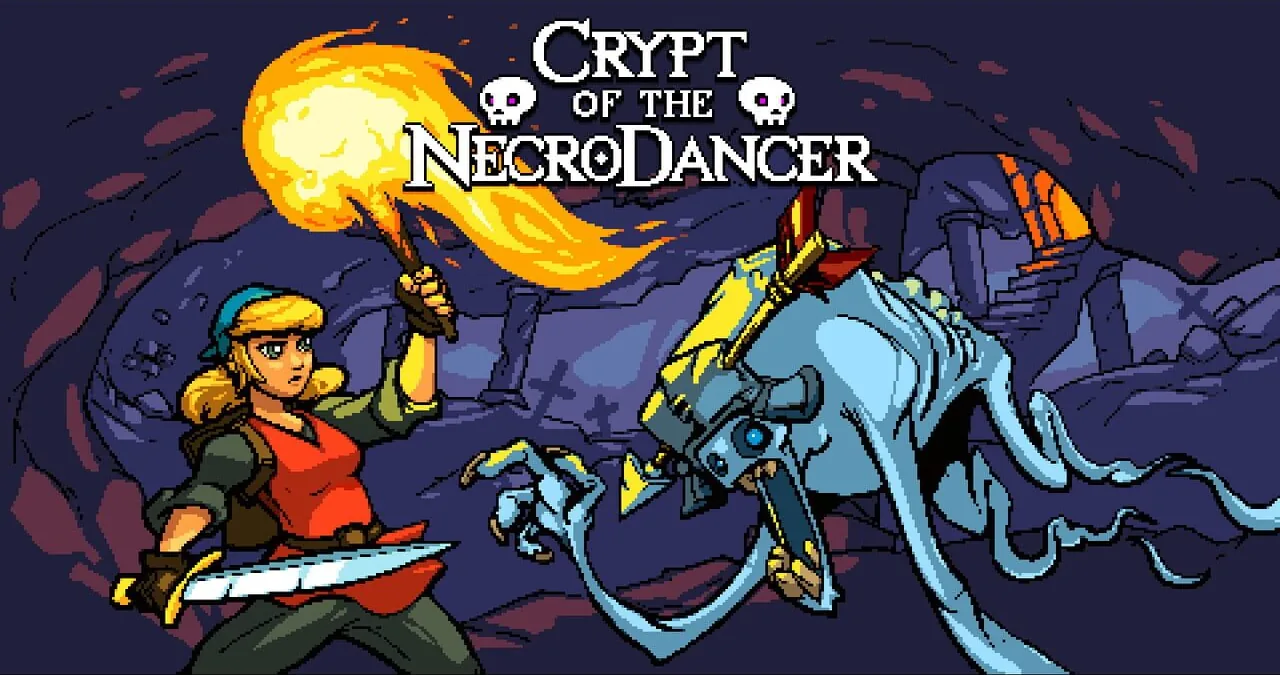
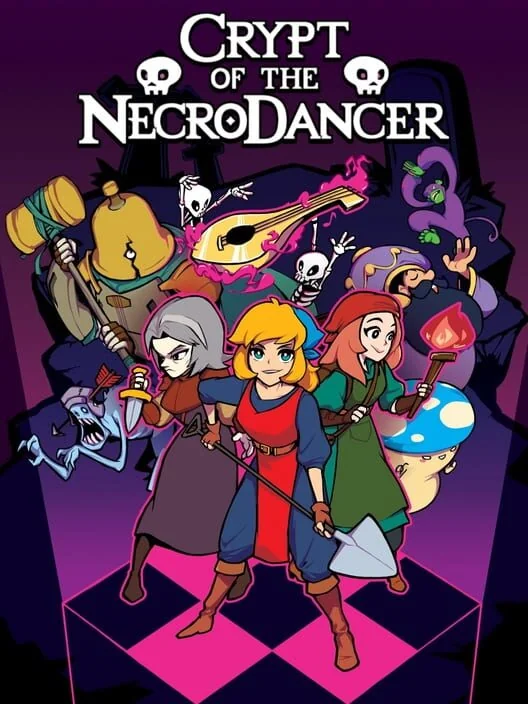
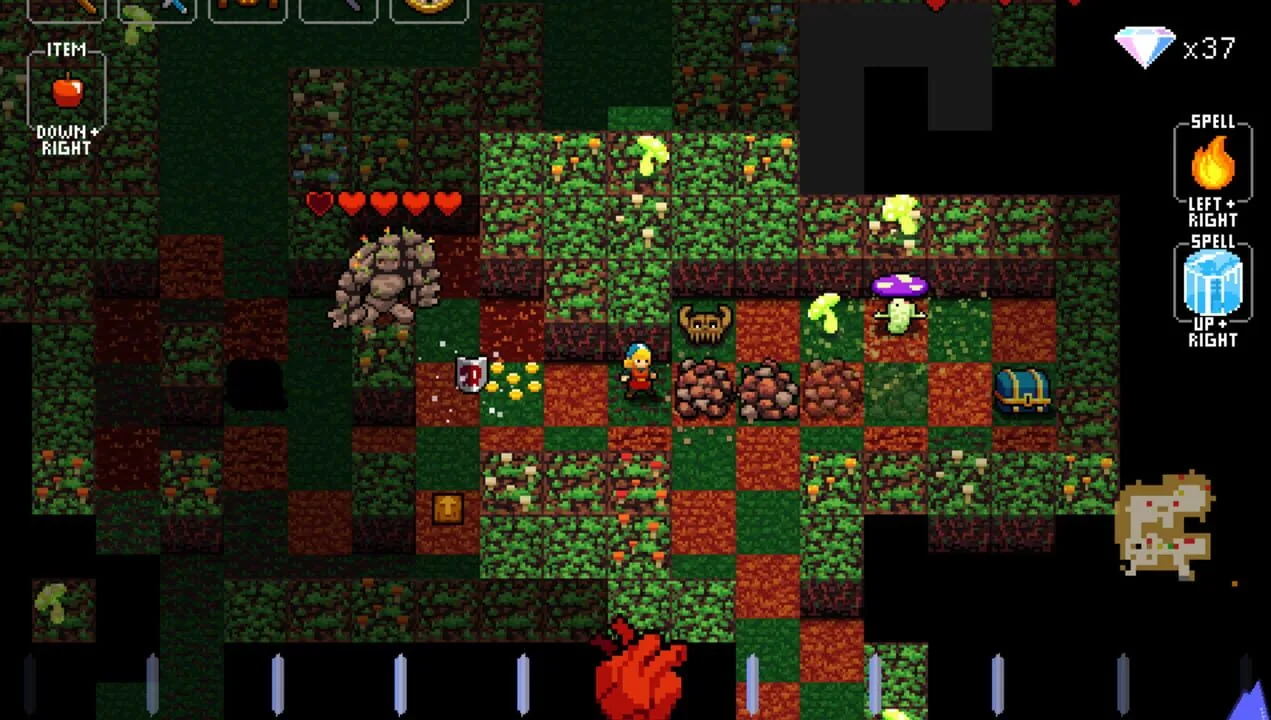
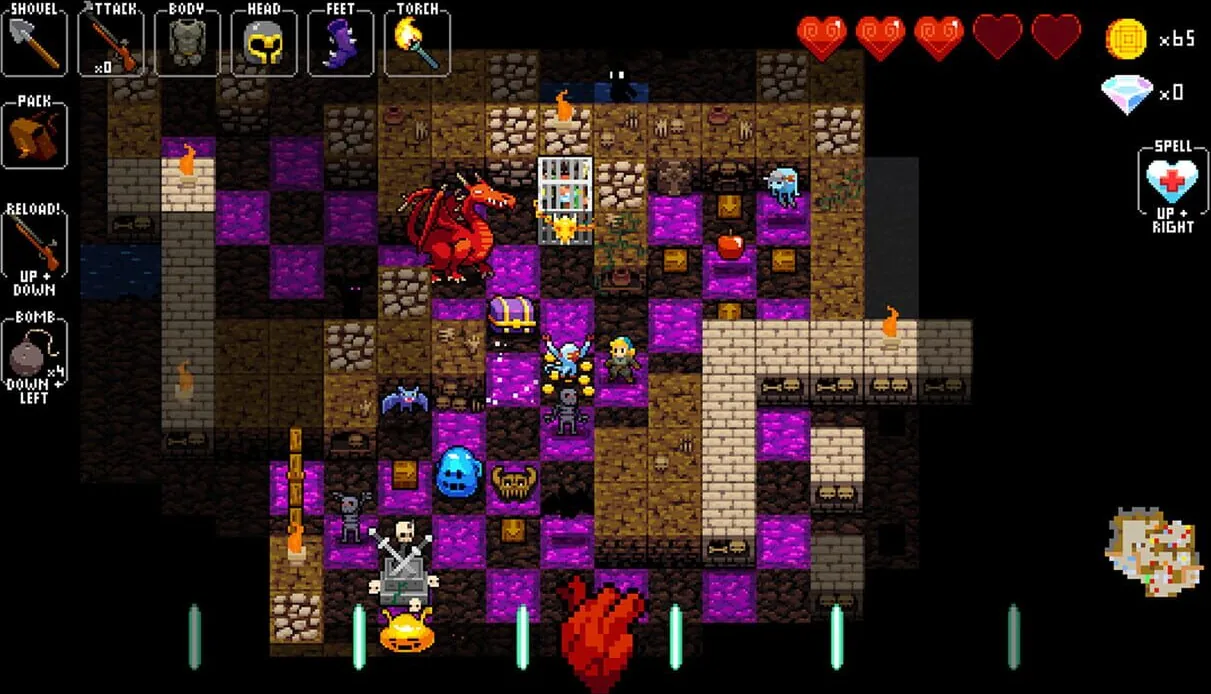
In Crypt of the NecroDancer you creep through a deadly dungeon, and every move has to land on the beat. If you miss, your multiplier resets and a nearby monster may take a swing at you. Skeletons only move and attack on every other beat. Reading the rhythm is how you survive.
The idea sounds like a gimmick, but it holds up for hours. You can import your own music, which keeps it fresh. The game reached the Vita in February 2016. A Zelda crossover called Cadence of Hyrule followed in 2019 on the Switch. Nothing else on the system asks you to tap your foot while you fight. It is great fun.
79. Odin Sphere: Leifthrasir (2016)
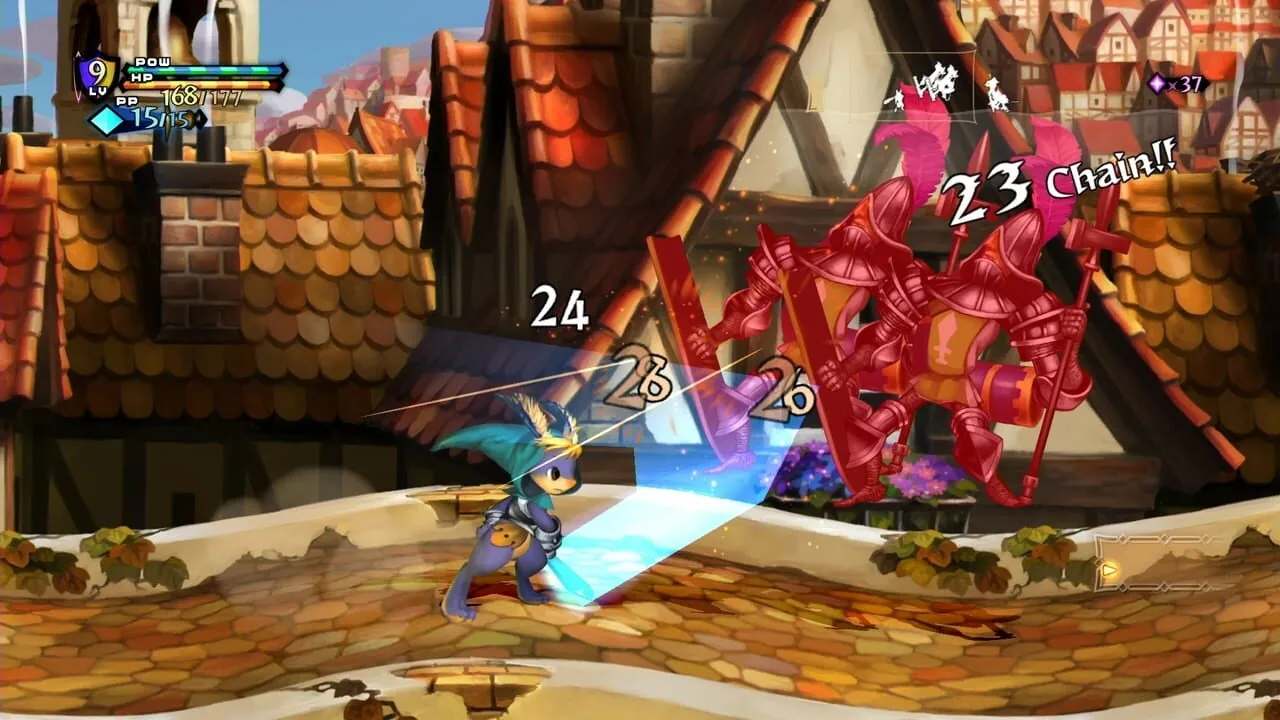
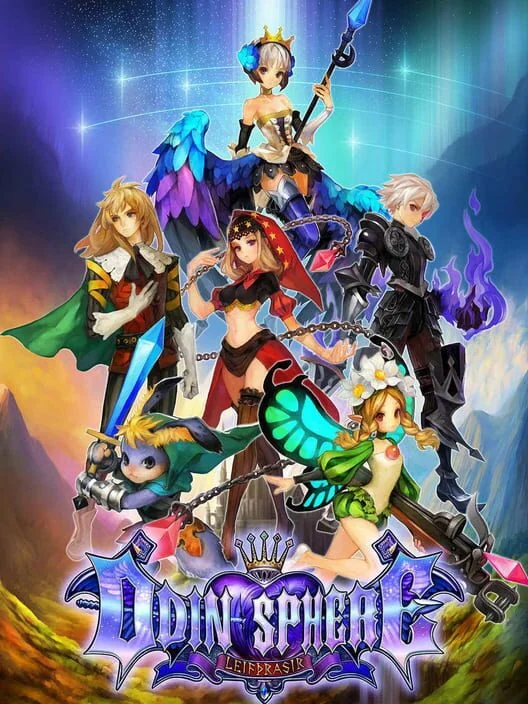
Odin Sphere: Leifthrasir remakes the PlayStation 2 classic in HD, and Vanillaware's hand-drawn art looks stunning on the Vita screen. The combat was reworked after the team listened to what players of the first game had said. Development started in 2013 to fix the problems that players and staff had with the original while keeping its story intact.
The tale borrows from Norse mythology and Shakespeare. It also pulls in fairy tales and early video games. George Kamitani, who first conceived it as a spiritual successor to the Sega Saturn game Princess Crown, chose 2D art over 3D. A Basiscape team led by Hitoshi Sakimoto wrote the music. This is the best way to play a classic. Beautiful.
78. Jet Set Radio (2012)
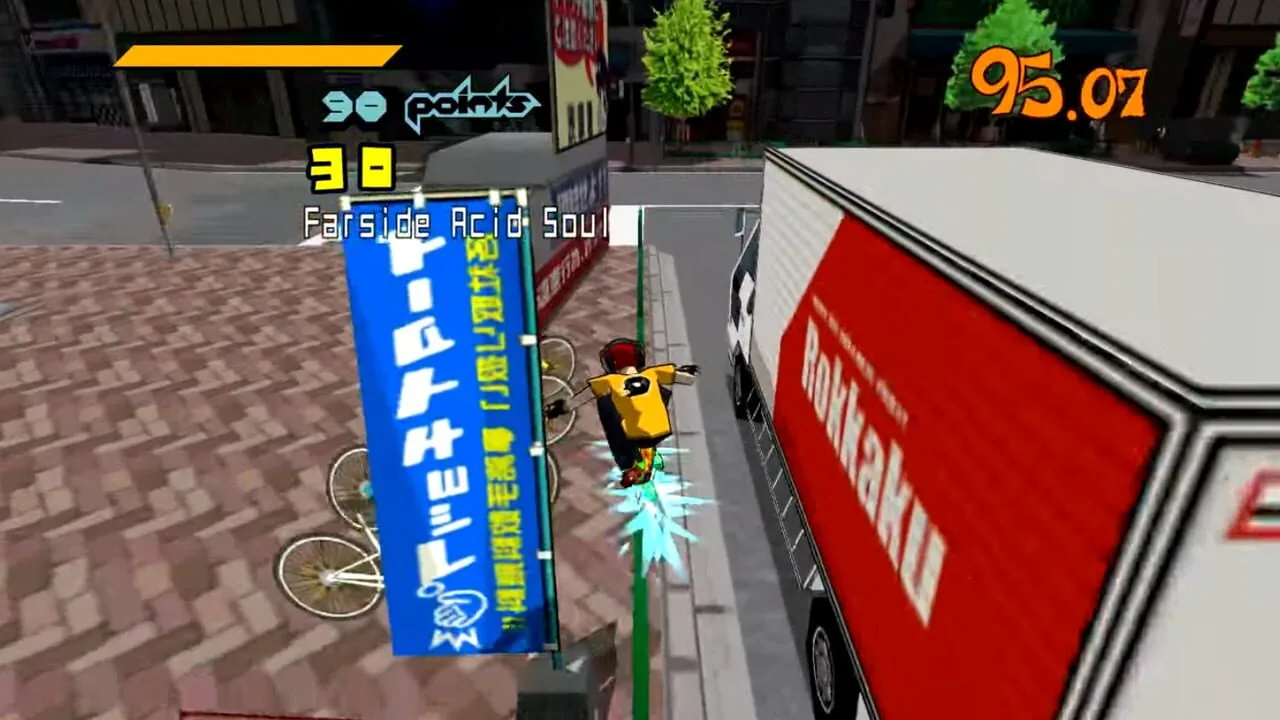
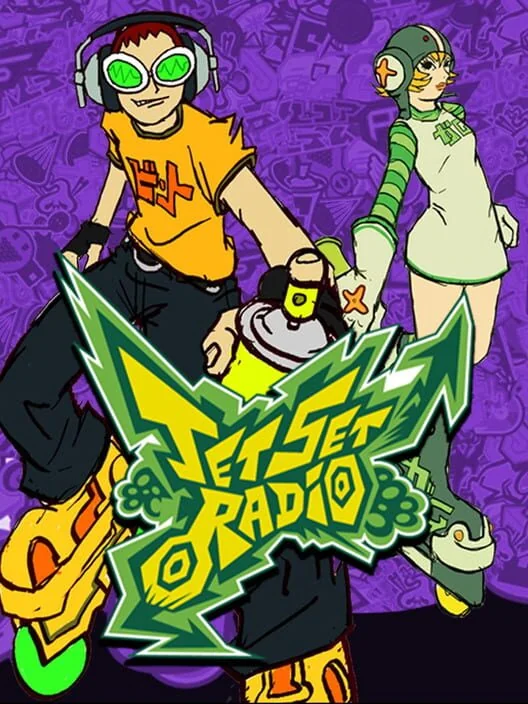
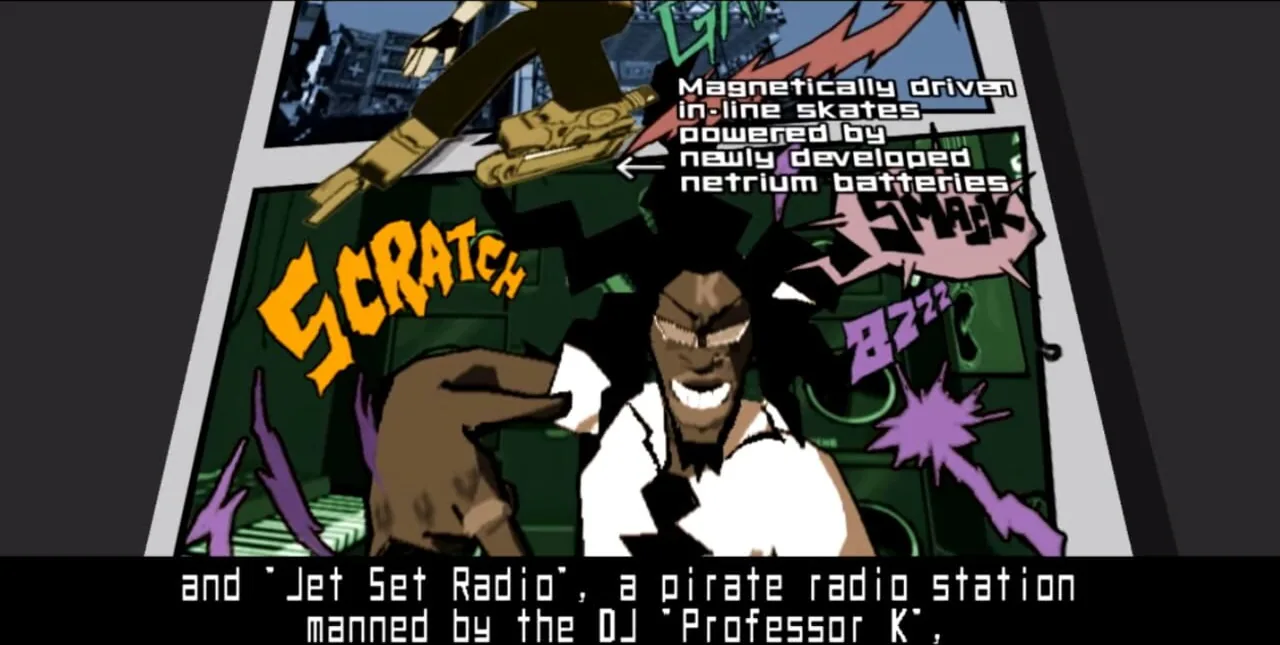
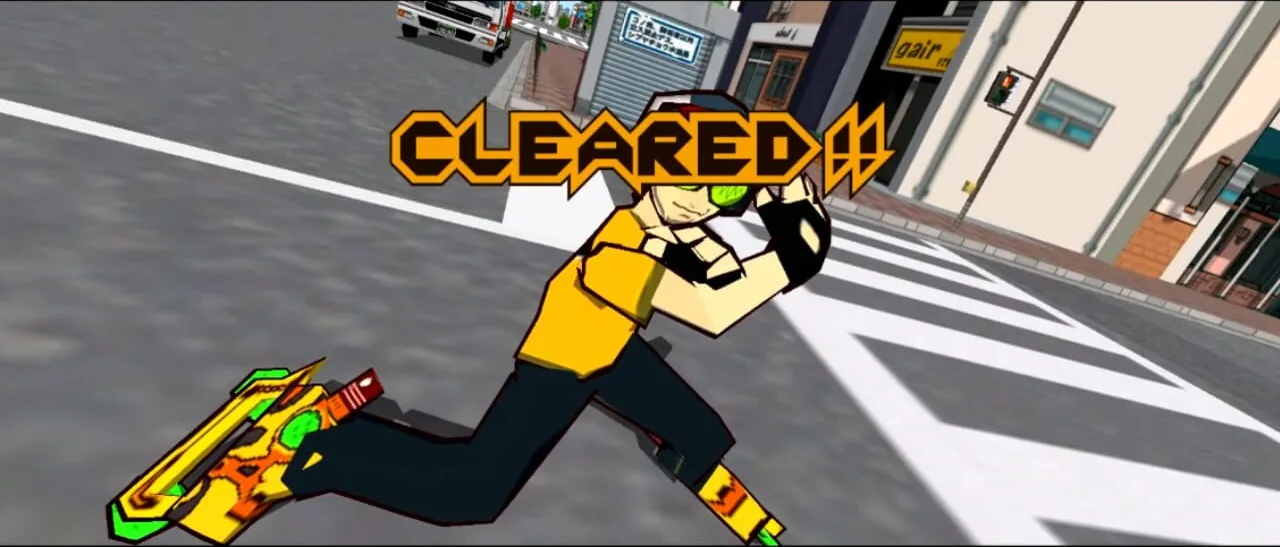
Jet Set Radio is all about spraying graffiti on walls, billboards and rival gang members while you fight for control of Tokyo-to. You grind rails, pull off flips and tricks, and the whole thing moves to a thumping beat. The Vita version came out in 2012, when Sega re-released the game on several systems.
The team took ideas from late 1990s Japanese pop culture, including the rhythm game PaRappa the Rapper and the anti-establishment themes of the film Fight Club. On its first release it received universal acclaim for its graphics, soundtrack and gameplay, and it is now seen as one of the best games of its decade. The cel-shaded look has aged remarkably well.
77. The Legend of Heroes: Trails of Cold Steel (2013)
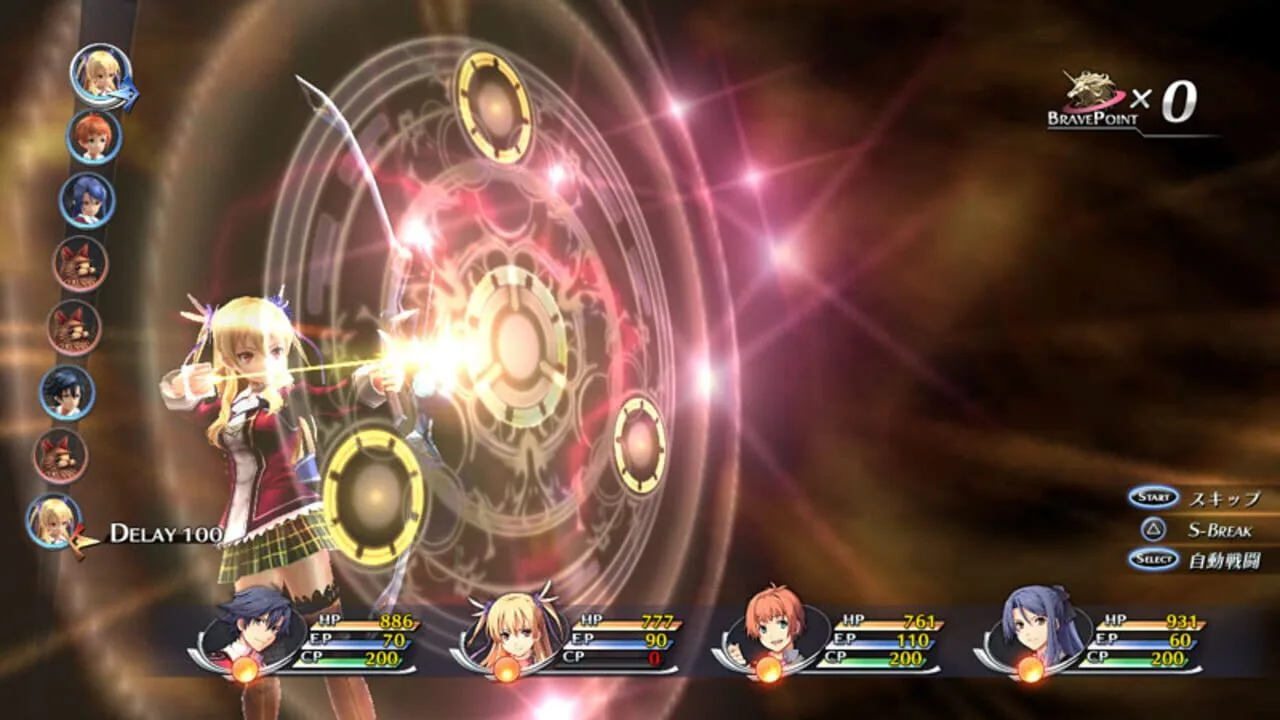
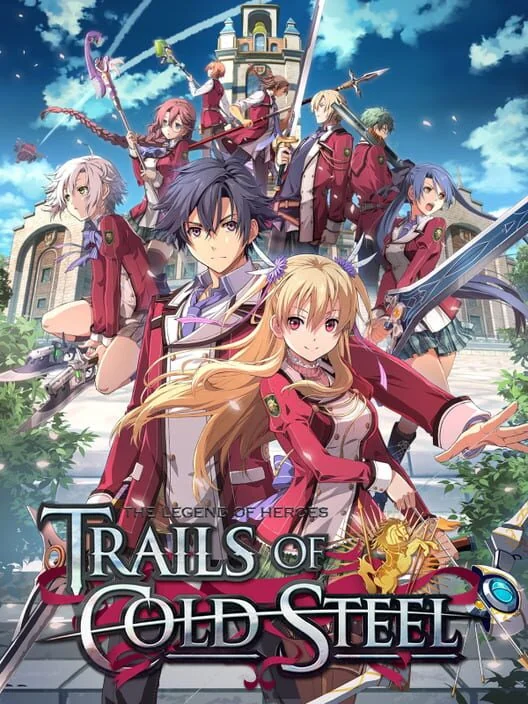
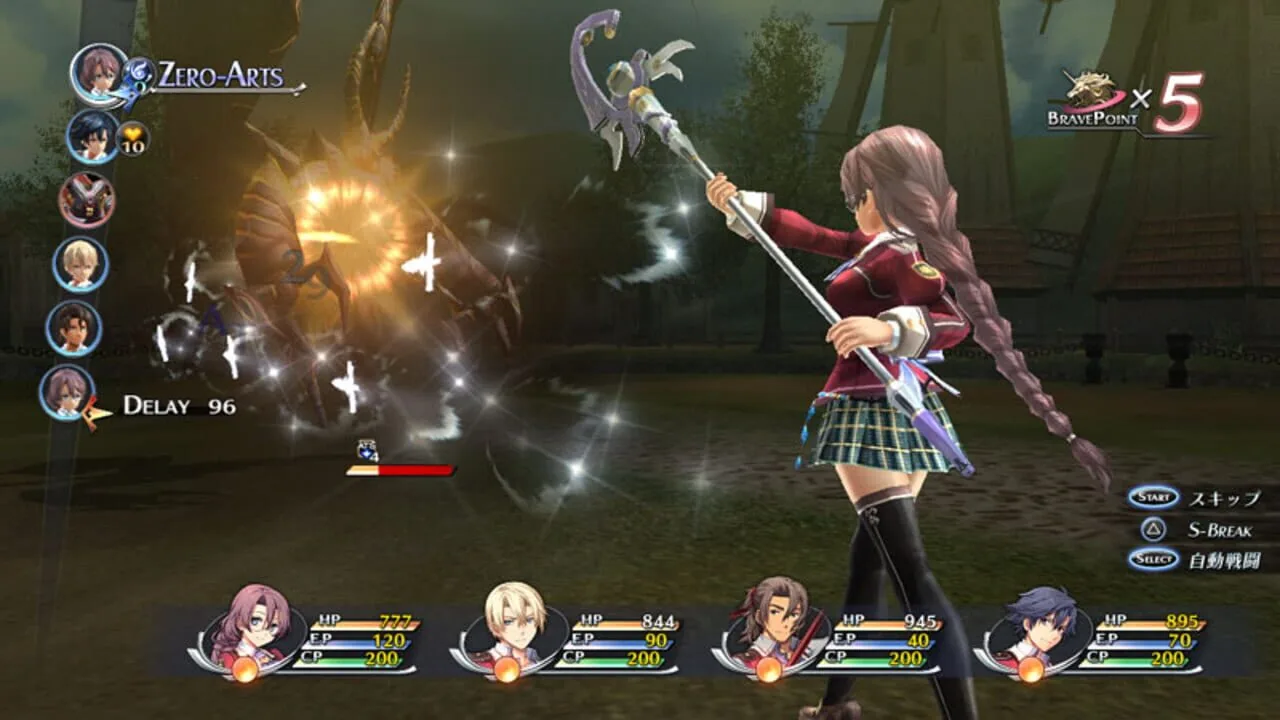
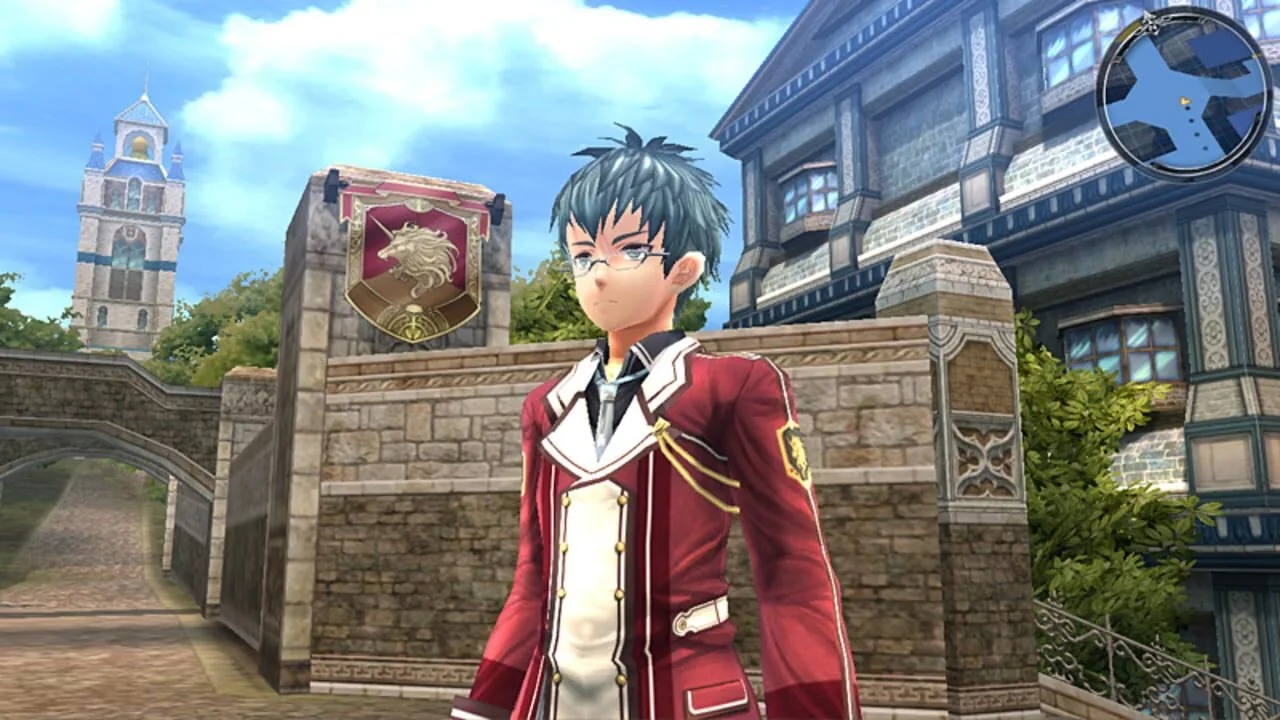
Trails of Cold Steel starts the Erebonia arc of the Trails series, and it feels like moving into a school where everybody has a secret. You follow Rean Schwarzer and his fellow students of Class VII at Thors Military Academy, a class that mixes nobles and commoners. The fights are classic turn-based ones, and the school setting gives the story a warm rhythm.
It came out in Japan on the PS3 and the Vita before Xseed Games localized it in 2015. It is the first part of a four-part arc, and a second game followed in 2014. The cast grows on you quickly. You will want a long weekend. Make that a long month.
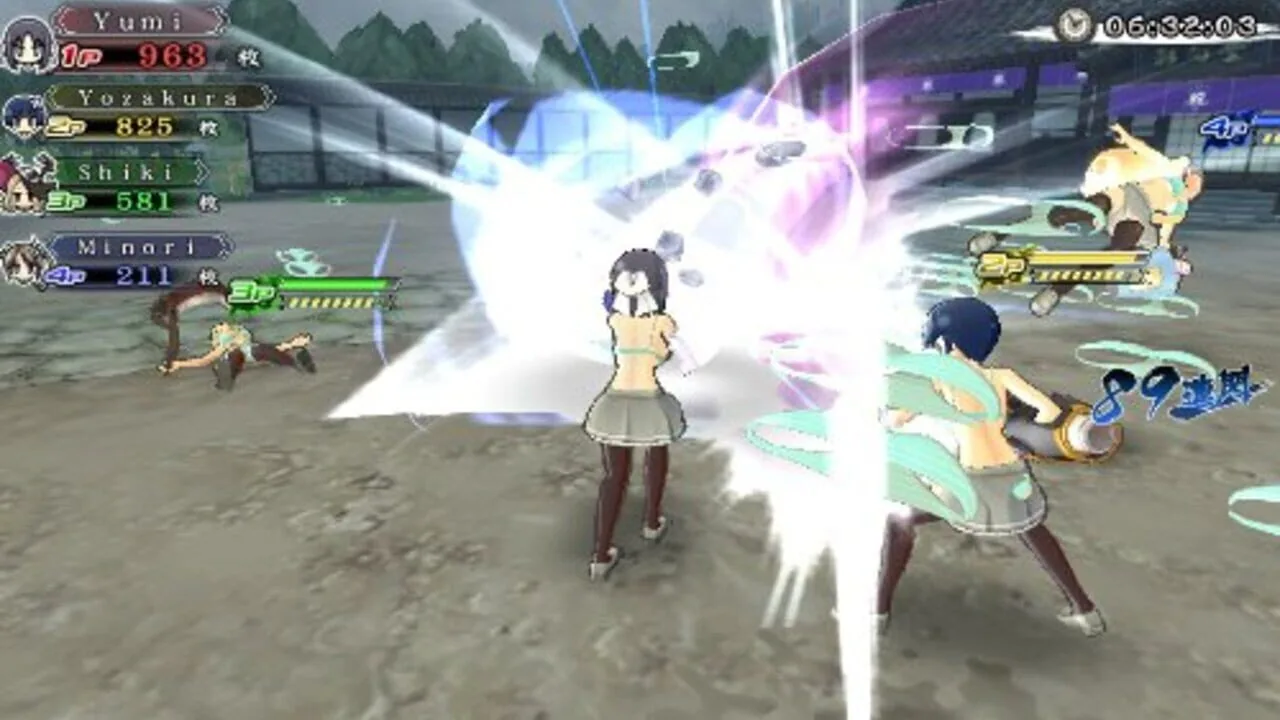
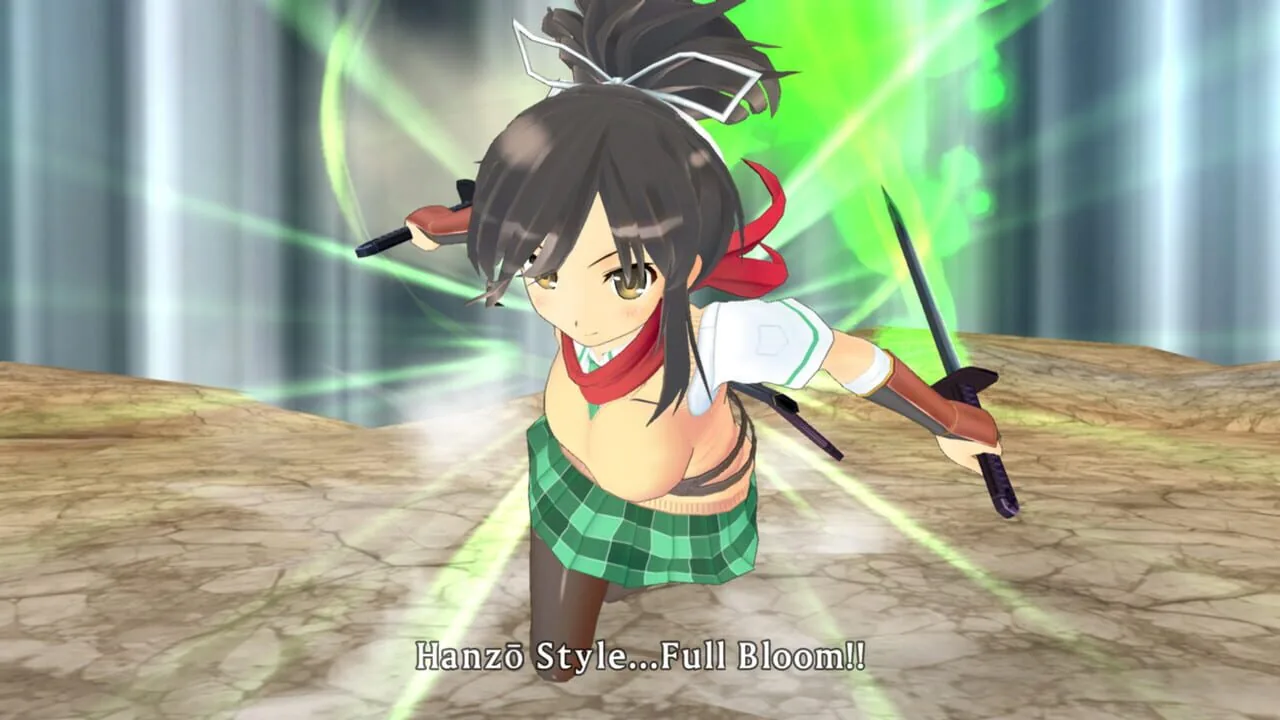
76. Senran Kagura: Shinovi Versus (2013)
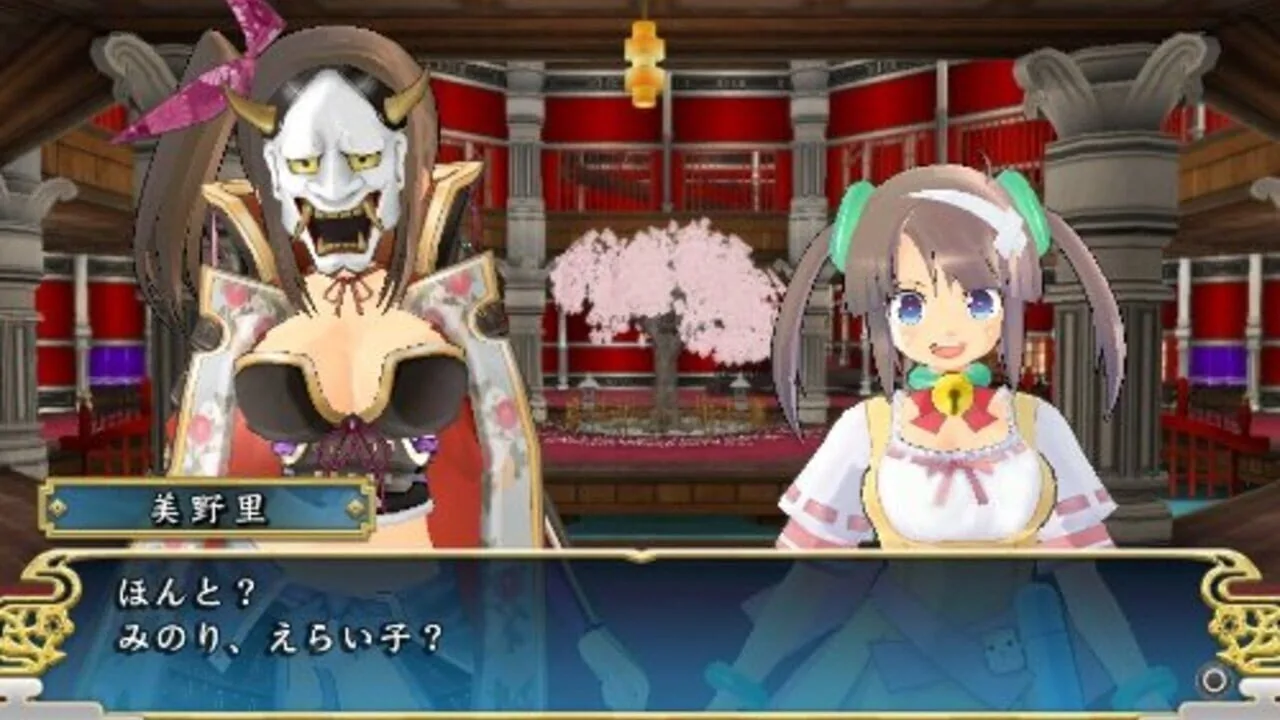
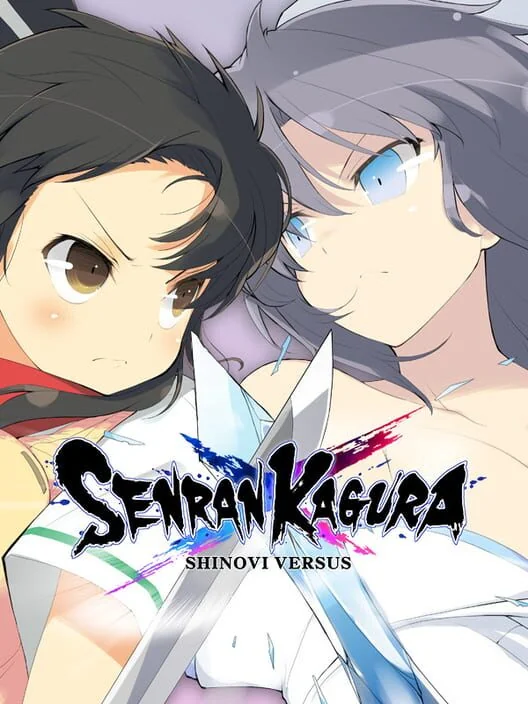
Senran Kagura: Shinovi Versus is a loud, colorful brawler about three female ninja groups from rival schools. It is the third game in the series and a sequel to Senran Kagura Burst. Fighting is fast and arcade-like, and the cast is big enough that you will quickly find a favorite. The pace never lets up between rounds.
It came out in Japan on the Vita in February 2013, then in North America in October 2014 and in Europe a day later. This game wears its personality openly, and fans of the series come for exactly that. It also shows that the Vita was a home for niche Japanese franchises that no other platform wanted to touch.
75. Touch My Katamari (2011)
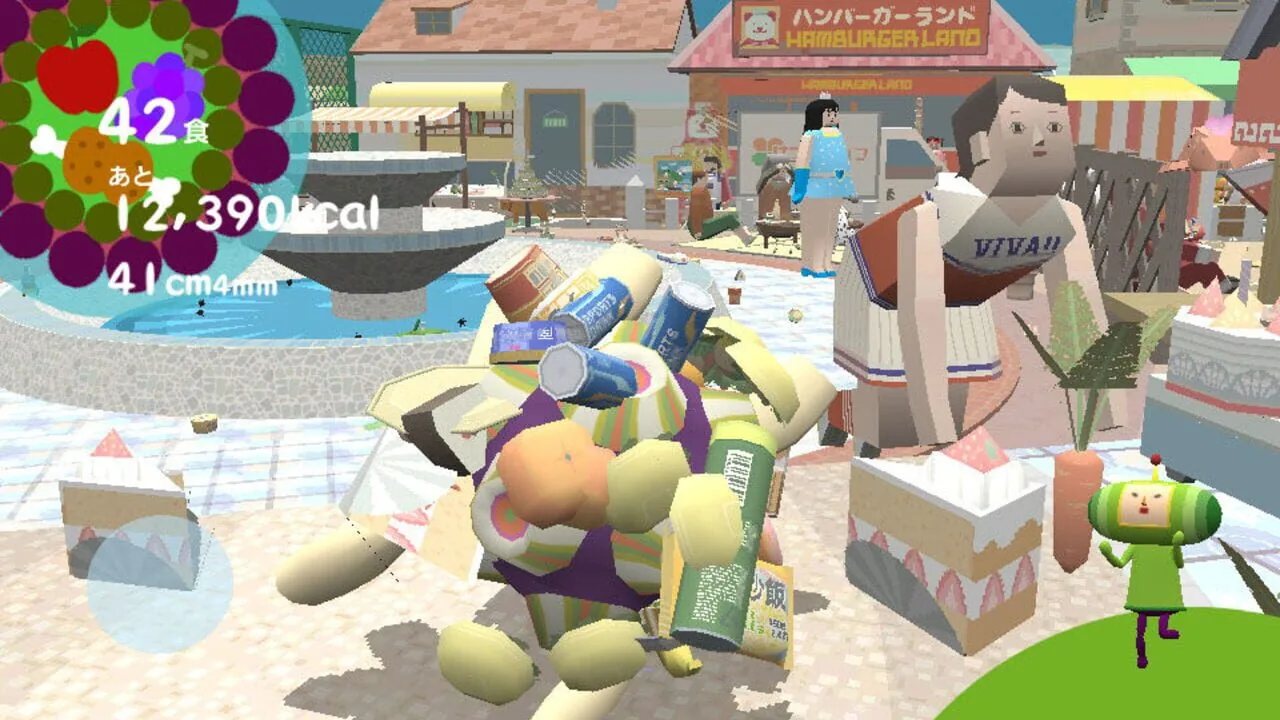
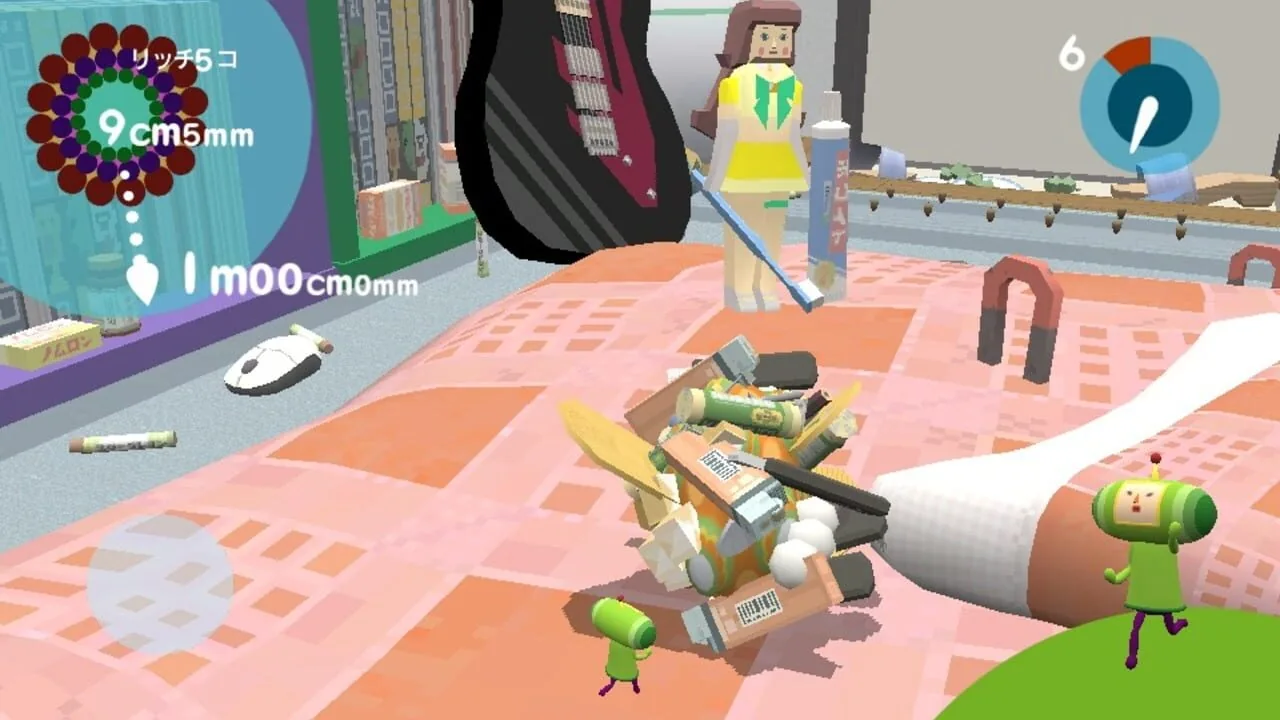
Touch My Katamari is the portable entry in the Katamari Damacy series, and rolling is as satisfying as ever. You push a growing ball of bits and bobs around the level, and everything that touches it sticks. On the Vita you can steer with both analog sticks, or you can move your fingers across the touch screen to push the ball where you want it.
The core idea is still the same silly, joyful one. Starting with a tiny ball and ending with a giant one never gets old. It came out in 2011, in the first wave of Vita games, and it showed the system's playful side early. The Vita is a natural fit for quick, relaxed sessions.
74. Velocity Ultra (2013)
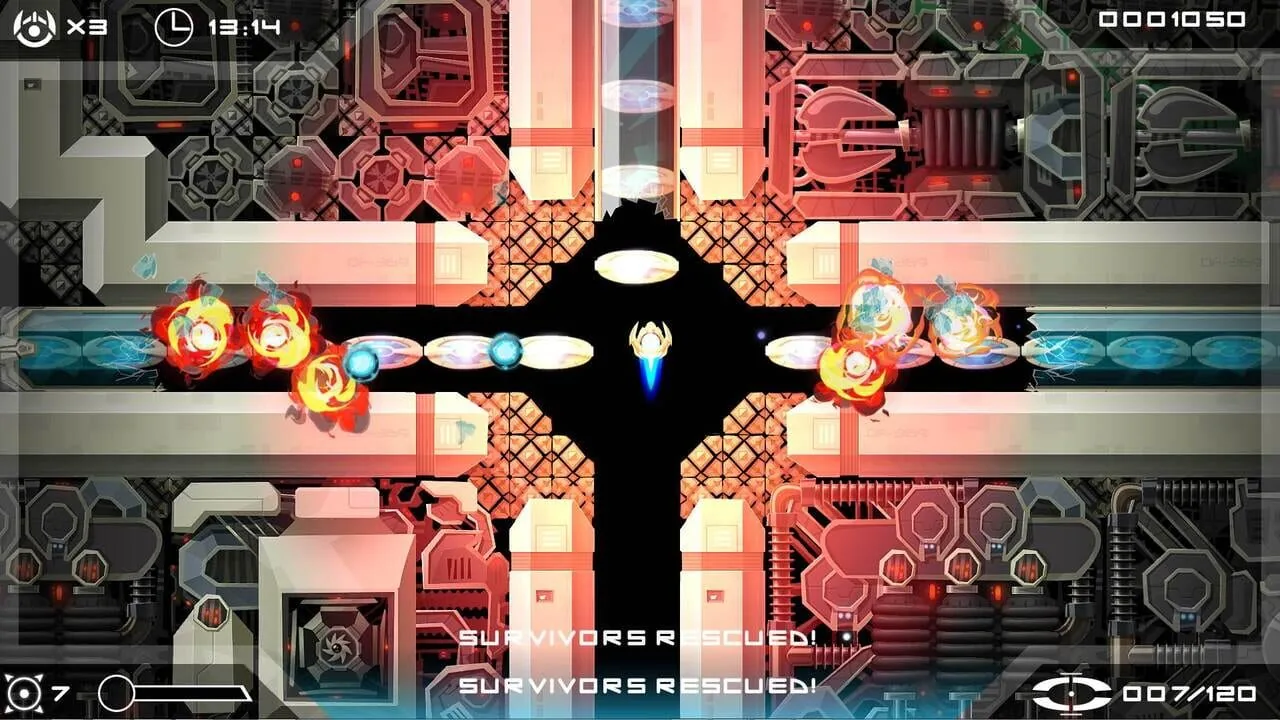
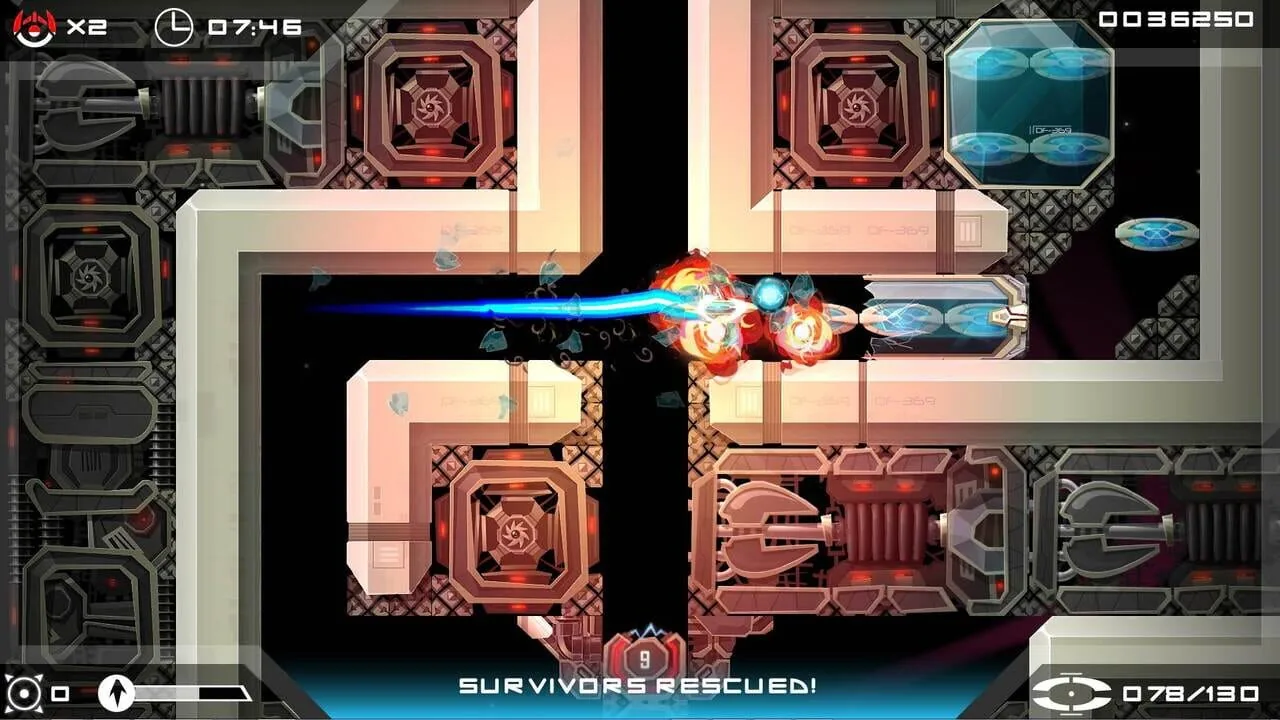
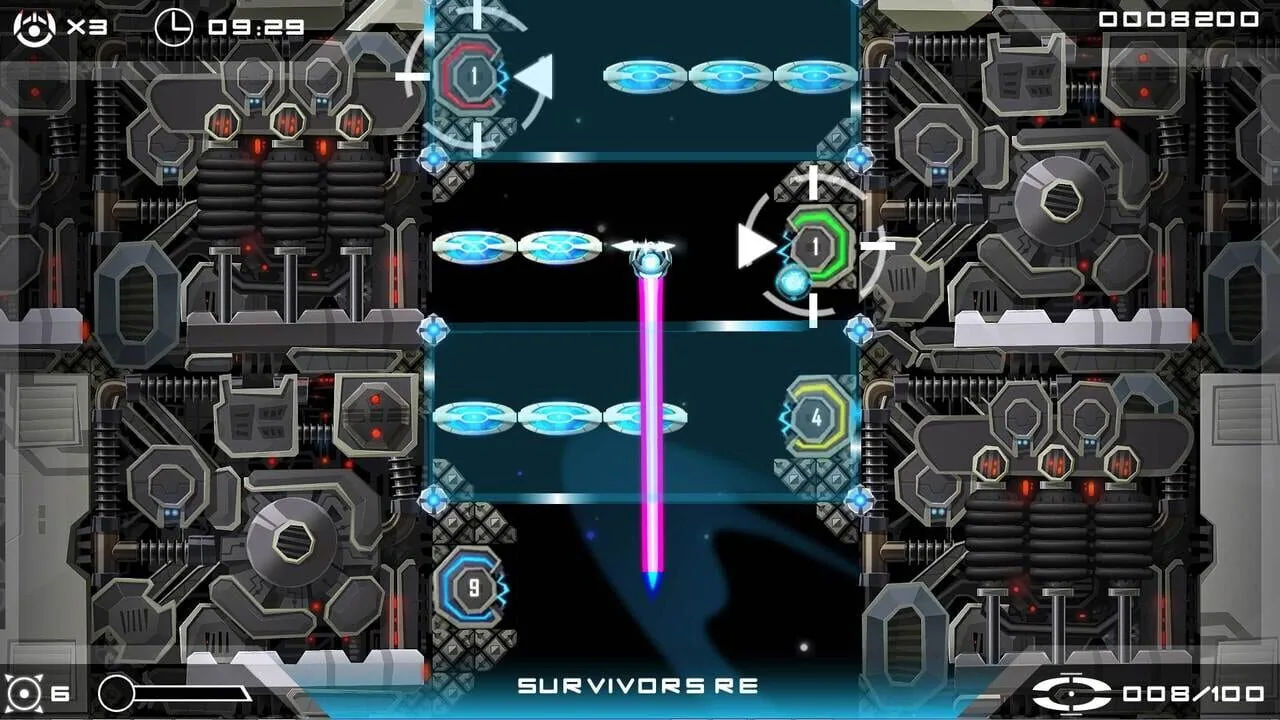
Velocity Ultra is an award-winning top-down shooter in which you fly the Quarp Jet, the galaxy's only ship that can teleport at will. Your mission is to rescue stranded survivors. You throw bombs in four directions, and shields must be disabled by circuit breakers before a survivor can be saved. Teleporting lets you jump straight to where you are needed.
That teleport turns each level into a puzzle about where to be next. Missions are short, and the leaderboards keep you coming back for a better time. It began life as a PlayStation mini, which says something about how compact it is. A sequel, Velocity 2X, came out in 2014 and is nearly as good.
73. Severed (2016)
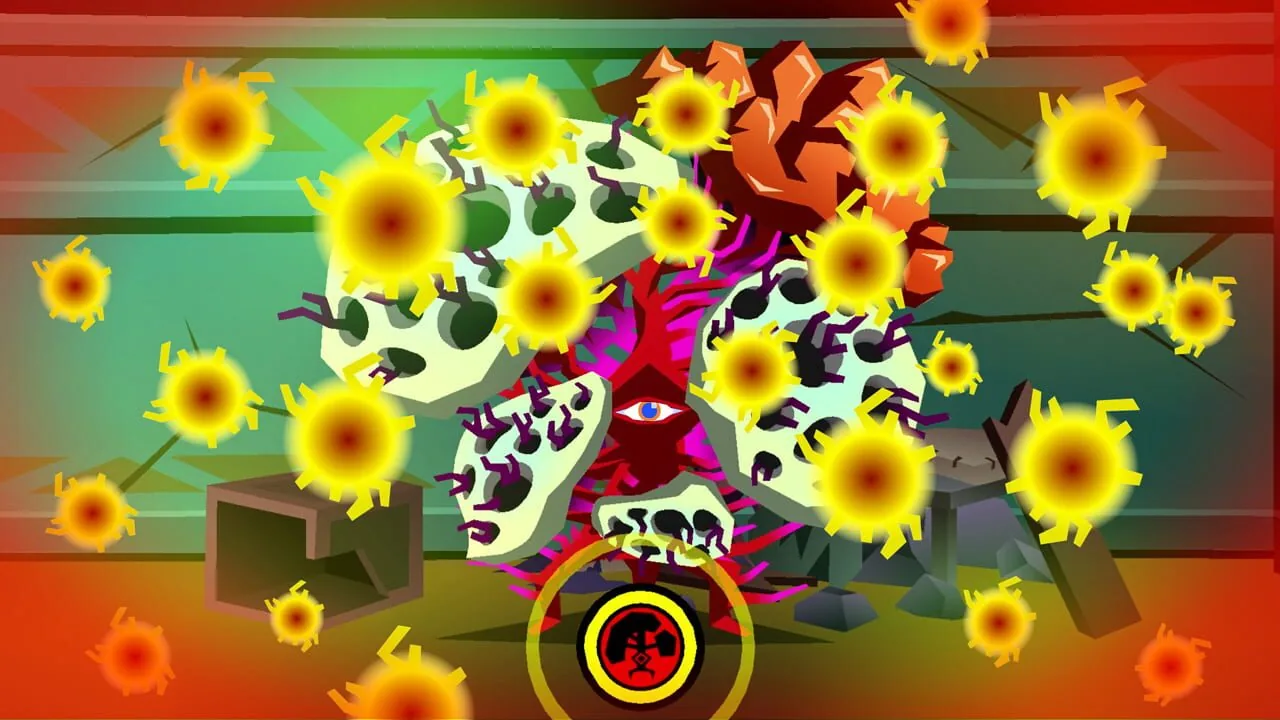
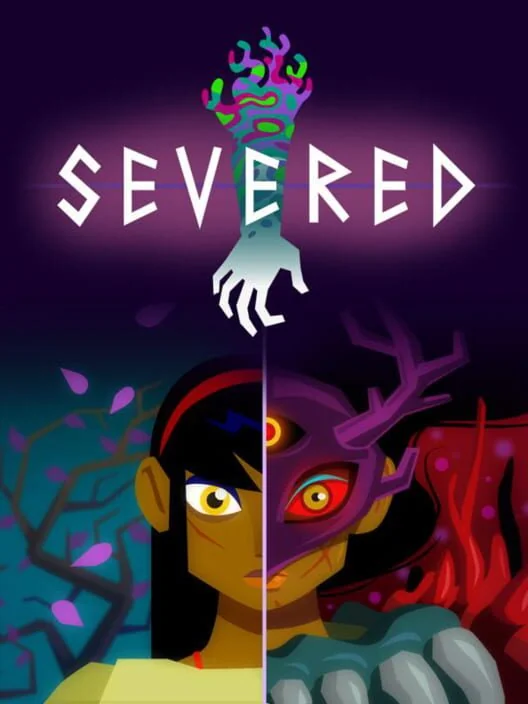
Severed is a first-person dungeon crawler where your finger is the sword. You slash enemies on the touchscreen and cut off their body parts, and those parts give you loot and the materials to craft and upgrade armor. It is an unusually good use of the Vita's touch screen, since each swipe lands exactly where you aim it.
The Academy of Interactive Arts and Sciences nominated it for Handheld Game of the Year. The strange tone makes it feel like nothing else on the system. Dungeon crawlers can feel stiff, but this one never does. If you only own a Vita because of its touch features, this game gives them a worthy workout. Your finger will need a rest afterward.
72. Retro City Rampage (2012)
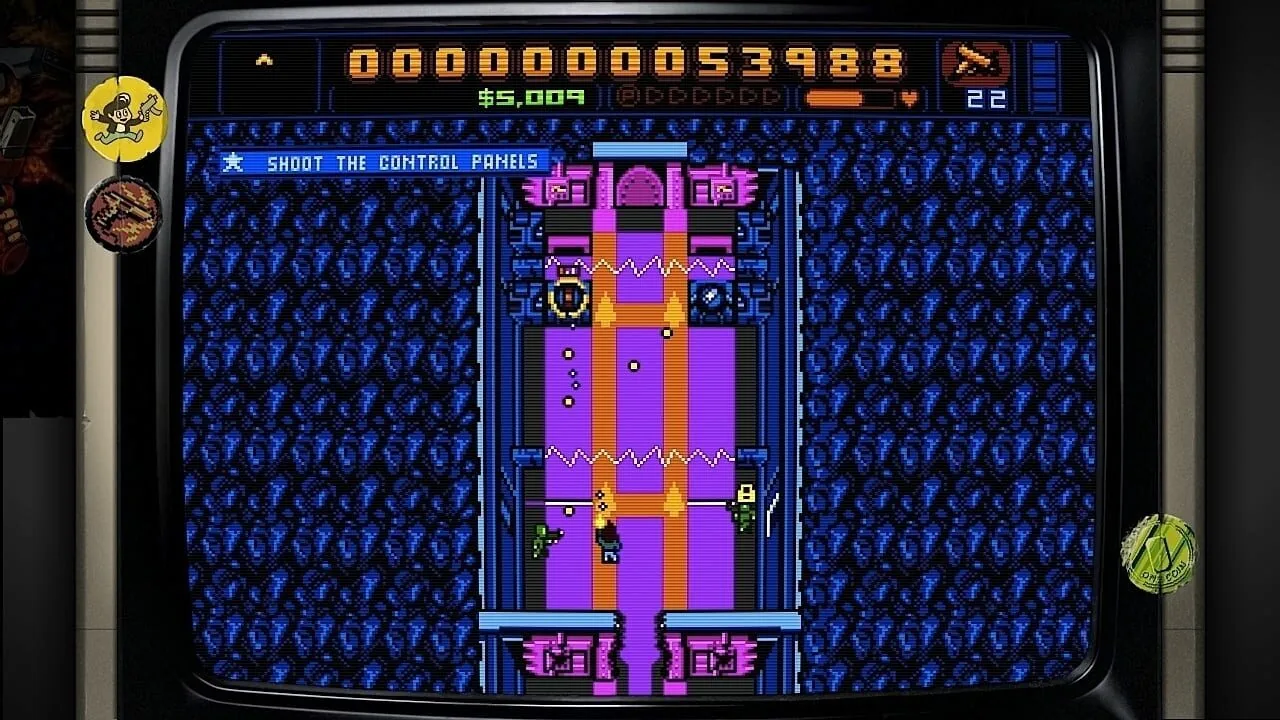
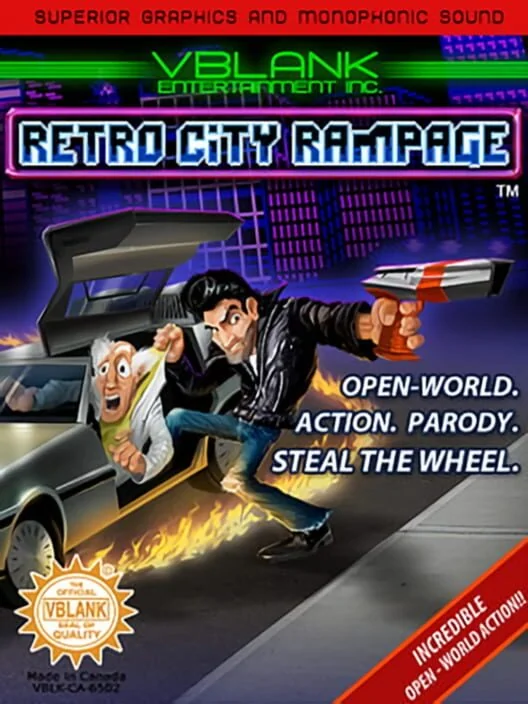
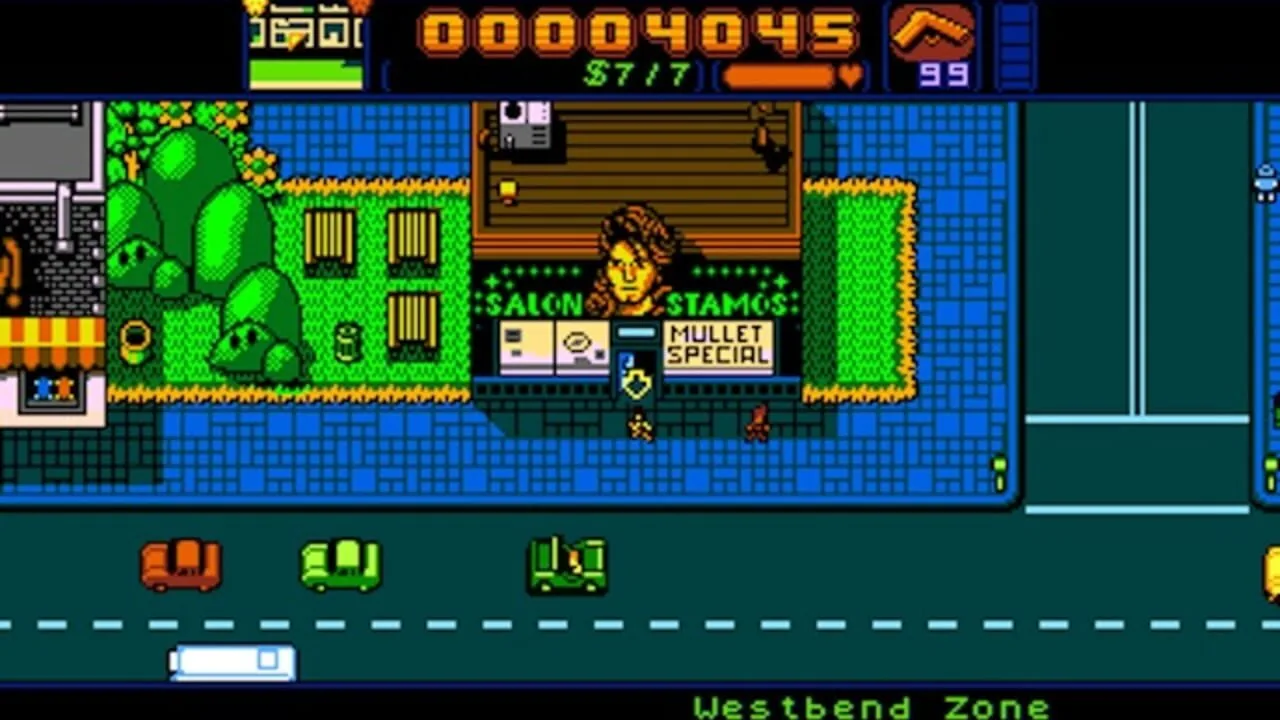
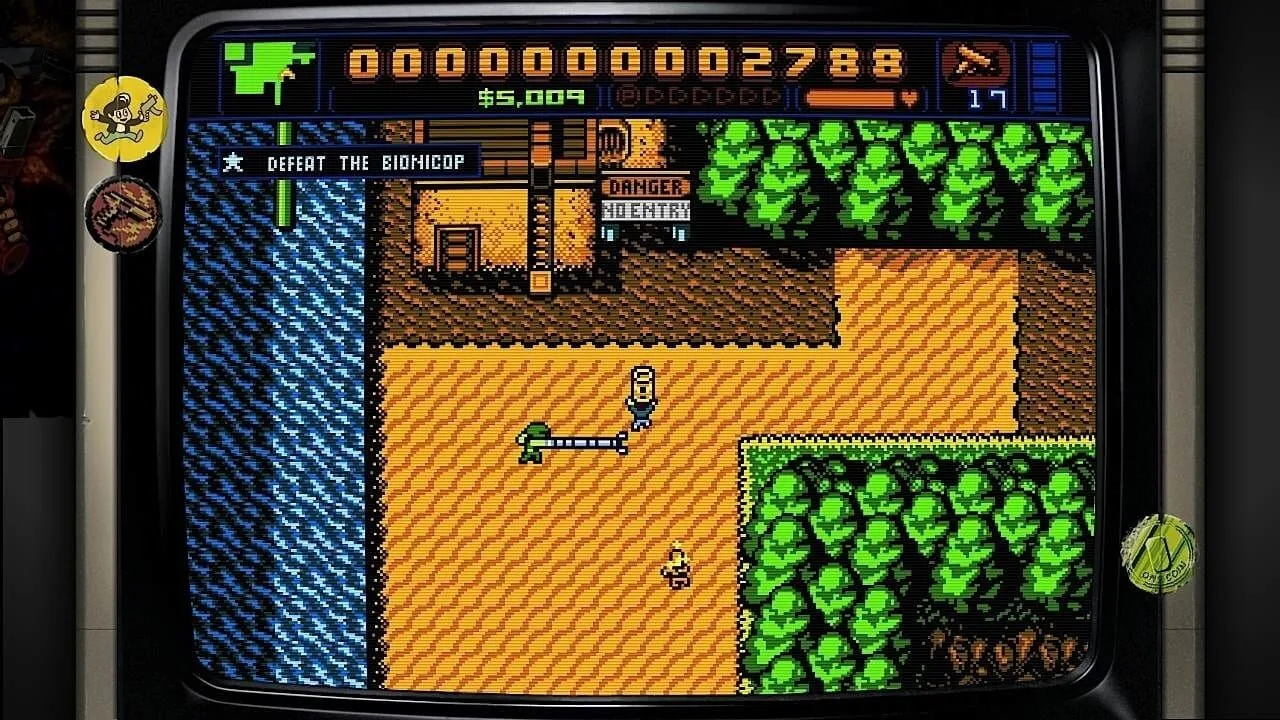
Retro City Rampage is a parody of retro games wrapped inside an open city that borrows heavily from Grand Theft Auto. You steal cars and take missions, and you run into references that nobody who grew up on 8-bit games can resist. It first came out in 2012 for the PS3 and the Vita, plus Windows.
Around 50 story missions and 30 challenge levels were planned while it was being built. A special mode lets you play as guest characters from other indie games, including Super Meat Boy and Steve from Minecraft. It also includes ROM City Rampage, an NES homebrew version of itself that runs inside the game. The jokes arrive faster than the bullets.
71. Ultimate Marvel vs. Capcom 3 (2011)
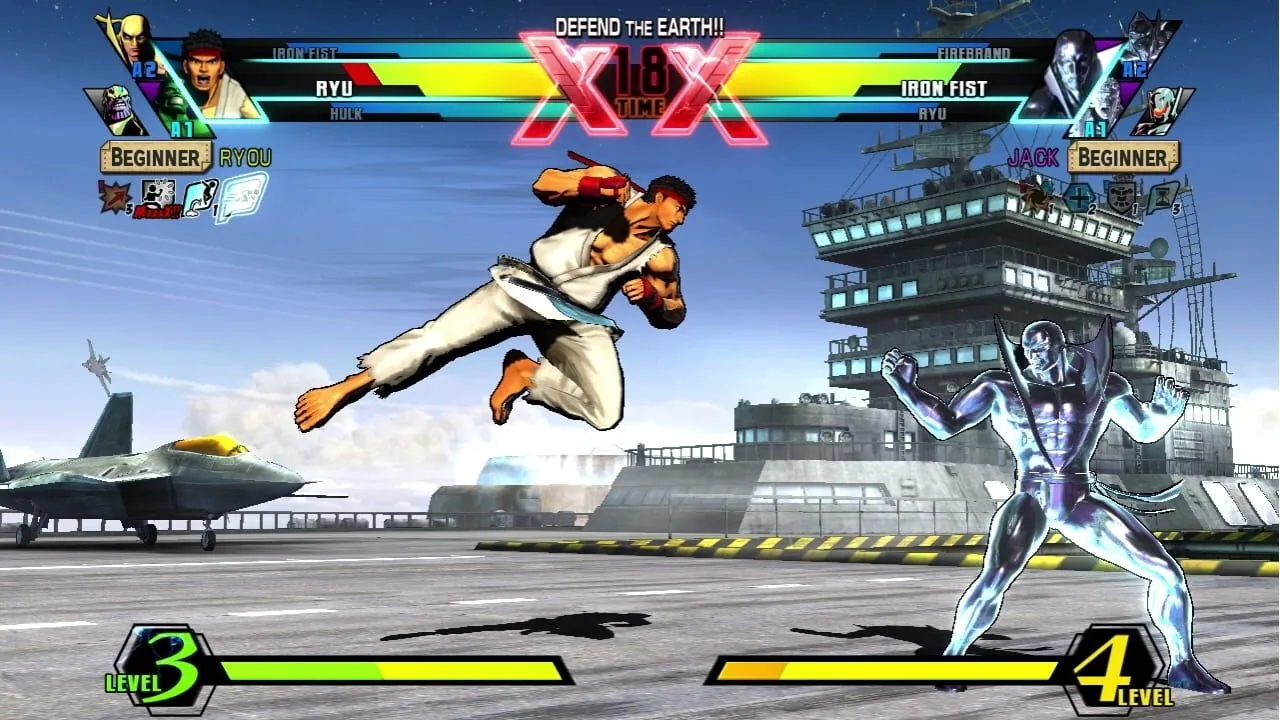
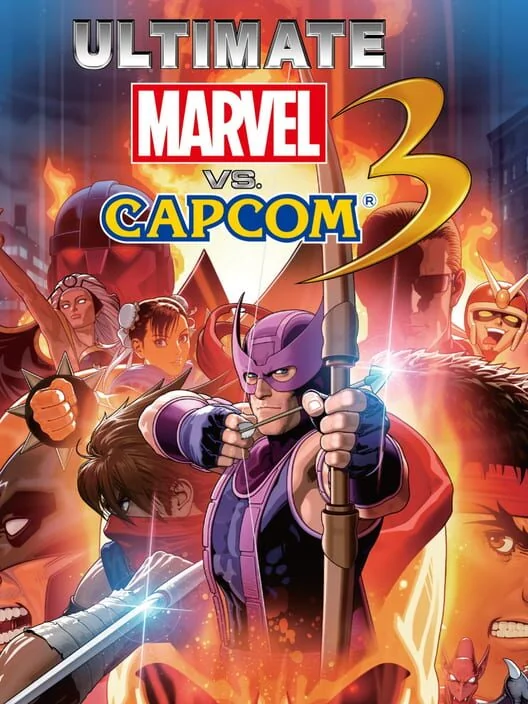
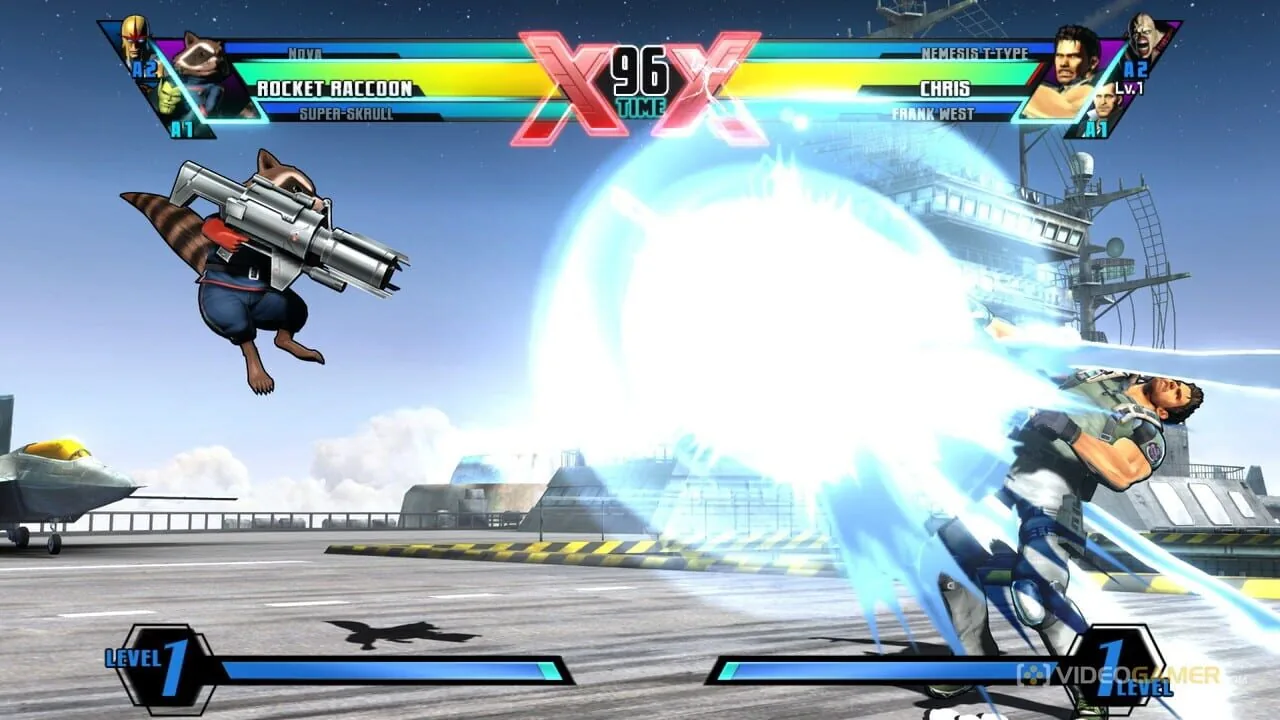
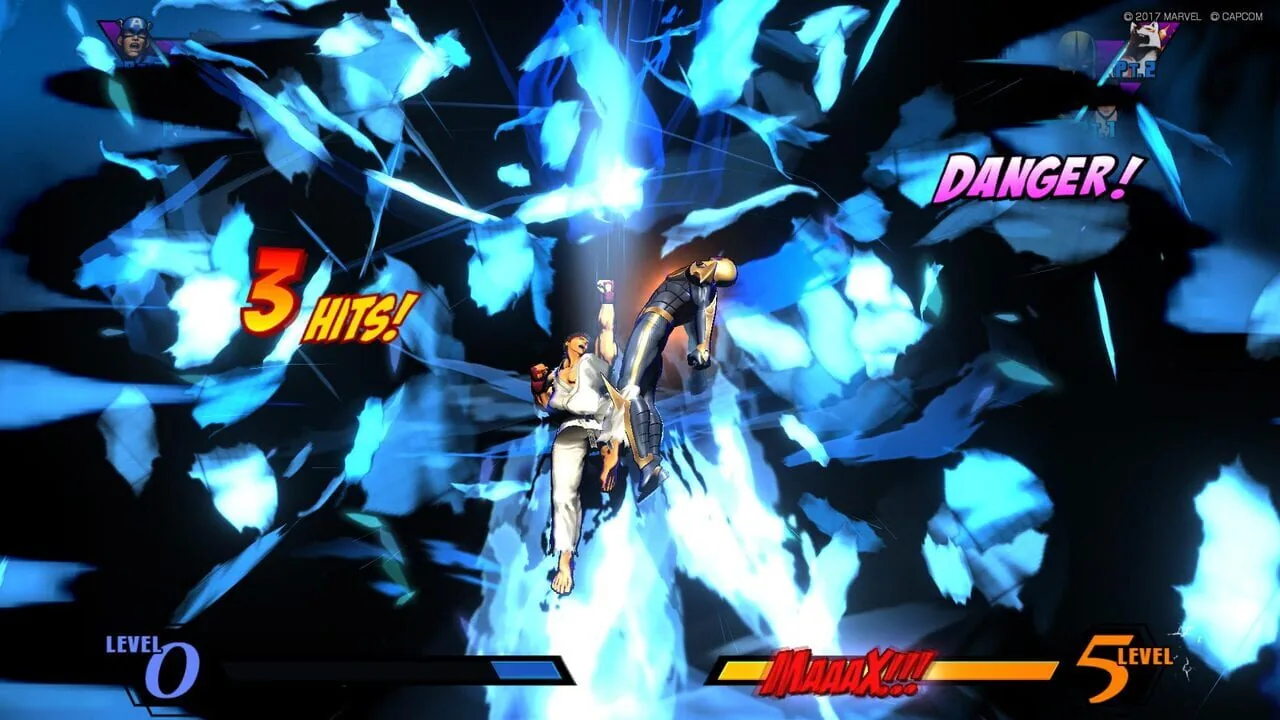
Ultimate Marvel vs. Capcom 3 packs comic book heroes and Capcom favorites into one frantic fighting game. Capcom made it with Eighting as an upgrade to Marvel vs. Capcom 3: Fate of Two Worlds. It was a launch title for the Vita in December 2011, a month after the PS3 and Xbox 360 versions.
The game exists because the 2011 Tohoku earthquake and tsunami disrupted the planned downloadable content for the first game, and the extra content became a standalone title. Critics praised the expanded roster and the better online play, and they missed new modes. A full fighting game on a handheld at launch was a real statement for the Vita.
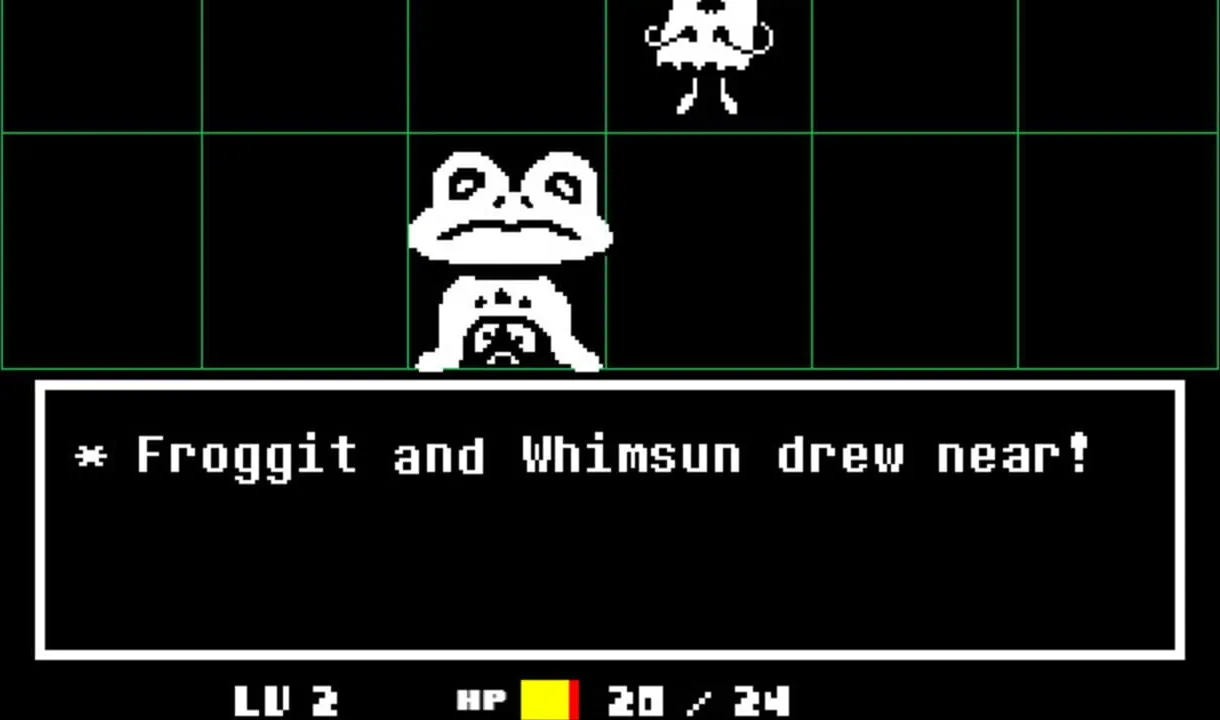
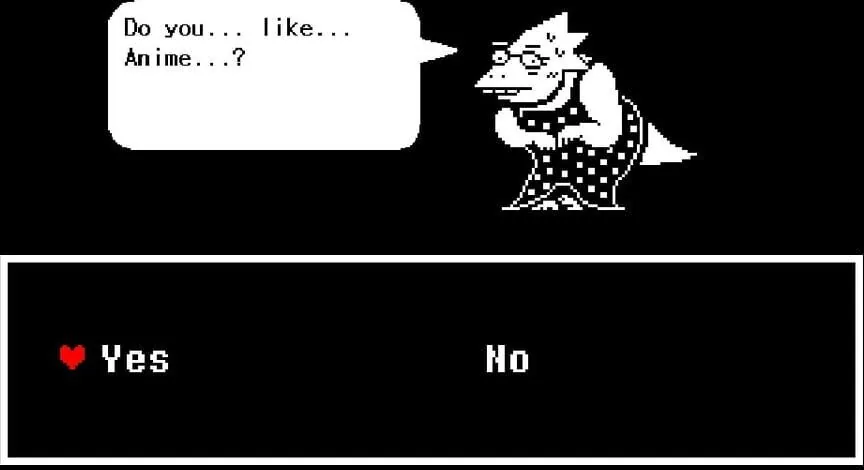
70. Undertale (2015)
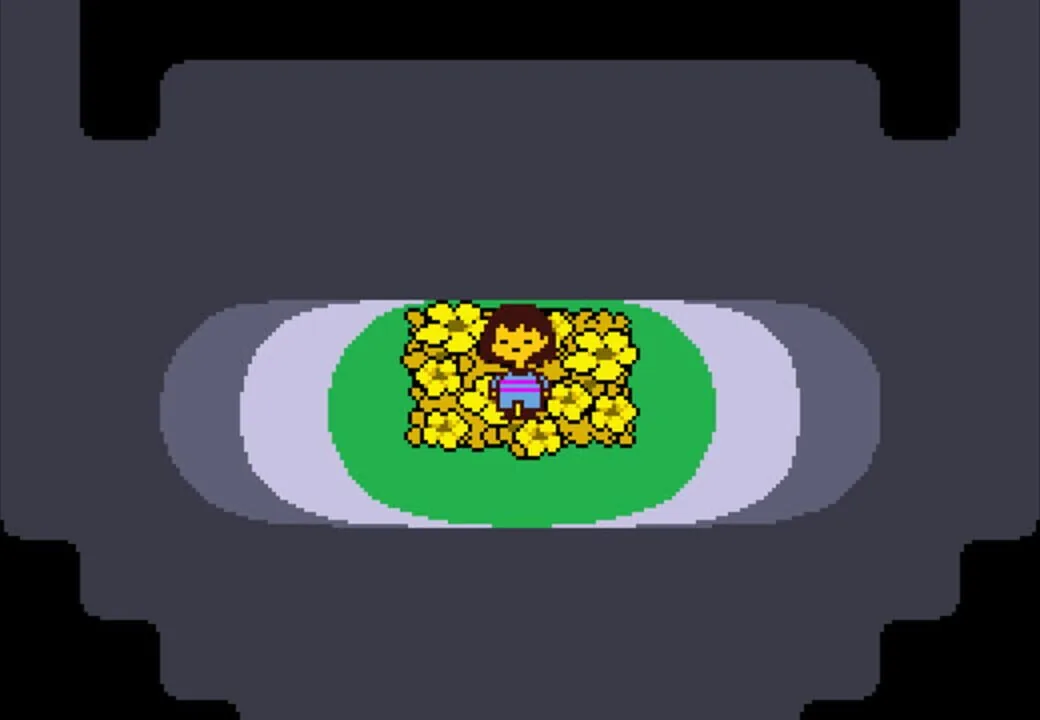
Undertale starts with a child who tumbles down into the Underground, where banished monsters hunt any human they find. You try to reach the Surface, and your choices along the way change the dialogue and the story. Toby Fox built the whole game himself, music and script included, with art help from Temmie Chang.
It was meant to be two hours long and out in mid-2014. It arrived on PC in September 2015 and reached the Vita in 2017, and it has since sold at least five million copies. Critics praised its themes and its combat system. Few games make a handheld feel so personal, and few are so easy to spoil, so go in blind.
69. Luftrausers (2014)
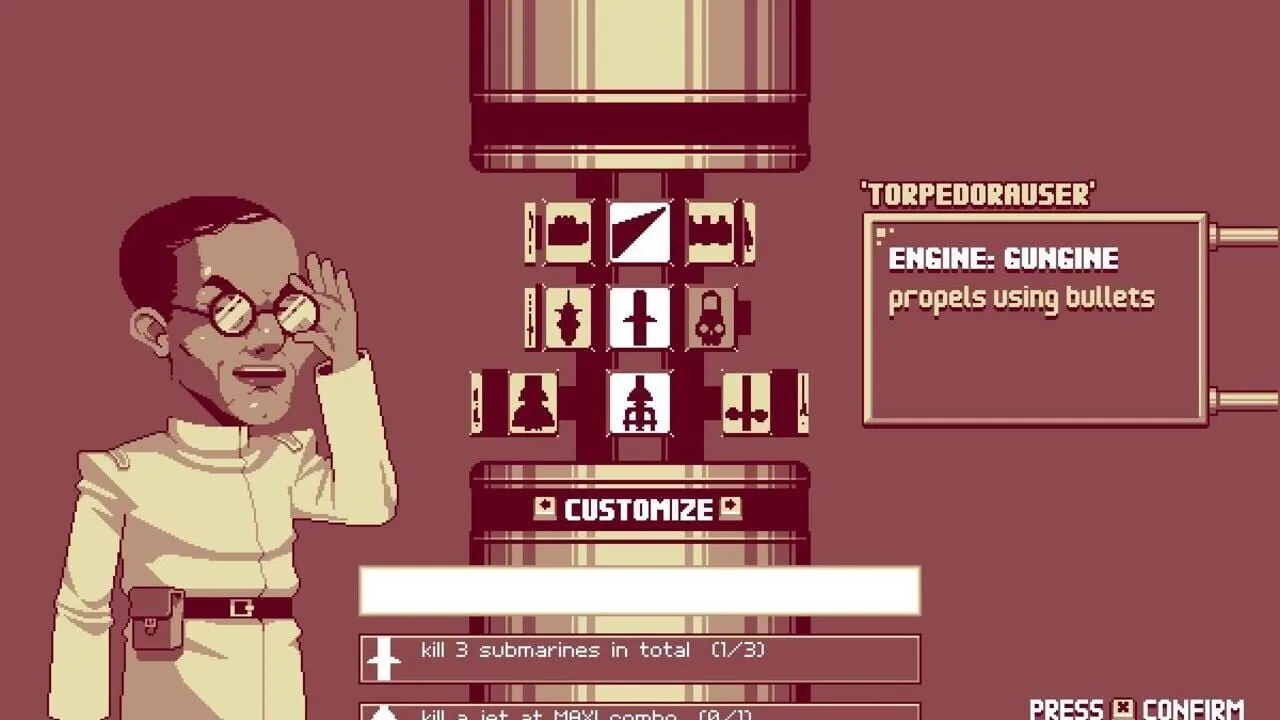

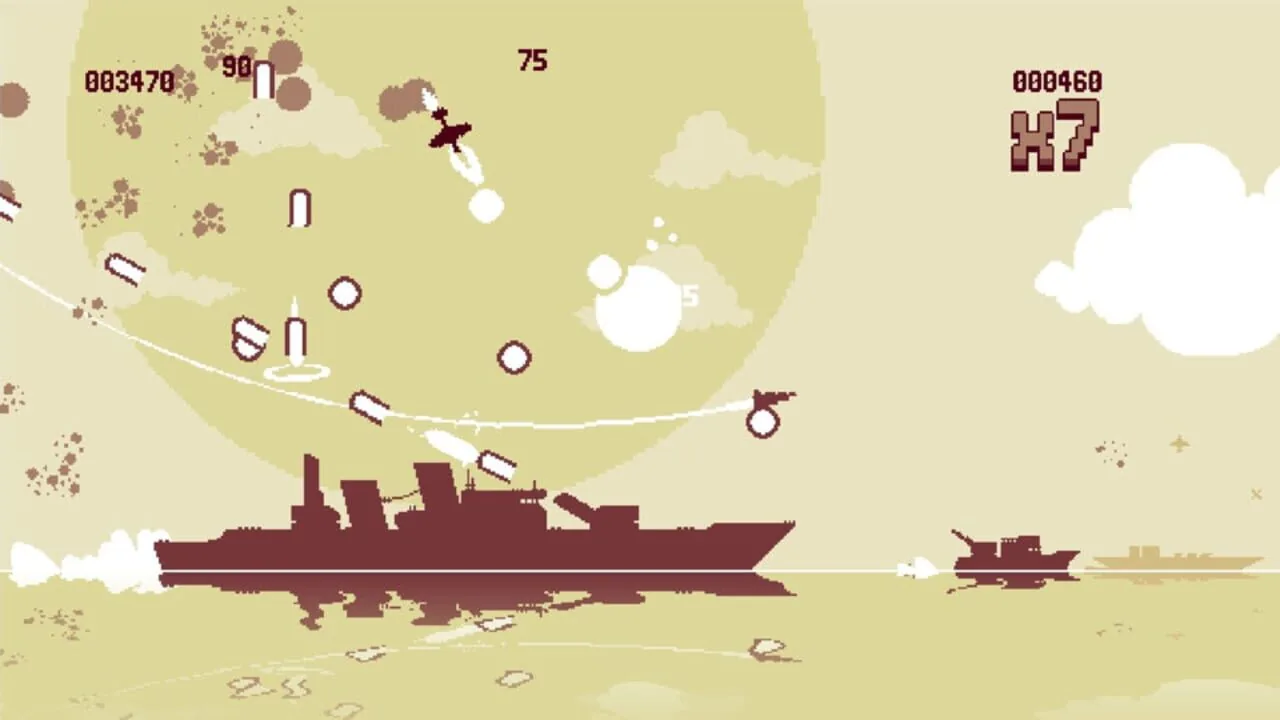
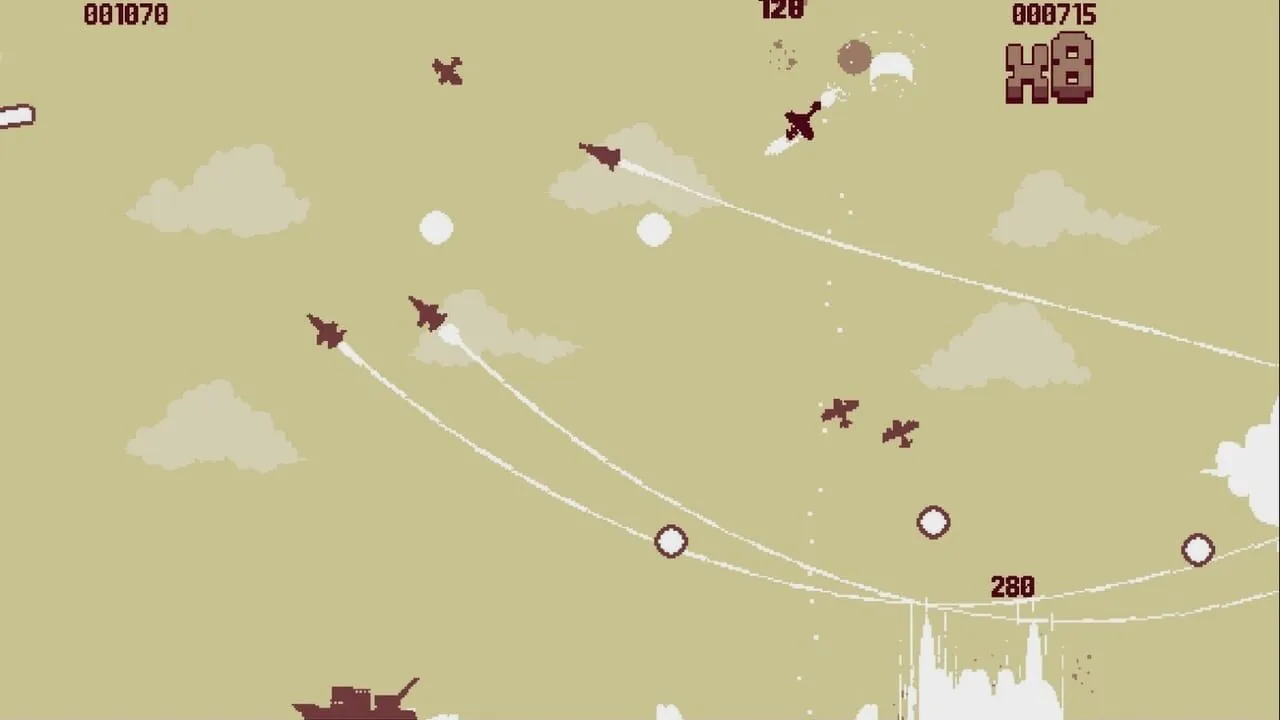
Luftrausers is a stylish arcade shooter from Vlambeer where the sky burns and the sea fills with wreckage. You build your own plane from more than 125 combinations of parts. The plane turns a full 360 degrees, but the main weapon only fires forward. You always have to think about where your nose is pointing.
Jan Willem Nijman started the game on a plane home from the Game Developers Conference in March 2012, and it was released in March 2014. Dogfights are quick and every death teaches you something, which keeps you flying a little longer each time. A few minutes on the Vita and you are hooked. The planes handle like a dream.
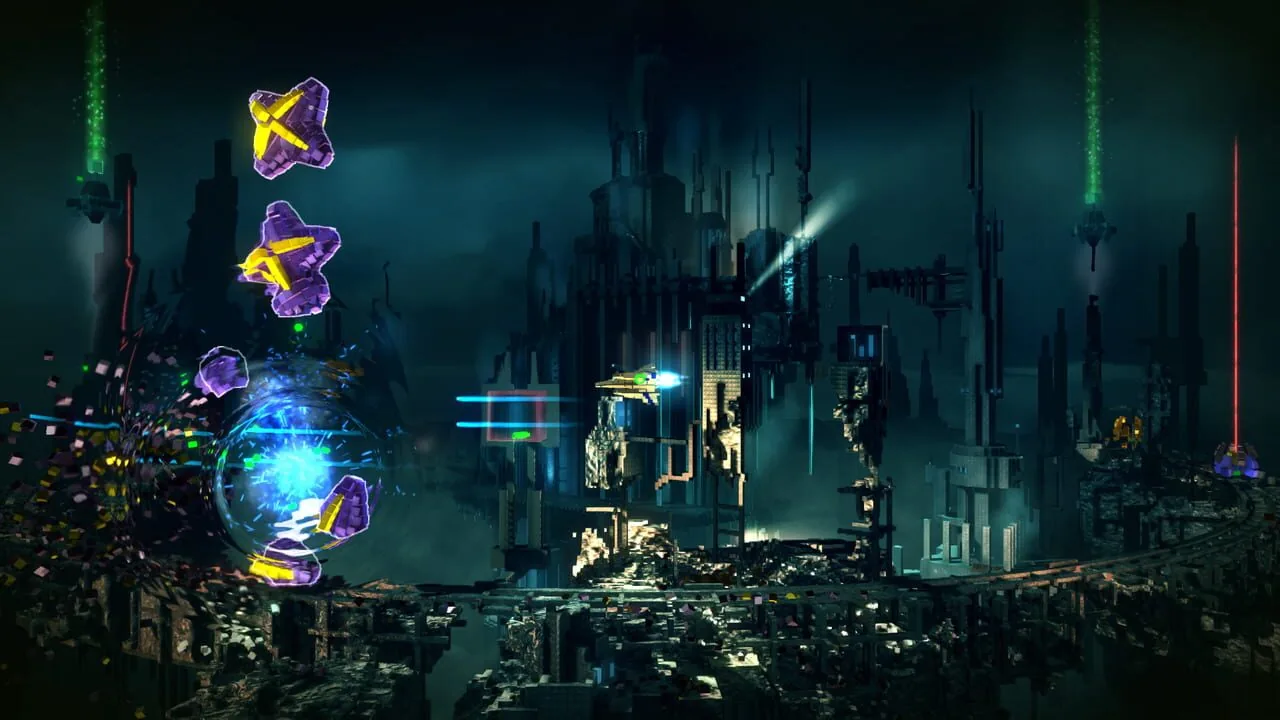
68. Resogun (2013)
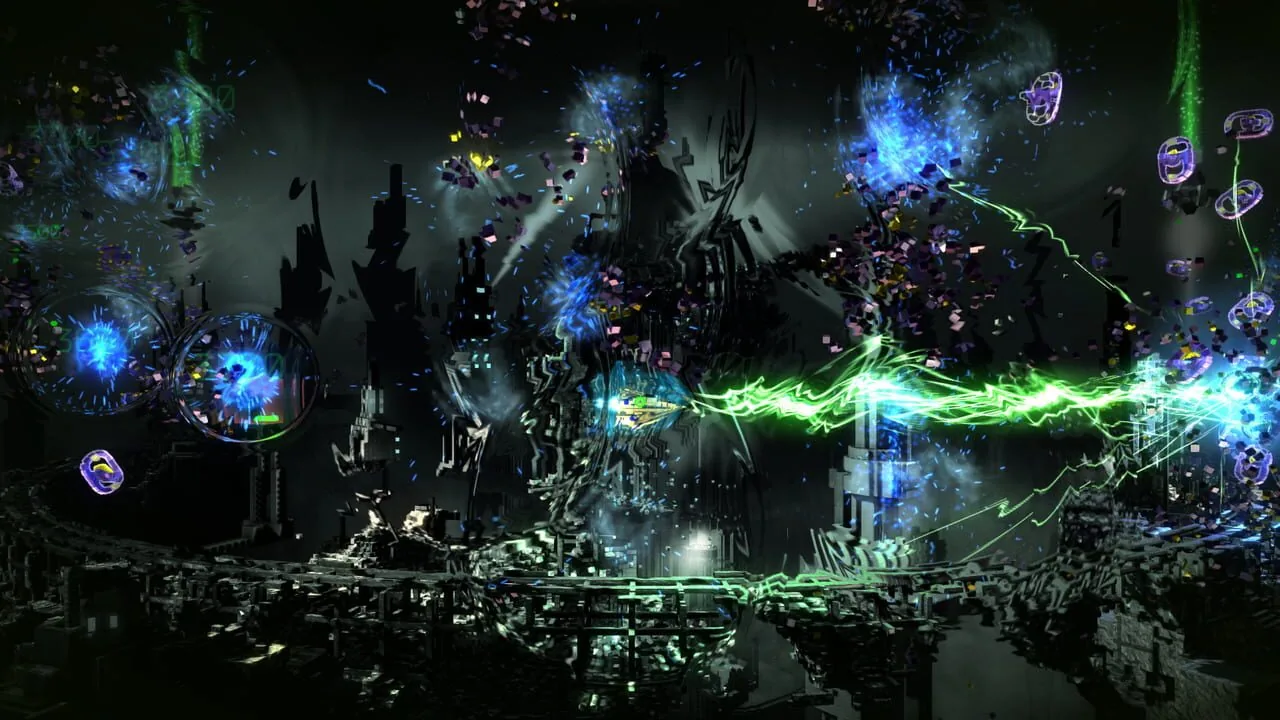
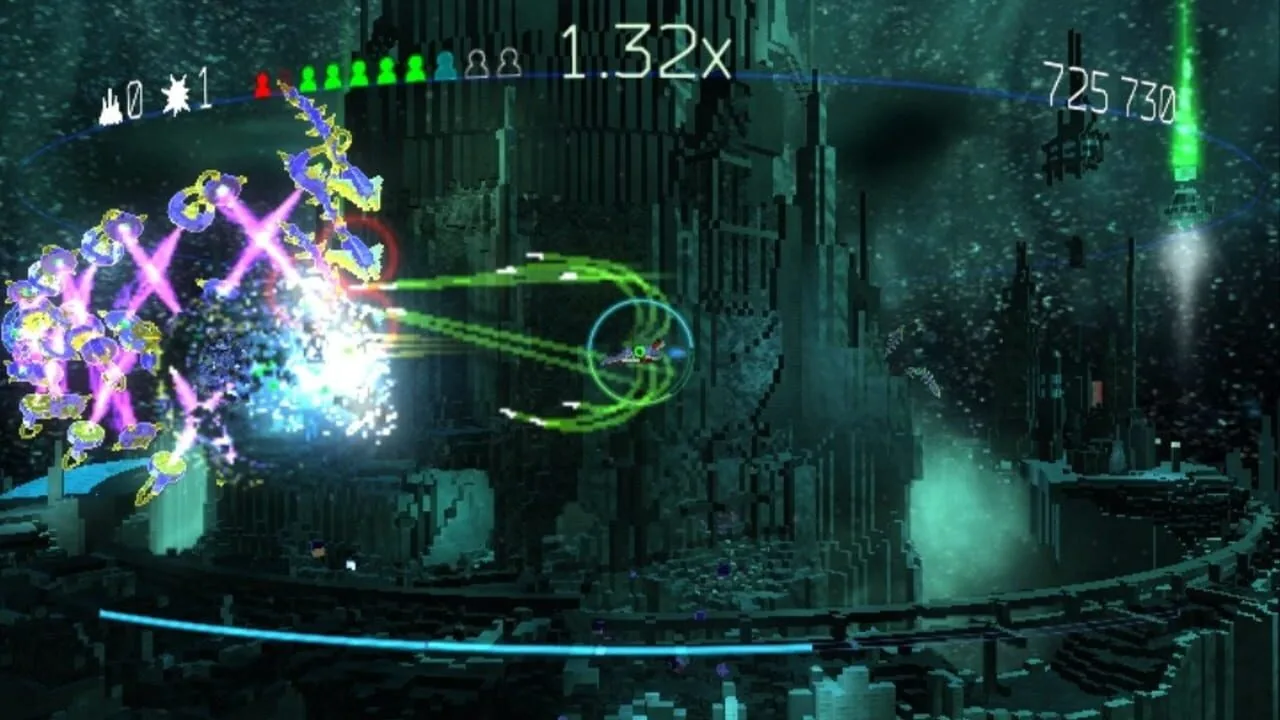
Resogun is a shoot 'em up from the Finnish studio Housemarque, and it throws explosive weapons at you and asks you to rescue the last survivors while keeping your multiplier alive. To save a human, you first release it from a chamber by killing a set of keepers, then carry it to one of two safety points. Climax Studios made the PS3 and Vita ports.
Journalists praised the graphics and the speed, though they criticized the short length and the lack of tutorials. It was nominated for Action Game of the Year at the D.I.C.E. Awards. The difficulty levels run from Rookie to Hero, and each pushes you to play faster. This is the shooter to buy if you want a light show you can hold.
67. SteamWorld Dig (2013)
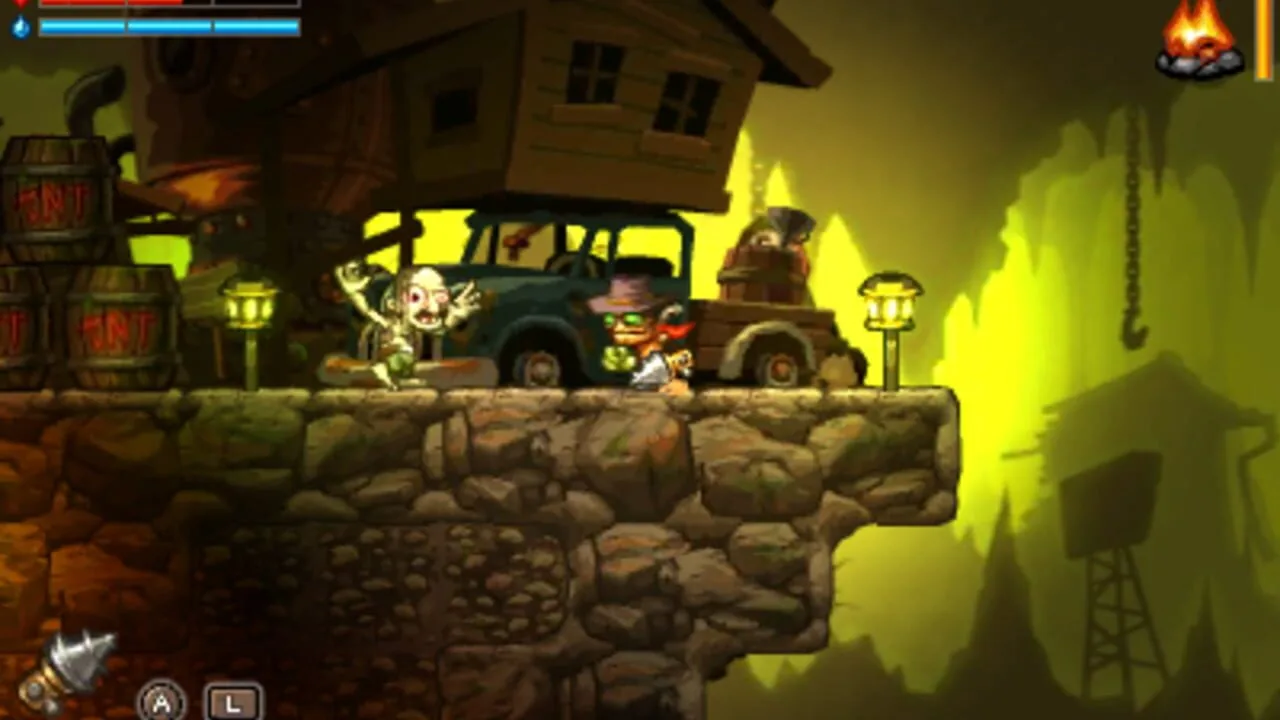
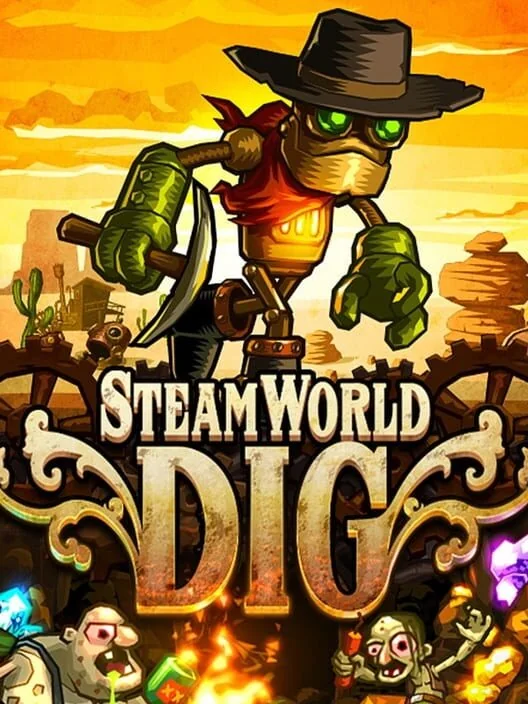
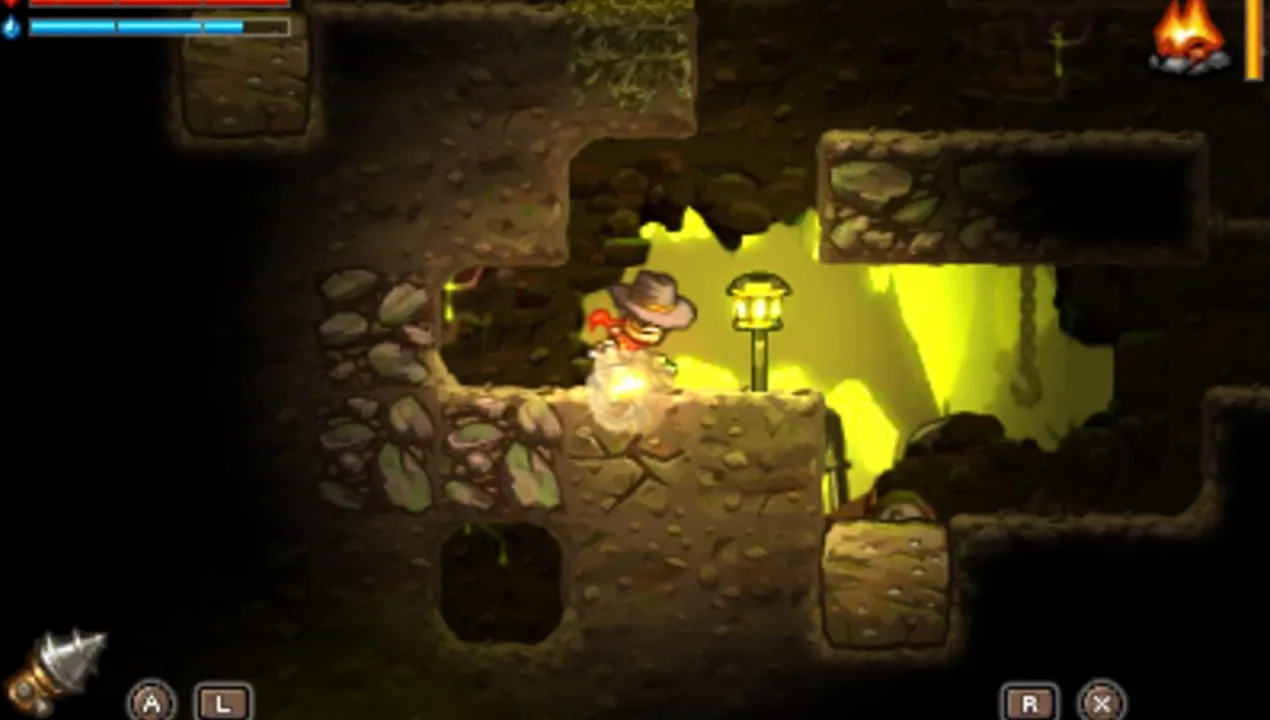
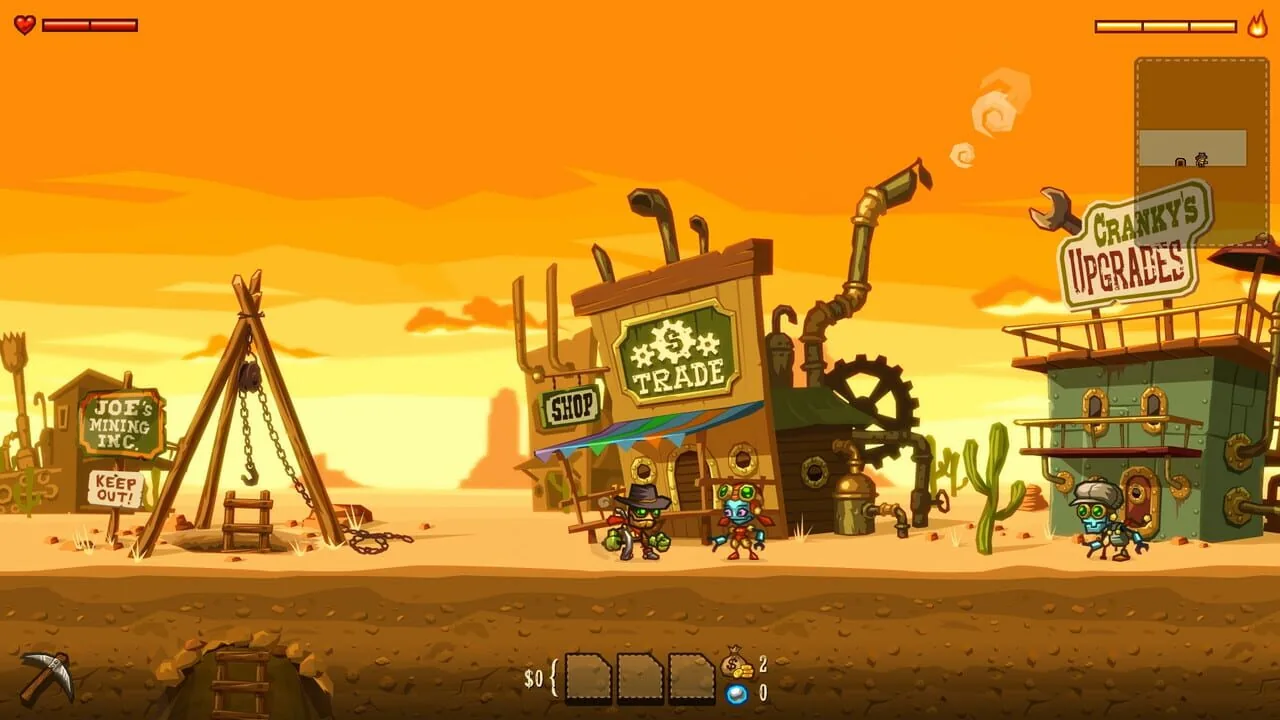
SteamWorld Dig is a 2D platform game about mining for ore under the old Western town of Tumbleton. You dig down, haul your loot back up, spend it on upgrades and go deeper. Every shaft you cut stays cut. The map becomes a record of your choices. It first appeared on the Nintendo 3DS eShop in August 2013 and reached the Vita later.
Dig, then sell what you find and buy upgrades: it is a simple, addictive loop, and the game always tells you what to do next. A spin-off, SteamWorld Heist, arrived in December 2015, and SteamWorld Dig 2 followed in September 2017. Each trip down the mine is short, which suits a handheld. One more descent never takes only one more descent.
66. Metal Gear Solid 2: Sons of Liberty - HD Edition (2011)
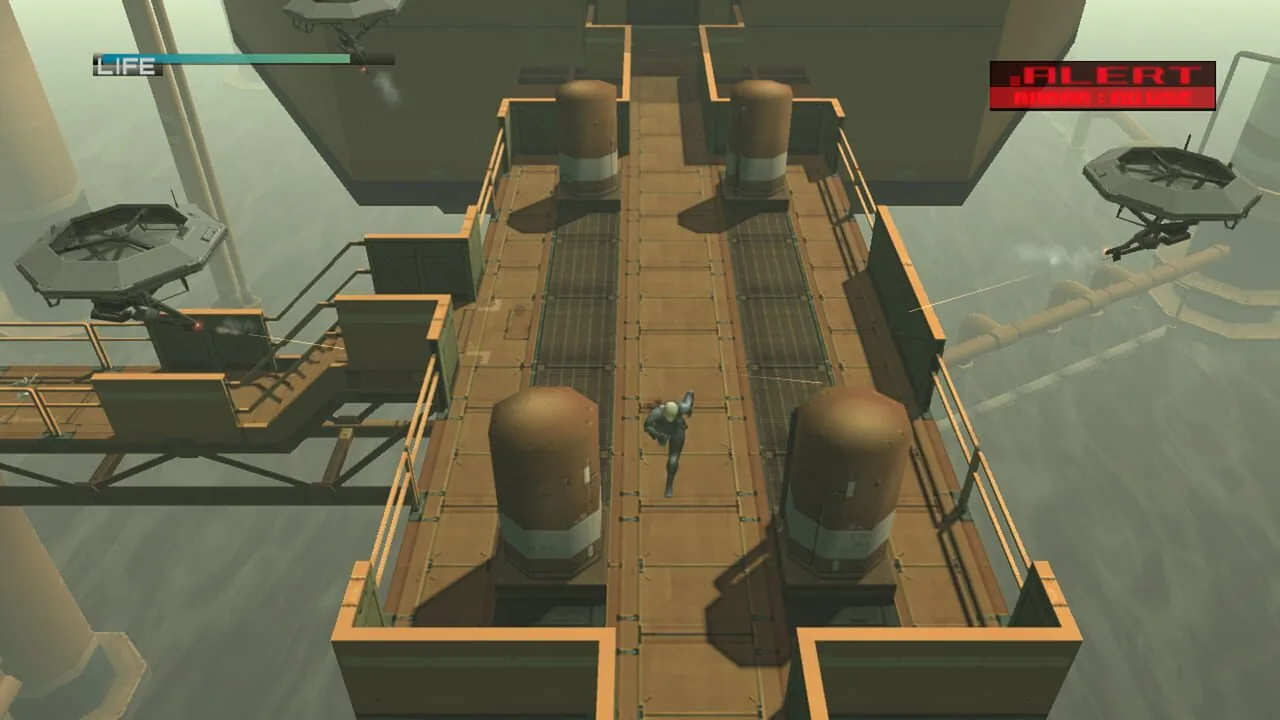
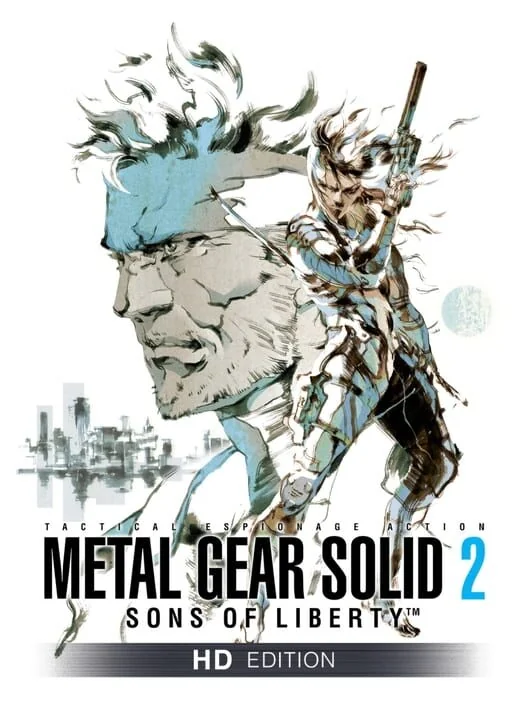
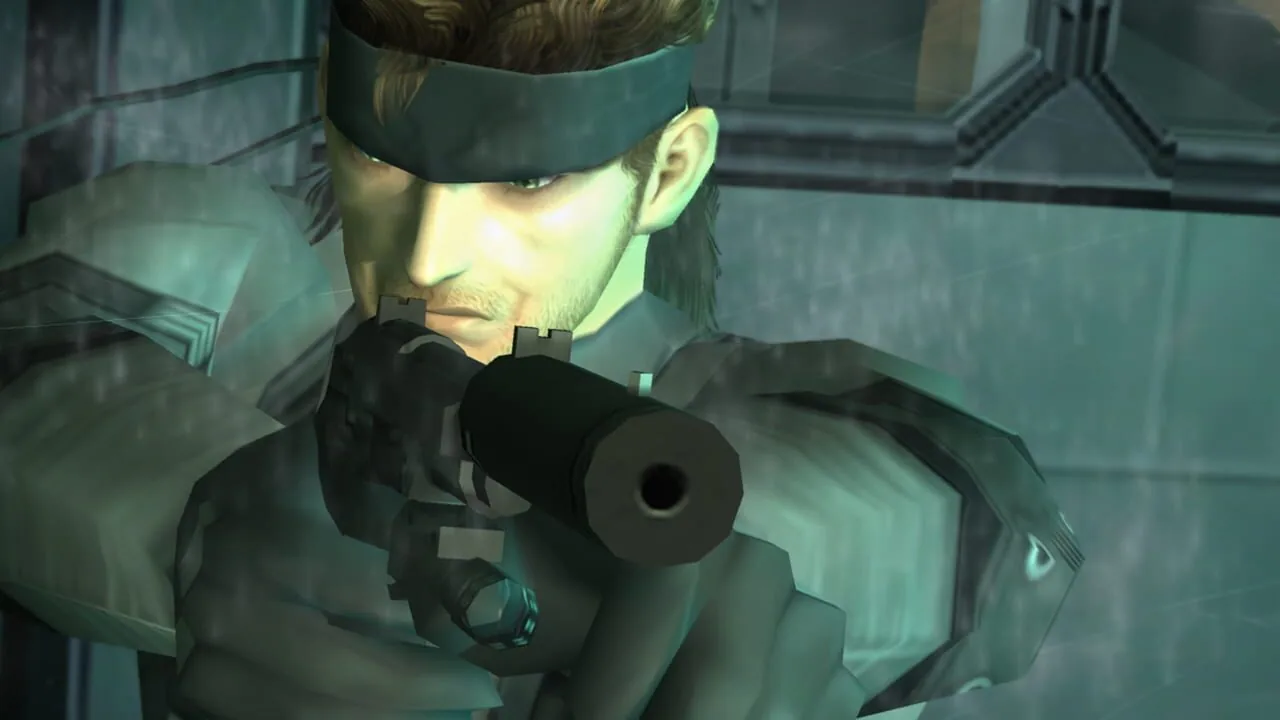
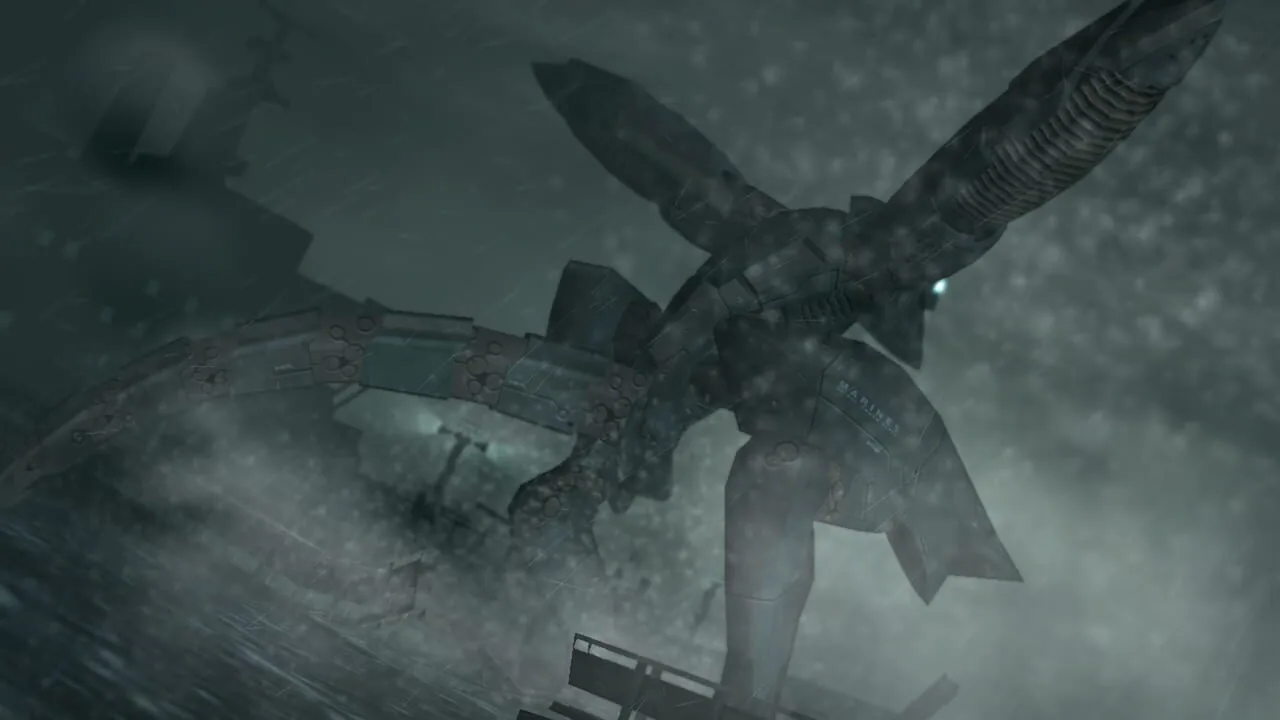
Metal Gear Solid 2 on the Vita looks sharper than it ever did on the PlayStation 2. The HD Edition raises the picture to 720p in widescreen, which is sharper than the original 480p. Hideo Kojima directed and wrote it, and it is the fourth main Metal Gear game, with a conspiracy by the Patriots at its center.
The game took four years and a team of over 100 people to make. The new hero Raiden drew backlash from fans, and critics were divided on the philosophical story. It is now often called ahead of its time. Having it in your hands, on a screen this good, makes the Vita the best portable way to play it.
65. Velocity 2X (2014)
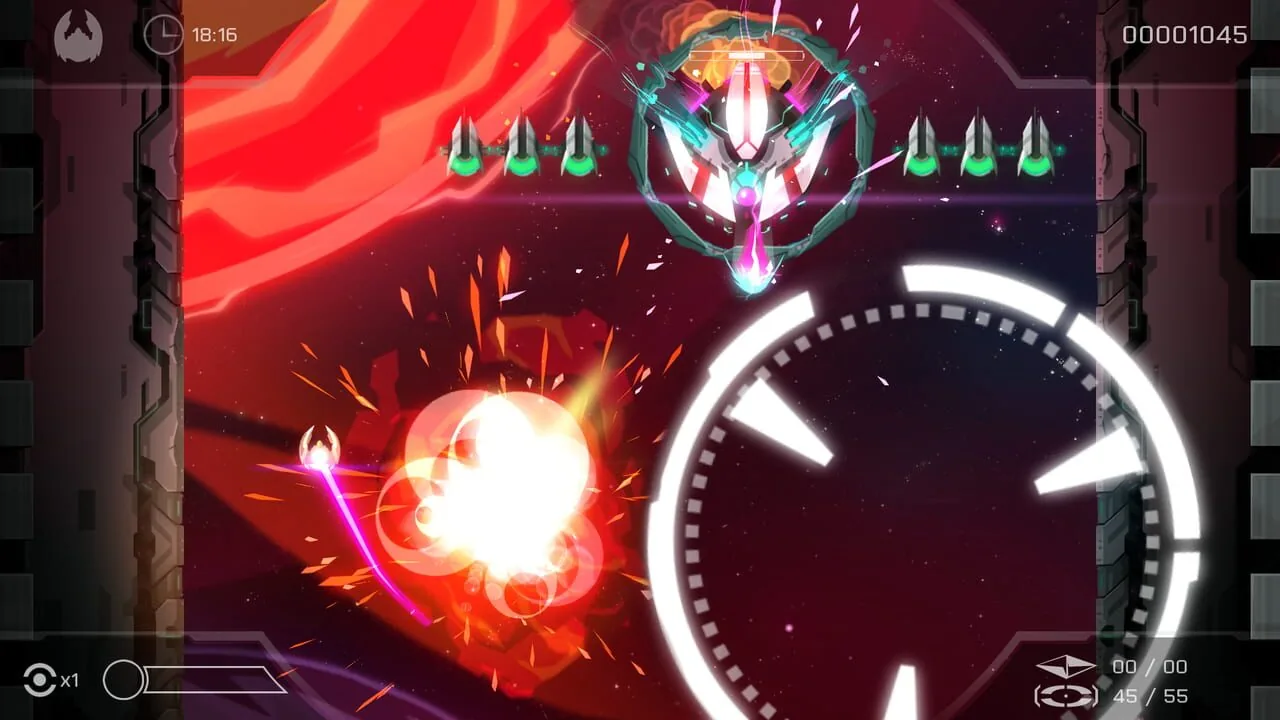
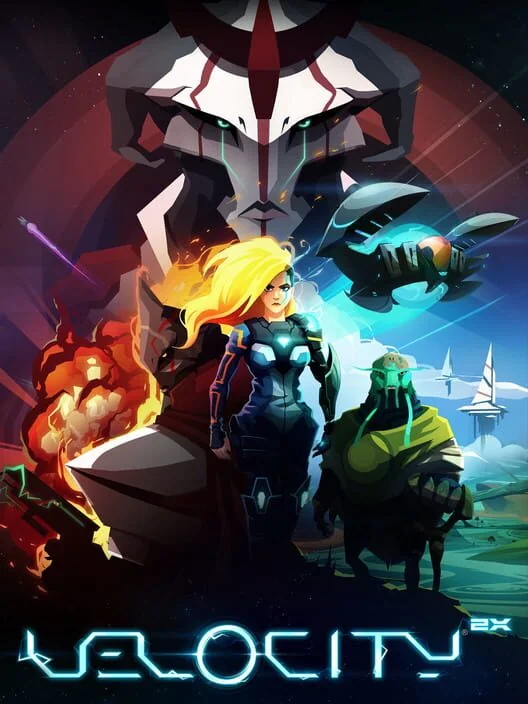
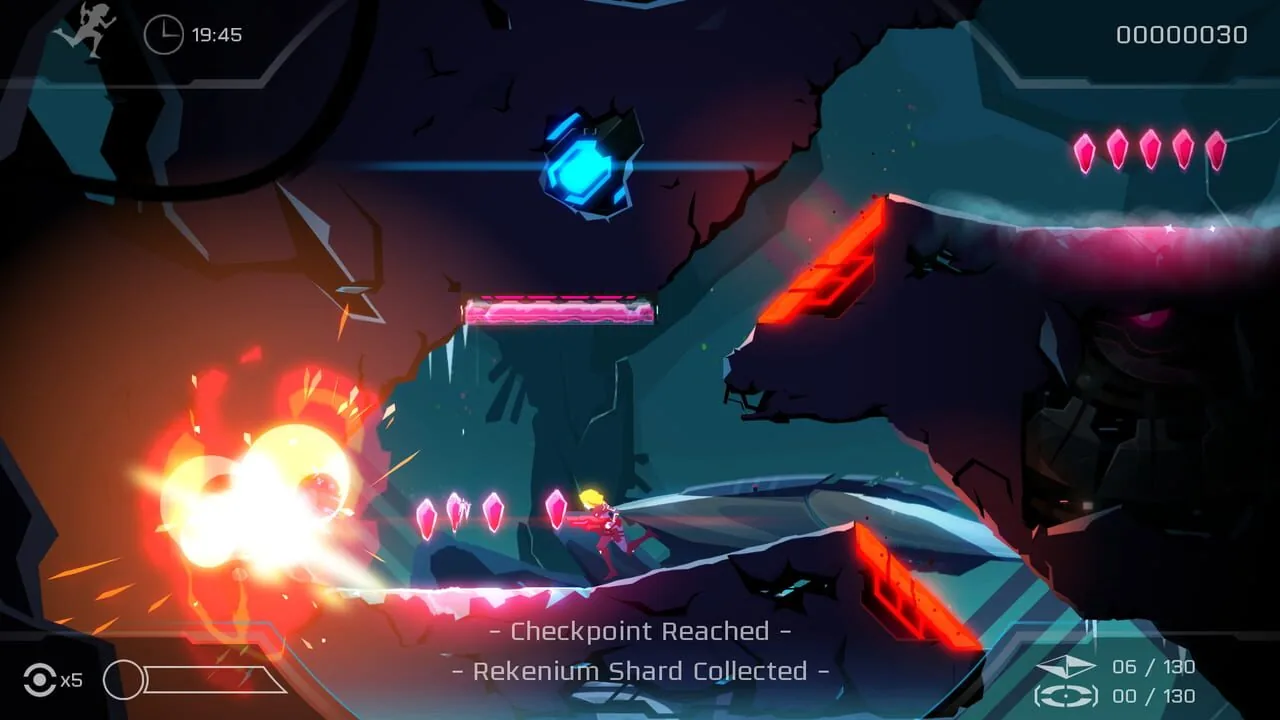
Velocity 2X is the sequel to Velocity Ultra, and it adds a second kind of game to the first. The top-down shooting stays, and developer Futurlab added platformer sections to most levels. You hop out of your ship, walk through a base and solve puzzles, then climb back in for the next dash.
That mix makes the missions more varied and the whole thing feels bigger than the first game. Both halves are tuned well, and the leaderboards bring out your competitive side. It later reached other systems, including a release by Activision under the Sierra Entertainment brand, but the Vita is where it started. Short stages, fast fun. It is great for quick sessions.
64. Tokyo Xanadu (2015)
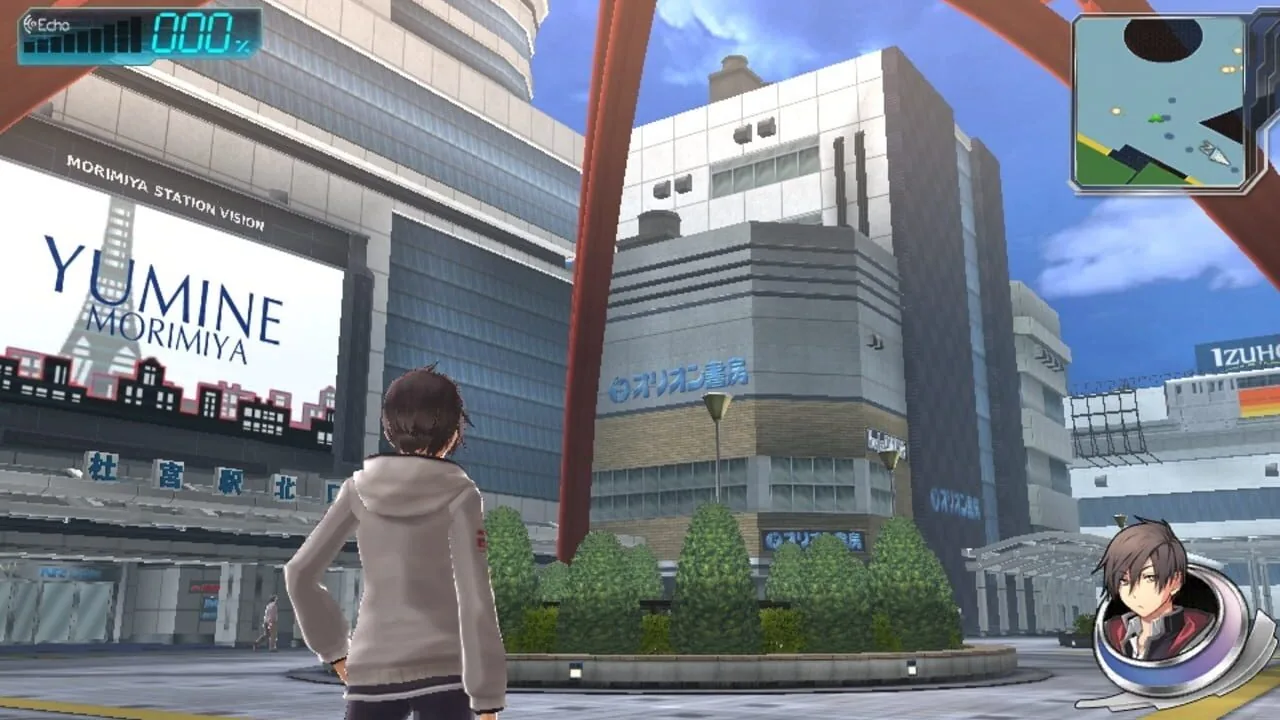
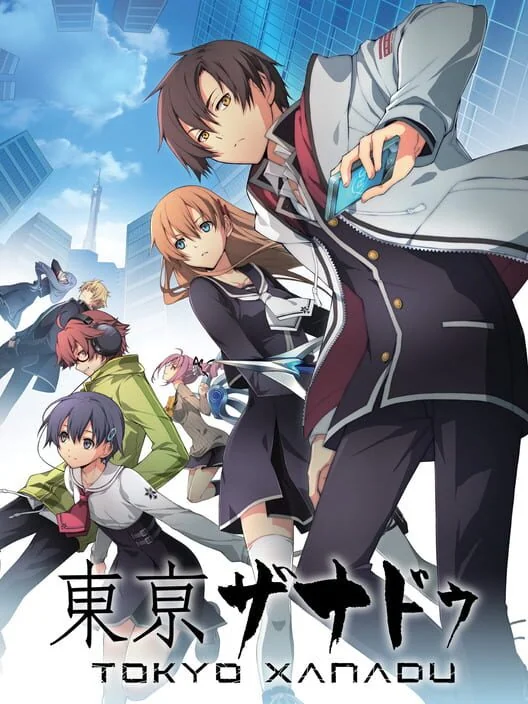
Tokyo Xanadu splits your day in two. By day you are a student in modern Tokyo, making friends at school. By night a vortex pulls you into a nightmare realm called Eclipse, and you fight your way through dungeons with a growing party that includes an idol named Rion Kugayama and an English teacher named Gorou Saeki.
The Vita version came first, launching in Japan in September 2015 and worldwide in June 2017. The switch from classroom to danger is swift, and the action is fast and satisfying. The screen shows off its sharp art well. Few role-playing games make school life feel this closely tied to the fight. It moves quickly.
63. World of Final Fantasy (2016)
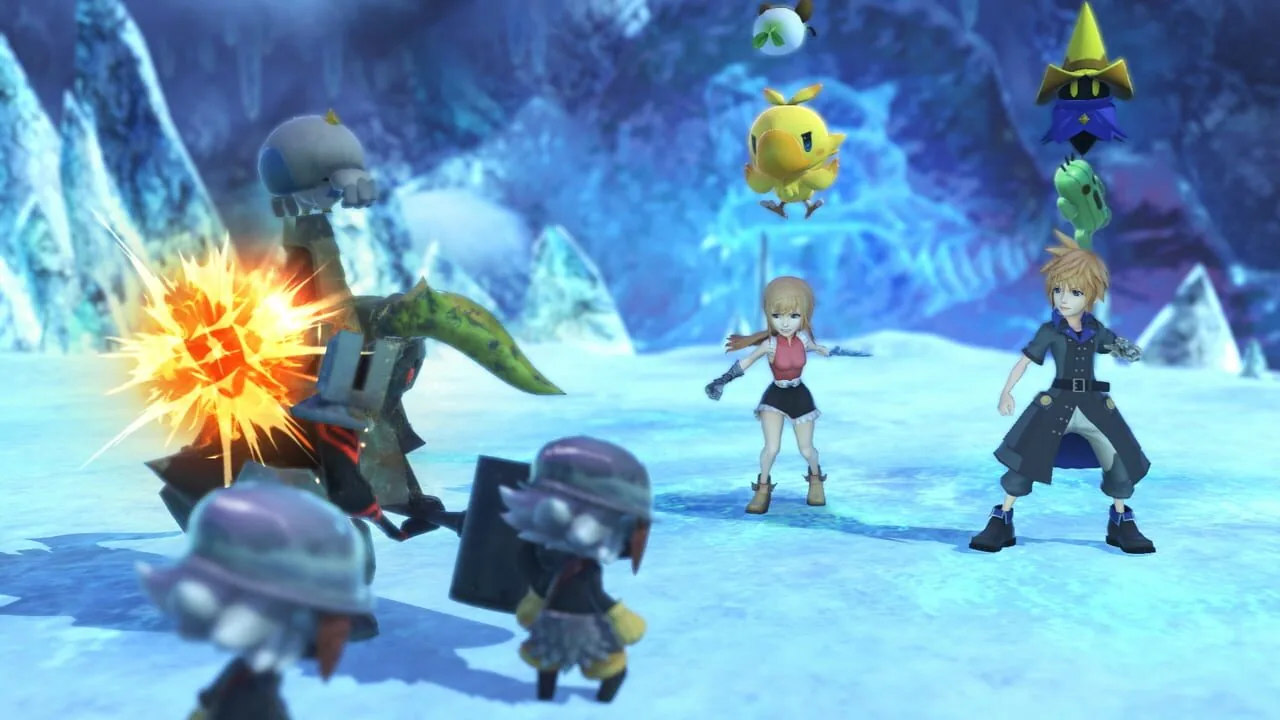
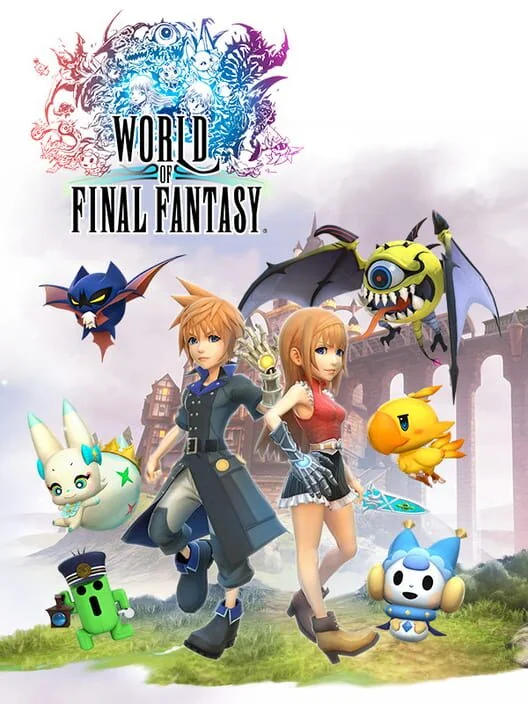
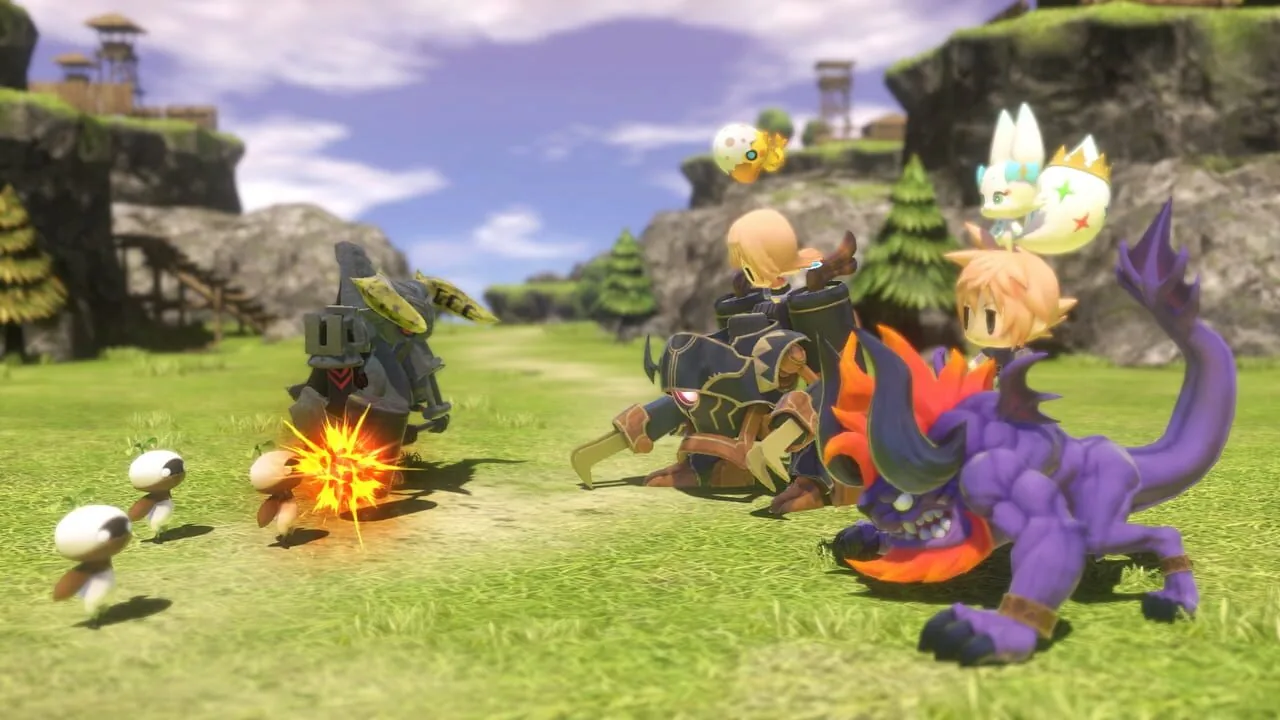
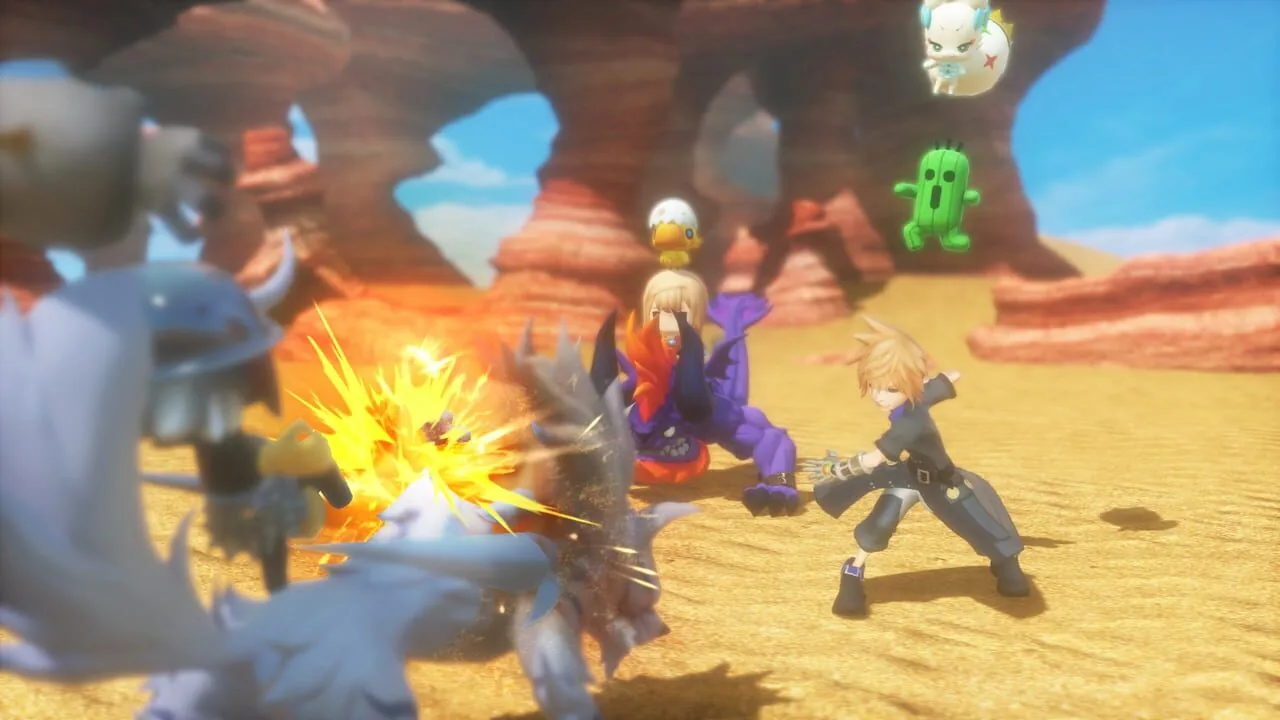
World of Final Fantasy mixes classic role-playing mechanics with cute, toy-like visuals. It was designed to welcome a wider and younger audience, with a lighter tone and stylized graphics, and it works for longtime fans and newcomers alike. Hiroki Chiba directed and wrote it. He had worked as a scenario writer on the series.
Masashi Hamauzu composed most of the music and arranged classic themes in a lighter key. It came out on the PlayStation 4 and the Vita in 2016, and a Maxima edition followed in 2018, made because players asked for it, even if the budget limited what was added. The Vita edition is the original, and it plays as the friendliest door into the series.
62. Thomas Was Alone (2012)
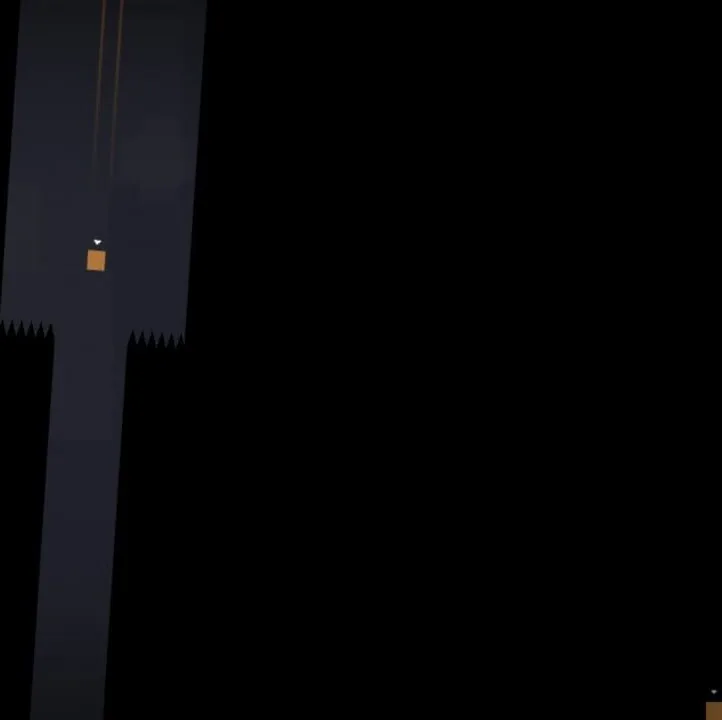
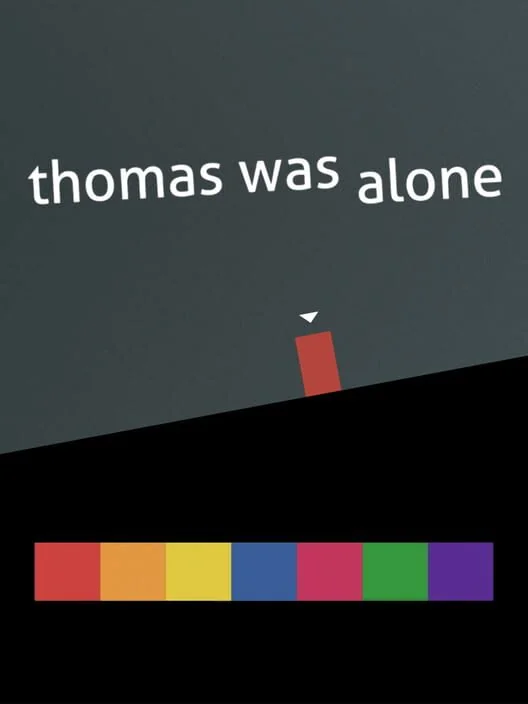
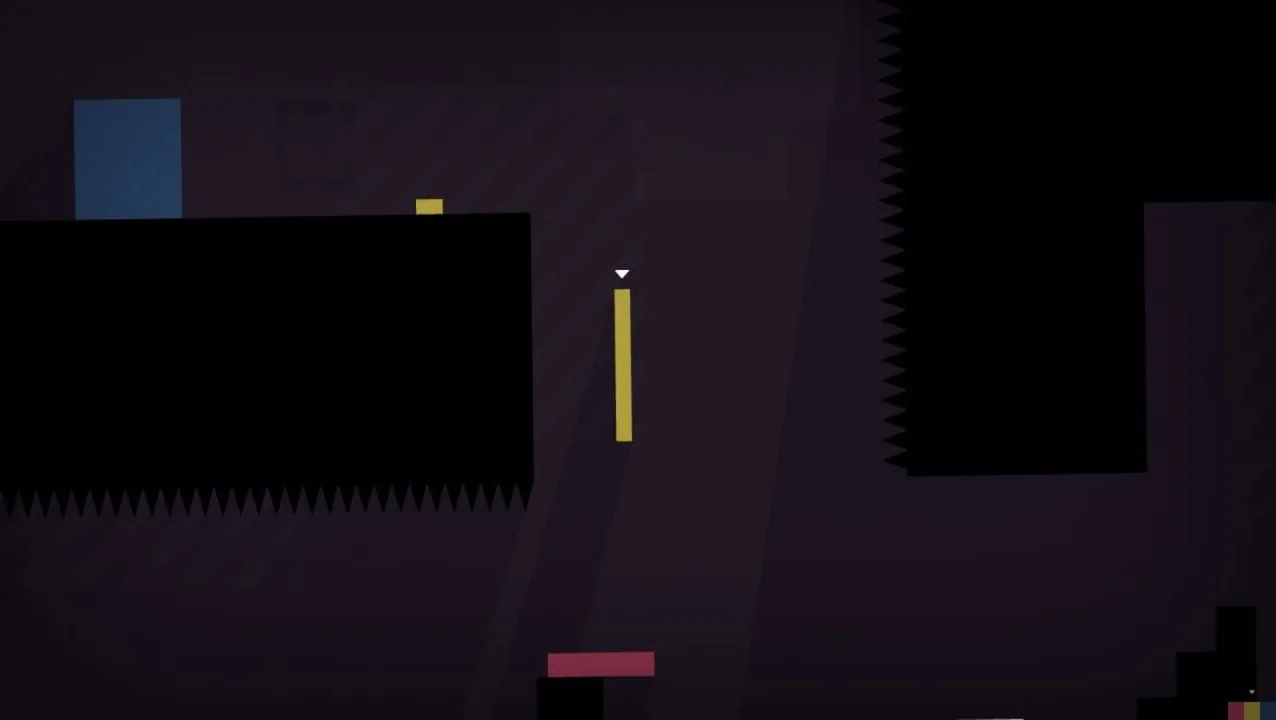
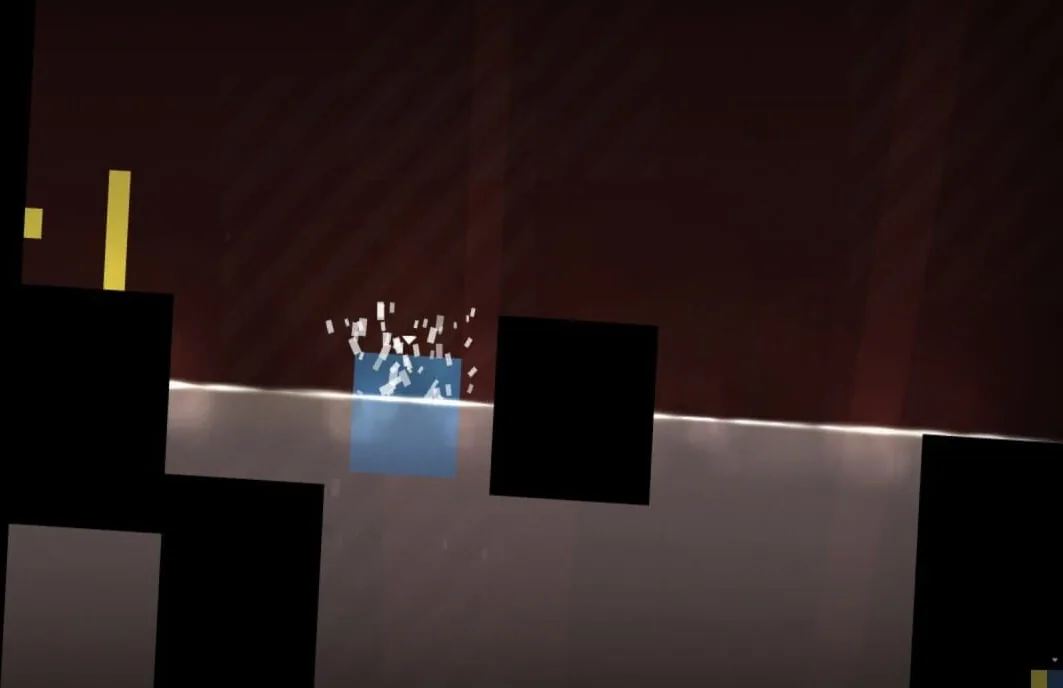
Thomas Was Alone is a minimalist platformer about friendship, and its heroes are rectangles that jump and float. Each one has its own name and personality, and a narrator voiced by Danny Wallace tells you who they are. Every level asks you to bring all of them to their own exits at the same time.
The game was expanded and released for Windows and OS X in June 2012, and it later reached many systems, including the Vita. Rectangles are not supposed to make you care, and yet they do. The charm is in the writing and the voice. Few games get so much feeling out of so little. Danny Wallace's performance is the heart of it.
61. Downwell (2015)
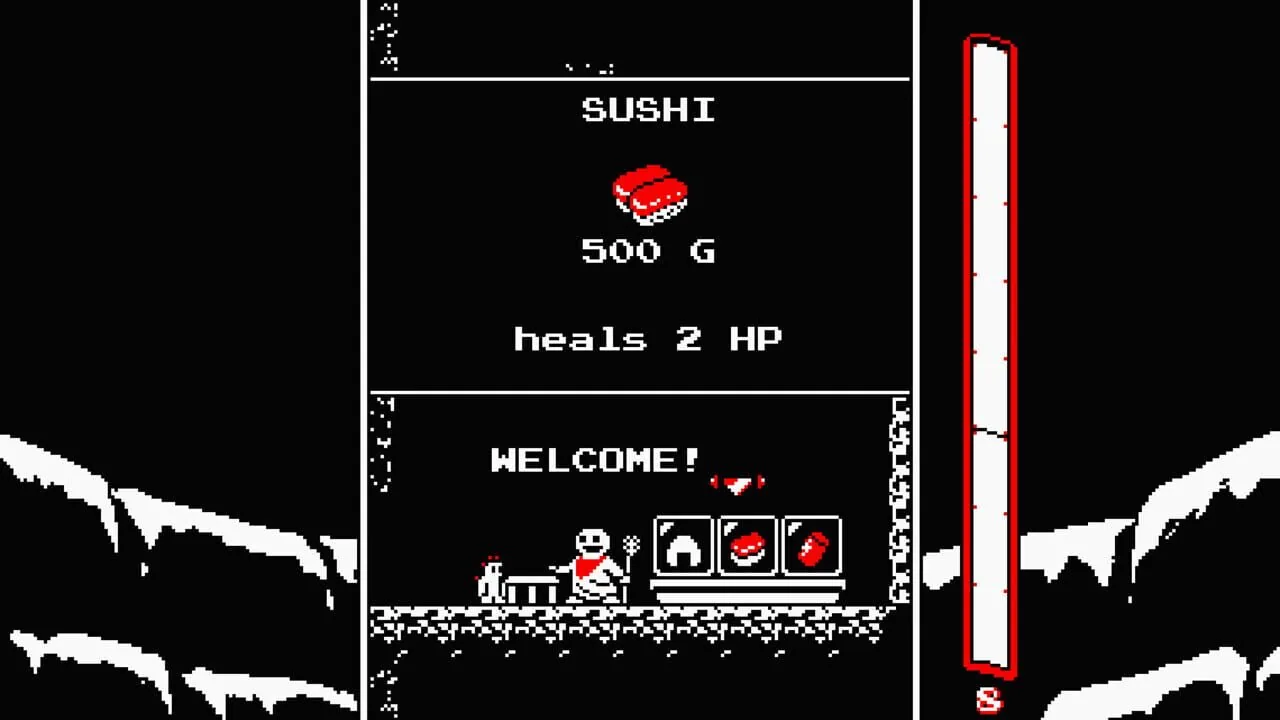
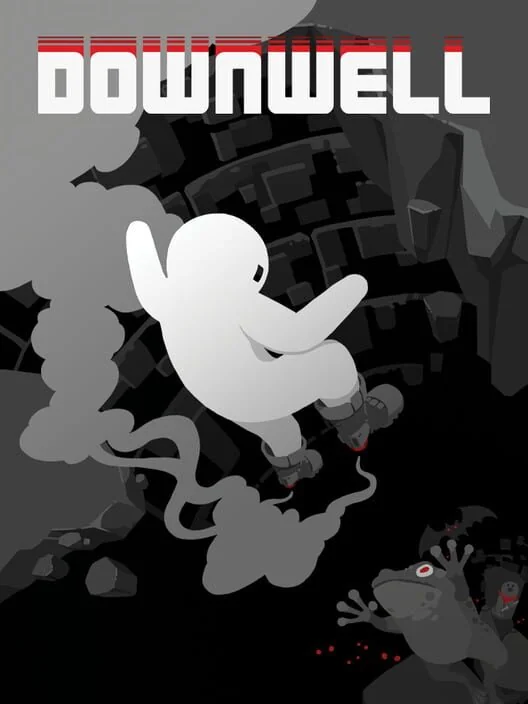
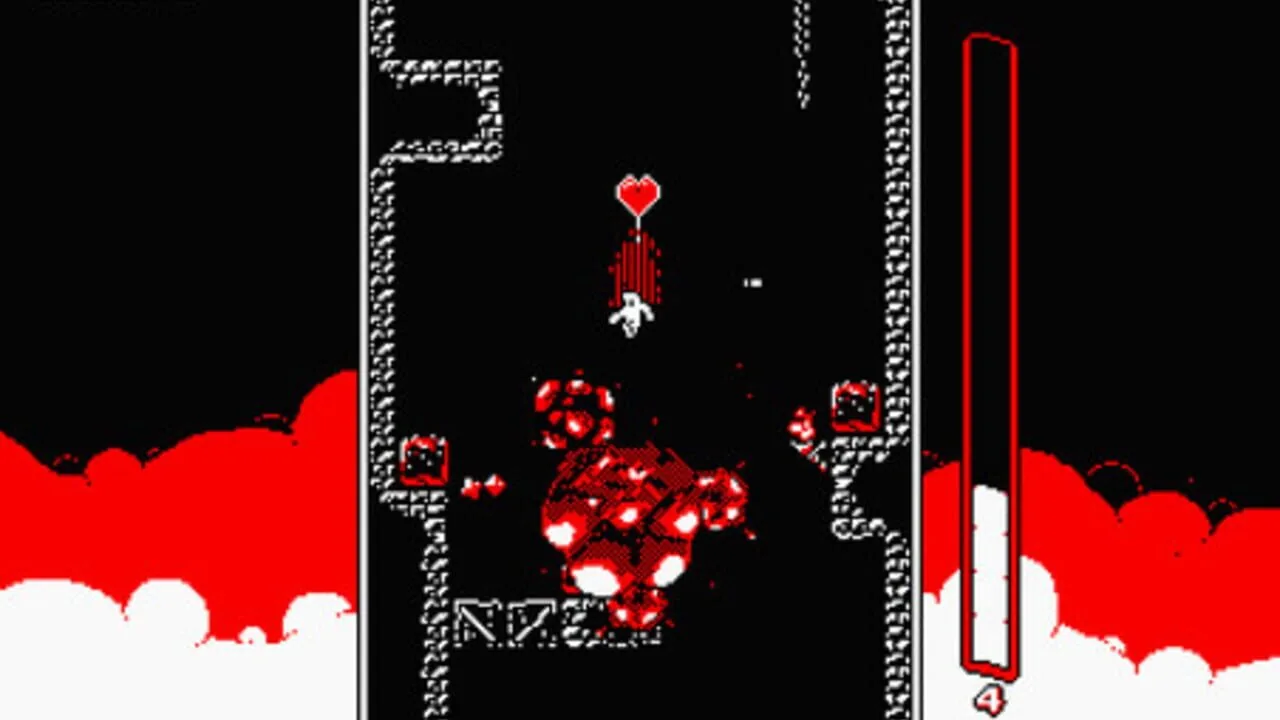
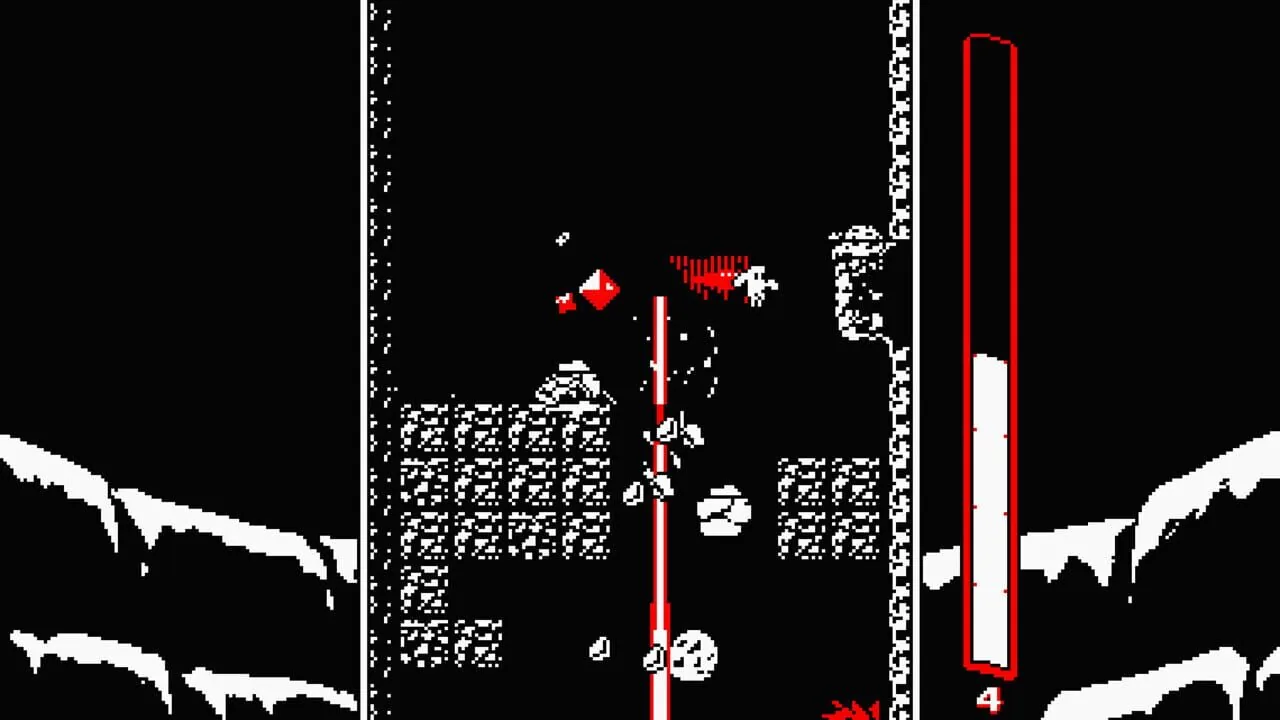
In Downwell a young man with guns for boots drops down a well, hunting for treasure. You fall through rooms full of nasty creatures, and the guns under your feet are your weapons and your brakes.
Every drop is a fresh arrangement of rooms. No run is the same. The controls are about as simple as they get, and the challenge is keeping a combo alive on the way down. A perfect run feels like a dance in a very small room. It suits the Vita as a game you can start and finish on a short break. Footwear has not been this dangerous since the stiletto. Runs last only a few minutes.
60. Sly Cooper: Thieves in Time (2013)
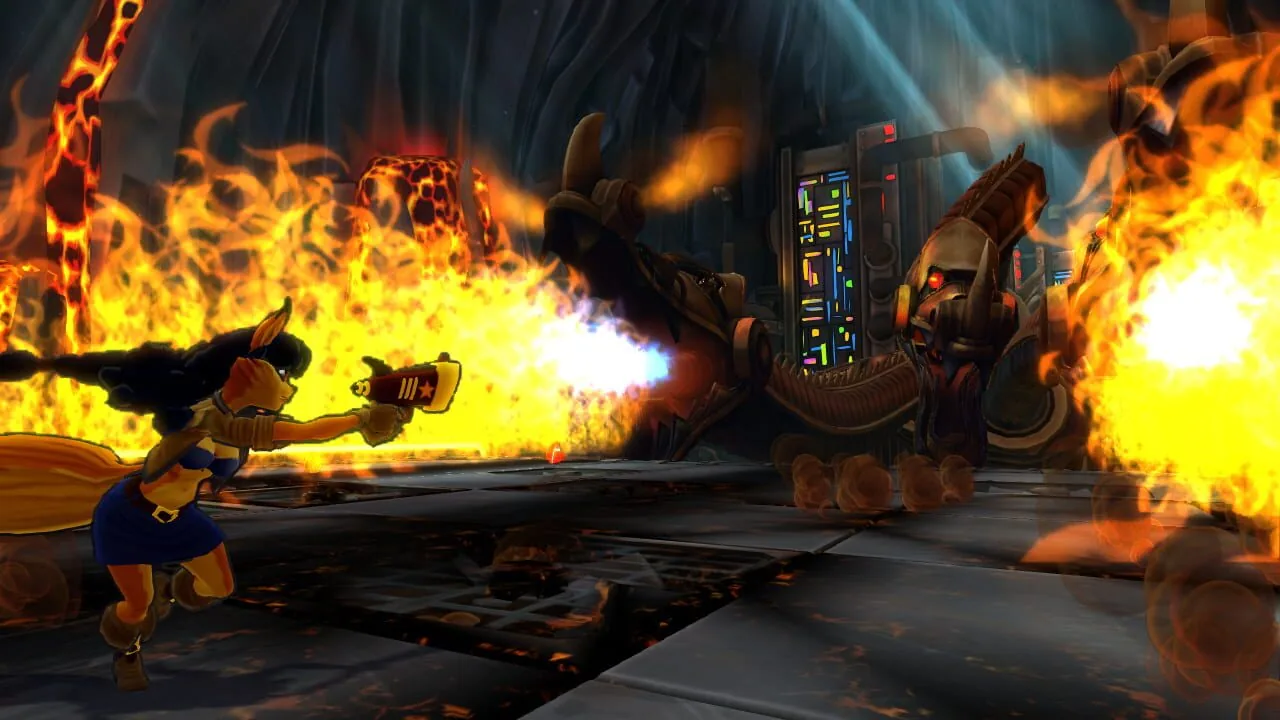
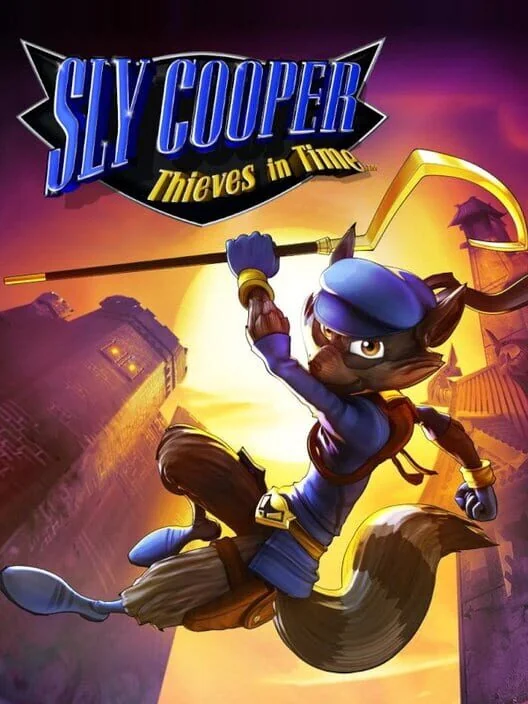
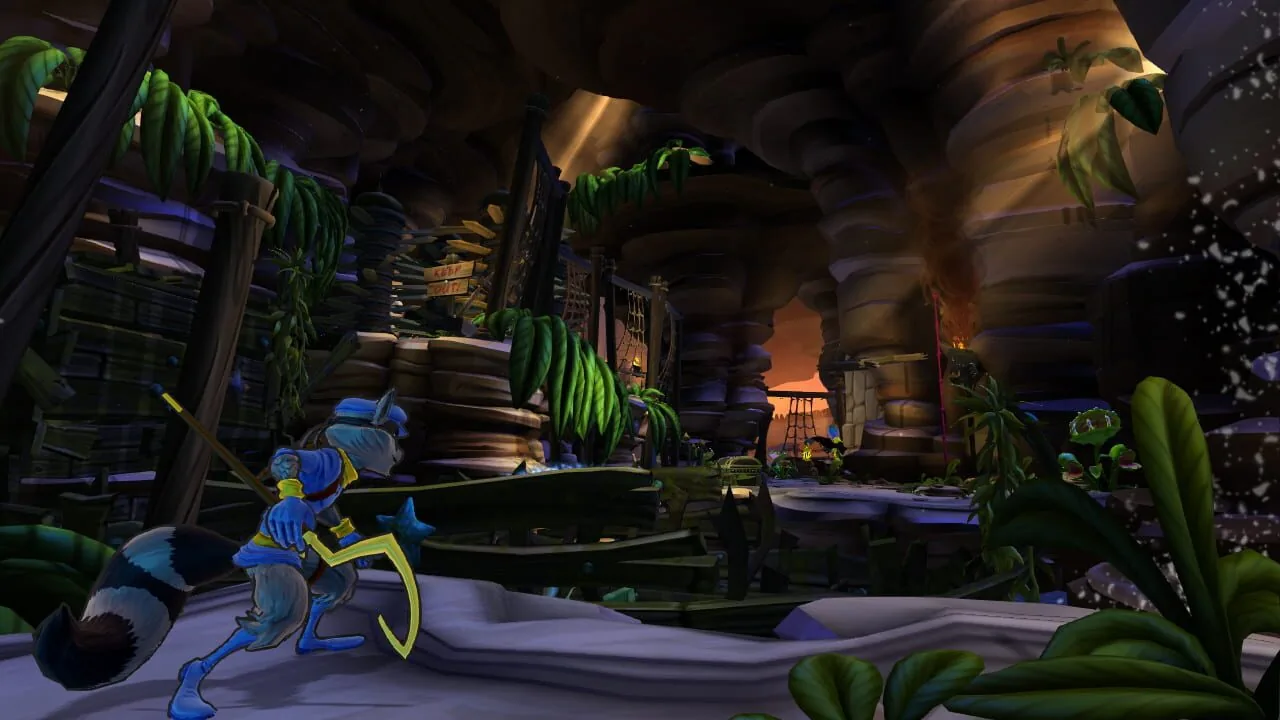
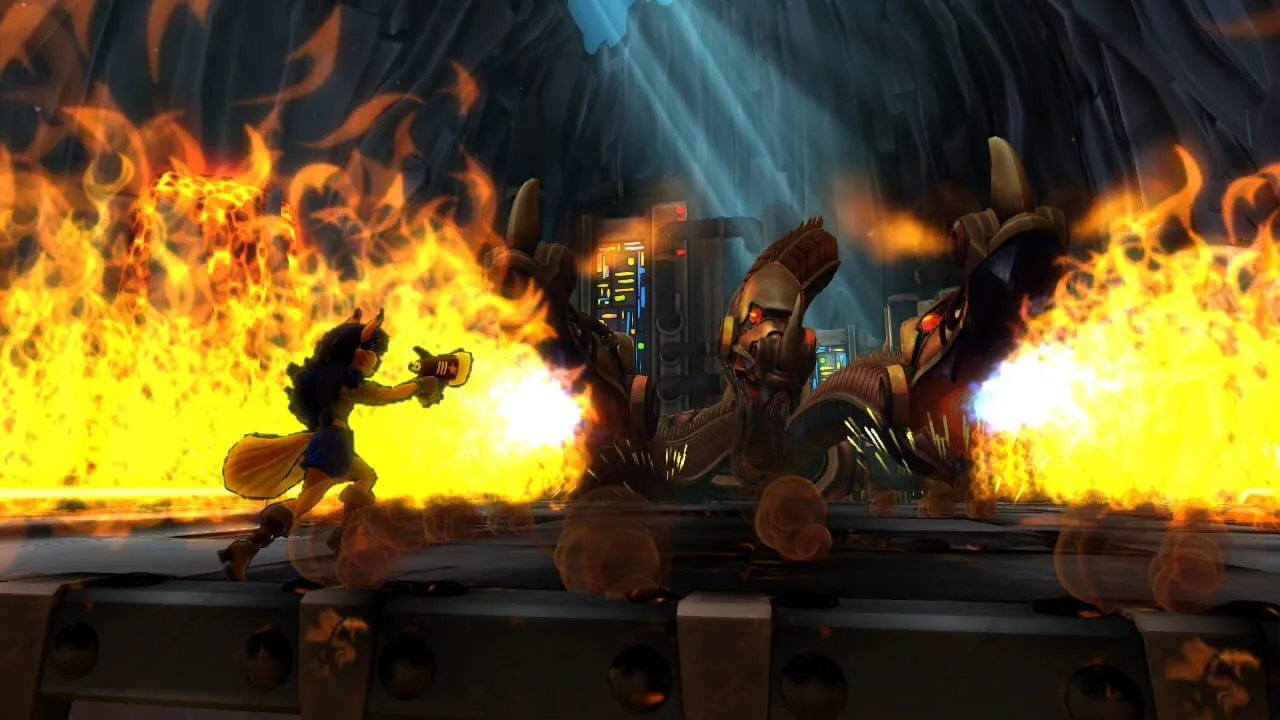
Sly Cooper: Thieves in Time is a cheerful heist cartoon in which you sneak and swipe your way through time. Sanzaru Games made it for Sony, and it came out in 2013 on the PS3 and the Vita as the fourth main game in the series. The gang visits Feudal Japan first, where they rescue Rioichi Cooper, a ninja who invented sushi.
Reception was generally favorable. Reviewers were split on how well the old gameplay had aged, and they criticized the side-character segments and the long load times. Still, the Vita version is full of charm. Sanzaru had already remastered the original trilogy as The Sly Collection, which makes this a proper return.
59. Hotline Miami 2: Wrong Number (2015)
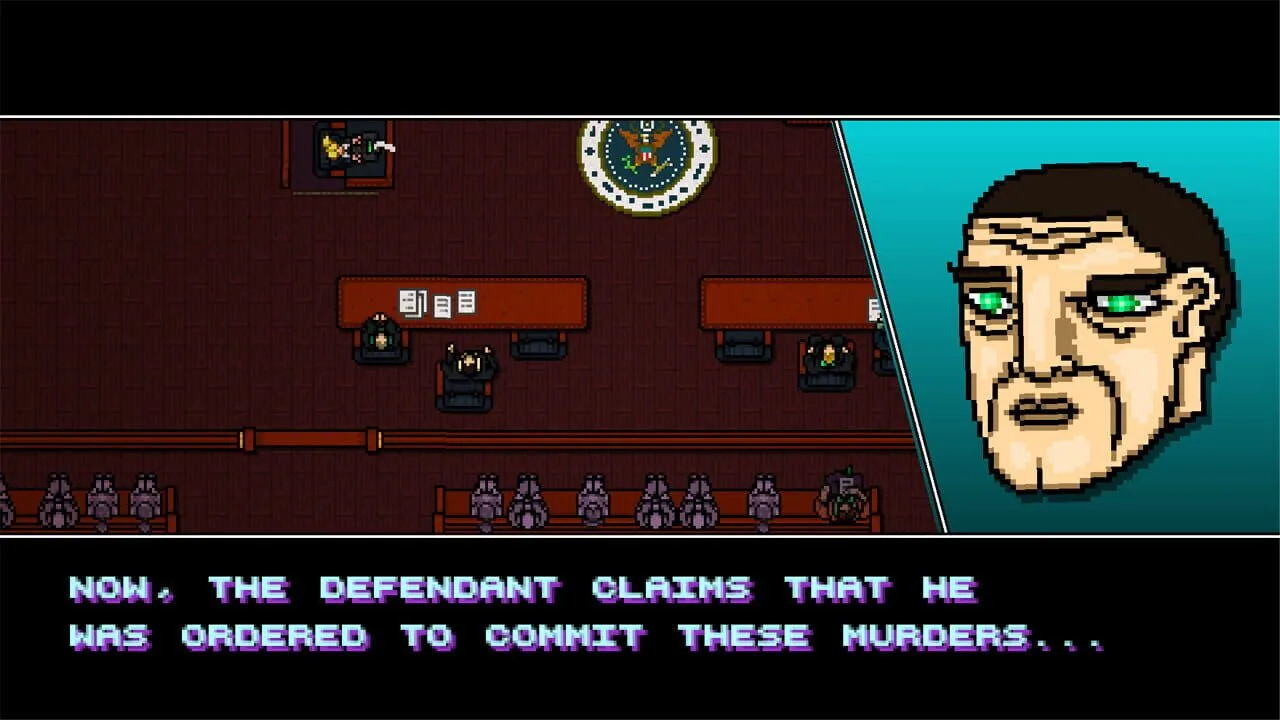

Hotline Miami 2: Wrong Number takes the neon violence of the first game and pushes it further. It was planned as downloadable content, then grew into a standalone sequel when its length outran that idea. Dennaton called it the final chapter and put in every idea it had left unused from the first game. It feels crowded in the best way.
Abstraction Games made the console versions, and it came out worldwide on 10 March 2015, Vita included. Critics praised the soundtrack and held mixed opinions on the gameplay and the ending. The music drives every floor. One-hit deaths and instant restarts suit the Vita screen. Answer the phone only if you are ready.
58. Call of Duty: Black Ops - Declassified (2012)
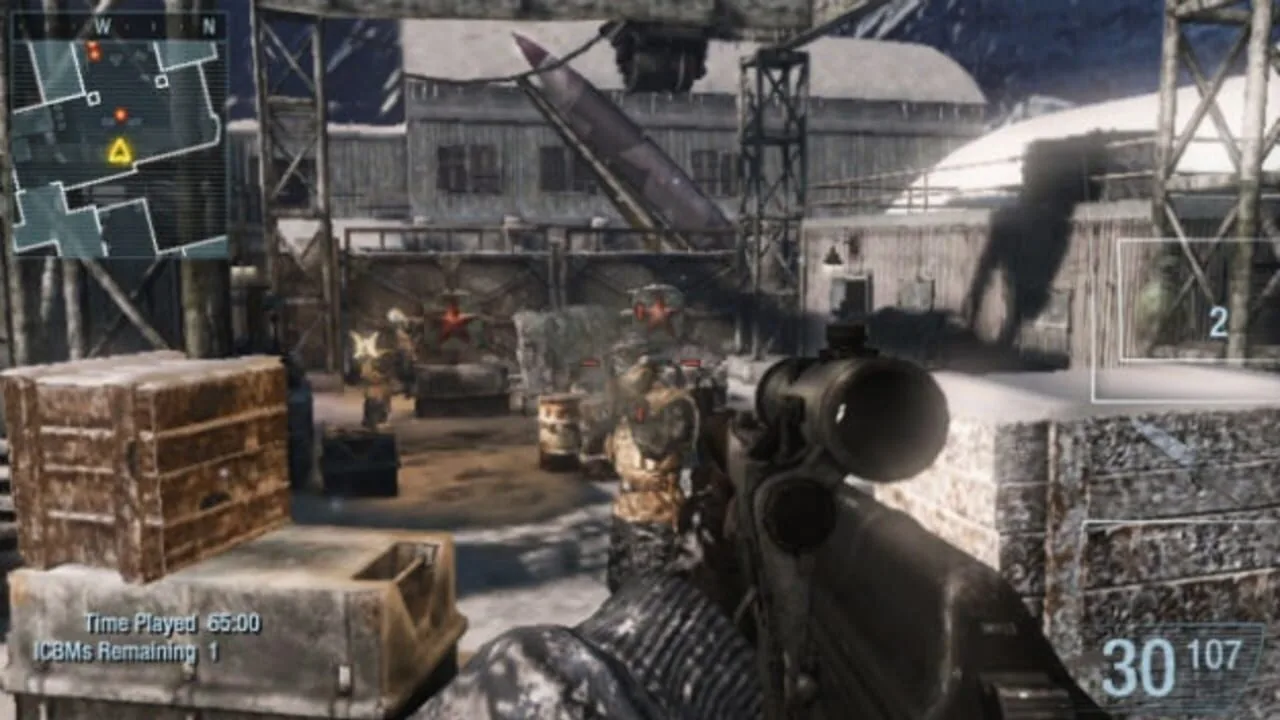
Call of Duty: Black Ops Declassified tells its own story from the Black Ops world, and only on the Vita. It came out on November 13, 2012, in North America, the same day as Black Ops II. Nihilistic, the studio behind it, said a Zombies mode would not be in the game at launch.
In multiplayer you get five preset classes and five custom slots, plus one more shared through the Near feature that lasts only a few lives. Graphics drew criticism when it was shown at Gamescom 2012, but it proved that a Call of Duty could live on a handheld. It is a bold attempt at something big. Reload your expectations before you play.
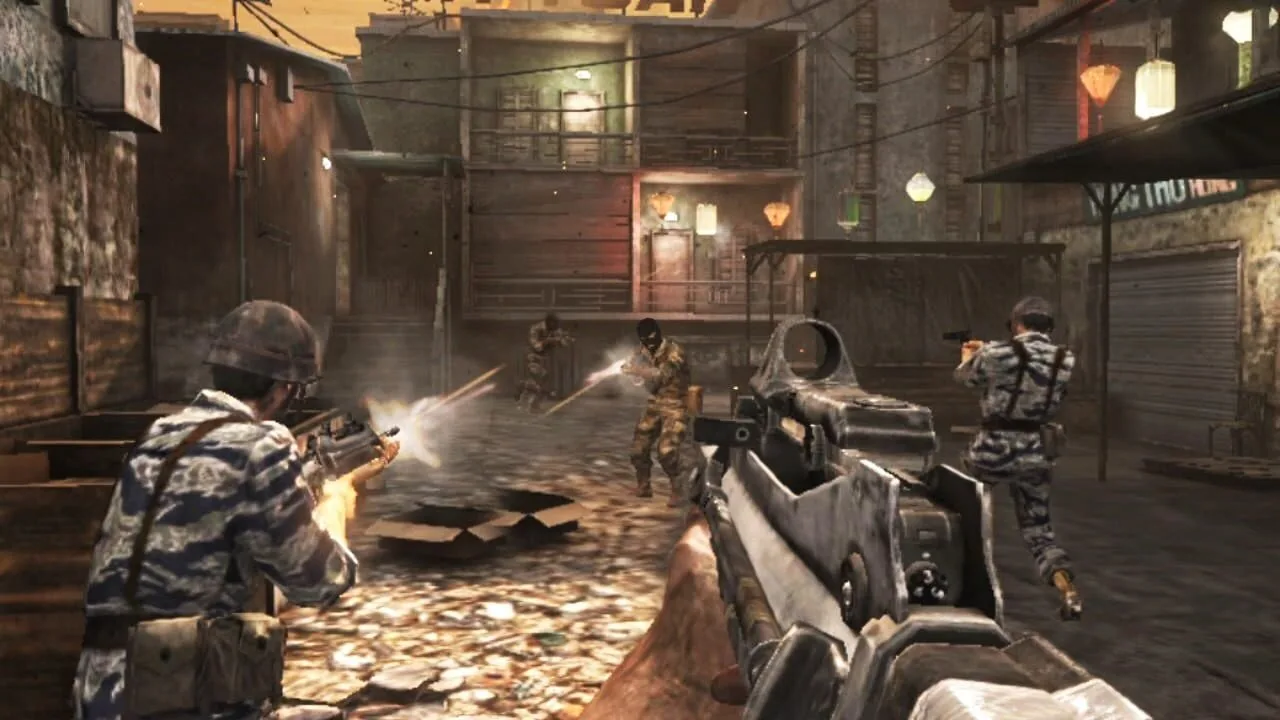
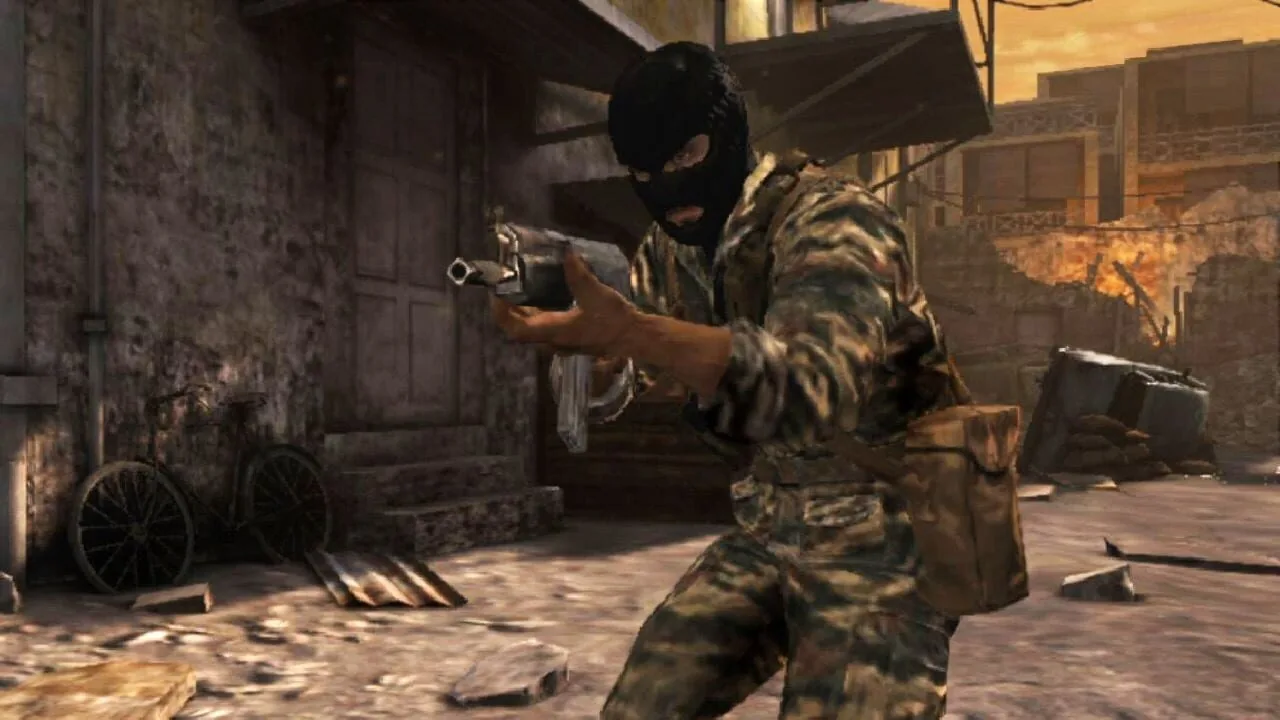
57. Demon Gaze (2013)
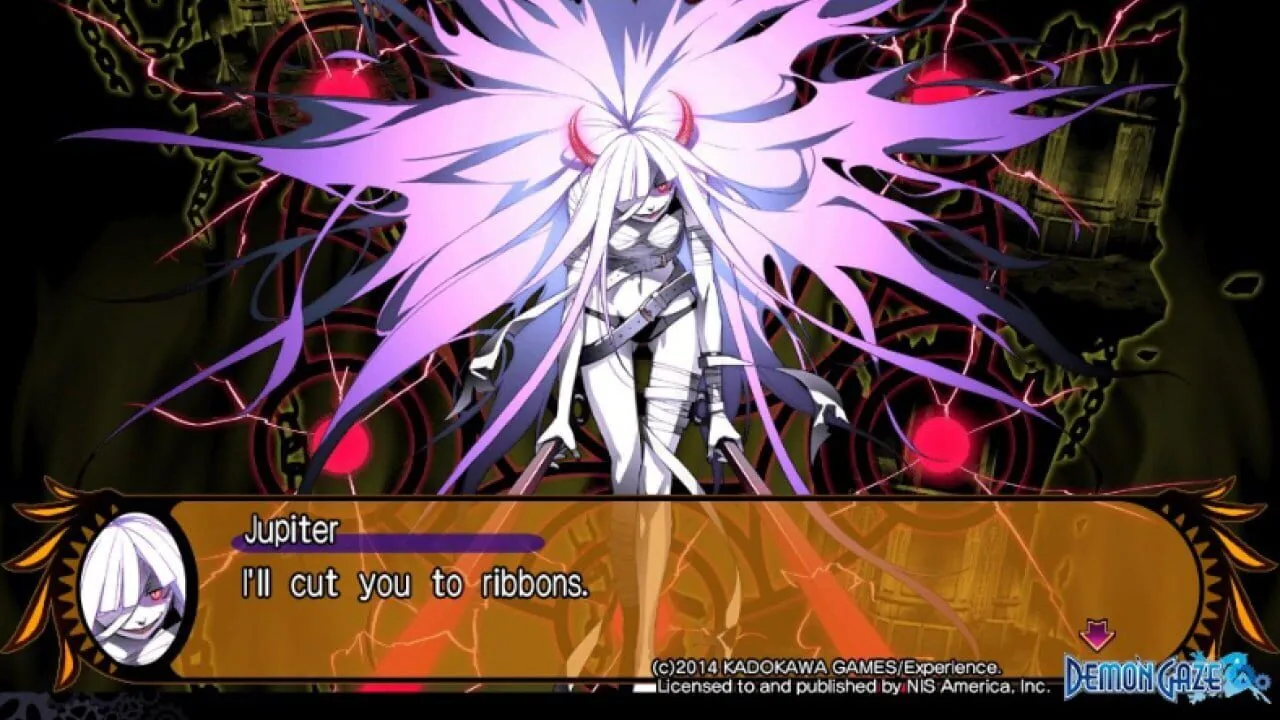
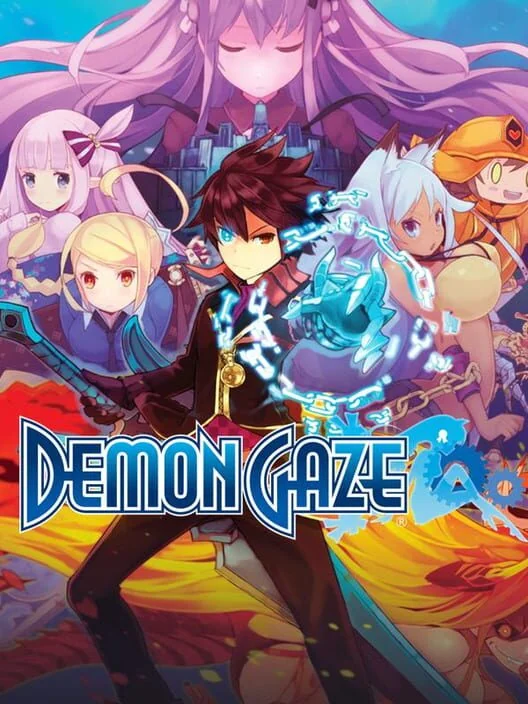
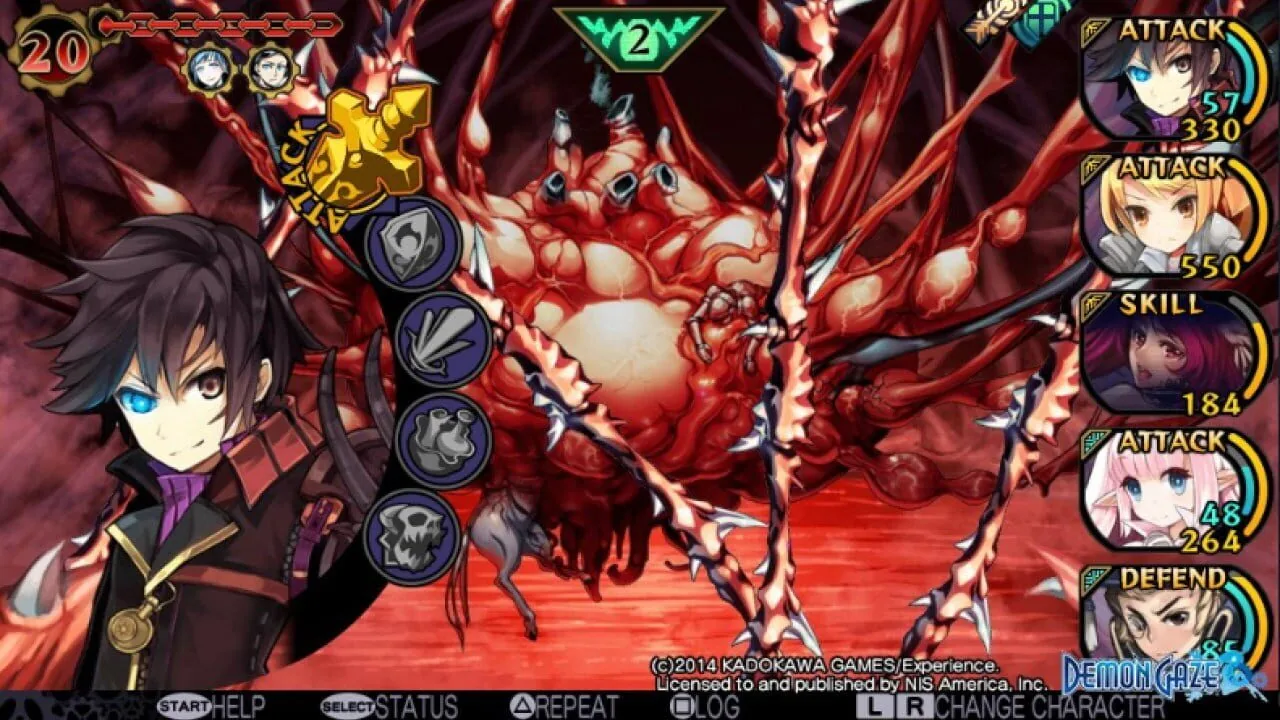
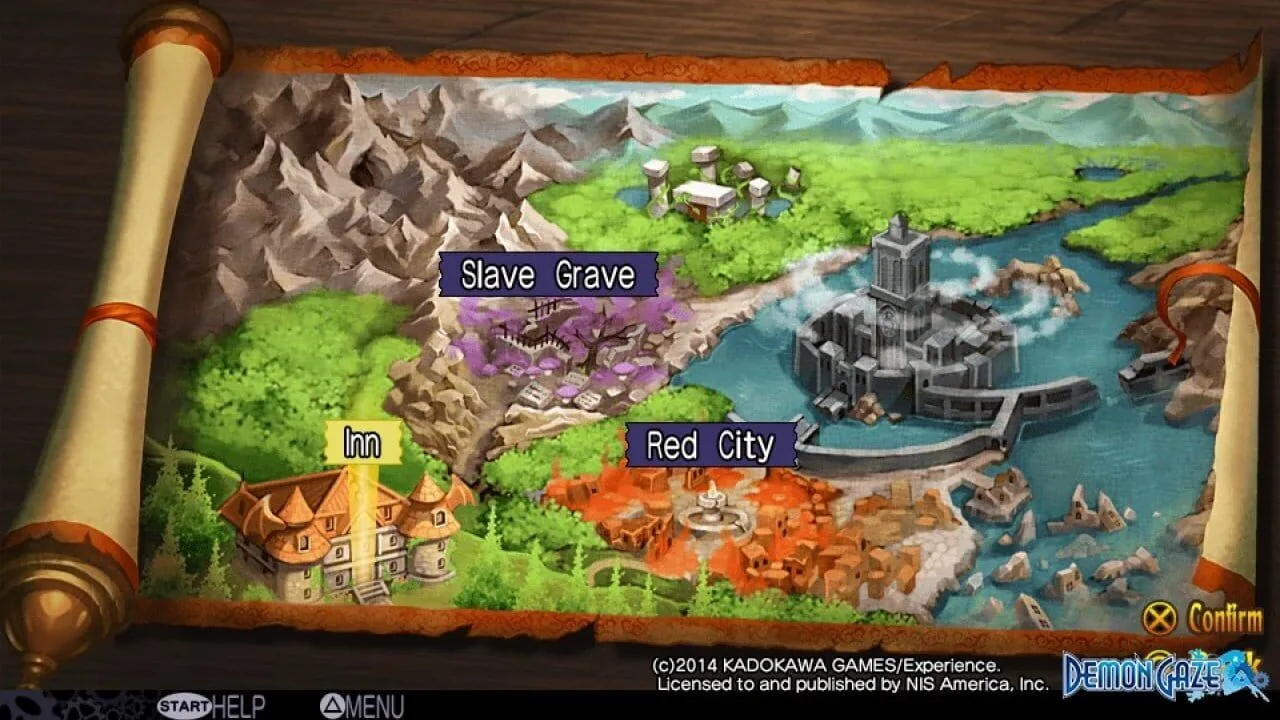
Demon Gaze is a first-person dungeon crawler where you lead a team of five characters drawn from five races and seven classes. Your hero has a unique class, while the other party members can be shaped to suit your plan. It is an old-school role-playing game that rewards careful planning and punishes careless wandering.
The Vita suits it, since grid-based dungeons are easy to explore in short bursts. It has a niche audience and a loyal following, and fans of the genre treat it as a favorite. If you grew up on first-person dungeon crawlers, this is a modern take with a quirky streak and sharp art. A wrong turn can ruin an hour, so save often.
56. Super Meat Boy (2010)
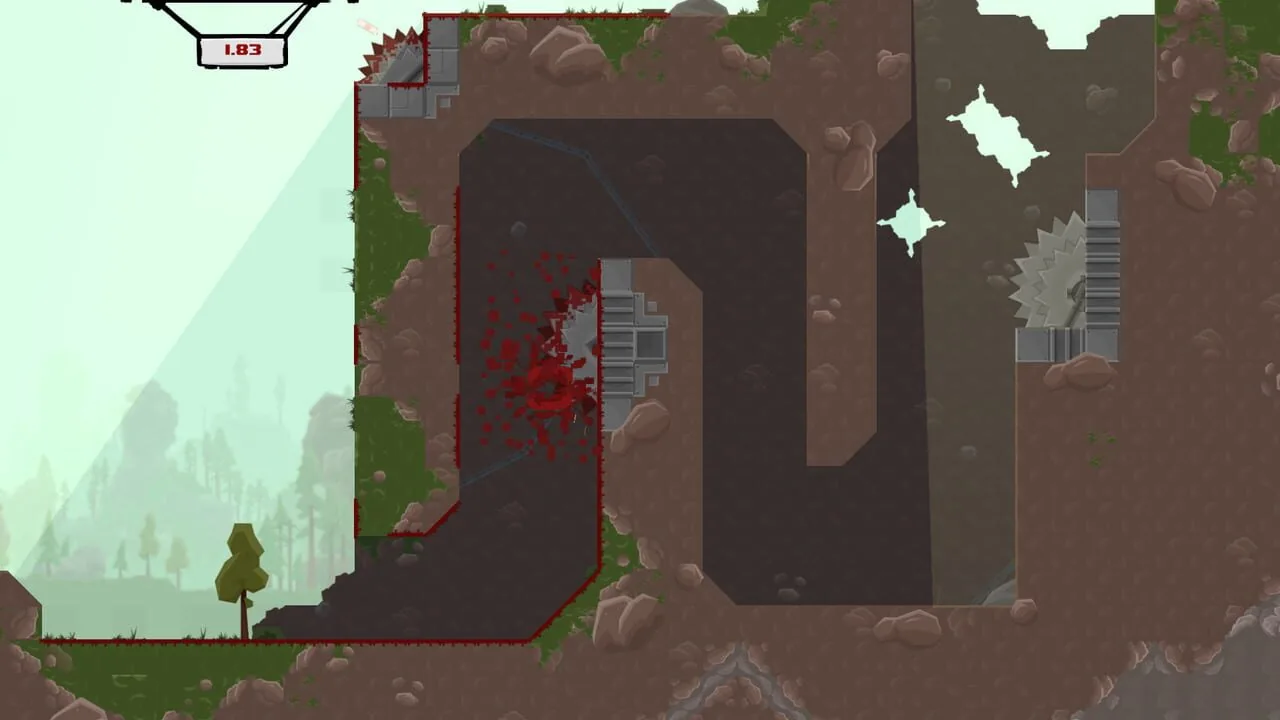
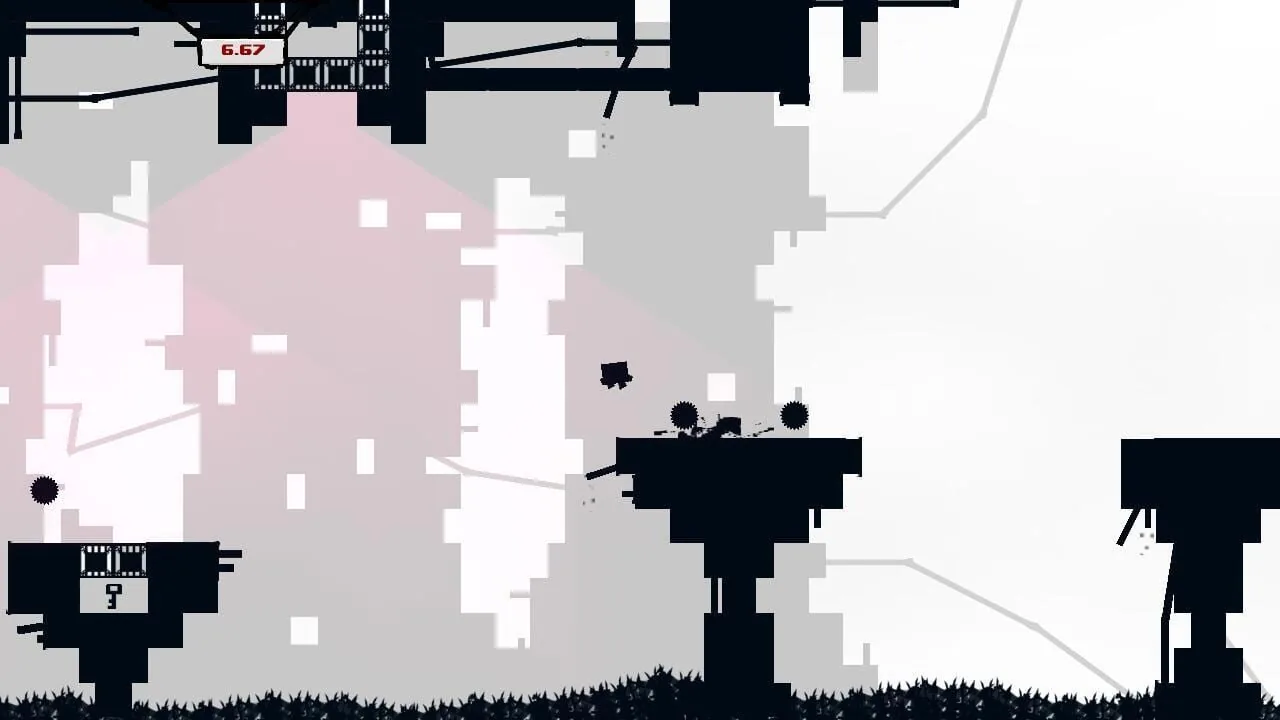
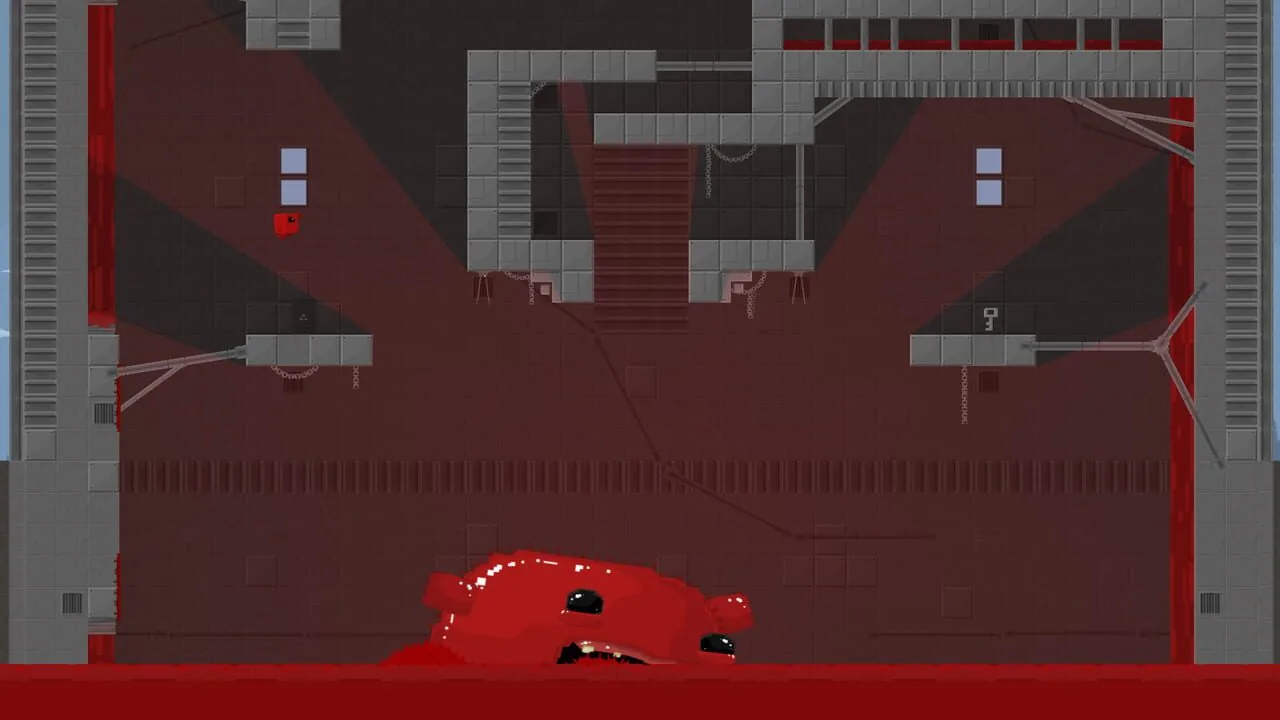
Super Meat Boy has you play a small cube of meat who has to rescue his girlfriend Bandage Girl from the evil Dr. Fetus. It first appeared on the Xbox 360 in October 2010 and later moved to the Vita, along with other platforms. Danny Baranowsky, who worked on the original Meat Boy, wrote the music.
Levels last seconds. Dying is cheap and retrying is instant, which is perfect for the Vita. Critics lauded the tight controls and the tough gameplay, and the game has been called one of the greatest of all time. The controls are tight enough that every failure feels like your fault. That is the game working as intended.
55. Toukiden: Kiwami (2014)
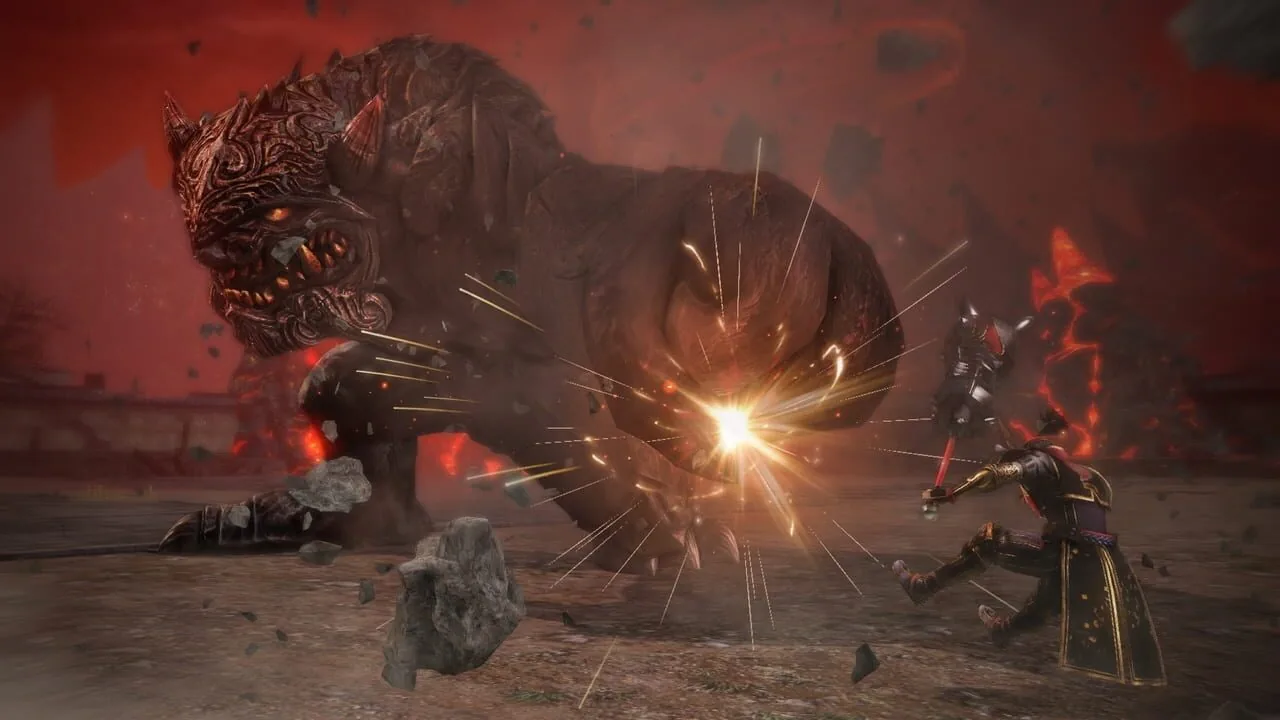
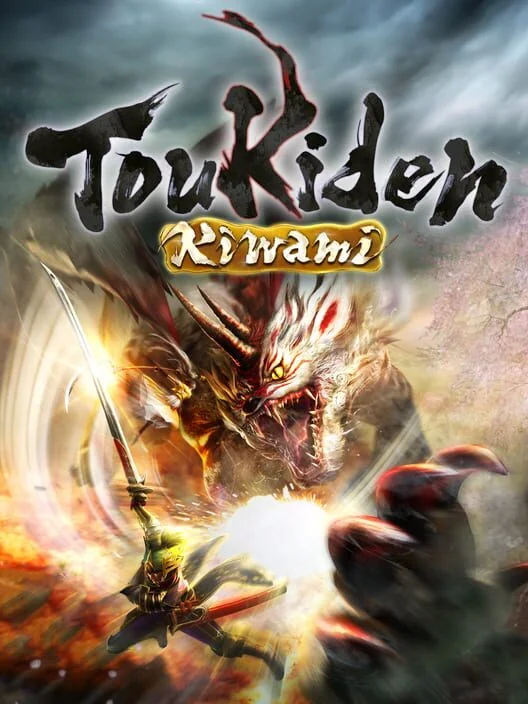
Toukiden: Kiwami is a hunting game where you play a Slayer with unique powers and fight the Oni to save mankind. The world is a fantasy version of medieval Japan with Shinto themes, and Slayers form teams to take down the huge Oni. Every hunt rewards coordination.
Koei and Sony Computer Entertainment Japan developed it together, with Team Ninja also involved. Hidari made the character designs and illustrations, and Hideki Sakamoto composed the music. It was revealed first at Sony's TGS 2012 keynote. Kiwami is the extended edition for the Vita, and the extra missions give a real reason to return to a hunt you thought you had finished. It is a solid pick for fans of monster hunting on the go.
54. Super Stardust Delta (2012)
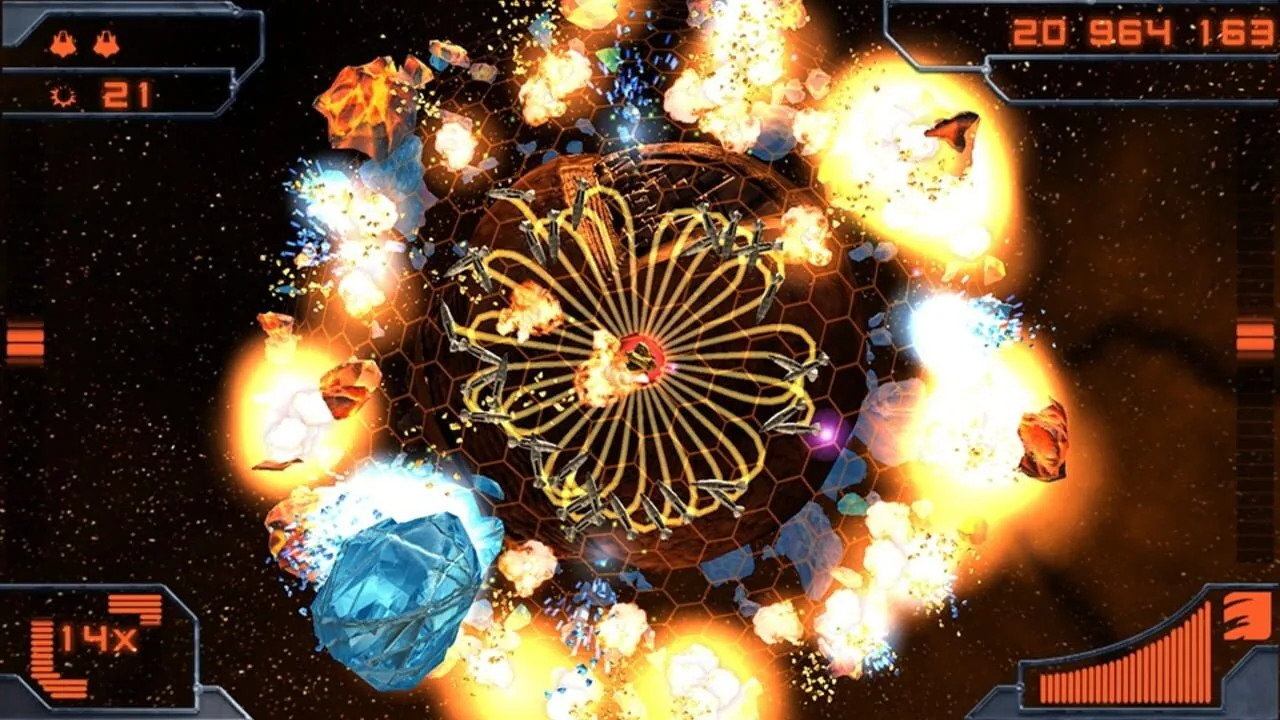
Super Stardust Delta is a Housemarque shooter where a single mistake can end your run. You blast asteroids with the dual analog sticks and create black holes with the touchscreen while your starship circles a planet. The Pure setting drops the touch features and leaves only button controls.
It adds four new modes, including Endless, which sends ever-larger waves, and Bomber, which tests how long you can survive with only bombs. To raise the frame rate on the Vita, Housemarque built a custom multithreaded architecture. Ari Pulkkinen made three of the four soundtracks. A reminder that the best shooters make a small screen feel huge. Your thumbs will be sore, but in a good way.
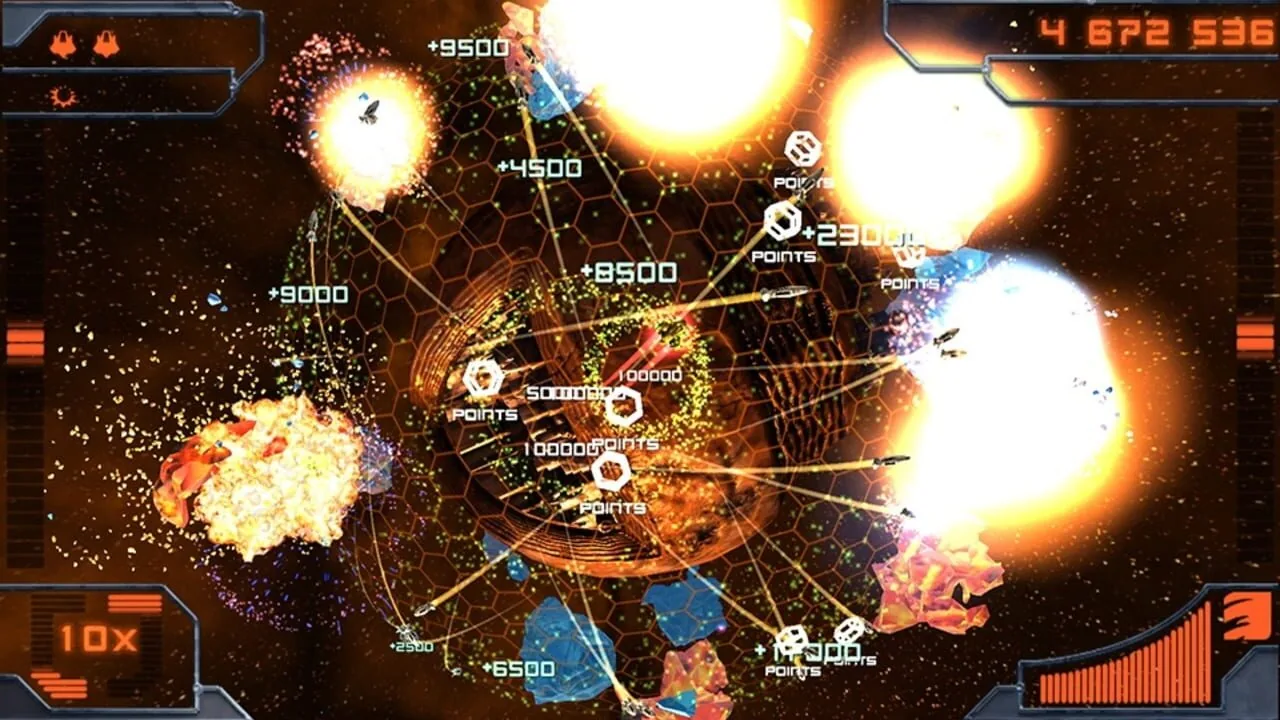
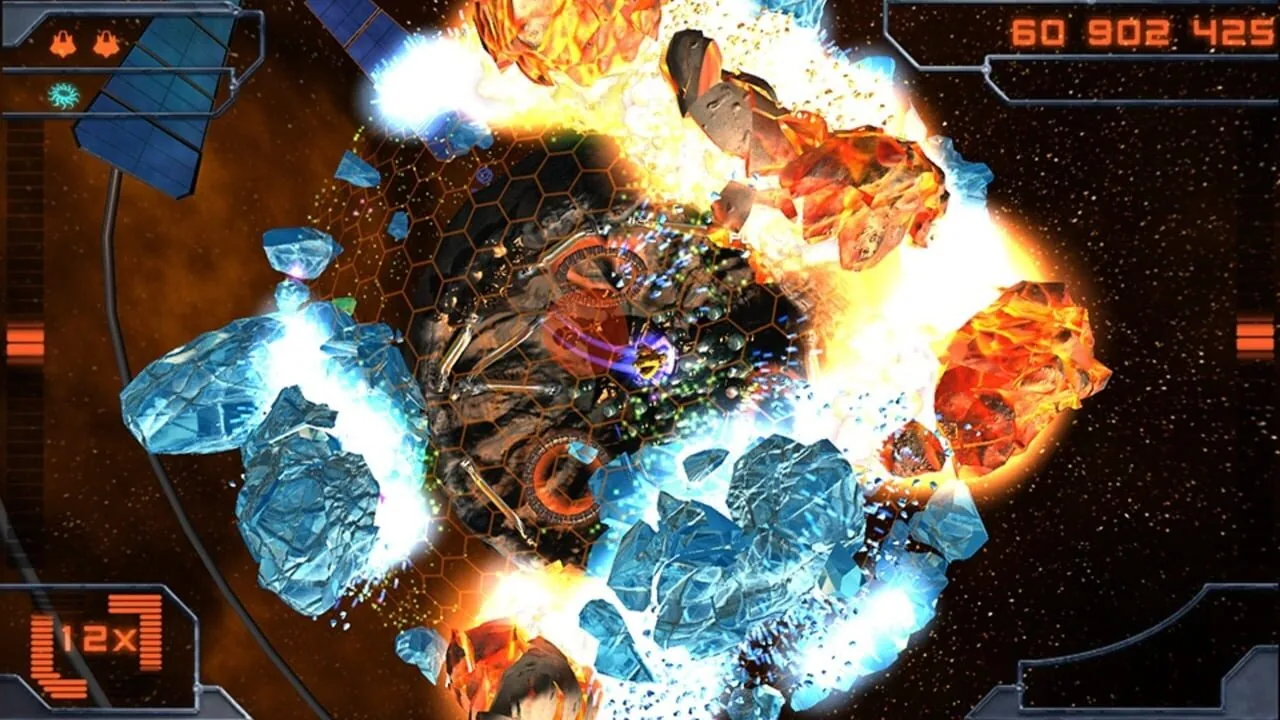
53. The Walking Dead (2012)
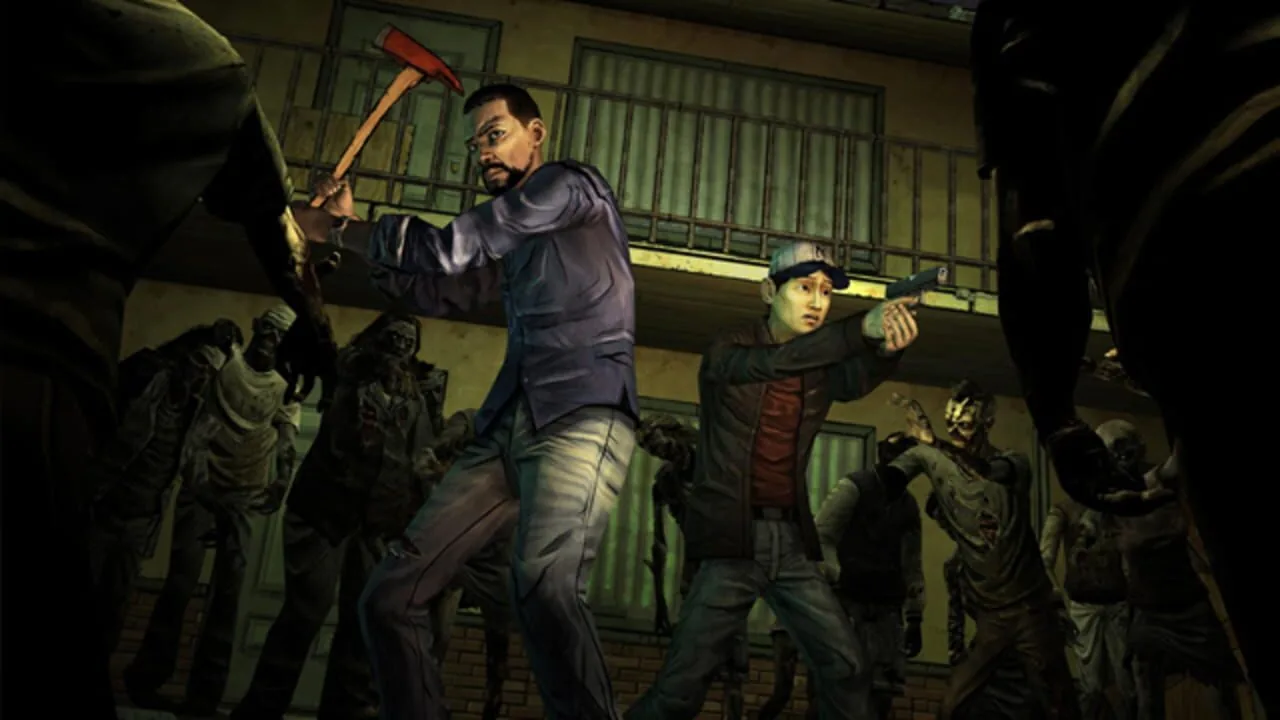
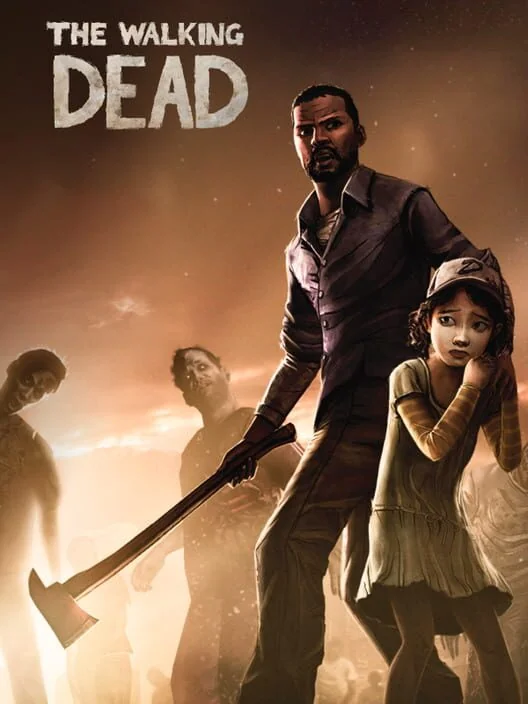
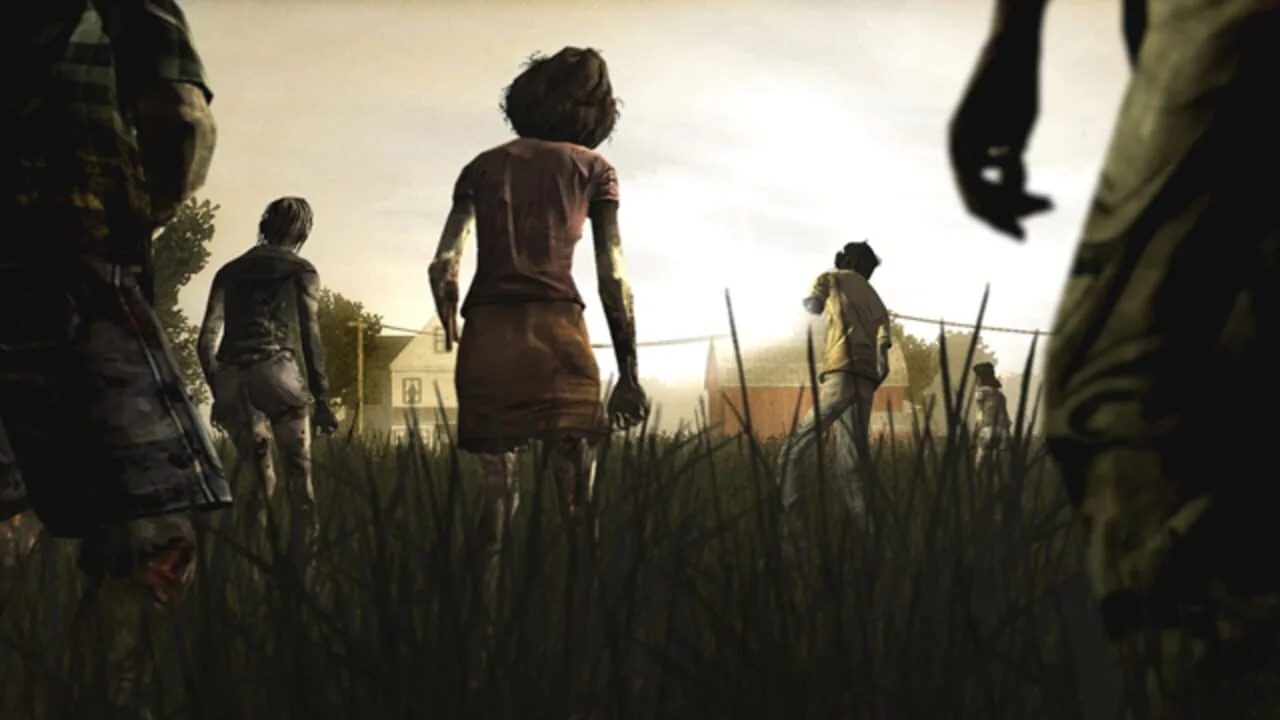
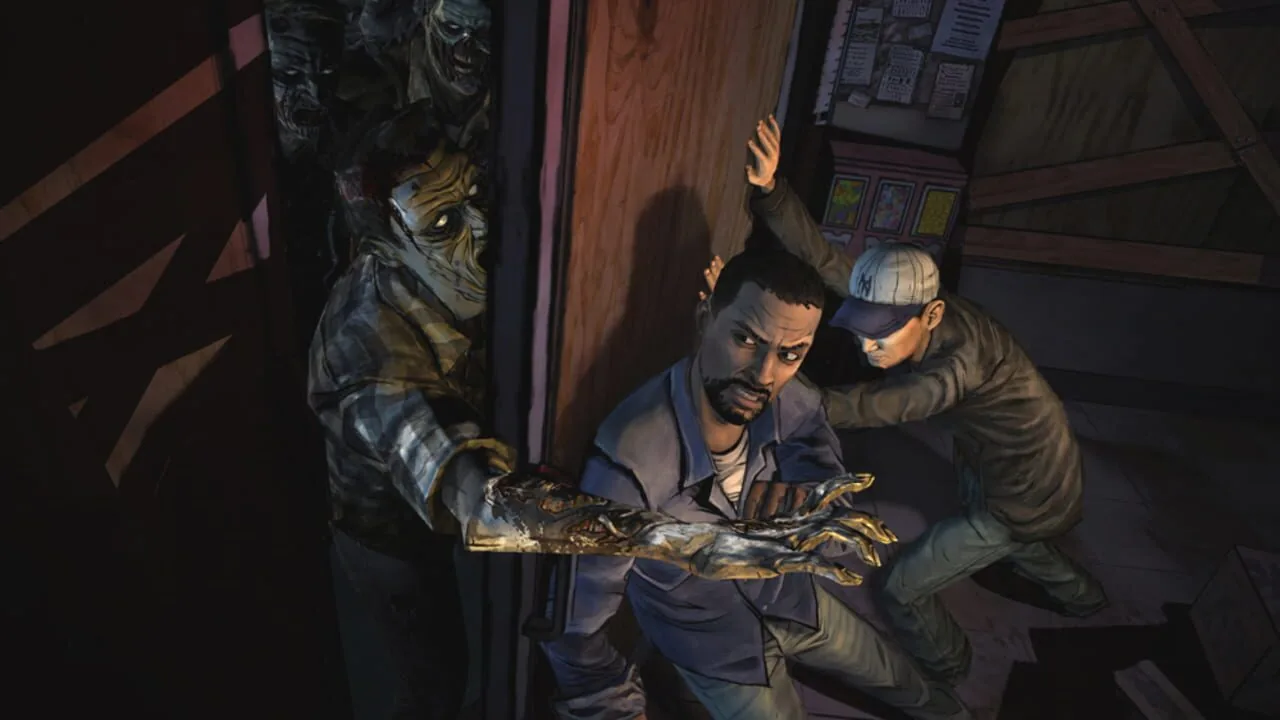
The Walking Dead: Season One is an episodic drama from Telltale Games, based on Robert Kirkman's comic series. You spend your time talking to survivors and deciding whom to trust. There are no shooting galleries here. The tension comes from conversation.
The story hits hardest when the choices are small ones. A single dialogue line can change how someone treats you for the rest of the season. Telltale made its name with this series, and it holds up as a story-driven game with a great deal of heart. Because it is an adventure instead of an action game, it works in short sessions or in one long evening with the lights off.
52. Resident Evil: Revelations 2 (2015)
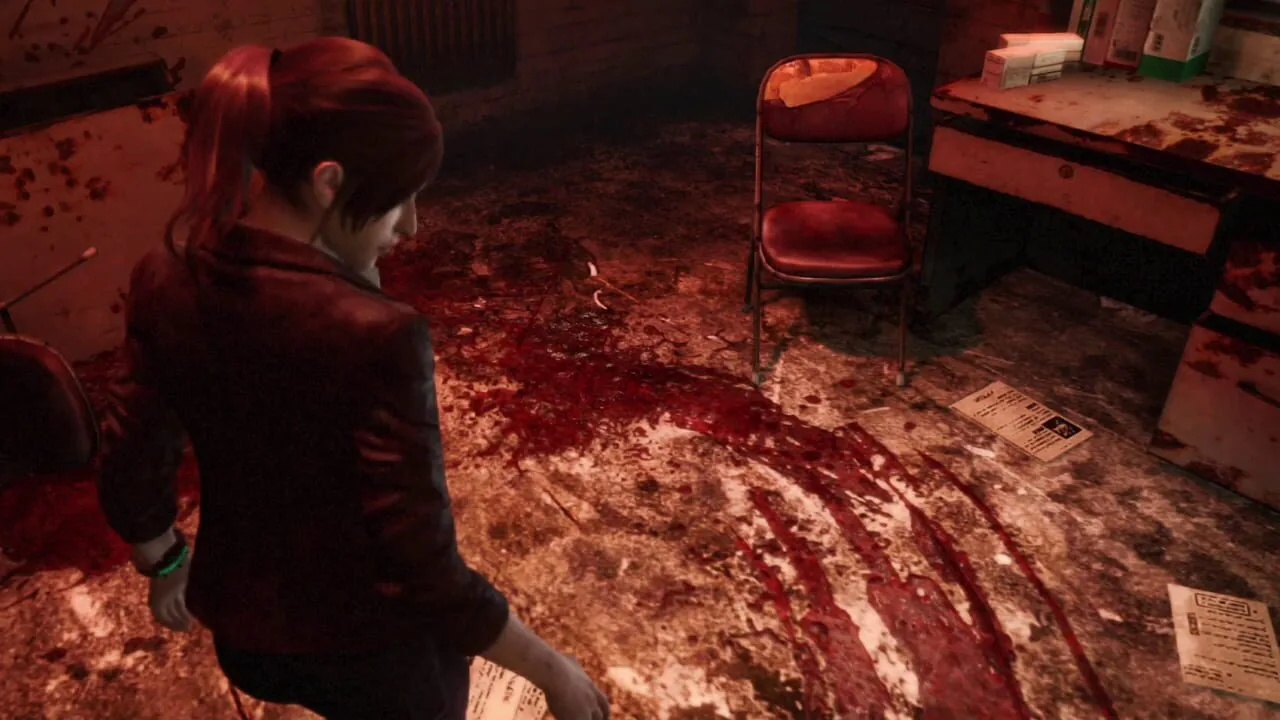
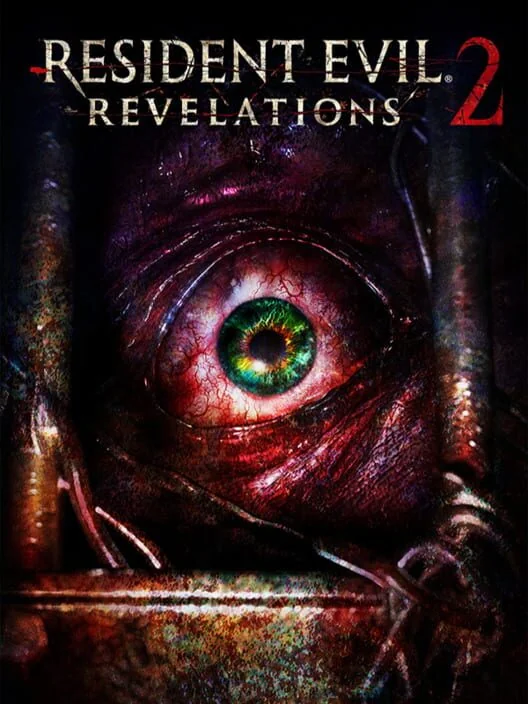
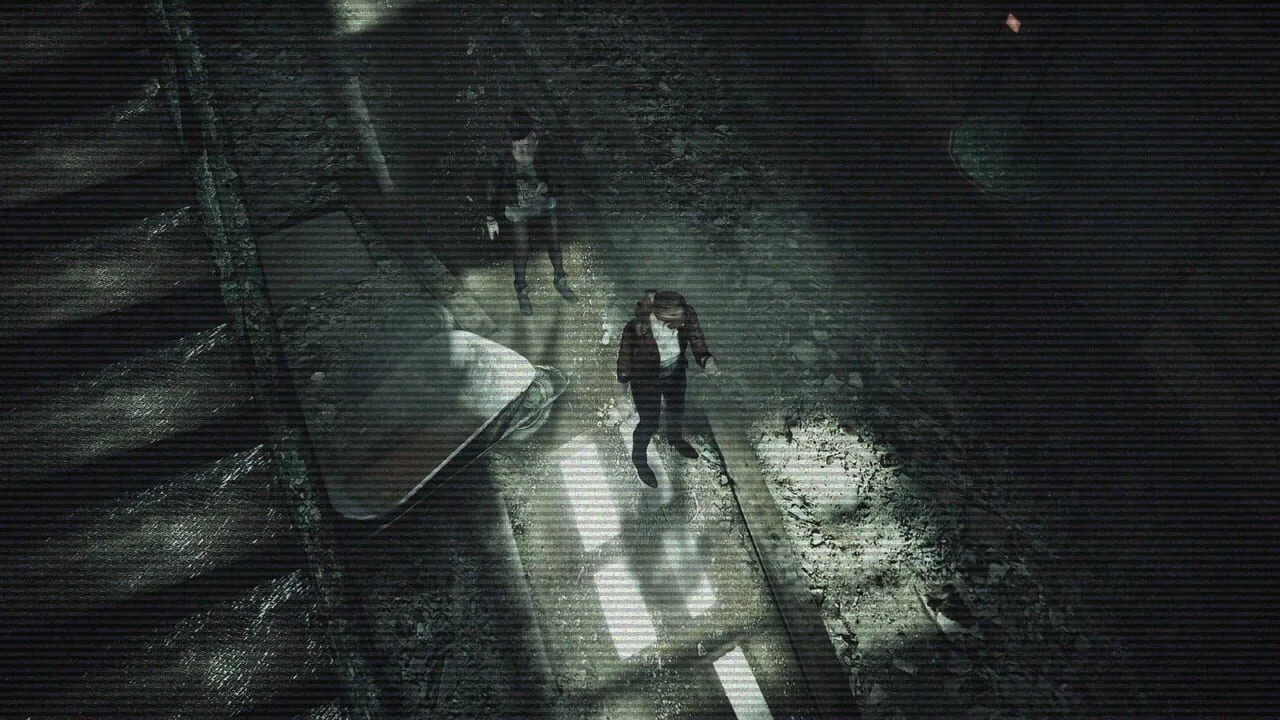
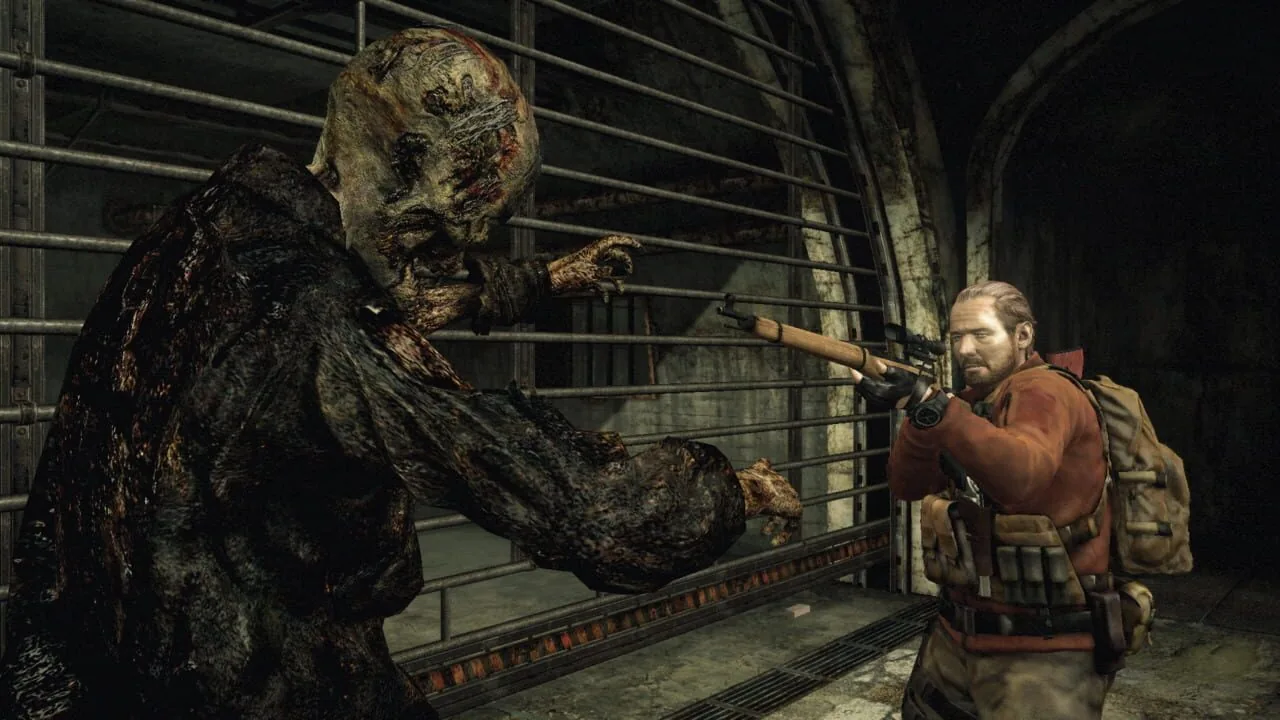
Resident Evil: Revelations 2 began as four downloadable episodes, and the disc version collects the whole story. The first episode came out in February 2015. Claire Redfield returns as the lead, and Barry Burton becomes a playable story character in the main series for the first time.
Co-op is the highlight. Alone, you switch characters to solve puzzles, and stealth matters because only two of the four playable characters carry guns. Reviews were mixed to positive, with praise for the story and co-op, and complaints about the graphics. It is a fine horror game for a long evening, and a great one with a friend. Expect scares and tense corridors.
51. Assassin's Creed III: Liberation (2012)
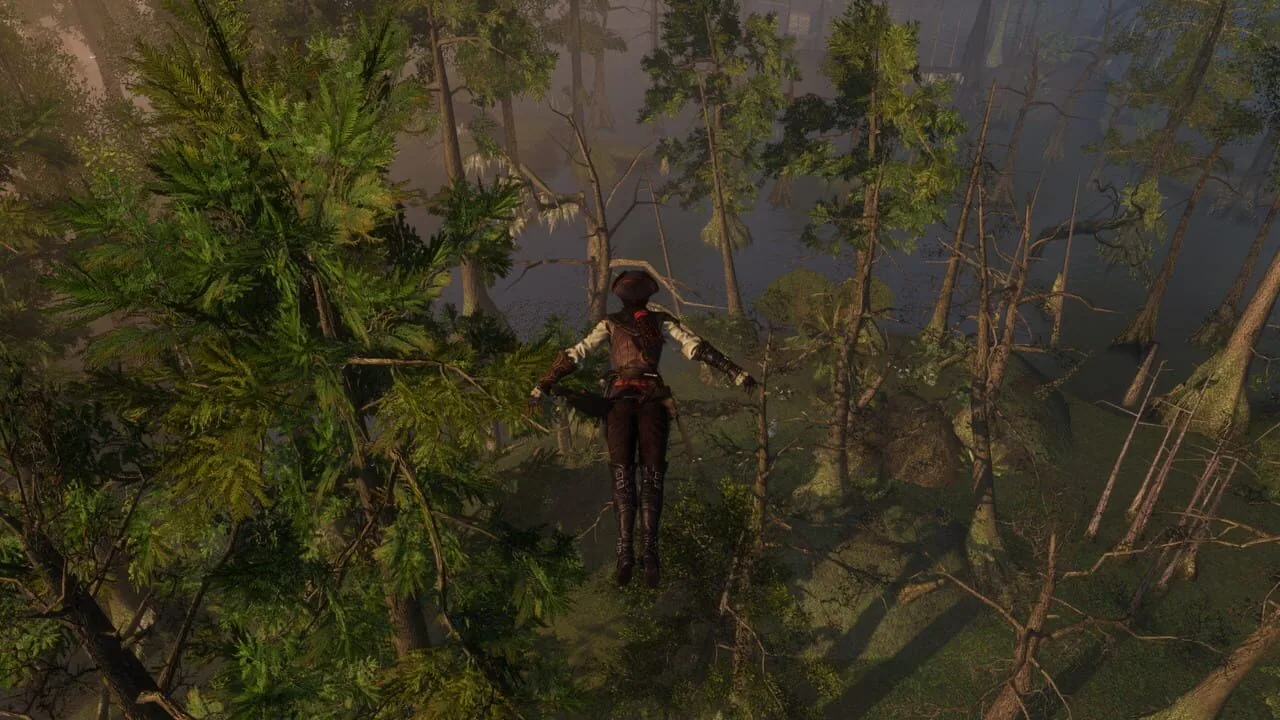
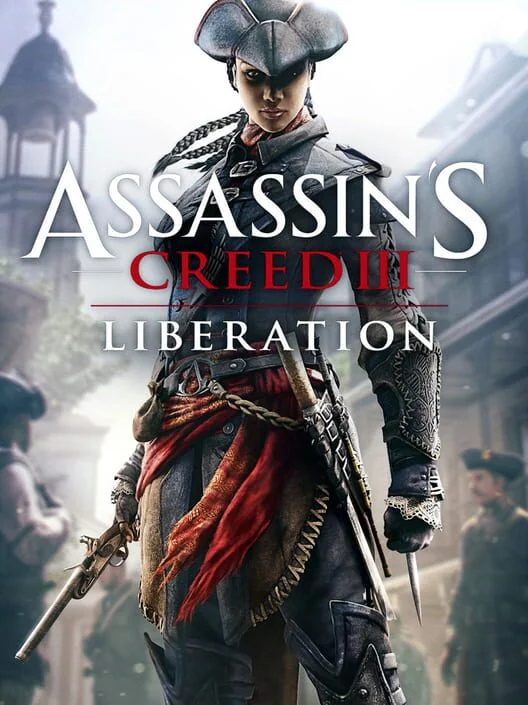
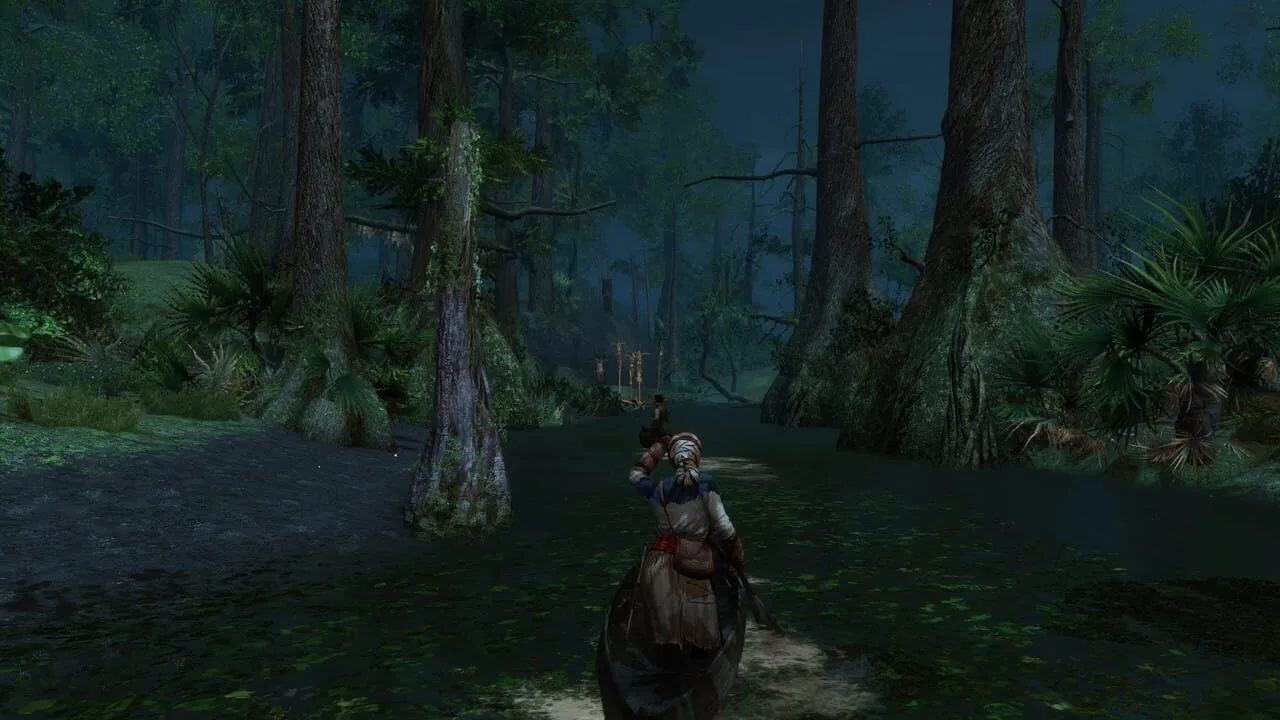
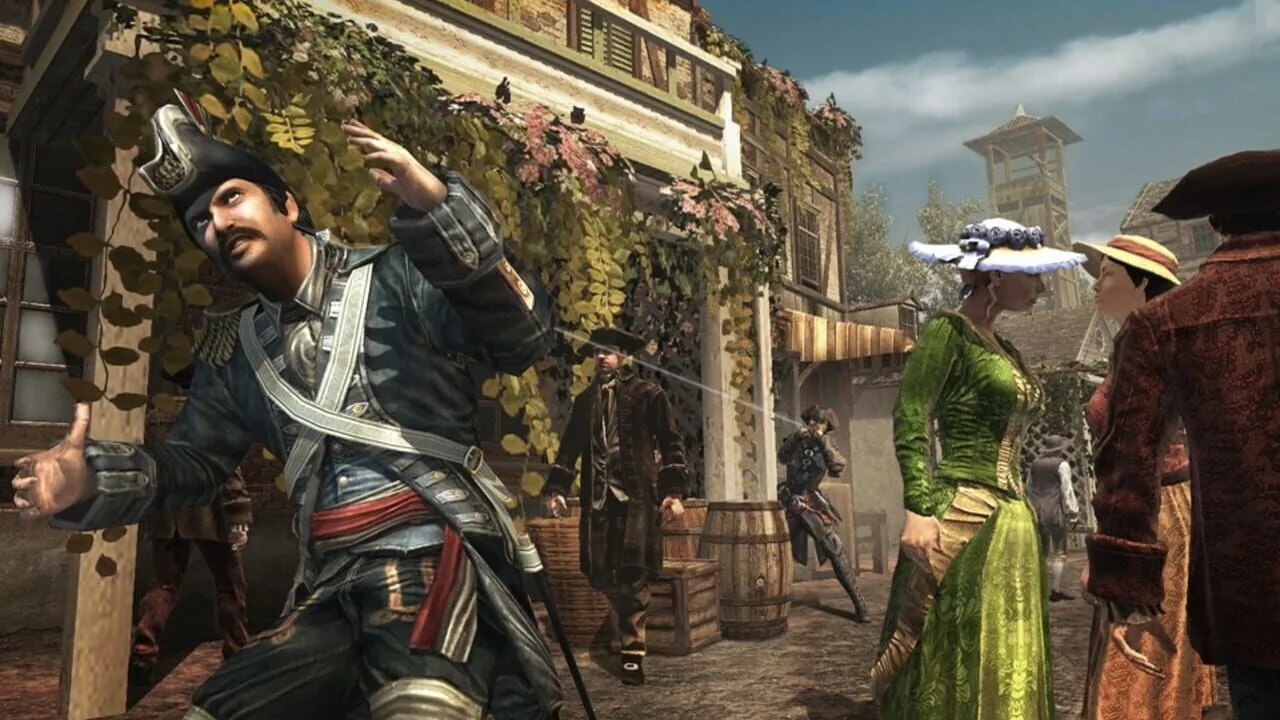
Assassin's Creed III: Liberation is a Vita game from October 30, 2012, released the same day as Assassin's Creed III. You play Aveline de Grandpré, an Assassin of mixed race, in 1765 Louisiana. A hacker group called Erudito contacts you during the story and claims that heavy censoring hid the truth about the Assassin-Templar war.
It uses the same engine as the main game, and most of the animations are reused, which gives it a console look on a handheld. Critics praised the setting and the protagonist but disliked how the story was told. A later PlayStation 3 version added missions and dropped the Vita-specific touch screen ones. It is a rare spin-off with an identity of its own.
50. Disgaea 4: A Promise Unforgotten (2011)
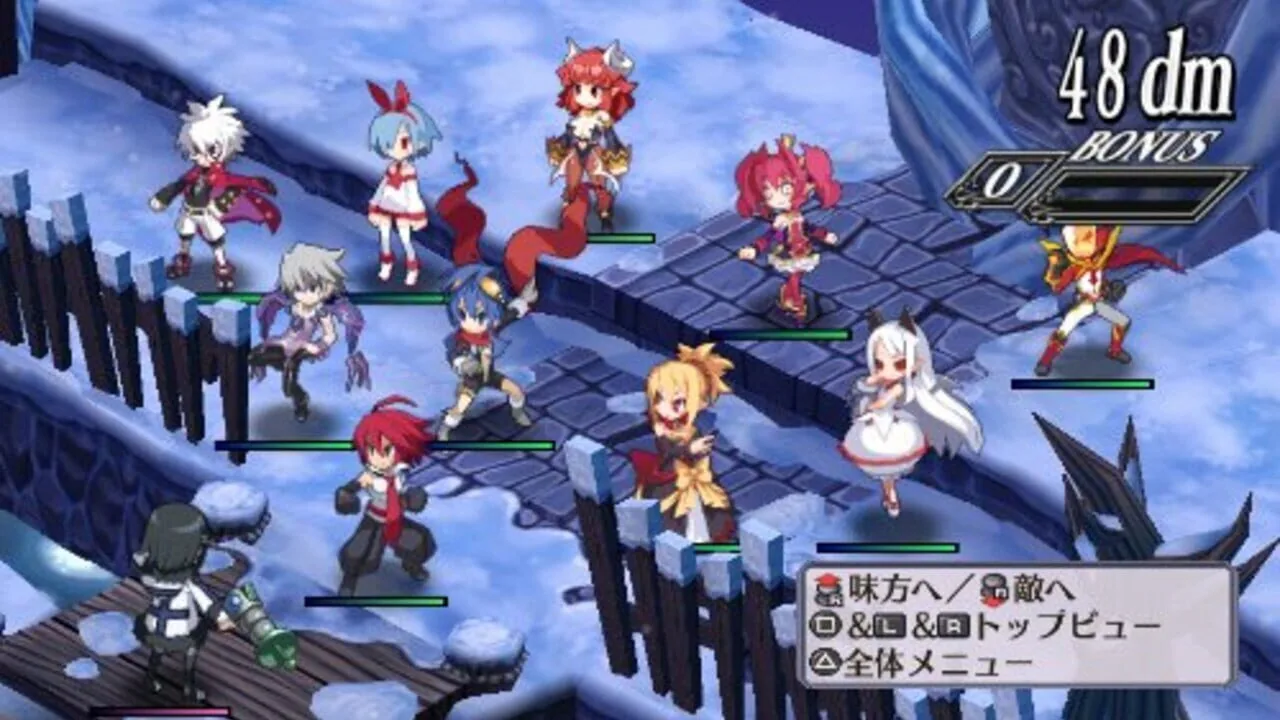
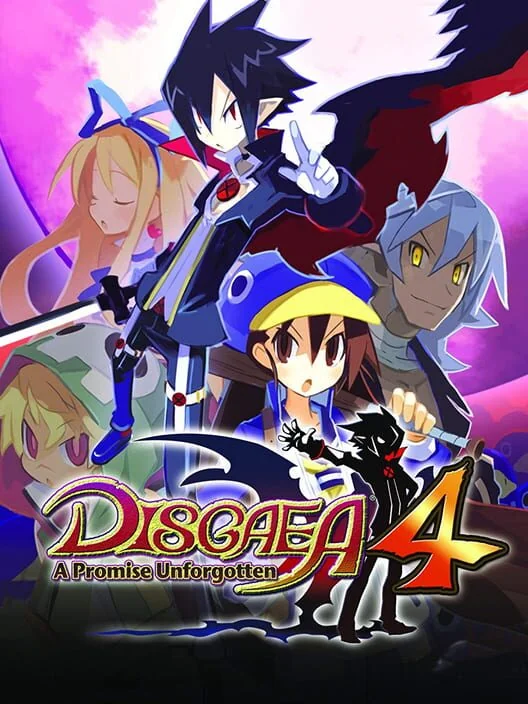
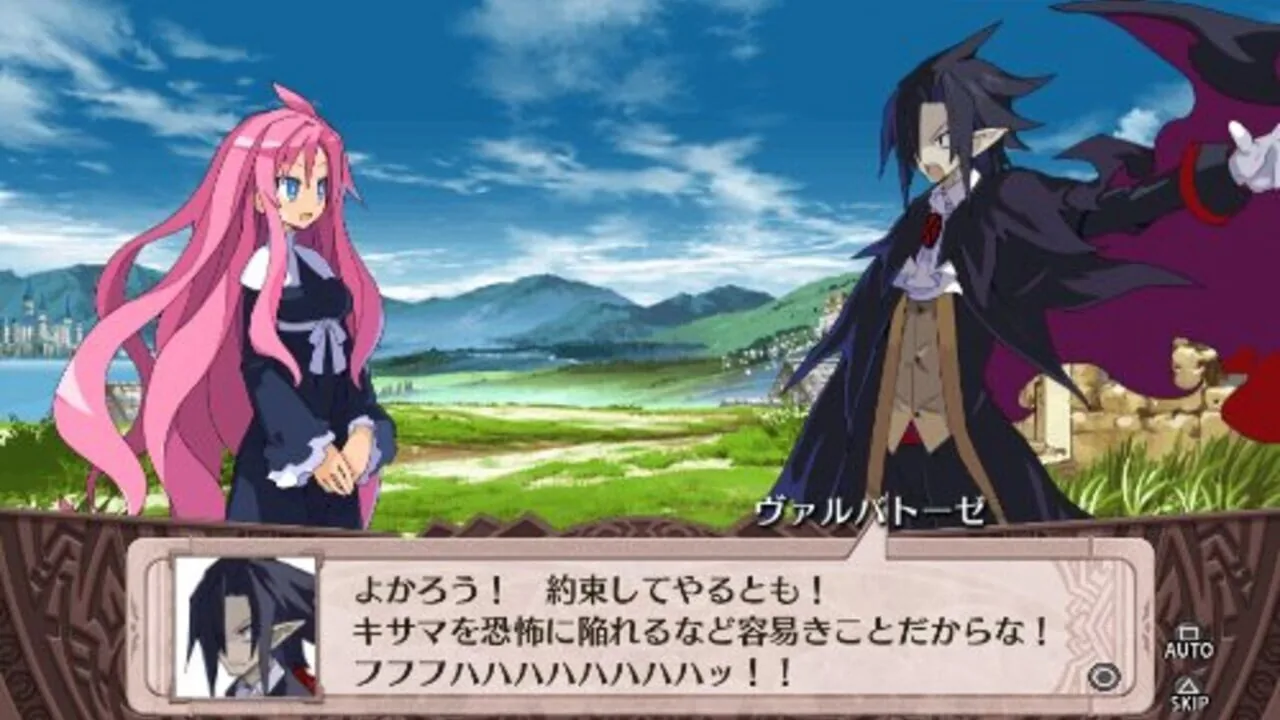
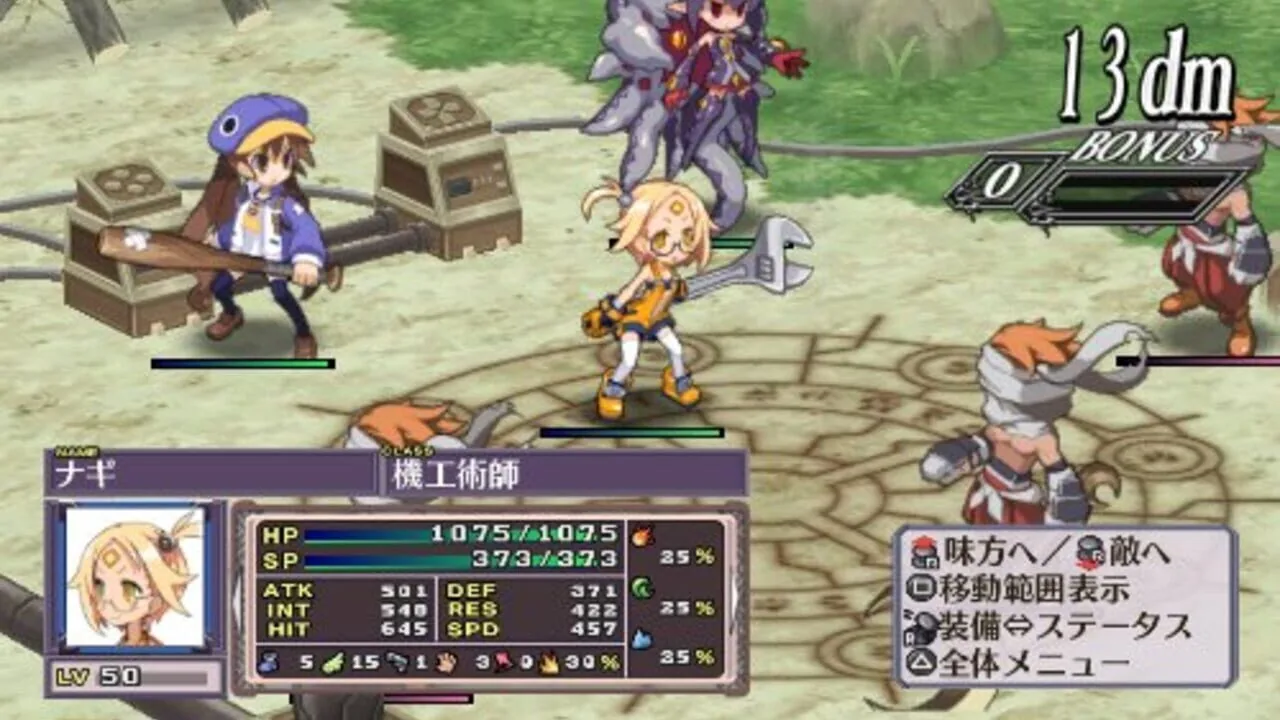
Disgaea 4: A Promise Unforgotten is the fourth game in Nippon Ichi Software's tactical role-playing series. Valvatorez, once a tyrant, now leads a party through the Netherworld. It has voice-overs in Japanese and English, and NIS America released the Vita version, called A Promise Revisited, in August 2014.
The series is famous for huge numbers and silly humor, and this entry has real heart under the jokes. A human named Judge Nemo runs both worlds from behind the scenes. Battles reward patient planning, and you can sink dozens of hours into one character. The Vita version keeps all of it and lets you take the Netherworld anywhere. Sleep is optional.
49. Ratchet & Clank (2012)
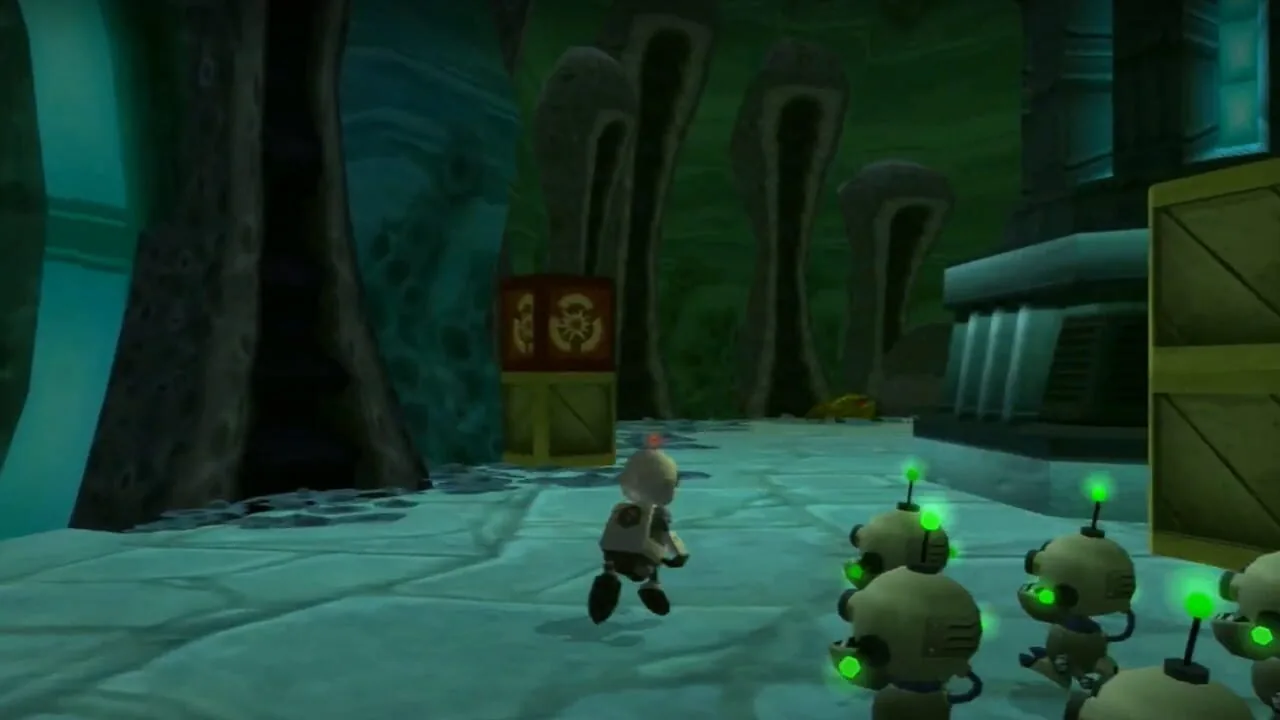
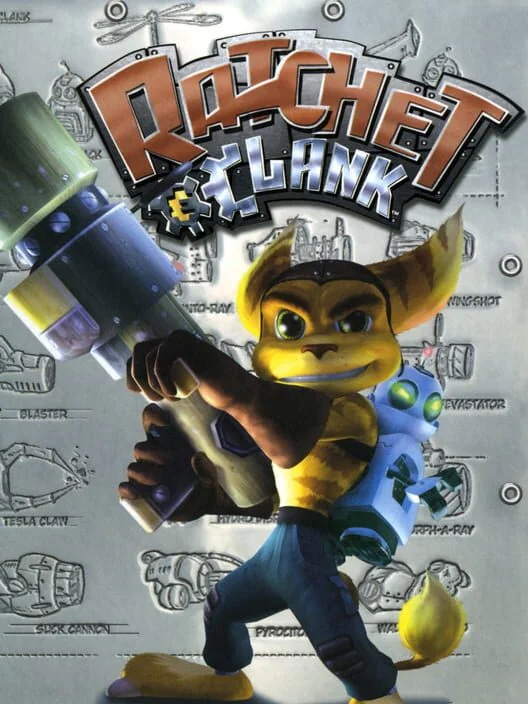
Ratchet & Clank on the Vita is a remaster of the PlayStation 2 original, with 720p HD and trophy support. It is the first game in the series and the first Insomniac game not owned by Universal Interactive. Mass Media developed the Vita port, which came out in 2014 after the HD remaster appeared on the PS3 in 2012.
Critics loved the graphics and the humor, though some criticized the camera. You play Ratchet from a third-person view, and a first-person mode helps with aiming. The Nanotech health system starts at four health bubbles and grows with upgrades. The weapons are creative and the jokes still land. It is a cheerful classic.
48. Terraria (2011)
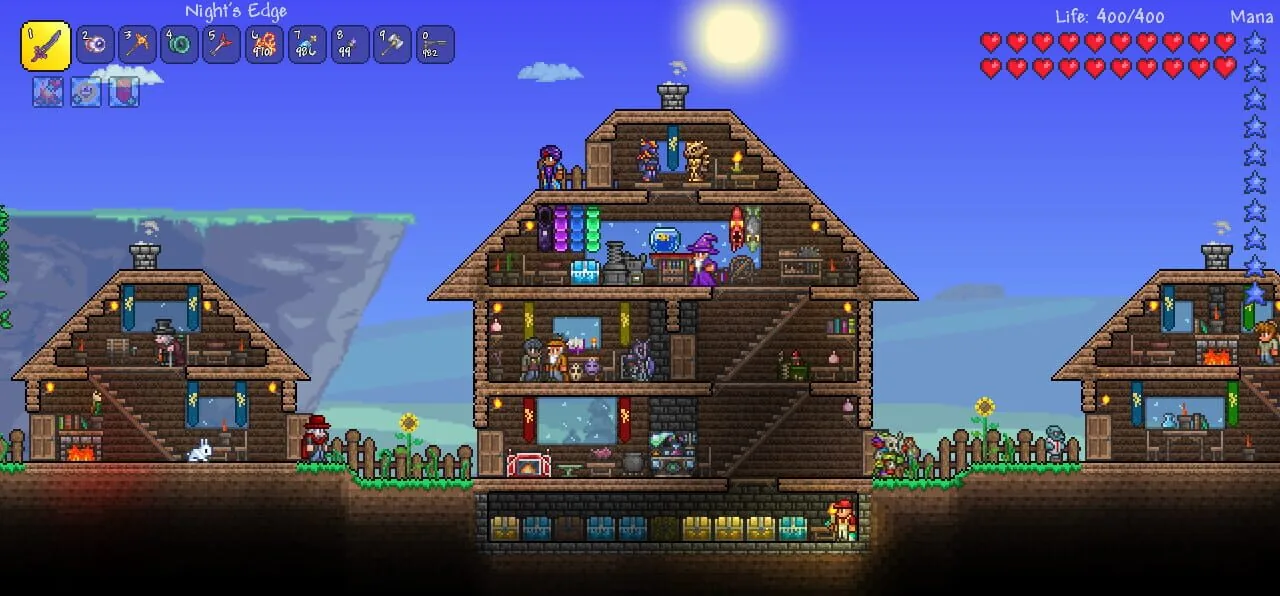
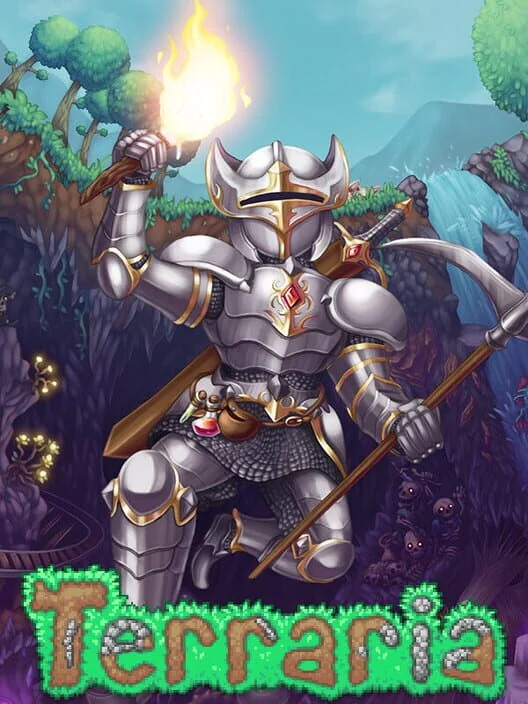
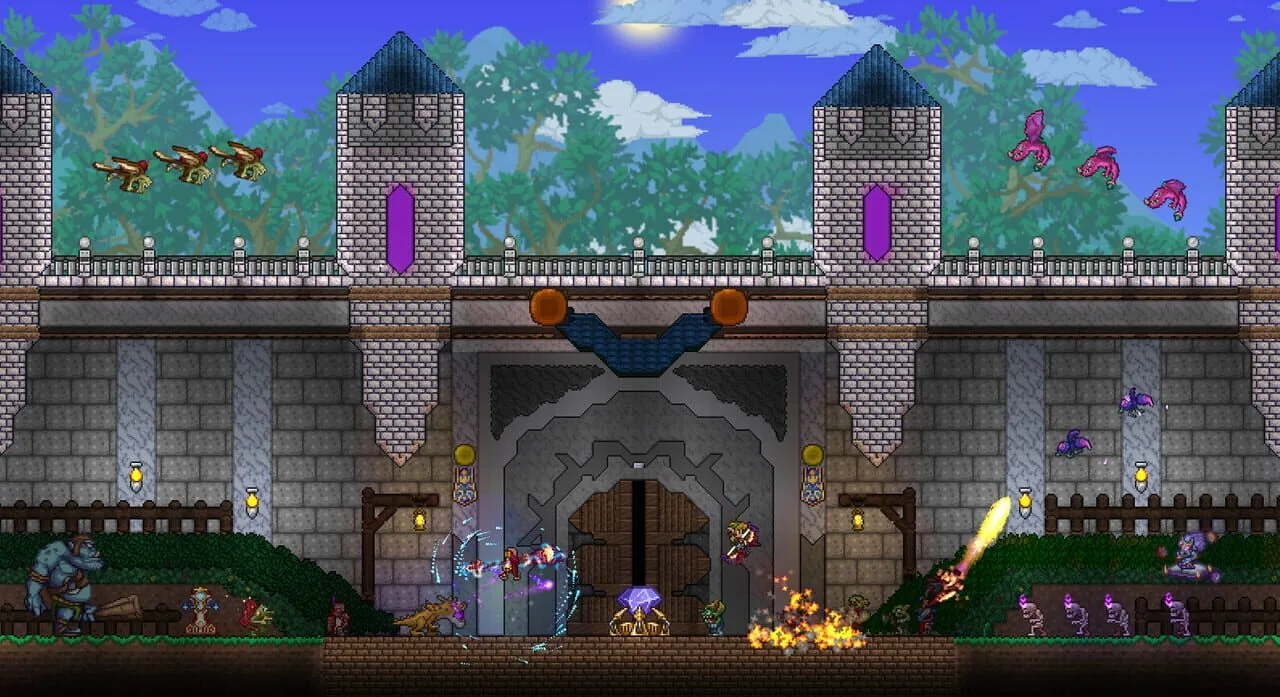
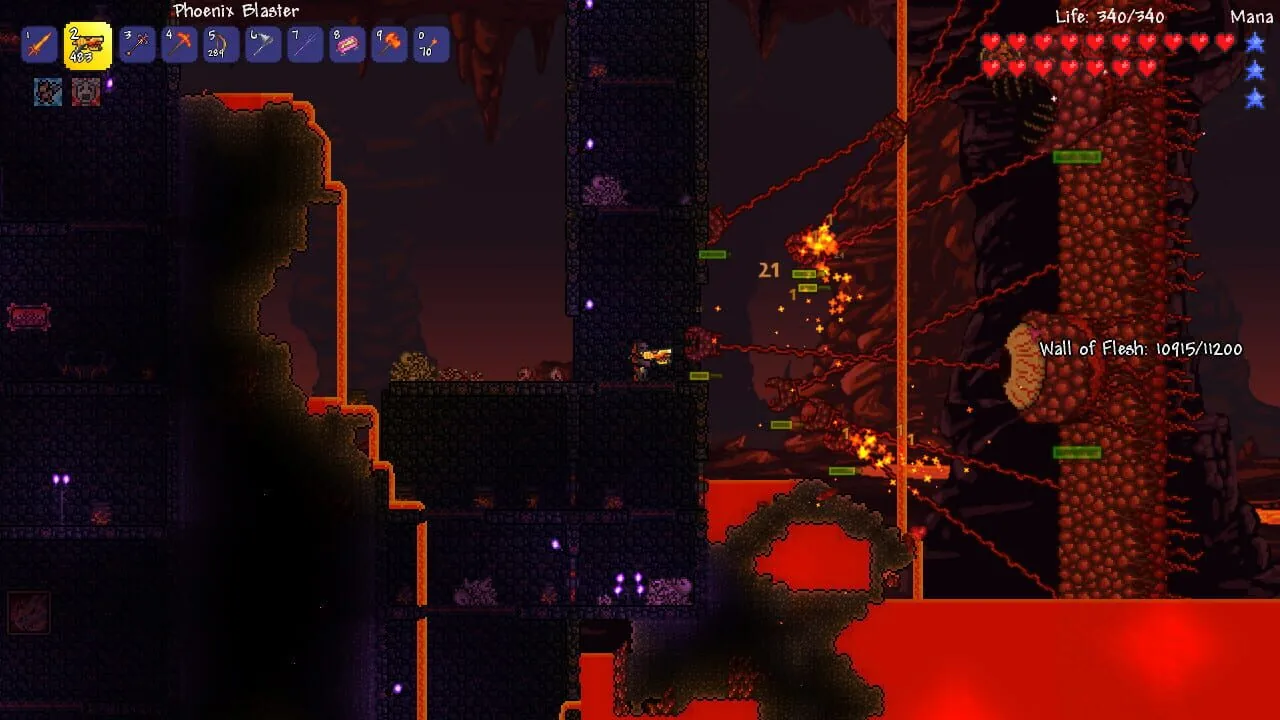
Terraria is a 2D sandbox where you drop into a procedurally generated world and dig for resources to craft gear. Plenty of monsters want to stop you. Andrew Spinks began development in January 2011, and the game first came out on Steam in May of that year.
Development was supposed to end in 2012, but it resumed in 2013, and updates have kept coming. Re-Logic said in 2020 that the fourth major update would be its last, then kept developing it anyway. Eleven people work on it as of 2025. That much support is unusual, and the Vita version offers a huge world to dig through on a small screen. Plan on losing a weekend, and then a second one.
47. Silent Hill: Book of Memories (2012)
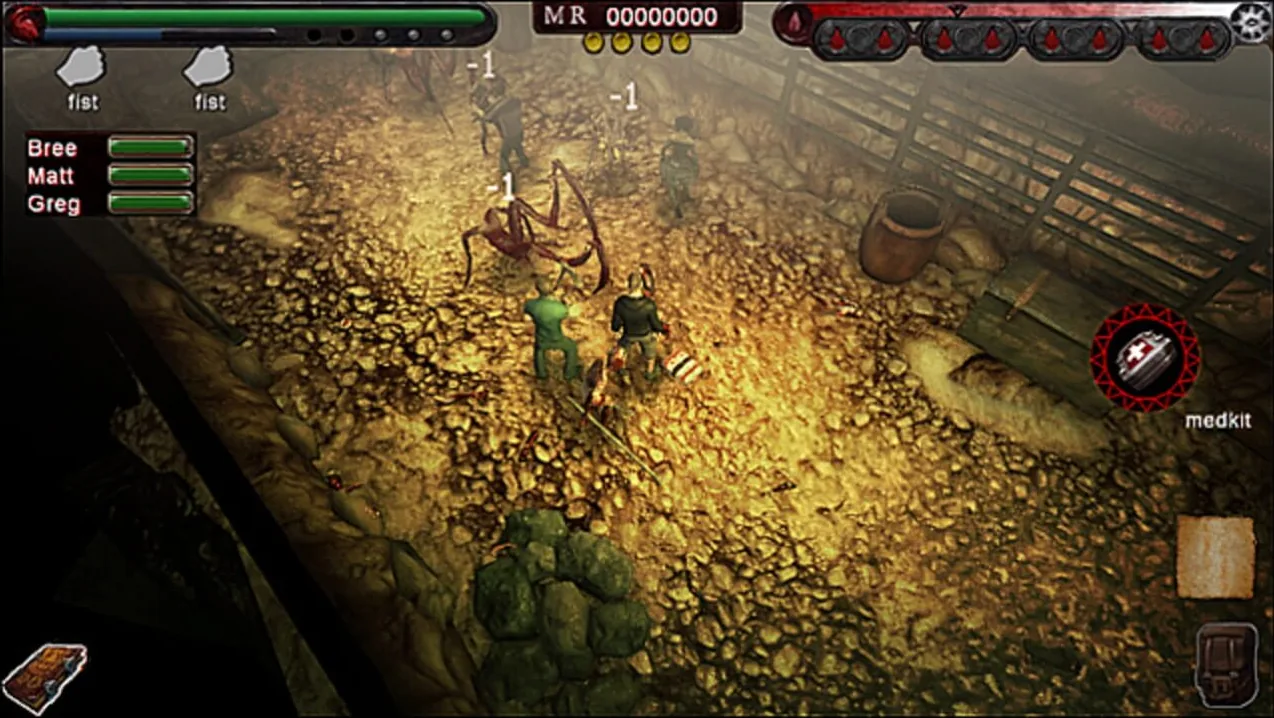
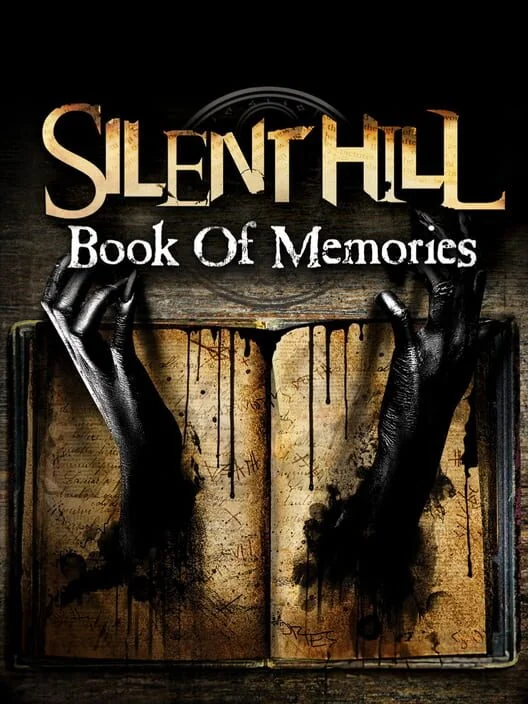
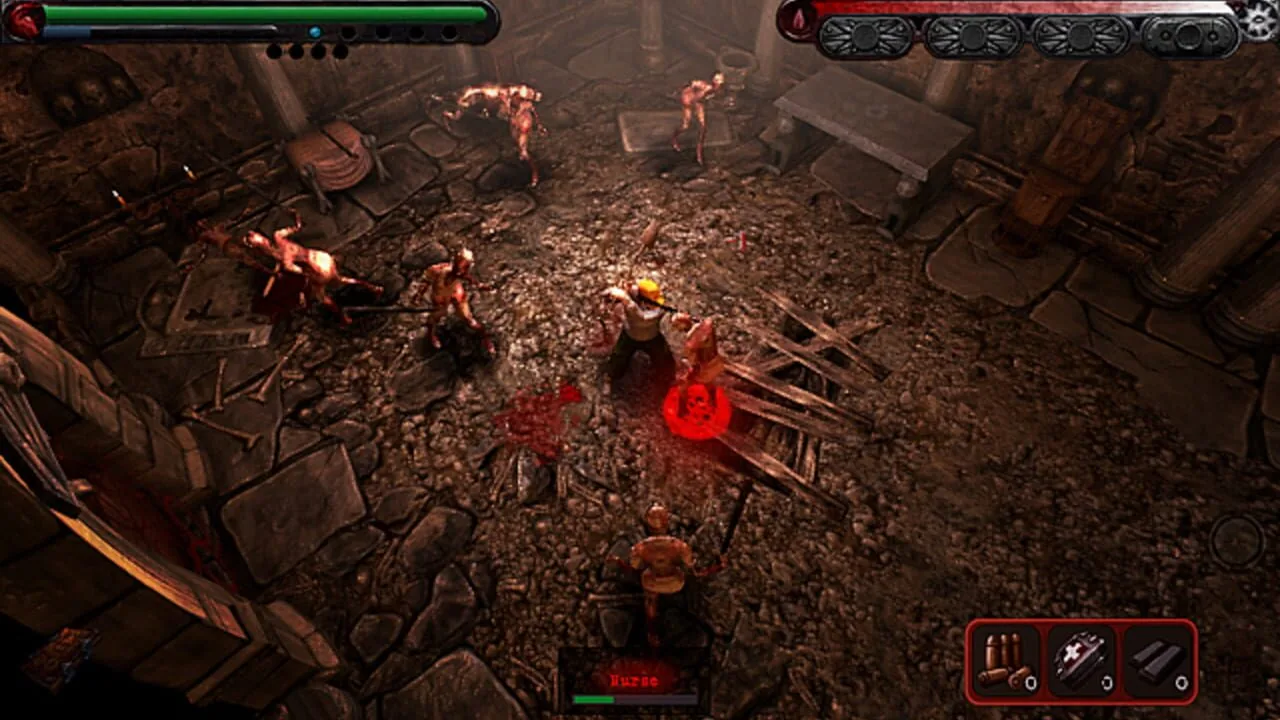
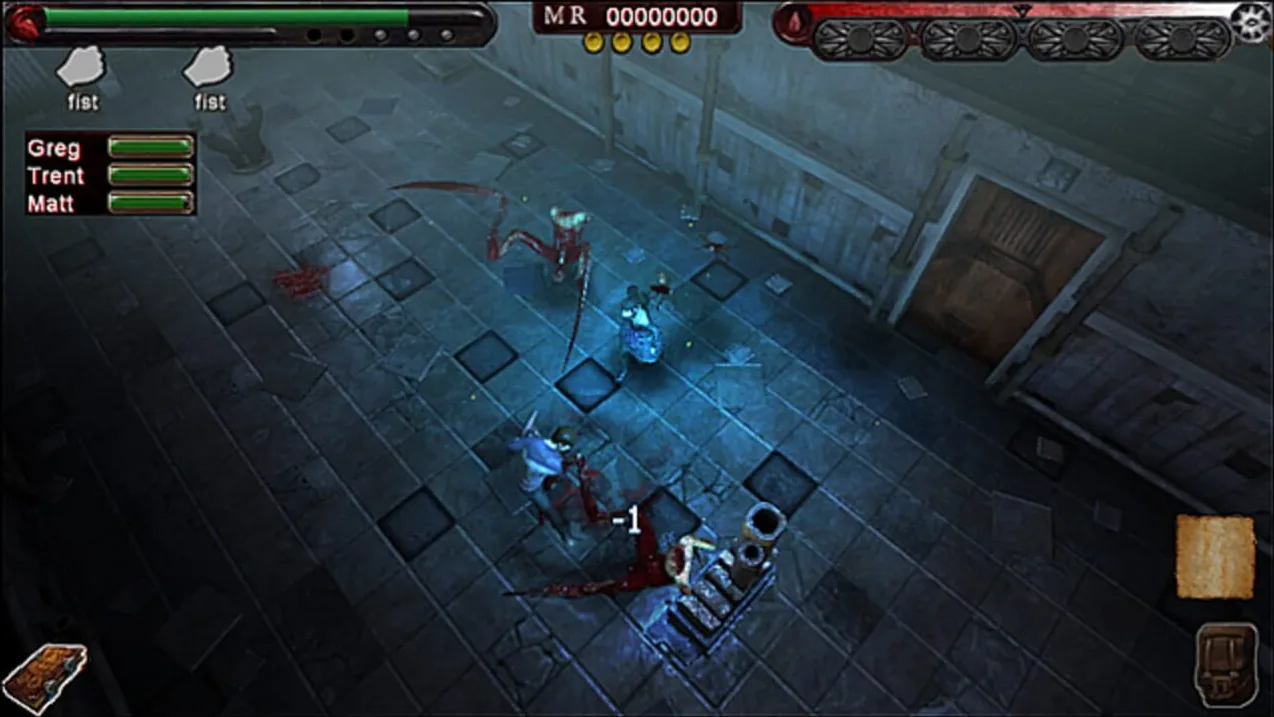
Silent Hill: Book of Memories is a role-playing spin-off made only for the Vita. It focuses on dungeon crawling and cooperative multiplayer, which is an unusual direction for a series known for lonely dread. Dungeon floors are short and suit the Vita, and a second player makes the dark rooms less lonely.
The earlier games came from Team Silent at Konami from 1999 to 2004, and Western studios made the next four from 2007 to 2012. Book of Memories arrived in 2012 as a handheld curiosity. It is often forgotten next to the numbered entries, which is a good reason to look at it again. The series went quiet in 2015 and returned in 2022.
46. Persona 4: Dancing All Night (2015)
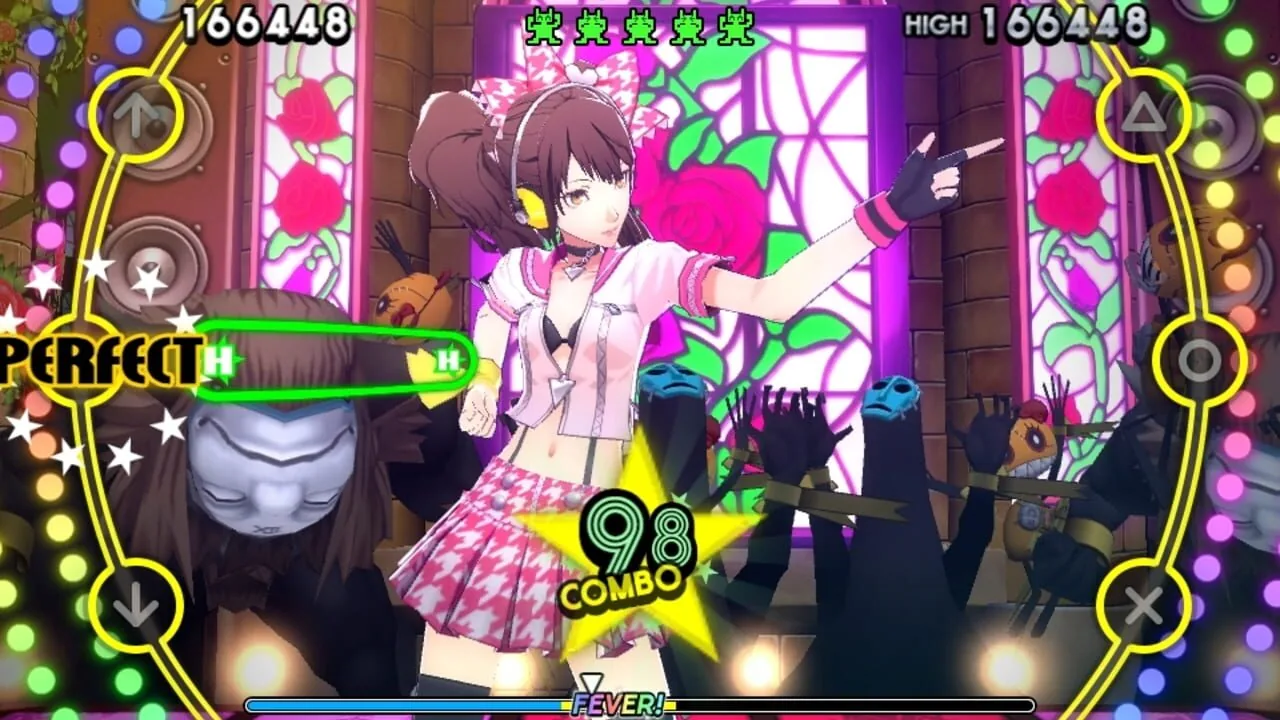
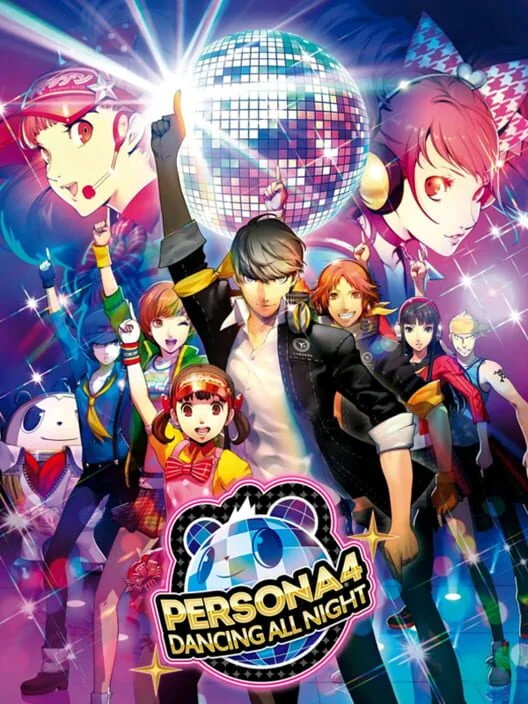
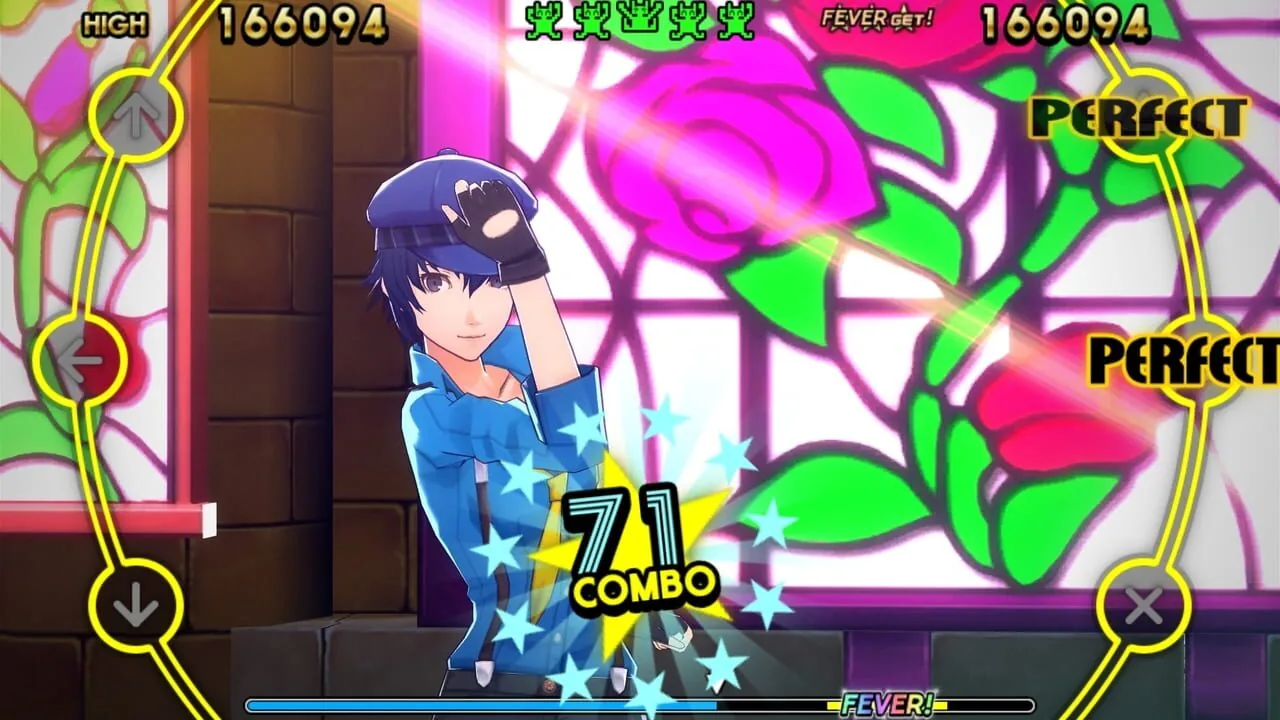
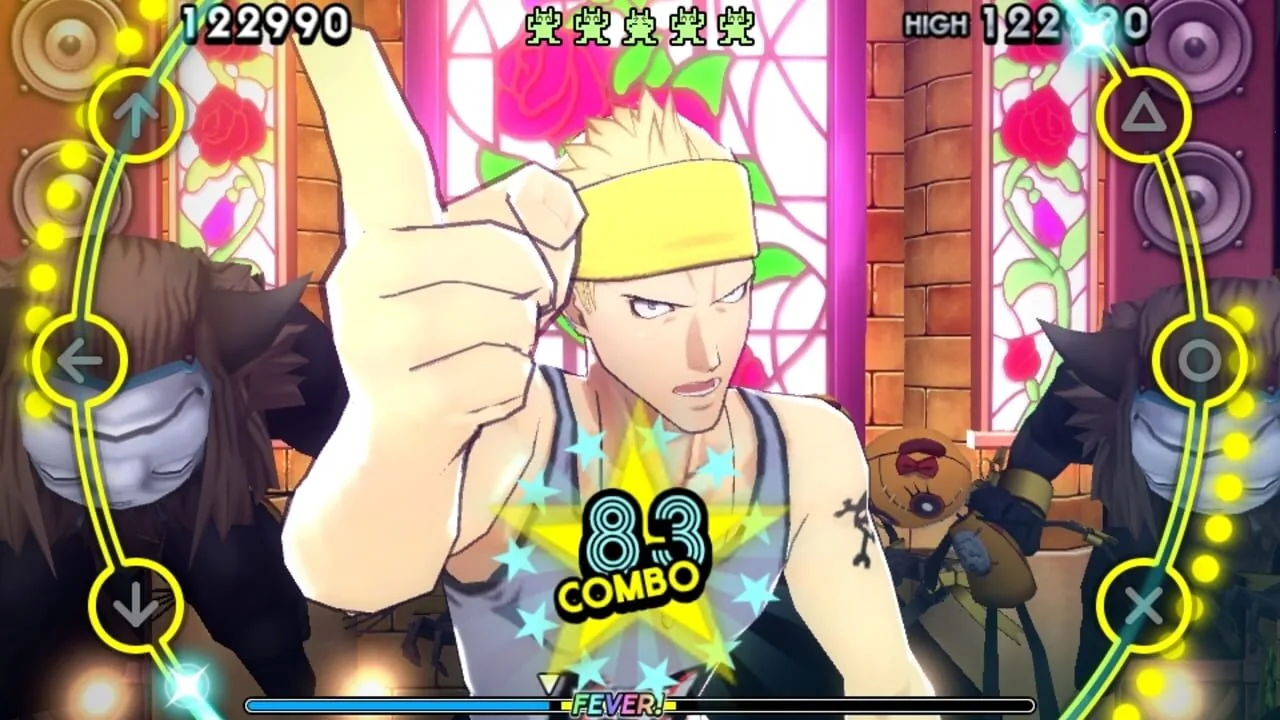
Persona 4: Dancing All Night swaps the role-playing for rhythm. Notes travel from the center of the screen toward targets at the sides, and you hit the matching button in time with the music. The cast dances to original and rearranged Persona songs. It has a Story mode and a Free Dance mode.
Story mode explains that the group cannot use violence in this world, and the power of song and dance frees the Shadows. Reality is not ready for a Shadow beaten by a pirouette. Reviews were generally positive, and fans of the cast will have a ball. The soundtrack carries the whole game, and the dance moves look great on the Vita screen.
45. Metal Gear Solid 3: Snake Eater - HD Edition (2011)
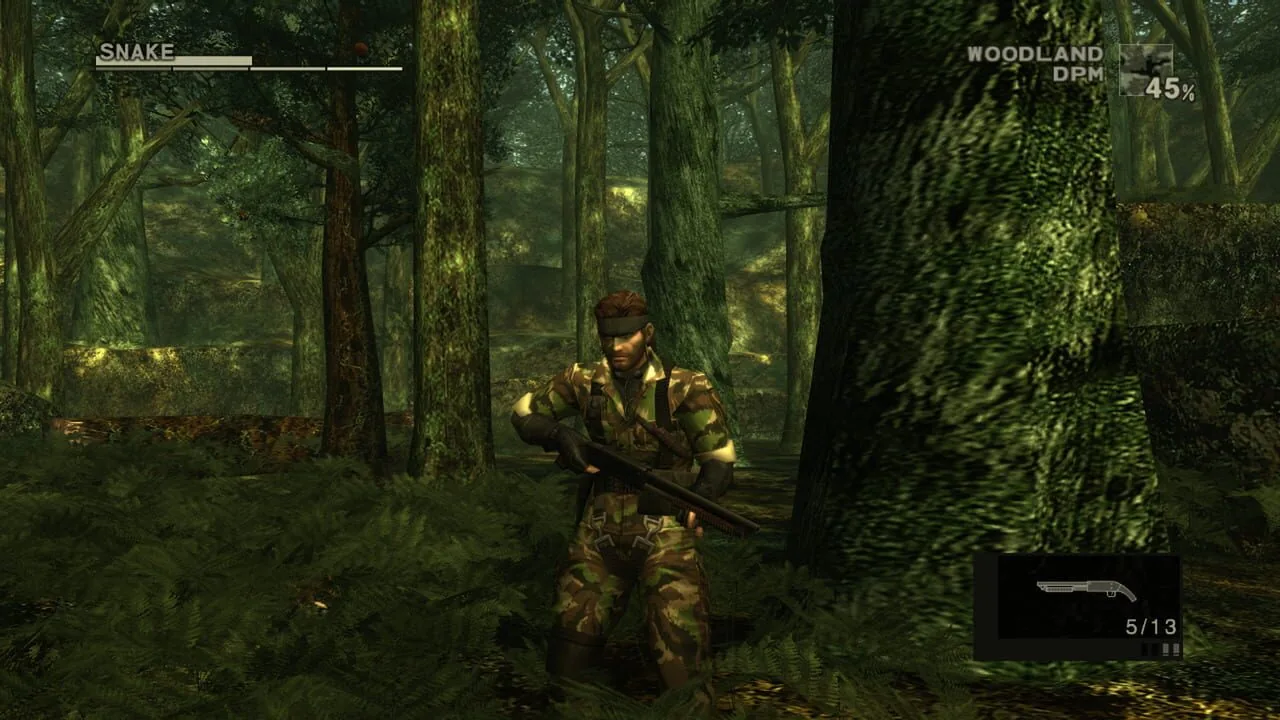
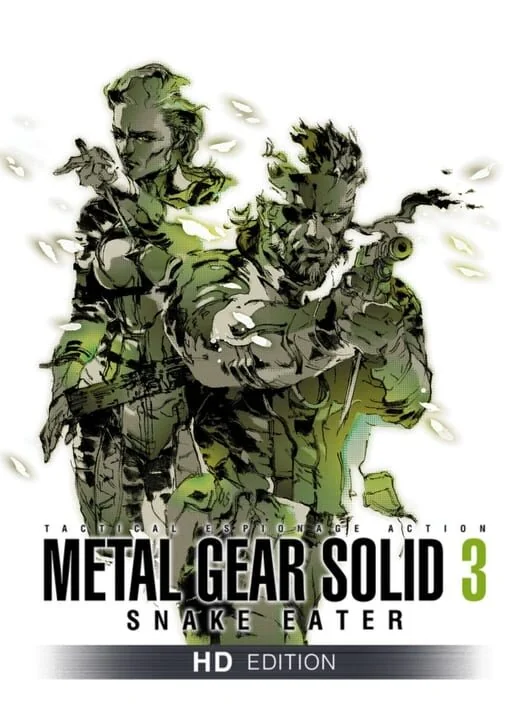
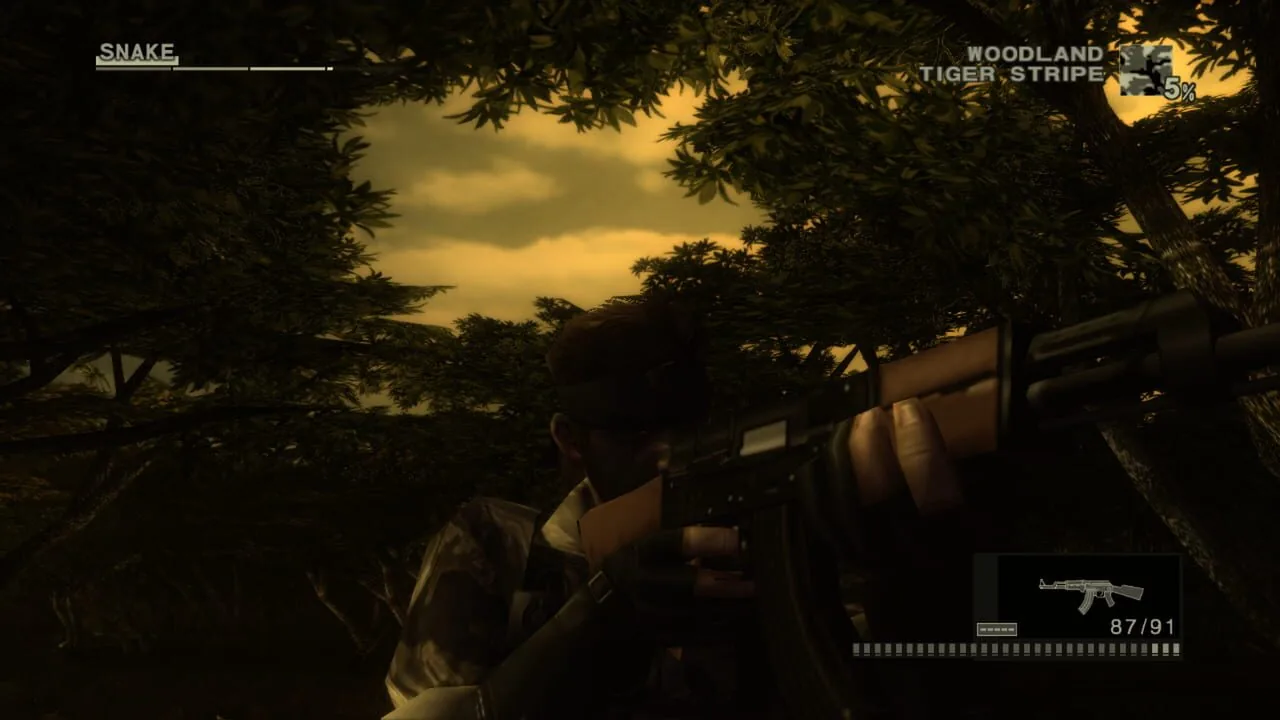
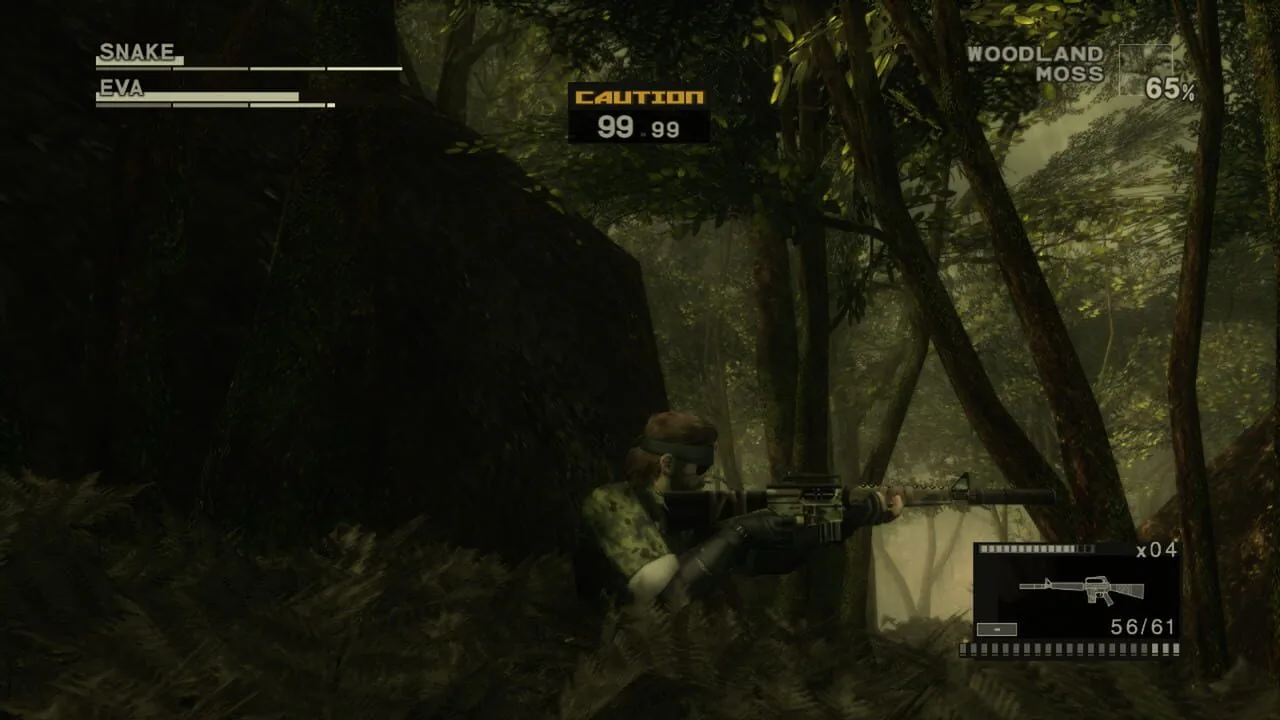
Metal Gear Solid 3: Snake Eater - HD Edition is a remaster with updated controls and graphical improvements. Hideo Kojima made the original, which is the fifth main game in the series and the first chronologically. The jungle setting was hard to build, because it needed a new collision engine and forced the team to cut planned features.
Kojima first meant it for the PlayStation 3, then moved it to the PlayStation 2 after a long wait. Harry Gregson-Williams and Norihiko Hibino composed the score, and Hibino wrote the opening theme, Snake Eater. Critics acclaimed it, and many consider it an improvement over Sons of Liberty. Few remasters improve on a game this much.
44. Axiom Verge (2015)
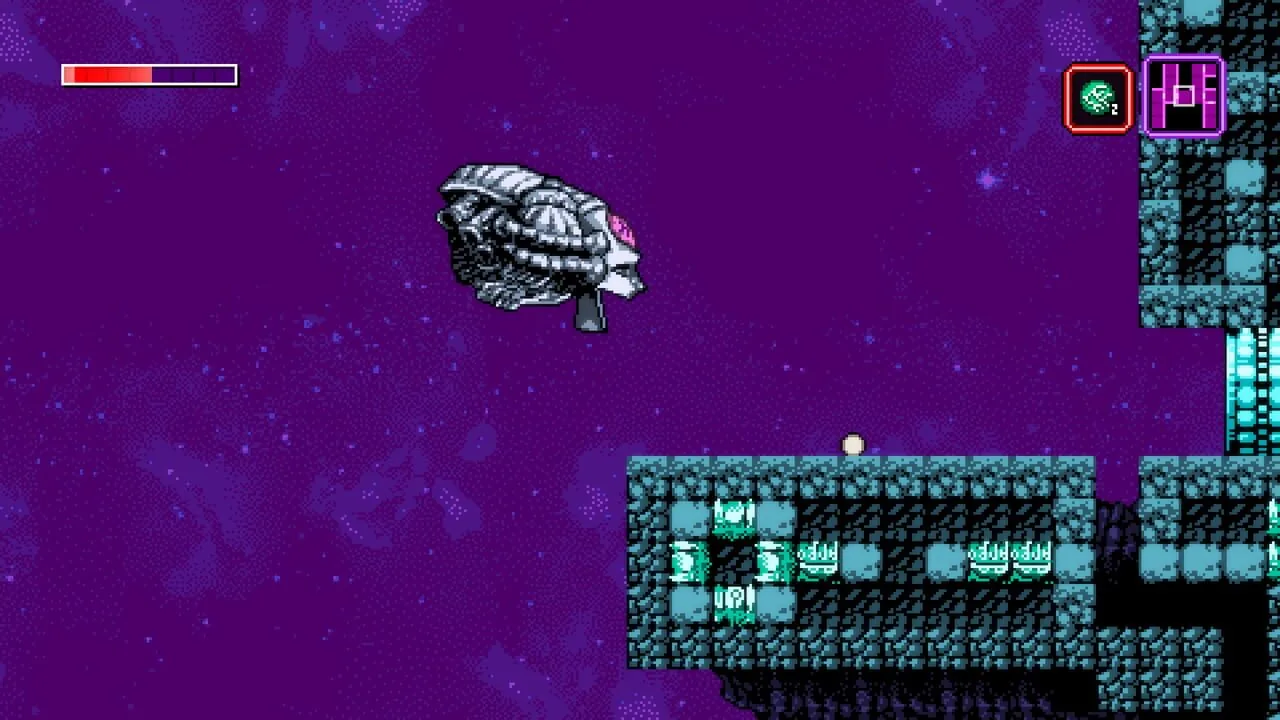
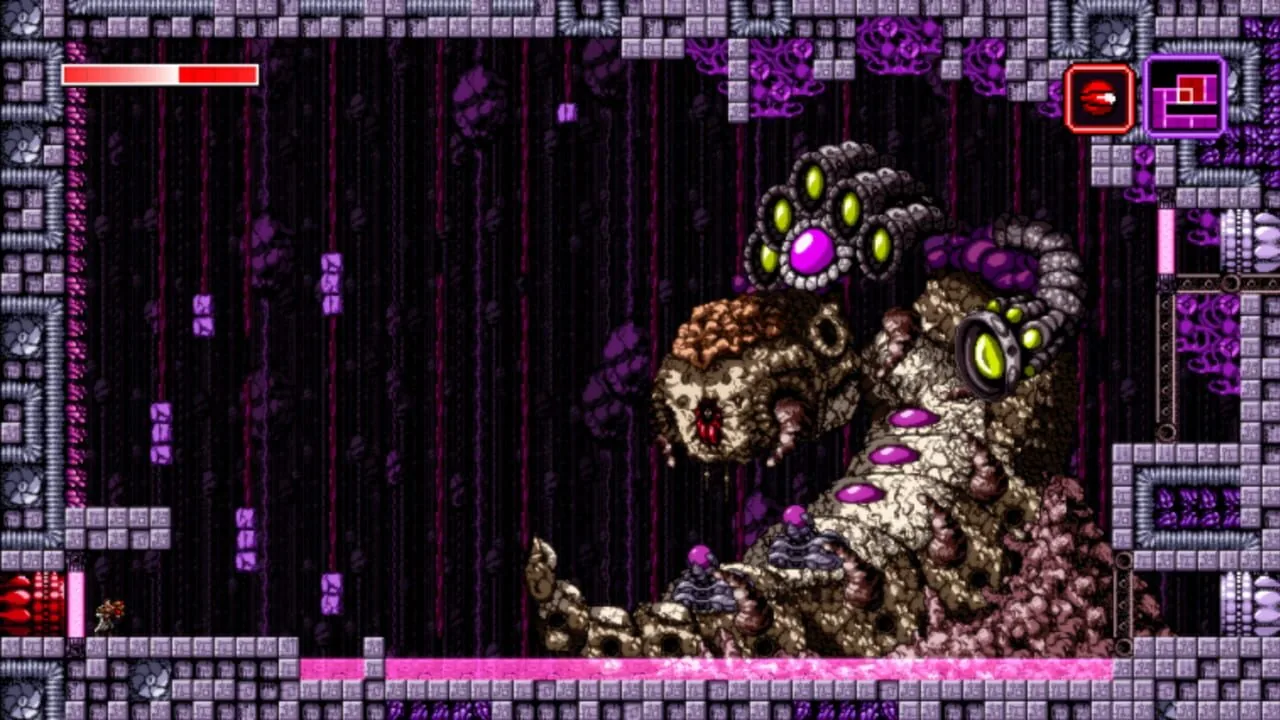
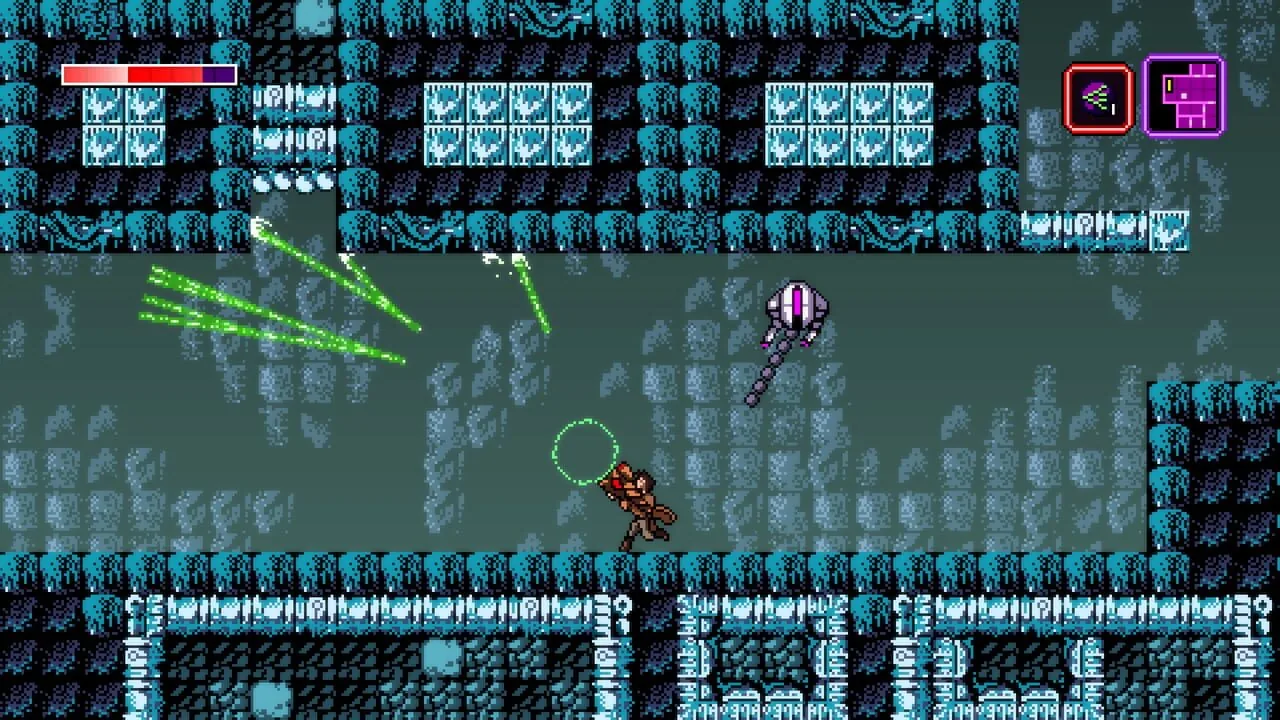
Axiom Verge starts after a lab accident, when a scientist wakes up on a strange alien world. Is it a distant planet or a computer simulation? You explore a lab-like labyrinth, and a massive mechanical head named Elsenova speaks to you. It rewards curiosity and backtracking.
It came out on the PlayStation 4 in March 2015 and reached the Vita in April 2016. Later versions reached other consoles, and a sequel followed in 2021. The Vita suits this sort of exploration, since a map you can read at a glance matters most. It is a love letter to classic action adventures. The retro pixel art and the eerie music give the alien world its mood.
43. Mortal Kombat (2011)
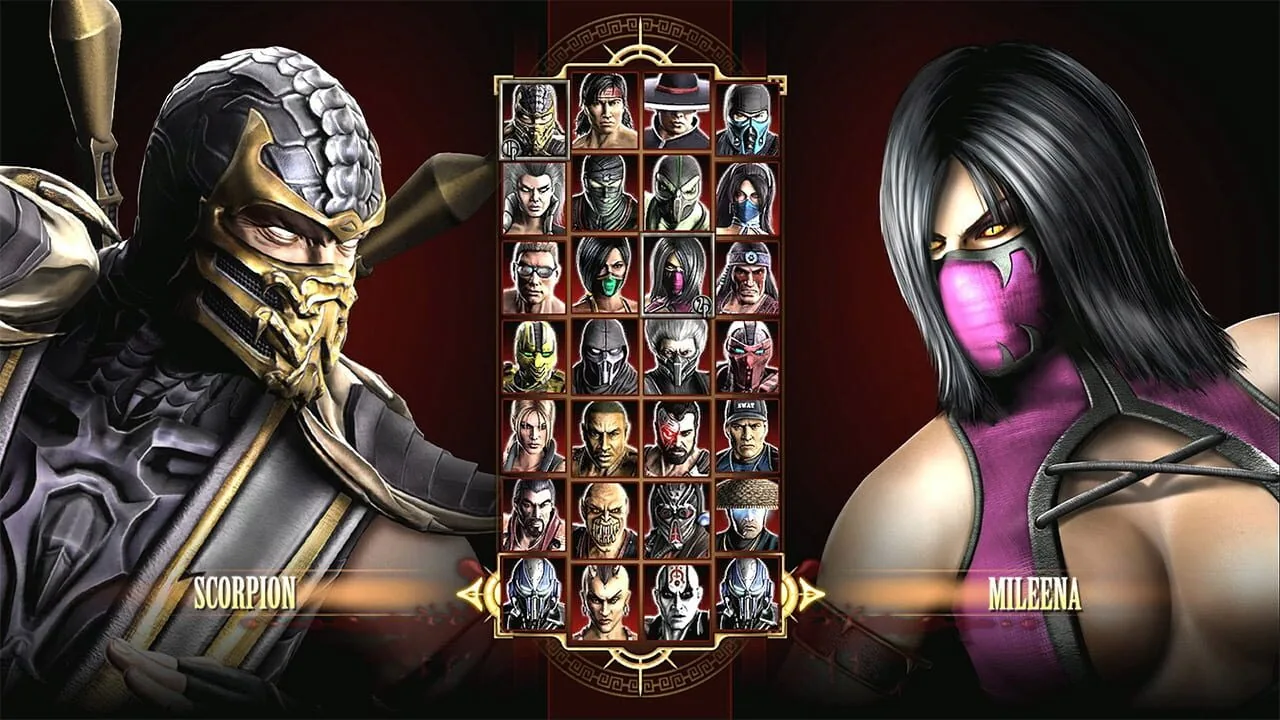
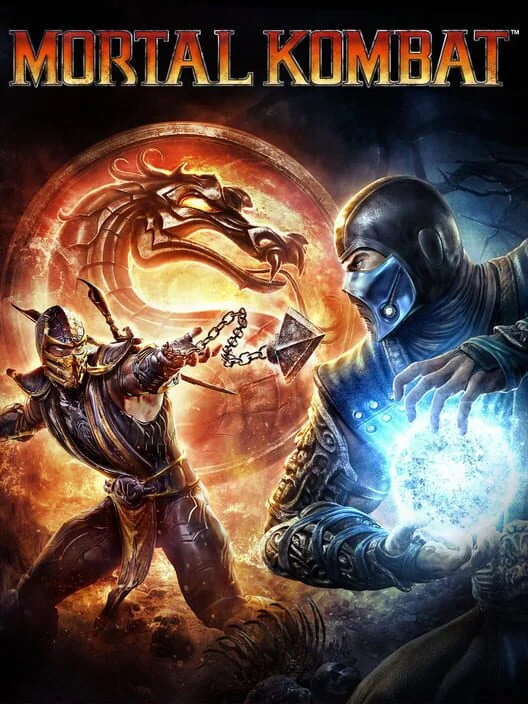
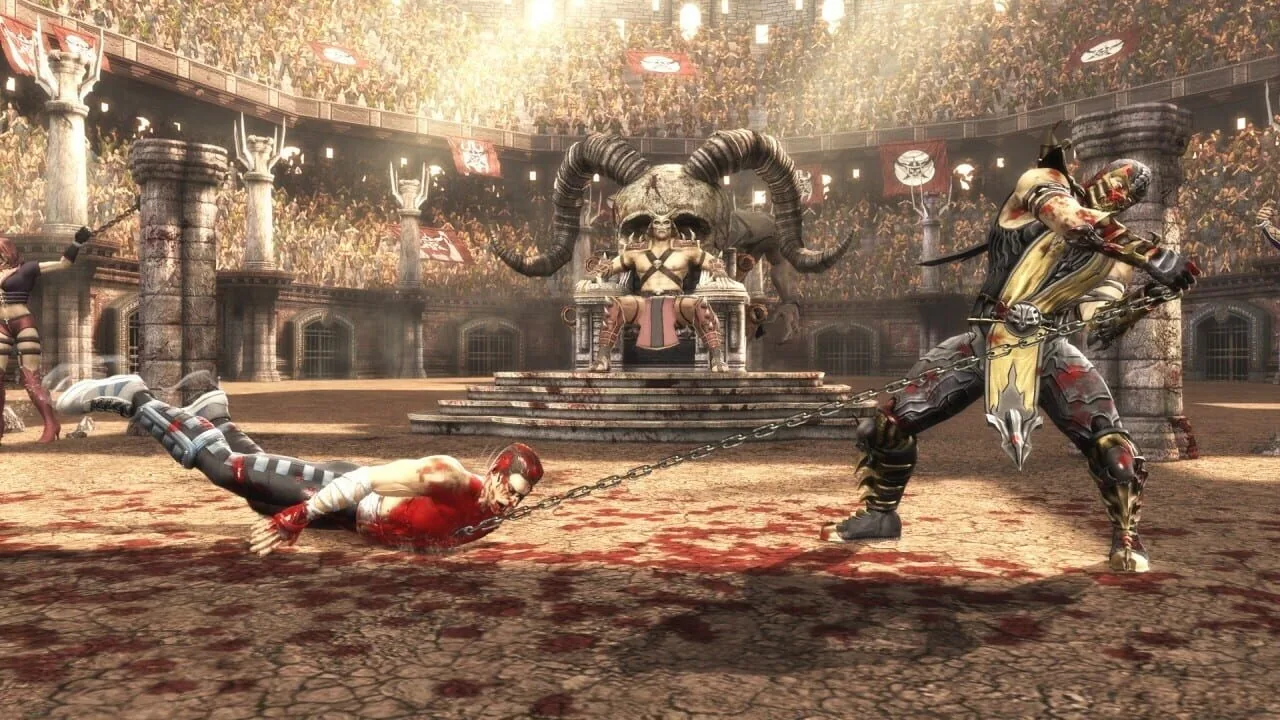
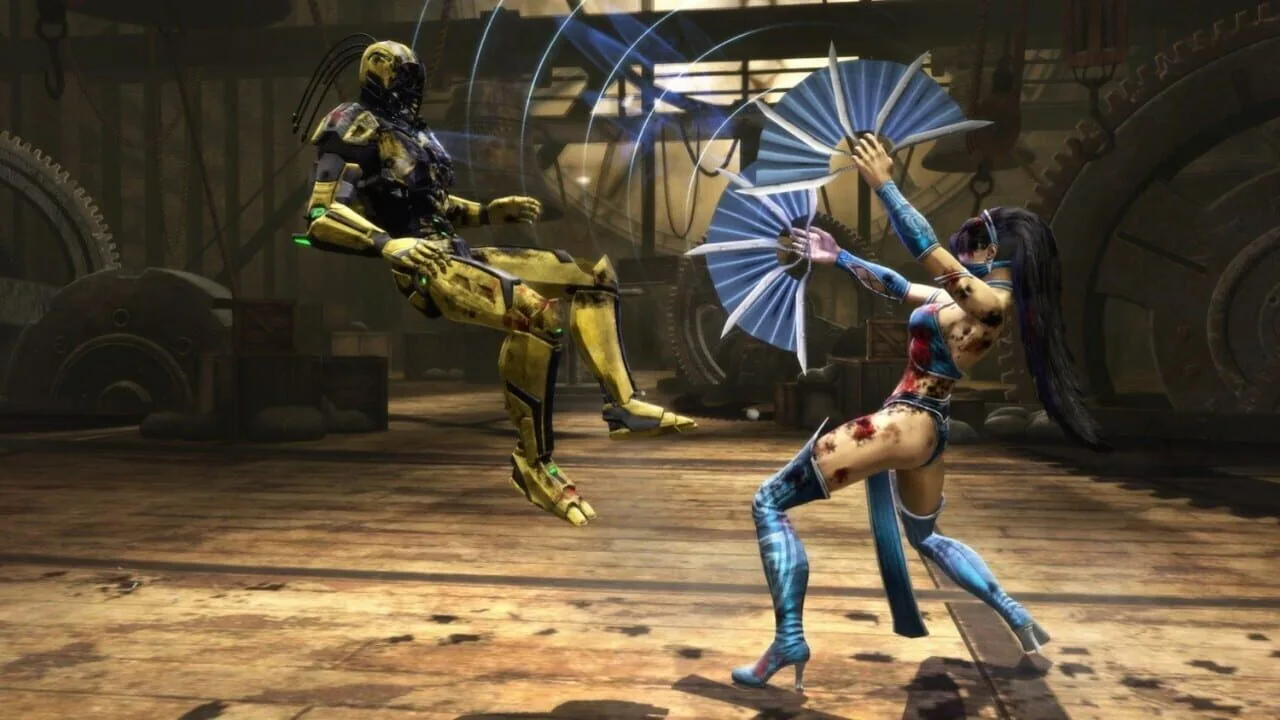
Mortal Kombat is NetherRealm Studios' 2011 reboot of the series, the ninth main game, and it plays like a full console fighter. It arrived on the PlayStation 3 and Xbox 360 in April 2011, and the Vita port followed in May 2012. An expanded edition, Komplete Edition, came out in February 2012.
It received very positive reviews and won several fighting game of the year awards. It sold one million copies in its first month. The Vita version keeps the series' signature brutality intact, with plenty of modes. A sequel, Mortal Kombat X, followed in 2015. Fatalities are as gruesome as ever, and the roster is deep. Stand back from the screen.
42. Digimon Story: Cyber Sleuth (2015)
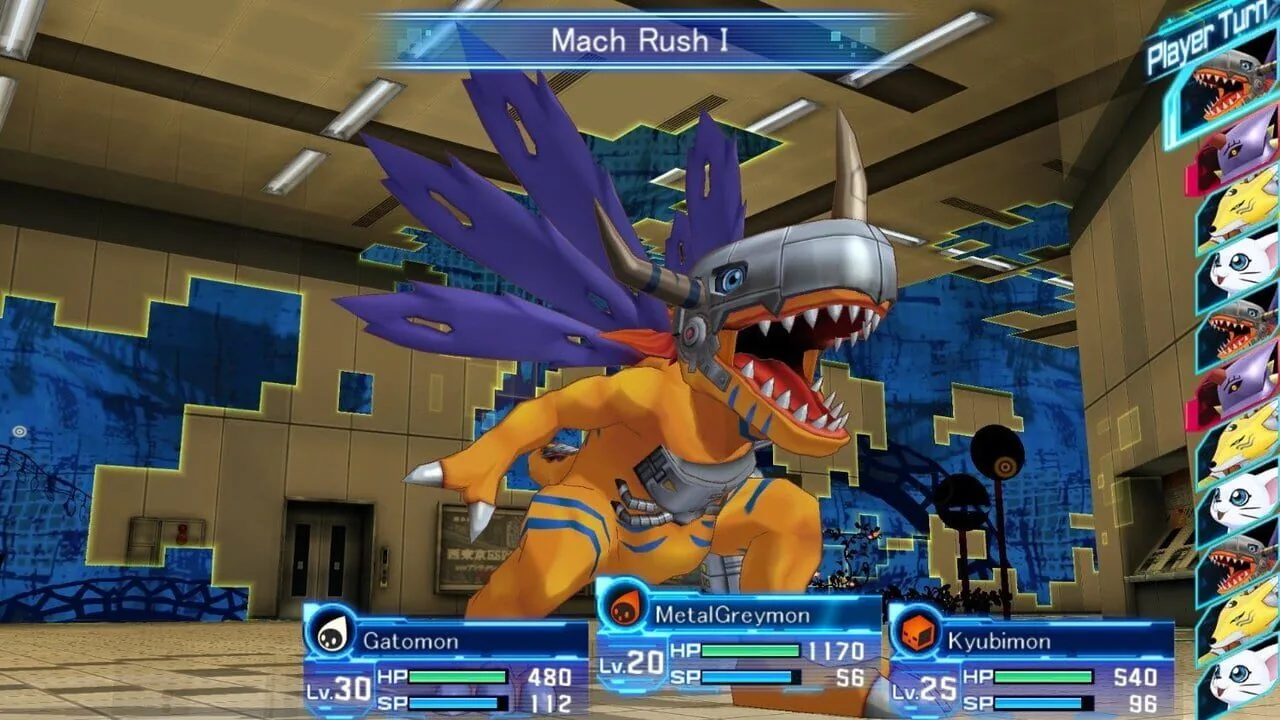
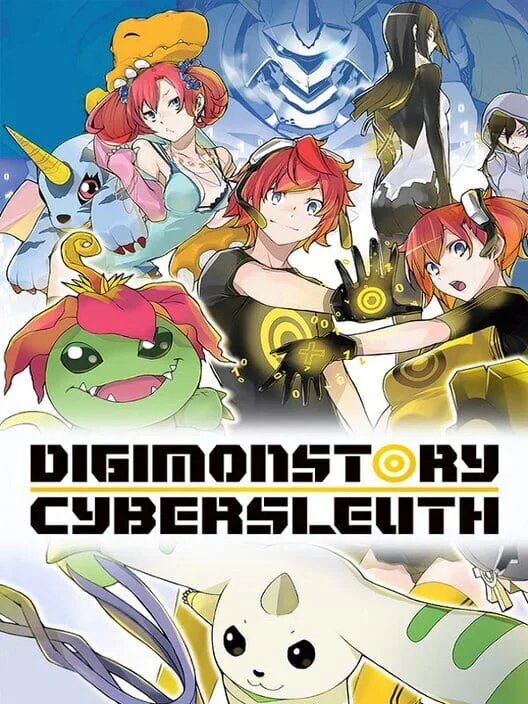
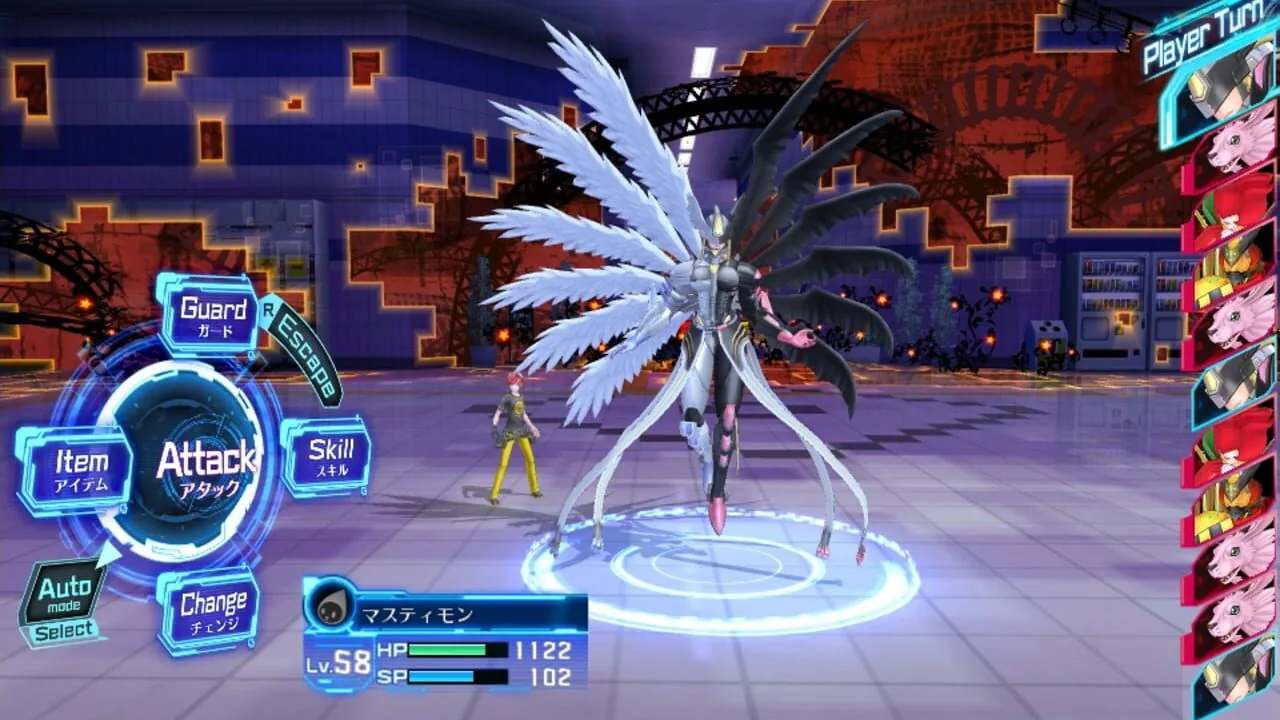
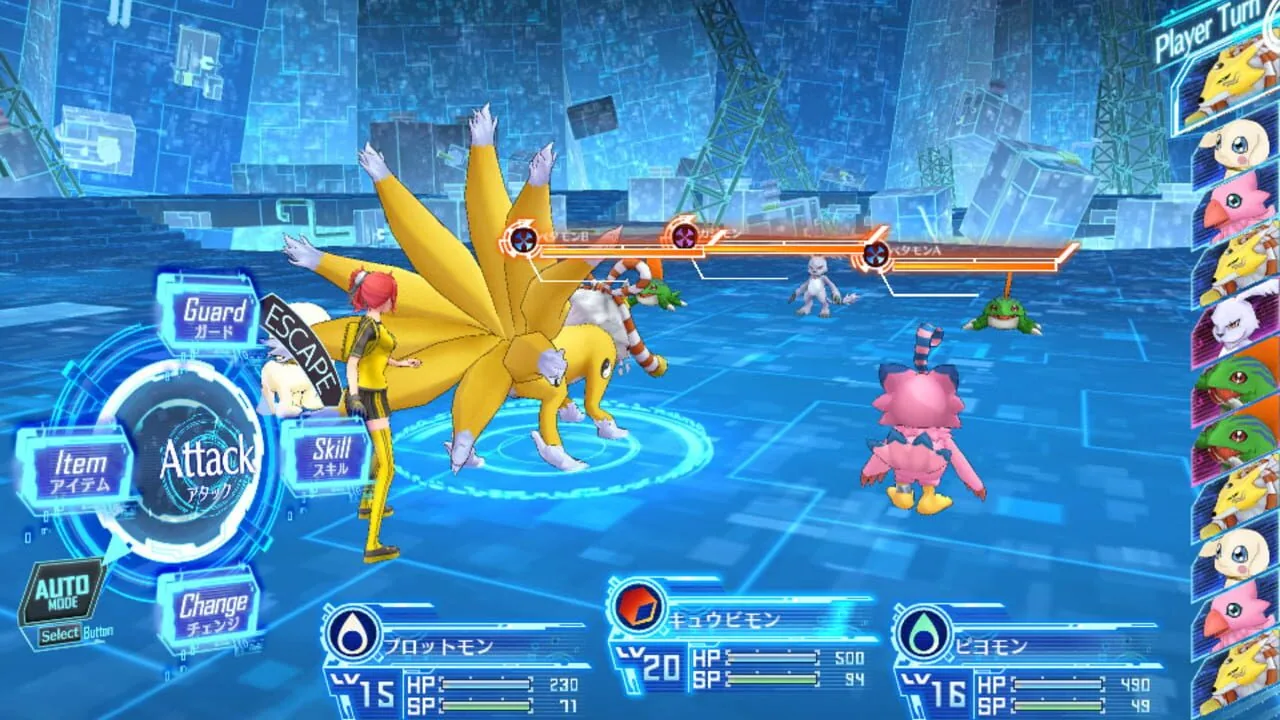
Digimon Story: Cyber Sleuth is about collecting and training monsters, and it gives you a reason to care about each one. It is the fifth entry in the Digimon Story line, from Media.Vision and Bandai Namco. Aiba, a young Japanese student, gets drawn into a story about the Digimon Capture program, which a man named Suedou created and distributed.
Moving the series to 3D models instead of sprites was difficult, and the developers pulled it off. The game stayed available in Europe and South East Asia until the end of January 2019, after it was delisted elsewhere. It is considered a reboot of the series, built with player feedback in mind. A good pick for fans of the franchise, and a friendly way in for anyone new.
41. Stardew Valley (2016)
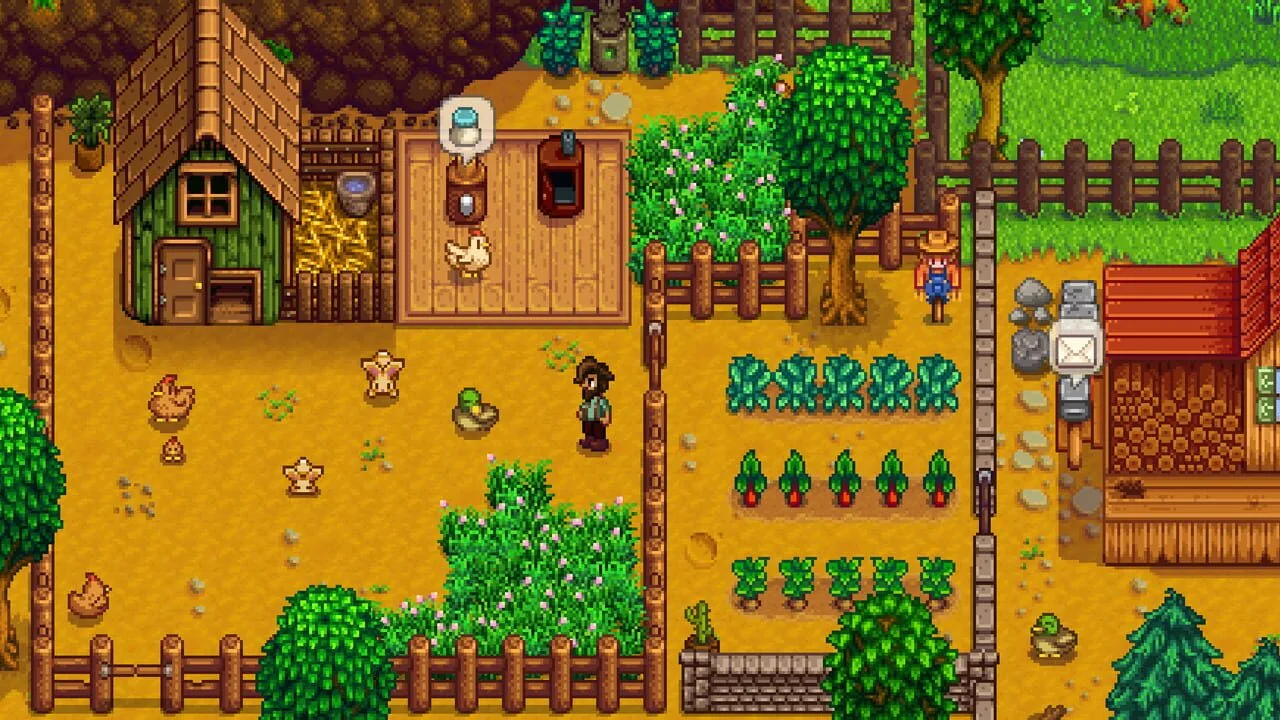
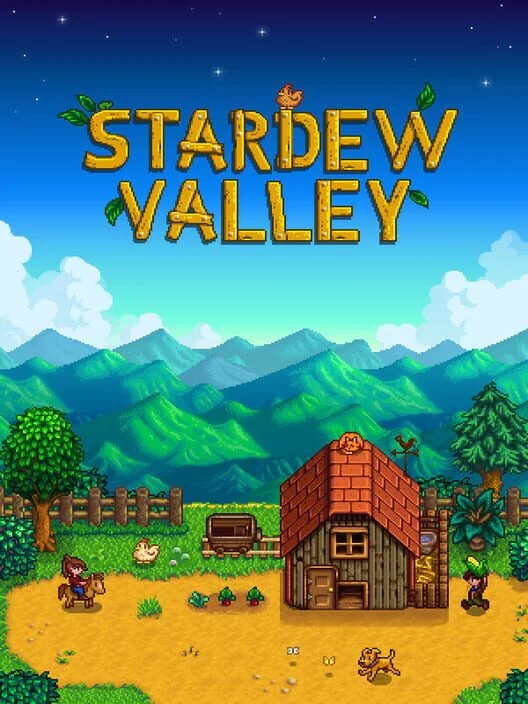
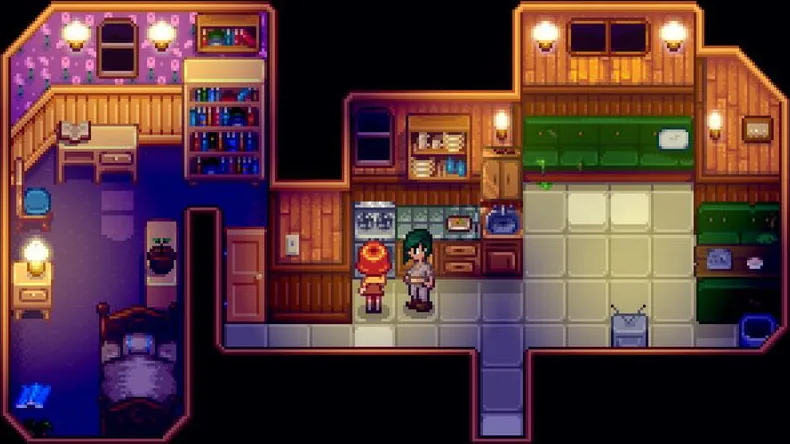
Stardew Valley is a country-life role-playing game in which you inherit your grandfather's old farm plot and start a new life with hand-me-down tools and a few coins. Eric Barone made it by himself over five years, and he was heavily inspired by the Harvest Moon series.
The British studio Chucklefish offered to publish it halfway through, which let him focus on finishing. It came out on Windows in February 2016 and later reached other platforms, including the Vita. Reviews were generally positive, even from Yasuhiro Wada, the creator of Harvest Moon. It won the Breakthrough Award at the Golden Joystick Awards. The Vita is a natural fit for a game built around one more day. The day is never quite finished.

40. Helldivers (2015)
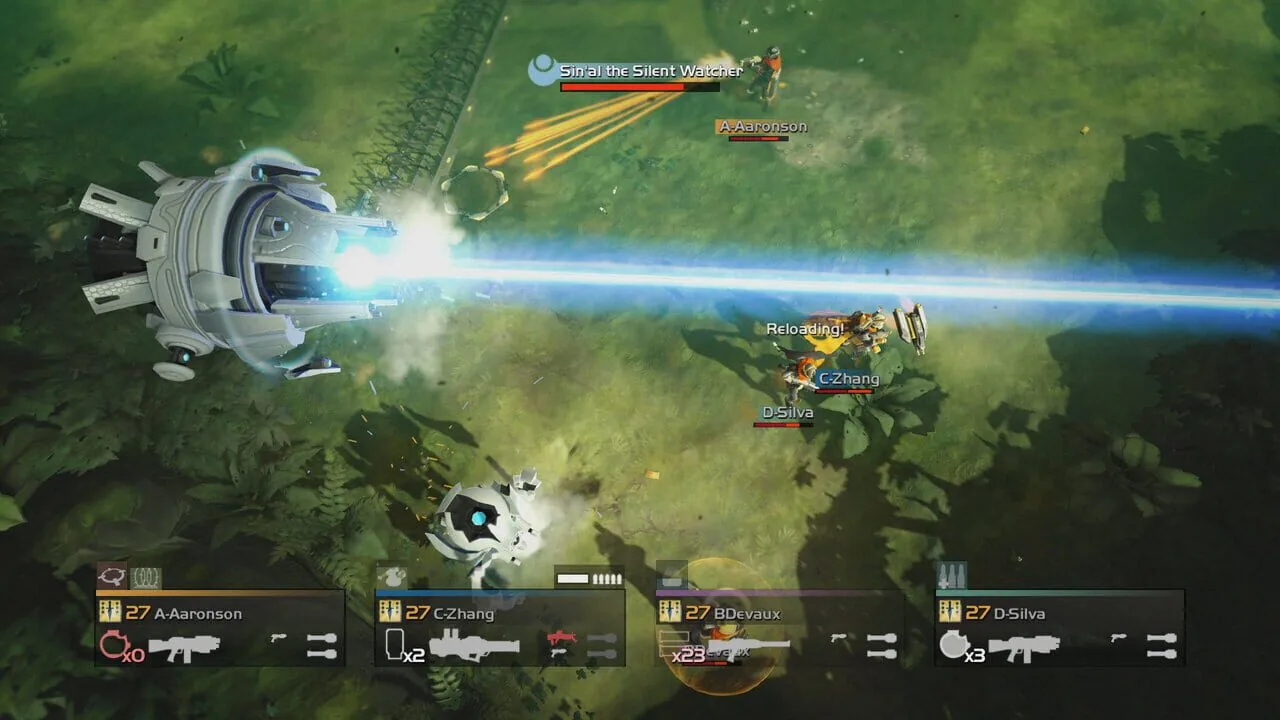
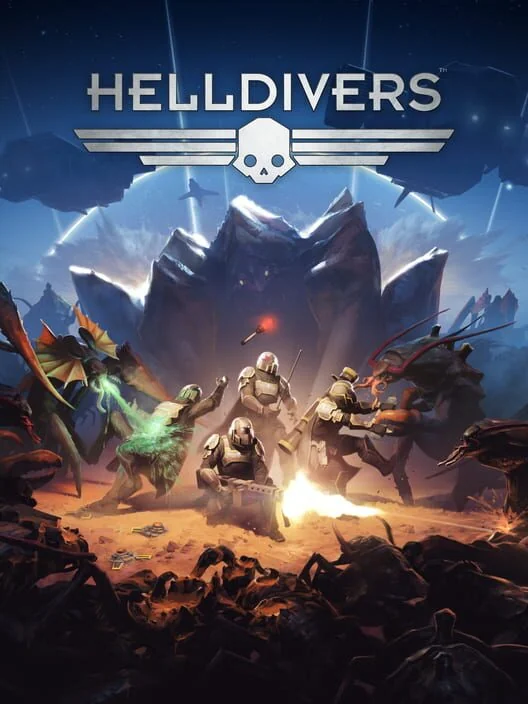
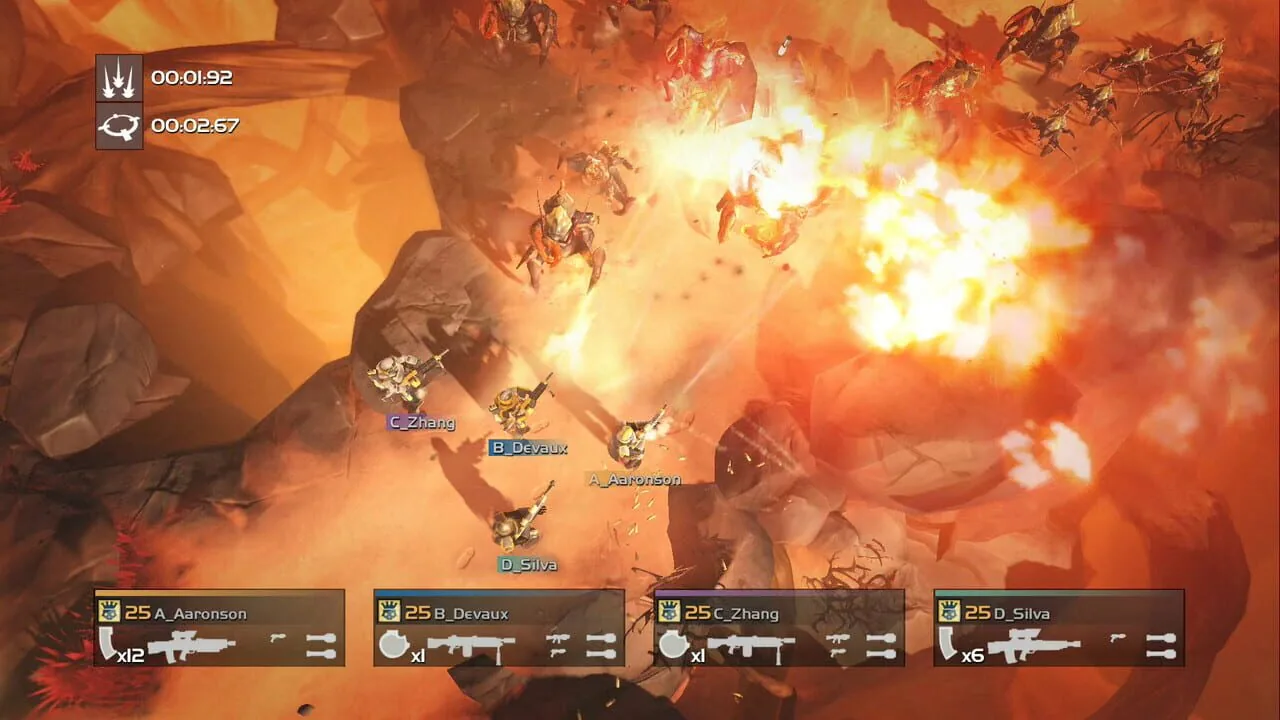
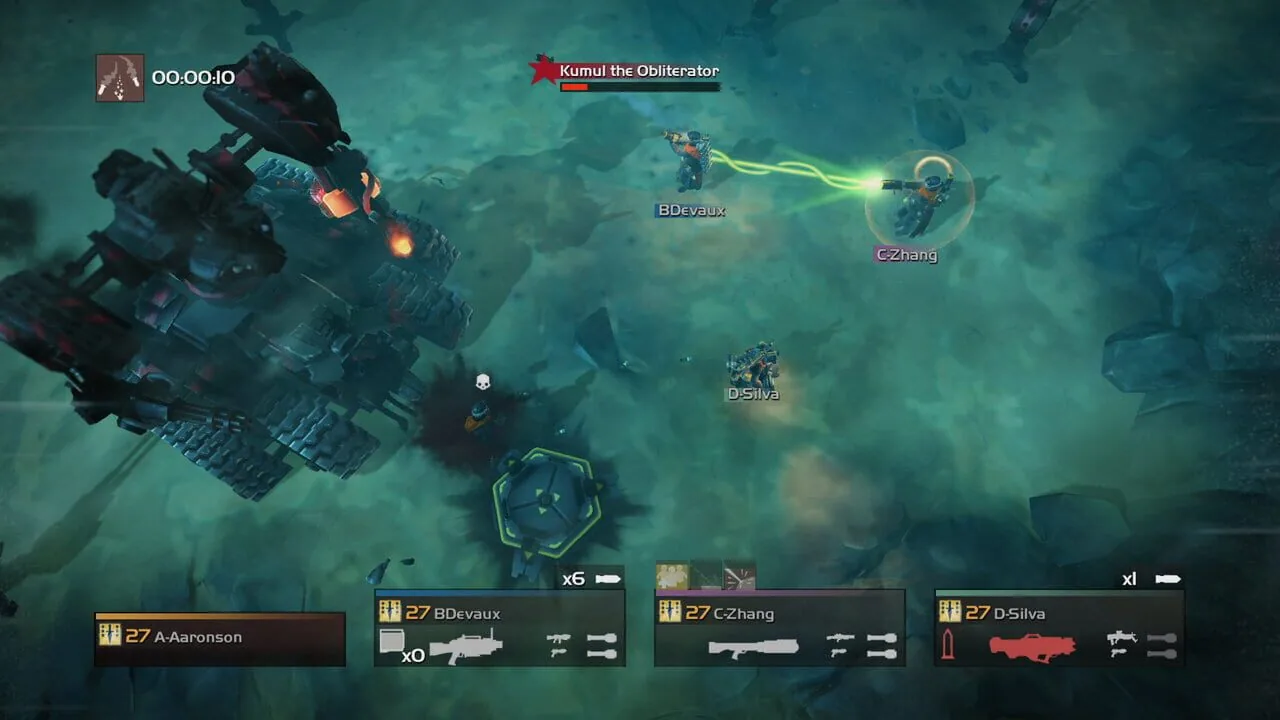
Helldivers is a top-down shooter set in a satirical future. Humanity lives under a managed democracy, and you are one of the elite soldiers sent to defend it. Your enemies have infinite reinforcements, so avoiding fights often pays off, and killing gets you no in-game rewards.
Helldivers received positive reviews and sold over 4 million units by May 2024. A sequel, Helldivers 2, came out on 8 February 2024, and it is a third-person shooter instead of a top-down one. The original is the arcade-style cousin, and it works as a chaotic co-op treat on the Vita. Friendly fire is part of the fun, and your allies are your biggest threat.
39. The Binding of Isaac: Rebirth (2014)
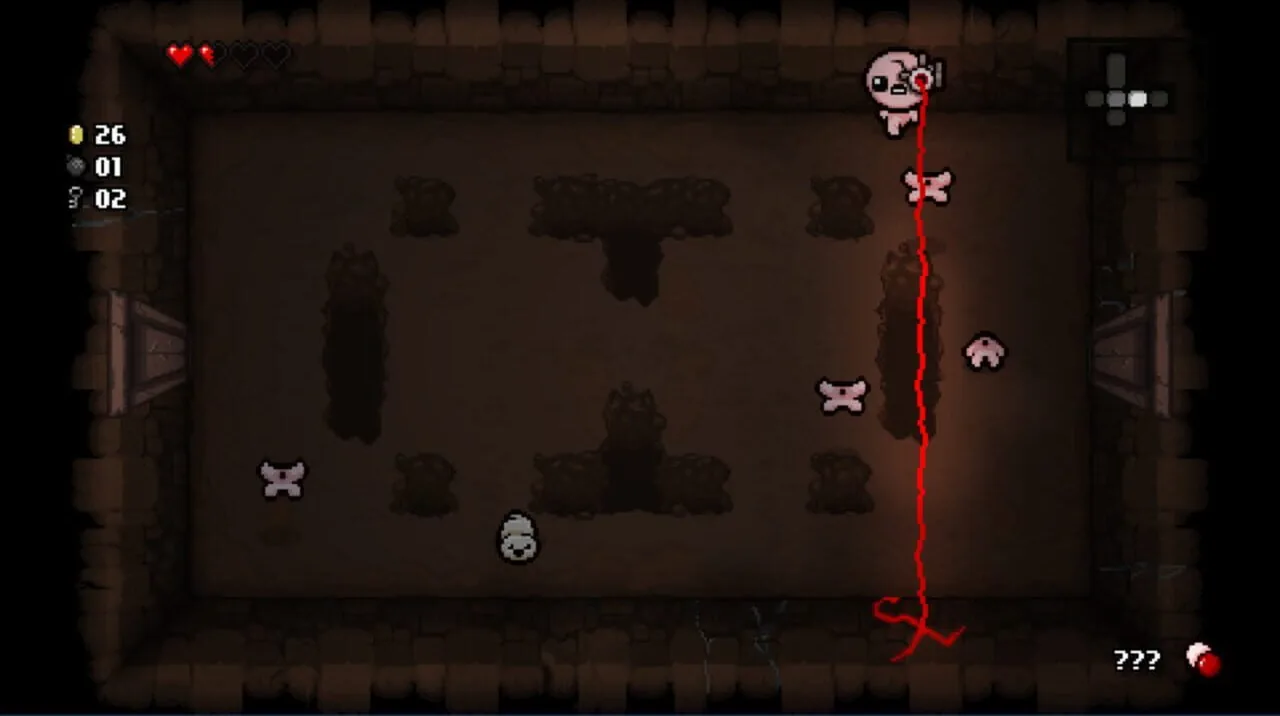
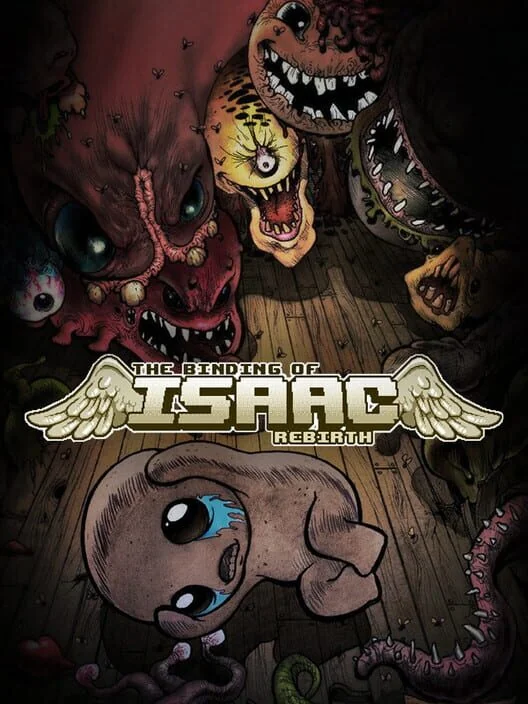
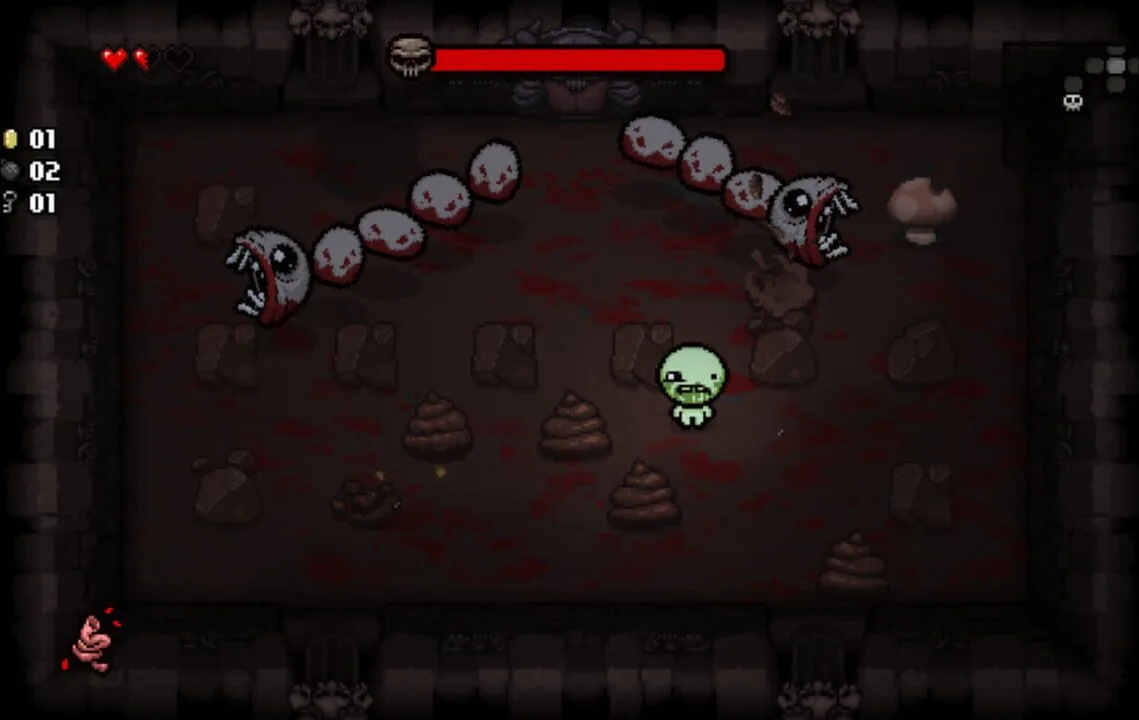
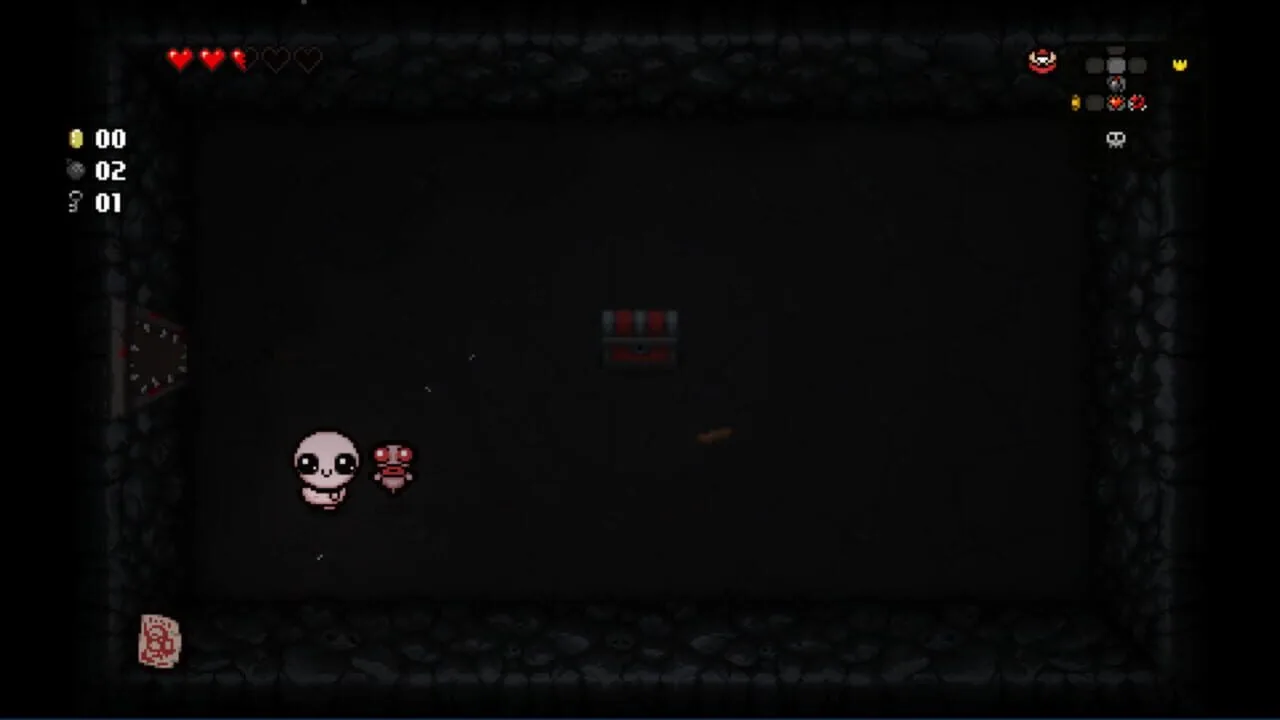
The Binding of Isaac: Rebirth is a top-down roguelike remake of the 2011 original, rebuilt so that it no longer needs Flash. Edmund McMillen teamed up with Nicalis to build it on a stronger engine, which made room for a huge amount of new content. You guide Isaac through procedurally generated rooms, and the plot draws on the biblical story and McMillen's religious upbringing.
Reviewers praised the gameplay and the improvements, but criticized the graphic imagery, and that warning stands. Rebirth and the original had sold over five million copies combined by July 2015. Four expansions followed, from Afterbirth in 2015 to Repentance+ in 2024. Every run changes your build. You never play the same game twice.
38. Darkest Dungeon (2016)
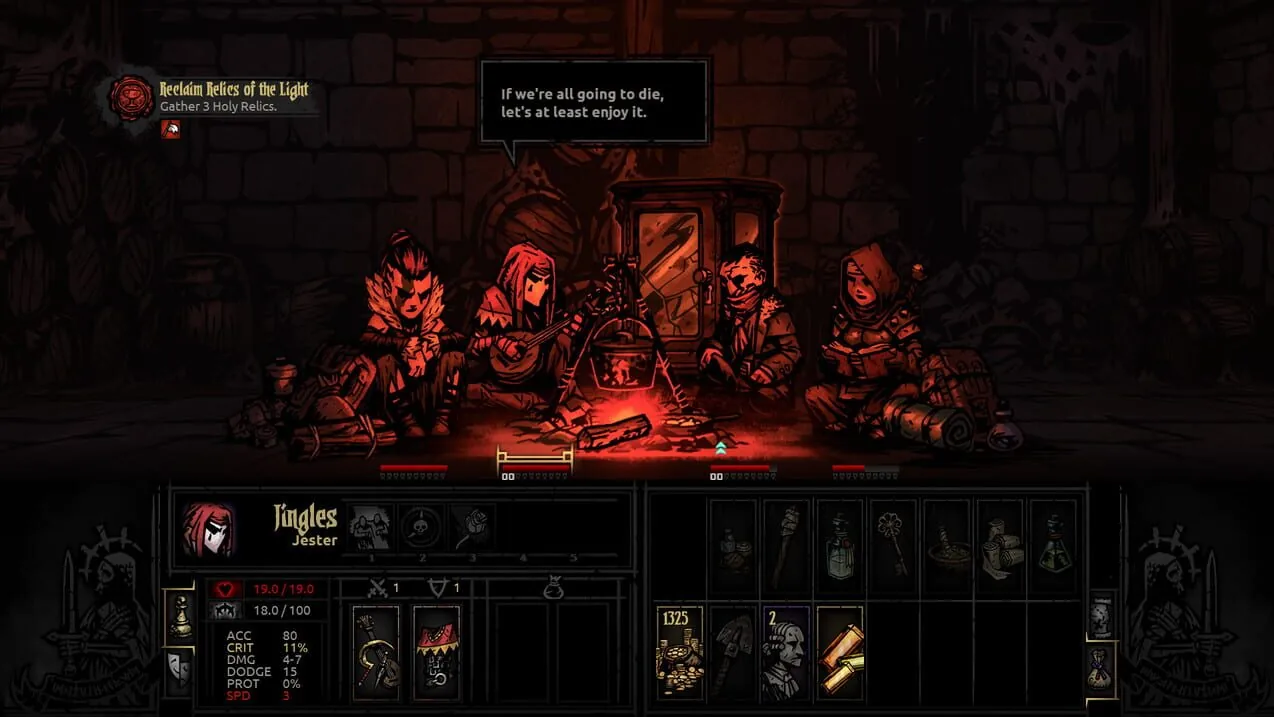
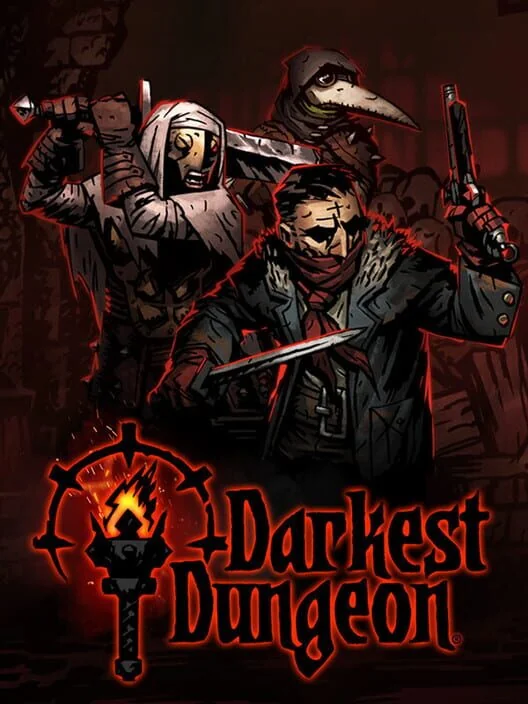
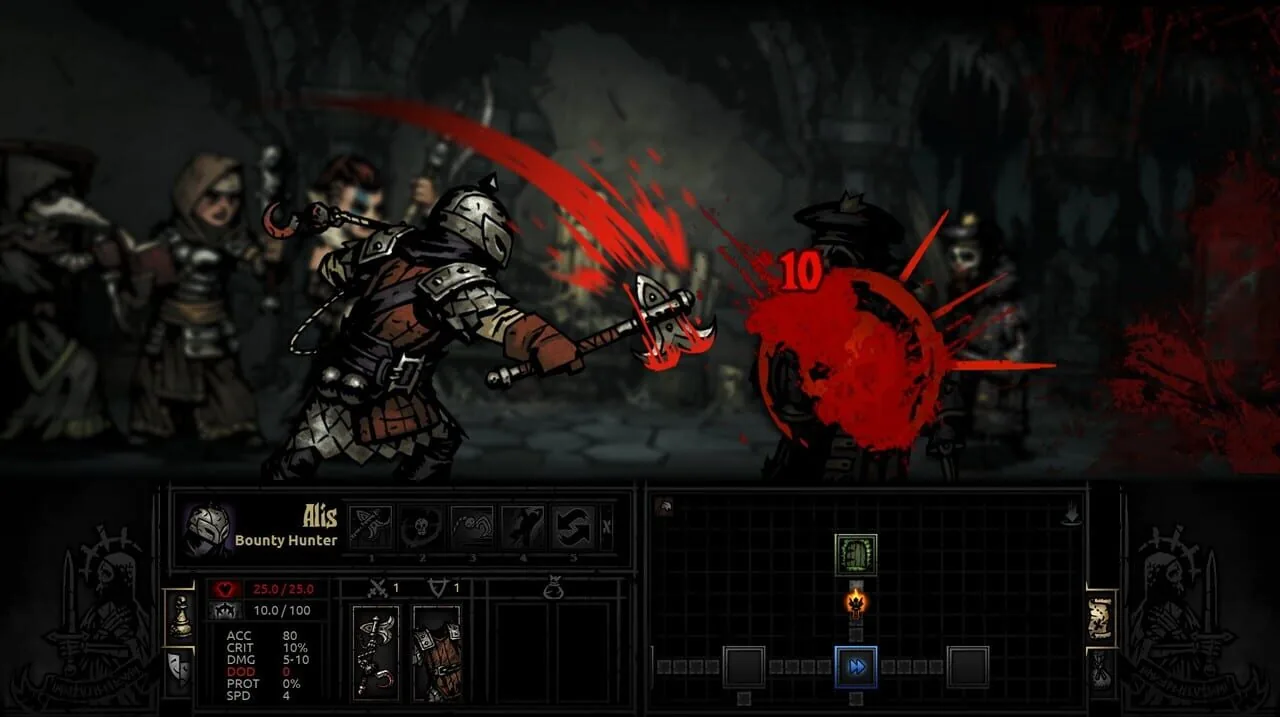
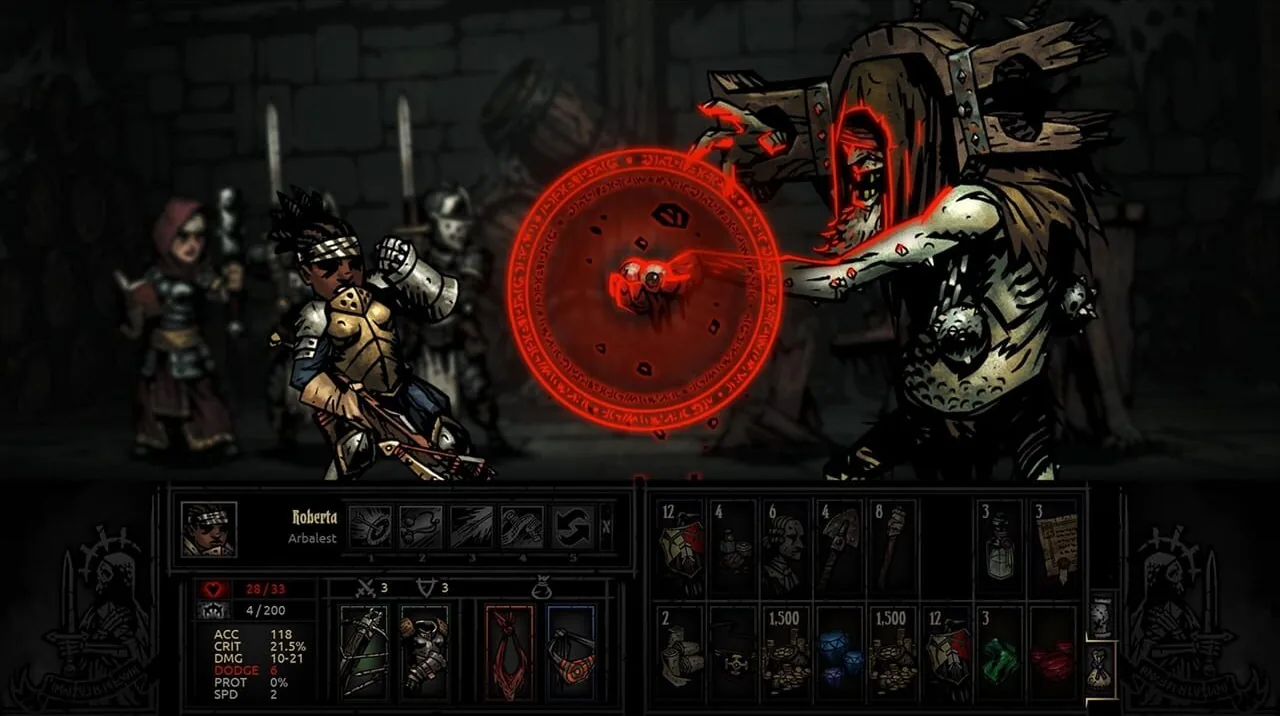
Darkest Dungeon is a gothic roguelike about the stress of adventuring, and it treats your heroes like people who can crack. You recruit a team of flawed heroes and lead them against unimaginable horrors. If stress builds up unchecked, a hero may freeze in fear or ignore your orders entirely.
It reached Windows in January 2016 after a year in early access, and later that year it came to the PS4 and the Vita. It got positive reviews and award nominations, and it has sold over two million copies. A DLC called The Color of Madness added a horde mode in June 2018, and a sequel followed in May 2023. Your best fighter will snap at the worst possible moment.
37. Tales of Hearts R (2013)
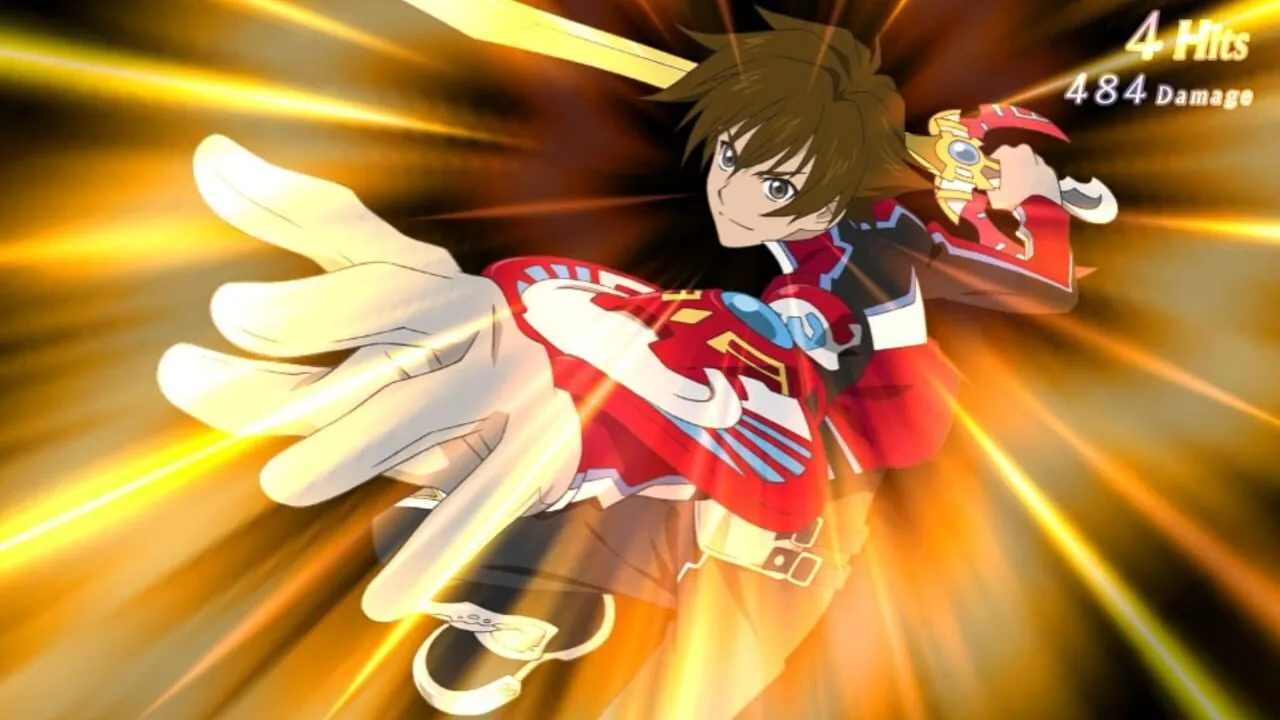
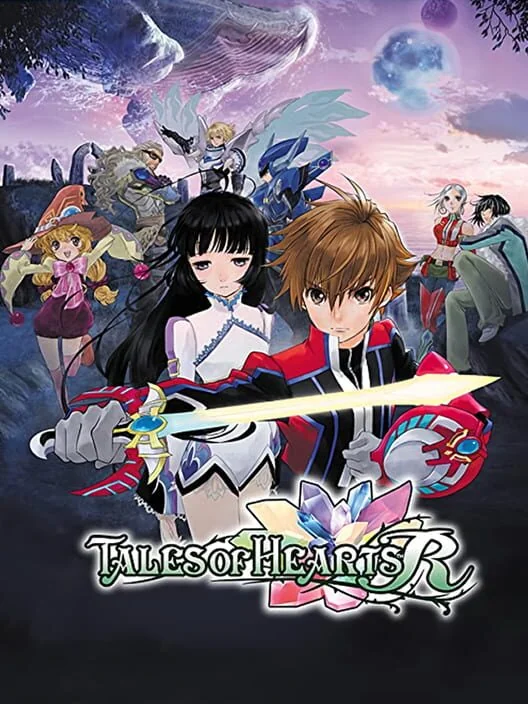
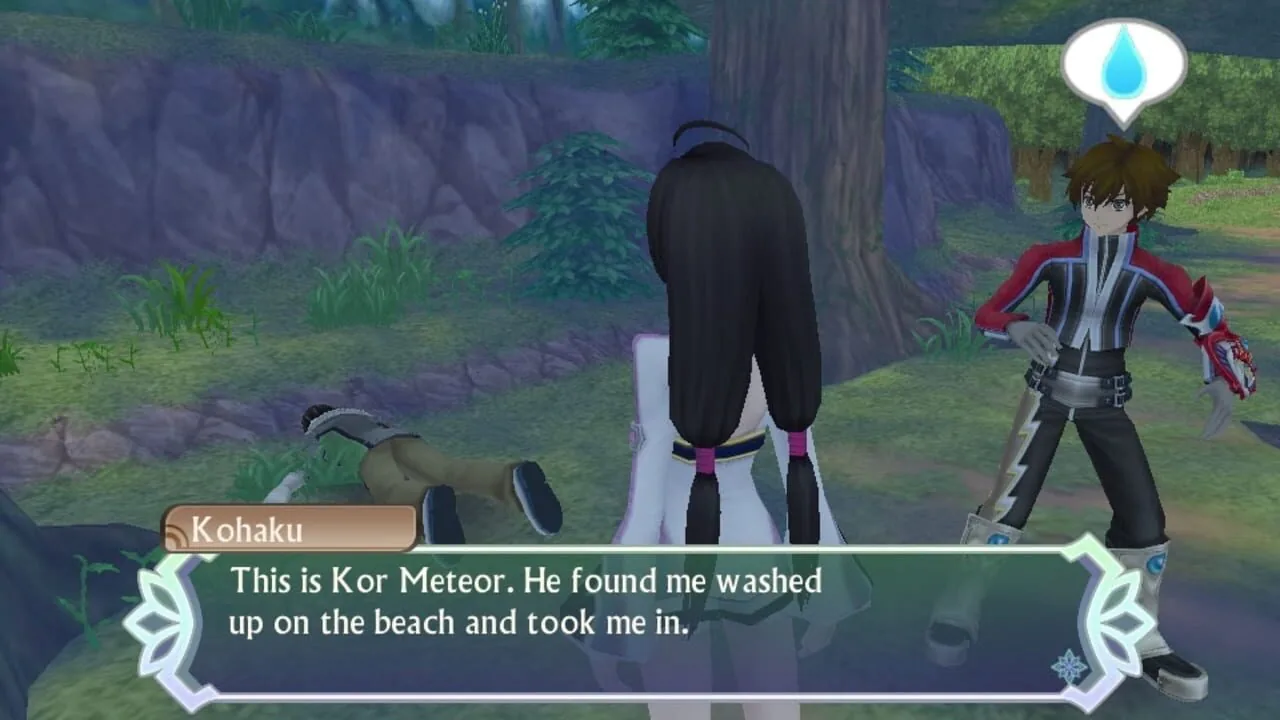
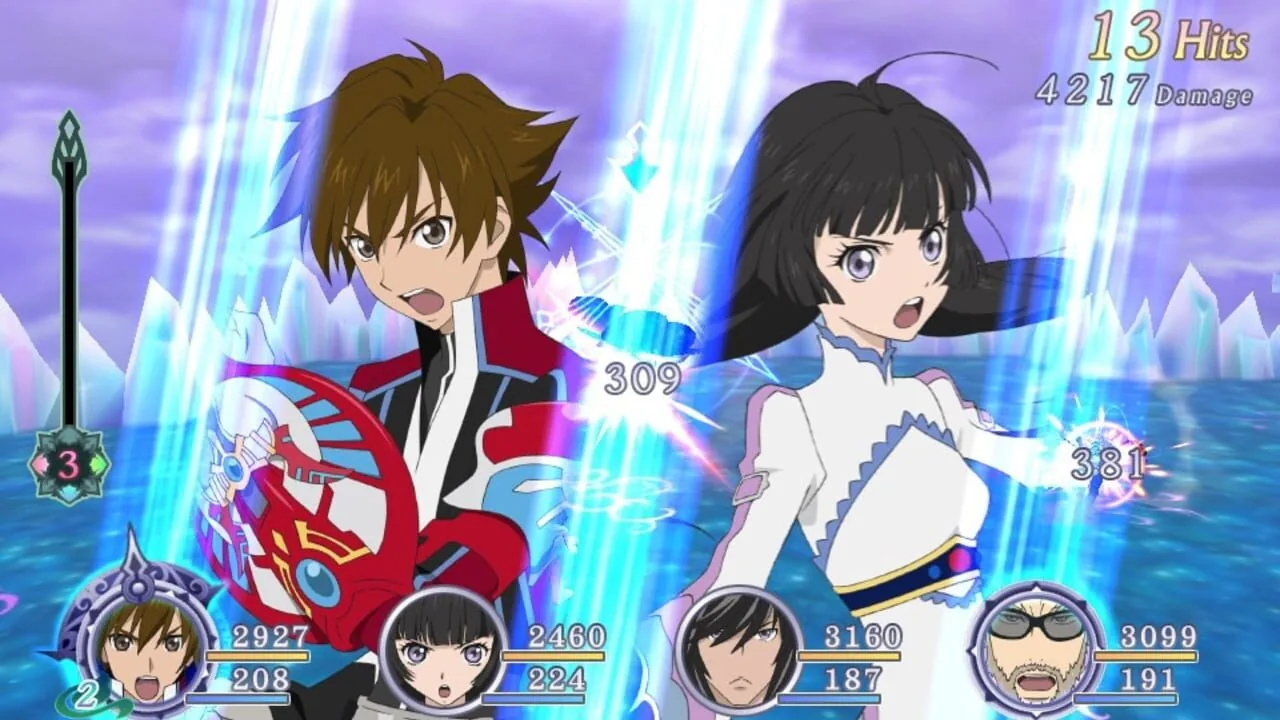
Tales of Hearts R is a polished remake of a game that appeared only in Japan on the Nintendo DS. It is the eleventh main Tales game, from Namco Tales Studio and Bandai Namco, and the Vita release arrived in Japan in March 2013 and in the West in November 2014. The result is a bright, lively adventure that fits the Vita screen well.
Production began in the winter of 2006. The original was the studio's first portable title. New staff handled the remake, but the writer and character designer came back to add content. Tales fans will find a very good entry, and newcomers will find a gentle one. Few role-playing games feel so cheerful from the first minute. It laughs before the first battle.
36. Child of Light (2014)
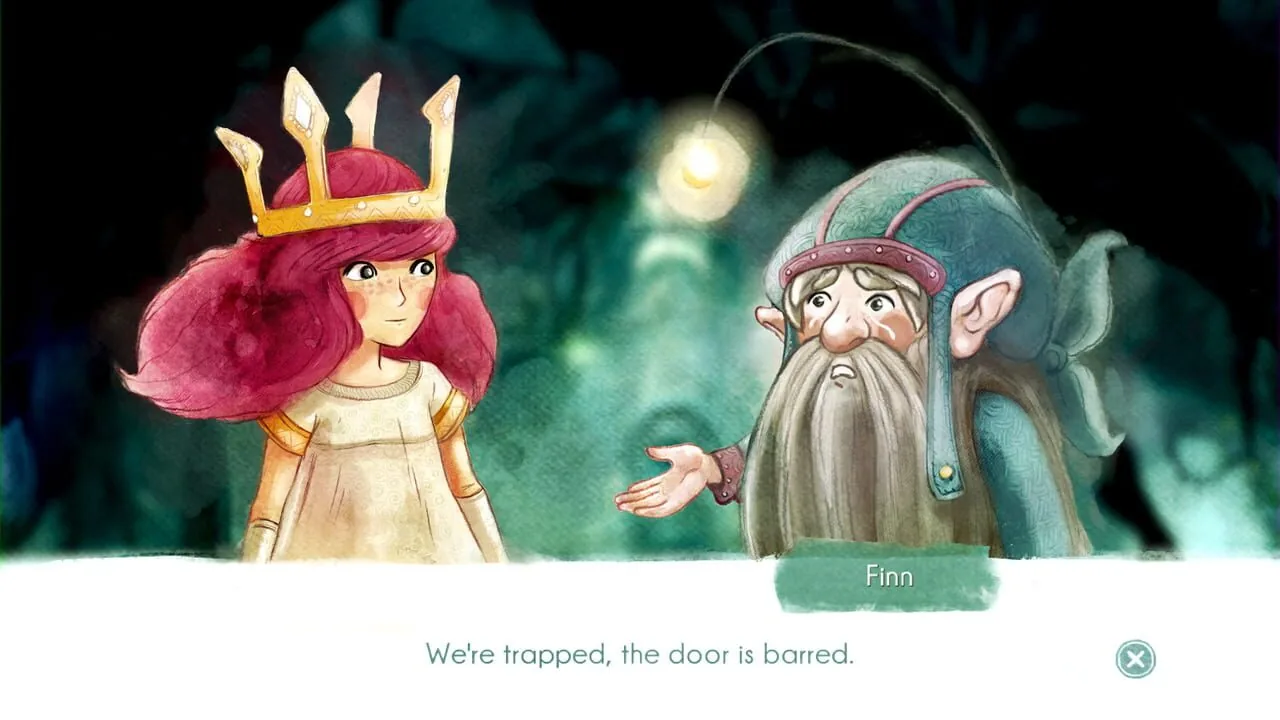
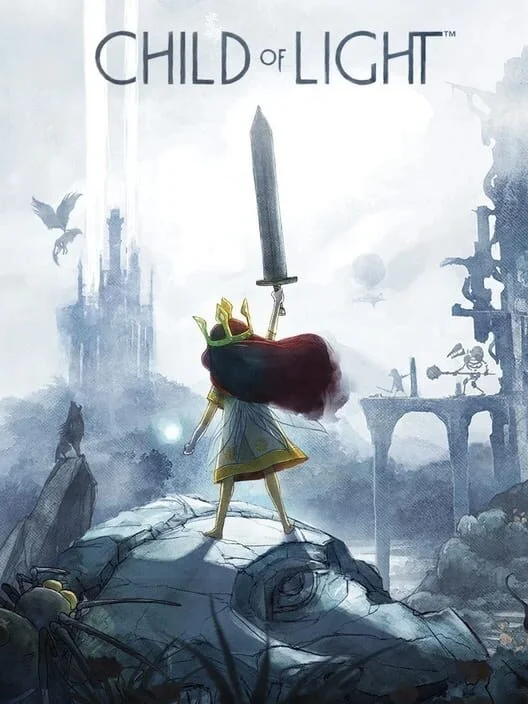
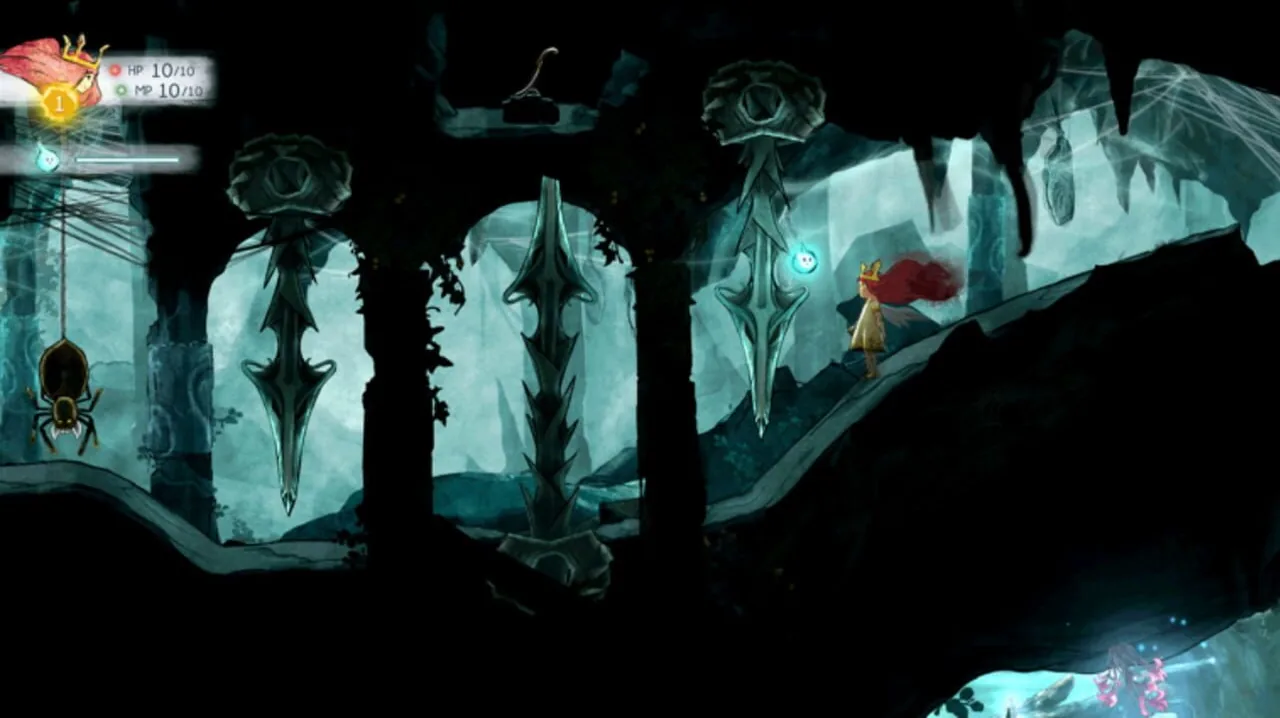
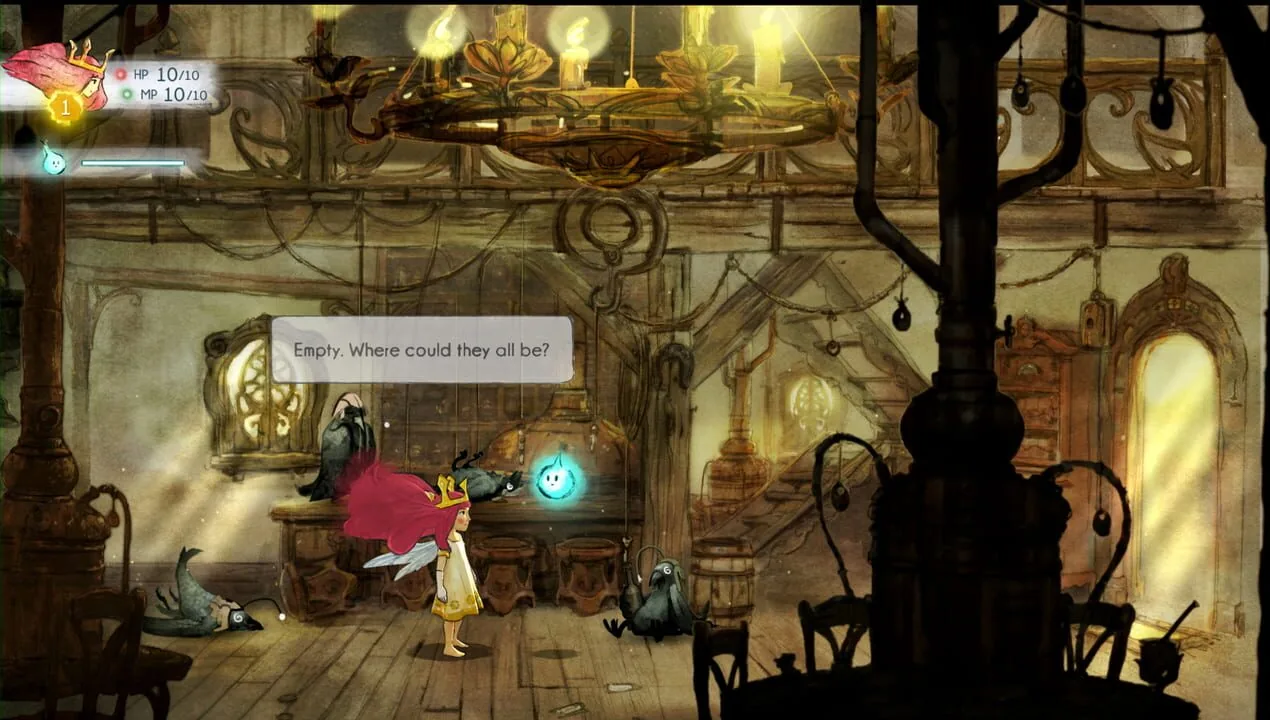
Child of Light plays like a fairy tale you can walk through. The Black Queen has stolen all the lights in the sky, and you guide Aurora, a princess with a pure heart, through the kingdom of Lemuria to get them back. The UbiArt Framework engine let the team drop concept art directly into the game, and everything looks like an animated painting.
Lemuria is based on a supposedly lost continent, and the dialogue is told in rhyme. Reviews were mainly positive, with special praise for the visuals and the story. One critic found the rhymes slightly forced, though he called them endearing. It is a warm storybook role-playing game that looks wonderful on the Vita screen. Aurora ages physically only once.
35. Rayman Legends (2013)
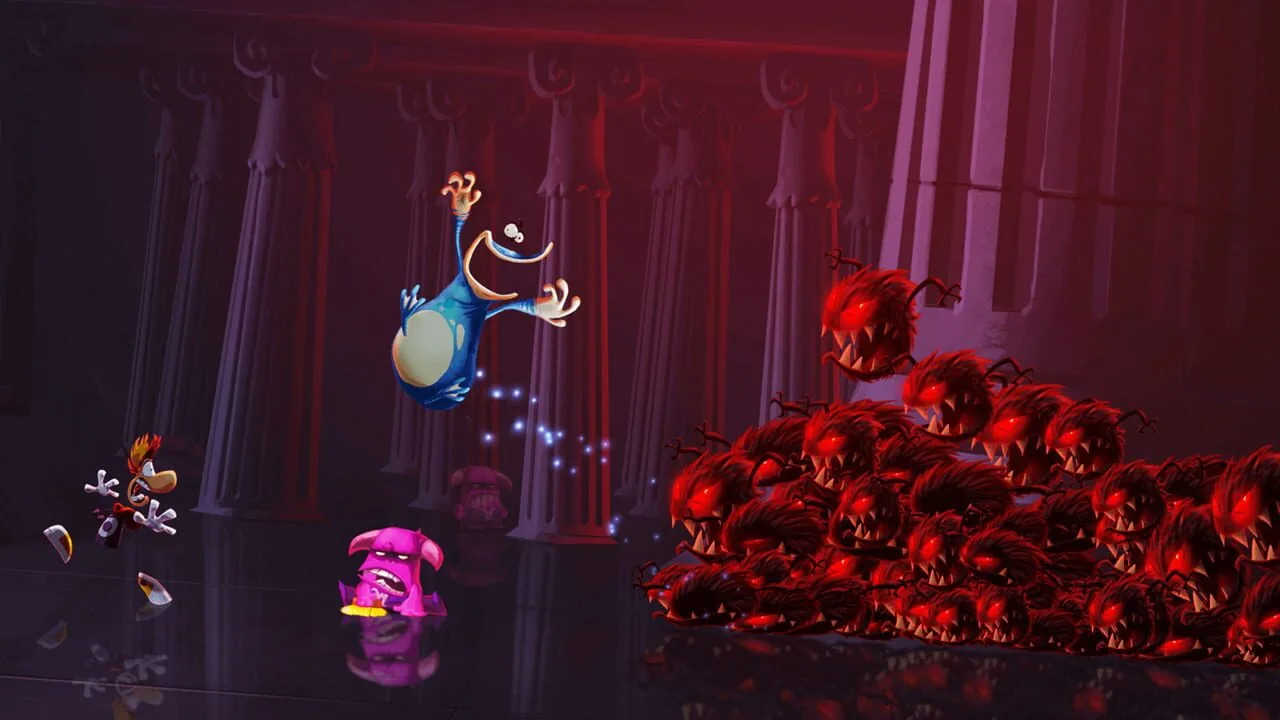
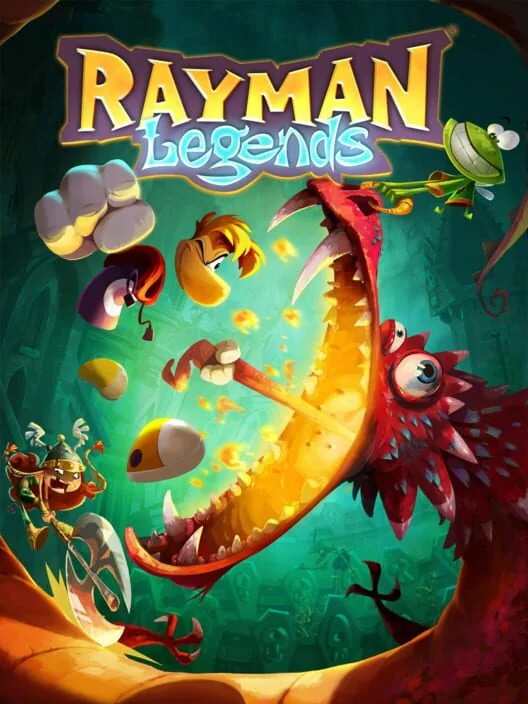
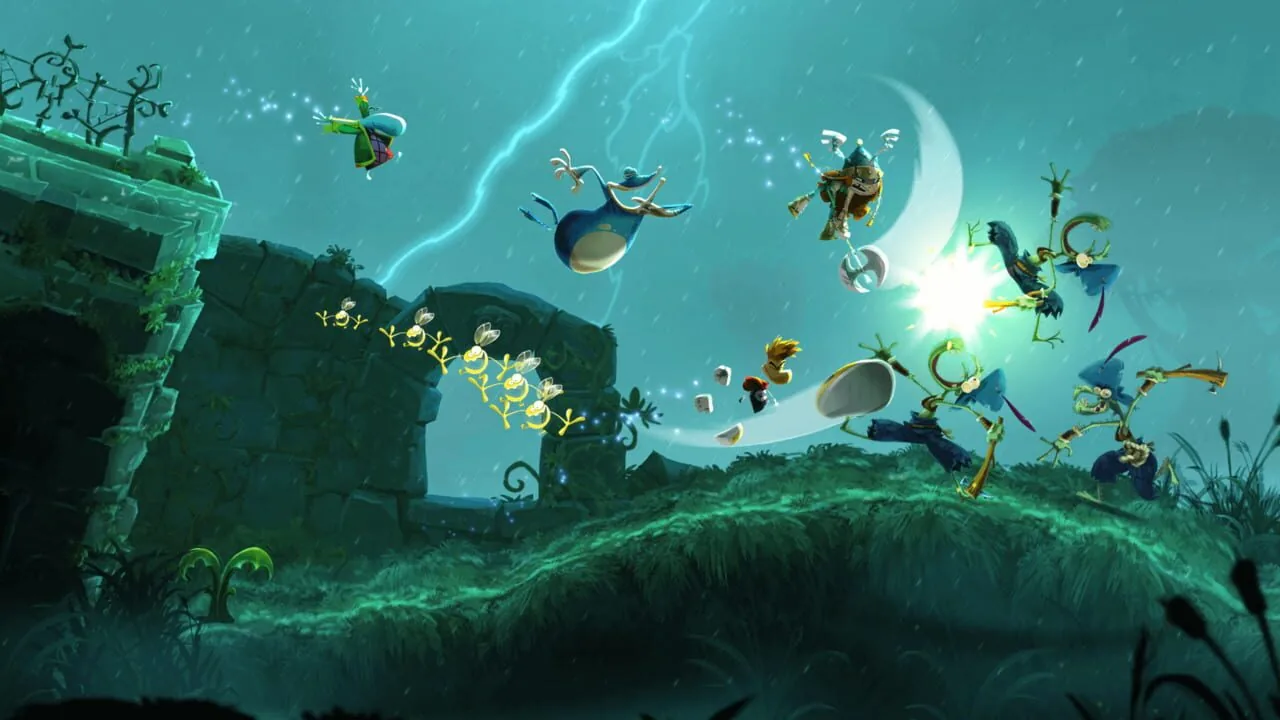
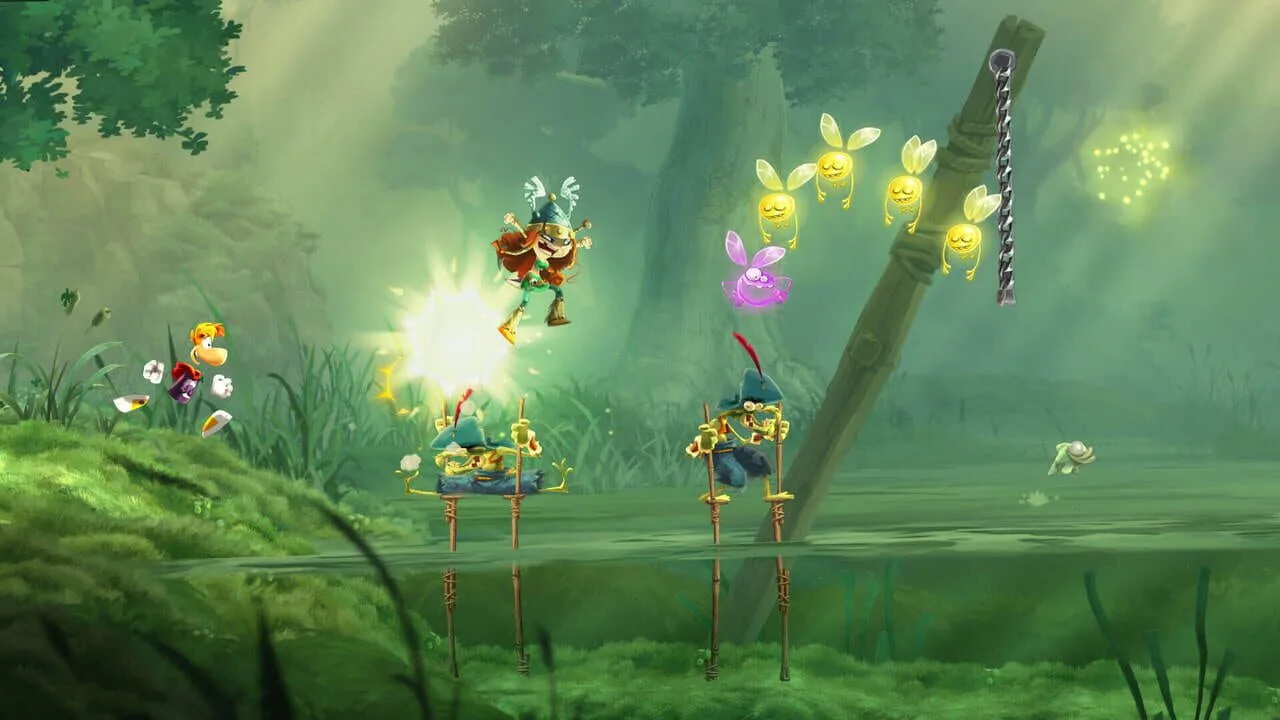
Rayman Legends was first thought of as a Wii U exclusive that used the Gamepad. After it went multiplatform, the Vita version used the touchscreen in its place. It is the fifth main Rayman game and the direct sequel to Rayman Origins, and it reached the Vita in August and September 2013, alongside other platforms.
It received critical acclaim, with praise for the visuals and the sheer amount of content. Sales were slow at first, but it sold over a million copies by 2014. Platformers rarely get this lively, and it loses nothing on a handheld screen. The music levels turn running and jumping into a performance. Each level feels hand-crafted.
34. Danganronpa 2: Goodbye Despair (2012)
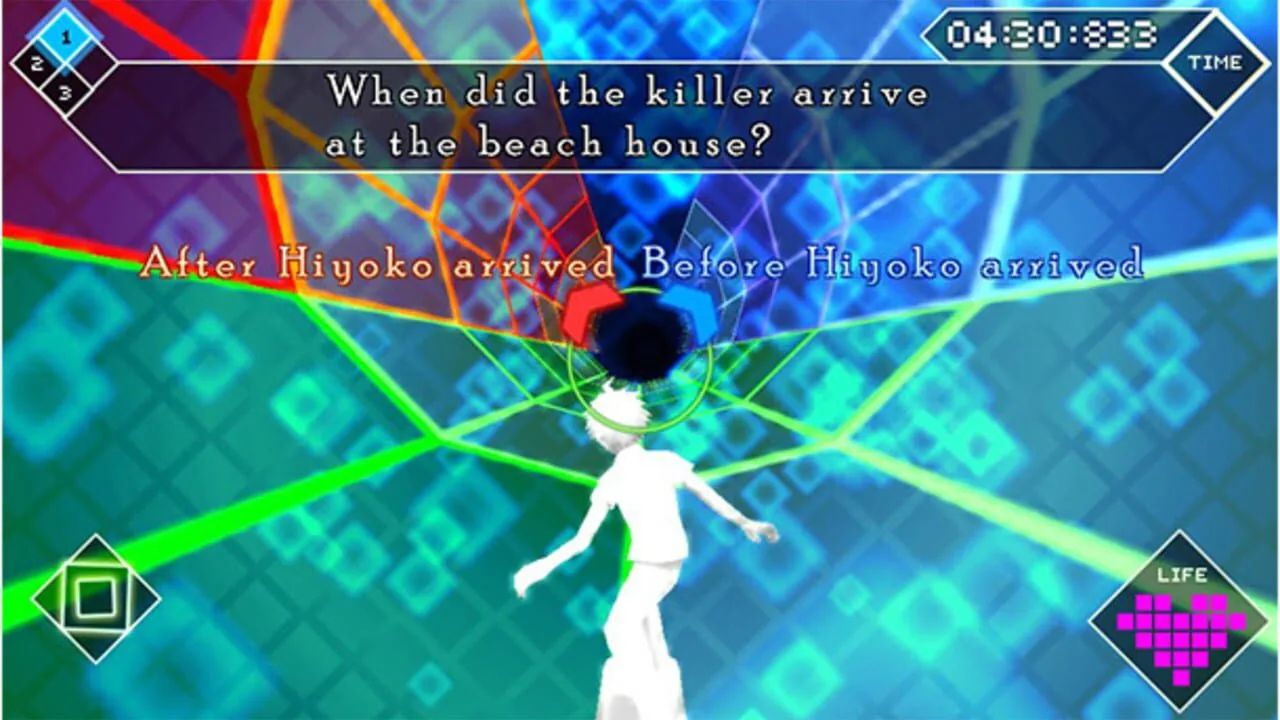
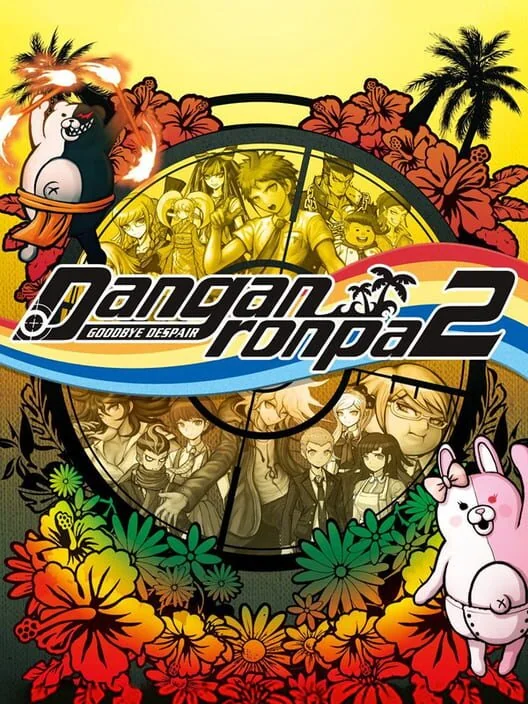
Danganronpa 2: Goodbye Despair follows Danganronpa: Trigger Happy Havoc. You play Hajime Hinata, a new student at Hope's Peak Academy, and as in the first game, students must kill one of their peers and avoid getting caught in the investigation and trial that follows. Kazutaka Kodaka set this one on a group of islands, inspired by the television series Lost.
It started on the PSP in Japan in July 2012, and the Vita port came out there in October 2013. NIS America released it worldwide in September 2014. Kodaka began the game while writing the prequel novel Danganronpa Zero. Critics and sales were both kind to it. Expect big twists.

33. God of War (2009)
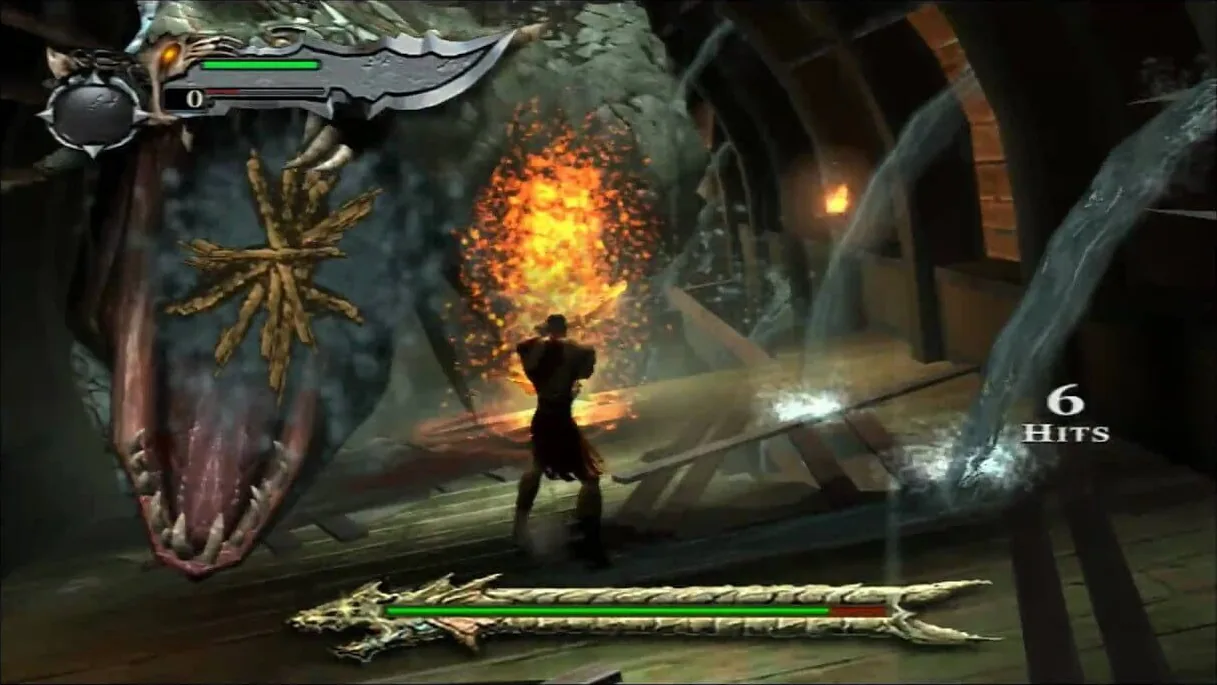
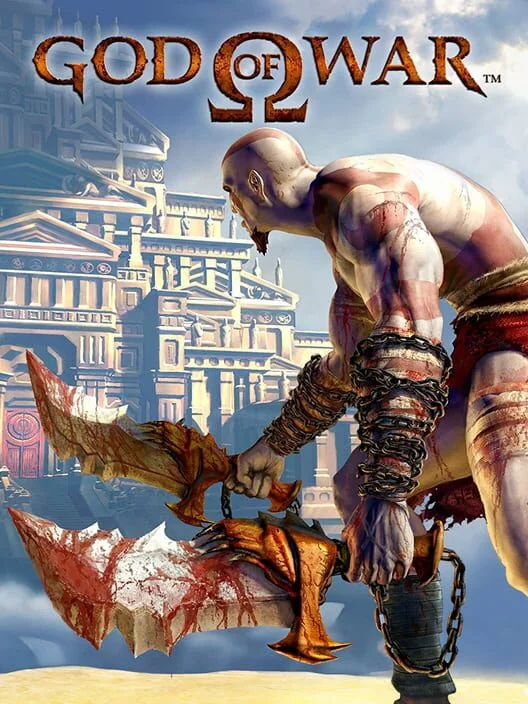
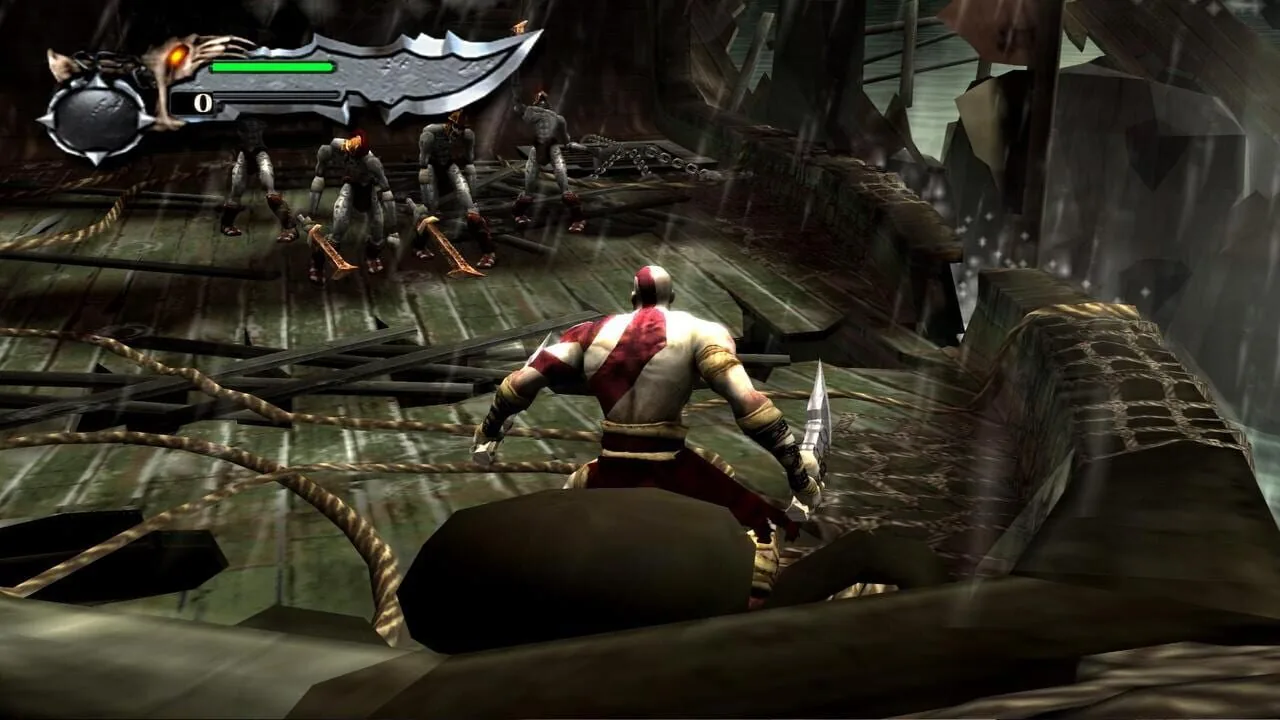
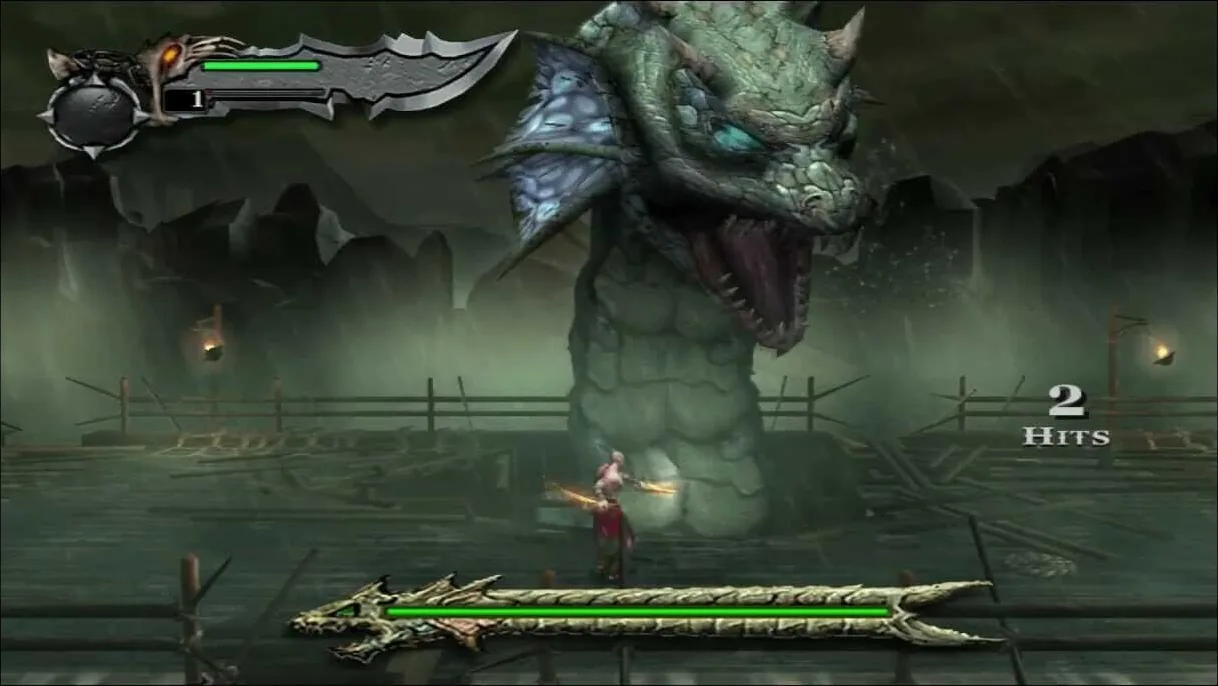
This is the God of War Collection remaster of the original, an action-adventure hack-and-slash game from Santa Monica Studio, published by Sony. It is loosely inspired by Greek mythology and set in ancient Greece, with vengeance at its center. The first game came out on the PlayStation 2 on March 22, 2005. The remastered versions followed in November 2009.
It was universally acclaimed and won several Game of the Year awards. It had sold over 4.6 million units by June 2012, which made it the 12th best-selling PlayStation 2 game of all time. Its success led to eight more games. Kratos on a handheld is still a thrill. Grab a shield.
32. Dragon Quest Builders (2016)
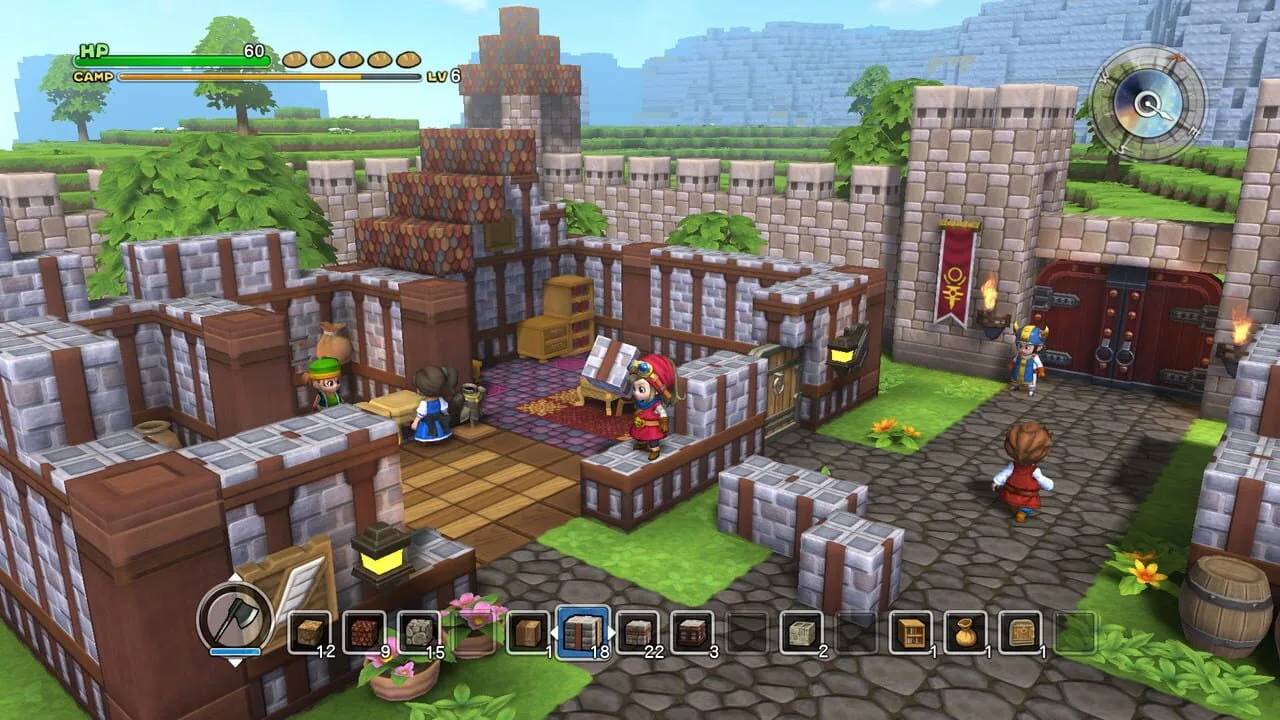
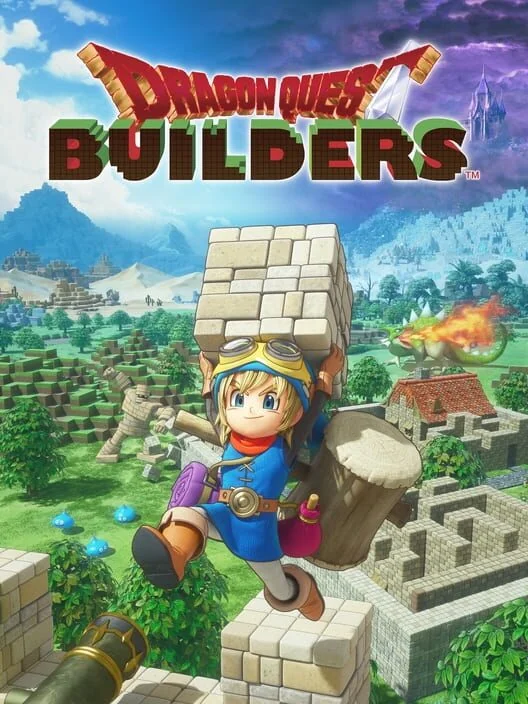
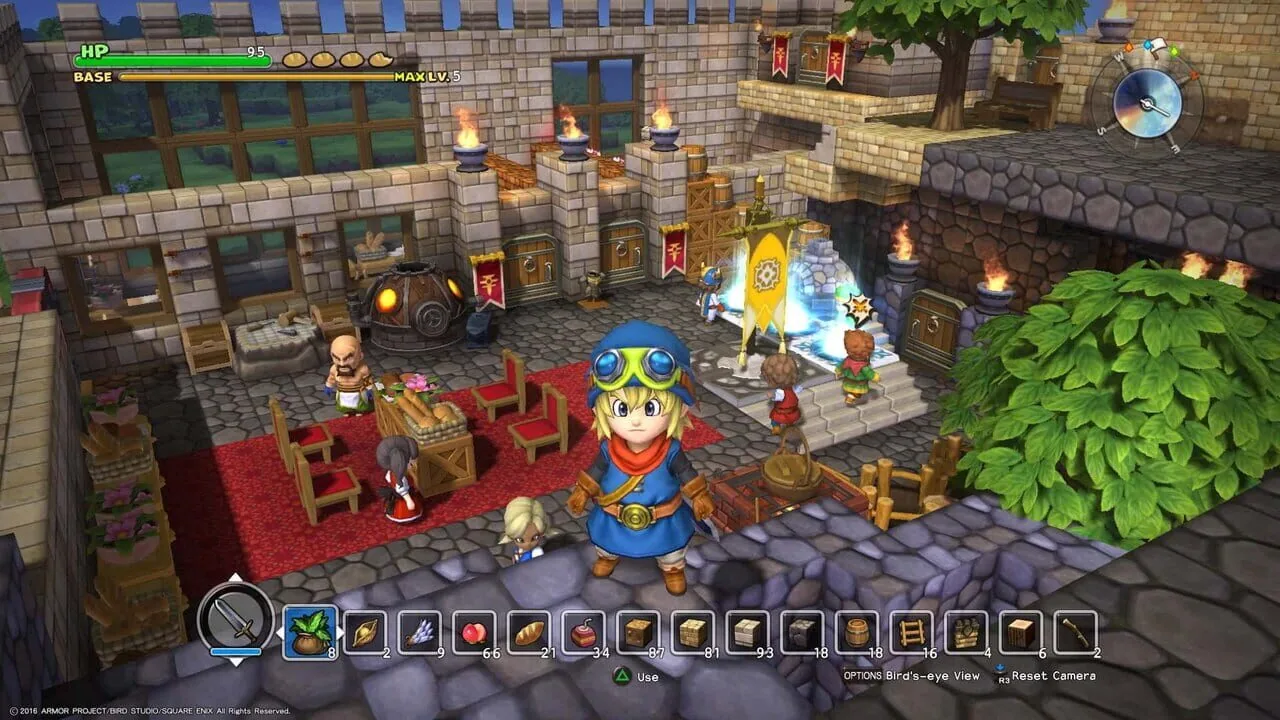
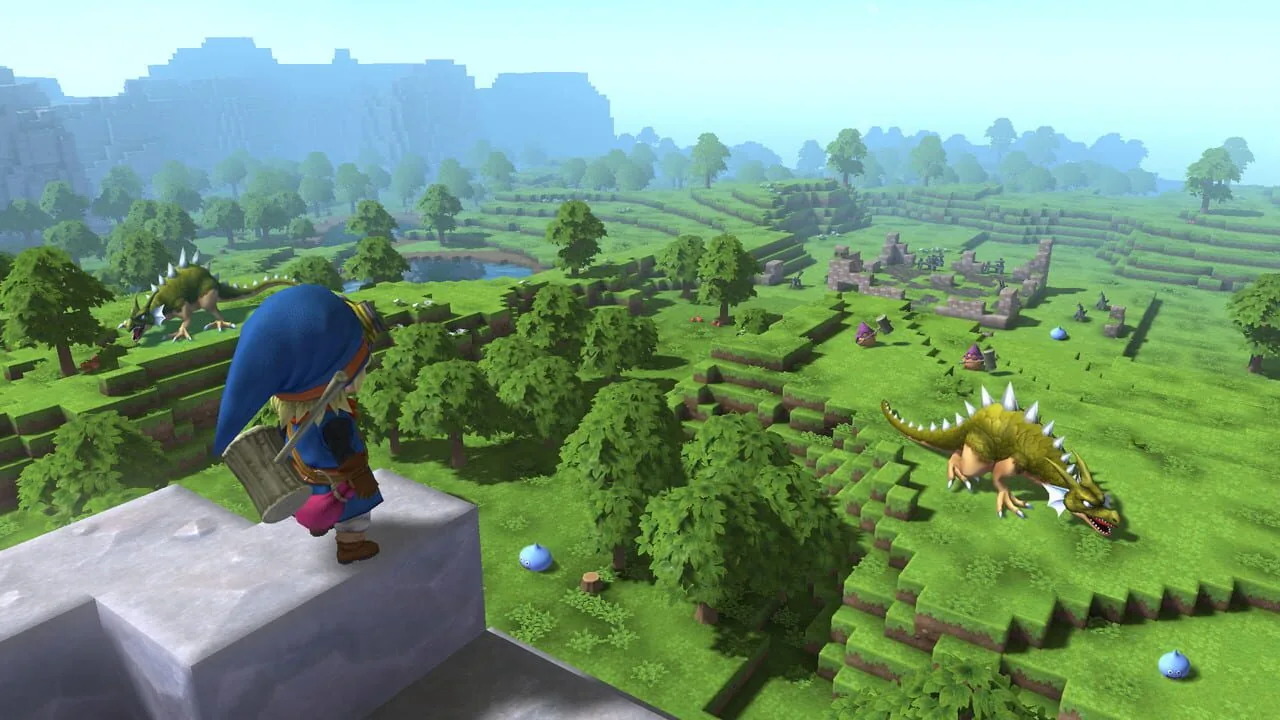
Dragon Quest Builders is a sandbox adventure where your imagination is the limit. Everything happens in real time, and the world is made of blocks. You build towns, and each town gains levels as you add to it. The story takes place in a parallel ending of the first Dragon Quest, where the hero accepted the Dragonlord's offer to rule half the world.
That twist gives the building a purpose, because you rebuild a land that the old story left in ruins. Rebuilding is relaxing, and the fights keep it lively. A sequel, Dragon Quest Builders 2, came out in 2018, and the first game reached the Switch in the same year.
31. Hot Shots Golf: World Invitational (2011)
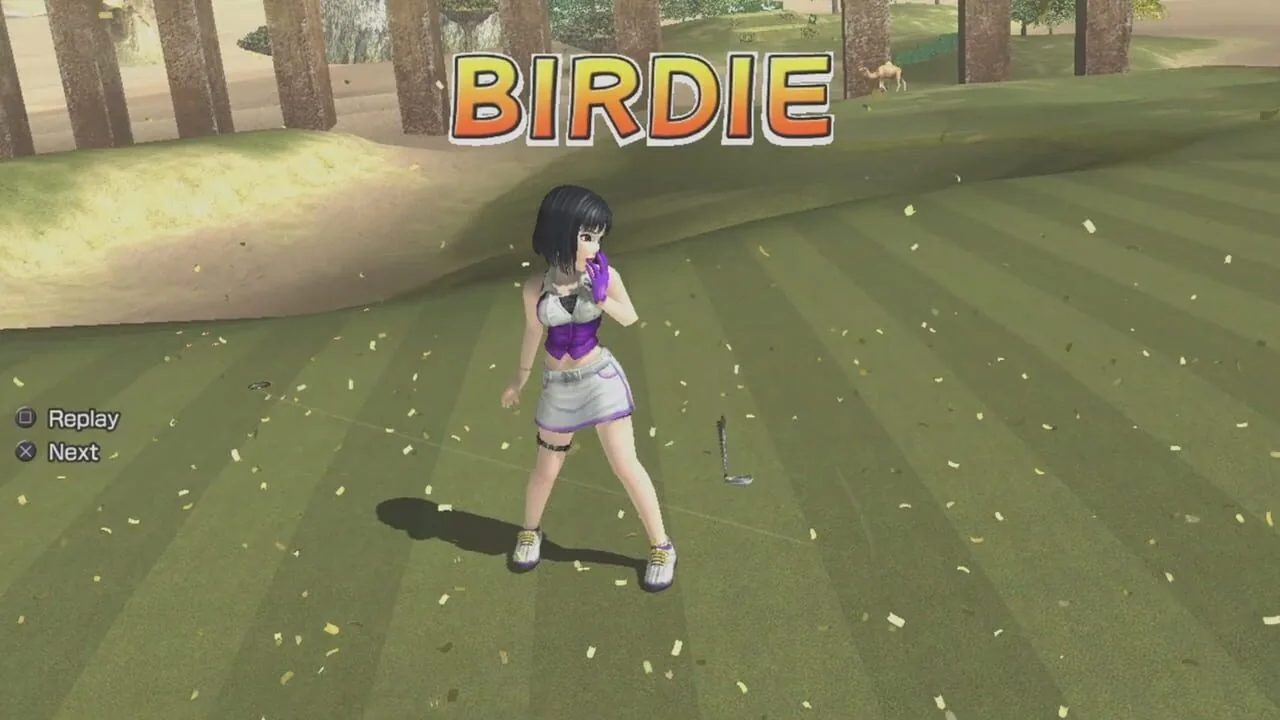

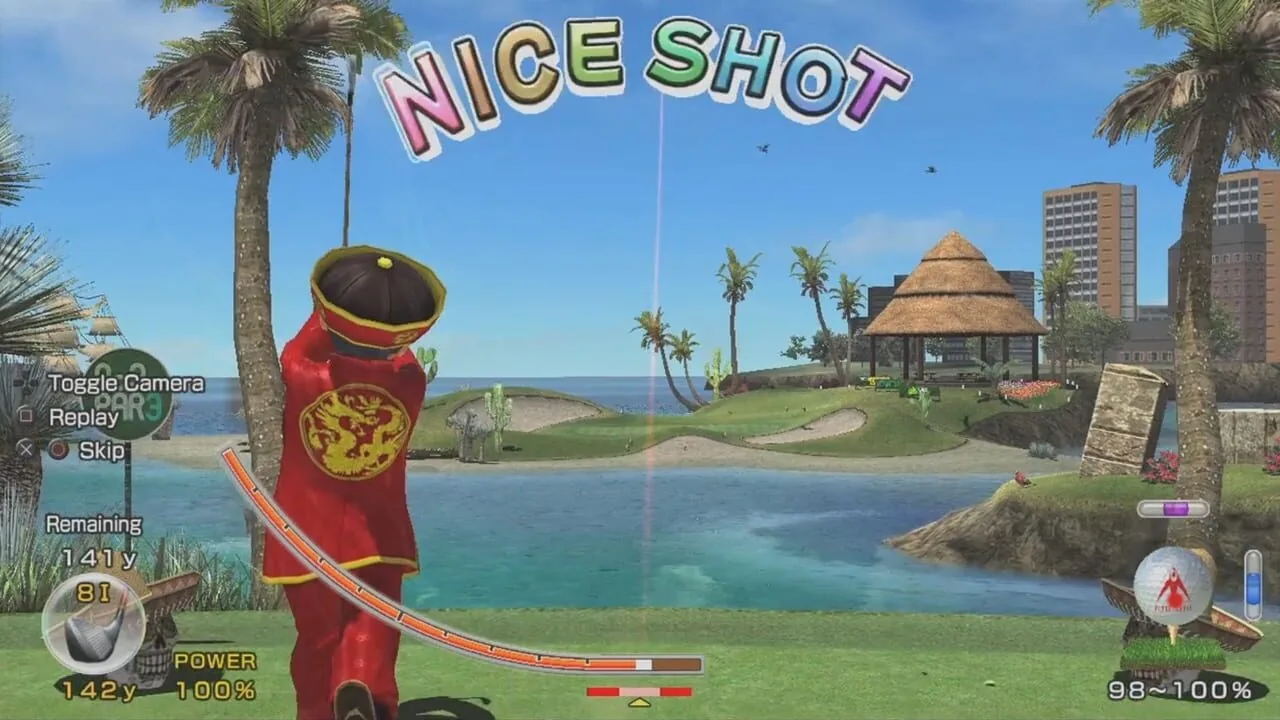
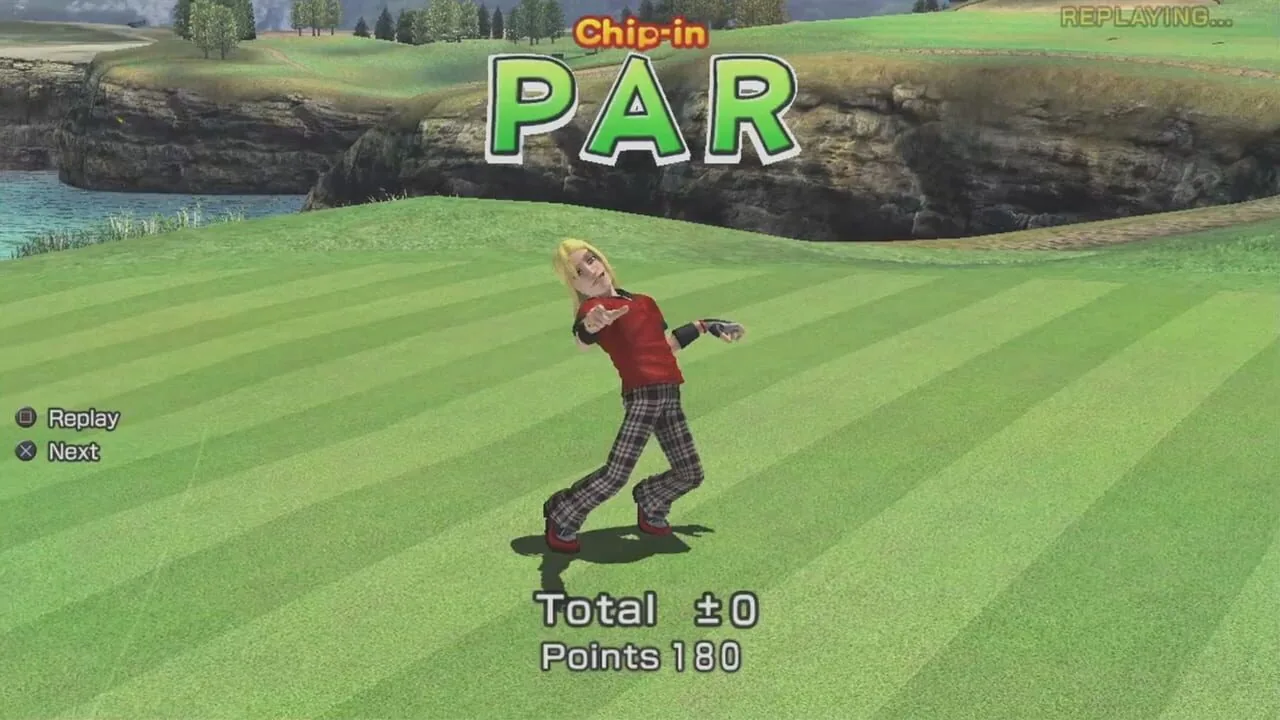
Hot Shots Golf: World Invitational is the tenth game in the Everybody's Golf series, and Europe also calls it the fourth game titled Everybody's Golf. The series is built around friendly golf that anyone can pick up, and this Vita entry suits quick rounds. You learn the swing in seconds and spend hours trying to perfect it.
Arcade golf is a rare thing, and this series is the best at it. Courses are bright and the characters are cheerful. If you have never played a golf game and want one, this is the place to start. It is a hole in one for the whole family. It is easy to learn and hard to put down.
30. Sound Shapes (2012)
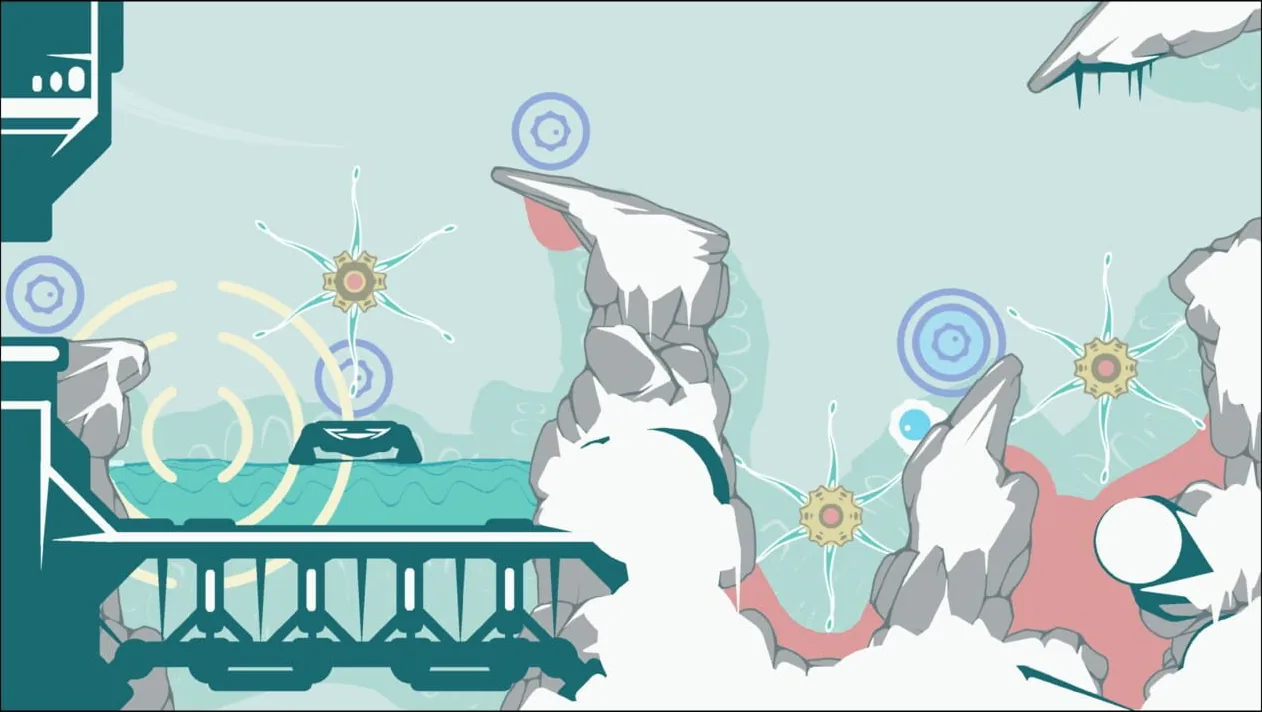

Sound Shapes is a platformer where every move you make becomes part of the song. Jessica Mak and Shaw-Han Liem designed it, and you can build and share your own levels. It is part instrument and part game, and anyone can make something that sounds good.
Mak and Liem wanted to give beginners a sense of making music. They prototyped the idea for about a year before settling on the coin-collecting mechanics of the final game. Every album was a close collaboration between a musician and a visual artist, and Deadmau5 contributed songs. The PS4 port followed in 2013. Those songs are still exclusive to the game. It is a gallery and a playground in one.
29. Risk of Rain (2013)
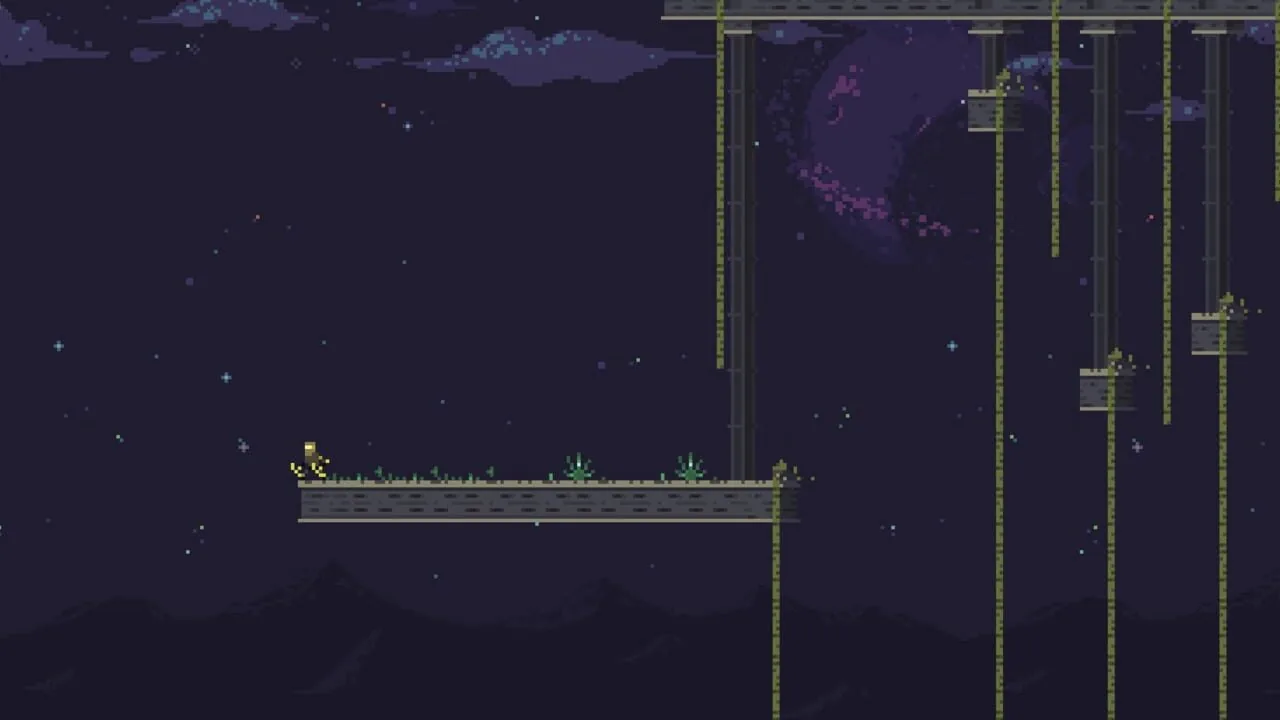
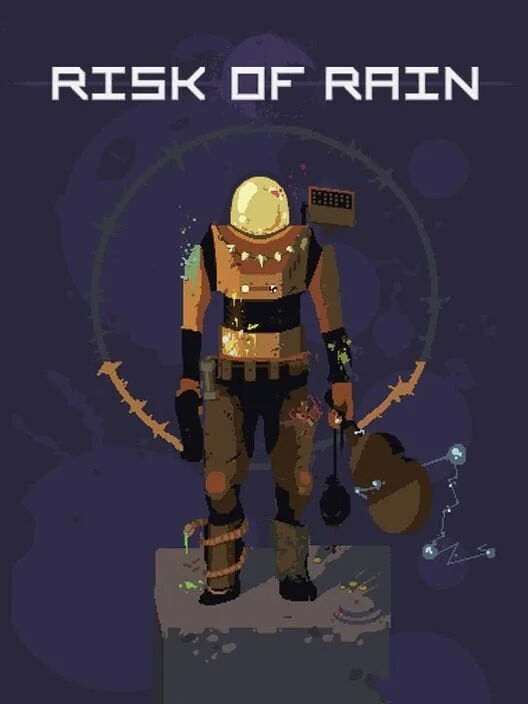
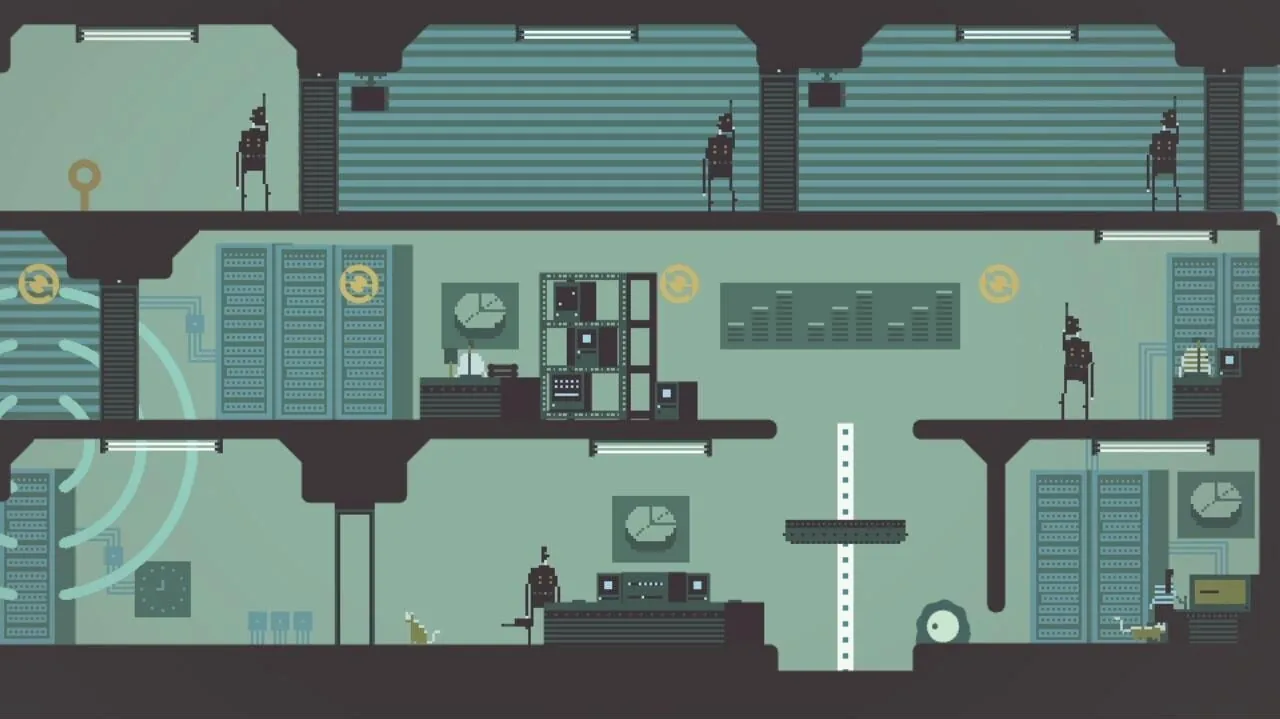
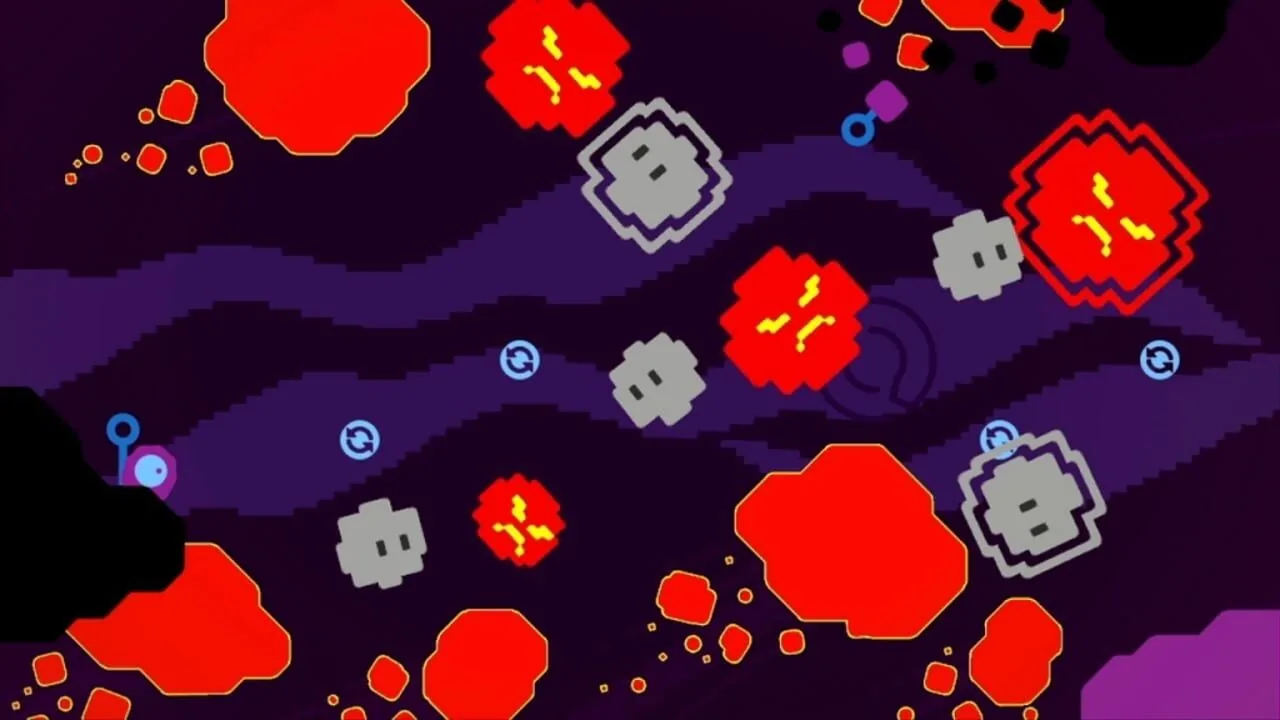
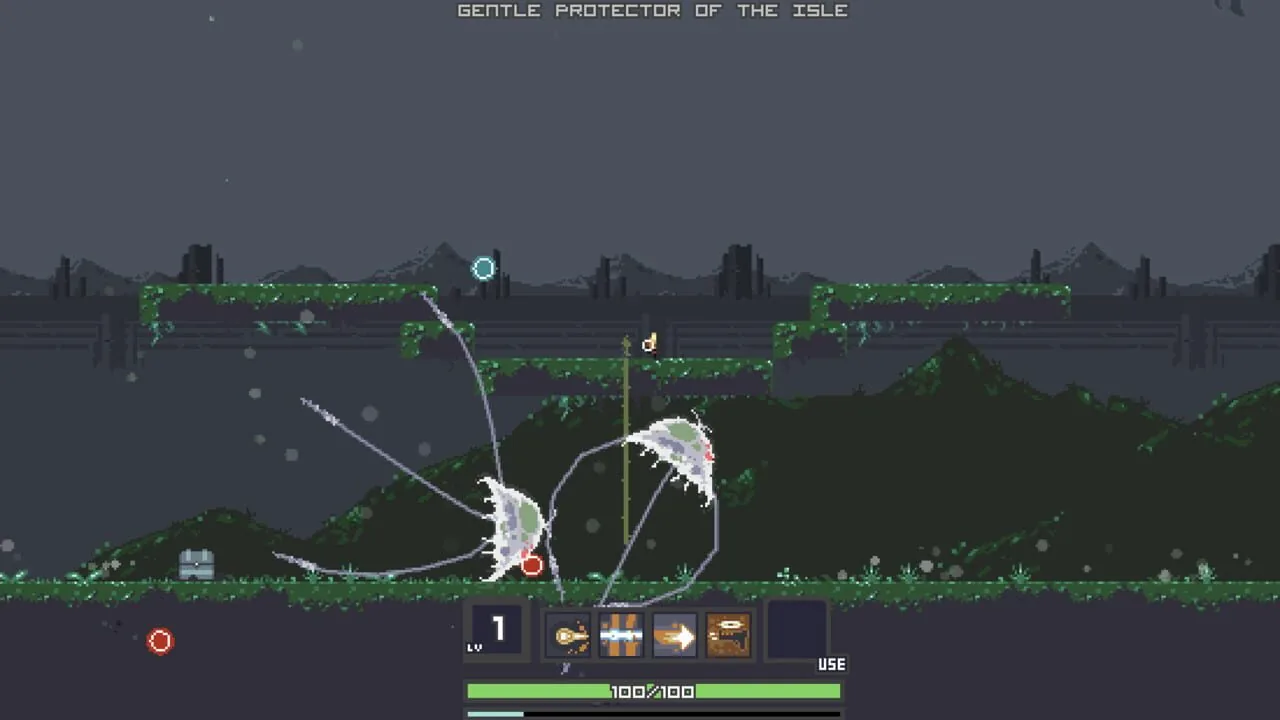
Risk of Rain is an action platformer where you die for good. Every run is a story. It was made by a two-student team at the University of Washington with the GameMaker engine and funded through Kickstarter before its Windows release. You play your best to get as far as possible.
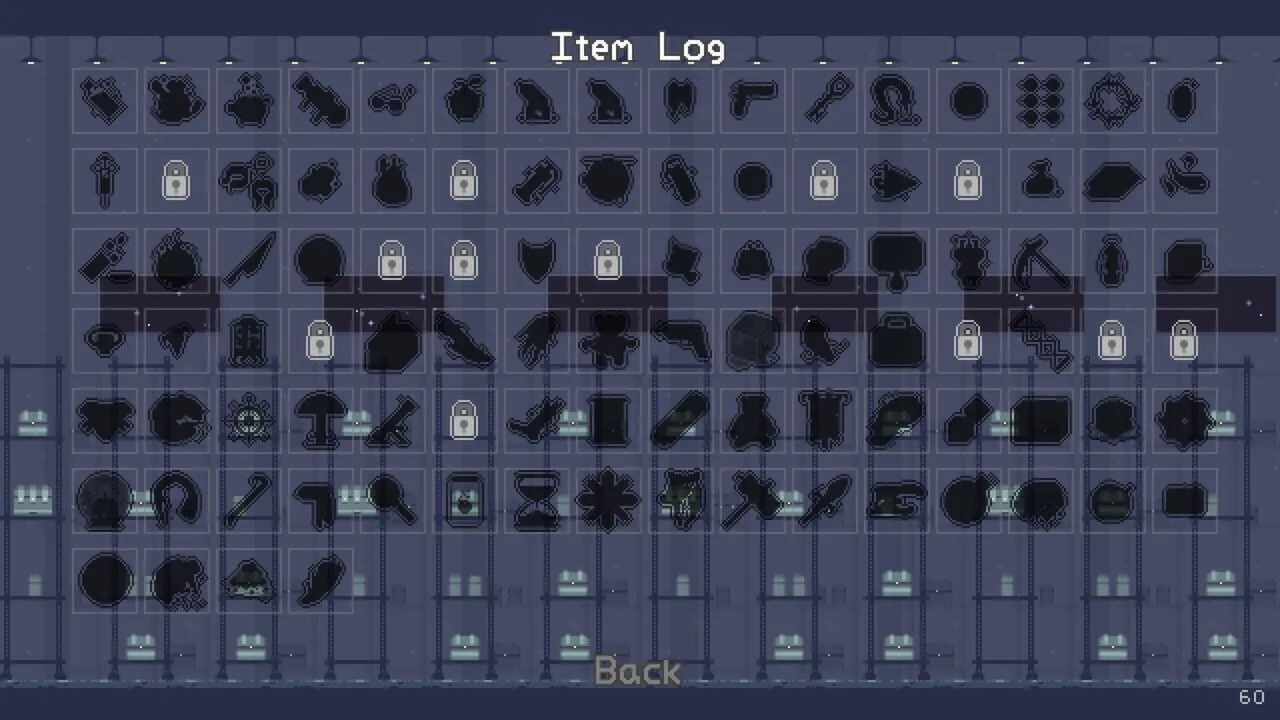
Item drops come from your progress across many runs. Beating certain bosses for the first time unlocks an item that can drop later, and other items come from goals, such as winning a number of times. That slow unlocking makes runs feel different every time. A 3D sequel, Risk of Rain 2, arrived in August 2020, and a remake called Returns followed in November 2023. Death has never been so productive.
28. Salt and Sanctuary (2016)
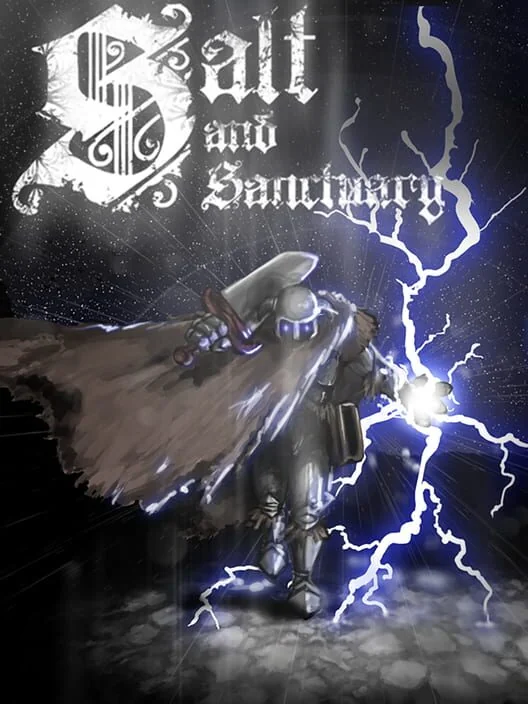
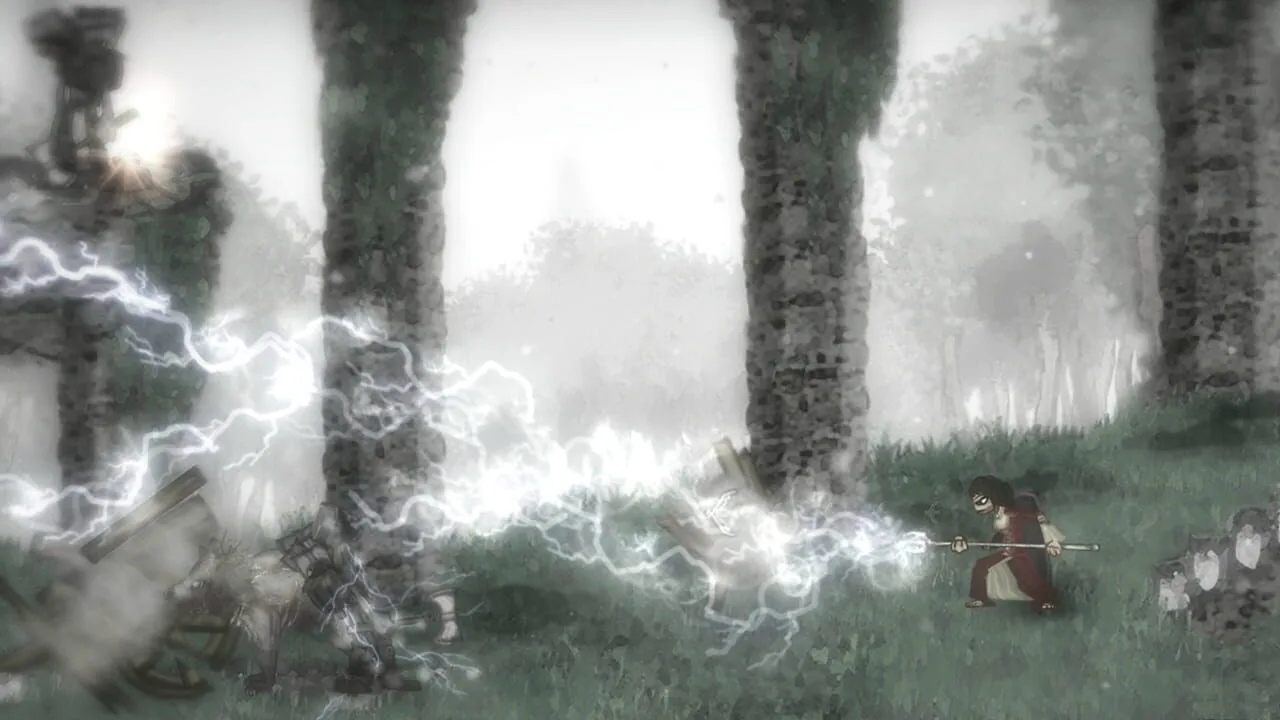
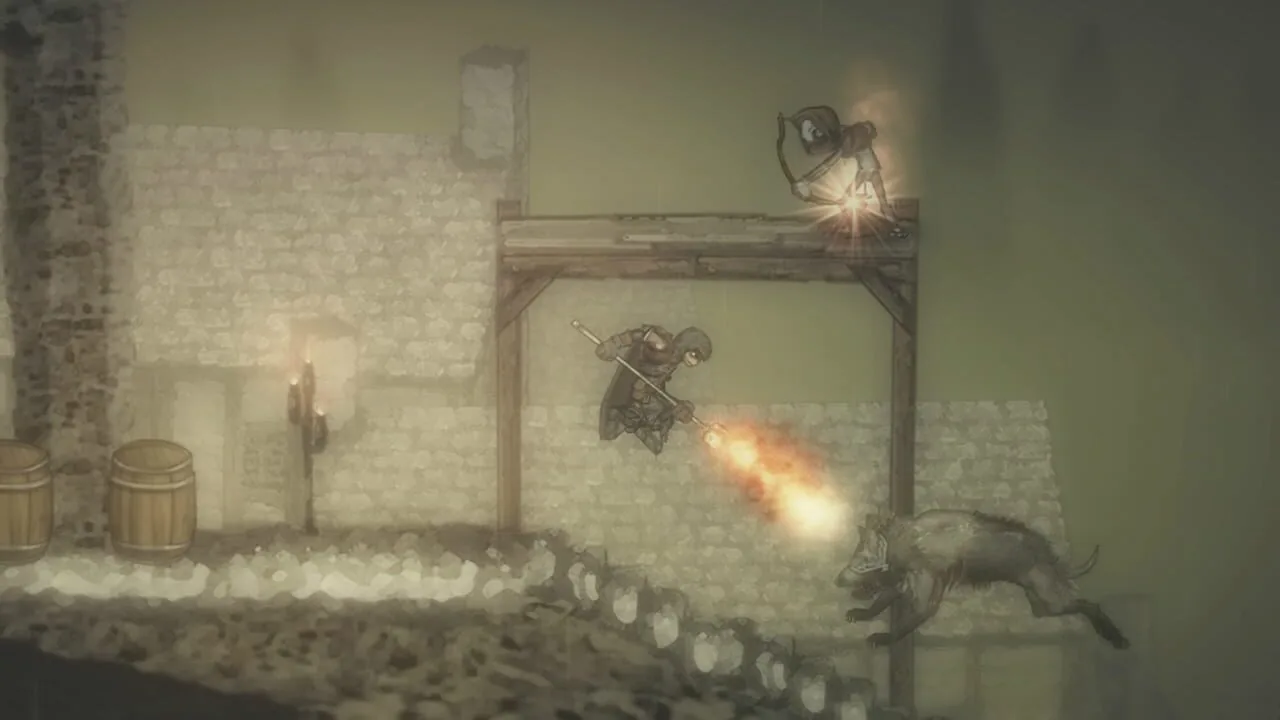
Ska Studios made Salt and Sanctuary, a 2D action role-playing game. You fight through a side-scrolling world with classes and a huge skill tree, and you gather salt to grow stronger. The island you explore is a place where Saltborn, who are largely made of salt, live beside Lightborn, who are made of light.
The developer announced it in an open letter on the PlayStation Blog in August 2014. It arrived on the PS4 in March 2016 and on the Vita in March 2017. A sequel called Salt and Sacrifice followed in 2022. It is a tough, atmospheric adventure for anyone who loves difficult action games on a handheld. It is tough but fair.
27. Ys VIII: Lacrimosa of Dana (2016)
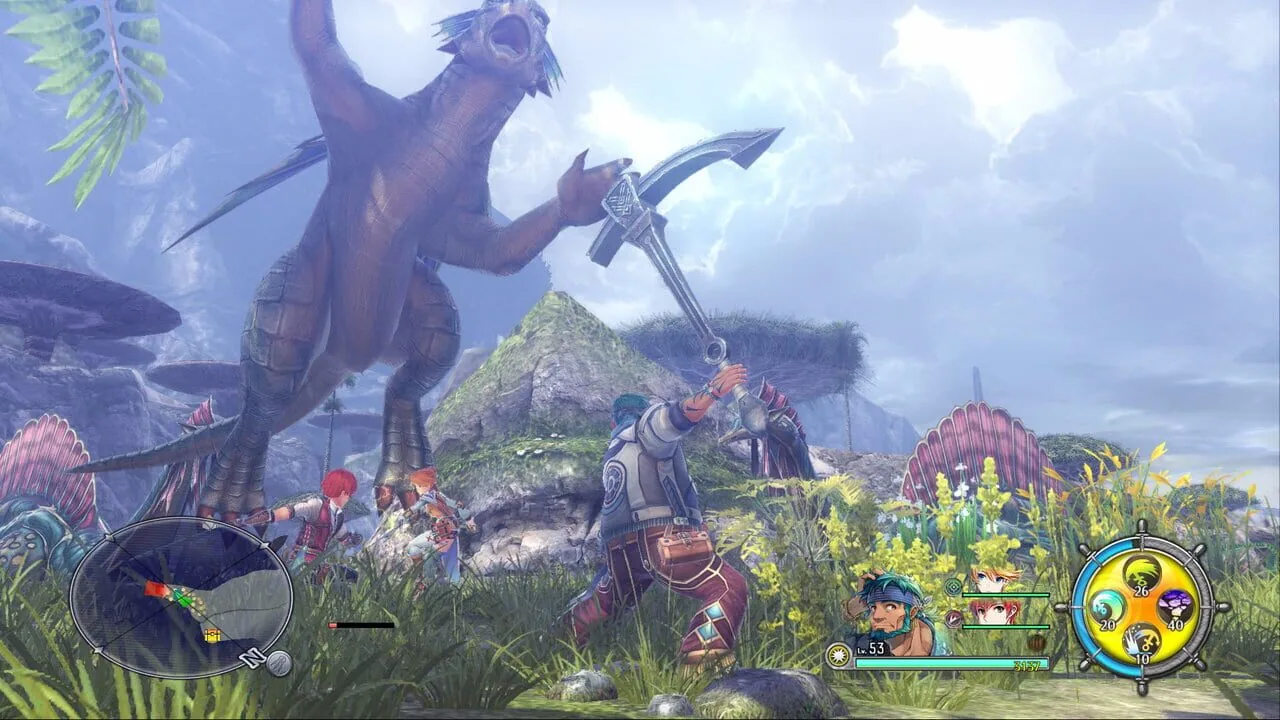
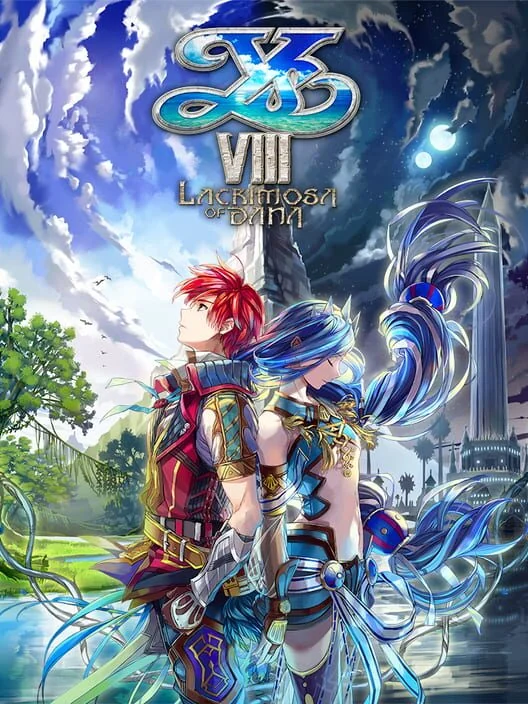
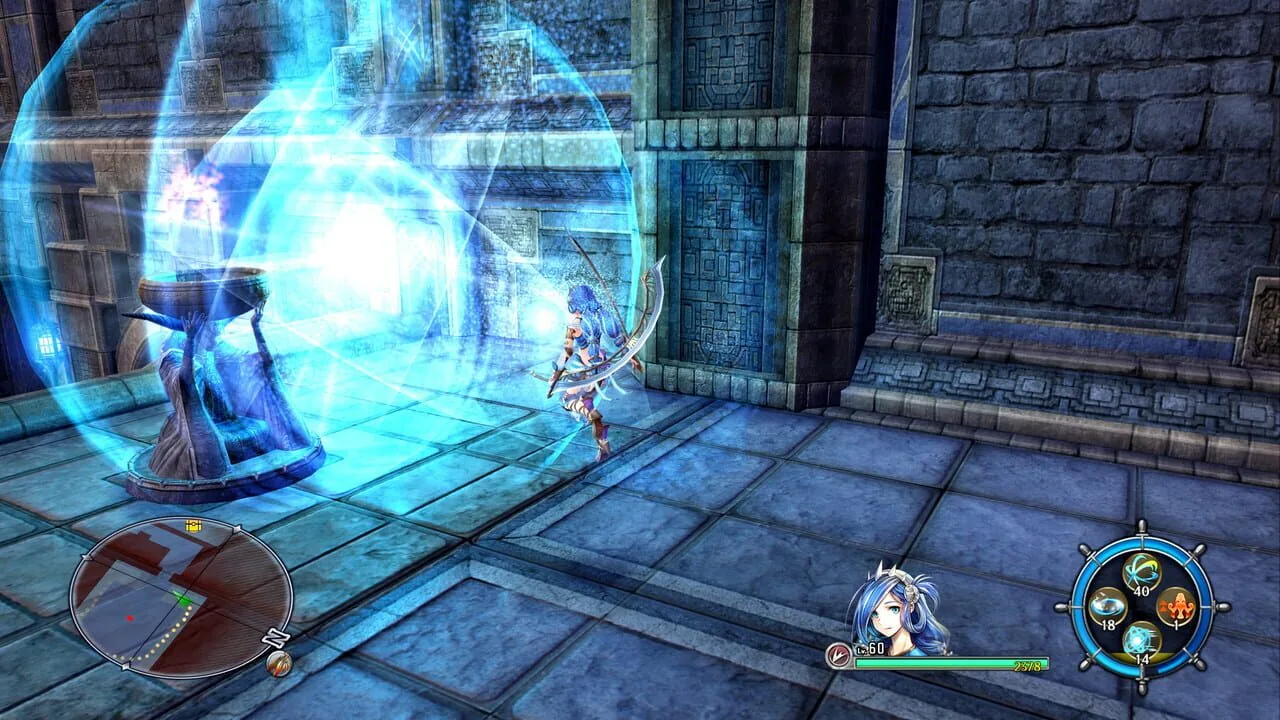
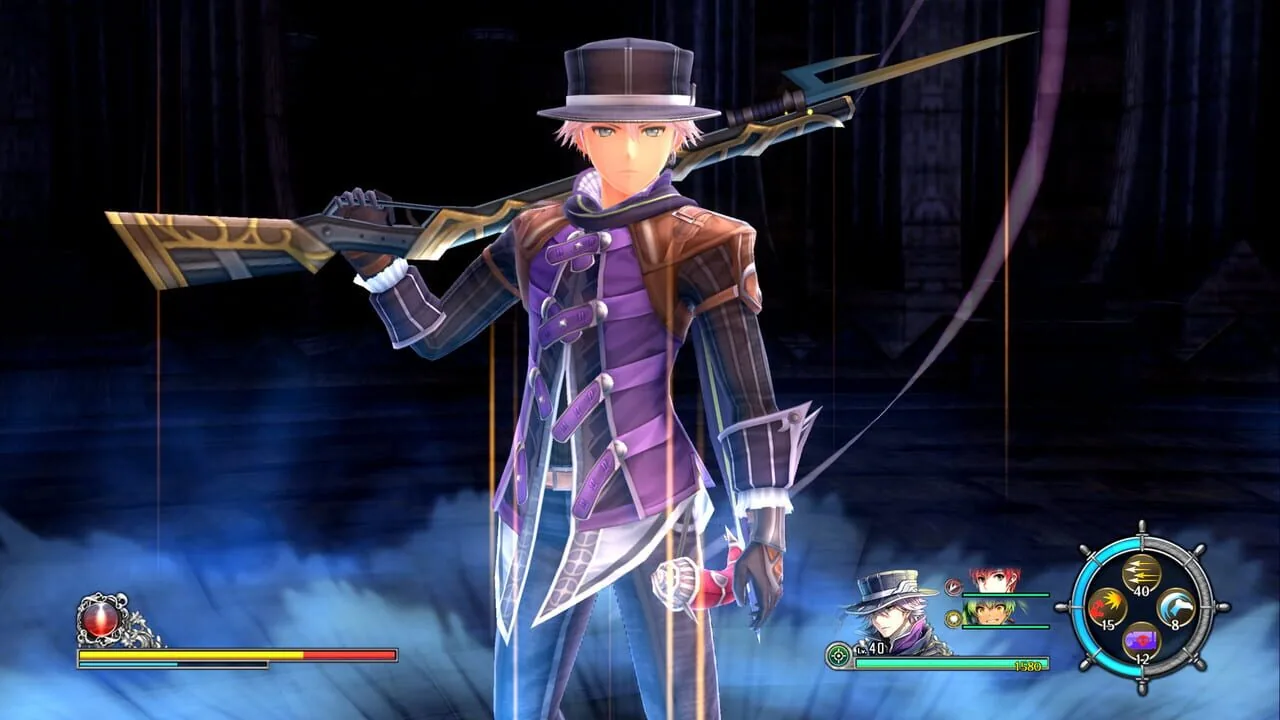
Ys VIII: Lacrimosa of Dana brought the series back with a new adventure for the first time in eight years. Adol wakes up stranded on a cursed island after a shipwreck, and he rescues other passengers who help him find a way out. Falcom released it for the Vita in Japan in July 2016.
Each character has a powerful EXTRA Skill that can only be used when the EXTRA Gauge is full. A successful parry triggers Flash Guard. For a short time you take no damage and your attacks hit critically. It had sold over 500,000 copies by the end of 2018. This is the action role-playing game the Vita was made for.
26. Rayman Origins (2012)
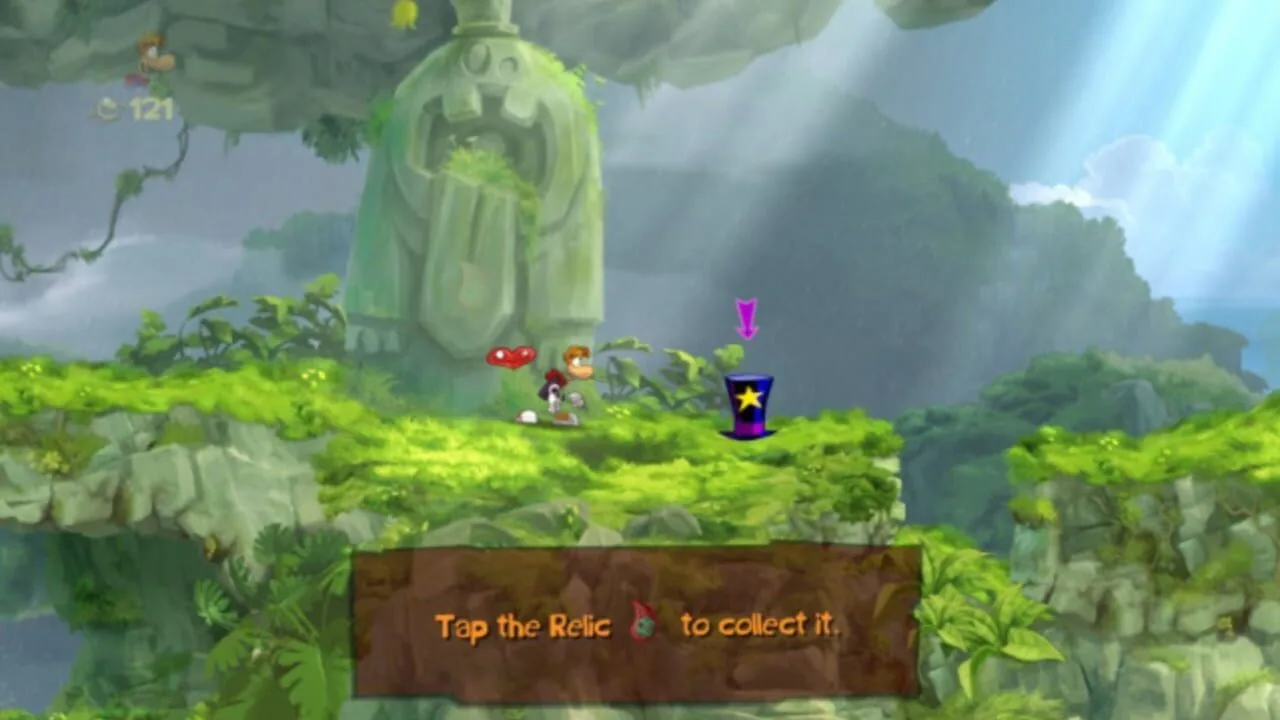
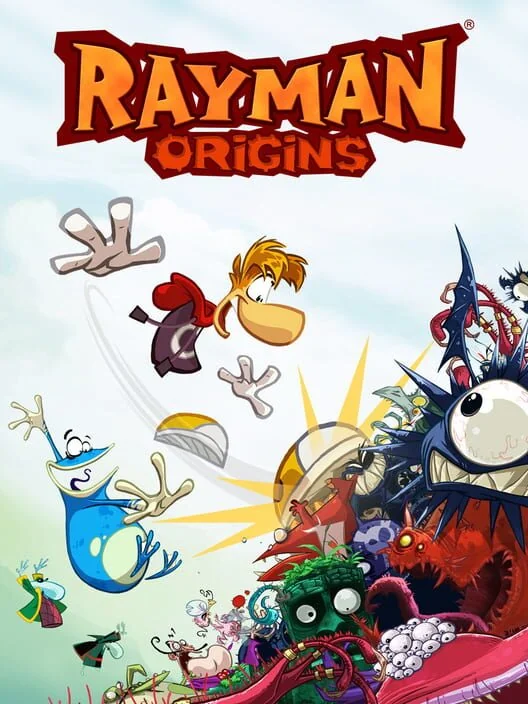
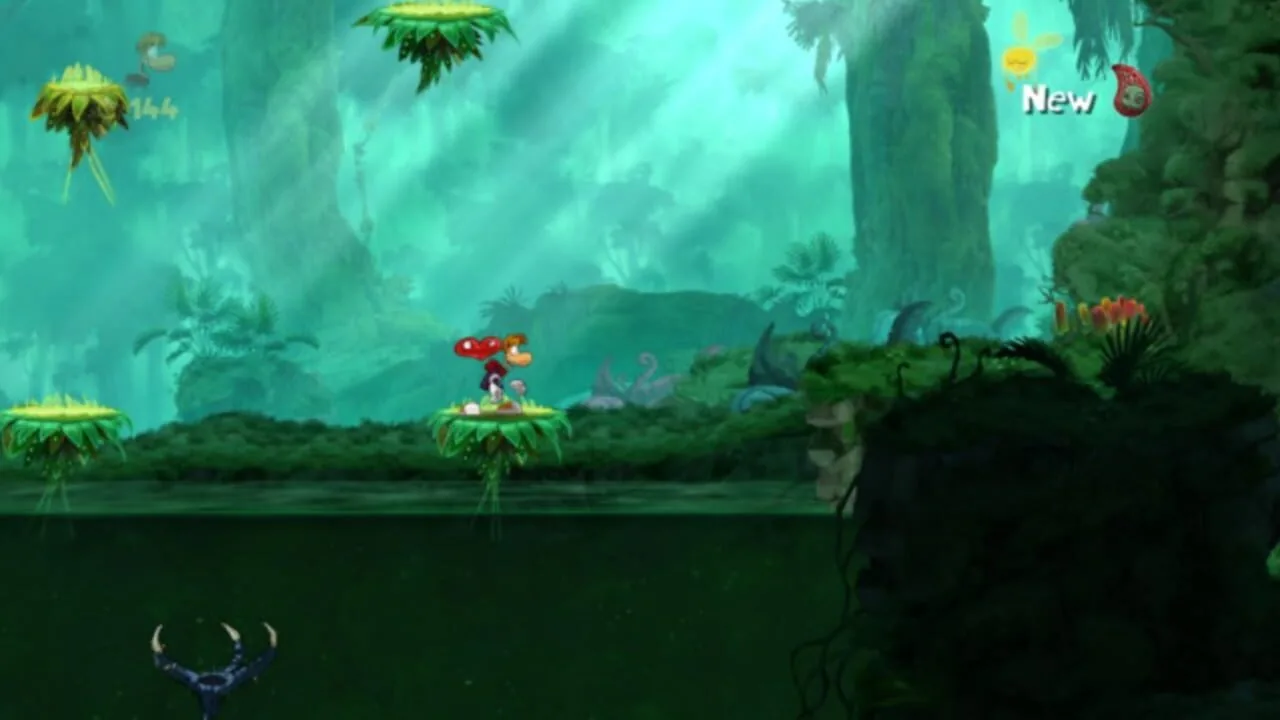
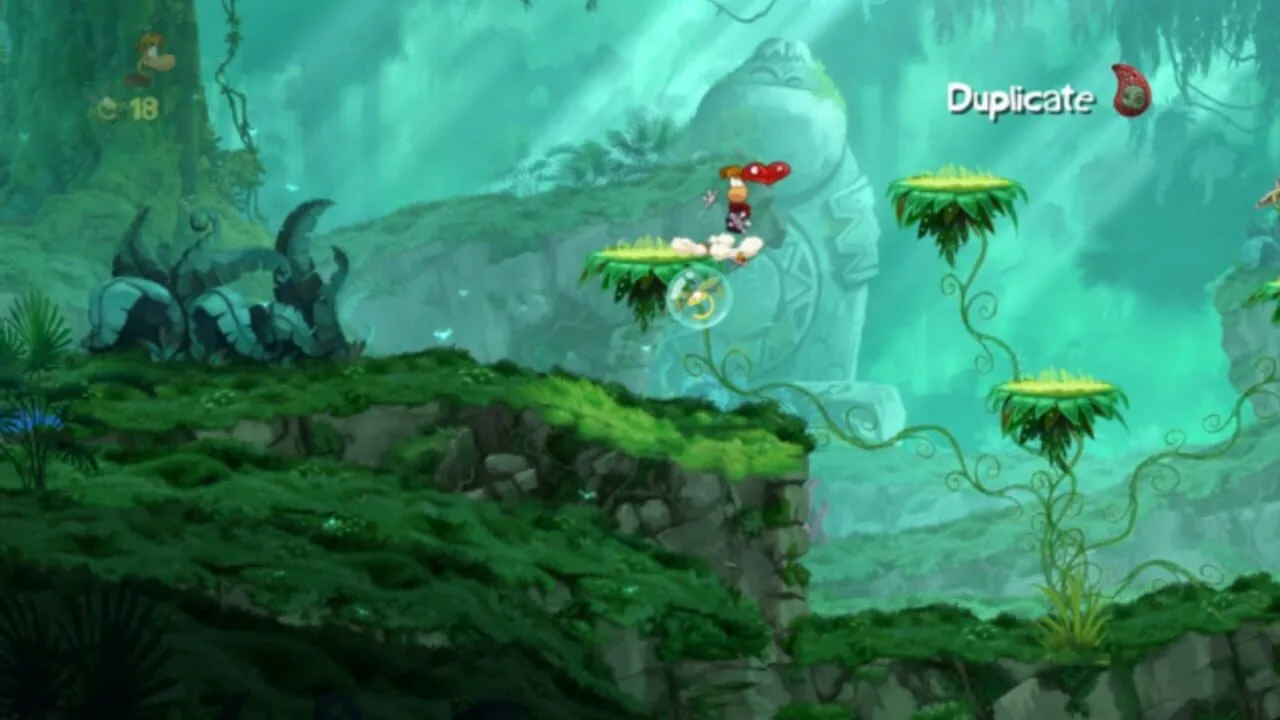
Rayman Origins is the fourth main game in the series and the first since Rayman 3: Hoodlum Havoc. The Vita version is mostly the same as the other versions, and it adds one thing: Relics. Rescuing the Electoons from cages hidden in secret passages is the heart of each stage, and a freed Electoon opens a portal back out.
Critics praised the graphical style and the sense of humor. Sales were sluggish at first, but it eventually sold well. A mobile spin-off, Rayman Jungle Run, followed in May 2013, and the sequel Rayman Legends came later that year. The hand-drawn look is the kind of thing a Vita screen was built to show off. It plays as well as it looks.
25. Unit 13 (2012)
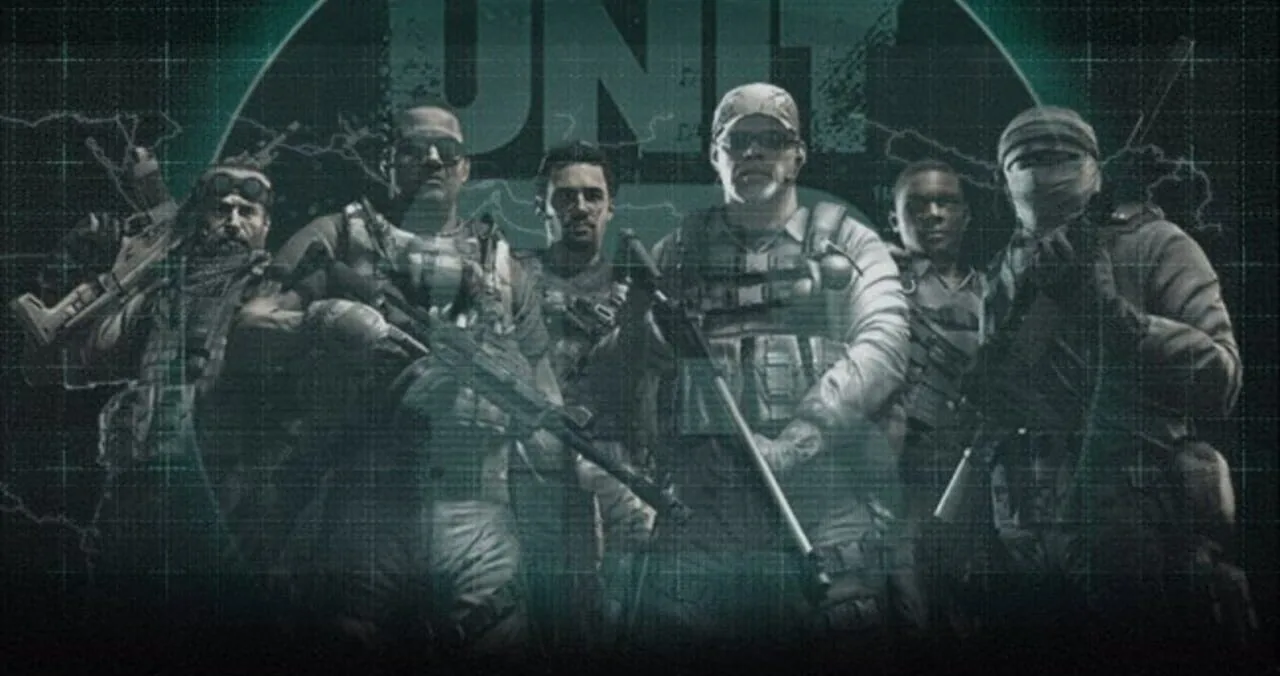
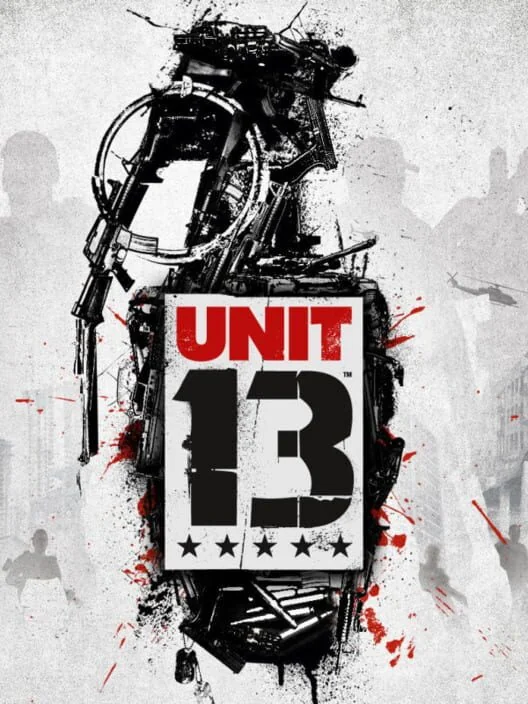
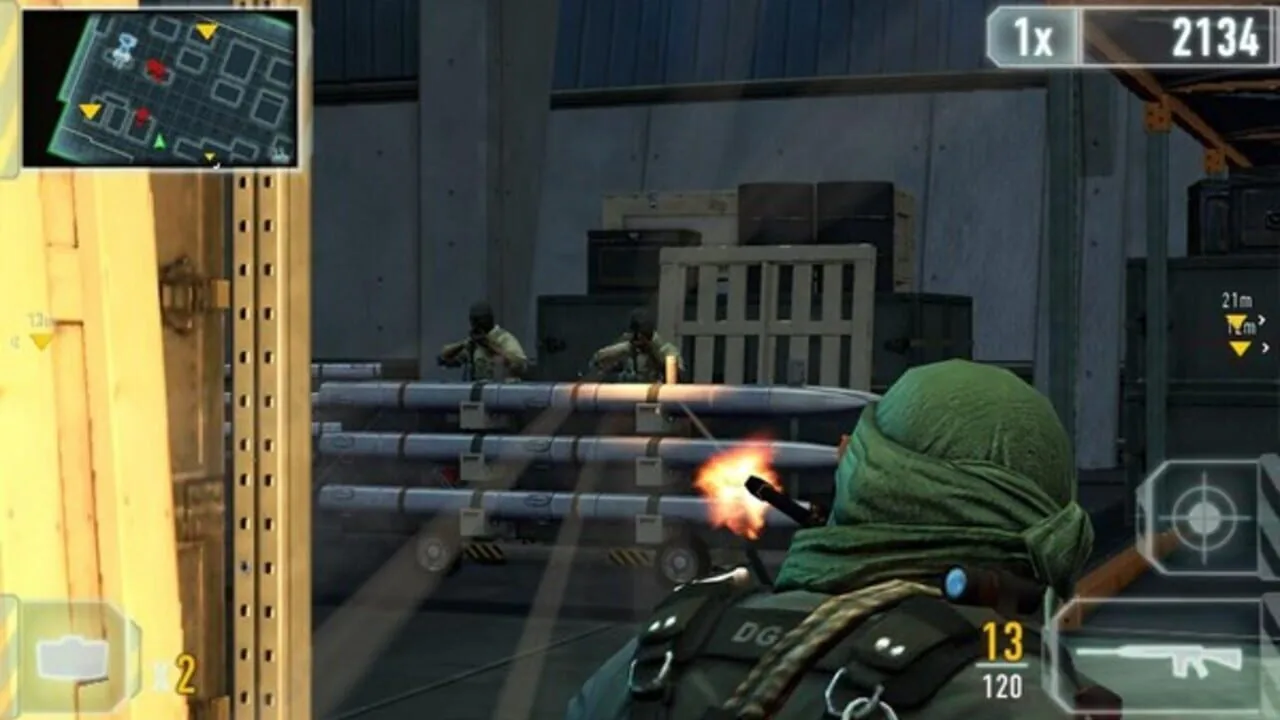
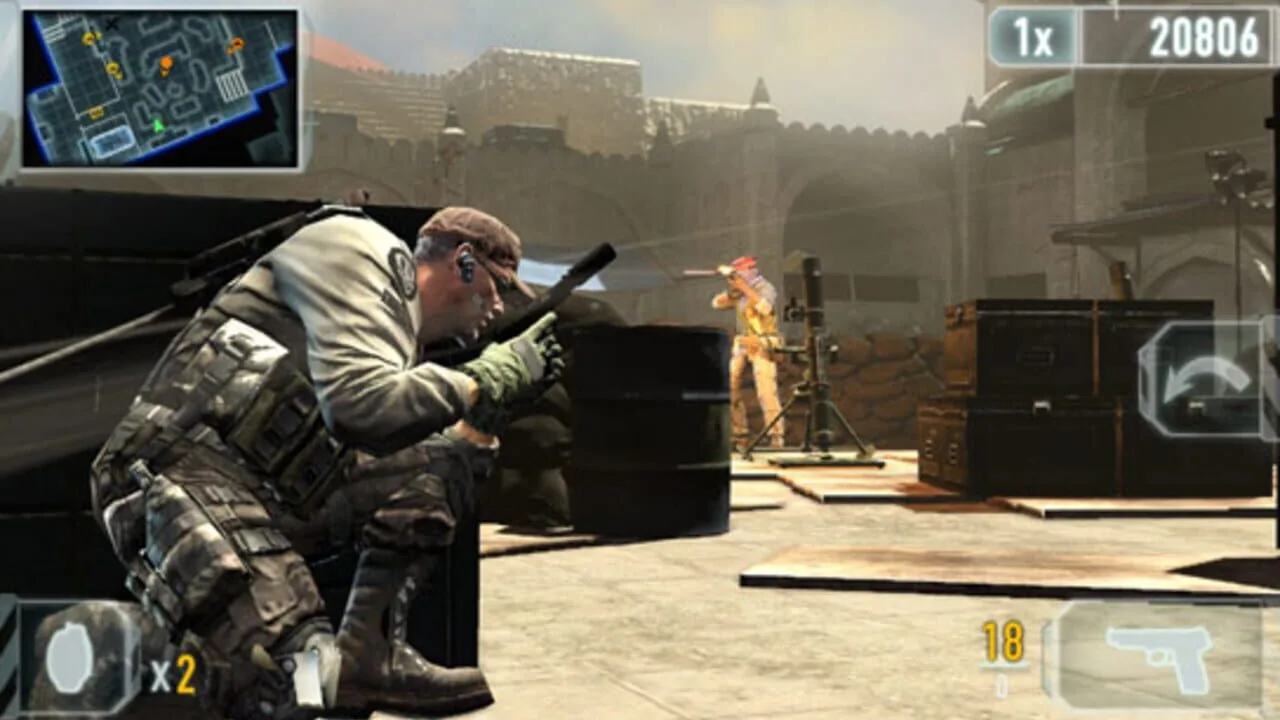
Unit 13 plays much like the SOCOM series. The camera stays behind your character in third-person view and switches to first-person aim when you zoom in with a compatible gun. It came out on March 6, 2012, in North America, March 7 in Europe and March 8 in Japan.
Objectives can be done in any order, and some missions let you approach a goal however you like. Direct Action missions allow firefights or stealth. Deadline missions give you a clock. Elite missions let your health regenerate only at checkpoints. High Value Target missions end with a boss protected by bodyguards. Time left on the clock raises your score bonus. Missions are short, which suits the Vita. Squad up and go.
24. Shovel Knight (2014)
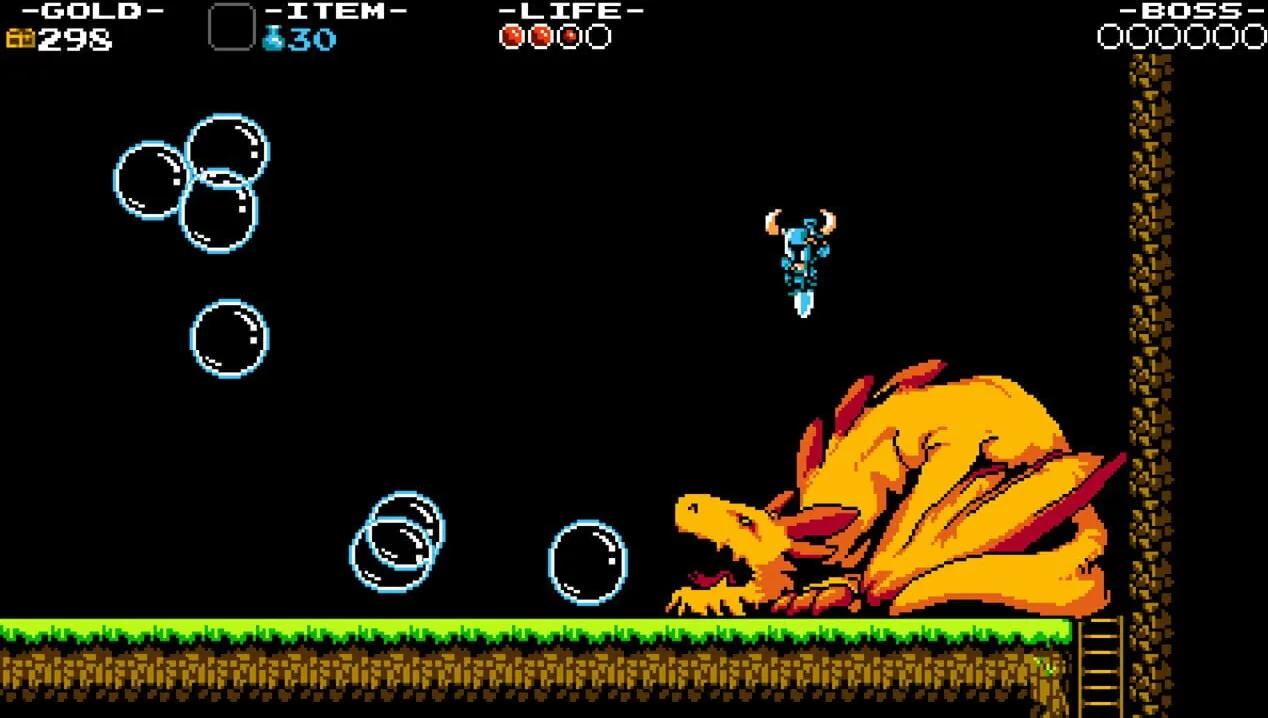
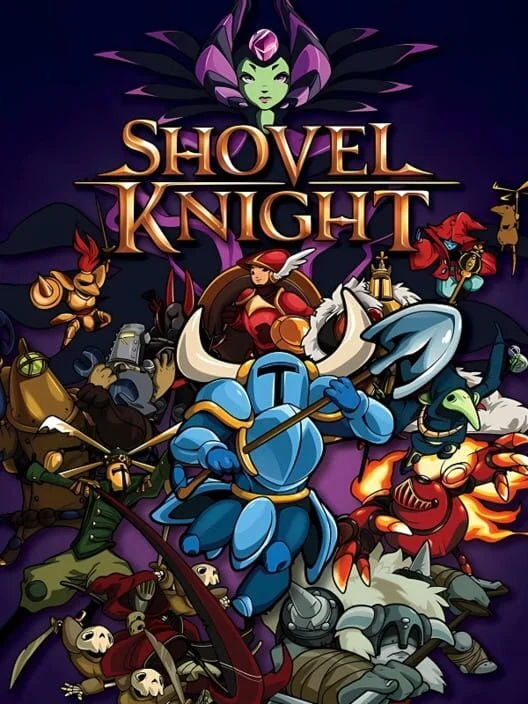
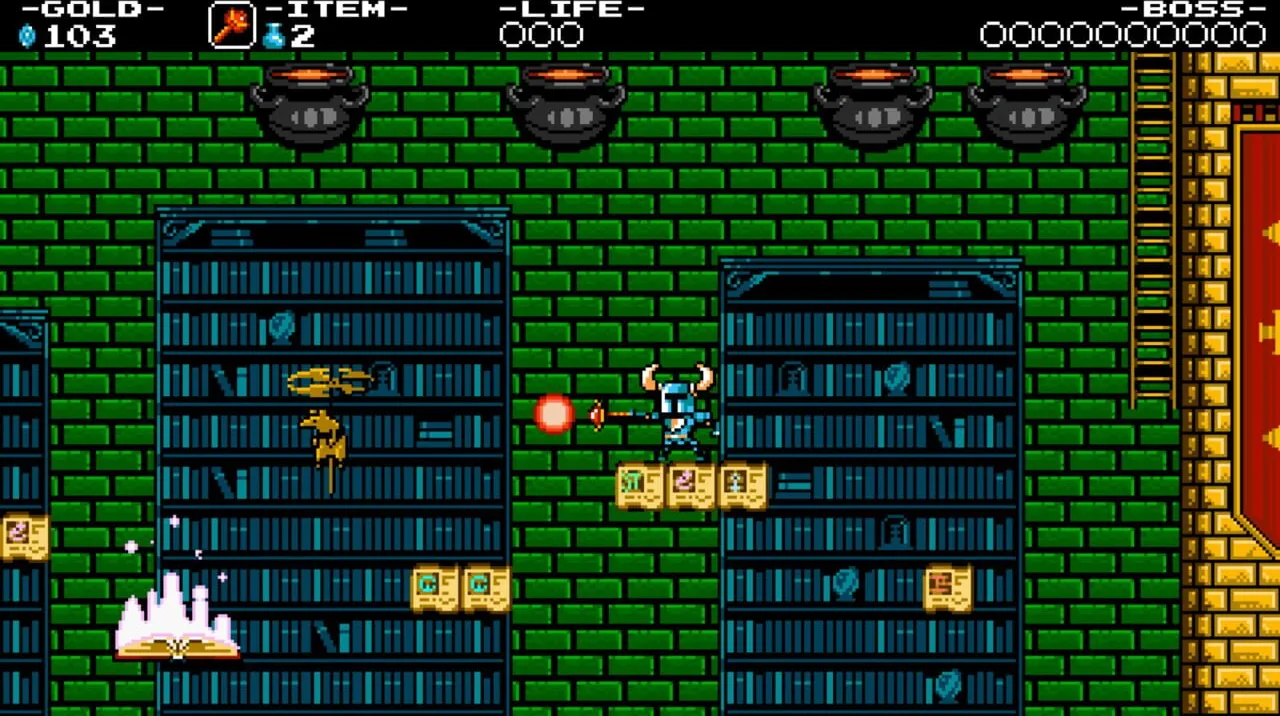
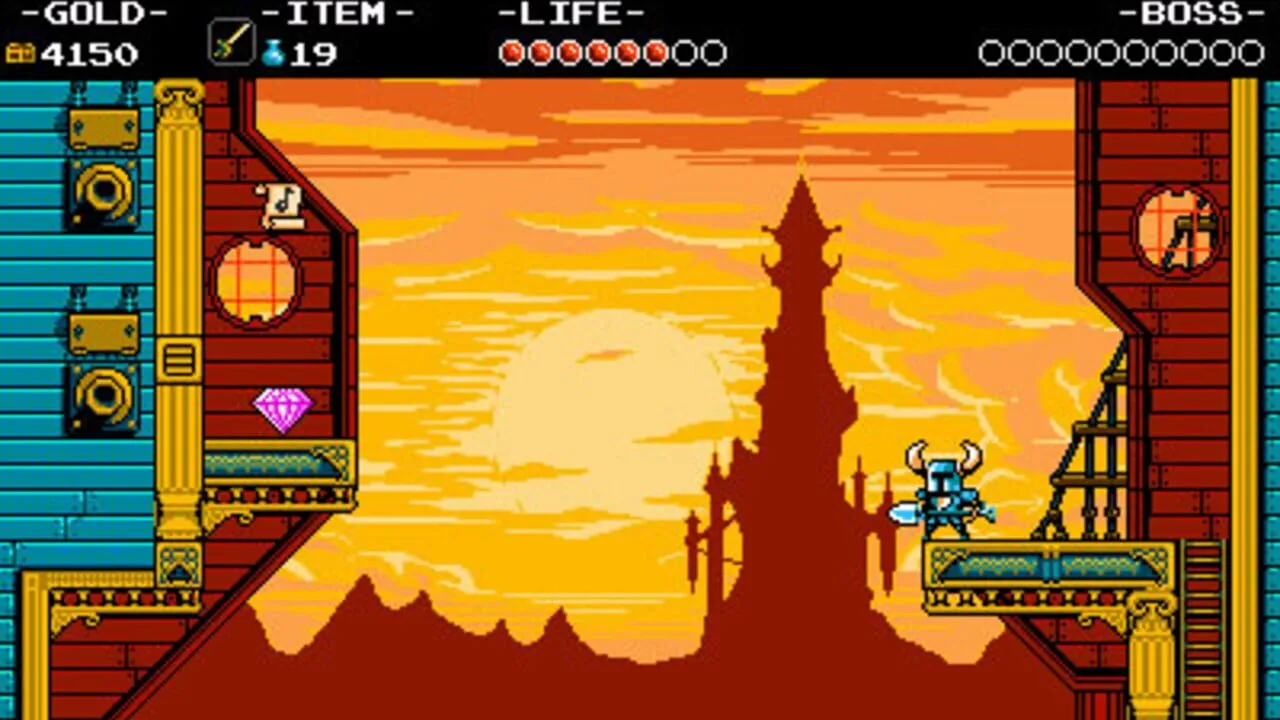
Shovel Knight is a classic action adventure with an 8-bit look and a hero who fights with a shovel. The pixel sprites are sharp and clean. Yacht Club Games, founded by former WayForward staff, crowdfunded it. It came out in June 2014.
Critics called it one of the greatest video games ever made. The checkpoint design draws on Dark Souls, and smaller influences came from DuckTales and Super Mario Bros. 3. The Treasure Trove edition, released in December 2019, bundles the original story with three other campaigns. Digging up treasure never gets old. Each stage has a clear idea and ends with a boss that tests what you learned. The retro style is a joy to look at.
23. Lumines: Electronic Symphony (2012)
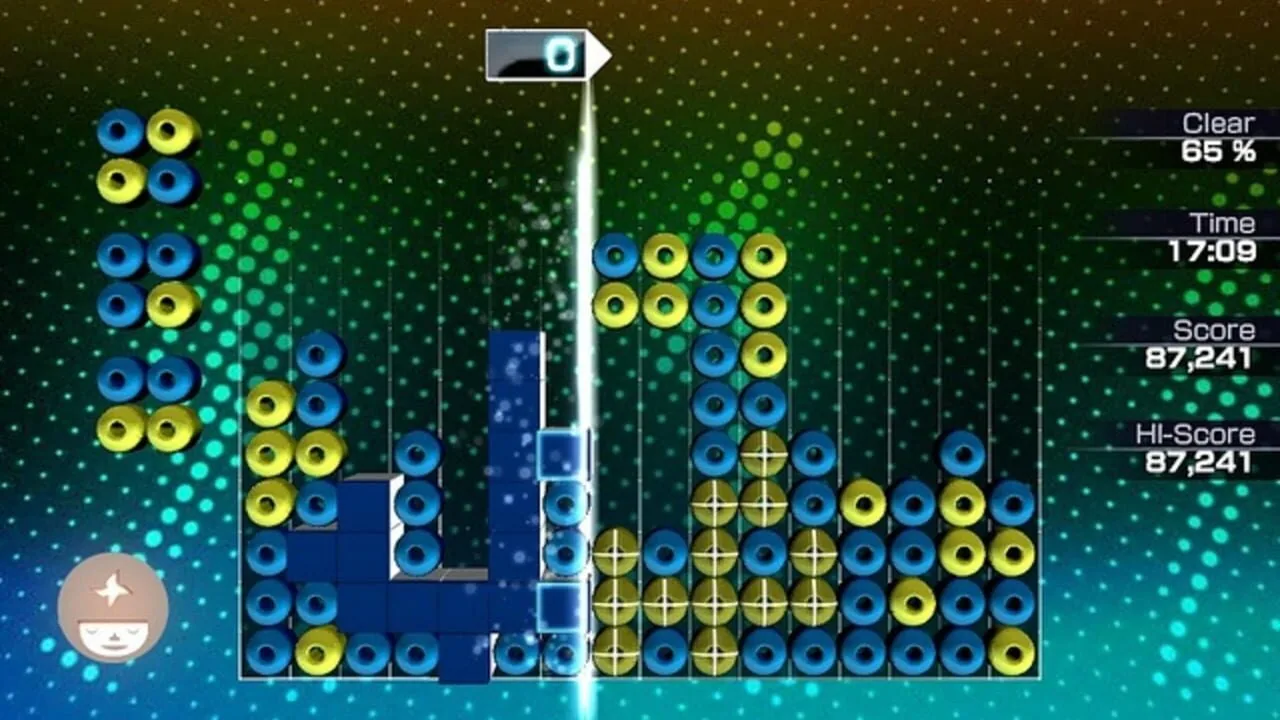
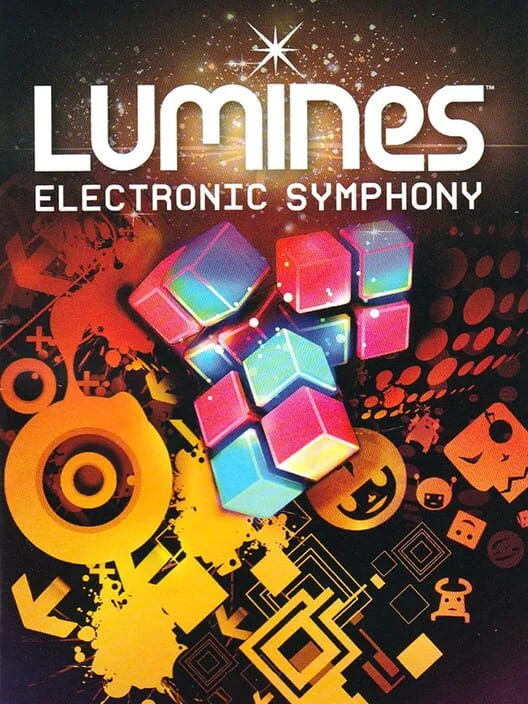
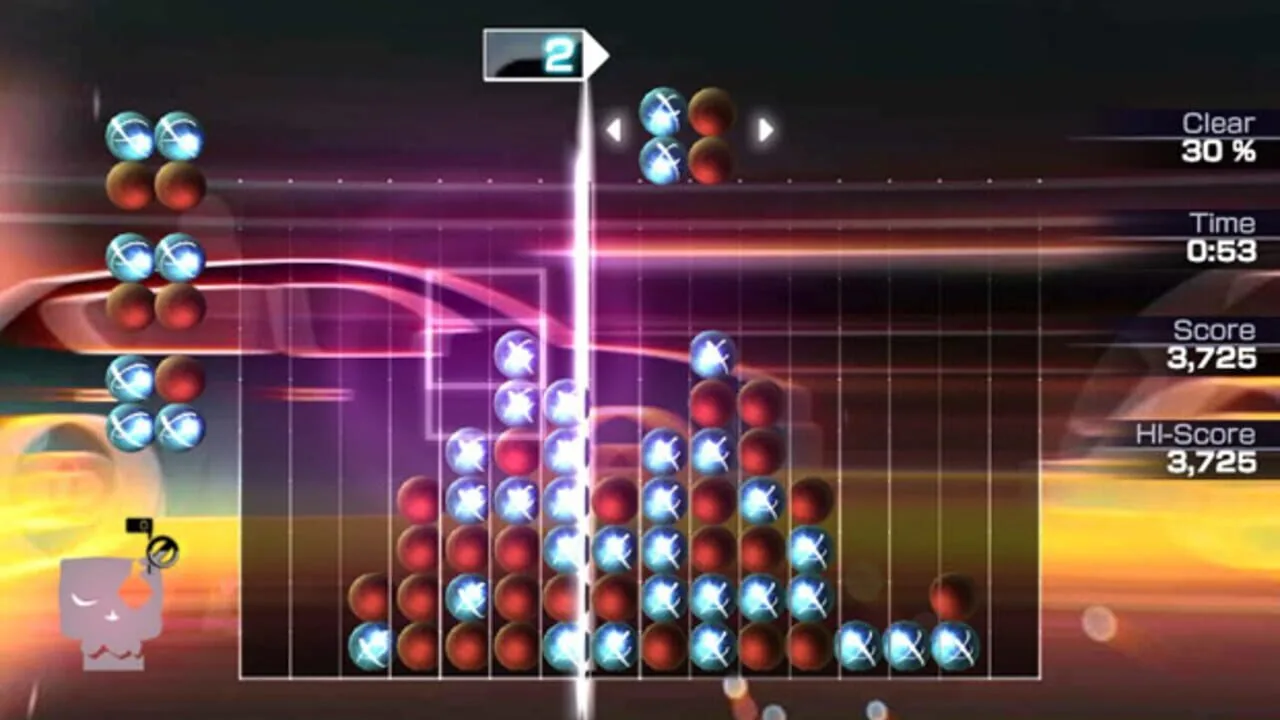
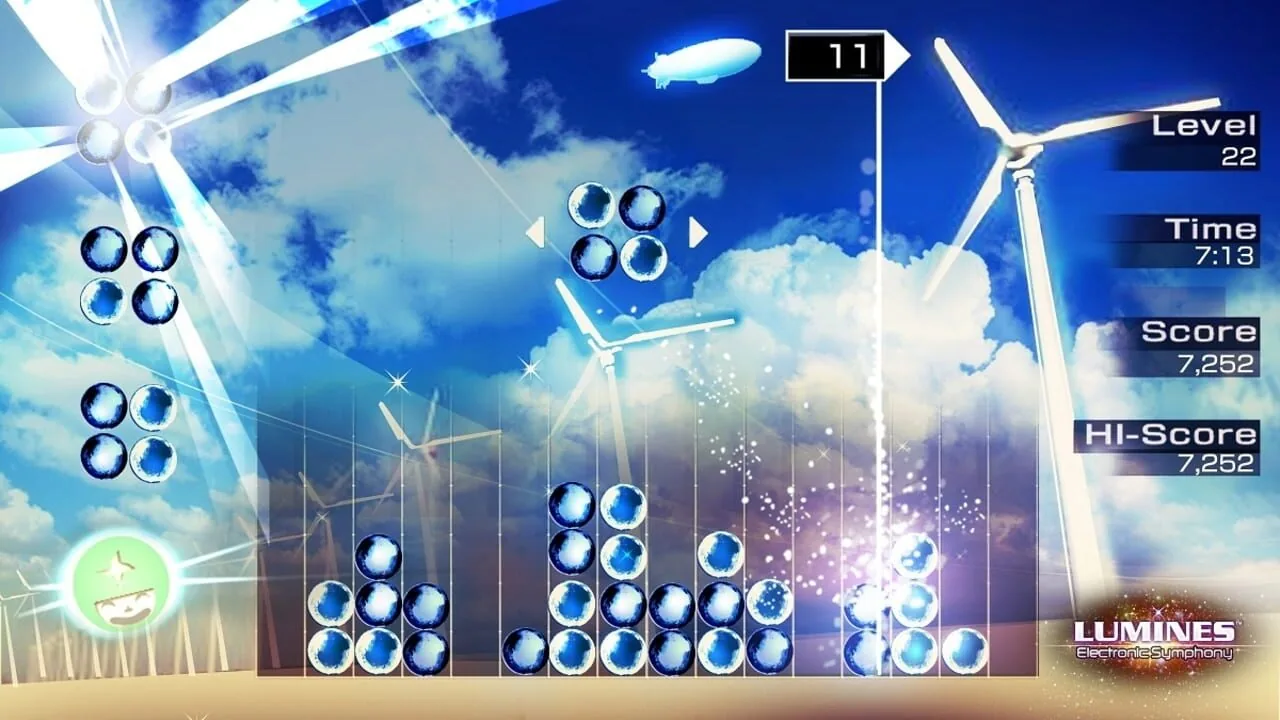
Lumines: Electronic Symphony uses the Vita's new features, such as the back touch pad, while keeping the classic controls from the first Lumines on the front. Ubisoft announced it at Gamescom 2011, and Tokyo Game Show 2011 had the first hands-on demo. Songs from The Chemical Brothers and Kaskade are in the lineup.
Any adjacent block of the same color can be chained so the Time Line erases it, and a shuffle block rearranges the colors around it. You earn XP after each session based on how many colored squares you erased, and tapping the back touch pad builds power. James Mielke of Q Entertainment first pitched it. You will see falling blocks with your eyes shut.
22. Borderlands 2 (2012)
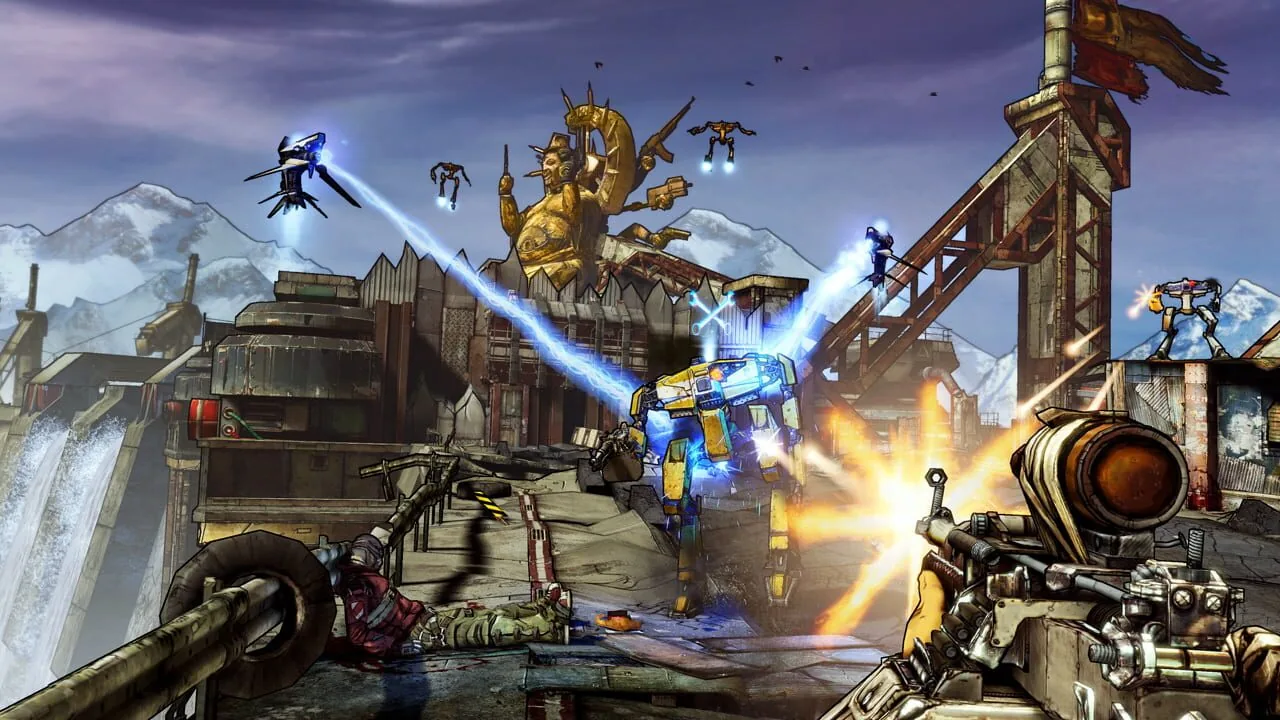
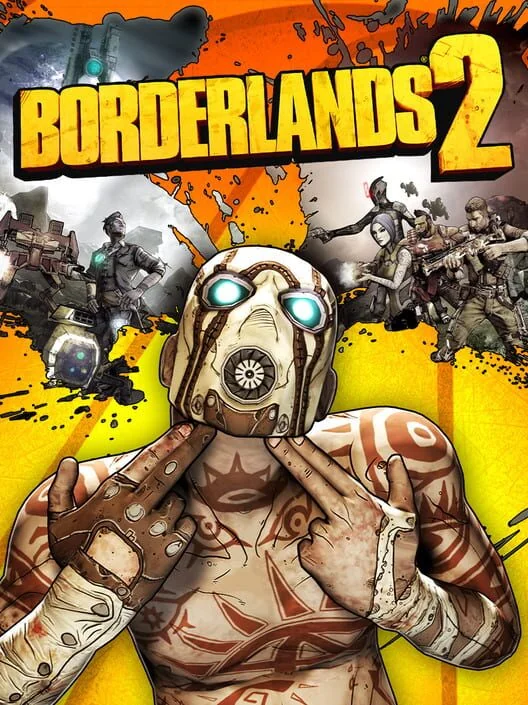
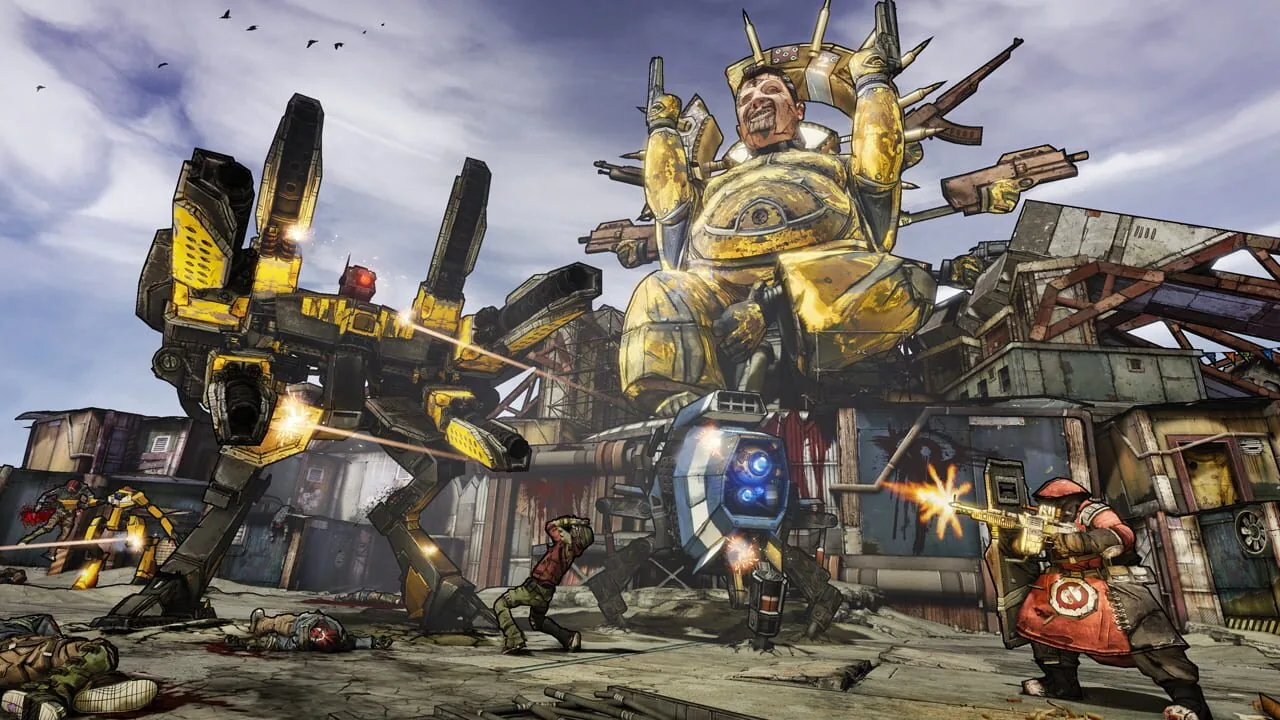
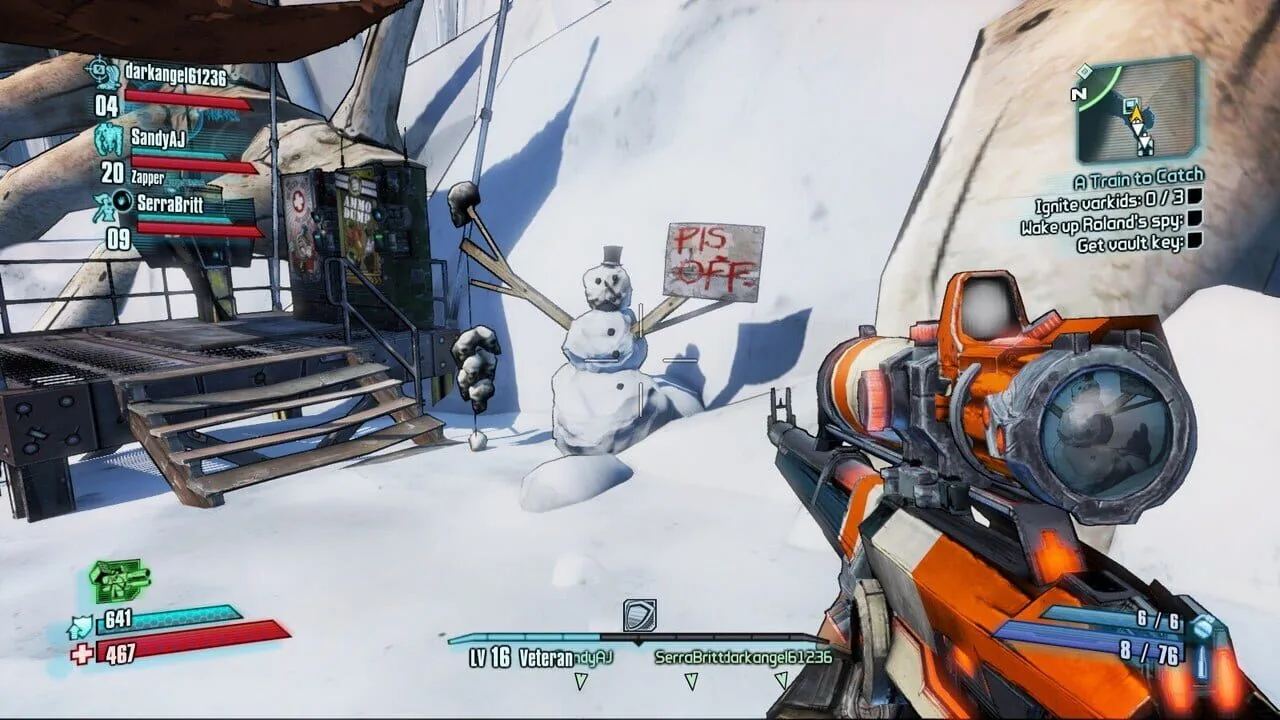
Borderlands 2 is a shoot-and-loot game where you play one of four new vault hunters and face the evil mastermind Handsome Jack. It keeps the first game's concept art style, mixing photorealistic imagery with comic-book visuals. The team tried to answer player feedback from the first game.
Anthony Burch wrote the script, which is seven times longer than the first game's. It came out in September 2012 for Windows and consoles. Critics praised the writing and the variety of guns, and they criticized the mission design. A big, funny shooter packed into a handheld is a bold idea. The jokes come as fast as the loot, and the four vault hunters each play differently.
21. Ys: Memories of Celceta (2012)
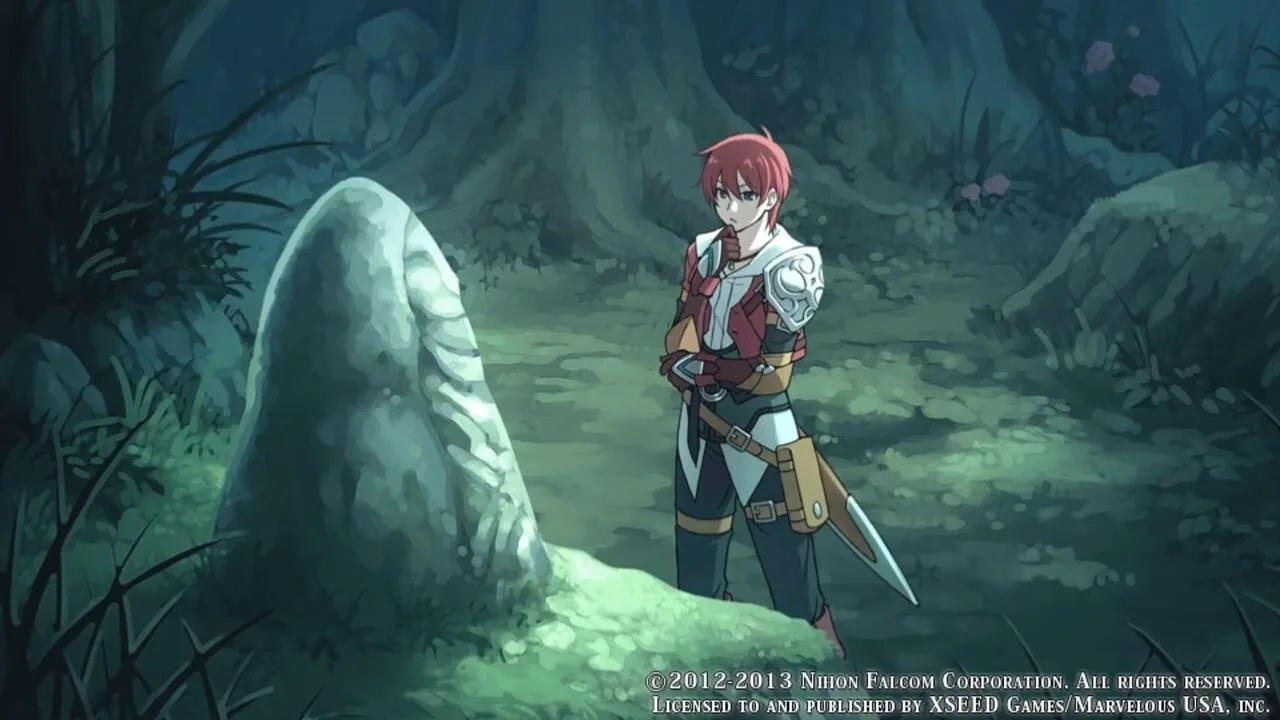
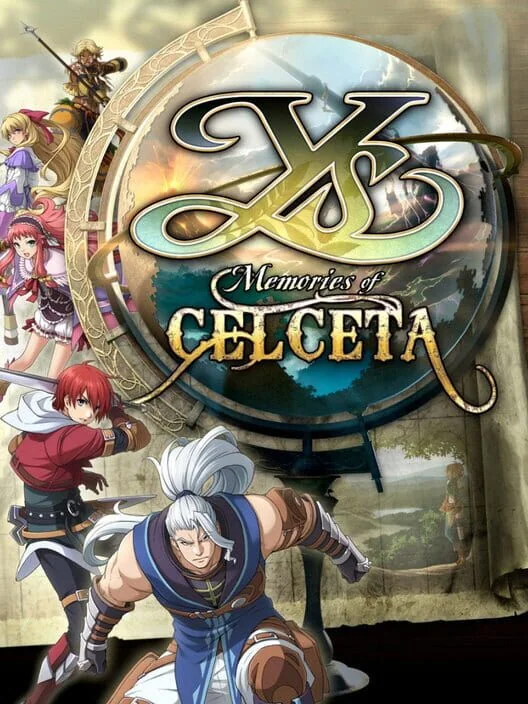
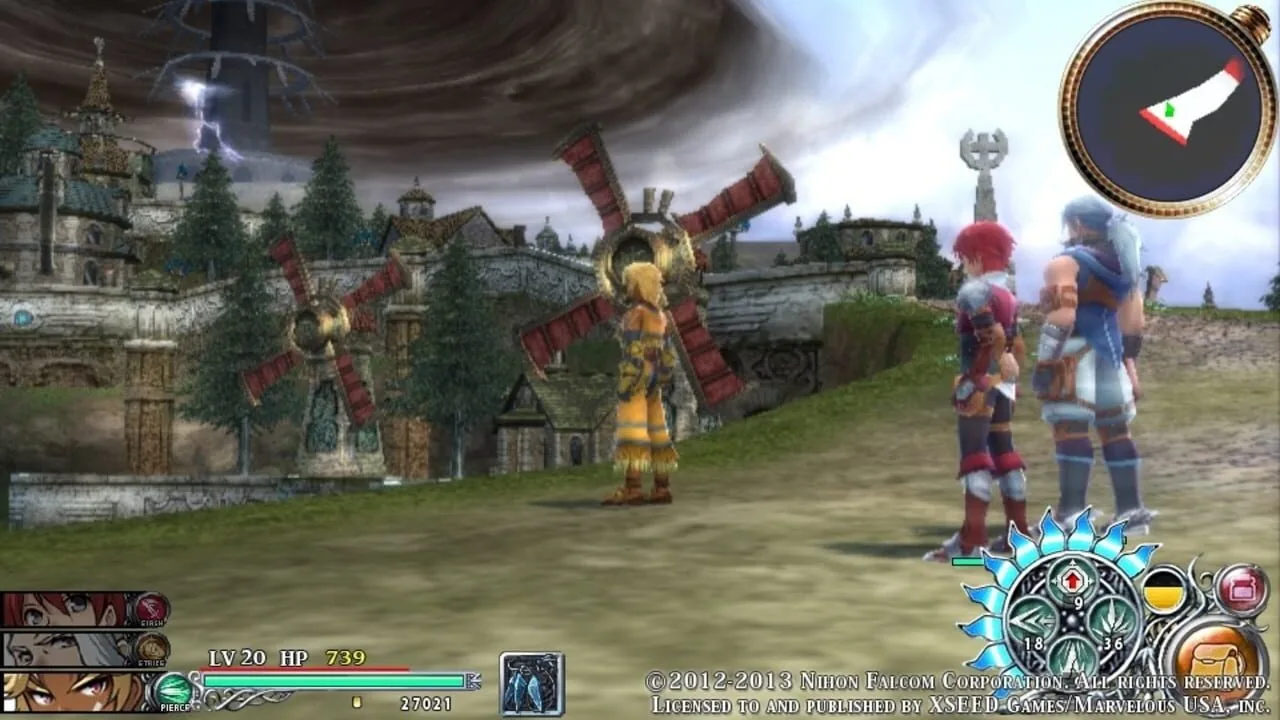
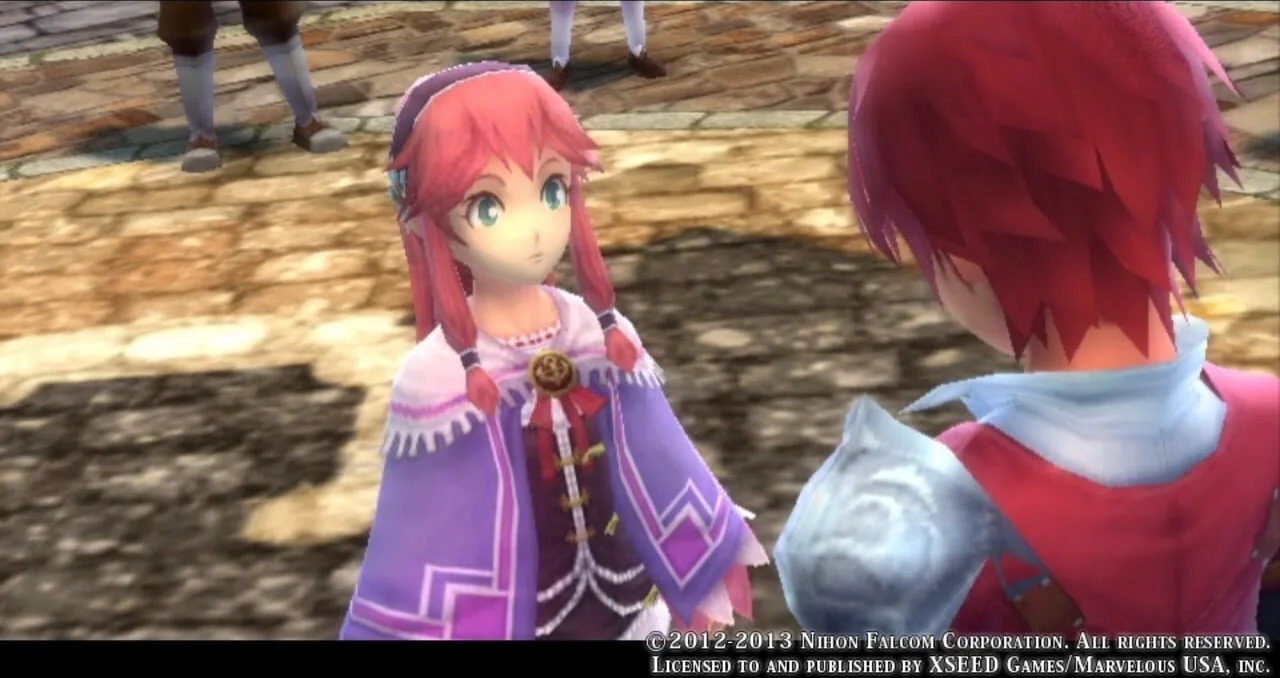
Ys: Memories of Celceta begins in a bustling frontier town at the foot of an endless sea of trees. A young man collapses at the edge of the forest with no memories, and only his name to guide him. You explore the forest, fight on the move and slowly piece his past together.
Each character has a powerful EXTRA move that can only be used when the meter is filled. One reviewer praised the writing and the colorful graphics, and he called the combat fast and frantic compared with the Zelda series. Another liked that combat required strategy and thoughtfulness. This is a Vita game through and through, easy to play in short bursts.
20. Steins;Gate (2009)
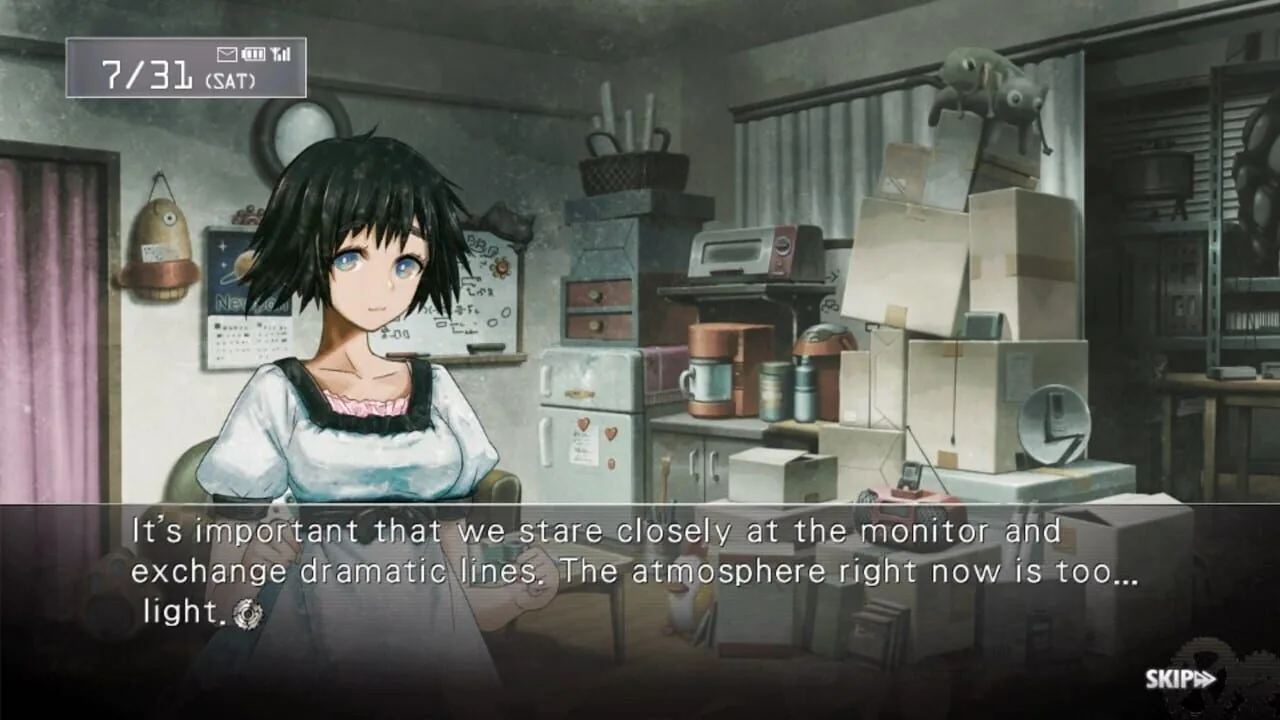
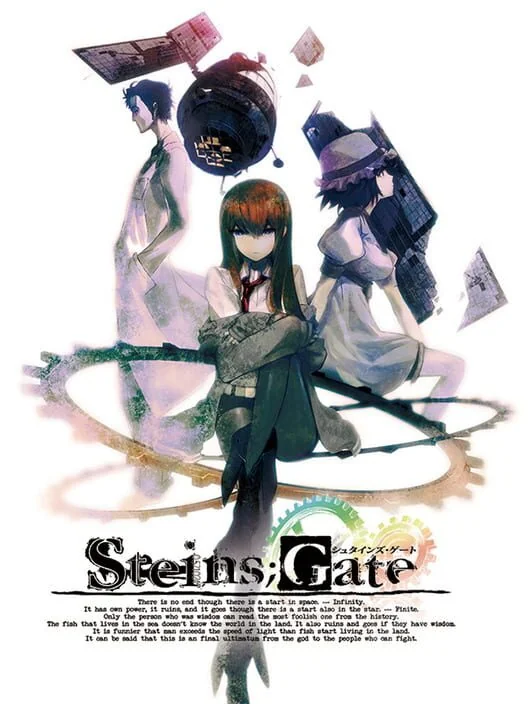
Steins;Gate is a Japanese visual novel from 5pb. and Nitroplus, and it follows Chaos;Head in the Science Adventure series. Its developers call it a speculative science adventure. It was released in Japan for the Xbox 360 in October 2009, and the Vita version appeared in March 2013.
The game was ported to Windows in August 2010 and later reached the Vita. PQube released the PS3 and Vita versions in North America and Europe. A manga adaptation by Yomi Sarachi ran from 2009 to 2013. The story is slow to start, then it grabs hold of you. The Vita is a cozy place for a long, twisty read. Time travel has never been this much fun to sit through.
19. Zero Escape: Virtue's Last Reward (2012)
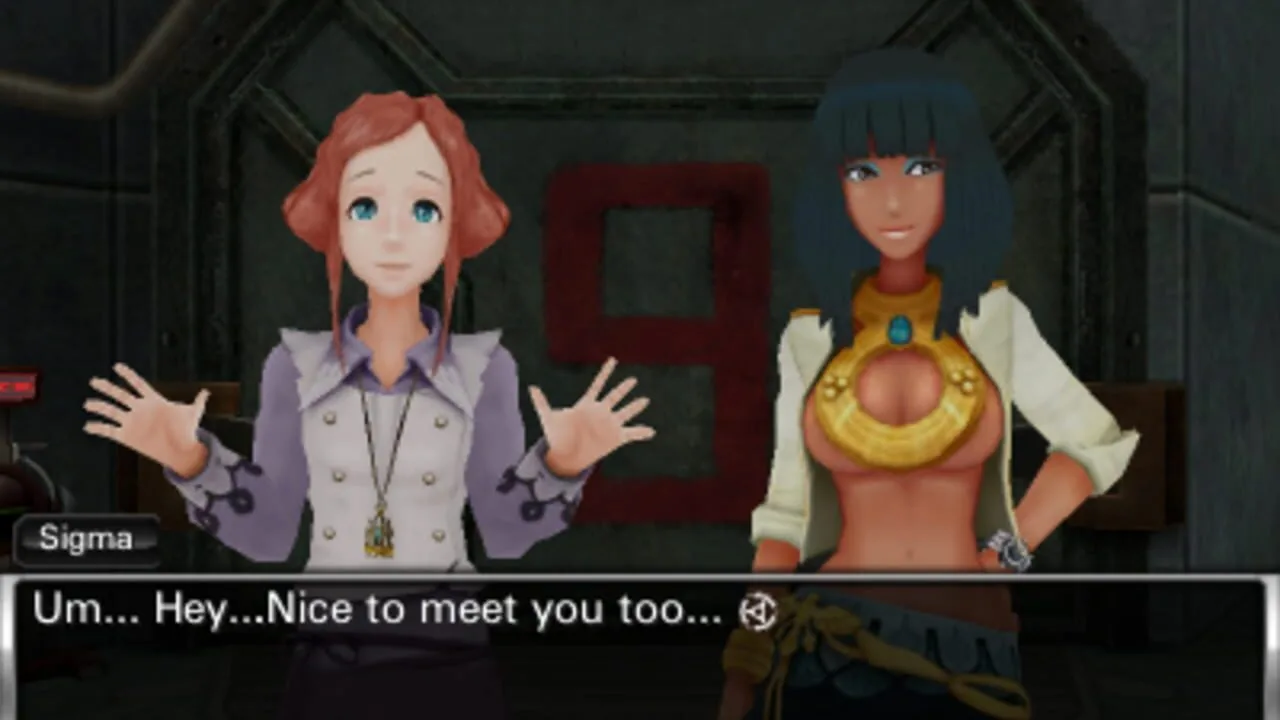
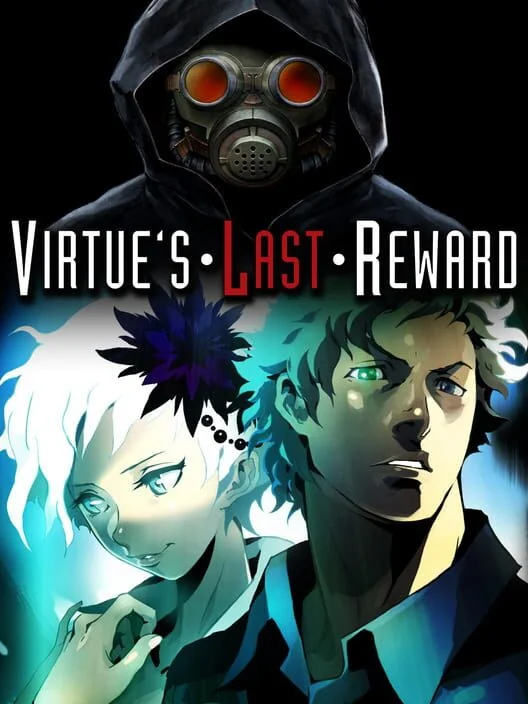
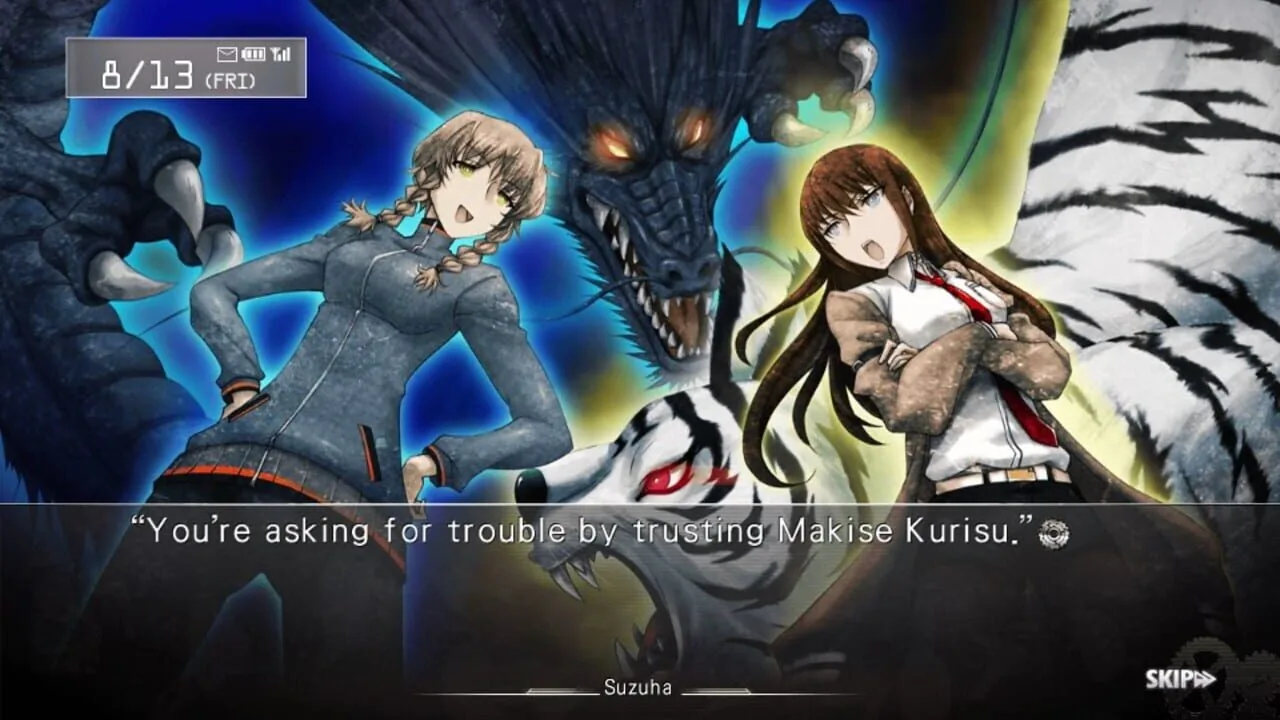
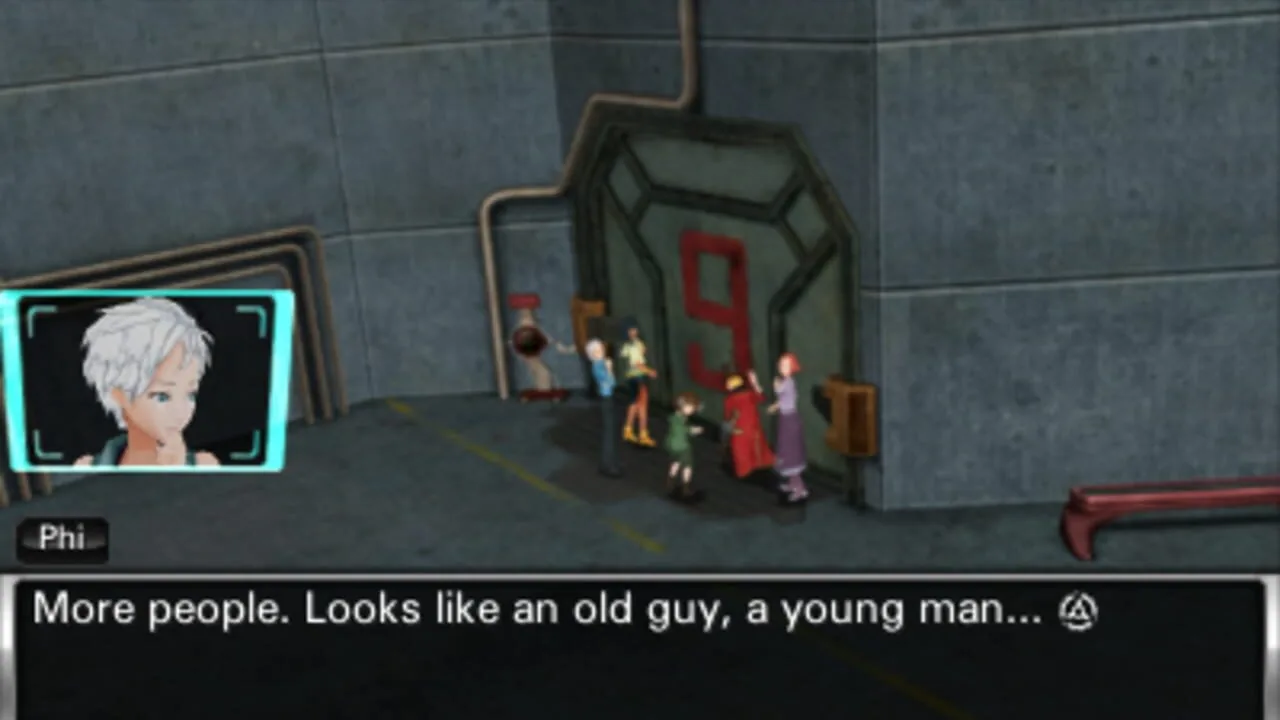
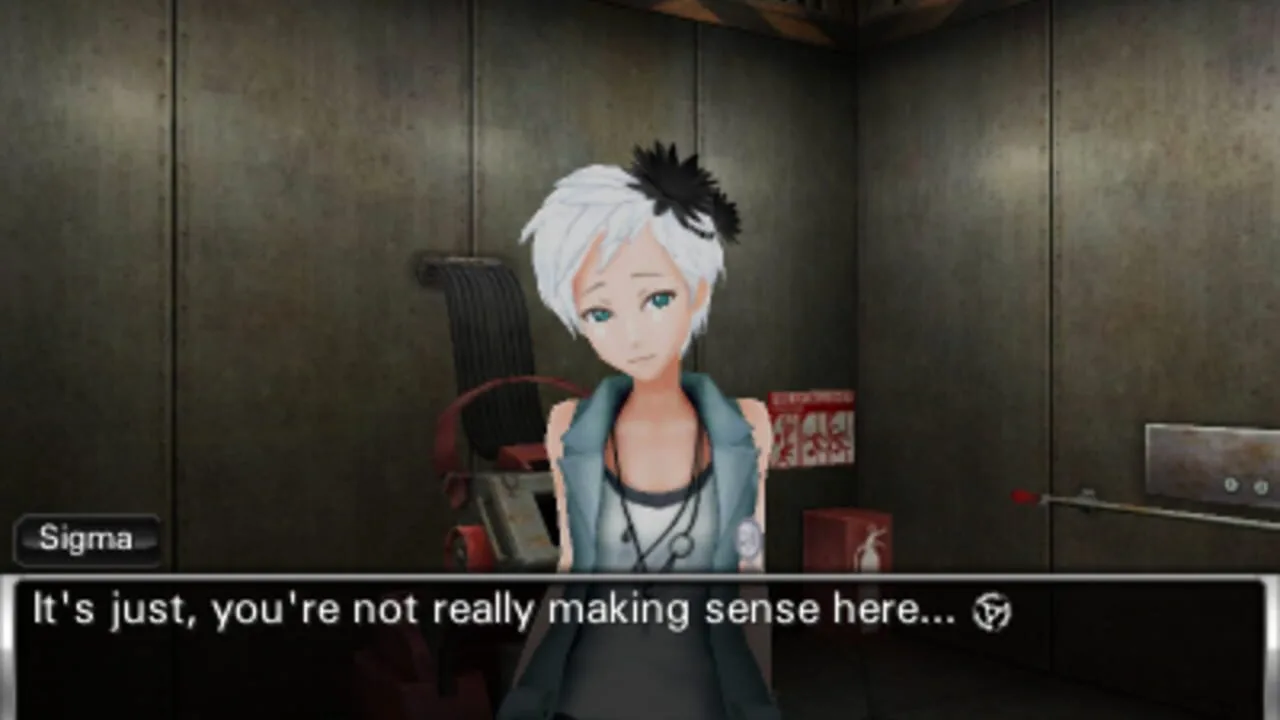
Virtue's Last Reward, the second Zero Escape game, is a mystery thriller visual novel where the story branches according to your choices. A flowchart lets you jump back to any section you finished and pick a different option, so you can chase every ending. It is the second game in the series and first came out for the Nintendo 3DS and the Vita.
It exists because its predecessor, Nine Hours, Nine Persons, Nine Doors, was an unexpected critical success in North America. Director Kotaro Uchikoshi wrote the script, and Aksys Games localized it for North America. It got positive reviews, with praise for the story and characters. Sales in Japan were weak enough to delay its sequel. That is a poor reward for a brilliant plot.
18. Persona 3 Portable (2009)
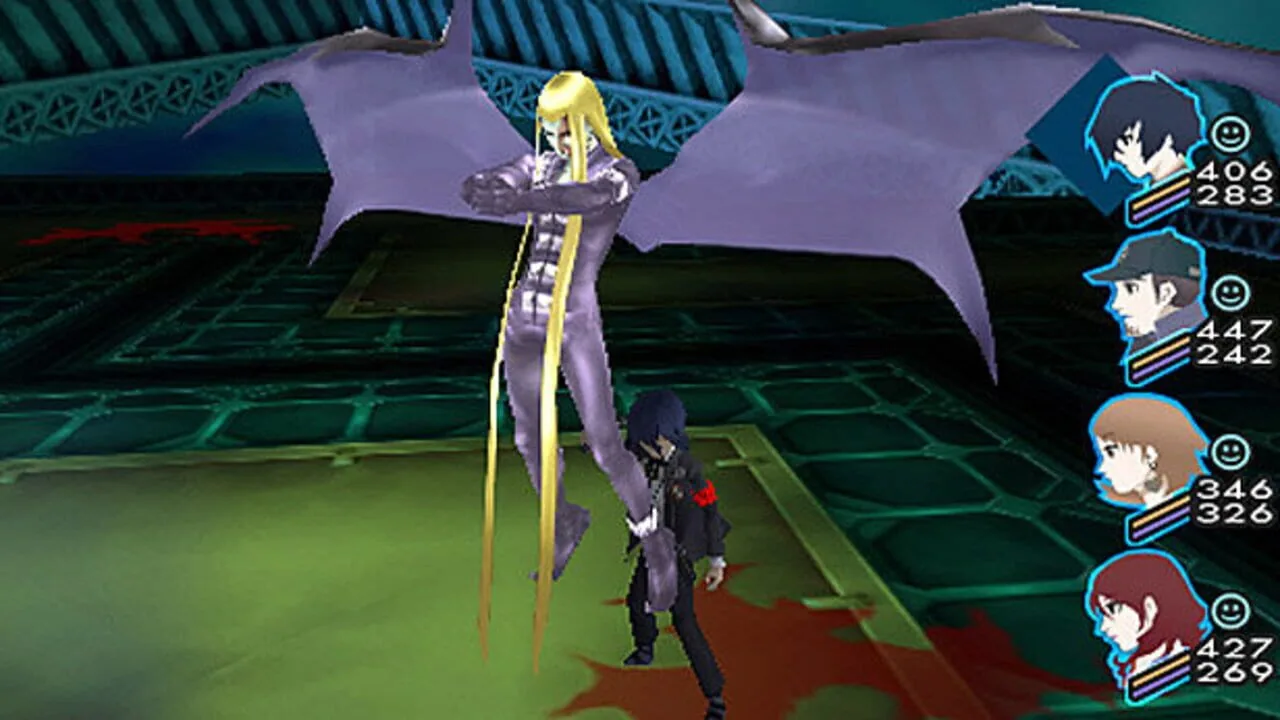
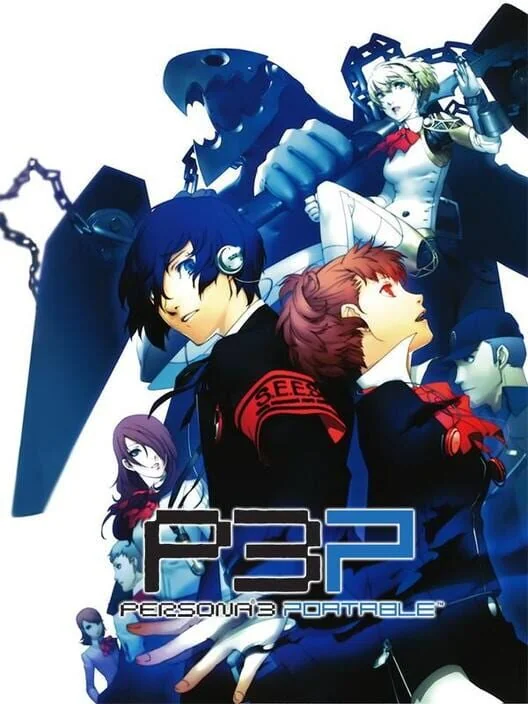
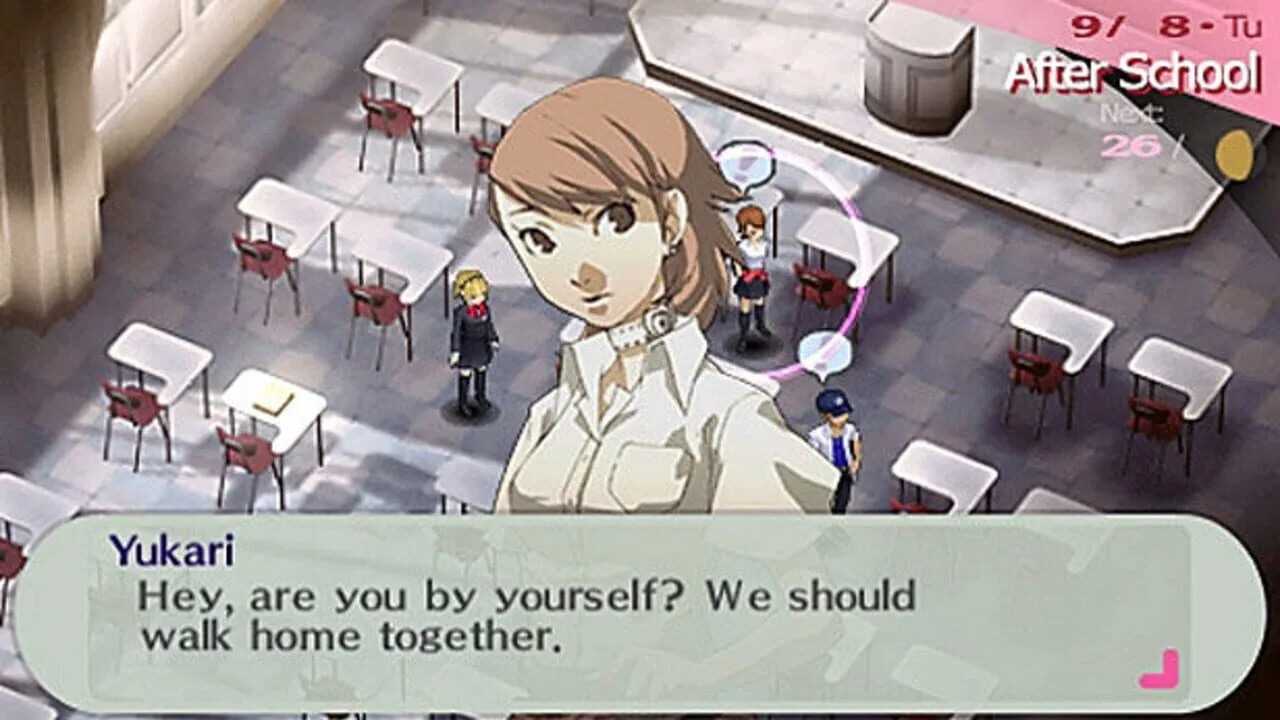
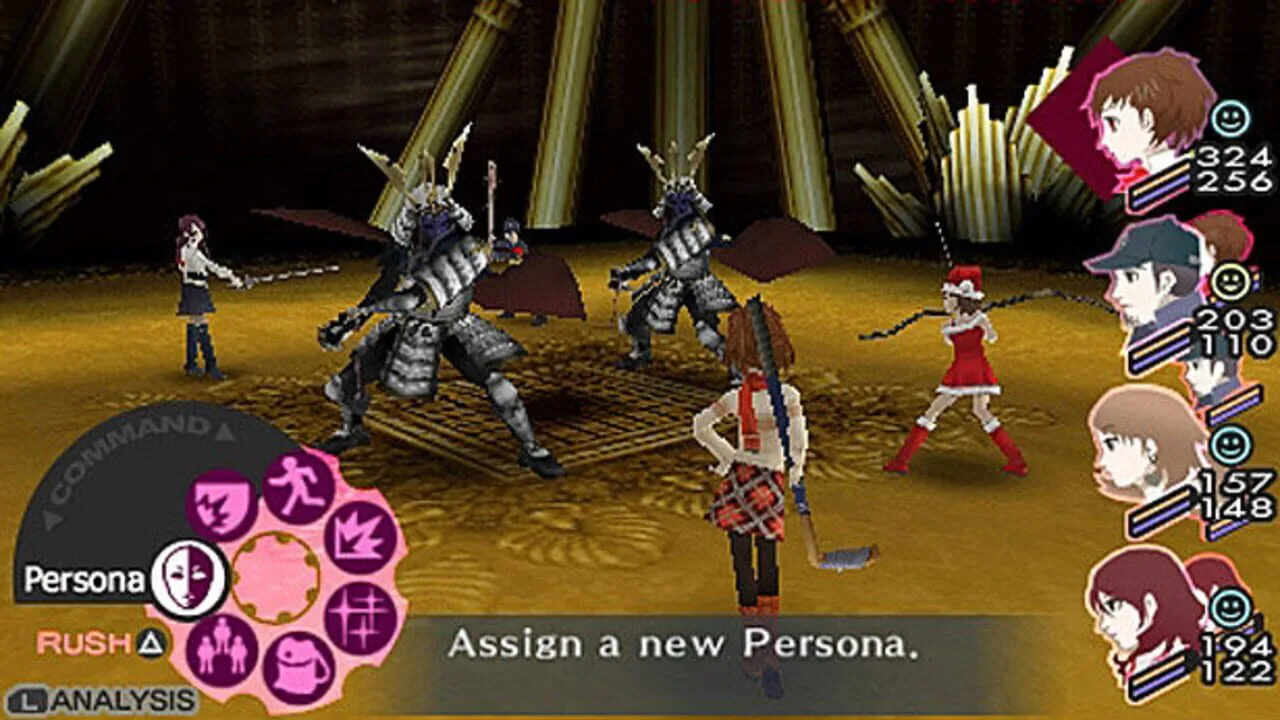
Persona 3 Portable remakes Persona 3 for the PlayStation Portable with extras, and you can play it on the Vita. You can choose a female hero, which changes some parts of the story. The original ran on the PlayStation 2 in Japan in 2006 and in North America in 2007, and this version followed in Japan in 2009, North America in 2010 and Europe in 2011.
Critics enjoyed the social elements, though some found the combat and environments repetitive. When you create a Persona of a particular Arcana, you get an experience bonus if that Arcana has a social link, and the bonus grows with the link's rank. A full remake, Persona 3 Reload, came out in February 2024.
17. Need for Speed: Most Wanted (2012)
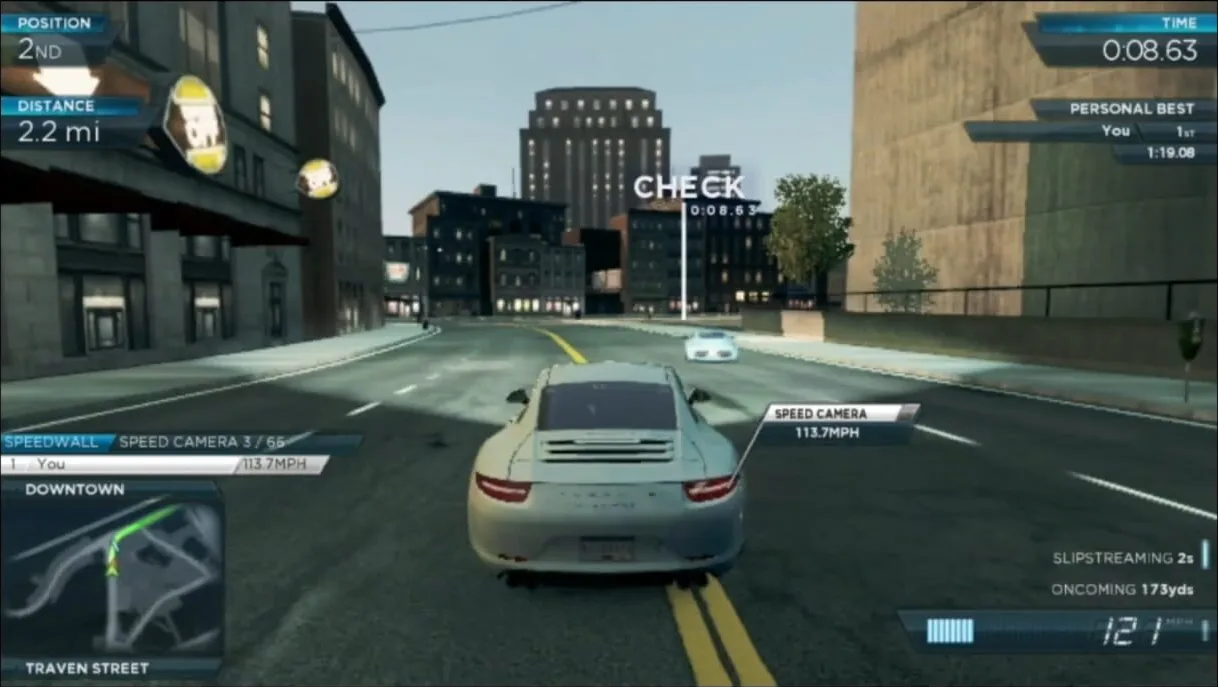
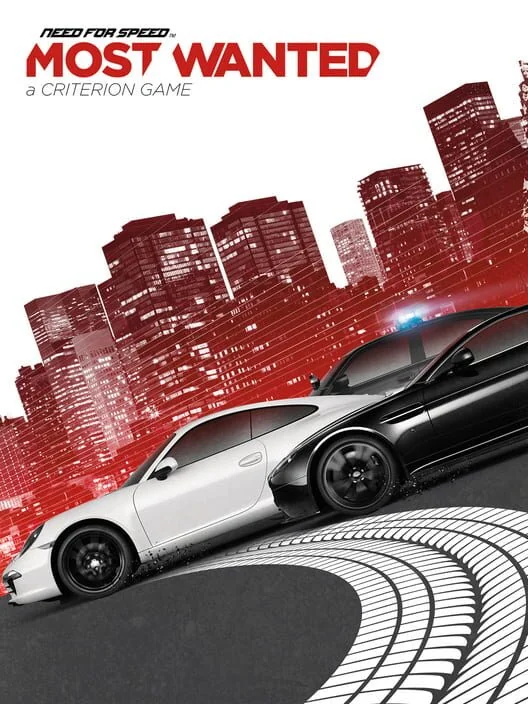
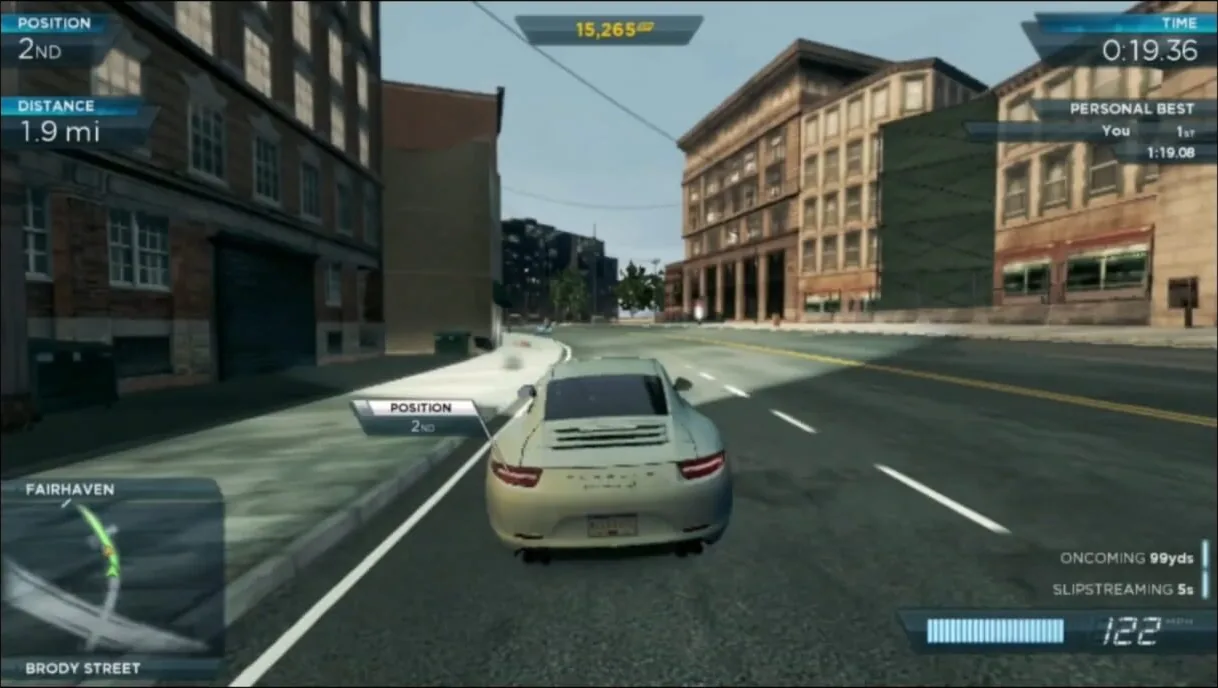
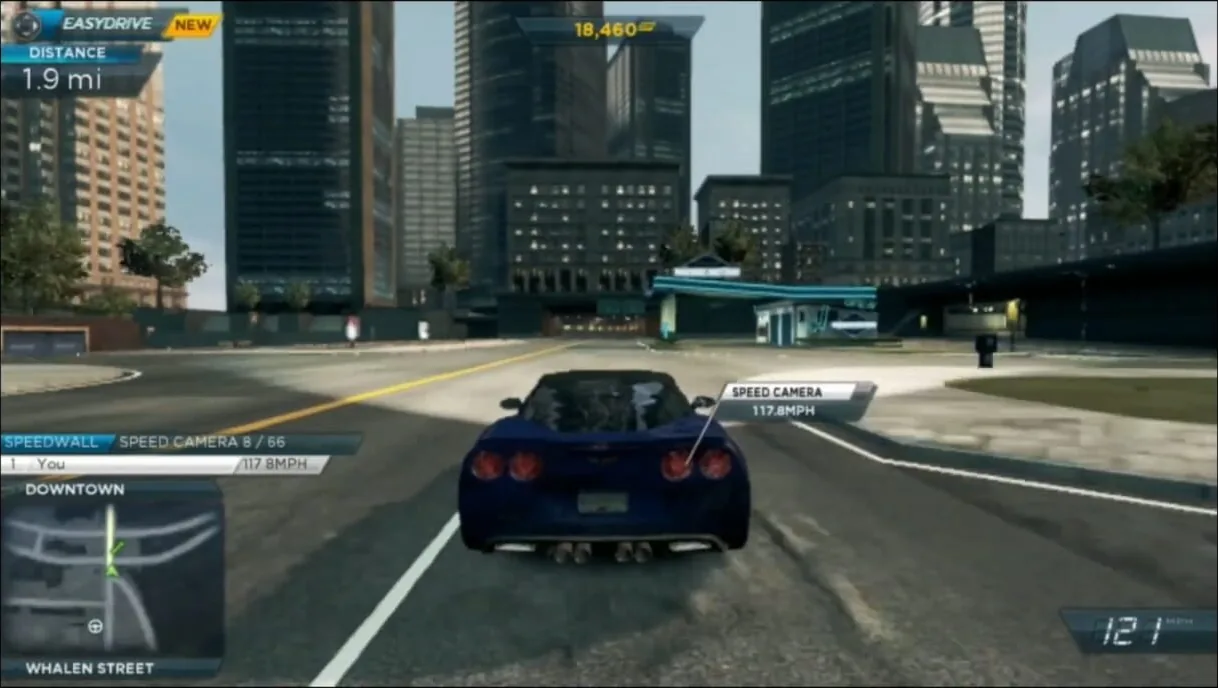
Need for Speed: Most Wanted is the Vita port of the nineteenth game in the series. It plays like the original Most Wanted, with the difference that it has no story, so you spend your time chasing rivals. It uses Autolog, the system for competing with friends that Criterion built for Need for Speed: Hot Pursuit.
Autolog recommendations now appear inside the game world instead of sitting in a menu. The game won the 2012 Spike Video Game Awards for Best Driving Game and the Racing Game of the Year award at the 16th D.I.C.E. Awards. The chase is tough and the speed is thrilling, which makes this the best arcade racer on the Vita. Hit the gas and do not look back.
16. Muramasa Rebirth (2013)
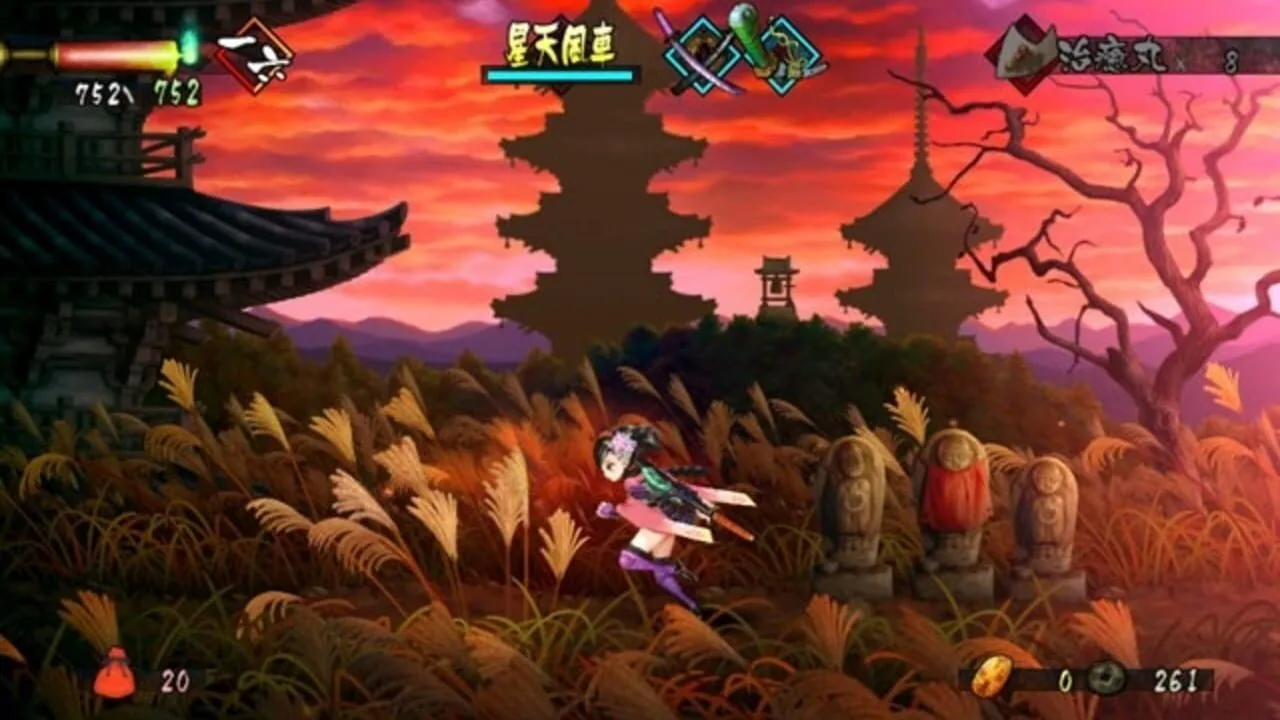
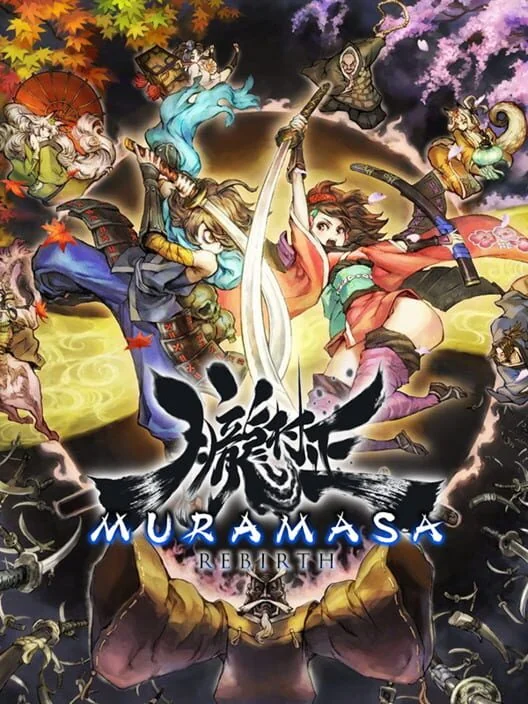
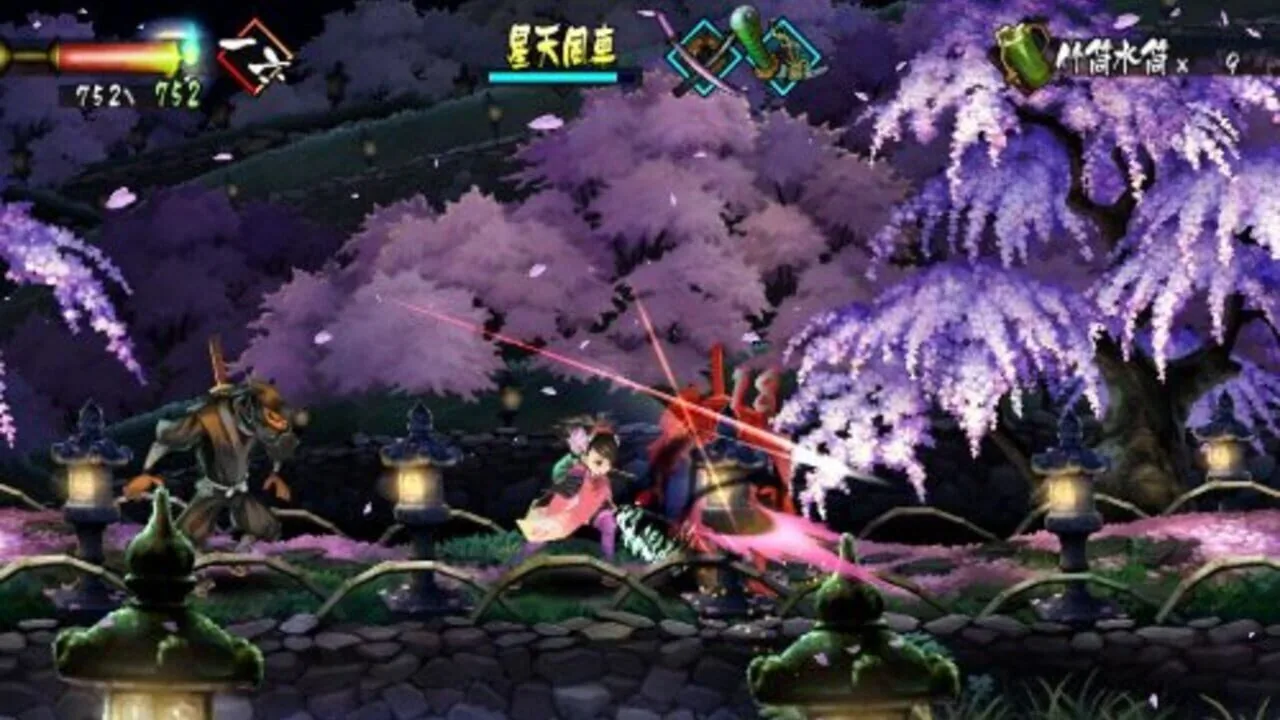
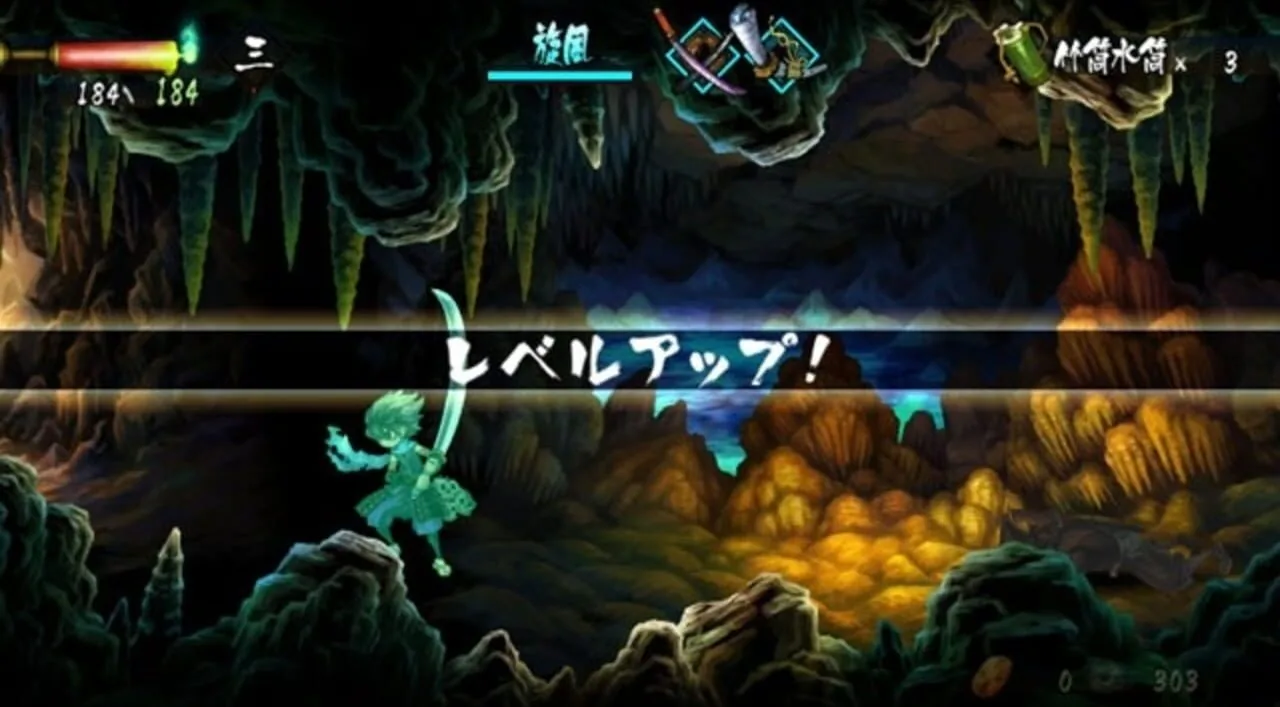
Muramasa Rebirth comes from Vanillaware, and it is an action role-playing game that blends Japanese mythology with fast-paced action. The concept work began in the middle of development on Odin Sphere. Director George Kamitani based the story on kabuki theatre and worked in Japanese folklore and Buddhist theology.
When the game reached the West, it kept its Japanese voice track to preserve its atmosphere. The Vita version has new music and a redone localization, and the Genroku Legends add-on brings four self-contained stories based on Japanese folklore. It sold moderately and got positive reviews. Praise focused on its art design and music, while the gameplay was often called fun but shallow. Every screen is a painting you can slice through.
15. Rogue Legacy (2013)
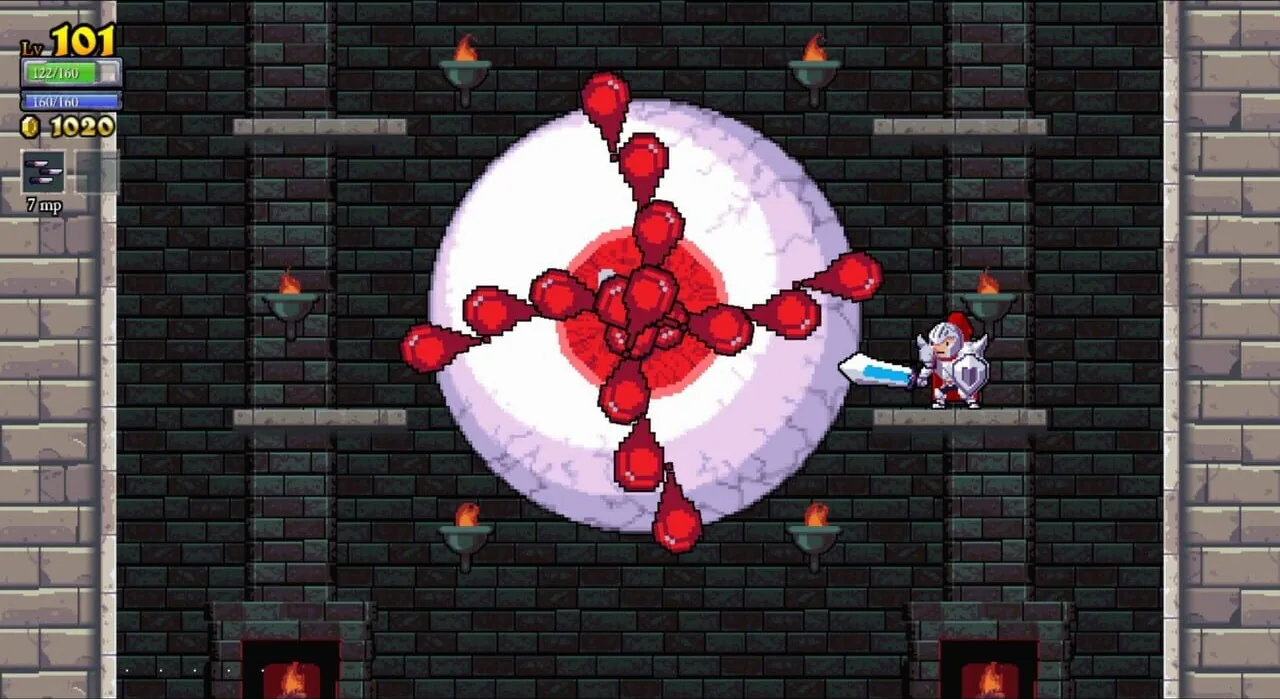
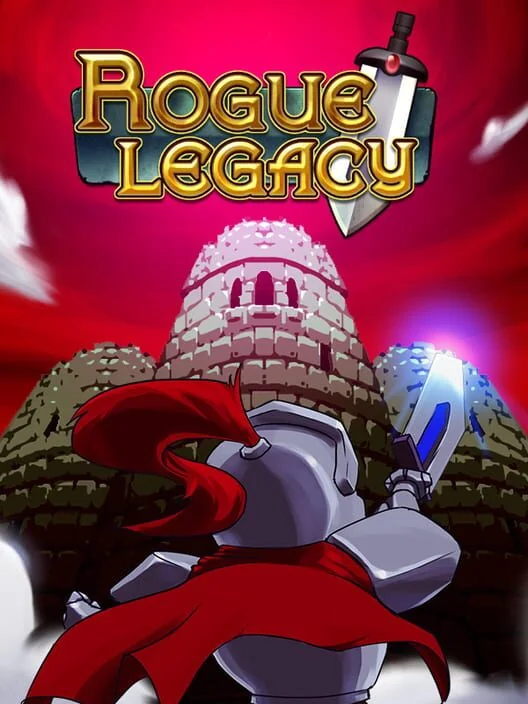
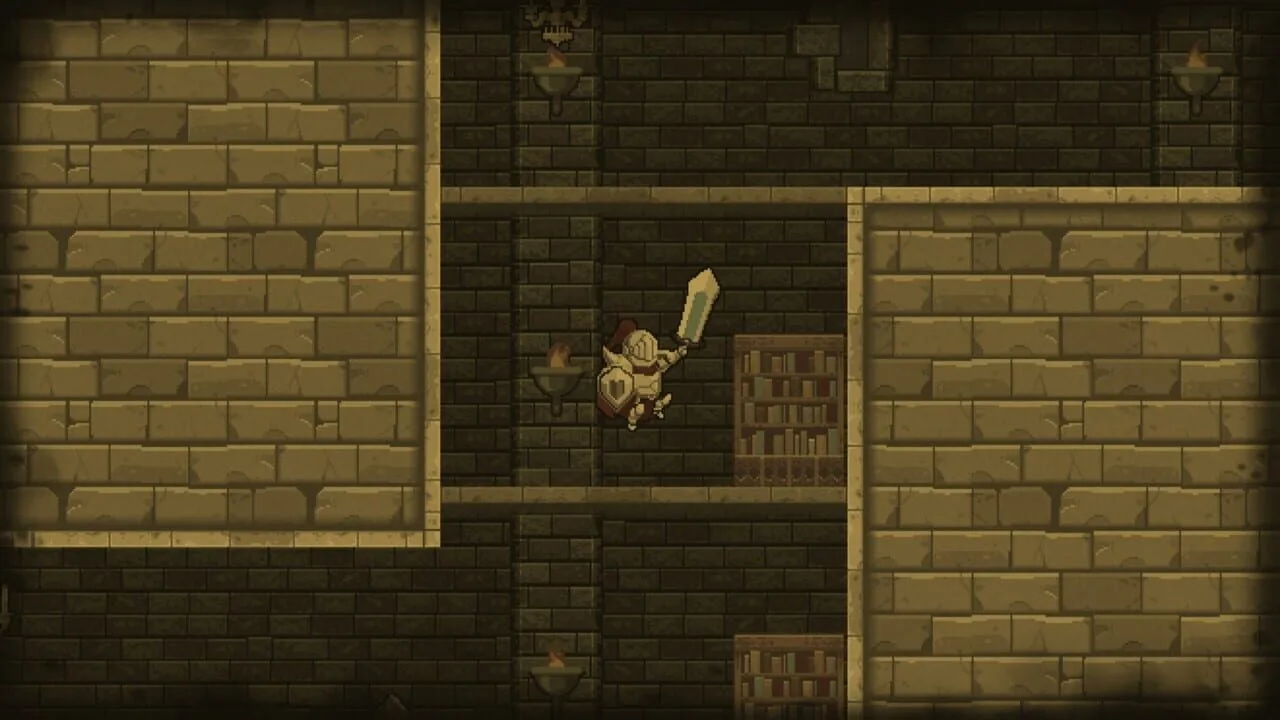
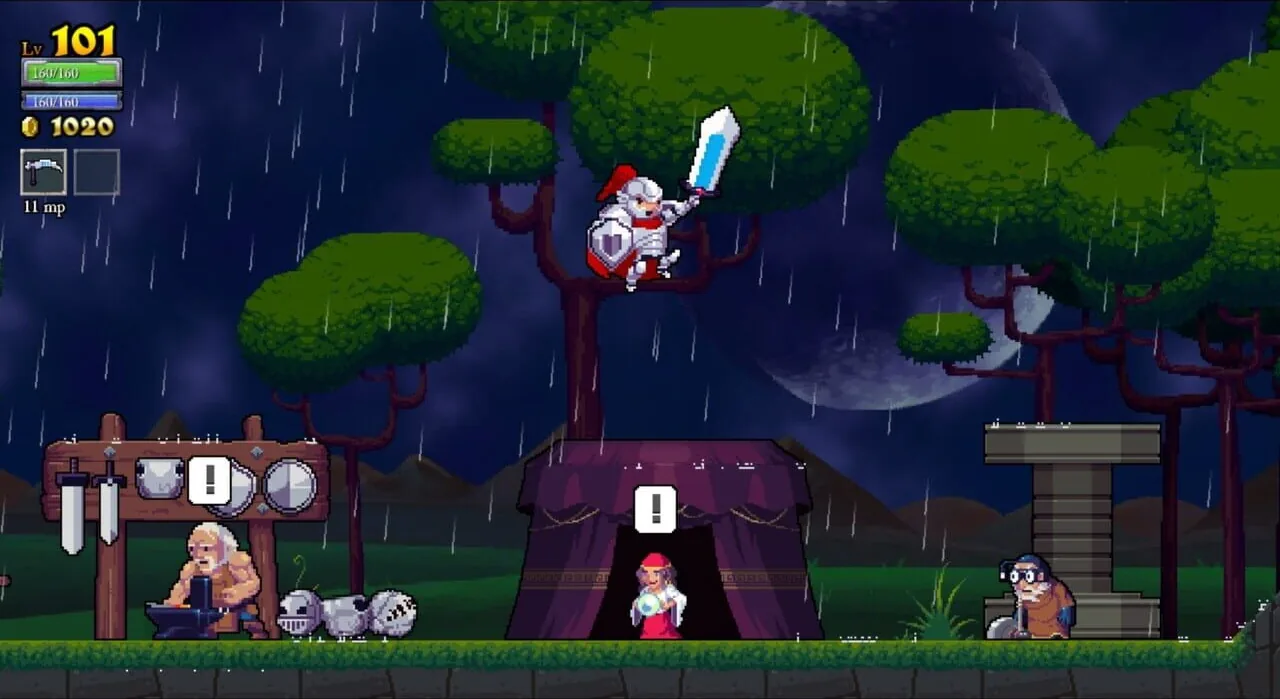
Rogue Legacy has you play through a whole family of heroes, one at a time. When your hero dies, you choose a successor from the heirs, and each one has different traits. Classes include mages with advanced spells, warriors with higher strength and assassins with stealth techniques. Cellar Door Games, a Toronto studio made up of the brothers Kenny and Teddy Lee, made the game.
It was the brothers' biggest project to date and took 18 months to develop. Demon's Souls and Dark Souls were their inspiration. The game also has secret bosses, each a remixed version of an ordinary boss, and New Game+ rounds that raise the challenge. Dying is the whole point, since your family keeps getting stronger.
14. Soul Sacrifice Delta (2014)
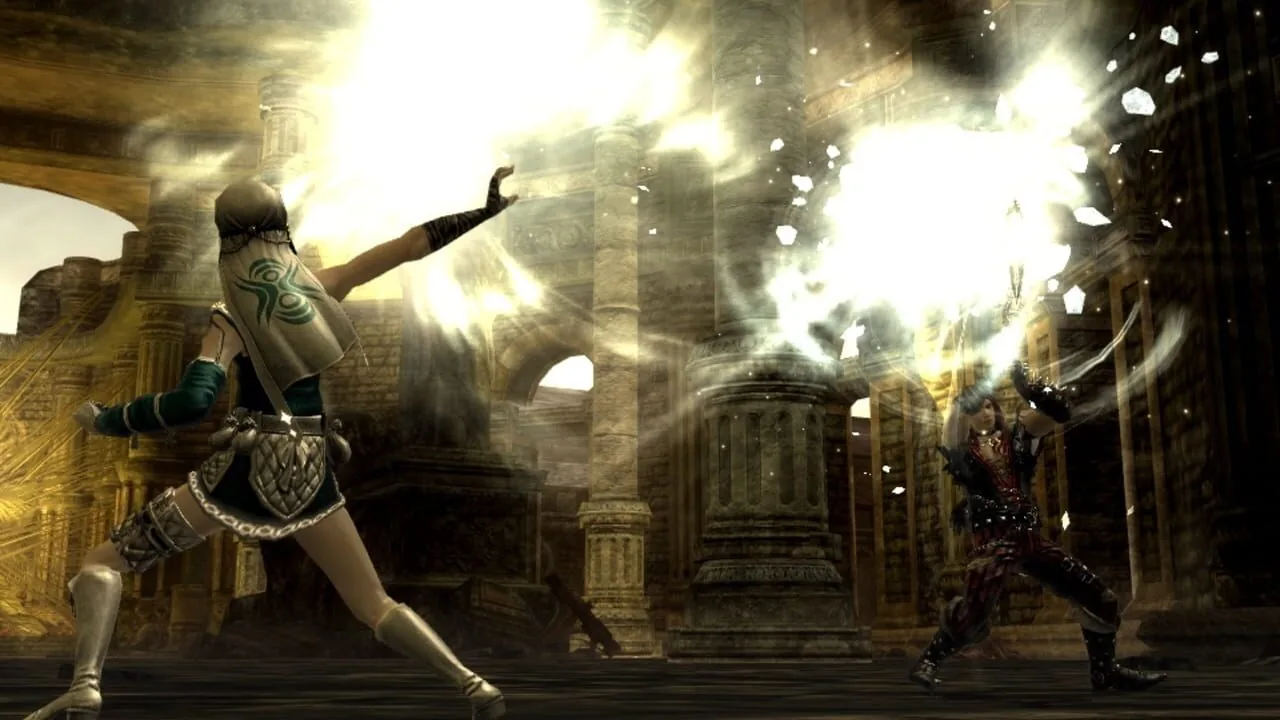
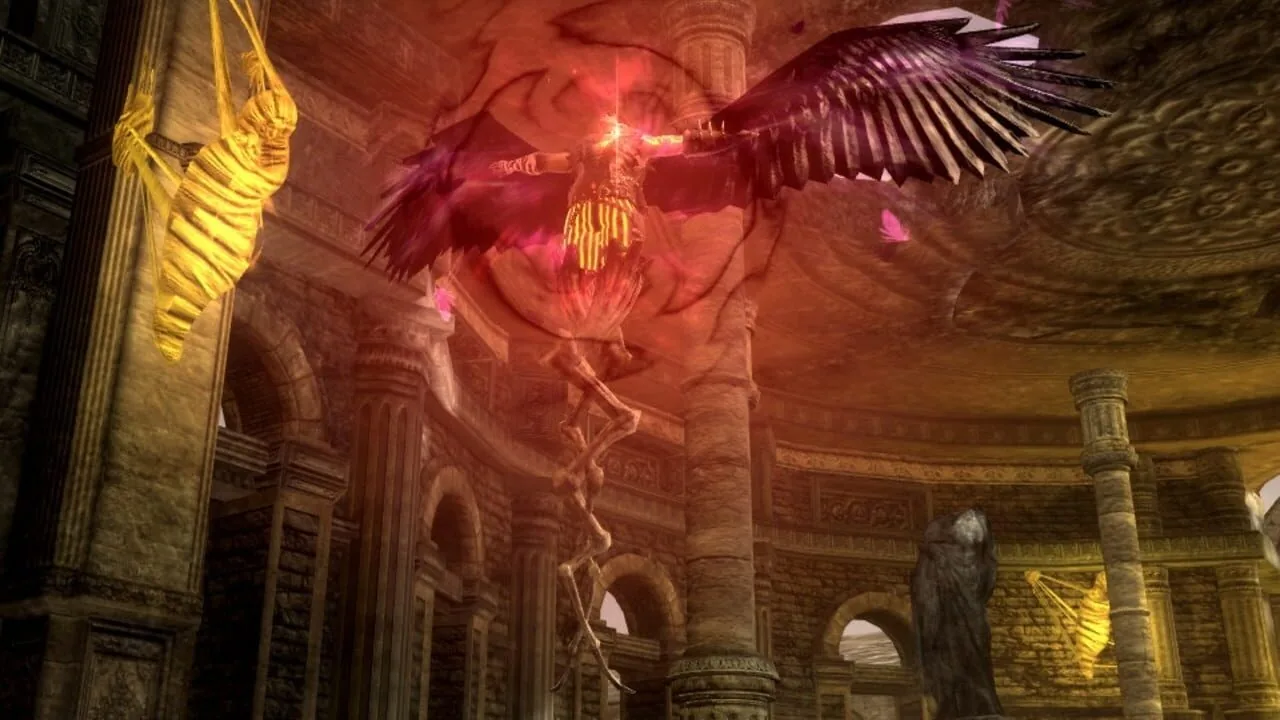
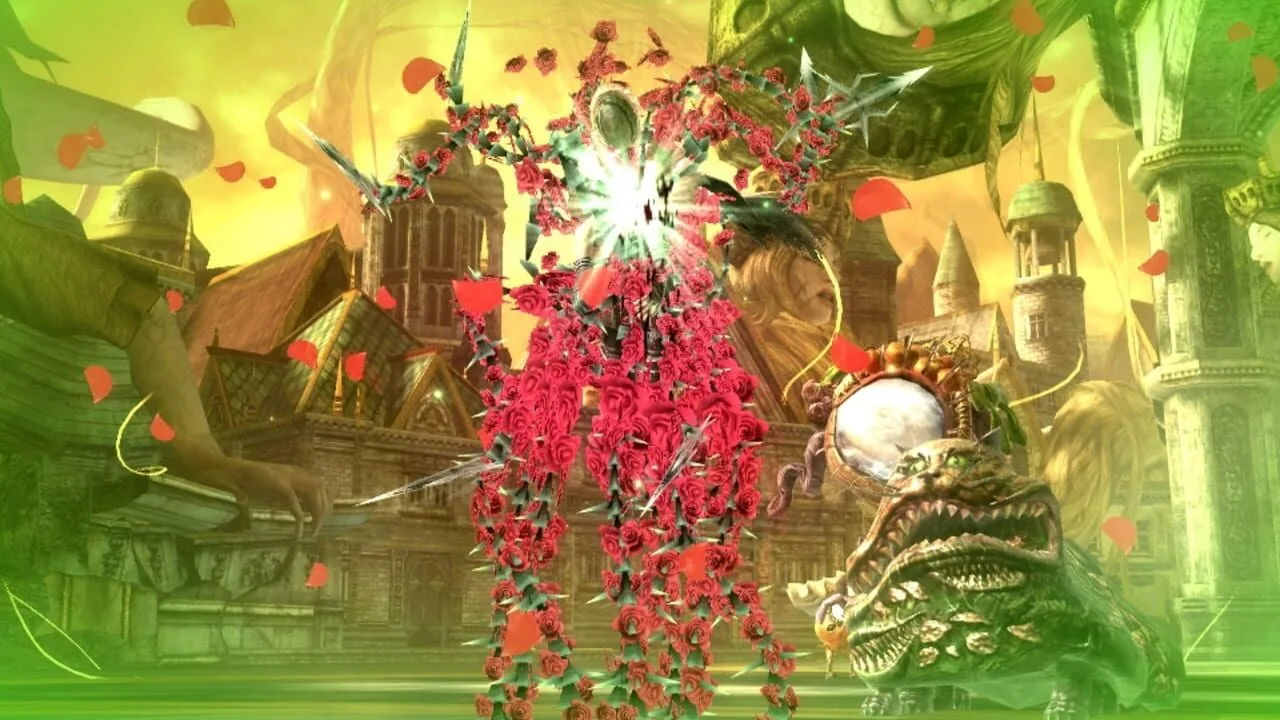
Soul Sacrifice Delta takes the first game and expands it with new content and features. It came out in 2014 as an expanded version of the first game. Saving an enemy restores a little of your health, while saving an ally costs half of your current health and brings that ally back into the fight.
Broken offerings must be repaired with Lacrima, Librom's tears, a currency you earn by clearing stages. Its dark storybook tone and its tough choices give it a personality few action role-playing games have. This is the version to play. Every battle asks you to sacrifice or save, and mercy always costs you something. It is a dark, tense fantasy that fits the handheld well.
13. Guacamelee! (2013)
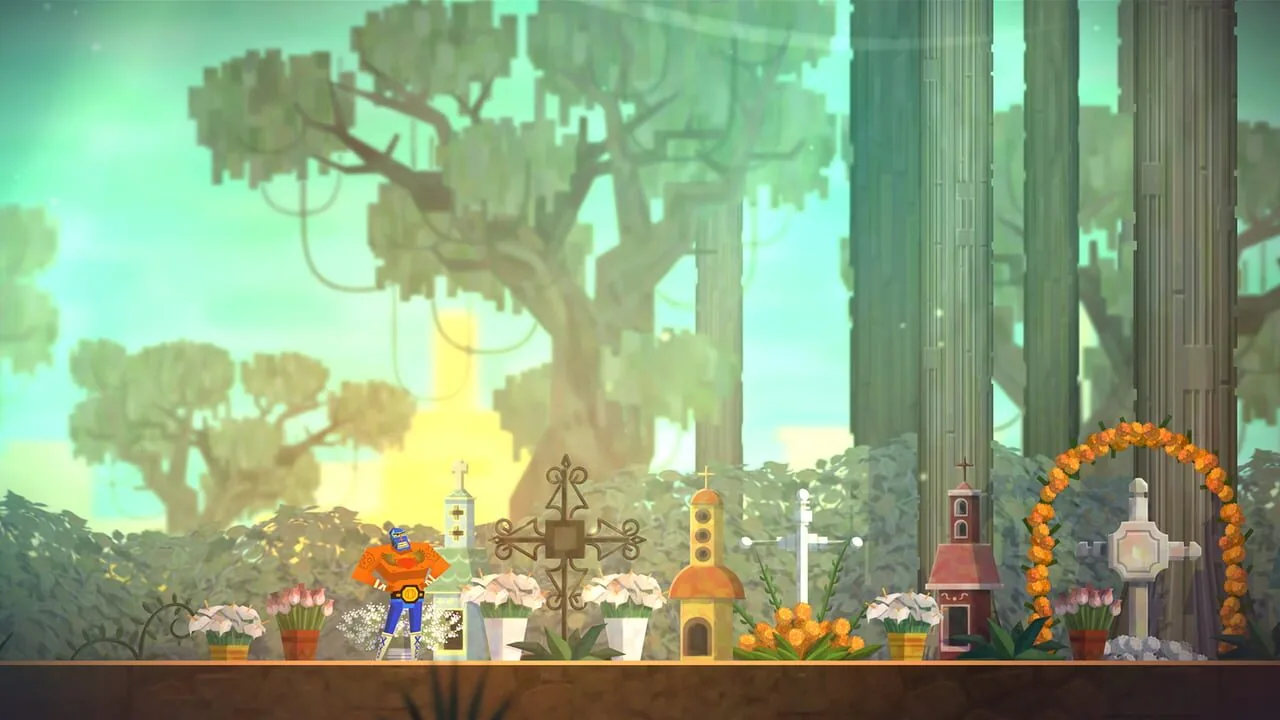
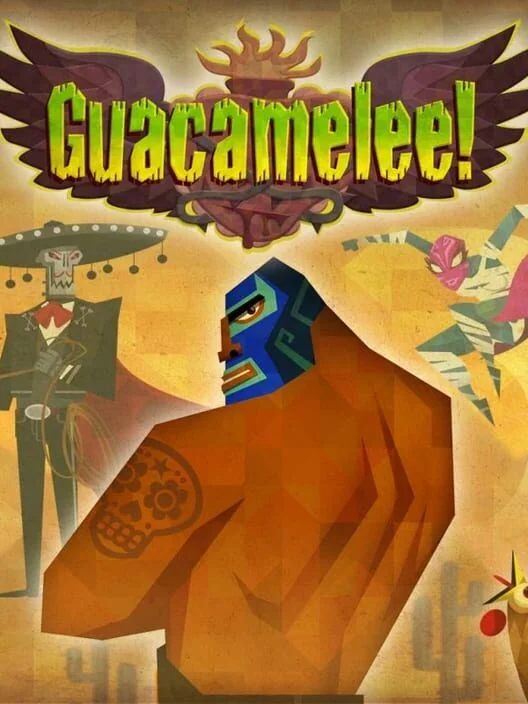
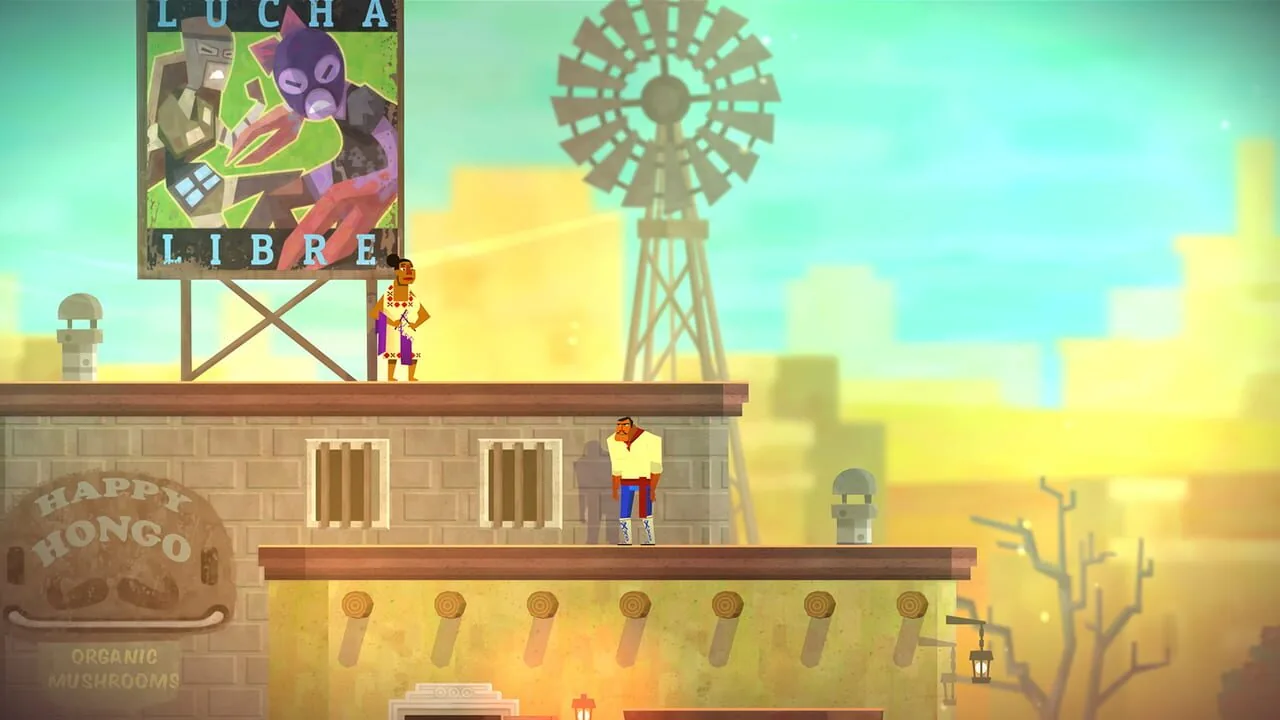
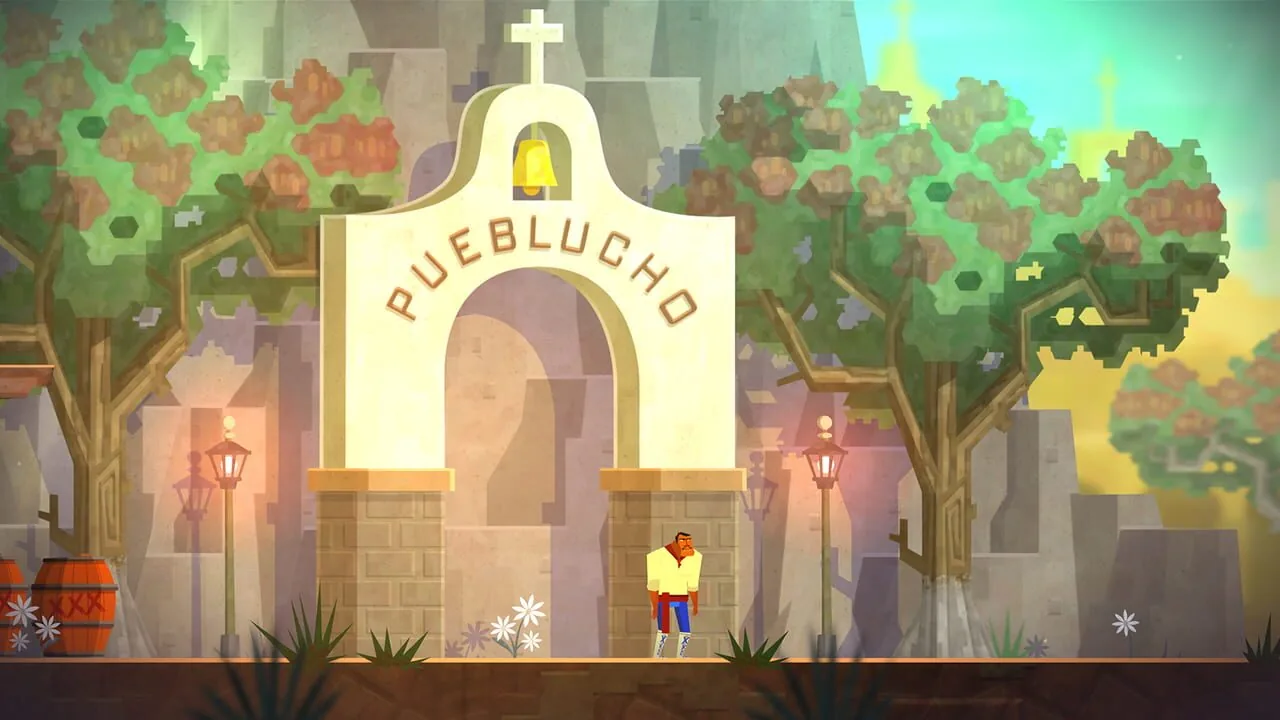
Guacamelee! is a Metroidvania-style action platformer set in a magical Mexican-inspired world. It draws on Mexican folklore, from alebrijes to the Day of the Dead. A second player can drop in at any time as Tostada, Guardian of the Mask, which makes co-op simple. As you progress, the hero Juan breaks open statues to learn new moves.
A Costume Pack arrived on June 3, 2013. The Super Turbo Championship Edition reached other platforms in July 2014. A sequel called Guacamelee! 2 followed on August 21, 2018 and added four-player co-op. At one point the hero is turned into a rooster, because the game does not take itself seriously. It is among the funniest games on the Vita, and the combat feels great. Rooster power.
12. Wipeout 2048 (2012)
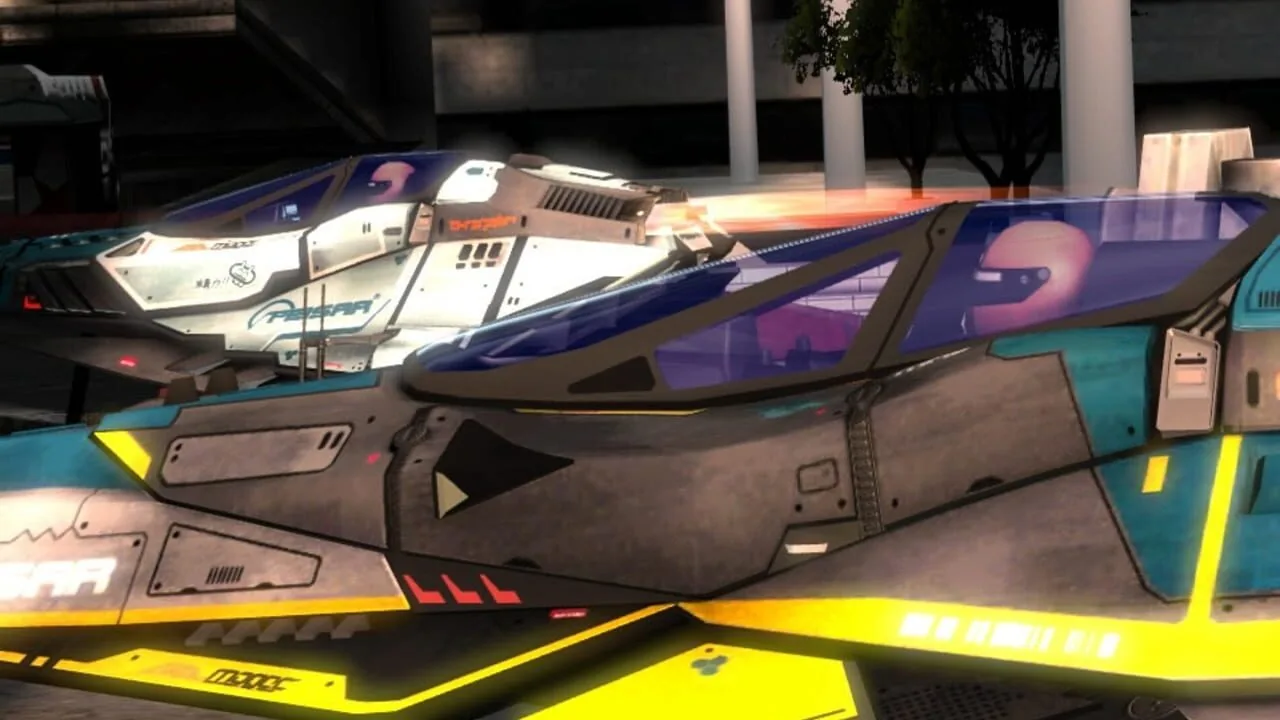
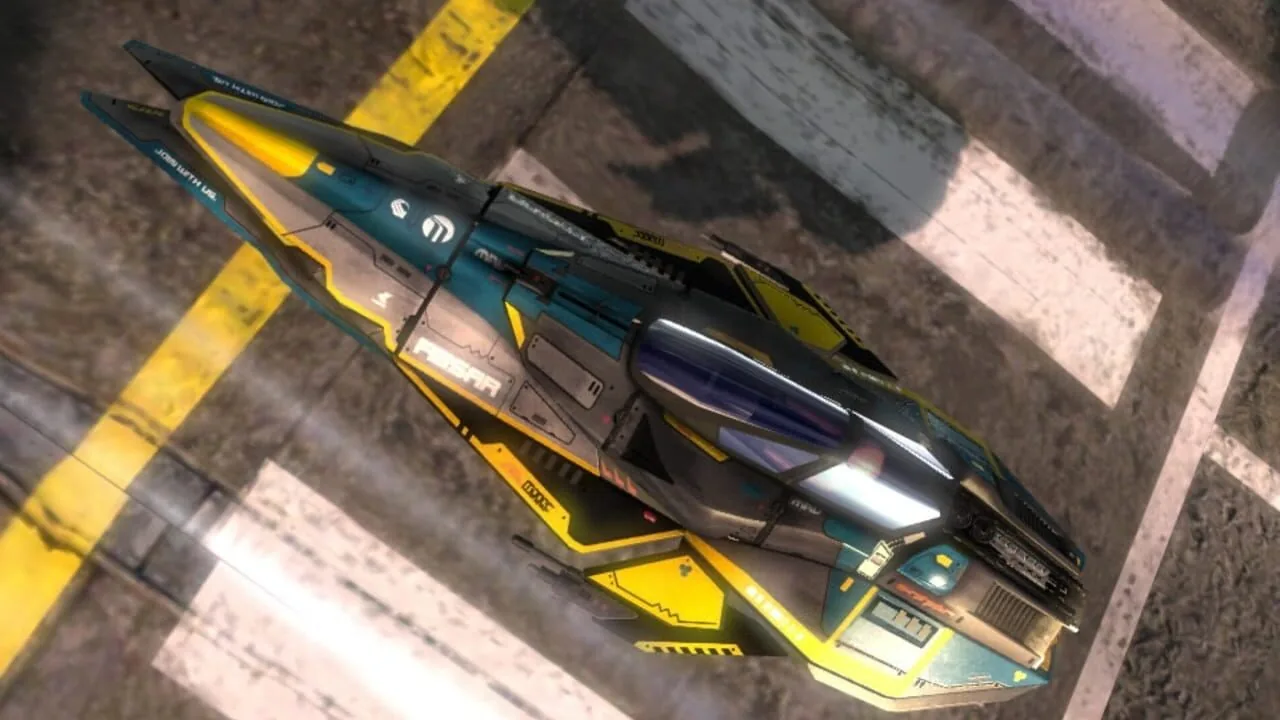
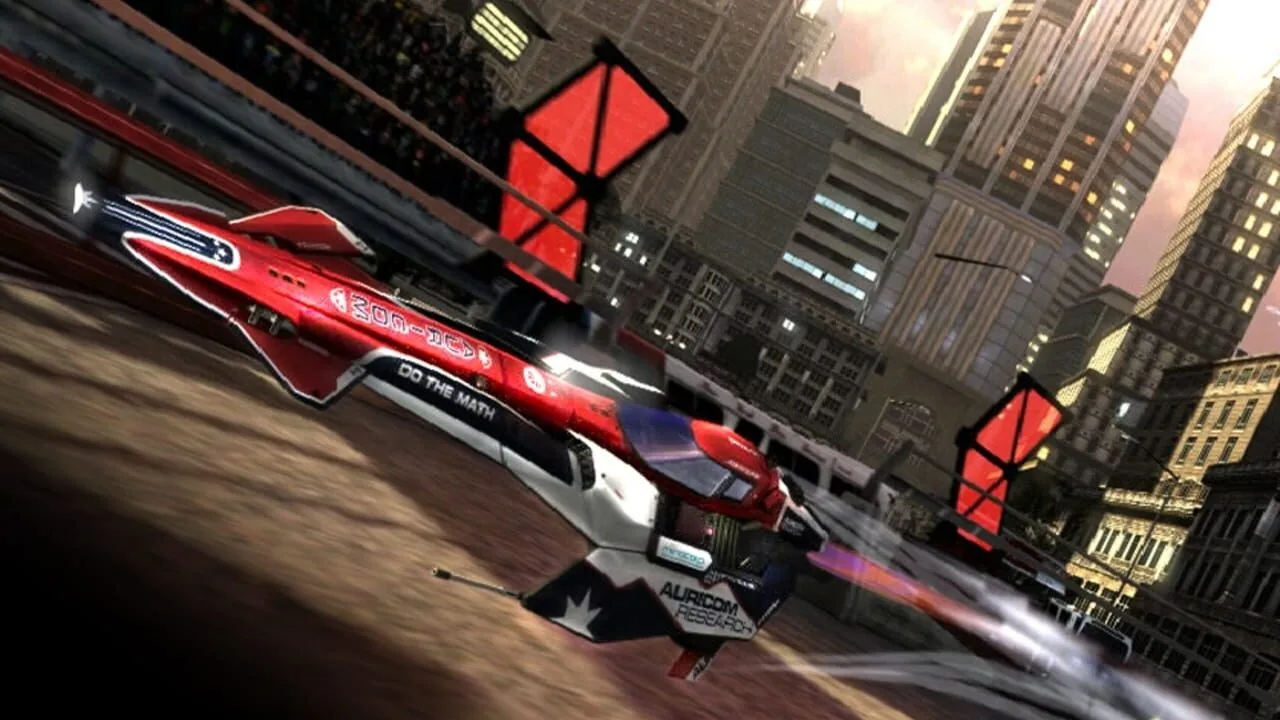
Wipeout 2048 is a prequel to the original 1995 Wipeout, set between 2048 and 2050. The single-player campaign runs through the first three years of the Anti-Gravity Racing Championships. It was the last game made by Studio Liverpool before its closure and the last mainline Wipeout title.
Critics said the graphics showed off the power of the then-new Vita, though they criticized the long loading times. The designers said that building for the smaller screen made development easier than it had been for an HD screen. The team also used a dynamic framebuffer, an algorithm that lowers the resolution when the game needs it. If speed is your thing, the Vita rarely got faster.
11. Spelunky (2012)
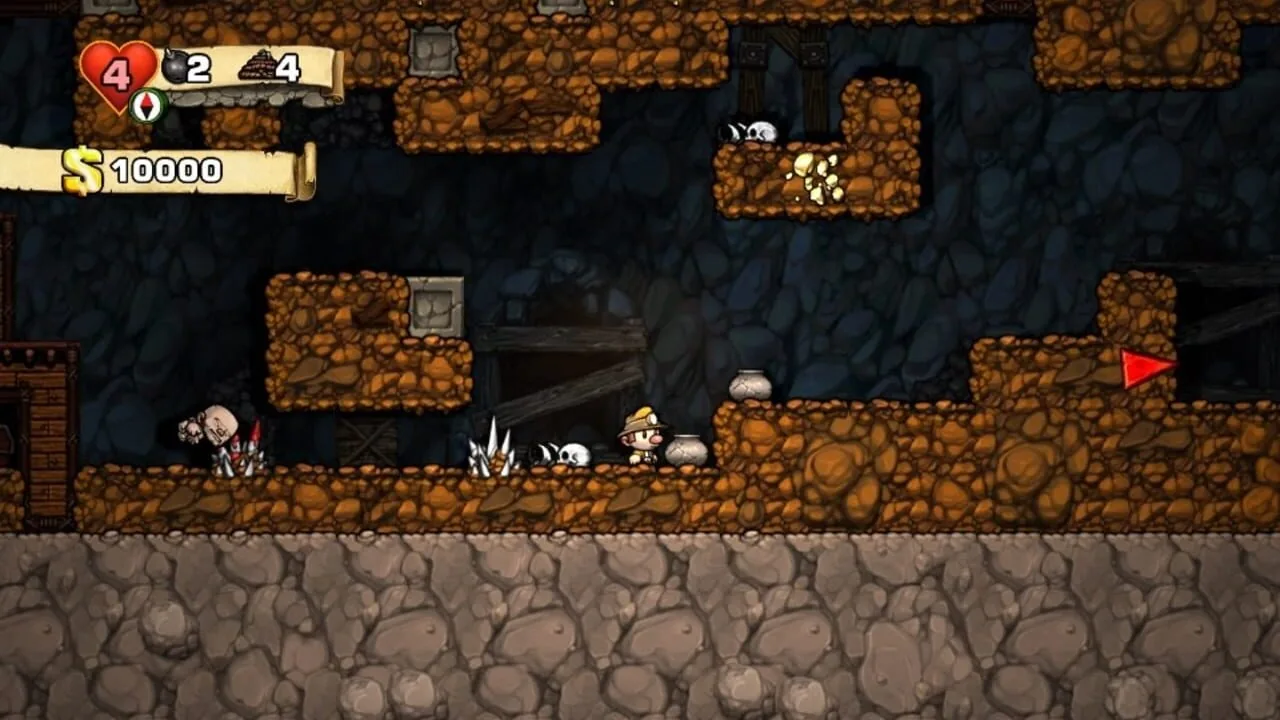
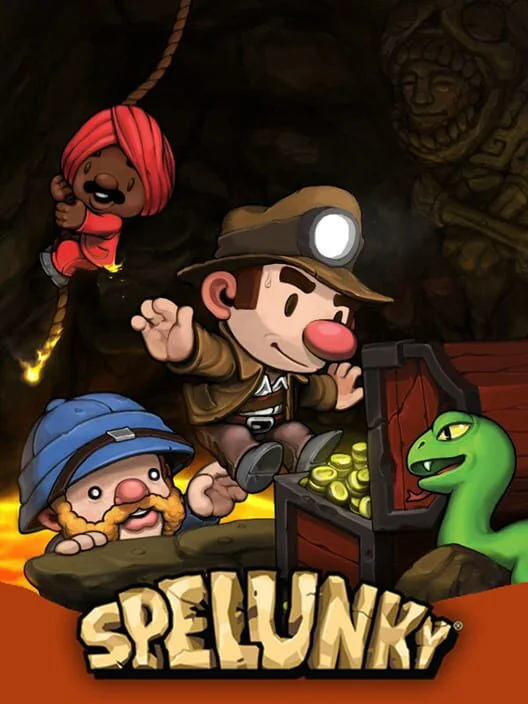
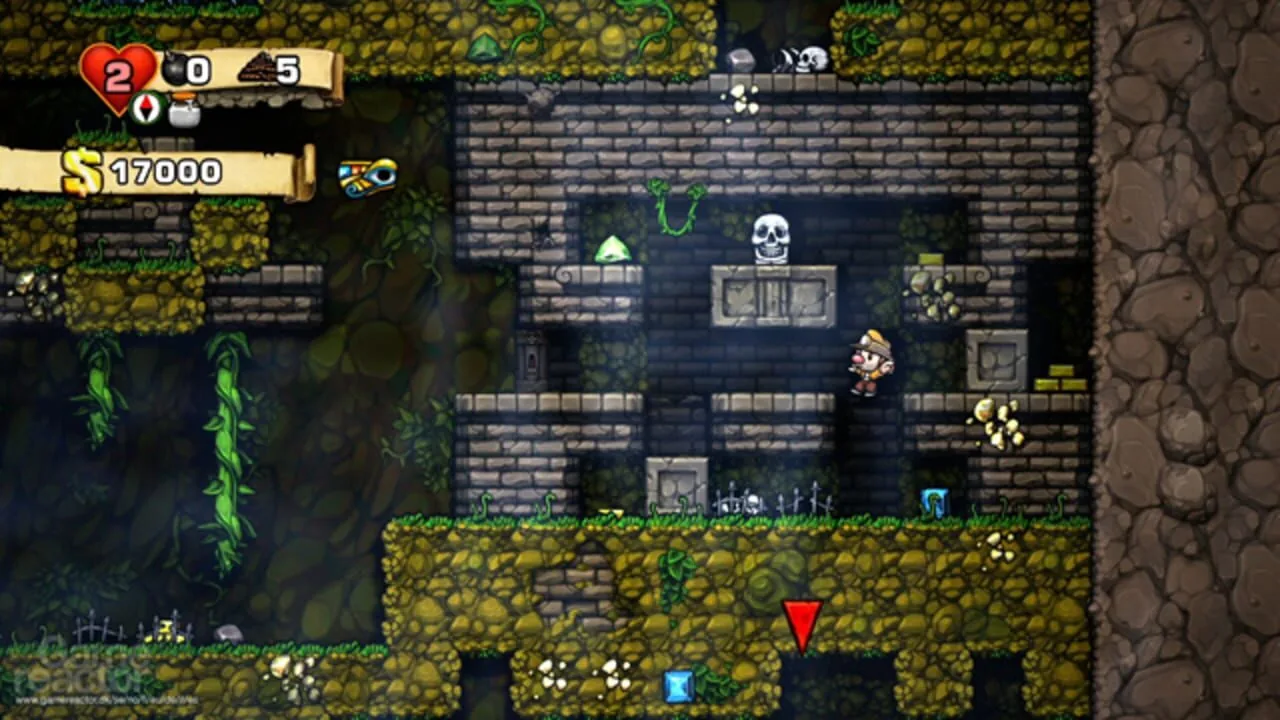
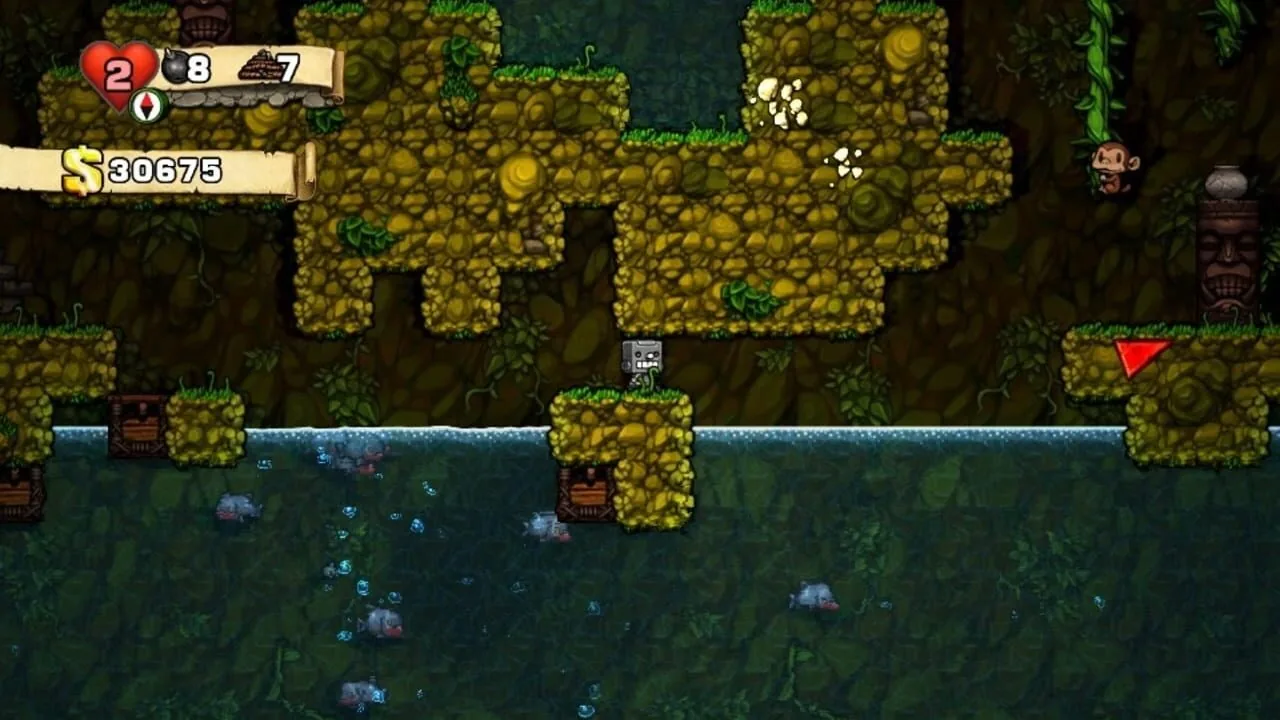
Spelunky is a remake of Spelunky Classic, an open source indie platformer by Derek Yu. The first public release was on December 21, 2008, on the TIGSource forums, where early players gave Yu immediate feedback. The enhanced version for Xbox Live Arcade came out on July 4, 2012. Ports to other systems followed.
Spelunky received critical acclaim for its gameplay and design, and many critics regard it as one of the greatest video games of all time. It also influenced many later roguelite games. Every cave is random, every death is your fault and every run is a story. You will curse it and then start again. Your pockets will be full of bombs and your head full of plans.
10. LittleBigPlanet PS Vita (2012)
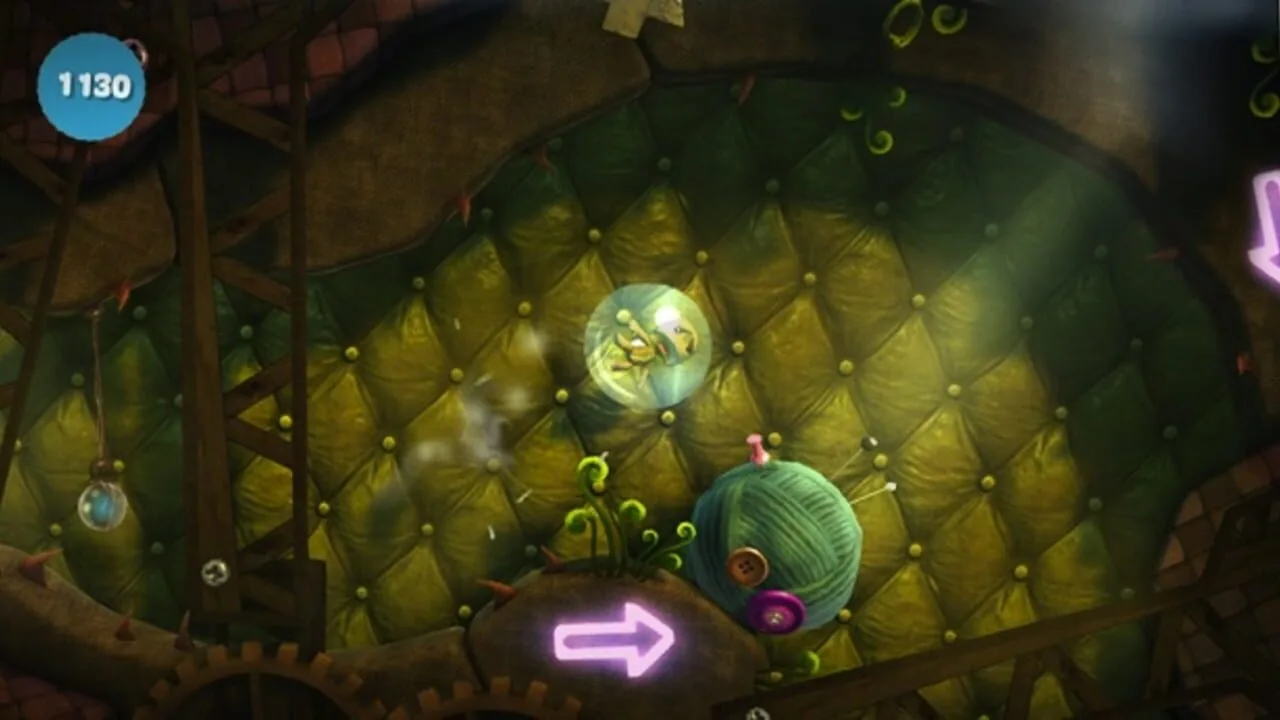
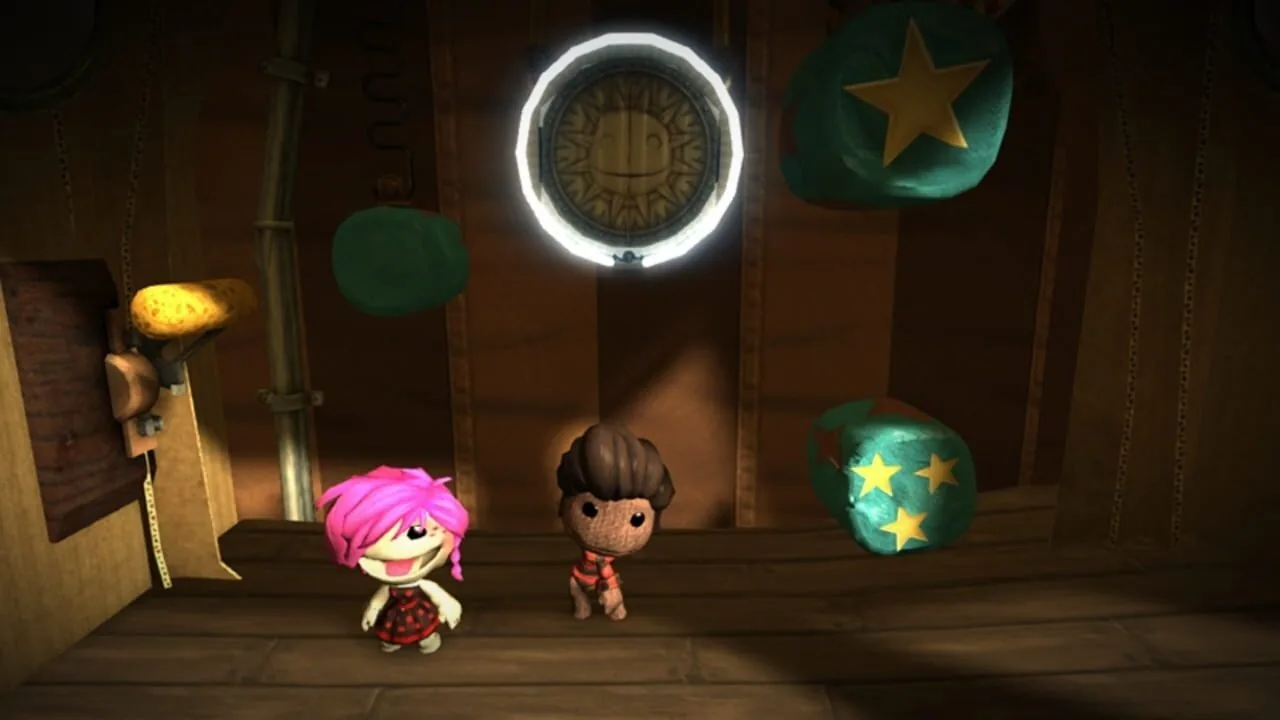
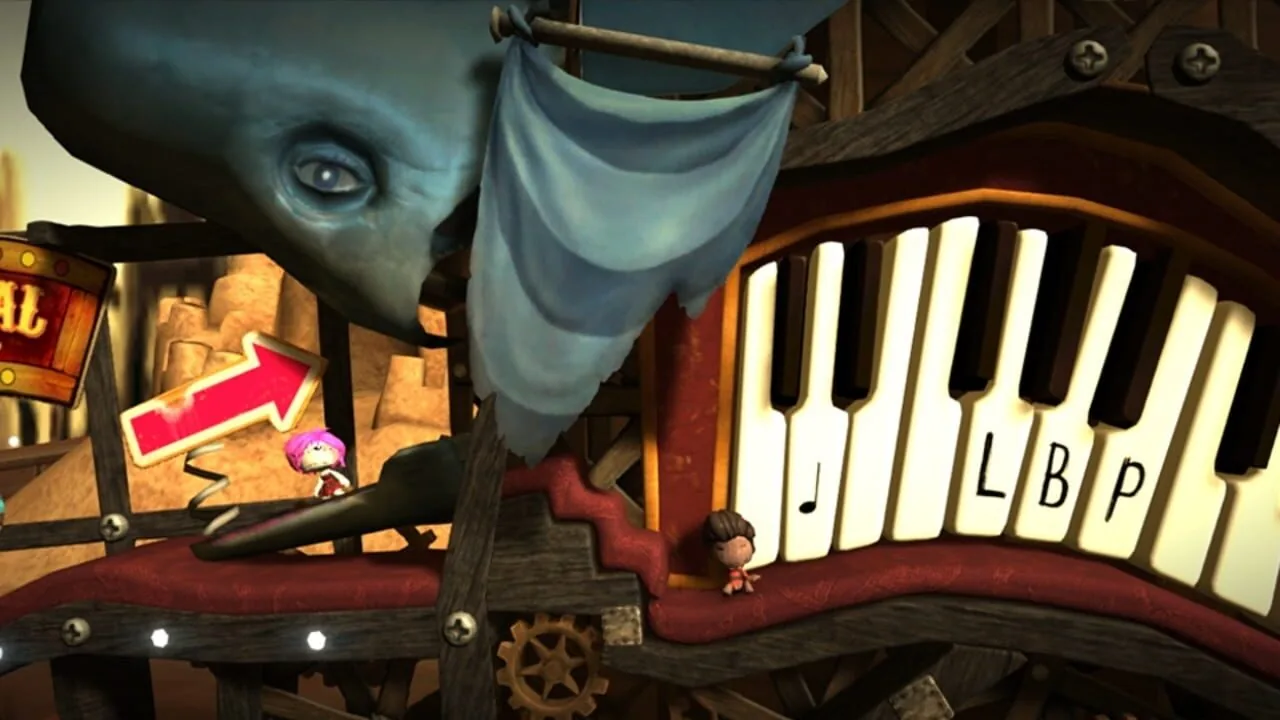
LittleBigPlanet PS Vita sends Sackboy on a completely new adventure filled with exploration and competition. Sony announced it in January 2011, alongside the reveal of the Vita itself, which was then known as the Next Generation Portable. You can use the touch screen to draw objects and platforms straight into the game world, so building is part of playing.
The series was always about creativity, and the Vita version leans into that more than any other handheld game. It is a bright, friendly game that shows off what the Vita can do and a welcome sight for anyone who wants a platformer with heart. Sackboy has never been this hands-on, and the levels are full of surprises.
9. Dragon's Crown (2013)
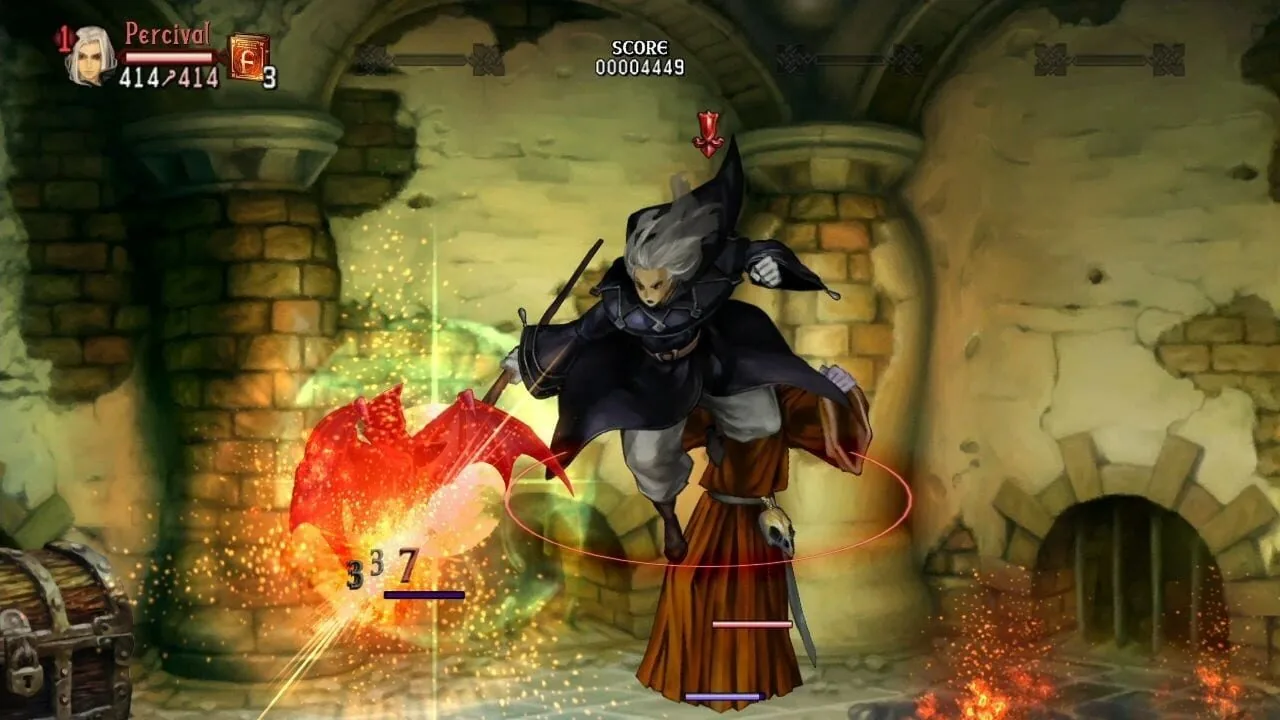
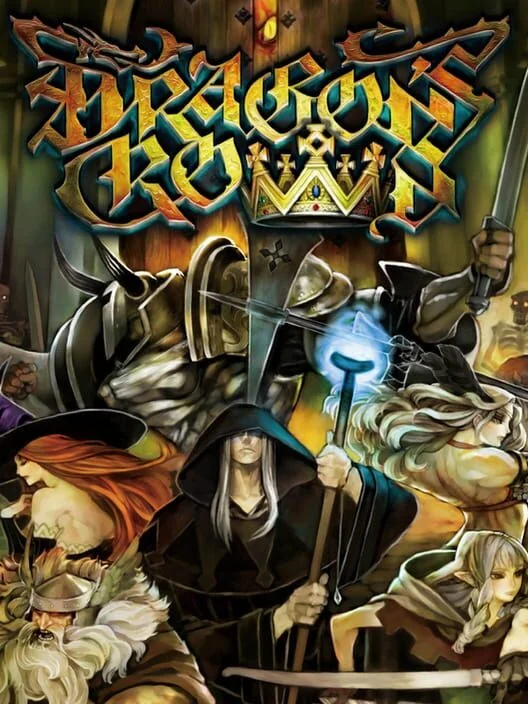
Dragon's Crown is a co-op beat 'em up with gorgeous art and big boss fights. George Kamitani directed it and drew it, and first planned it as a Dreamcast sequel to the 1997 Sega Saturn game Princess Crown. The first publisher, UTV Ignition Entertainment, left the games market, and that is how Atlus took the project.
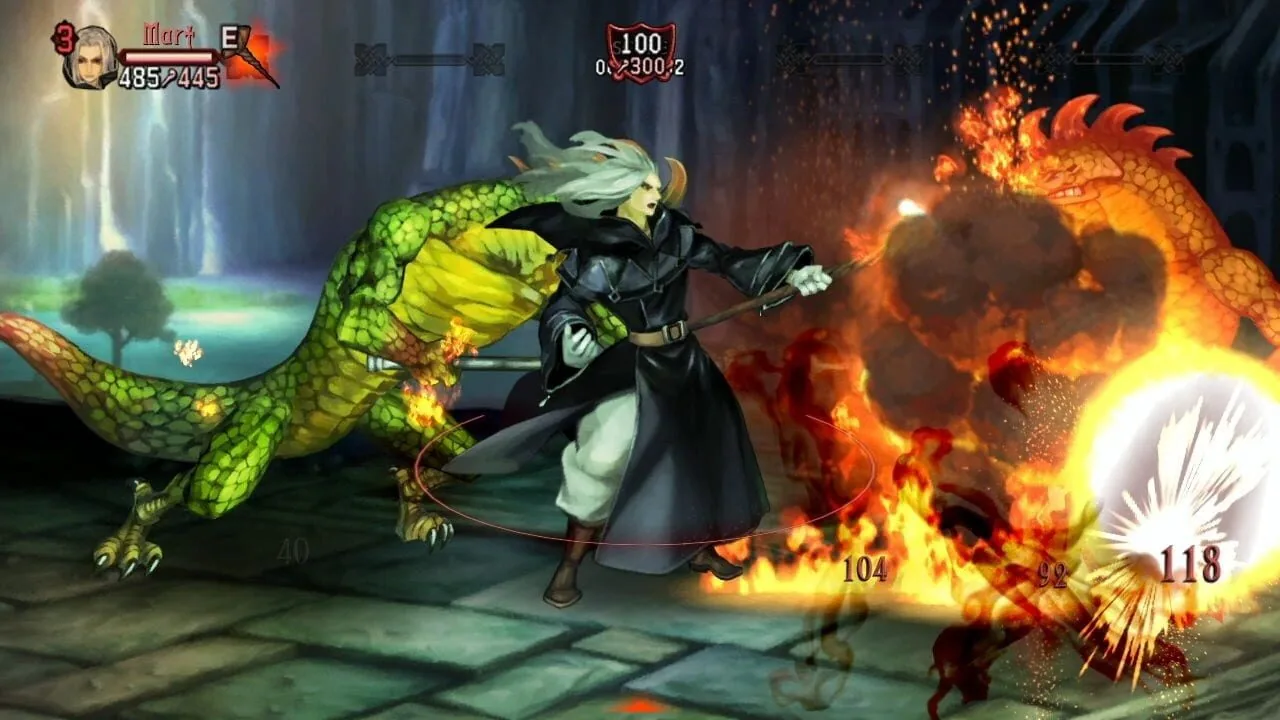
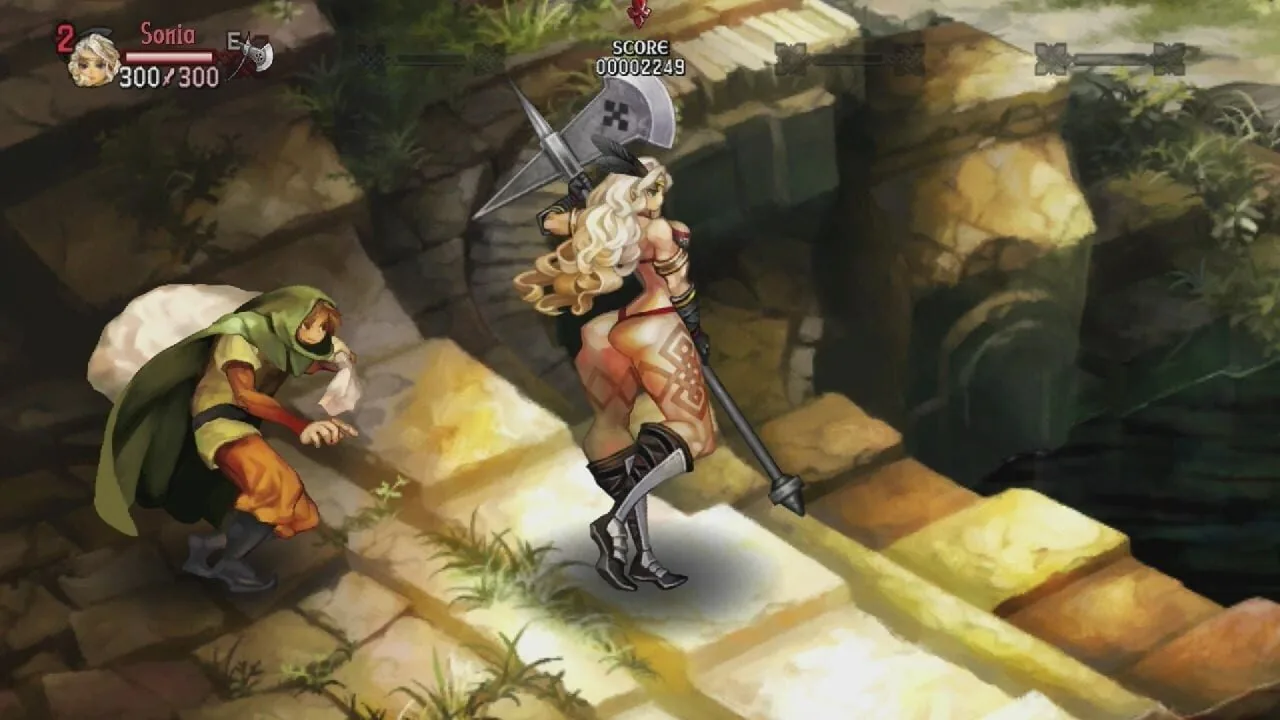
A high-definition port for the PS4, Dragon's Crown Pro, followed in 2018. Critics praised the gameplay and art style, but the story drew criticism. It had sold over one million units by September 2017. Each class plays differently, and the hand-painted art is gorgeous on the Vita OLED screen. Few beat 'em ups look this good. Pick a class and smash.
8. Freedom Wars (2014)
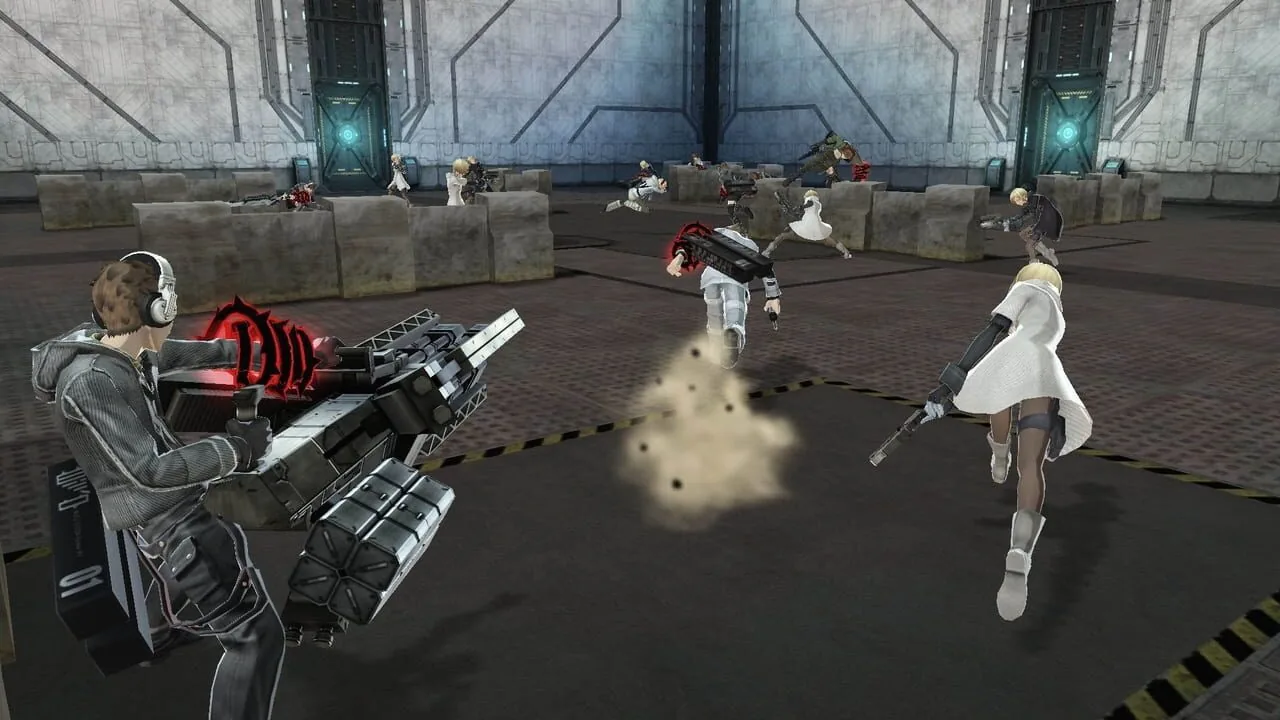
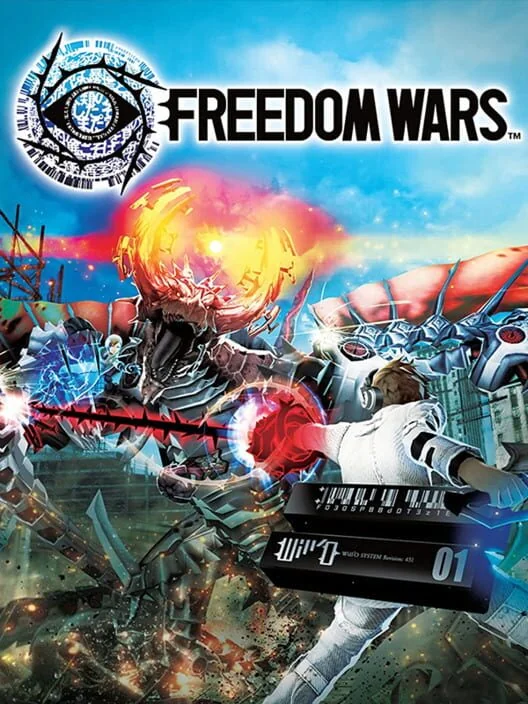
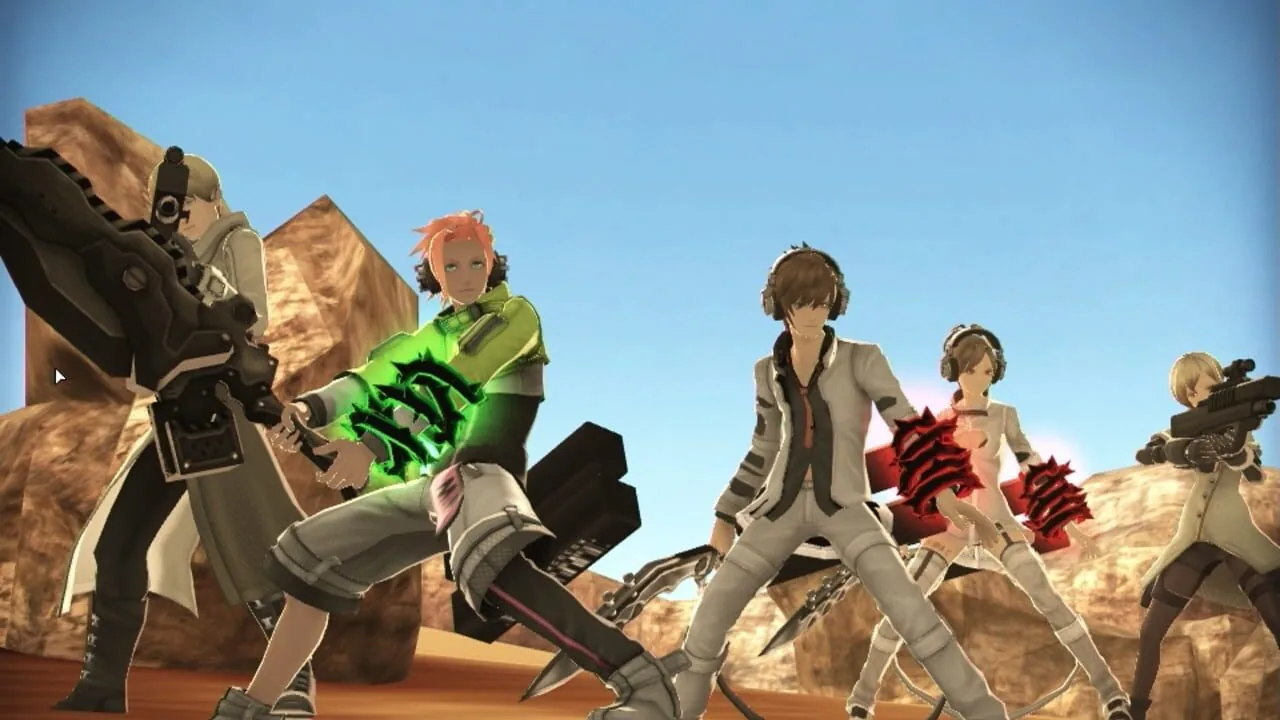
Freedom Wars takes place in a near future where pollution has wrecked the planet and resources are scarce. Harsh penal communities have formed to survive. Based on the philosophy that newborns waste resources, the existence of a person is a crime, and more than 100 million people serve as criminals worldwide. You are one of them, and your sentence starts at 1,000,000 years.
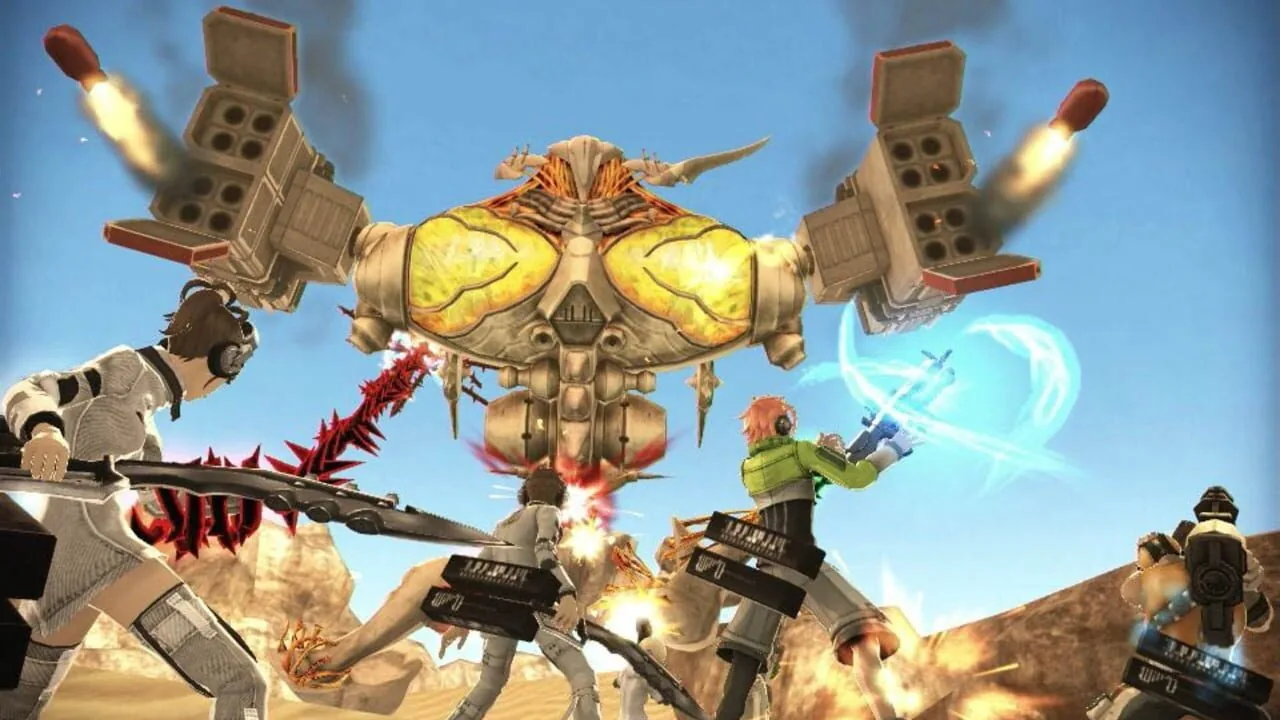
Defeating the Abductors, who capture civilians, reduces your sentence. You are under constant surveillance and work off your crimes through missions. Each Panopticon competes with the others, sending players to seek natural resources and invade rivals, and leaderboards compare the city-states. The setup is grim, and it gives the missions real weight.
7. Hotline Miami (2012)
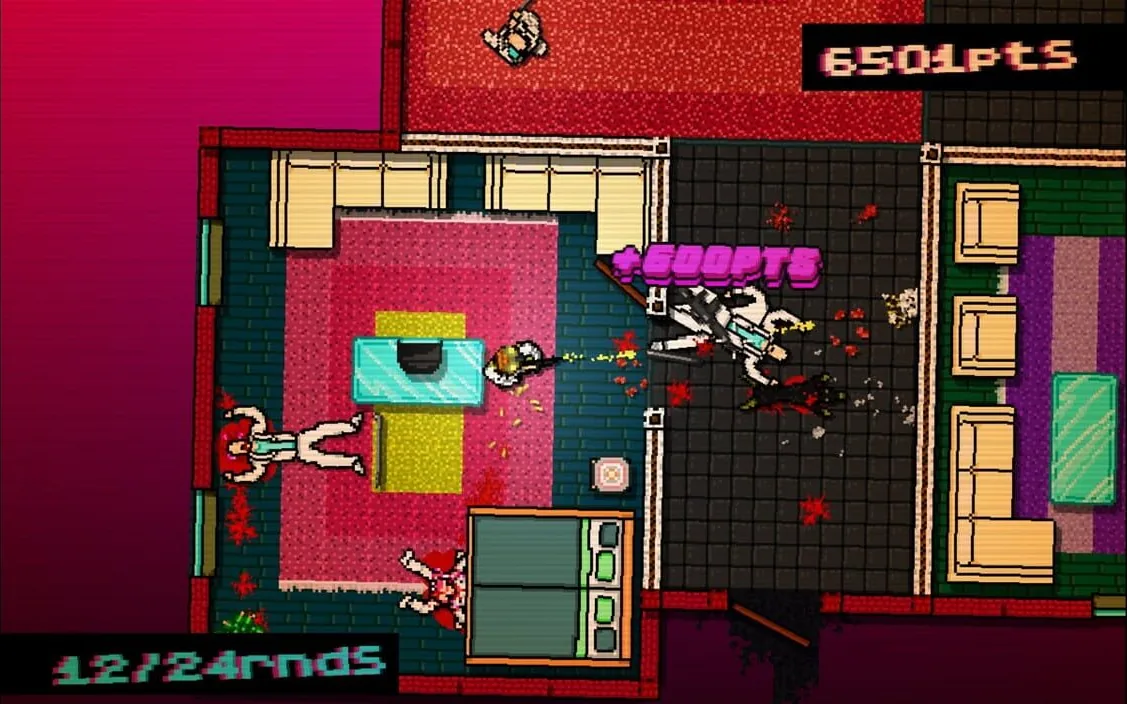
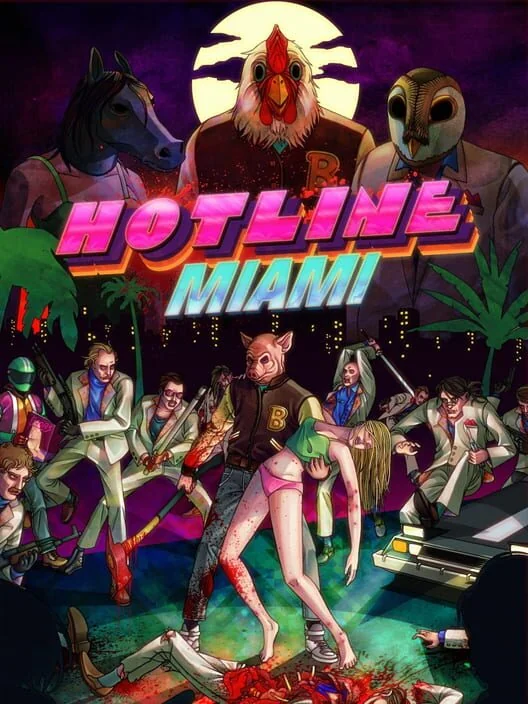
Hotline Miami is a top-down slasher and shooter with unlockable masks and weapons and a neon electronic look. A hitman receives anonymous calls telling him whom to kill. Dennaton Games, a duo of Jonatan Soderstrom and Dennis Wedin, built it over nine months as their first commercial release.
Several artists contributed to the soundtrack, which mixes electronic styles from techno to synthwave. It came out for Windows in October 2012, and the Vita version followed in 2013. Early reviews highlighted the gameplay and the music, though some criticized the controls. It sold 1.5 million copies by May 2015, and the sequel arrived in March 2015. It is hard to put down. Don't answer the phone.
6. Danganronpa: Trigger Happy Havoc (2010)
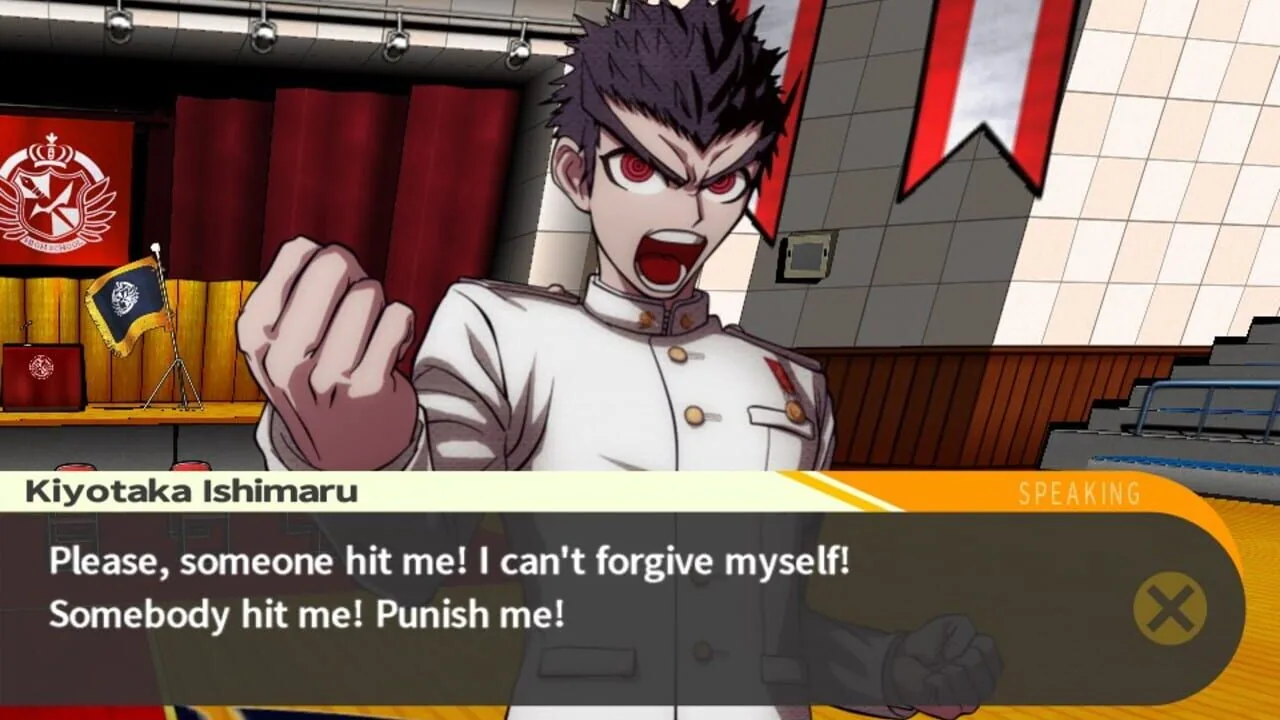
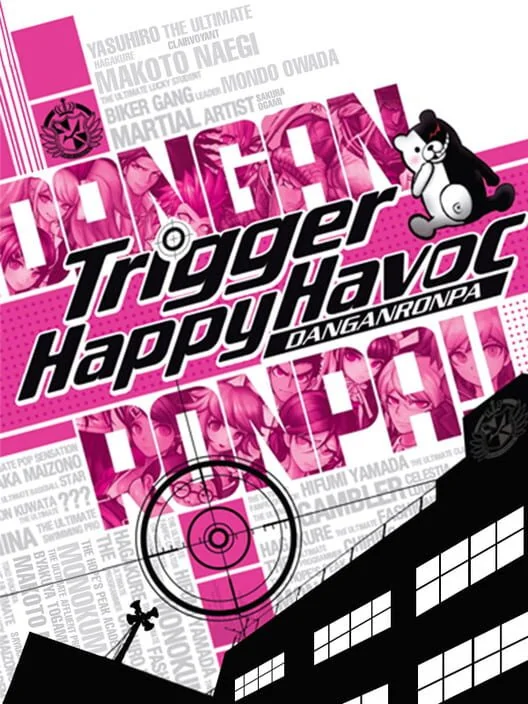
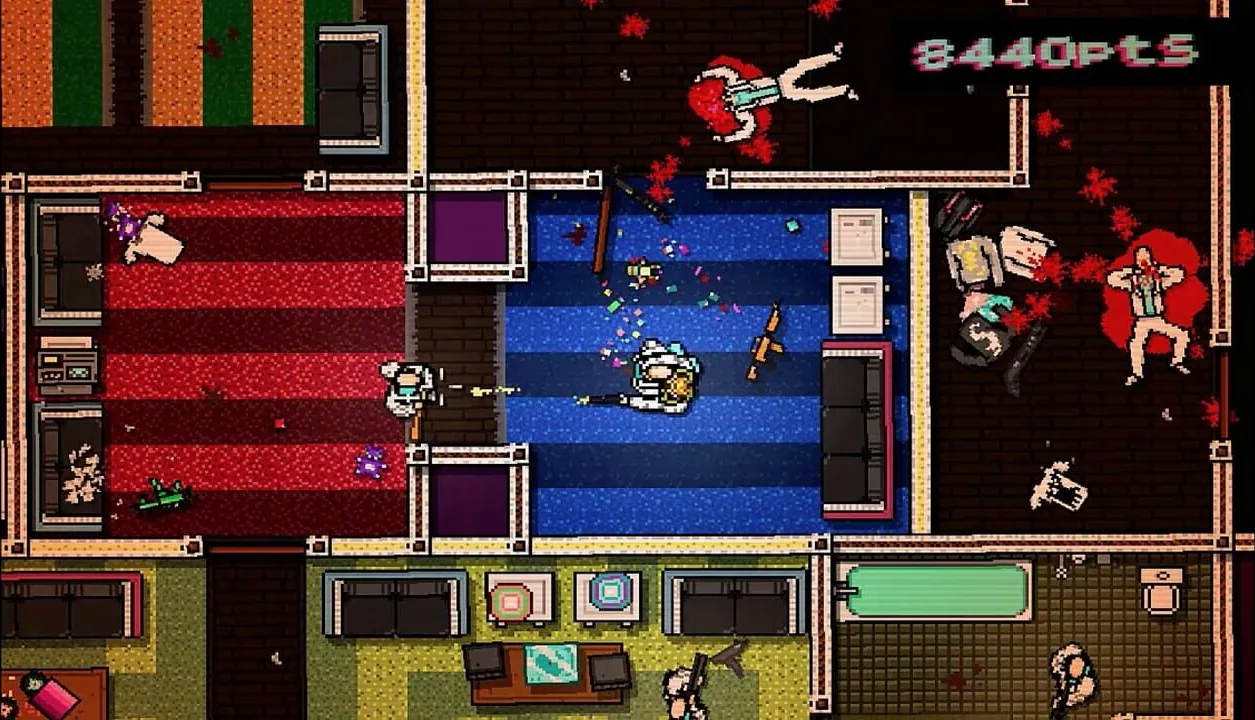
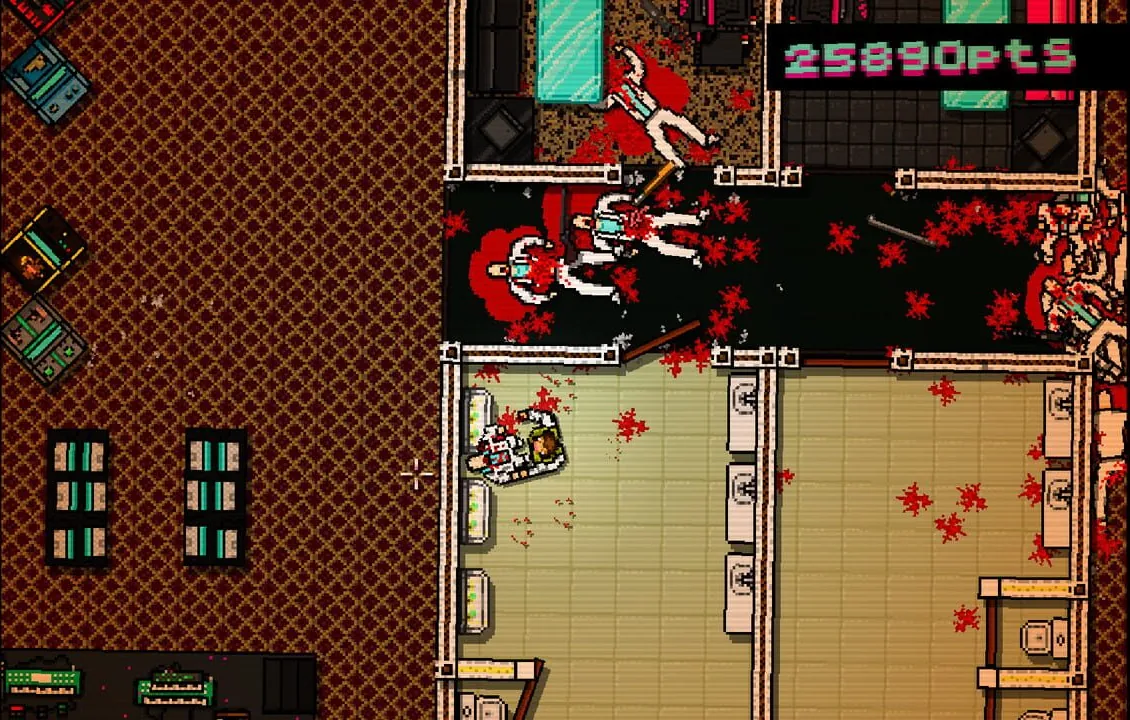
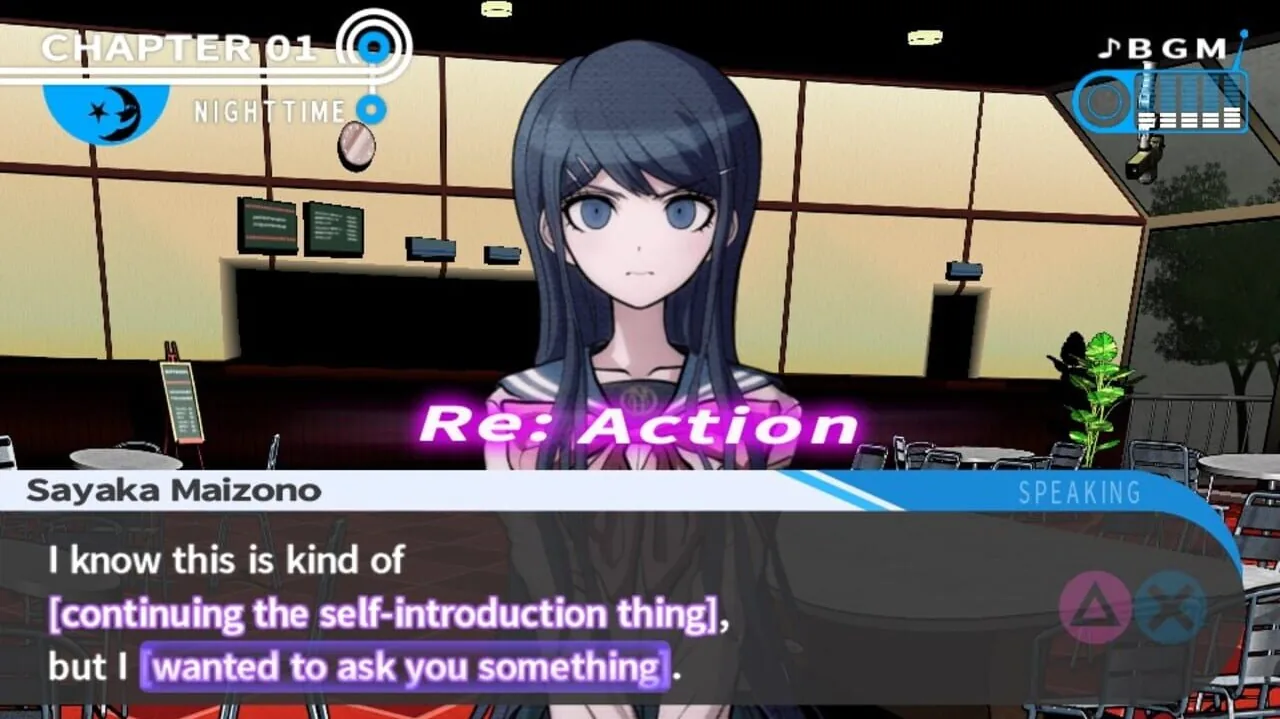
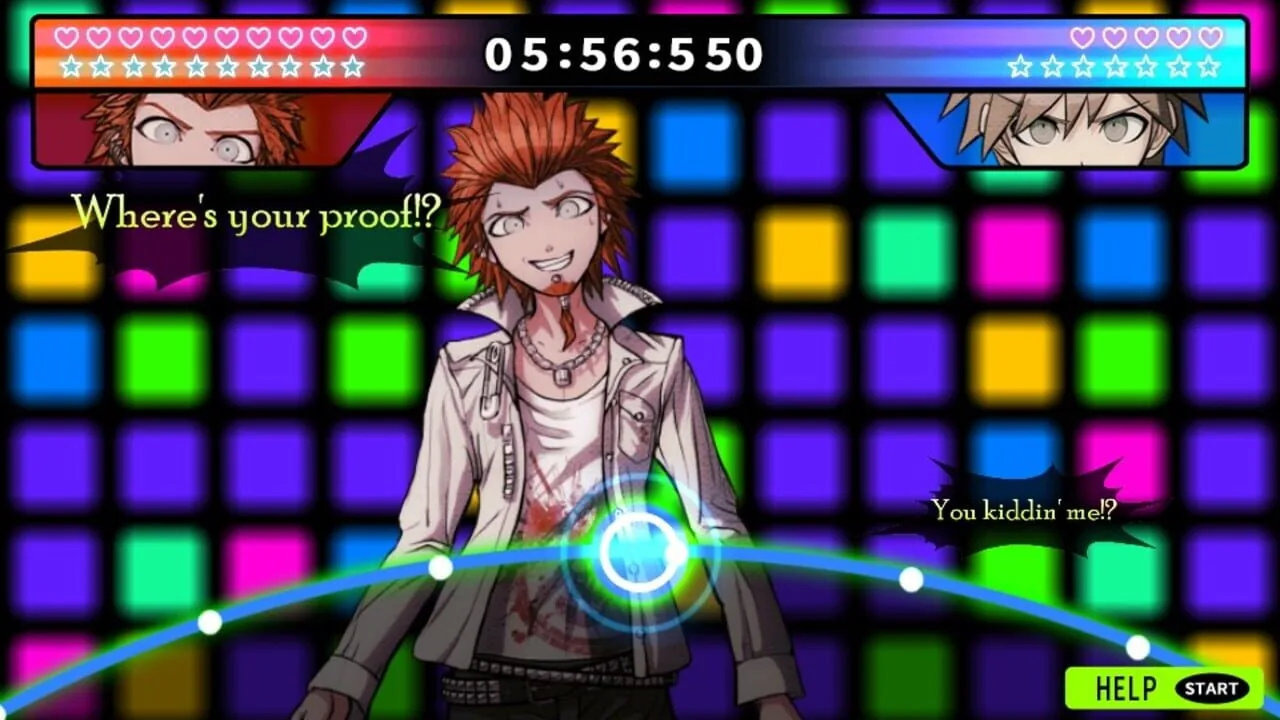
In Danganronpa: Trigger Happy Havoc, you take part in class trials and expose the lies of your classmates to find out who is behind each grisly murder. It was first released on the PlayStation Portable in Japan in November 2010.
NIS America localized it internationally for PlayStation consoles, and the first English release came in 2014. A compilation of both games, Danganronpa 1・2 Reload, came out for the Vita in Japan in October 2013 and worldwide in March 2017. The game was a commercial success with positive reviews for its cast and story. It won awards, although critics were divided on how easy the class trials were. The sequel followed in 2012. Murder mysteries are better when the suspects are this loud.
5. Tearaway (2013)
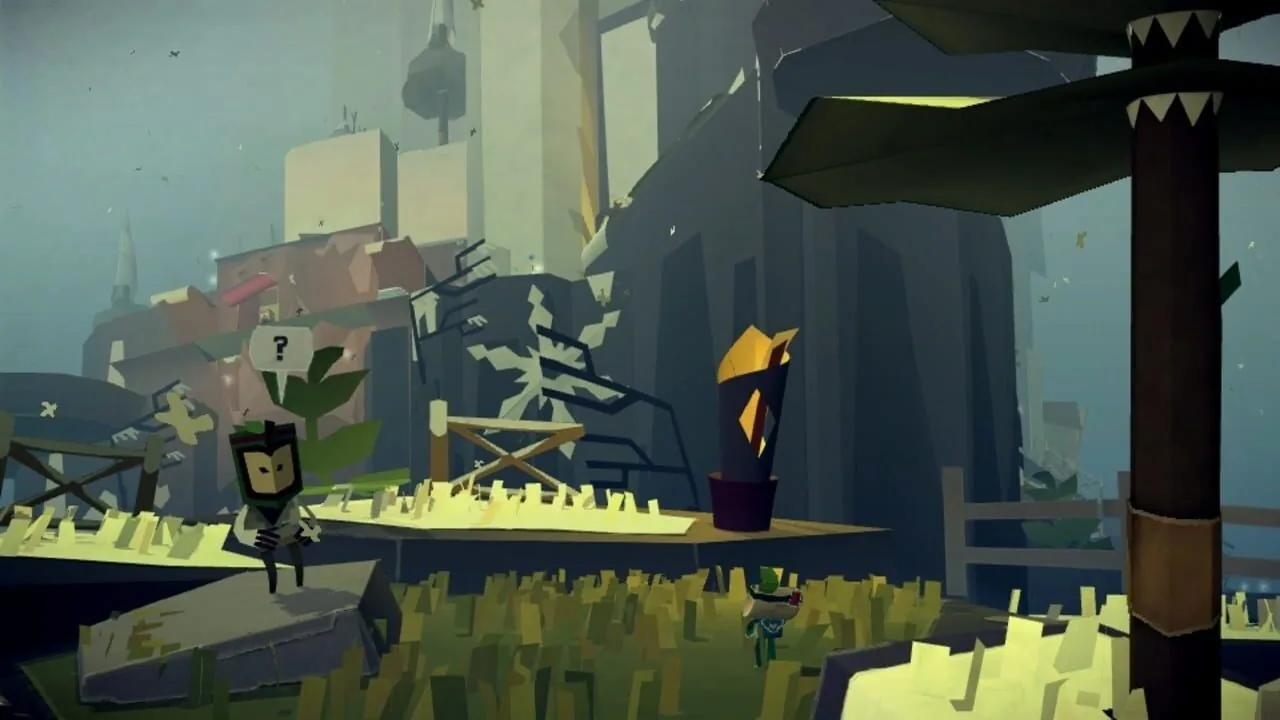
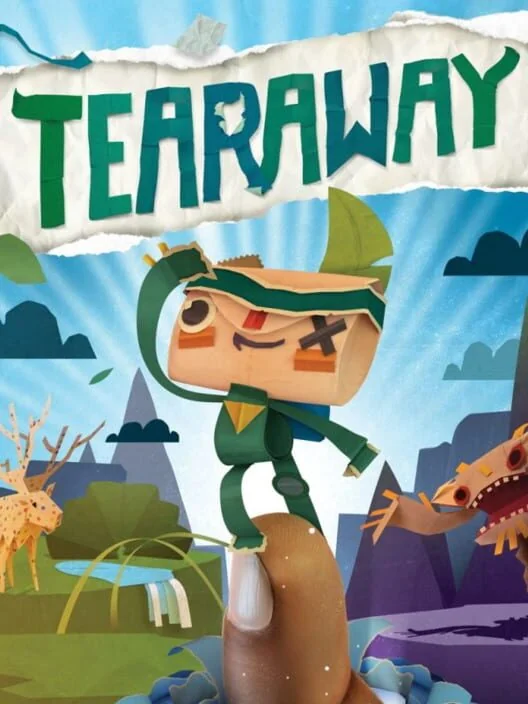
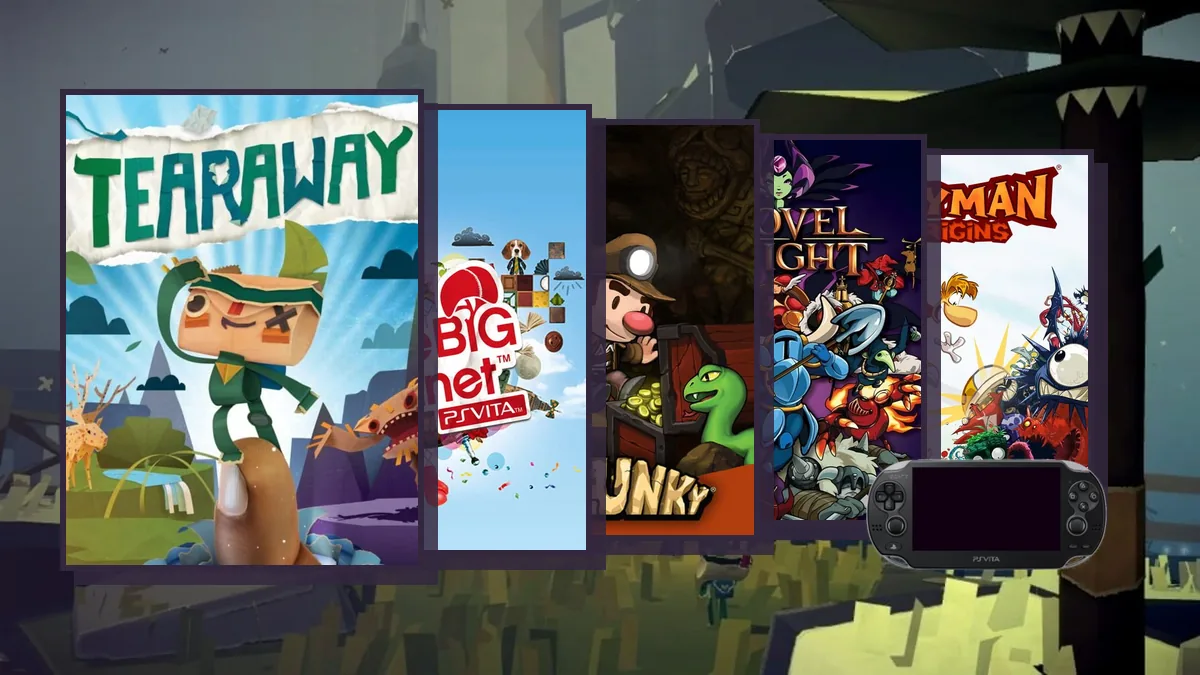
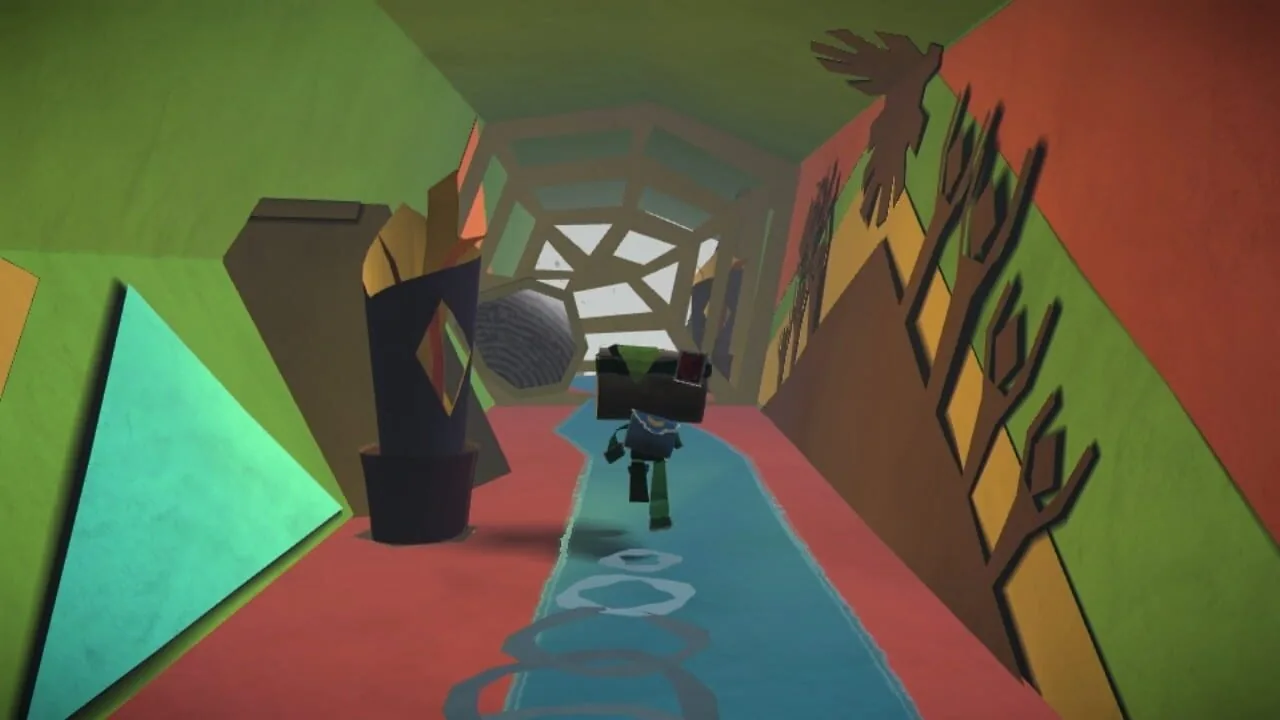
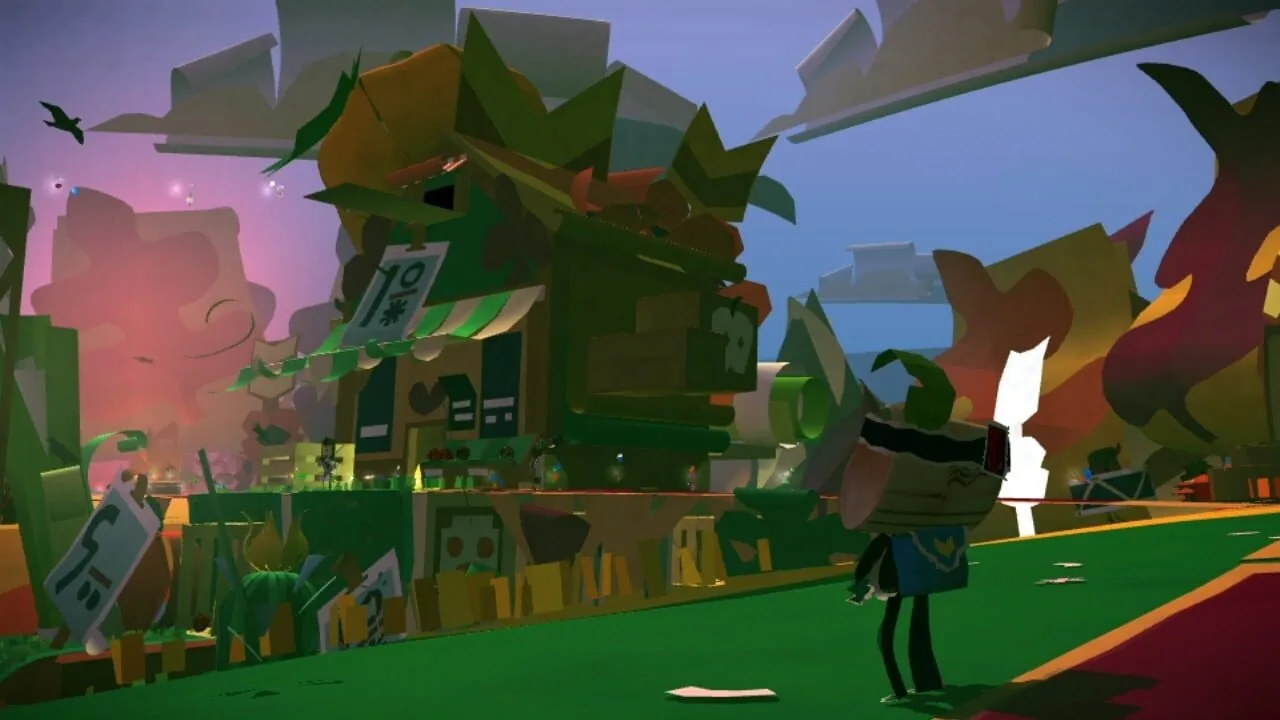
Tearaway lets you explore a paper world that sits right in your hands, and the creative team behind LittleBigPlanet made it. You meet a new friend named Iota or Atoi and set out on a unique adventure. You can customize your messenger by drawing designs on virtual paper and sticking them on. You can also draw a paper crown for a character with your finger.
Early in development Tearaway was called Sandpit and let players roam freely. An expanded remake, Tearaway Unfolded, reached the PlayStation 4 on 8 September 2015, but the Vita original is the version built around the console's touch features. It is charming and a fine showcase for the hardware. Paper never felt so alive.
4. Uncharted: Golden Abyss (2011)
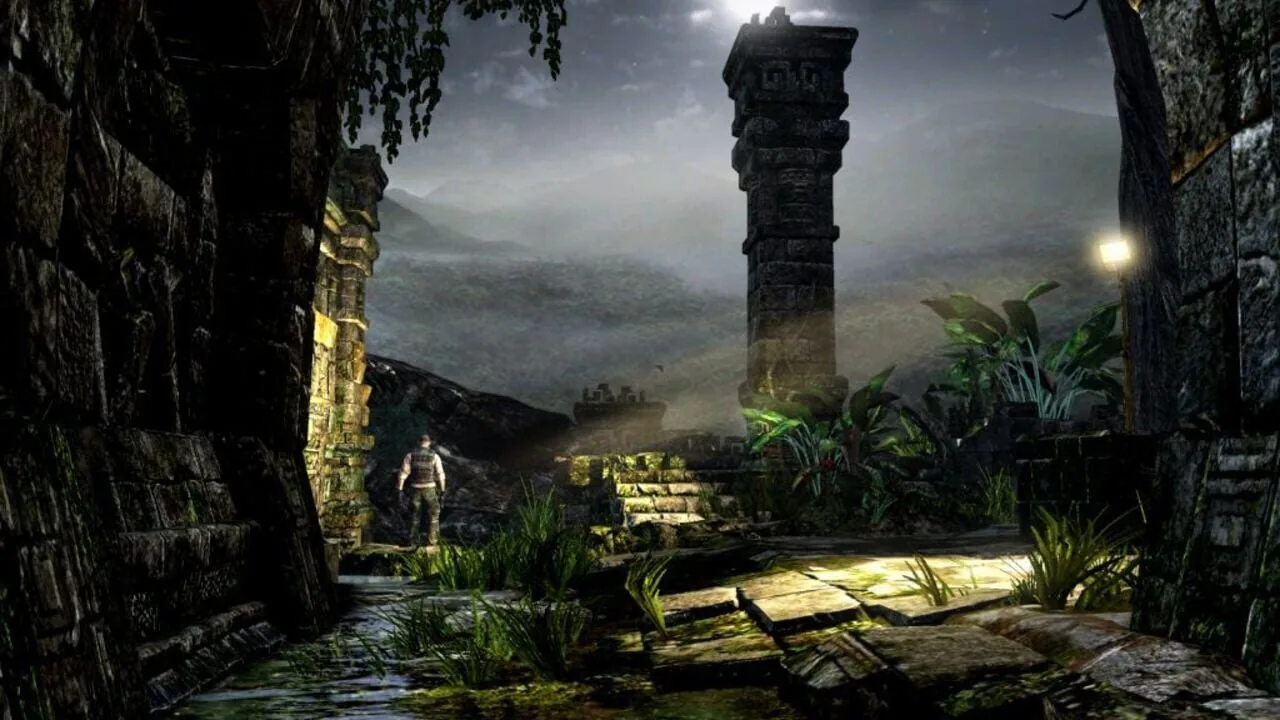
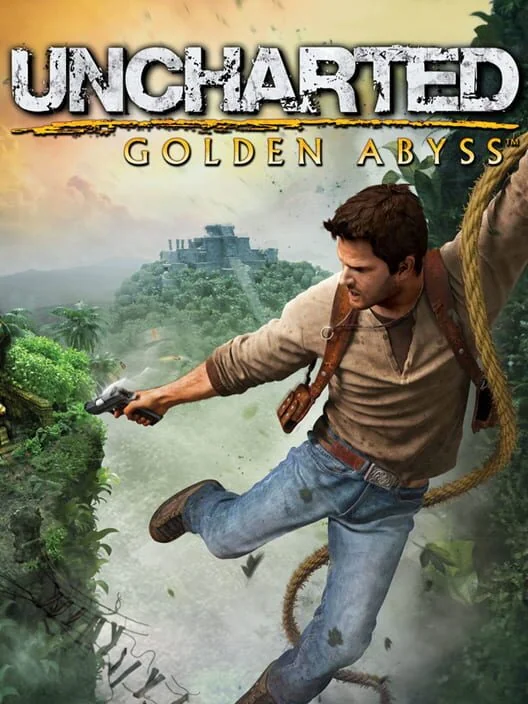
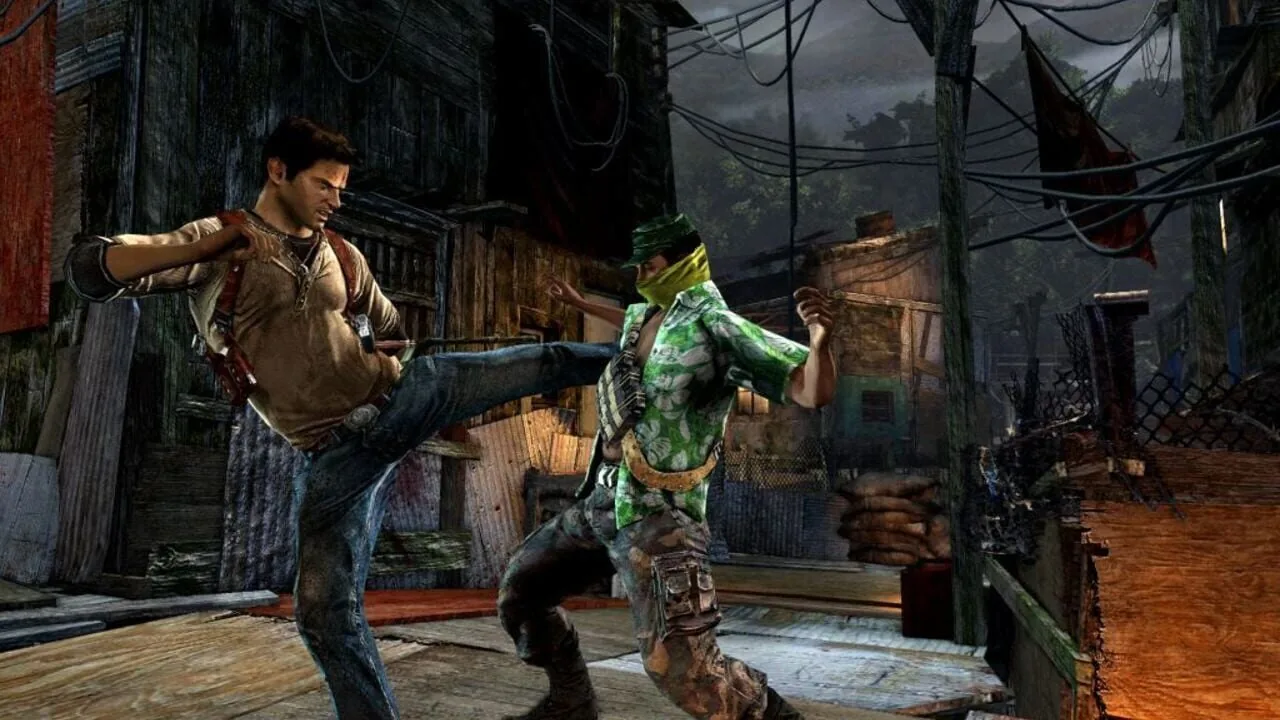
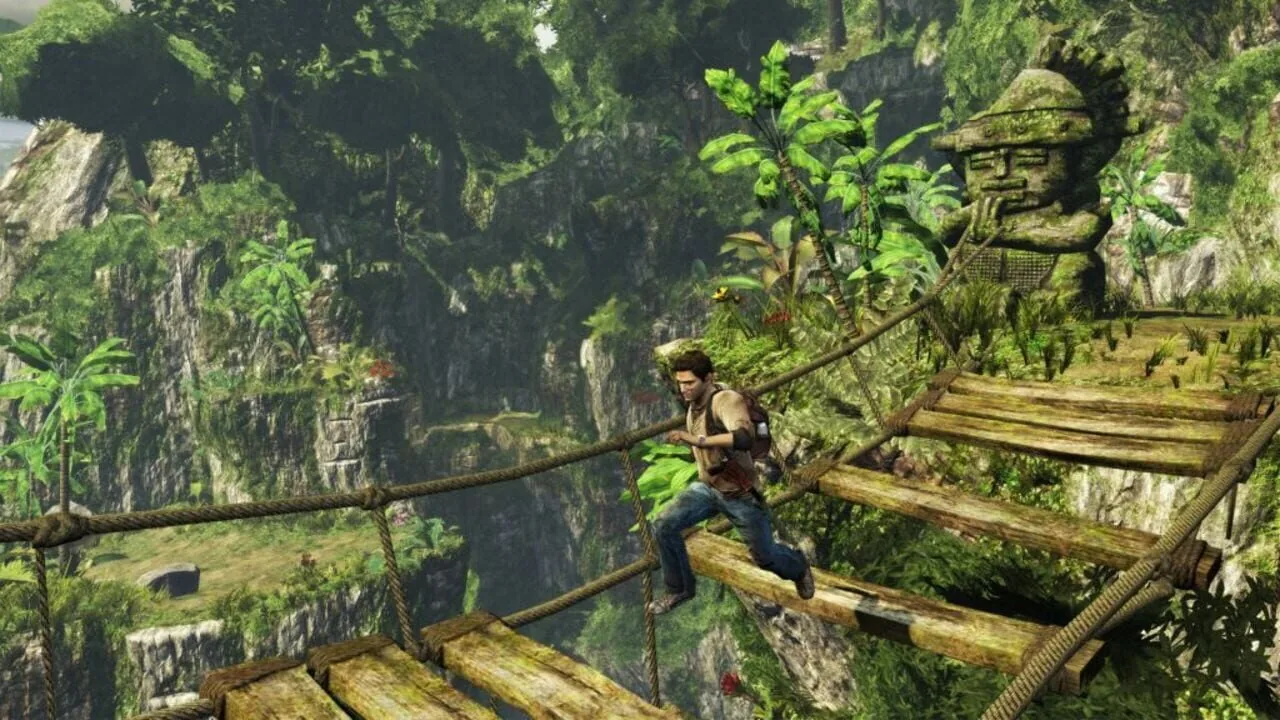
In Uncharted: Golden Abyss, Nathan Drake chases a murderous Spanish sect and digs into the secret behind a 400-year-old massacre. It is a prequel, set before the events of Uncharted: Drake's Fortune, and a spin-off of Naughty Dog's series that launched alongside the console.
Sony asked Bend Studio to build a new Uncharted as a launch title in 2007. Early work used PlayStation 3 hardware because the Vita's specifications kept changing. Naughty Dog oversaw the project, and Bend got assets from the first two games and access to their motion-capture facilities. John Garvin directed and wrote it under Amy Hennig's supervision. It debuted to strong sales and generally positive reviews.
3. Killzone: Mercenary (2013)
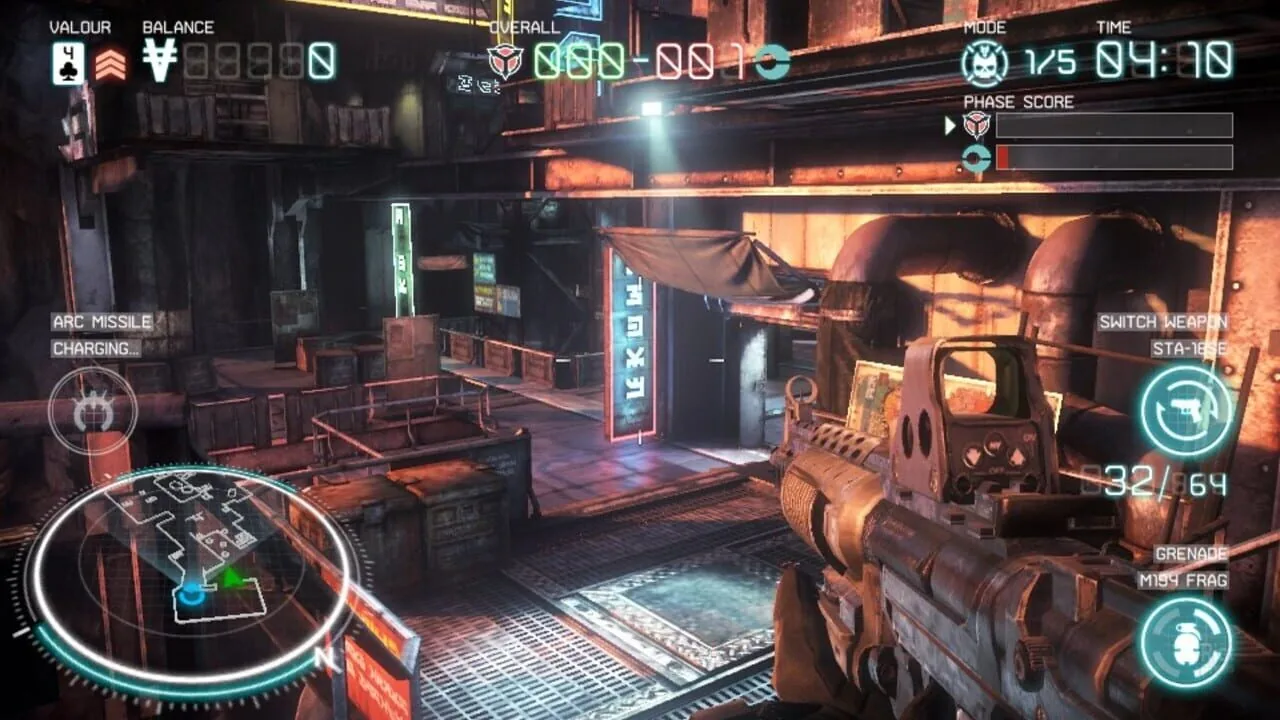
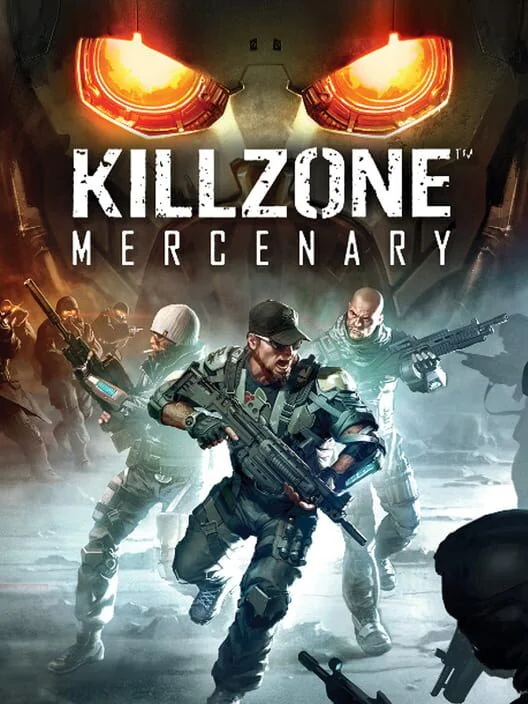
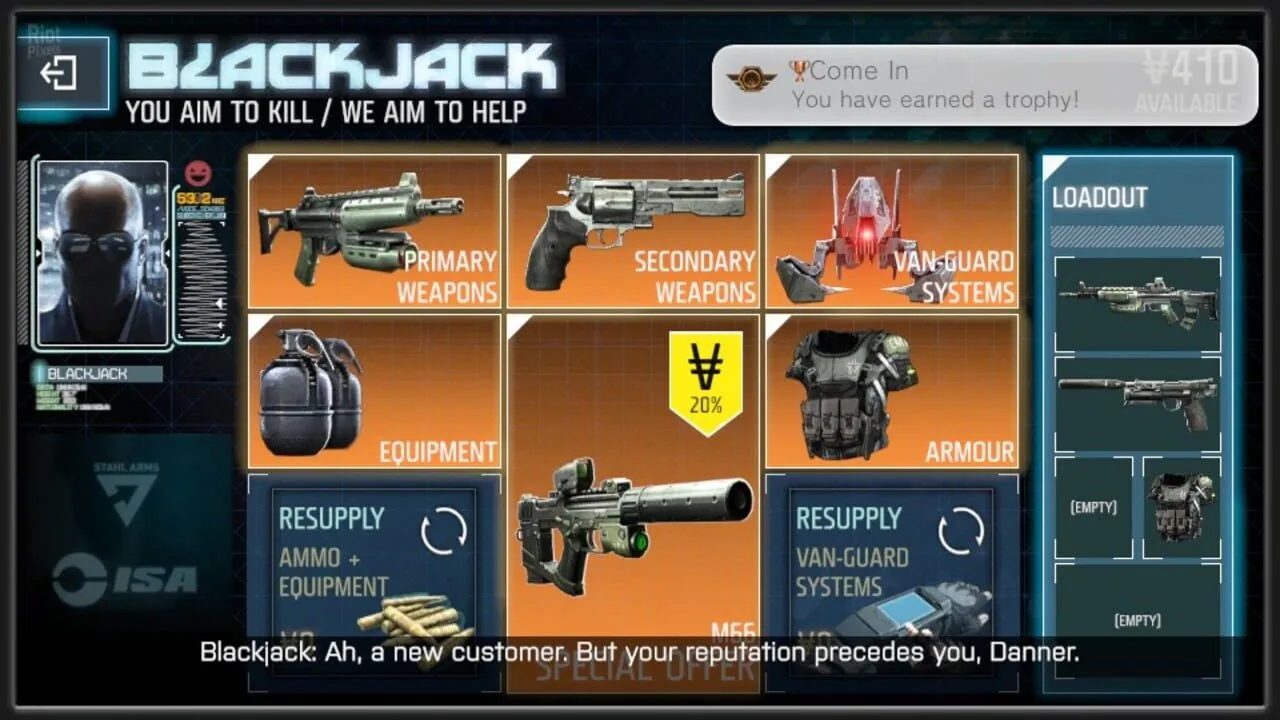
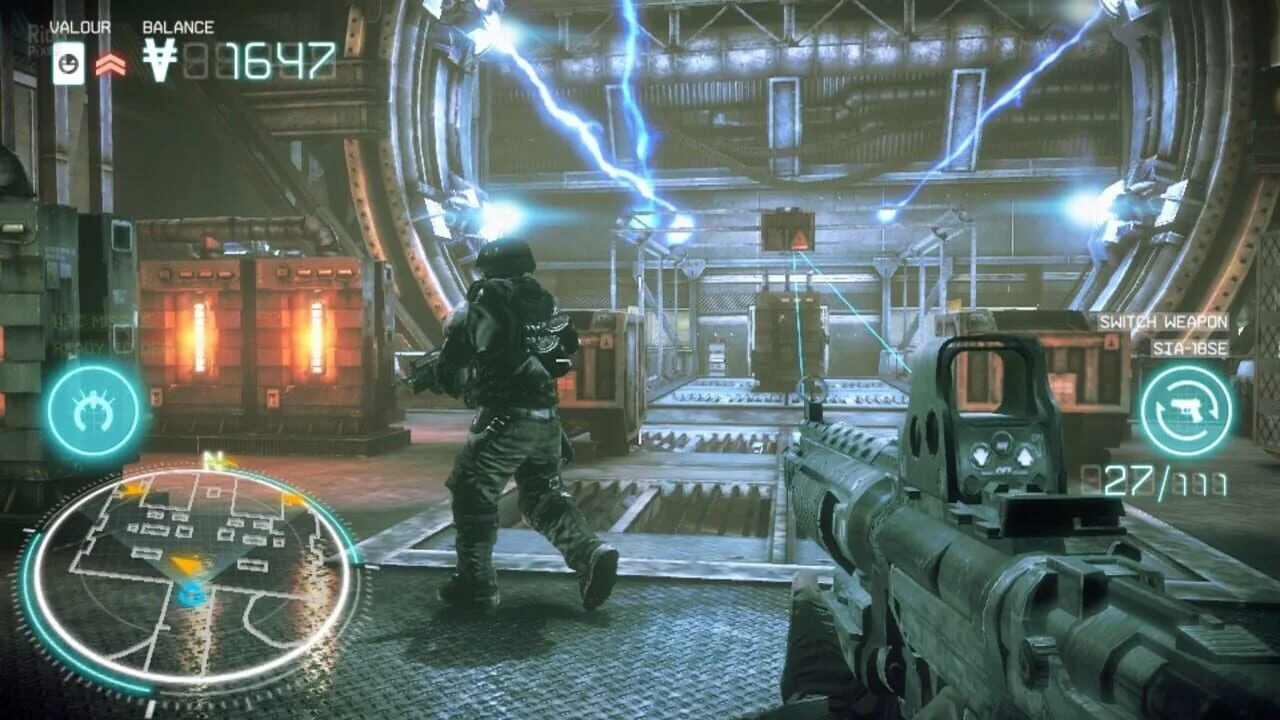
Killzone: Mercenary is a first-person shooter built for handhelds, and it is only the second Killzone game on one. It is the fifth game in the series and the first not developed by Guerrilla Games. You play Arran Danner, a mercenary hired by the ISA, and the story takes place across key events and locations of the first three Killzone games.
For the first time in a Killzone campaign, you can fight alongside Helghast forces as well as the ISA. It was well received as a portable first-person shooter, with praise for the controls and visuals and criticism of the story and campaign length. It is the best shooter on the system. It is the answer to anyone who says handhelds cannot do shooters.
2. Gravity Rush (2012)
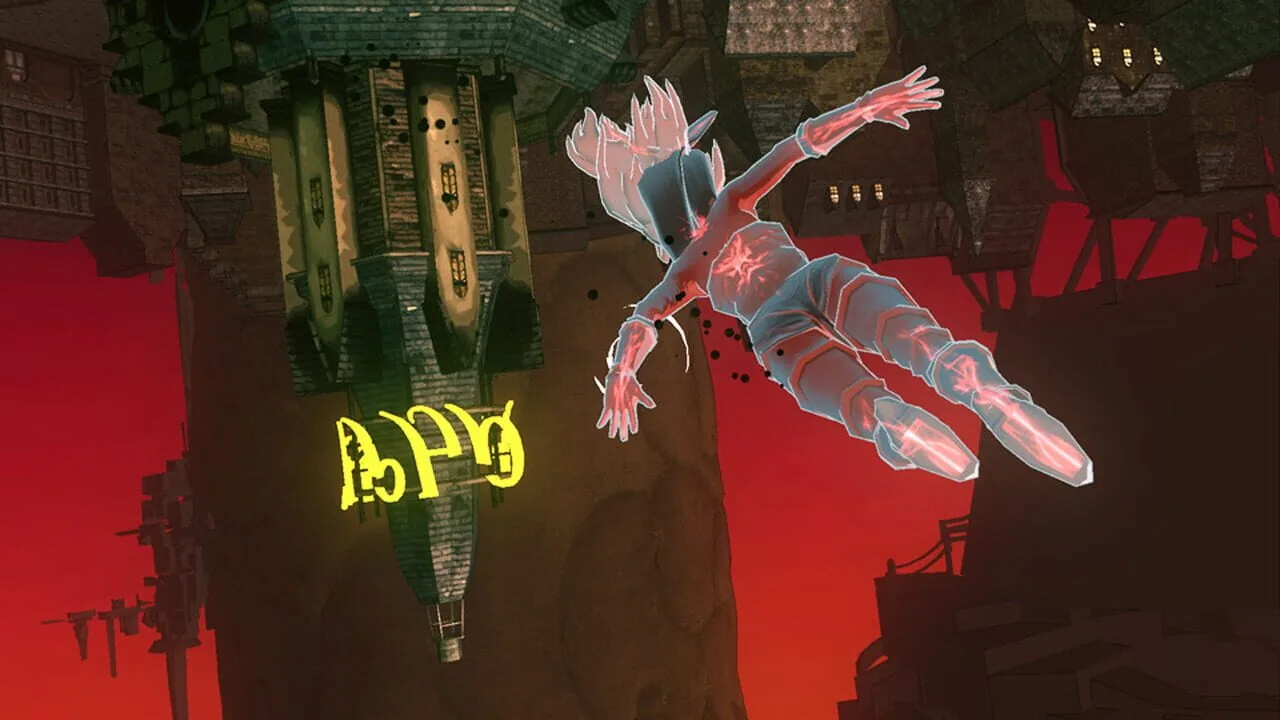
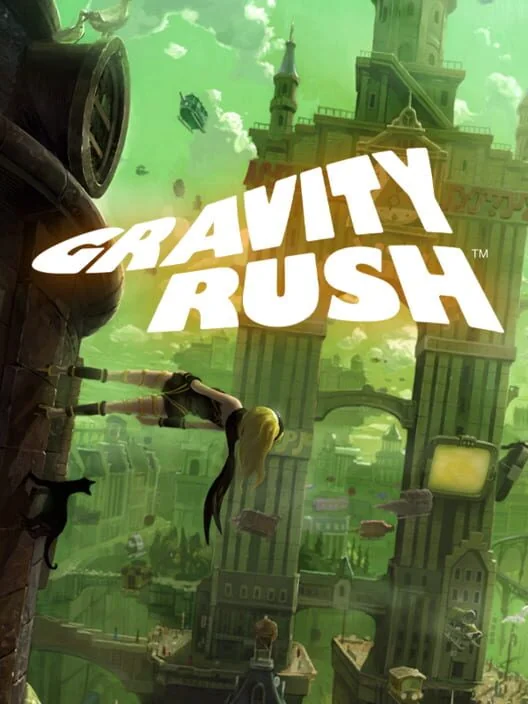
In Gravity Rush you play Kat, a girl with a strong will who wants to protect her future in a crumbling world. You tilt and move the Vita to take gravity into your own hands. Director Keiichiro Toyama conceived it before his work on Silent Hill and Siren, and development began on the PlayStation 3 in 2008 under the title Gravite before moving to the Vita.
The world and its art drew from Japanese and Western comics, including the work of the French artist Jean Giraud. Kohei Tanaka composed the music. Reviews were generally positive, with praise for the art style and Kat's portrayal and complaints about control issues. It had sold 200,000 units by August 2012. Falling upward has never been more fun.
1. Persona 4 Golden (2012)
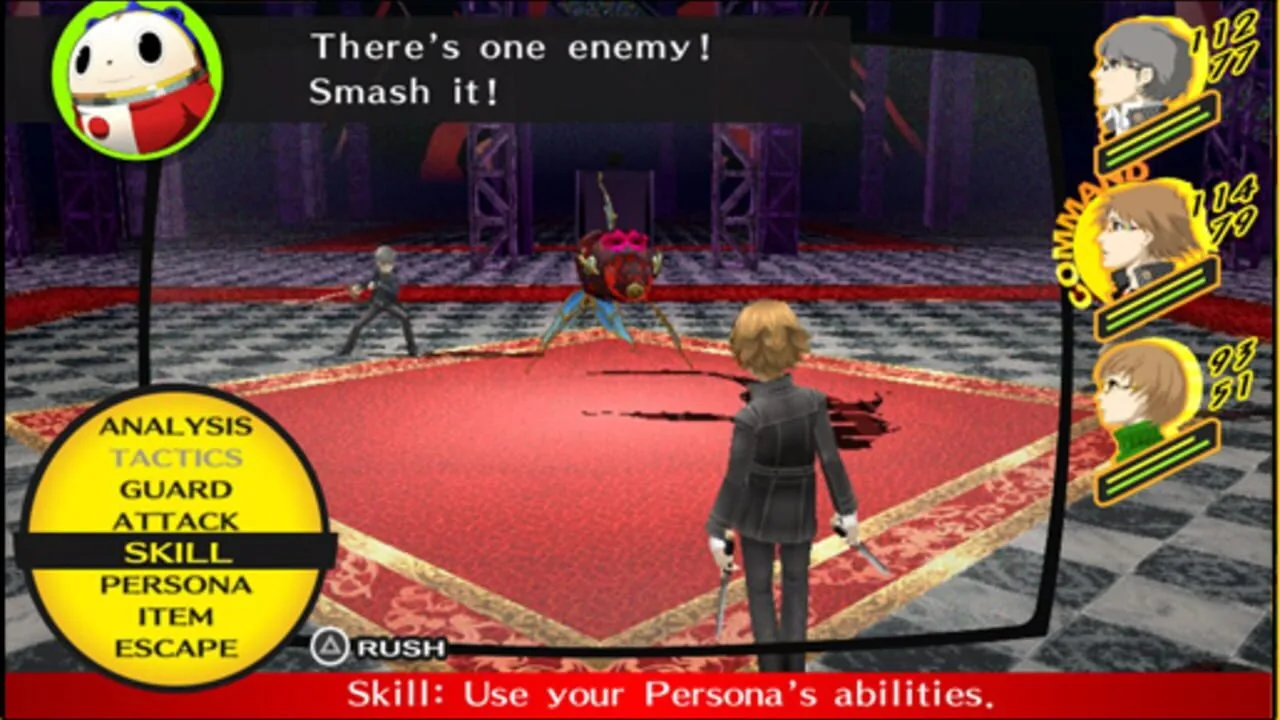
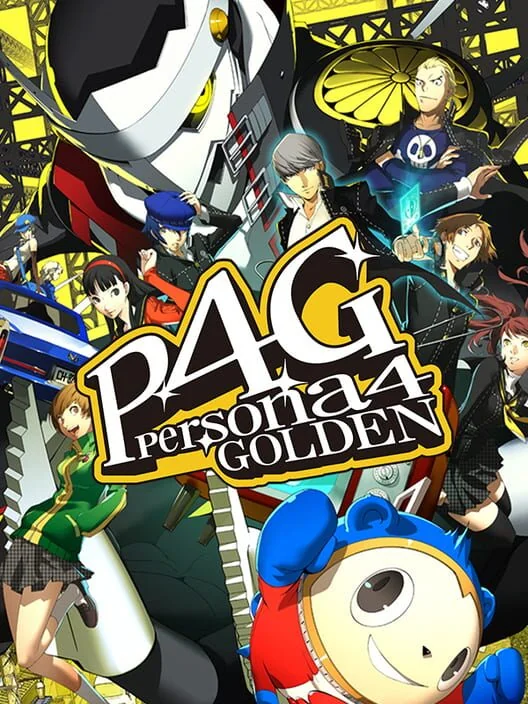
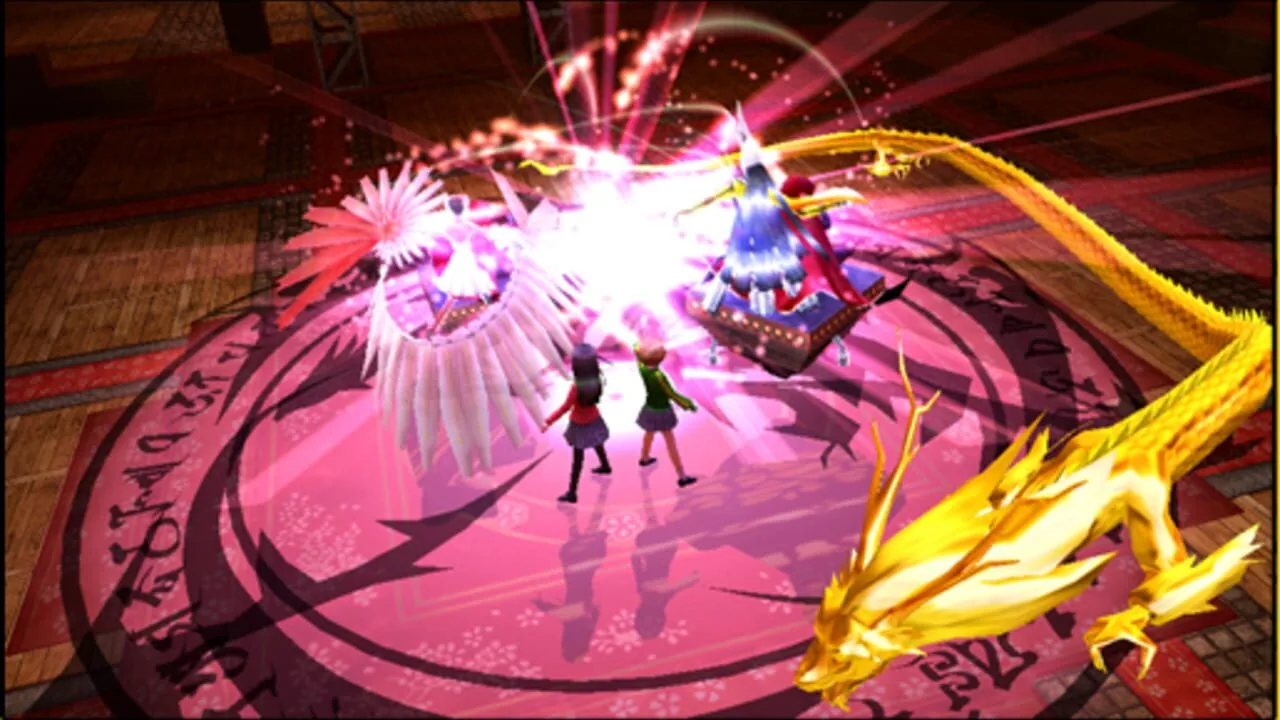
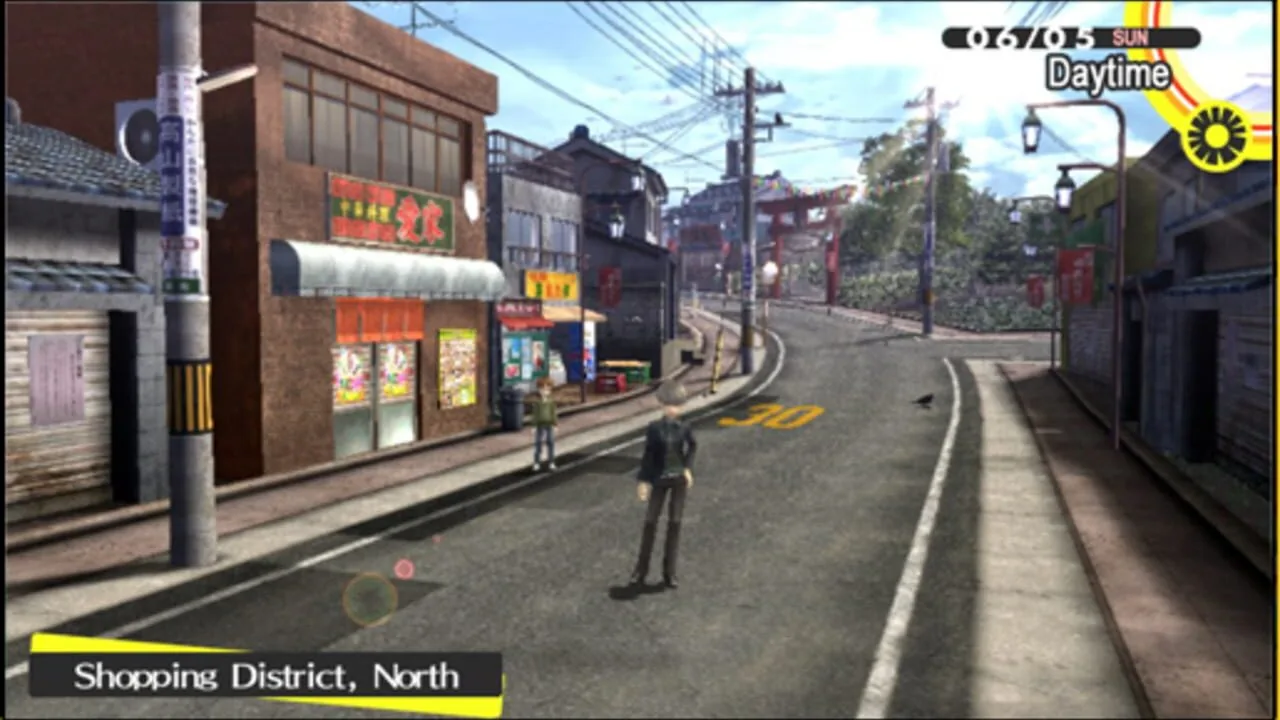
Persona 4 Golden is an enhanced version of Persona 4 that combines turn-based combat with daily life. You play a student who moves from the city to the rural town of Inaba and gets pulled into a series of murders tied to a mysterious world inside television sets. You explore randomly generated dungeons and fight Shadows with summoned Personas, then go to school and build friendships through Social Links.
Golden adds a new character named Marie and many more Personas. It also has online features and extra animated cutscenes. The plot was inspired by mystery novelists, and the countryside setting was based on a town near Mount Fuji. If the Vita has a perfect game, this is it.
Every issue features one game worth playing, plus the latest retro news.