The PS Vita was a lovely place to play RPGs. It had a big, sharp screen and enough buttons for real action games, and Japanese studios kept making role-playing games for it for years. Falcom put Ys VIII on the Vita before any other console, and Trails of Cold Steel came out on it the same day as the PS3 version.
Vanillaware brought its hand-painted 2D games over, and a small crowd of Monster Hunter-style hunting games gave the Vita a co-op scene of its own. Late in its life, indie favorites like Undertale and Darkest Dungeon arrived as ports. Here are the 25 best PS Vita RPGs.

25. Rainbow Moon (2012)
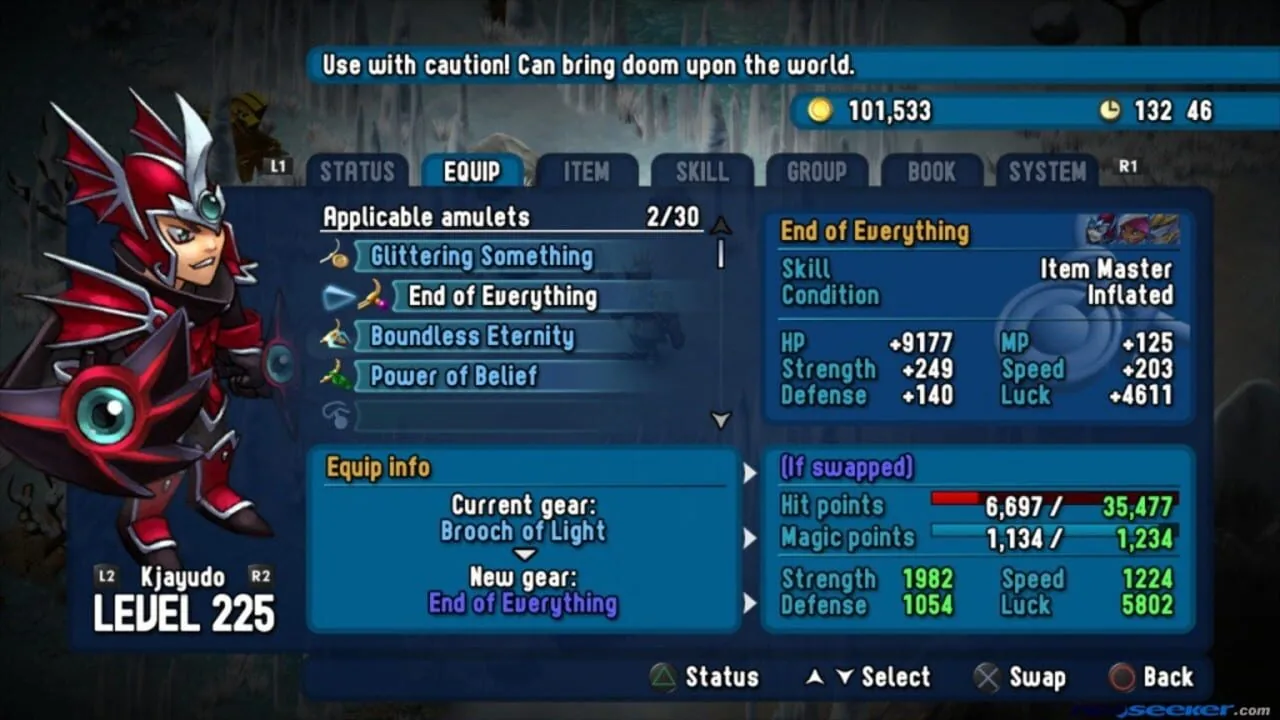
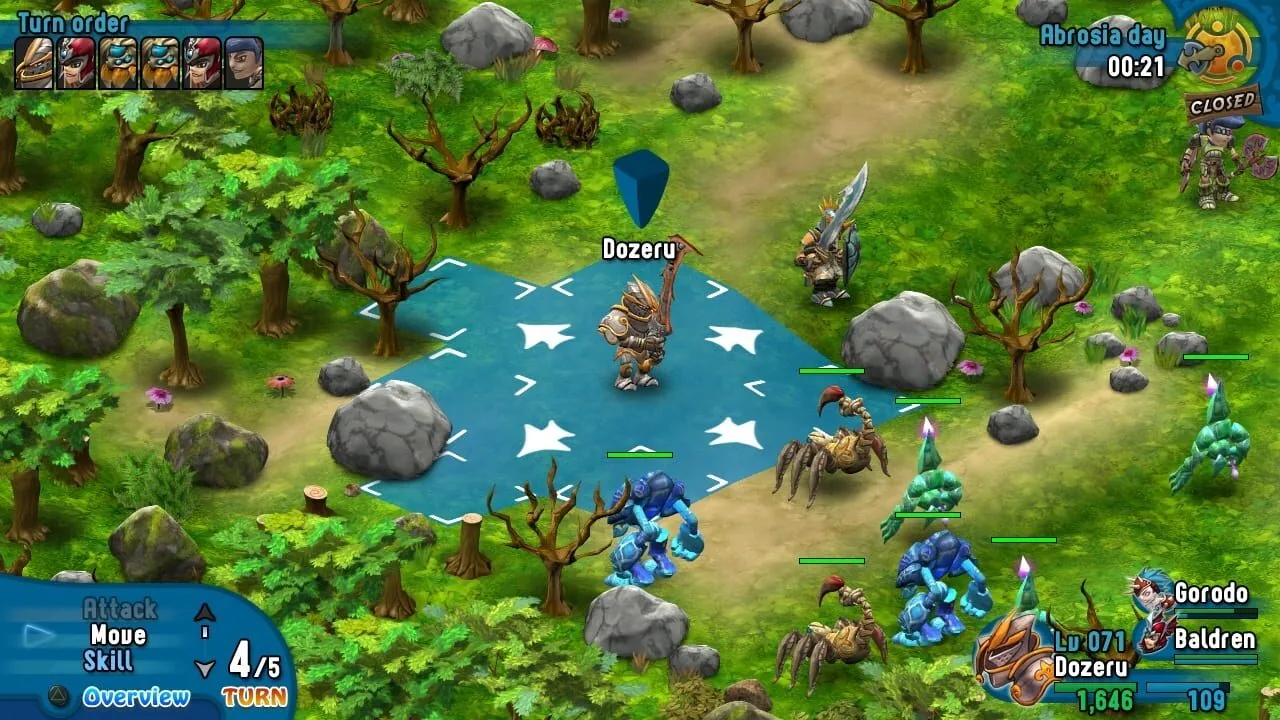
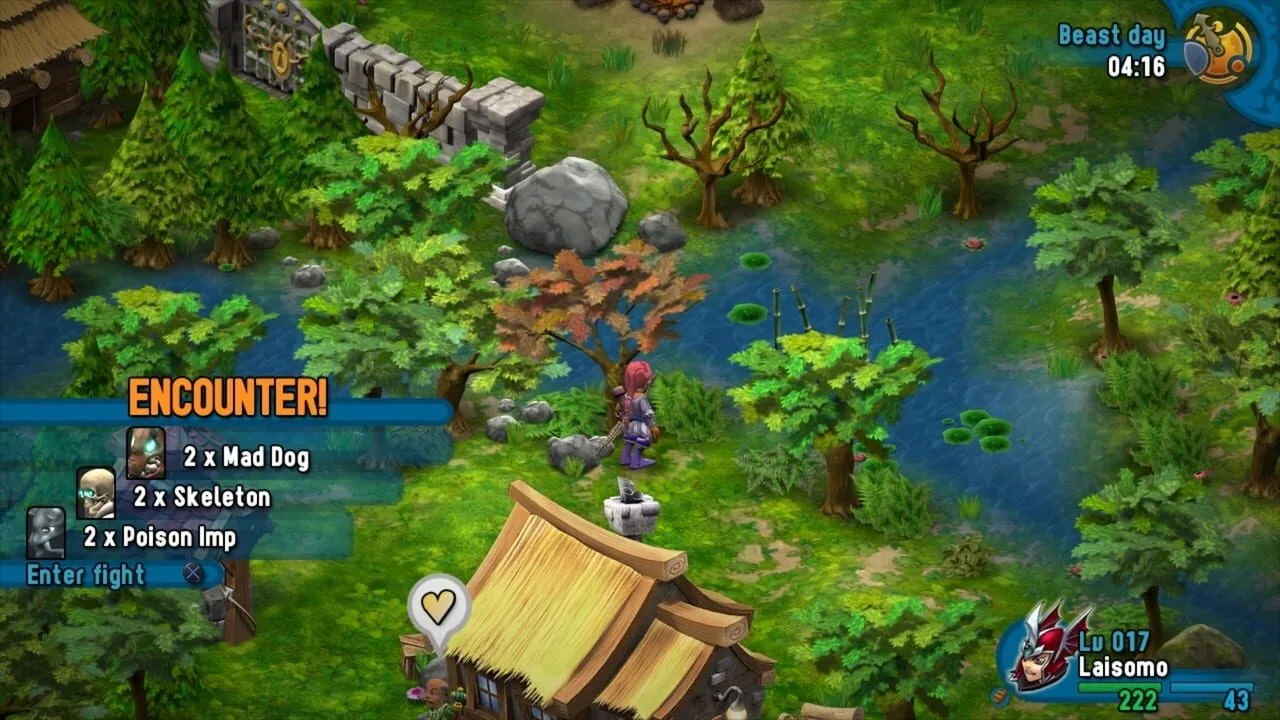
Rainbow Moon was released as a download on the PlayStation Network, for the PlayStation 3, PlayStation Vita and PlayStation 4. For a few years it was digital only, until a limited physical run of the PS4 and Vita versions came out through Limited Run Games on August 19, 2016. It is a turn-based RPG on a grid, the kind you play with a cup of tea and no plans for the evening.
Reviewers praised the length of its main storyline and how complete its systems felt. The complaints were about grinding, with content that reviewers felt forced the player to grind before moving on. If you enjoy watching numbers slowly go up, that is less of a problem than it sounds. A successor, Rainbow Skies, was released in June 2018, and it came to the Vita as well.
24. Toukiden 2 (2016)
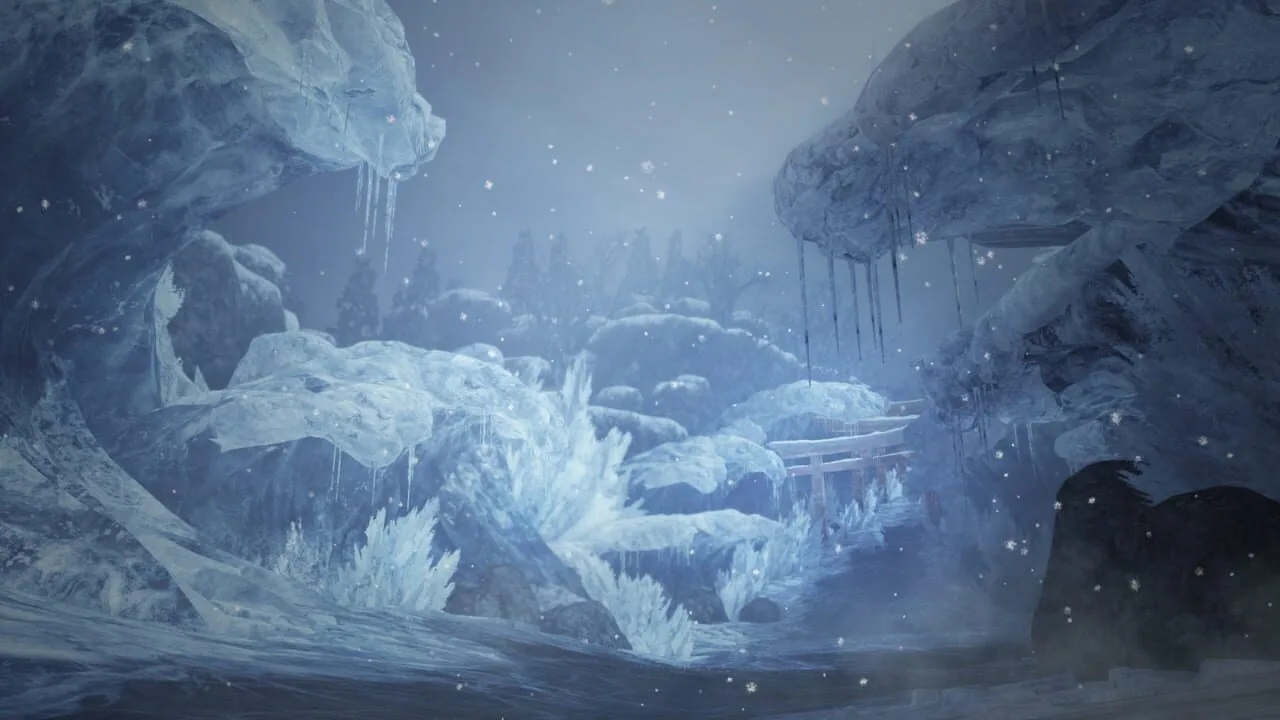
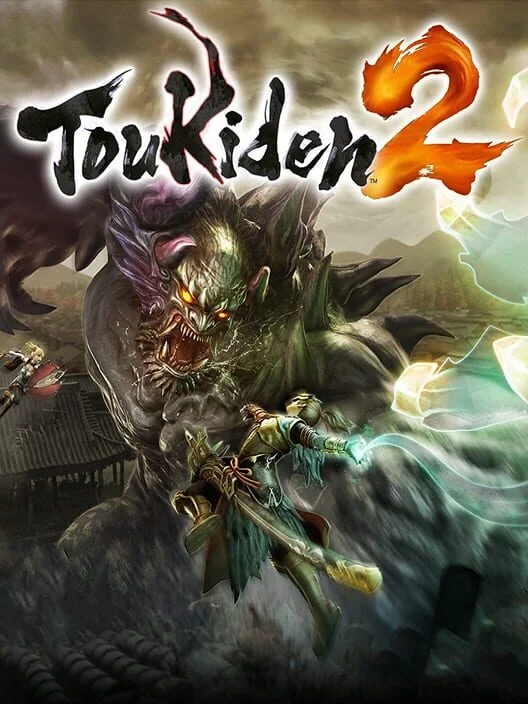
Toukiden 2 is the sequel to Toukiden: The Age of Demons, and it makes the biggest change the series ever made. The hunting no longer happens in separate stages: from the battlefield to the village you use as a base, the game takes place in a vast open world. You still hunt the Oni and break them apart with the targeted destruction system.
The new toy is the Demon Hand, a device developed by the Professor that gives thoughts physical form. Mostly, that means a giant hand. Each Mitama can learn up to nine Boosts, but you can only equip three of them at a time, and choosing them is where a lot of the strategy lives. If the first Toukiden felt boxed in, this is the one that opens the doors.
23. God Eater 2: Rage Burst (2015)
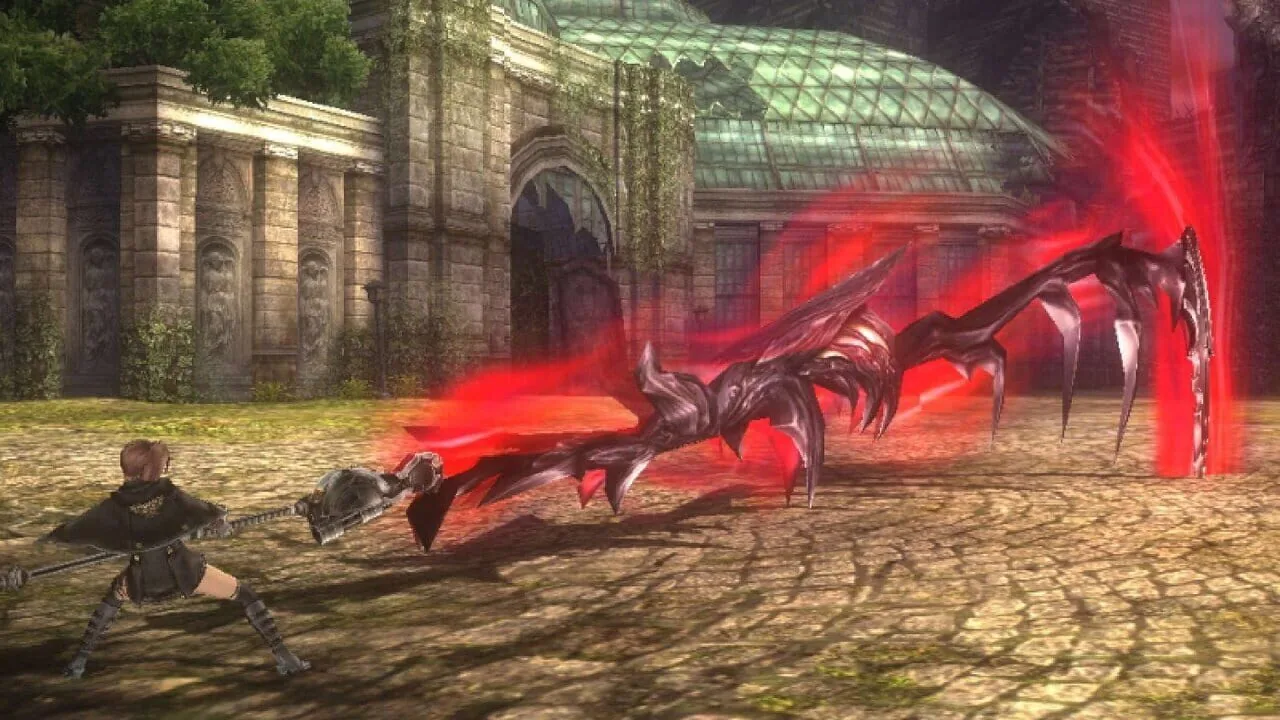
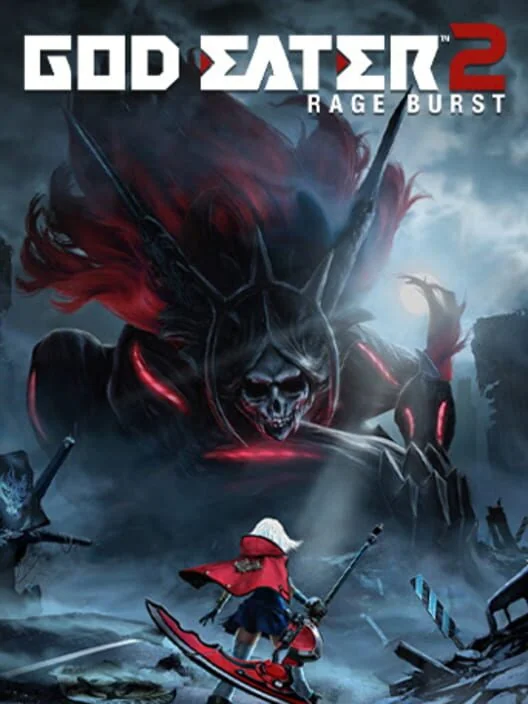
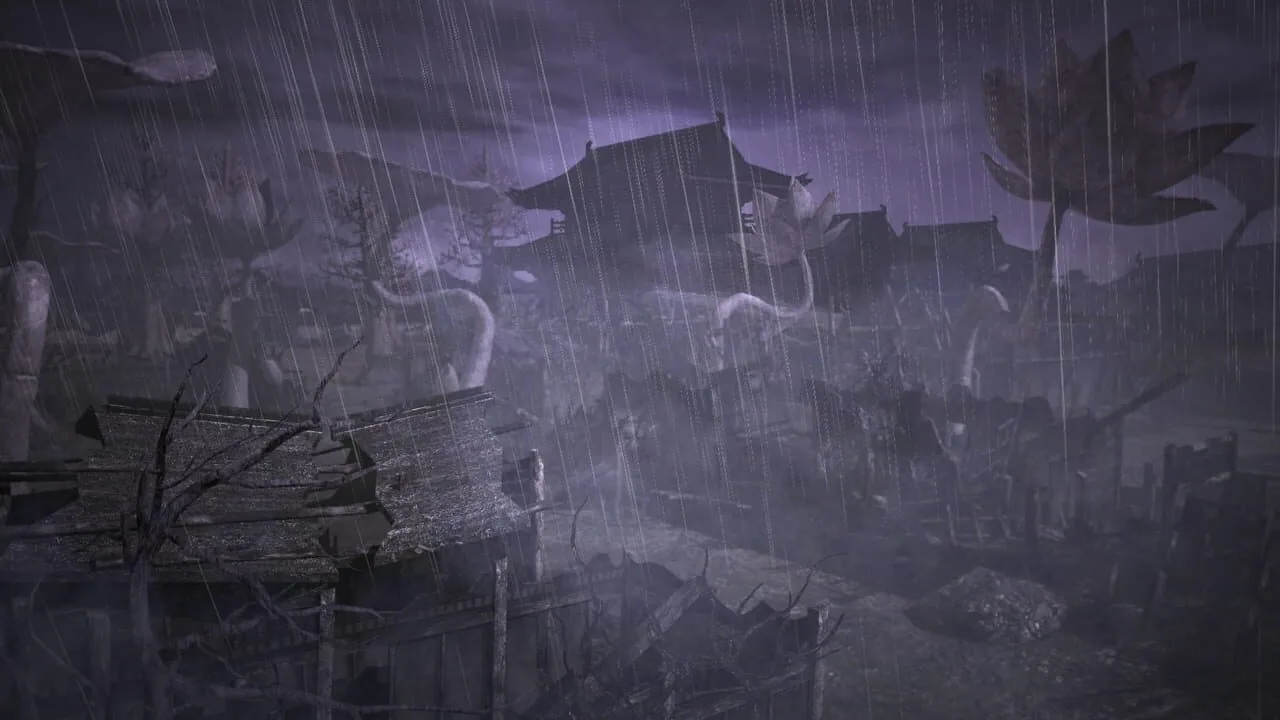
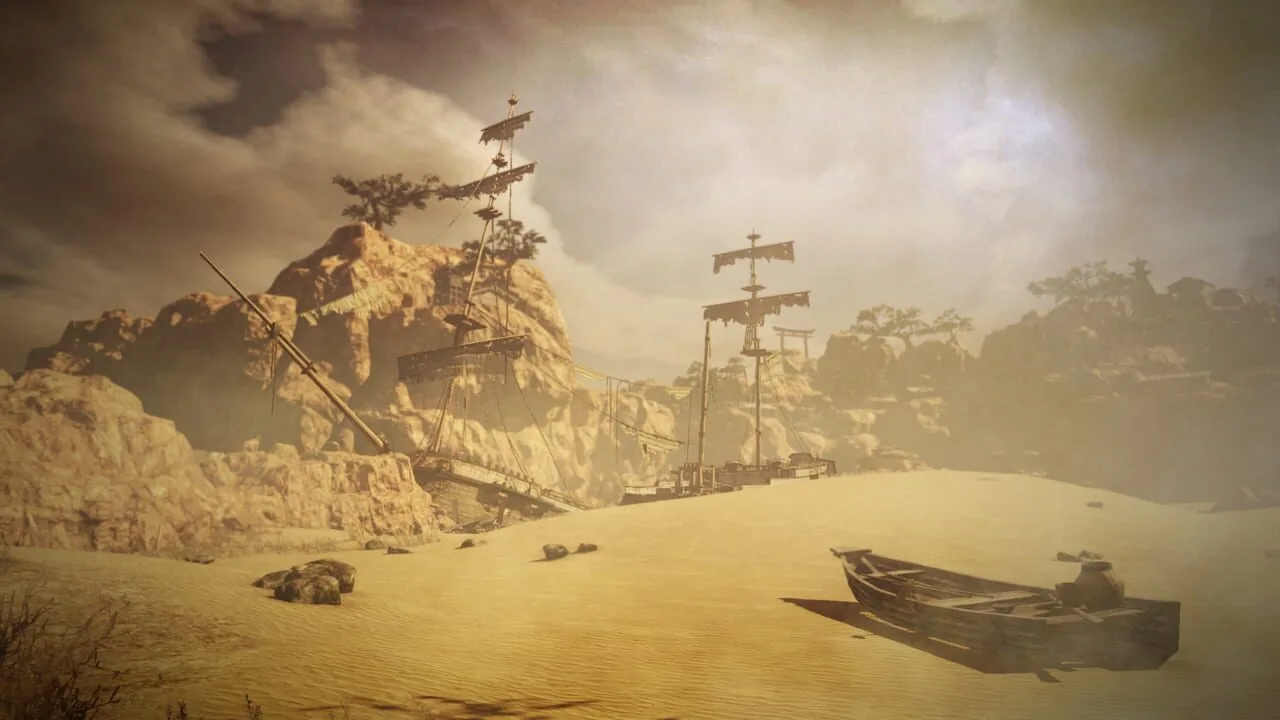
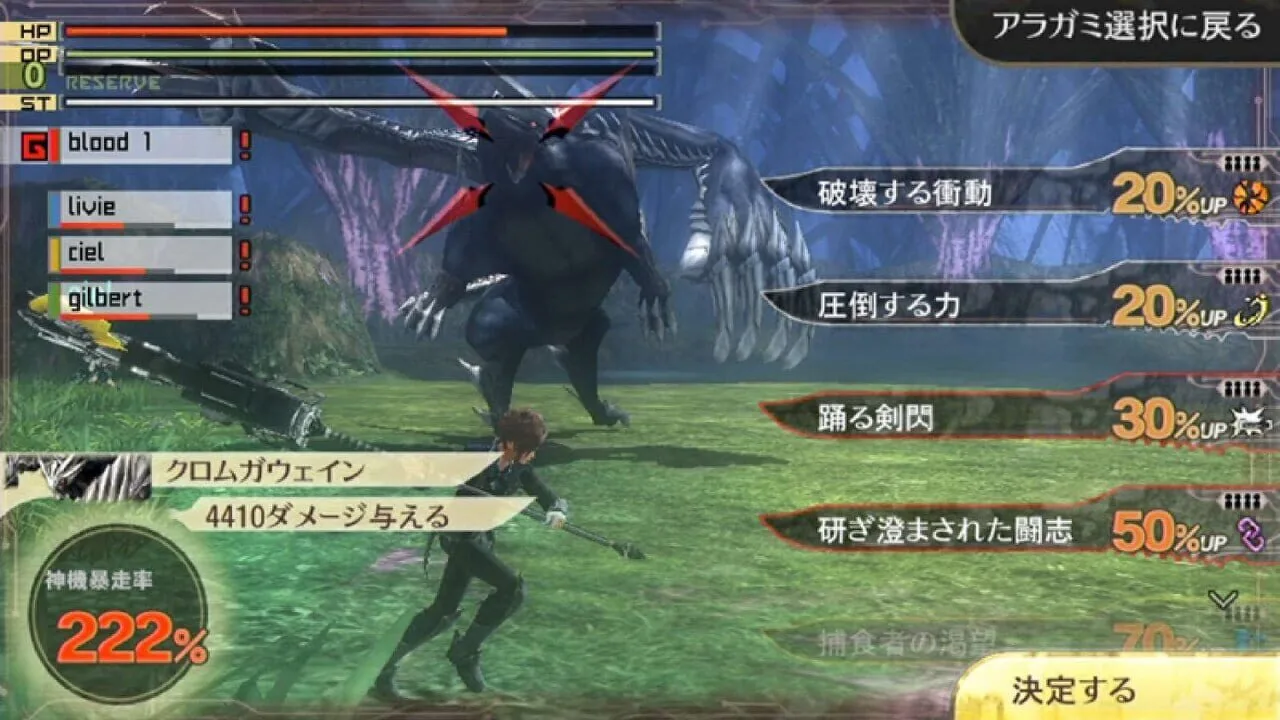
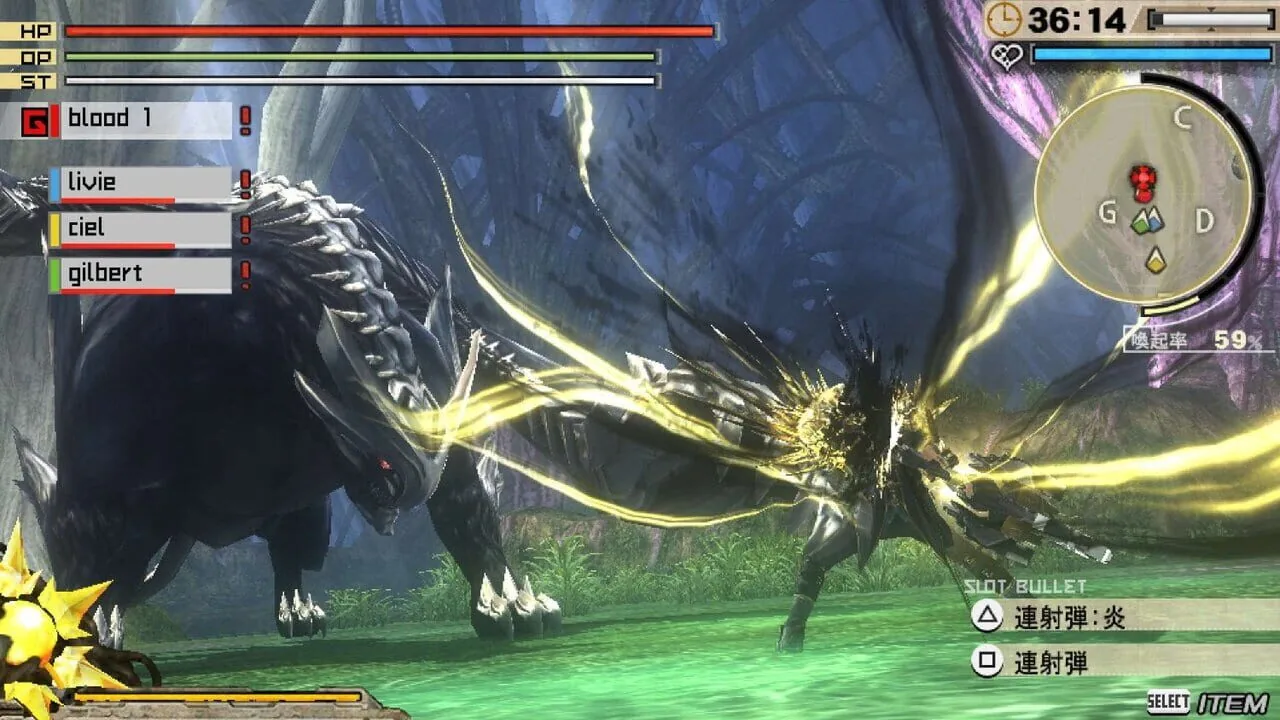
God Eater 2: Rage Burst is an enhanced version of God Eater 2. A new chapter, also called Rage Burst, is added to the story, and the main quests are split into six difficulty levels. English players got it in summer 2016, on the PS4, the Vita and Windows.
Its new trick is Blood Rage. You fill an Awakening Gauge by attacking enemies, then make a pledge to your God Arc, and that pledge grants your hunter a set of buffs. In Japan, Famitsu gave the Vita version of God Eater 2 a score of 38 out of 40, higher than the PSP version. Ask what to play on the Vita if you miss Monster Hunter and God Eater is one of the first names players give.
22. The Legend of Heroes: Trails of Cold Steel (2013)
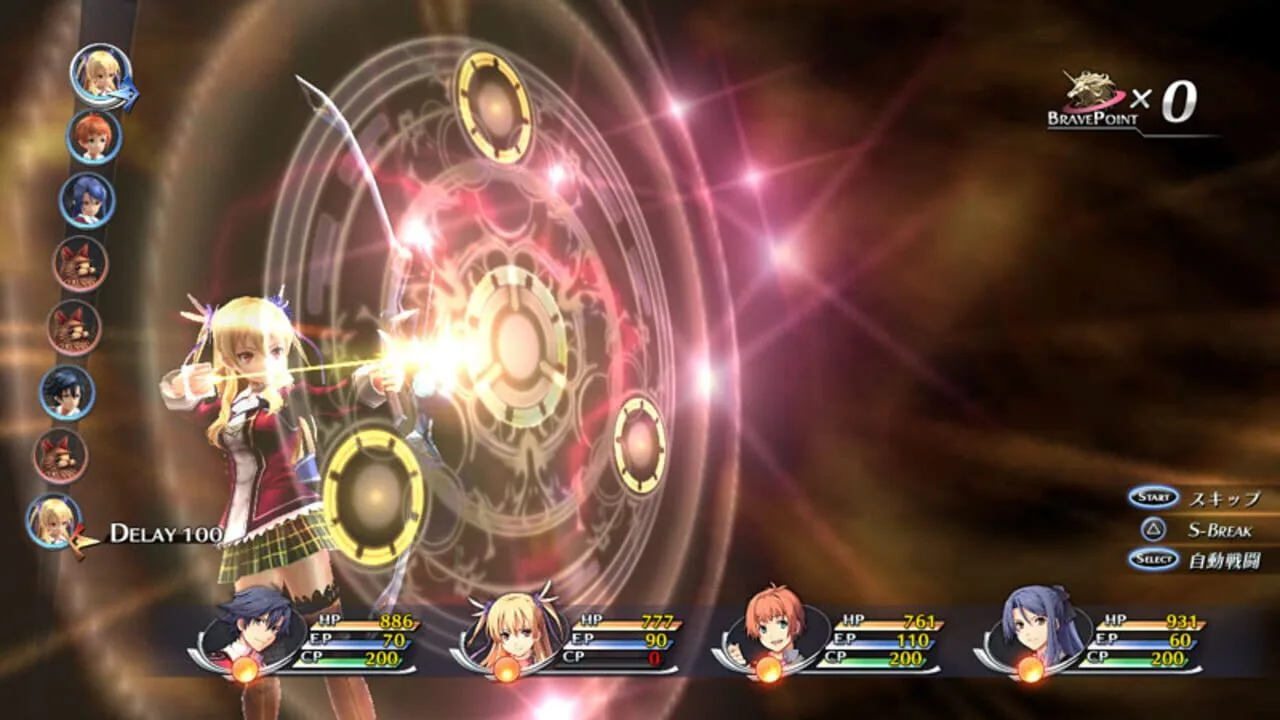
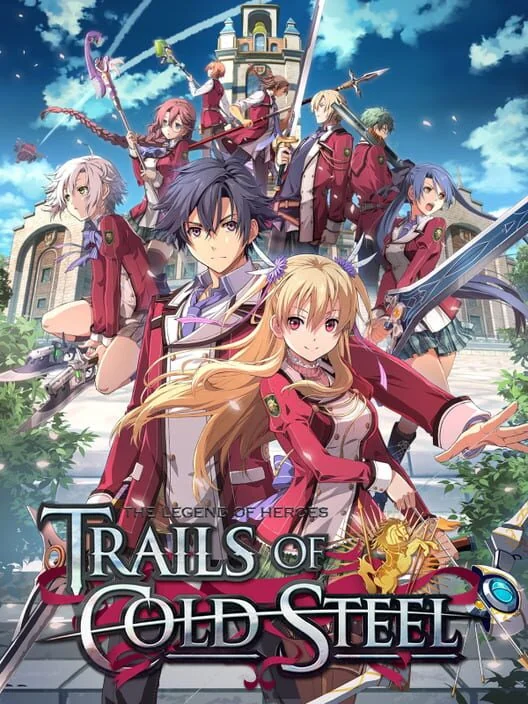
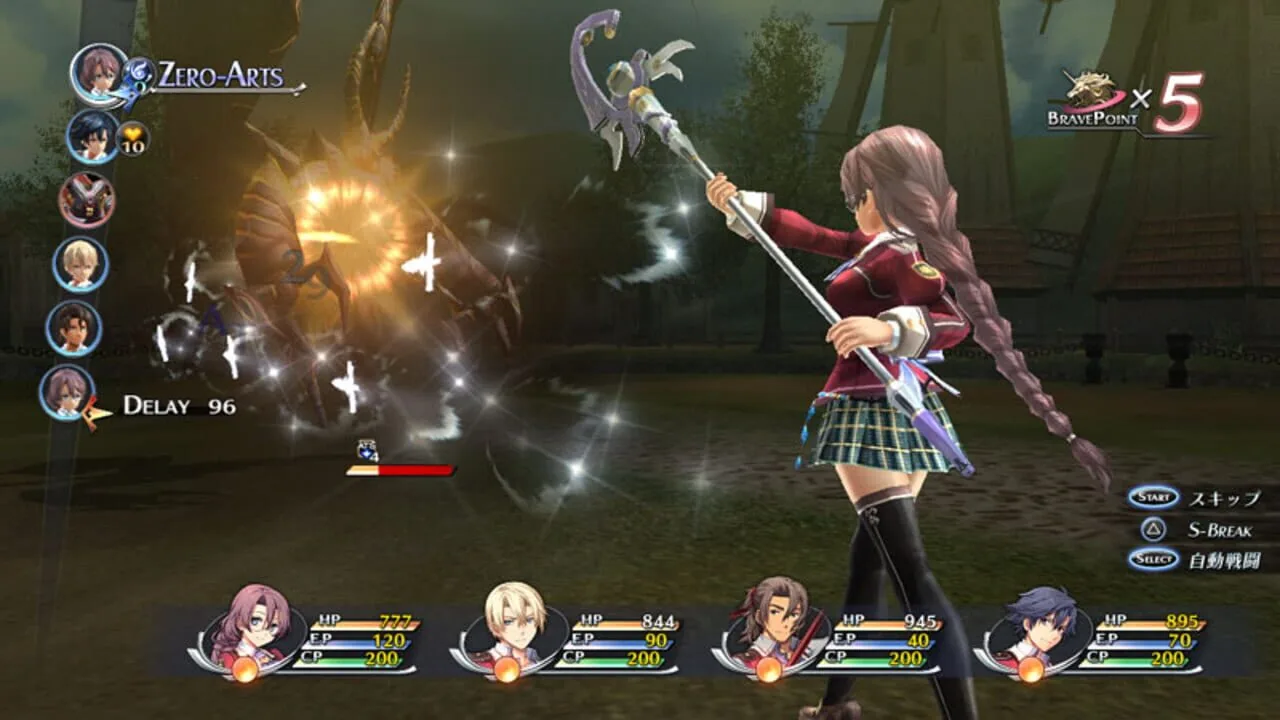
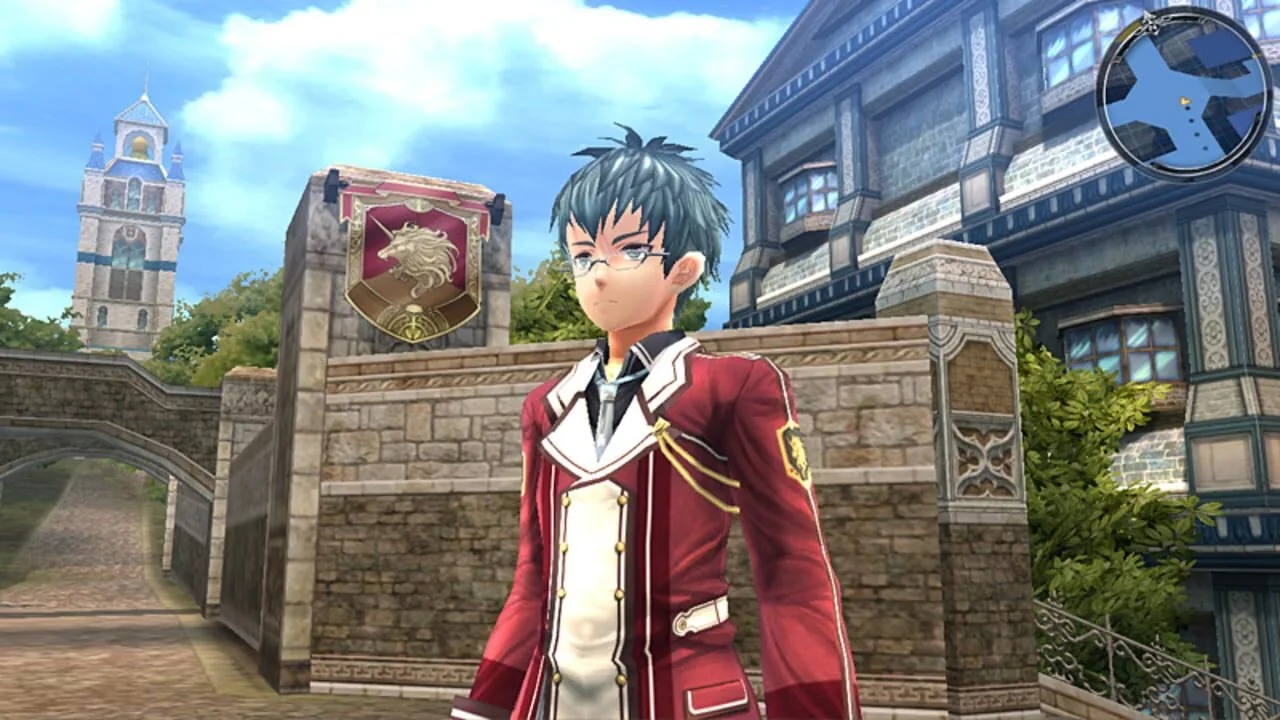
The Legend of Heroes: Trails of Cold Steel is the sixth main game in the Trails series and the start of its Erebonia arc. It came out in Japan on September 26, 2013, for the PS3 and the Vita, and Xseed Games brought it to English in 2015. You play Rean Schwarzer, a student in Class VII at Thors Military Academy. It is the only class there not split by social class, so nobles and commoners have to share a classroom.
Battles are turn-based, like the earlier Trails games. The new part is the Tactical Link: two linked characters follow up on each other's attacks, and as their Link Level grows they unlock new abilities, such as healing the partner. It is also the first part of a four-part arc, which is a polite way of saying the ending is not an ending.
21. Undertale (2015)
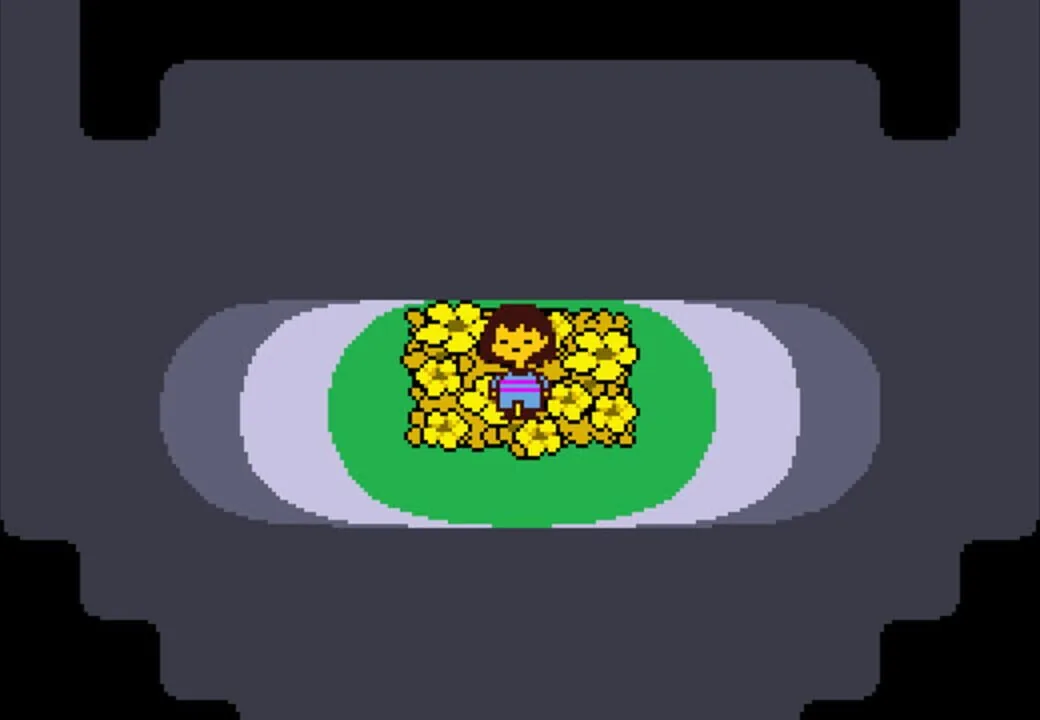
Undertale came out on Windows and OS X in September 2015 and reached the PS4 and the Vita in 2017. Toby Fox made almost all of it by himself, script and music included, with artwork and character designs by Temmie Chang and other guest designers. It started as a Kickstarter that asked for US$5,000 and raised US$51,124.
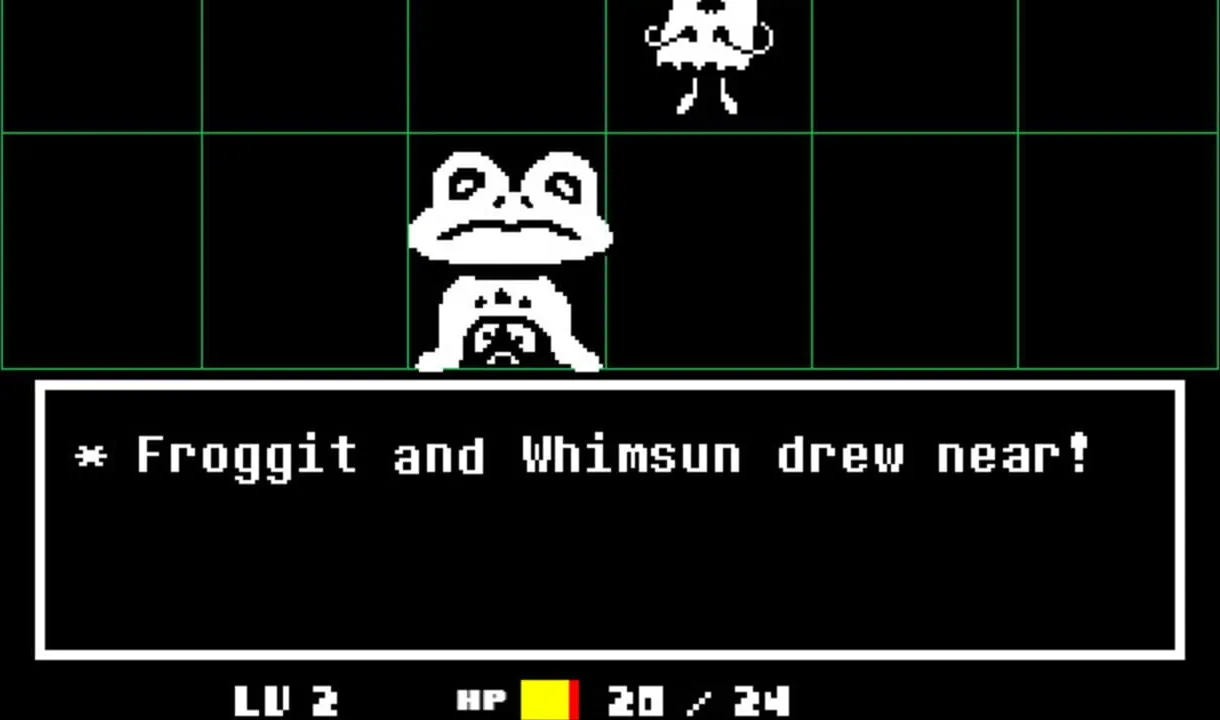
You play a child who falls into the Underground, where monsters were banished long ago, and you can talk your way out of a fight instead of winning it. That idea came from Shin Megami Tensei, where players can talk to monsters to avoid conflict. How you handle those encounters decides which ending you get. It has sold at least five million copies, and it suits a handheld screen very well.
20. Ragnarok Odyssey Ace (2013)
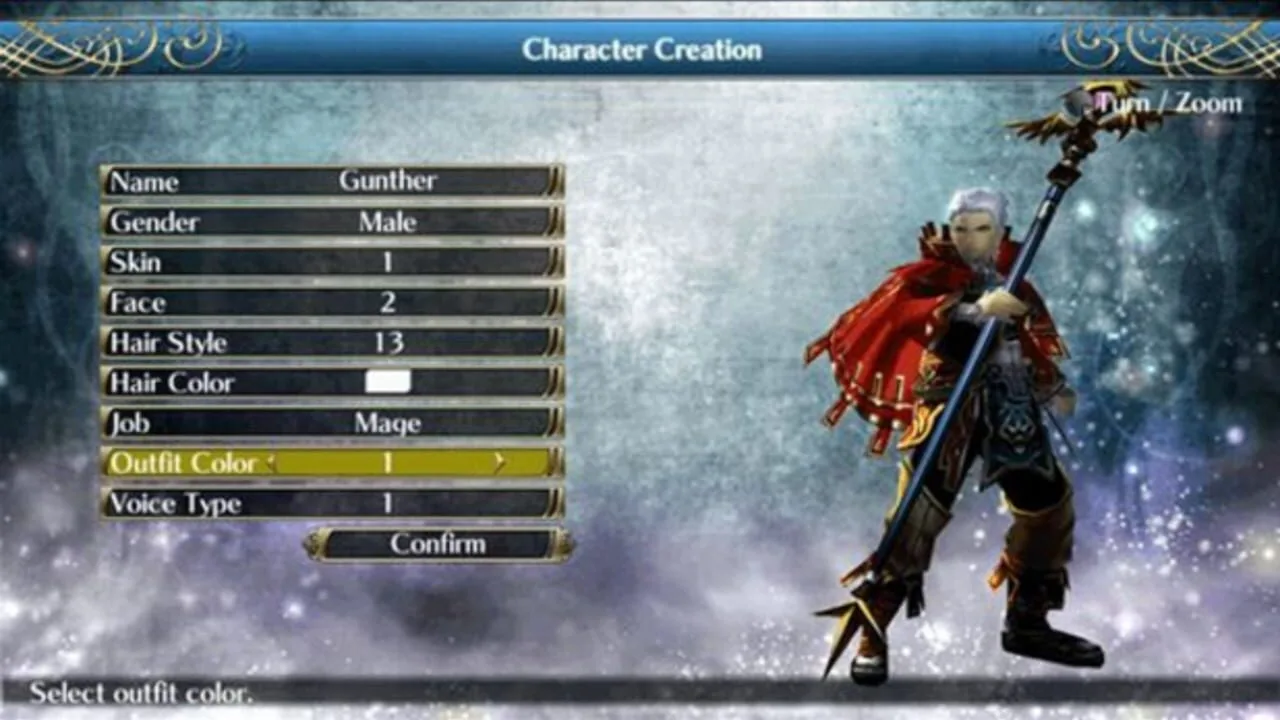
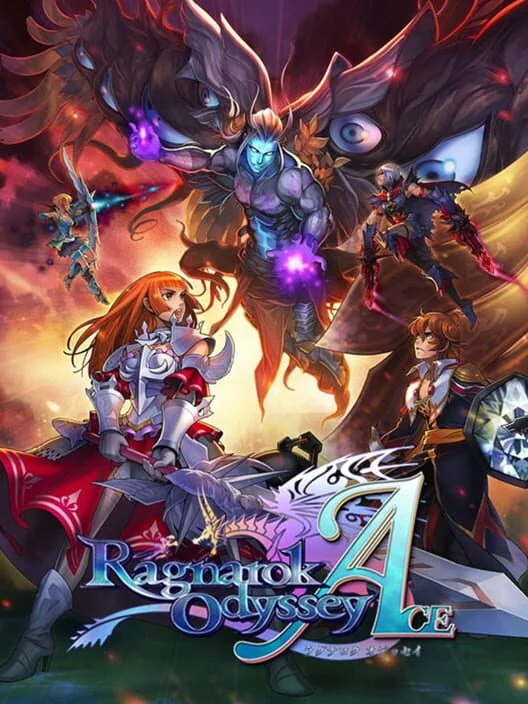
The first Ragnarok Odyssey reached North America on October 30, 2012, and Ragnarok Odyssey Ace is the updated version that followed on the Vita and the PS3. It is based on the universe of Lee Myung-jin's manhwa Ragnarok and its MMORPG adaptation Ragnarok Online. It plays as a real-time action RPG in the same vein as Monster Hunter.
Ace fixed the biggest worry of hunting games on a handheld. You could hire mercenaries, so you had a party for the toughest fights even when you could not get online. It also added the Yggdrasil Tower, with randomly generated levels, and new job-specific Ace skills that change how fights play. It is lighter than the bigger hunting games on this list, and quicker to pick up.
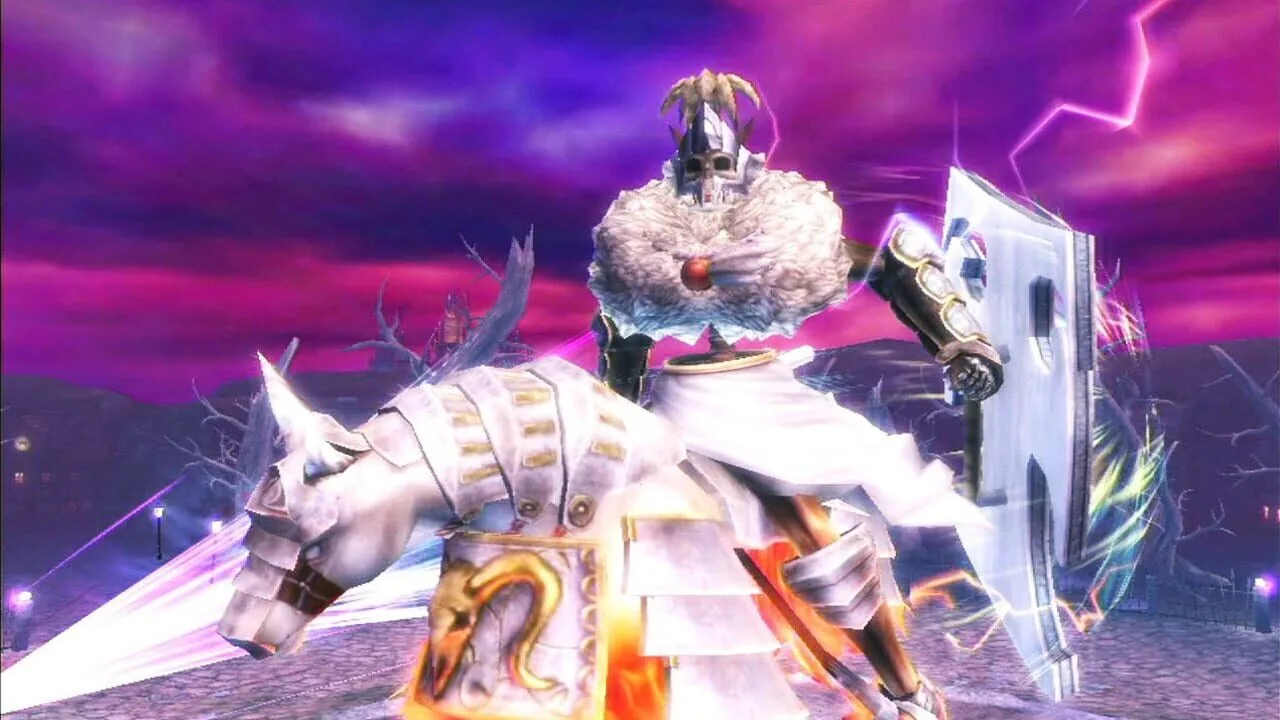
19. Tokyo Xanadu (2015)
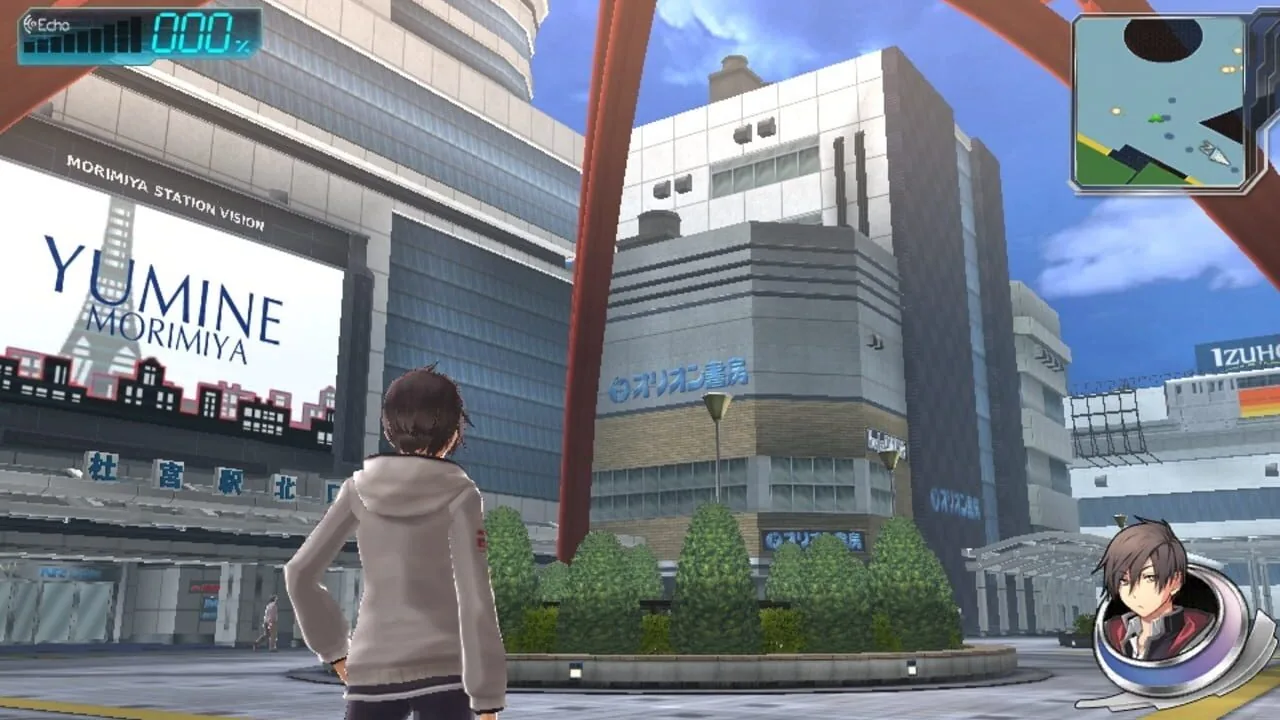
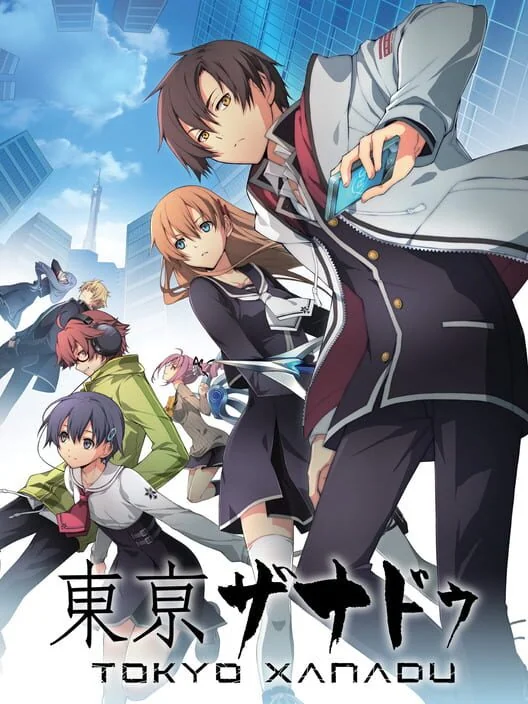
Tokyo Xanadu was first released in Japan for the Vita in September 2015, and worldwide in June 2017. By day, you are a student in modern Tokyo, building relationships and enjoying school activities. By night, you get pulled into Eclipse, a nightmarish realm where you battle creatures born from human negative emotions, in fast real-time fights where you switch between characters.
The developers took ideas from real places in Tokyo, and the station plaza is modeled after the north exit of Tachikawa Station. It sold 88,879 retail copies in its first week in Japan and topped the sales chart. If you finished Persona 4 Golden and wanted more school days with monsters after dark, this is the closest thing on the Vita.
18. World of Final Fantasy (2016)
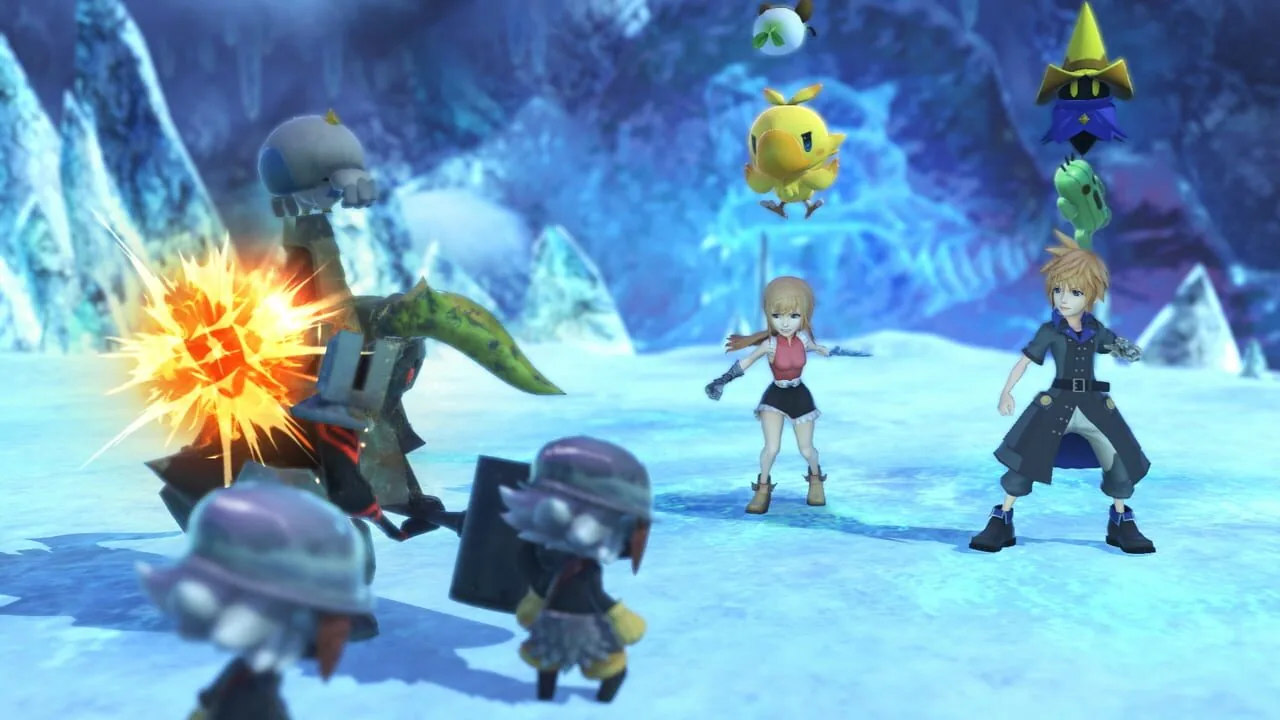
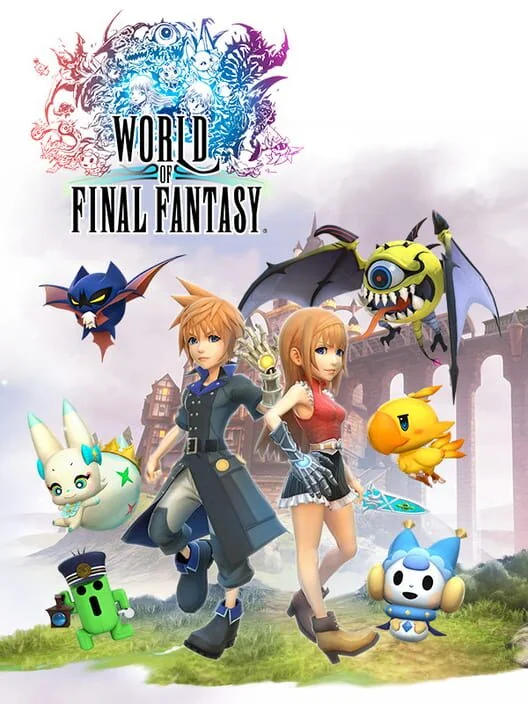
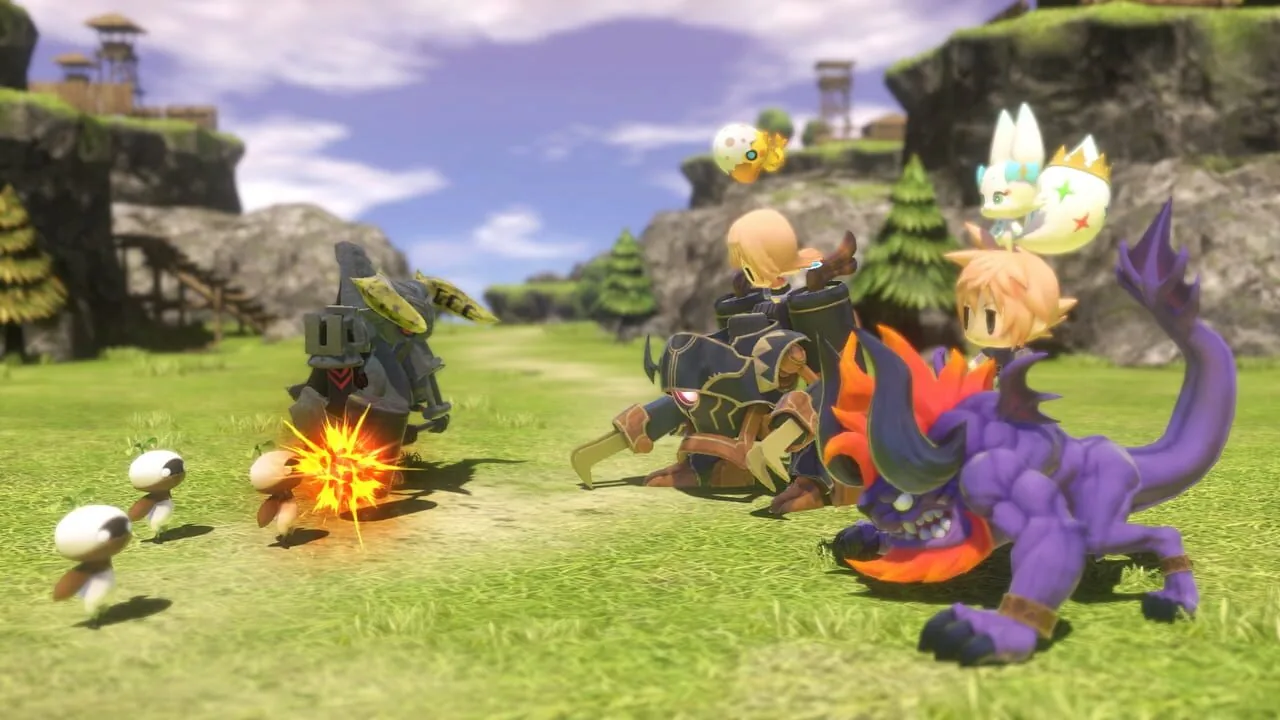
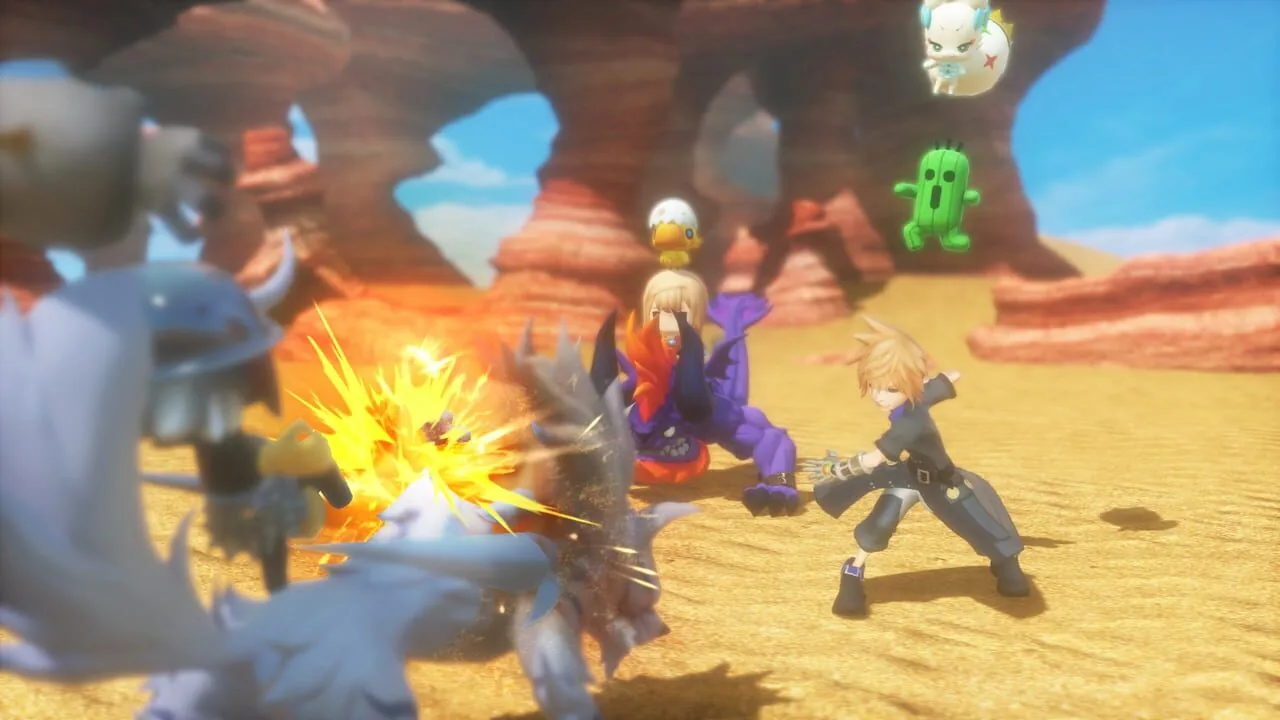
World of Final Fantasy was released for the PS4 and the Vita in 2016, made to celebrate the series' 30th anniversary. It was aimed at a wider and younger audience, with a light tone and toy-like looks. You lead twins, Lann and Reynn, and capture and raise familiar beasts such as chocobos and behemoths.
Masashi Hamauzu composed most of the music, including arranged versions of classic themes. Critics liked its looks and its stacking mechanic and complained about the slow pace and the story. It still sold over 900,000 copies worldwide by 2018. For a Final Fantasy fan it plays like a greatest hits album, with the old monsters turned cute.
17. Demon Gaze (2013)
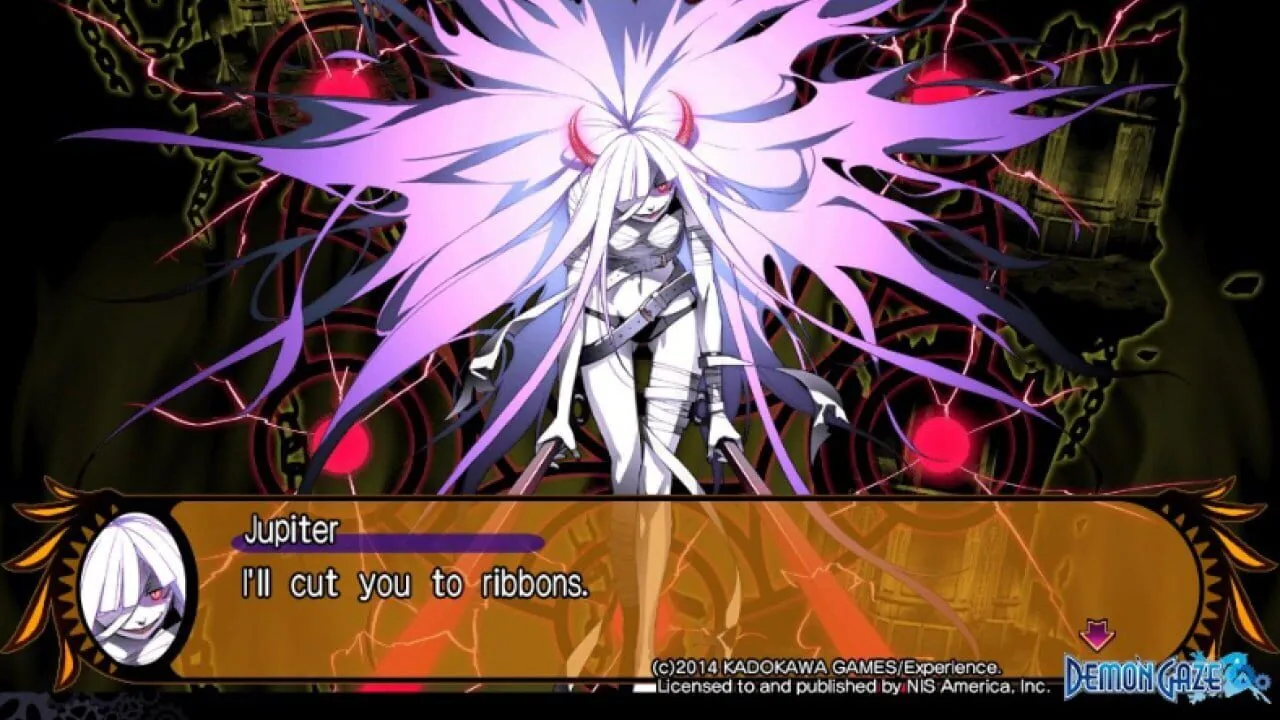
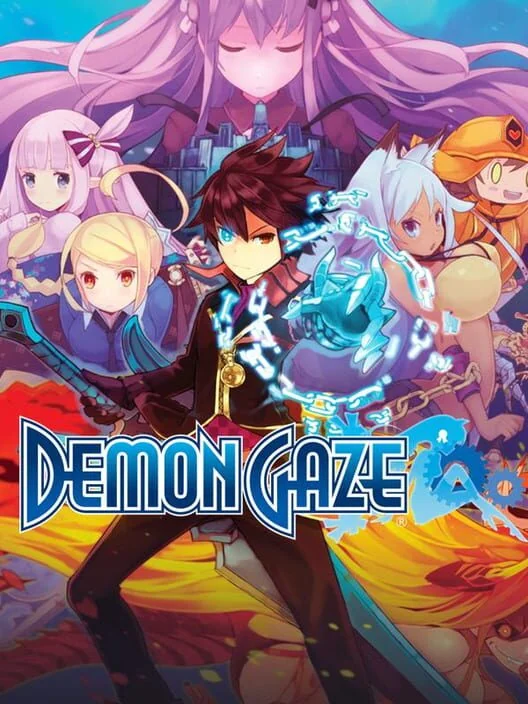
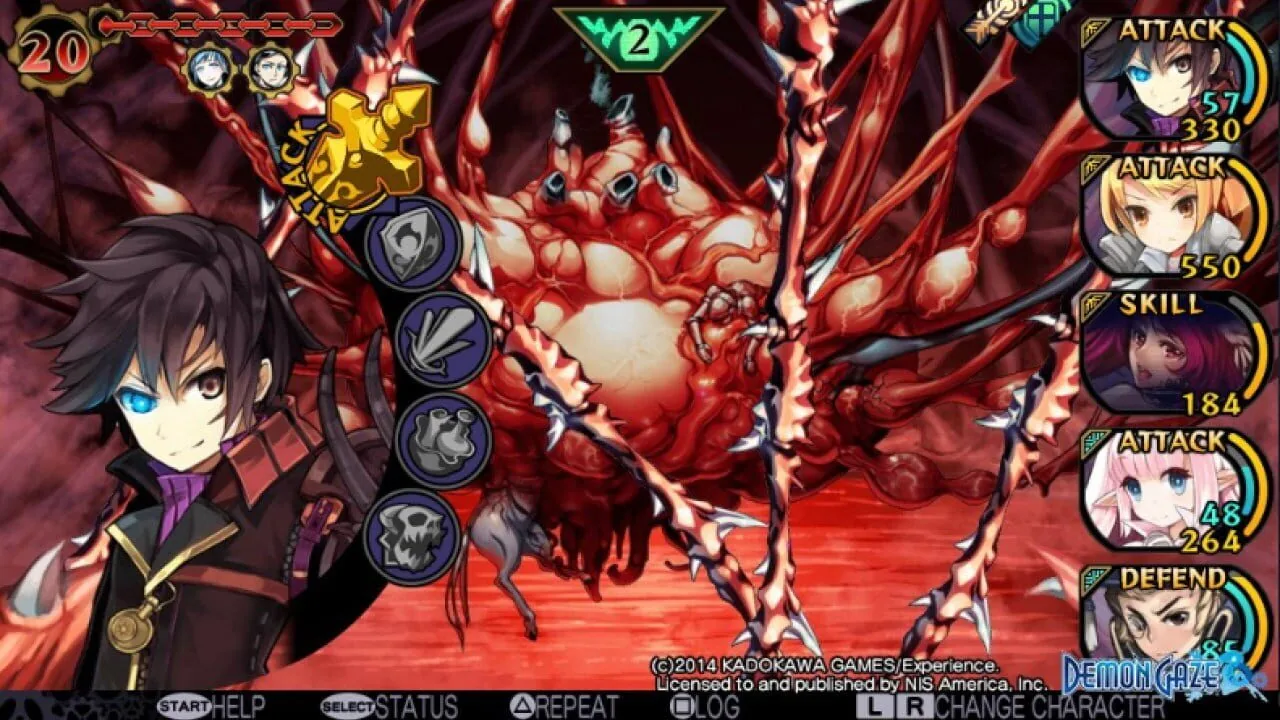
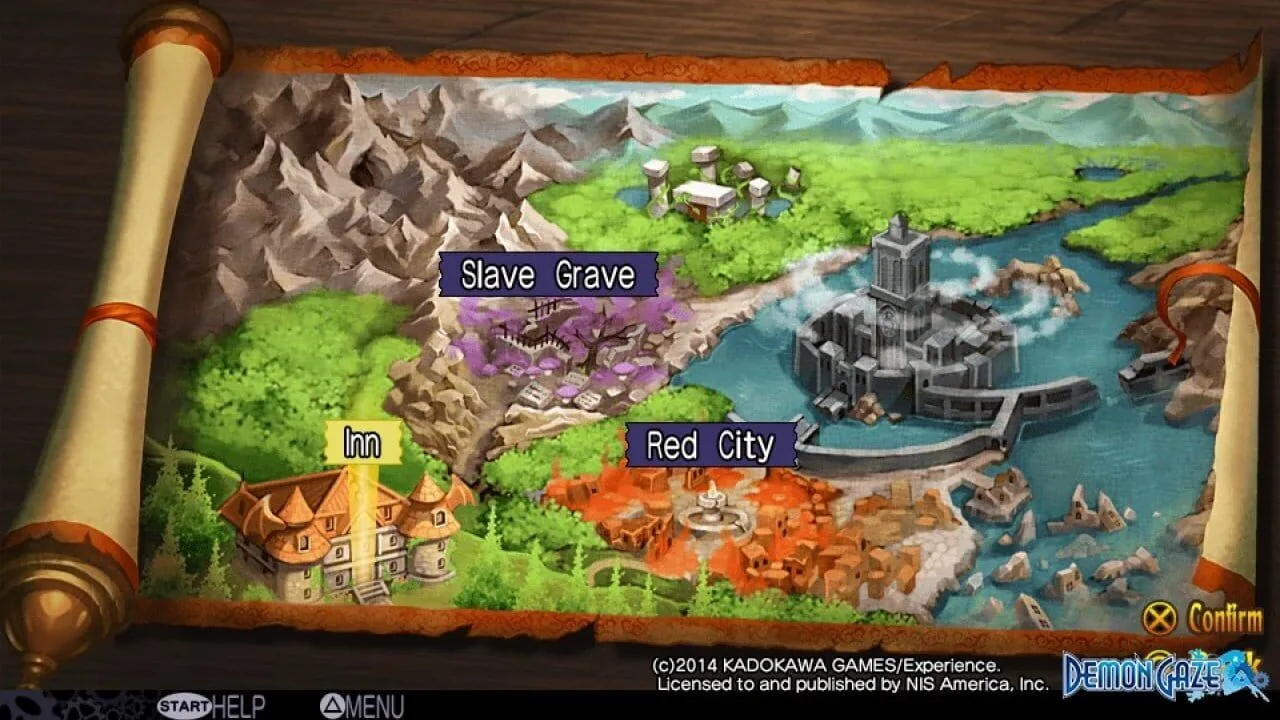
Demon Gaze is a first-person dungeon crawler. Your team has five characters from five races and seven classes, and the main character has a unique class of their own. Fights are turn-based, with random and visible encounters, and at set points in each dungeon you can use items to summon monsters.
Dungeon crawlers can be cruel to beginners, and this is where Demon Gaze stands out. Players call it the gentlest way into the genre: it is fairly easy, it has proper tutorials, and it works as a first step for people who never got on with this kind of game. If you have always bounced off grid maps and turn-based parties, start here.
16. Toukiden: Kiwami (2014)
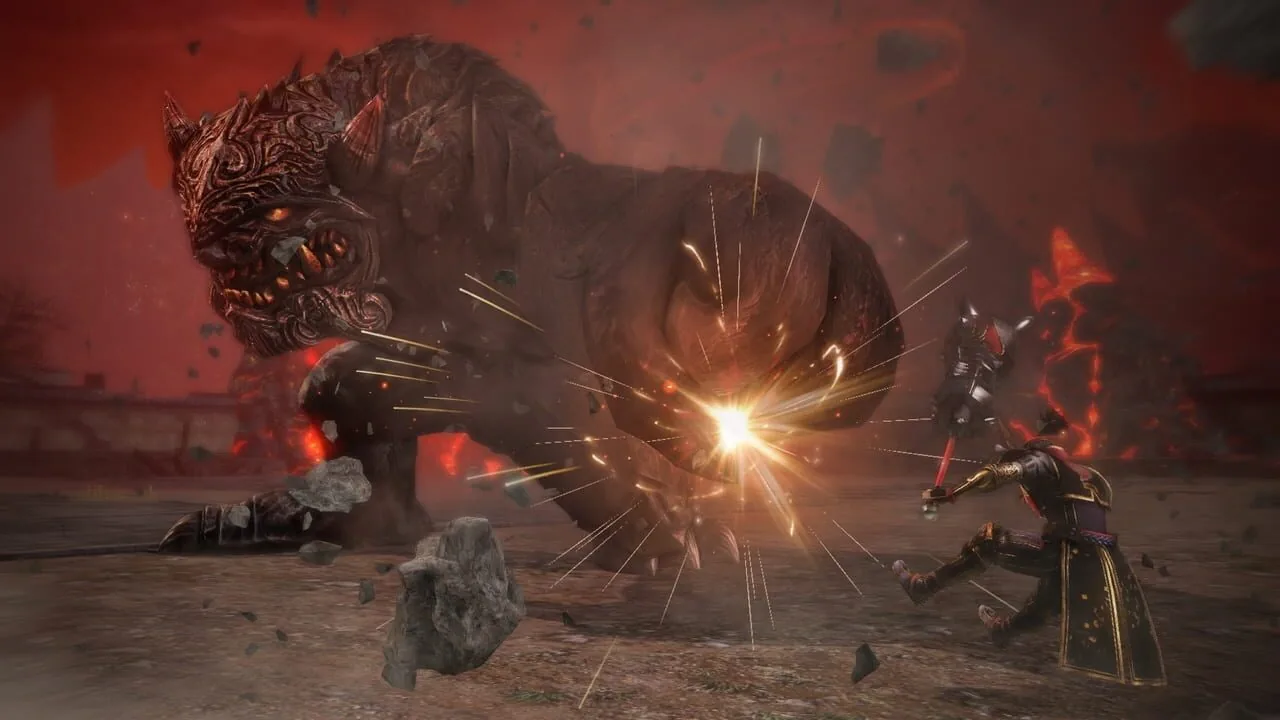
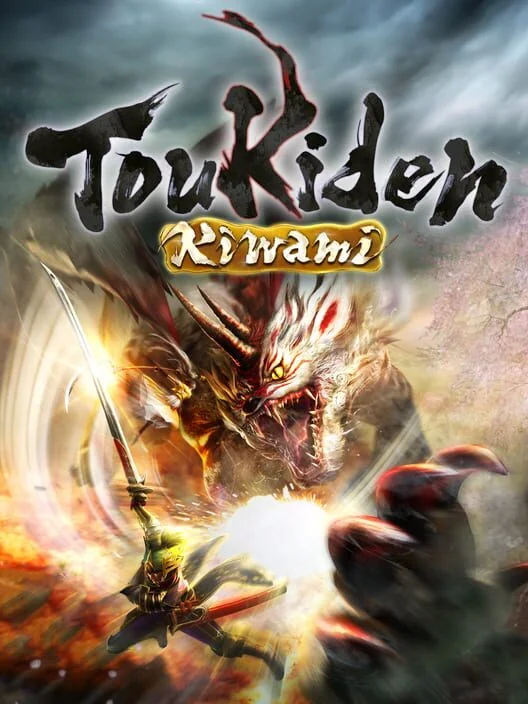
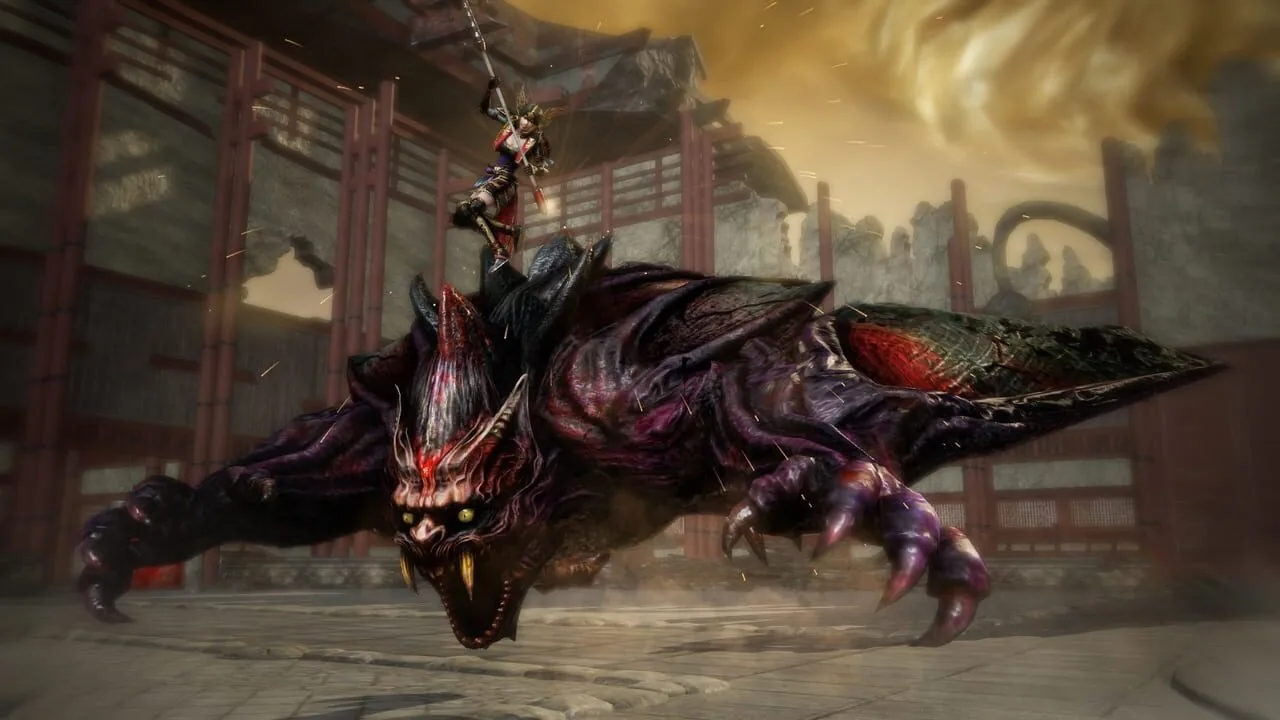
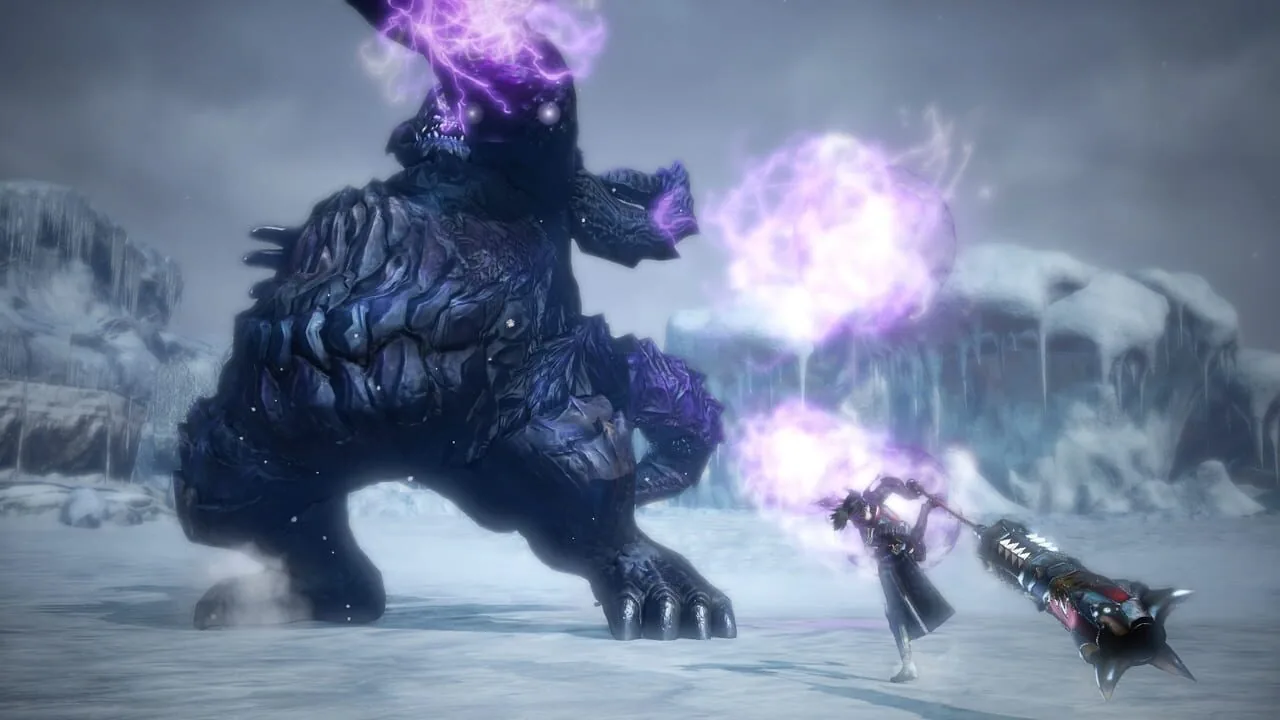
Toukiden: Kiwami is a hunting action game where you play a Slayer and fight the Oni to save mankind. The world is a fantasy one with medieval Japanese themes, particularly Shinto, and the slayers are called mononofu in the original Japanese. Toukiden was revealed at Sony's TGS 2012 keynote, made by Koei together with Sony Computer Entertainment Japan, with Team Ninja also involved.
The big idea is the Targeted Destruction System: your team breaks the huge Oni apart one part at a time. Hideki Sakamoto composed the music. When the first Toukiden came out in Japan, Vita sales that week jumped to 31,271 consoles, up from 13,422 the week before. Few games can say they sold hardware.
15. Disgaea 4: A Promise Unforgotten (2011)
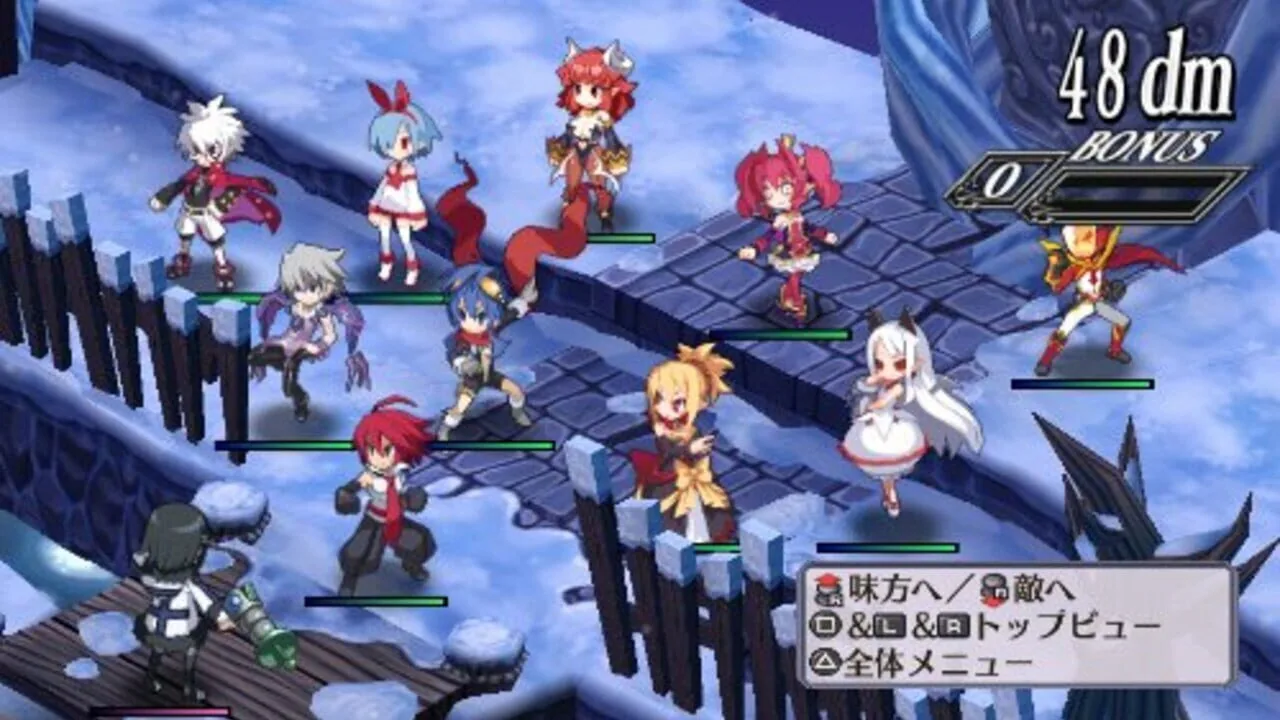
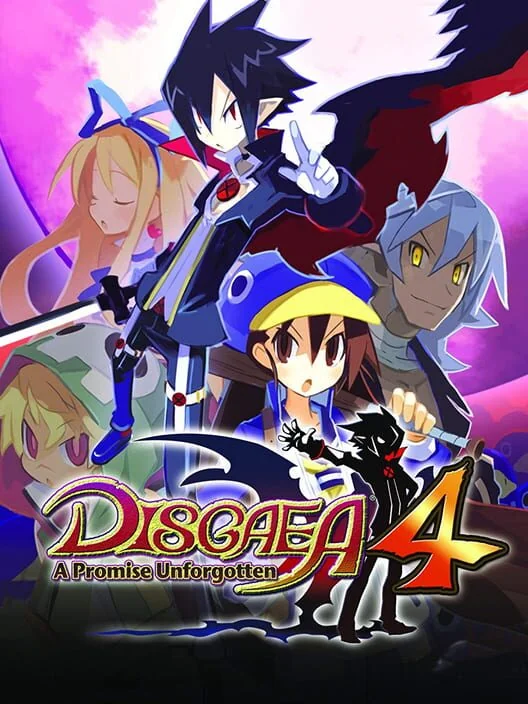
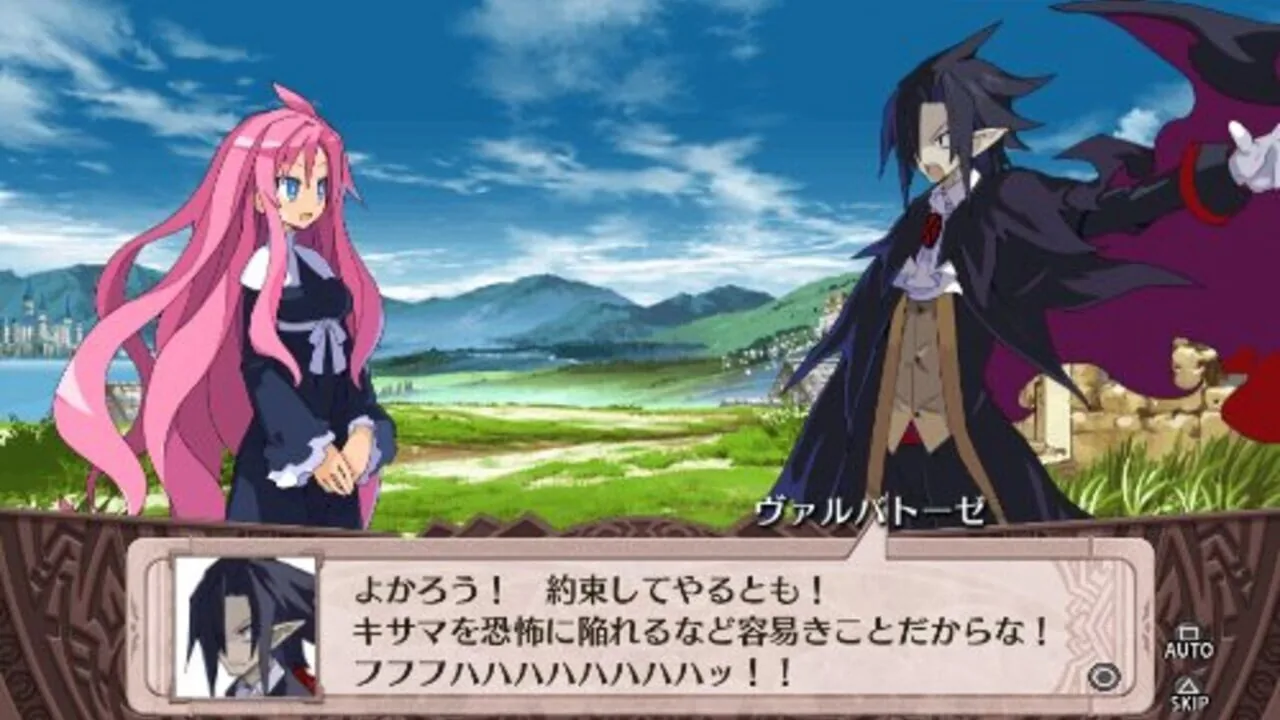
Disgaea 4: A Promise Unforgotten started on the PS3, and NIS America released the Vita version, subtitled A Promise Revisited, in August 2014. The hero is Valvatorez, and the trouble turns out to be the work of a human named Judge Nemo, who runs both Earth and the Netherworld from behind the scenes and plots the destruction of both.
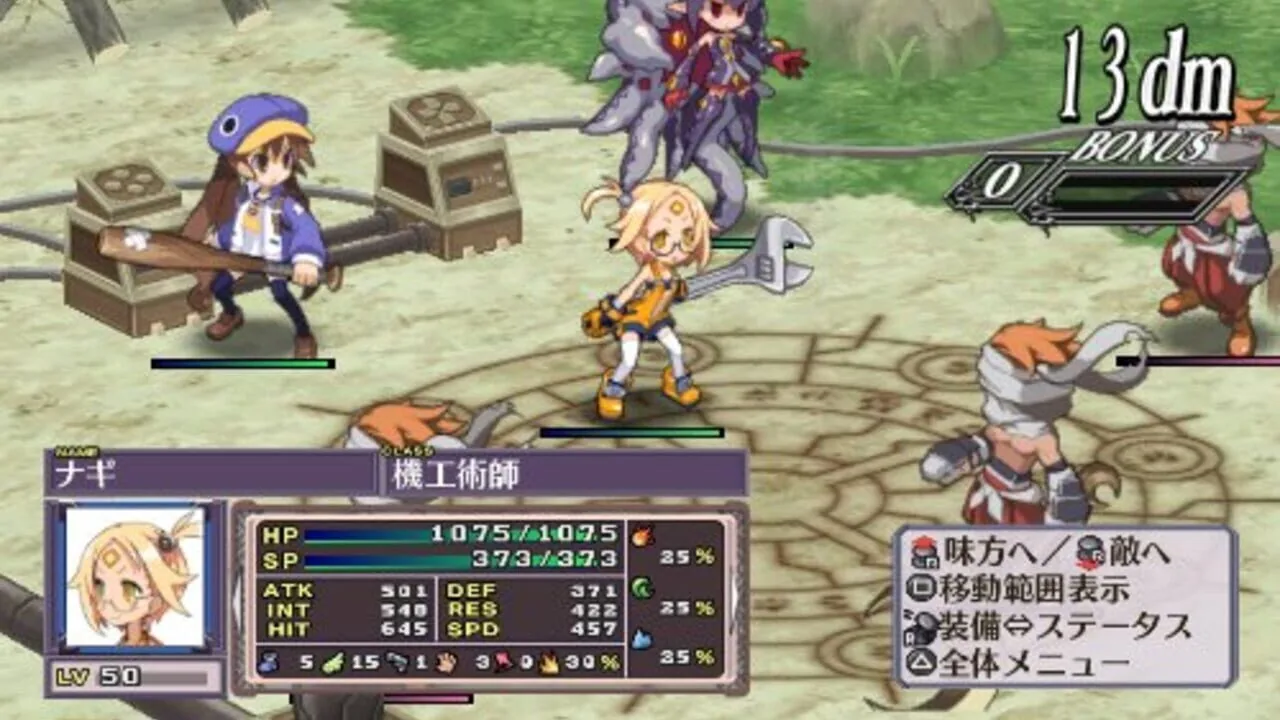
The ending depends on how you play. Valvatorez shares a final scene with one of the major playable characters, picked by things like the number of team attacks you performed with them. Do nothing special and Artina's ending plays. It has voices in Japanese and English. Like every Disgaea, it is a strategy RPG with silly jokes and a level cap far beyond anything sensible.
14. Digimon Story: Cyber Sleuth (2015)
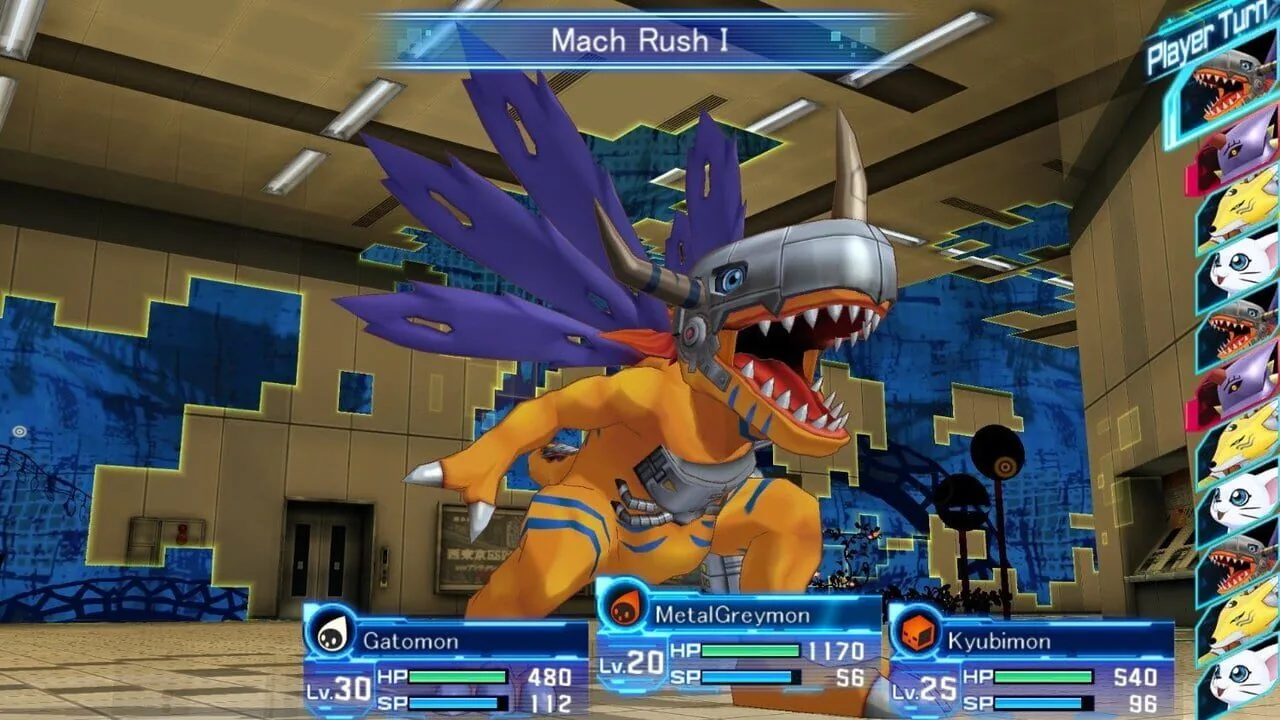
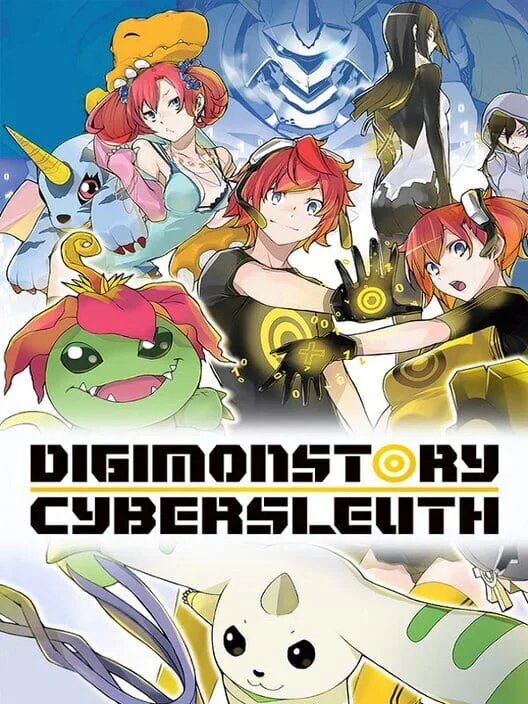
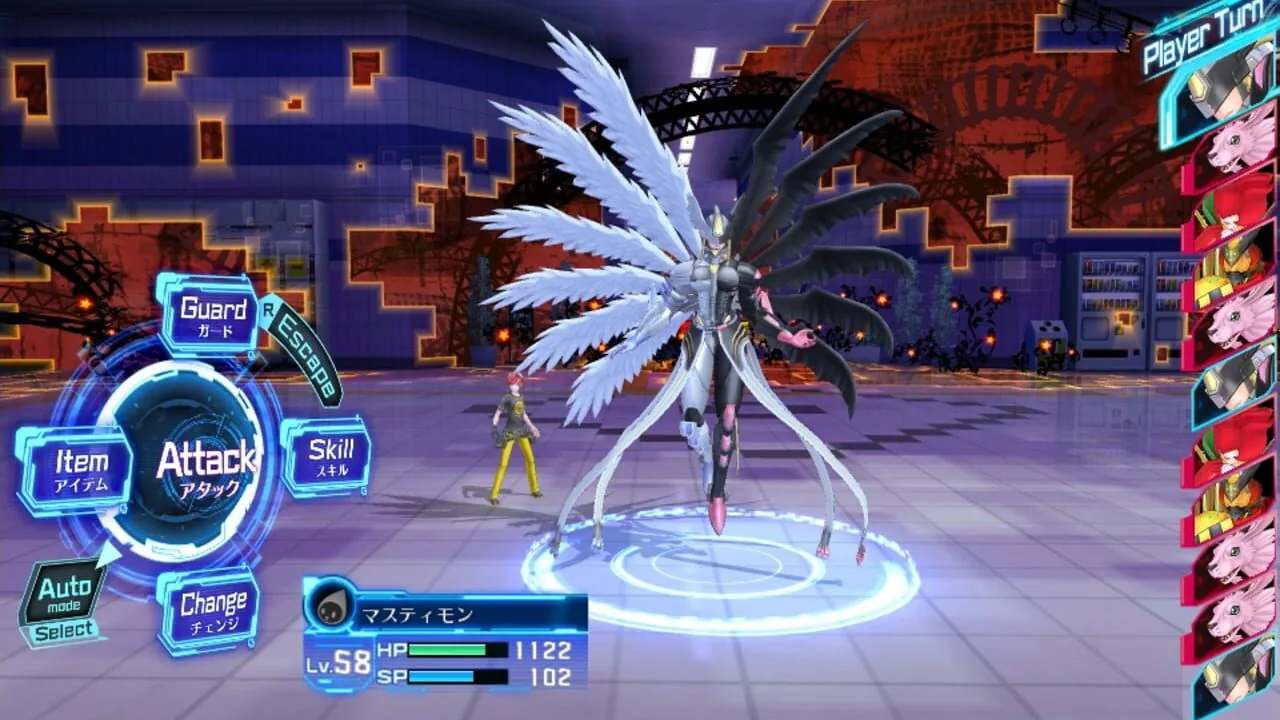
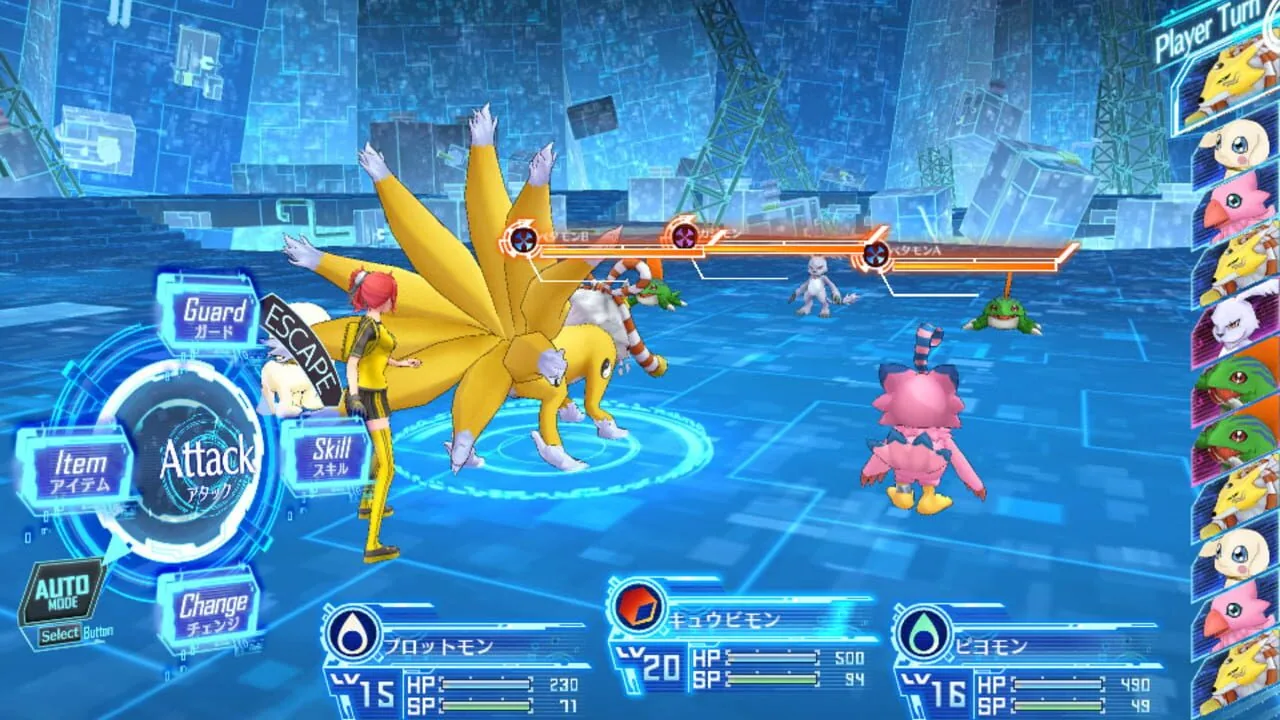
Digimon Story: Cyber Sleuth was developed by Media.Vision and published by Bandai Namco. It is the fifth game in the Digimon Story series and the first to be released on home consoles. You play Aiba, a young Japanese student, in a story that turns on a program called Digimon Capture.
Battles have a lot in common with the conditional turn-based system of Final Fantasy X, and you scan Digimon in fights to add them to your team. The attack and victory animations were very popular, partly because one of the development staff was a big Digimon fan who studied even the minor Digimon. If you only know Digimon as the other monster cartoon, this is the game that makes the case for it.
13. Darkest Dungeon (2016)
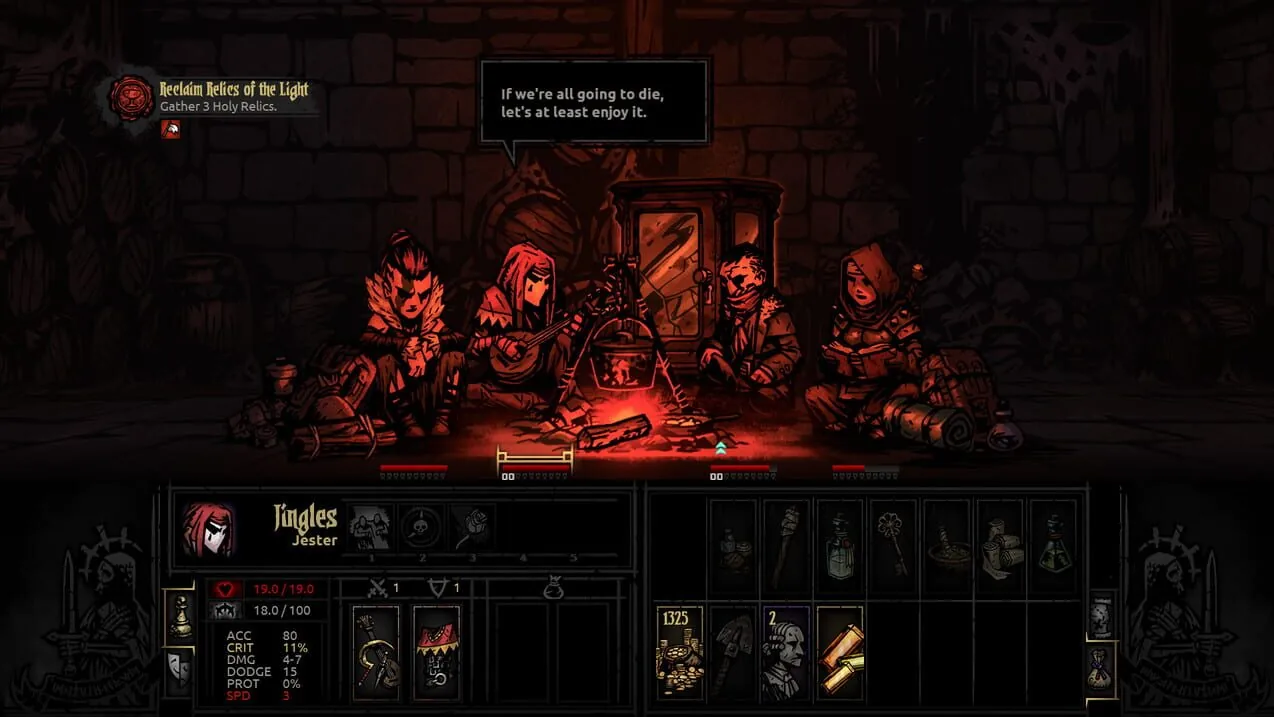
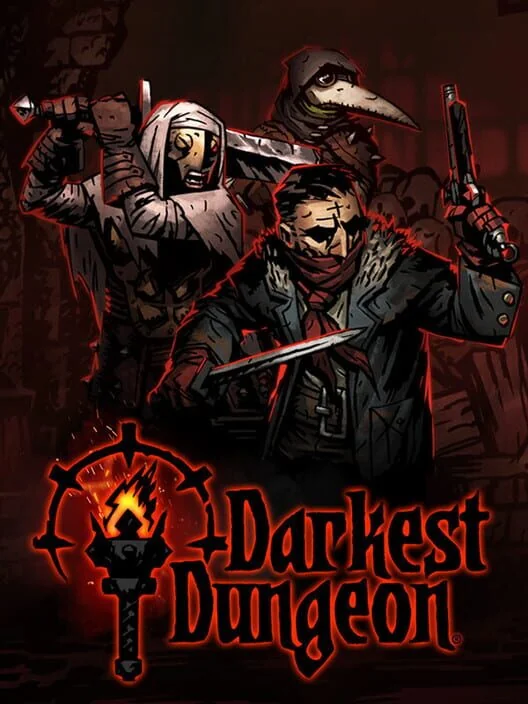
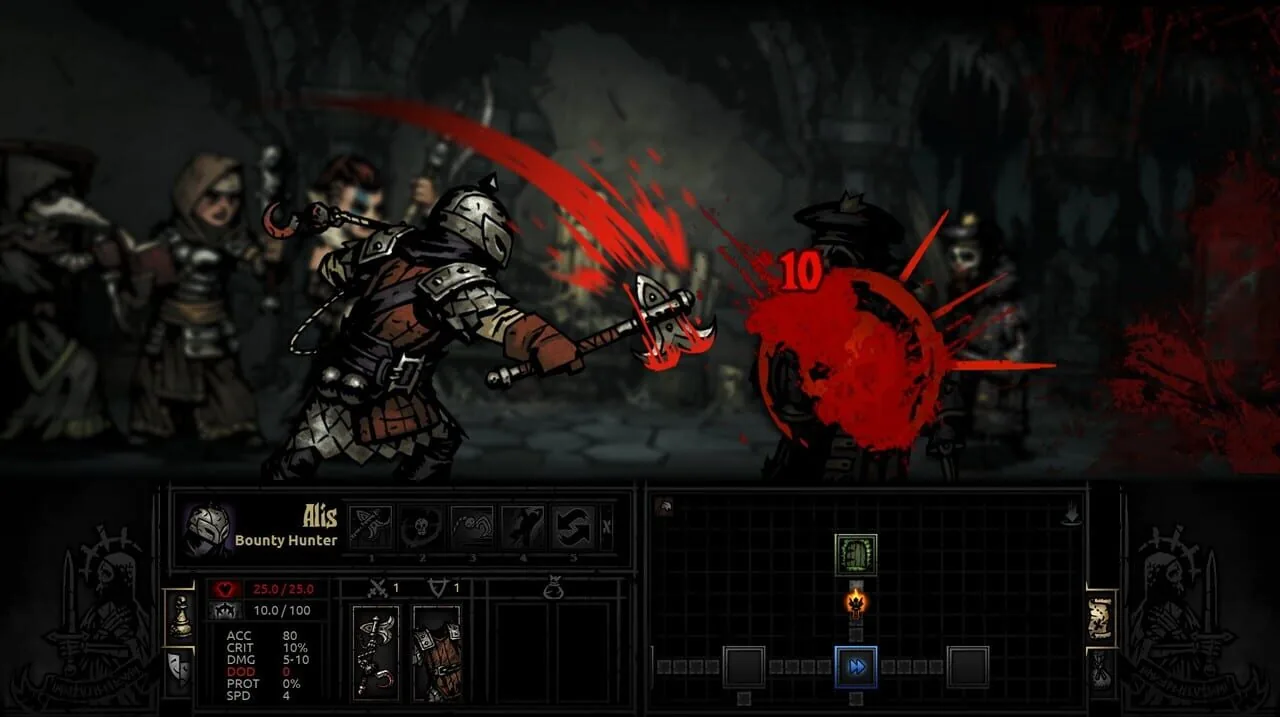
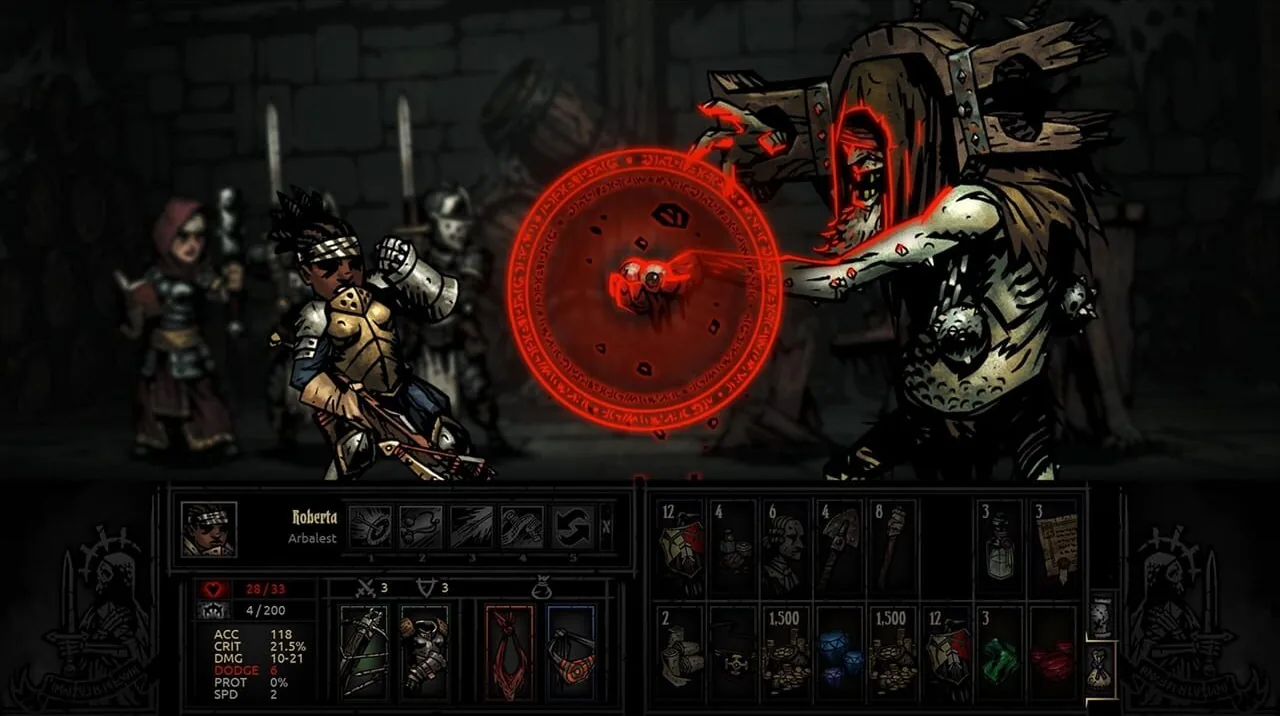
Darkest Dungeon is a gothic roguelike turn-based RPG about the psychological stresses of adventuring. It came out on Windows and OS X in January 2016, after a year in early access, and on the PS4 and the Vita later that year. You recruit a team of flawed heroes and lead them against unimaginable horrors.
Every hero has a stress level. Left unchecked, it changes how they behave: a frightened hero may refuse to fight, or act against your orders. The works of H. P. Lovecraft partly inspired it, and the narrator's voice belongs to Wayne June. It sold over two million copies, and a sequel, Darkest Dungeon II, followed in May 2023. It is the only game on this list where your party might quit on you.
12. Tales of Hearts R (2013)
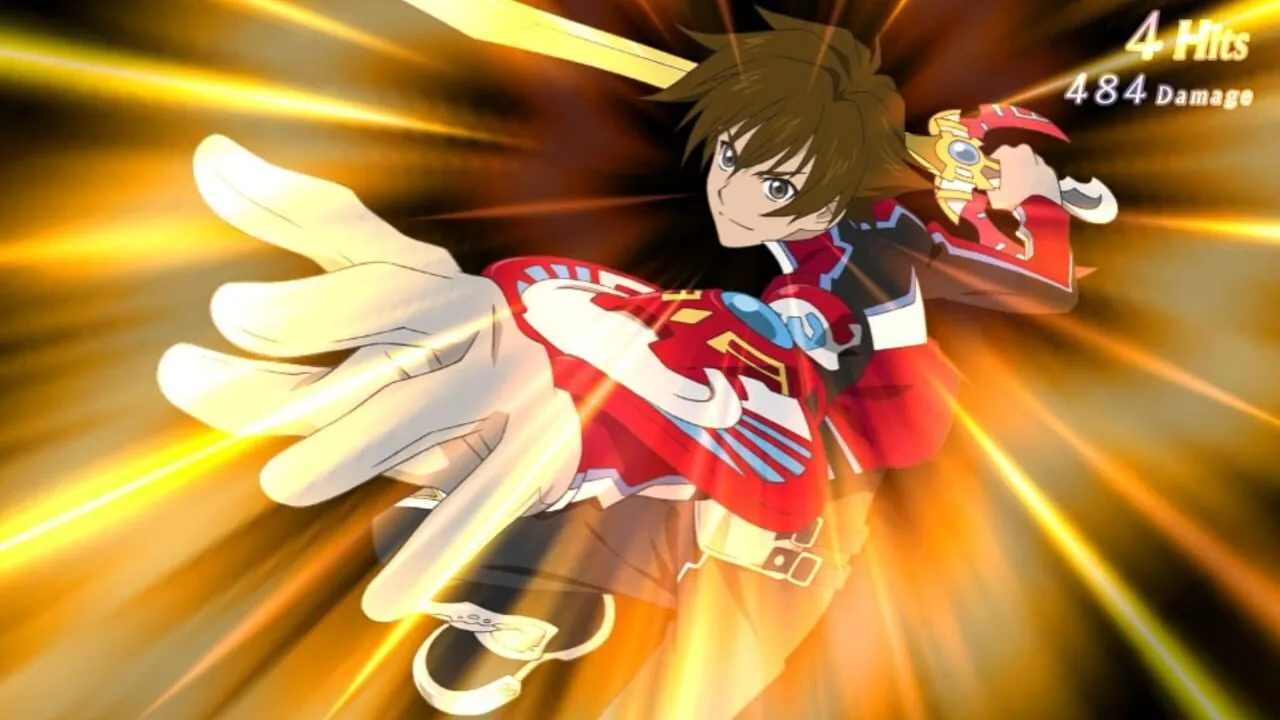
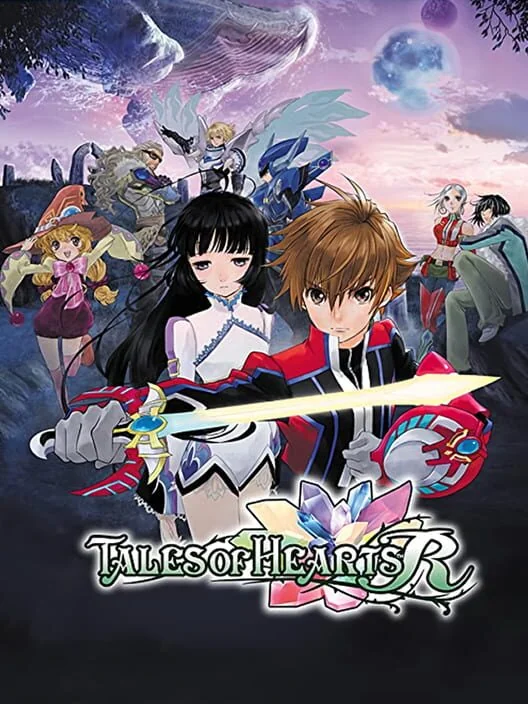
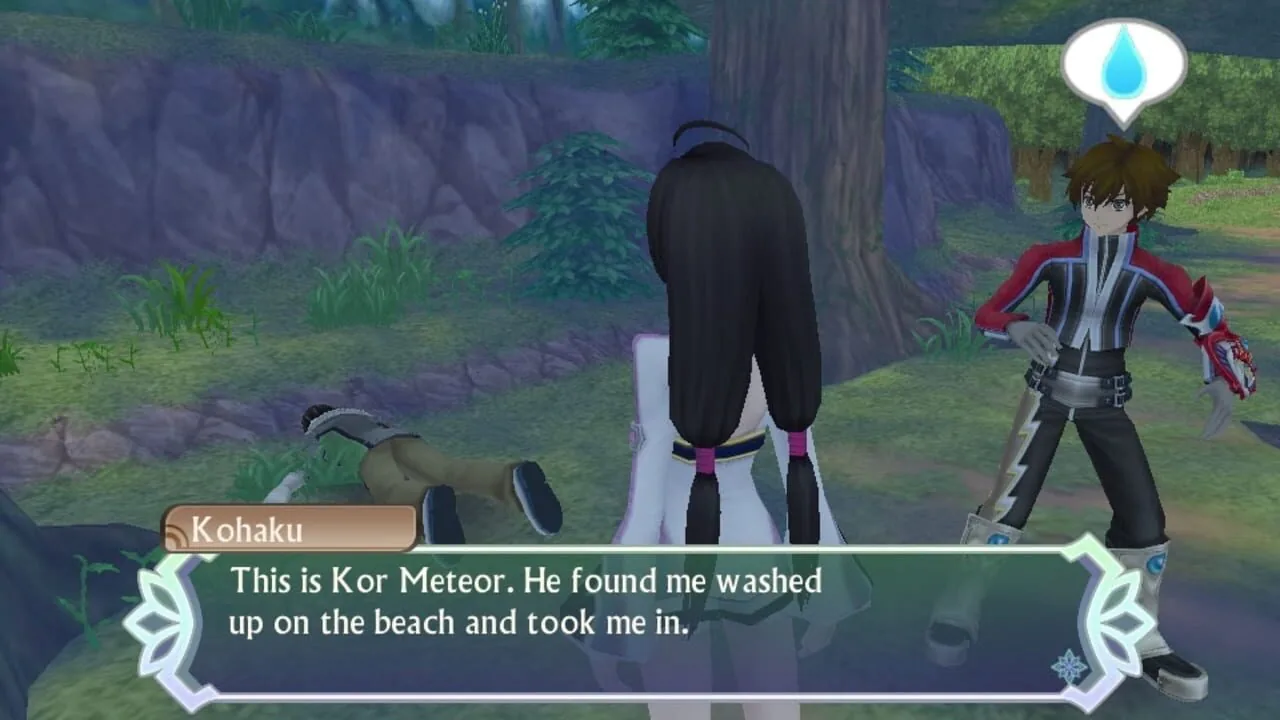
Tales of Hearts R is a Vita remake of a Nintendo DS game that never left Japan. It came out on the Vita in March 2013 and reached the West in November 2014, so the Vita was where English players first got it. The original is the eleventh main entry in the Tales series.
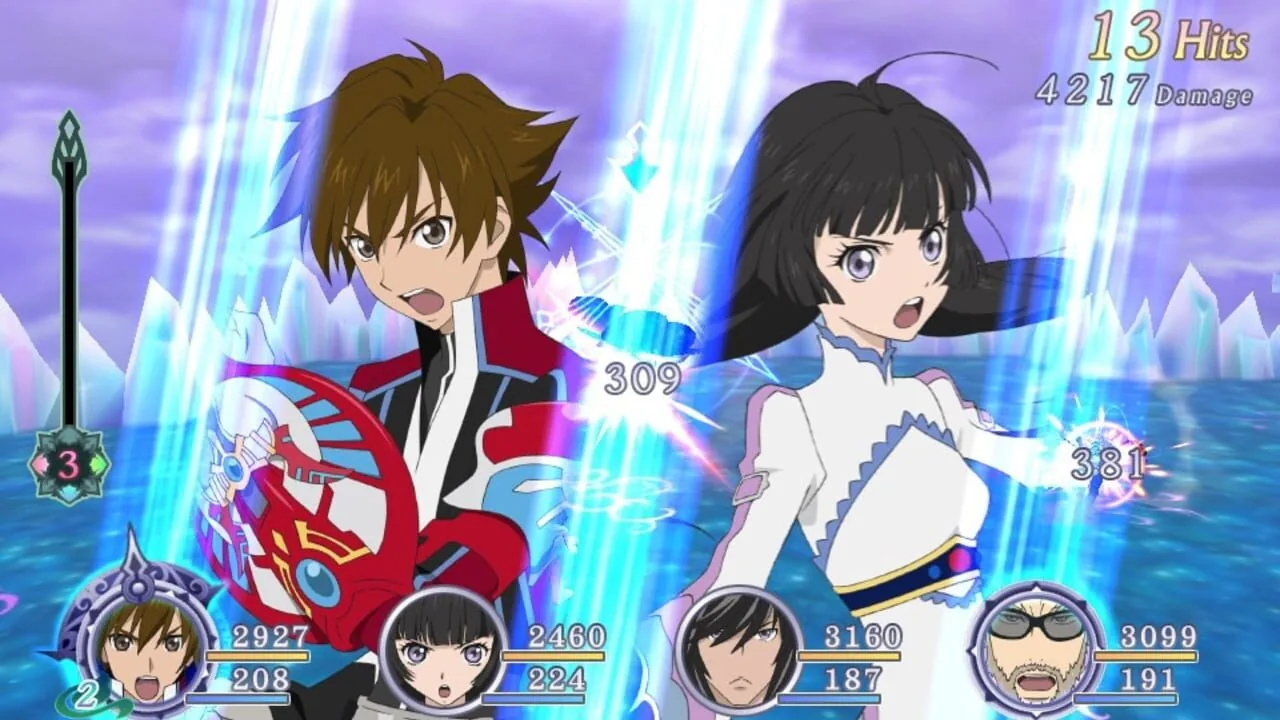
The remake rebuilt the battles as the Aerial Chase Linear Motion Battle System, which lets you send enemies flying and dash after them, and it added new playable party members. You follow Kor, who meets Kohaku and her brother Hisui and leaves his town for the first time. Western reviews were mixed to positive. Fans of the series get a full Tales adventure in their pocket, anime cutscenes and all.
11. Child of Light (2014)
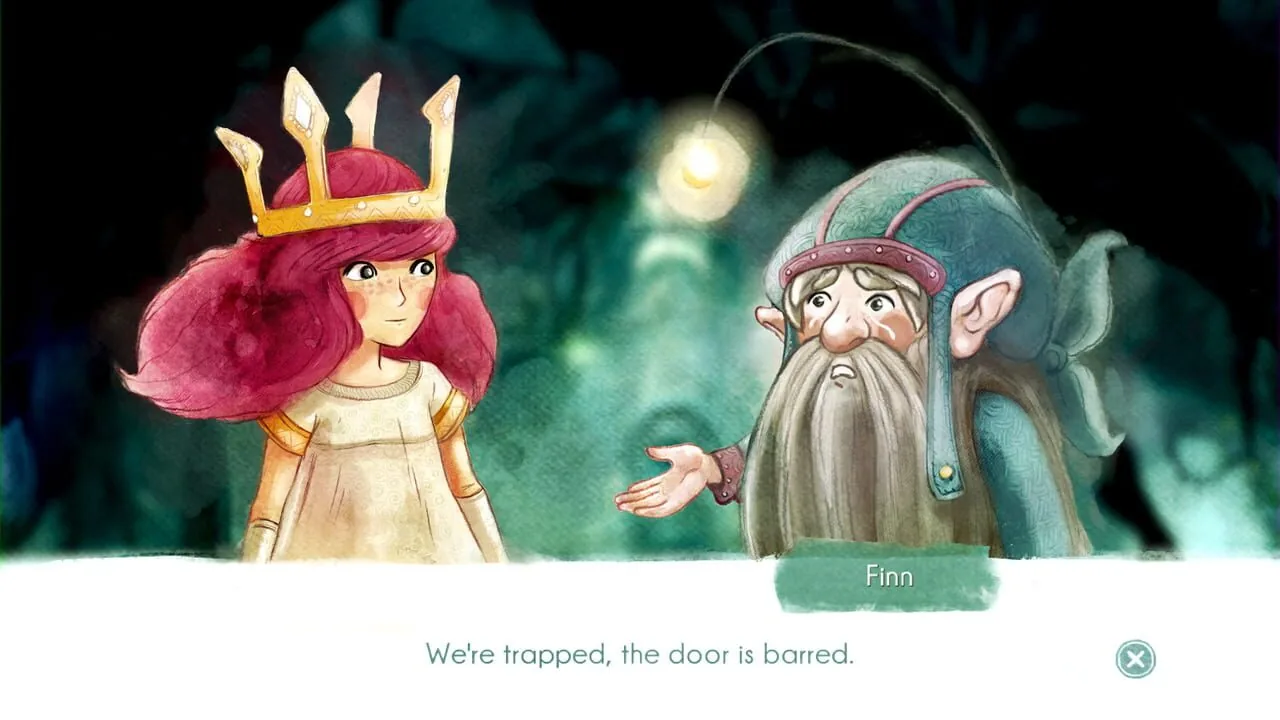
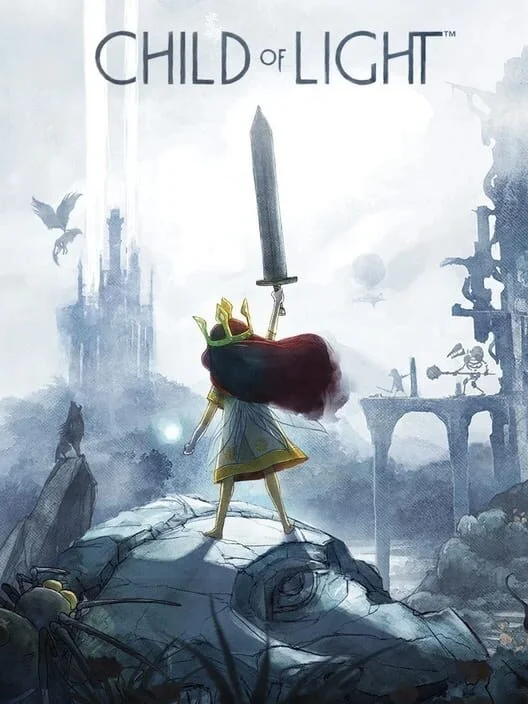
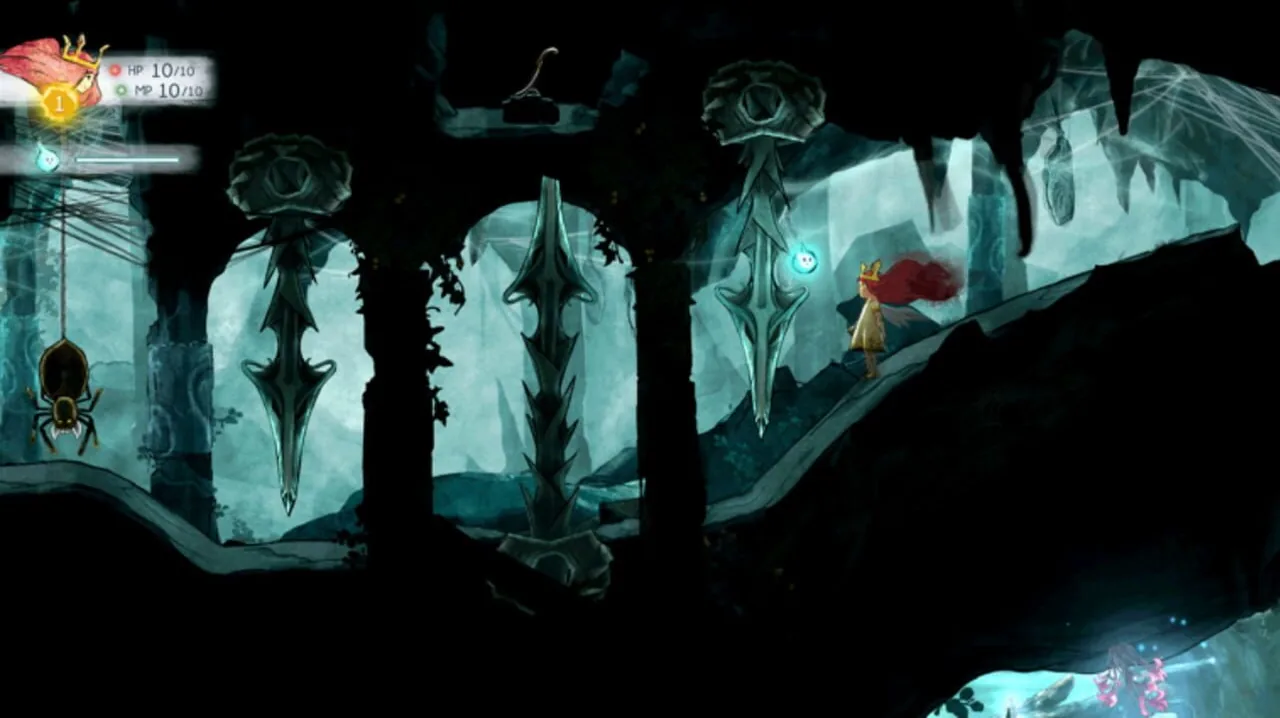
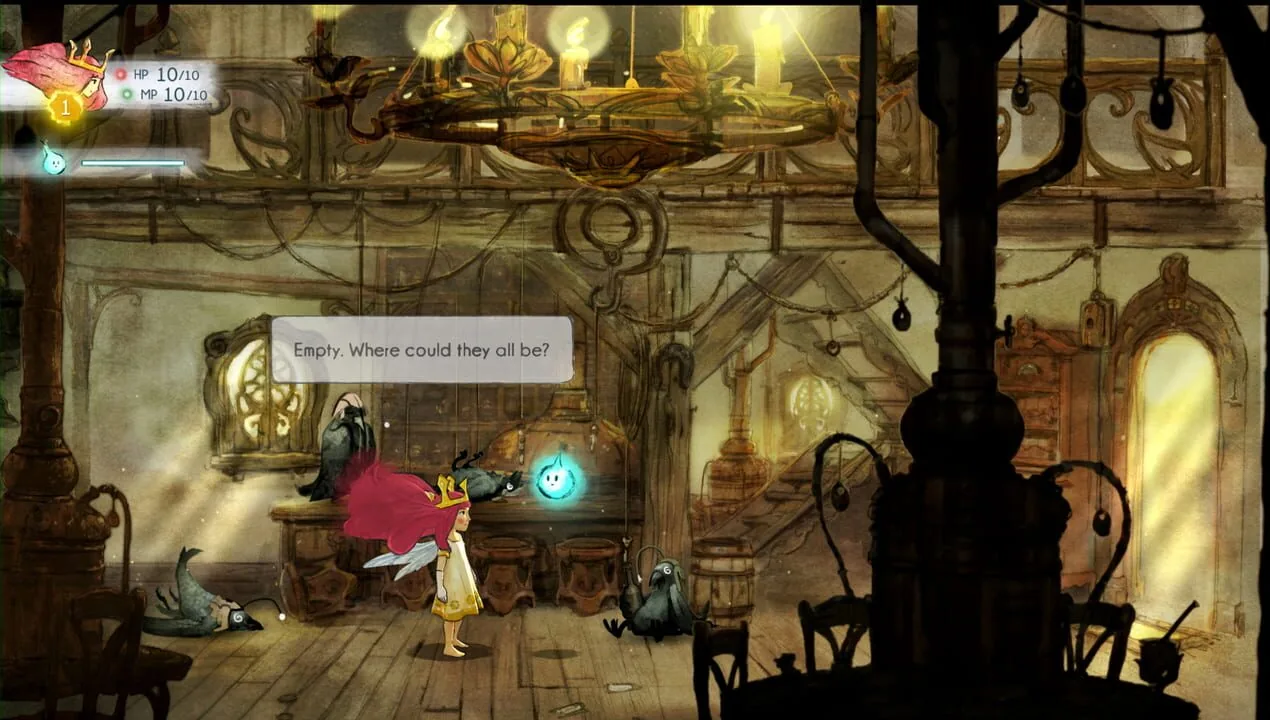
In Child of Light, the Black Queen has stolen all the light from the sky. You play Aurora, a young princess whose soul is brought to the kingdom of Lemuria, and you set out to get the light back. It was built with the UbiArt Framework, the engine behind Rayman Origins and Rayman Legends, which gives it the look of an animated painting.
Reviews were mainly positive, with particular praise for its visuals and soundtrack. All the dialogue rhymes, which charmed most critics, though one found the rhyming scheme "slightly forced". The Academy of Interactive Arts & Sciences nominated it for Handheld Game of the Year. It is short, kind and lovely to look at, a good RPG for a weekend.
10. Dragon Quest Builders (2016)
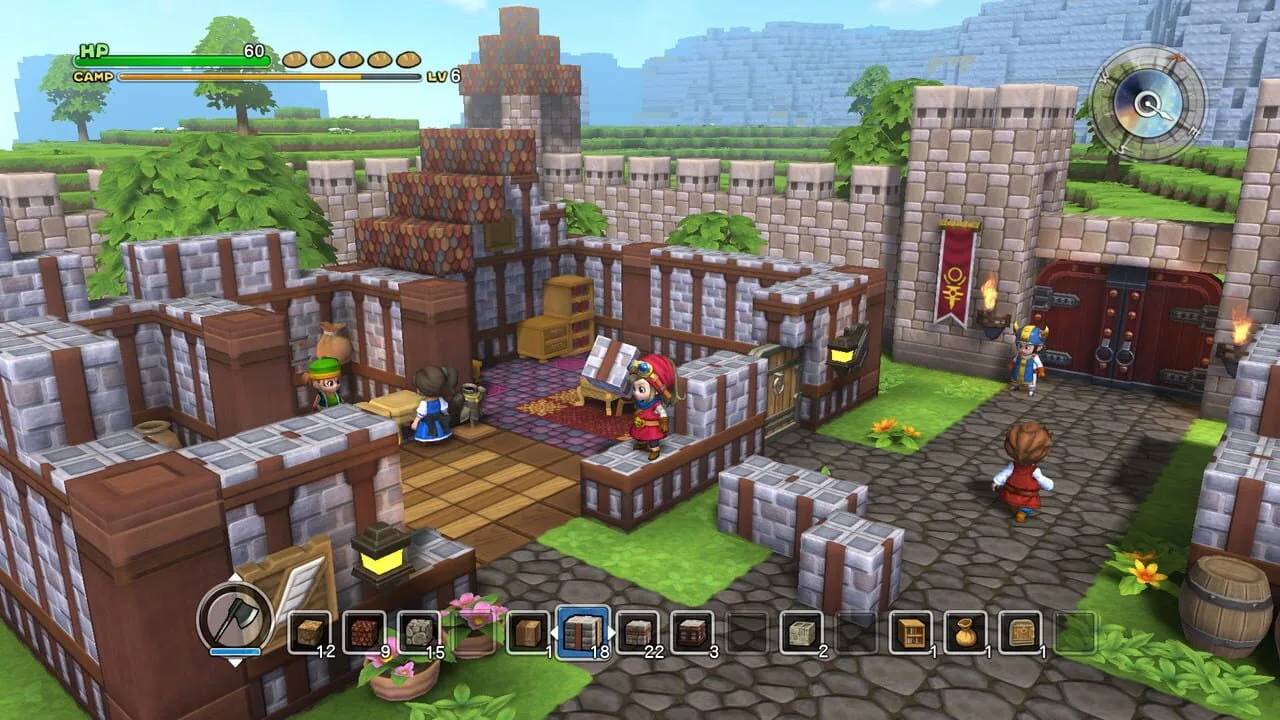
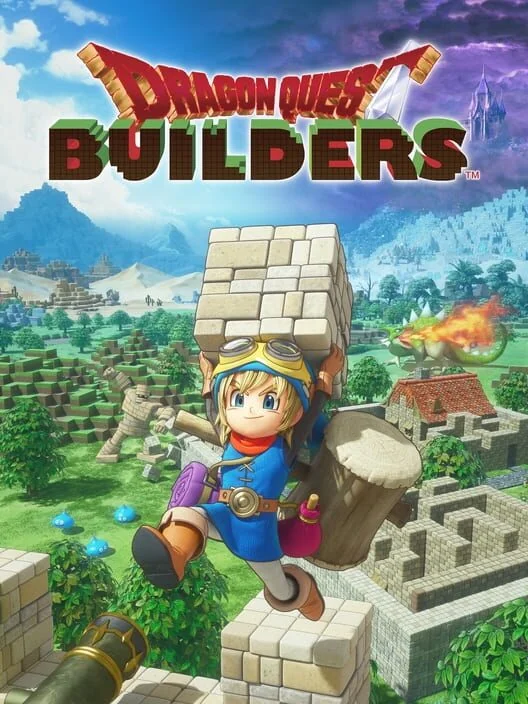
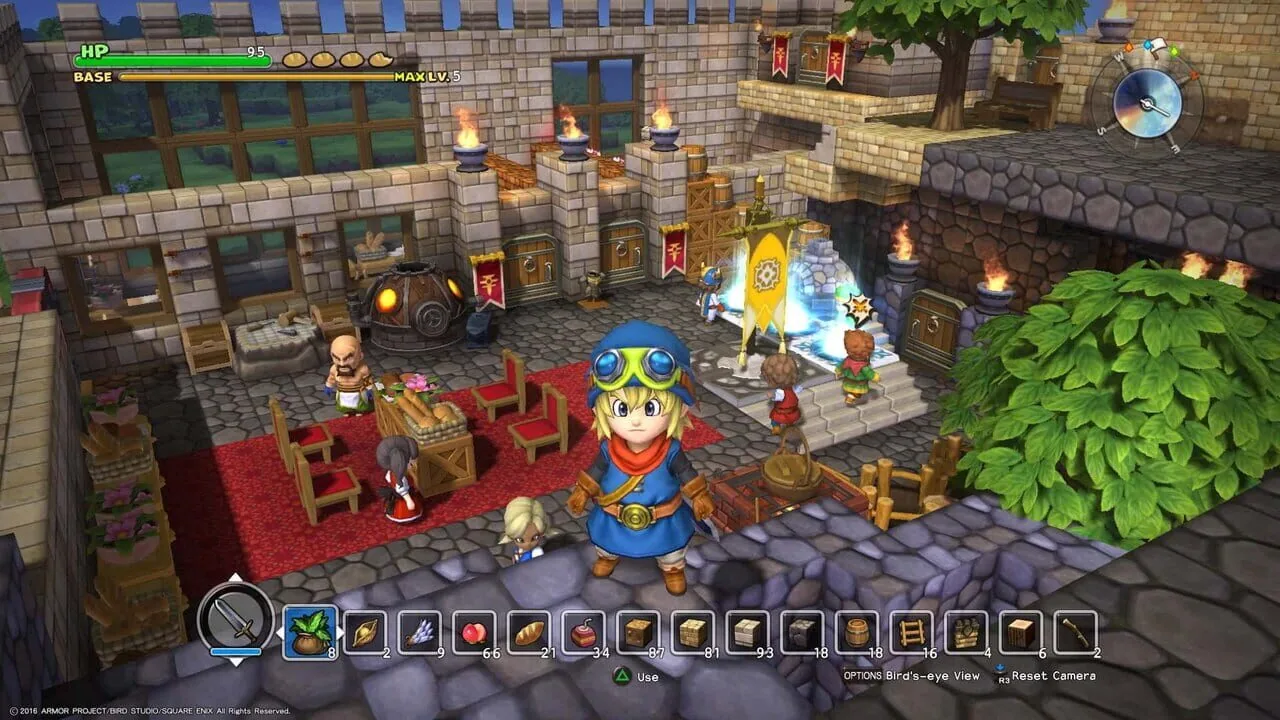
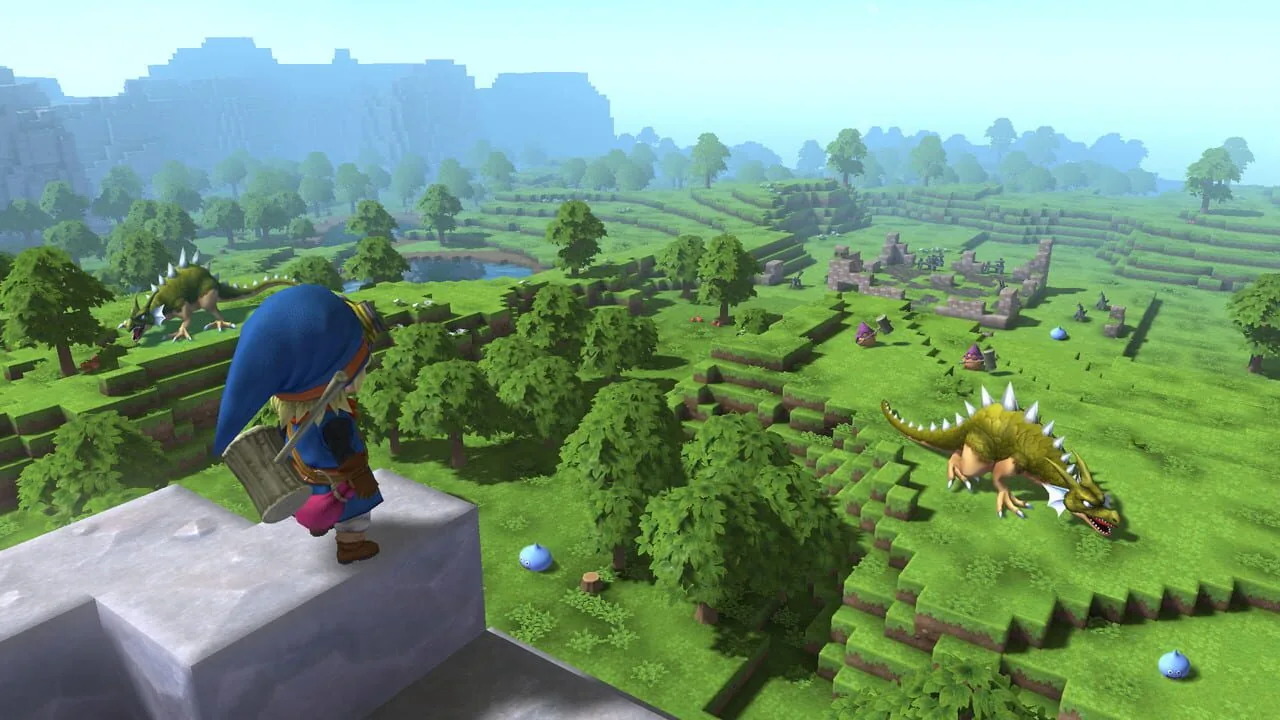
Dragon Quest Builders is a sandbox action RPG set in a world made entirely of blocks, and you can use those blocks to build pretty much whatever you want. The story starts from a dark what-if: it is based on a parallel ending of the first Dragon Quest, where the hero accepted the Dragonlord's offer to rule half the world.
You build towns out of blocks, and each town gains levels based on how much it has been built up. There is a main storyline to follow, plus plenty of quirky side quests. Think Minecraft, if Minecraft had slimes and a plot. It was later ported to the Switch and to Windows, and a sequel, Dragon Quest Builders 2, came out in 2018.
9. Salt and Sanctuary (2016)
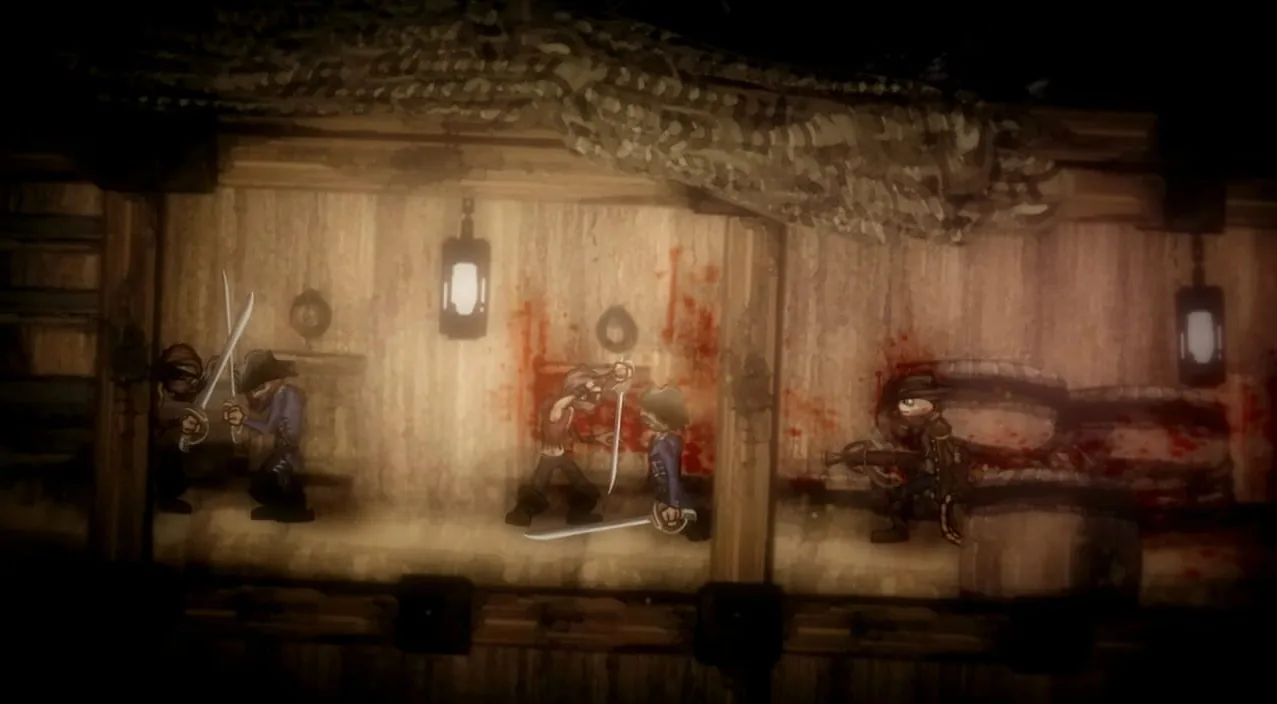
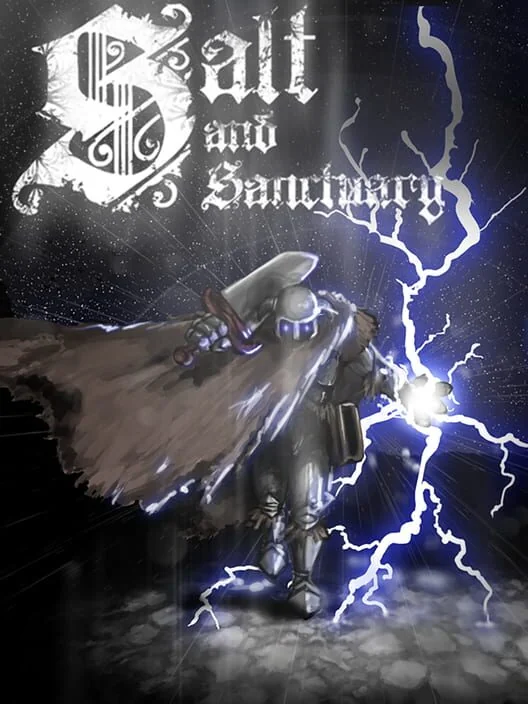
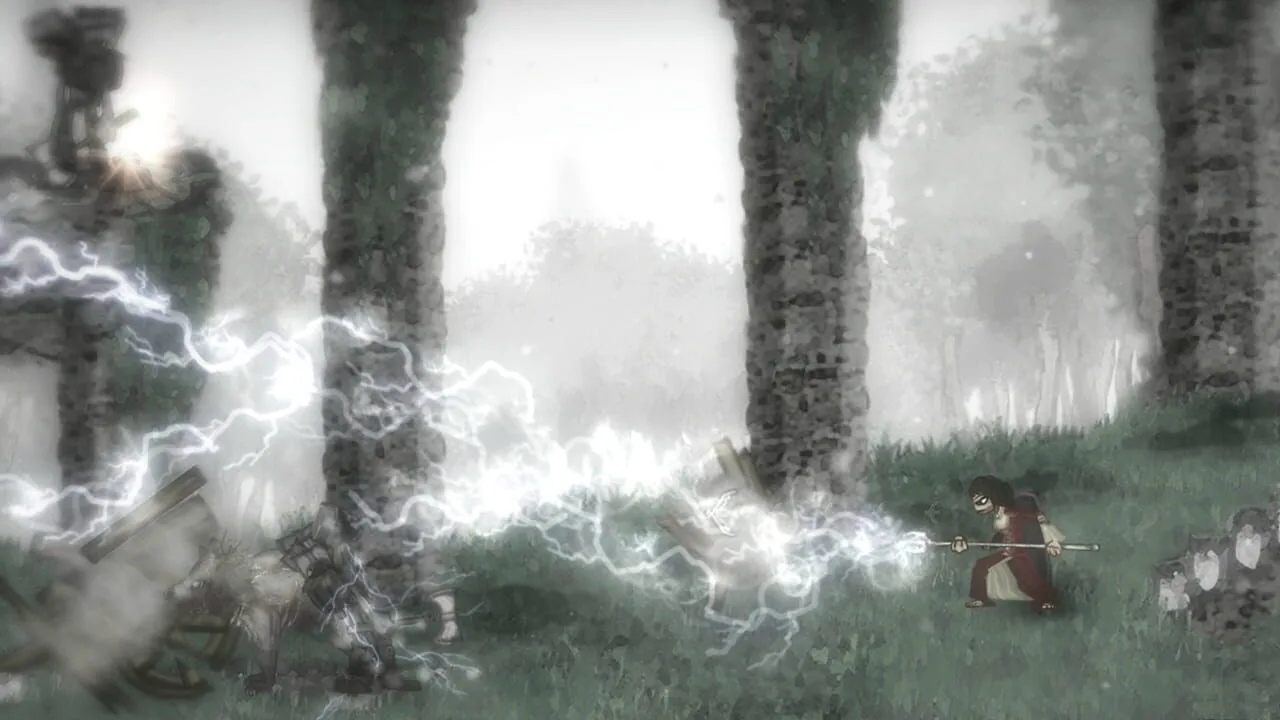
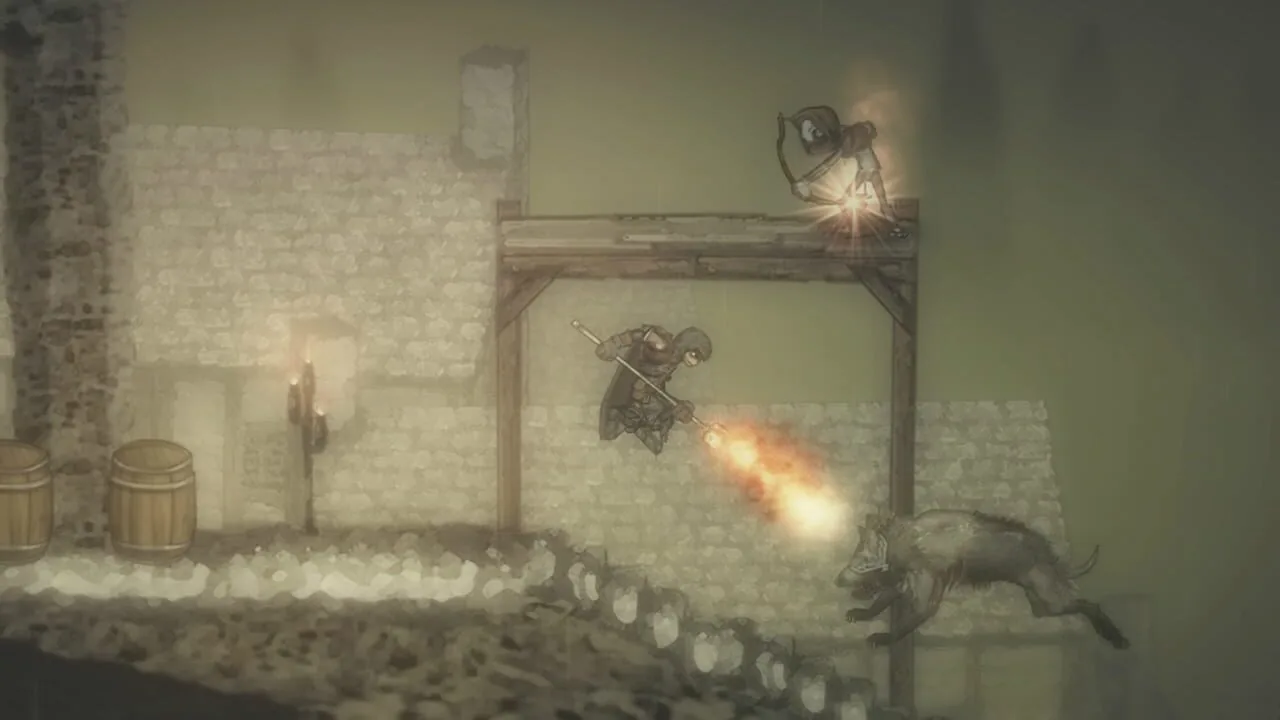
Salt and Sanctuary is a 2D action RPG from Ska Studios, with stamina management and character builds. It came out on the PS4 on March 15, 2016, and on the Vita on March 28, 2017. On top of origins and classes, it has an extensive skill tree with hundreds of combinations.
You explore a dark, interconnected world full of hostile enemies and hard bosses, gathering salt to grow stronger. In this world there are two kinds of human: Saltborn, who are largely made of salt, and Lightborn, who are made of light. Bosses hit hard and checkpoints are far apart, and that is the point. A sequel, Salt and Sacrifice, came out in 2022.
8. Ys VIII: Lacrimosa of Dana (2016)
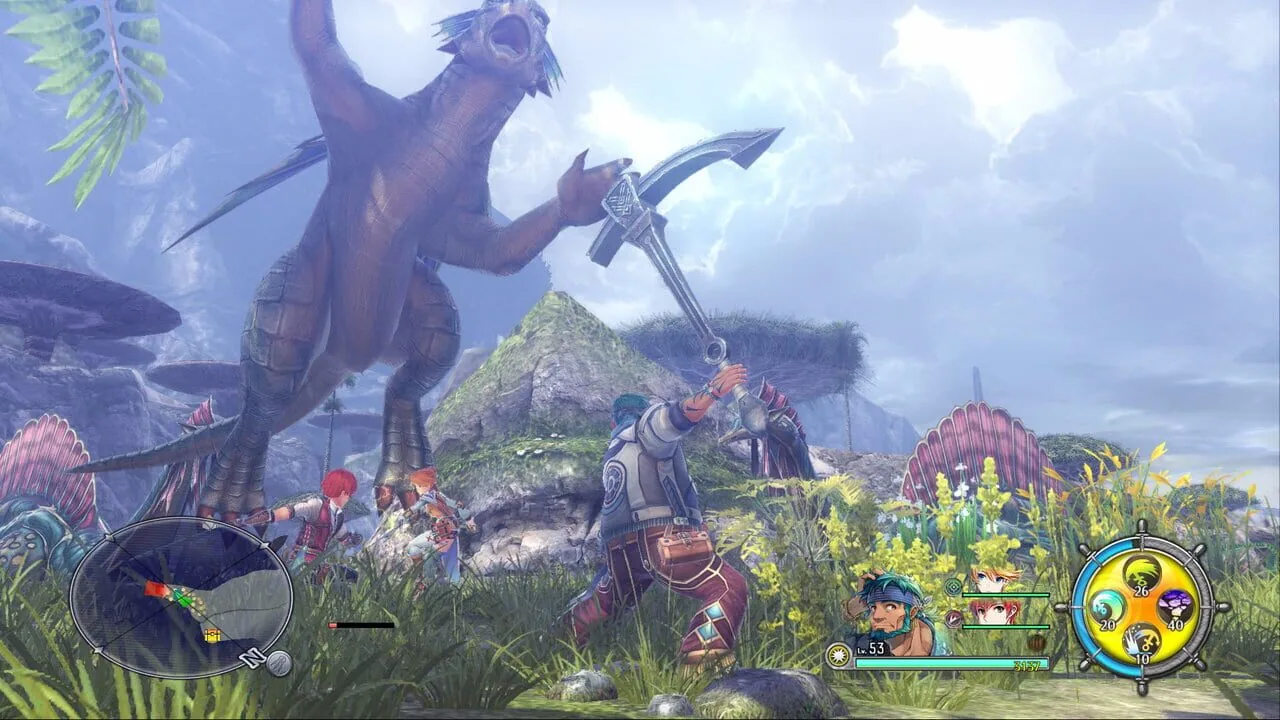
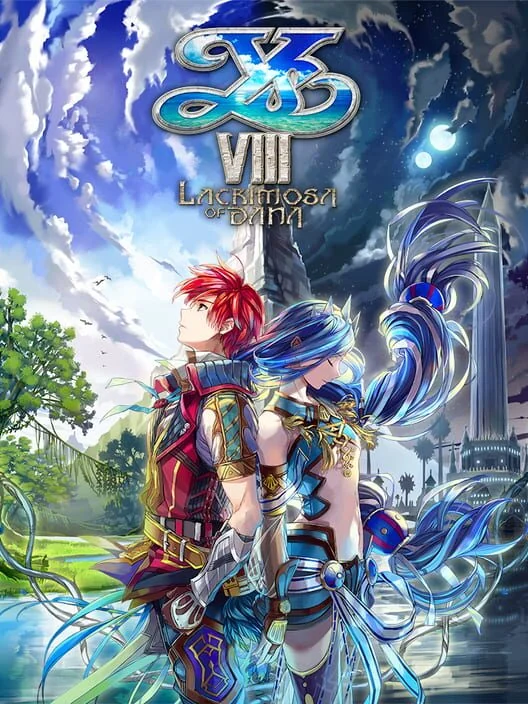
Ys VIII: Lacrimosa of Dana was first released in Japan by Falcom for the PlayStation Vita in July 2016, and only later on the PS4, Windows and the Switch. Adol wakes up shipwrecked on a cursed island. He and the other passengers he rescues form a village to take on fearsome beasts and mysterious ruins.
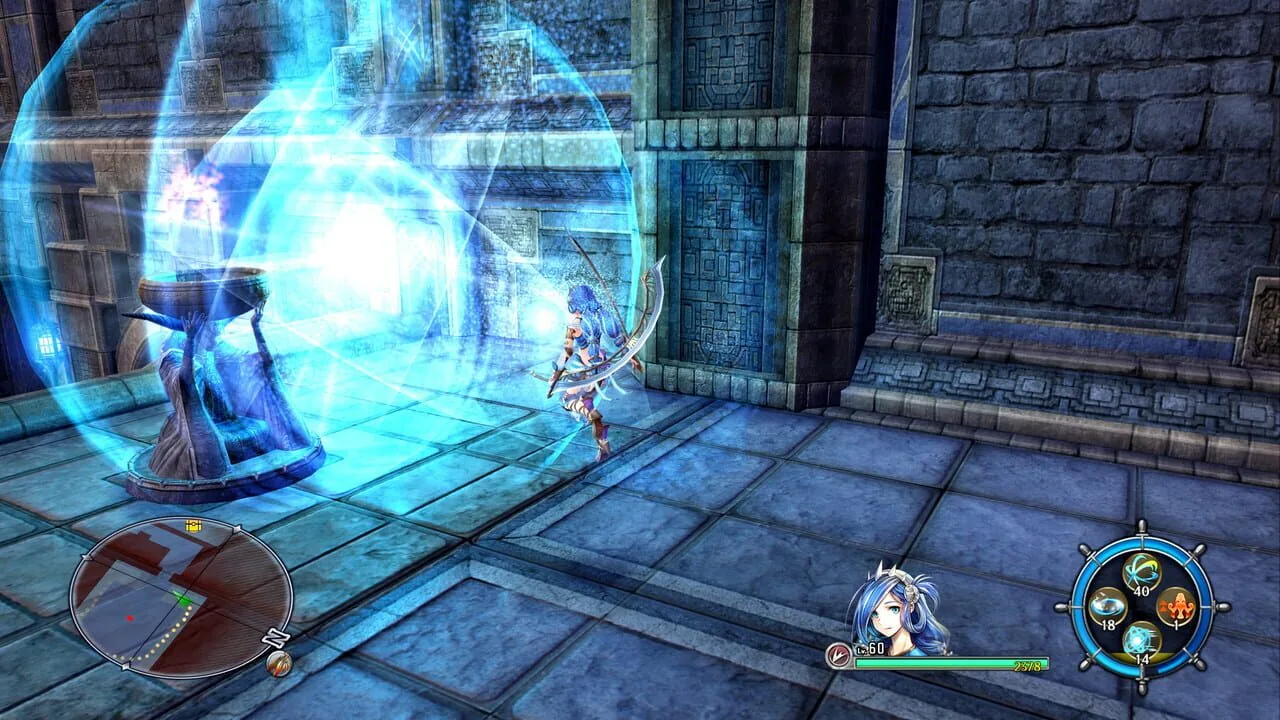
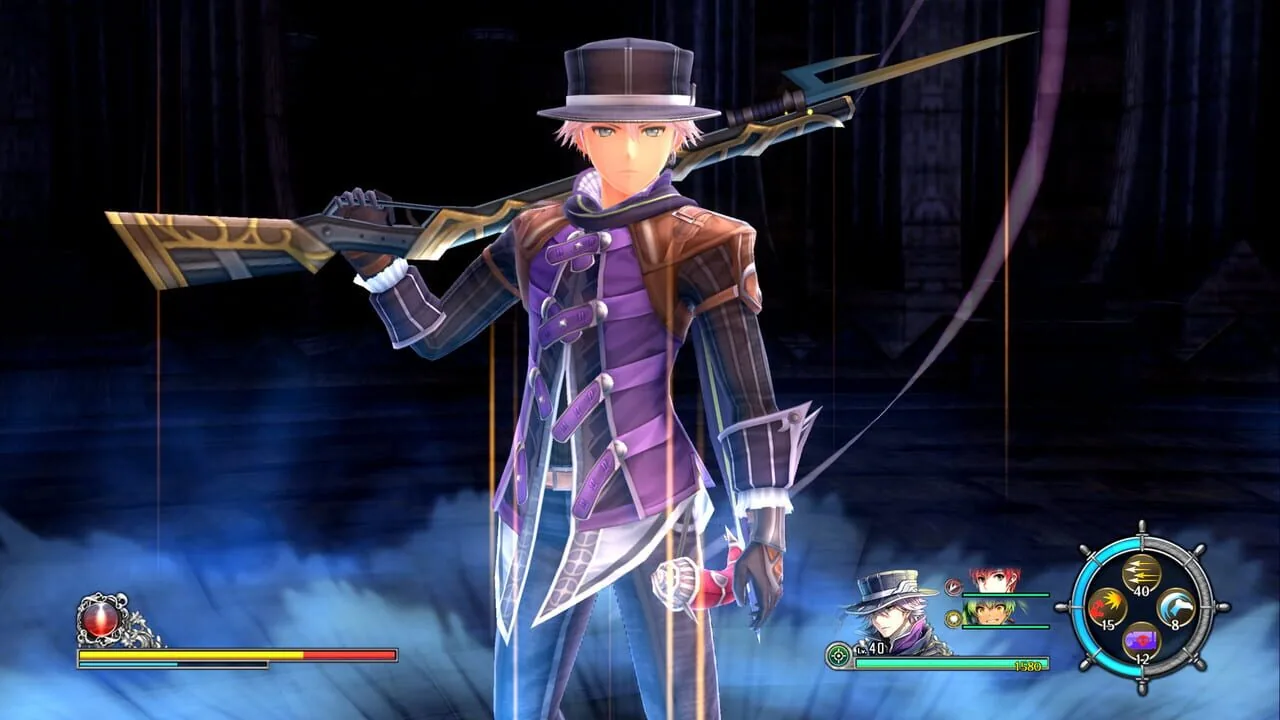
Fights are fast and in real time. Time a parry right and Flash Guard kicks in: for a short moment all damage is nullified and every attack you land is a critical hit. Each character also has an EXTRA Skill for when the gauge fills. Ys VIII had sold over 500,000 copies by the end of 2018, and it is the bigger of the two Ys games here.
7. Ys: Memories of Celceta (2012)
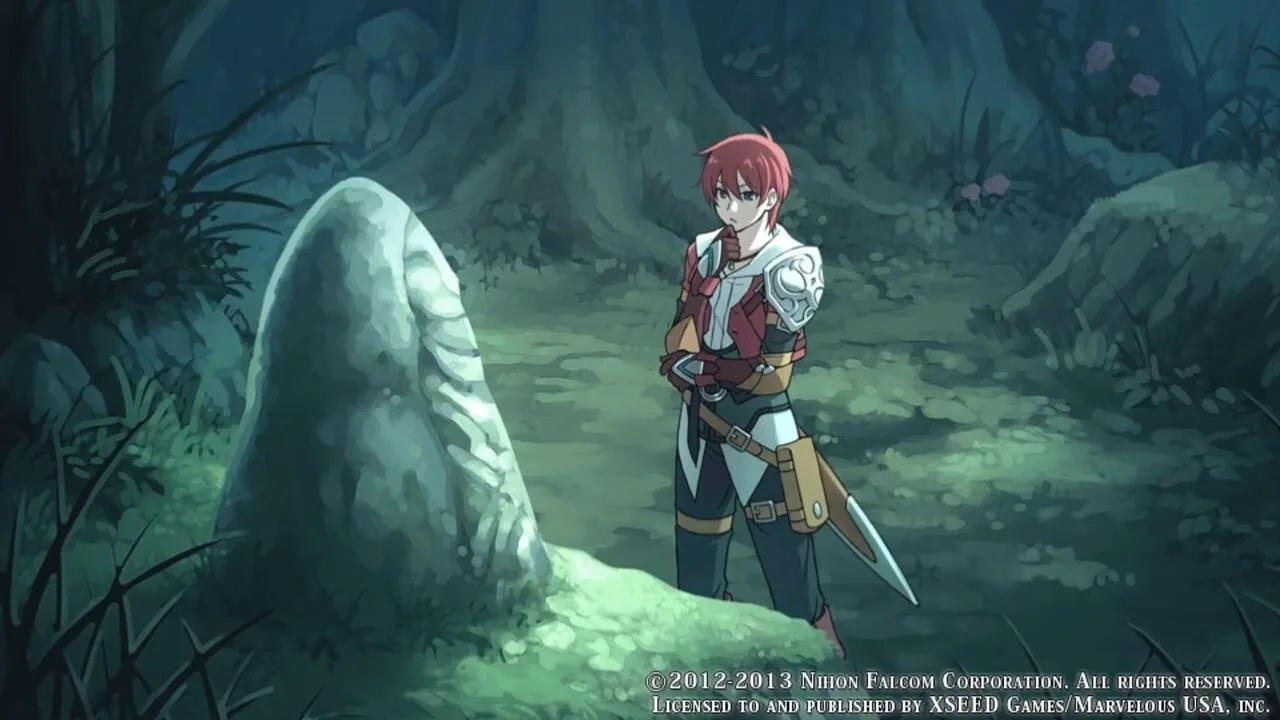
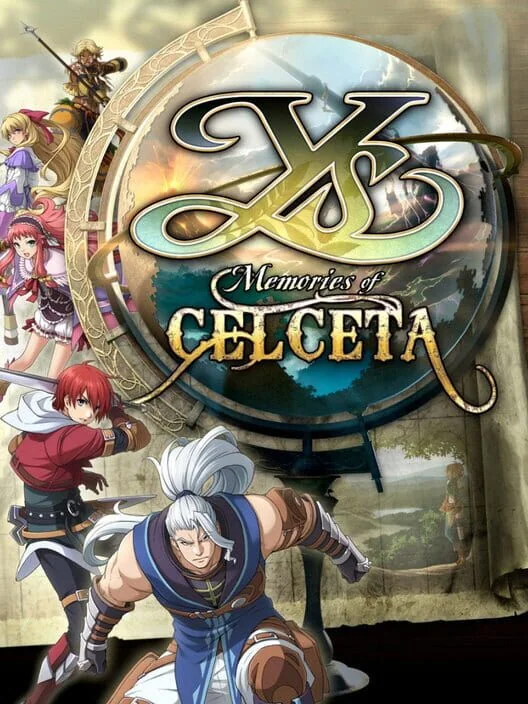
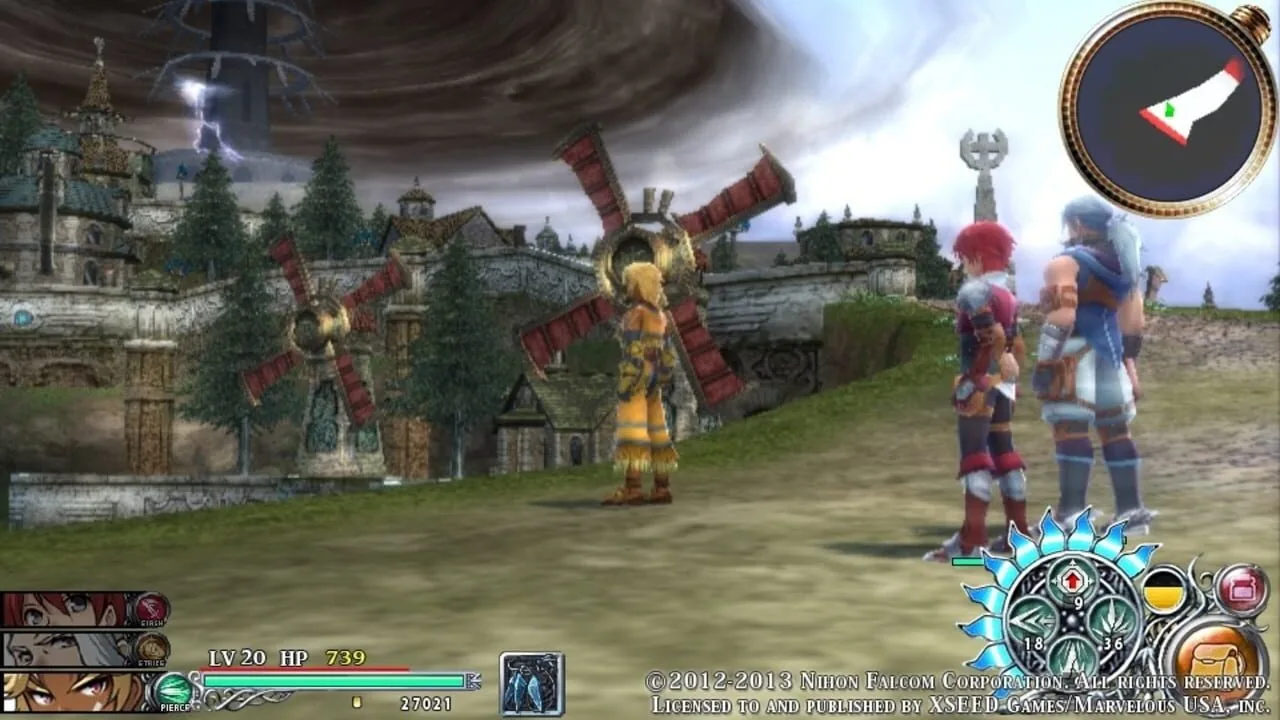
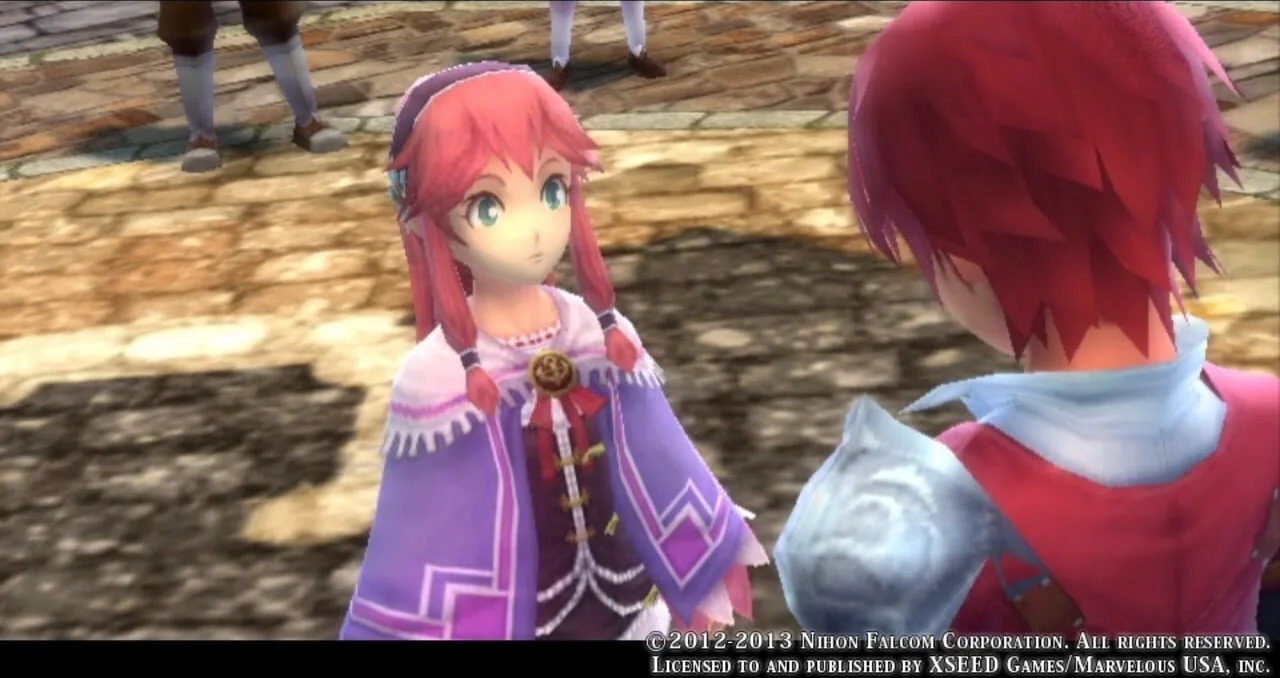
Ys: Memories of Celceta starts with Adol collapsing in a frontier town with his memories gone and only his name to guide him. An information dealer who claims to know him joins up, and after the pair help rescue some miners, a Romun Army general enlists them to map the Great Forest of Celceta. Many have tried that before, and none have returned alive.
Each character has a powerful EXTRA move that can only be used when the meter is full. One reviewer called the combat a more "fast and frantic" version of what is found in the Zelda series. Another liked that it needed strategy rather than mindless button-mashing while staying "easy to pick up". Watching the forest map fill in as you explore never gets old.
6. Odin Sphere: Leifthrasir (2016)
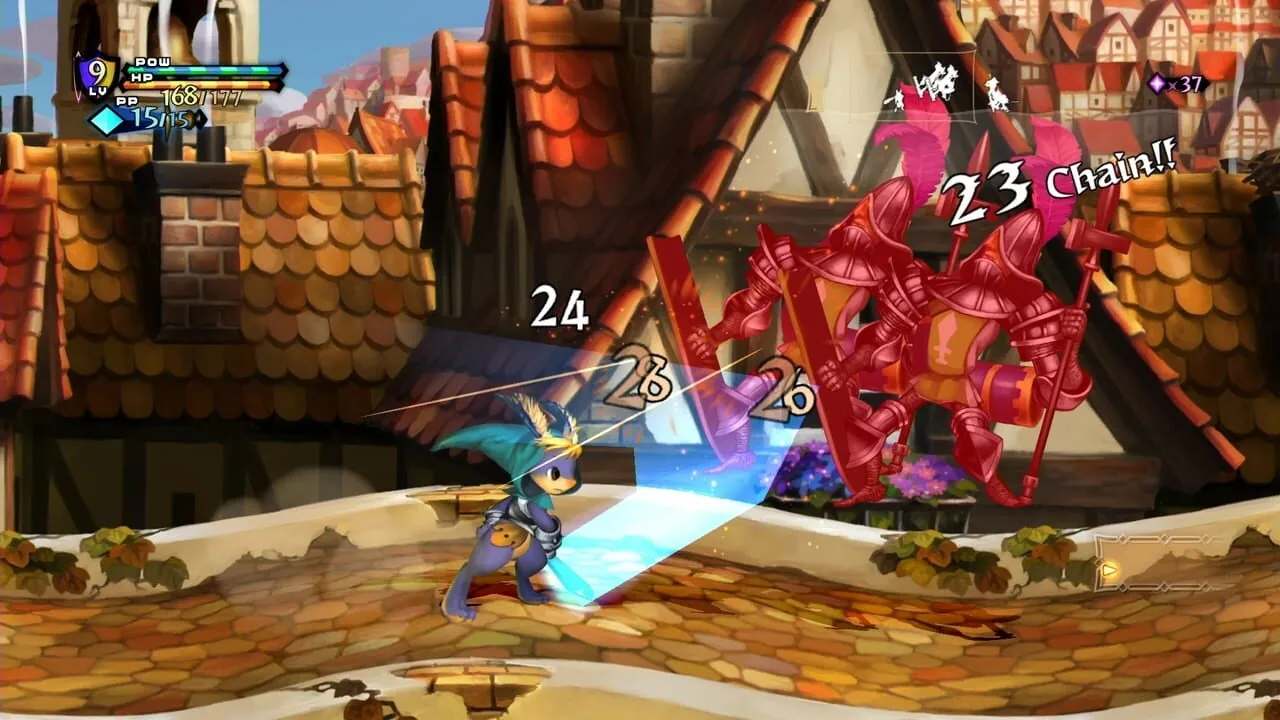
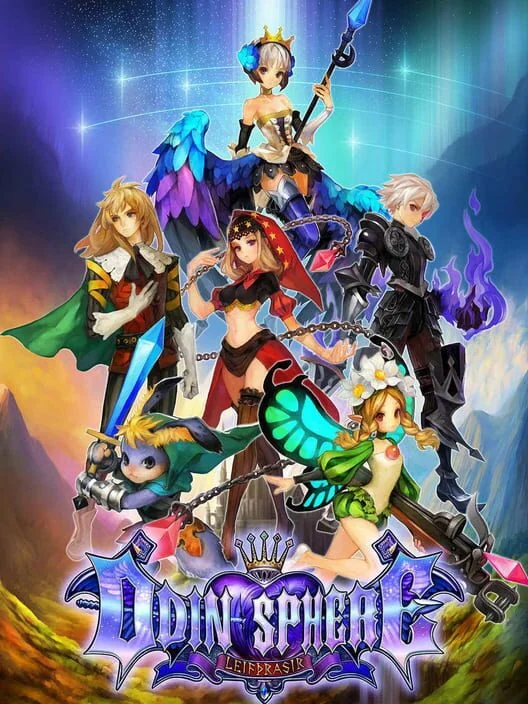
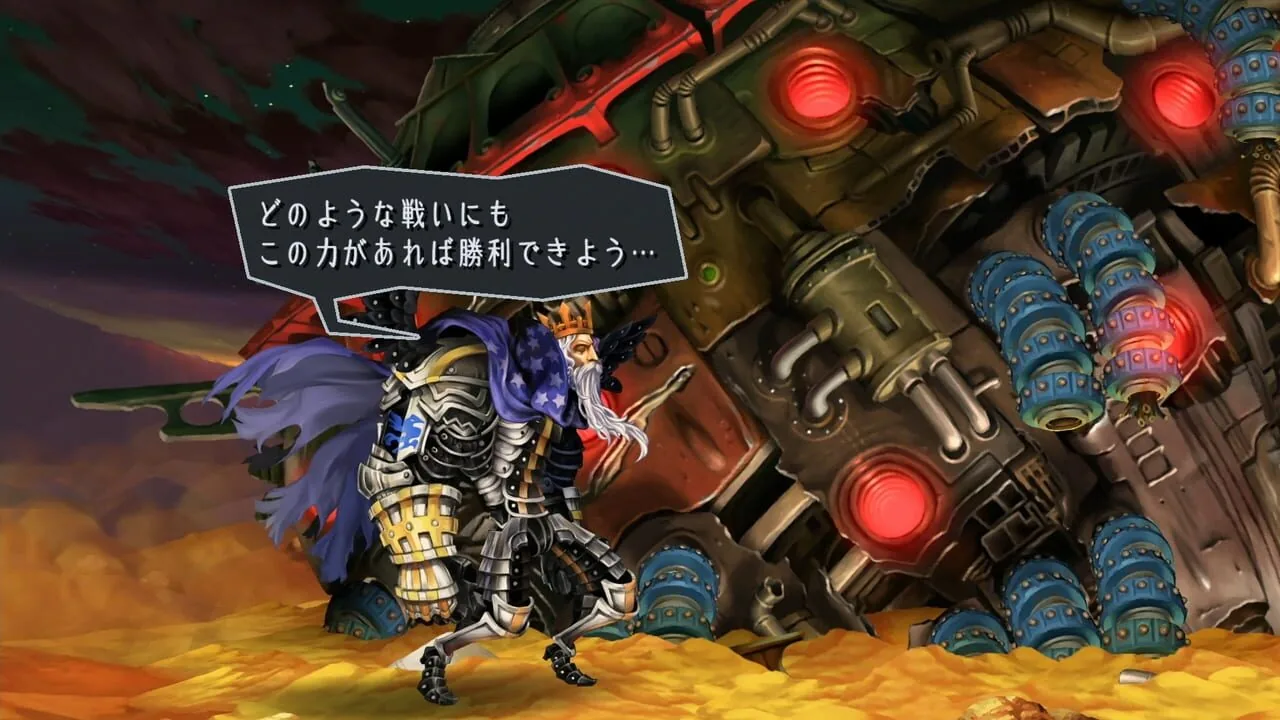
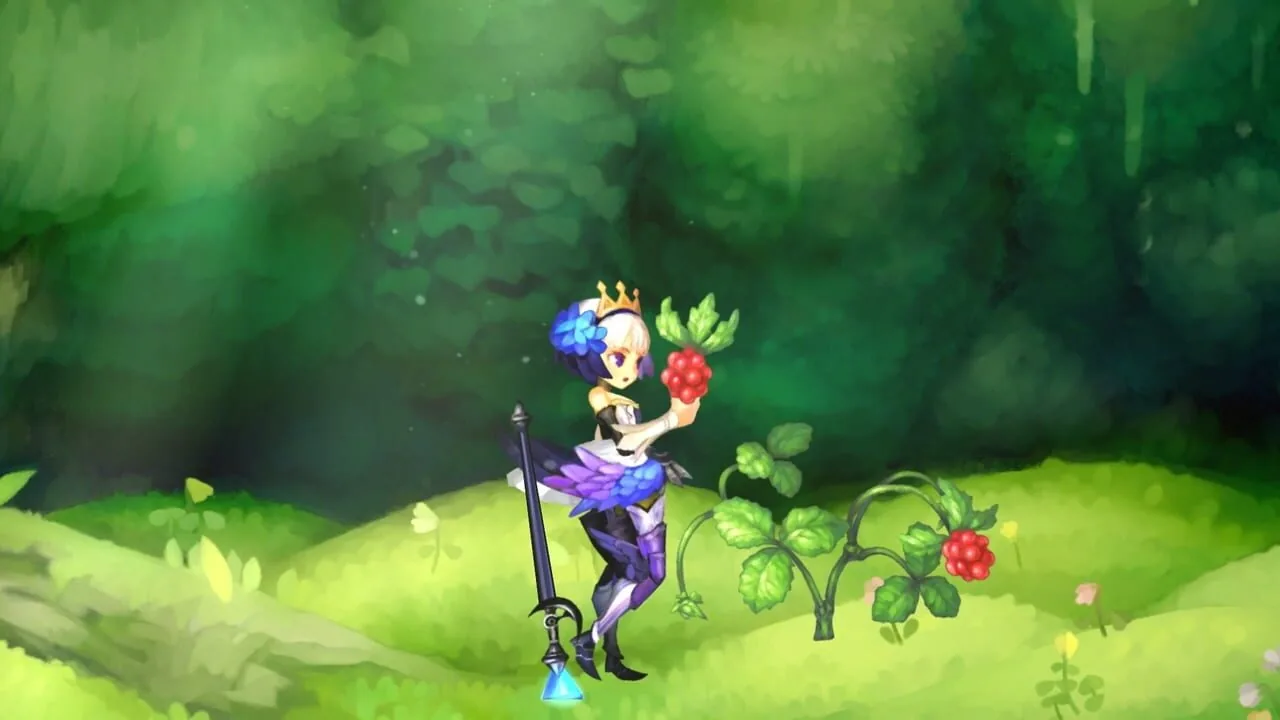
Odin Sphere: Leifthrasir is the remake of Vanillaware's PS2 game Odin Sphere, released on the PS3, PS4 and Vita in 2016. Work began in 2013 to fix the problems players and staff had with the original while keeping the story intact. It was meant as an HD remaster and ended up closer to a re-created game, with new boss fights and new attack moves. You can still play it the old way in classic mode.
George Kamitani built the story from Norse mythology and the works of William Shakespeare, and he staged the cutscenes as if on a theater stage. A team from Basiscape, led by Hitoshi Sakimoto, composed the music. You grow stronger by collecting Phozons, the spirit energy released from defeated enemies. On the Vita screen it looks like a picture book come to life.
5. Muramasa Rebirth (2013)
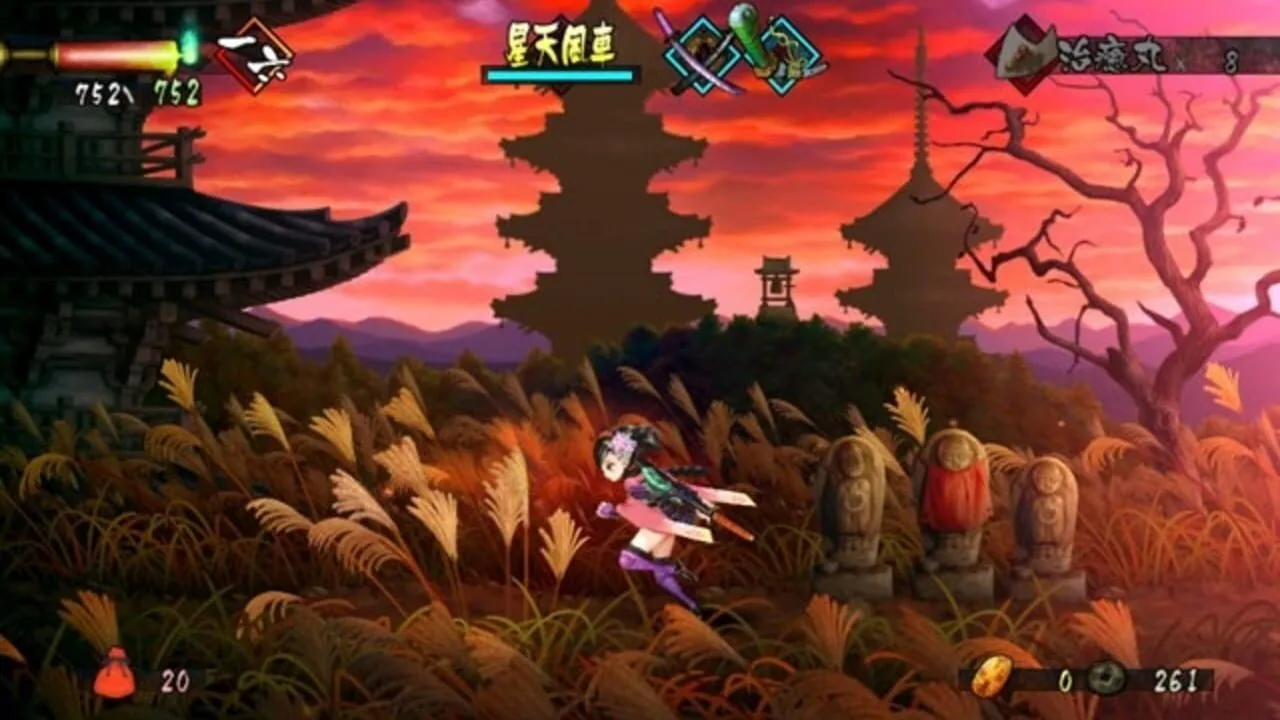
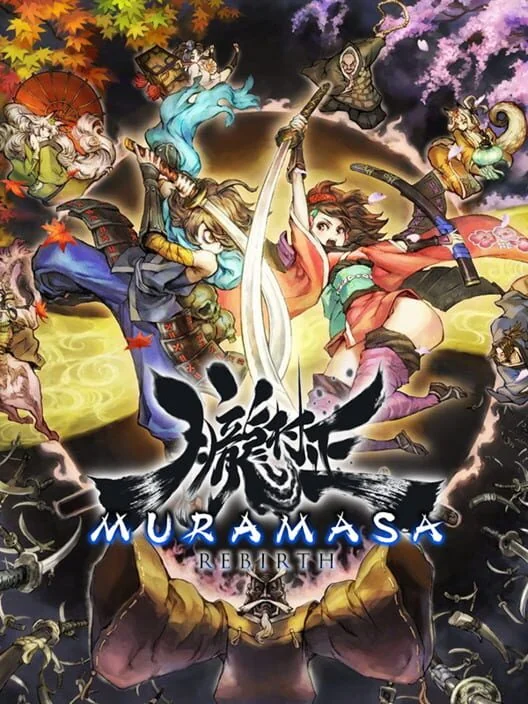
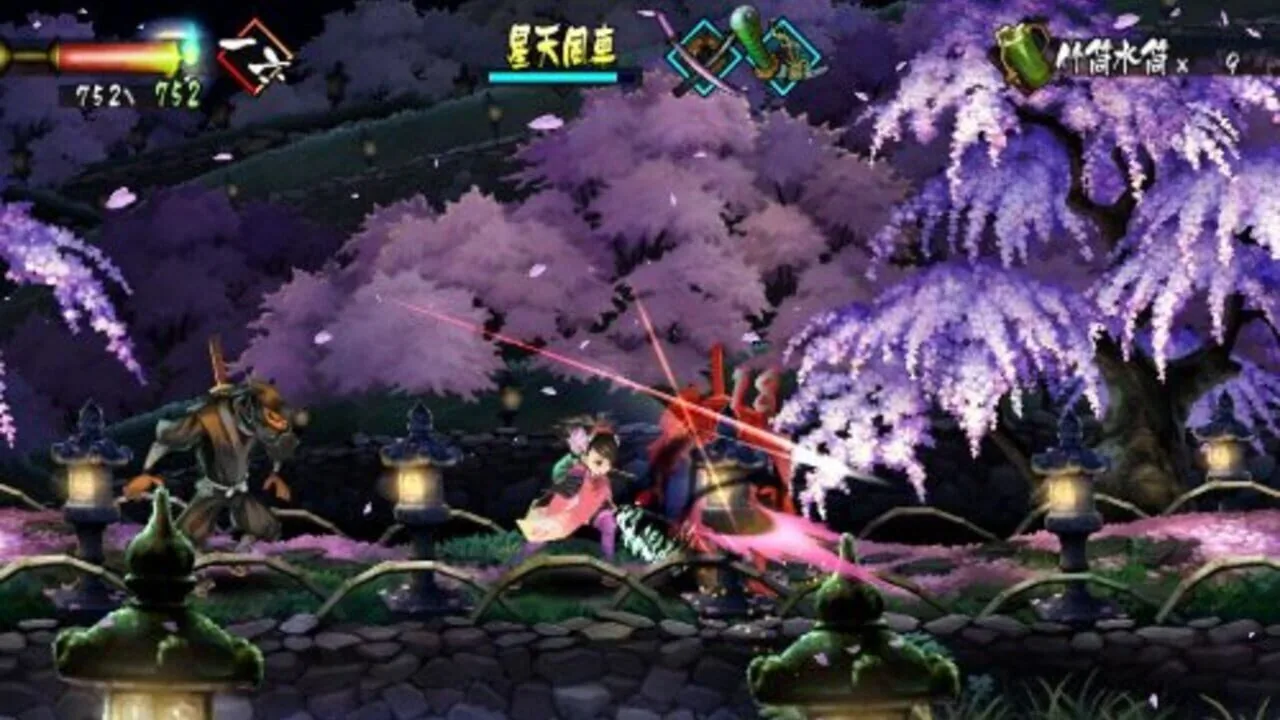
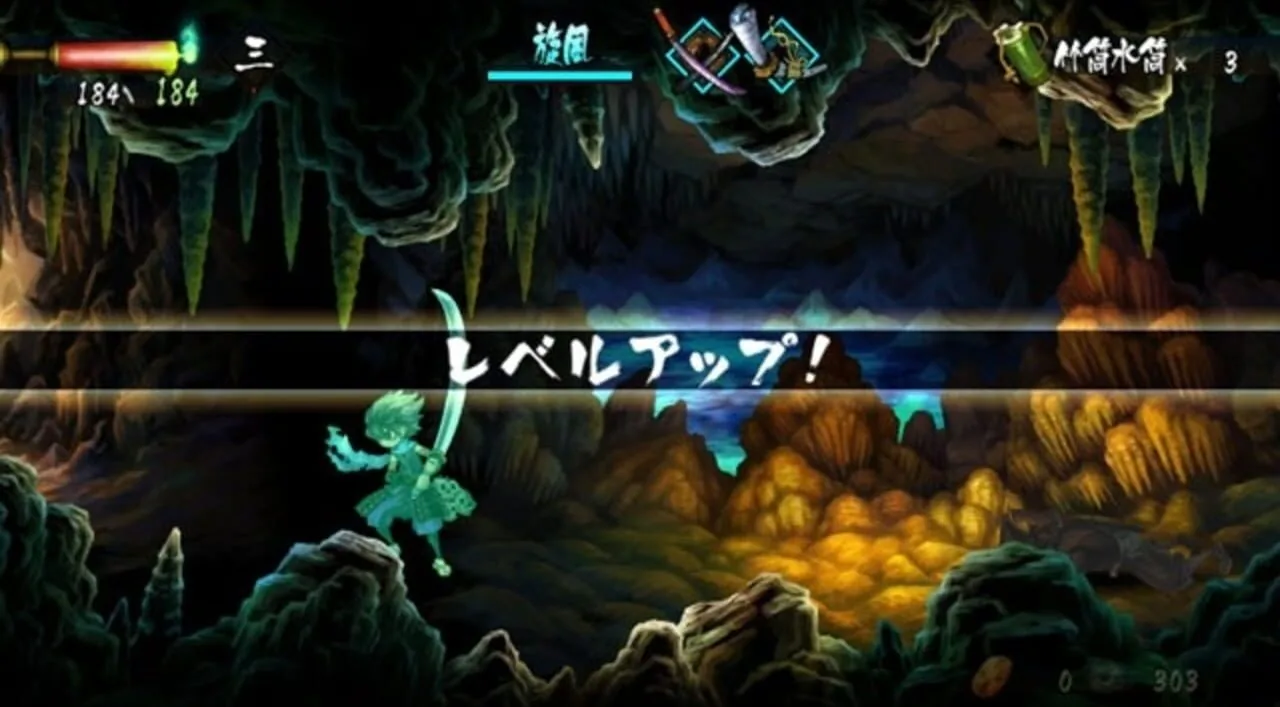
Muramasa Rebirth is the Vita version of Muramasa: The Demon Blade, a 2D side-scrolling action RPG set on Honshu during the Edo period. Aksys Games published it in English in 2013, with new music and a redone localization. You play two characters with similar abilities, Momohime and Jinkuro, and their stories cross in strange ways.
George Kamitani based the story on kabuki theatre, with Japanese folklore and Buddhist theology mixed in. The downloadable Genroku Legends added four self-contained stories based on Japanese folklore. Critics praised the art and music and called the fighting fun but shallow. Rebirth met with strong sales. On a handheld, shallow and gorgeous turns out to be a fine combination for a bus ride.
4. Dragon's Crown (2013)
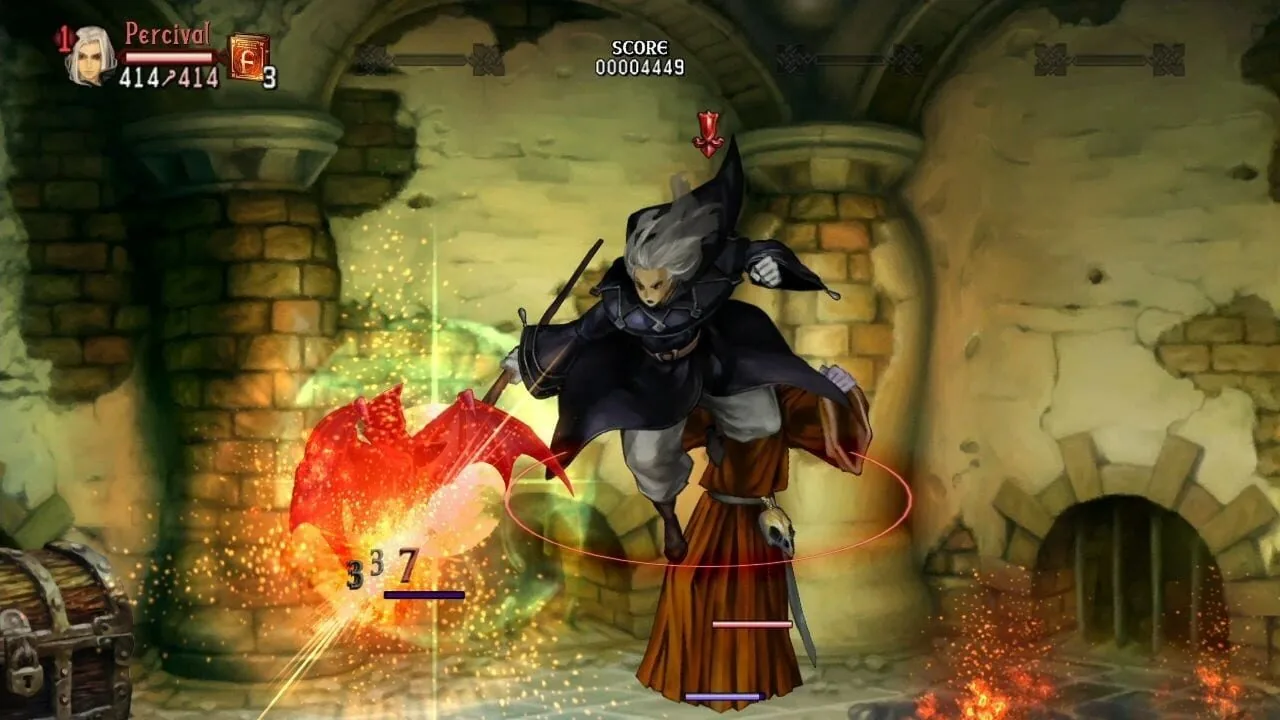
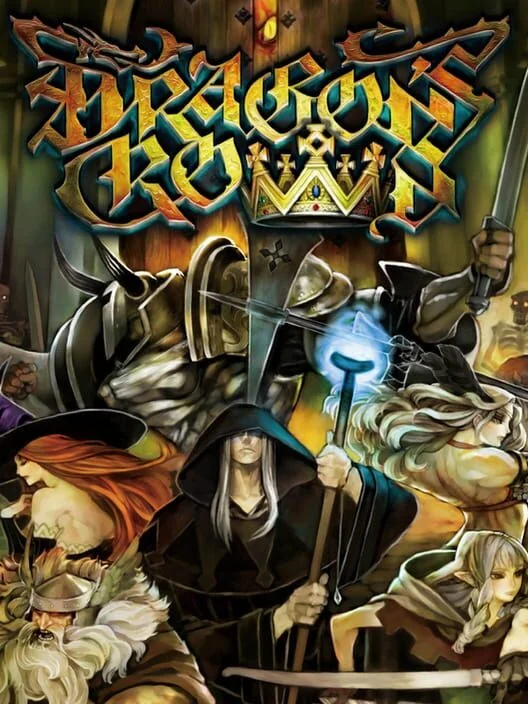
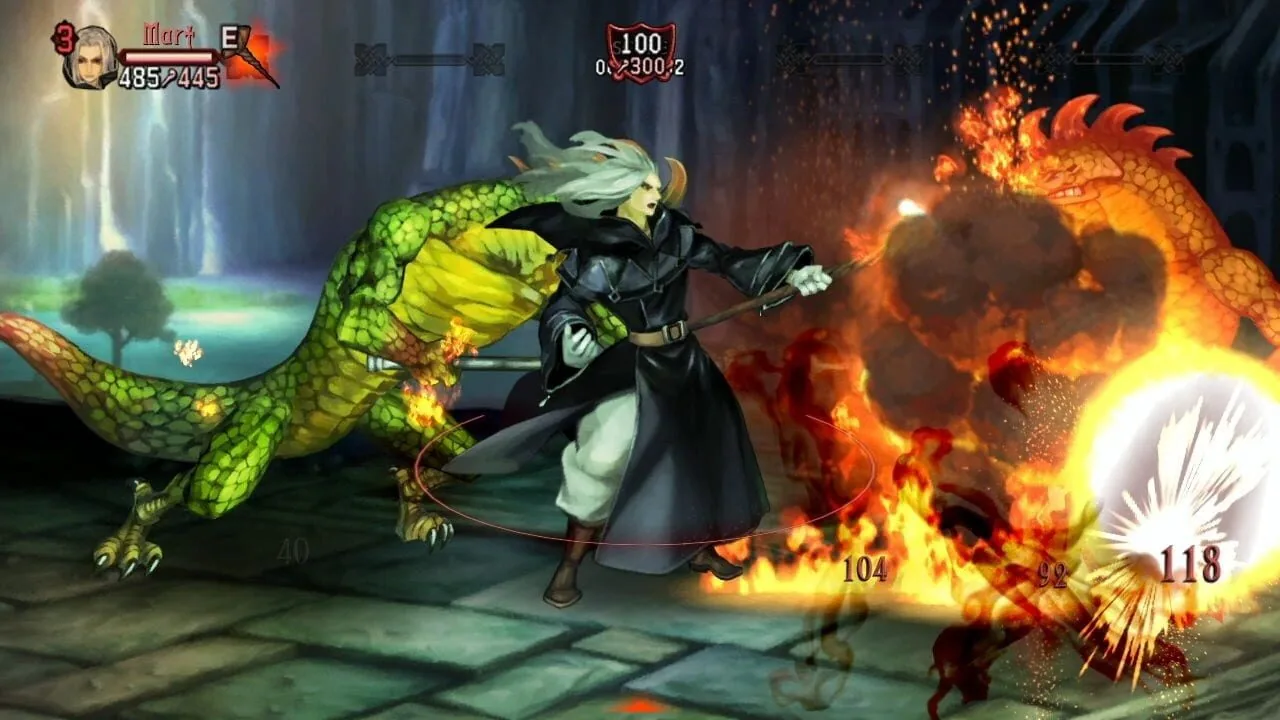
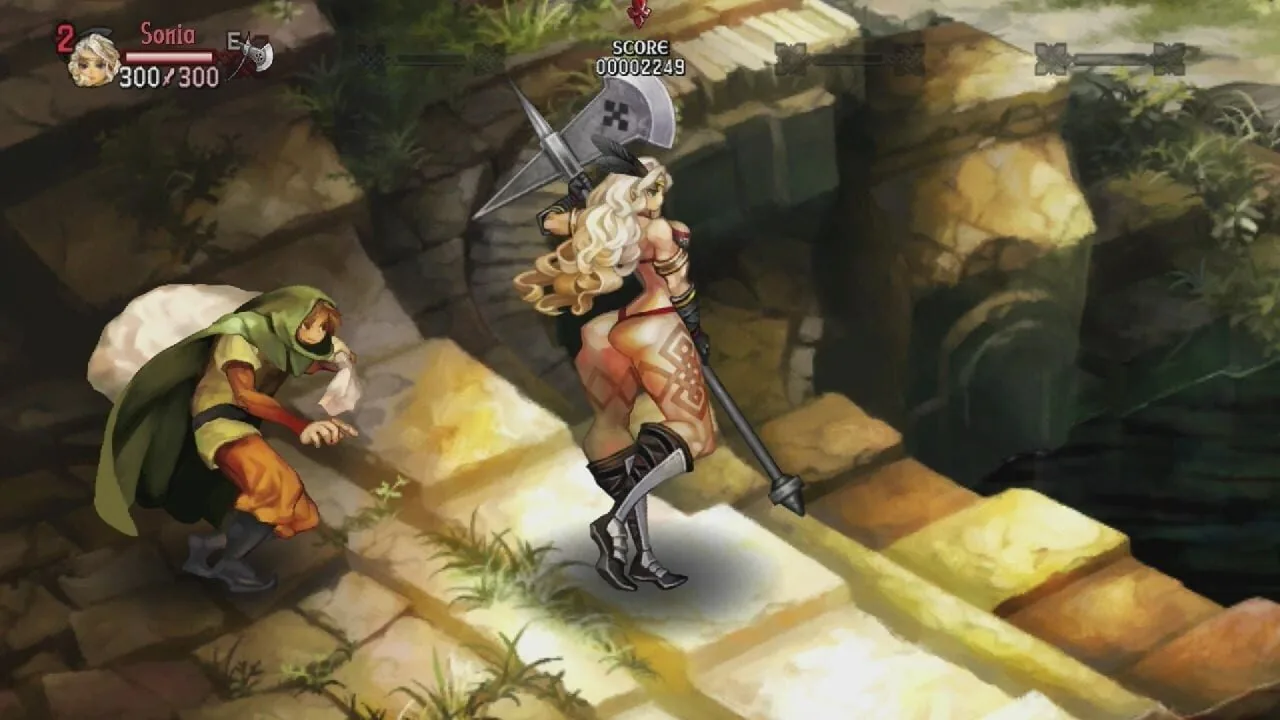
Dragon's Crown began as George Kamitani's plan for a Dreamcast sequel to Princess Crown, the 1997 Sega Saturn game he directed. For the next decade he pitched it to several publishers and was always turned down. Programmer Kentaro Ohnishi steered it into becoming a beat 'em up, something Vanillaware had never done before, with RPG character building between dungeons.
Kamitani drew on arcade games like Dungeons & Dragons: Tower of Doom and Golden Axe. Up to four players can team up locally or online, and every detail is hand-painted, down to the scales on the dragons. Critics praised its gameplay and art style and criticized the story and the repetition. It had sold over one million units by September 2017.
3. Freedom Wars (2014)
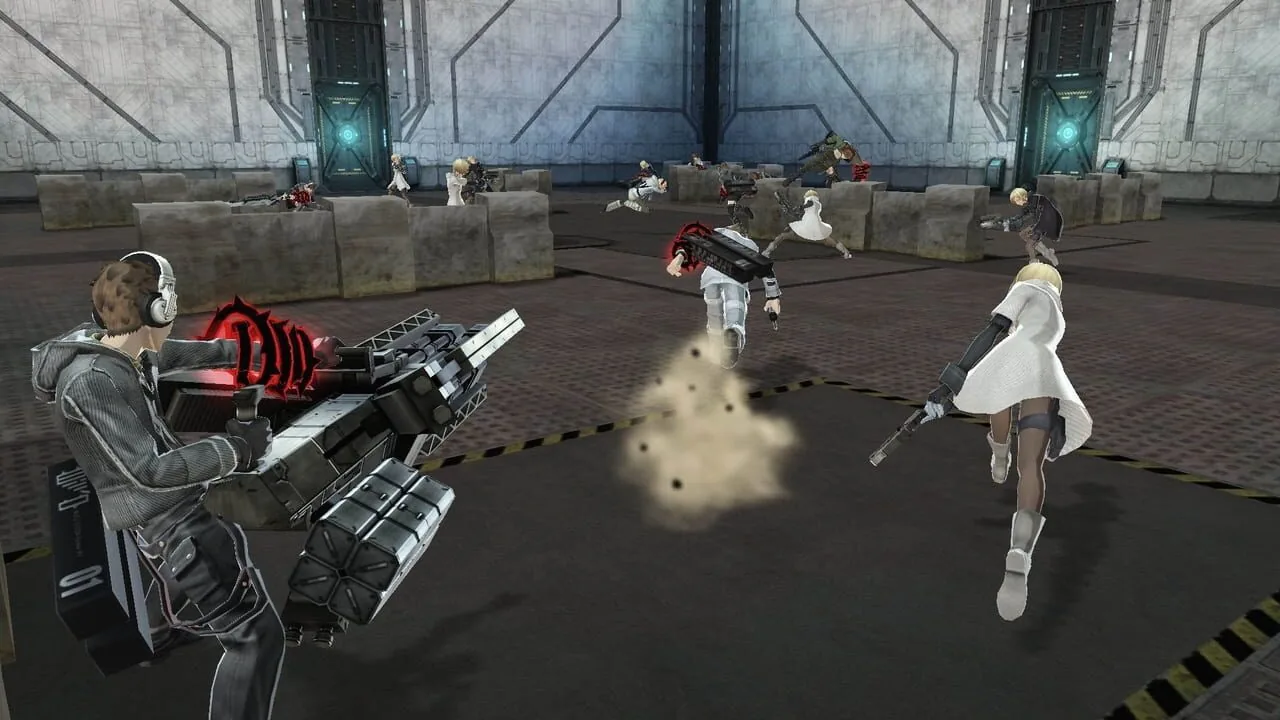
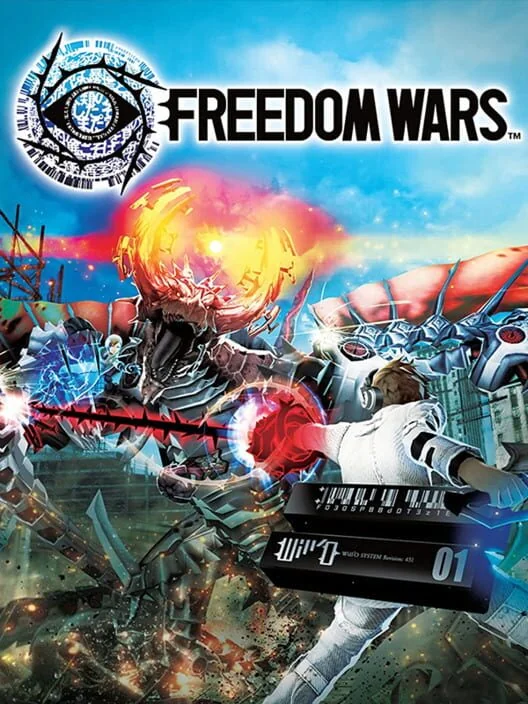
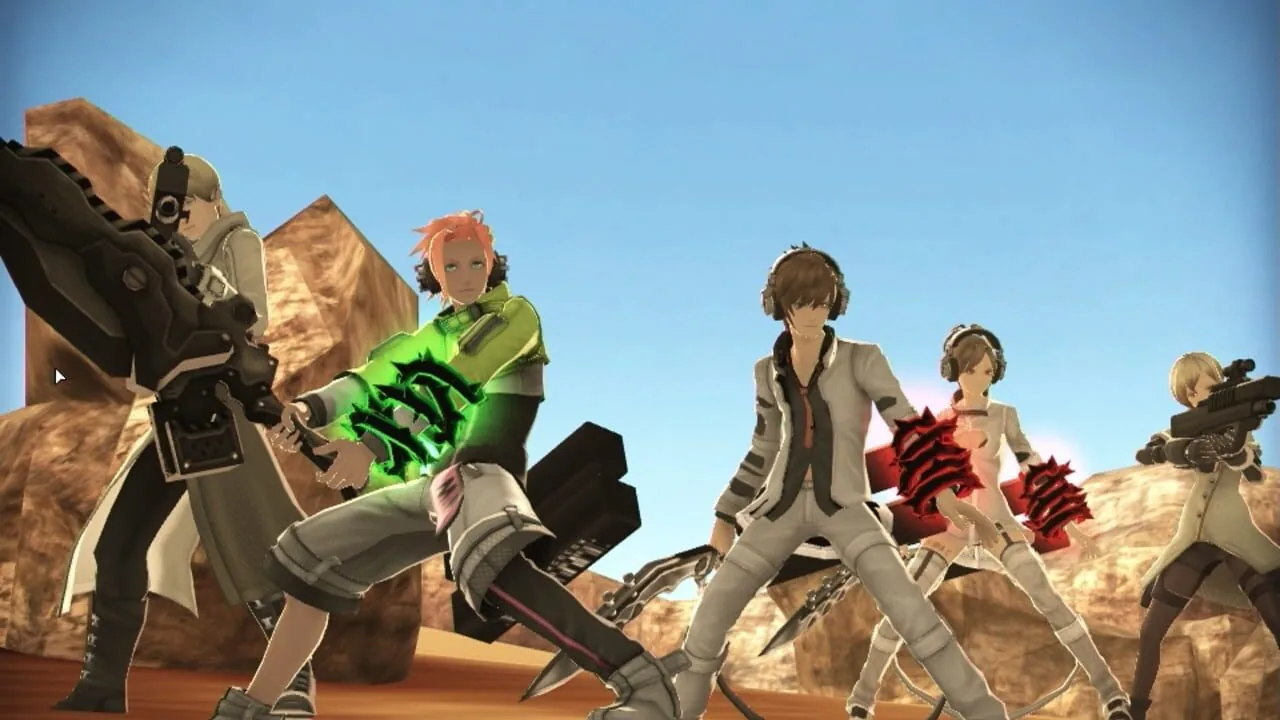
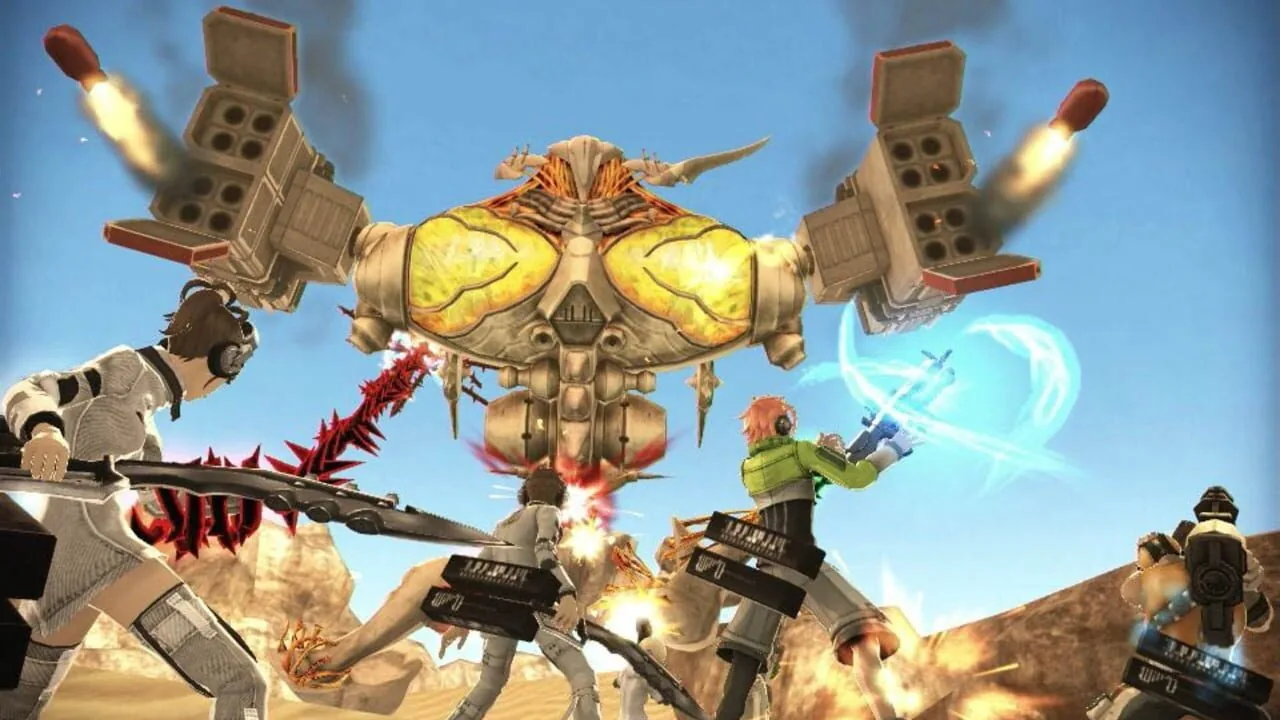
In Freedom Wars, being born is a crime. Newborns are seen as a waste of resources, so every person is a criminal, and the sentences start at 1,000,000 years. You work yours off in missions for your city-state, a Panopticon, rescuing civilians from rival Panopticons in up to 4-player co-op.
The first teaser came out on May 16, 2013, and people assumed the game would be called Panopticon. The original Japanese version sets the story in the year 102013. Players looking for a Monster Hunter on the Vita are pointed to Freedom Wars first, and it has the strangest setup of any hunting game on this list. Freedom Wars Remastered later came to the PS5, PS4, PC and Switch.
2. Soul Sacrifice Delta (2014)
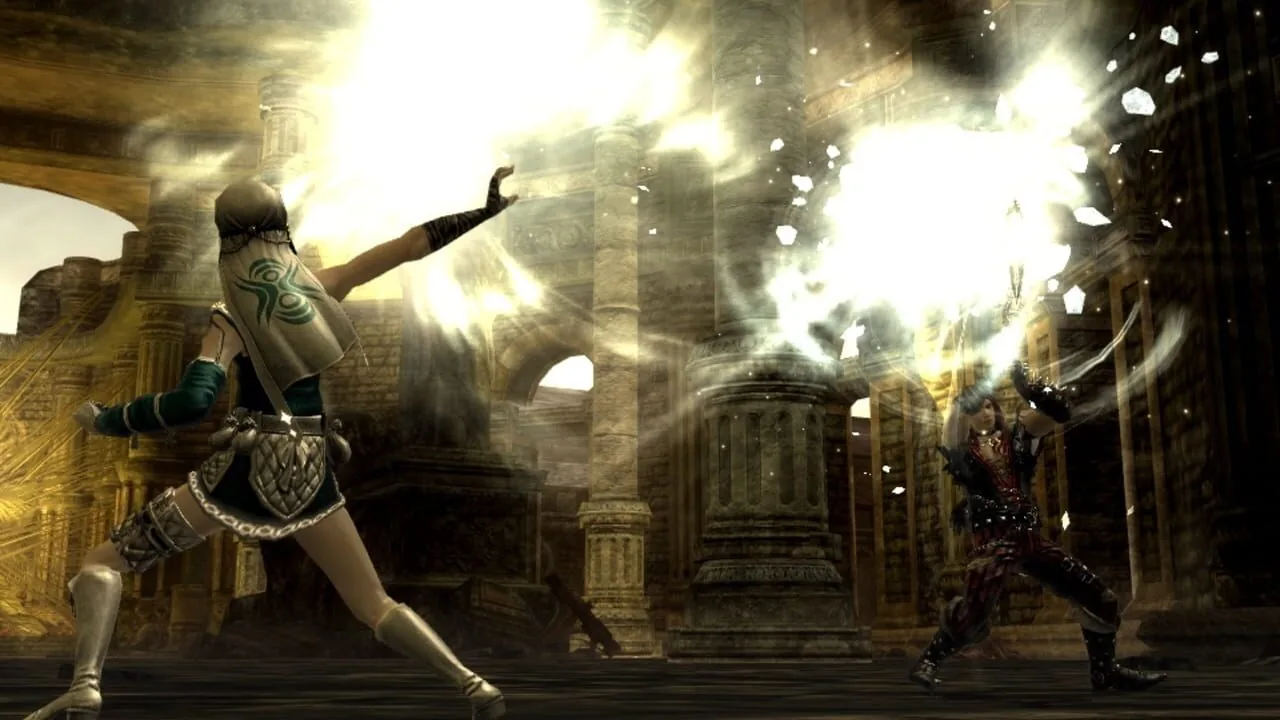
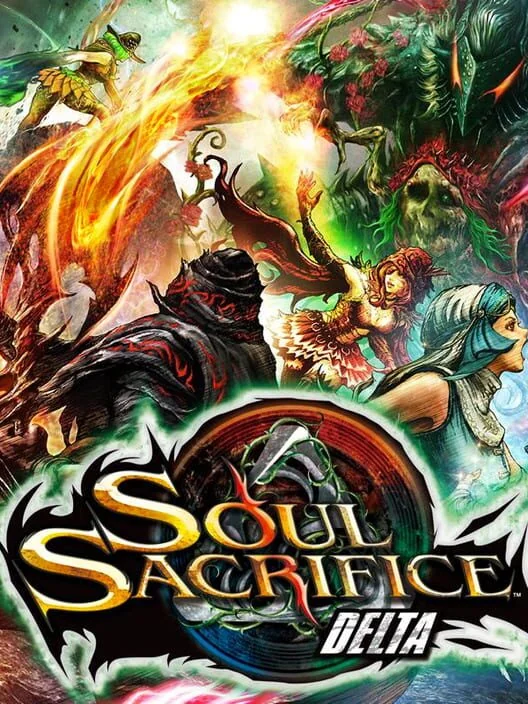
Soul Sacrifice was released in 2013, on March 7 in Japan and April 30 in North America. Soul Sacrifice Delta is the expanded version that came out in 2014, with new features and content on top of the original. Four players can team up on some quests.
Every fight ends in a choice. You can save a beaten enemy, which restores a small portion of your health, or save a fallen ally, which costs half your current health but brings them back into the fight. Your magic comes from offerings that break with use, and repairing them costs Lacrima, Librom's tears. It is a hunting game with a guilty conscience, and it is very good at making you feel things about a monster you just beat.
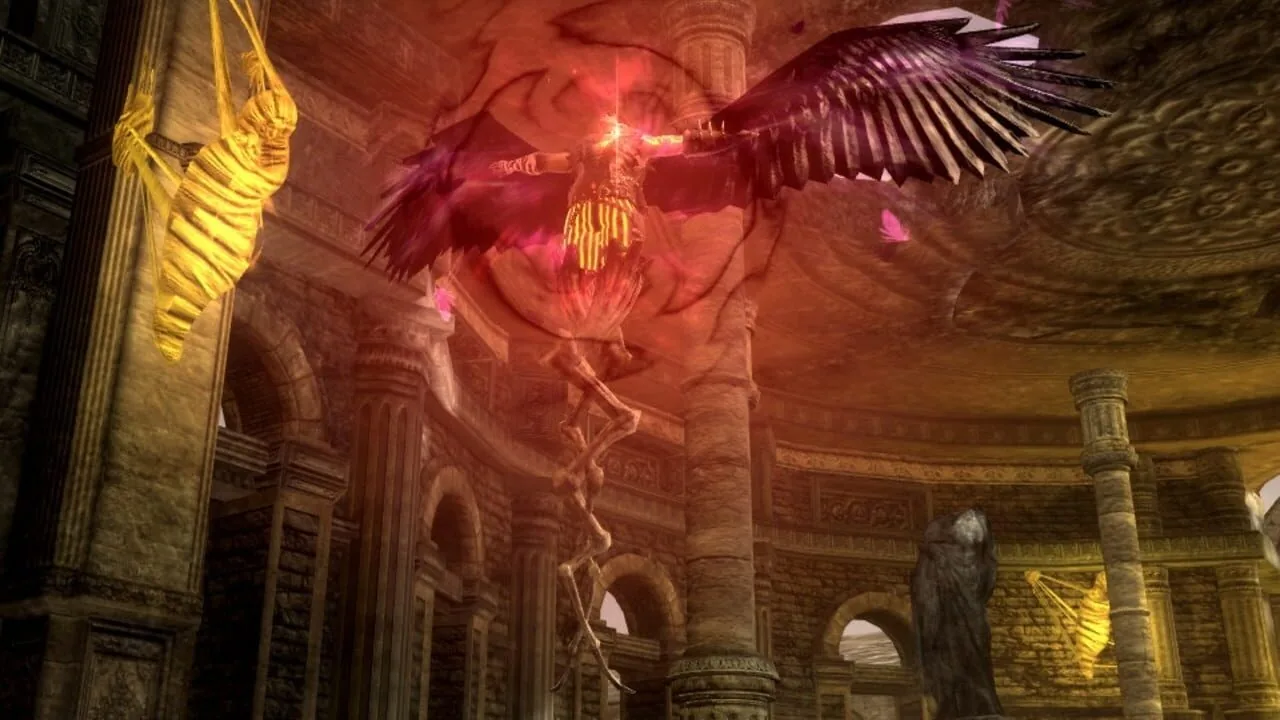
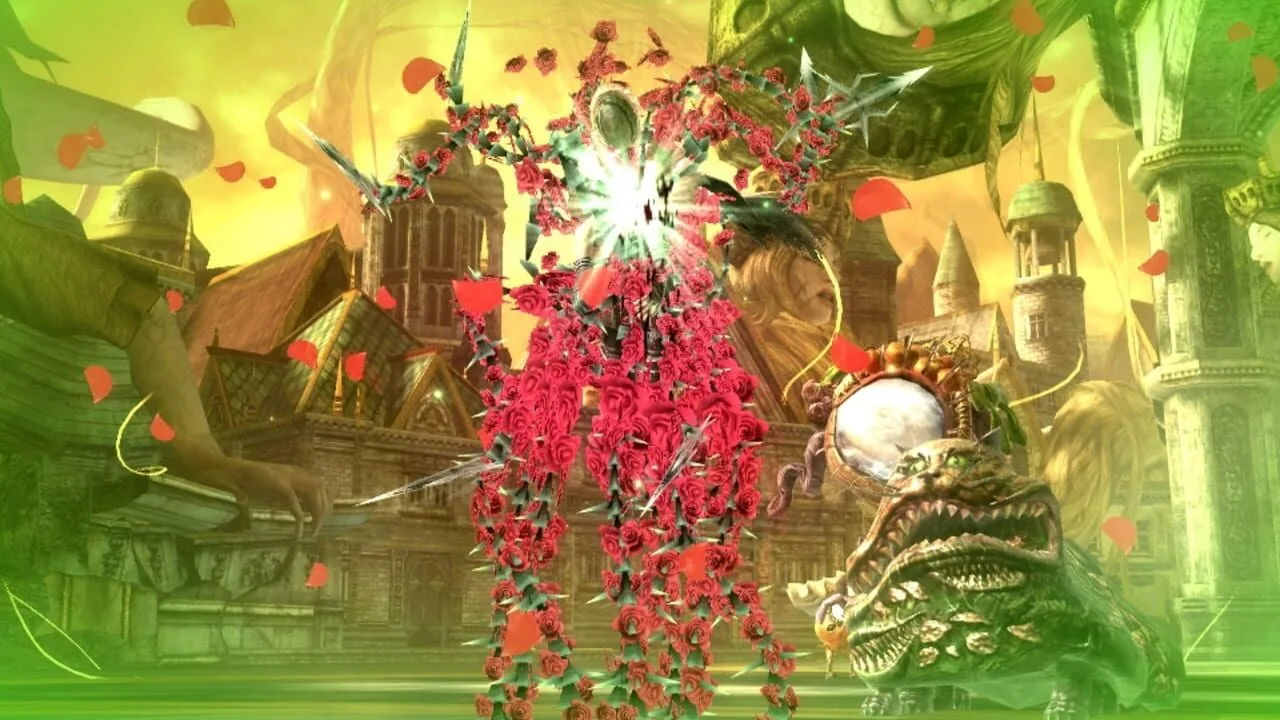
1. Persona 4 Golden (2012)
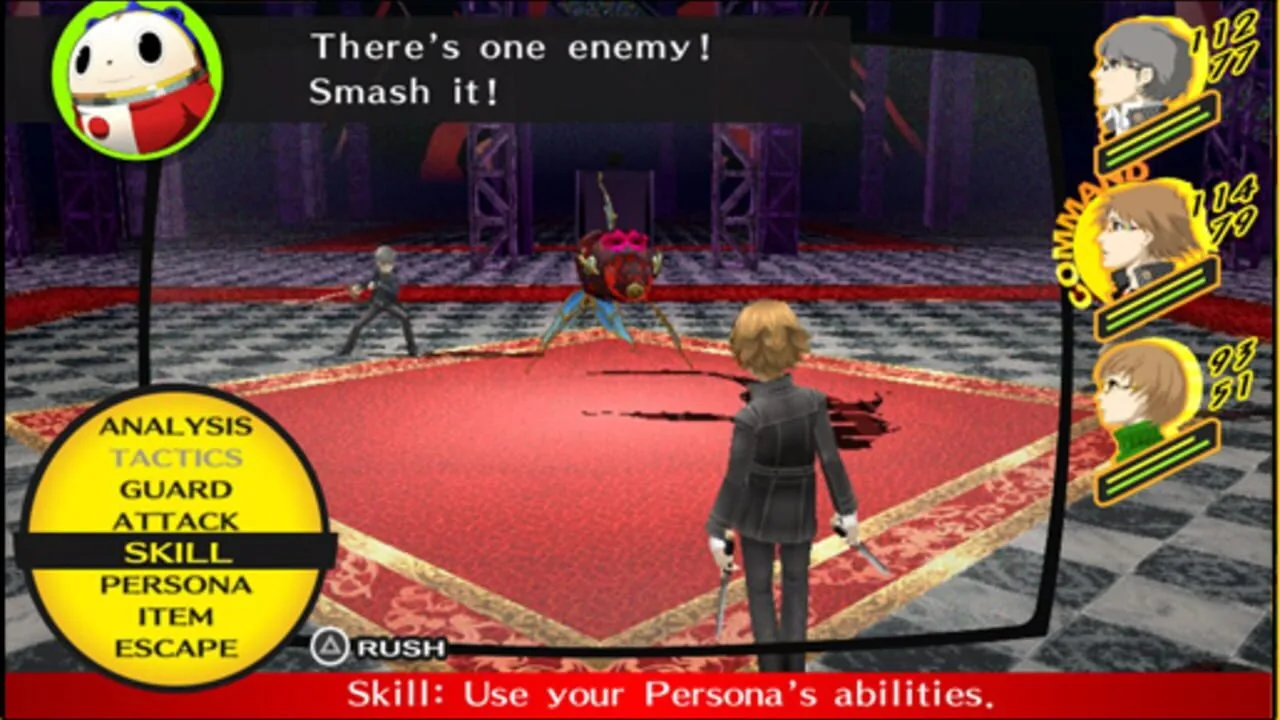
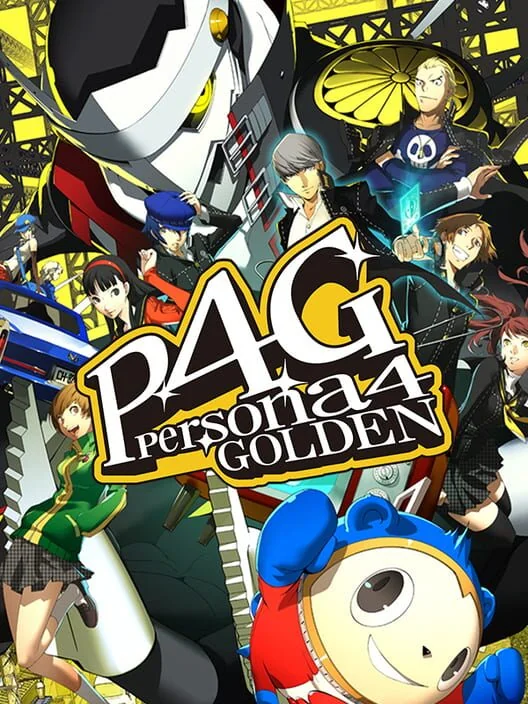
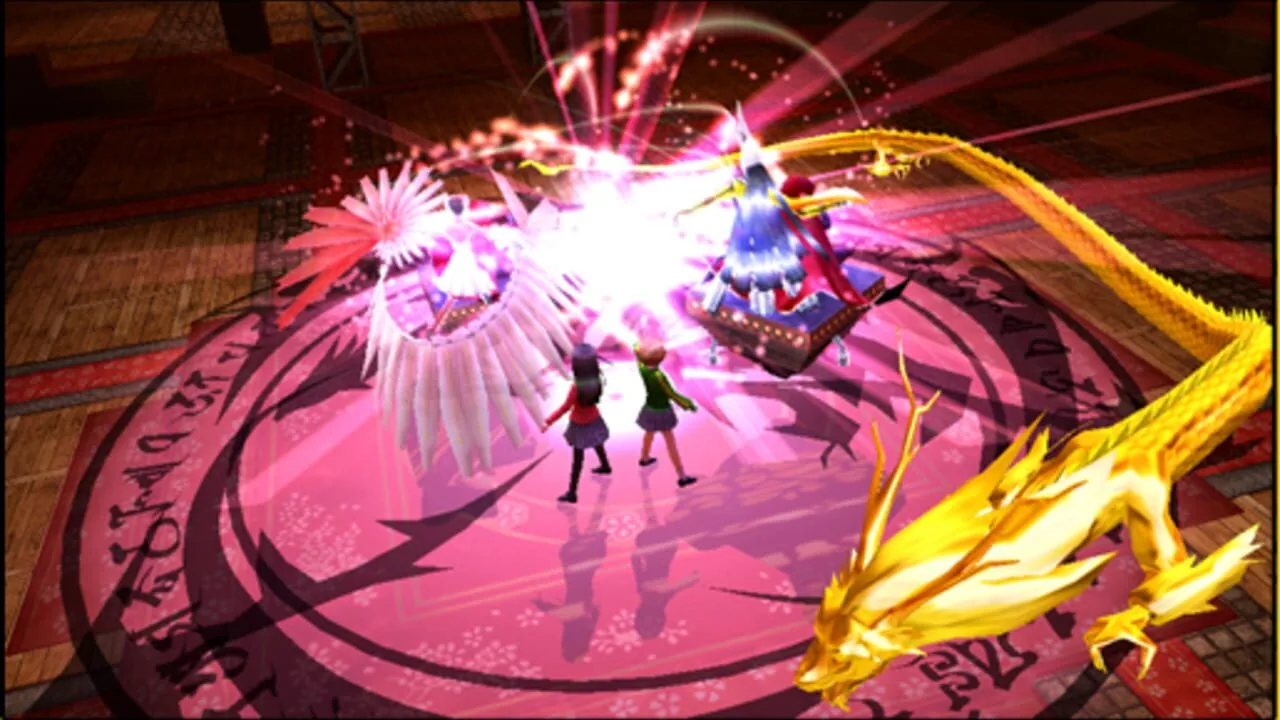
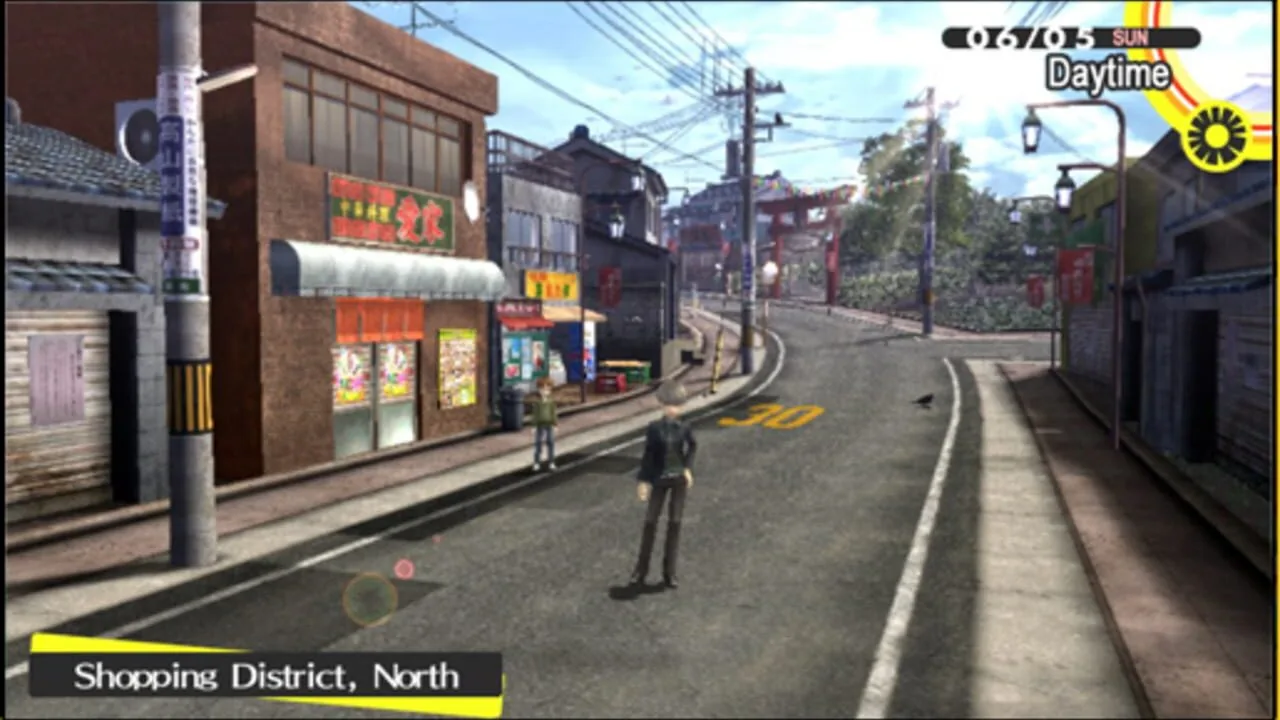
Persona 4 Golden is the enhanced version of Persona 4, a PS2 game from 2008, and it came out on the PlayStation Vita in 2012. It stayed a Vita game until the Windows port in 2020, and the other consoles got it in 2023. You play a city kid who moves to the countryside town of Inaba for a year, in a fictional 2011, and the town has a murder mystery waiting.
The setting was based on a town on the outskirts of Mount Fuji. Shoji Meguro composed the music, with vocals by Shihoko Hirata. The game received critical acclaim for its characters and its music, and a full remake, Persona 4 Revival, is due in February 2027. Players recommend it more than any other Vita game, RPG or not.
Which one to play
There you have it, the whole list of the best PS Vita RPGs. The top ten alone would keep a Vita busy for years.
If you are not sure where to start, play Persona 4 Golden. If you like traditional turn-based fights, pick Trails of Cold Steel and clear your calendar. For the best 2D art on the system, go to Odin Sphere: Leifthrasir or Muramasa Rebirth. Ys fans should start with Ys VIII and keep Memories of Celceta for after. If you want to hunt monsters with friends, Soul Sacrifice Delta is the one. And for a hidden pick, try Demon Gaze, even if dungeon crawlers have never clicked for you.