The PS Vita was a great little machine for fighting games. It had the power to run games that PS3 owners had only just bought, and Capcom made sure it had a big fighter on day one. Sony even put its own mascots into the ring, with Kratos and Sackboy trading punches in one game.
Arc System Works kept porting its anime fighters to it for years, and some smaller studios brought over odd little duels that work best with a friend sitting next to you. A few SNK classics turned up late in its life too. Here are the 21 best PS Vita fighting games.
21. Guilty Gear XX Accent Core Plus R (2012)
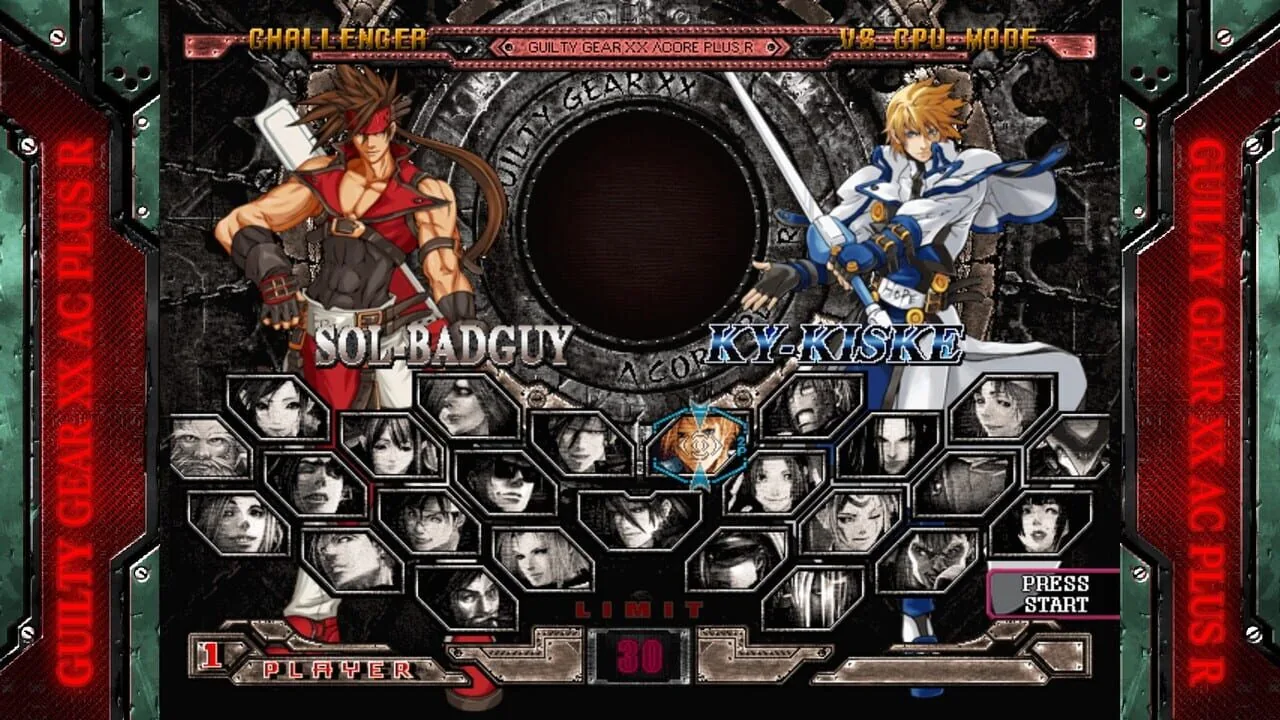
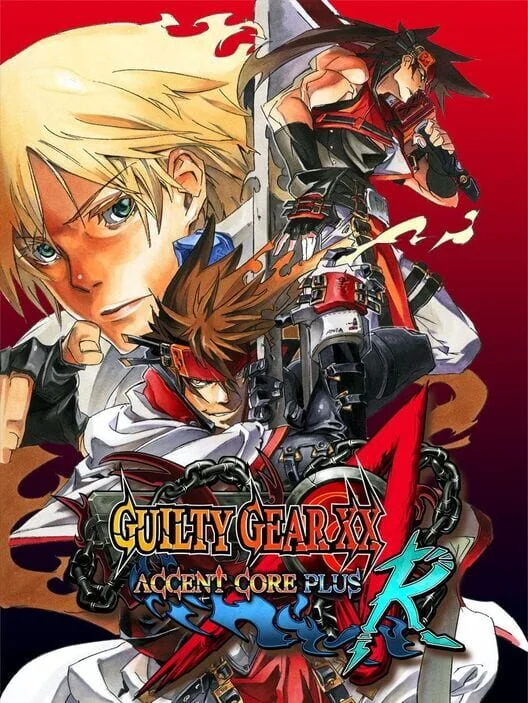
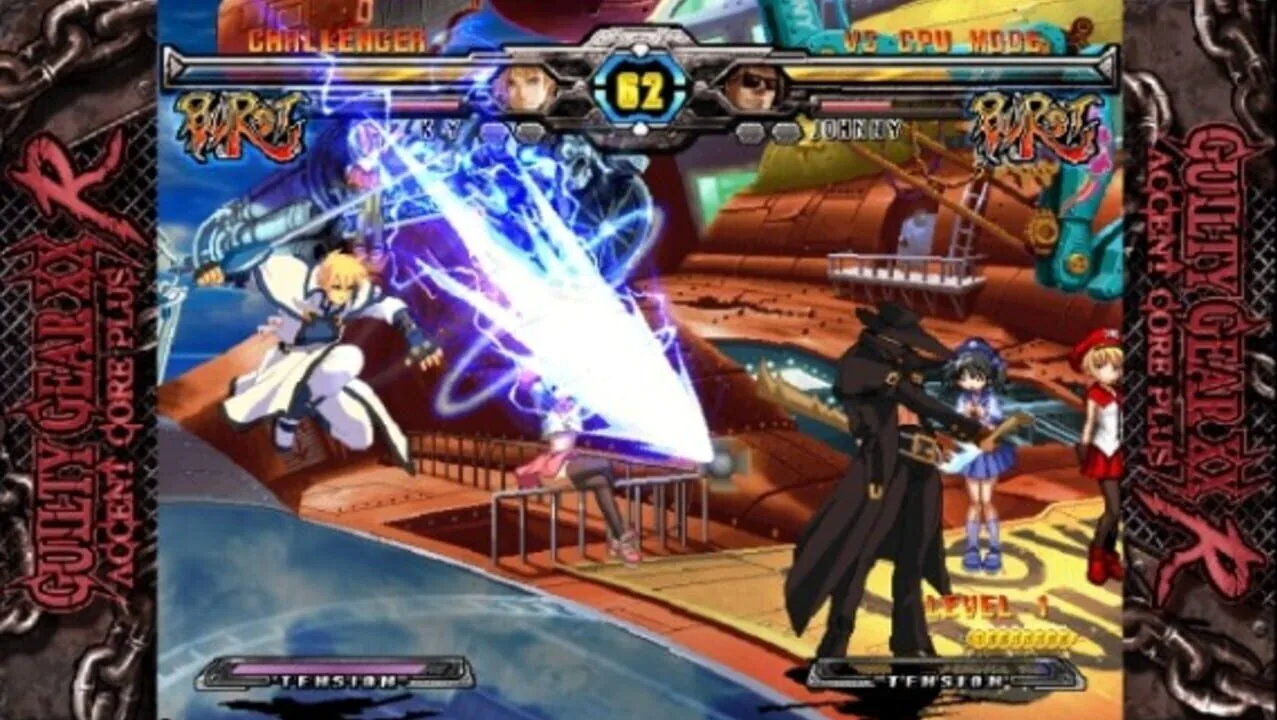
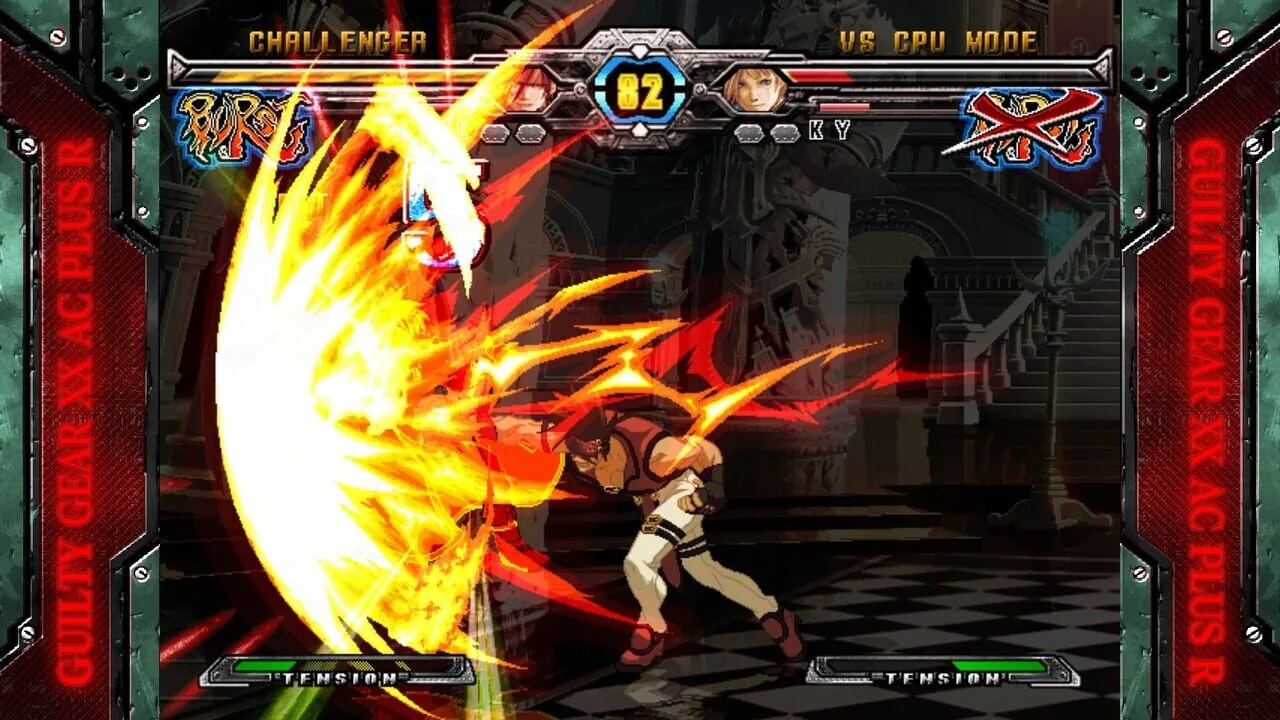
Guilty Gear XX went through more updated versions than most fighting games get sequels, and Plus R is the last of them. It keeps the rock and metal sound the series is known for, and it also added Korean voices, which makes it only the second Guilty Gear game with a Korean dub.
Its reviews tell a strange story. Plus R has the lowest average scores of all the X2 updates, and yet as of 2022 it was the highest rated traditional 2D fighting game on Steam. Players who stuck with it clearly saw something critics missed. On the Vita it is fast and loud, and it rewards anyone willing to learn a roster that plays nothing like the bigger fighters on this list.
20. Divekick (2013)
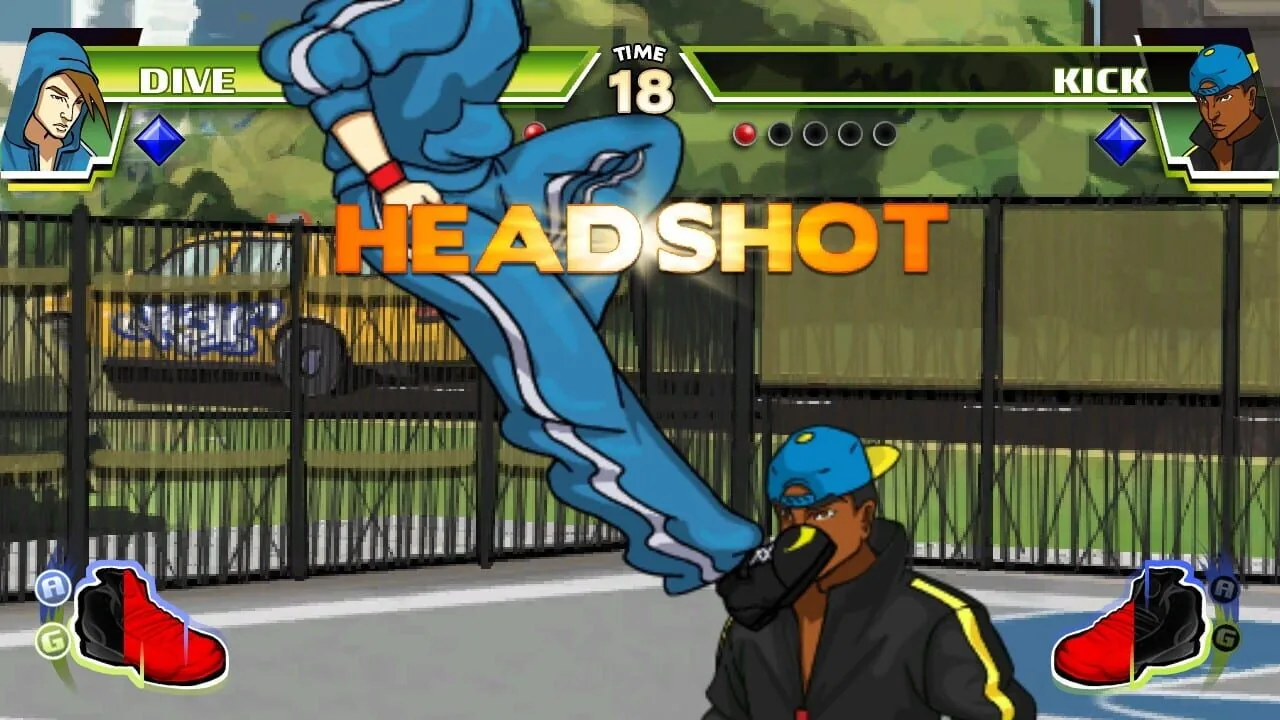
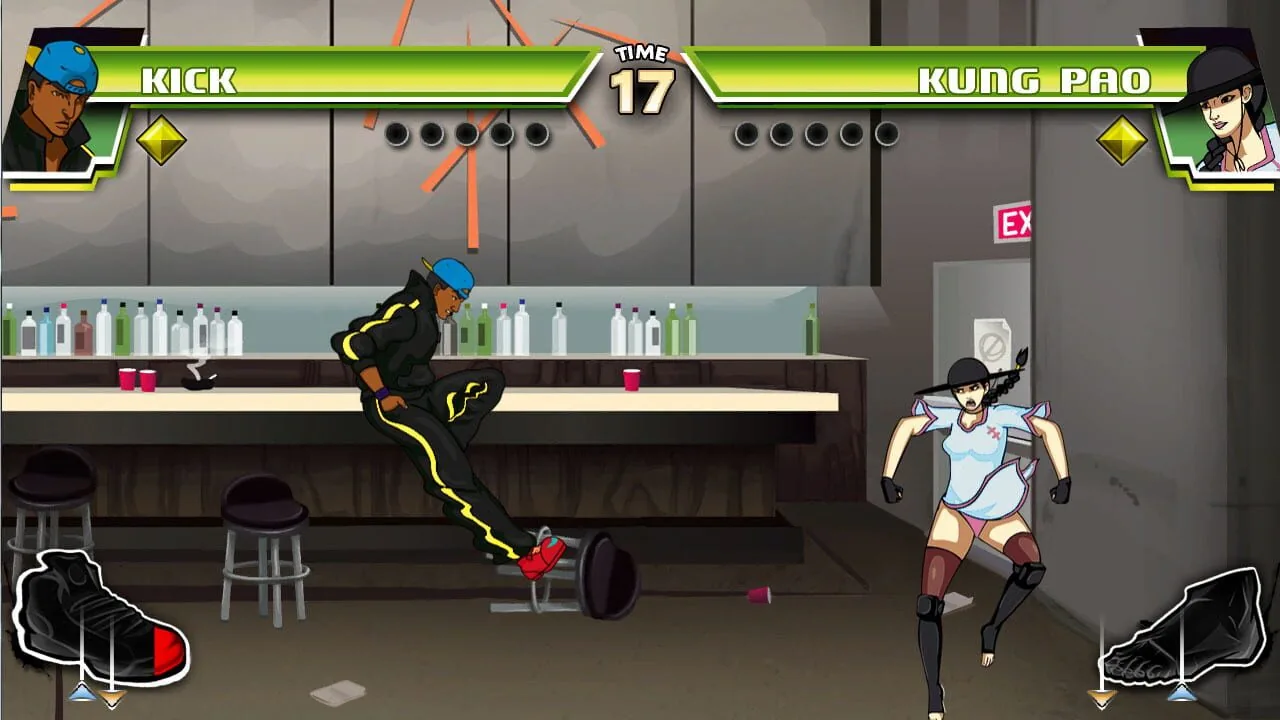
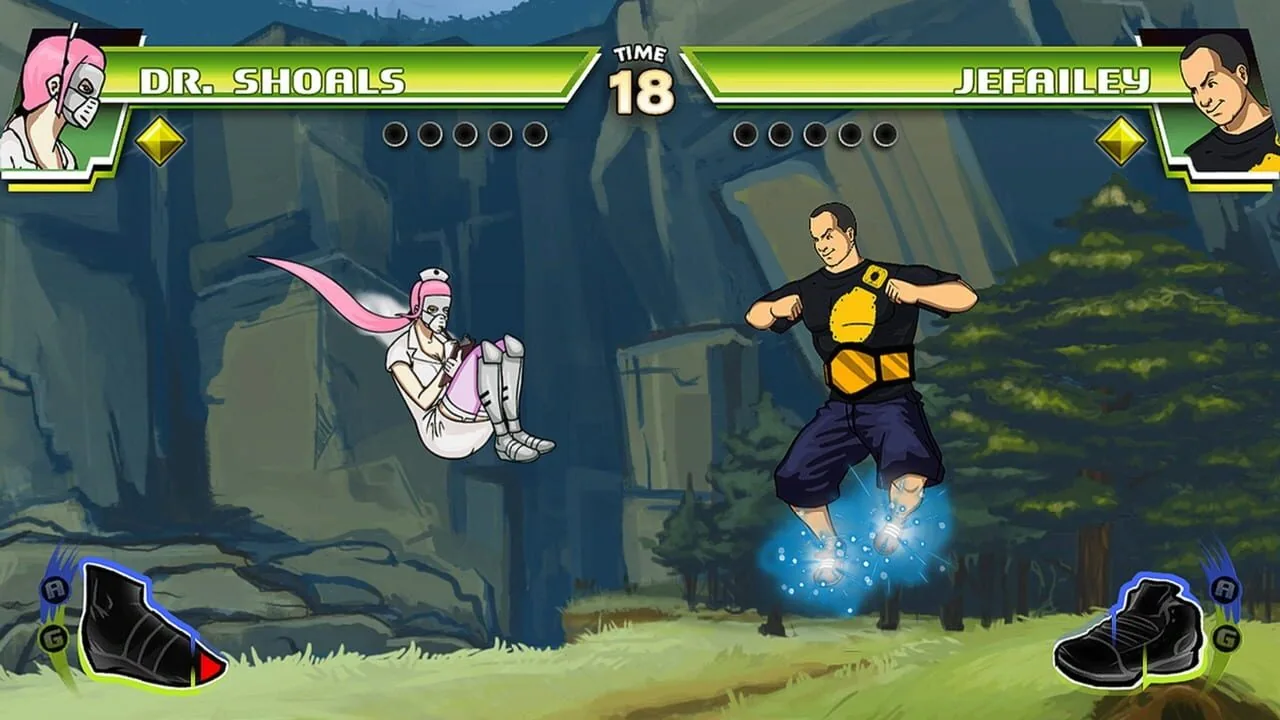
Divekick is a fighting game with two buttons, Dive and Kick. That is the whole control scheme. You use those two moves for everything, and one hit loses you the round. There is a health bar, but it is only there as a joke.
The cast is a love letter to fighting game fans. Each character's look and moves come from famous characters known for having a dive kick. Kick is a parody of Yun from Street Fighter, with quotes inspired by Will Smith, and Redacted has a scarred chest from fighting a parody of Sagat. Divekick sounds like a joke you would tire of in ten minutes. Somehow it stays funny and tense for much longer than that, especially with two players on one Vita.
19. Under Night In-Birth Exe:Late[st] (2015)
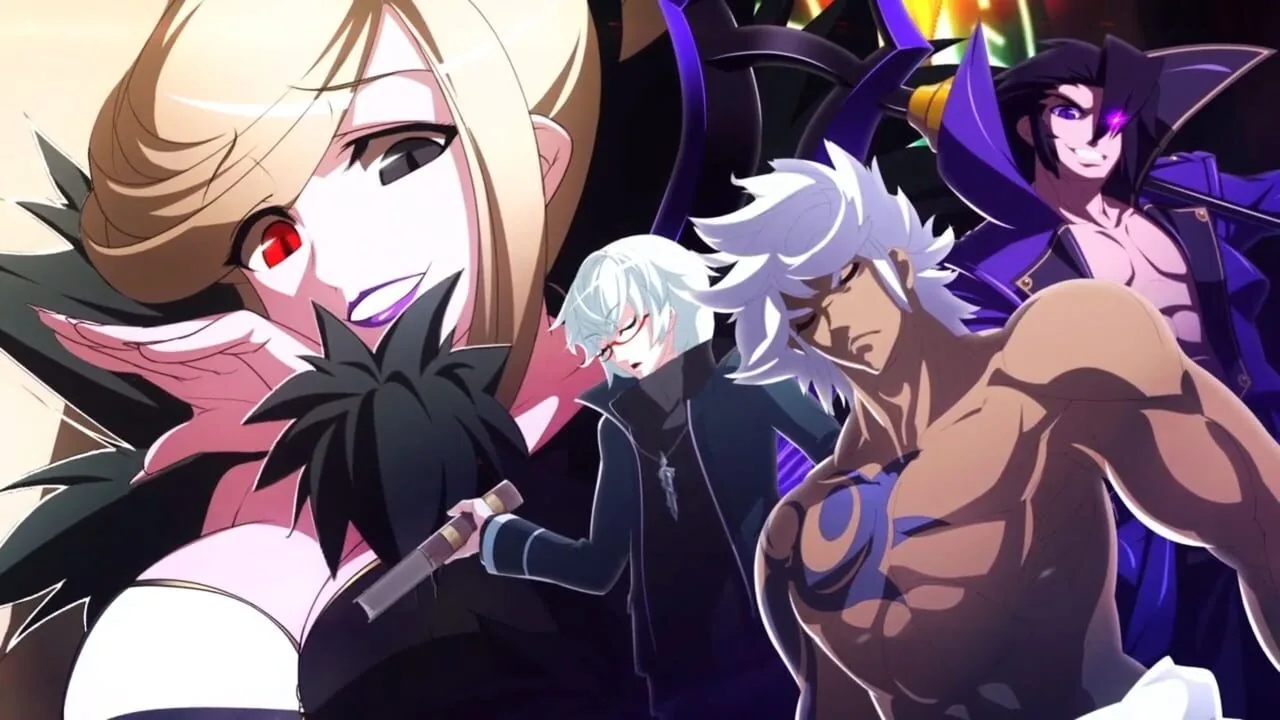
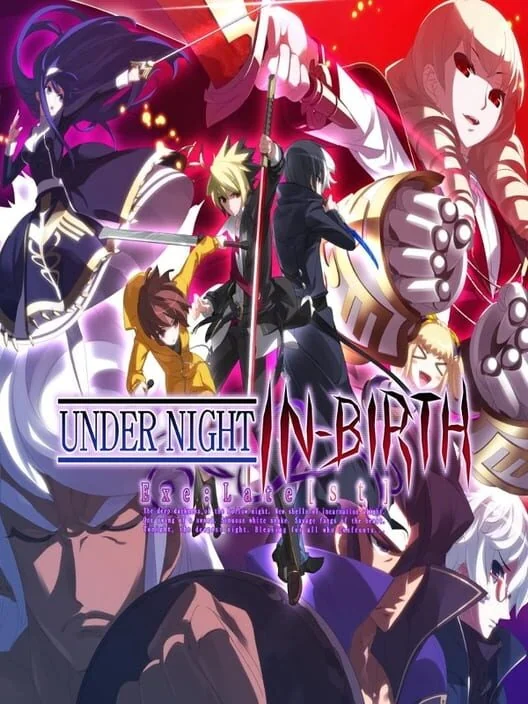
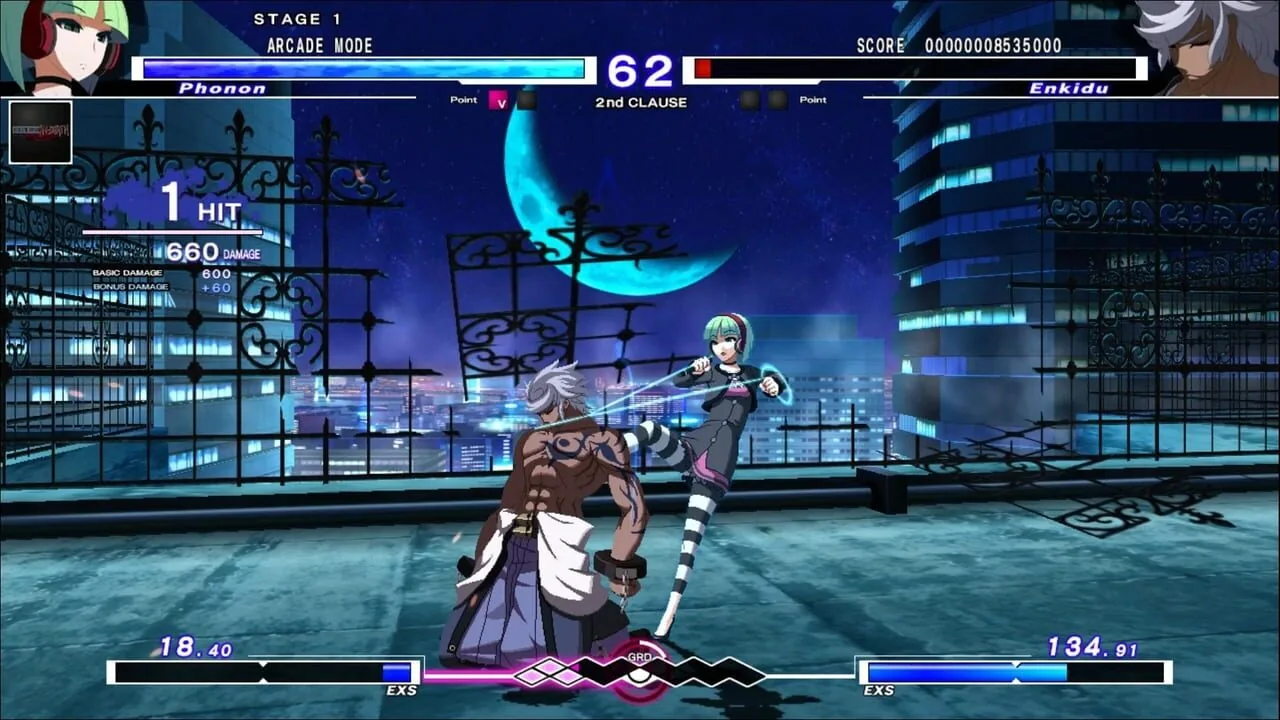
Under Night In-Birth started in arcades in 2012, published by Sega, and Arc System Works took over publishing after its first home release in 2014. Exe:Late[st] is one of the later revisions. It adds Veil Off, a burst you can cancel a combo into, and Chronicle Mode, a prequel story told as a visual novel.
The story follows Hyde Kido, a high school student who survives an attack by a creature called a Void and comes out with a power of his own. A mysterious girl named Linne saves him, and she makes him promise to end her life when the time is right. It is a heavy setup for a fighting game. The fighting itself is tight and readable, and it is one of the best anime fighters the Vita got.
18. Arcana Heart 3: Love Max!!!!! (2014)
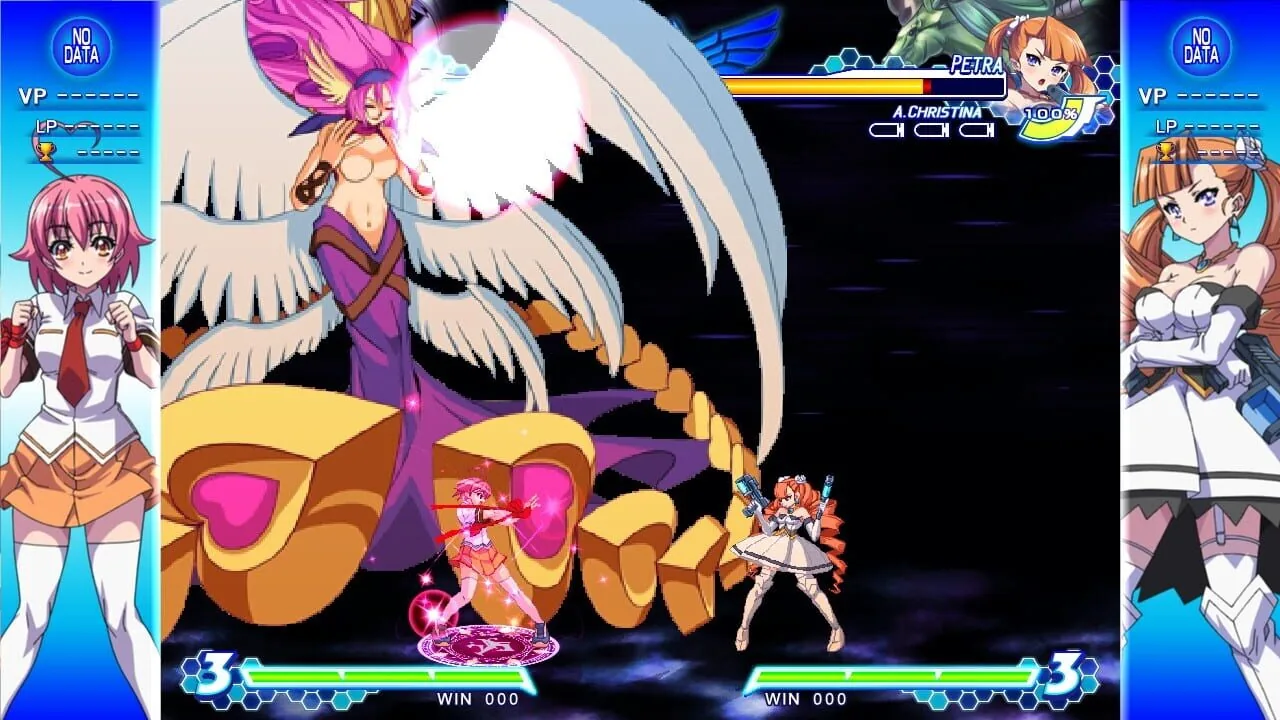
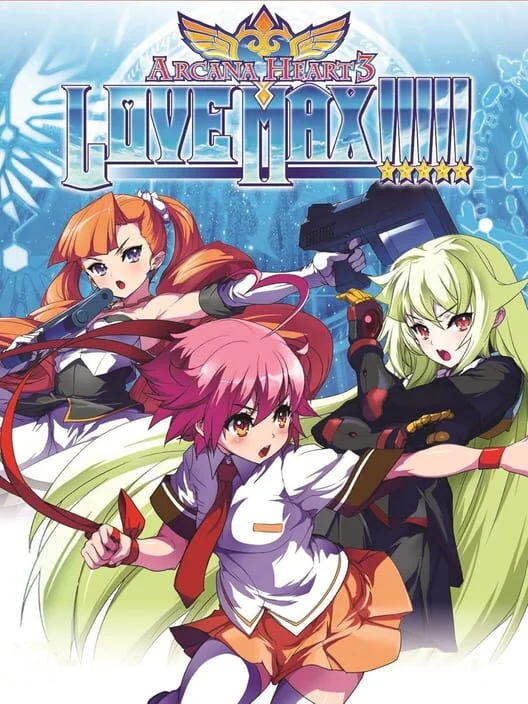
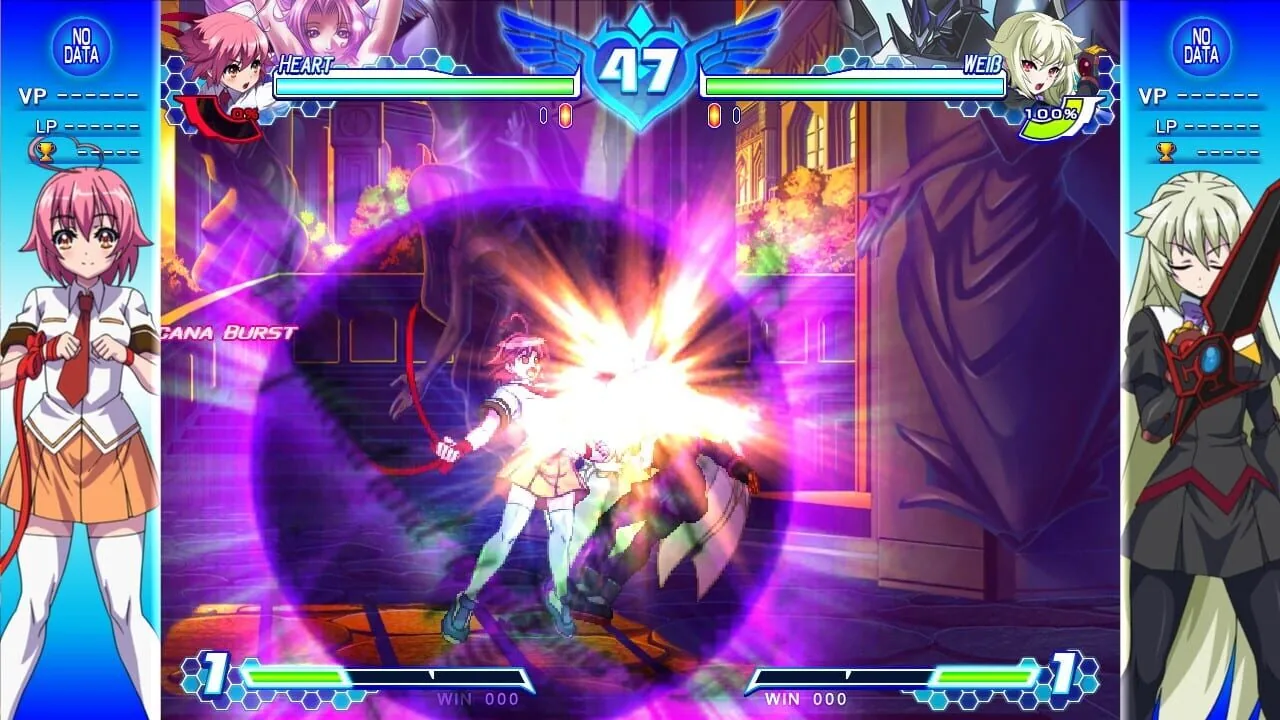
Arcana Heart 3 is set in a fantasy version of Japan, two months after the "Great Kanto Incident" from Arcana Heart 2. A group called the Drexler Institute plans to sink the whole country within six days, and a cast of magical girls has to stop it. Love Max!!!!! is the arcade revision from May 2013, which added balance changes and new modes. Arc System Works released the PS3 and Vita ports in Japan on May 29, 2014, and Aksys Games brought them to North America that September.
The console versions add a fully voiced story mode and online play. Its homing button lets you chase an opponent across the screen in a blink, which gives it a speed few fighters match. Five exclamation marks is a lot to put in a title. The game earns at least four of them.

17. Reality Fighters (2012)
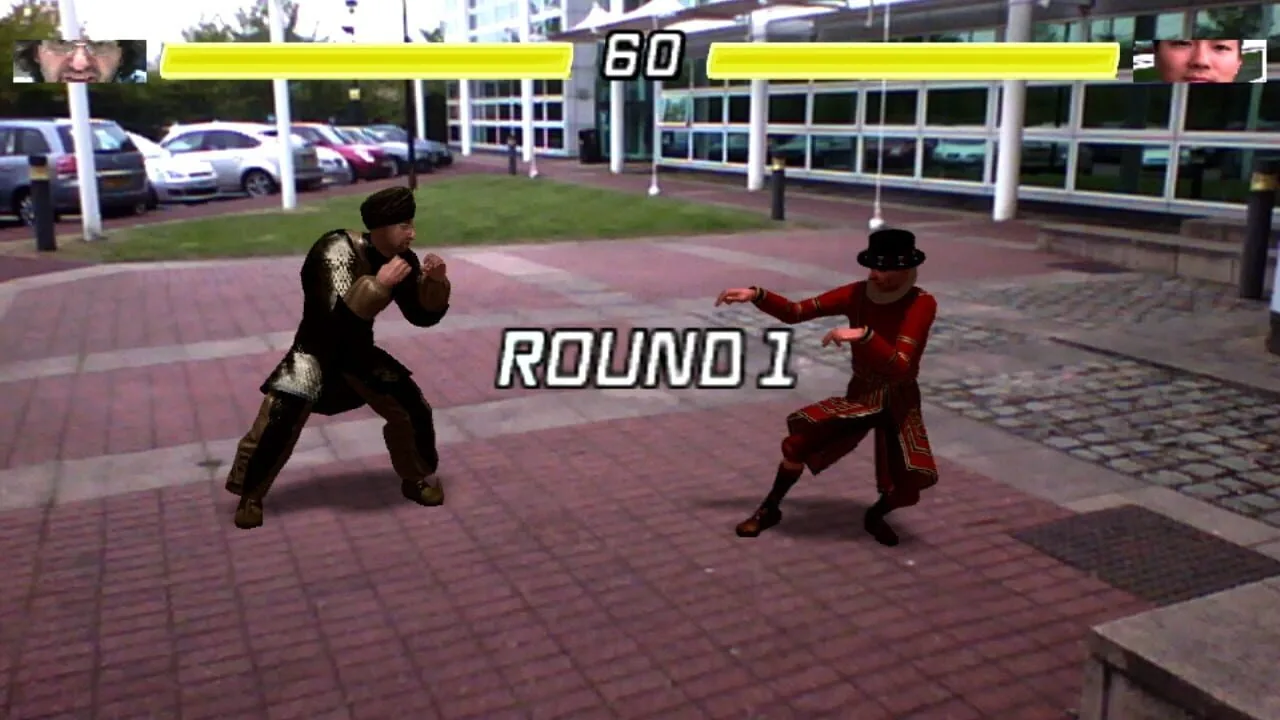
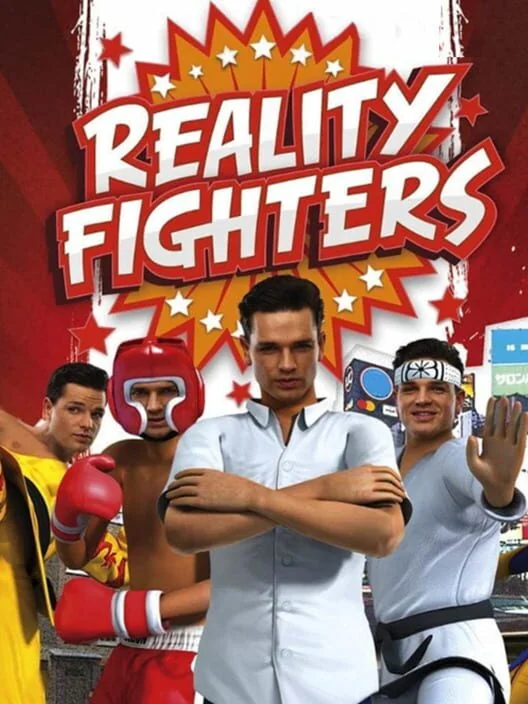
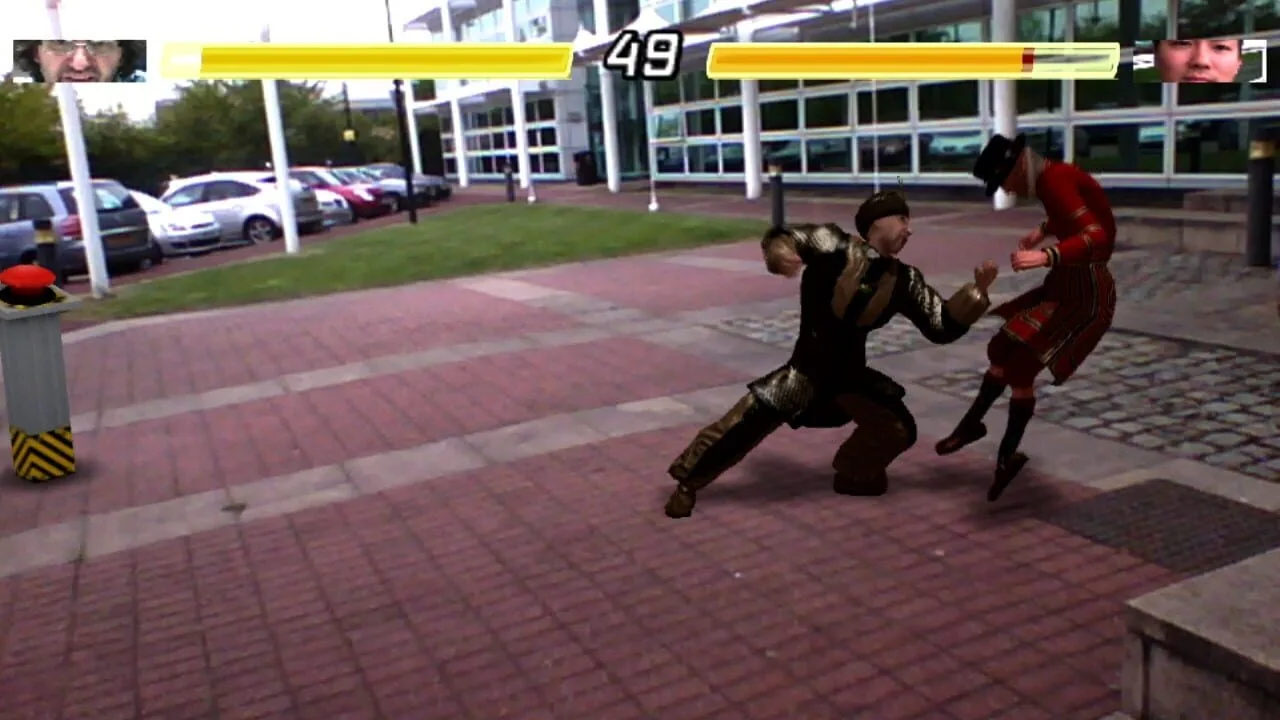
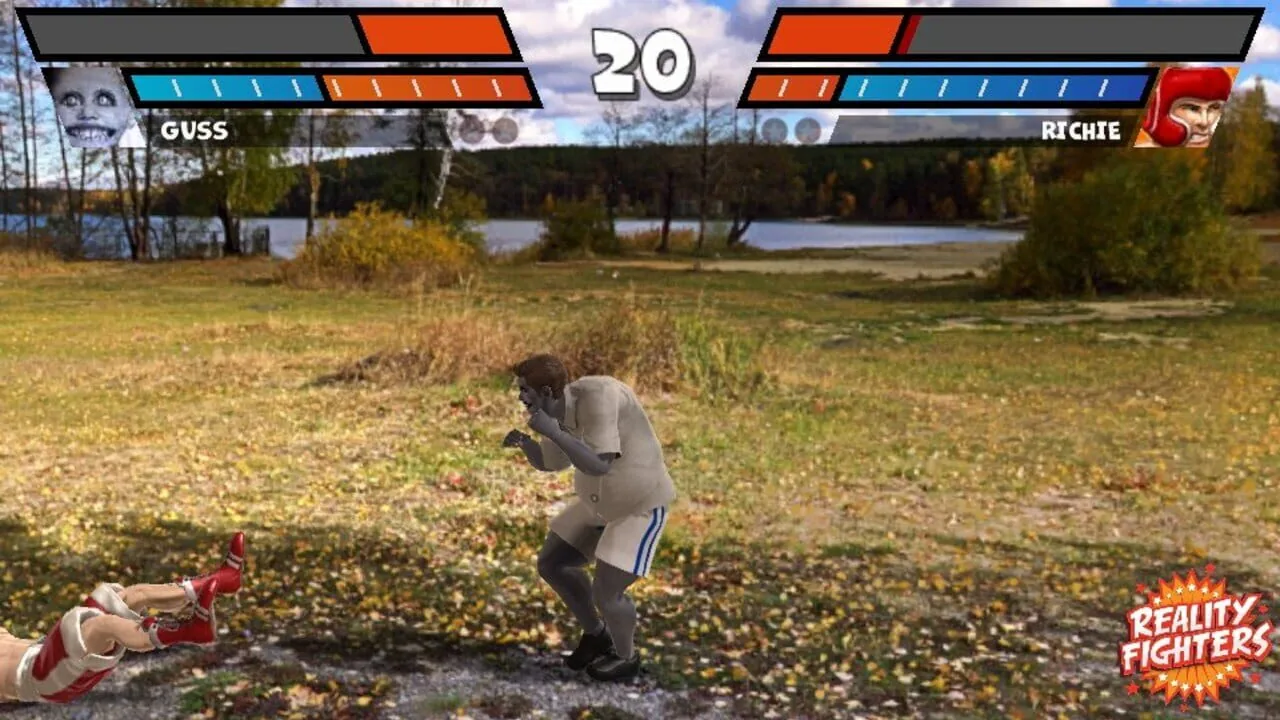
Reality Fighters was a PS Vita launch title, and it was built to show off the hardware. You take a photo of your own face with the front or rear camera, and the game uses face detection to turn you into a fighter. Then you pick from 15 fighting styles and more than 50 weapons. Your choice of style and gear changes how you play, unlocking new combos or changing how much damage a body part can take.
As a fighting game it is light, and it does not pretend otherwise. But putting your own face, or a friend's, on a fighter and watching it get kicked across your living room is the kind of thing that made the Vita feel new in 2012. It is still a silly, cheerful way to spend an evening.
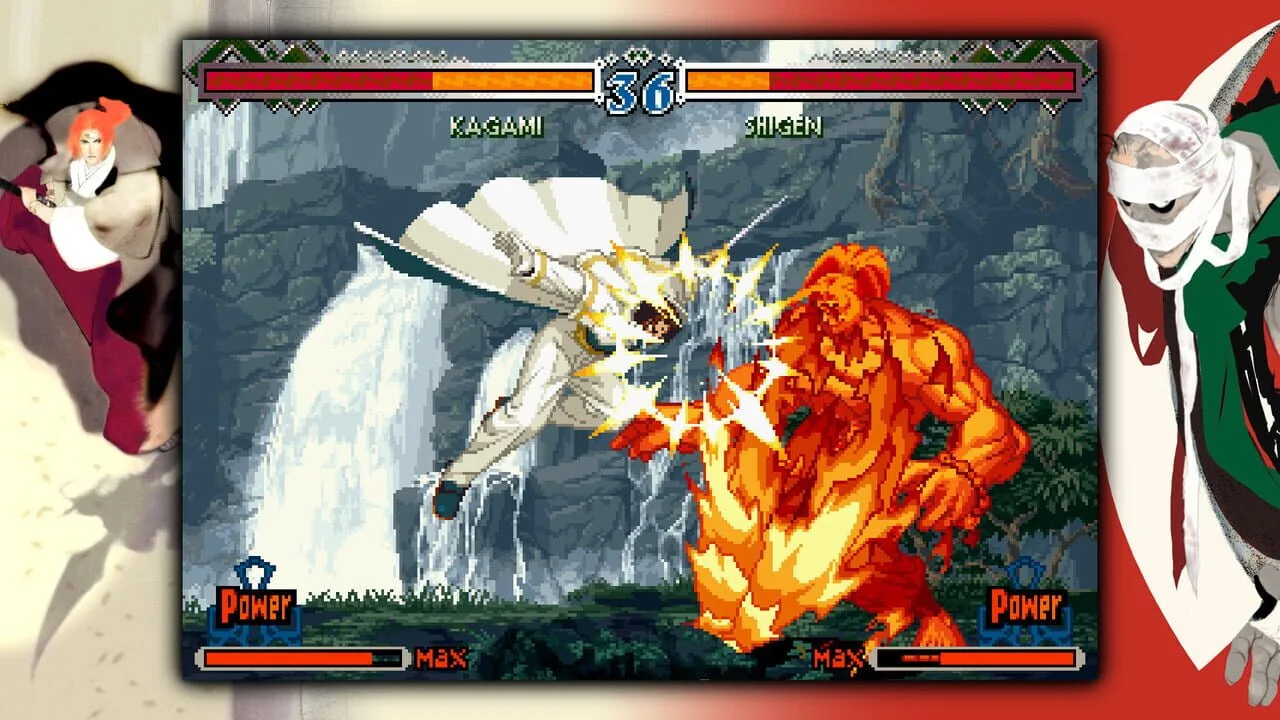
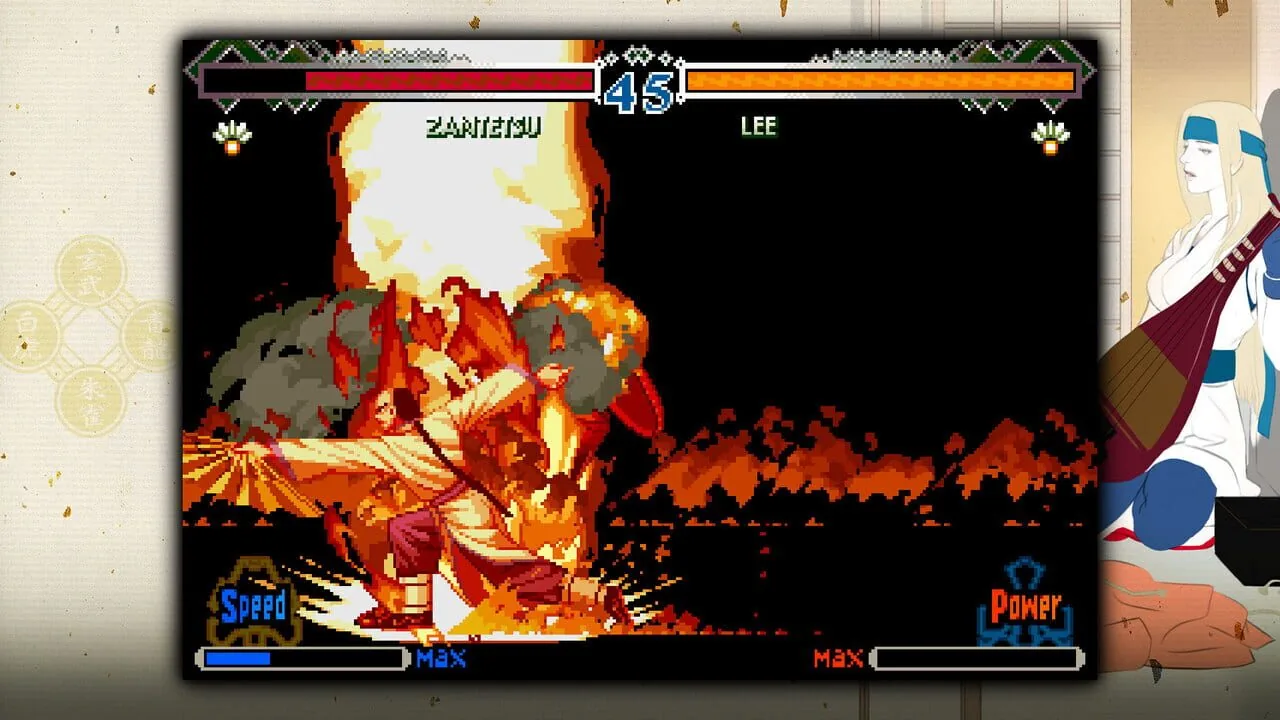
16. The Last Blade 2 (1998)
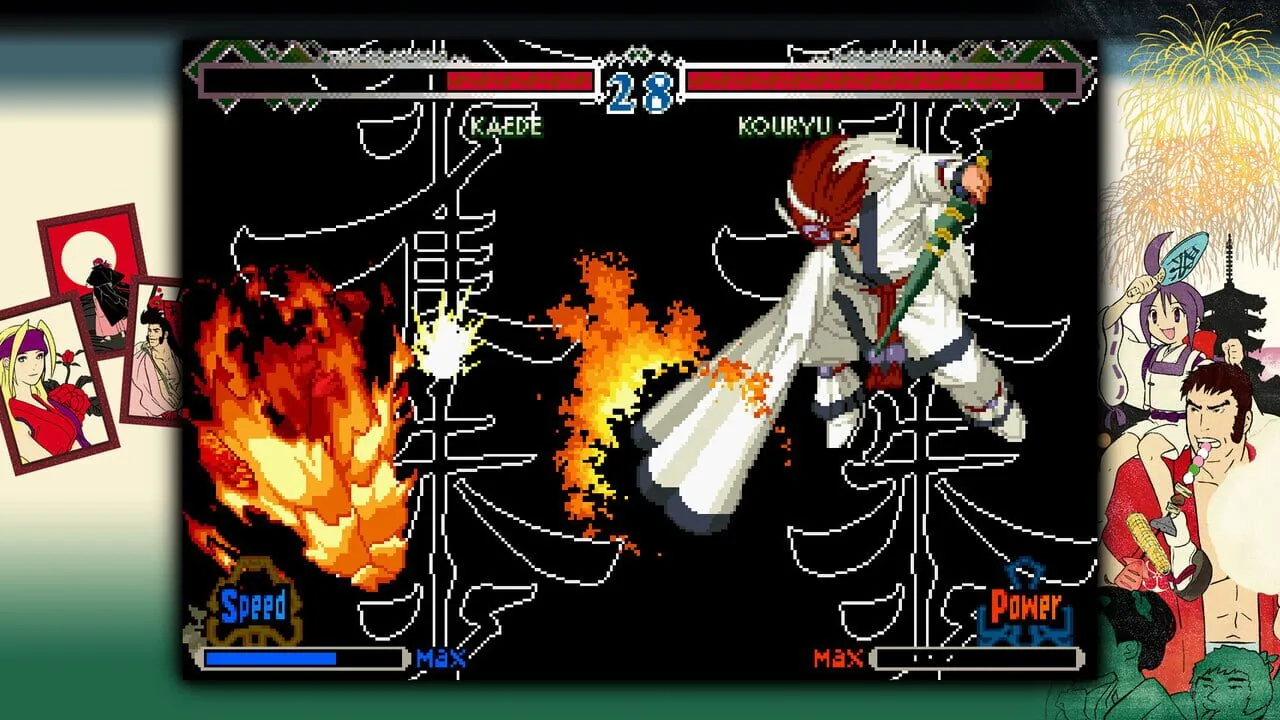
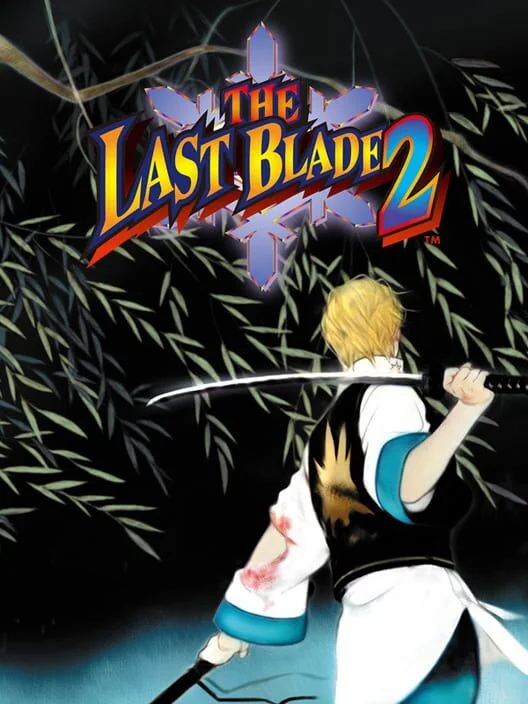
The Last Blade 2 is SNK's sword fighting game, first made for the Neo Geo AES and Neo Geo CD. It is set in Japan during the Bakumatsu era. One of the new characters, Hibiki Takane, is the 17-year-old daughter of a famous swordsmith. Her father forged a sword for the silver-haired Setsuna and died from the strain, so she sets out after him and the sword. Hibiki even has two endings, depending on how you play her.
It was ported to a series of home consoles, and the Vita is one of the best places to carry it around. The sprites are gorgeous and the fights are slow and deliberate, with every swing of a blade carrying real weight. It is the most beautiful game on this list, and it is over 25 years old.
15. One Piece: Burning Blood (2016)
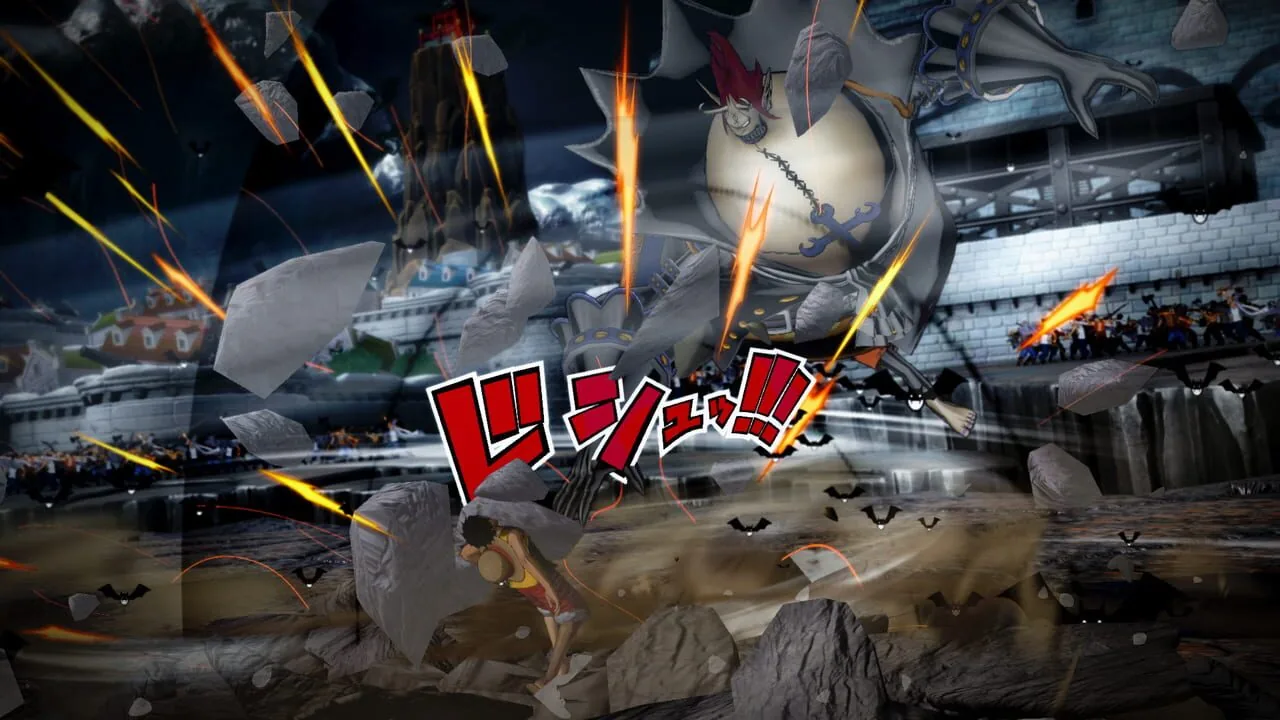
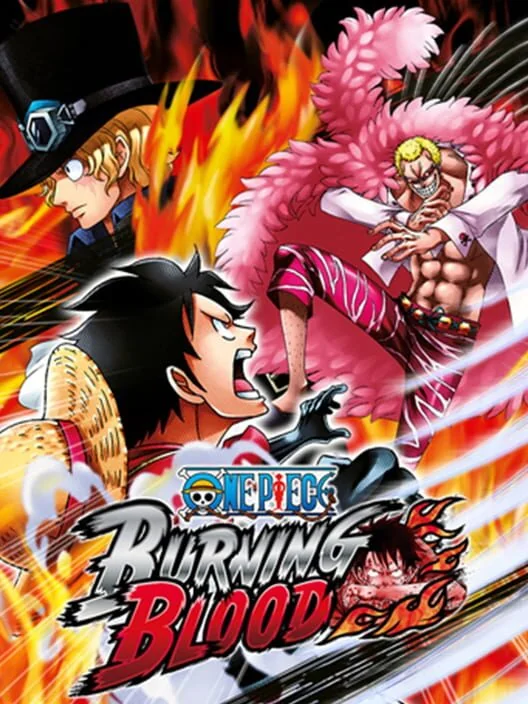
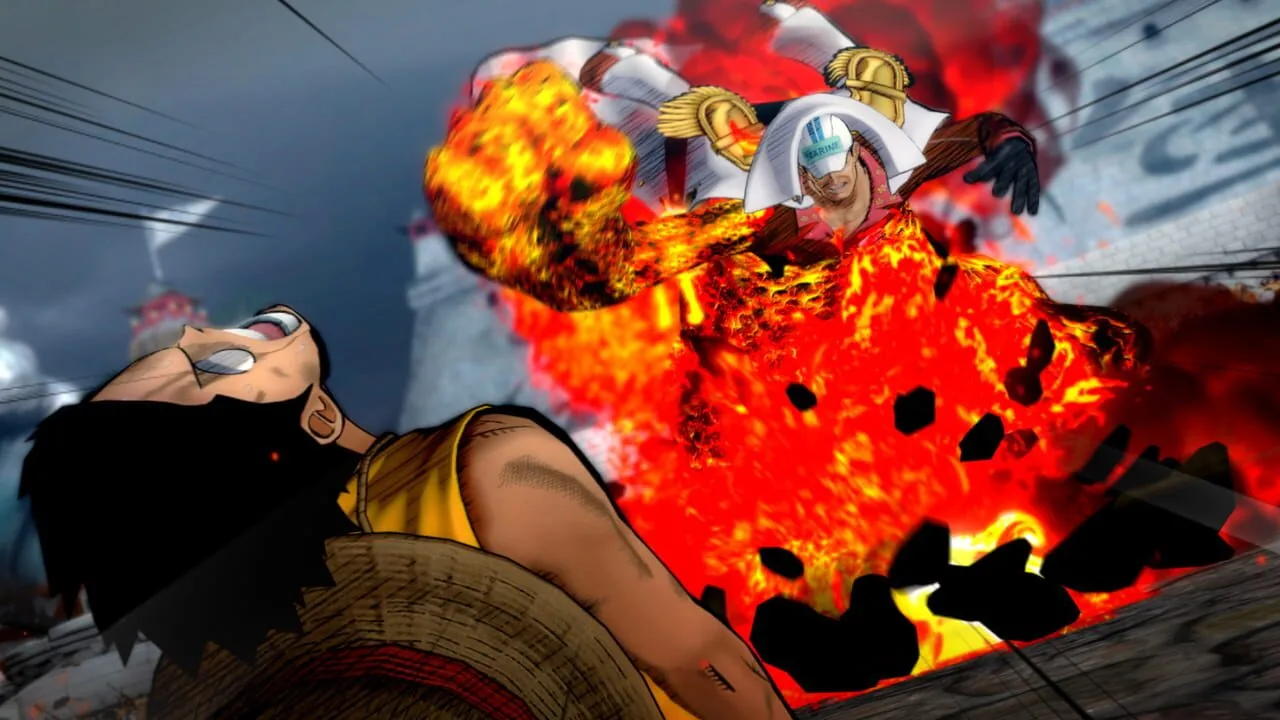
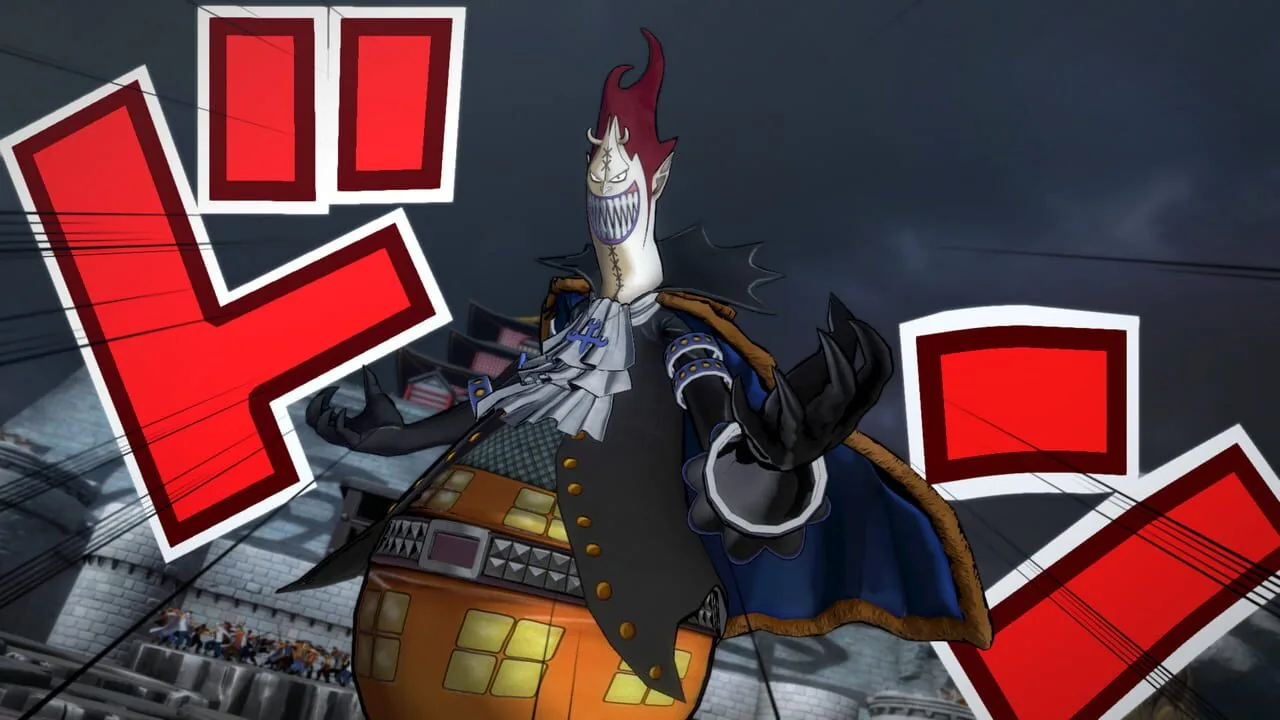
Burning Blood is a fighting game based on the One Piece manga and anime. It came out on the PS4, PS Vita, Xbox One and Windows, and it was the first One Piece game ever released on an Xbox console. It reached Japan on April 21, 2016, North America on May 31 and Europe on June 3.
It is a fan's game first. You get the pirates of the series fighting with flashy special moves pulled straight from the show. If you have never watched One Piece, a lot of it will fly past you. If you have, seeing your favourite pirates on the Vita screen is a treat It came out in 2016, late in the handheld's life.
14. Garou: Mark of the Wolves (1999)
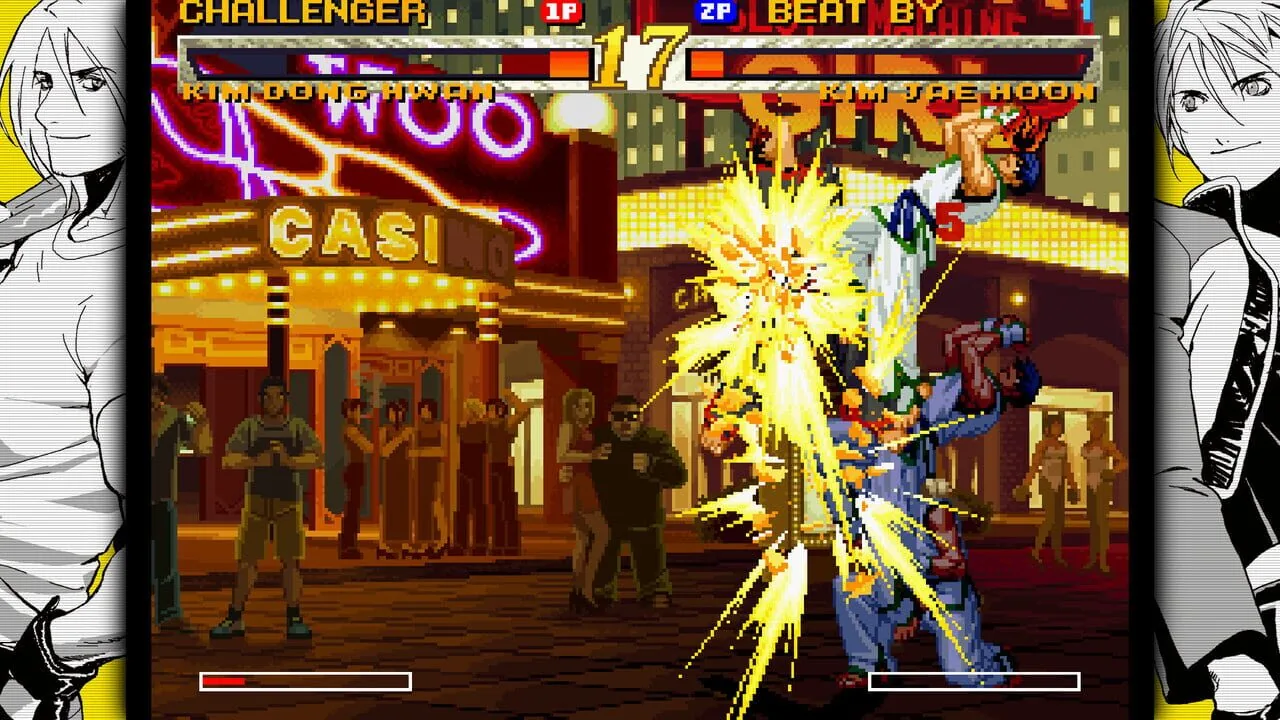
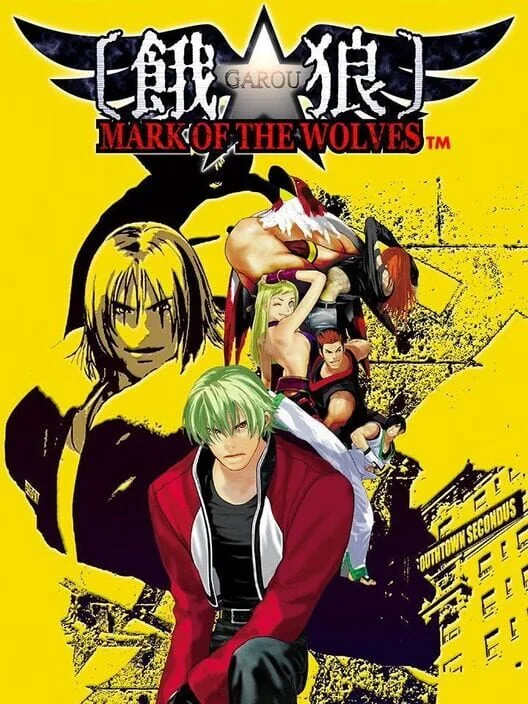
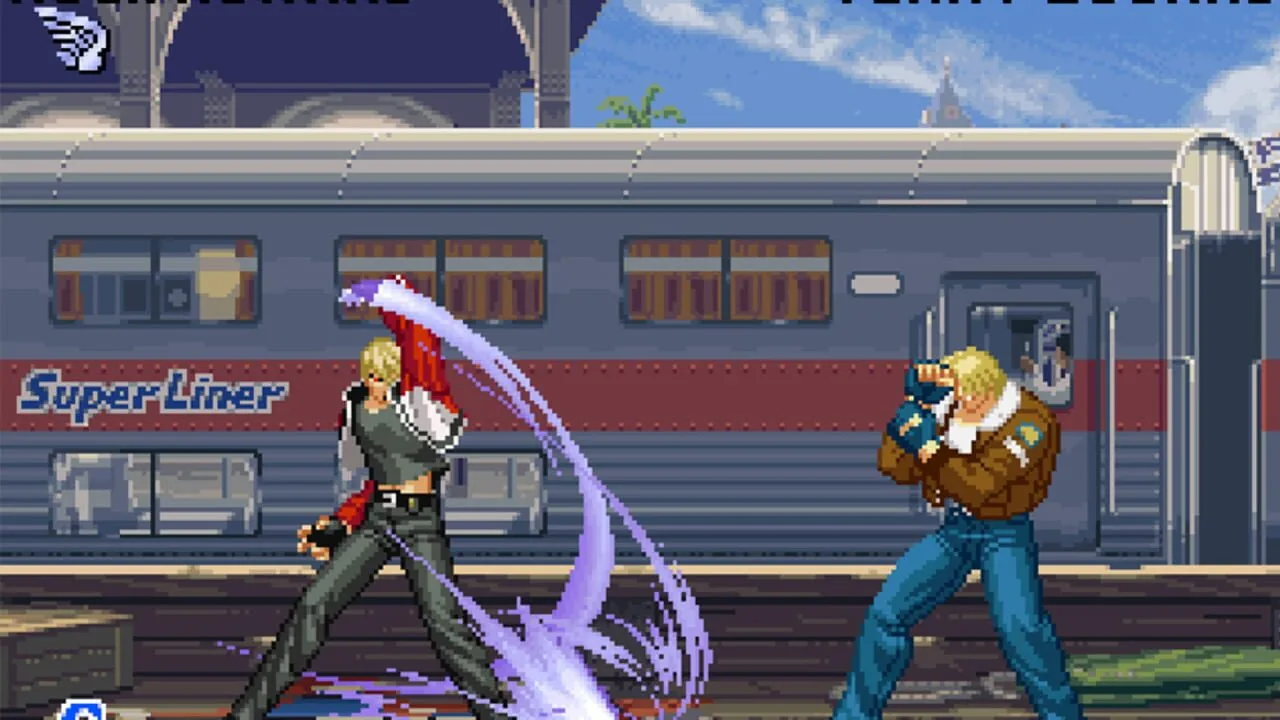
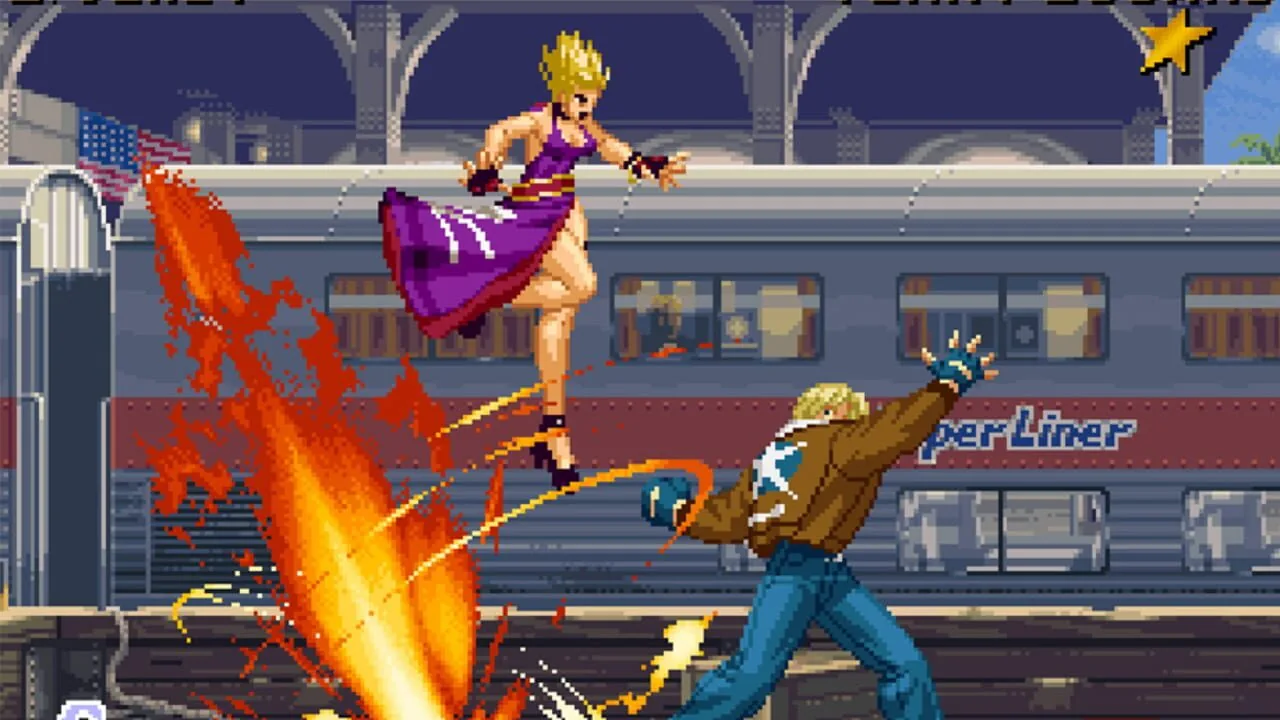
Garou is a sequel to Real Bout Fatal Fury, set ten years after that game. Terry Bogard is the only fighter who returns from the older Fatal Fury games. The new hero is Rock Howard, the son of the crime lord Geese Howard, raised by Terry after his father's death. The rest of the cast is new too, though many are relatives or students of older characters.
It became one of SNK's most famous fighting games for its new engine and new cast, which appealed to newcomers and old fans alike. Its big idea is Just Defend: block an attack at the last moment and you get a little health back and an instant counter. The more modern ports aimed for better netcode. A real sequel, Fatal Fury: City of the Wolves, only arrived on April 24, 2025.
13. BlazBlue: Chrono Phantasma (2012)
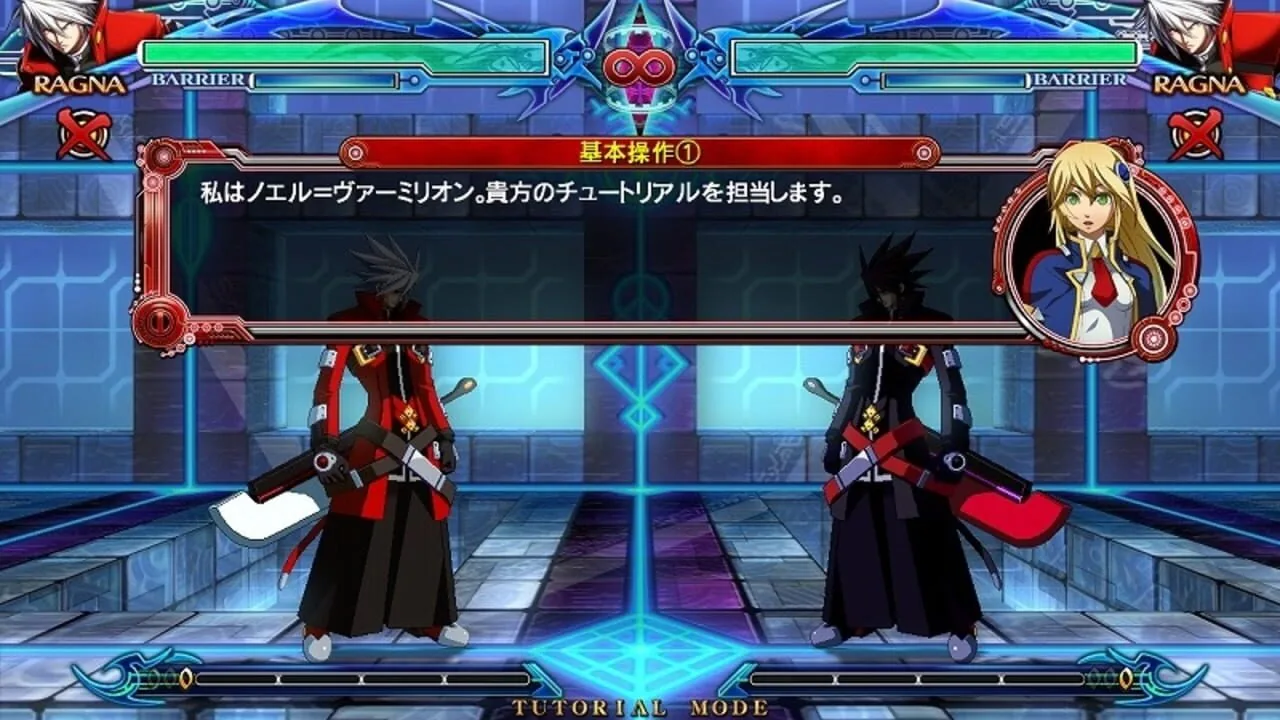
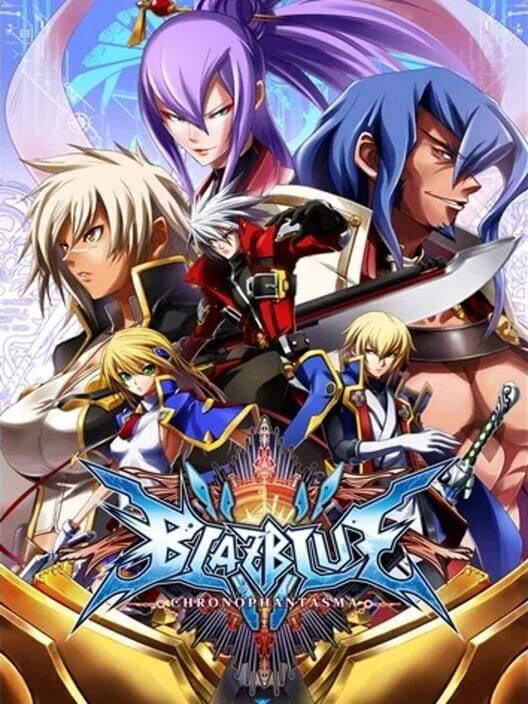
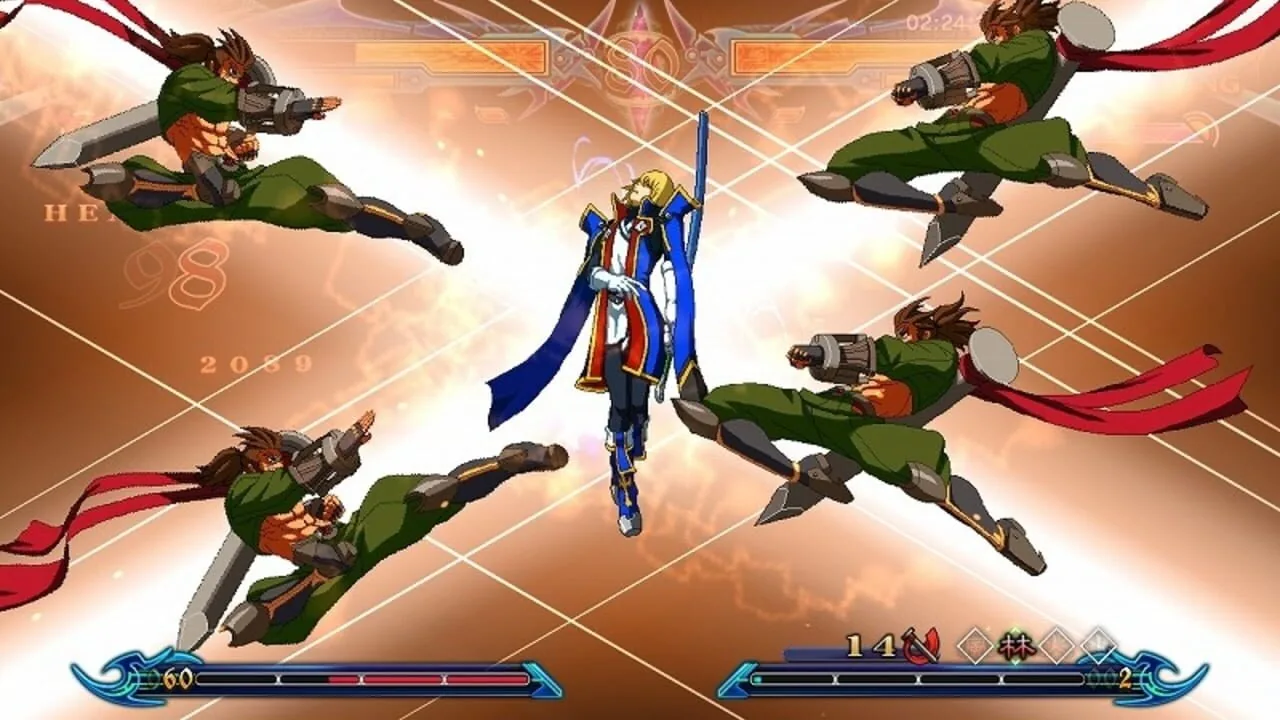
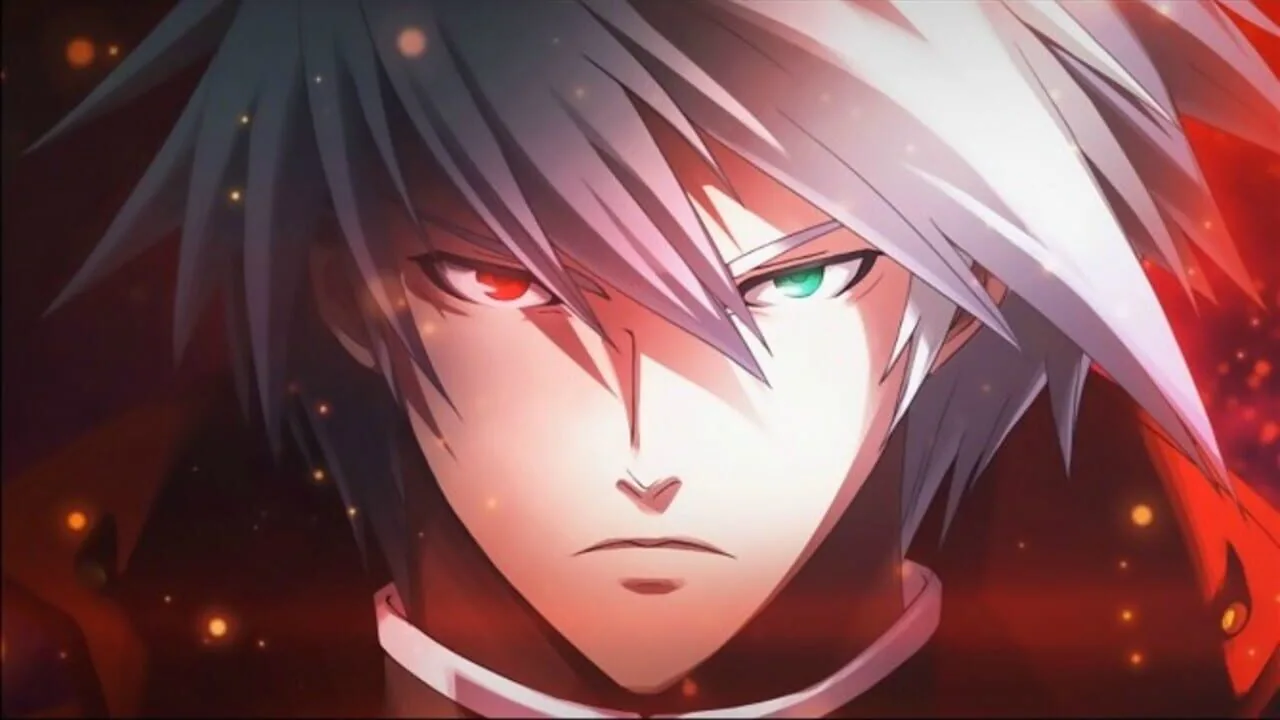
Chrono Phantasma first came to arcades in November 2012 and reached the PS3 in Japan on October 24, 2013. Nineteen characters return from Continuum Shift Extend, and several new songs were written for it, with every older character theme re-arranged. Later, the Vita version of Chrono Phantasma Extend added dual audio to the Story Mode, which the first Vita release did not have.
The fighting is as good as BlazBlue gets. The story is another matter. Critics complained about the character designs and about how confusing the story mode is without knowing the earlier games, and that is fair. Fans of the series still rank it below Continuum Shift Extend on this list, which tells you where newcomers should start.
12. J-Stars Victory Vs+ (2015)
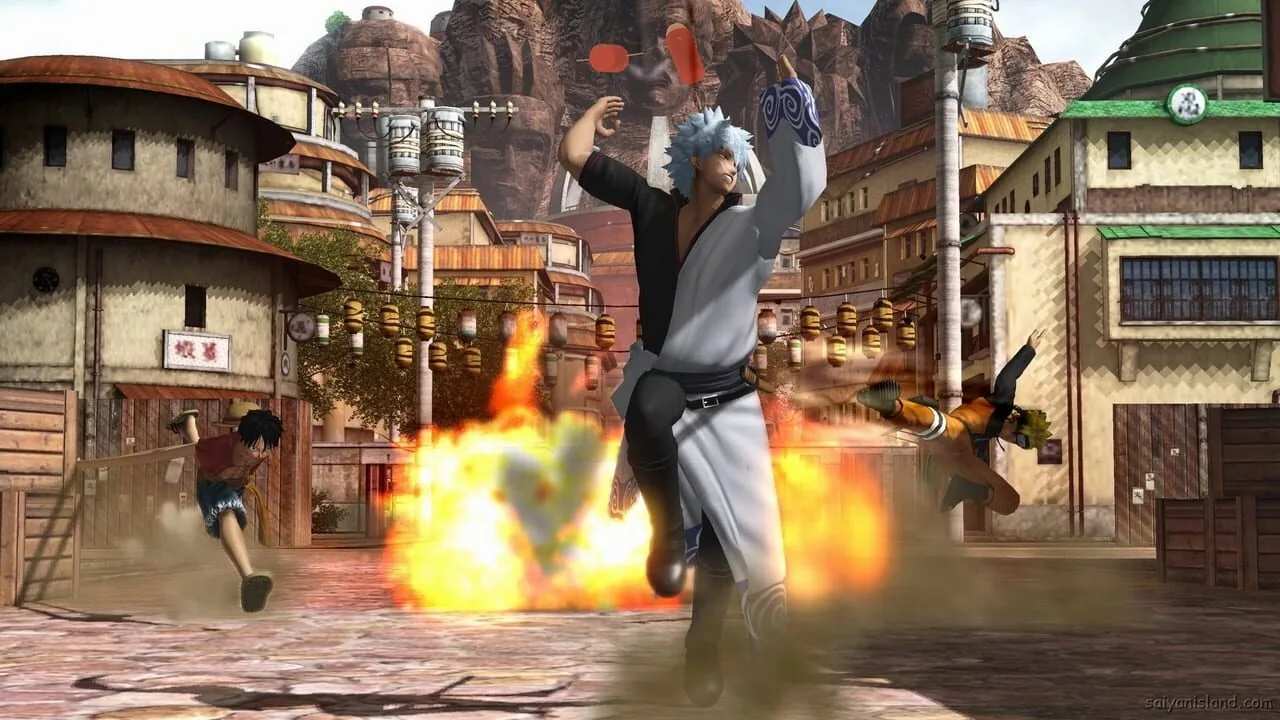
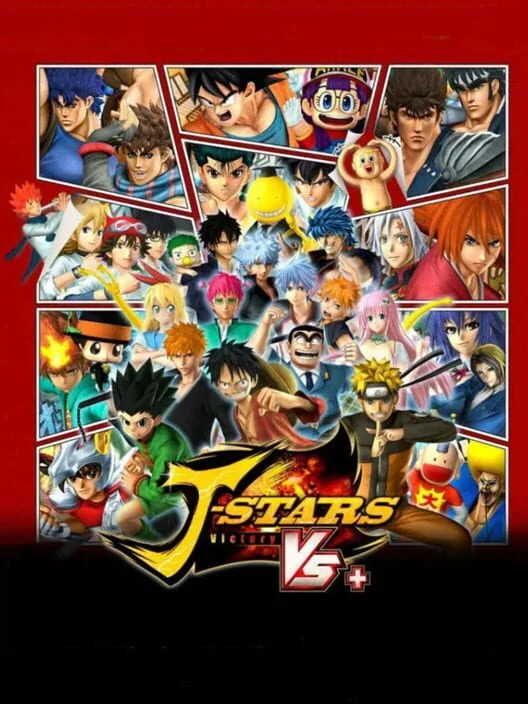
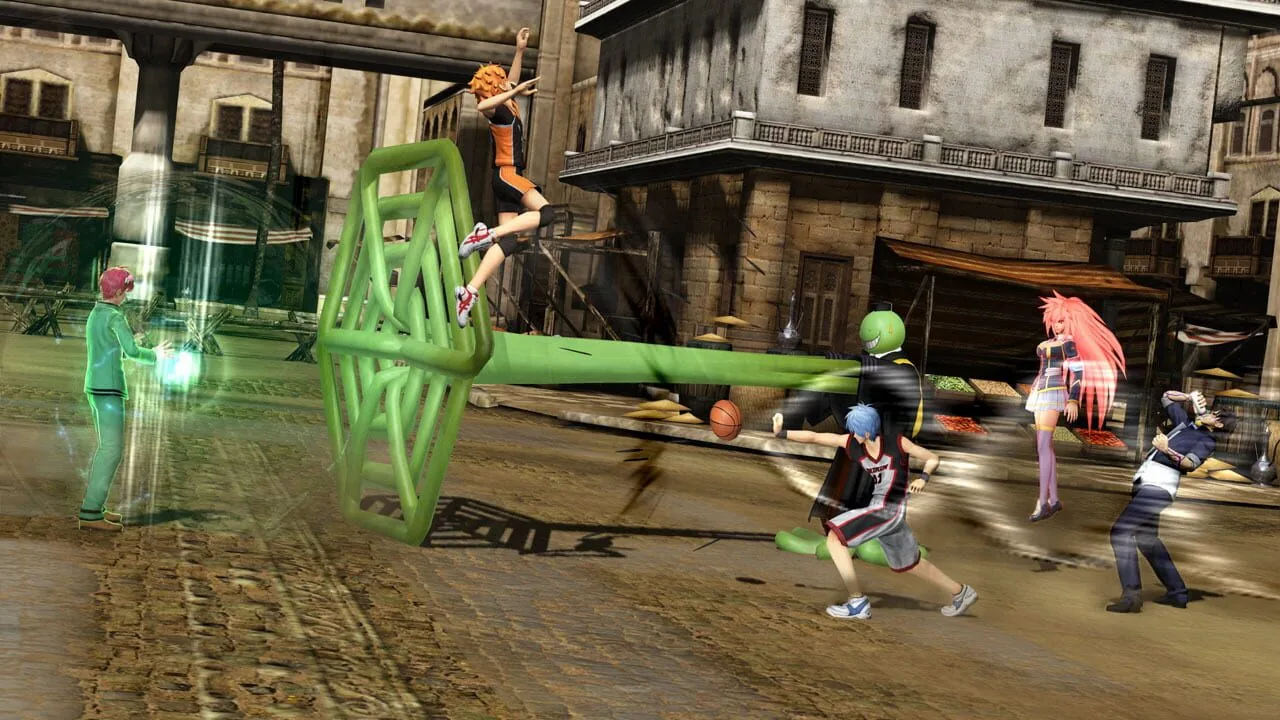
J-Stars Victory VS came out in Japan on March 19, 2014, for the PS3 and Vita, to celebrate the 45th anniversary of Weekly Shōnen Jump. The western release, J-Stars Victory VS+, arrived in Europe on June 26, 2015, and in North America on June 30. It kept the Japanese voices and added an Arcade Mode the original did not have. Fighters move freely around twelve 3D battle fields, each based on a place from a different Jump series.
The draw is the crossover. Goku, Luffy and heroes from many other Jump series share one game. Kotaku praised the roster but said every character plays the same, and titled its review "J-Stars Victory VS Gets Real Old Real Fast". In Japan the Vita version did well. Jump Force followed in 2019.
11. Nidhogg (2014)
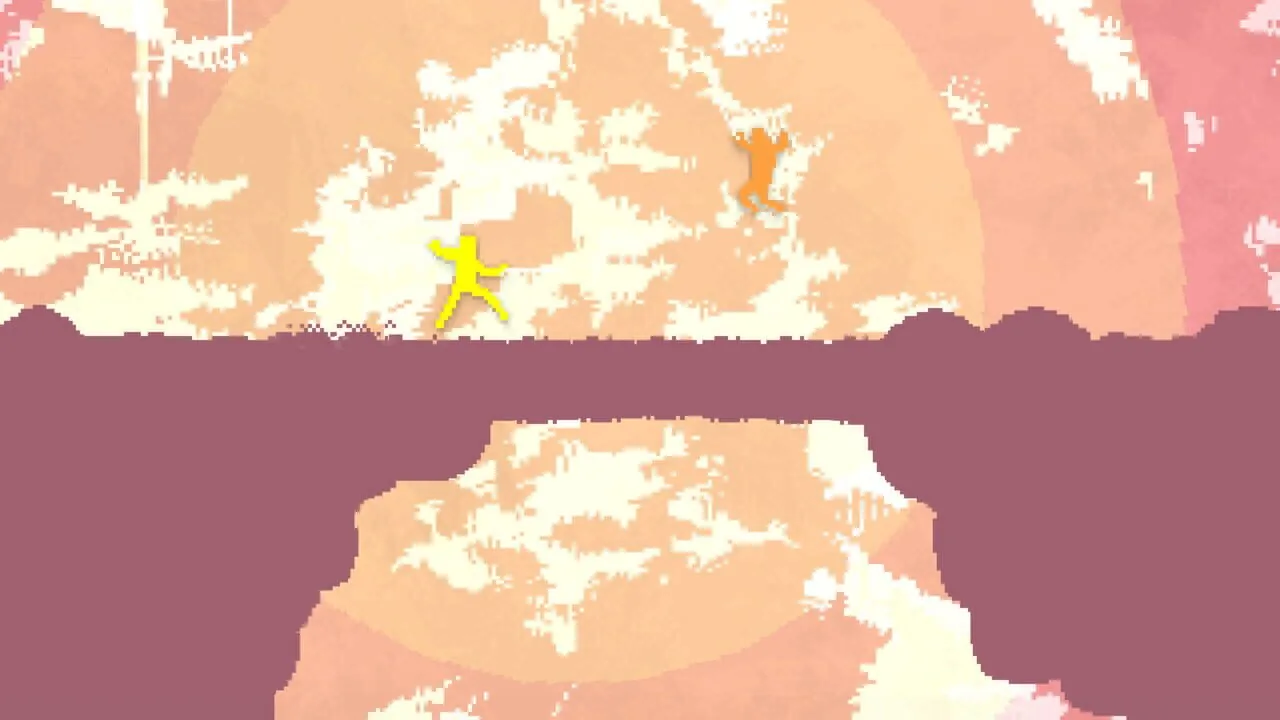
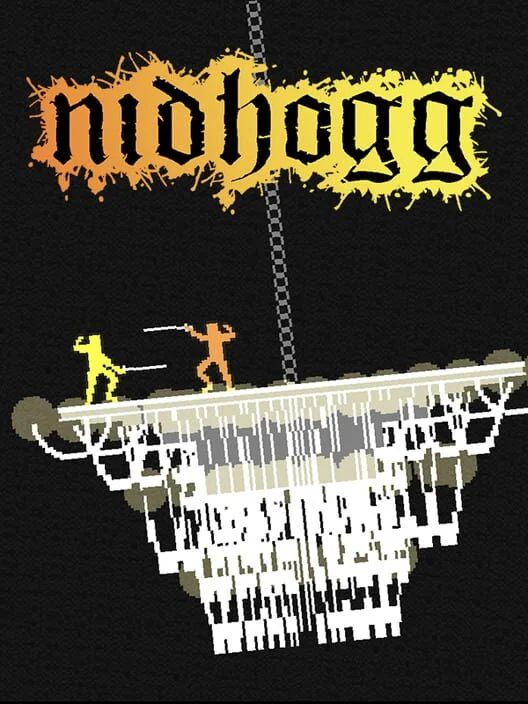
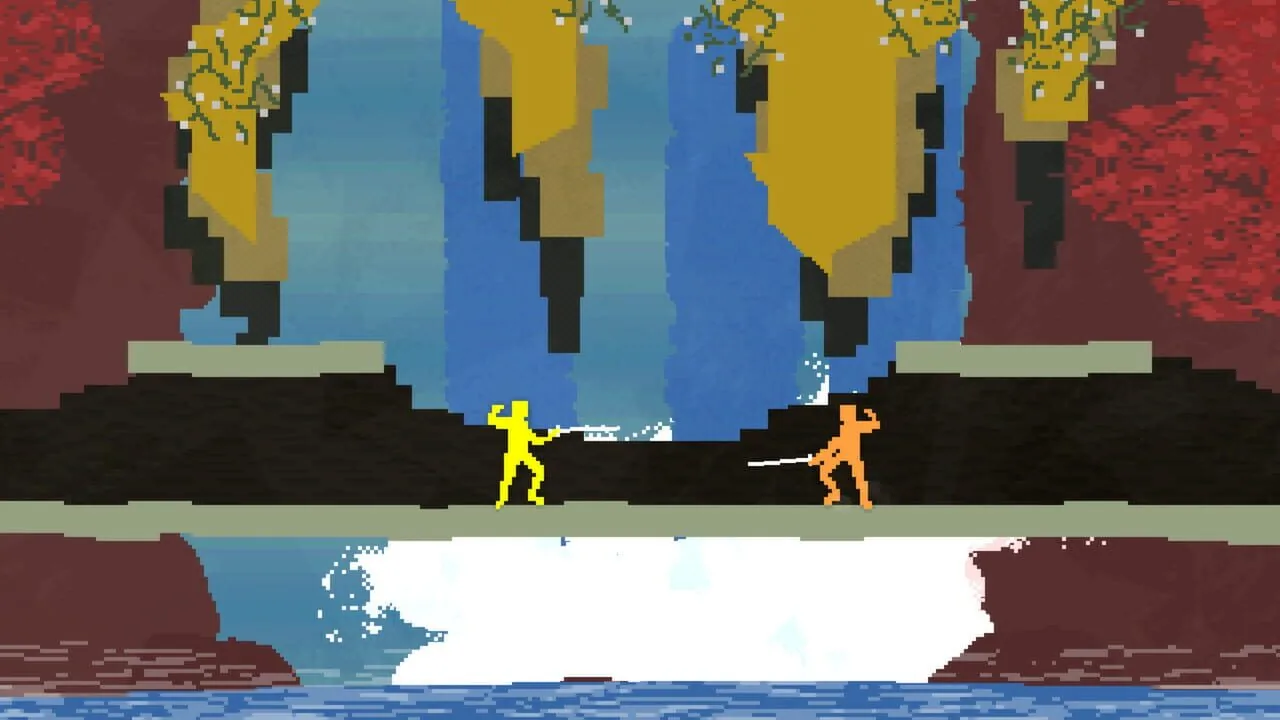
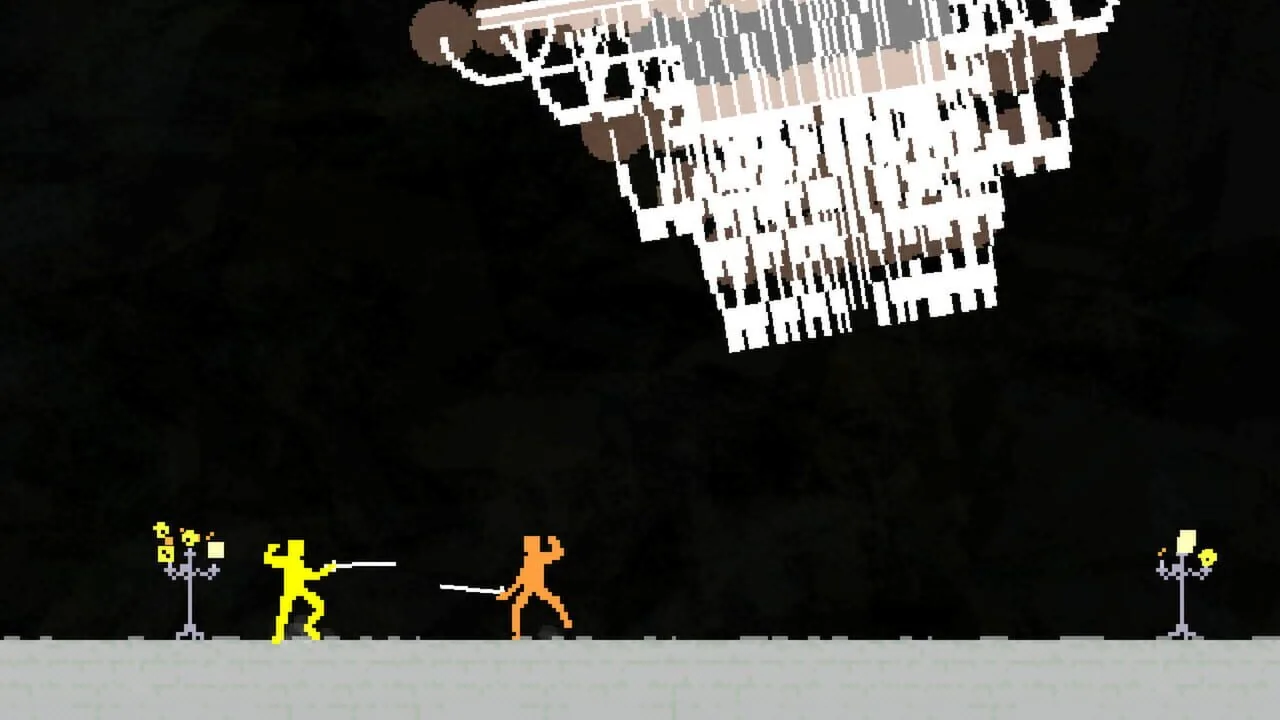
Nidhogg is a two-player sword duel made by Messhof. It was first made for the New York University Game Center's yearly multiplayer show, and then shown at private events for four more years before its release. It won Indiecade 2013's Game Design award and the 2011 Independent Games Festival's Nuovo Award. It came out on Windows on January 13, 2014, and was later ported to the Vita.
Messhof wanted it to play slowly, with each player waiting for the other to move first, like Bushido Blade. Critics loved how it feels and how balanced it is, but found the single-player mode thin. It is a game for two people and one handheld. With the right friend it is one of the most tense, ridiculous fighting games ever made.
10. Dengeki Bunko: Fighting Climax (2014)
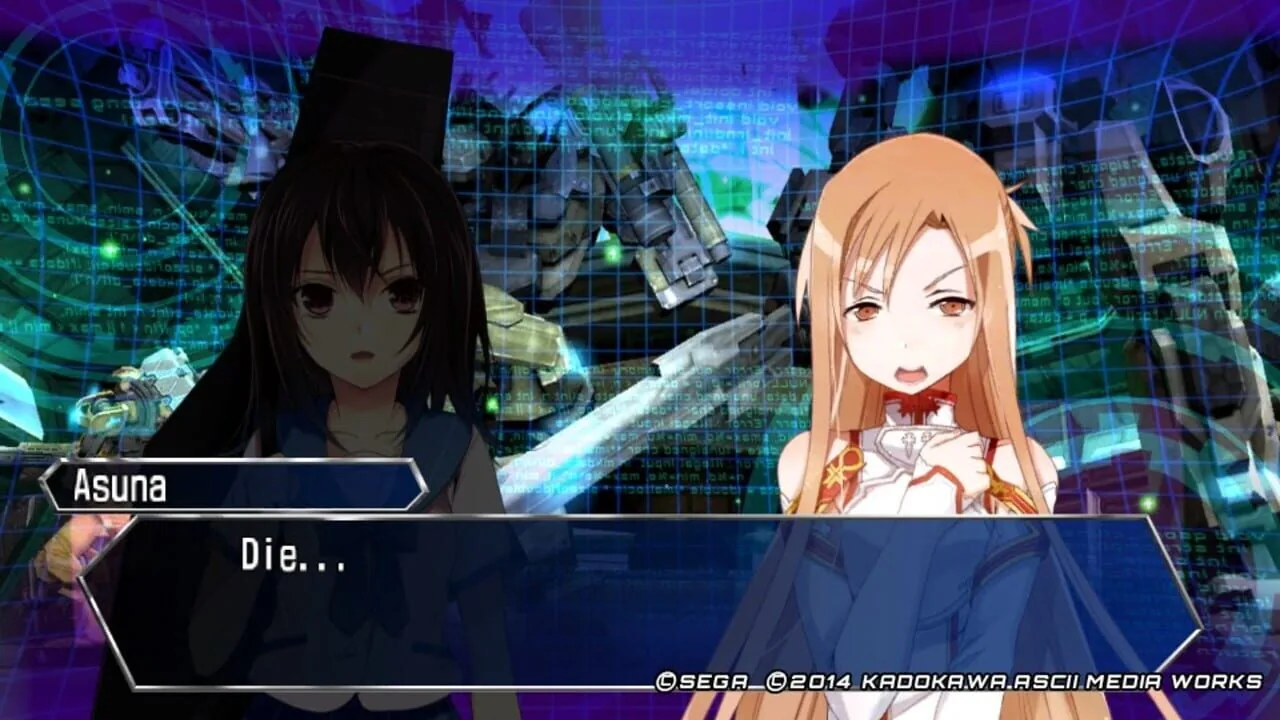
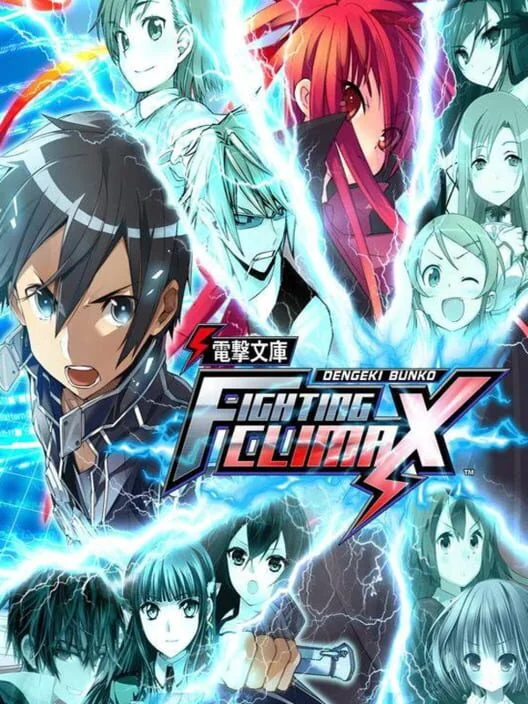
Fighting Climax is a crossover of characters from Dengeki Bunko light novels. The first roster had 12 playable fighters and 18 assist characters from 22 light novels. Asuna from Sword Art Online is here, and so is Taiga from Toradora!, and the cast is voiced by the actors from the anime versions, with a few exceptions. Samples from the light novels are even included as unlockable content.
It also has a system called Ignition, which gives one character on each team a power-up after every round. You do not need to know every show to enjoy it, though it helps. As a fighter it is easy to pick up, and it was one of the more popular anime fighters on the Vita, landing at number ten here.
9. Injustice: Gods Among Us (2013)
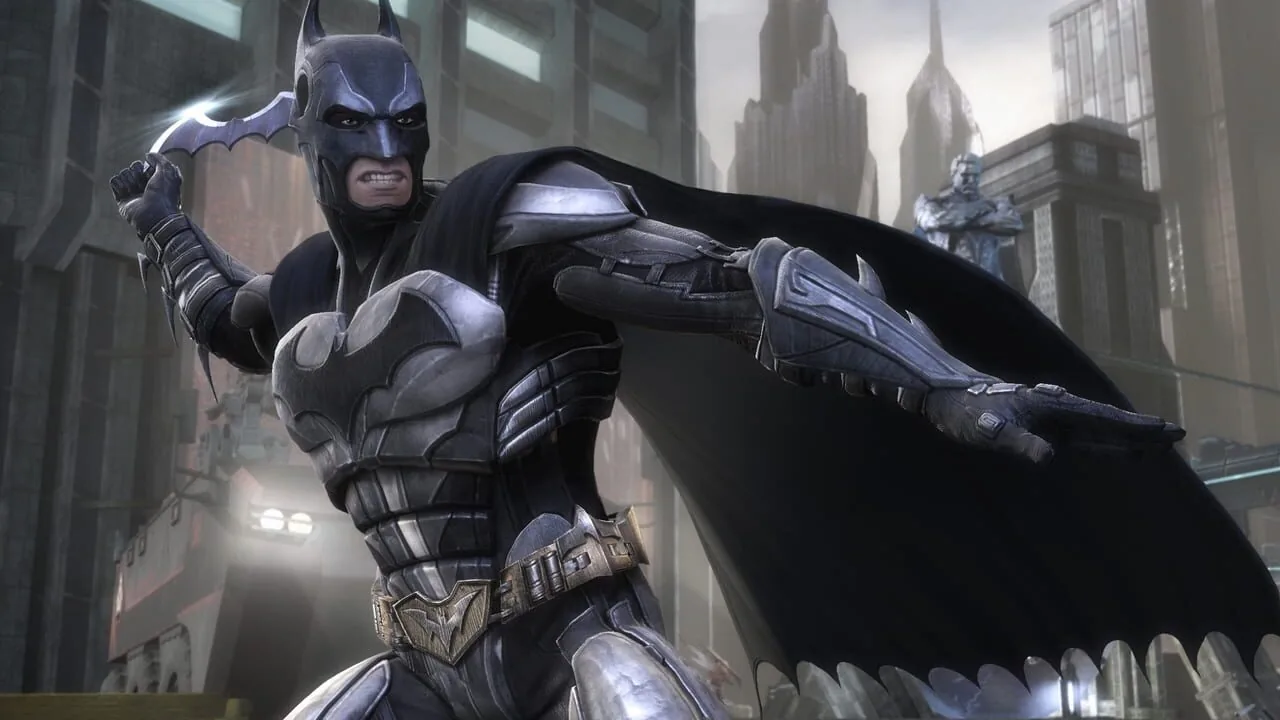
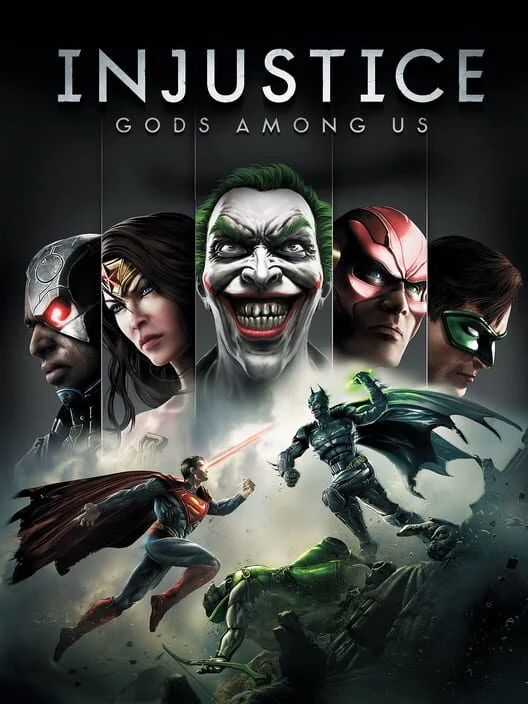
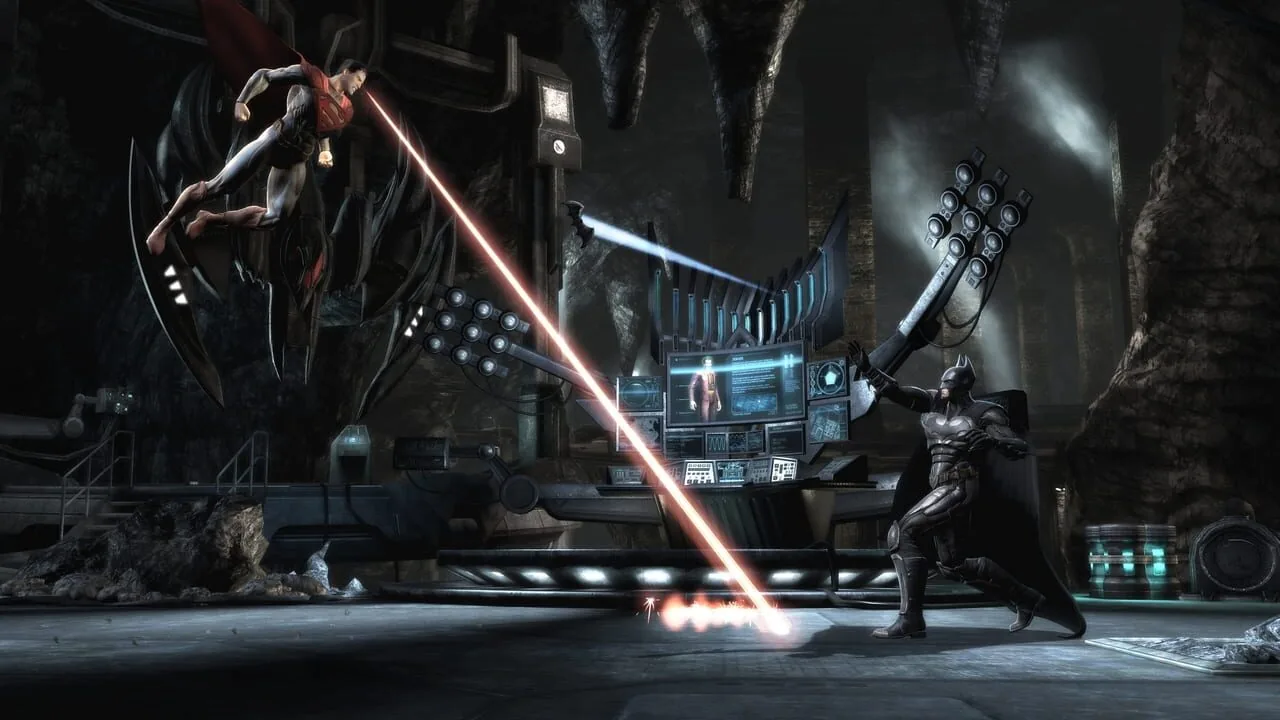
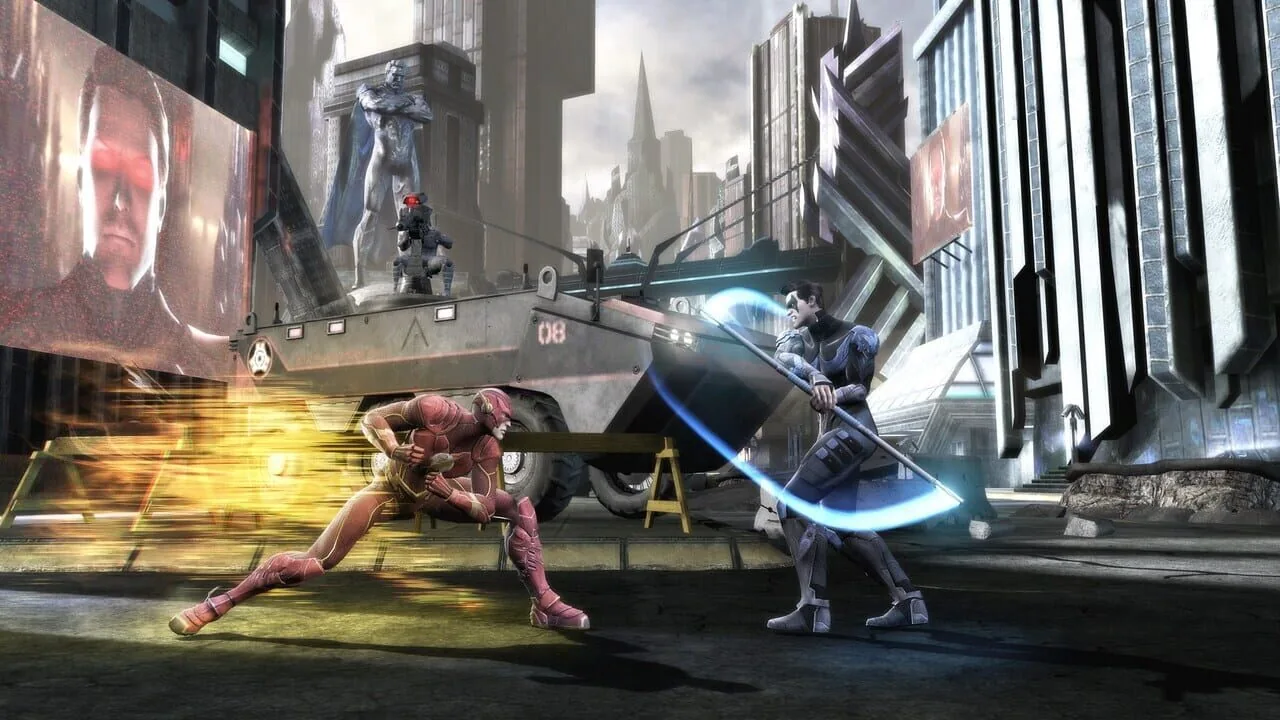
Injustice is NetherRealm Studios' DC Comics fighting game, the first in the Injustice series. It came out in April 2013 in North America, Europe and Australia. The Vita got the expanded Ultimate Edition in November 2013, alongside the PS3, PS4, Windows and Xbox 360. Its story asks what happens when the greatest heroes become the greatest threat.
Critics praised its story, its gameplay and how well it uses the DC license. Injustice was the best-selling game in the United States and the United Kingdom in the month it came out, and it won several Best Fighting Game awards in 2013. A sequel, Injustice 2, followed in 2017. On the Vita, it is a big console fighter that fits in your pocket.
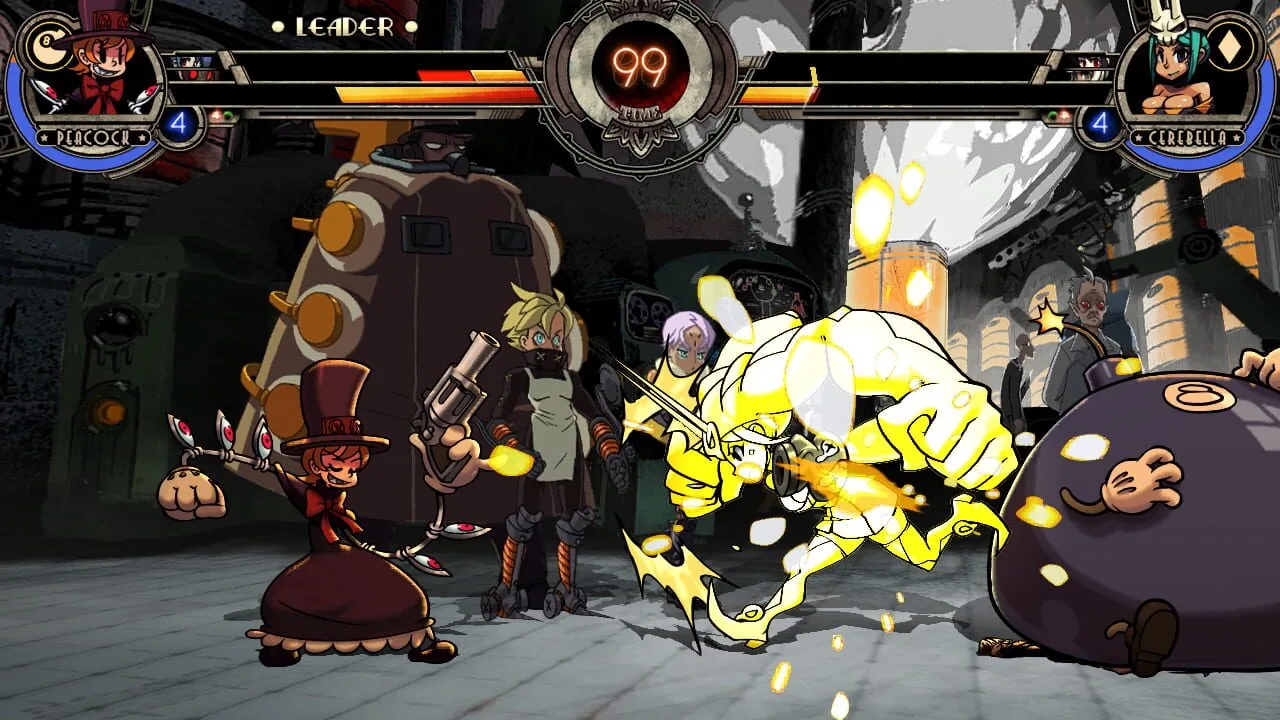
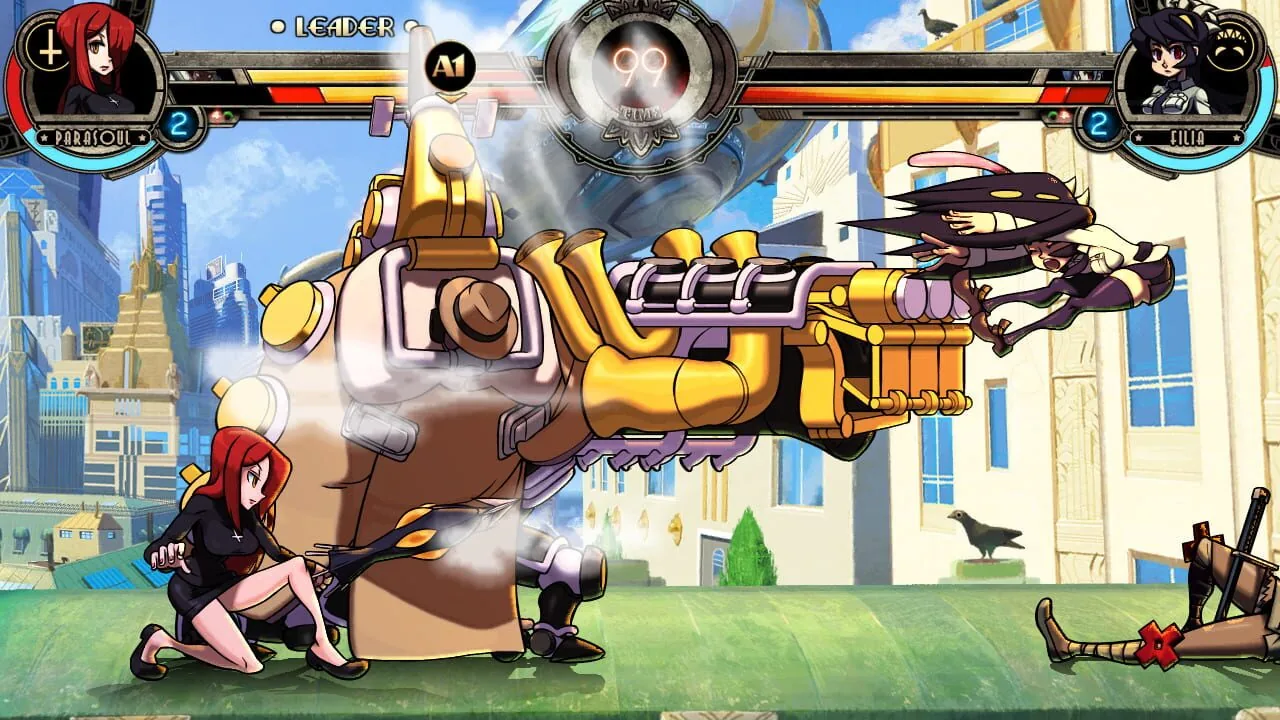
8. Skullgirls: 2nd Encore (2015)
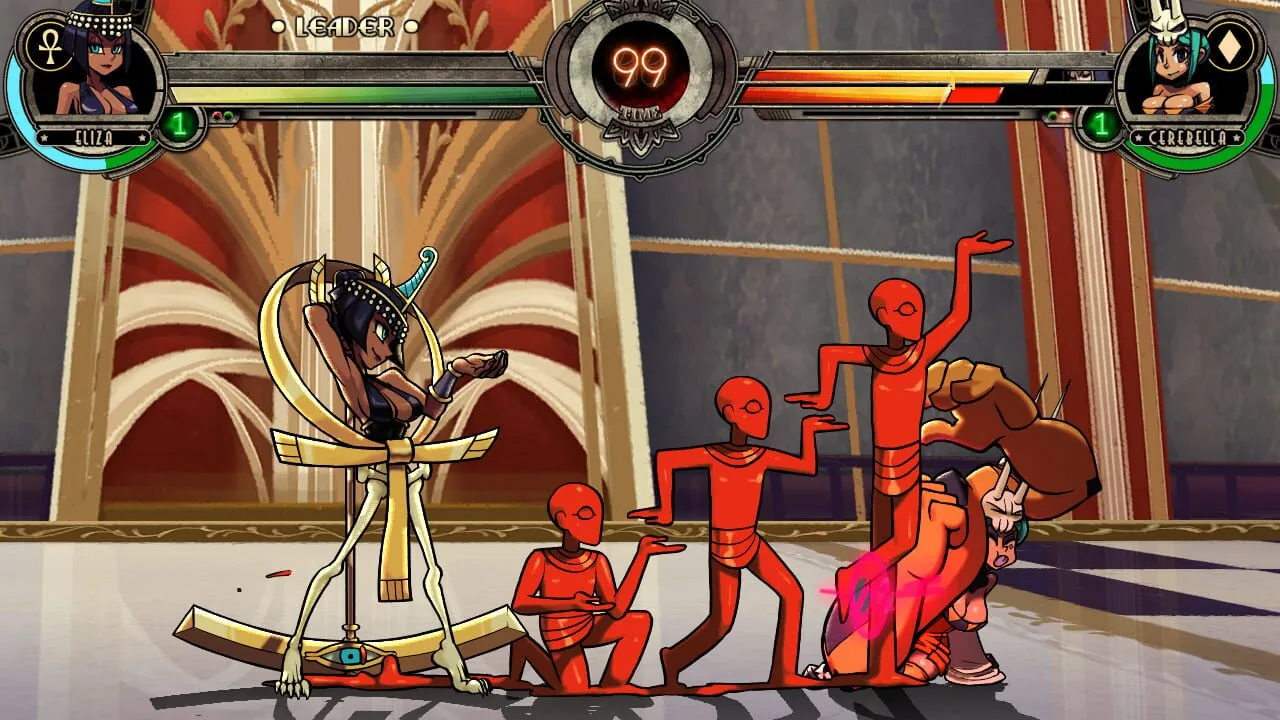
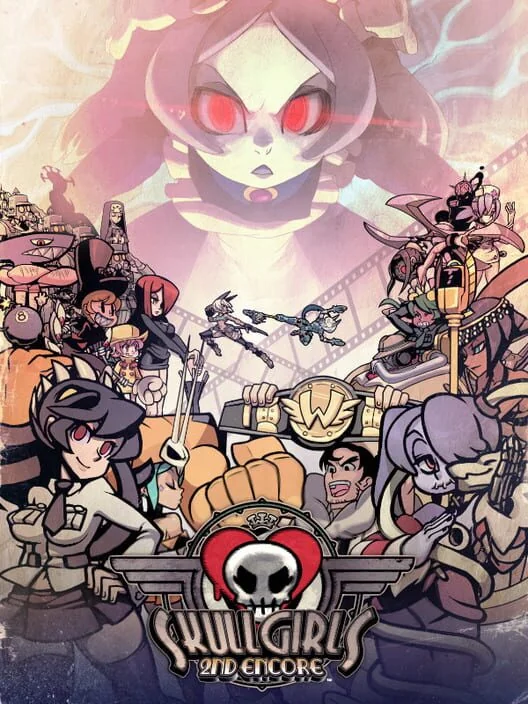
Skullgirls first came out on the PlayStation Network and Xbox Live Arcade, and critics praised its animation and its fighting, though the small first roster and the online play drew complaints. It has since been ported to the Vita and many other systems. 2nd Encore is the version that kept growing, with development continuing through downloadable content.
The team behind it, Reverge Labs, reformed as Lab Zero Games and worked on the game until the studio closed in 2020. Several of its members started a new studio, Future Club, and they are the Skullgirls developers now. On the Vita, its animation looks lovely on the small screen. It is a hard game to master, but it explains itself better than almost any fighter on this list.
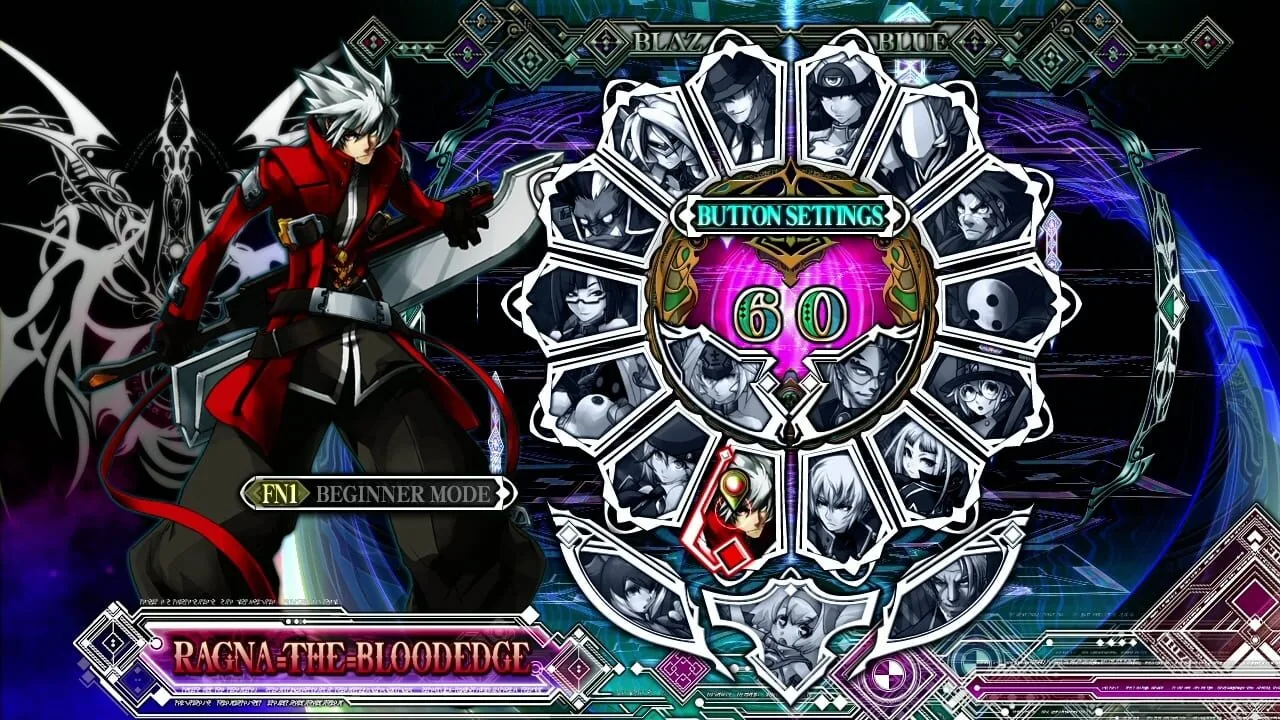
7. BlazBlue: Continuum Shift Extend (2011)
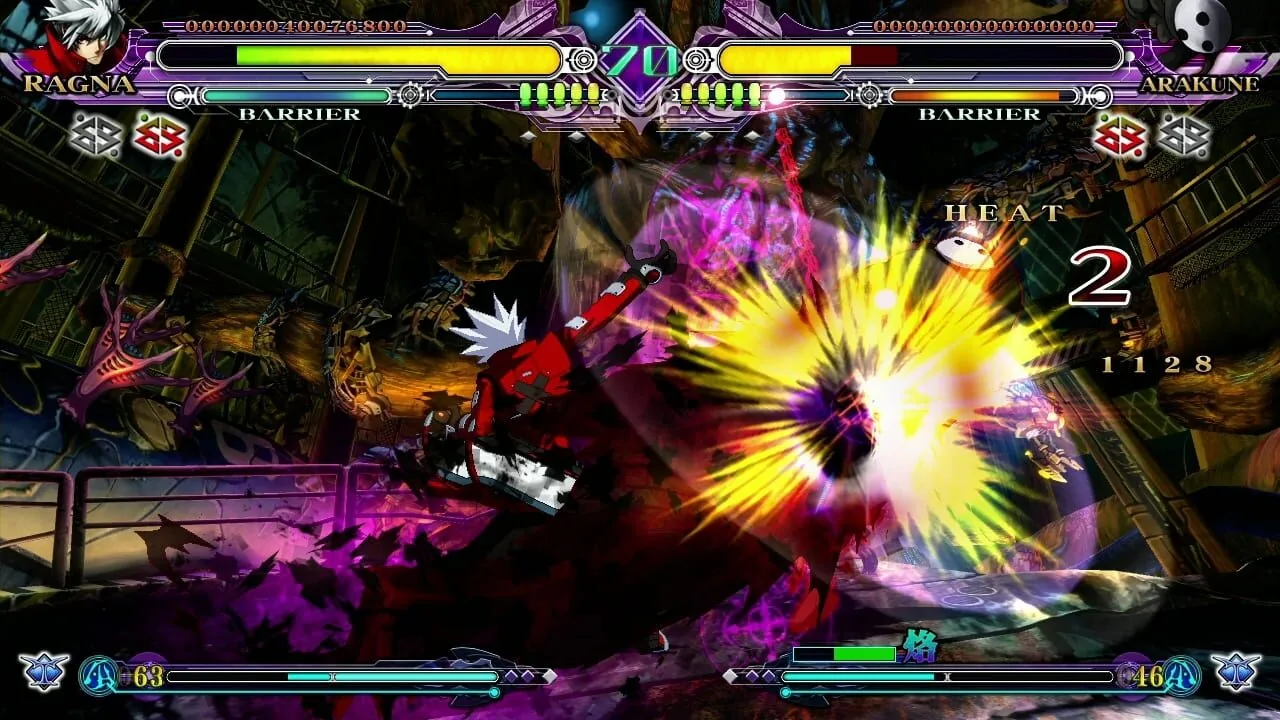
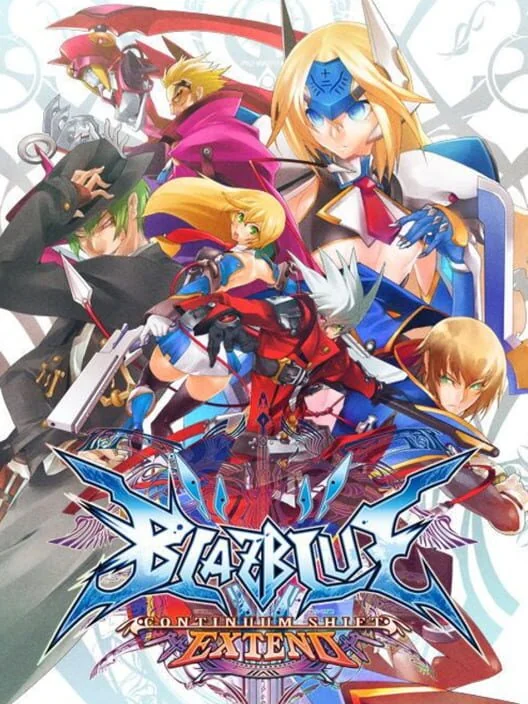
Continuum Shift Extend is the last revision of the second BlazBlue game, and it was ported to the PS3, PSP, Vita, 3DS and Windows. It adds at least eight new characters over the first game, including Tsubaki Yayoi, Hazama and Relius Clover. Makoto Nanaya, a classmate and one of Noel's best friends, is a talking squirrel.
The BlazBlue series had sold 1.7 million copies by August 2012, and this is the version most fans point to as the best of the early games. It is complicated, and its story mode is long and very anime. But the fighting is deep and every character plays differently. Of all the anime fighters on the Vita, players rank this one highest, ahead of its own sequel, Chrono Phantasma.
6. PlayStation All-Stars Battle Royale (2012)
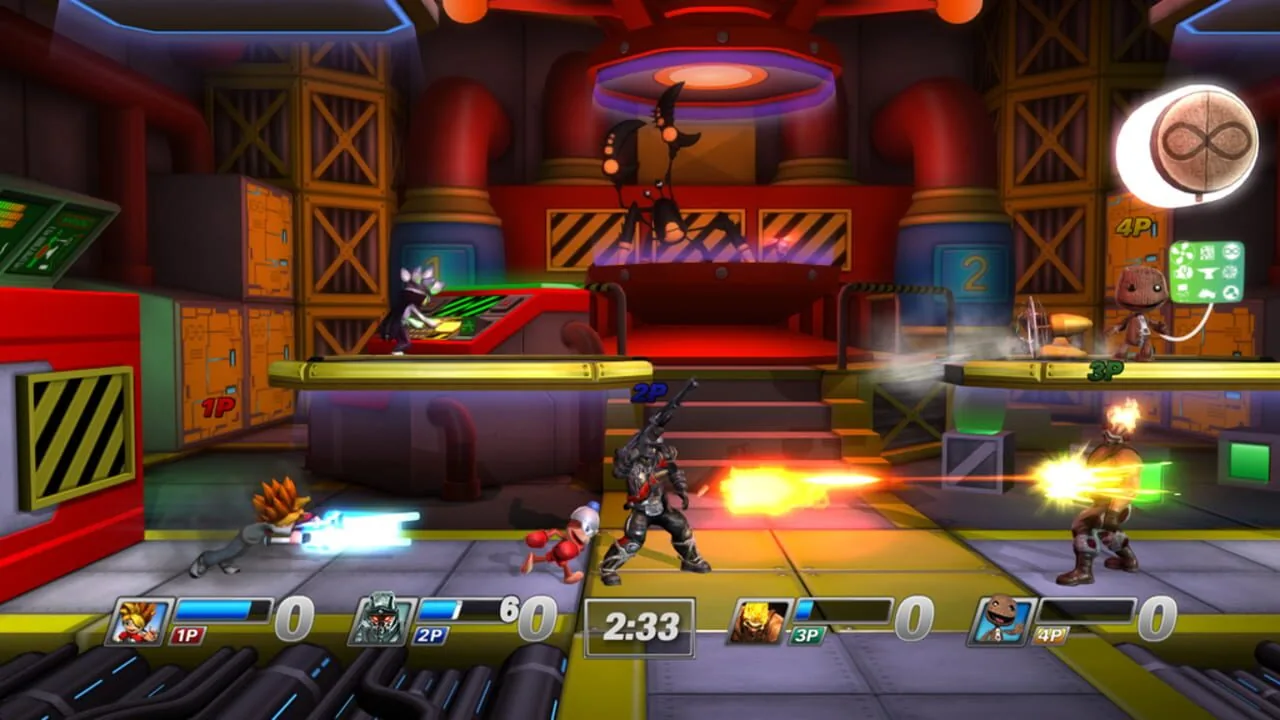
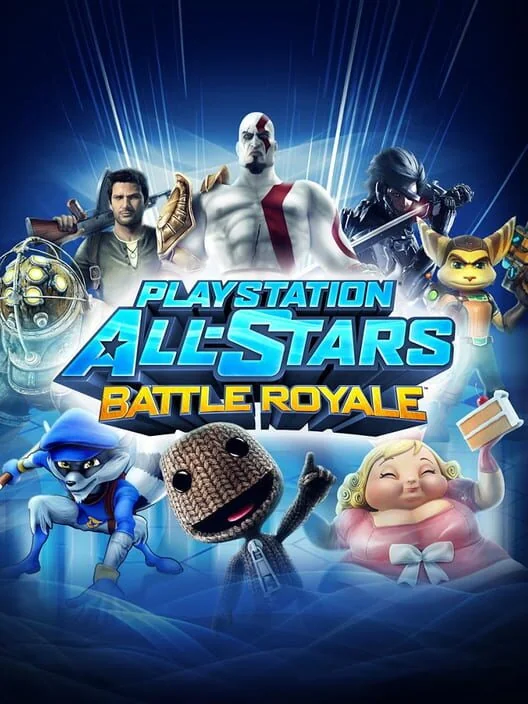
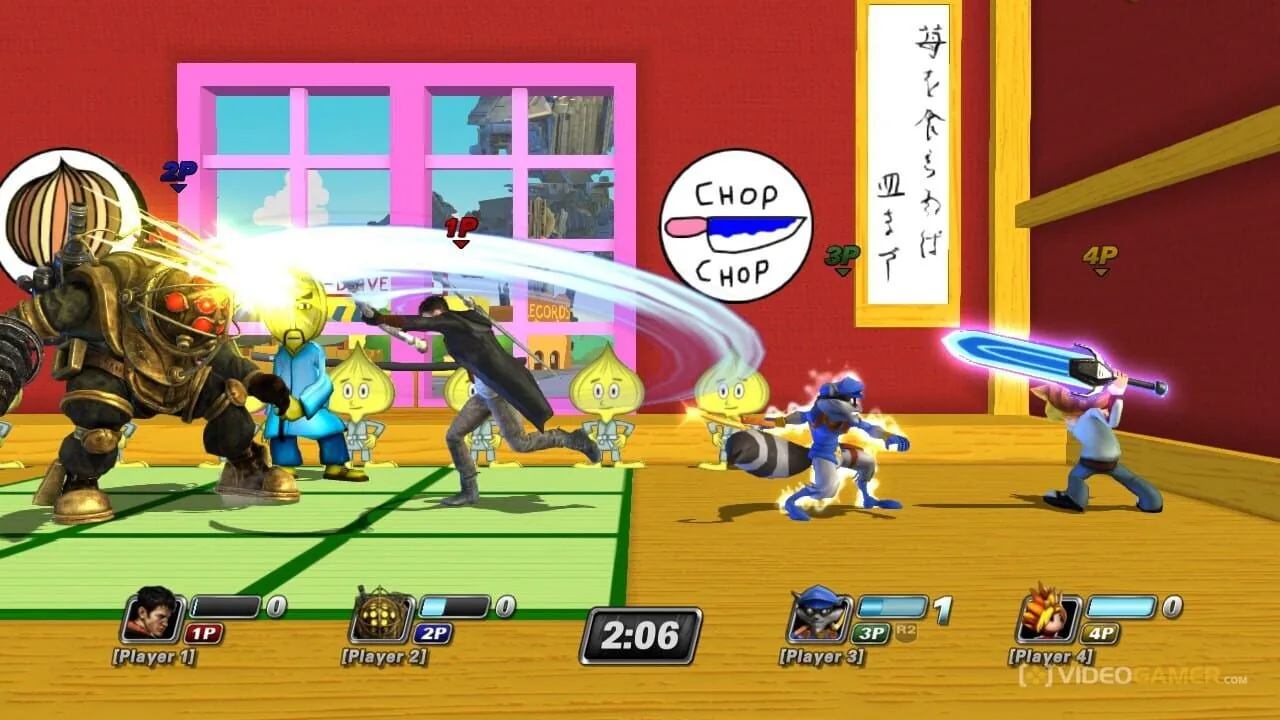
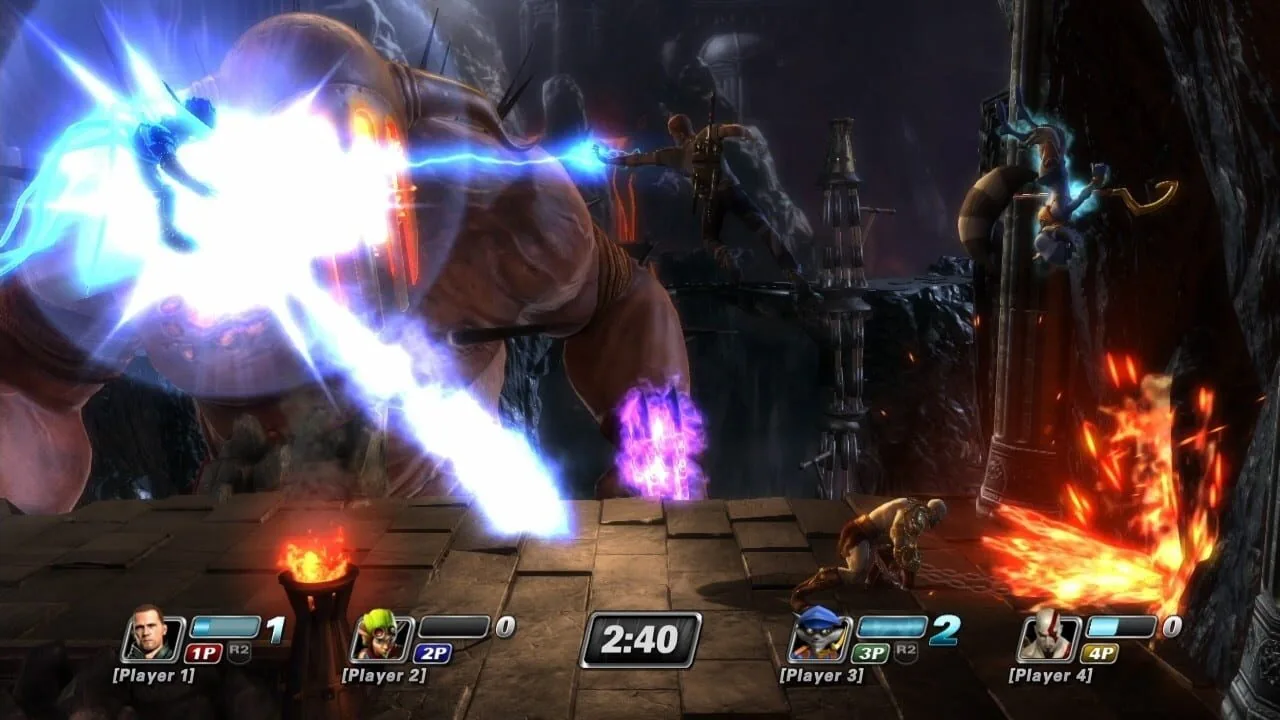
PlayStation All-Stars began development in 2009 under the working title Title Fight. It puts Sony's own characters in one arena, from Kratos and Nathan Drake to Sackboy and PaRappa, with Kat from Gravity Rush added later as downloadable content. It was also one of the first games in Sony's cross-buy program. Buying it for the PS3 got you the Vita version for free.
Critics liked its multiplayer and how faithful it was to each series, but found it short on content. The Super Moves drew the most fire. In most fighting games each hit wears down a health bar, and here super moves are the only way to score. It is a strange game, and its odd rules split players. Still, seeing these characters together on a handheld was a thrill.
5. Dragon Ball Z: Battle of Z (2014)
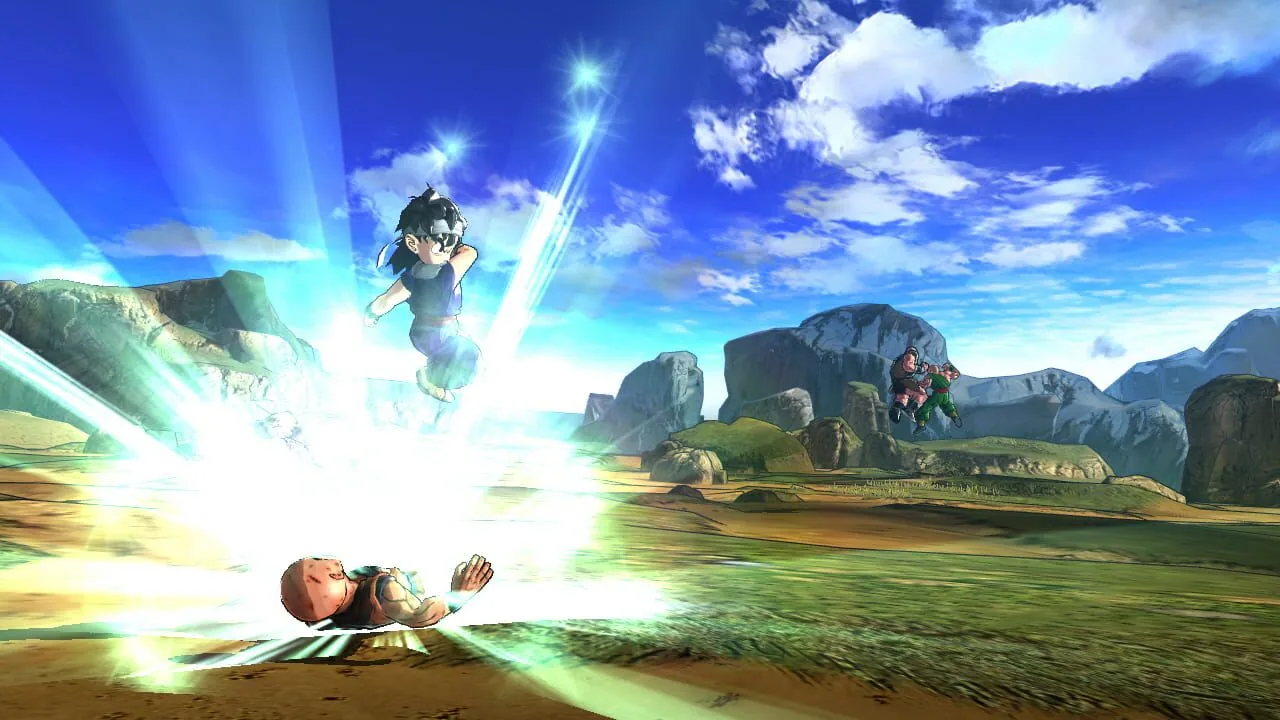
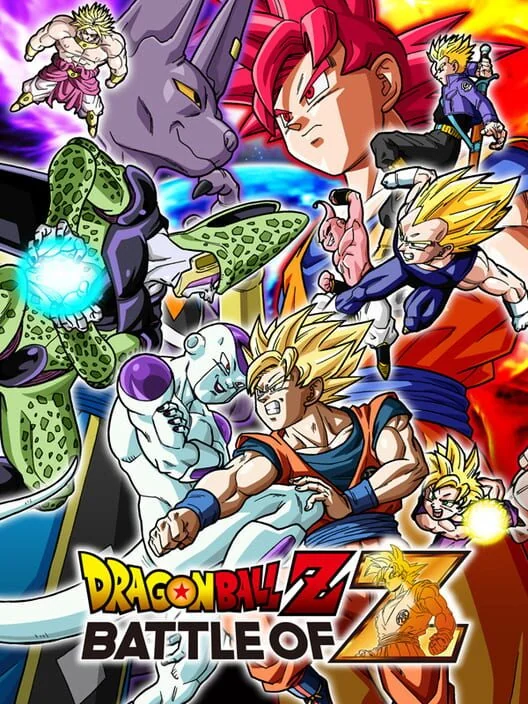
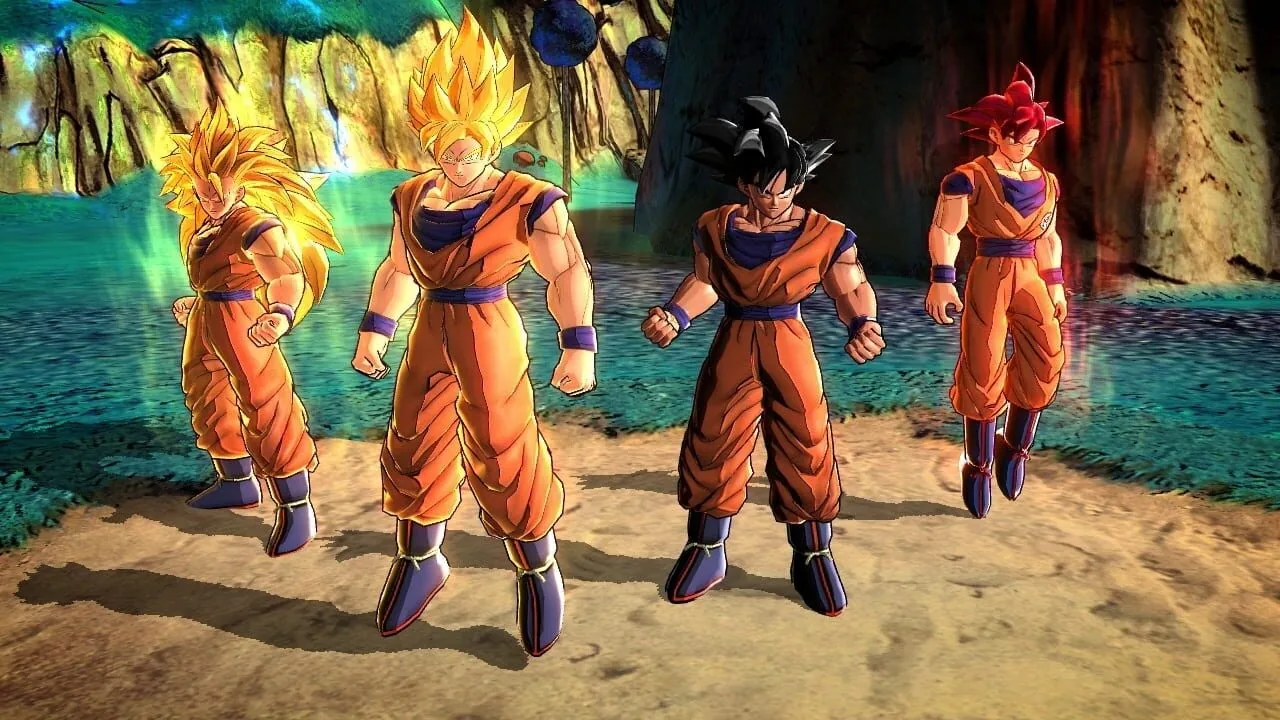
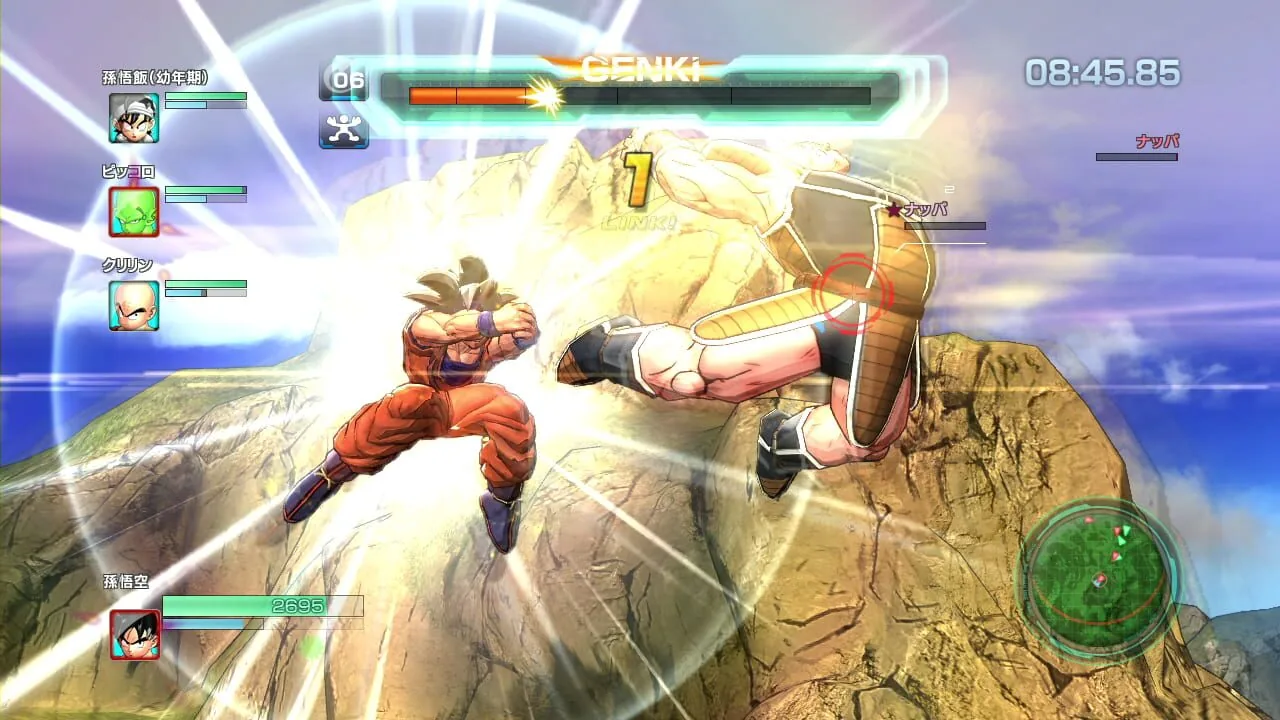
Battle of Z was developed by Artdink and published by Bandai Namco Games. It is built around team battles, with four-player co-op or up to eight players in versus. It takes things from the 2013 film Battle of Gods, including the first appearance in a Dragon Ball game of Goku's Super Saiyan God form, Beerus and Whis. The story mode turns the classic fights into team battles, so Piccolo, Gohan and Krillin all join Goku against Frieza on Namek.
The reviews were mixed. IGN gave it 6.6 out of 10, criticizing the limited combat and unbalanced teams but praising the visuals and the co-op. PSU gave it 8 out of 10, though it criticized the lack of offline versus. Dragon Ball fans on the Vita played it anyway.
4. Dead or Alive 5 Plus (2013)
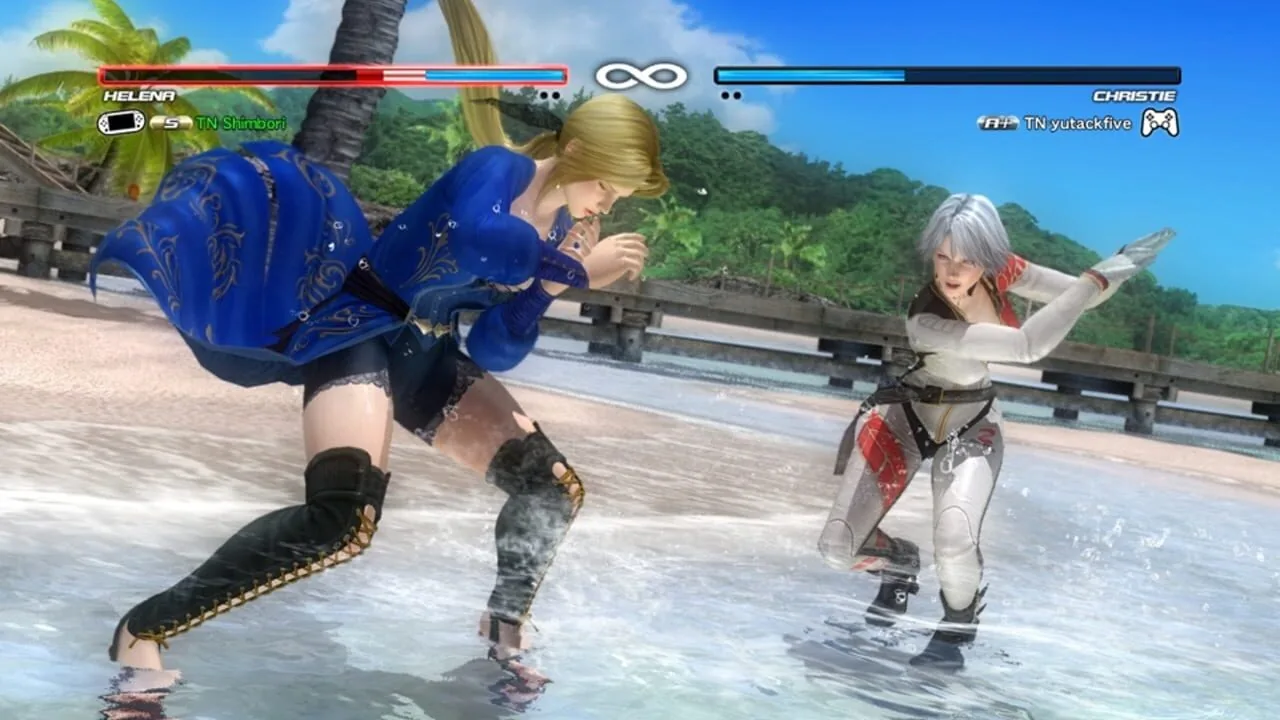
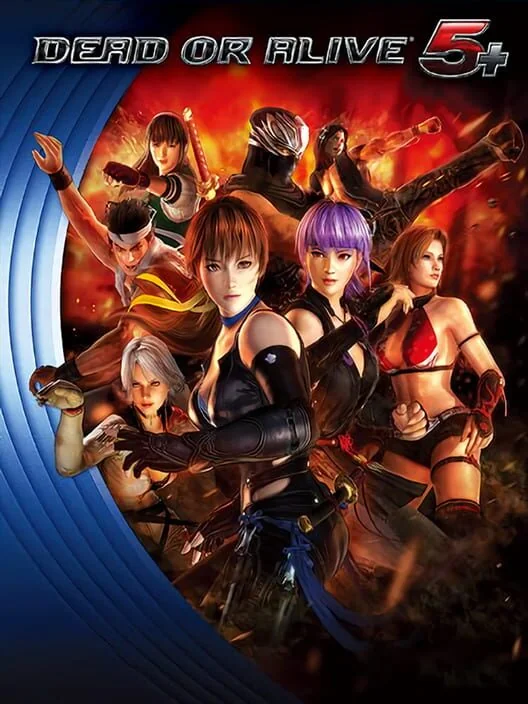
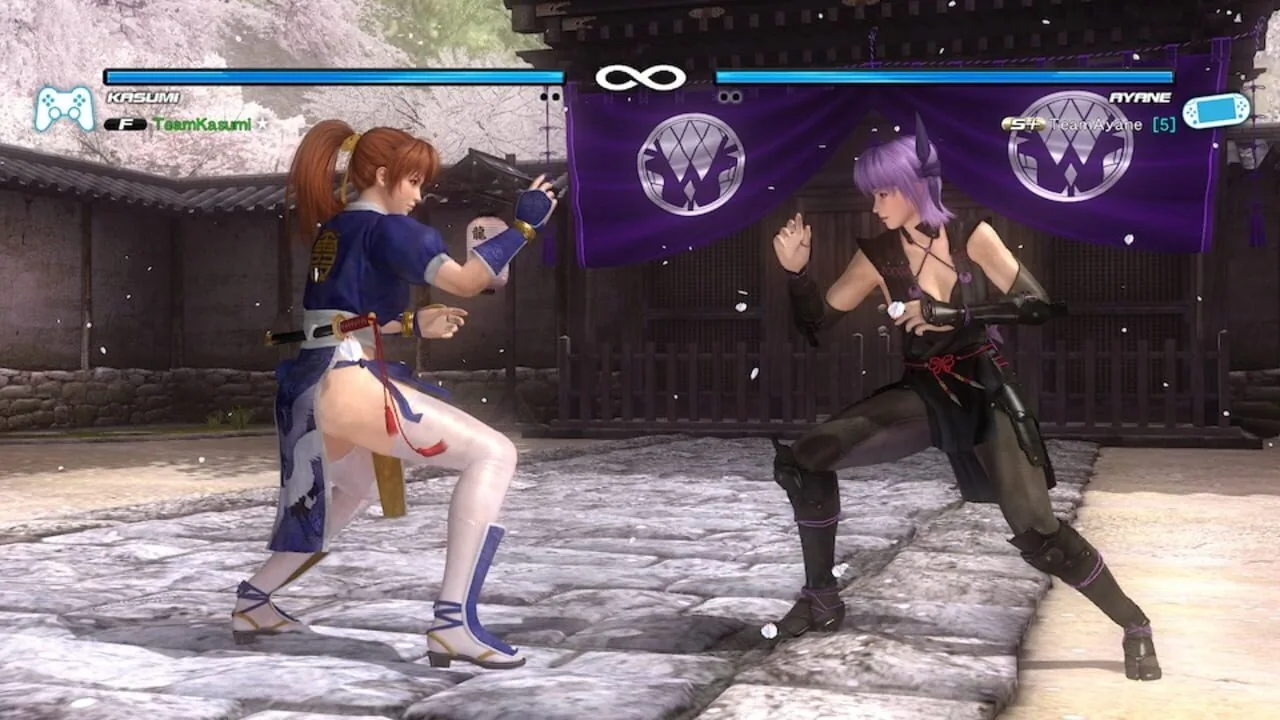
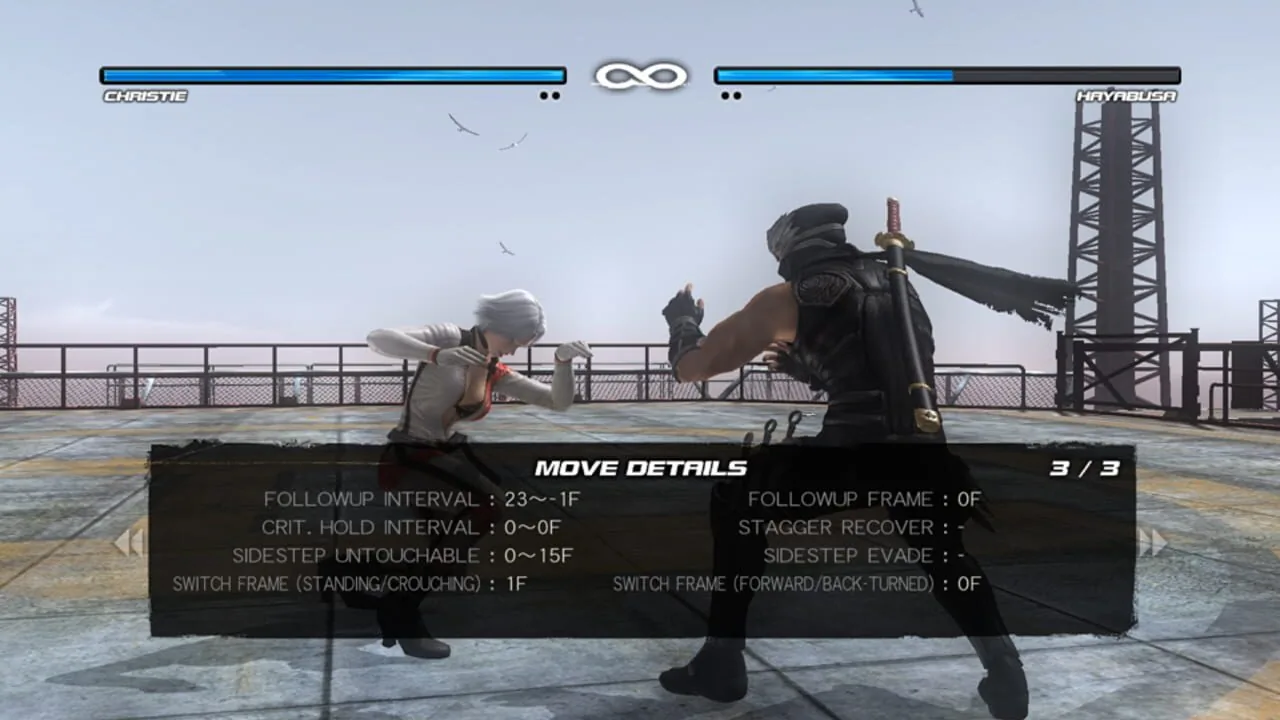
Dead or Alive 5 is the fifth main game in the series, and Dead or Alive 5 Plus is its portable, expanded version, released for the Vita in 2013. It was the first Dead or Alive game since Dead or Alive 2 to come out on more than one system, and the series' first on PlayStation 3. Three guest fighters come from Sega's Virtua Fighter: Akira Yuki, Pai and Sarah. Akira and Pai only speak Japanese, while Sarah only speaks English.
Dead or Alive 5 got generally favorable reviews. It is fast and easy to have fun with even if you never learn a single combo. On the Vita, it is one of the best-looking games the handheld has, and it plays just as well as the console version.
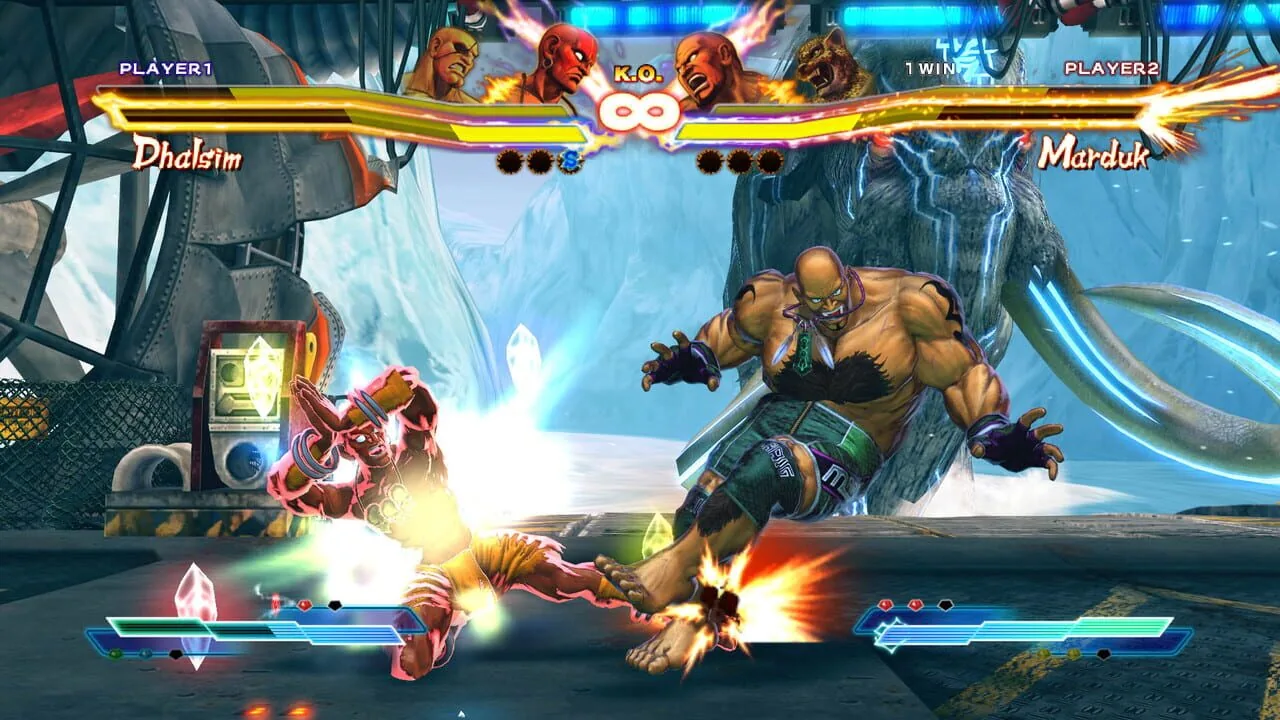
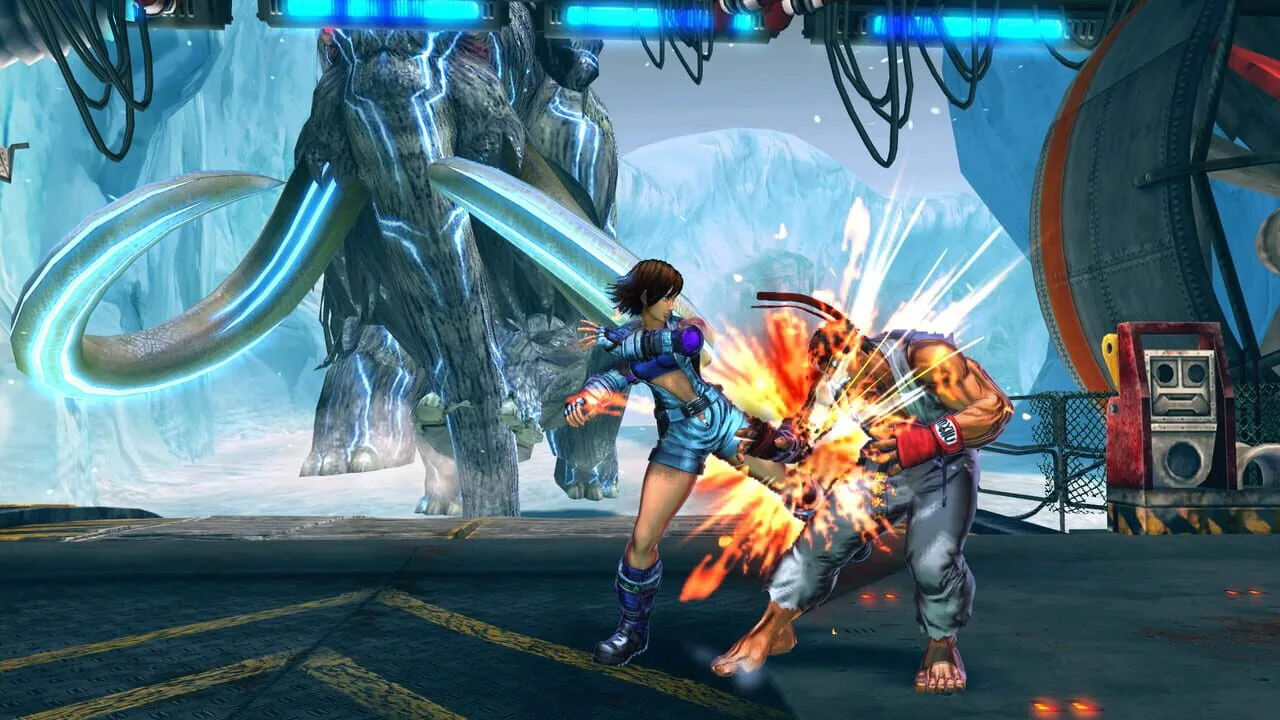
3. Street Fighter X Tekken (2012)
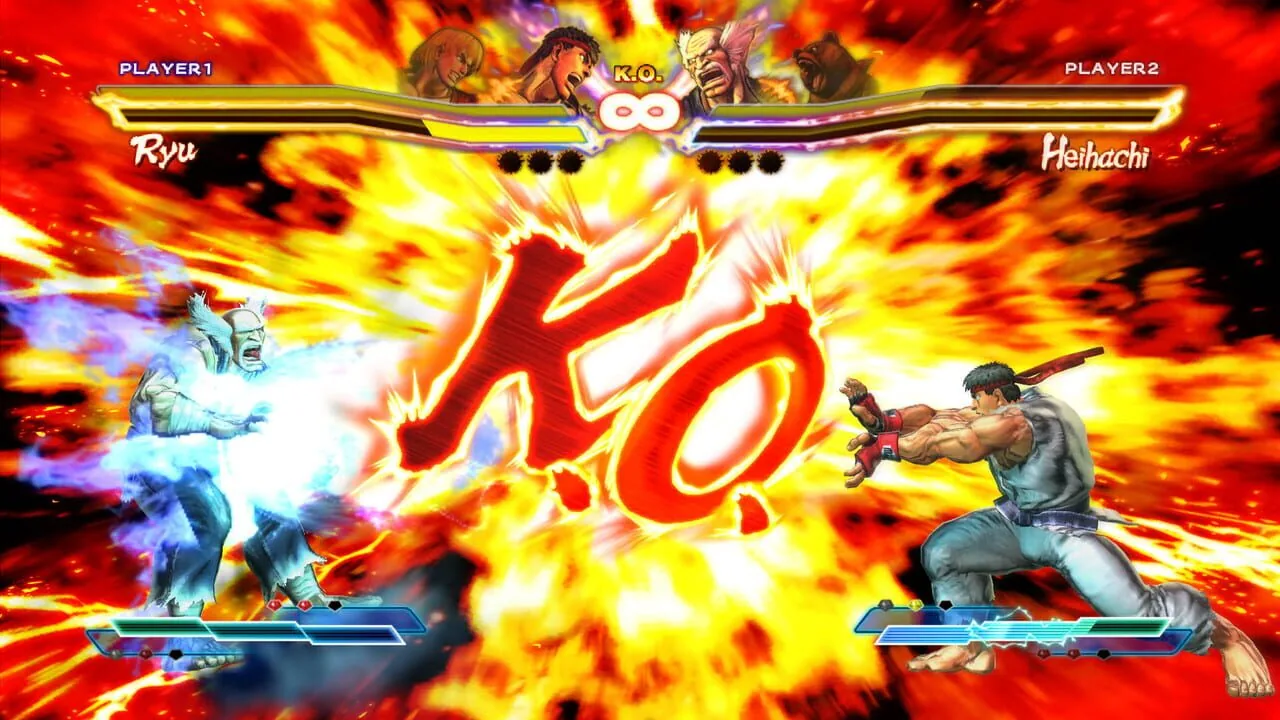
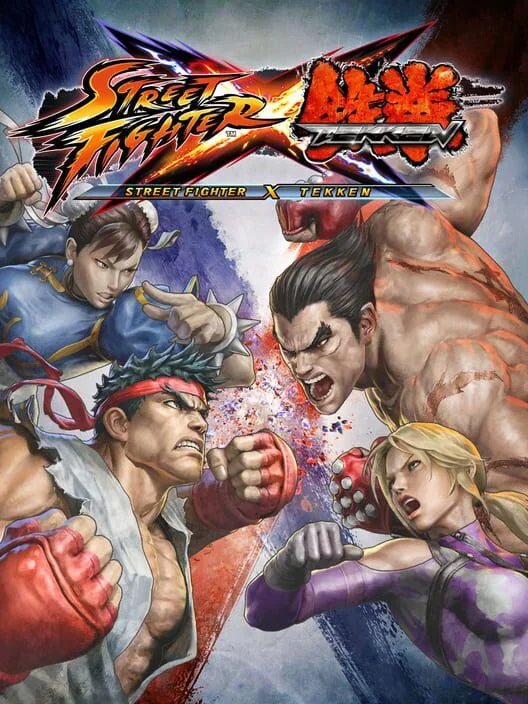
Street Fighter X Tekken is Capcom's take on the dream crossover. It puts 19 fighters from each series into one game, for 38 in all. Players pick teams of two and tag between them, and every fighter uses the Street Fighter six-button system, though the Tekken cast can still do Tekken-style combos. A three-section meter called the Cross Gauge powers EX Attacks and Super Arts. Fill it and Cross Assault lets you control both fighters at once.
The guests went beyond the two series: "We have Cole, the two Sony cats, Kuro and Toro." Critics liked the roster and the deep mechanics, but Capcom drew heavy criticism for charging for characters that were already on the disc. It fell short of Capcom's sales hopes. Even so, it plays brilliantly on the Vita, and a Ryu vs. Kazuya fight never gets old.
2. Ultimate Marvel vs. Capcom 3 (2011)
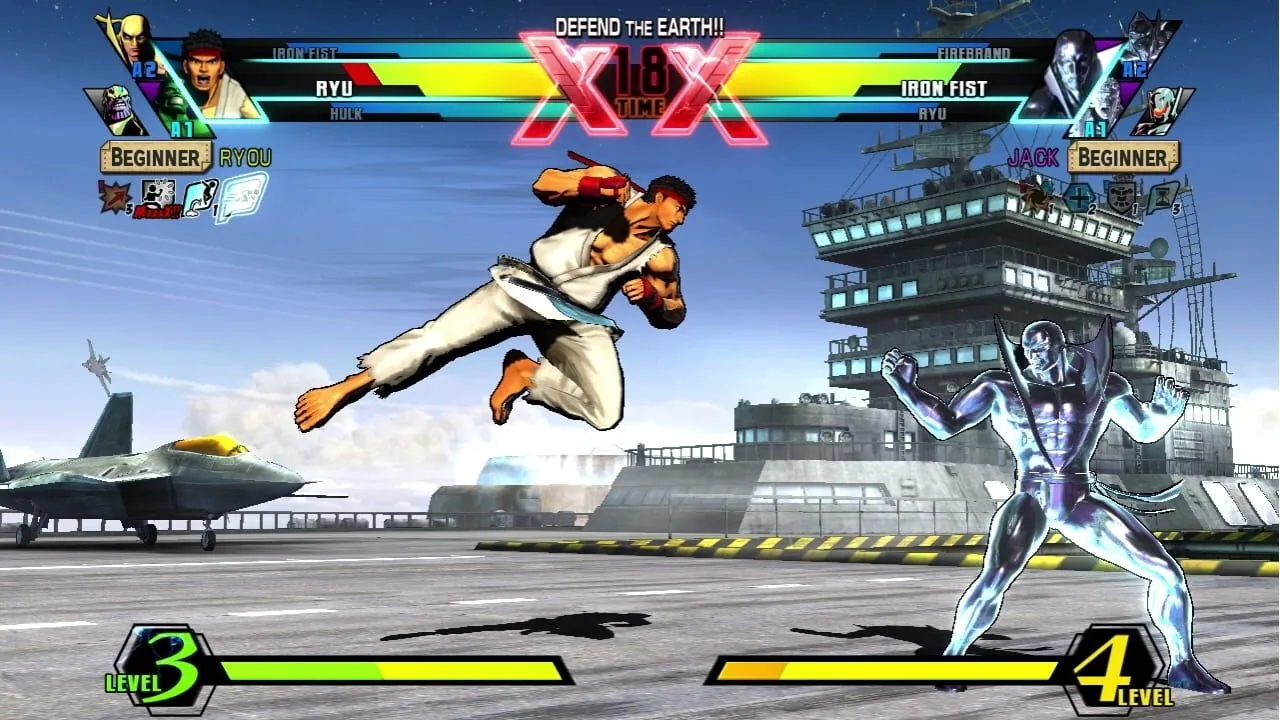
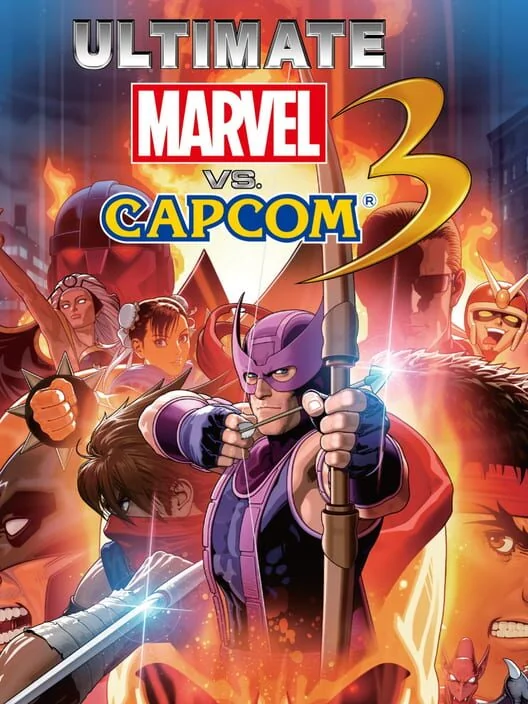
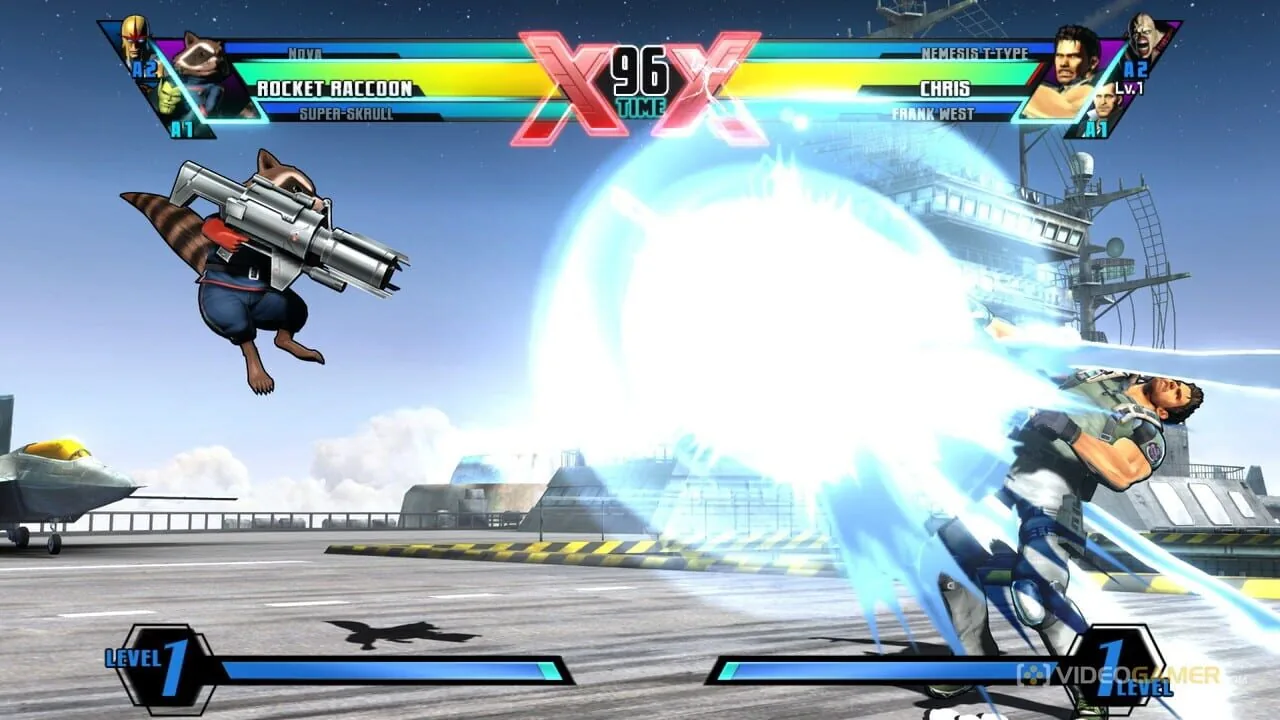
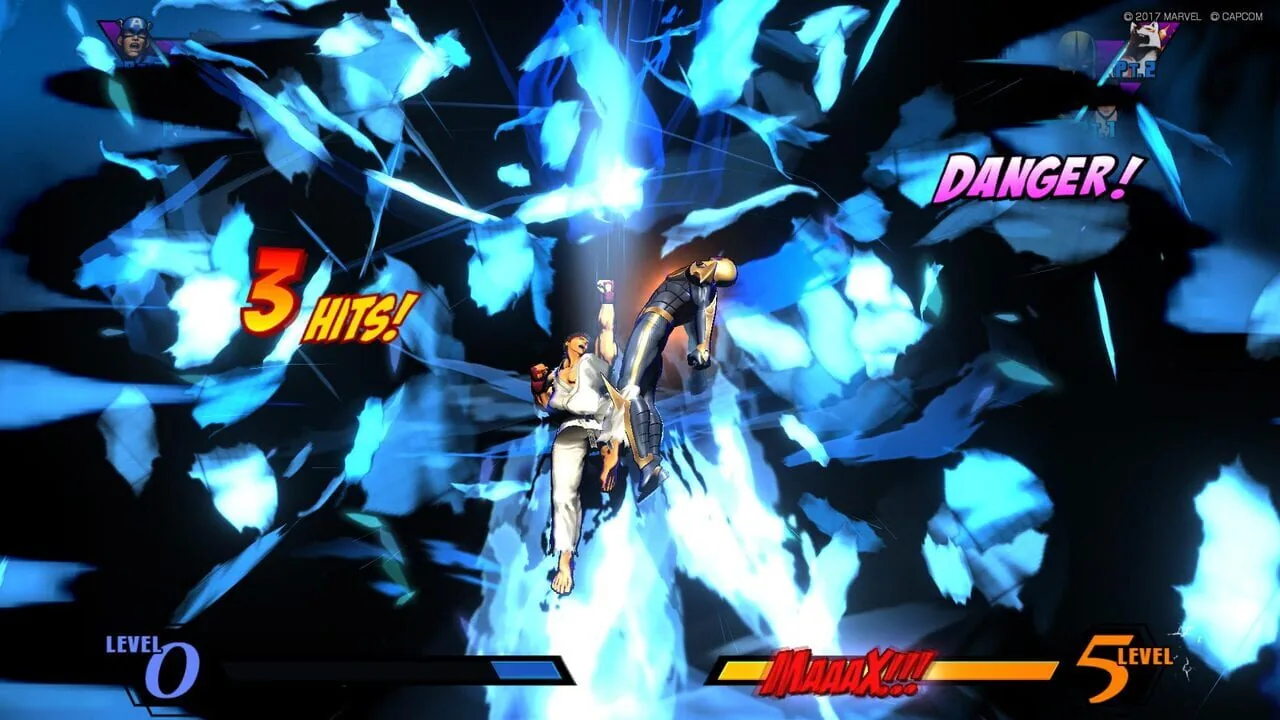
Ultimate Marvel vs. Capcom 3 is a crossover fighting game made by Capcom with Eighting. It is an updated version of Marvel vs. Capcom 3: Fate of Two Worlds, and it only exists because the 2011 Tōhoku earthquake and tsunami disrupted the plans for that game's downloadable content. Capcom turned the extra content into a standalone game instead. It came out on the PS3 and Xbox 360 in November 2011 and was a launch title for the Vita.
You pick a team of three characters and try to knock out the other team. Critics praised the bigger roster and better online play, but criticized the lack of new modes. On the Vita, it was the game you bought on day one to prove the handheld could run a real console fighter, and it still holds up.
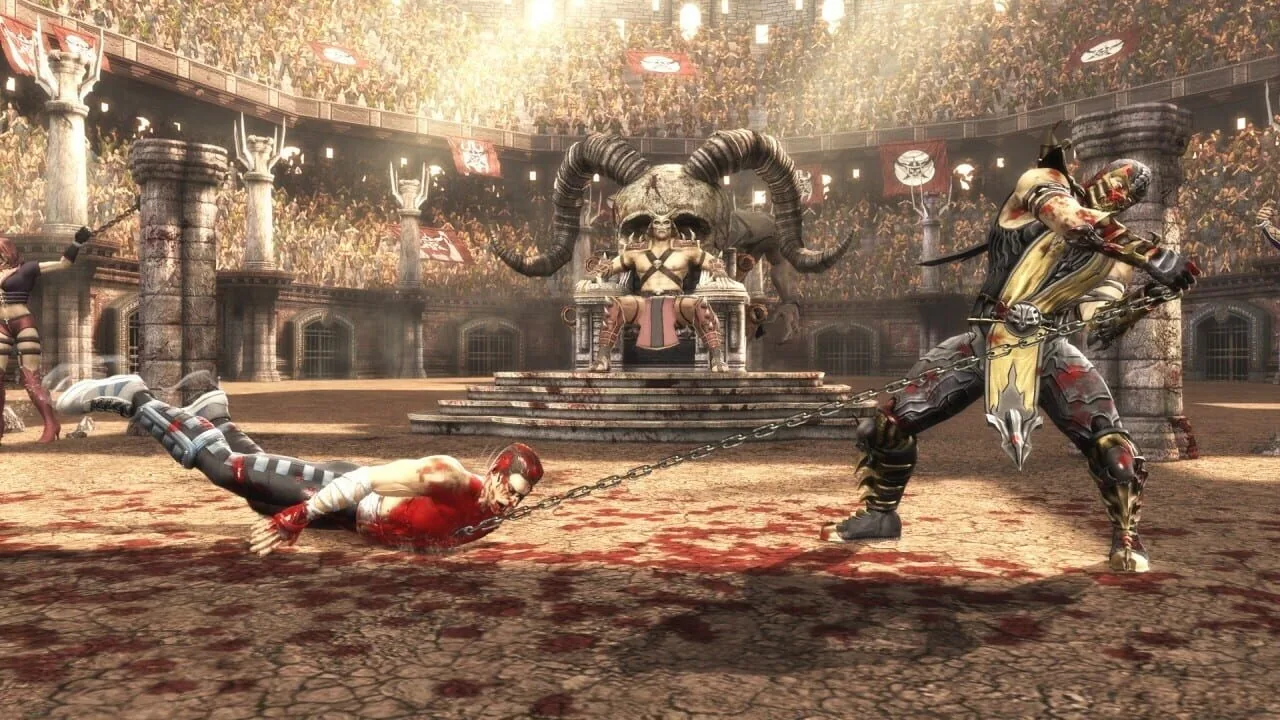
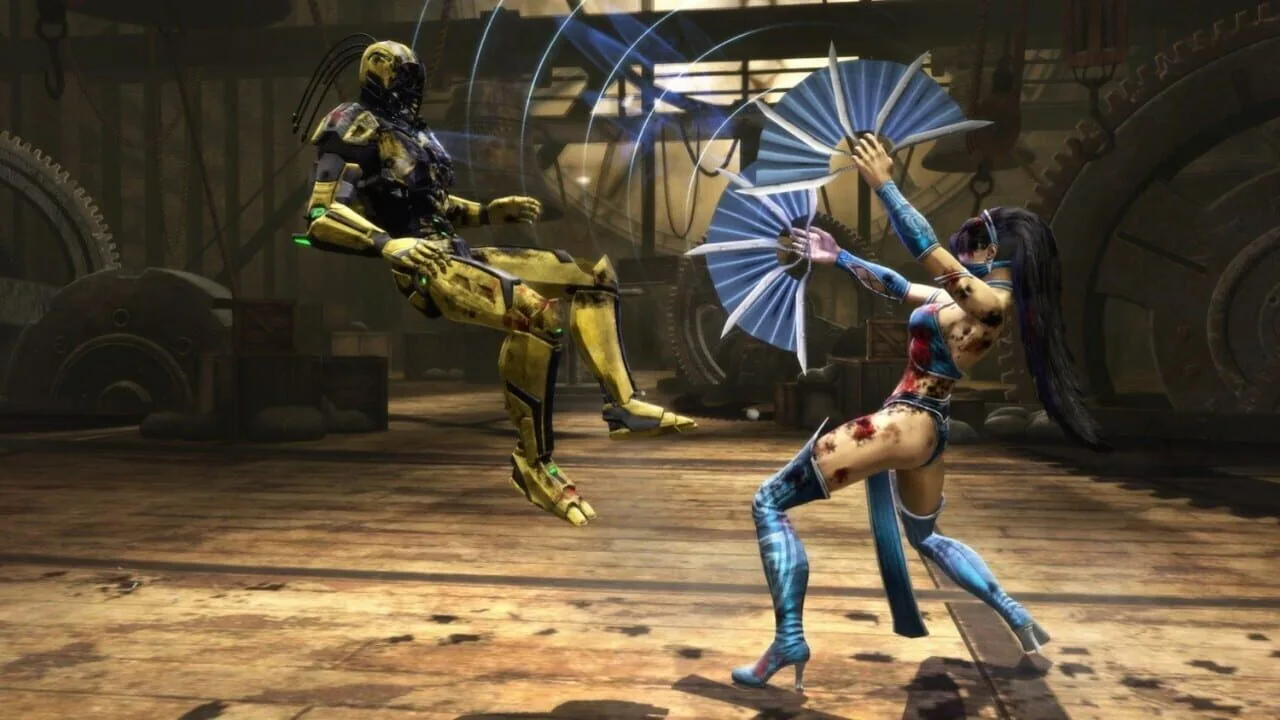
1. Mortal Kombat (2011)
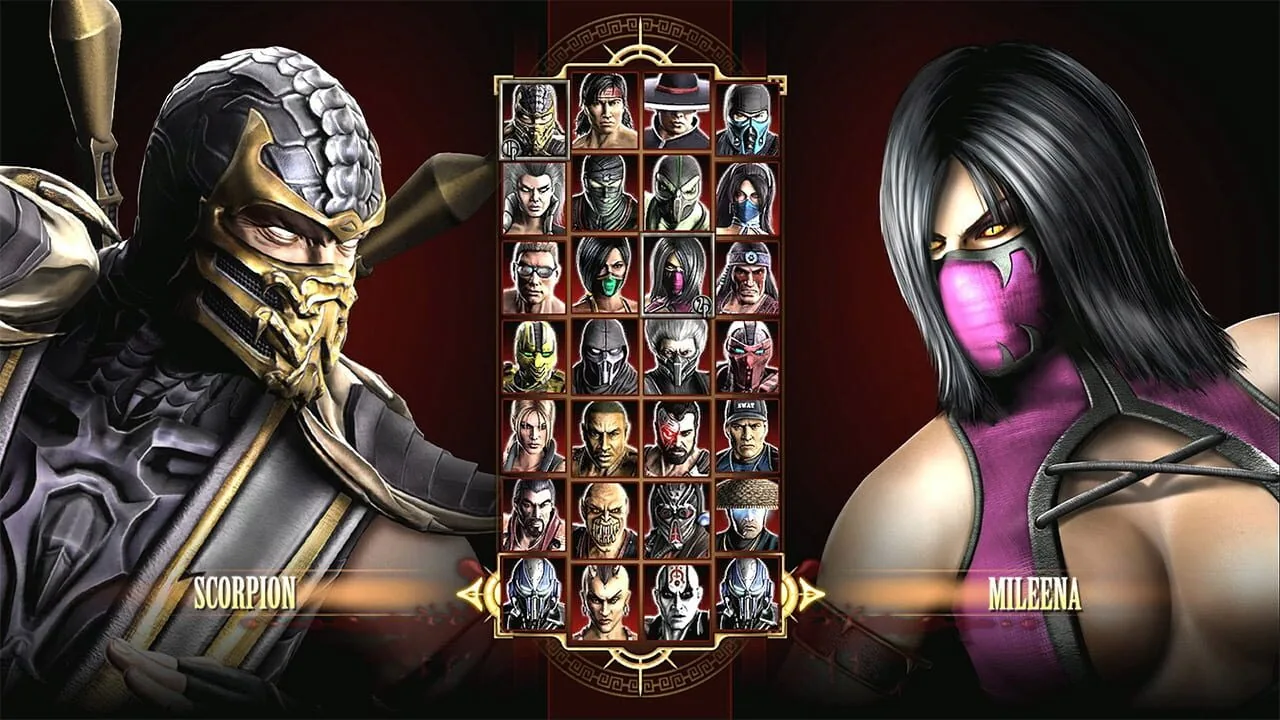
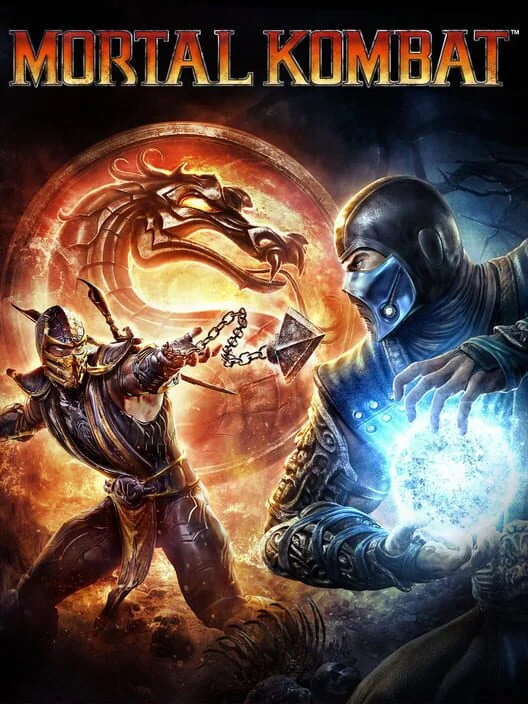
Mortal Kombat is a 2011 fighting game by NetherRealm Studios, the ninth main game in the series and a soft reboot. Raiden contacts his past self to change the outcome of a lost war, and the story goes back through the events of the first three games. It came out on the PS3 and Xbox 360 in April 2011, and the Vita port followed in May 2012. Kratos from God of War is a PlayStation exclusive fighter.
It received very positive reviews, won several fighting game of the year awards and sold one million copies in its first month. In Australia, Warner Bros. even argued the Vita's small screen would soften the violence enough for an MA15+ rating. Players recommend it more than any other Vita fighting game.
Which one to play
There you have it, the whole list of the best PS Vita fighting games. A handful of them are full console fighters shrunk down to fit in a bag, and they play better than anyone expected.
If you are not sure where to start, play Mortal Kombat. If you like big tag-team crossovers, pick Ultimate Marvel vs. Capcom 3 and then Street Fighter X Tekken. For traditional 2D fighting, Garou: Mark of the Wolves is the one. Anime fans should start with BlazBlue: Continuum Shift Extend. If you have a friend sitting next to you, Nidhogg and Divekick are made for one Vita and two players. And for a hidden pick, try Arcana Heart 3: Love Max!!!!!.