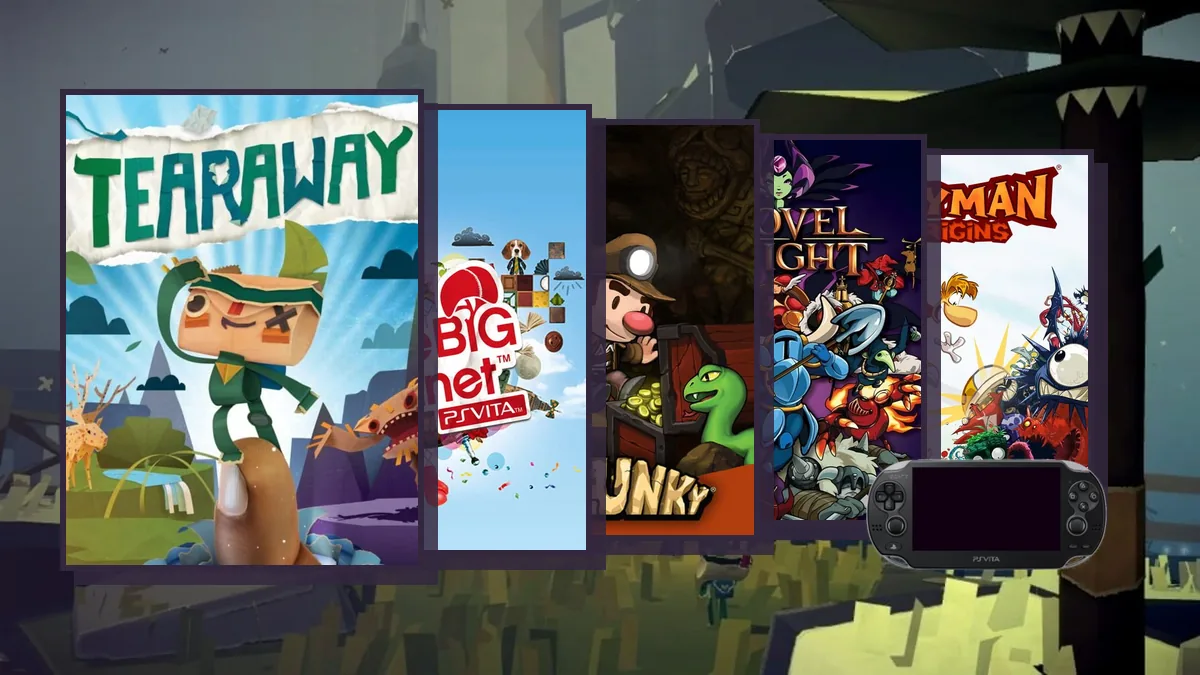
The PS Vita was a lovely machine for platformers. Its touch screen gave games a new way to play, and the best ones here found real jobs for it. In LittleBigPlanet you draw platforms straight into the level with a finger. The Vita version of Rayman Legends lets you steer Murfy by touch, a feature the other versions dropped.
The other big reason to own one was indie games. Sony UK's Shahid Ahmad helped bring Thomas Was Alone to PlayStation, and Capcom published Dustforce for the Vita. Most of the indie platformers people were talking about in the early 2010s came over in the end. Here are the 24 best PS Vita platformers.
24. VVVVVV (2010)
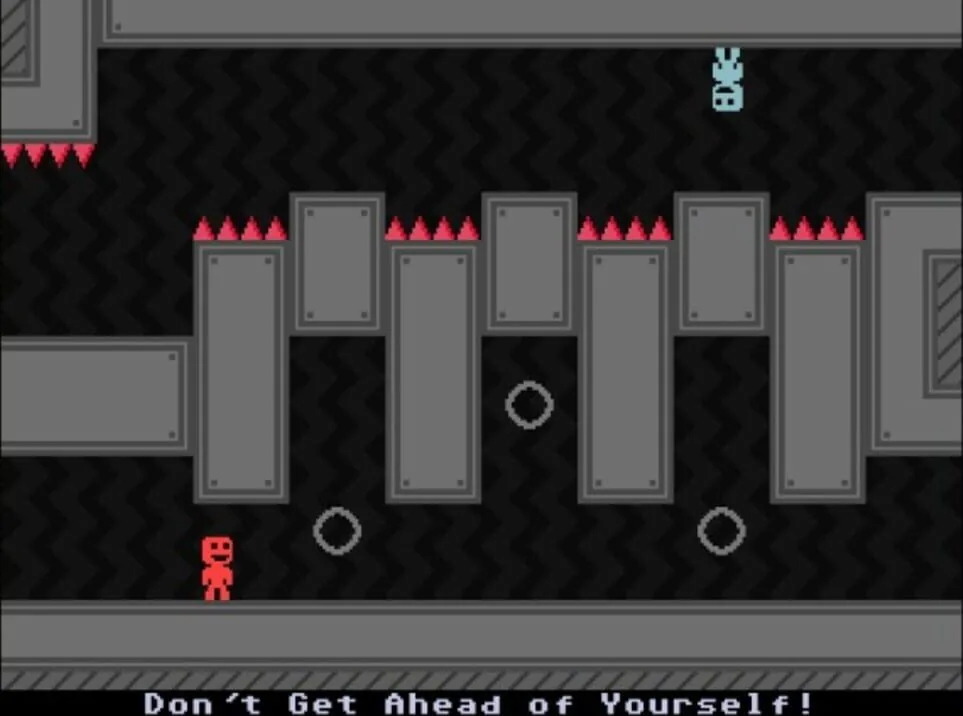
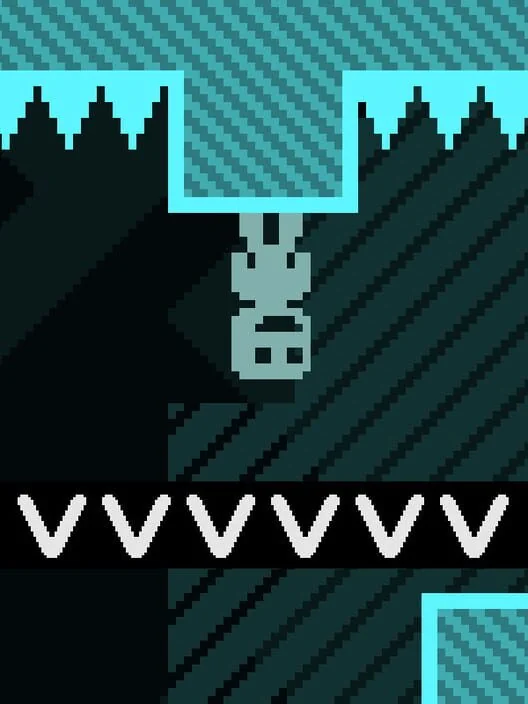
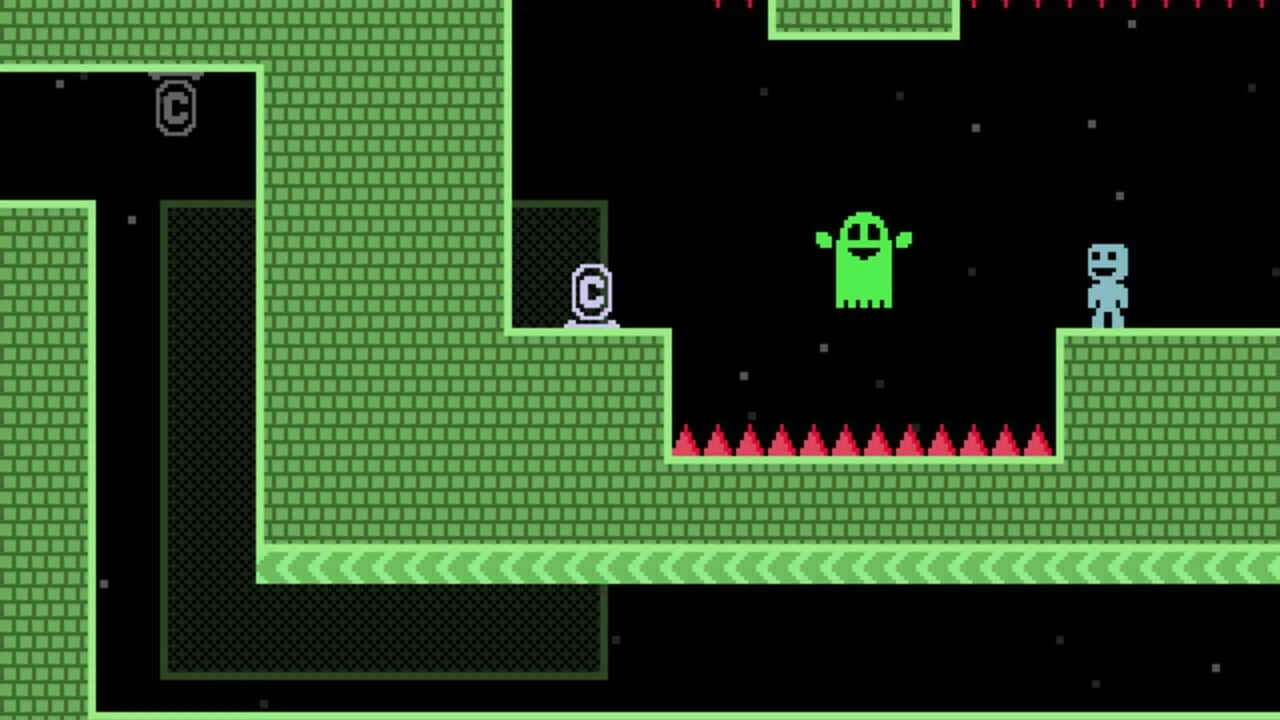
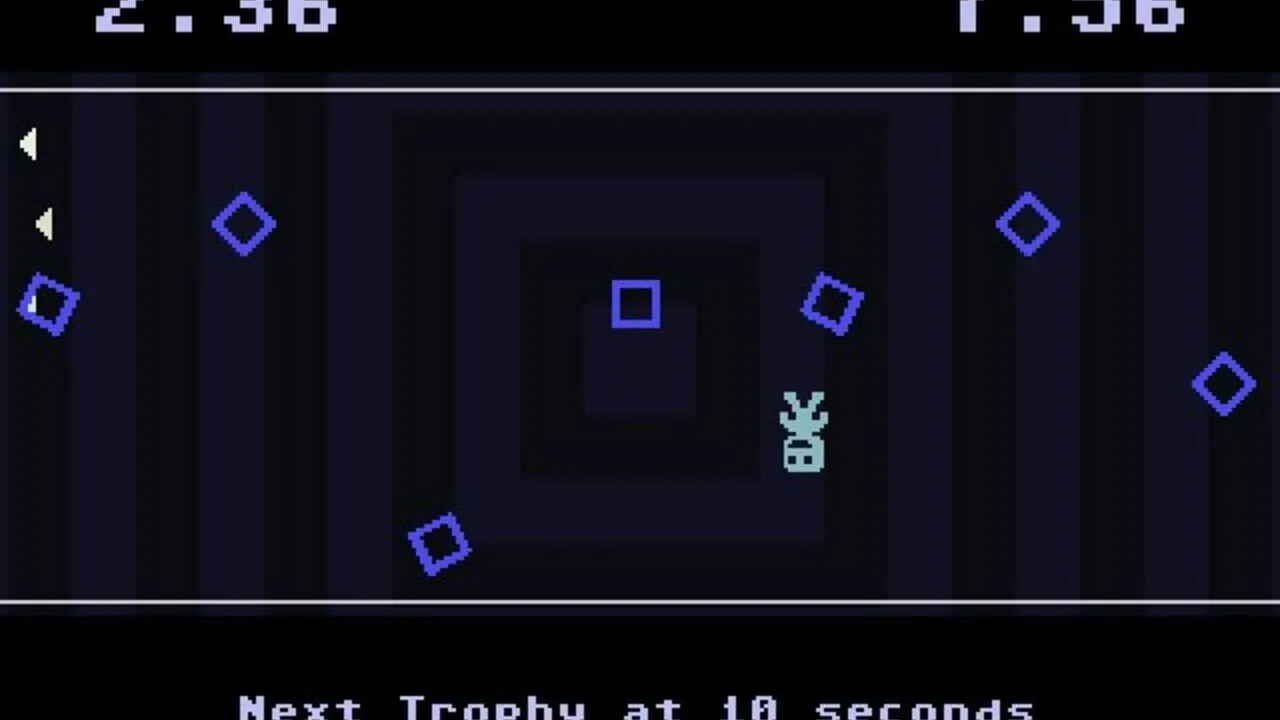
VVVVVV is a platformer where you cannot jump. Instead you flip gravity while standing on a surface, so Captain Viridian falls up to the ceiling or back down to the floor. Terry Cavanagh built it in Adobe Flash and released it in January 2010. The game has more than 400 rooms full of spikes and moving enemies.
Cavanagh wanted gravity flipping to be the core of a whole game, something he felt other games had never done. Swedish composer Magnus Pålsson scored it, and he called the soundtrack PPPPPP, which tells you the kind of humour you are in for. It is a small game with a very sharp idea.
23. Dustforce (2012)
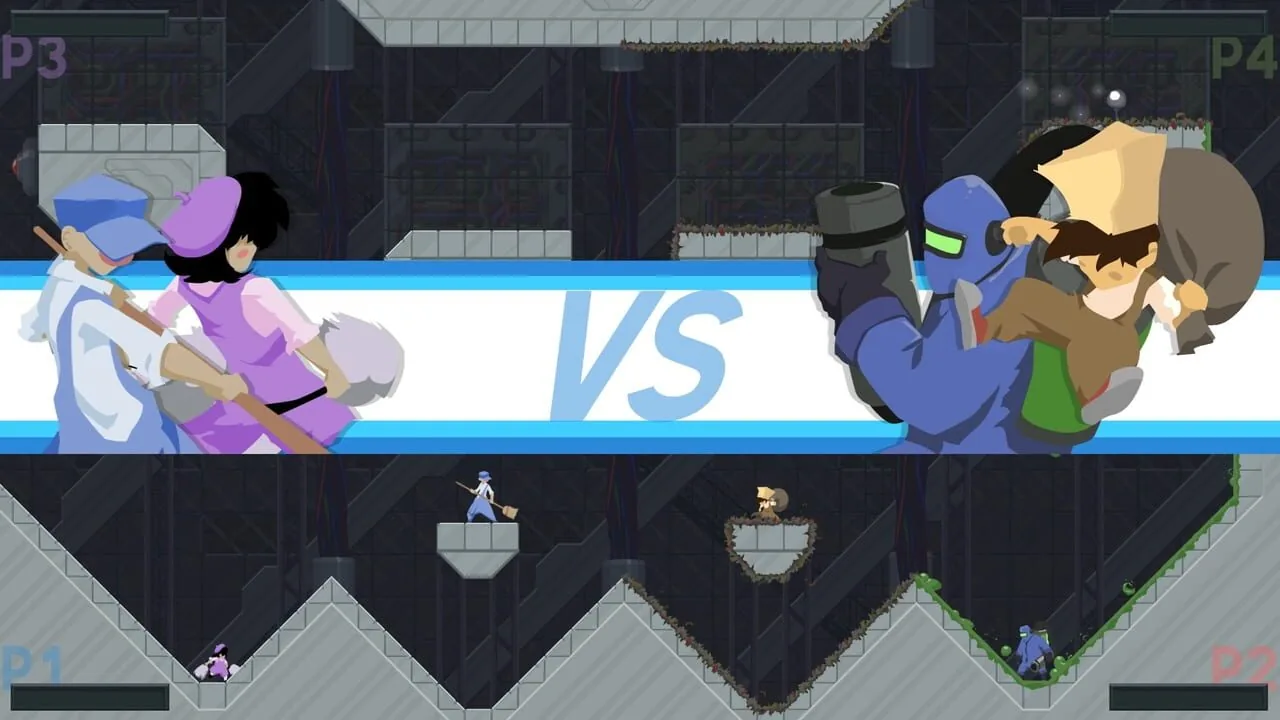
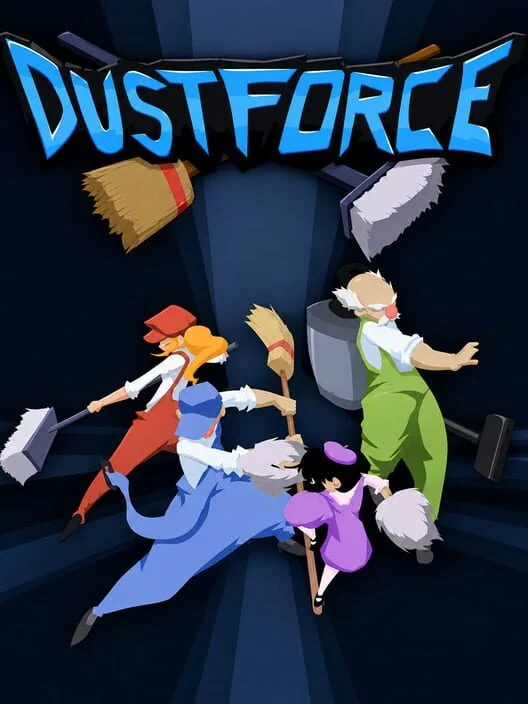
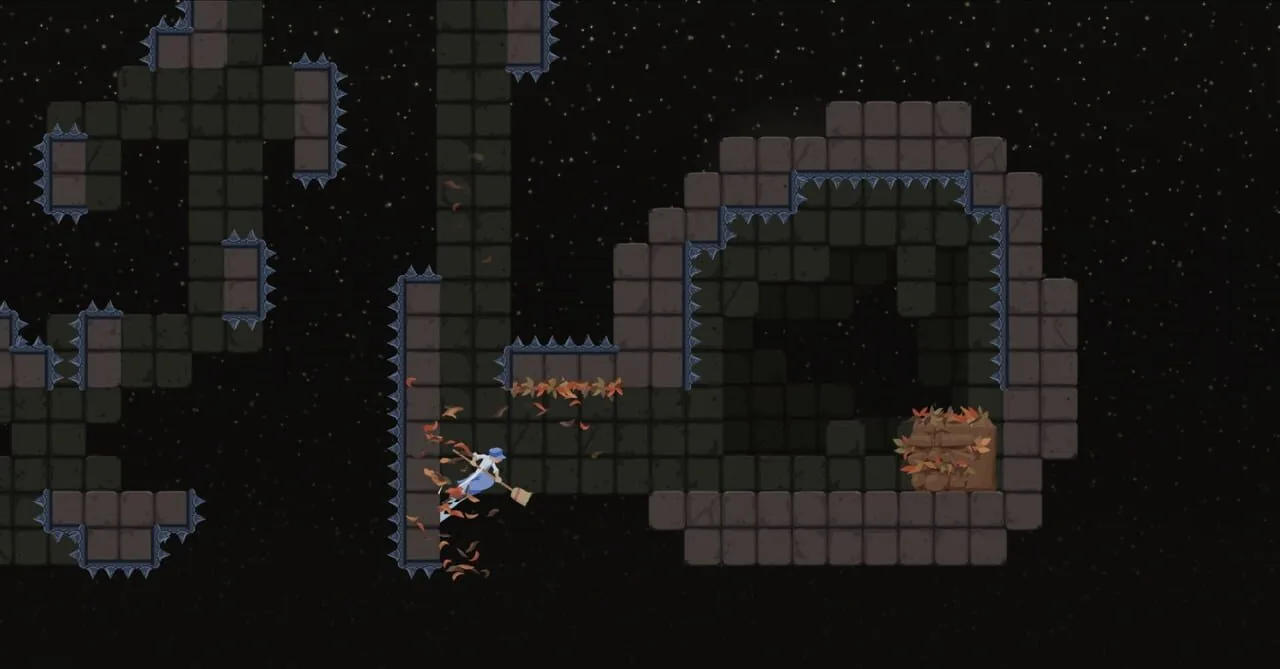
Dustforce makes you a janitor. You play one of four of them, sweeping away a world covered in dust and filth. The game grades your runs on finesse and completion, from D up to a perfect S. Some levels stay locked until you post near-perfect runs on earlier ones.
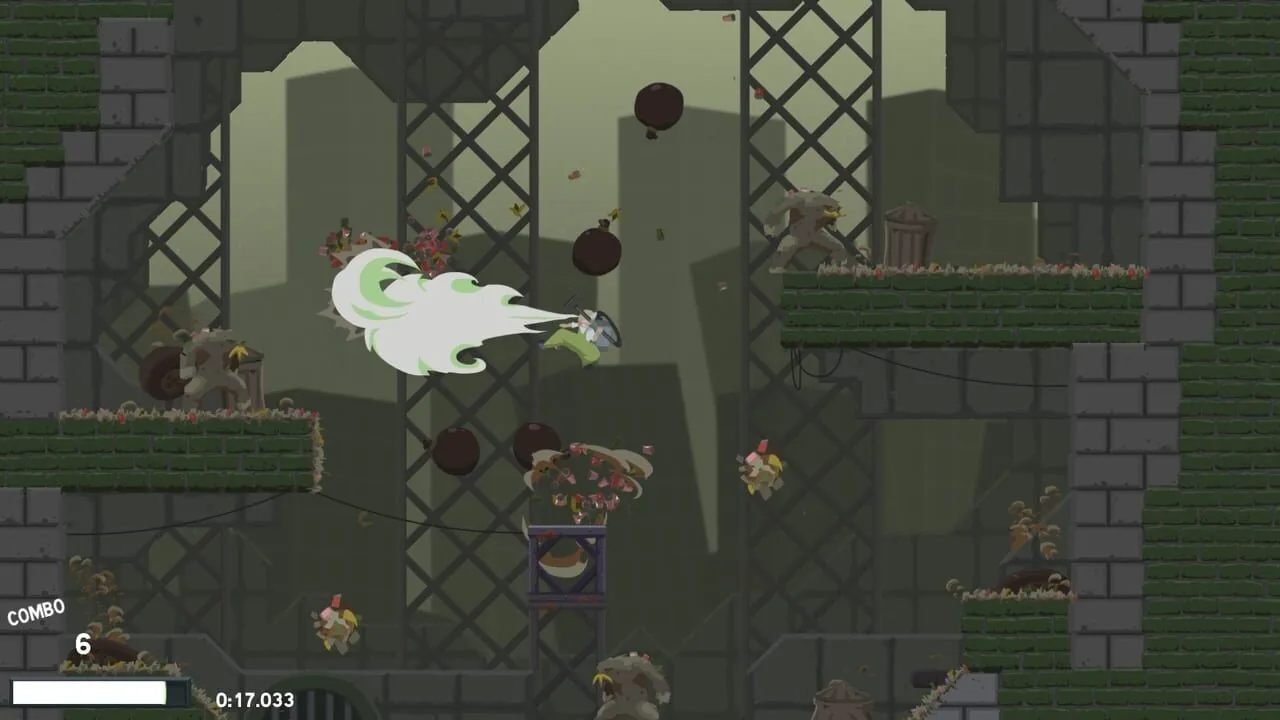
Capcom published the console versions, and the PlayStation and Xbox releases came with 150 levels made by players, picked by vote. You build a combo by hitting patch after patch of dirt before the meter runs out, which makes it a game about speed and flow more than survival. It is the best cleaning game ever made, and we are counting the real ones.
22. Teslagrad (2013)
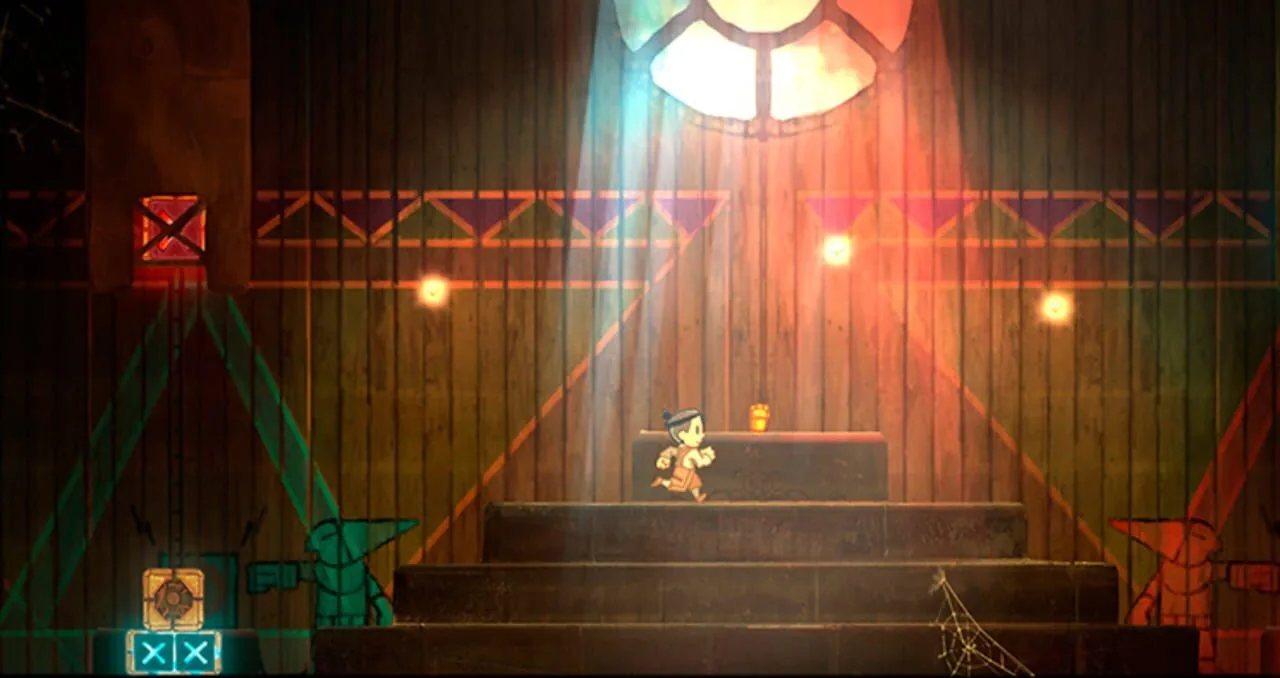
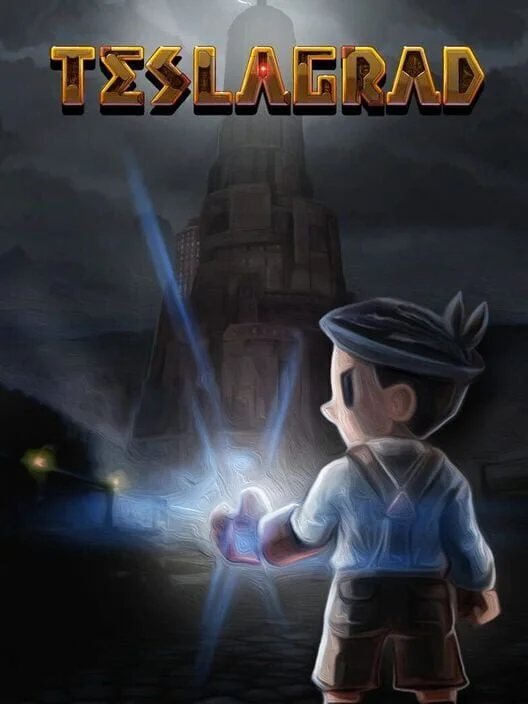
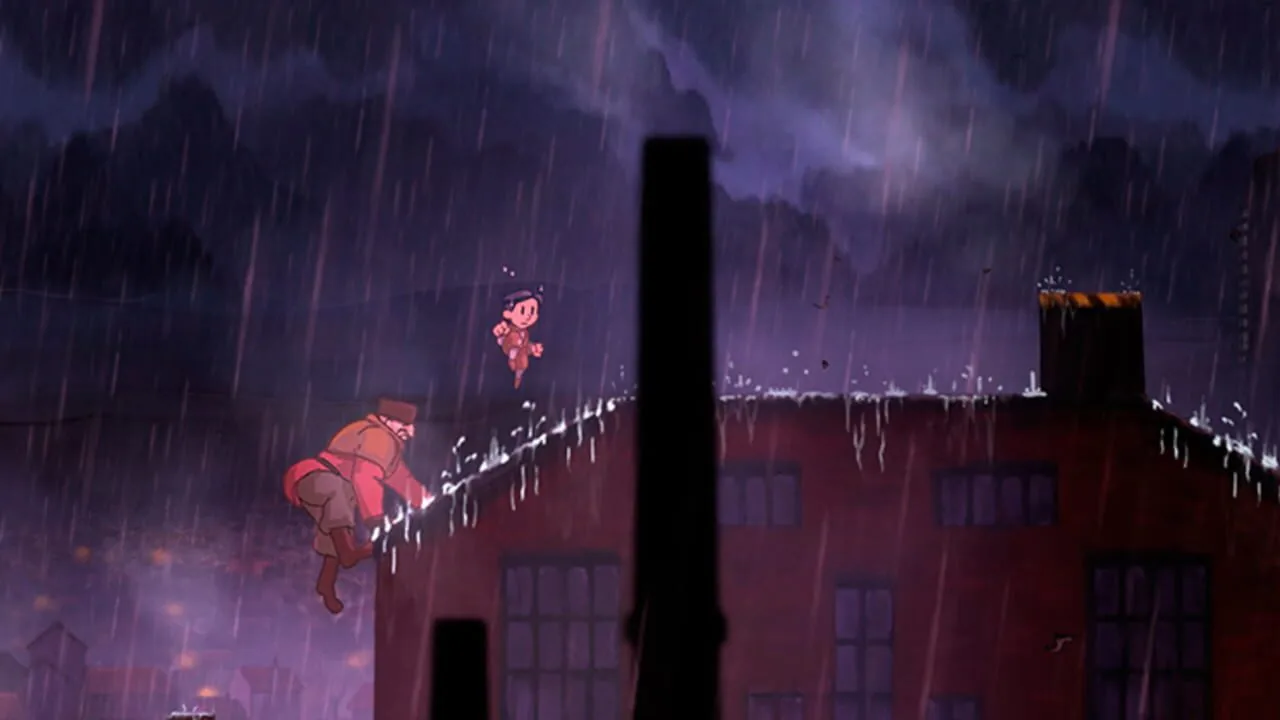
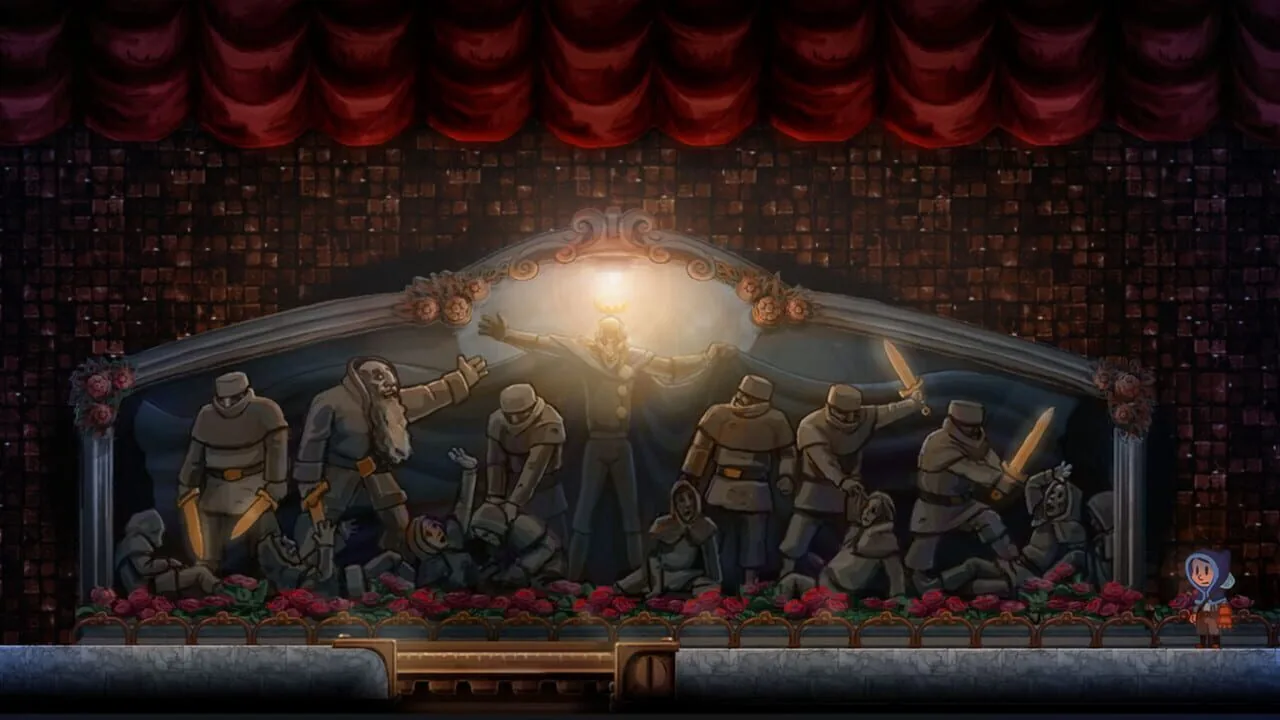
Teslagrad is set in a steampunk version of old Europe. Its world is non-linear and made of more than a hundred hand-drawn environments. Rain Games stopped work on the first game the team was making to focus on this one, and the idea grew out of a casual multiplayer game called Minute Mayhem.
The studio showed it at PAX Prime and Eurogamer Expo in 2013, where players and press warmly received it. Players who have played it on the Vita give it a thumbs up when others ask about it. A sequel, Teslagrad 2, came out in 2023.
21. SteamWorld Dig 2 (2017)
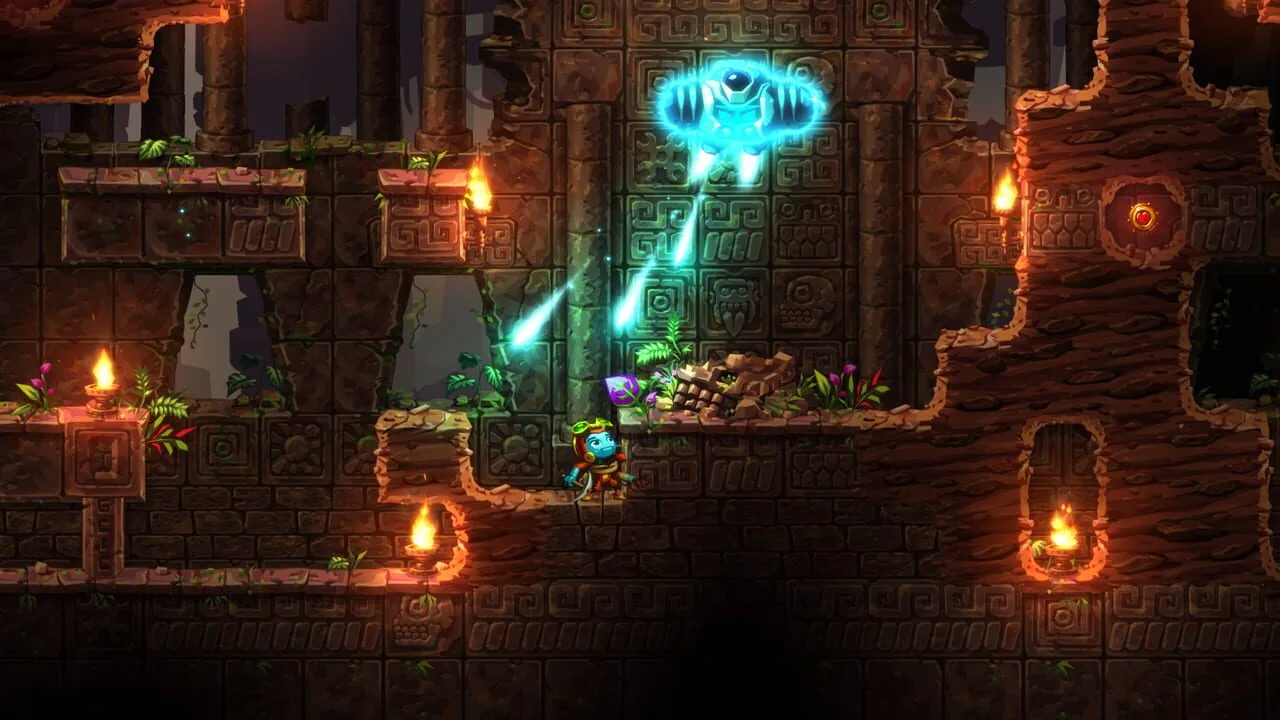
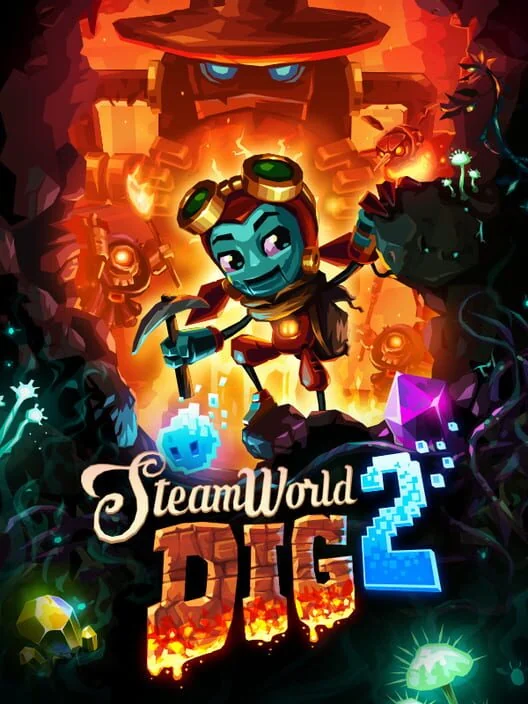
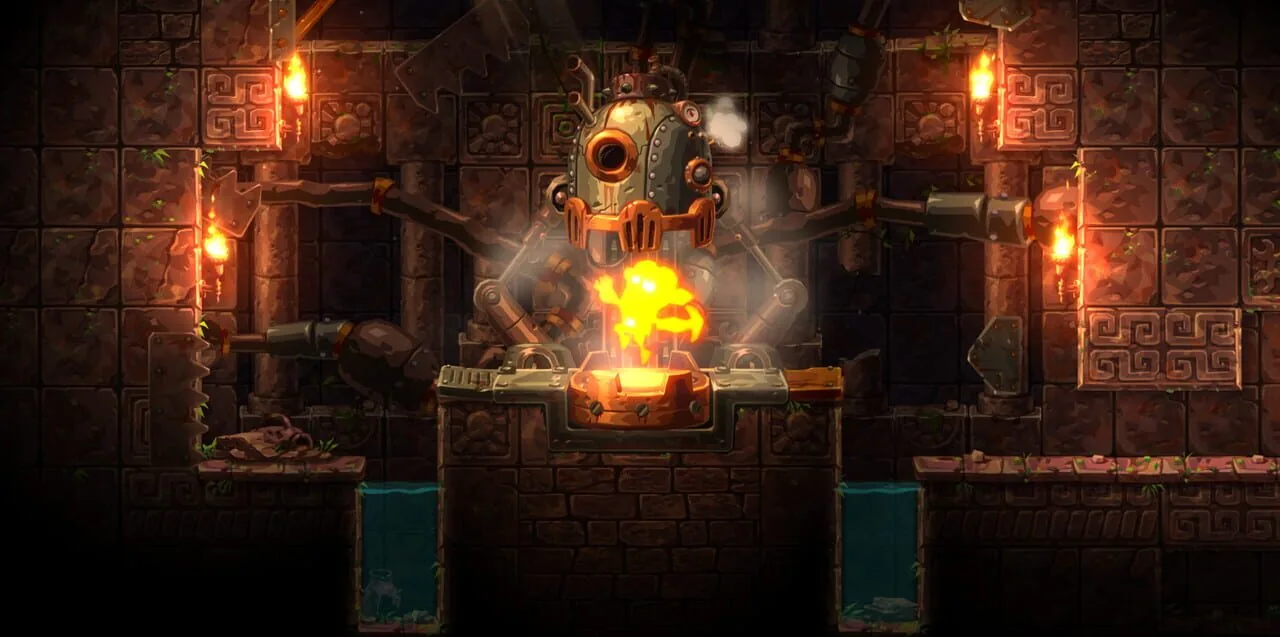
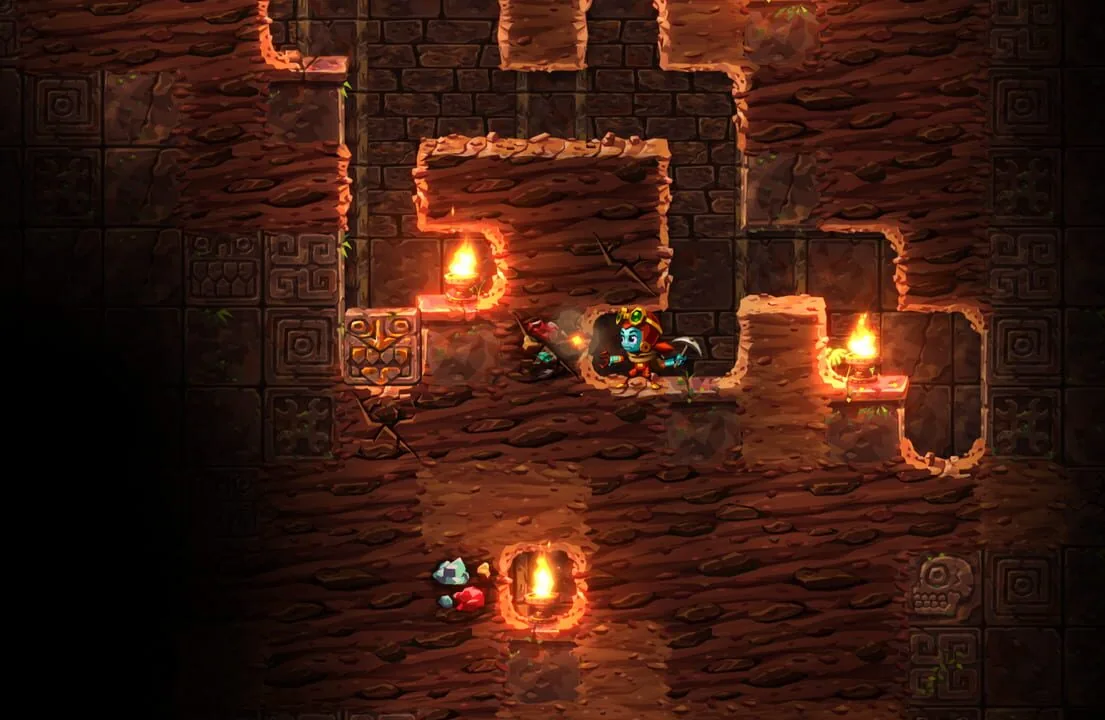
SteamWorld Dig 2 is the direct sequel to SteamWorld Dig and the fourth game in the SteamWorld series. This time you play Dorothy, a steambot looking for her long lost friend. It calls itself a platform mining adventure forged in Metroidvania flames. The new tools back that up, with a Hookshot to swing across chasms and a Jet Engine to fly through caves.
Dorothy finds out that Rosie lied to her, and the ending escapes the planet on a rocket just before it explodes. That is a lot bigger than the first game's story. Players rank it ten places below the first game, which is the one to start with.
20. Iconoclasts (2018)
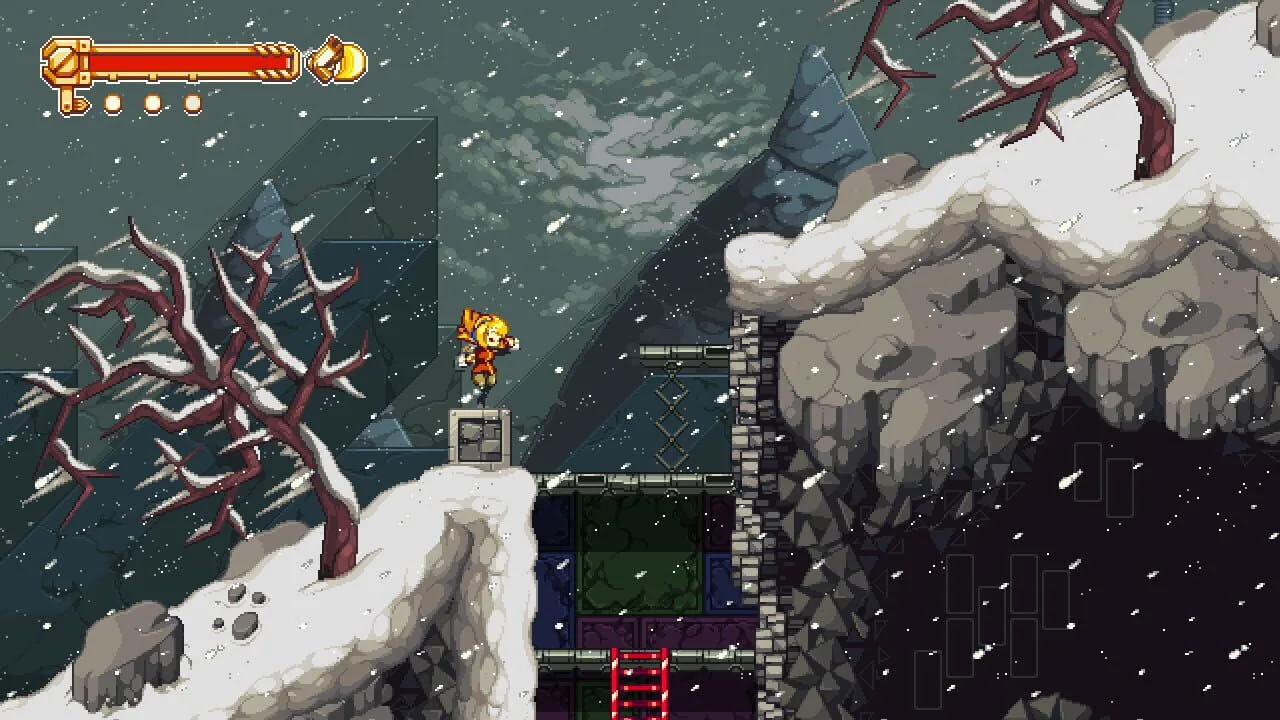
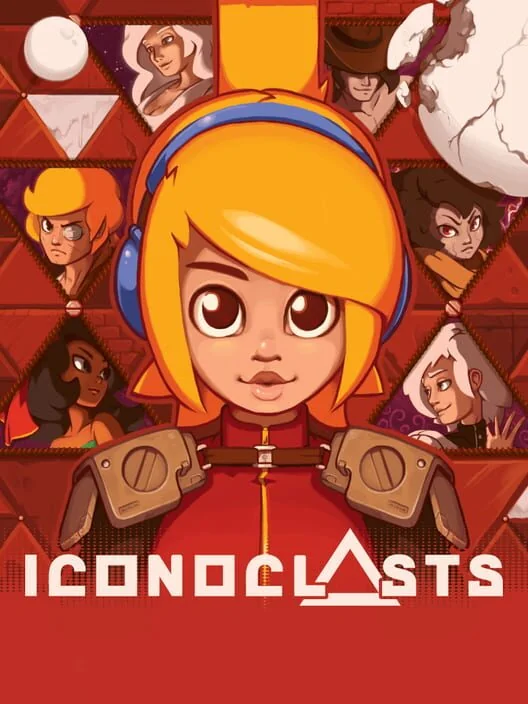
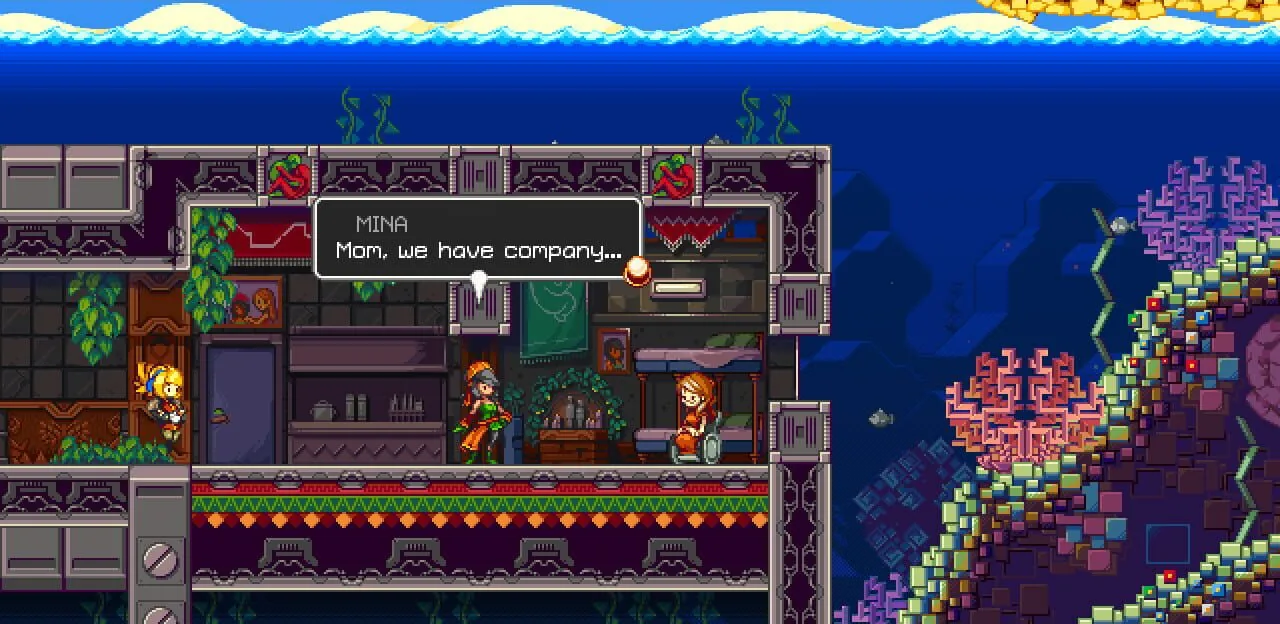
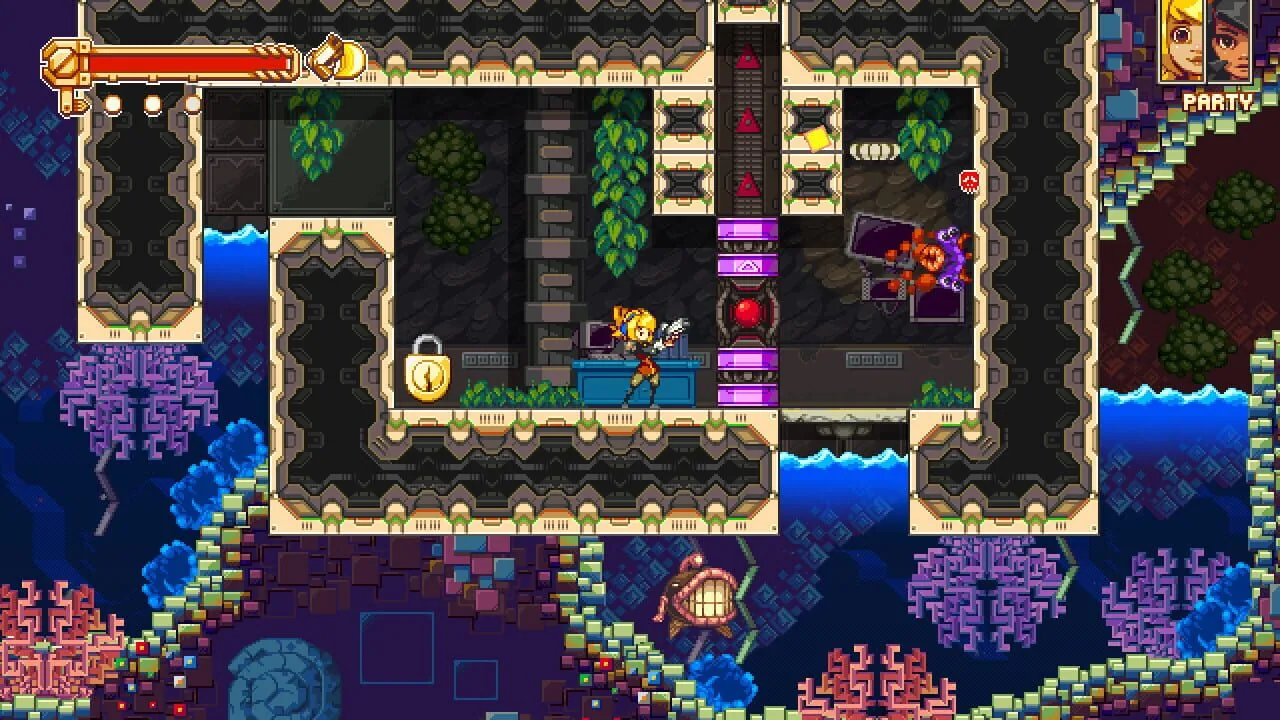
Iconoclasts came to the Vita in January 2018, the same month as on PC and PlayStation 4. You play Robin, a renegade mechanic on a dying planet, in a huge open world full of puzzles and menacing bosses. It took 8 years to make. Its first name was Ivory Springs.
Robin's upgrades are called Tweaks, and you can only change them at save points. One Tweak breaks every time Robin takes damage, and you repair it by refilling a gauge. Playing well keeps you strong and playing badly strips you down. The story is about faith and whether the world is worth saving, which is heavier than you might expect.
19. Limbo (2010)
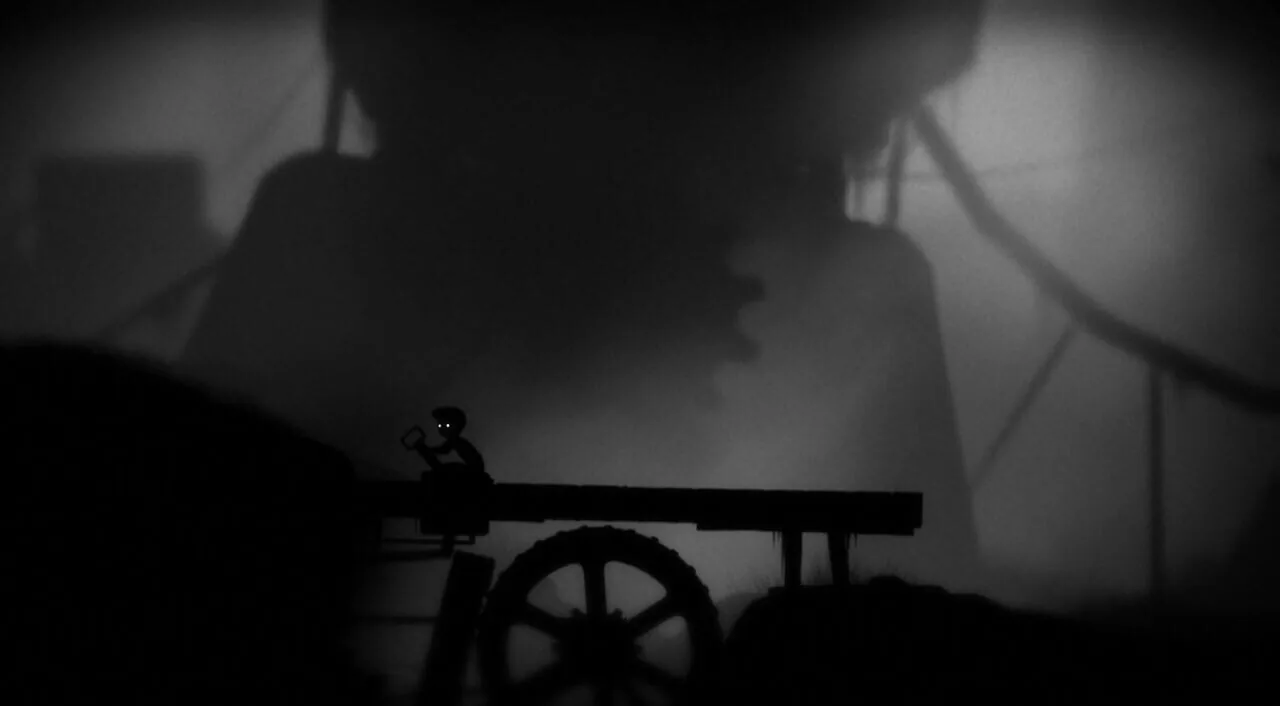
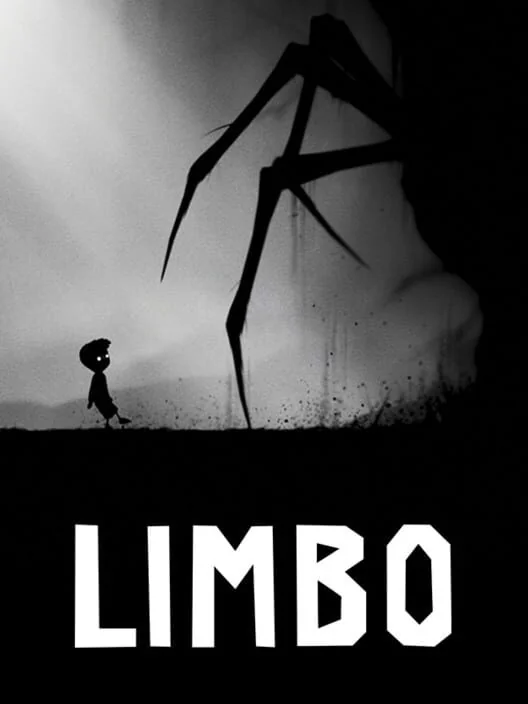
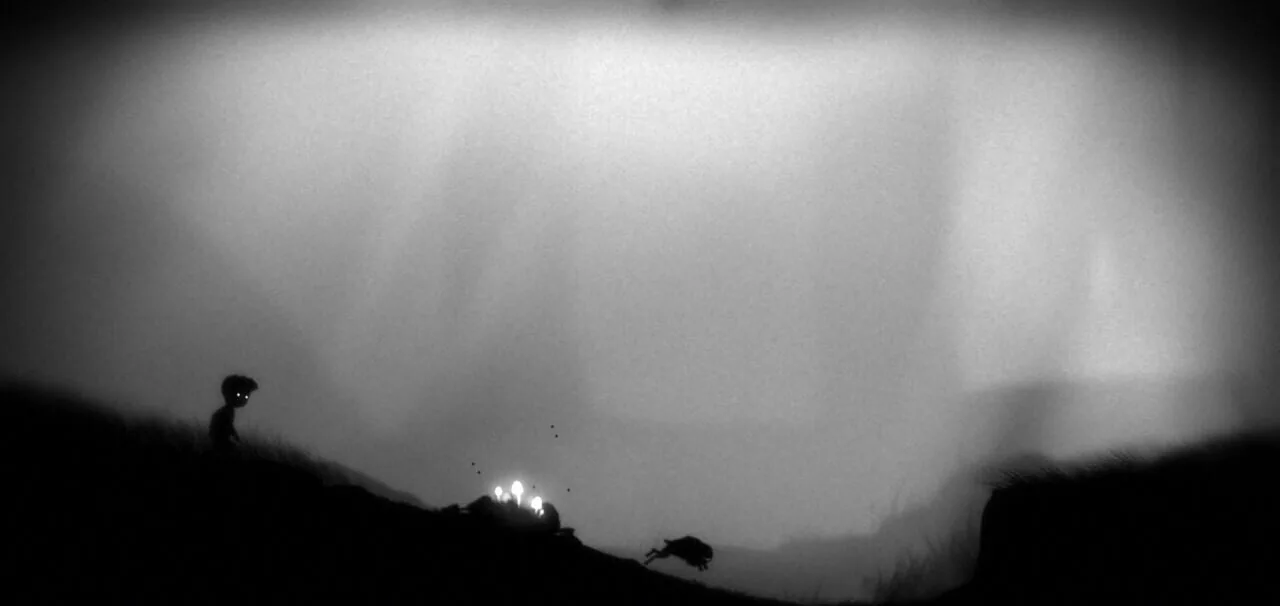
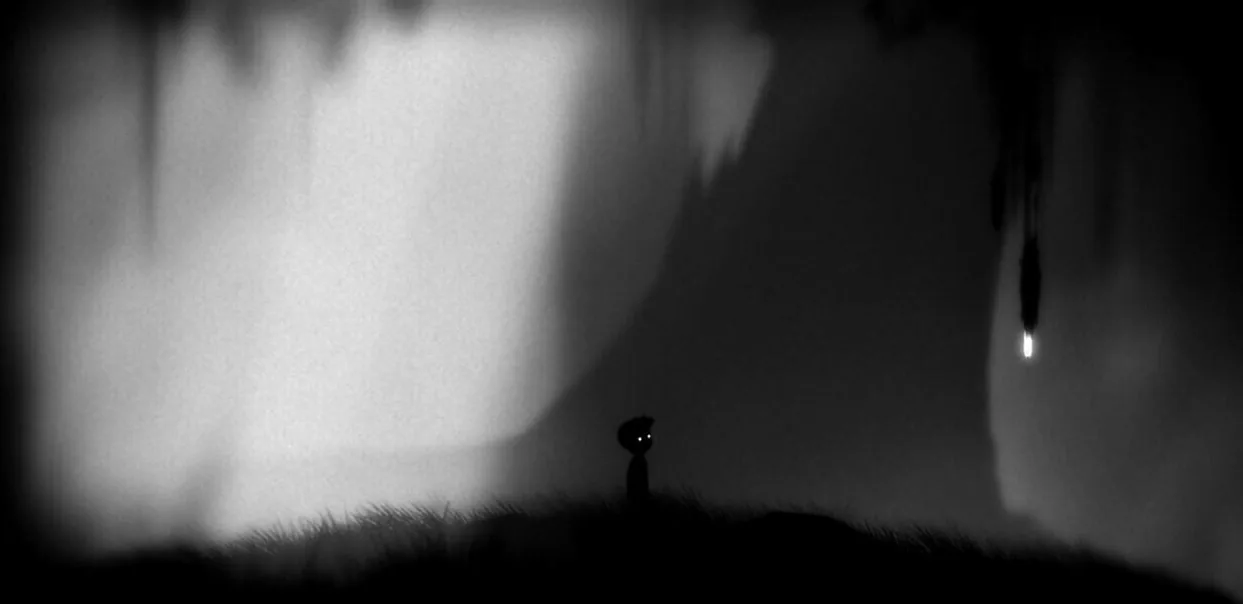
Limbo follows a boy through a world of traps, and Playdead built its puzzles expecting you to fail before you find the solution. Arnt Jensen came up with it around 2004. He was a concept artist at IO Interactive at the time and unhappy with how corporate the company had become.
Glowing worms latch onto the boy's head and force him to walk in one direction, and the second half trades the forest for machinery. Critics loved it, though the thin story split them, and some said it was short for the price. Reviewers held it up as an example of games as art. The giant spider is the part you will remember, so bring spare nerves.
18. Knytt Underground (2012)
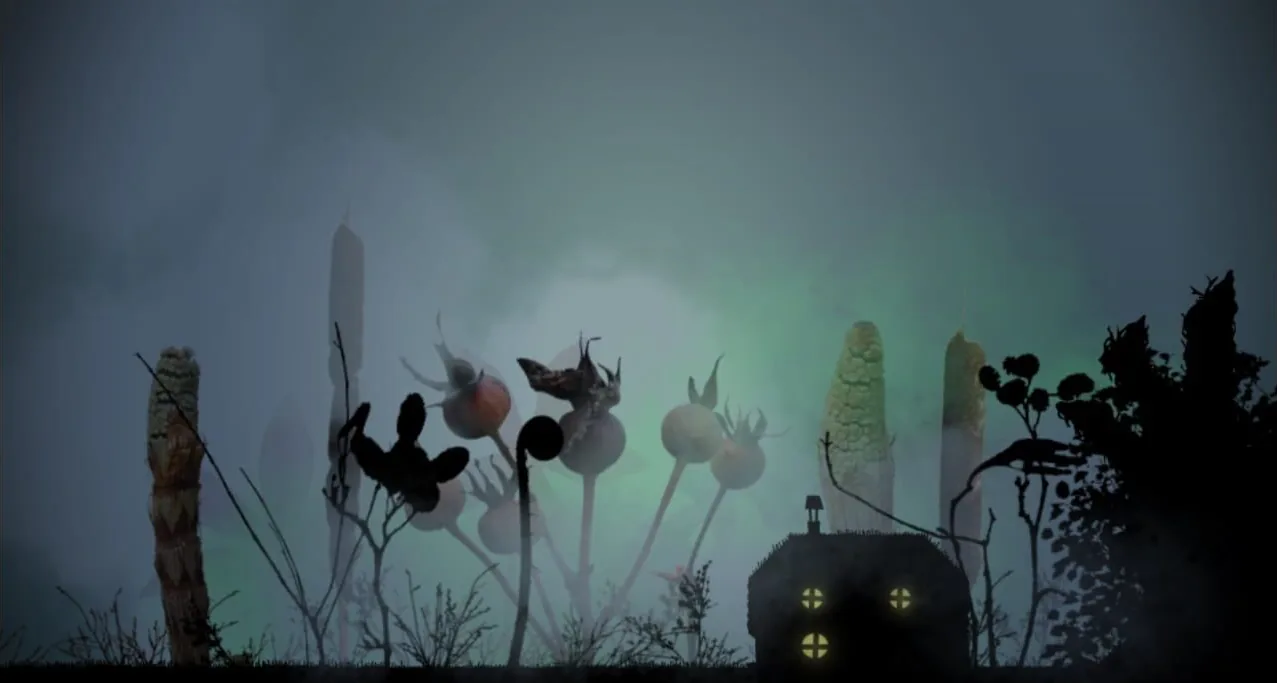
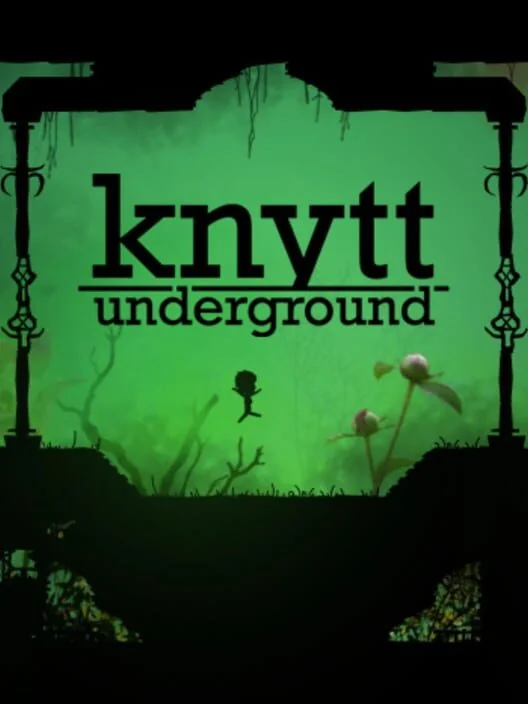
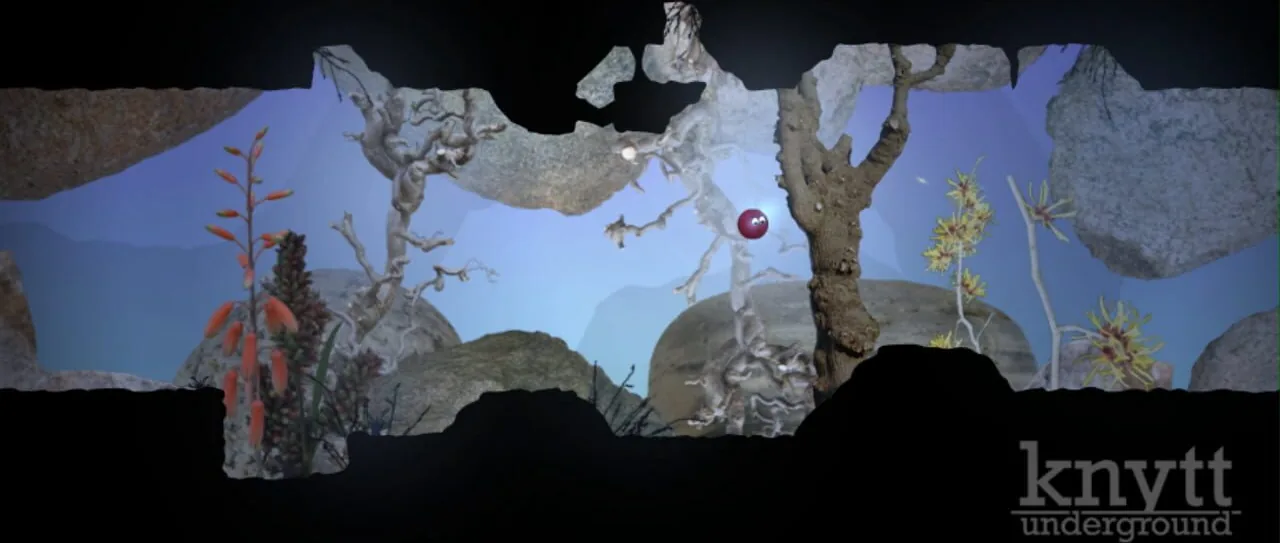
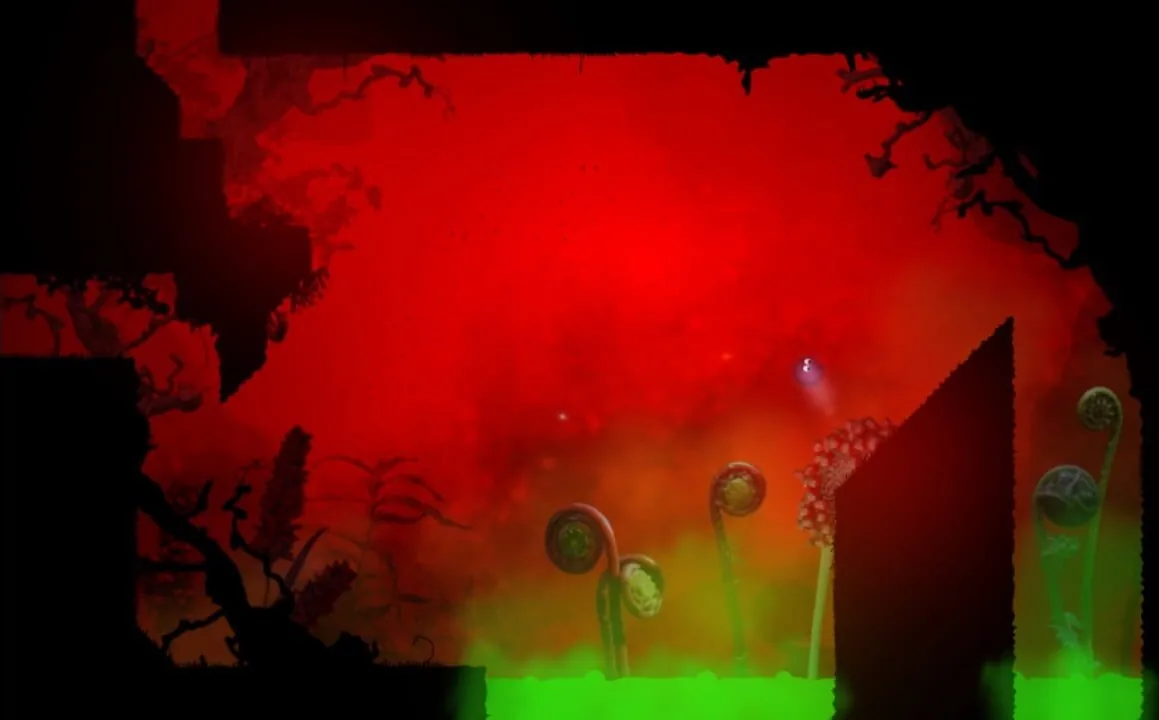
Knytt Underground is the second sequel to Nifflas's Knytt, and when he announced it in July 2012 he called it his biggest game yet. Humans left the planet five hundred years ago after nearly destroying it in a war. Flowers give you short power-ups that only work in Sprite form, which is new to this game.
Most side quests can be finished in more than one way, with different achievements and endings to match. It breaks the fourth wall often. Nifflas himself appears as a character, and others joke about video game clichés, the pointless main quest included. The soundtrack is a free download.
17. Tales from Space: Mutant Blobs Attack (2012)
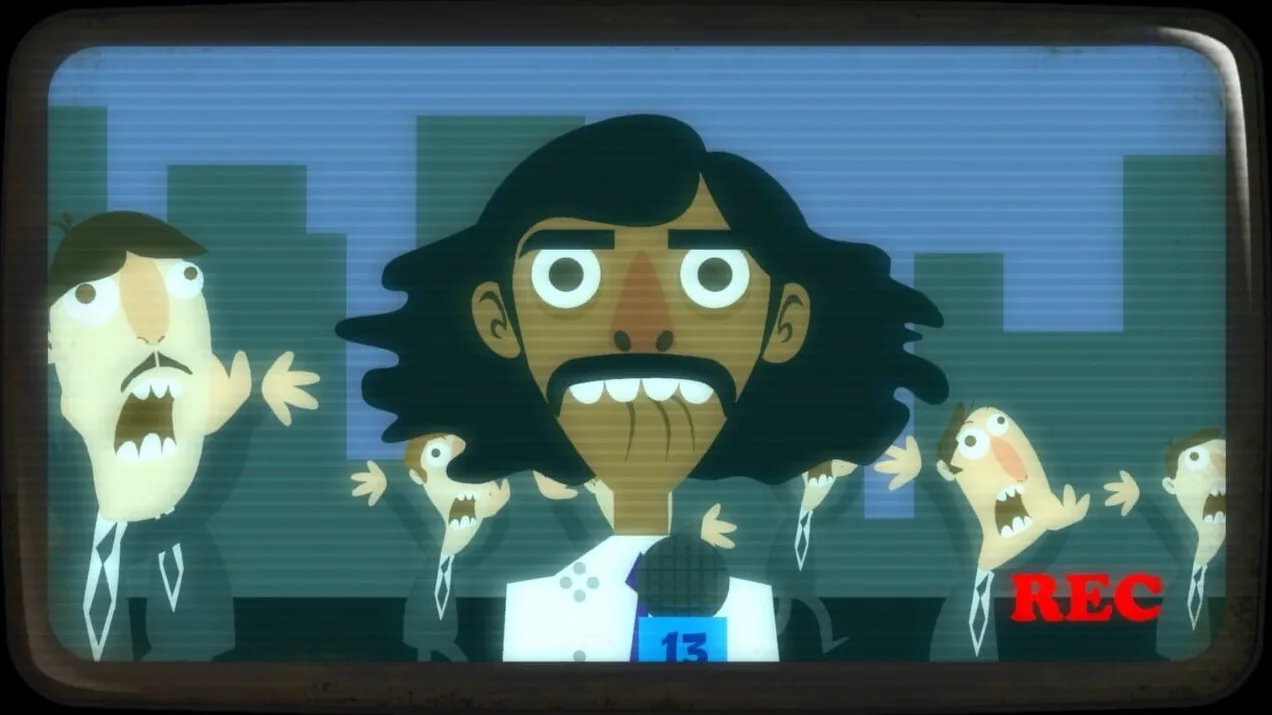
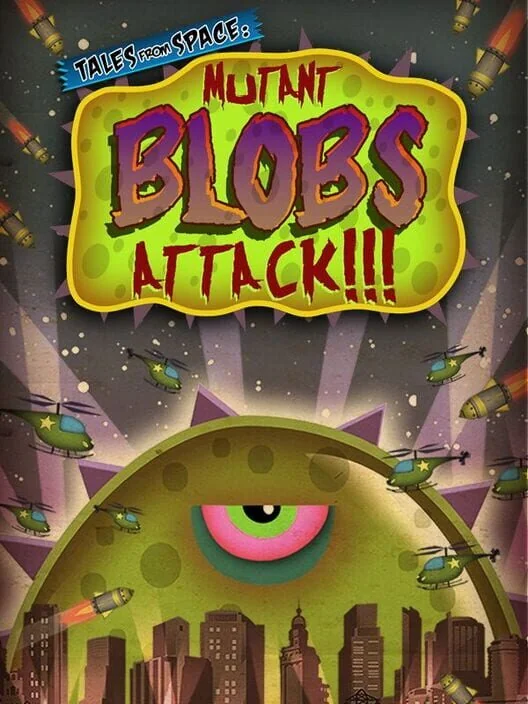
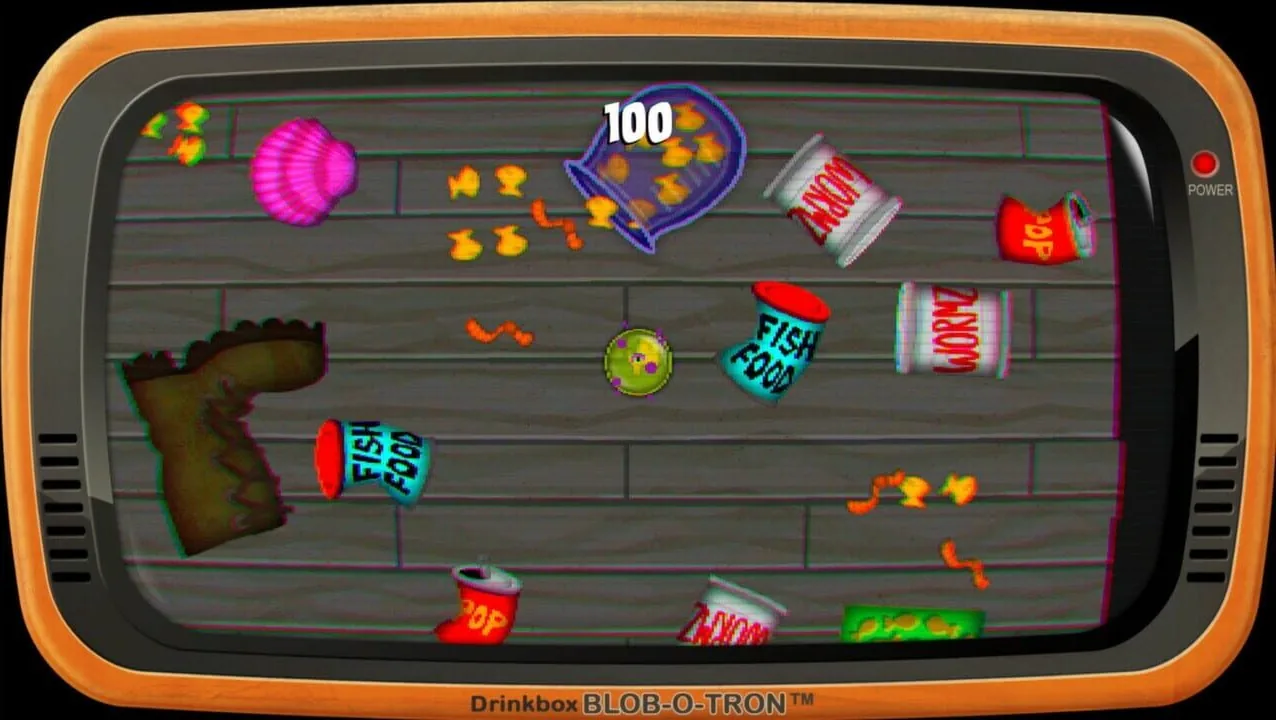
DrinkBox Studios made and published Mutant Blobs Attack, the sequel to Tales from Space: About a Blob. You play a blob of alien origin with mutant powers and a huge appetite who escapes its captors. Physics puzzles are often mixed in with the action, and the game calls itself a sci-fi puzzle-platformer of cataclysmic proportions.
The Vita had it first. Windows got it later, and the PlayStation 3 and Xbox 360 versions arrived in June 2014. Critics received it well. If the harder games on this list scare you, it is a good short one to start with.
16. Shantae: Half-Genie Hero (2016)
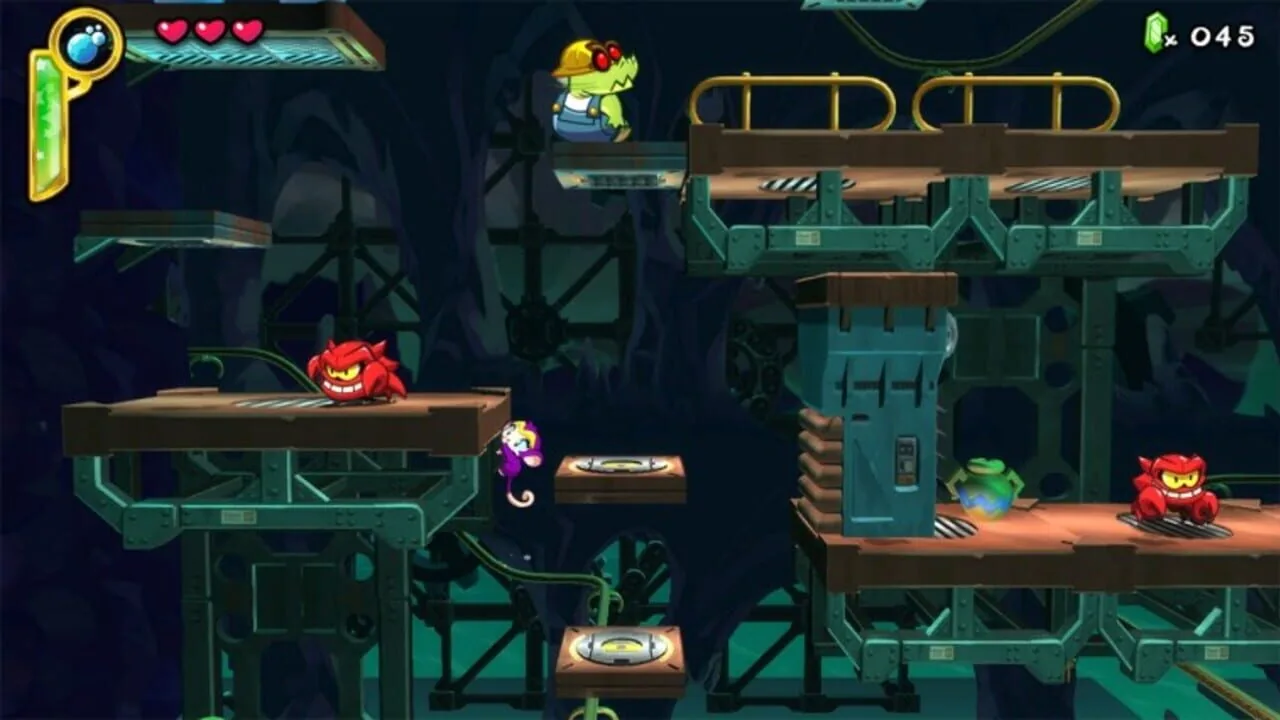
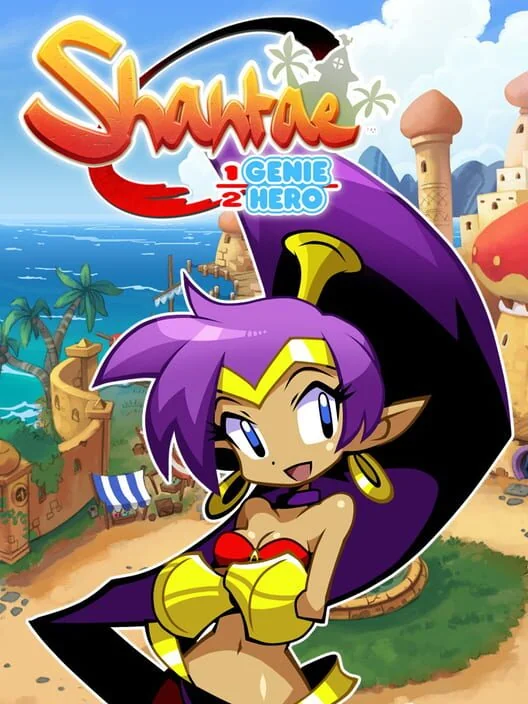
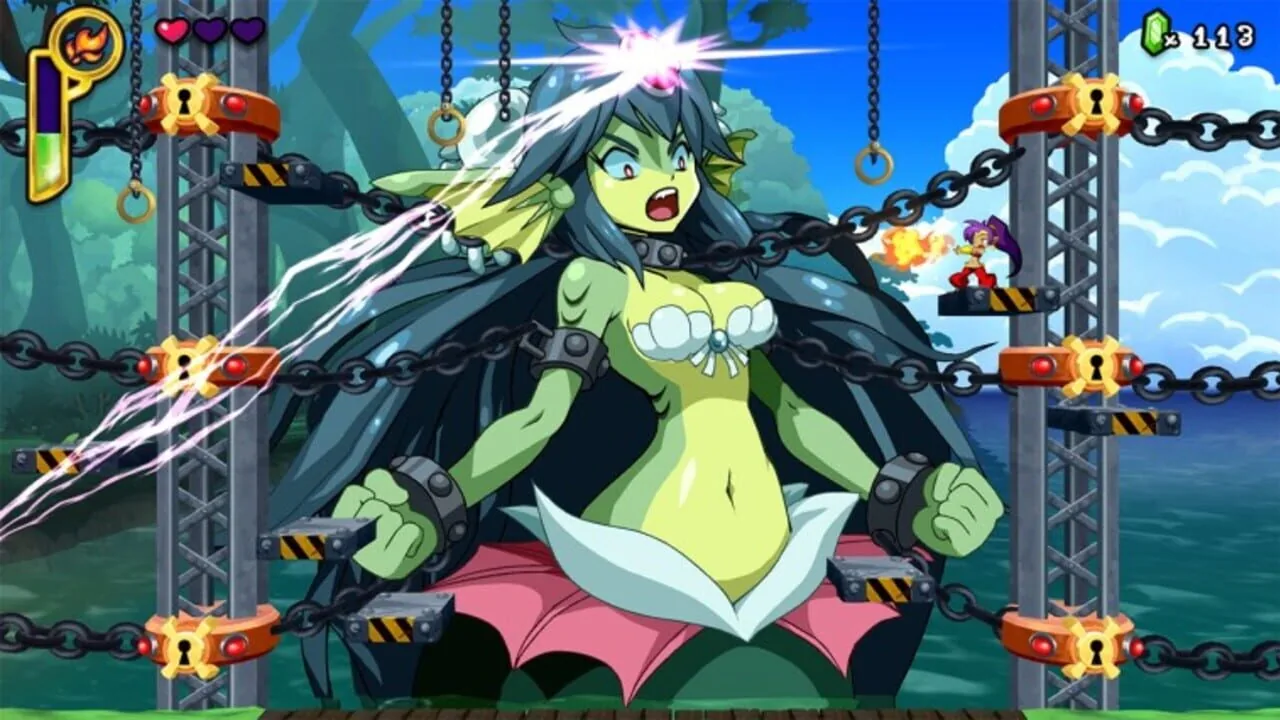
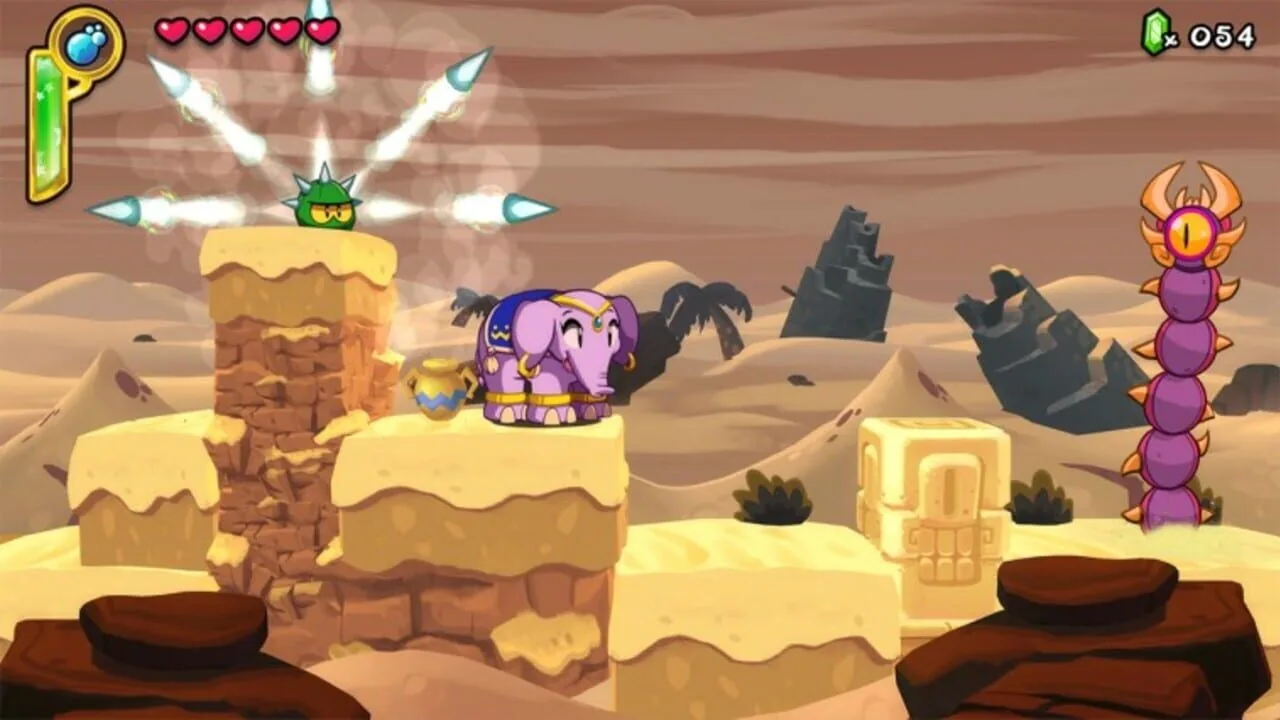
Half-Genie Hero was Shantae's first full HD adventure, after three earlier games. It keeps the hand-drawn 2D sprites the series is known for and plays as a stage-based 2.5D platformer with a lot of exploring. Shantae whips enemies with her hair and belly dances to turn into 8 different forms. Each new form lets you go back to old stages and dig up new items and secrets.
WayForward treats Shantae as its flagship series, and by 2020 the series had sold more than three million copies. Erin Bell created the character in 1994 and named her after one of the campers from her camp counsellor days. Rottytops is playable too, in the Friends to the End mode.
15. The Swapper (2013)
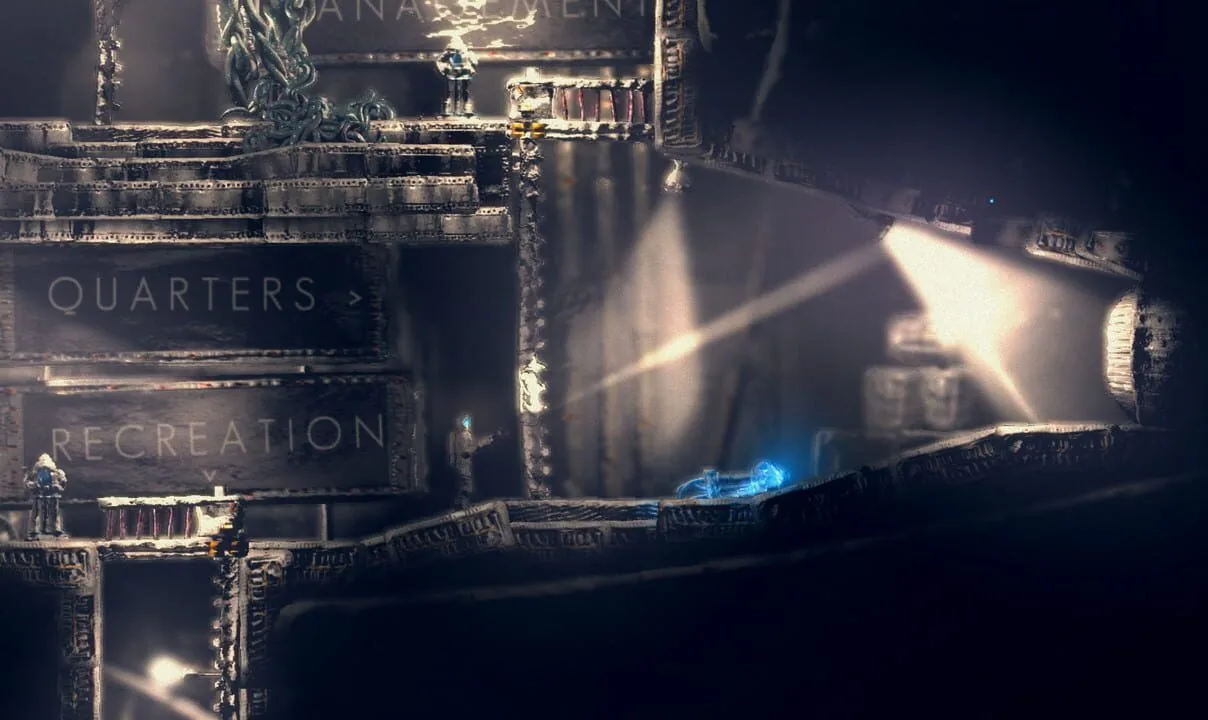
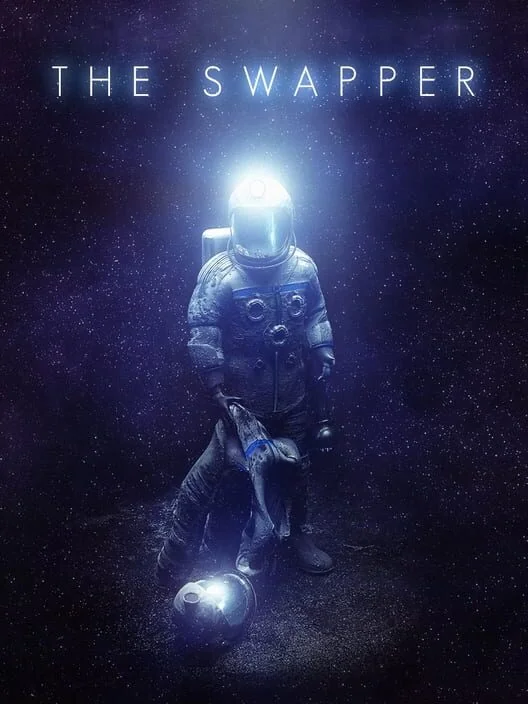
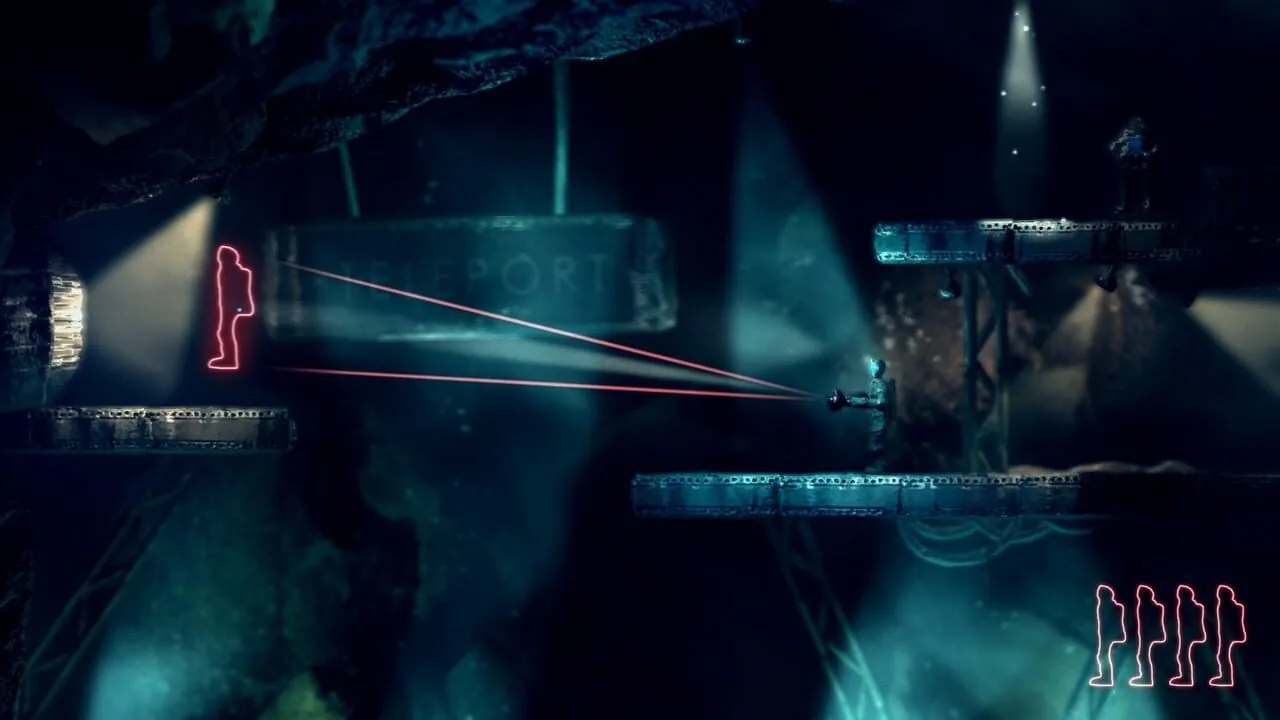
The Swapper comes from Facepalm Games, an independent developer in Helsinki, and Curve Studios ported it to PlayStation in 2014. Your tool makes up to 4 clones of yourself, and you can switch into any of them you have a clear line of sight to. Three kinds of light get in the way, each one messing with the tool differently. You need 124 orbs to finish.
The story is set among failing space stations, and it gets into transplanted brains and moving a person's mind into another body. It holds an 87 on Metacritic and won Best International Game at Freeplay 2011. Reviewers praised the puzzles and the mood.
14. Stealth Inc: A Clone in the Dark (2013)
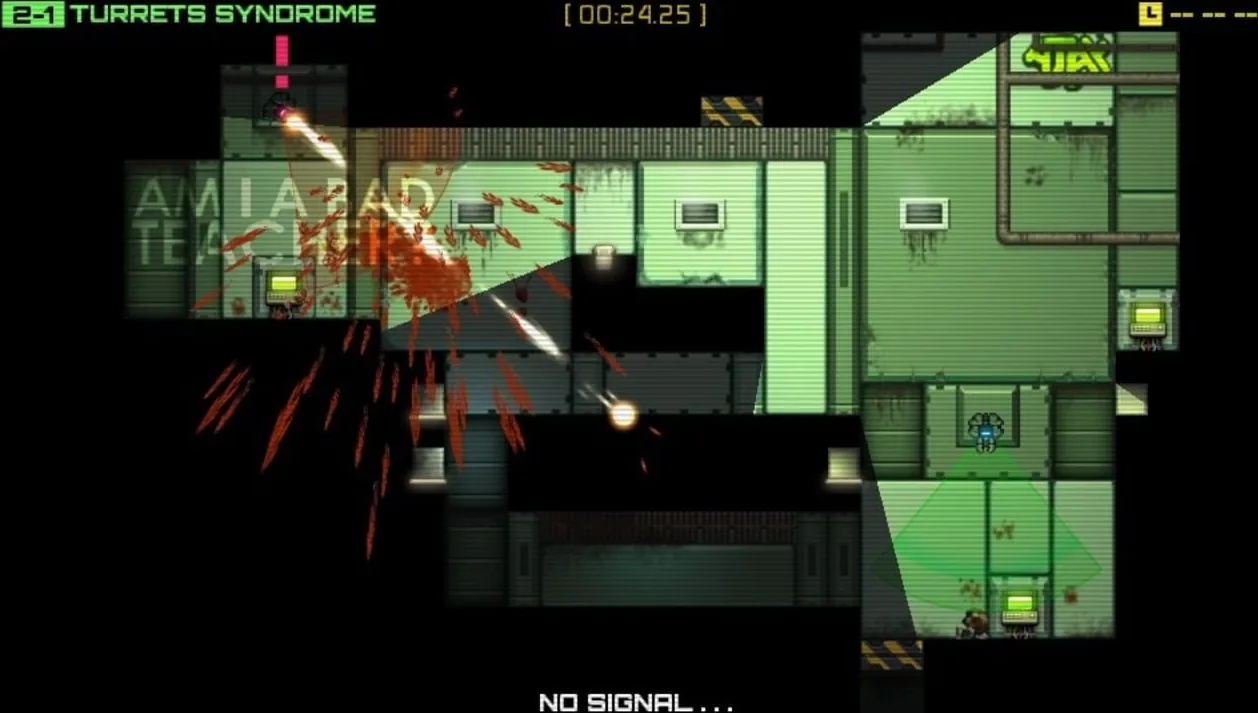
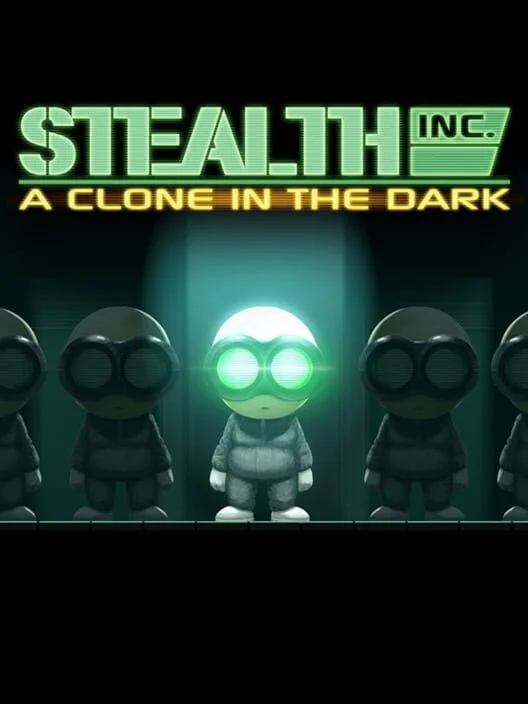
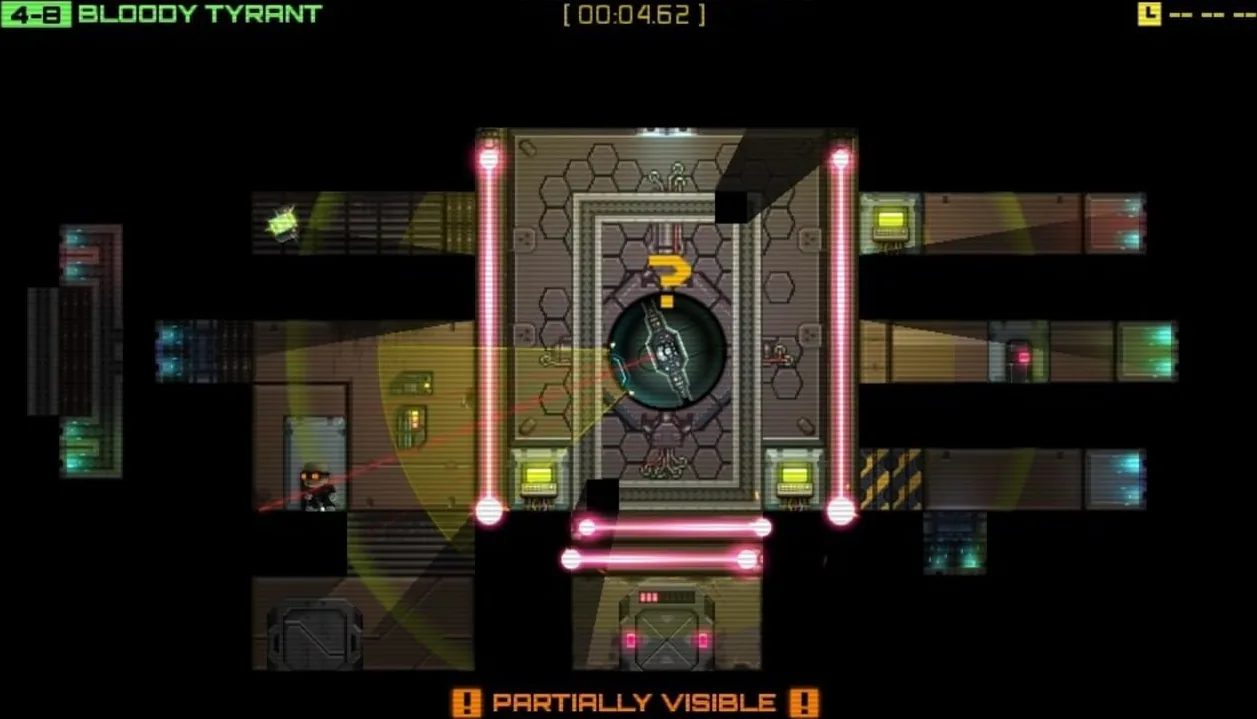
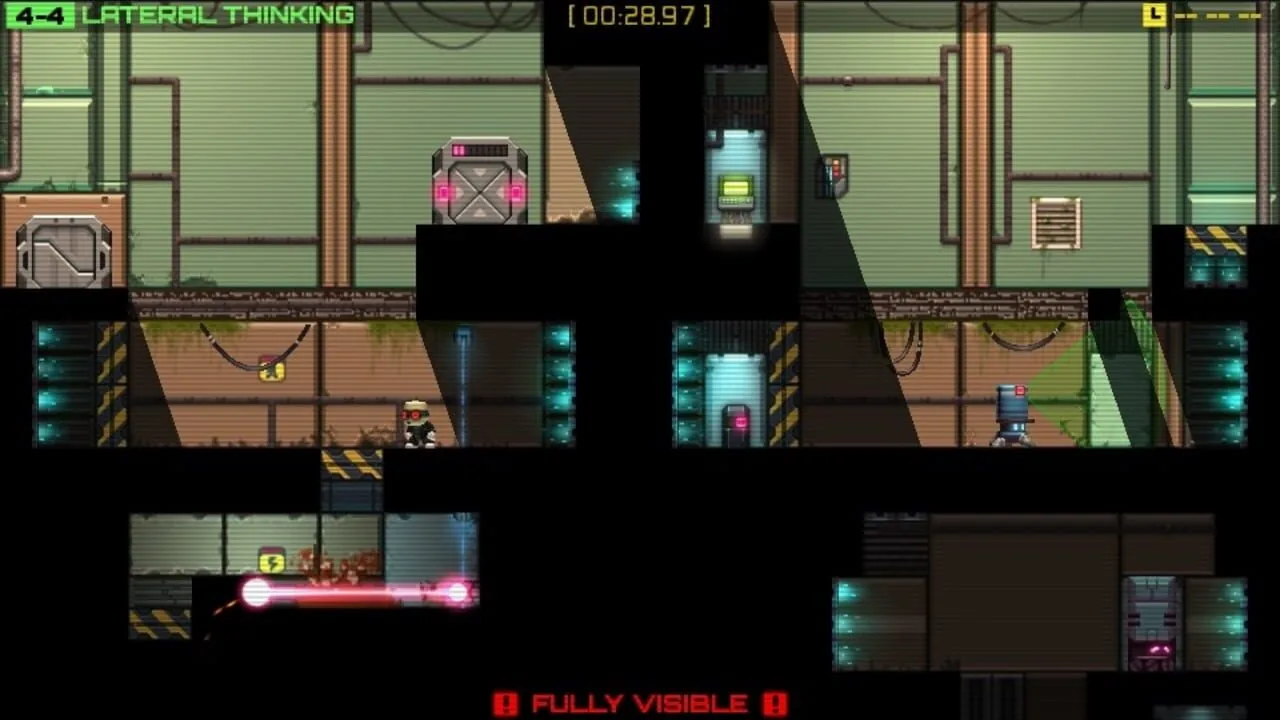
Stealth Inc began on Windows as a free game called Stealth Bastard in November 2011, and an expanded Deluxe version followed on Steam the next year. It is a stealth game, and its play has been compared to Metal Gear Solid and Super Meat Boy. A later release in March 2014 added two expansions, The Teleporter Chambers and The Lost Clones.
A sequel, Stealth Inc 2: A Game of Clones, came out on Wii U in October 2014. The name change was probably wise for a game sold in shops.
13. La-Mulana (2012)
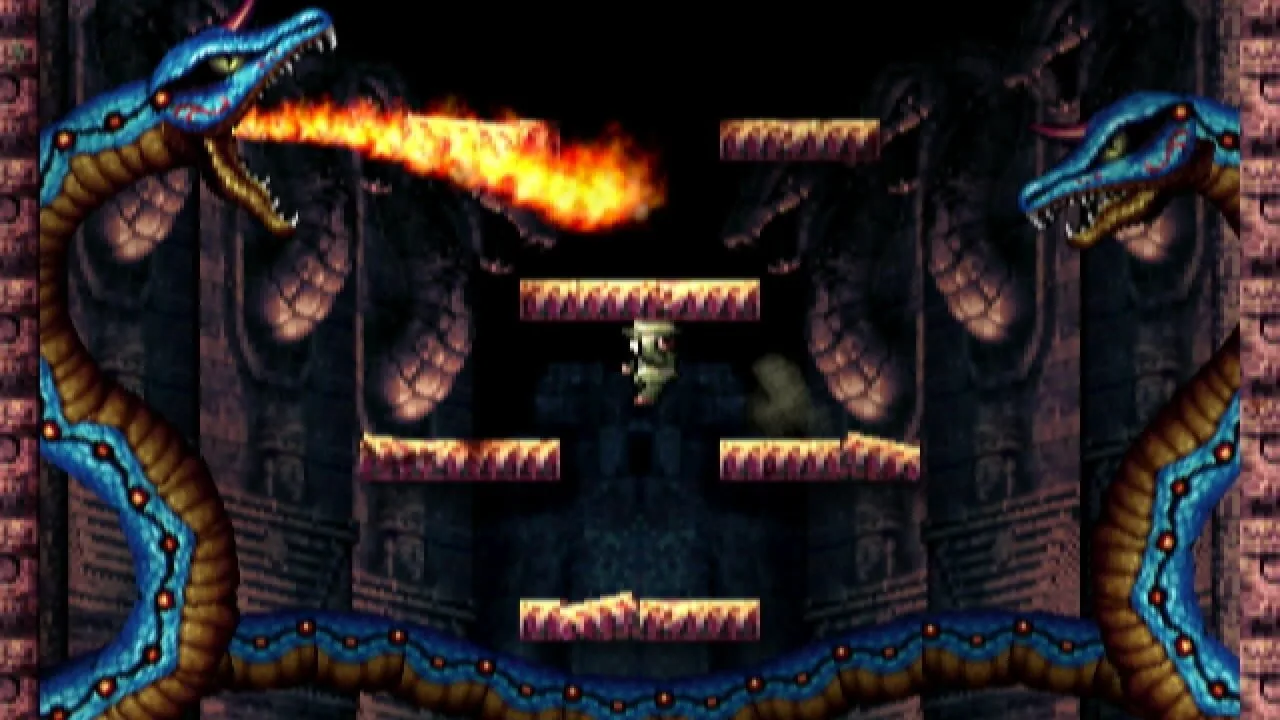
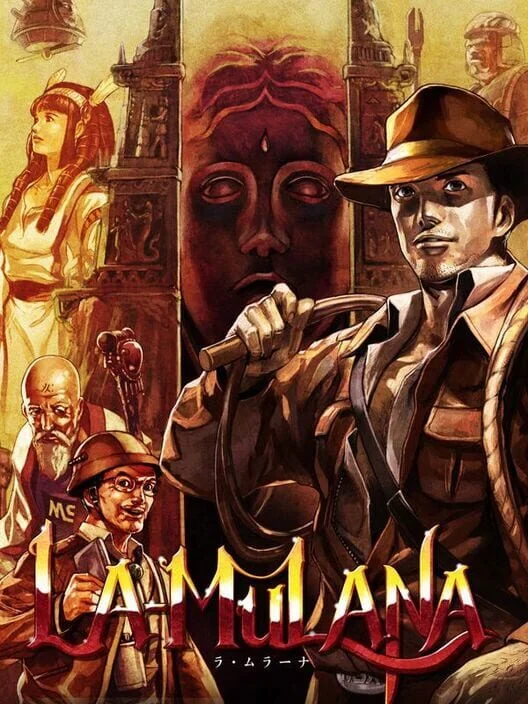
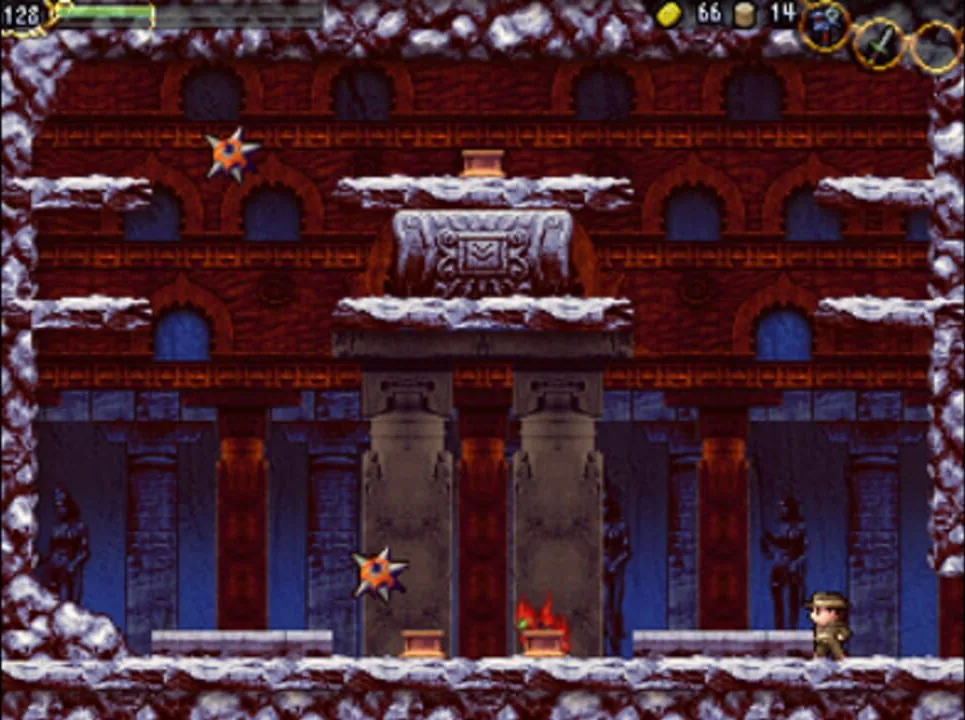
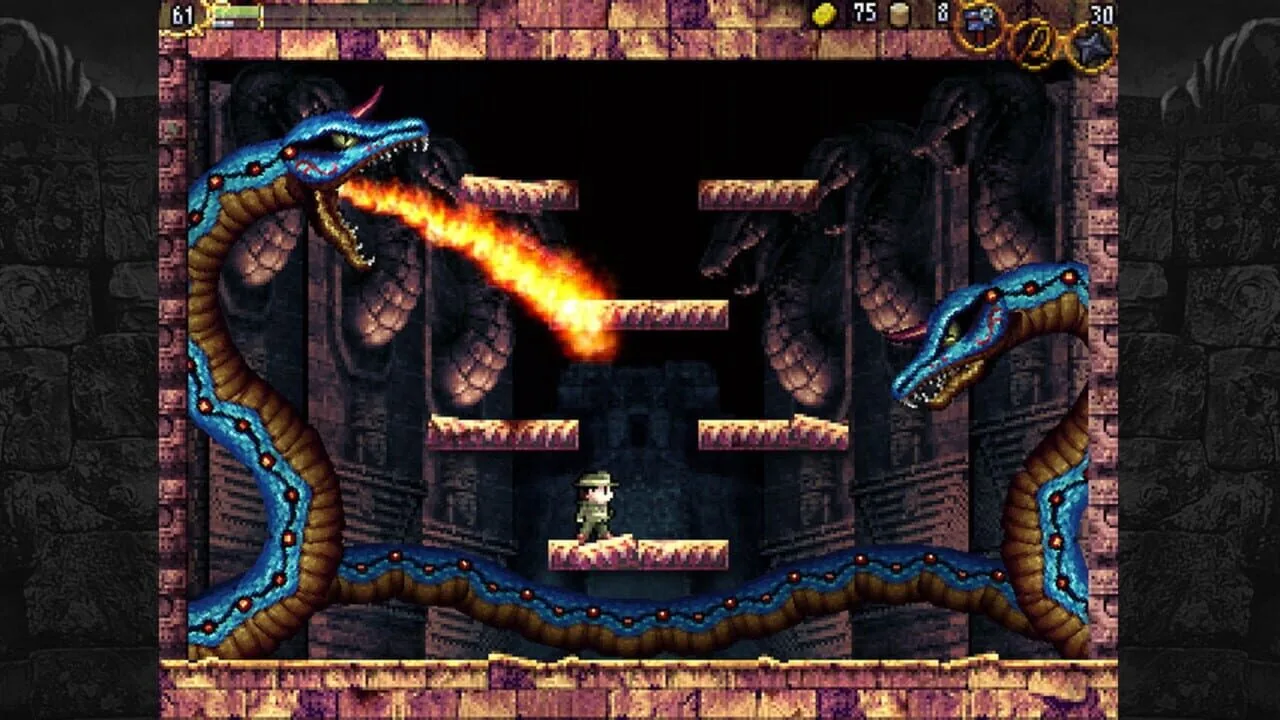
La-Mulana started as a Japanese PC game in 2006, made by GR3Project, who set out to make "something like The Maze of Galious". It was only in Japanese until an English fan translation came out and websites like 1UP.com picked it up. 1UP.com called it "a great exploratory platformer along the lines of Metroid or Castlevania". The remake rebuilt the engine from scratch, smoothed out the graphics and gave the music an orchestra.
There is no obvious path through the ruins and only one save point, though an early item lets you warp back to it. One player's advice for new arrivals is "Hope you brought a paper and pencil". It nails the look and sound of an MSX game, and it is hard in the old MSX way too.
12. Fez (2012)
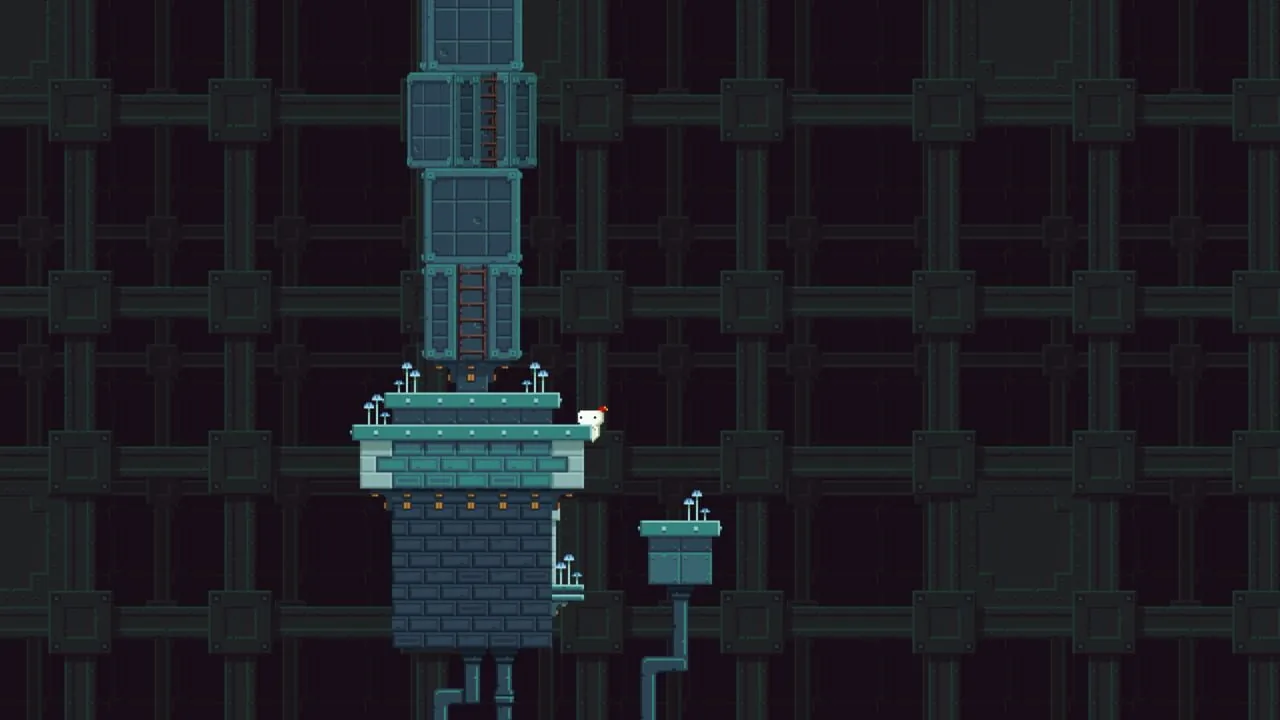
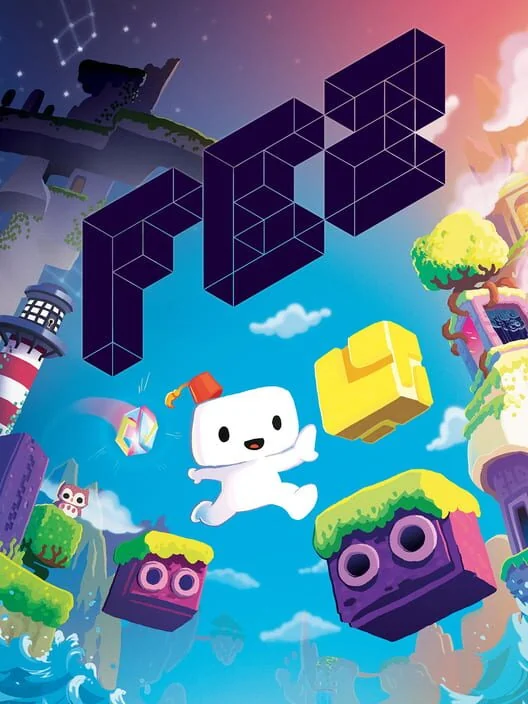
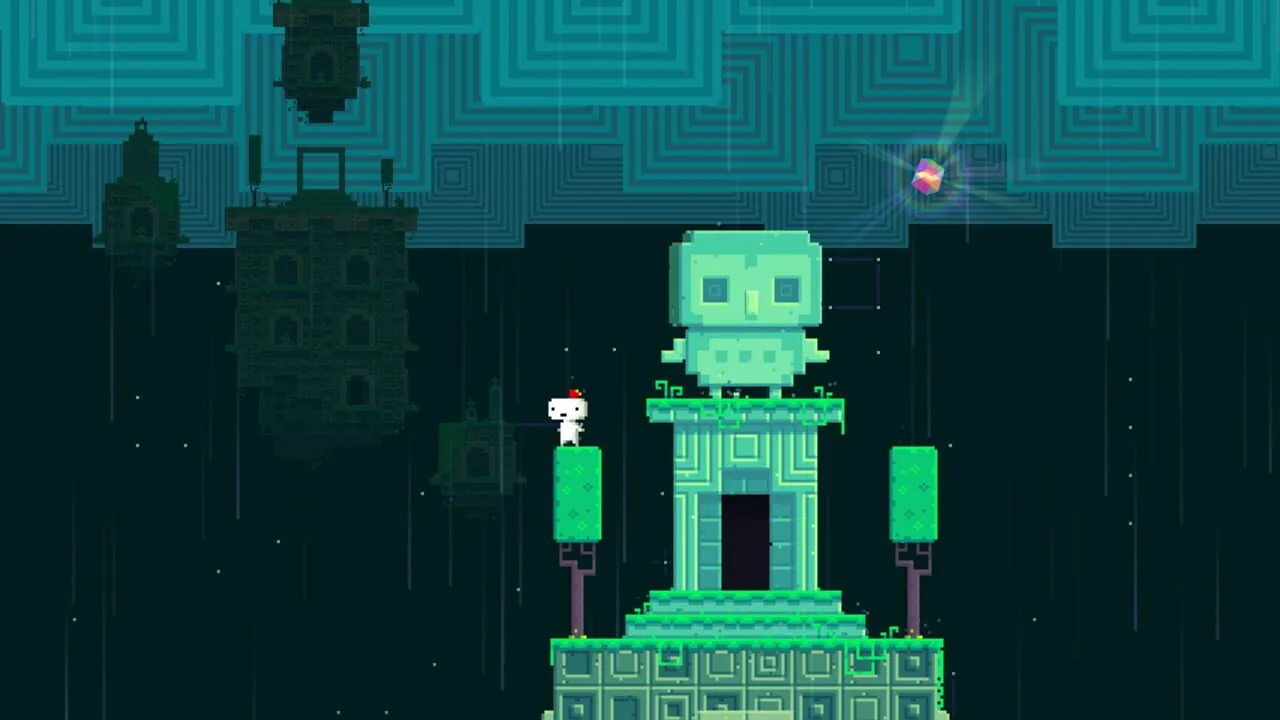
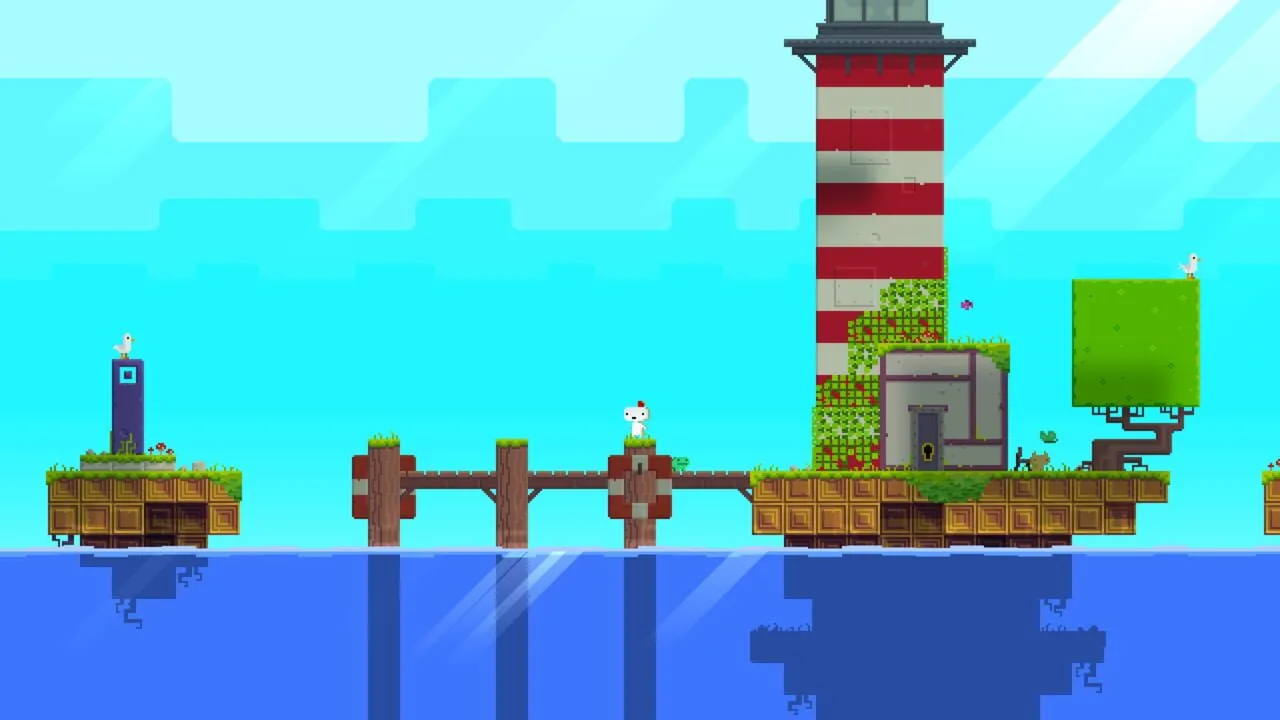
In Fez, Gomez is a 2D creature living in a 2D world until he learns about a third dimension. Then you look at 3D structures from 4 different 2D sides to find your way. Its five-year development was very public, and the documentary Indie Game: The Movie followed its final stages.
Fez won the Seumas McNally Grand Prize and Eurogamer's 2012 Game of the Year, and it had sold one million copies by the end of 2013. Reviewers loved the sense of discovery, though they complained about the navigation and the backtracking at the end. Phil Fish wanted the nostalgic, lonely feeling of Ico. Composer Vreeland left some parts of the game with no music at all.
11. SteamWorld Dig (2013)
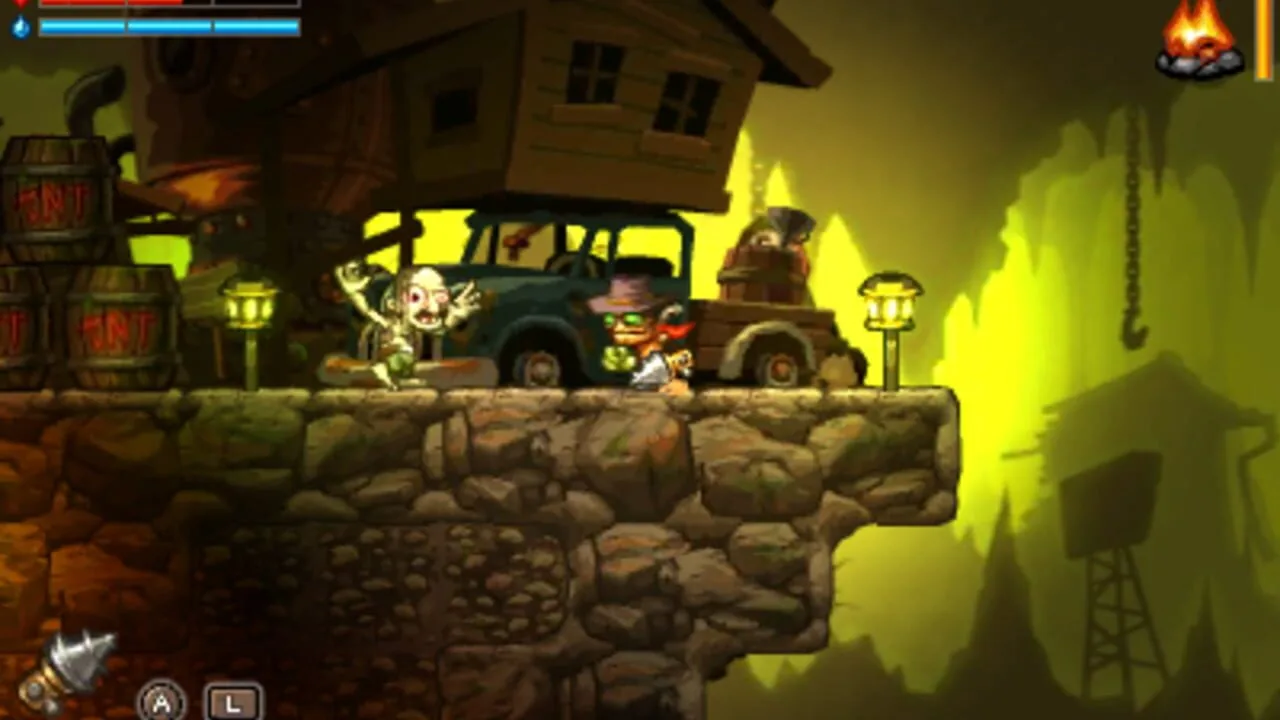
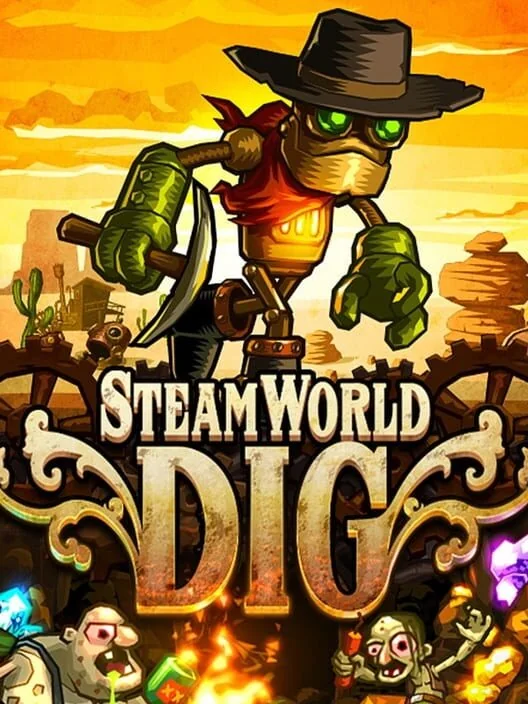
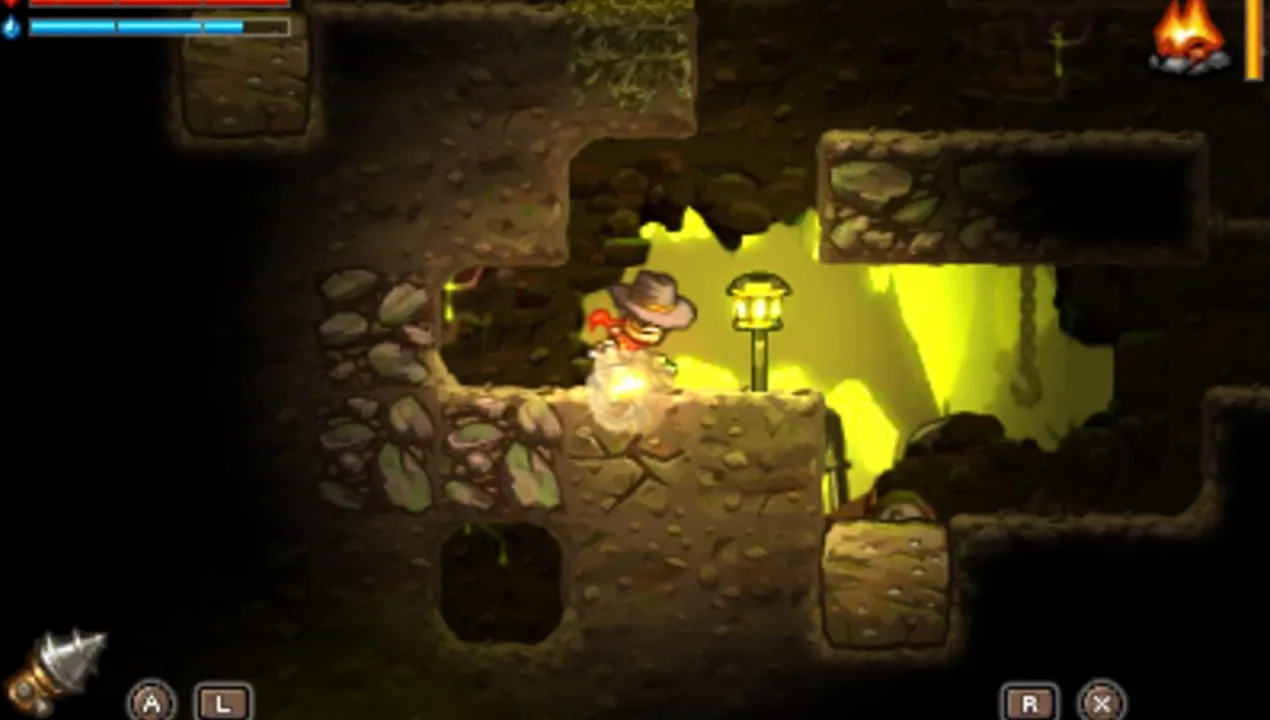
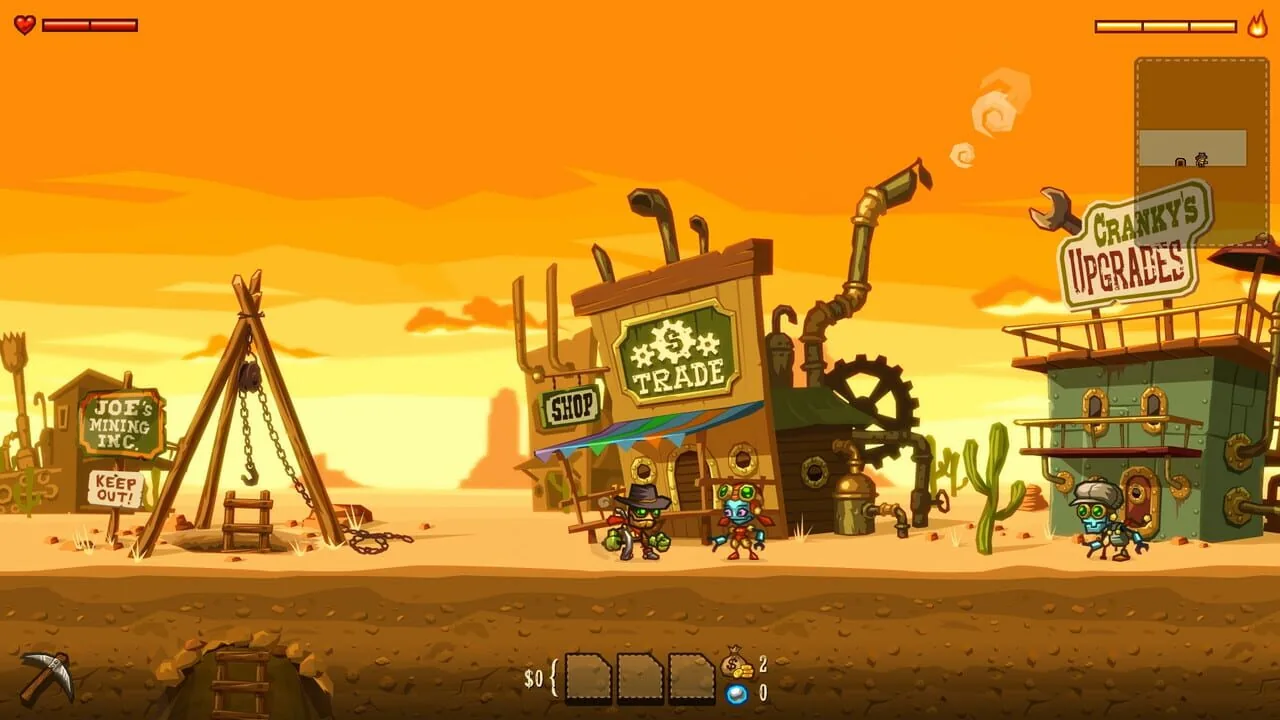
SteamWorld Dig is a 2D platform game about mining for ore. You play Rusty, a steambot, digging under a mining town called Tumbleton. It came out first on the Nintendo 3DS eShop in Europe and Australia in August 2013. Image & Form later made SteamWorld Heist and SteamWorld Dig 2.
It is the simpler of the two Digs, and that makes it a good weekend game. Players rank it just ahead of Fez, which is quite a result for a game about a digging robot.
10. Thomas Was Alone (2012)
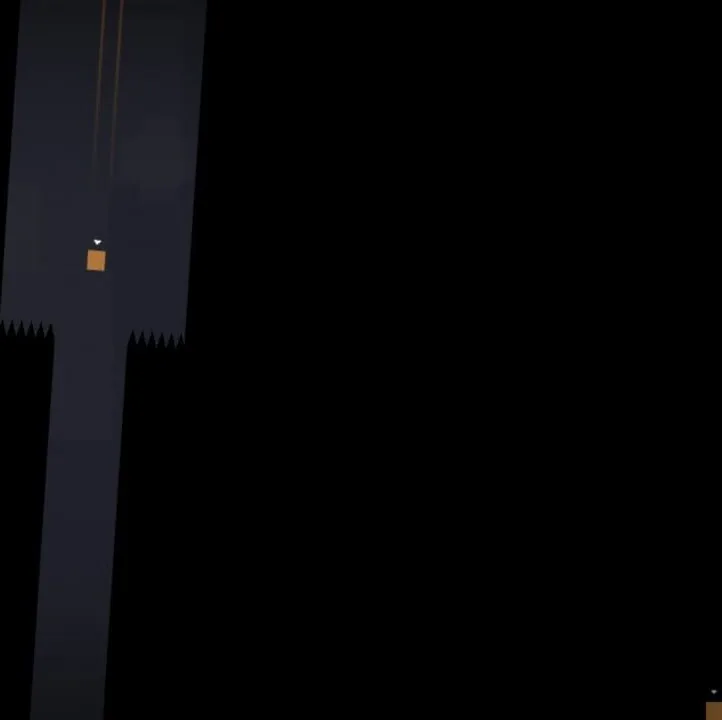
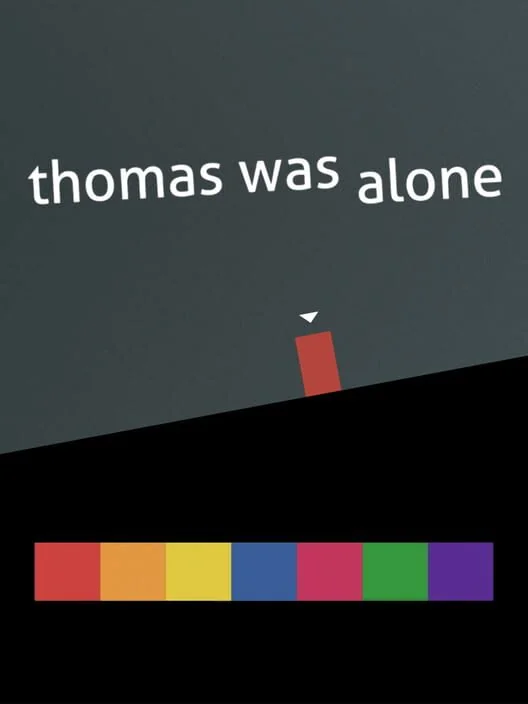
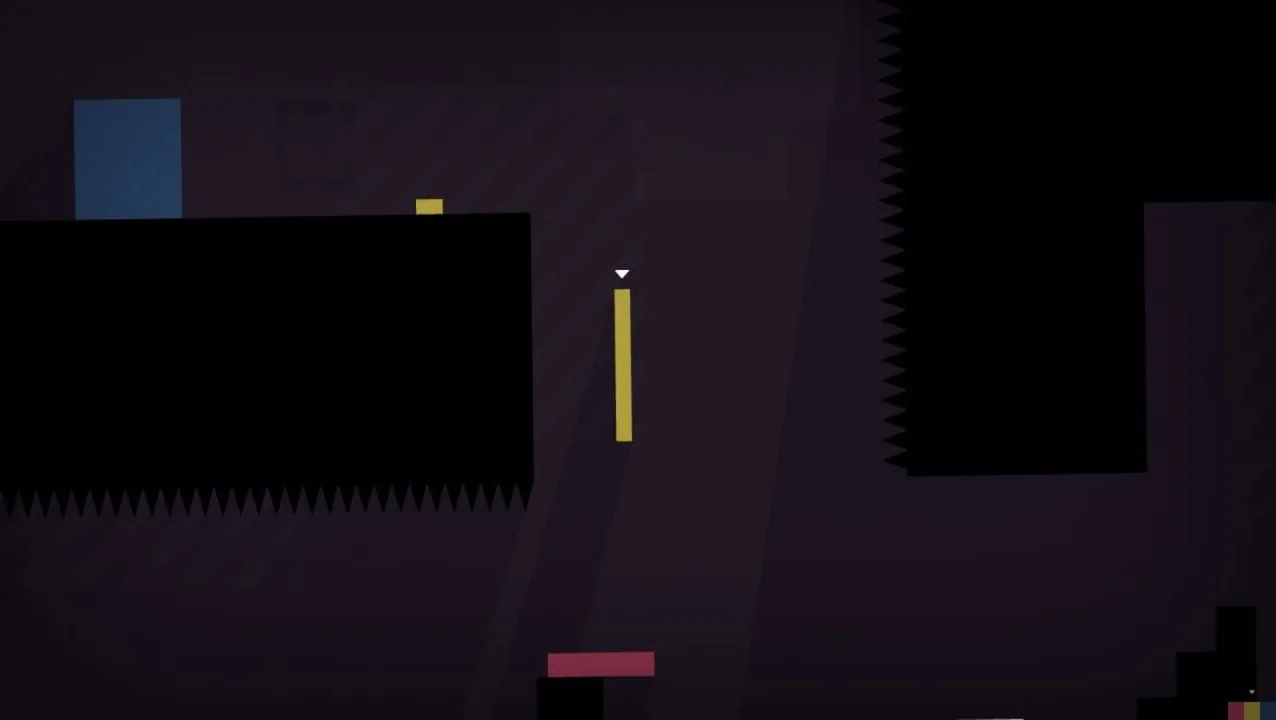
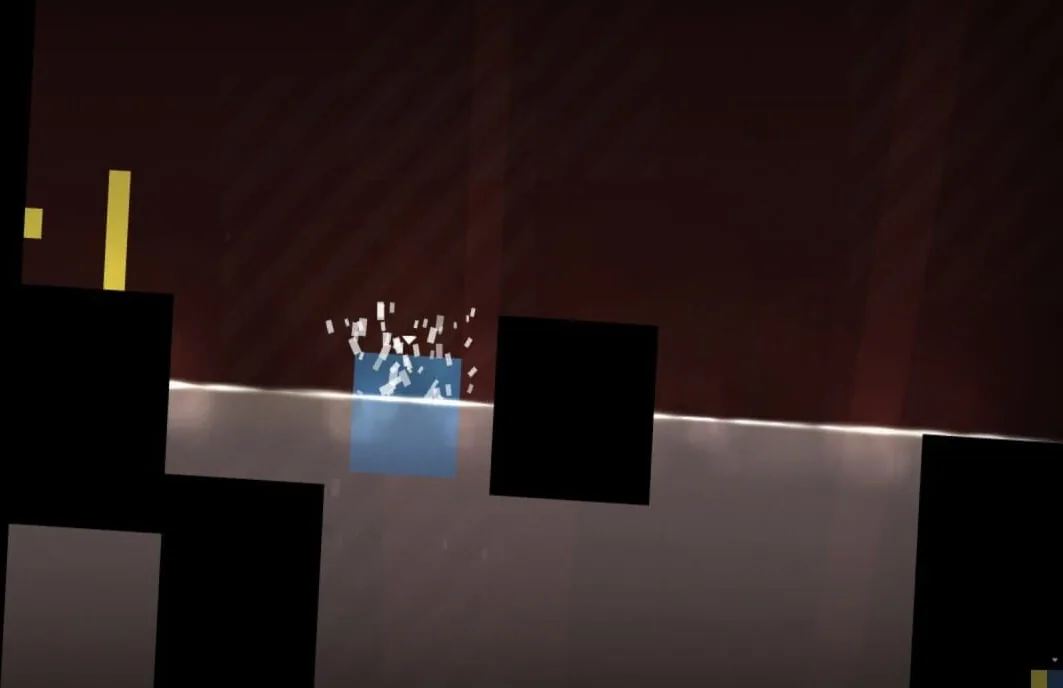
Thomas Was Alone is a platformer about a group of rectangles, and somehow it makes you care about them. Each shape has its own name and personality, told to you by a narrator, Danny Wallace, whose performance won the game a BAFTA. Every level asks you to get each shape to its own exit at the same time, using their different skills together.
Mike Bithell made it, and he credits Sony UK's Shahid Ahmad with bringing it to PlayStation. The PlayStation release added new levels and Benjamin, a character with a jetpack. The shapes turn out to be AIs looking for a way out into the world. That is a lot of weight for a rectangle to carry.
9. Sly Cooper: Thieves in Time (2013)
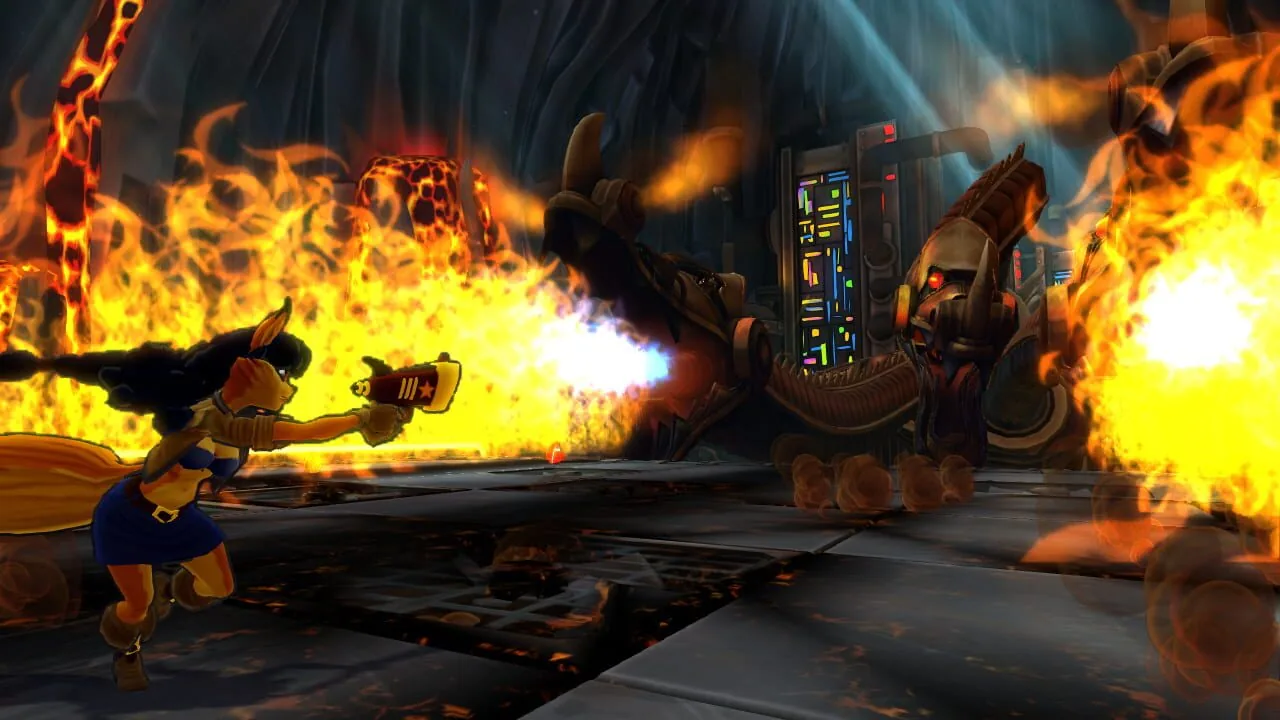
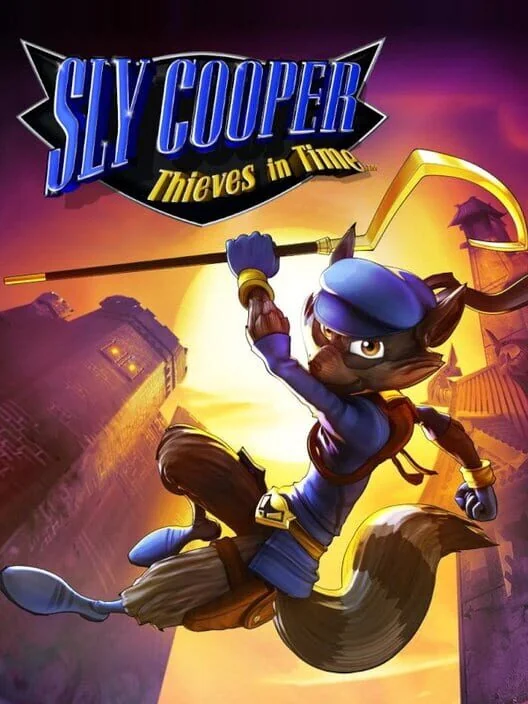
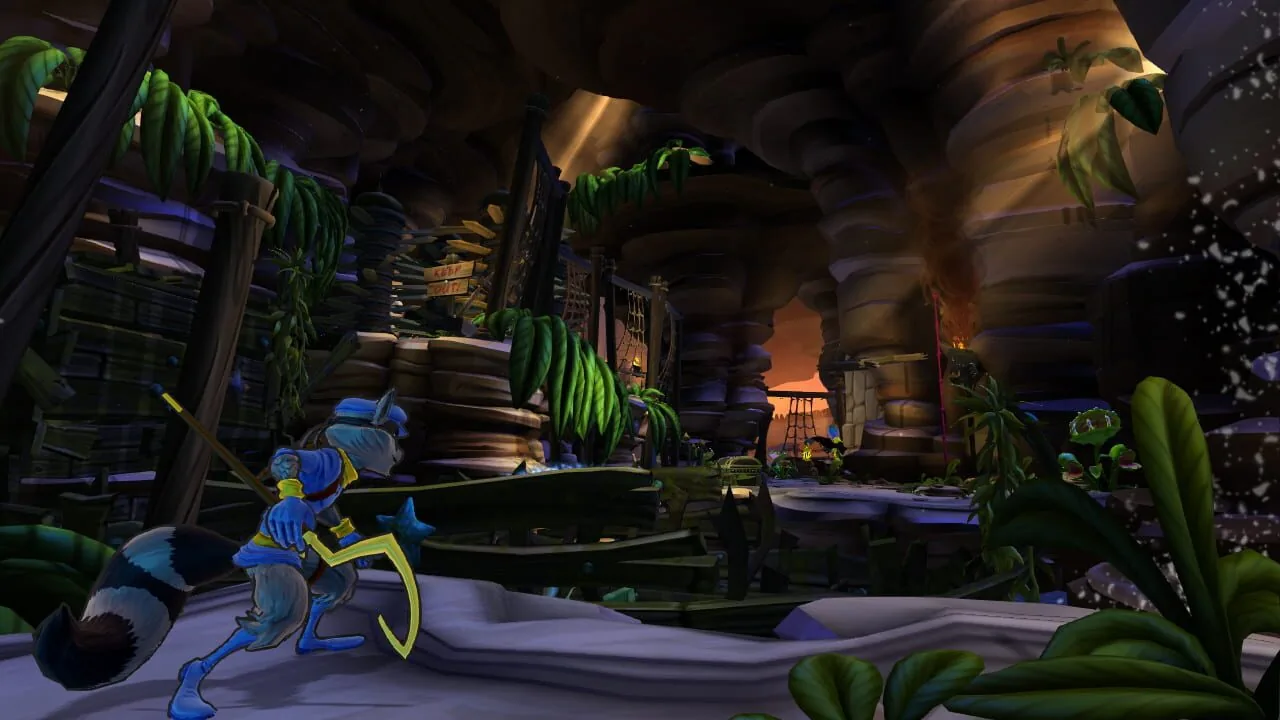
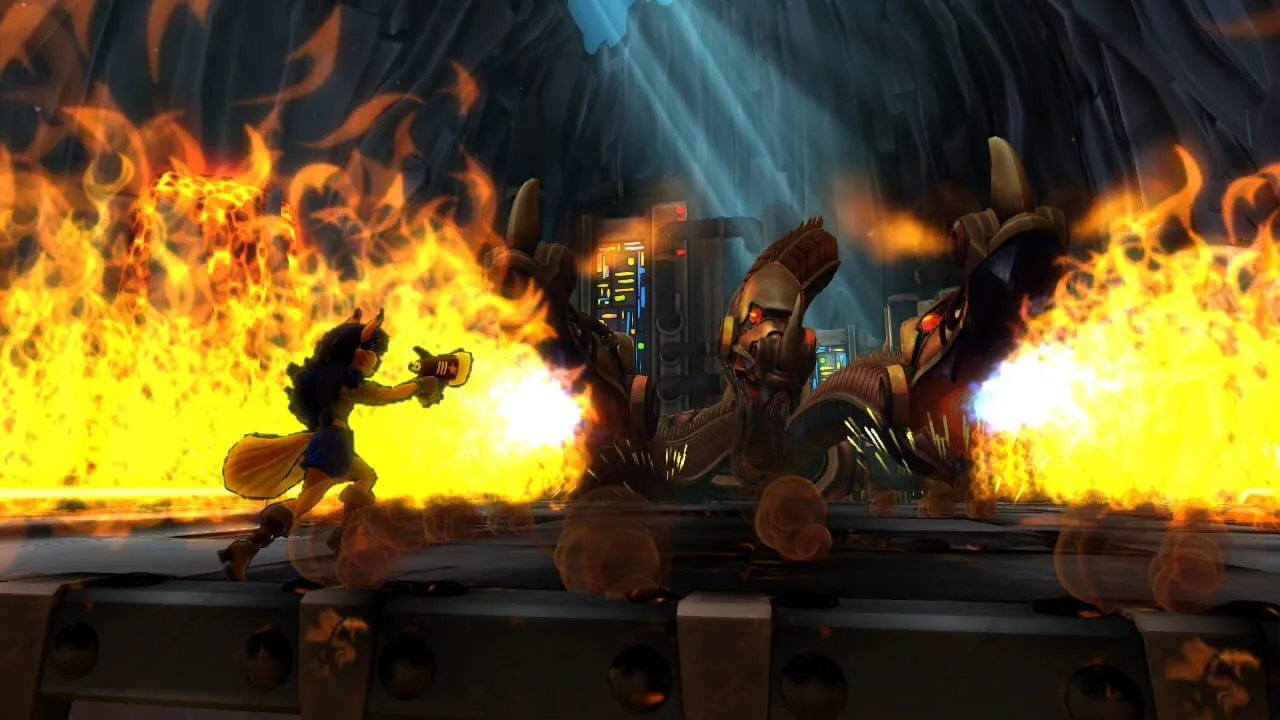
Thieves in Time is the fourth main Sly Cooper game. Sanzaru Games made it after Sucker Punch moved on to the Infamous series. Sly and his gang travel through history to restore the Thievius Raccoonus, which is being erased from existence. In Feudal Japan they rescue Rioichi Cooper, a ninja and the inventor of sushi, and new costumes give Sly special abilities.
It came out on PlayStation 3 and PlayStation Vita in 2013, and Peter McConnell wrote more than 2.5 hours of music for it. Critics liked it overall but split on how well the old formula had aged. They did not like the load times or the pile of mini-games. If you loved the earlier Sly games, this is the one to bring on a trip.
8. Super Meat Boy (2010)
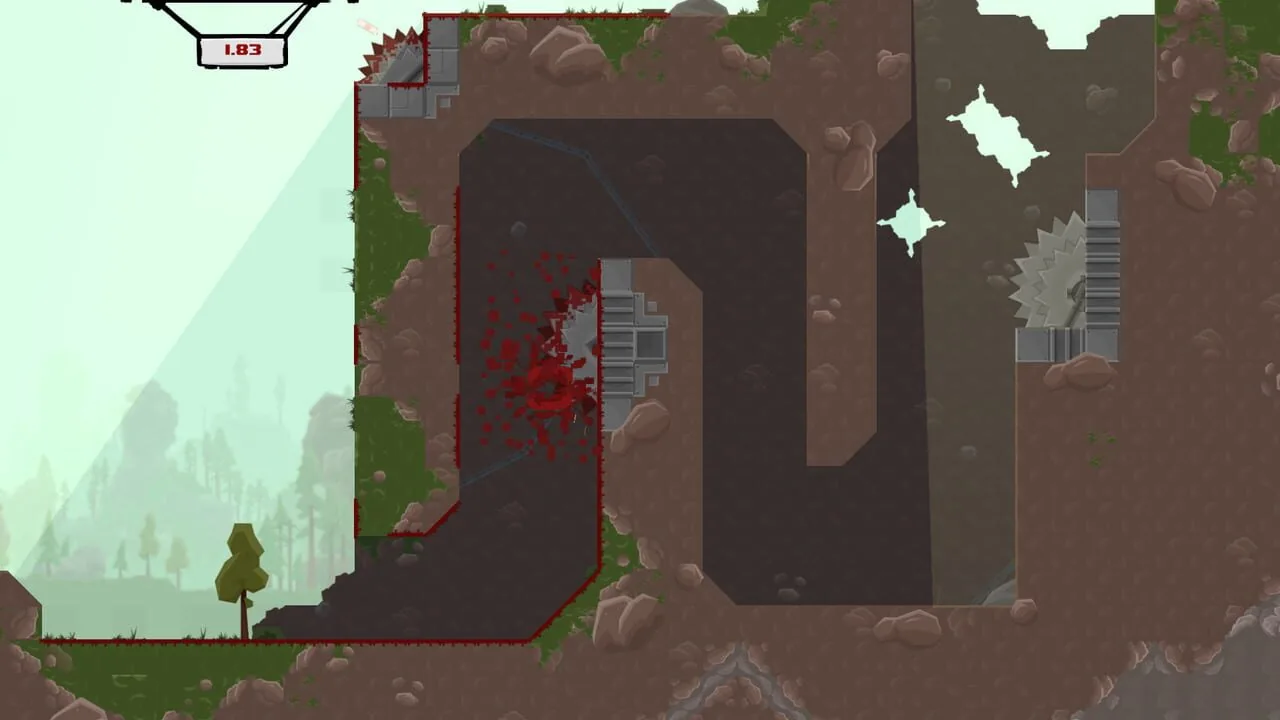
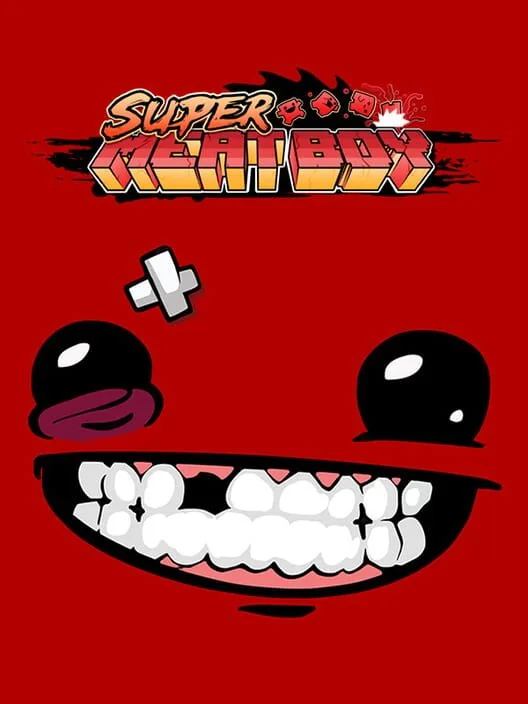
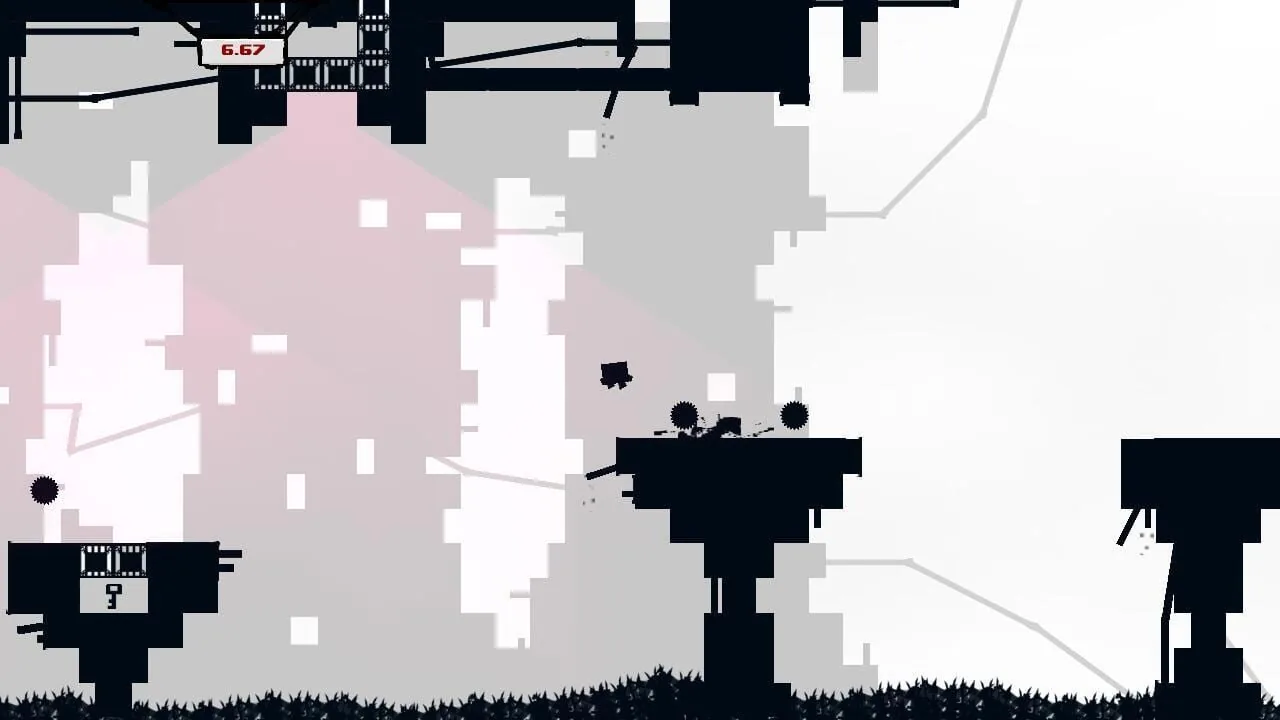
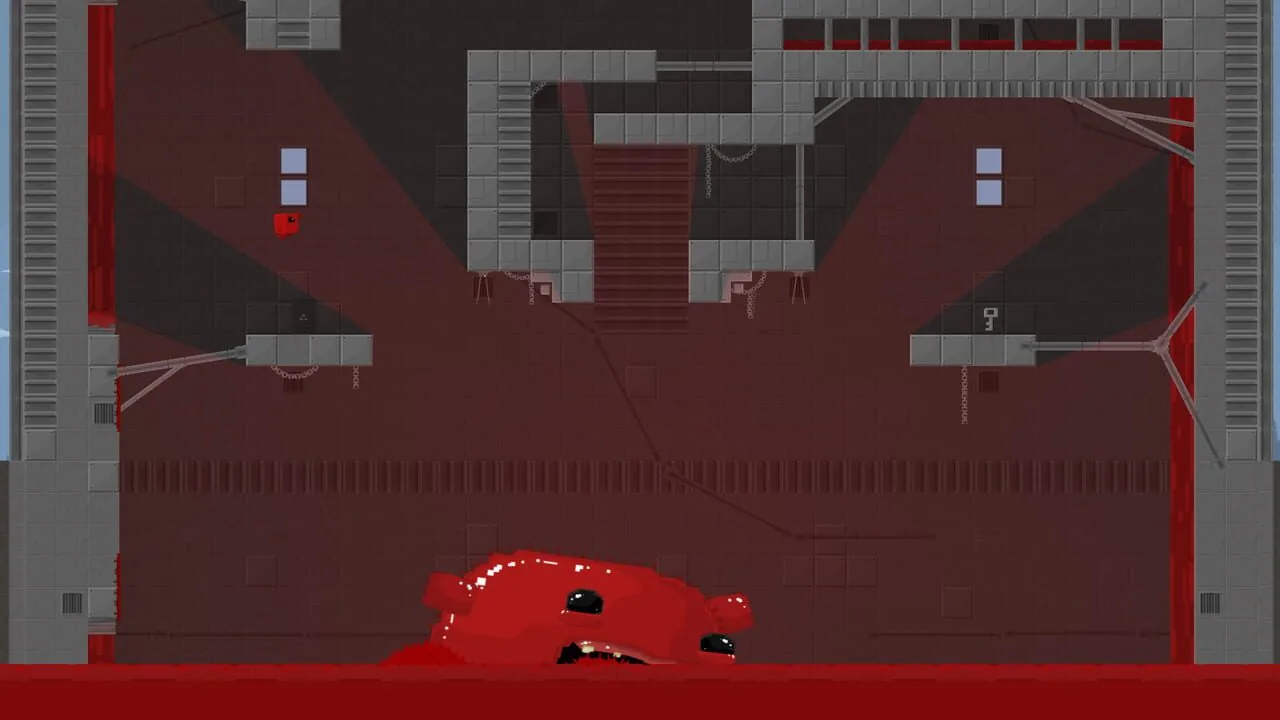
Super Meat Boy began as a Flash game by Edmund McMillen and Jonathan McEntee. The full game came out first on Xbox Live Arcade in October 2010 and was later ported to the Vita. McMillen and Refenes made it look retro on purpose but gave it a modern idea of difficulty, and Refenes wrote his own engine instead of using a ready-made one.
The developers felt the replay feature turned death into a kind of reward, and you will see a lot of death. Danny Baranowsky wrote the soundtrack, and critics praised it along with the controls and the art. It is often named among the greatest games of all time, and it is one of the hardest here.
7. Rayman Legends (2013)
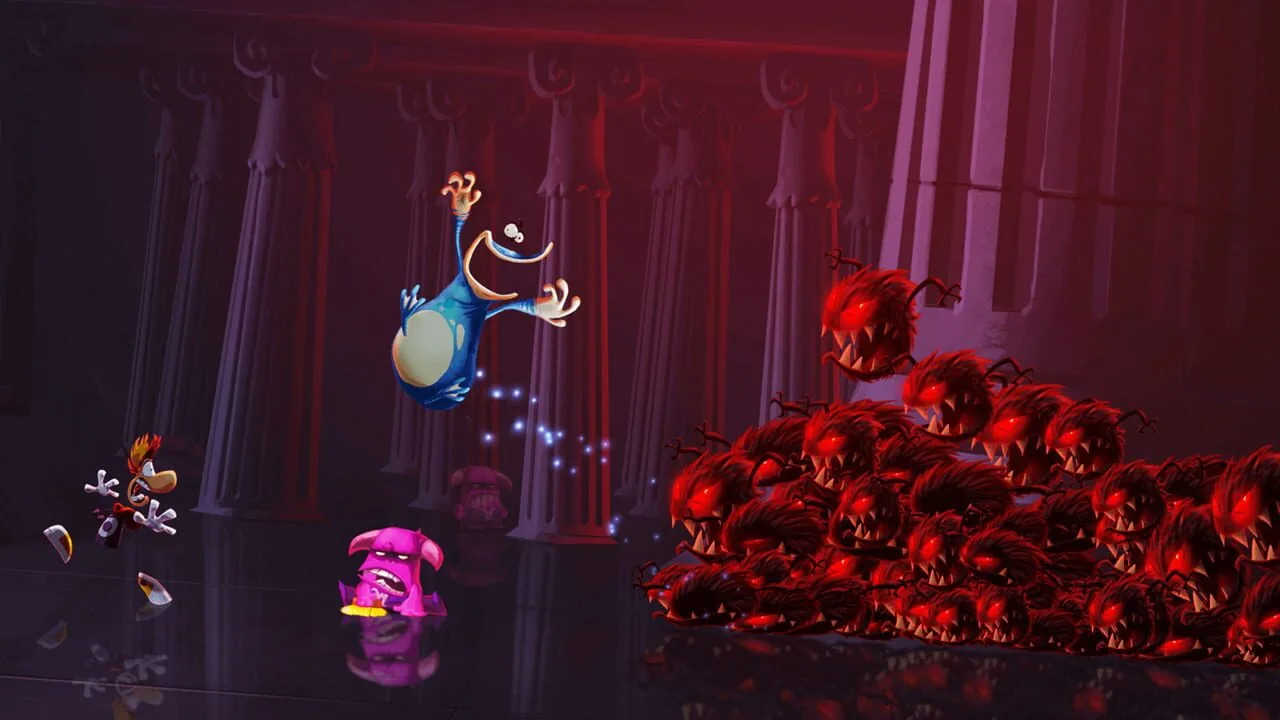
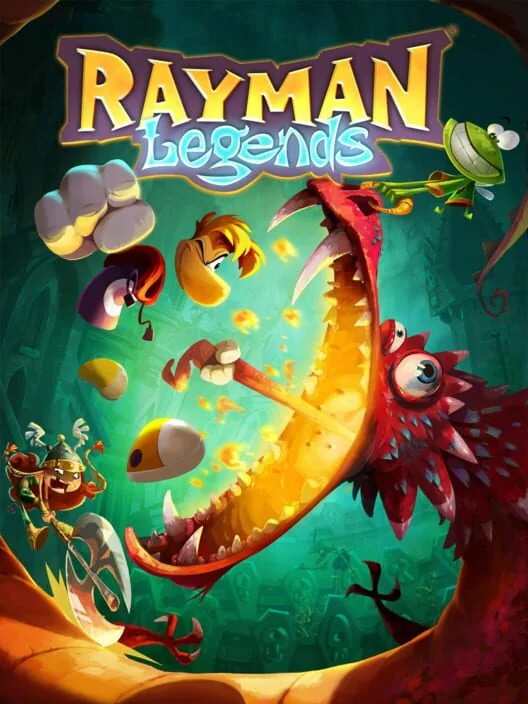
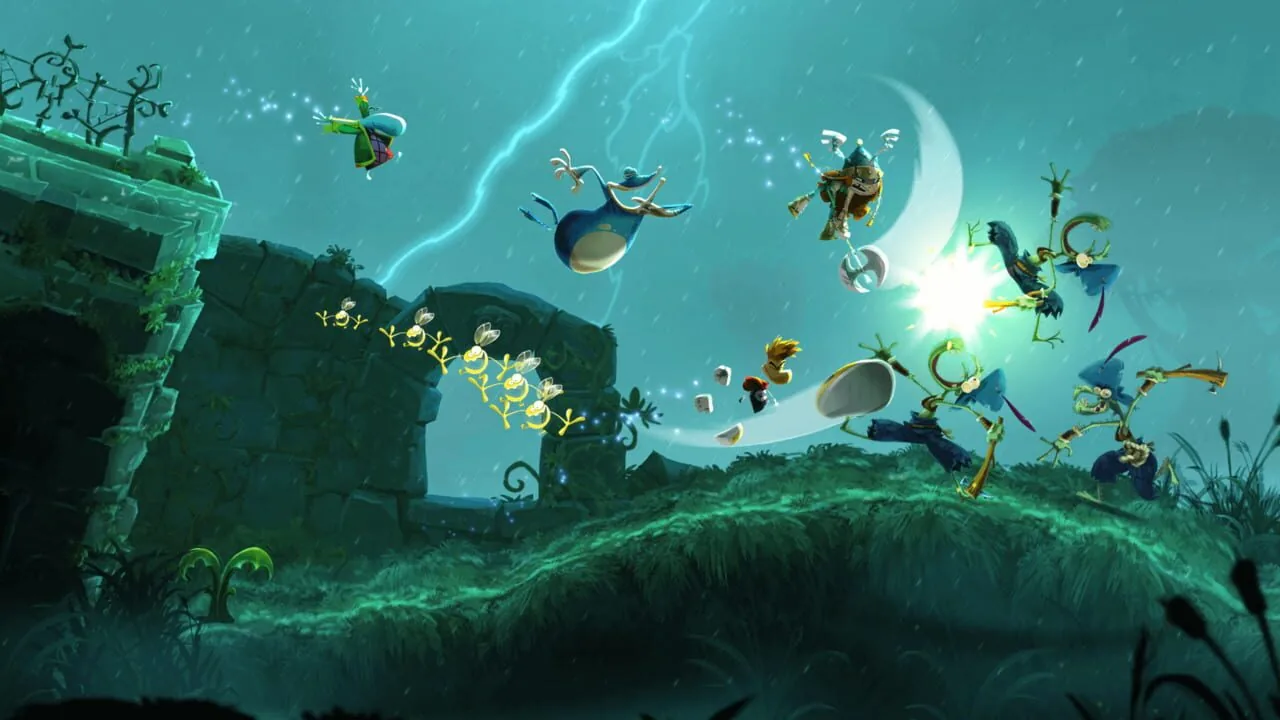
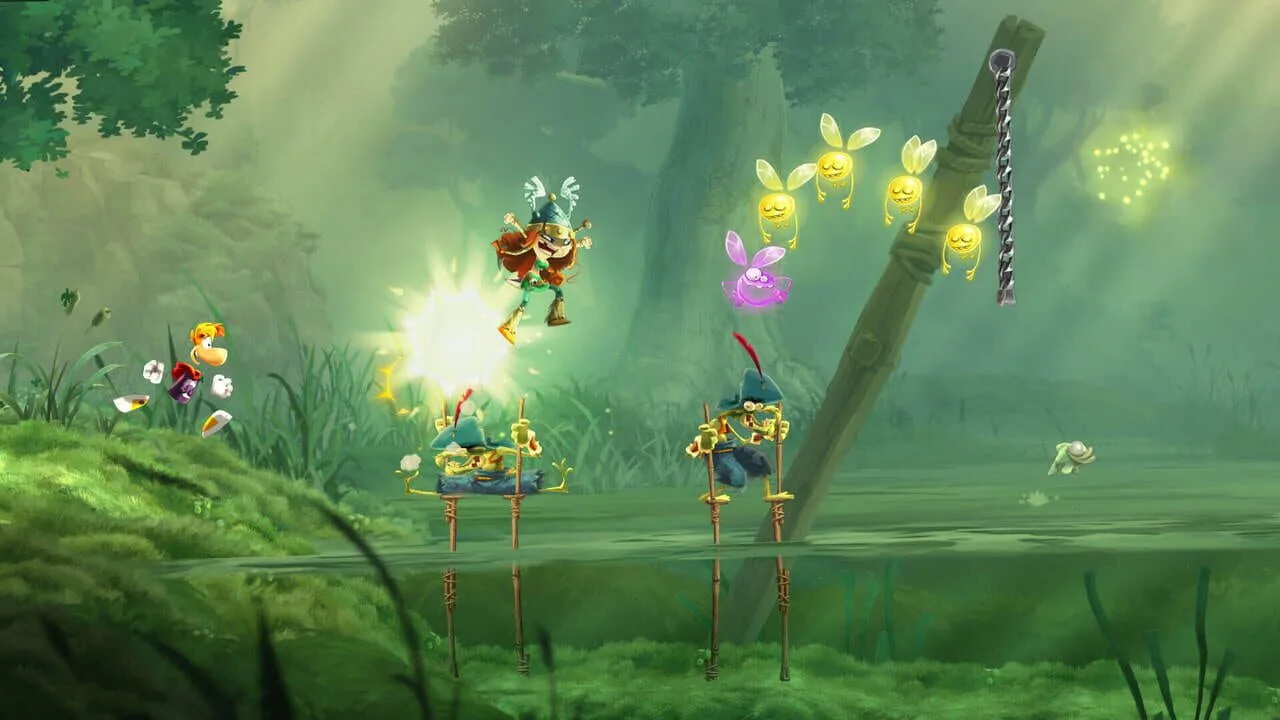
Rayman Legends is the direct sequel to Rayman Origins and the fifth main Rayman game. It was first meant to be an exclusive, then it was delayed again by six months and made multi-platform. In the Vita and Wii U versions you control Murfy by touch in some stages. He cuts ropes and grabs enemies for you.
There are over 120 levels, forty of them remastered from Origins, and some return as Invaded versions you have to finish as fast as possible. Critics praised its visuals, its level design and the large amount of content. It sold slowly at first but passed a million copies by 2014. A remake, Rayman Legends Retold, is due on December 3rd, 2026.
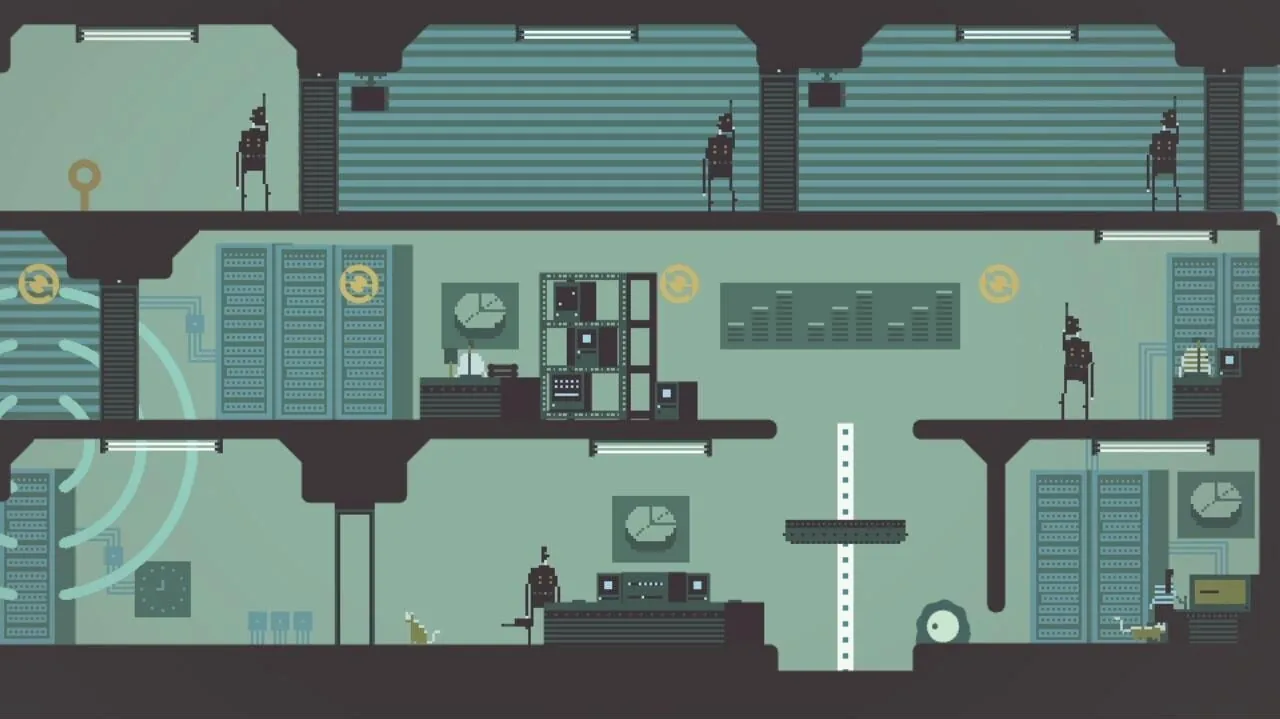
6. Sound Shapes (2012)
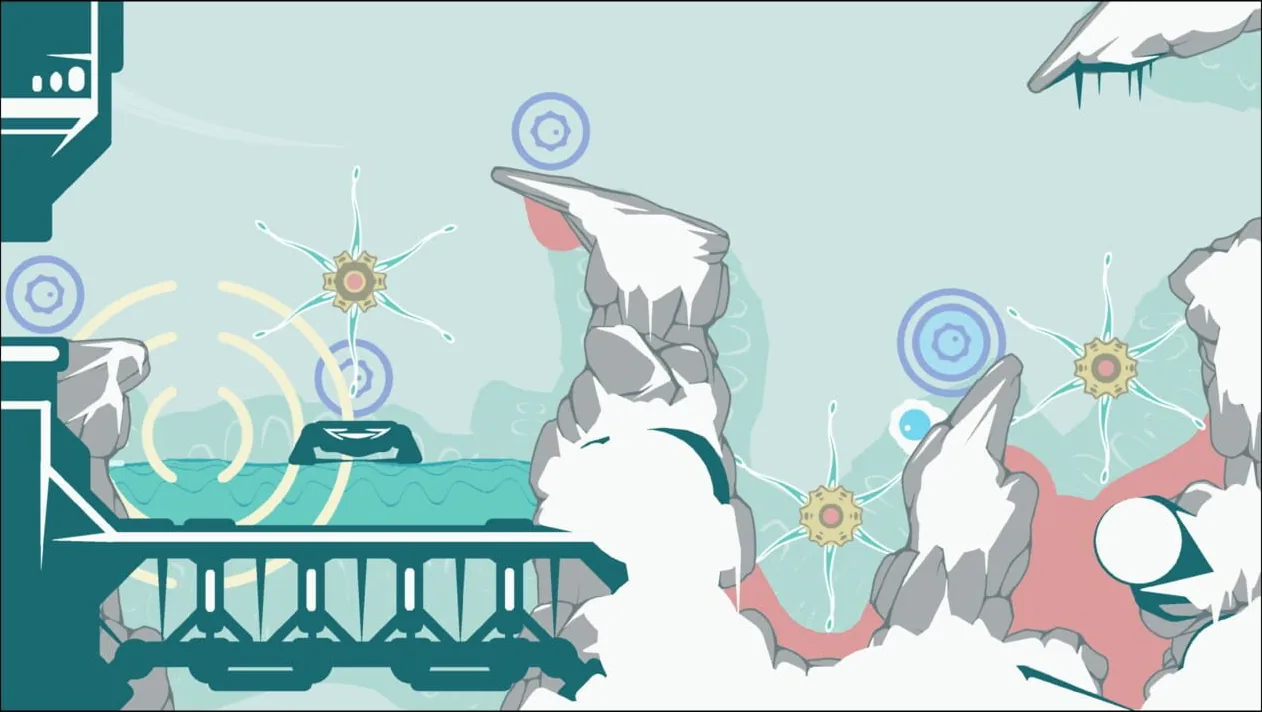

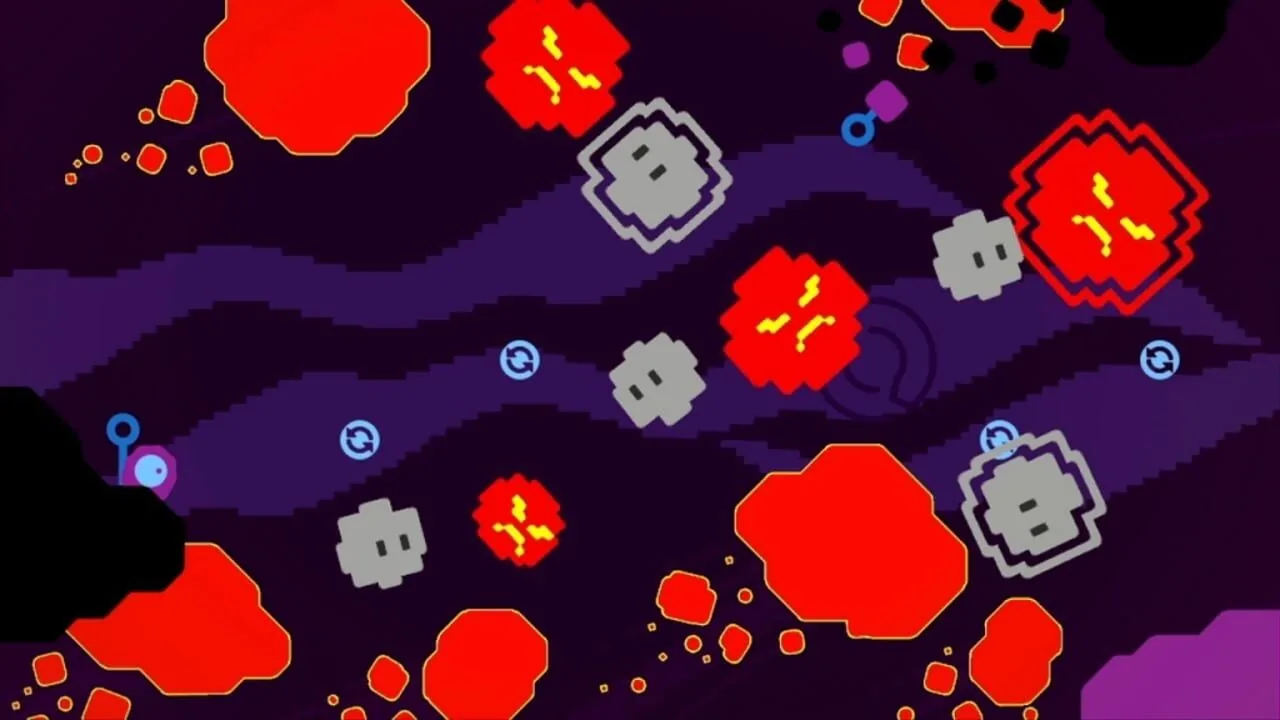
Sound Shapes is a side-scrolling platformer where your actions make the music. Jessica Mak and Shaw-Han Liem designed it around collecting coins that turn into music. Each album was a close collaboration between a musician and a visual artist, with music from Jim Guthrie and Deadmau5 among others.
Mak and Liem wanted beginners to feel the joy of making something without any music theory. You can build your own musical levels with everything from the campaign and share them. It came out in 2012, and a PlayStation 4 port followed in 2013. For people who like to tinker, it is as much an instrument as a game.
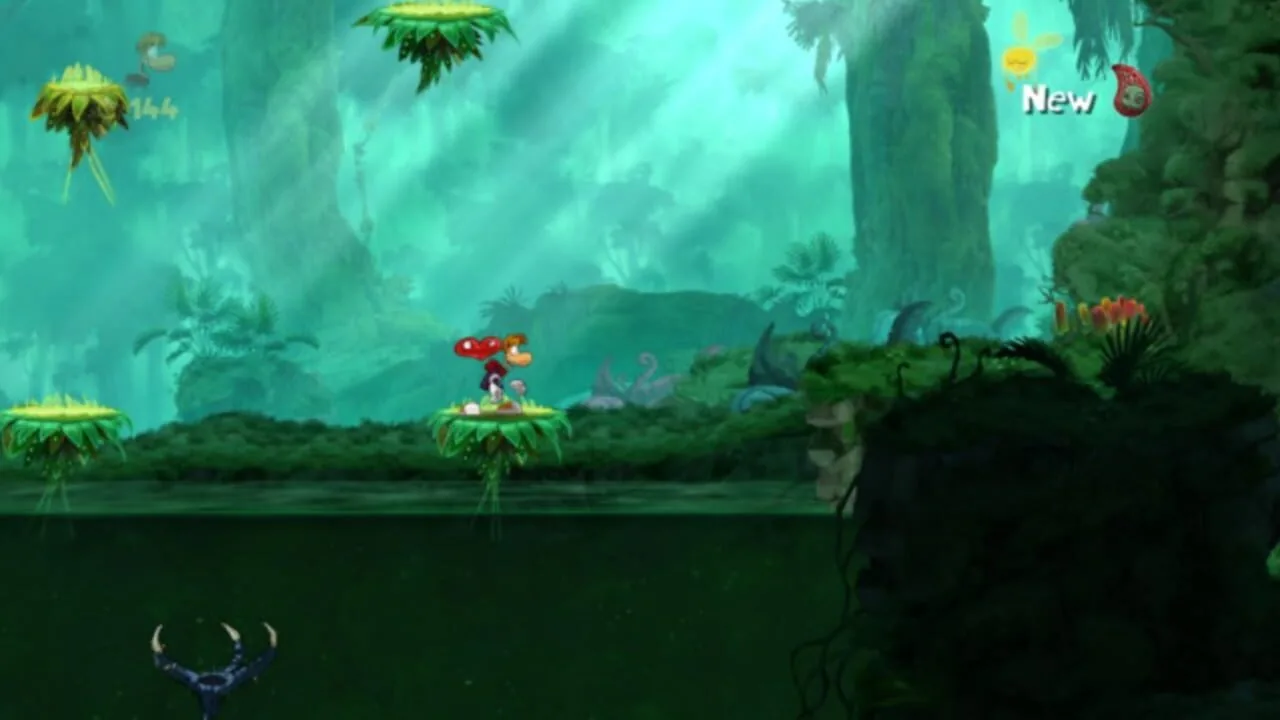
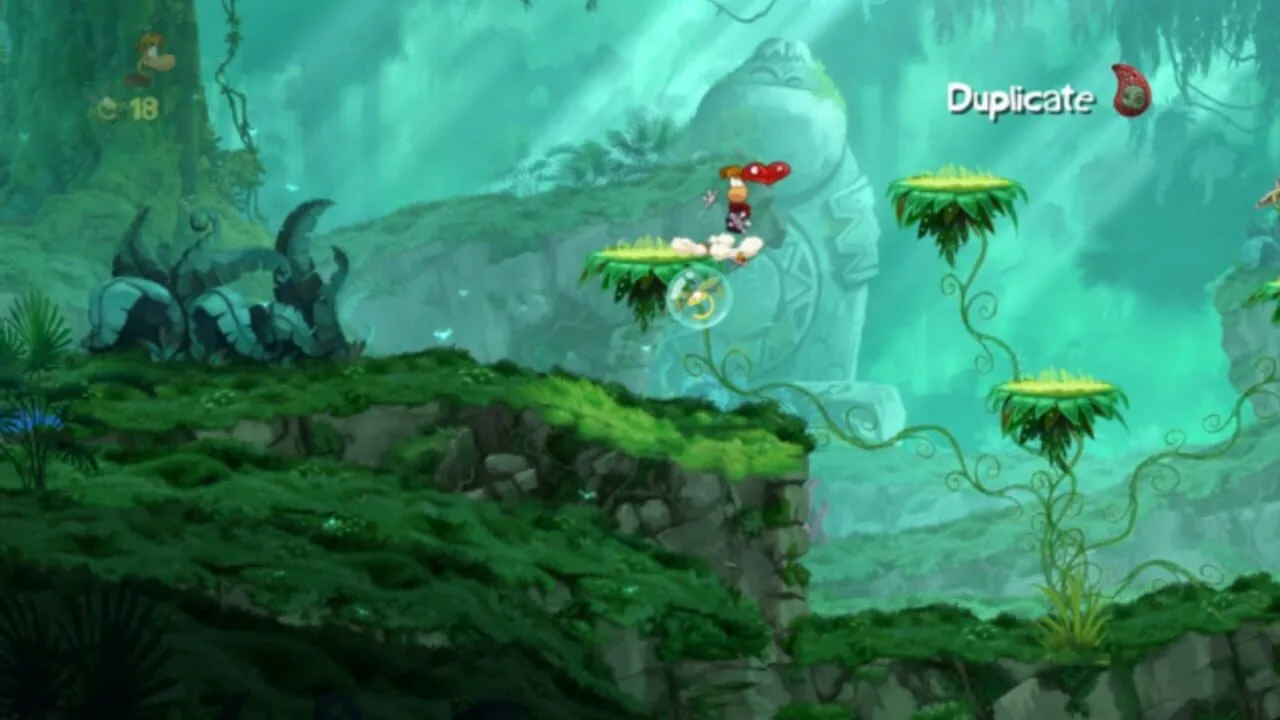
5. Rayman Origins (2012)
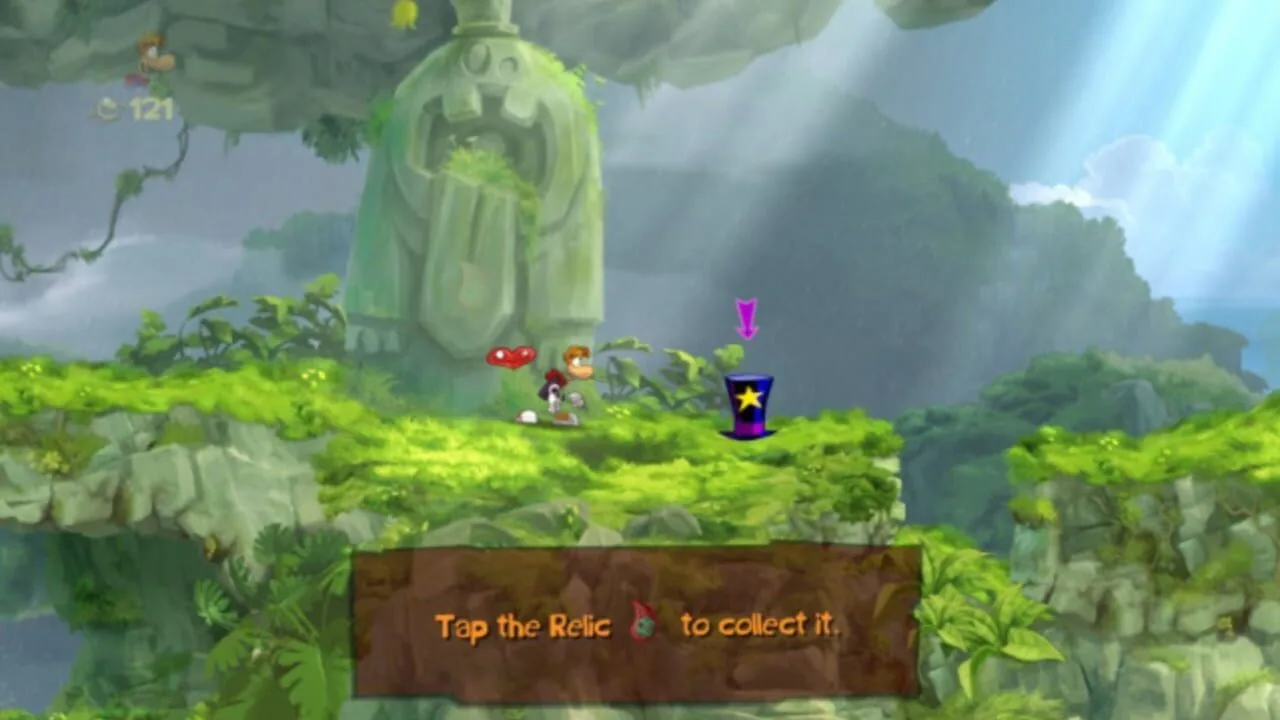
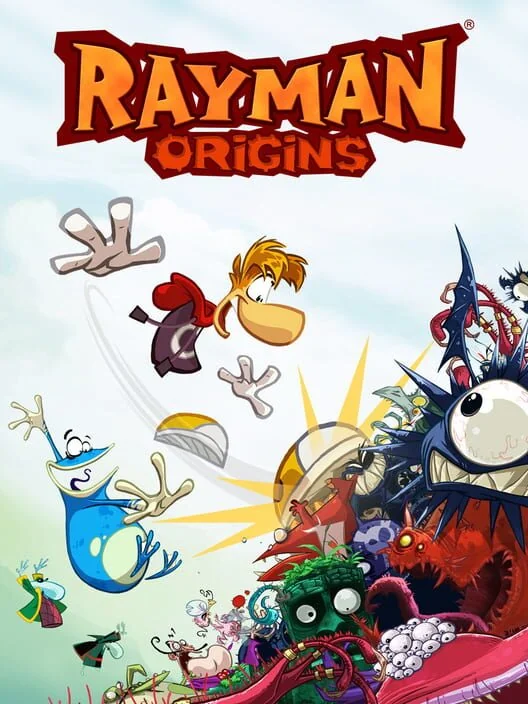
Rayman Origins was the first main Rayman game since Rayman 3: Hoodlum Havoc in 2003. Its artists only had to pose a model and edit its outline, and the software took care of the distortion, which is why it looks like a cartoon you can play. You free Electoons from cages hidden in secret passages and work toward a gate that only opens once you rescue the Glade Kings.
The Vita version adds Relics to collect. Critics loved its graphics and its sense of humour. Sales started slowly but it sold well in the end, and the sequel, Rayman Legends, came out in 2013. Players rank this one above Legends, which surprised us.
4. Shovel Knight (2014)
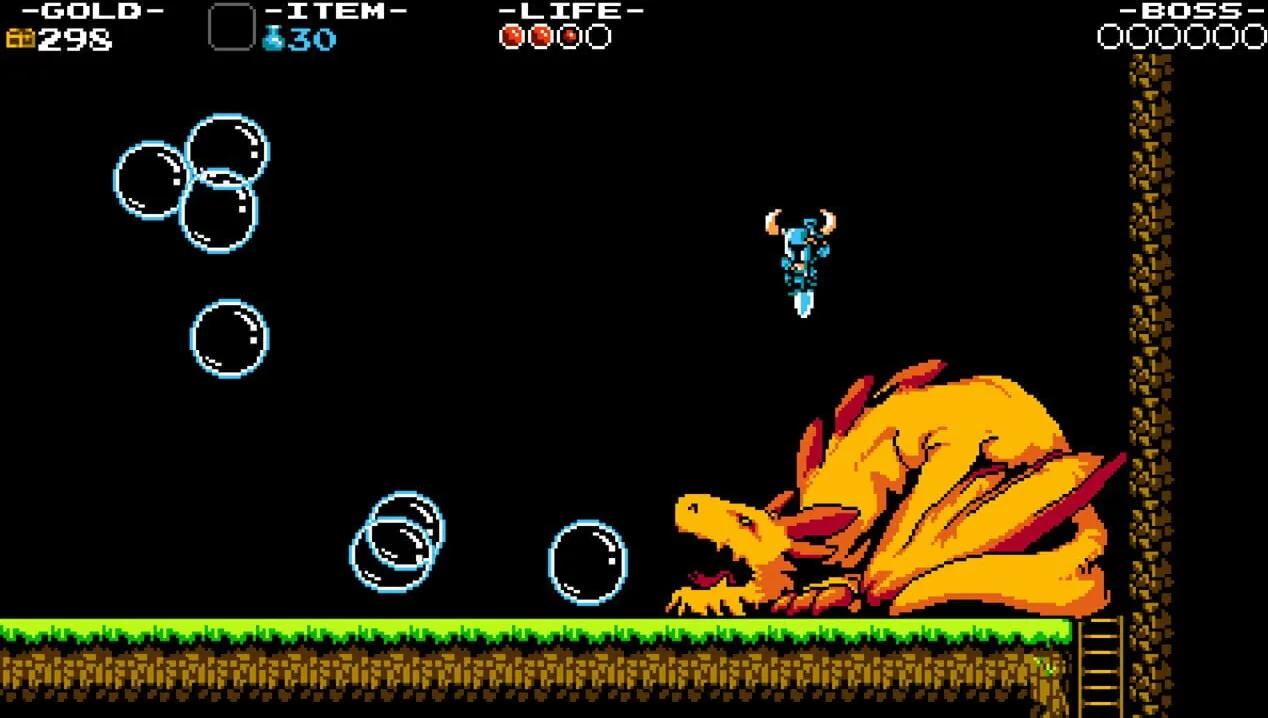
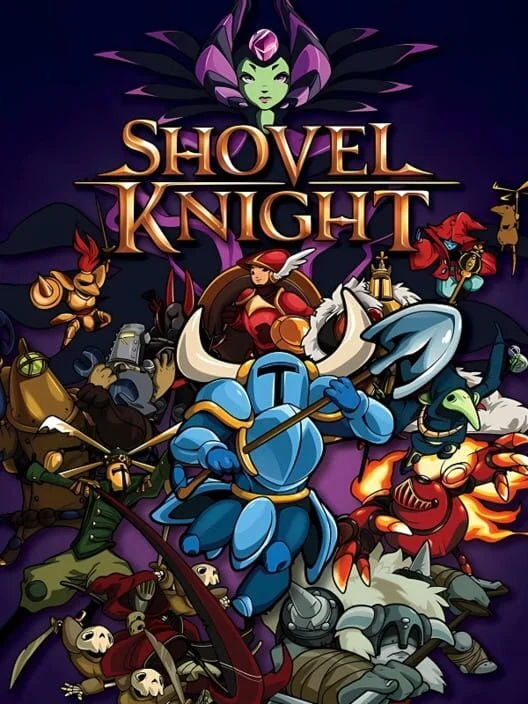
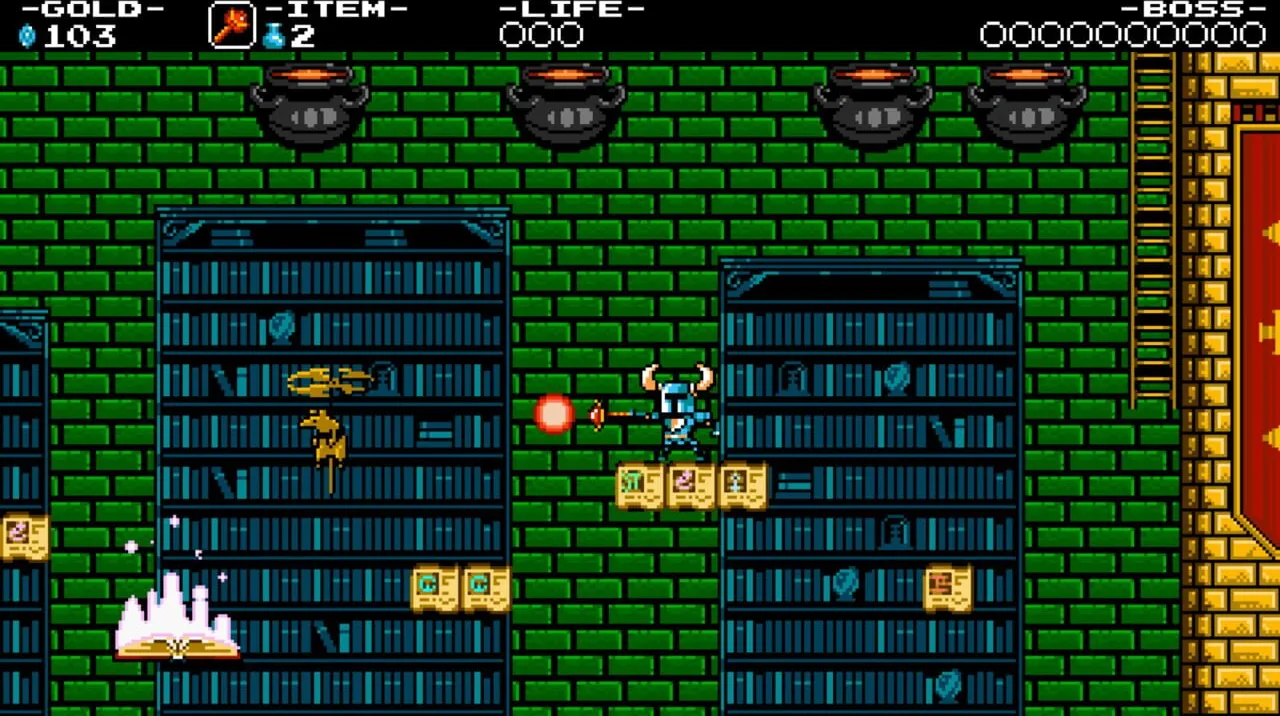
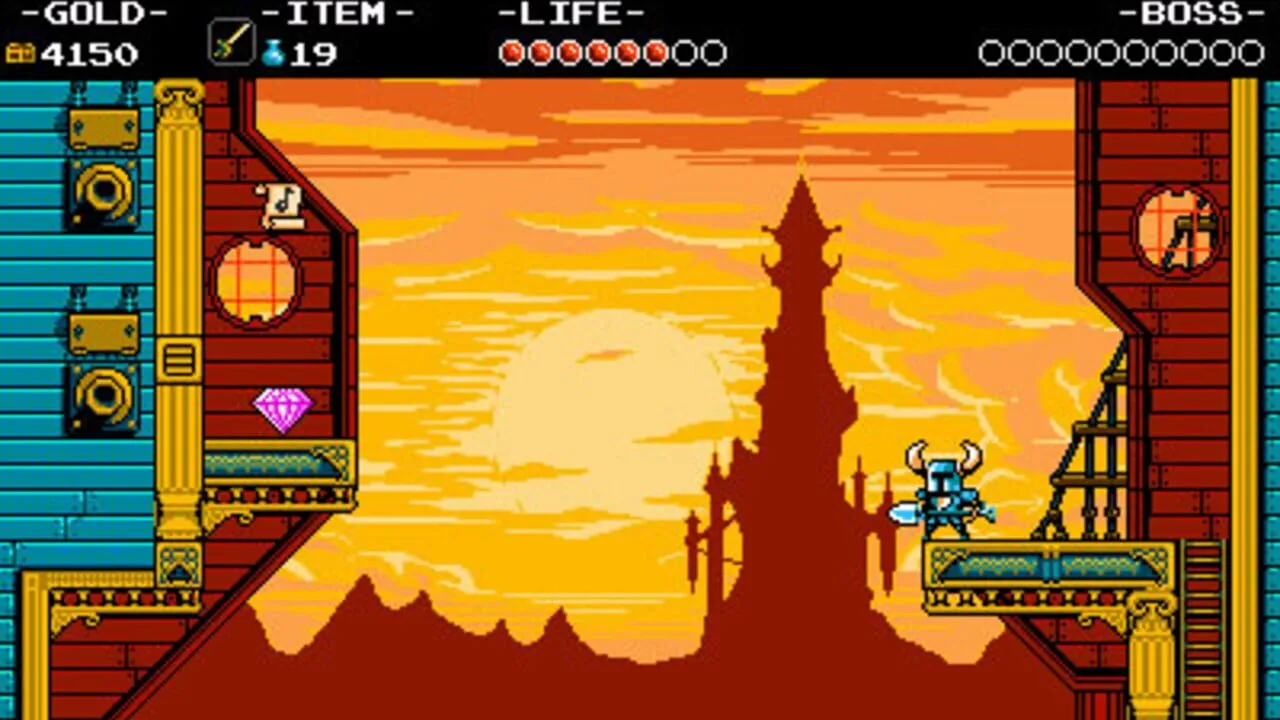
Shovel Knight comes from Yacht Club Games, a studio founded by former WayForward people, and its development was crowdfunded. You wield a Shovel Blade on your way to the evil Enchantress, past a gang of villainous knights called The Order of No Quarter. The checkpoints took their idea from Dark Souls, and smaller influences came from DuckTales and Super Mario Bros. 3.
Jake Kaufman wrote the chiptune music using FamiTracker, software for making songs in the same style as NES games. Mega Man composer Manami Matsumae added two tracks. Critics call it one of the greatest video games ever made. The later campaigns were all collected in Shovel Knight: Treasure Trove in December 2019.
3. Spelunky (2012)
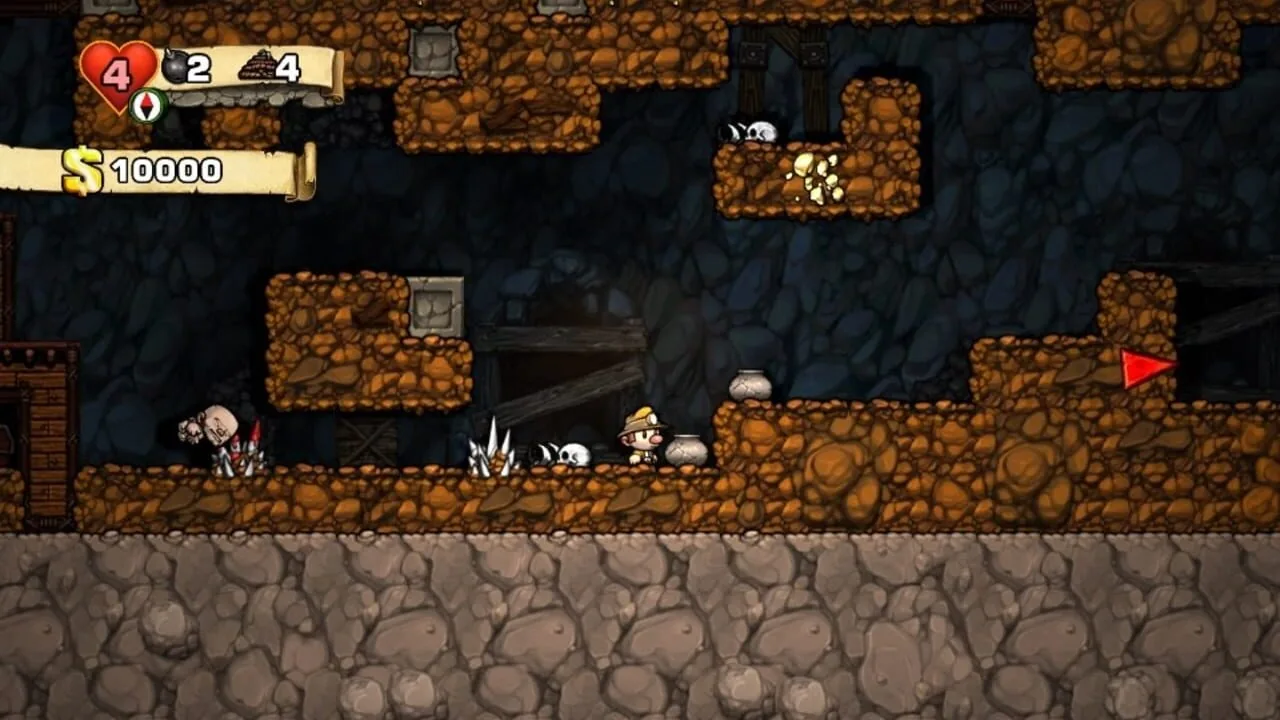
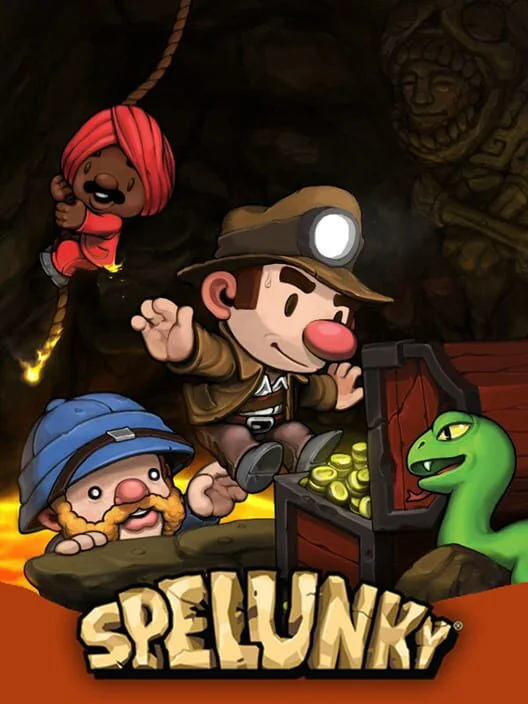
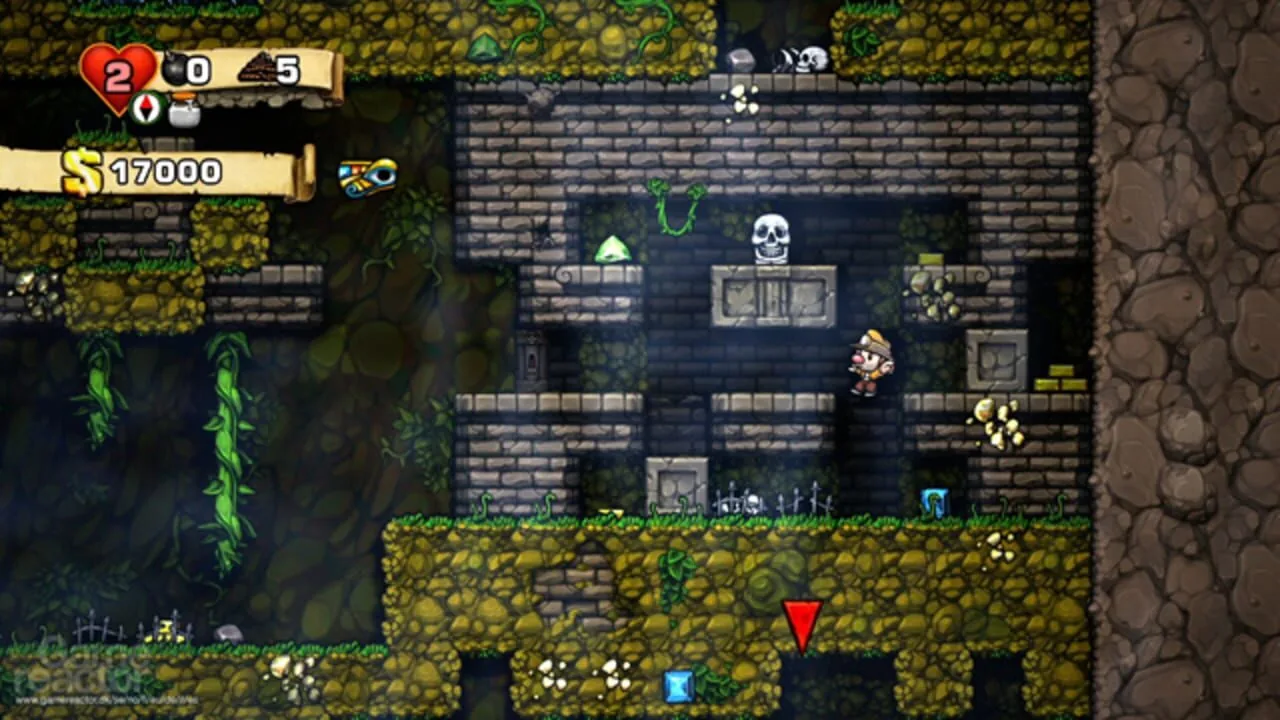
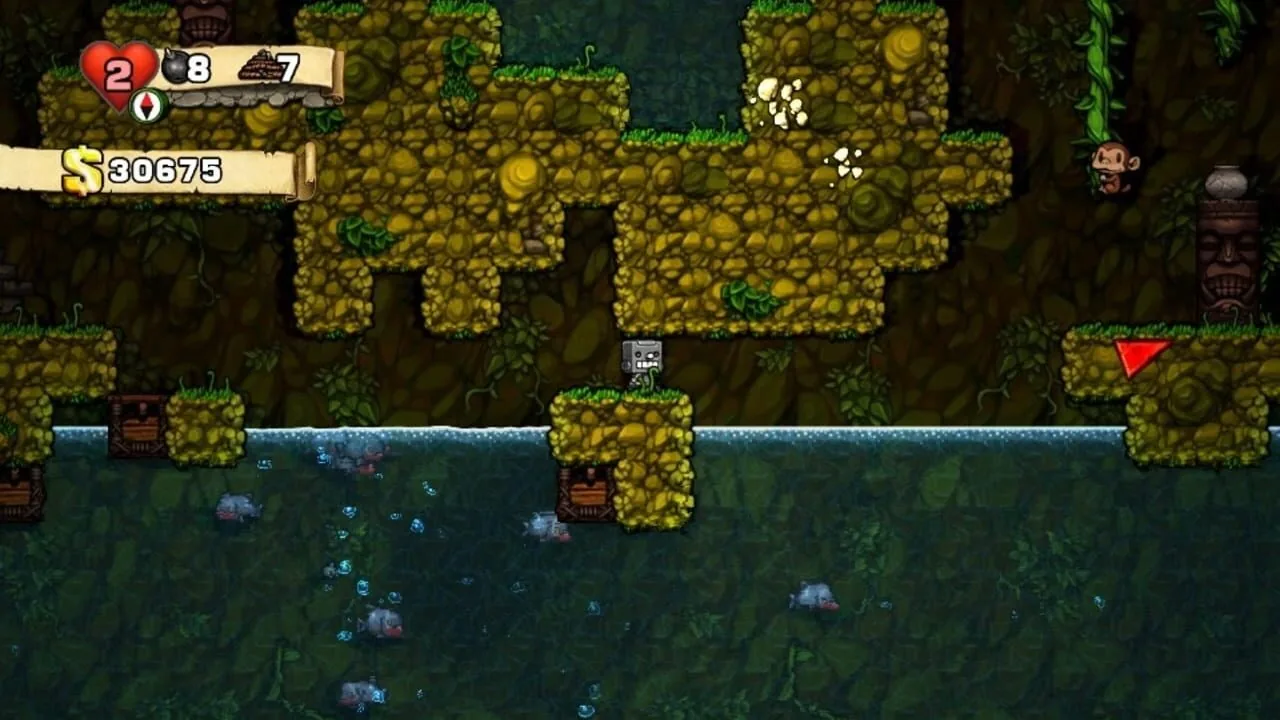
Spelunky began as Derek Yu's freeware game for Windows, first released in December 2008 on the TIGSource forums, where player feedback shaped each new version. Jonathan Blow, the developer of Braid, reached out to him about releasing it on consoles. The enhanced remake came to Xbox Live Arcade in July 2012 and later to the Vita.
The caves are procedurally generated, so every run is different, and you collect treasure and dodge traps on the way down. It is one of the first roguelike-likes and the influence for many later roguelite games. Many critics put it among the greatest video games of all time. Players rank it a close third, only just behind LittleBigPlanet.
2. LittleBigPlanet PS Vita (2012)
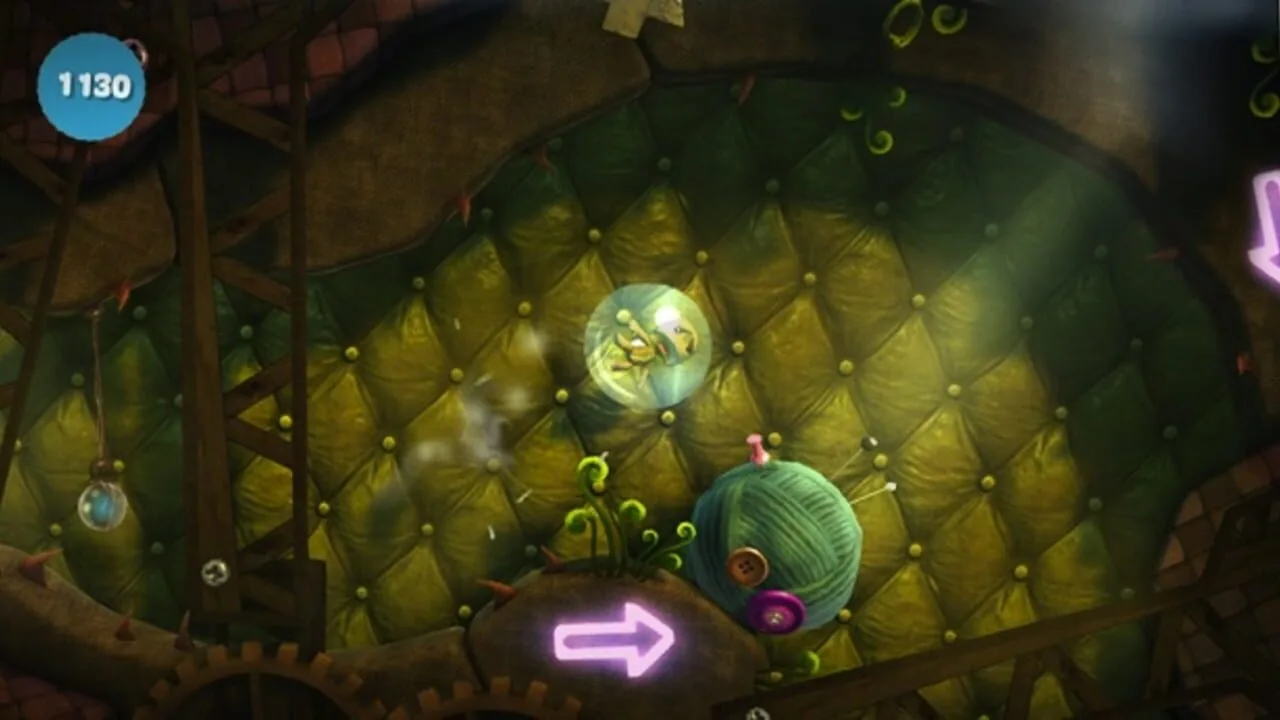
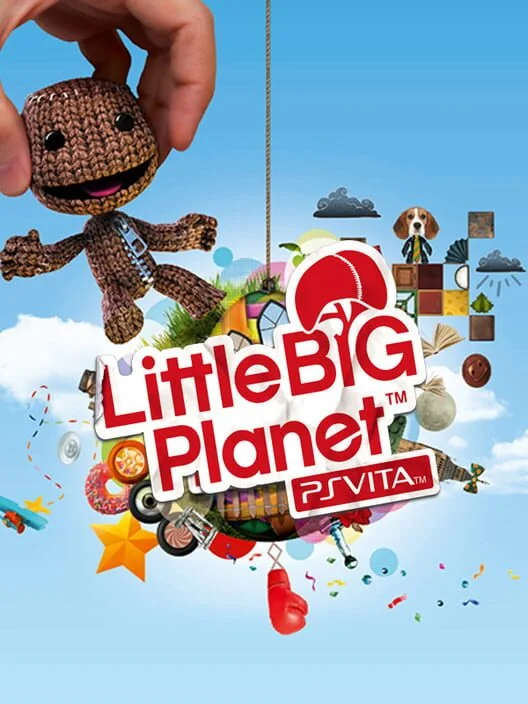
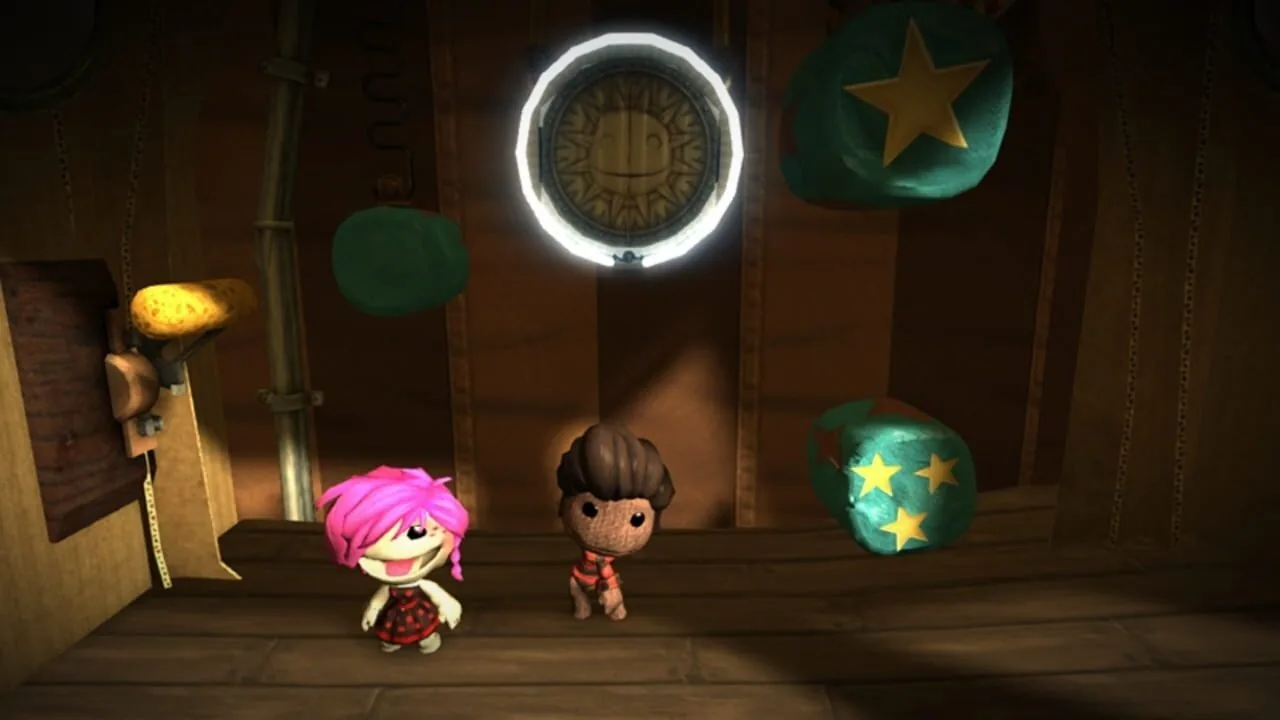
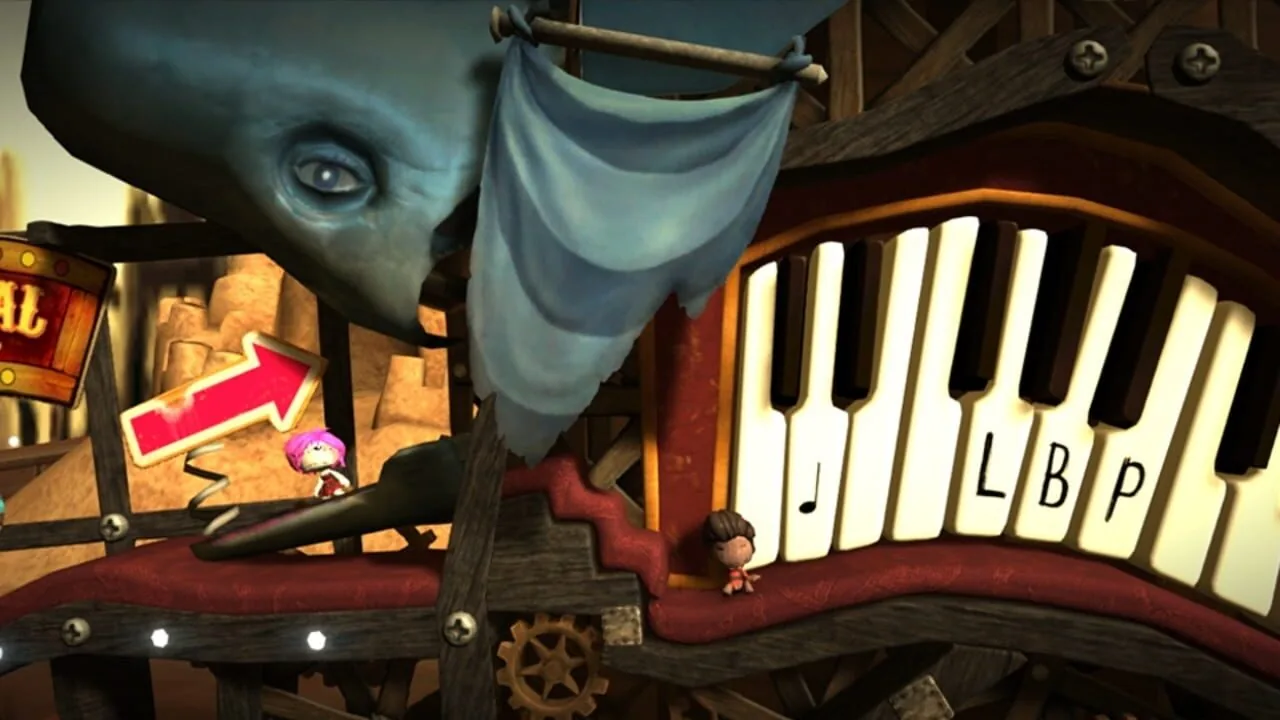
LittleBigPlanet PS Vita was announced in January 2011 along with the reveal of the Vita itself, back when the handheld was still called the NGP. The first details came out at E3 in June 2011. Sackboy gets a new adventure here, built around exploring and competing.
The touch screen lets you draw objects and platforms straight into the game world, which makes the level editor feel made for the Vita. Players named it more than twice as often as anything below the top three. If you want to build things more than you want to beat them, this is the one to buy.
1. Tearaway (2013)
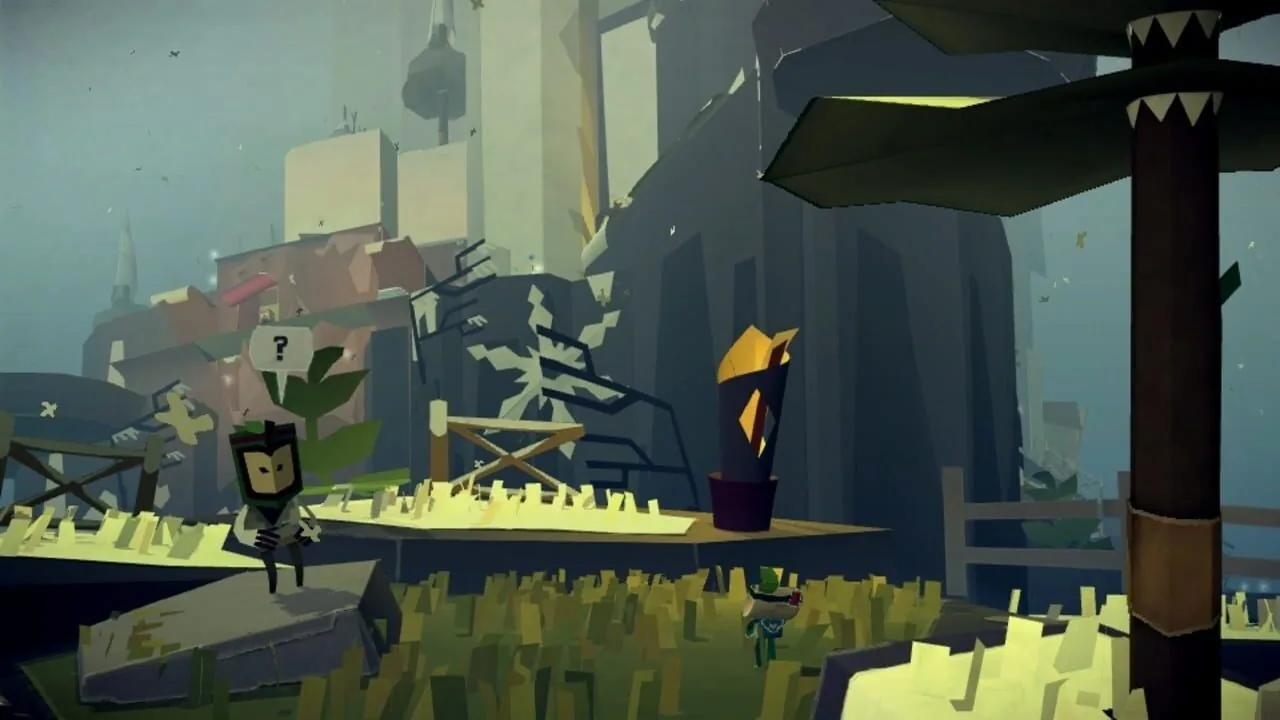
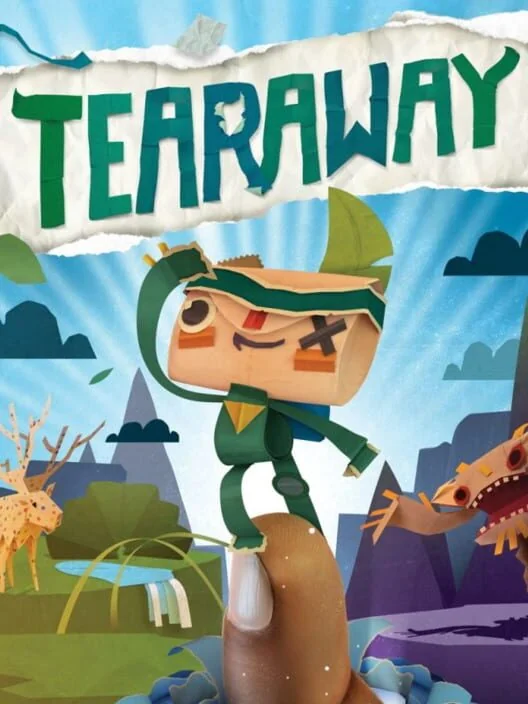
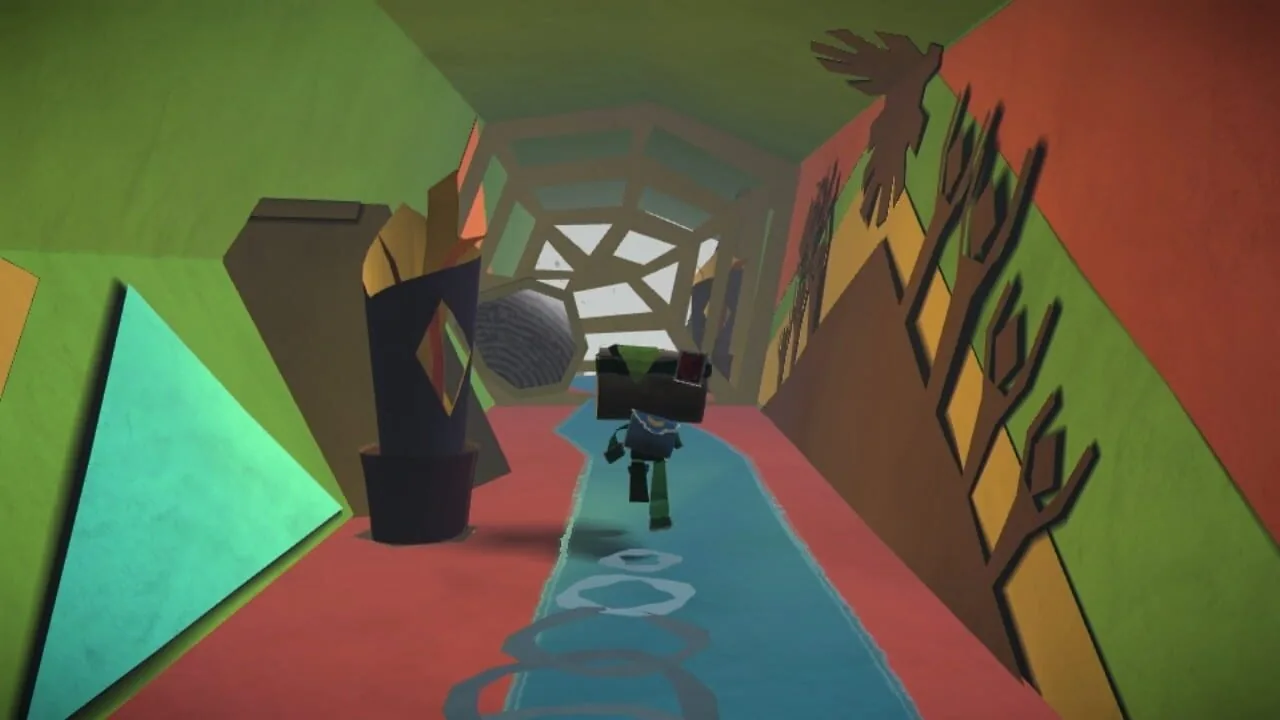
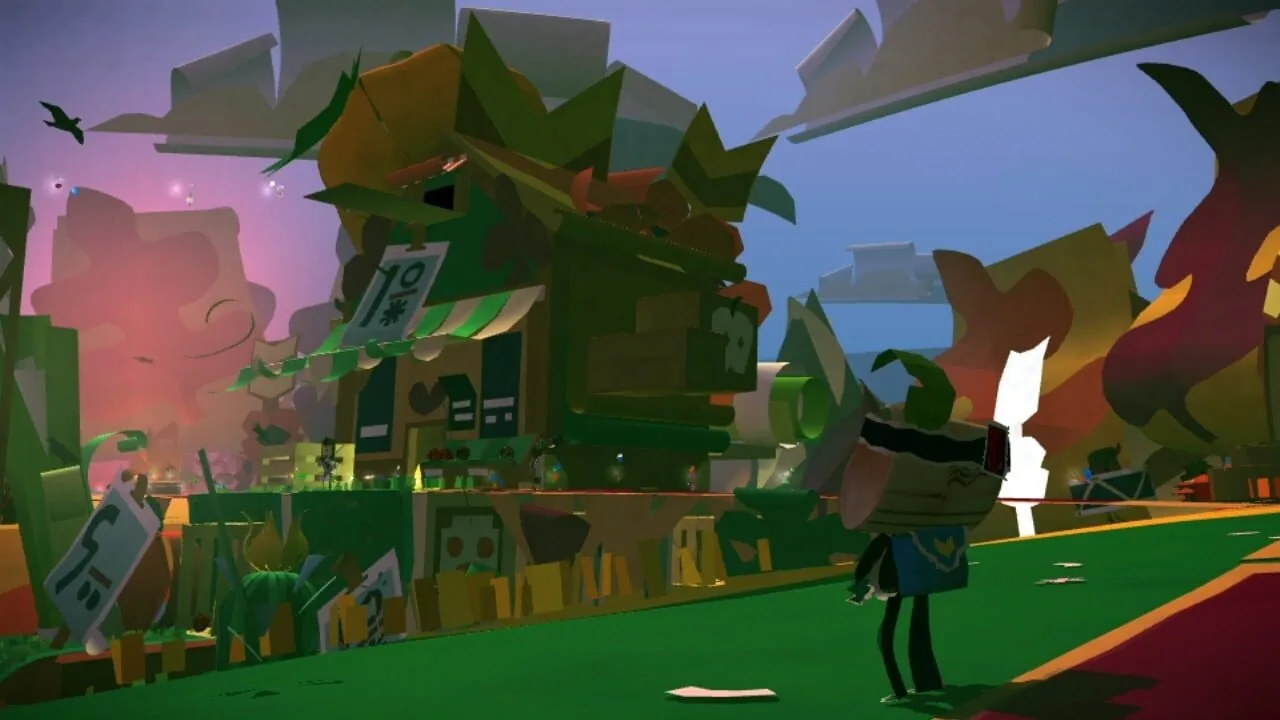
Tearaway comes from the people who made LittleBigPlanet, and its world is made of papercraft. You play Iota or Atoi, a papercraft messenger with a message to deliver to you. You customize your messenger by drawing designs on virtual paper, cutting them out and sticking them on. In one part you cut out a paper crown for a character with your finger on the touch screen.
You collect papercraft designs with an in-game camera and help people in exchange for confetti, the game's currency. Early in development it was called Sandpit and let players roam freely. An expanded remake, Tearaway Unfolded, came to PlayStation 4 on 8 September 2015, but this is the version built for the Vita's touch screen. Players recommend it more than any other Vita platformer.
Which one to play
There you have it, the whole list of the best PS Vita platformers. The top seven alone are a good reason to own a Vita.
If you are not sure where to start, play Tearaway. If you want a traditional platformer, Rayman Origins and Rayman Legends are the ones. For the best 2D challenge, go for Super Meat Boy, and if you grew up on 8-bit games, Shovel Knight is made for you. For puzzles, try Fez or The Swapper. If you like to build, LittleBigPlanet and Sound Shapes let you make your own levels. And for a hidden pick, try Knytt Underground.