Sony gave the PS Vita a lot to play with. It had a touchscreen on the front and a touch pad on the back, plus a motion sensor and cameras. Sony wanted its launch games to show all of that off, and Uncharted and Escape Plan were both there on day one asking you to swipe and tilt.
Some of those ideas felt like gimmicks, and players still say so. Others turned into games that could only work on a Vita. A few games here are unique for other reasons, like a hunting game where you trade pieces of your own body for power. We surveyed players on which Vita games feel like nothing else. Here are the 12 most unique PS Vita games.

12. Metrico (2014)
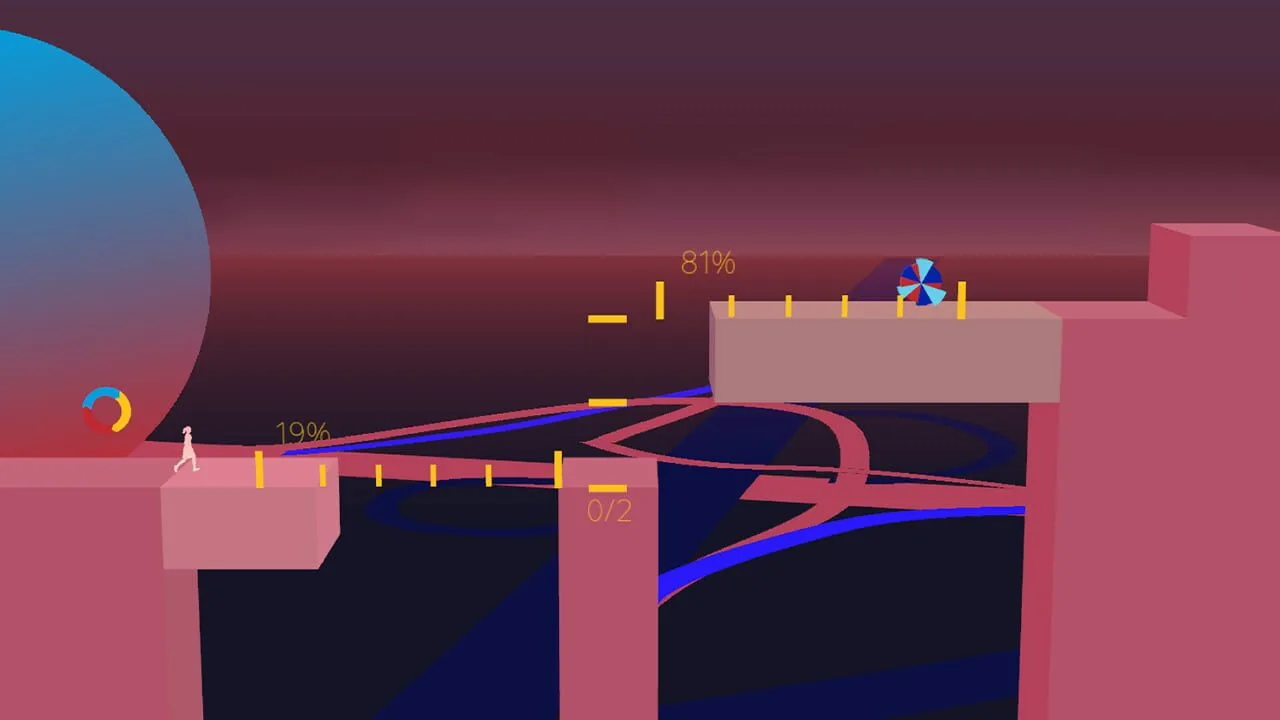
Metrico is a puzzle platformer made by Digital Dreams, an independent Dutch studio, for the PlayStation Vita. The levels are simple shapes in plain colours, and the music is by the Dutch electronic producer Palmbomen. It came out in North America on 5 August 2014 and was free for PlayStation Plus members at first. A re-release with extra content, Metrico+, followed in 2016.
Critics were split. IGN praised its "ingenious puzzles" but also called out its "gimmicky, sometimes broken controls". Players call it weird and gimmicky, and some found the controls more frustrating than clever. Go in for the puzzles and be ready to forgive the rest.
11. Escape Plan (2012)
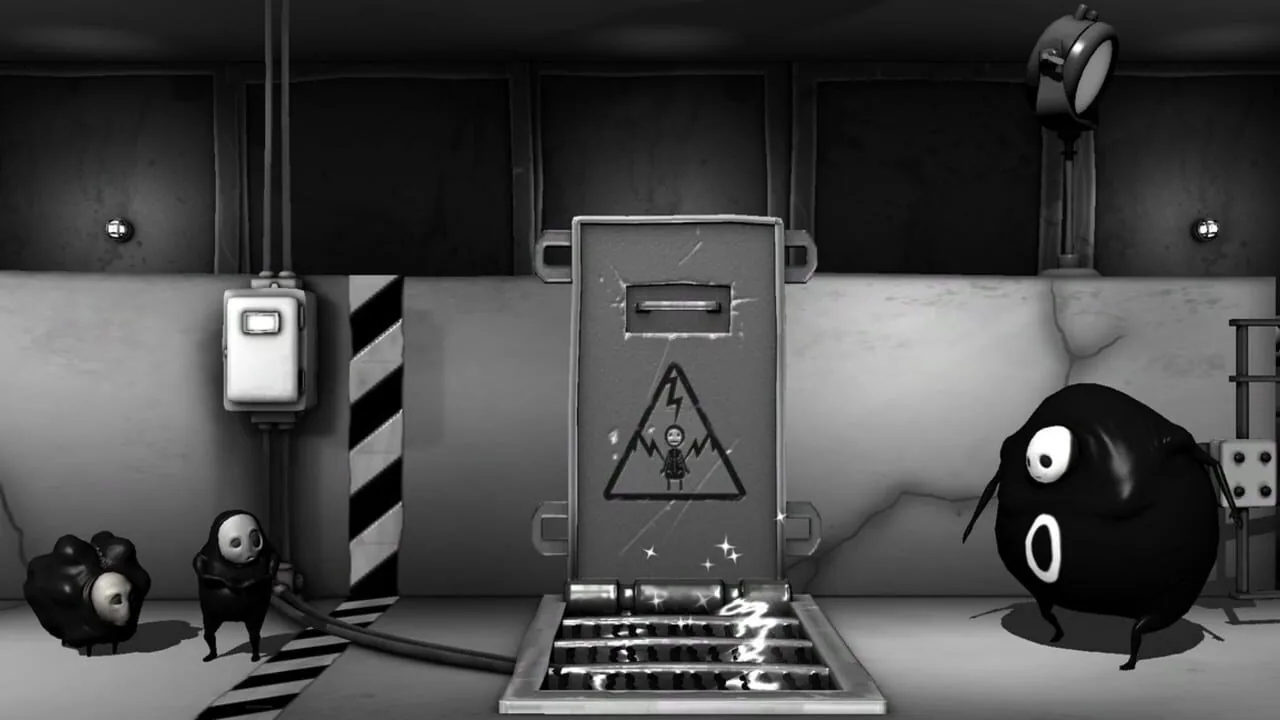
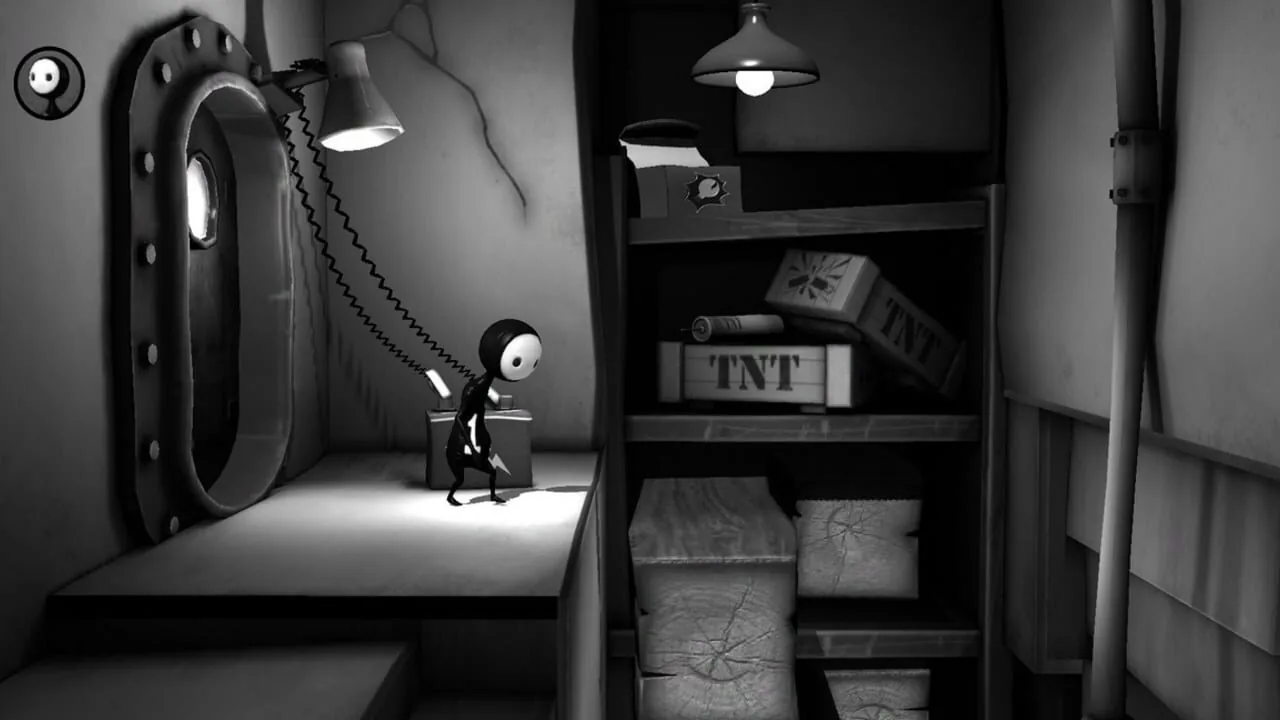
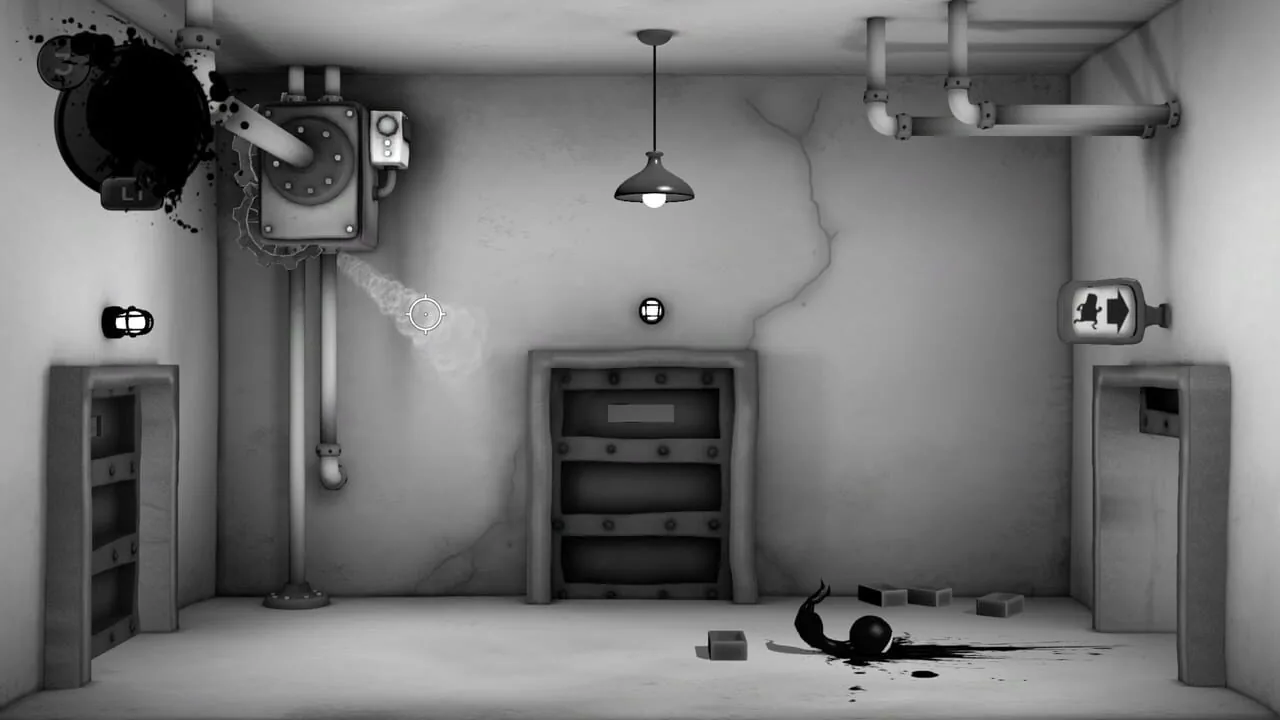
Escape Plan was a Vita launch title and the first game from Fun Bits Interactive, produced by Chris Millar of Fat Princess. You help two odd little heroes, Lil and Laarg, out of a string of deadly rooms before their captor Bakuki turns them into his minions, or sheep. The game uses both touch surfaces and the motion sensor. You swipe, squeeze, poke and slap the pair to safety, and a mistake usually ends in a gruesome death.
One review praised its "macabre humor and beautiful black-and-white chiaroscuro look". Players still name it when the talk turns to games that could only work on the Vita. It is dark and silly at once, and it still looks great on that screen.
10. Frobisher Says (2012)
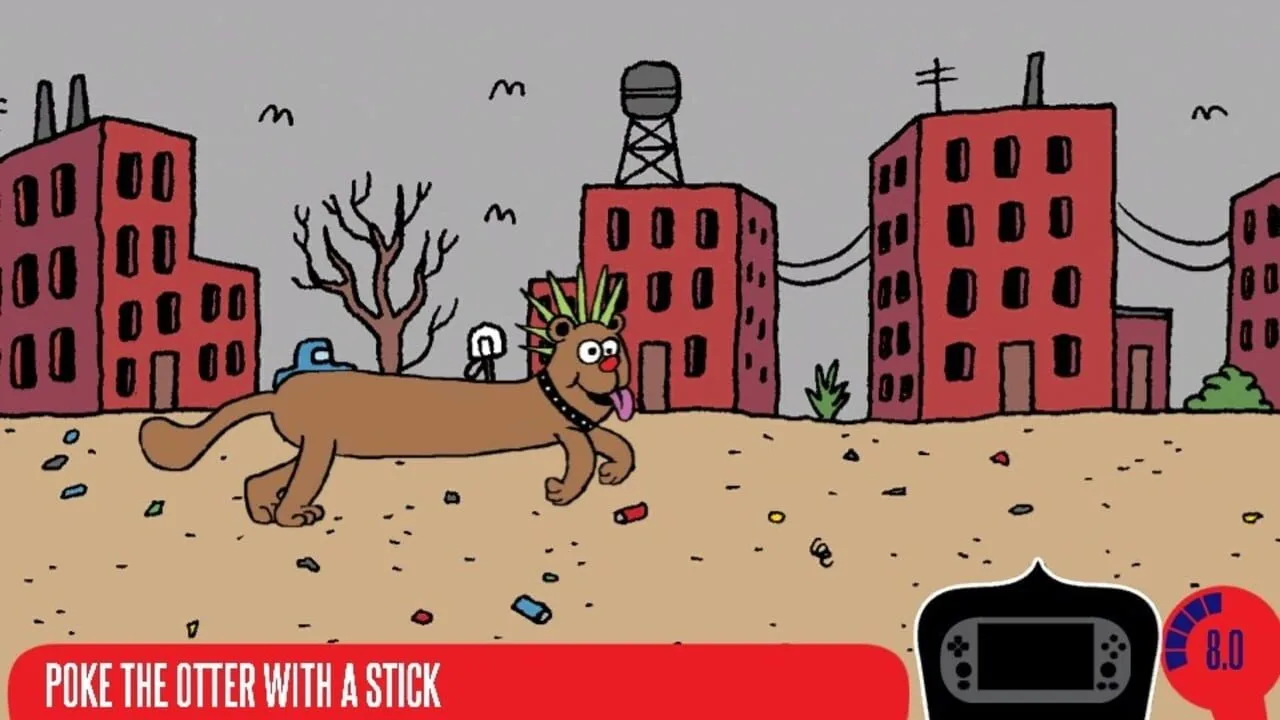
Frobisher Says comes from Honeyslug, the studio that made Hohokum. The team put Hohokum on hold for a year starting in 2011 while they made it. Honeyslug broke up in late 2015 so its members could work on their own.
Players reach for the same word every time they describe it: weird. One called it "so creepy weird and awesome", and nobody has summed it up better. It is the hardest game on this list to explain, which is half of its charm.
9. Touch My Katamari (2011)
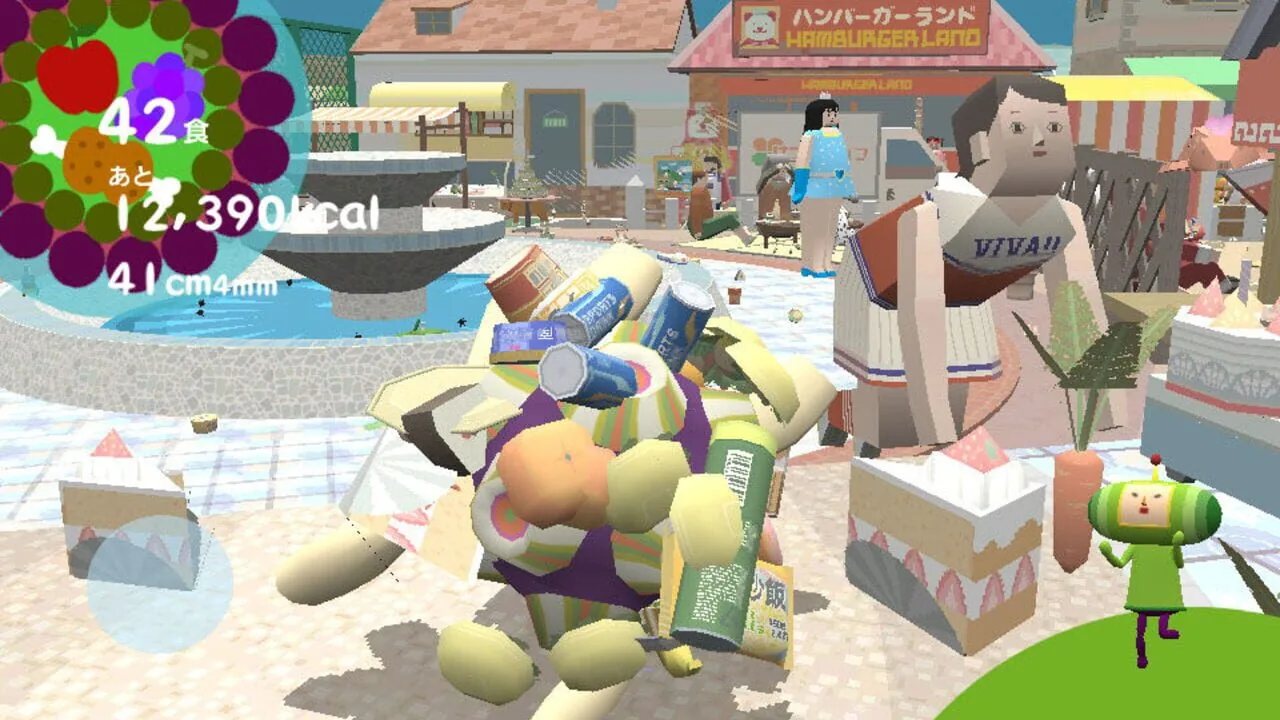
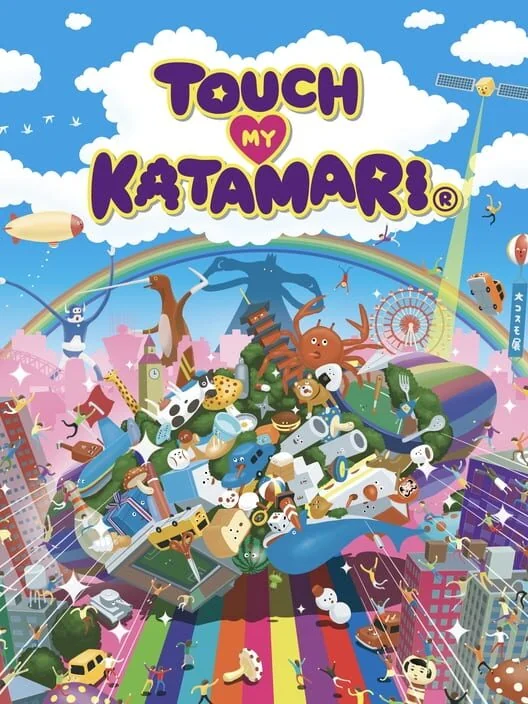
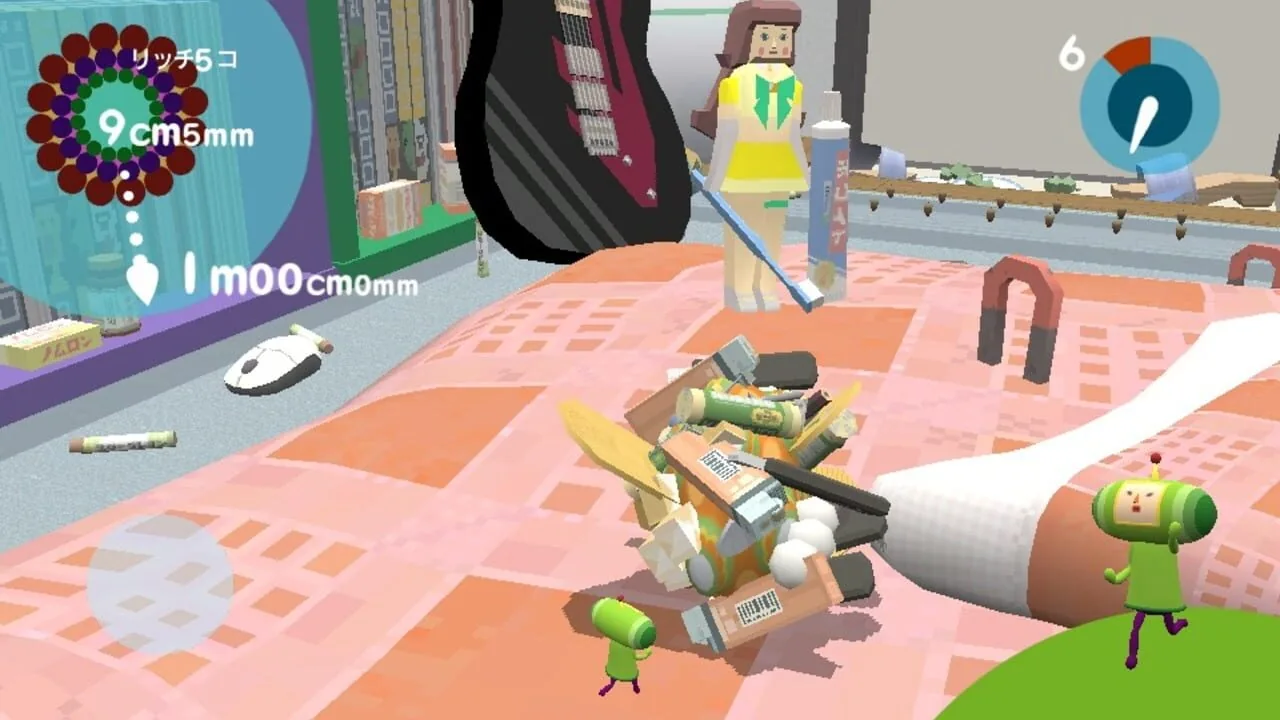
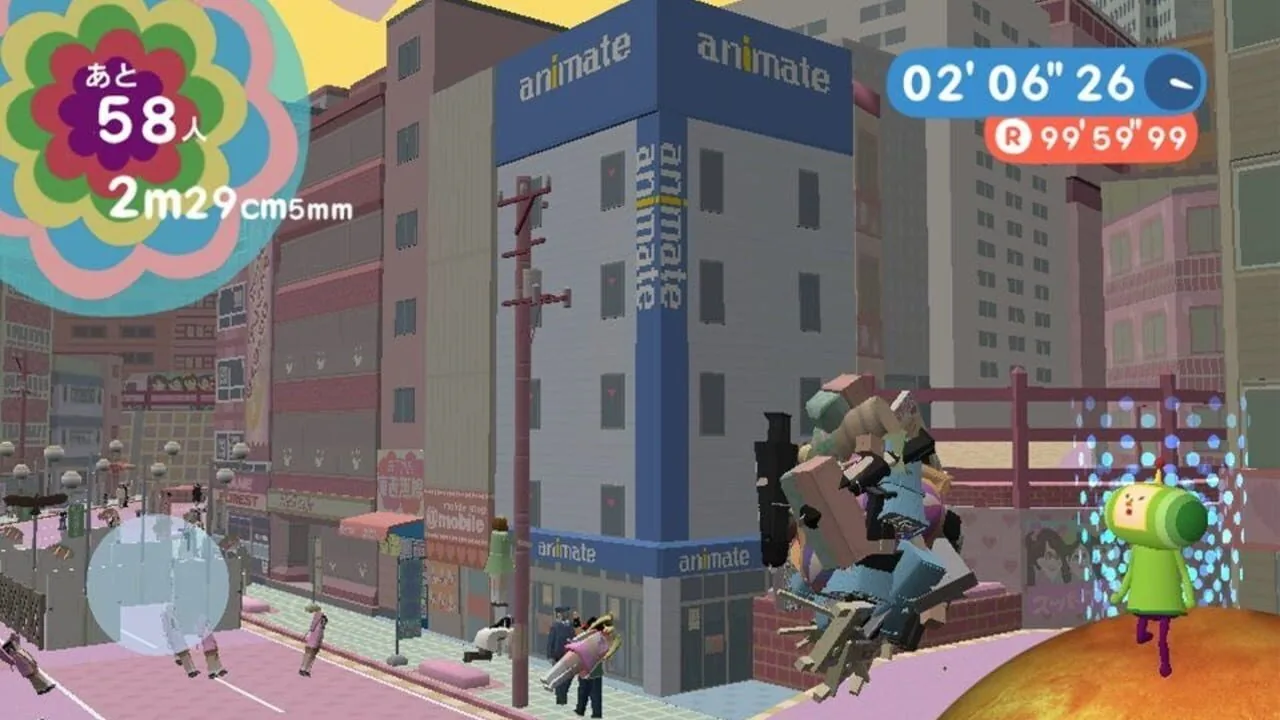
Touch My Katamari was a Vita launch game in Japan in December 2011 and reached Europe and North America in February 2012. You still roll a sticky ball over everything in sight until it is big enough. The new part is the touch. You can steer with a finger on the front screen, and run your fingers along the back panel to squash and stretch the Katamari. Stretch it long to roll over more things, or squash it tall to fit into tight spots.
Reviews were mixed, with strong criticism for stages reused from earlier games. It led to a long break for the series. One review called it better for newcomers than for longtime fans. Players talk about its controls more than anything else, and not all of them kindly.
8. Murasaki Baby (2014)
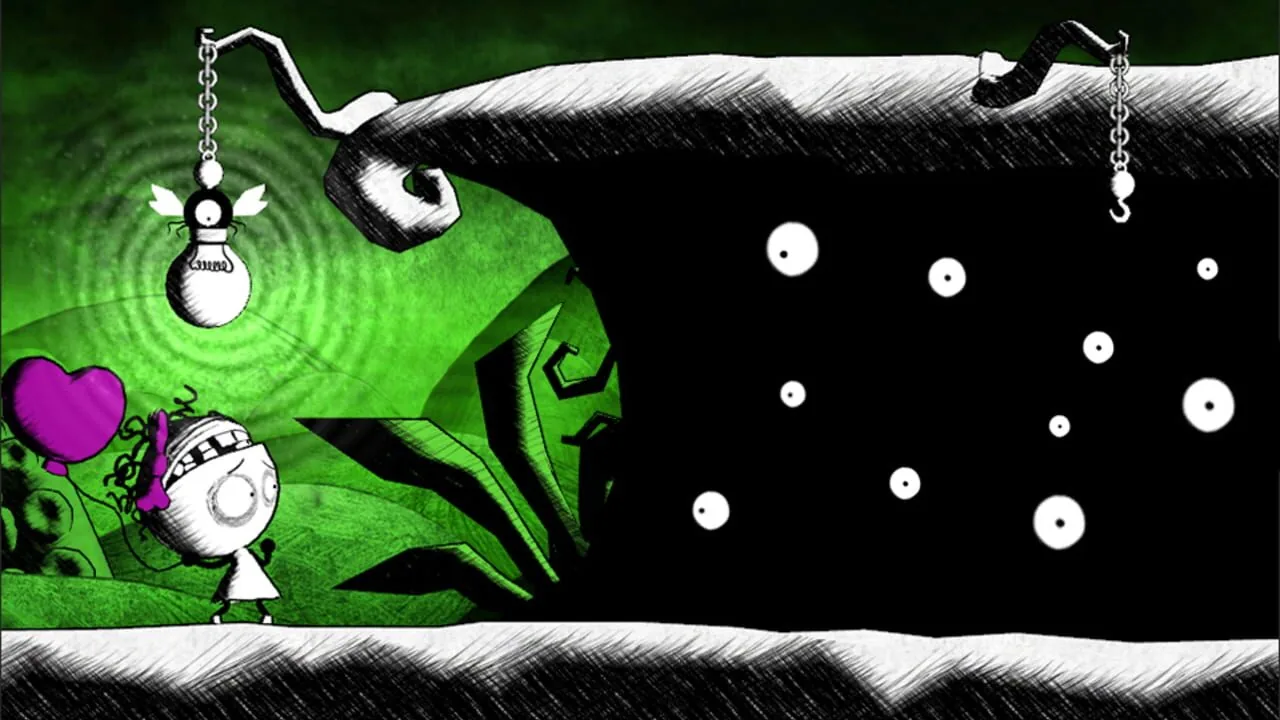
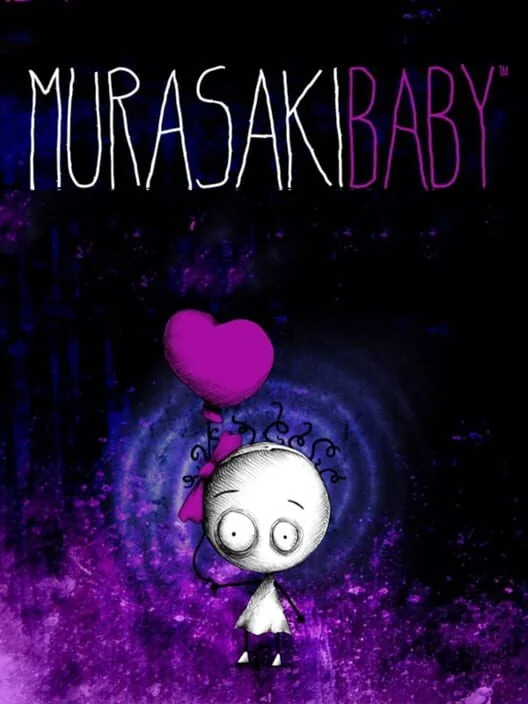
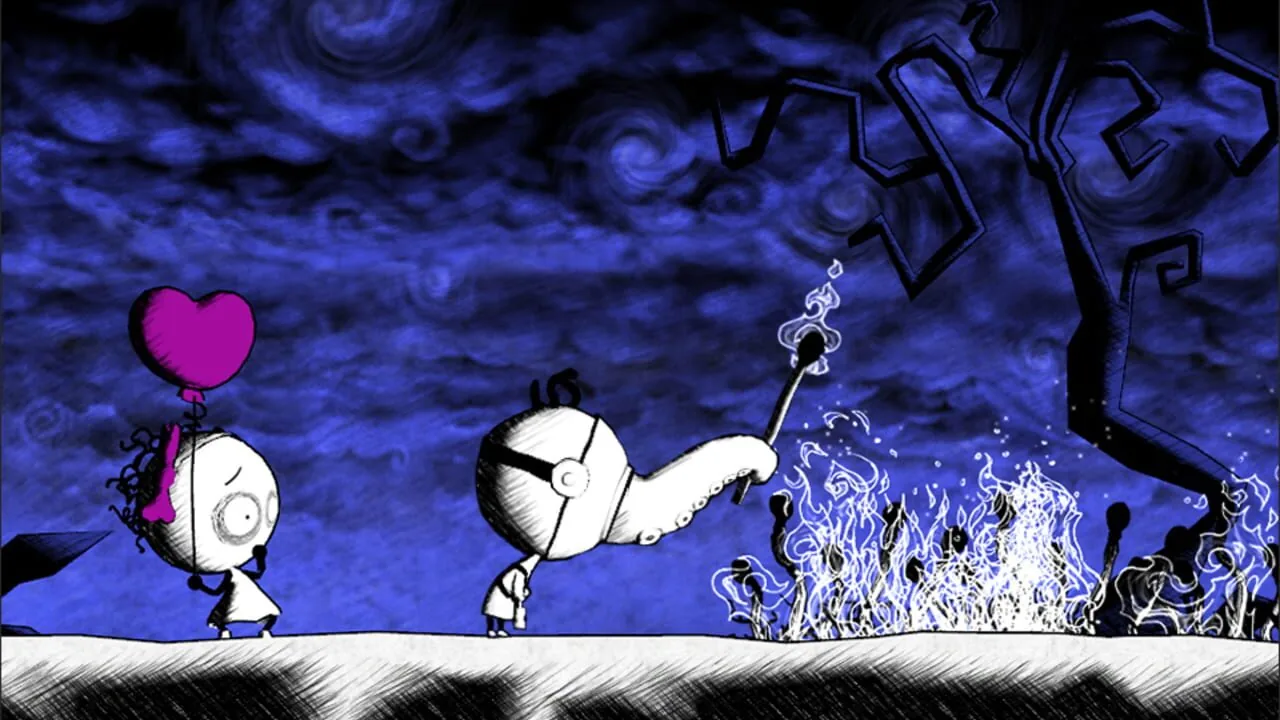
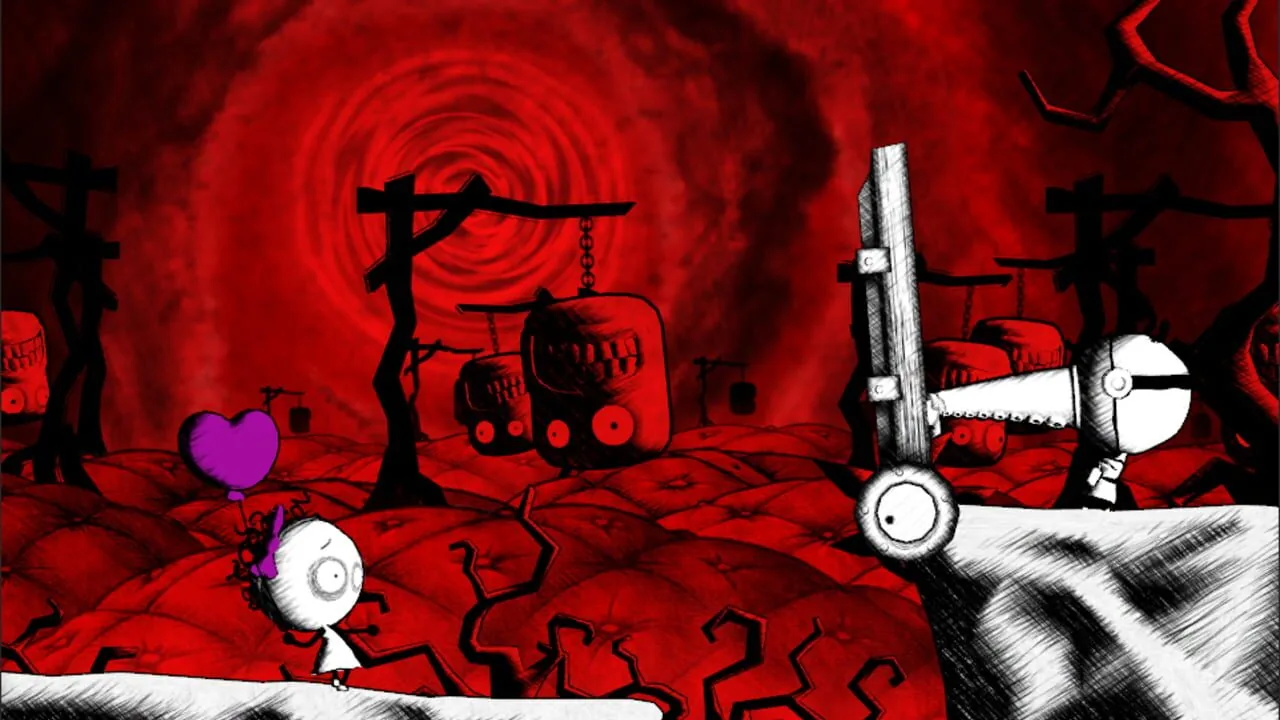
Murasaki Baby is a 2014 puzzle platformer from Ovosonico, published by Sony for the PlayStation Vita. Its art follows the style of Edward Gorey. You guide Baby, a little girl with an upside-down face, through a weird world full of children's fantasies and fears, and she holds a purple, heart-shaped balloon the whole way. Tap the other characters' balloons on the front screen to unlock new backdrops, then swipe the rear touch pad to switch between them.
Game Informer called it "a weird little game about a weird little girl lost in a weird-looking world." GameSpot found the controls tiring and noted that your hands too often cover the screen. Players who love it say it uses the Vita's hardware as well as anything on the system.
7. LittleBigPlanet PS Vita (2012)
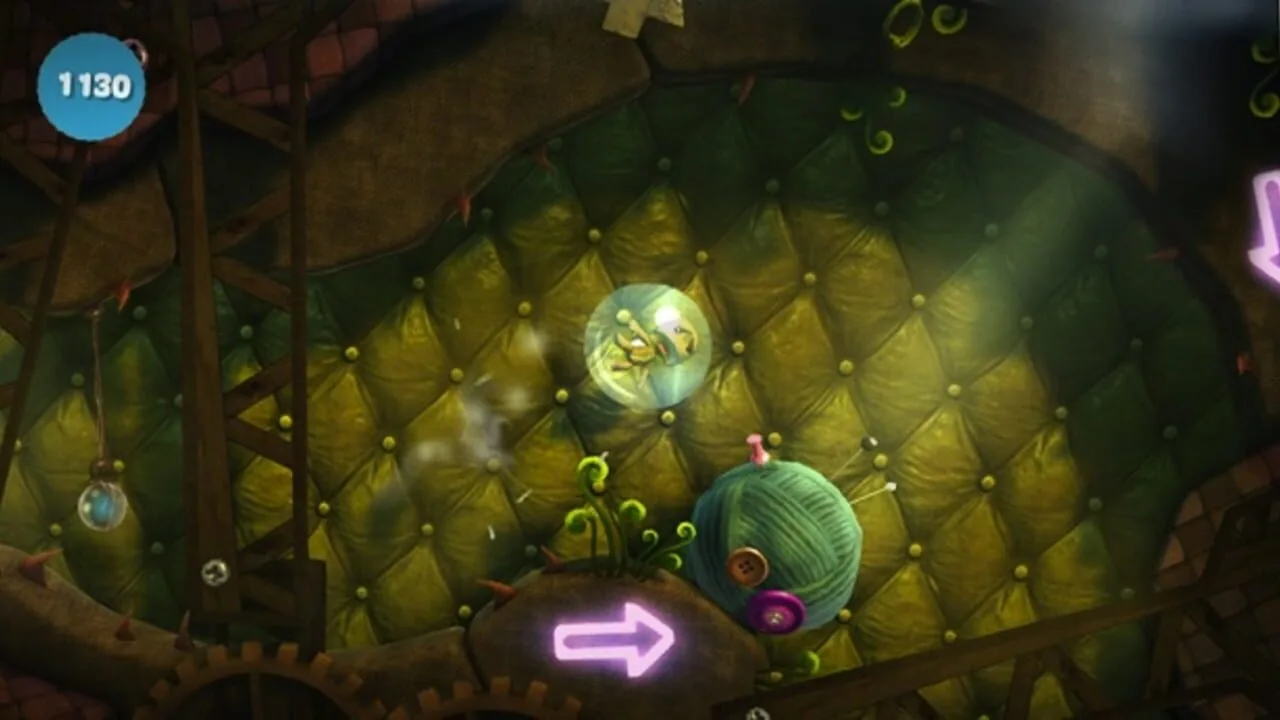
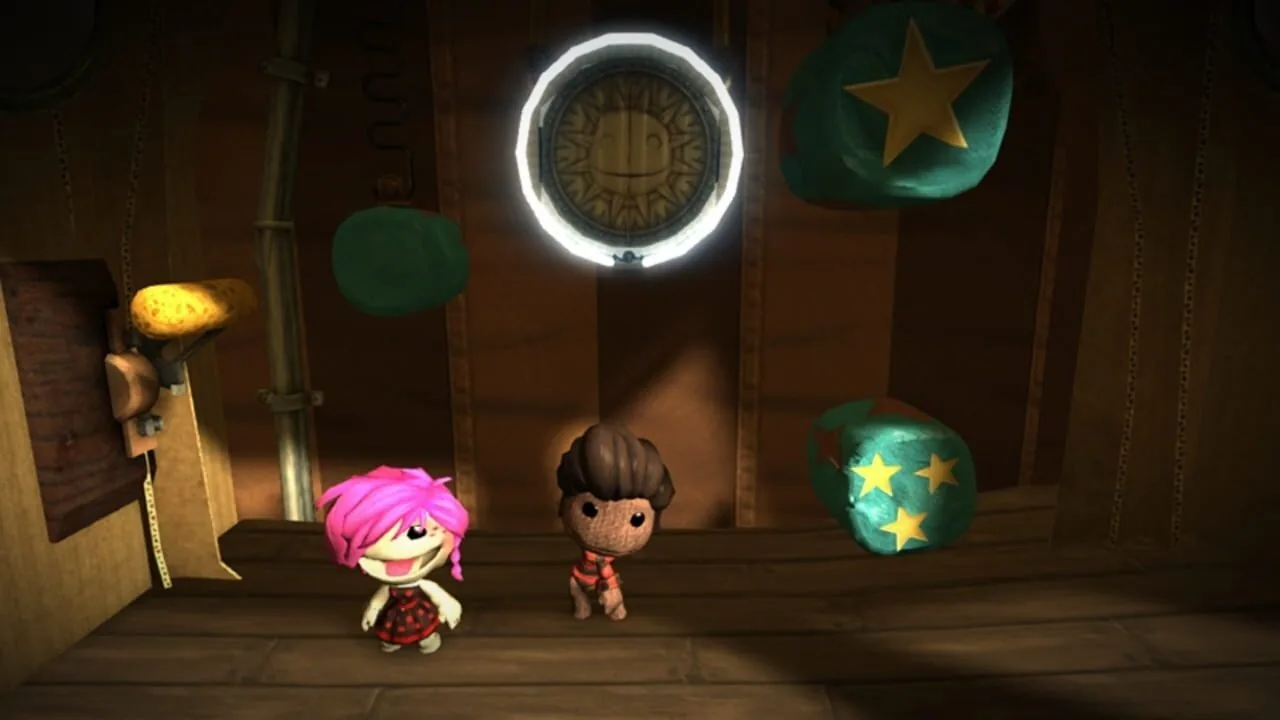
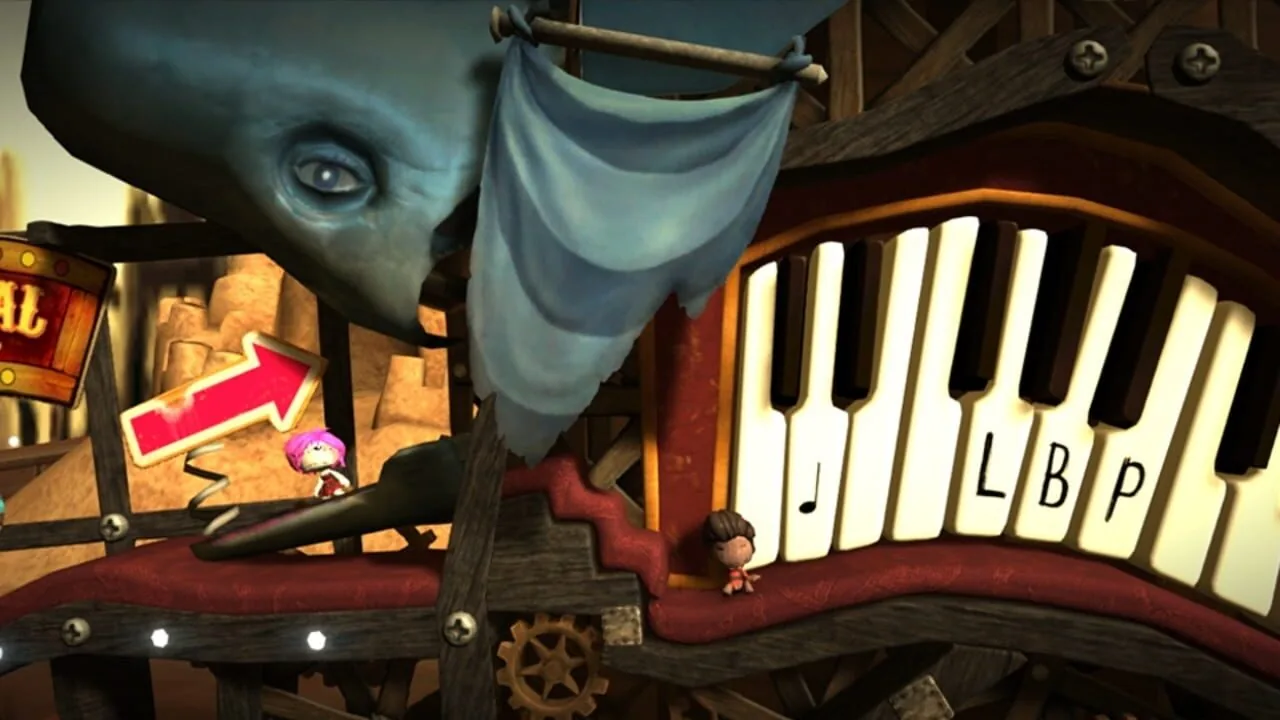
LittleBigPlanet PS Vita was made by Tarsier Studios and Double Eleven, and it came out in September 2012. Sackboy gets a new adventure, and the Vita's hardware is part of almost all of it. You can draw objects and platforms straight into the world with the touchscreen. Two players can also share one screen for competitive games.
Players single out the rear touch pad. Your fingers press from behind the console, so they never cover the action, and that makes the back panel feel like it was built for this game. It is still Sackboy, but no other version of LittleBigPlanet plays quite like it.
6. Danganronpa: Trigger Happy Havoc (2010)
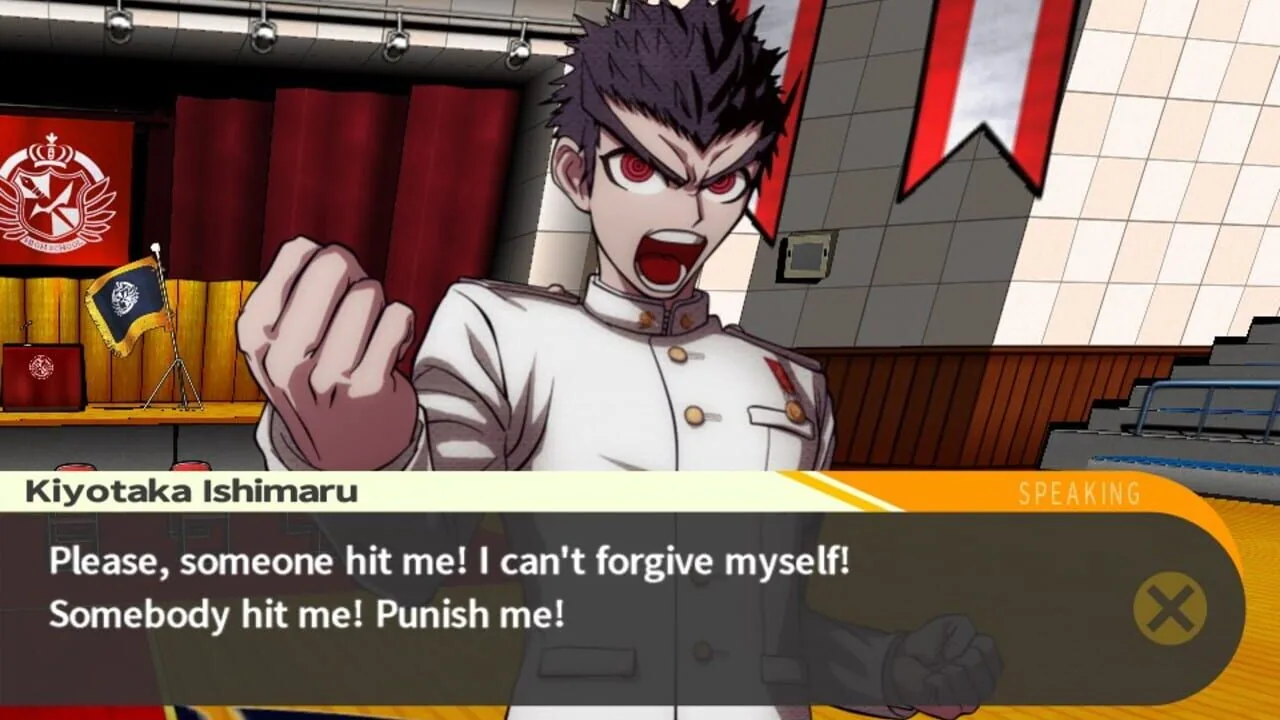
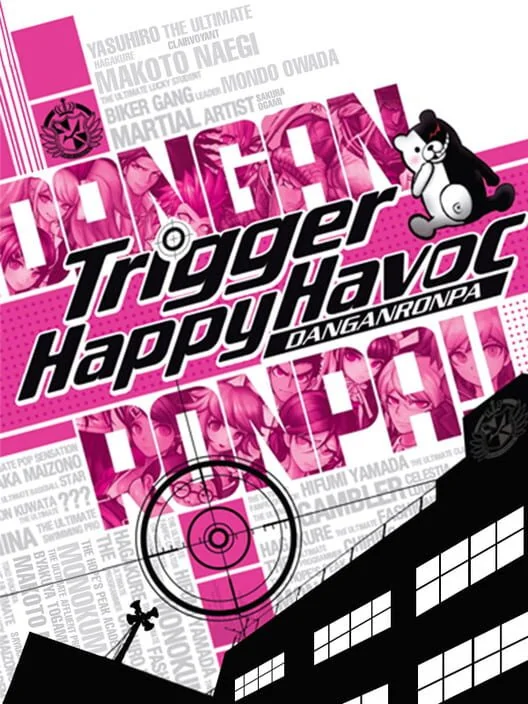
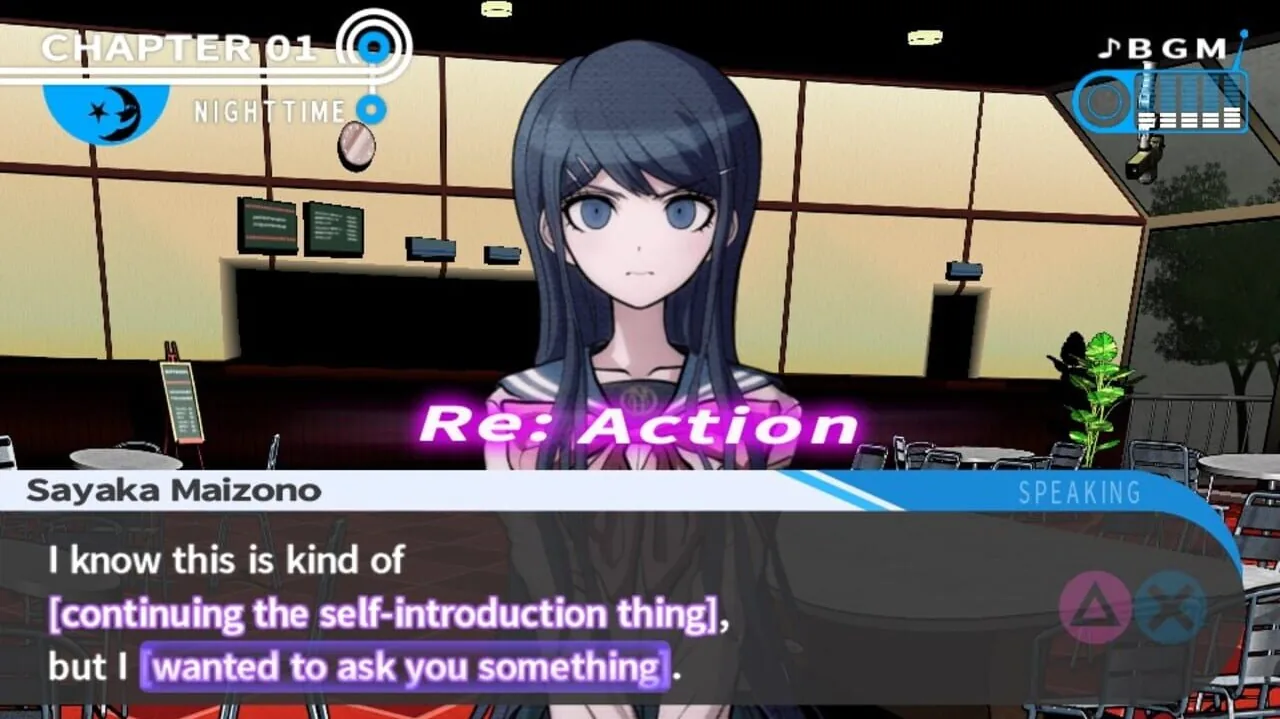
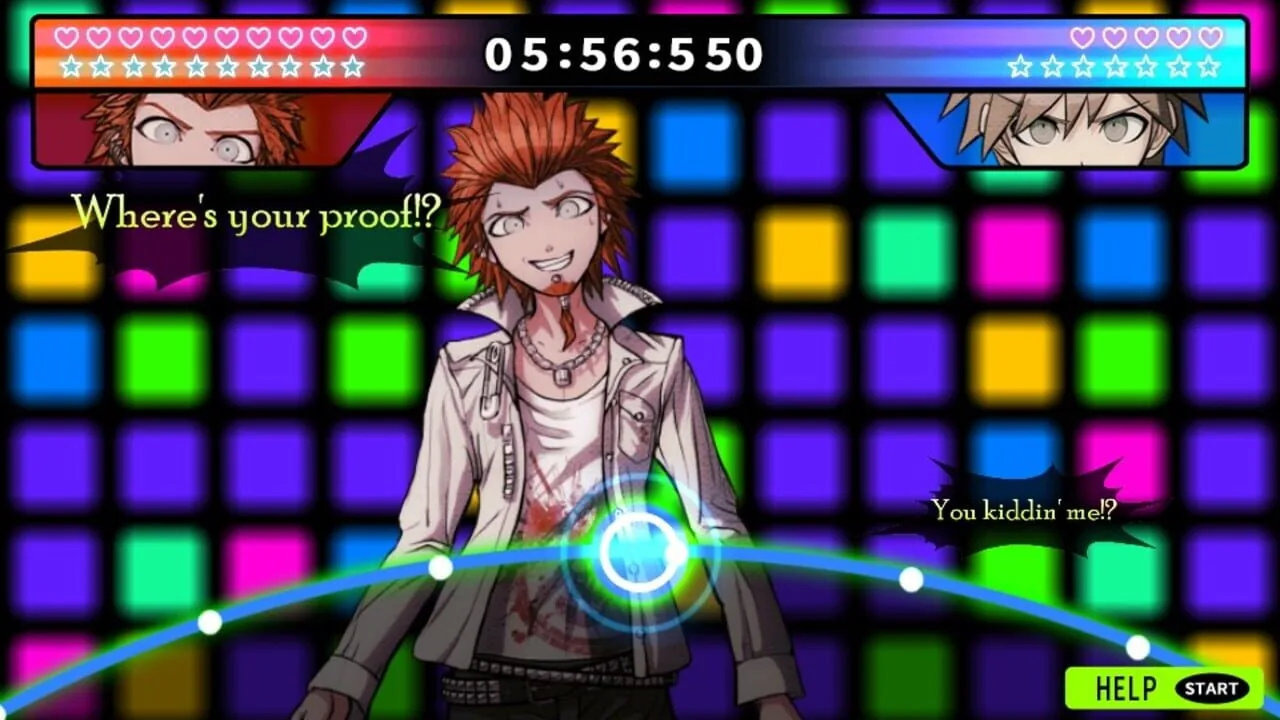
Danganronpa first came out on the PSP in Japan in 2010, but English players got it on the Vita in 2014, from NIS America. You are locked in a school where the only way out is to murder another student and not get caught. Between murders, you talk to your classmates in Daily Life sections built on dating sim ideas. Then come the class trials, where you fire "Truth Bullets" of evidence at the other students' claims.
The developers wanted a game system that felt less like other games, and it shows. The Vita version also added a School Life mode, unlocked after you finish the game once. Players call it one of a kind. If you think you know what a visual novel plays like, this one will change your mind.
5. Severed (2016)
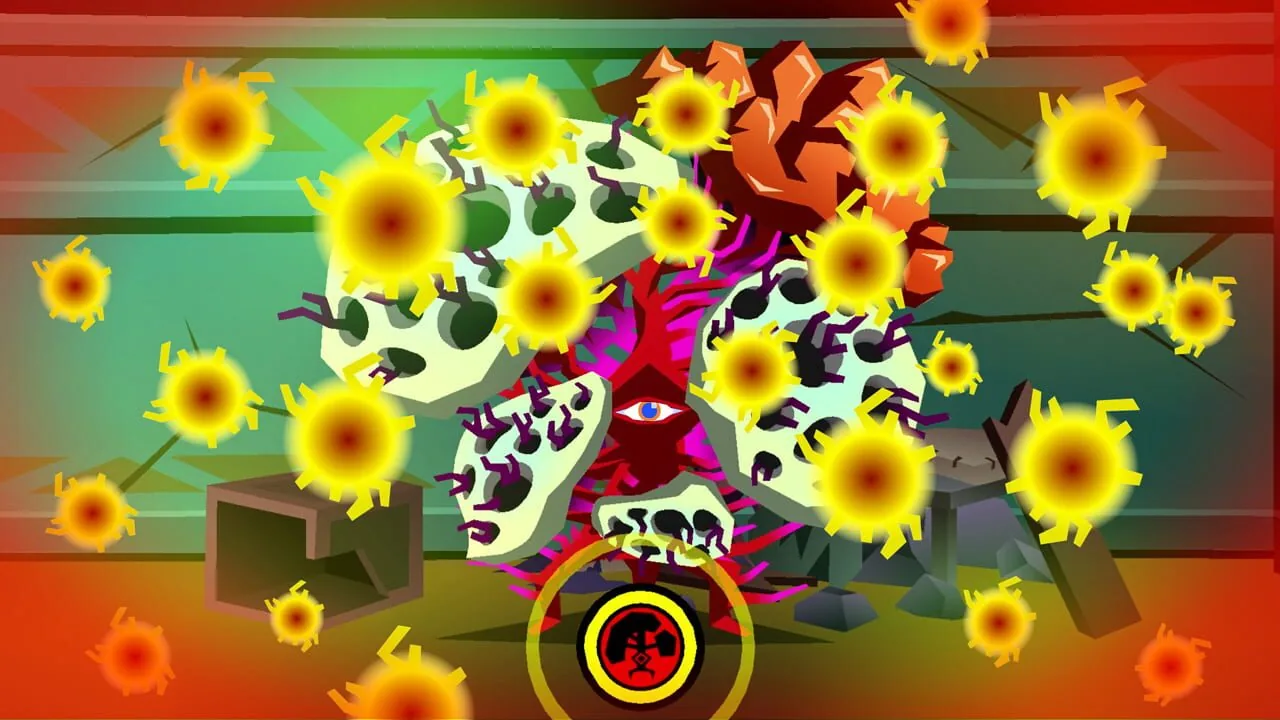
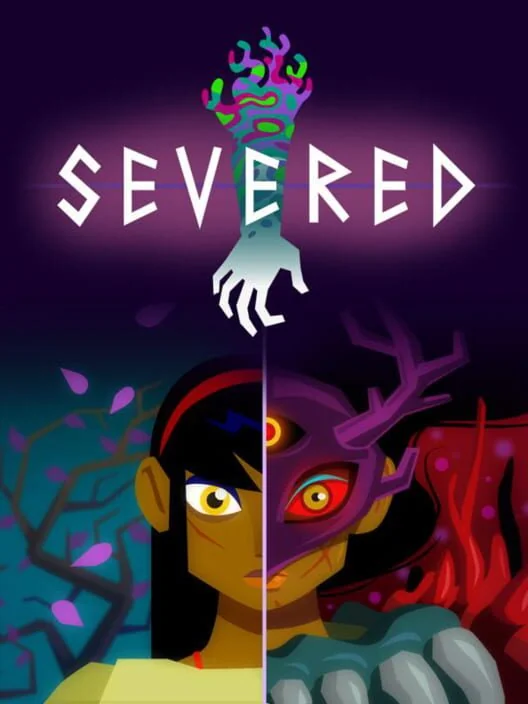
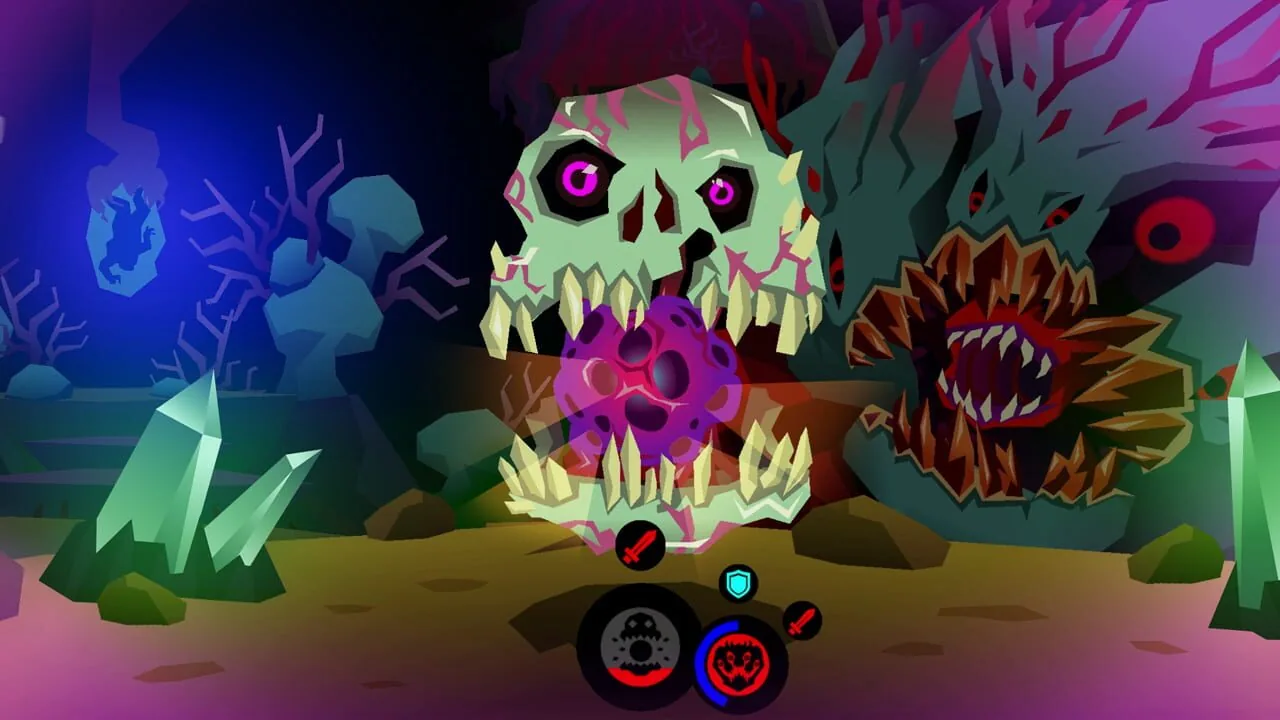
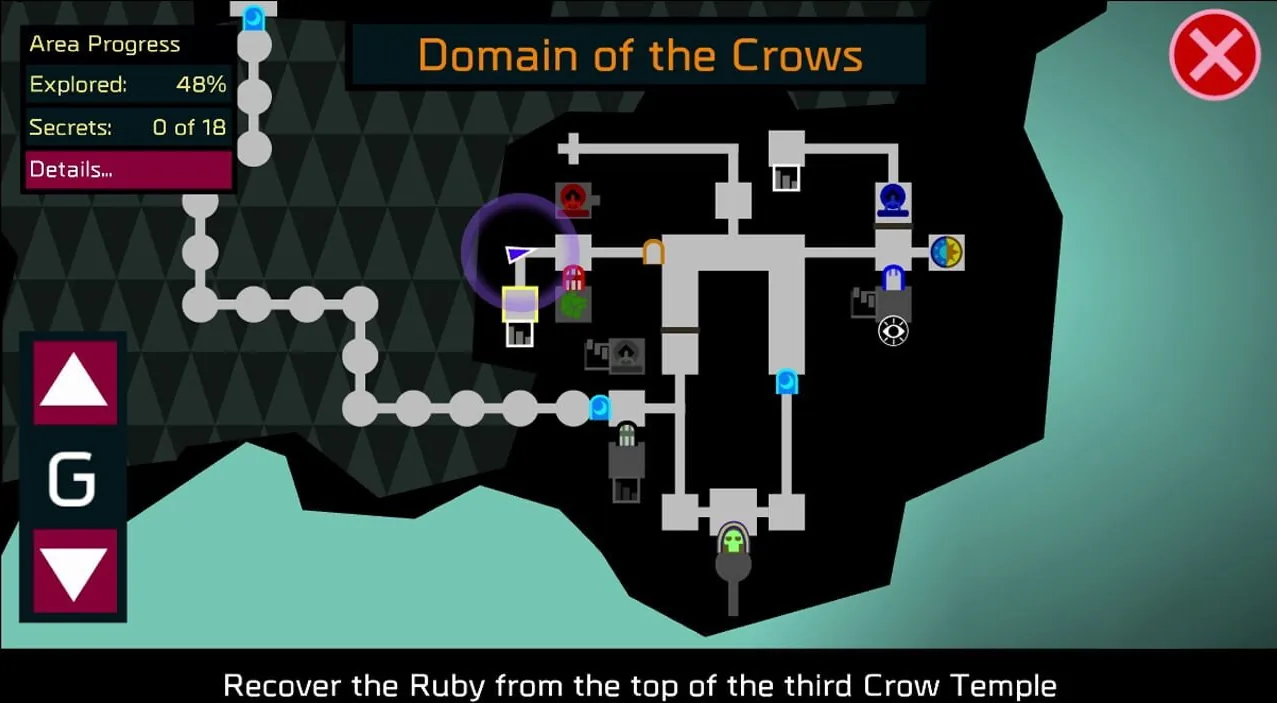
Severed is a first-person dungeon crawler from DrinkBox Studios, and it came out on the Vita on April 26, 2016, before the Wii U, iOS and 3DS versions. The fighting is all touch. The loot is the enemy body parts you sever, and you craft them into armor. DrinkBox first pictured it as a mobile game because of its heavy focus on touchscreen controls.
Its soundtrack won Best Musical Score at the Canadian Videogame Awards, and the D.I.C.E. Awards nominated it for Handheld Game of the Year. Players call it a short, unique dungeon crawler and praise how it uses the touchscreen. It is a strange mix of old-school maps and swiping, and it works better than it has any right to.
4. Soul Sacrifice (2013)
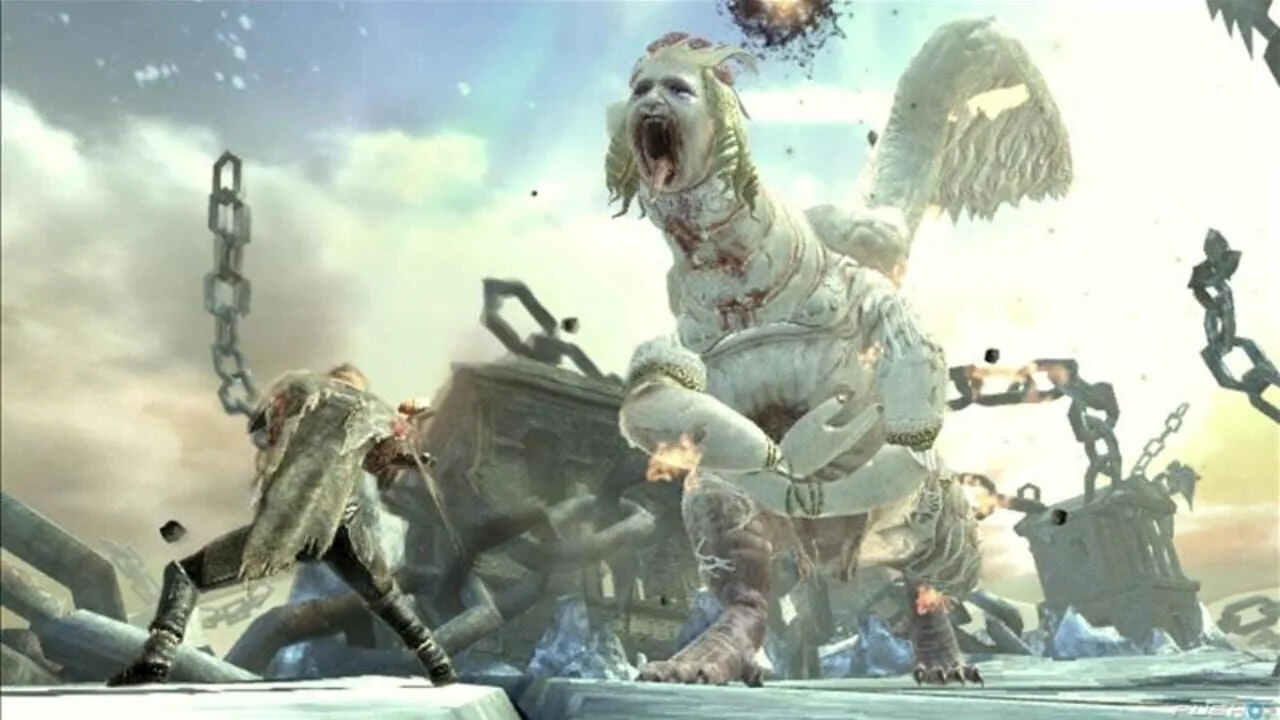
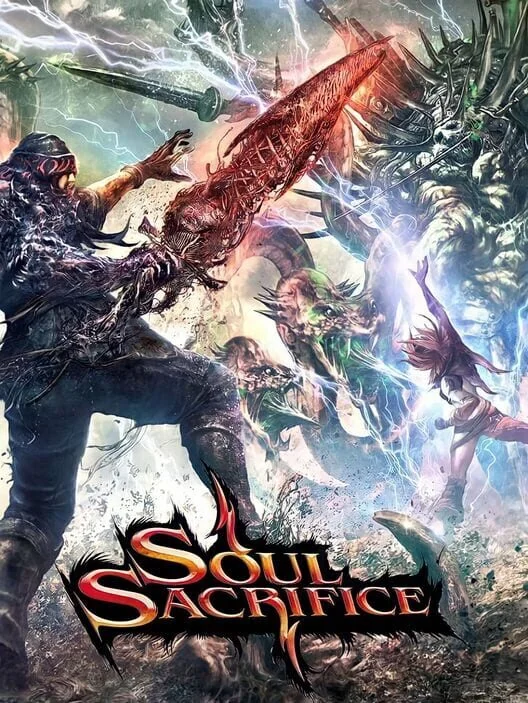
Soul Sacrifice is an action RPG from Marvelous AQL and Japan Studio, and the concept came from Keiji Inafune. You are a slave about to be sacrificed by the sorcerer Magusar when a talking book named Librom appears. Inside the book you relive old battles as Phantom Quests. The big idea is in the title: you can sacrifice parts of your own body for devastating attacks, and those sacrifices stay marked on your character for good.
Saving a beaten enemy restores a small portion of your health, and saving a fallen ally costs you half of yours. Players compare it with Monster Hunter and say it stands apart from the rest of the genre. An expanded version, Soul Sacrifice Delta, came out in 2014.
3. Uncharted: Golden Abyss (2011)
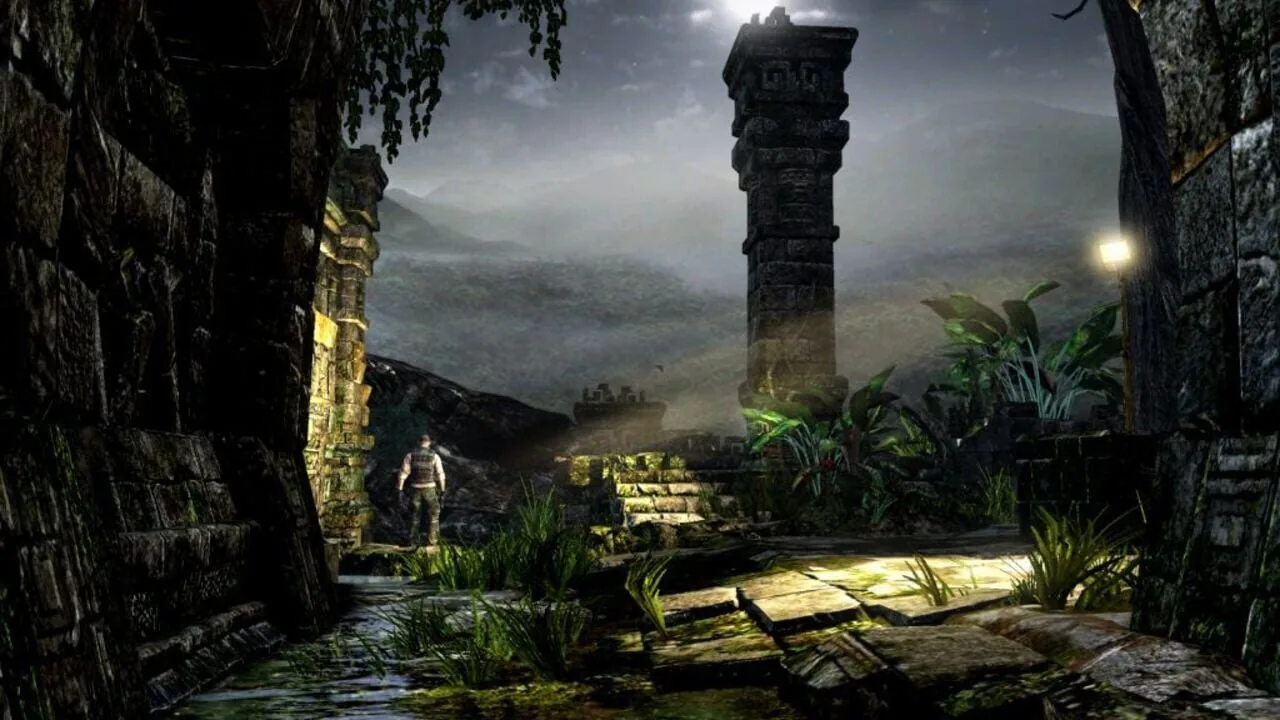
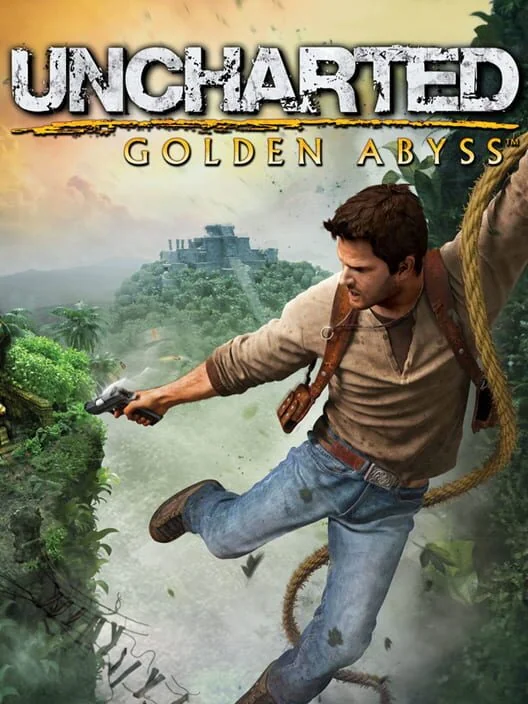
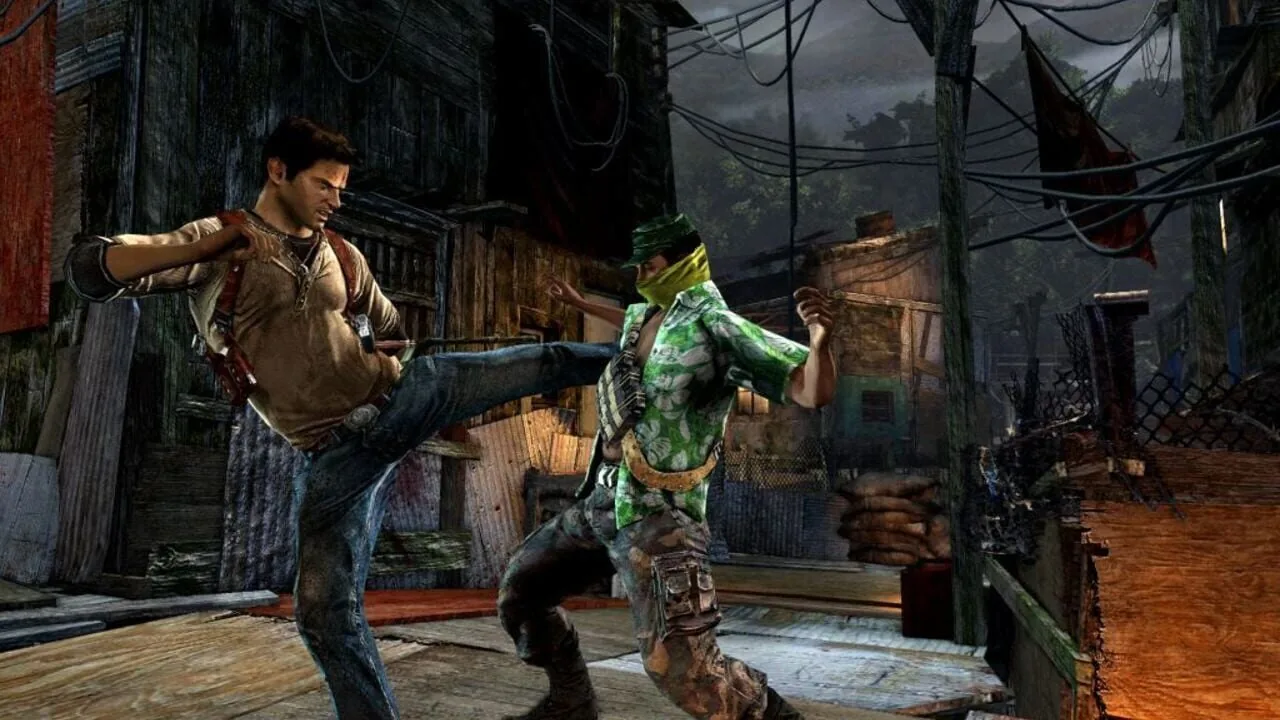
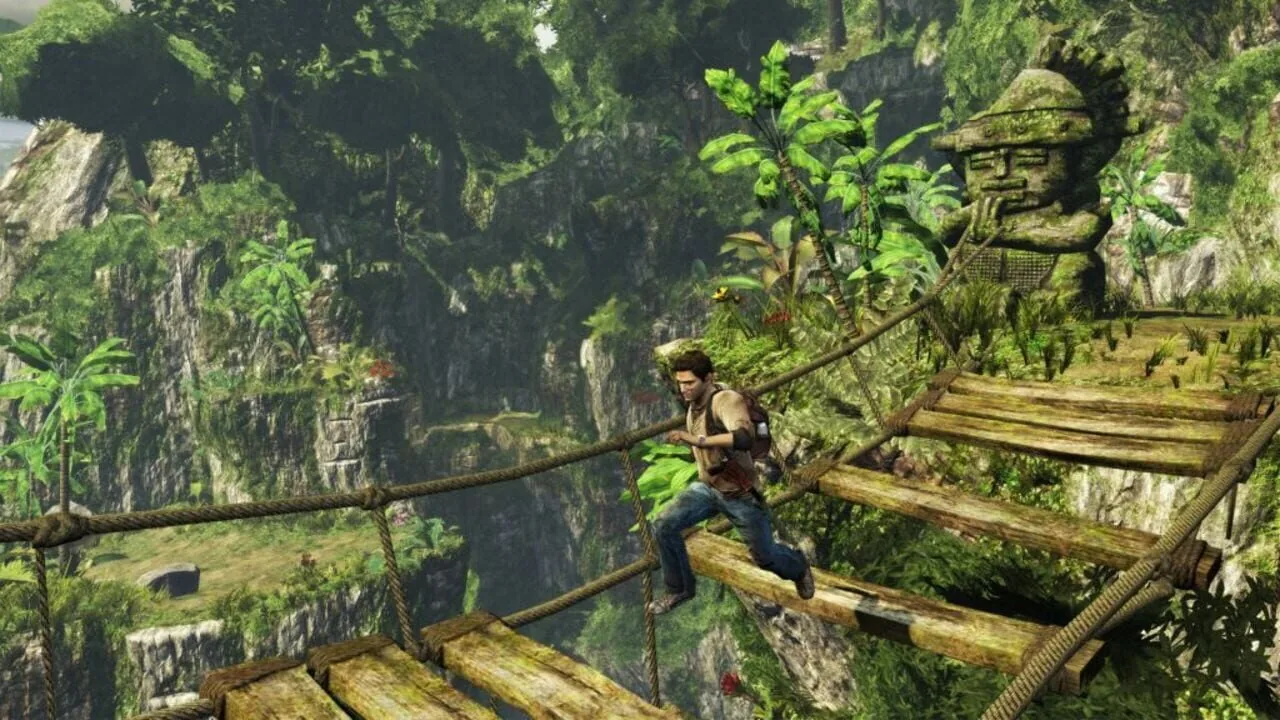
Golden Abyss was a Vita launch title, made by Bend Studio with Naughty Dog overseeing the project. It is a prequel set before Uncharted: Drake's Fortune. Director John Garvin felt the team would have failed if the controls were like the PS3 games, so the Vita's touch and motion controls are everywhere. You aim with motion and tilt to keep your balance on a tightrope. Melee attacks need a swipe on the touchscreen, and some puzzles have you rub the screen to reveal clues.
Journalists praised its graphics and how well it recreated Uncharted on a handheld. The Vita-specific controls drew most of the criticism. Players say the same thing today, and plenty call the touch parts gimmicky. The gyro aiming wins people over, though.
2. Tearaway (2013)
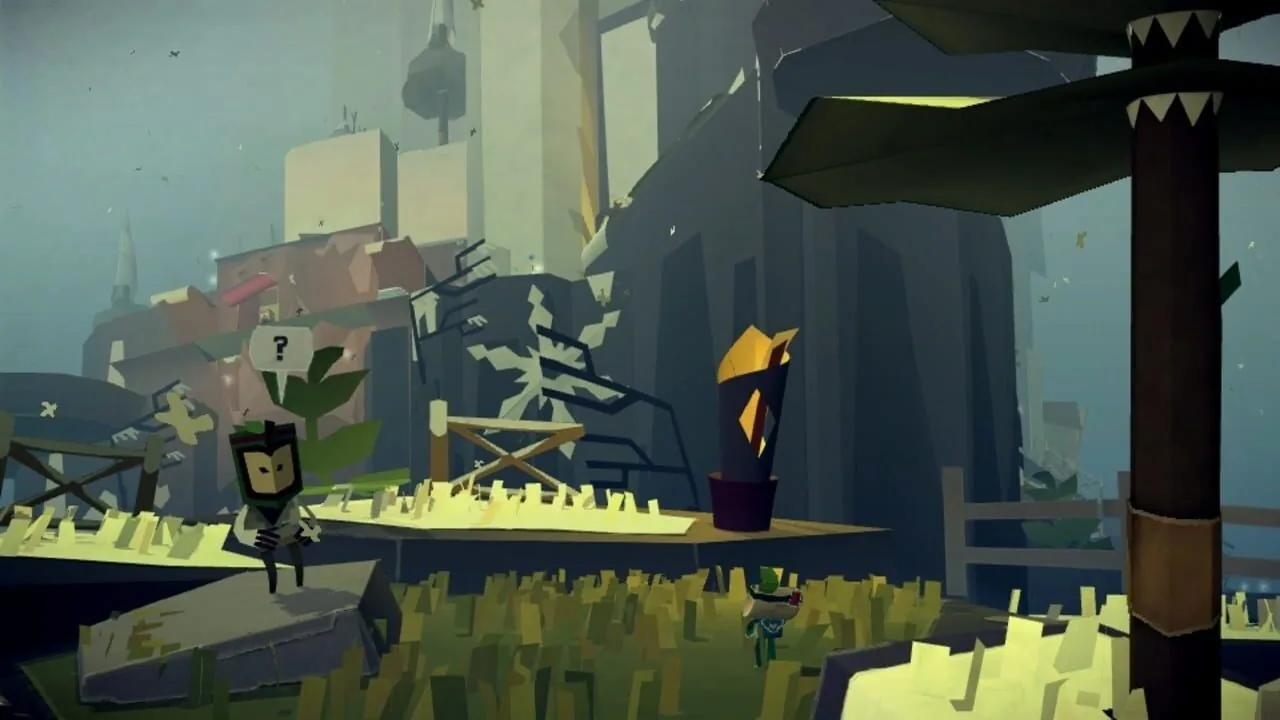
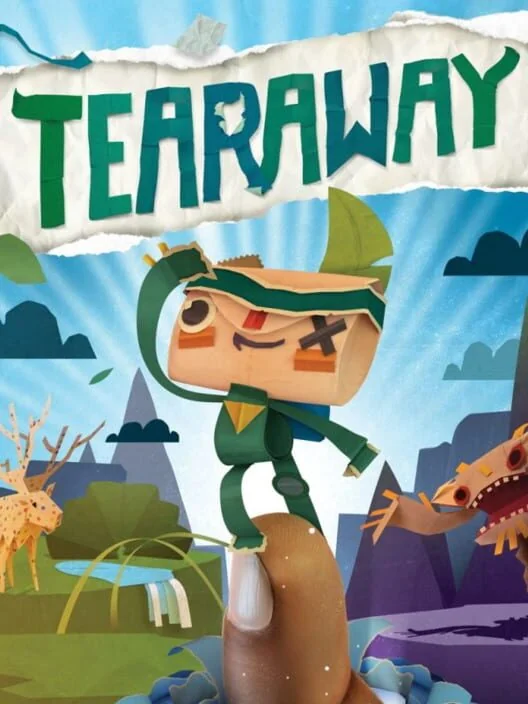
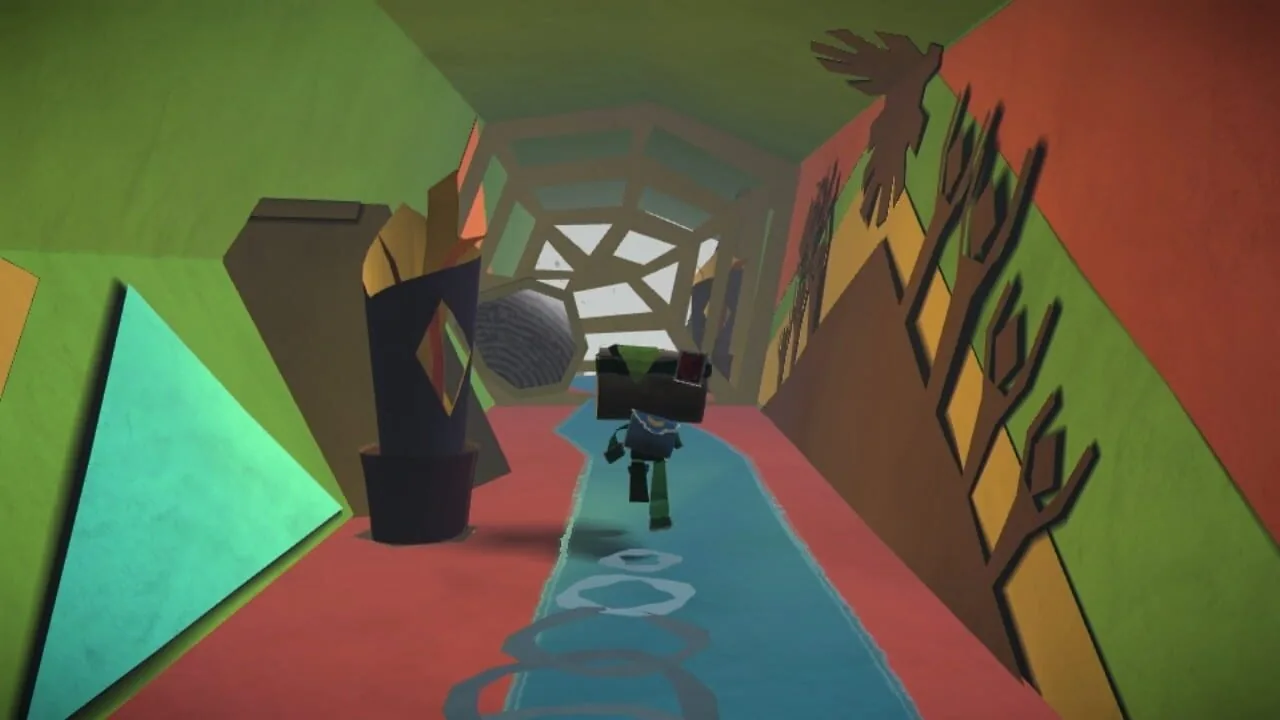
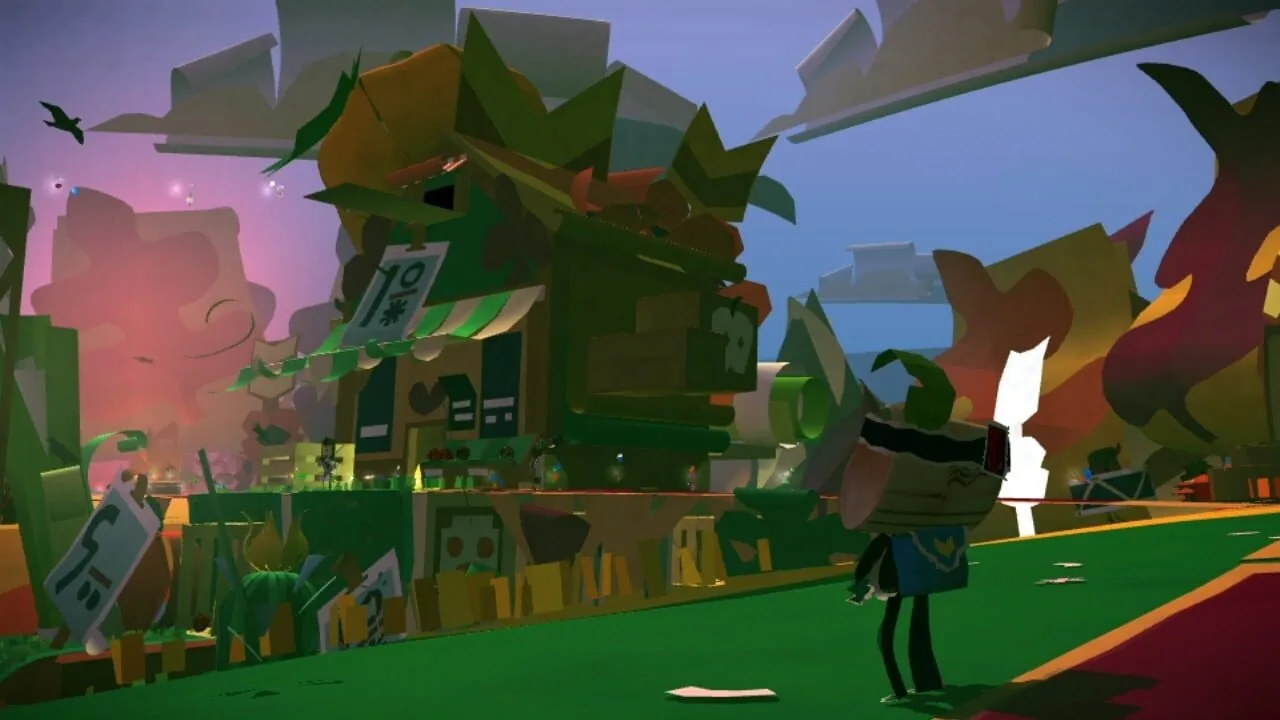
Tearaway comes from the people behind LittleBigPlanet, and the whole world is made of paper. You play Iota or Atoi, a papercraft messenger with a message to deliver to you. You can draw designs on virtual paper, cut them out and stick them on your character. An in-game camera lets you collect papercraft designs, and characters you help pay you in confetti.
An expanded remake, Tearaway Unfolded, came to the PS4 in 2015. Players say the original uses everything the Vita has, the touchscreens and the camera included, without feeling tacked on. For many it was the game that proved the Vita's extras could be more than gimmicks.
1. Gravity Rush (2012)
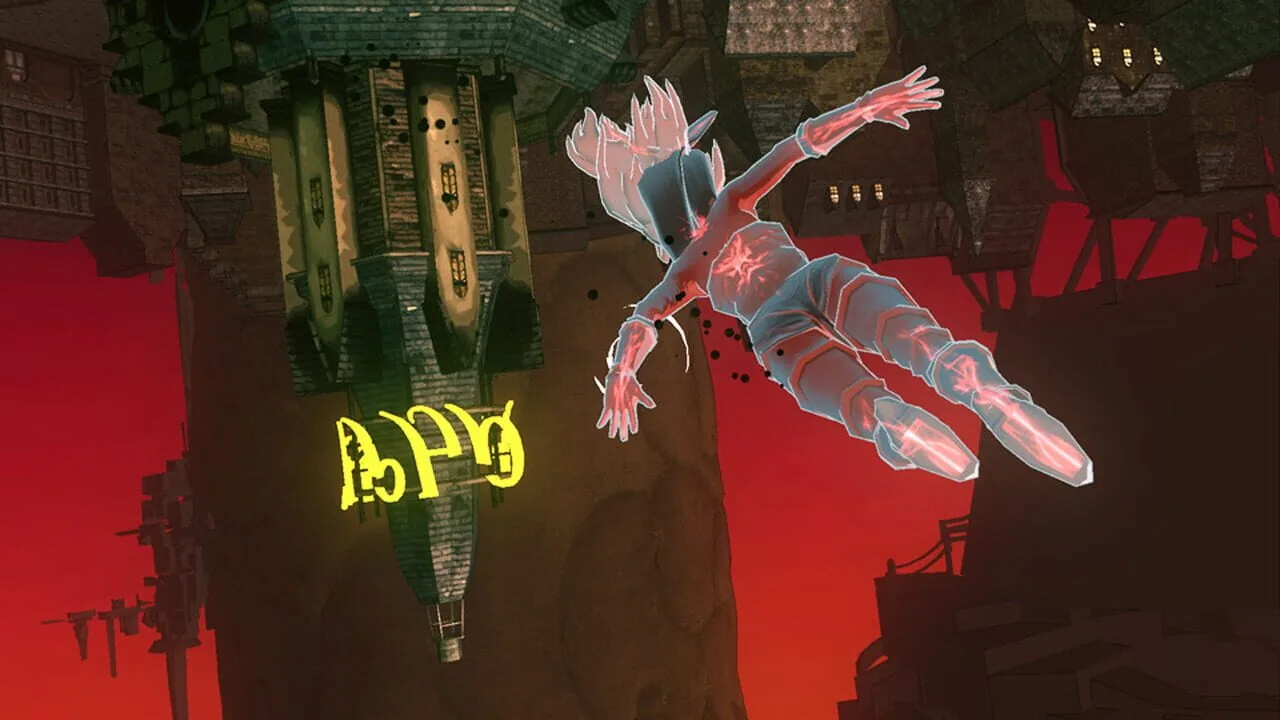
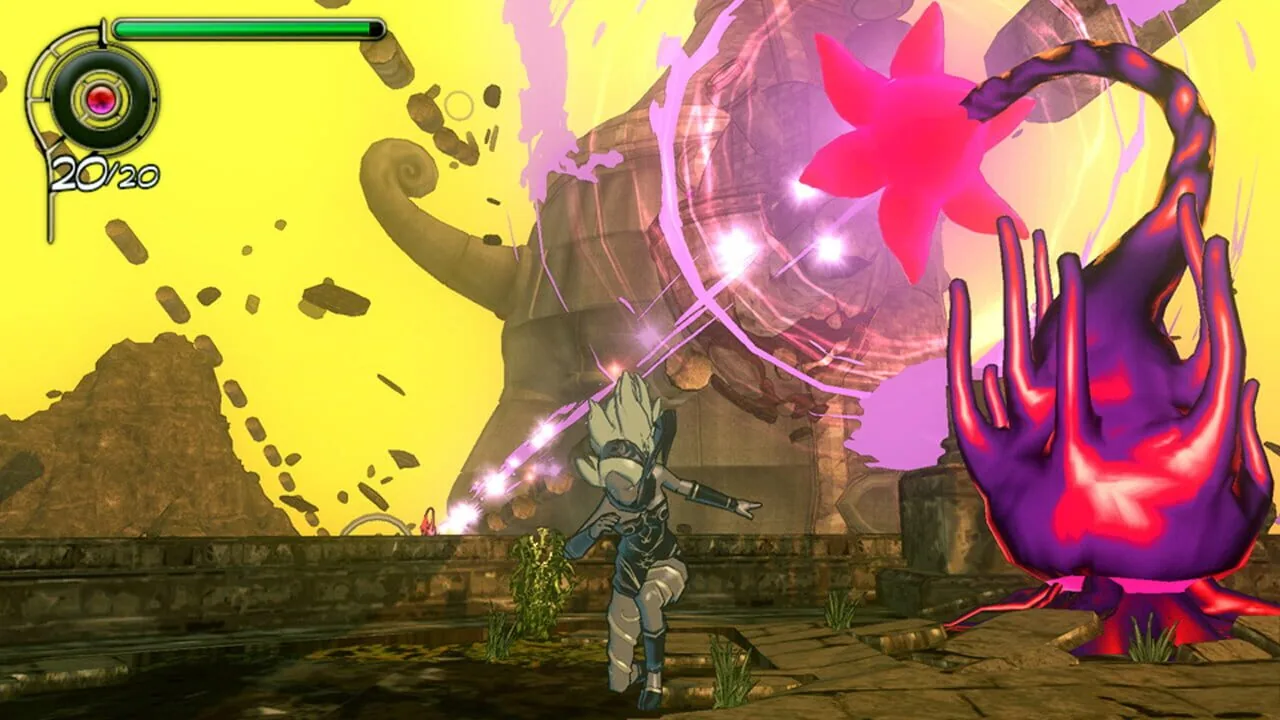
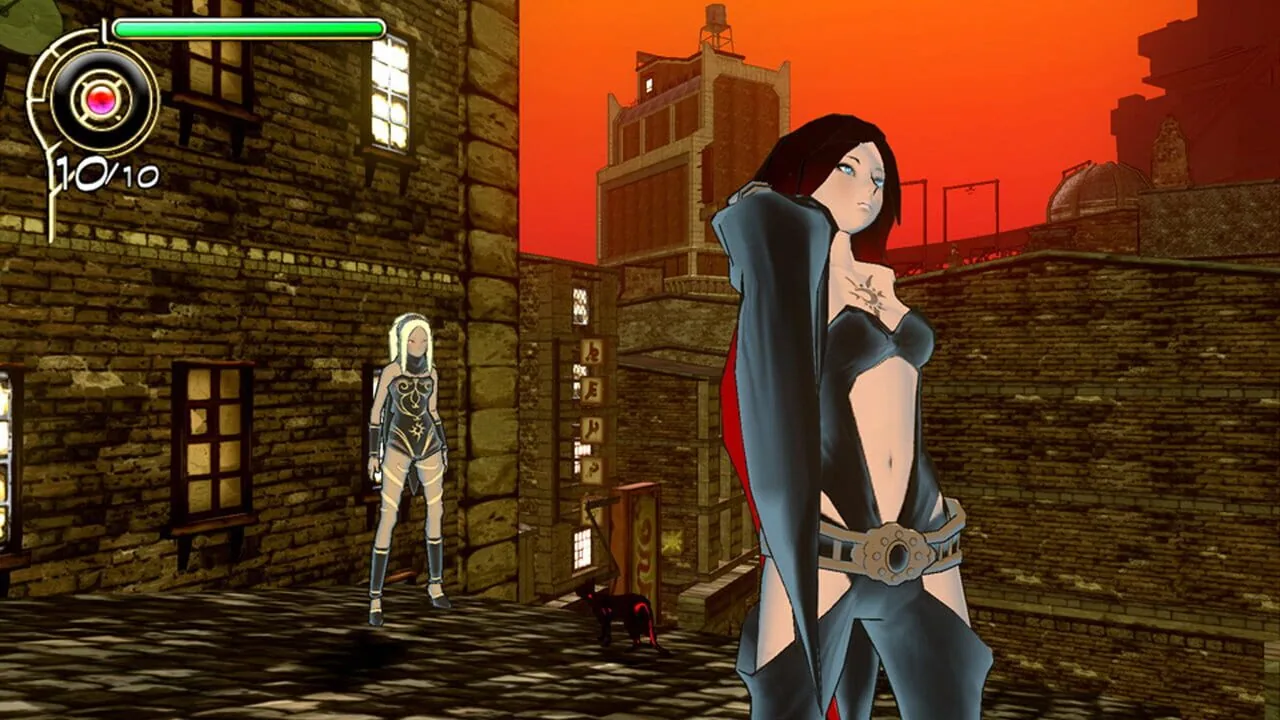
Gravity Rush is an open-world action game from director Keiichiro Toyama, who had directed Silent Hill at Konami. You play Kat, an amnesiac who can change how gravity pulls on her, in the city of Hekseville. Tilt the Vita to aim Kat, and she falls in that direction, onto walls, ceilings and the underside of buildings. Her powers drain an energy meter, and in a fight you kick enemies in their weak spots. The look drew on comics, including the work of French artist Jean Giraud.
Critics praised the art style and Kat, and they criticised some of the controls. No Vita game gets called unique by more players. A sequel, Gravity Rush 2, came out on the PS4 in 2017.
Which one to play
There you have it, the whole list of the most unique PS Vita games. All of them play like nothing else on the system.
If you are not sure where to start, play Gravity Rush. If you want the game that uses the most of the Vita, pick Tearaway. For a big action game, Uncharted: Golden Abyss is the one. If you like hunting games, Soul Sacrifice will surprise you. If you like a mystery you solve yourself, Danganronpa is the pick. And for a hidden pick, try Escape Plan.