Strategy on the PS Vita came in through the side door. Sony's own studios spent most of their time on shooters and platformers, so the thinking games came from Japanese publishers and small indie studios. A lot of them were ports of PS3 and PC games, and they were better for the move. A turn-based battle is the easiest thing in the world to pause when your stop comes up.
The mix is wider than you might expect. There are tactics RPGs on grids, of course, but also tower defense, a card battler, a zombie horde you command yourself and a space station builder that started life on PlayStation Mobile. Here are the 22 best PS Vita strategy games.

22. Fieldrunners 2 (2012)
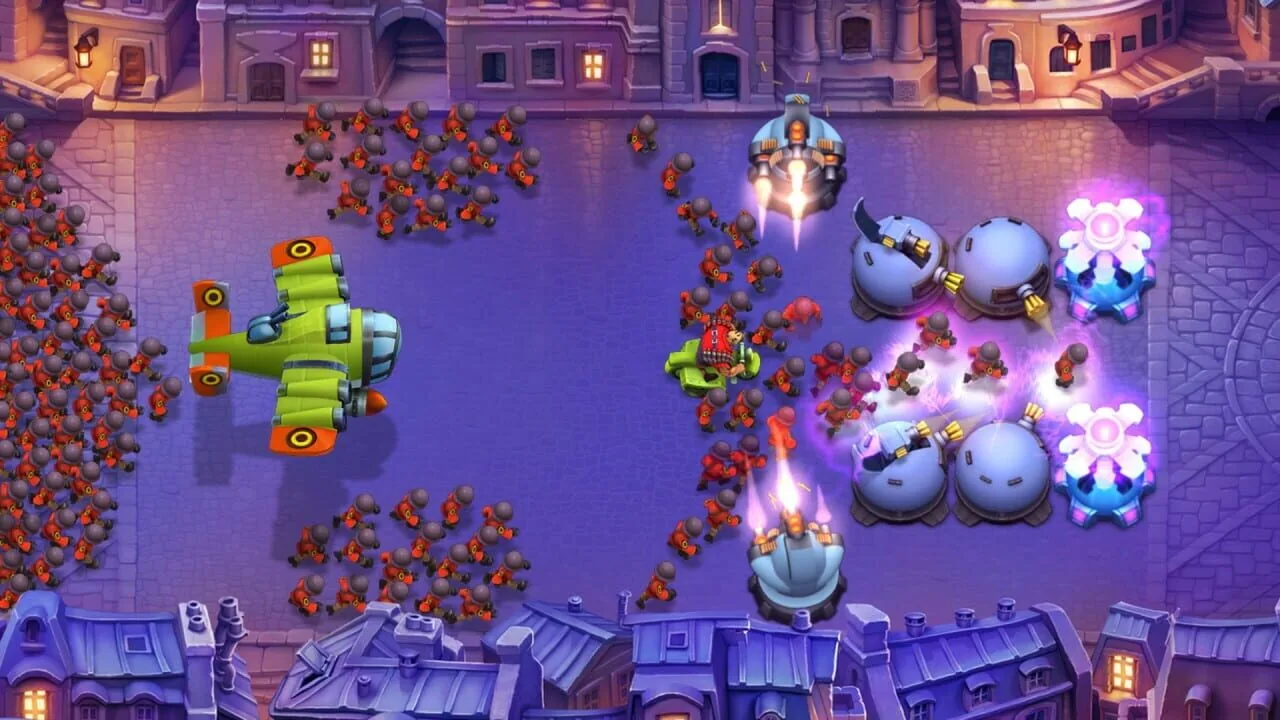
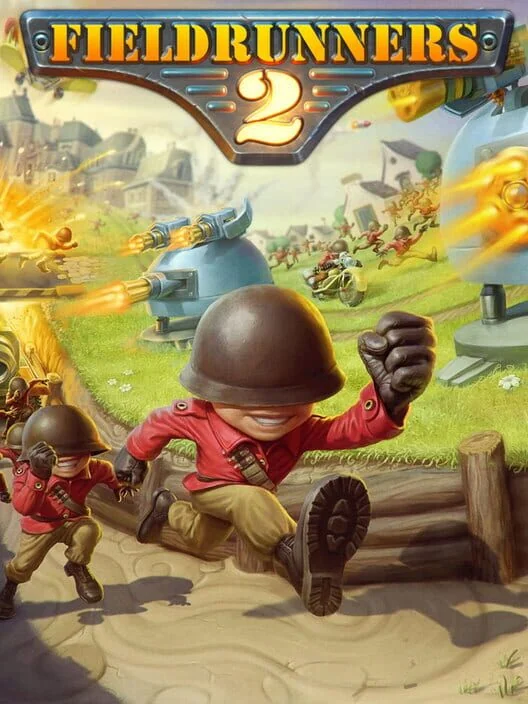
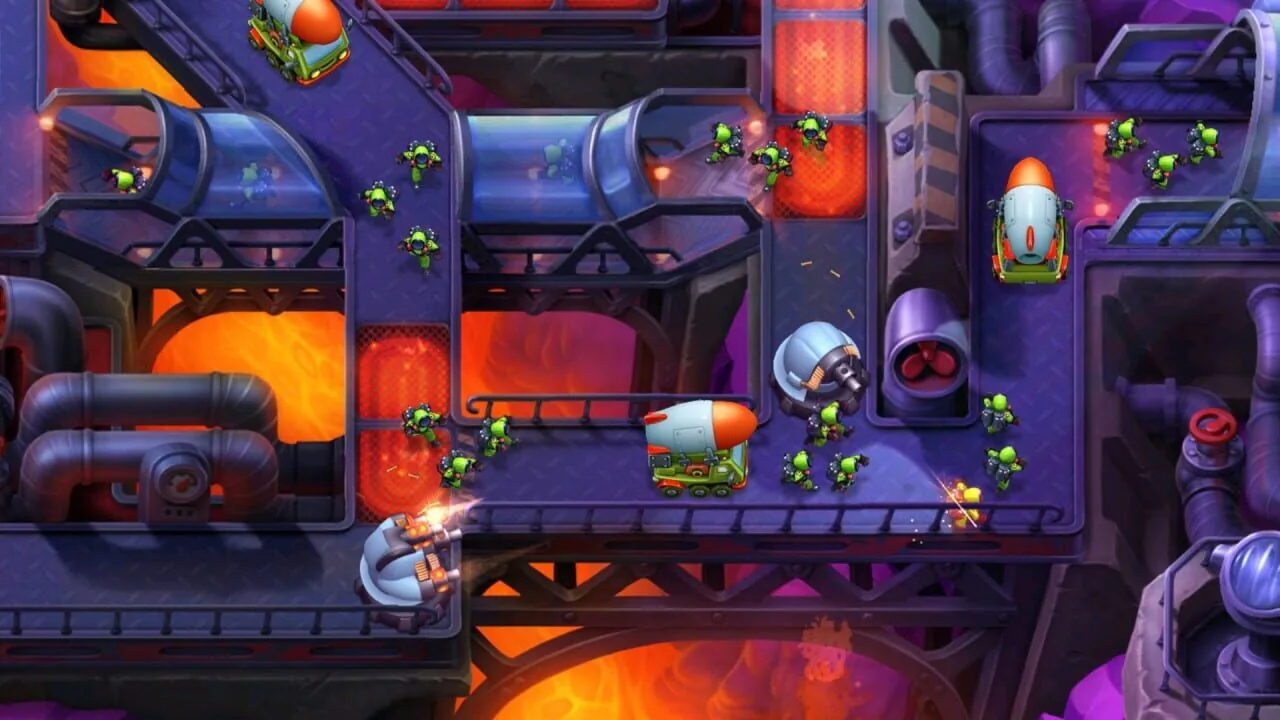
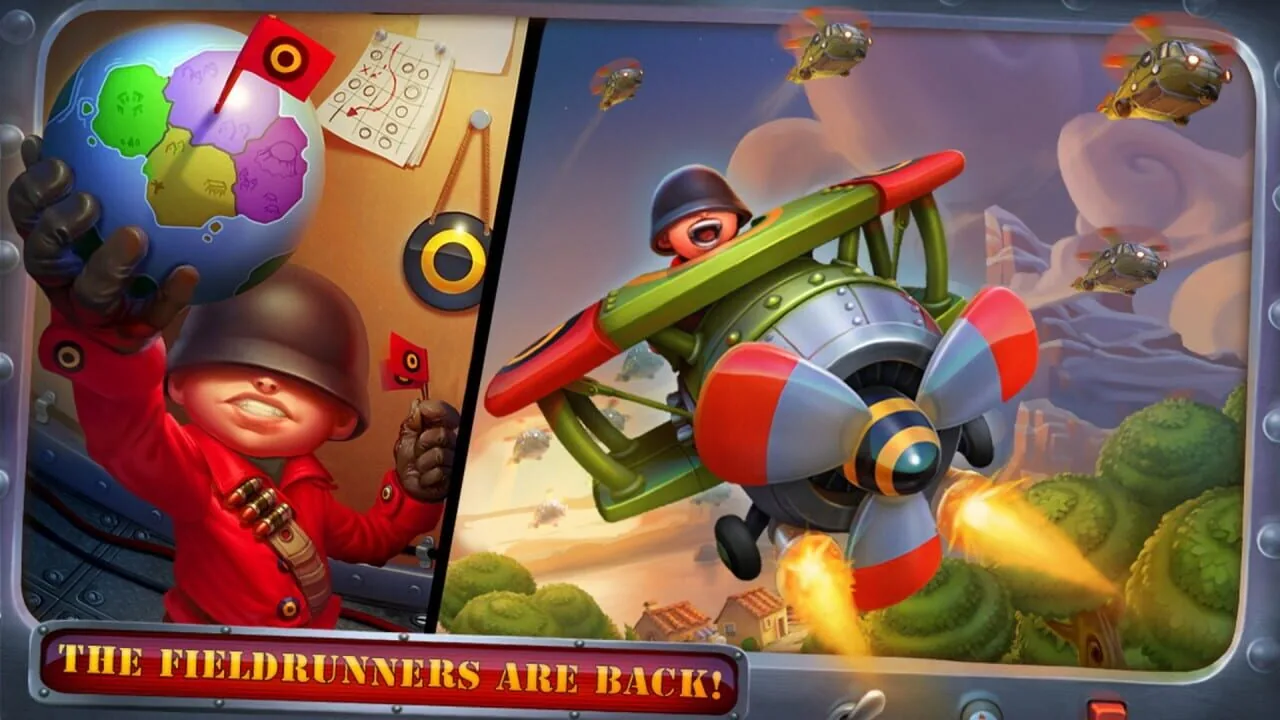
Fieldrunners 2 was released on July 19, 2012 as an iOS game, the third release from developer Subatomic Studios. The PlayStation Vita version followed in December 2014. It is tower defense in its plainest form: you pick a tower, put it down on the map and earn cash from the enemies it stops, then spend that cash on more towers. The soldiers, tanks and motorcycles change their route depending on where you build, so a good maze matters as much as a big gun.
Let 20 enemies escape and the level is lost. Most of the 25 levels are traditional tower defense, with difficulty modes from casual up to heroic, and an endless mode opens once you pass a level. It is a good one to keep on the memory card for short trips.
21. Space Hulk (2015)
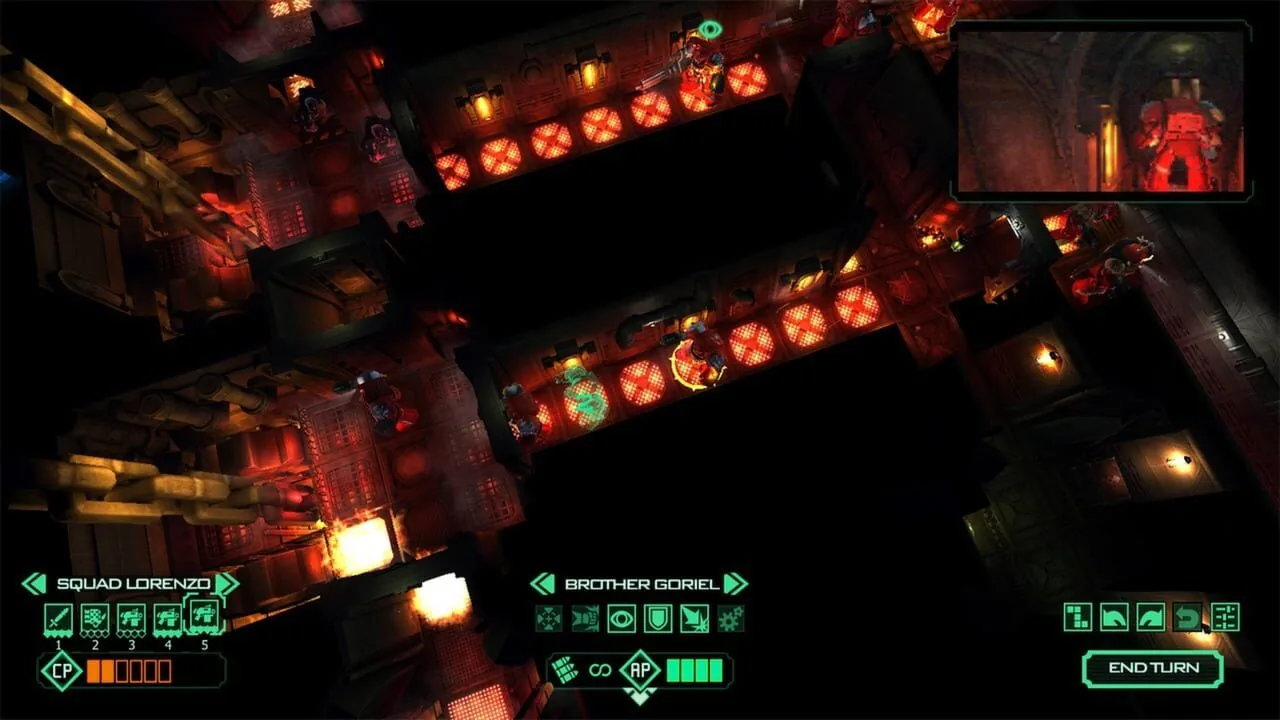
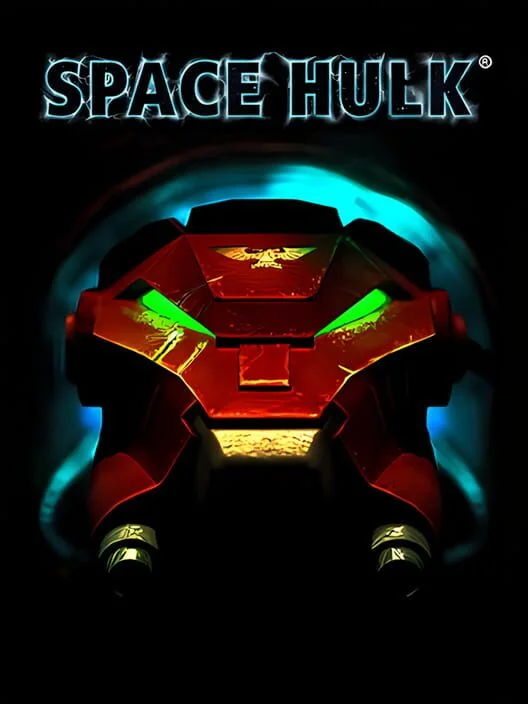
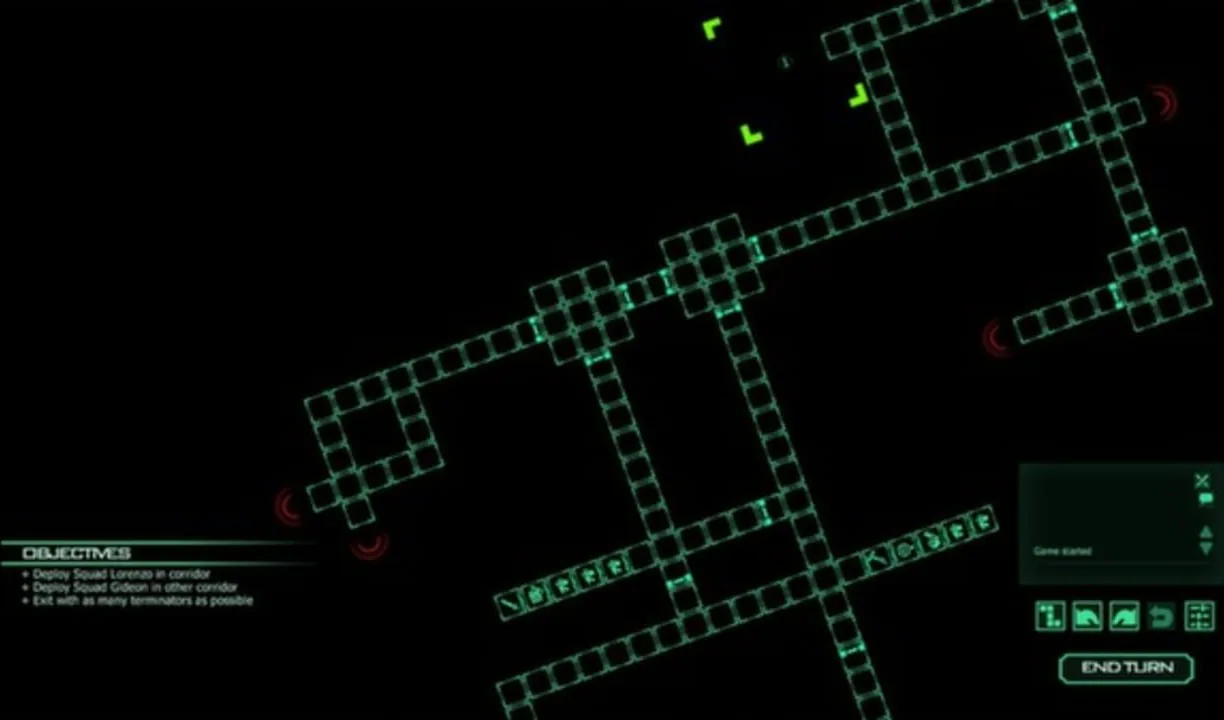
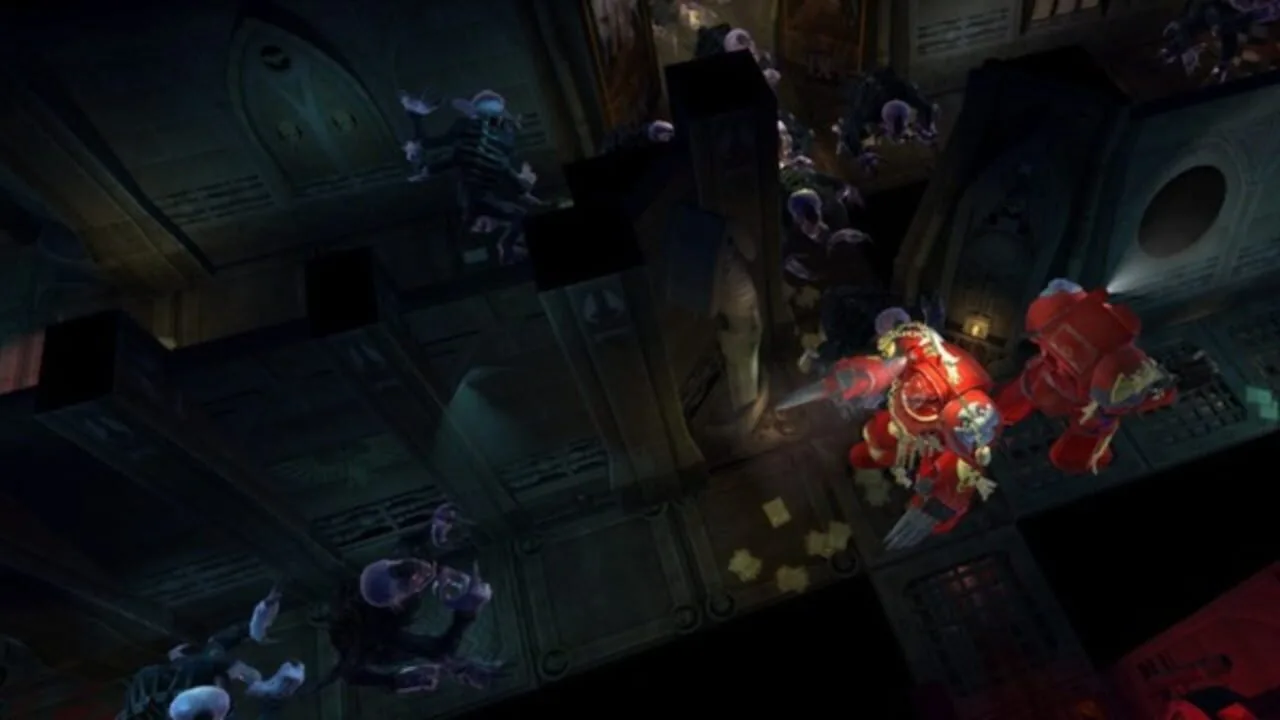
Space Hulk is based on the tabletop game of the same name by Games Workshop, and it plays a lot like sitting down at the board. It features the Blood Angels Chapter of the Space Marines battling grotesque aliens known as Genestealers. The game is turn based and uses dice rolls, and each turn gives you a limited number of action points to direct your squad. Spend them badly and the aliens get to you first.
The rules follow the 4th edition of the tabletop game closely. Eurogamer called the PC version "more awestruck tribute than actual adaptation", which is fair, but for anyone who loved the board game that is the selling point. The multiplayer supports hotseat mode, so two people can share one Vita.
20. Breach & Clear (2013)
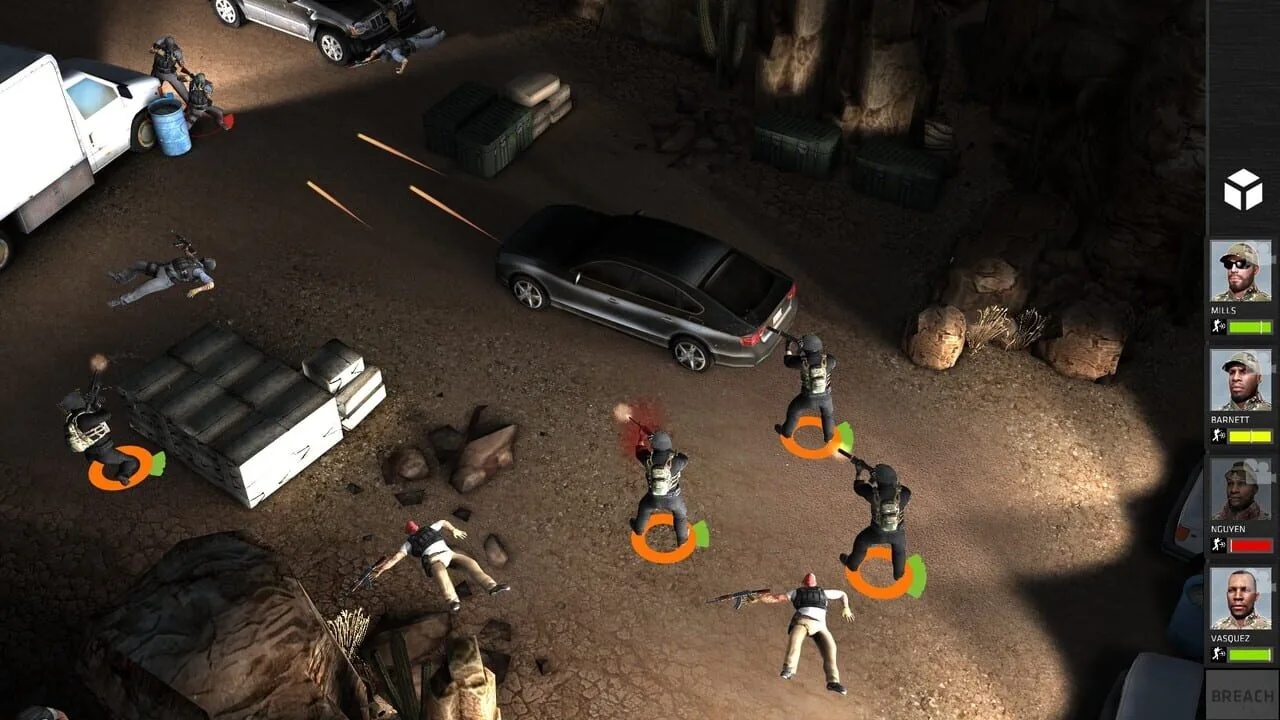
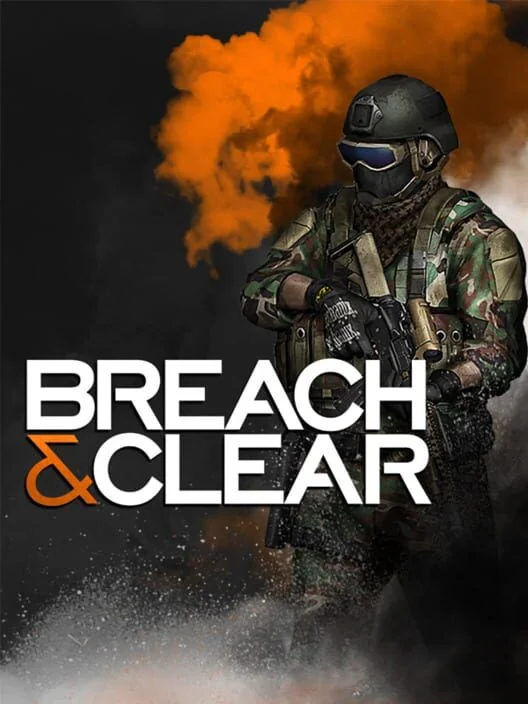
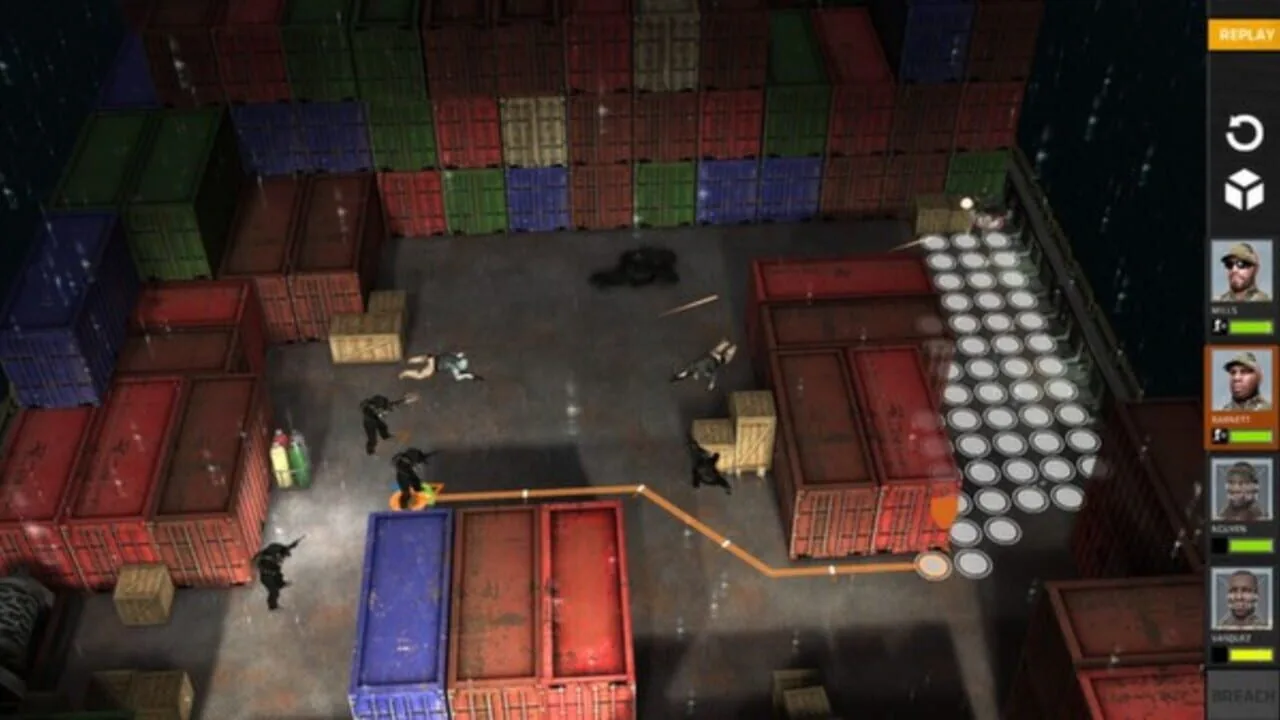
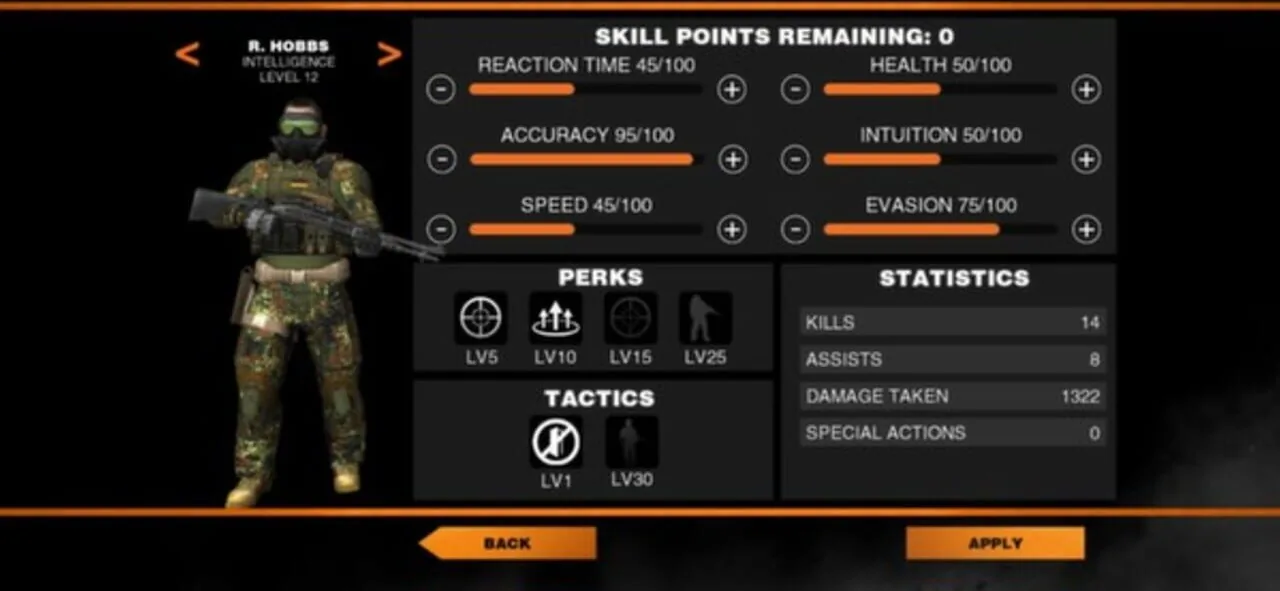
Breach & Clear came out on iOS on July 17, 2013, and the PlayStation Vita version of Breach & Clear was released digitally on May 21, 2015. You control four special forces units who must enter an area and kill all enemies in it. You plan the actions of every character in advance, and then the turns are resolved simultaneously, which makes a good plan feel great and a bad one very loud.
Its makers knew who they were making it for. The PC version got a Frozen Synapse DLC Pack, with levels inspired by and designed like Frozen Synapse. A sequel, Breach & Clear: Deadline, came out on July 21, 2015, and it adds zombies. If Frozen Synapse Prime further up this list clicks with you, this is the natural next stop.
19. Eufloria (2009)
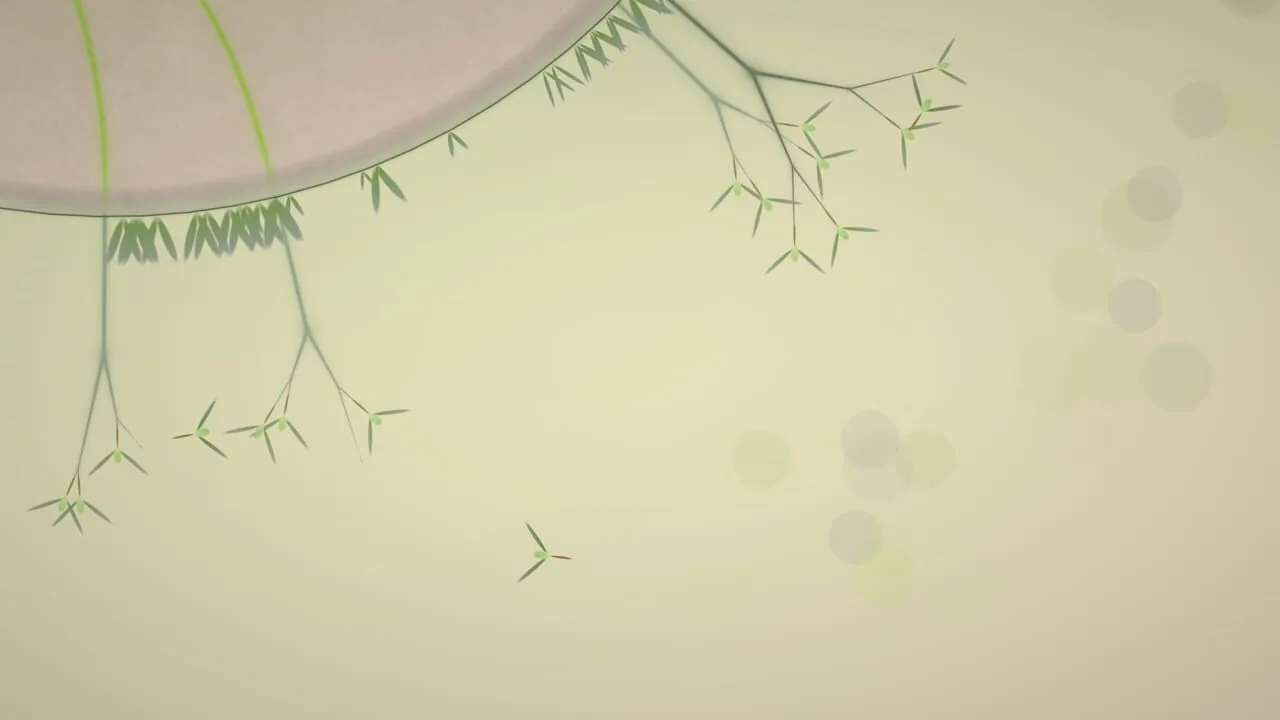
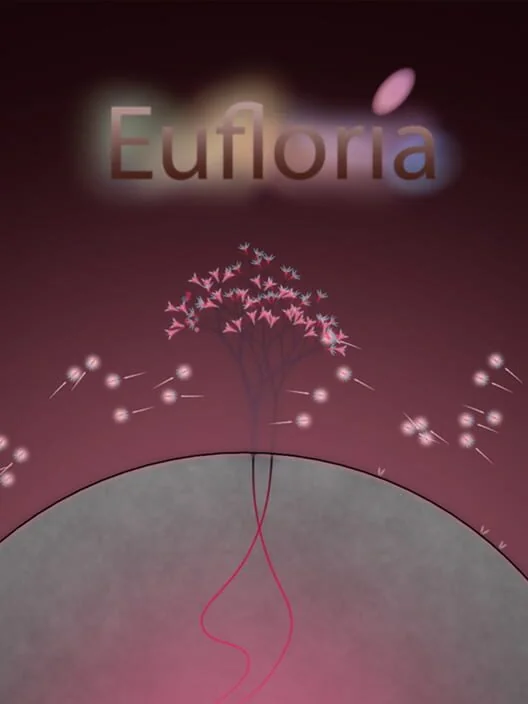
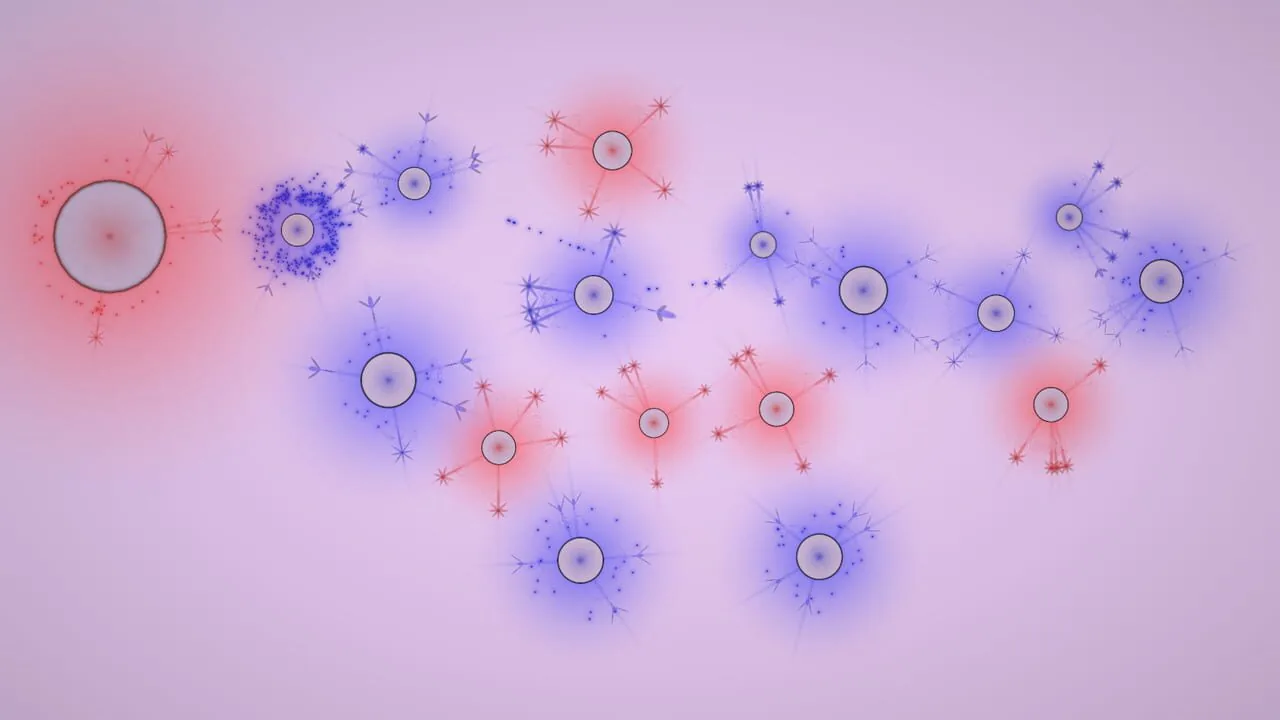
Eufloria was released for Microsoft Windows in 2009 and reached the PlayStation Network in 2011. You grow seedlings and send them across a field of asteroids. Get 10 seedlings in orbit of an asteroid and you can grow a tree on it, and each tree is unique, with branches grown by a fractal algorithm. A plant called a defense tree attacks invading enemy seedlings by releasing explosive fruit. The whole thing is drawn with minimalistic graphics.
It is strategy that feels more like gardening than war, and nothing else on the Vita plays quite like it. Players who found it love it. It makes a calm game for the end of the day, when a long tactics RPG feels like homework.

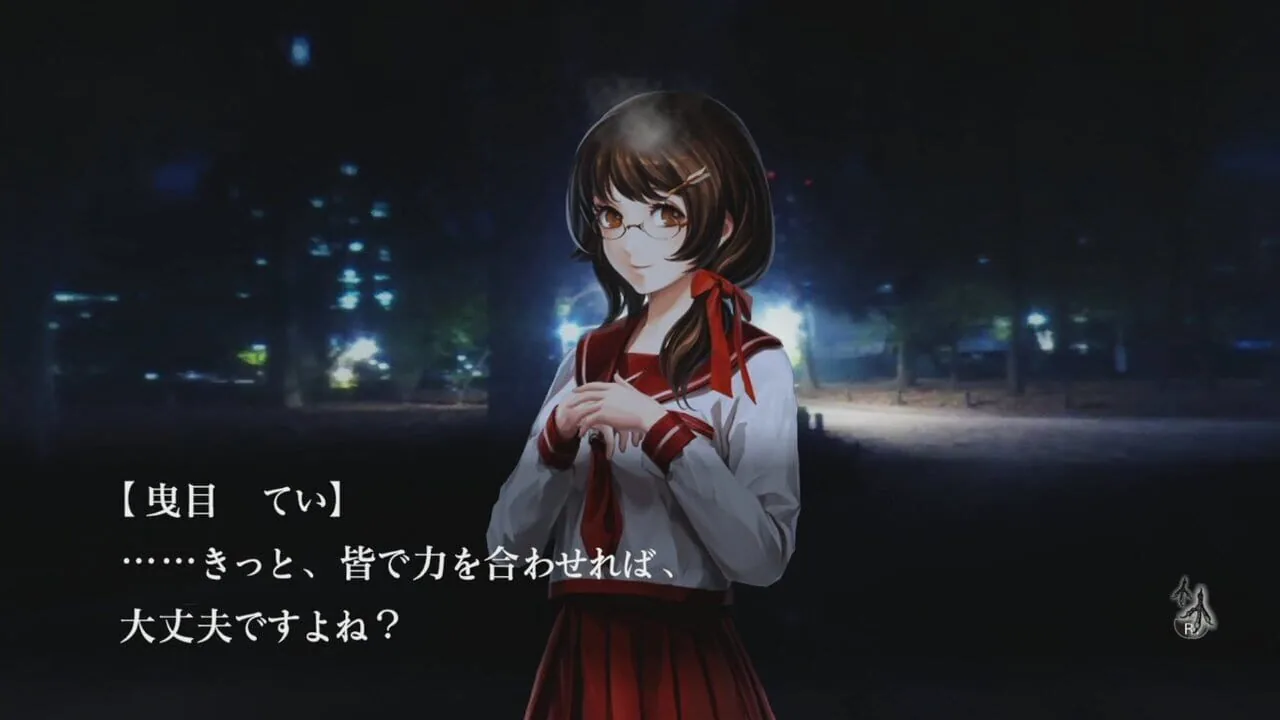
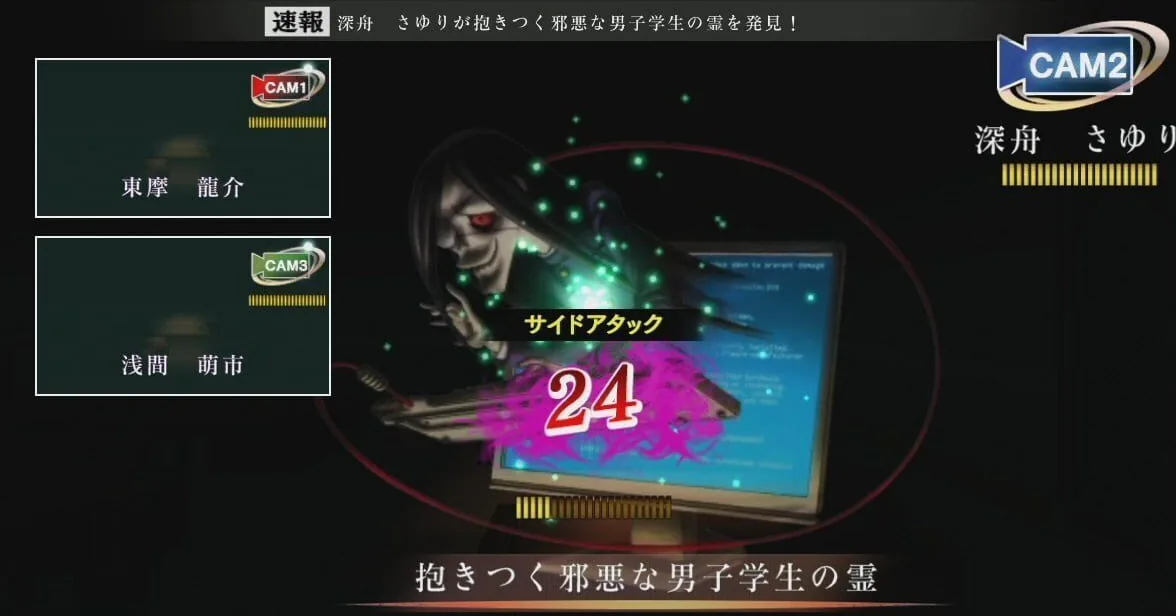
18. Tokyo Twilight Ghost Hunters: Daybreak Special Gigs (2015)
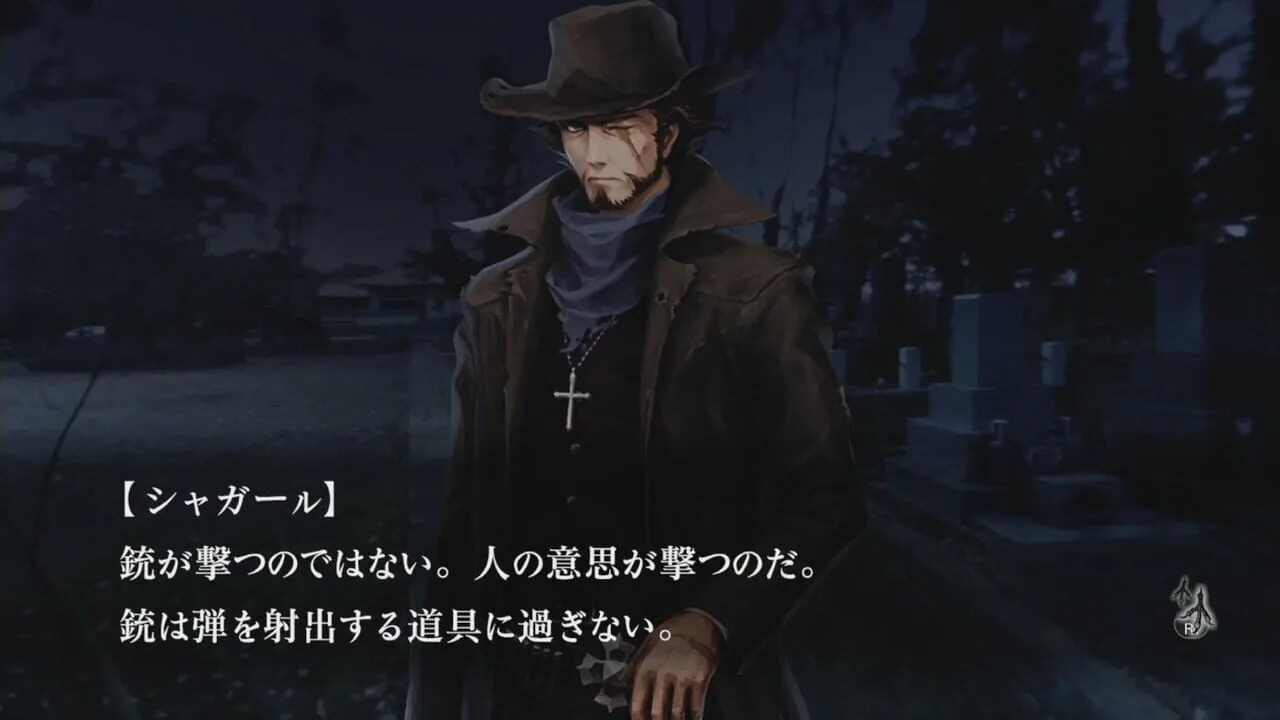
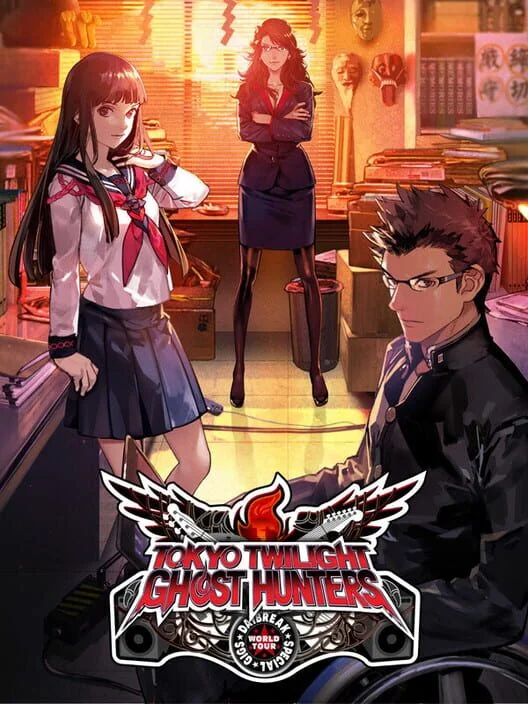
Tokyo Twilight Ghost Hunters was originally released in Japan by Arc System Works, and Aksys Games brought it to North America in 2015. Daybreak: Special Gigs is the updated version with a reworked battle system, released worldwide for PlayStation 3, PlayStation 4, PlayStation Vita and Windows. The game includes adventure game and visual novel gameplay, as well as strategy role-playing elements, so you spend part of your time talking to people and the rest hunting ghosts in battle.
It belongs to the Tokyo Majin Gakuen Denki series, and the characters were drawn by Chinatsu Kurahana. Players tend to bring it up next to the Vita's other spooky story games, like the Firefly Diary and Corpse Party. It is a strange one, and that is most of the charm.
17. Zombie Tycoon 2: Brainhov's Revenge (2013)
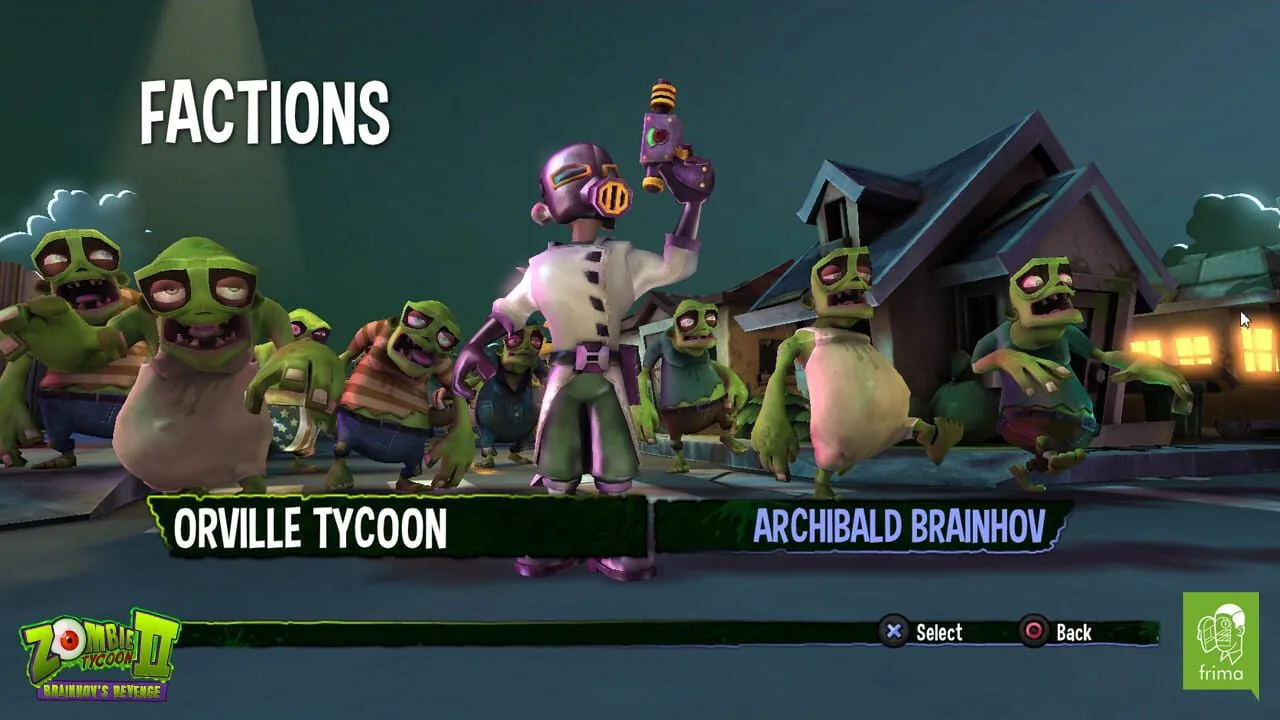
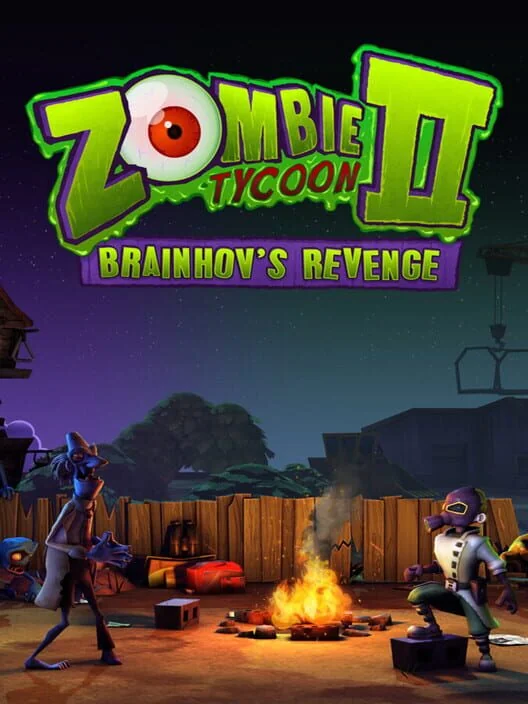
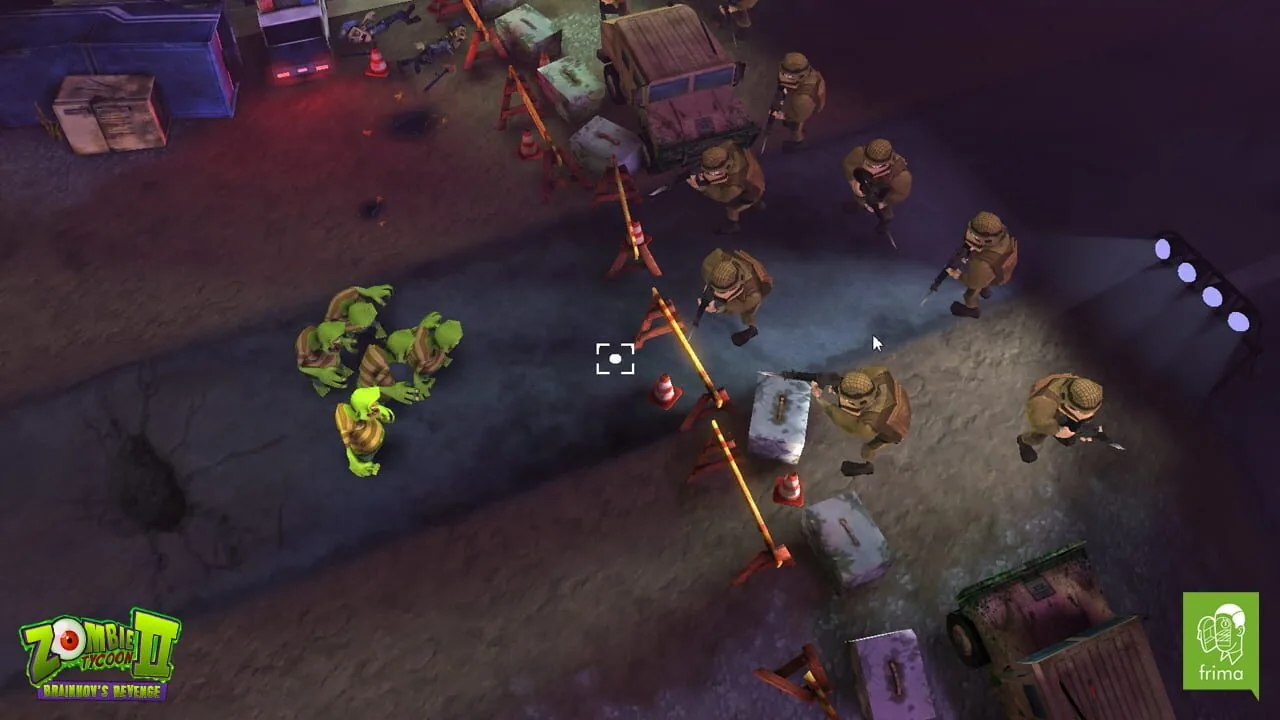
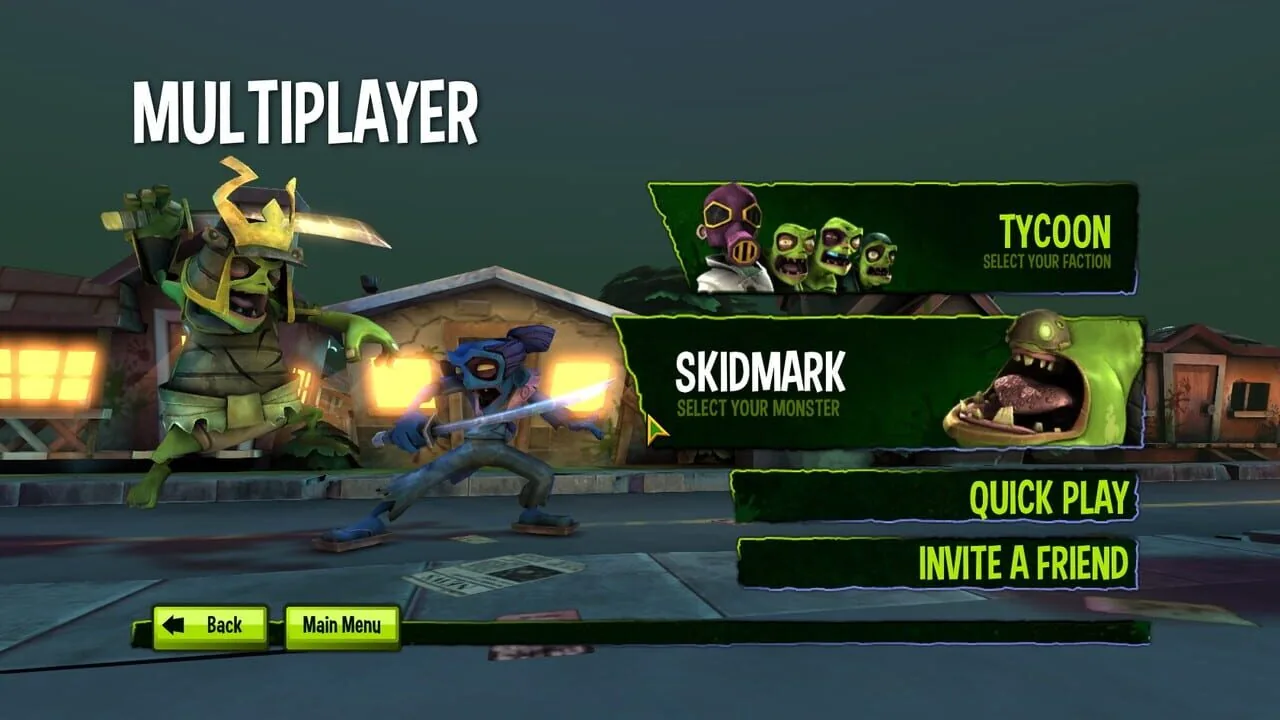
Zombie Tycoon 2: Brainhov's Revenge came out in 2013 for the PlayStation Vita, PlayStation 3 and Microsoft Windows. The first Zombie Tycoon was a PlayStation mini that differs from most zombie games in the fact that the player is able to control and customize three squads of zombies rather than fighting them off. Despite the name, it is not a tycoon game at all. It plays like a real-time strategy game.
The villain is a mad scientist named Brainhov, who perfected a formula that turns people into zombies in the first game and tested it on himself. After a whole console generation of shooting zombies, it is a treat to be on the other side for once. Players still count it among their favourite Vita downloads.
16. Aegis of Earth: Protonovus Assault (2015)
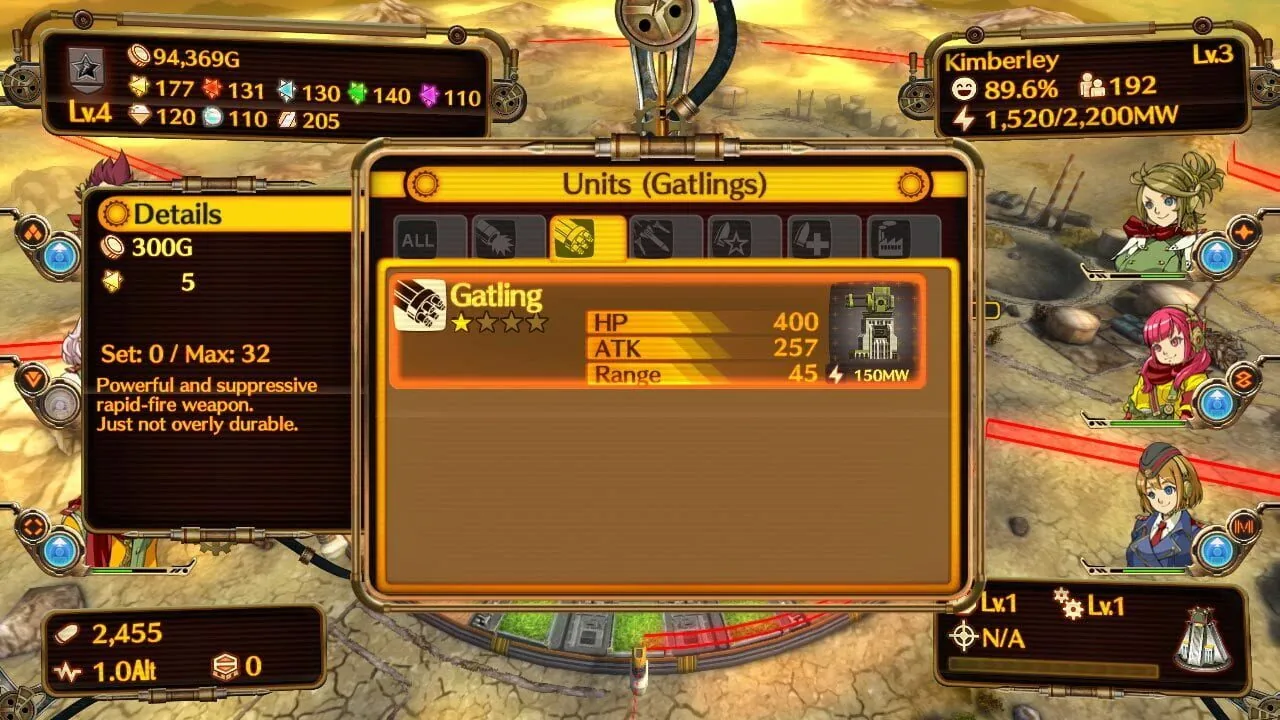
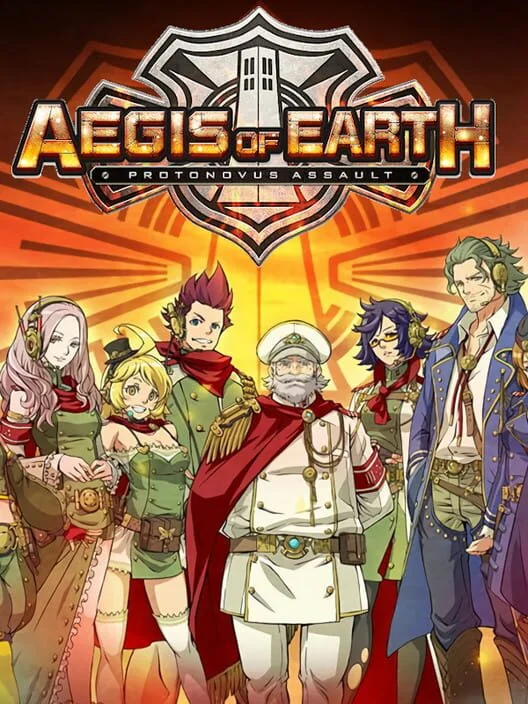
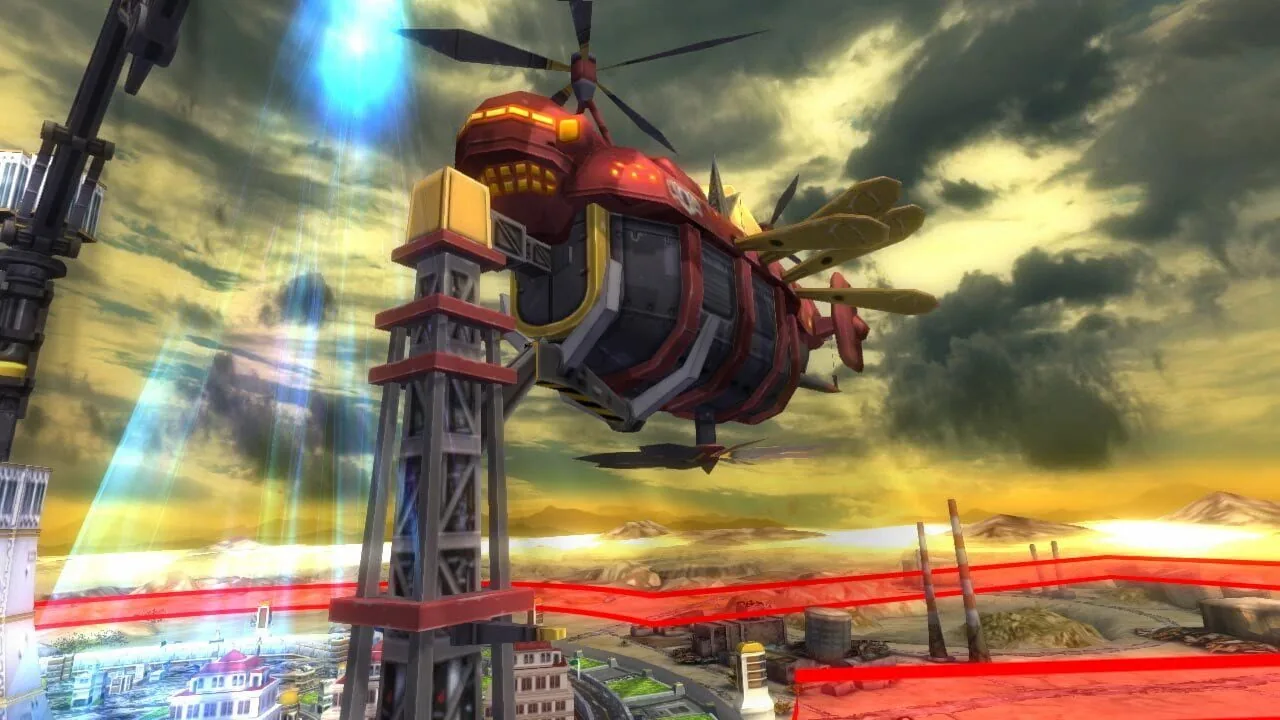
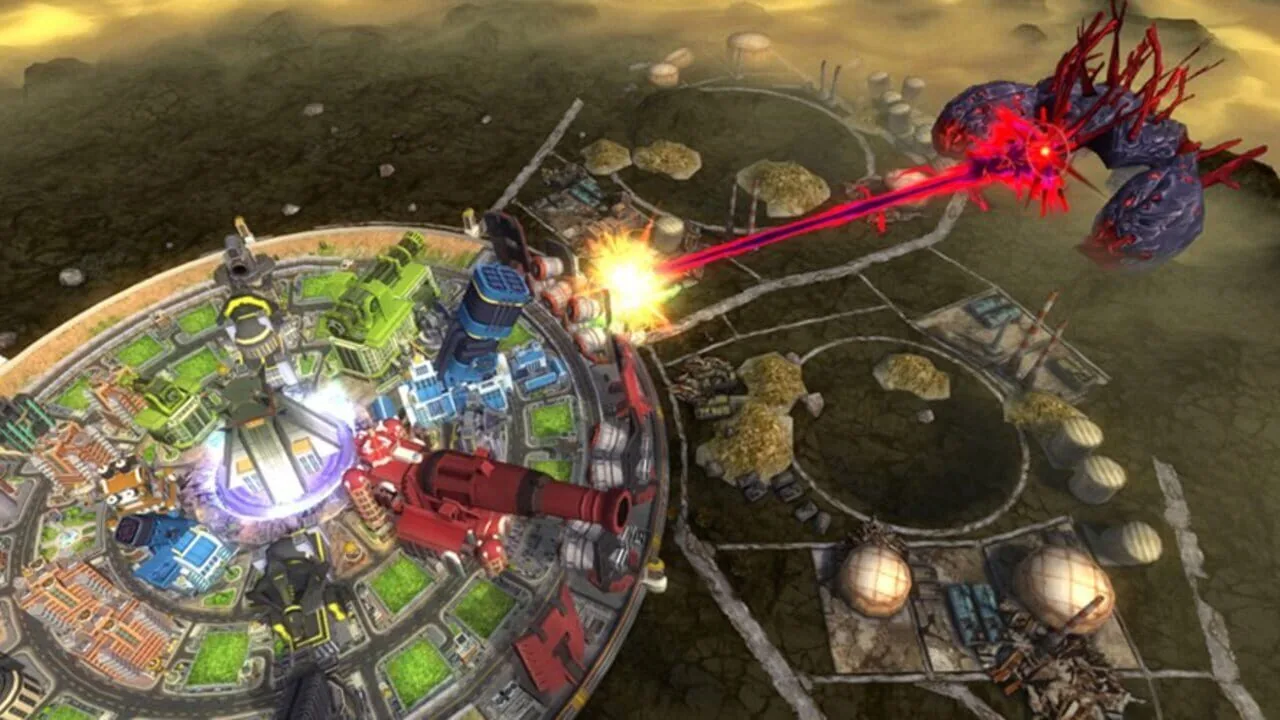
Aegis of Earth is a city defense game. Between battles you run the city: you collect taxes from residents, buy equipment and set up the battlefield with units and artillery. Once the battle starts, waves of enemies approach and the weapons you placed earlier do the work. Put two or more weapons of the same type in a line and they deal more damage. It came out in Japan on July 2, 2015, and in North America on March 15, 2016.
Critics were hard on it. One review called the gameplay "boring", and another compared the graphics to a PlayStation 2 game. Players who stuck with it disagree, and they describe it as an unusual spin on real-time tower defense. Give it an evening before you decide.
15. Frozen Synapse Prime (2014)
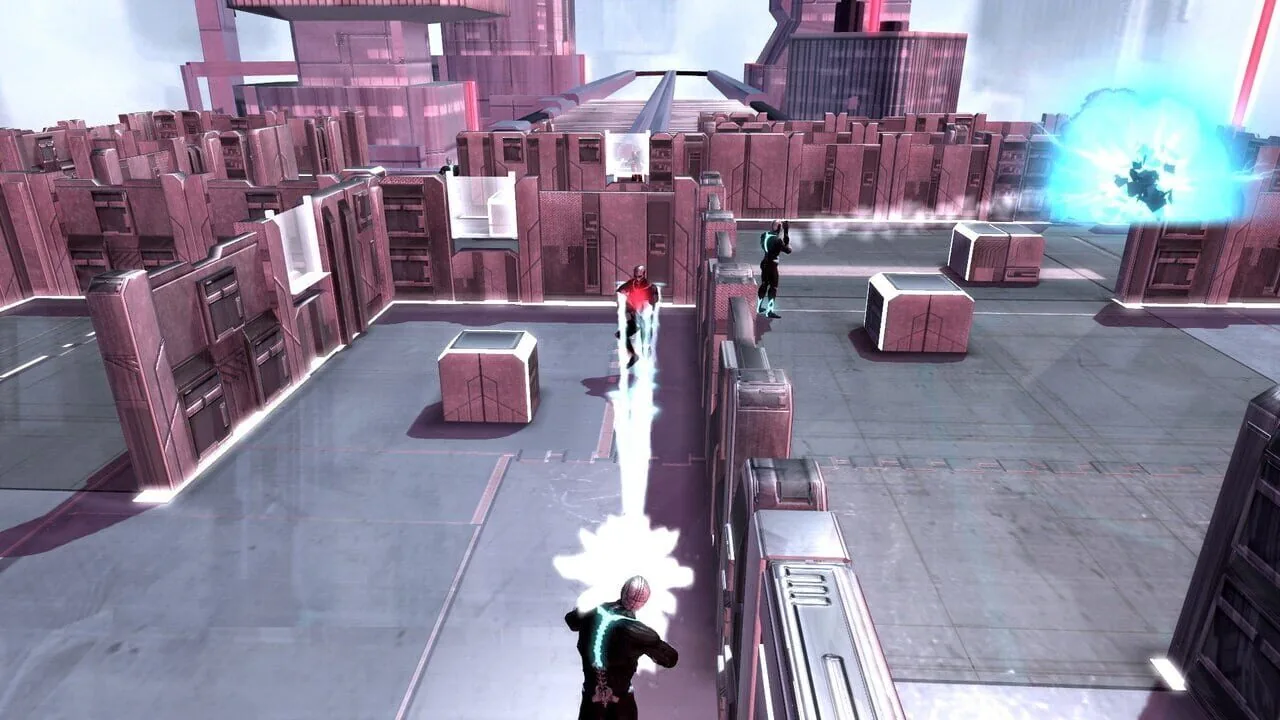
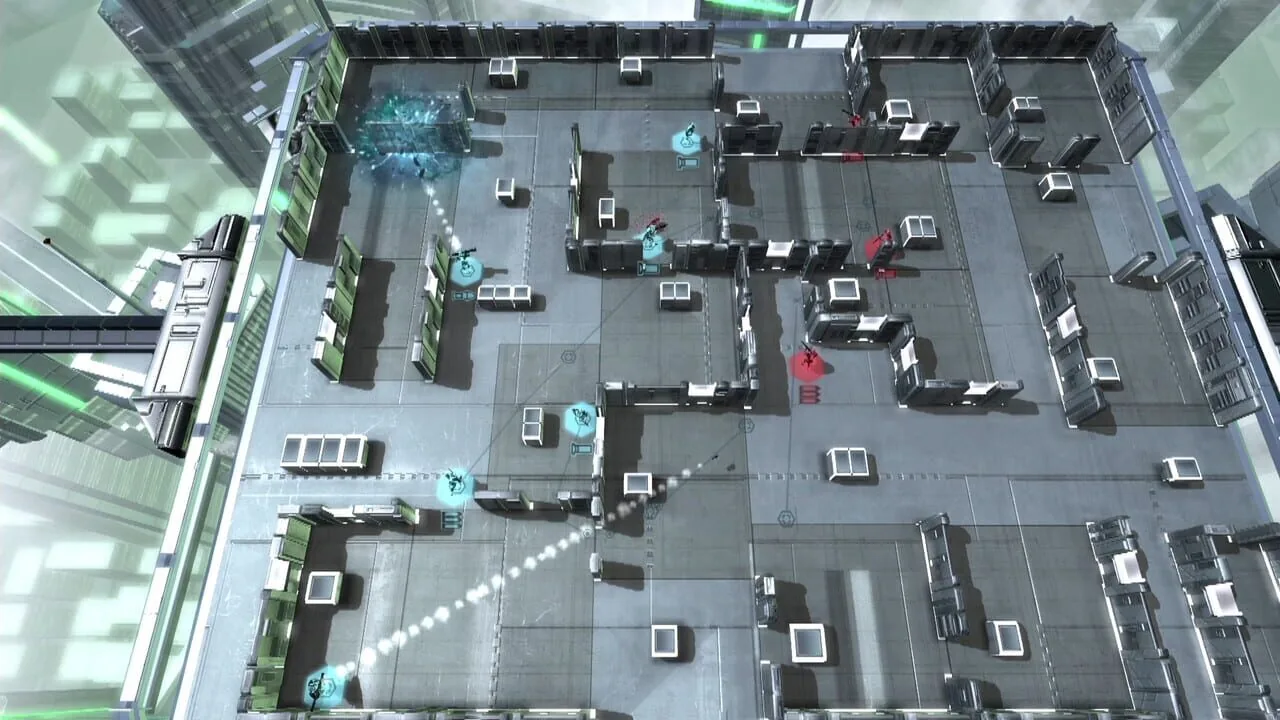
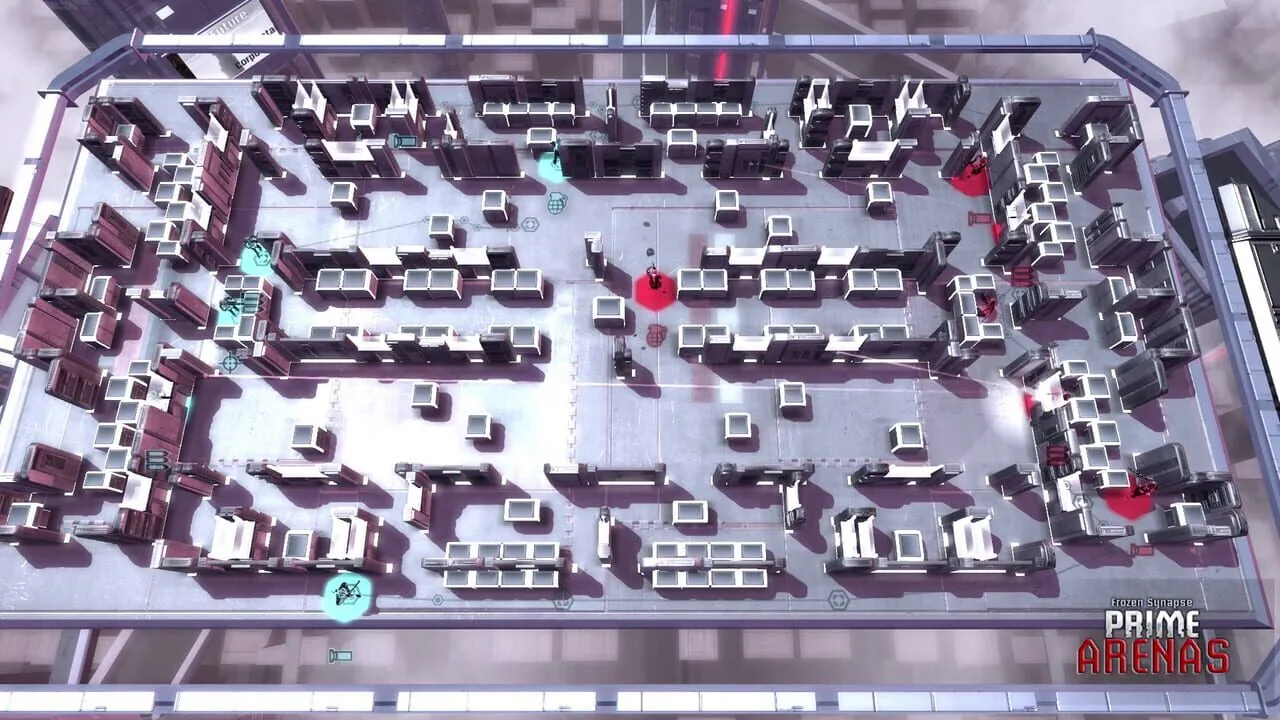
Frozen Synapse Prime is a remake of the PC game Frozen Synapse for consoles, developed by Double Eleven and released on PlayStation Vita on 24 September 2014. You control a small number of soldiers on a map of walls and cover that is generated pseudo-randomly. Each turn you get unlimited time to give orders, and then the round plays out for about 5 seconds. You set where each soldier looks, their stance and speed, and what they do when an enemy comes into view.
Before you commit, you can simulate the turn against what the enemy is doing now. Combat is resolved in a deterministic manner, so there is no luck to blame. Players who want hard strategy on the Vita point straight at it.
14. Army Corps of Hell (2011)
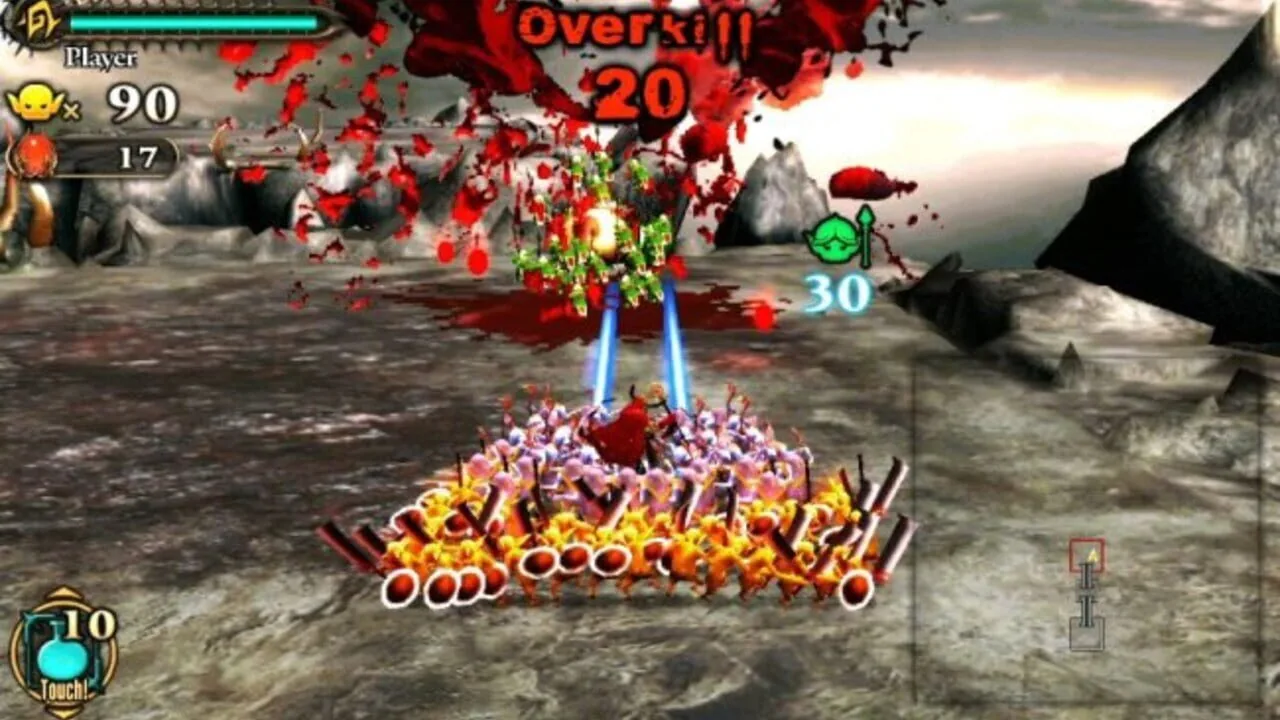
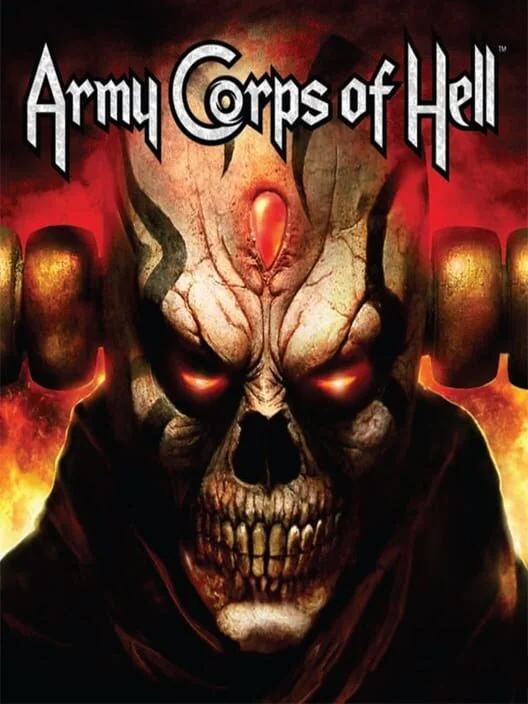
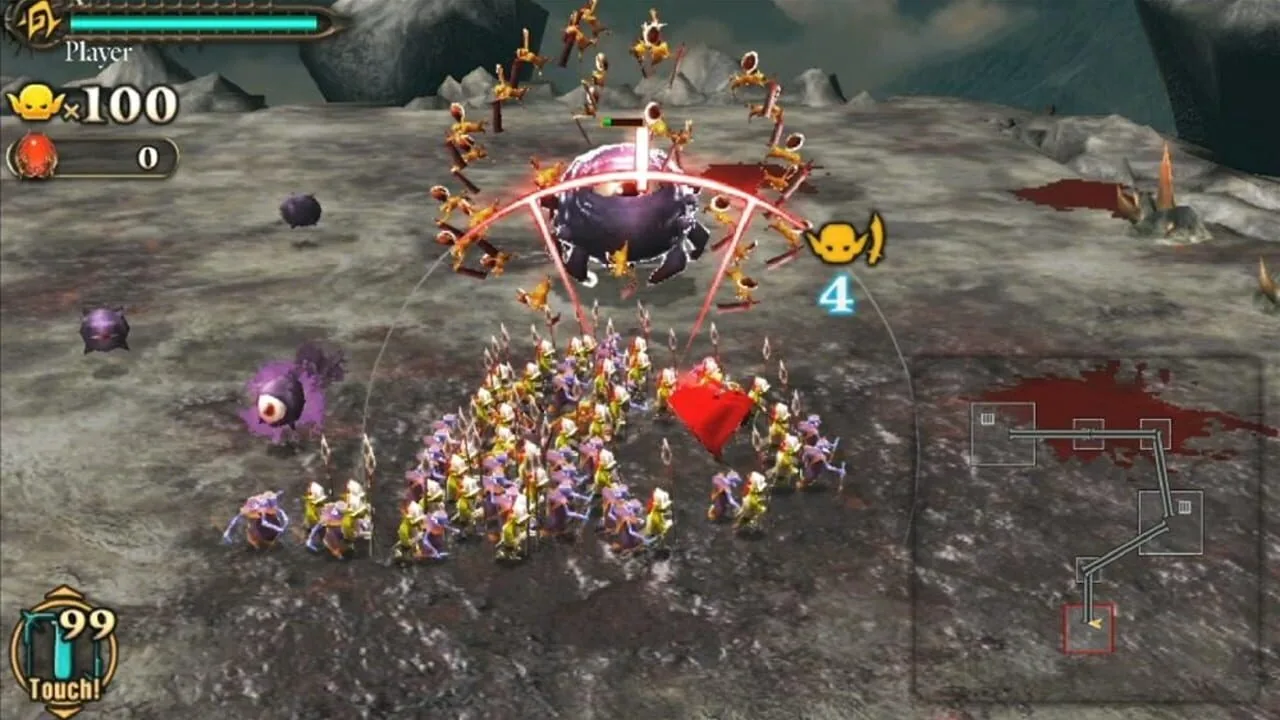
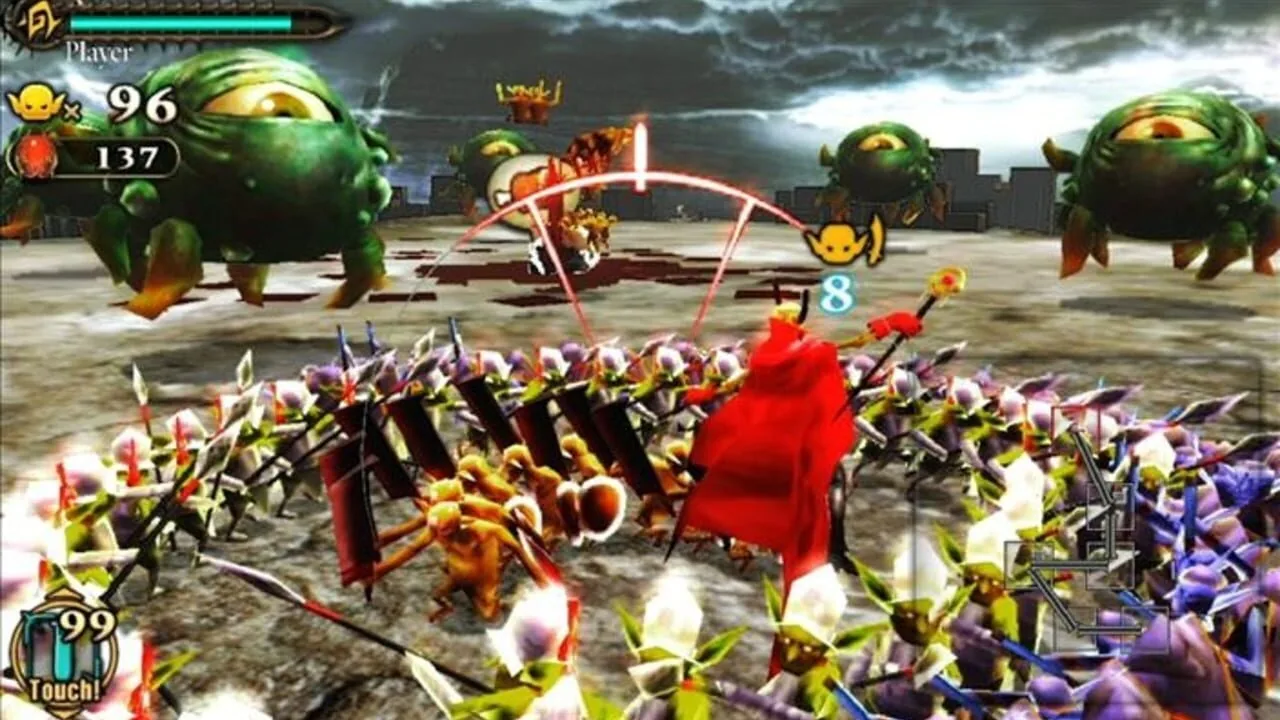
Army Corps of Hell was developed by Entersphere, which was founded by Nintendo alumni Motoi Okamoto. You play the King of Hell, who has lost his throne and been burned down to a meager corpse. What he has left is a corps of weak-minded goblins, and you command them as you fight back through Hell, looting enemy corpses for equipment along the way. Okamoto said making it felt fresh because his experience had been limited to Nintendo hardware.
To promote the game, Square Enix released short live-action comedy videos on YouTube, which tells you the tone. Players are split on it. Some call it a good time, and others found it repetitive and never finished it. It is short on depth but long on goblins.
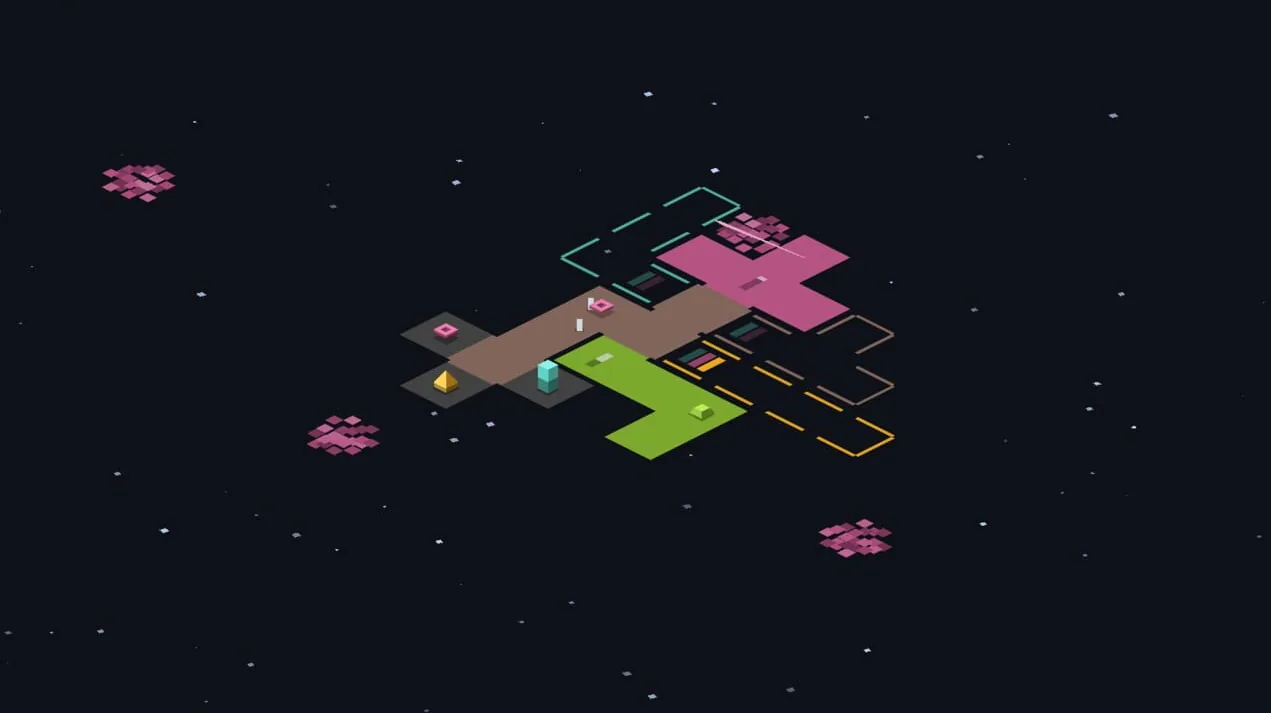
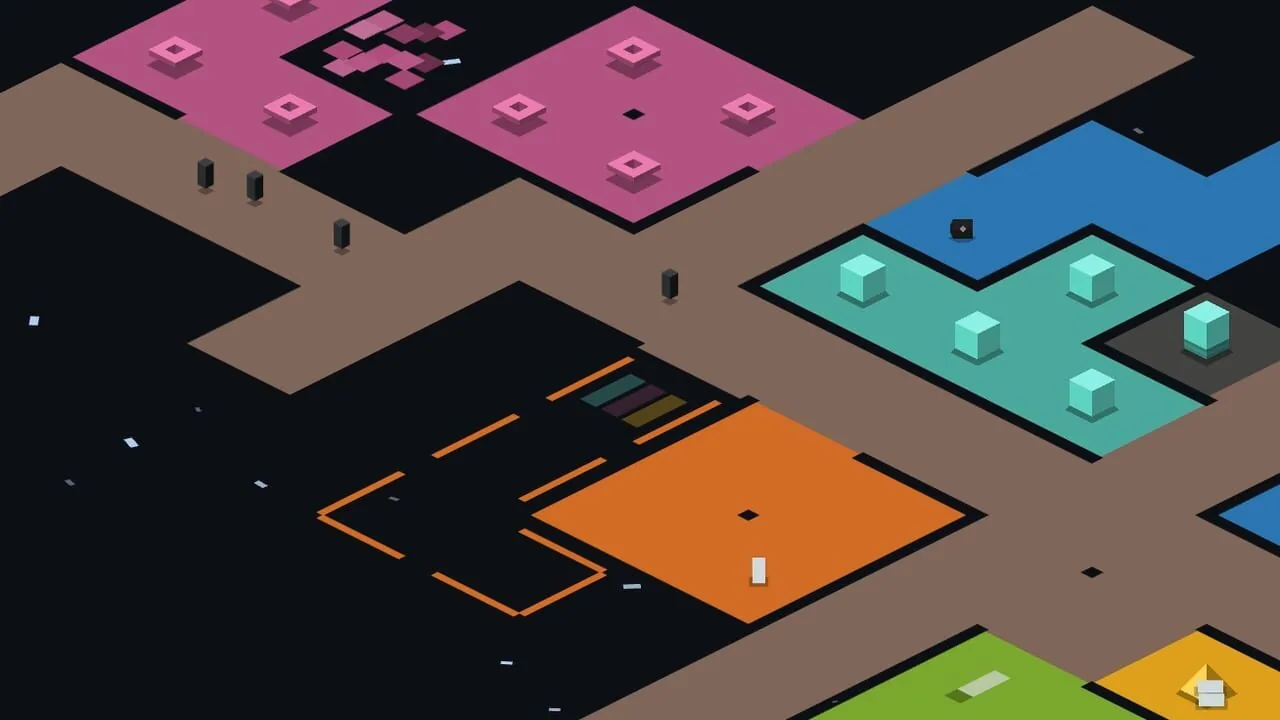
13. Rymdkapsel (2013)
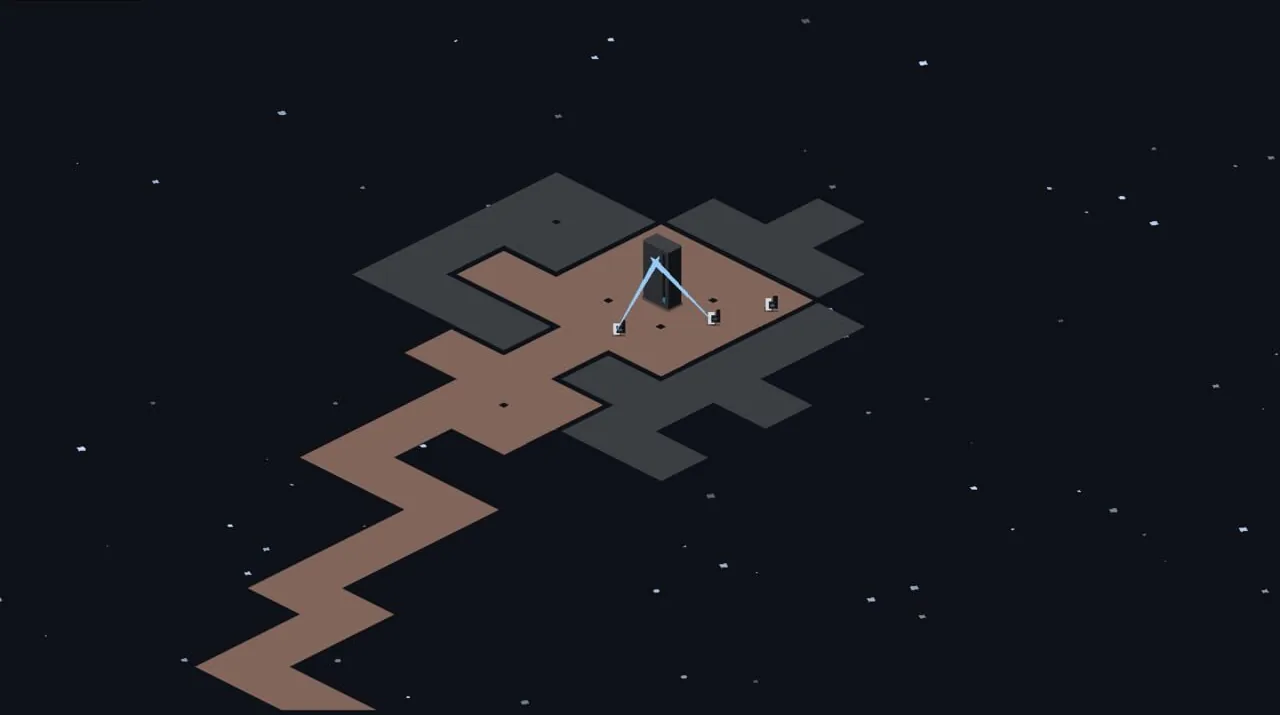
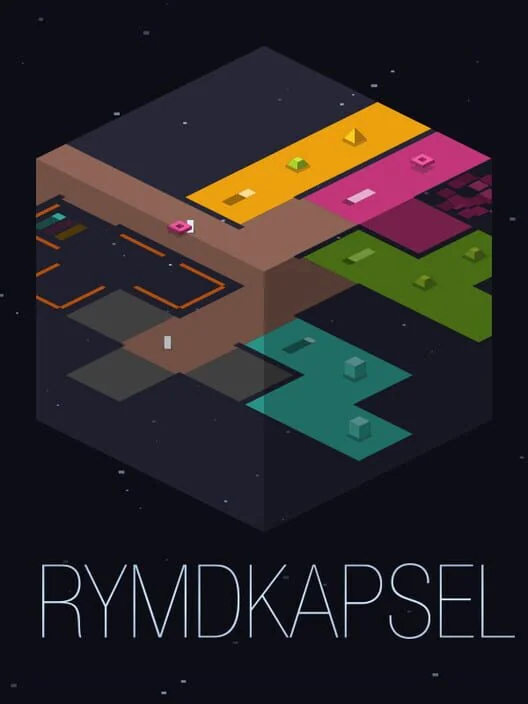
Rymdkapsel was released on May 7, 2013, for PlayStation Mobile, and was later ported to iOS, Android and PC. It was Jonasson's first full game as an indie developer, and he built it over a year and a half. The idea came from the base-building aspects of the Command & Conquer series. His first prototype was about a space station with a hull breach that blows its people out into space, but he liked the building better and dropped the breach.
Reviewers liked its simplicity and challenge, and were less keen on its brevity and slow start. Players praise how simple and fun it is. It is easy to learn and hard to put down.
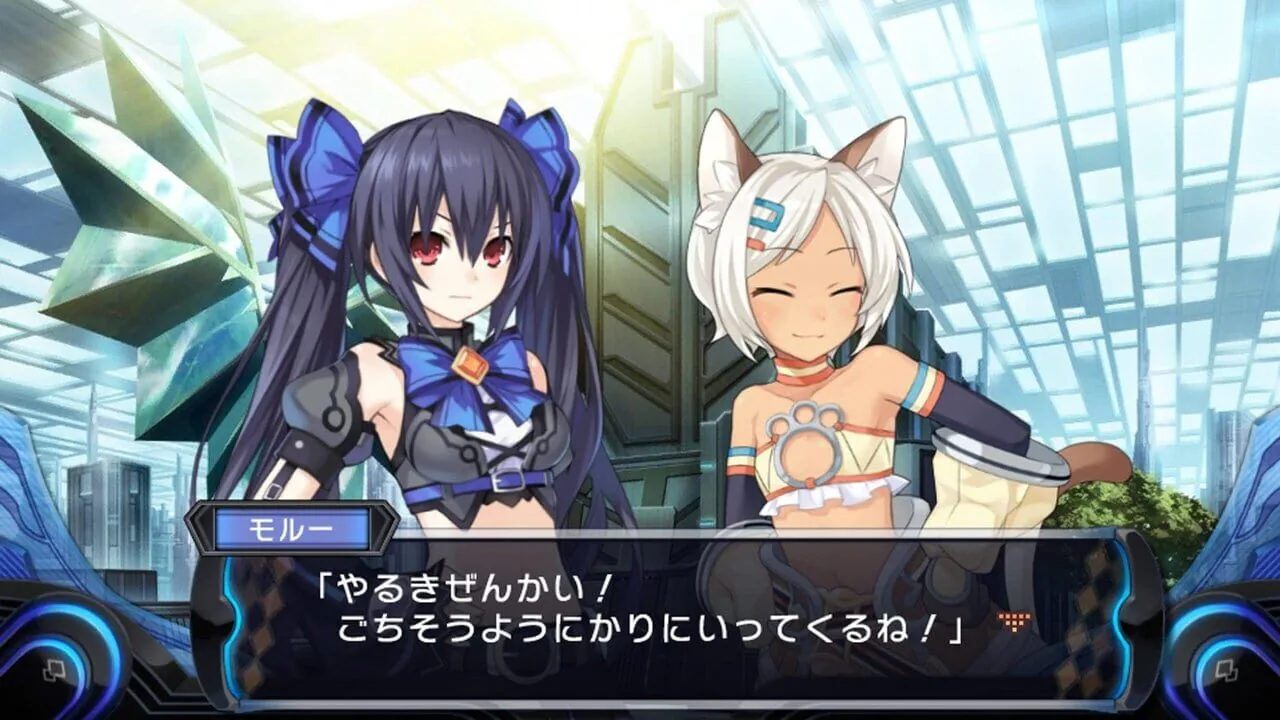
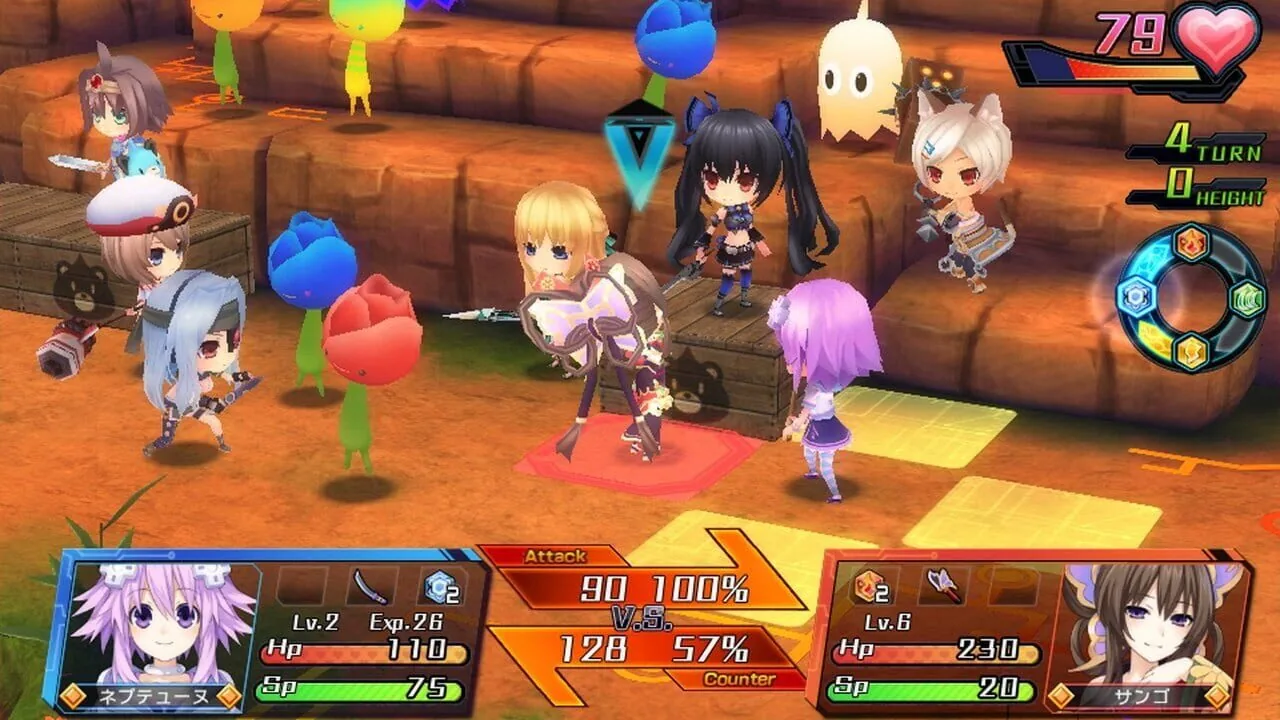
12. Hyperdevotion Noire: Goddess Black Heart (2015)
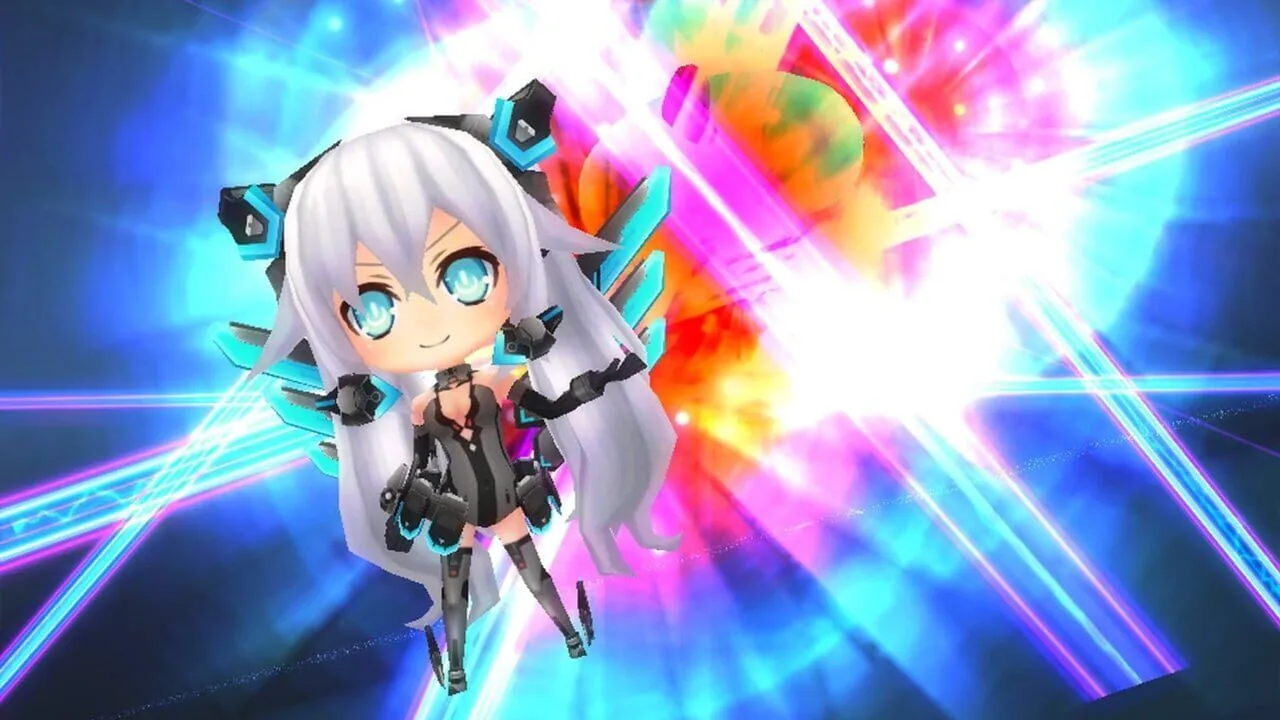
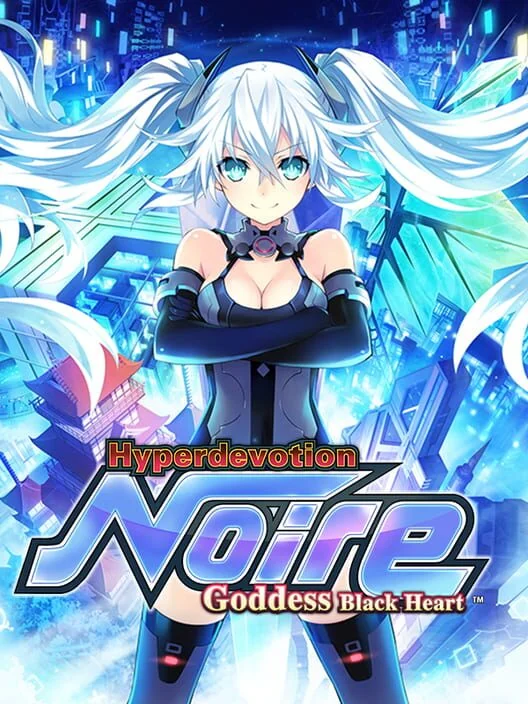
Hyperdevotion Noire came out in Japan on May 29, 2014, and in North America and Europe in February 2015. It was originally a PlayStation Vita exclusive. Chibi versions of the Hyperdimension Neptunia characters battle on a tactical grid map, and map elevation matters, since some units climb higher terrain better than others and units take damage from falling. Status ailments include turning into tofu and becoming 8-bit.
Most of the new cast are parodies of real game series. Ryuka is named after Yakuza, known as Ryū ga Gotoku in Japan, and Vio is a girl with a pistol and an umbrella in a nod to Resident Evil. Sting, the studio that made it, even shows up as a character. Players usually recommend it next to the main Neptunia games, as a spin-off for people who already love the series.
11. CastleStorm (2013)
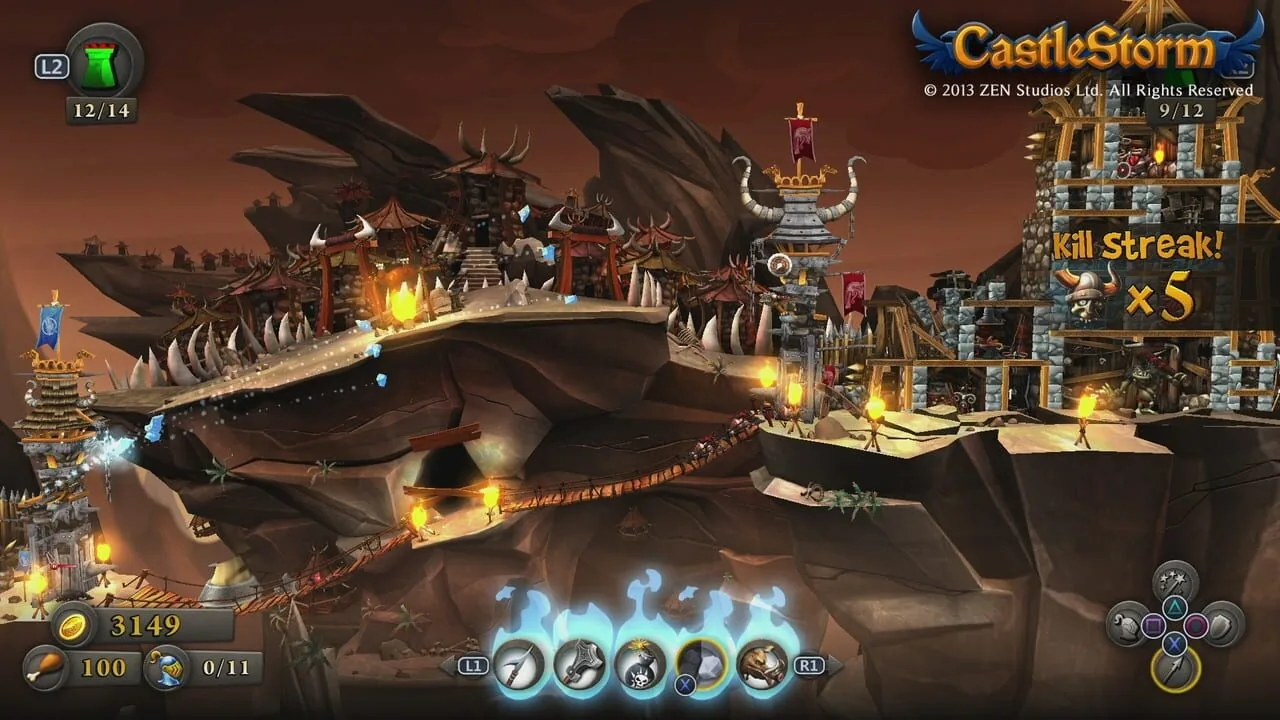
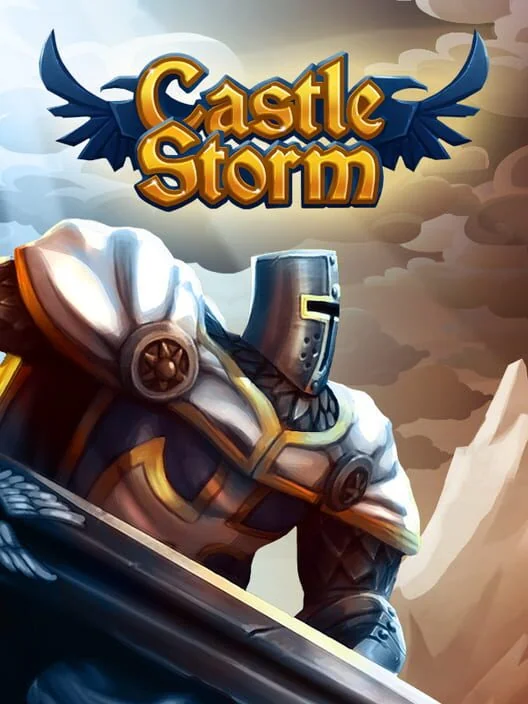
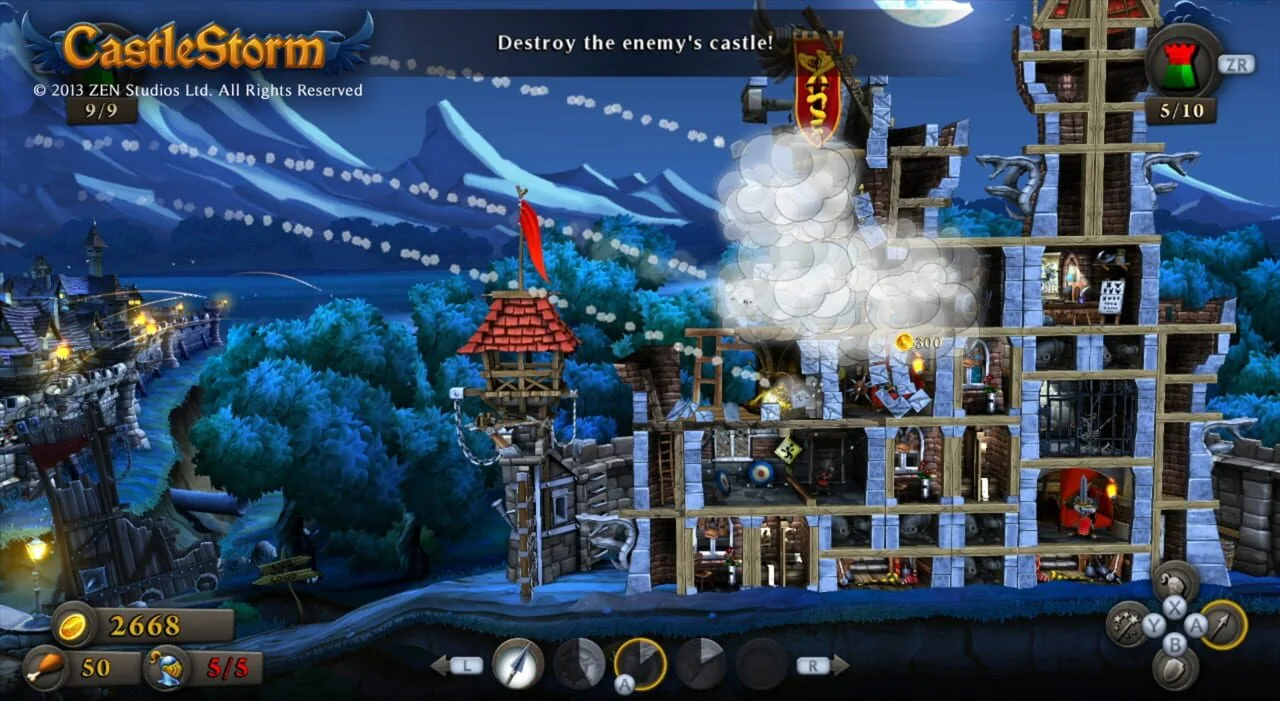
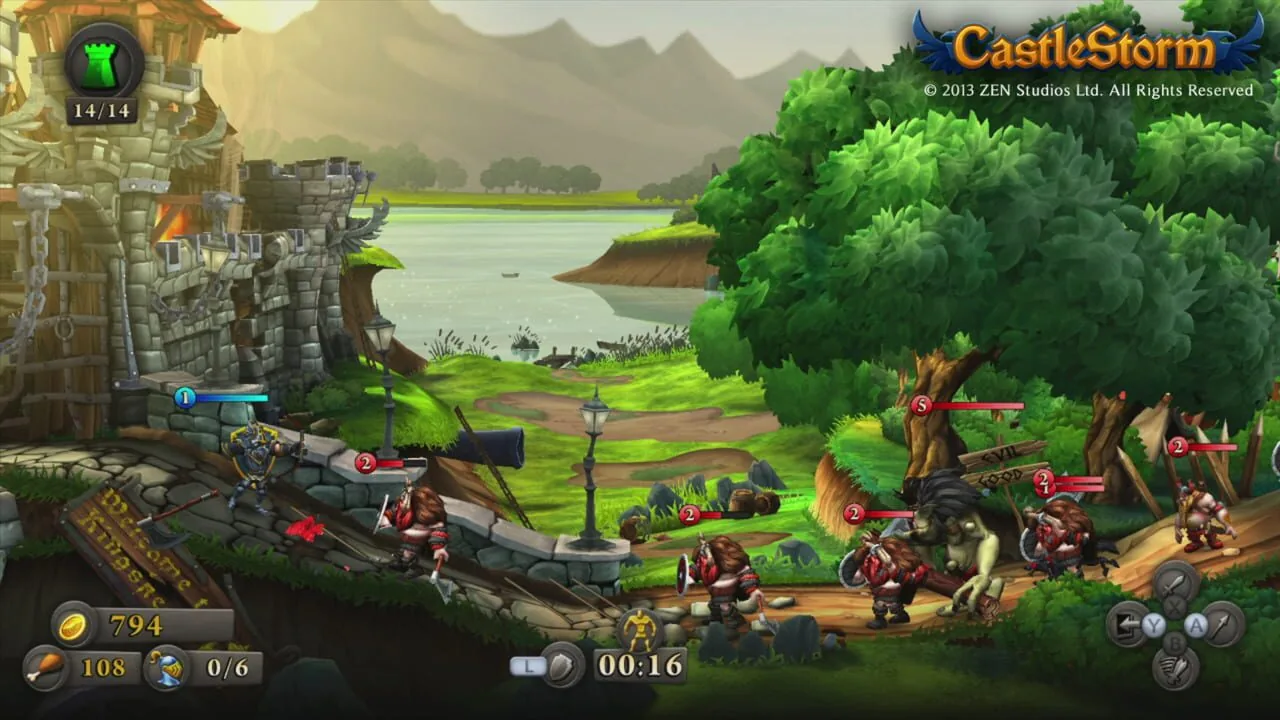
CastleStorm is a side-scrolling physics-based real-time strategy game with tower defense elements, from Zen Studios. You start as Sir Gareth, who is introduced in the first campaign, Kingdom Quest, and finishing each campaign unlocks another character to play. It first came out on Xbox Live Arcade on May 29, 2013.
It did well enough to get a remastered Definitive Edition for PlayStation 4 and Xbox One in 2014. A sequel, CastleStorm 2, followed on July 31, 2020. On the Vita, players put it among their favourite indie games, and it is an easy pick for anyone who wants strategy without menus full of stats.
10. Natural Doctrine (2014)
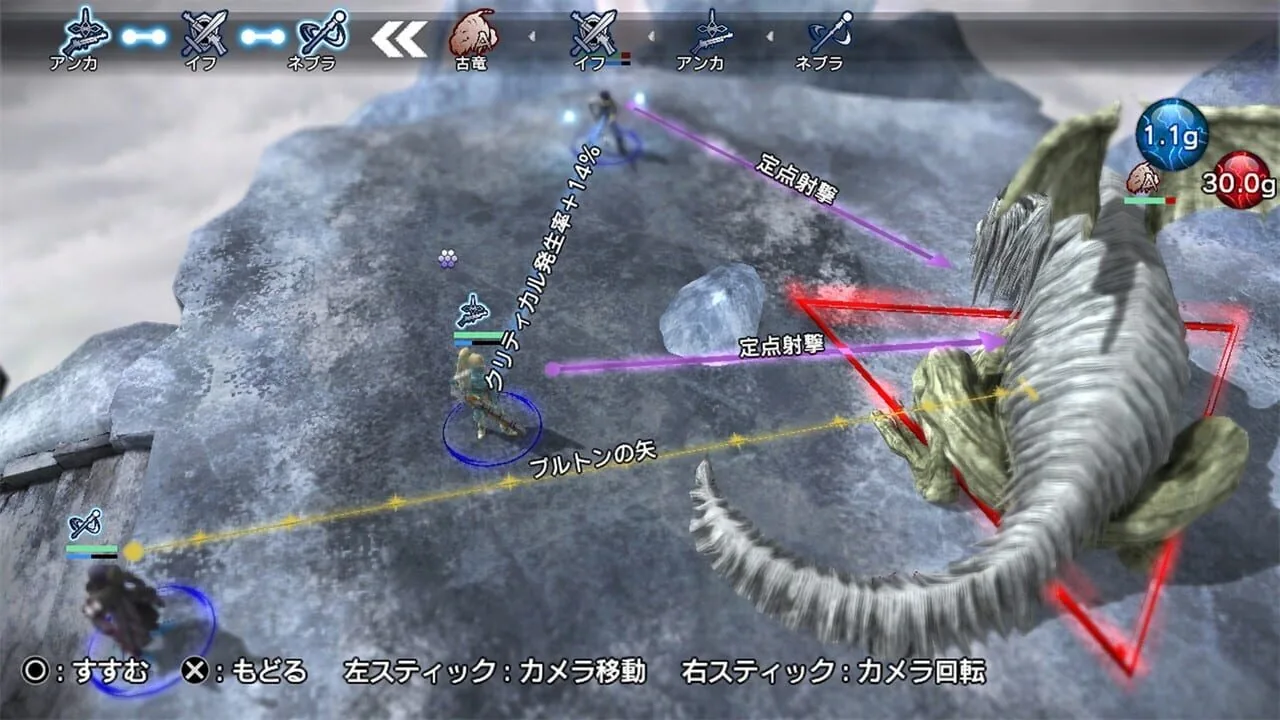
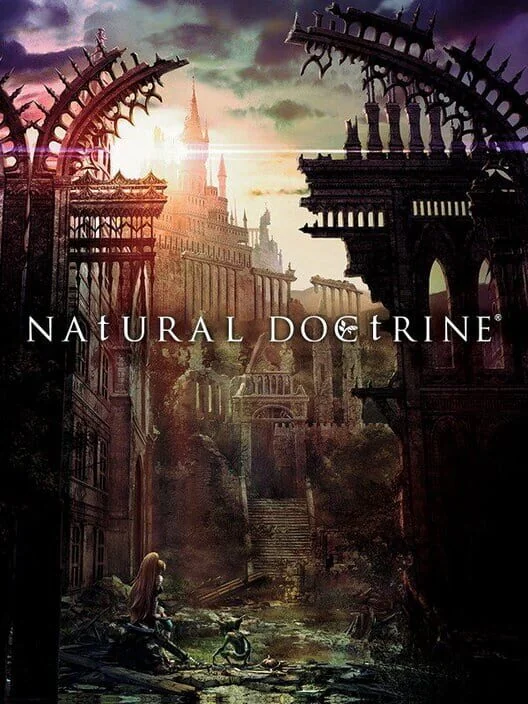
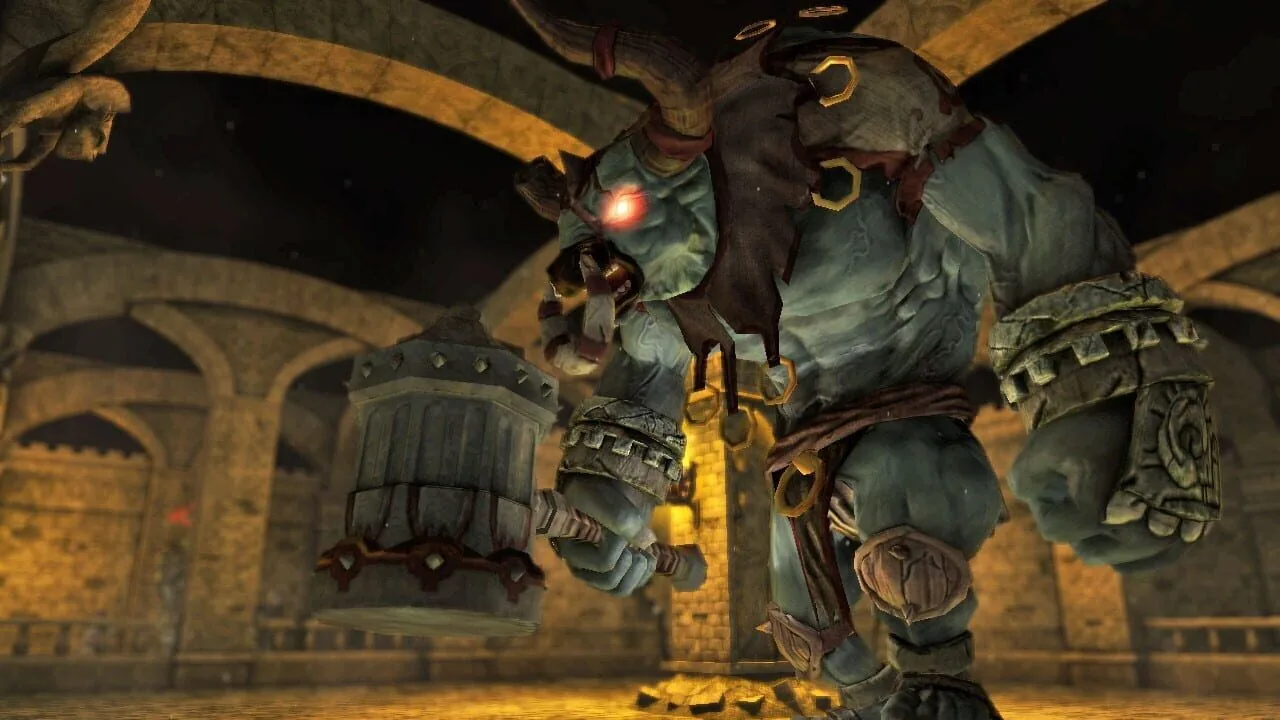
Natural Doctrine is the first title that is solely developed by Kadokawa, and its director, Atsushi Ii, was previously known for directing Patapon. It was meant to be a release title for the PlayStation 4 and was delayed twice, to April 2014. It is a tactical RPG built around large numbers of allies and enemies on one big battlefield, and the hero, Geoff, is a guard soldier sent to clear out goblin dens.
It is famous for being hard. A July 10, 2014 update added an easy mode after players in Japan complained that the game was too difficult. One fan put it well: "most reviewers did not really try to understand the mechanics and were quick to call it too hard". Give it time and it opens up.
9. God Wars: Future Past (2017)
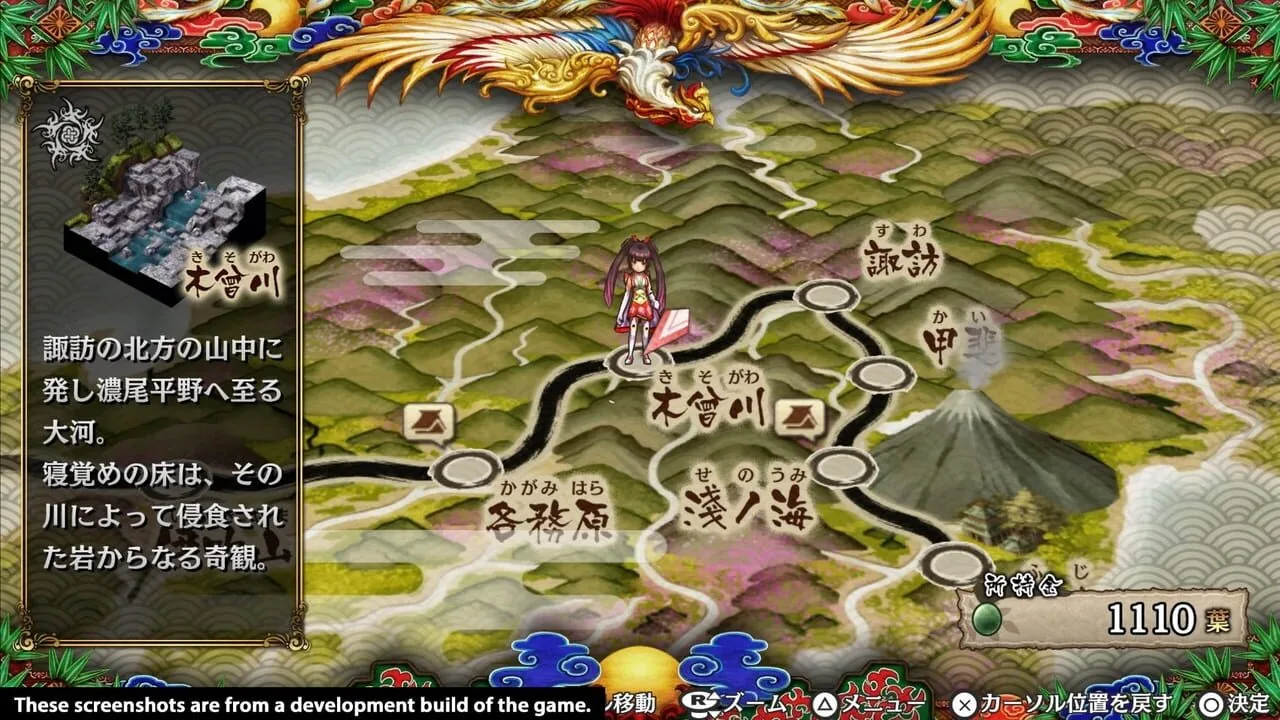
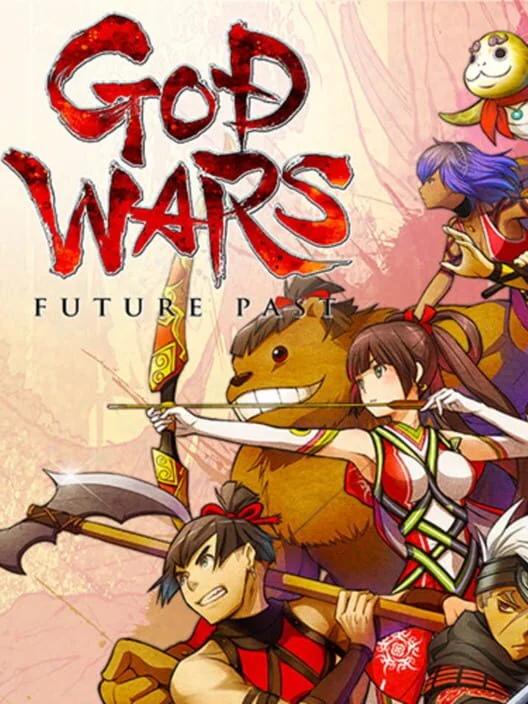
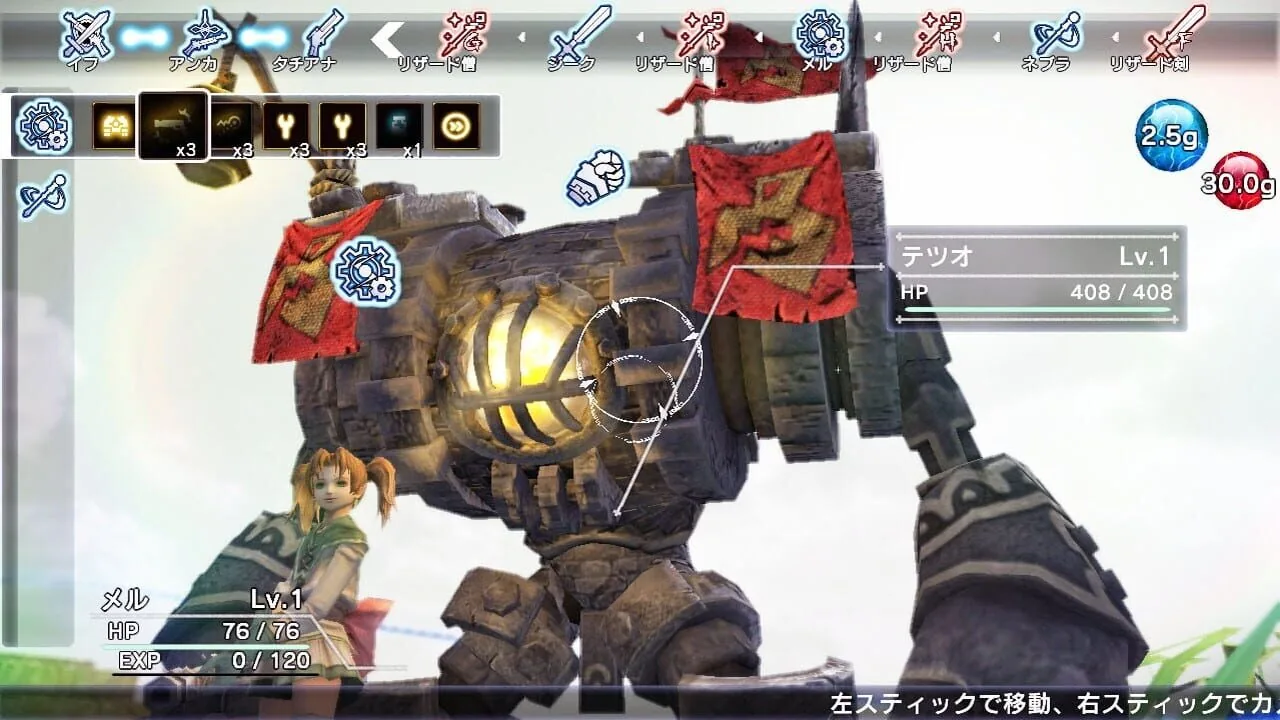
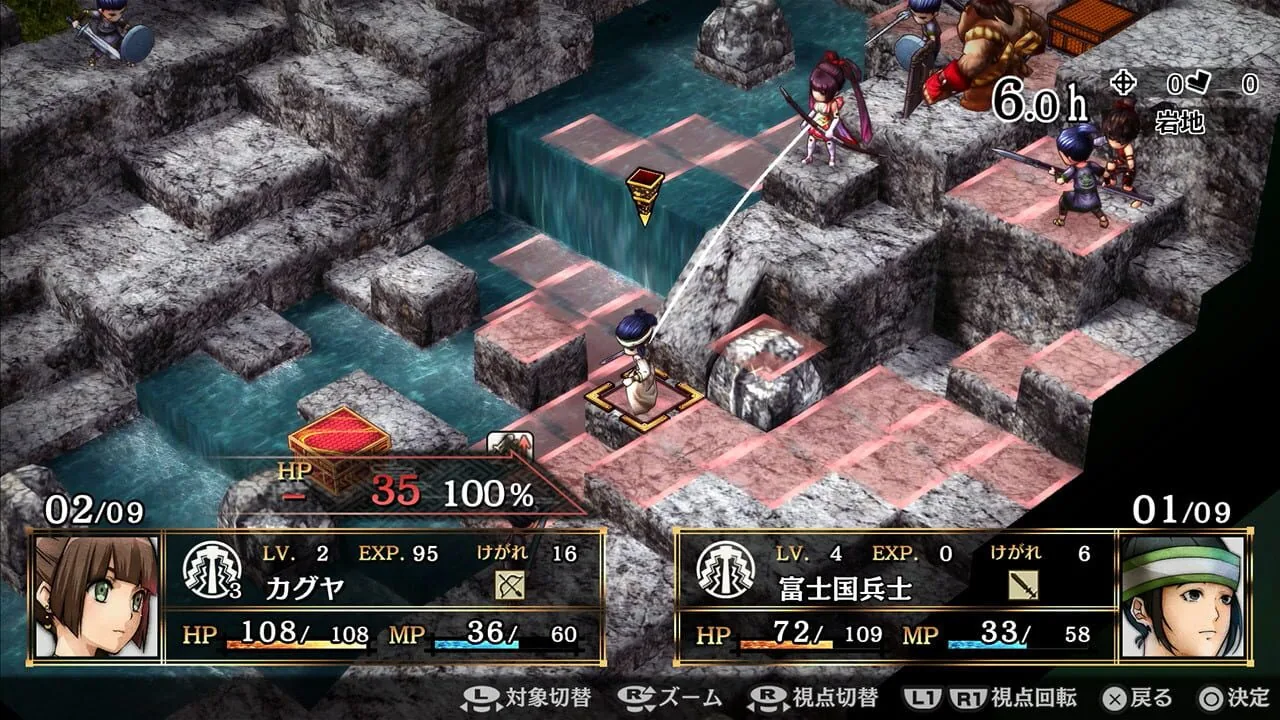
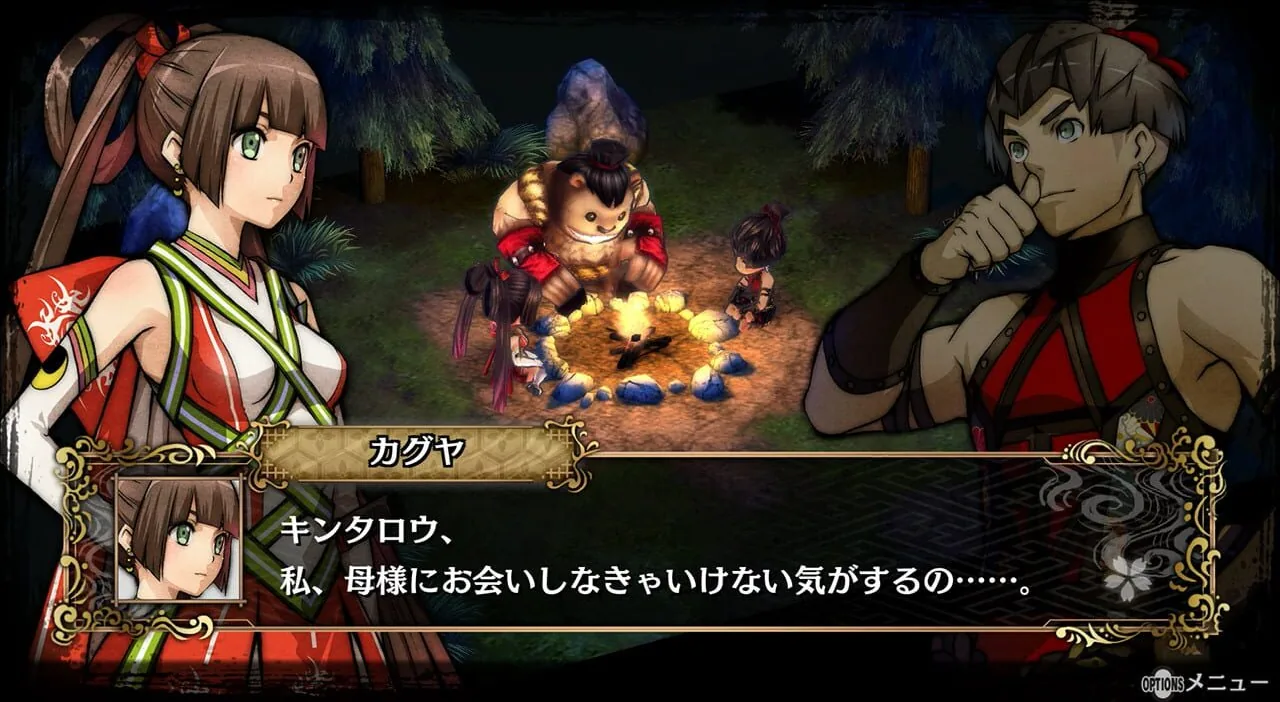
God Wars: Future Past came out in June 2017 for the PS4 and PS Vita. It is a tactical RPG in the classic mould. You move a team across an isometric grid and take turns according to speed rating, and attacking from behind or from higher ground does more damage. Weapons and armour change effectiveness depending on the height and range of the character. There are 23 classes, including Samurai and Tengus.
Besides the main story, Shrine Battles give you extra experience points and equipment, and it is hard to miss anything, since you can always go back later. An expanded version, God Wars: The Complete Legend, came to the Switch on September 4, 2018. Players keep naming it among the Vita's RPGs worth playing.
8. Plants vs. Zombies (2009)
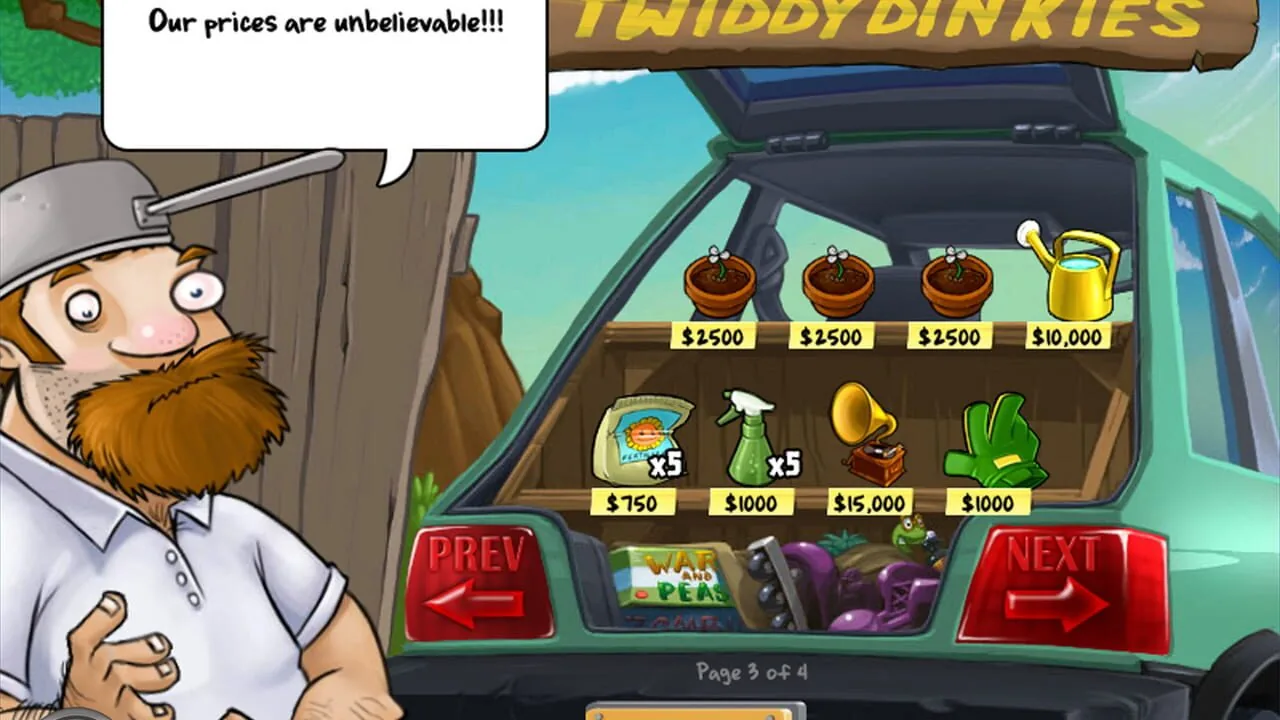
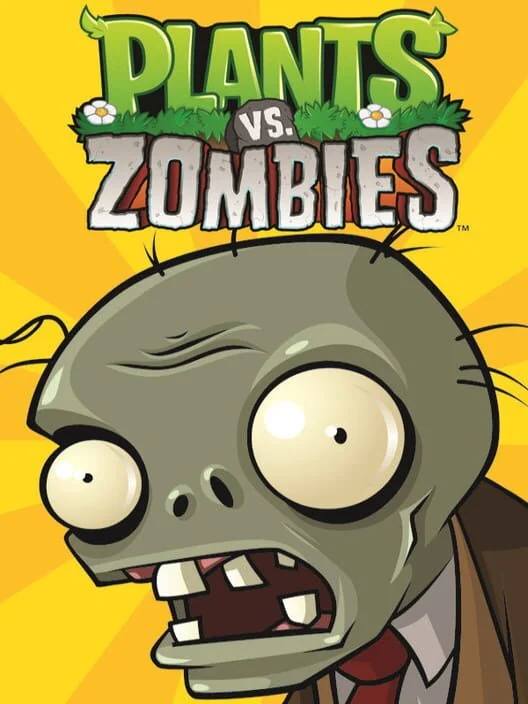
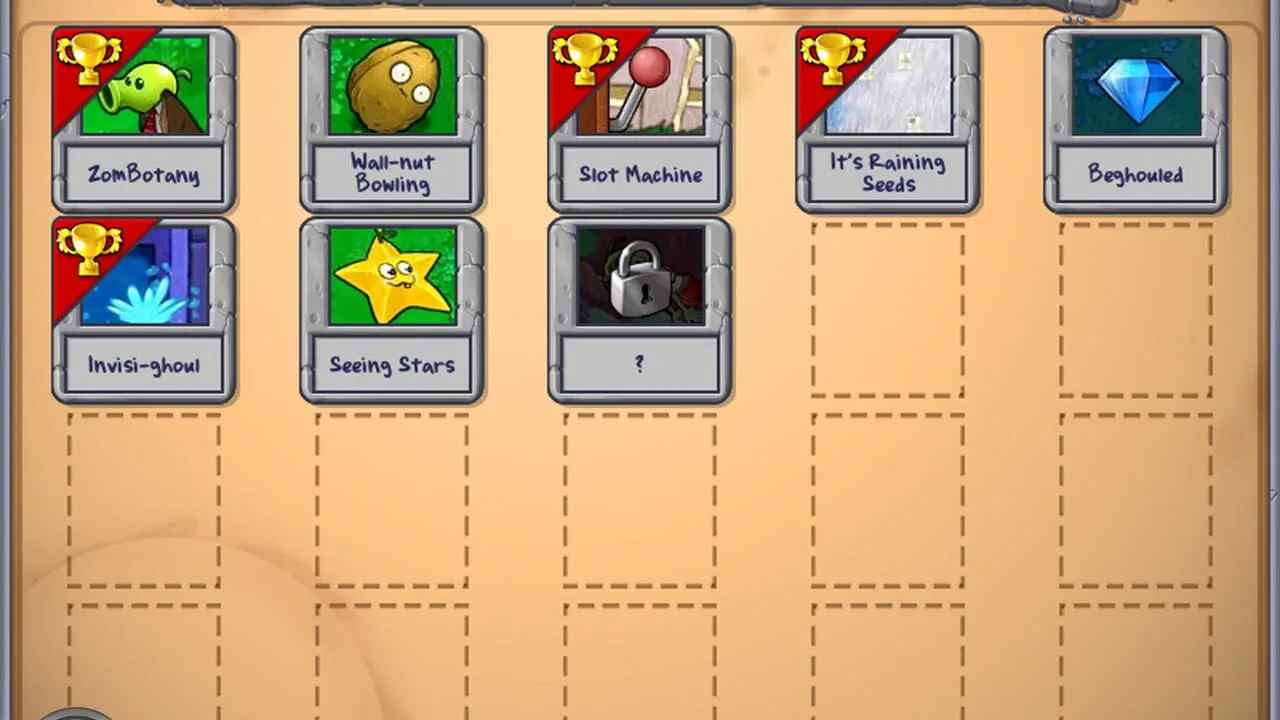
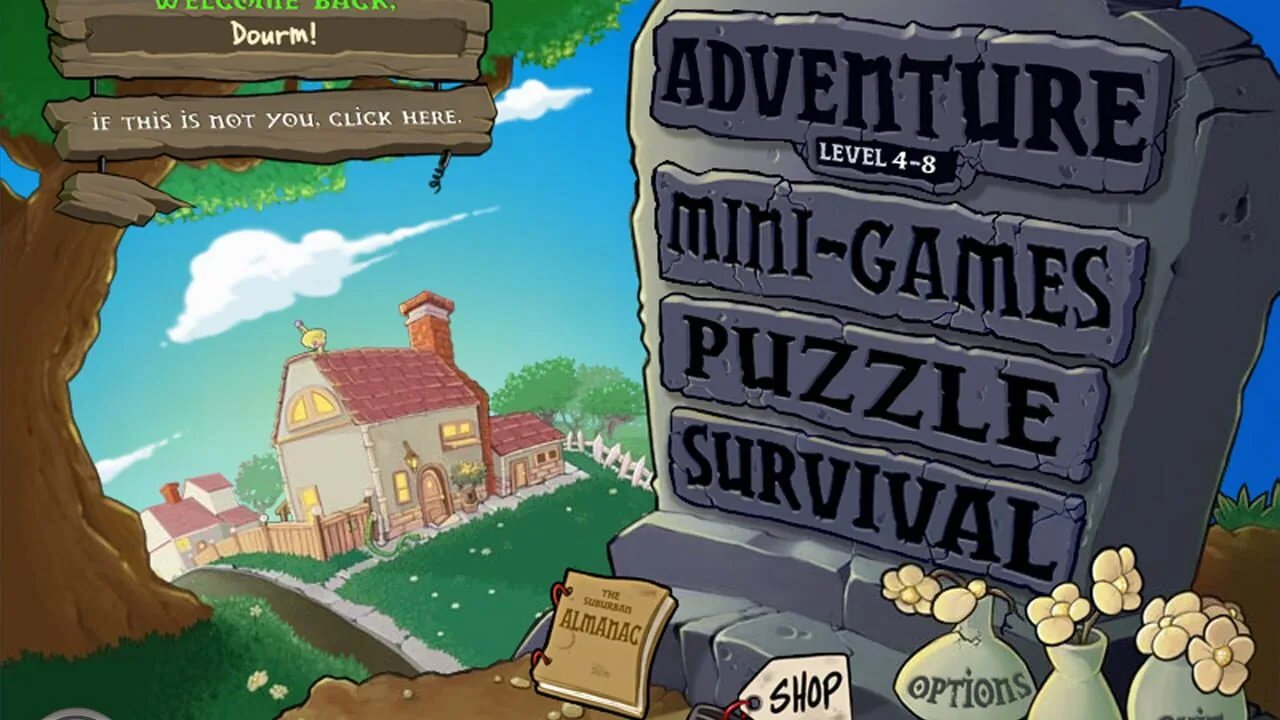
Plants vs. Zombies is a 2009 tower defense game from PopCap Games, first released for Windows and macOS and later ported to consoles, handhelds and mobile devices. George Fan designed it as a more defense-oriented sequel to his fish simulator game Insaniquarium. Development took three and a half years, and Laura Shigihara composed the music, which you will be humming for weeks.
It was nominated for Strategy Game of the Year at the Golden Joystick Awards 2010, and it became PopCap's best-selling game, surpassing Bejeweled and Peggle. It has since been considered one of the greatest video games of all time. Players looking for tower defense on the Vita get pointed to this and Fieldrunners first.
7. Monster Monpiece (2013)
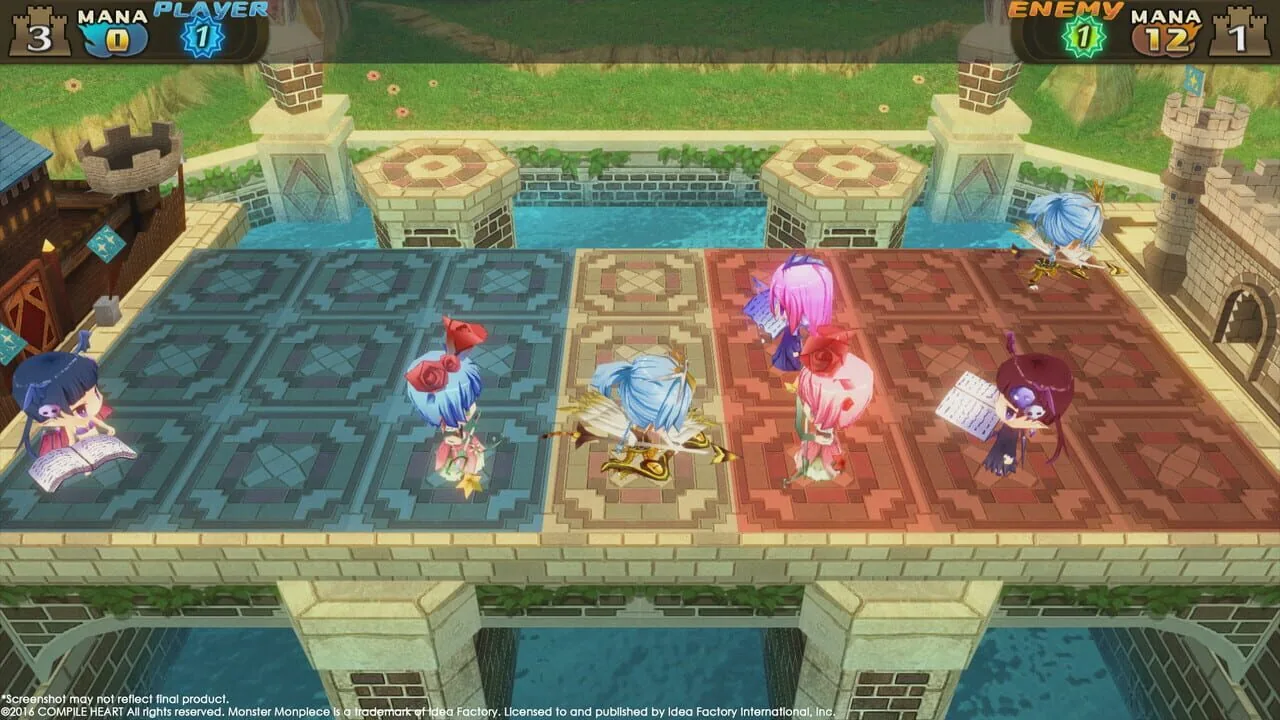
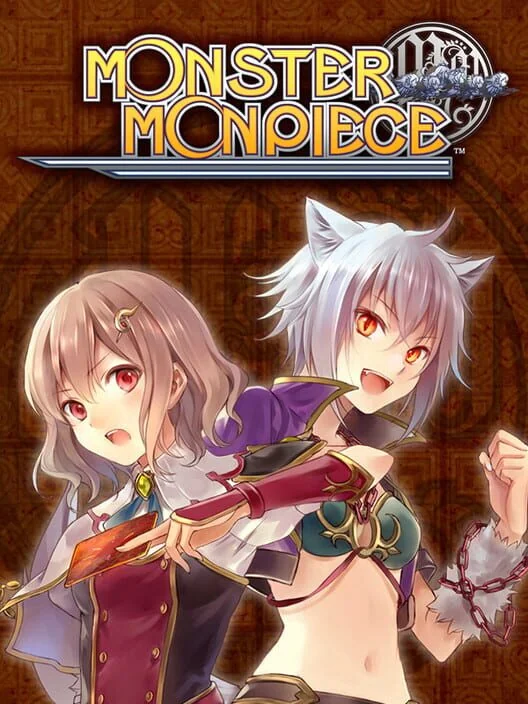
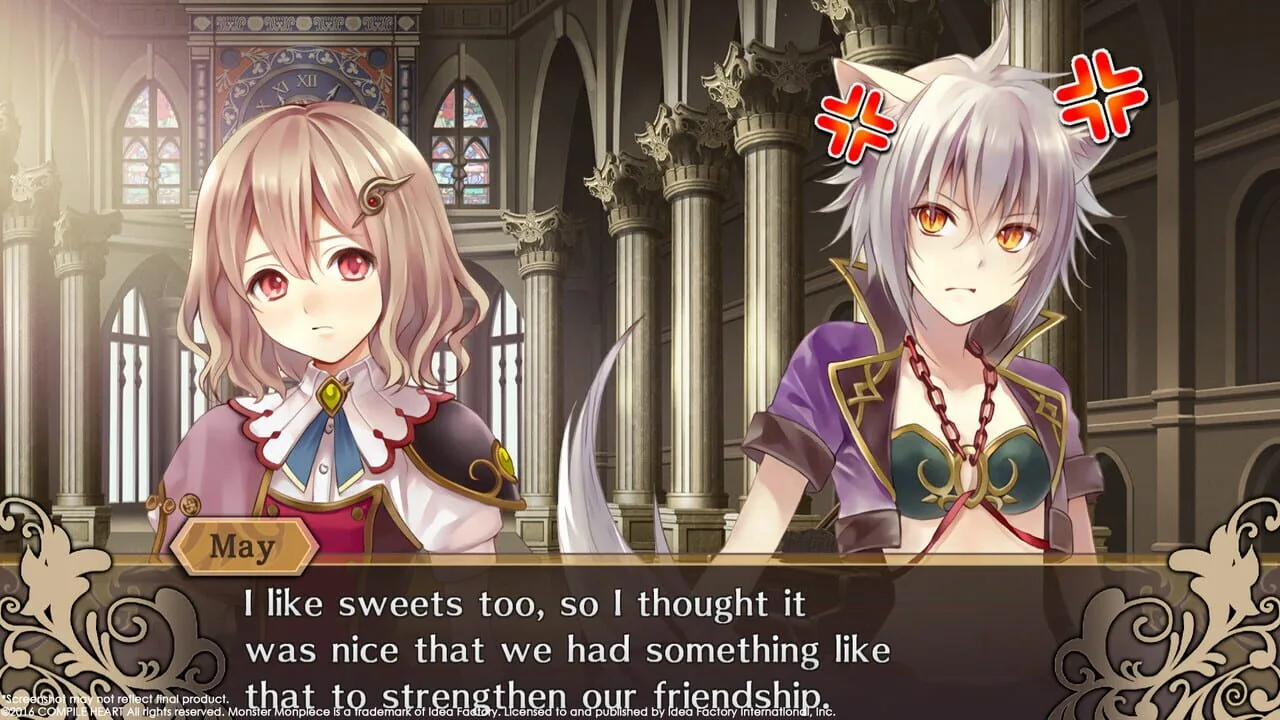
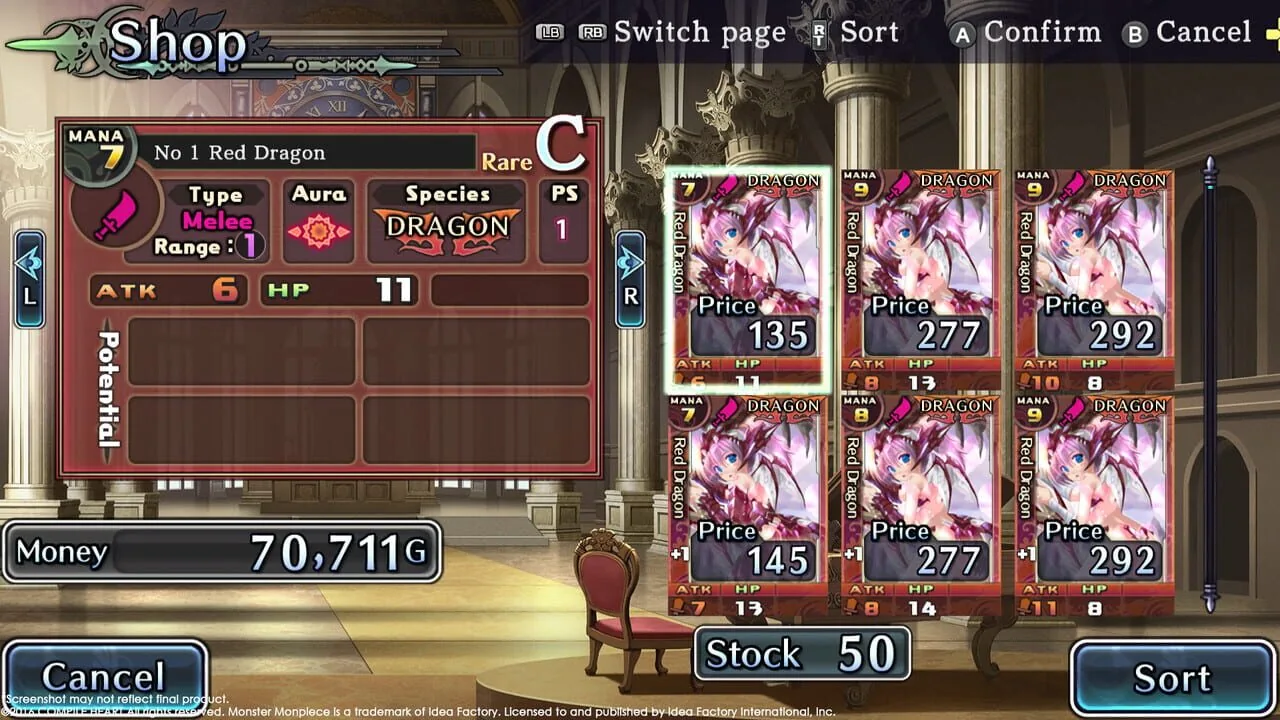
Monster Monpiece is a card battle game developed by Compile Heart. It came out in Japan on January 24, 2013, and Idea Factory International released it in English in May 2014. Battles are turn-based and take place on a 7x3 grid, and you drag cards onto the field to bring them into play. There are over 100 cards in four types. Melee cards are good up close, and ranged cards attack from a distance.
The cards are monster girls, and you strengthen them in a rub mode that has you stroke both sides of the PlayStation Vita while their clothes come off. It is exactly as awkward as it sounds, and IGN scored the game 4.9 out of 10. Players who recommend it are there for the card battles and the deck building.
6. SteamWorld Heist (2015)
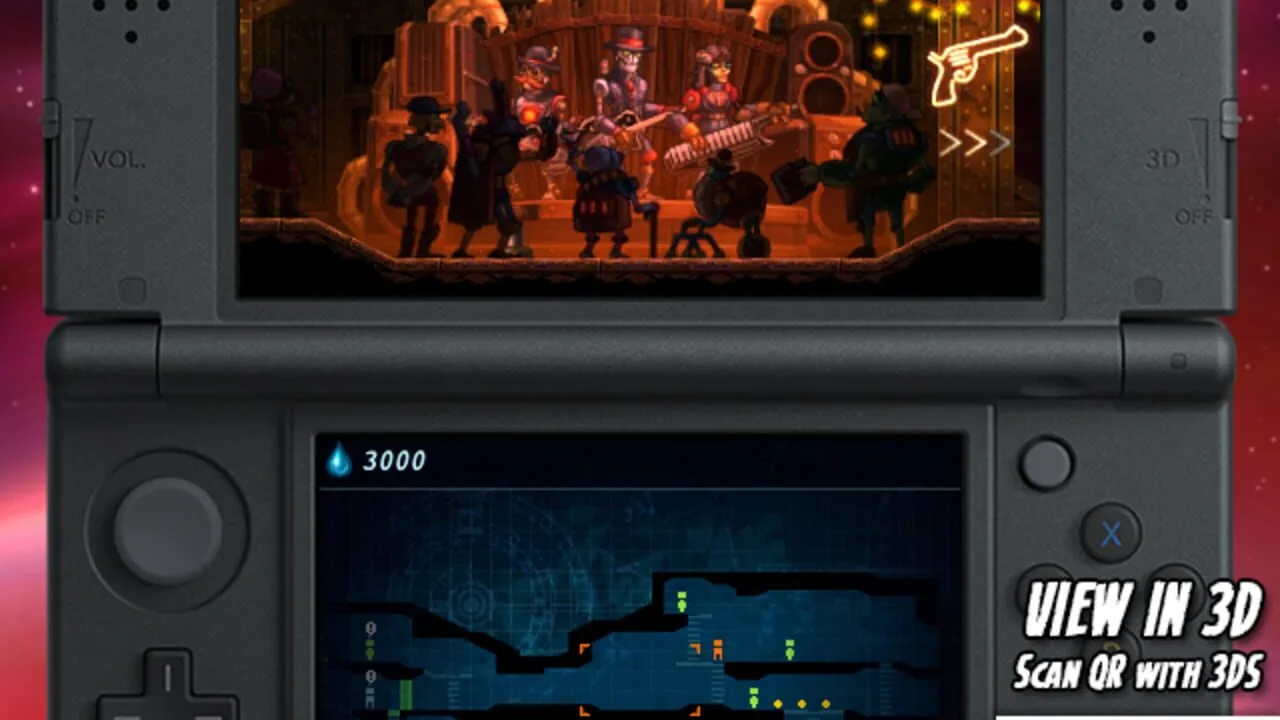
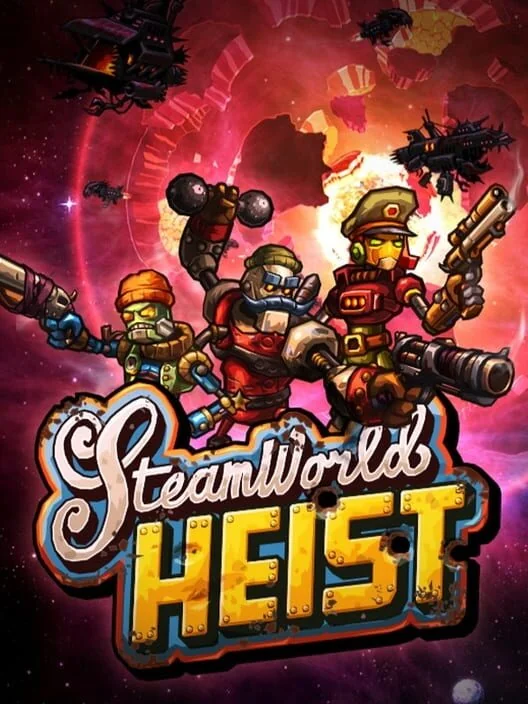
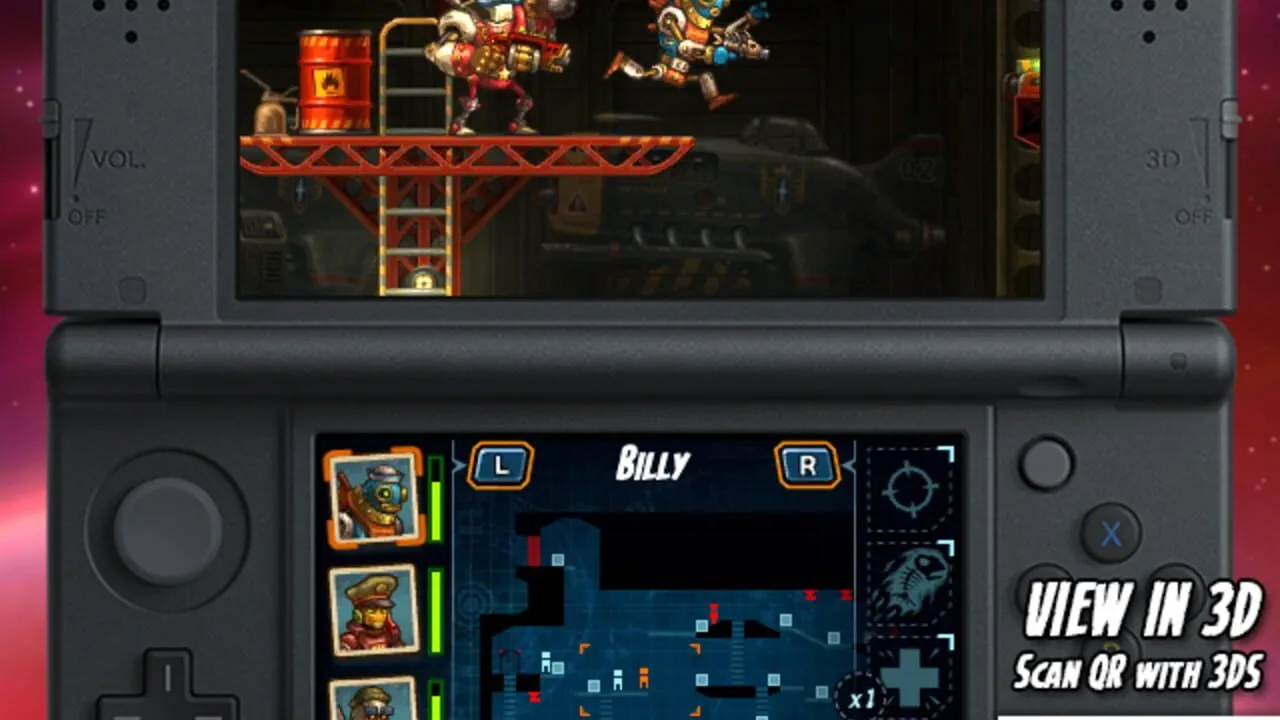
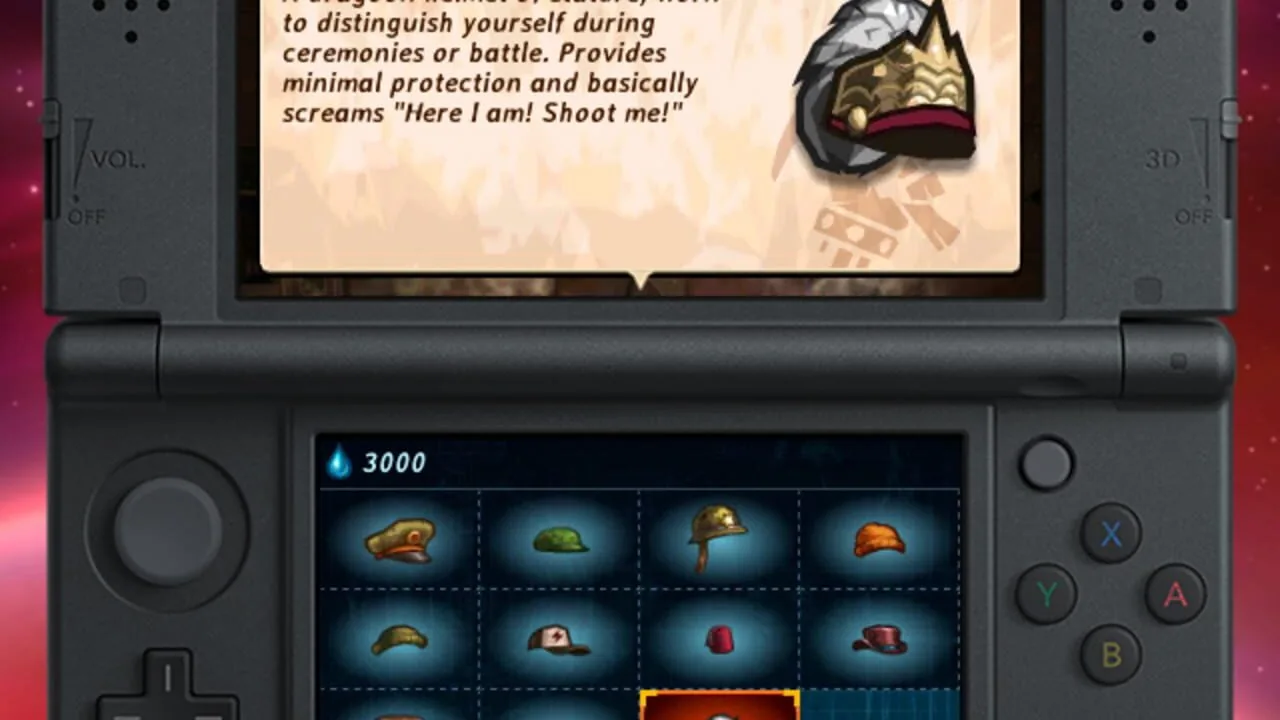
SteamWorld Heist is the third SteamWorld game, a sequel to SteamWorld Dig from the Swedish studio Image & Form. You play Captain Piper Faraday, a smuggler and occasional pirate, as she recruits a ragtag team of robots and sets out on a space adventure. It launched on the Nintendo 3DS on December 10, 2015, and came to the PS4 and Vita in June 2016.
The big idea is manual aiming. The developers wanted to solve the frustration of "missing a 99% hit chance" common in the genre, so you line up shots yourself, and critics praised the system for adding skill to the turn-based formula. The soundtrack was composed and performed by the real-life steam-punk band Steam Powered Giraffe. Players rave about it and call it a must-have.
5. Lost Dimension (2014)
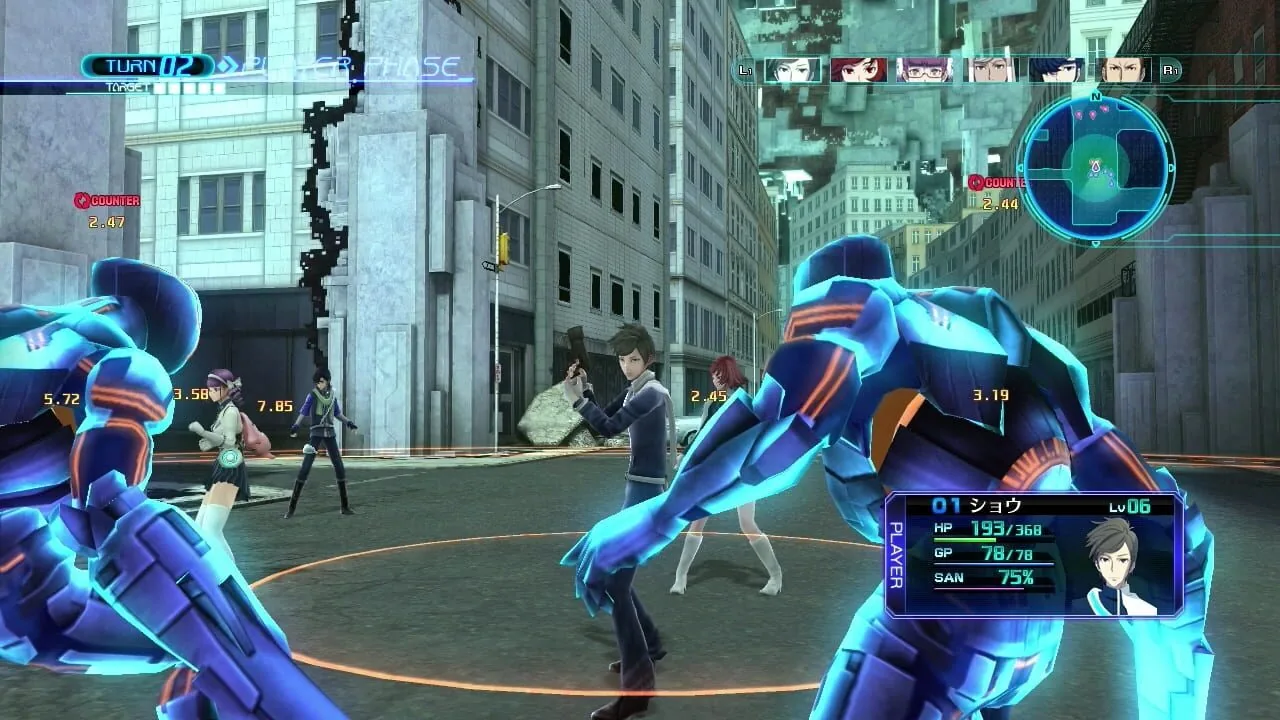
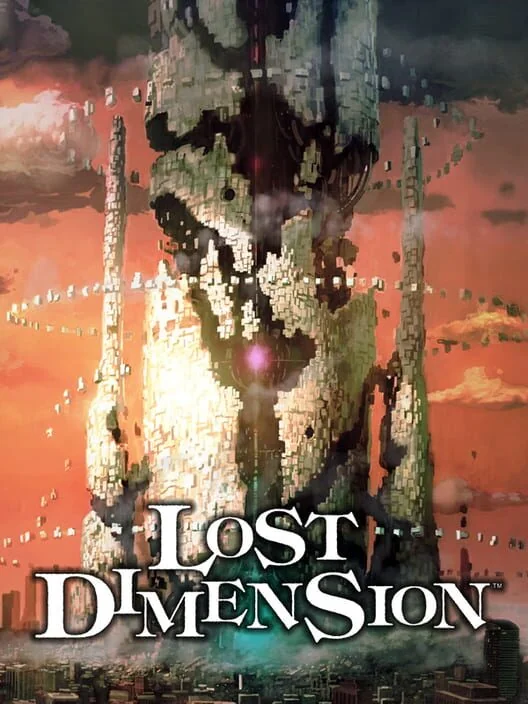
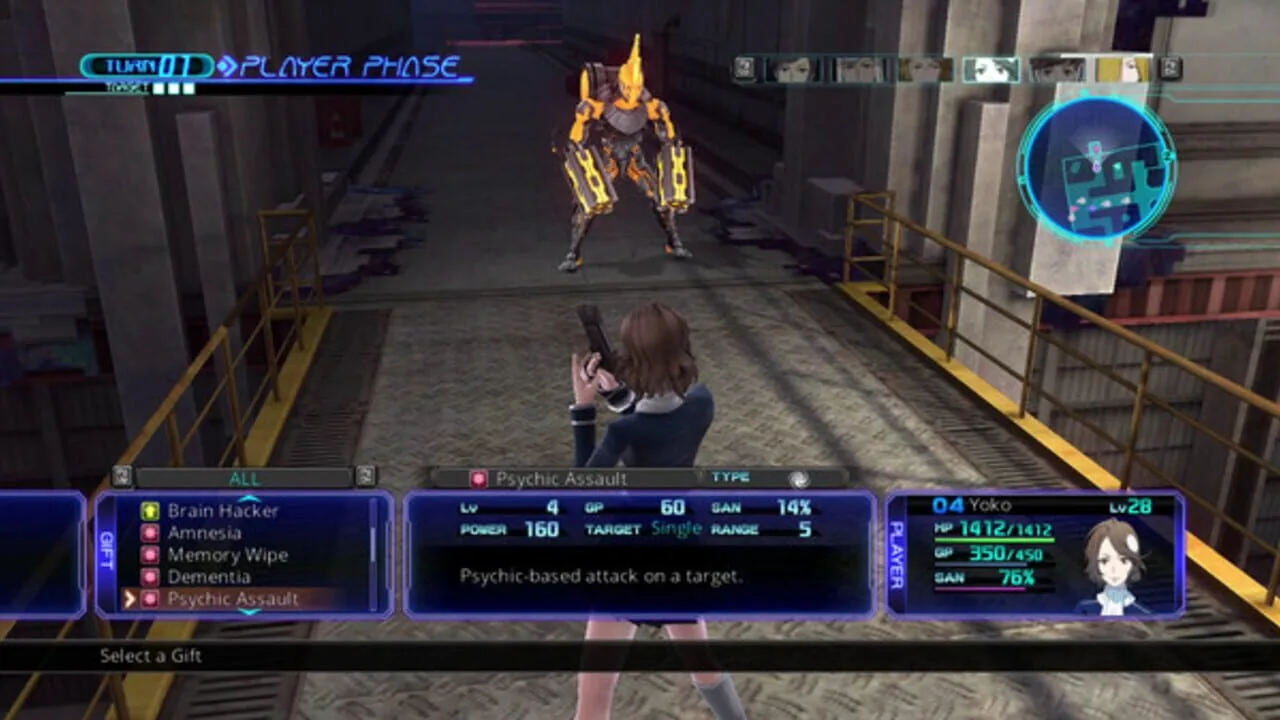
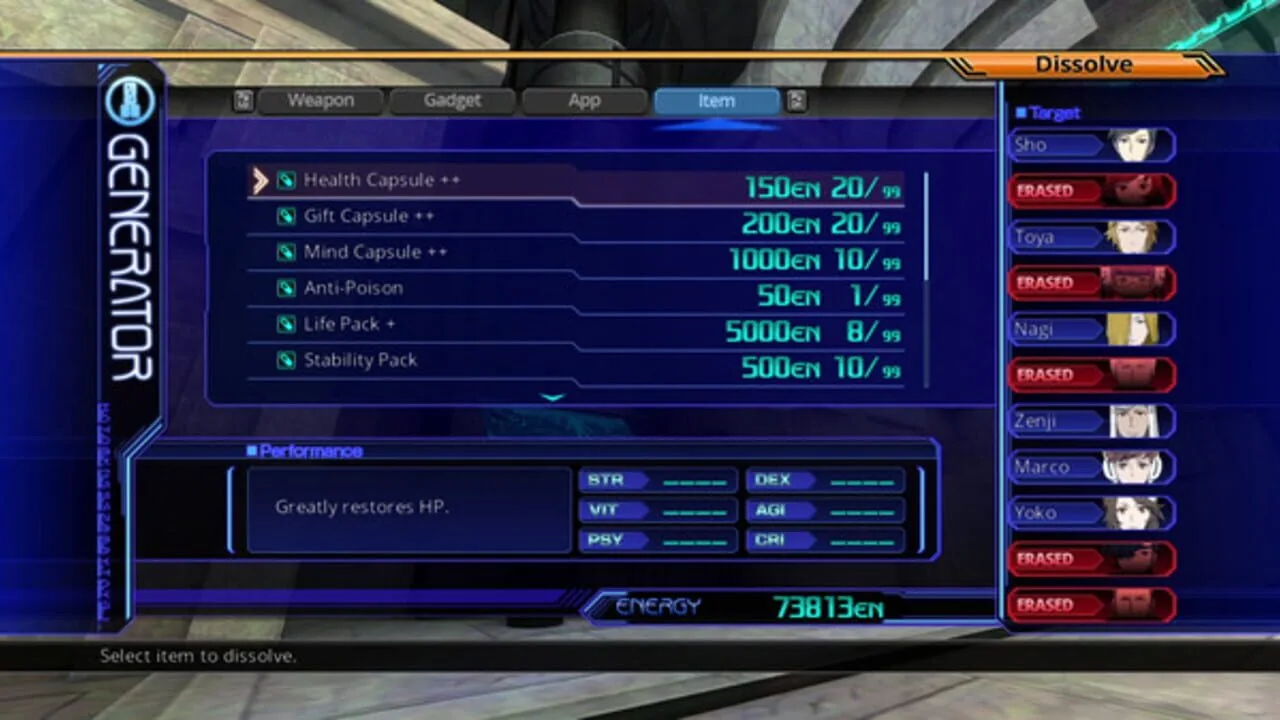
Lost Dimension is a tactical role-playing game set in the near future, with the world in ruin. A terrorist known only as The End threatens humanity with nuclear armageddon, and a team of young fighters with incredible abilities climbs his pillar to stop him. Some of them are traitors. By the endgame five team members will be erased in Judgment, one on each of the first three floors and two on the fourth.
You decide who goes. Erase the wrong people and you get a bad ending where The End mocks Sho, the hero. That turns each battle into a chance to watch your own team for clues, and it makes losing a favourite character sting. A Windows version followed in October 2017.
4. Grand Kingdom (2015)
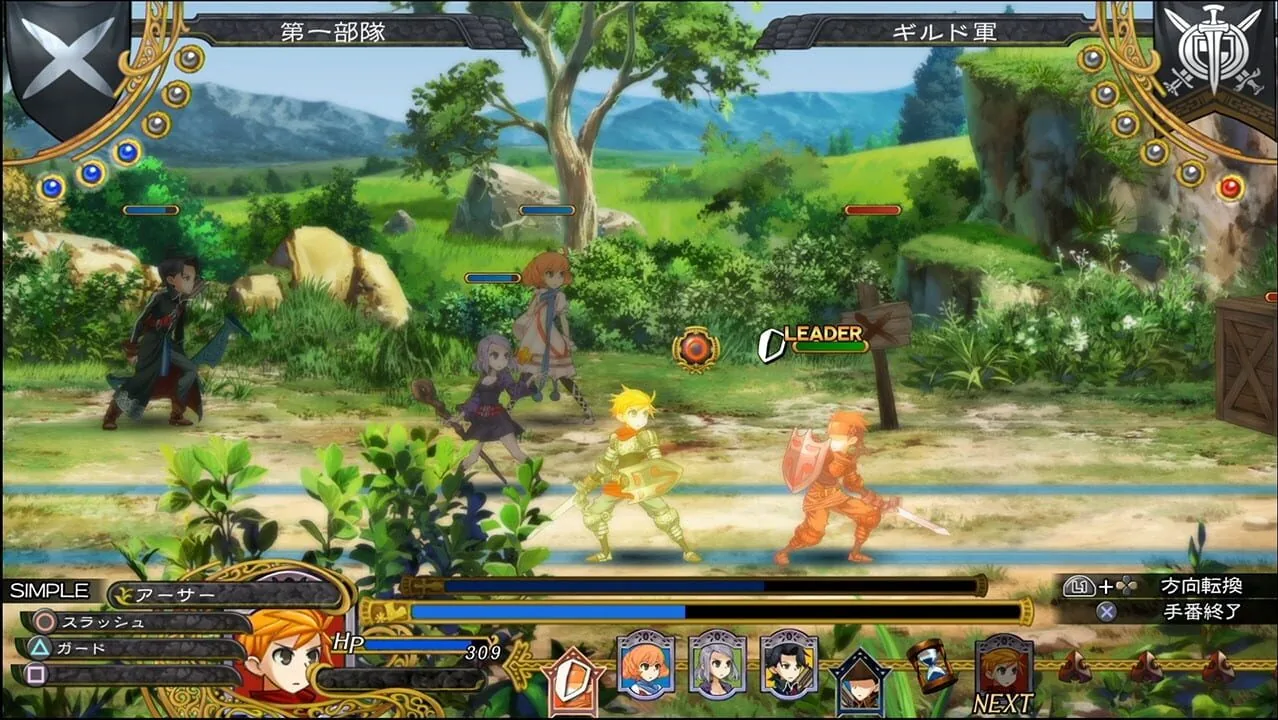
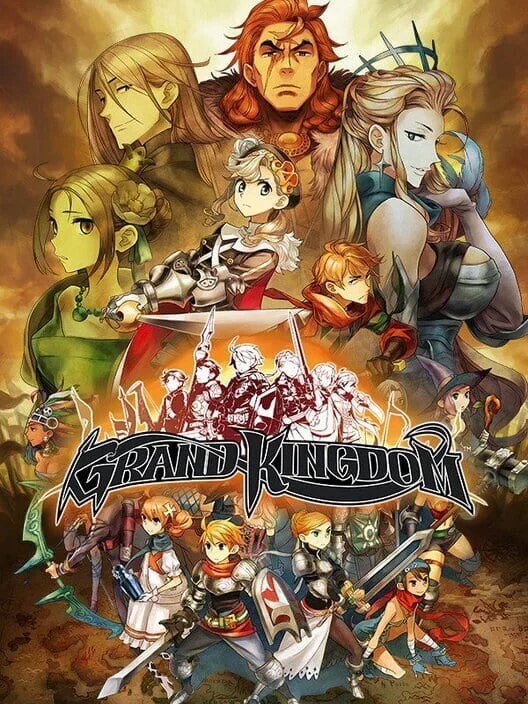
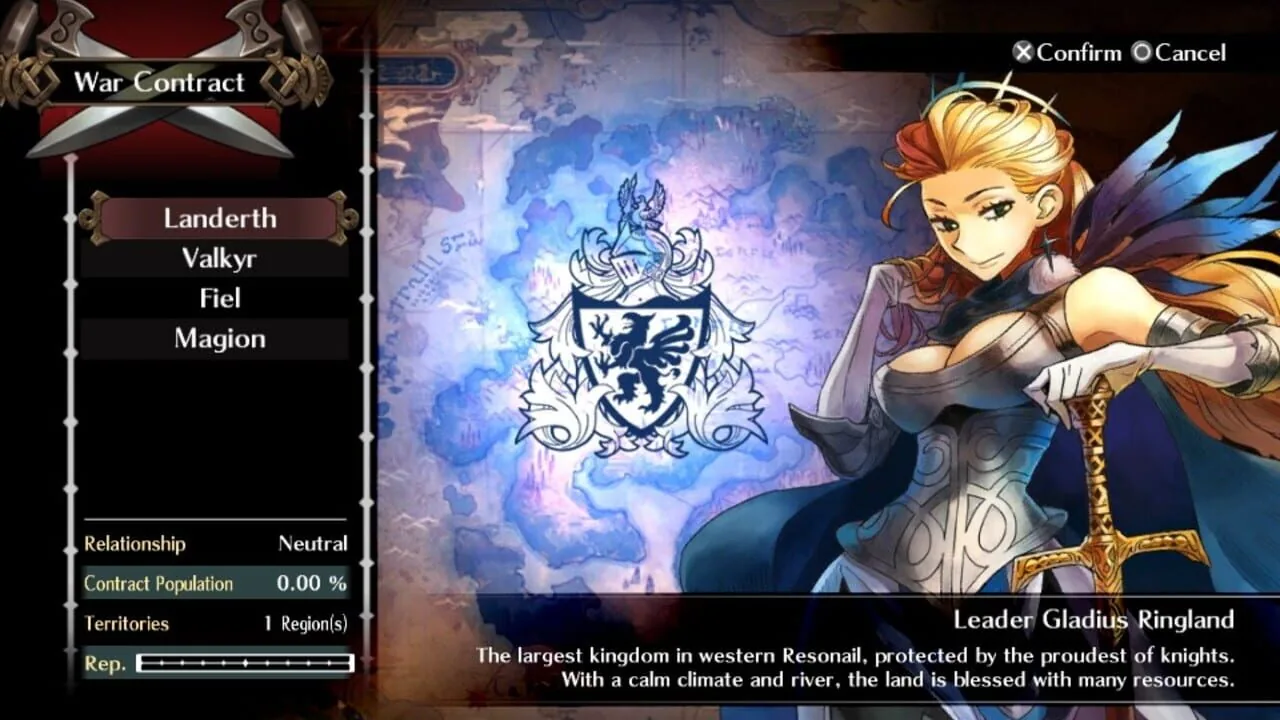
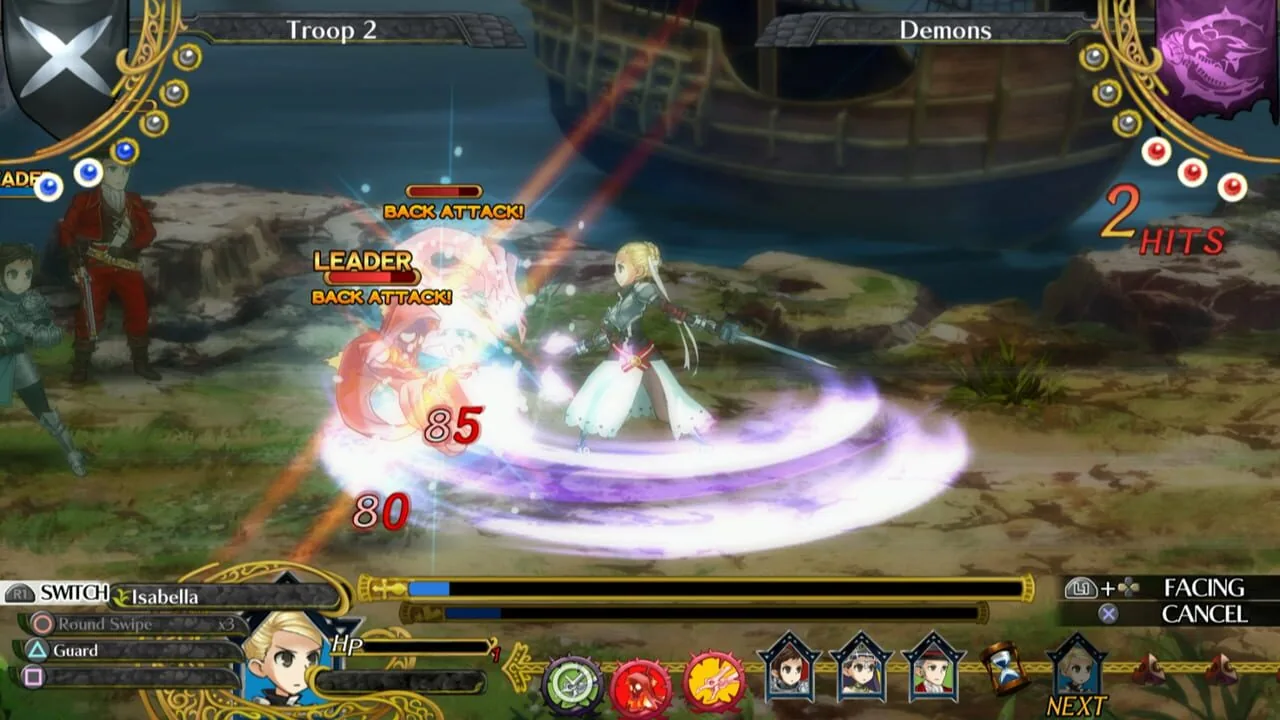
Grand Kingdom was published by Spike Chunsoft in Japan in 2015 and by NIS America in the West in 2016. Its director, Tomohiko Deguchi, is a former Vanillaware staff member, and the game uses design ideas from Grand Knights History. You lead a squad of mercenaries across the continent of Resonail, where four nations fight for control and soldiers sell their services to the highest bidder. Maps hide treasure chests and secret short cuts.
The music was composed by a team from Basiscape, including Mitsuhiro Kaneda and Masaharu Iwata. Critics praised its gameplay and art design. The online war between nations shut down in 2019 in the West, but the Western release bundled in the single-player DLC from Japan, so the campaign is still all there.
3. Rainbow Moon (2012)
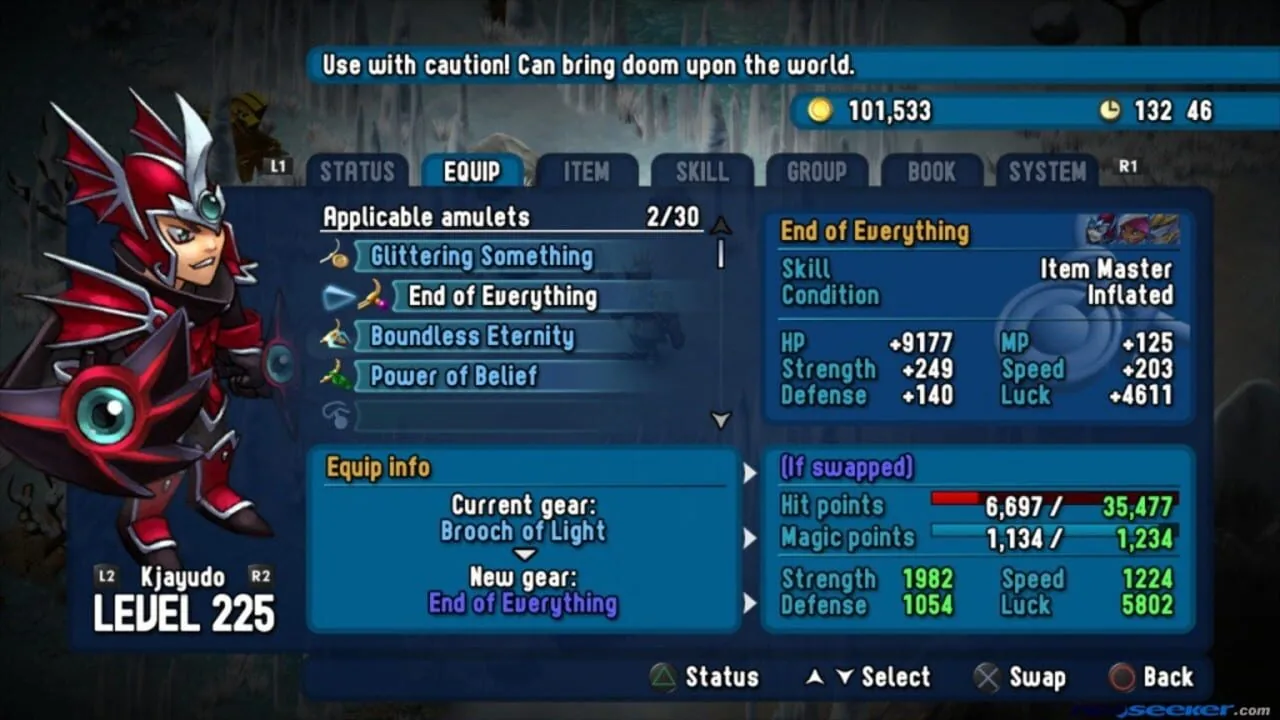
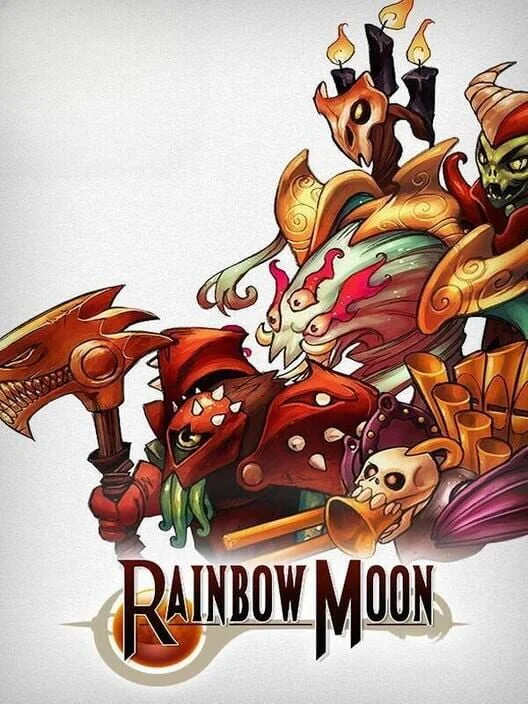
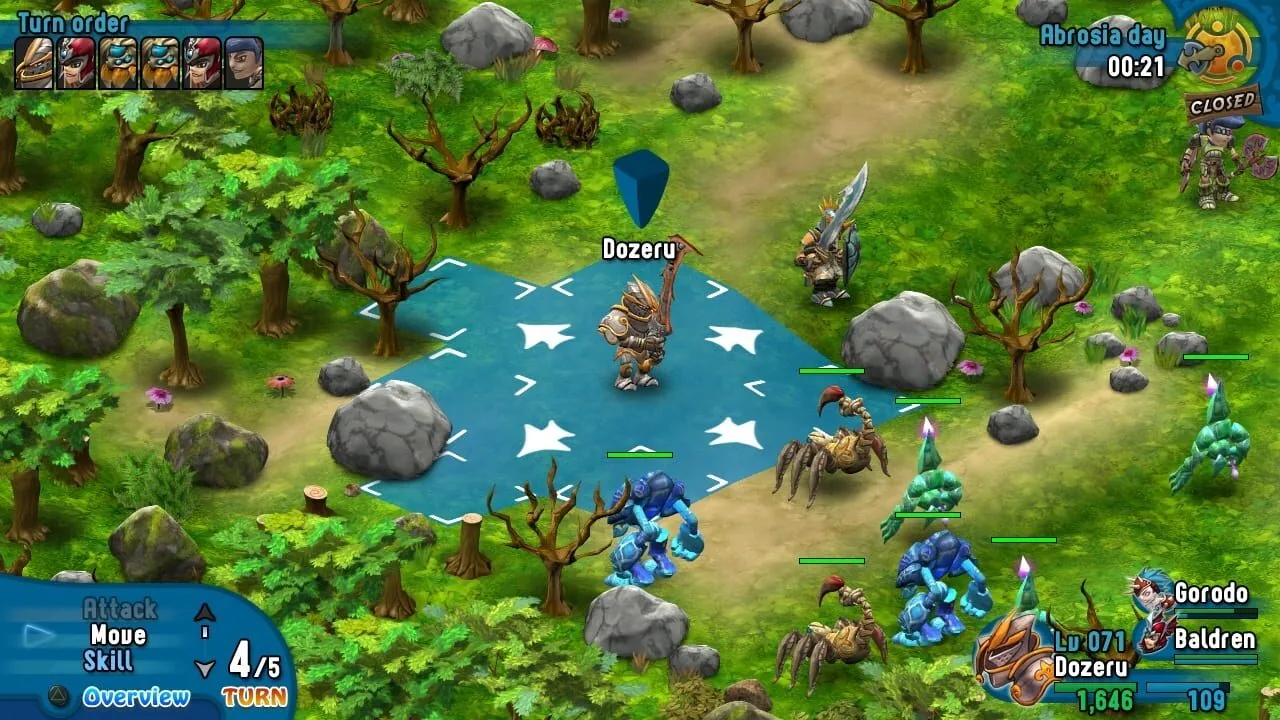
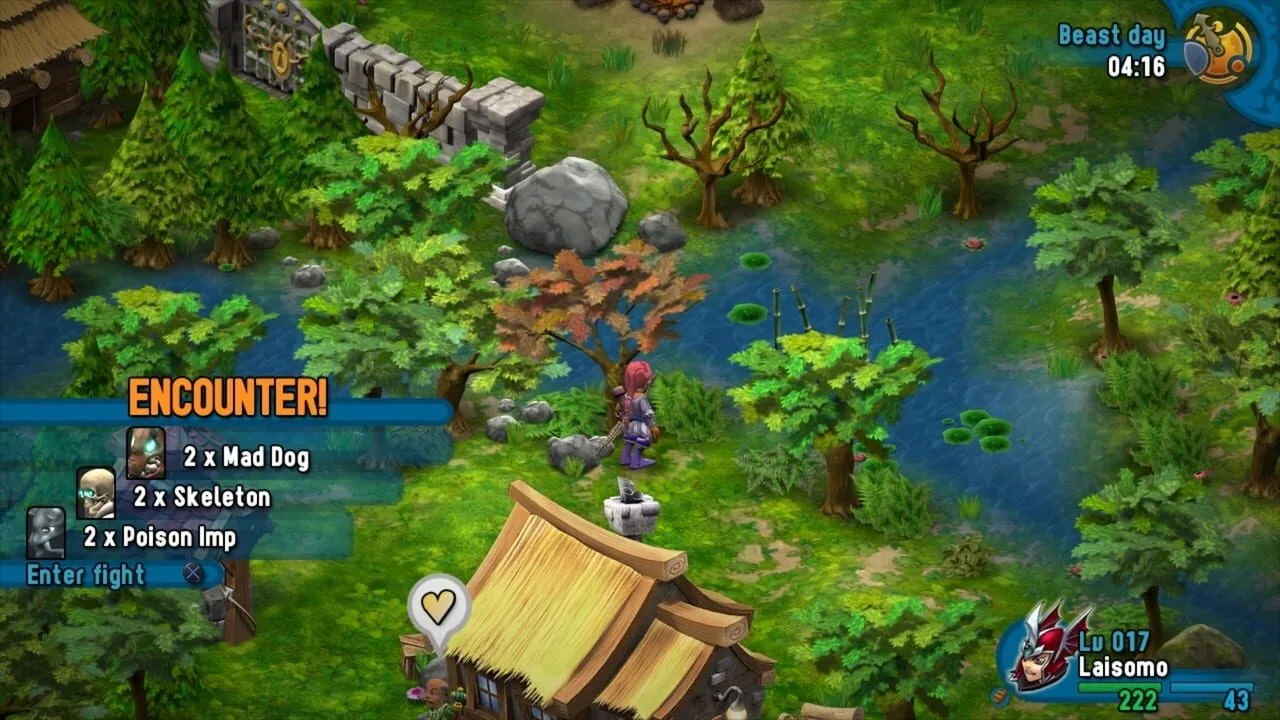
Rainbow Moon was released through the PlayStation Network for PlayStation 3, PlayStation Vita and PlayStation 4. It borrows heavily from the dungeon crawling genre while you explore the world, and switches to tactical RPG battles when you meet enemies. A successor, Rainbow Skies, came out in June 2018 for the same three consoles.
Critics praised how complete the mechanics feel, the length of the main story and the graphics. Their complaints were about grinding, and that is fair: this is a game that asks for your time. If you enjoy grinding, there is no better deal on the Vita.
2. Disgaea 3 (2008)
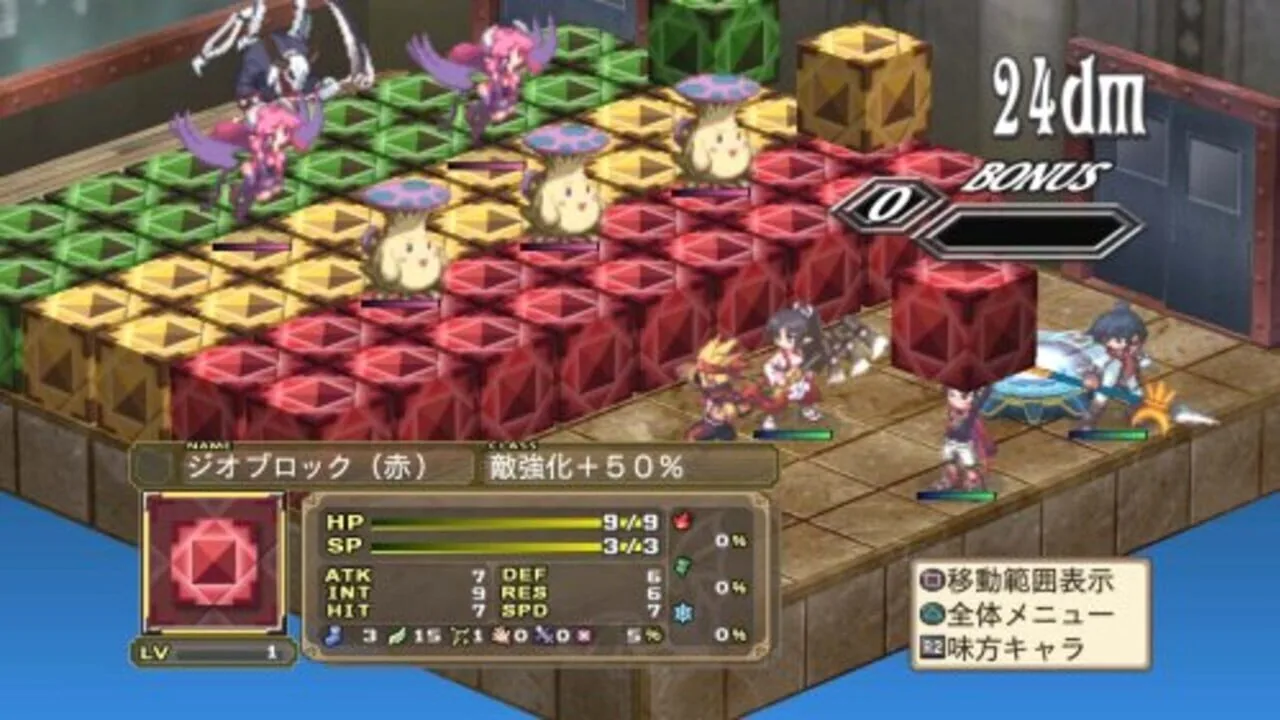
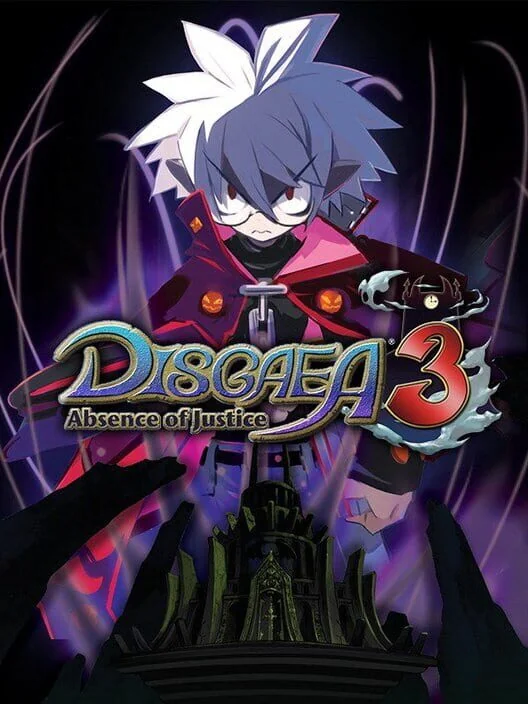
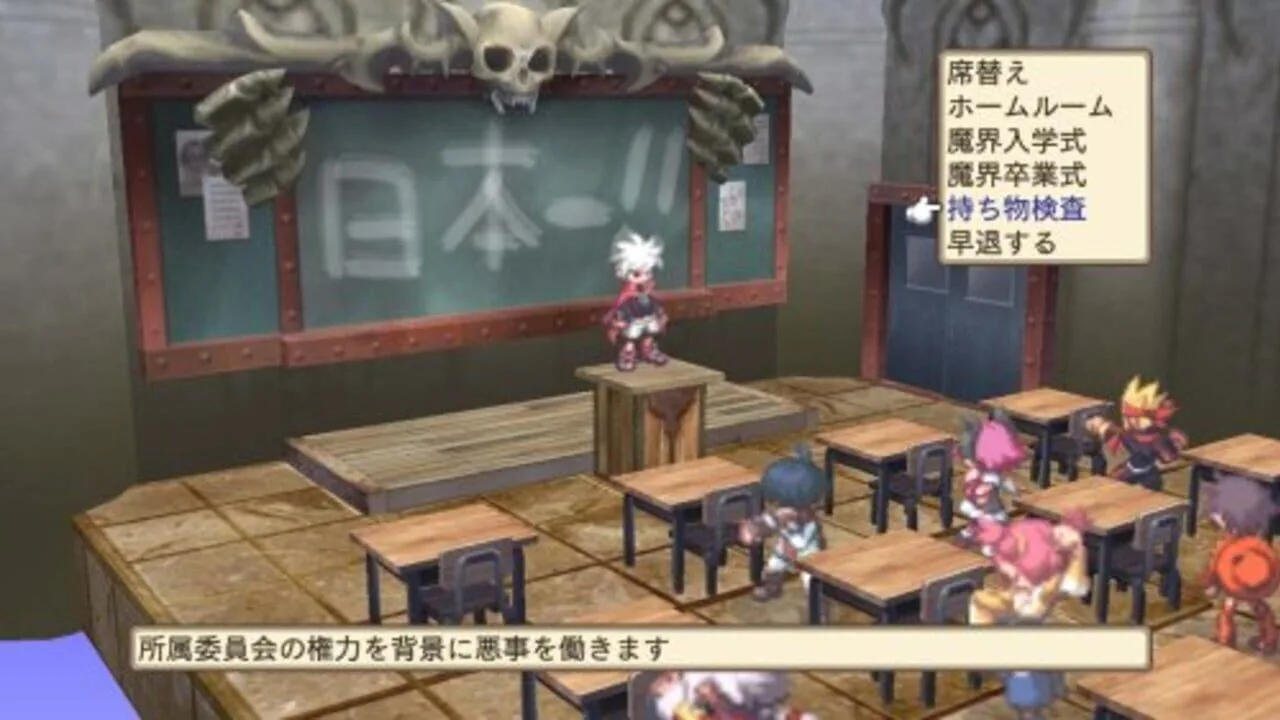
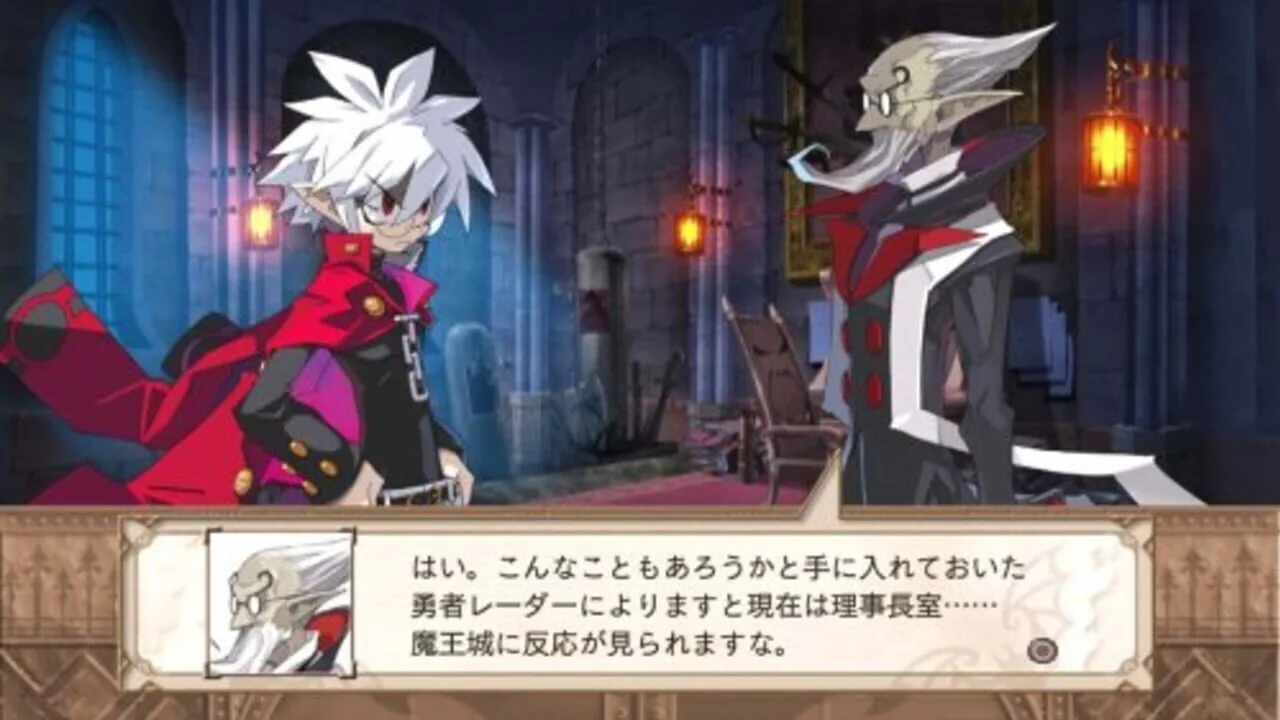
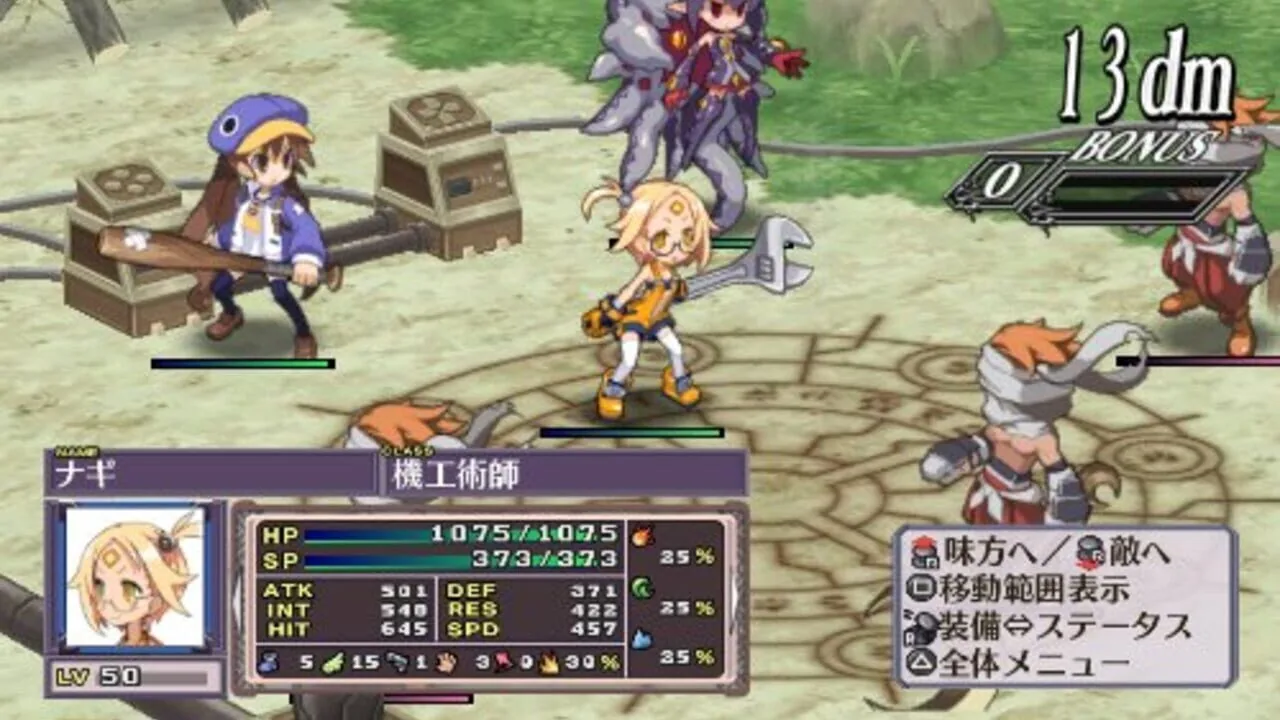
Disgaea 3: Absence of Justice first came out on the PlayStation 3. The Vita version, Disgaea 3 Return, was a launch title in Japan on December 17, 2011, and it reached other regions in 2012 with all the downloadable content from the PS3 version. The game takes place in a Netherworld school called the Evil Academy, where a good student skips class and gets into fights. Mao, the hero, tries to get revenge by destroying the human world, until the words of his friends talk him out of it.
Battles happen on isometric maps. Geo blocks change the stats on the field, and this time they can be stacked or stood upon. You can lift and throw blocks and characters alike, and a character thrown to a monster ally bounces even further. Players tend to recommend this one and Disgaea 4 as a pair.
1. Disgaea 4: A Promise Unforgotten (2011)
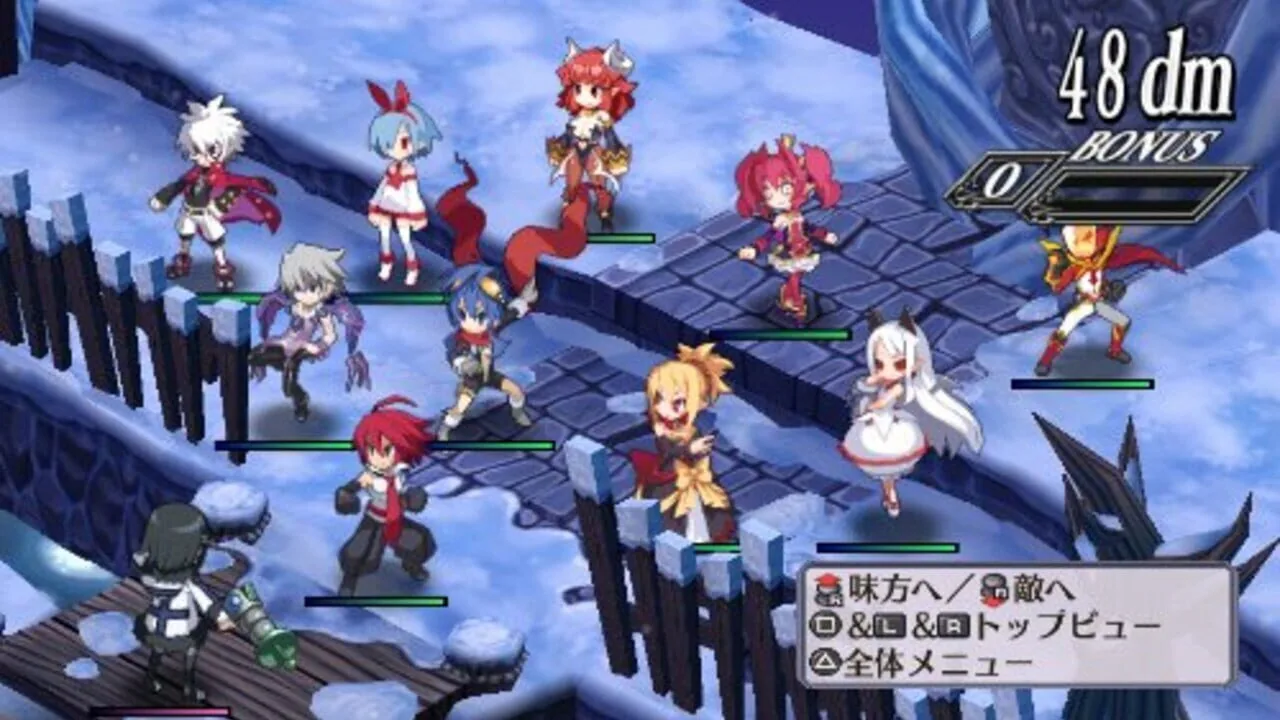
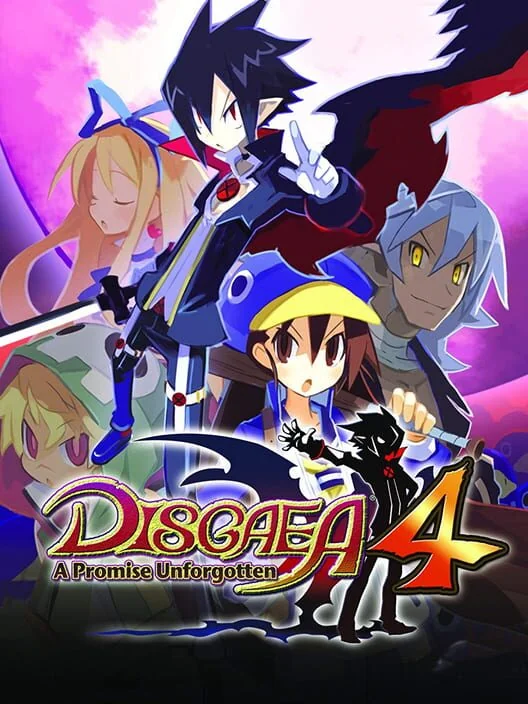
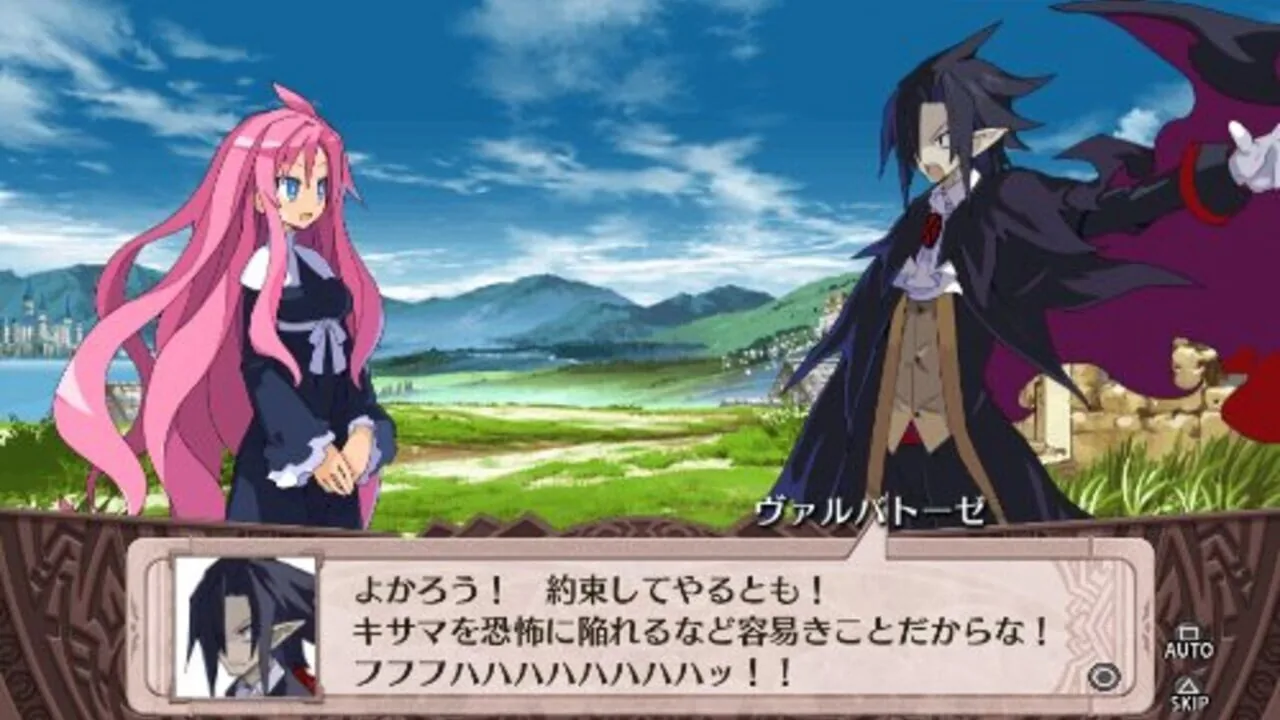
Disgaea 4 started on the PlayStation 3, and NIS America released the Vita version, subtitled A Promise Revisited, in August 2014 for North America and Europe. The heroes learn that their troubles were engineered by a human named Judge Nemo, who now runs both Earth and the Netherworld from behind the scenes and plots the destruction of both. Between battles you buy and sell equipment and travel to other locations to move the story along. Voice-overs come in Japanese and English.
The endings change with how you play. Depending on things like the number of team attacks you do with certain characters, Valvatorez shares a final cut-scene with one of the main cast, and Artina's ending plays by default. Players often name it in the same breath as Persona 4 Golden. No strategy game gets recommended for the Vita more often.
Which one to play
There you have it, the whole list of the best PS Vita strategy games. The top of this list can swallow months of your life, and the bottom half is full of quick games for a short trip.
If you are not sure where to start, play Disgaea 4. If you want a traditional tactics RPG on a grid, God Wars: Future Past is the one. For something hard, Natural Doctrine and Frozen Synapse Prime will both test you. If tower defense is your thing, start with Plants vs. Zombies. Neptunia fans should go straight to Hyperdevotion Noire. And for a hidden pick, try Rymdkapsel.