The PS Vita never sold the way Sony hoped, and that is a big part of why so many of its best games slipped past people. It had a beautiful screen, two real analog sticks and a touch panel on the back, and developers used every bit of it to make games you could not find anywhere else. Plenty of Japanese RPGs and strange little indies kept showing up on it, and a lot of them never got the attention they earned.
Some games here are well known and still deserve more love, and others are ones you may never have heard of. Here are the 25 most underrated PS Vita games.

25. Ys VIII: Lacrimosa of Dana (2016)
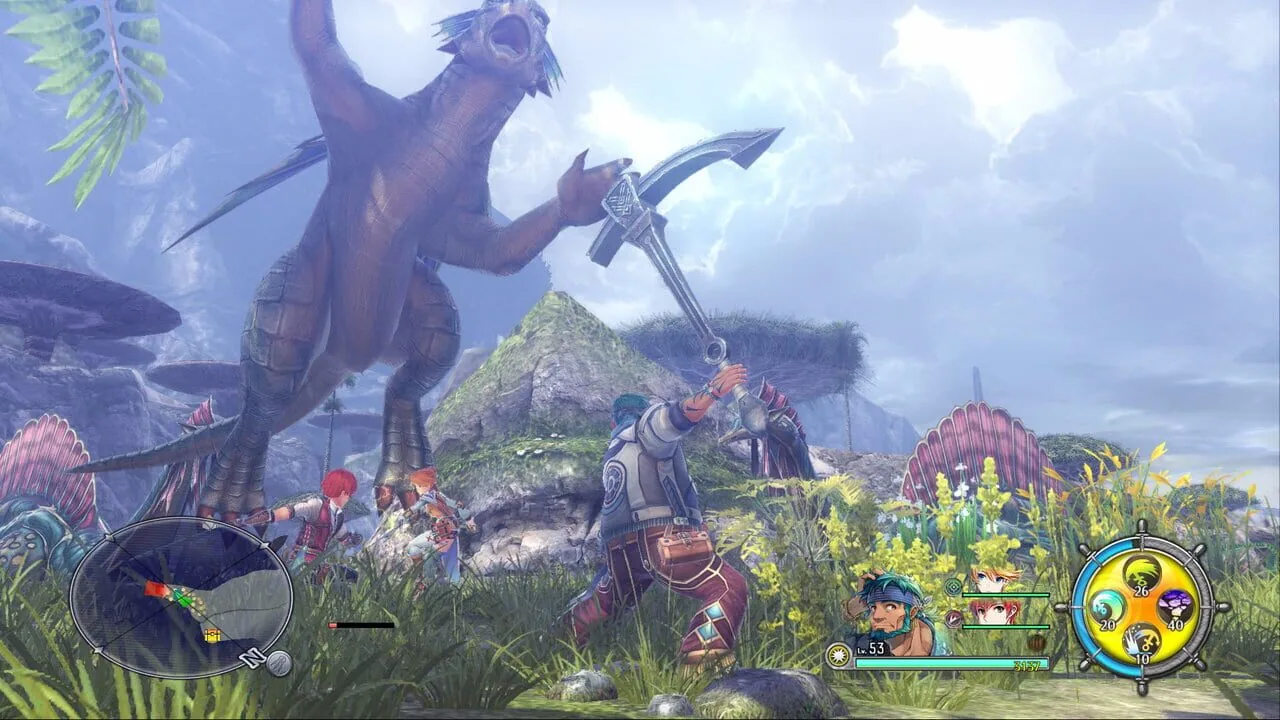
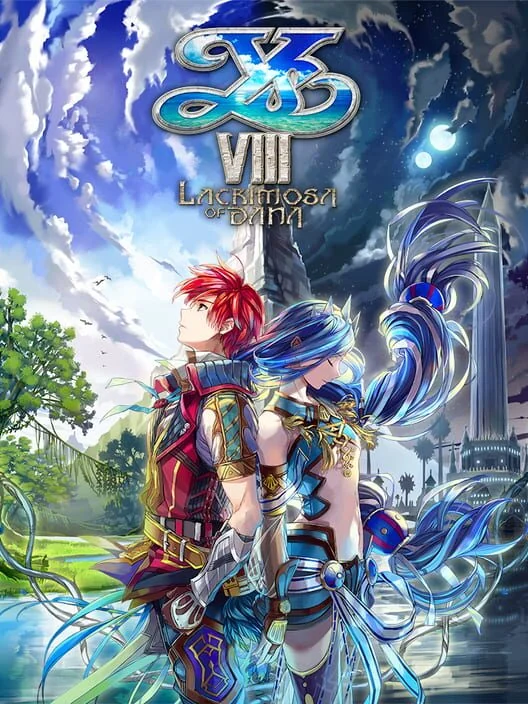
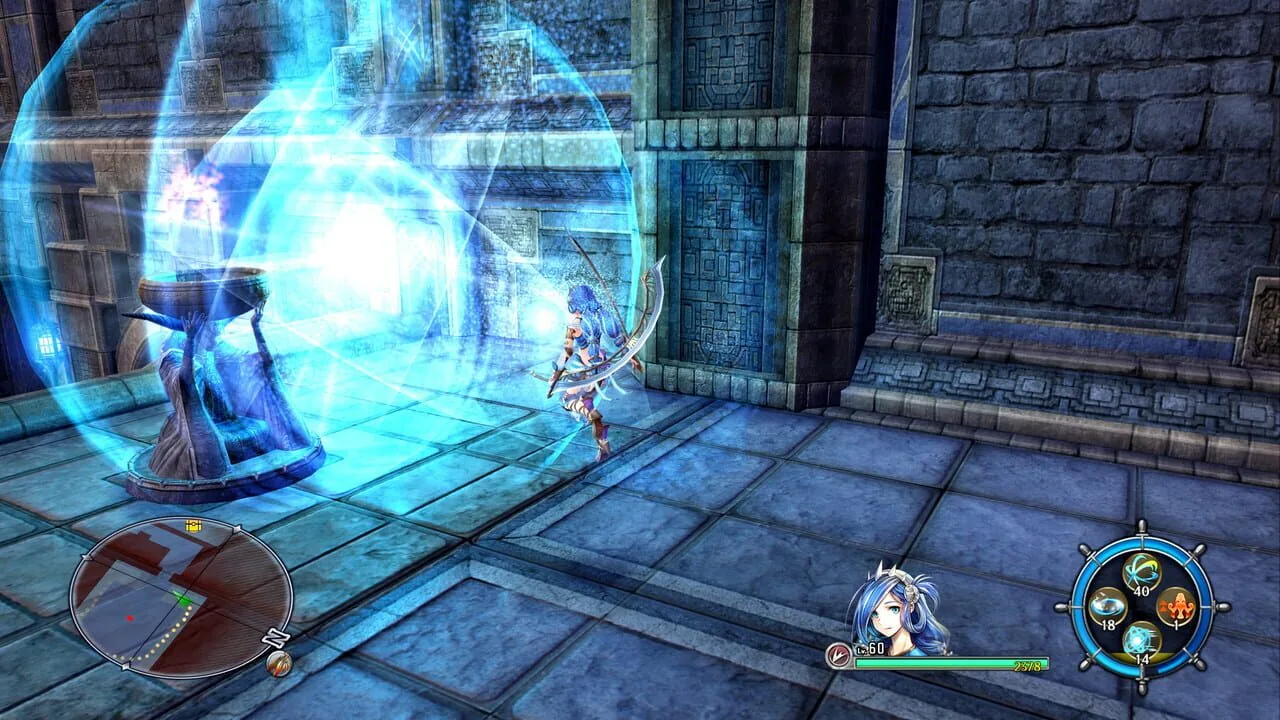
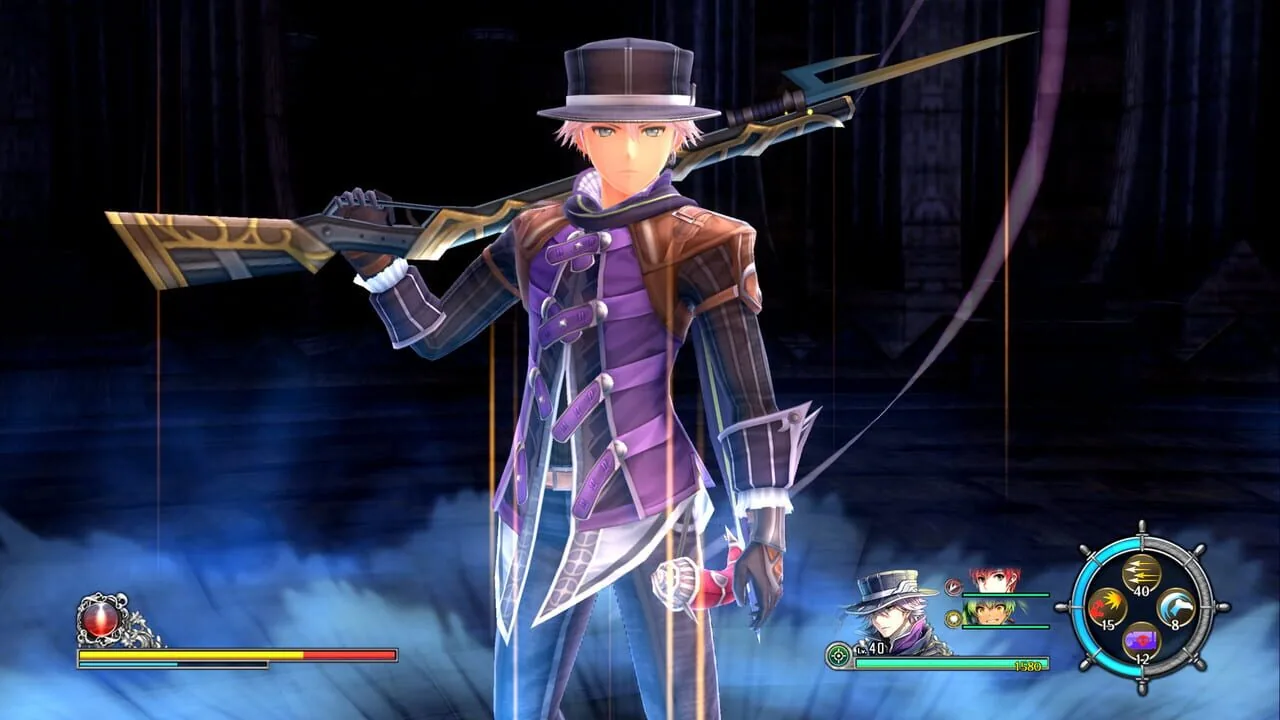
Ys VIII: Lacrimosa of Dana is the eighth numbered Ys from Nihon Falcom, first released in Japan for the Vita in July 2016, with other versions following. After his ship is wrecked near the Isle of Seiren, Adol Christin builds a settlement with the other castaways, while visions show him Dana, a woman from an ancient civilization.
Fights reward good timing. You can parry or dodge just before an attack lands, and a clean parry wipes out all damage for a short moment. It had sold over 500,000 copies by the end of 2018, so it found its crowd in the end. Players call it an amazing action RPG, and it often turns up next to Memories of Celceta in their picks.
24. Zero Escape: Virtue's Last Reward (2012)
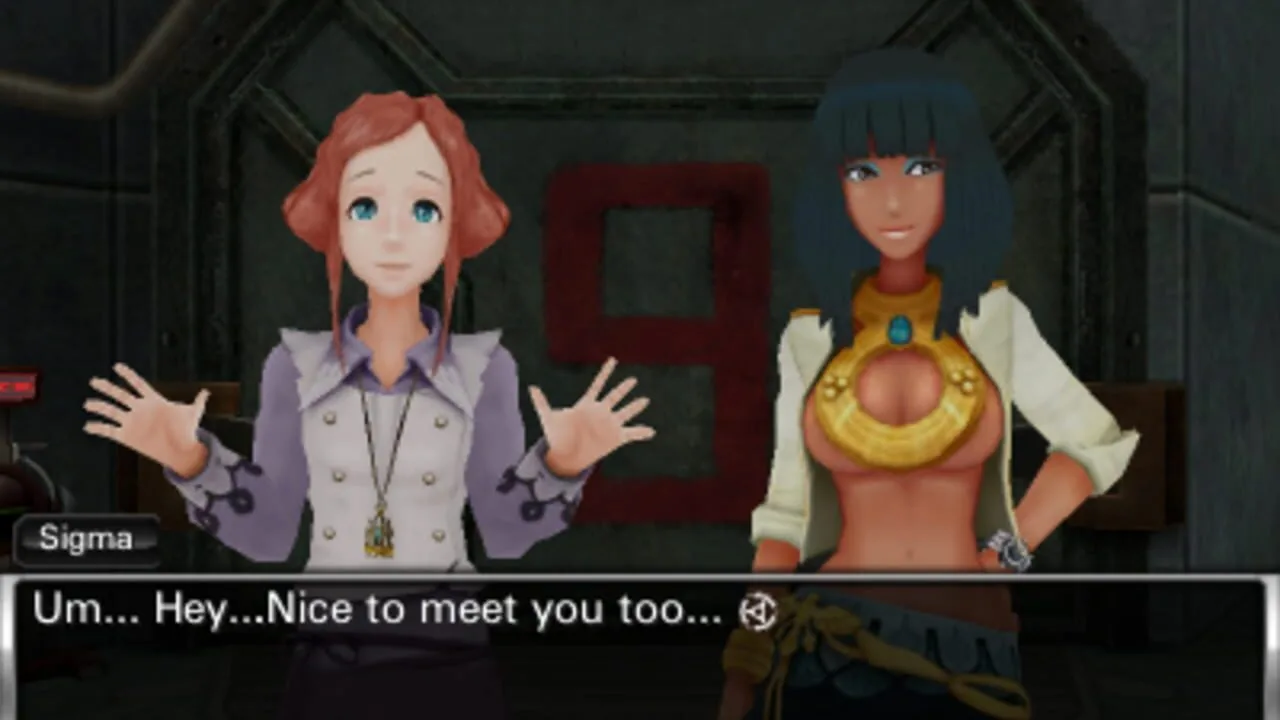
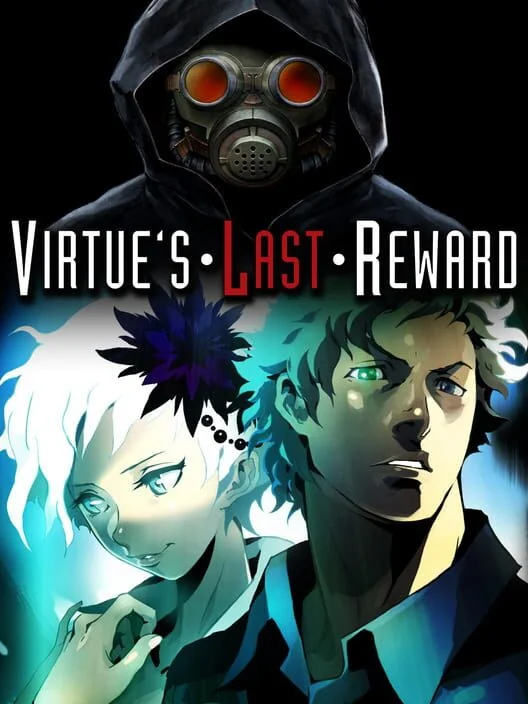
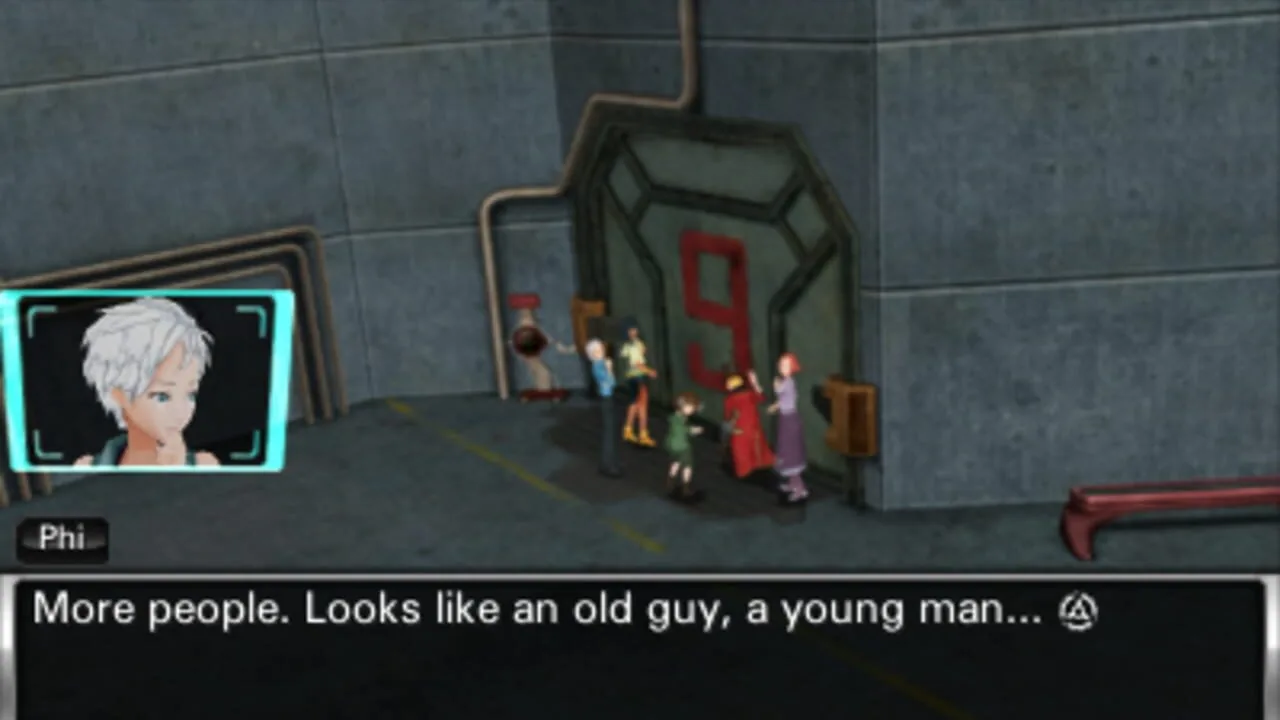
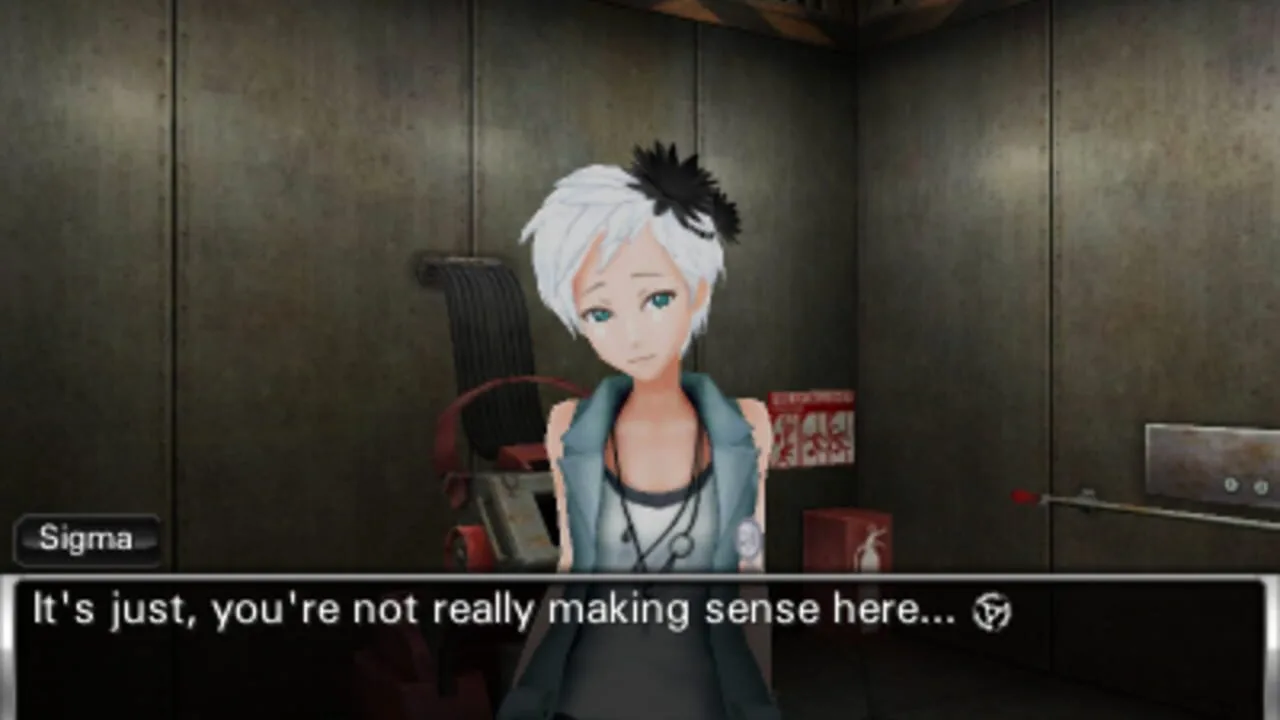
Zero Escape: Virtue's Last Reward is a 2012 adventure game by Chunsoft, the second in the Zero Escape series, released for the 3DS and Vita. Sigma is abducted and forced to play the Nonary Game with eight other people, and losing can mean death. You switch between escape-the-room puzzles and visual novel scenes where your choices lead to one of twenty-four endings, and a flowchart lets you go back to any scene you have finished.
It exists because the first game, Nine Hours, Nine Persons, Nine Doors, was an unexpected hit in North America. Sales in Japan were bad enough that the next game was cancelled for a while, and Zero Time Dilemma only arrived in 2016. Players think it deserves far more attention, and its fans call it a great game.
23. Frobisher Says (2012)
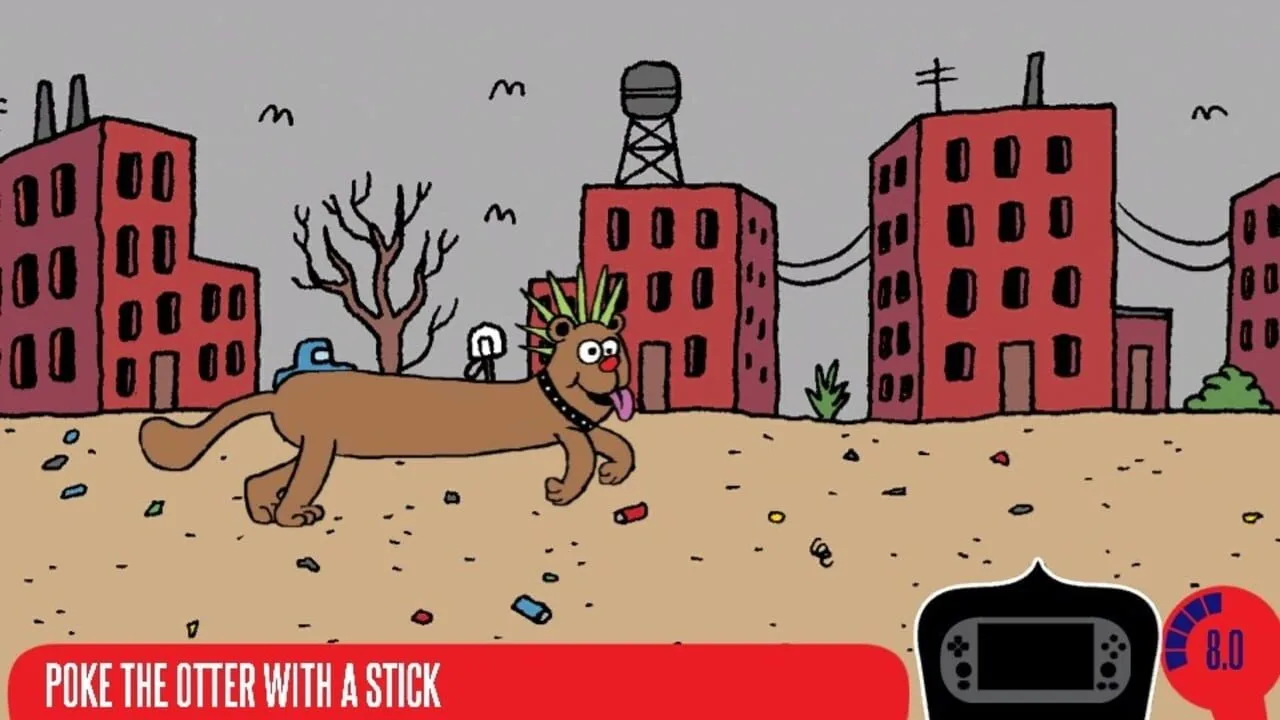
Frobisher Says comes from Honeyslug, the studio behind Hohokum, which put Hohokum on hold for a year to make it. It is a string of tiny games that each tell you to do one silly thing with the Vita, as fast as you can. Hohokum finally came out on August 12, 2014, and its makers compared the idea to flying a kite.
Players say it was made to show off the Vita's features, and that it does that in fun ways. Players call it basically WarioWare, and they always add that it is free. Nobody expects a free game to be the one that gets them hooked, and yet.
22. Murasaki Baby (2014)
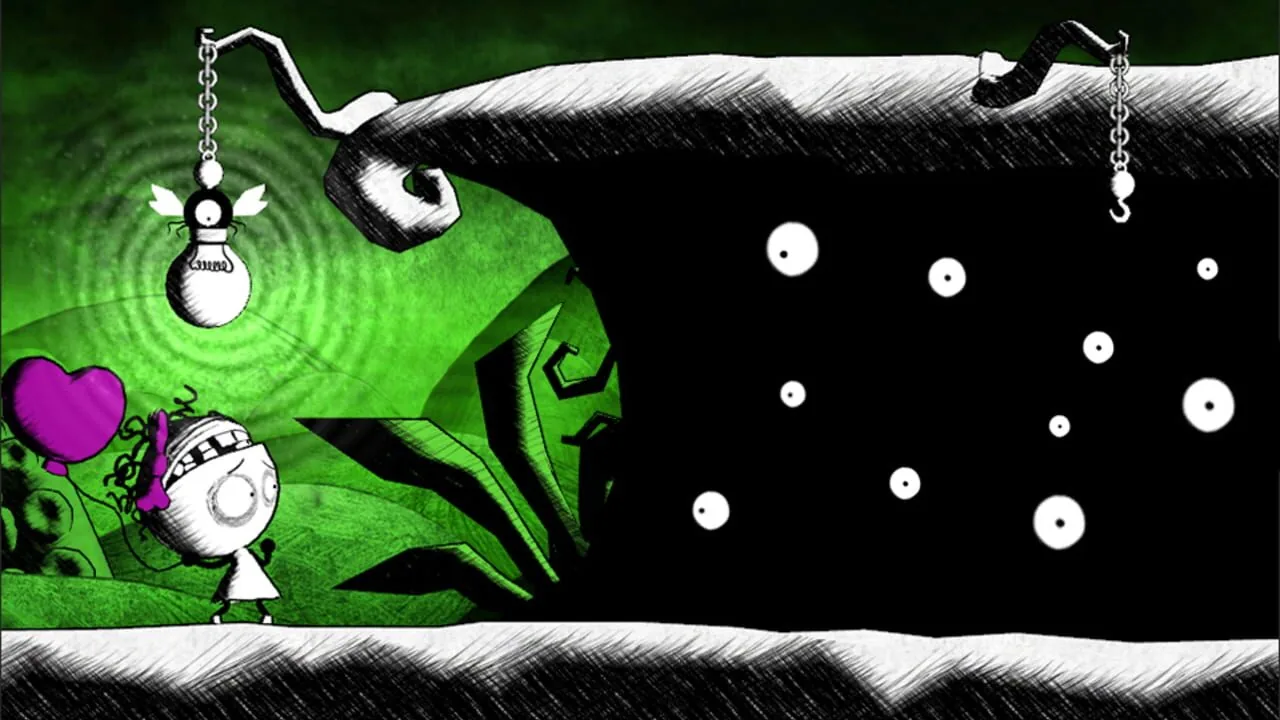
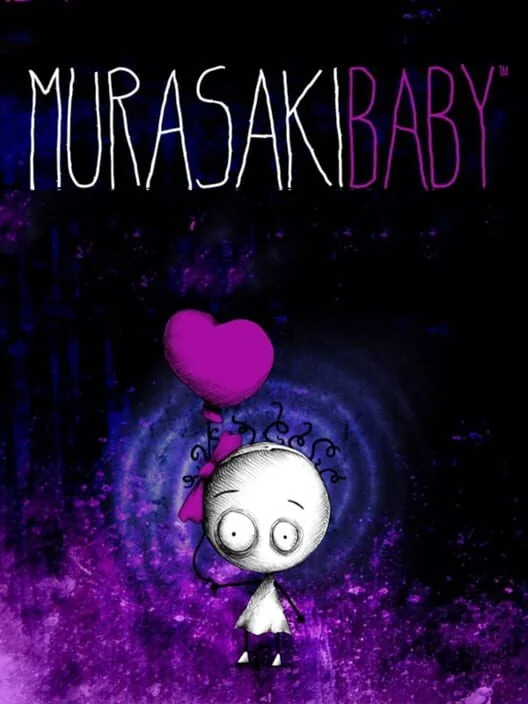
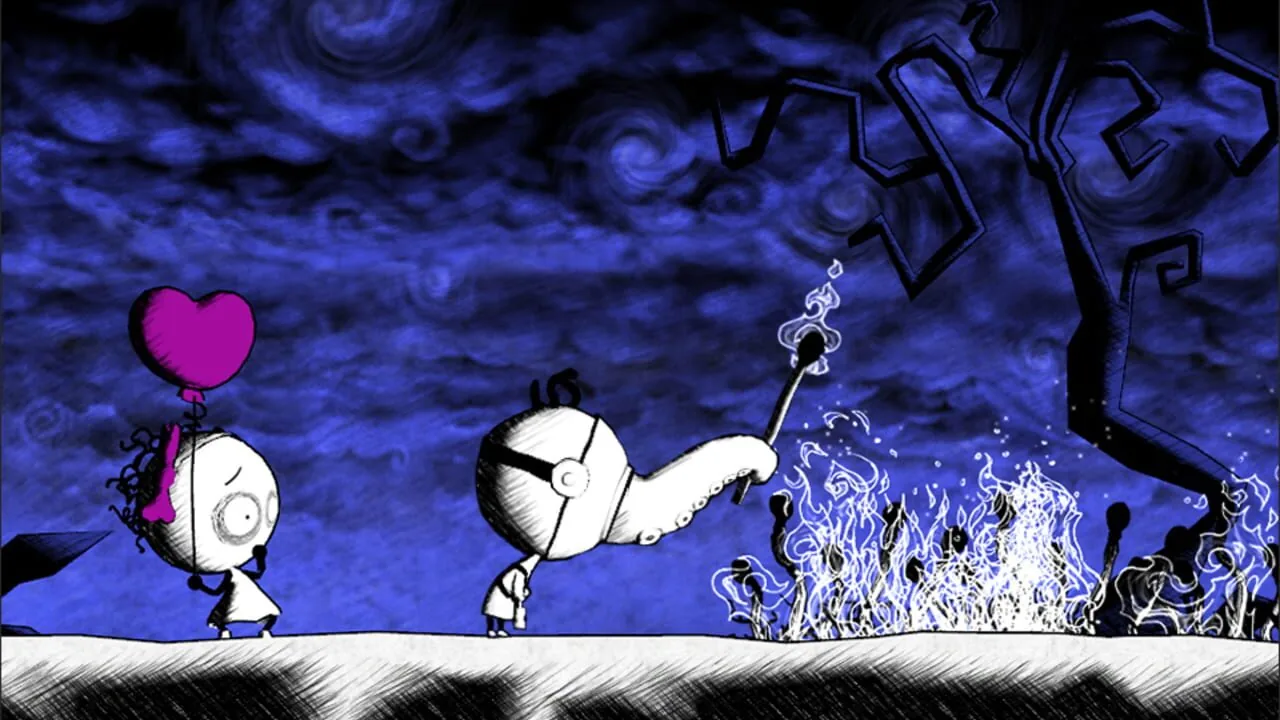
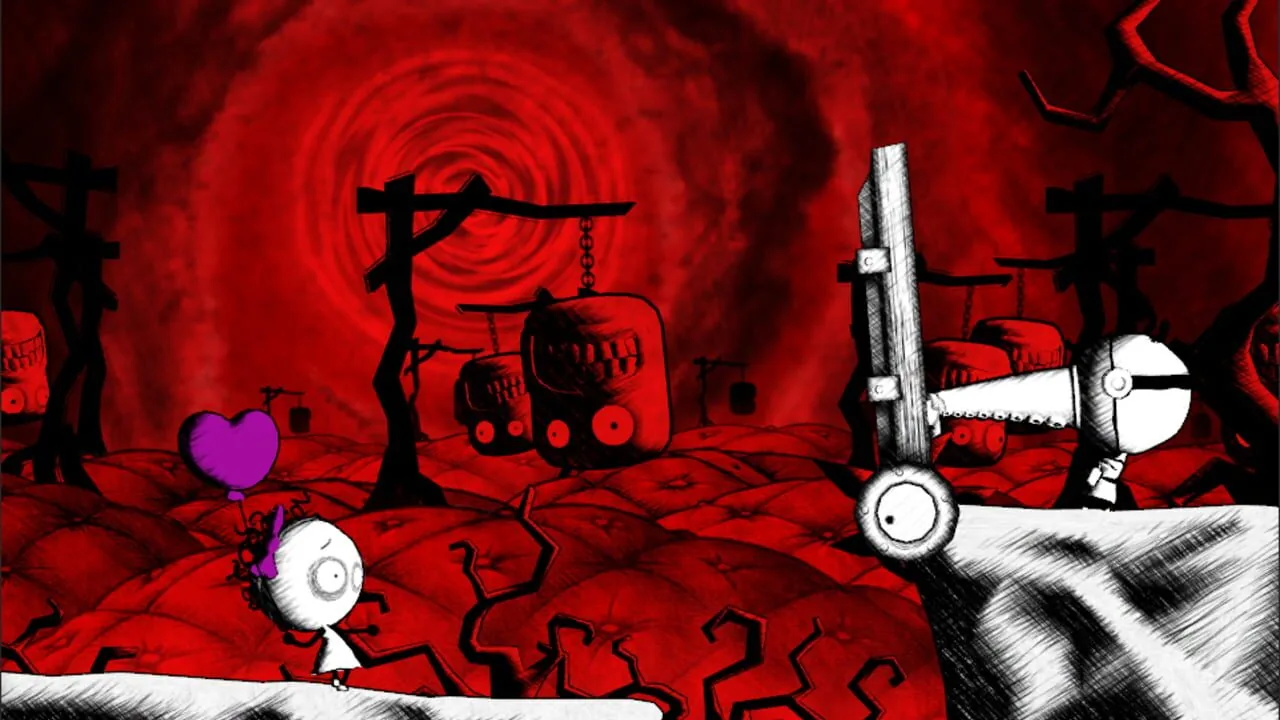
Murasaki Baby is a puzzle-platformer by Ovosonico, designed by Massimo Guarini, who worked on Shadows of the Damned before it. Baby is a young girl with an upside-down face who carries a heart-shaped balloon, and you swipe the rear touchpad to change the world behind her. The art follows the style of Edward Gorey.
She wakes up in a weird world populated by children's fantasies and fears. All she wants is her mommy. Sony Computer Entertainment published it. It is gloomy and sweet at once, which is a hard trick to pull off. Players call it a weird little gem that uses every trick the Vita has.
21. Ys: Memories of Celceta (2012)
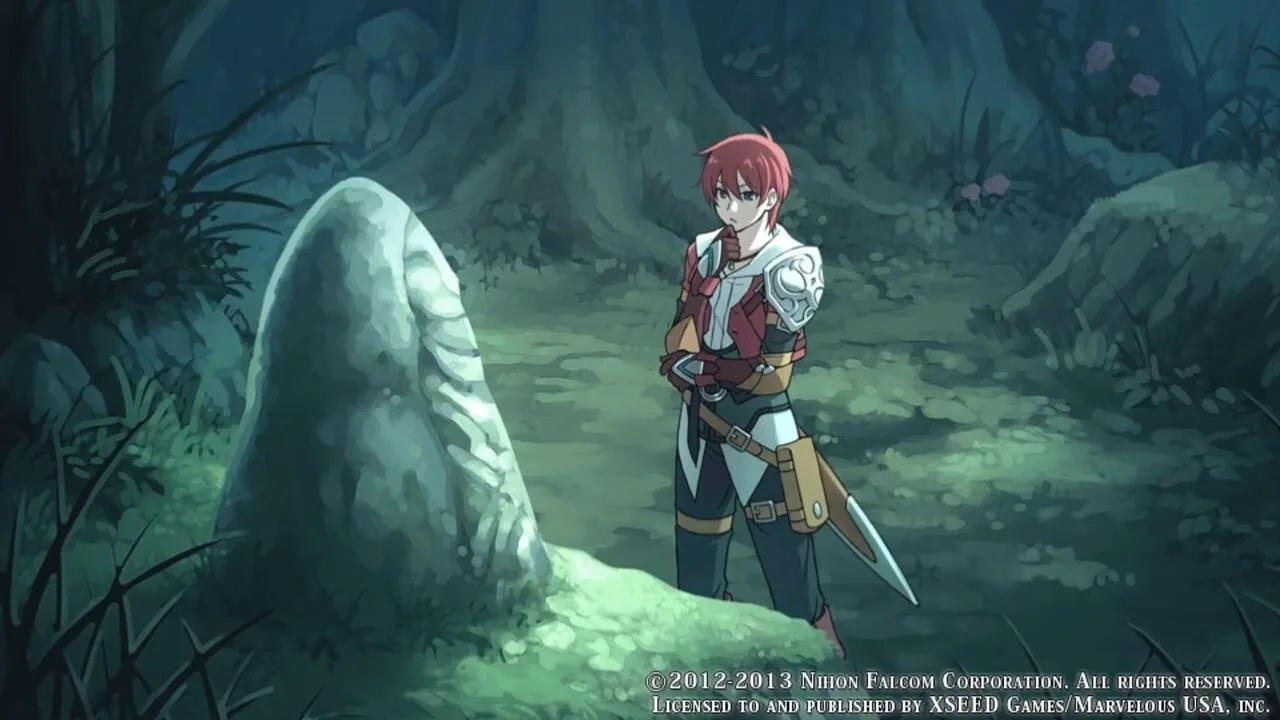
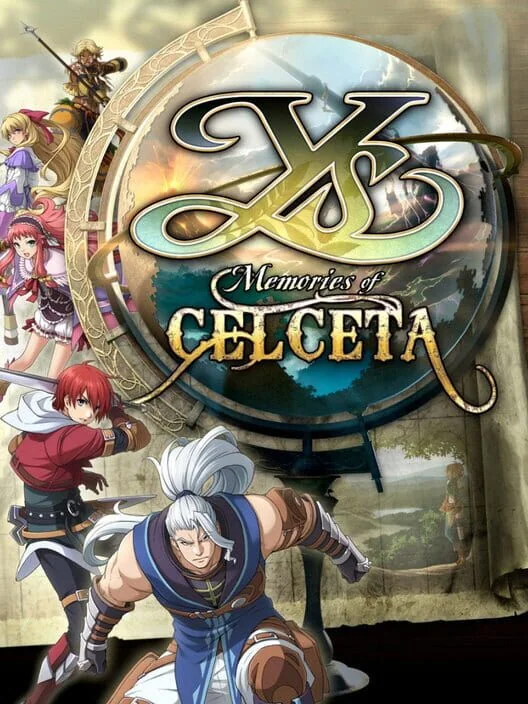
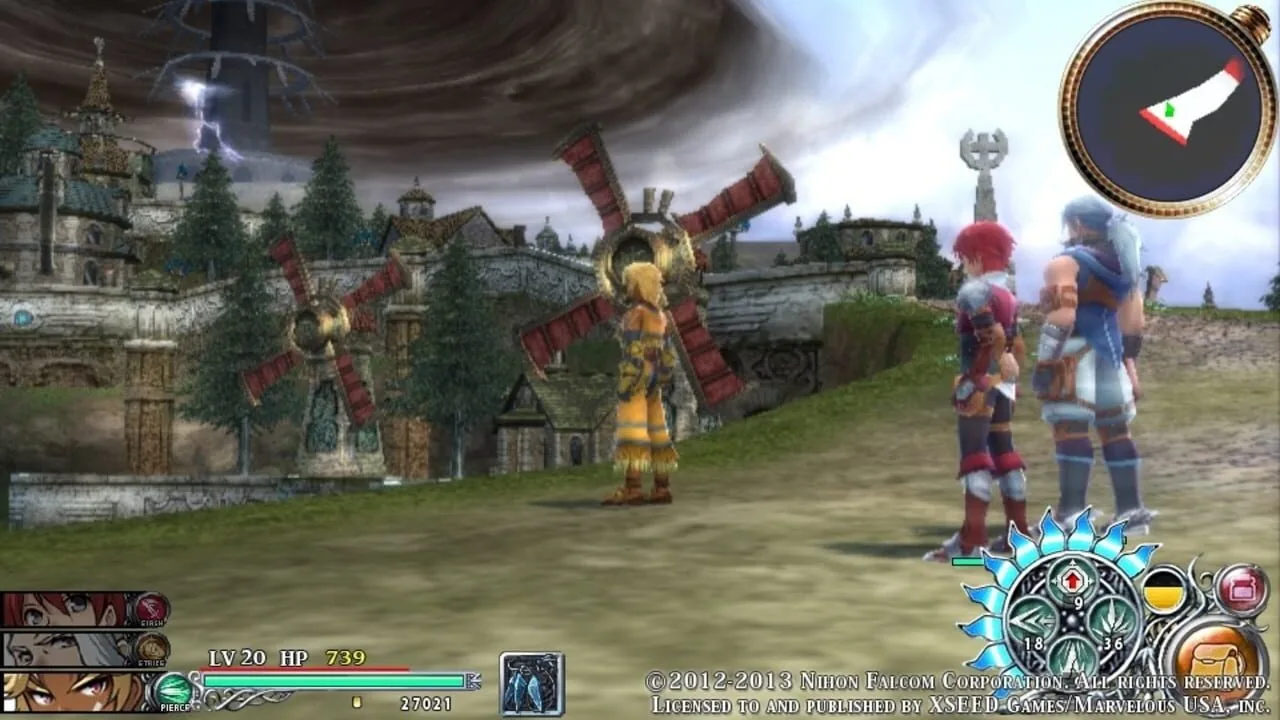
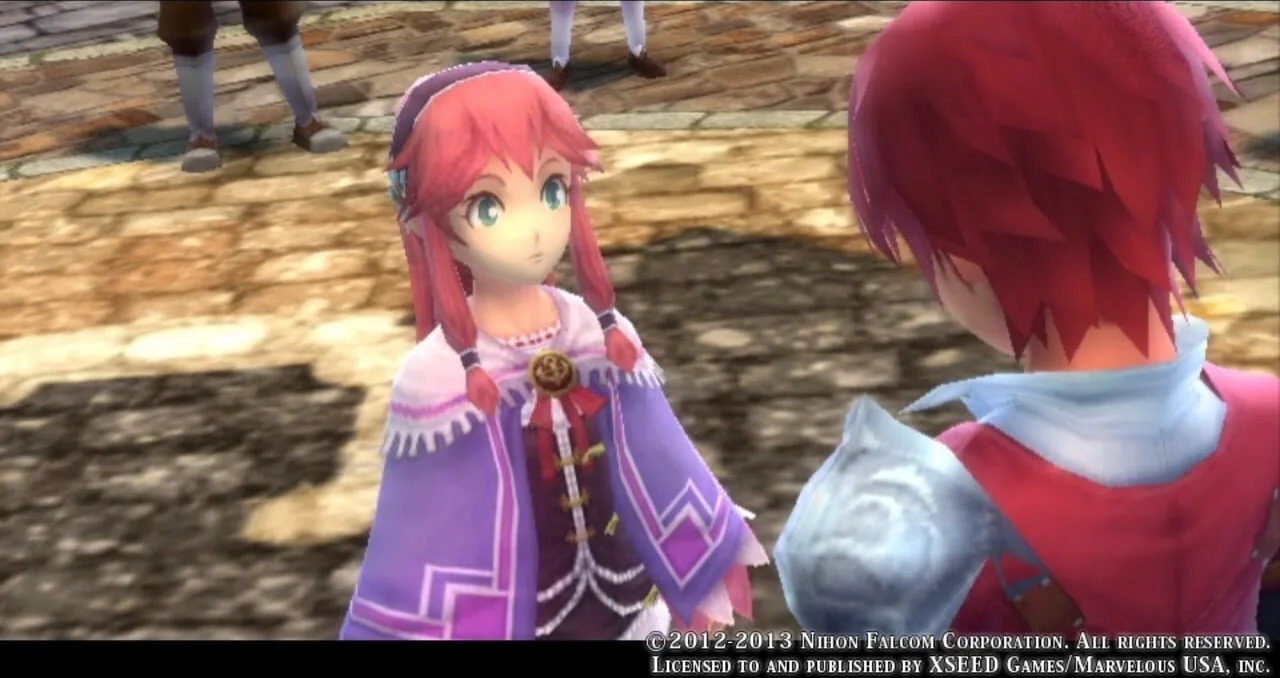
Ys: Memories of Celceta is Nihon Falcom's own take on a story that other companies had already adapted as Ys IV. Adol Christin has lost his memories while exploring the forest of Celceta, and you draw the forest's map as you go. Falcom later named these systems as the groundwork for Ys VIII: Lacrimosa of Dana.
One critic described the combat as a more "fast and frantic" version of what you get in the Zelda series, and the same review praised the writing and the music. Each character also has a powerful EXTRA move that you can only use once the meter is full. Players send action RPG fans here first, especially anyone who would rather fight in real time than wait for turns.
20. Grand Kingdom (2015)
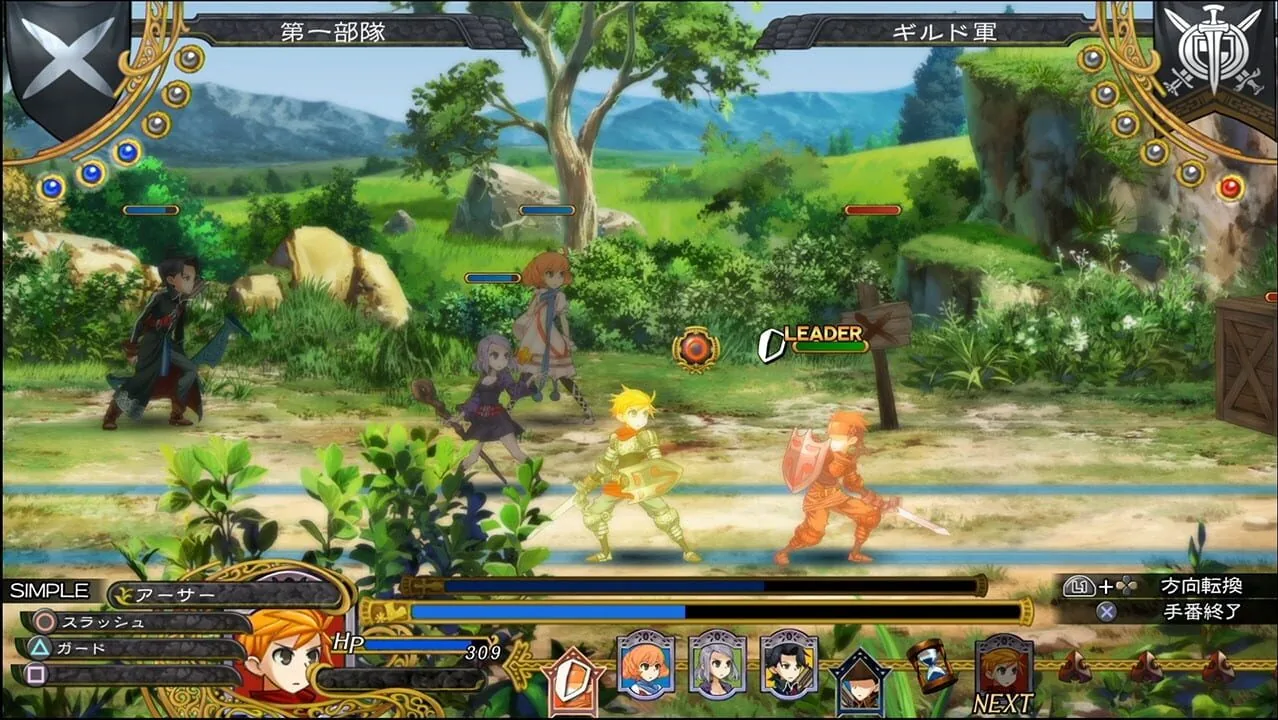
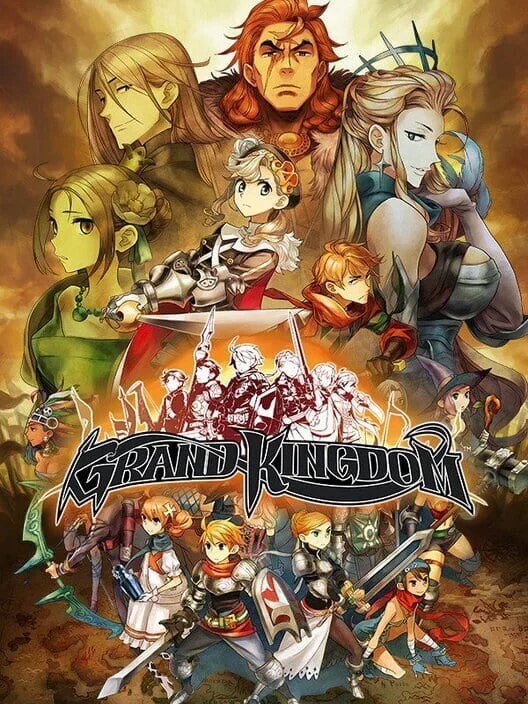
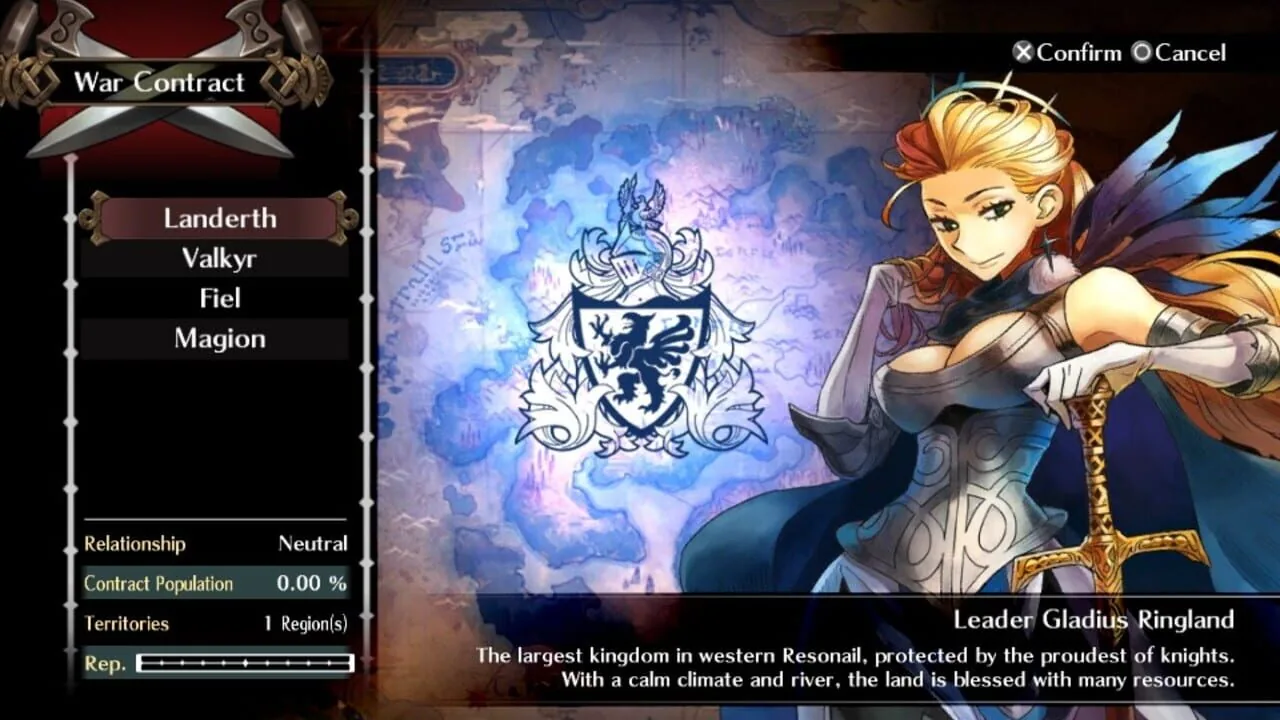
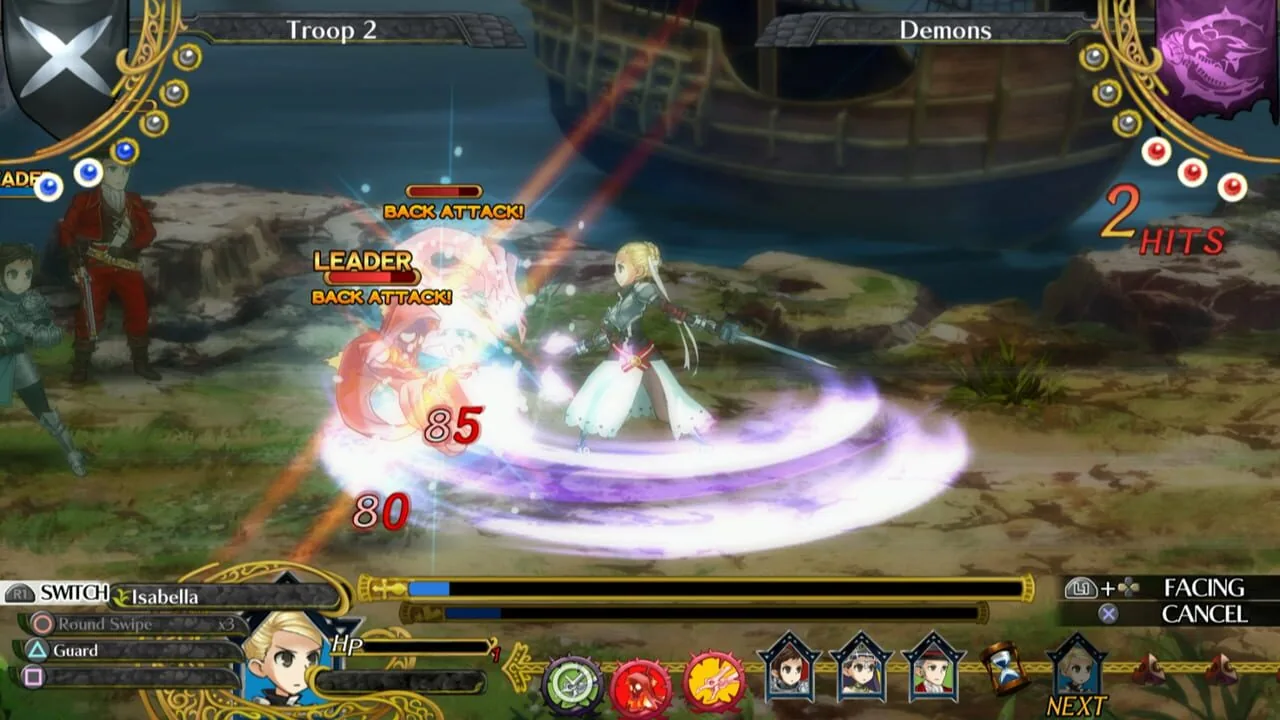
Grand Kingdom is a tactical RPG from Monochrome Corporation, directed by Tomohiko Deguchi, who used to work at Vanillaware. You run a company of mercenaries across maps laid out like a board game and fight turn-based battles for whichever nation is paying. Its online war between nations ended when the servers were shut down, by 2019 in the West.
Development began in 2011. You can only buy equipment from the shops of the nation you picked. Spike Chunsoft published it in Japan in 2015, and NIS America brought it West in 2016. Reviews were mostly positive, and critics praised its gameplay and art design. They were generally indifferent to its narrative. Even the players who recommend it stop to wonder whether it counts as a hidden gem. Then they recommend it anyway.
19. CounterSpy (2014)
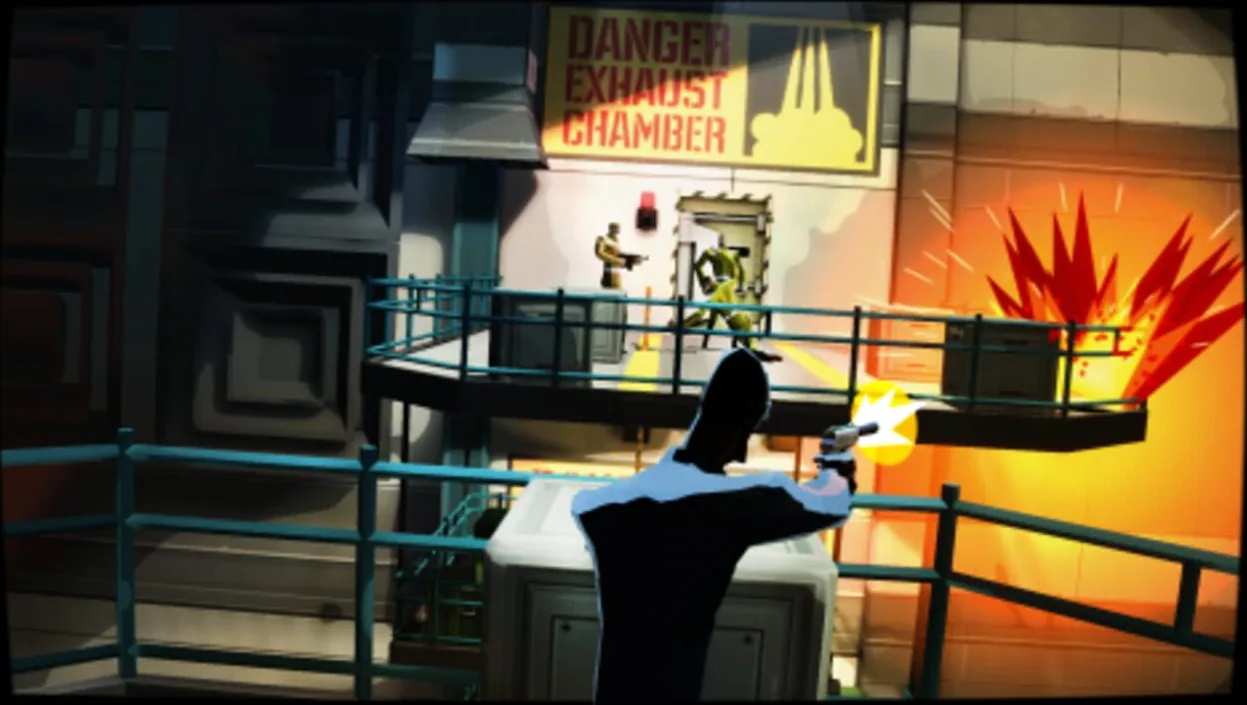
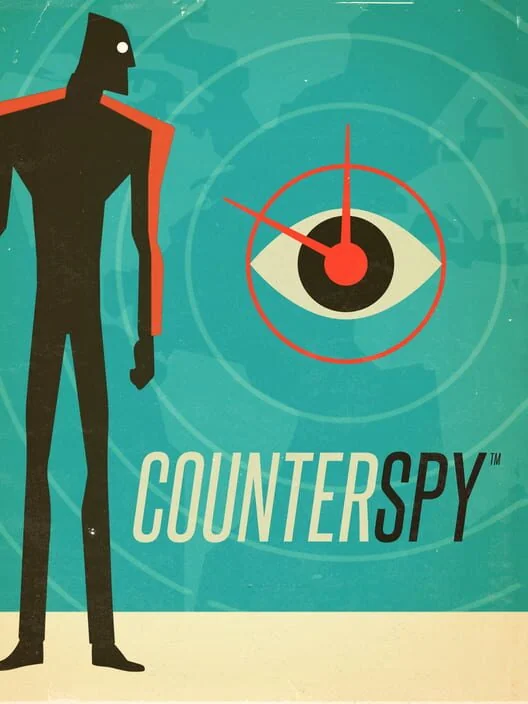
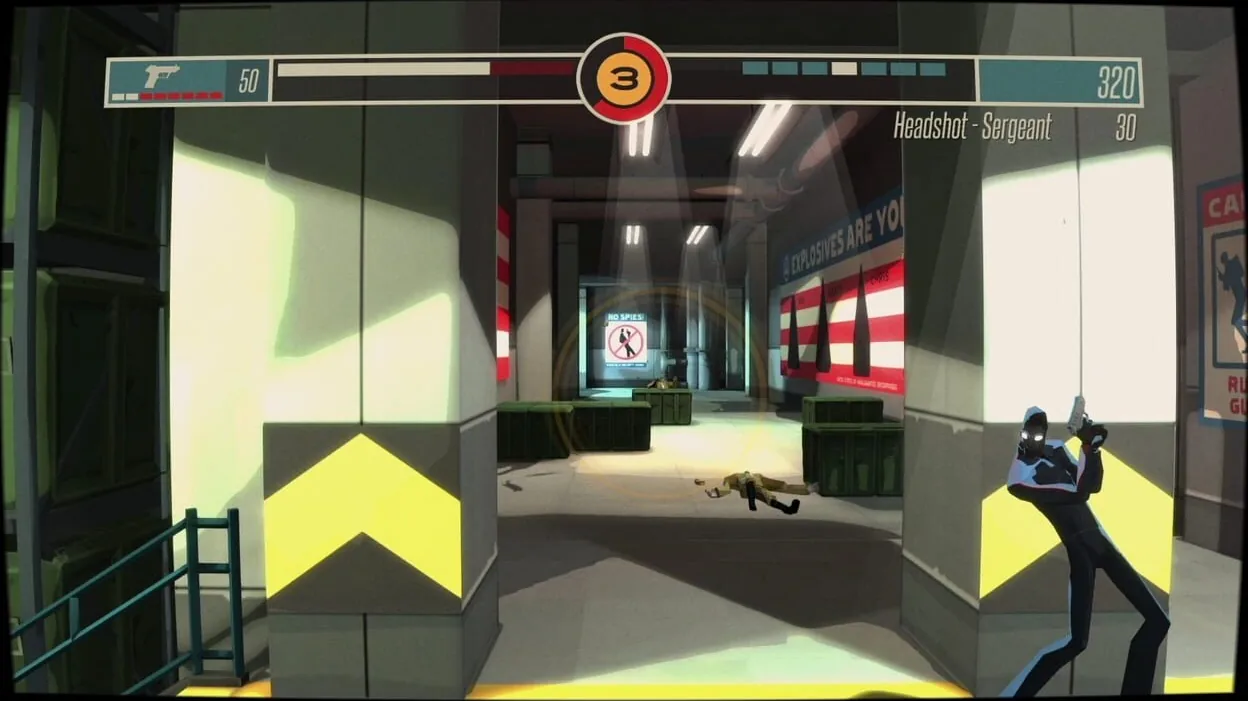
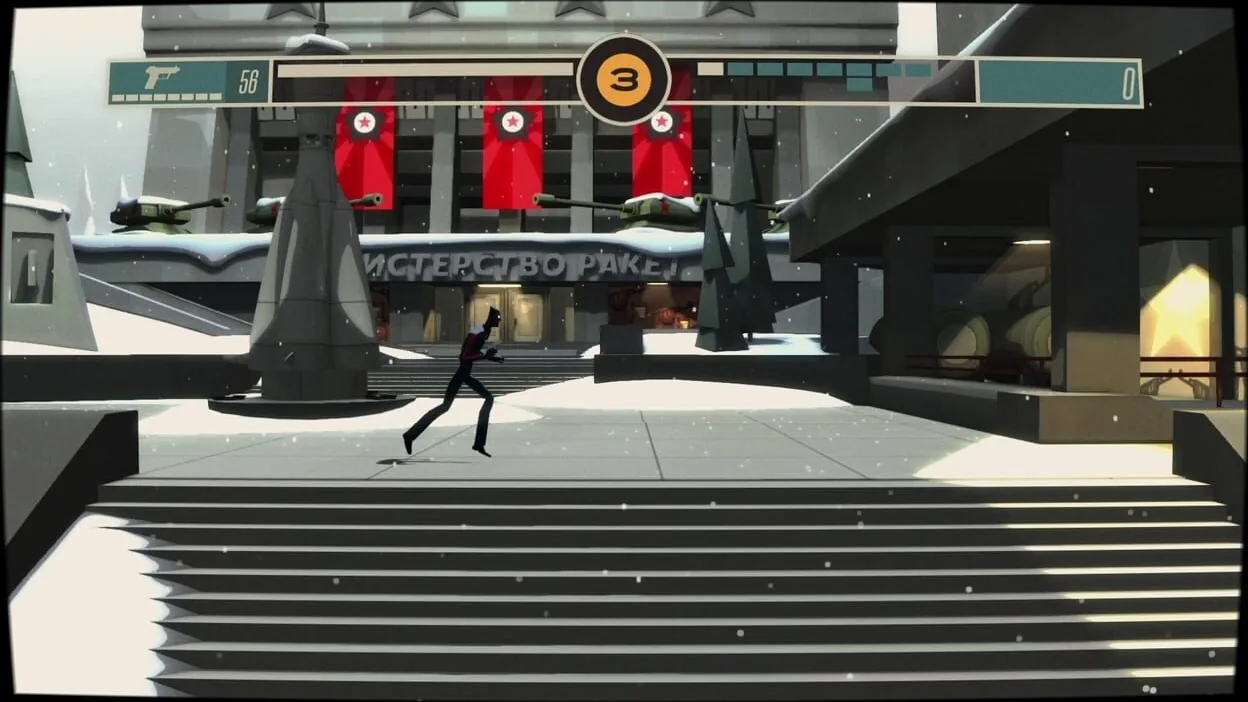
CounterSpy is a side-scrolling stealth game by the American studio Dynamighty, set in an alternate version of the Cold War. You sneak into the bases of both sides to stop either one launching its nuclear weapons, and the look comes straight from 1960s spy fiction like James Bond. You work for C.O.U.N.T.E.R., a rogue third spy agency that keeps the superpowers at bay.
Chaining stealth kills builds a score multiplier. Sony sold it as cross-buy, so one purchase covered all three PlayStation versions. Reviews were mixed to positive, and the art and the soundtrack got the most praise. Players remember it as a neat little stealth game and a favourite time waster.
18. Velocity 2X (2014)
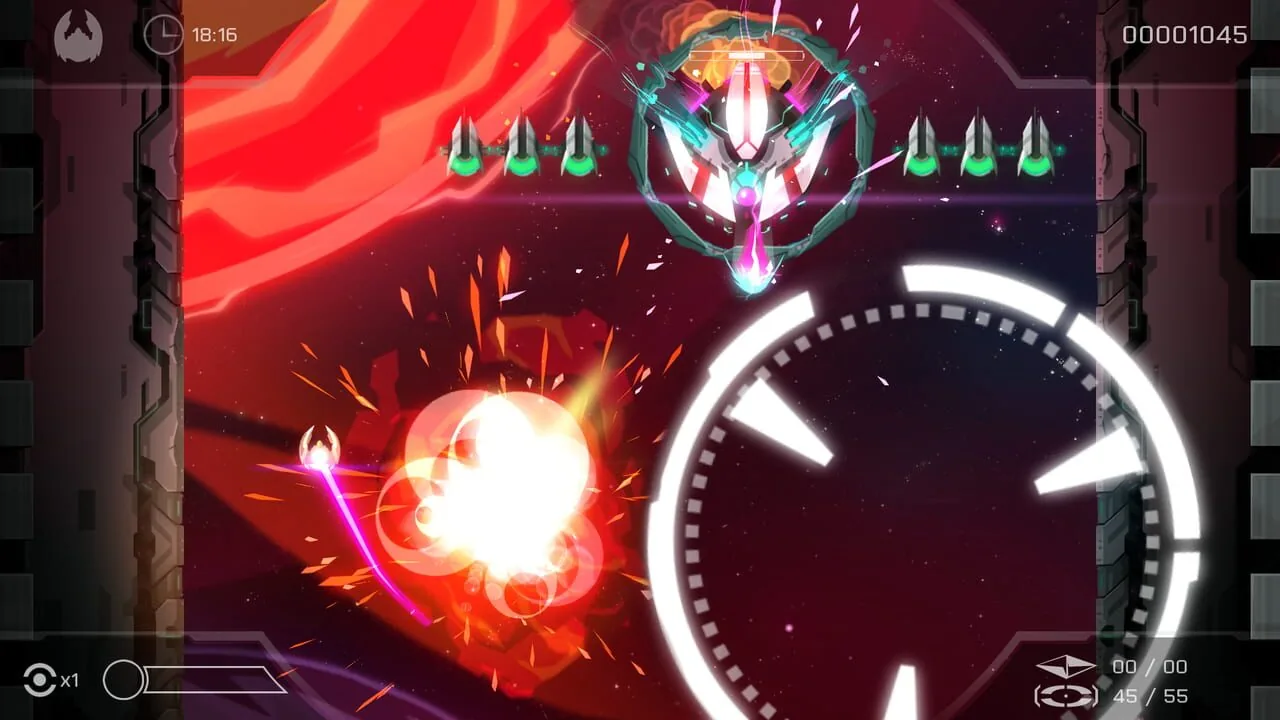
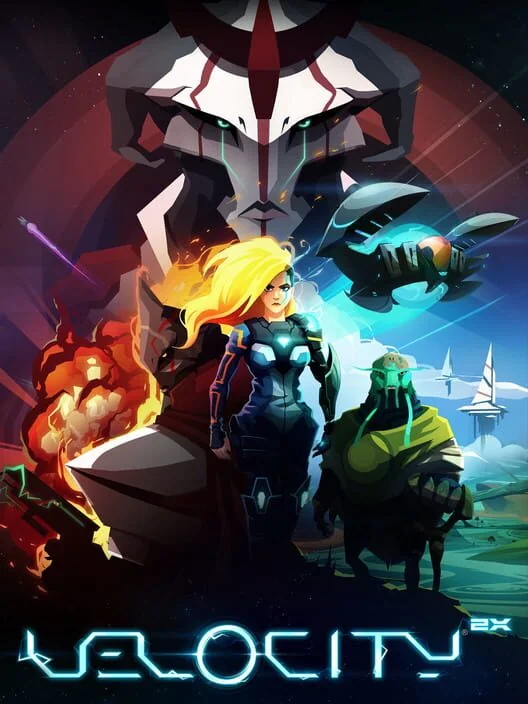
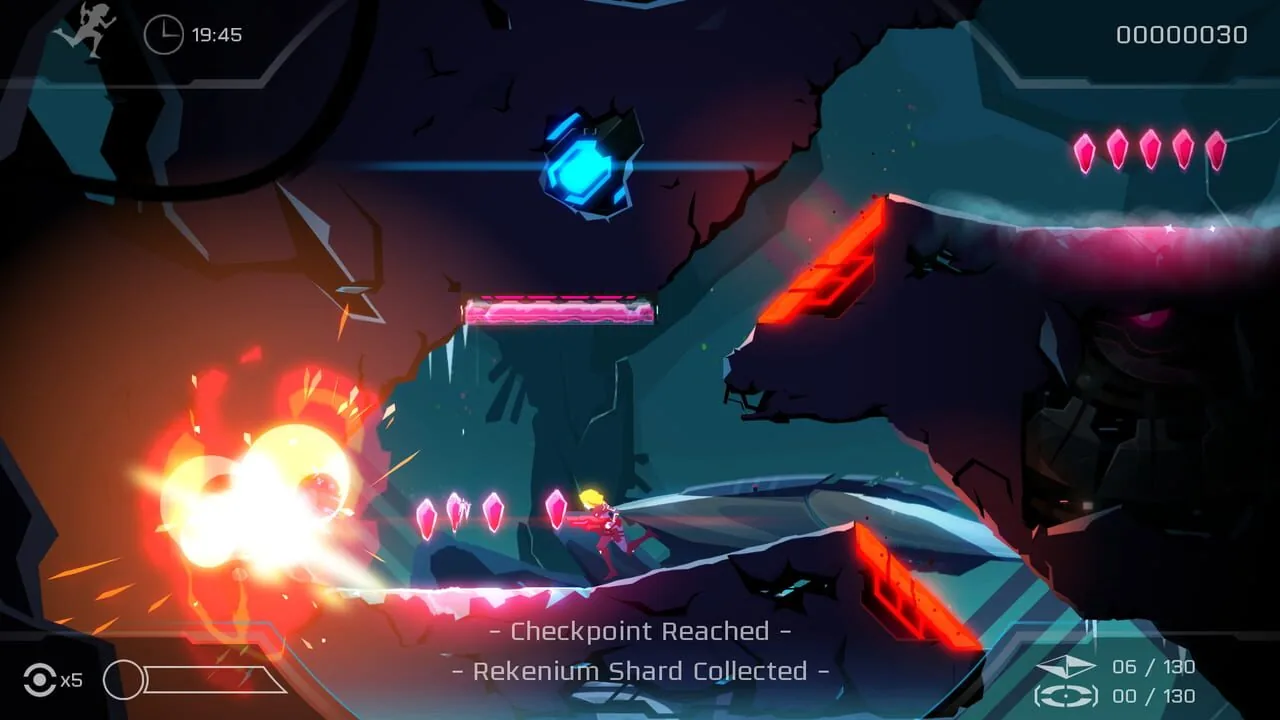
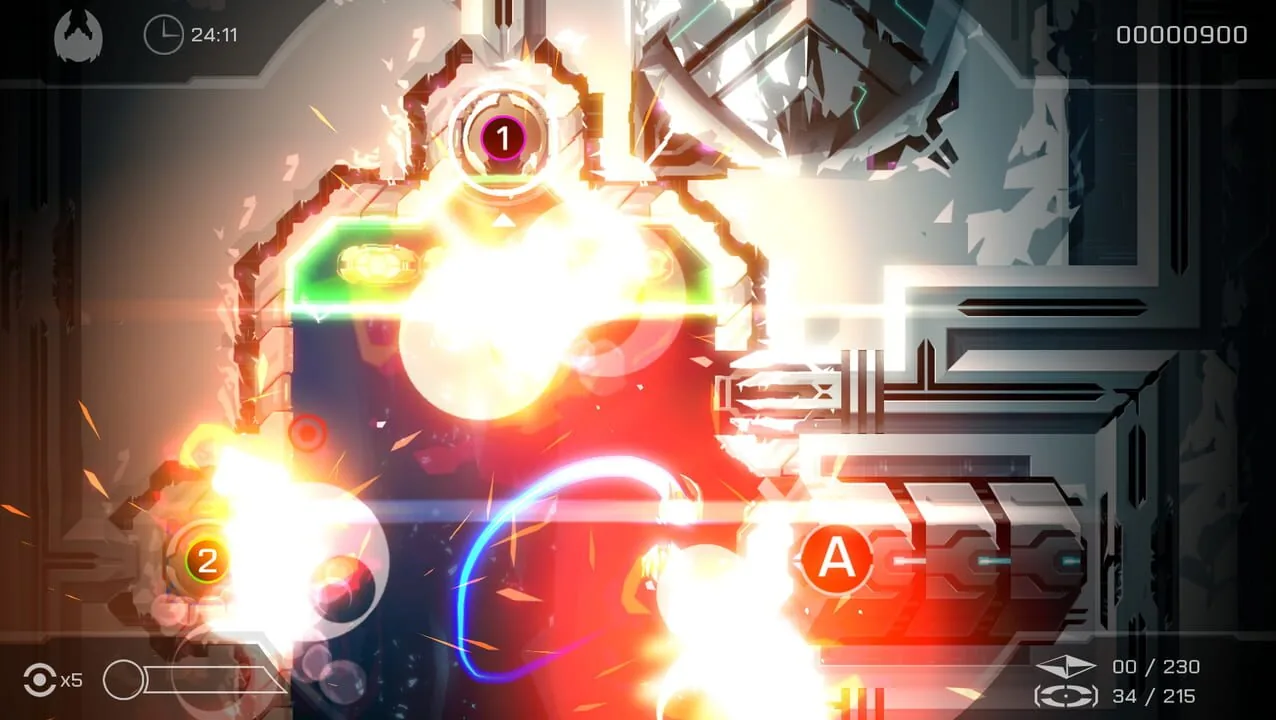
Velocity 2X is FuturLab's sequel to Velocity, a top-down shooter where your ship can teleport. The sequel adds 2D platforming sections to most levels, and the best runs come from rescuing everyone fast without dying. You play Lt. Kai Tana, who wakes up a prisoner of the Vokh Empire, partly fused with her own ship.
It follows Velocity Ultra and was critically acclaimed. It was later released by Activision under the Sierra Entertainment brand for the Xbox One and PC, and by Curve Digital for the Switch. It weaves two classic game formats into one adventure, with puzzle-platforming alongside the top-down shooting. The players who name it tend to name it as a favourite, and they keep coming back to how good it looks.
17. A Rose in the Twilight (2017)
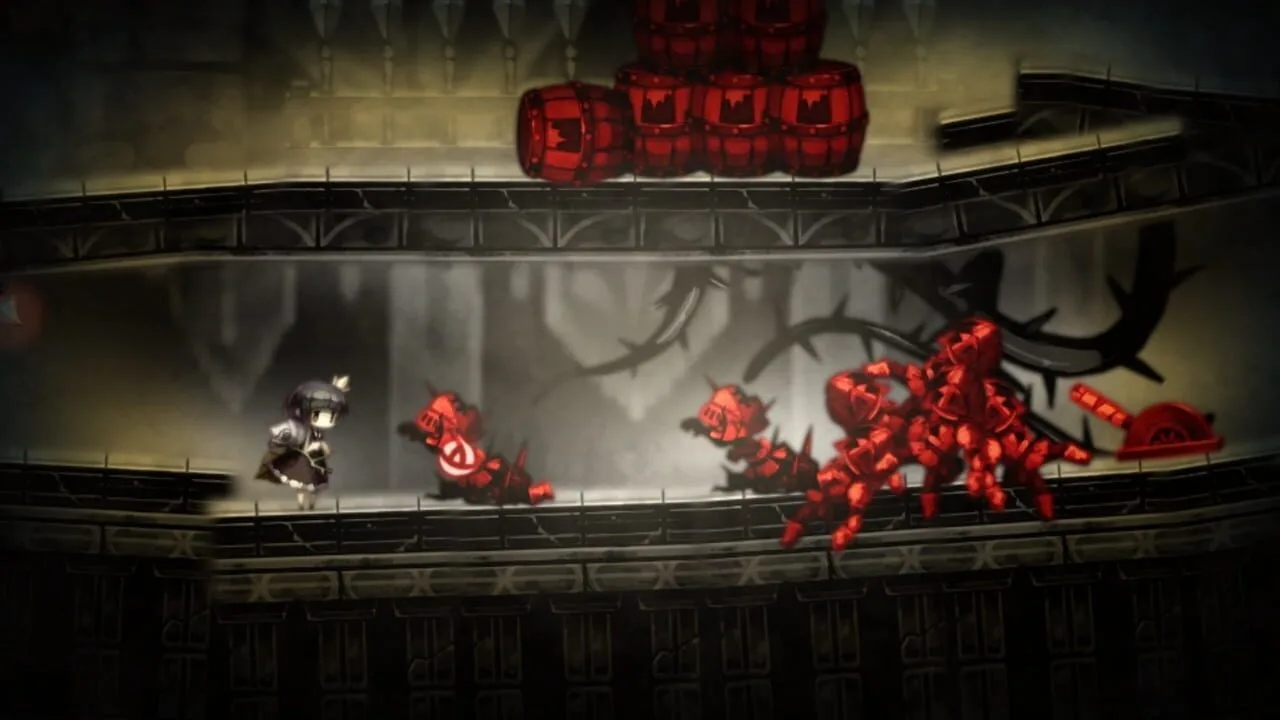
A Rose in the Twilight is a puzzle-platformer with horror elements from Nippon Ichi Software, directed by Masayuki Furuya. A young girl named Rose finds herself in an old castle frozen in time, and the rose at her waist can soak up the colour red and spill it back into the castle. The art uses white, black, grey and red, and nothing else.
Failing a room just restarts it, but opening new areas sometimes takes gruesome self-sacrifices that only an immortal could manage. Different areas bring different twists, like a watering can that pours red liquid on plants and clockwork towers where blood controls the pace of time. Players say they hardly ever see it recommended, and they warn that it is properly dark.
16. Dragon Quest Builders (2016)
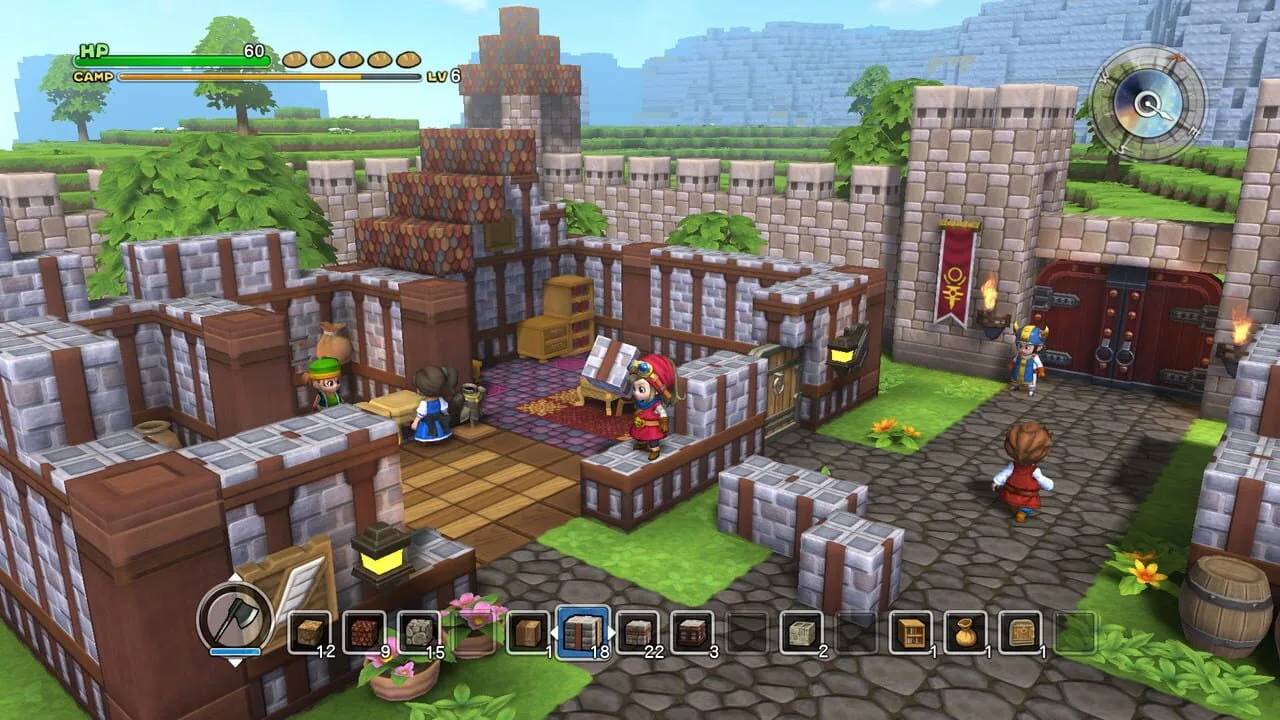
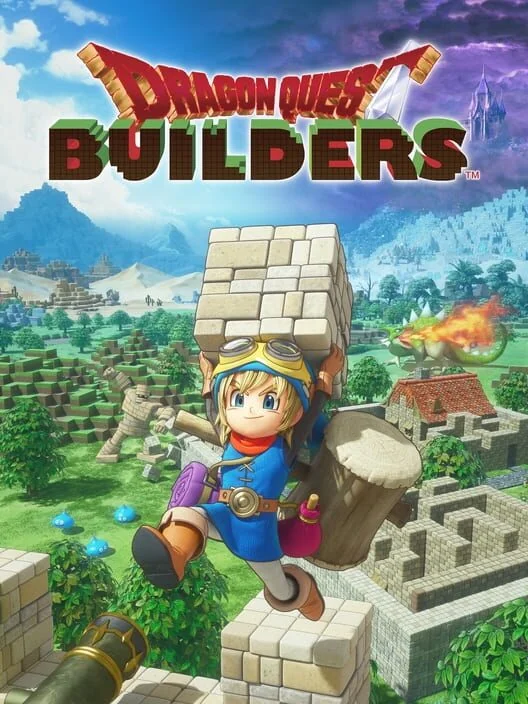
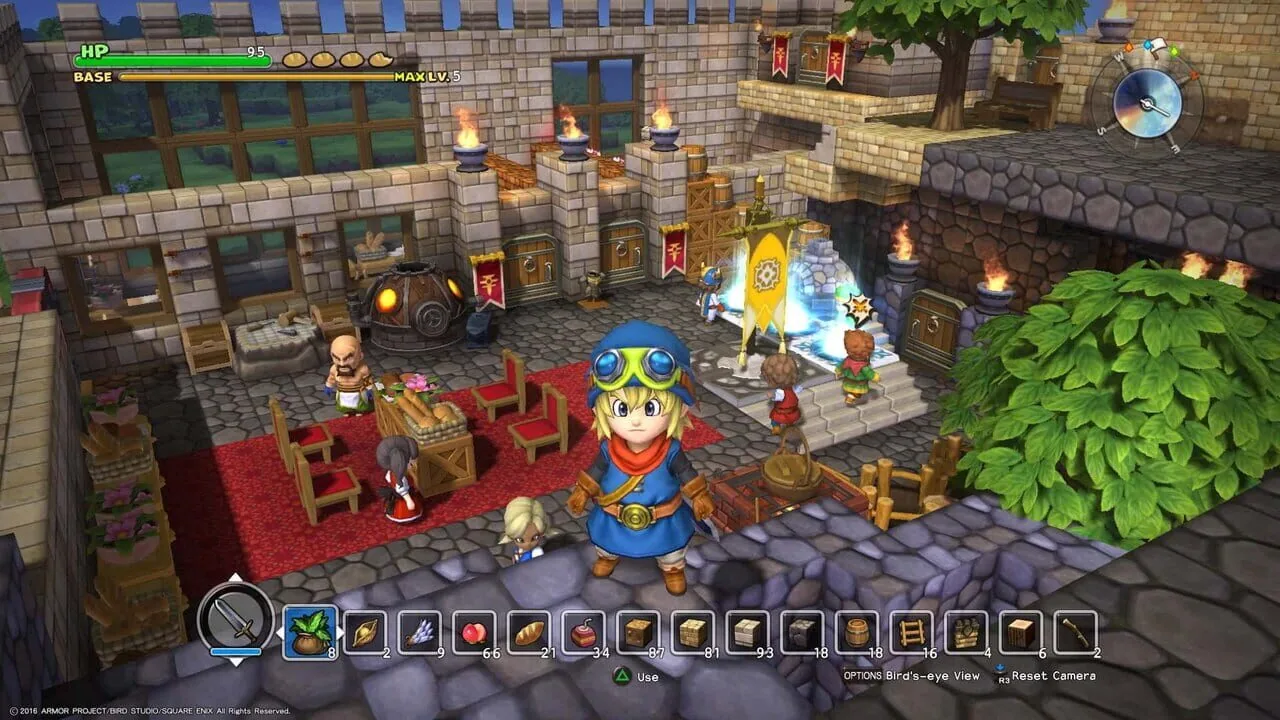
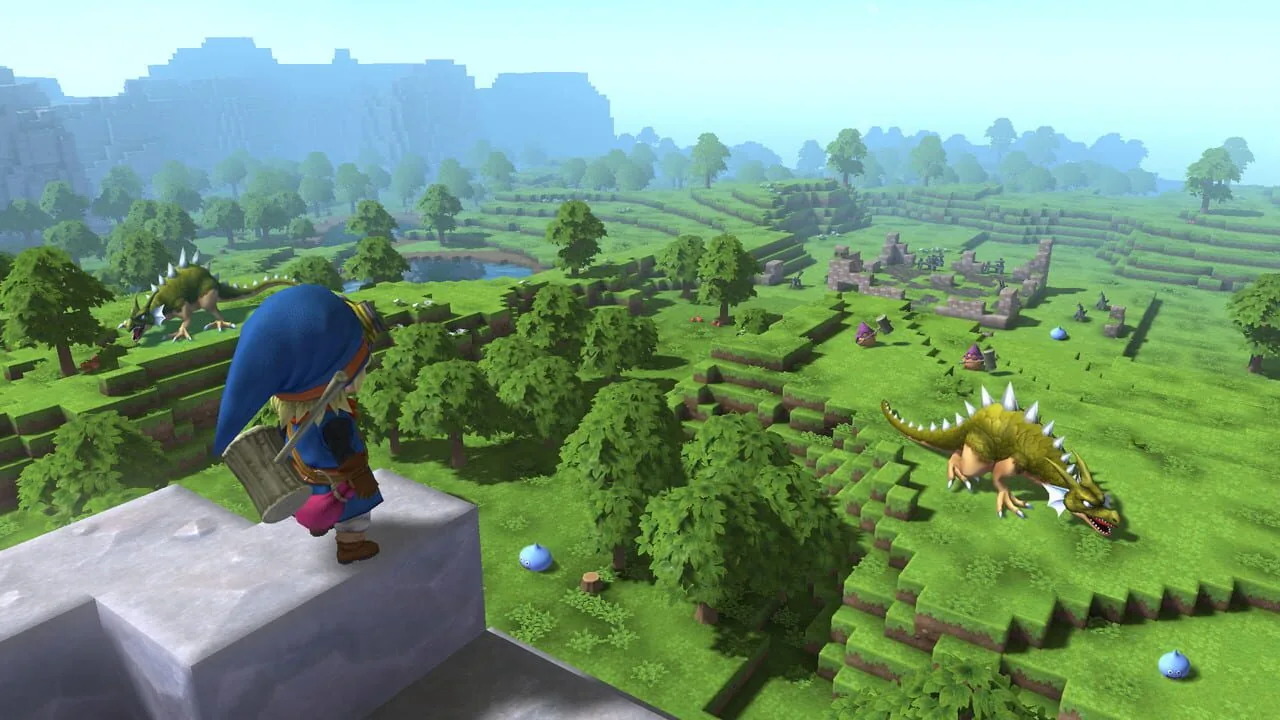
Square Enix set Dragon Quest Builders in Alefgard, the world of the original Dragon Quest, after it has been destroyed. You play the builder who puts it back together, gathering and building in a way that owes a lot to Minecraft. A town gains levels the more you build it up. The world is made entirely of blocks, although it does not look that blocky.
The story grows out of a parallel ending of the first Dragon Quest, where the hero accepted the Dragonlord's offer to split the world in half. It reached the Switch in 2018, the same year as its sequel. Players say it runs great on the Vita, and that hardly anyone mentions it.
15. Lumines: Electronic Symphony (2012)
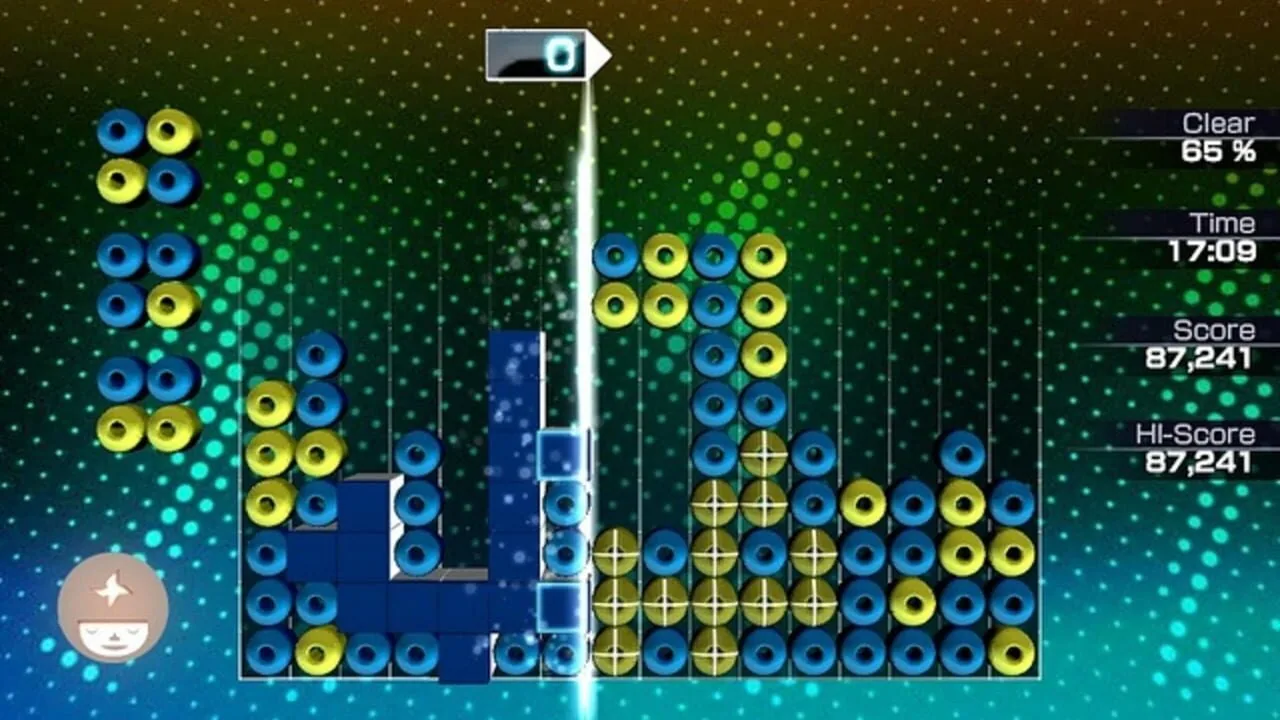
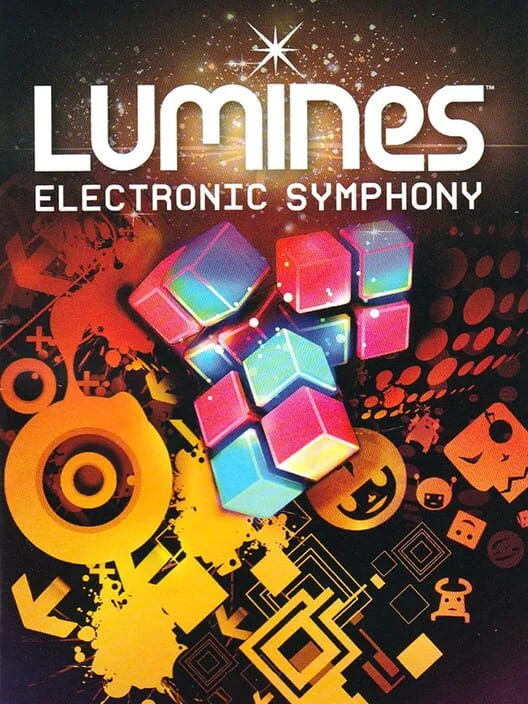
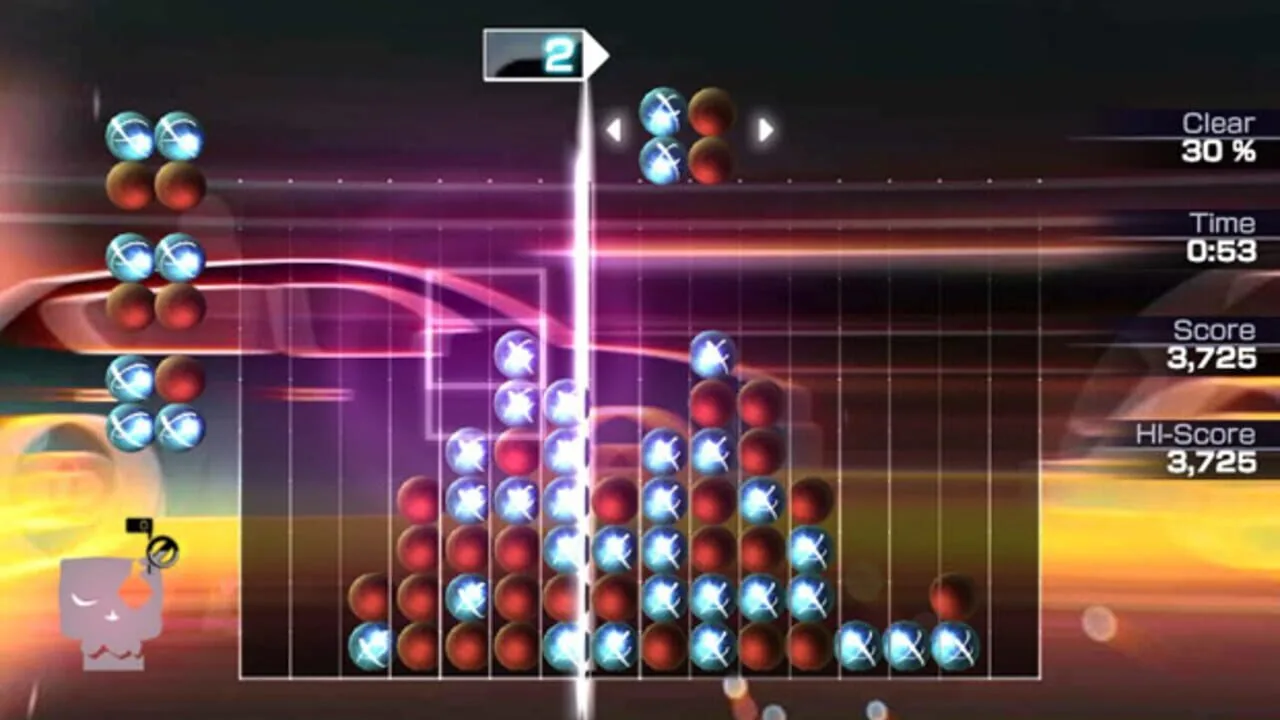
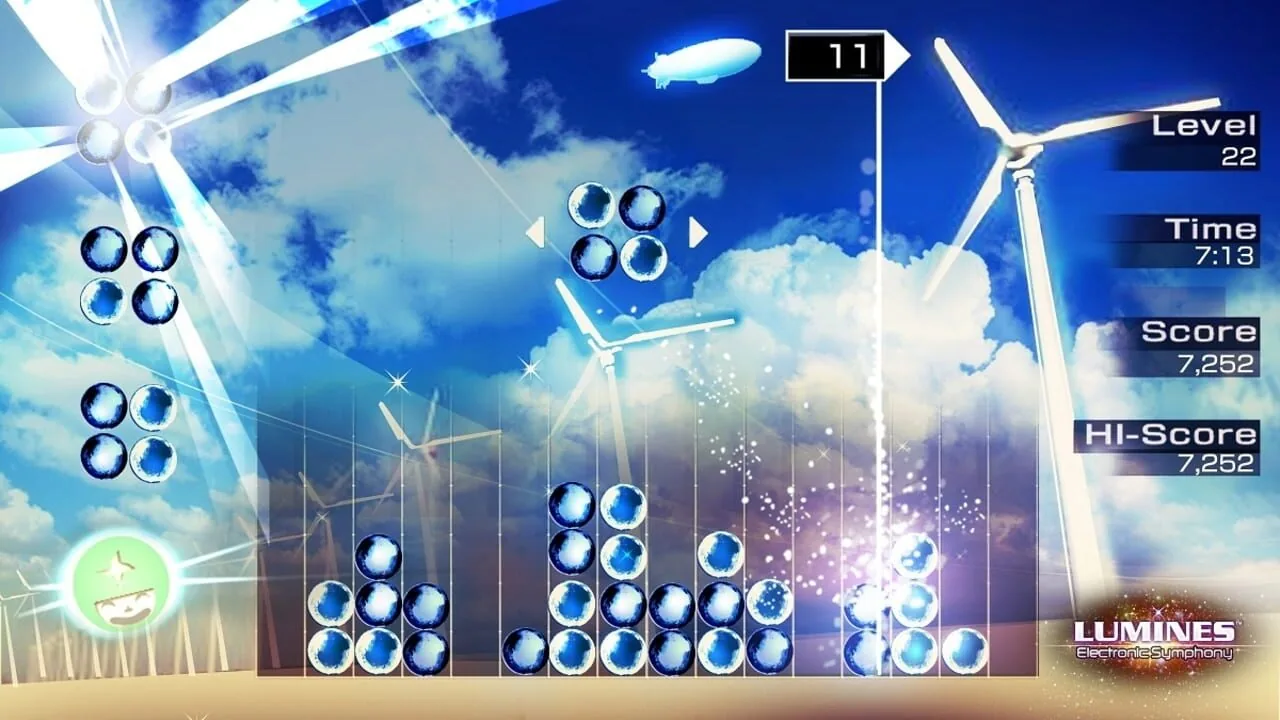
Q Entertainment made Lumines: Electronic Symphony for Ubisoft, and James Mielke produced it. The rules are the old ones: match falling blocks of two colours into squares, then let the Time Line sweep them away before the pile reaches the top. The playable demo featured The Chemical Brothers. Ubisoft announced it at Gamescom 2011.
Mielke originally pitched it to Ubisoft as "Daft Punk Lumines". The music aims for a groovy lounge feel instead of a non-stop 140BPM megamix. You can charge up your power by tapping the back touchpad, and one review called it one of the best titles in the Vita's launch lineup. Players still slip it into their underrated picks, sometimes as a deliberately left-field choice.
14. Severed (2016)
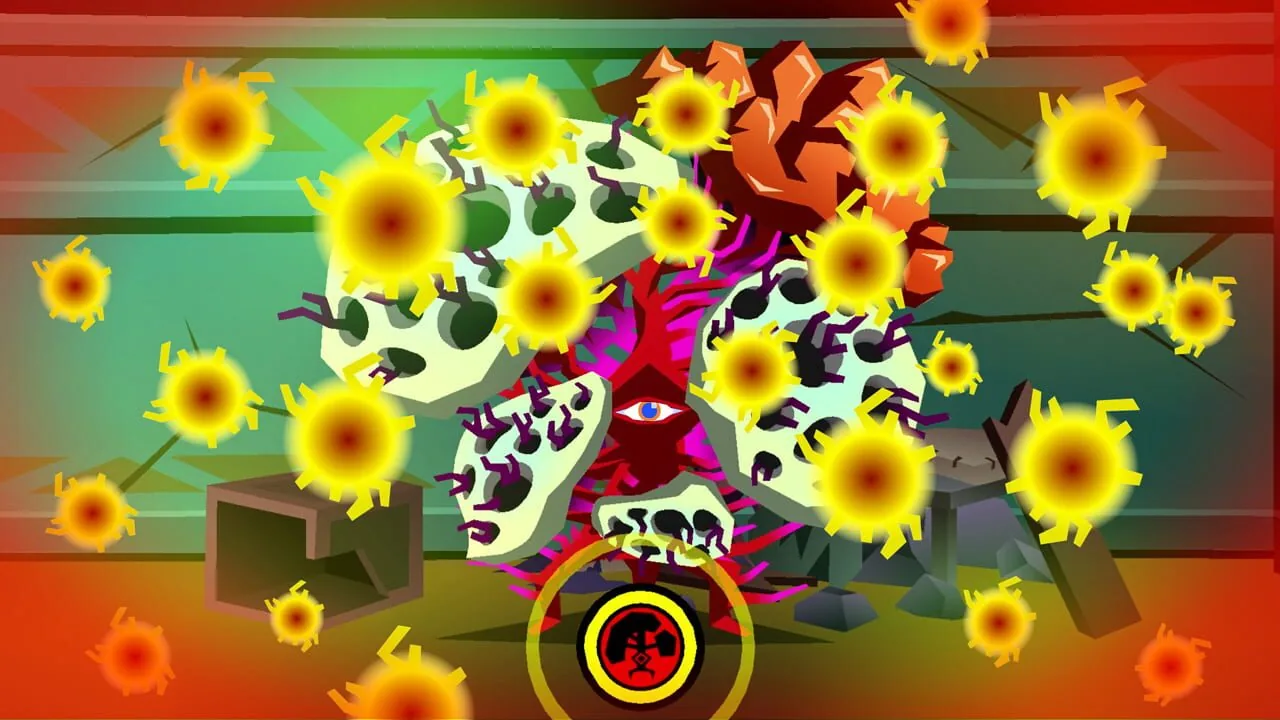
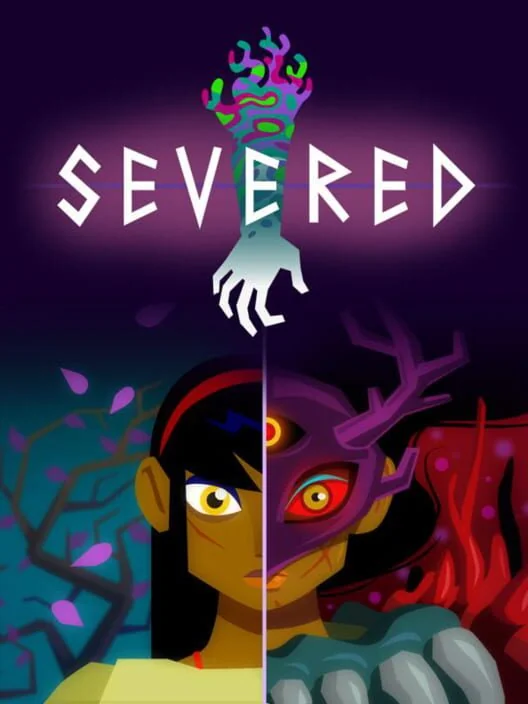
DrinkBox Studios built Severed around the touch screen, so much so that people first expected a game for phones. The Vita got it first, on April 26, 2016, months before the Wii U and iOS versions.
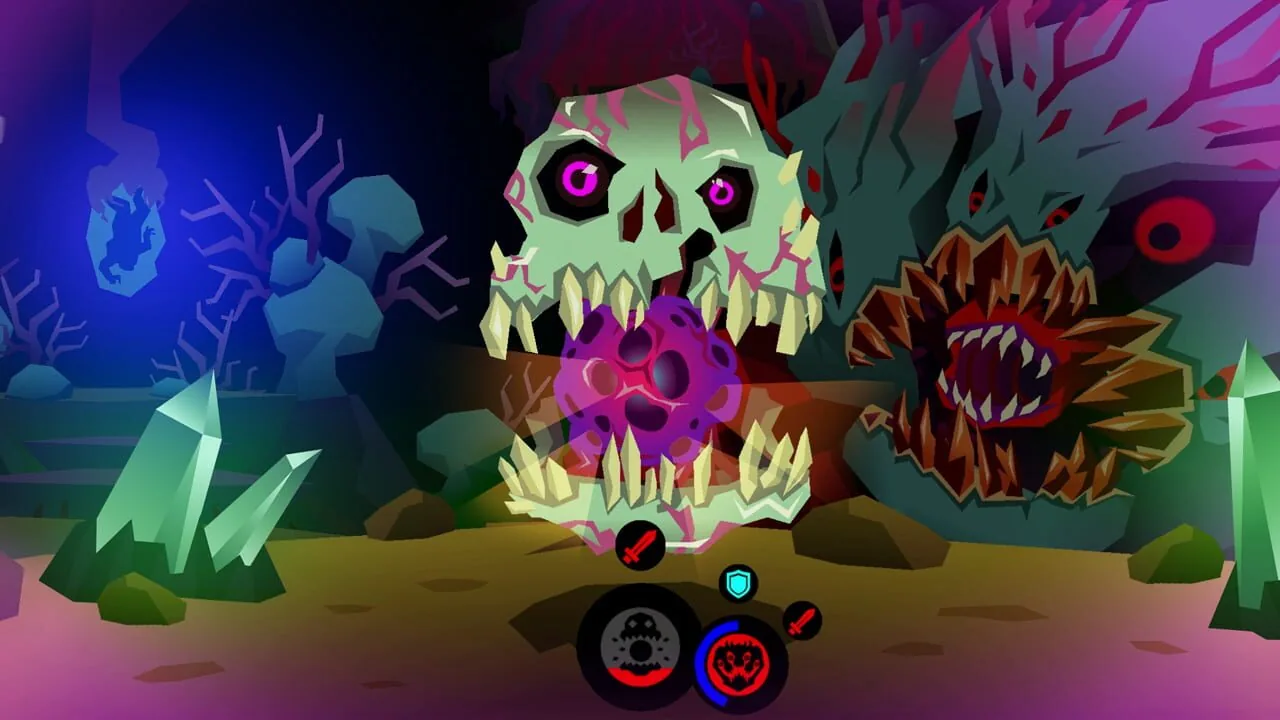
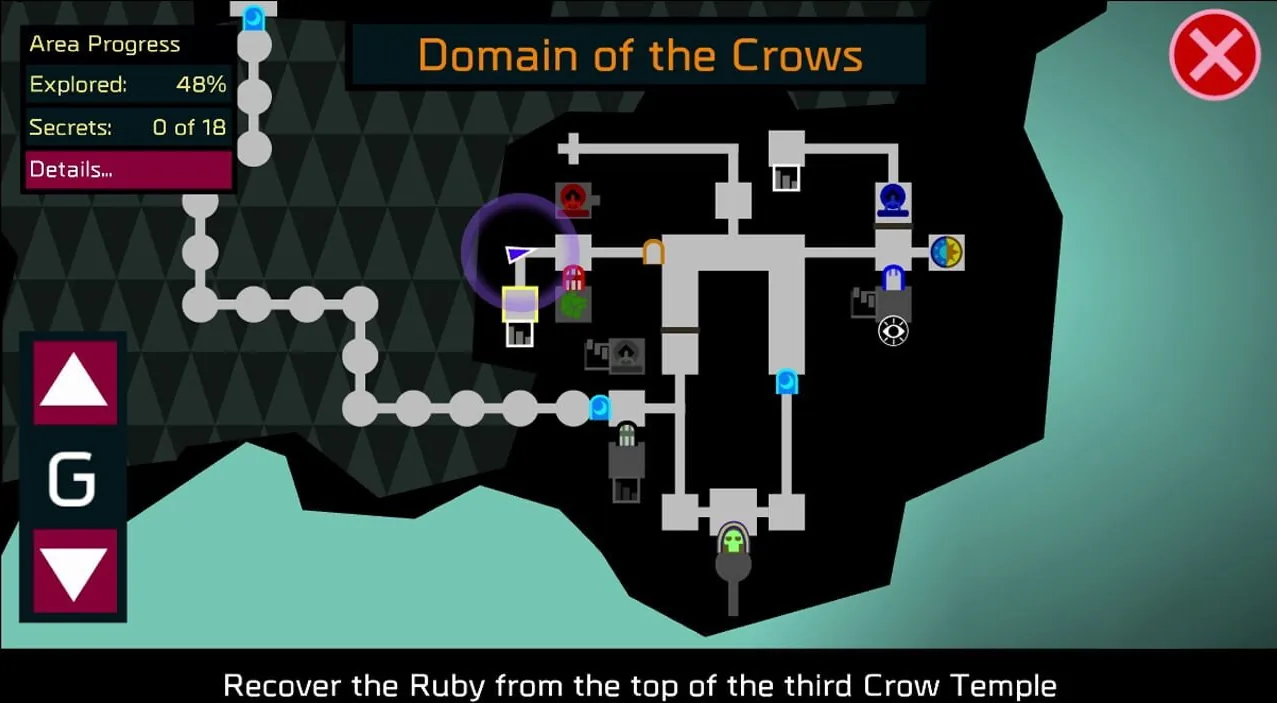
It is a first-person dungeon crawler where you swipe to slice off enemy body parts, then use them to craft and upgrade armor. The Academy of Interactive Arts & Sciences nominated it for "Handheld Game of the Year". It comes from the same studio as Guacamelee!, which is also on this list. This is the one players argue about. Plenty insist it is not underrated at all, because every Vita owner already knows it.
13. Mary Skelter: Nightmares (2016)
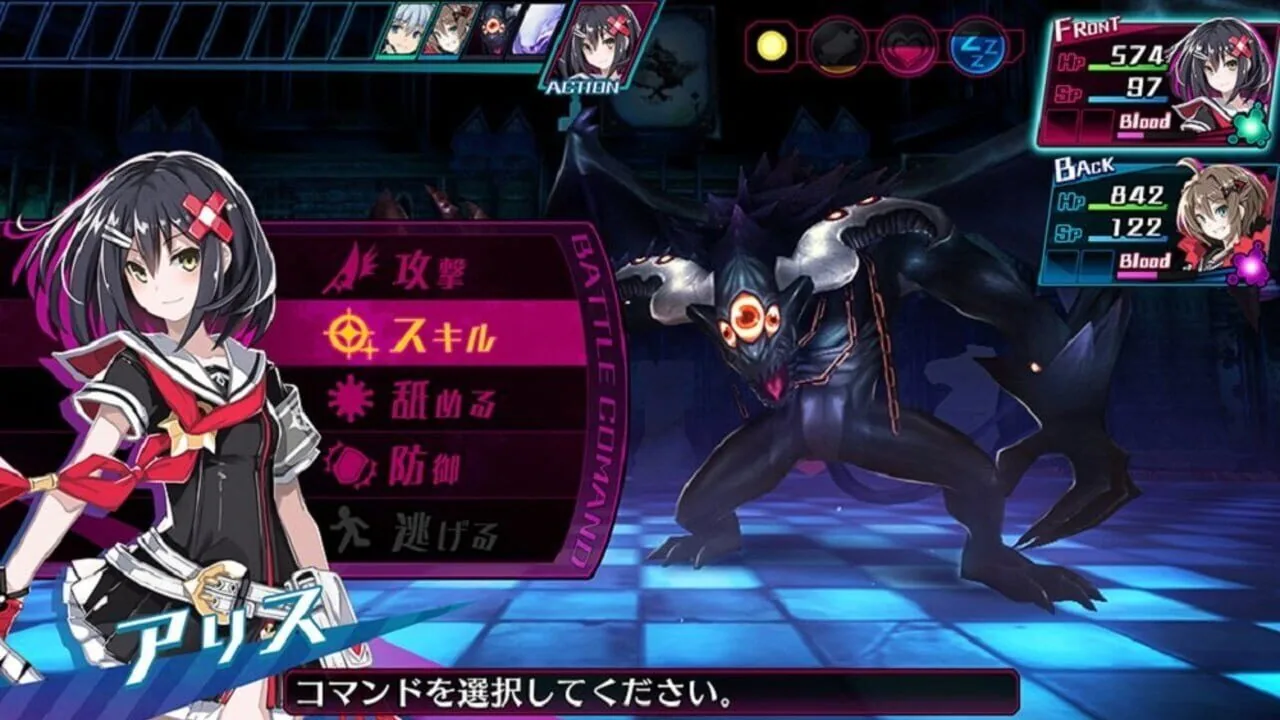
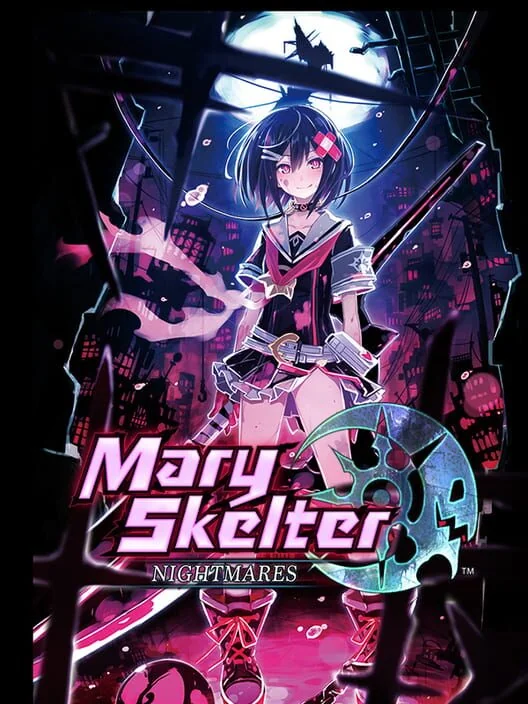
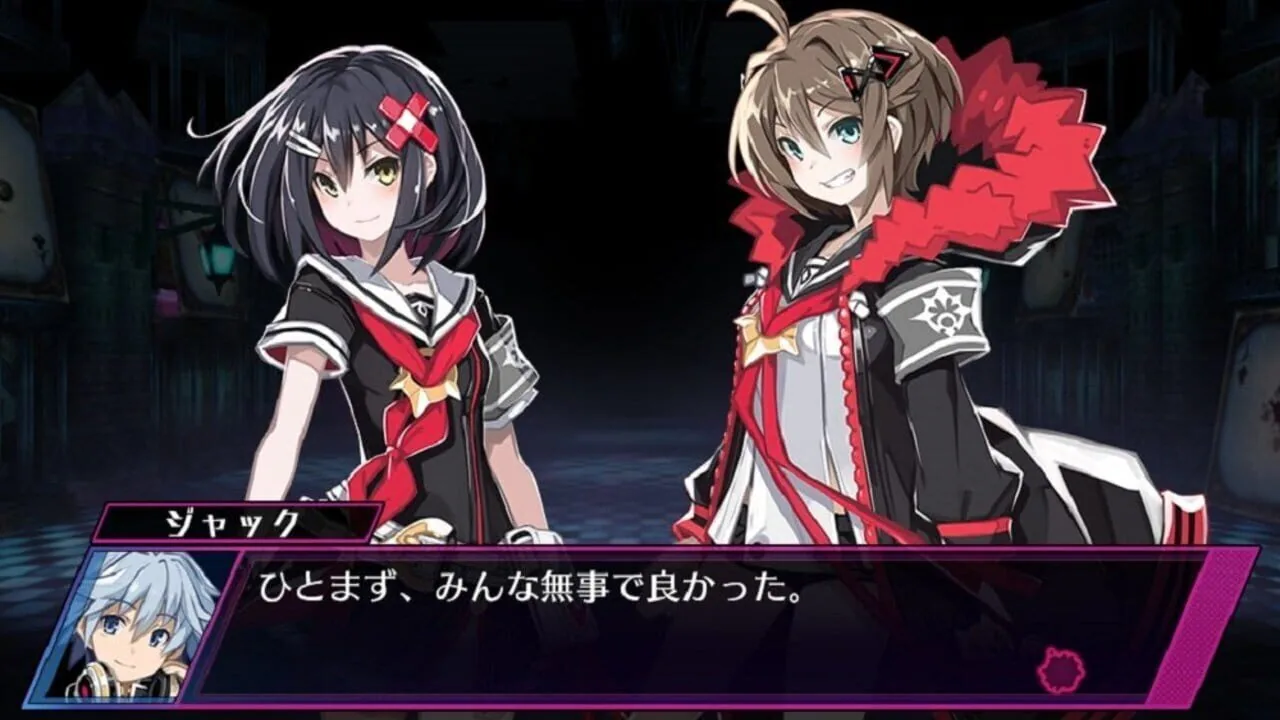
Mary Skelter: Nightmares is a first-person dungeon crawler developed and published by Compile Heart and Idea Factory. It came out in Japan in 2016 and in North America in September 2017. A prequel followed, and it included Nightmares as a bonus remake with a new true ending.
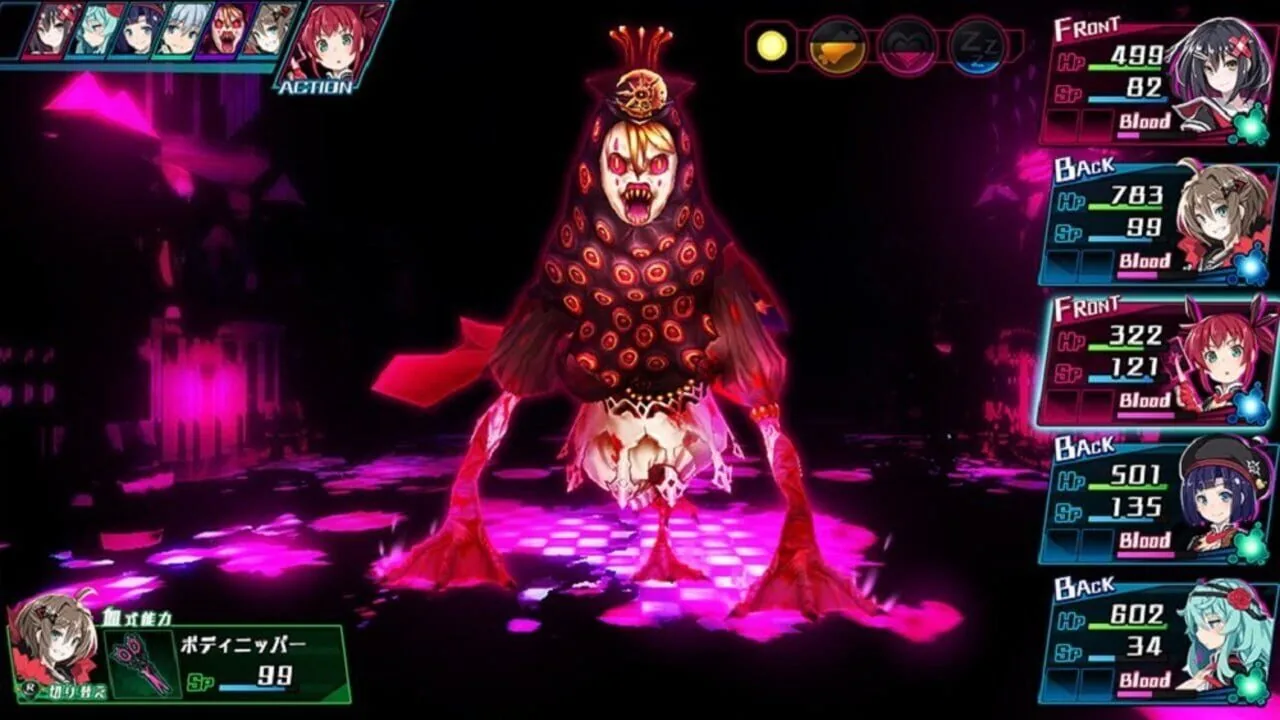
A being called the Jail has swallowed the whole city and keeps releasing hostile monsters called Marchens. In the dungeons a monster called the Nightmare stalks you, and you can use traps to slow it down and escape to fight another day. Fights are turn-based, and you can boost your allies with blood transformations. Players recommend it to anyone who wants to try dungeon crawlers, as a good way in.
12. Dokuro (2012)
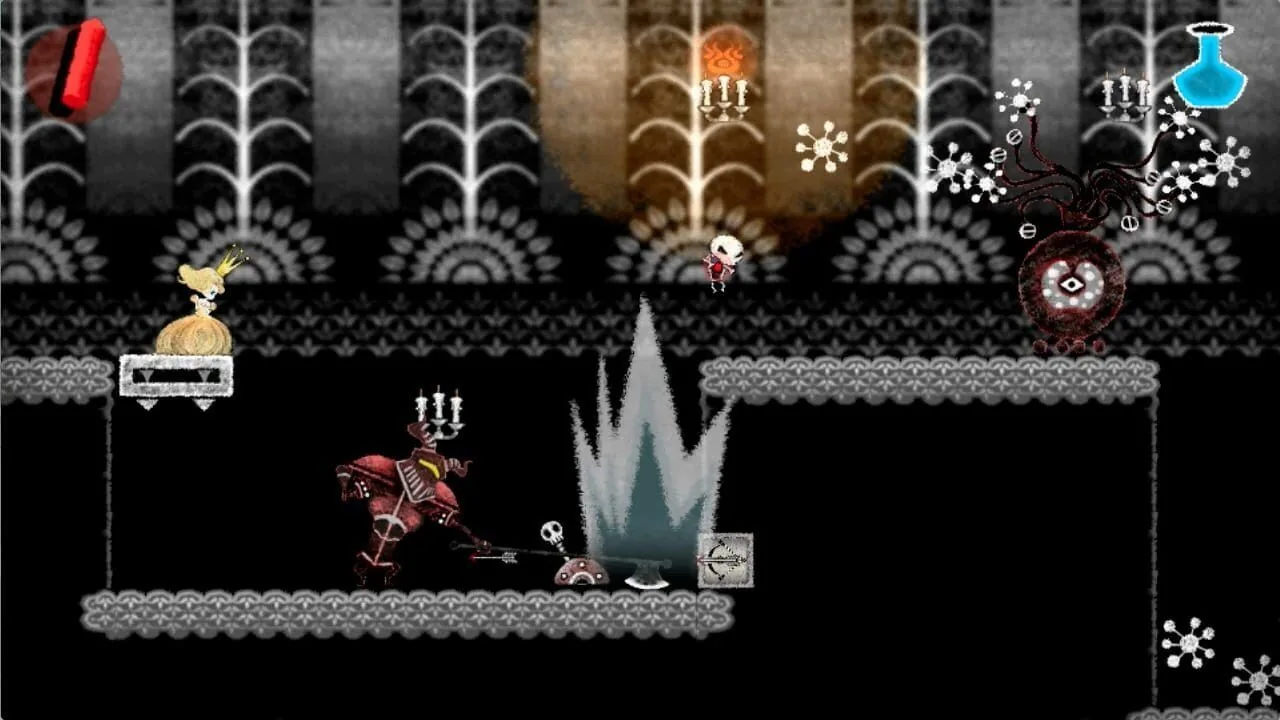
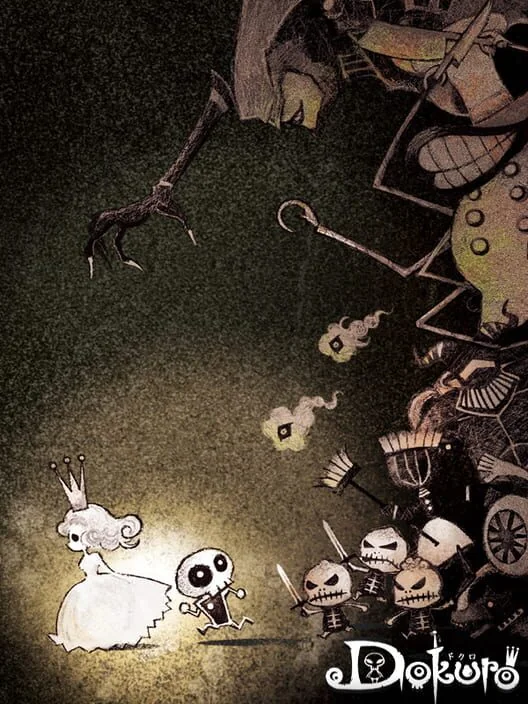
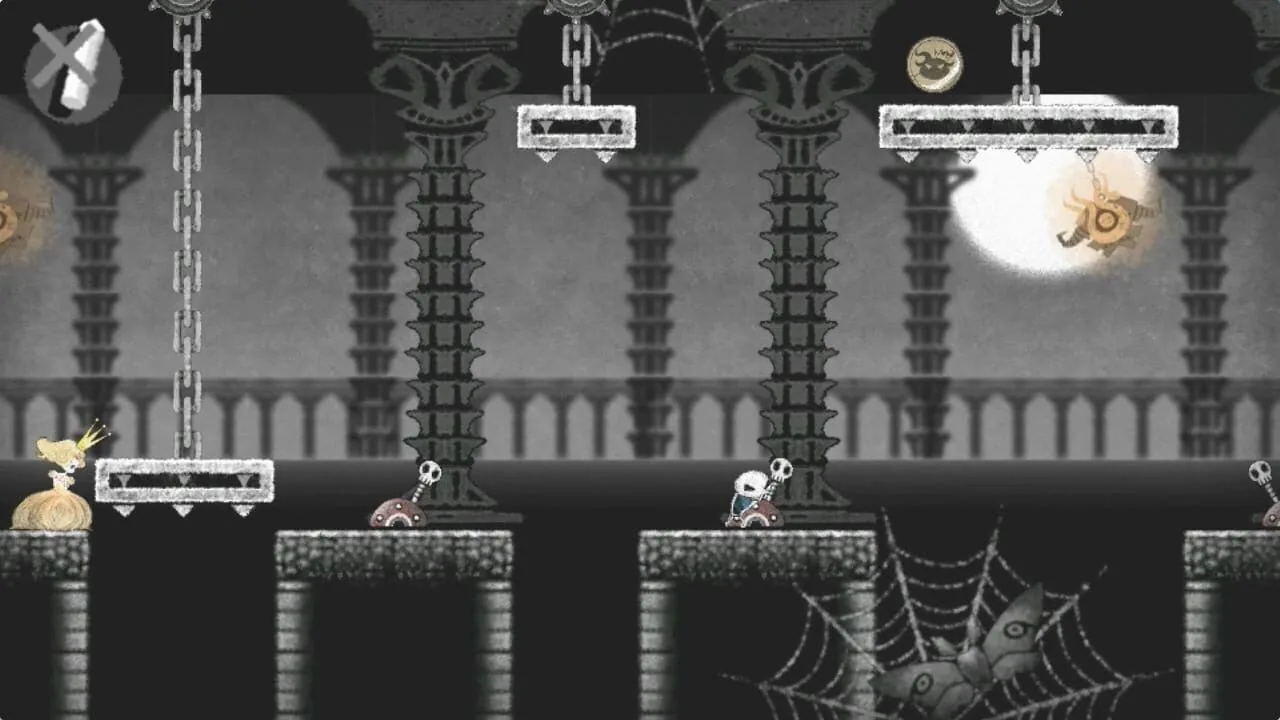
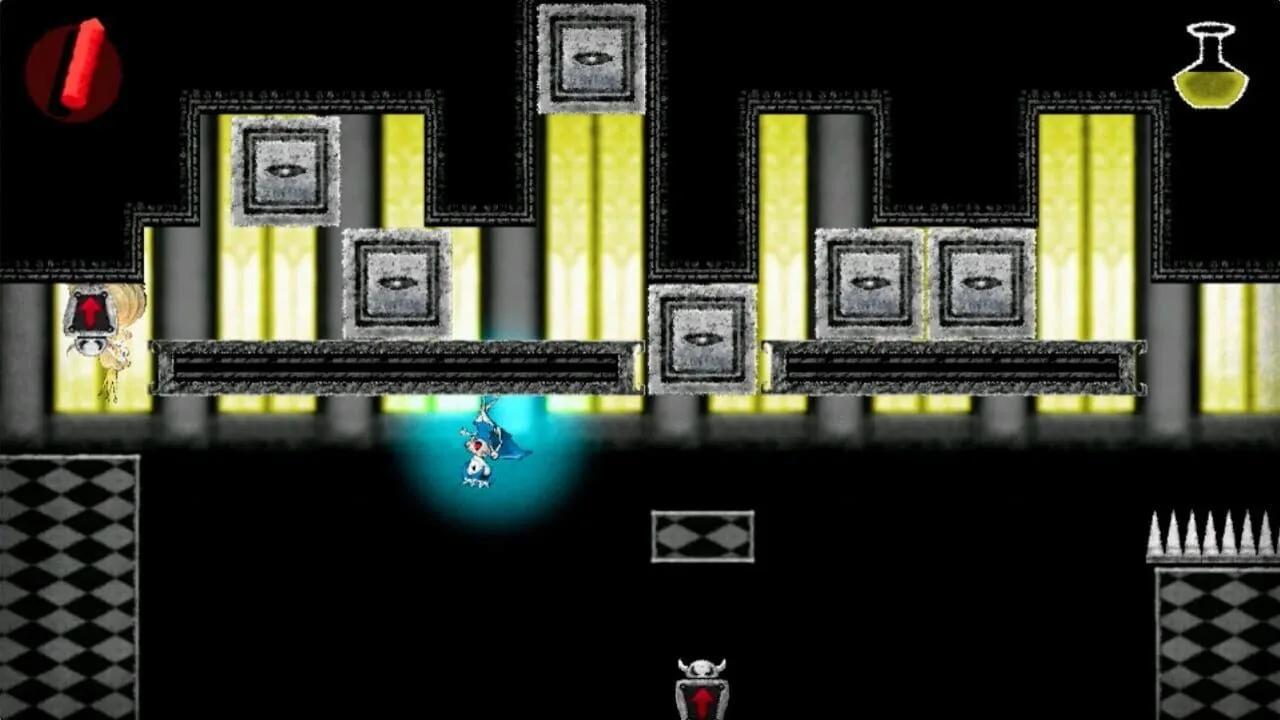
Dokuro was developed by Game Arts and published by GungHo, first for the Vita. You are a skeleton who works for the Dark Lord, and when he captures a princess to marry her, her crying breaks your heart, so you help her escape his castle. The look imitates the artwork in a children's storybook.
It is a chalk-art puzzler with a lot of charm. Critics did not agree on it. One review called it "inspired, well-made, and thoroughly enchanting", while Game Informer gave the Vita version a mixed review. Players say they hardly ever see it discussed, and they love its gothic chalk art.
11. Tales of Hearts R (2013)
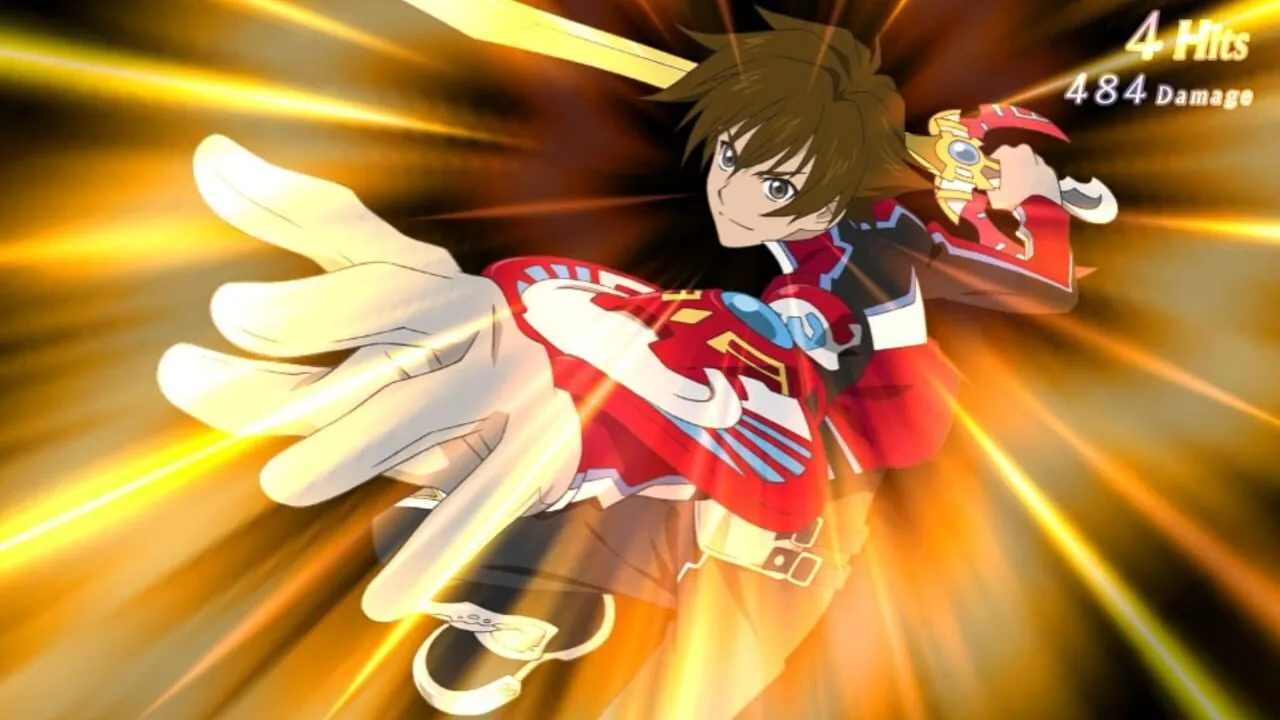
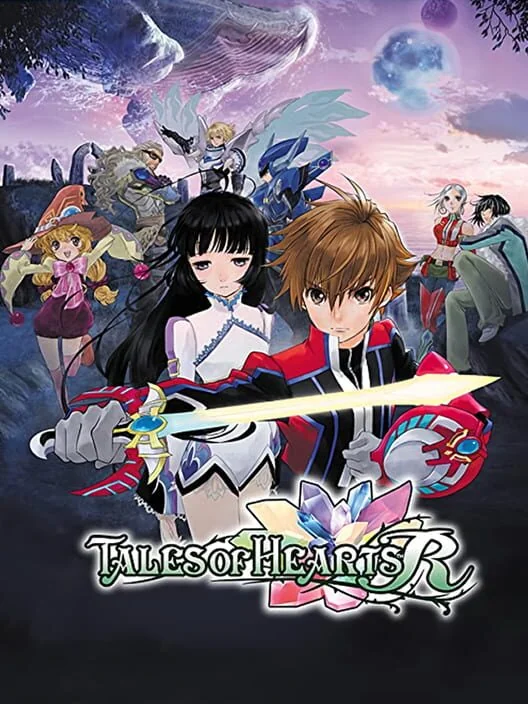
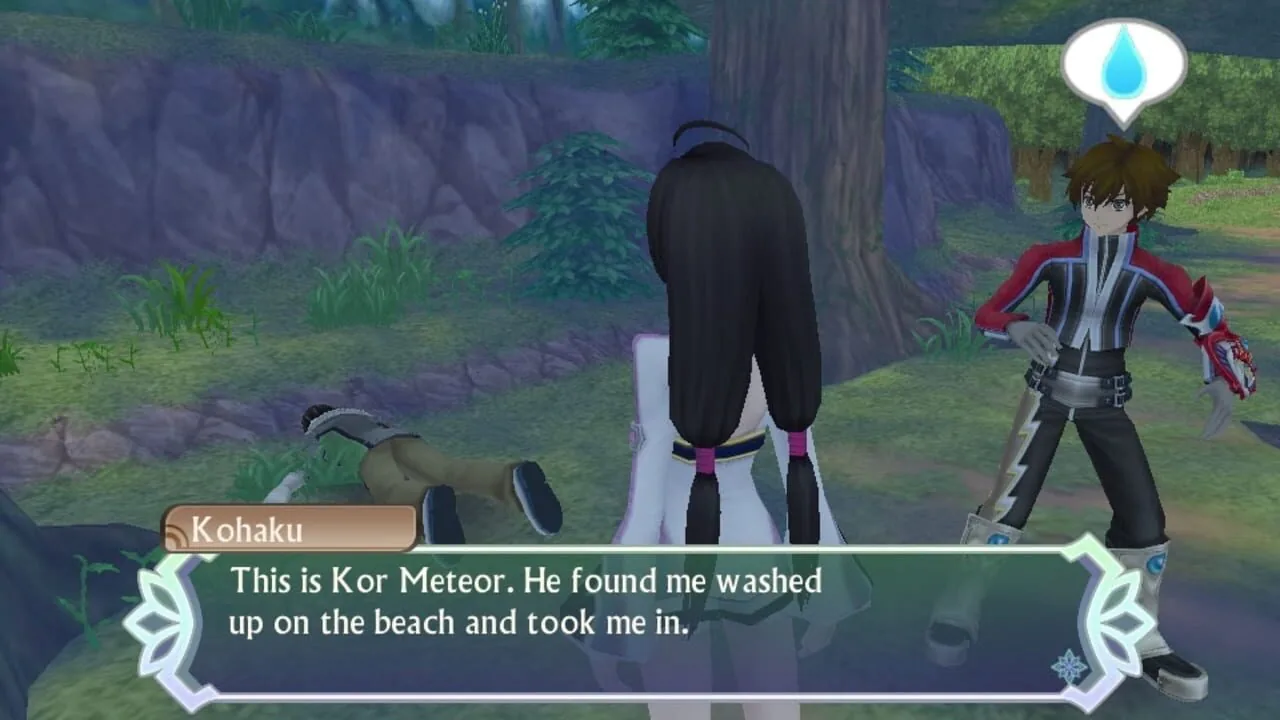
Tales of Hearts started as a DS game that never left Japan. Tales of Hearts R is the Vita remake, released in Japan in March 2013 and in the West in November 2014, so the Vita is where English players first got it. You follow Kor Meteor after he finds a woman named Kohaku Hearts.
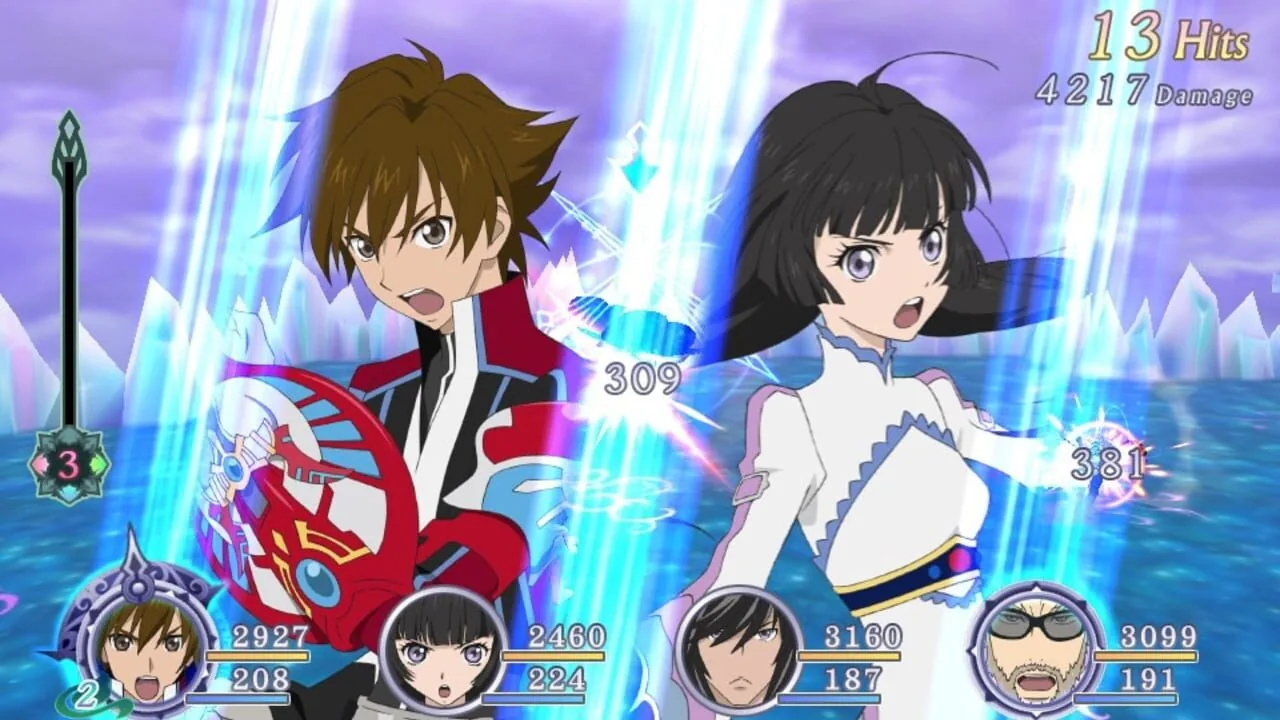
7th Chord developed the remake with staff from Bandai Namco Studios, and its battle system lets you send enemies flying and dash after them. The DS version sold 260,000 units by 2009, while Western reviews of the remake were mixed to positive. Players who found it love it, and say they never see it mentioned anywhere.
10. Demon Gaze (2013)
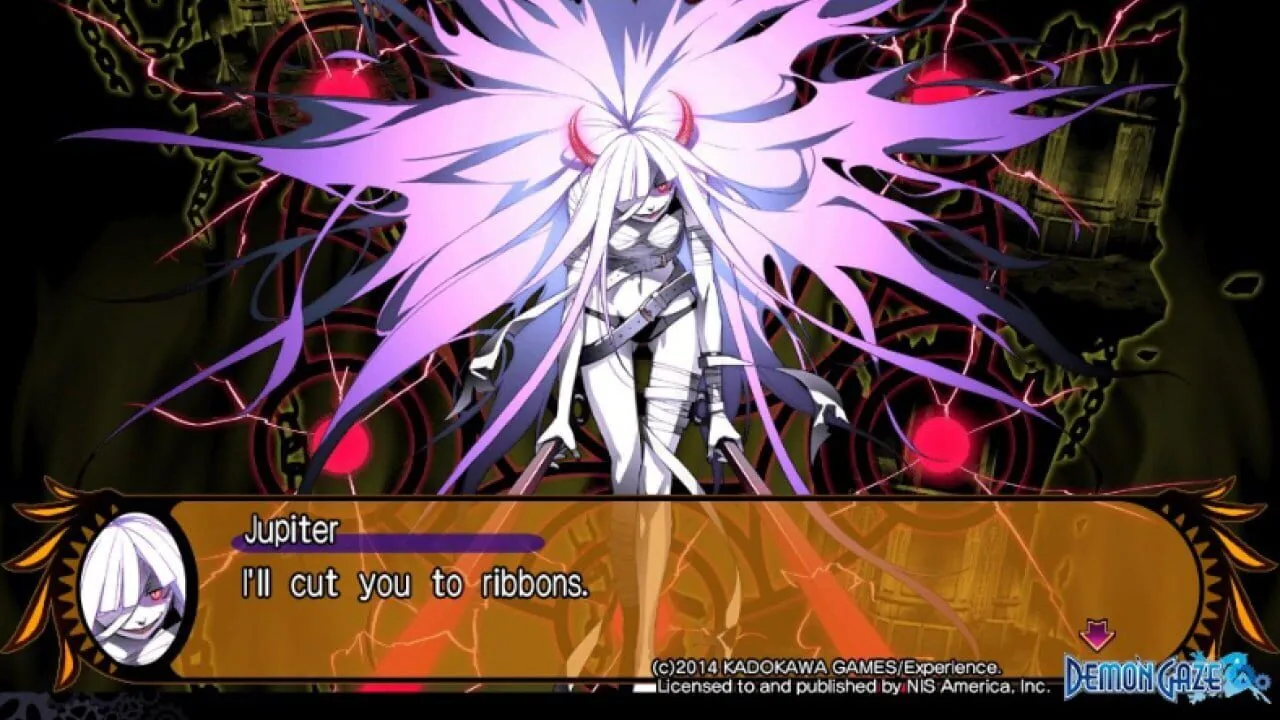
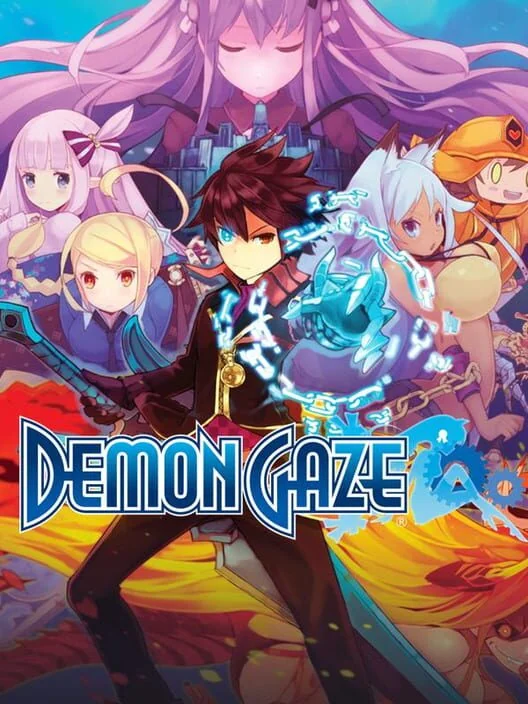
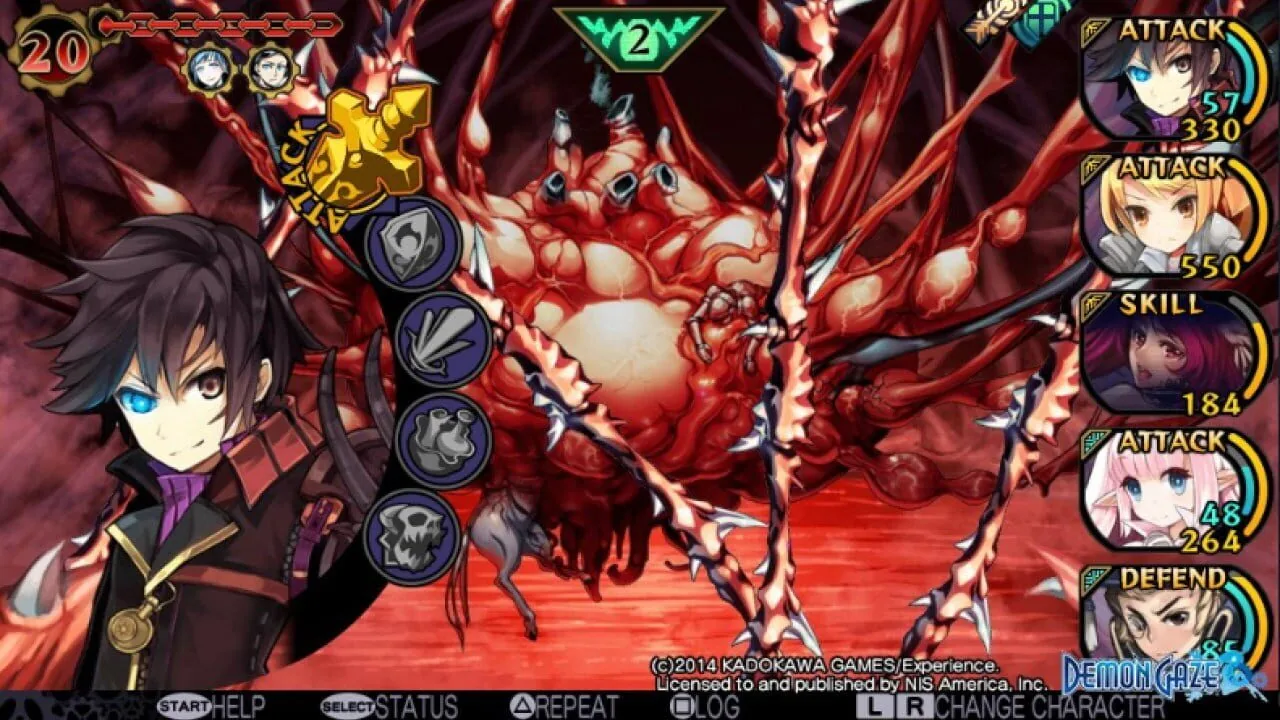
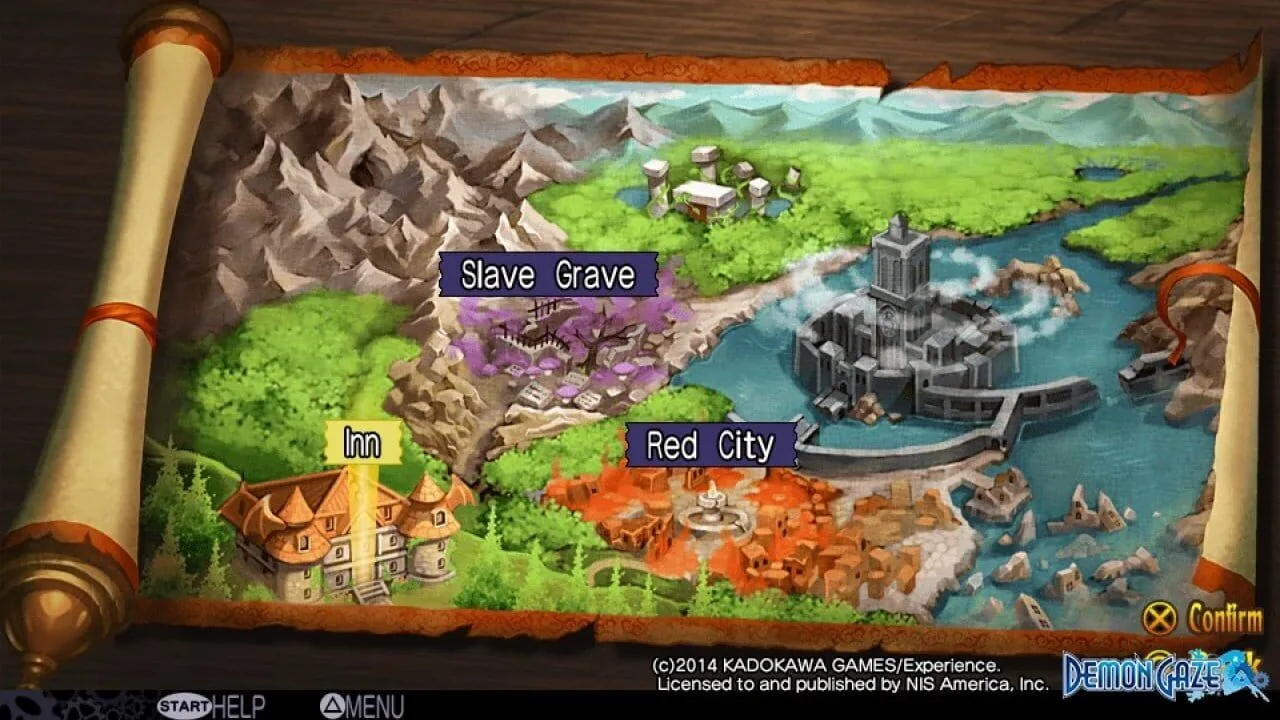
Demon Gaze is a dungeon crawler from Kadokawa Games and Experience, released in Japan on January 24, 2013, and in the West by NIS America in April 2014. You play Oz, whose magic eye can seal demons away. Between dungeons you go back to an inn, where you build friendships and spend what you earned.
You lead a party of five characters from five races with seven classes, and demons you seal away can be summoned at set points in each dungeon. Players call it the friendliest way into first-person dungeon crawlers. They also warn that it comes with a fair helping of fan service.
9. Guacamelee! (2013)
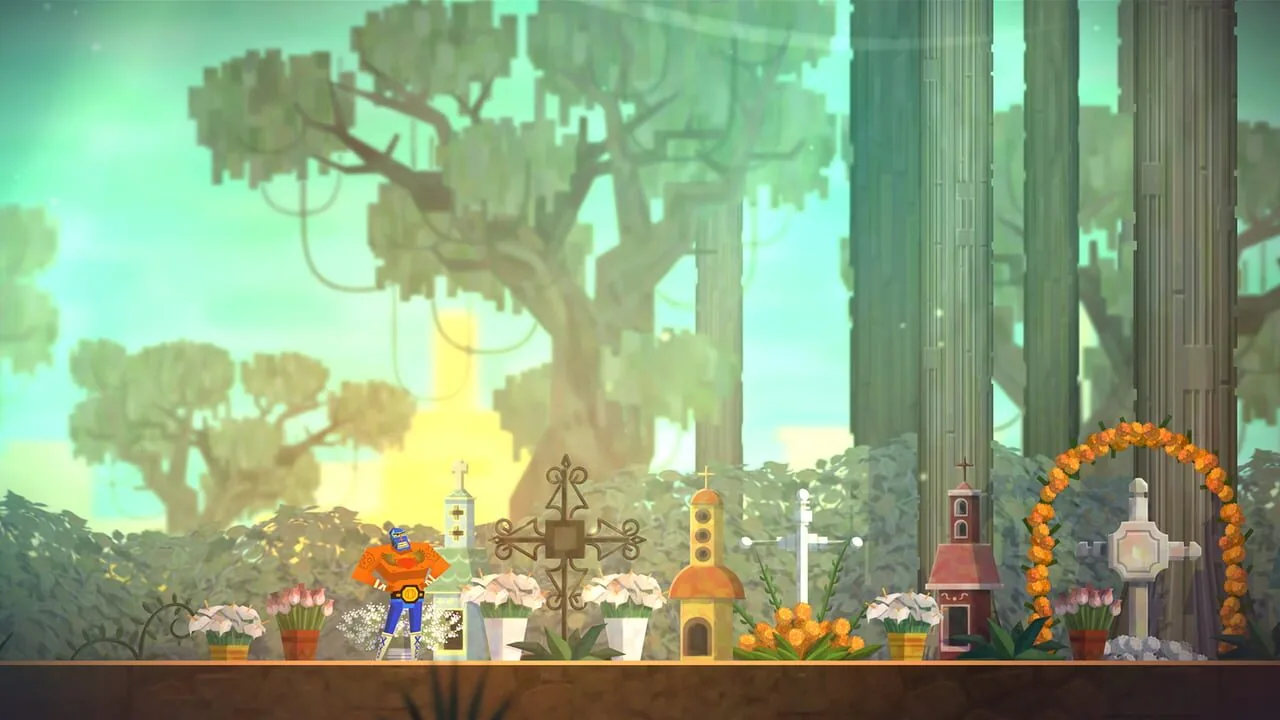
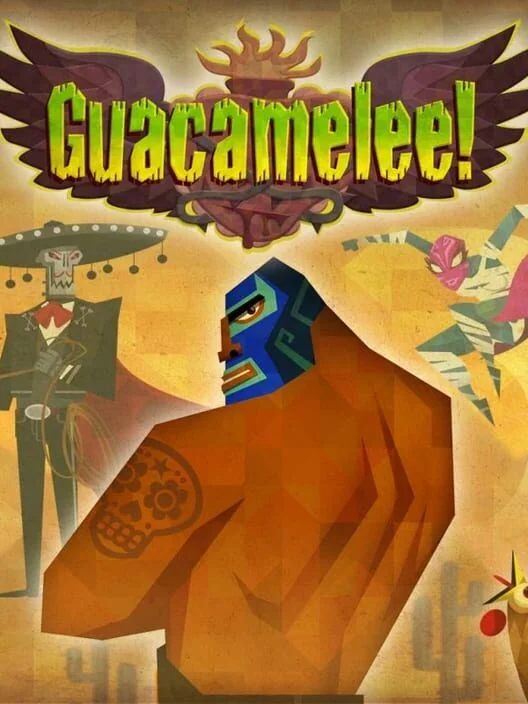
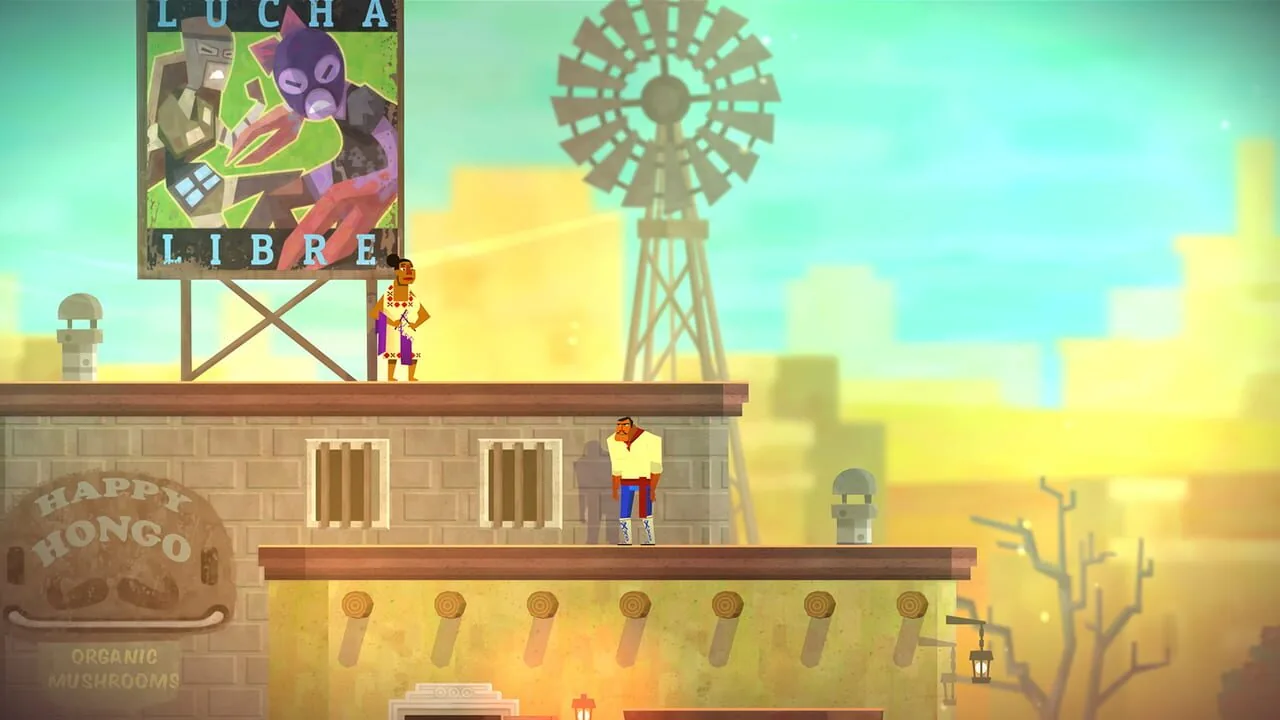
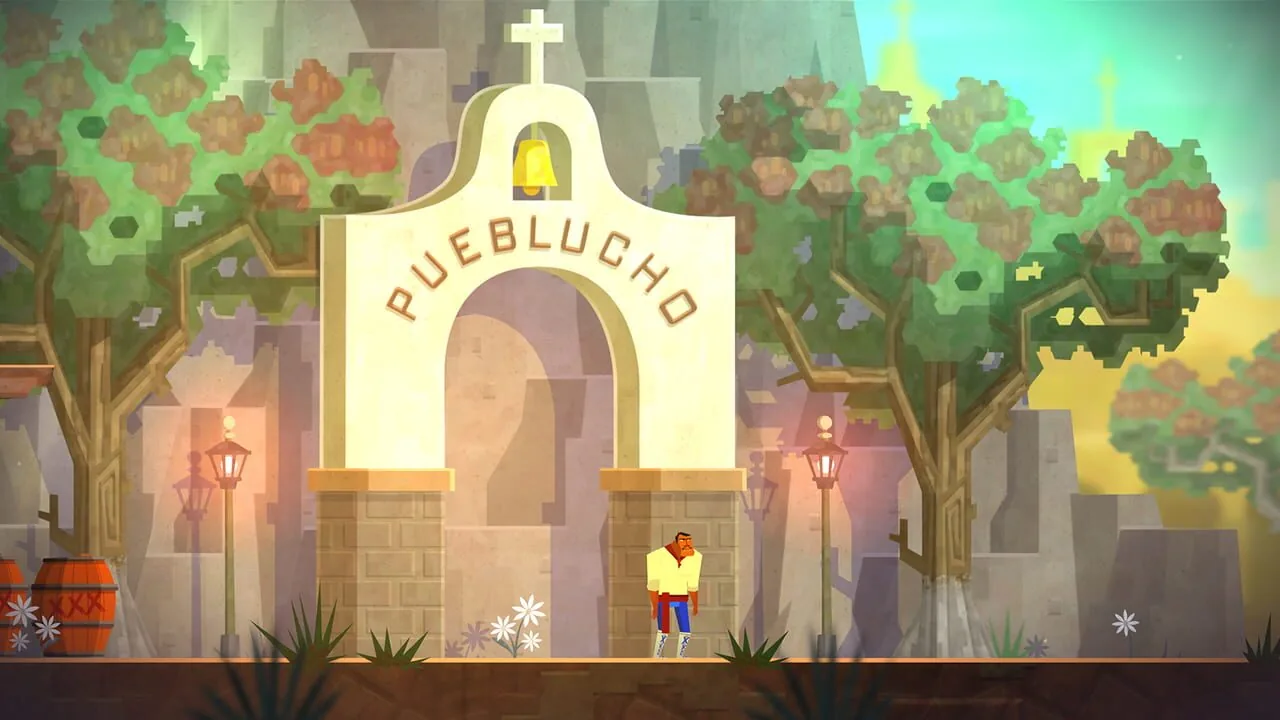
Guacamelee! is DrinkBox Studios' Metroidvania, launched in April 2013 for the PS3 and Vita together. You play the luchador Juan, in a world drawn from traditional Mexican culture and folklore, from alebrijes to the Day of the Dead.
It adds strong melee combat and a mechanic that switches between two dimensions, and the soundtrack mixes Mexican music with electronic beats and colourful synths. Juan unlocks new abilities by breaking open statues that are a nod to Metroid, and a second player can drop in to play Tostada. A sequel followed on August 21, 2018. Players file it with the indie games that slip under the radar on the Vita.
8. Dragon's Crown (2013)
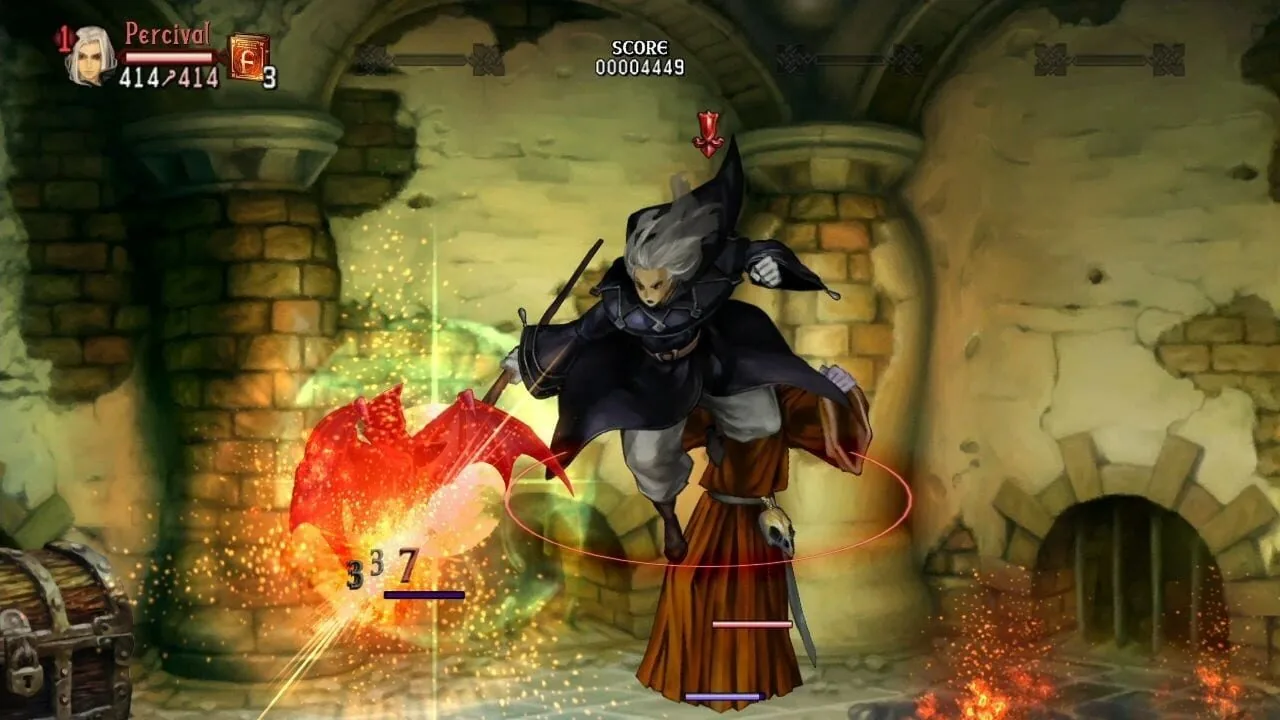
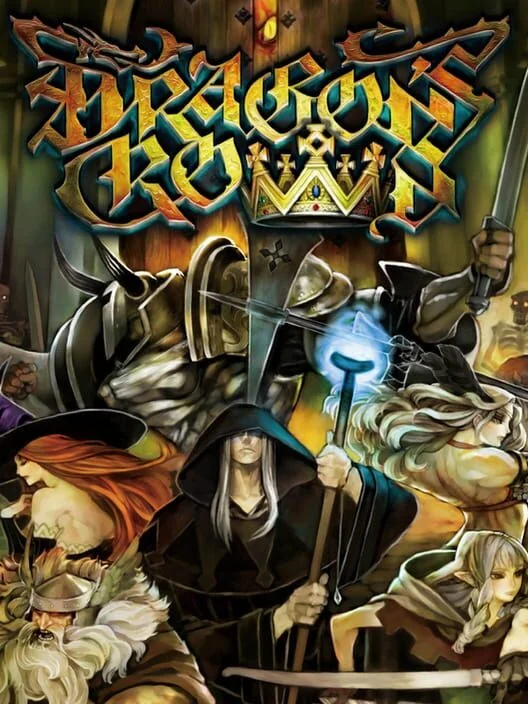
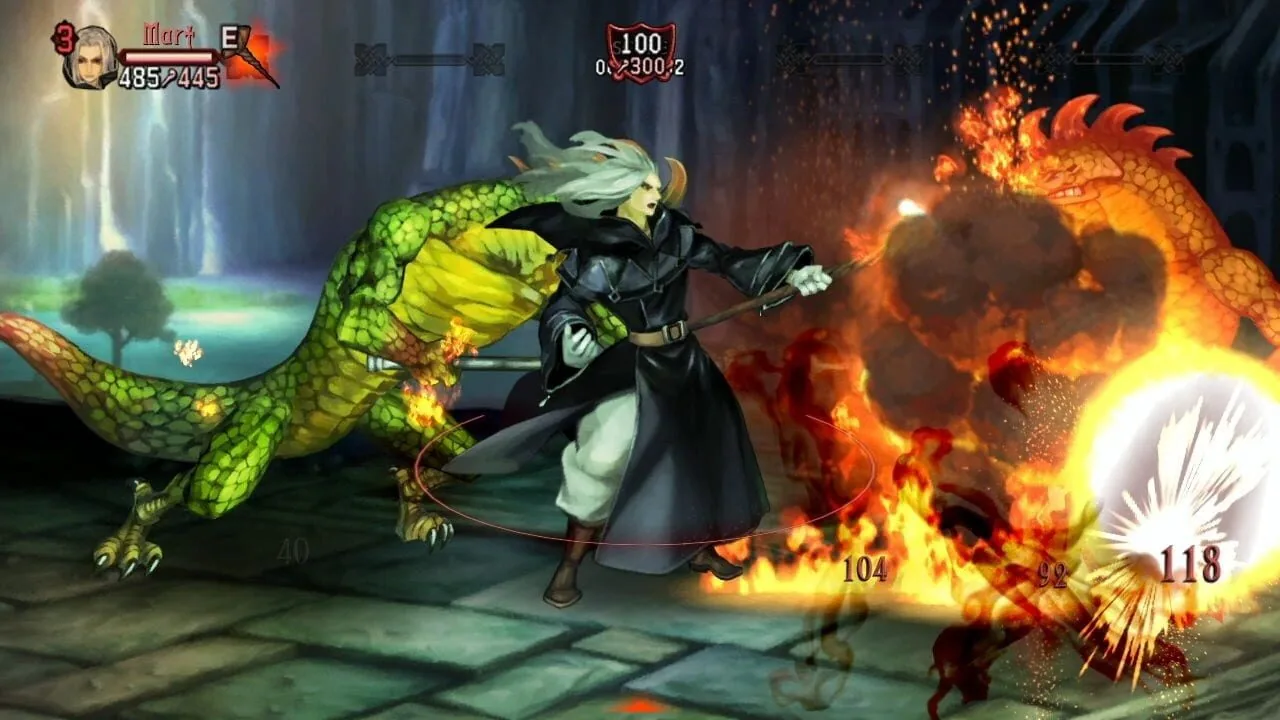
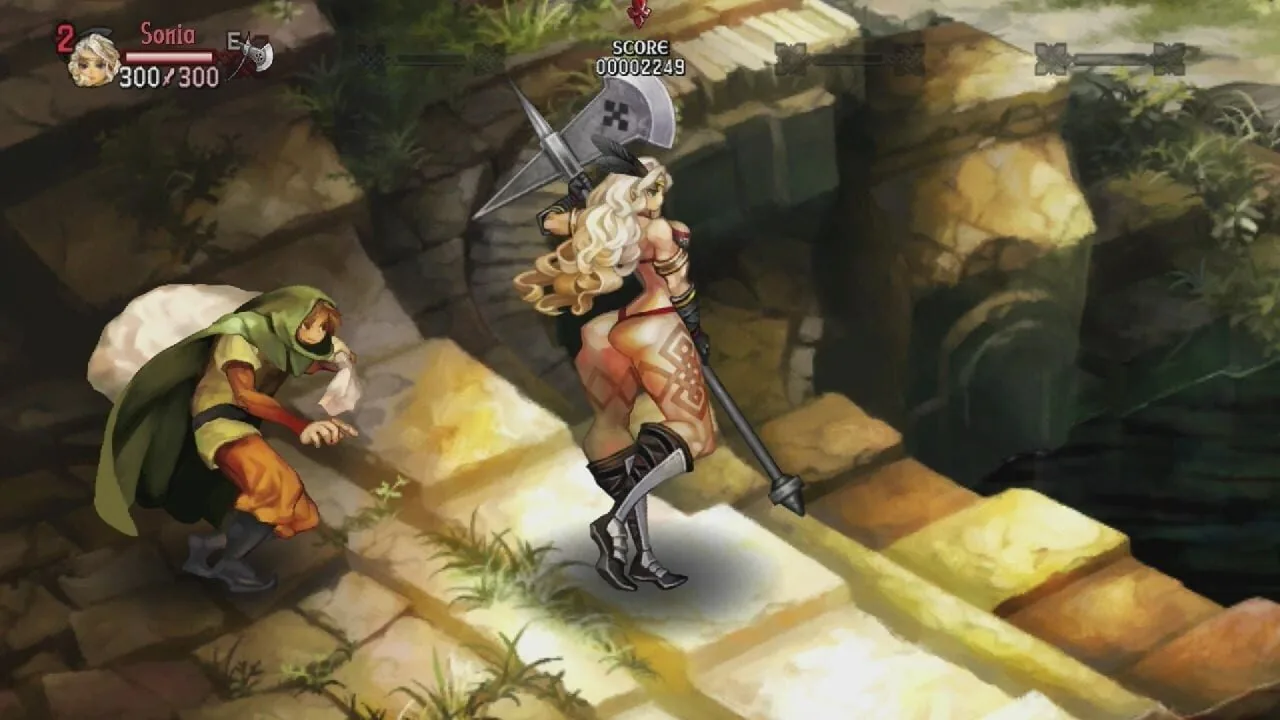
Dragon's Crown is a 2013 action RPG by Vanillaware for the PS3 and Vita, played like a side-scrolling beat 'em up. Director George Kamitani first planned it as a Dreamcast sequel to Princess Crown, a 1997 Saturn game. You choose from six classes and keep diving back into dungeons for loot.
Kamitani pitched it to publishers for a decade and was always turned down, and he took direct inspiration from Dungeons & Dragons: Tower of Doom and Golden Axe. It had sold over one million units by September 2017, and Atlus released a high-definition PS4 version, Dragon's Crown Pro, in 2018. Players love its hand-drawn look, and they send anyone who likes it to Vanillaware's other games.
7. Soul Sacrifice Delta (2014)
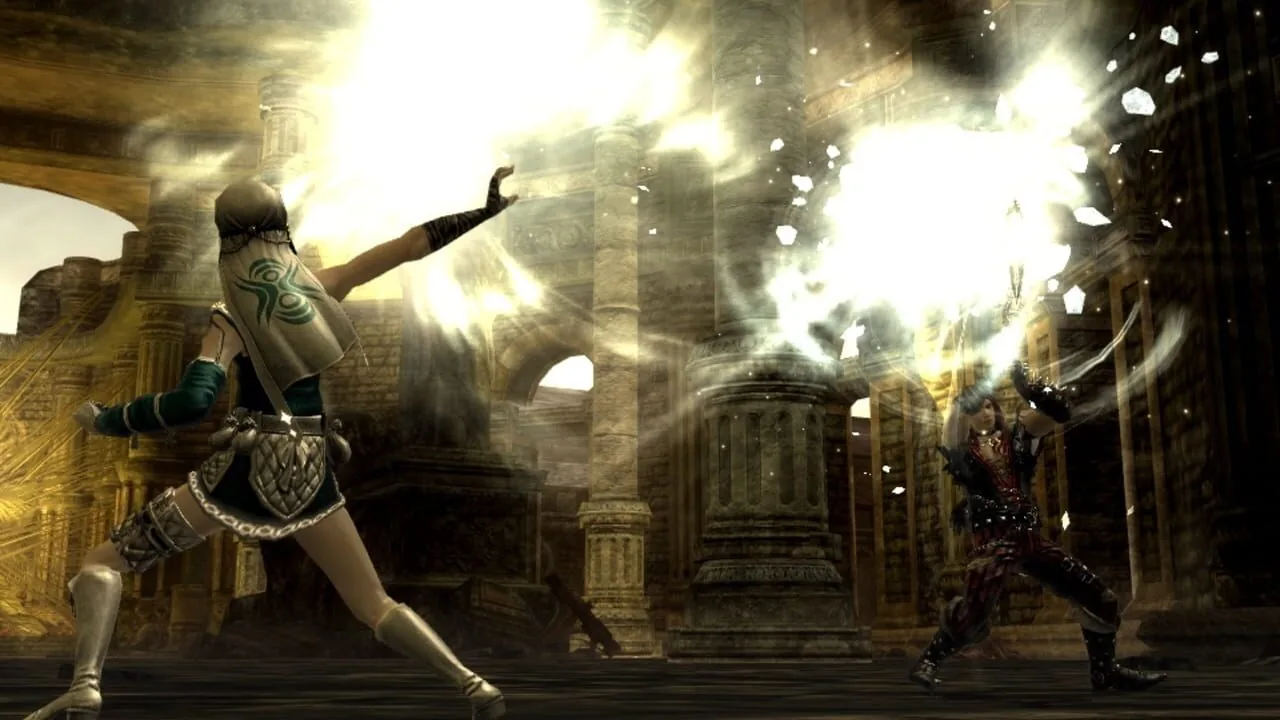
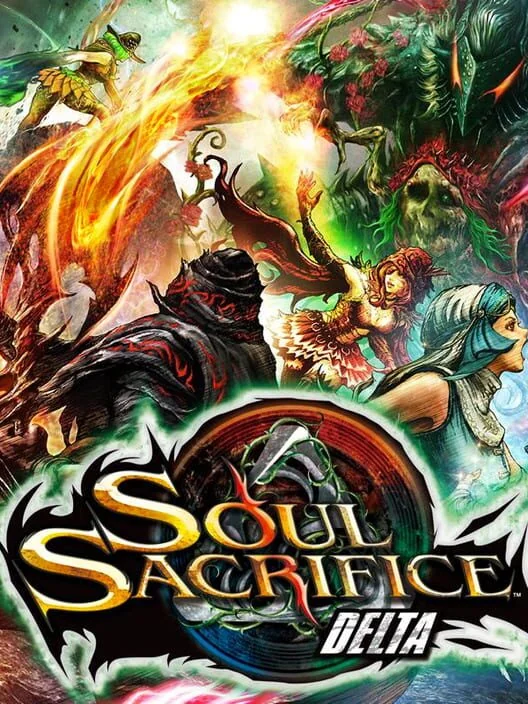
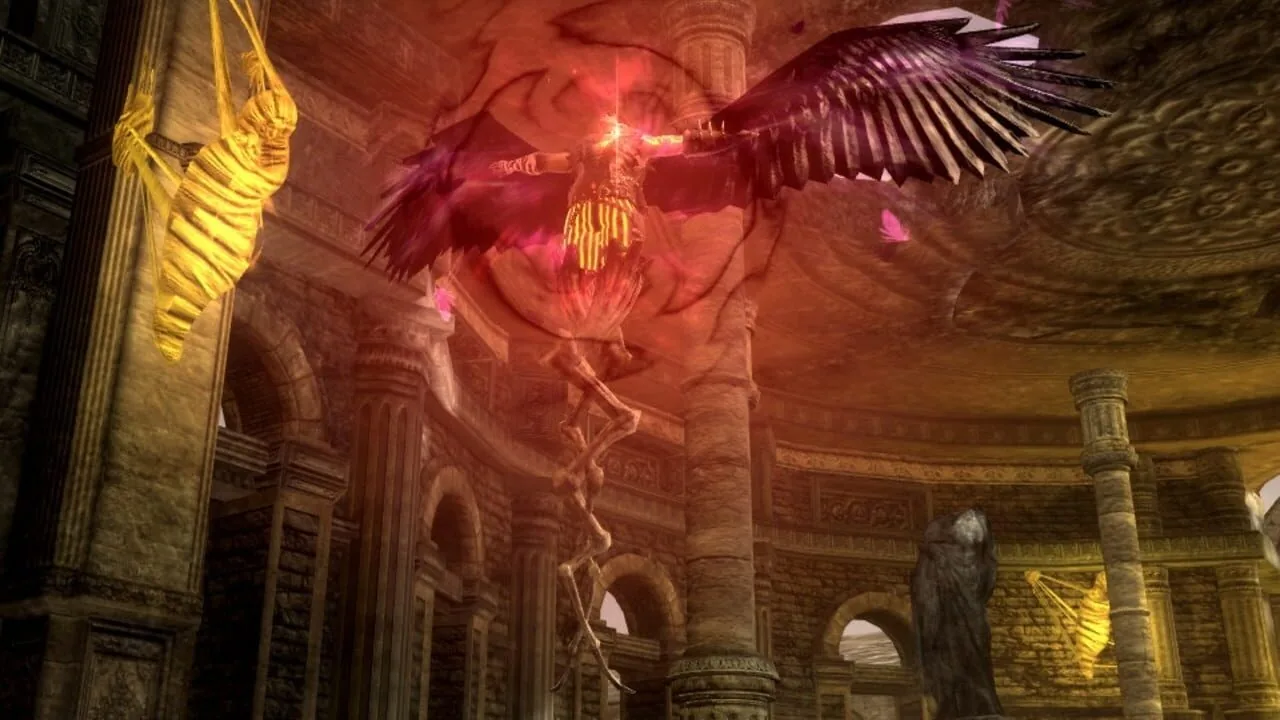
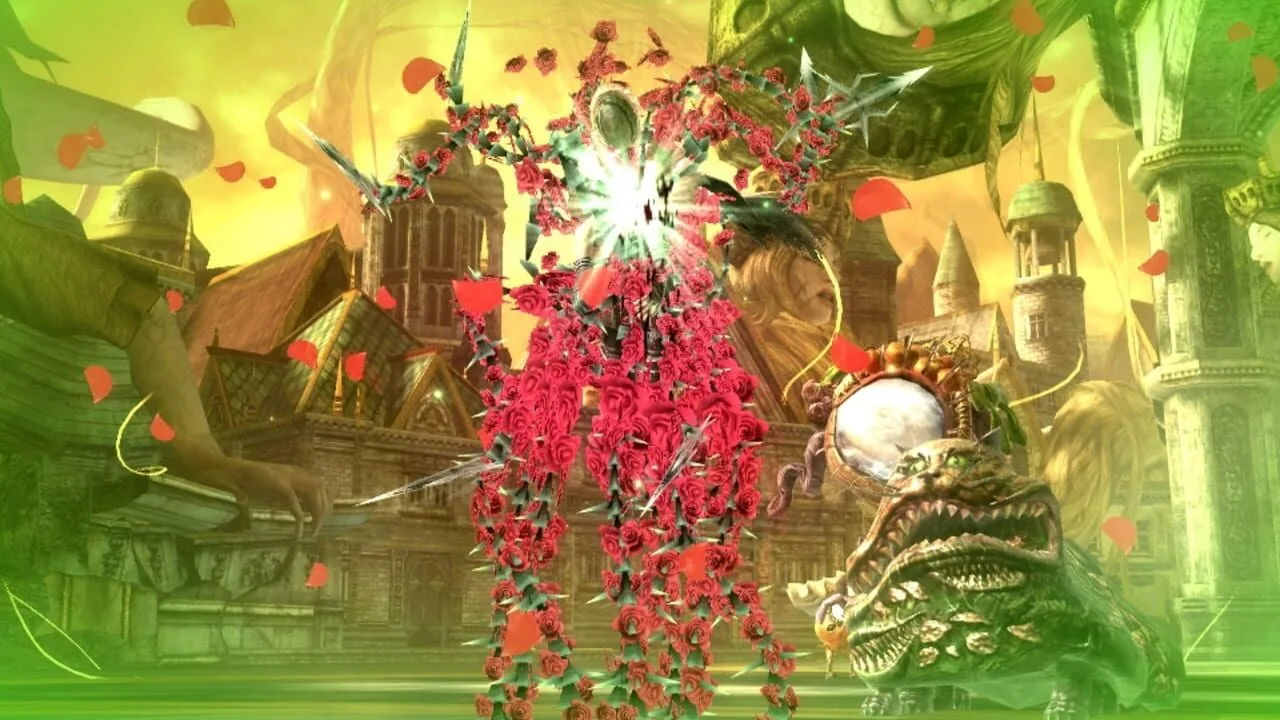
Soul Sacrifice Delta is the expanded version of Soul Sacrifice, released in 2014, with new bosses and a third faction called Grimm. It reviewed a little better than the original and topped the Japanese sales chart in its first week.
Saving an enemy gives you back a little health, while saving an ally costs you half of what you have but gets them back in the fight. Four-player co-op is only on some quests. Broken offerings are repaired with Lacrima, the currency you earn for clearing stages. Players say it is much more than a mere sequel. They praise the story and the combat, and they call it a must-own.
6. Lost Dimension (2014)
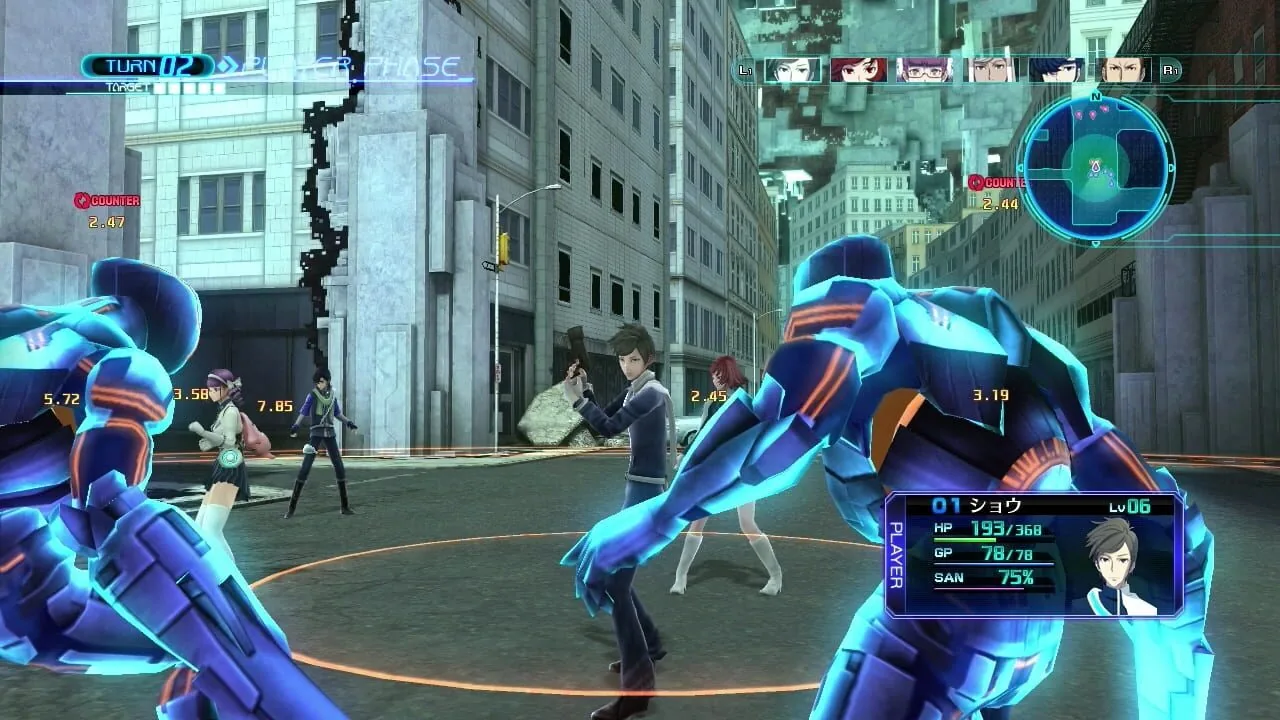
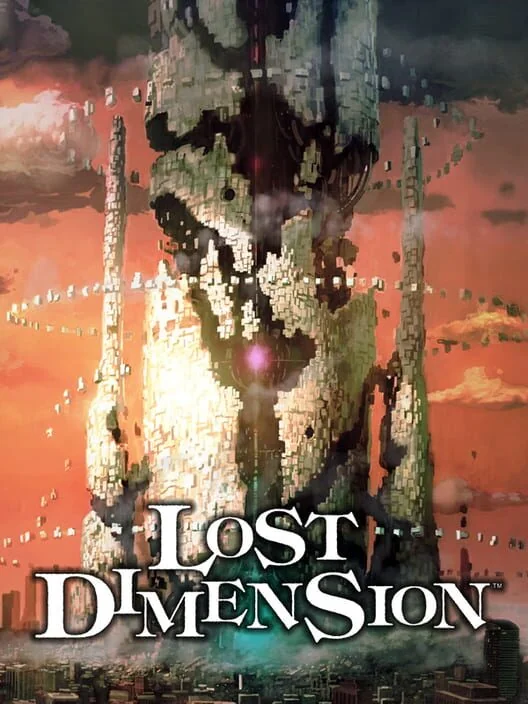
Lost Dimension is a 2014 tactical RPG by Lancarse for the PS3 and Vita. You lead 18-year-old Sho Kasugai and his team up a mysterious tower to stop a man called The End, and some of your own team are traitors, picked at random each game. You have to work out who and vote them out.
The End threatens humanity with nuclear armageddon, and a special task force is the only thing standing in his way. Five of your team are gone by the end, so every vote matters. A Windows version followed in October 2017. Players who took a chance on it call it one of their favourites on the system, far better than they expected.
5. Danganronpa: Trigger Happy Havoc (2010)
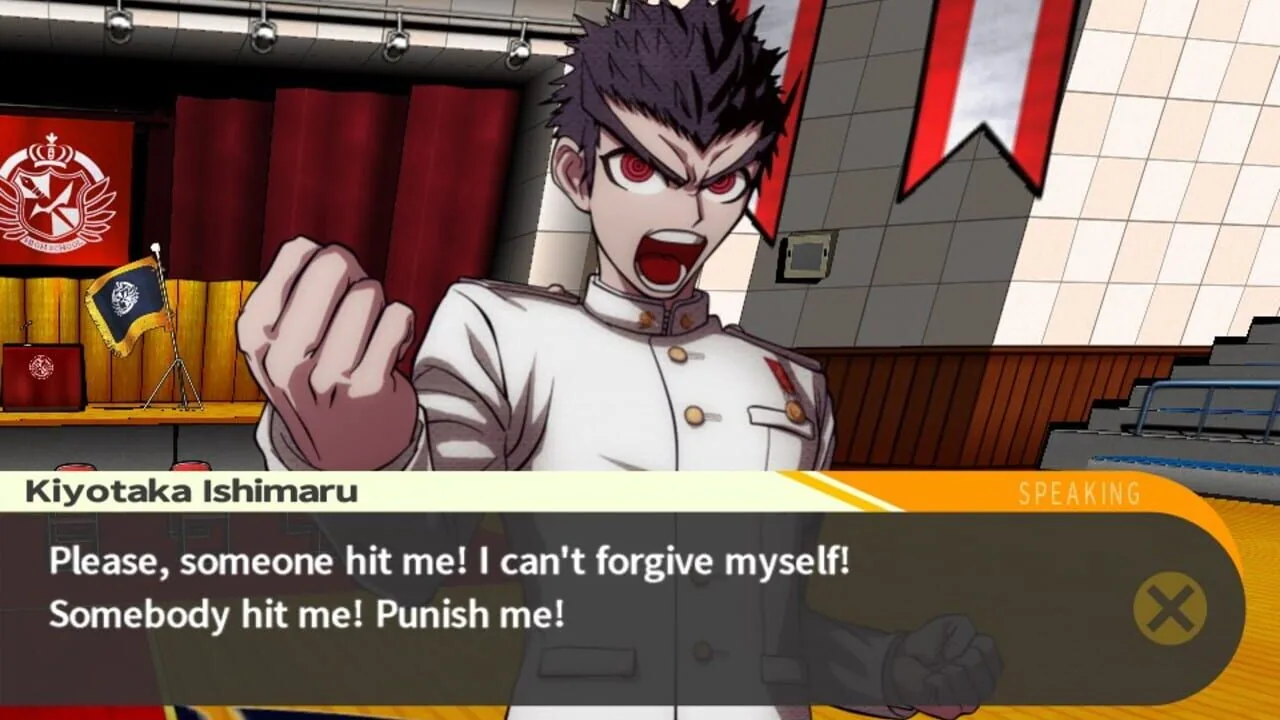
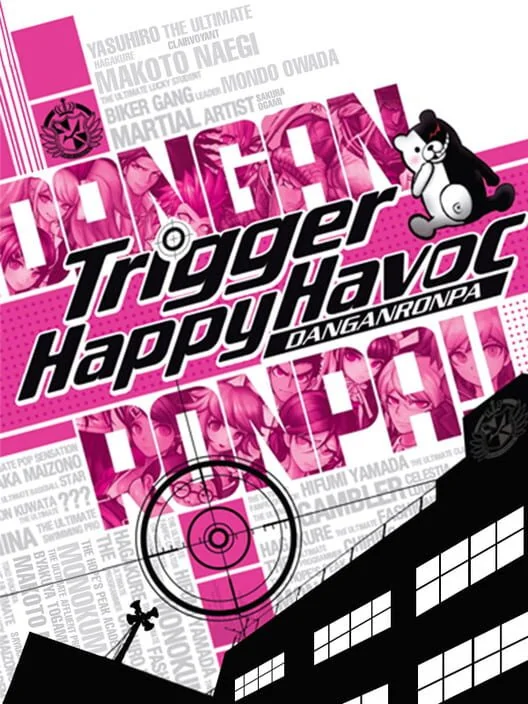
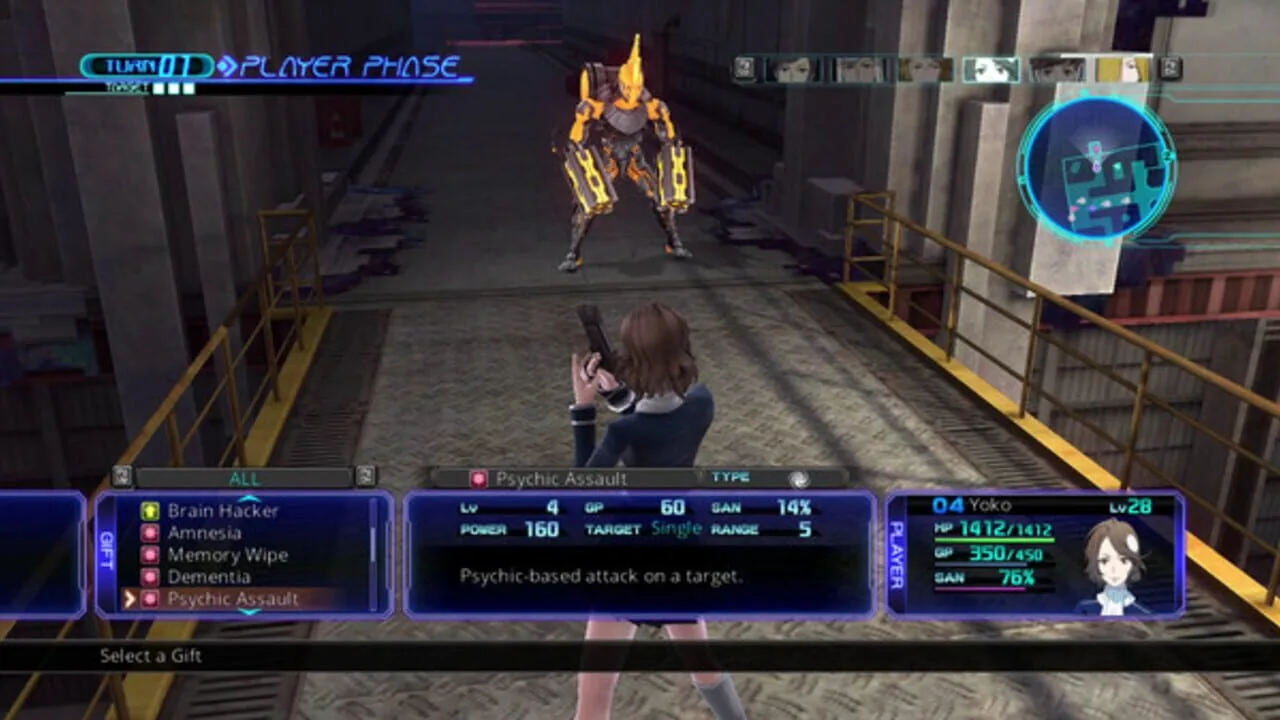
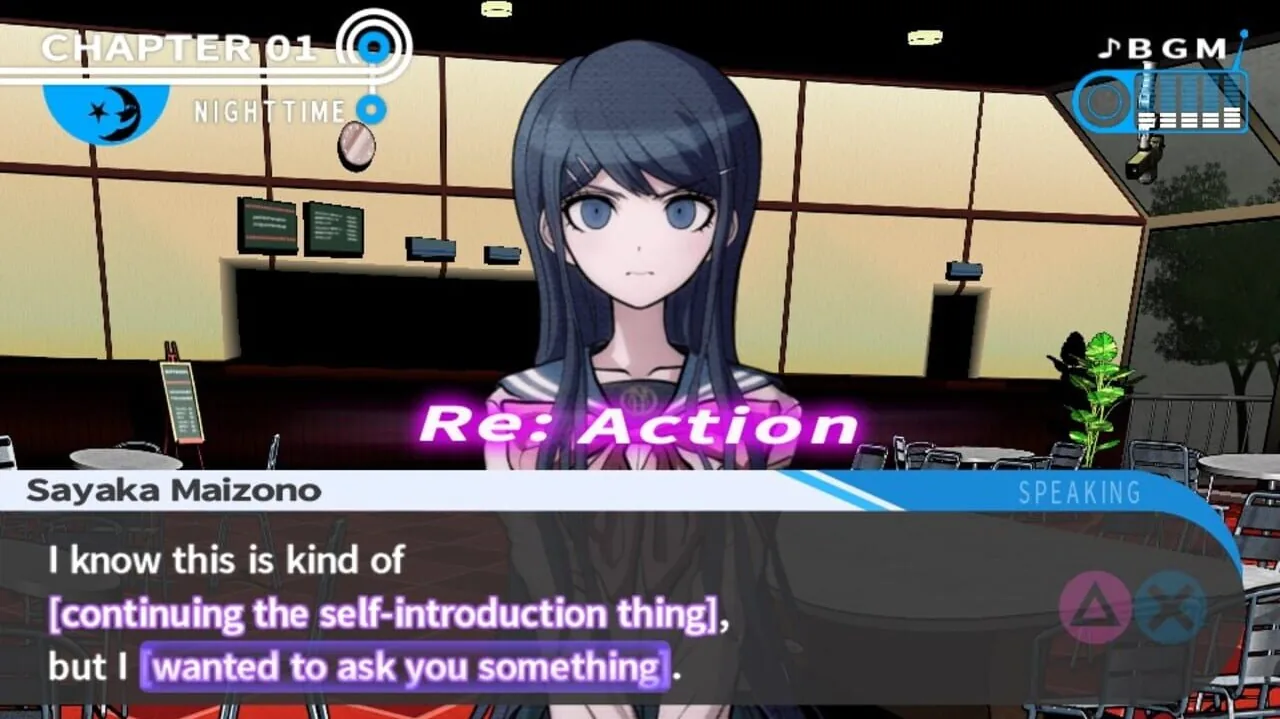
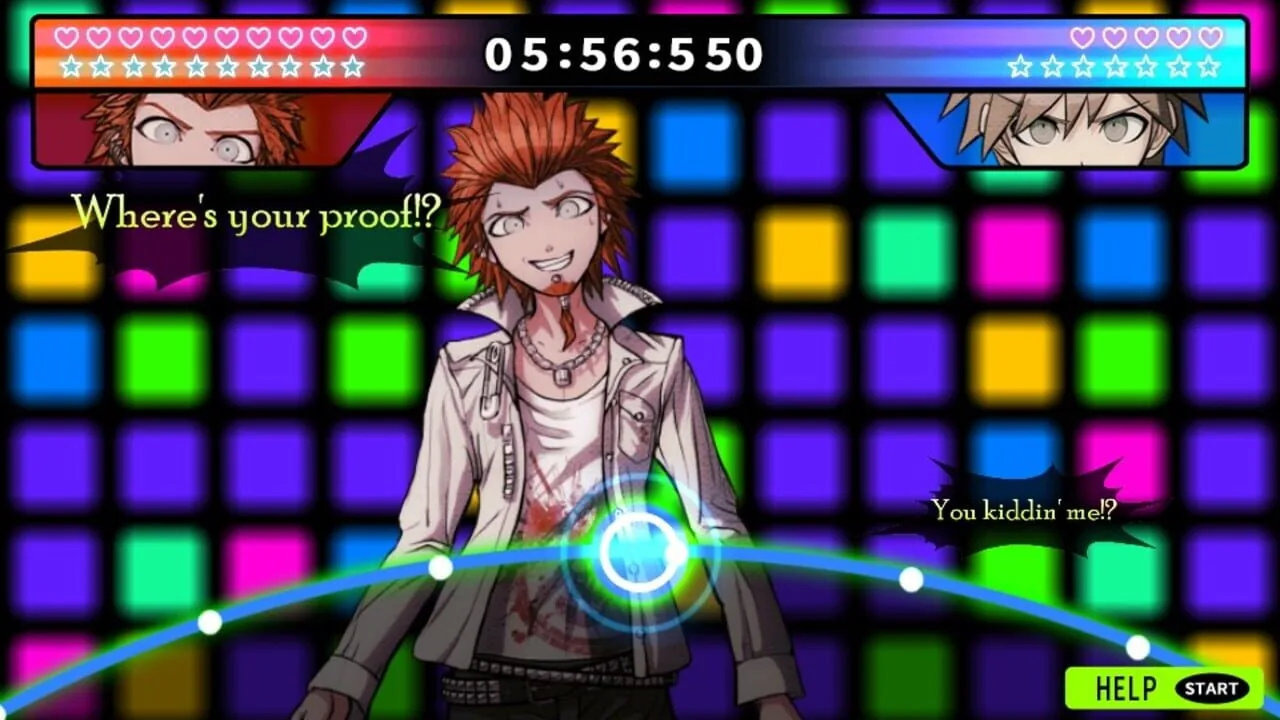
Danganronpa was first released for the PSP in Japan in November 2010, and English players first got it on the Vita in 2014. Makoto Naegi is trapped in Hope's Peak Academy, where a robot bear called Monokuma lets students leave only if they murder a classmate and are not voted as the killer at the trial. In those class trials, you shoot at arguments on the screen.
It was a commercial success, with positive reviews for the cast and the story. A bundle of the first two games reached the Vita in Japan in October 2013 and worldwide in March 2017. Players keep recommending it alongside the Zero Escape games.
4. Unit 13 (2012)
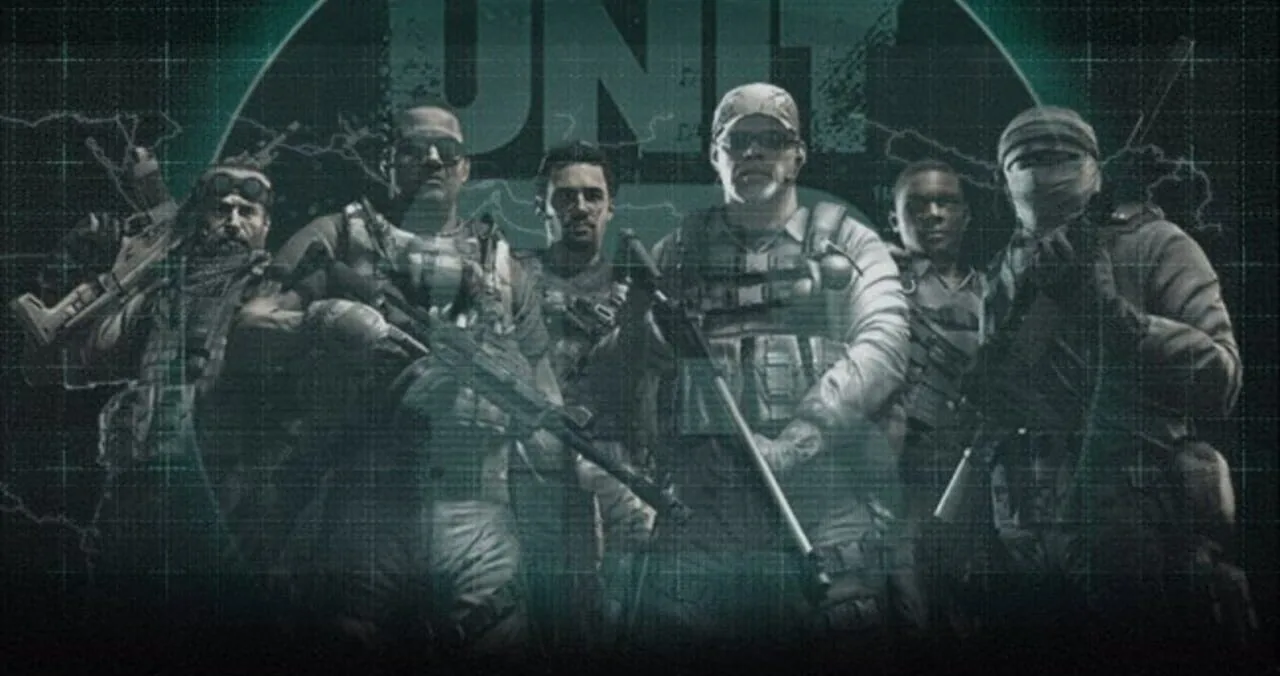
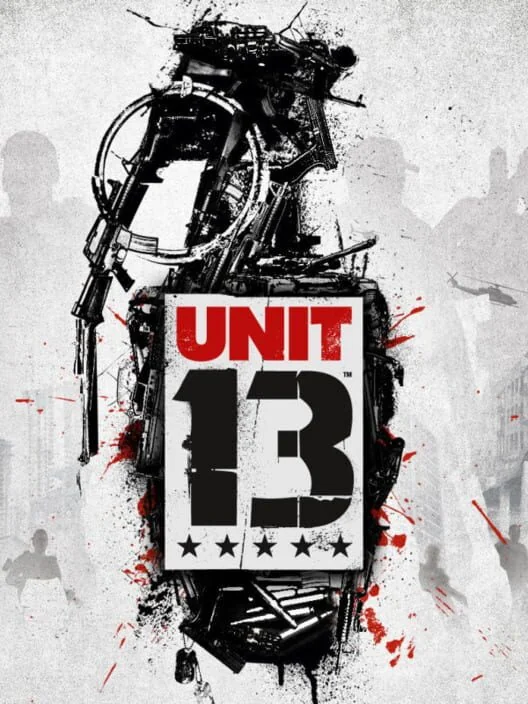
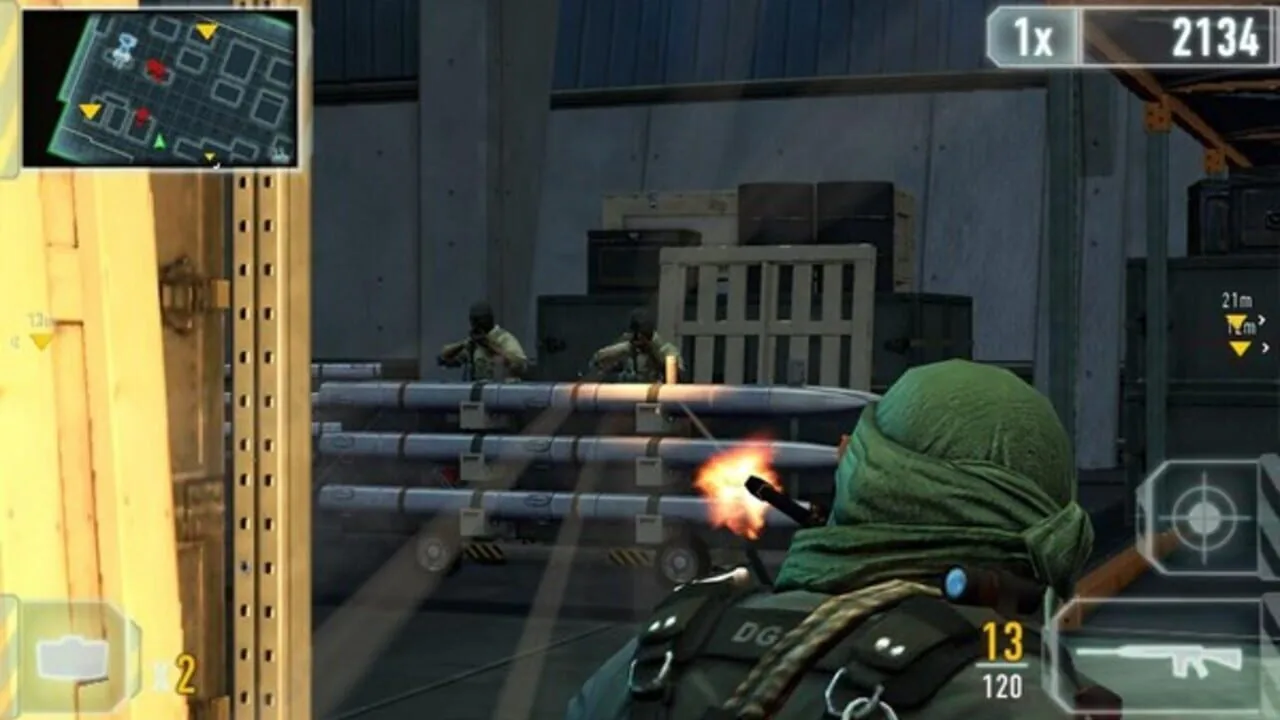
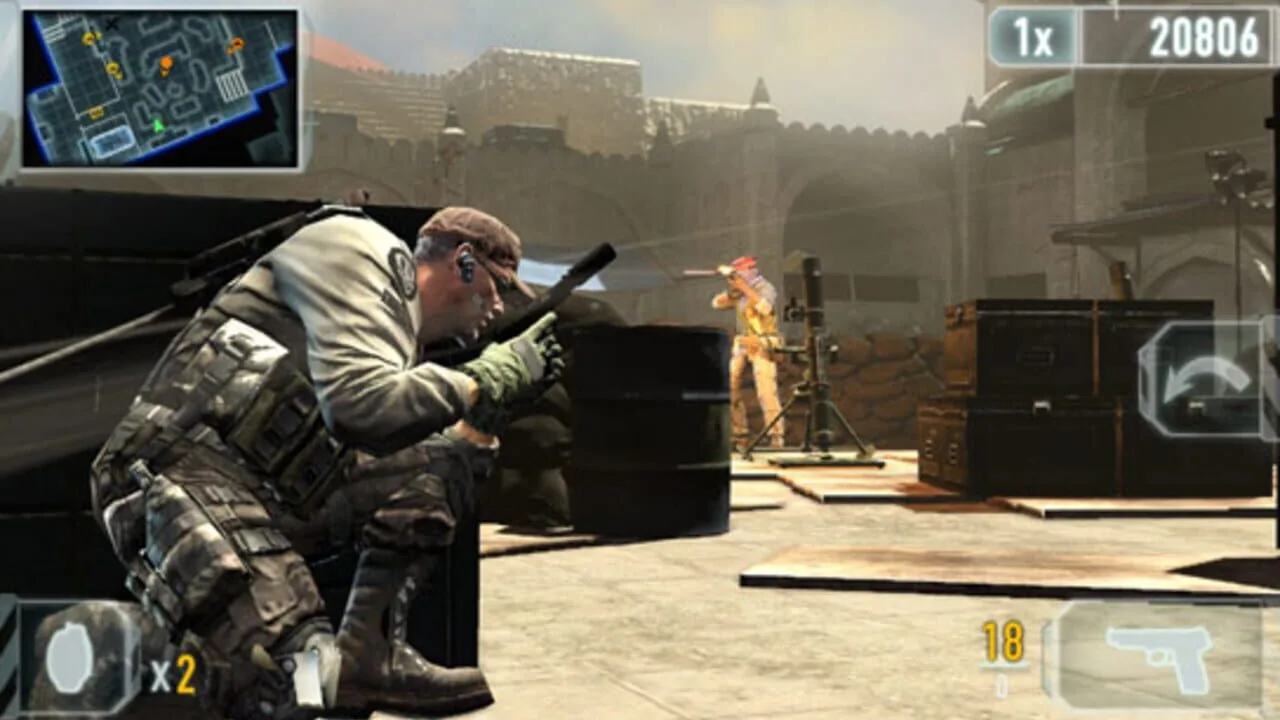
Unit 13 was the last game from Zipper Interactive before the studio closed. It plays much like SOCOM. You can complete a mission's objectives in any order, and every mission can be played in co-op.
It came out in North America on March 6, 2012. A demo on the PlayStation Network gave you the tutorial and the first mission, Operation Open Flame. Some missions are firefights, while others are races where a faster finish earns a bigger score bonus, and every mission has an unlockable "Dynamic" Mode that shuffles objectives and enemy positions. Players compare it to the shooters they loved on the PS2 and PSP, and say it gets almost no fanfare.
3. Tearaway (2013)
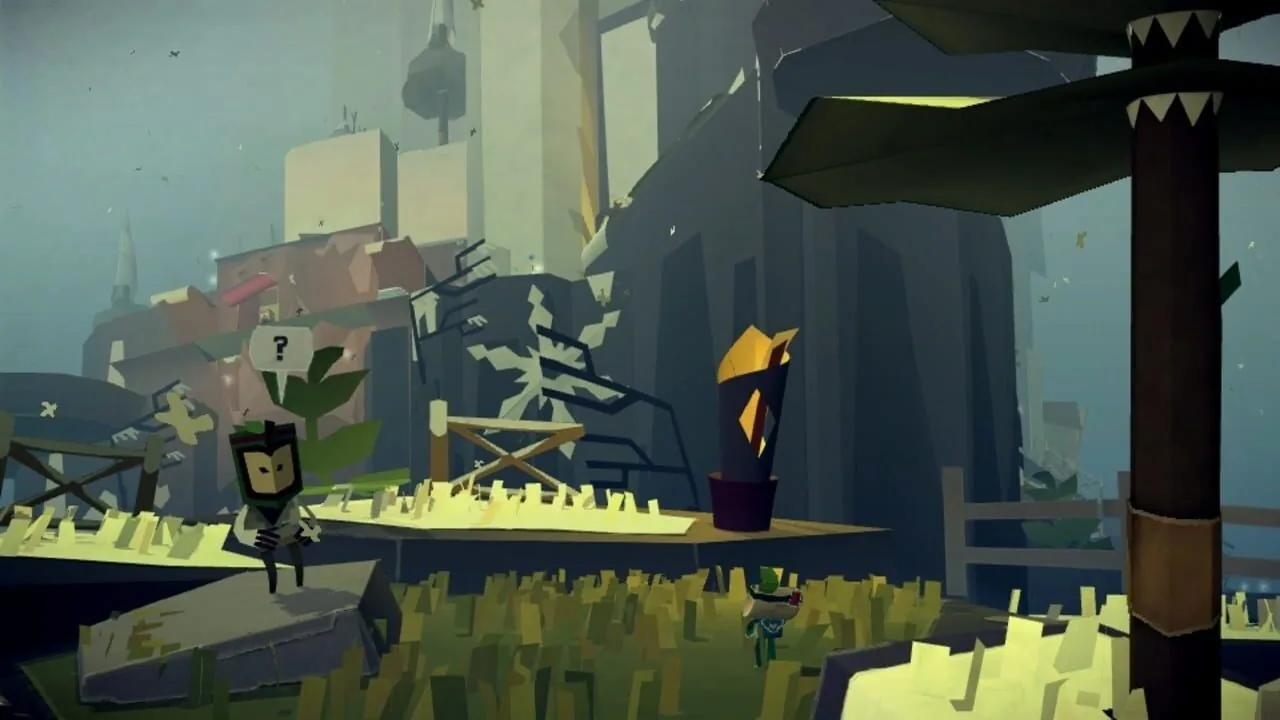
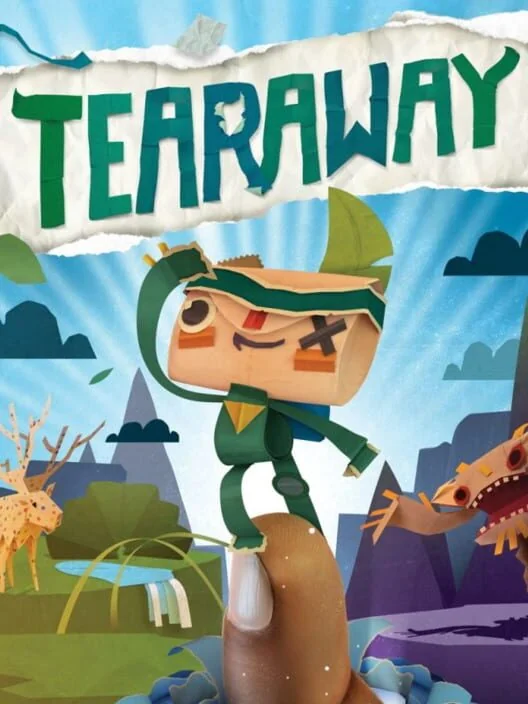
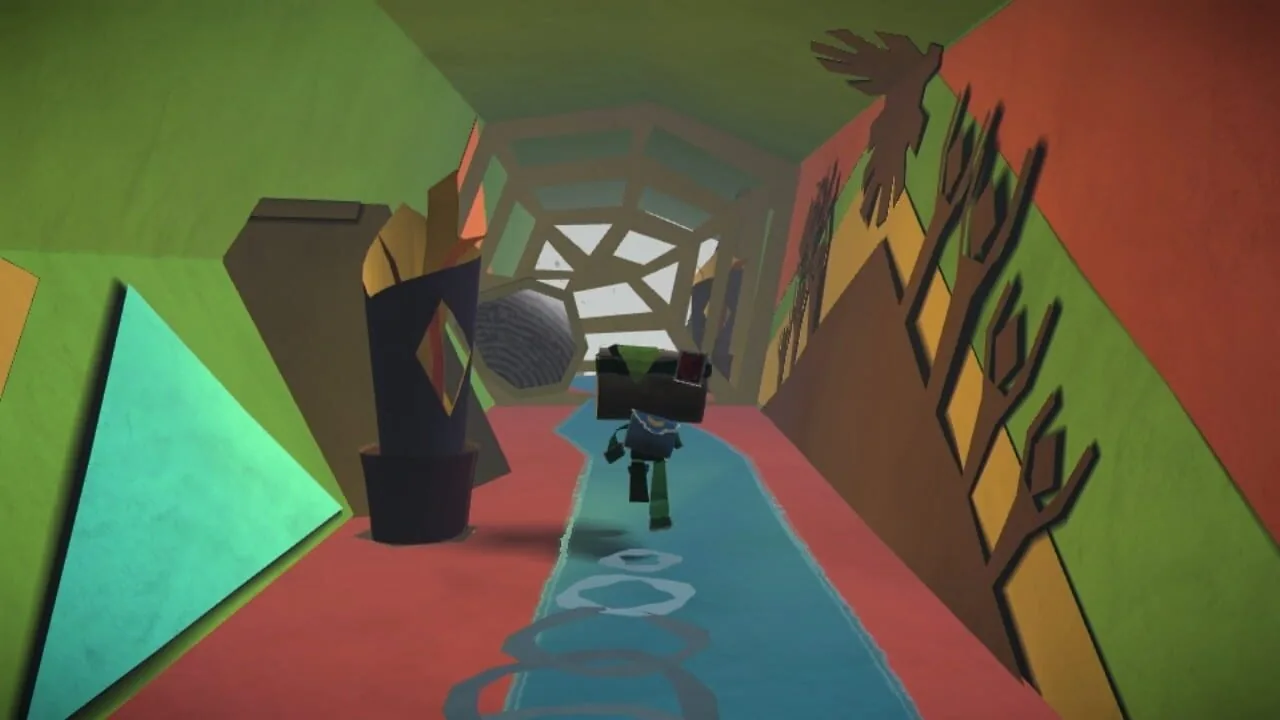
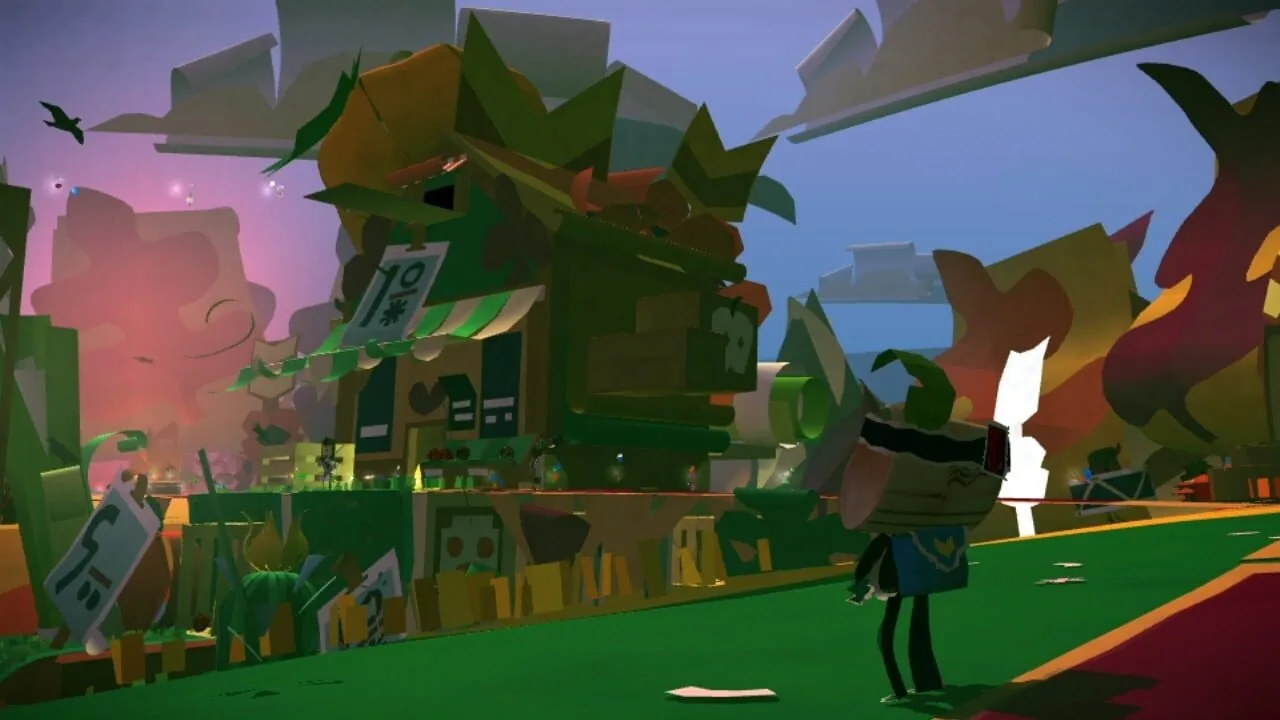
Tearaway is Media Molecule's papercraft platformer, inspired by the drawings and doodles Rex Crowle left around the studio's office. It uses almost every feature of the Vita. The rear touch panel pushes your fingers through the world, and when an elk needs a new skin, you take a picture with the Vita's camera.
You play Iota or Atoi, a papercraft messenger from another dimension with a message to deliver to you. You can even draw designs and cut them out to dress your messenger. It was called Sandpit at first, which is a very different game. An expanded remake, Tearaway Unfolded, reached the PS4 on 8 September 2015. Players say it is loved by the people who played it and ignored by everyone else.
2. Freedom Wars (2014)
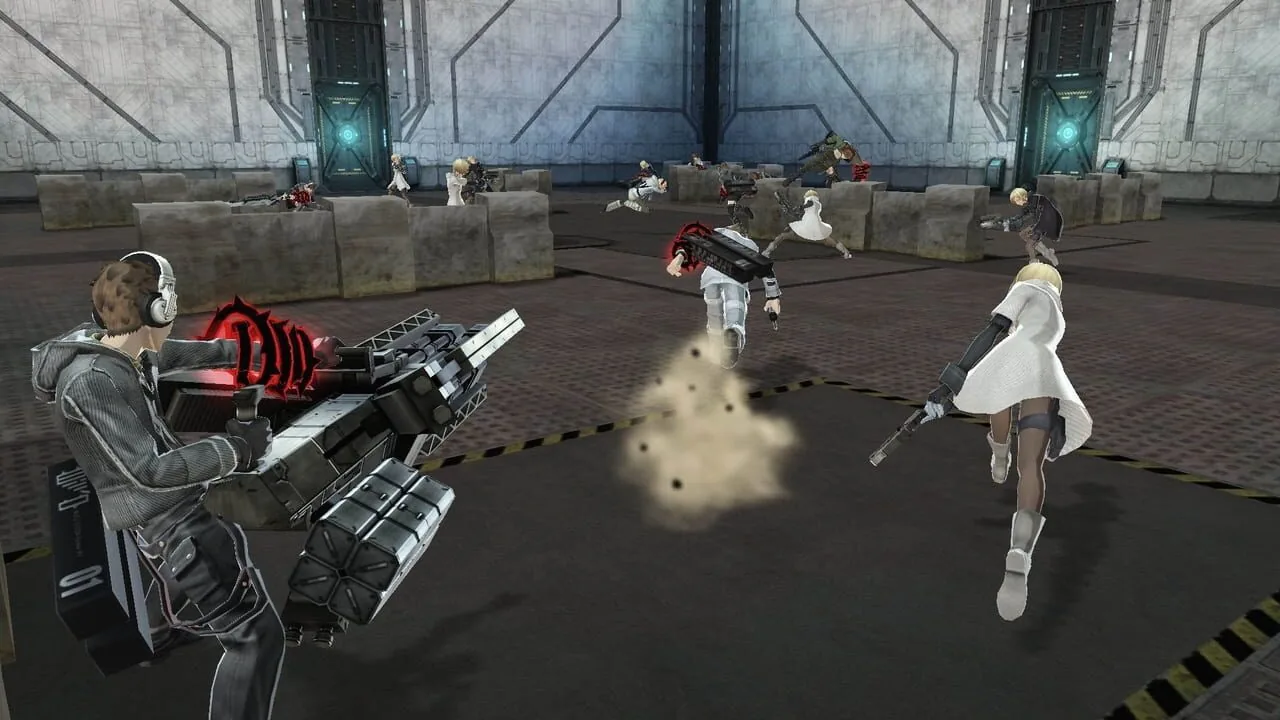
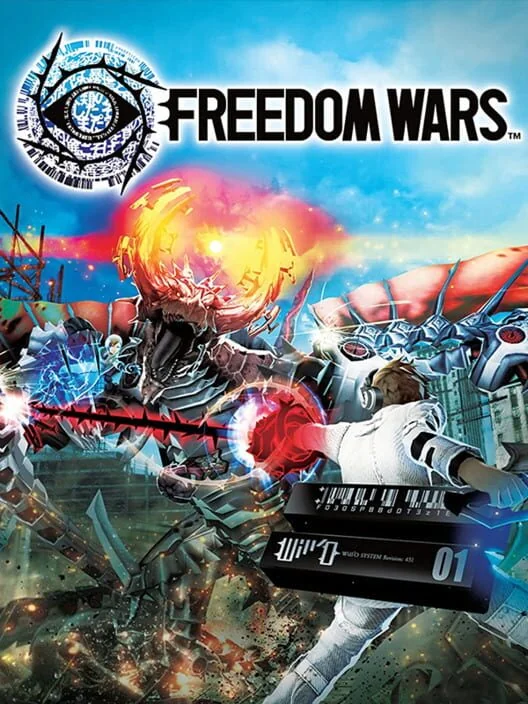
Freedom Wars is an action RPG by Dimps set in a future where most of humanity is imprisoned in city-states called Panopticons, which fight each other. In Japan it had the second highest opening sales of any Vita game, and a remaster reached modern consoles on January 10, 2025.
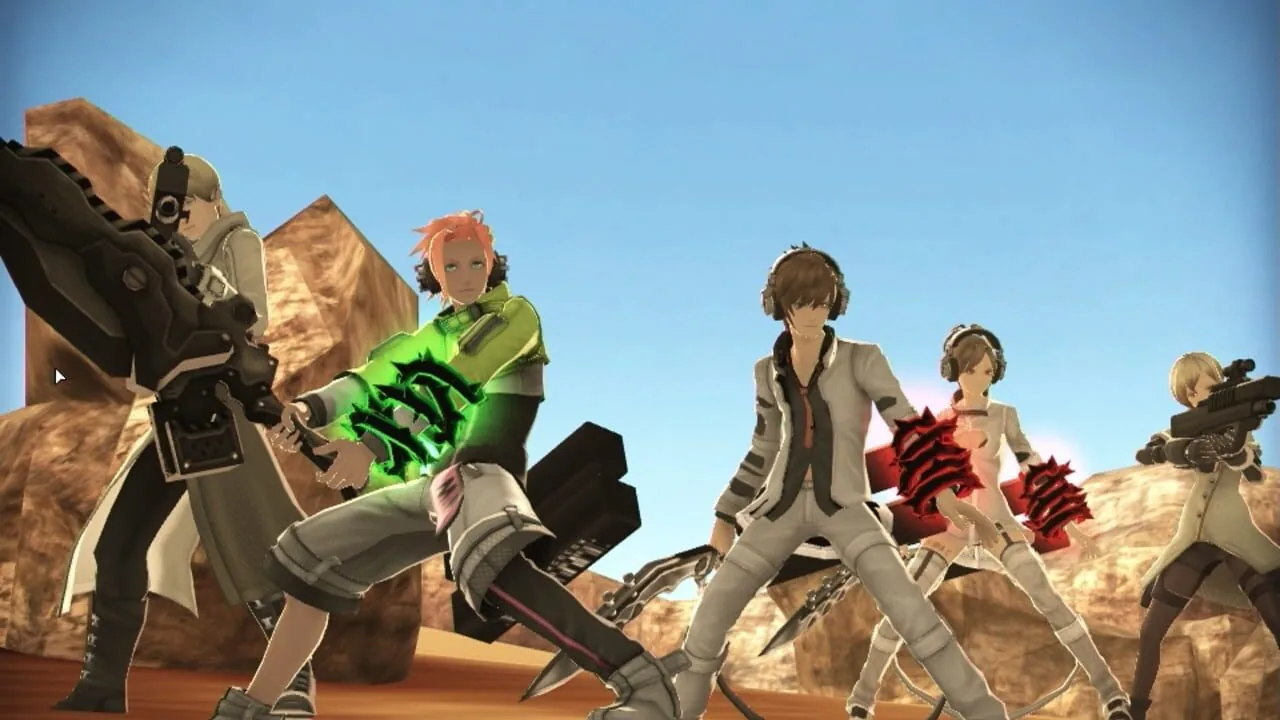
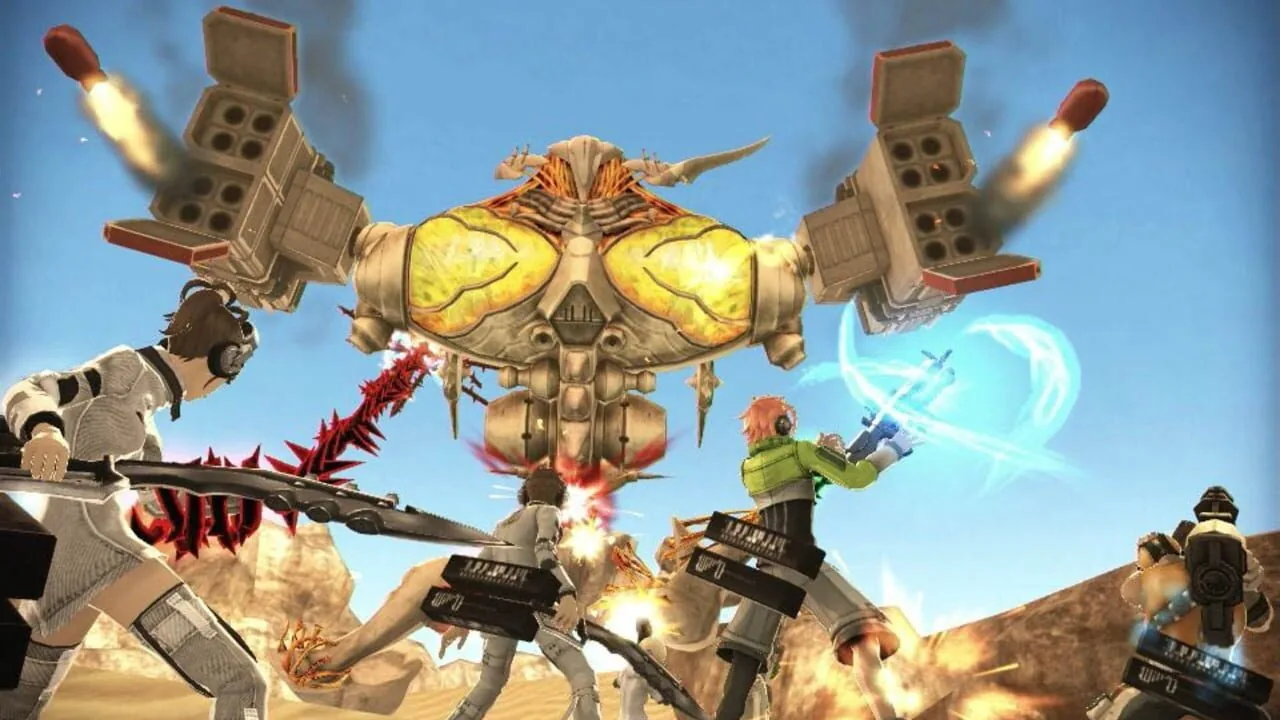
In this world a person's very existence counts as a crime, so you start with a sentence of 1,000,000 years. Beating the Abductors who capture civilians cuts it down, and up to four players can team up. Developed Panopticons can place other ones under their control, and leaderboards compare each city-state. Players keep recommending it, and they put serious hours into it.
1. Super Time Force Ultra (2015)
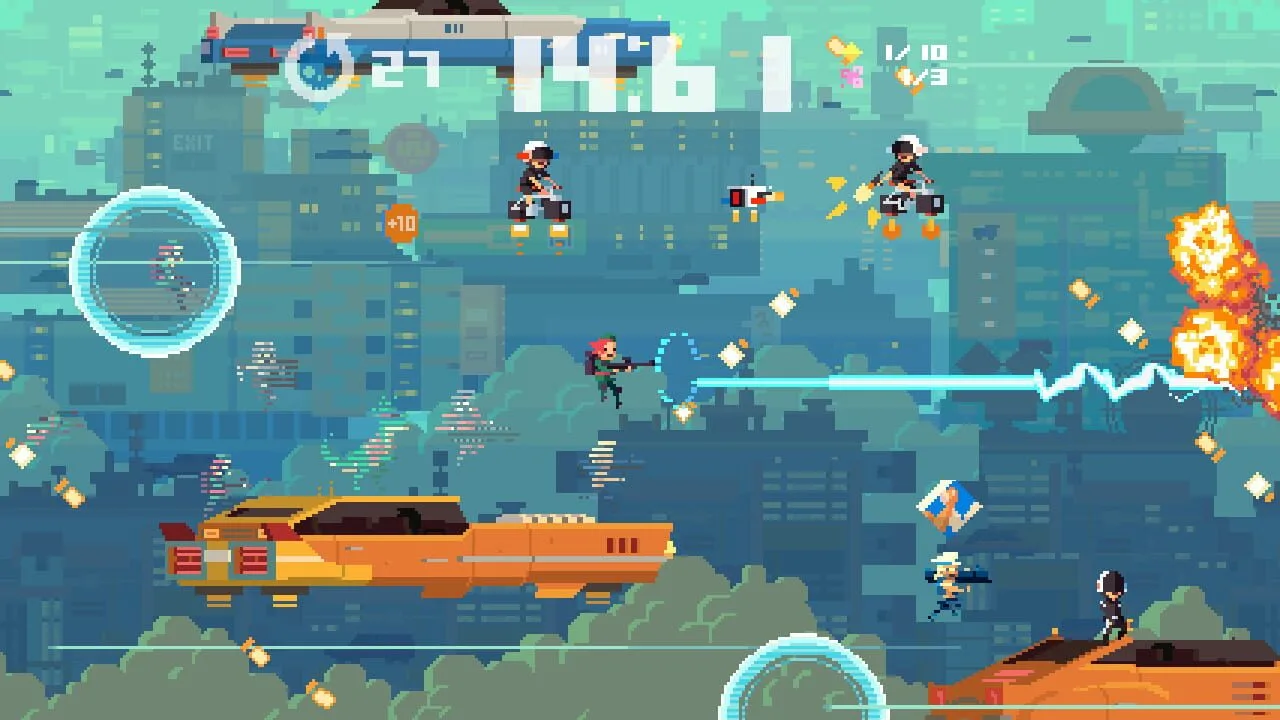
Super Time Force Ultra is a side-scrolling shooter by Capybara Games, inspired by Contra and Metal Slug with time travel added. When you die, or end a run on purpose, you rewind and pick a new soldier, and the run you just played carries on beside you as a ghost of yourself, still shooting. A hard boss can end with a whole squad of your earlier attempts firing at it together. The idea started at a three-day game jam in Toronto in May 2011, where Kenneth Yeung described it as "Gunstar Heroes meets that one level in Braid."
It first came out on Xbox in May 2014 as Super Time Force, and Ultra, the updated version, reached the PS4 and Vita on September 1, 2015. Game Informer's Matt Miller wrote that "the reimagining of how we perceive time in an action game is what makes it memorable", and reviews of the Vita version averaged 87.5 percent.
This one is our pick, not the players'. Plenty of games let you rewind a mistake. This one keeps your mistakes and hands them a gun, so you end up playing alongside every earlier version of yourself. We have not played anything quite like it since, and it is enormous fun. It is the most underrated game on the Vita, and probably one of the most underrated games ever made.
The few players who named it say they had a blast, and that they never see anyone talk about it.
Which one to play
There you have it, the whole list of the most underrated PS Vita games. The Vita never got the crowd it deserved, but every game here is a full experience that plays great in your hands.
If you are not sure where to start, play Tearaway, the game that shows off everything the Vita can do. If you want a big action RPG, go for Ys VIII: Lacrimosa of Dana. For a way into dungeon crawlers, try Mary Skelter: Nightmares. If you like mysteries and twists, play Zero Escape: Virtue's Last Reward. And for a hidden pick, Super Time Force Ultra turns your own mistakes into teammates.