The PS1 was a great place for a compilation. Namco and Konami packed their arcade classics onto single discs, and Square brought its older role-playing games over on discs of their own. It was impressive back then, because a home console could finally run these games almost as they were in the arcade. Some of the discs even came with museums and making-of extras.
Each one gives you a stack of games for the price of one, from shooters and fighters to party games and RPGs. Here are the 14 best PS1 compilations.
14. Street Fighter Collection 2 (1998)
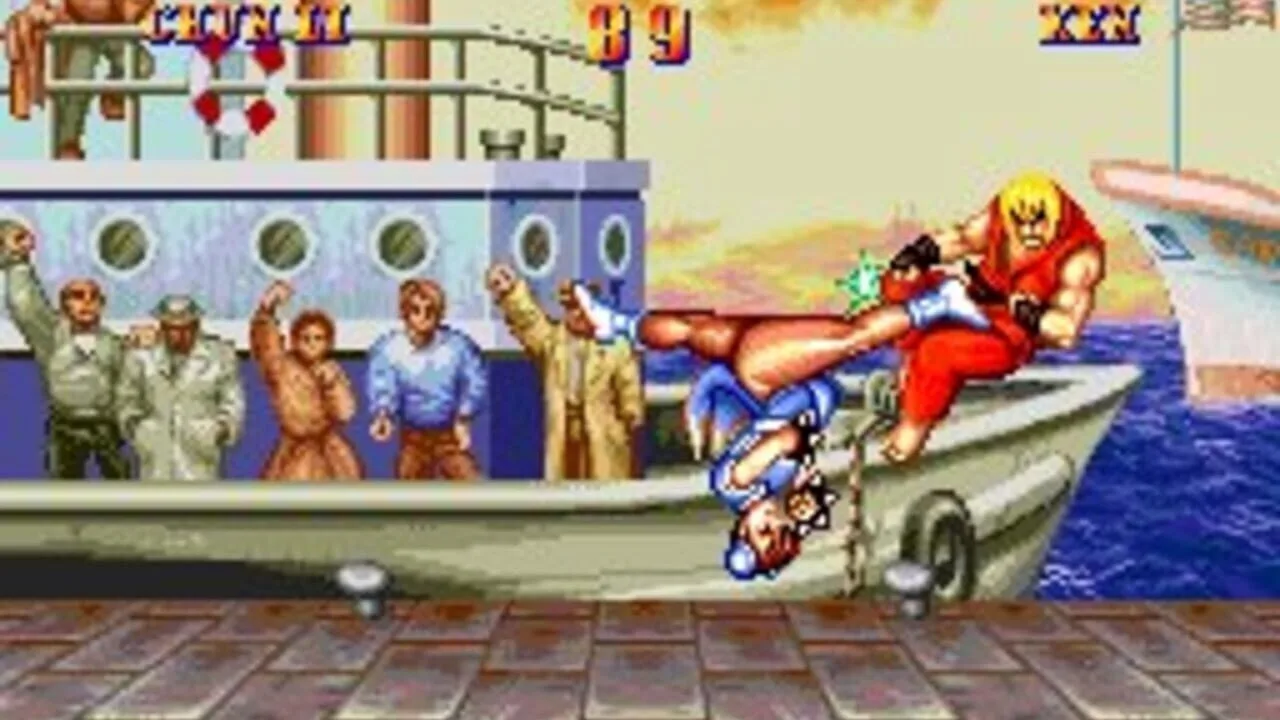
Street Fighter Collection 2 is the early half of Street Fighter II on one disc: The World Warrior, Champion Edition and Turbo: Hyper Fighting. It marked the original game's PlayStation debut, and in Japan it was the fifth Capcom Generations disc, the only volume of that series to reach North America. Street Fighter II is the game credited with spawning a one-on-one fighting craze in the arcades.
The two updates let you play as the original game's four bosses and add new airborne special attacks and higher speeds. The PlayStation version also supports analog controls with vibration feedback. Players still recommend it, and it pairs well with the first collection, since between them the two discs cover most of Street Fighter II.
13. Namco Museum Vol. 3 (1997)
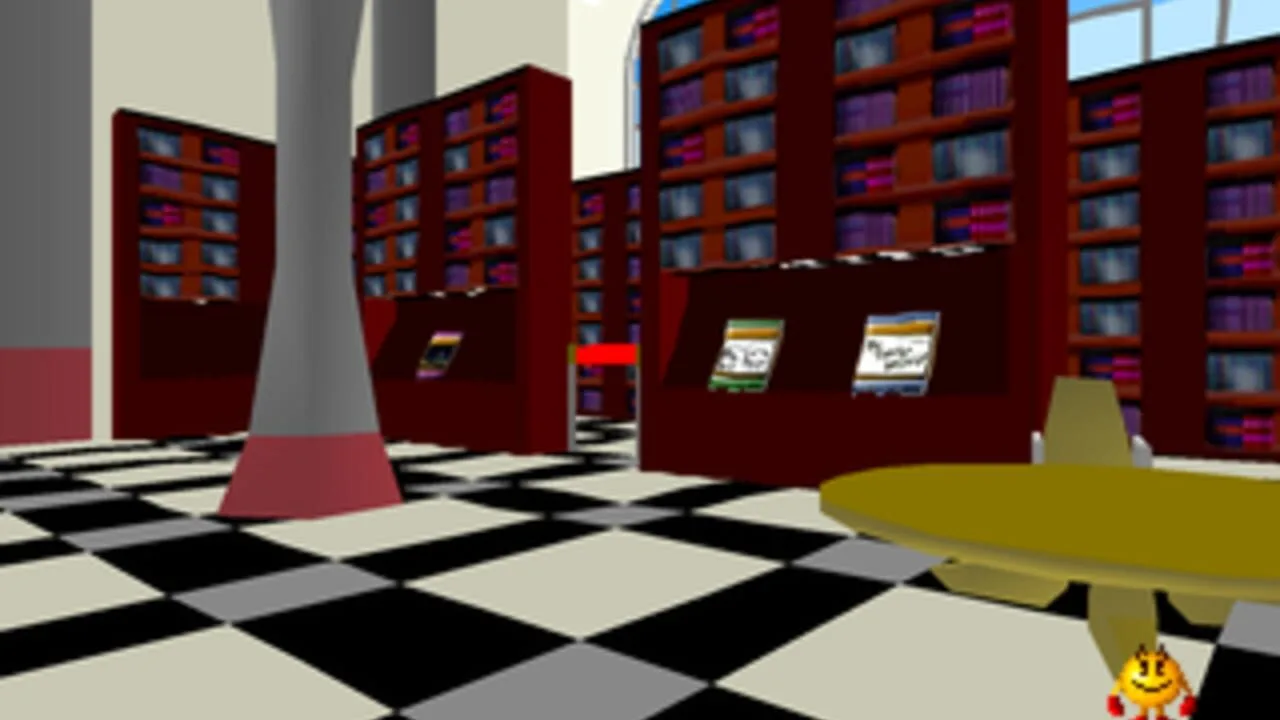
The third volume holds six games: Galaxian, Ms. Pac-Man, Dig Dug, Phozon, Pole Position II and The Tower of Druaga. Most of them were well known, but Phozon and The Tower of Druaga were not, and the disc hides two harder versions of Druaga called Another Tower and Darkness Tower. Both are harder than the original and require different methods to beat the game.
That makes it the Namco disc for people who already know the famous cabinets and want something stranger. Ms. Pac-Man and Dig Dug cover the classics, and the two Druaga secrets are the real reason to keep the disc in the tray. Players still recommend it.
12. Buster Bros. Collection (1997)
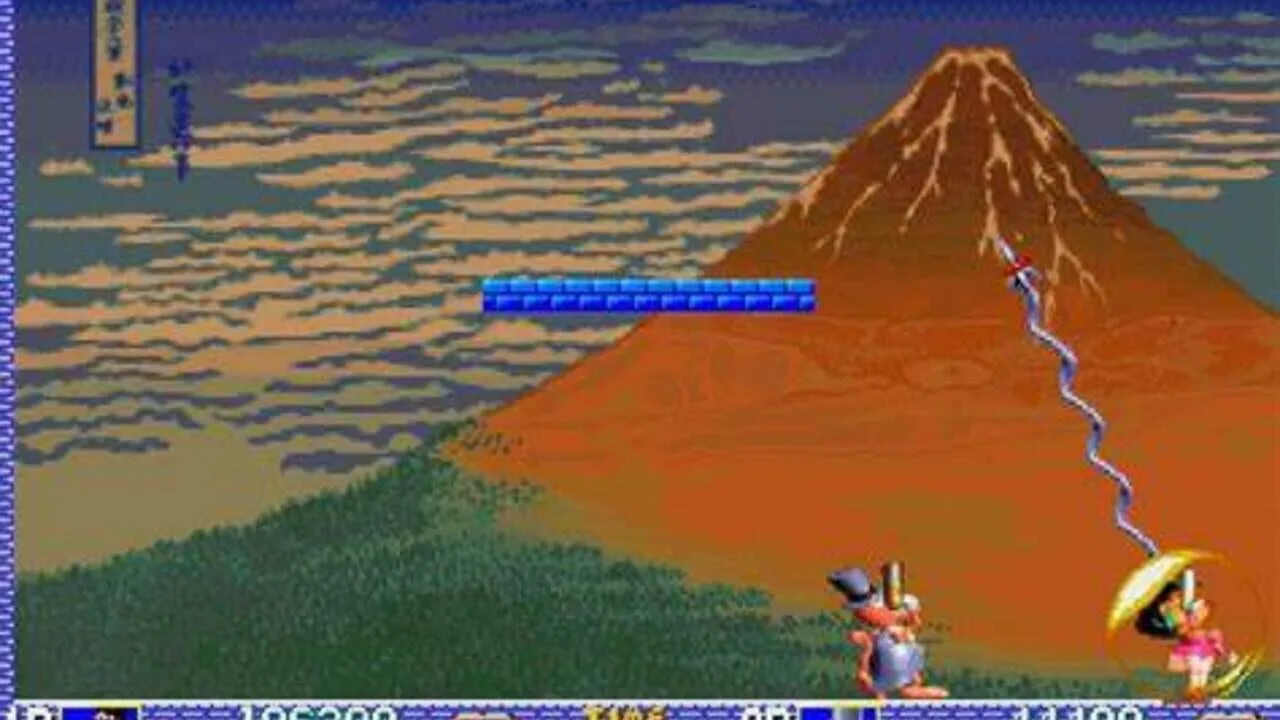
Buster Bros. Collection gathers Capcom's three Buster arcade games, from Buster Bros. to Buster Buddies, released between 1989 and 1995. One or two players fire harpoons straight up at bouncing bubbles, which split into smaller bubbles until there's nothing left to pop. Only by clearing the screen can players proceed, and touching a bubble costs you a life straight away.
It is a blend of puzzle and action that is easy to understand and hard to put down. The catch is a loading pause every time you get hit, which takes some of the arcade rush out of it. Players still remember it fondly as a relaxed little puzzle game.
11. Xevious 3D/G+ (1997)
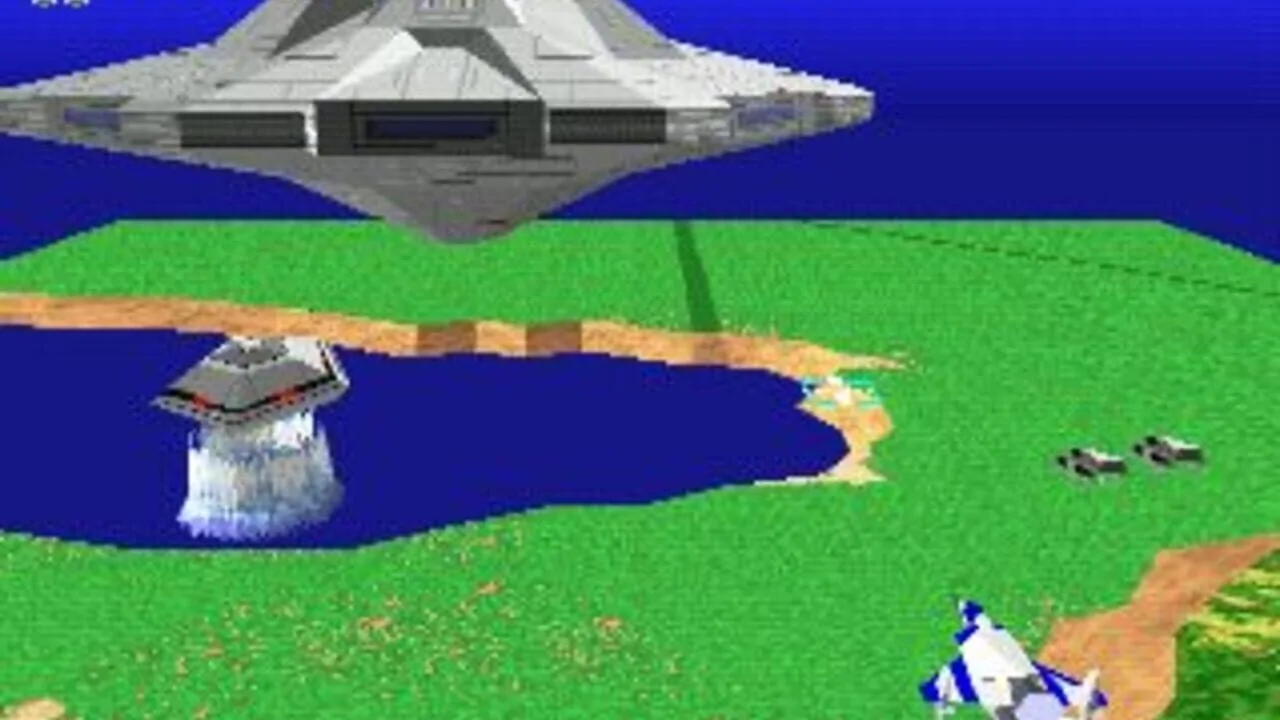
Xevious 3D/G+ holds four takes on Namco's shooter: the arcade Xevious, Super Xevious, Xevious Arrangement and the new Xevious 3D/G, which puts the old vertical shooter in 3D. The new game adds new weapon systems and many new enemies, some of them quite large. A cheat code swaps both players' ships for Heihachi and Paul from Tekken, which is about as dignified as it sounds.
The new game is short and easy, and that's the honest weak spot. It is still a neat way to watch a shooter grow from its arcade roots into a third-person game. Players who collect the PS1's shooters keep it on their lists anyway.
10. Namco Museum Vol. 1 (1996)
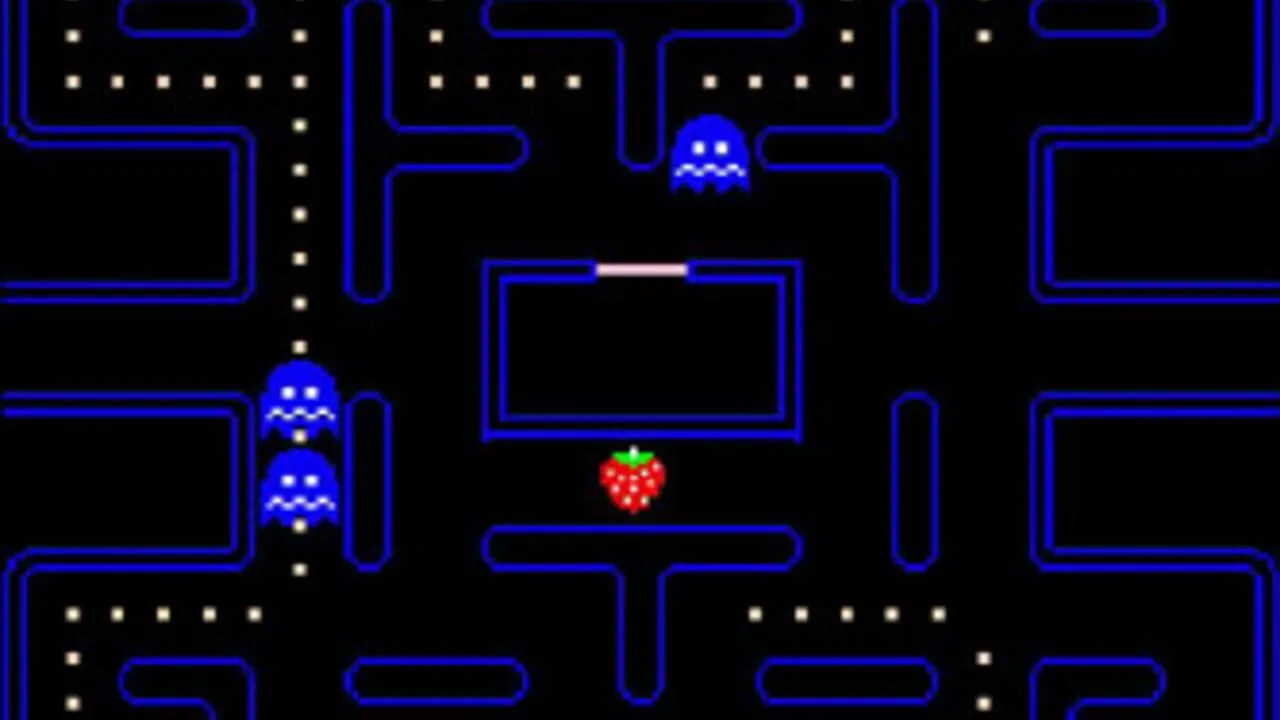
The first Namco Museum holds seven arcade games, Pac-Man, Galaga and Pole Position among them. You don't just pick them from a menu, either: a virtual museum lets you walk past the original arcade cabinets and read up on each game's history. Not only can you play these games, but you can also learn about them.
It started the series, and it is the easiest Namco disc to recommend to someone who only wants the big names. Pac-Man and Galaga alone make the disc worth owning, and the museum gives it a charm that a plain menu never could. Players still list it among the PS1 games worth owning.
9. Street Fighter Collection (1997)
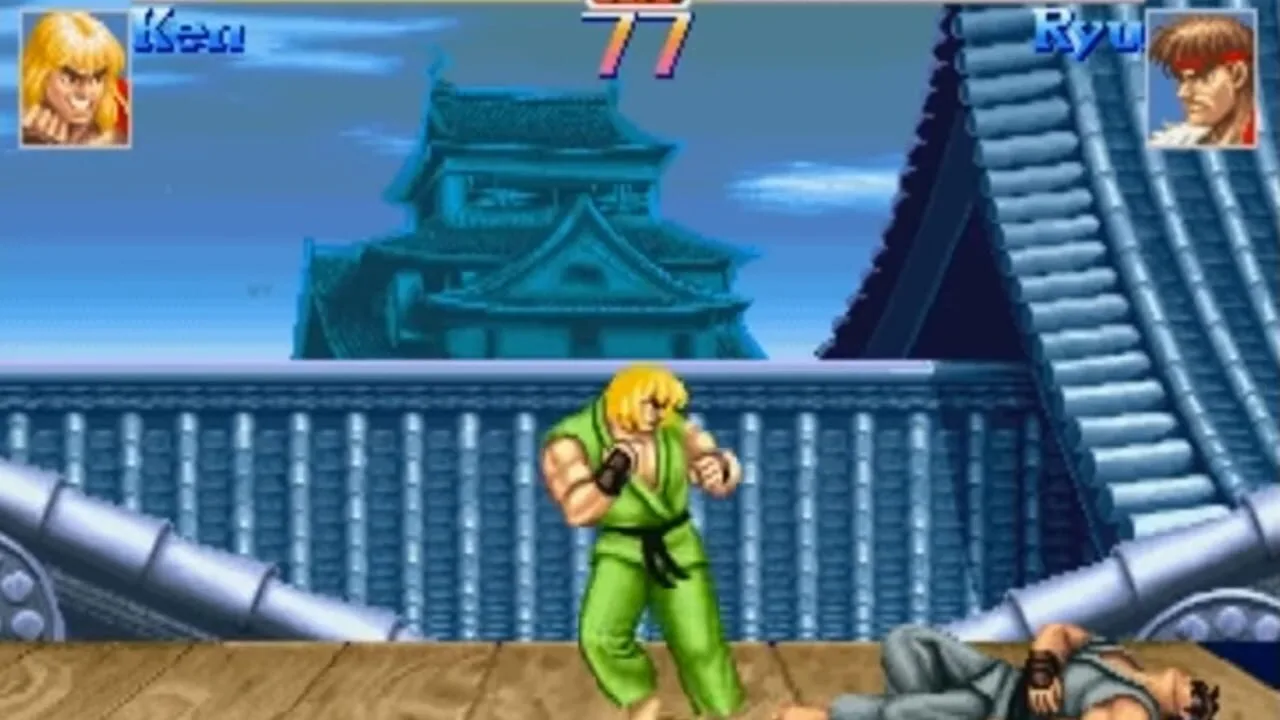
Street Fighter Collection pairs Super Street Fighter II with Super Street Fighter II Turbo, both ported from the arcade, and adds Street Fighter Alpha 2 Gold, an enhanced Alpha 2 that was exclusive to this compilation. That makes it the only place to find Alpha 2 Gold in this form.
The weak spot is Super Turbo's computer opponents, which are easier than in the arcade. Players mostly recommend it for Alpha 2 Gold, which they call the best version of Alpha 2 on the console. If you like the Alpha games more than the Street Fighter II line, start here and leave the other collection for later.
8. R-Types (1998)
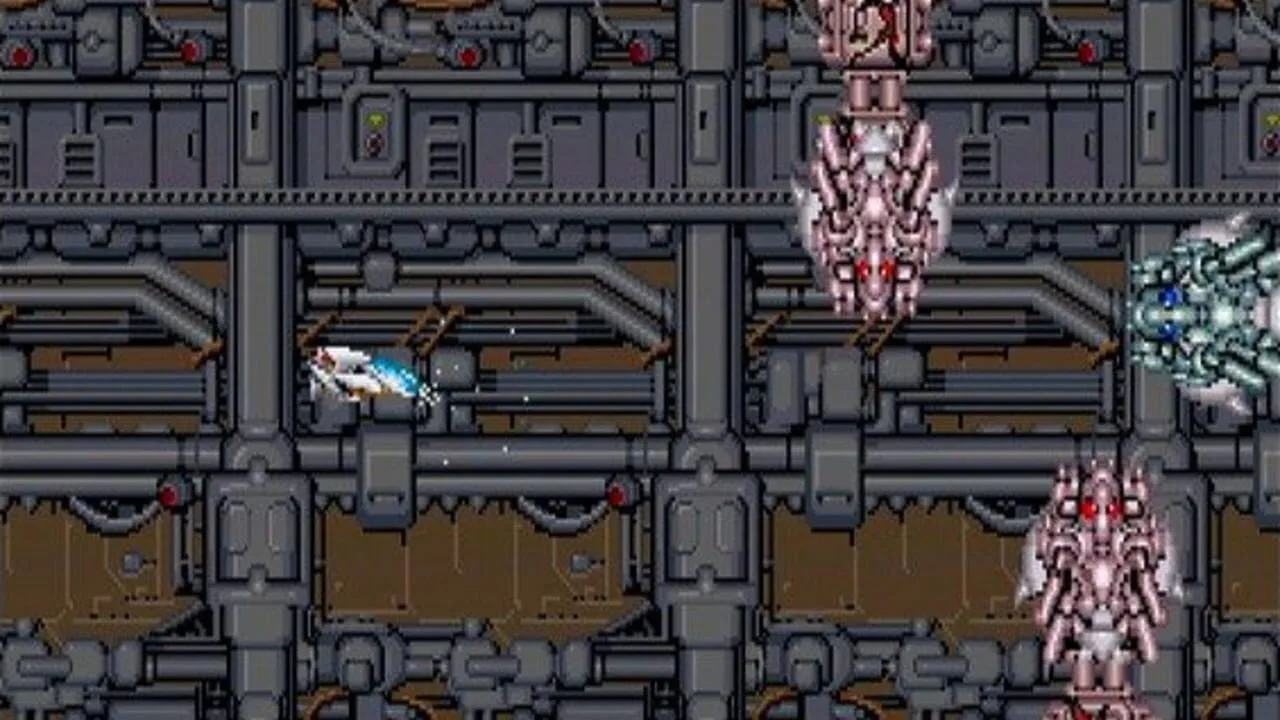
R-Types ports the arcade R-Type and R-Type II pixel for pixel, then makes them a little kinder: your progress saves at the start of each level, and the continues never run out. Those two additions take the edge off a series known for being punishing.
The R Museum fills in the rest, with the ships and enemies of the whole series up to then, and the disc also adds an intro movie and ending movies. It is a faithful way to play two famously hard shooters without the frustration. Players who recommend it often name R-Type Delta in the same breath.
7. Parodius (1996)
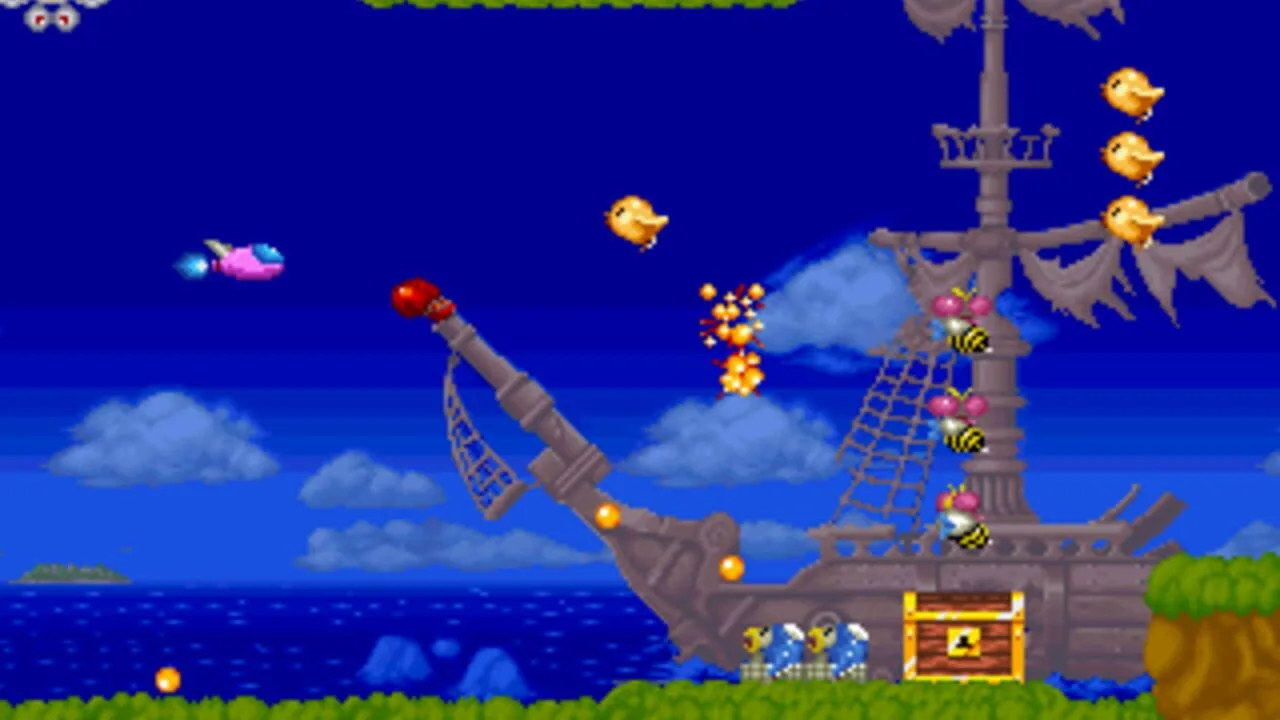
Konami's Gradius parody put its first two arcade games on one disc, Parodius and Fantastic Journey, and both are much closer to the arcade than the Super Nintendo ports were. Expect killer penguins and 50-foot dancing girls, for one or two players at a time.
Outside Japan it only came out in Europe, since no Parodius game was released in the Americas. That makes it a proper hidden pick, and one of the strangest shooters you can run on a PS1. Players still count it among the PS1's shooters worth playing.
6. Arc the Lad Collection (2002)
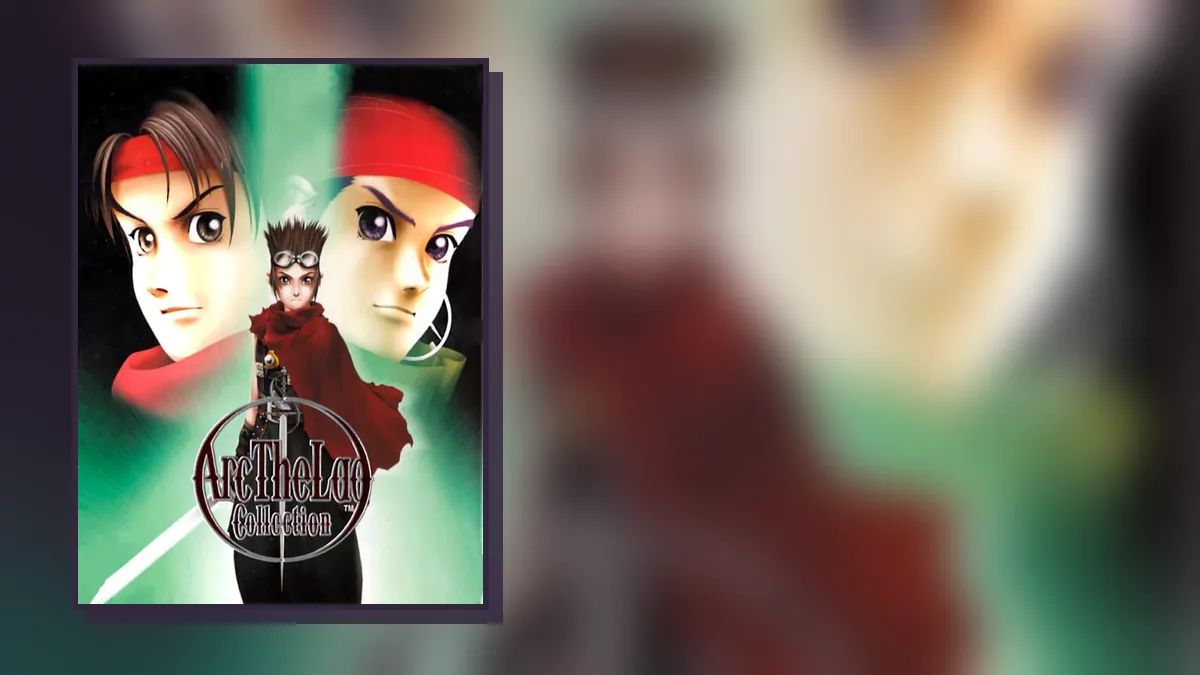
Working Designs brought the first three Arc the Lad games to North America in one box: six discs holding Arc the Lad, Arc the Lad II, Arc the Lad III and the spin-off Arc Arena: Monster Tournament. The box also came with a making-of disc and cardboard standees of all 22 characters, because Working Designs never met an extra it didn't want to put in a box.
Arc the Lad III swaps the sprite backdrops of the first two games for 3D backgrounds, so the set also shows the series growing up. It is a long role-playing adventure in one purchase. Players count it among the PS1's best RPGs.
5. Final Fantasy Origins (2003)
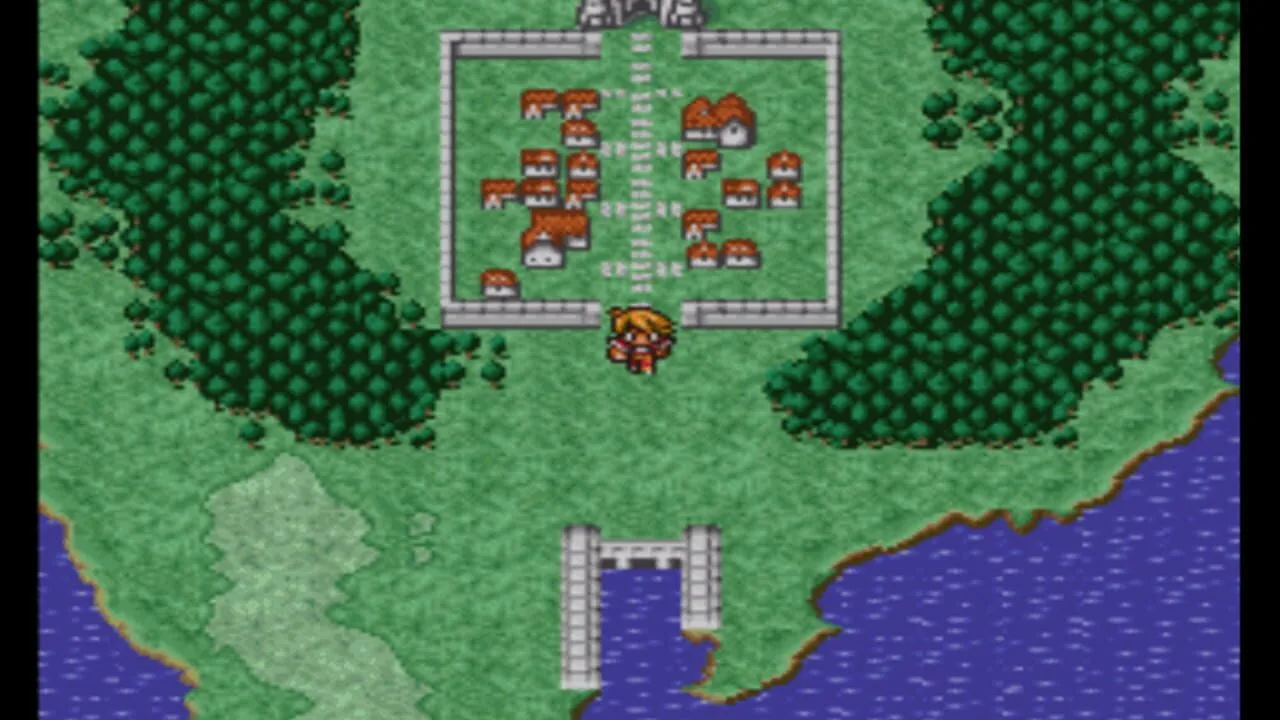
Final Fantasy Origins remakes the first two Final Fantasy games from the NES, with sprites and backgrounds redrawn toward 16-bit standards and new computer-generated cinematics. It smooths the old rough edges with a dash button and a memo save you can use anywhere, and you can unlock galleries of Yoshitaka Amano's artwork.
Those changes make the oldest games in the series far easier to enjoy today. Anyone curious about where Final Fantasy started will find a friendlier way in here than on the original cartridges. Players say the remakes turned out well, and they still recommend them.
4. The Raiden Project (1995)
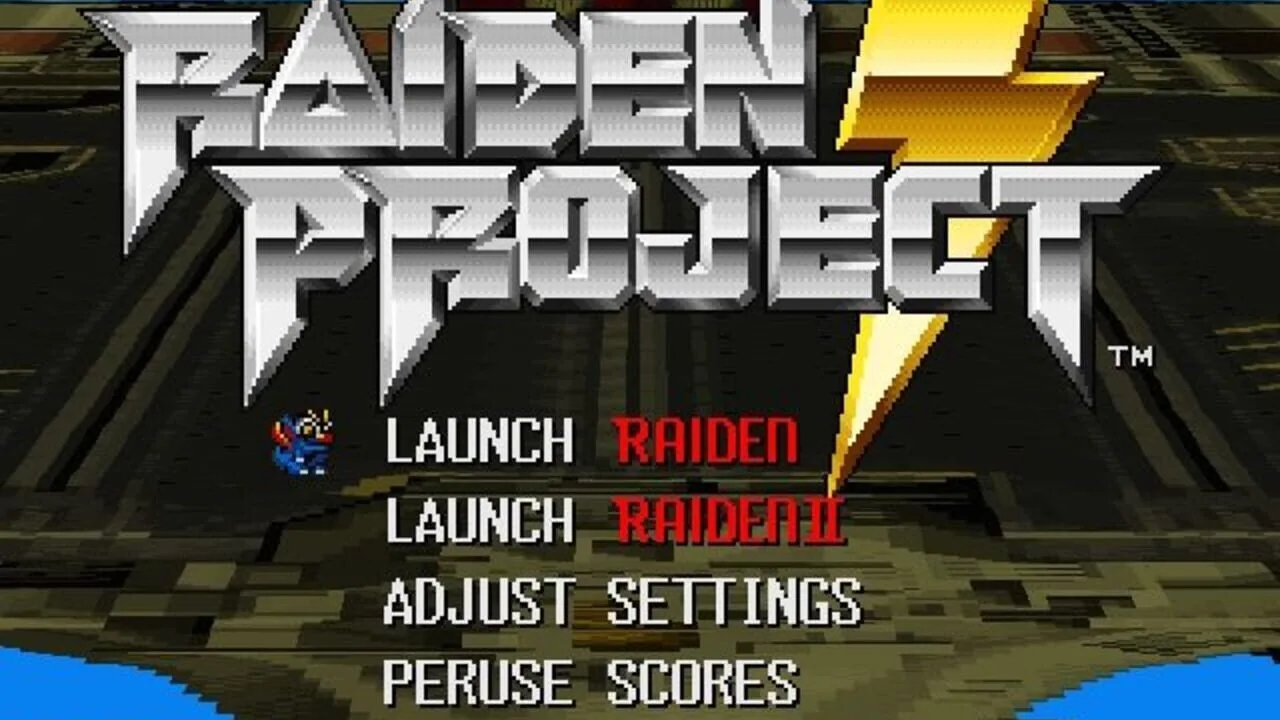
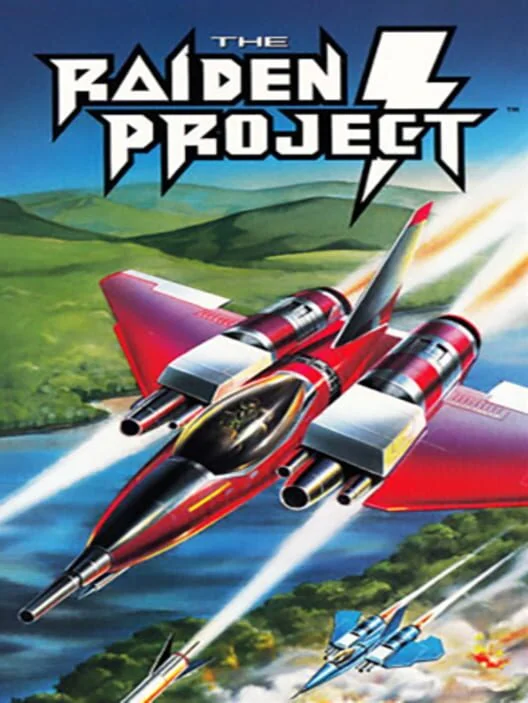
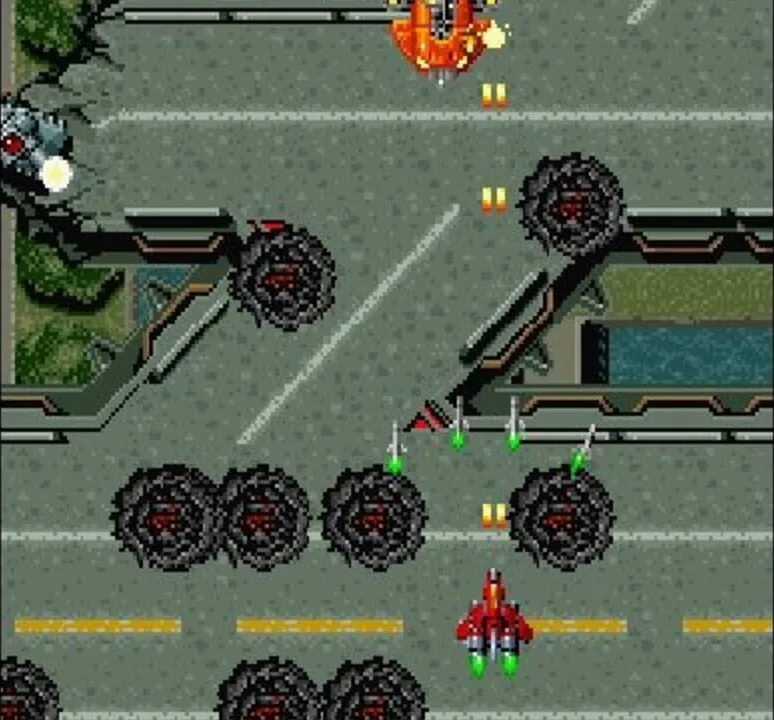
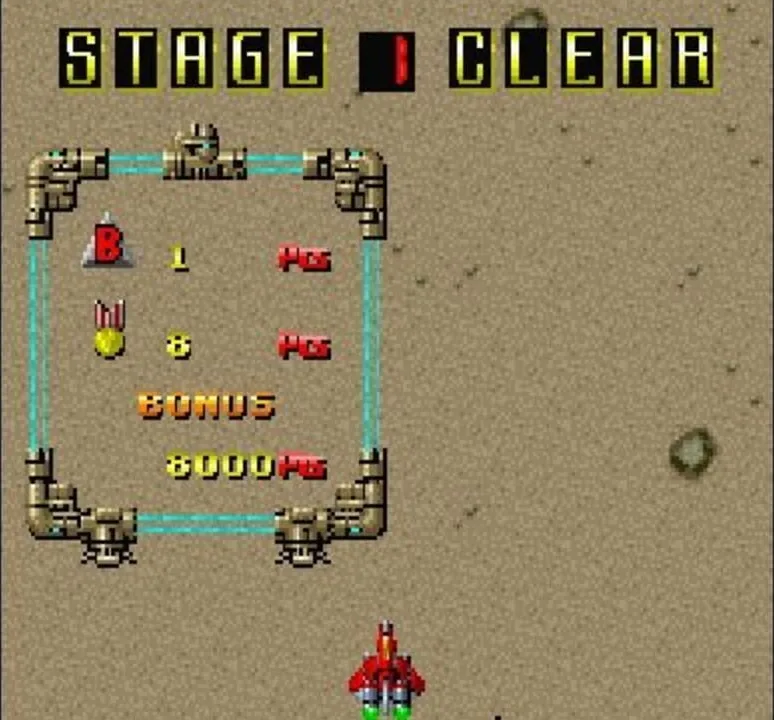
The Raiden Project was a North American launch title for the PlayStation, with Raiden and Raiden II on one disc, both based directly on the arcade originals. Raiden is set in 2090, with Earth under attack from an alien race, and you pilot a fighter built from the remains of a downed alien ship. It was also the only console release of Raiden II, and if you were willing to turn your TV on its side, a special mode showed both games in their proper arcade shape.
The first Raiden had already started to feel dated, so Raiden II is the real reason to play. Players still count it among the PS1 shooters that hold up.
3. Final Fantasy Chronicles (2001)
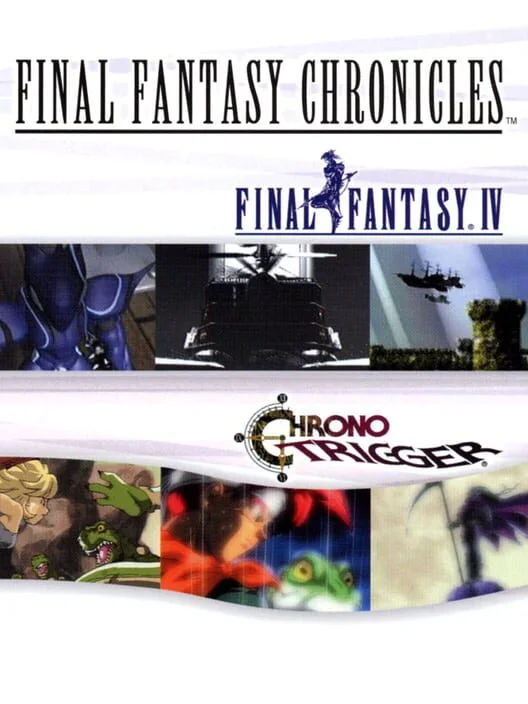
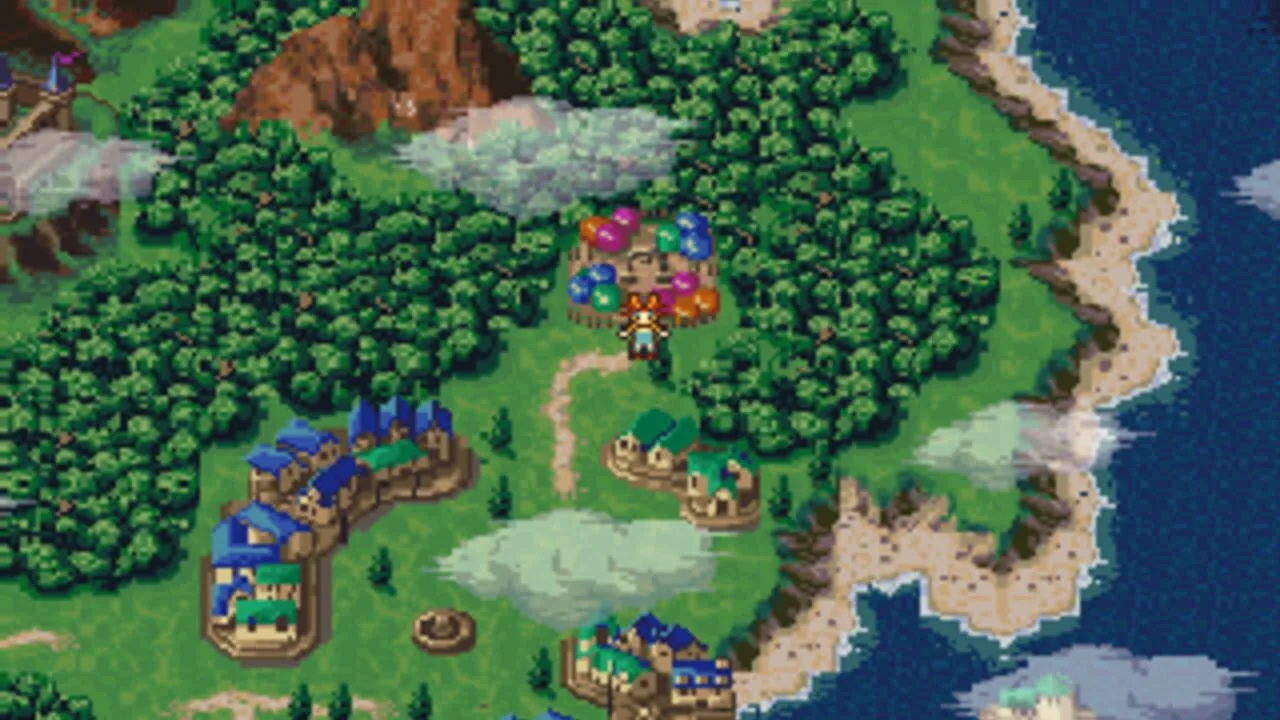
Final Fantasy Chronicles ports two Super Nintendo classics, Final Fantasy IV and Chrono Trigger. Both games differ little from the originals, but each gets bonus galleries and bestiaries, and Chrono Trigger gets anime scenes designed by Akira Toriyama and animated by Toei Animation.
The catch is the loading between areas and battles. Players still warn about it, and still recommend the disc anyway. Japan had bought both ports separately years earlier, so this pair was really for everyone else, and it gave English-speaking players two of the best role-playing games ever made on a single disc.
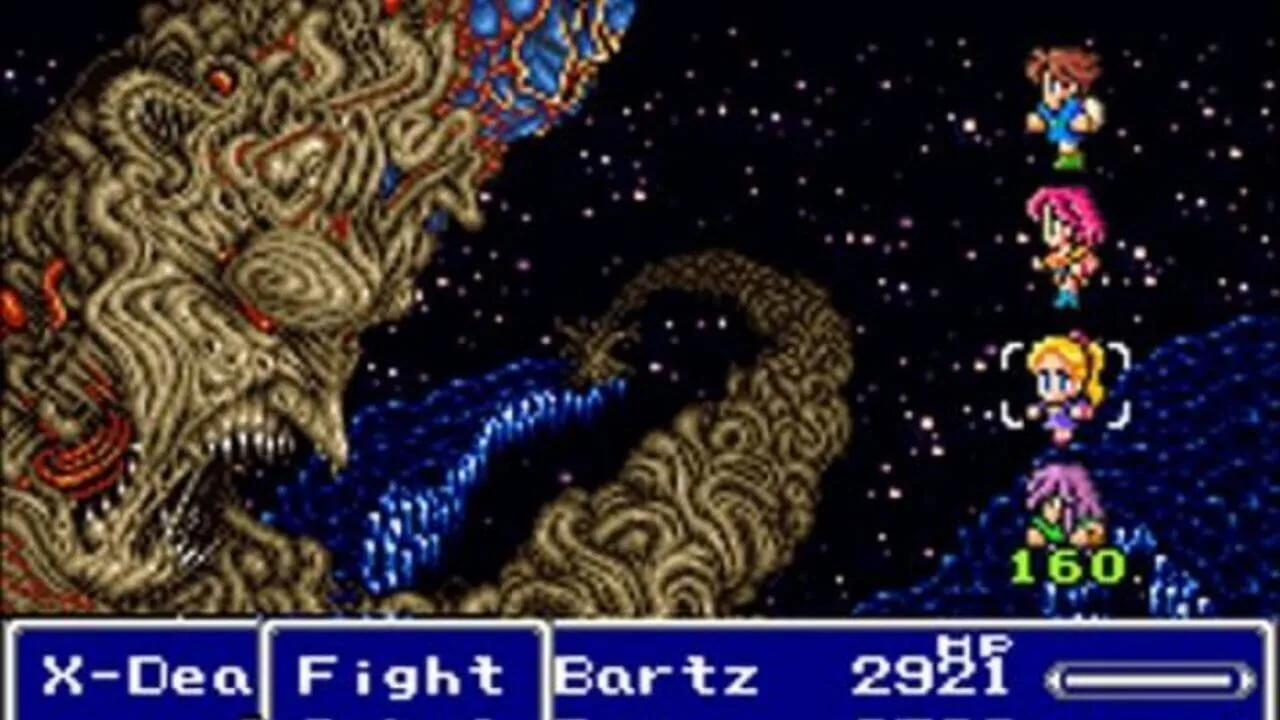
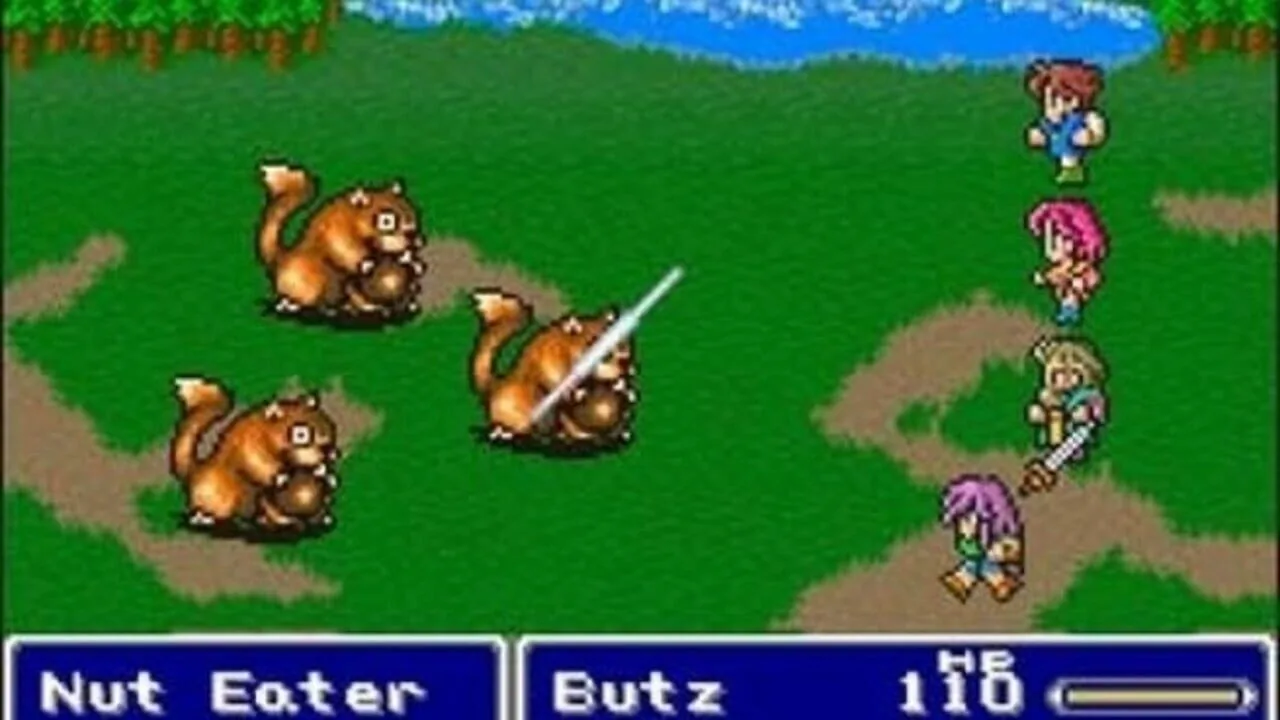
2. Final Fantasy Anthology (1999)
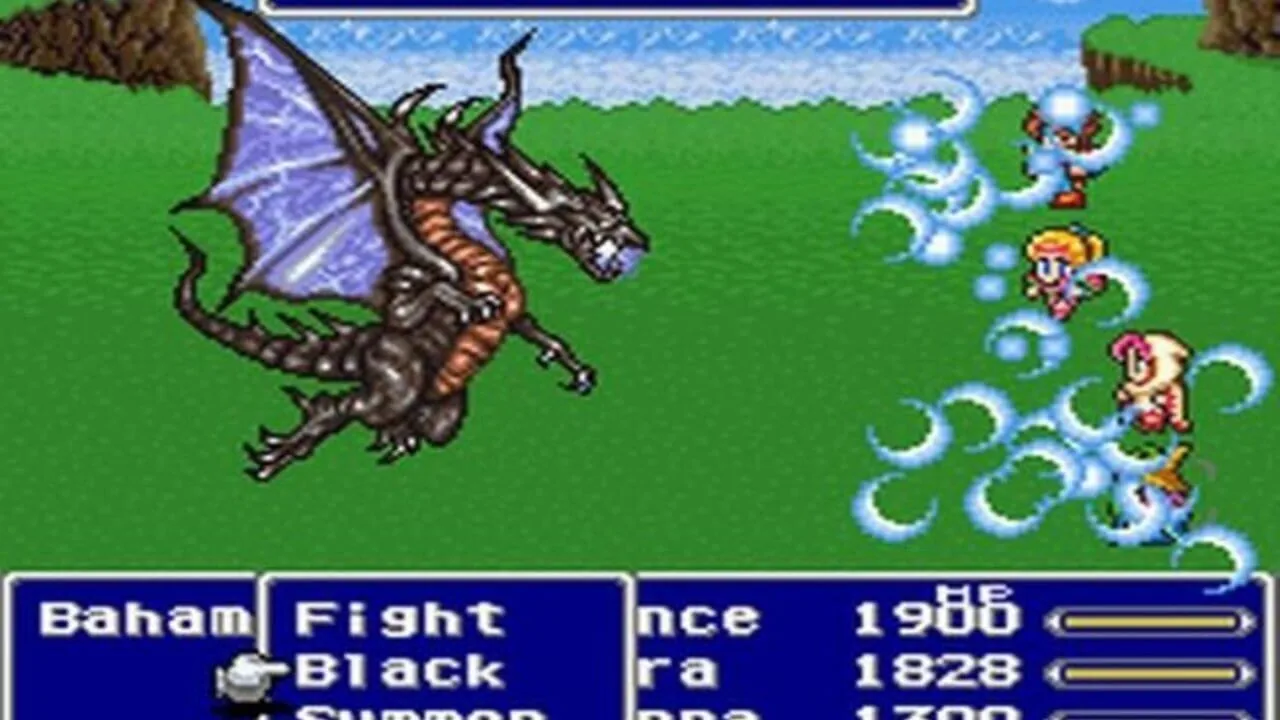
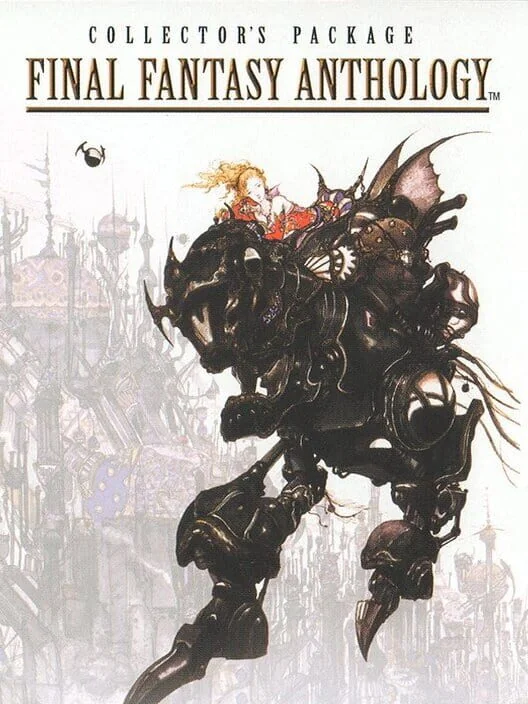
Final Fantasy Anthology paired Final Fantasy V with the PlayStation version of Final Fantasy VI for North America, and European players got a different version with Final Fantasy IV on it. It mattered most for Final Fantasy V: Square had already abandoned one attempt to bring it west.
The weak spots are technical. The PS2 had compatibility issues with the Final Fantasy V half until the Greatest Hits release fixed them, and players' one real complaint is the loading. Nobody seems to mind much, because it is the cheapest way to play two of the best games in the series.
1. Bishi Bashi Special (2000)
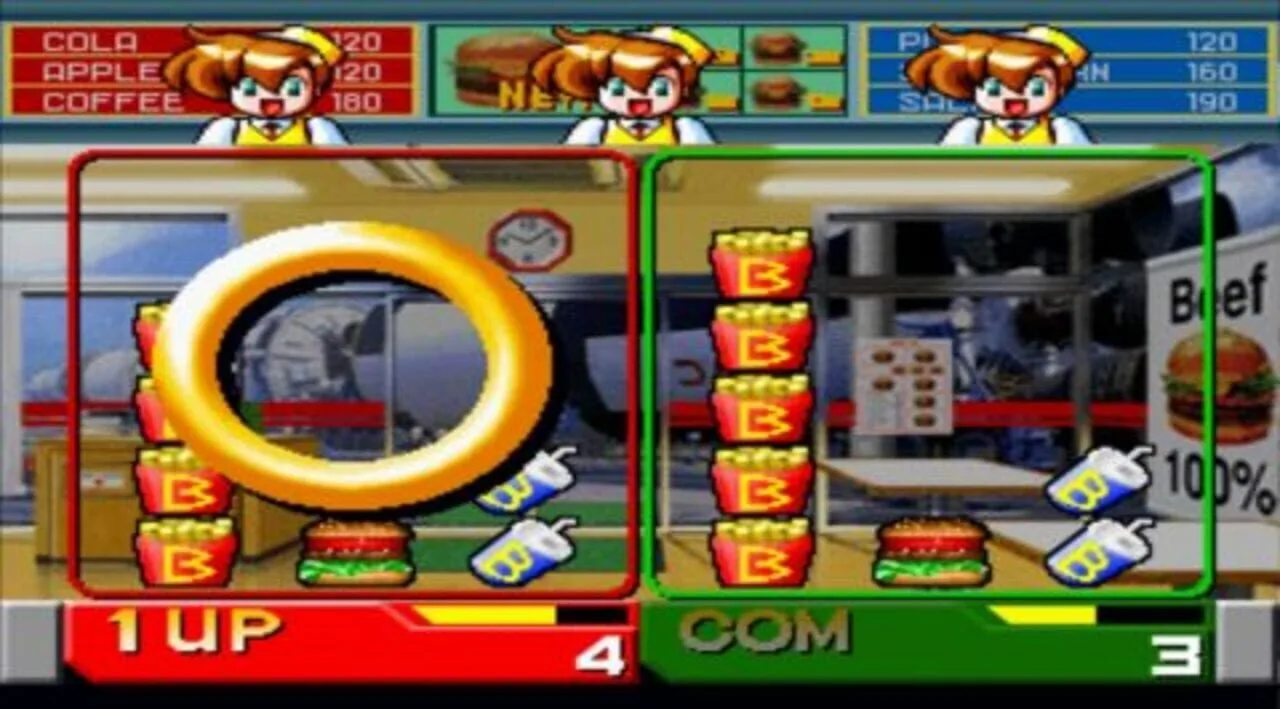
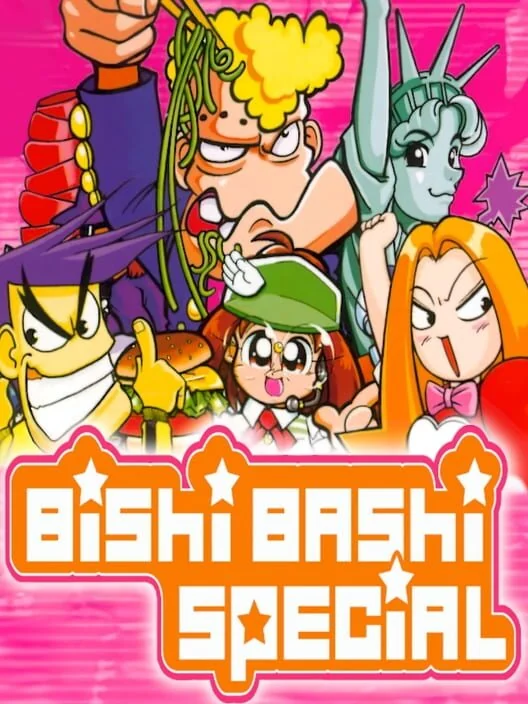
Bishi Bashi Special is a pile of Konami's arcade minigames, and the European disc is two Japanese discs in one, retitled Super Bishi Bashi and Hyper Bishi Bashi. The series is all competitive minigames played against other players. Up to eight people can play, and the computer fills any empty seats.
That makes it the ideal disc for a group of friends and a pile of controllers, because nobody has to learn anything before they join in. Players call it a wacky party game in the WarioWare mould.
Which one to play
There you have it, the whole list of the best PS1 compilations. Every disc here packs several games into one box, and the best of them are the reason many people still keep a PS1 around.
If you are not sure where to start, grab Final Fantasy Anthology. If you want a classic role-playing adventure, Final Fantasy Chronicles is the one. If you want an arcade shooter, play The Raiden Project. If you love fighting games, Street Fighter Collection has the best version of Alpha 2. And if you have friends over, put on Bishi Bashi Special. For a hidden pick, Parodius is the strangest shooter on the console, and it only came out in Europe.