The PlayStation was the first console where game music could sound like real music. Games came on CDs, so composers were no longer stuck with chip tunes. They could write full scores, bring in singers and licence tracks from the biggest names in dance music, and it was incredible how much of that fit in a console under the TV. Put the Symphony of the Night disc in an ordinary CD player and Alucard himself answers. He explains that the first track is computer data, asks you not to play it, then admits you probably won't listen to him anyway. Plenty of players did exactly that with their PlayStation games, and kept the disc in the stereo long after the save files went cold.
That habit is what this list measures. One of these scores helped an American synchronized swimming team win an Olympic bronze medal. Another game shipped on two discs because of a last-minute oversight with the size of its audio. Here are the 20 best PS1 soundtracks.
20. Ridge Racer (1993)
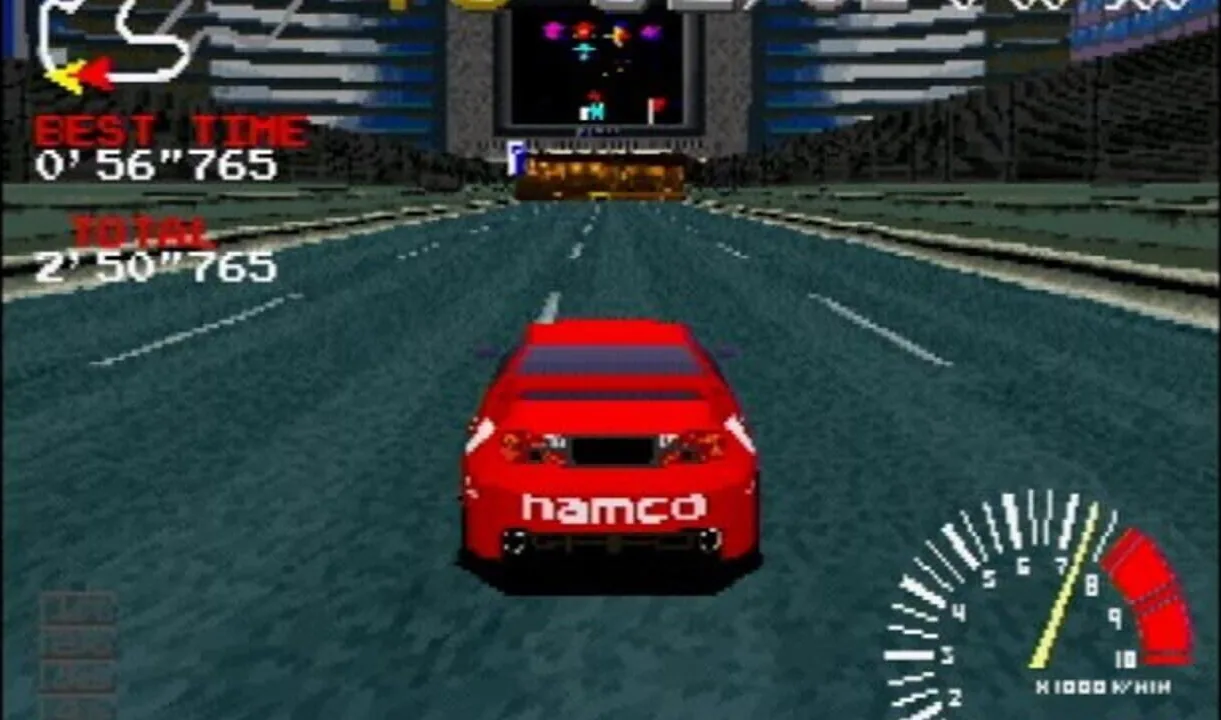
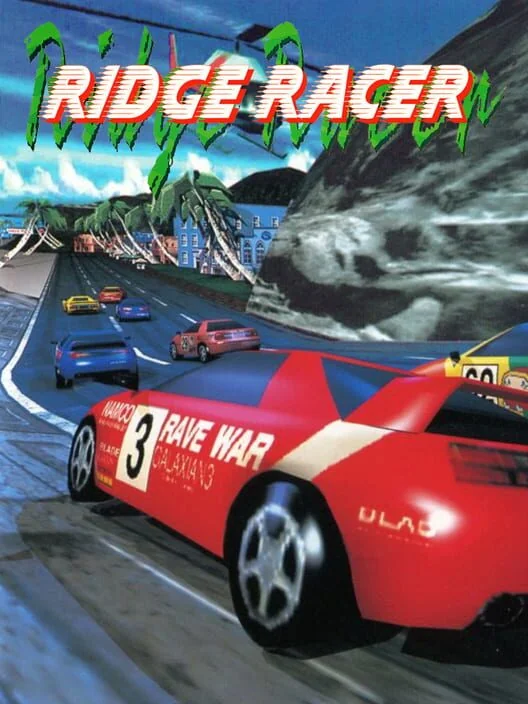
Ridge Racer was the first Namco game on the PlayStation, and it had already spent about two years in arcades before it came home. The port gave up a lot of texture detail on the way, so it is not quite the arcade-perfect version many reviews made it out to be. Two things held up perfectly, however: the gameplay and the audio. The thumping Namco techno is a big part of why the game felt so fast next to everything else on the shelf.
That audio comes with a famous loophole, too. As one player put it, "Ridge Racer is cheating; once the game loads you can put in any CD you want." Still, the Namco score is the one collectors chase: 448 of them want the album, against 71 who own a copy. It is a good reminder that on the PS1, the music was never an afterthought.
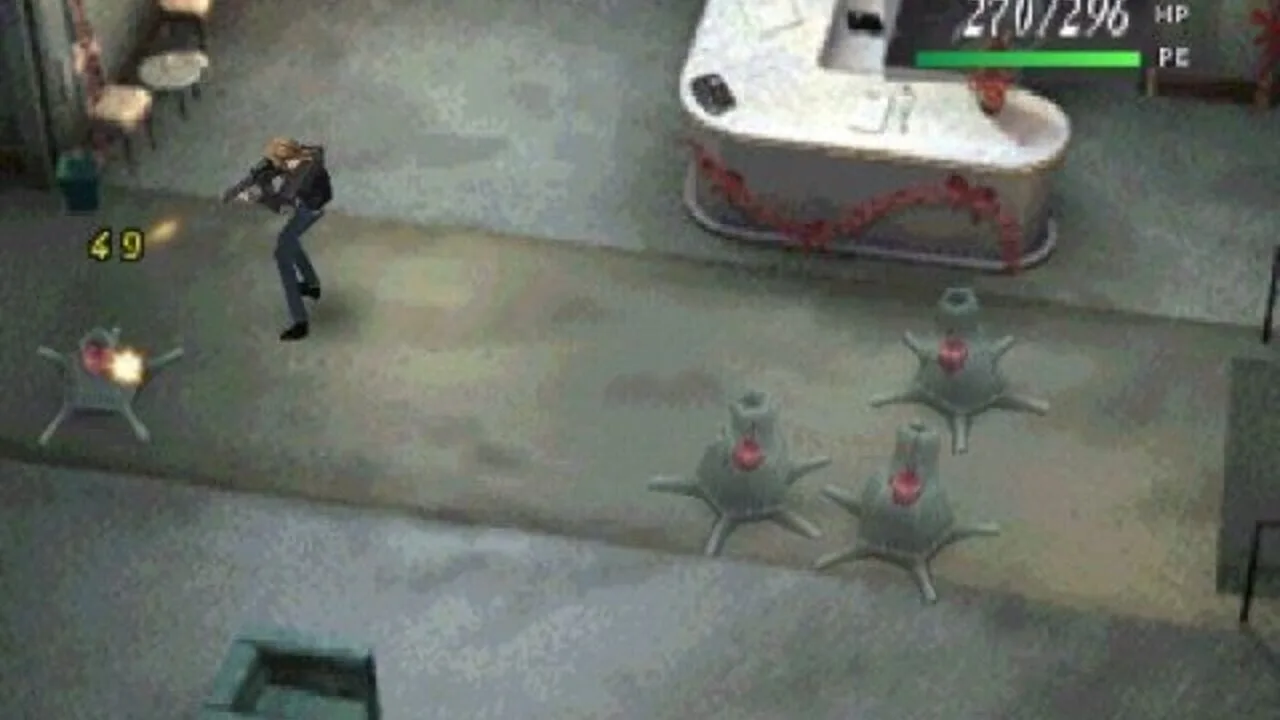
19. Parasite Eve (1998)
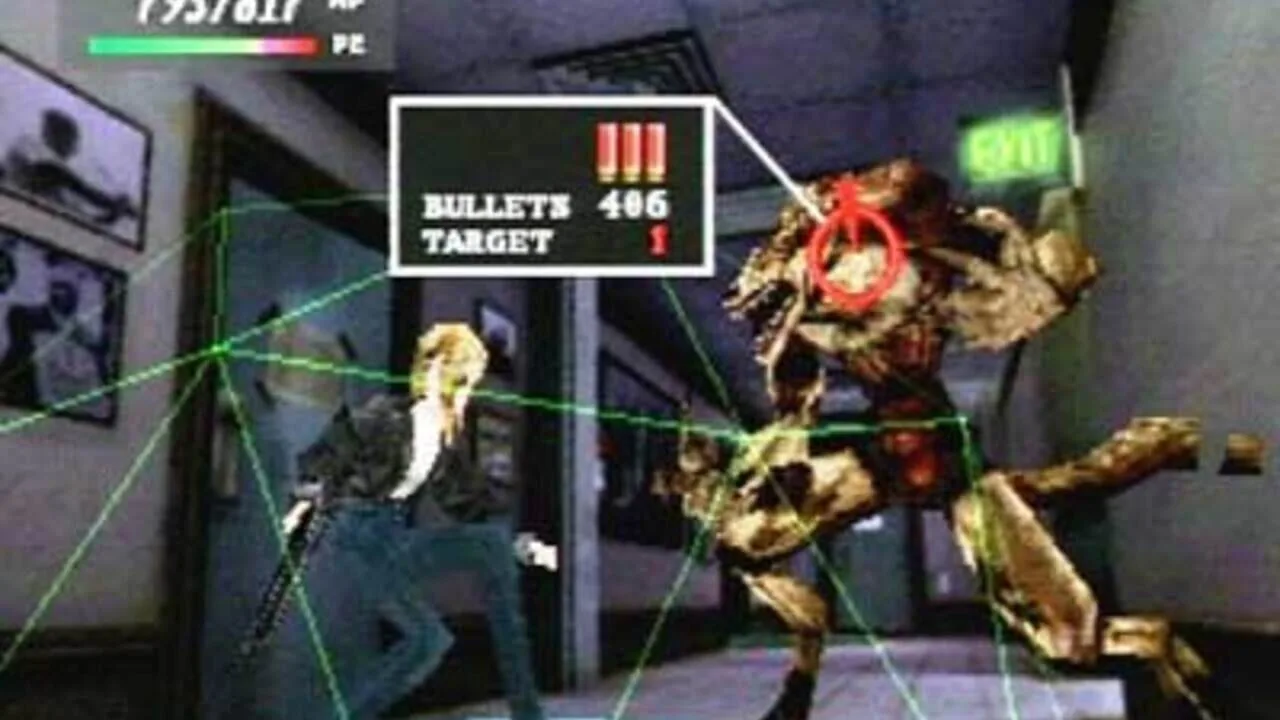
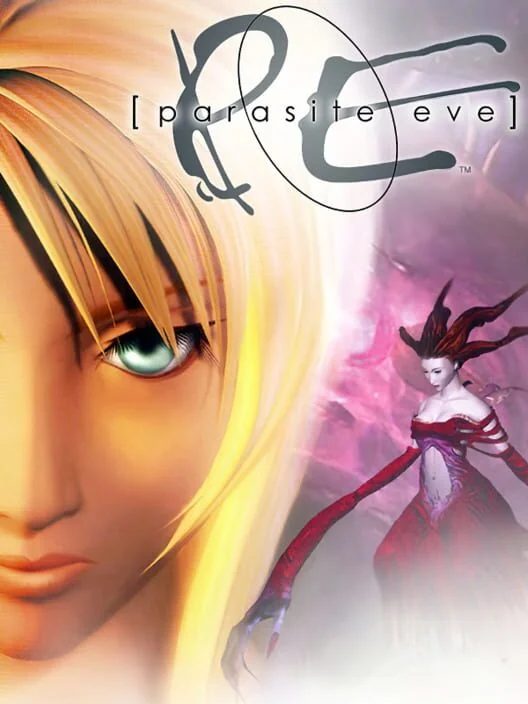
Parasite Eve opens with half the audience of Carnegie Hall's Christmas Eve performance bursting into flames, which is one way to end an opera night early. Square built it as a cinematic RPG with survival horror in its blood, and it was made as a sequel to Hideaki Sena's novel of the same name. It is a big, strange, ambitious game, and the music matches it.
Yoko Shimomura's soundtrack is a killer, and a little bit operatic, which suits a game that starts in a concert hall. Players single out the battle music in particular. If you only know her work from other series, this is a good place to hear her go darker and stranger.
18. Tomb Raider (1996)
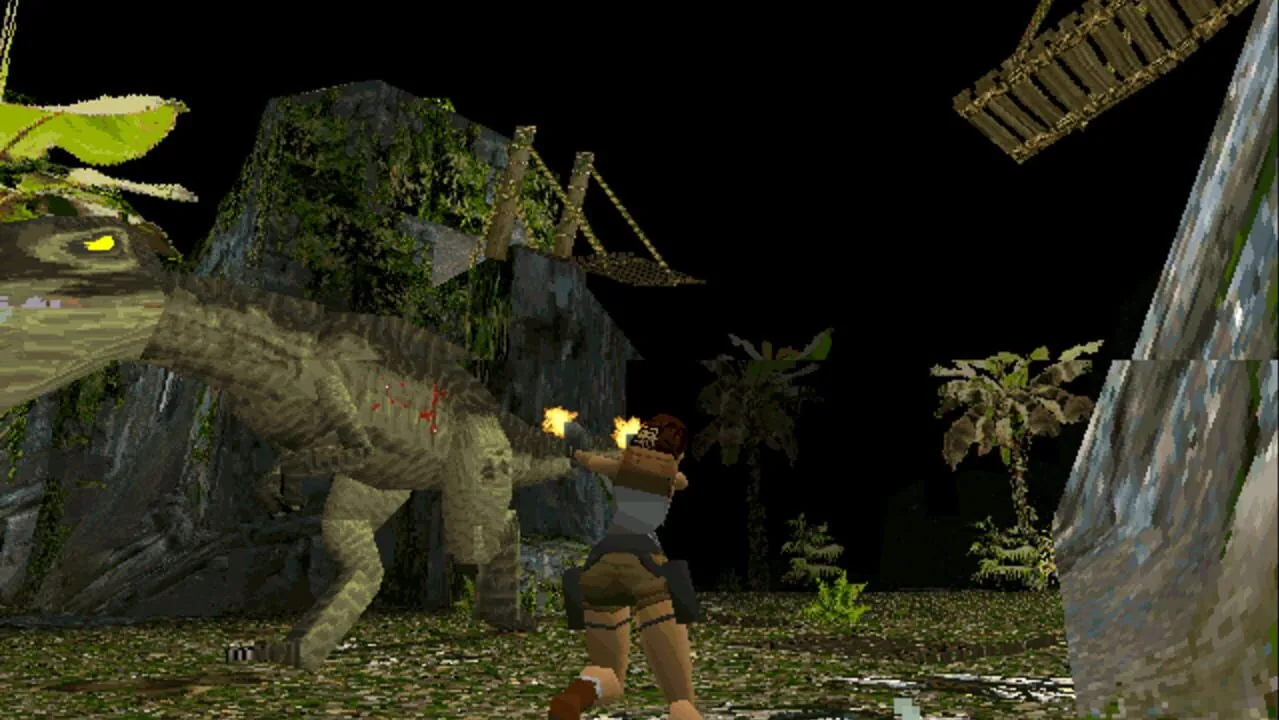
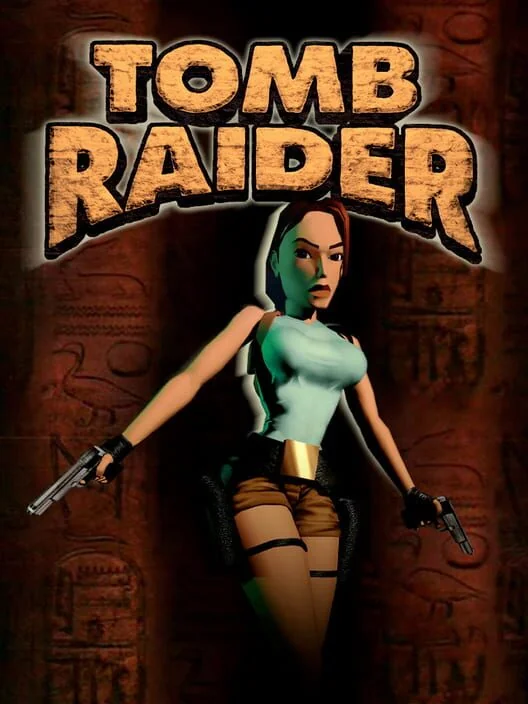
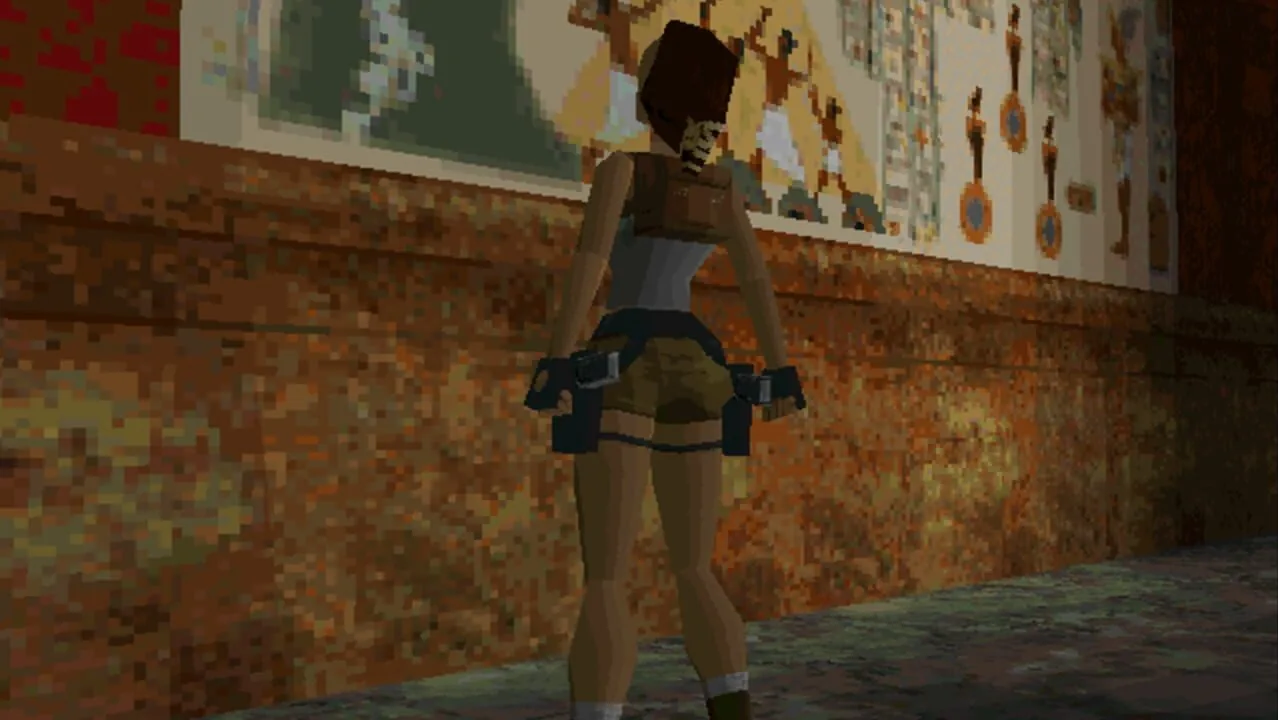
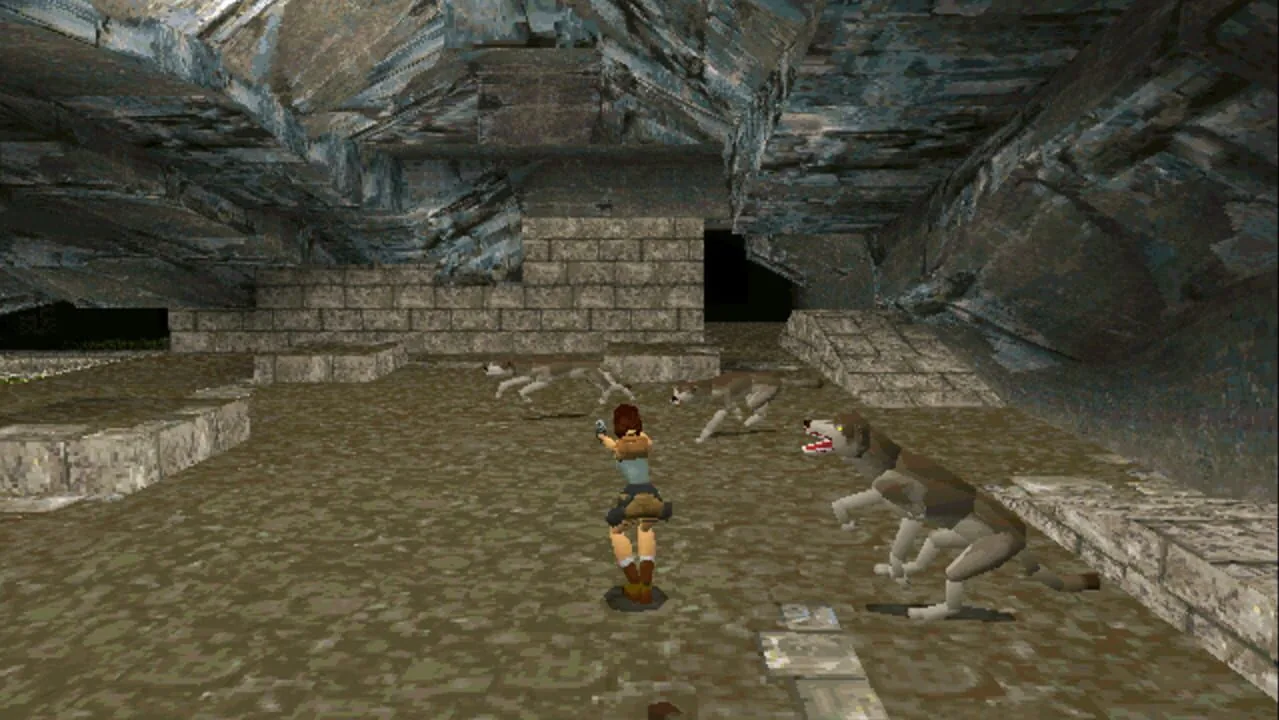
Nathan McCree, Core Design's in-house composer, saved most of his music for the main theme and the cutscenes. Out in the levels you get ambient sound instead, with music cutting in only at certain points to make a moment feel cinematic, and that restraint is what makes the tombs feel so abandoned. Even finding a secret gets nothing more than a distinctive little chime.
Players remember it the same way, as a score that says a lot by playing very little and leaves you with a real sense of isolation. Collectors agree in their own fashion: every one of the 12 who rated the album gave it full marks. McCree went on to score the next two games in the series. It is the quietest score on this list, and that is exactly the point.
17. Gran Turismo (1997)
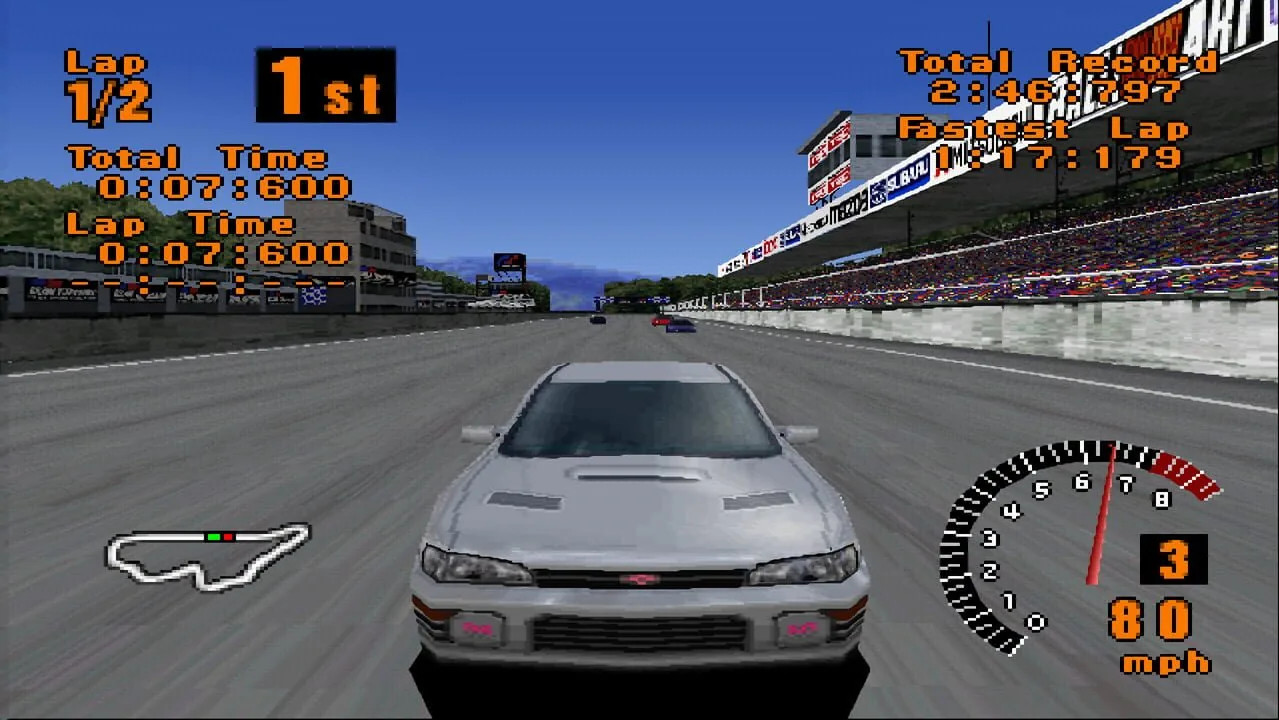
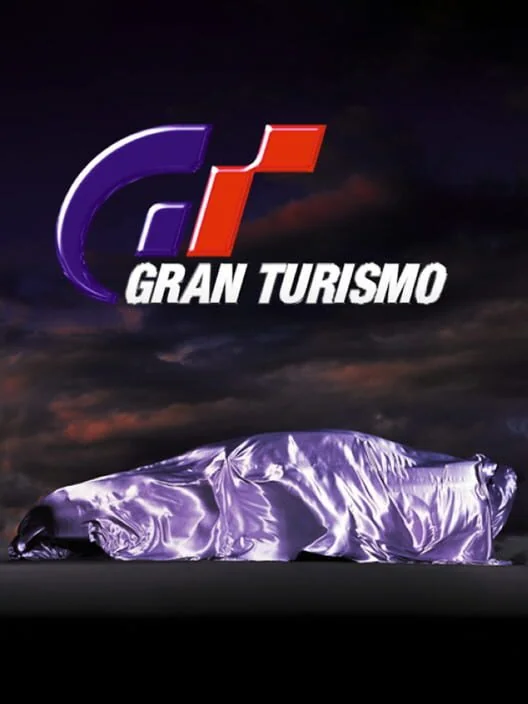
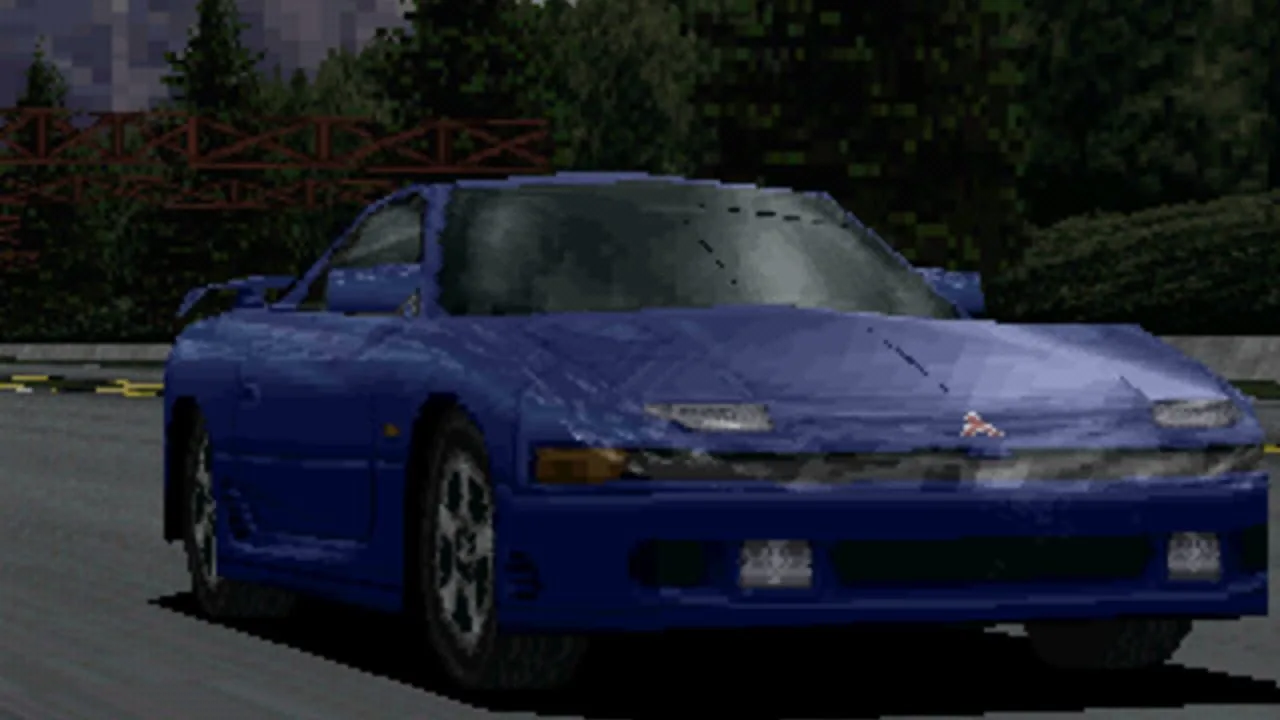
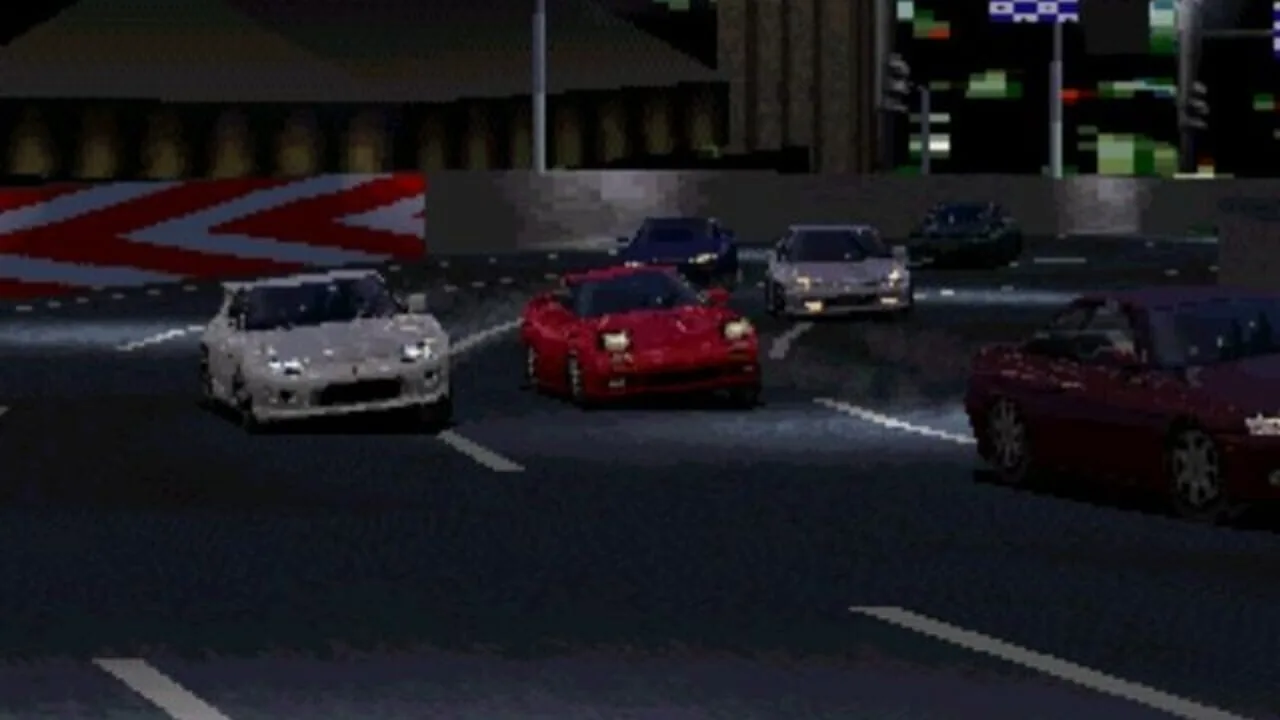
Gran Turismo is the best-selling PlayStation game, with 10.85 million copies shipped, and which soundtrack you heard depends on where you bought it. The Western release leaned on licensed music from the Chemical Brothers and Garbage, among others, and players still remember the Everything Must Go remix that plays over the opening.
Meanwhile, players are quick to point out that the Japanese release had its own instrumental soundtrack, mostly jazz fusion by Masahiro Andoh. Collectors side with that version: far more of them want the Japanese album than own it, even though it holds one of the lowest average ratings in this top 20. Two soundtracks for one game is unusual, and your favourite probably depends on which disc you grew up with.
16. Xenogears (1998)
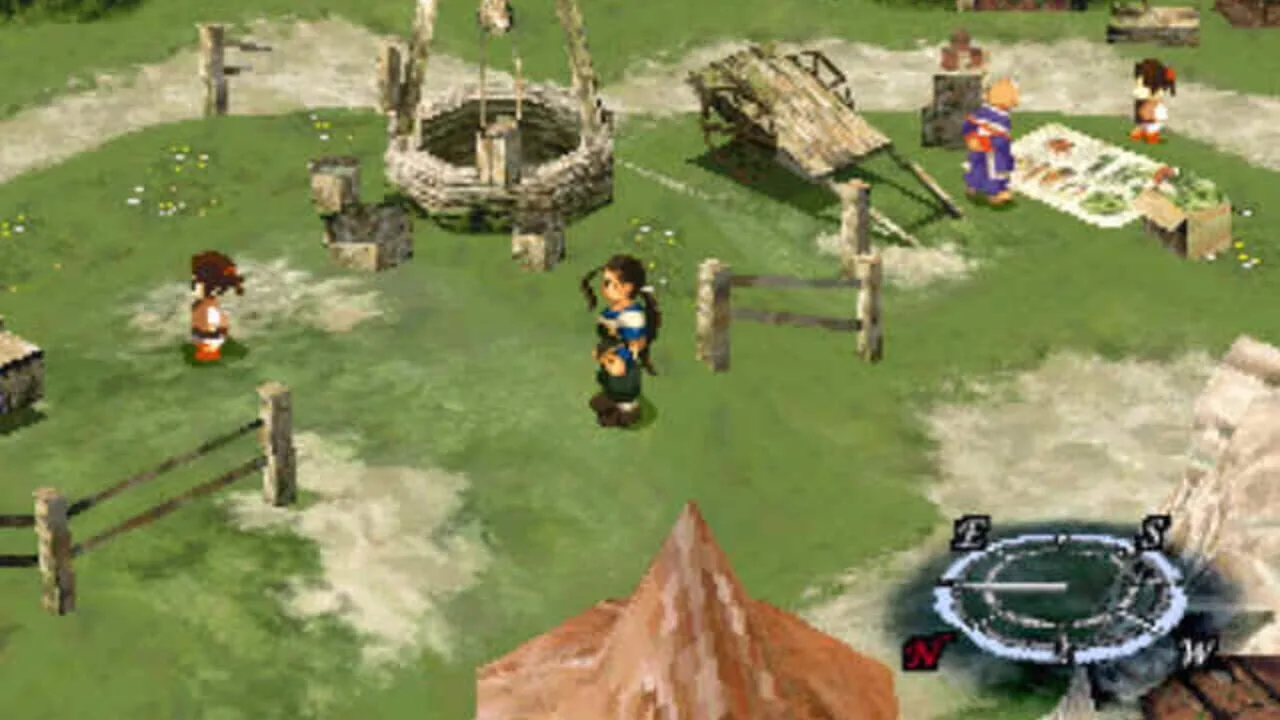
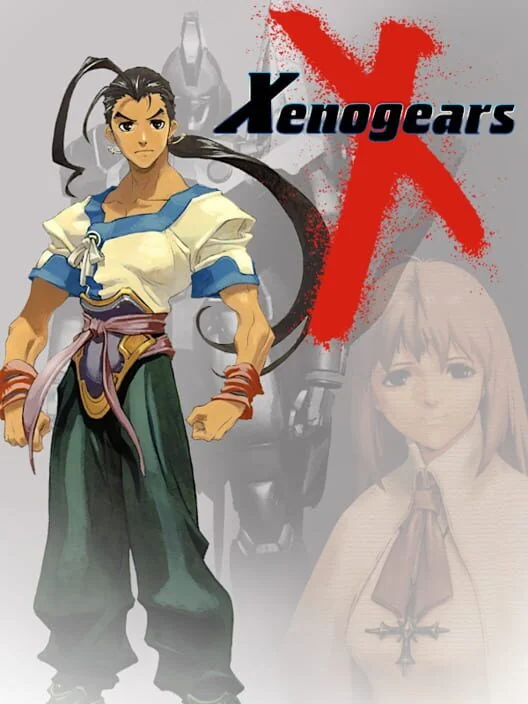
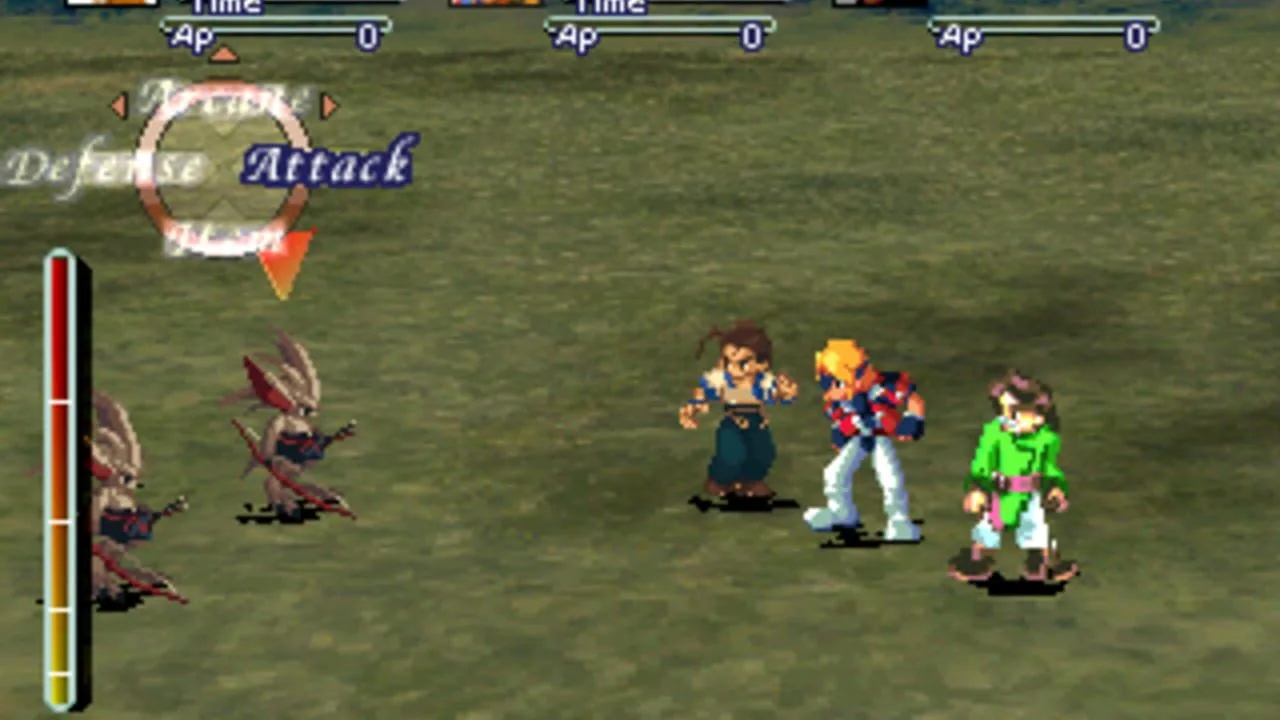
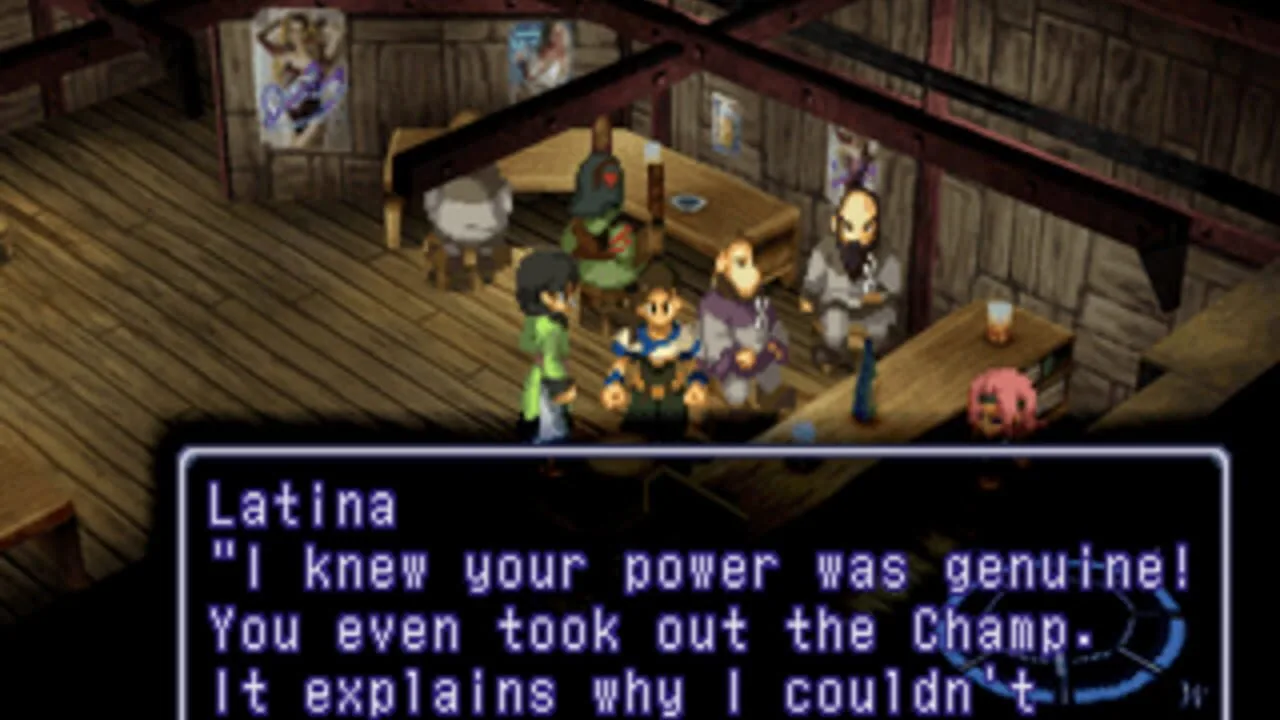
Yasunori Mitsuda, of Chrono Trigger fame, wrote Xenogears' music, and most of it is orchestral, with a Celtic flair in places. The theme of the village of Lahan even recalls the Millennial Fair from Chrono Trigger before turning much sadder once the town is destroyed. The sound quality is impressive, too, considering it all comes out of the PS1 sound chip rather than a recording of an orchestra.
Joanne Hogg sings the ending song, Small Two of Pieces, and she sings on a track you will never hear in the game as well. An unused FMV on the second disc carries Stars of Tears, another vocal song by Mitsuda that plays nowhere else. Players tend to credit the whole score to Mitsuda by name, which tells you how much of his reputation rests on it.
15. Wipeout (1995)
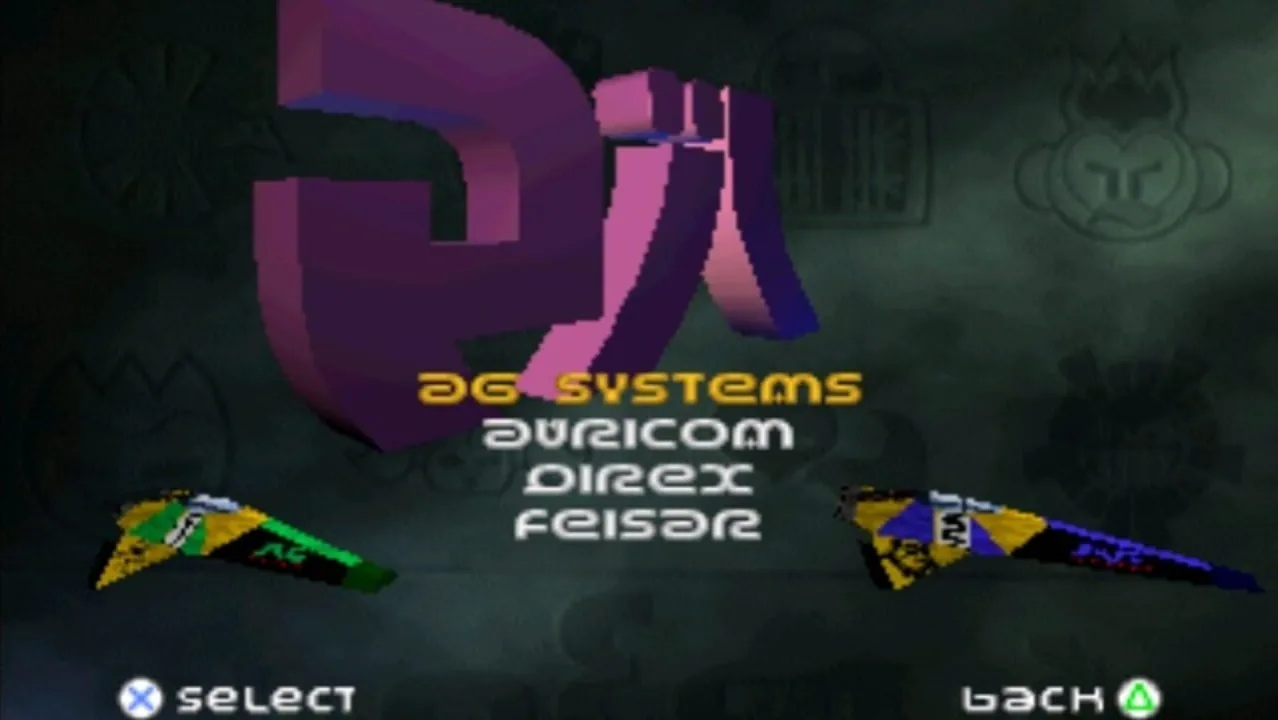
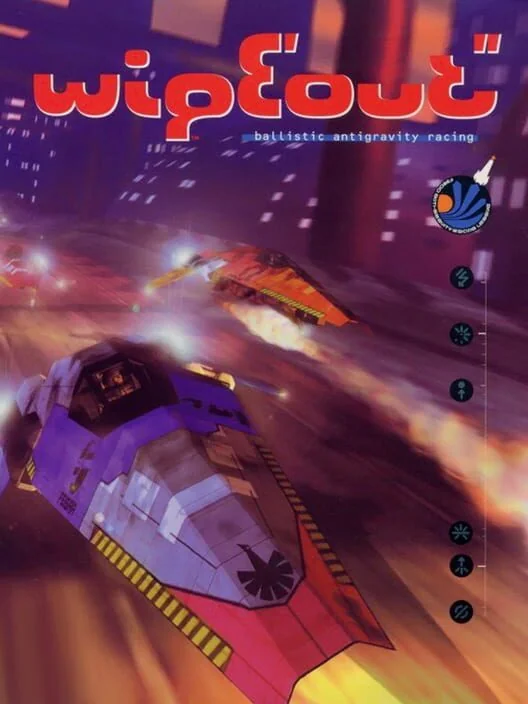
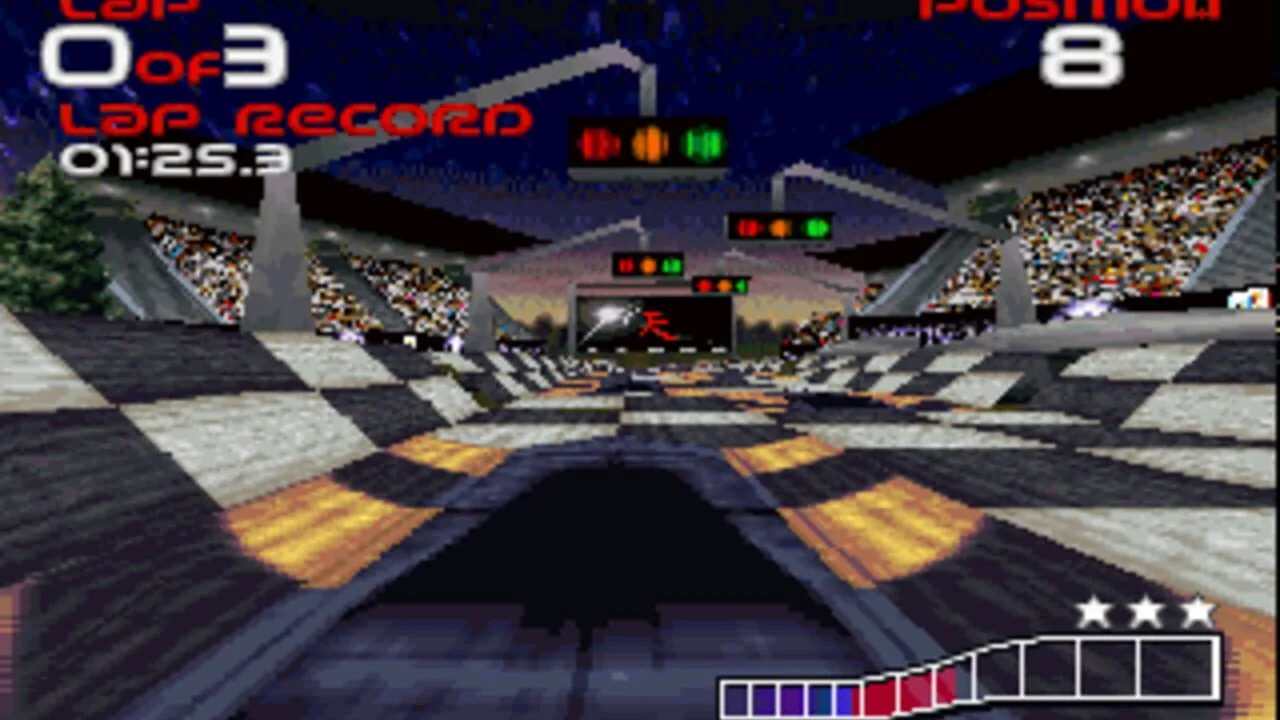
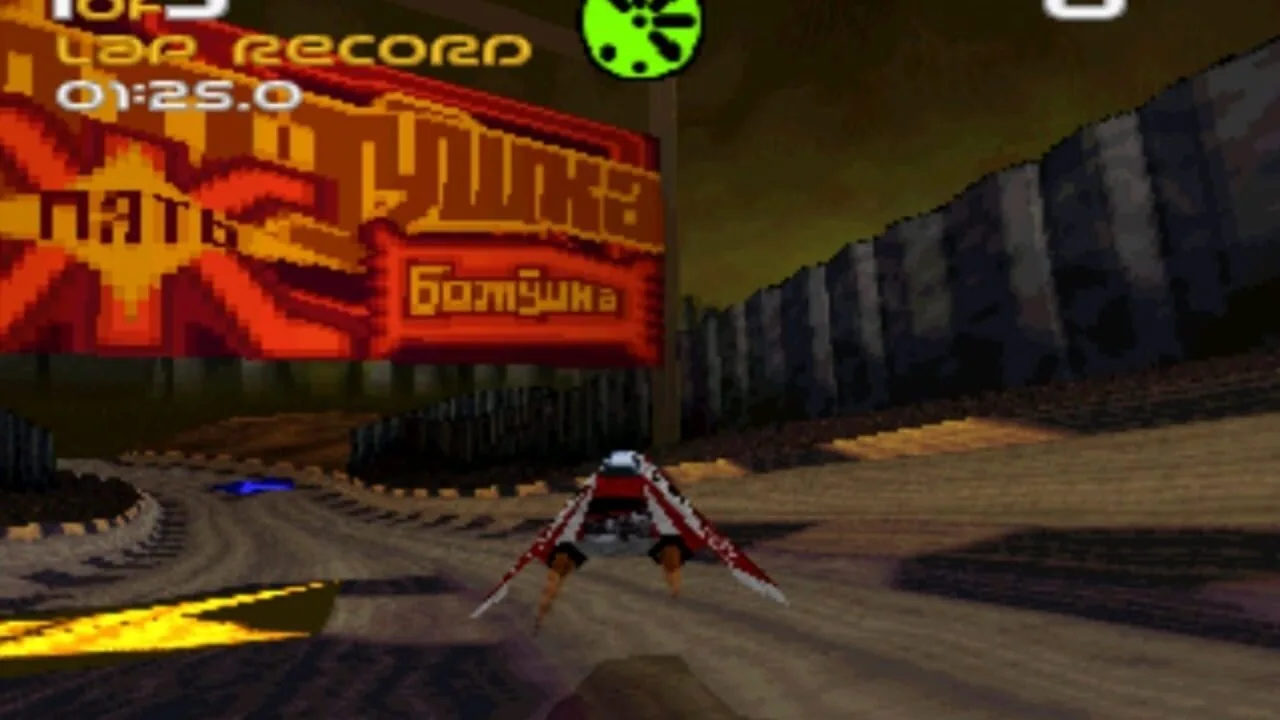
Wipeout drops you into the F3600 anti-gravity racing league of 2052, and it was one of the biggest draws of the PlayStation's Western launch. The design language and the soundtrack set it apart from everything around it, with techno from Orbital and the Chemical Brothers sitting next to tracks by Tim Wright, the composer behind Lemmings.
That music pushed Wipeout to the top of many players' favourite soundtrack lists, and plenty of them never stopped listening once the races were over. Some kept the soundtrack CDs, while others still play it today. Few soundtracks have ever been so tied to the look of a game, and the two still feel like one thing.
14. Resident Evil 2 (1998)
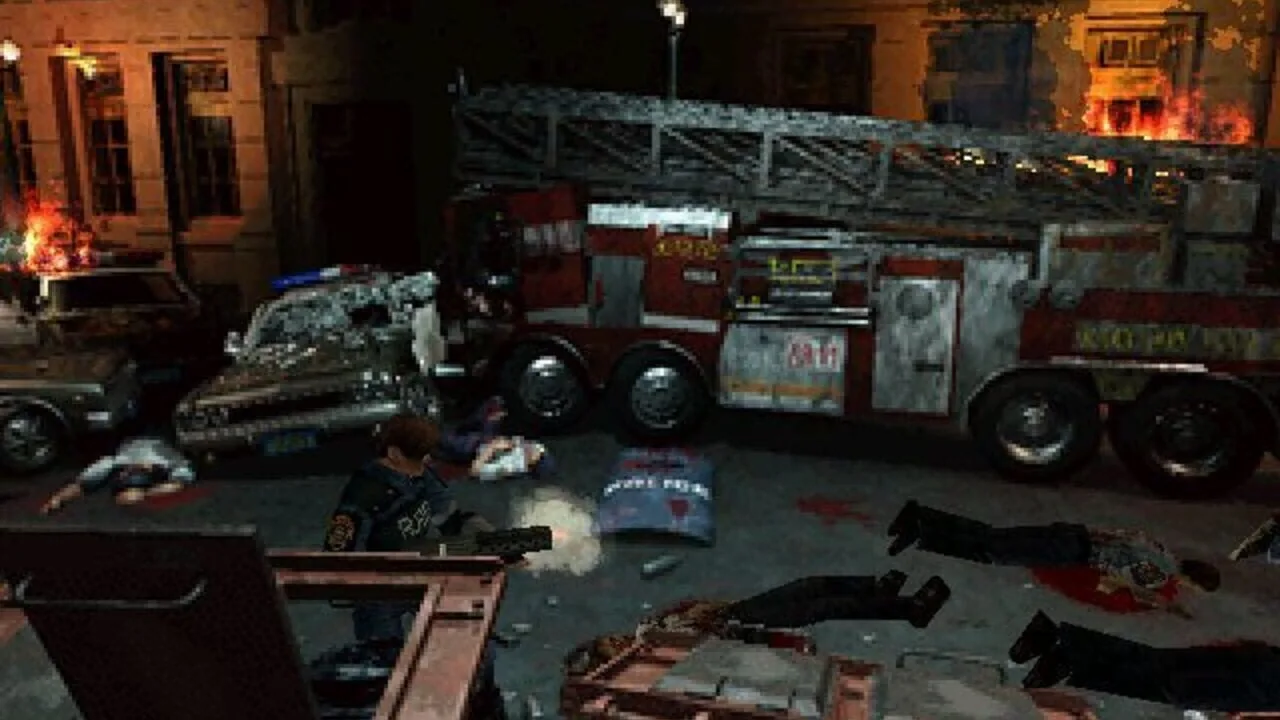
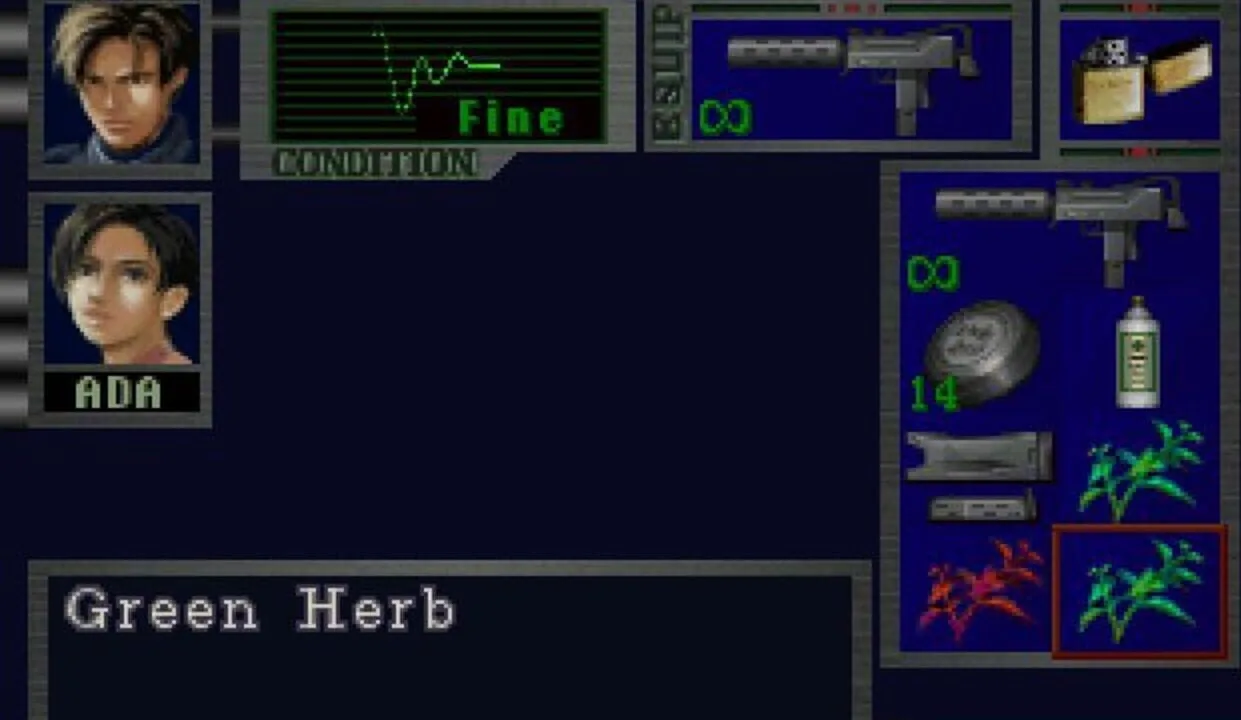
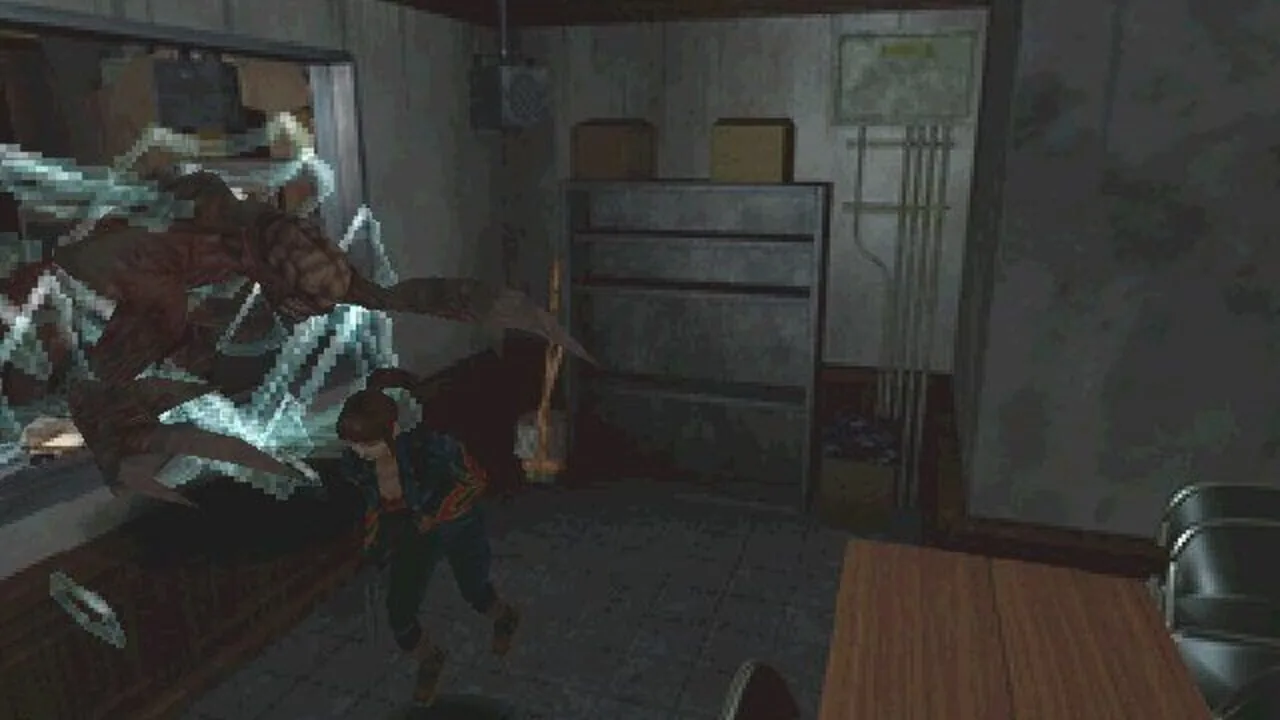
Resident Evil 2 was meant to fit on a single CD. However, a last-minute oversight with the size of the game's audio meant it shipped on two discs, and by then development was too far behind to rewrite the audio code. You pick one of two heroes, and both go through the same opening but find different weapons and meet different people along the way.
The music earns its disc. Players still bring up the save room theme first, a few minutes of calm in a police station full of the dead, and the station's own theme close behind it. Horror scores usually chase dread, but the moments people remember here are the quiet ones.
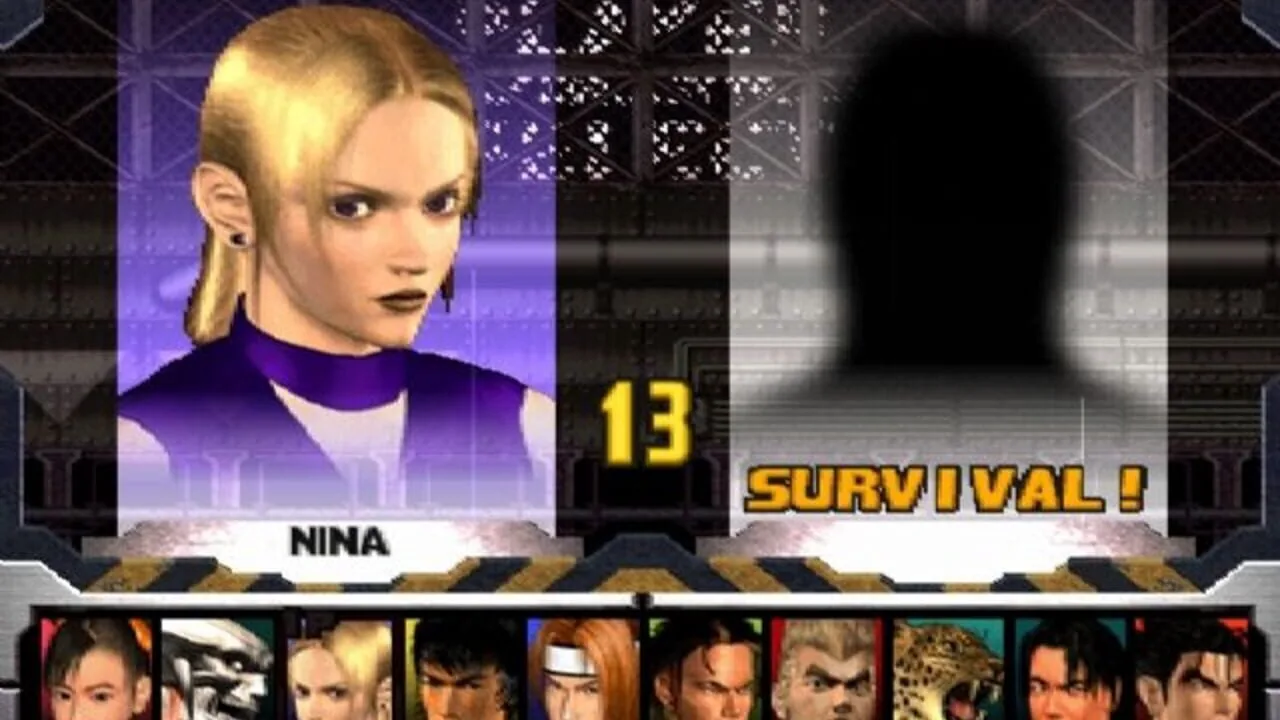
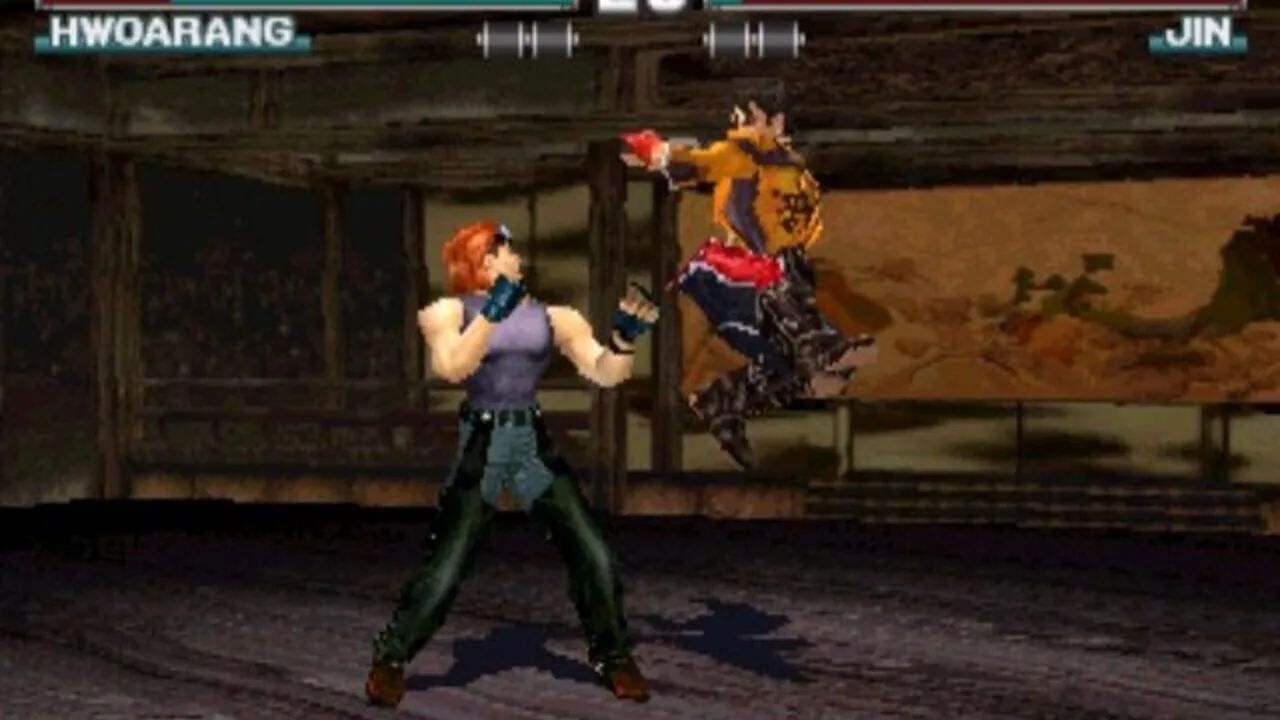
13. Tekken 2 (1996)
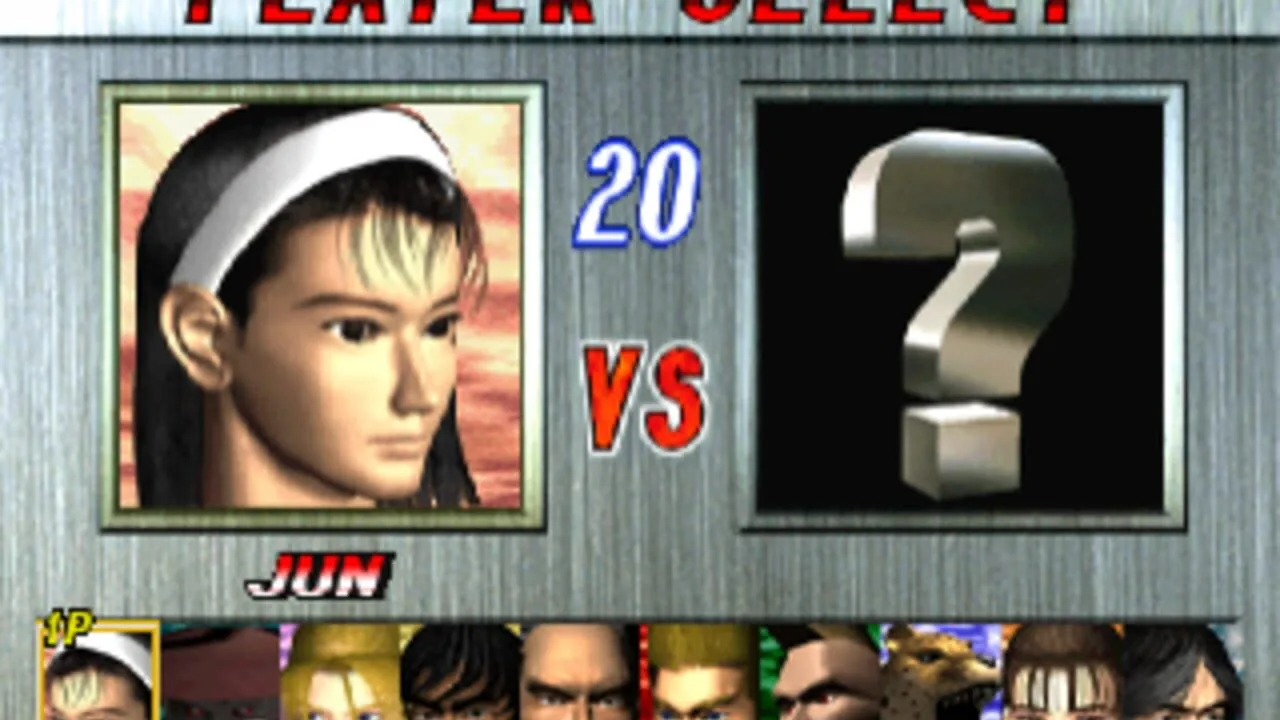
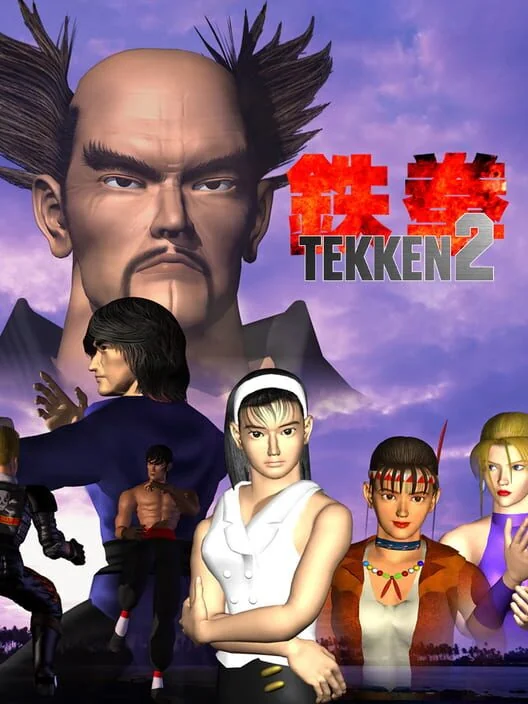
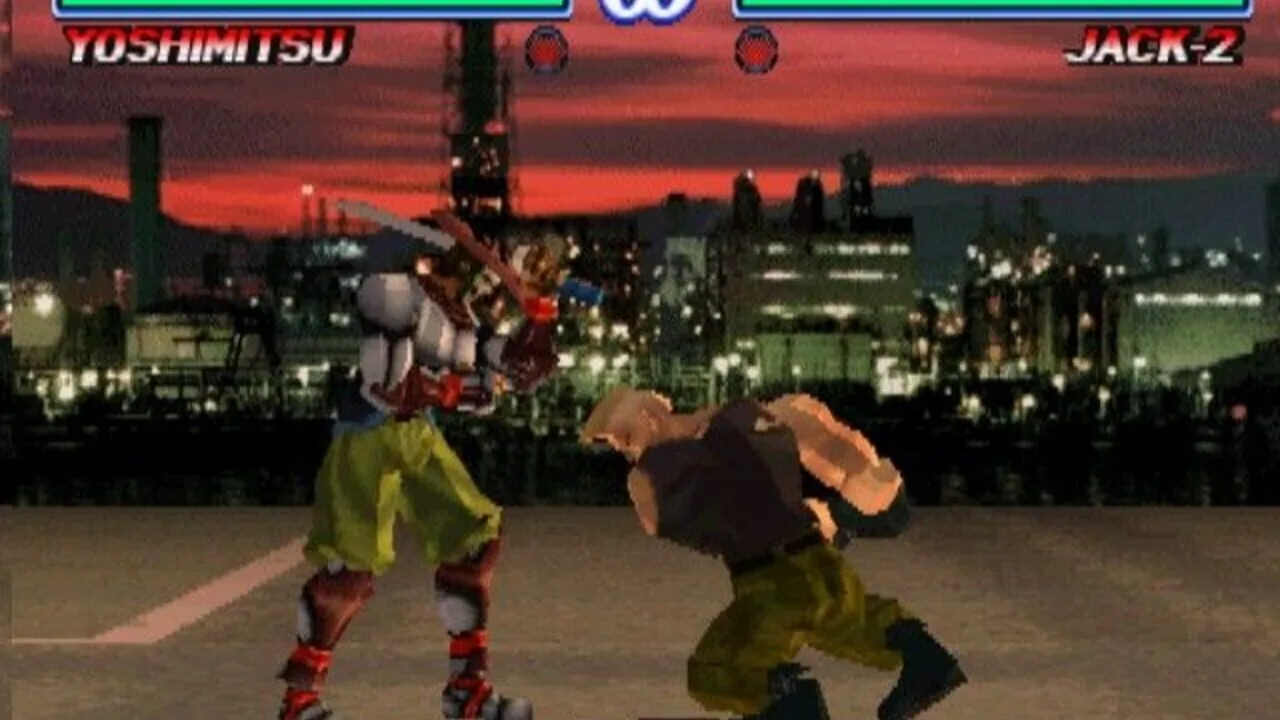
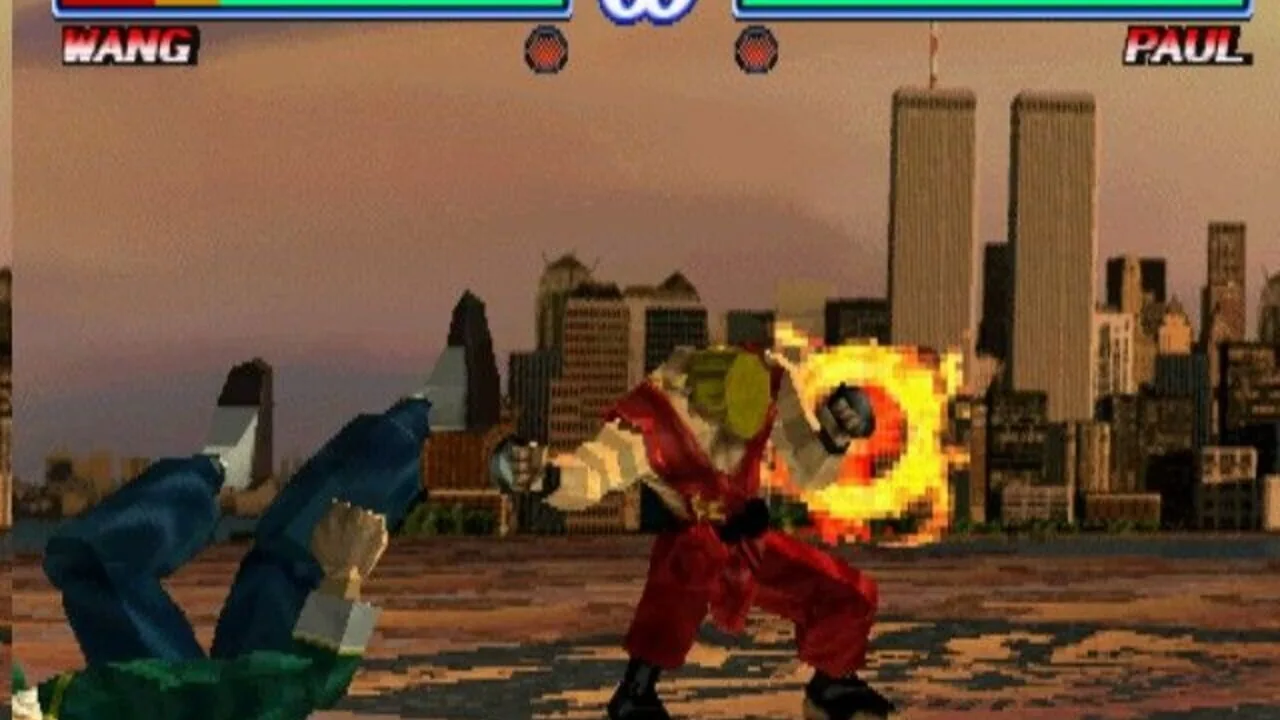
Tekken 2 on the PlayStation adds more content to the arcade game, with new characters and extra modes, and it hides a few jokes for the people paying attention. Kuma's ending parodies Paul Phoenix's ending from the first Tekken, for example, and the name of Heihachi's wife, Kazumi, is carved into the floor of his Pagoda Temple stage long before she ever turns up as a fighter.
For players, though, it starts and ends with the intro theme. Ask about Tekken 2's music and that opening is the track they name, often before anything else in the game. It is short and punchy, and it has been stuck in heads ever since.
12. Resident Evil (1996)
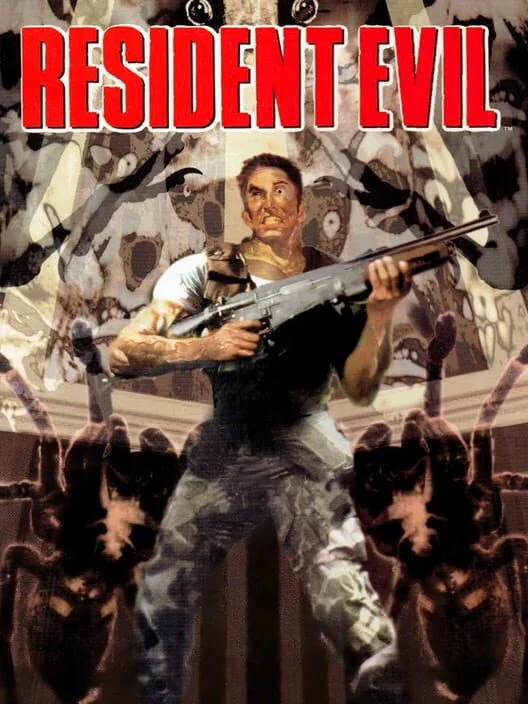
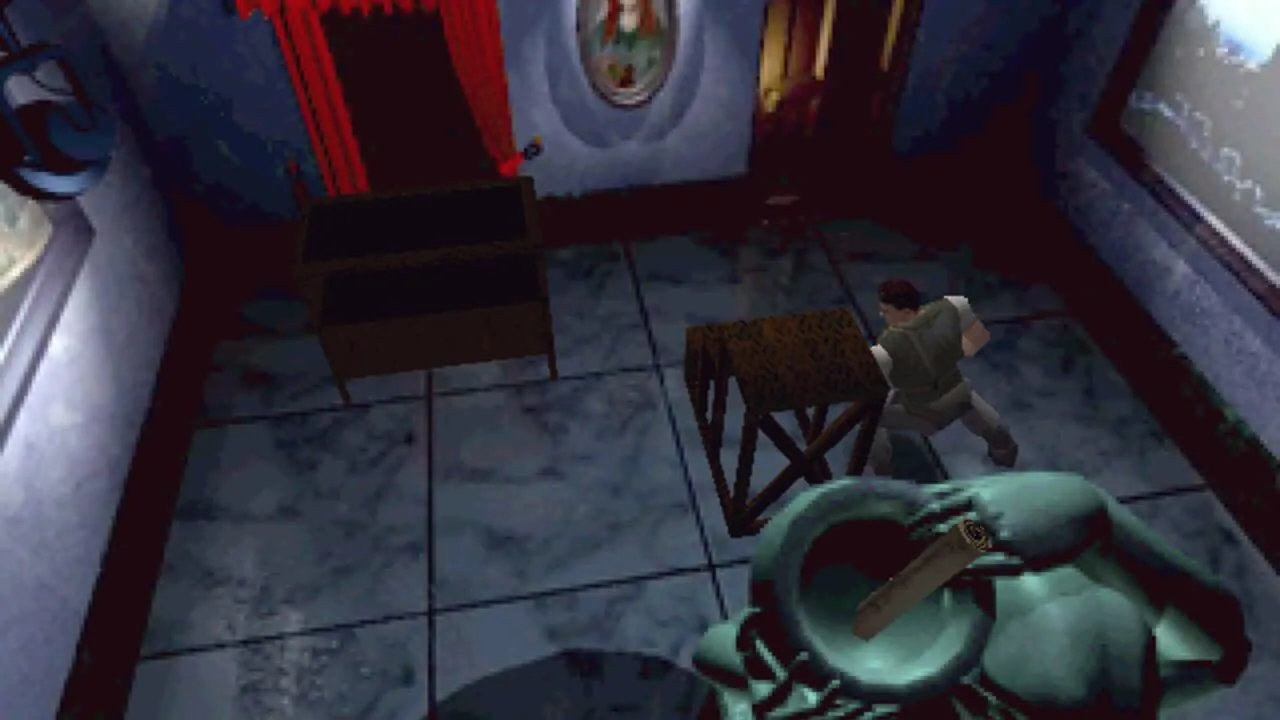
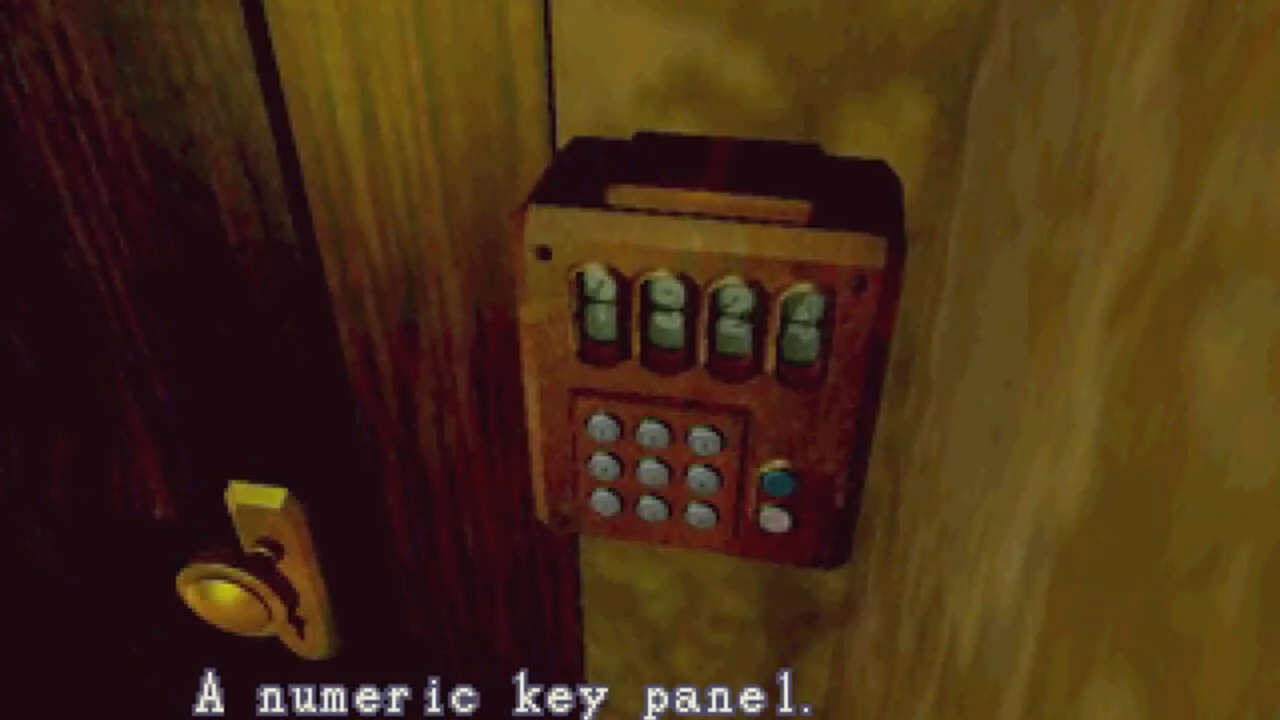
Resident Evil is the game credited with coining the phrase survival horror, and it sends the S.T.A.R.S. team into a mansion full of zombies and worse. The international version is harder than the Japanese one, too: auto-aim is switched off, and each ink ribbon gives you 3 saves instead of 6, apparently so renters would have less chance of beating it.
The music does a lot of the scaring. Players credit it with setting the whole atmosphere, and they keep coming back to the save room theme as the one tender moment in the mansion. Collectors rate the album 4.83 out of 5 across 41 ratings, among the best scores in this top 20. A handful of slow piano notes, and you know you are safe for a minute.
11. R4: Ridge Racer Type 4 (1998)
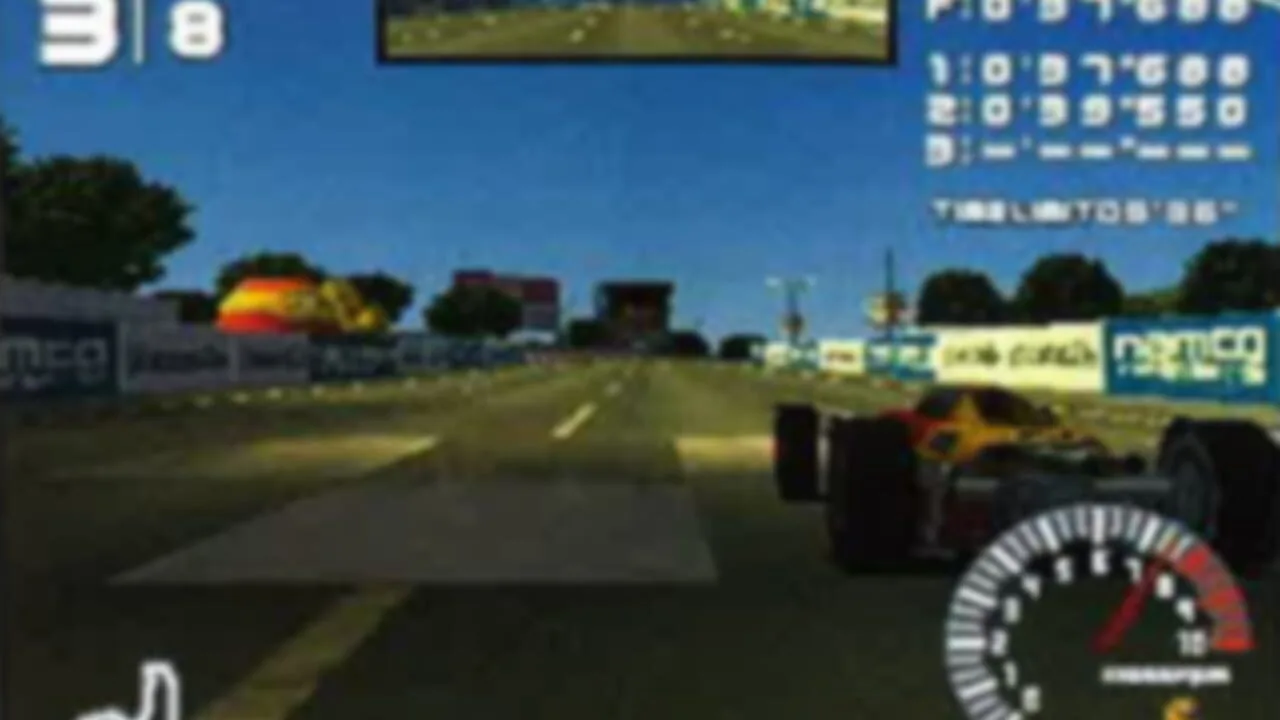
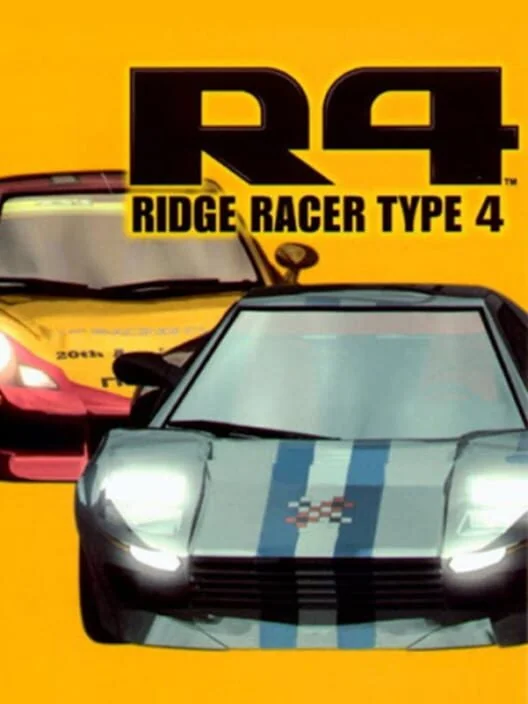
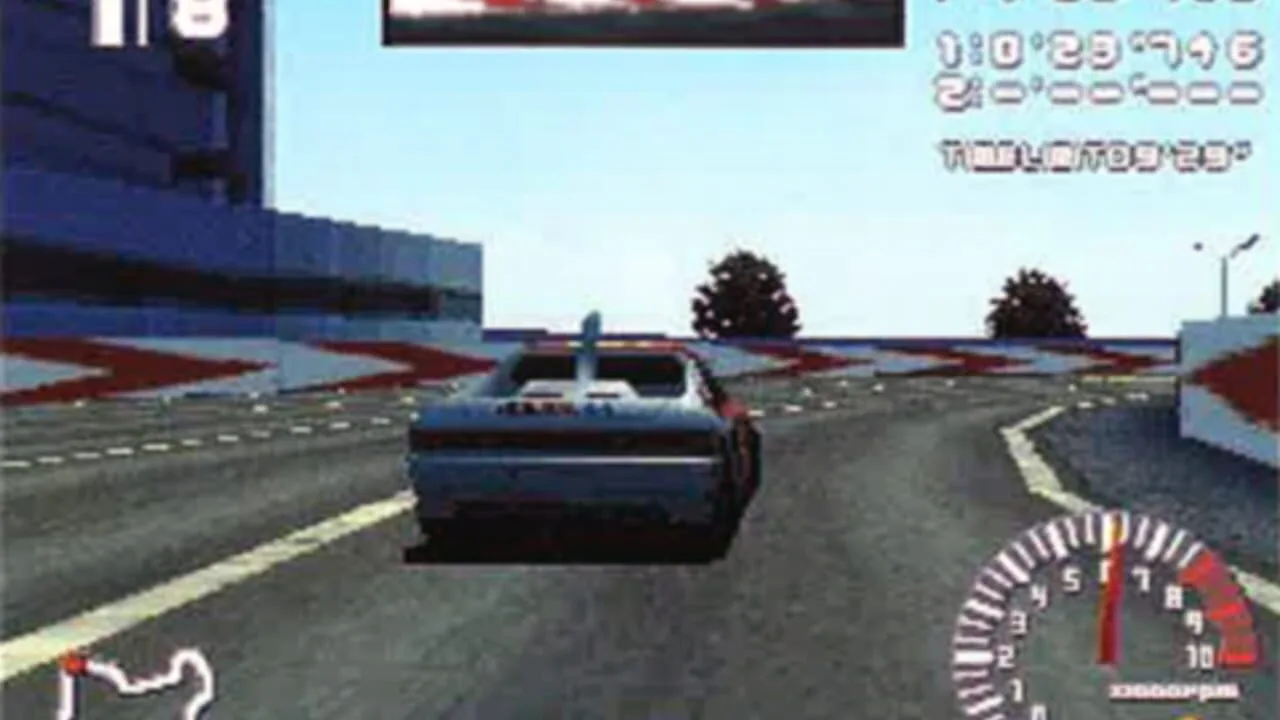
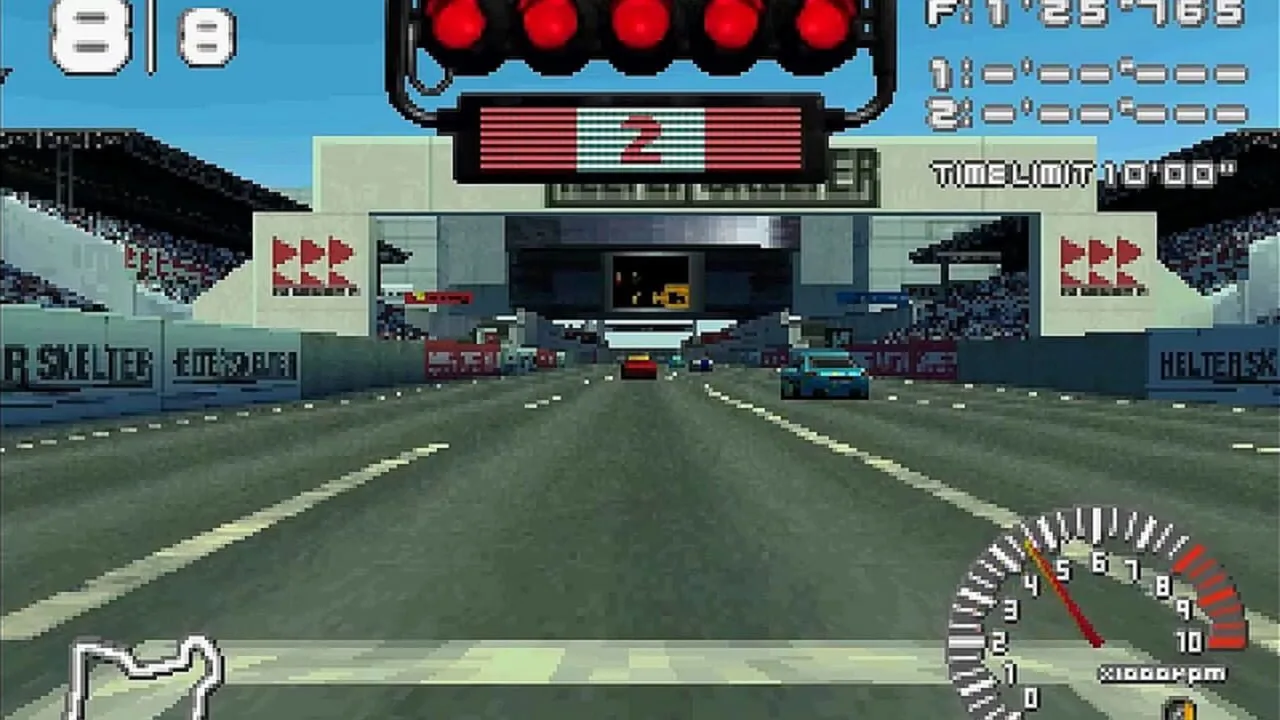
R4: Ridge Racer Type 4 is the fourth game in the series, with eight tracks, 16 layouts once you count the reverse versions, and 321 cars, all of them fictional. It runs at a frame rate locked solidly on 30 frames per second, and Namco even built a special controller for it, the JogCon, with a wheel-like spindle in the middle.
The soundtrack is why it sits this high. Players call it bangers from start to finish, and more than a few still drive to it in real cars. Collectors rate the album 4.85 out of 5 across 41 ratings. If you like your racing games with a club night playing in the background, start here.
10. Ape Escape (1999)
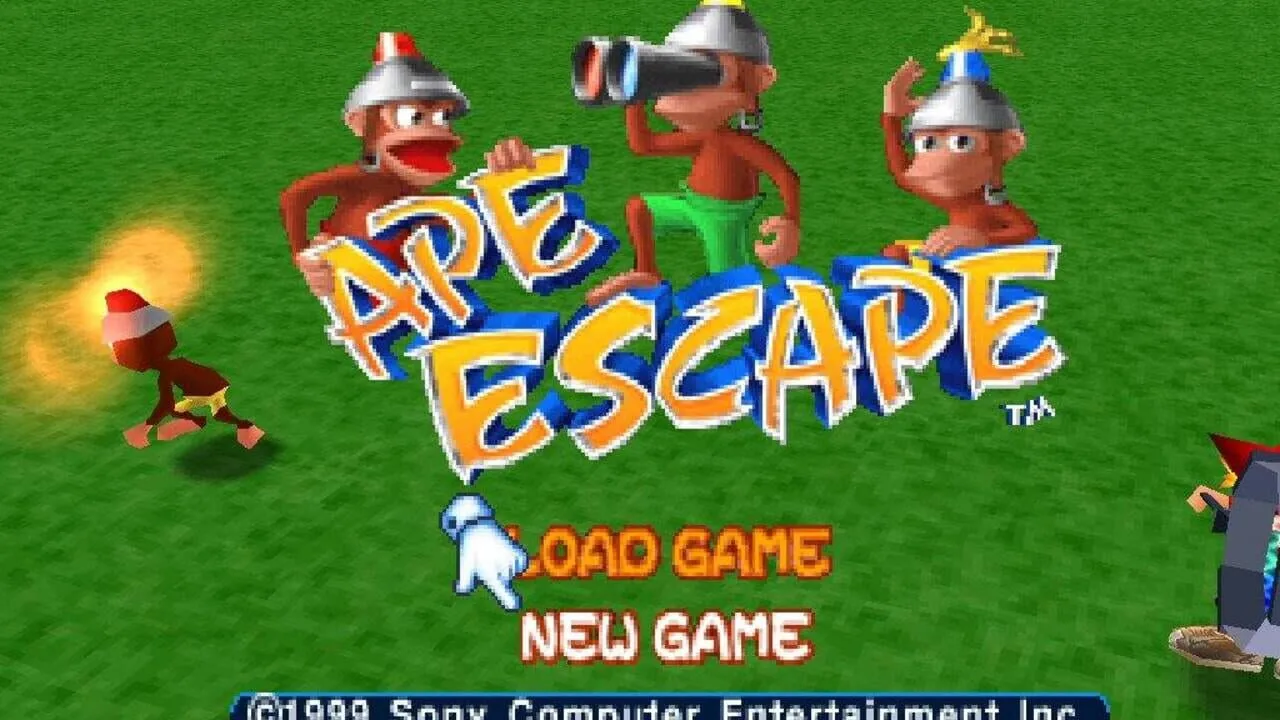
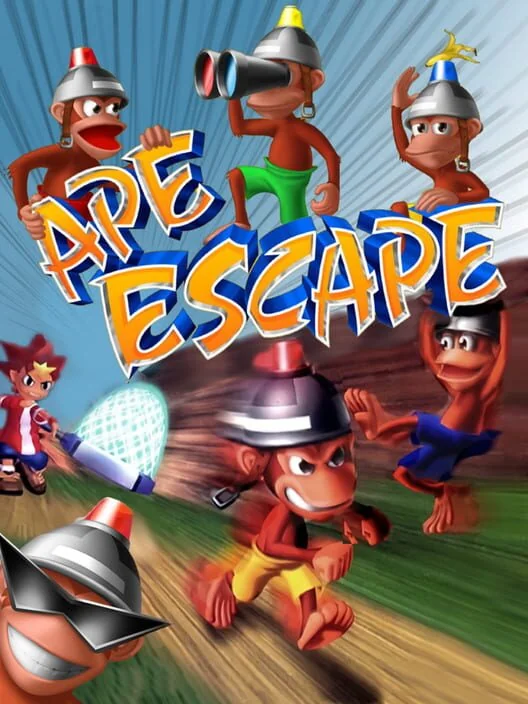
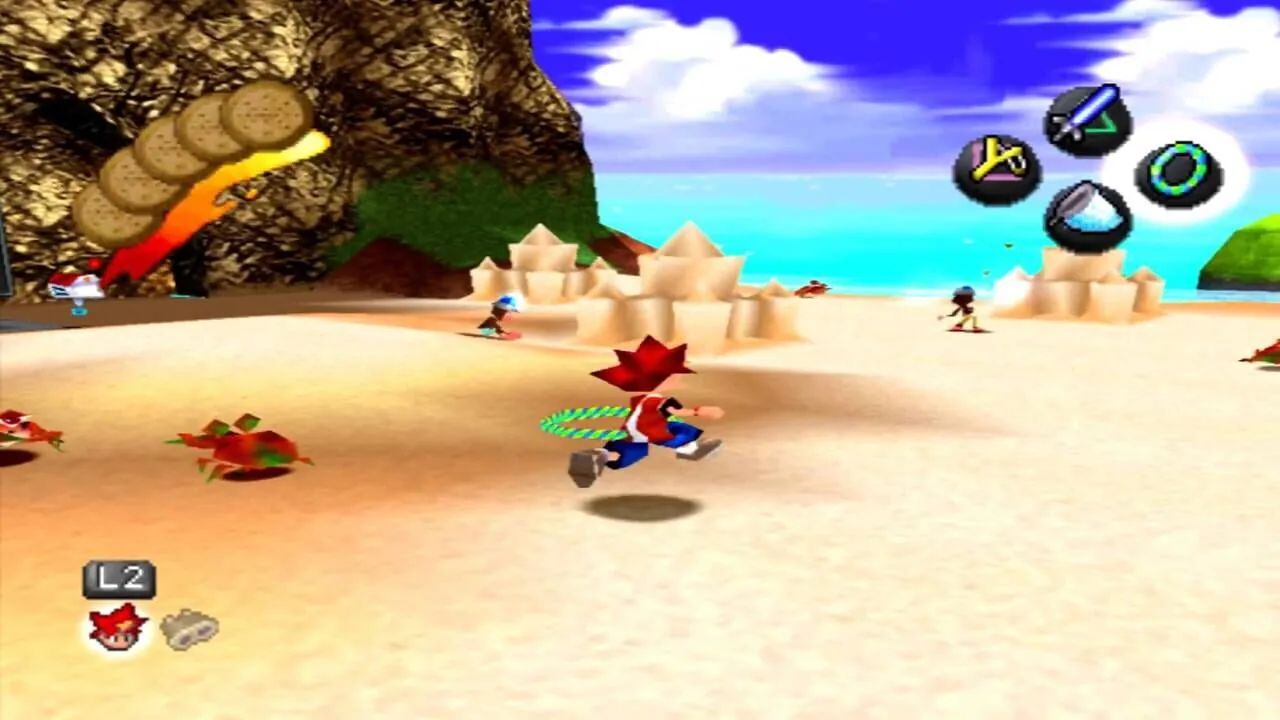
Ape Escape was the first PlayStation game that required a Dual Analog controller. The left stick handles precise movement and the right one works your gadgets, which made it the game that taught a lot of people what the second stick was for. It also names four monkeys in the Dark Ruins Kyle, Stan, Kenny and "Cratman", and nobody knows why Cartman got misspelled.
Soichi Terada's score is the other reason people remember it. Players describe it as drum and bass at its best, and some admit to spending hours in the levels just listening to the music. A monkey-catching game with a score this good is a very PS1 thing to have.
9. Wipeout 2097
Wipeout 2097, released as Wipeout XL in the US, arrived a year after the original with new tracks and new ships. It is also a bit easier for beginners to pick up. There is still no split-screen multiplayer, but you can link two PlayStations together for networked races.
The soundtrack is the headline. Players name The Prodigy's Firestarter before anything else, and for some of them this disc was their introduction to The Prodigy and the Chemical Brothers. Its album has also been pressed in more official editions than any other score on this list: 21 of them. If the first game got you in the door, this is the one that made it a favourite for music fans.
8. Tekken 3 (1998)
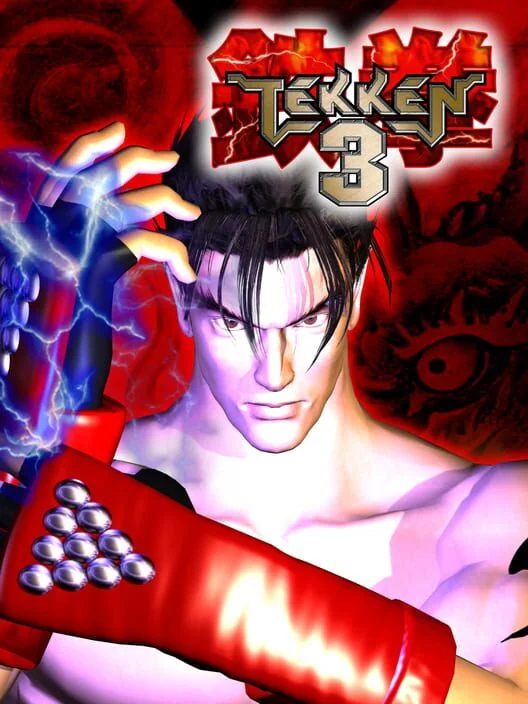
Tekken 3 lost some background detail and frames of animation on its way from the arcade. Even so, the PlayStation version adds Tekken Force and Tekken Ball on top of the older modes, and with everything unlocked the roster holds 23 characters. Three out of four reviewers at Electronic Gaming Monthly gave it a 10 out of 10, and the last one gave it a 9.
There is also a character who never made it: a secret fighter called SAKE, who was actually a salmon and simply flopped around whether you punched or kicked. (A salmon. In a fighting game. I would have mained him.) Players, meanwhile, remember the intro and the character themes, and a big roster means a lot of themes to remember.
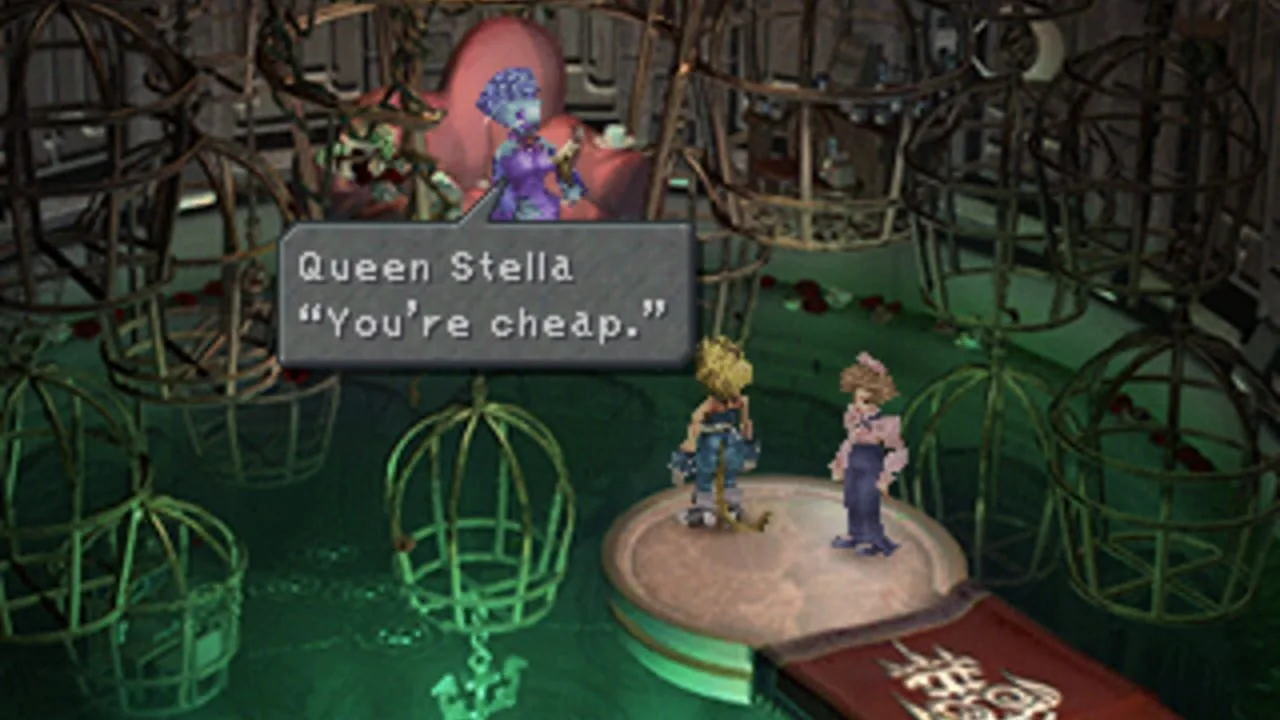
7. Final Fantasy IX (2000)
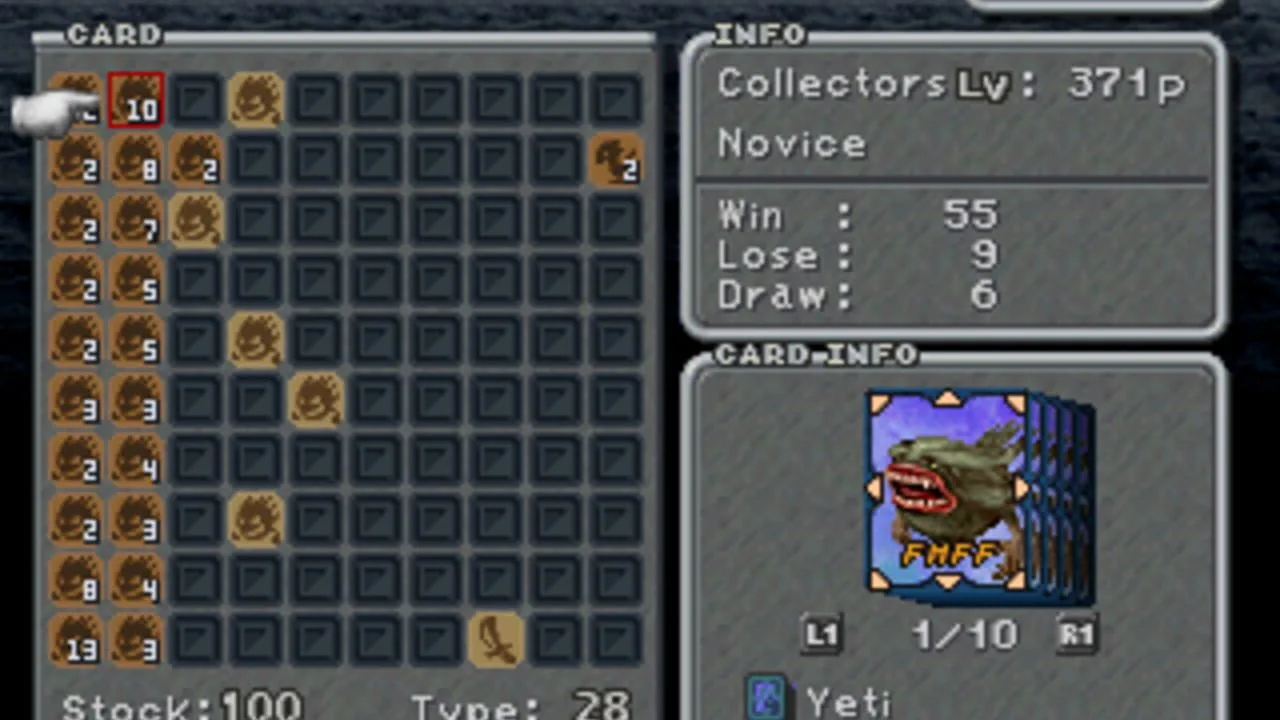
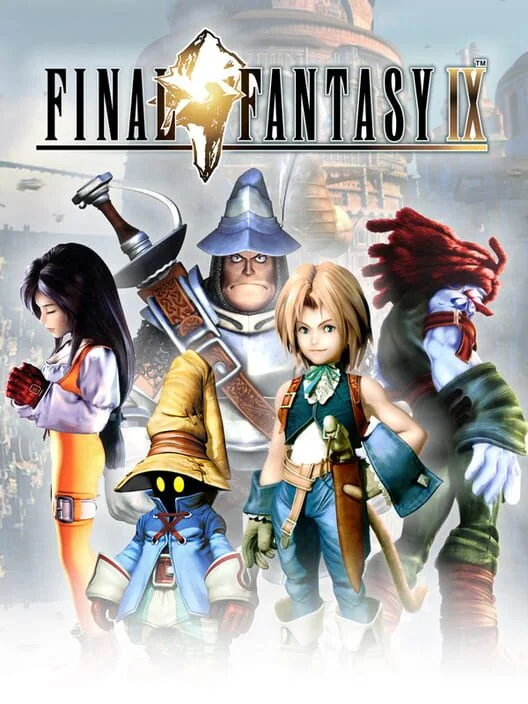
Final Fantasy IX is a return to the series' roots, with a medieval fantasy setting and a cartoonish art style after the sci-fi slant of VII and VIII. It plays with its own music history, too. In the Evil Forest, an Active Time Event shows the Tantalus troupe's orchestra playing to boost morale, and the song they play is Rufus's Welcoming Ceremony from Final Fantasy VII.
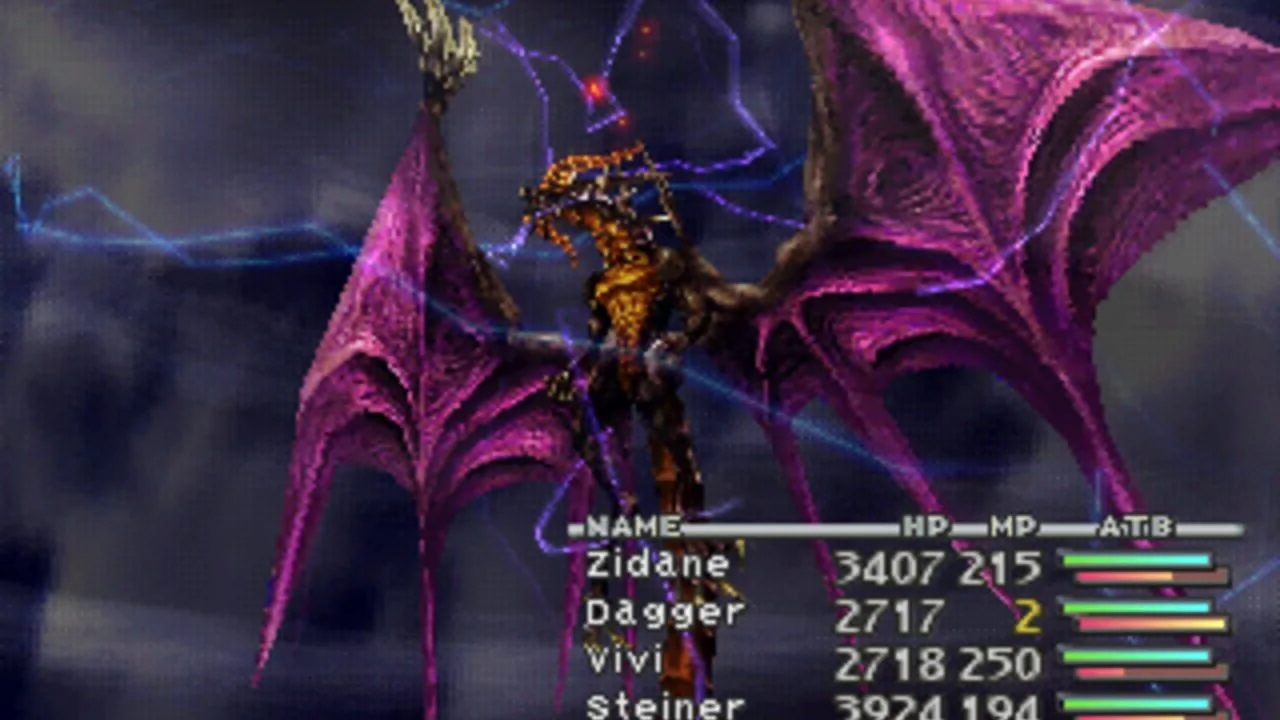
It sold 5.08 million copies, and for a good number of players it is simply the one, no debate required. The development team changed the ending seven times before settling on one. The score is warm and gentle, and Melodies of Life is the track to start with if you want to hear why.
6. Silent Hill (1999)
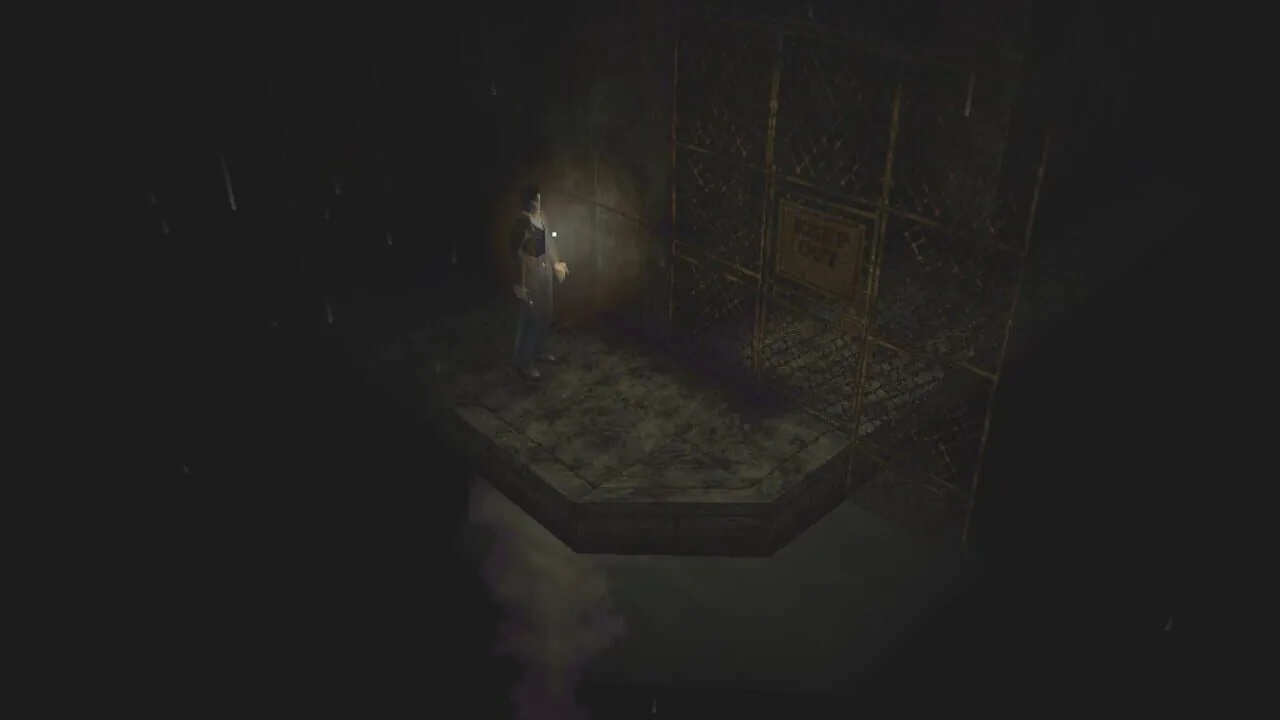
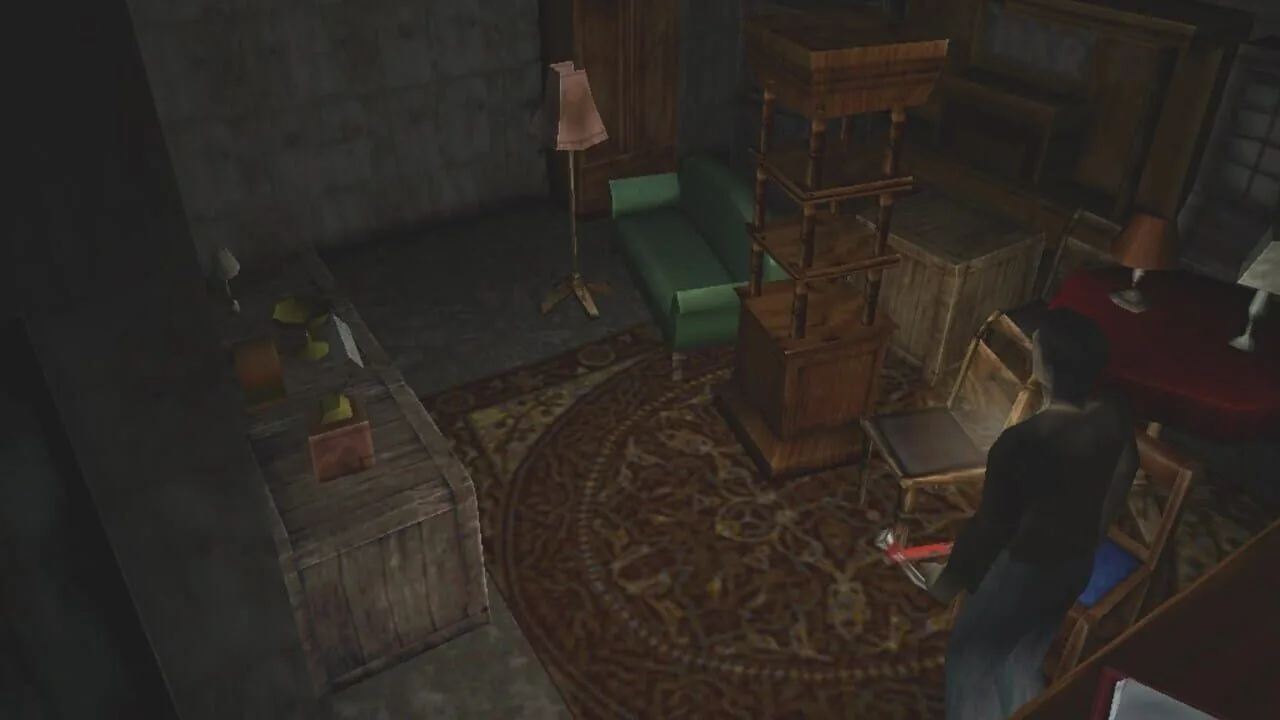
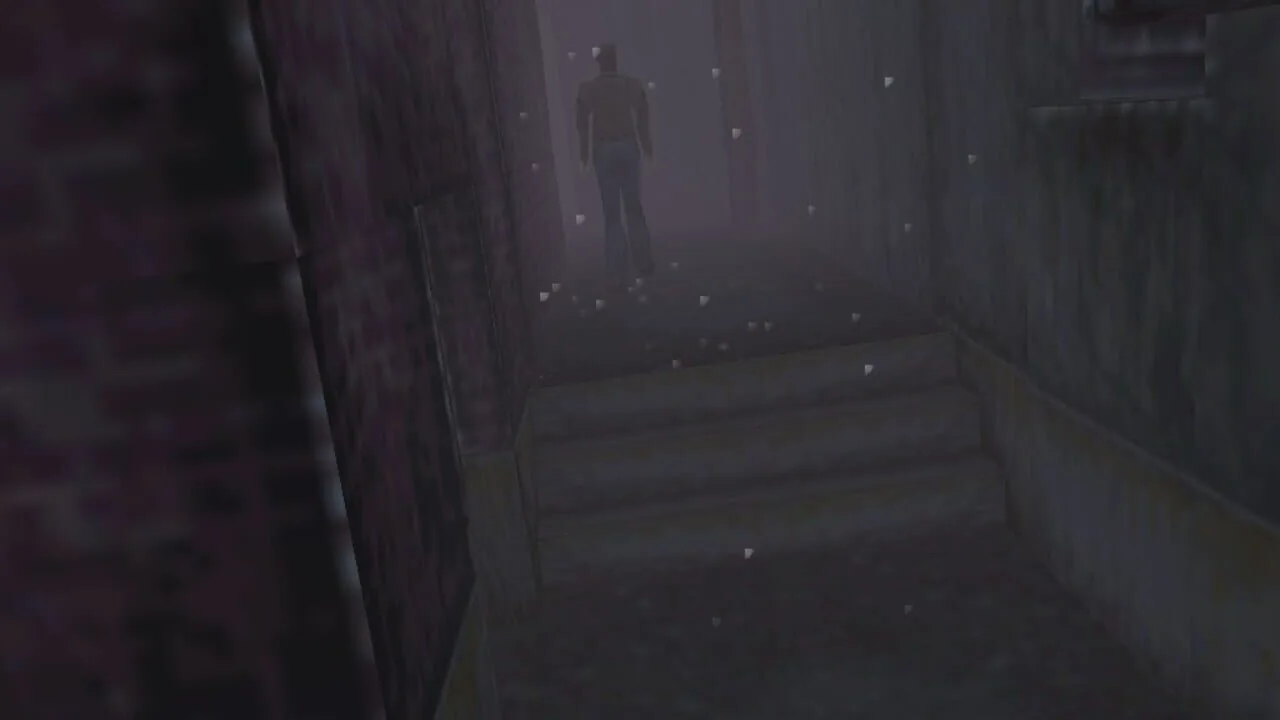
Akira Yamaoka's score has a very industrial feeling, with many tracks echoing through damp, rusted corridors. Silent Hill uses sound as a weapon in general, and the radio that crackles when monsters are near tells you that you are not alone well before your eyes can. The famous fog was partly practical, as the PlayStation lacked the power for an open-world map and the fog let the game load objects as you approached them.
The intro track is the one players love most. It leans on an old instrument with a creepy, Eastern European feel and bass riffs in the style of Twin Peaks. Collectors love the album even more than players do: 5,433 of them own it and 5,453 want it, the biggest numbers on this list, which is how Silent Hill climbs to sixth.
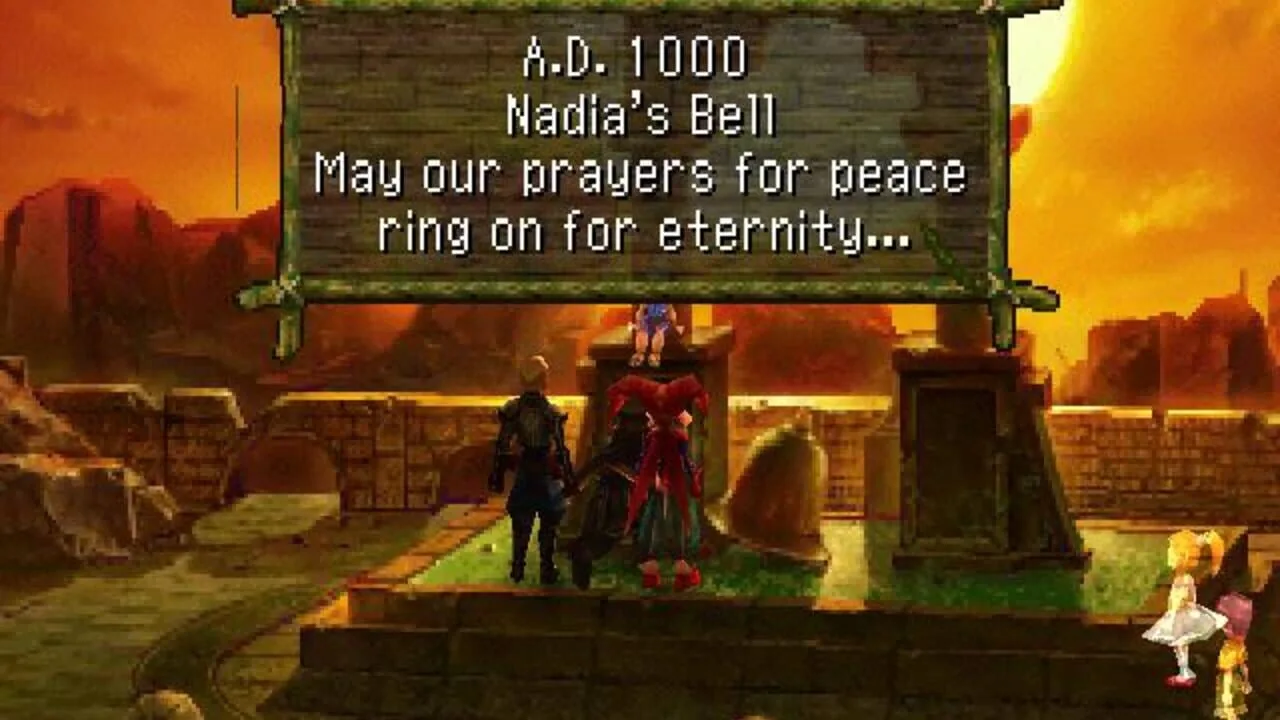
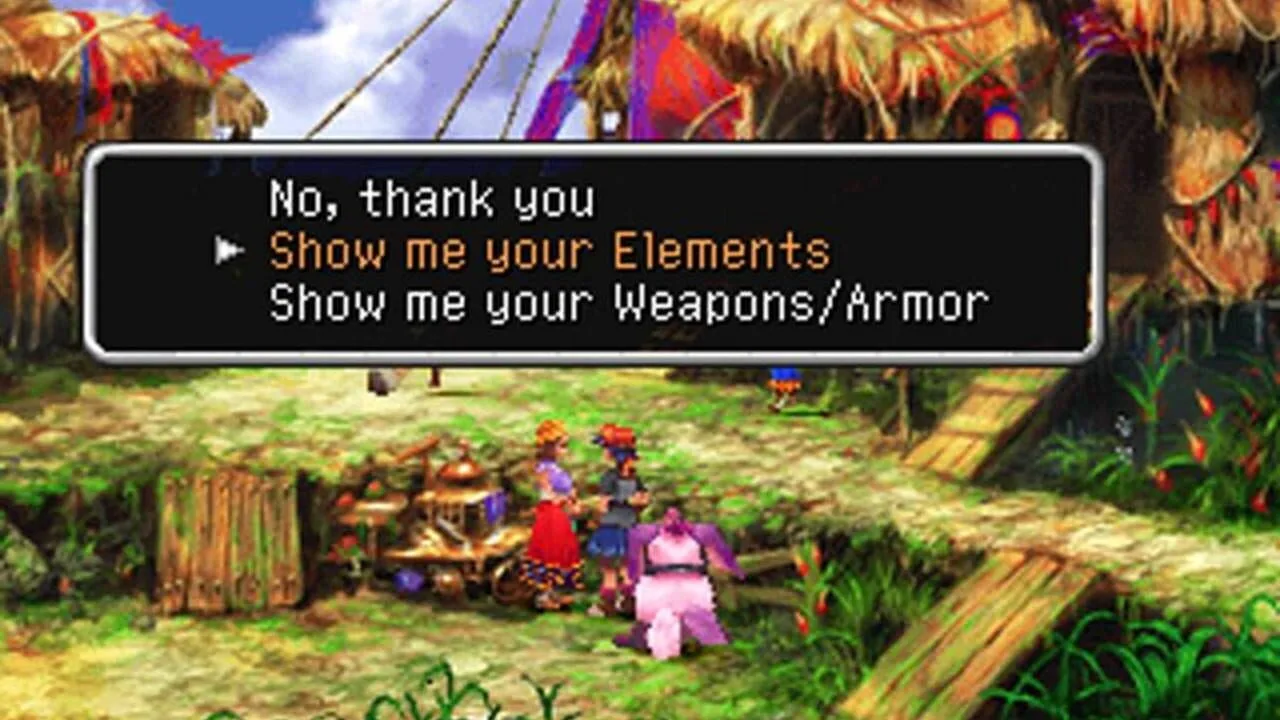
5. Chrono Cross (1999)
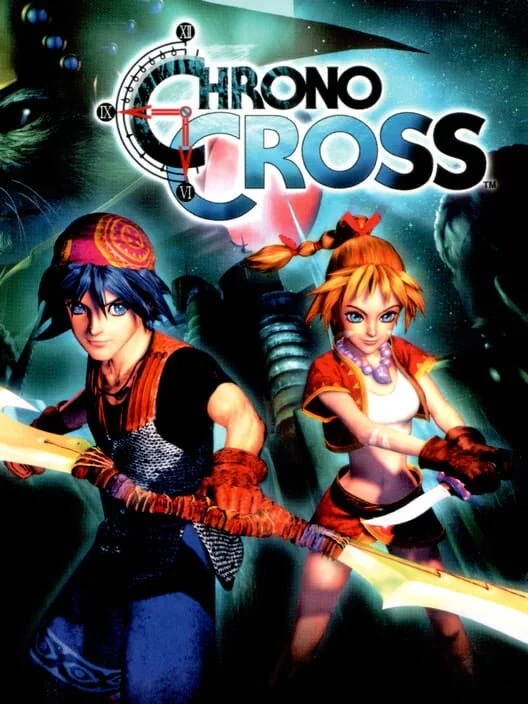
Chrono Cross is the sequel to the Super Nintendo's Chrono Trigger, and its hero, Serge, wakes up in an alternate world where he died more than ten years earlier. The stories are not directly connected, though, so you can play it first without feeling lost. It has over 40 playable characters, including a rock star named Nikki after Nikki Sixx of Mötley Crüe.
Yasunori Mitsuda's score is the main event. Players single out the opening, Time's Scar, along with Radical Dreamers, and a surprising number of them bought the soundtrack on CD years ago. Meanwhile, the Arni Village themes are a byword for calm, the kind of peaceful music his later scores get compared to. That leaves the game with an awkward truth: out of 40-odd party members, the best one is the soundtrack.
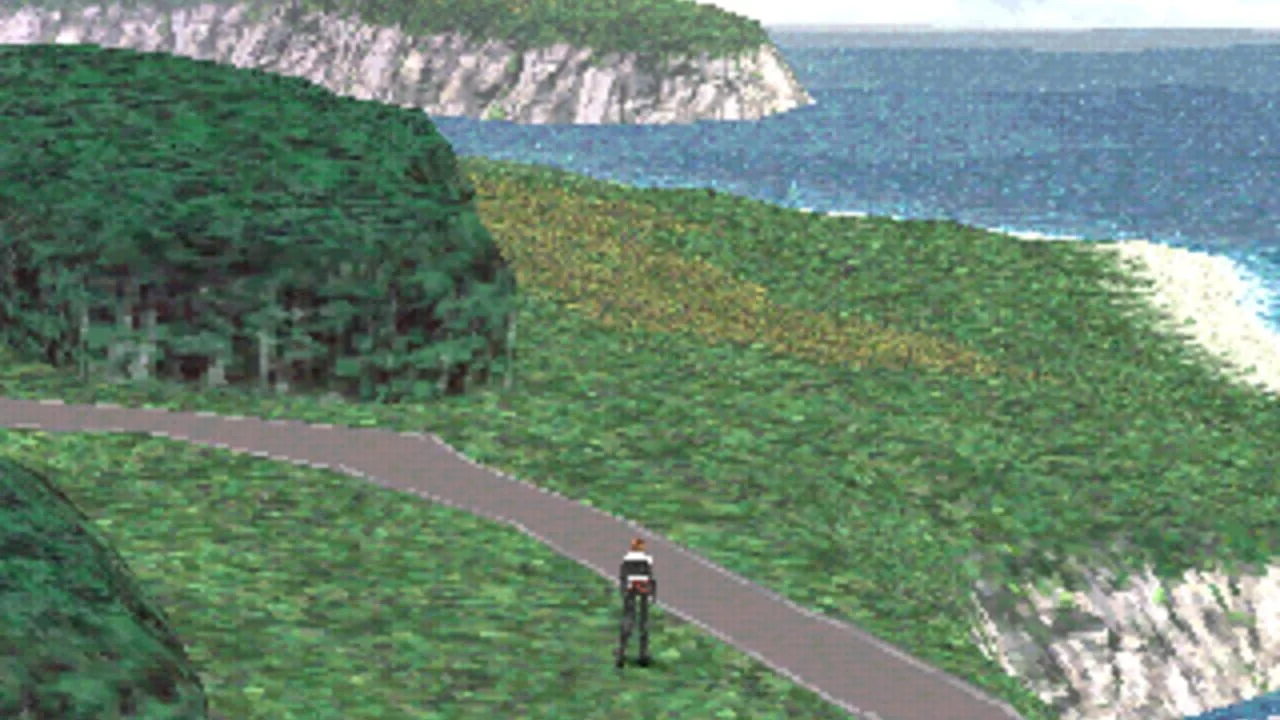
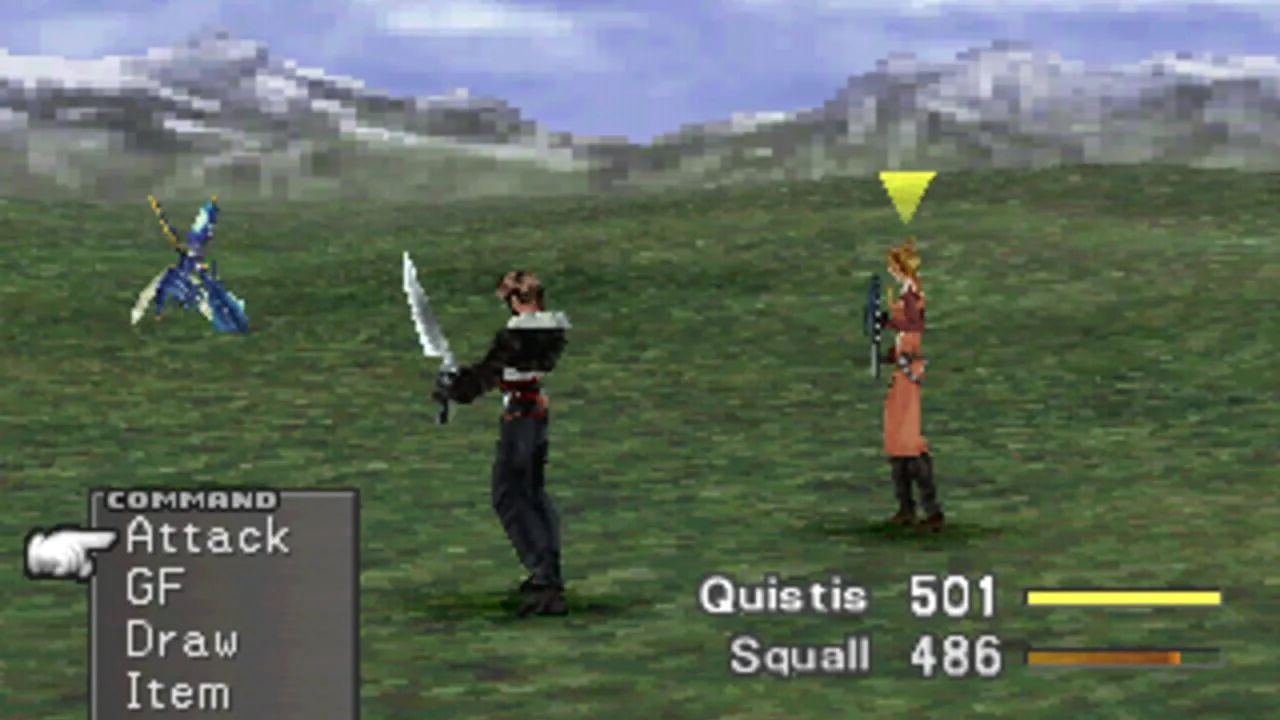
4. Final Fantasy VIII (1999)
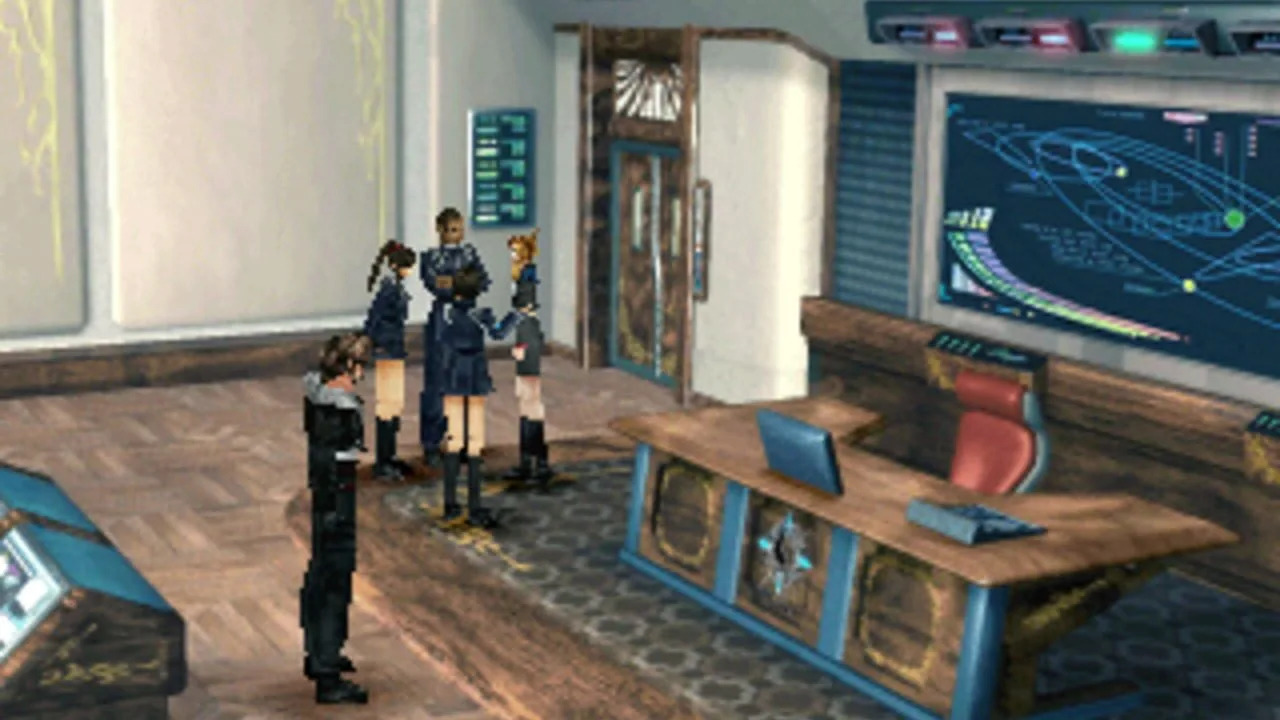
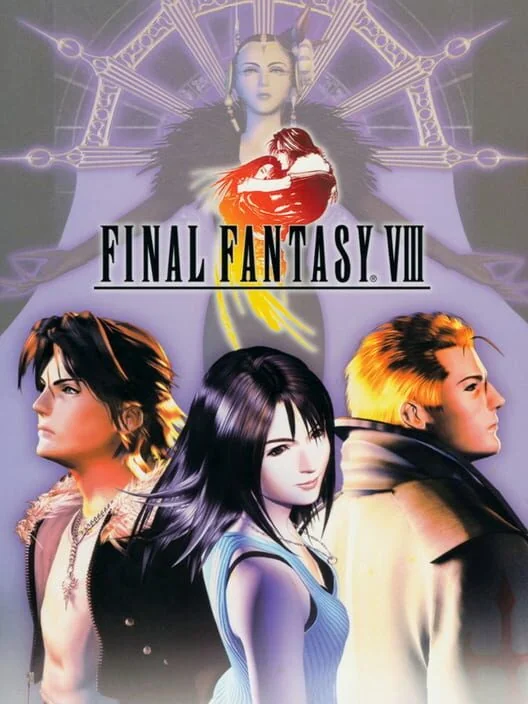
Final Fantasy VIII was the first game in the series to feature a vocal piece as its theme music, and its track names hide a few secrets. The opening, Liberi Fatali, roughly translates to Fated Children in Latin, while Fithos Lusec Wecos Vinosec is an anagram of Succession of Witches. At the 2004 Summer Olympics, the American synchronized swimming pair of Alison Bartosik and Anna Kozlova performed to both of them and won bronze.
Many people hate the game itself, but the music gets a pass. Players still name its tracks one by one, from Blue Fields to Balamb Garden. One track, Raid on Dollet, was used in the demo but never made it into the finished game. Even people who bounced off the story tend to end up with Liberi Fatali stuck in their head.
3. Metal Gear Solid (1998)
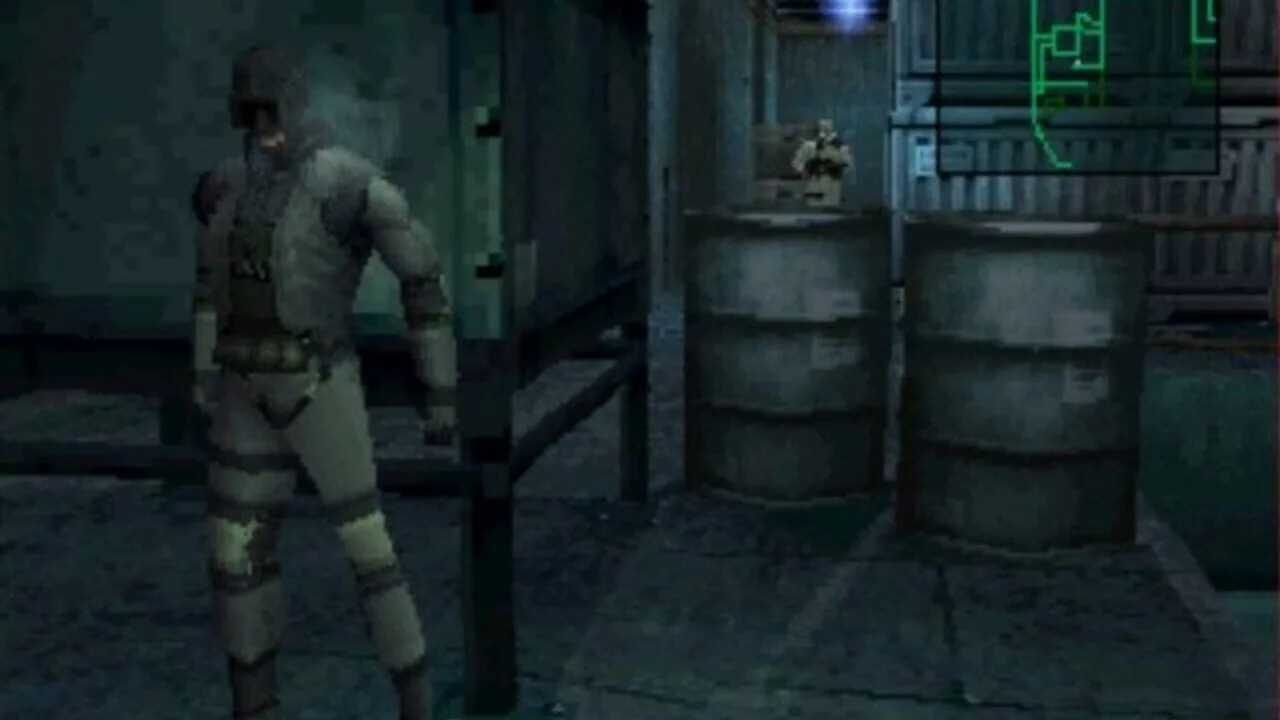
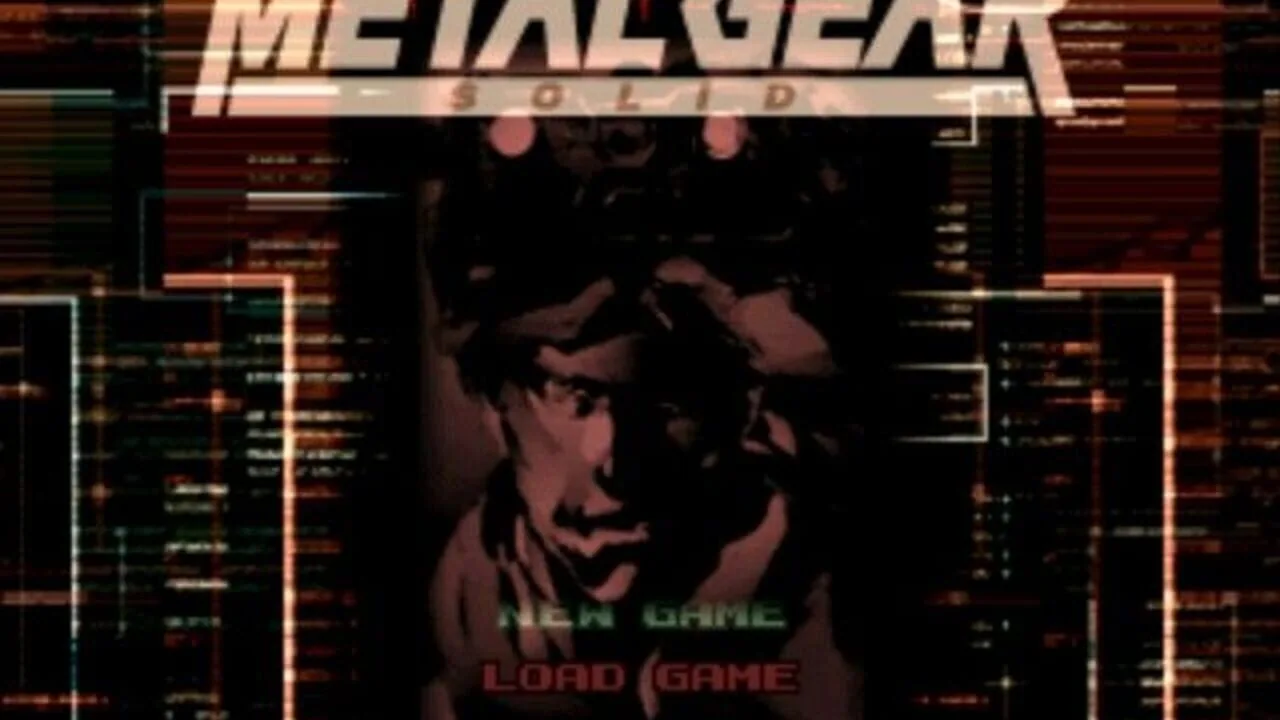
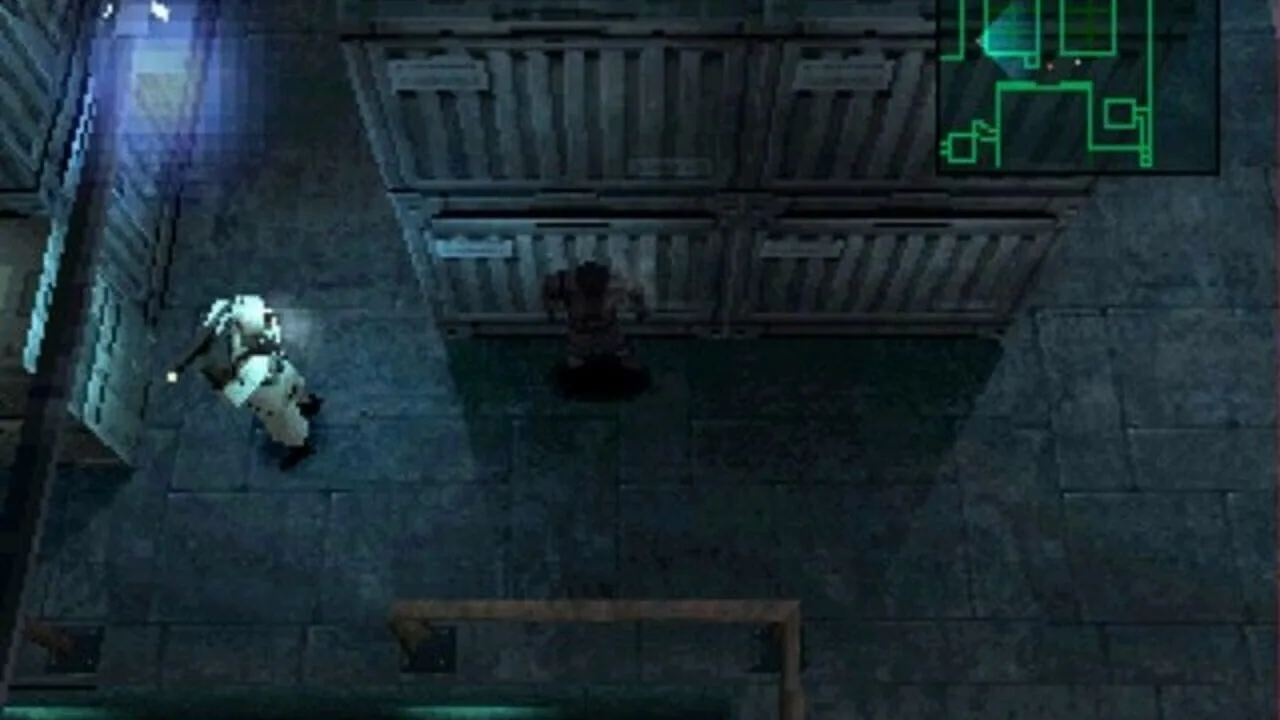
The music starts before the game does. The short track over the Konami logos is an extract of End of the Dark from Kojima's earlier Policenauts, and players still name that boot-up jingle and the menu music as the sounds that take them straight back. The main theme, composed by Tappi Iwase, is a big, rousing piece, while the rest of the score stays tense to suit the sneaking.
That main theme has a complicated history, however. It sounds a lot like Winter Road by the Russian composer Georgy Sviridov, and the series swapped it for a new theme starting with Metal Gear Solid 3. The end theme, The Best Is Yet To Come, written by Rika Muranaka and performed by the Irish singer Aoife Ni Fhearraigh, offers a gentler contrast. Few games of the time had such a clear musical identity.
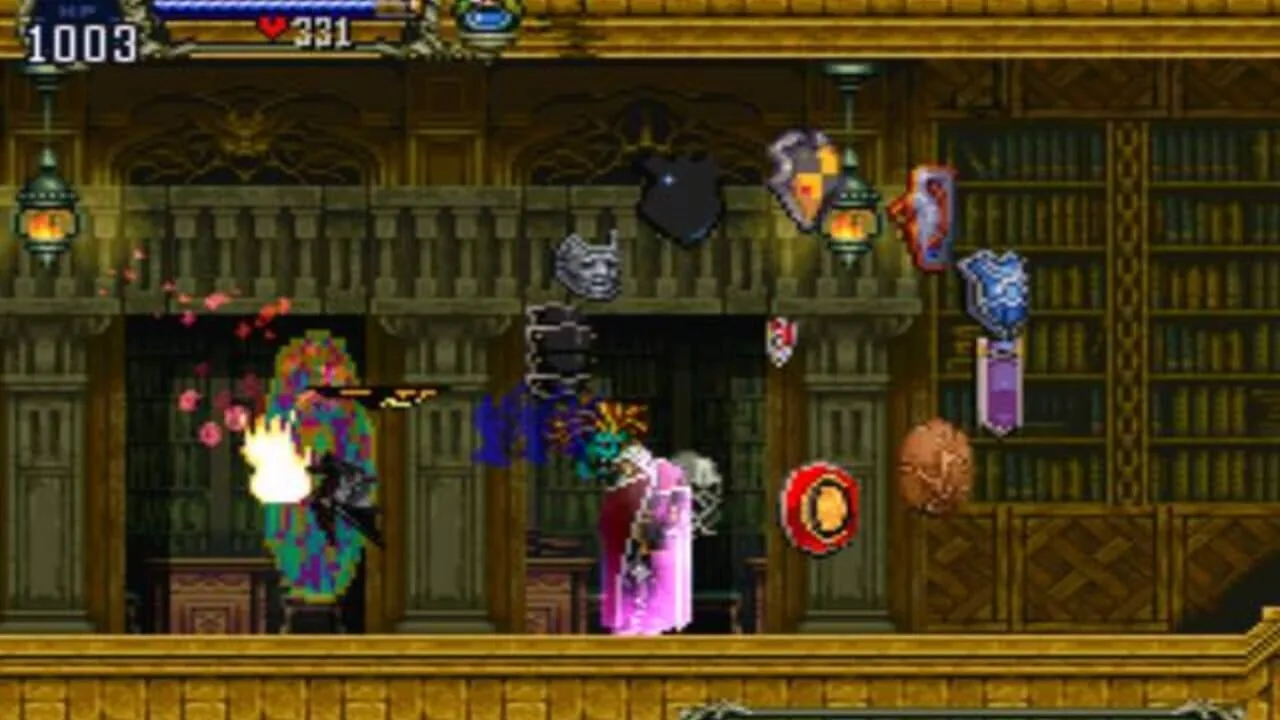
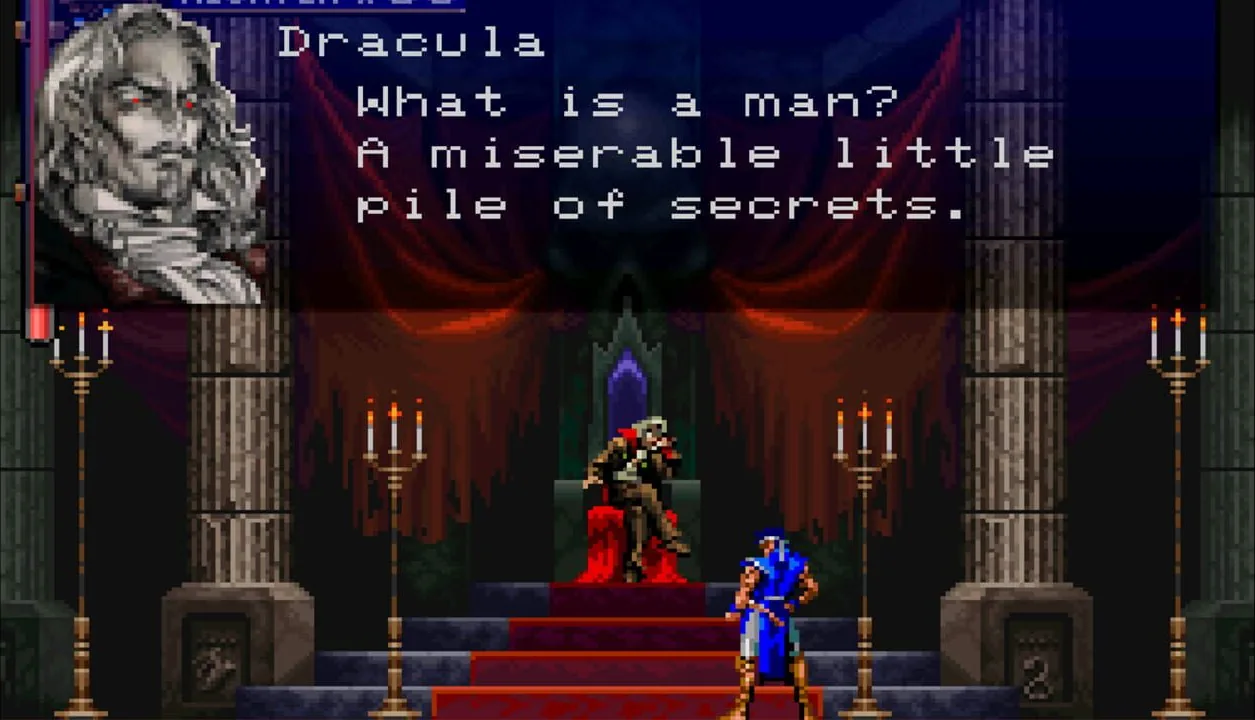
2. Castlevania: Symphony of the Night (1997)
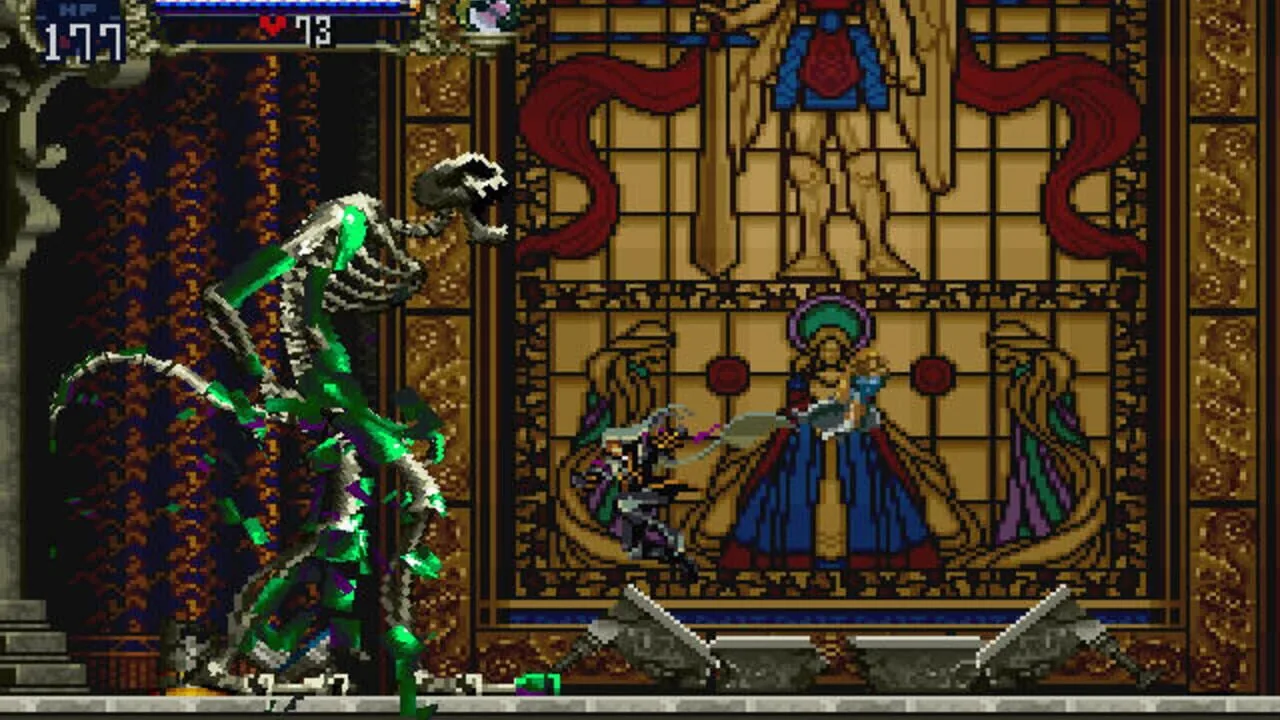
Symphony of the Night's score covers a huge range of styles, from jazz to metal, and it won a lot of praise from fans. The title screen theme, Prayer, carries vocals by composer Michiru Yamane's younger sister, who does vocal work for a living. The Japanese release even hid a lullaby: equip the Lyric Card, sit Alucard in a chair for a while, and a fairy sings to him.
Players named it more often than any other game except the one at number one, and they single out Wood Carving Partita and the Lost Painting above everything else. Konami cut that singing fairy from the first international release, then translated the song into English for the PSP version anyway. Alucard sits in a chair and gets a private concert. I sit in a chair and get back pain.
1. Final Fantasy VII (1997)
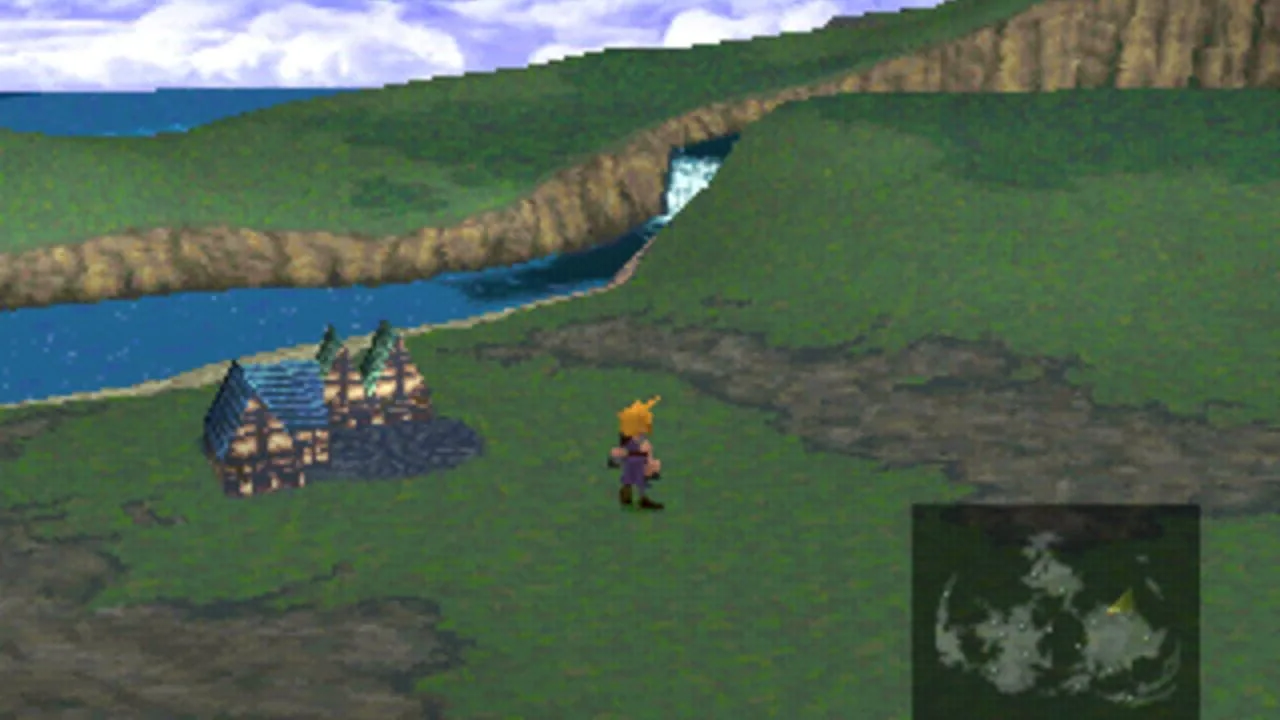
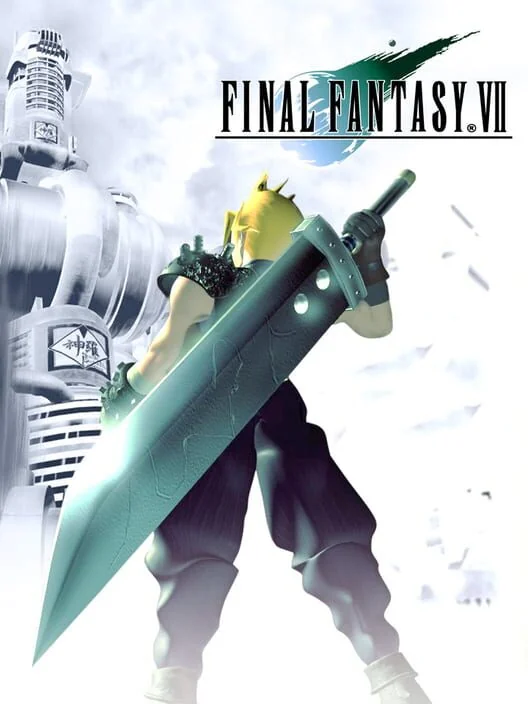
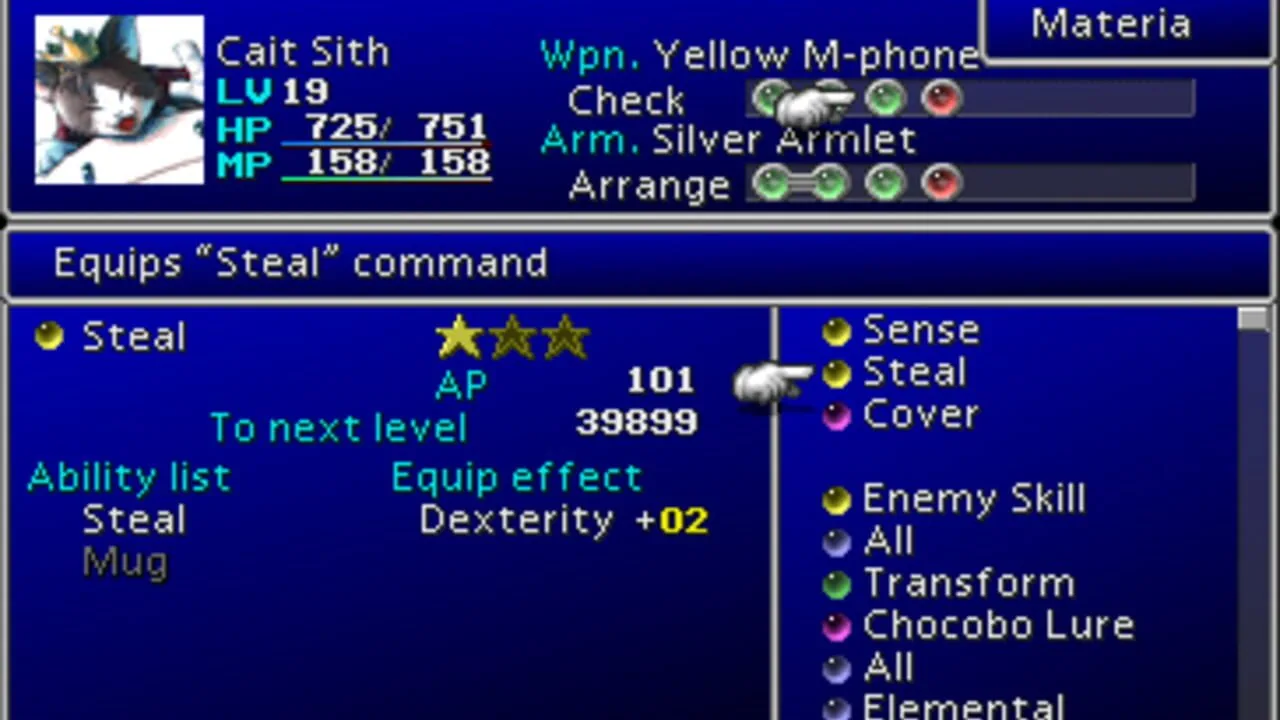
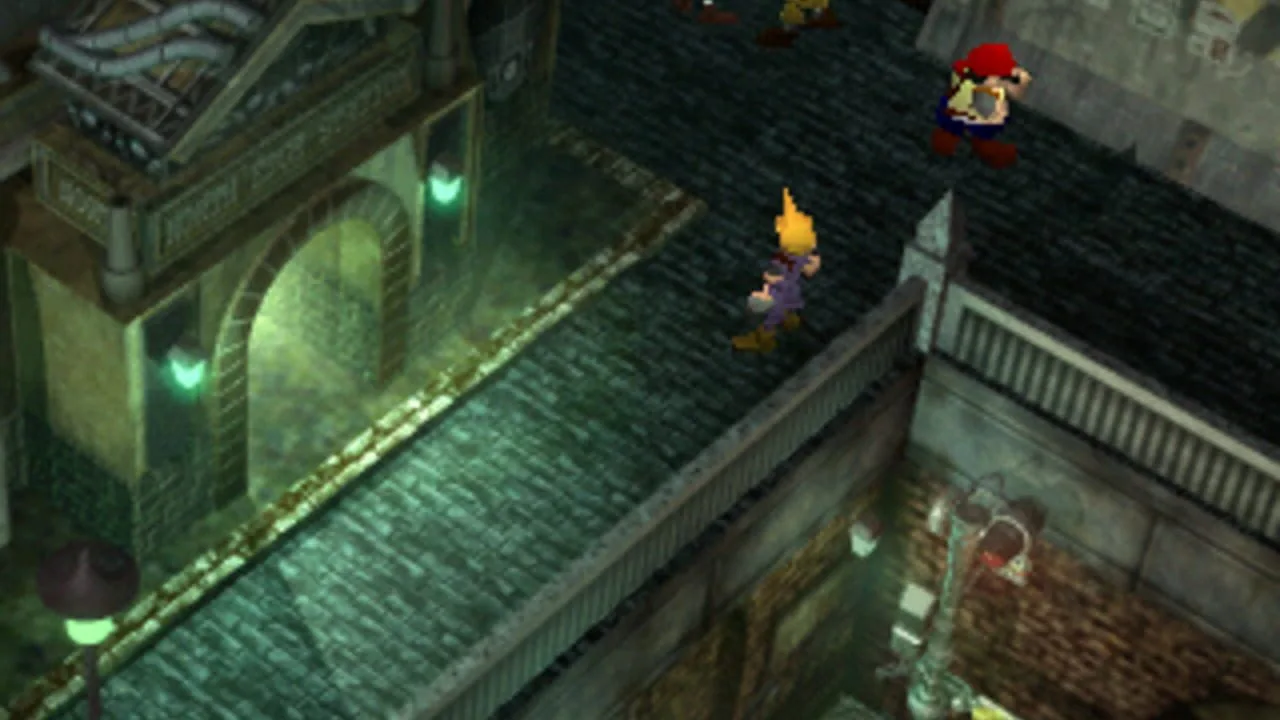
Final Fantasy VII finished up with 9.8 million copies sold worldwide, and its music went everywhere the game did. Players named it more often than any other game, and the track they reach for first is the final battle with Sephiroth. The intro to that theme, "One-Winged Angel", was inspired by the intro to "Purple Haze" by the Jimi Hendrix Experience.
Collectors are just as attached. 2,597 of them own the soundtrack and 3,676 more want it, so the demand still outruns the copies decades later. Pick almost any moment of the game and there is a piece of music already waiting in your head, which is the best thing a soundtrack can do.
Which one to play
There you have it, the whole list of the best PS1 soundtracks. Every one of these is a real album's worth of music that played out of a console under the TV, and plenty of it holds up next to anything made today.
If you are not sure where to start, play Final Fantasy VII. If you want big orchestral drama, Chrono Cross is the one. If you want a club night, go for R4: Ridge Racer Type 4 or Wipeout 2097. If you want something dark and damp, try Silent Hill. And for a hidden pick, Ape Escape is a drum and bass score hiding inside a game about catching monkeys.