The PlayStation was where the arcade came home. Ridge Racer was there at launch, Tekken 3 ran at 60 frames per second in your living room, and Time Crisis came bundled with its own light gun. That was hard to believe at the time.
The console also gave English-speaking players games they had never seen, like the Saturn RPG Grandia and the Super Famicom classic Chrono Trigger, along with a PC dungeon crawler that turned out to be great on a pad. Every game here started somewhere else, and each one is worth hunting down on the PlayStation. Here are the 12 best PS1 ports.
12. Rayman 2: The Great Escape (2000)
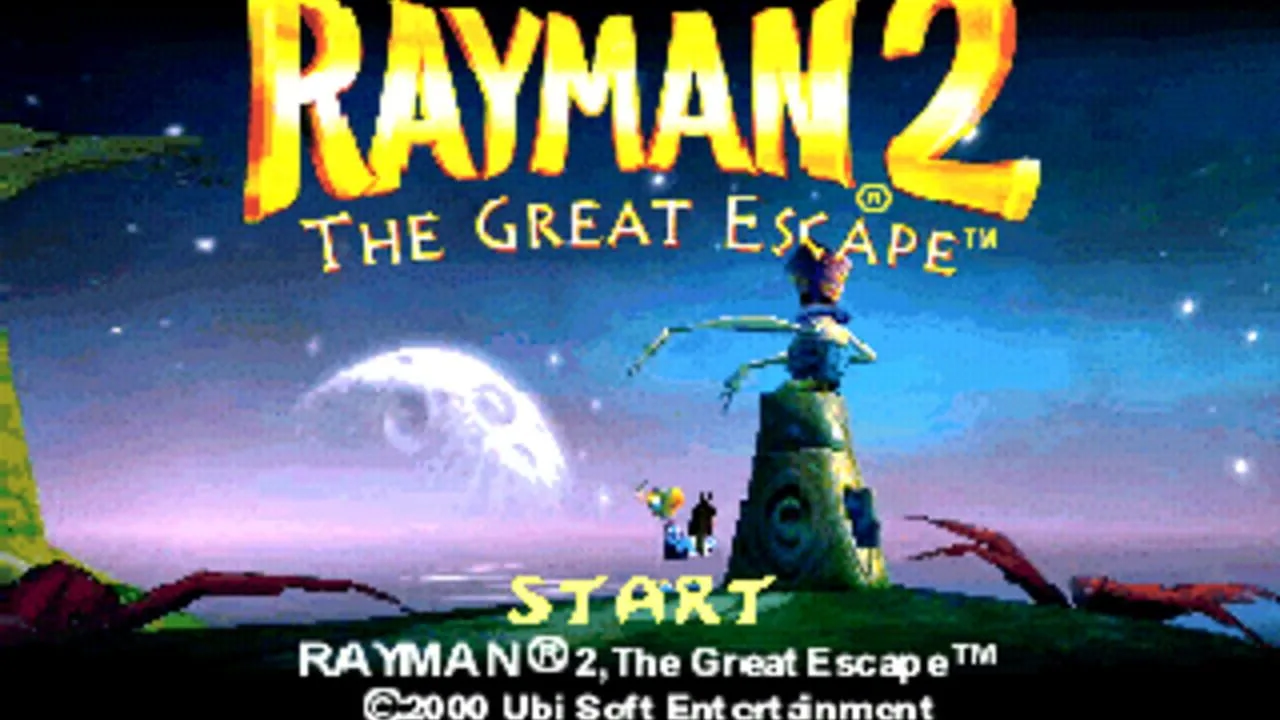
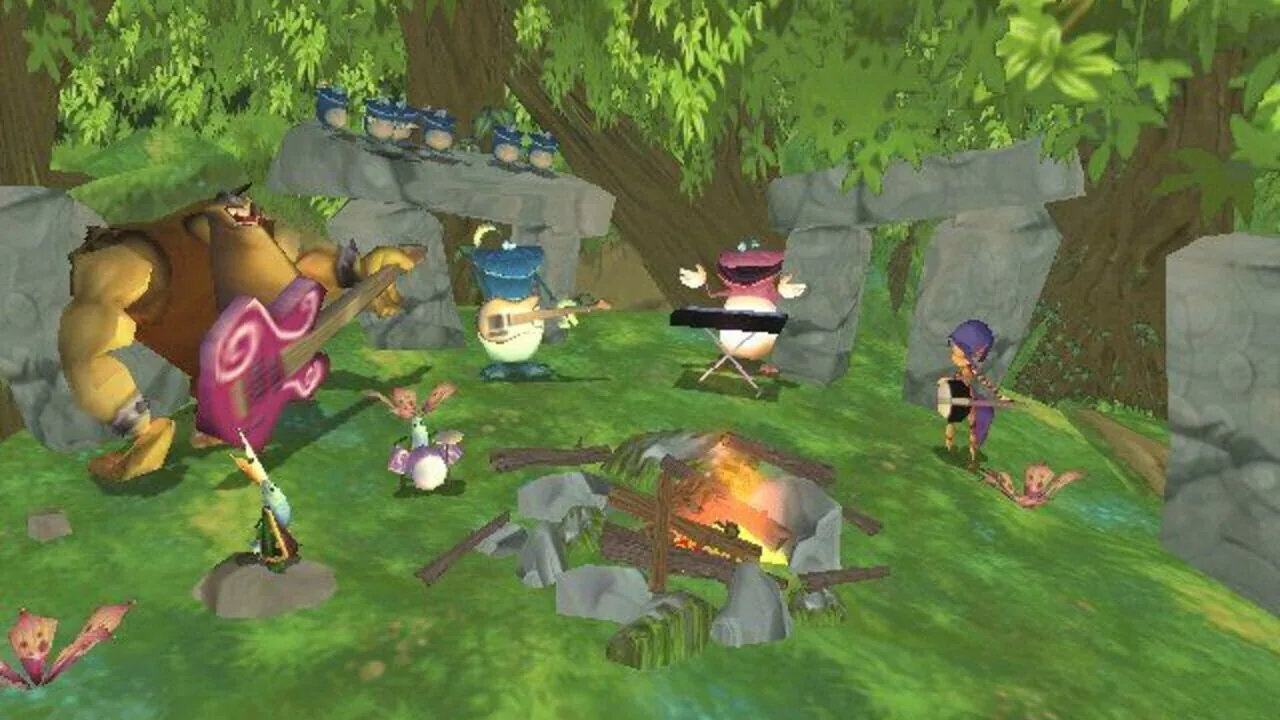
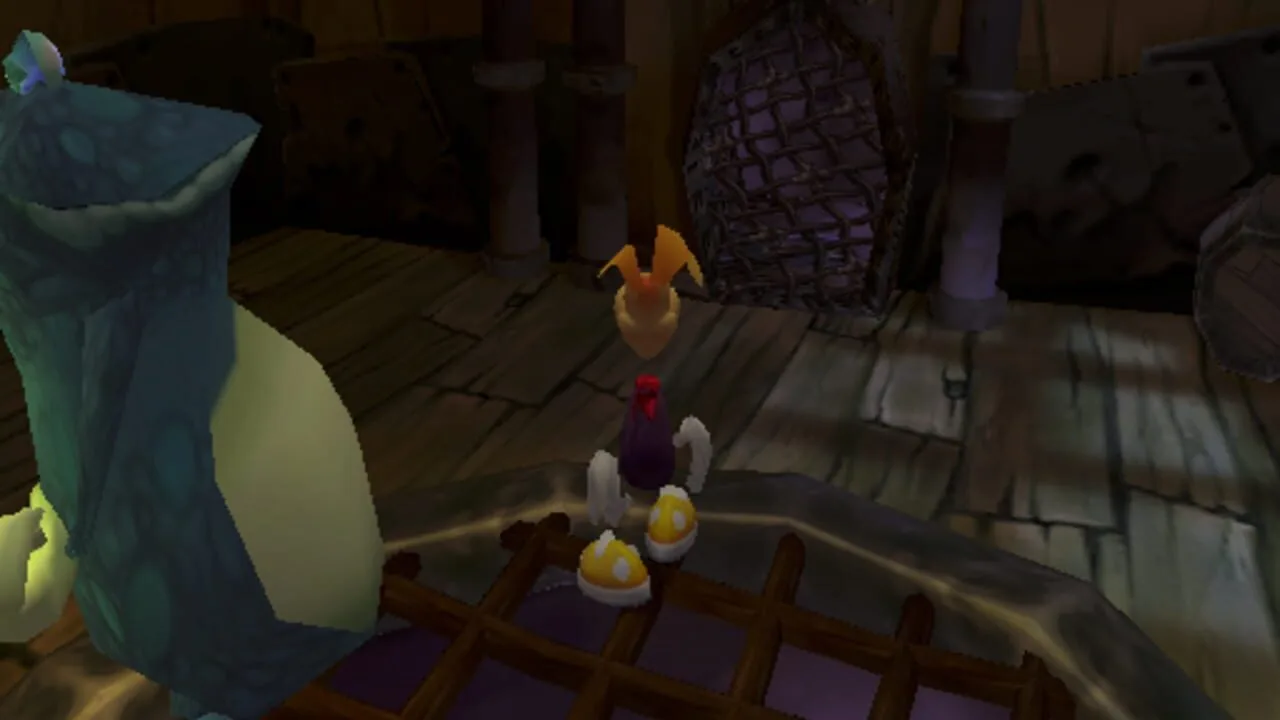
Rayman 2 began on the Nintendo 64 in 1999, and the PlayStation version that followed in 2000 is a remix rather than a straight copy. Some levels were removed or changed and others were merged, so the total number of Yellow Lums dropped from 1000 to 800. On the other hand, a few levels gained new areas, and this was the first version with full voice acting.
It is a 3D platformer where you control the camera yourself, and the original earned a lot of praise for its gameplay, graphics and accessibility. The PS1 version also hides a secret of its own. Collect at least 720 Lums and it unlocks a 2D level, which is believed to be left over from the cancelled 2D sequel to the original Rayman. Players still recommend it as a fun one, even while they admit that better versions of the game exist.
11. Bloody Roar (1997)
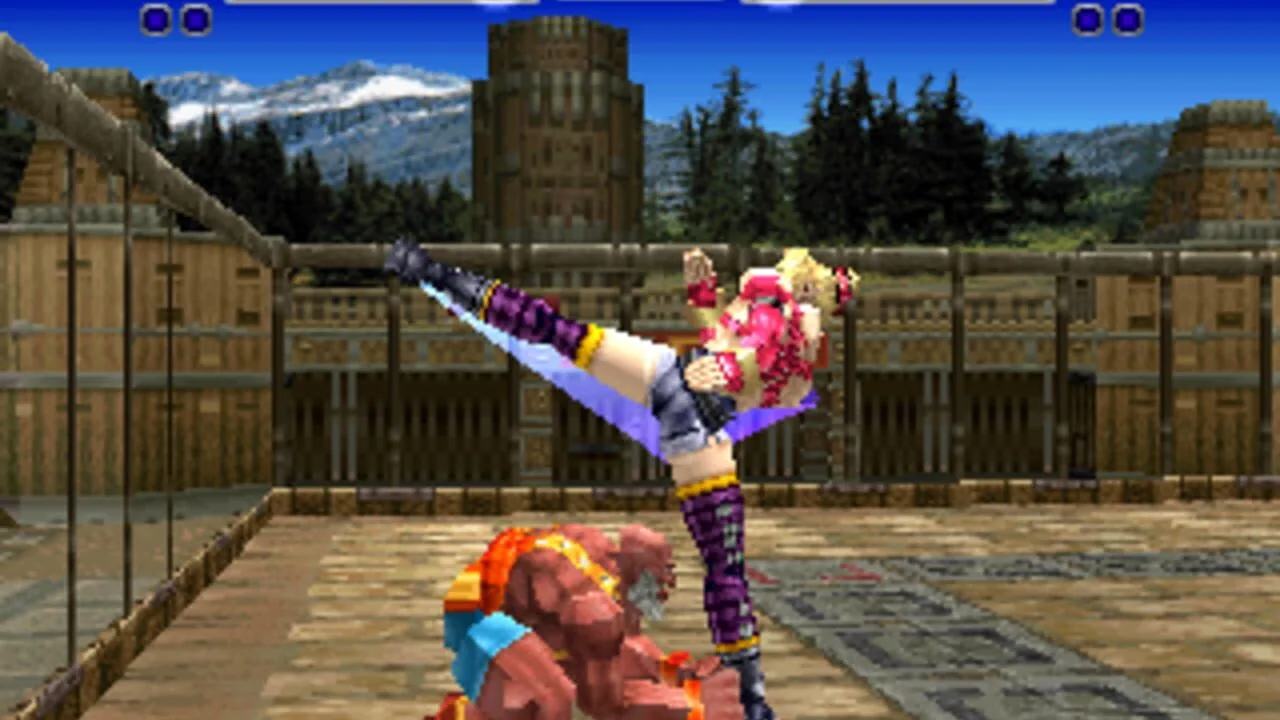
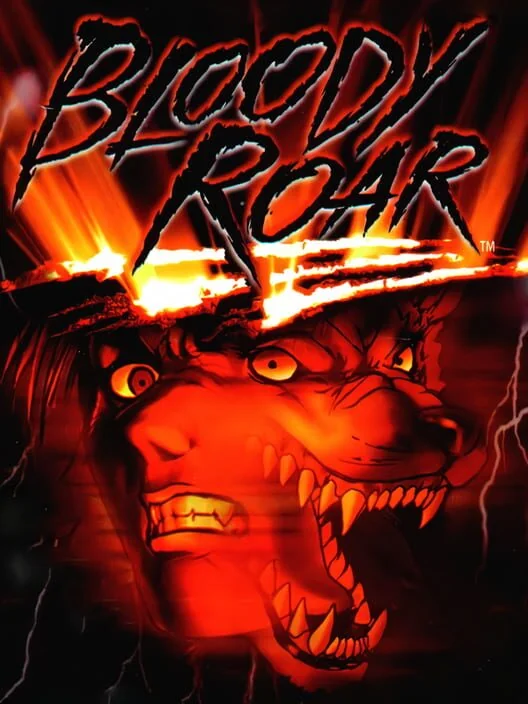
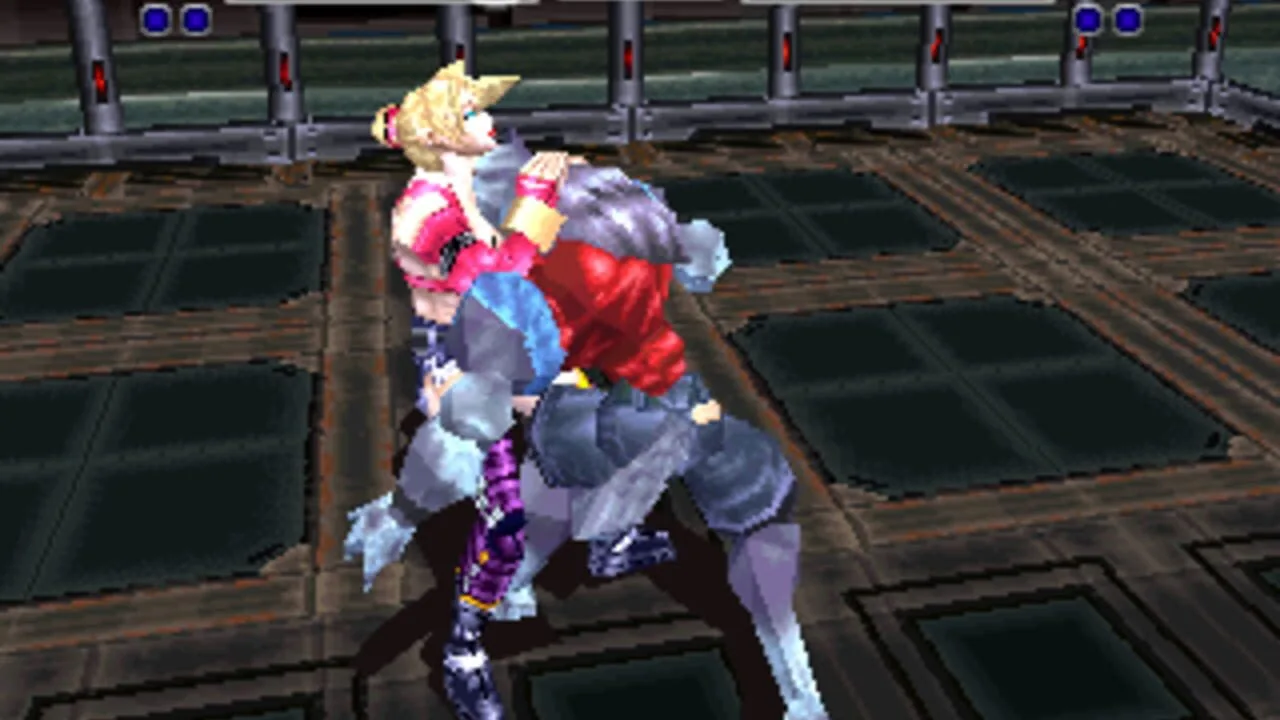
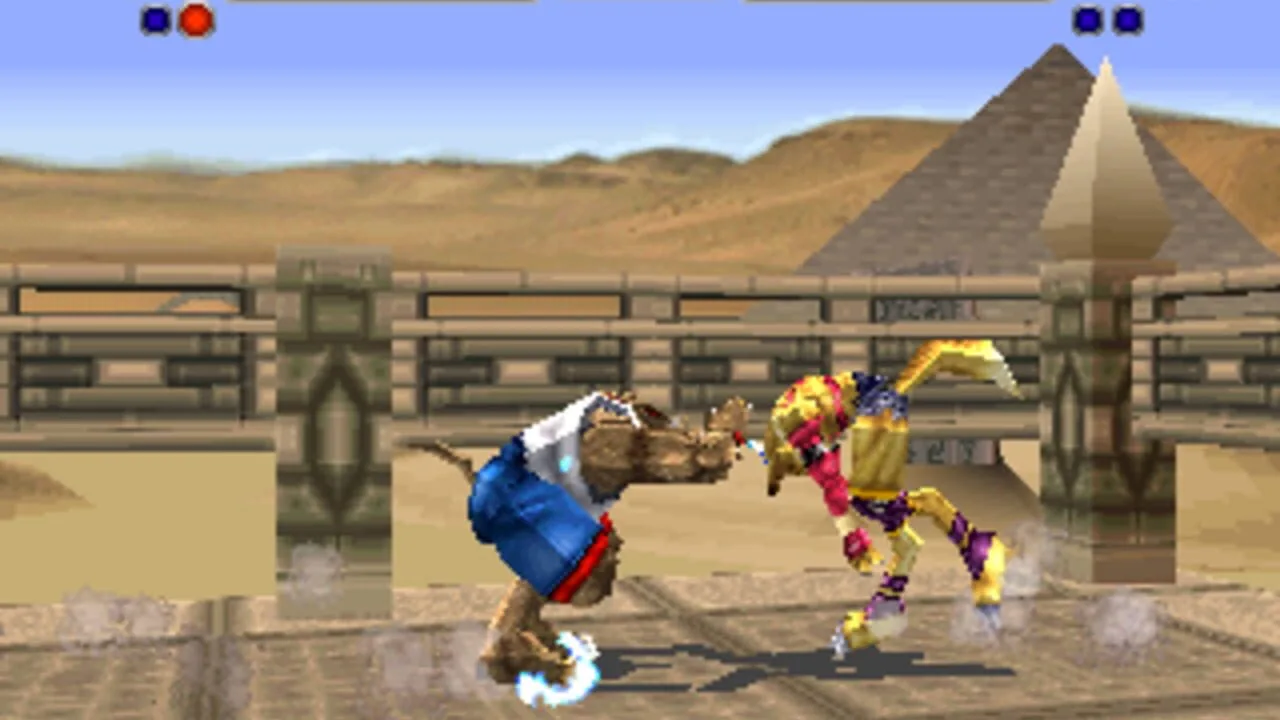
Bloody Roar started as an arcade game in July 1997, where North America knew it as Beastorizer, and Hudson Soft then adapted it for the PlayStation. The home version reached North American shelves on October 31, 1997, which is a very on-brand release date for a game about people who turn into animals.
Its fighters are zoanthropes, warriors who can transform into half-human, half-animal Beasts, and the whole game hangs on that switch. The moves borrow from two camps: standard combos work like the ones in Tekken, while special moves use the rolling stick motions of Street Fighter. That is exactly why players still bring it up: you build up a meter, then turn into a beast and whoop on your friends. It was only the start, too, since four sequels followed on multiple platforms.
10. Rival Schools: United by Fate (1997)
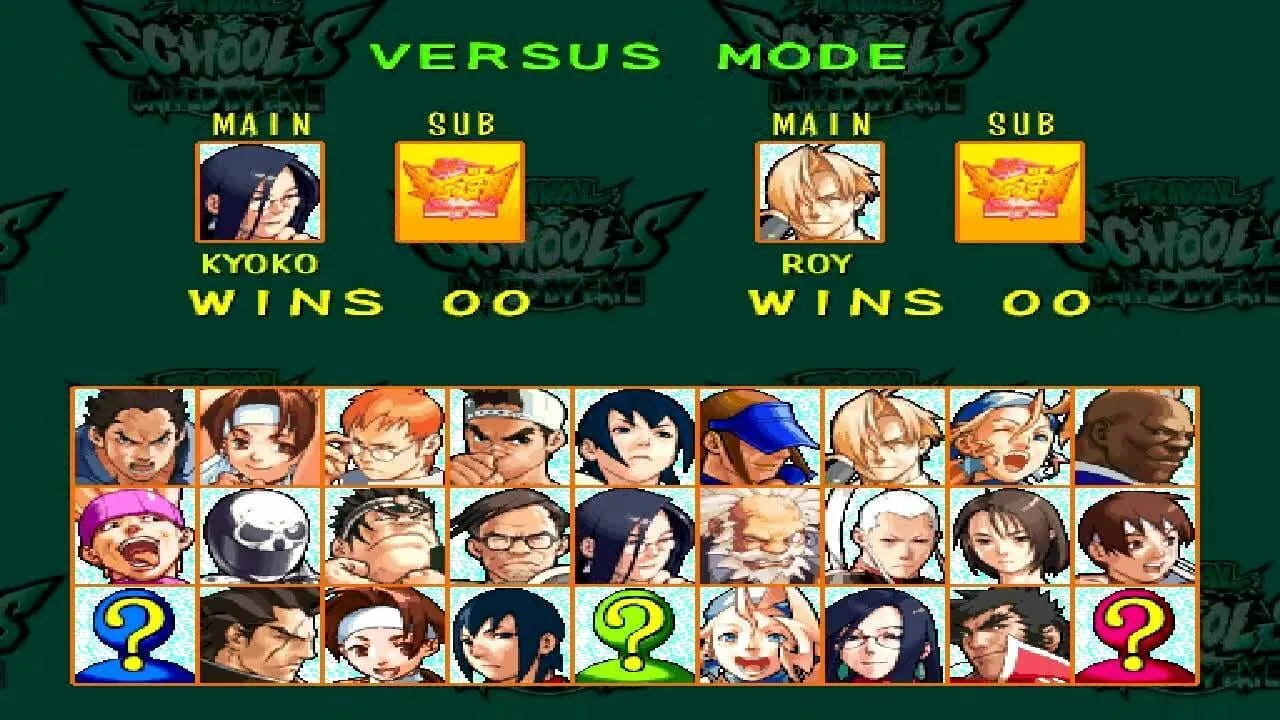
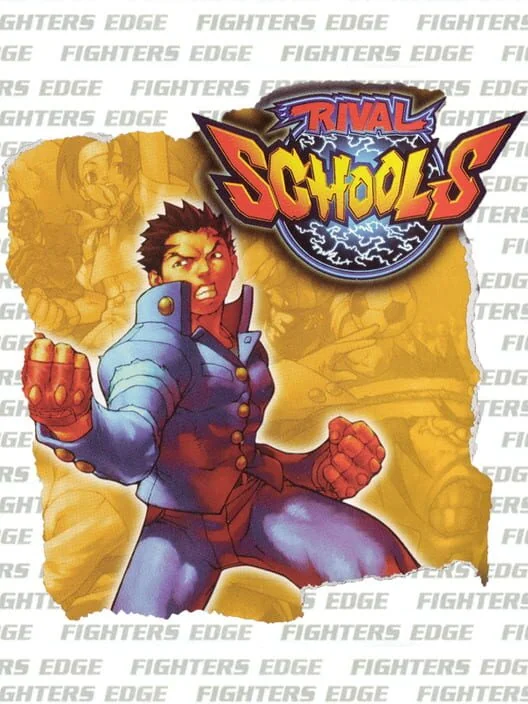
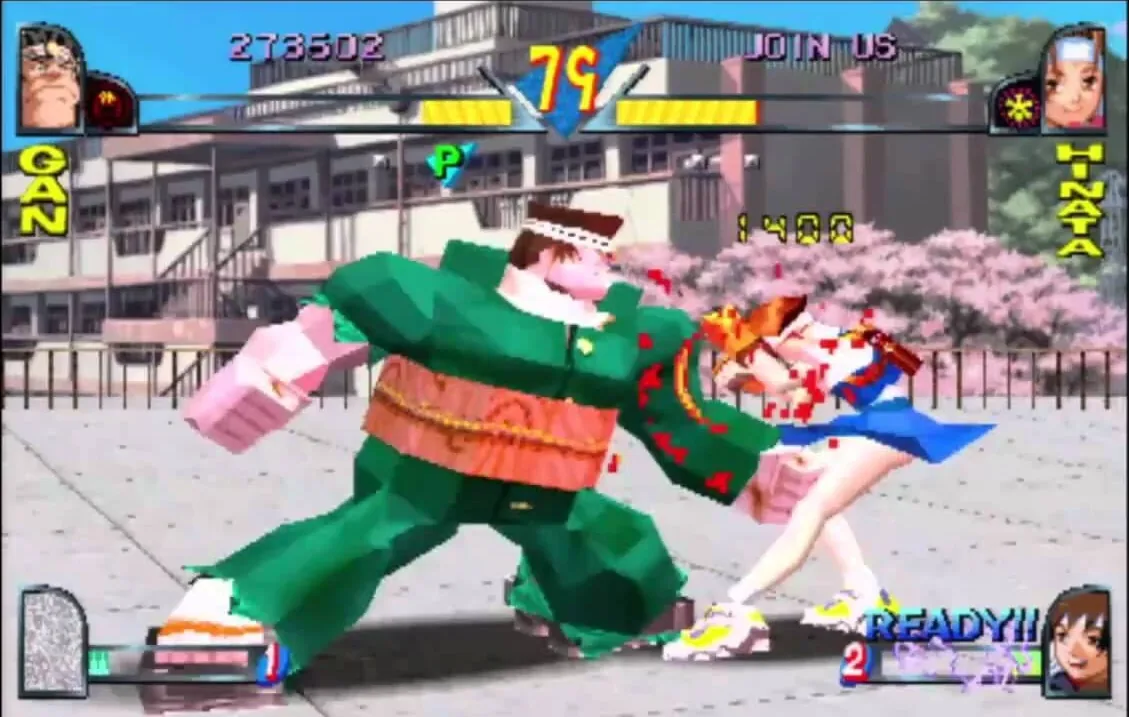
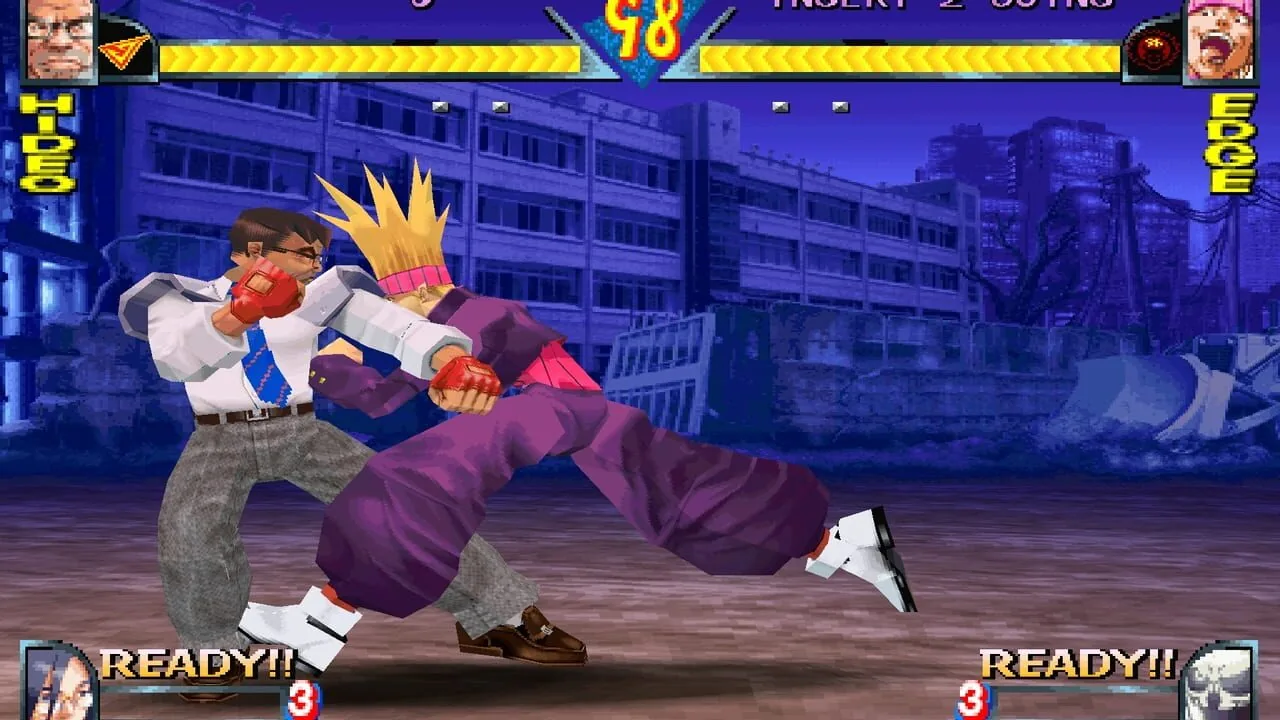
In the arcades, Rival Schools ran on hardware very similar to the PlayStation's, so the port is pretty close to the coin-op. It is a comical brawl between groups of students from rival schools in a Japanese city. You pick a team of two, and the fights themselves stay one-on-one, with only four buttons instead of Capcom's standard six, which is closer to the SNK layout.
Capcom spread the home version over two discs: an Arcade disc with the regular Story mode, and an Evolution disc full of extra features. The best of those extras never left Japan, however. The Japanese Evolution disc let you create your own student and live out a life in the Japanese school system, picking a club and making friends and enemies. Capcom didn't think the American or European markets would be into the life sim, so it cut the mode out of the localized versions entirely, which leaves the Evolution disc mostly pointless outside Japan.
9. Time Crisis (1997)
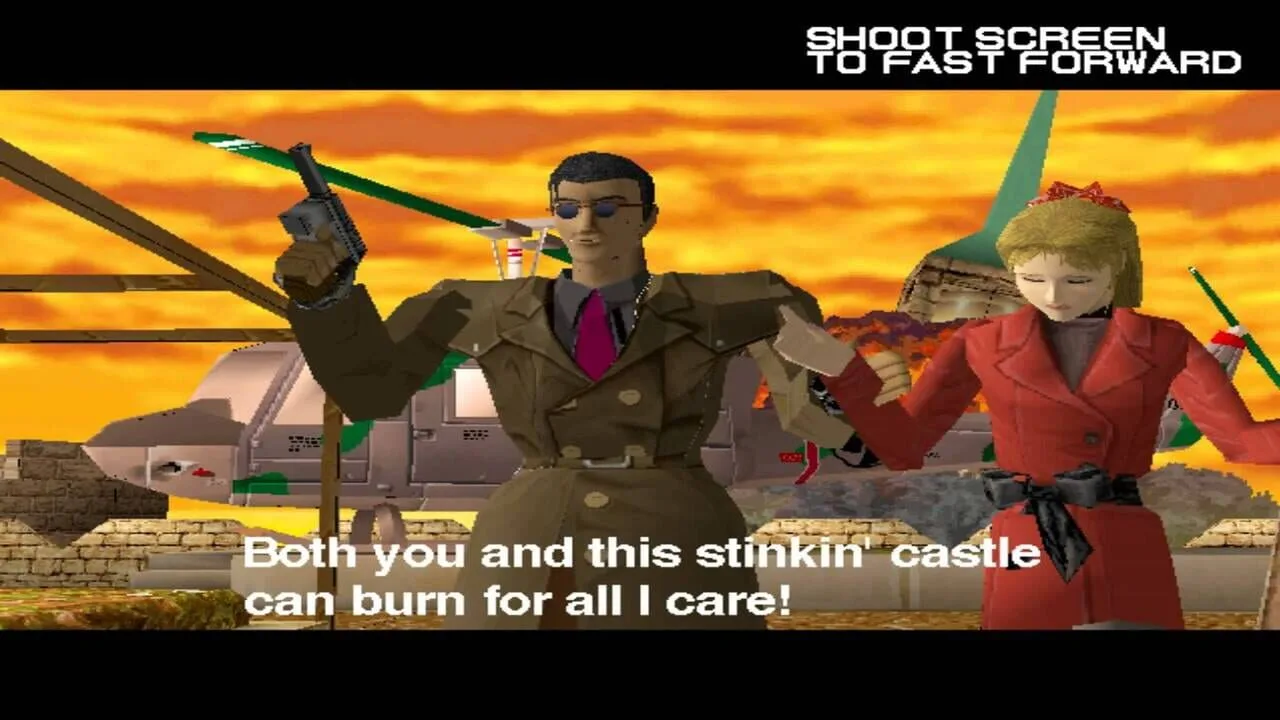
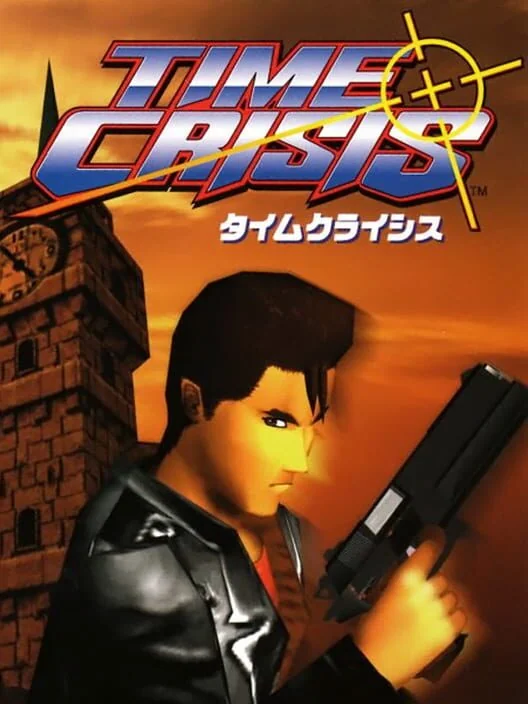
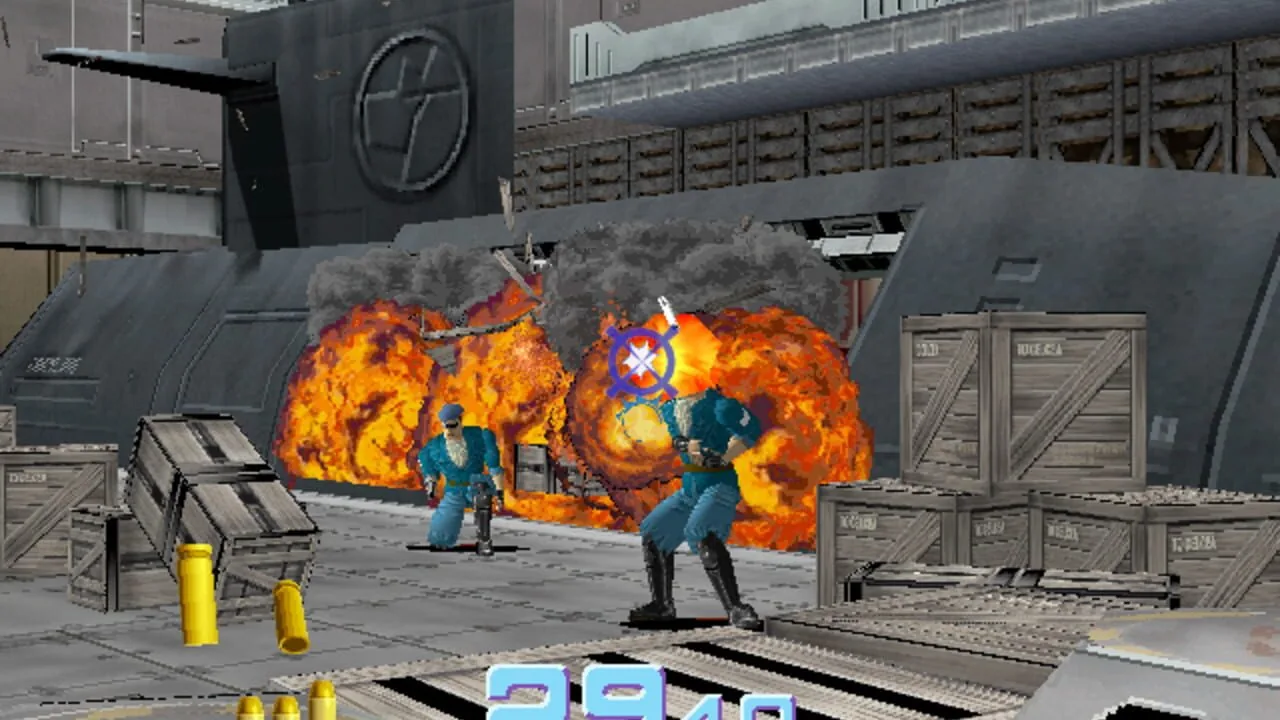
Time Crisis hit arcades in December 1995, and the PlayStation port arrived in 1997 bundled with the Guncon light gun. Its big idea is the cover system. In the arcade, a foot pedal lets you duck behind cover to dodge enemy fire and reload, and in the home version a button does the pedal's job.
The port also came with an add-on pack of extra stages set after the main story, and you can play with the Guncon or aim a cursor with a regular controller. Squeezing it onto the PS1 cost something, however. Hardware limits forced the team to cut the frame rate in half and keep only a handful of enemies on screen at a time. Still, players keep recommending it to anyone who owns a Guncon and an old tube TV, and that second part is the real catch.
8. Chrono Trigger (1999)
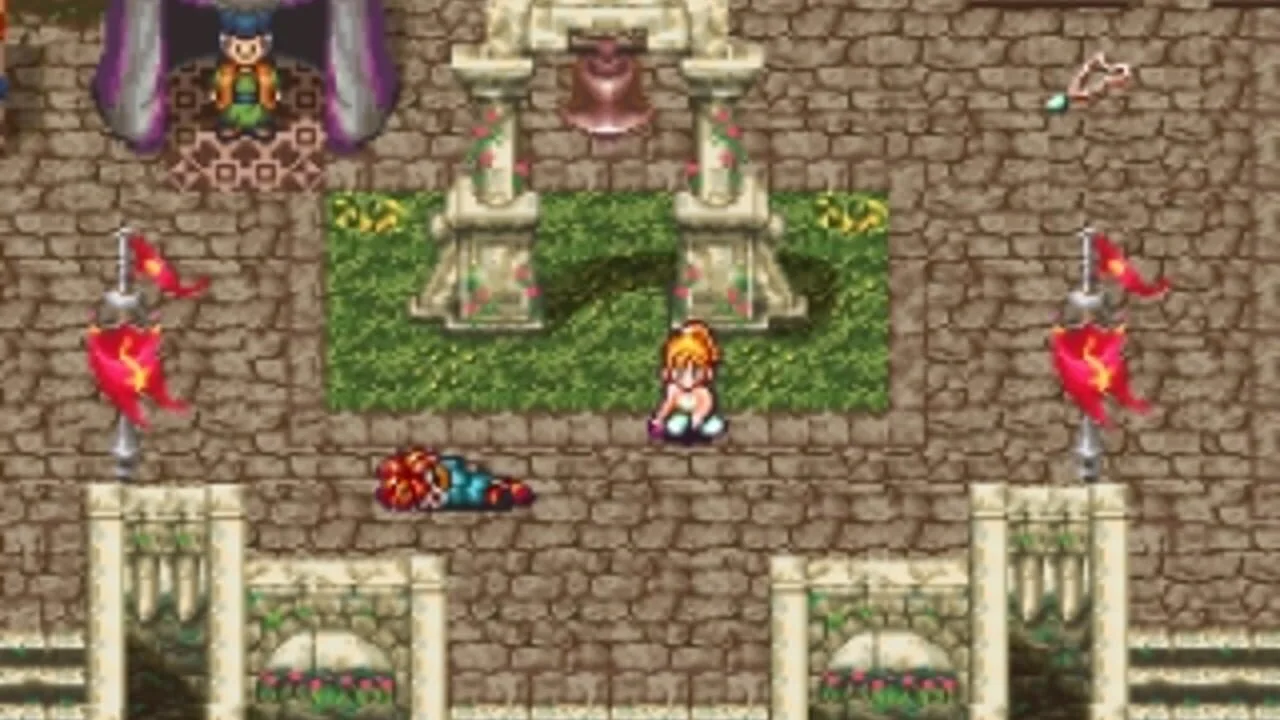
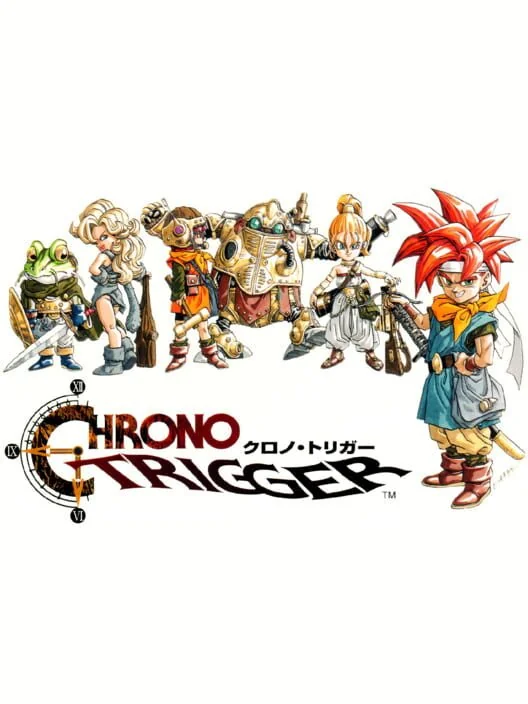
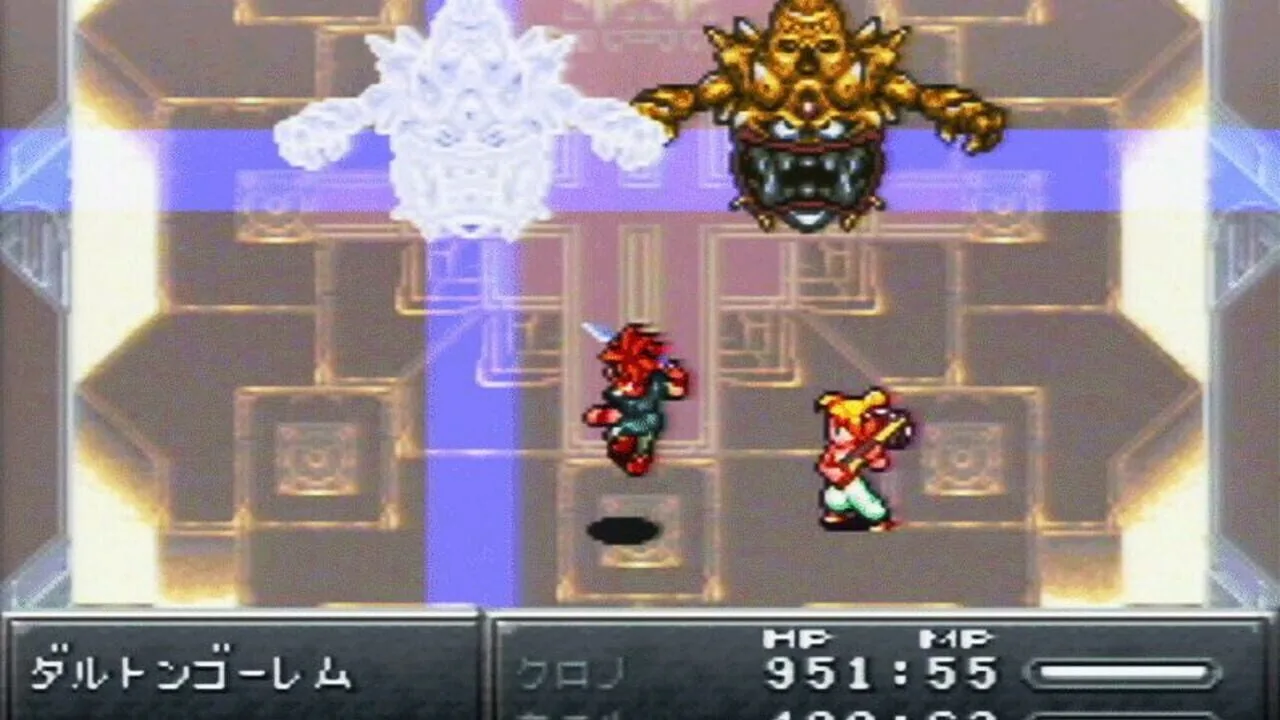
Chrono Trigger came out on the Super Famicom in 1995, and its PlayStation version is an enhanced port with new anime cutscenes and an Extras Mode full of artwork and music. Tose made that port, and it came out on PS1 in Japan first, while North America only got it as part of the Final Fantasy Chronicles compilation.
The catch is the loading. The port is known for significantly longer load times than the SNES original, and players who recommend it tend to warn you about the waits. Meanwhile, the new cutscenes carry a small sting of their own, since Robo is the only playable character without a special ending in them. Who leaves out the robot? Still, the game underneath is considered one of the greatest video games ever made, so the waits are worth it.
7. The Need for Speed (1994)
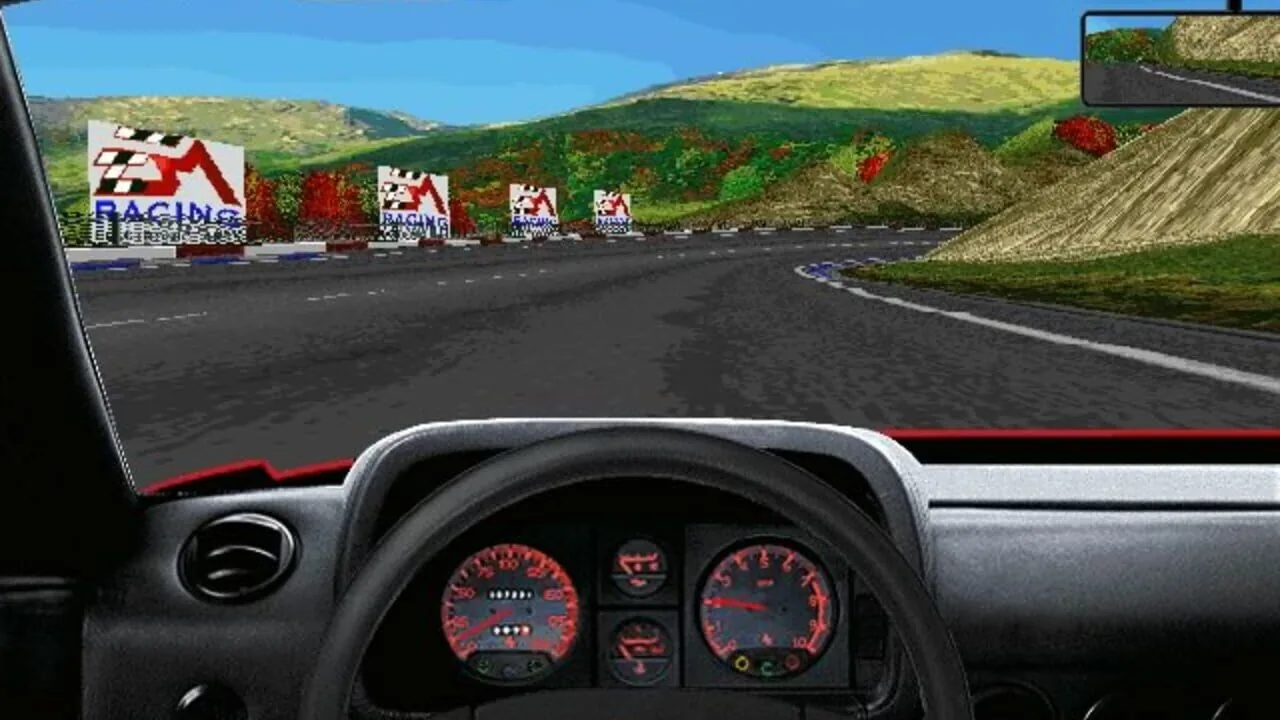
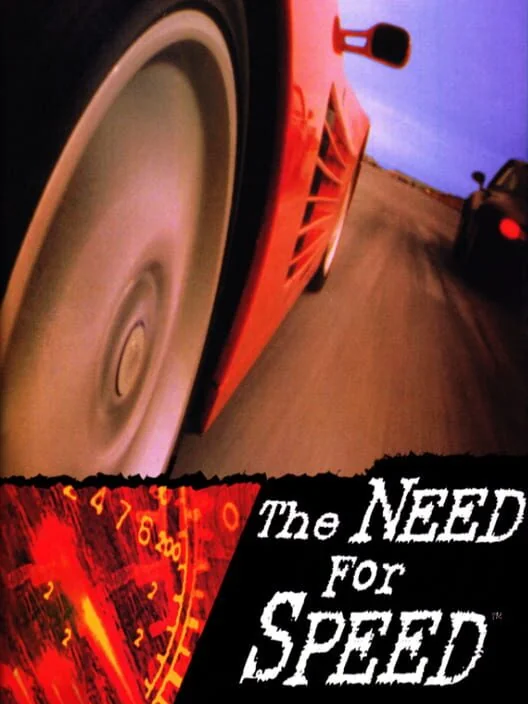
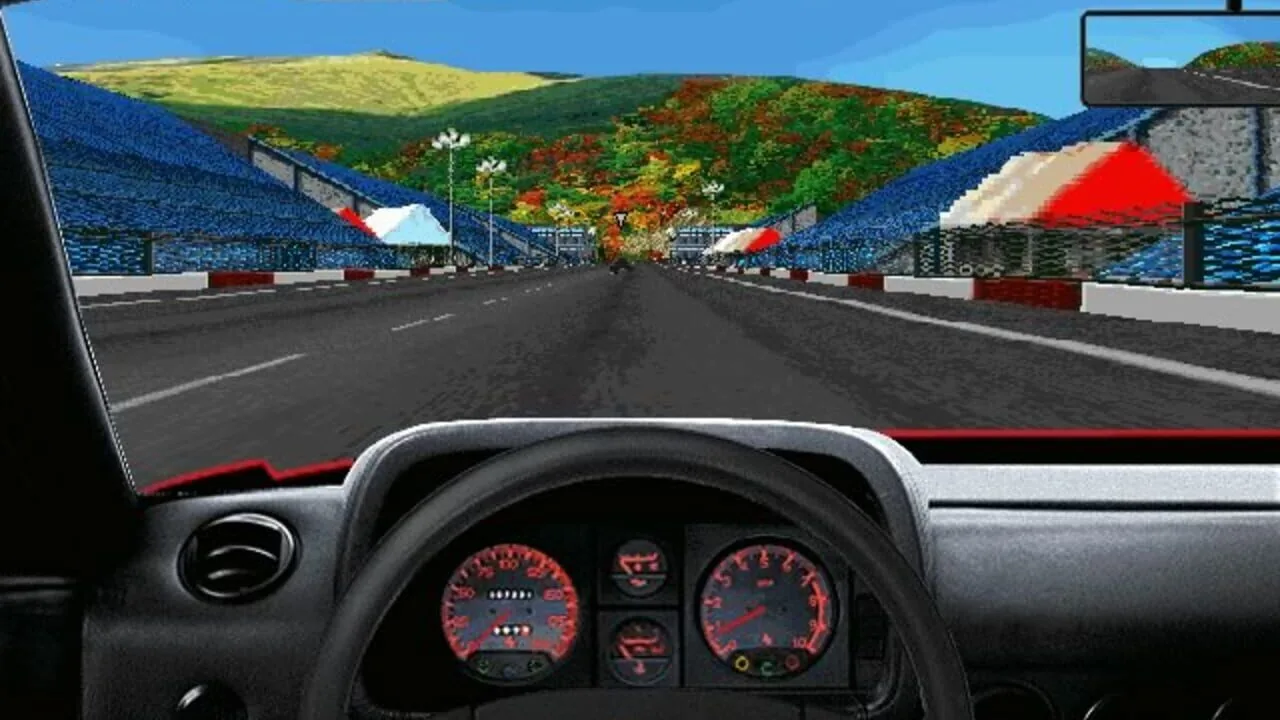
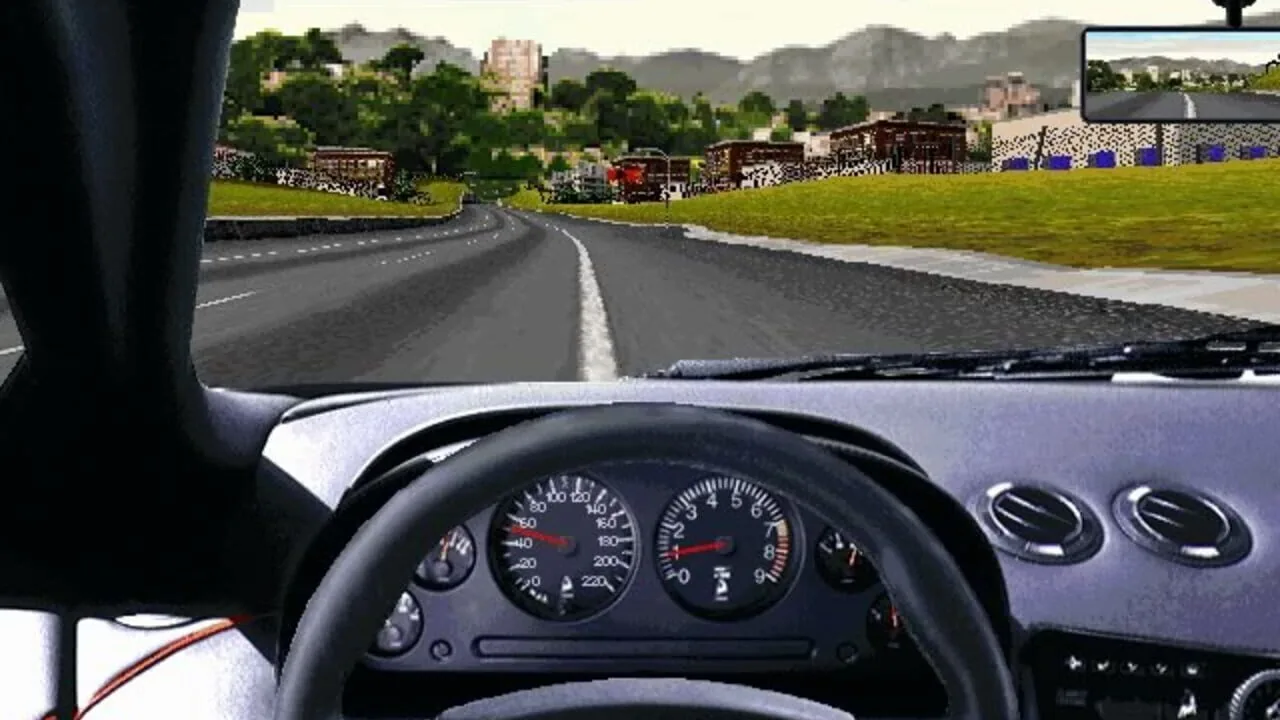
The Need for Speed started on the 3DO in 1994 and reached the PlayStation in 1996. You choose from eight high-performance cars and six regular tracks, and winning the Tournament opens a bonus track. The original had only point-to-point tracks, and the ports added closed circuits. Under the hood, its physics model tries to recreate the feel of the cars themselves, so no two of them handle alike.
It also kicked off a long run on Sony's console, which would end up hosting five Need for Speed titles, although only the first three supported Namco's neGcon controller. On top of that, this first game already had police chases. The second game dropped them, and the third greatly expanded them as its titular Hot Pursuit mode. Between races, the game shows short video clips of the cars set to music, which was a big deal for a CD racer.
6. Diablo (1996)
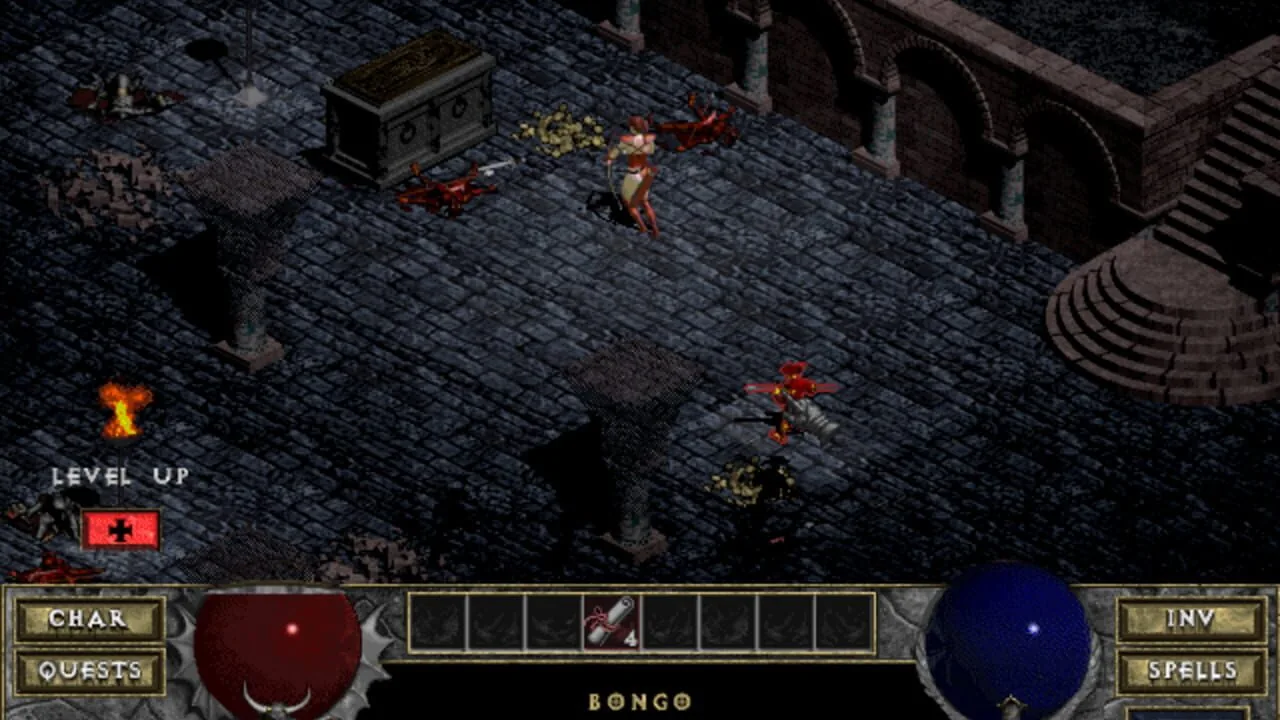
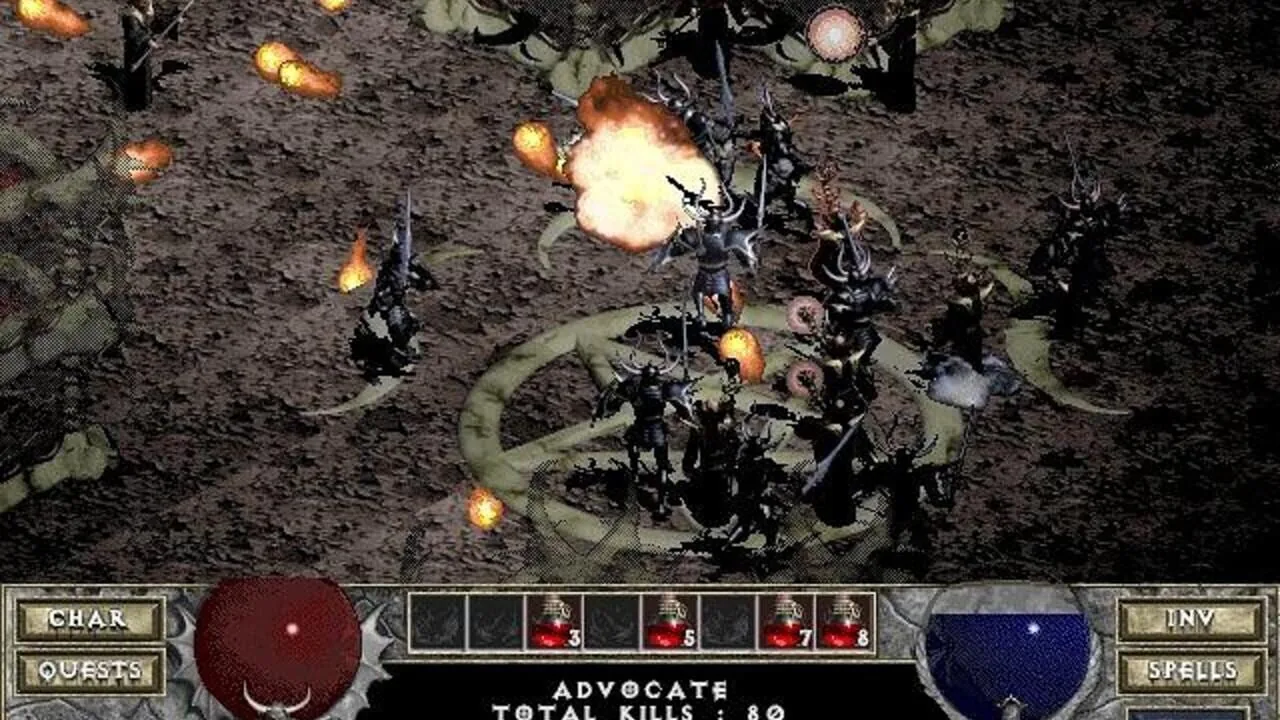
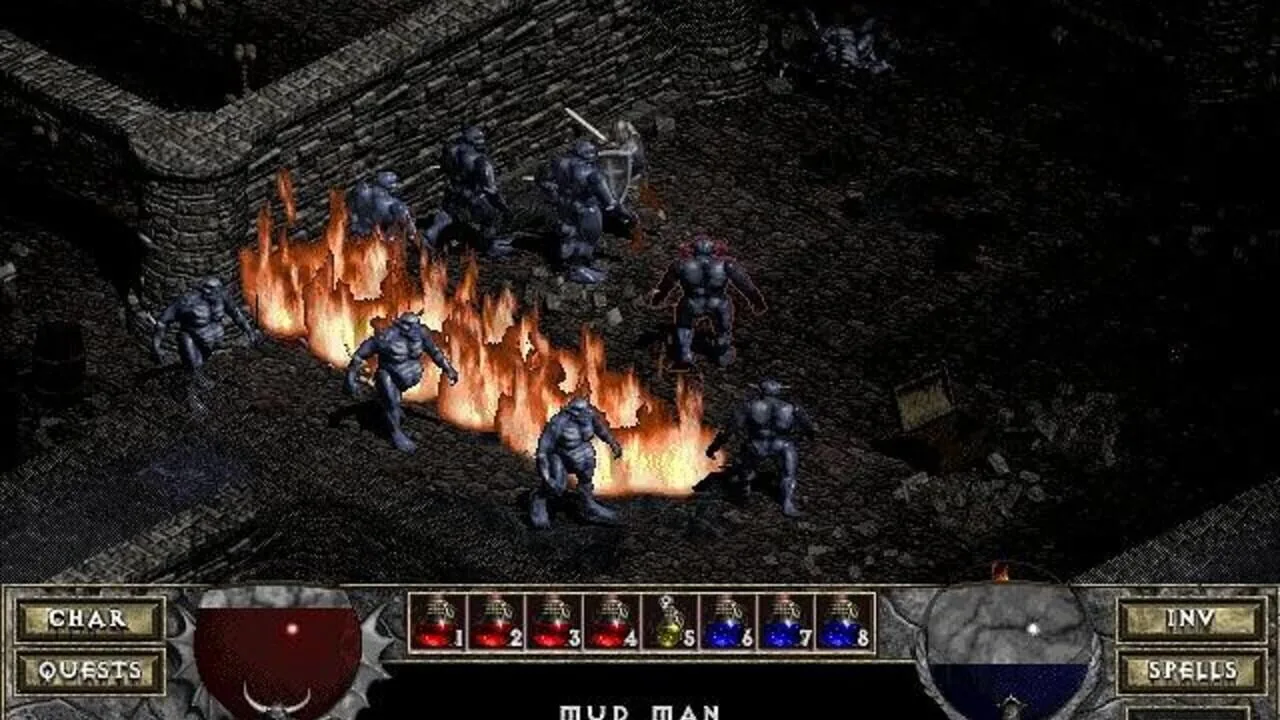
Diablo came out on PC in 1996, and Electronic Arts released it on the PlayStation in 1998. It is one of the best-known examples of the action RPG: you cut through hordes of monsters in randomized dungeon levels for experience and loot, and every action plays out in real time.
The PlayStation version let you steer your character directly with the controller instead of clicking around with a mouse, which suits a pad better than you would expect. A Sega Saturn version was considered but never released. What makes this version worth tracking down is the couch. It has two-player co-op, and players still single it out as a pick for two people on one couch.
5. Street Fighter Alpha 3 (1998)
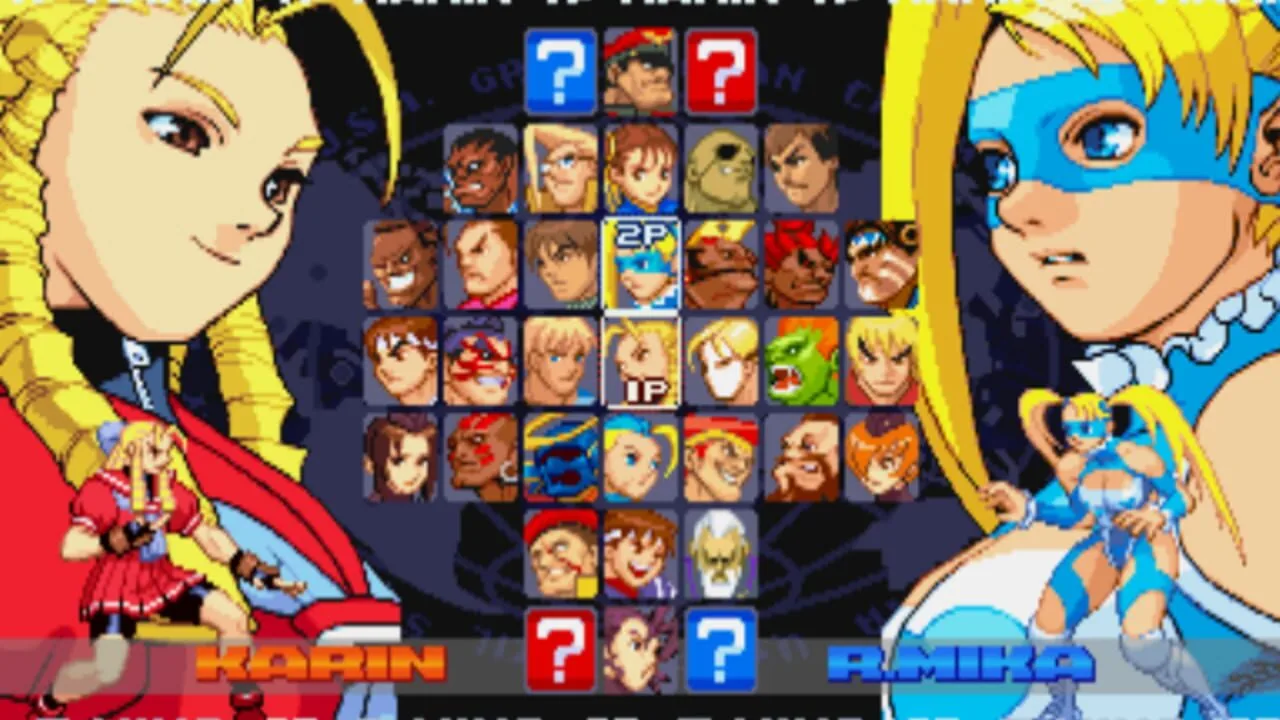
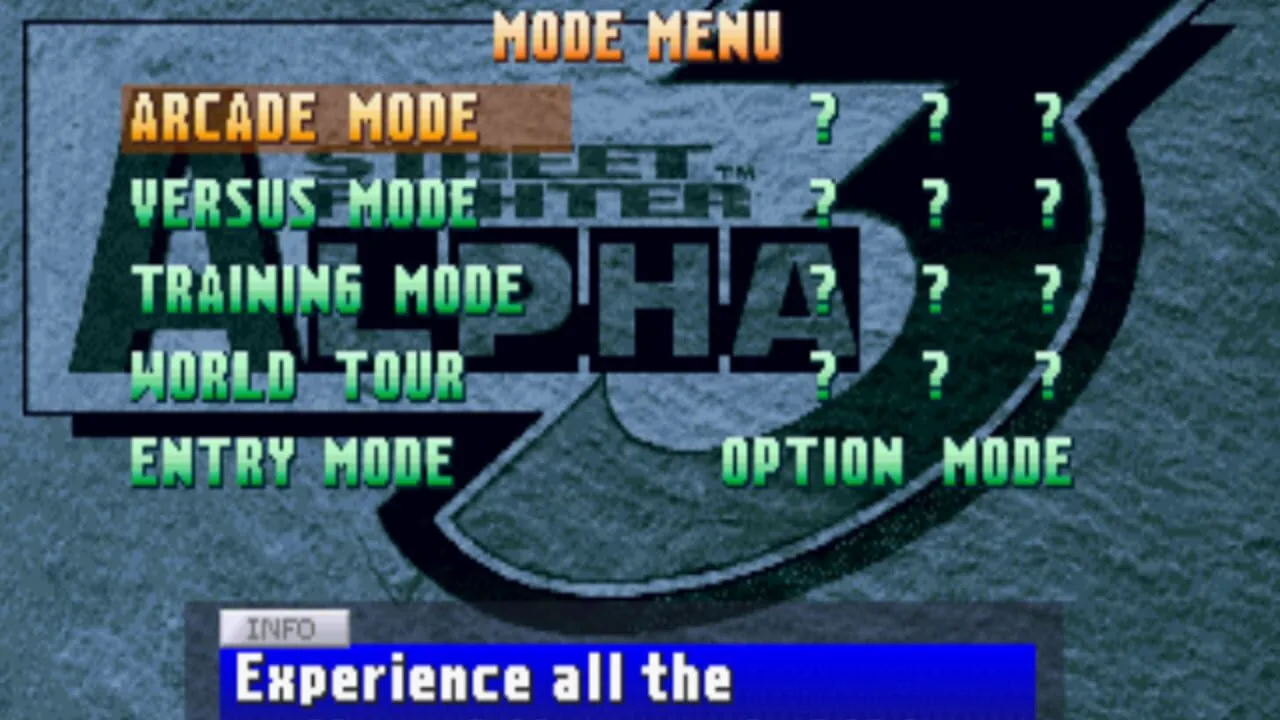
Street Fighter Alpha 3 hit arcades in 1998, and the PlayStation received the first home port of it the same year. That was never a given, because the PlayStation usually got stripped-down ports of arcade favourites. Instead, this one was a superb arcade port with a number of extra game modes, and it merged the Alpha 2 cast with beloved characters from Street Fighter 2 and some completely new contenders.
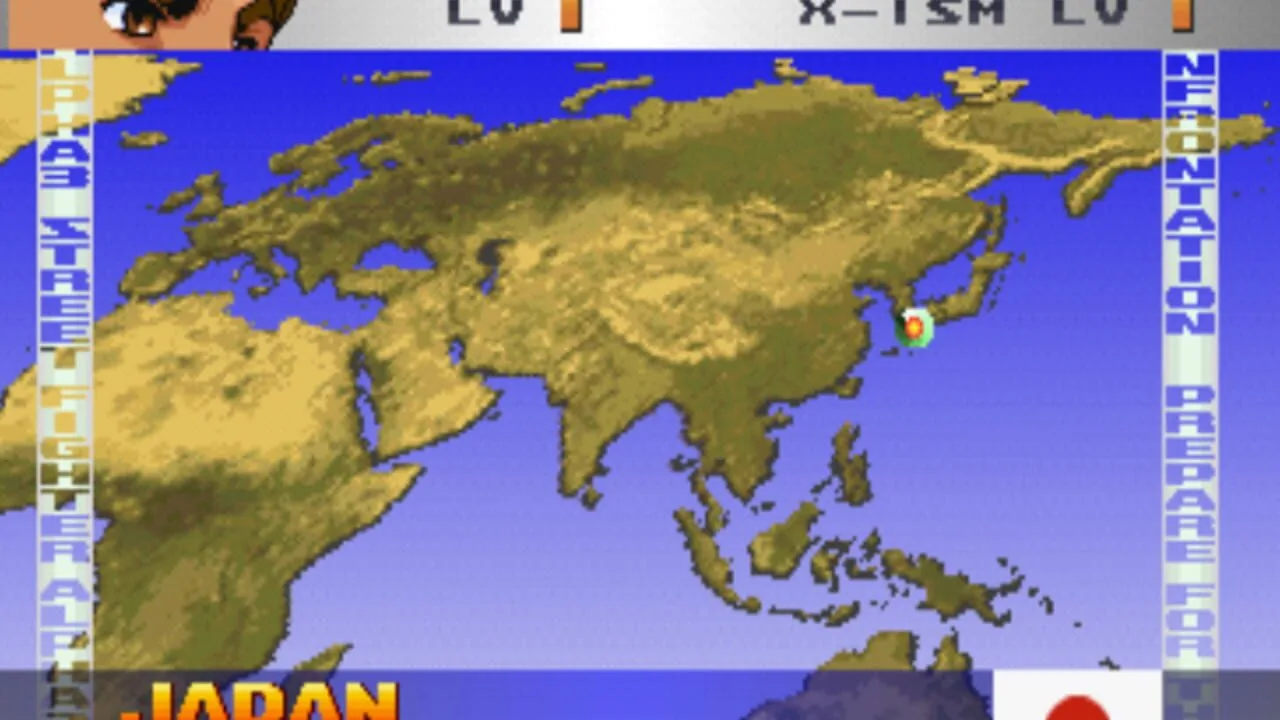
The port also added Juli, Juni, Balrog, Dee Jay, Fei Long and T. Hawk, with new portraits and their own storylines, while Guile, Evil Ryu and Shin Akuma unlock through World Tour, a mode where you strengthen and customize your fighter while travelling the world. The load times are longer and the sound took a hit, but the controls are some of the tightest of any console port.
4. Soul Blade (1996)
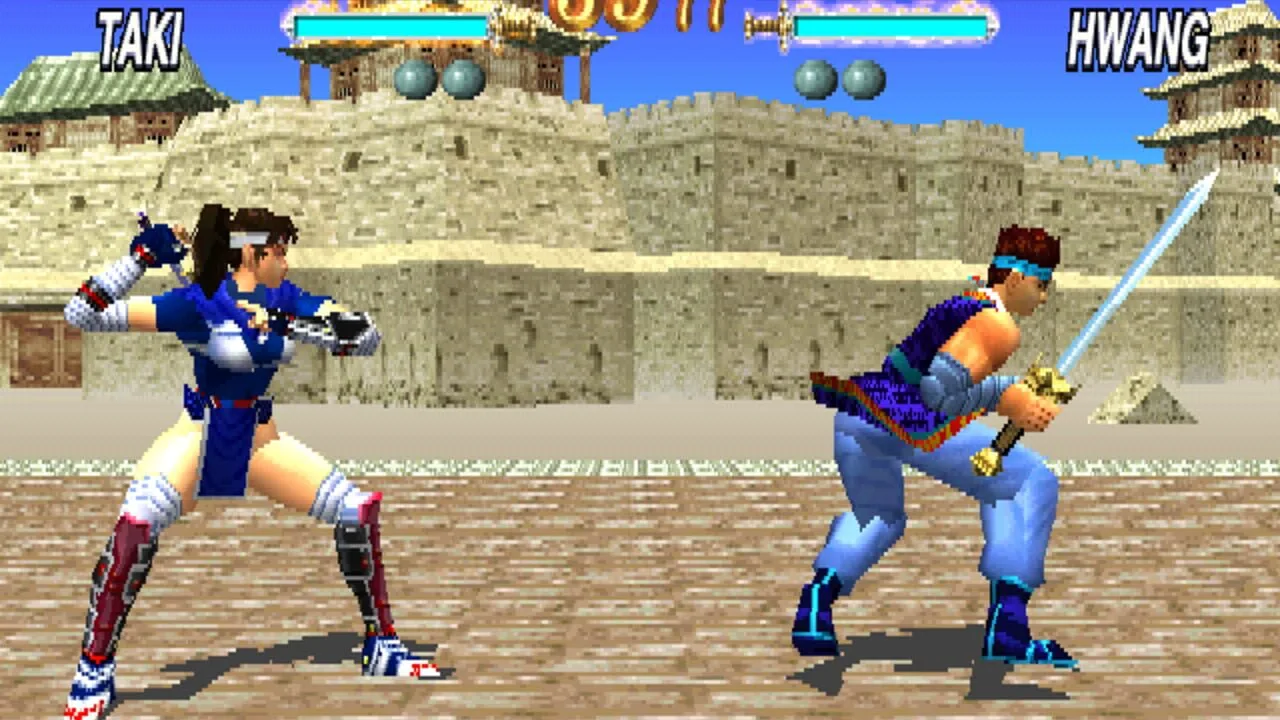
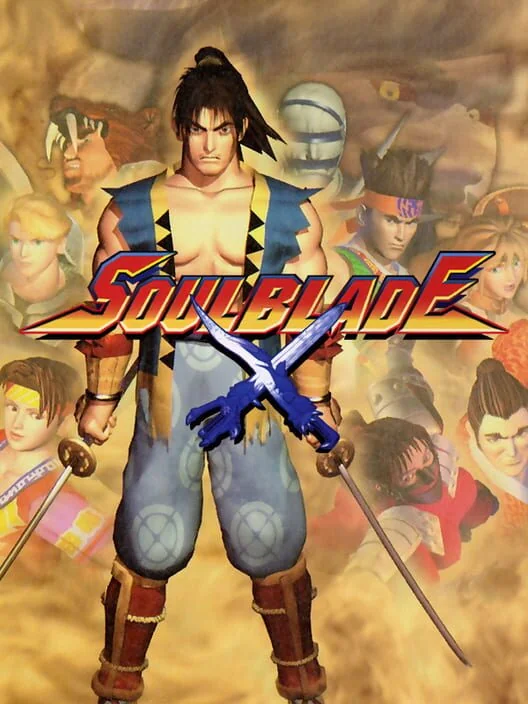
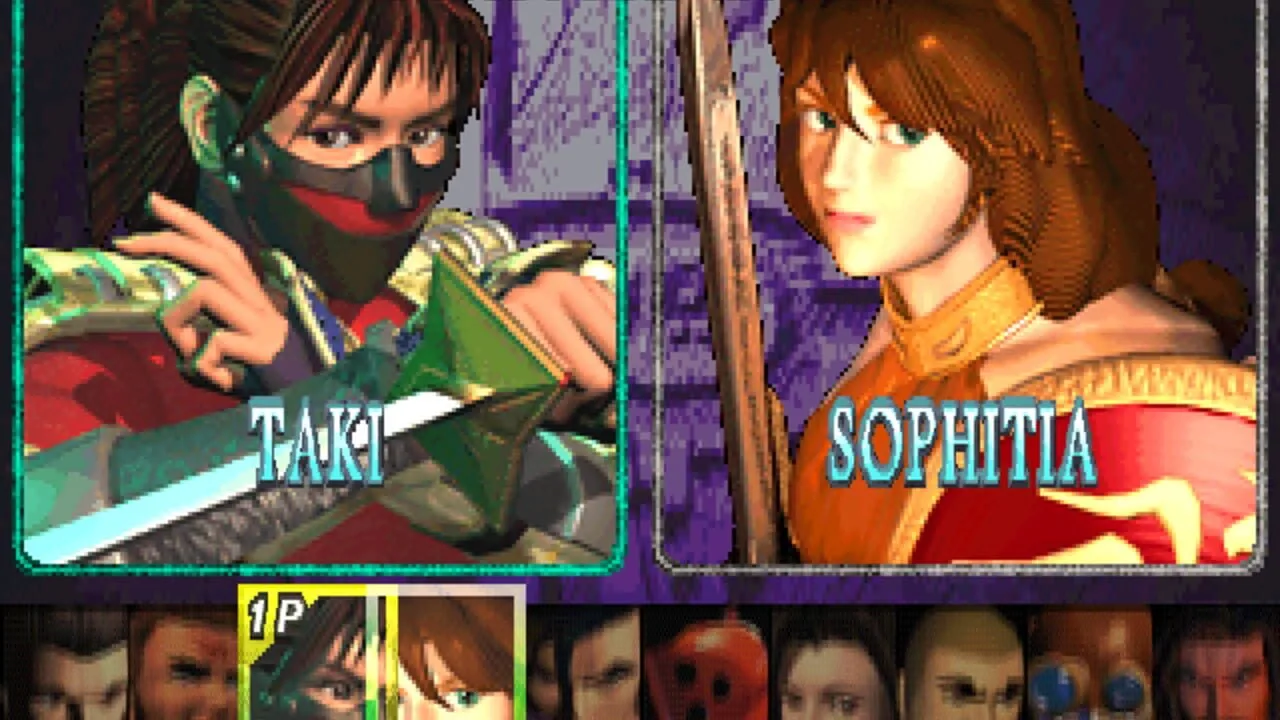
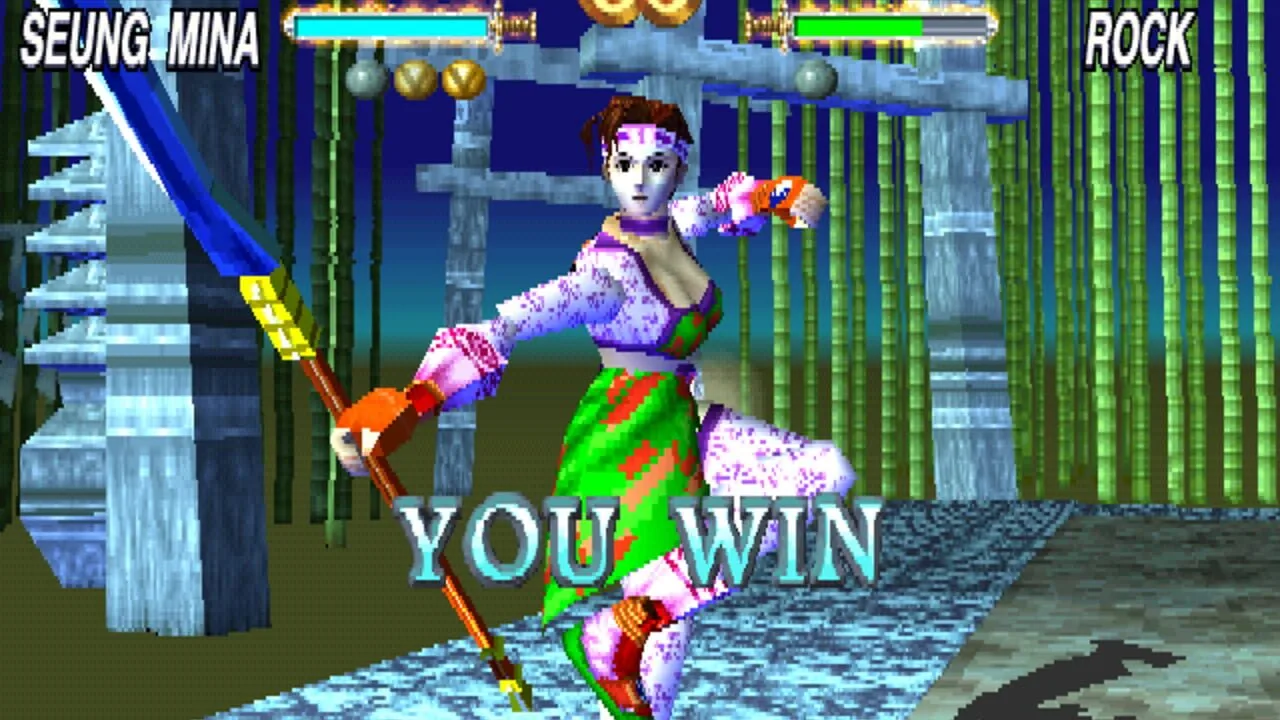
Soul Blade is Soul Edge with a new name. When the game was ported to the PlayStation and brought over to Europe, America and Australia, the name changed to avoid copyright complications from Edge Games. The arcade original came out in 1996, the home version followed about ten months later, and it is the bigger game by far.
Namco added VS, Survival, Team Battle, Time Attack and Training modes, seven extra weapons per character, a new costume for each of the original ten fighters and Edge Master Mode, an RPG-styled story mode. Edge Master is the part players still single out, mostly for the weapons you collect along the way. The price was speed, though, since Soul Blade only runs at 30 fps where Tekken 3 runs at 60.
3. Ridge Racer (1993)
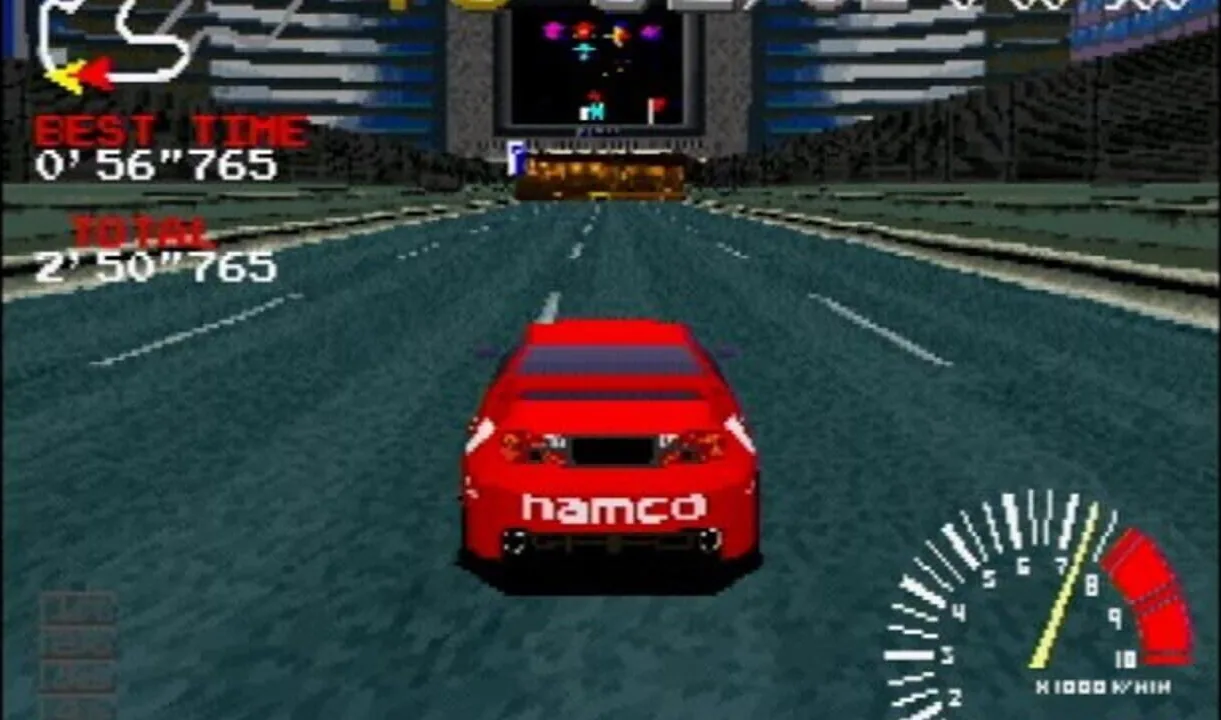
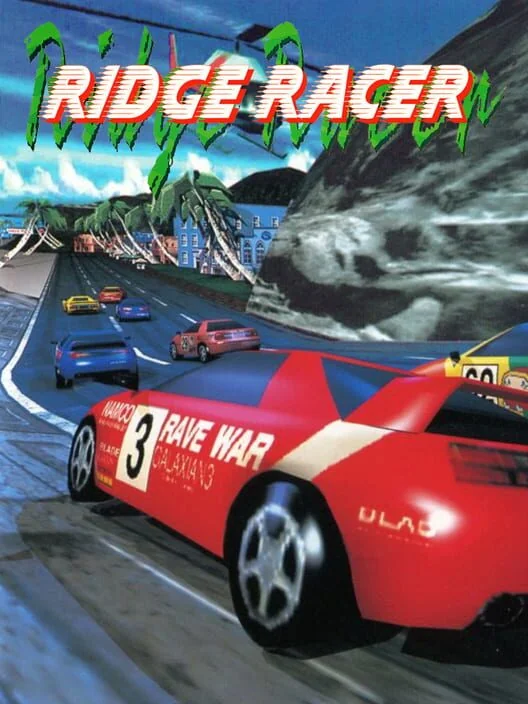
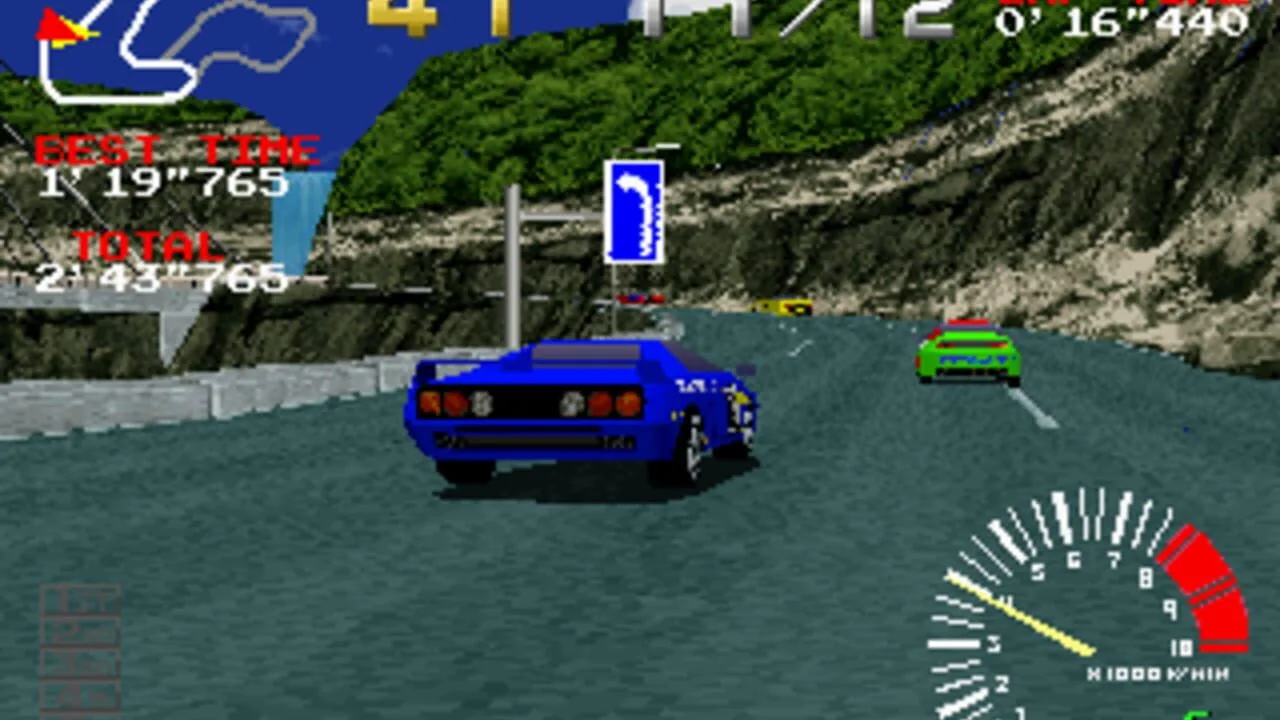
Ridge Racer started on Namco's System 22 arcade board in 1993, where it was the first arcade game with 3D texture-mapped graphics. Its PlayStation port was the first Namco game on the console. Seeing it run smooth on a TV at home was enough to change the minds of the most skeptical players about whether Sony belonged in the home market at all.
The game is built around drifting down mountain roads, a trend among Japanese car enthusiasts. Reviews called it arcade perfect, which isn't quite true, because the textures are much lower resolution than the arcade's. It was also fairly light on content, although it did go beyond what the coin-op offered. Its best extra plays before you even race: a Galaxian mini-game runs while the game loads, and clearing every enemy in time unlocks 8 extra cars.
2. Grandia (1997)
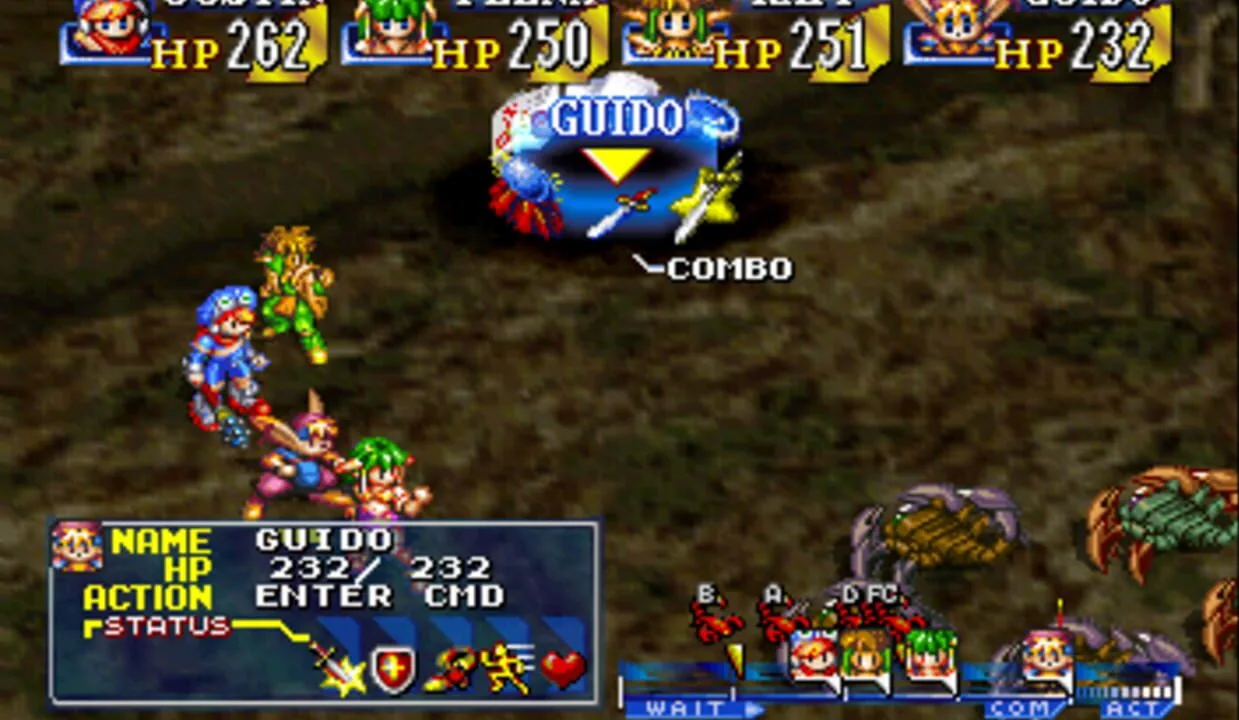
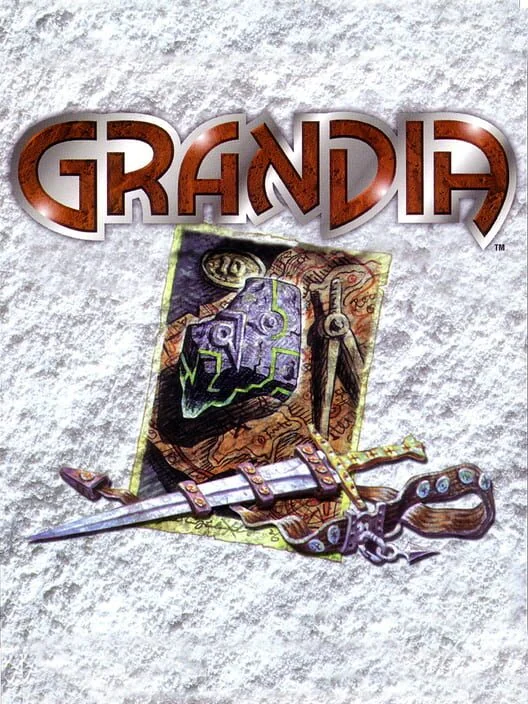
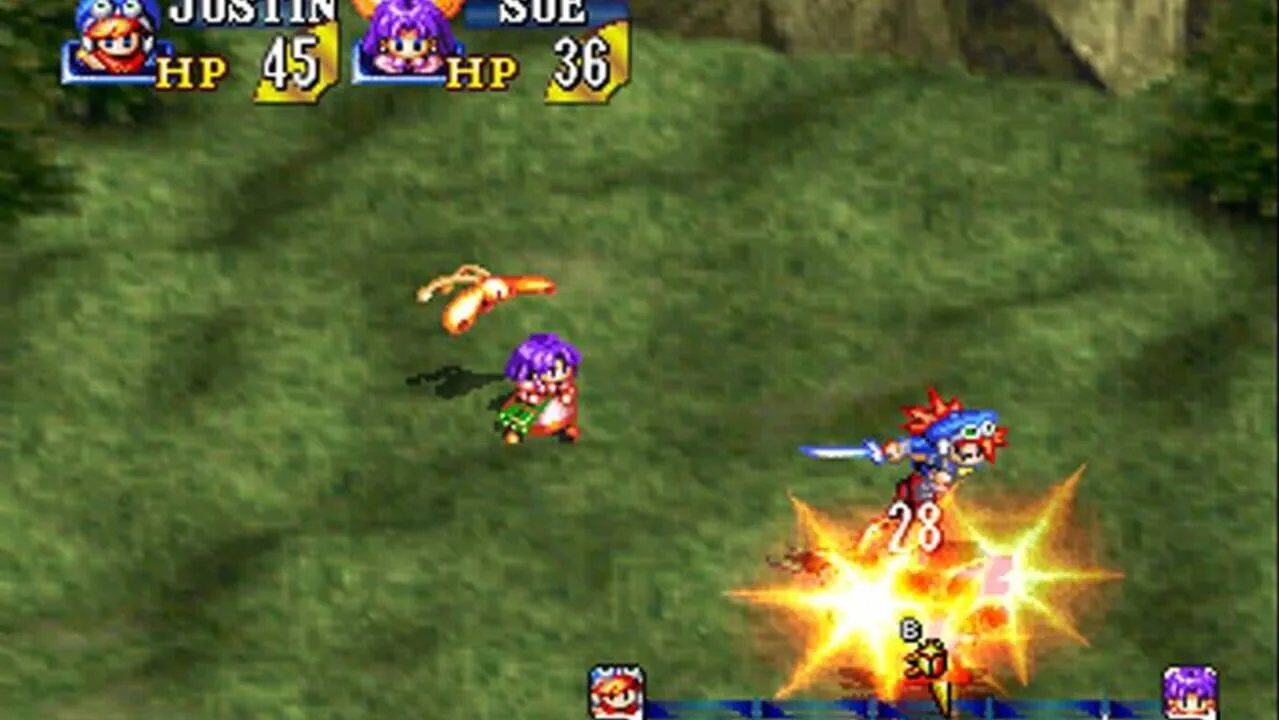
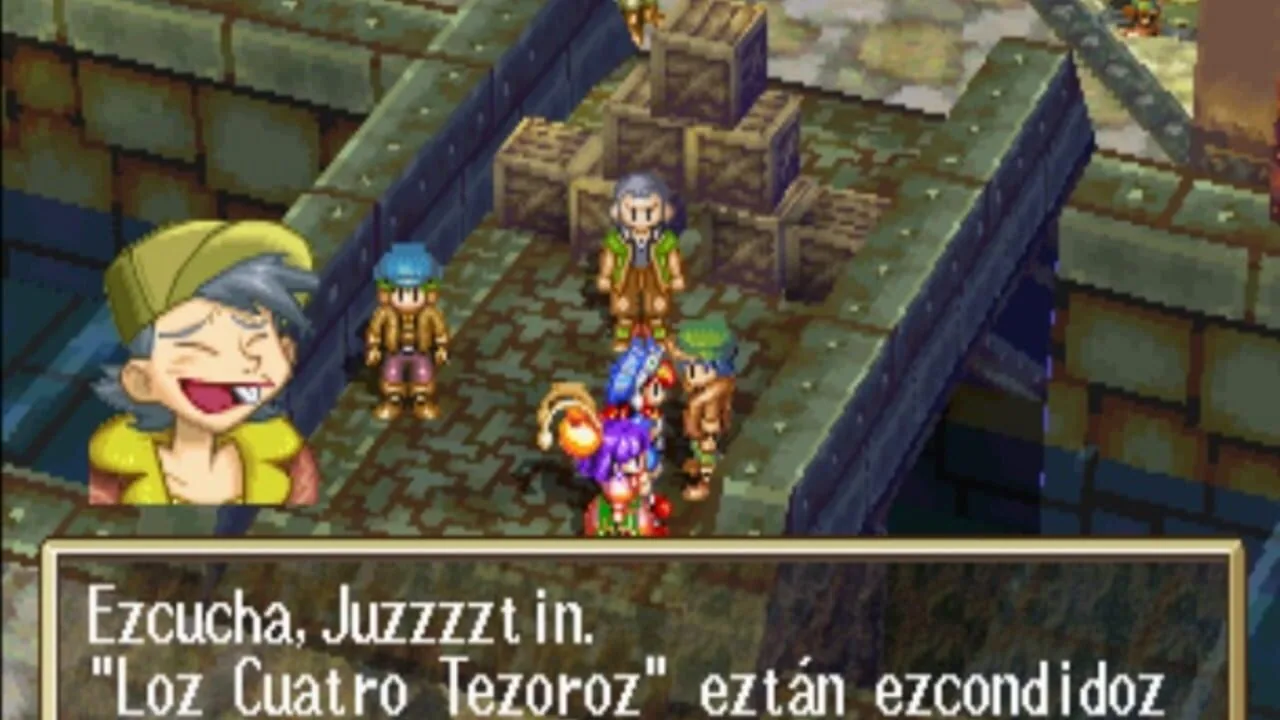
Game Arts first released Grandia on the Sega Saturn in Japan in 1997, but it didn't receive an English localization until it was ported to the PlayStation in 1999. Sony made that localization itself, and next to the boisterous Lunar translations its writing is a bit drab, though not terrible. Justin, the young son of a great explorer, carries the story, and the battles are where it shines: each character attacks with a Combo, which tends to deal more damage, or a Critical, which can cancel an enemy's action.
As a port, it changed little, but it did lose some polish along the way. Some shadows and effects went missing, and the Saturn's realistic rippling water had to be replaced with simple textures. Both versions also slow down when you run through towns. Much of the staff came over from the Lunar games, and you can feel it in the music.
1. Tekken 3 (1998)
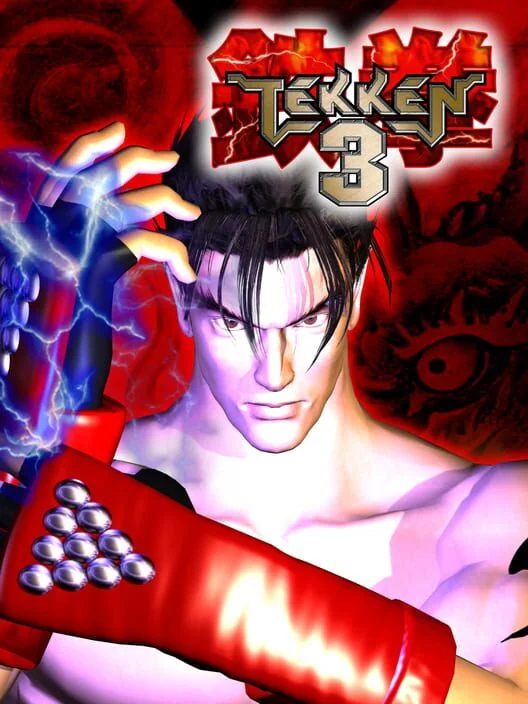
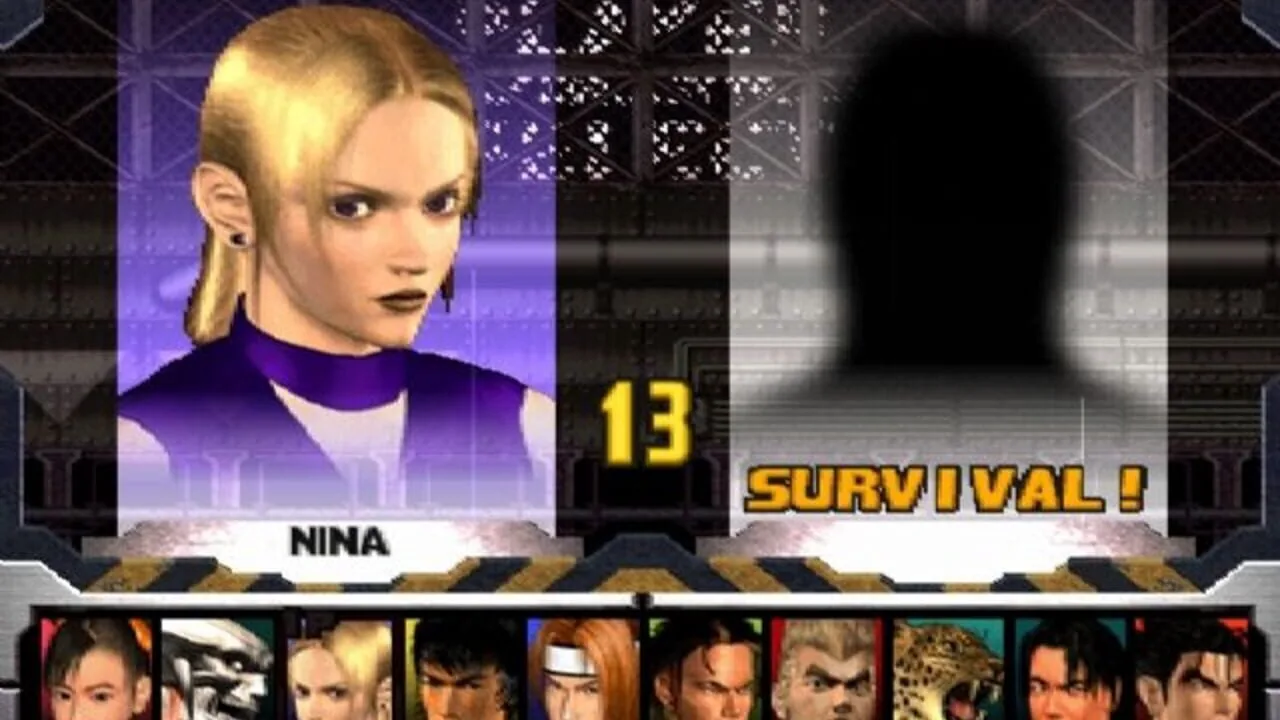
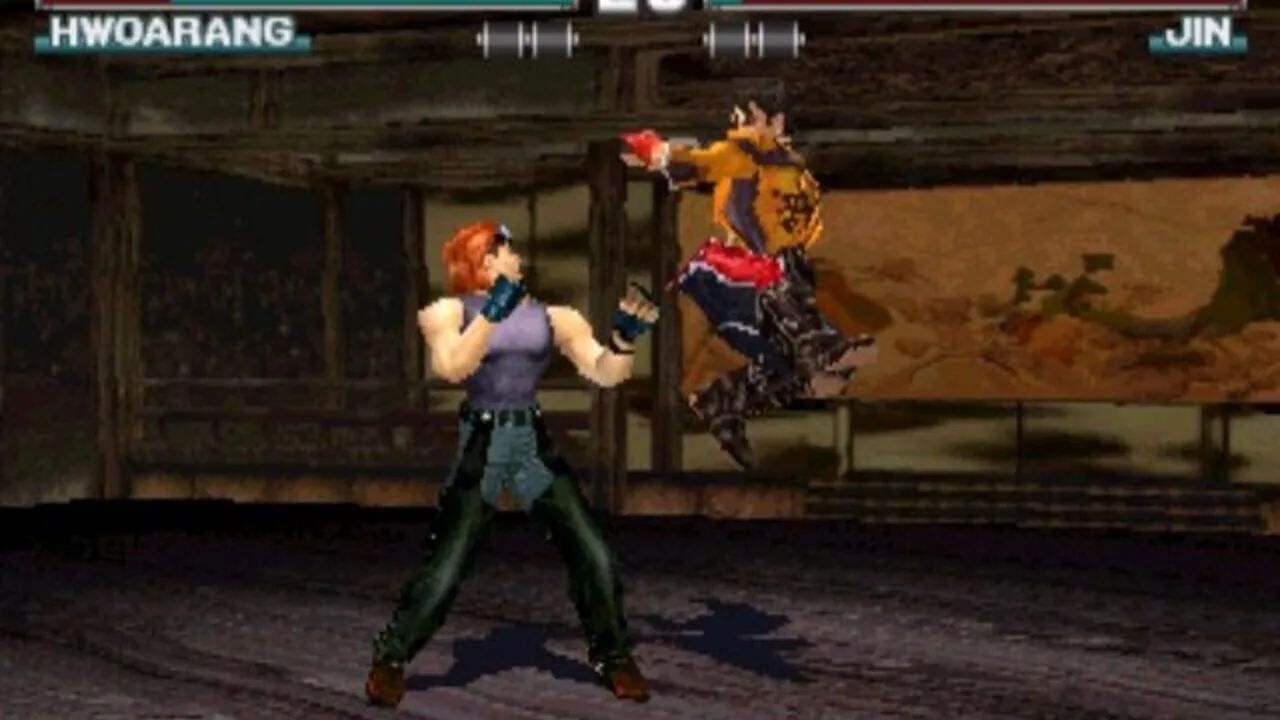
Tekken 3 is considered the pinnacle of the series. It brought over fifteen new characters and a revised combat system where moves were easier to combo. Jumps were severely toned down, and side-stepping became key to avoiding attacks. It was also the first time Namco used true motion capture techniques for the game.
The arcade game came out in 1997, and the PlayStation version followed in 1998 as a near arcade-perfect port running at 60 fps. At release, three out of four reviewers at Electronic Gaming Monthly gave it a 10 out of 10, and the last gave it a 9. Even its sillier corners have a story: Tekken Ball began as a simulator that producer Harada designed to help people practice air juggles, and the roster includes Gon, a silent little dinosaur from a manga of the same name. Players still call it the best fighter on the console, and plenty say it holds up better than a lot of modern ones. (A tiny dinosaur in a martial arts tournament. Nobody questioned it, and neither will I.)
Which one to play
There you have it, the whole list of the best PS1 ports. These are full arcade and PC games running at home, and the best of them hold up against anything the console made from scratch.
If you are not sure where to start, play Tekken 3. If you want the pinnacle of 2D fighting, go for Street Fighter Alpha 3. If you love RPGs, Grandia is the one to try first. If you want a racing game with real arcade roots, pick Ridge Racer. If you want something for two people on one couch, Diablo has you covered. And for a hidden pick, Rival Schools packs a whole second disc of extras.