The PS1 was a fighting game powerhouse. Fighting games ruled the arcades in the nineties, and suddenly the polygon brawlers that ate all your coins were running at home, often with more characters and modes than the arcade machines ever had. Namco brought its 3D fighters home, and Capcom squeezed Street Fighter, Darkstalkers and its Marvel crossovers onto the disc too.
The PS1 also got some of the strangest fighters ever made, from sword duels where one hit kills to fighting games with whole dungeon crawls attached. Here are the 25 best PS1 fighting games.
25. X-Men vs. Street Fighter (1996)
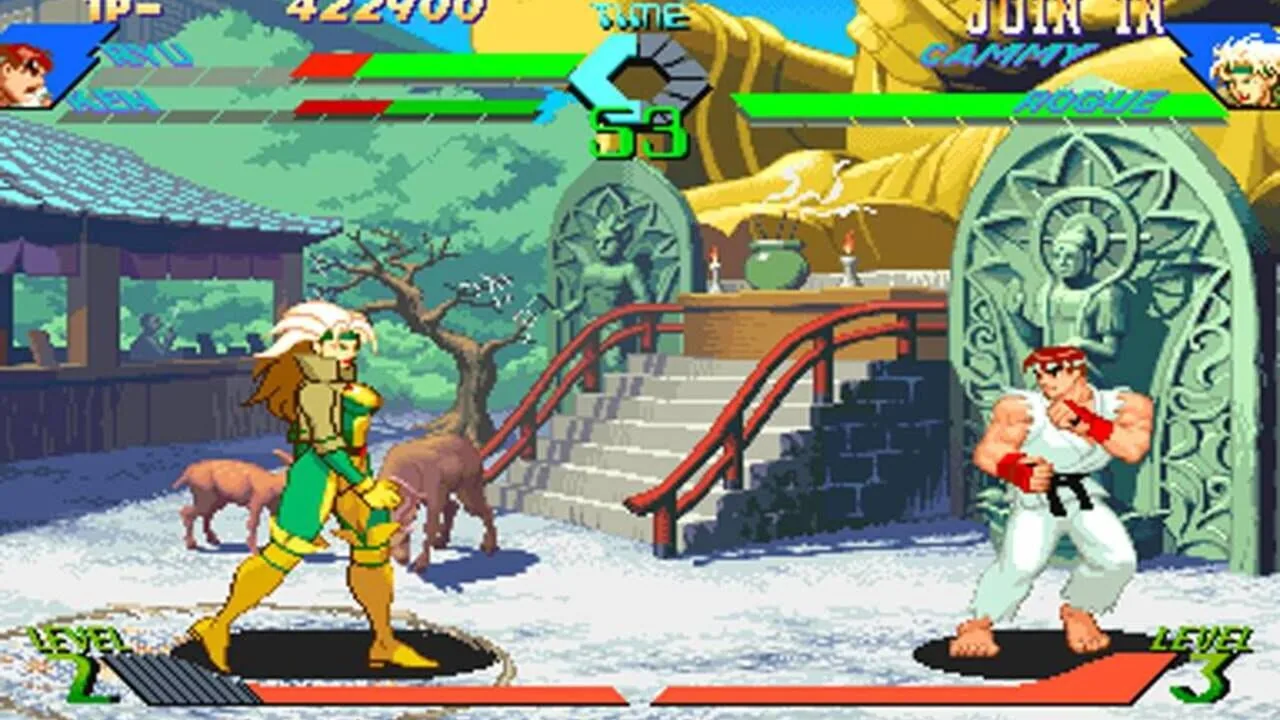
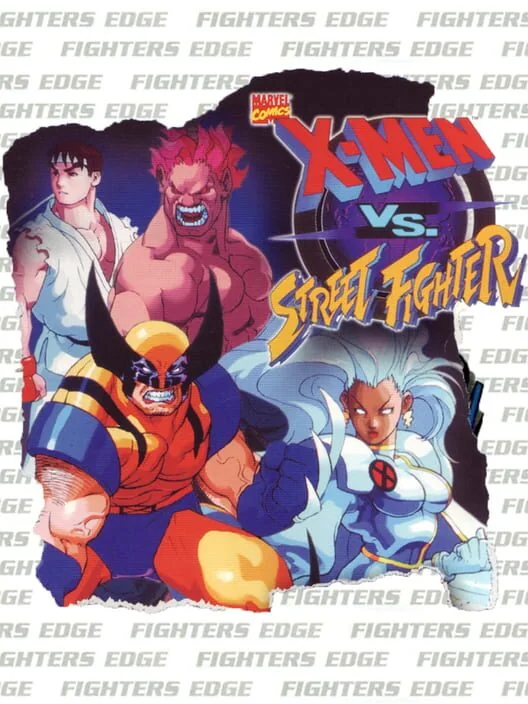
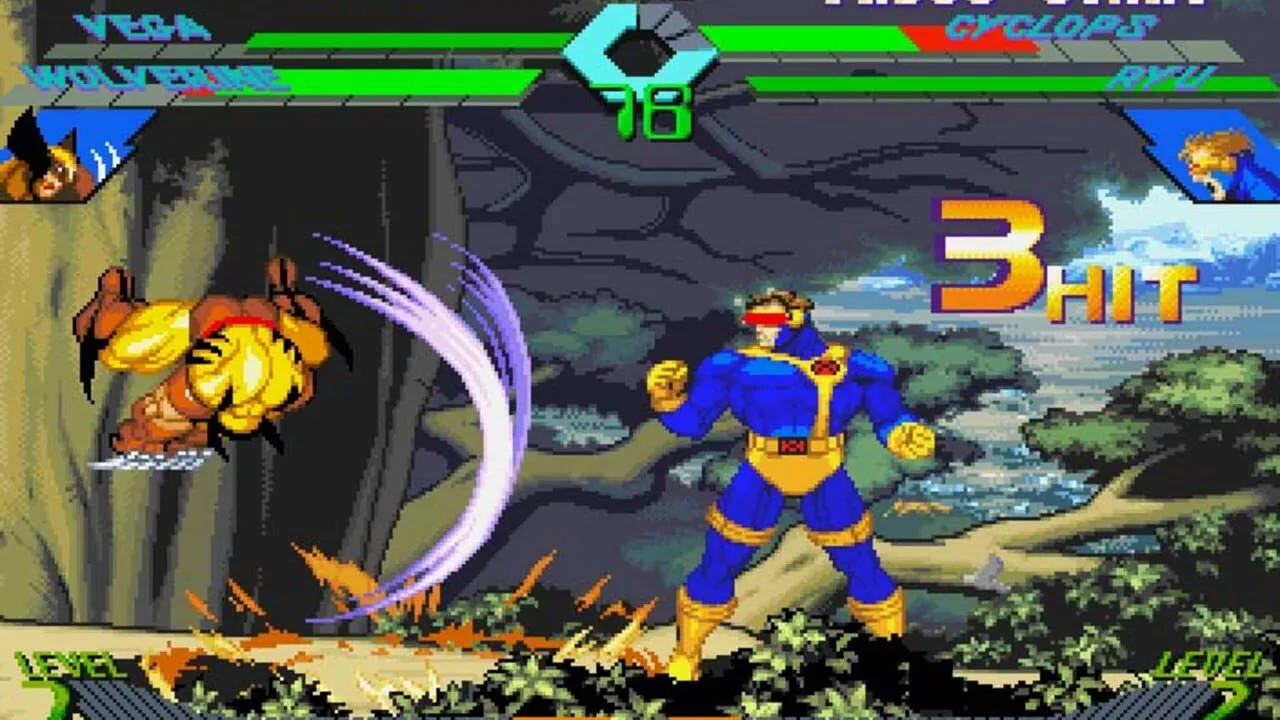
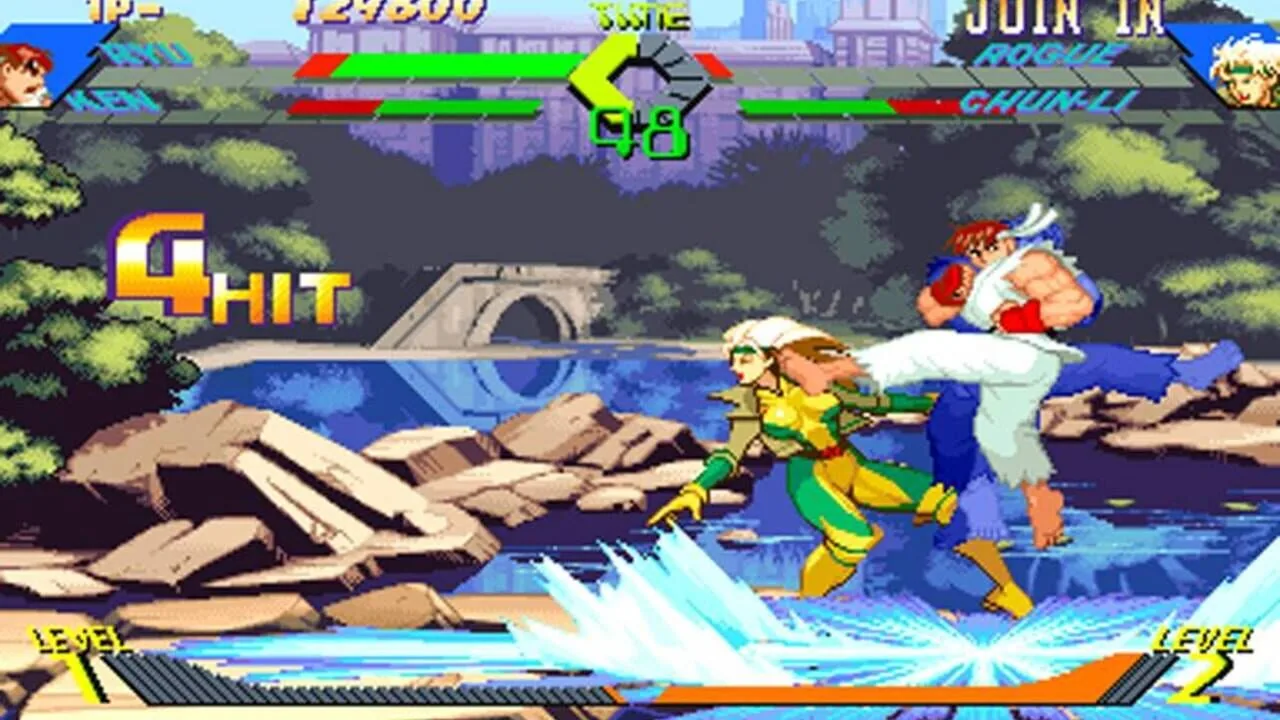
X-Men vs. Street Fighter started in arcades in 1996, and it was the first game to put the X-Men up against the Street Fighter cast. It was also the first to mix tag team fighting into Street Fighter. It was Capcom's third fighting game with Marvel characters, after X-Men: Children of the Atom and Marvel Super Heroes, and it kicked off the whole Marvel vs. Capcom series.
The PS1 port is the catch. The Saturn version kept the arcade experience, but the PlayStation port removed several features, tag team battles included, and critics were not kind to it. In return it added a Training Mode and a Survival Mode. Players loved it, but they warn that the PS1 port cut the tag team play and a lot of animation. The first tag team Street Fighter, minus the tag team.
24. Street Fighter EX plus Alpha (1997)
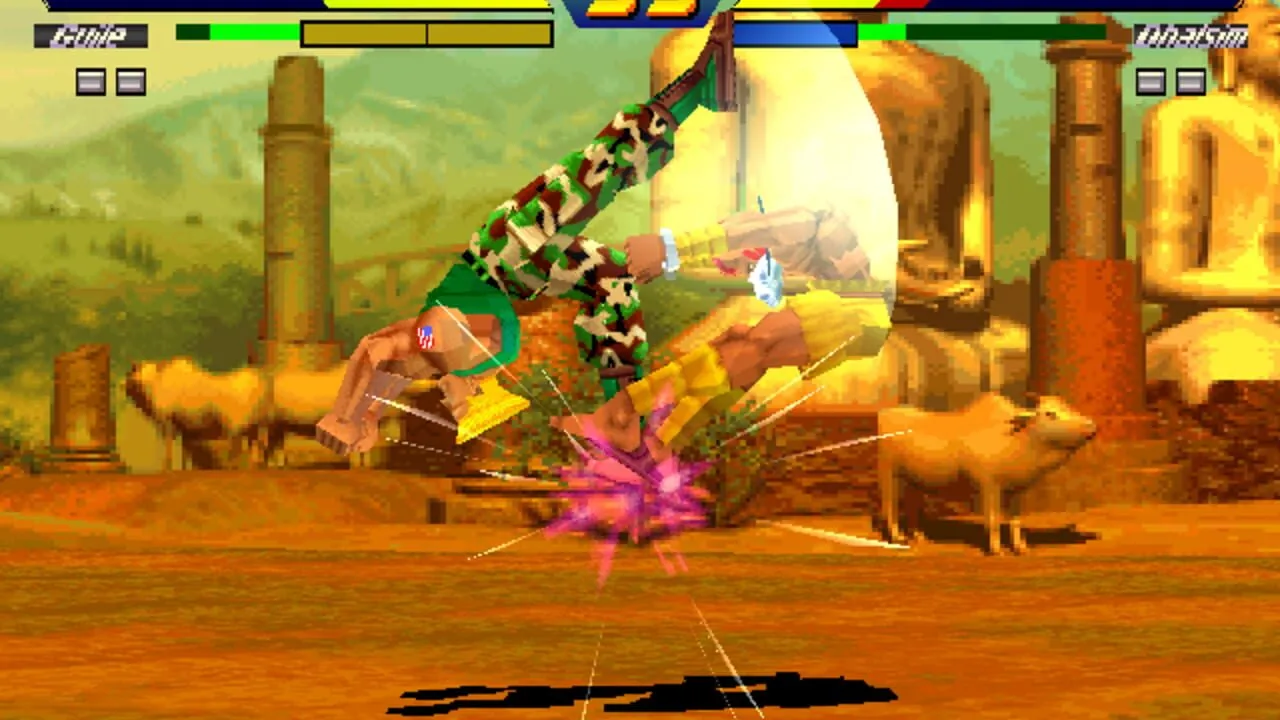
Street Fighter EX plus Alpha is the PlayStation port of the arcade game Street Fighter EX Plus, and it adds Dhalsim and Sakura plus an arranged soundtrack. Capcom made it with Arika, and EX was the first Street Fighter with 3D polygon graphics, even though you still fight on a flat 2D plane.
With Dhalsim and Sakura, the cast grows to 23 fighters, and there is a hidden bonus stage where you smash barrels, a nod to the bonus stages in Street Fighter II. It came out on the PS1 in July 1997. Its fans call it a hidden gem and an all-time favourite, and some pick it for the music alone. It plays like a regular Street Fighter in a 3D coat of paint, and that is exactly why it still works.
23. Tobal No. 1 (1996)
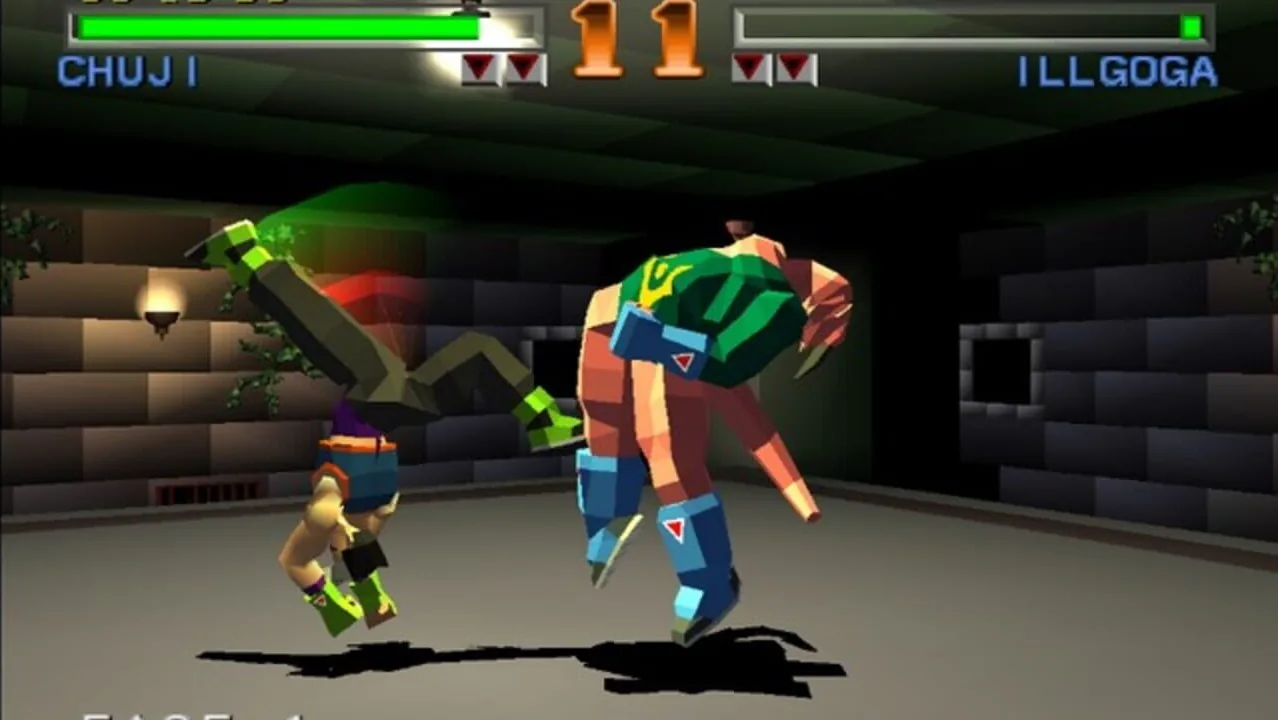
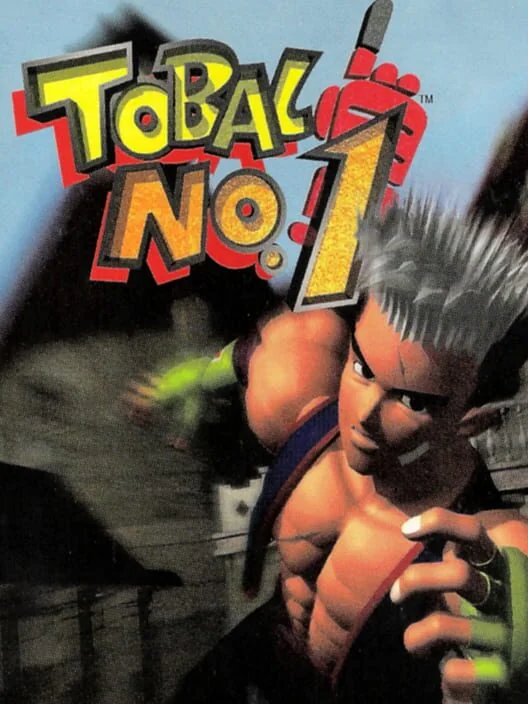
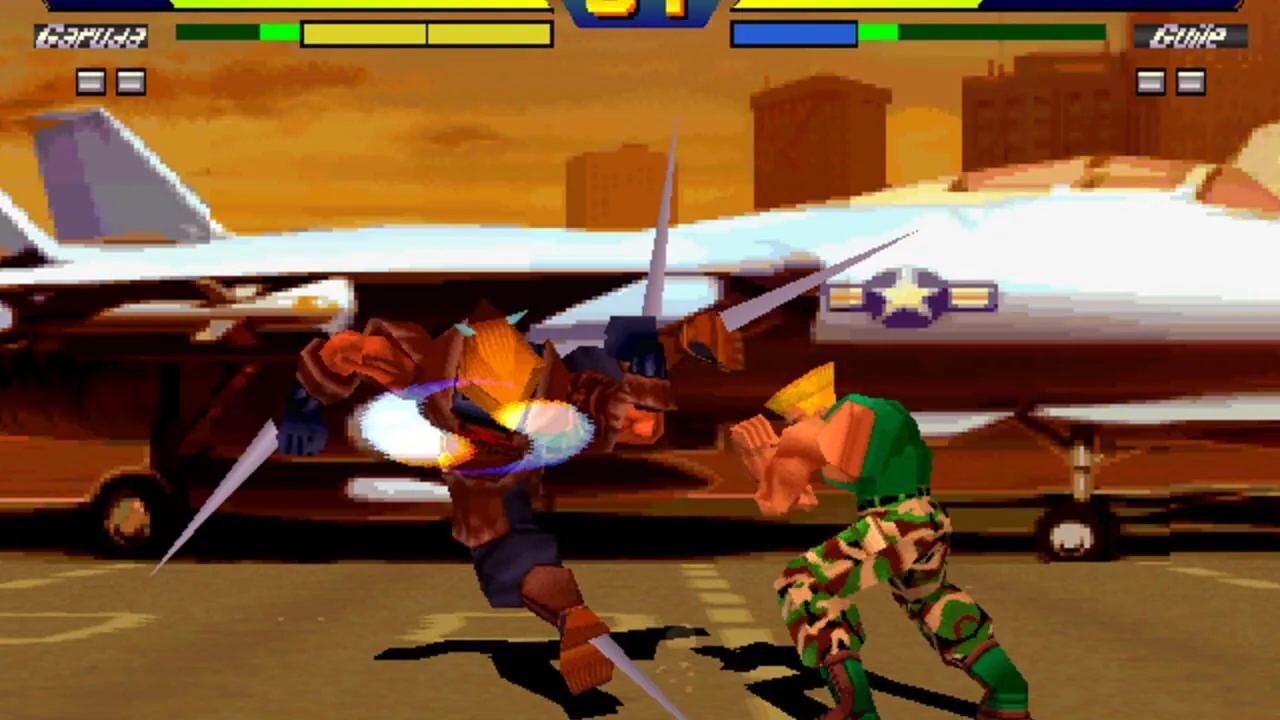
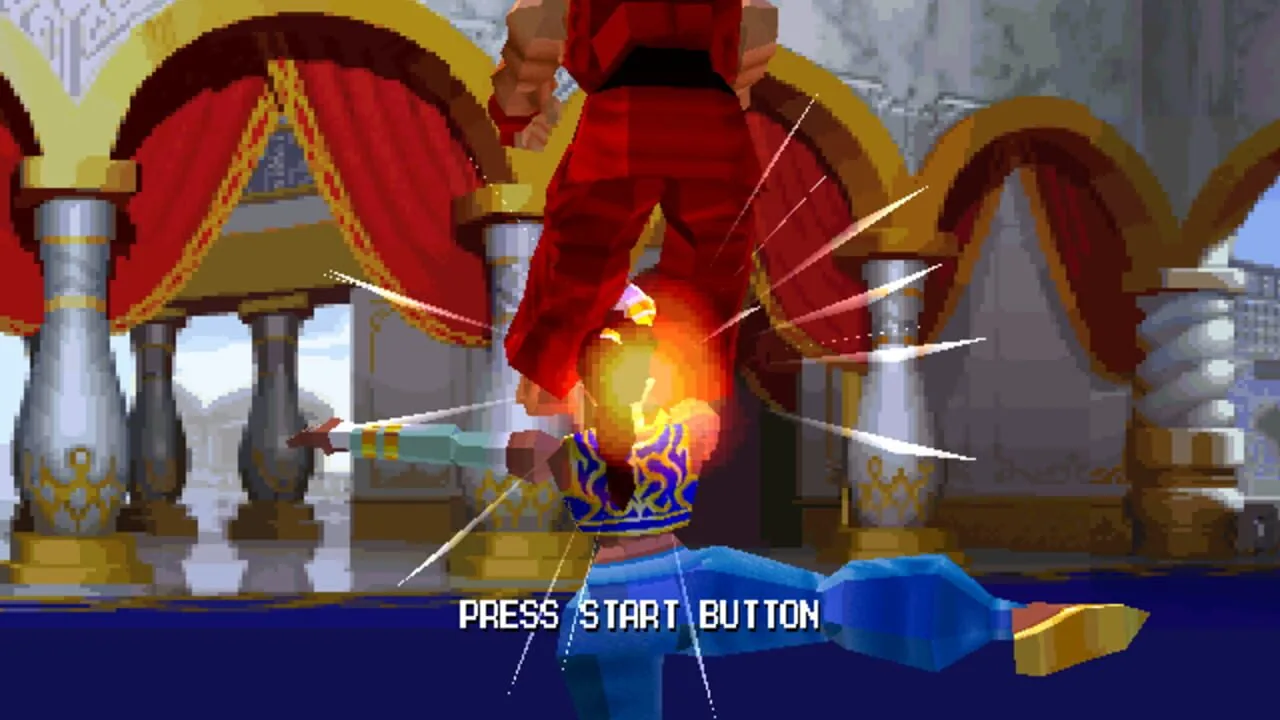
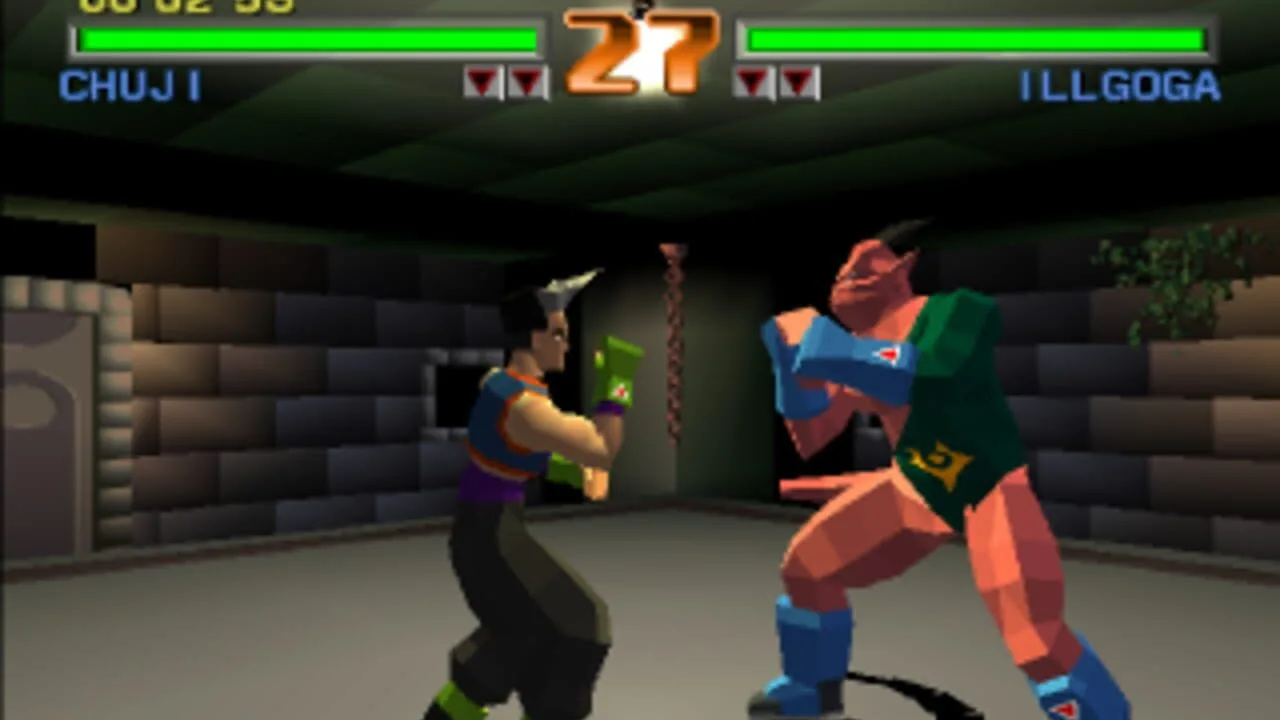
Tobal No. 1 is Square's fighting game, made with Seiichi Ishii, who had worked on both Tekken and Virtua Fighter. It was Square's first fighting game, made by its new studio DreamFactory, and every character was designed by Akira Toriyama, the artist behind Dragon Ball. It also shipped with a Final Fantasy VII demo.
Players remember its quest mode, a dungeon crawl bolted onto a fighting game. Clear all 30 floors of Udan's Dungeon and you unlock a secret fighter called Toriyama Robo, named after the artist. The story and the character backstories are only explained in the instruction manual. It was a hit in Japan and became a cult hit in North America, and its sequel sits a few places higher.
22. Star Gladiator
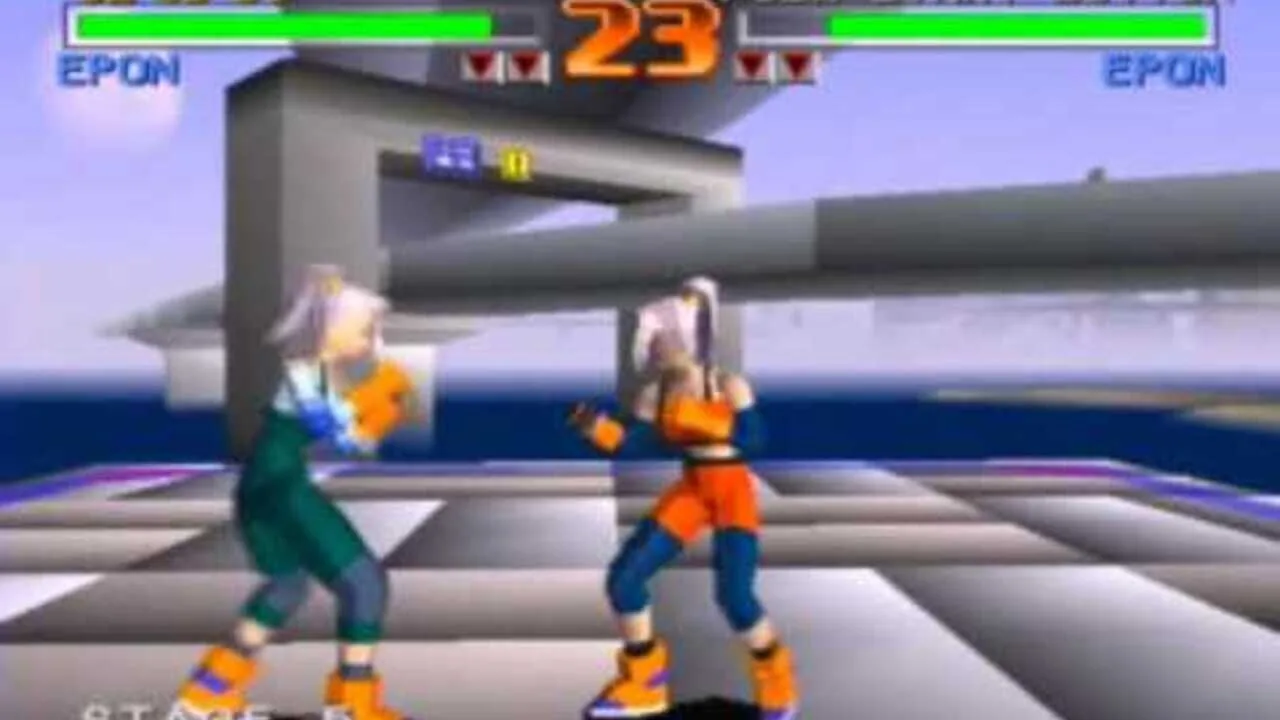
Star Gladiator was Capcom's first in-house polygonal fighting game, and it took the company into space. Fighters duel with weapons in 3D arenas using a four-button setup, the same one Capcom later borrowed for Rival Schools. Star Gladiator reached arcades first and the PS1 a few months later.
The story follows Edward Bilstein, a Nobel Prize-winning physicist who learns to turn the human mind into an energy source he calls Plasma Power, which is a lot of science for a sword fight. Every fighter also gets one Plasma Strike per round, a huge hit if it lands. Critics praised its 3D gameplay and its look, and it sold well enough for a sequel, Plasma Sword, in 1998. Players who rank their favourites keep finding room for it.
21. Capcom vs. SNK: Millennium Fight 2000 Pro (2001)
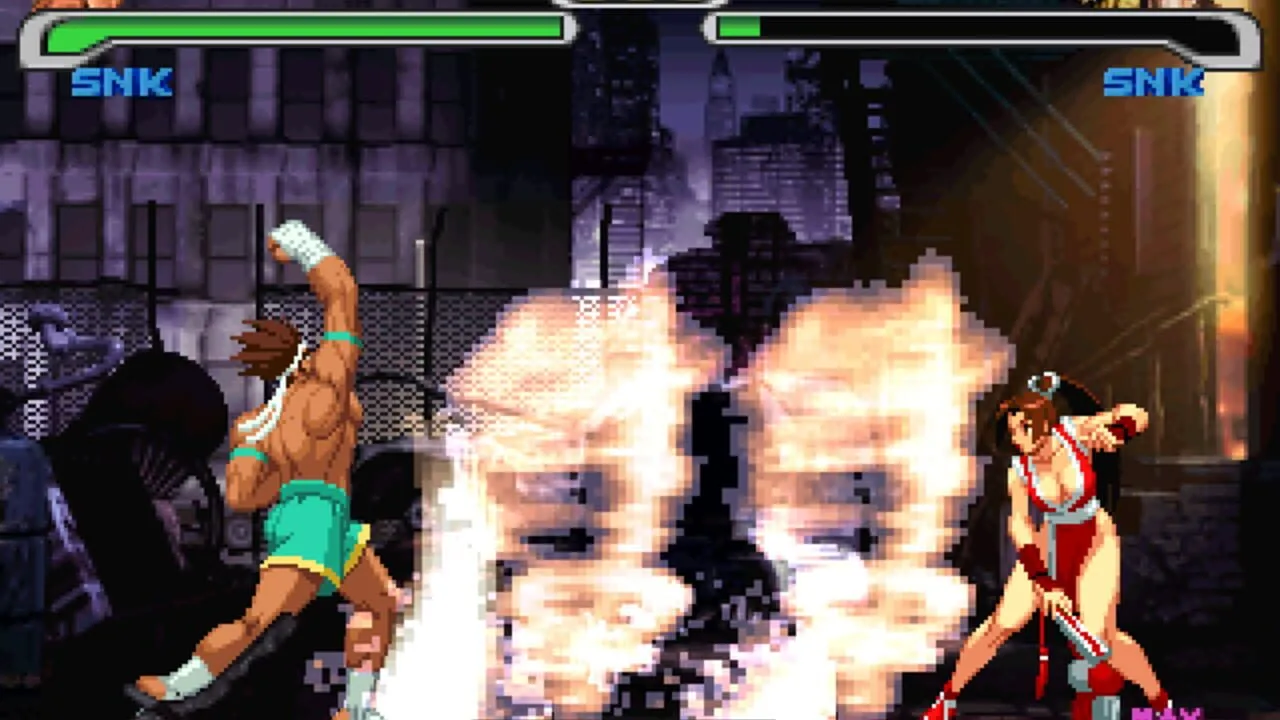
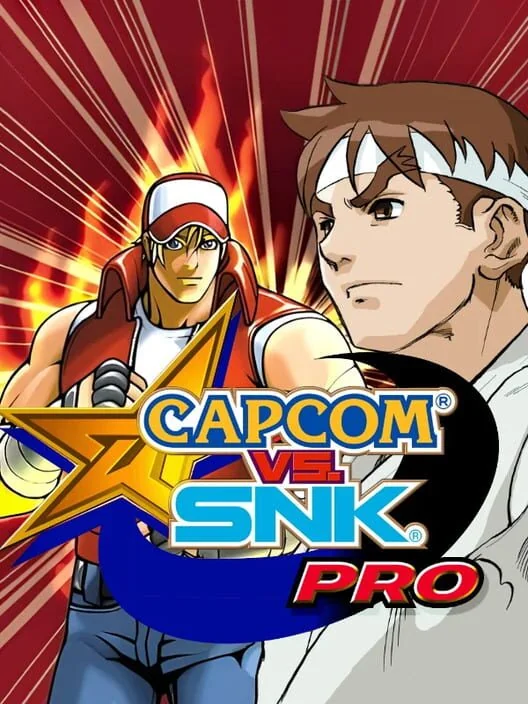
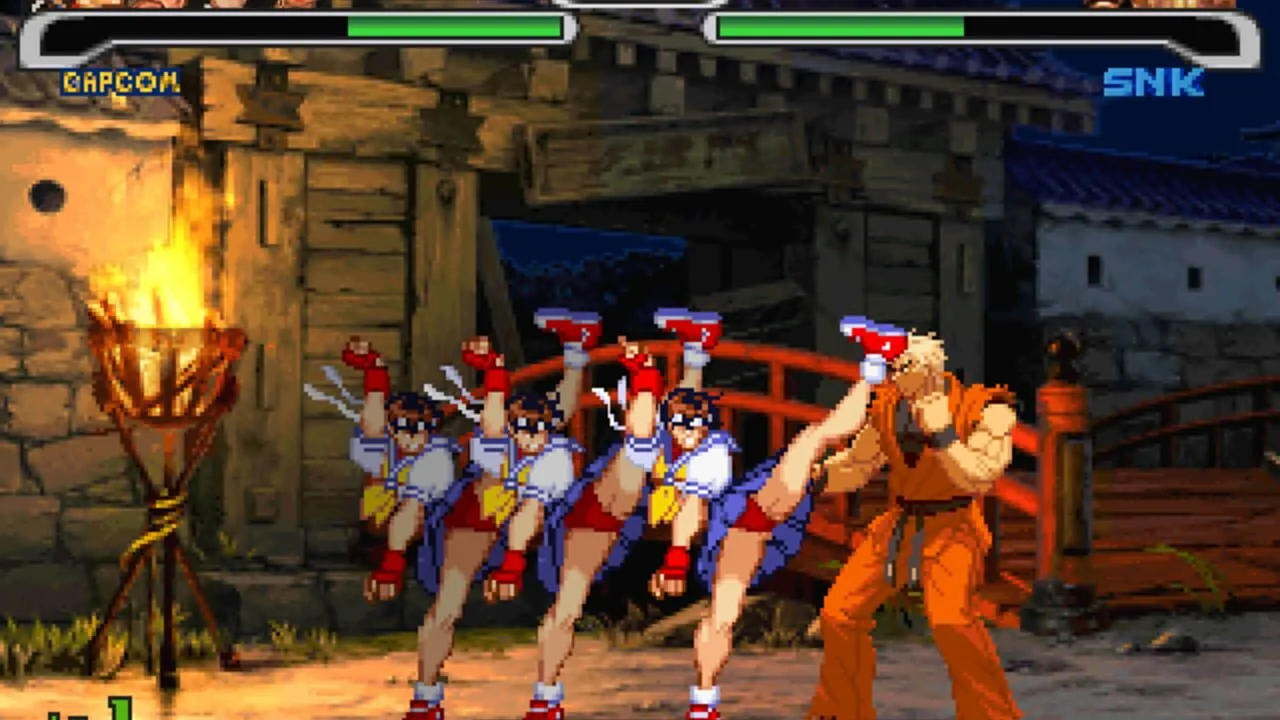
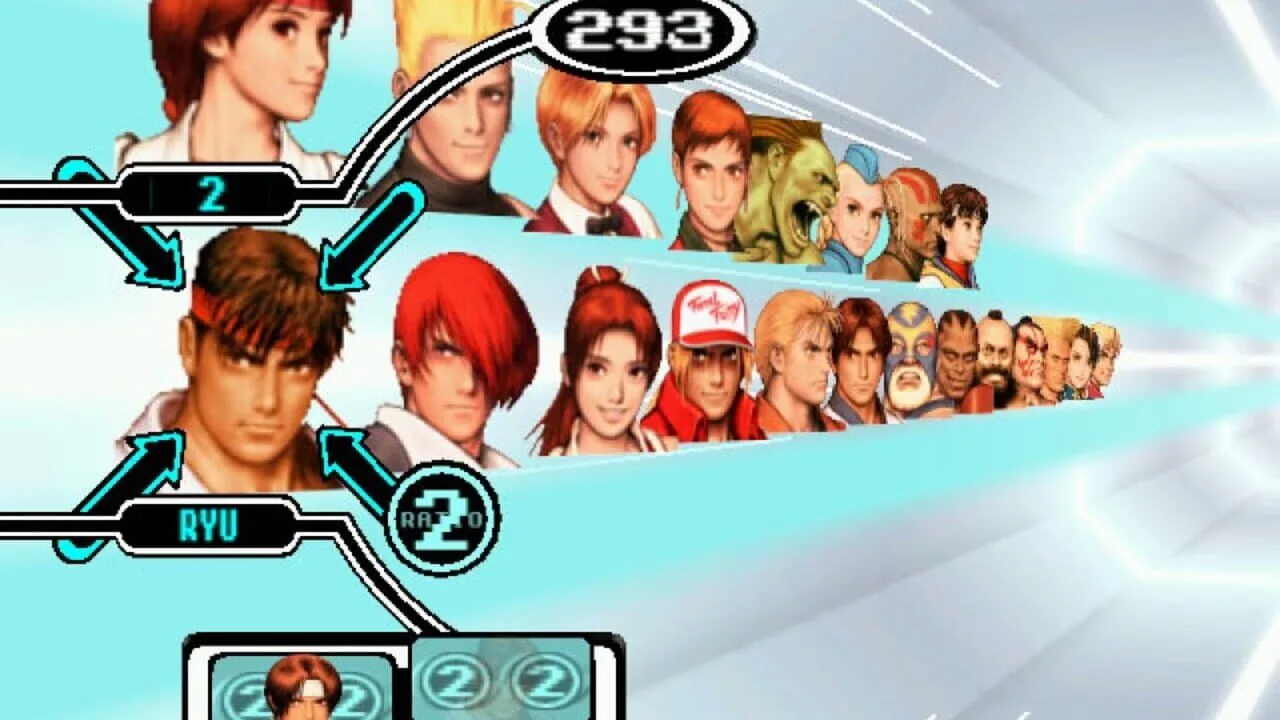
Capcom vs. SNK: Millennium Fight 2000 Pro is the updated Capcom vs. SNK, with Joe Higashi and Dan Hibiki added. Before each fight you pick a Groove: the Capcom Groove plays like Street Fighter Alpha, and the SNK Groove plays like The King of Fighters.
The PS1 version has load times between rounds and downgraded graphics and sound, which is what happens when an arcade game gets squeezed onto it. Players admit it is not the best fighter on the console, but they have fond memories of it. Capcom also wanted Rock Howard from Garou: Mark of the Wolves, but the Garou team refused. The PS1 version reached North America in August 2002, very late in the console's life, and the arcade version is now in Capcom Fighting Collection 2.
20. Battle Arena Toshinden (1995)
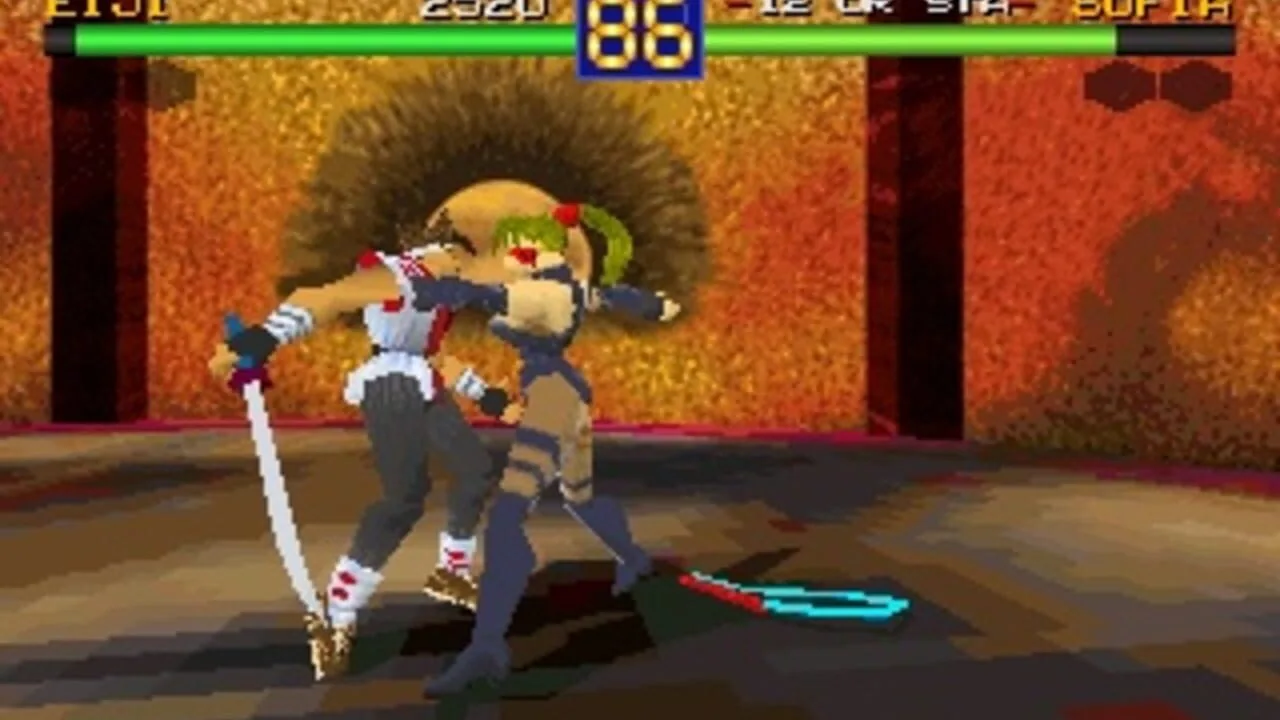
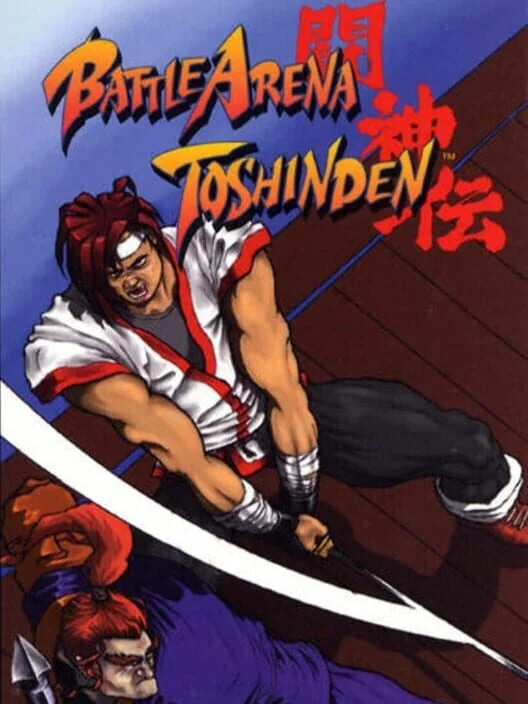
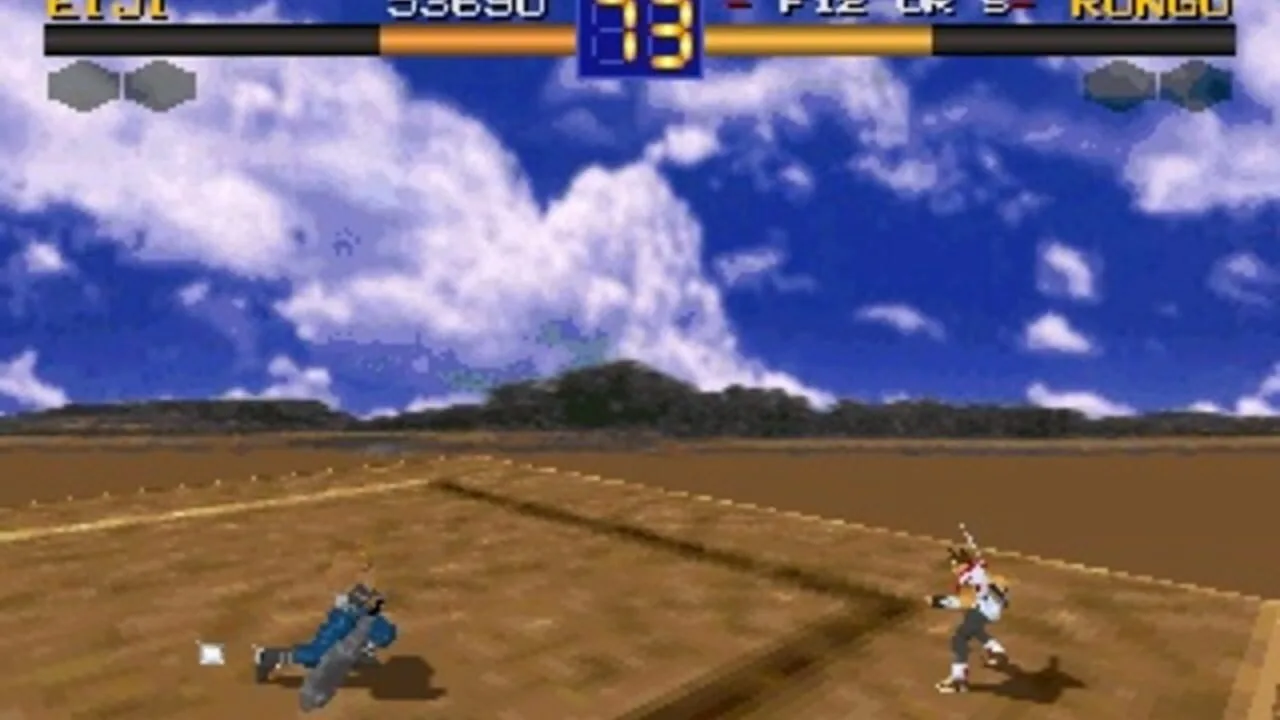
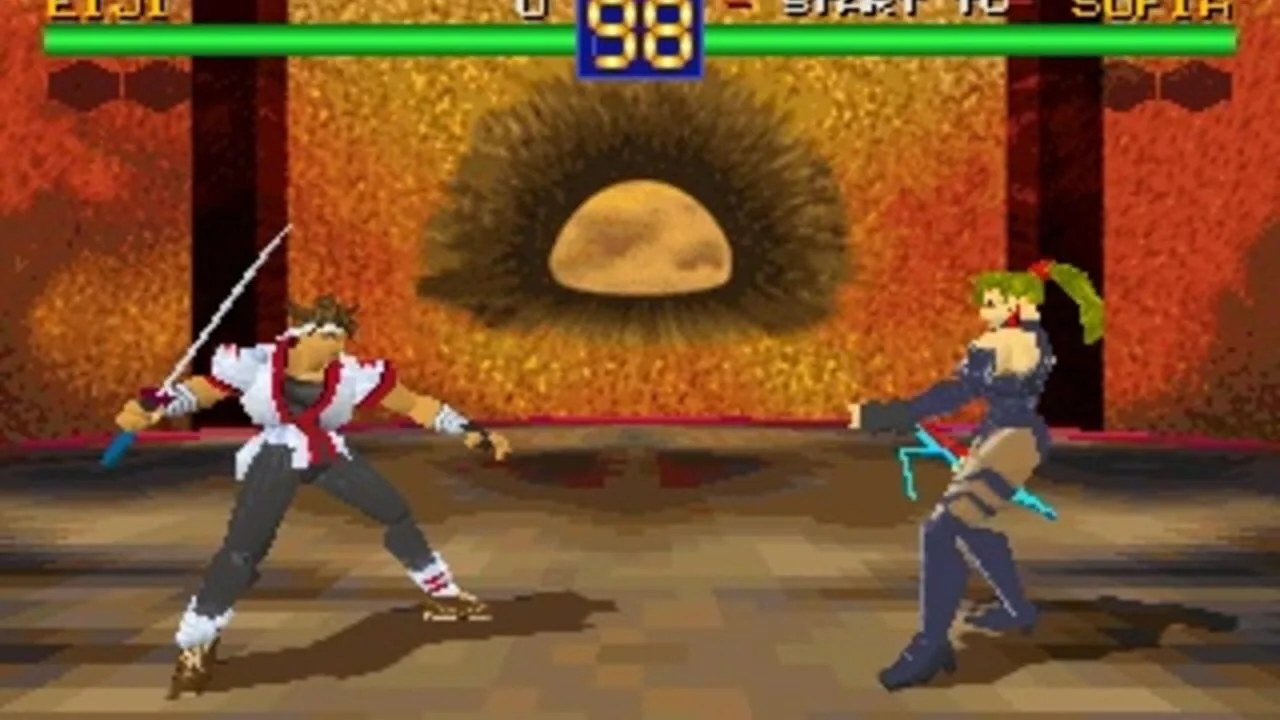
Battle Arena Toshinden gathers ten fighters for the Toshin Daibukai tournament. It was meant to be a PlayStation exclusive, and Sony released it around the world as a launch title. Sony's American team even promoted it as a Saturn killer, aimed at Sega's Virtua Fighter. Less than a year later, Sega published a Saturn version.
It was the first 3D fighter built around weapons, and every character has a desperation attack that only works when their health is almost gone. Players remember it as one of the first 3D fighting games, and they notice when a list leaves it out. Its sequels were not as well liked, and Namco's Tekken soon took over as the PlayStation's big fighter.
19. Destrega (1998)
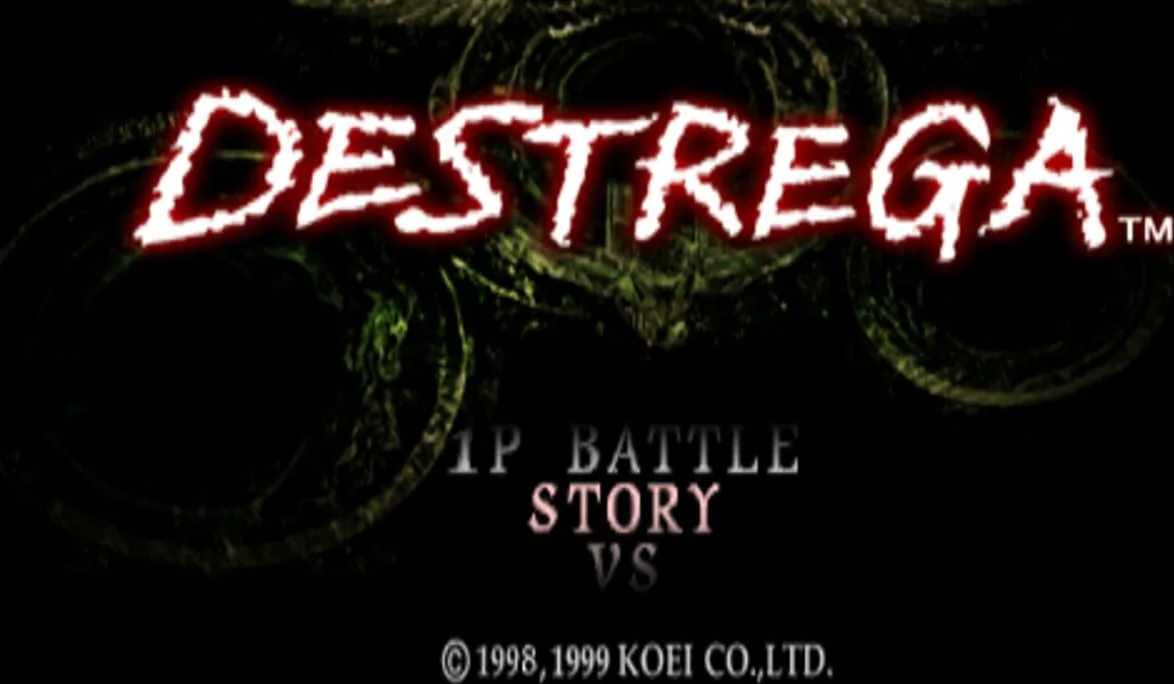
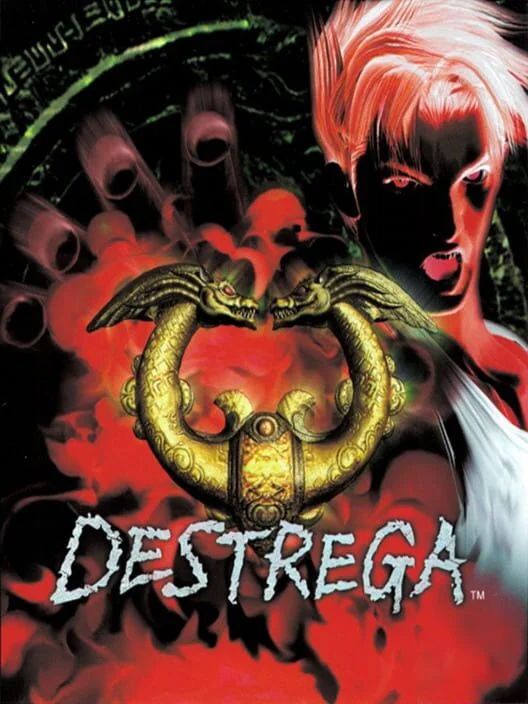
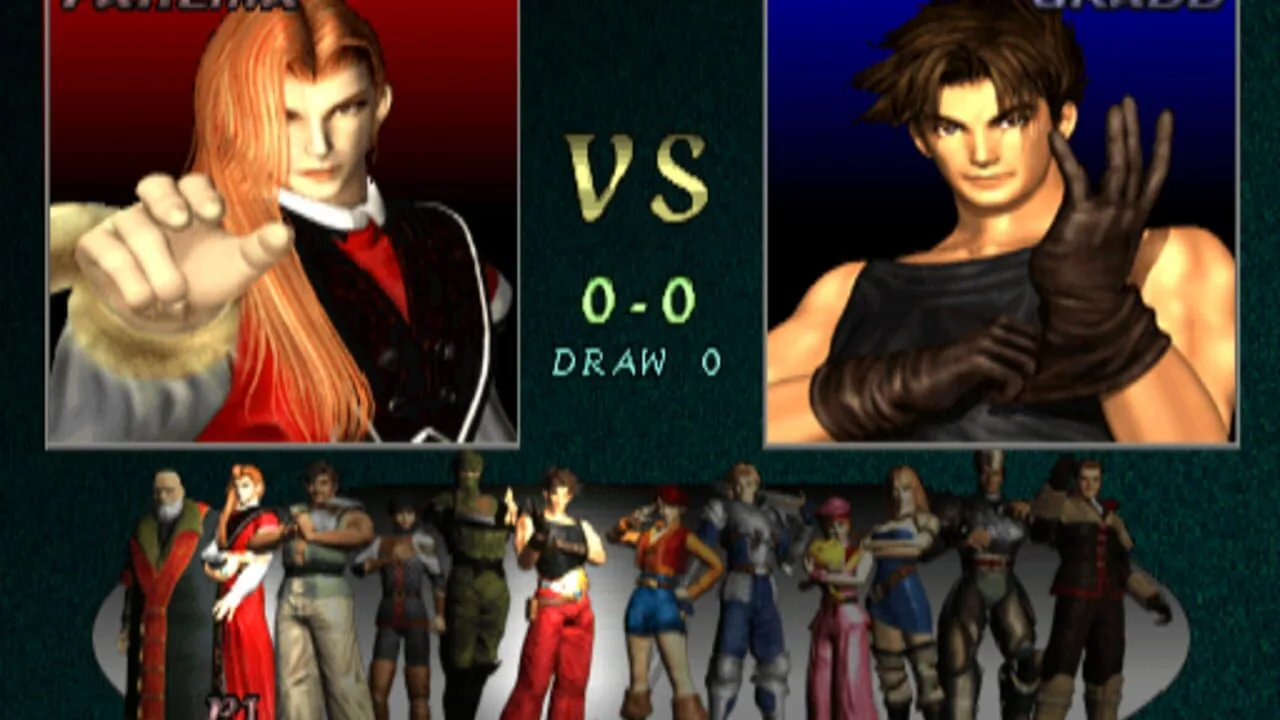
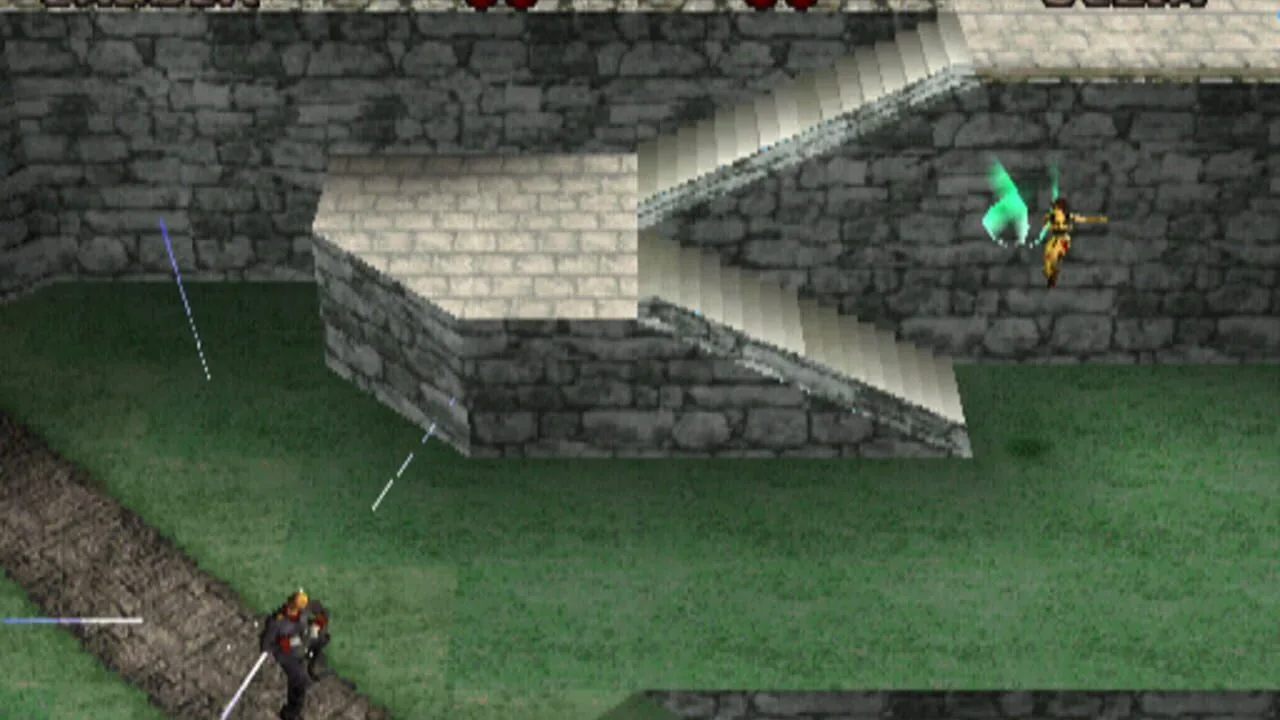
Destrega mixes role playing with fighting, and you move freely around castle ruins and open countryside. Koei published it, and the fights run on a rock paper scissors system, where each kind of attack beats one kind and loses to another.
There is a long list of modes, including a Team Battle for up to six characters and an Endurance mode where winning fast earns back health. GamePro said its sheer ambition pulls it above its weaknesses, and that the story mode alone makes it a must-play. Players name it next to Bushido Blade and Evil Zone, though some grumble about ranged attacks getting spammed. It is one of the most original fighters on the PS1, even when it is a little rough.
18. Gundam Battle Assault 2 (2002)
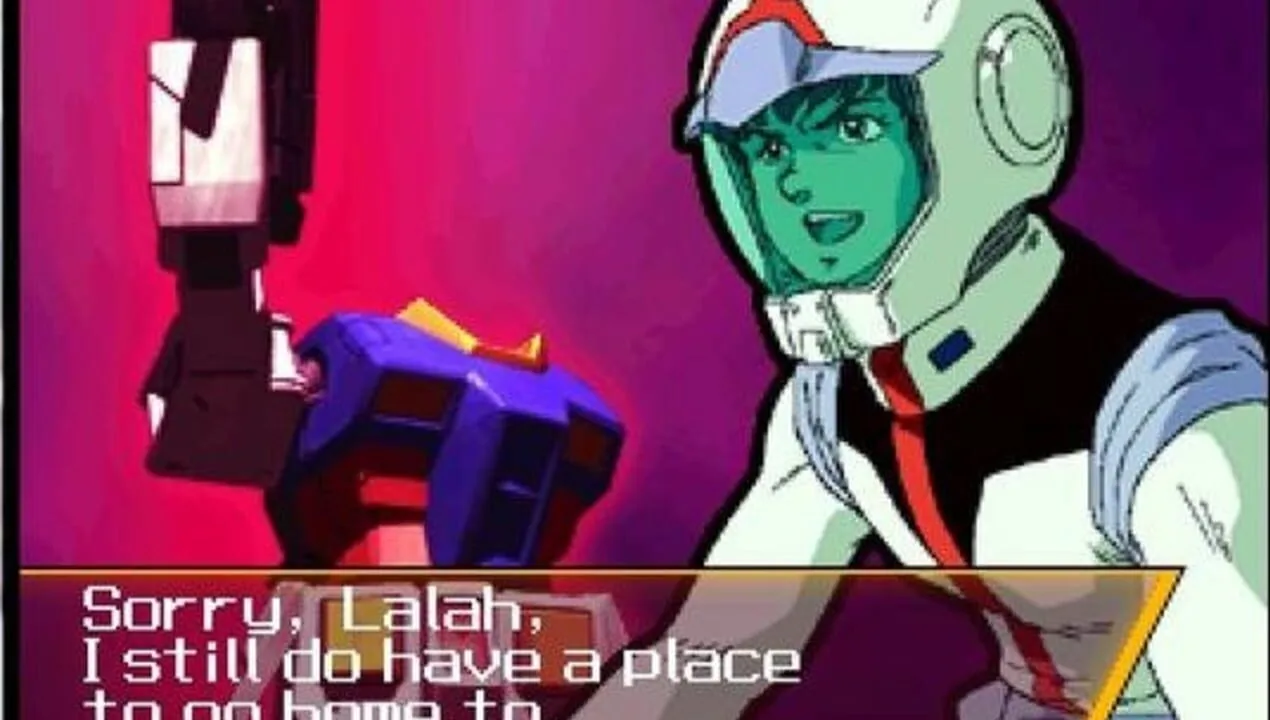
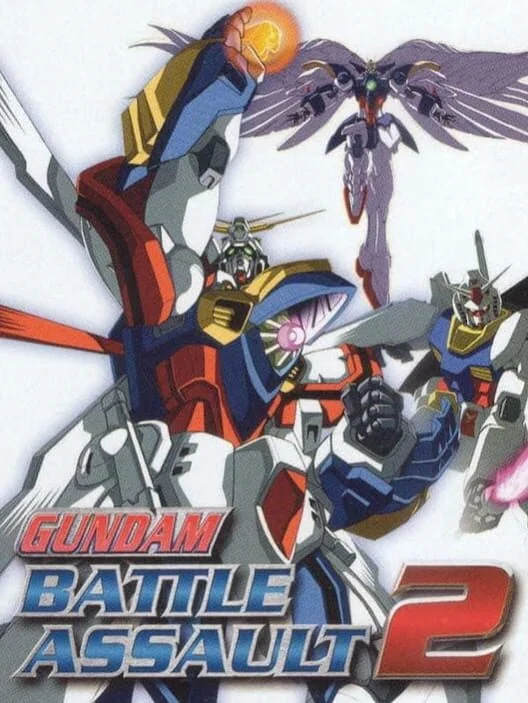
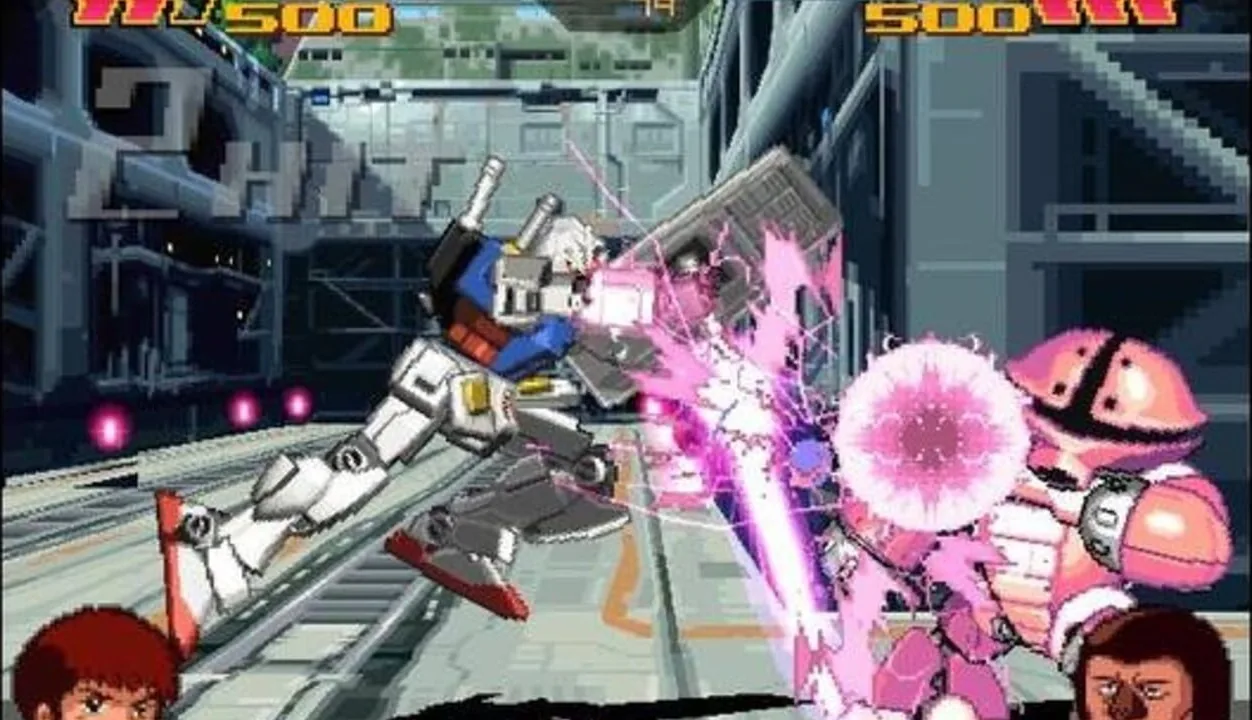
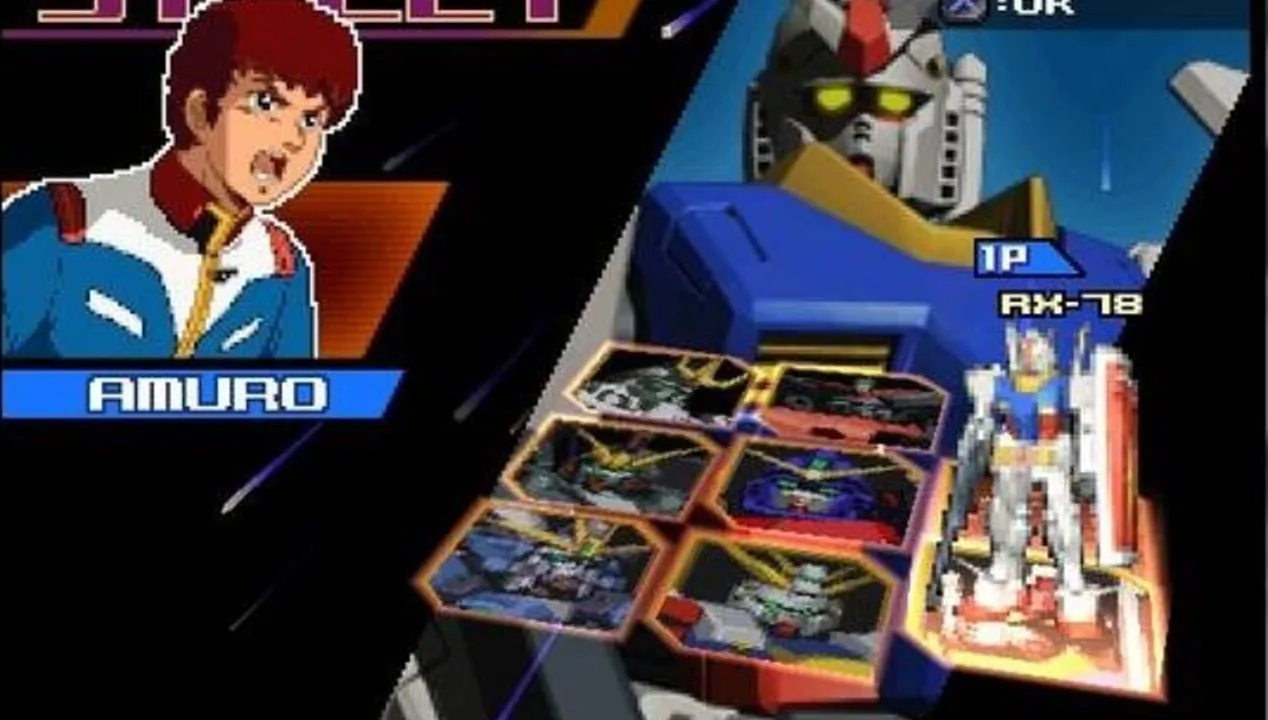
Gundam Battle Assault 2 is a 2D fighter with hand-drawn graphics and 30 mobile suits from three Gundam series. It pulls from Mobile Fighter G Gundam, Gundam Wing and the original Mobile Suit Gundam, and its Street Mode loosely follows the One Year War, the 13th Gundam Fight and Endless Waltz.
The robots fly. A boost gauge controls how far you can thrust, most mobile suits can switch to a flight mode, and the big projectile attacks use up ammo, so you have to think before you fire. Every suit also gets a Mega Special Attack it can use three times. Players call it great for anyone who likes giant robots, and for some it is their favourite. Natsume made it, and Bandai published it in the West.
17. Tobal 2 (1997)
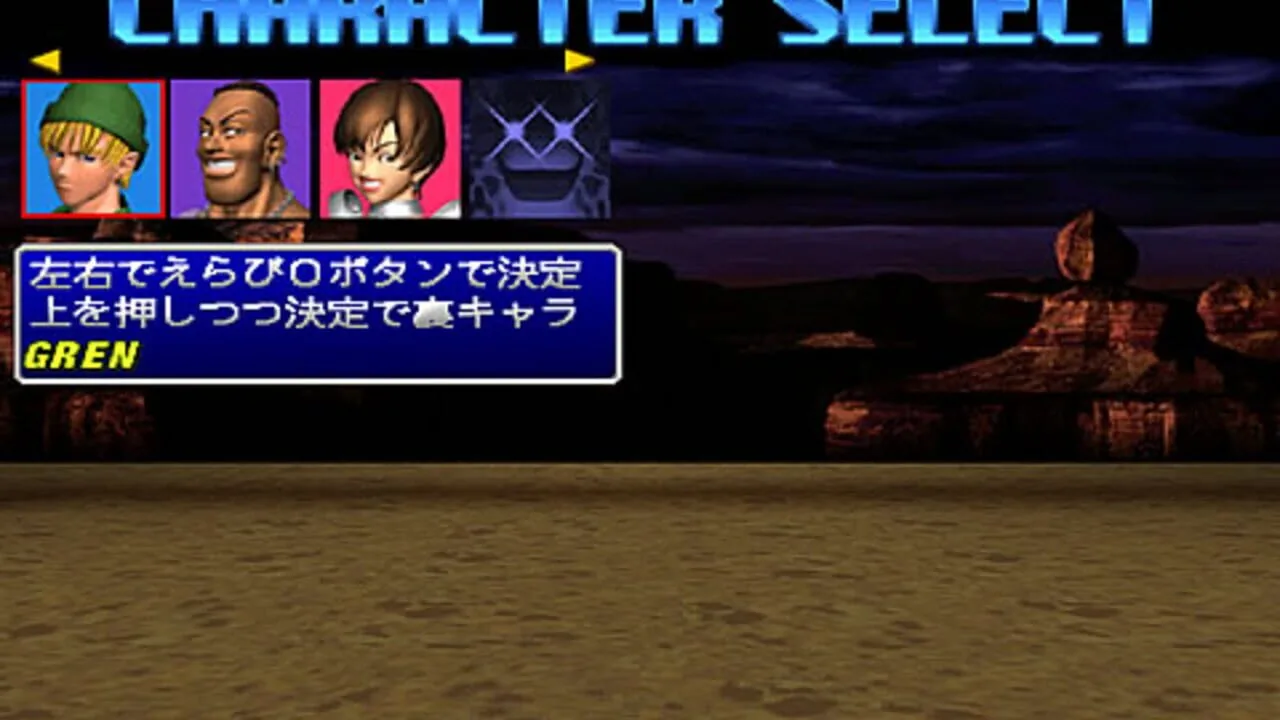
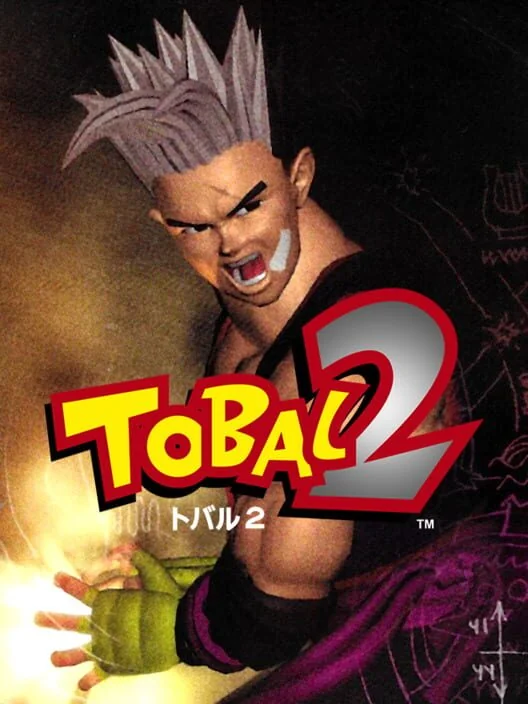
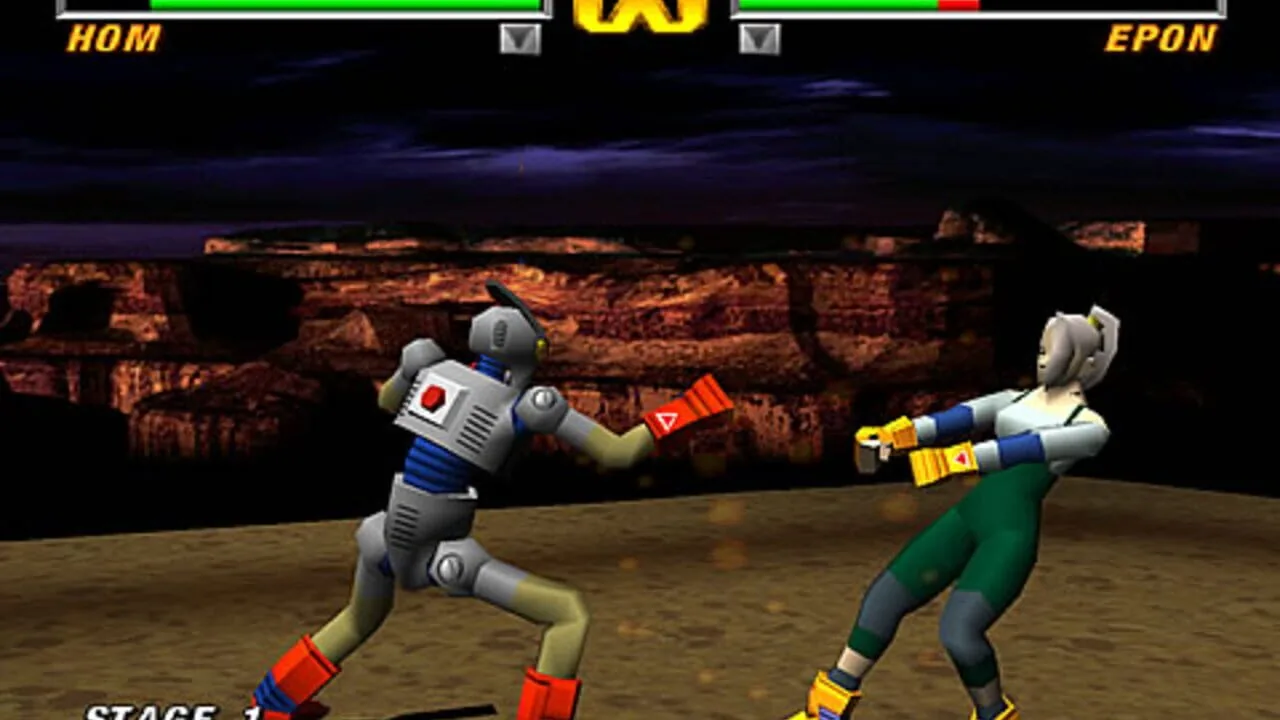
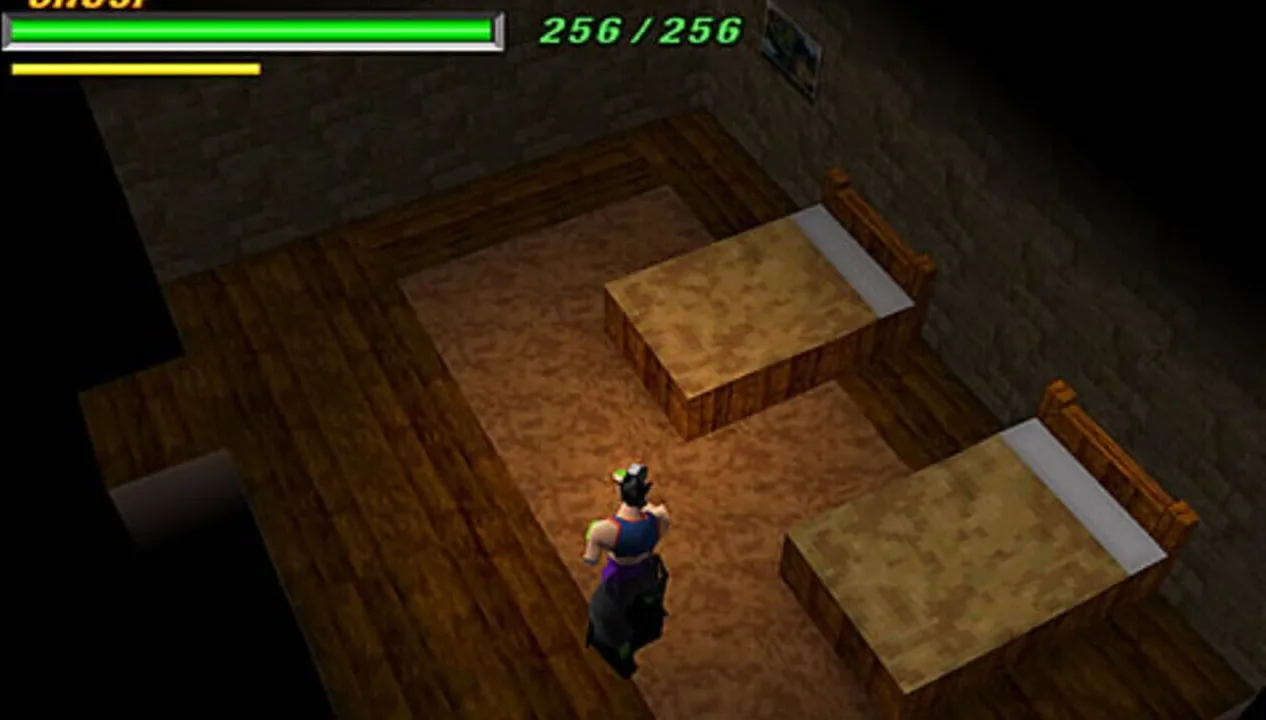
Tobal 2 came out in Japan on the same day as Sony's Dual Analog Controller, and it was the first game to support it. It still runs at 60 frames per second, and every character gets a new unblockable fireball. As of 2010 it held the record for the largest roster in a fighting game, with 200 playable characters, and its quest mode is far bigger than the first game's.
It never left Japan. A North American release was planned for March 1998, then cancelled, because Tobal No. 1 had sold poorly and Square assumed most buyers only wanted its Final Fantasy VII demo. Which is a polite way of calling the first game a demo disc with a fighter attached. Its fans are firm that no list should leave it off. Akira Toriyama designed the characters again, and the jazz and funk soundtrack is worth a listen on its own.
16. Guilty Gear (1998)
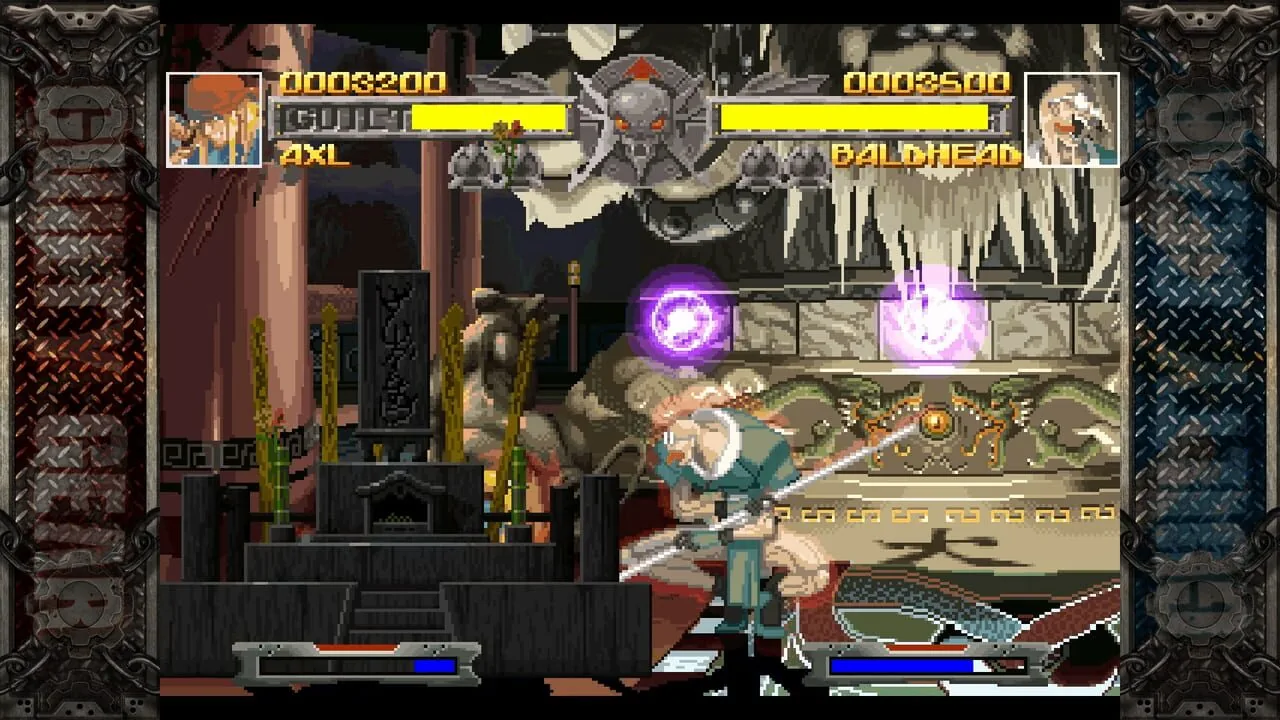
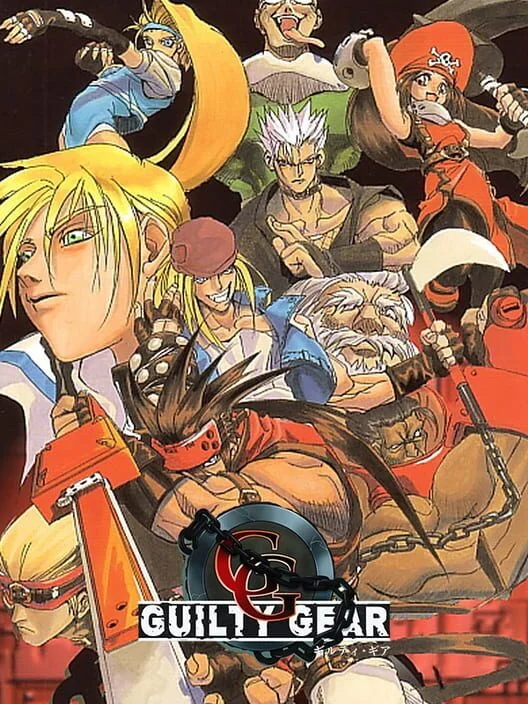
Guilty Gear is a 2D fighter with 10 very different characters, and its Deathblow moves can kill an opponent instantly. It is set in a world wrecked by a war between humans and living weapons called Gears, and the fighters enter a tournament to stop the Gears' leader from coming back. Three more fighters unlock for the Versus Mode.
Daisuke Ishiwatari dreamed it up in vocational school, and on the finished game he was the creator, producer, designer and composer. He first wanted something simple like Street Fighter II, then went for a flashy game instead, and you can tell. Critics loved the cast and the fast, flashy 2D fights, and it became a cult hit. Players who found it early still call it their favourite fighting game, and the series is still going today.
15. Psychic Force (1995)
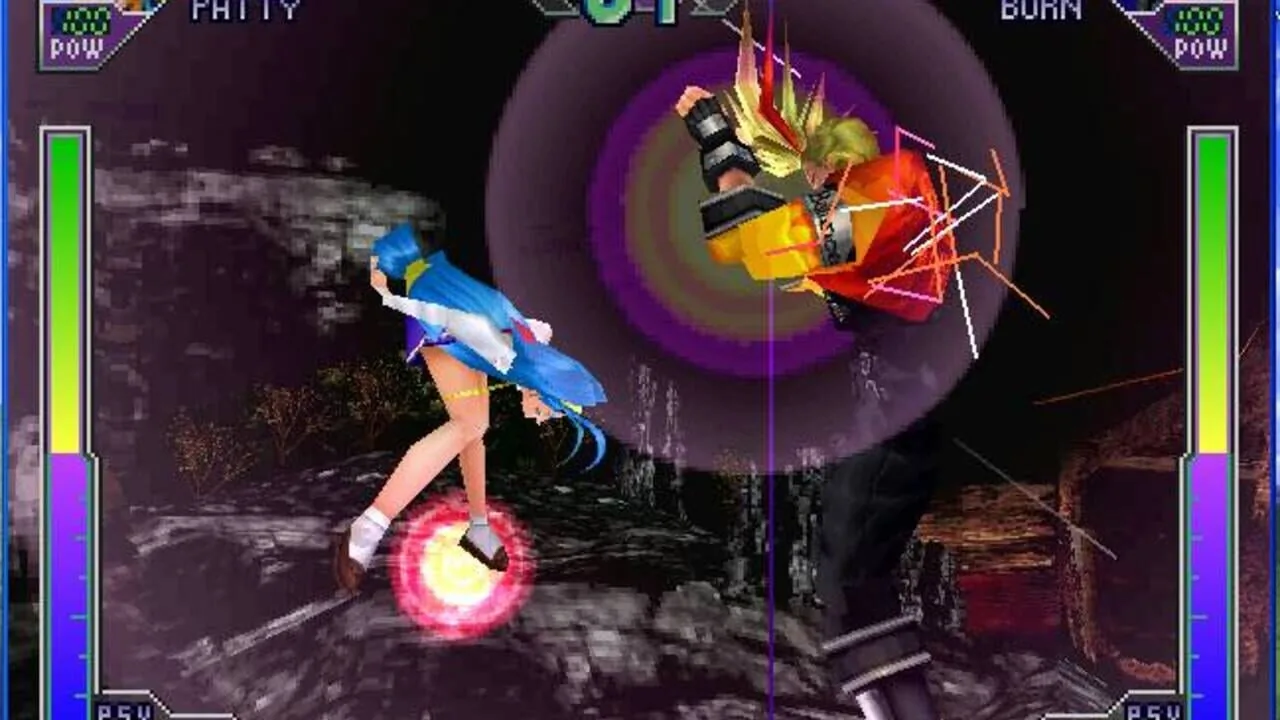
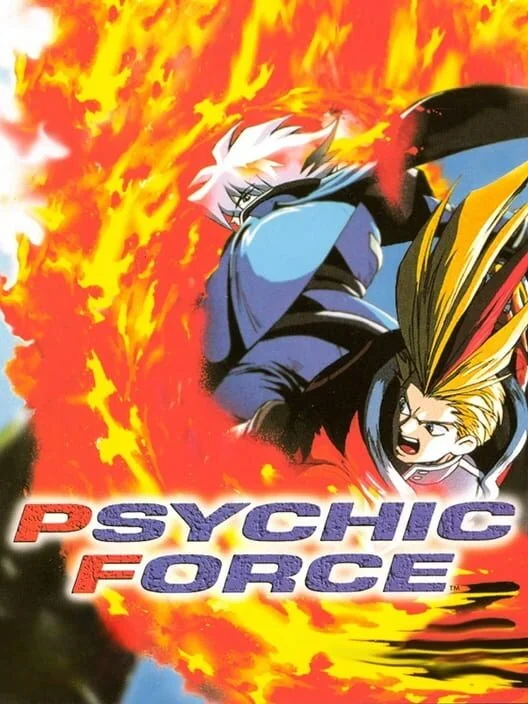
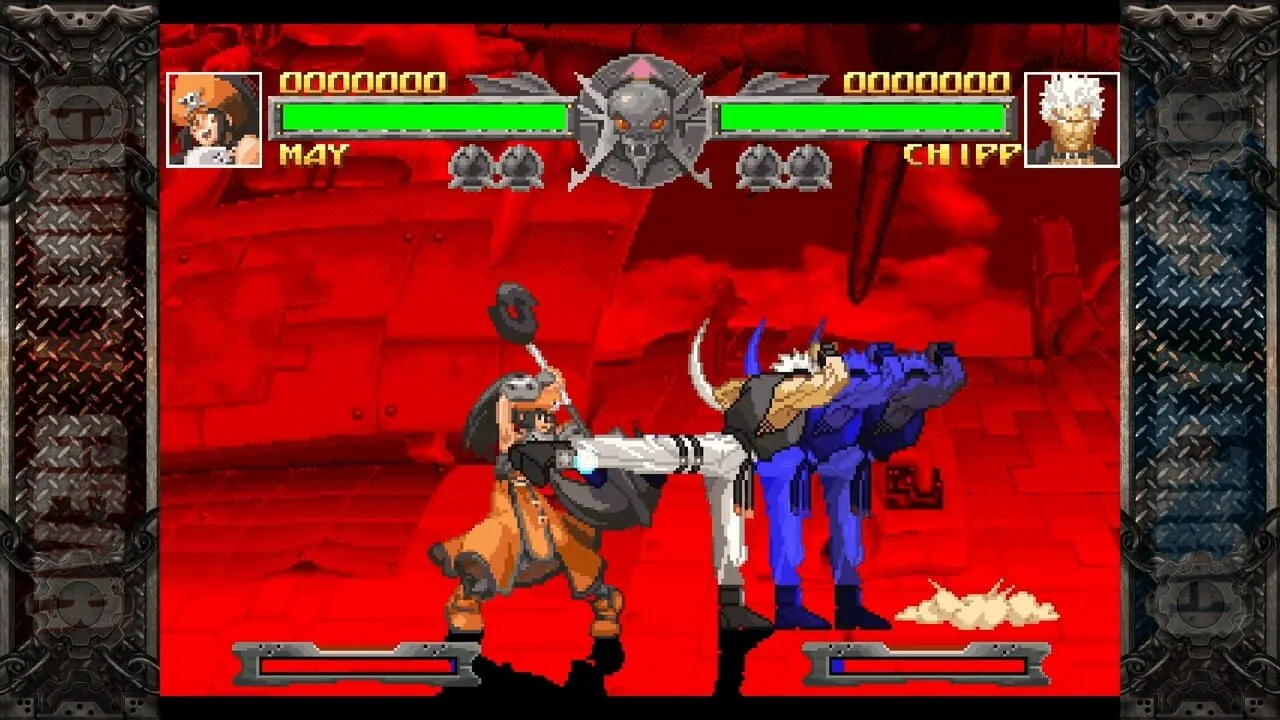
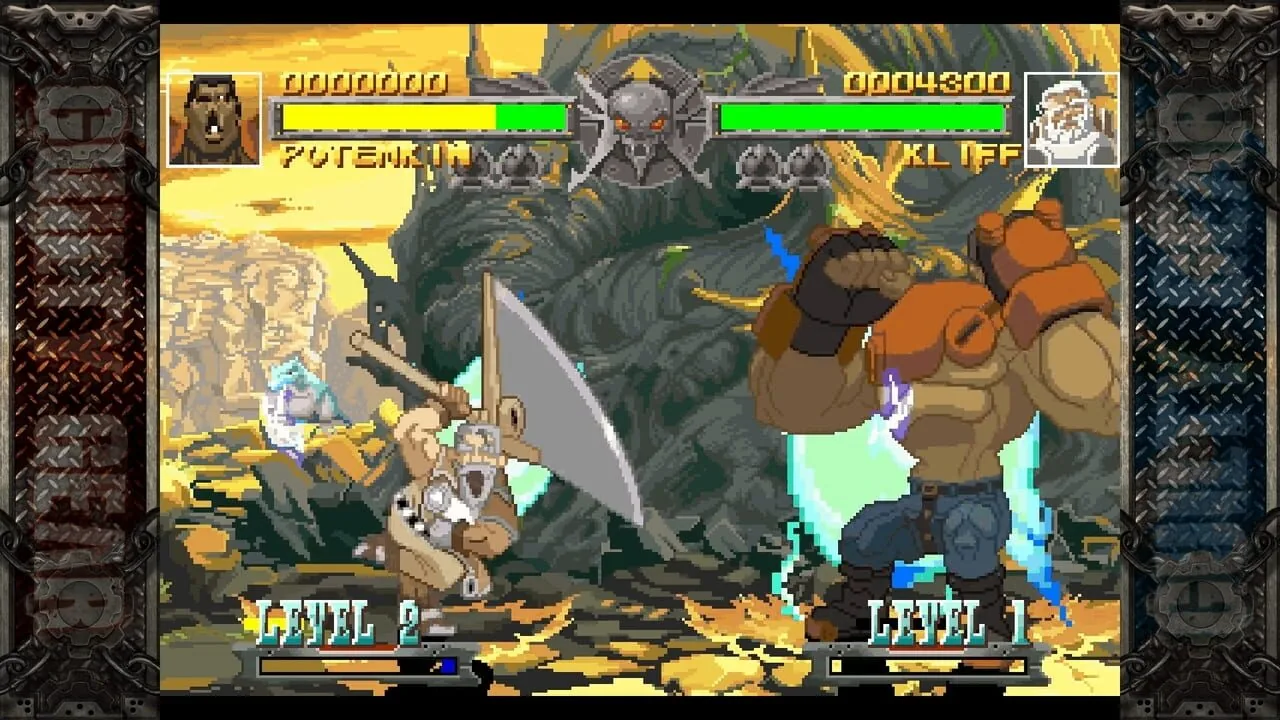
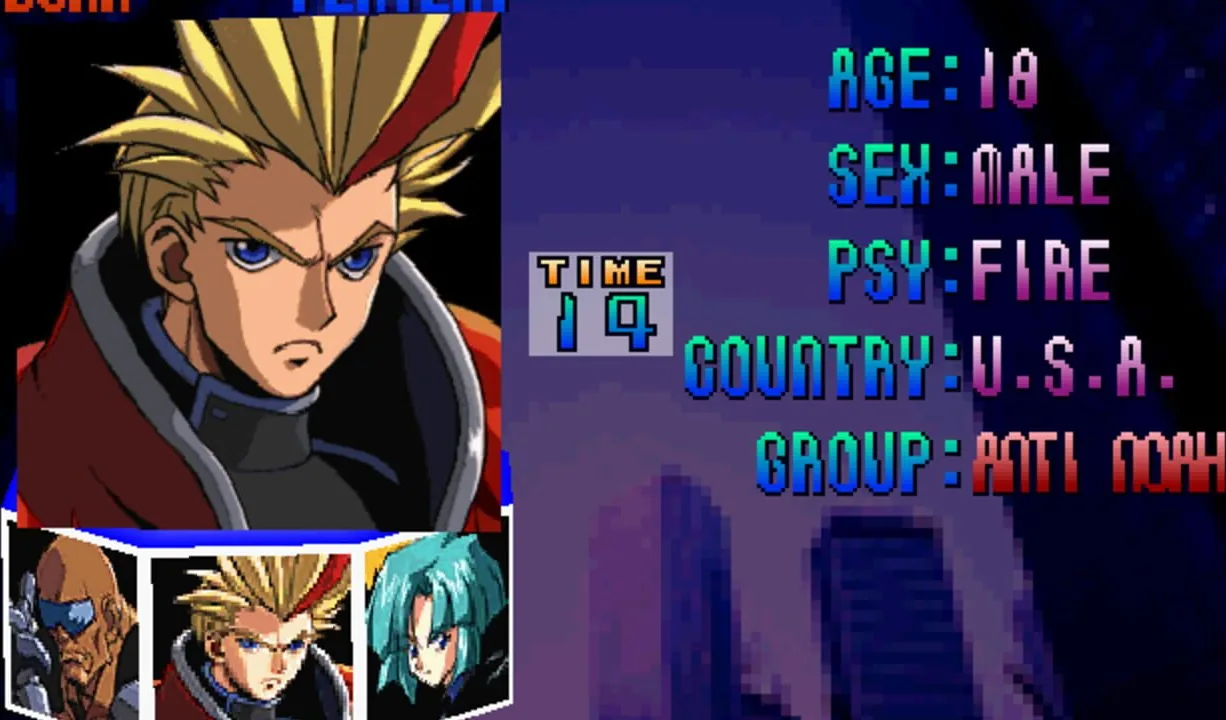
Psychic Force is set in 2010, where people with psychic powers, called Psychiccers, each fight with one element such as fire or ice. Every fight happens inside a cube made of a force field, with both fighters floating in midair. It looks like a 3D game, but it plays in 2D, and slamming your opponent into the walls is a big part of it.
It came out in arcades in 1996 and on the PlayStation soon after, with Acclaim releasing it in the West. It arrived with little fanfare and did not sell well outside Japan, but it found a following at home, and its sequel Psychic Force 2012 became Psychic Force 2 on the PS1. Players call it an underrated, unique gem, especially for anime fans. Nothing else on the console plays quite like it.
14. Bushido Blade 2 (1998)
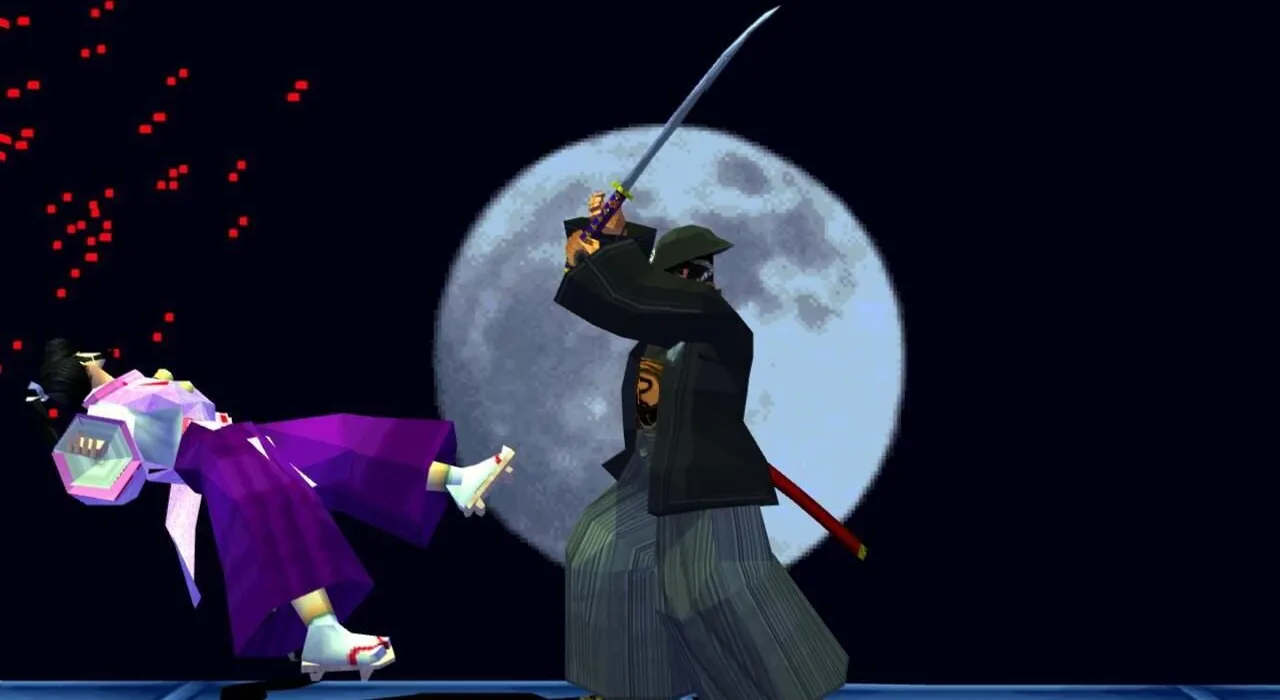
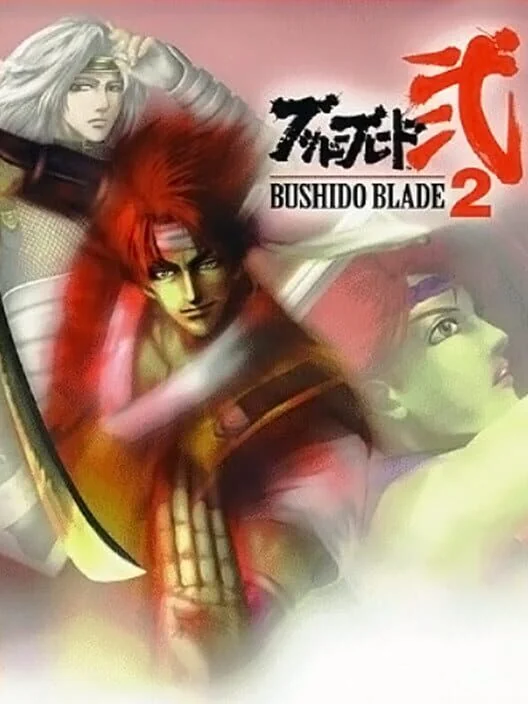
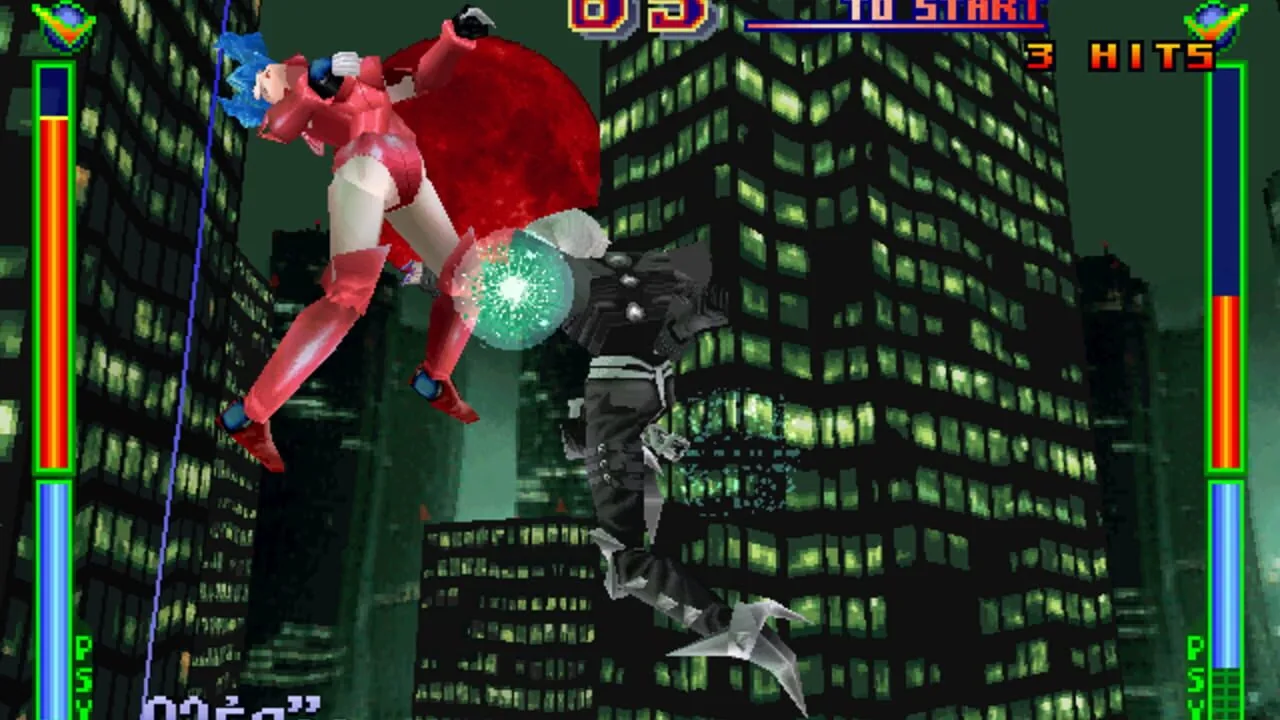
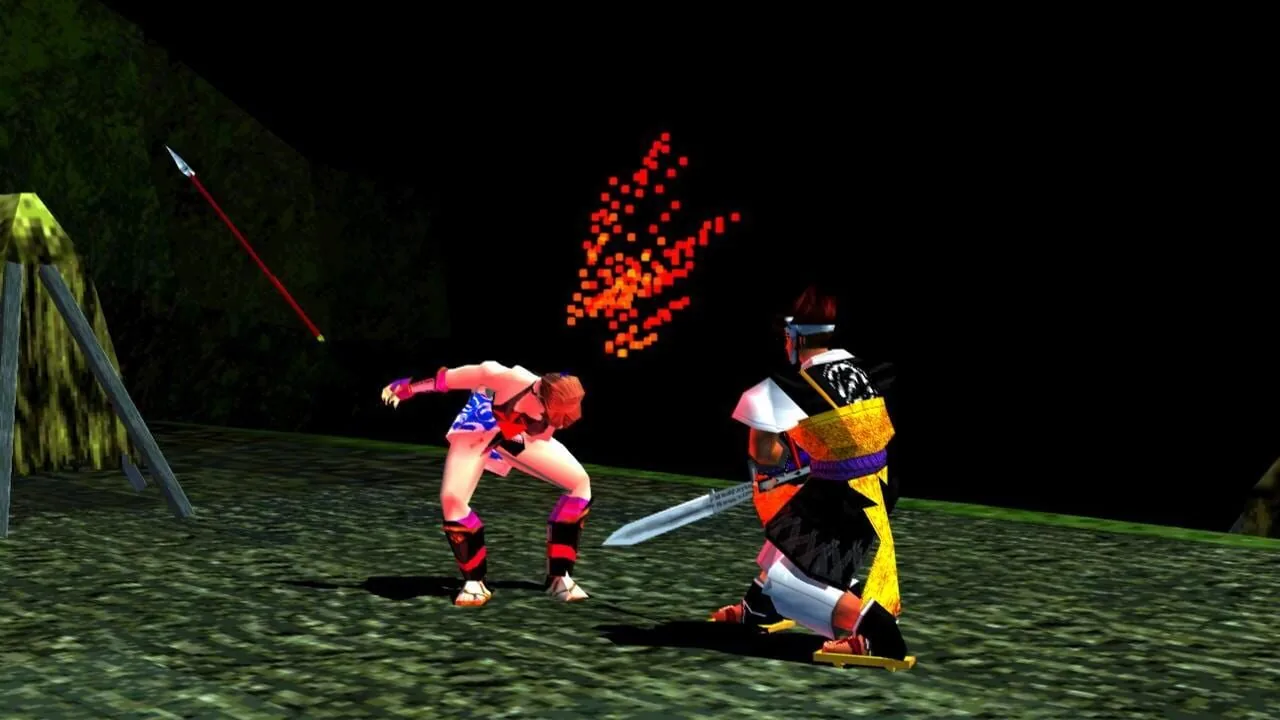
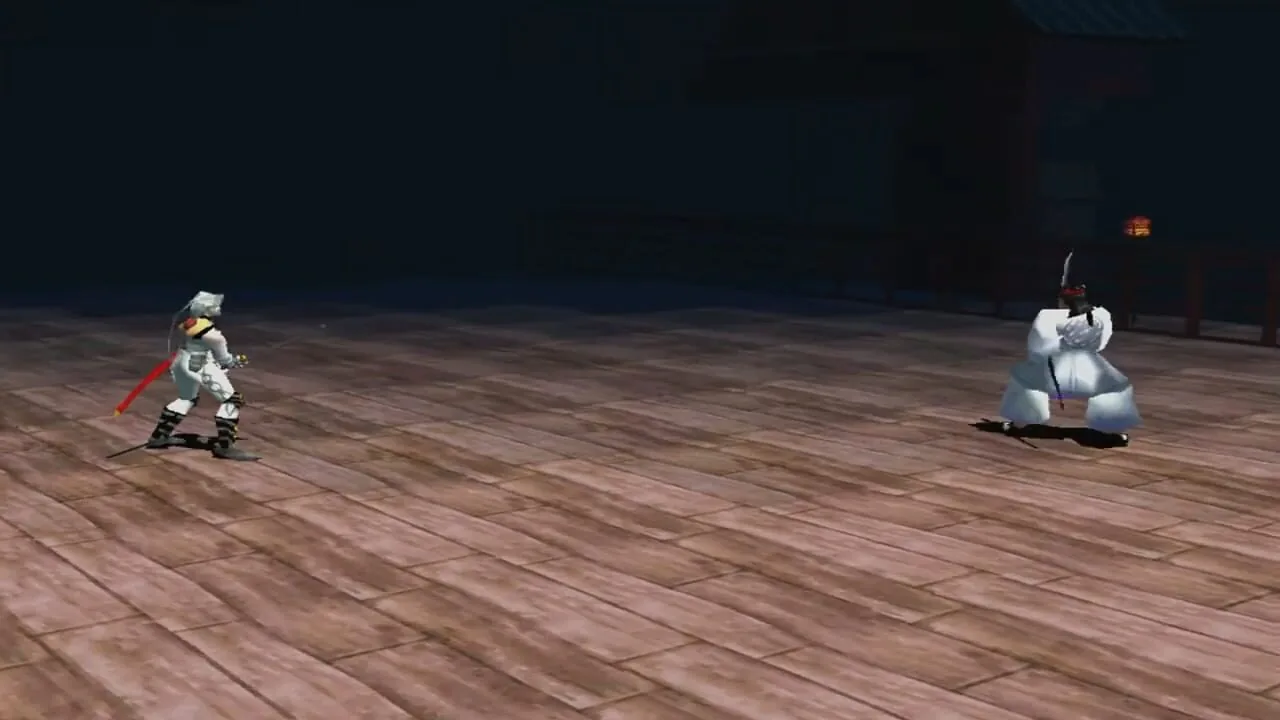
Bushido Blade 2 adds 12 new warriors for a total of 20, and there is still no life bar: one well-placed strike can kill. It came out a year after the first game, and its story pits two rival schools of fighters against each other, the Narukagami and the Shainto.
Most of the weapons come straight from the first game. The yari spear and the M16 rifle did not make it back, and yes, the first game had an M16. The final boss's sword, the yugiri, is now a weapon you can use, though only in the very last battle. Players love both games for the same reason: your body is the health bar. It came back on PlayStation Network in 2008.
13. Mortal Kombat Trilogy (1996)
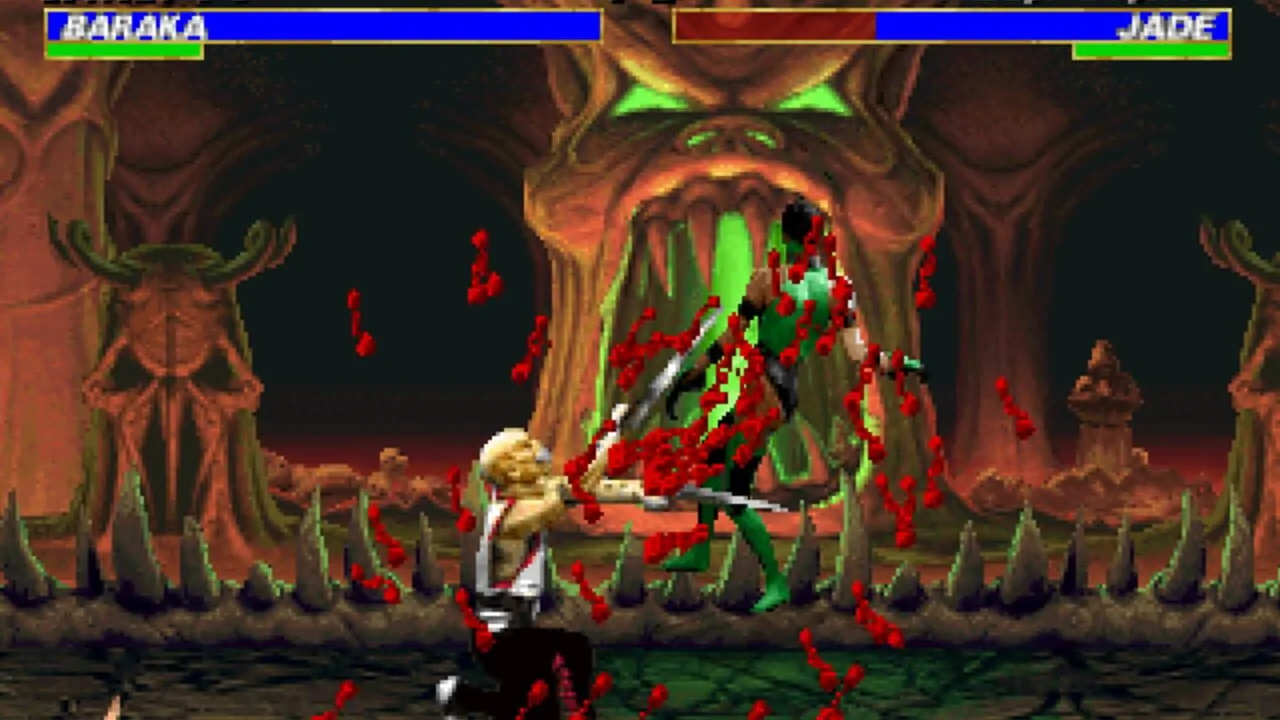
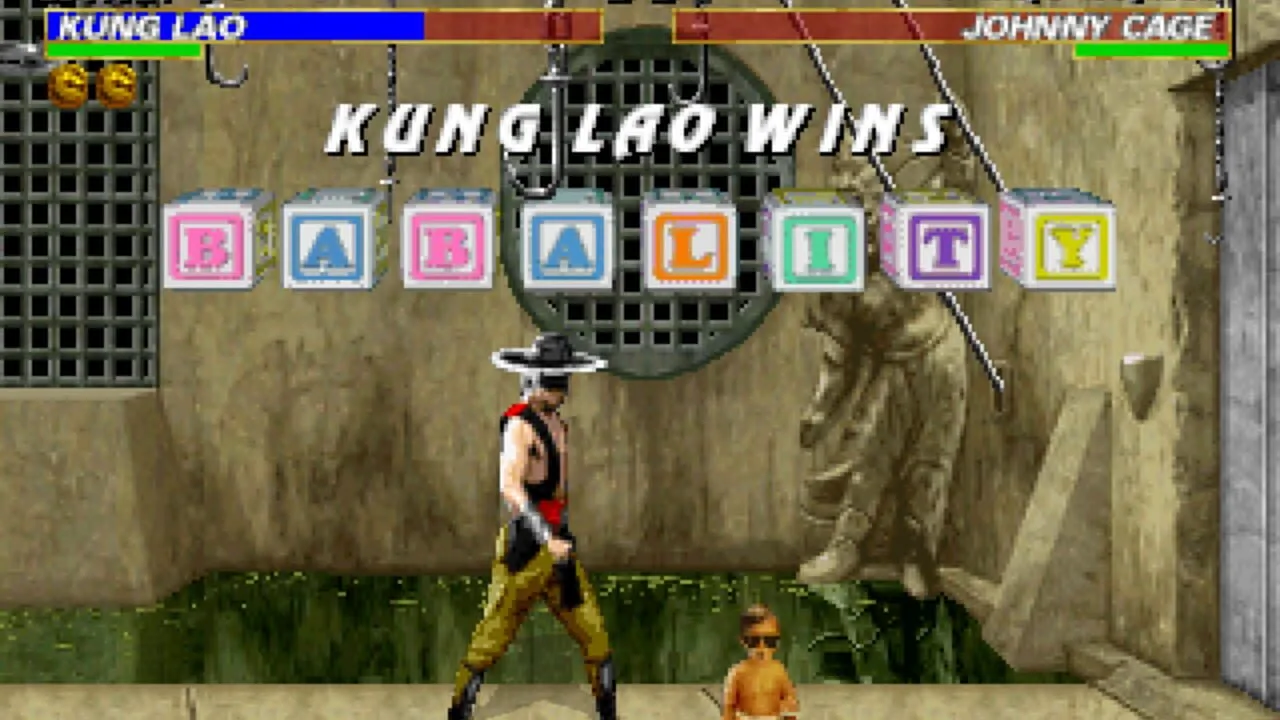
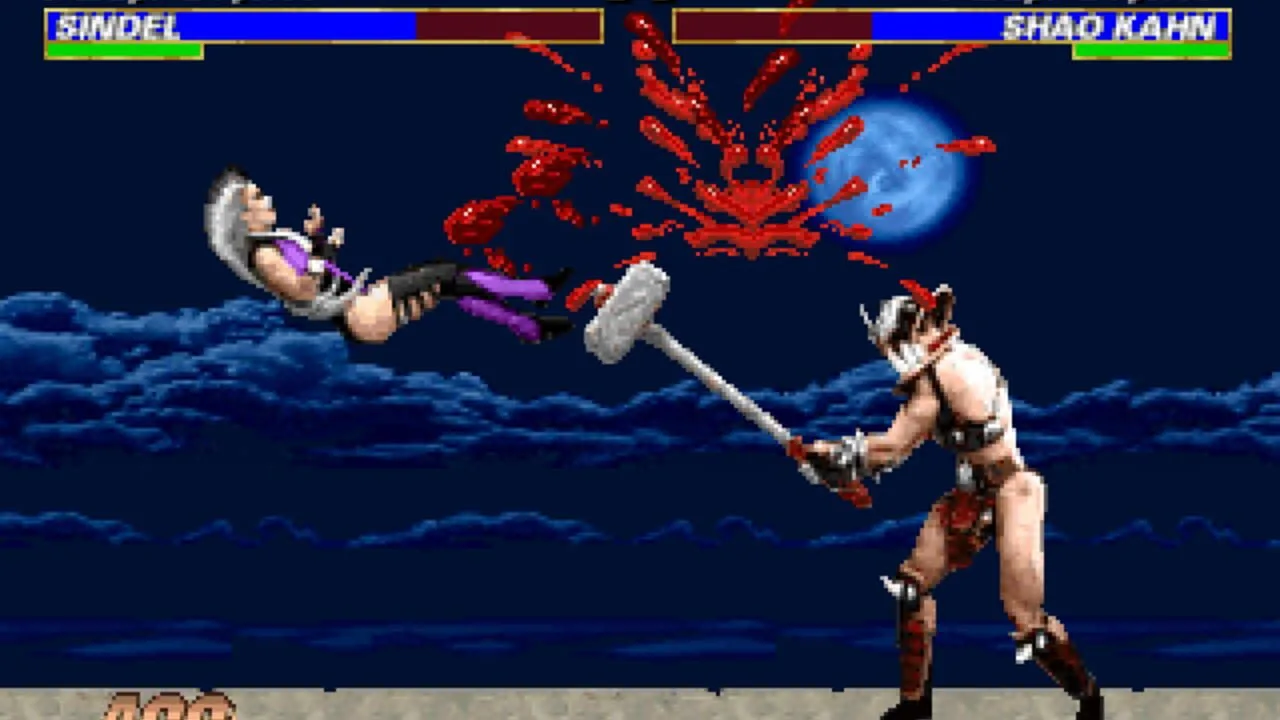
Mortal Kombat Trilogy plays like Mortal Kombat 3 but adds characters and stages from the other arcade games. It also brought in the Brutality, a long combo that ends with your opponent exploding, and a new Aggressor bar. Raiden and Baraka are back exactly as they looked in Mortal Kombat II, with new running animations made just for this game.
Sub-Zero's famous Spine Rip fatality is back too, but the screen goes black, so all you see is the word Fatality. Every arena from Mortal Kombat II, Mortal Kombat 3 and Ultimate Mortal Kombat 3 is here, plus four from the first game. Players still recommend it, and they remember finally getting to play as the bosses. Reviews were mixed to positive, and for a lot of PS1 owners it was the only Mortal Kombat they needed.
12. Darkstalkers 3 (1998)
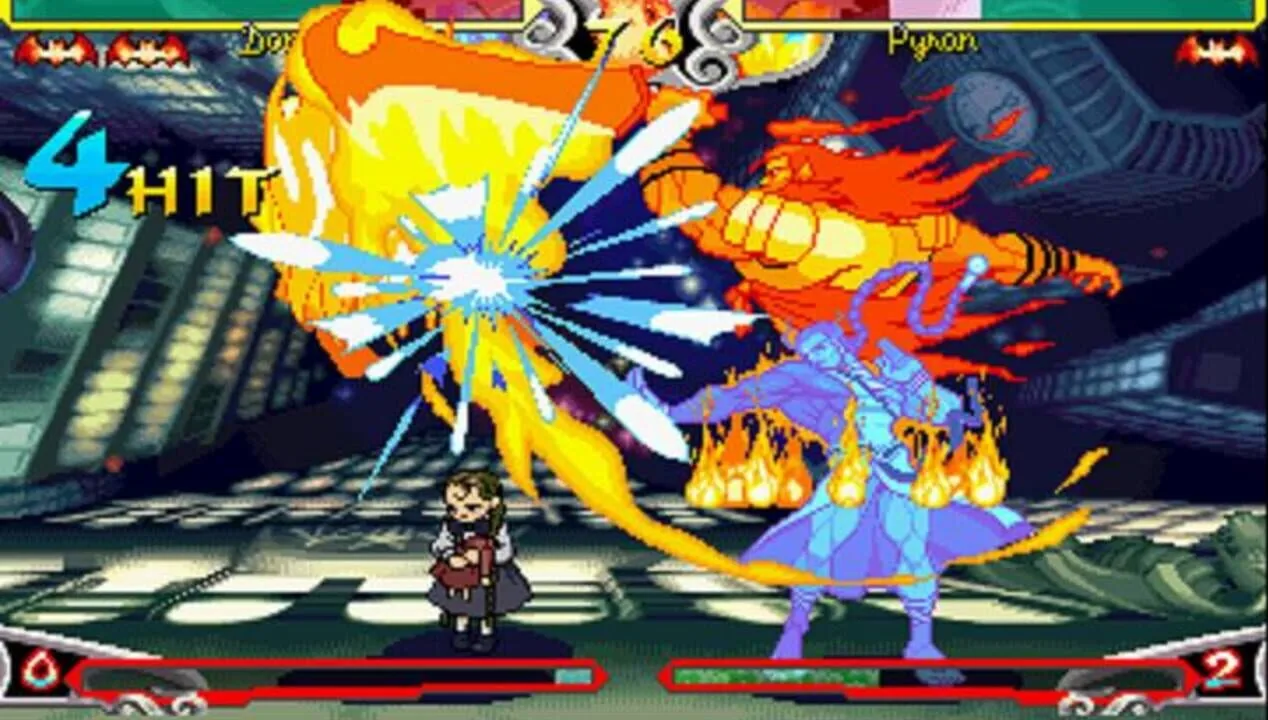
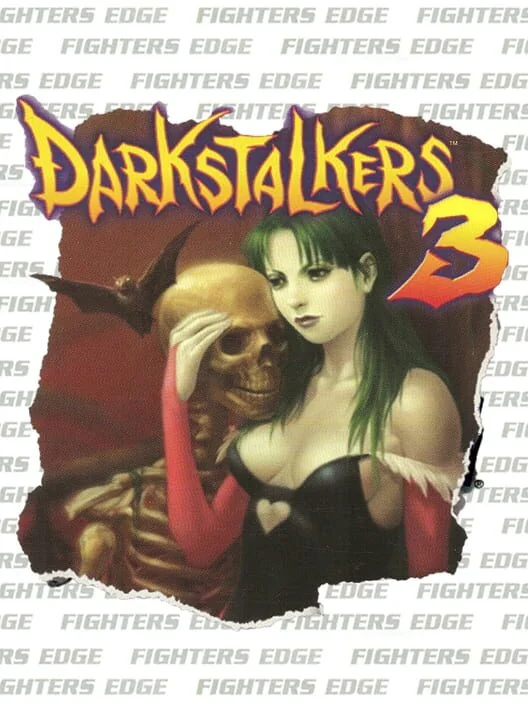
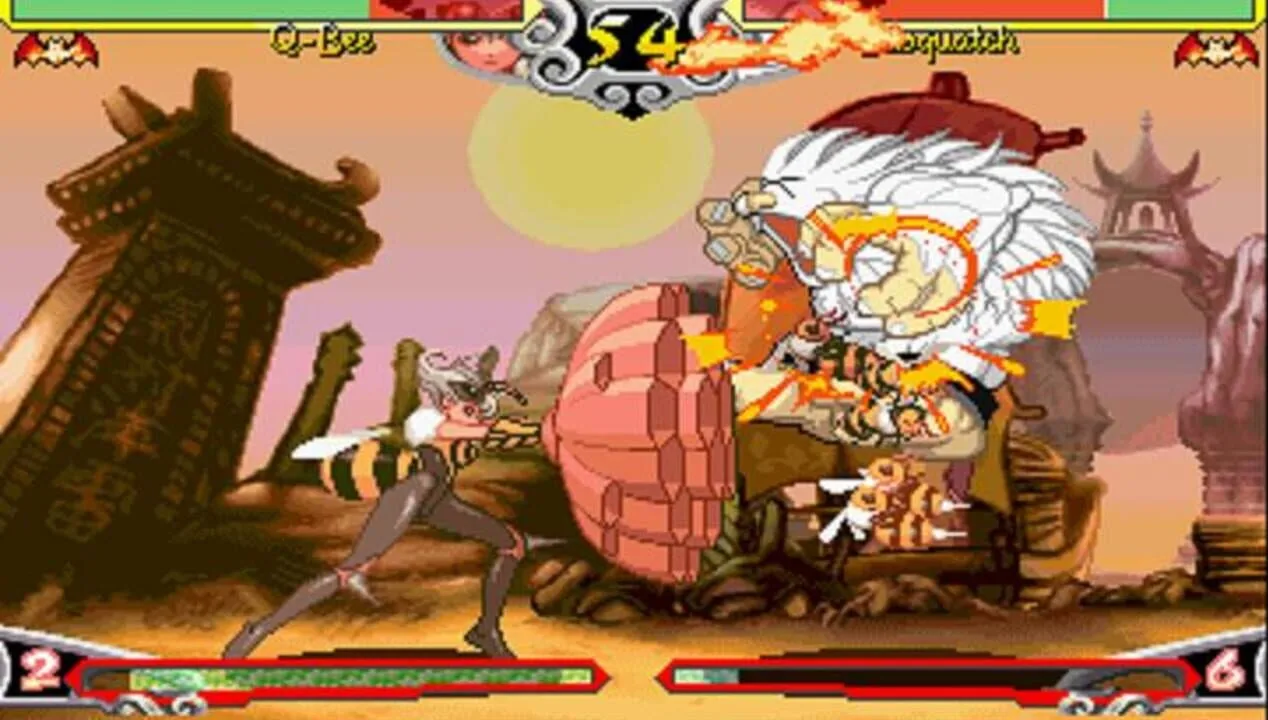
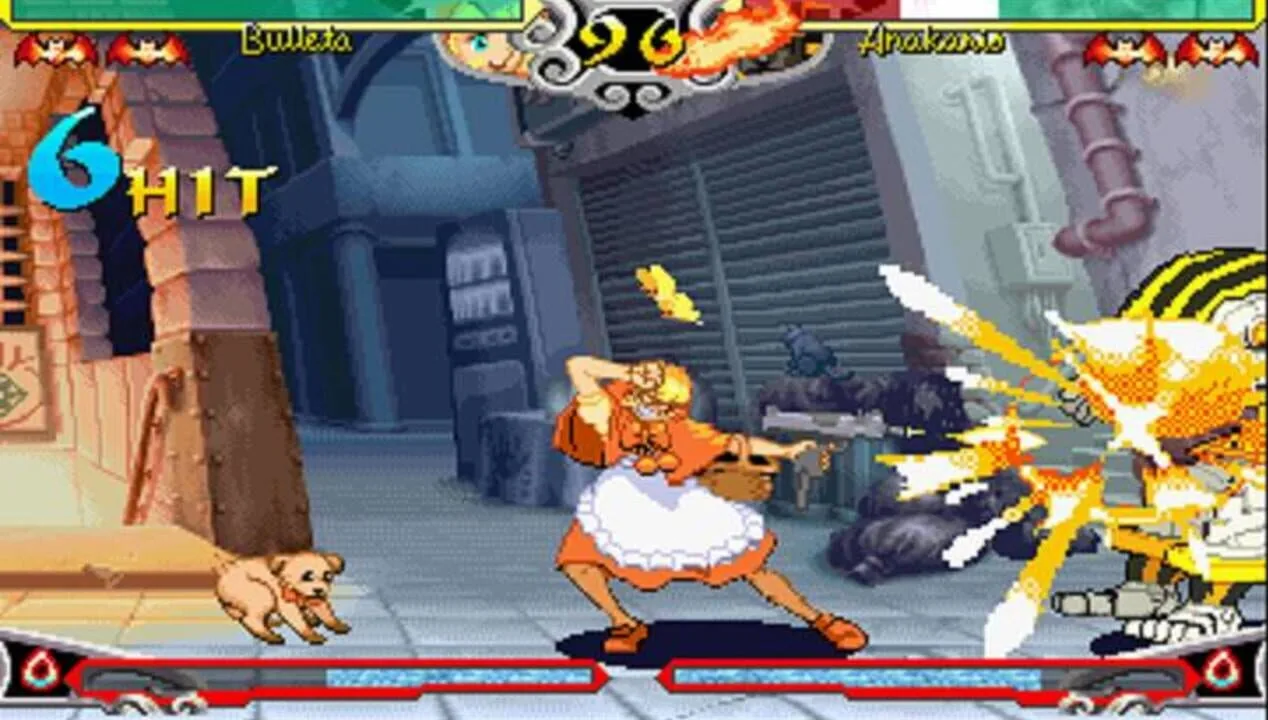
Darkstalkers 3 is the third game in Capcom's Darkstalkers series, known in Japan as Vampire Savior. A demon noble named Jedah Dohma builds his own pocket dimension and pulls in souls to feed it, and the souls he wants belong to the Darkstalkers themselves. This version adds Donovan, Huitzil and Pyron to the cast.
Vampire Savior was a critical and commercial success in arcades, and Capcom followed it in Japan with two updated versions, Vampire Hunter 2 and Vampire Savior 2. Players love it, though some point out the Saturn version looked closer to the arcade. Squeezing those huge, detailed sprites into the PlayStation's memory was always going to cost something. Even so, it is the best way to play Darkstalkers on the console.
11. Ehrgeiz (1998)
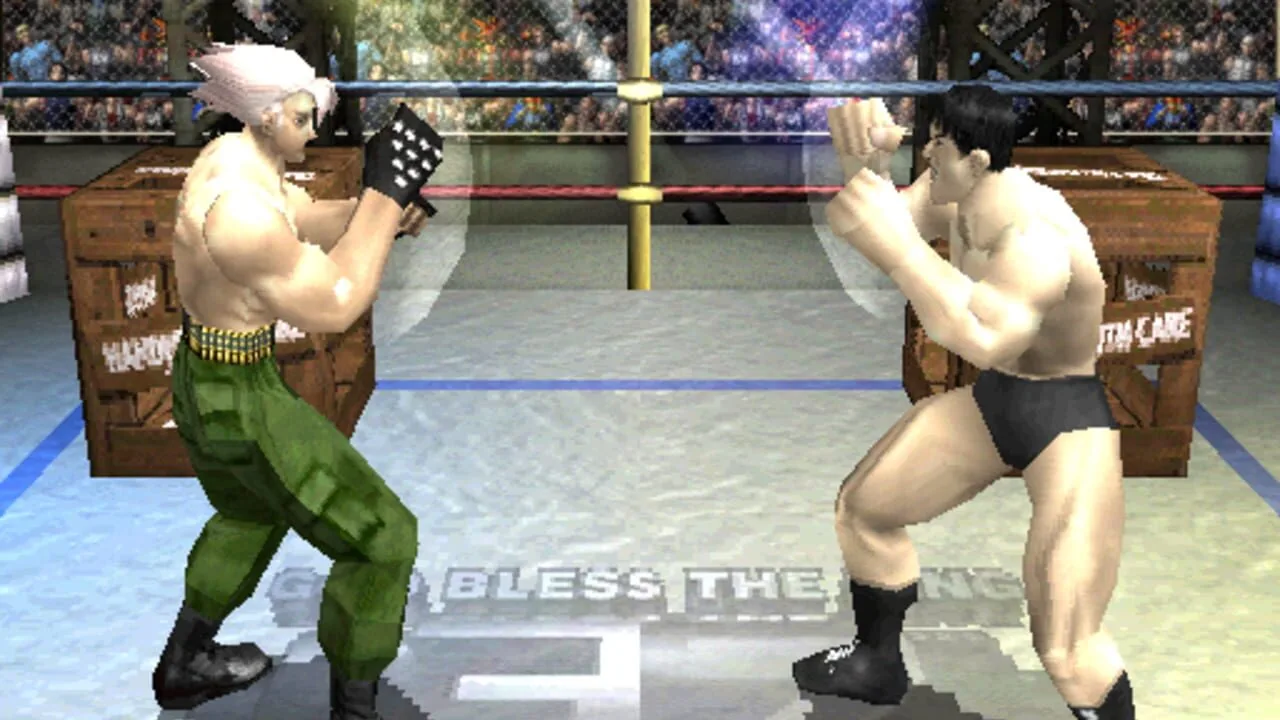
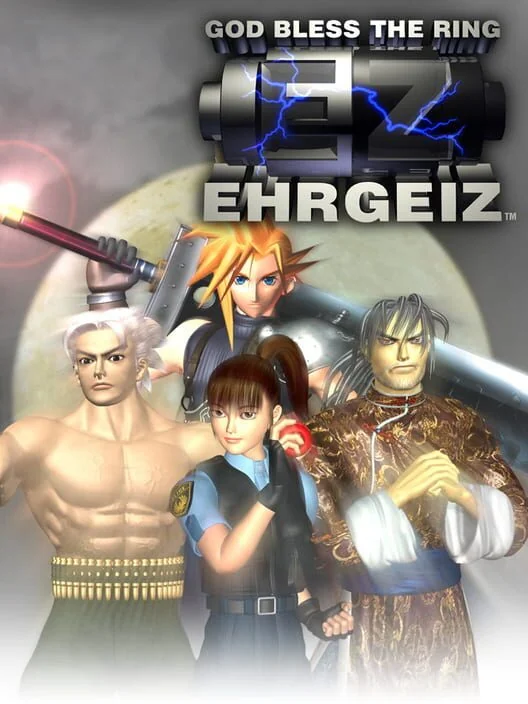
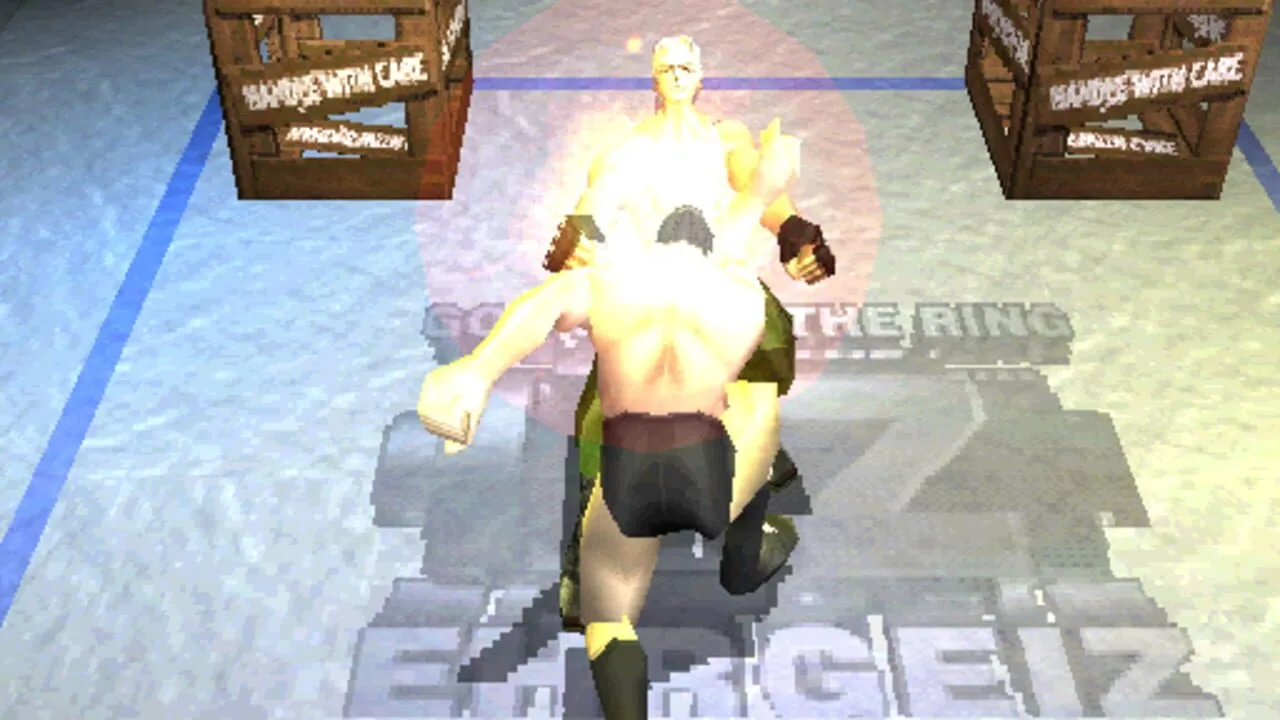
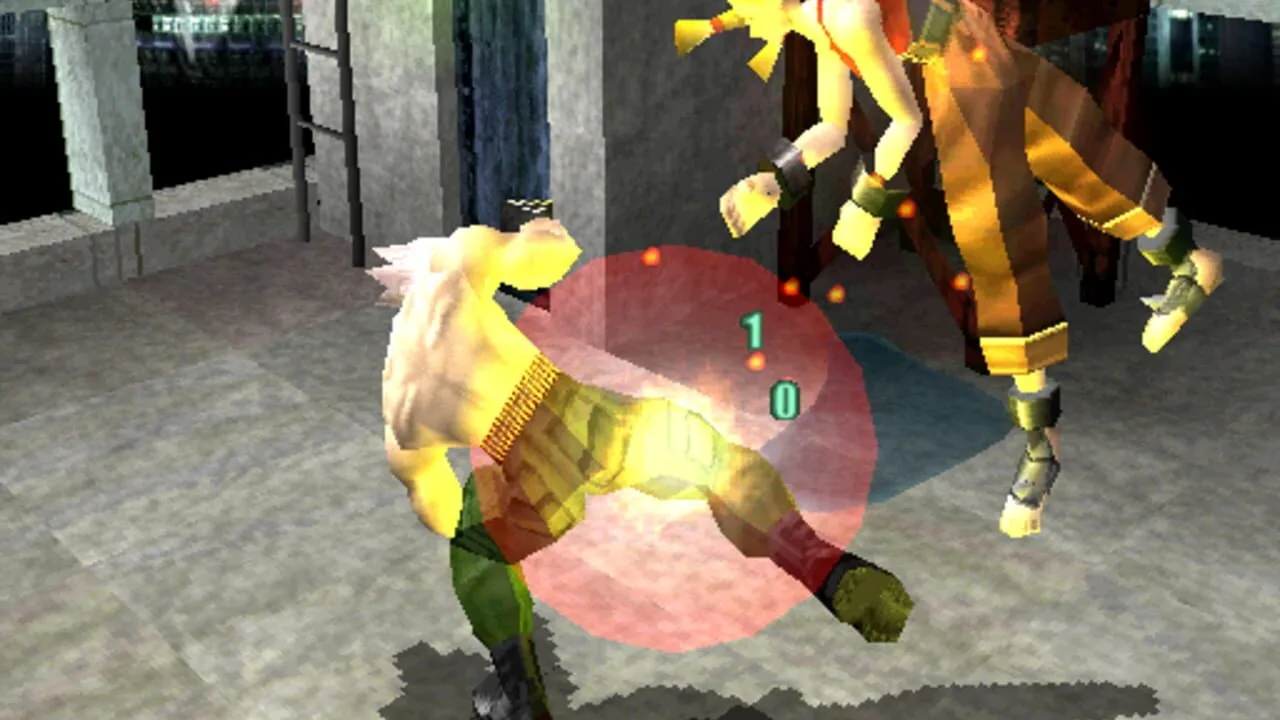
Ehrgeiz brings in Final Fantasy VII characters: Cloud and Tifa in the arcade, with Sephiroth, Vincent and others joining on the PS1. You can move a full 360 degrees, and you don't have to face your opponent. That is because it borrows heavily from wrestling games and from DreamFactory's own Tobal series.
Like Tobal, it has a dungeon to explore, and the quest mode even hides recipe books for you to find. One of the original fighters takes inspiration from the boxer Naseem Hamed. On the PlayStation, Square published it outside Japan and Sony published it in Japan, the reverse of their usual deal. Players remember hours of it with friends, usually right after Tekken.
10. Evil Zone (1999)
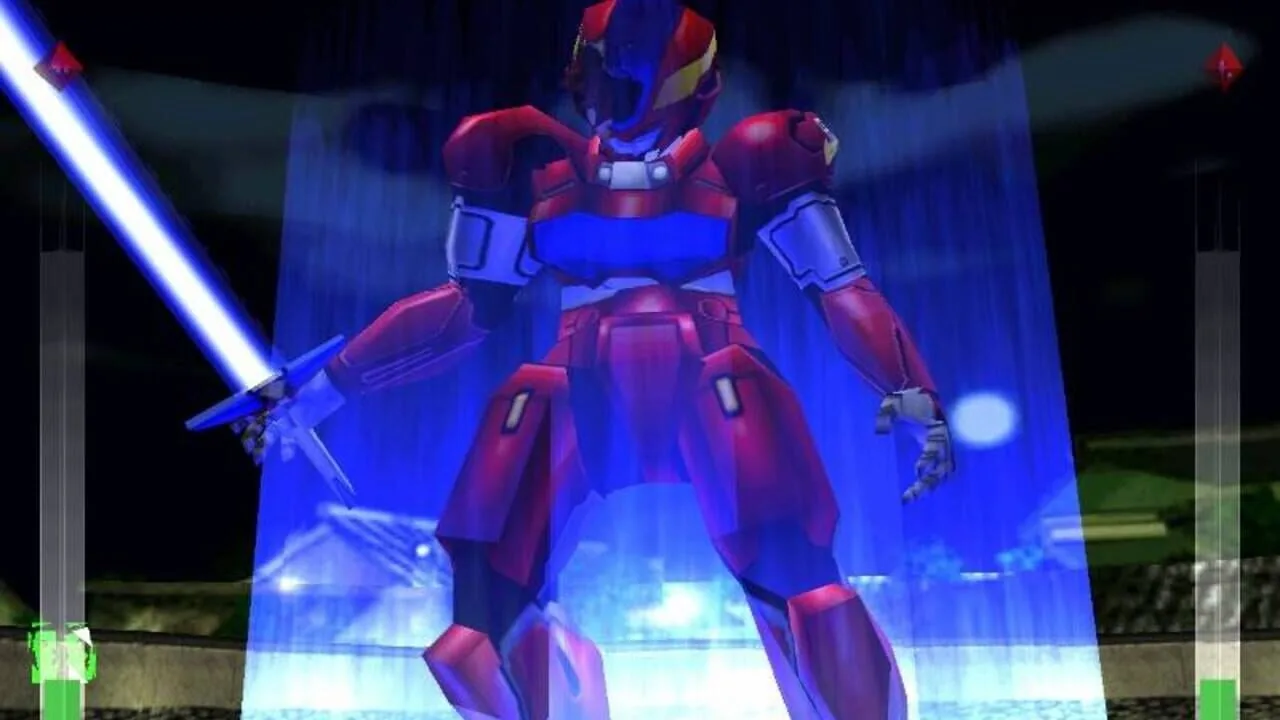
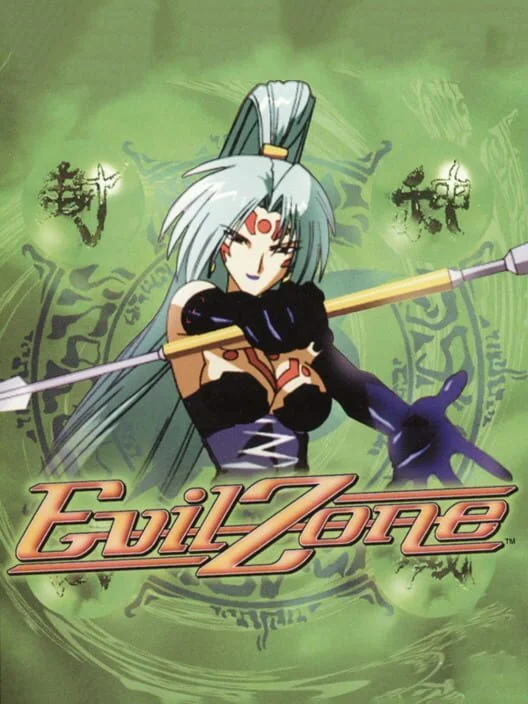
Evil Zone gives each of its ten characters a story mode that plays like a TV series, with episode names and voiced previews. Even the boss gets a full story mode of its own. The story follows Ihadurca, a powerful being who exists in many dimensions at once and has been locked away in a dimension called the Evil Zone.
The fighting is built on just two kinds of moves, attack and guard, so the flashy specials are easy to pull off. Yuke's made it, and Titus Interactive brought it to the West. Reviews were mixed at the time, and critics did not know what to make of something so simple. Players vote for it with real enthusiasm, some by its Japanese name, Eretzvaju. It is a great pick for anyone who finds most fighters too complicated.
9. Street Fighter Alpha 3 (1998)
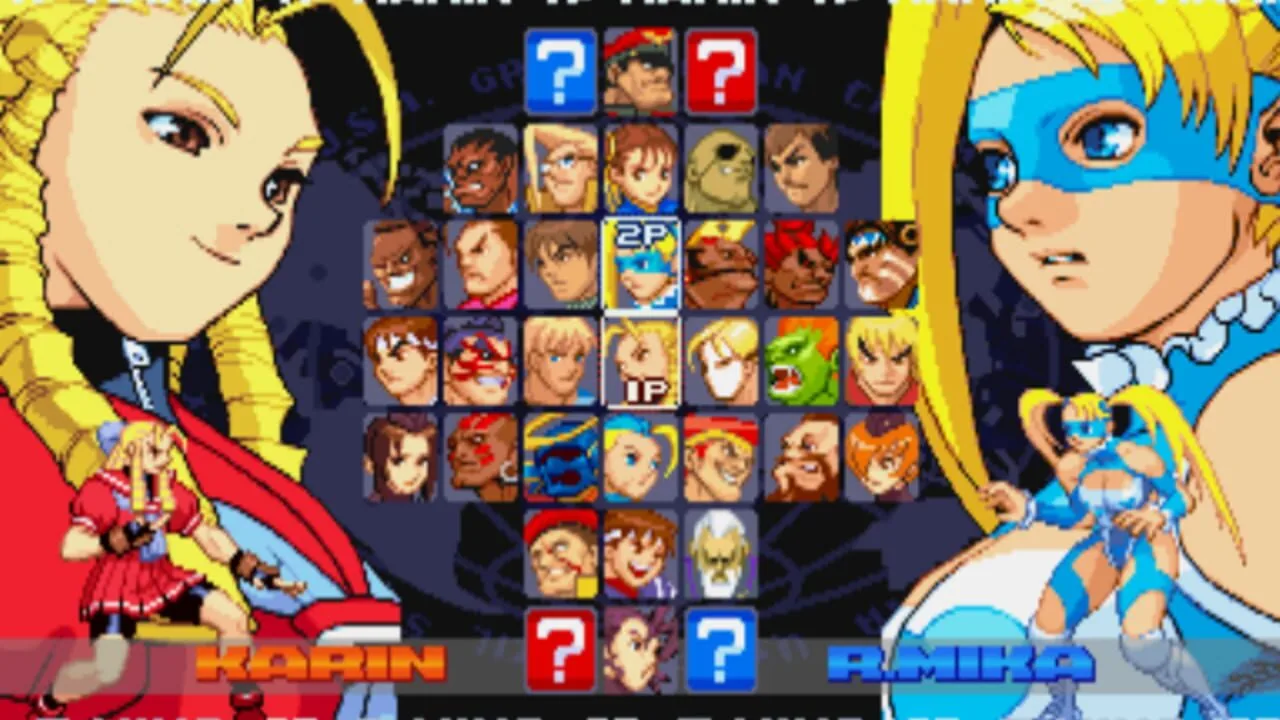
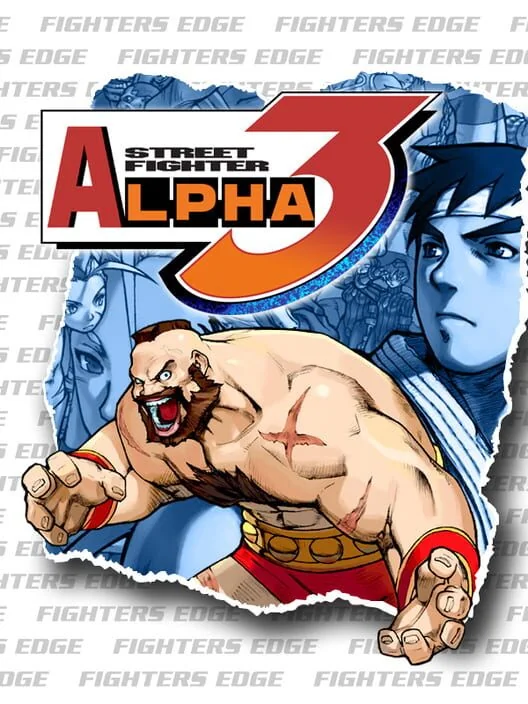
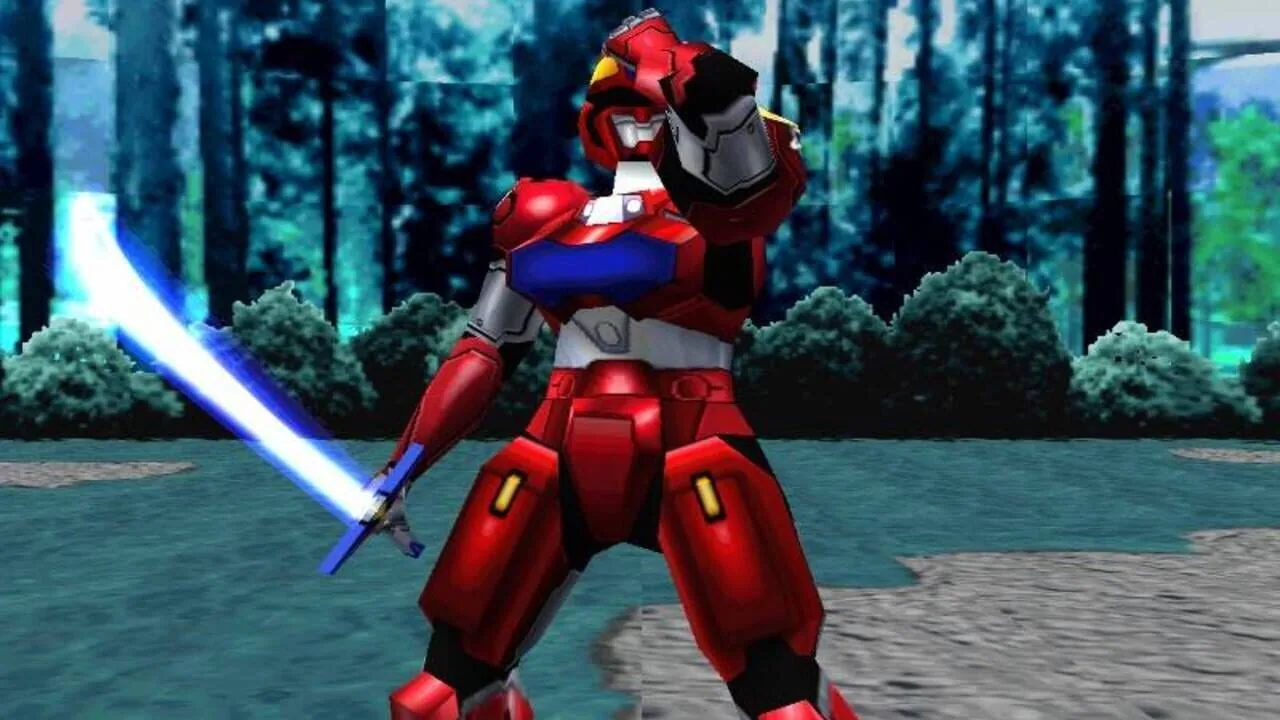
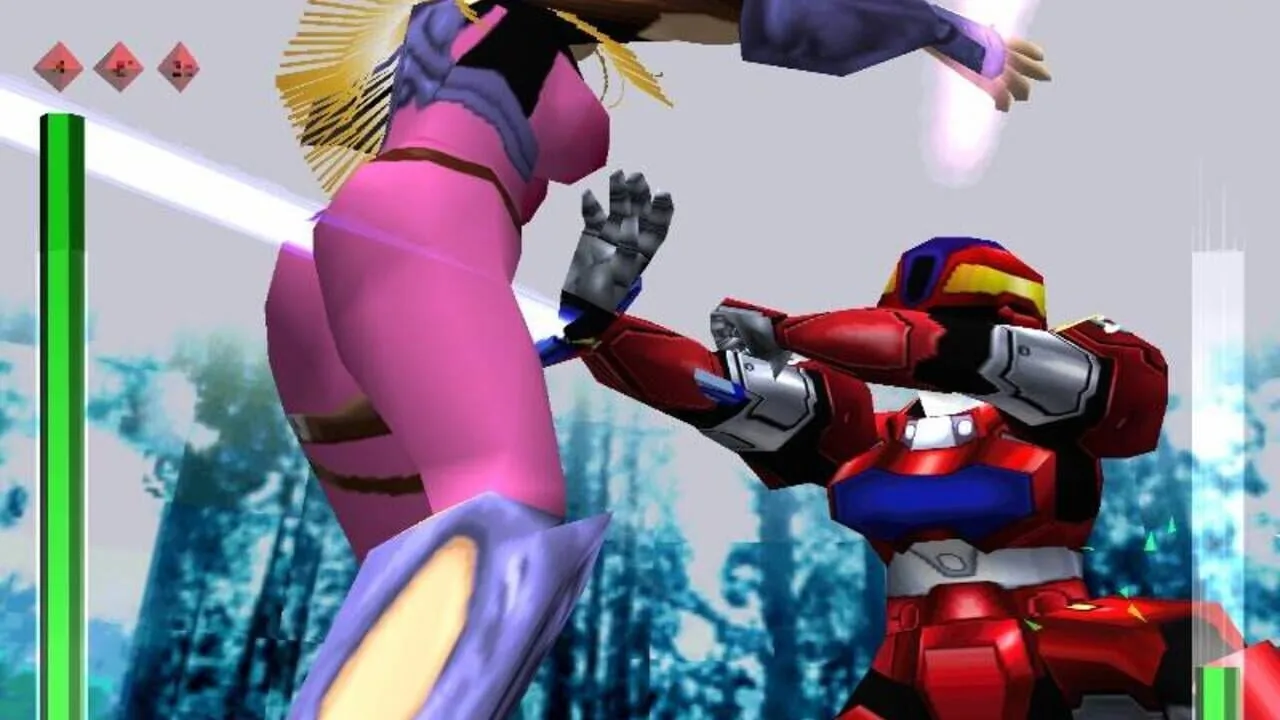
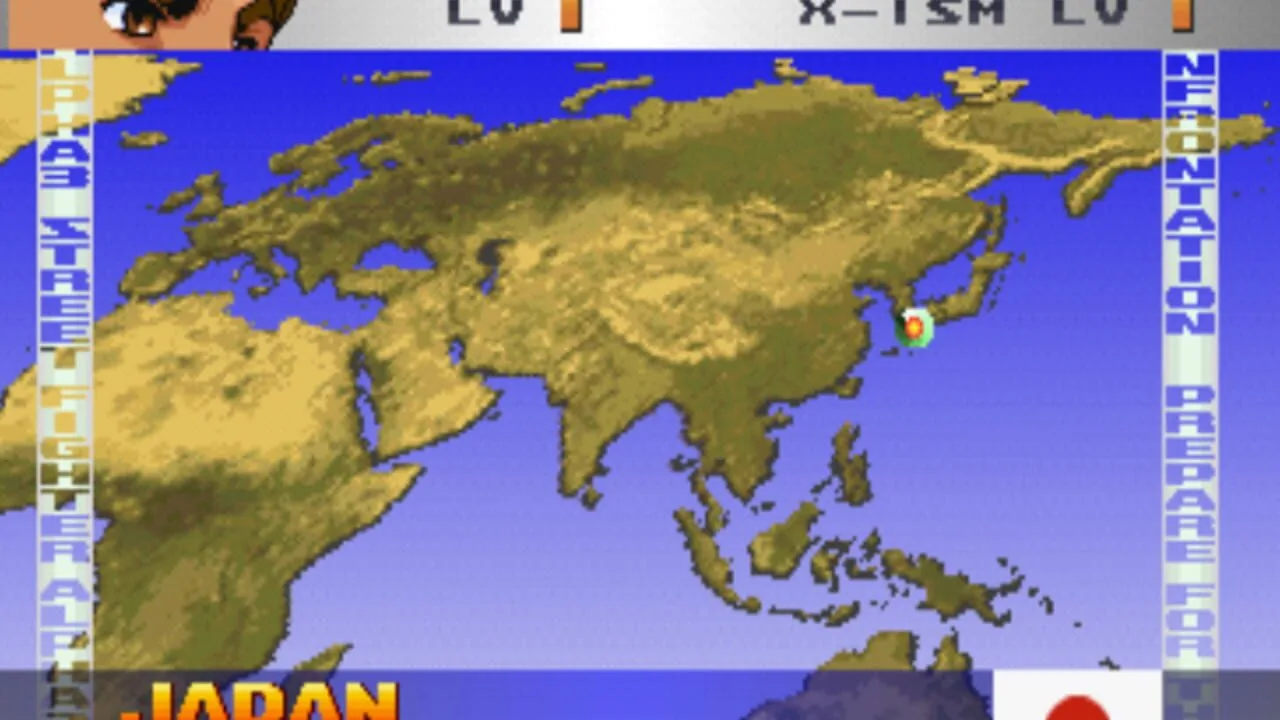
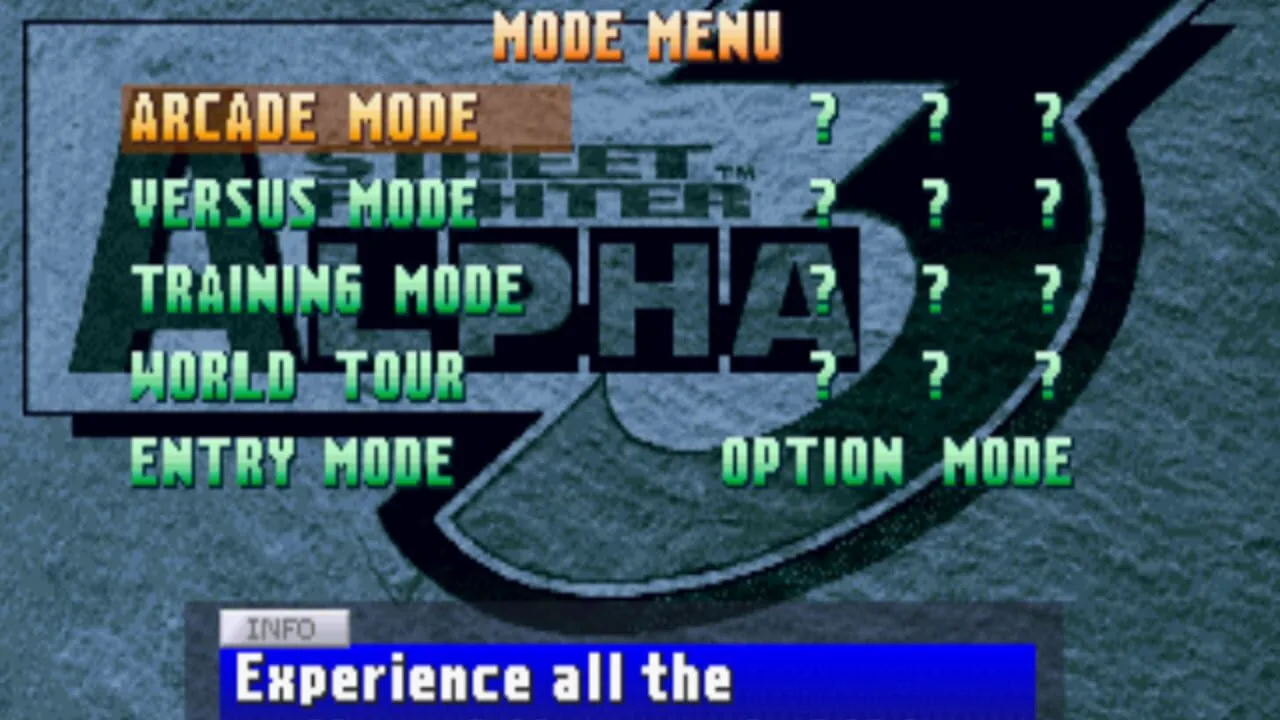
The PS1 port of Street Fighter Alpha 3 adds new characters, Dee Jay and T. Hawk among them, plus a World Tour mode where you build up your fighter while travelling the world. Before each fight you pick an ism, a fighting style: A-ism plays like the earlier Alpha games, and X-ism plays like Super Street Fighter II Turbo, with one big super move.
To fit it on the PlayStation, Capcom swapped the hit sprites for polygons, saving memory for character animation. It worked, and the PS1 version sold a million copies. Players love its World Tour mode, though some would rather play the Saturn version. Cody from Final Fight is here too, now an escaped convict, and R. Mika makes her debut as a wrestler who idolizes Zangief.
8. Bloody Roar (1997)
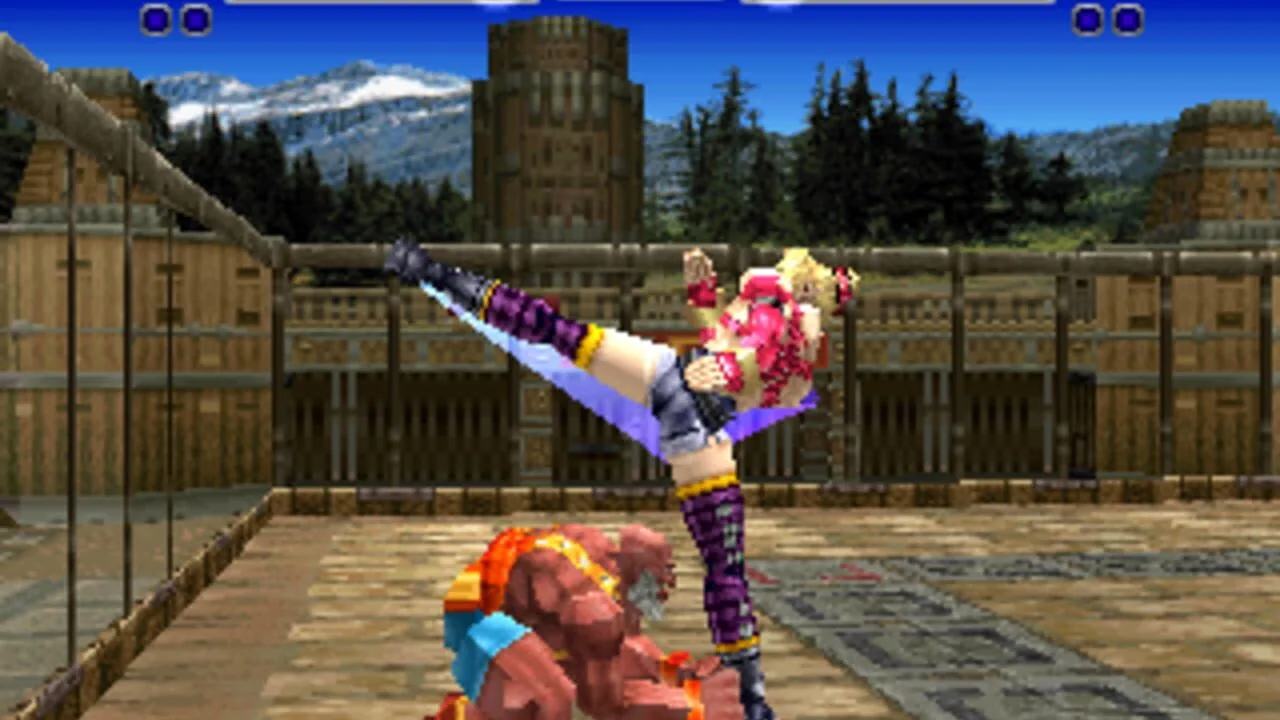
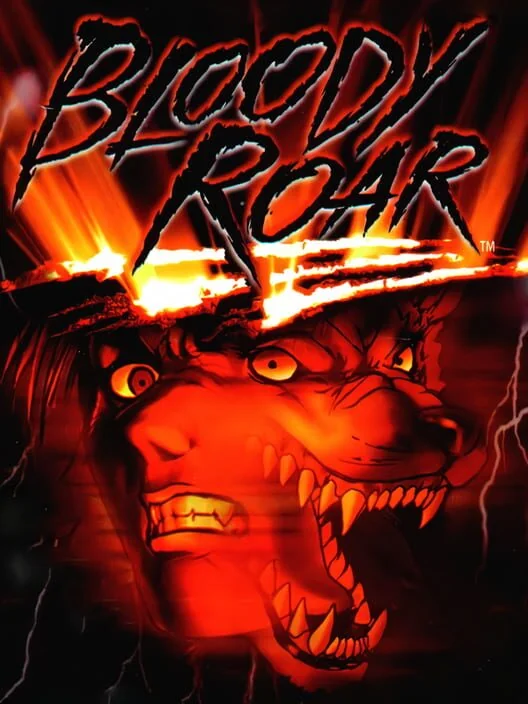
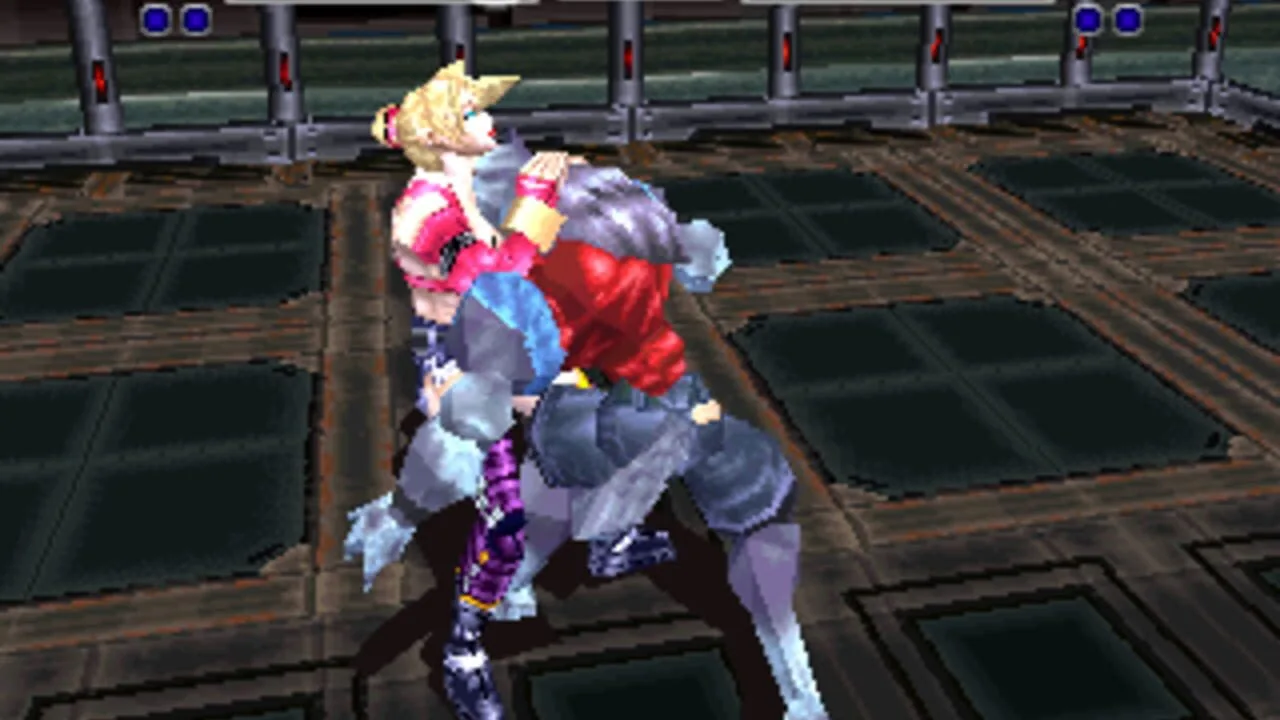
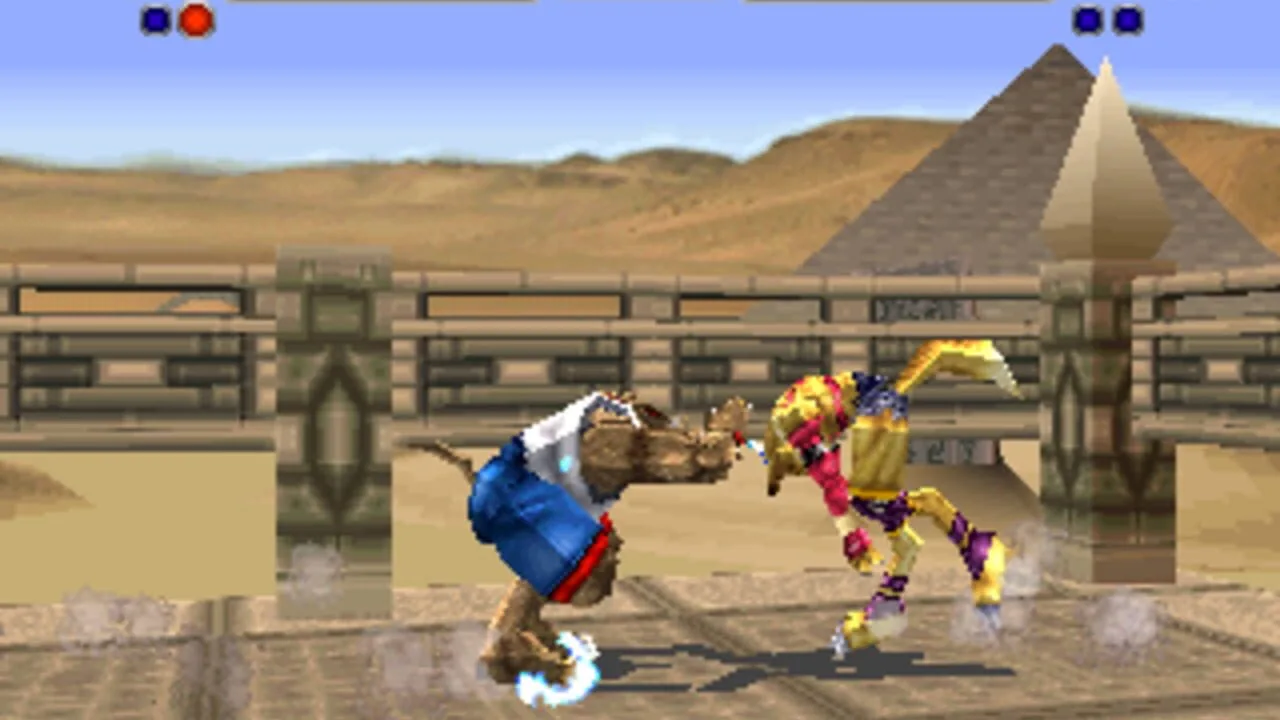
Bloody Roar started in arcades, where North America knew it as Beastorizer. Its fighters are zoanthropes, people who can turn into half-human, half-animal beasts. Raizing developed it and Hudson Soft published it, and changing into your animal form makes you stronger and faster and gives you new moves.
Director Kenji Fukuya felt that fighting games between ordinary humans were a bit dull. He first wanted superpowered fighters like the Super Saiyans in Dragon Ball, and the beast idea came from Eighting. The story has the Tyron Corporation turning zoanthropes into biological weapons, and the cast fighting back. Players loved the series and wish it would come back. It was followed by Bloody Roar 2 in 1998.
7. Tekken 2 (1996)
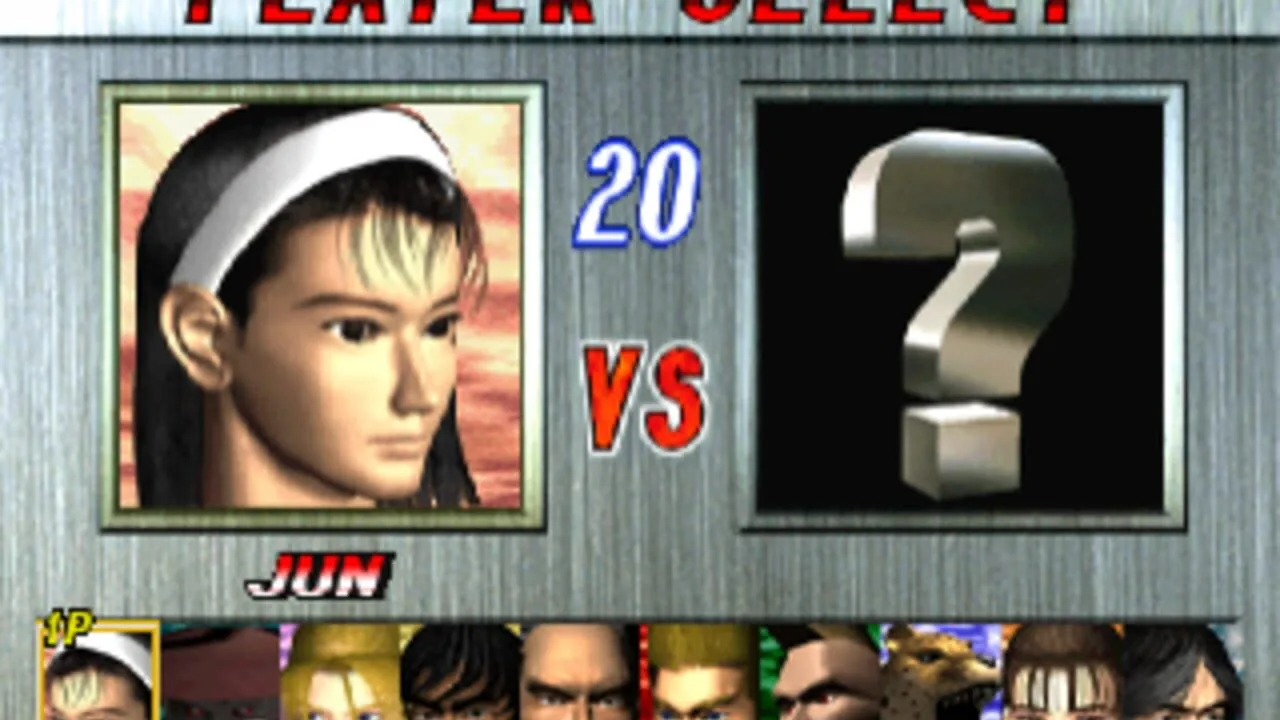
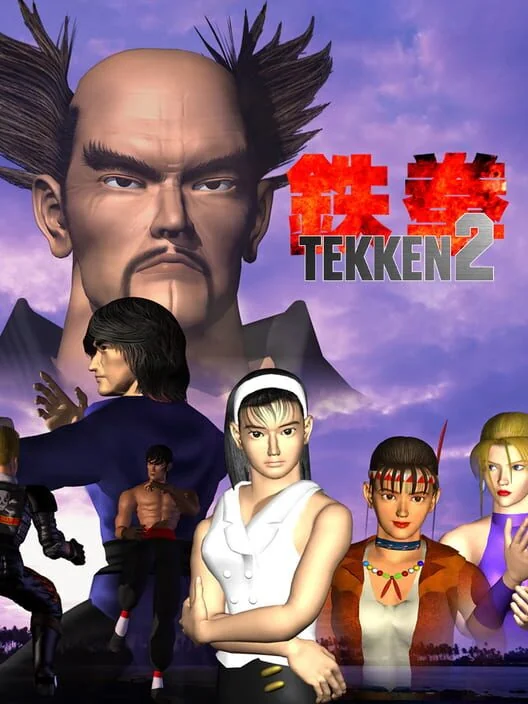
Tekken 2 on the PS1 adds new characters and extra modes to the arcade original. It has 25 fighters, though only ten are open at the start, and the rest unlock as you clear Arcade Mode with specific characters. Devil Kazuya, just a bonus palette swap in the first game, is now a full character and the final boss.
It sold 5.7 million copies on the PlayStation, one of the best-selling games on the console. Critics praised the graphics and the lighting, along with the deep system of moves and combos and the soundtrack. For many players it was their first PS1 fighter, and they admit nostalgia does some of the work. It is easy to play today, too, since it came to PS4 and PS5 through PlayStation Plus in 2023.
6. Tekken (1995)
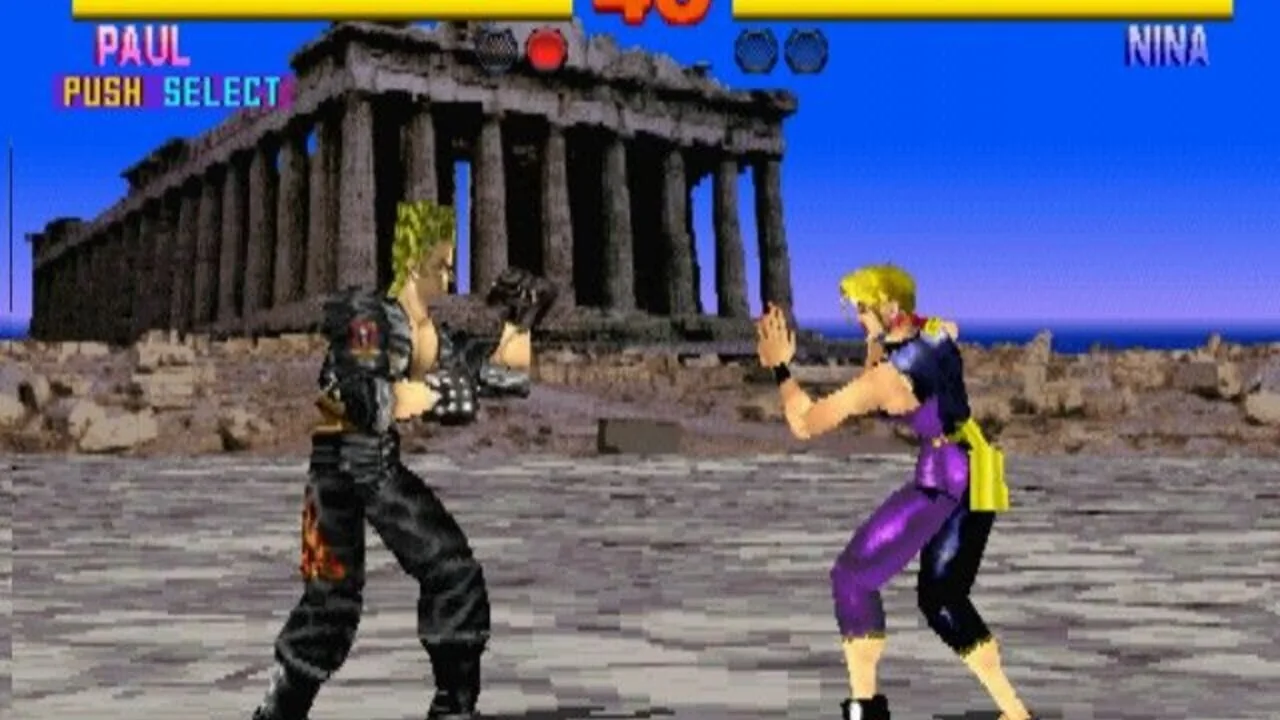
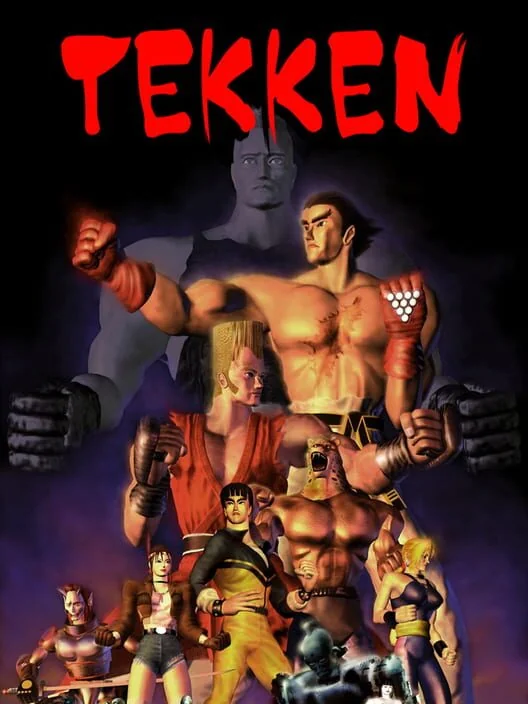
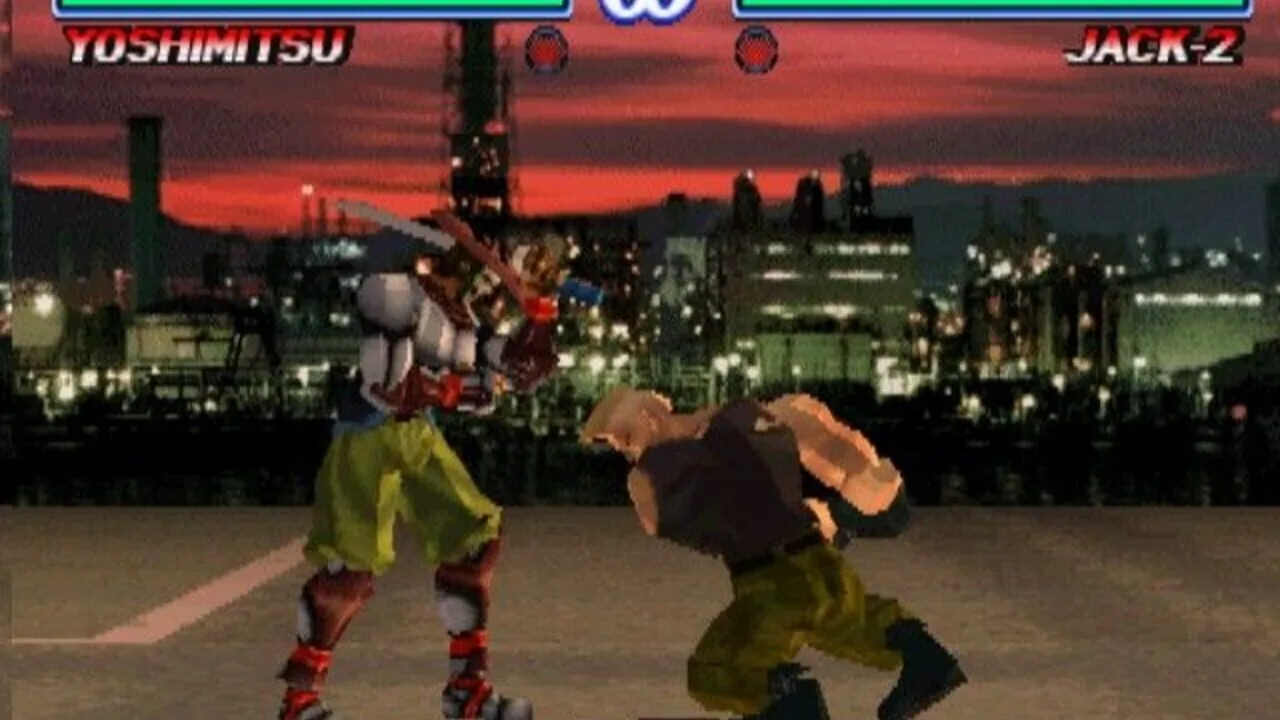
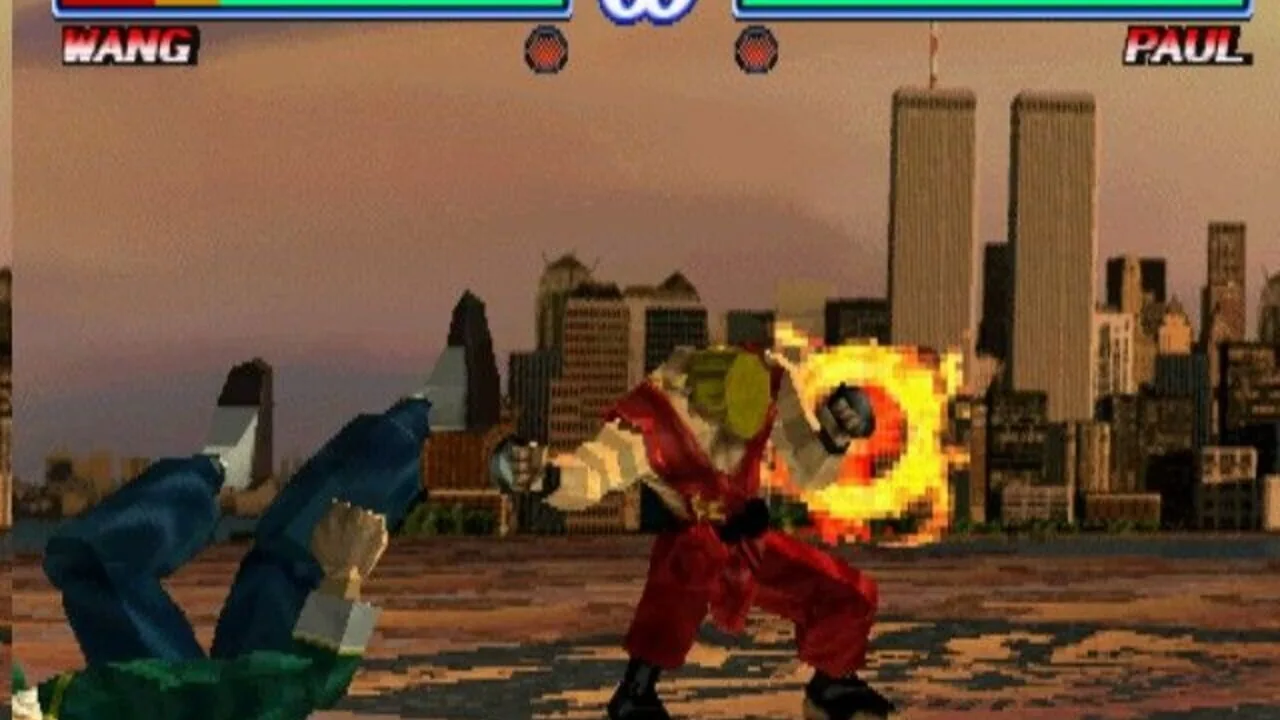
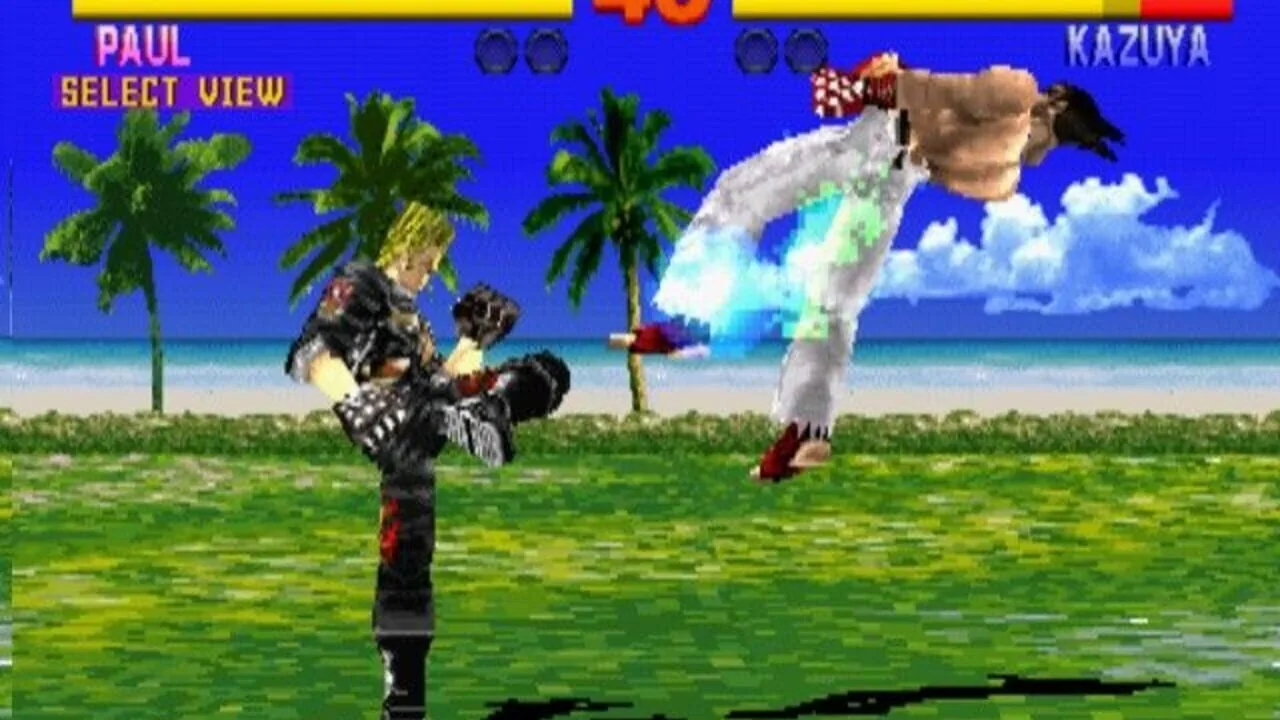
Tekken started the series in arcades, and the PS1 version added new characters and game modes. It was Namco's answer to Sega's Virtua Fighter, designed by Seiichi Ishii, who had been a designer on Virtua Fighter at Sega. The arcade board was based on PlayStation hardware, so the home version was a natural fit.
When it came home in March 1995, it was only the third 3D fighter on any console, after Virtua Fighter and Battle Arena Toshinden. It quickly overtook both of them and became a PlayStation best seller. Players love the series as a whole, and the first game still gets its share of picks. It looks rough next to its sequels, but this is where it all started, and a sequel followed later in 1995.
5. Bushido Blade (1997)
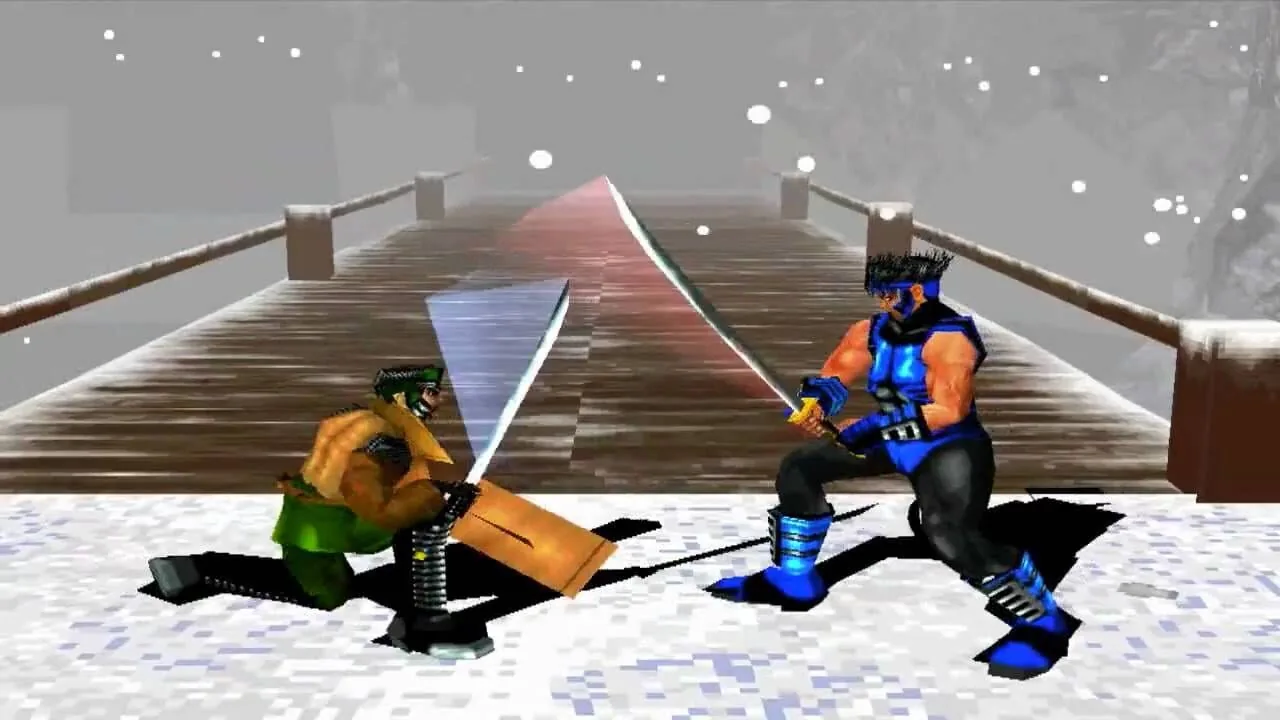
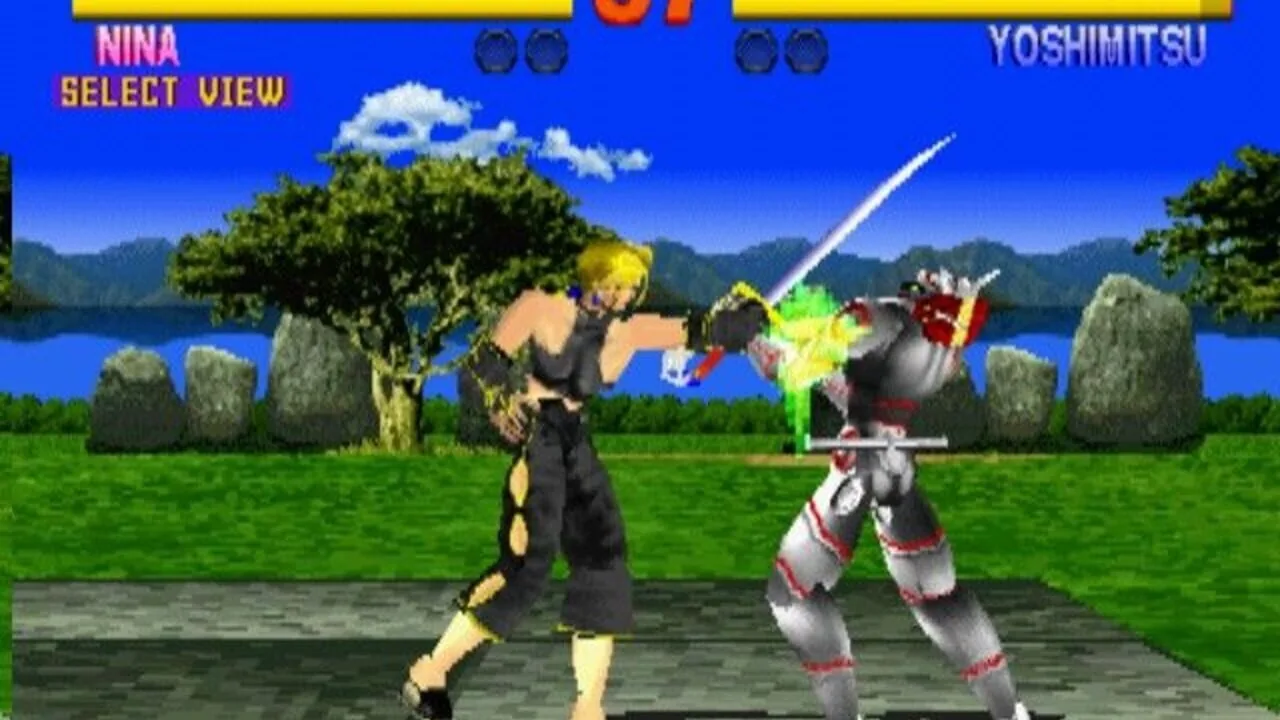
Bushido Blade lets you run through vast 3D environments mid-duel, and one critical blow decides who lives. Square published it, and it was the first game from Lightweight. You switch between high, neutral and low stances with the shoulder buttons, and there is even a first person mode.
It looks like a samurai film, but it is set in the modern era: chase a duel far enough and you reach a helicopter landing pad in a big city. The director said the bushido code in the game is about your own survival, not about dying well. Players say it let them live out every samurai movie fantasy they had, and the one-hit kills are what stuck. Health bars are for people who plan to survive.
4. Bloody Roar 2 (1998)
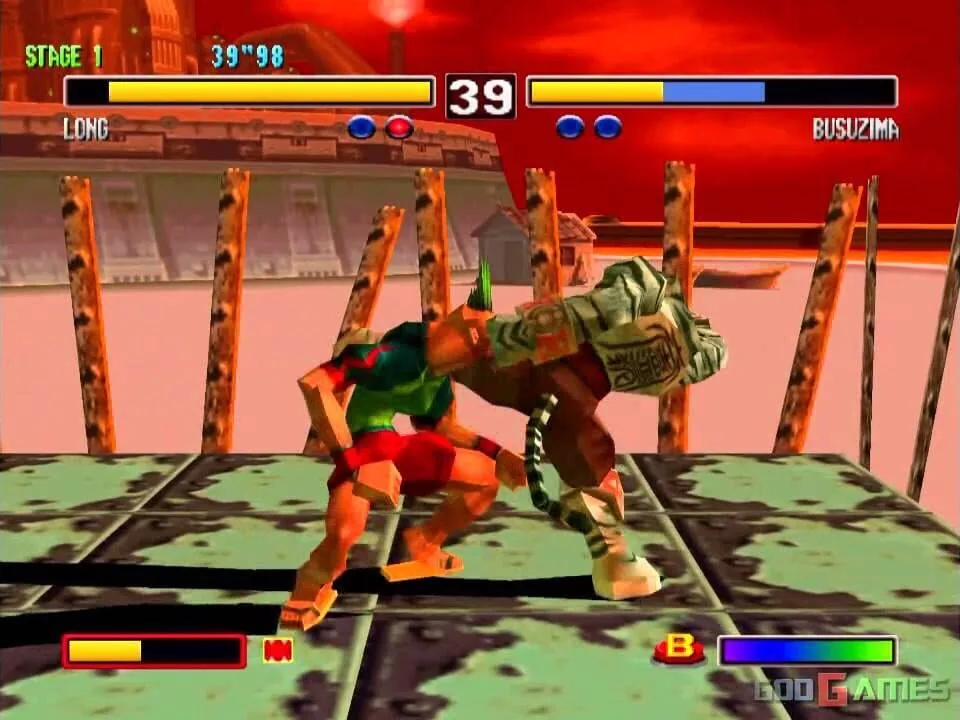
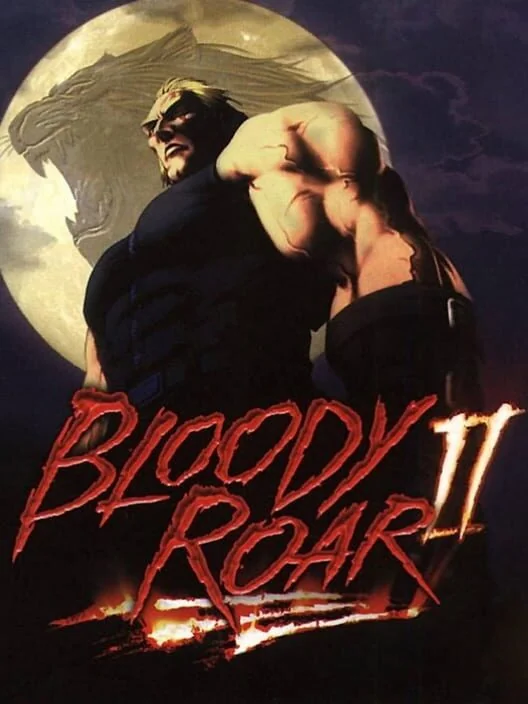
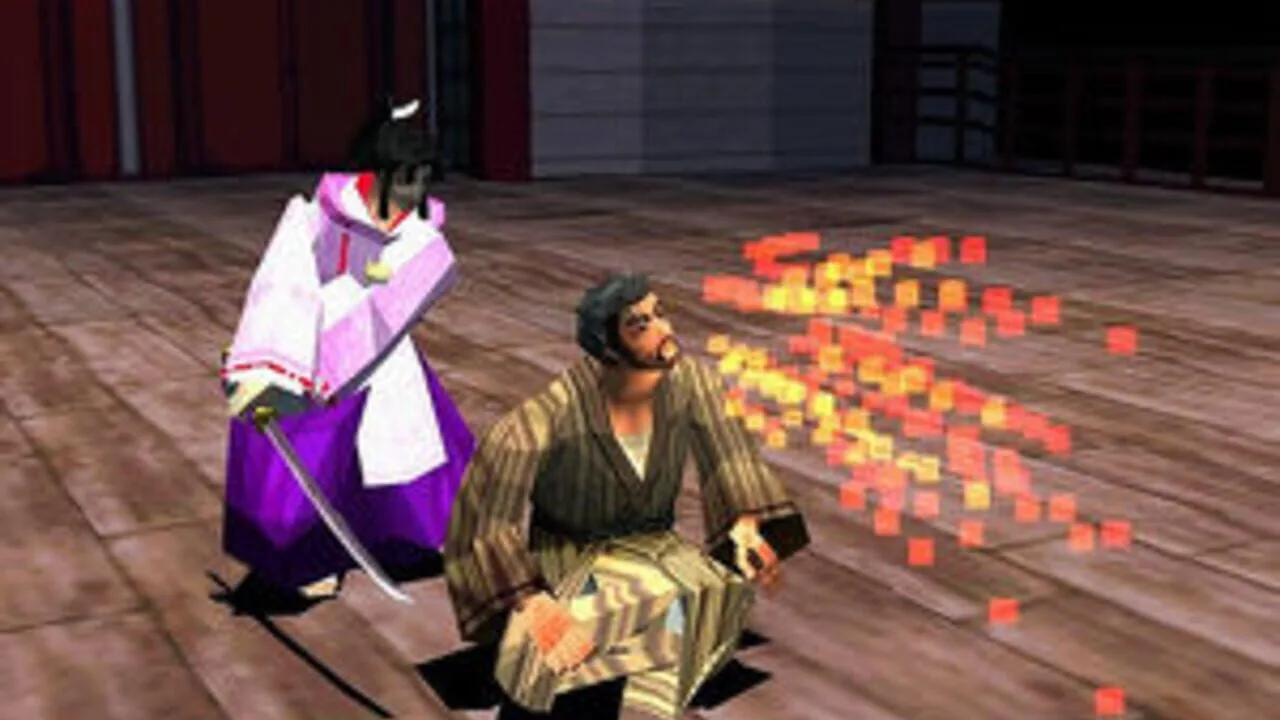
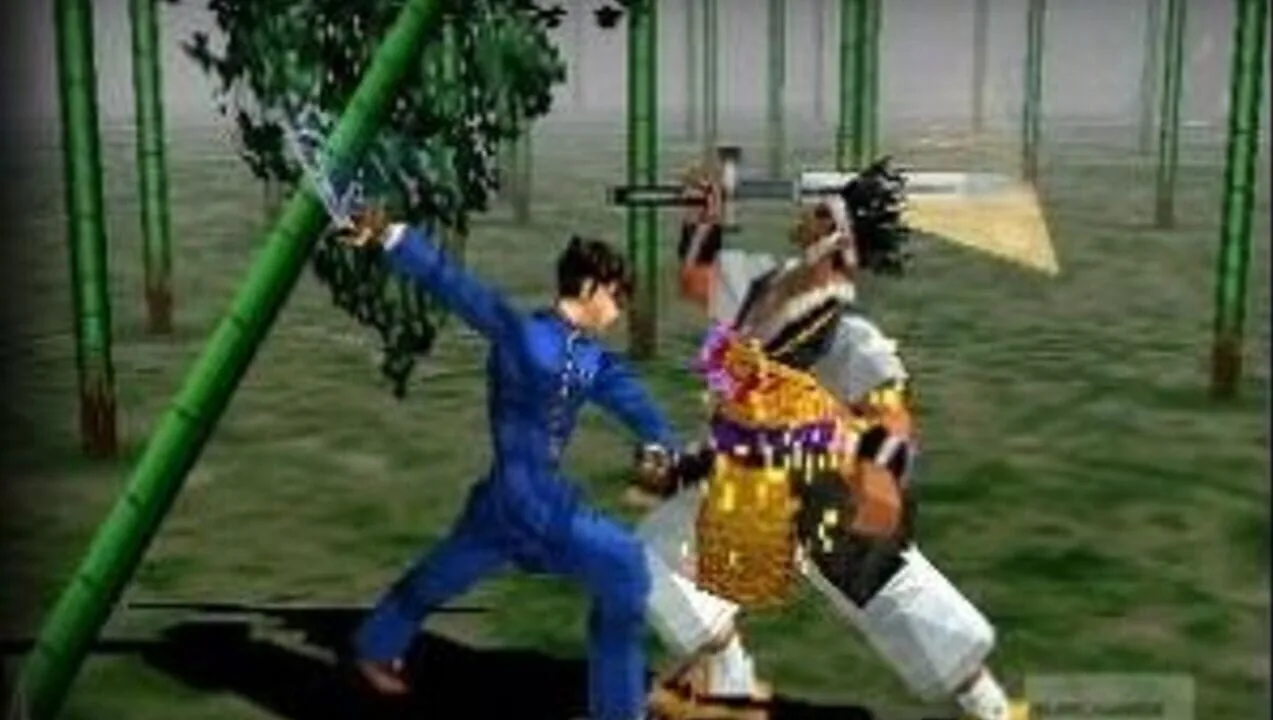
Bloody Roar 2 gives every character a beast mode that unlocks new attacks and wins back some lost health. In the United States it was sold as Bloody Roar II: The New Breed. New to this one are Beast Drives, super attacks that play a short cutscene and do huge damage.
The story picks up five years after the first game, and seven of the fighters are new, among them Bakuryu, a ninja who turns into a mole. For some players it is their favourite fighter on the PS1. It is quicker and flashier than the first game, and the beast transformations still look great. You can still buy it on PS3, PS Vita and PSP through the North American PlayStation Network, and it was followed by Bloody Roar 3 in 2000.
3. Soul Blade (1996)
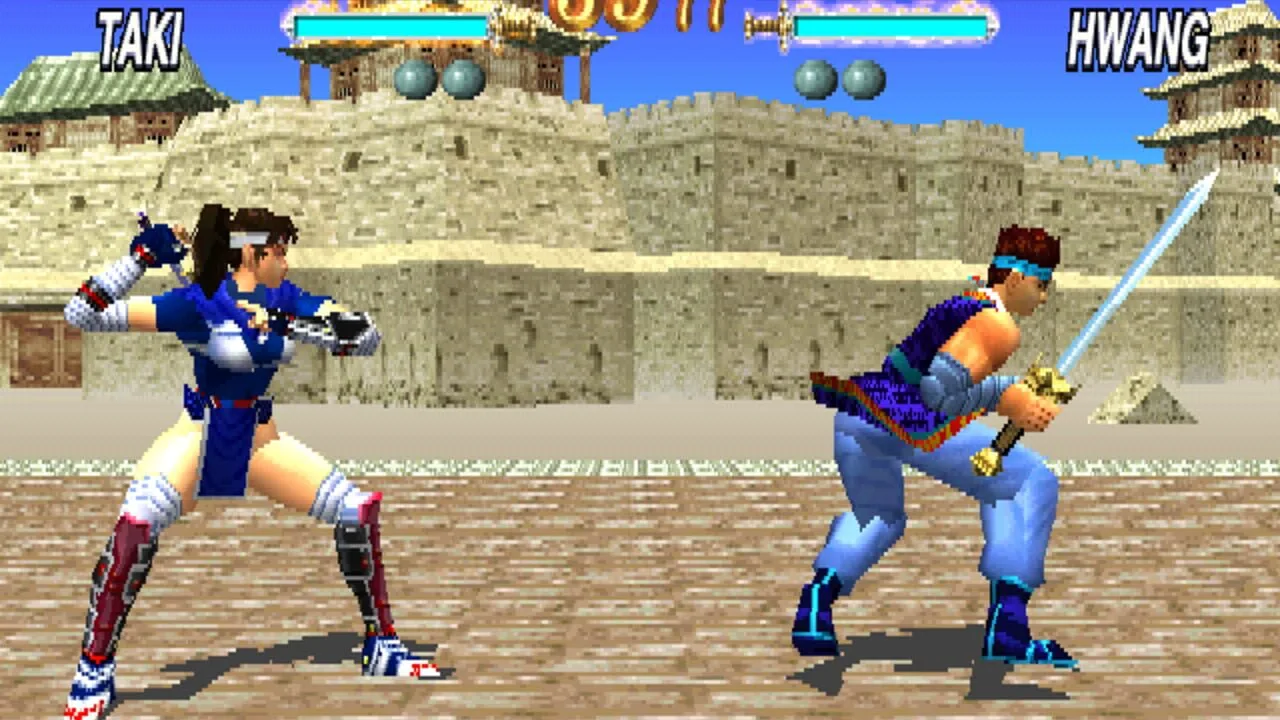
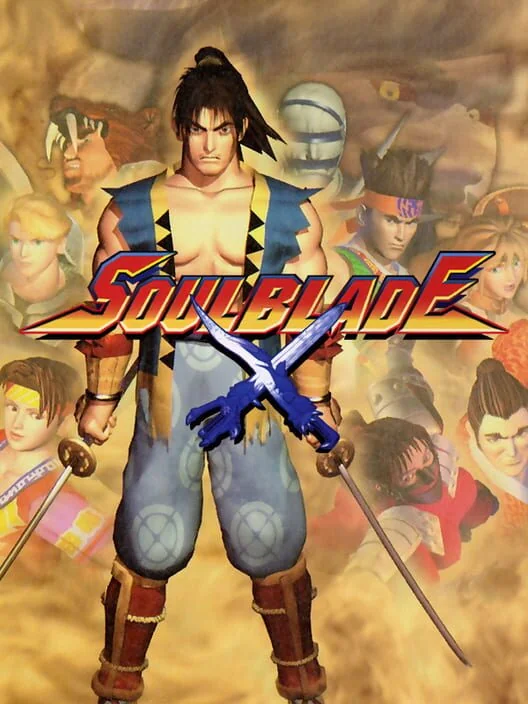
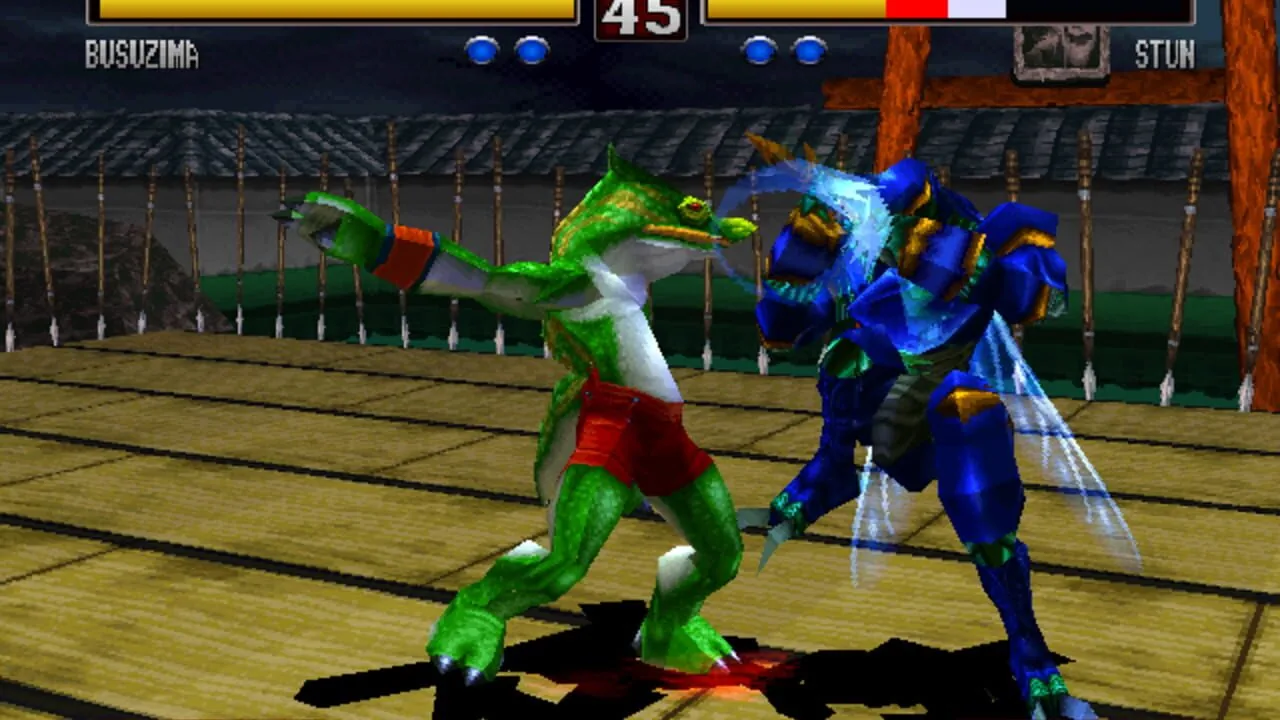
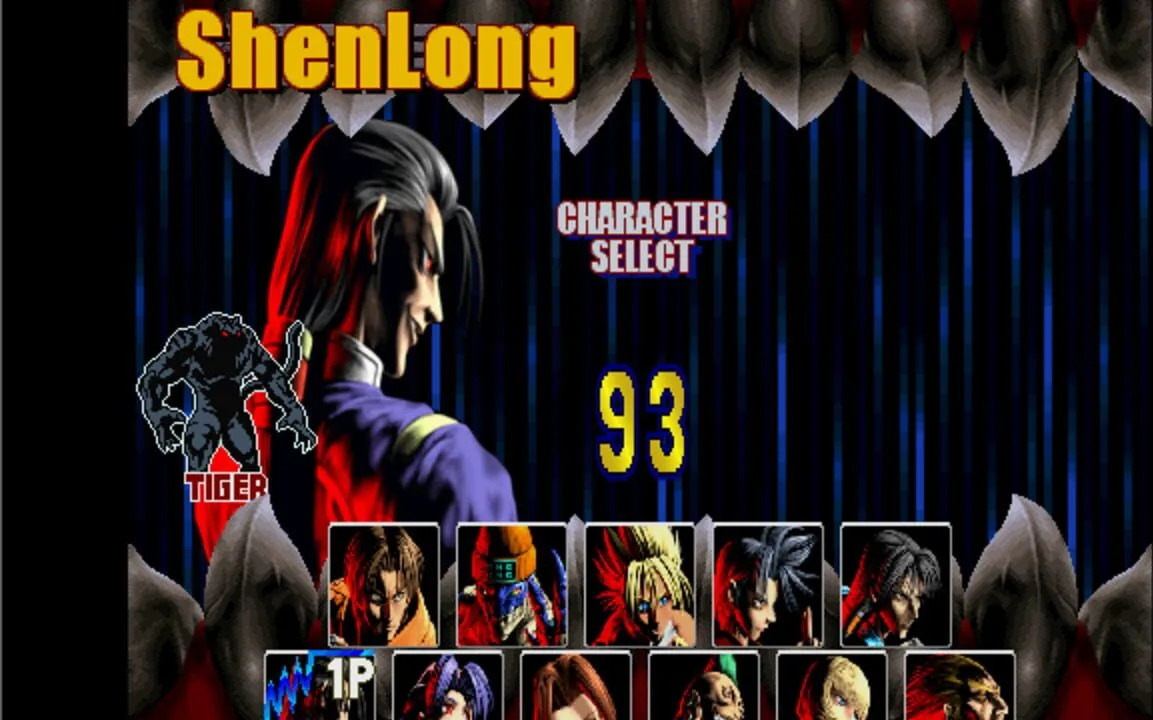
Soul Blade is the console version of Soul Edge, with an RPG-style Edge Master Mode and seven extra weapons for every character. It is where the Soulcalibur series began. Namco made it as an experiment to see what a weapon-based fighter could do, and it was only the second 3D fighter built around weapons, after Battle Arena Toshinden.
Edge Master Mode tells each fighter's story like a book, and you move around a map from fight to fight. The controls are simple: one button for horizontal attacks, one for vertical ones, one for kicks and one to block. Cervantes is the one fighter who can knock himself out of the ring, with a special attack near the edge. Players call it a favourite, and some still play it today.
2. Rival Schools: United by Fate (1997)
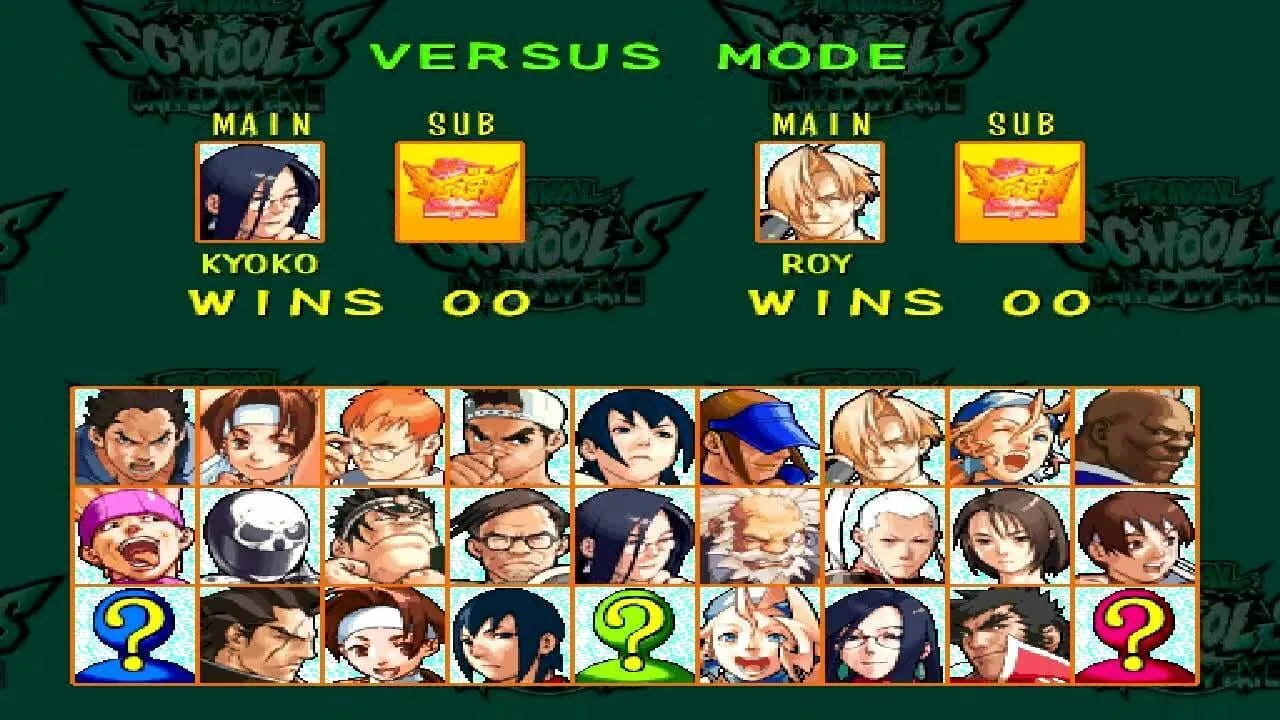
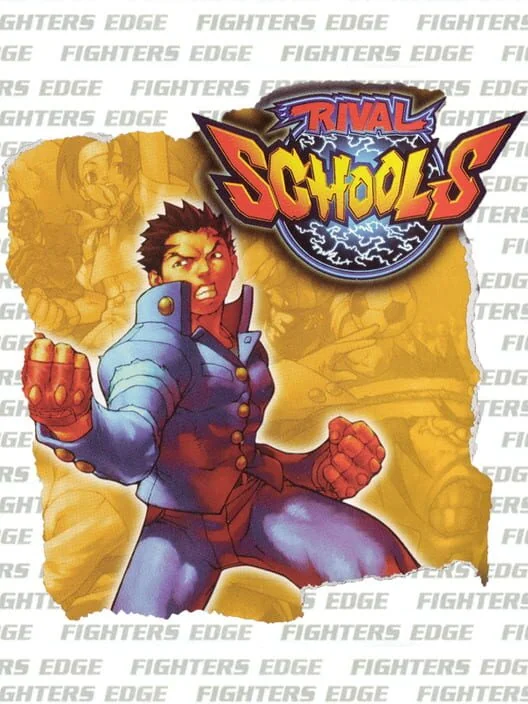
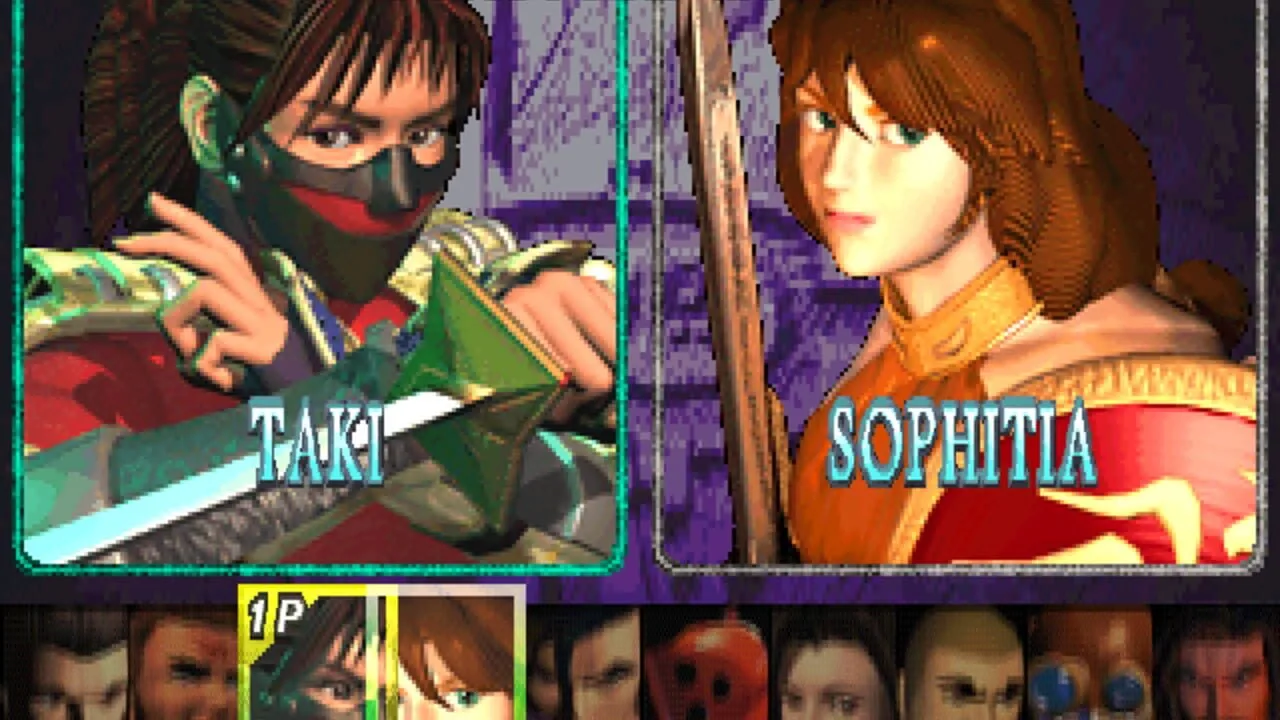
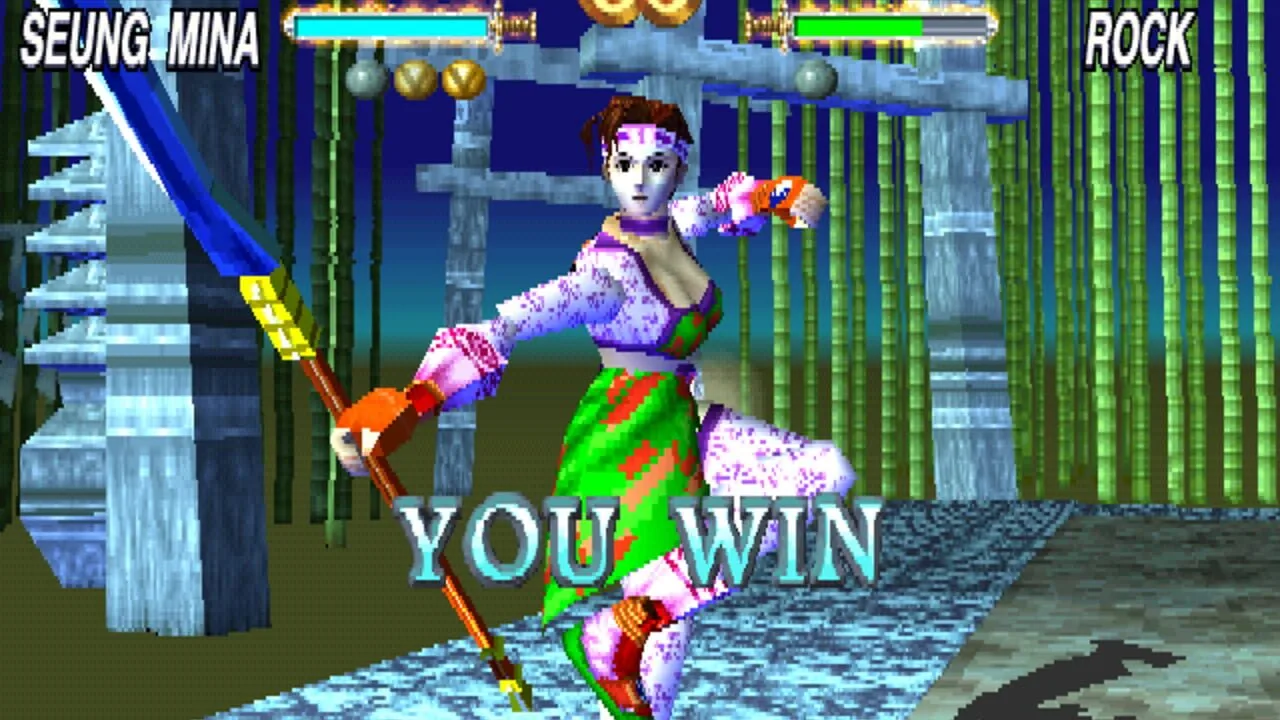
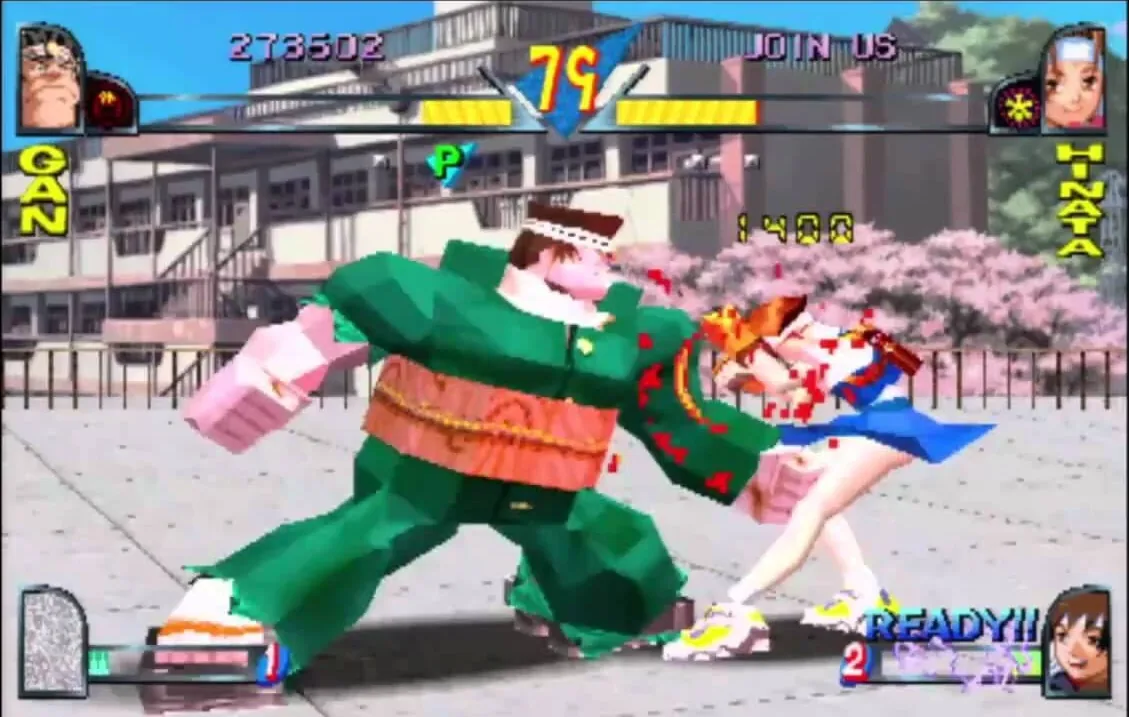
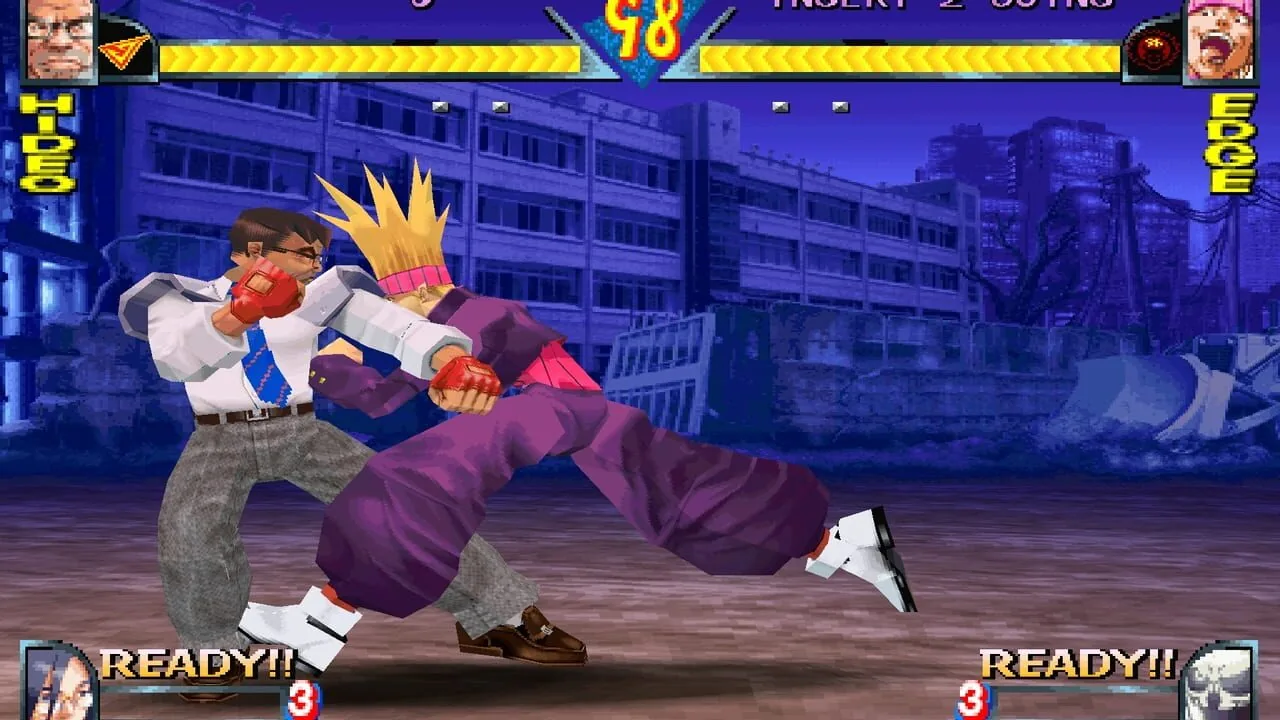
Rival Schools: United by Fate plays like a 3D Marvel vs. Capcom: you pick a team of two, fight one on one, and call your partner in for a Team Up attack. It uses four buttons instead of Capcom's usual six, the same setup as Star Gladiator.
The story follows students whose schools keep getting attacked, and the trail leads to Justice High, an elite school whose principal, Raizo Imawano, is the first boss. Players call it their favourite 3D fighter on the PS1, and they notice when a list forgets it. Japan later got a further enhanced version on the PlayStation with two new characters, and the series continued with Project Justice. It has some of the most likeable characters Capcom ever made.
1. Tekken 3 (1998)
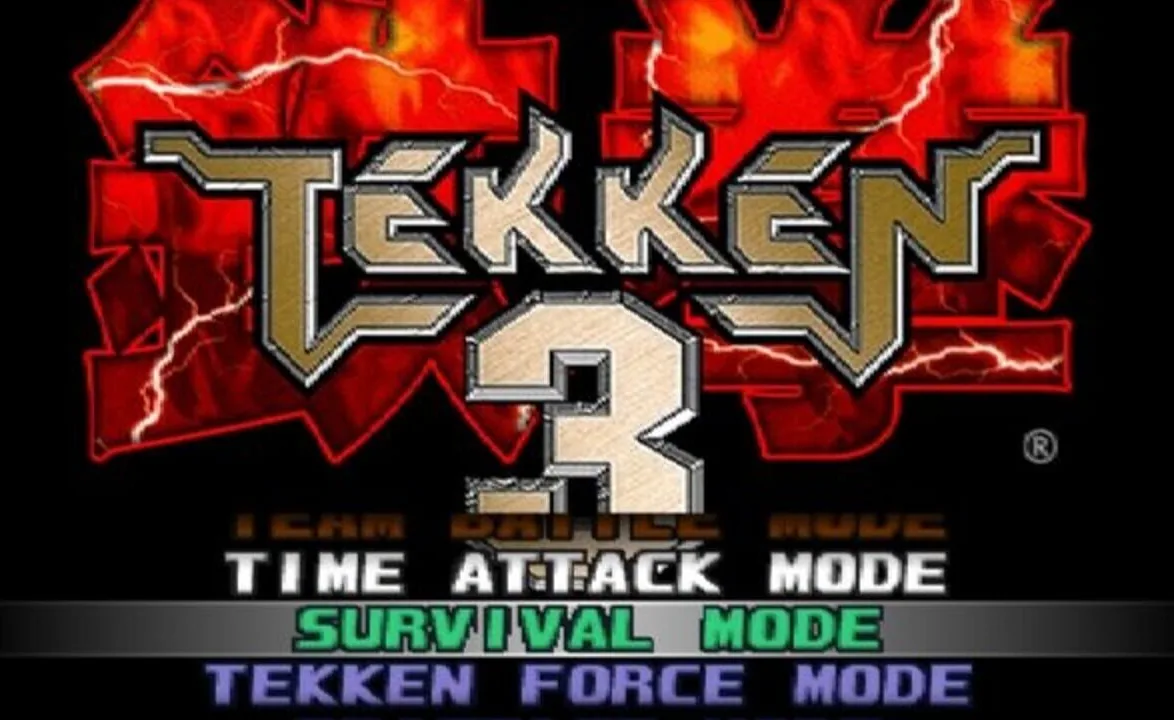
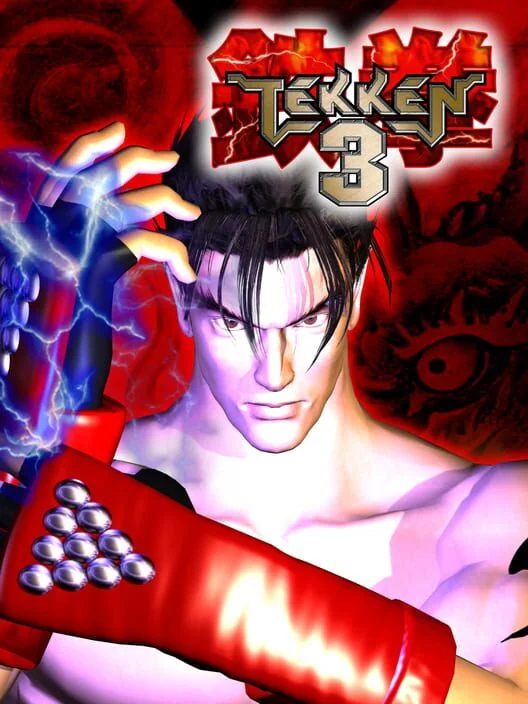
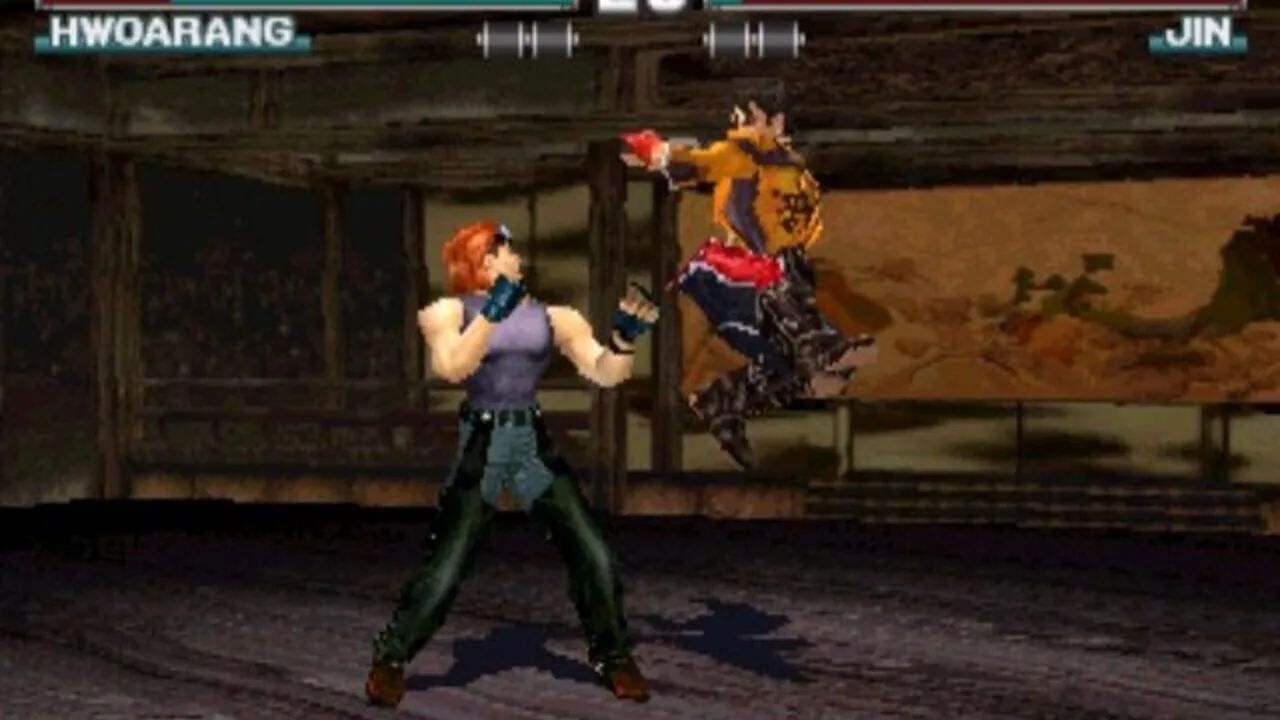
Tekken 3 on the PS1 adds new characters and modes the arcade never had. The story jumps nineteen years ahead, so only seven fighters from Tekken 2 return, and the new faces include Jin Kazama and Ling Xiaoyu, who became series staples. Every character can now sidestep, which finally made the 3D feel like 3D.
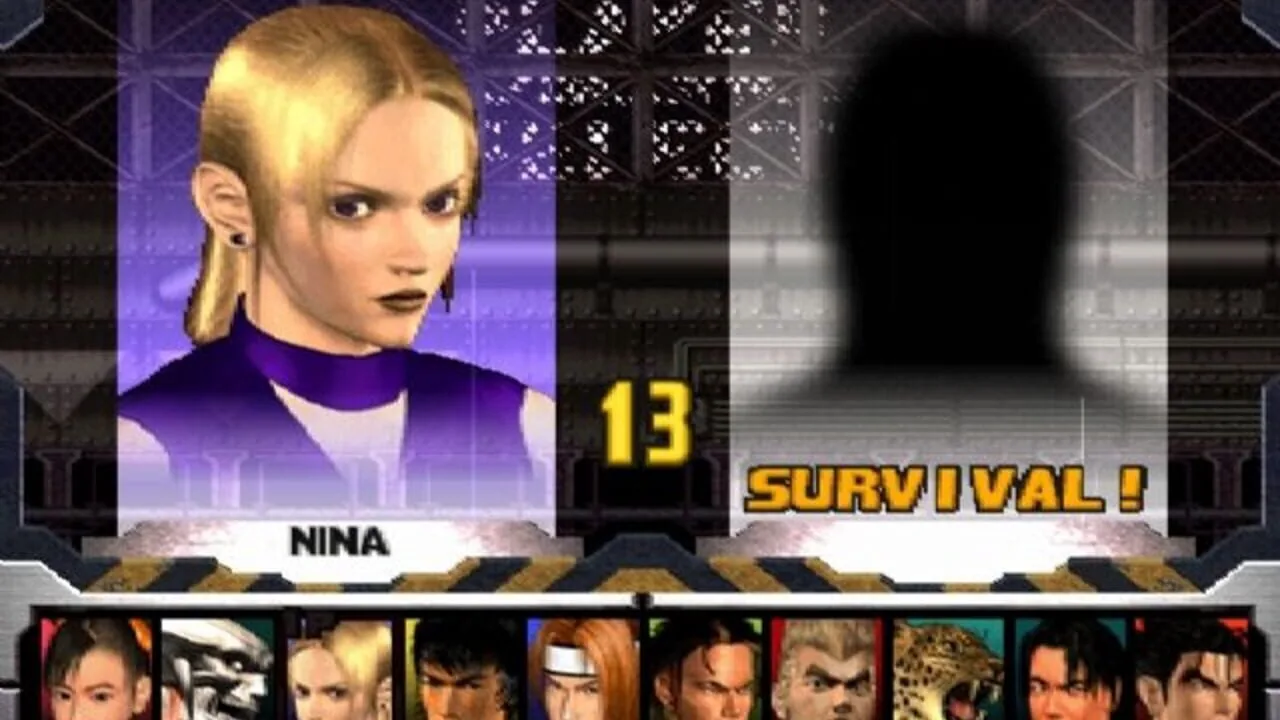
The PS1 version also adds Tekken Force, a whole beat 'em up mode. It sold 8.36 million copies on the PlayStation, the fifth best-selling game on the console. They call it the perfect pick-up-and-play fighter, and they still marvel at how fluid it looks. Later the console version was re-released on the PlayStation Classic, and it is still the easiest fighter on this list to love.
Which one to play
There you have it, the whole list of the best PS1 fighting games. The arcade ports are not always perfect, but the extra modes and characters the PS1 versions added make up for a lot.
If you are not sure where to start, play Tekken 3. If you want classic 2D Street Fighter, go for Street Fighter Alpha 3 and its World Tour mode. If you like weapons, Soul Blade is where the Soulcalibur series began. For something no other series has done, try Bushido Blade, where one clean hit ends the fight. And for a hidden pick, Tobal 2 has 200 fighters and never left Japan.