Final Fantasy VII was originally going to be a detective story set in New York City in 1999, starring a character called Hot Blooded Detective Joe. Square went another way, and the game it made instead still towers over every other RPG on the PlayStation. Players named it nearly twice as often as the runner-up.
The bigger surprise is what sits below it. Six of the games on this list also turn up on a list of the best undiscovered PlayStation games, and one of them was fully voiced before Square's own cinematic horror RPG decided to stay silent. Another had its villains renamed after soft drinks.
We surveyed players: 10,888 recommendations from PlayStation fans ranking their favourites, with every game they named counted, and a pick other players backed counting a little extra. Only RPGs made the cut, and only games that English-speaking players first got on the PS1, so Chrono Trigger sits this one out.
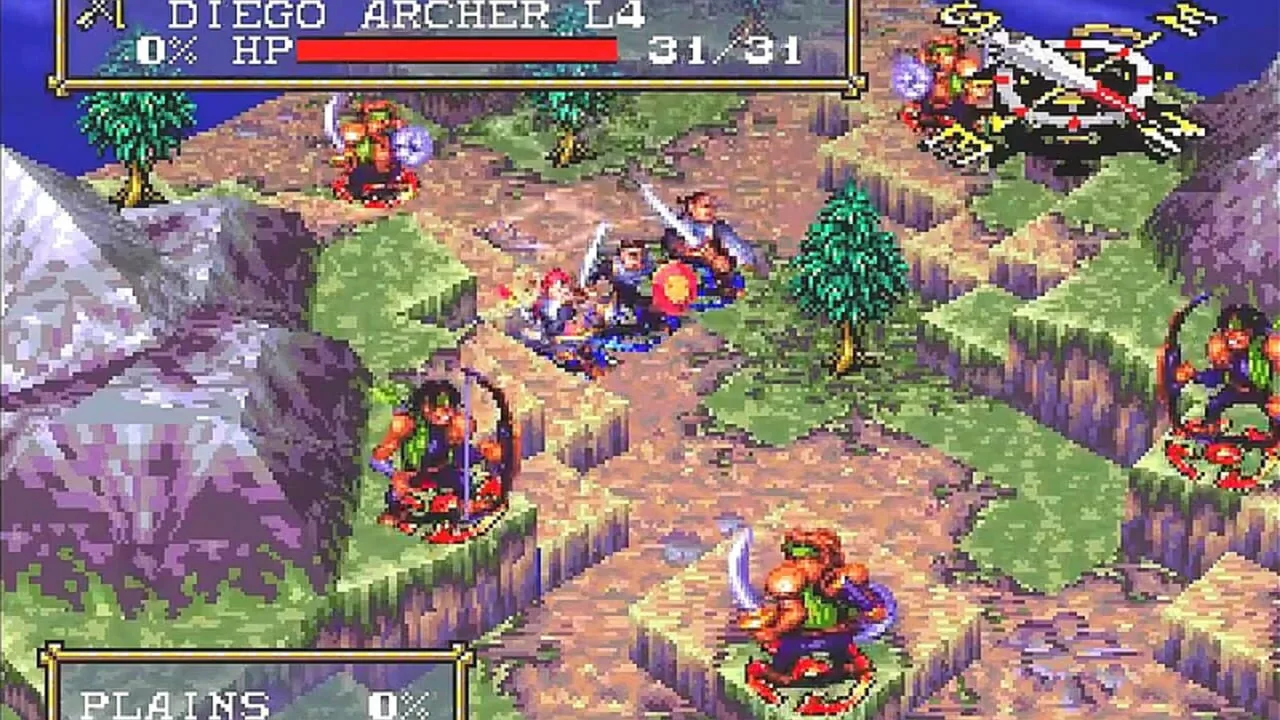
25. Vandal Hearts (1996)
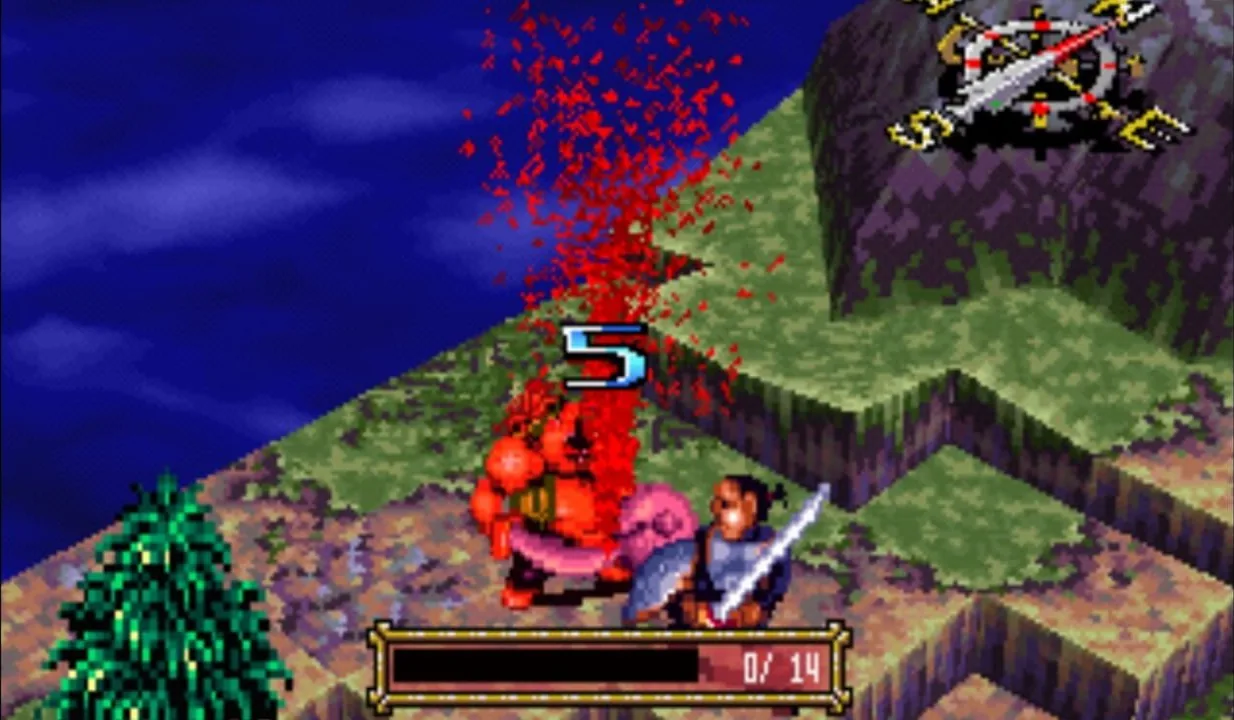
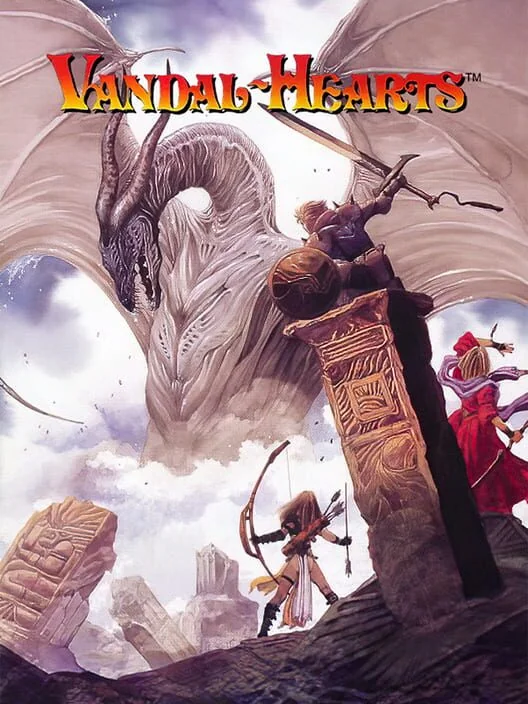
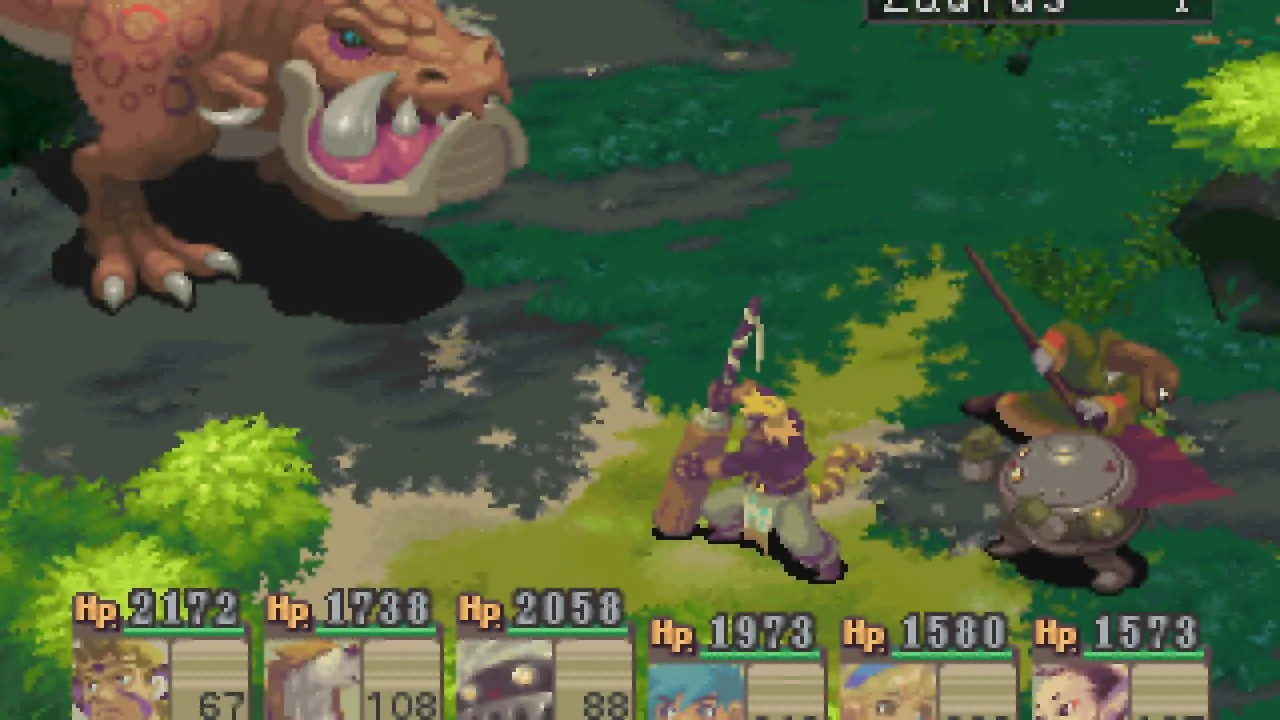
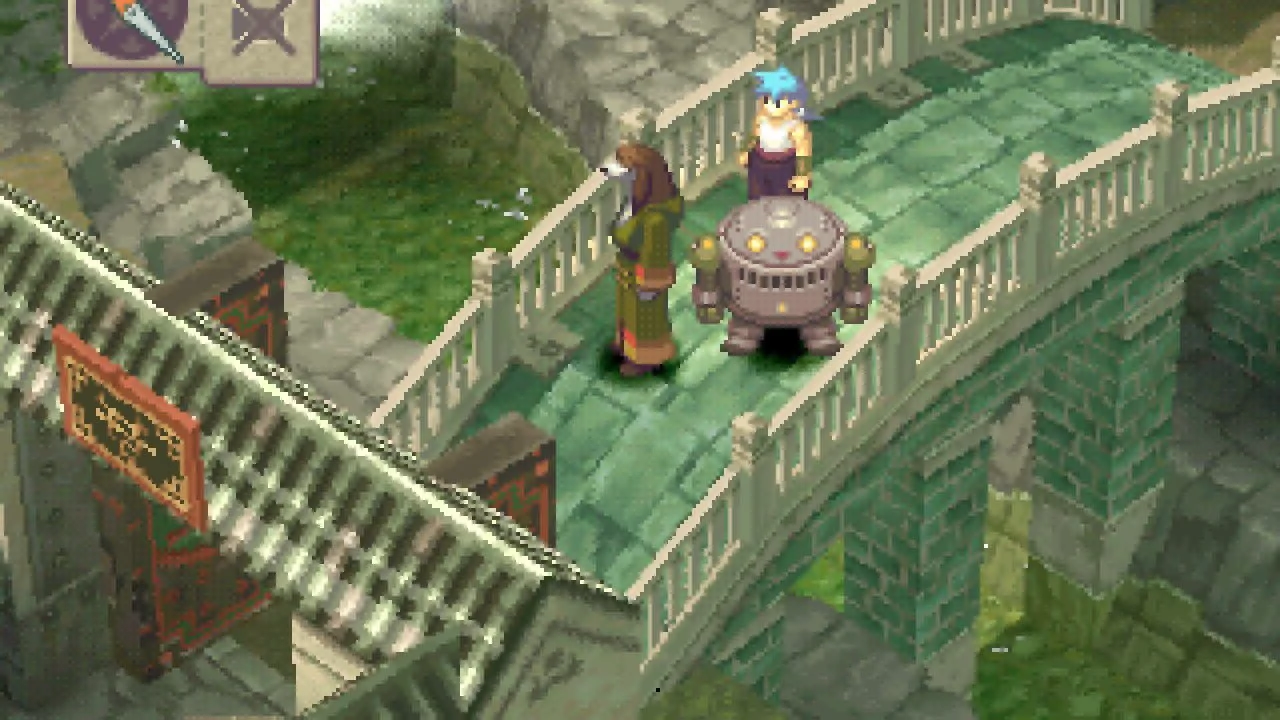
Vandal Hearts opens the countdown, and it earns the spot honestly. You play Ash Lambert, a hero torn between saving his country and restoring the honor of the disgraced Lambert dynasty, and you do it on 3D battlefields whose sloped surfaces can work for you or against you. It came out in 1996, a year before Final Fantasy Tactics, so it has the lean rhythm of a strategy game with nothing to prove.
It also sits on that list of the best undiscovered PlayStation games, which feels about right. Players still recommend it whenever someone asks for a tactics game that isn't the obvious one. It's the indie band of strategy RPGs, and the people who found it first will make sure you know.
24. Persona 2: Eternal Punishment (2000)
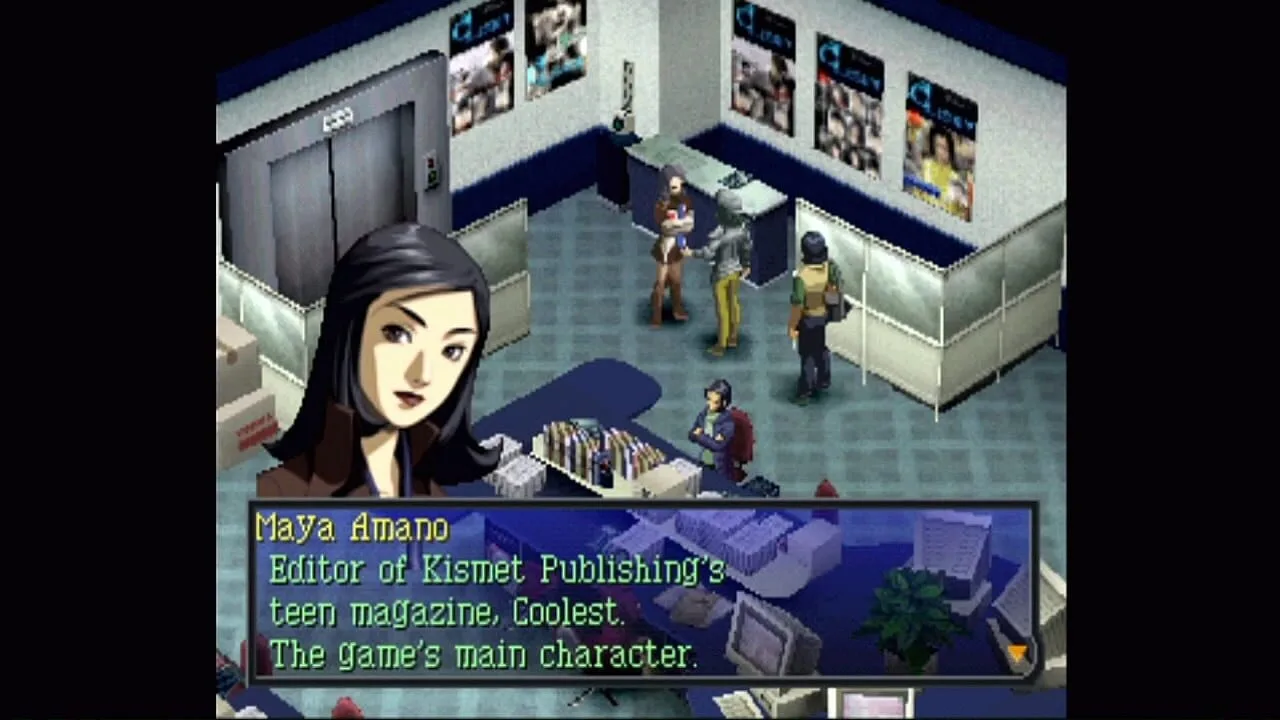
Persona 2: Eternal Punishment is a direct sequel to Revelations: Persona, and it is also the second half of a story most Western players never saw the start of. The first half, Innocent Sin, only reached the US on the PSP, so Eternal Punishment arrived like a second season with the pilot missing.
Like most of Atlus's games, it didn't sell in high quantities. Even so, it did well enough to firmly establish the Persona franchise in the West, so every Persona that followed owes this odd, half-told sequel a thank-you card. It has never been a cheap game on the resale market, either, which tells you the cult got there early.
23. Front Mission 3 (1999)
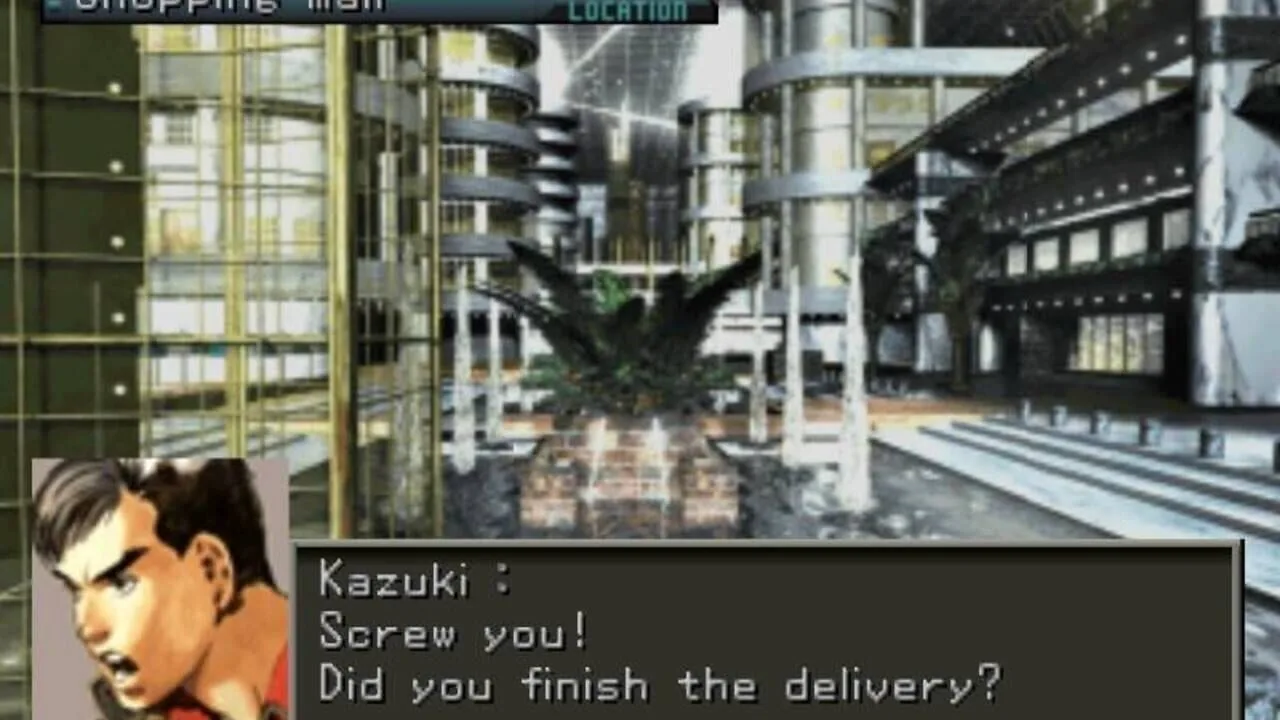
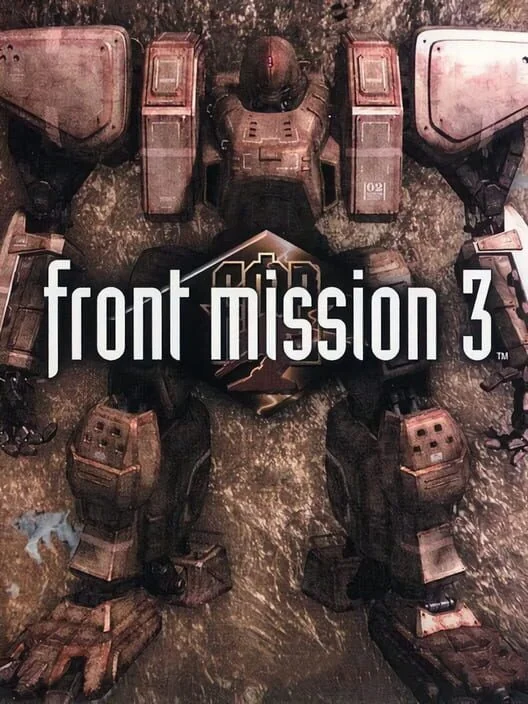
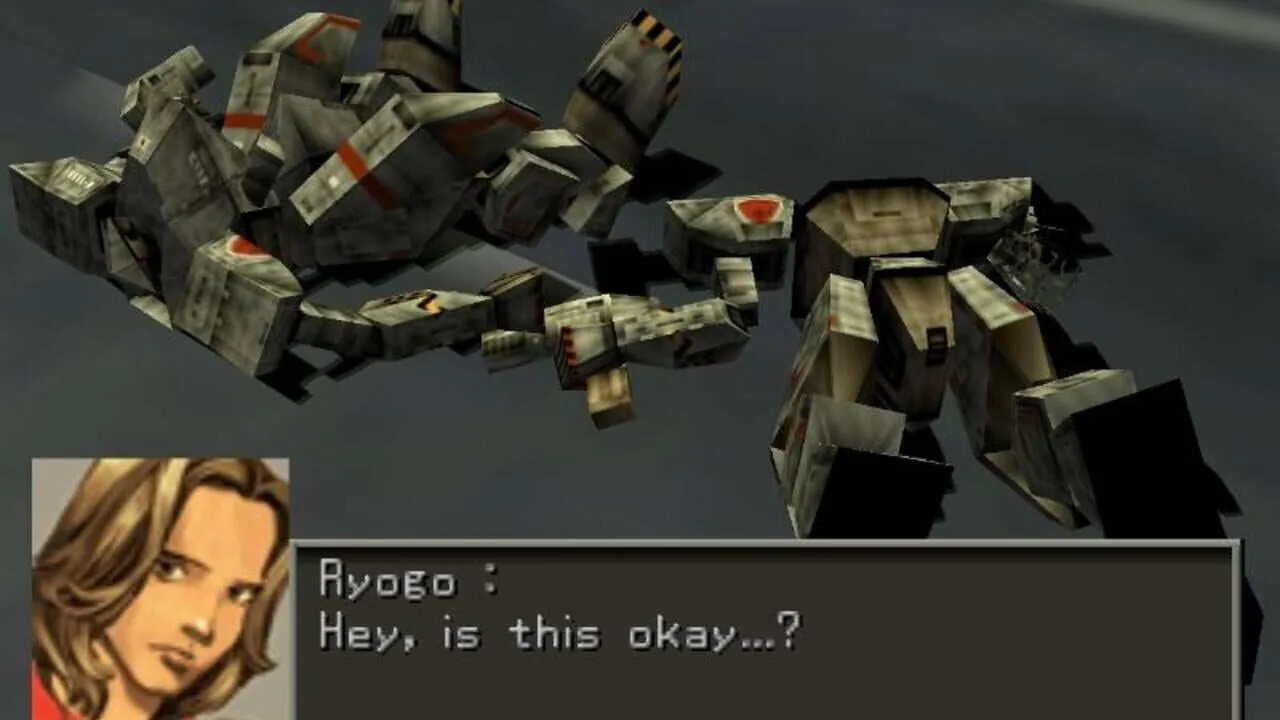
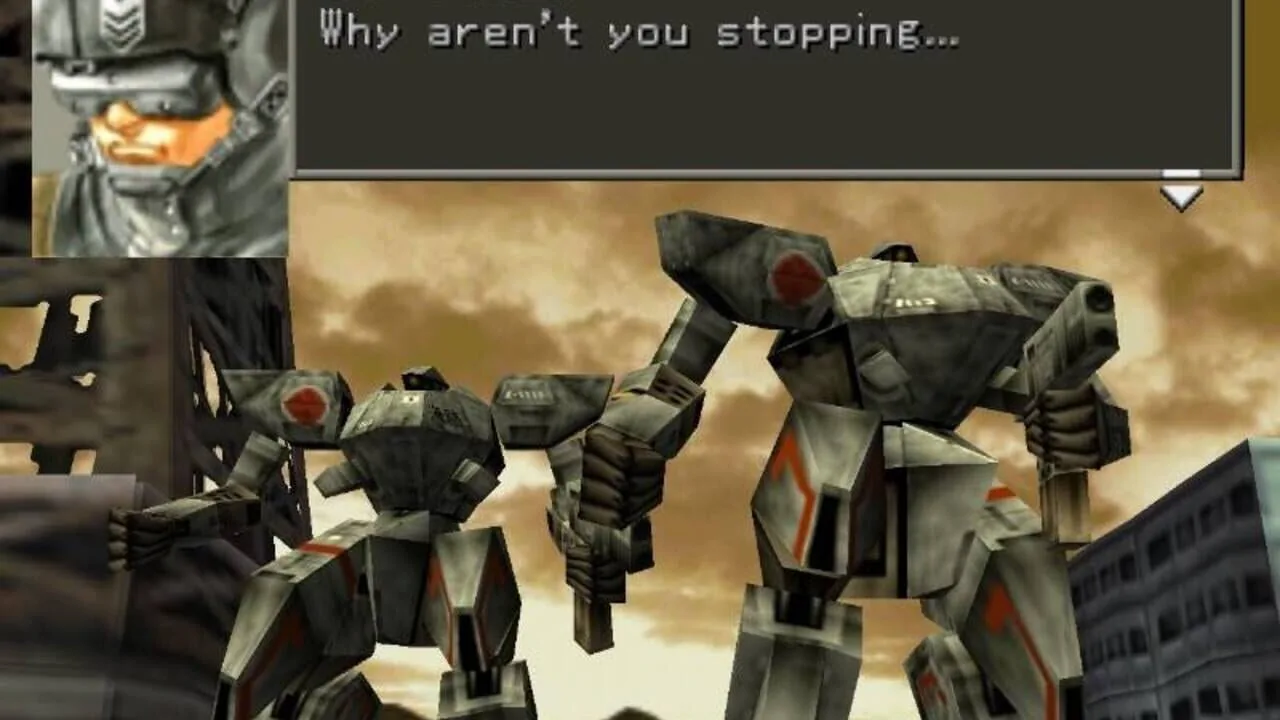
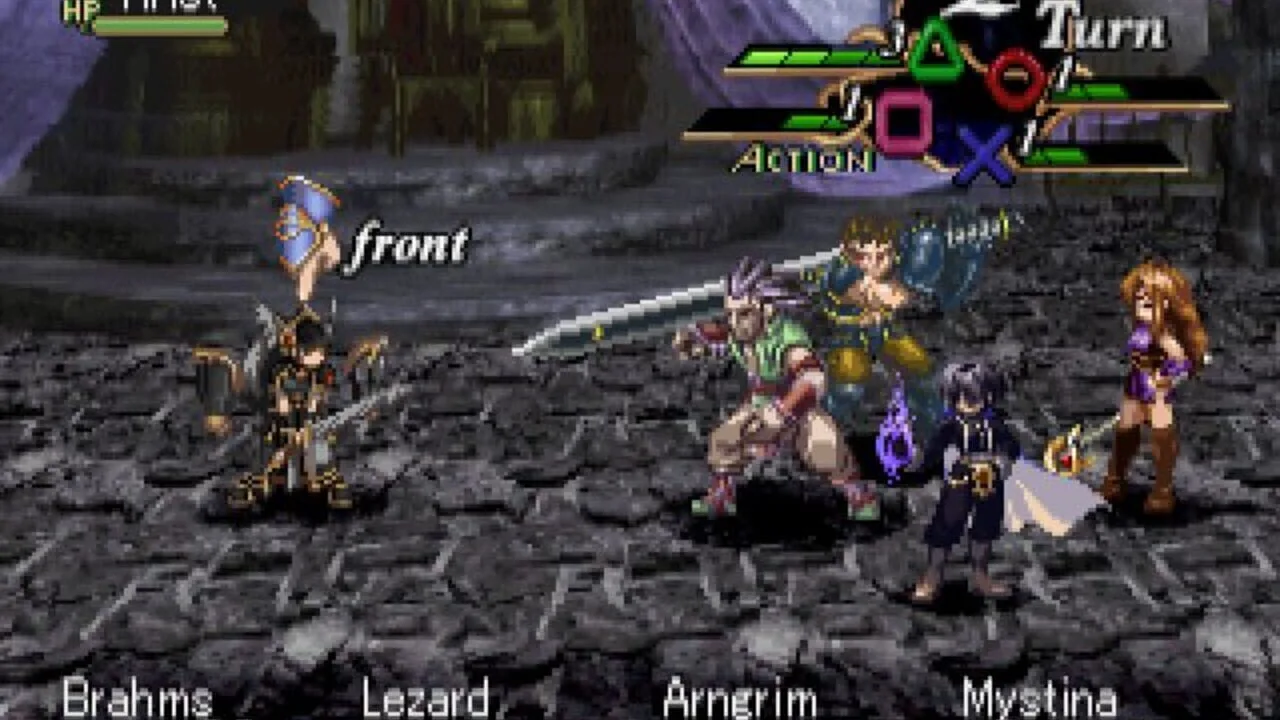
Front Mission 3 was the first game in its series to be localized outside Japan, so for most of us this is where the mech war begins. You start as Kazuki, a wanzer test pilot for Kirishima Heavy Industries, and the story splits into two scenarios that never link up, one led by Alisa and the other by Emma. Allies on one side become enemies on the other, which makes a second run feel like reading the other side's diary.
It is also the friendliest game in the series. Battlefields are much smaller than before and you can only field four units, so the difficulty drops noticeably and some of its predecessor's strategic depth goes with it. On the other hand, if Final Fantasy Tactics ever felt too expensive, this has long been pitched as the cheaper, mech-filled alternative.
22. Breath of Fire IV (2000)
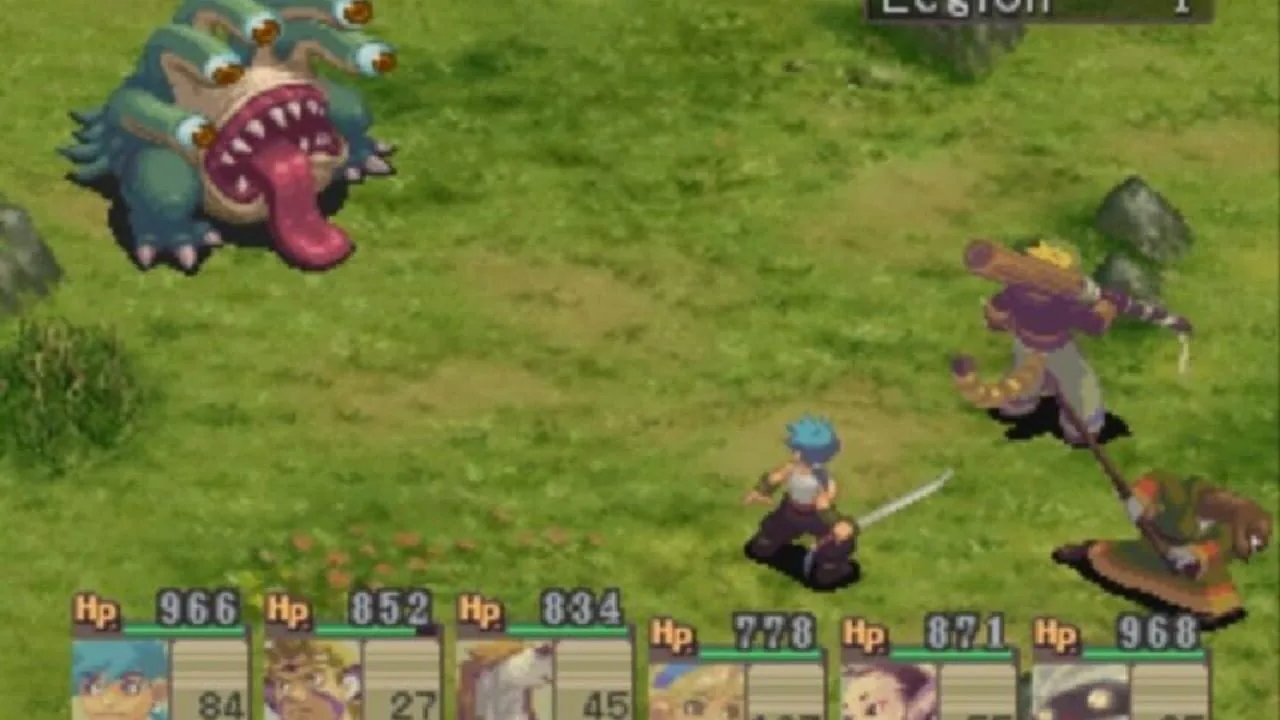
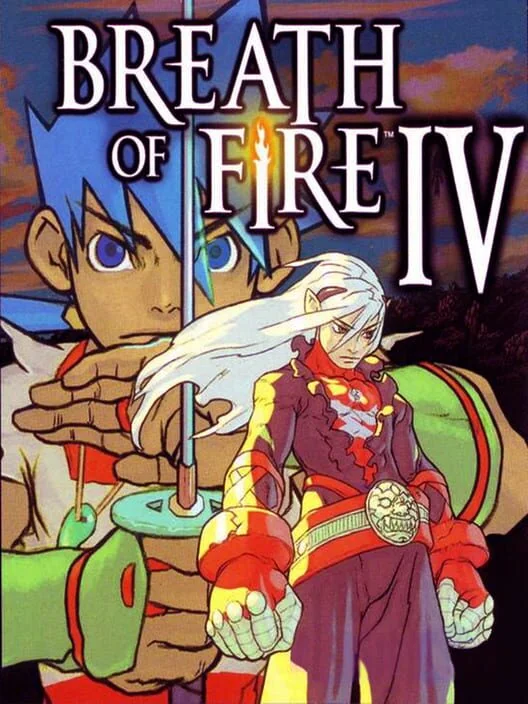
Breath of Fire IV carries on the story of the series' dragon people, and it opens on a war between two powerful continents. Princess Elena disappears during a tour of the war-torn region, so her sister Nina, who reigns over the Windia Kingdom, goes looking for her. It's a traditional setup, and the game is perfectly happy being traditional.
Where it stands out is the art. Players keep singling out its sprite work and animation, and some rank it above the third game because of it. The Western release did lose a scene along the way, however: in Japan, Ursula drops her pants in front of some sailors so her group can board their ship, and everywhere else that moment simply vanished.
21. Parasite Eve II (1999)
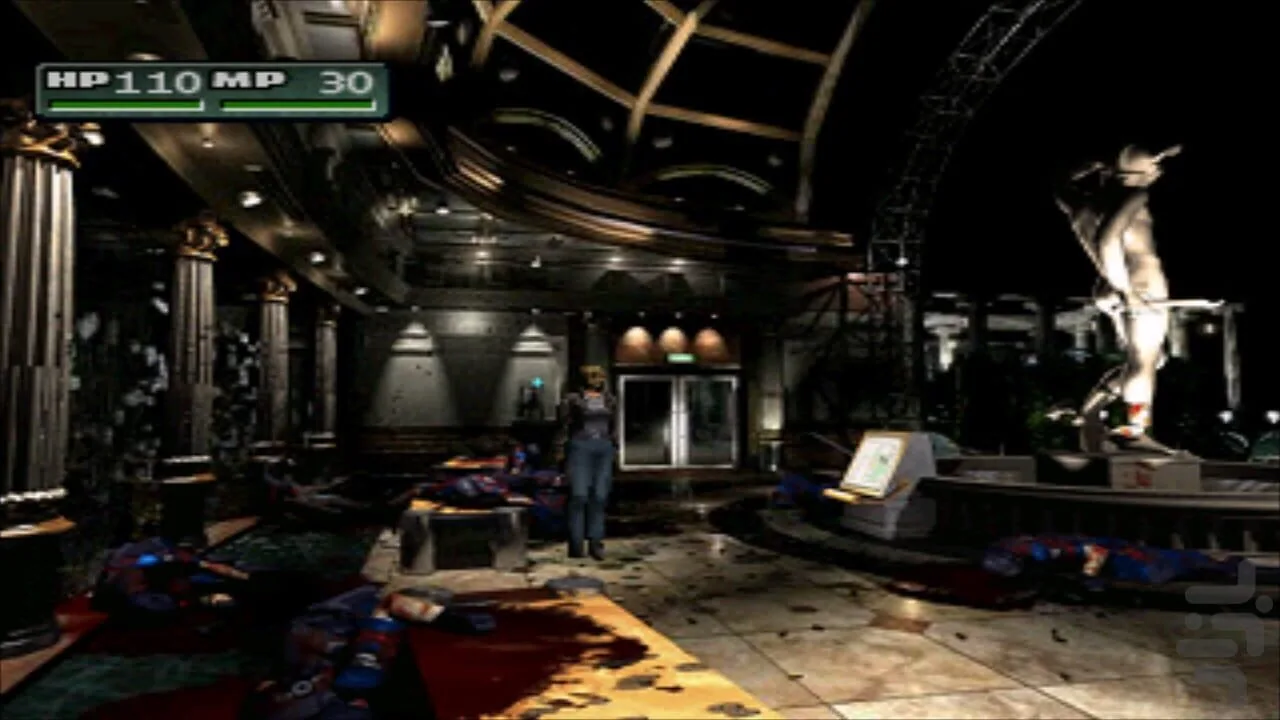
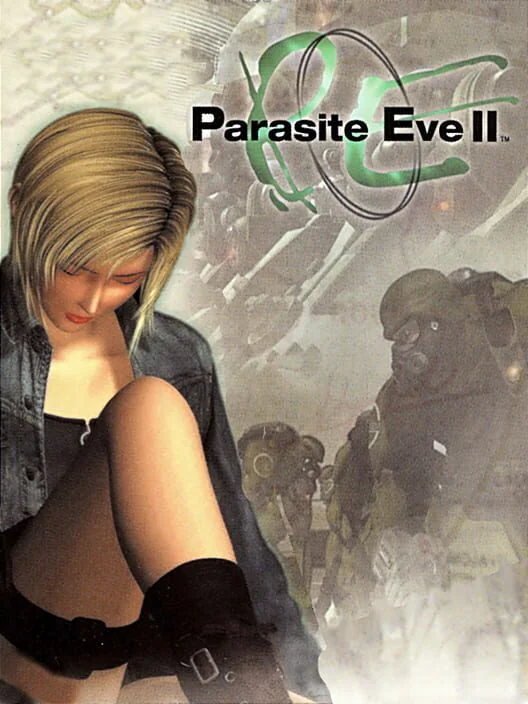
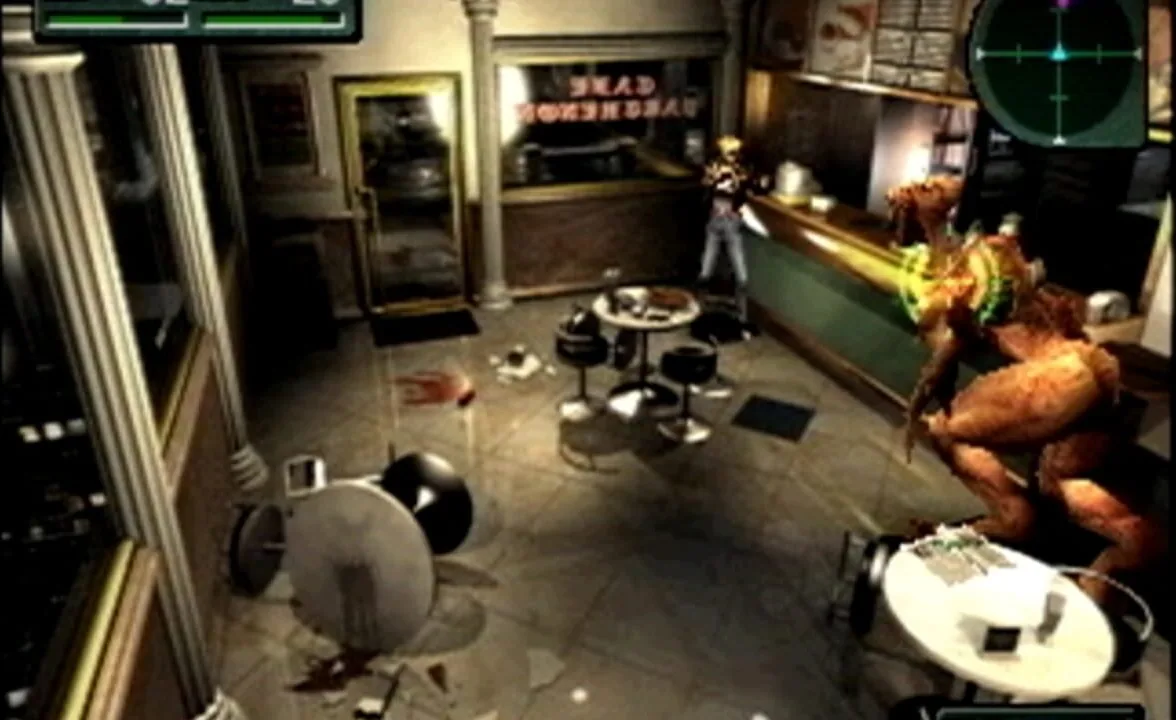
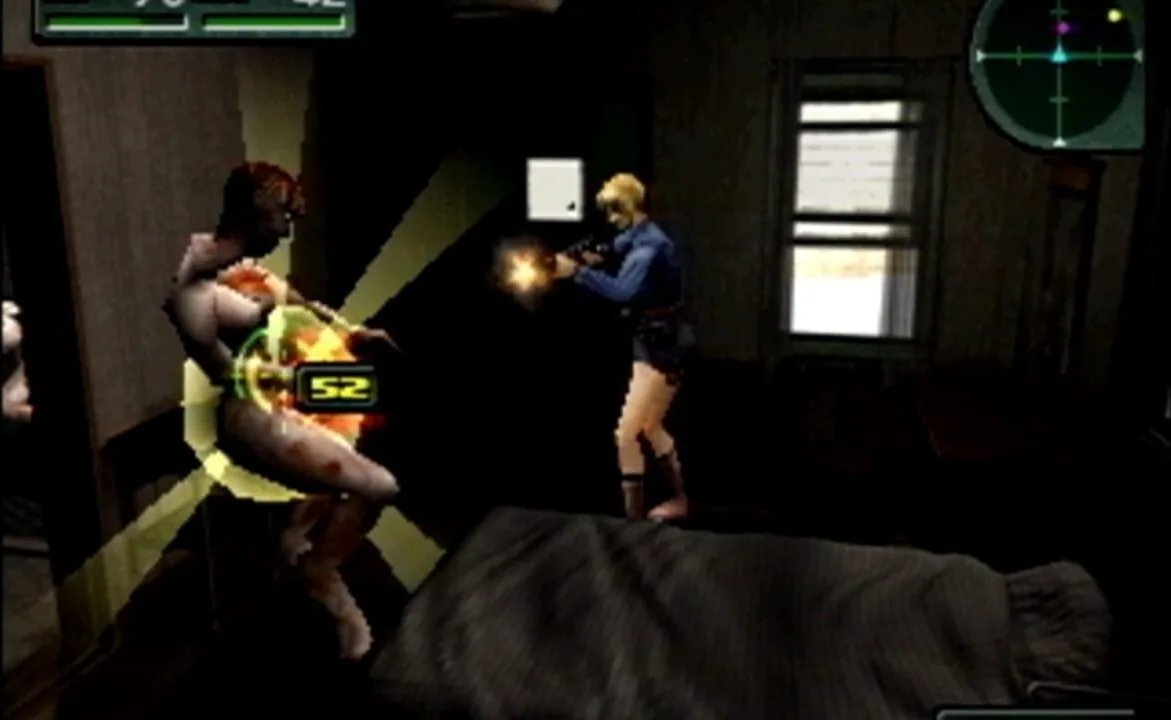
Parasite Eve II drops many of the RPG conventions of the first game, and it feels very different as a result. Its style is much closer to Resident Evil, so much so that people still debate whether it should even count as survival horror. The 3D models hold up well, too, although Square's later games went further.
Unlike the first game, it also made it to Europe. Meanwhile, Takashi Tokita, who directed the original, appears in the sequel's credits only as a special adviser.
20. Lunar: Silver Star Story Complete (1996)
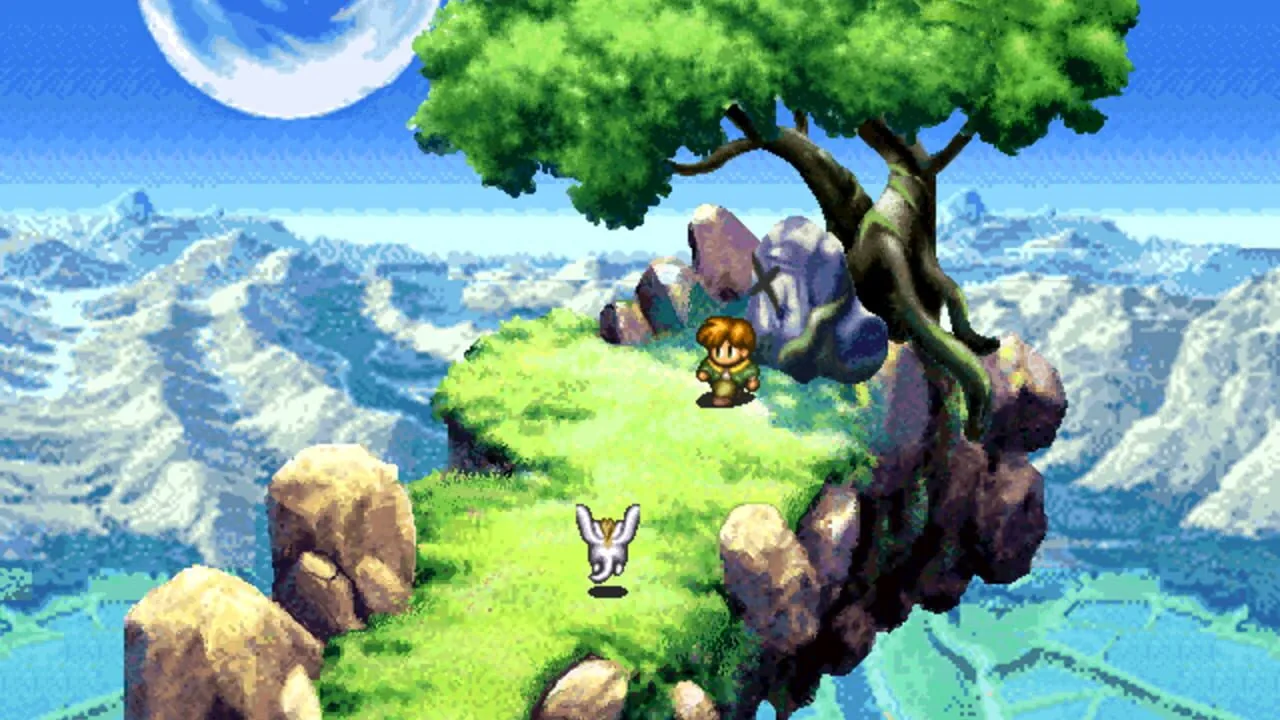
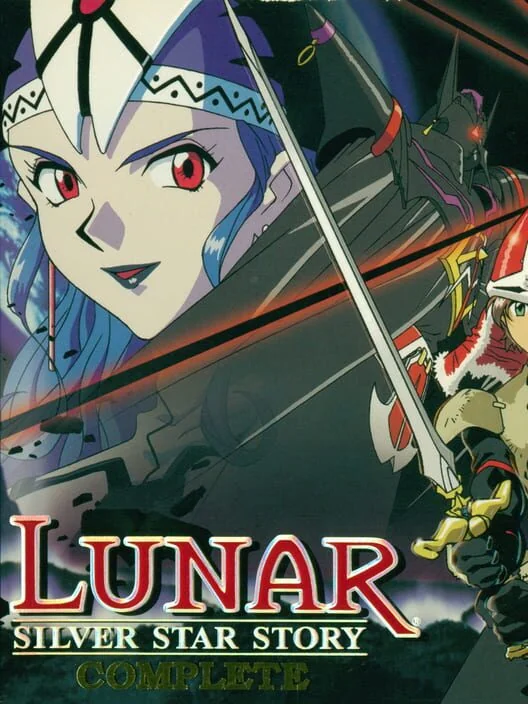
Silver Star Story Complete is a remake in the fullest sense. Every graphic was redrawn and every map changed, most of the text was rewritten and the battle system was rebalanced, so it plays almost like a new game rather than a polished Sega CD port. Luna also sticks with the party far longer this time, which gives her personality and her relationships room to grow.
The American release went all out. It came in special edition packaging with a soundtrack CD and a hardcover manual. Even the making-of disc had a secret: enter a code during the documentary and you get a Warlords clone for up to 8 players. Somebody pitched an eight-player war game hidden inside a documentary, and somebody else said yes.
19. Valkyrie Profile (1999)
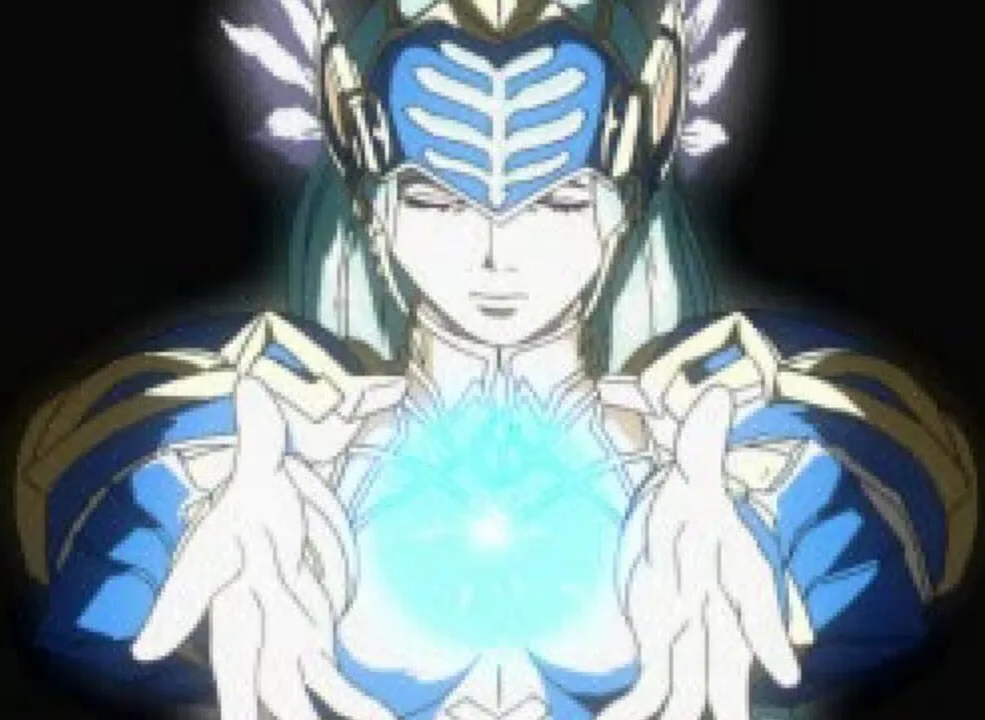
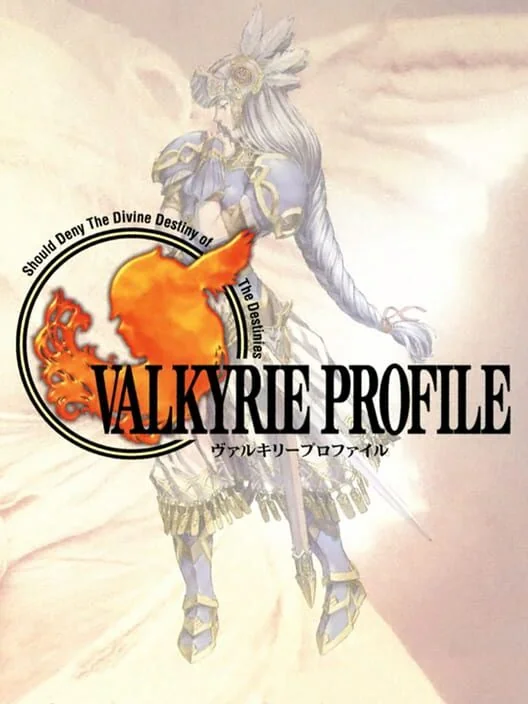
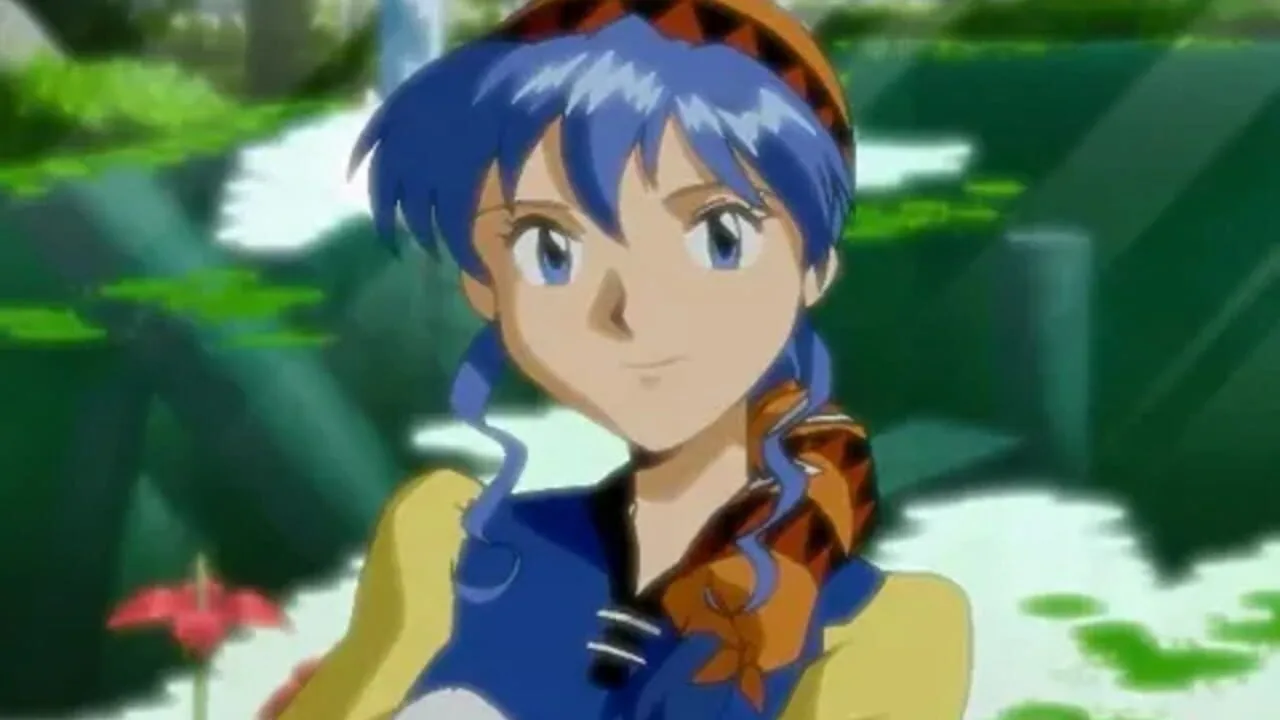
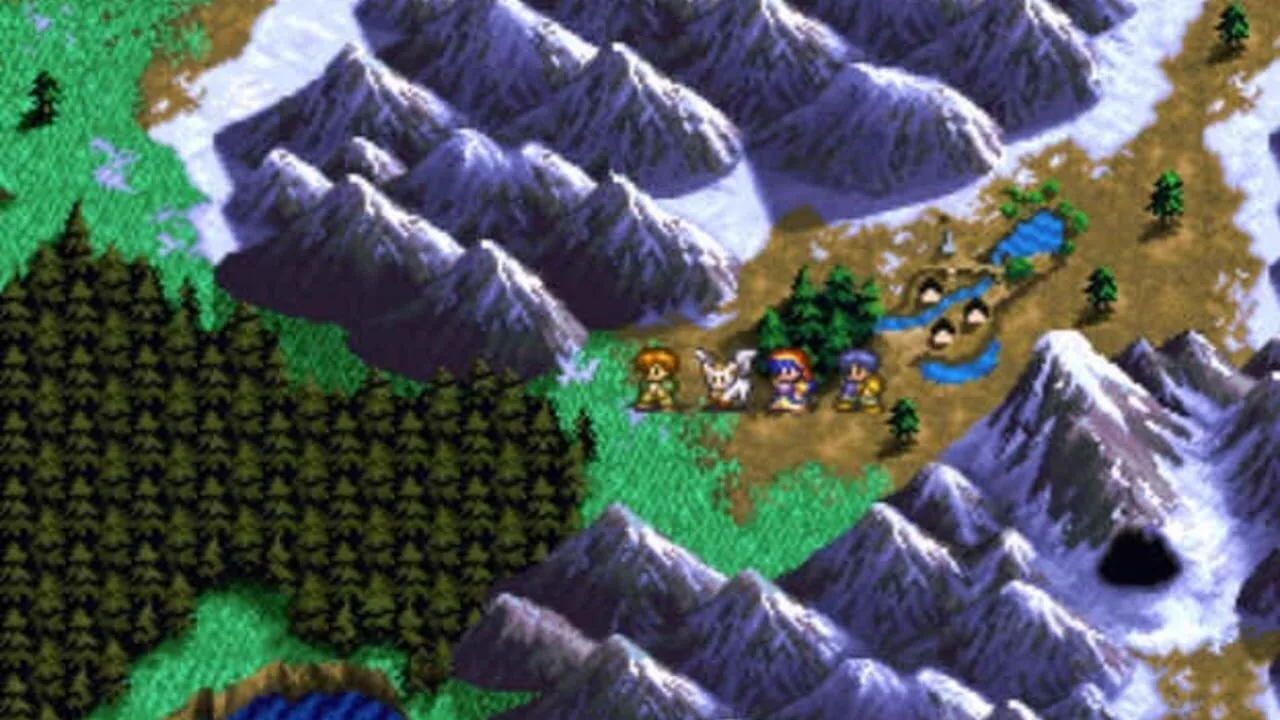
Valkyrie Profile draws heavily from Norse mythology and mixes action with turn-based battles, which made it an odd fit next to the usual JRPG fare. It came from tri-Ace, the studio behind Star Ocean, and it reached North America on August 29, 2000, eight months after its Japanese release.
It was never a mainstream hit. Instead it found underground success, earning solid reviews for its deep battle system and storytelling before slowly becoming a cult classic, and it later returned on the PSP as Valkyrie Profile: Lenneth. Its hidden requirements are notorious, though, so keep a guide nearby. (Odin, my guy, would a hint kill you?)
18. Alundra (1997)
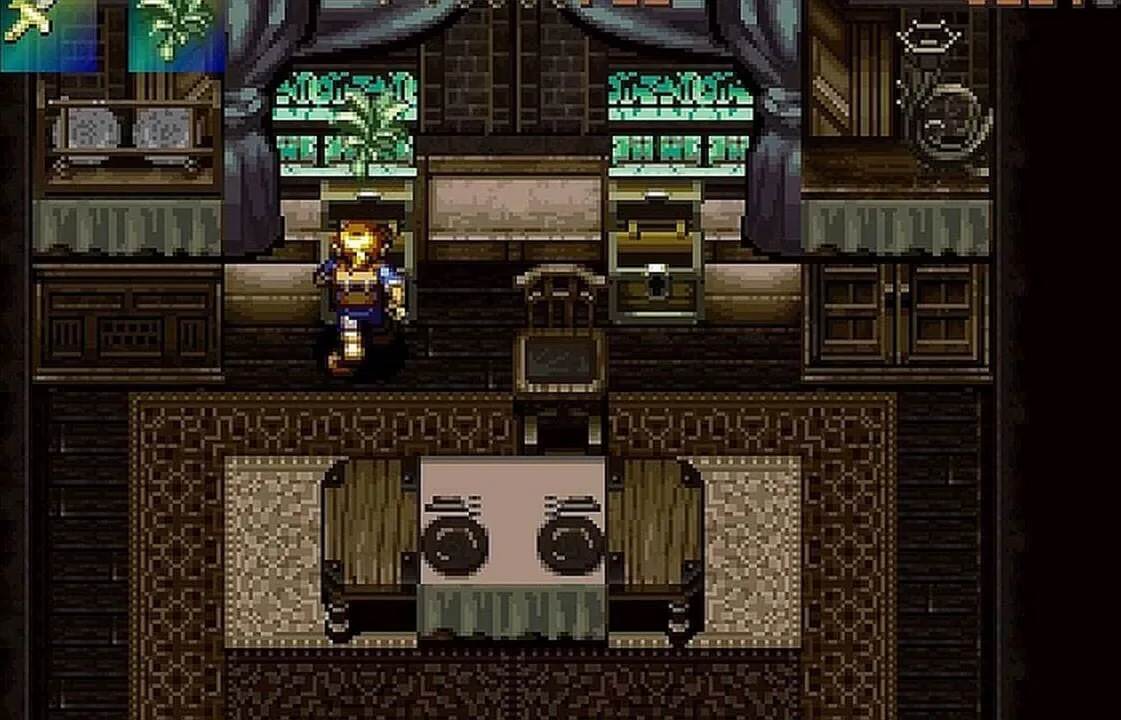
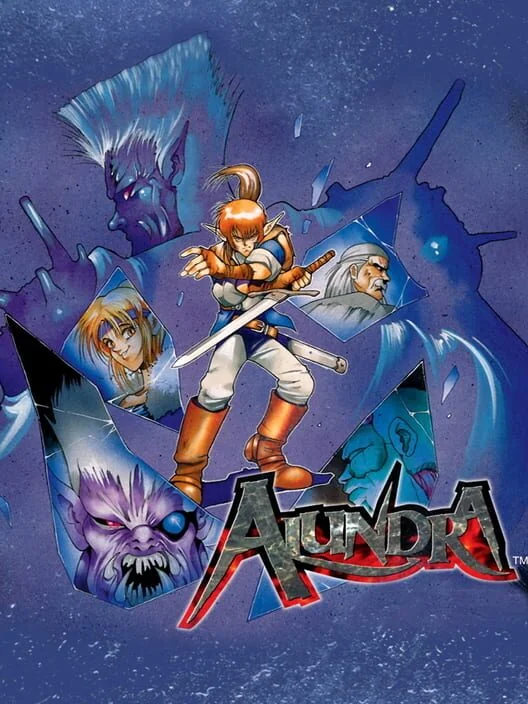
Alundra is a dreamwalker, sent into the world of dreams where an insidious evil is stealing minds. The game around him plays like a top-down Zelda, and its dungeons lean so hard on puzzles that players still bring up the toughest ones, usually with a slight shudder.
Those puzzles come from the people responsible for Landstalker on the Genesis, and the music comes from Kouhei Tanaka. It is also another regular on that list of the best undiscovered PlayStation games. Copies have sold for anywhere from $35 to $155, so the puzzle trauma at least comes with resale value.
17. Star Ocean: The Second Story (1998)
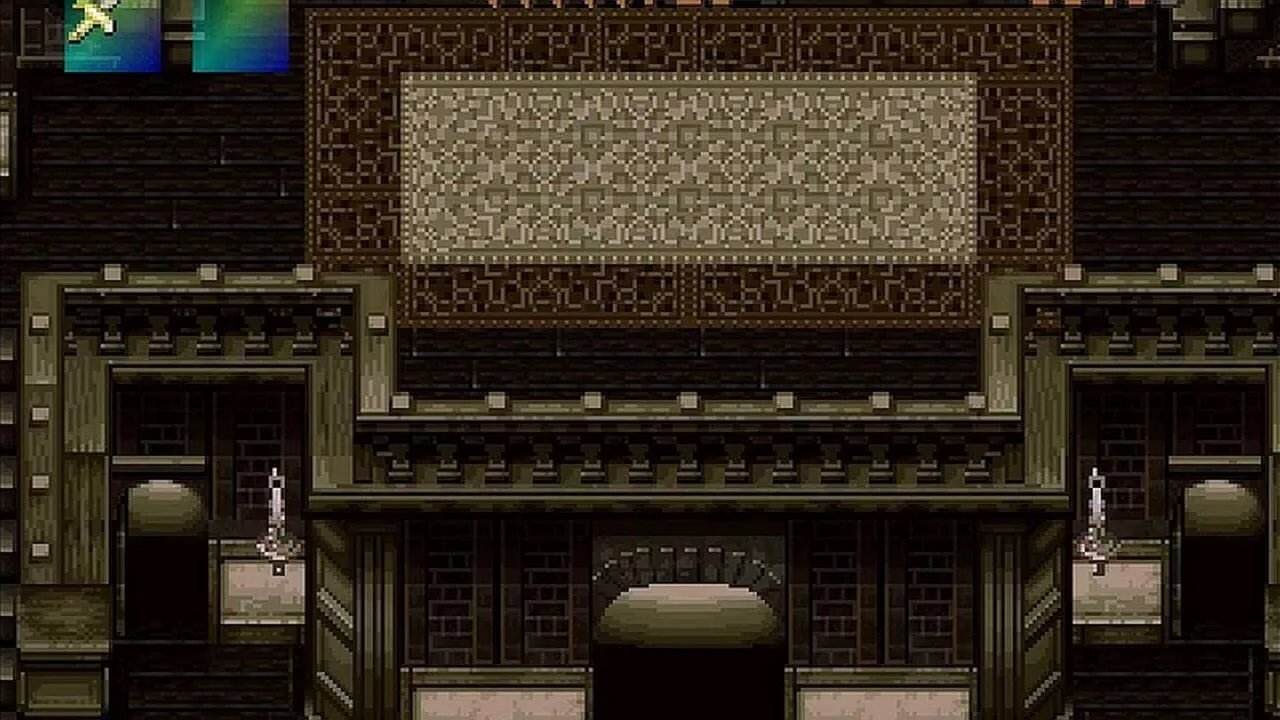
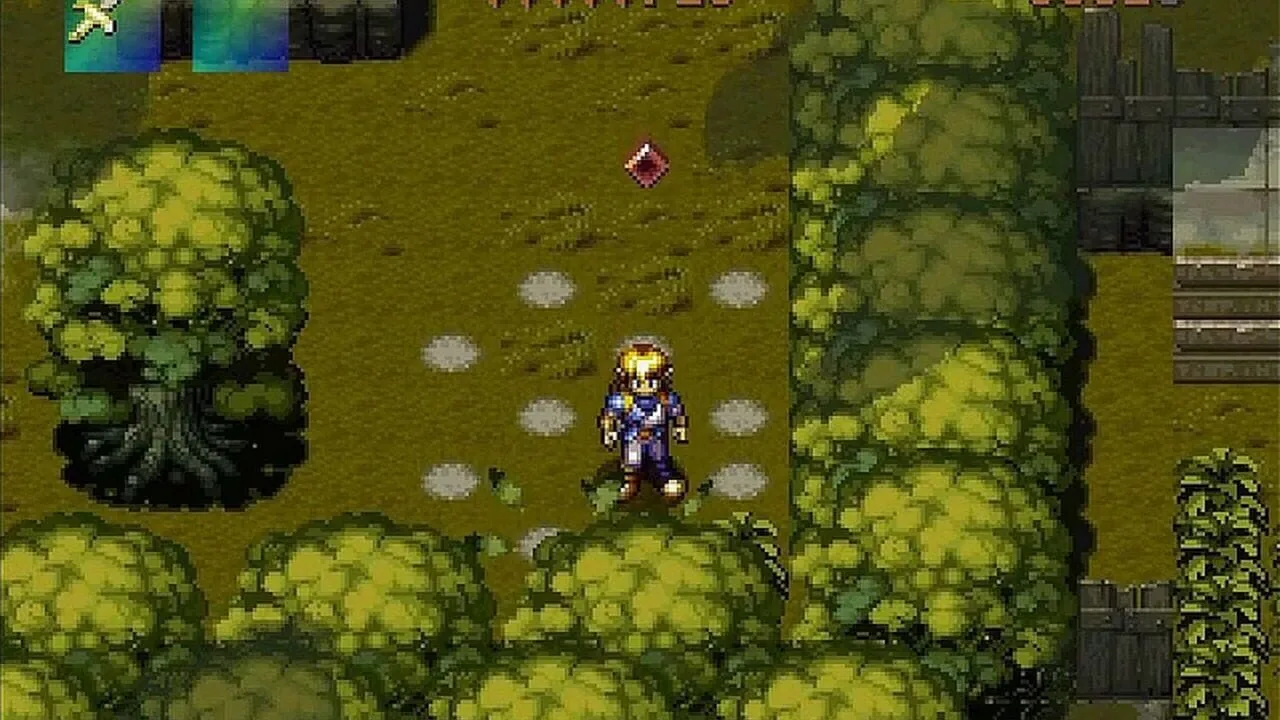
Star Ocean: The Second Story was the first Star Ocean released outside Japan. Claude, the son of an Earth space captain, gets sucked through a portal onto a medieval planet called Expel, where a girl named Rena takes one look at his strange clothes and his laser gun and decides he's the foretold Hero of Light. Sir, that is a blaster.
The battles run in real time, which makes it livelier than most of its peers, although enemies can stun you mid-attack and corner you in a hurry. It borrows Final Fantasy VII's pre-rendered backgrounds but keeps sprites, and since your party can only hold eight, recruiting one character can lock you out of another. It did well in North America and even better in Japan, where it led to a manga and an anime series.
16. Wild Arms (1996)
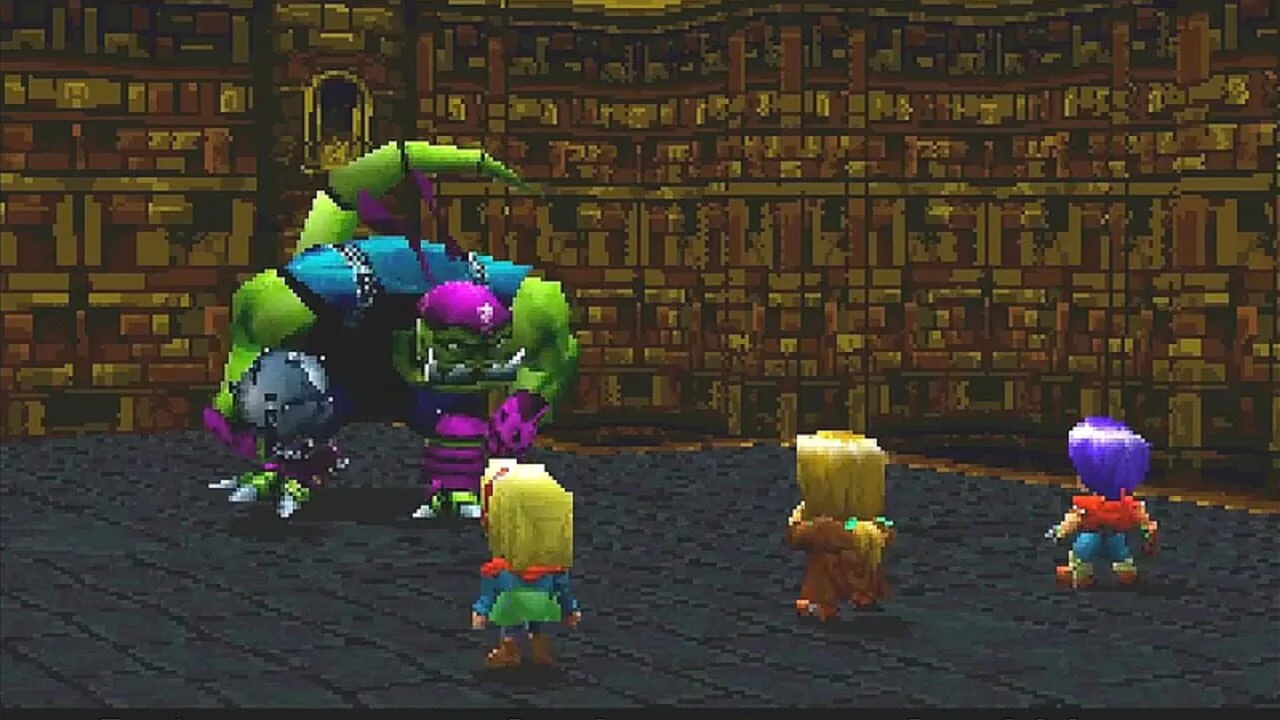
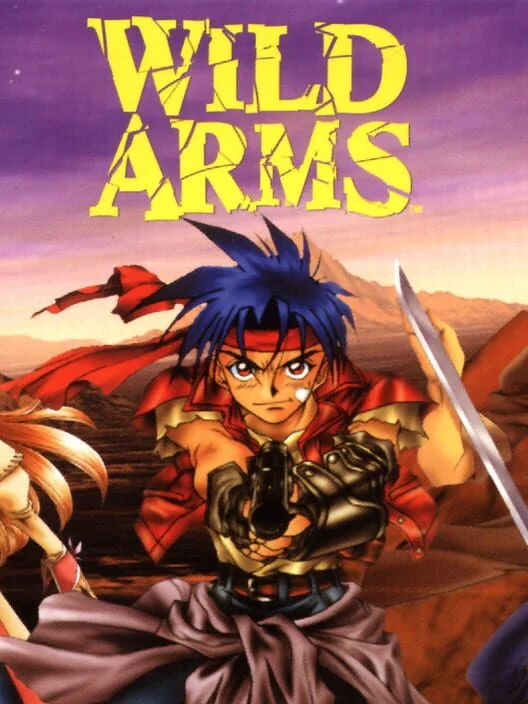
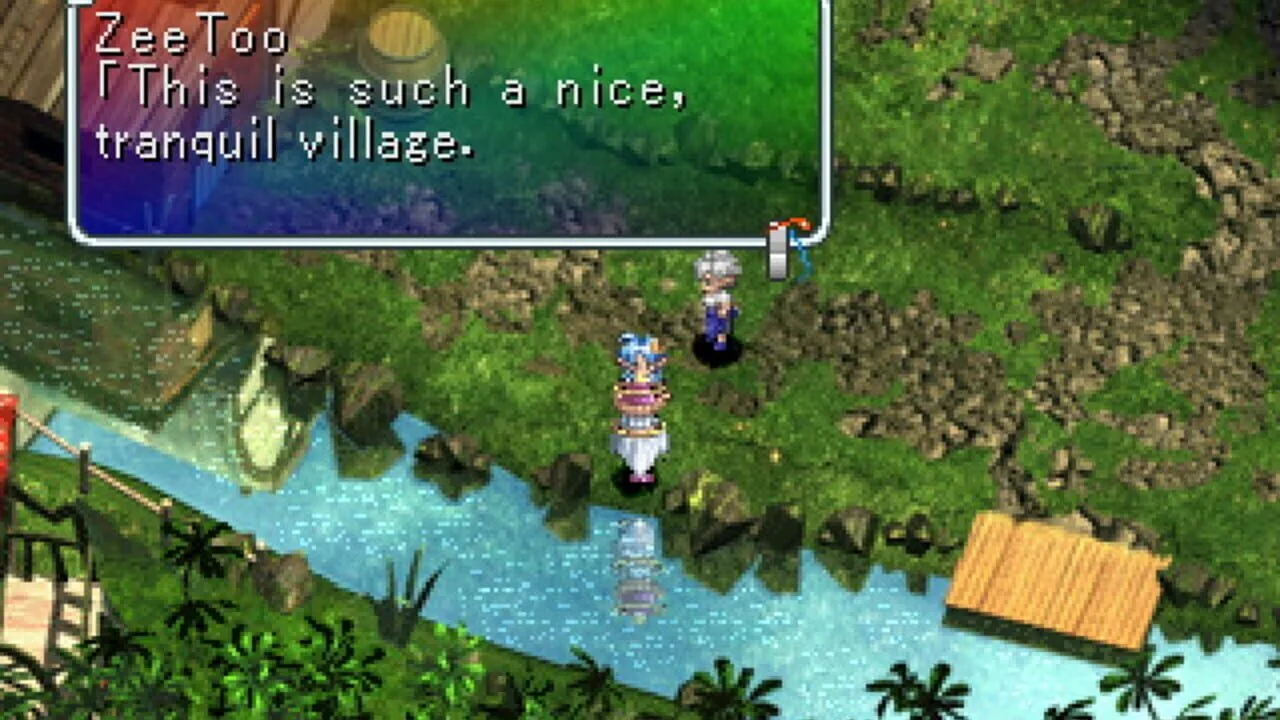
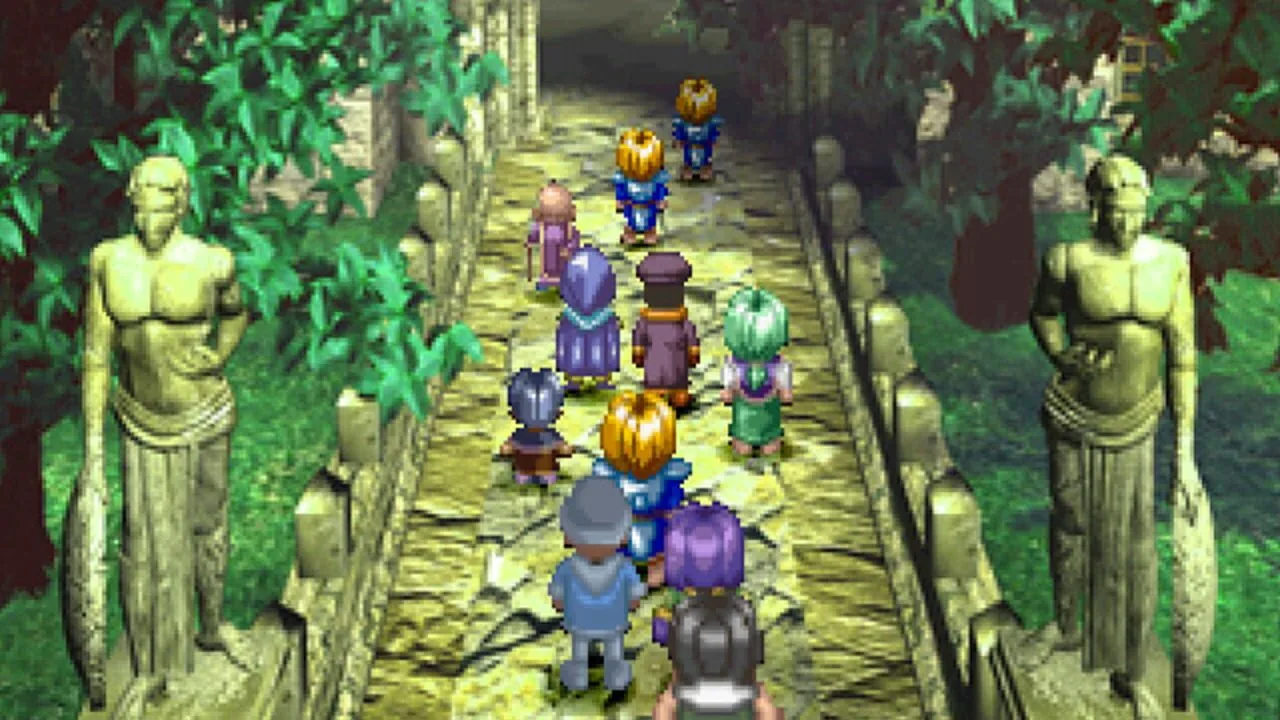
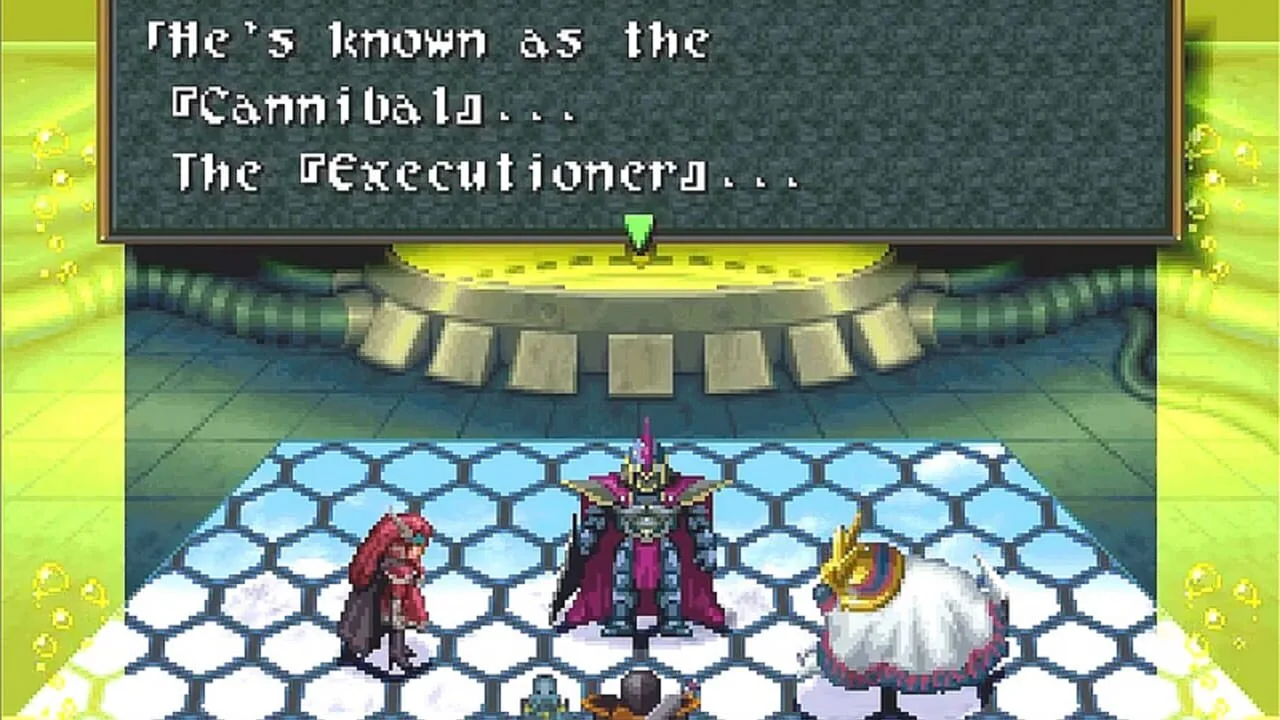
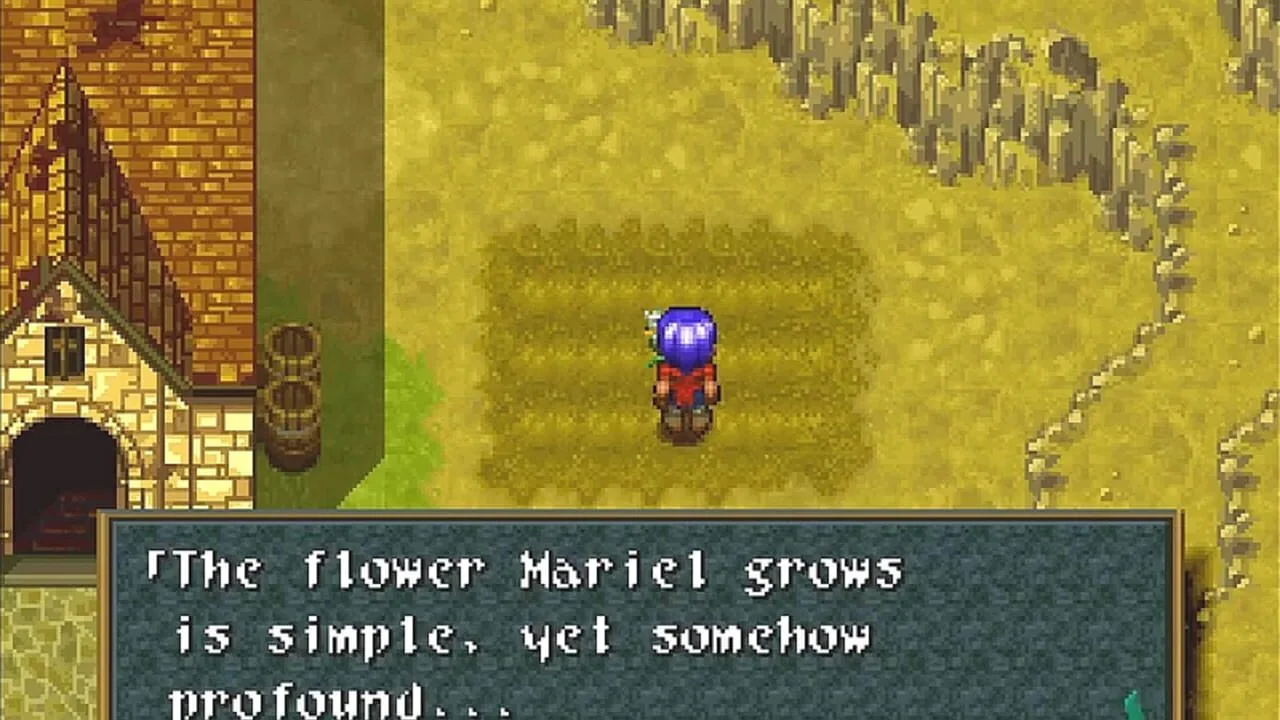
Wild Arms was one of the first RPGs on the PlayStation, and it filled a gap while Final Fantasy and Dragon Quest were slow to appear on the console. Media Vision built it as a traditional JRPG with wild west themes, and that cowboy dust is still what sets it apart. You begin by choosing between three prologues before the trio finally meets.
Then there's the music. Michiko Naruke works in whistling, mandolins, trumpets and acoustic guitar straight out of a Spaghetti Western, and some songs sample those film scores outright. Plenty of people who grew up with the PlayStation remember it as the JRPG they bought in 1997 while they waited for Final Fantasy VII.
15. Legend of Legaia (1998)
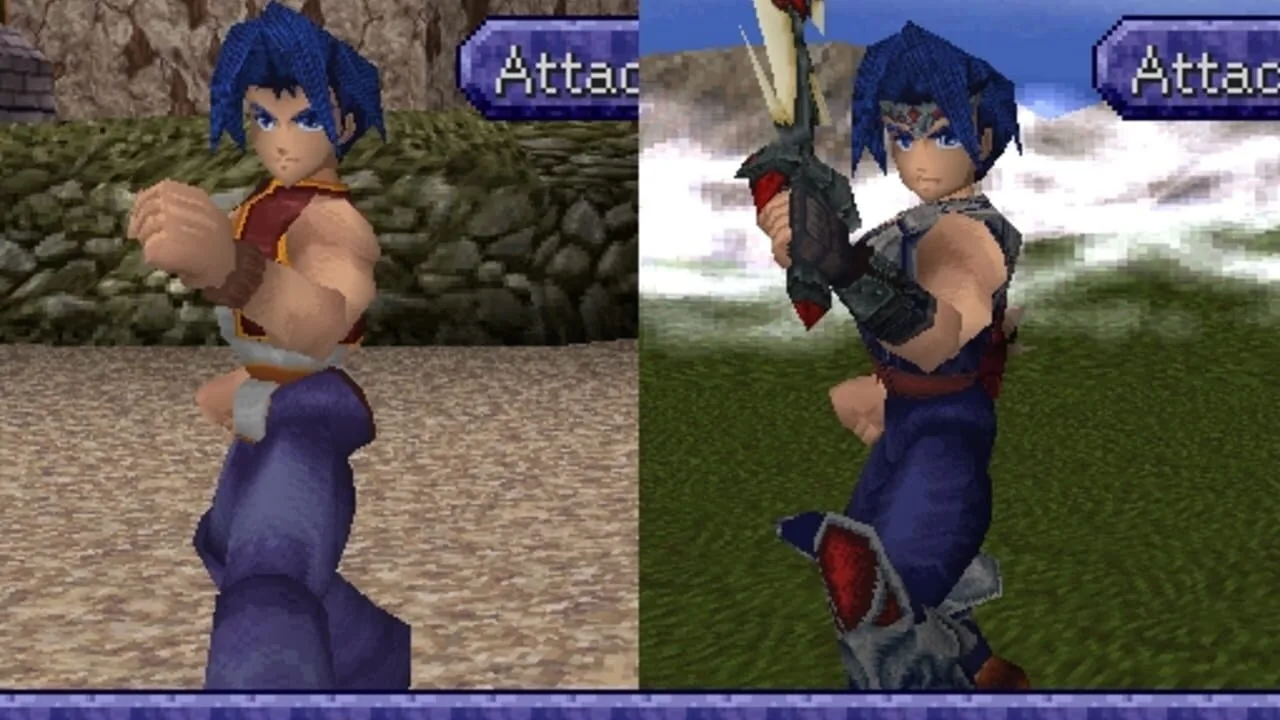
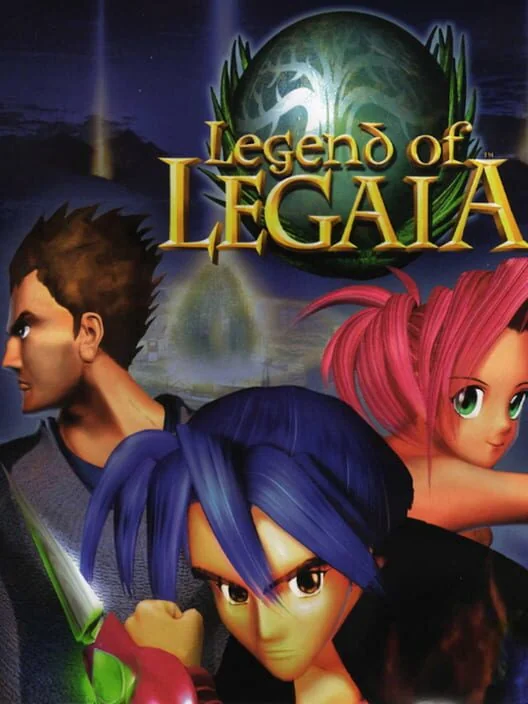
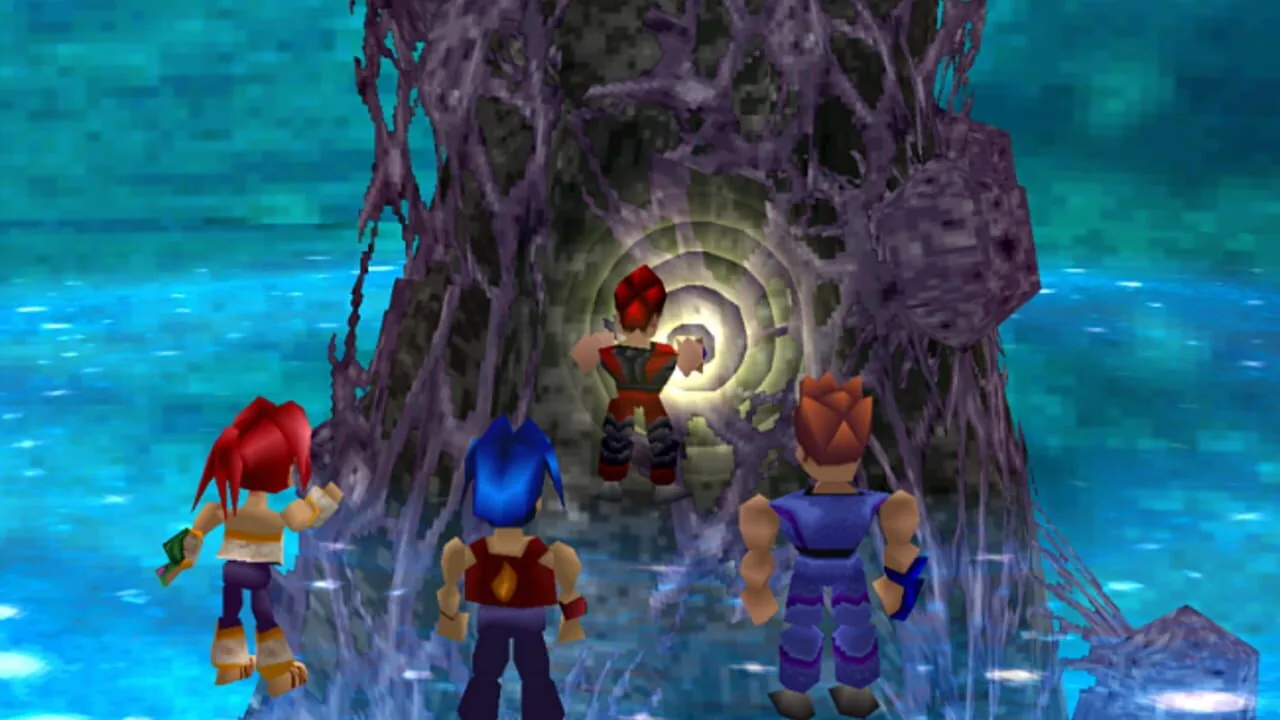
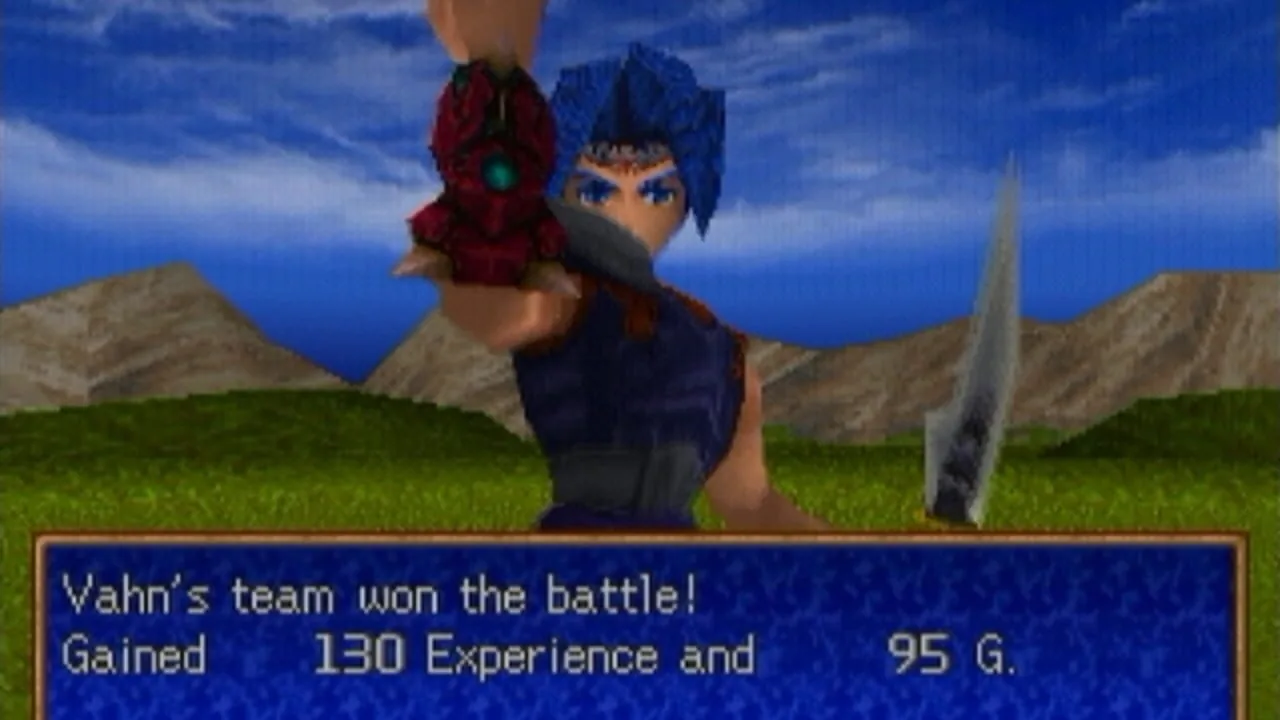
Legend of Legaia is the work of Hidenori Shibao, the creator of the Super Famicom RPG Lennus, who came up with its concept and scenario. The box sells it as a legendary tale of betrayal and human greed, with Vahn and his friends out to redeem mankind.
The combat is the real draw, however. You string together directional commands, and the right combinations trigger special moves called Arts, much like combos in a fighting game. One player called it "a mix between a fighting game and a JRPG", and that is a fair summary of why this cult RPG still gets recommended.
14. Brave Fencer Musashi (1998)
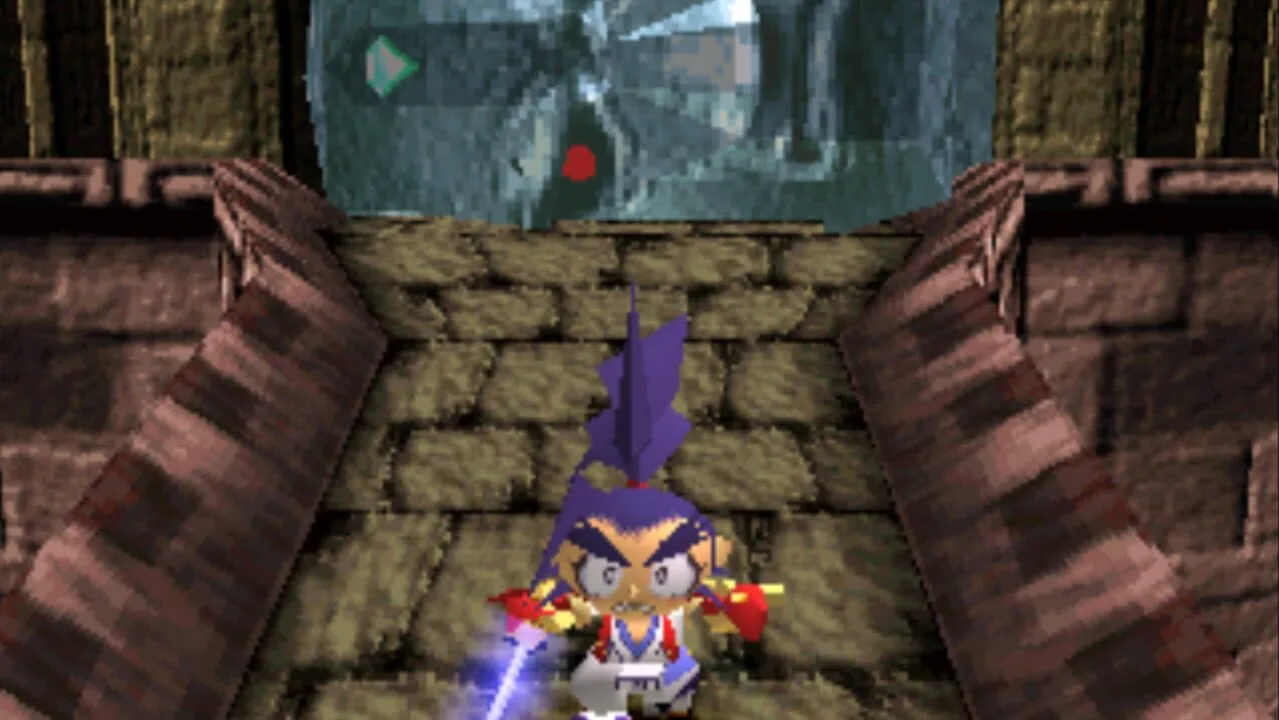
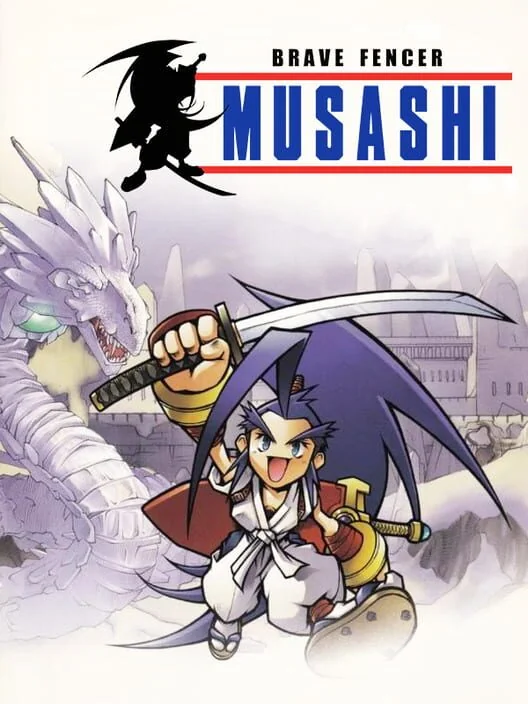
Brave Fencer Musashi gets compared to Zelda, and it doesn't seem to mind. 150 years after the legendary warrior Musashi saved the kingdom of Allucaneet, his spirit is reincarnated in a short-tempered boy, and Princess Fillet hands him the sword Fusion to defeat the evil Thirstquencher Empire.
In Japan, those villains had alcohol-themed names, which became soda-themed names in North America. It was also fully voiced earlier the same year that Parasite Eve chose silence, and it was the featured game on that list of the best undiscovered PlayStation games.
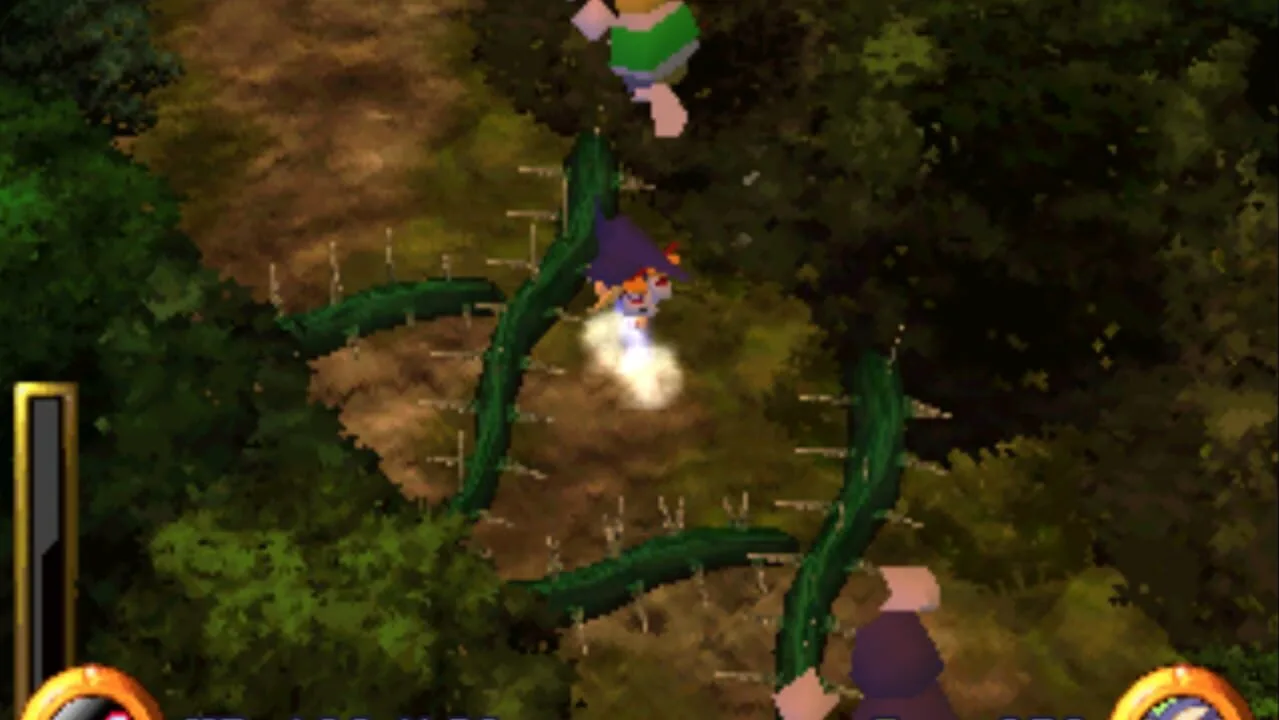
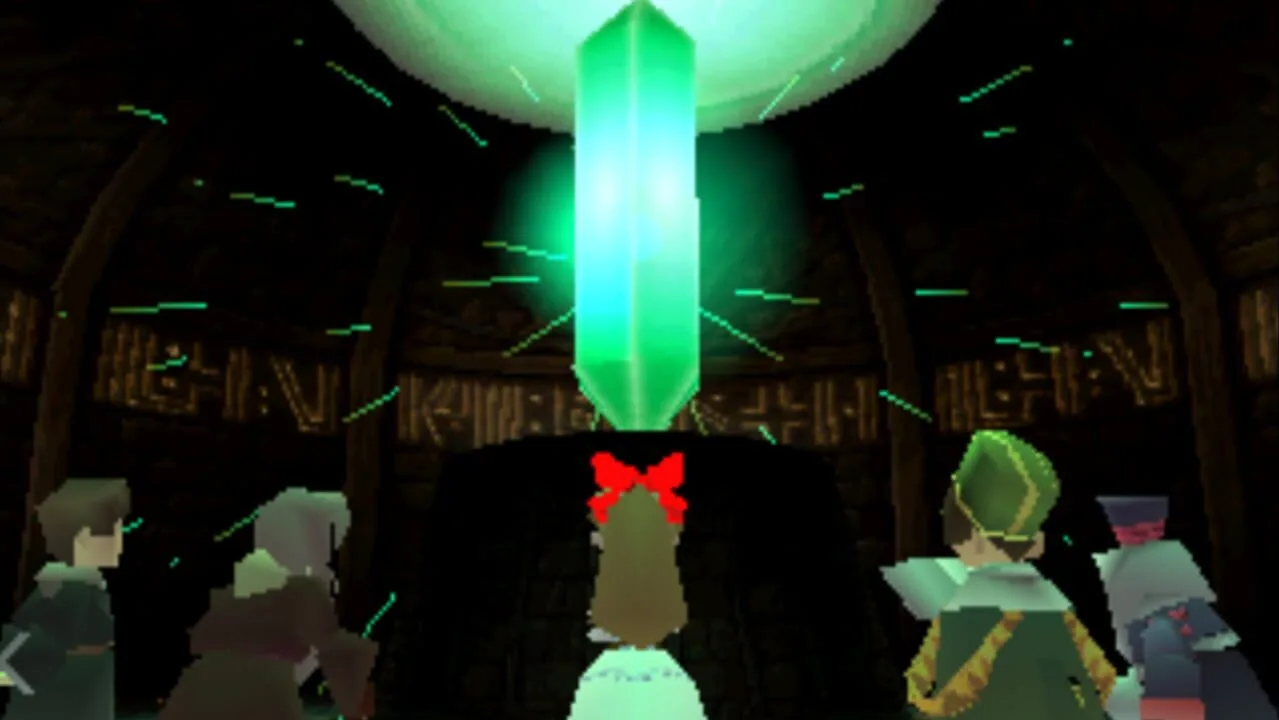
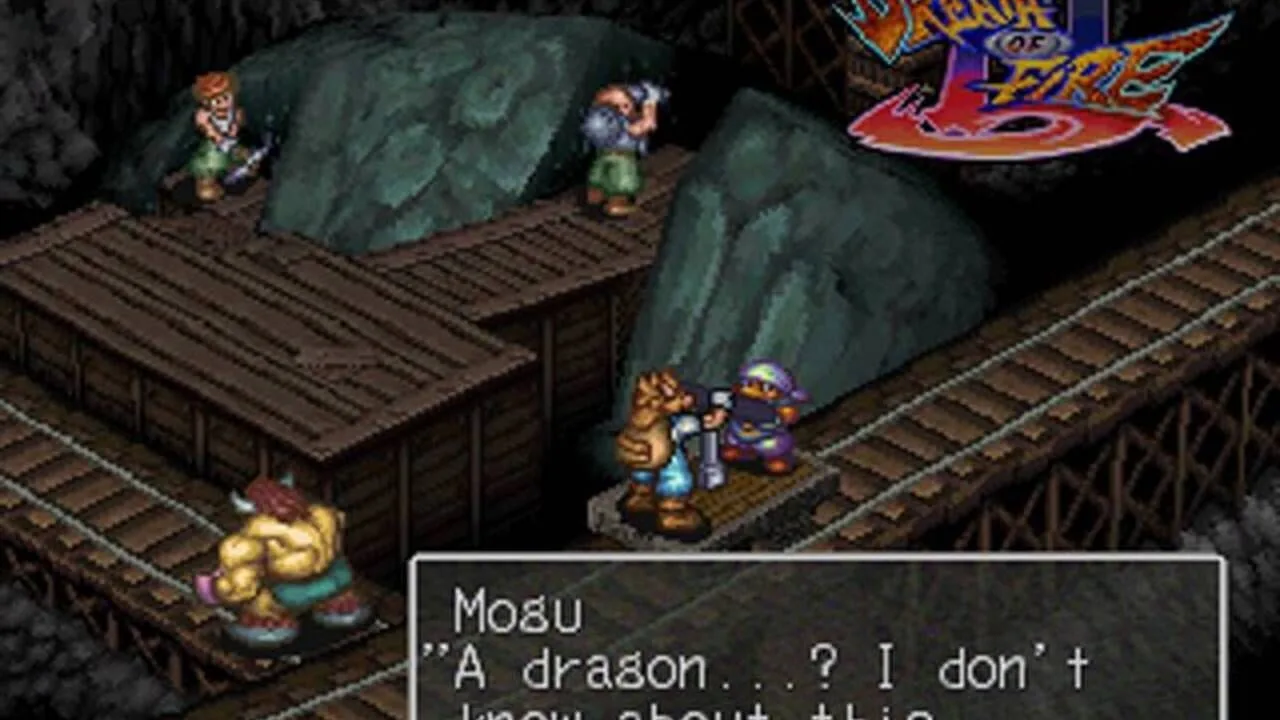
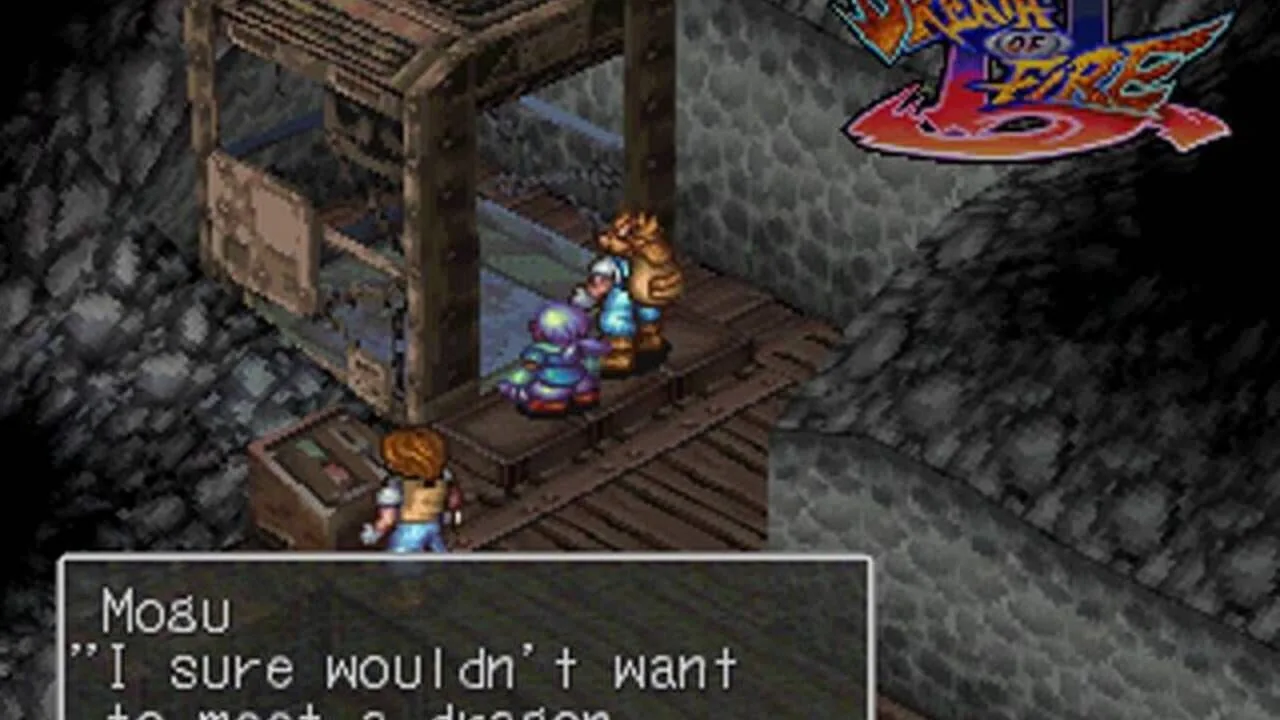
13. Breath of Fire III (1997)
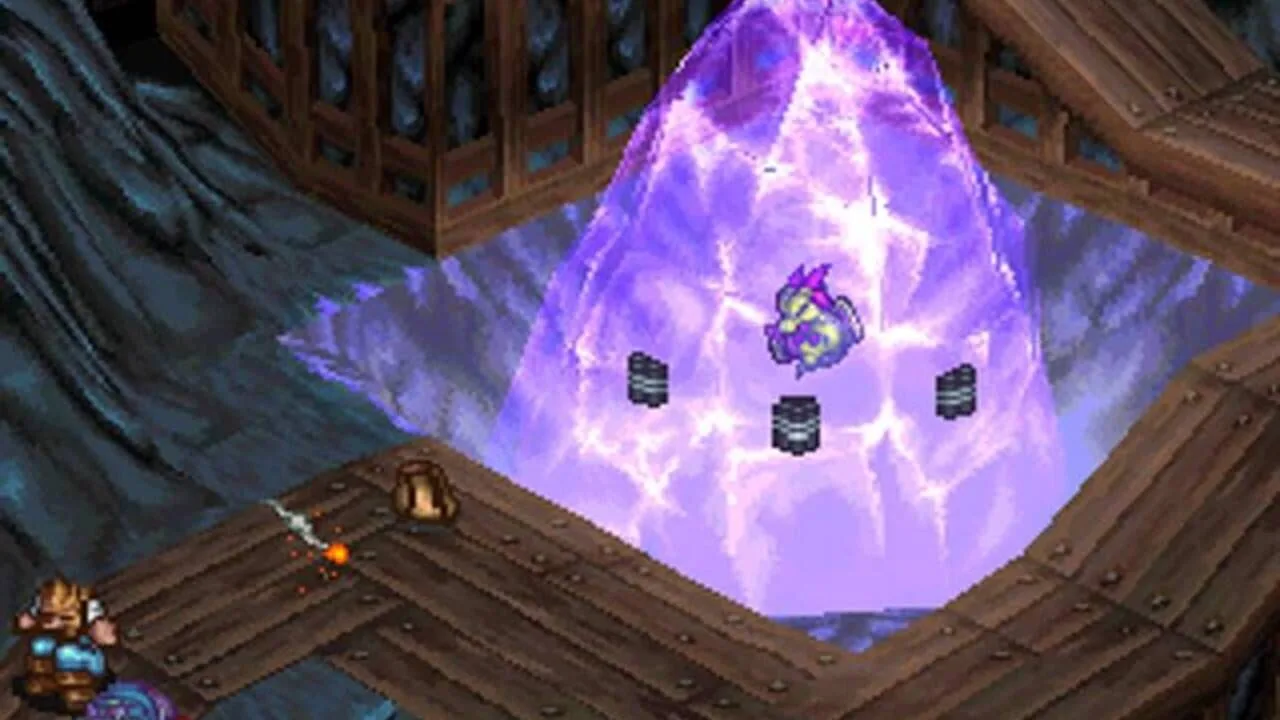
Breath of Fire III begins with miners digging into a large chunk of chrysm, the crystal that forms when a dragon dies, and finding a baby dragon inside. He is the lone survivor of a legendary dragon clan, and the game that follows is much darker than the first two. Still, it finds room for a scene where a naked Deis beats up Garr to a parody of Eye of the Tiger.
Skills come from masters, and also from watching enemies: put a character on watch and they might pick up a move an enemy uses that round. It takes patience, but it's highly rewarding. The team even considered dropping the III from the title, before deciding they wanted to bring their earlier work to a conclusion.
12. Grandia (1997)
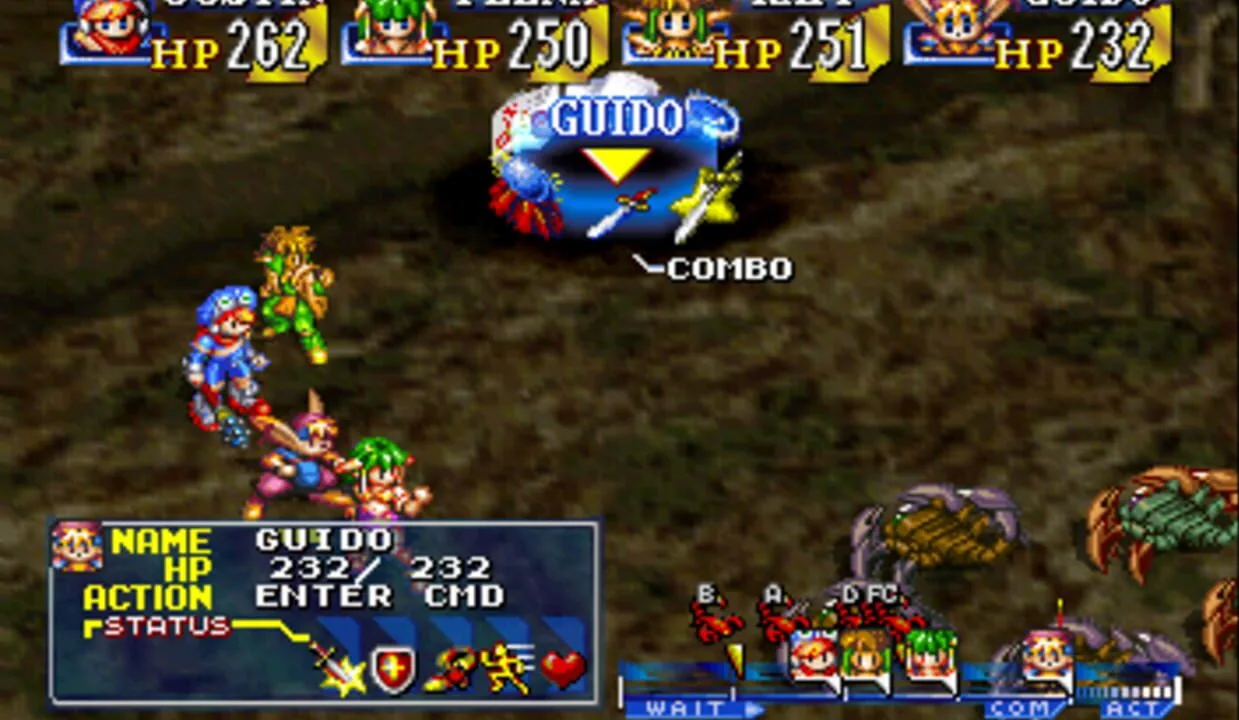
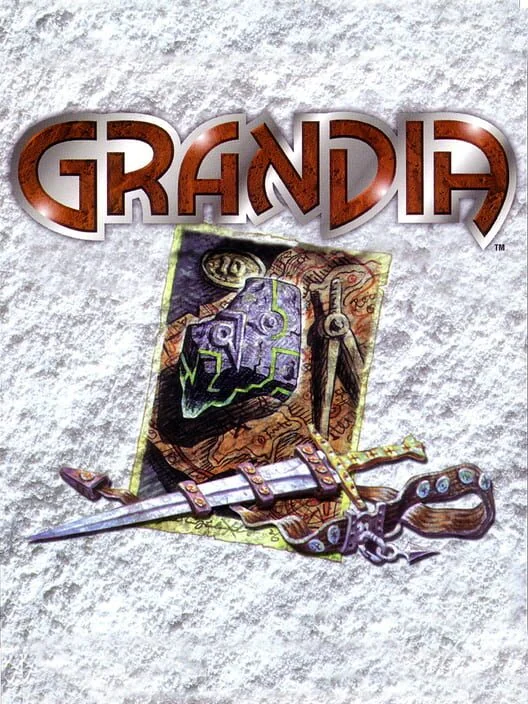
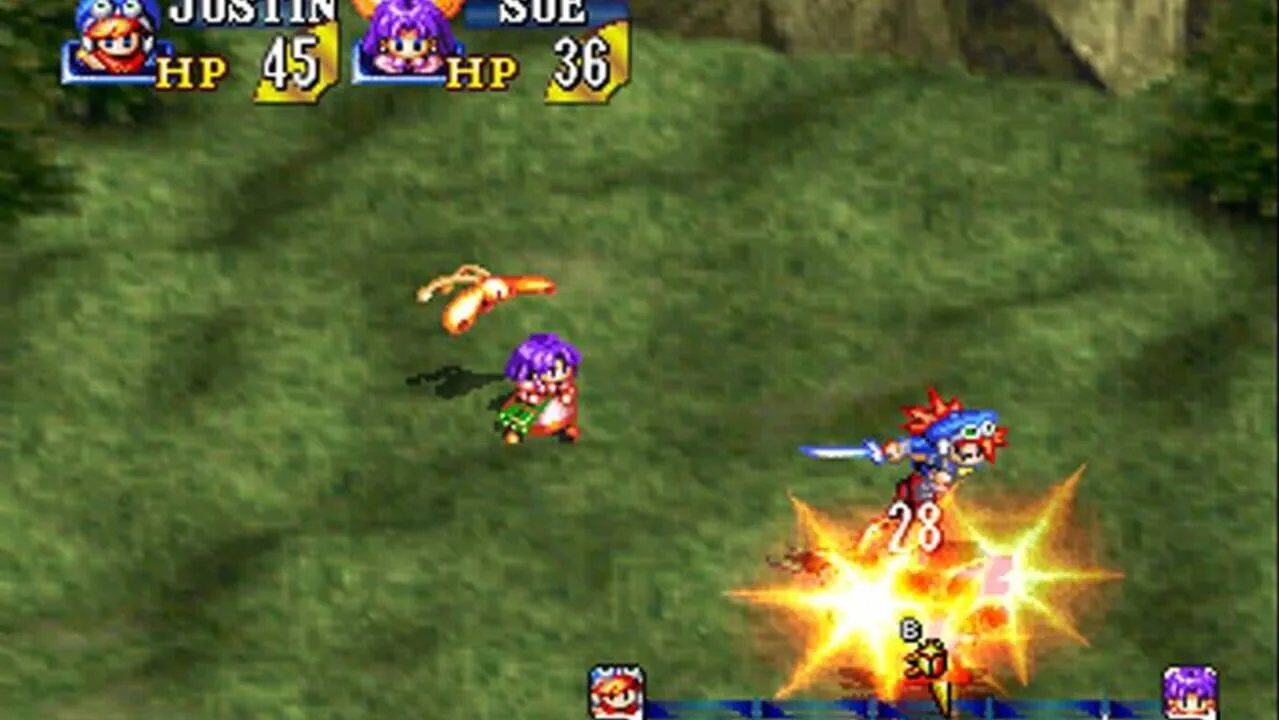
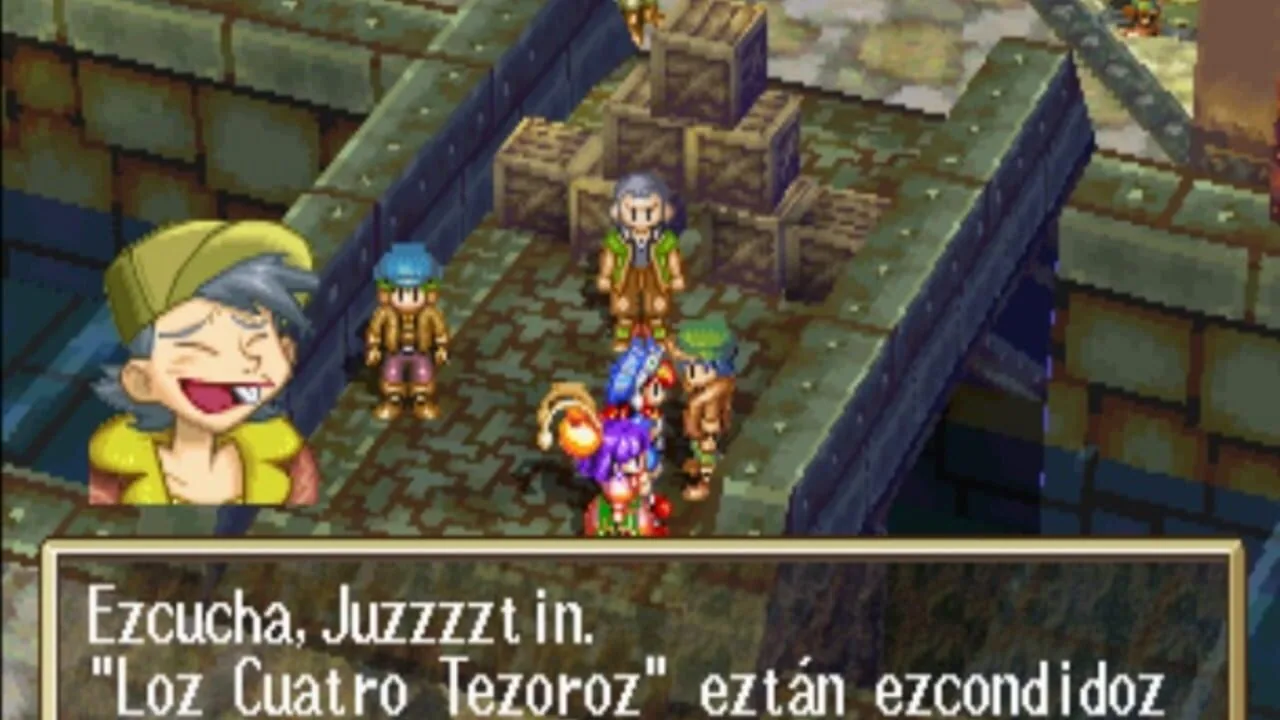
Grandia first came out on the Sega Saturn in Japan in 1997, but English-speaking players only got it later, on the PlayStation. Game Arts made it as a spiritual successor to Lunar, and it shows in the cast. Justin, the son of a great explorer, chases a hologram's message toward a lost city, and the optional chats around the campfire and the dinner table hold some of the best dialogue in the game.
The battle system is the star. Every fighter moves along an initiative gauge that decides when they can act, and the field position of each character matters as well. On the other hand, the story is ploddingly paced, and the dungeons get so disorienting that the game dots them with waypoints.
11. Suikoden (1995)
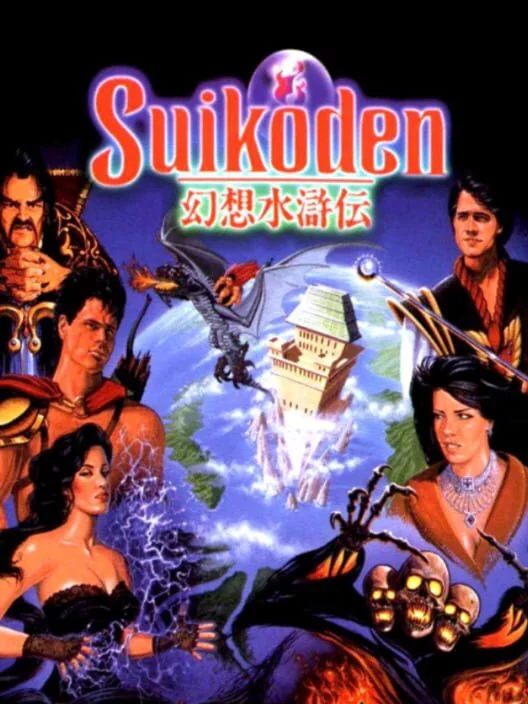
Suikoden was meant to be a standalone game, and Konami only greenlit a sequel because of its surprise success. You play Tir McDohl, son of the famous general Teo McDohl of the Scarlet Empire, and you can gather all 108 characters along the way. Next to its sequel it feels like the opening chapter, but it is still worth playing to see where the story begins.
It is short by genre standards, finishable in 15 to 20 hours, and its army battles play a lot like rock-paper-scissors. The hero was originally designed to wield a sword, until the team swapped it for a staff to give the game a more Chinese flair. On top of that, your save carries over into Suikoden II.
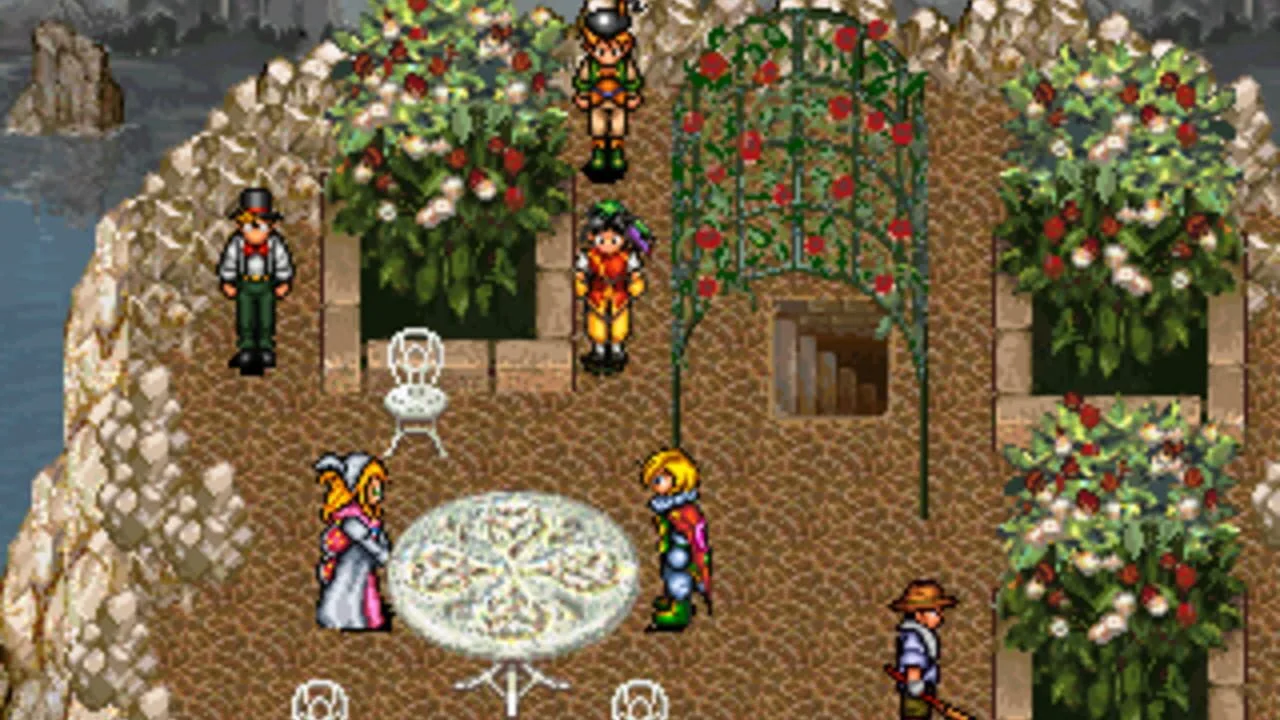
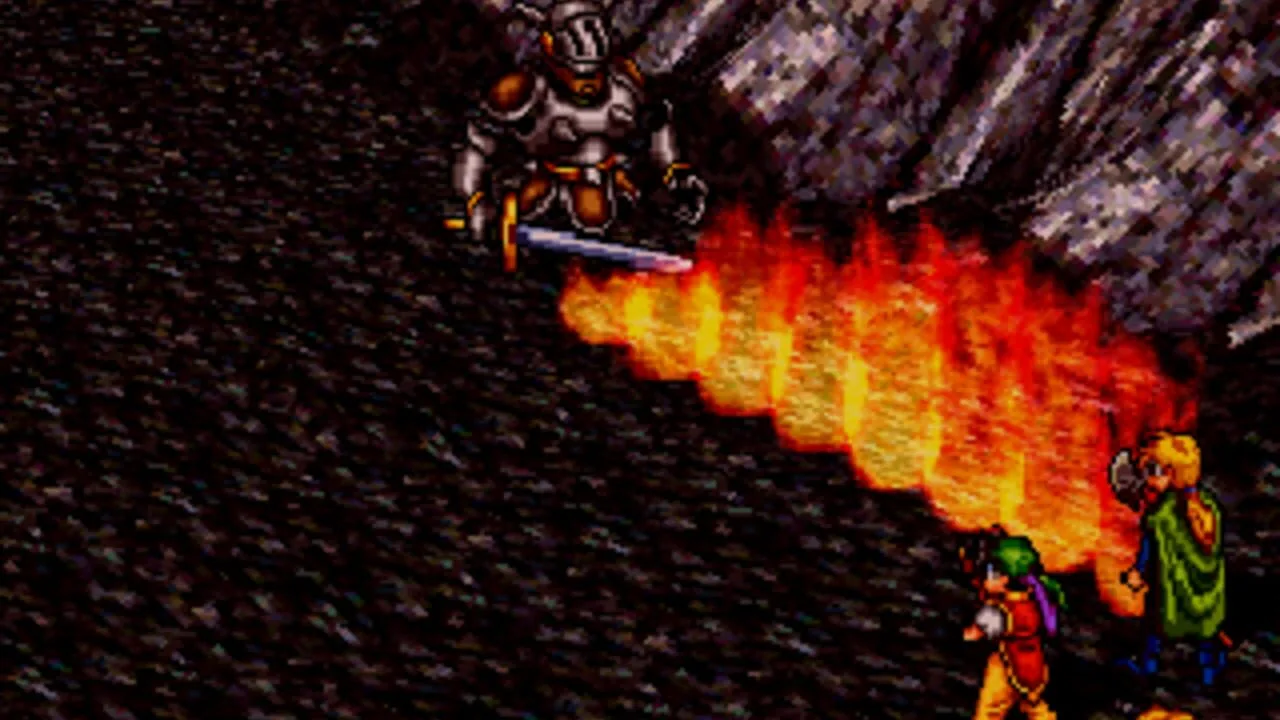
10. Chrono Cross (1999)
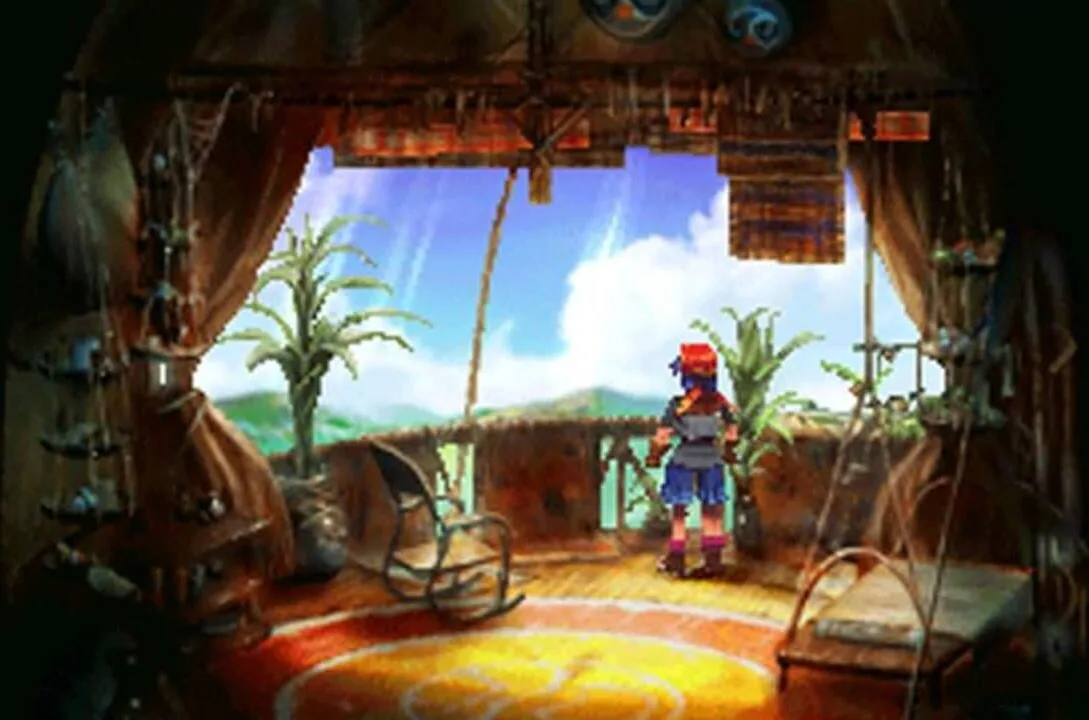
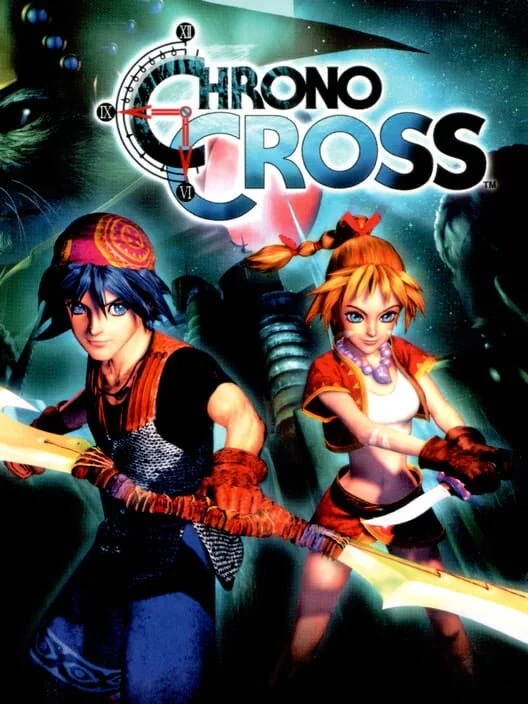
Chrono Cross is the sequel to Chrono Trigger, but not a direct one. Serge, a teenage boy, shows up in an alternate world in which he had died mysteriously over ten years earlier, and the cast grows to over 40 playable characters. Because the stories aren't directly connected, you can play Cross first without feeling lost.
It is also the pinnacle of RPG beauty on the PlayStation, where even low-level spells look like a special effects budget. Magus was meant to appear as well, until Square decided his backstory was too complex to fit and replaced him with Guile. Poor Guile: forever the understudy for a man in a cape. Players are just as attached to the soundtrack, which comes up almost every time the game does.
9. Suikoden II (1998)
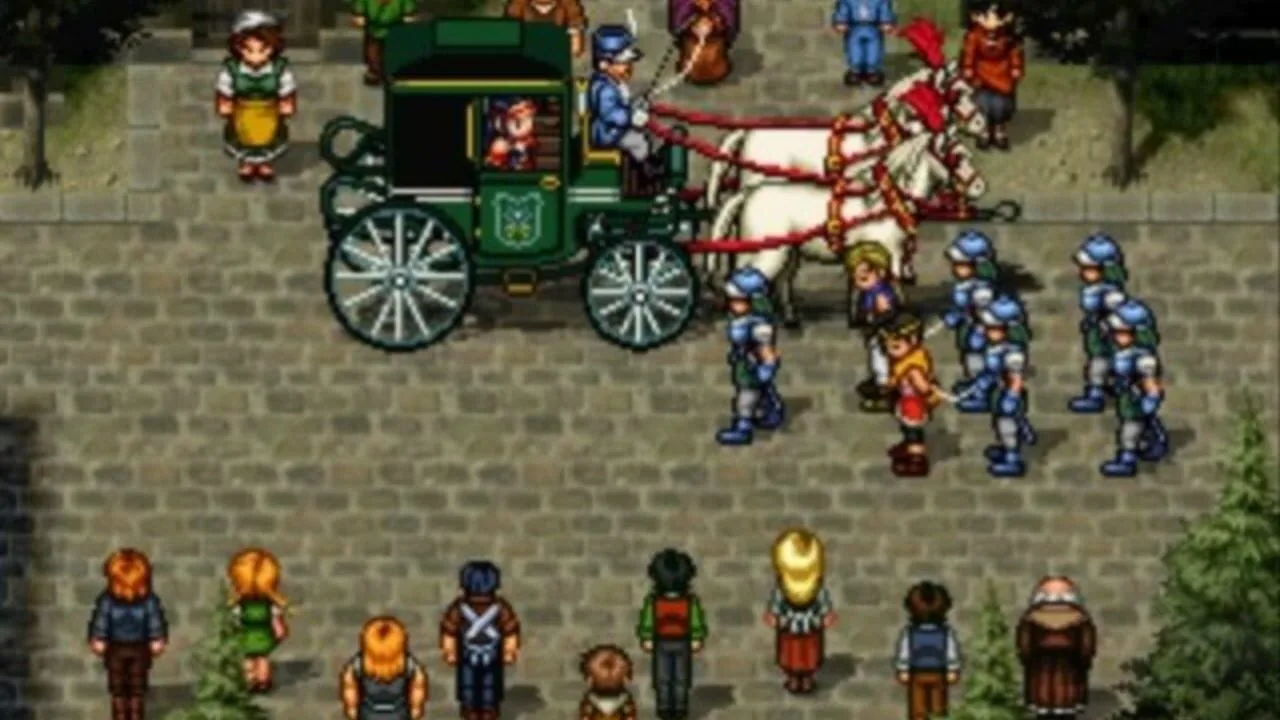
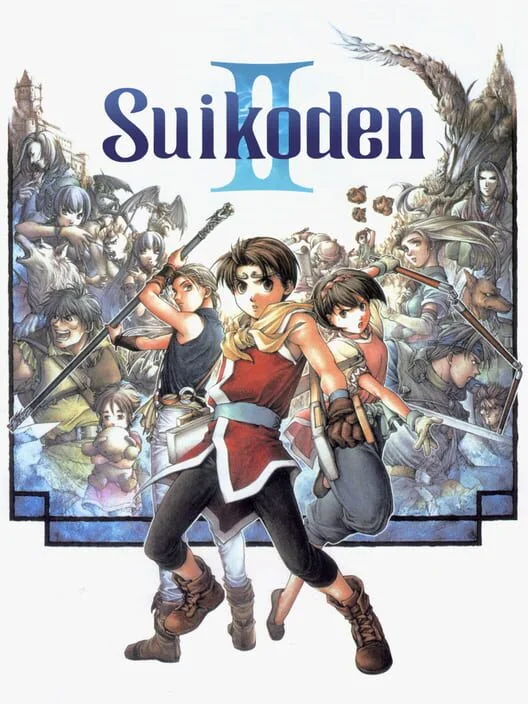
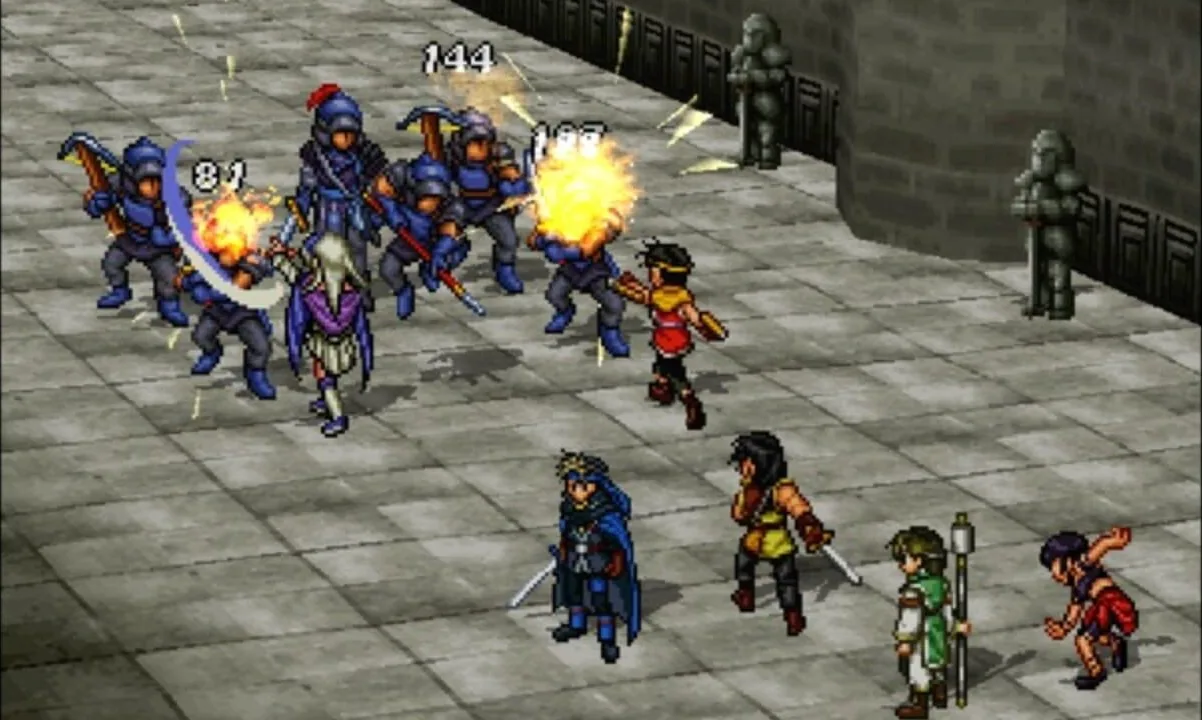
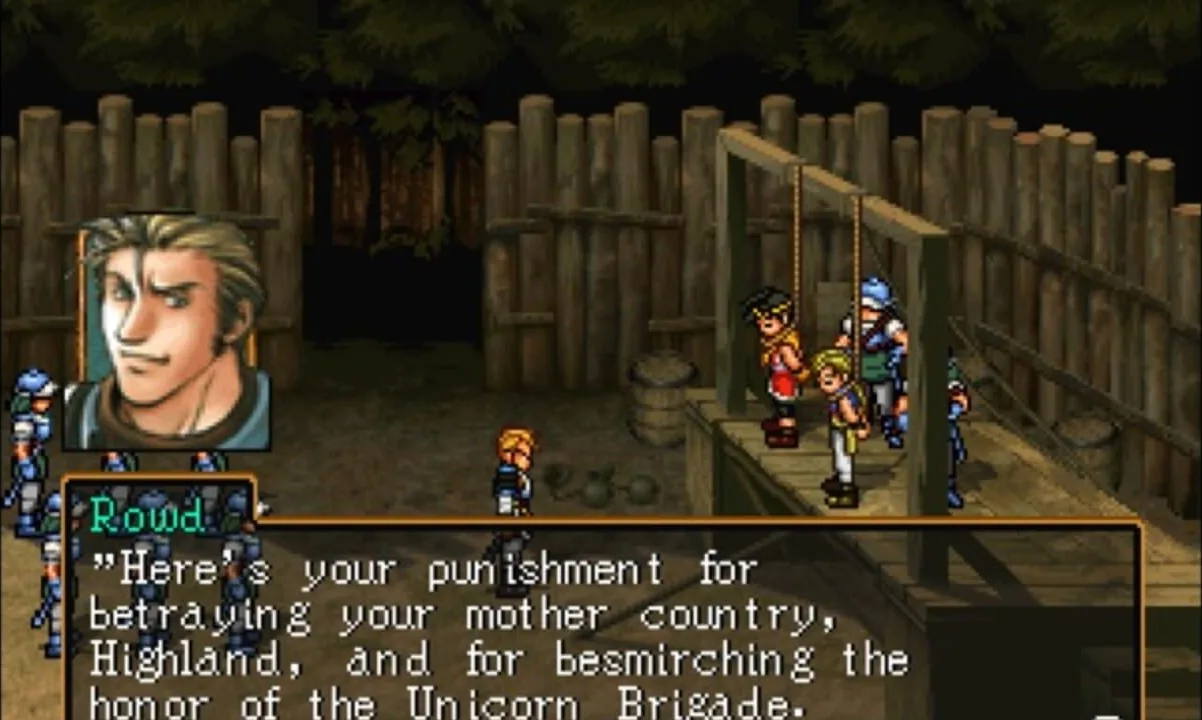
Suikoden II takes everything the first game set up and refines the formula. It is set three years later, in the City-States of Jowston, where Riou and his friend Jowy serve in the Unicorn Brigade until Luca Blight, an insane prince, breaks the ceasefire. Luca calls anyone weaker than him a pig, loudly and often, and he remains one of the era's great villains.
Like any well-told war story, it humanizes the faces behind the destruction, and you can recruit over 100 characters as your army grows. Even so, it was largely overlooked in the US and Europe on release, as a limited printing and a tepid first response, often blamed on its choice to stay 2D, kept it from the masses. A sealed copy once sold for $750.
8. Vagrant Story (2000)
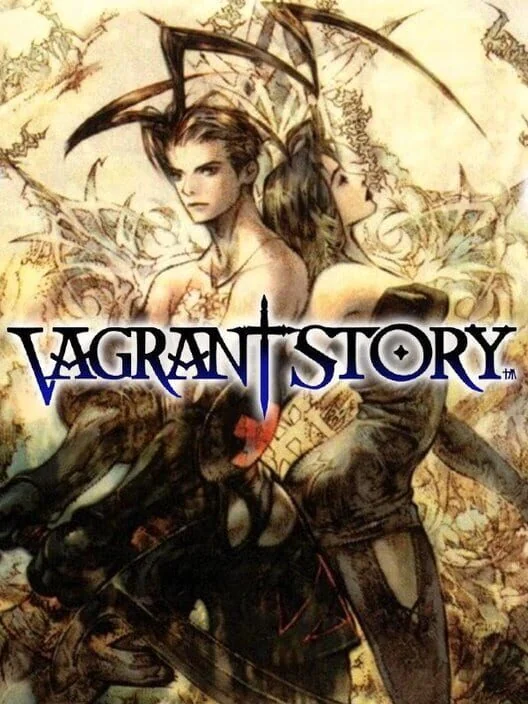
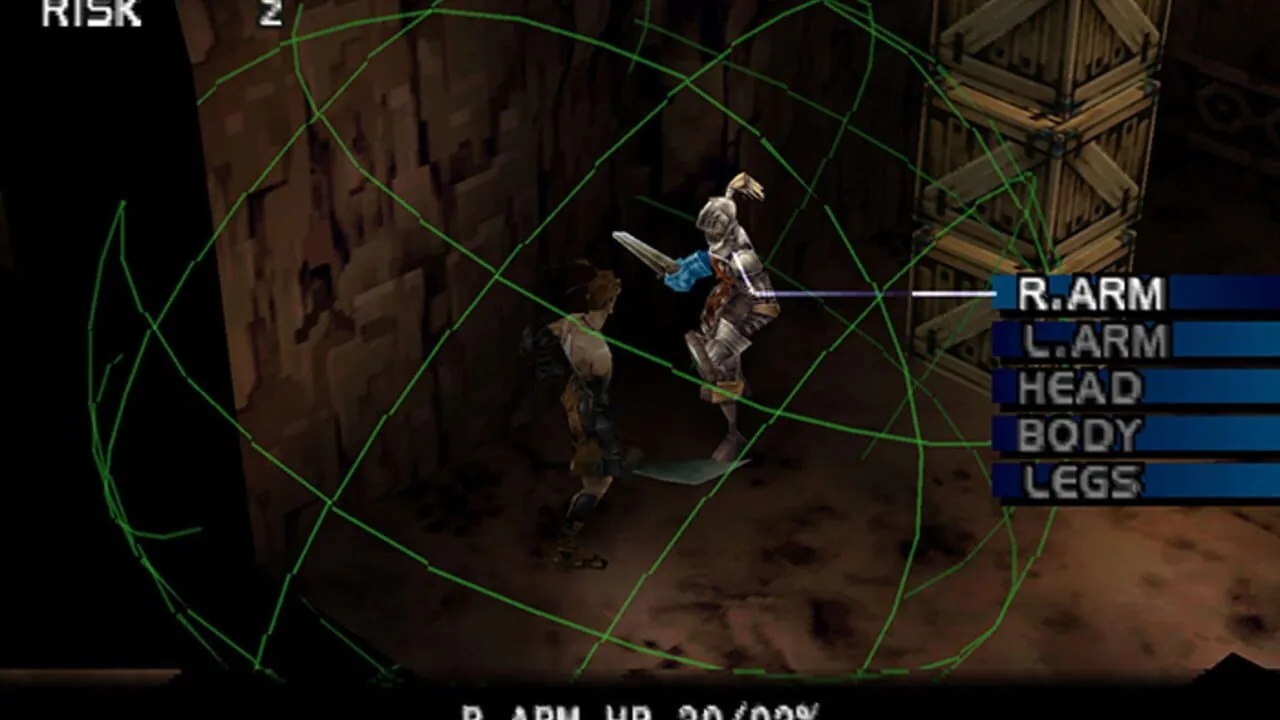
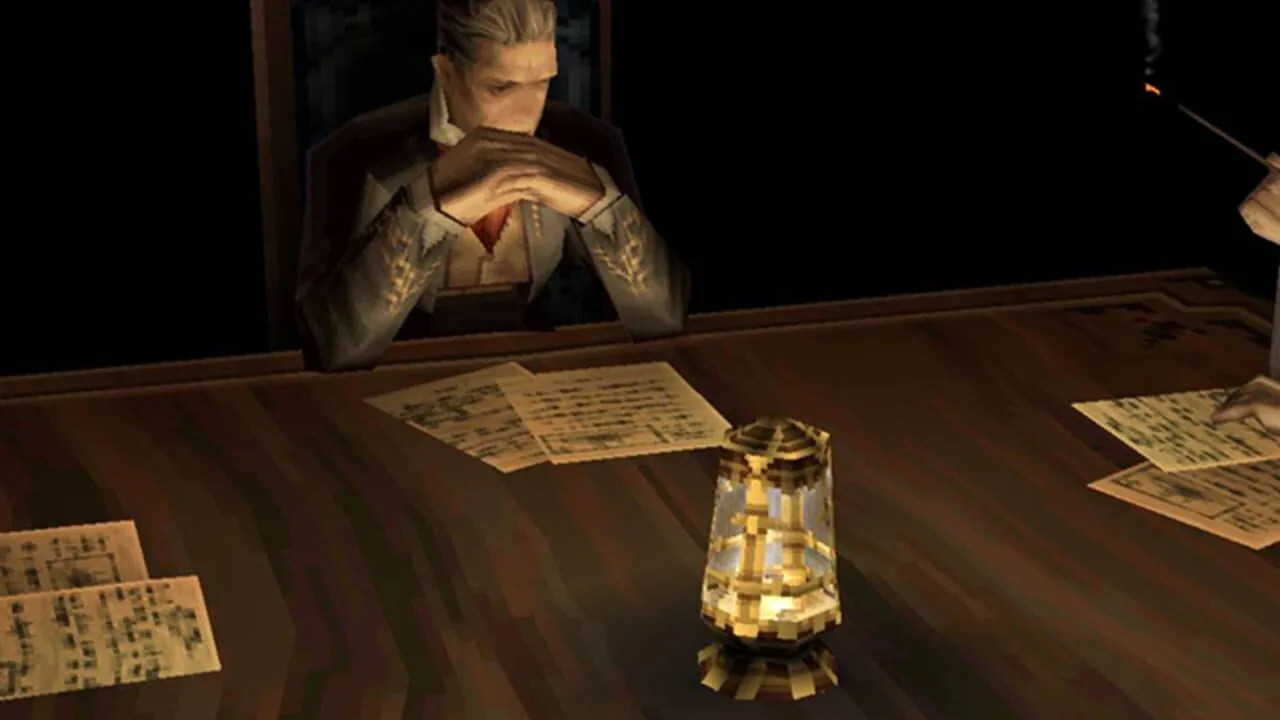
Vagrant Story is generally overshadowed by Square's other titles, even though it is arguably one of the best and most beautiful games on the PlayStation. You play Ashley Riot, a Riskbreaker on a dungeon-crawling hunt through a deep and twisted plot, still coming to terms with the recent death of his wife and child.
The team worked on it for two years and learned the hardware inside out, which shows in the detailed graphics and smooth animation. Director Yasumi Matsuno, coming off Final Fantasy Tactics, said his first concept was two hours of event scenes, closer to a Tuesday evening suspense drama than a big Hollywood movie.
7. The Legend of Dragoon (1999)
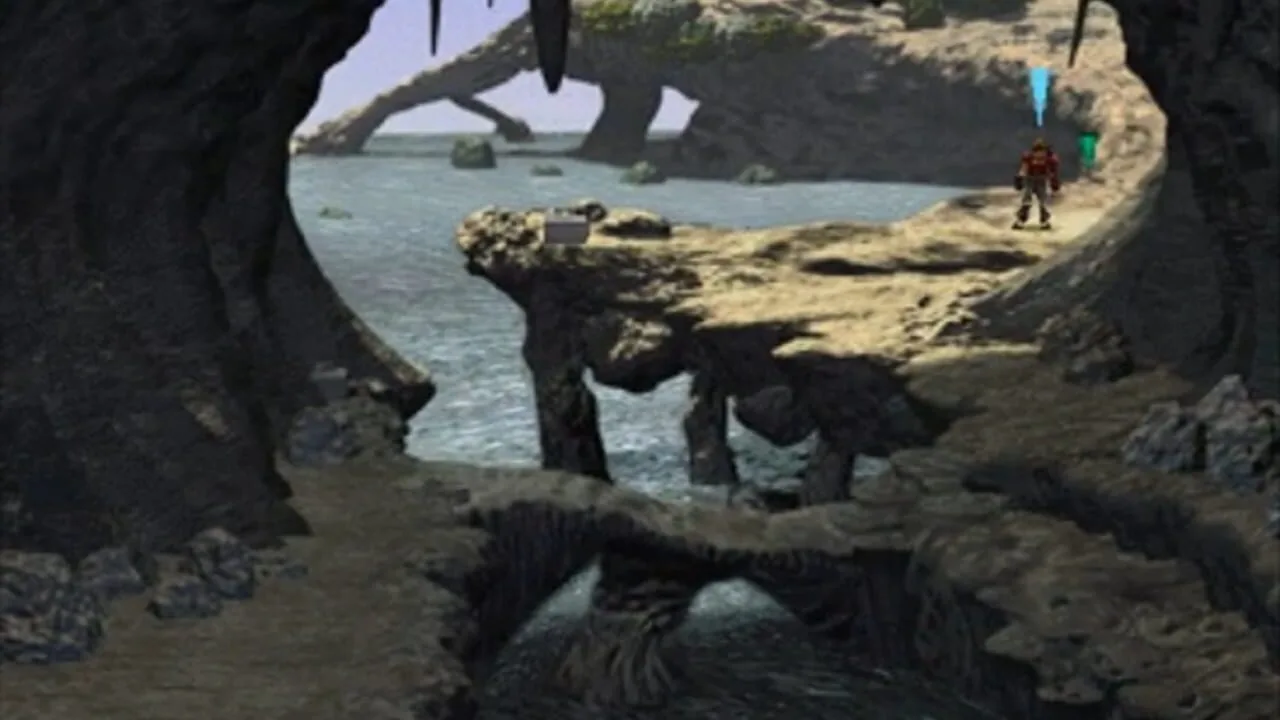
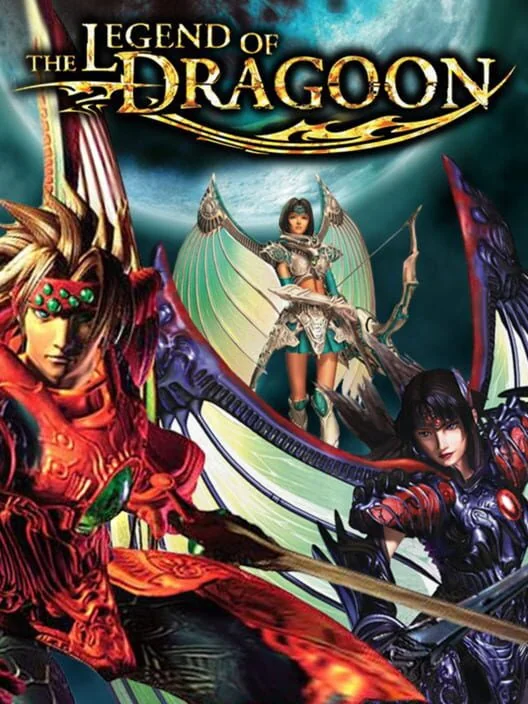
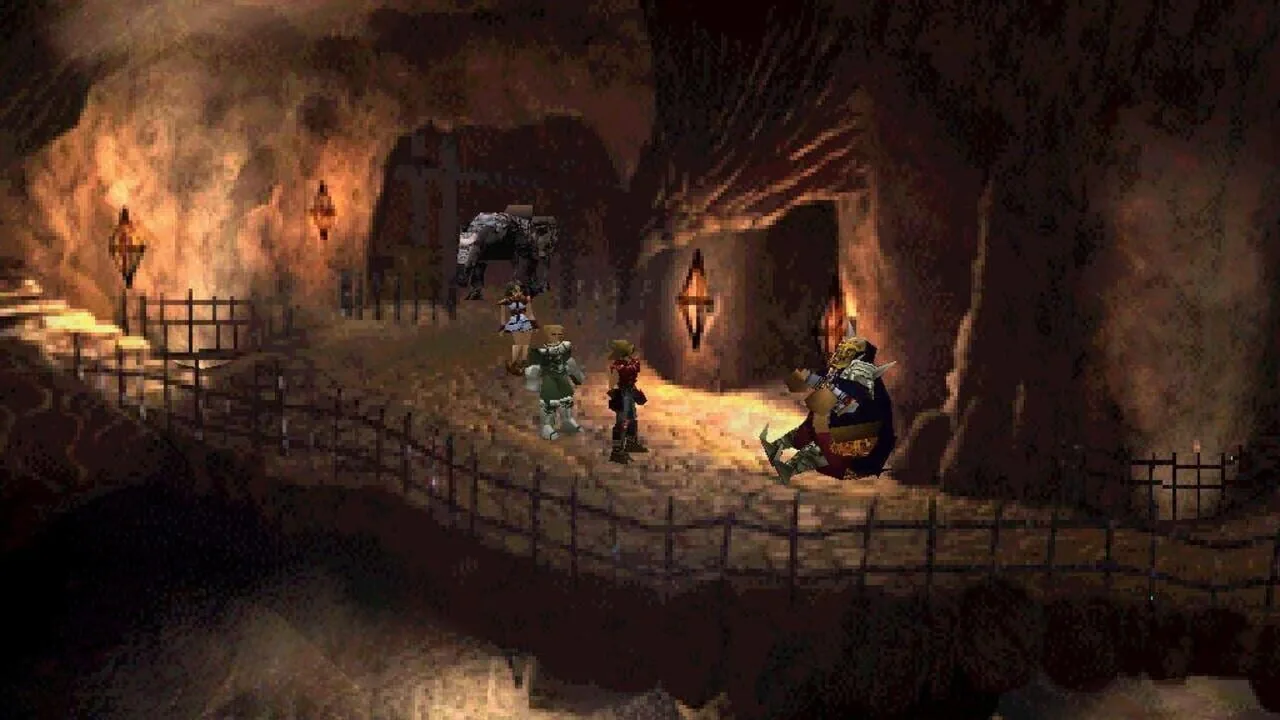
The Legend of Dragoon looks a lot like Final Fantasy VII, from the pre-rendered backgrounds to the CG movies that move the story along. The battles are turn-based, but critical attacks depend on precise timing, and the Dragoon transformations unlock your most powerful techniques.
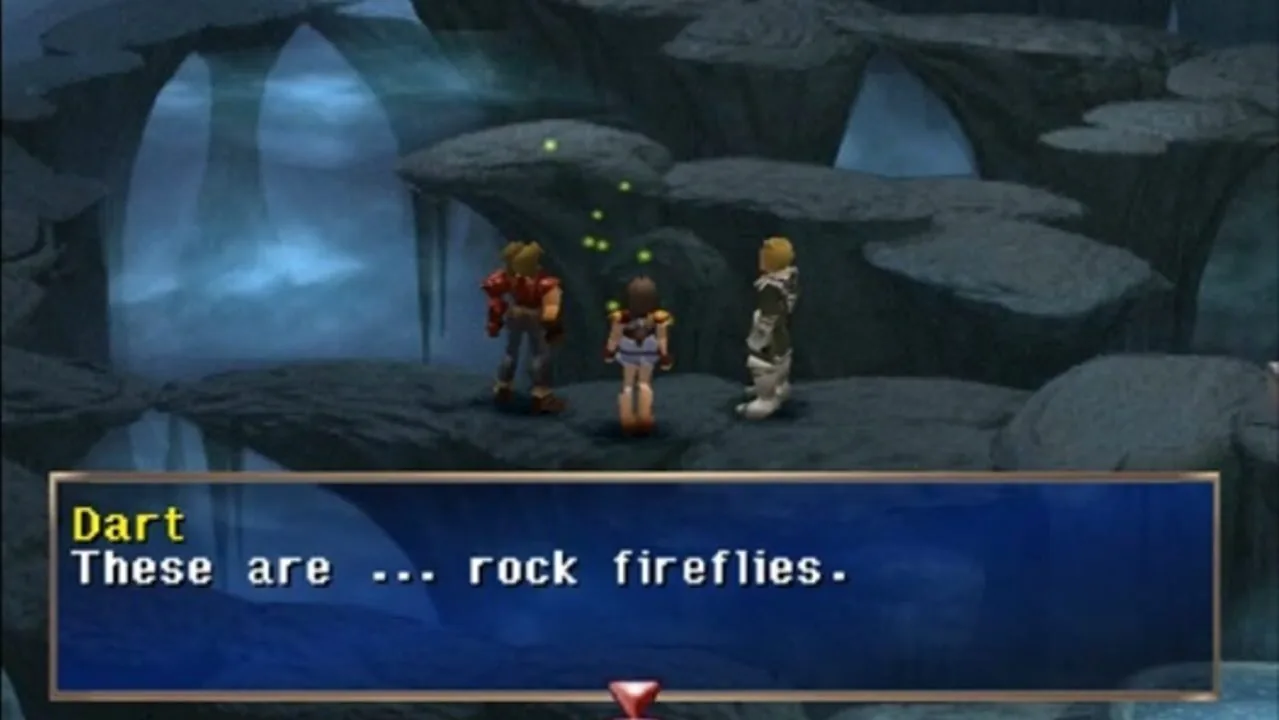
Those timed attacks split the room. Players who stuck with them say it clicks once you master the timing, while others found it tedious and repetitive. The translation didn't help, either, since it was one of the slipshod efforts of its day. Then again, walk to the crates by the Queen Fury's dock in Fueno and Dart breaks the fourth wall to wave at you, so the game has its charms.
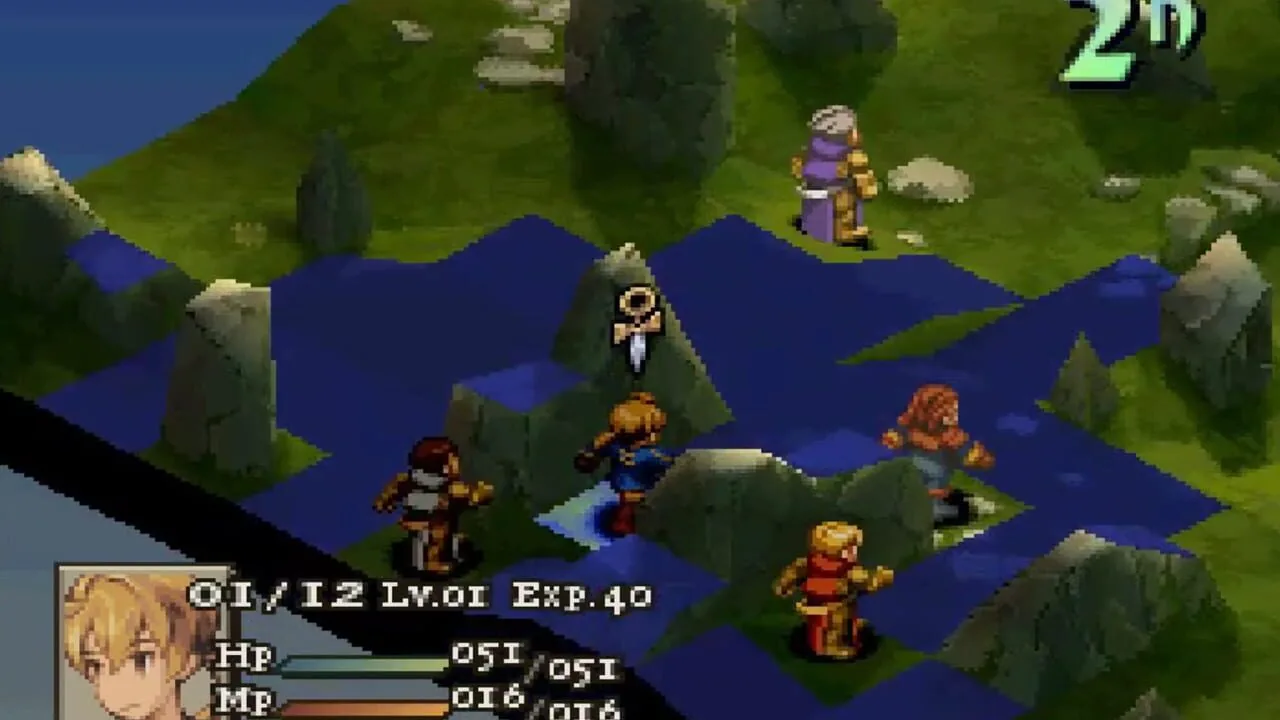
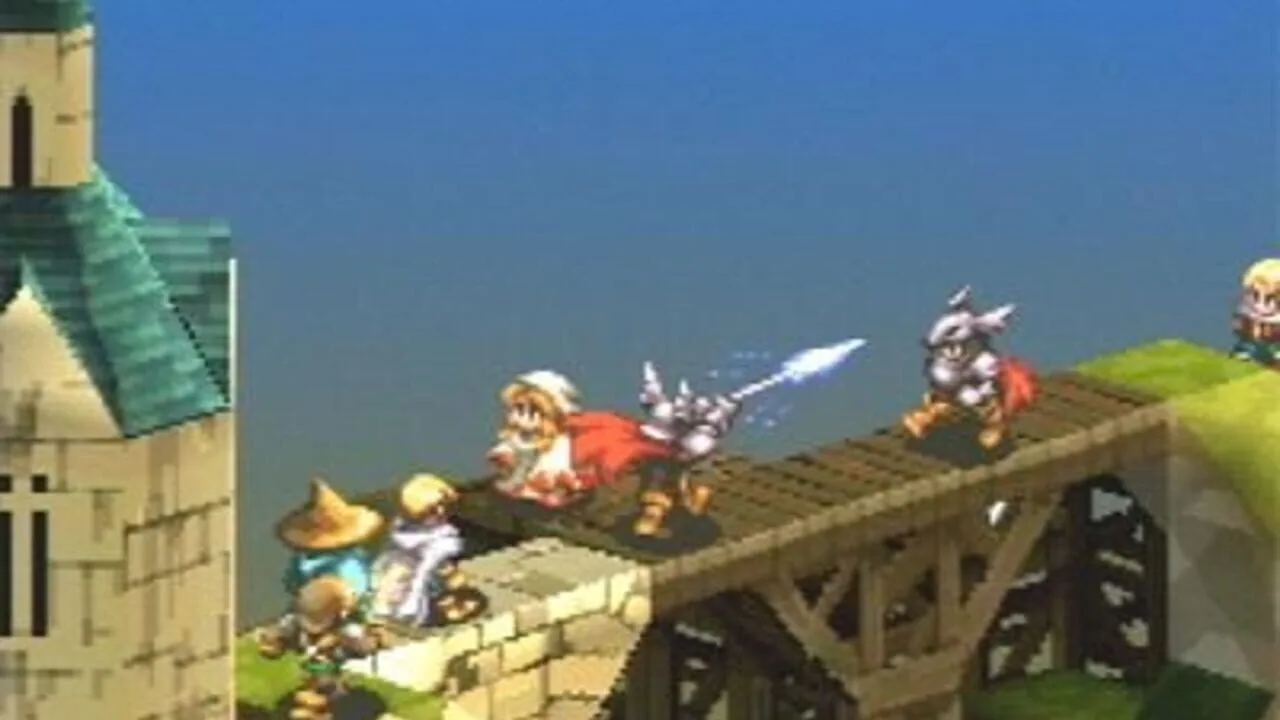
6. Final Fantasy Tactics (1997)
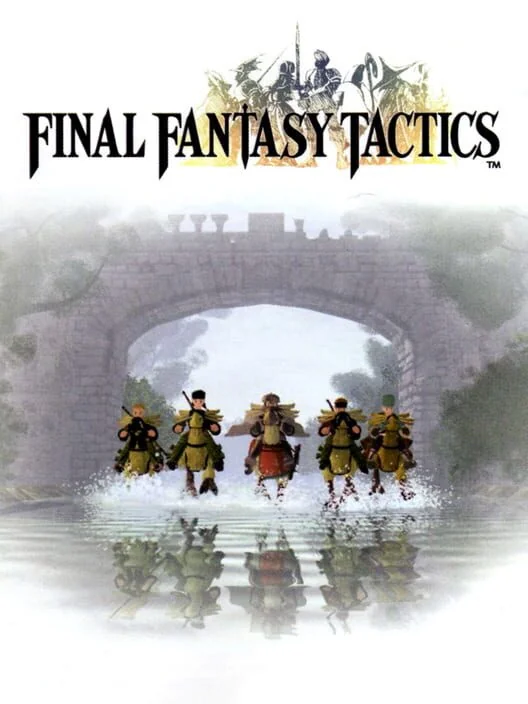
Final Fantasy Tactics takes its war from the War of the Roses and moves it to Ivalice, a land that is very transparently England. The highborn Ramza and his commoner friend Delita get caught up in a civil war after the king dies, and the story keeps checking in on Delita as their paths split. Director Yasumi Matsuno said its class conflict came partly from Square's own heavily stratified work culture.
It was the first truly successful strategy RPG released in America, and many games since have tried to copy its formula. The job system lets you build absurd teams, which is both the joy and the problem: a well-built Arithmetician can completely unbalance the game, and the difficulty curve runs oddly backwards. Even with its quirks, it still stands at the pinnacle of its genre.
5. Final Fantasy VIII (1999)
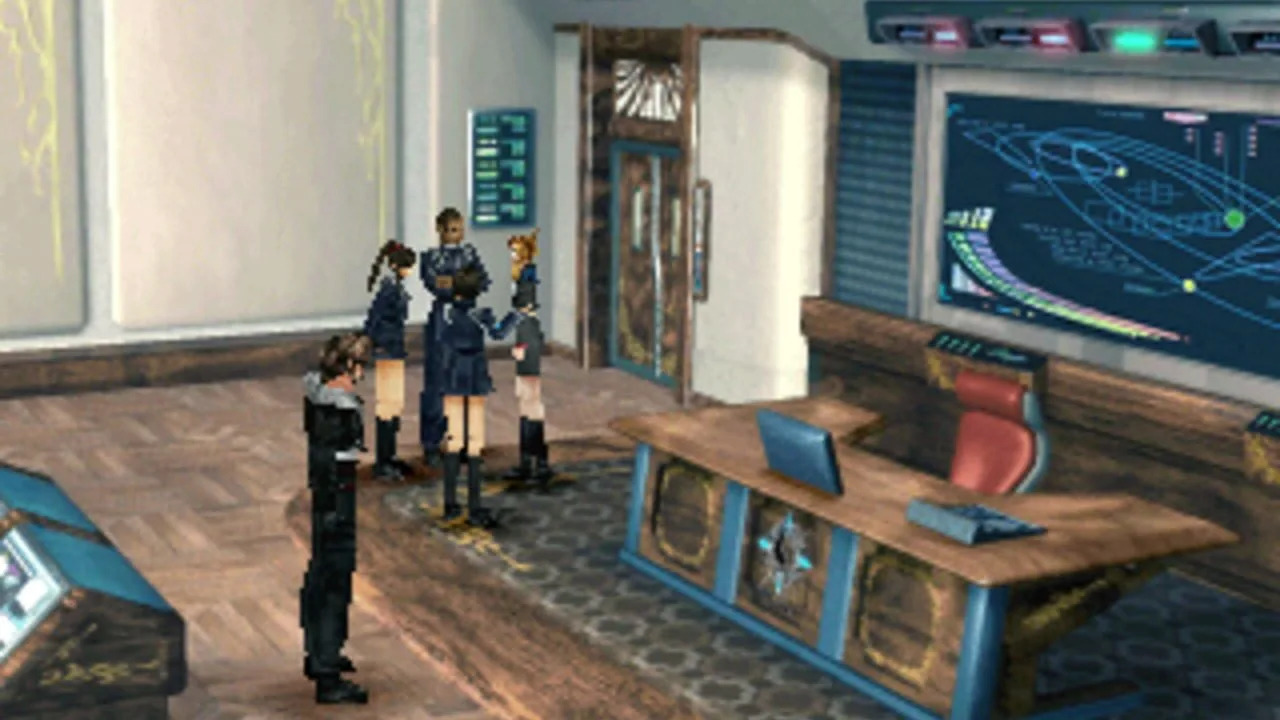
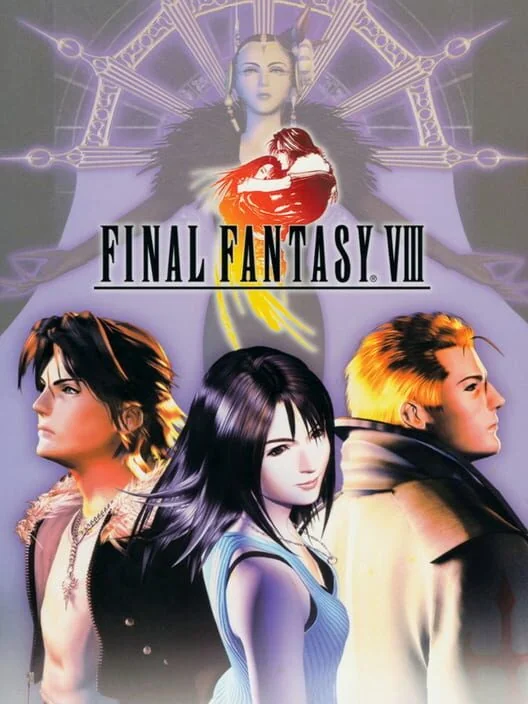
Final Fantasy VIII takes everything that made VII groundbreaking and pushes it further, swapping the low-polygon characters for surprisingly realistic models. It breaks plenty of series habits along the way, too. Leveling matters less than usual, and instead of Magic Points you draw magic and power up your characters through the junction system. It filled four CDs and sold 6 million copies.
That junction system is still what players argue about. Some call it broken, others say it clicks once you get your head around it, and the argument has outlived the console. Meanwhile, the soundtrack made it to the Olympics: the US synchronized swimming team performed to Liberi Fatali in 2004 and won bronze.
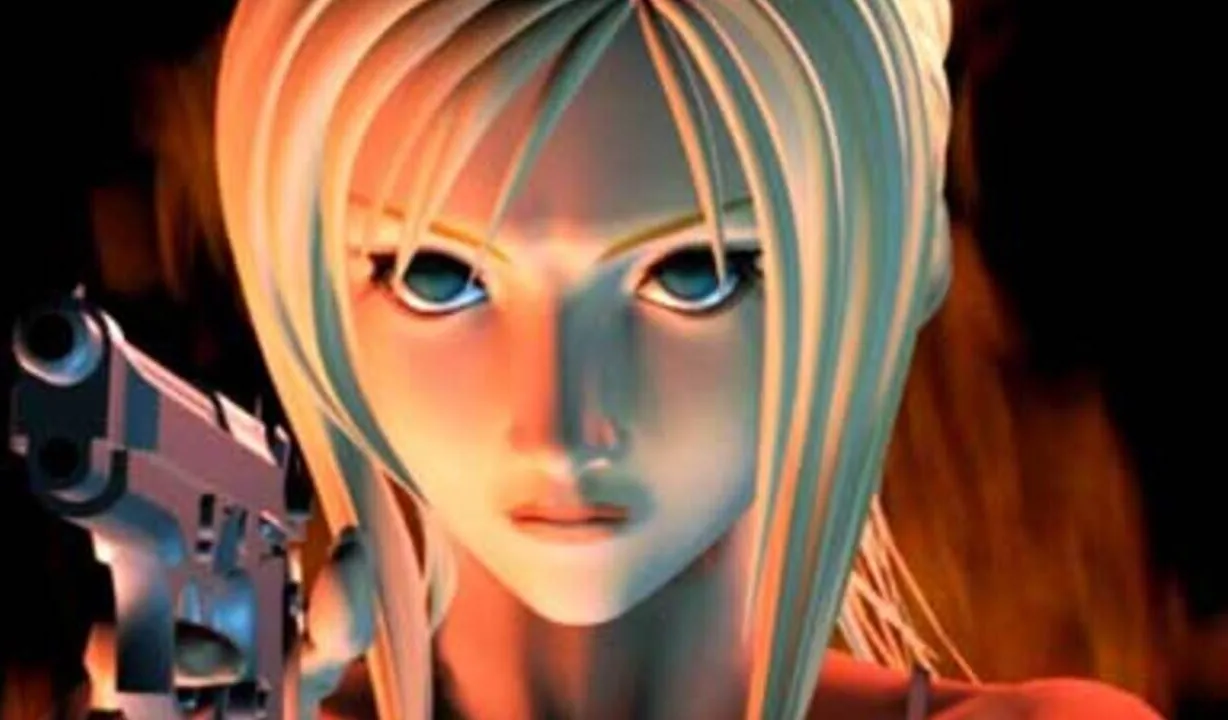
4. Parasite Eve (1998)
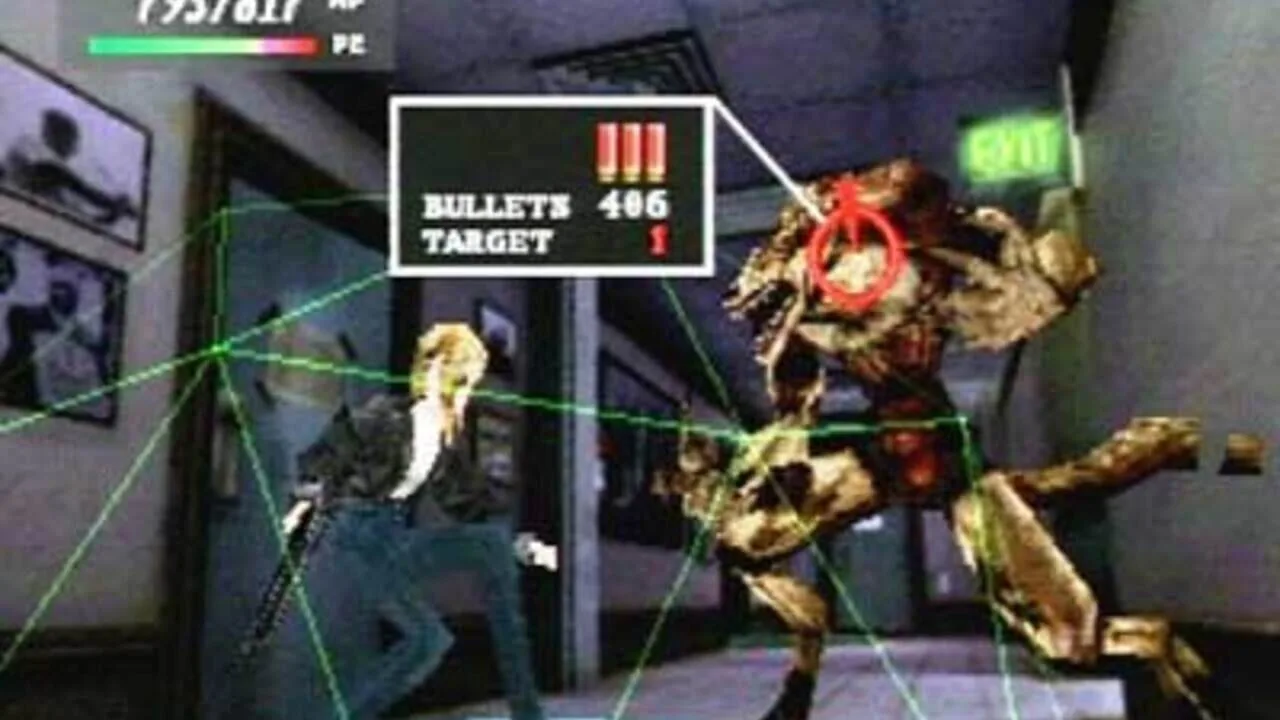
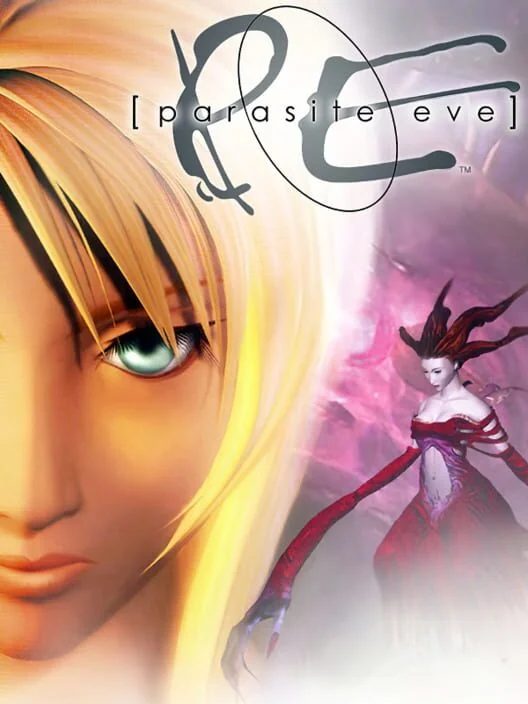
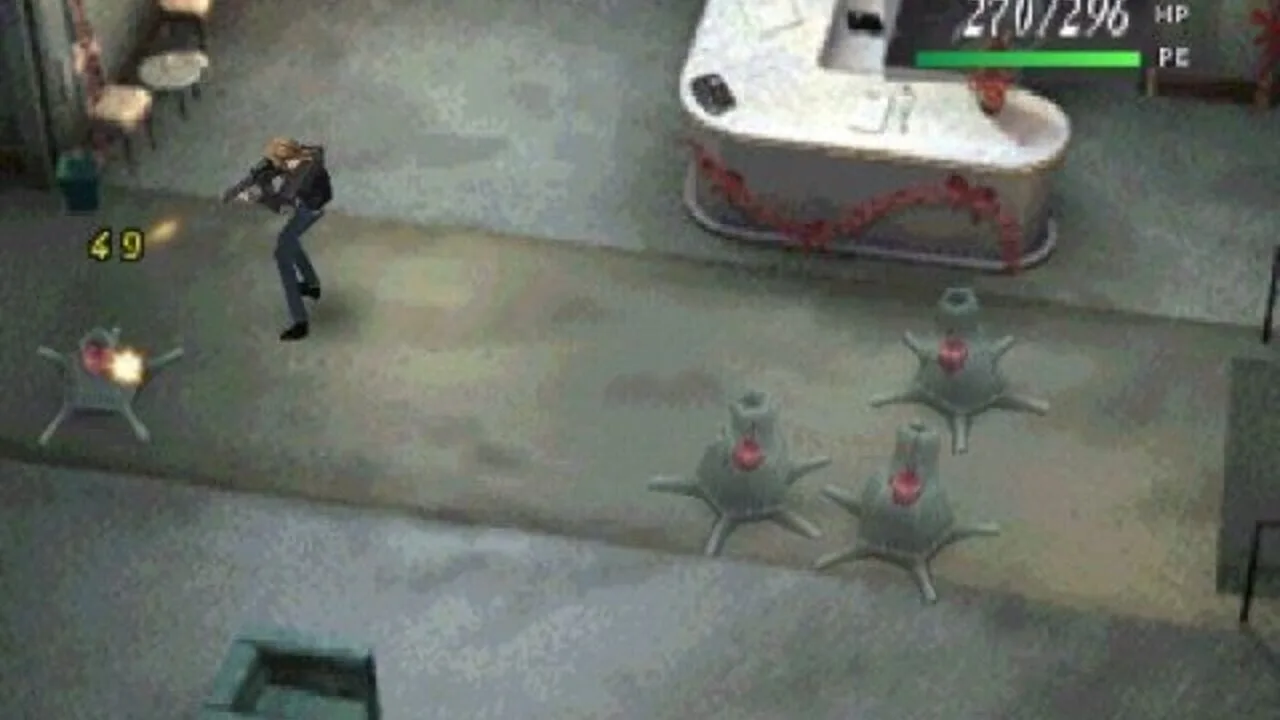
Parasite Eve was Square's first big-budget title after Final Fantasy VII, and its first game to get an M rating. It splices the console RPG with Resident Evil-style survival horror, and it works as a distant sequel to a 1996 Japanese horror novel. The trouble starts at Carnegie Hall, where an opera singer possessed by Eve sets people on fire, and Aya Brea, a rookie NYPD officer, turns out to be immune.
The battles mix both halves too, since you move freely while your gauge fills but stand still while you fire. On top of that, there are no merchants and no money, so every bullet you find feels like a small loan. Yoko Shimomura's score is a little bit operatic, and a second run opens the Chrysler Building, an optional dungeon of 77 randomly generated floors.
3. Xenogears (1998)
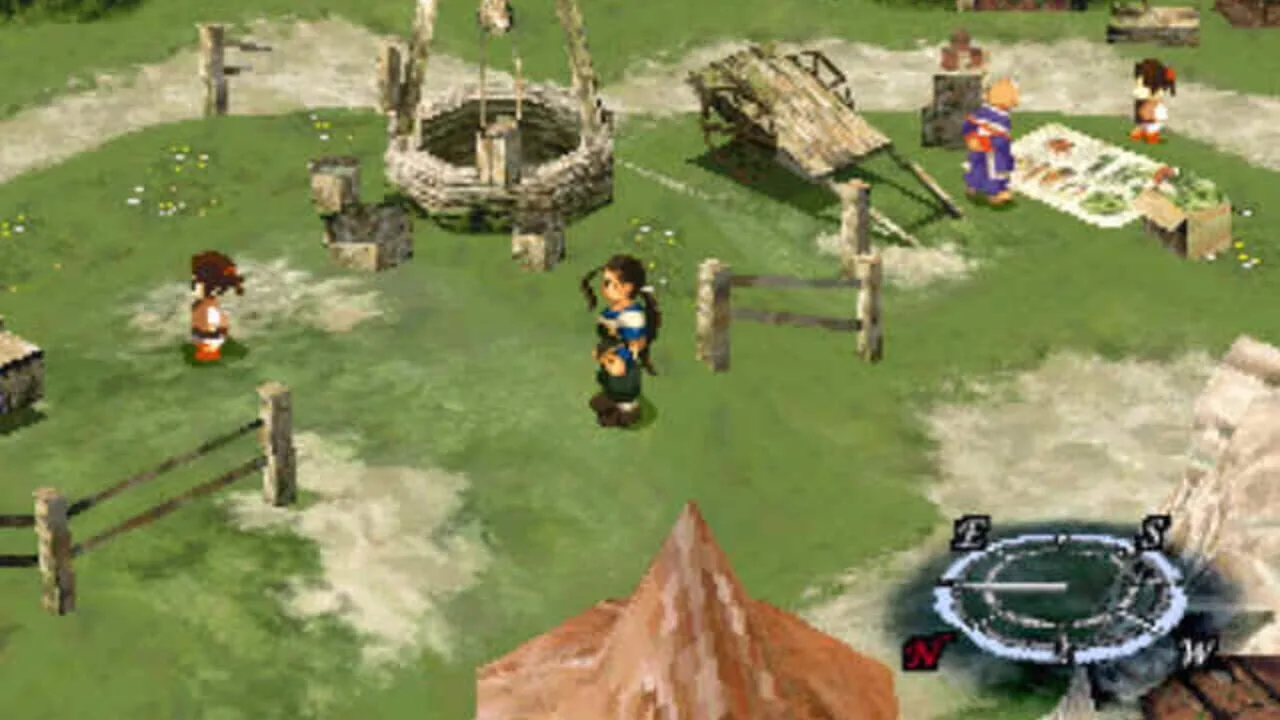
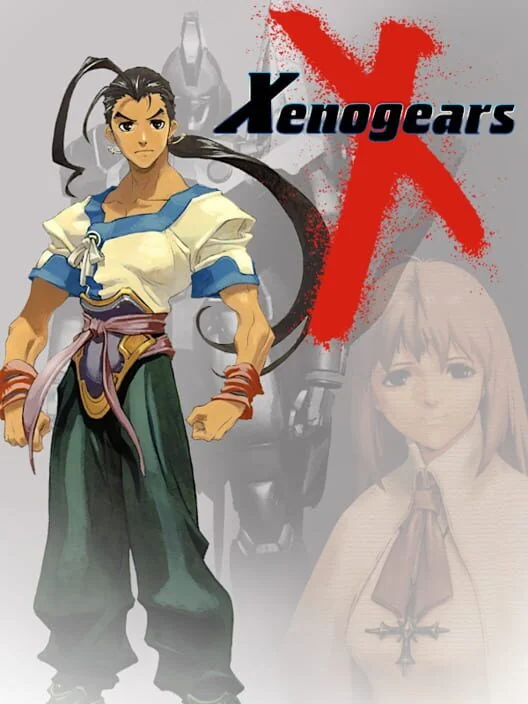
Xenogears was supposed to be one part of a multi-generational epic spanning a few planets and tens of thousands of years. Only this single game was ever made, and even it didn't come out the way it was supposed to. Fei, an amnesiac painter, ends up piloting a giant robot called a Gear, and the story borrows heavily from Neon Genesis Evangelion and from Carl Gustav Jung.
That ambition is also why the second disc is infamous. Gameplay largely gives way to brief descriptions of what happened, broken up by the odd dungeon or boss fight, and players often frown on it as too short and linear. Even so, it is a JRPG masterpiece, if an unpolished and unwelcoming one, and Yasunori Mitsuda's soundtrack is reason enough to push through. The two Square giants even wink at each other: a house in Solaris has a poster of Tifa, and a delirious Cloud mumbles "zeno... gias" in Final Fantasy VII.
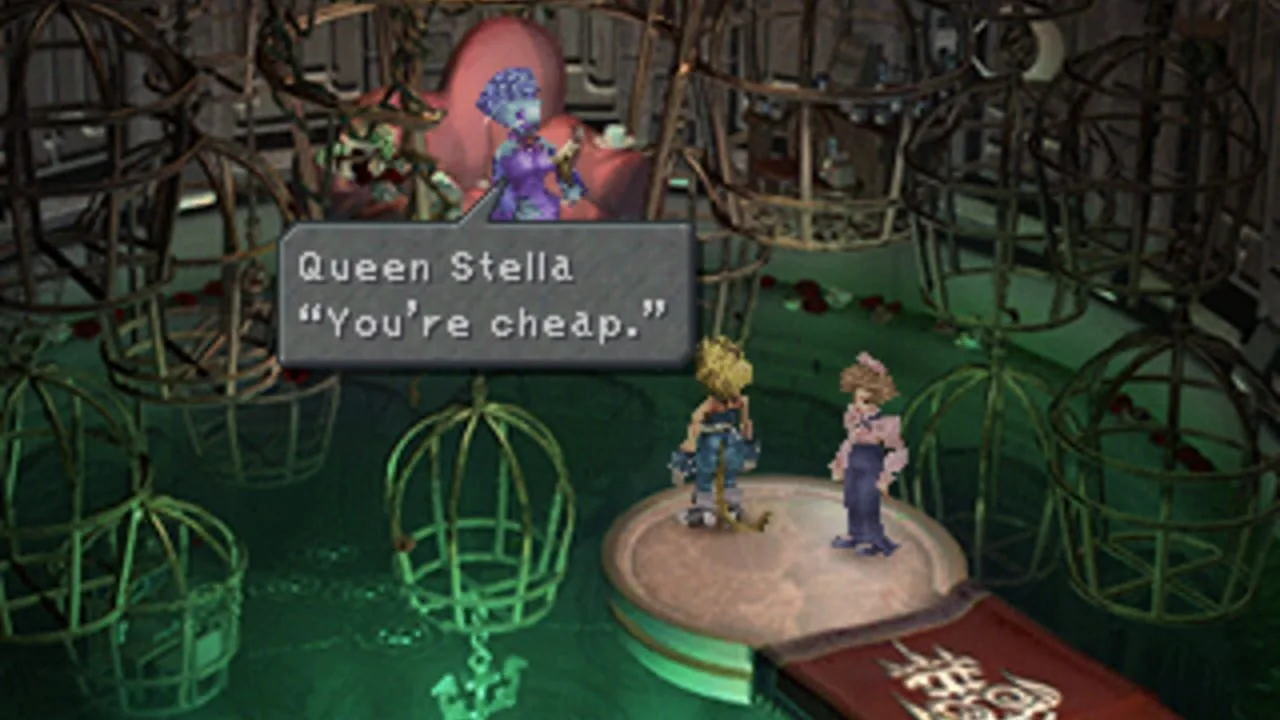
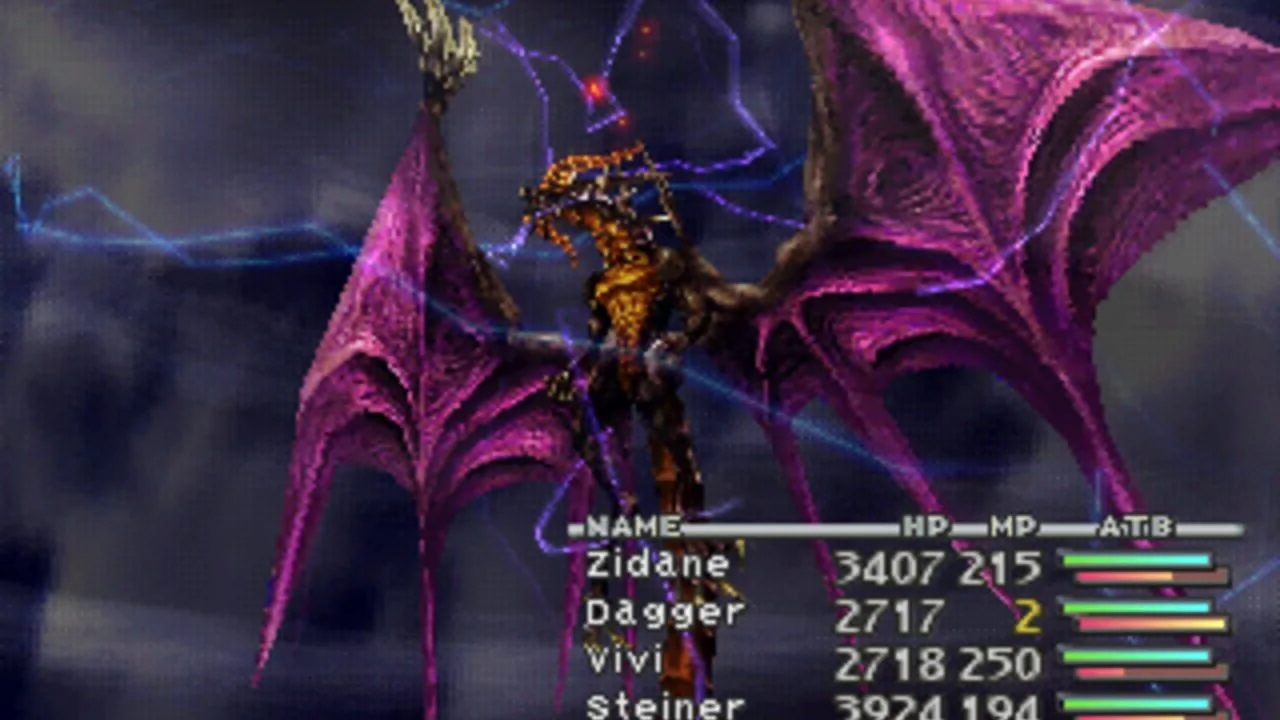
2. Final Fantasy IX (2000)
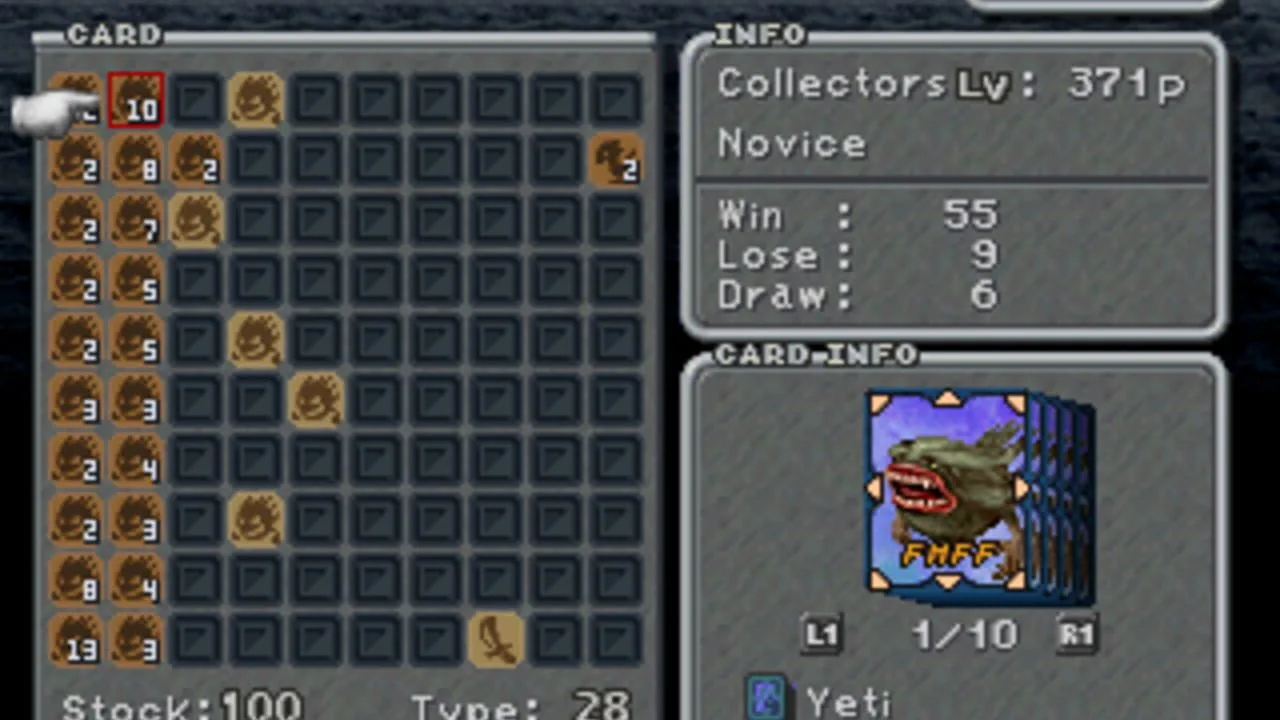
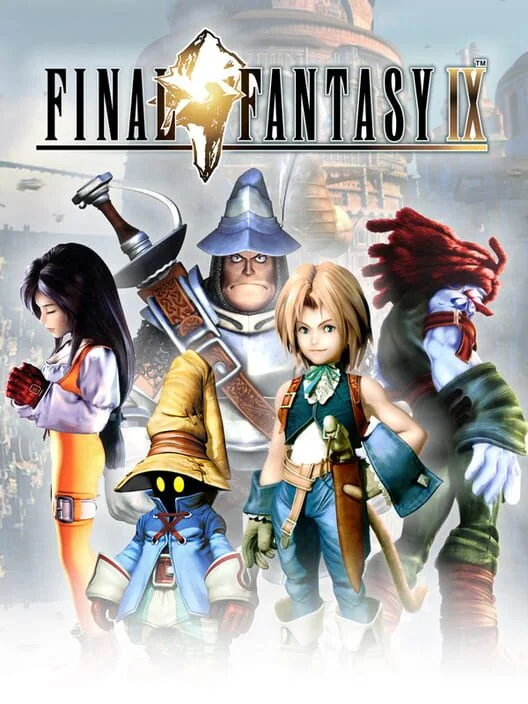
Final Fantasy IX is a return to the series' roots. After the sci-fi slant of VII and VIII, it goes back to a medieval fantasy setting and a cartoonish art style, with references to the older games all over the place. The development team changed the ending seven times before they settled on one. Where do six rejected endings even go?
It also squeezed more out of the hardware than VIII did, with animated backgrounds and battle scenes that faithfully rebuild each area in real-time 3D. Less happily, it shipped with one of the worst official strategy guides of its day, because Square moved the essential tips to its PlayOnline website and had the printed guide send you there. It still sold 5.08 million copies.
1. Final Fantasy VII (1997)
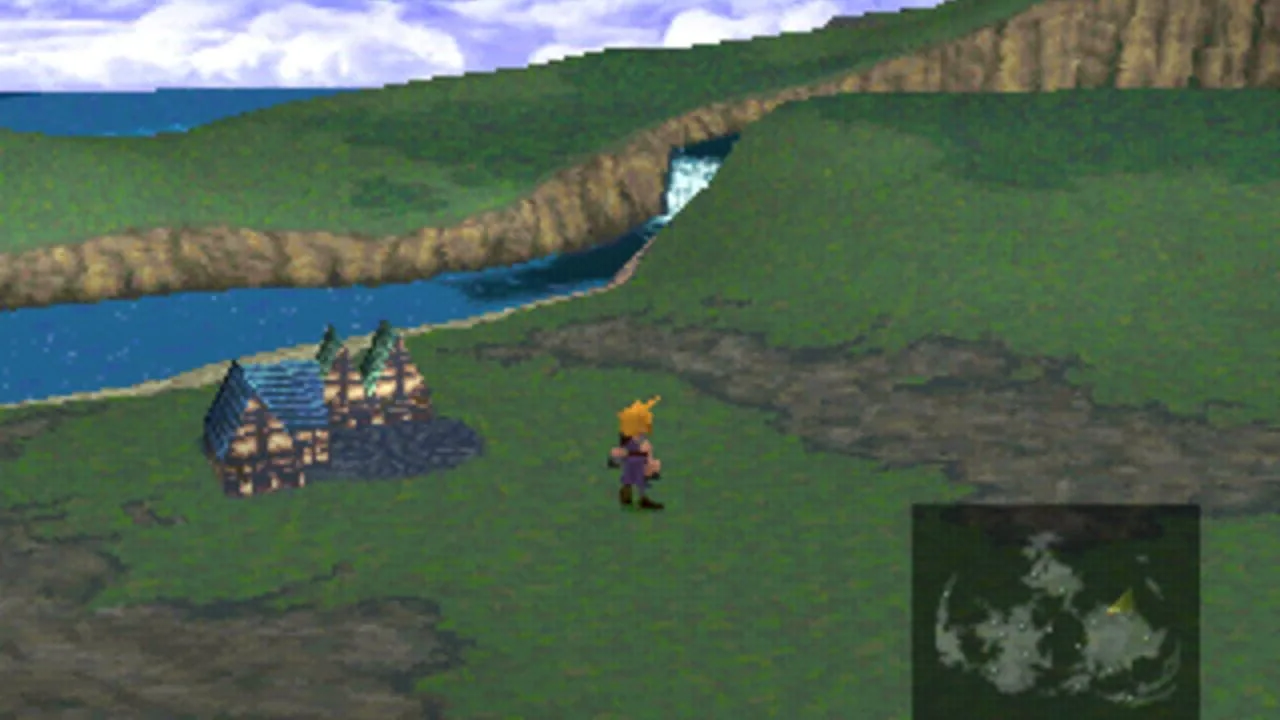
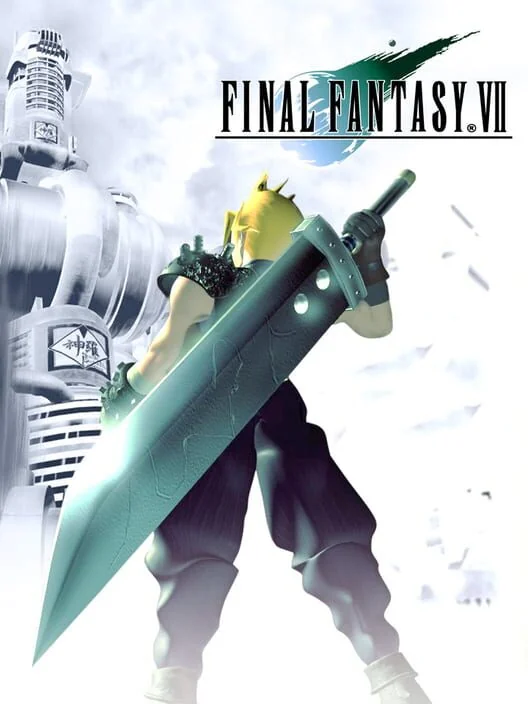
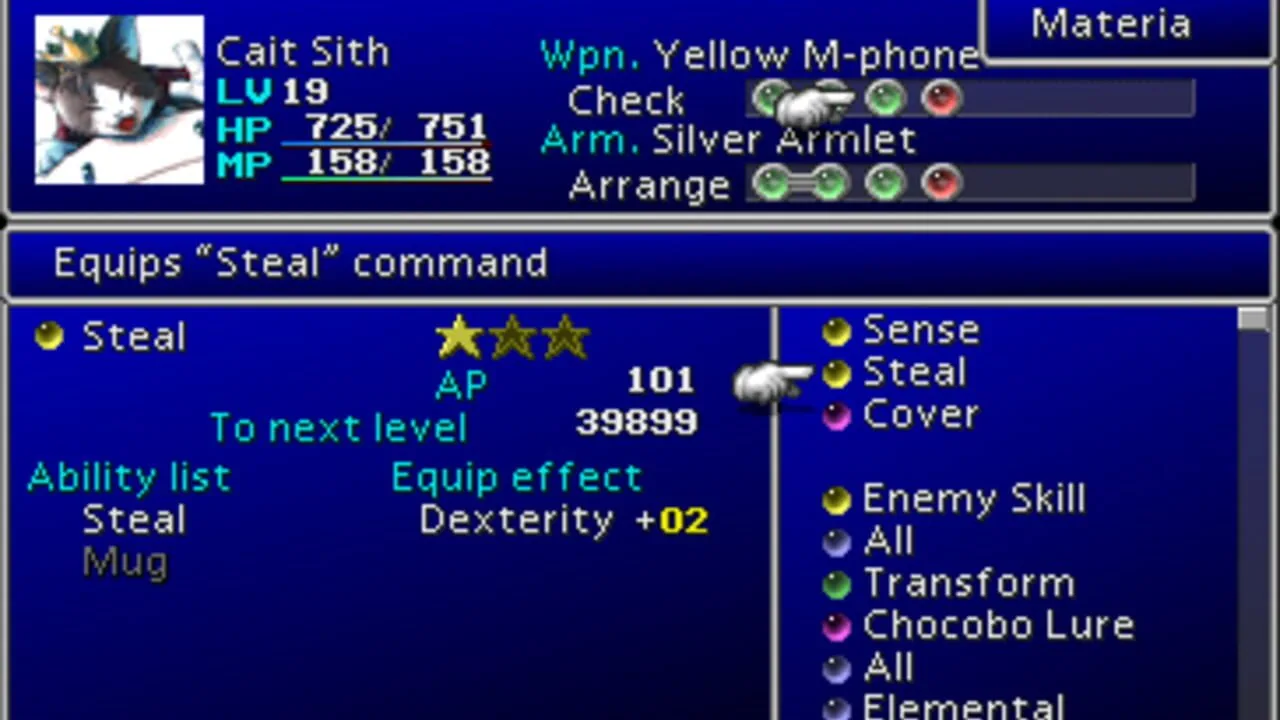
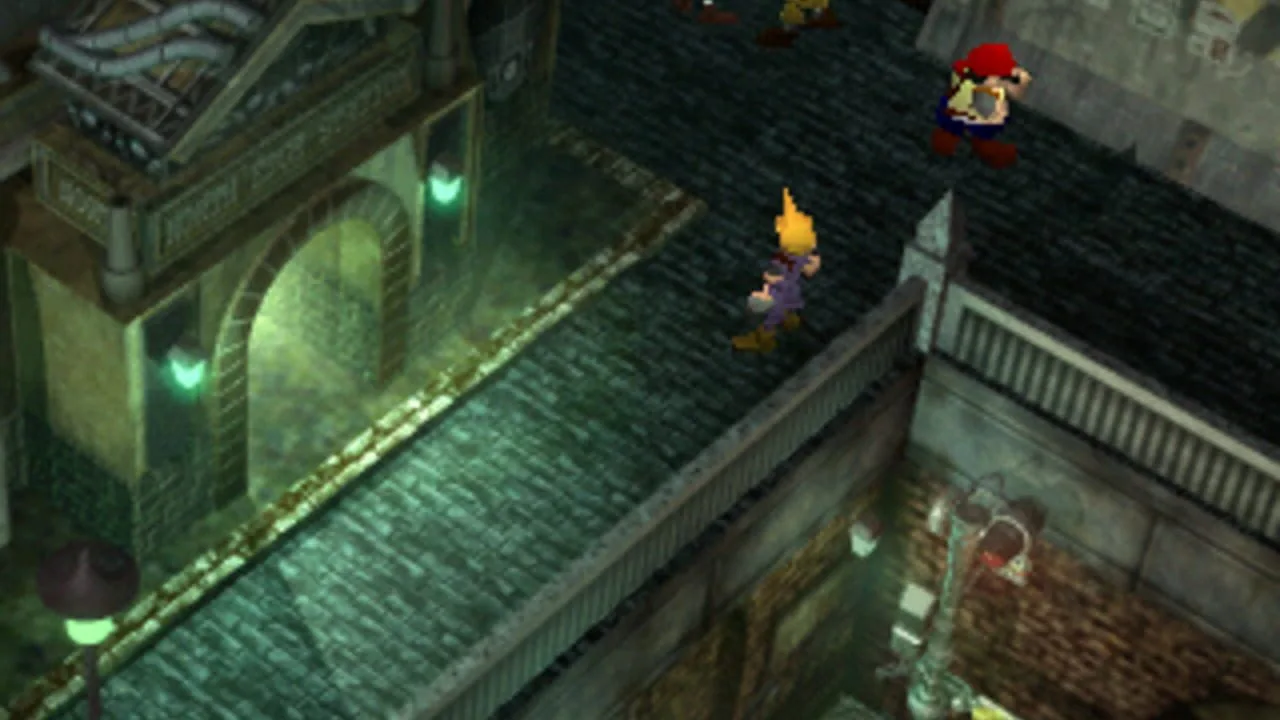
Final Fantasy VII was the first Final Fantasy presented in three dimensions, and for many young players it was their introduction to the genre. It spanned multiple discs to put 3D characters on pre-rendered backgrounds, and it finished up with 9.8 million copies sold worldwide.
The marketing was just as loud. One ad suggested someone get the guys who make cartridge games a cigarette and a blindfold, a not very subtle jab at Nintendo. Then there's the ending: in the final one-on-one duel, Sephiroth has exactly 1 HP, so a single hit always finishes him. Years of dread, and he folds like a lawn chair.