These are the 100 PSX games players recommend most. We surveyed players: 35,787 recommendations from people asking what to play on the original PlayStation, with every game they named counted. A pick hundreds of players backed beats one person's favourite.
Metal Gear Solid takes #1, named more often than any other PS1 game, with Final Fantasy VII a clear second. Cloud fans can take it up with Snake. He will be in a cardboard box.
The race for #3 is a photo finish. Resident Evil 2 was named a hair more often than Castlevania: Symphony of the Night, but more players backed the picks for Symphony, so Symphony takes #3.
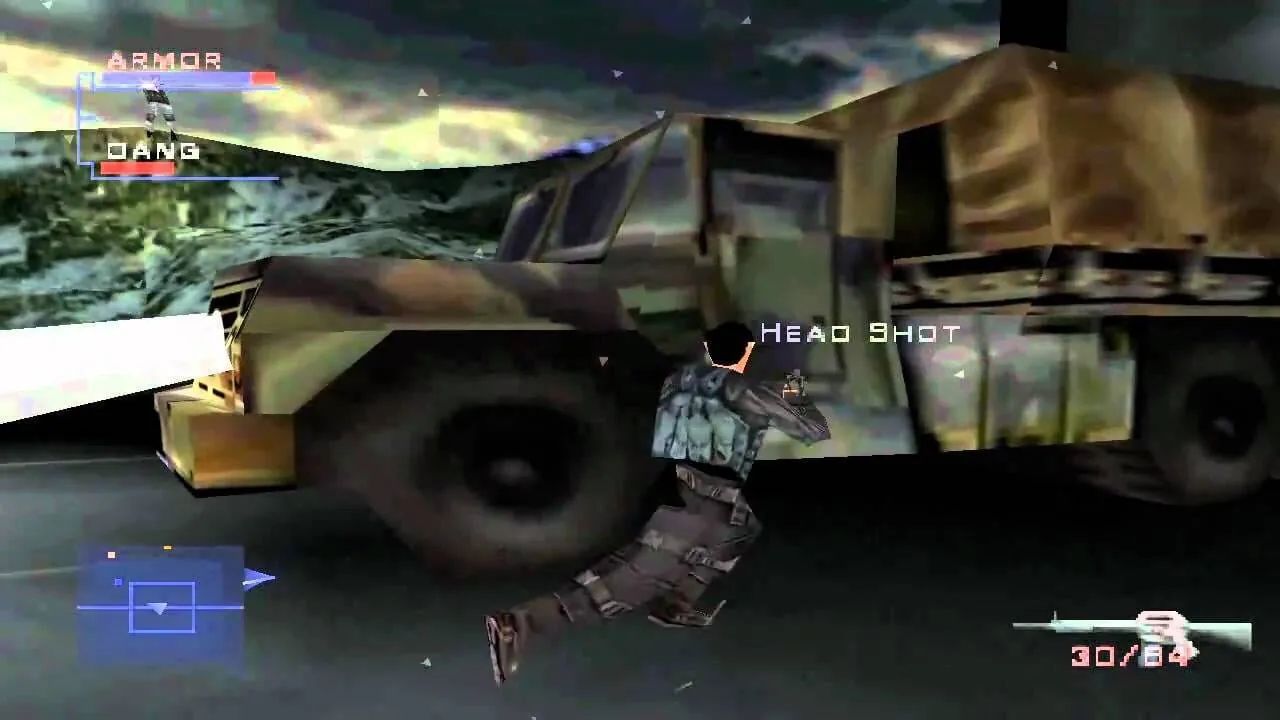
100. Syphon Filter 2 (2000)
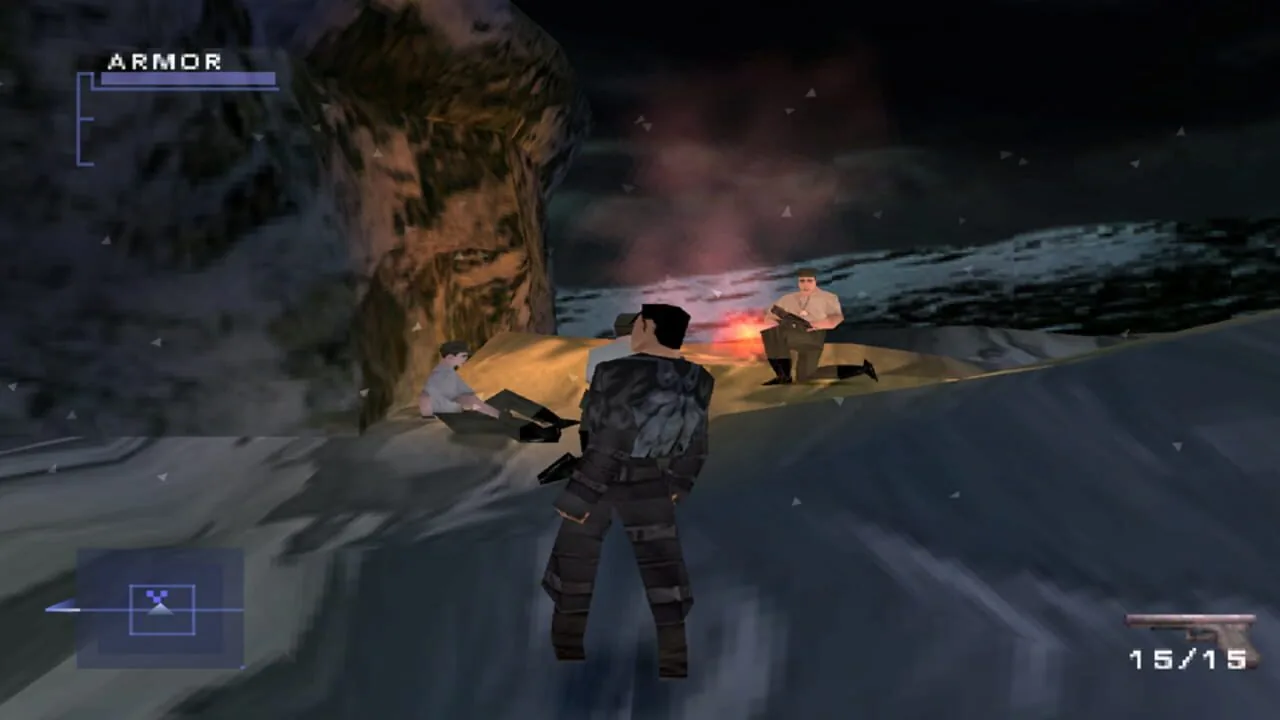
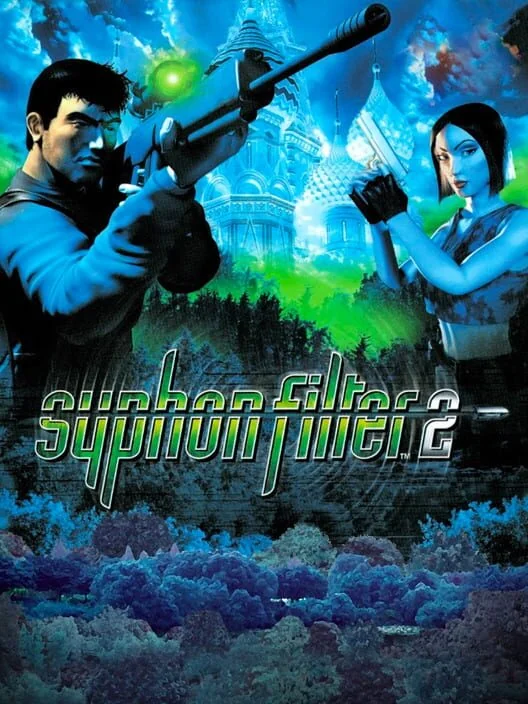
Syphon Filter 2 is a third-person shooter stealth video game developed by Eidetic and published by 989 Studios exclusively for PlayStation. Hours after the events of the first game, Gabriel Logan and Lian Xing are enemies of the state to the Agency after uncovering its connection to Syphon Filter, labelled as terrorists to the general public.
99. The Need for Speed (1994)
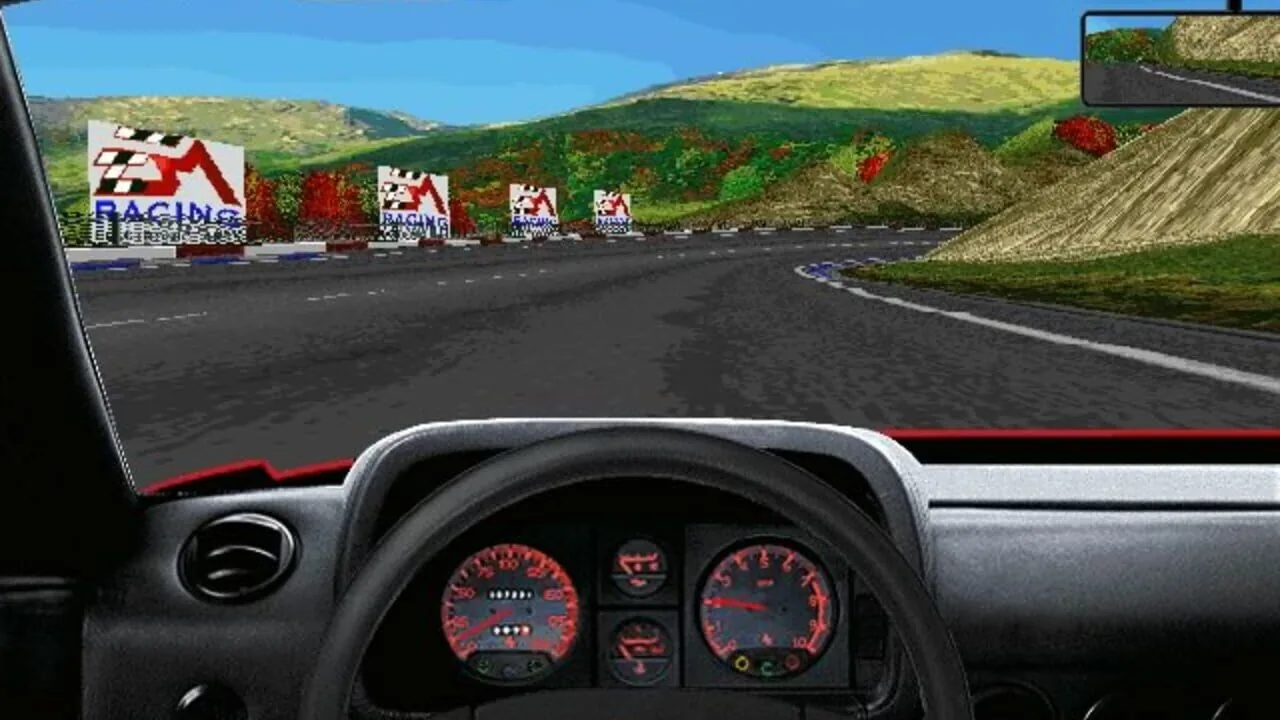
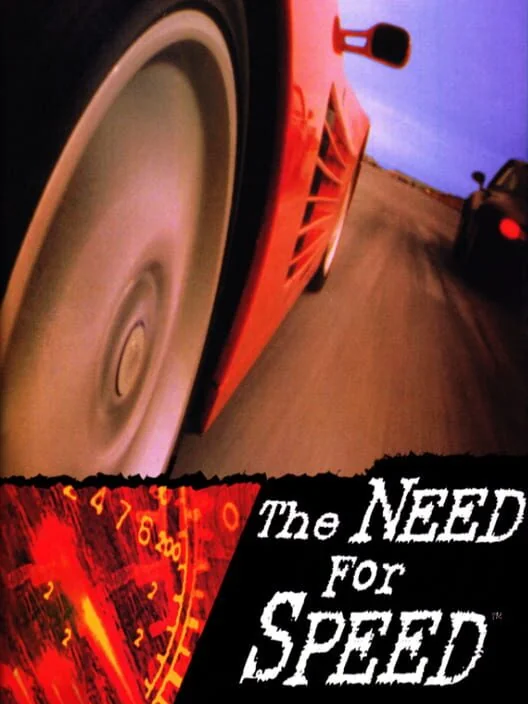
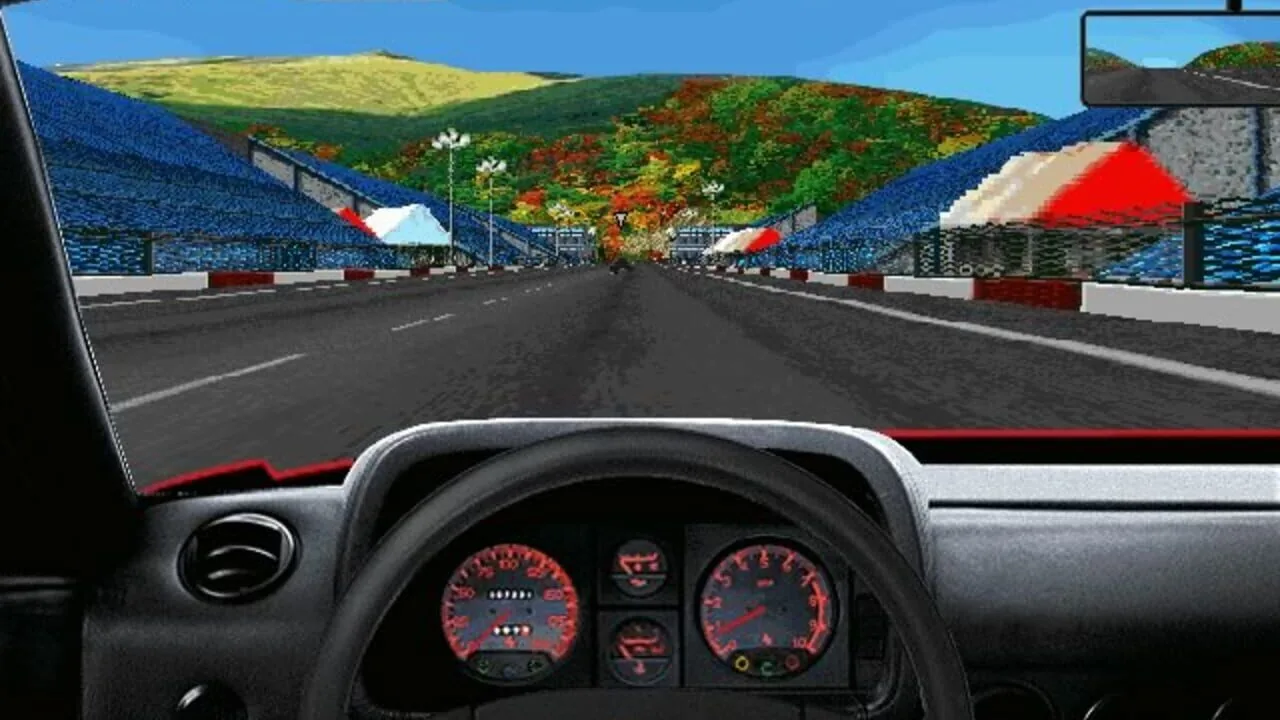
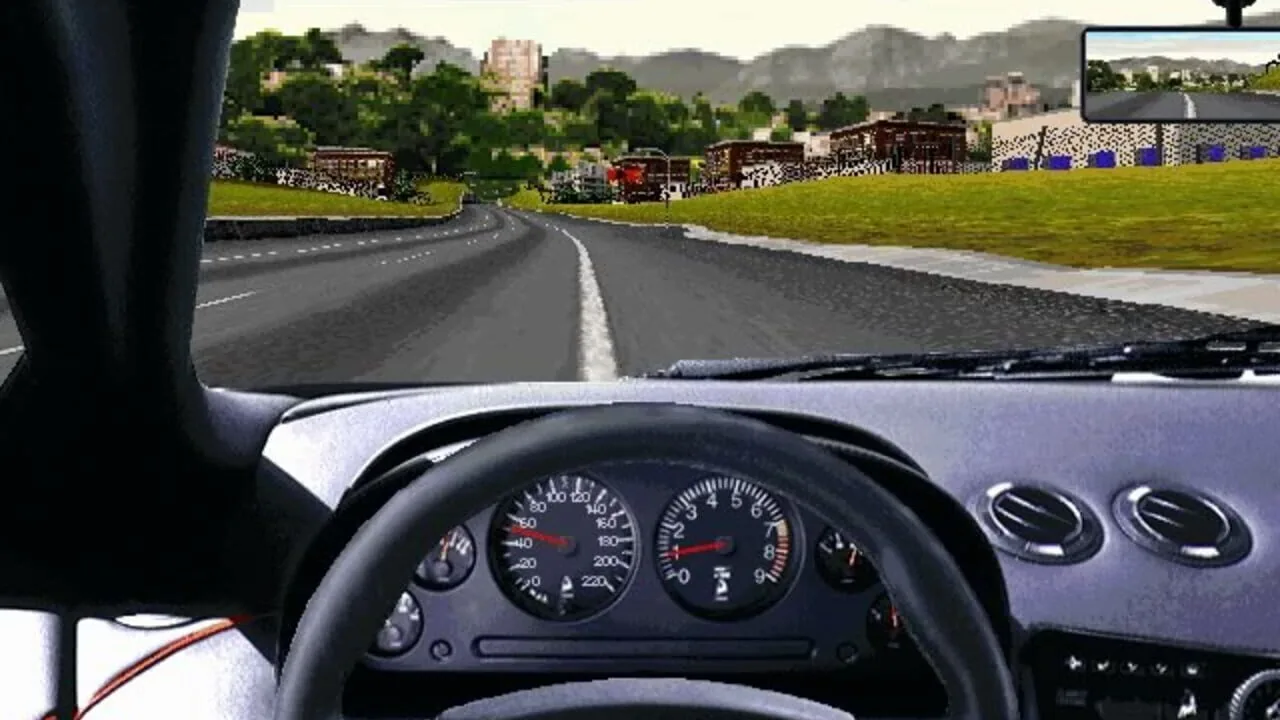
Welcome to The Need For Speed racing game. Here you'll find spine-tingling action coupled with awesome graphics. As you race down an alpine road in your choice of eight high performance cars, you'll be amazed by the detail and realism. The sophisticated physics model recreates the feel of the cars themselves; you'll notice the difference in handling, breaking and just plain power. Plan your strategy for each track, there are six to choose from during regular play, and each demands a different style of driving.
There's also a bonus track if you win the Tournament. There are four game modes to try, with an option to compete against another driver over a modem. With different cars, different tracks, and different styles of racing fueling your need for speed, you'll find your addiction growing to a fewer pitch. No need to worry, when you crash and burn in the game, there's always another day.
98. Wild 9 (1998)
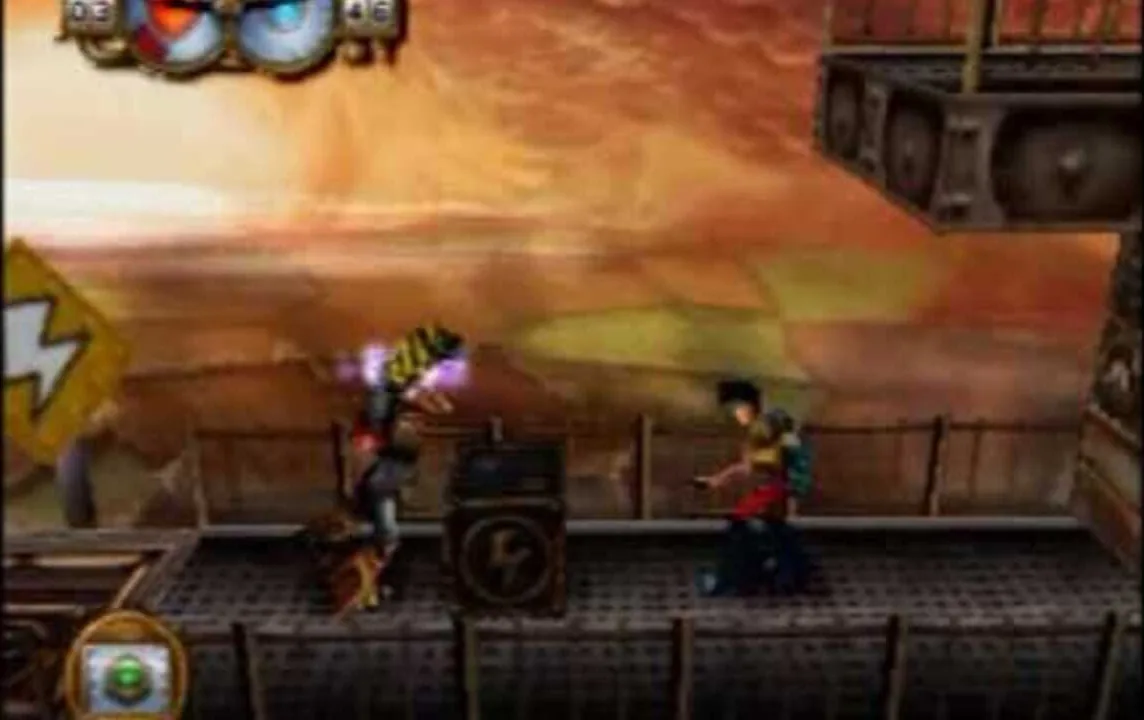
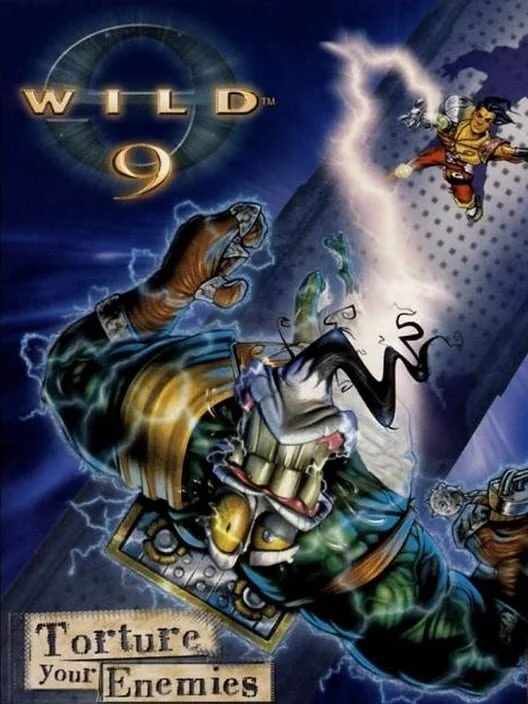
Wild 9 is a 2D platformer with 3D graphics, featuring gameplay similar in vein to the company's Earthworm Jim games. Unique to the game is the The Rig, a weapon the protagonist wields. The Rig functions like an electronic lasso, capable of moving objects as well as carry around and smash enemies, which is often needed to solve puzzles and progress through the game's ten levels. A few stages focus on avoiding obstacles and taking on boss enemies.
97. Driver (1999)
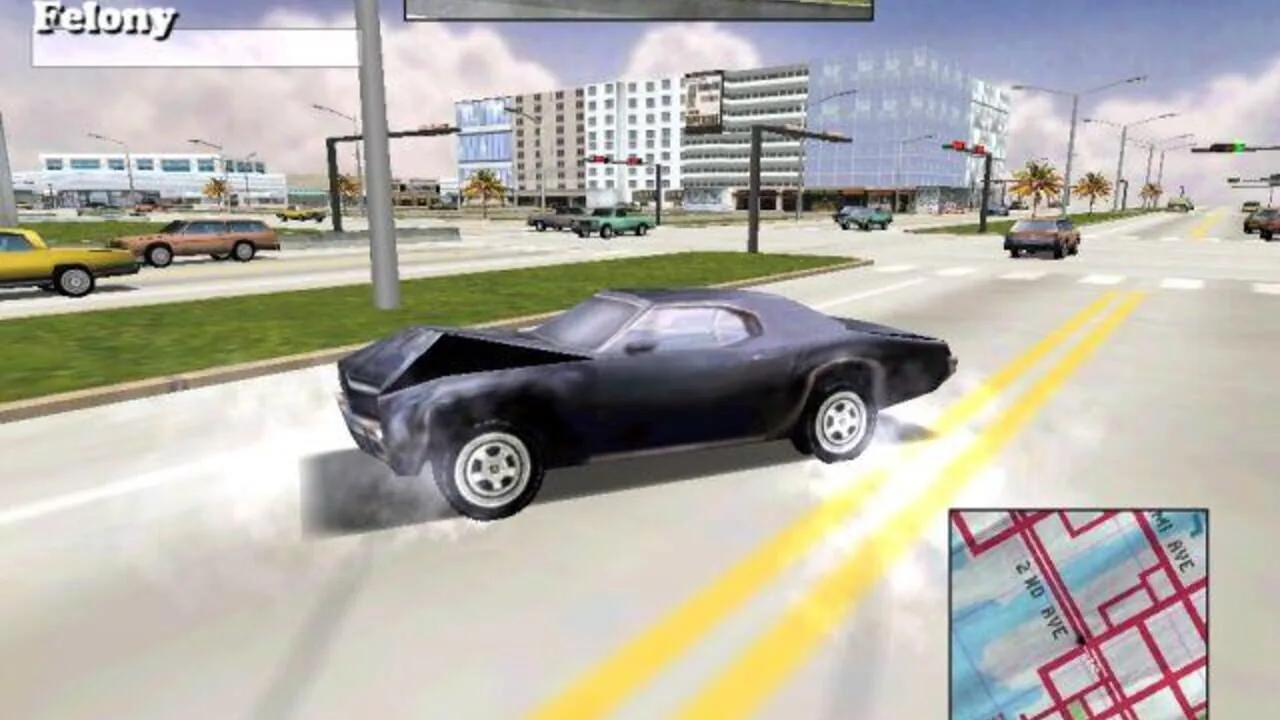
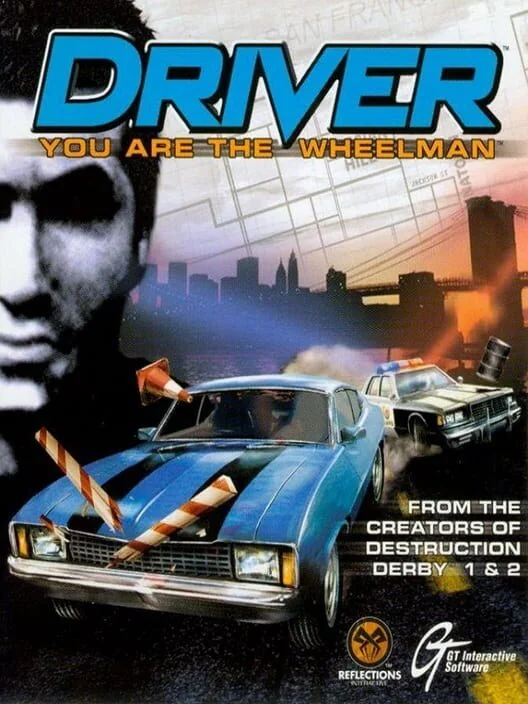
The player is John Tanner, an undercover cop who try to take advantage of his own excellent driving skill in order to infiltrate a criminal organization.
In the storyline, the player has the chance to drive several cars in four american cities (Miami, San Francisco, Los Angeles, and New York), facing many different missions and tasks such as delivering a vehicle without damaging it, eliminating competitors or being the getaway driver in a bank robbery.
96. Driver 2 (2000)
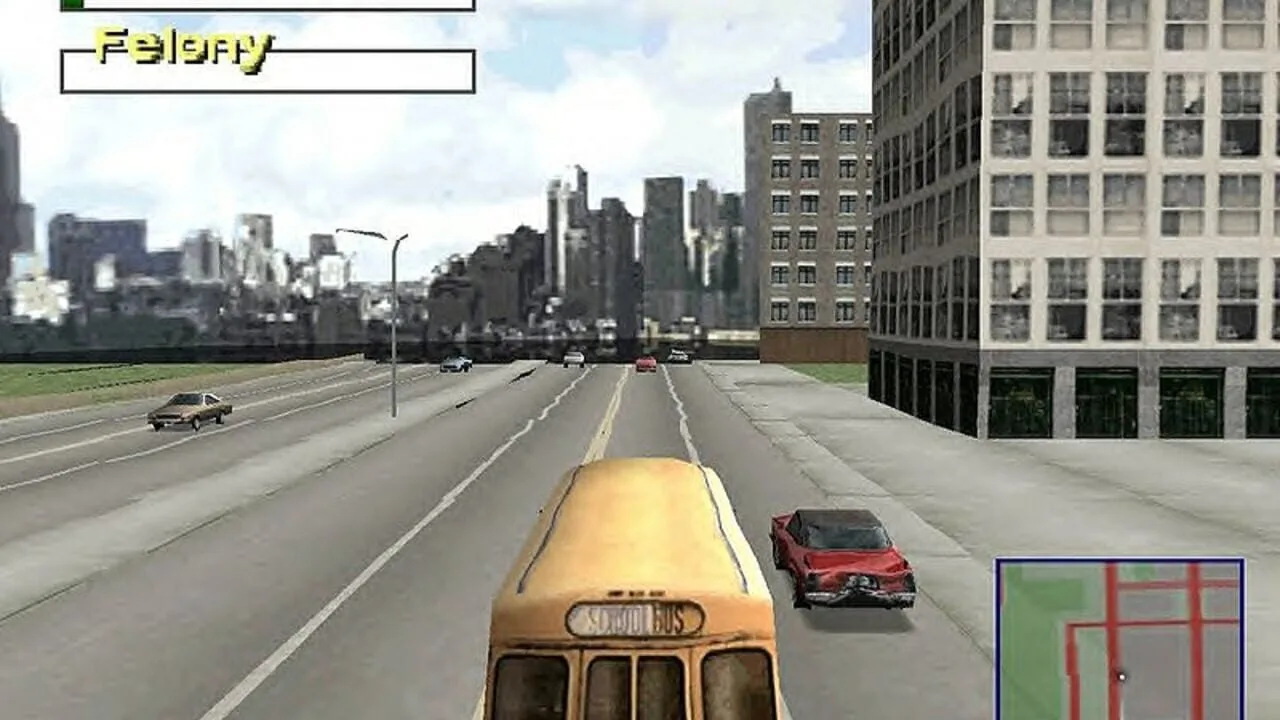
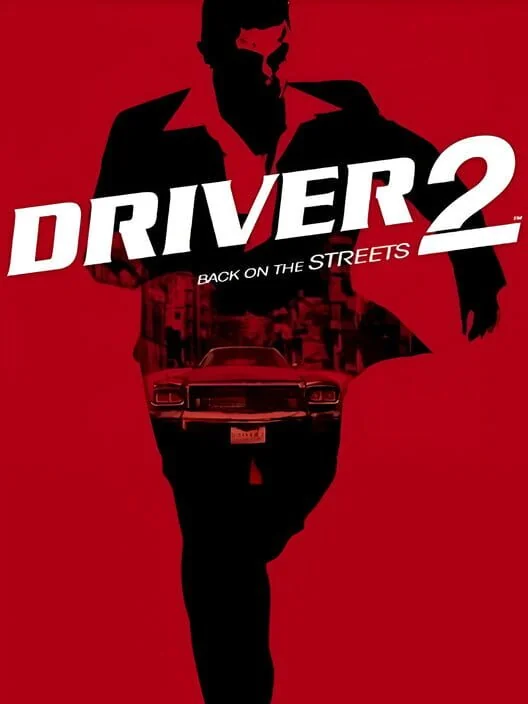
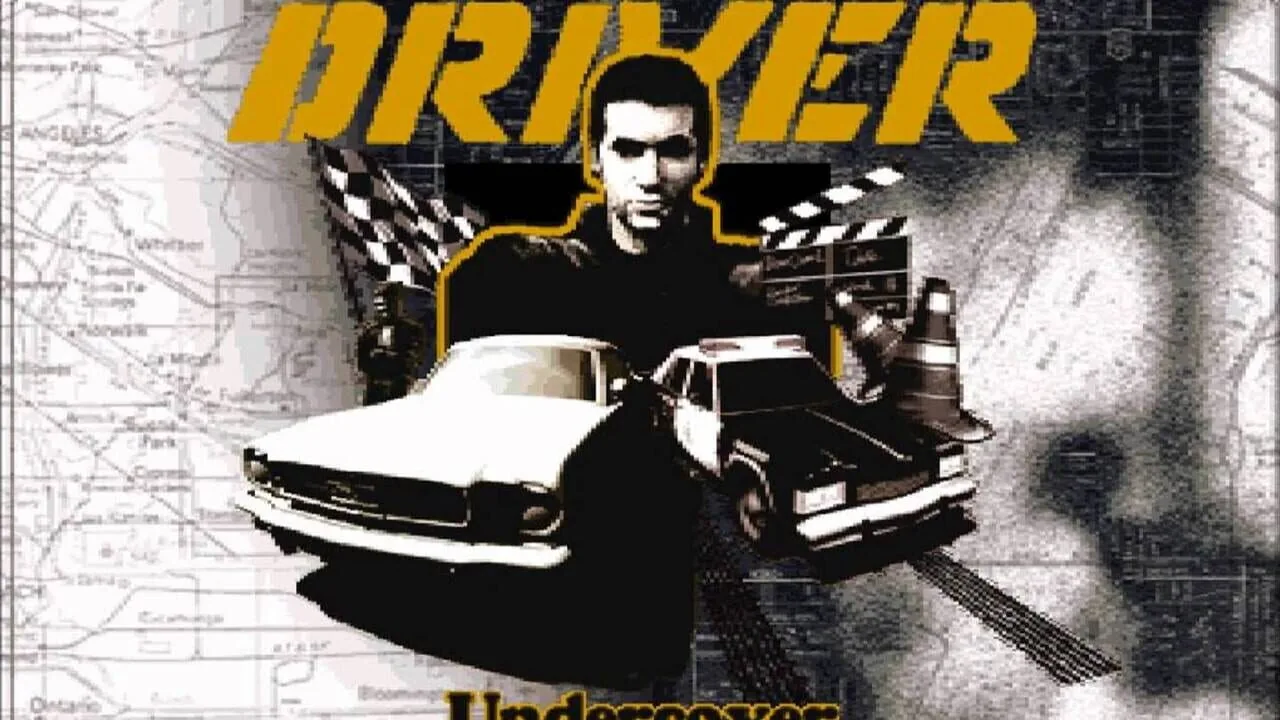
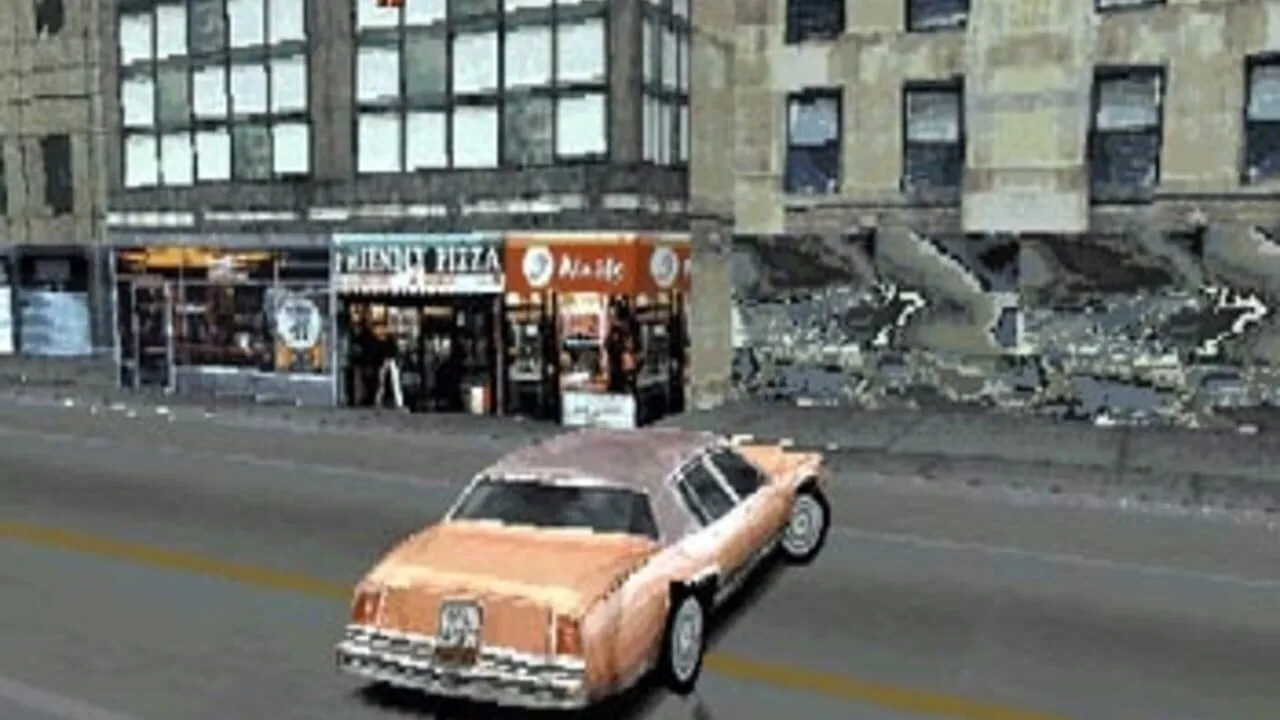
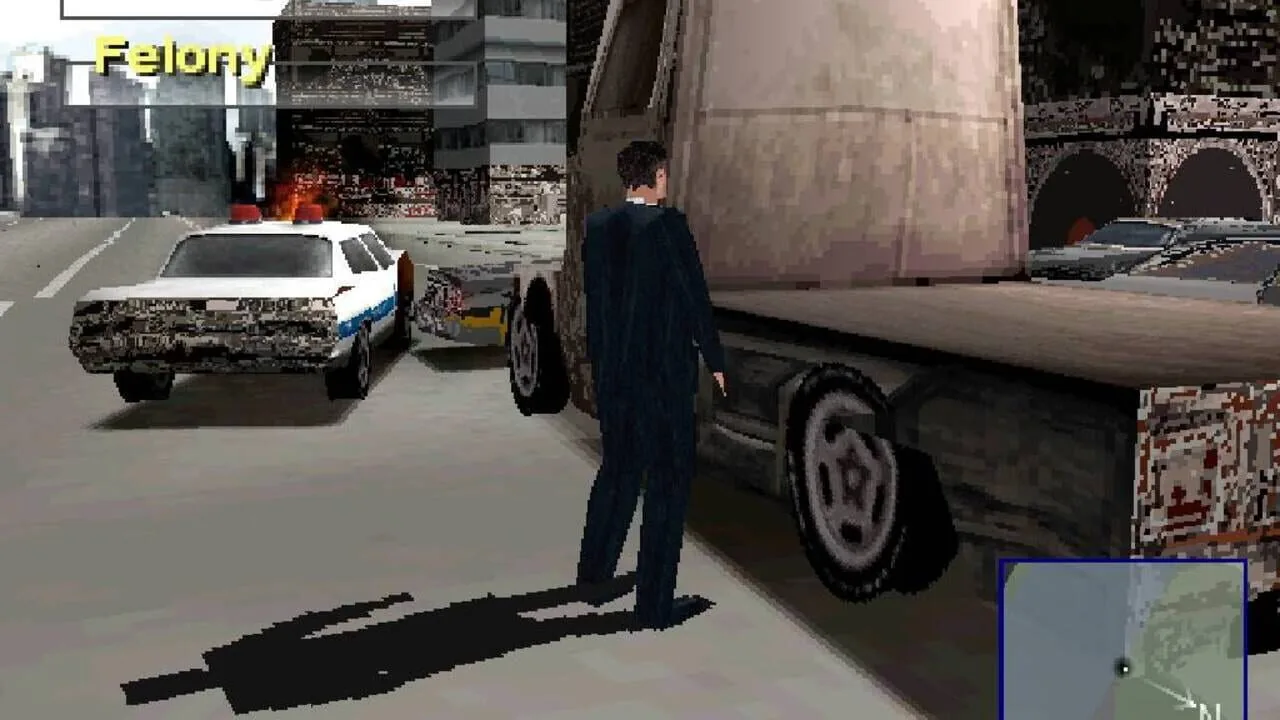
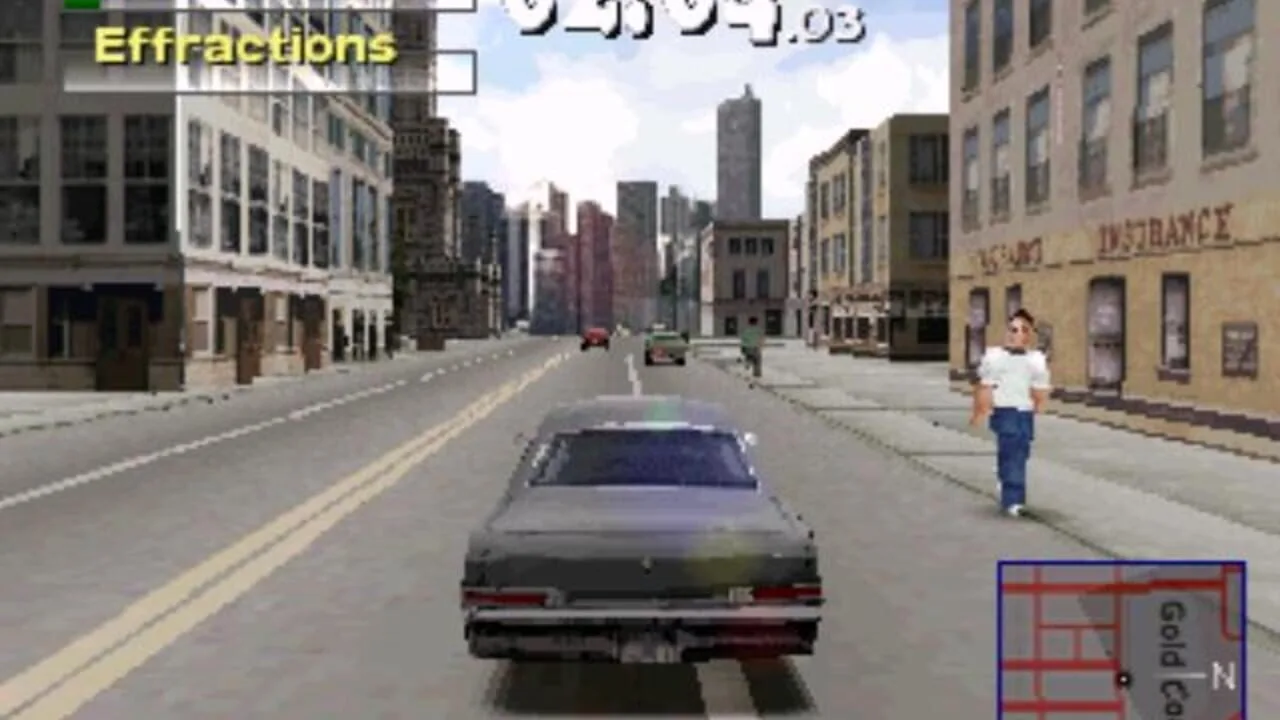
Driver 2: Back on the Streets is an open-world driving and action game developed by Reflections Interactive and published by Infogrames in 2000 for the PlayStation. It is the sequel to Driver and follows undercover cop Tanner and his partner Jones as they investigate a crime syndicate. The game introduces the ability for players to exit vehicles and explore environments on foot. Missions take place across four cities: Chicago, Havana, Las Vegas, and Rio de Janeiro. Gameplay combines story-driven objectives with free-roaming exploration.
95. Fighting Force (1997)
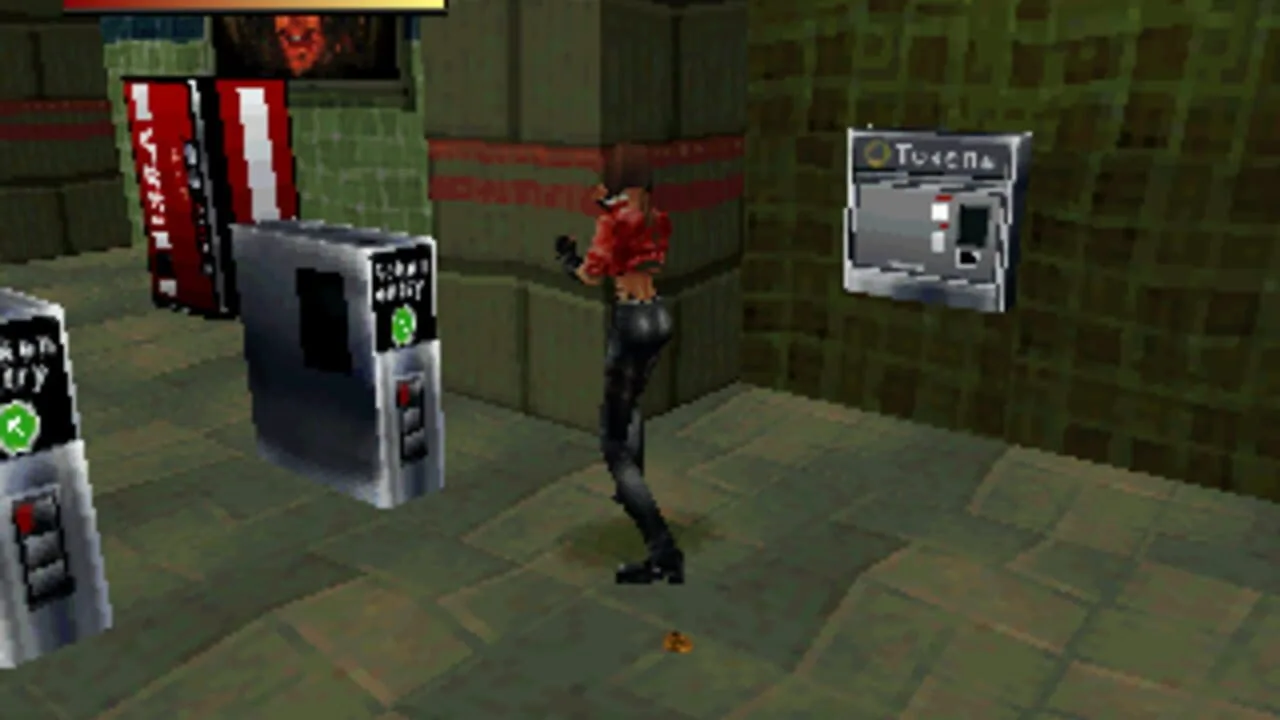
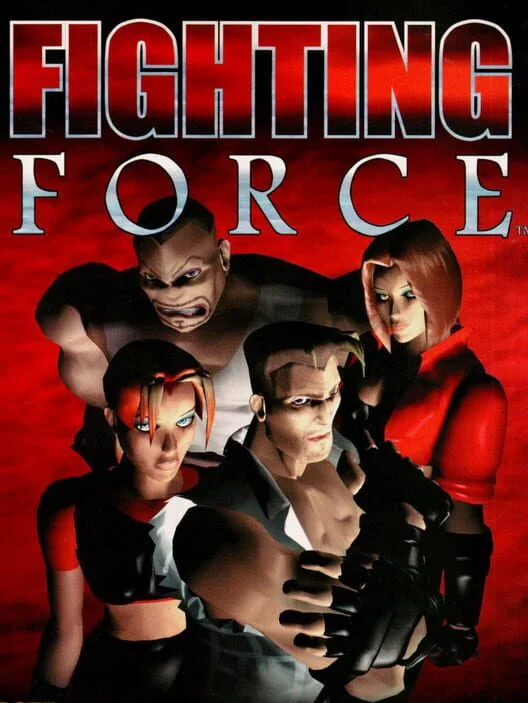
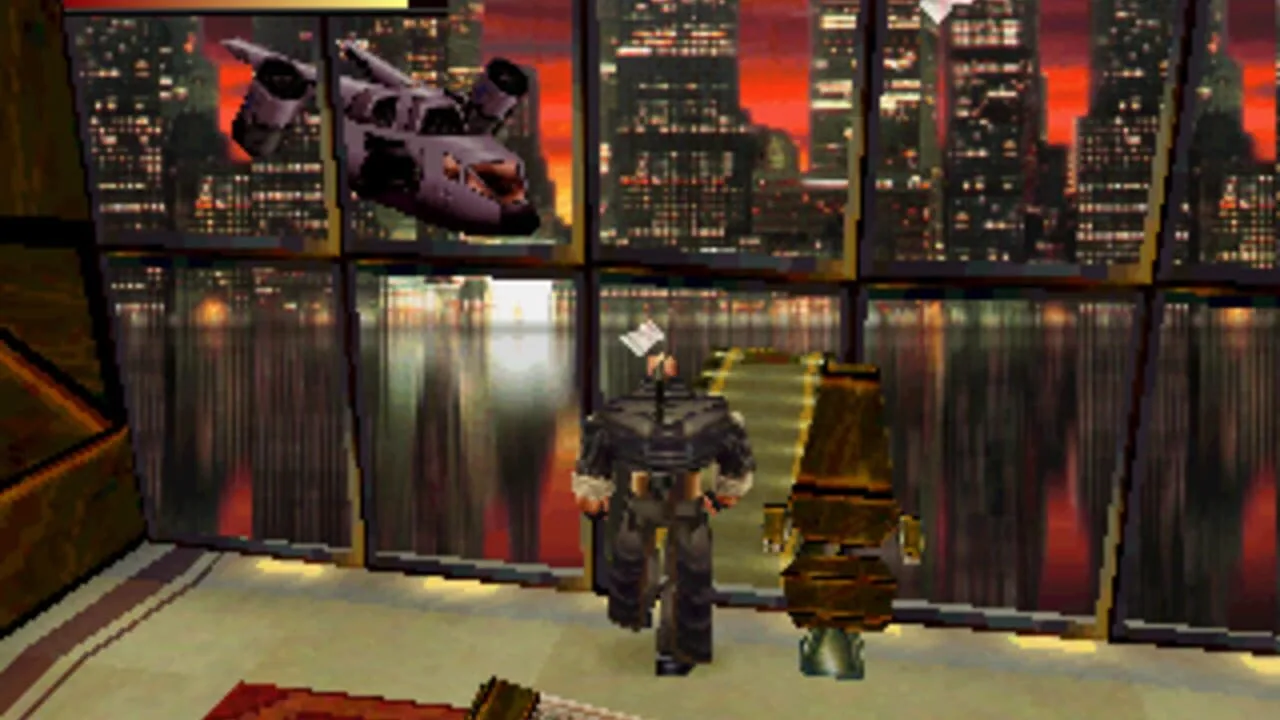
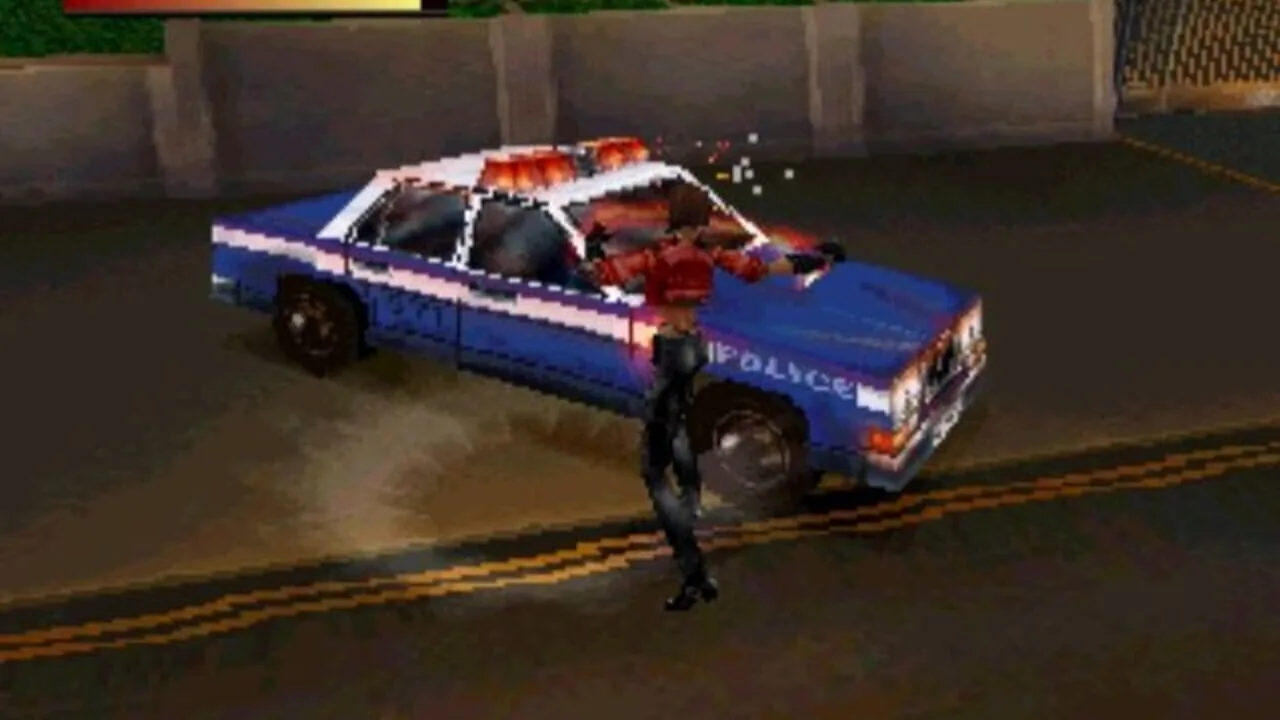
Fighting Force players control one of four characters. They move through urban and science fiction environments, battling waves of oncoming enemies with weapons ranging from fists and bottles to knives, chairs and guns. The player can make some choices as to which territory to travel through.
The four characters have various reasons for taking on Dr. Zeng, a criminal mastermind with an army at his command. The action starts with a police cordon around Zeng's office skyscraper, moving to such locales as a shopping mall, subway and Coast Guard base before finally ending at the top of Zeng's island headquarters.
94. Grand Theft Auto 2 (1999)
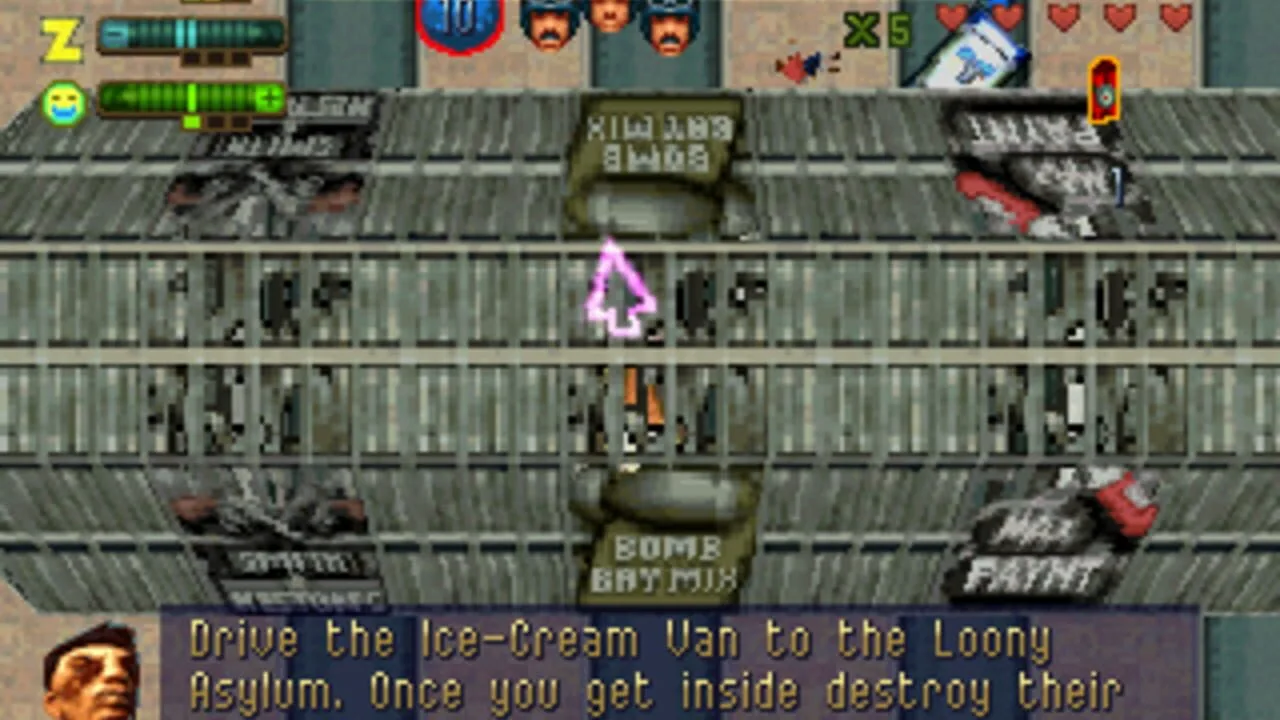
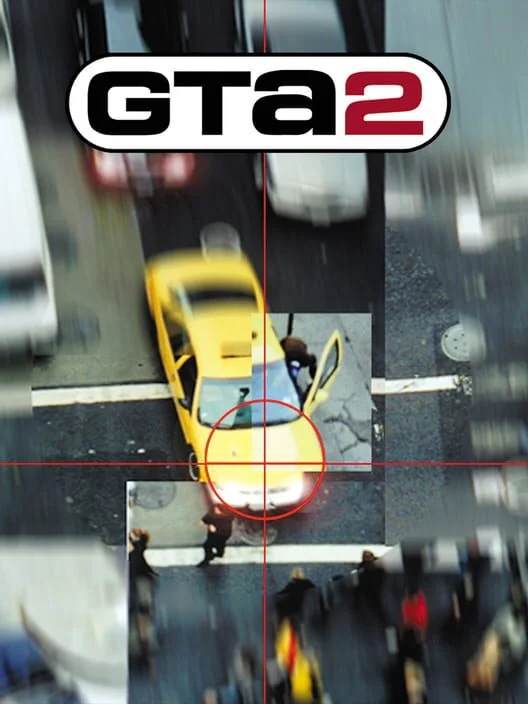
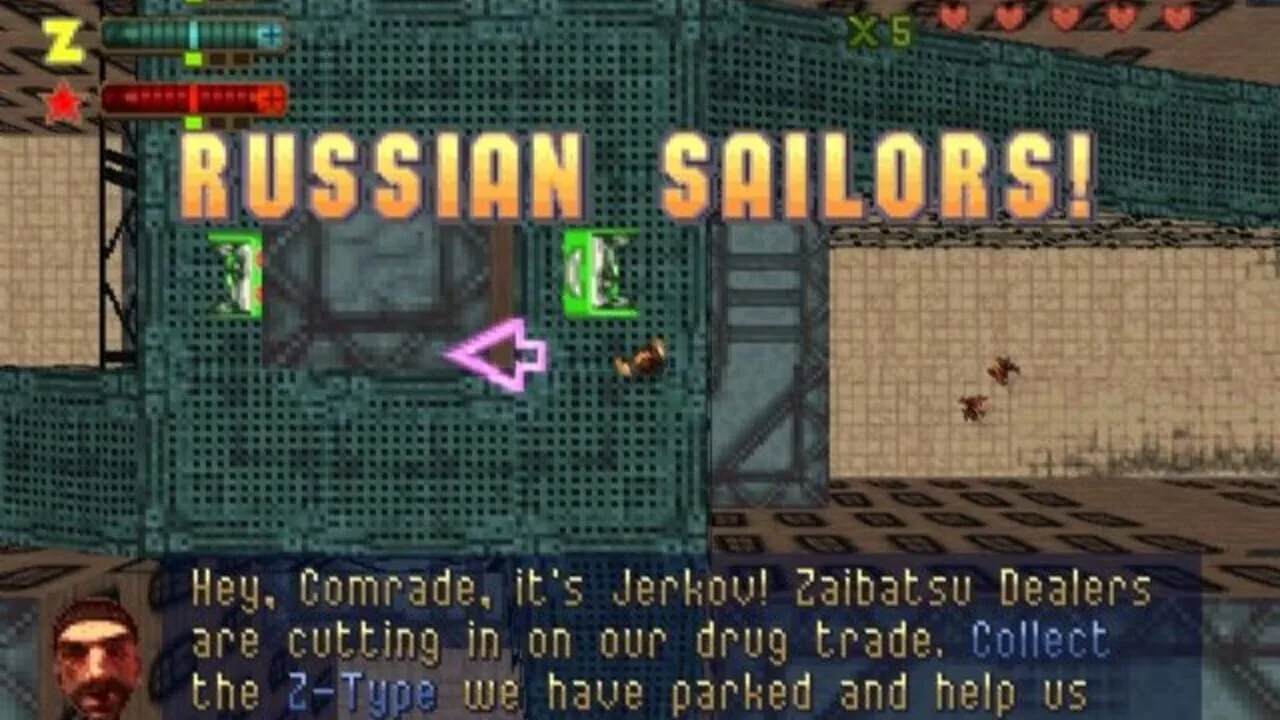
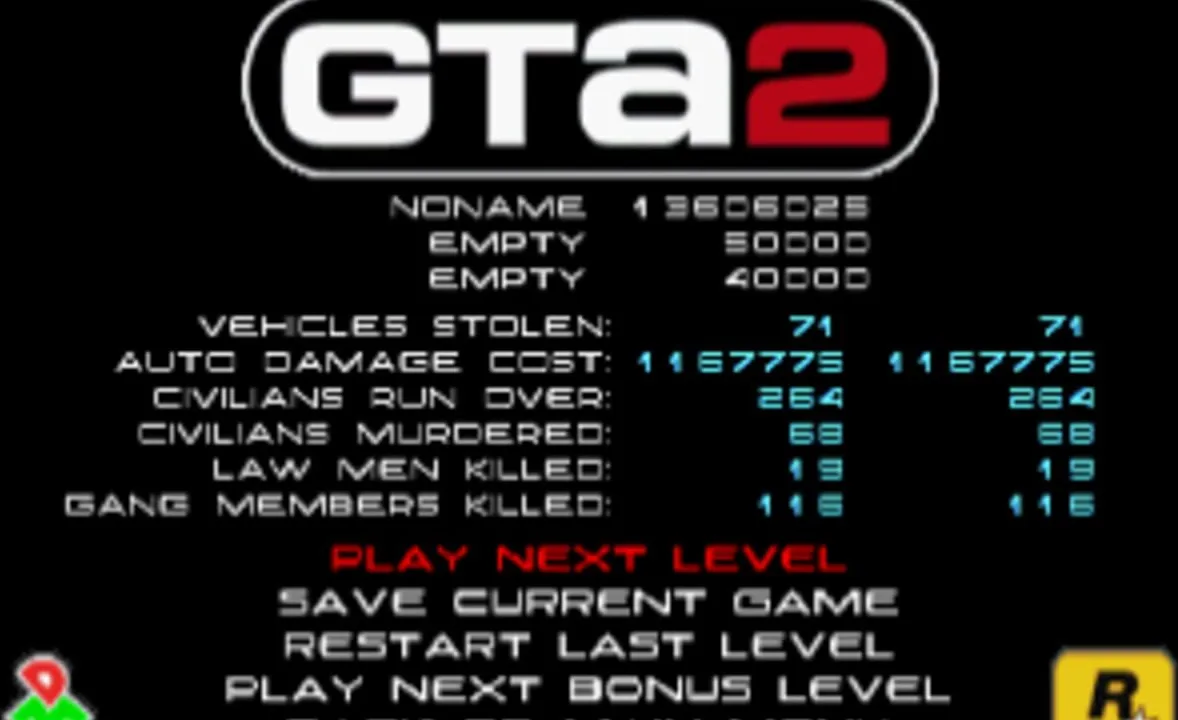
The PSX port of Grand Theft Auto 2 is an open world action-adventure video game. It is the sequel to Grand Theft Auto, part of the Grand Theft Auto series. The open world design lets players freely roam Anywhere City, the setting of the game.
93. Team Buddies (2000)
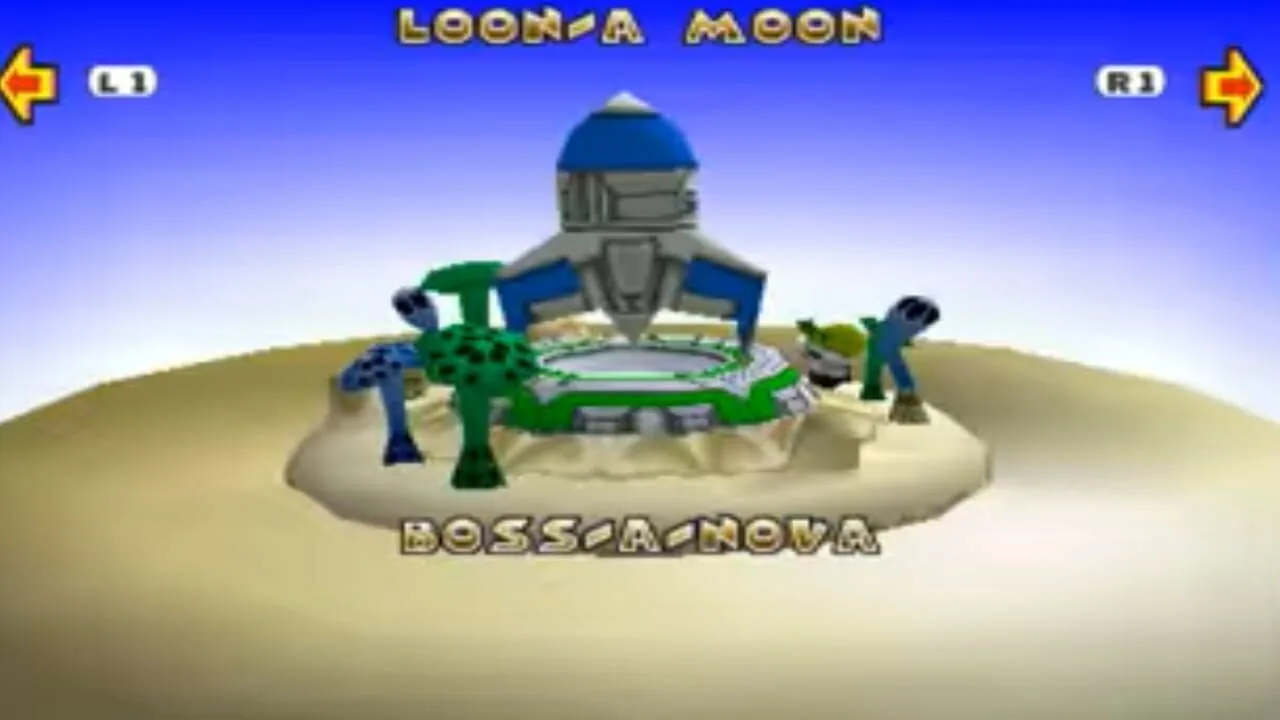
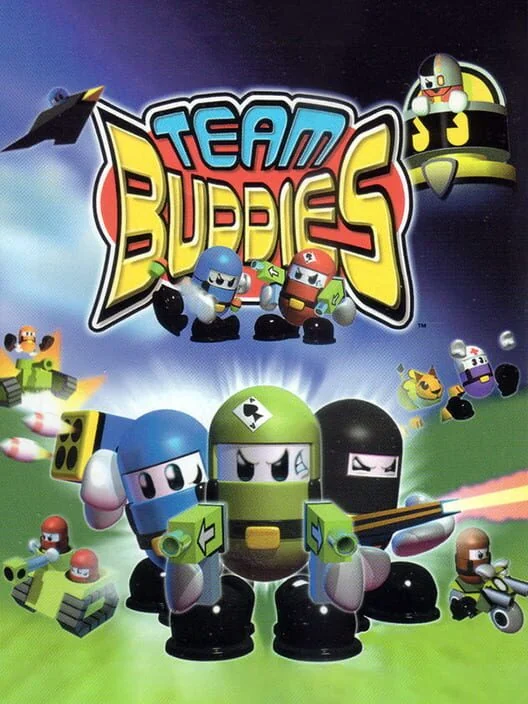
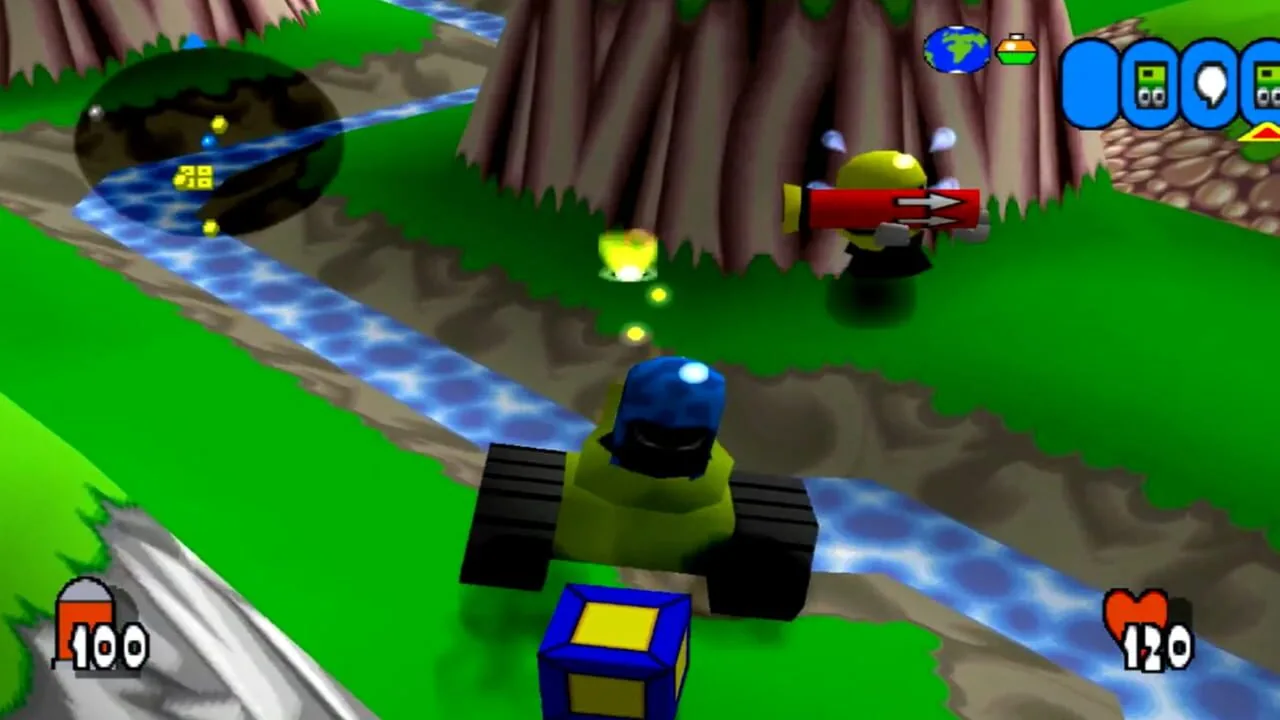
One fine and sunny day in the land that Buddies roam, there was a great and mighty disco in a tent. This tent would bob up and down with the music. All of a sudden, a large, flat, grey, flying THING blocked out the sun (The Great Eclipse) and began to drop crates. These crates were filled with all sorts of goodies such as Uzis and Bazookas. Inevitably, chaos broke out and the buddies became segregated according to color.
92. Wipeout 3 (1999)

The third release of Psygnosis's seminal anti-grav racing series, and also the first game from the series to remain exclusive to the PlayStation. Set in the "F7200 Anti-Gravity Racing League", players control anti-gravity racing craft to eliminate competitors and complete events across a futuristic urban metropolis.
91. Silent Bomber (1999)
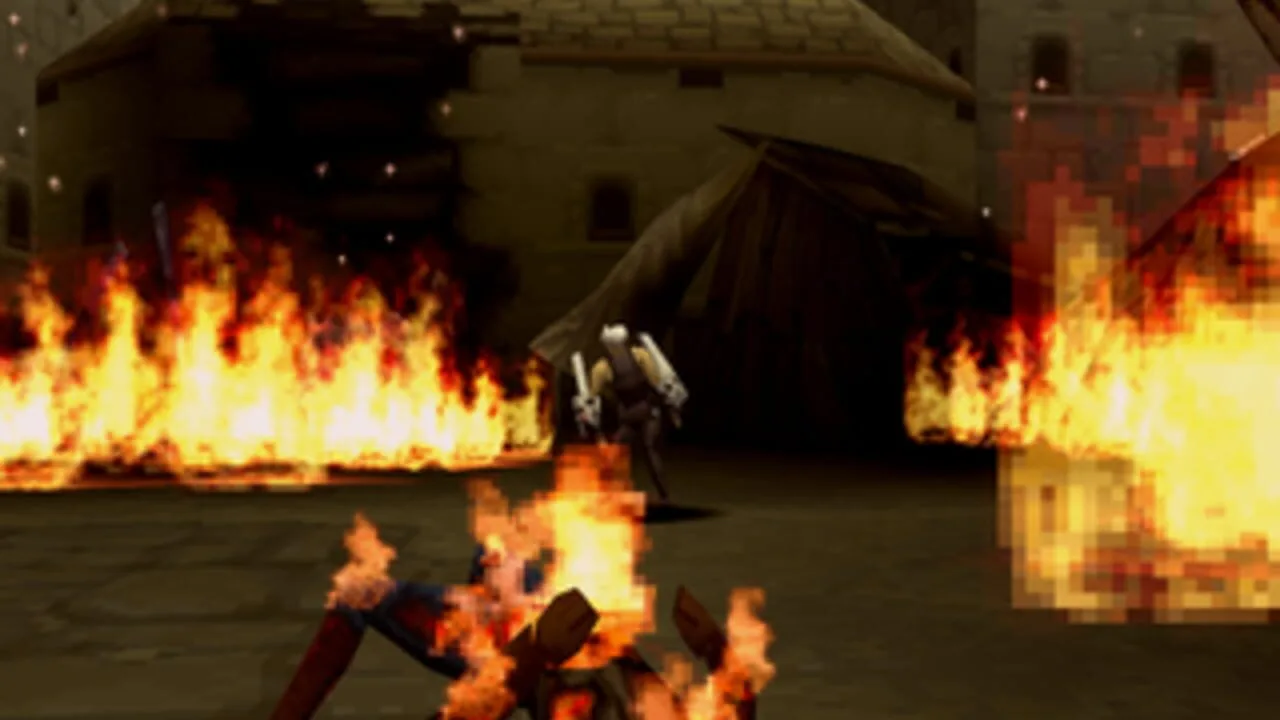
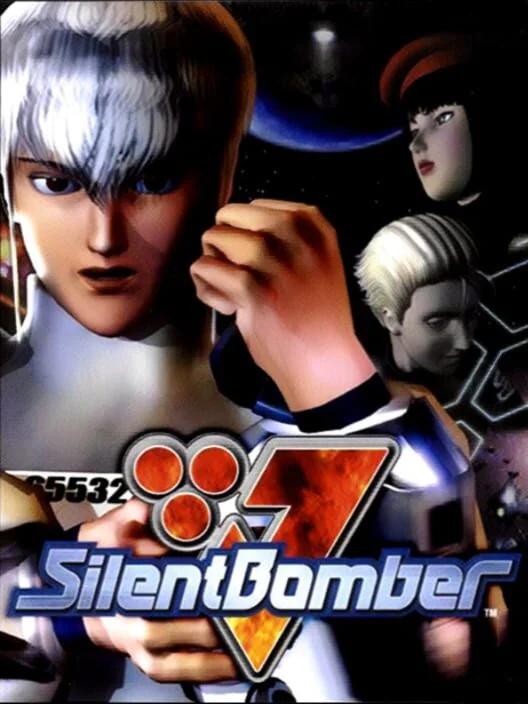
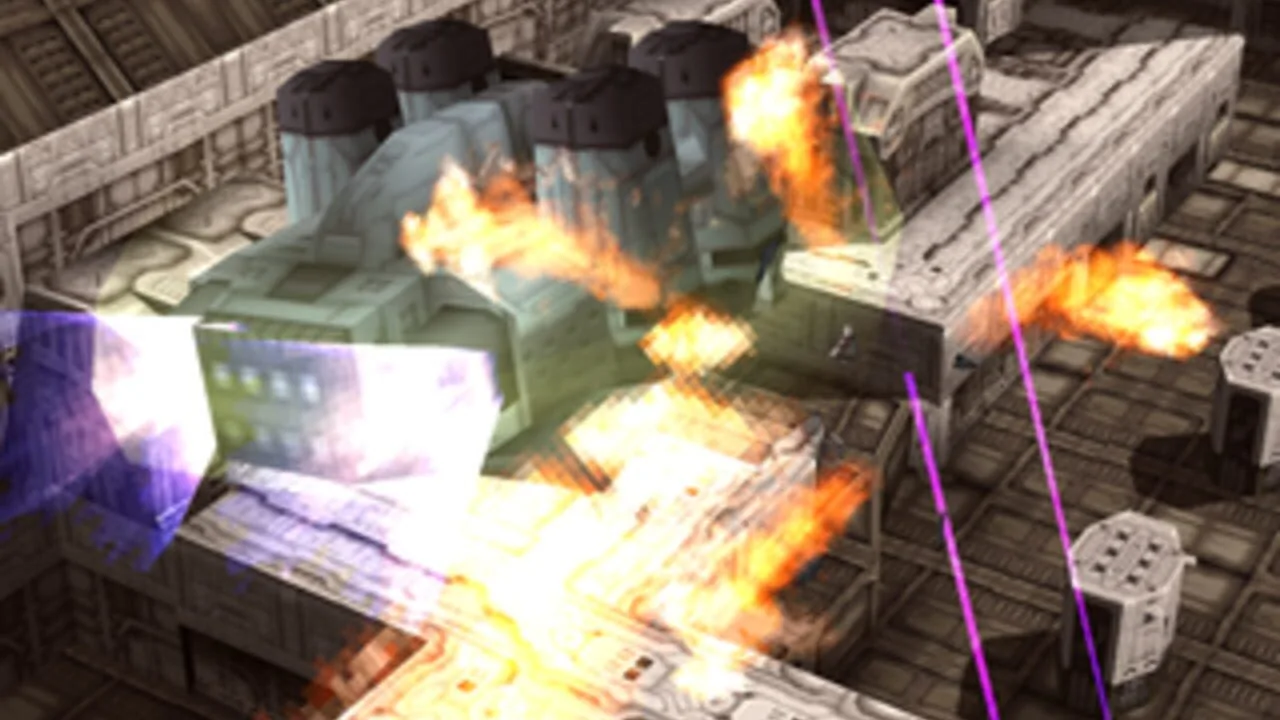
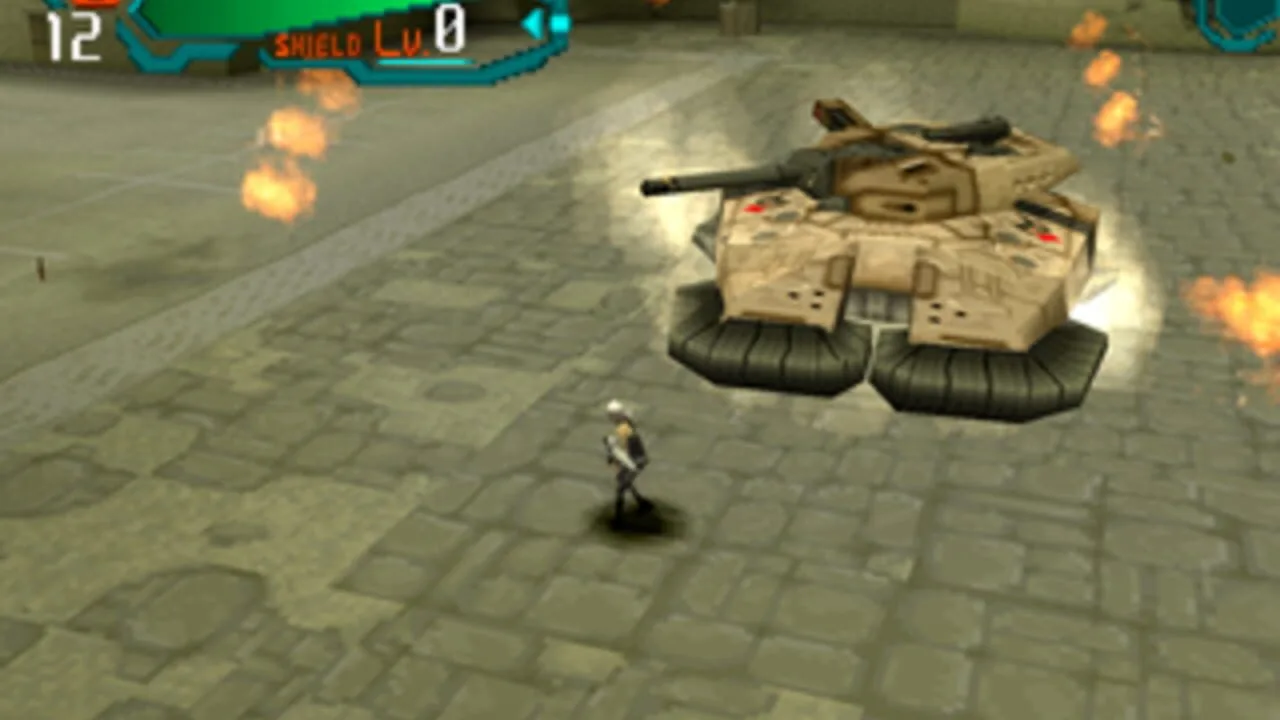
Silent Bomber is an old school style game which takes place in the future. You play as a character named Jutah Fate, a genetically engineered man created by the government. You're an expert at using bombs. You start out being able to set only a few bombs at a time, but eventually you can increase the number by collecting E-Chips. It's a fast paced game of blowing things up before they blow you up.
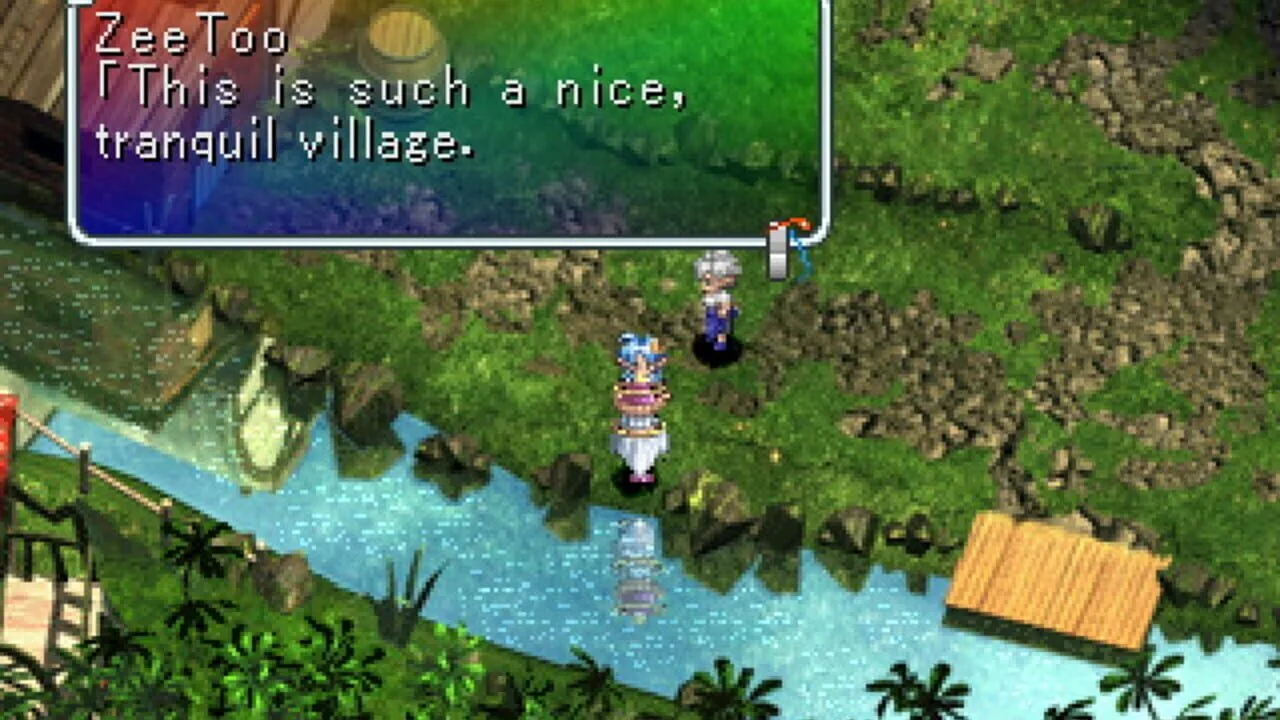
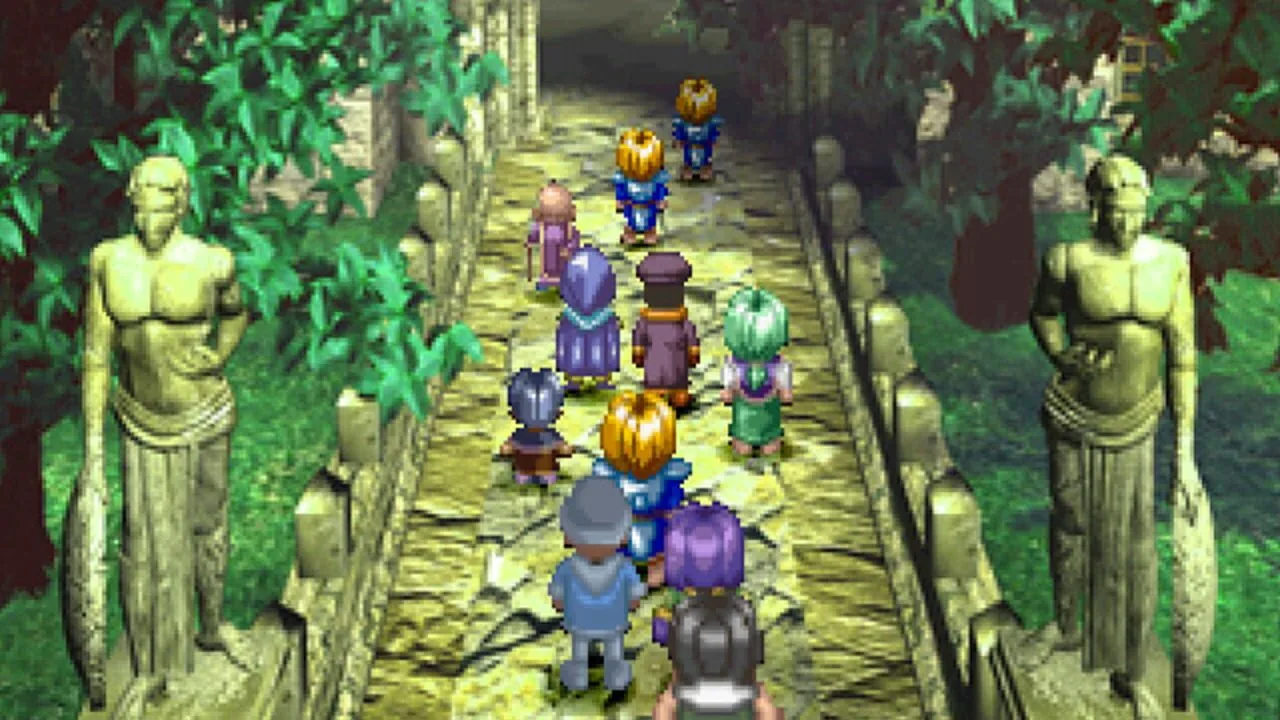
90. Star Ocean: The Second Story (1998)
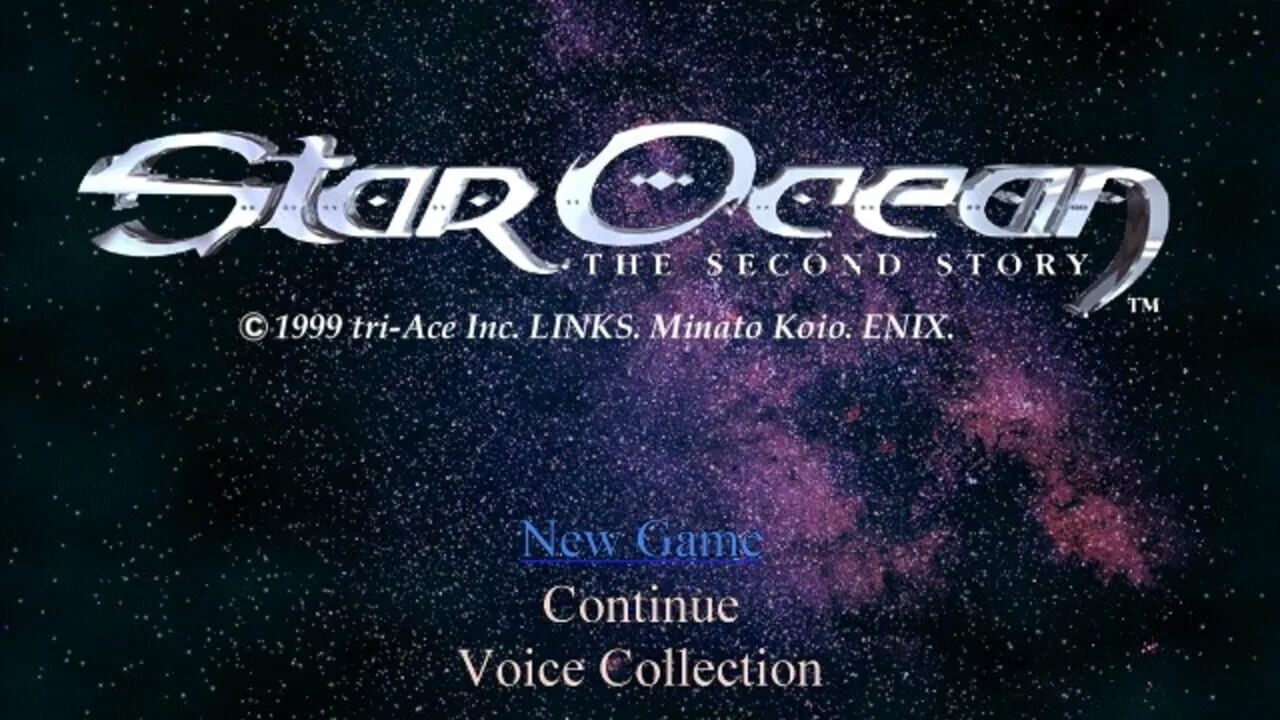
The first "Star Ocean" released outside of Japan. It was later re-released on the PSP under the name "Star Ocean: Second Evolution".
89. Heart of Darkness (1998)
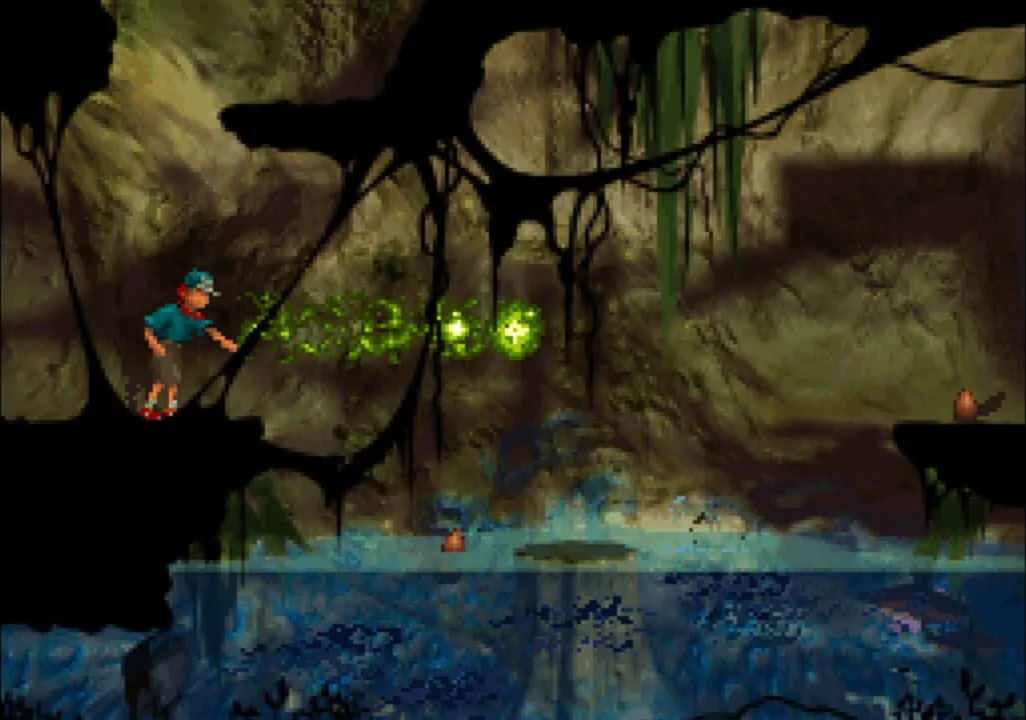
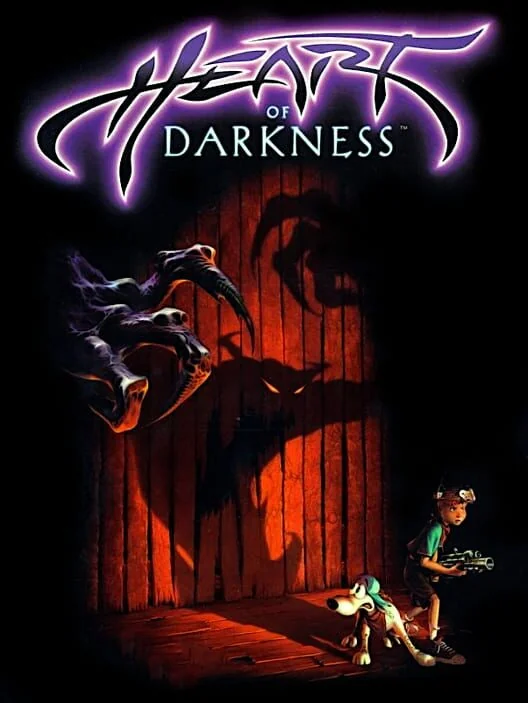
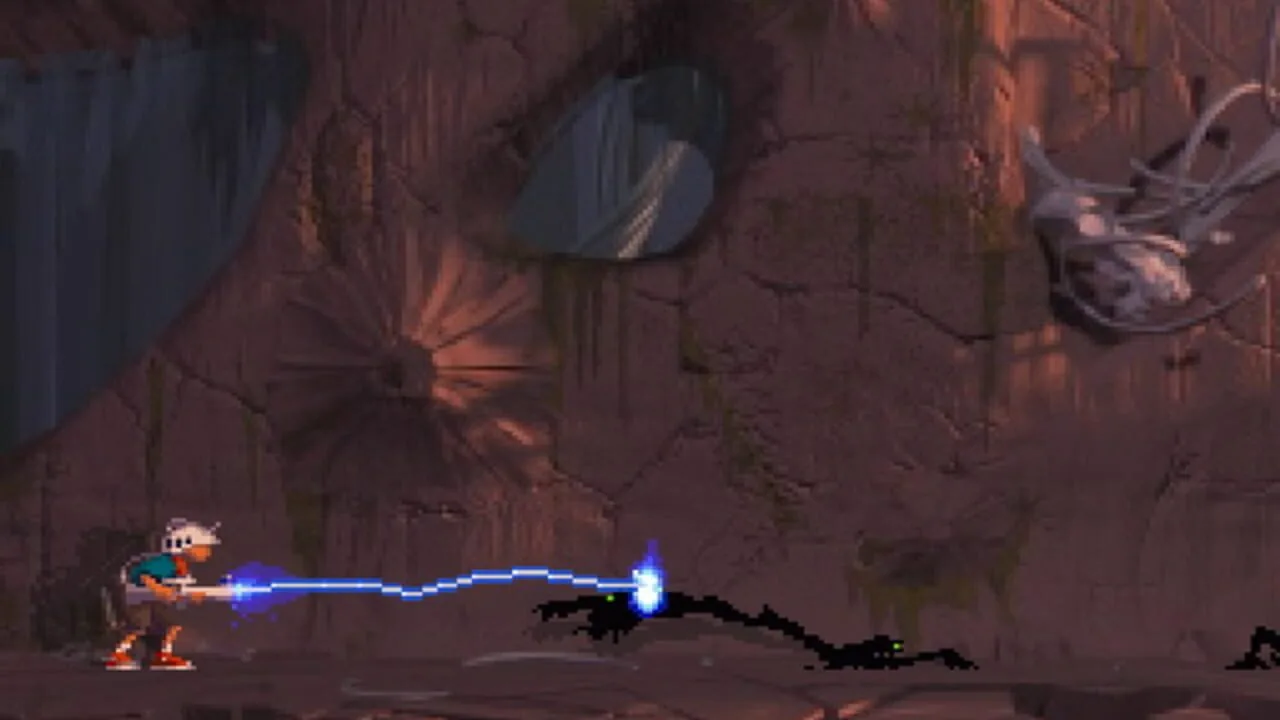
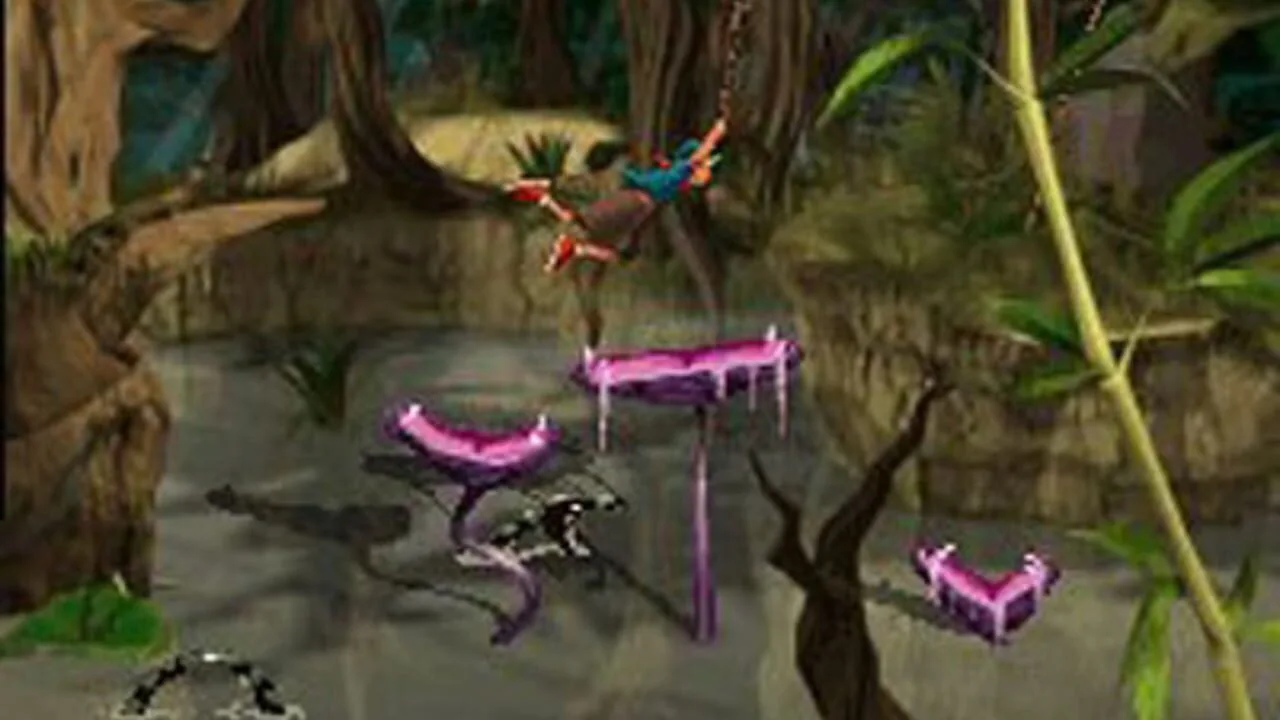
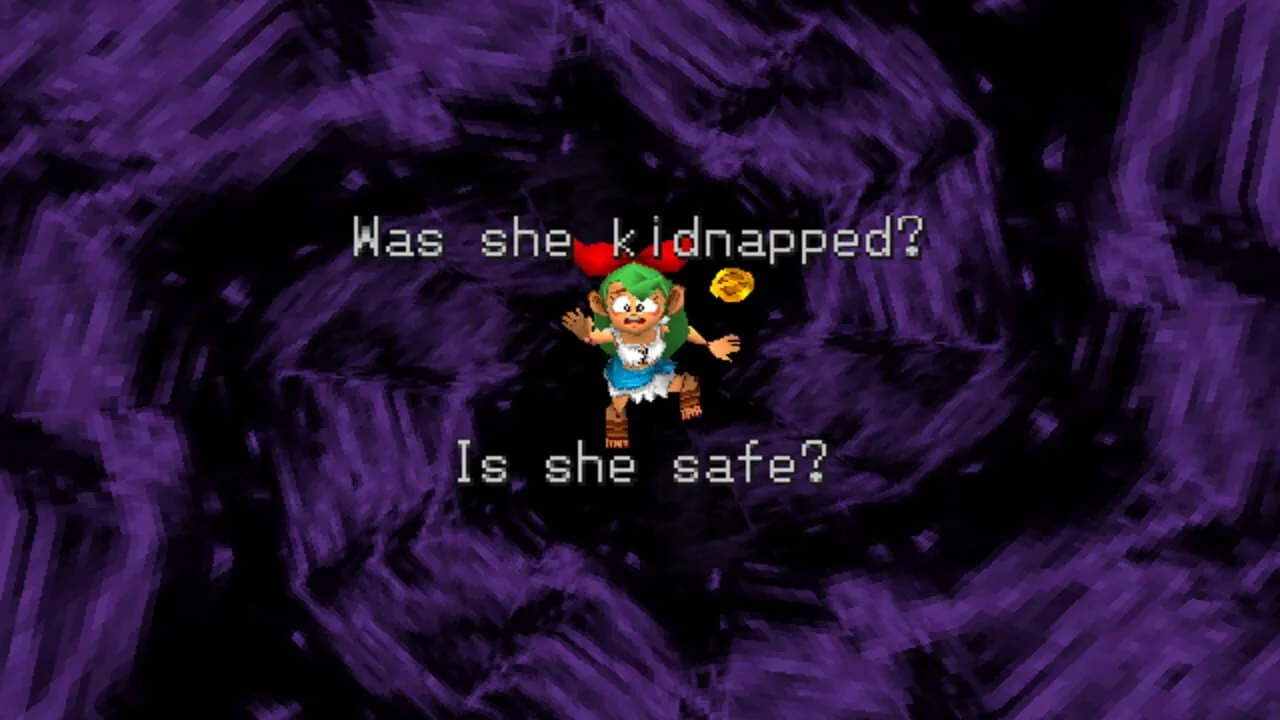
Heart of Darkness places players in the role of a child named Andy as he attempts to rescue his dog who has been kidnapped by creatures known as The Dark Souls. The game has about half an hour of storytelling cinematic sequences, thousands of 2D animated frames, and uses pre-rendered background scenery. The game was supervised by game developer Éric Chahi, known for Another World, this time with a team of artists and developers. The game also features an original score by film and television composer Bruce Broughton.
A Game Boy Advance port was announced in 2001 but it was never released.
88. Koudelka (1999)
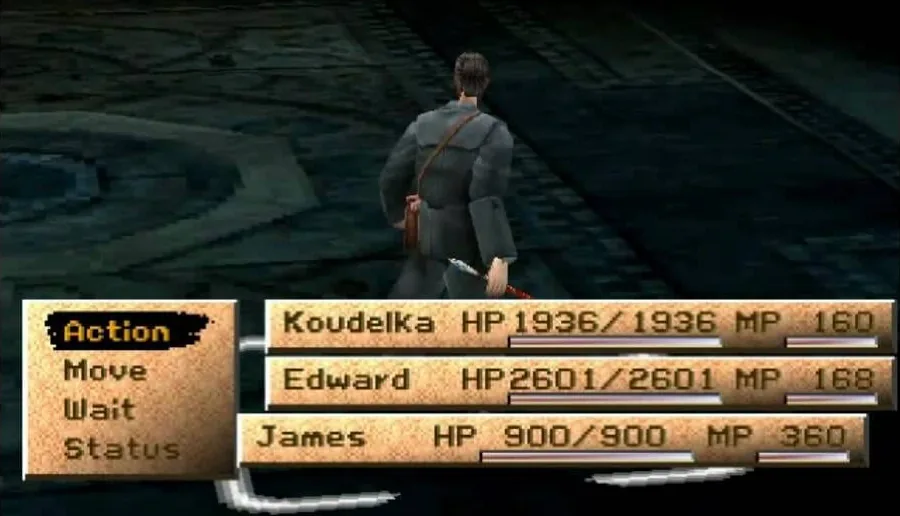
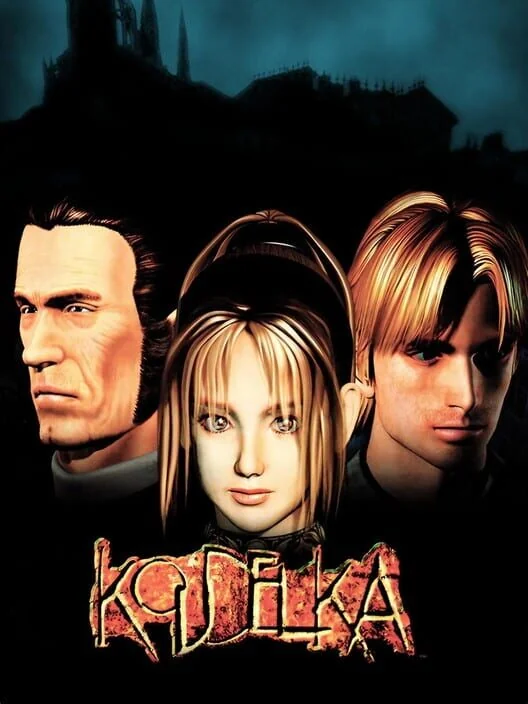
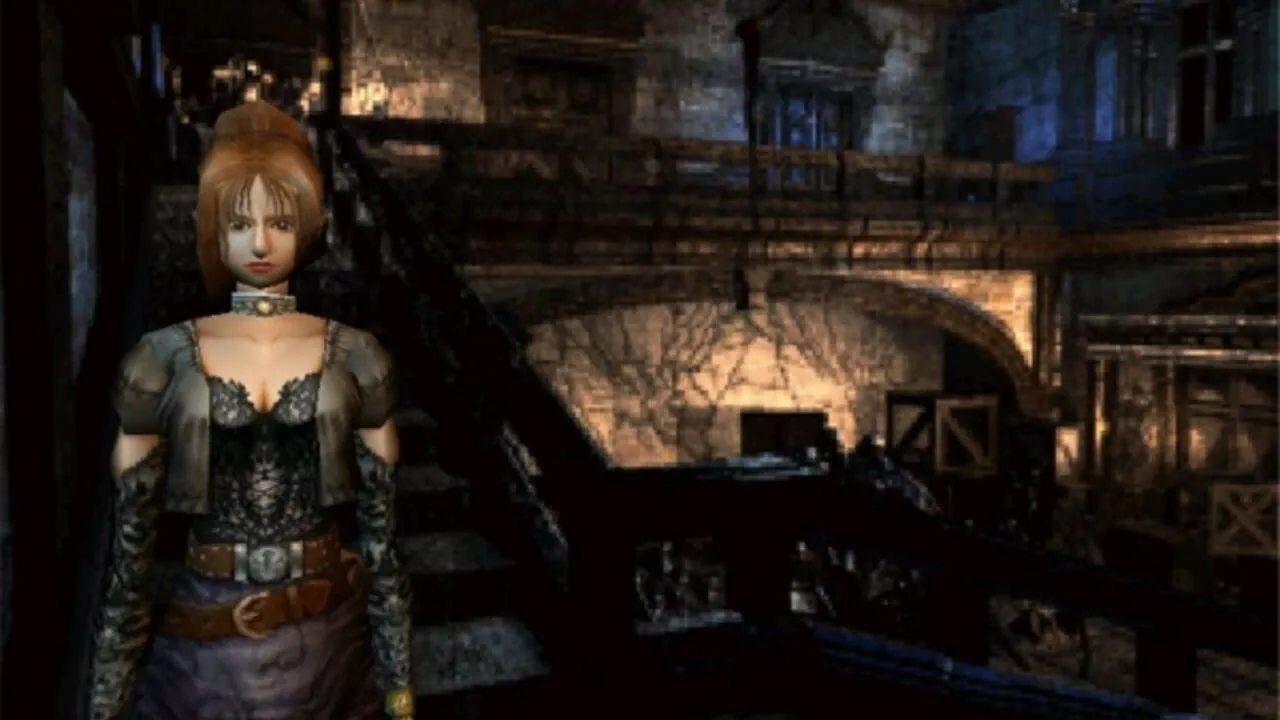
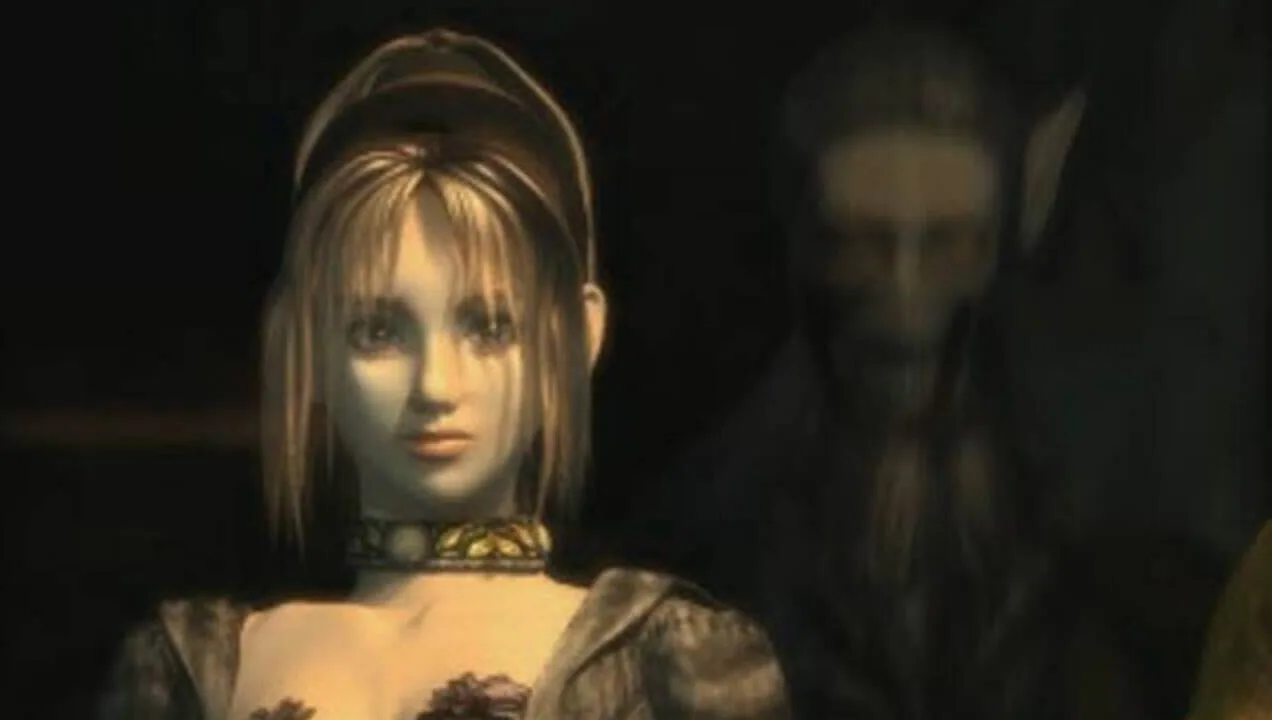
Koudelka is the precursor (prequel) to Sacnoth's Shadow Hearts series. Shadow Hearts takes place in the Koudelka universe and features various locales and characters from Sacnoth's debut work.
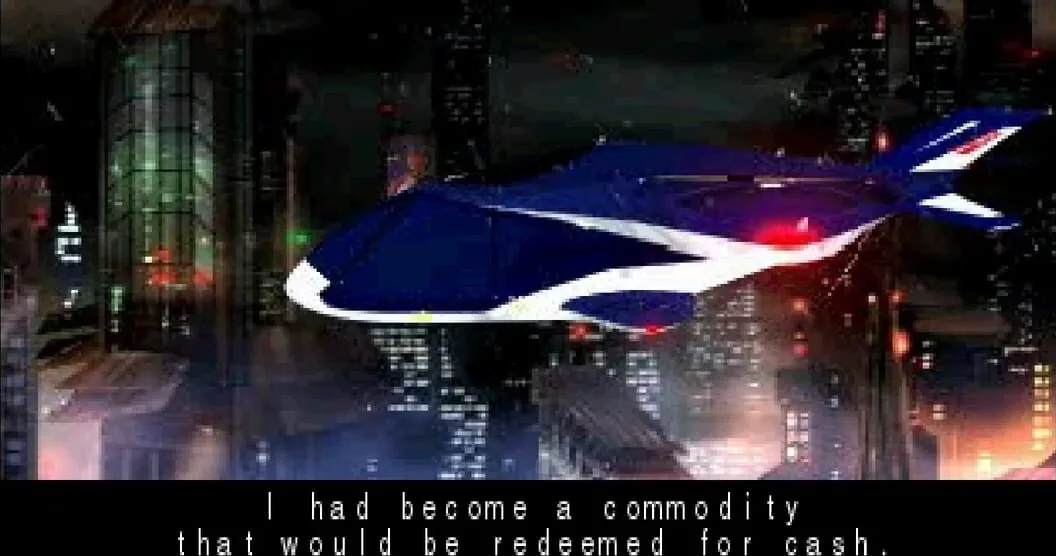
87. Fear Effect (2000)
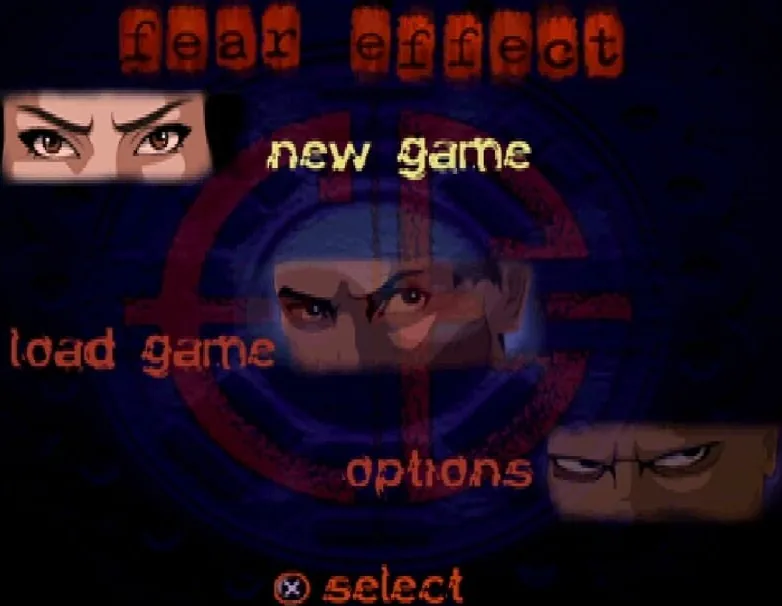
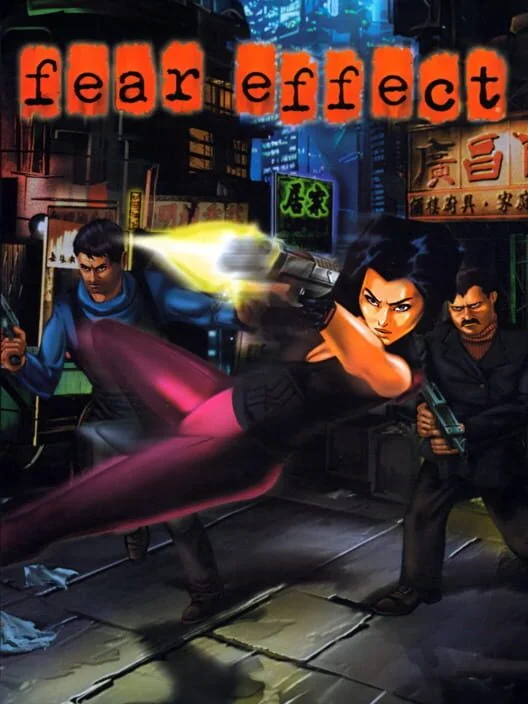
Fear Effect is an action adventure waiting to unfold! Wee Ming Lam disappears a few days before her 18th birthday under mysterious circumstances. Three ruthless mercenaries conspire to track her down and ransom her off to her father, Mr. Lam, a powerful Triad leader in Hong Kong. An extortion mission to retrieve Wee Ming Lam becomes a lesson in survival against the most unimaginable of enemies.
86. Toy Story 2: Buzz Lightyear to the Rescue! (1999)
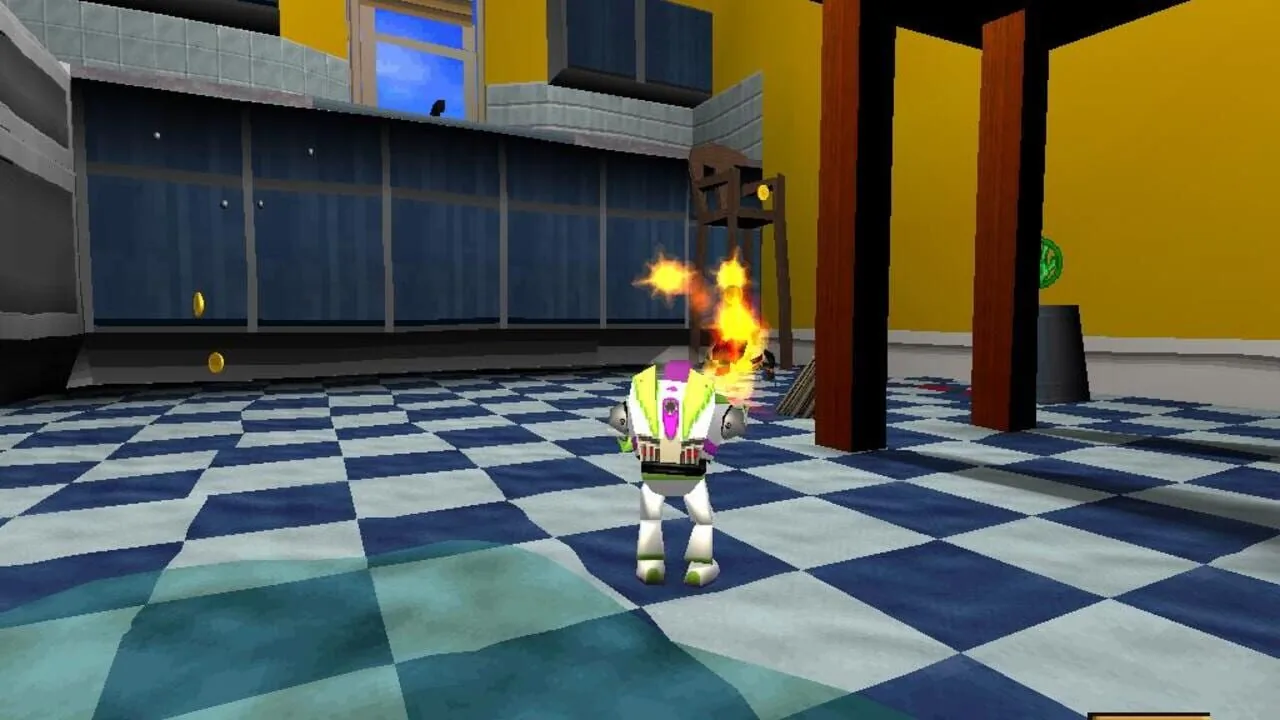
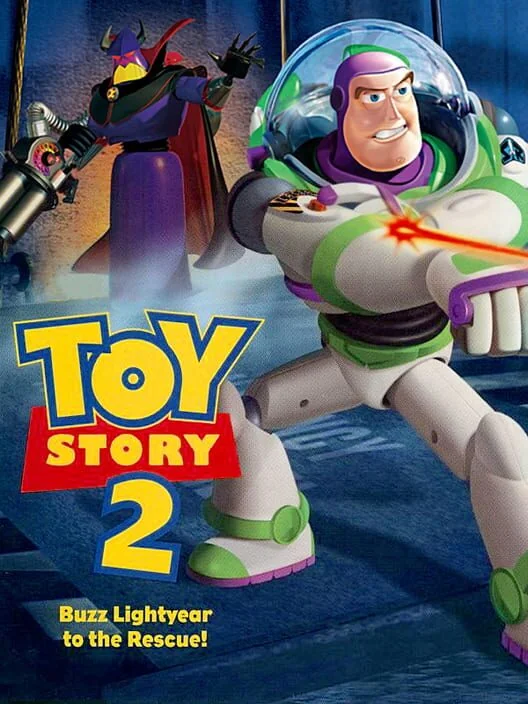
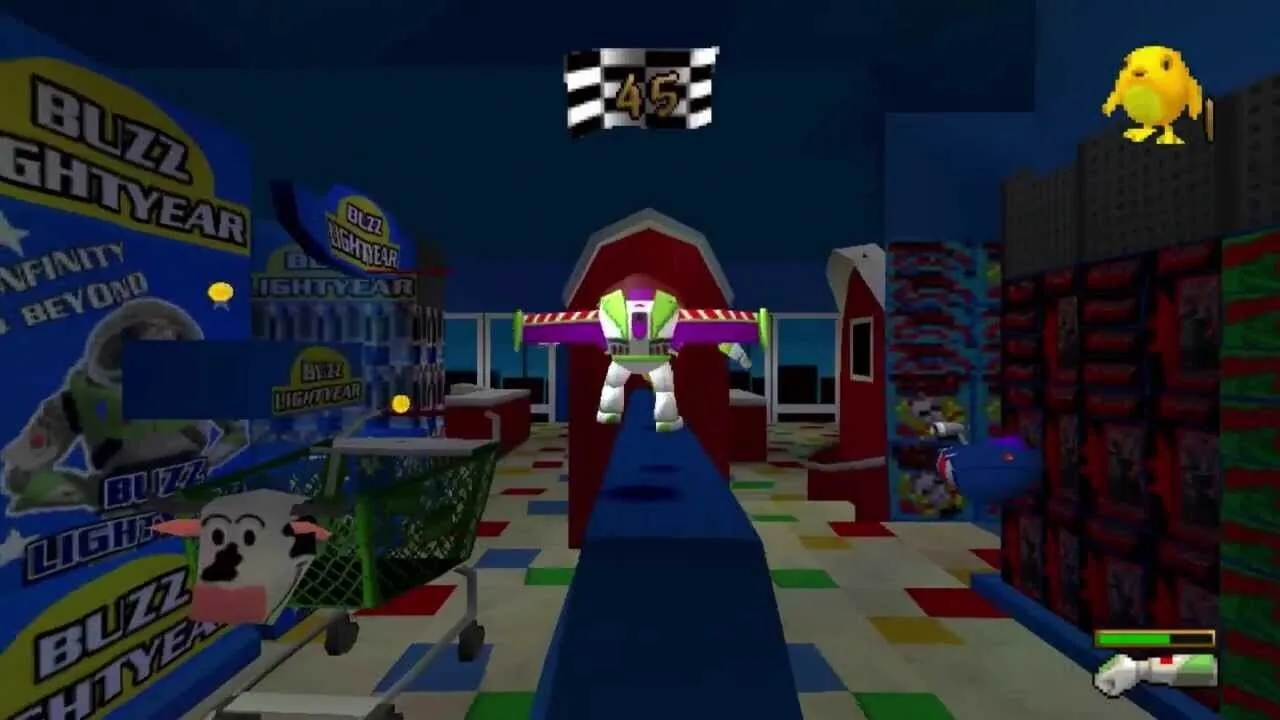
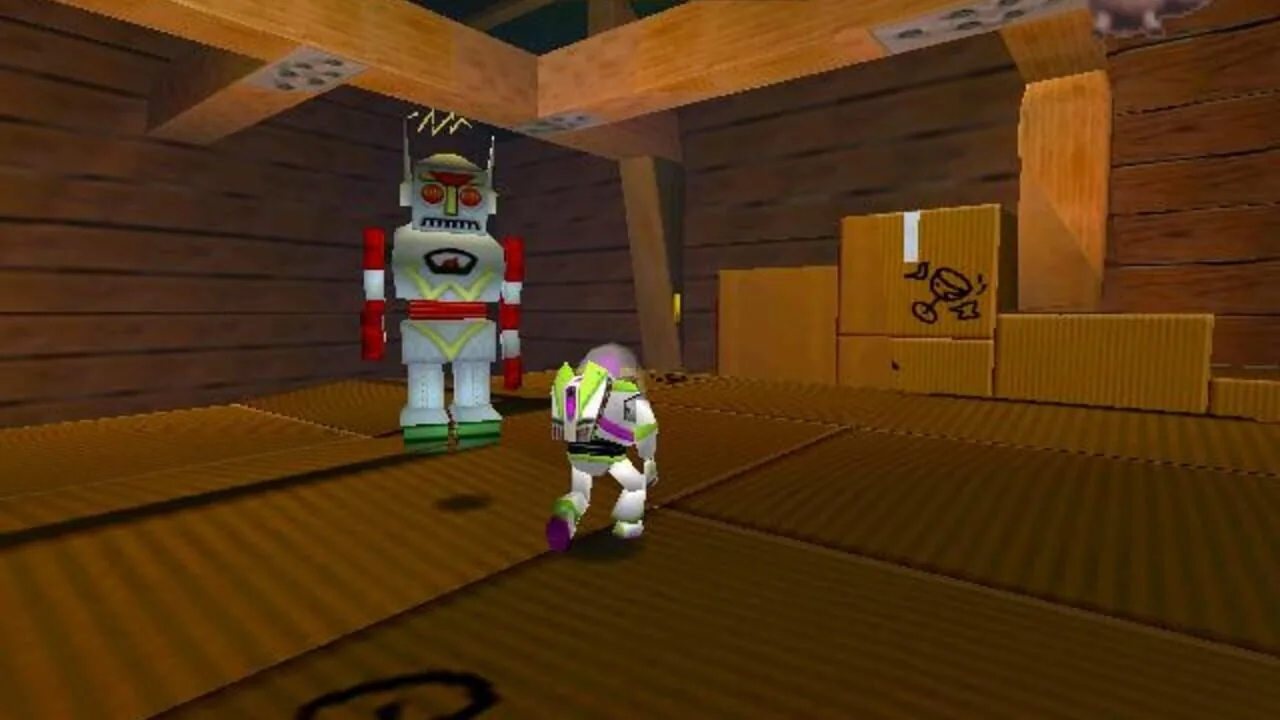
Woody has been stolen from the bedroom, ready to be sold to the highest bidder by an evil toy collector. It's up to good friend Buzz Lightyear to fight his way through from the bedroom to the outside world in order to save Woody from the toy market and bring him home. All of the character from the 3D animated movie appear through-out the side scroller to help Buzz get to where he is needed. Along with the use of his cannon, Buzz can jump to hard to reach places, also useful in collecting the hidden coins that open bonus levels.
85. Crash Bash (2000)
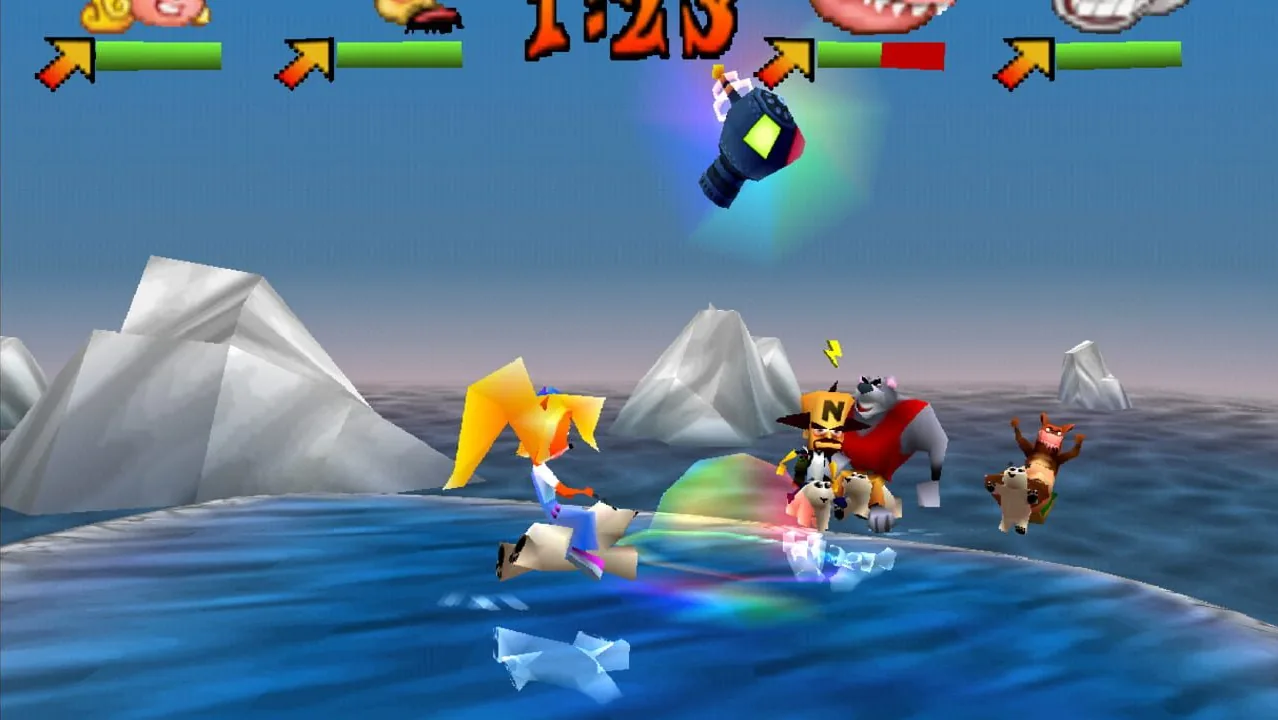
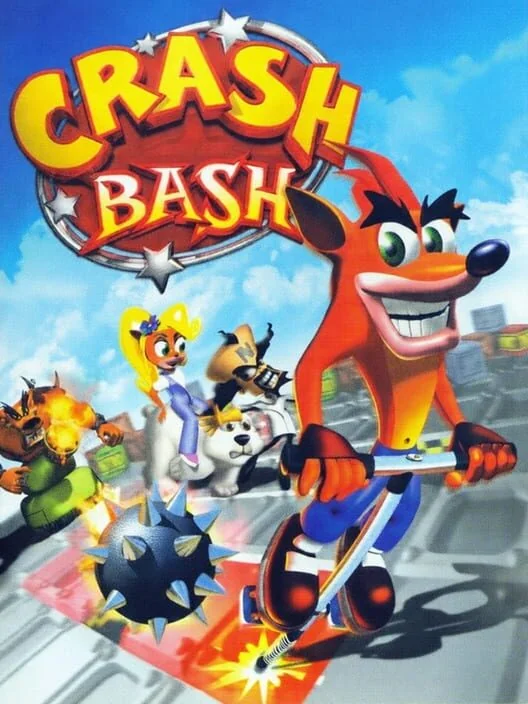
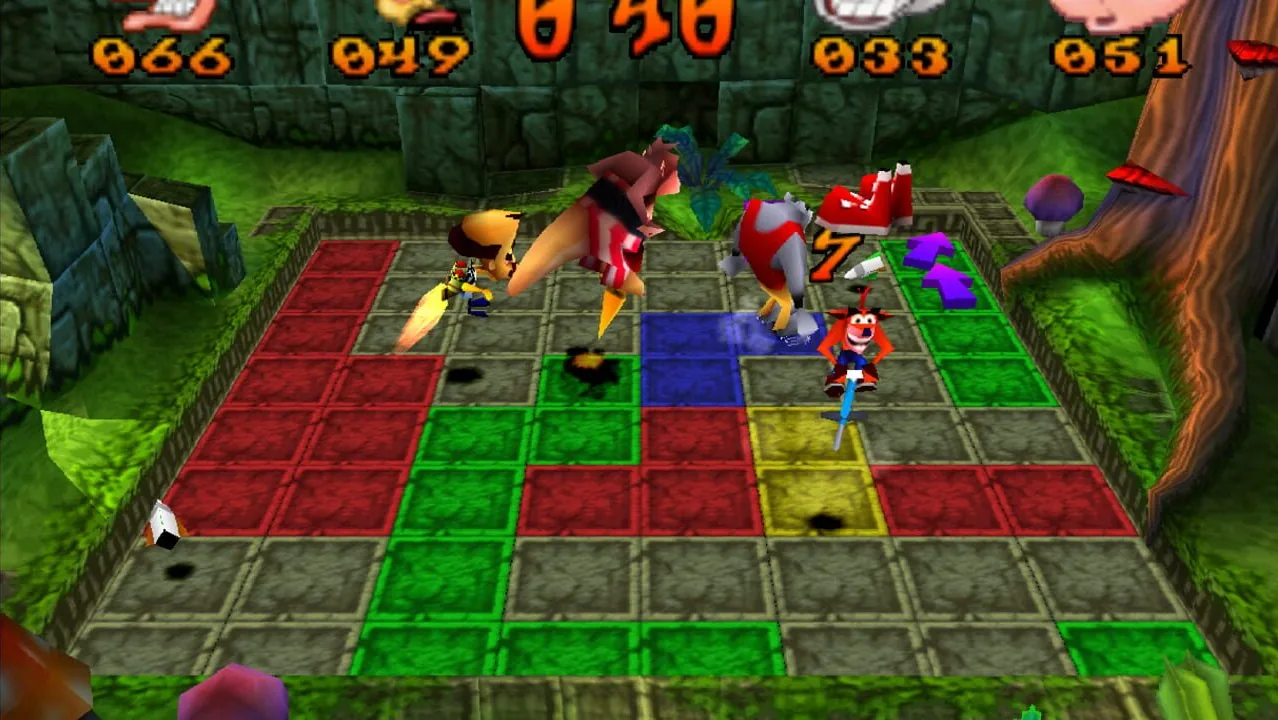
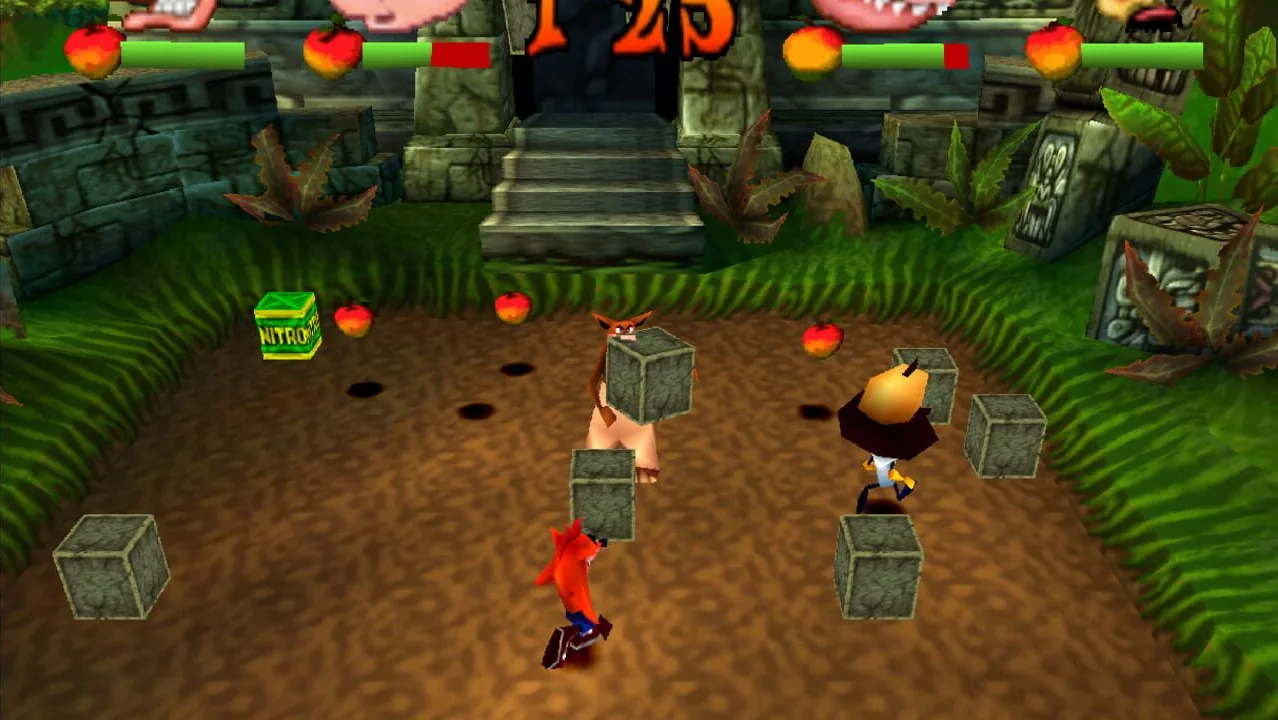
Crash Bash is a party game in which four people can play several mini-games as characters from the Crash Bandicoot series. The gameplay consists of 28 different mini-games and three distinct modes of play: Adventure, Battle, and Tournament. Crash Bash includes multiplayer compatibility for up to four human players with the use of the PlayStation Multitap. The games are organized from a central hub world from which spokes lead to different levels.
84. Vandal Hearts (1996)
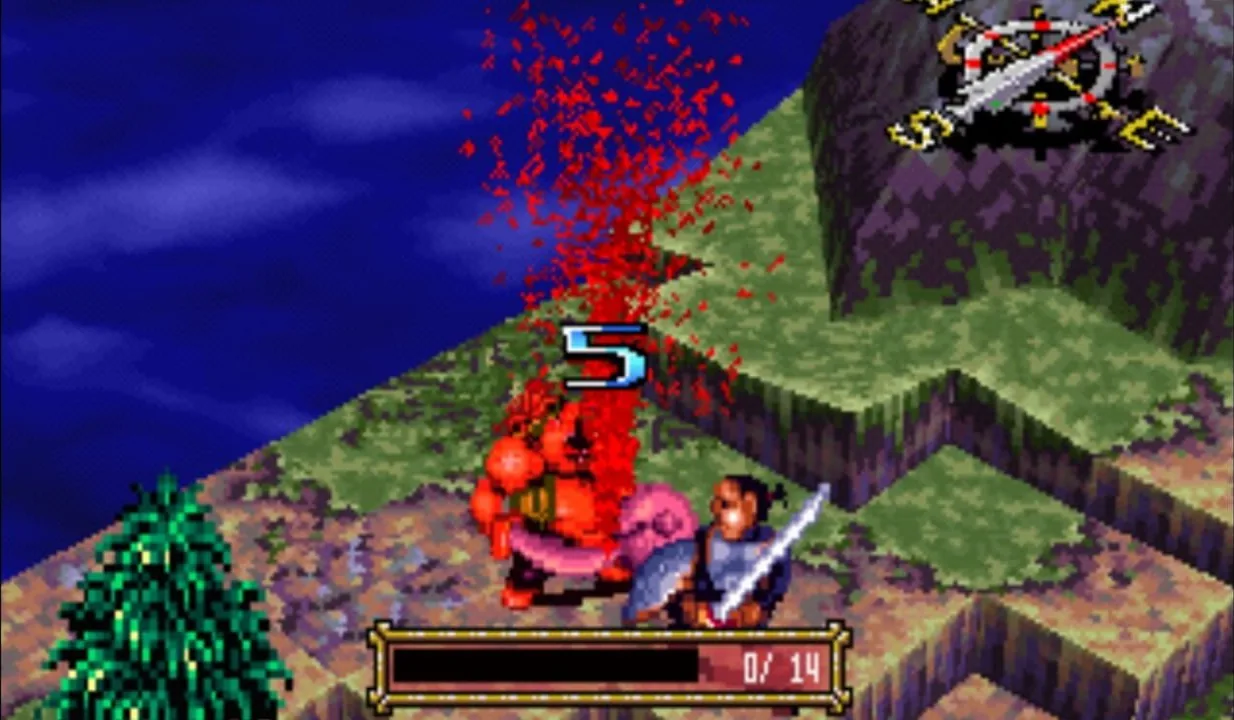
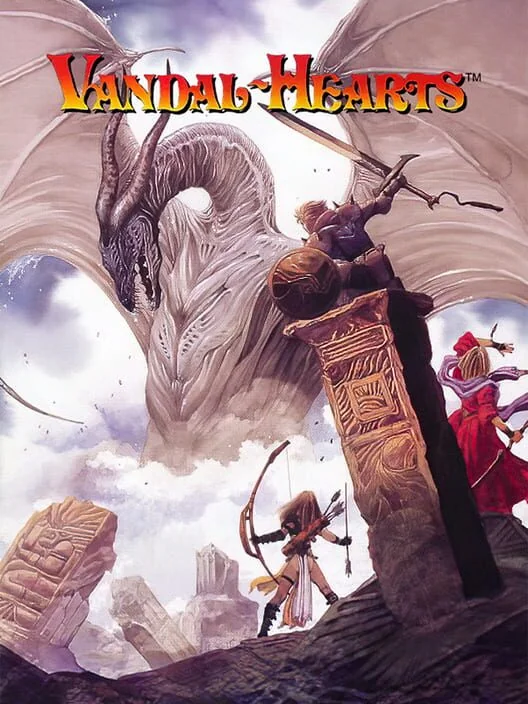
You assume the role of Ash Lambert, a hero torn between saving his country and restoring honor to the disgraced Lambert dynasty. As he struggles with his inner demons and personal problems, he will meet various companions throughout his journey. They will help your character fight to overthrow the oppressive regime and ward off an ancient being that threatens the world.
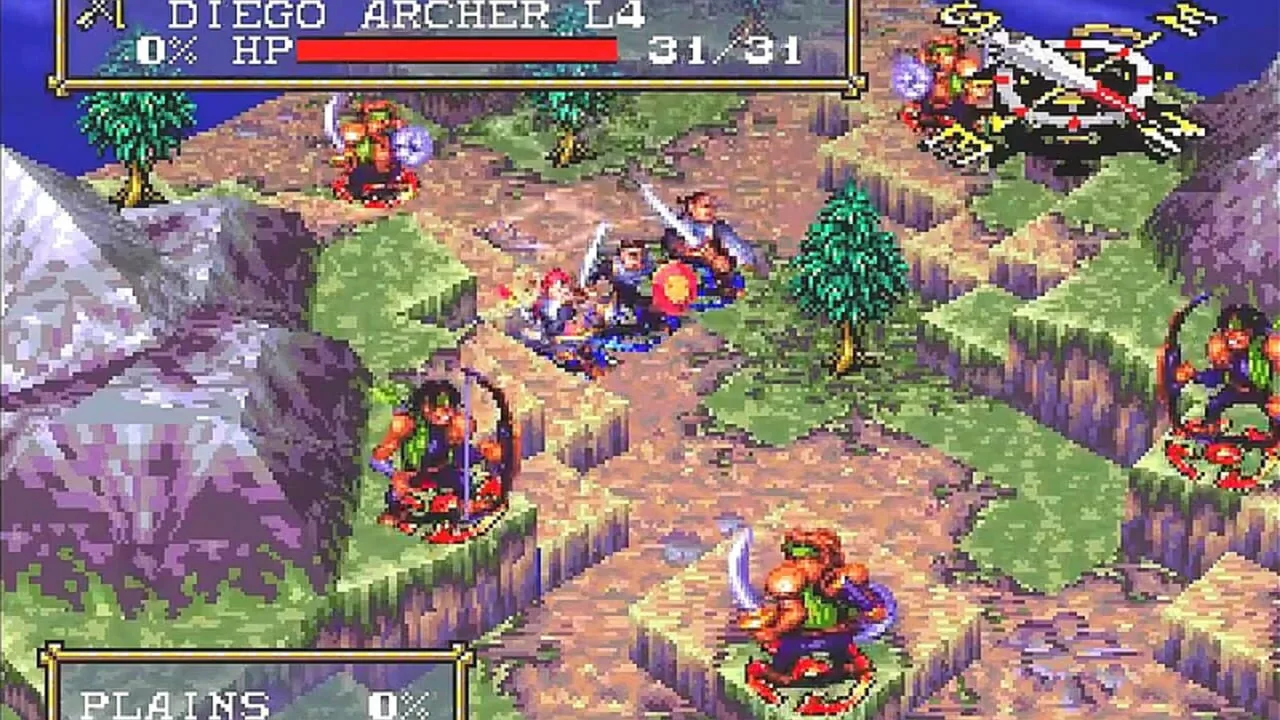
Vandal-Hearts is a 3D turn-based strategy game. Unlike many games of the genre, the various battlefields have sloped surfaces that will either work to your advantage or against you. It will be up to you to accommodate your strategy and amount an appropriate offensive assault against your foes as well as set up defensive measures.
83. Kula World
82. Diablo (1996)
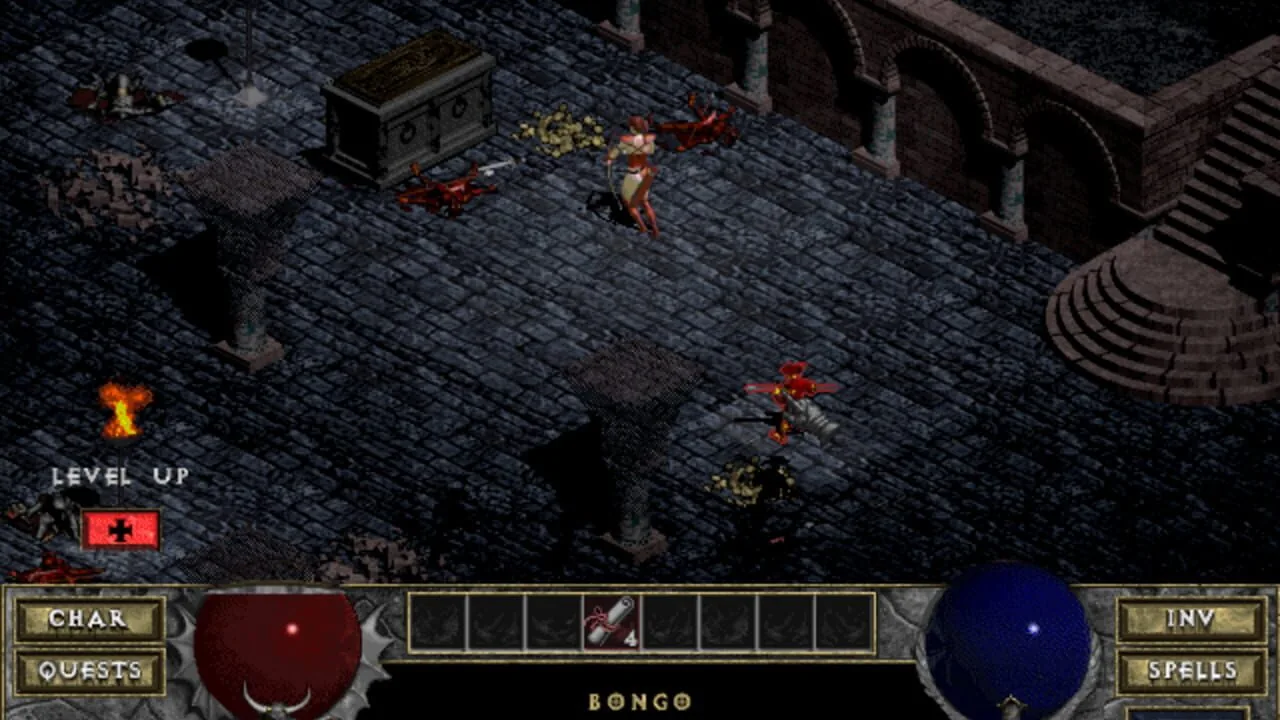
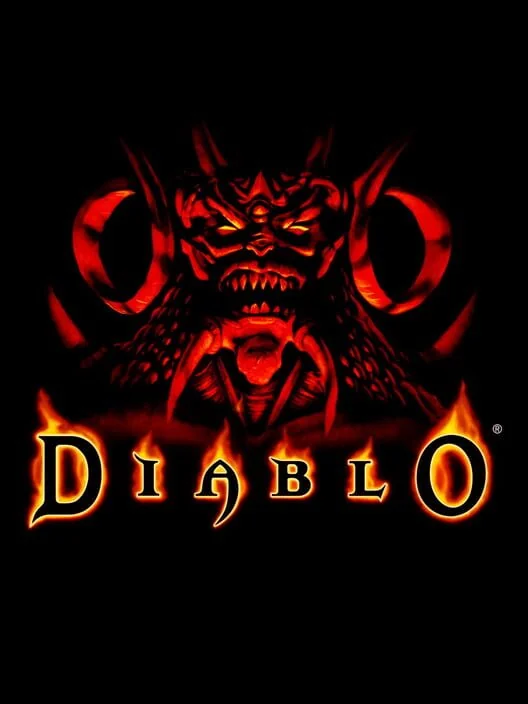
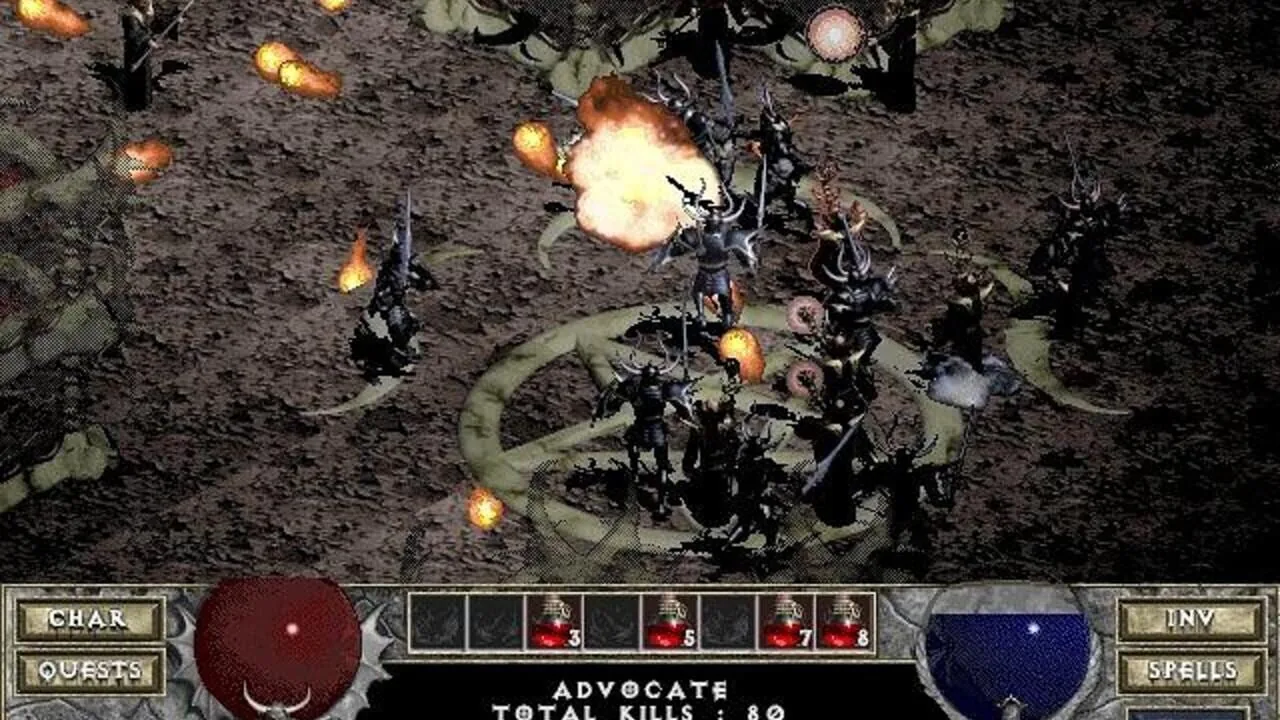
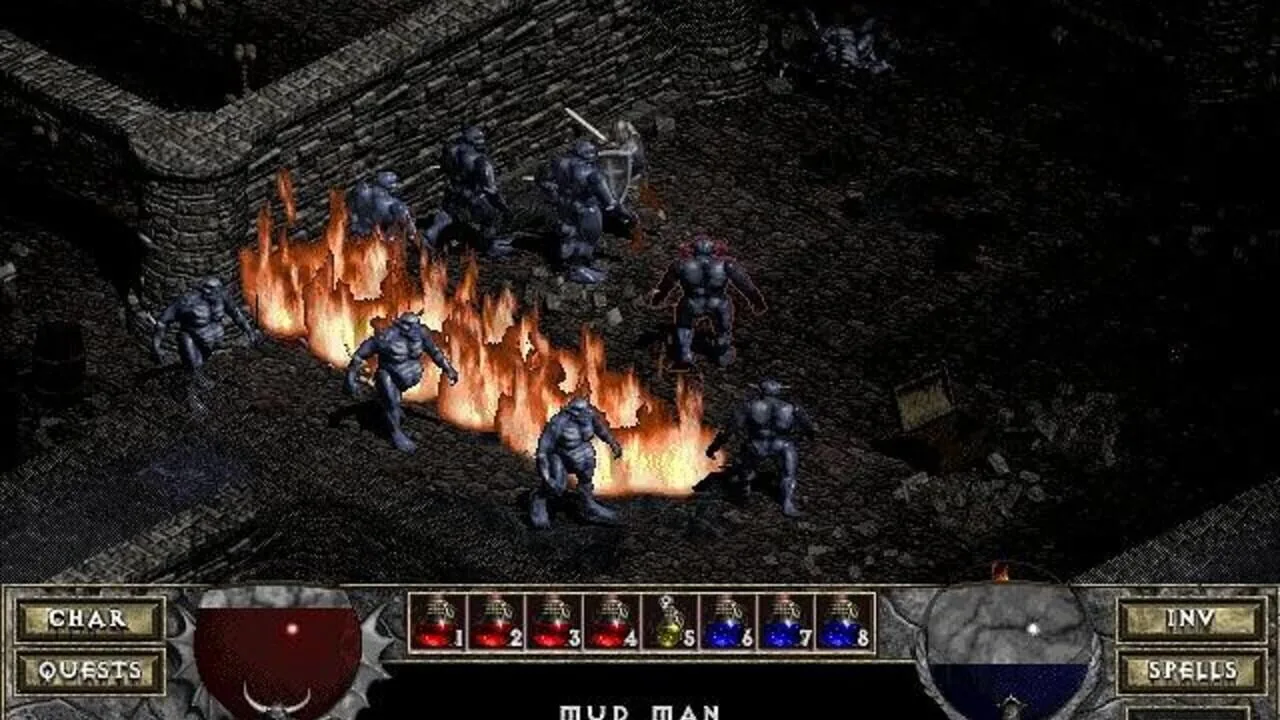
Diablo is an isometric strategy RPG and one of the most well-known examples of the action-RPG subgenre. Although some of the game mechanics resemble a typical RPG, all actions are done in real-time just like in an action game. The player have to kill hordes of monsters through randomized dungeon levels in order to gain experience points, gold and a variety of equipment to bolster the hero's monster-killing potency.
81. Die Hard Trilogy (1996)
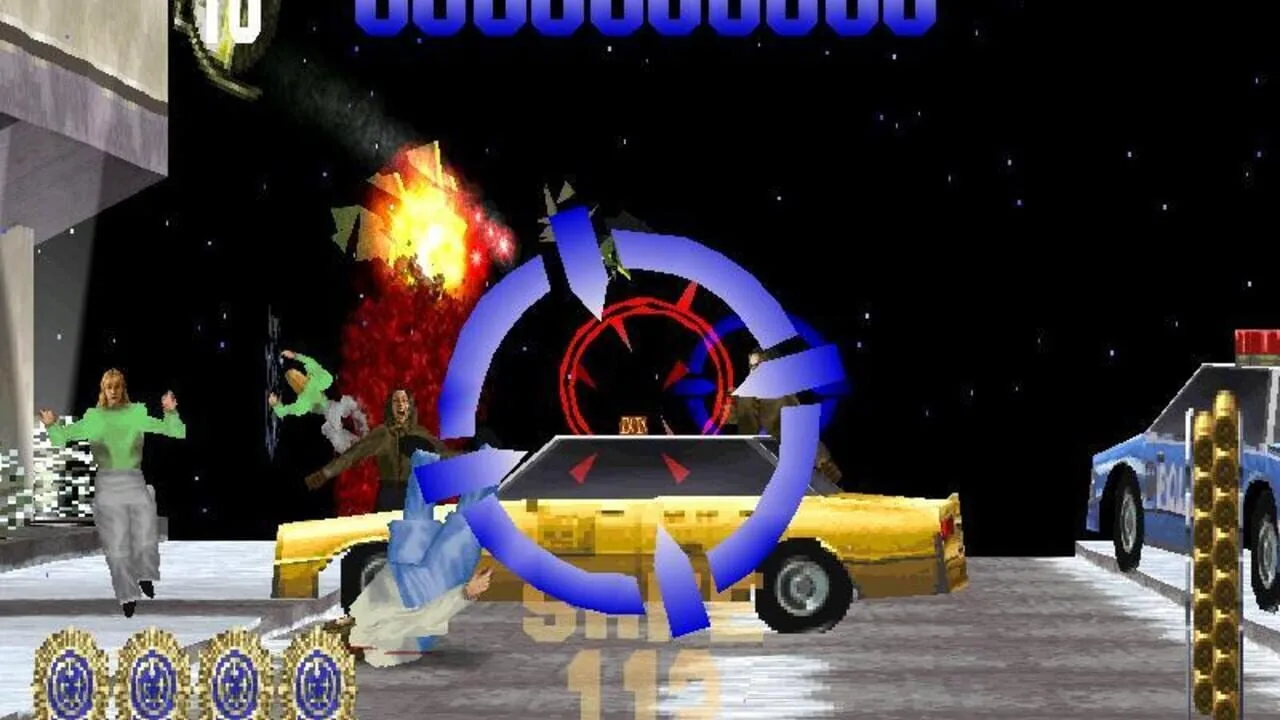
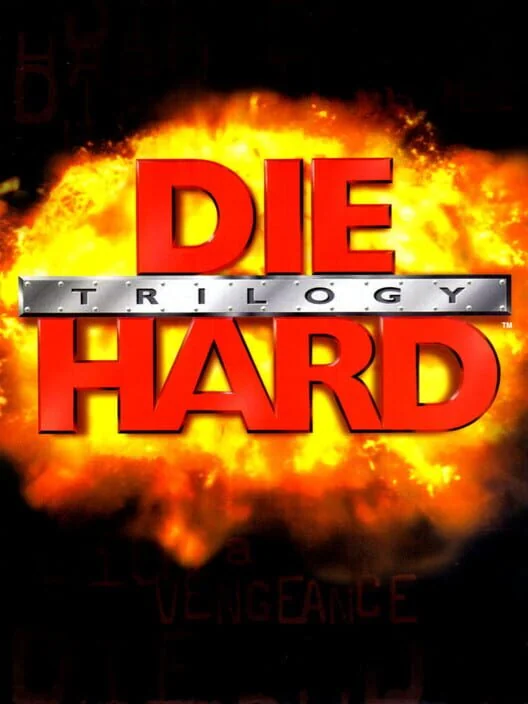
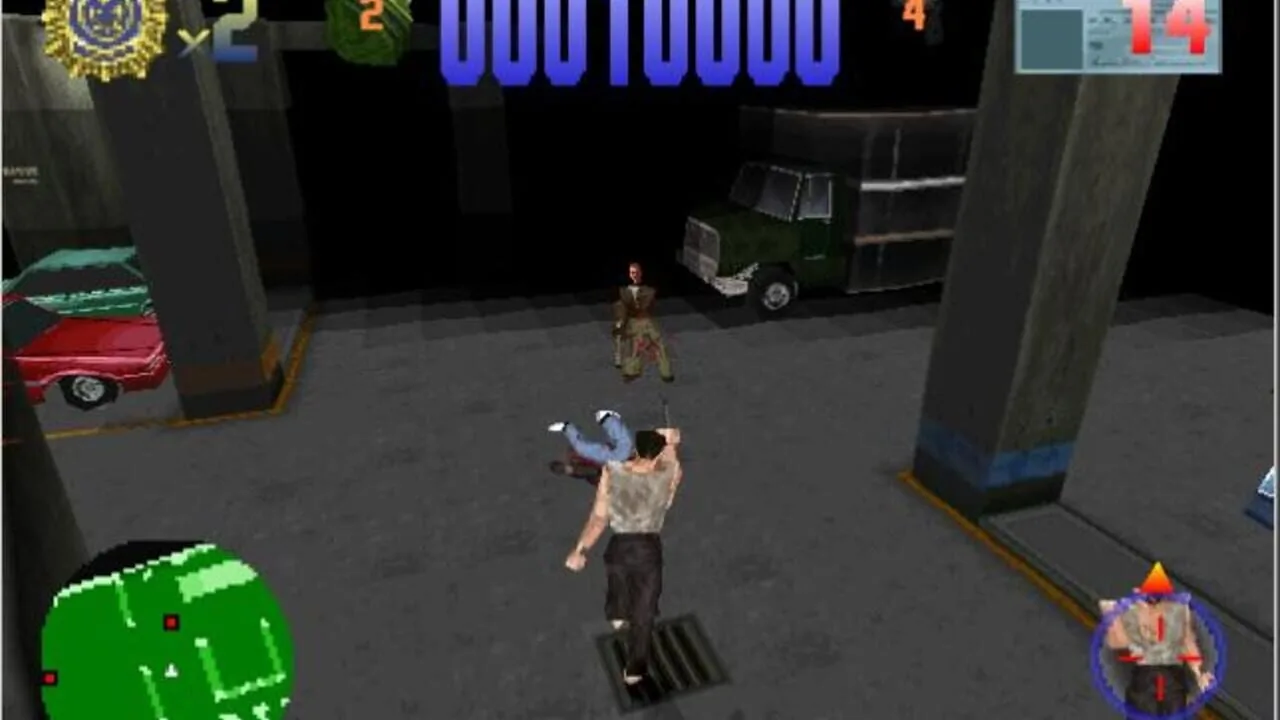
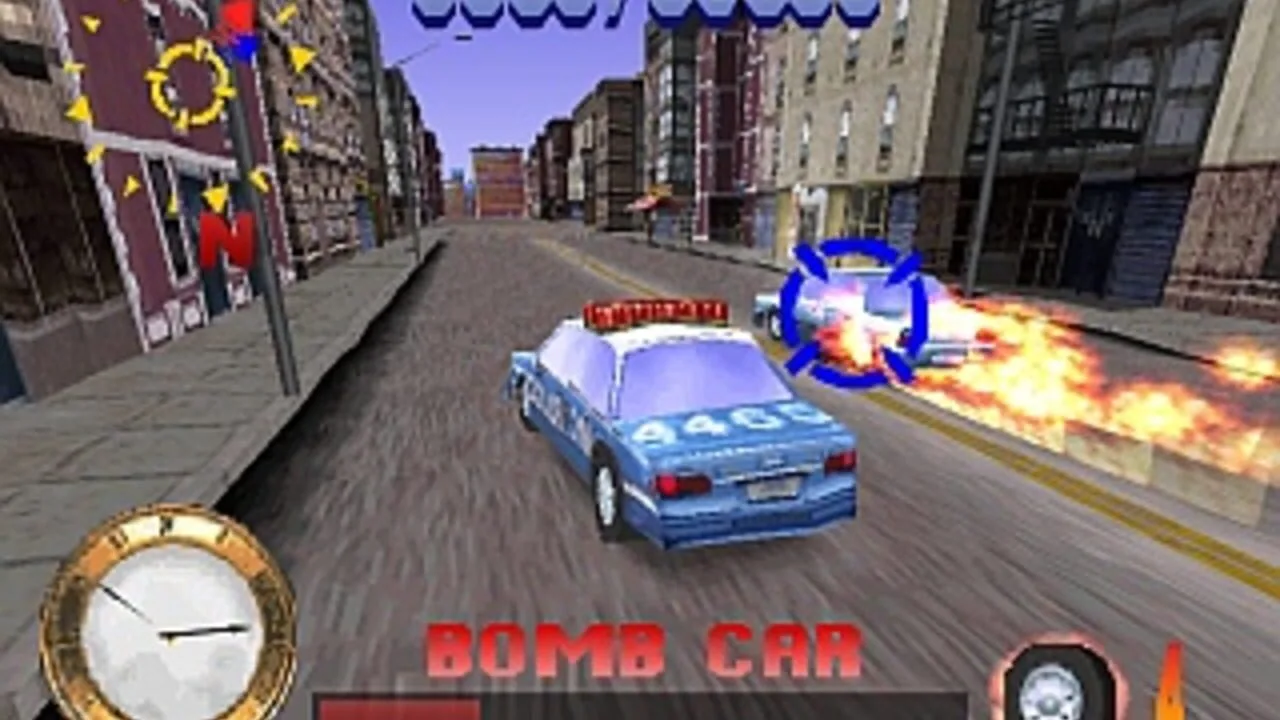
Die Hard Trilogy features three games in one, each based on a movie installment and featuring a different genre and game play style.
80. Jet Moto (1996)
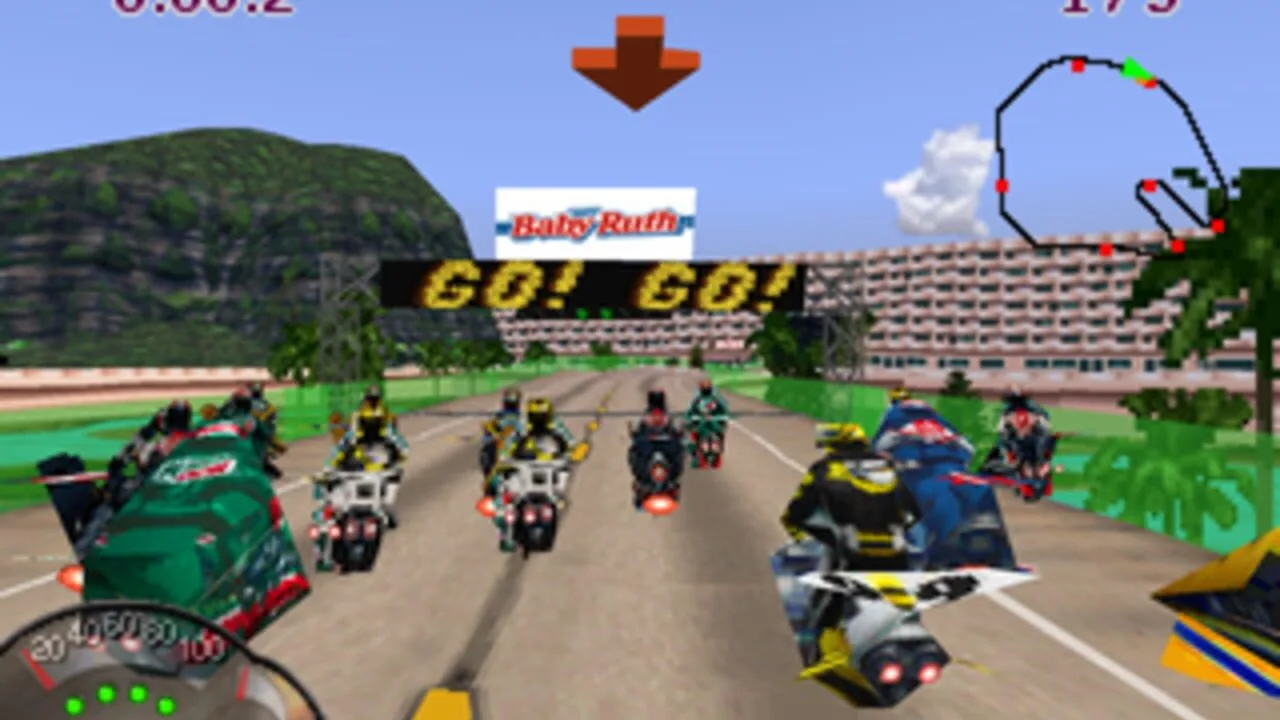
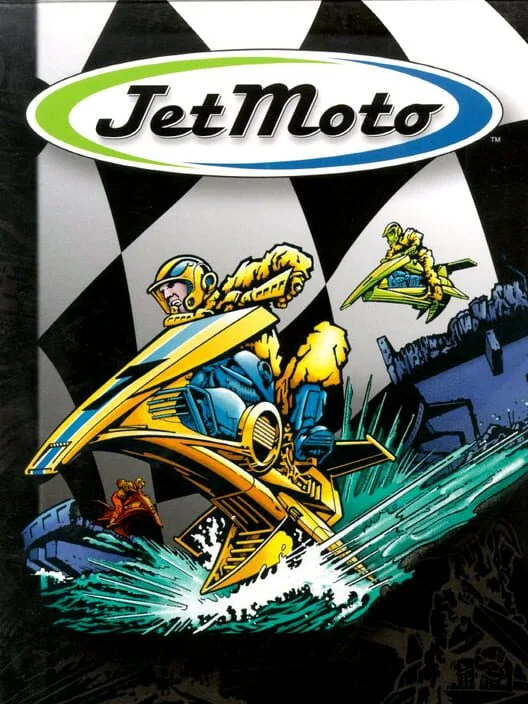
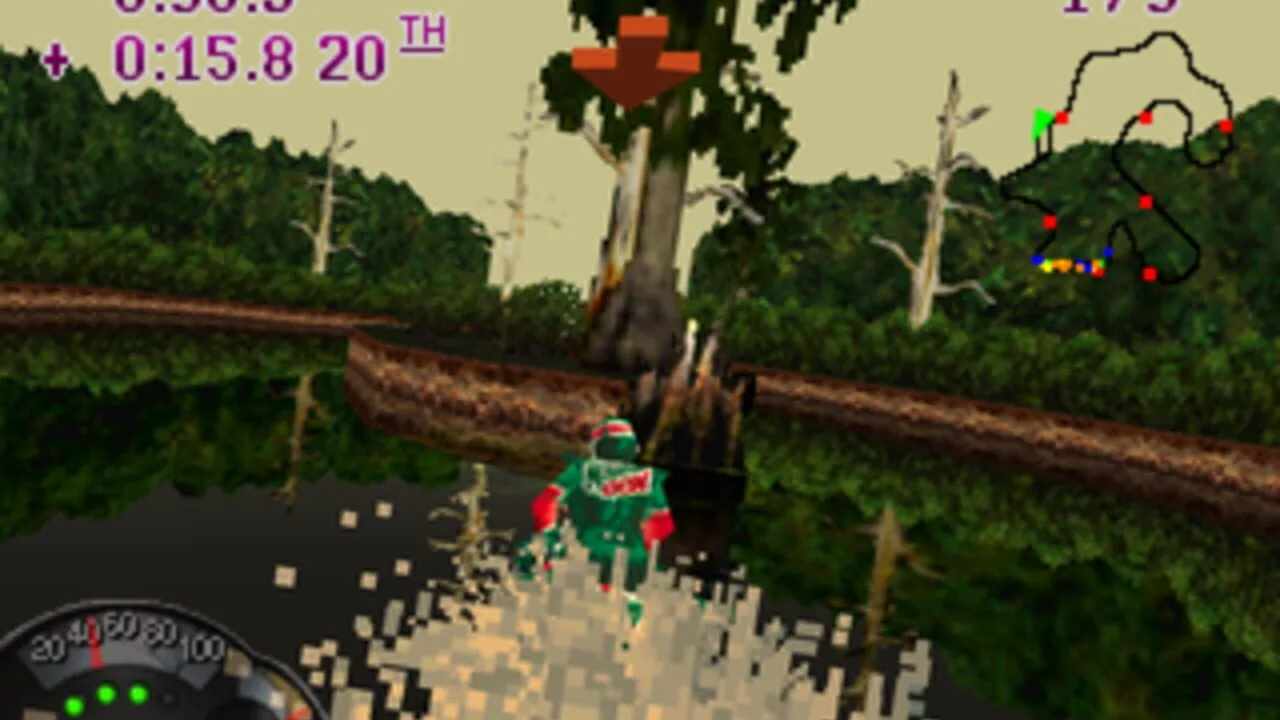
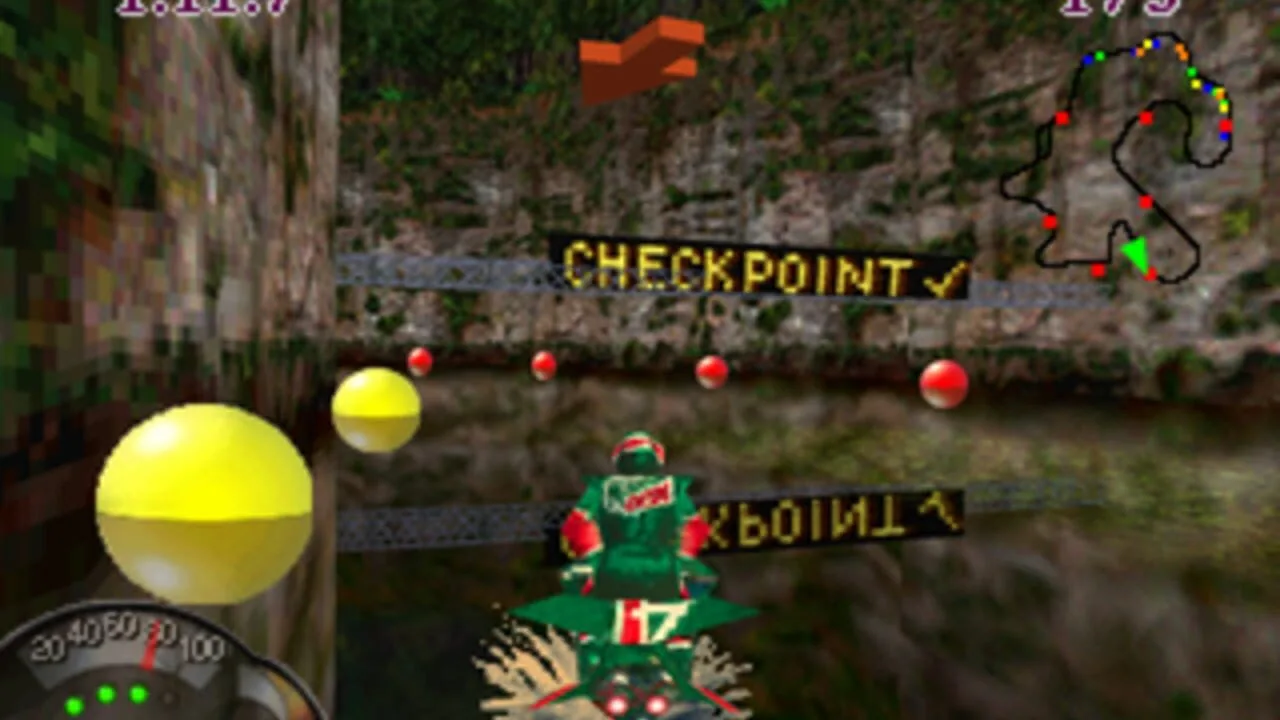
Gameplay in the Jet Moto series differs from traditional racing games, as players instead control hoverbikes which hover close above the ground and can be driven over both land and water. Most of the courses in the games are designed to take advantage of this ability. The game has a variant of the traditional road course but also introduces a new course type, known as a suicide course. Instead of being a continuous loop, these tracks have checkpoints at either end of the course, and the starting grid in the centre. Characters race to one end, then turn around to head for the other checkpoint, repeating the process until all laps are complete. This provides a new gameplay dynamic as often the player must navigate oncoming traffic. Characters are split into teams, and bikes are adorned with logos of products such as Mountain Dew and Butterfinger, similar to real-life sponsored racing.
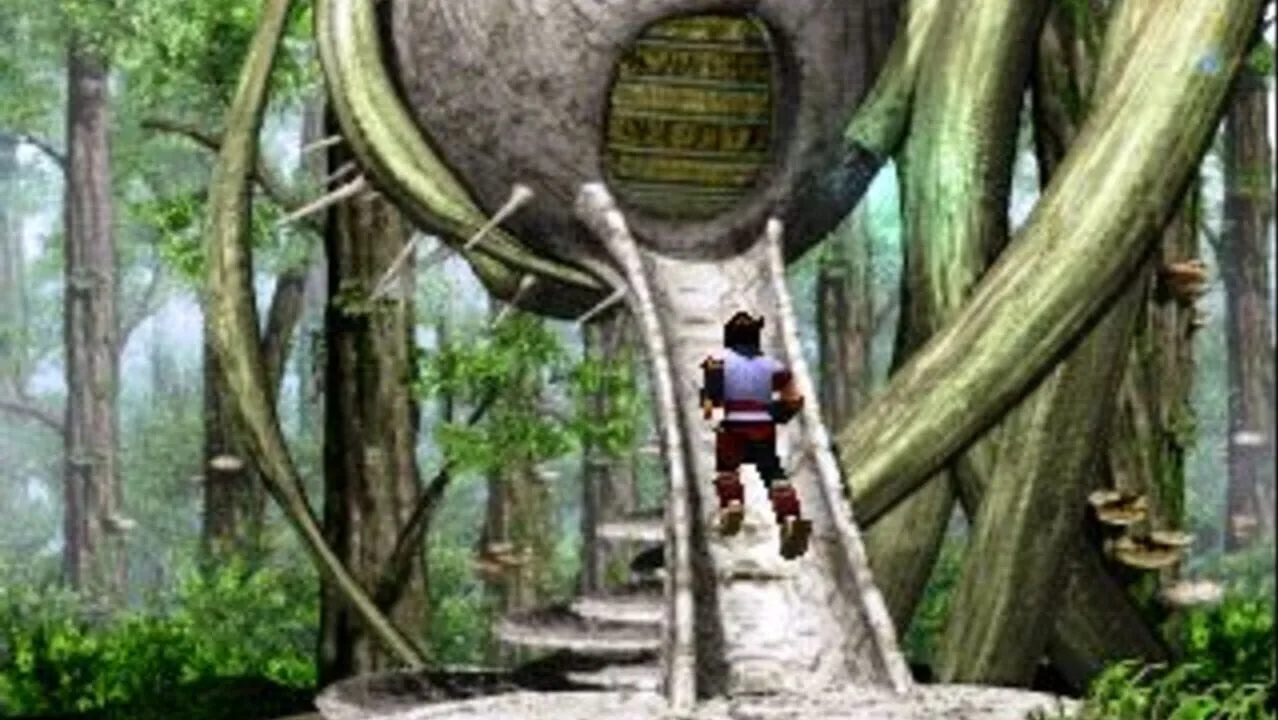
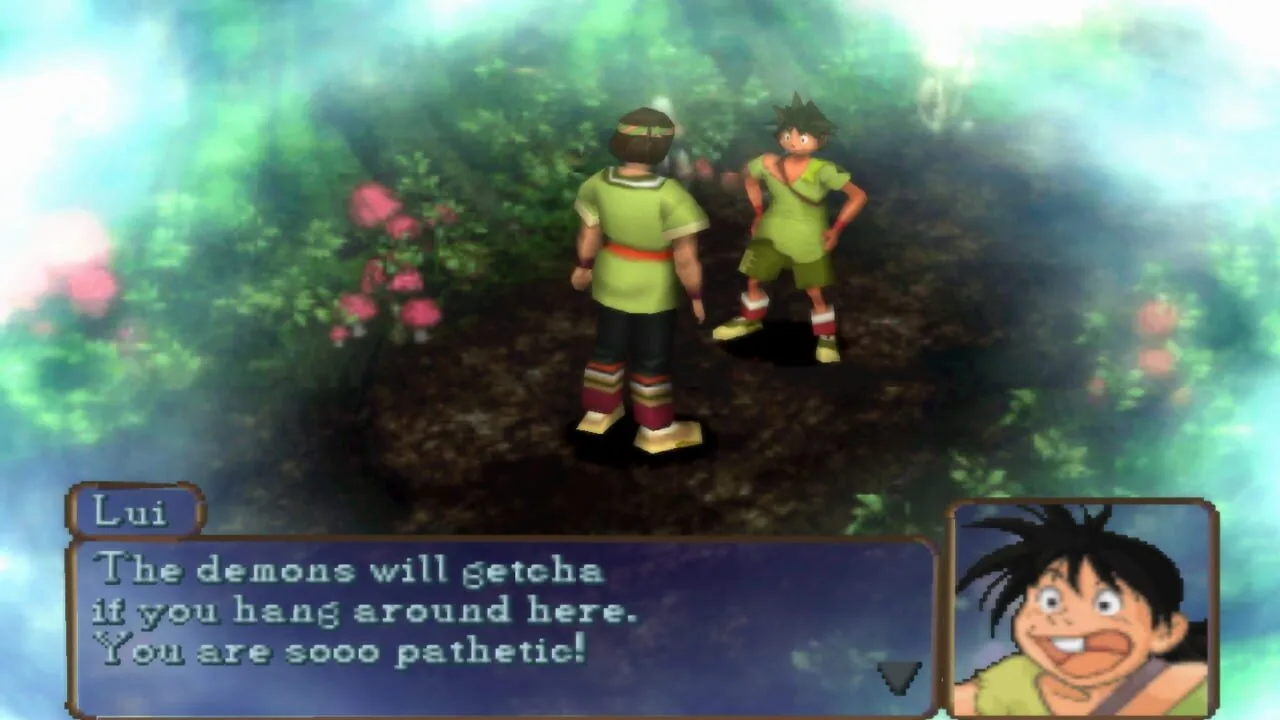
79. Jade Cocoon: Story of the Tamamayu (1998)
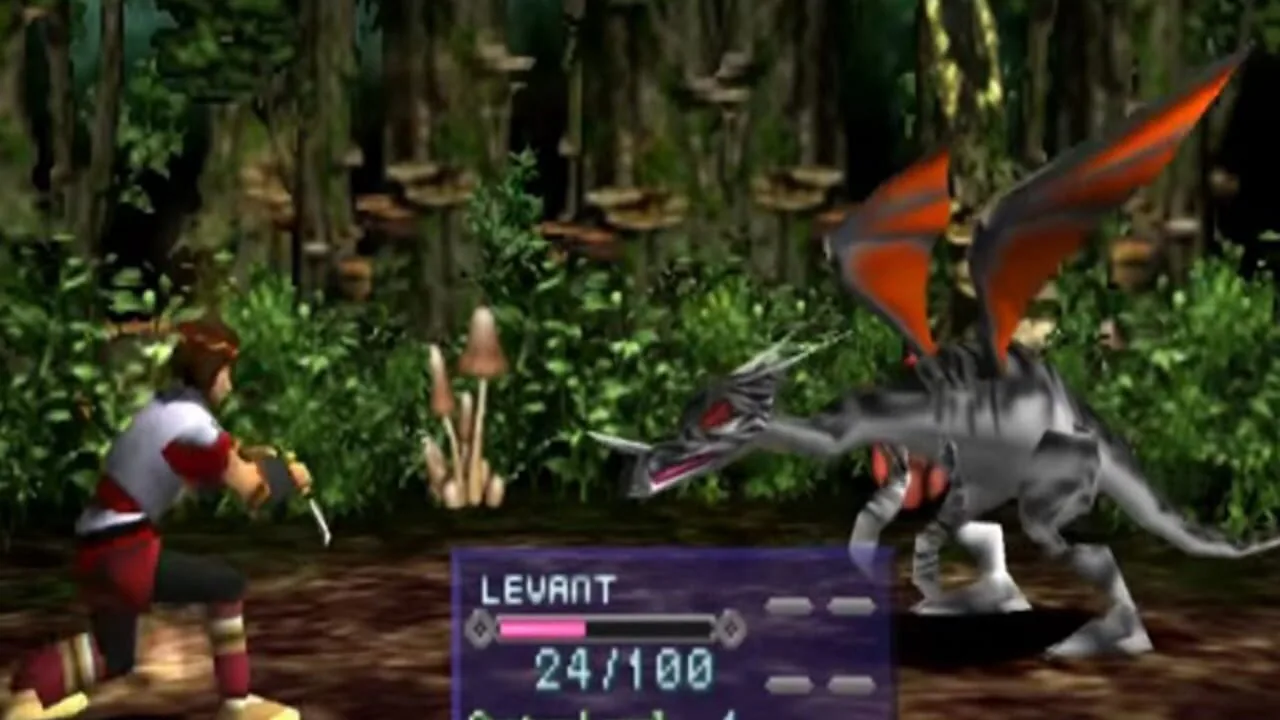
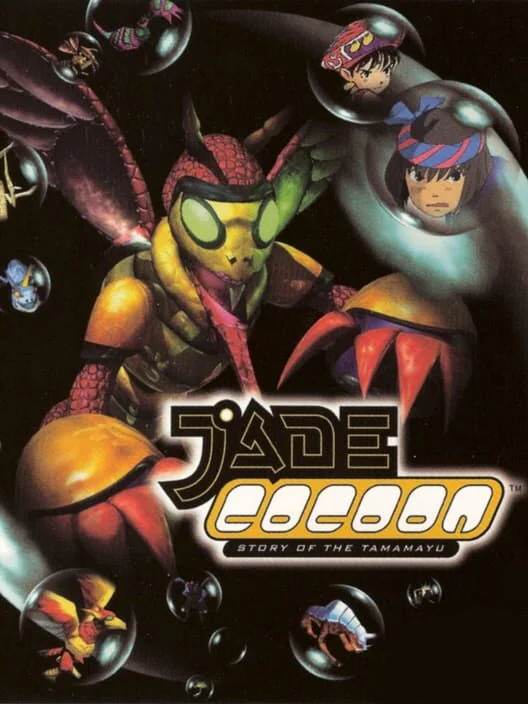
Enter the world of Jade Cocoon: Story of the Tamamayu. As Levant. a Cocoon Master. you will engage powerful monsters in deadly one on one combat. As the magic and talon clashes of these battles turn to your favor you can call on the mystic cocoon powers and capture your fallen foe. Once captured these mighty creatures will be the key to unlocking the curse that has overcome your village.
The game combines elements of role-playing video games and digital pet virtual pet management. It was developed by Genki in collaboration with Katsuya Kondō, character designer for the Studio Ghibli movies "Kiki's Delivery Service" and "I Can Hear the Sea".
78. Oddworld: Abe's Oddysee (1997)
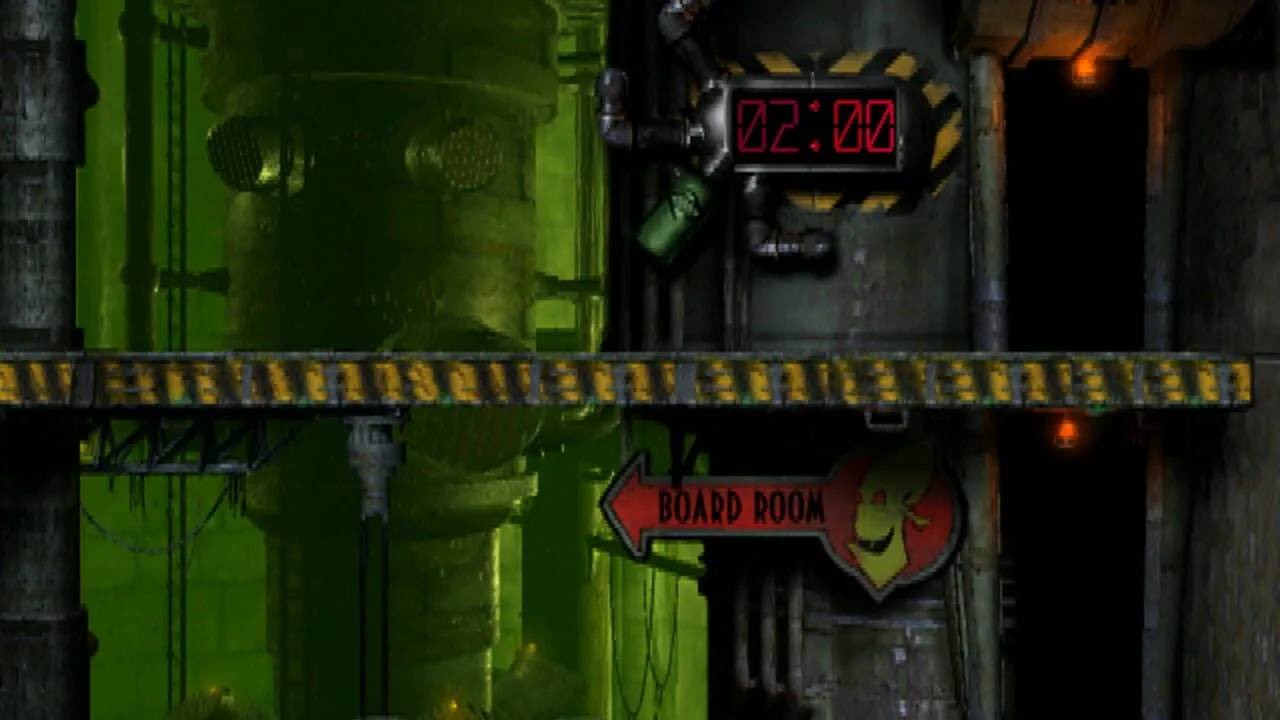
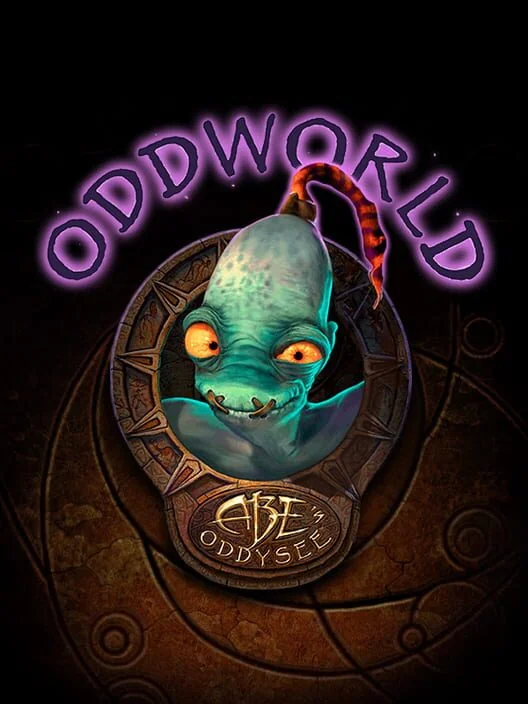
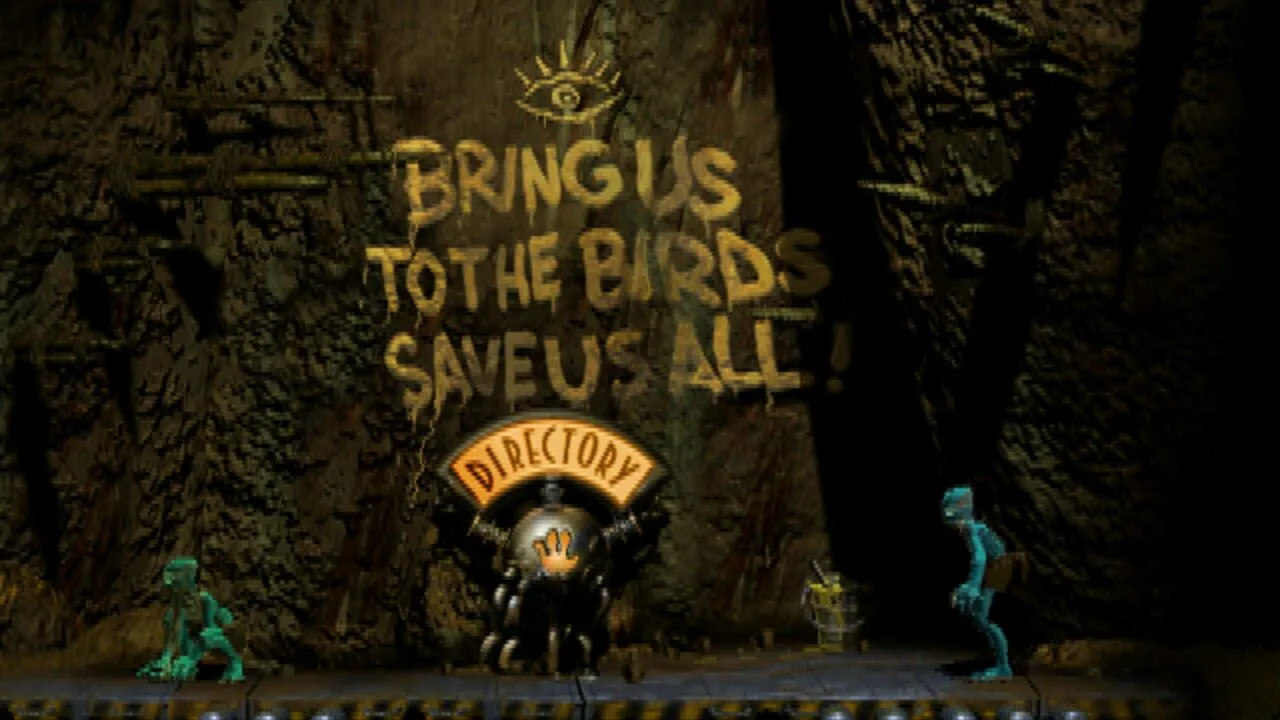
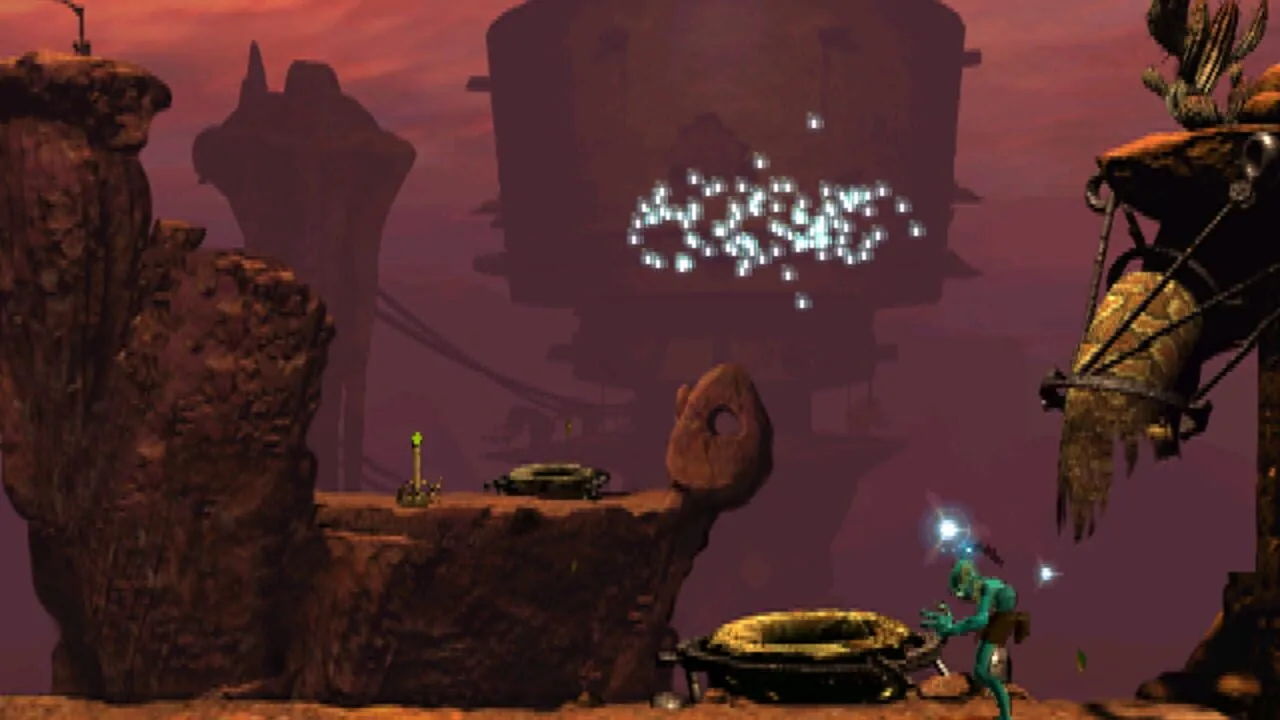
Oddworld: Abe's Oddysee is the first game set in the fictional Oddworld universe. It is a platformer with puzzle-solving elements, focusing on the portrayal of a weak, underpowered character in a grim and hostile world, who has to rely on his cunning to outwit enemies and overcome hazards. The game has pre-rendered background graphics and uses CG movies of similar style to advance the story between the levels.
The main character Abe is almost completely helpless: he cannot use weapons and is usually instantly killed by his brutal enemies if he confronts them directly. For this reason, most of the game involves careful exploration, timed movement, sneaking, and outsmarting the foes through various means: throwing stones to confuse them, luring them into traps, etc. Abe can run, jump, climb, tiptoe, crouch, and roll; in most areas these actions are essential to his survival. A few stages involve Abe riding a large animal known as Elum.
Abe's only special power is chanting, which he can use to stun certain enemies for a while or possess them. When Abe possess an enemy he gains his abilities: for example, possessing the body or a ferocious Slig allows the player to shoot from his machine gun, communicate with other creatures of his kind, and even commit suicide, clearing the way for Abe.
77. Armored Core (1997)
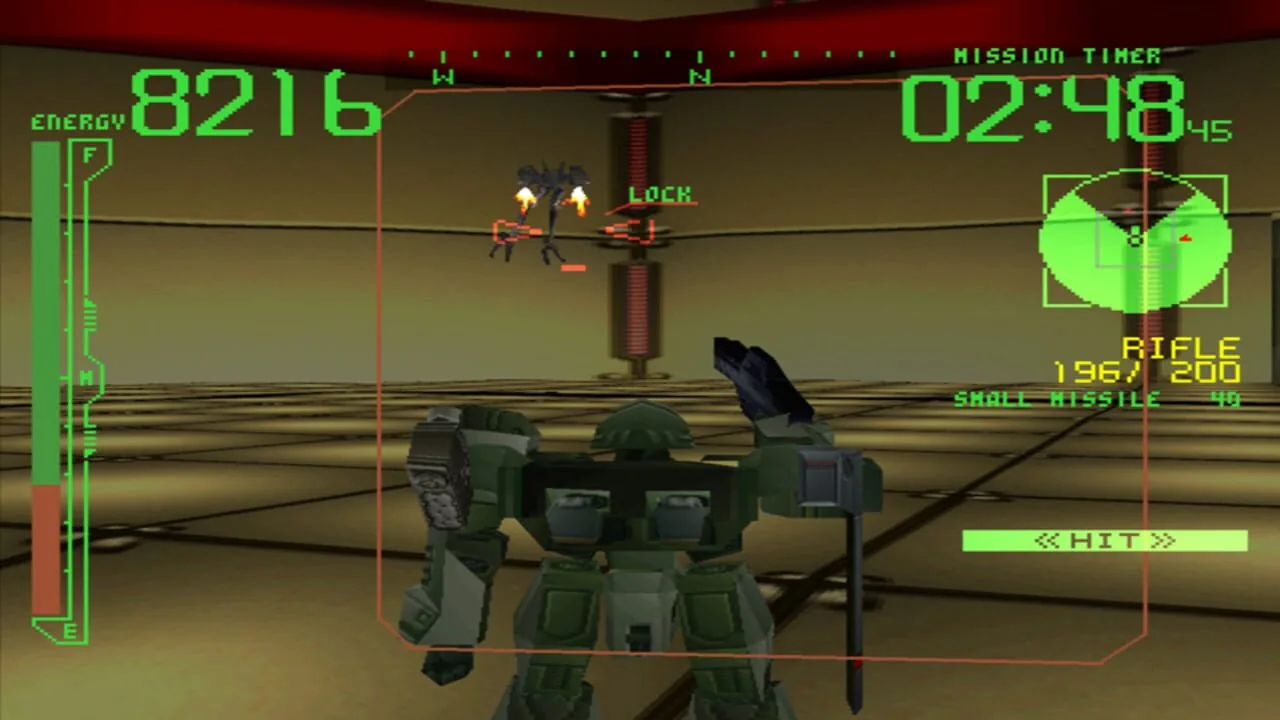
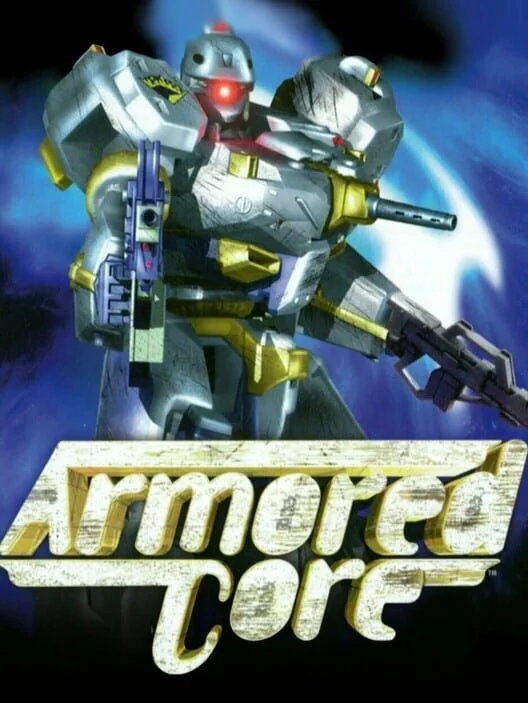
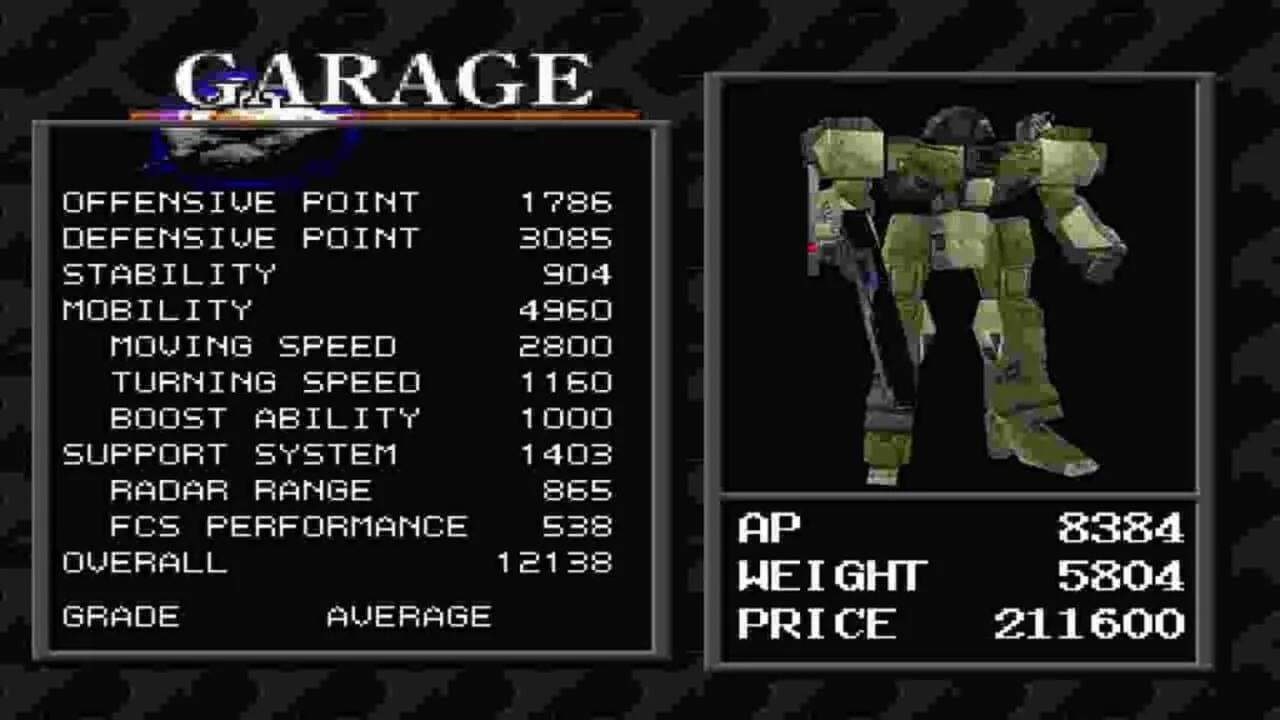
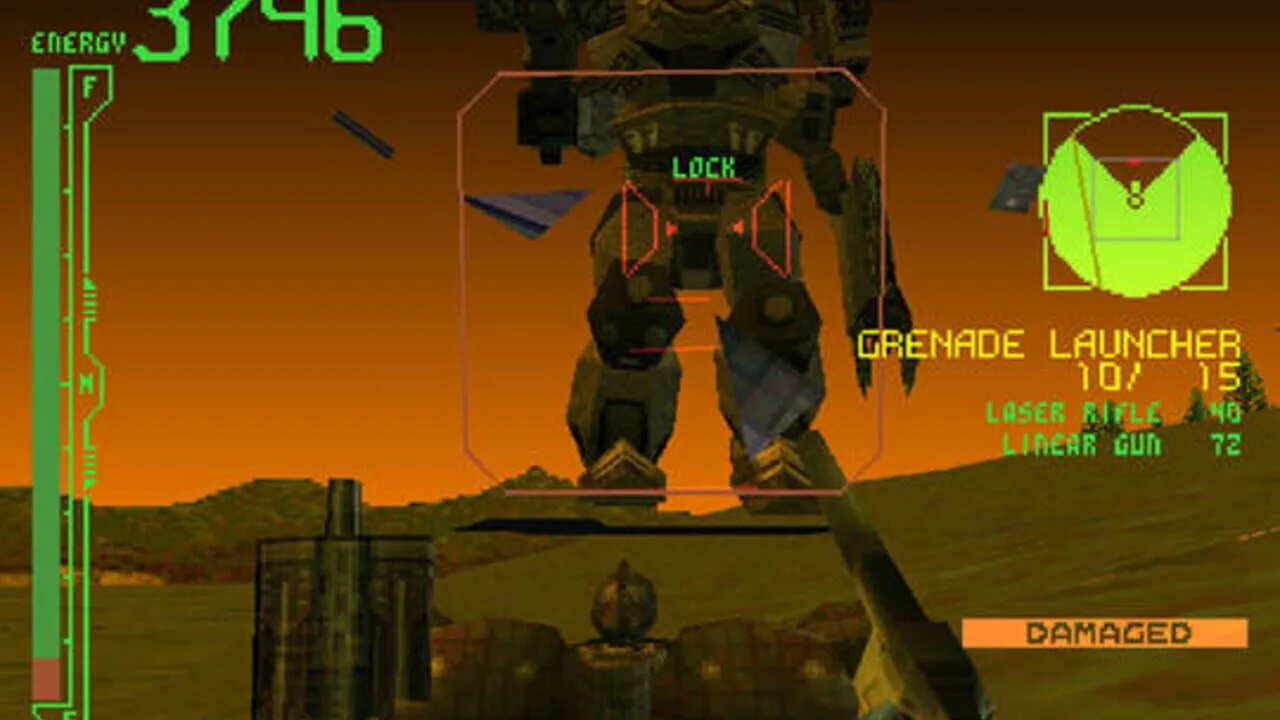
Armored Core is a mecha video game released in 1997, the first in the Armored Core series. It is an action game played from third-person perspective.
76. Vigilante 8 (1998)
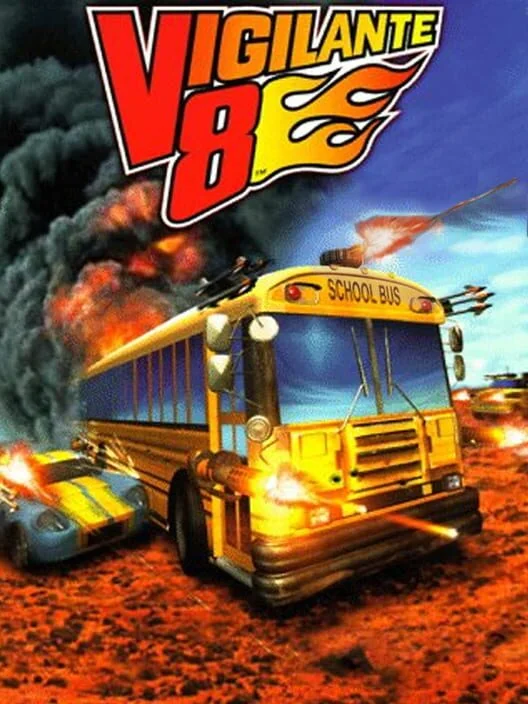
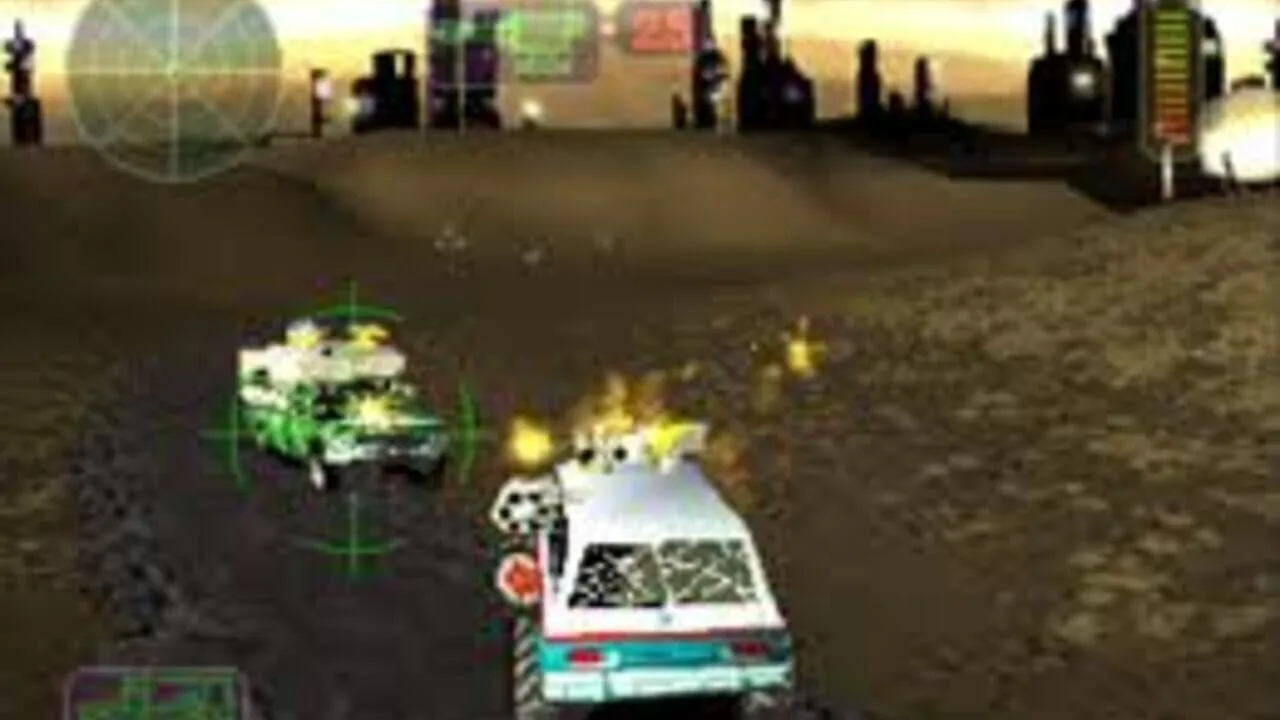
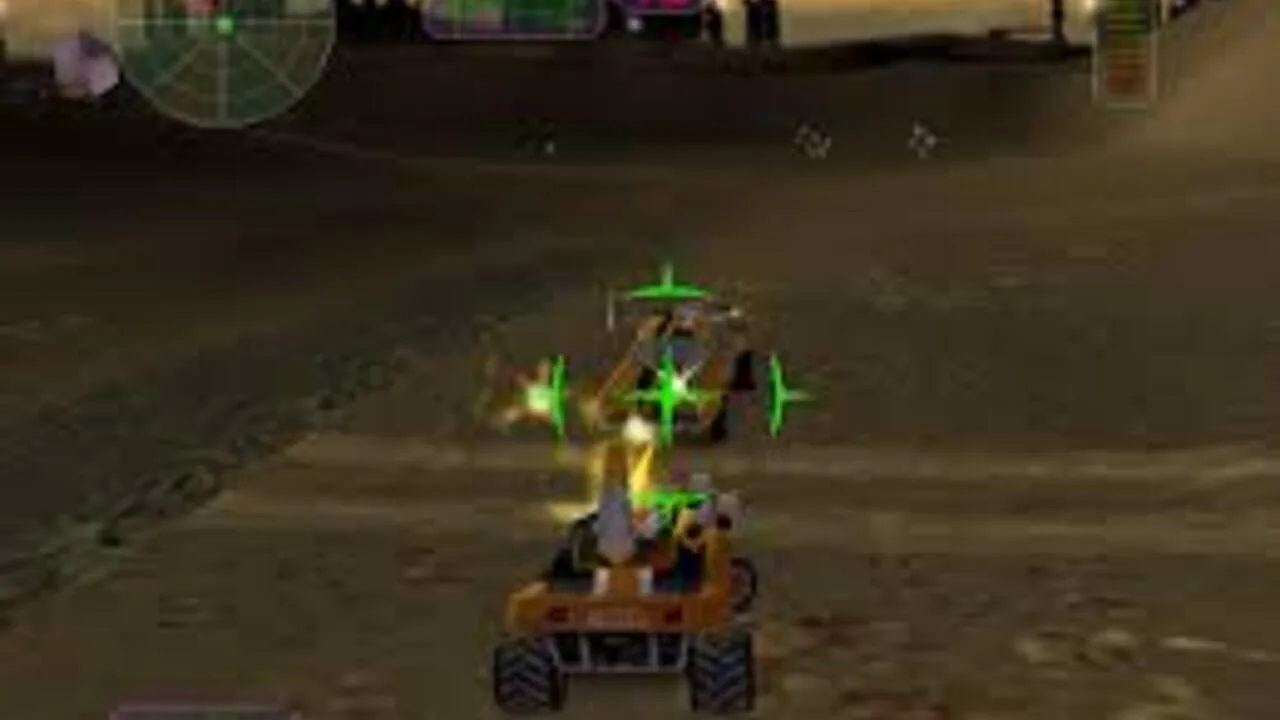
Vigilante 8 is a vehicular-combat game set in an alternate 1975. Australian terrorist Sid Burn is hired by OMAR to dispose of all competing oil companies in the U.S. so that OMAR can establish an oil monopoly in the country. After hearing reports of destruction by Sid Burn's gang, the Coyotes, a man named Convoy, a kind-hearted trucker, forms a group of his own, the Vigilantes, to combat the Coyotes and stop the tyranny of OMAR.
75. Nightmare Creatures (1997)
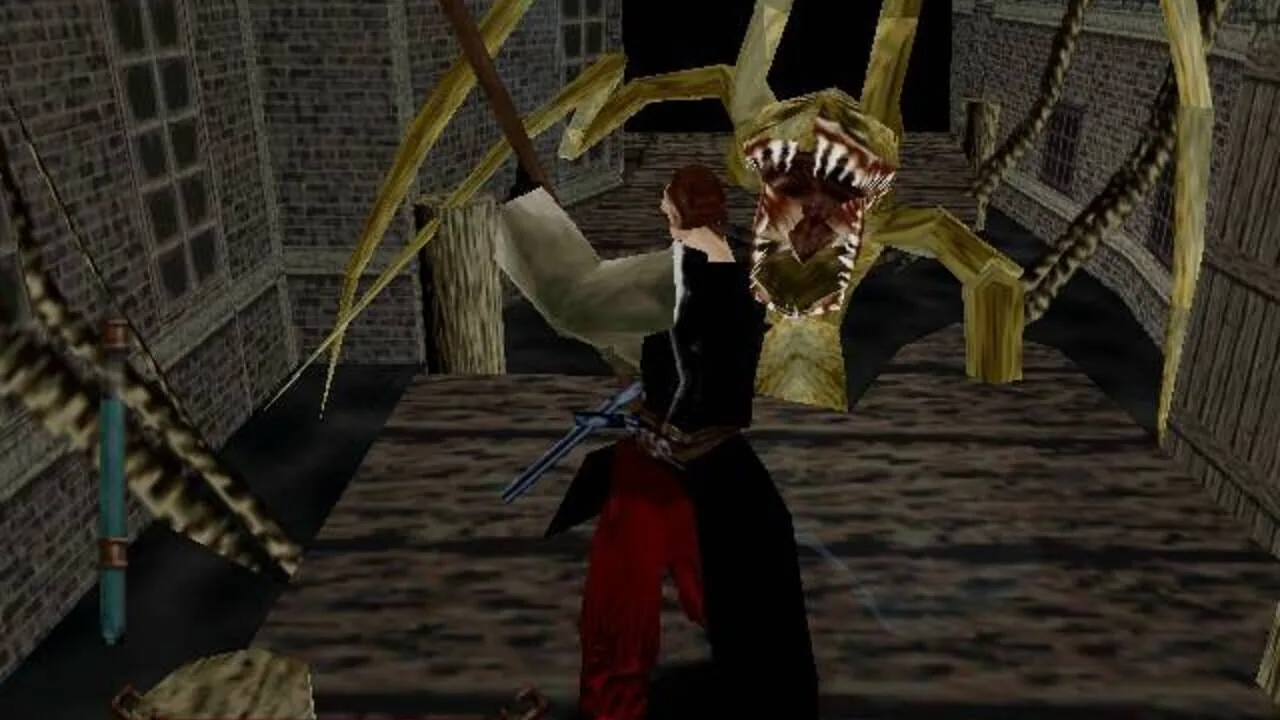
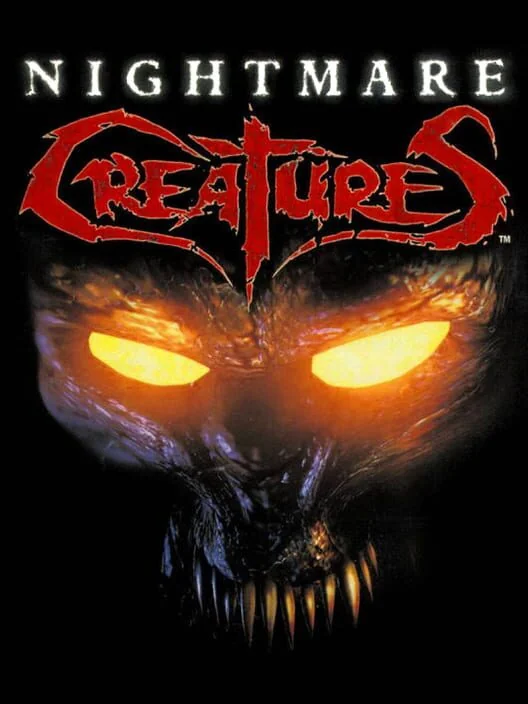
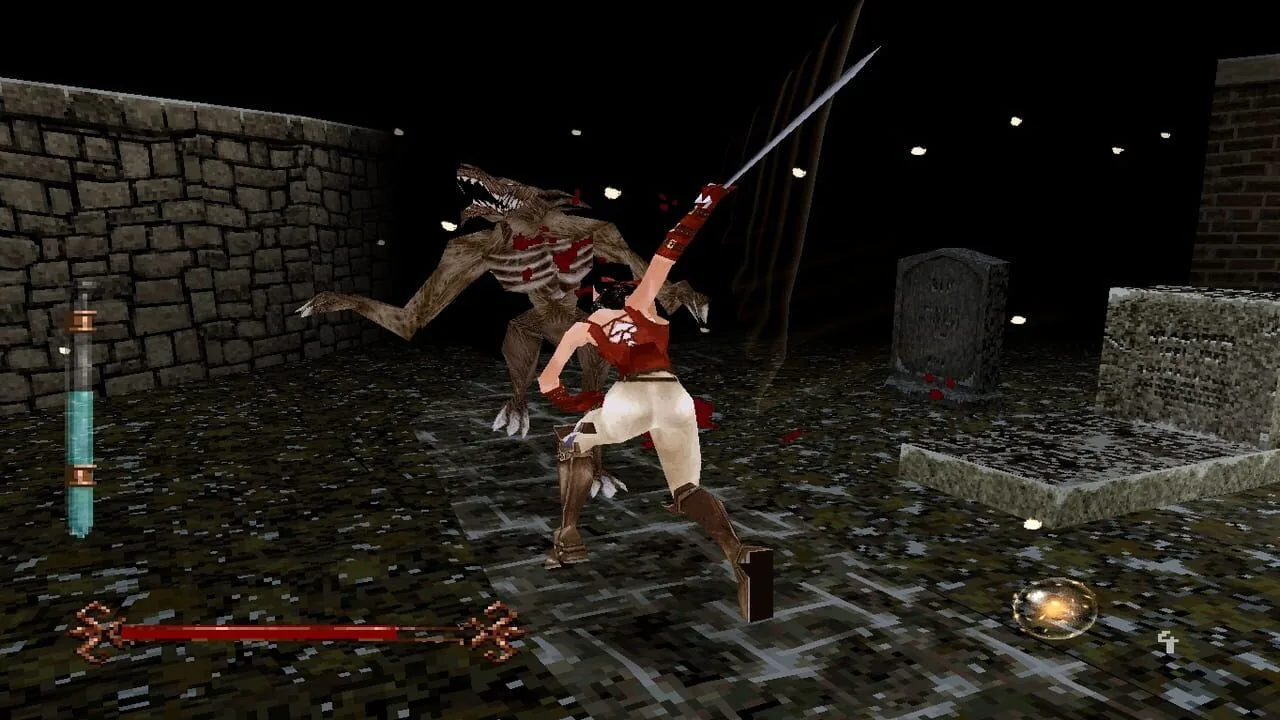
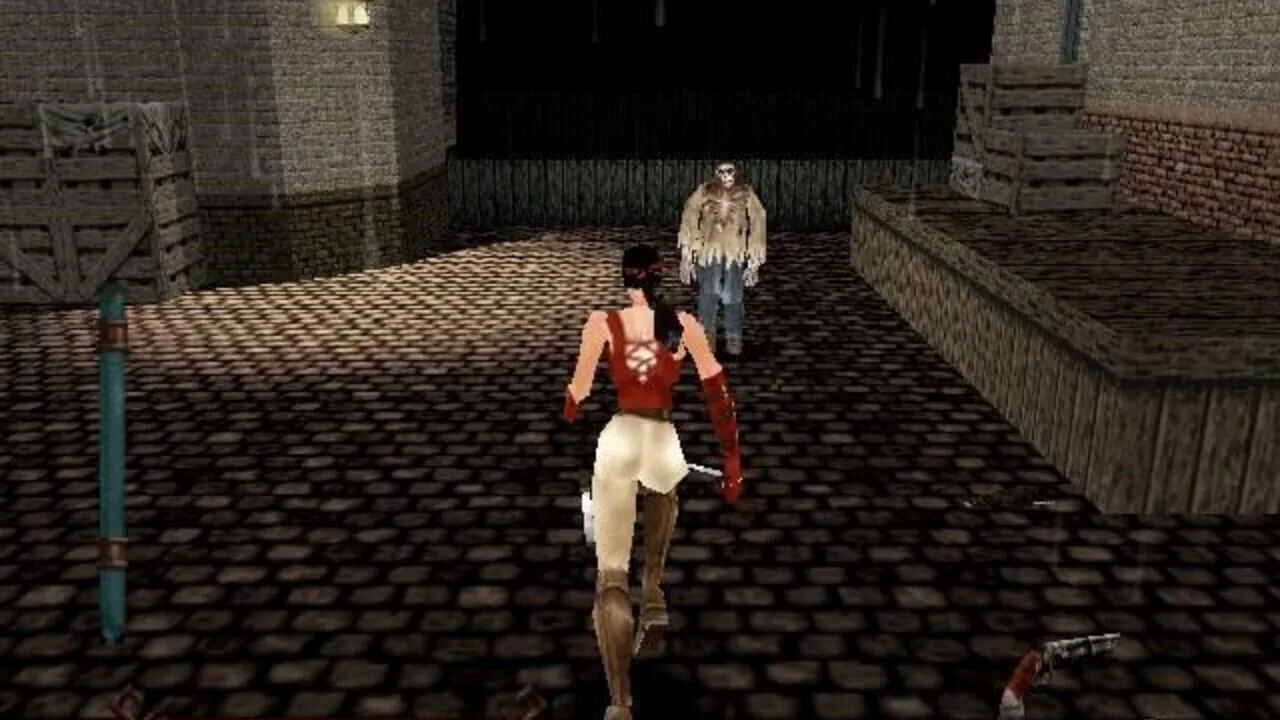
The story behind Nightmare Creatures draws upon gothic horror elements of the 19th century. The story begins in 1666, when a devil-worshipping cult called the Brotherhood of Hecate were conducting sinister experiments in London so as to take over the city and then the world. The Brotherhood tried to develop an elixir that would endow them with superhuman powers. However, rather than creating their intended superhumans, their experiments created only grotesque monsters. When they decided to use these creatures as an army of conquest, one of their number, Samuel Pepys, set their headquarters on fire, resulting in the First Great Fire of London. The game takes place in 1834 when London falls victim to several evil occurrences. Monster sightings are reported along with news of people mutating into ungodly creatures, and that the dead are waking from their graves and walking amongst the living. All of London is in a panic and vulnerable to the schemes of Adam Crowley, a mad scientist and occultist enlisting the help of the Brotherhood.
74. Blood Omen: Legacy of Kain (1996)
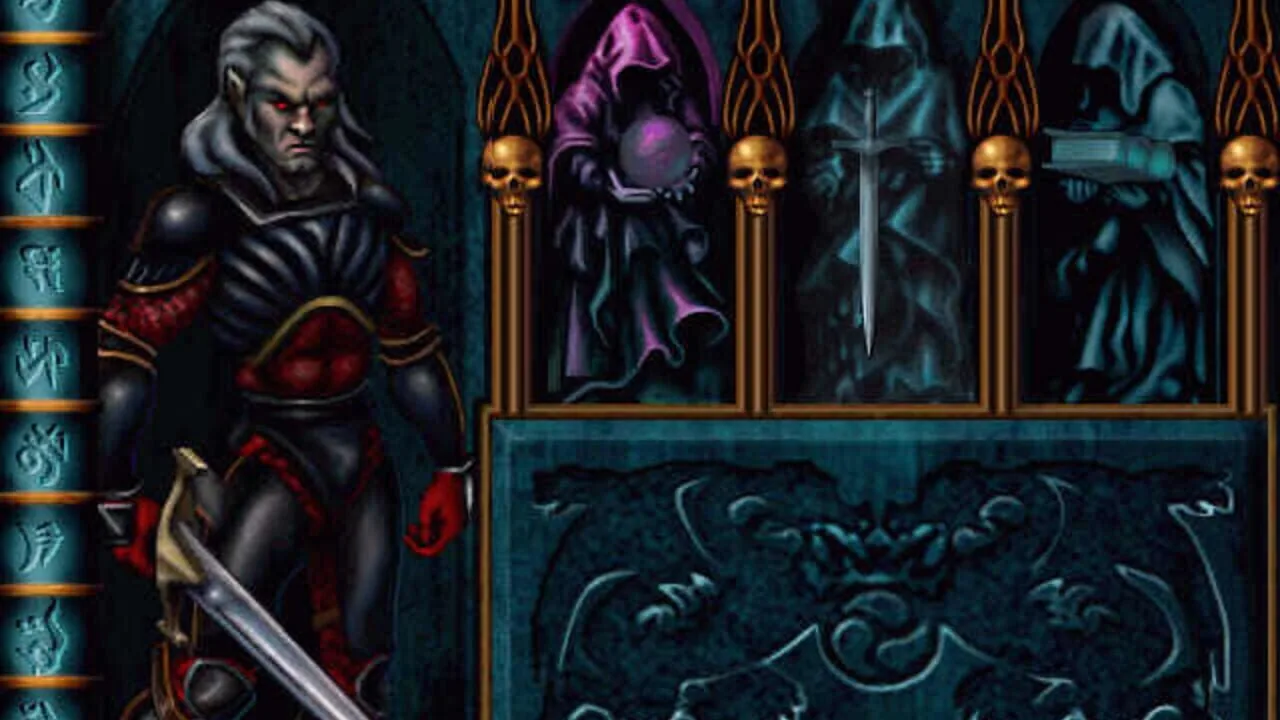
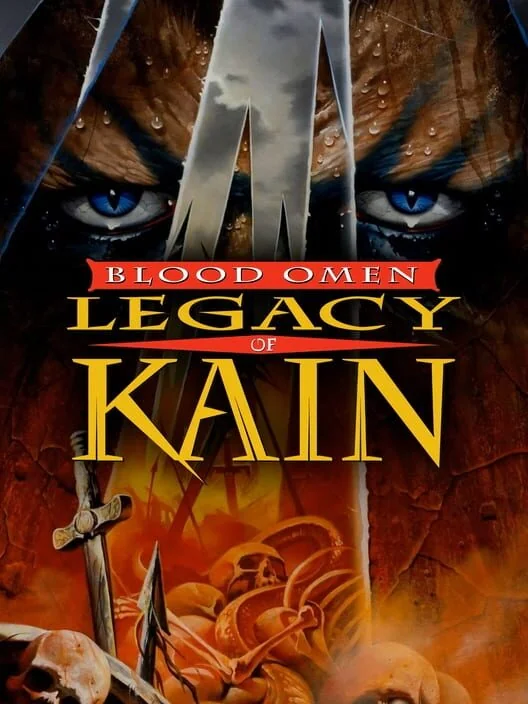
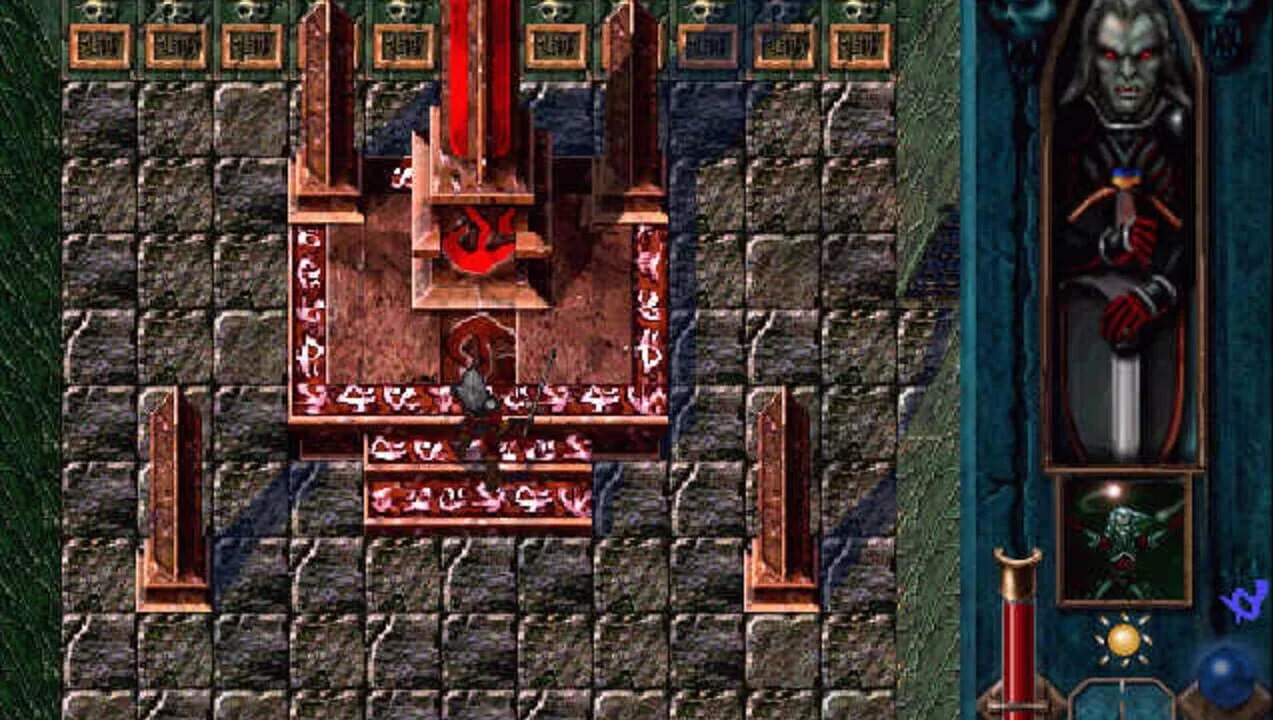
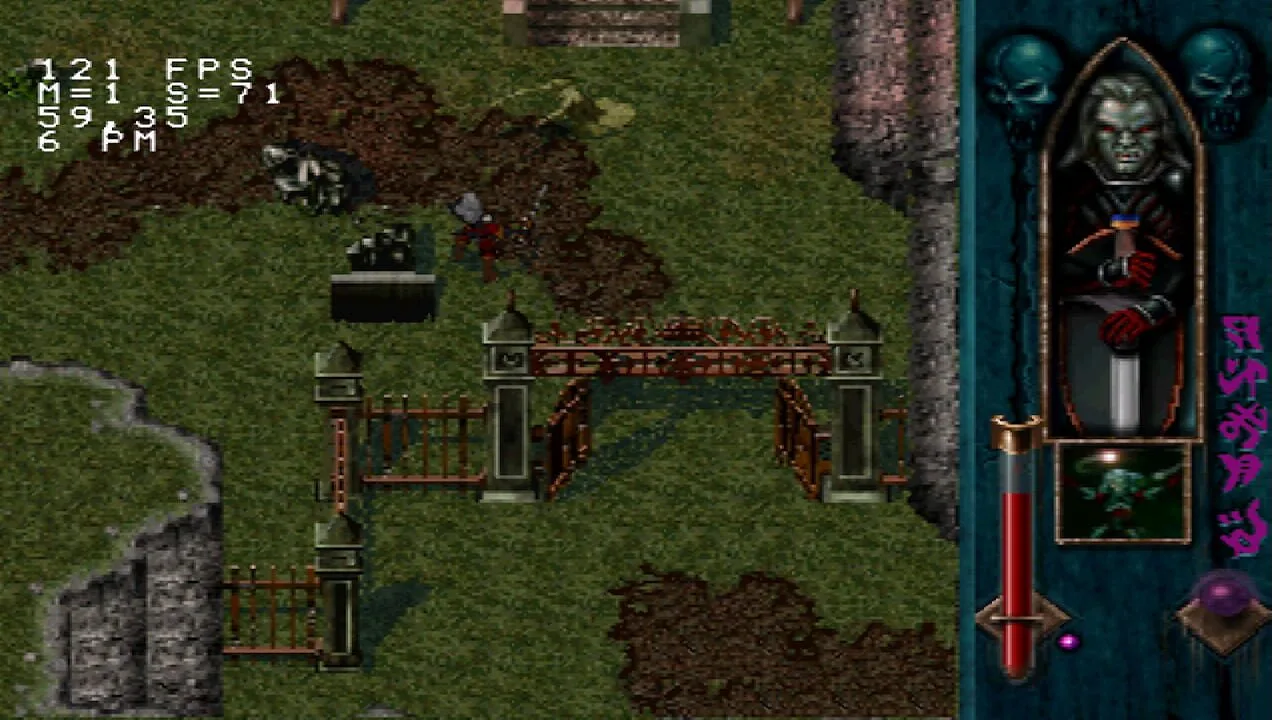
Blood Omen: Legacy of Kain is a top-down action-adventure video game with role-playing game elements. It is the first game in the Legacy of Kain series, and the only one developed by Silicon Knights and published by Crystal Dynamics. The game was first released in 1996 for the PlayStation, and later ported to Microsoft Windows. A Sega Saturn version was announced during production but later cancelled before release. It was followed by four sequels, which were all developed by Crystal Dynamics and published by Eidos Interactive.
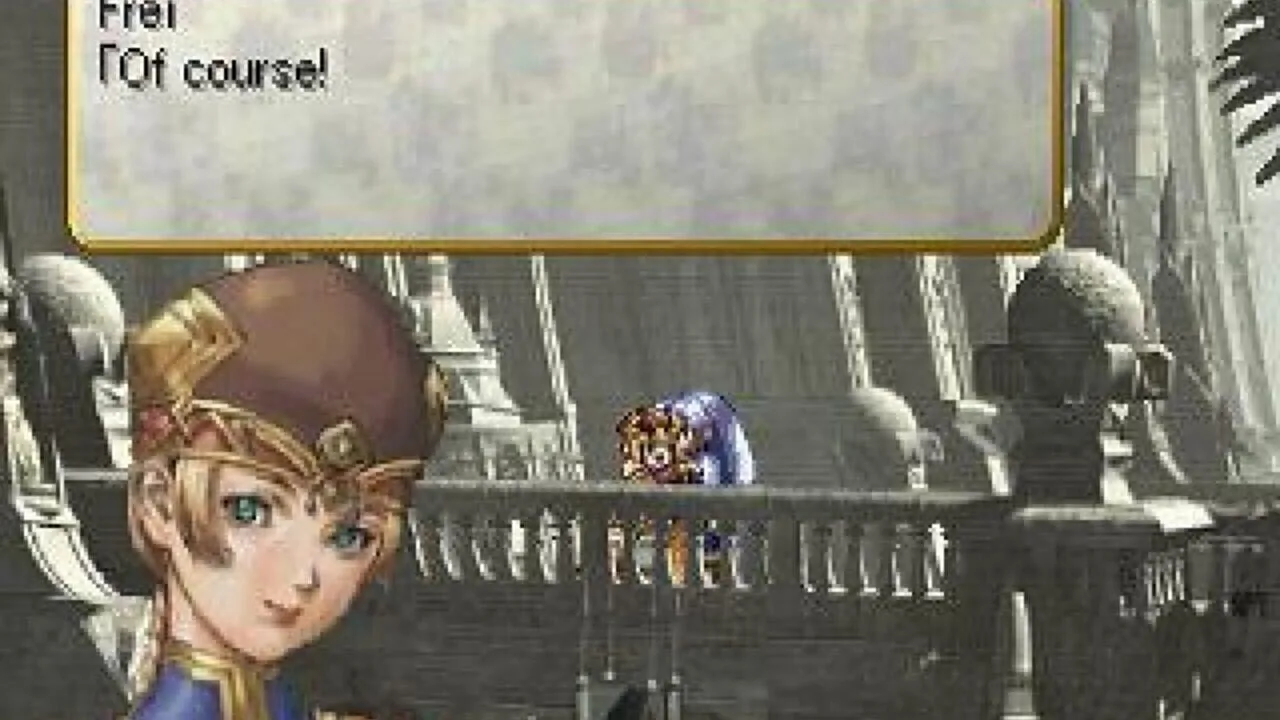
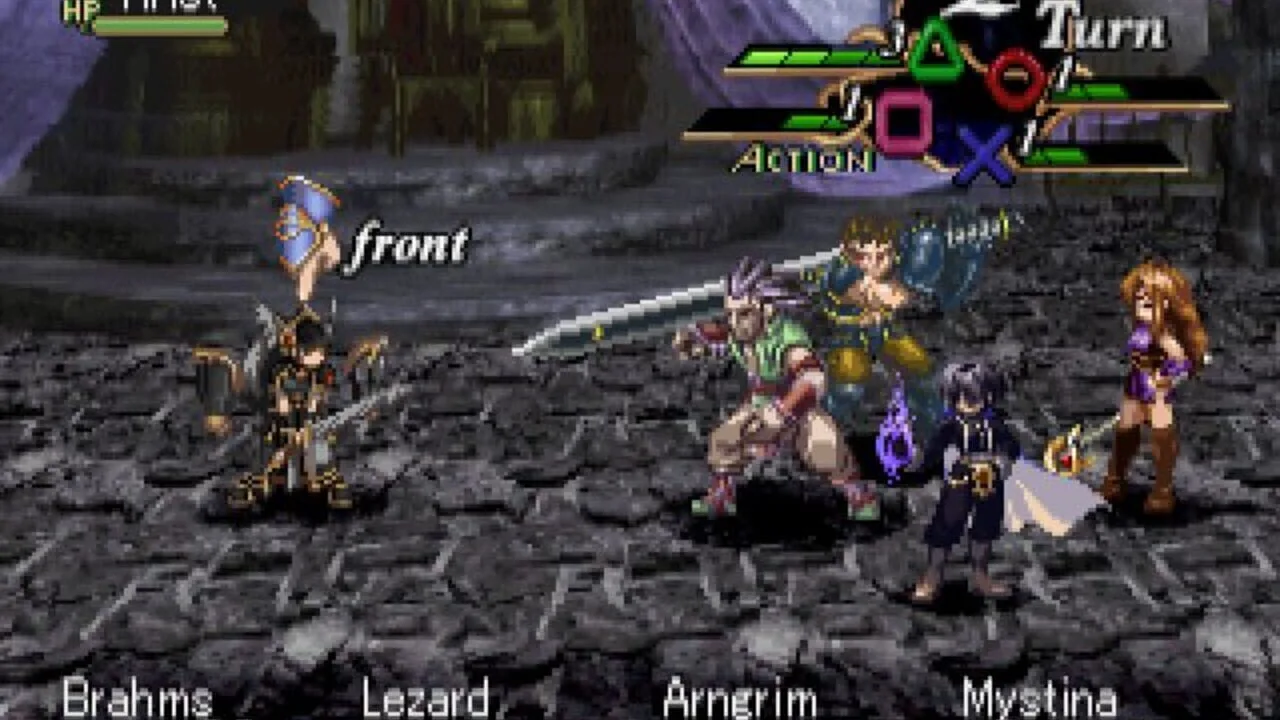
73. Valkyrie Profile (1999)
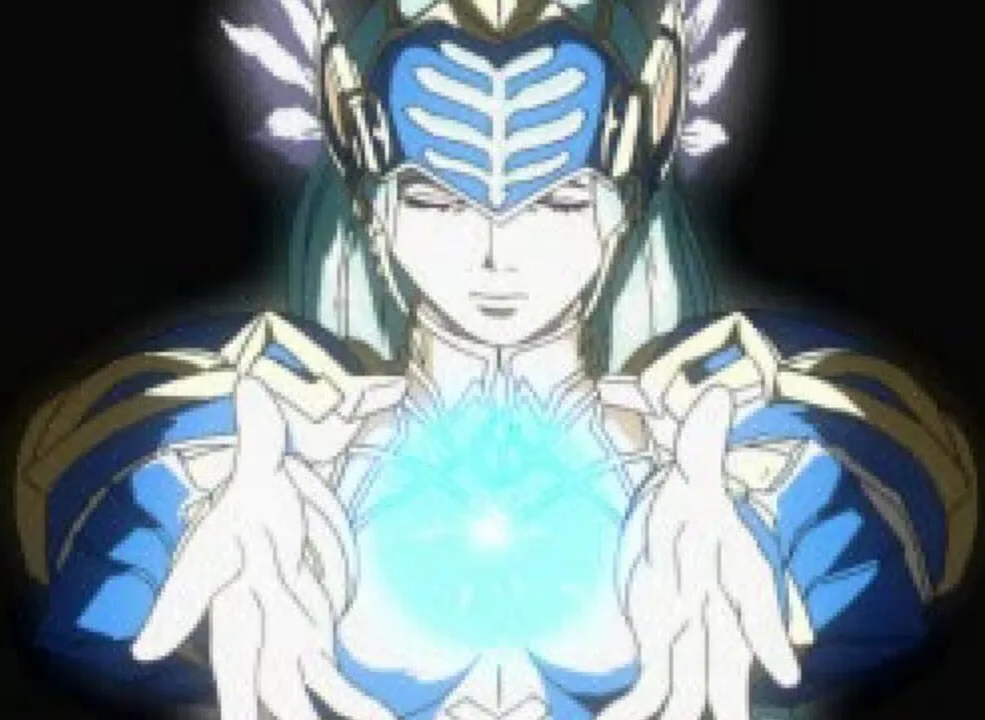
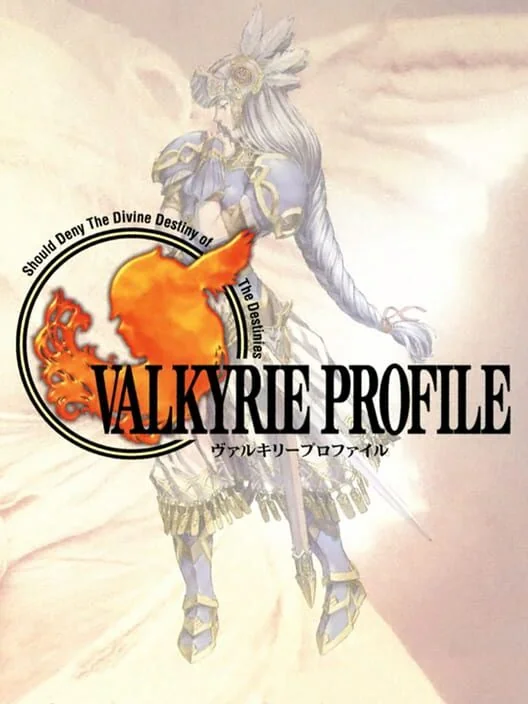
Valkyrie Profile is a role-playing video game developed by tri-Ace and published by Enix (now Square Enix) for the PlayStation. It was released on December 22, 1999 in Japan and on August 29, 2000 in North America. An enhanced port of the game was later released for the PlayStation Portable under the name Valkyrie Profile: Lenneth on March 2, 2006 in Japan, July 18, 2006 in North America, and April 27, 2007 in Europe.
72. Jumping Flash! (1995)
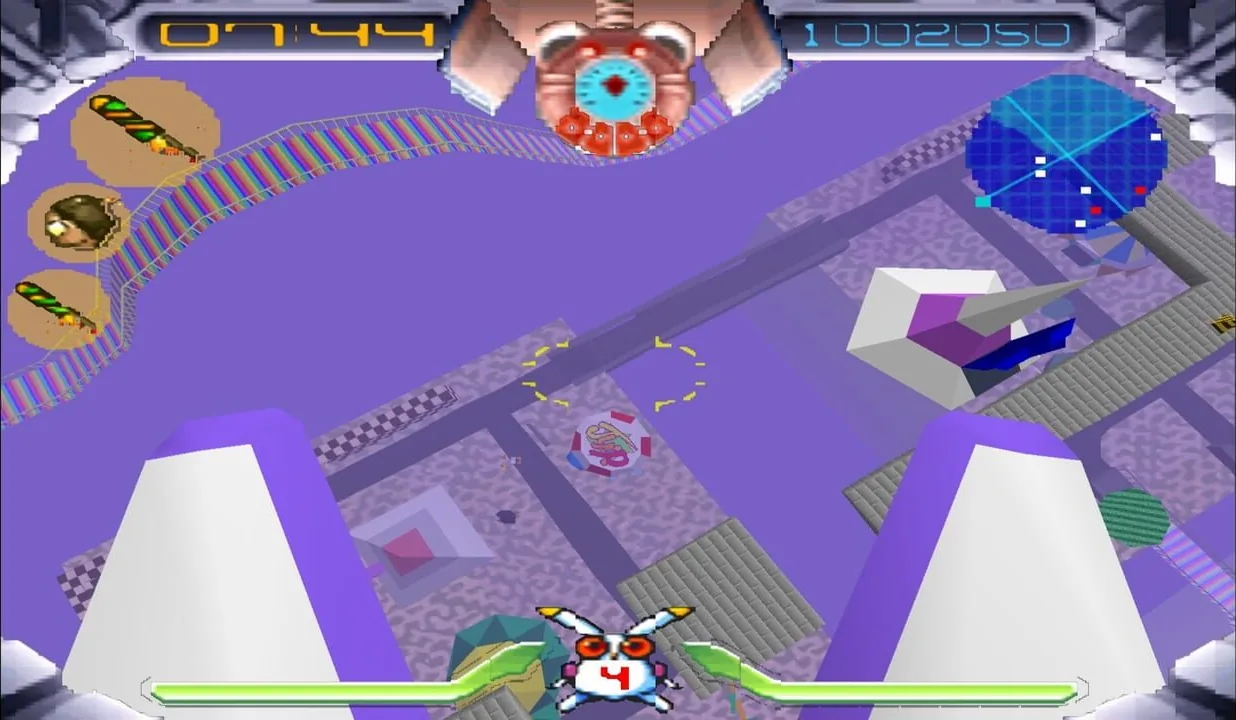
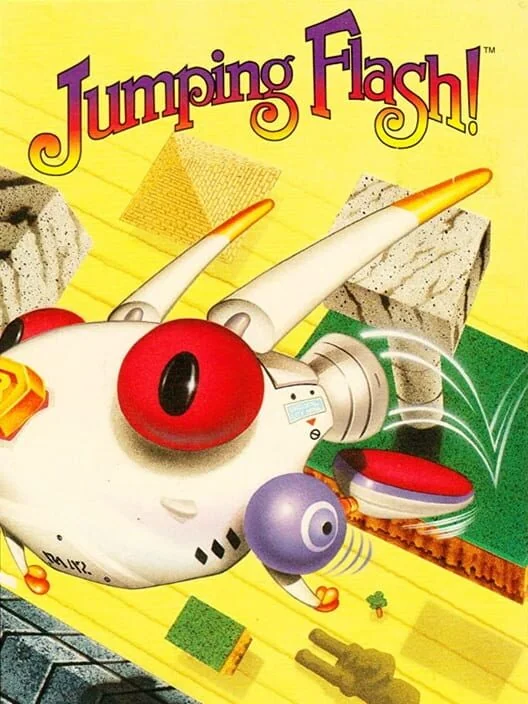
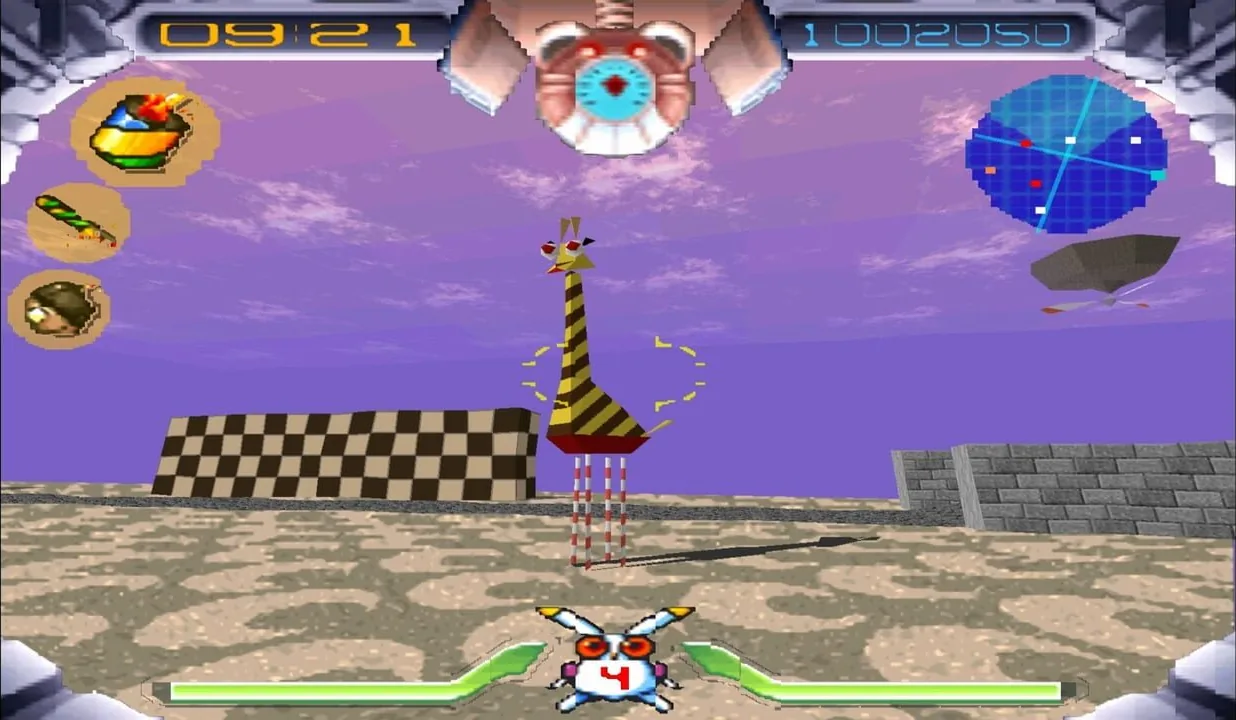
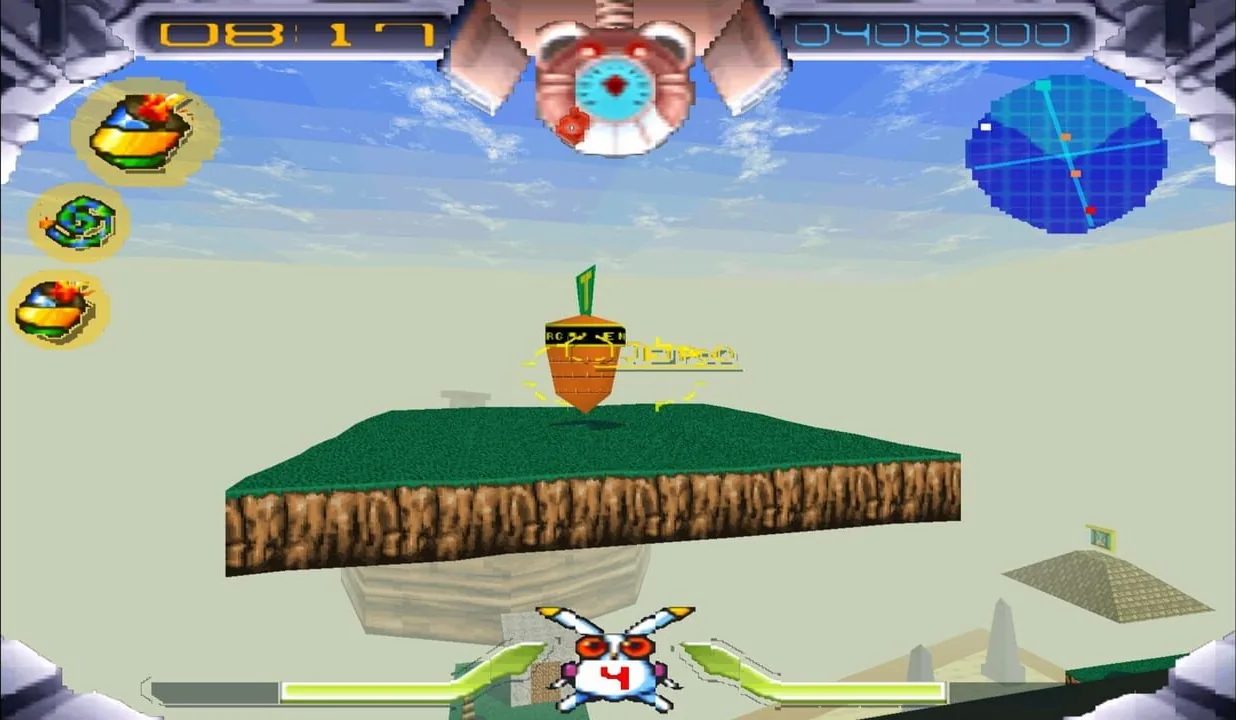
Jumping Flash! is a platform video game published by Sony Computer Entertainment and developed by Exact Co., Ltd. and Ultra Co., Ltd for the PlayStation in 1995. The game follows the robotic rabbit named 'Robbit' as he searches for the missing Jet Pods which were scattered by the game's astrophysicist antagonist, Baron Aloha. The game is presented in a first-person perspective, in which Robbit must explore each world to retrieve all the hidden Jet Pods, stop Aloha, and save the world from desolate emptiness.
71. Omega Boost (1999)
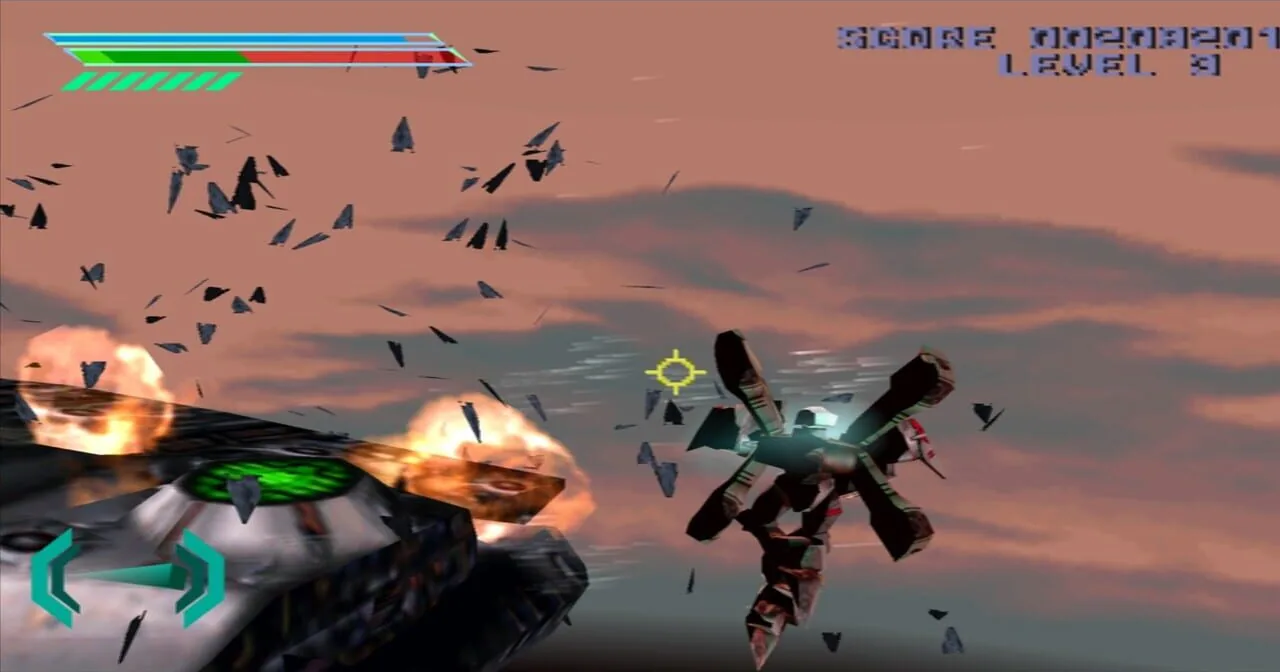
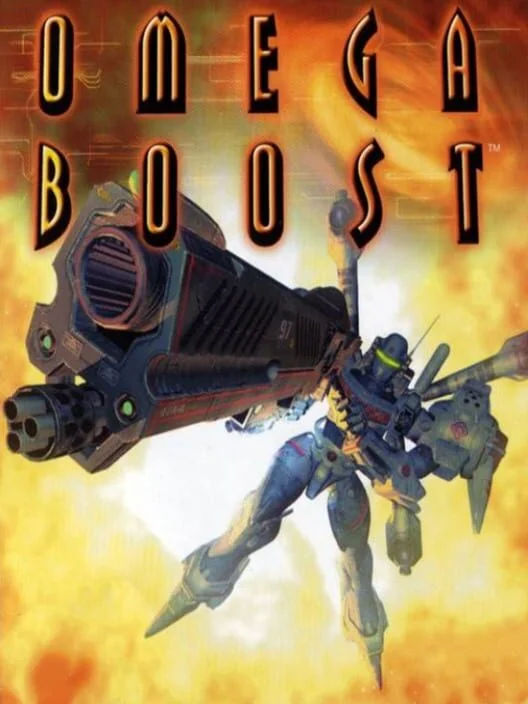
A 3D shoot 'em up by the makers of Gran Turismo and Panzer Dragoon Zwei
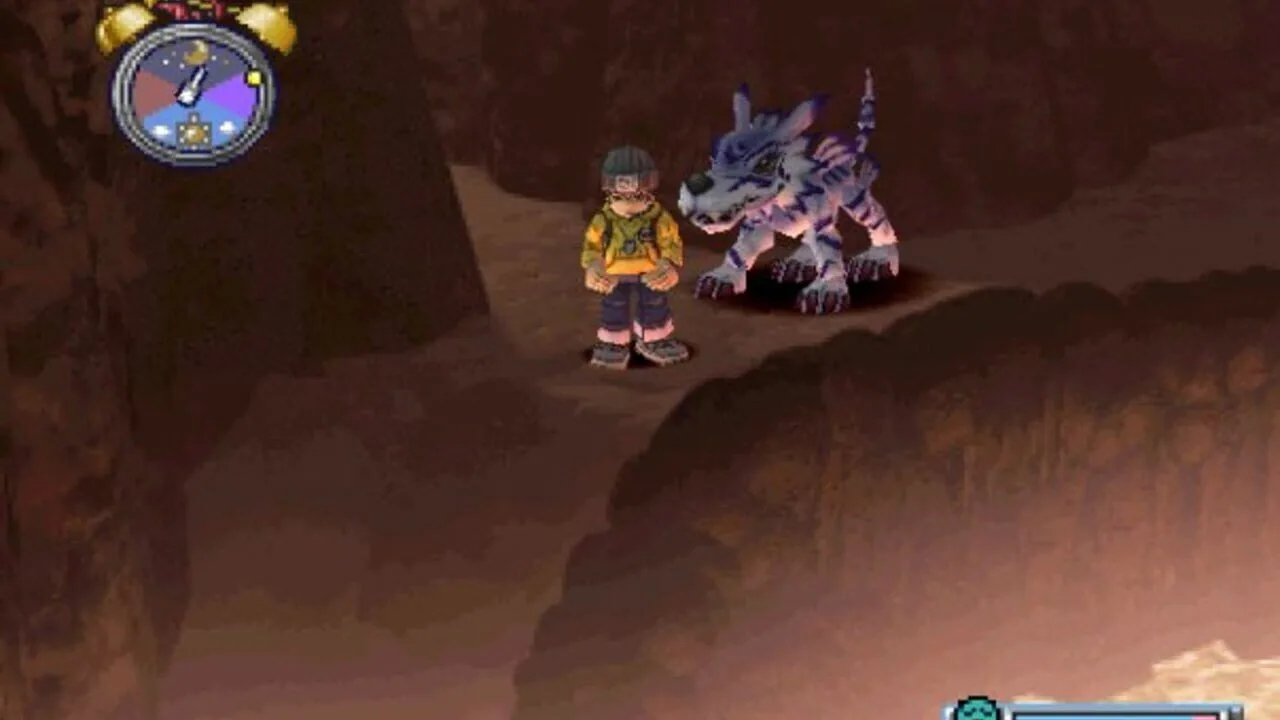
70. Digimon World (1999)
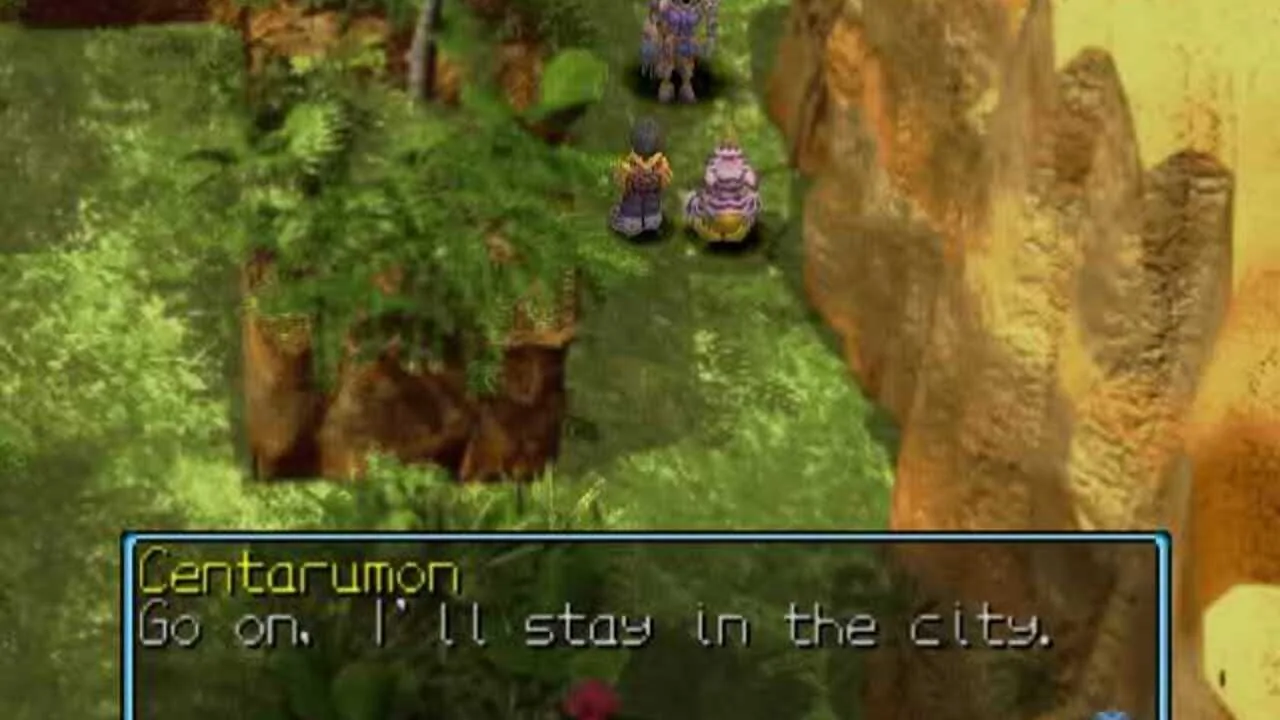
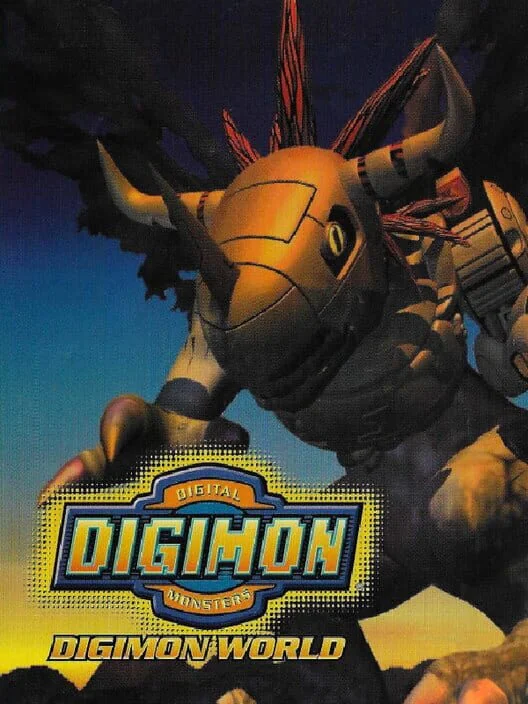
Digimon world is a game that allows a player to raise their own Digimon and teach it to battle.
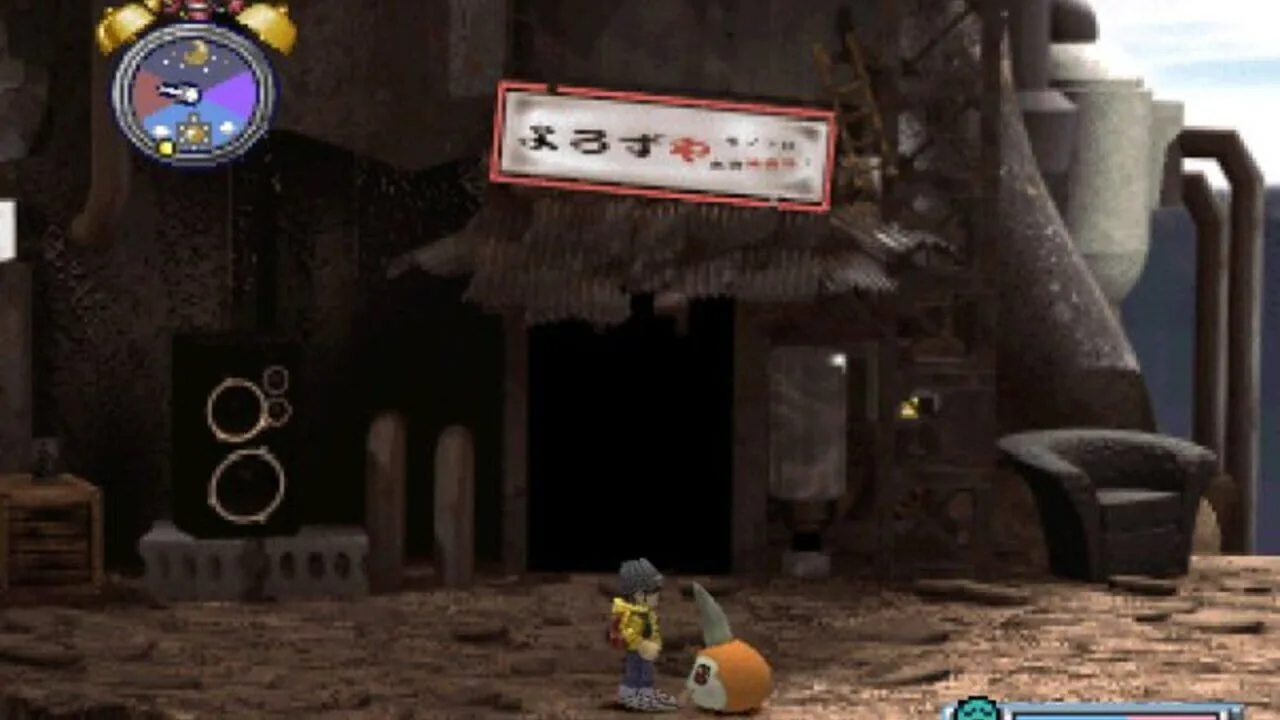
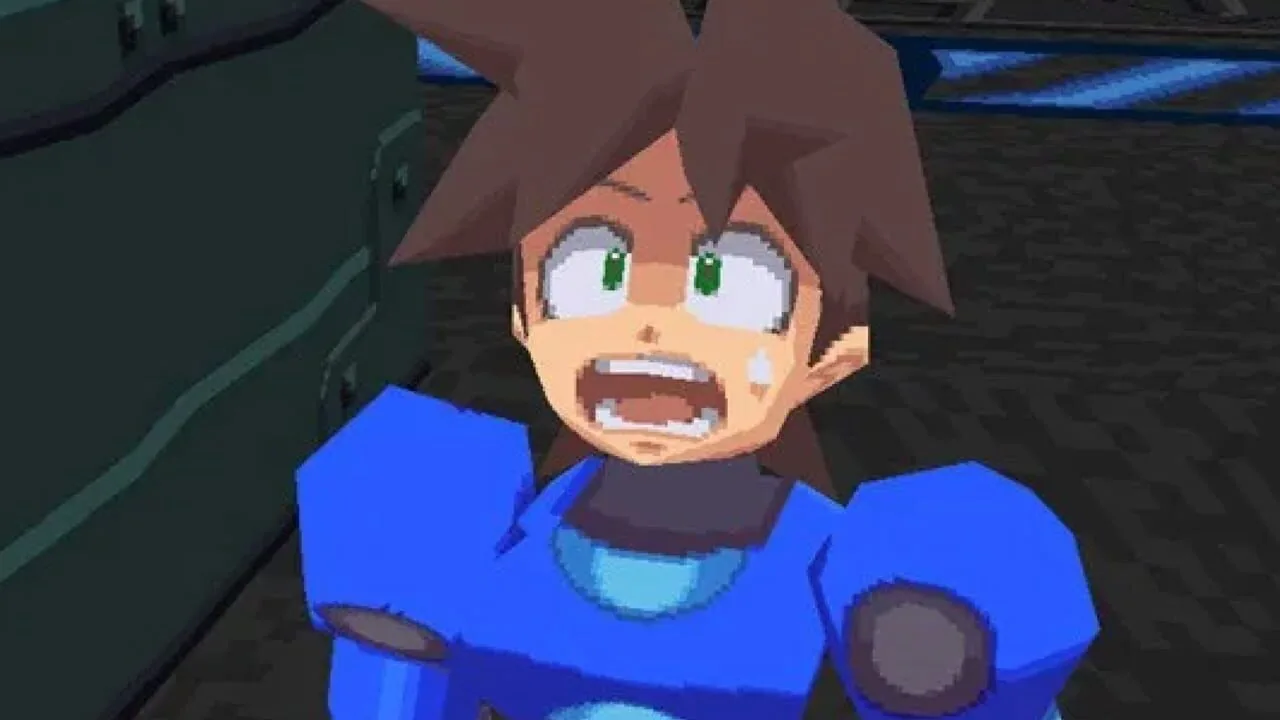
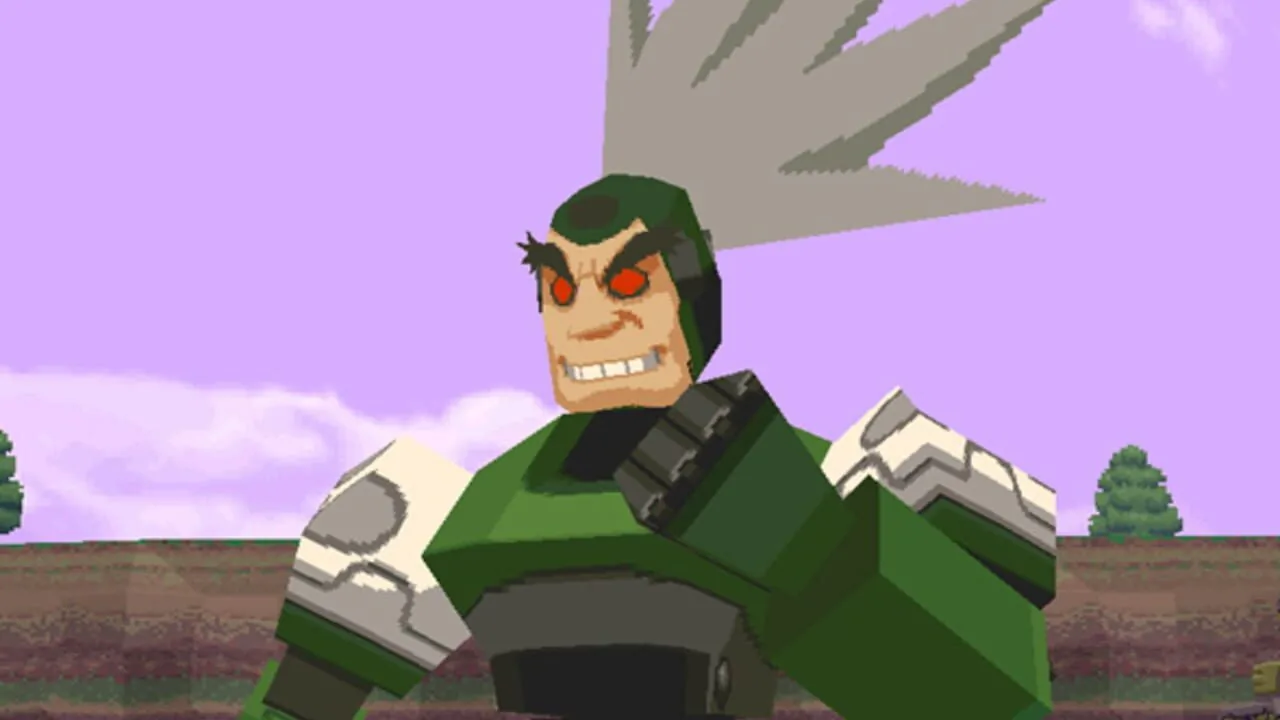
69. Mega Man Legends (1997)
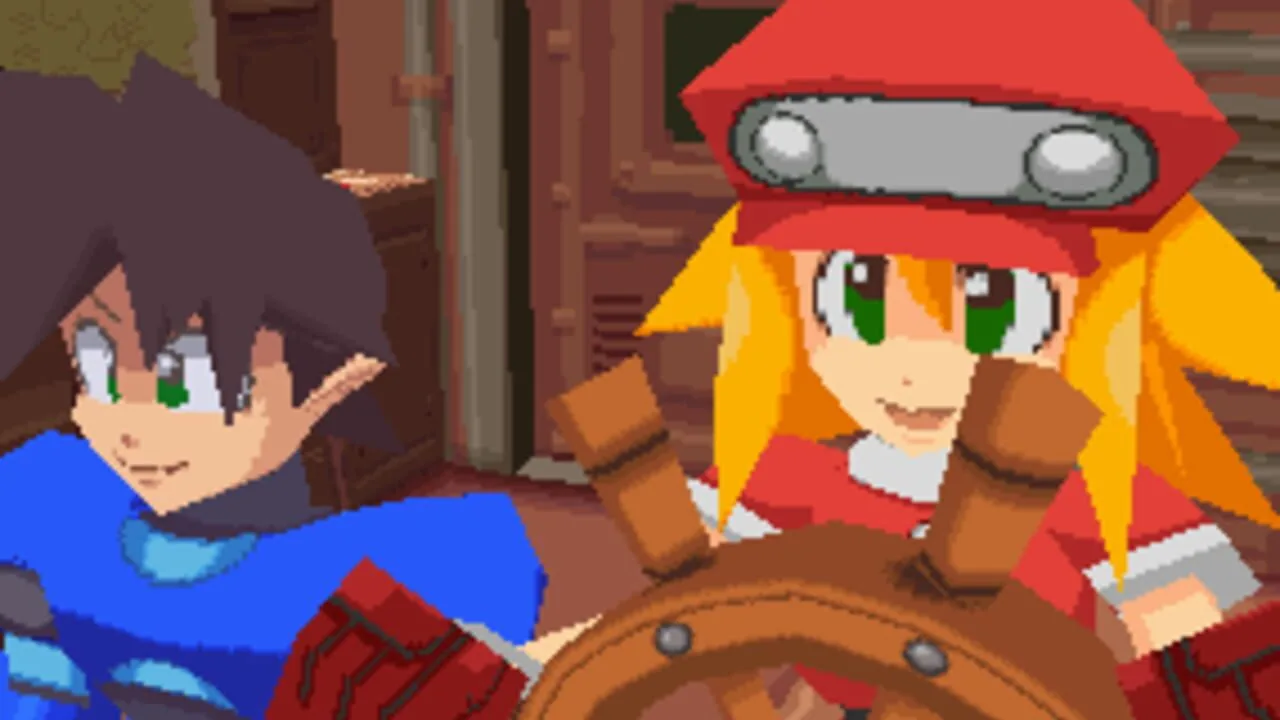
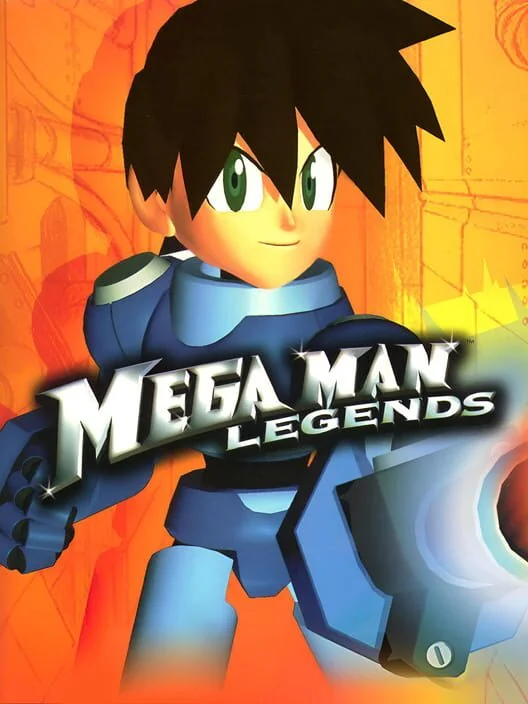
THE BLUE BOMBER BLASTS INTO A WHOLE NEW DIMENSION
Mega Man blasts his way into the third dimension in an amazing new adventure. Mega Man Legends combines the best of classic Mega Man action with enormous bosses, a riveting storyline and all the depth of the hottest RPG.
Explore vast 3-D worlds in your quest to find the treasure of all treasures, the Mother Lode. You'll love the new 3-D graphics, deadly weapons and non-stop action... unless of course, you're a boss.
* Awesome Weapons!
* Diabolical Bosses!
* Legendary Gameplay!
* Non-Stop 3-D Action!
68. Street Fighter Alpha 3 (1998)
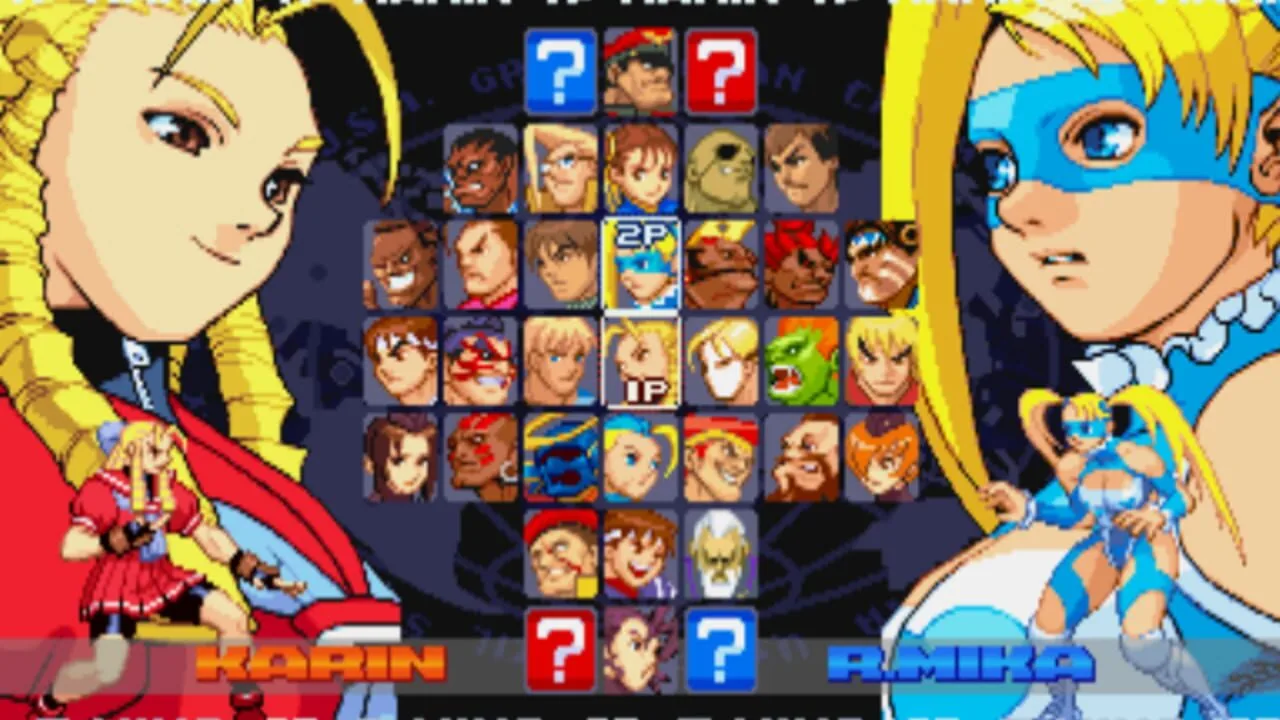
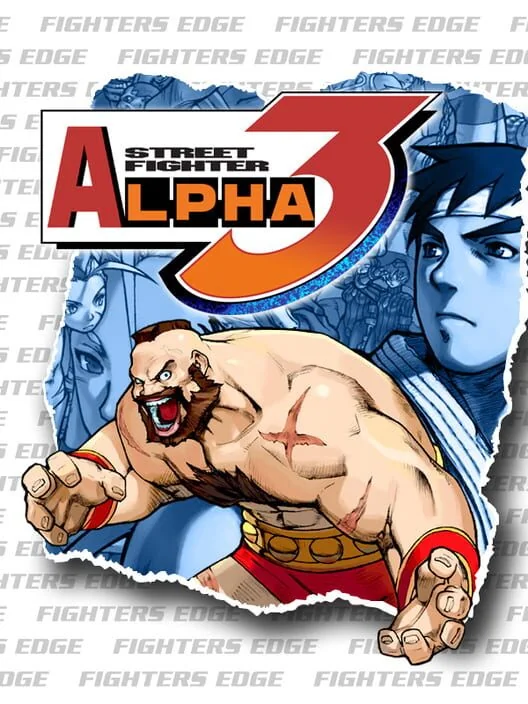
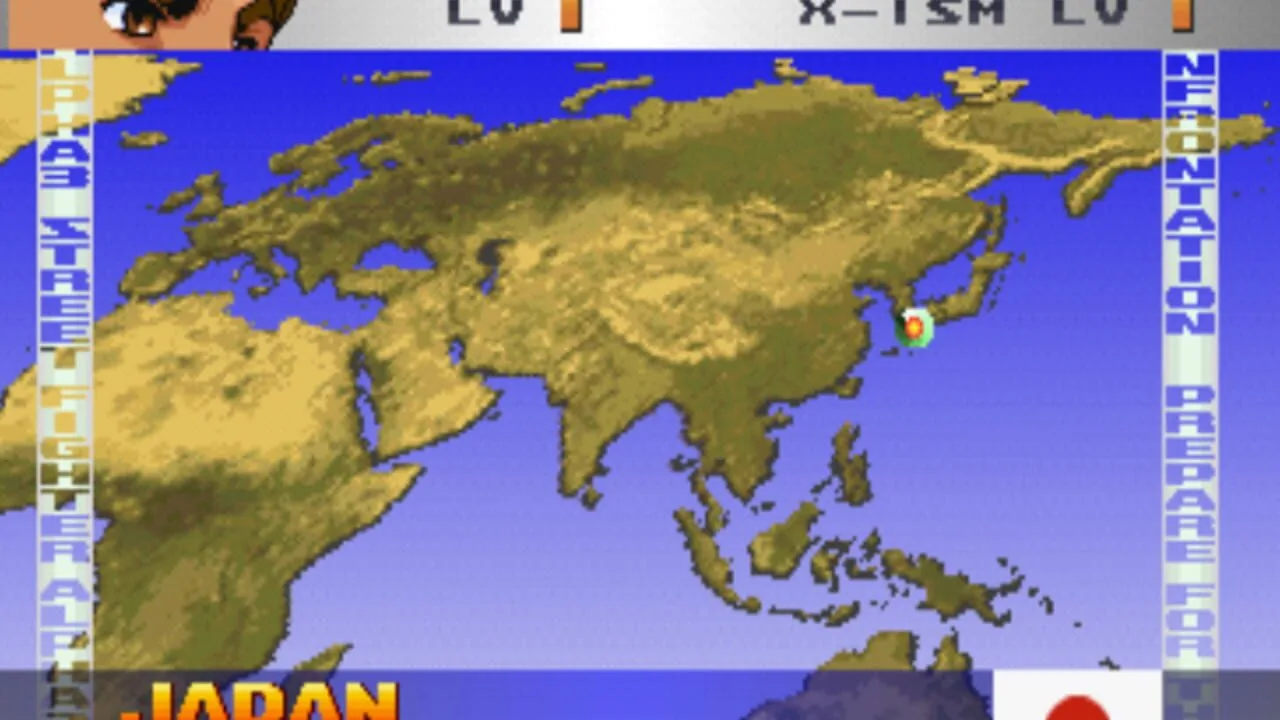
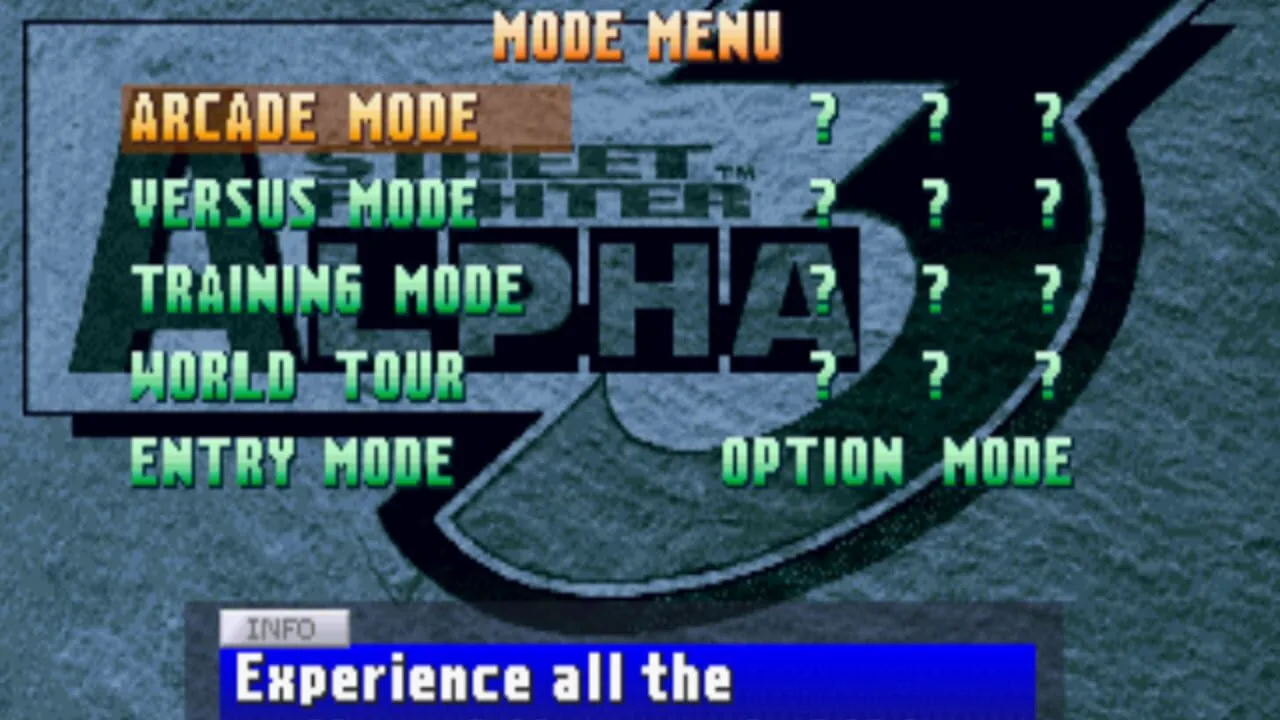
The PlayStation port of Street Fighter Alpha 3 has added new characters to the roster, including Juli, Juni, Balrog, Dee Jay, Fei Long and T. Hawk. They come with new portraits and their own scenarios. Guile, Evil Ryu and Shin Akuma have also been added as secret characters that can be unlocked through World Tour mode, a mode that allows players to strengthen and customize the fighting style of their chosen character while traveling the world.
67. Breath of Fire IV (2000)
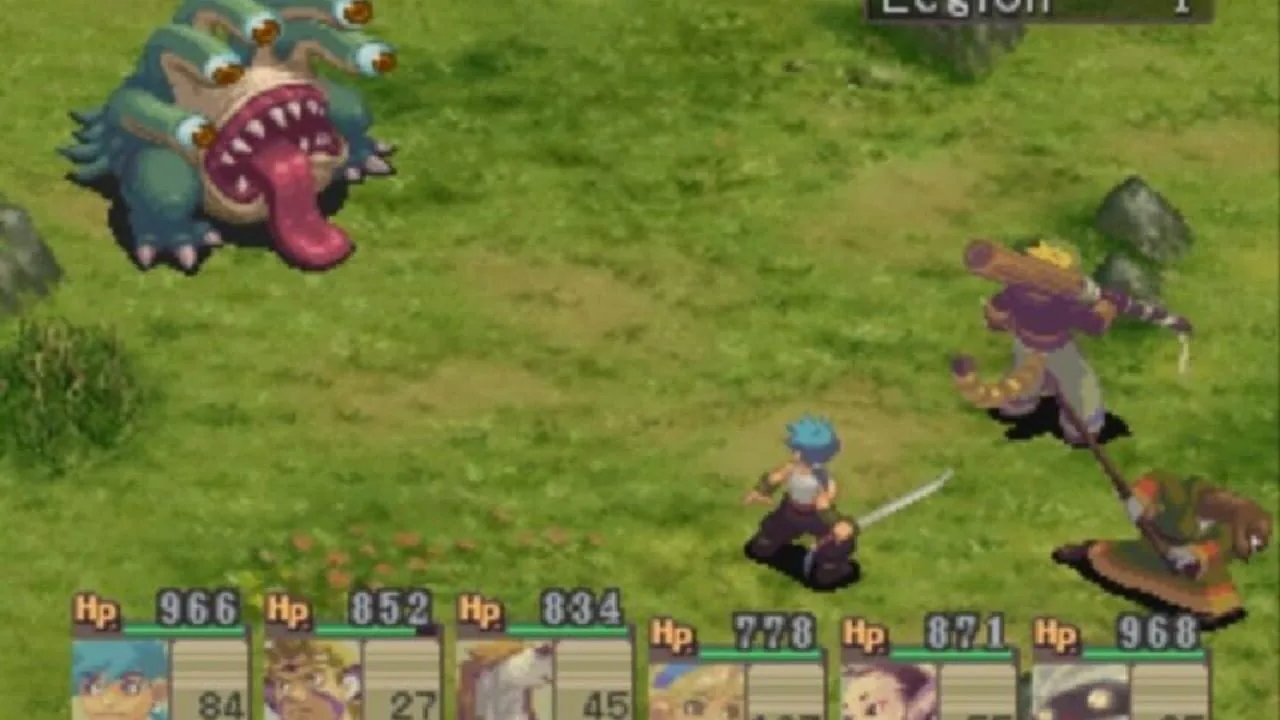
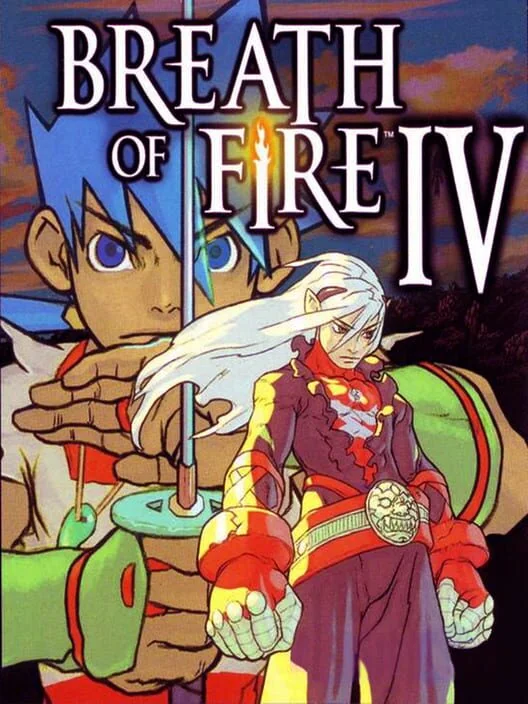
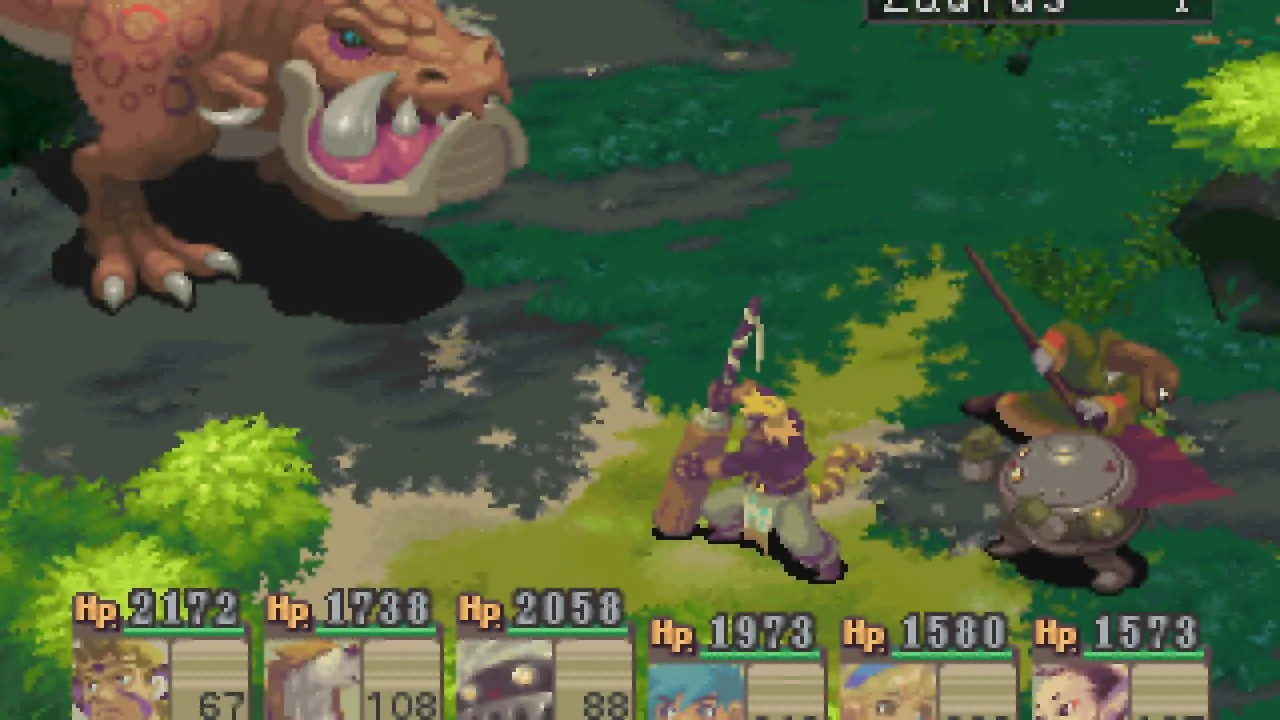
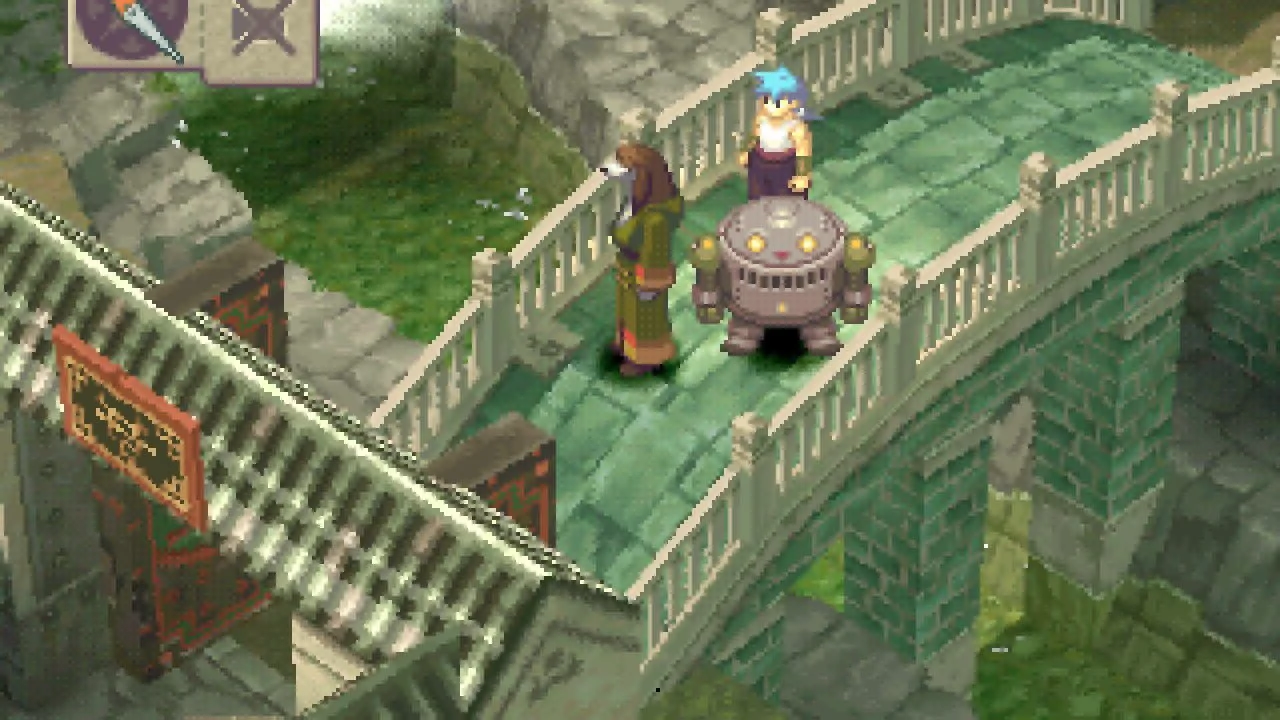
Breath of Fire IV is a single-player game that continues the story with these "dragon people," who gave their lives to eradicate the evil goddess and restore peace in their world. This time around, battle has broken out between two powerful continents, and the fair Princess Elena has disappeared during a tour of the war-torn region. The princess's sister, Nina, who reigns o'er the Windia Kingdom, vows to retrieve her missing sibling. She meets Ryu along the way, who joins the epic quest
66. Colony Wars (1997)
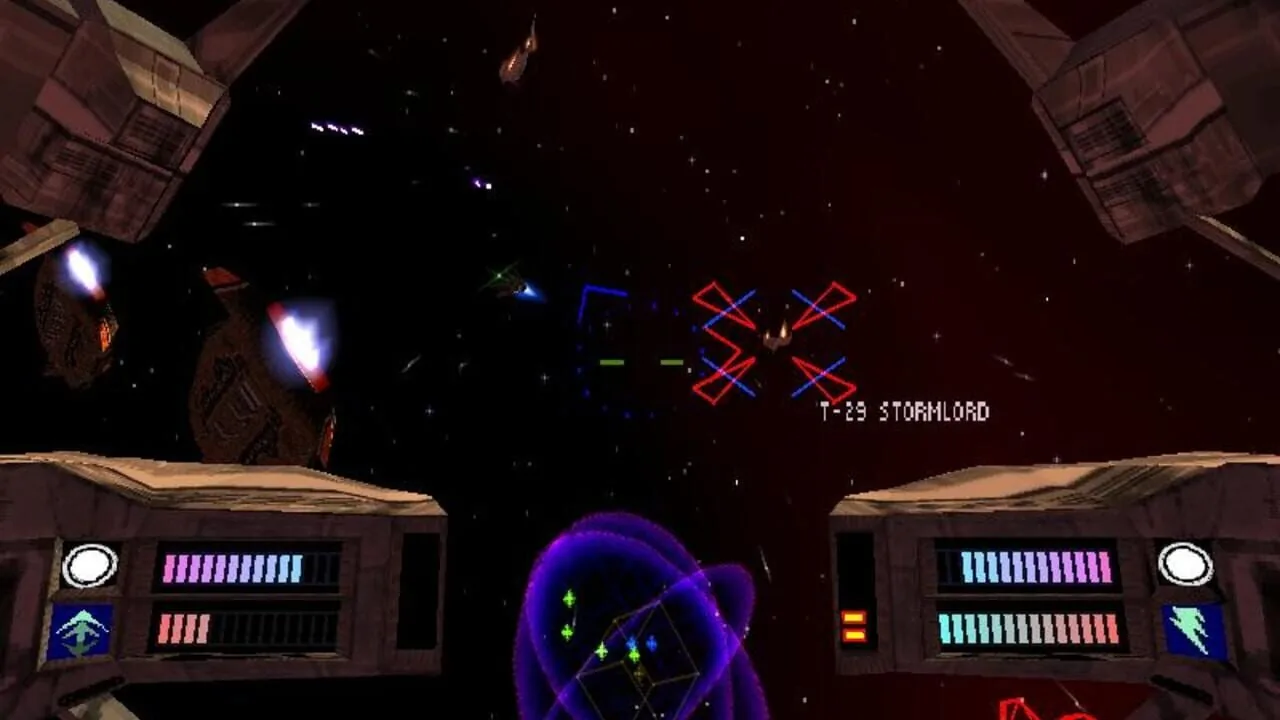
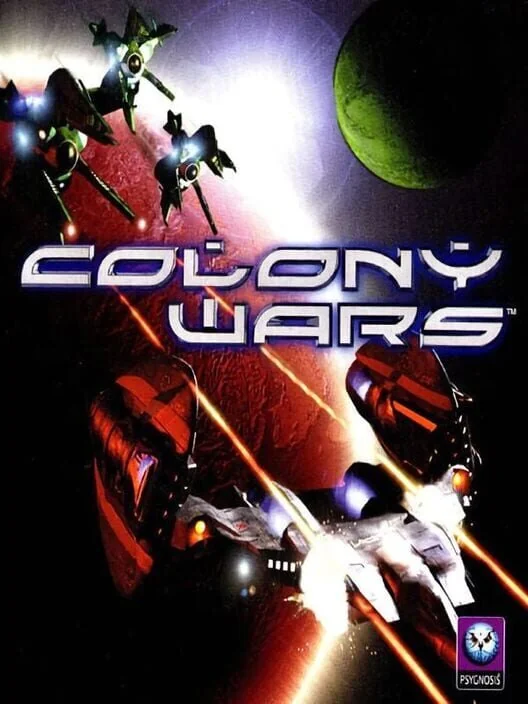
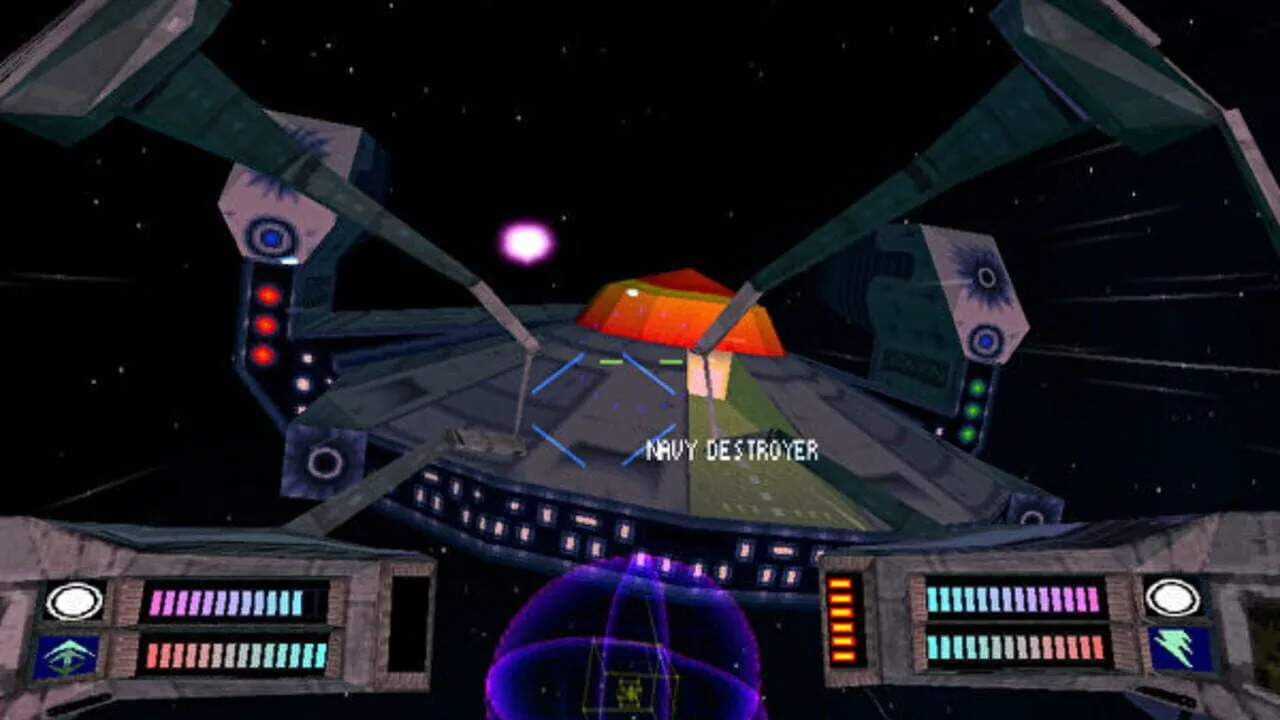
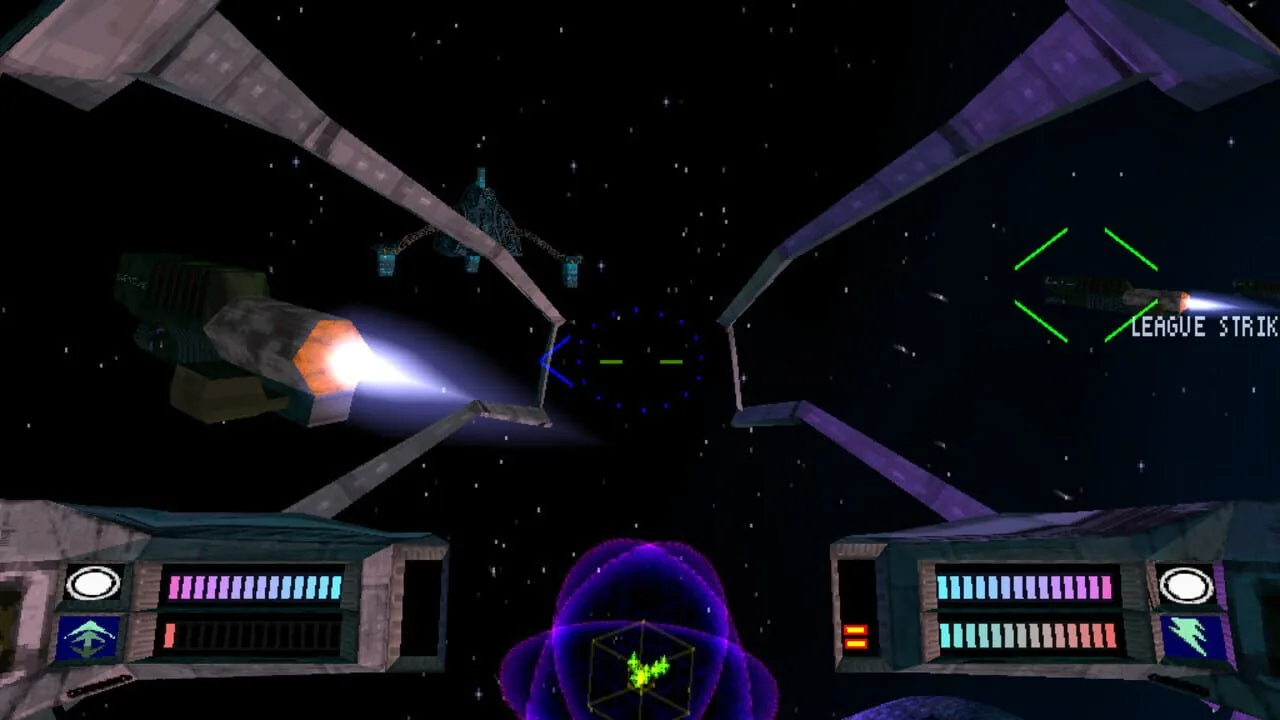
Colony Wars is a combat fighter game set in space. You, as the player, join as a recruit in the League's fleet. Missions take place in various fighters, from a 1st person view inside the cockpit, or a 3rd person view from behind your ship. Ships have separate meters for shields and armor, and the player must cycle between weapons designed specifically to damage each. At the most basic, purple lasers must drain a target's shields, followed by switching to red lasers to destroy them.
The game features advanced lighting and particle effects for the Playstation, as well as a basic simulation of Newtonian physics. Thrusters are only active for as long as the accelerate button is held down. The player can burst fire their thrusters and drift, allowing for some advanced maneuvers. The campaign also features multiple endings and branching missions/storylines, based on your performance in the previous operations.
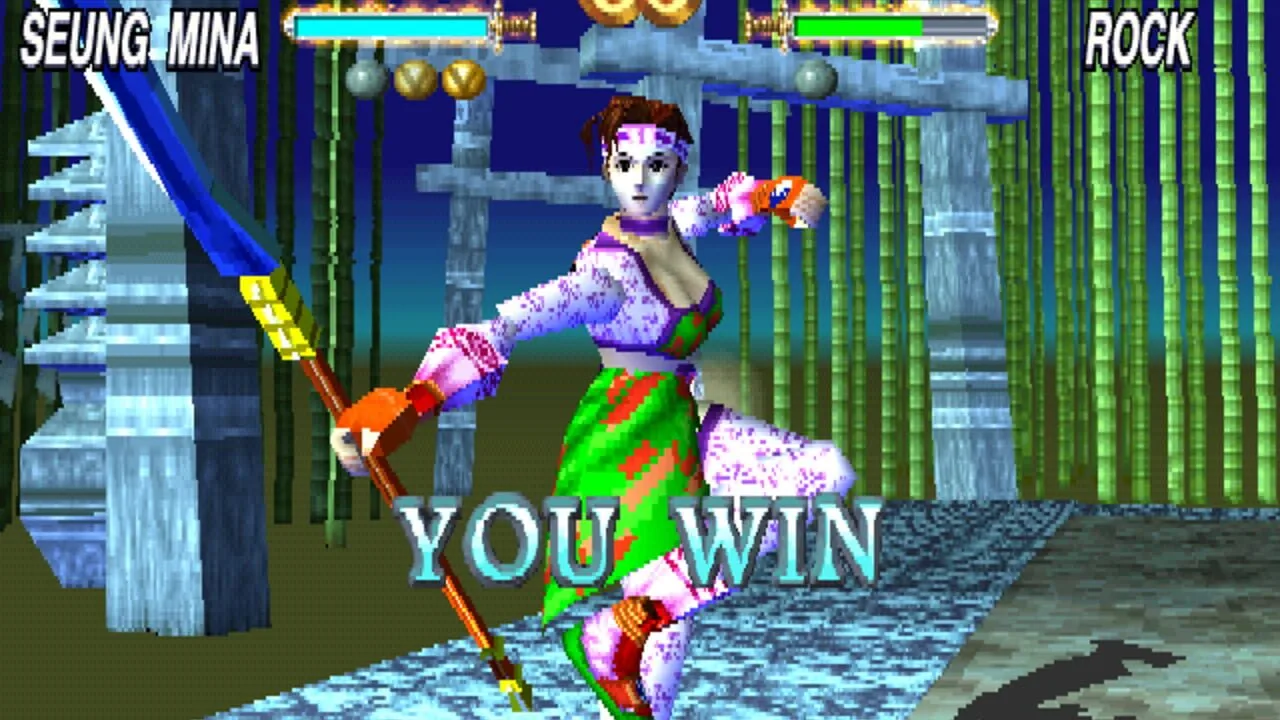
65. Soul Blade (1996)
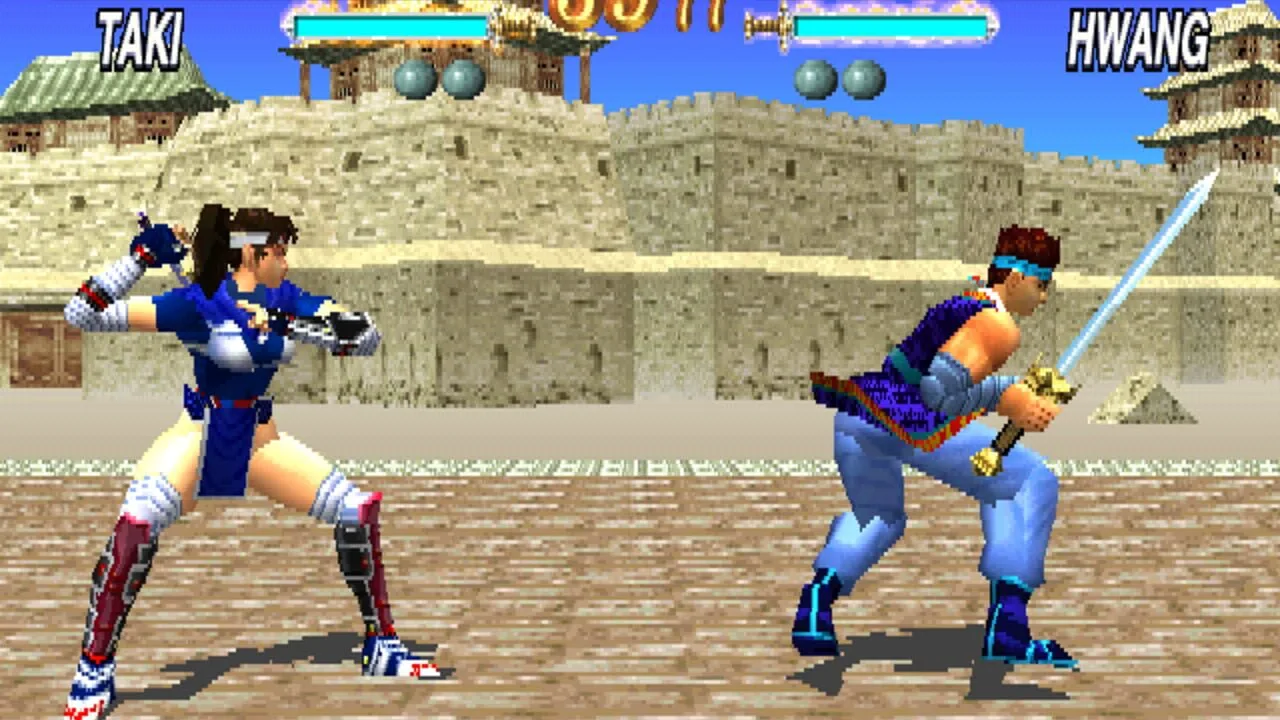
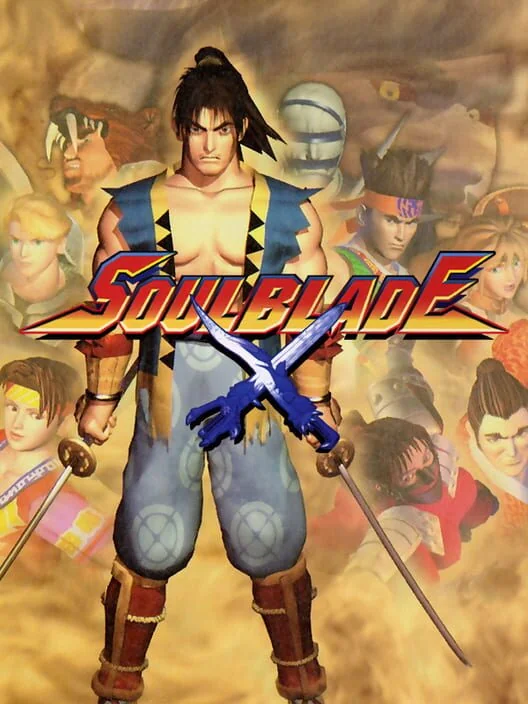
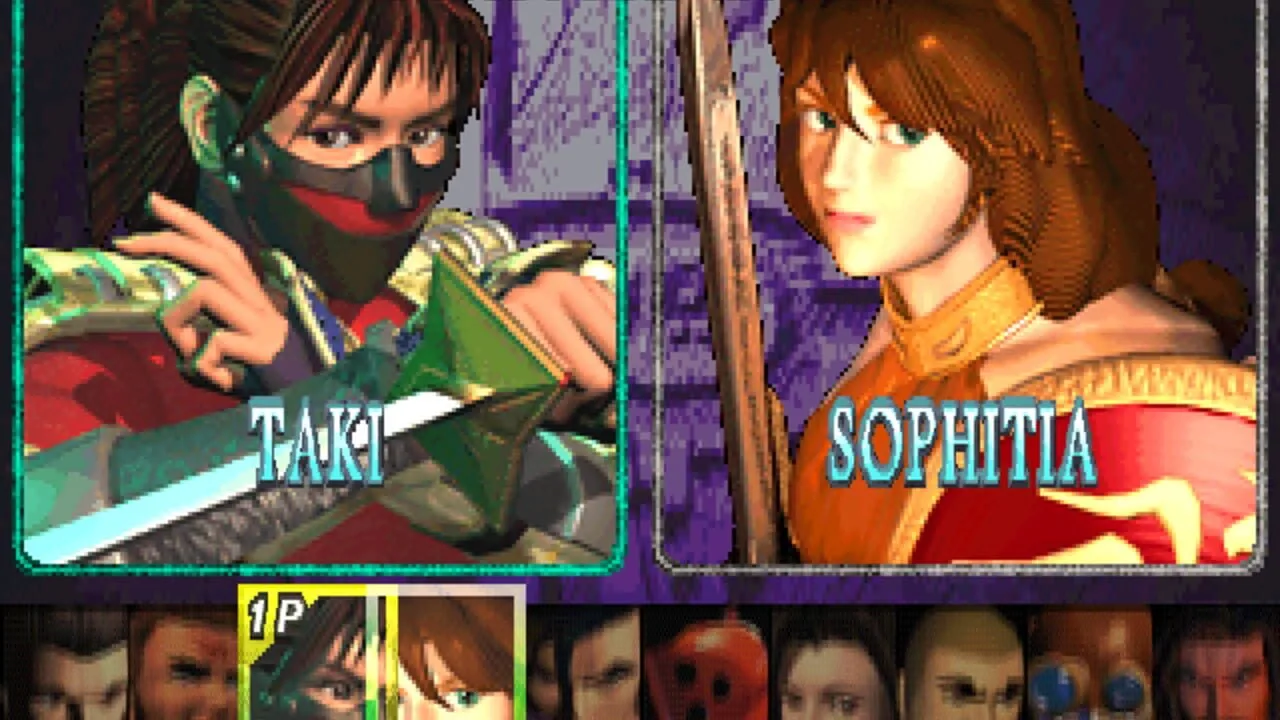
The console version of Soul Edge adds more content to the original arcade game such as new characters and additional game modes.
Added features
- The inclusion (besides the standard "Arcade" mode) of "VS", "Survival", "Team Battle", "Time Attack" and "Training" modes.
- A new RPG-styled mode called "Edge Master Mode".
- Seven extra weapons per character, which have different designs and statistics.
- The original ten selectable characters received a new PlayStation-exclusive costume.
64. Grand Theft Auto (1997)
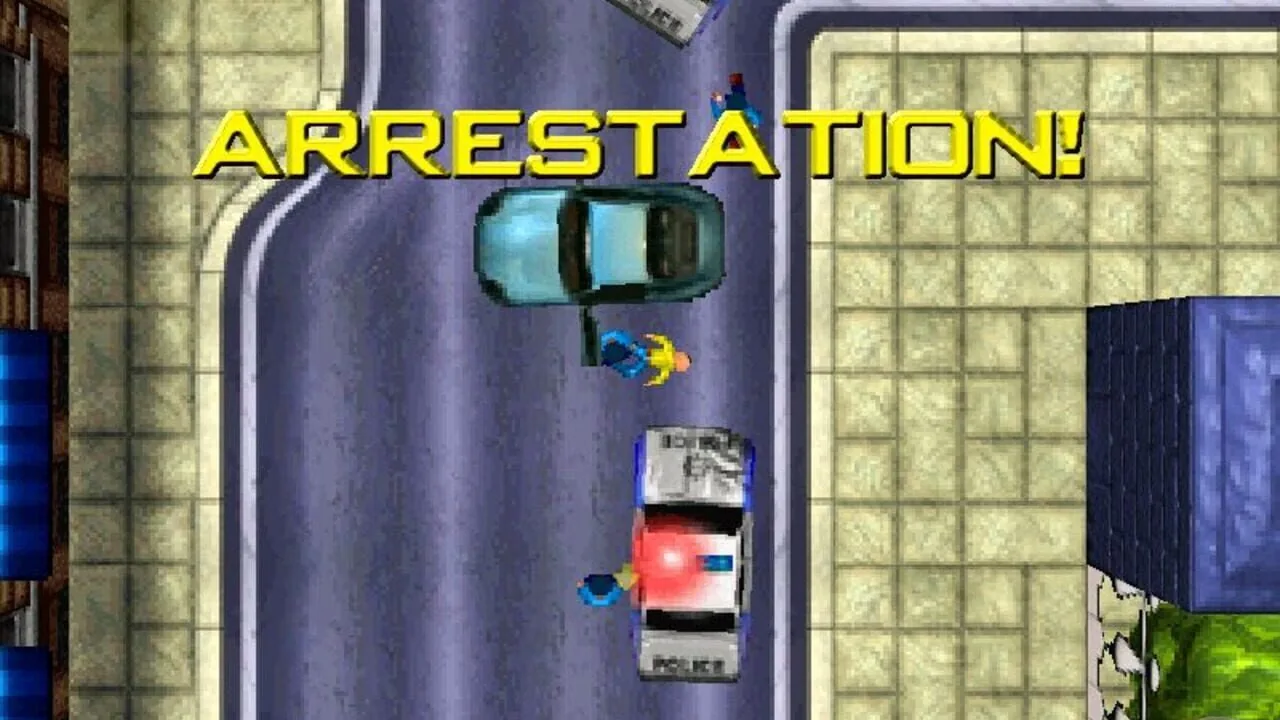
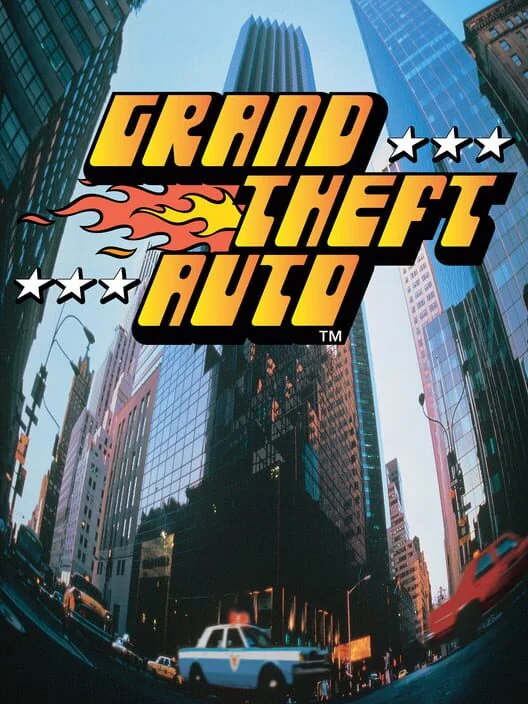
Grand Theft Auto is the first game in the Grand Theft Auto series and a sandbox-crime game published by Rockstar Games.
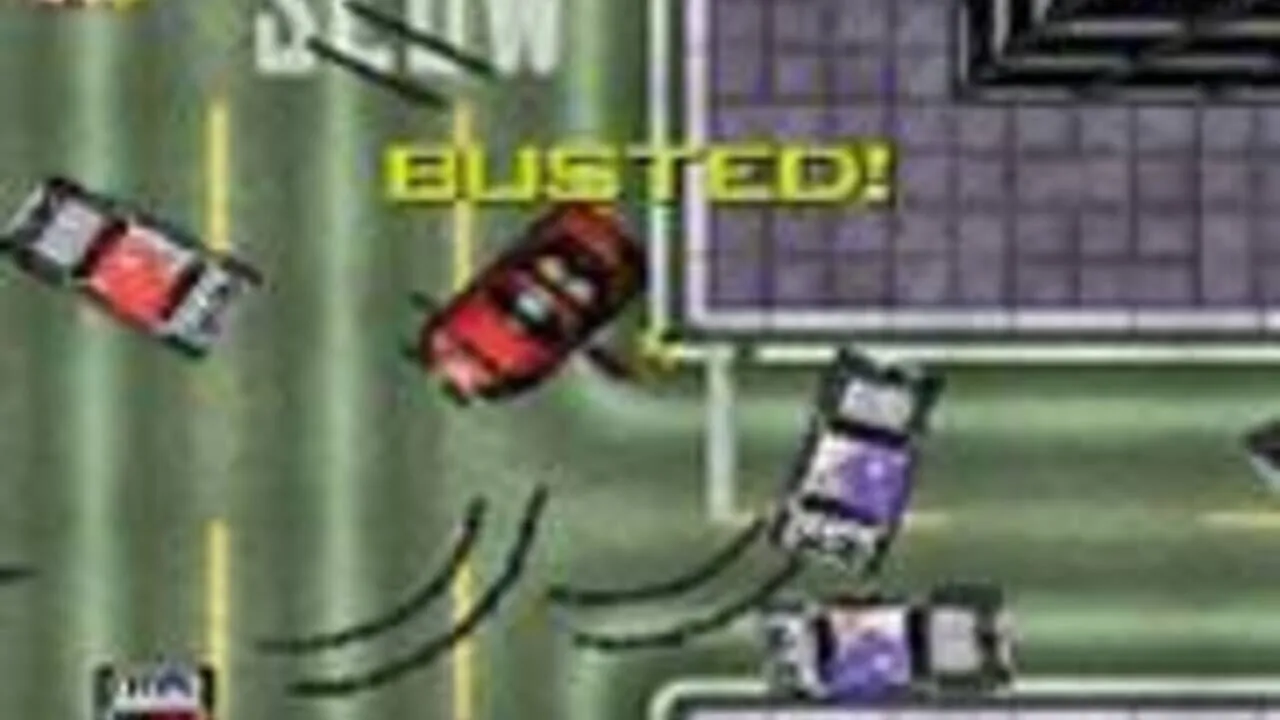
The original Grand Theft Auto is made up of a series of levels each set in one of the three cities in the game. In each level, the player has a target number of points to achieve, and five lives to attain the score.
The score counter doubles as a money meter; the player can spend this money on paint jobs and various other things. However, any money spent is of course taken away from the score, making the goal that little bit further away.
On obtaining the target number of points, the player must then drive to a certain location to complete the level, which allows progress to the next one.
63. Tomba! 2: The Evil Swine Return (1999)
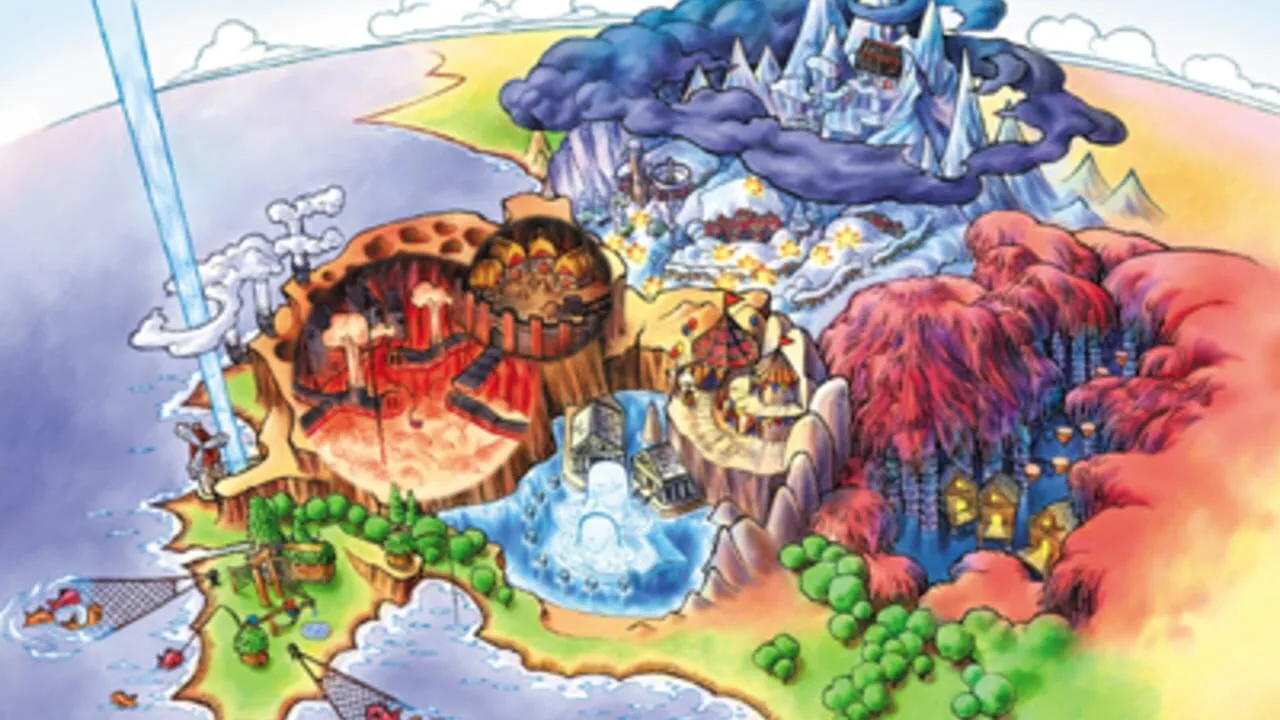
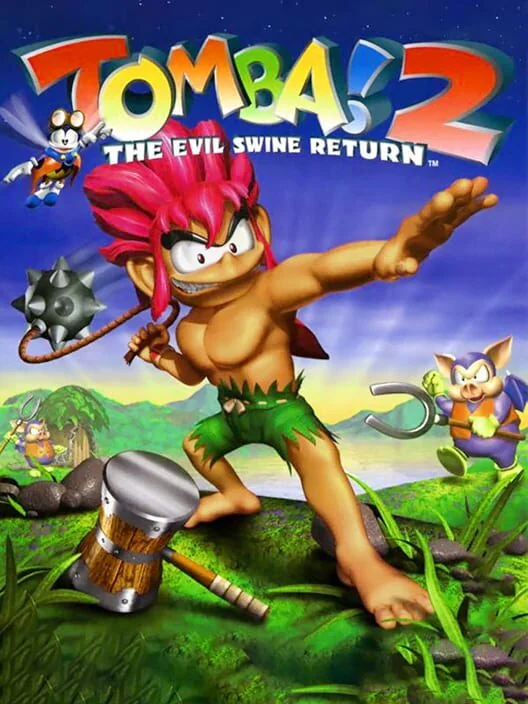
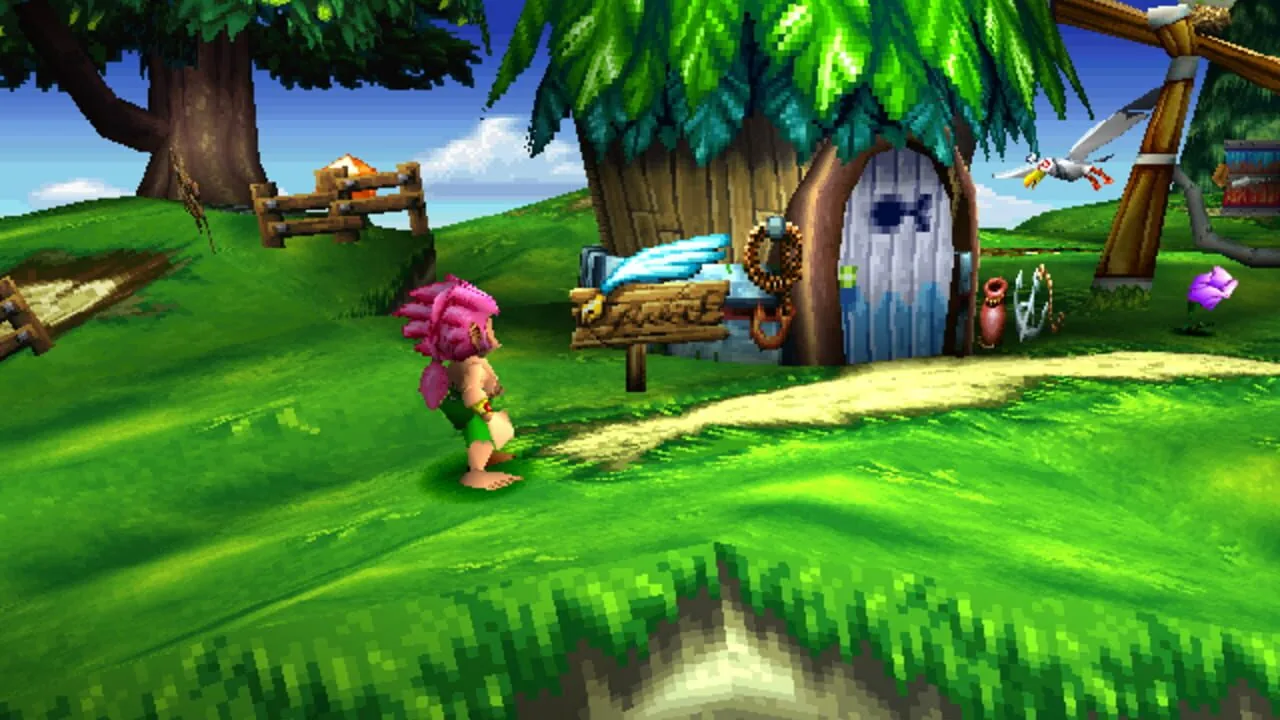
Tomba! 2: The Evil Swine Return is a side-scrolling platformer in which the titular character, Tomba, moves on predetermined linear paths until he reaches an intersection point where a flashing arrow appears over his head. At that point, Tomba can move in any direction the arrow points. Some areas of the game can be explored in a top-down view, allowing Tomba to move around freely. The main goal of the game is to complete all 137 objectives (133 make the regular ones, while the other four are obtained from a Tomba 1 save file), which range from retrieving a fishing hook for a fisherman to helping Santa Claus find his "sack". Completing a task earns the player "Adventure Points", which can be used to unlock specific boxes scattered around the game's world. As the game progresses, Tomba can obtain suits that give him special abilities. For example, the flying squirrel suit allows Tomba to glide long distances, while the pig suit allows Tomba to communicate with friendly pigs. Scattered throughout the levels are magical feathers that can instantly transport Tomba to any area that has previously been visited.
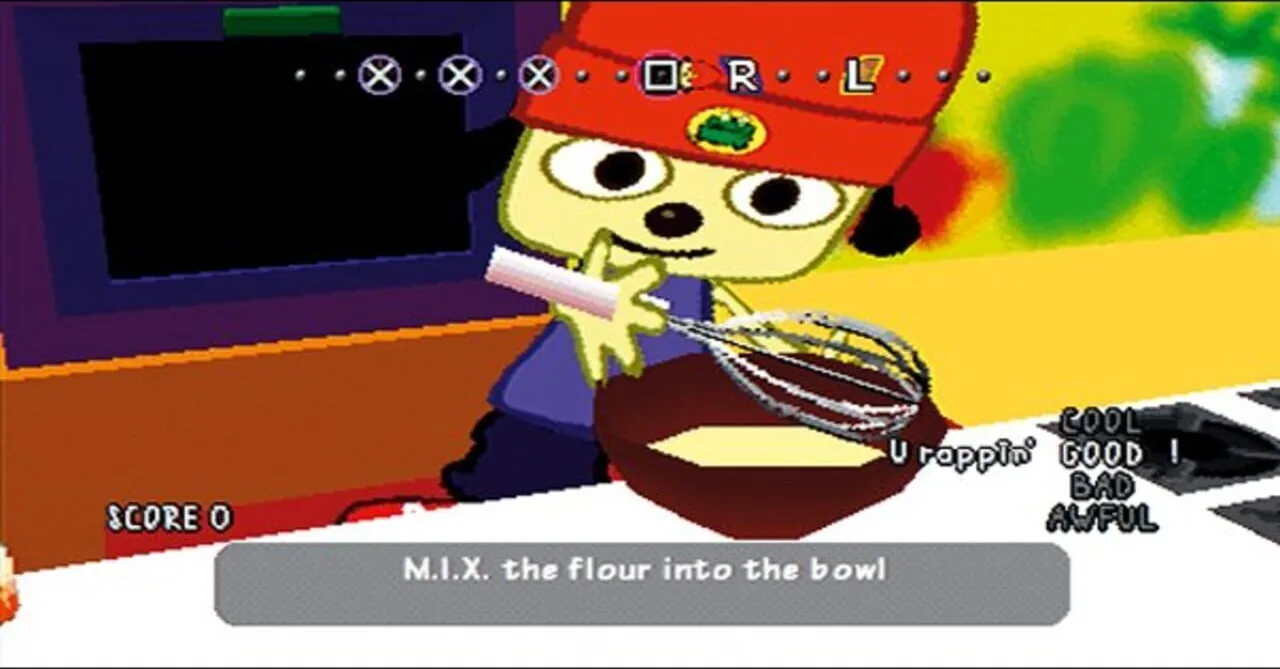
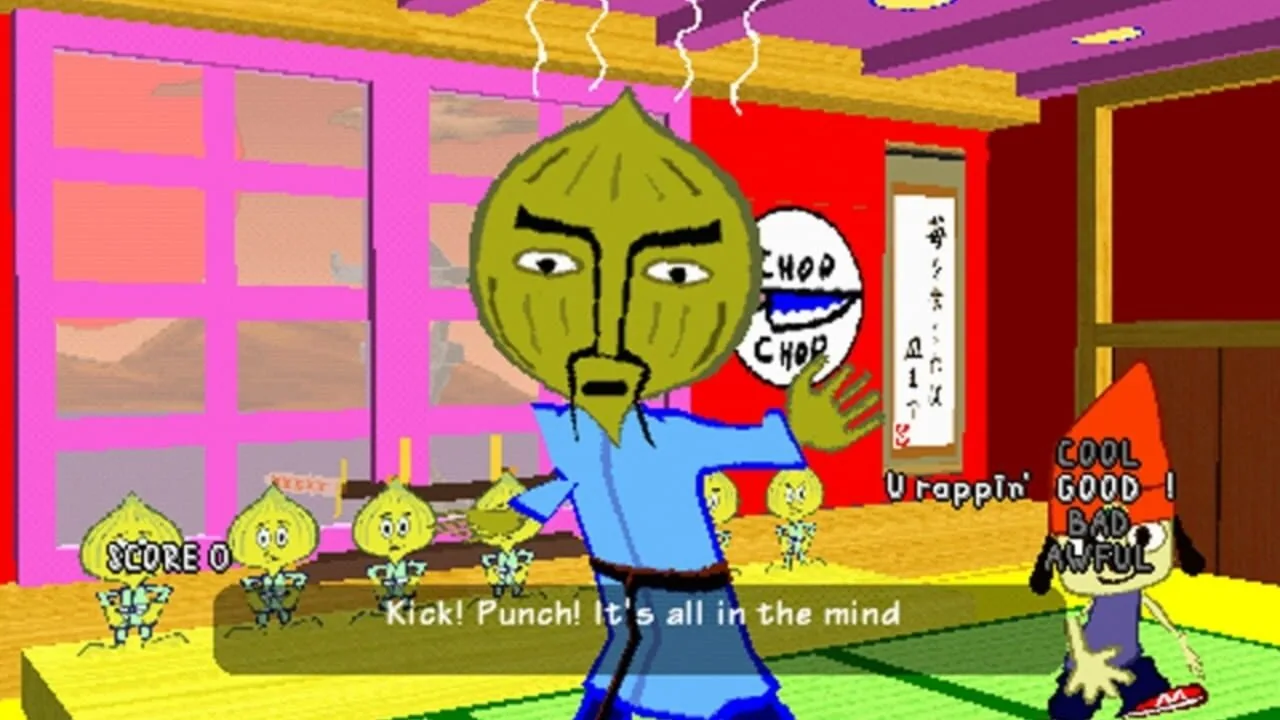
62. PaRappa the Rapper (1996)
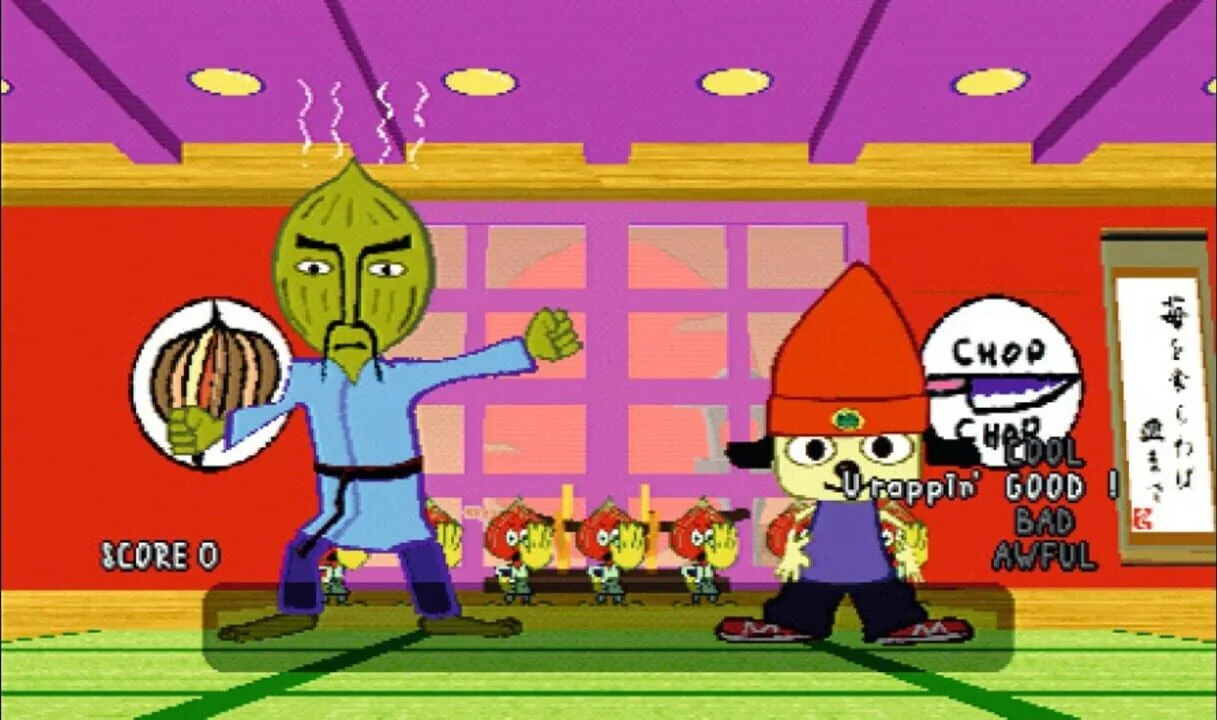

The original music video game.
Help Parappa rap with the best of the master rappers and straight into Sunny's heart.
Guaranteed you'll be singin' and dancin' along with Parappa and his pals to the most fun music mixes.
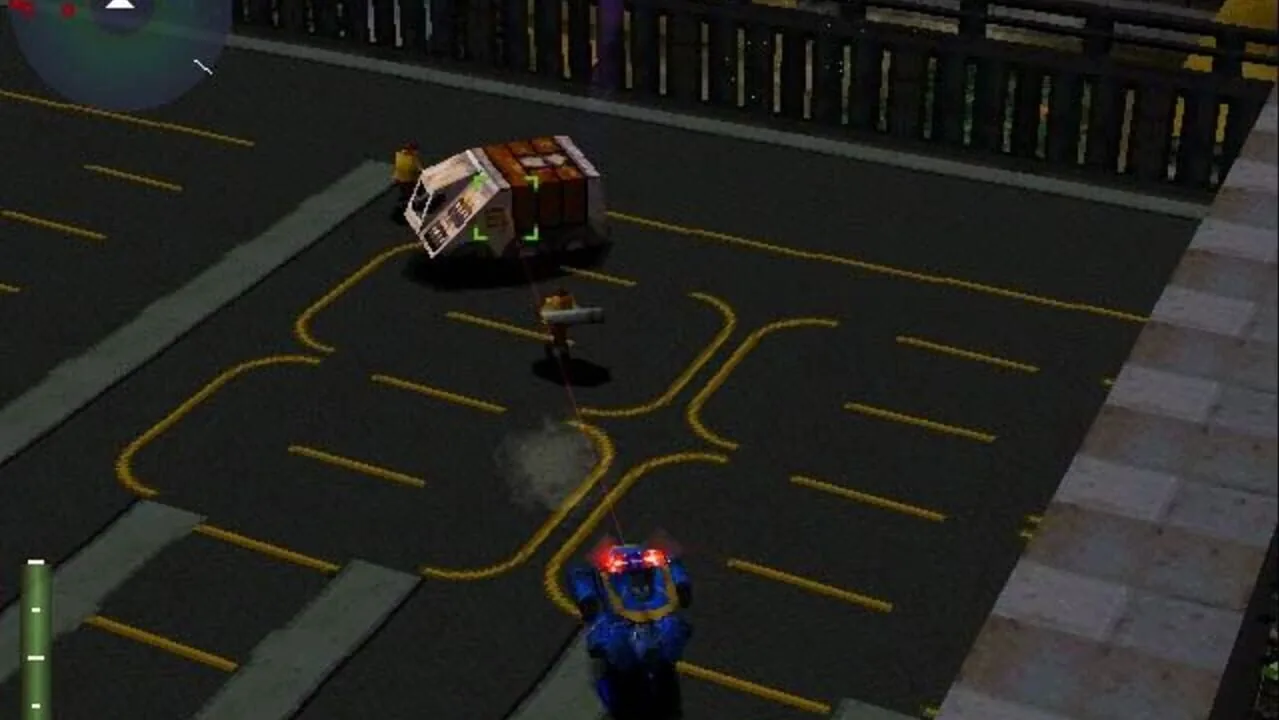
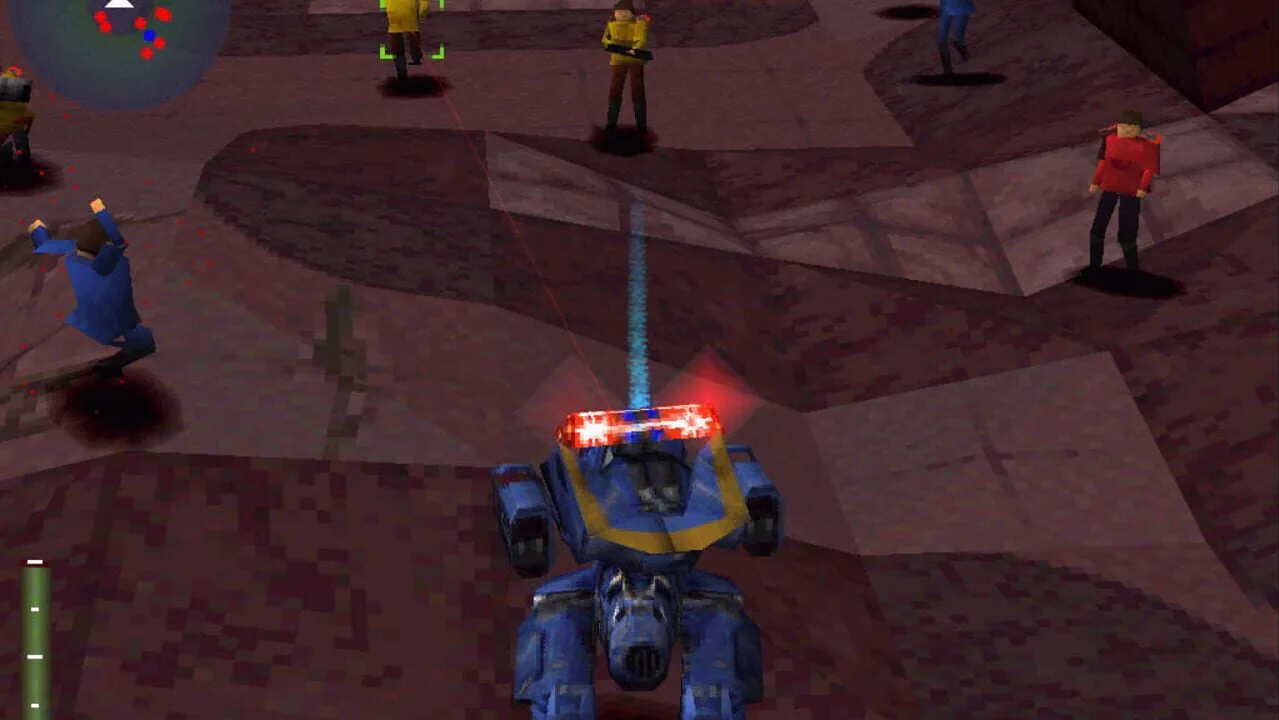
61. Future Cop: LAPD (1998)
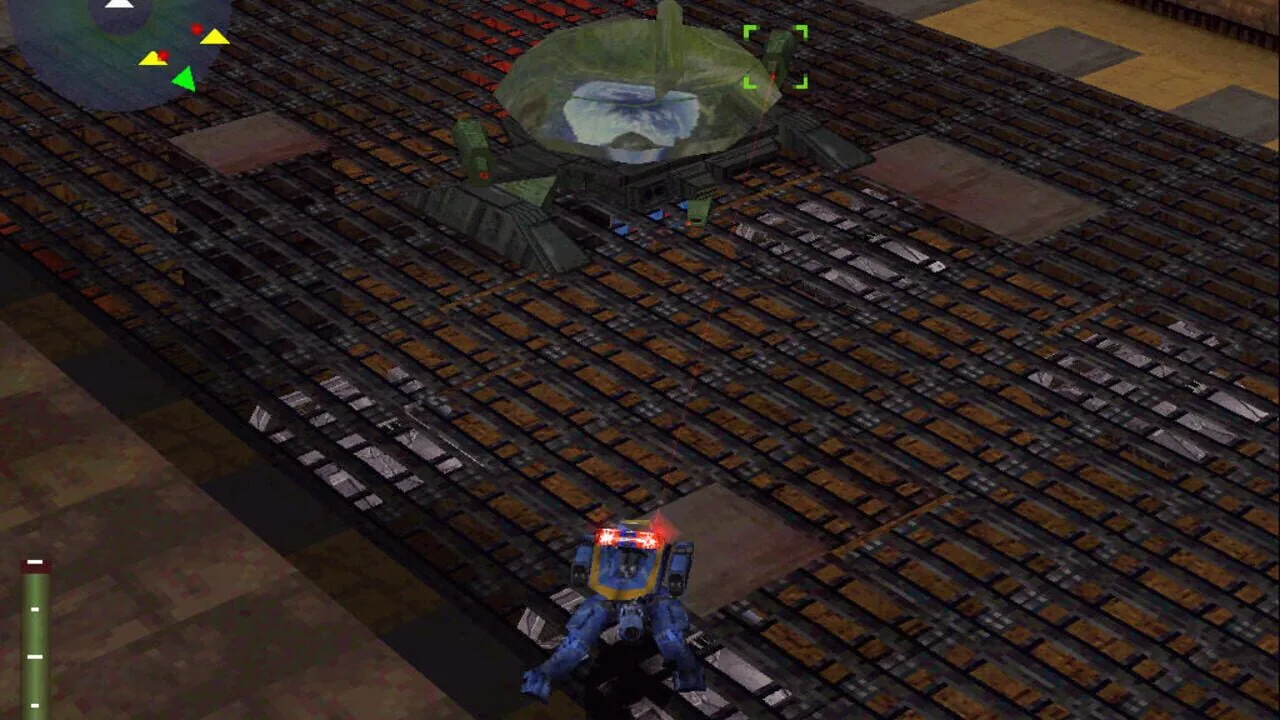
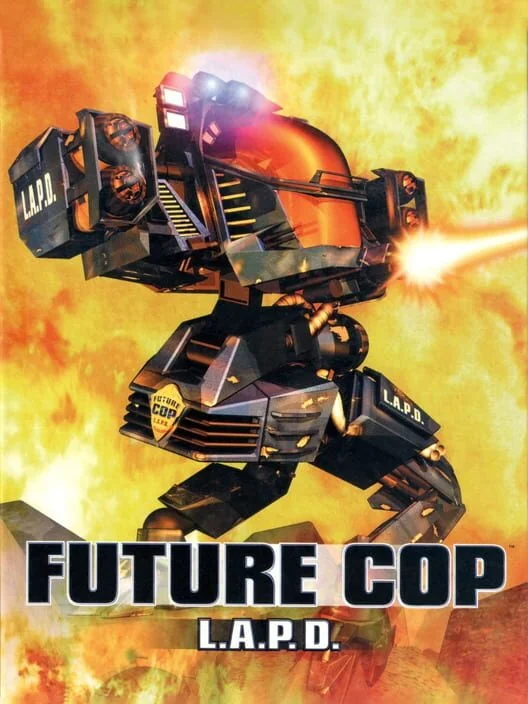
Crime War is a story mode, following a day in the life of an LAPD X1-Alpha pilot. The story events range from rogue lunatics arming observatories with weapons, to a malfunctioning supercomputer. Players begin in a futuristic Griffith Park, but as they advance through the game they may unlock areas such as Venice Beach, LAX and Long Beach.
60. Front Mission 3 (1999)
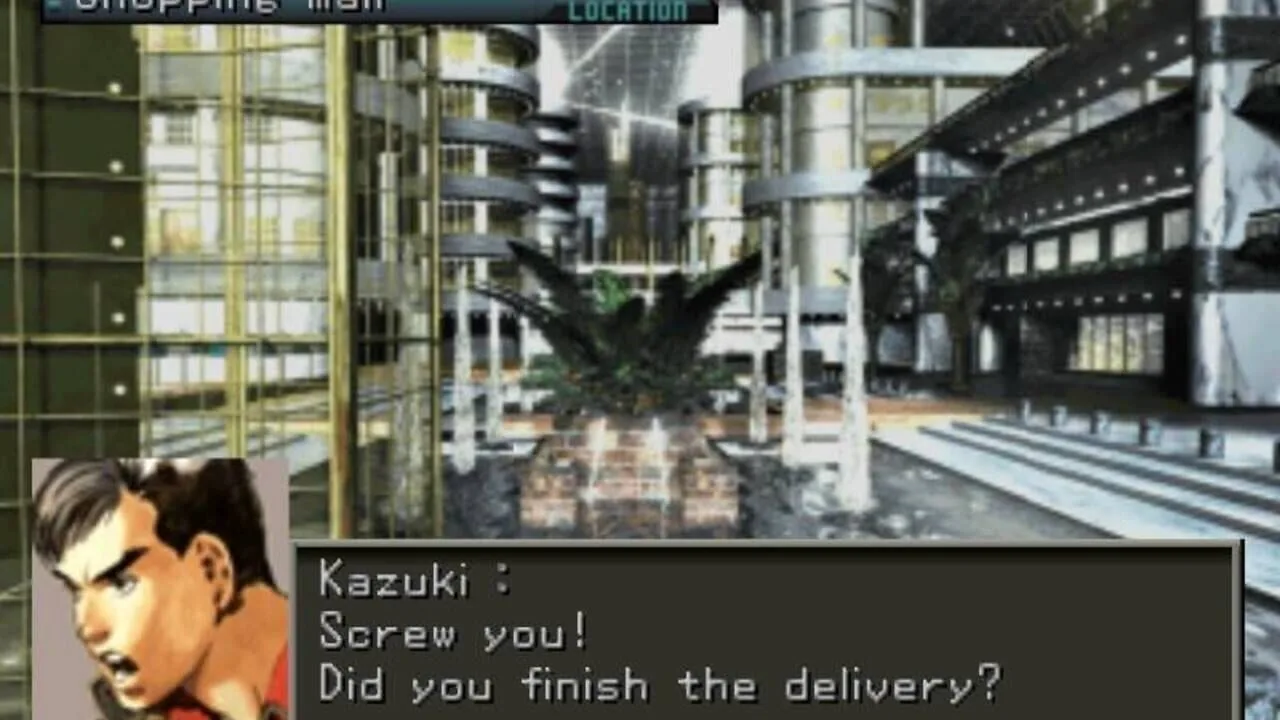
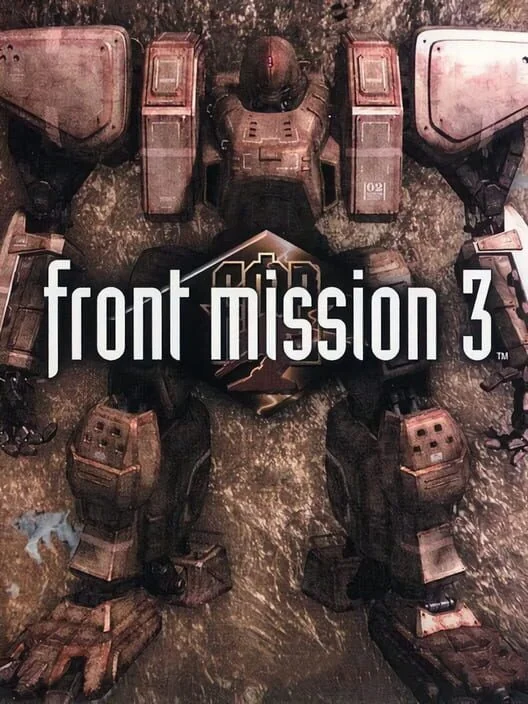
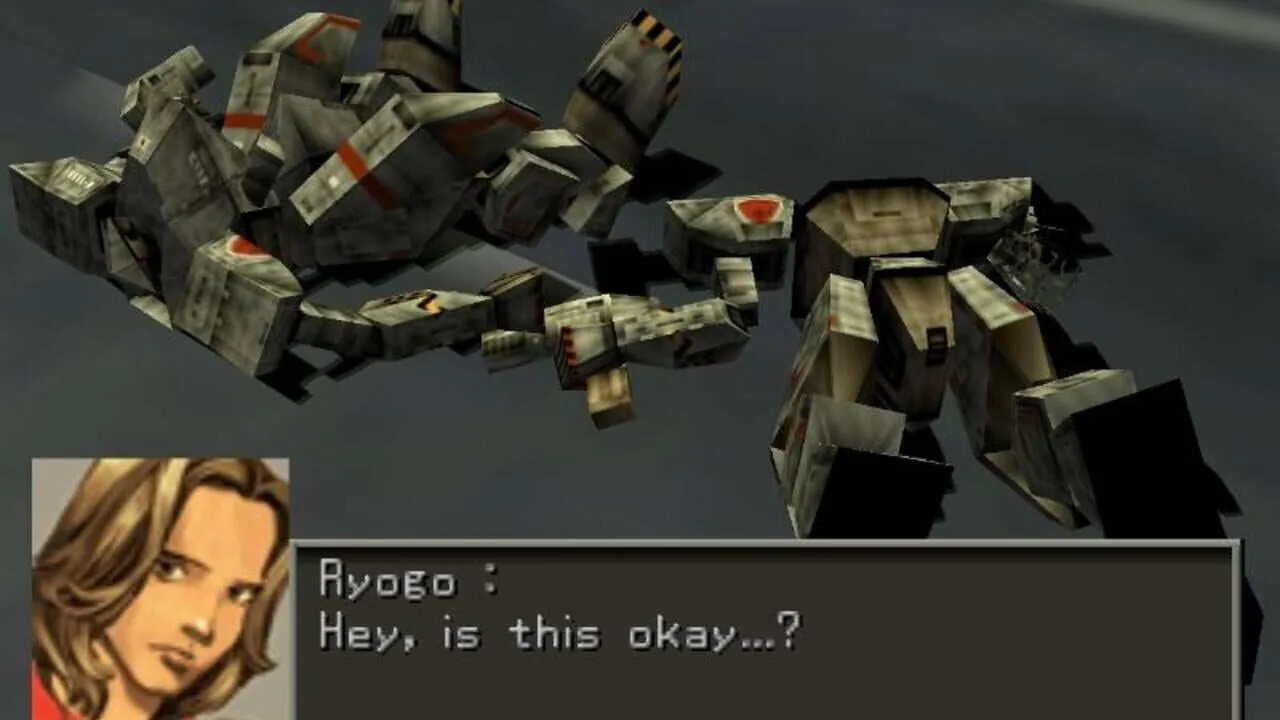
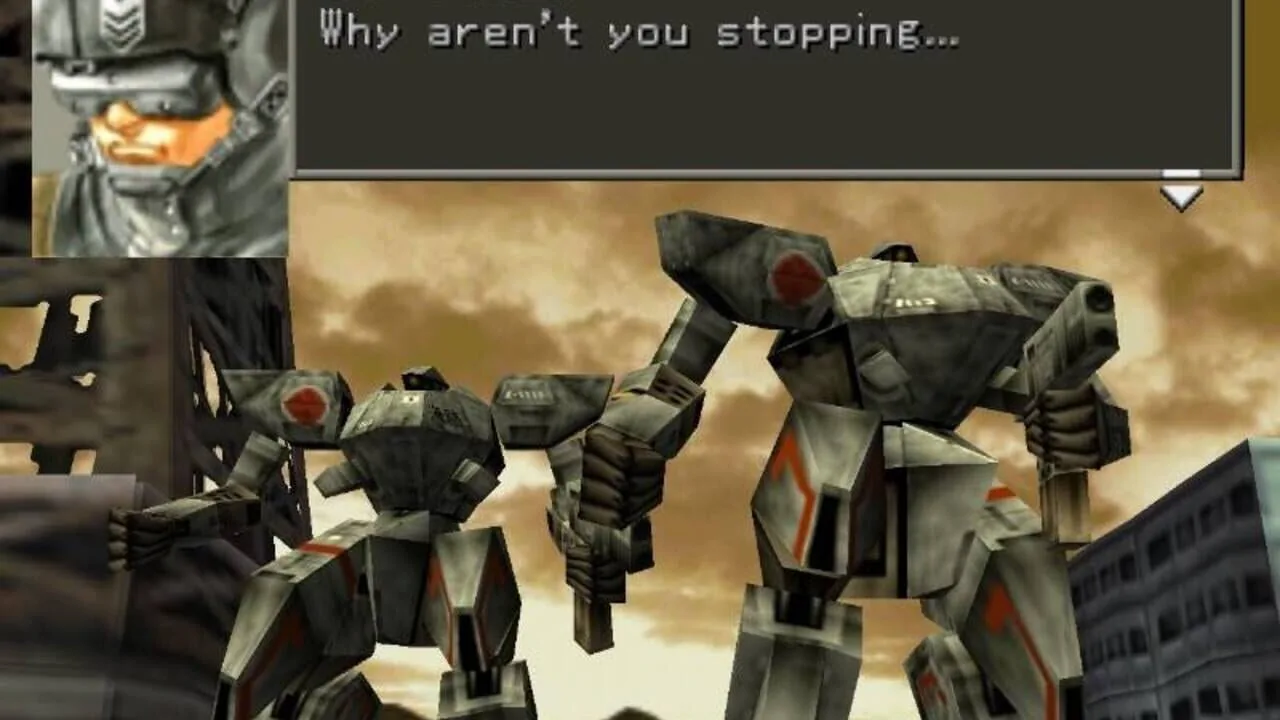
Front Mission 3, also known in Japan as Front Mission Third, is a tactical role-playing game developed and published by Square for the PlayStation. It was released in Japan in 1999, and North America by Square Electronic Arts and Europe in 2000. Front Mission 3 is the third main entry and the fifth entry overall in the Front Mission series. Like other Front Mission titles, Front Mission 3 is part of a serialized storyline that follows the stories of various characters and their struggles involving mecha known as wanzers.
Front Mission 3 was the first title in the Front Mission series to be released in North America, Europe and Australia.
59. Hogs of War (2000)
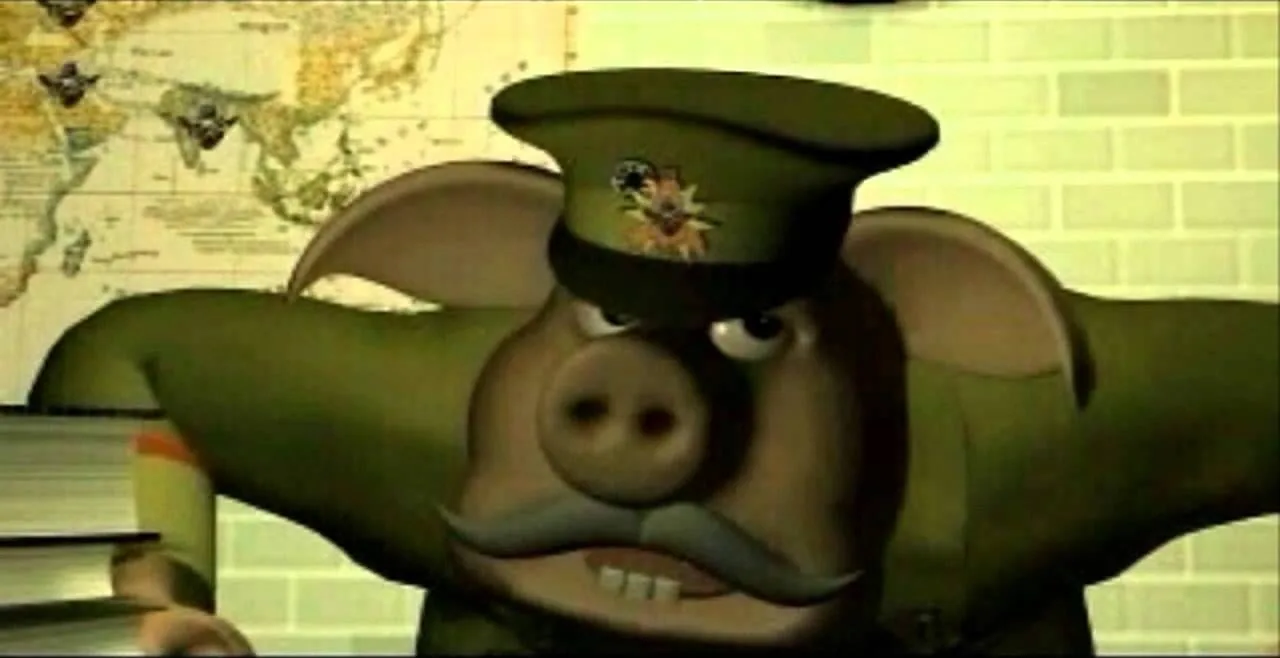
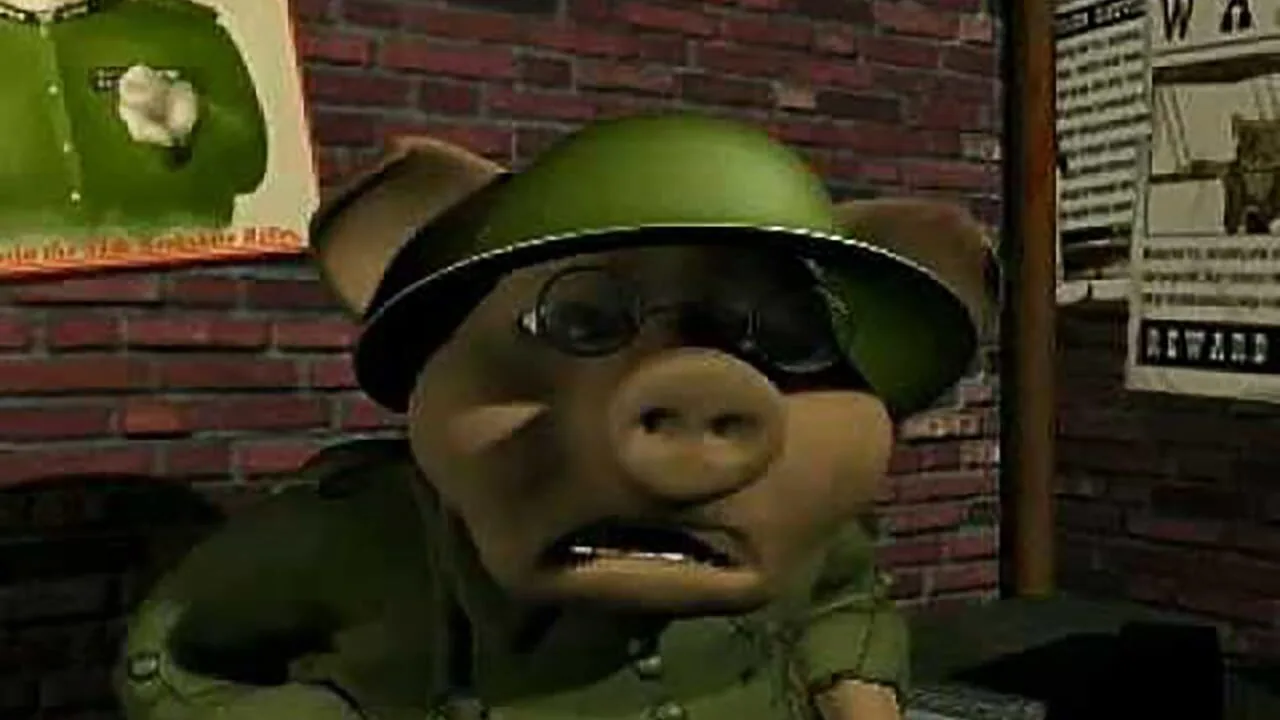
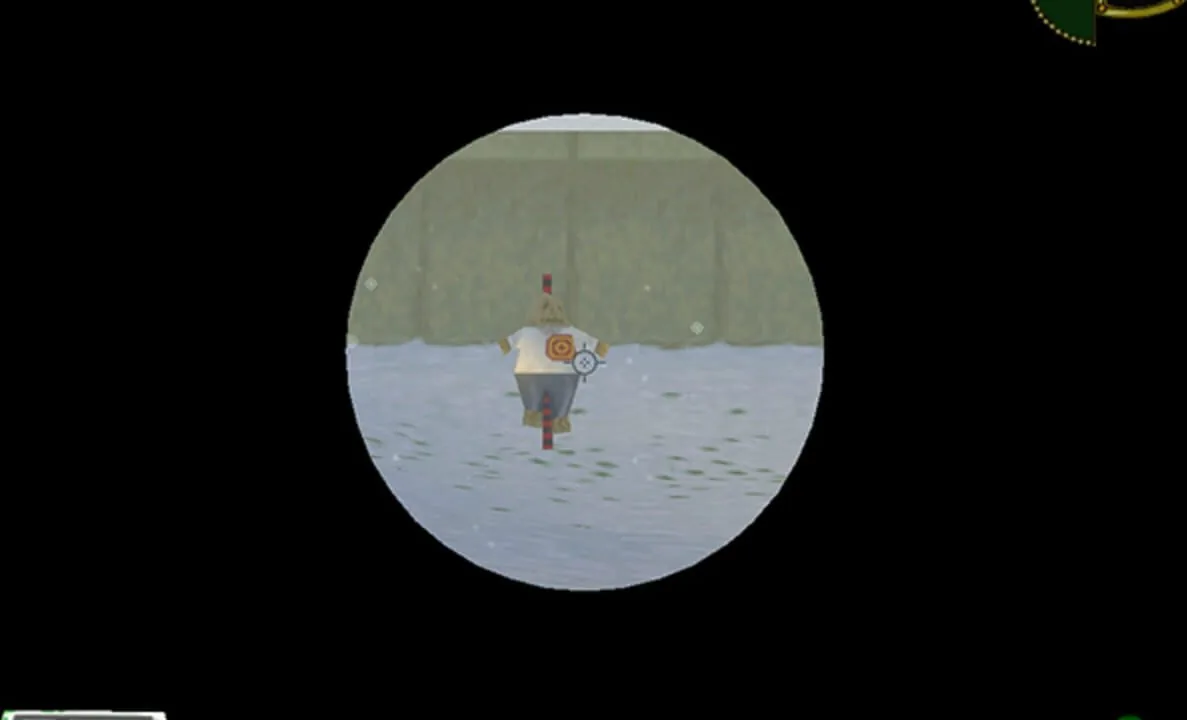
Hogs of War is a turn-based tactics game where players take turns controlling individual members of their squad of hogs to engage in combat with the opposition, similar to Worms. Each turn, a player takes control of a single squad member in a third-person perspective to move around the map, including jumping over terrain and swimming over bodies of water, yet can only engage in combat when stationary. Each turn has a set time limit and ends if the timer counts down to zero, the player skips their turn, a weapon or ability is used or if they have accidentally injured themselves such as walking into a mine field or falling from a high surface. Other hazards include bodies of water that, while they can be swam in, is damaging to nearly all types of soldiers and drains health as they swim. If a teammate is knocked into water by an opponent, they will automatically swim to the nearby shore line. While difficult, it is also possible to knock hogs off the map resulting in instant death. If all health is gone and the player is on land, they will fall over with a last comical remark before exploding.
58. Legend of Legaia (1998)
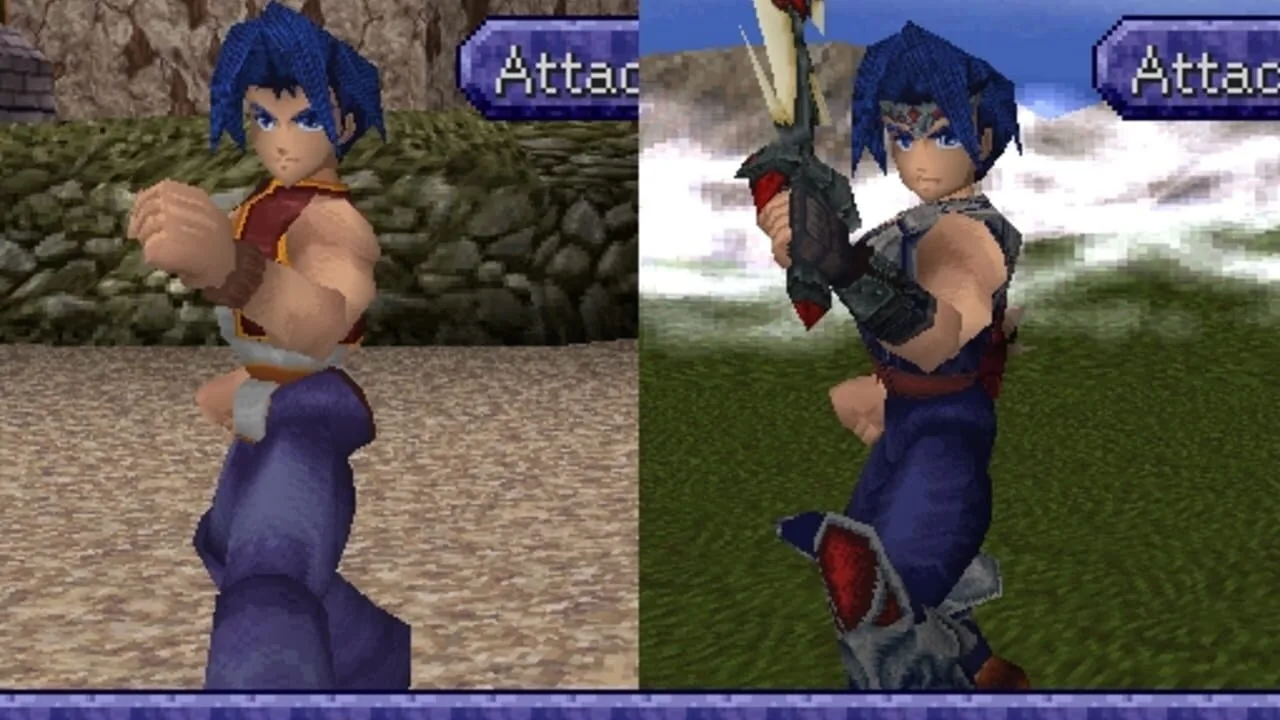
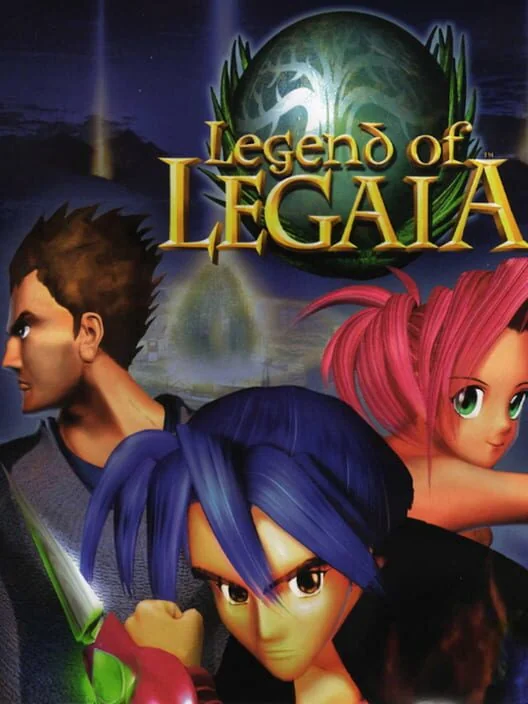
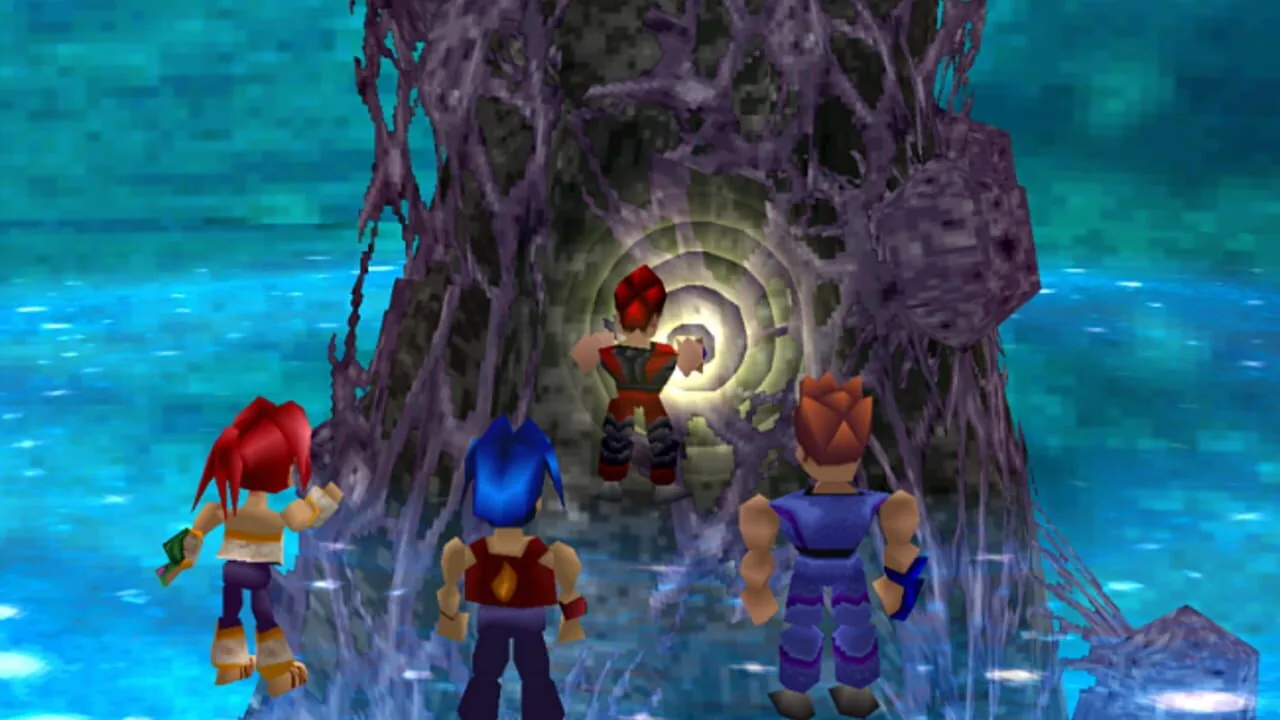
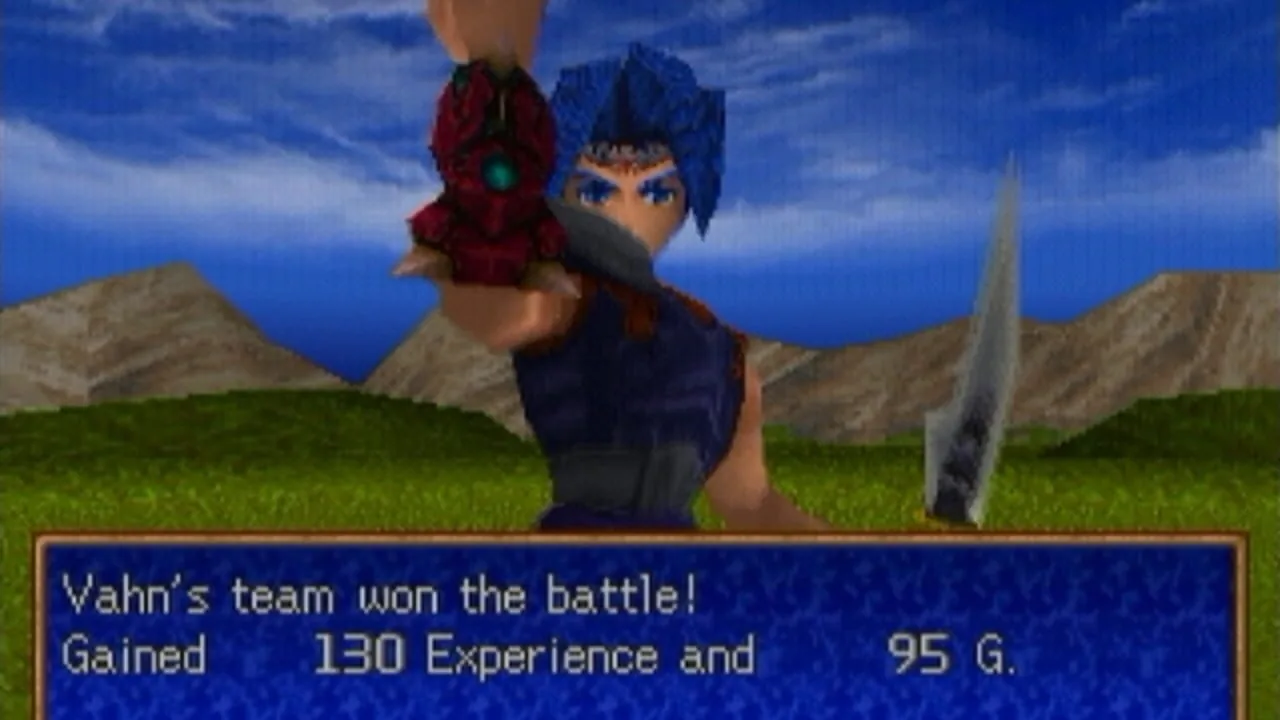
A legendary tale of betrayal and self-destruction. Abuse derived from the greediness of man. the powers of a magical creature betrayed. Will man realize his mistakes before irreparable damage is done? Armed with a magical ally and the will to survive, lead Vahn and his cohorts to the redemption of man. Pursue a quest to save the world and discover place where legends are born. New combat system bases on fight games. Discover special combinations for more effective attacks. Beautiful realistic graphics with full polygons. 100s of 3D enemies that react with a full range of motion.
57. Spyro: Year of the Dragon (2000)
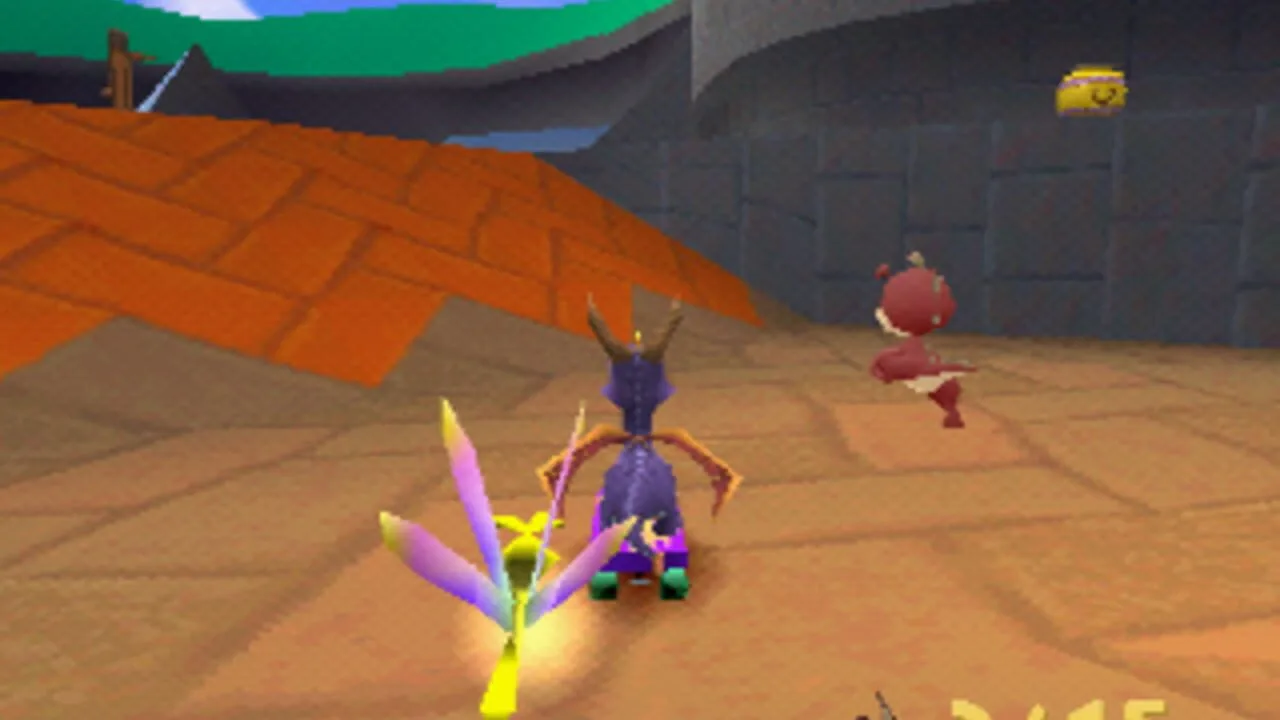
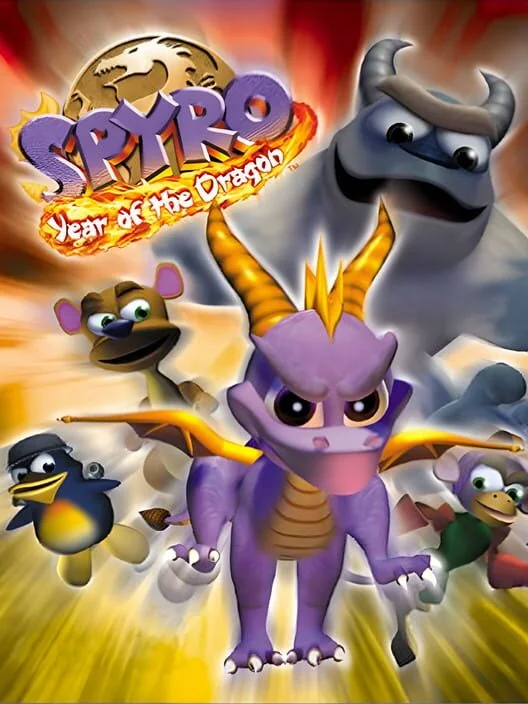
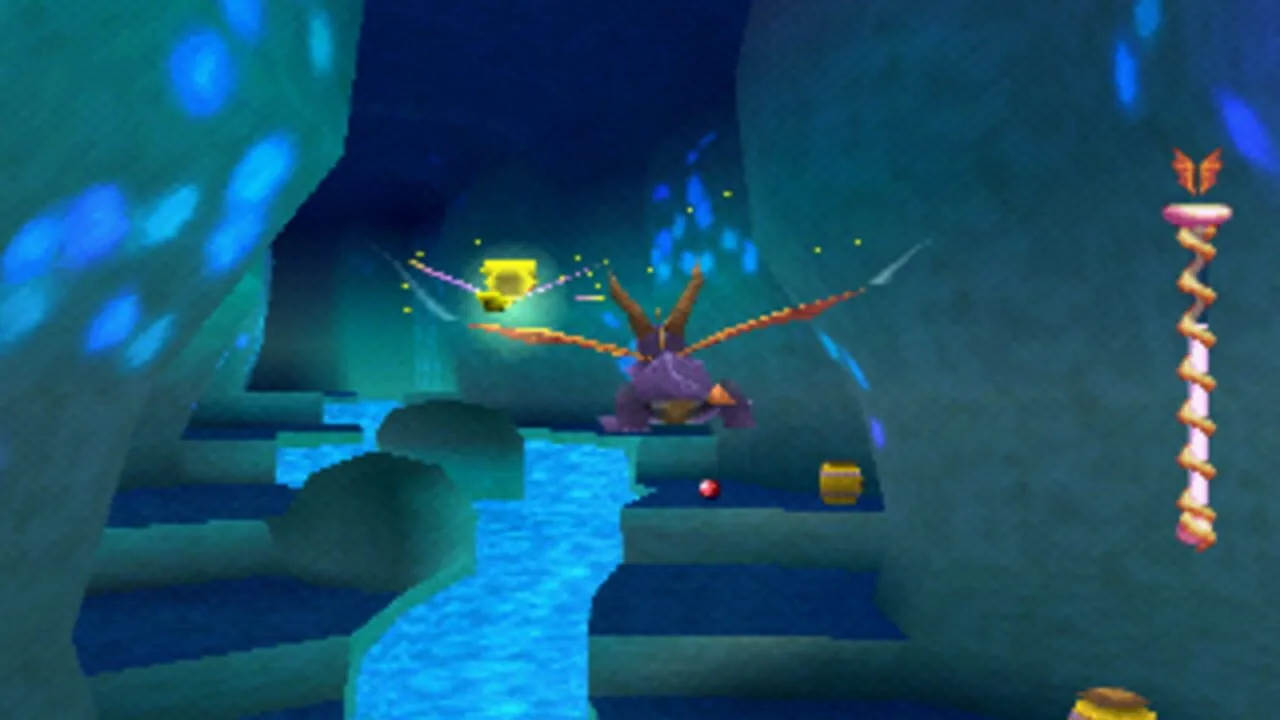
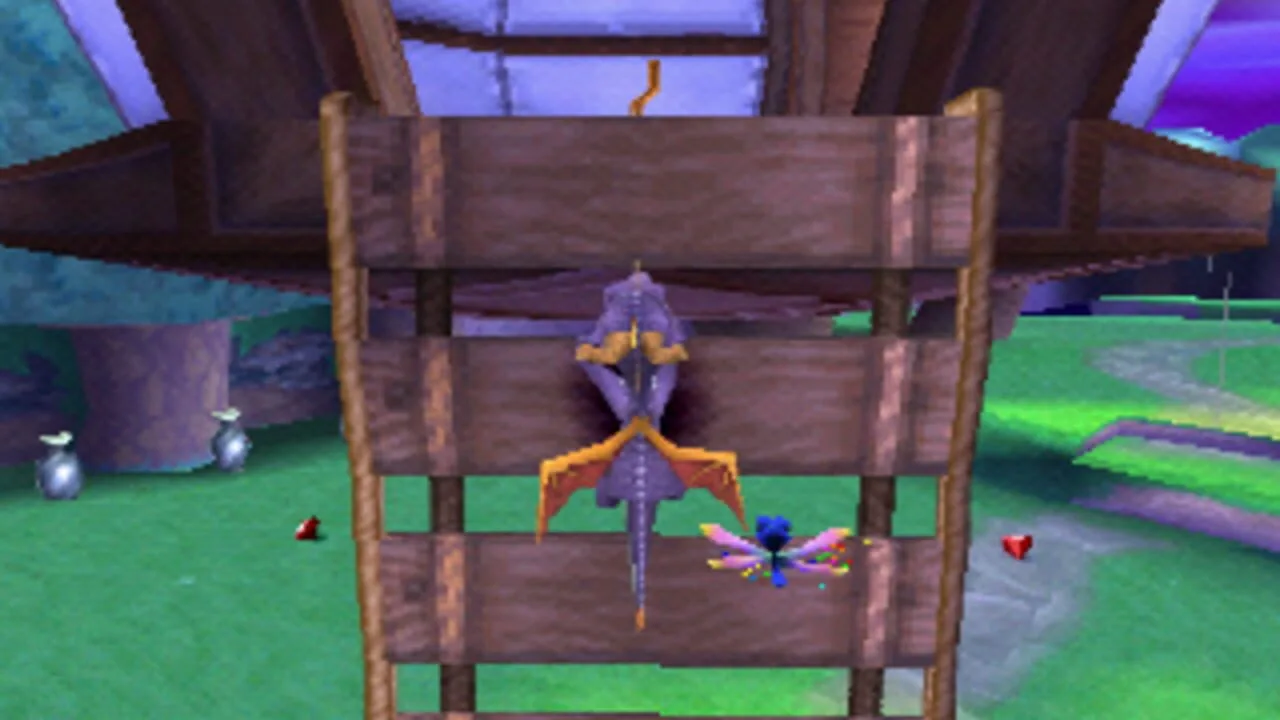
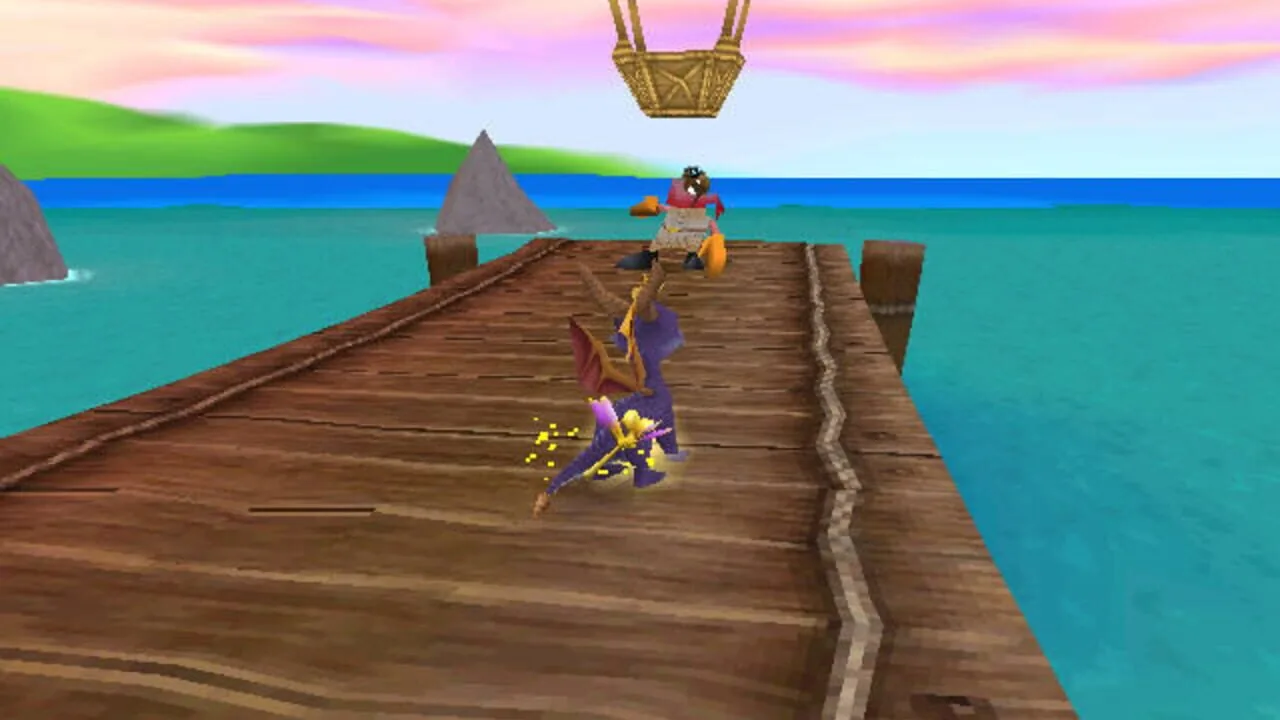
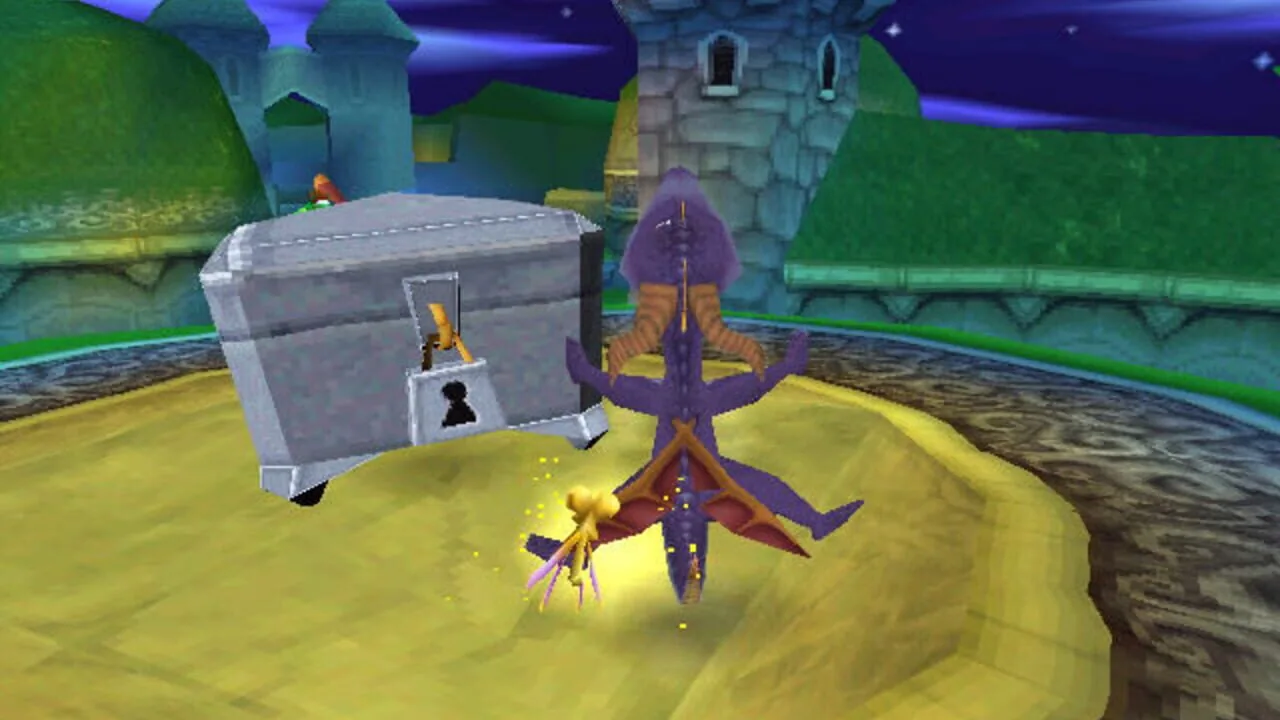
Spyro: Year of the Dragon is the third installment in the Spyro series and the last Spyro game Insomniac developed. In this 3D adventure, Spyro have to retrieve 150 eggs that the evil Sorceress has stolen from Dragonworld. To survive, he will have to utilize all of his signature moves along with several he's recently picked up, like the ability to control vehicles like tanks, submarines, and speedboats. As an extra bonus, you have the option to choose from a wacky cast of characters: Sheila the kangaroo, Sergeant Byrd the flying penguin, Bentley the Yeti and Agent 9 the space monkey.
56. Wipeout 2097
55. Spider-Man (2000)
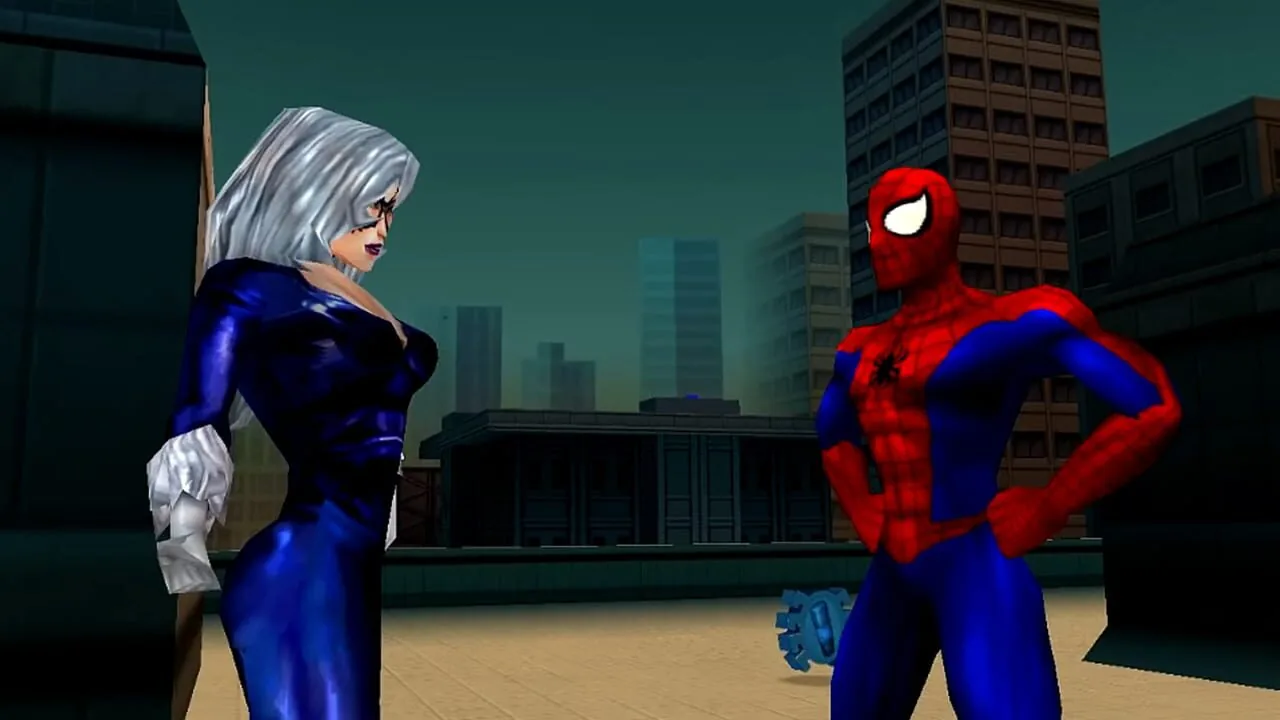
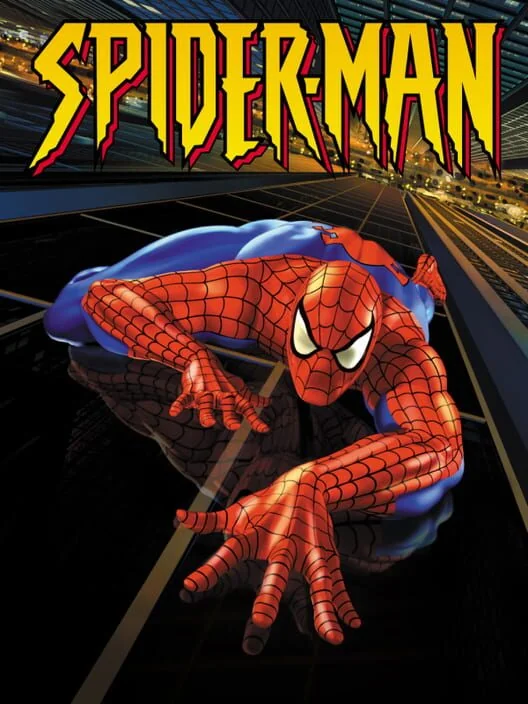
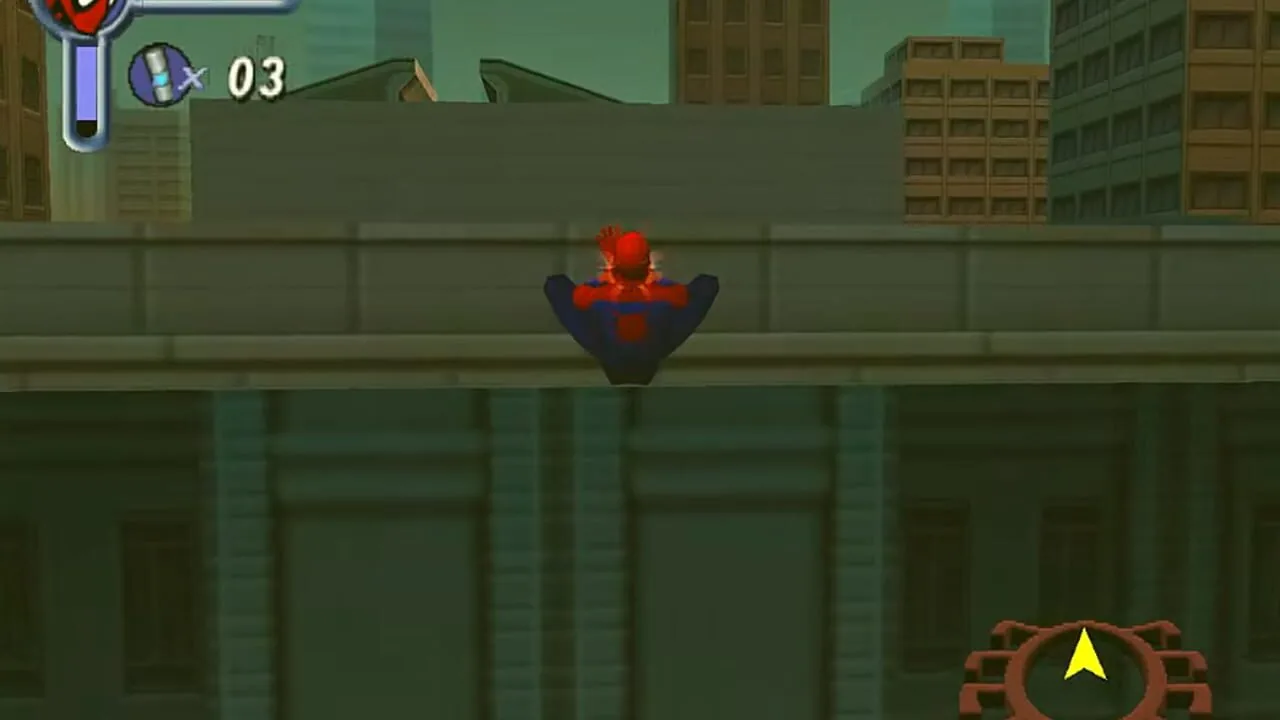
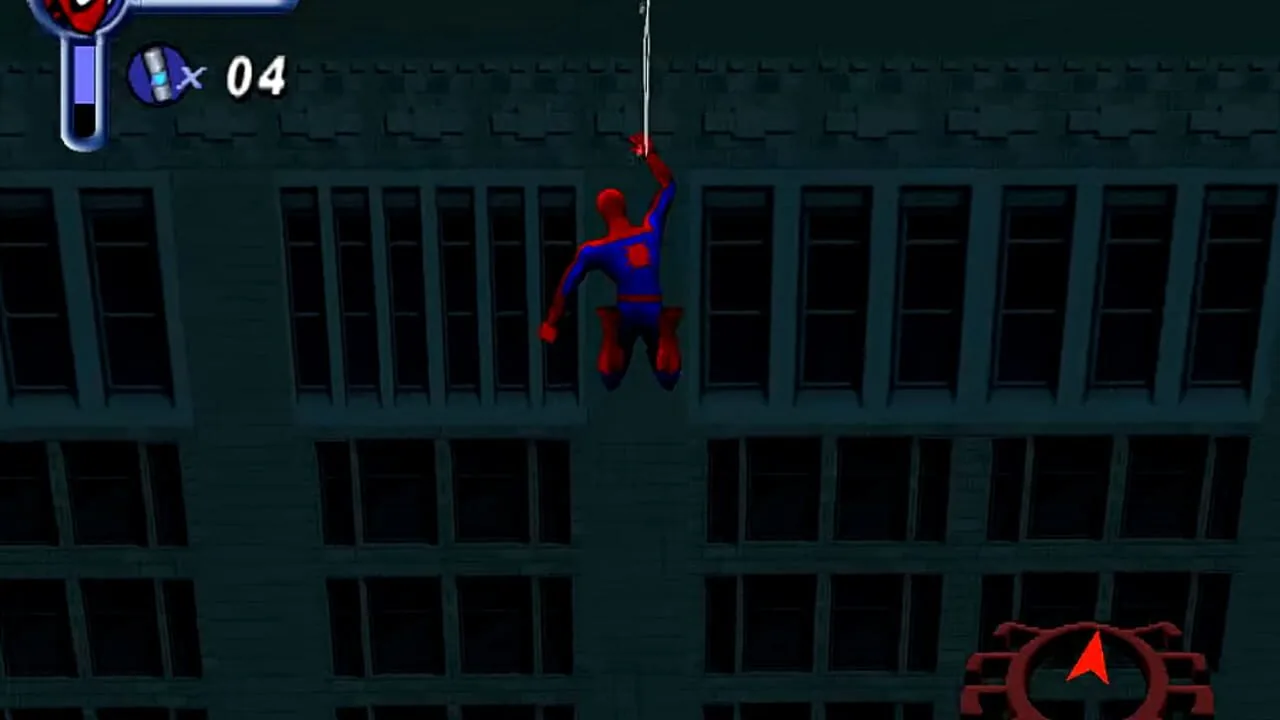
Spider-Man is an action-adventure game developed by Neversoft. Players control Spider-Man as he navigates levels using web-swinging, combat, and stealth mechanics. The story involves a conspiracy featuring villains such as Doctor Octopus and Venom.
54. Ridge Racer (1993)
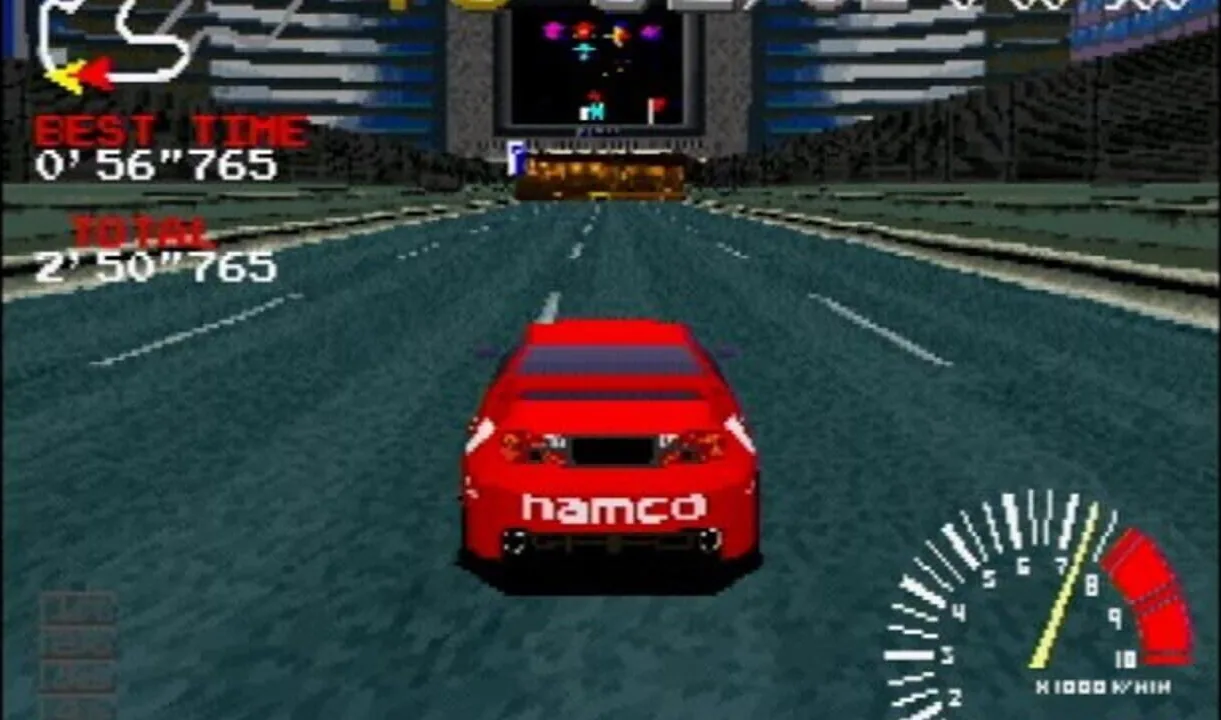
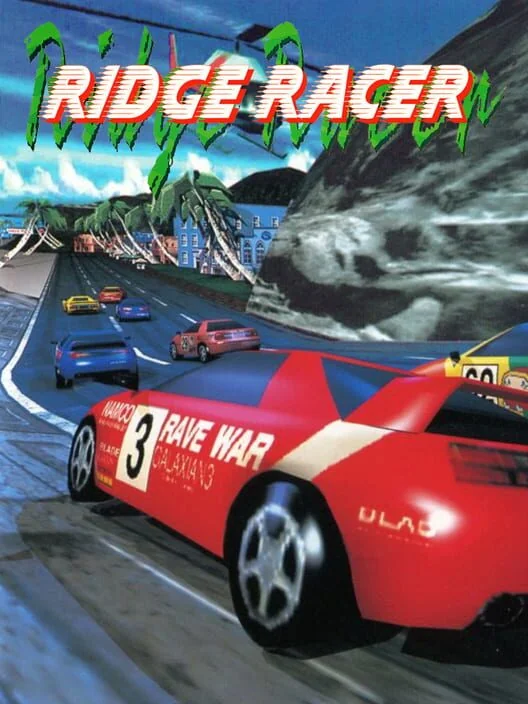
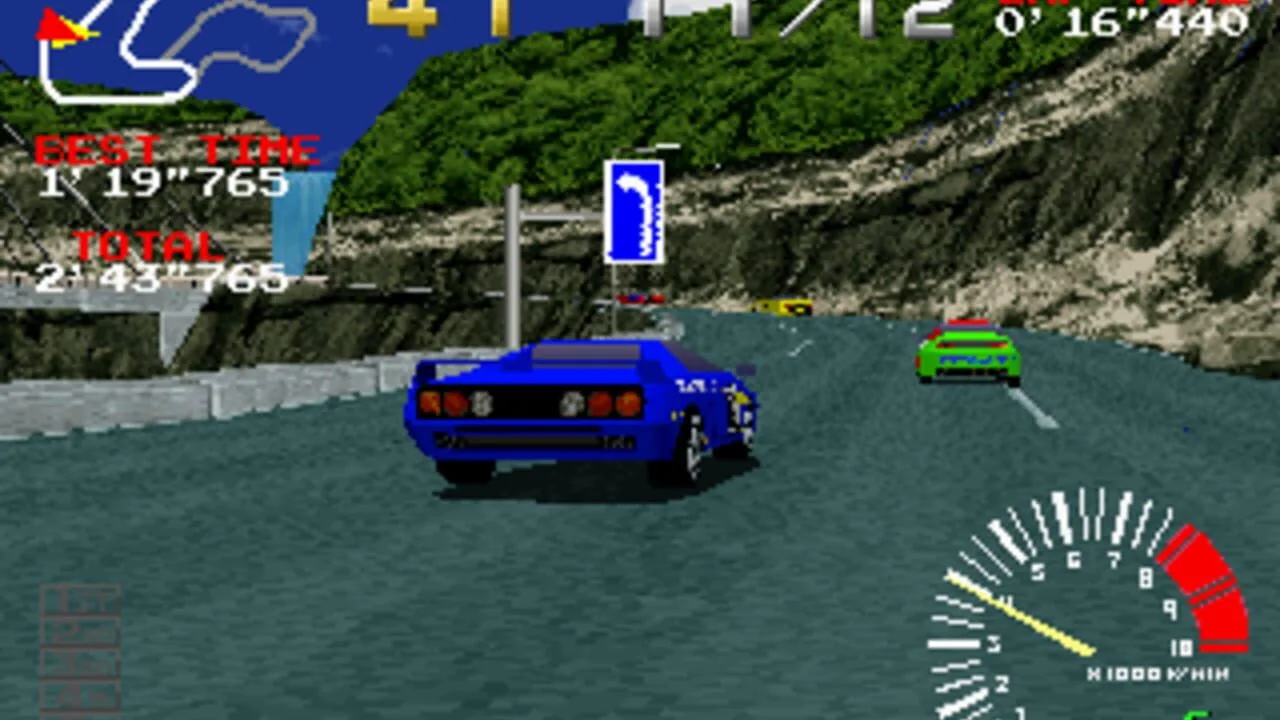
Ridge Racer was initially released on the Namco System 22 arcade system board and was later ported to the PlayStation console. It is the first title in the long-running Ridge Racer series of games released for arcades and home consoles. The game's objective is to finish in first place in a series of races. Ridge Racer was among the first racing games to utilise polygon graphics to its full potential.
53. Dino Crisis 2 (2000)
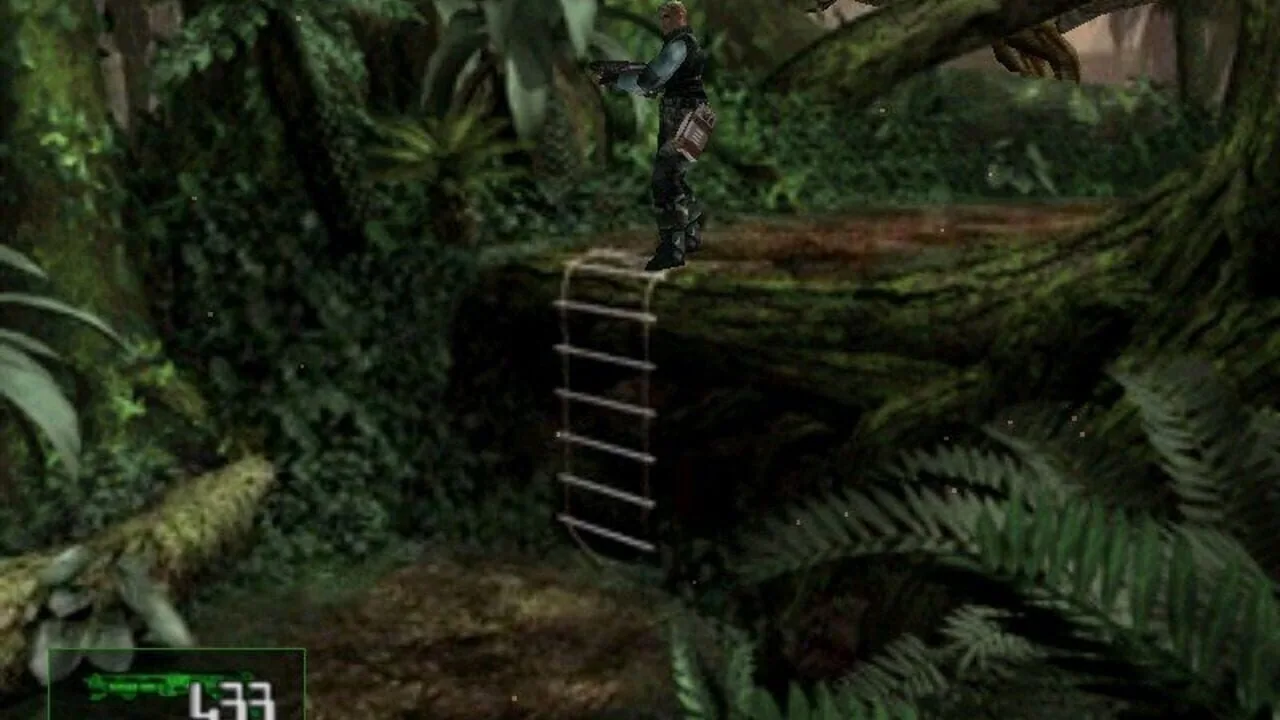
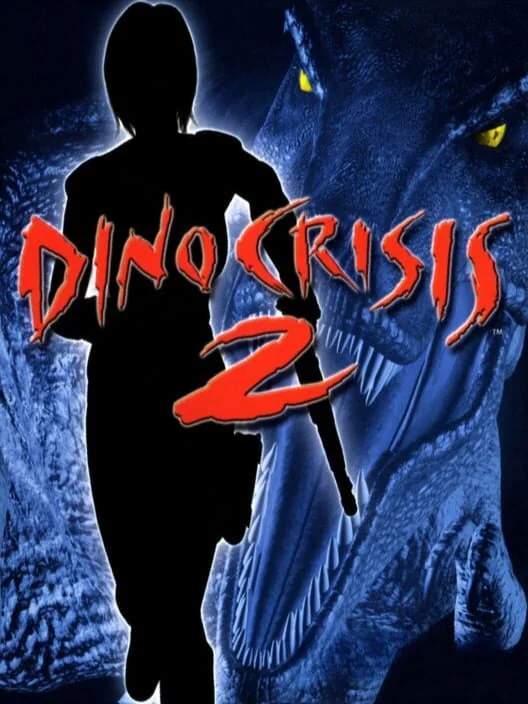
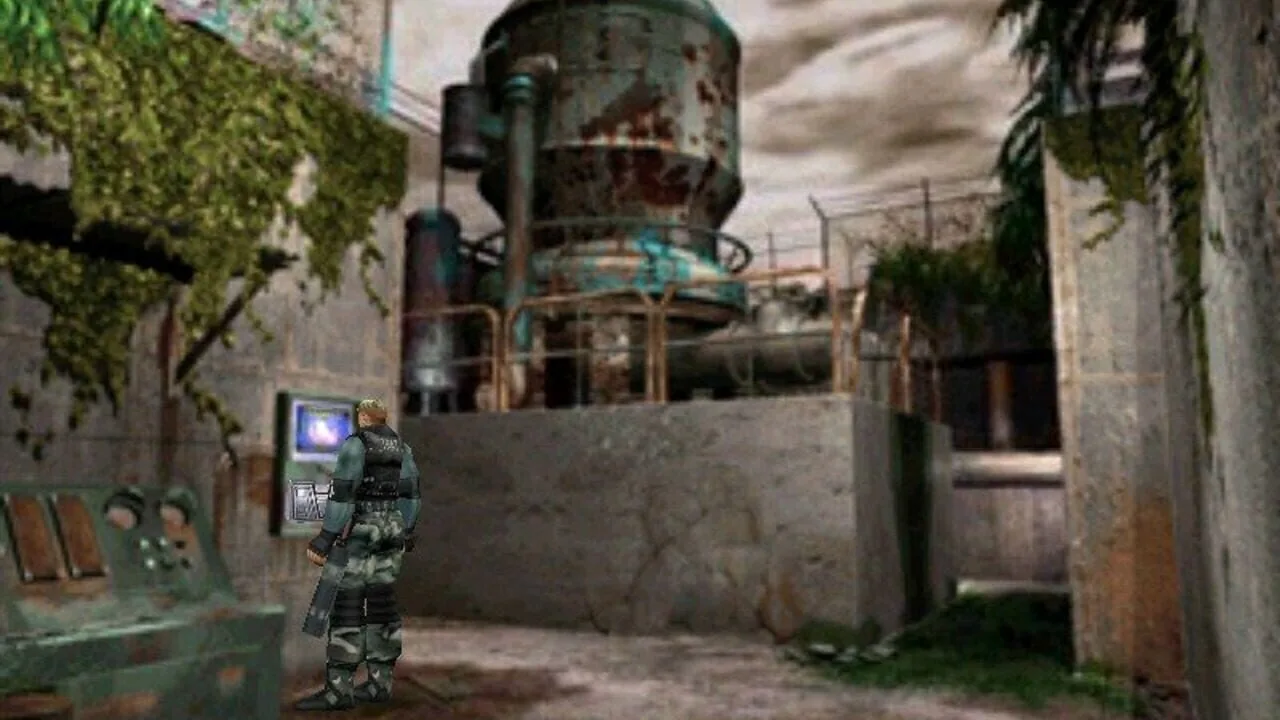
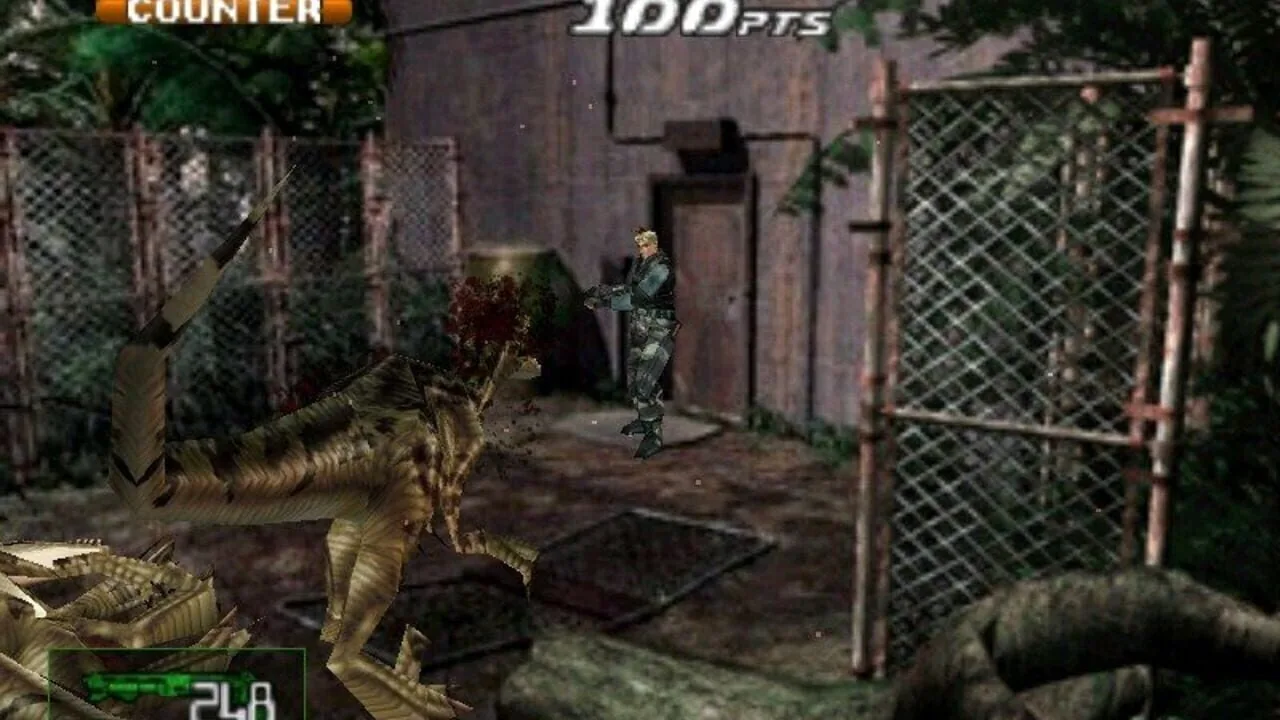
Dino Crisis 2 is a third-person action-adventure game and sequel to Dino Crisis. In a change from the survival horror theme of the first game, Dino Crisis 2 is more shoot 'em up oriented. The character always runs, removing the need for the run button from the first game; players can carry a second gun, and more weapons were added. Besides gameplay changes, the game also introduces new species of dinosaurs and lizards.
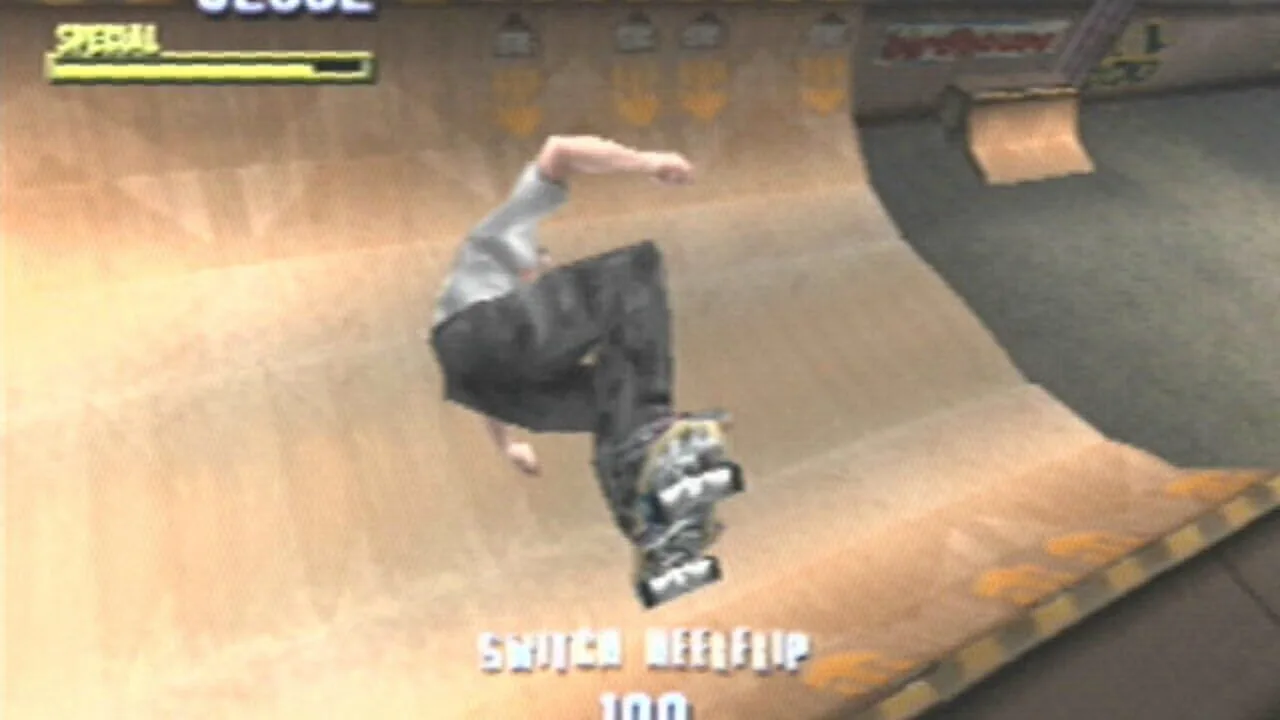
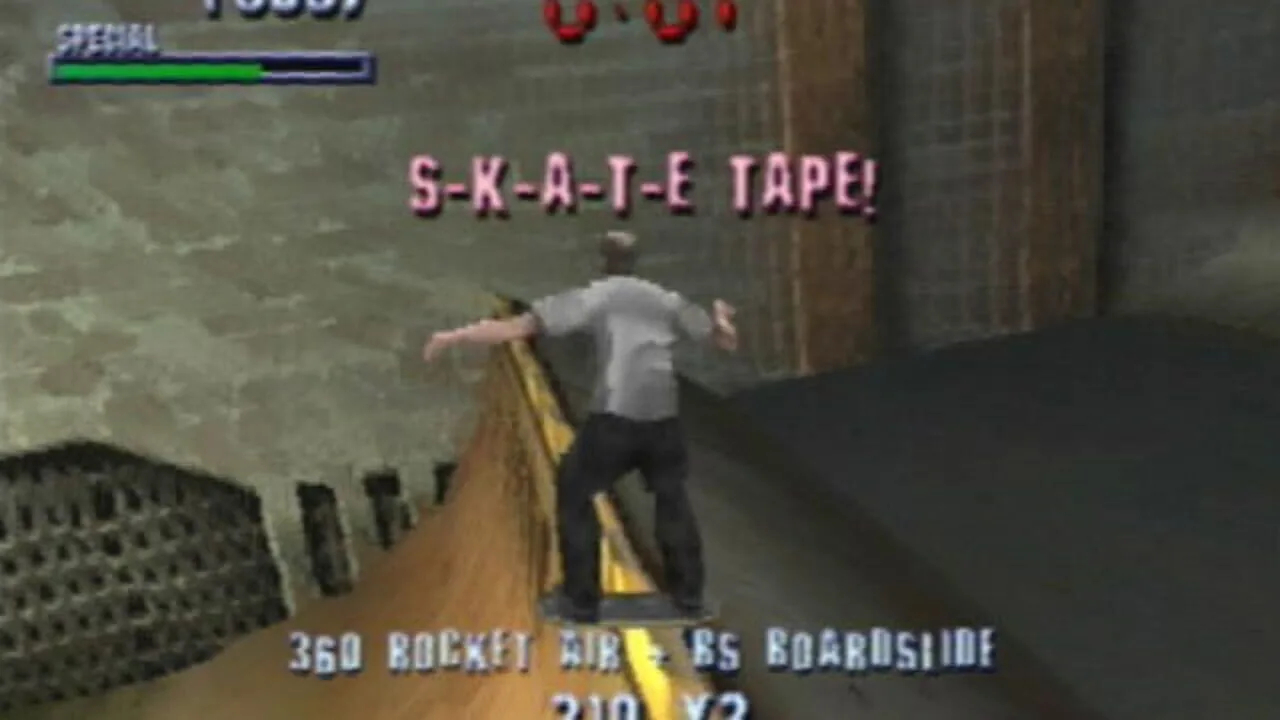
52. Tony Hawk's Pro Skater (1999)
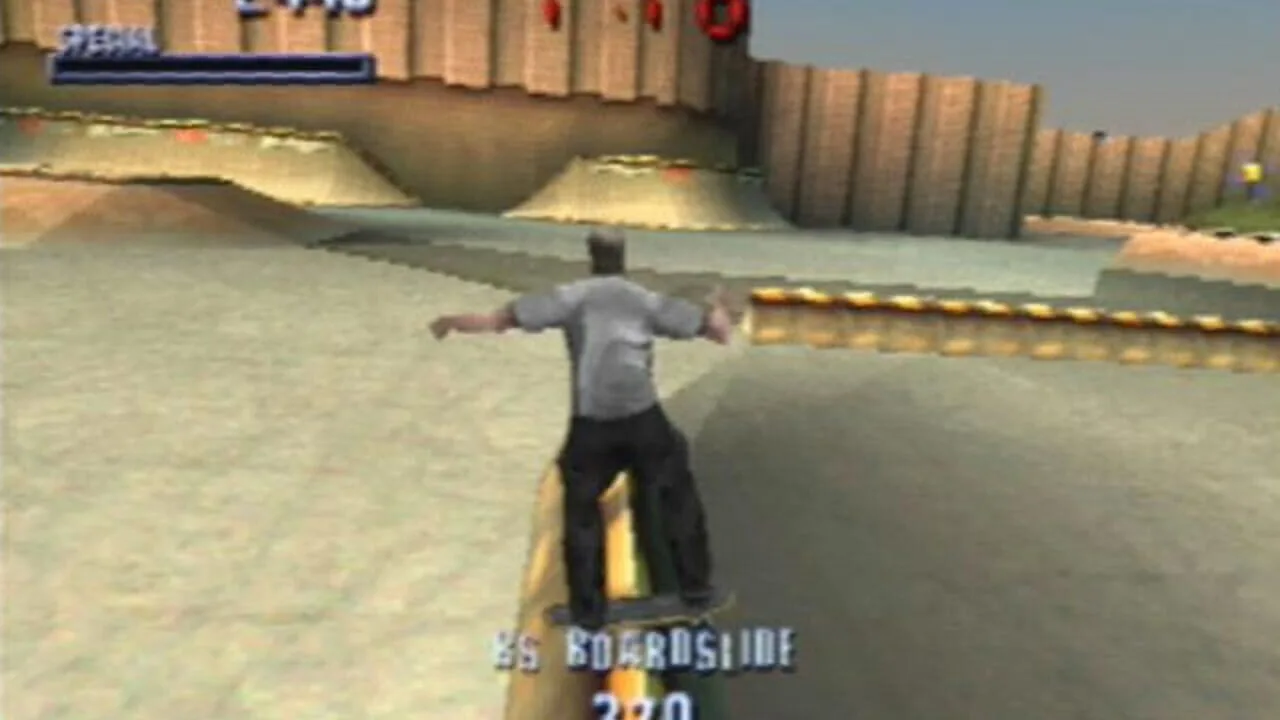
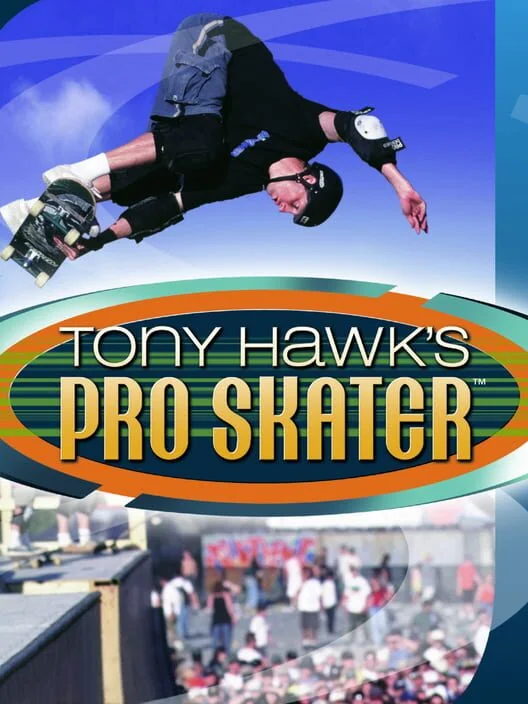
Take control of real skaters and perform strings of crazy tricks in the first entry of the long-running Tony Hawk skateboarding series.
51. Grandia (1997)
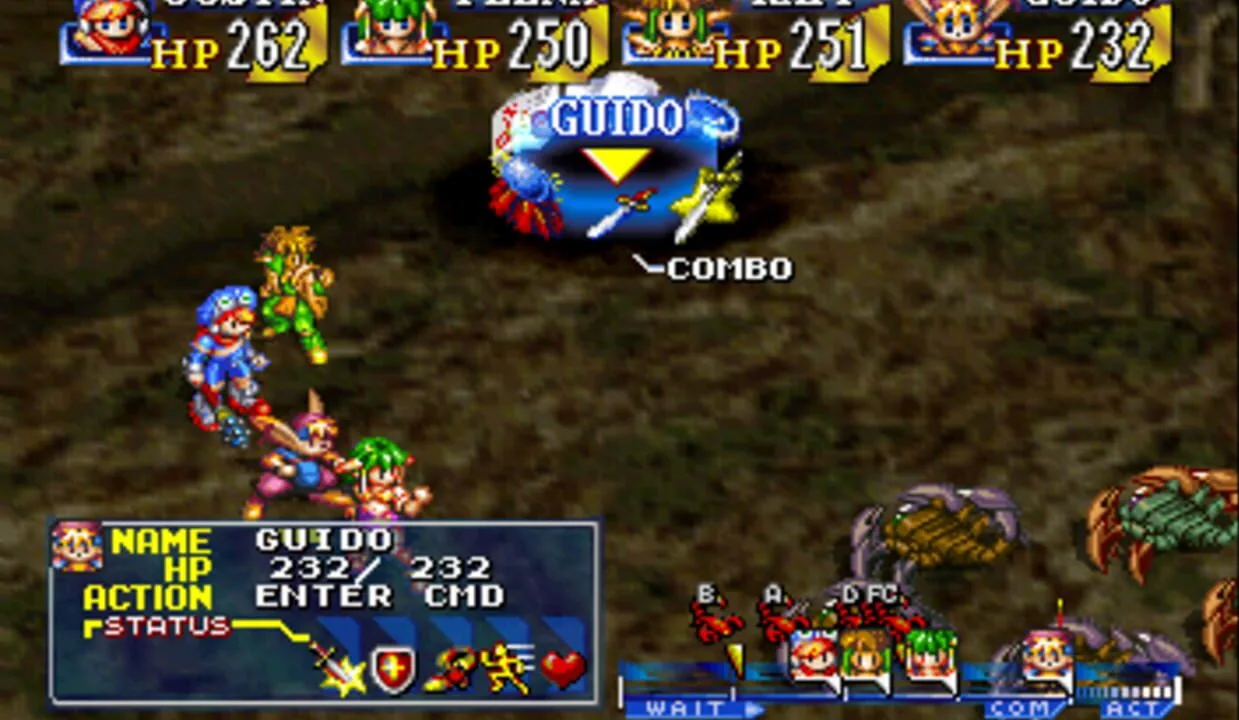
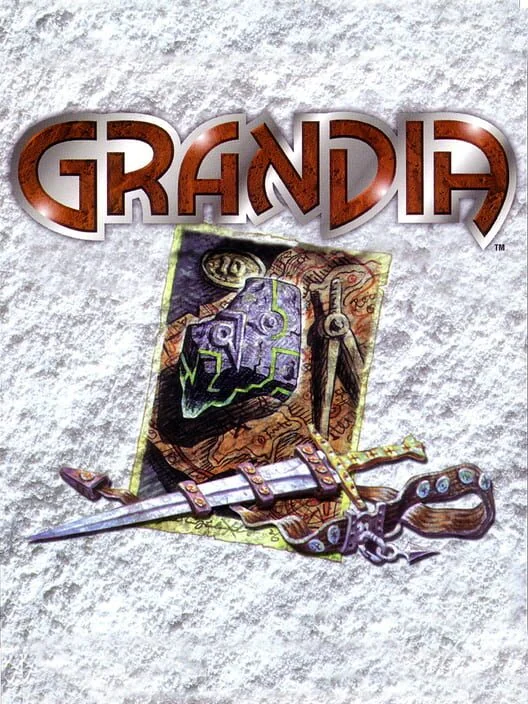
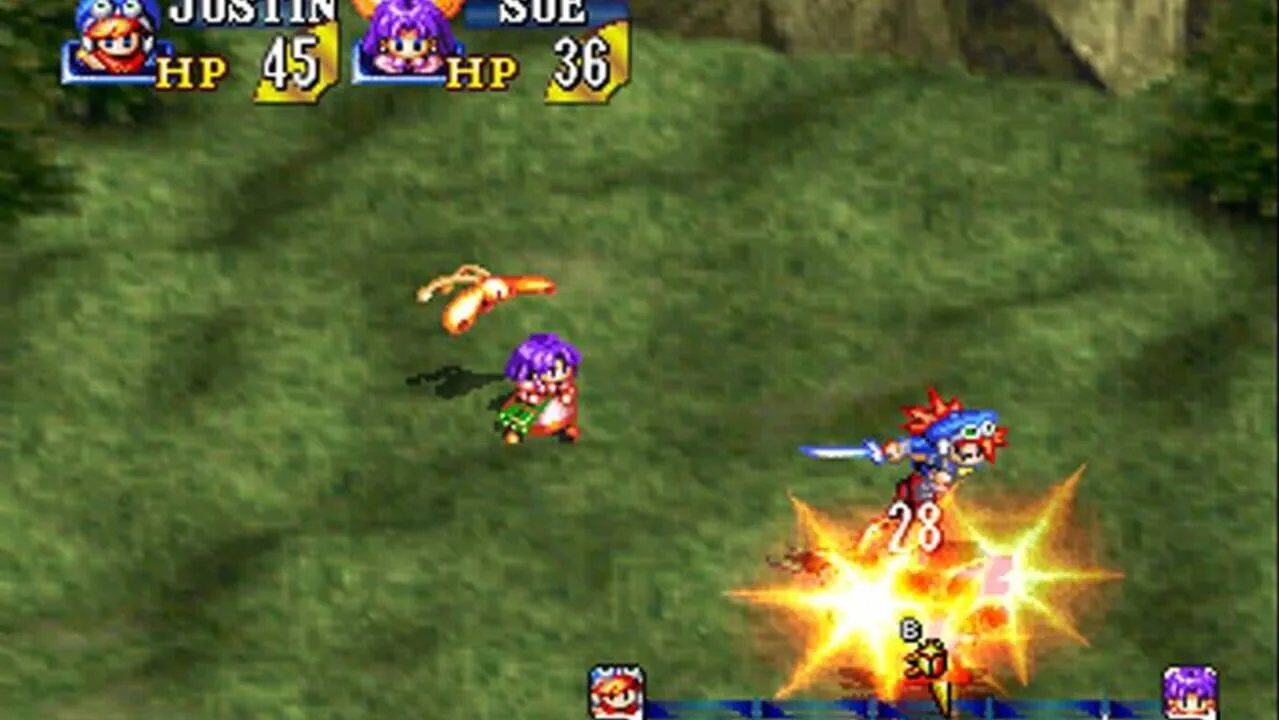
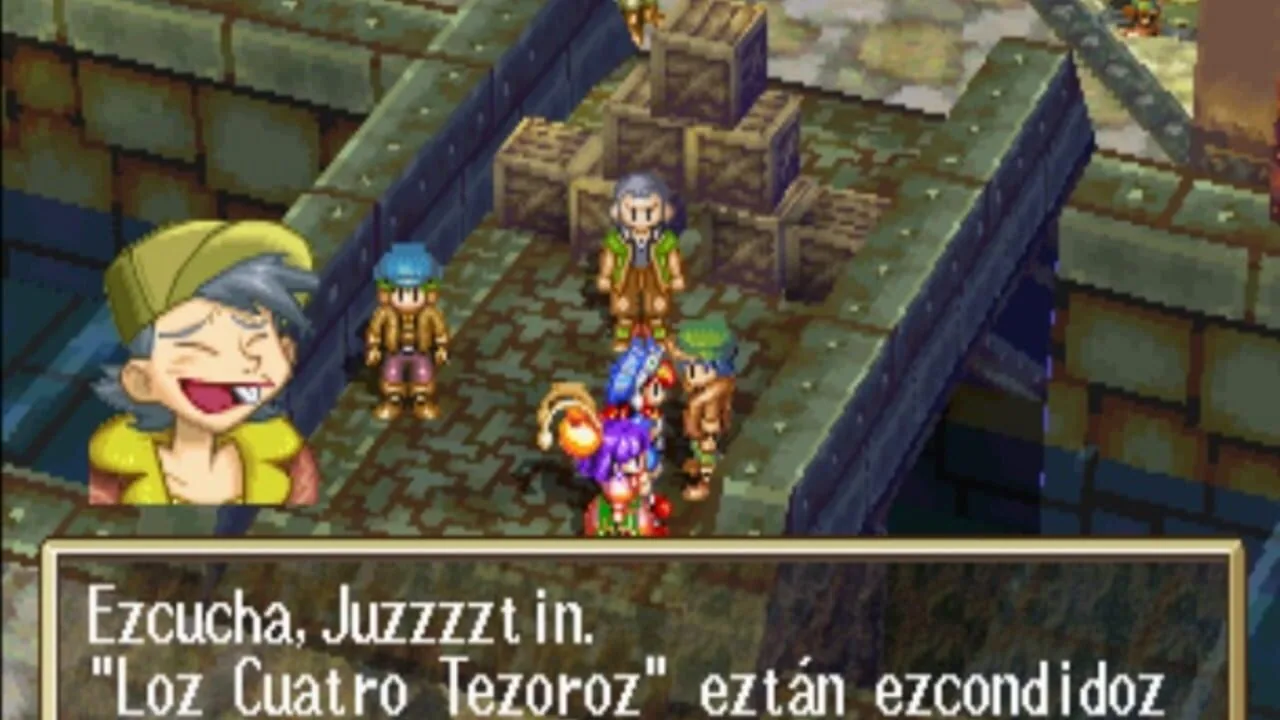
Grandia is a role-playing video game developed by Game Arts and published by Entertainment Software Publishing for the Sega Saturn console as the first game in their Grandia series. Initially released in Japan in 1997, the game was later ported to the PlayStation in 1999, with an English version of the game appearing on the platform in North America in the following September by Sony Computer Entertainment America, and later in Europe in March 2000 by Ubisoft. The game was produced by much of the same staff who worked on the company's previous role-playing endeavor, the Lunar series, including producer Yoichi Miyagi and music composer Noriyuki Iwadare.
Since its release, Grandia has become notable for its combat mechanics, which have been carried over to future games within the franchise, and has spawned two spin-off titles – Grandia: Digital Museum and Grandia: Parallel Trippers – both released exclusively in Japan. In celebration of the announcement of renewing development on Grandia Online, which acts as a prequel to Grandia, the game was re-released on Sony's PlayStation Network platform in Japan as a downloadable title in April 2009 and in North America on February 25, 2010. It was re-released in Europe on November 10, 2010.
50. Spyro 2: Ripto's Rage! (1999)
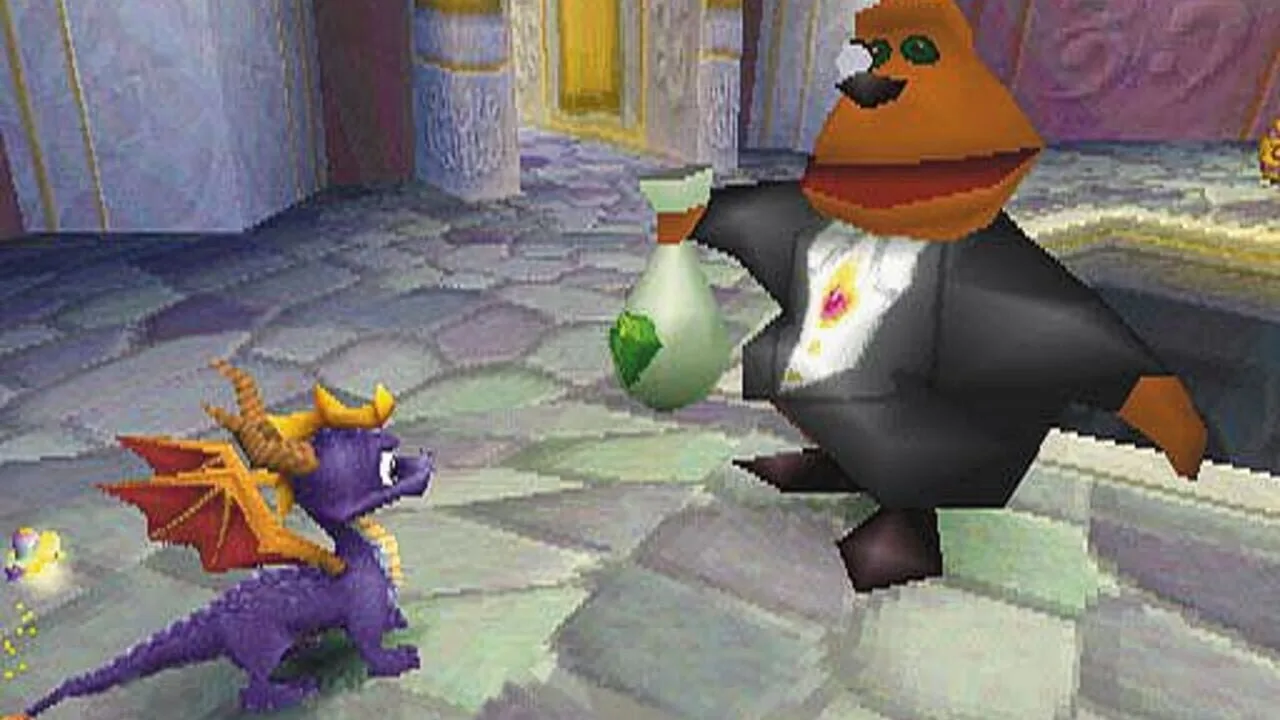
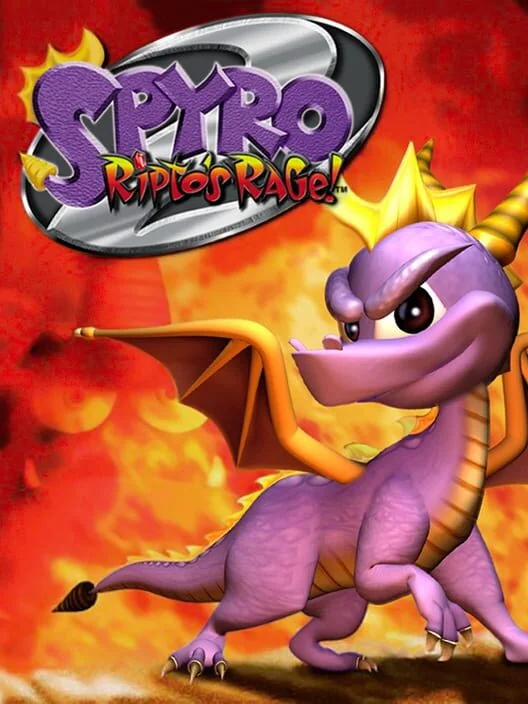
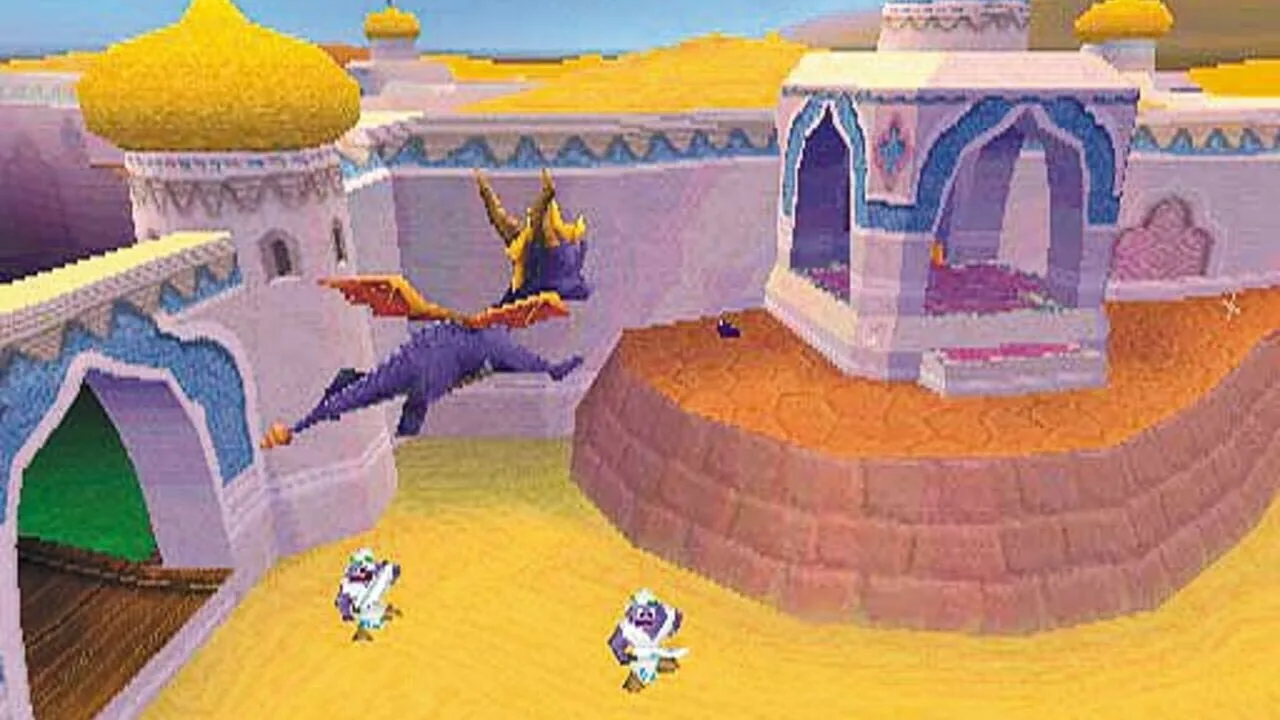
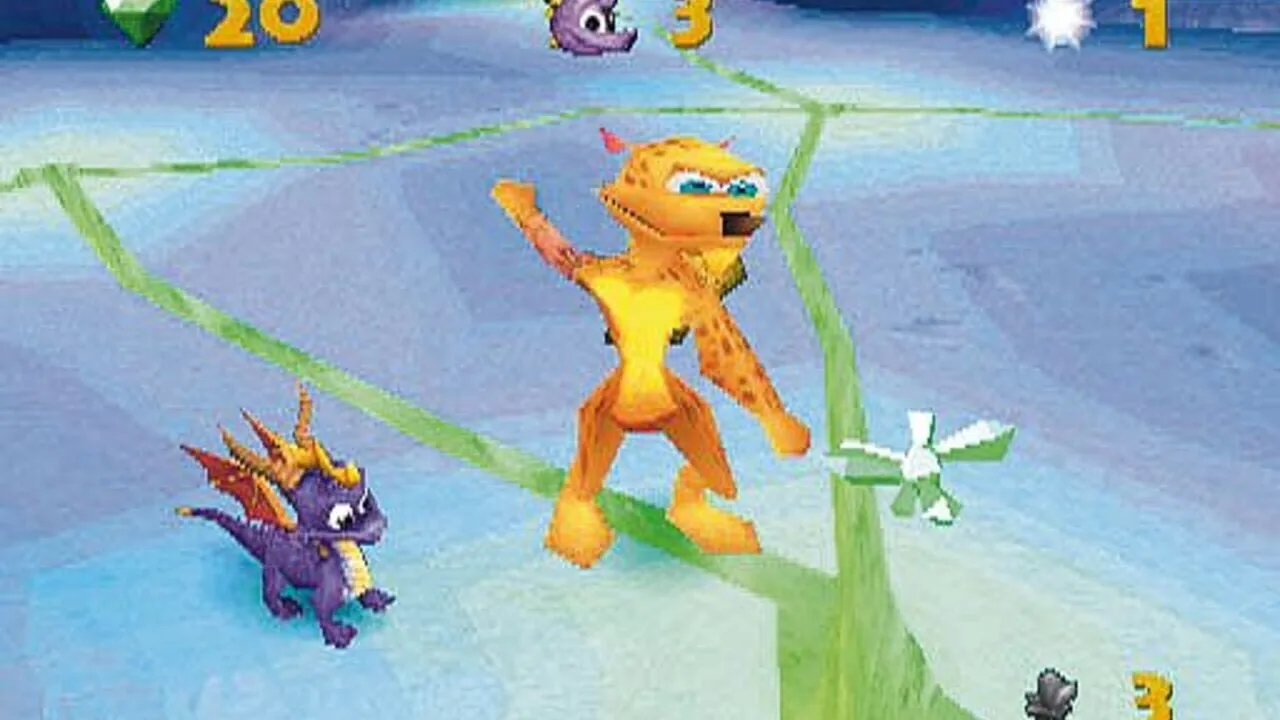
Spyro 2: Ripto's Rage! is the second game in the Spyro the Dragon series. In this game, Spyro is placed in the land of Avalar rather than the Dragon Worlds. Gameplay flows like the original game Spyro the Dragon, with few variations in control and Spyro's main abilities intact. The only notable difference is the removal of Spyro's side-rolling ability, previously activated by L1 and R1.
49. Brave Fencer Musashi (1998)
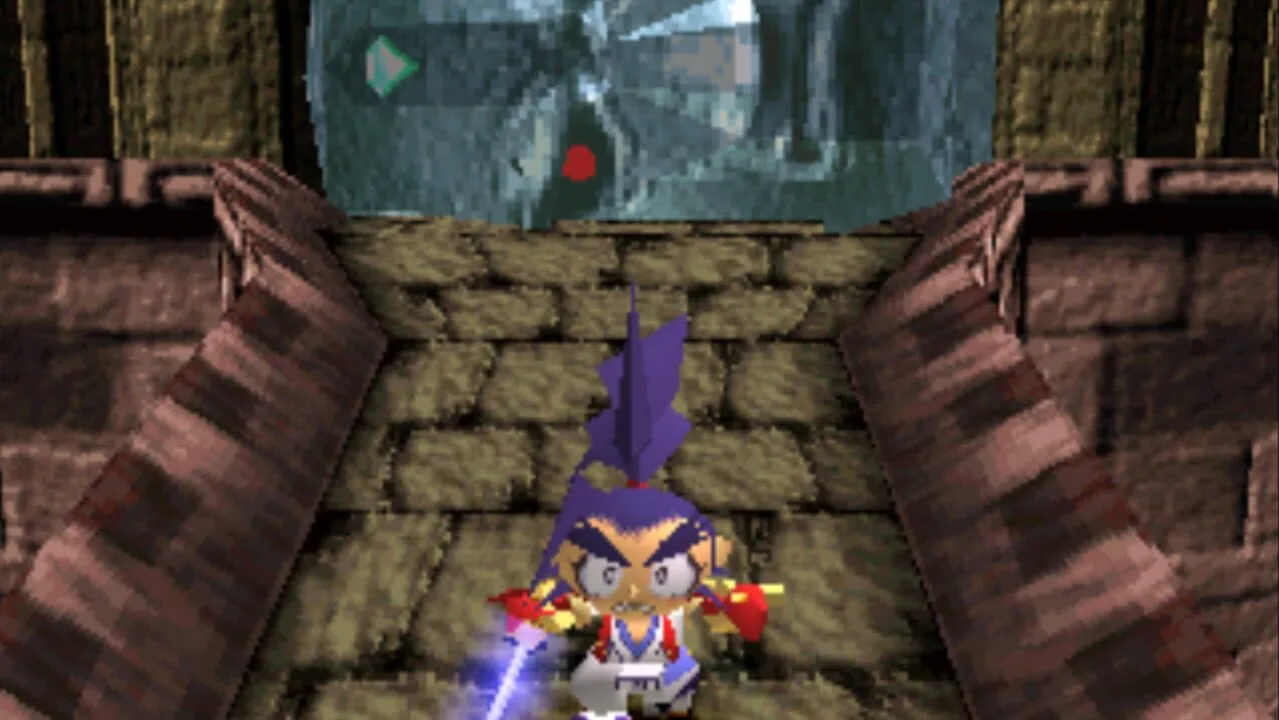
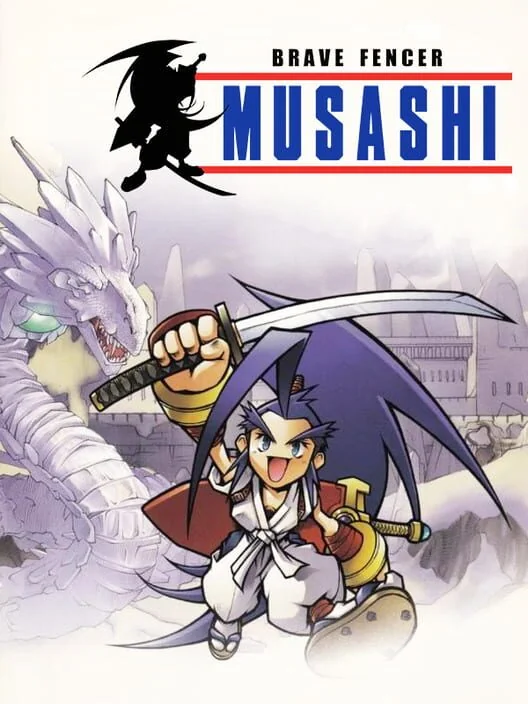
150 years ago, the legendary warrior known as the Brave Fencer Musashi saved the kingdom of Allucaneet from the evil Wizard of Darkness. Now, his spirit is reincarnated in a young, rather short-tempered boy. Fillet, the princess of Allucaneet, summons the reluctant hero to the palace and gives him the powerful sword Fusion, which he needs to defeat the evil Thirstquencher Empire. It soon turns out that the Empire is after another legendary sword, Lumina, so Musashi's first task is to get it before the bad guys do!..
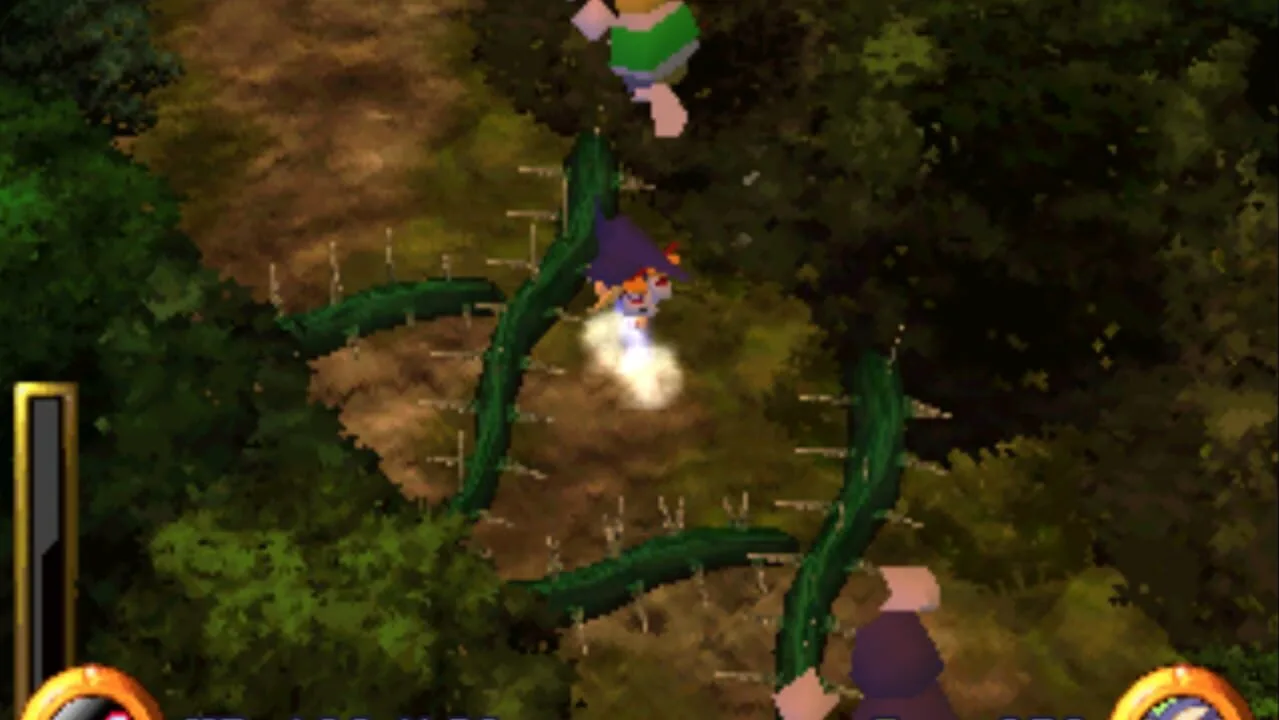
Brave Fencer Musashi is an action game with strong RPG elements. Controlling Musashi, the player explores the pre-rendered backgrounds from third person view (similarly to Final Fantasy VII), visiting towns, talking to NPCs, etc. There is a day/night cycle in the game, which is manifested in the schedules of NPCs and/or monsters, as well as Musashi's fatigue level, which increases if he doesn't sleep enough. Musashi uses the two swords, Fusion and Lumina, to fight his enemies. The two swords have different properties: while Fusion behaves more or less like a traditional melee weapon, Lumina needs to be imbued with various elemental items in order to unleash powerful attacks.
48. Breath of Fire III (1997)
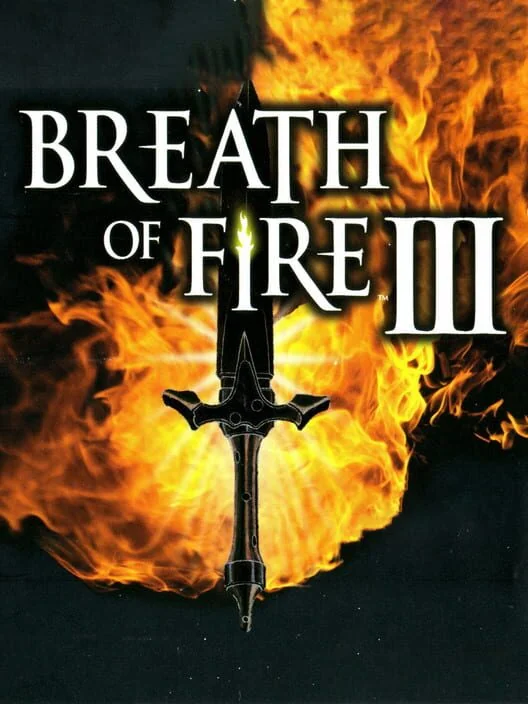
A MYSTERIOUS POWER...AN UNLIKELY HERO...A CLASSIC ADVENTURE...
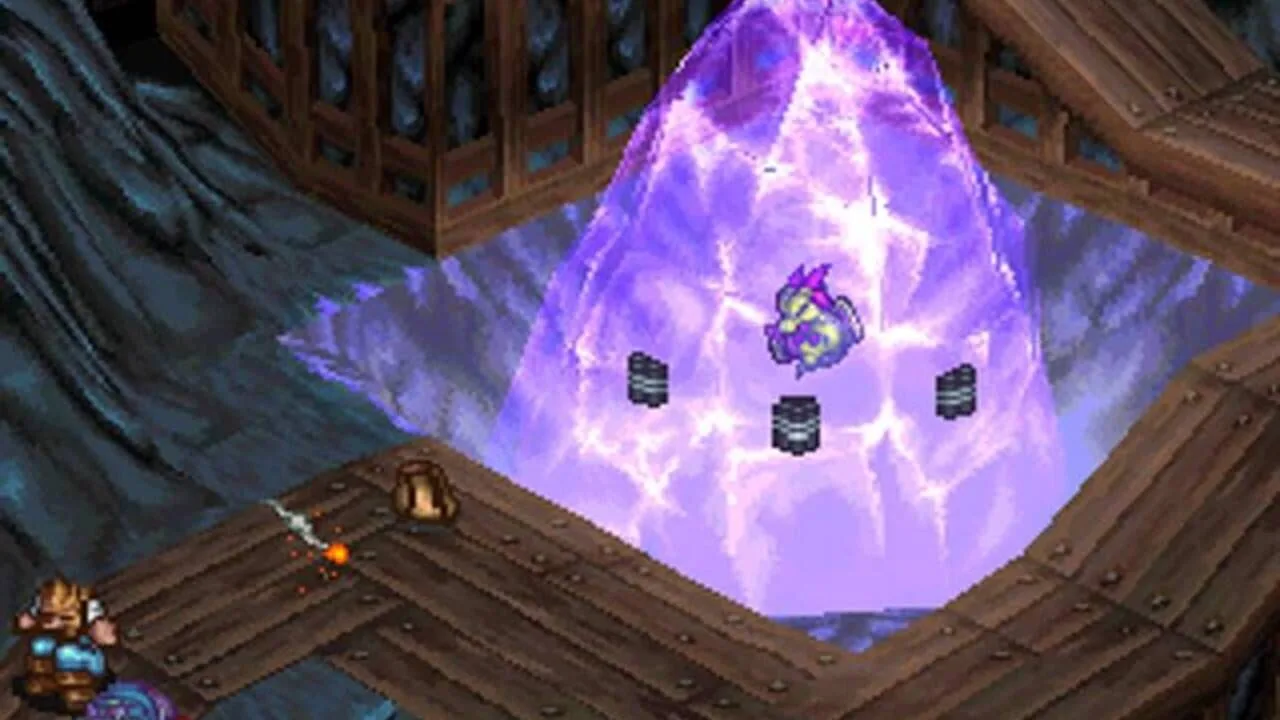
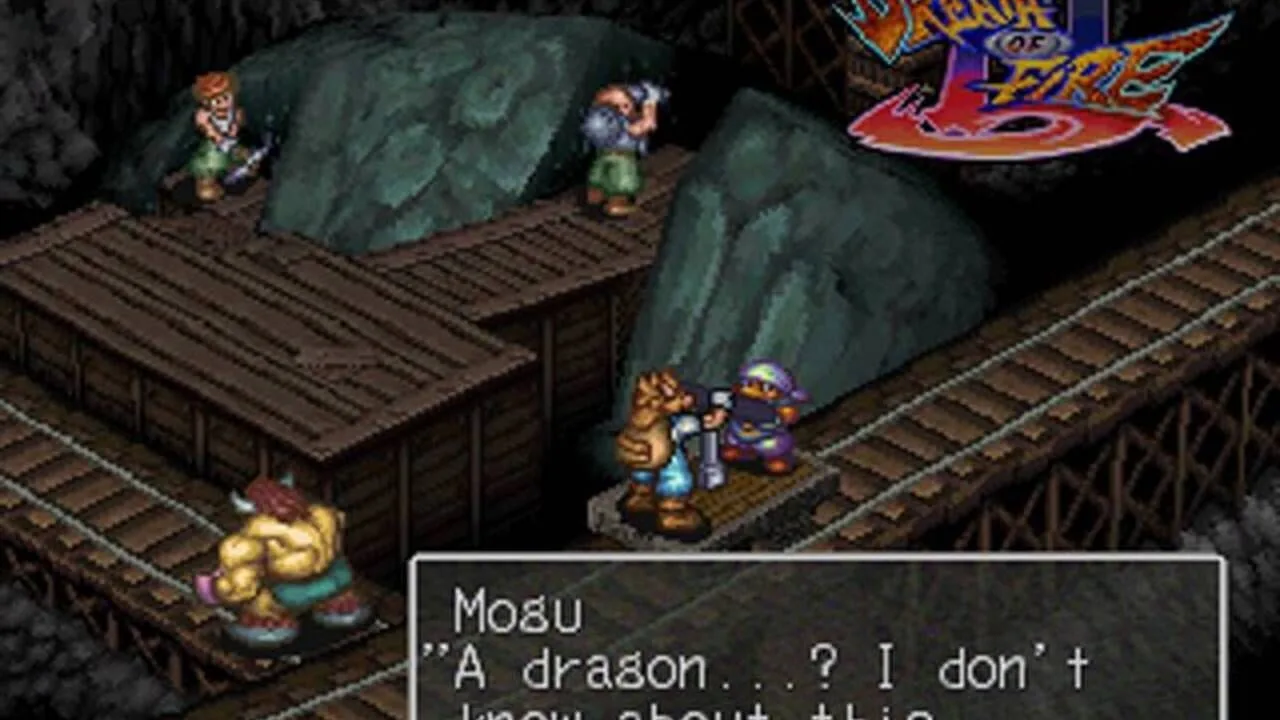
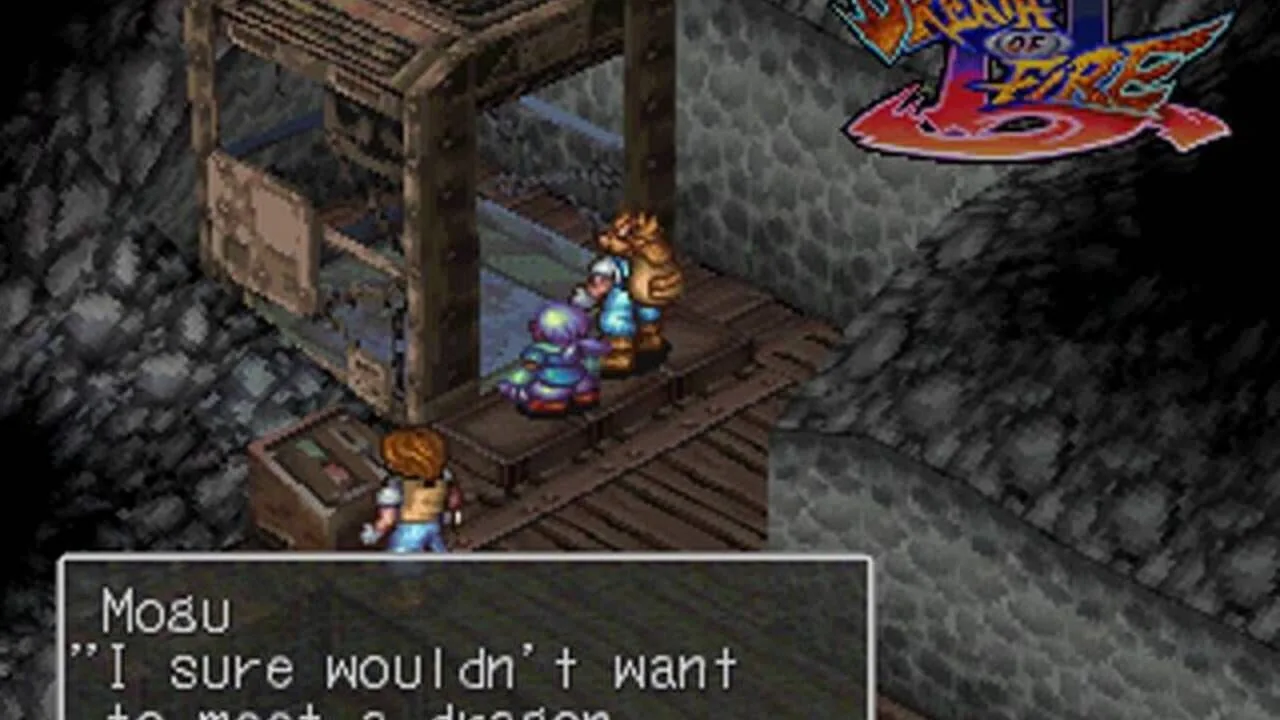
The lone survivor of a legendary dragon clan, a rebellious youth embarks on a great journey. One of discovery... and danger. The classic role-playing game now returns to continue the epic tales of Ryu and the dragon people. An inner power of uncertain origin matures Ryu into a warrior who ponders his purpose as he embarks on a mystical journey. What lies ahead is shrouded in mystery... yet strangely familiar.
DRAGON GENE SPLICING
LEGENDARY ROLEPLAYING
AN EPIC 3-D ENVIRONMENT
LEARN OR STEAL ADVANCE SKILLS AND TECHNIQUES
POWERFUL MAGIC
NOW YOU POSSESS THE POWER TO CONTROL RYU'S DESTINY.
47. Tomb Raider II (1997)
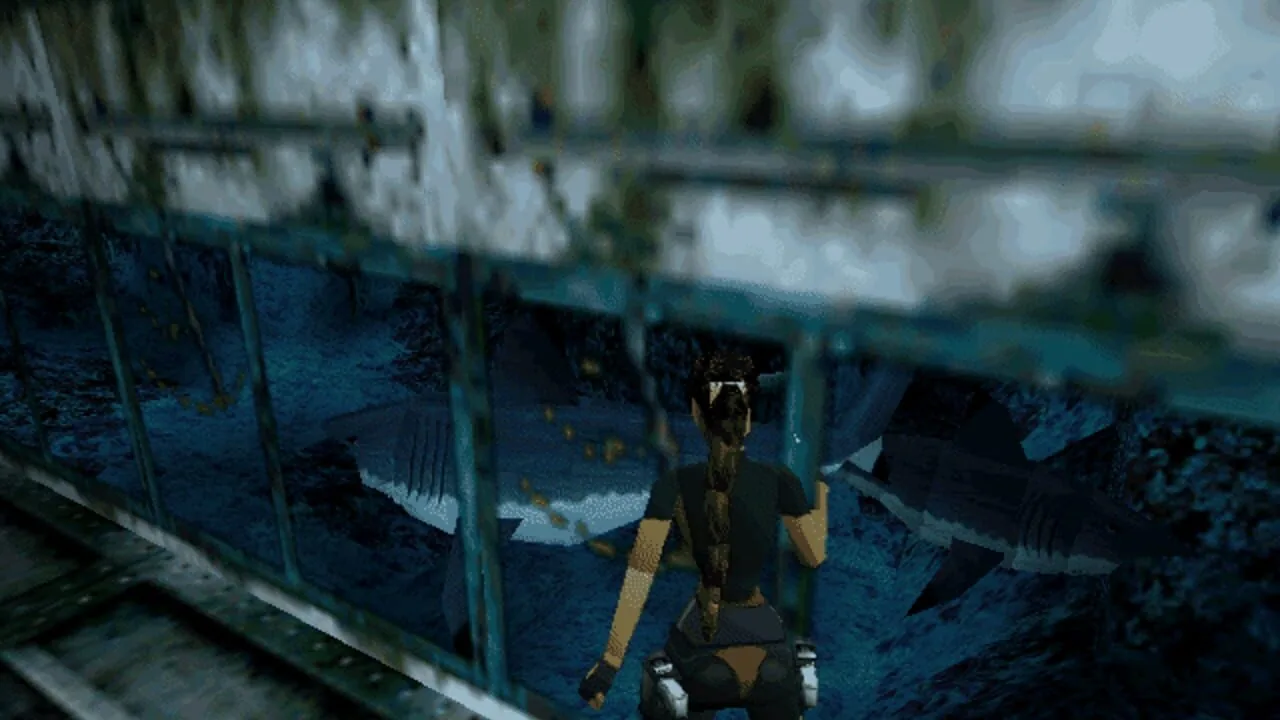
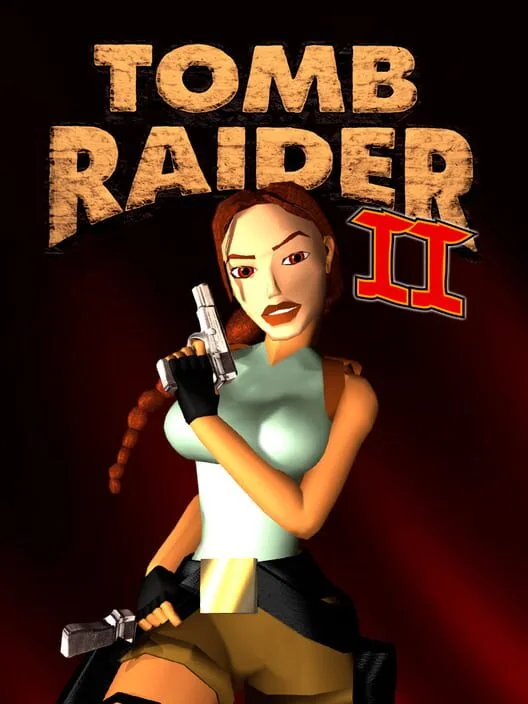
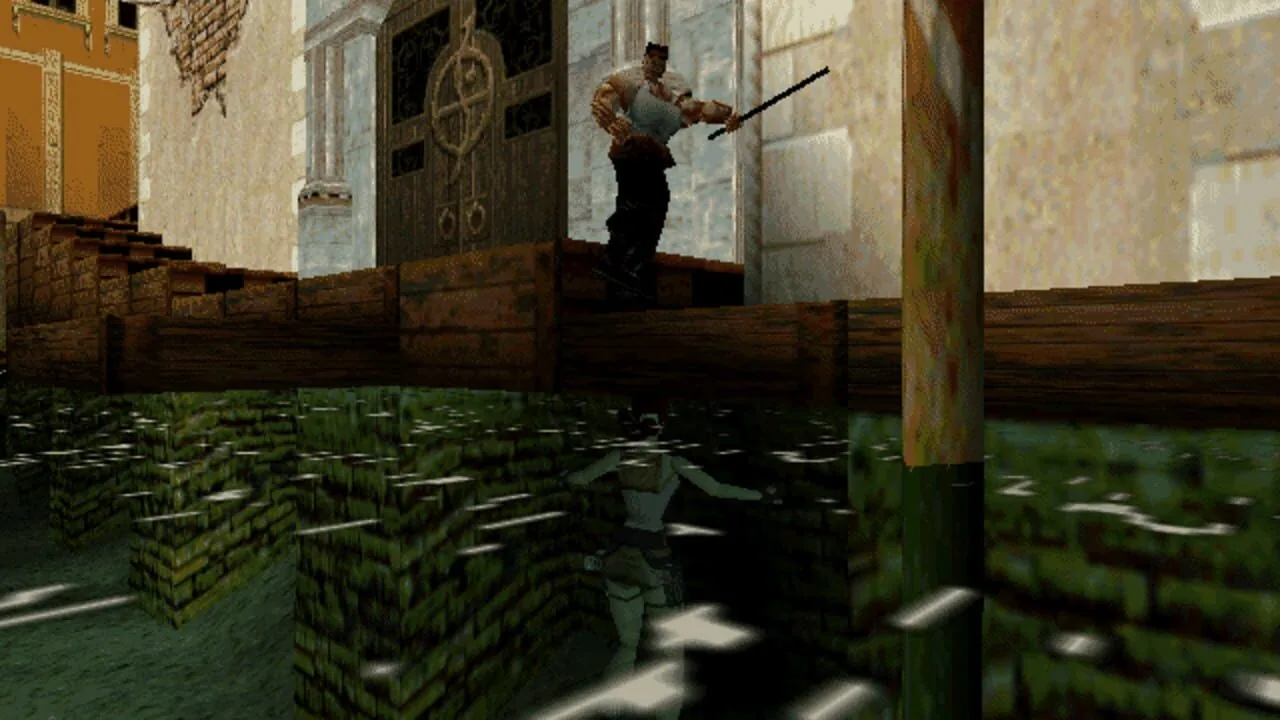
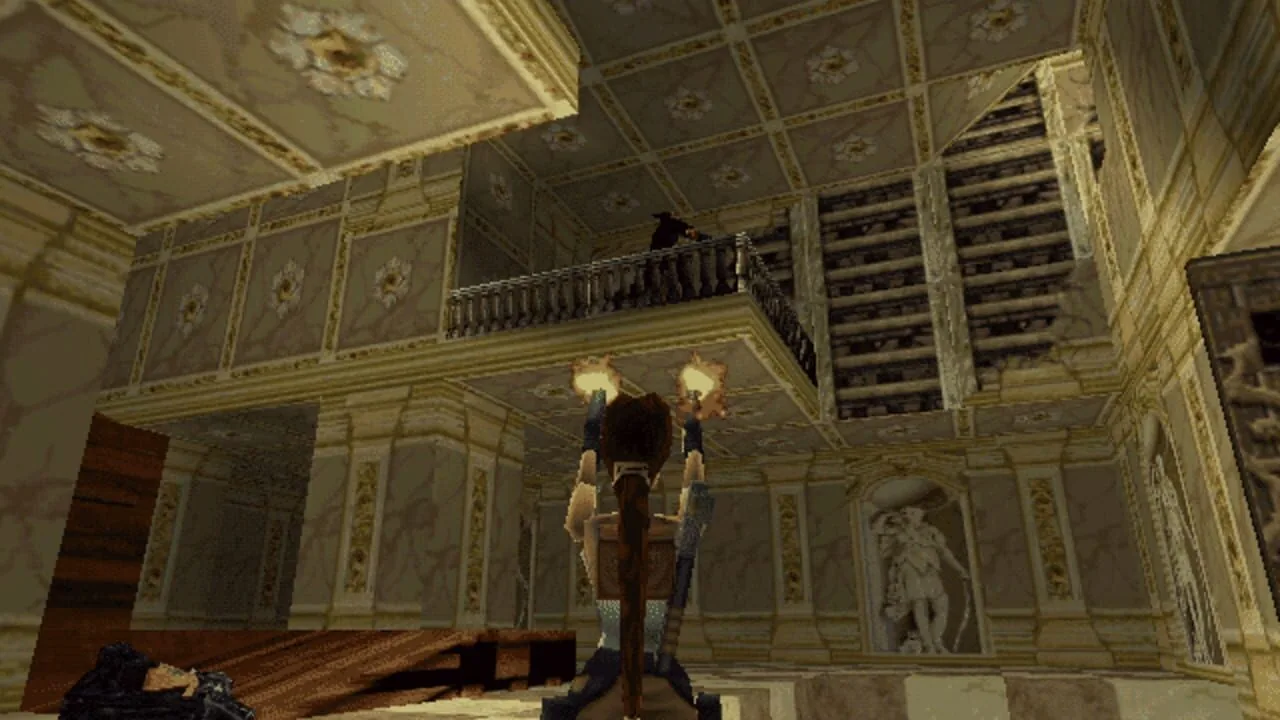
Tomb Raider II is the second game of the Tomb Raider games series. It is an action game with platforming and puzzle-solving elements, similar in concept and gameplay to its predecessor. Most of the gameplay consists of traversing hazardous 3D levels utilizing Lara's athletic skills and solving environmental puzzles. The sequel puts more emphasis on fighting enemies, adding many human foes to the mix. Additional weapons include a harpoon gun, a grenade launcher, and an M16 rifle. Automatic pistols replace the magnums from the first game.
46. Bushido Blade (1997)
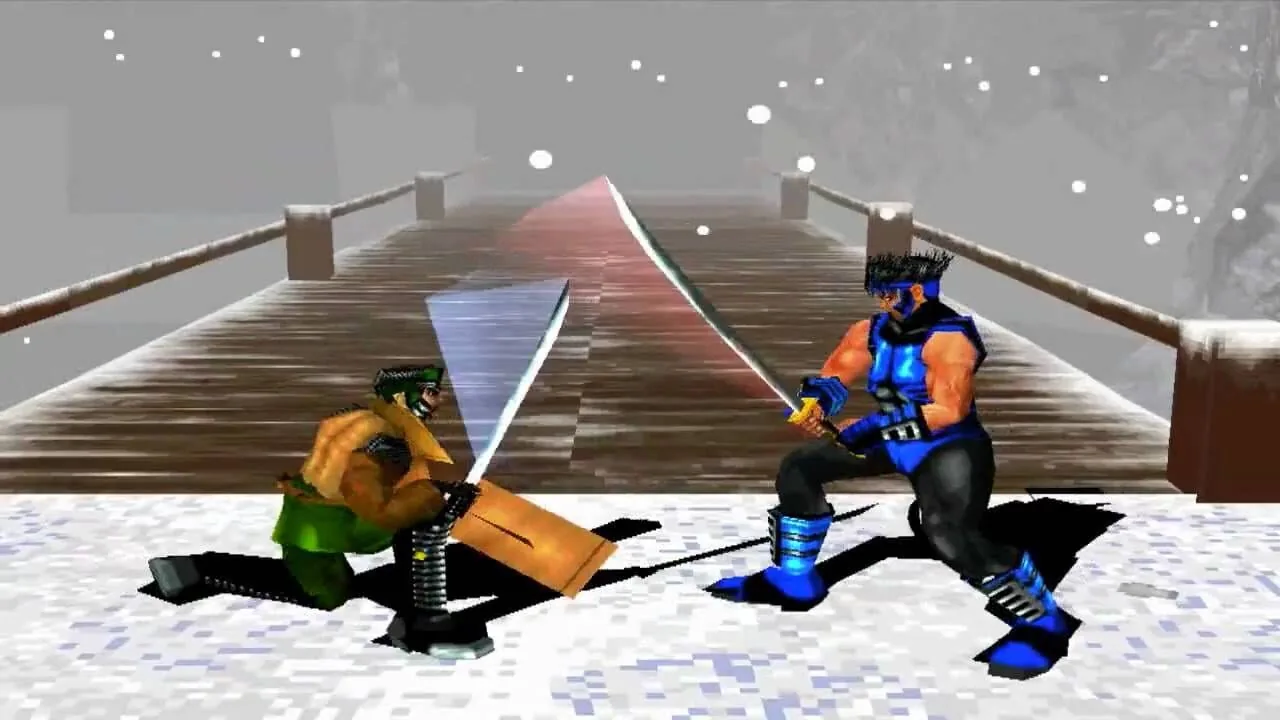
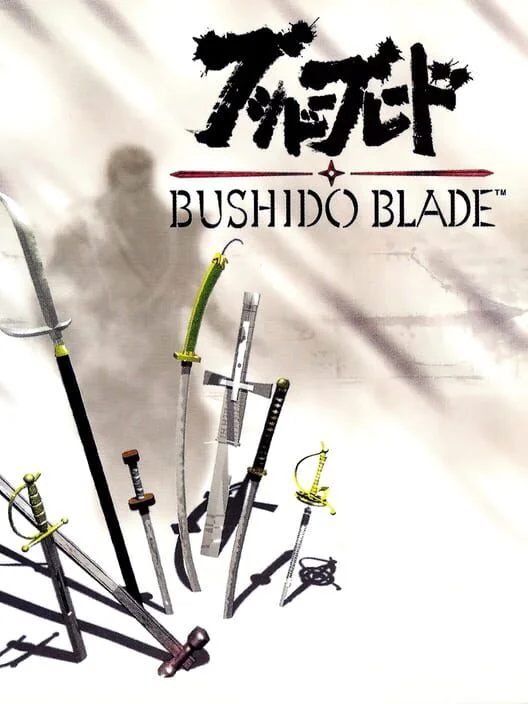
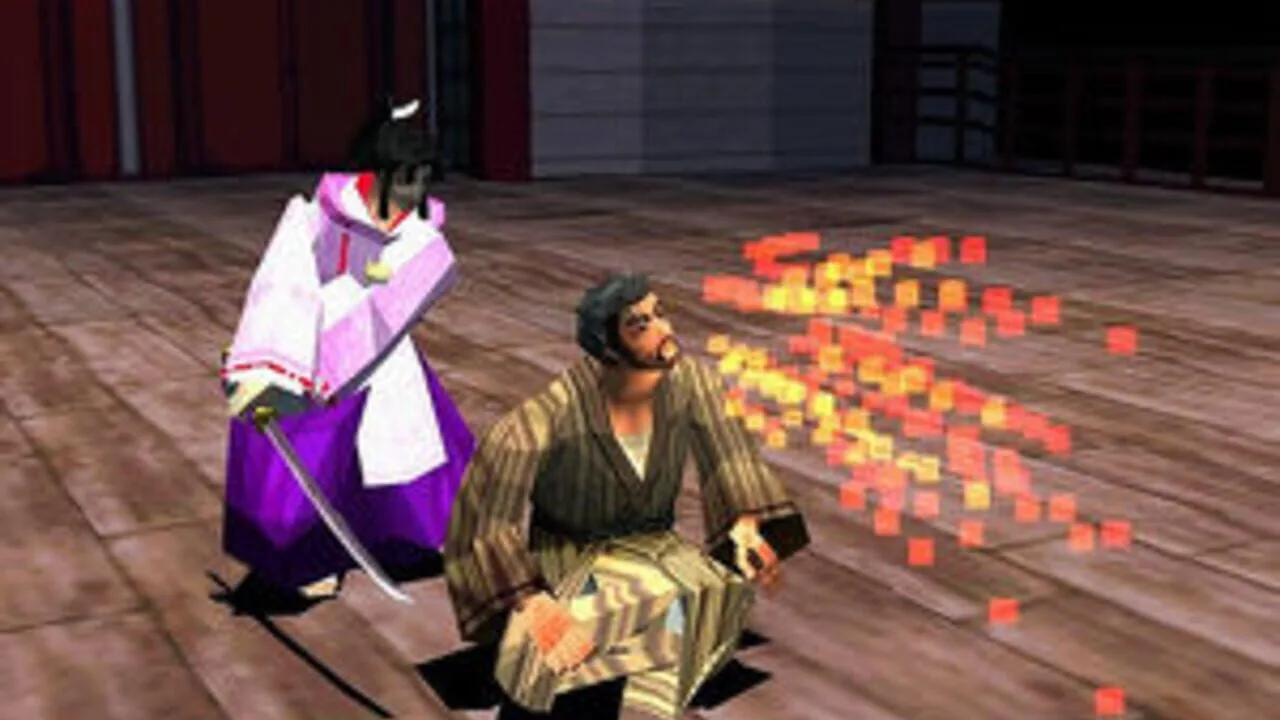
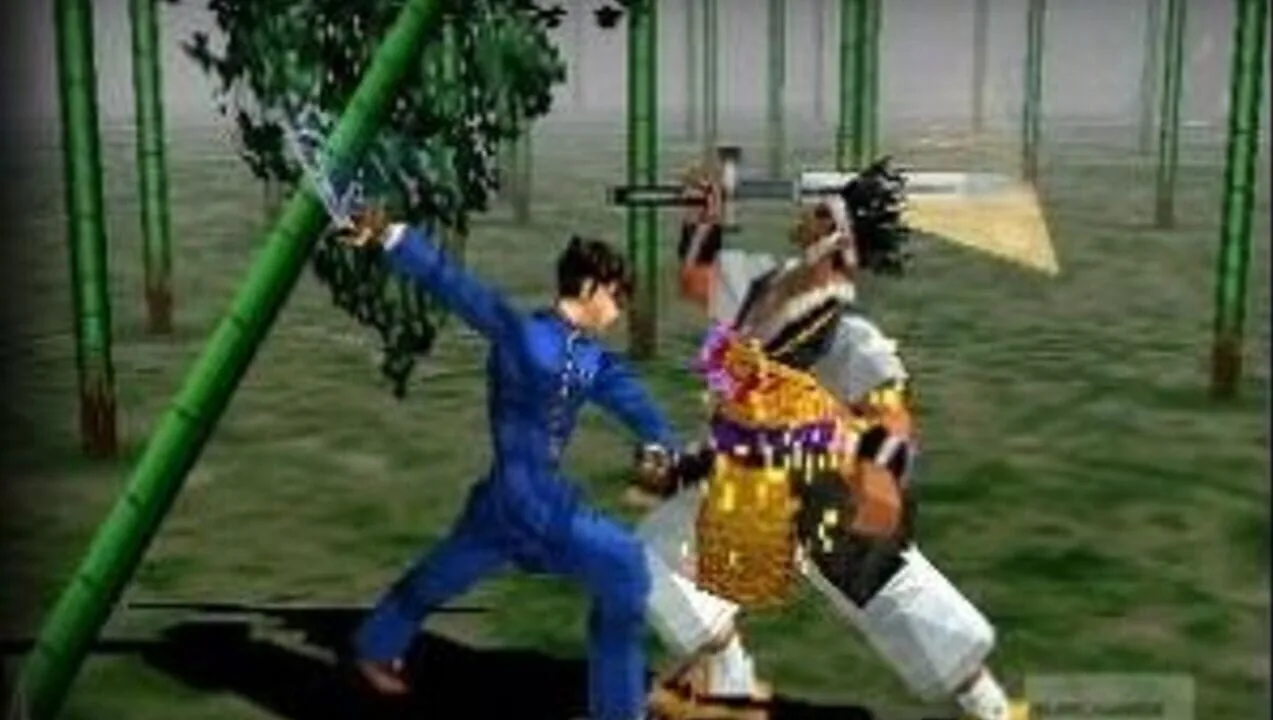
"Bushido" is the soul of Japan - an ancient honor code deeply followed by samurai warriors for centuries. Plunge into real world battles across vast 3D environments that you can run, slice and tear through. Sword matches become unbelievably real where one critical blow is the mean difference between death and victory.
45. Wipeout (1995)
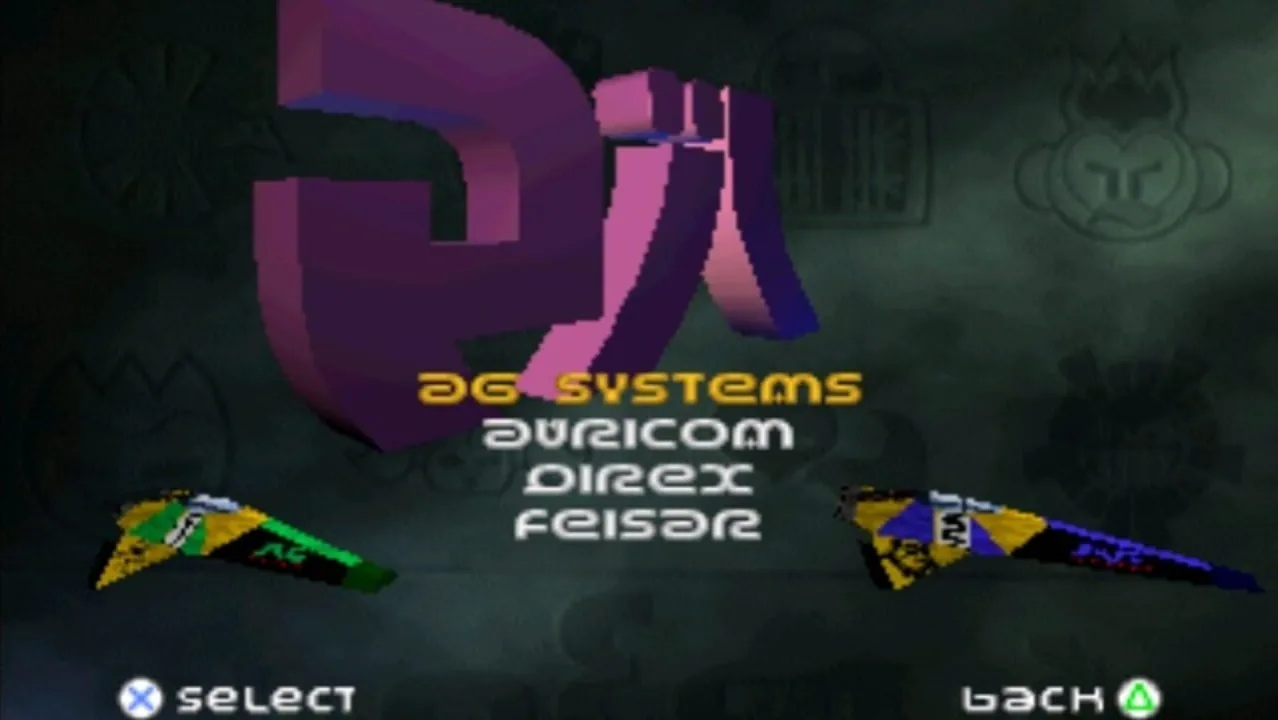
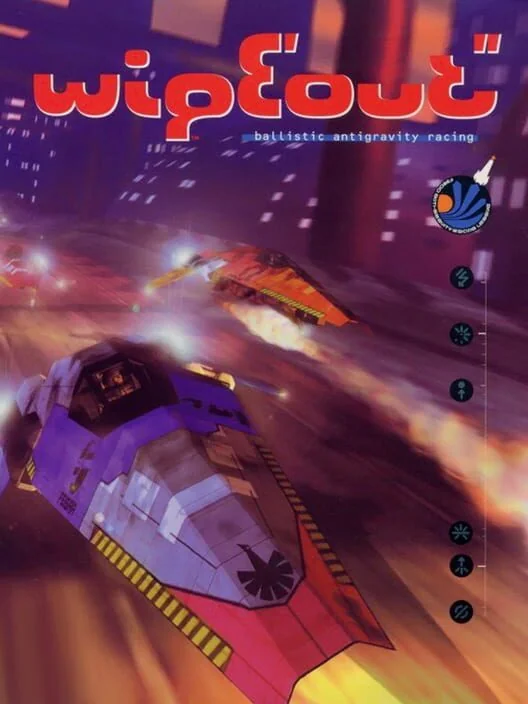
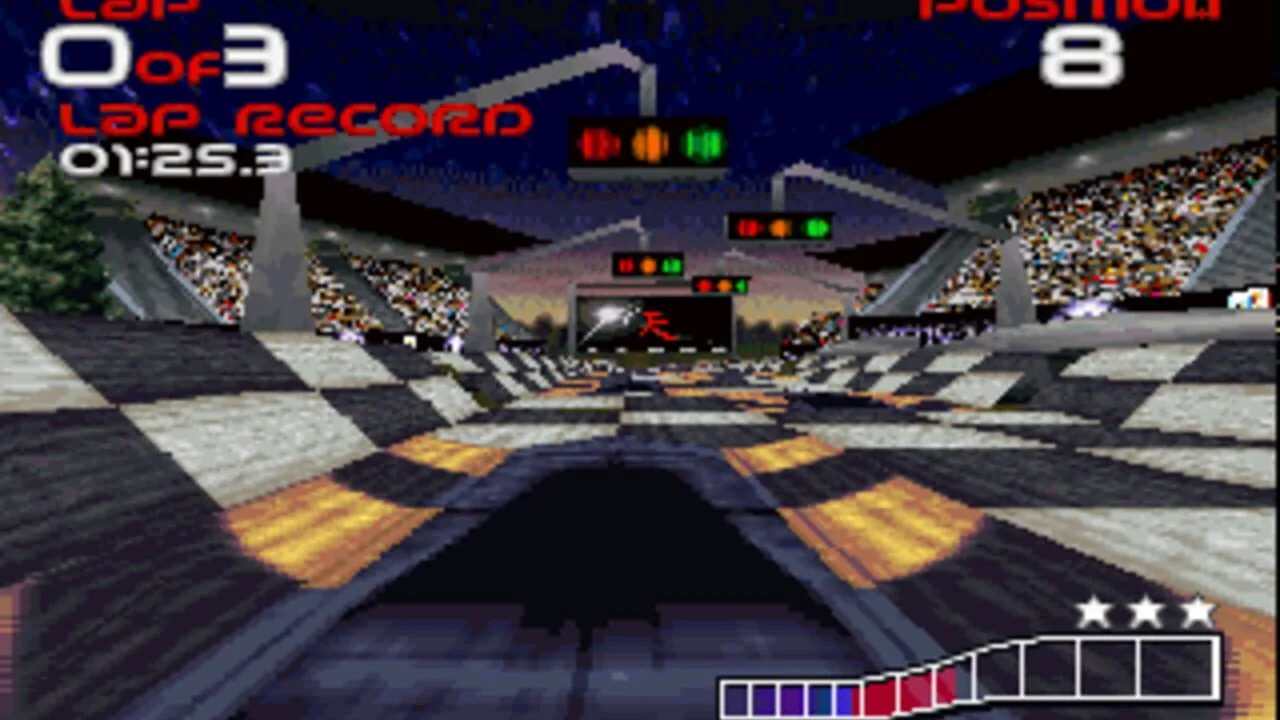
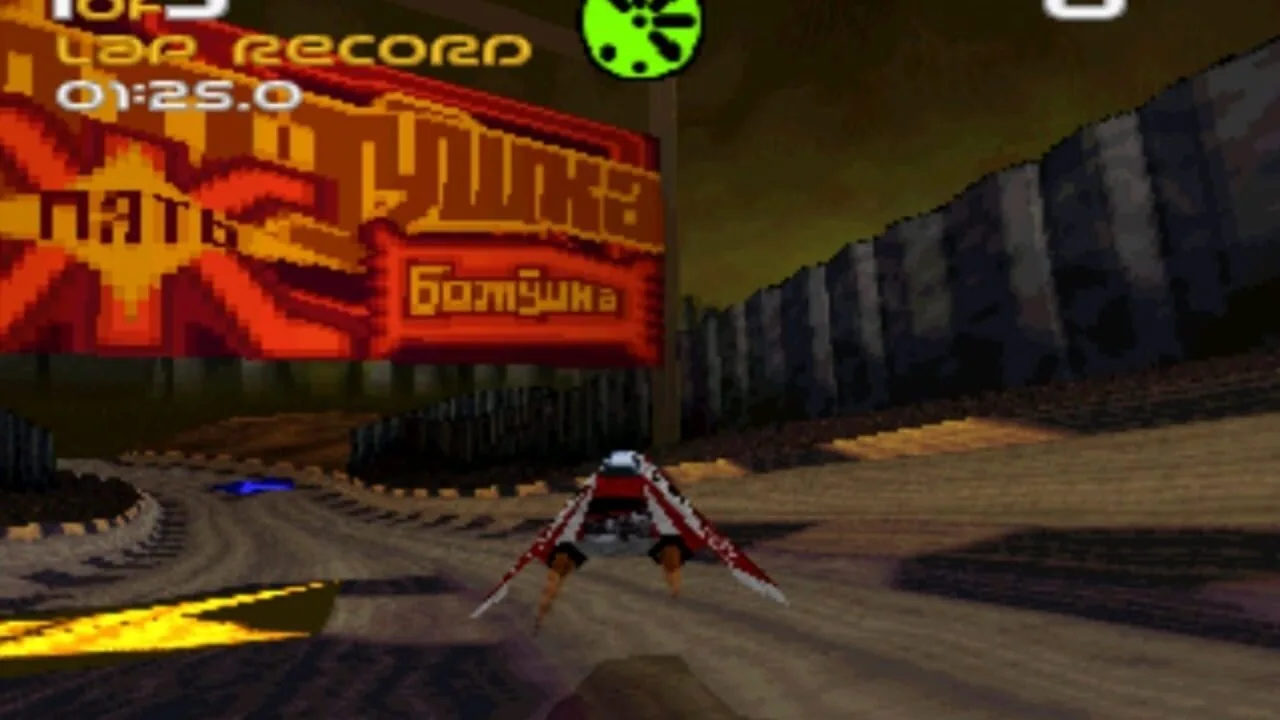
Wipeout is a racing game that is set in 2052, where players compete in the F3600 anti-gravity racing league. The game allows the player to pilot one of a selection of craft in races on several different tracks. There are four racing teams to choose from, and two ships for each team. Each ship has its distinct characteristics of acceleration, top speed, mass, and turning radius. By piloting their craft over power-up pads found on the tracks, the player can pick up various weapons and power-ups such as shields, turbo boosts, mines, shock waves, rockets, or missiles. The power-ups allow the player to either protect their craft or disrupt the competitors' craft.
44. Wild Arms (1996)
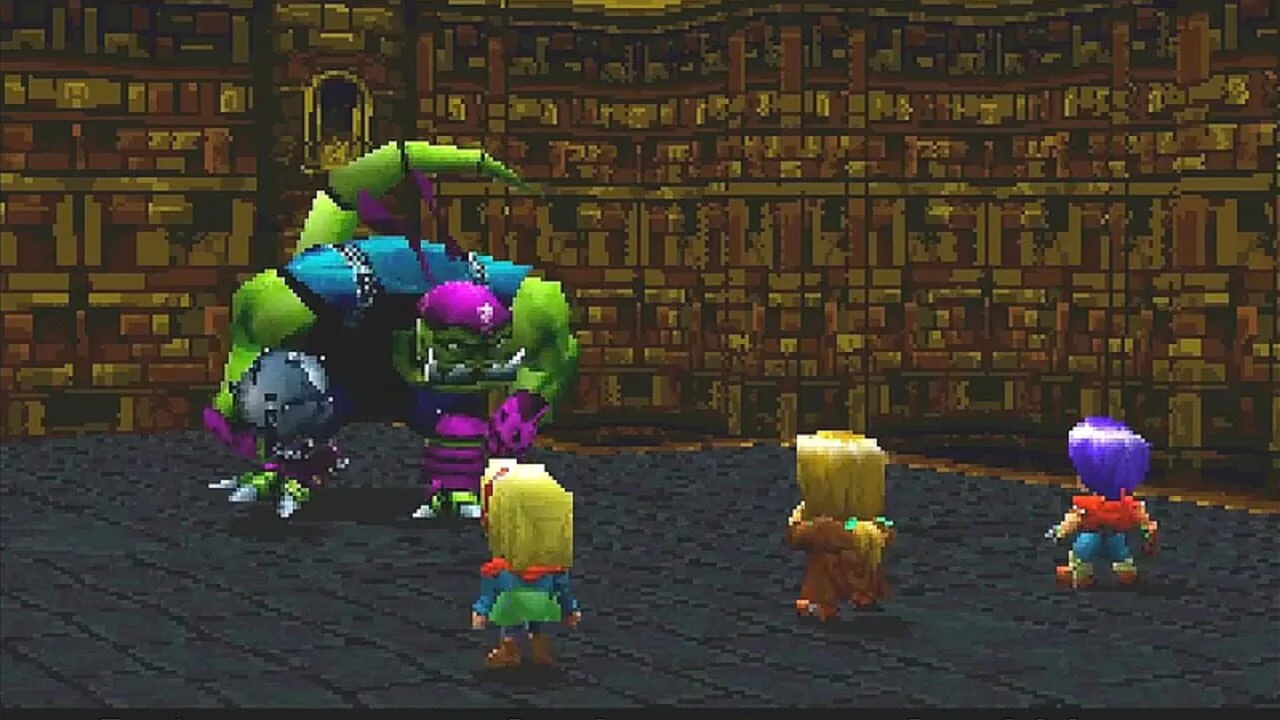
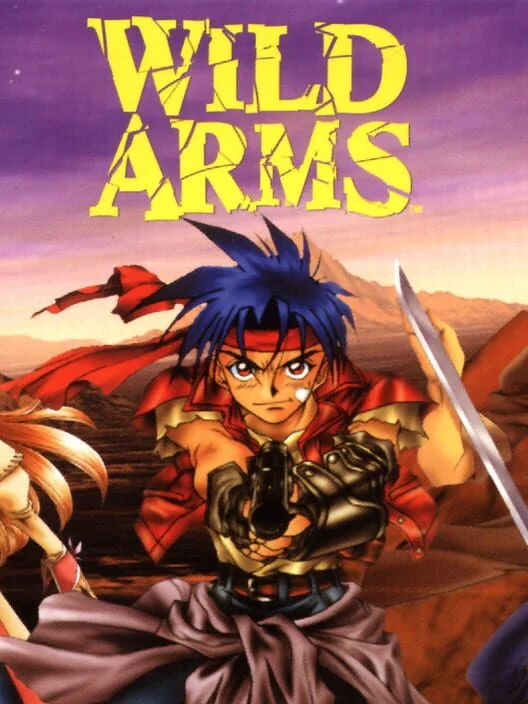
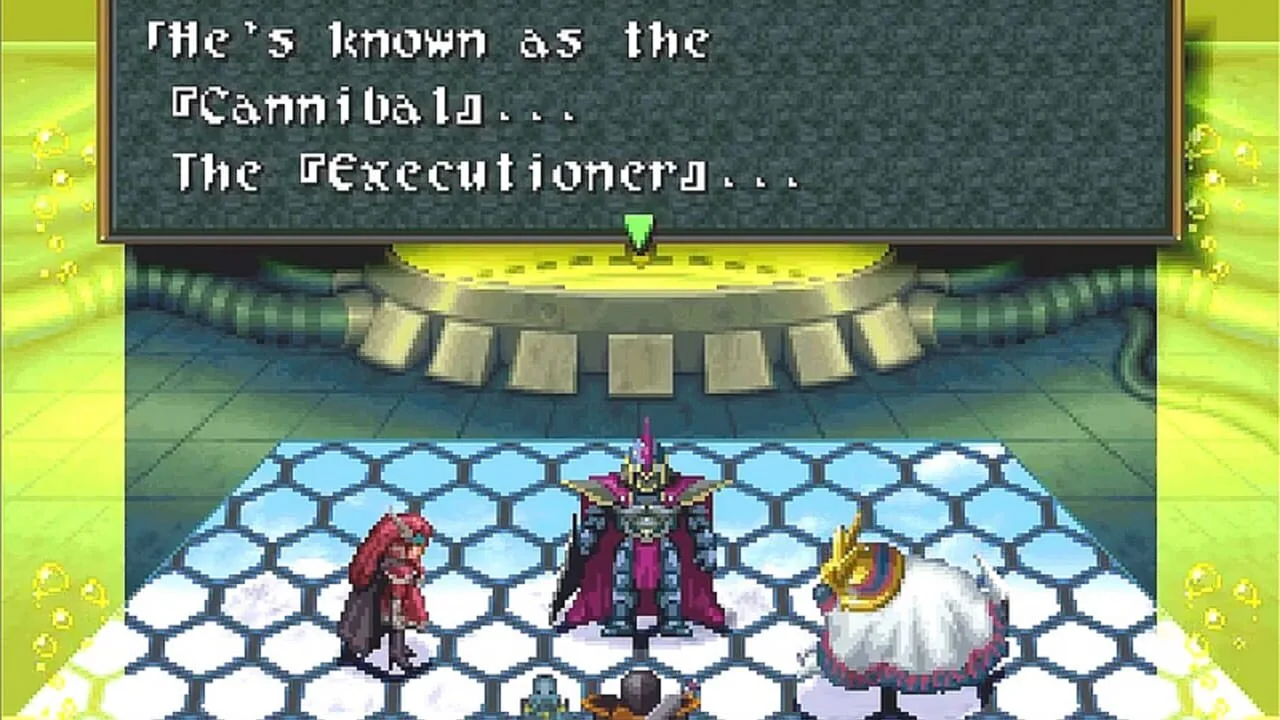
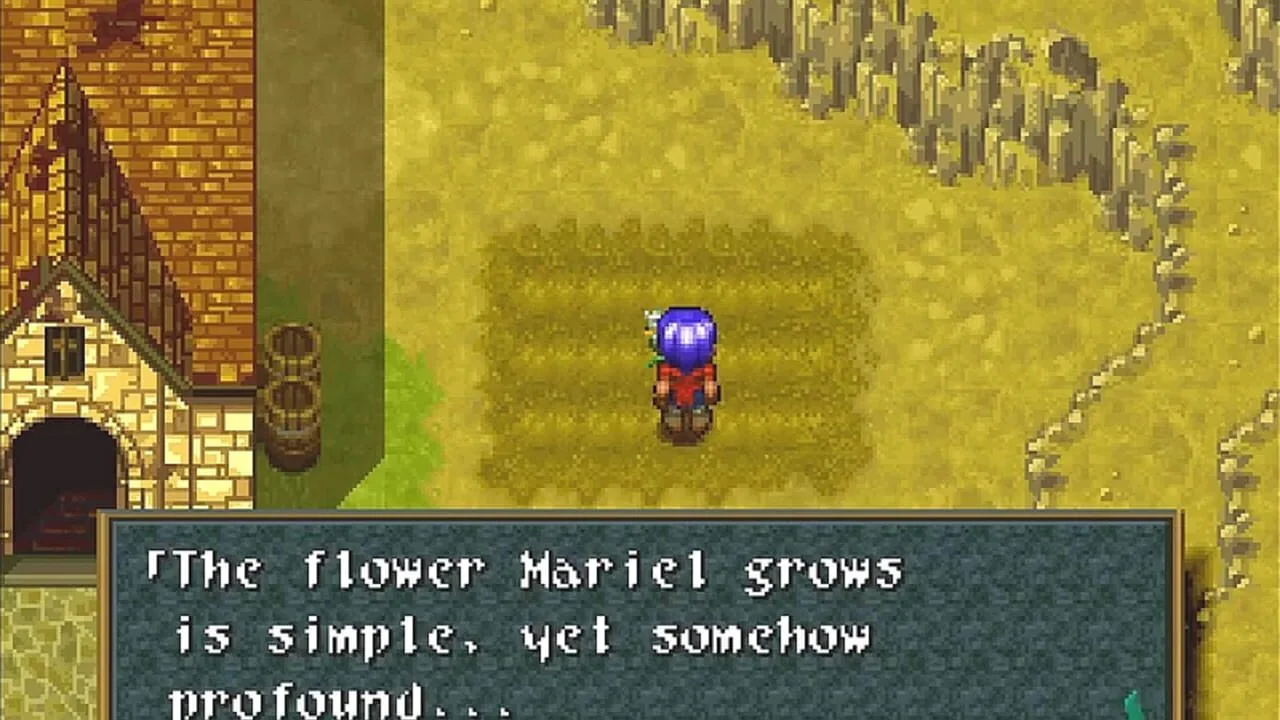
Wild Arms is a Western-themed role-playing video game developed by Japanese software company Media.Vision. Originally released in Japan in 1996 for the Sony PlayStation video game console, it was later translated and released in North America in 1997 and Europe in 1998 by Sony Computer Entertainment. It is noteworthy for not only being one of the first role-playing video games on the PlayStation, but also one of the few to feature a Western American setting and motif. The game features 2D computer graphics for normal gameplay, while battle sequences are rendered in 3D.
43. Rayman (1995)
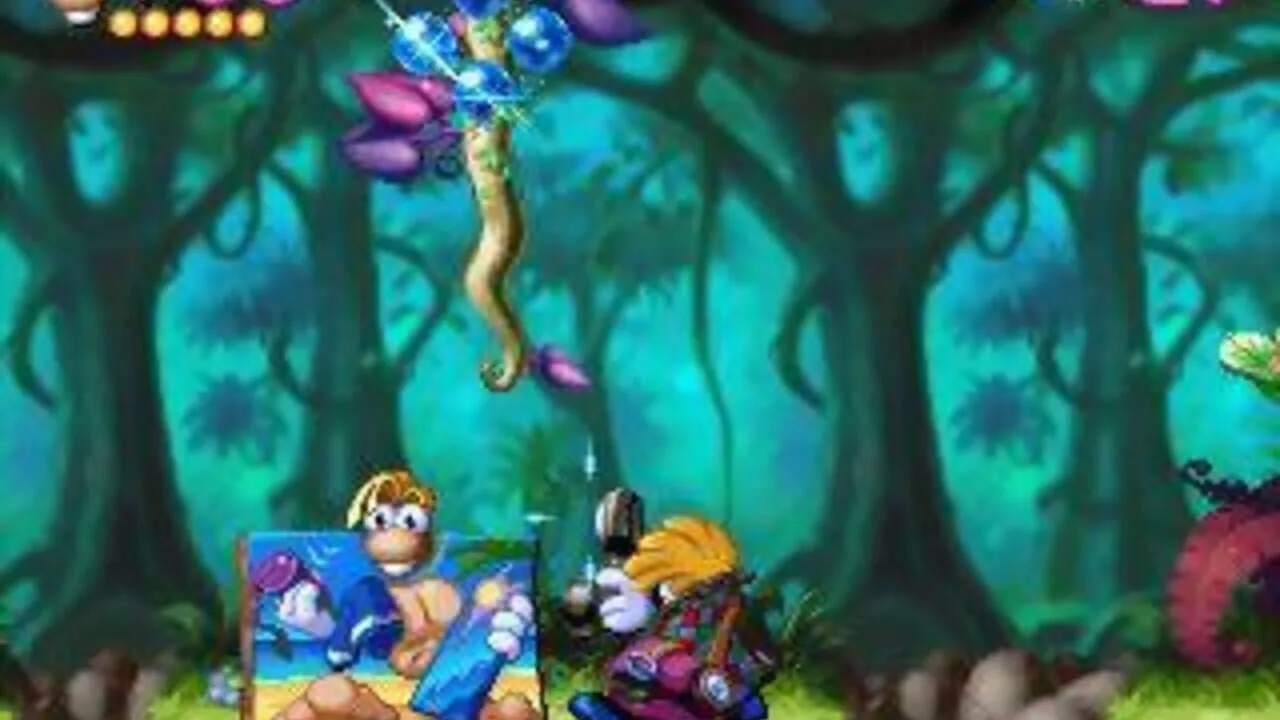
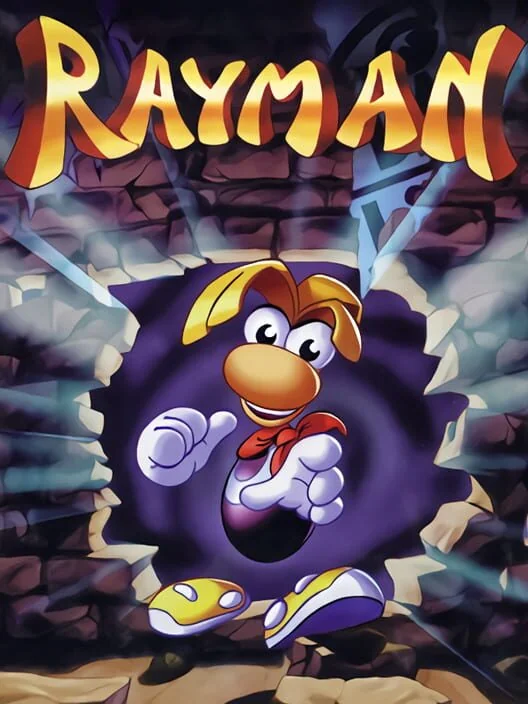
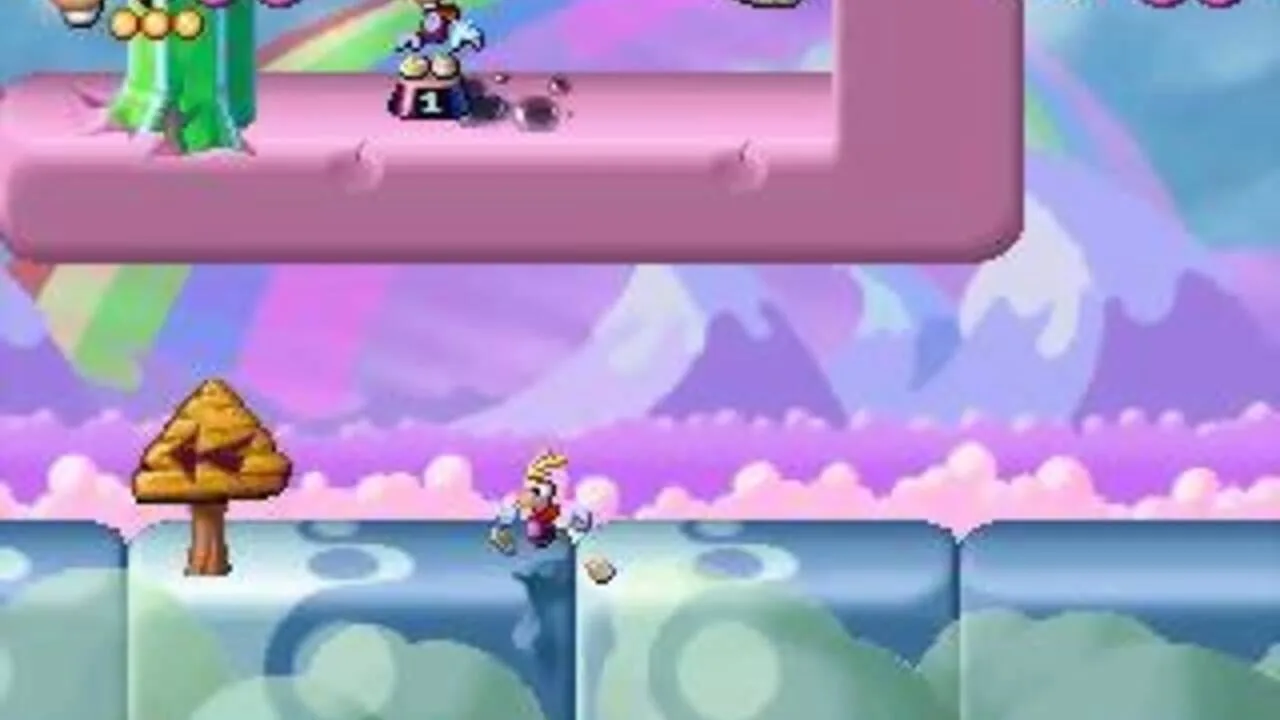
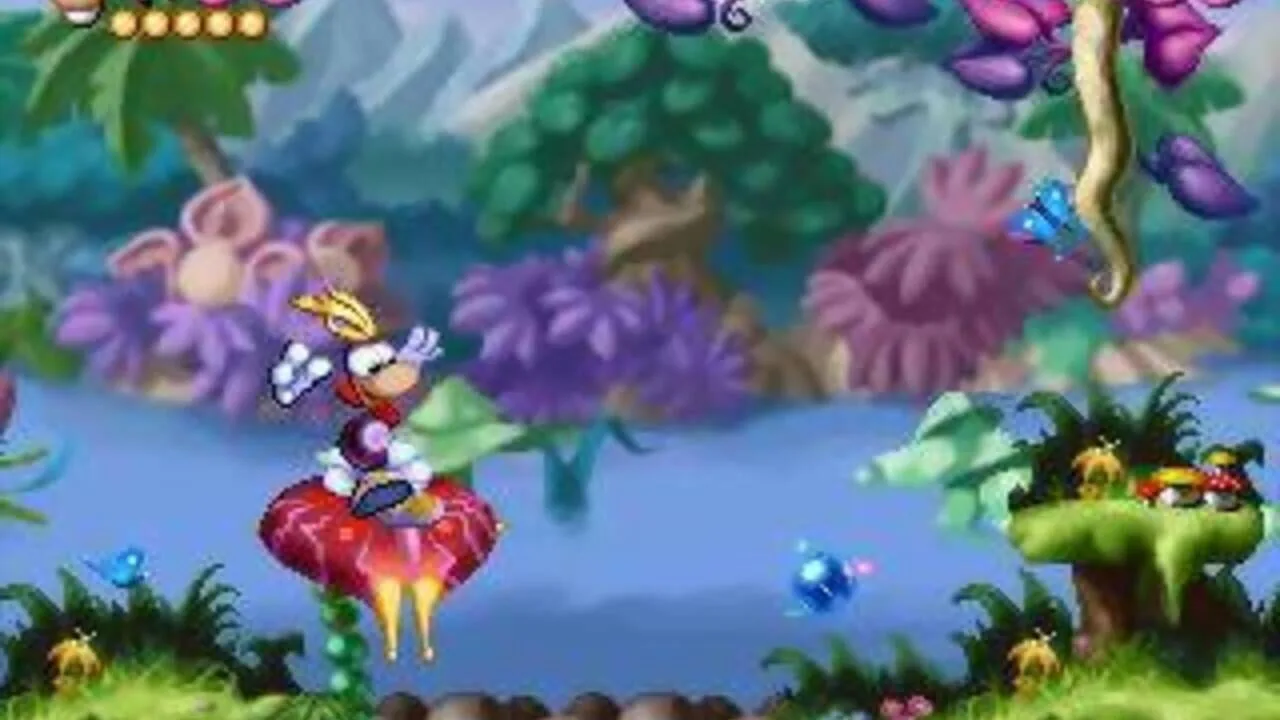
Rayman is a side-scrolling platformer starring the titular Rayman, a big-nosed chap with no arms or legs. Rayman can jump and use his hair to hover for a short period of time. He can also attack by throwing his fists, or winding up his fists for a more powerful punch. He can occasionally find special power ups that grant him unlimited flying power, giving him the ability to navigate through tricky mazes.
42. Tekken 2 (1996)
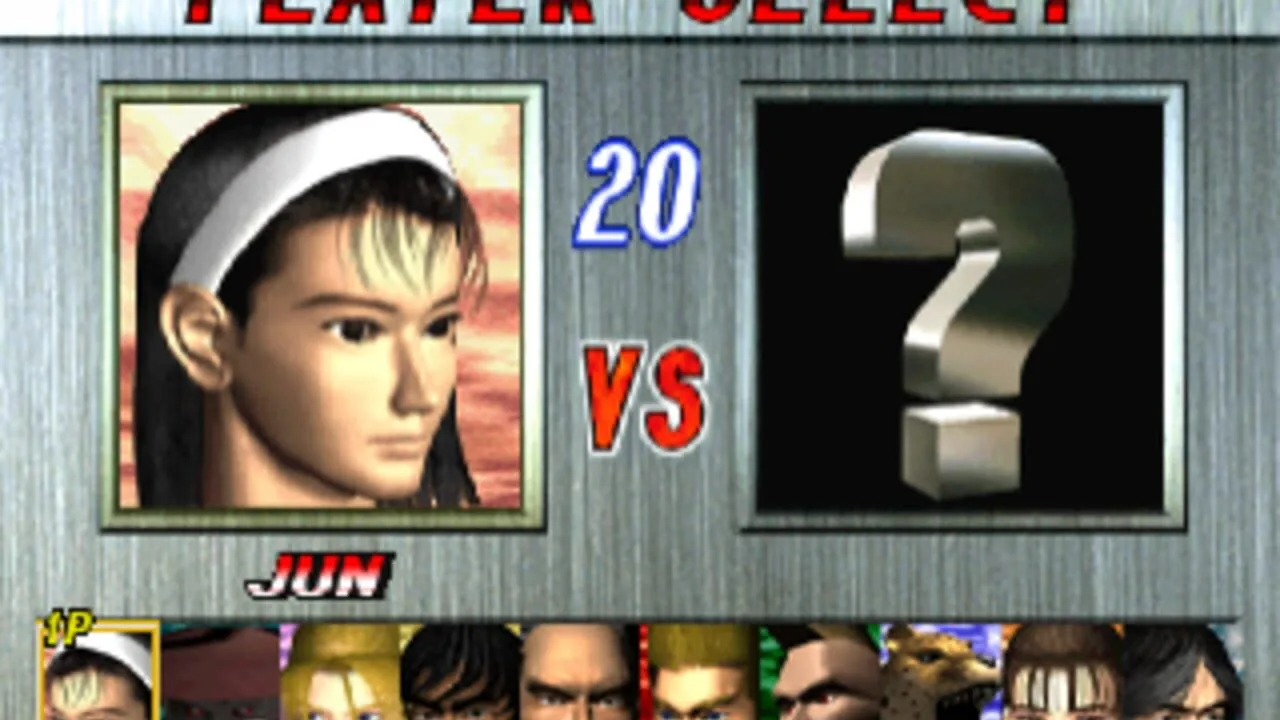
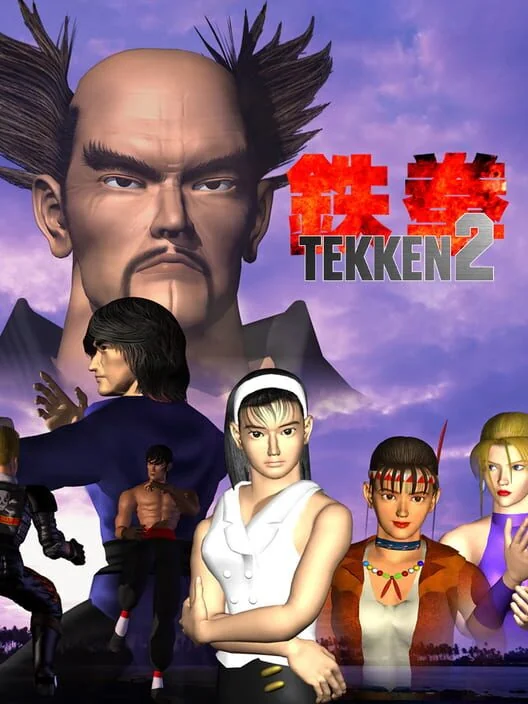
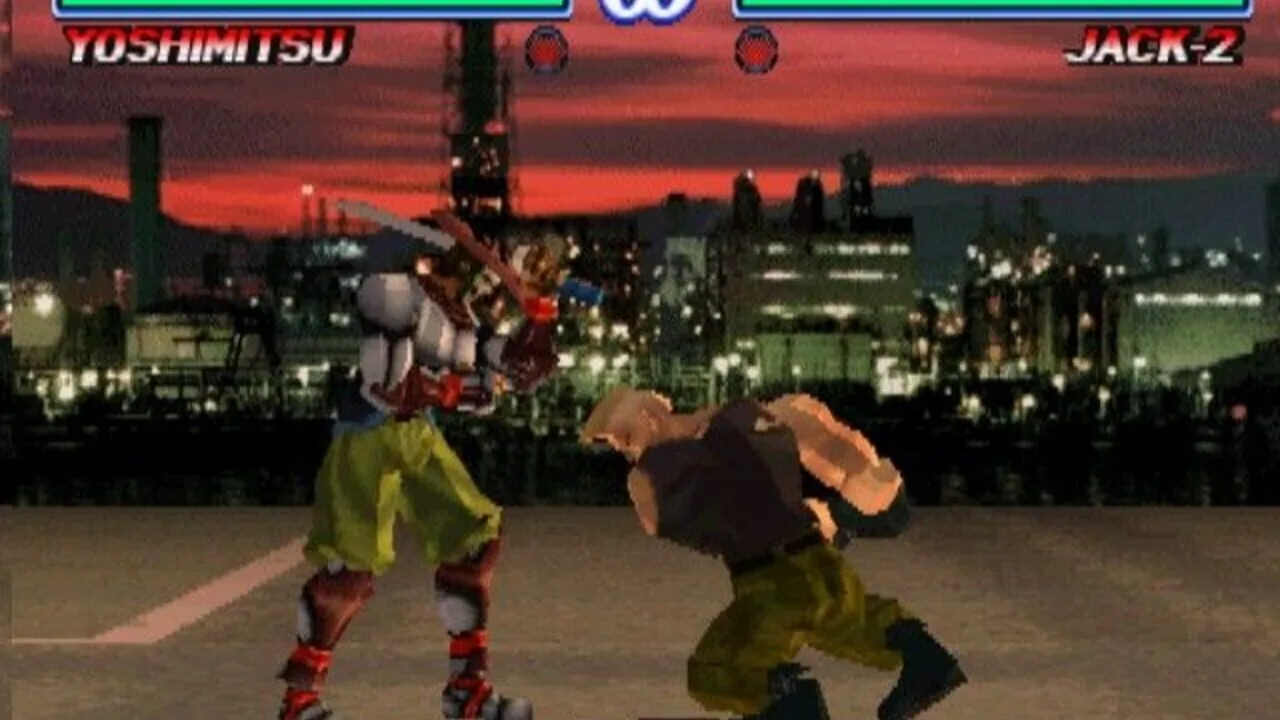
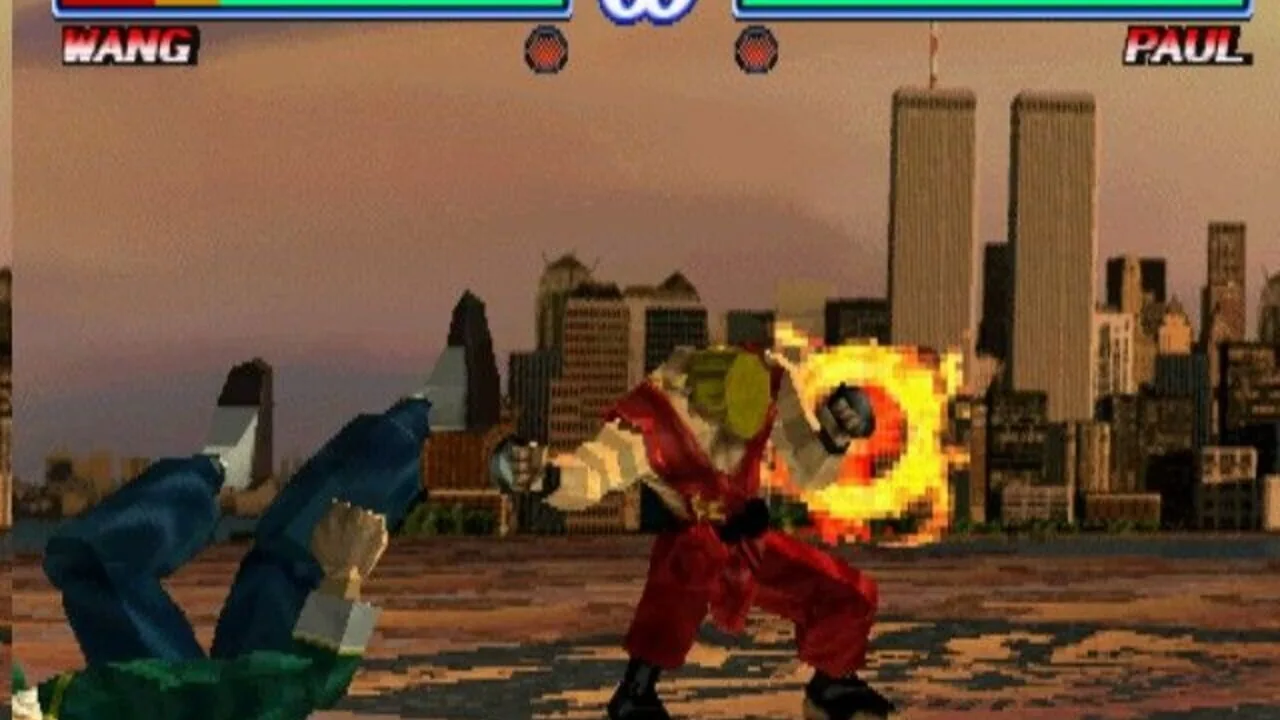
The console version of Tekken 2, which adds more content to the original arcade game, such as new characters and additional game modes.
41. Parasite Eve II (1999)
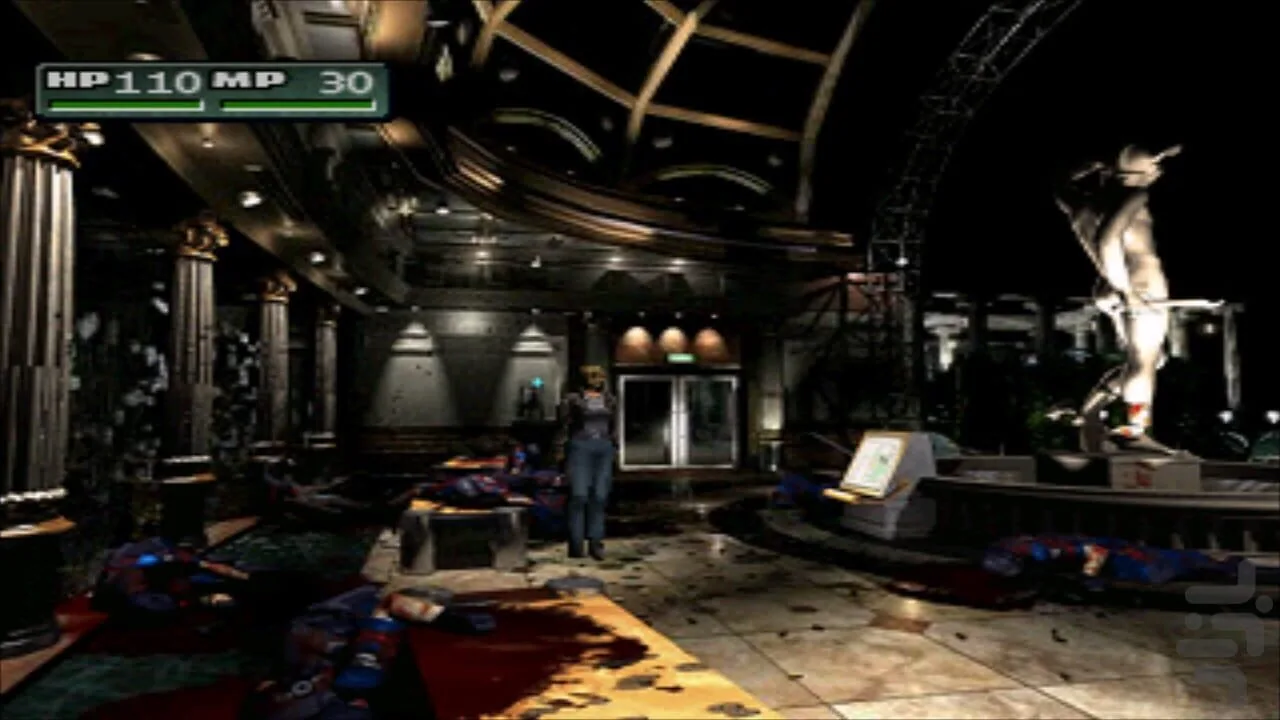
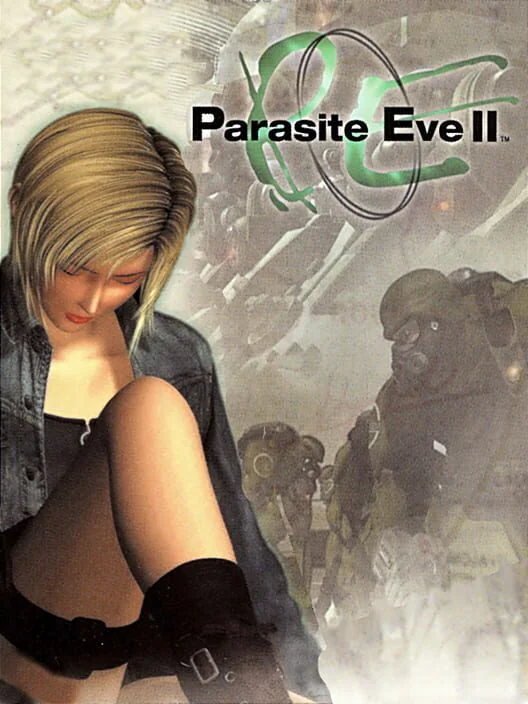
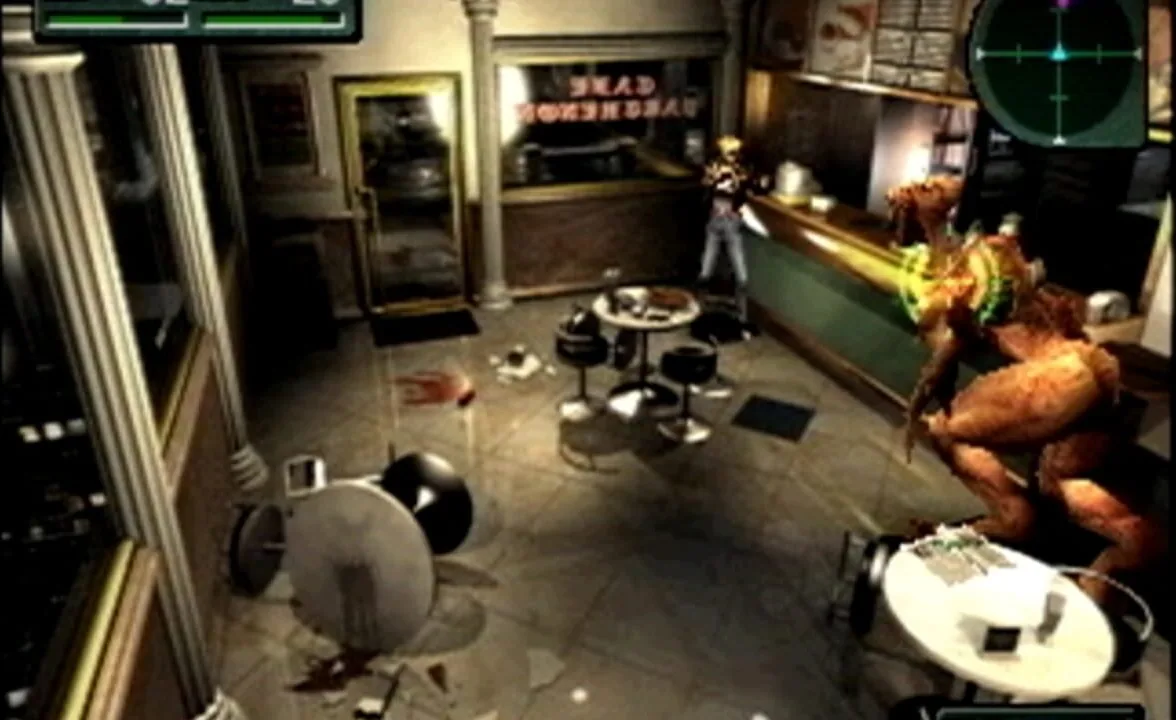
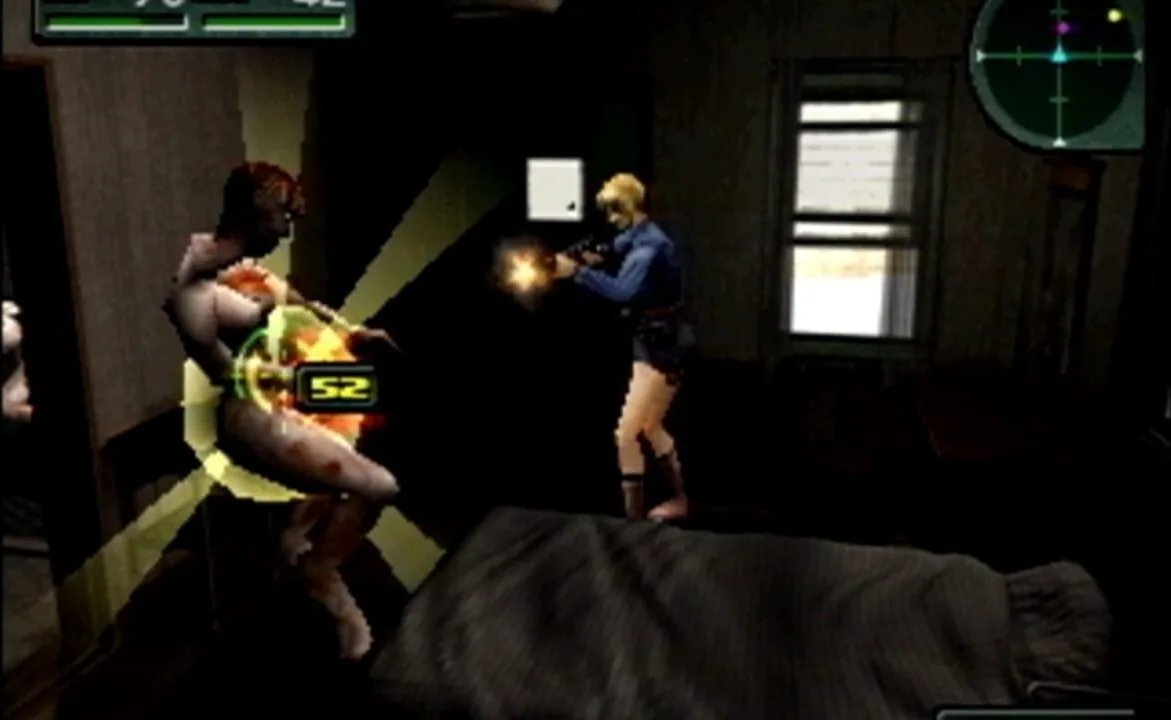
Parasite Eve II is an action role-playing survival horror video game released exclusively for the PlayStation. The game was developed by Square and published in Japan in 1999 and in both North America and, unlike the previous game, in PAL regions in 2000. It is the sequel to Parasite Eve and the second game in the series of the same name.
Parasite Eve II is set several years after the events in the original game. The protagonist from the first game, Aya Brea, also features in this game as the playable character. She becomes involved with another outbreak of Mitochondrial creatures. Gameplay diverges from the previous game: battles take place in real time and the area of action is less restrictive. The approach is more typical of traditional survival horror games, although some role-playing elements are retained.
40. Tekken (1995)
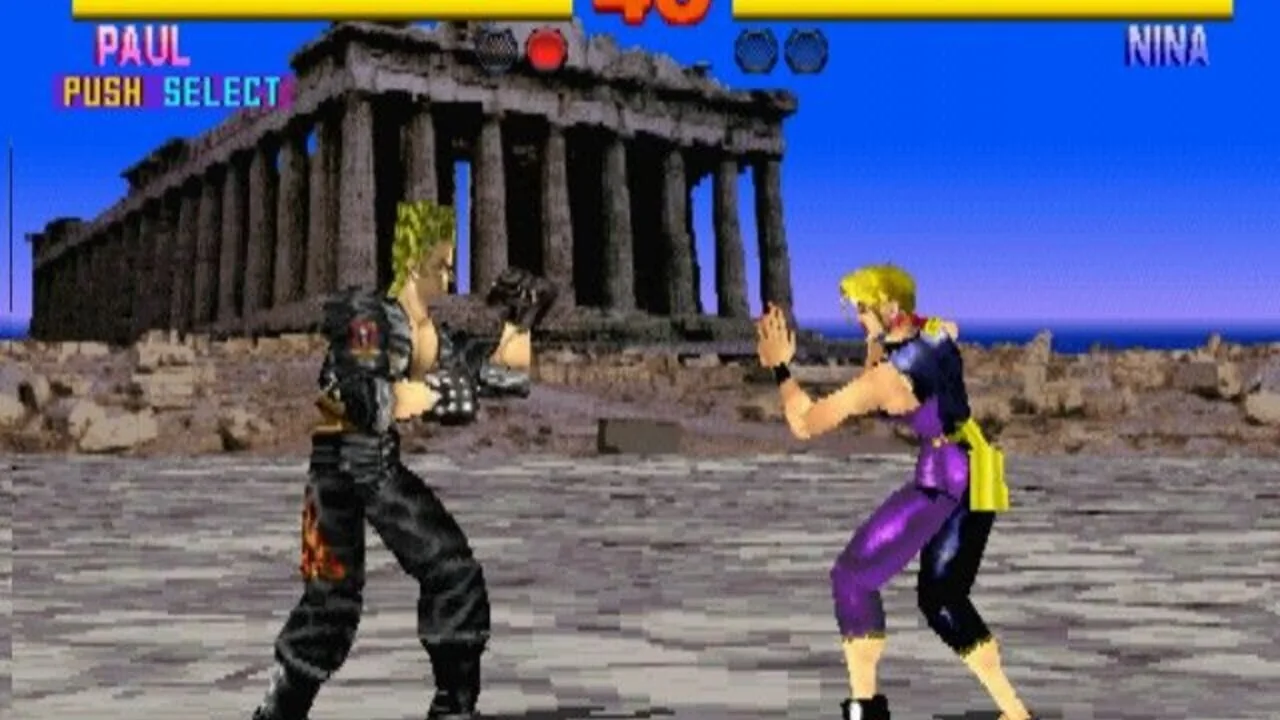
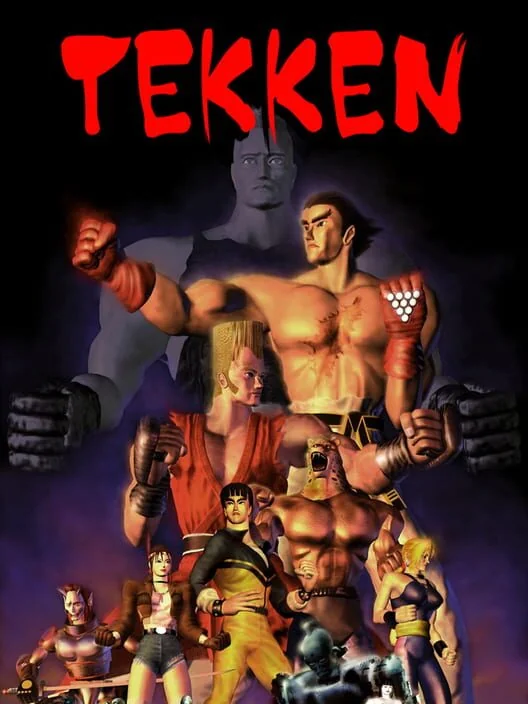
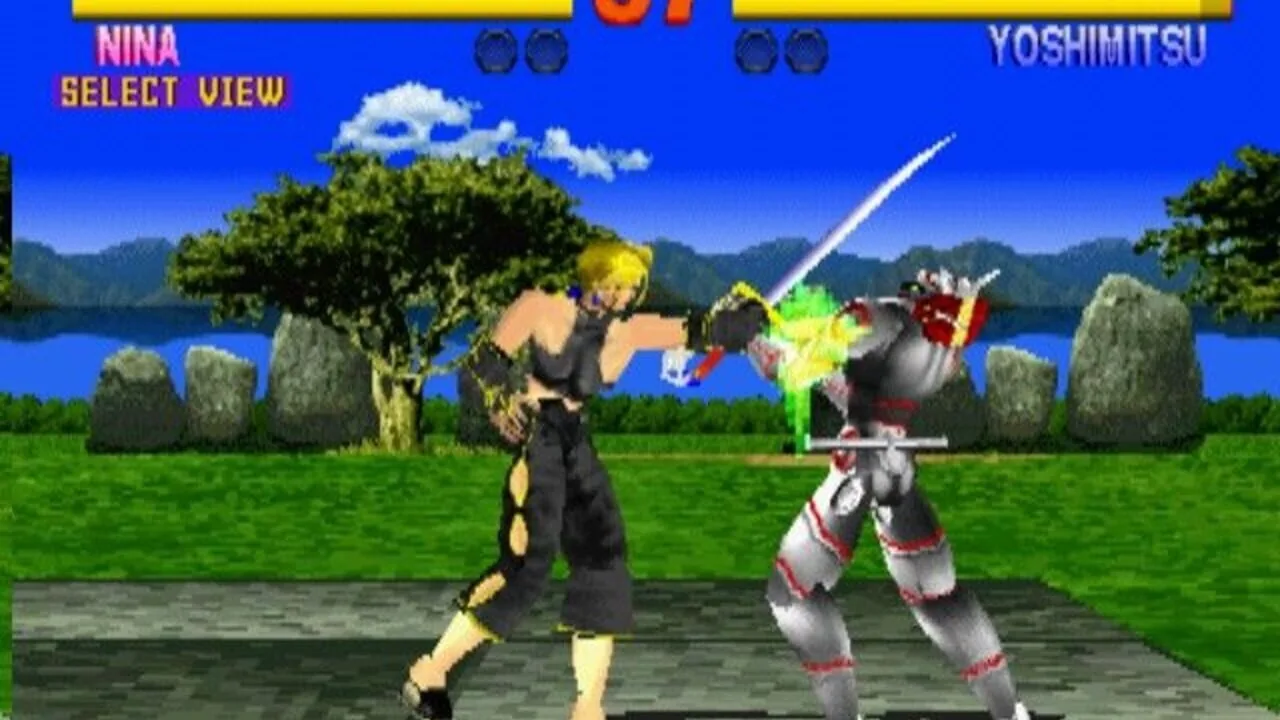
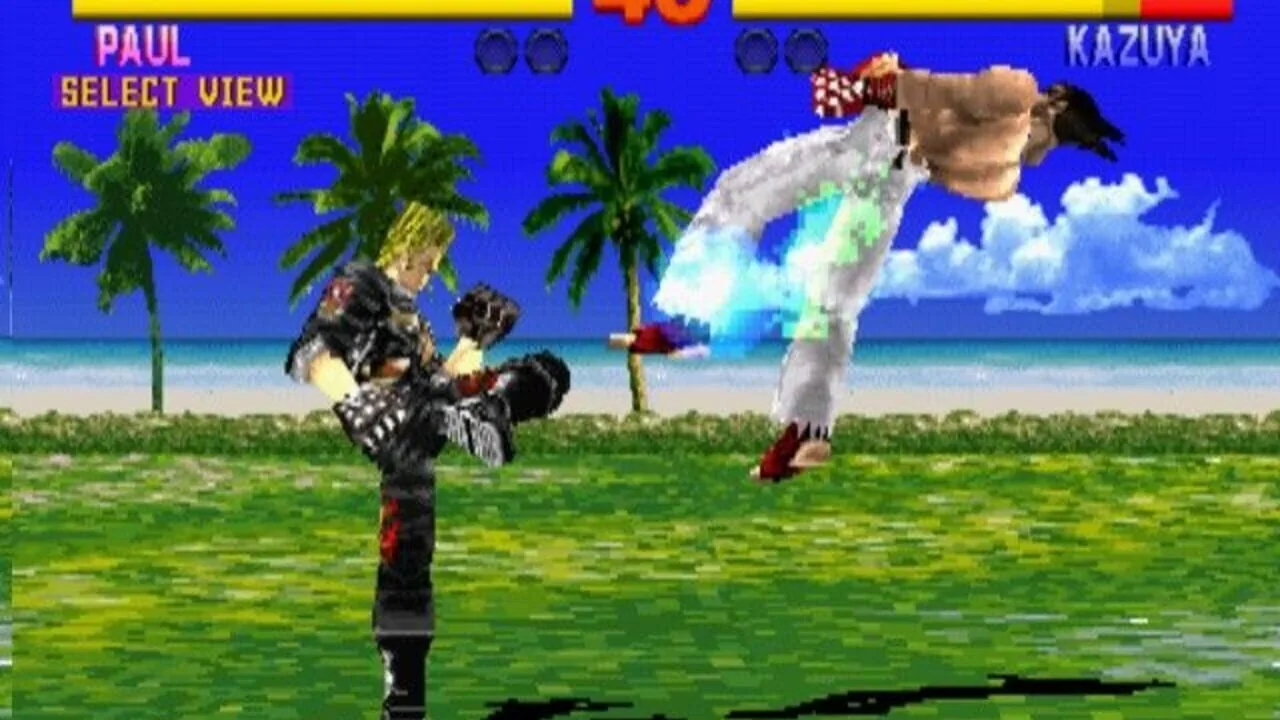
The console version of Tekken adds more content to the original arcade game such as new characters and additional game modes.
39. Medal of Honor (1999)
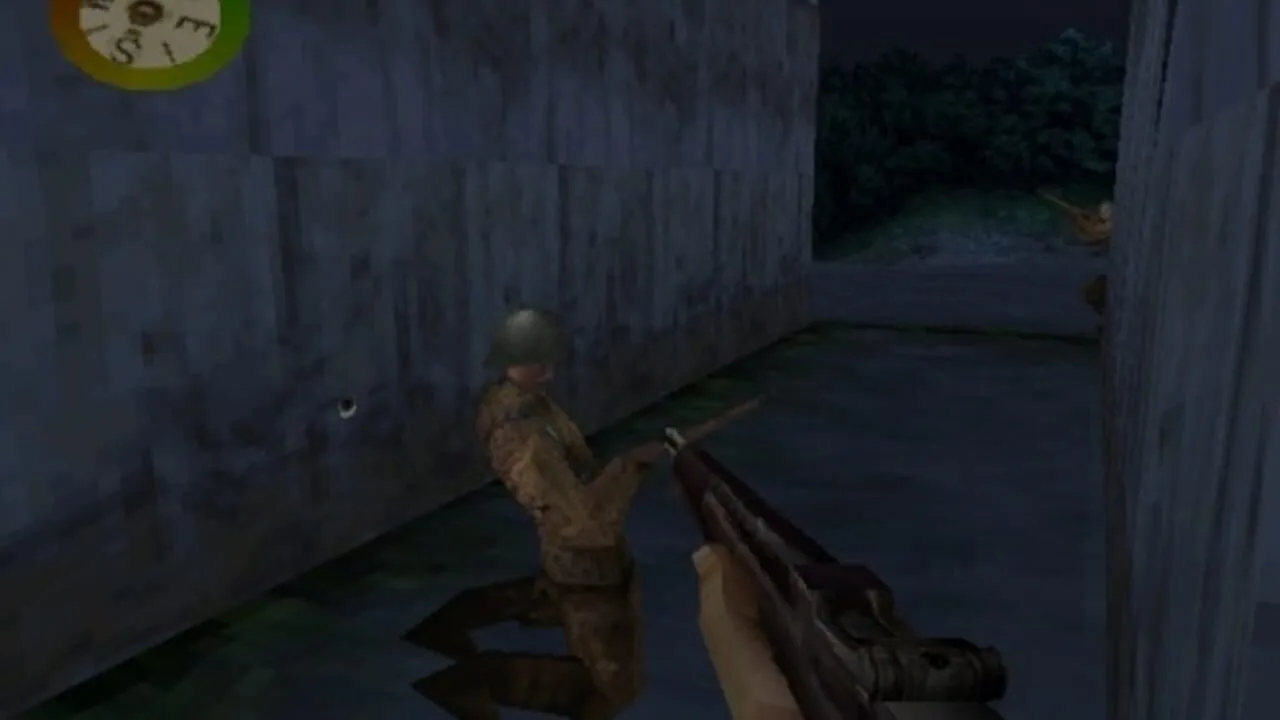
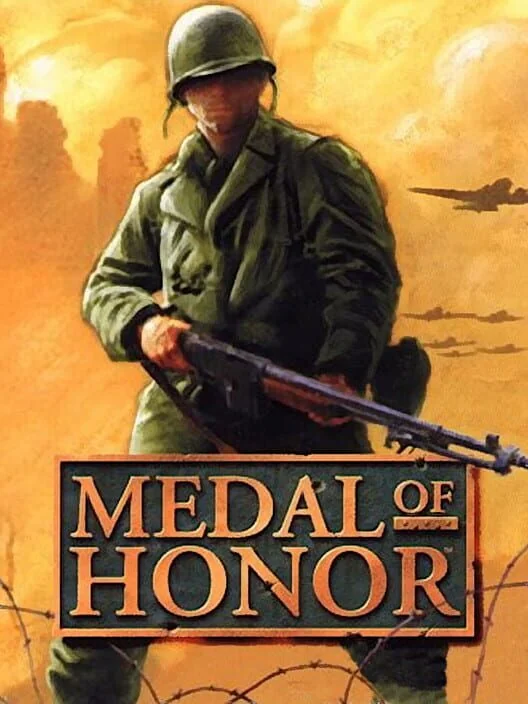
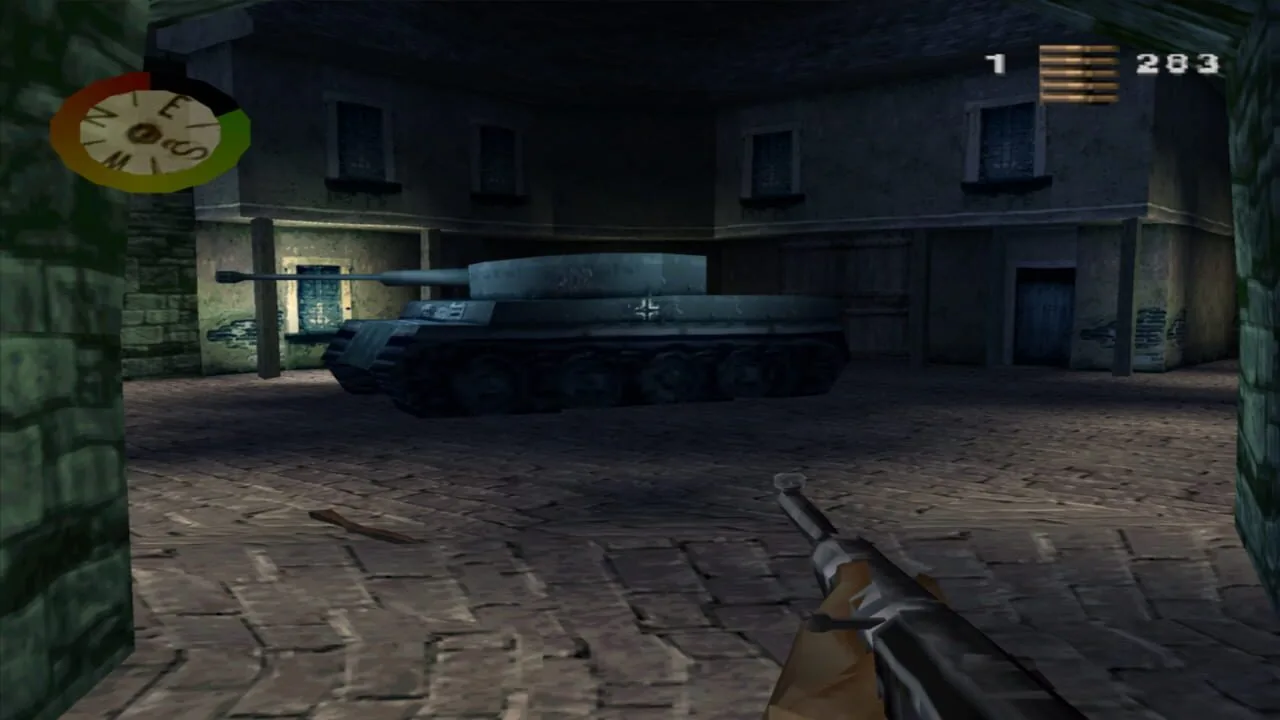
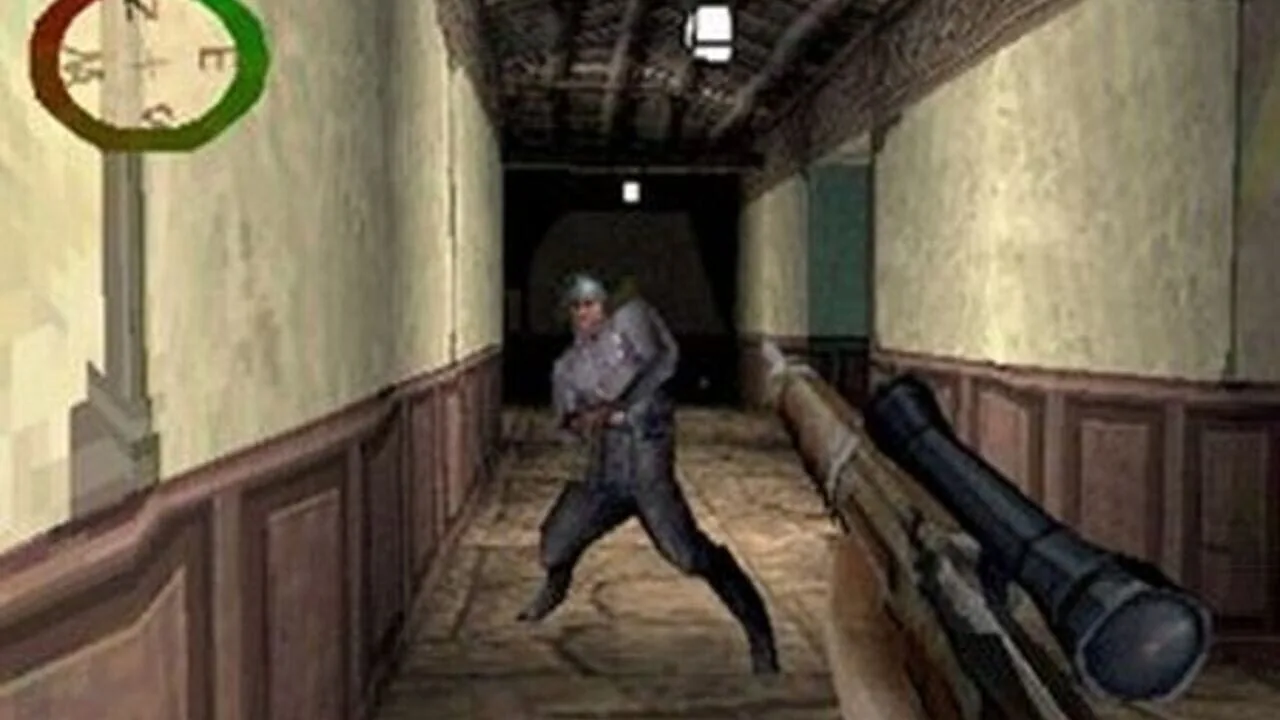
Medal of Honor is the first title in the Medal of Honor series. The game was inspired by DreamWorks Interactive co-founder Steven Spielberg. The game follows Jimmy Patterson, a 24-year-old OSS operative as he infiltrates and sabotages the Nazi War Machine during the final days of World War II.
38. R4: Ridge Racer Type 4 (1998)
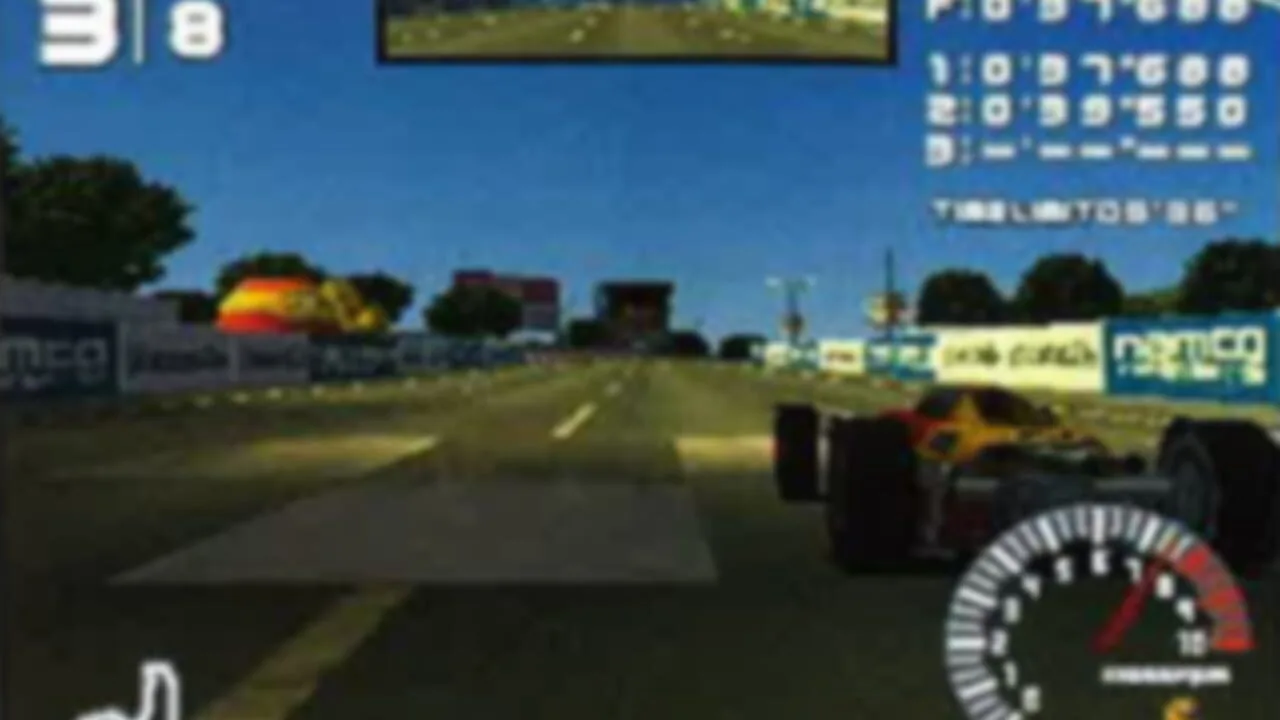
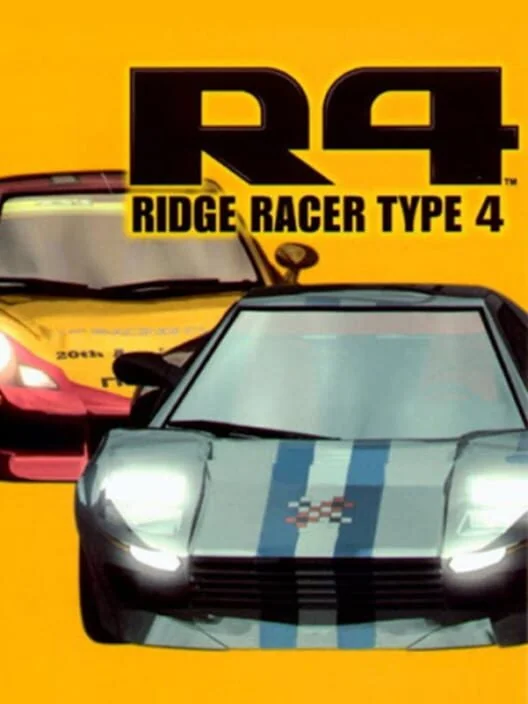
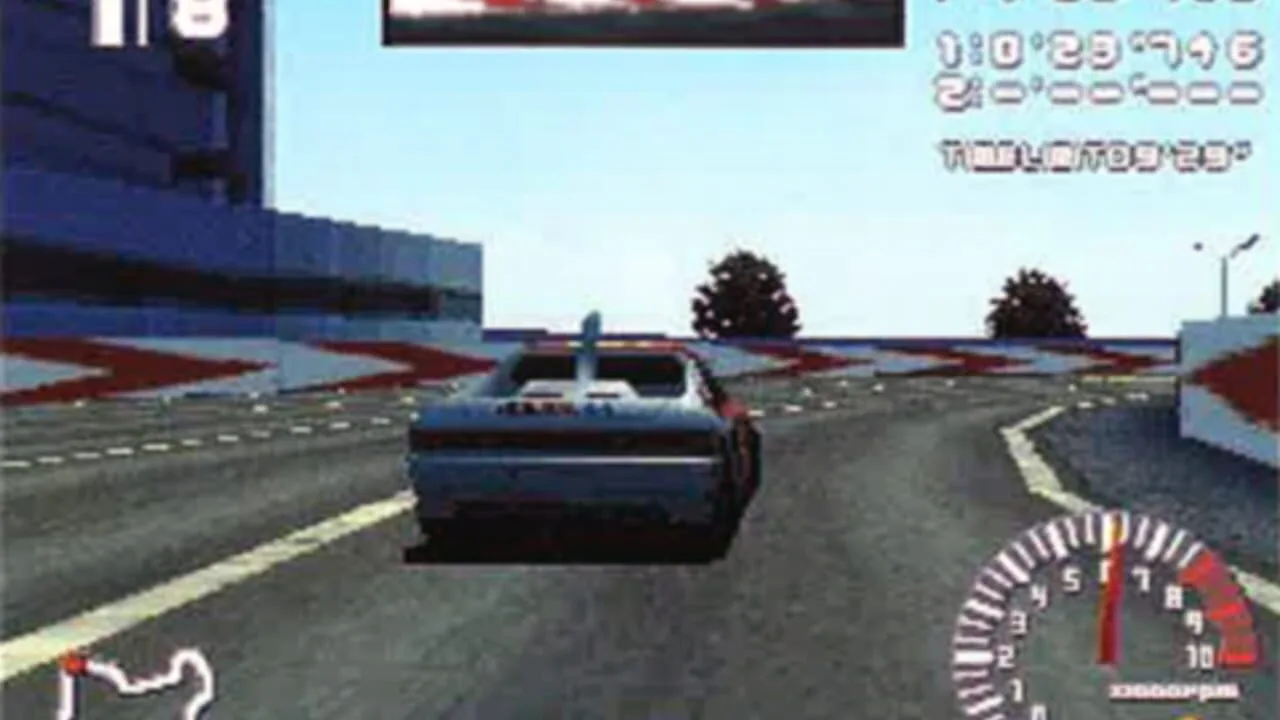
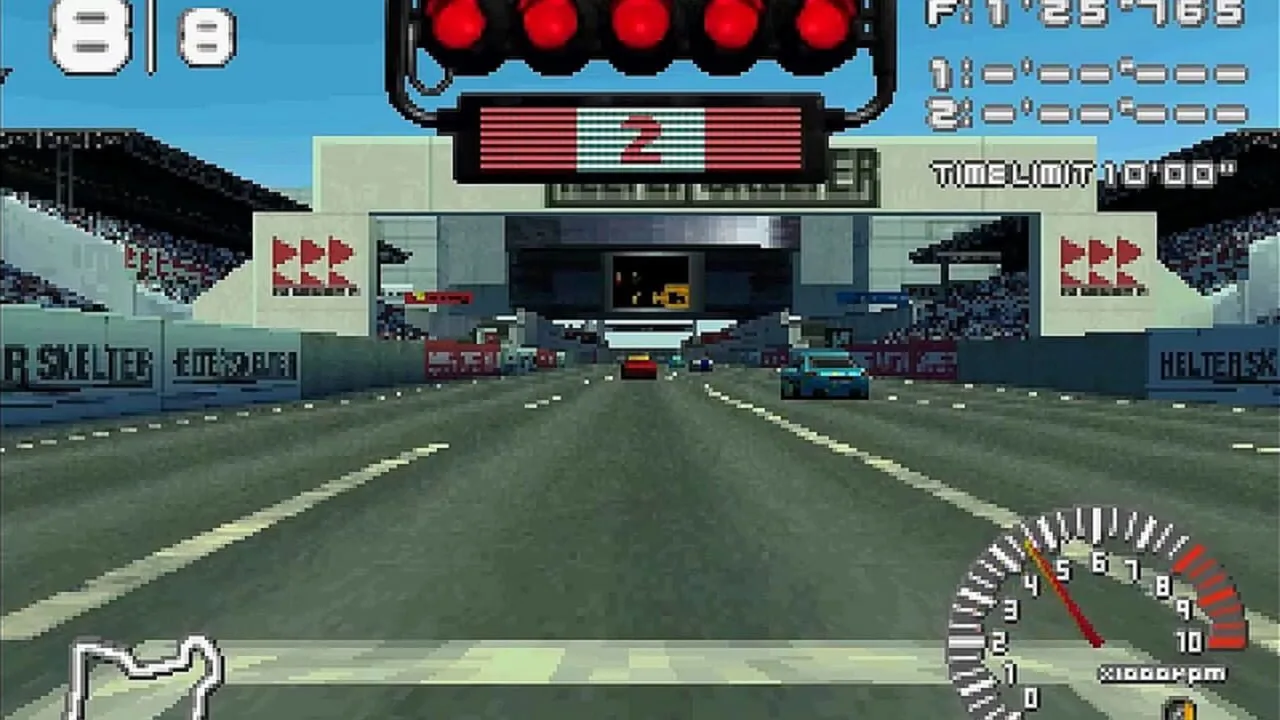
R4: Ridge Racer Type 4 is the fourth game in the Ridge Racer series. It includes eight tracks (with reverse variants, for a total of 16 layouts) and 321 vehicles, all of which are fictional. This iteration was one of the first PlayStation titles to feature Gouraud shading on polygons, giving the game a visual depth that was previously missing. It was also the first Ridge Racer game on the system to feature two-player split-screen mode and offered two different driving models.
37. Alundra (1997)
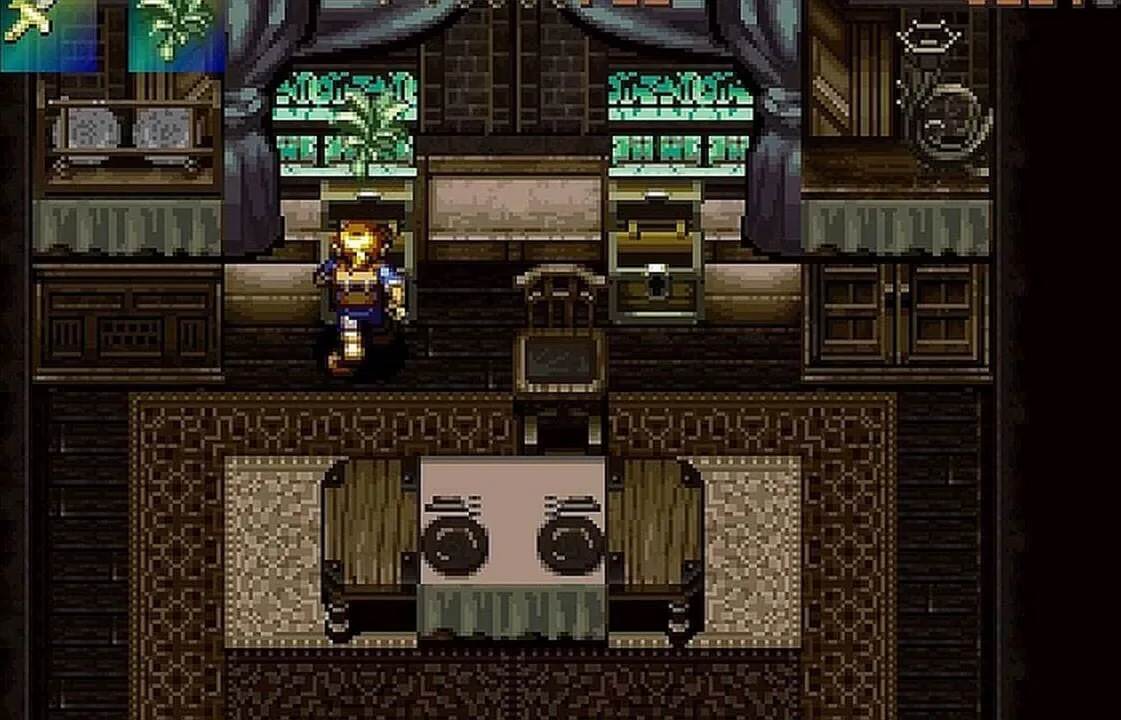
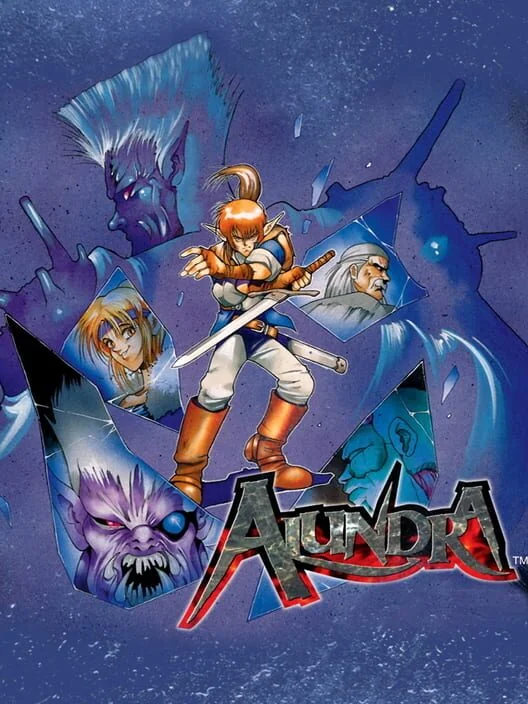
Between the worlds of light and dark lies the world of dreams. A world where the rule of reason loosens its grip. A place where an insidious evil is stealing minds and blackening the hearts of those from the world of light. Grab a weapon and become the dreamwalker Alundra as he struggles to purge the evil Id of an ancient world before it falls to ash.
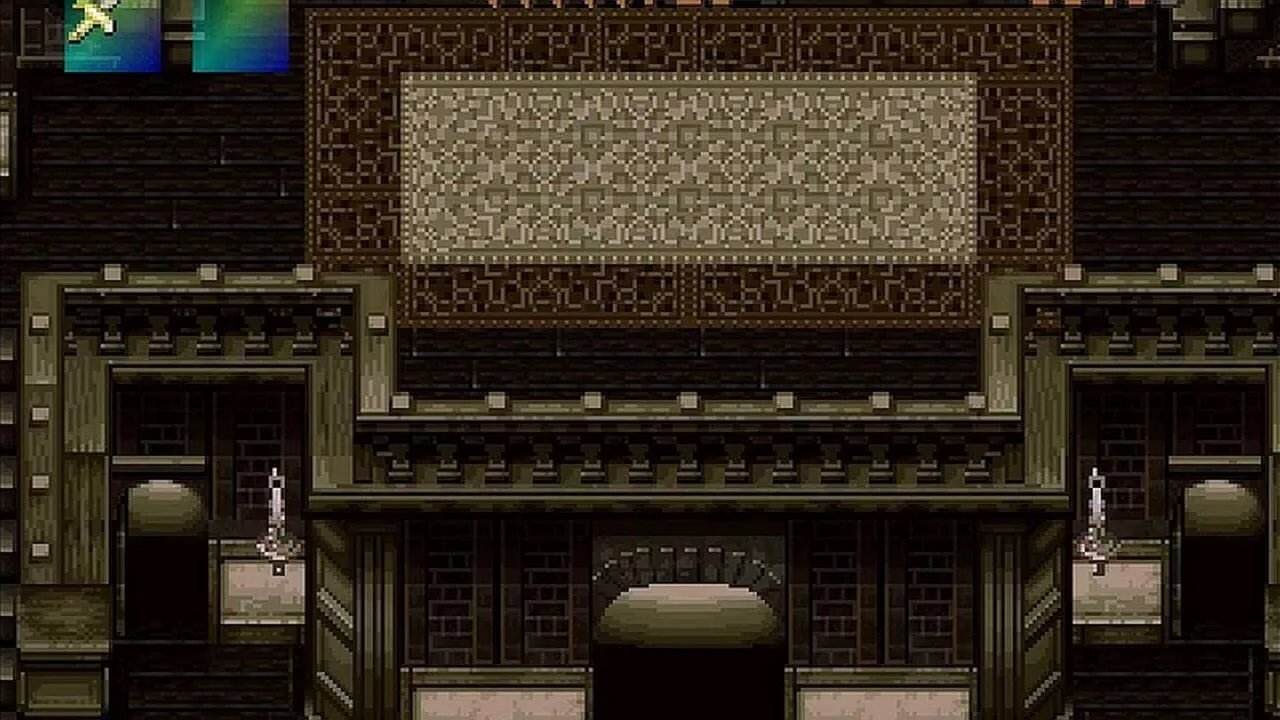
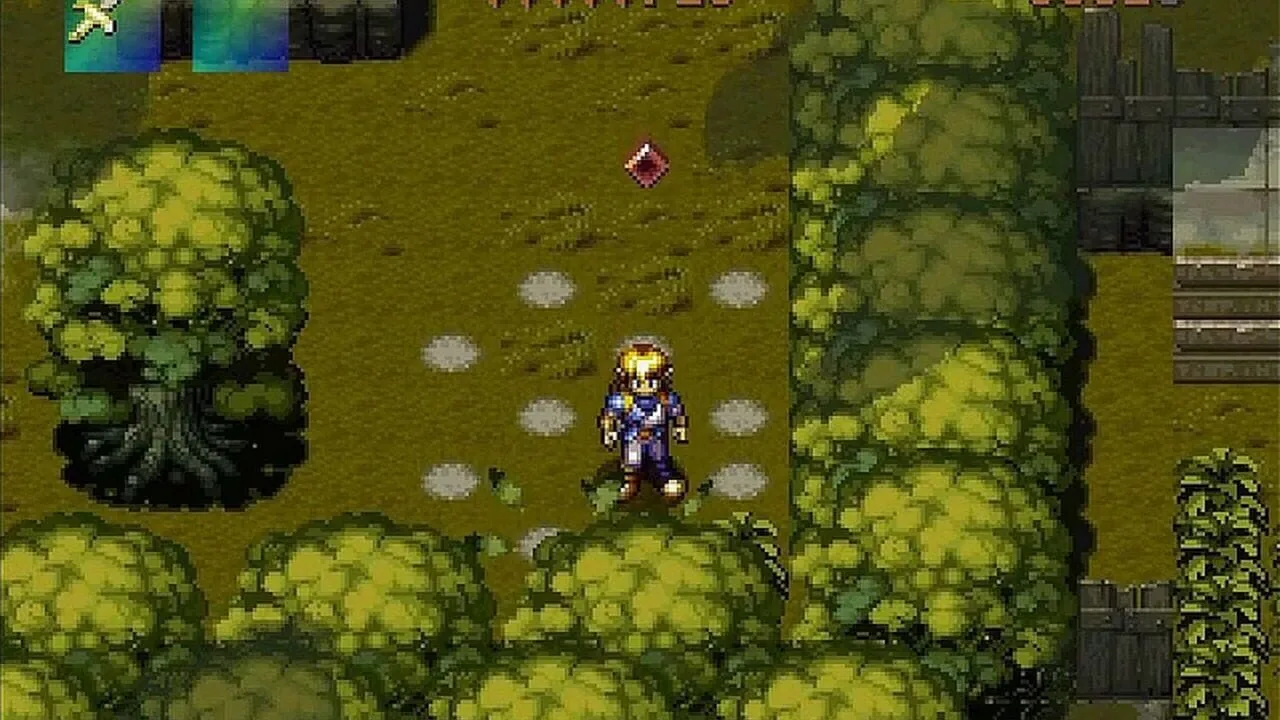
Explore dungeons, find weapons, solve challenging puzzles, and kick some serious monster butt as you weave between tense reality and nightmarish dreams to save the hapless masses. With a wide cast of characters and scores of challenging puzzles created by the people responsible for Landstalker on the Genesis. Alundra will rob you of precious sleep until you finish!
36. Suikoden (1995)
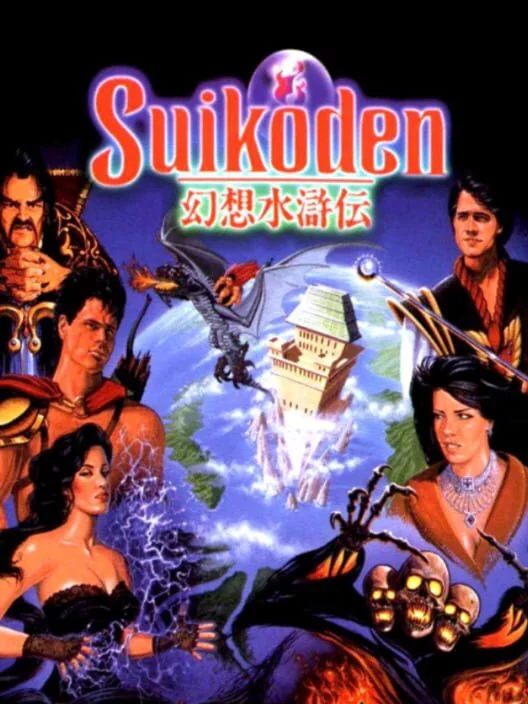
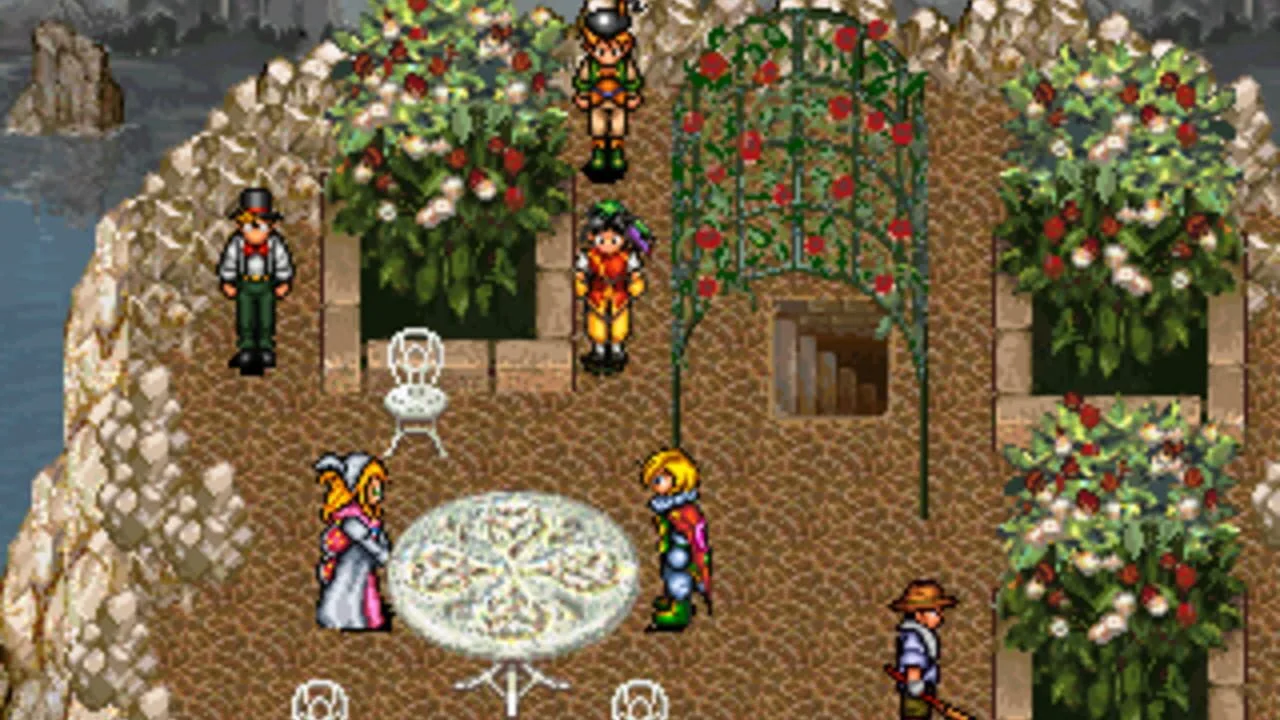
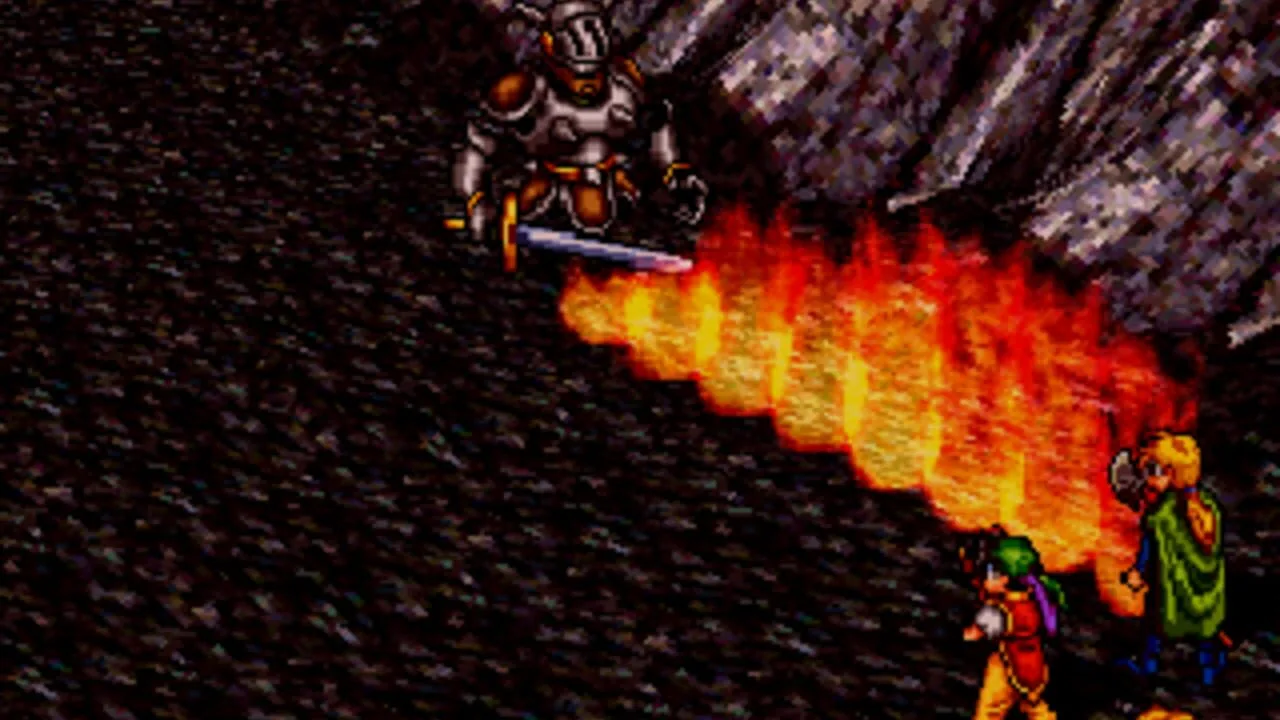
Suikoden is a Japanese-style role-playing game with several unusual additions. There are three kinds of combat in the game, the most common one being the traditional turn-based party combat (players can have up to six people in their active party). Magic runes can be equipped on the player's characters which allow limited usage of offensive and healing spells. There are also a few army battles, where the player must control whole units of fighters, archers, magicians, etc., and one-on-one fights (duels).
35. Einhänder (1997)
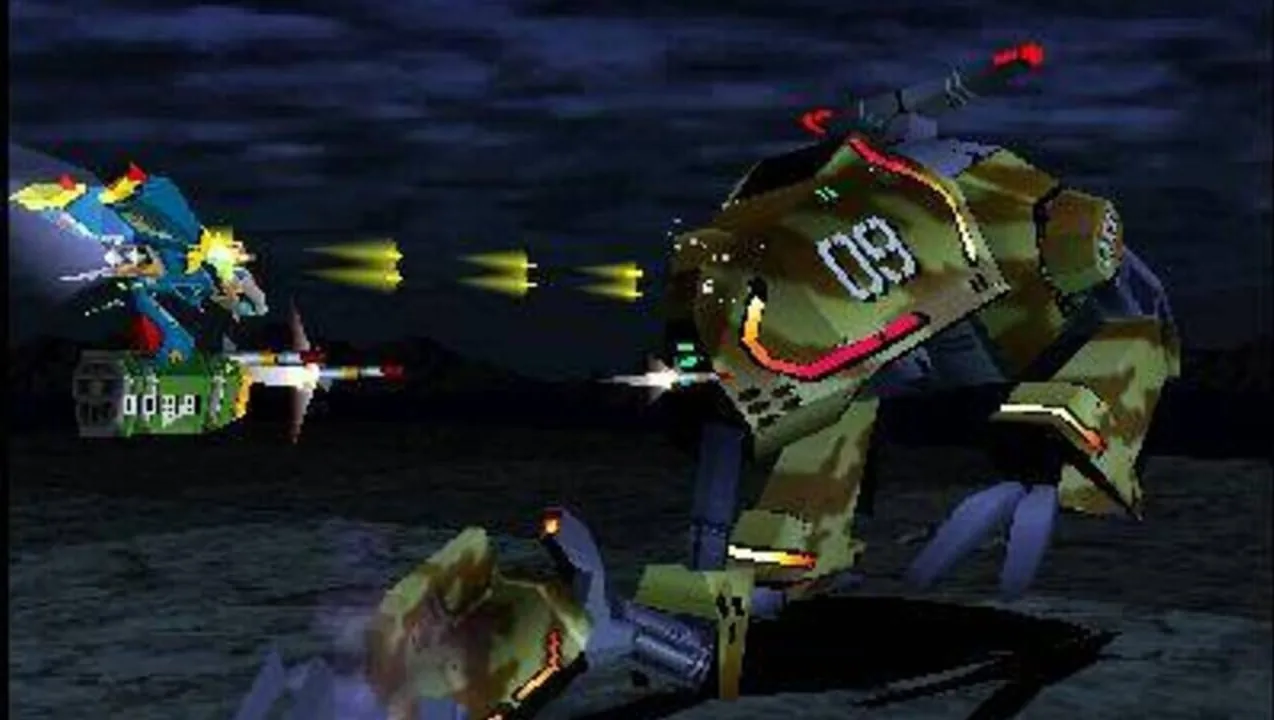
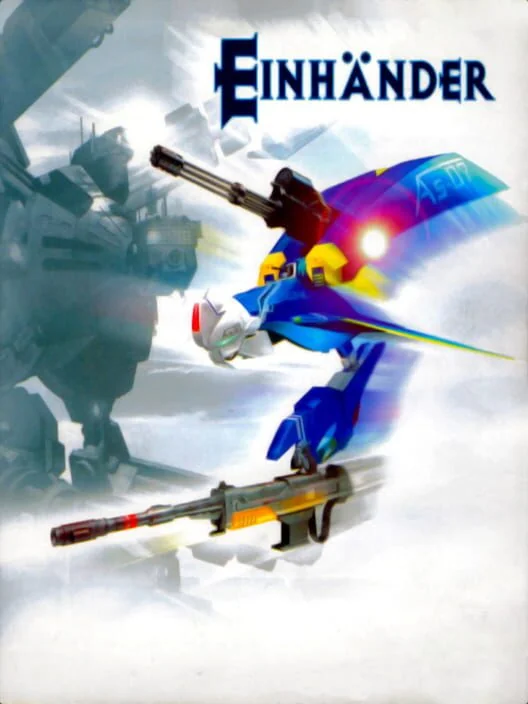
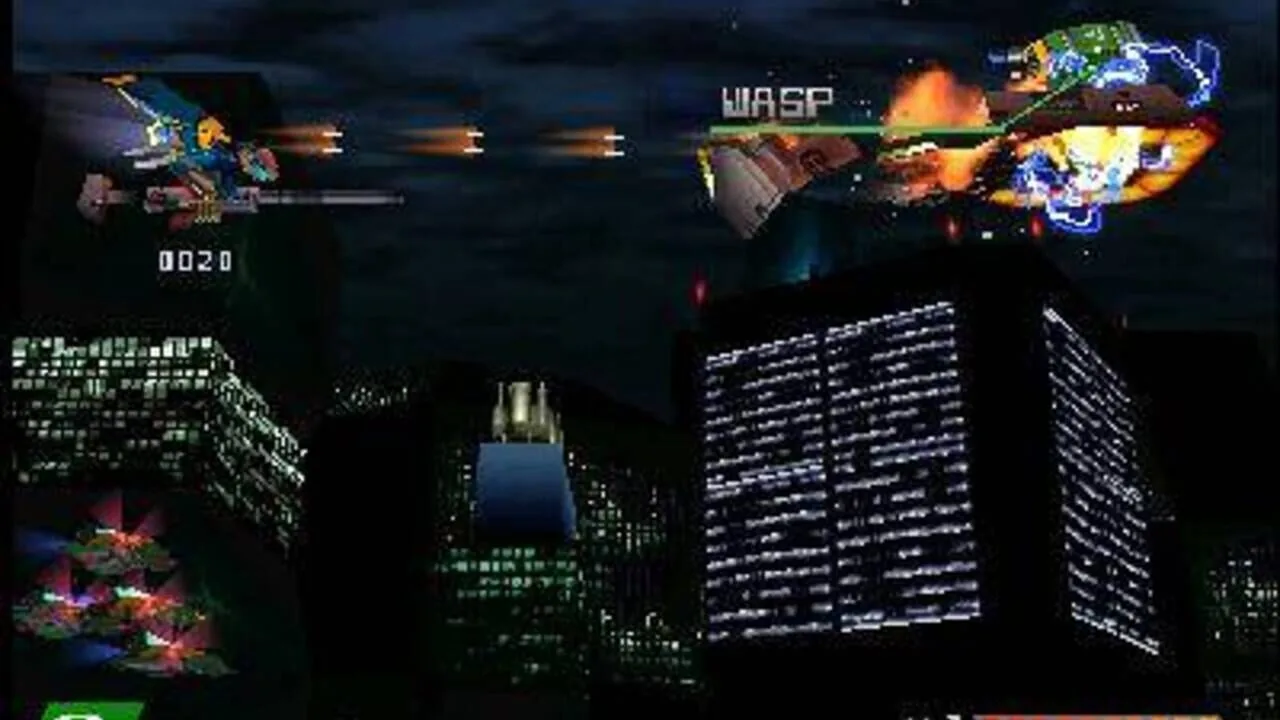
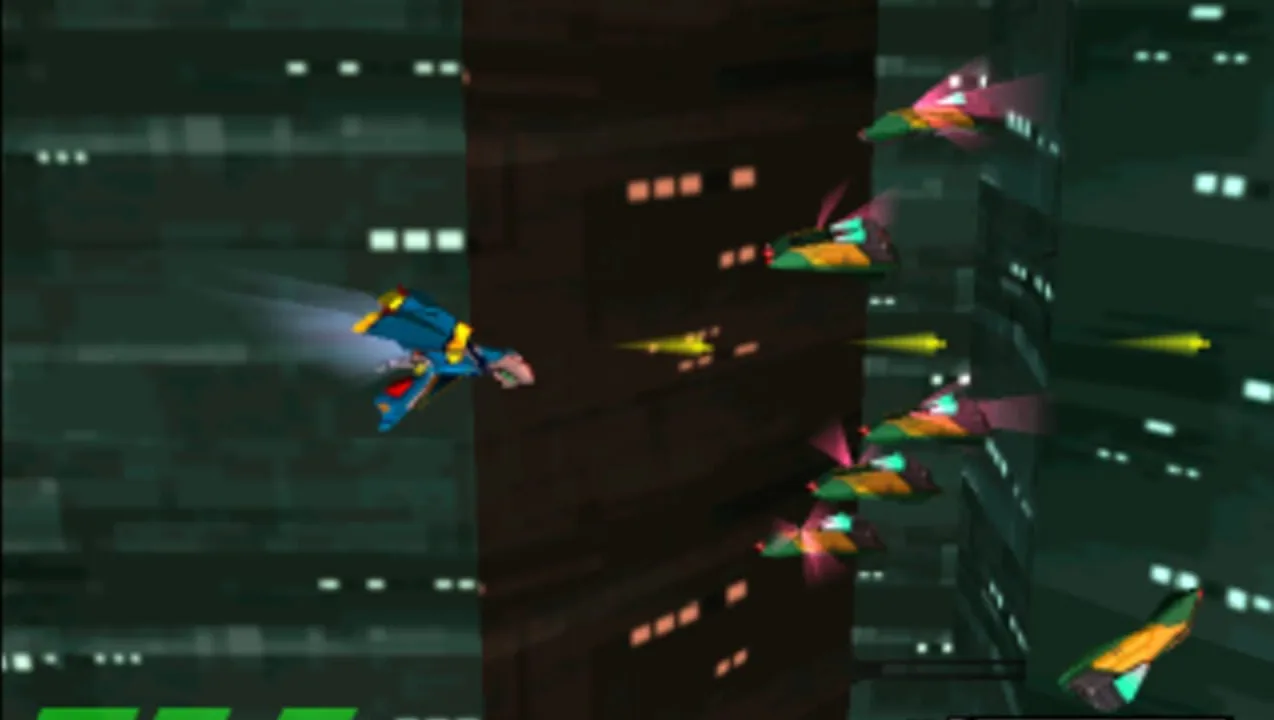
Einhänder is a futuristic side-scrolling shooter featuring explosive visuals, pounding techno music, and simulated 3D gameplay.
34. Suikoden II (1998)
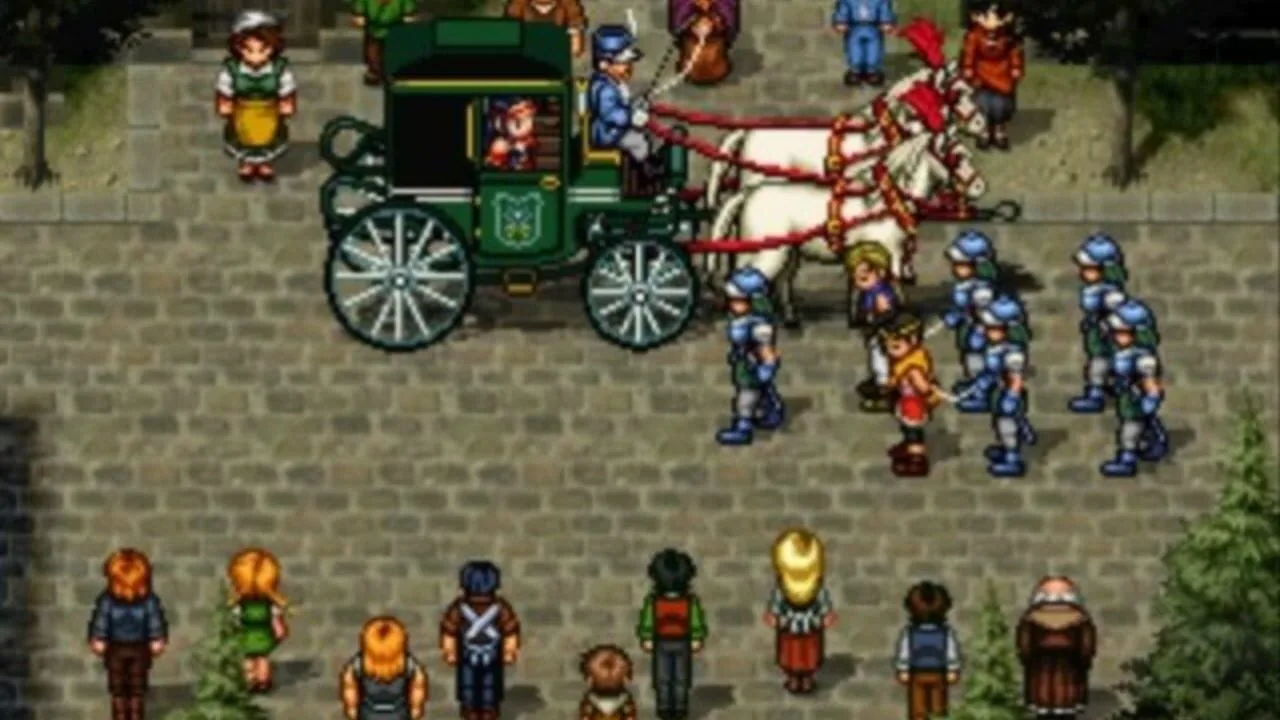
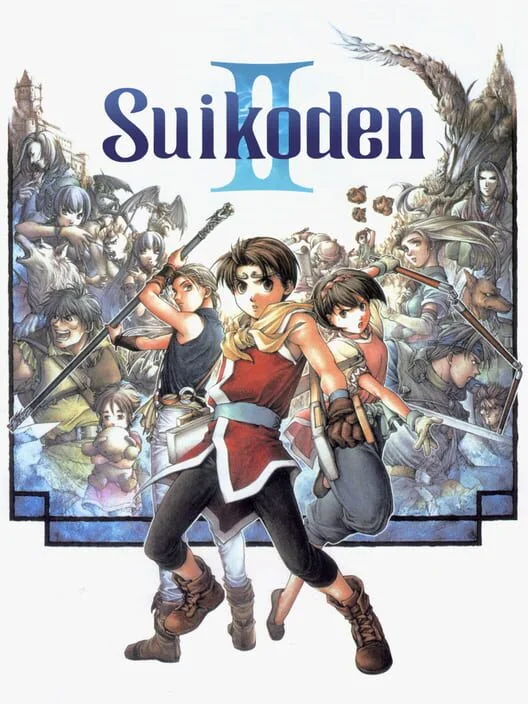
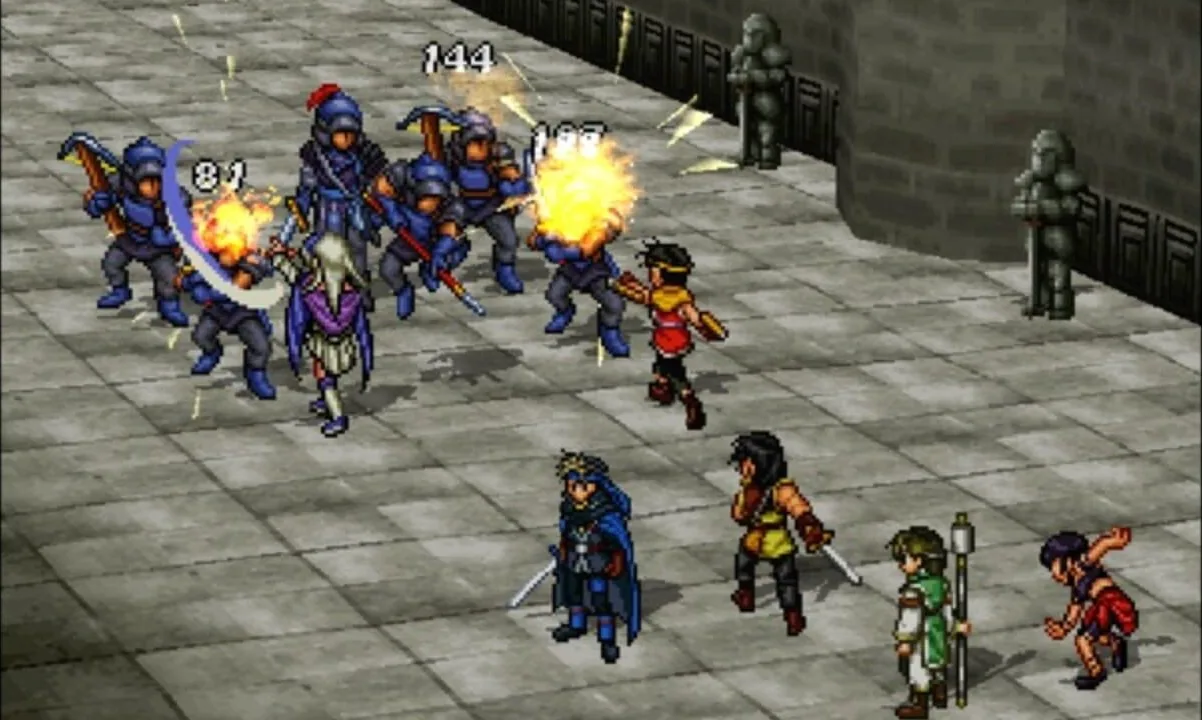
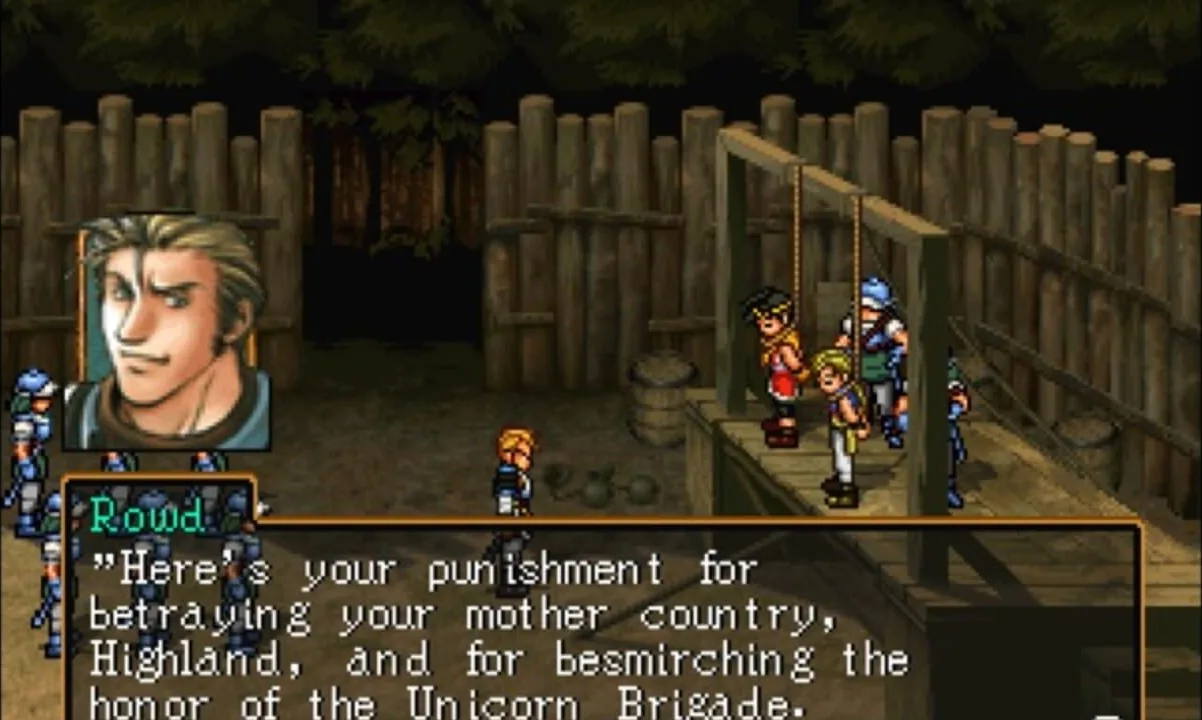
Suikoden II is a role-playing game developed and published by Konami for the PlayStation. Set in a world of warring nations, the game follows a silent protagonist caught between the Kingdom of Highland and the City-States of Jowston. Gameplay combines turn-based party combat, one-on-one duels, and grid-based strategic army battles. Players can recruit over 100 characters, many of whom join the party or contribute to a home base that expands throughout the game. Save data from the original Suikoden can be imported to carry over certain characters and story details.
33. Tony Hawk's Pro Skater 2 (2000)
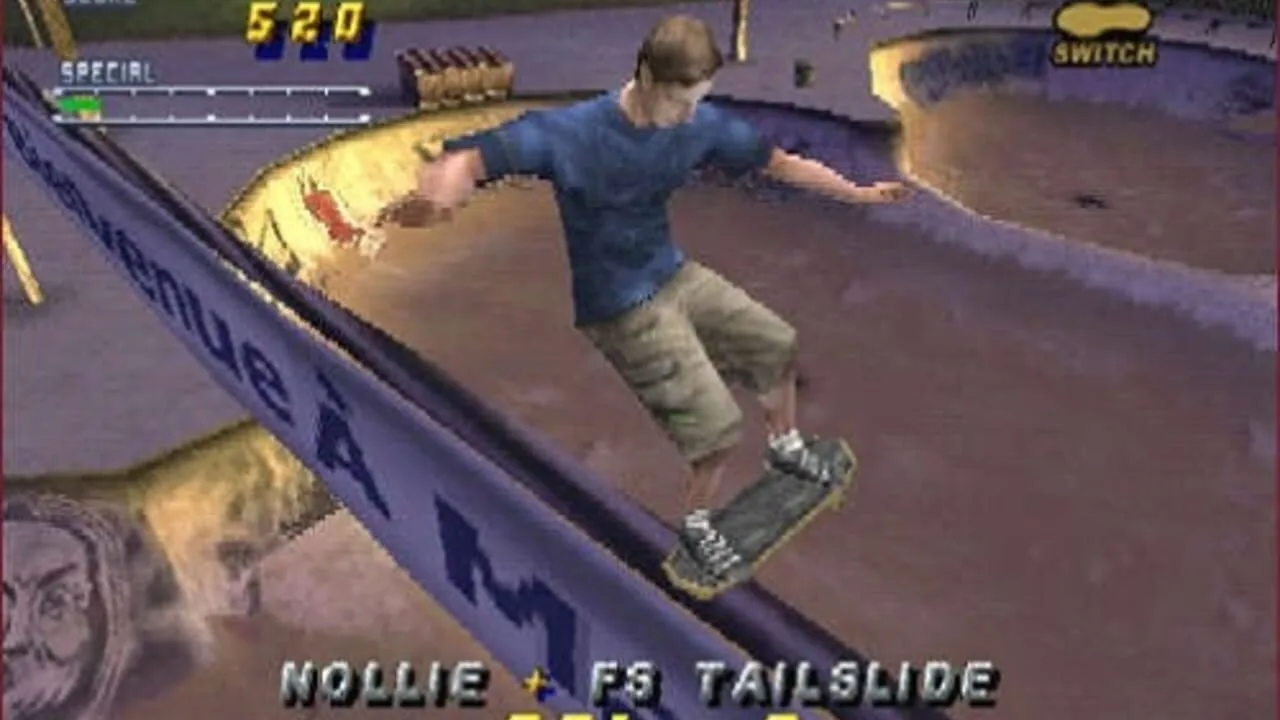
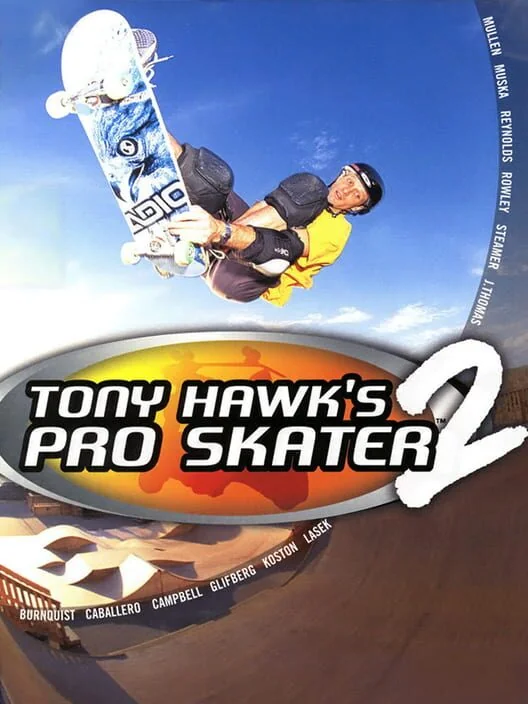
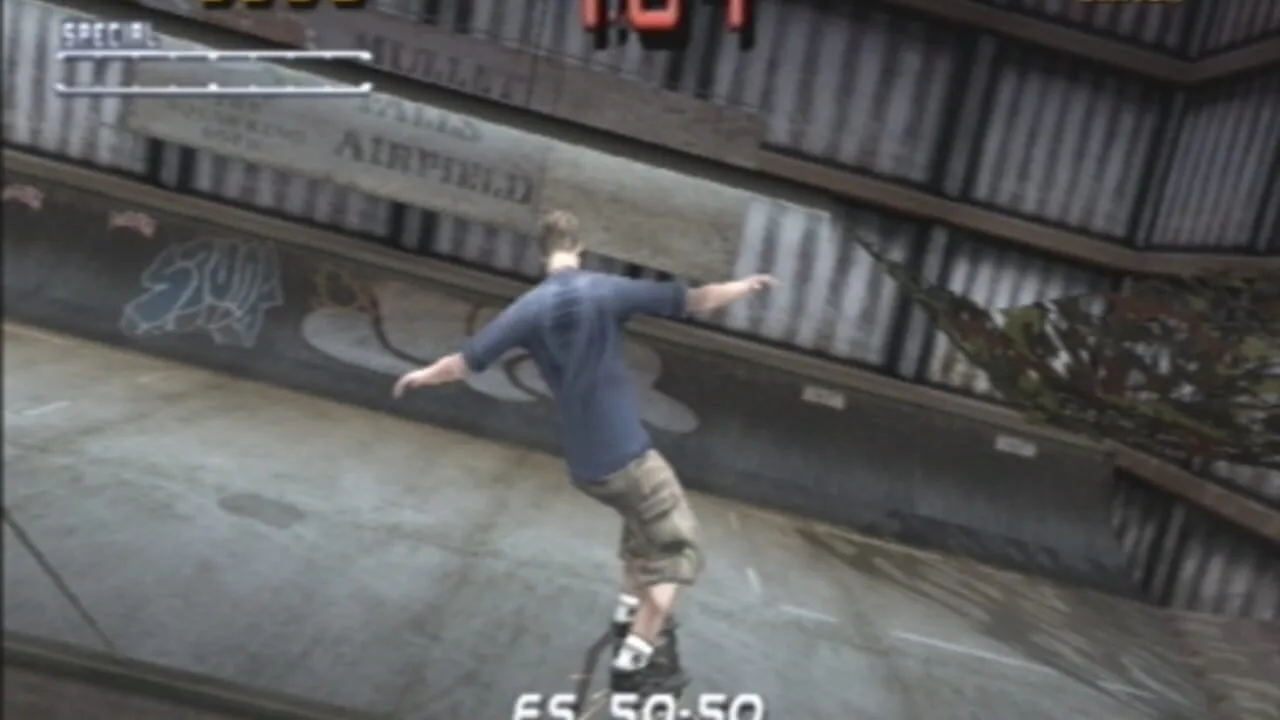
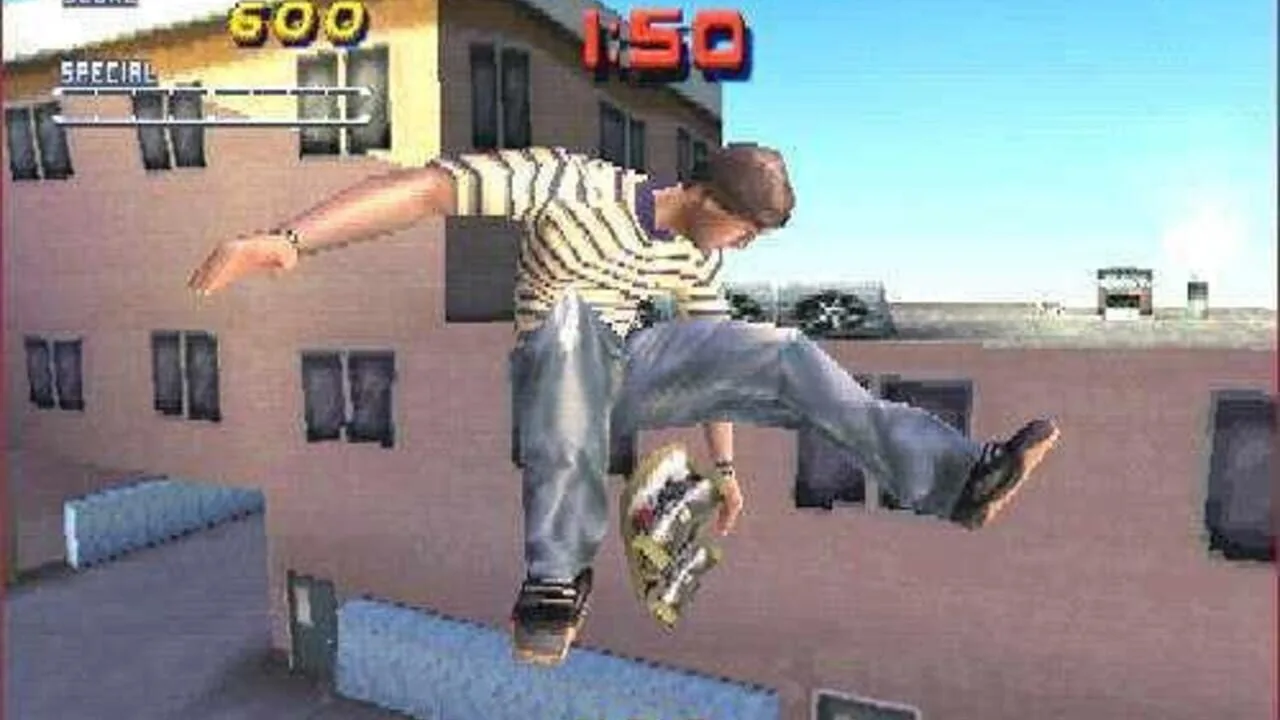
Tony Hawk's Pro Skater 2 is a skateboarding sports game played from a third-person view across a set of urban environments. Players control professional or fictional skaters and chain together tricks such as grinds, grabs, flips, and lip tricks, using manuals to link combos into longer scoring runs. The career mode tasks players with completing level objectives and competitions to earn cash, which is used to unlock new levels and characters and to improve a skater's stats and equipment. It also includes free skate and single session modes, several competitive multiplayer games, and a level editor for building custom parks. It is the second entry in the Tony Hawk's series.
32. Chrono Cross (1999)
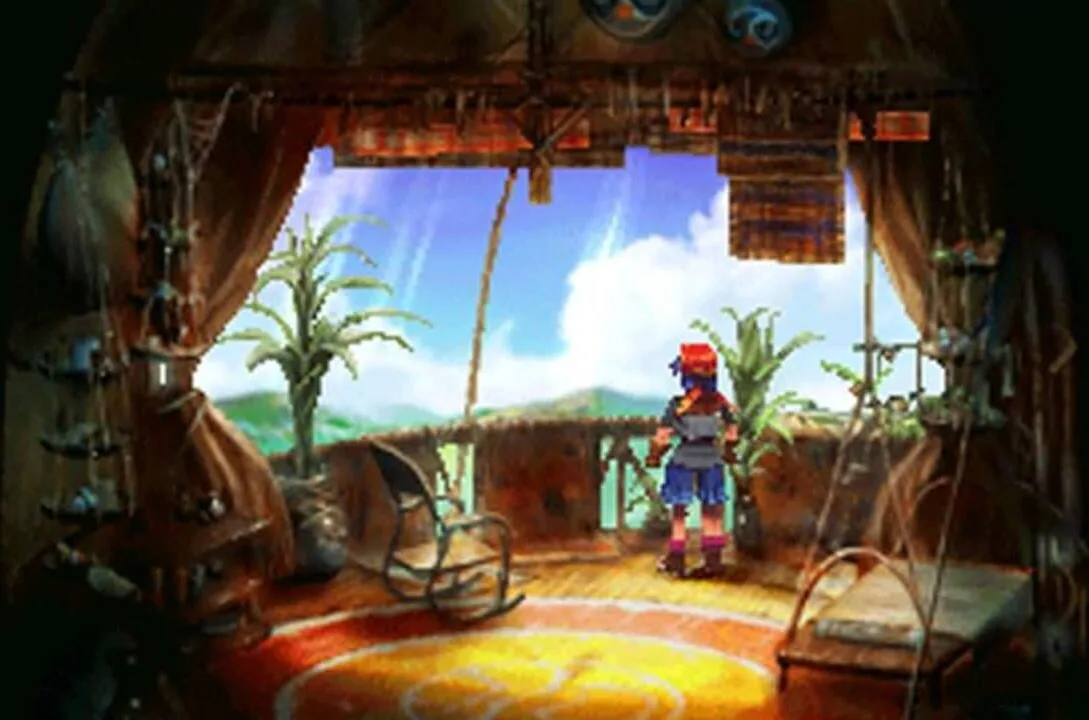
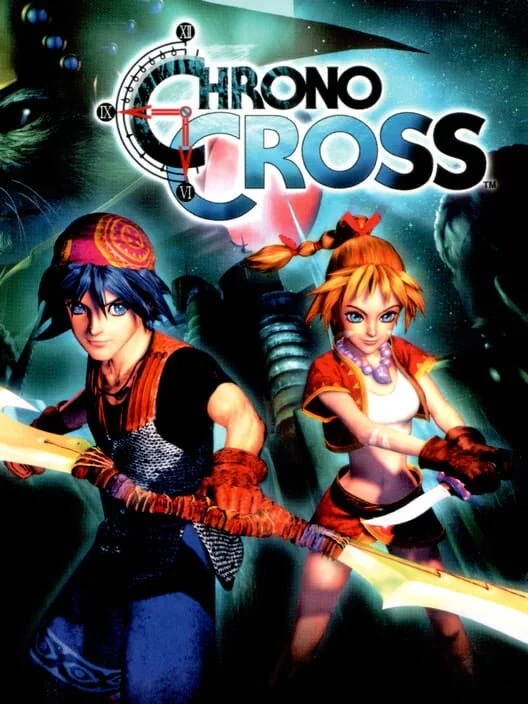
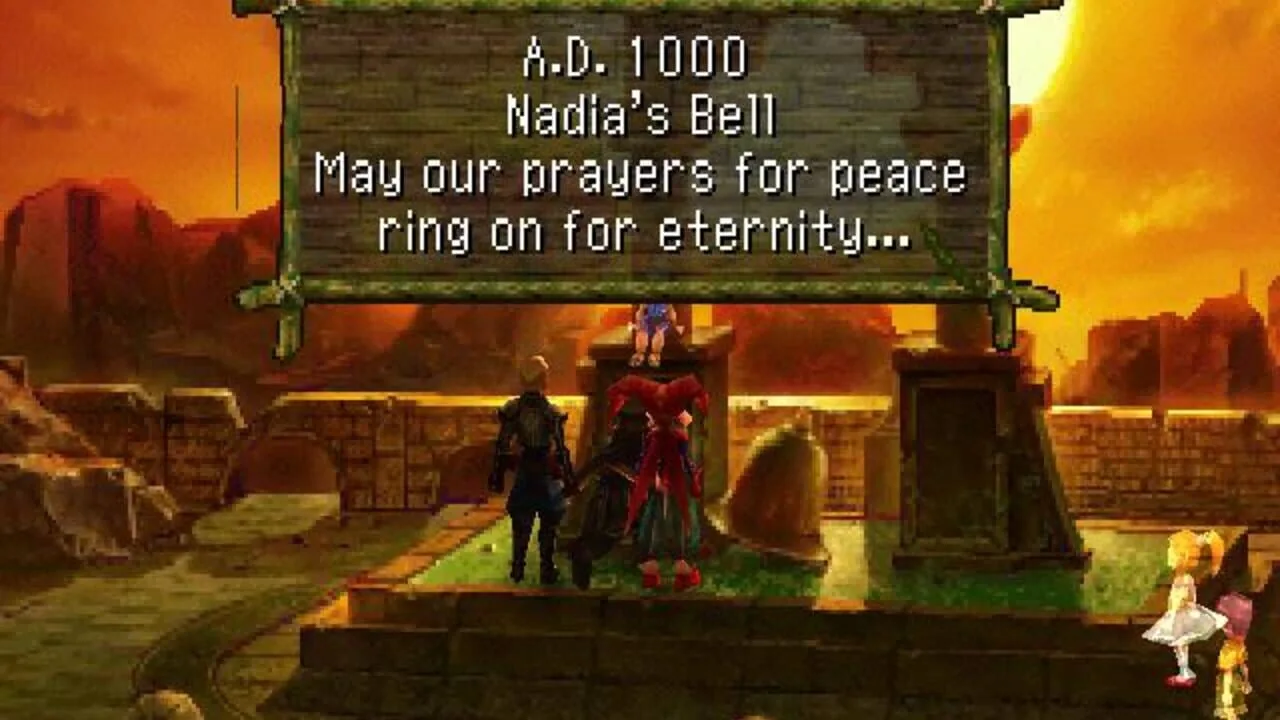
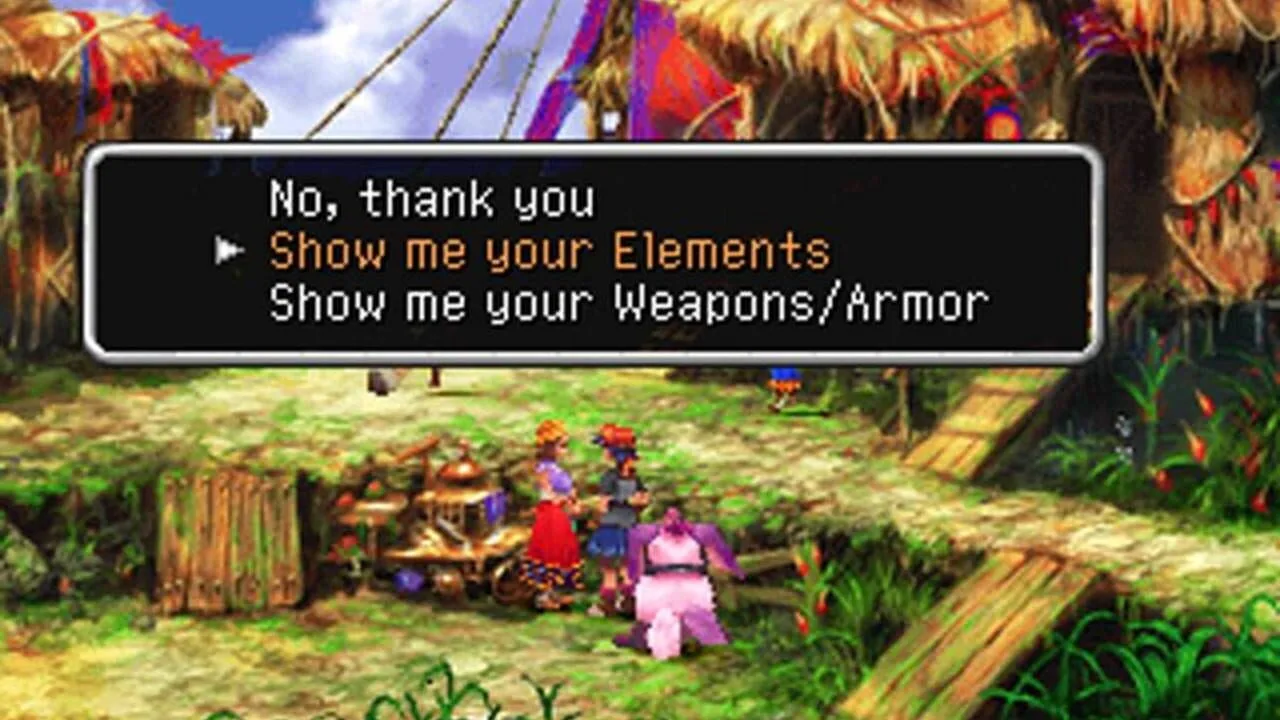
CHRONO CROSS, the sequel to the SNES favorite CHRONO TRIGGER, is one of the most ambitious role-playing games ever made. There are over 40 playable characters, each with their back-story, special moves, abilities, and weapons. The story spans two discs and follows the story of Serge, a young man who is able to cross dimensions. Suddenly he is pulled between worlds, trying to figure out his own past at the same time. The graphics are bright and beautiful, utilizing the PlayStation's capabilities to the fullest. The polygonal character models are huge and detailed, and the pre-rendered backgrounds are immaculately detailed. The music is composed and arranged by Yasunori Mitsuda, and features very realistic-sounding synthesizers. The battle system revolves around Elements, which are used to grant magical powers, as well as to summon huge monsters. For anyone that wanted to see the story of CHRONO TRIGGER continue, this is your chance.
31. Spyro the Dragon (1998)
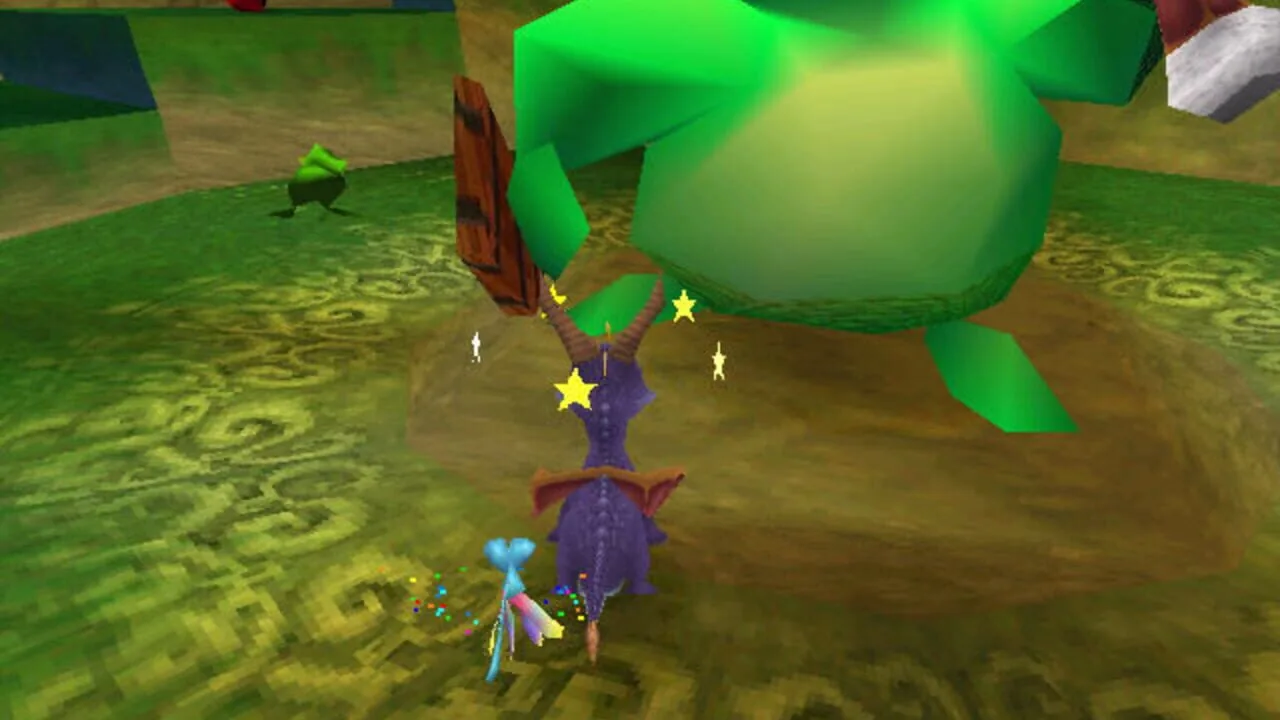
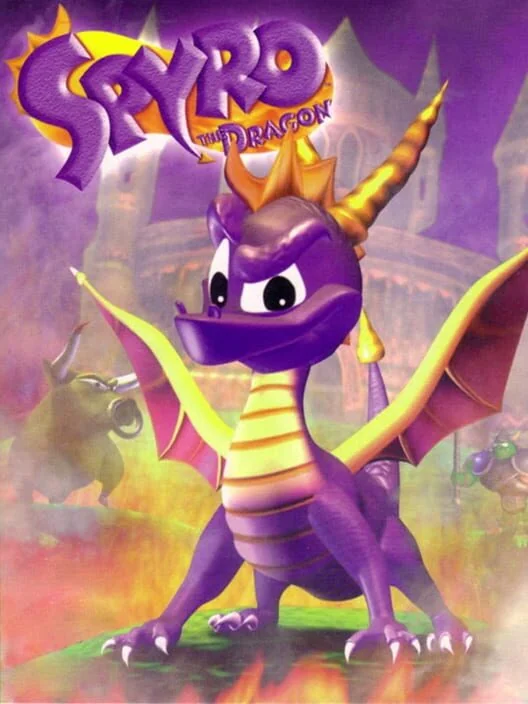
Spyro the Dragon is a platform game developed by Insomniac Games for the PlayStation. It stars the title character, a young purple dragon named Spyro and his dragonfly friend, Sparx, and is the first game in the Spyro the Dragon series. The first game was massively popular at its initial release and Spyro would later become one of the most recognizable, popular and respected gaming icons for the PlayStation gaming console. Spyro's best friend, Sparx the dragonfly, acts like the player's health meter and assists in gathering gems. The various dragons Spyro unfreezes along the way are also key characters in Spyro's progression through the game. Gnasty Gnorc is the main antagonist, who froze all the dragons of the land in crystal.
30. MediEvil (1998)
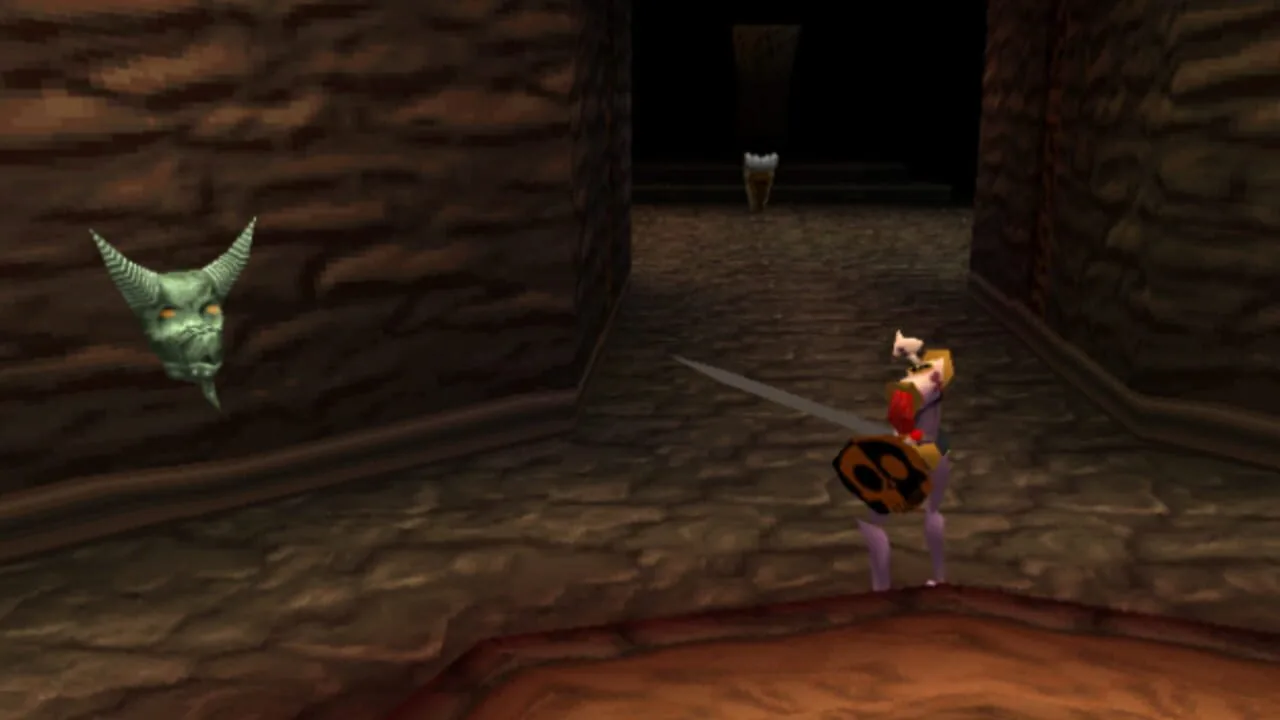
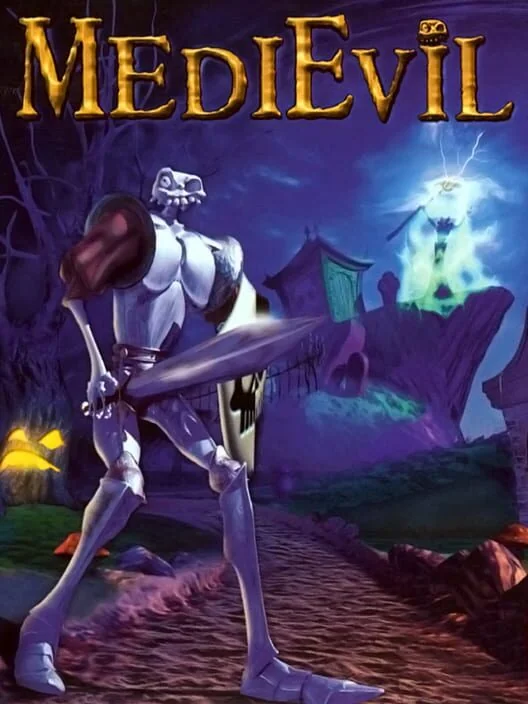
MediEvil is an action-adventure game developed by SCE Cambridge Studio and published by Sony Computer Entertainment. Originally released in 1998 for the PlayStation, the game follows Sir Daniel Fortesque, a skeletal knight accidentally resurrected to battle the sorcerer Zarok and save the kingdom of Gallowmere.
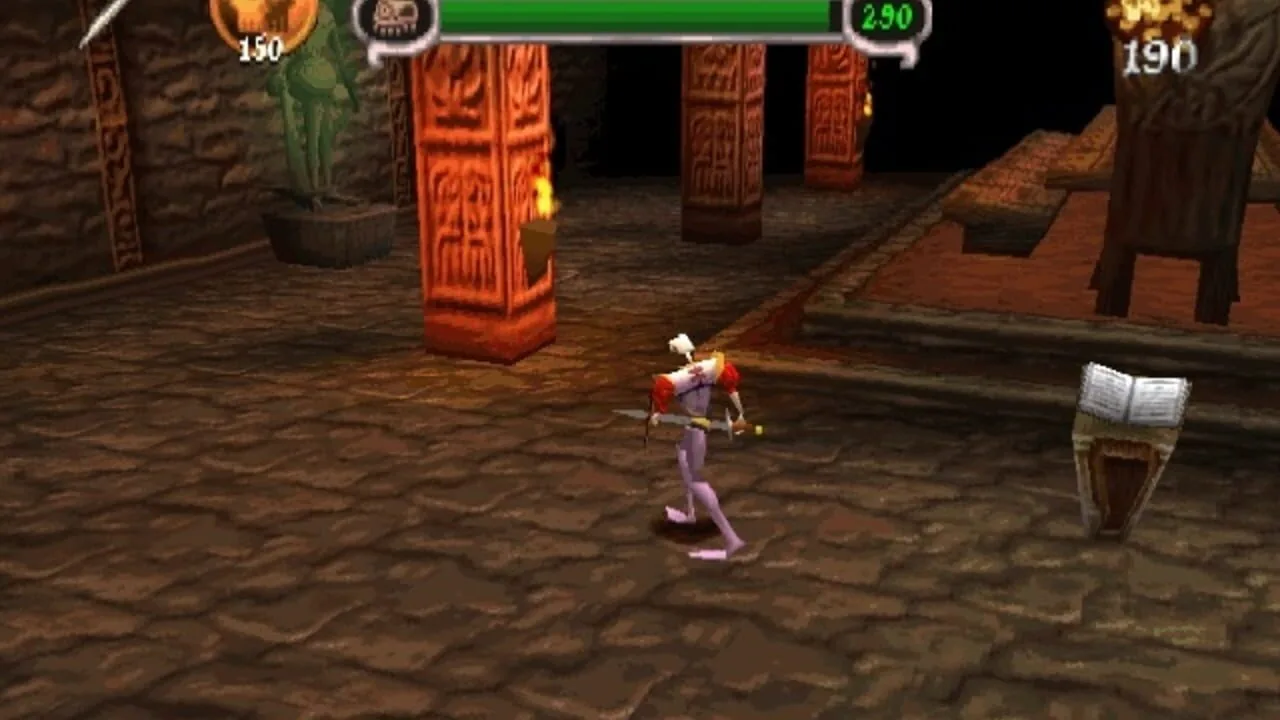
The game takes place across a variety of levels, many of which require certain objectives to be performed to progress. Sir Daniel Fortesque can use a variety of weapons, consisting of close range weapons such as swords and clubs to long range weapons such as crossbows. Many of these weapons can be charged for a powerful attack and some weapons, such as the club, can be used to access areas that are otherwise inaccessible. When not possessing any items, Dan is able to rip his own arm off and use it for both melee and ranged attacks. Dan can equip a shield alongside weapons to defend against attacks; though they can only take several hits of damage before breaking. Throughout the game, Dan can visit gargoyle heads of two varieties; green ones offer Dan information while blue ones allow Dan to buy services or ammunition by using the treasures he finds.
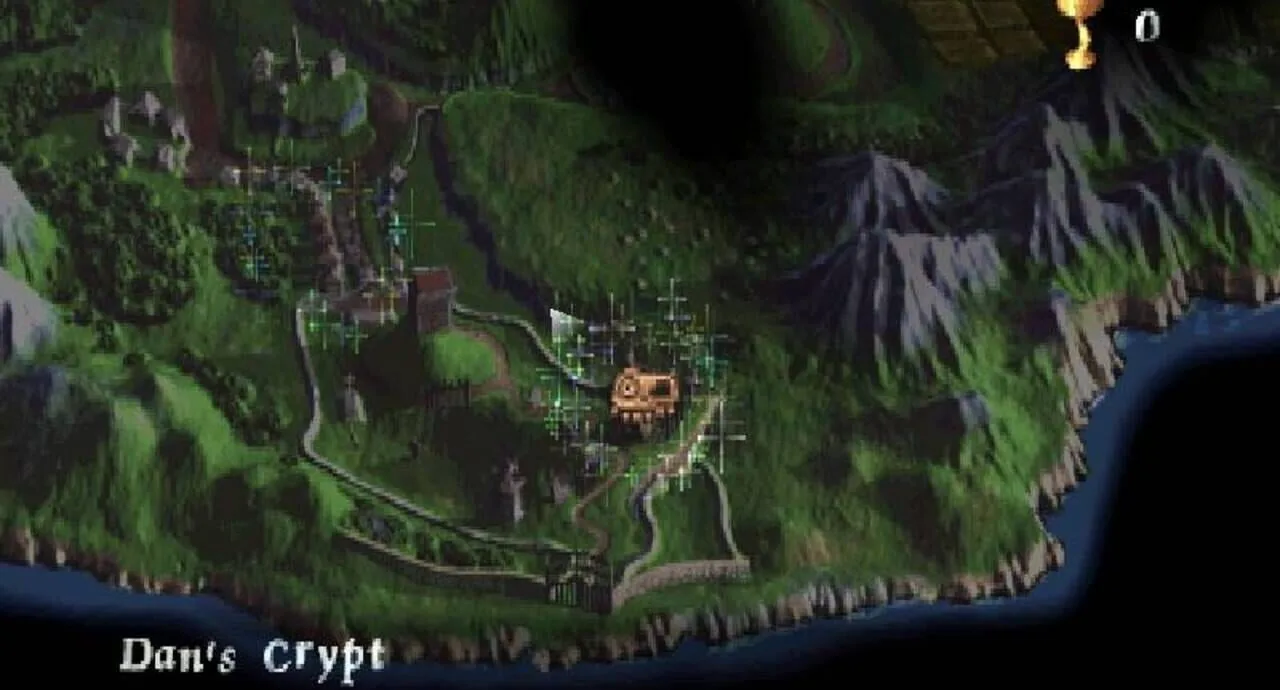
Dan's health is determined by a single health bar, which reduces when Dan is hit. It will deplete completely if Dan drowns or falls from a great height. If Dan completely runs out of health, the game will end. Dan can extend his maximum health by collecting Life Bottles, which will automatically refill his health bar if it drops to zero. Also hidden throughout the game are Life Vials and Life Fountains that can replenish Dan's health and fill up any empty Life Bottles Dan has. In each level, there is a hidden Chalice of Souls, which can be collected if the player fills it with enough souls from defeated enemies (some Chalices are awarded via other means). If the player clears a level with a Chalice in hand, Dan is warped to the Hall of Heroes, where he can speak to a legendary hero who will give him rewards, such as weapons. If the player finishes the game with all the Chalices, the game's true ending is revealed.
29. Crash Bandicoot 2: Cortex Strikes Back (1997)
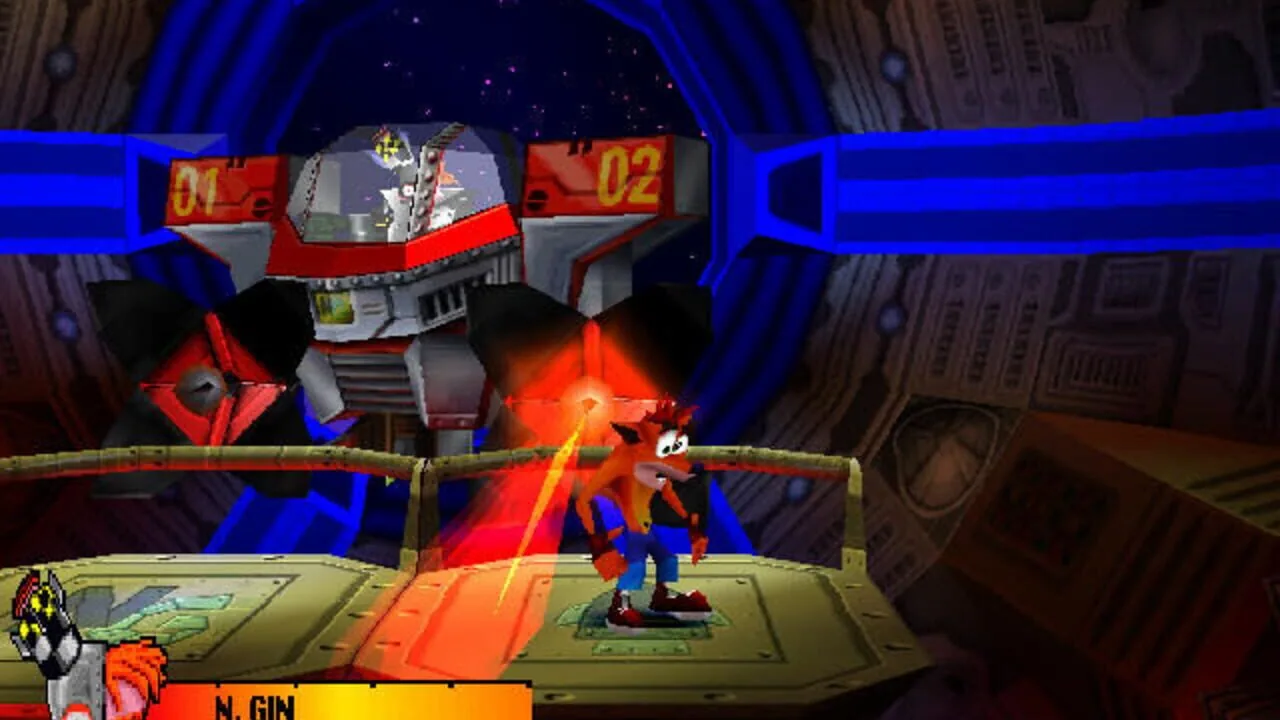
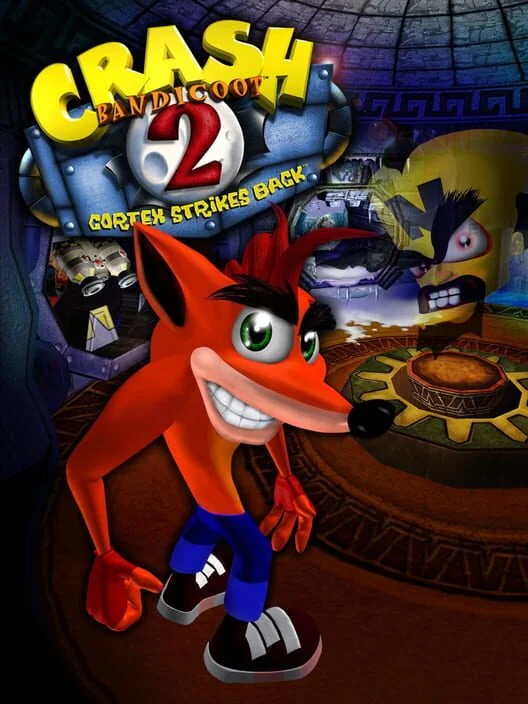
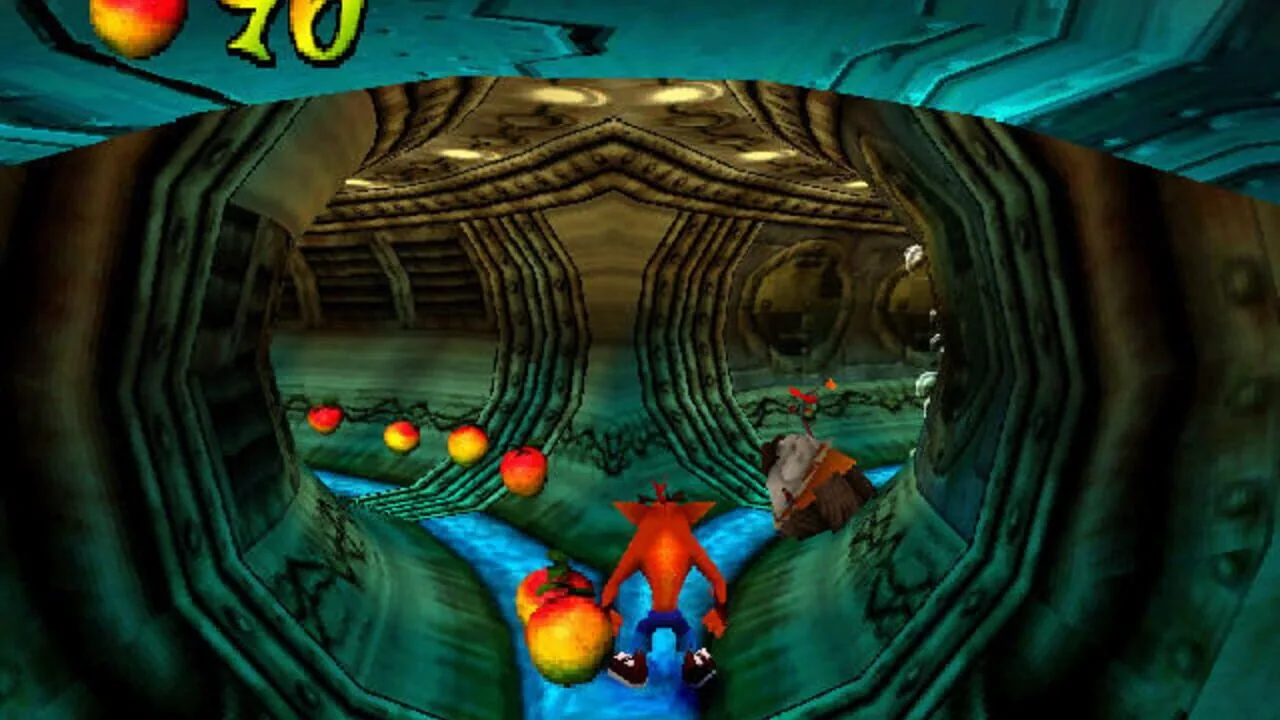
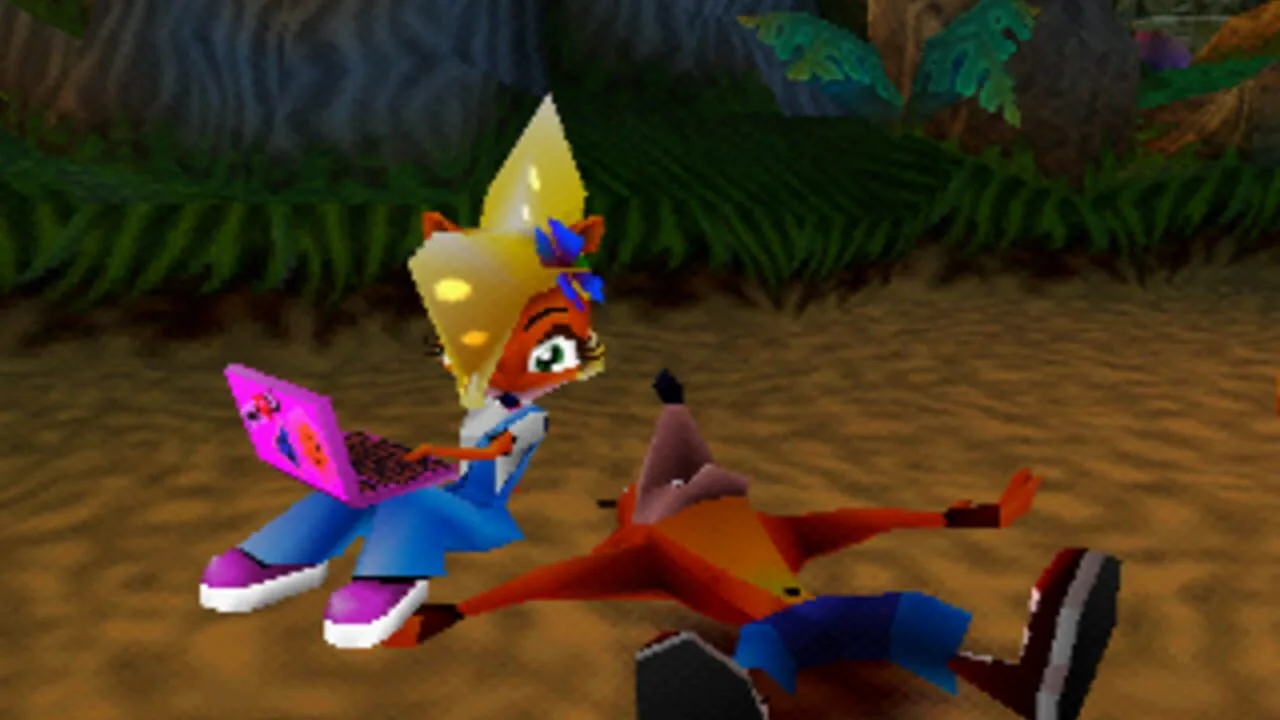
Crash Bandicoot 2: Cortex Strikes Back is the second game in the Crash Bandicoot series, and the sequel to the original game. The gameplay is largely similar to that of the original, as players make their way through a limited environment whilst breaking crates that contains bonuses. The goal of the game is to gather 25 crystals for Crash's nemesis, Doctor Neo Cortex. The crystals are scattered between 25 different levels accessible via Warp Rooms, which are hub areas of the game. A level is cleared by collecting its respective crystal and reaching the end of its path, which returns Crash to the Warp Room.
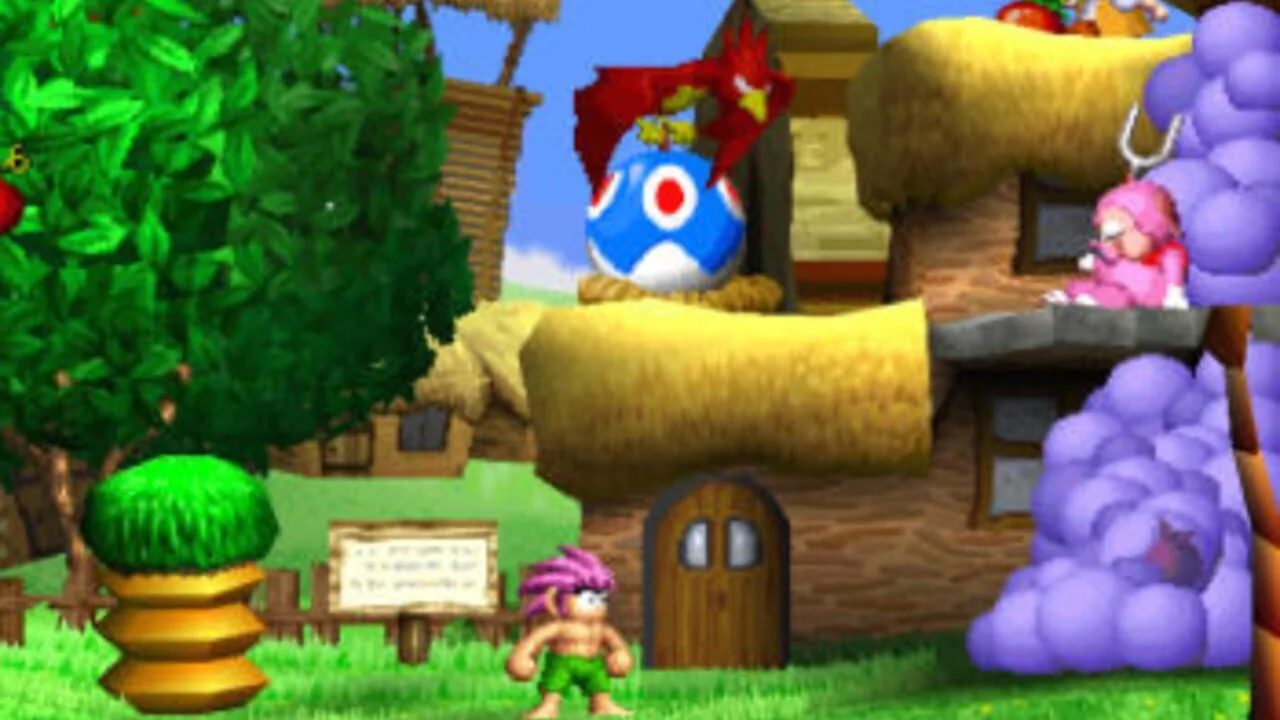
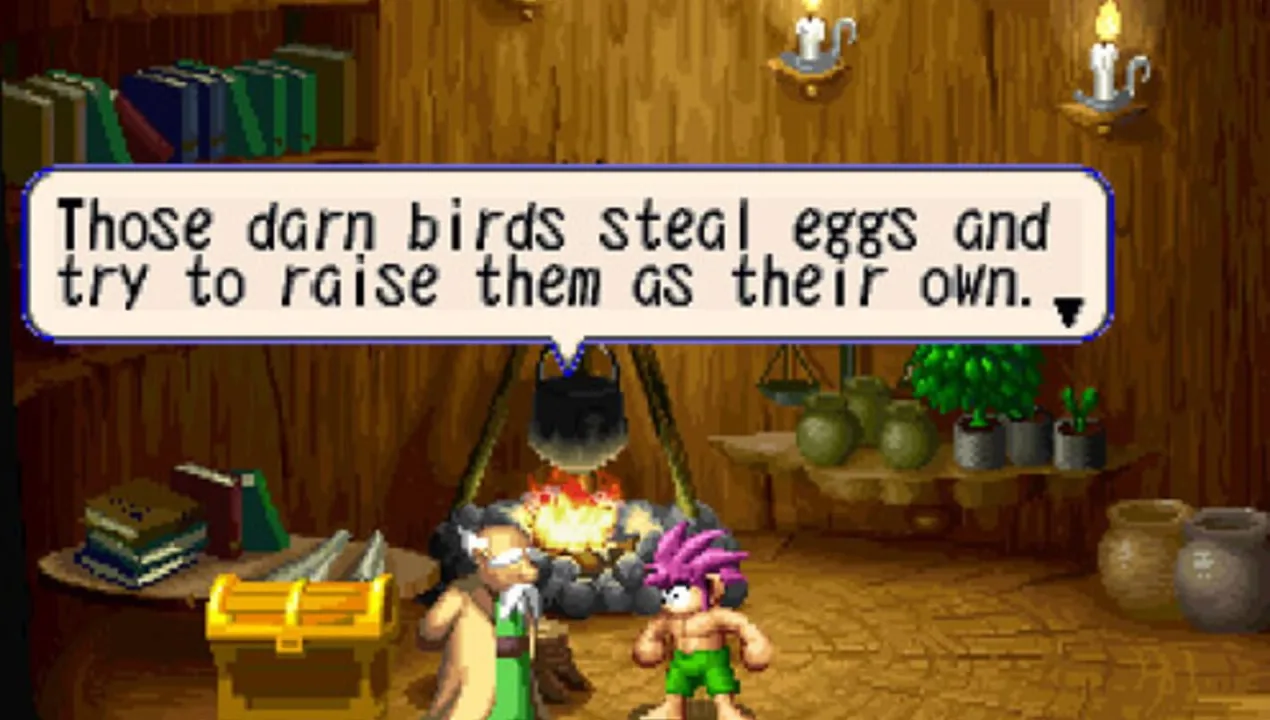
28. Tomba! (1997)

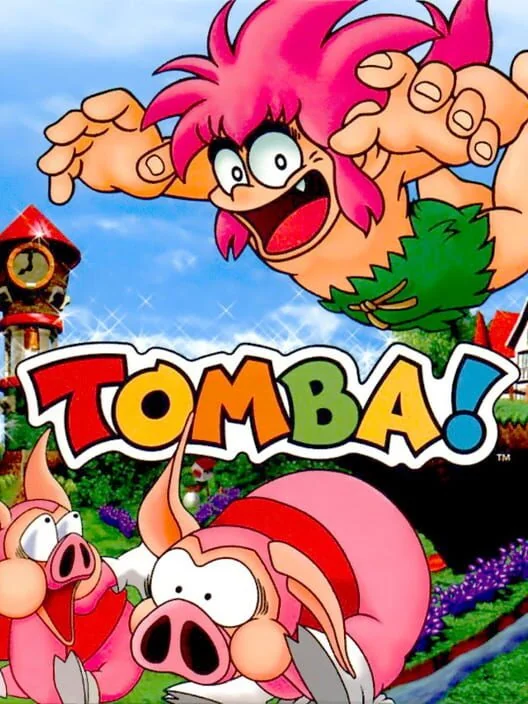
Tomba! is a side-scrolling platformer in which players control Tomba, a wild boy on the search for his grandfather's bangle that was stolen by some evil pigs. Although Tomba is normally restricted to a two-dimensional plane, there are certain points where he can jump or climb onto a new plane. Tomba's main method of attack is to jump on top of enemies to grab them, allowing him to hop around on them before throwing them away. This can also be used to open other objects such as eggs or treasure chests. Tomba is also able to use various projectile weapons such as maces and boomerangs and can swing on branches and poles.
The game is based around a mission system, where the main character's (Tomba's) skills are employed to complete various tasks. Completion of a mission gives a certain amount of adventure points (AP) which are required for AP boxes which contain food (which gives you AP and restores 1 space of vitality) or items, and you may for example need 50,000 AP to open one. AP is also used to gain access to special places or information later in the game. Not all missions are necessary to progress in the game, however, they are required to achieve full completion. There are 130 events (missions) in the game, many of them rely on other events to be completed.
27. Dino Crisis (1999)
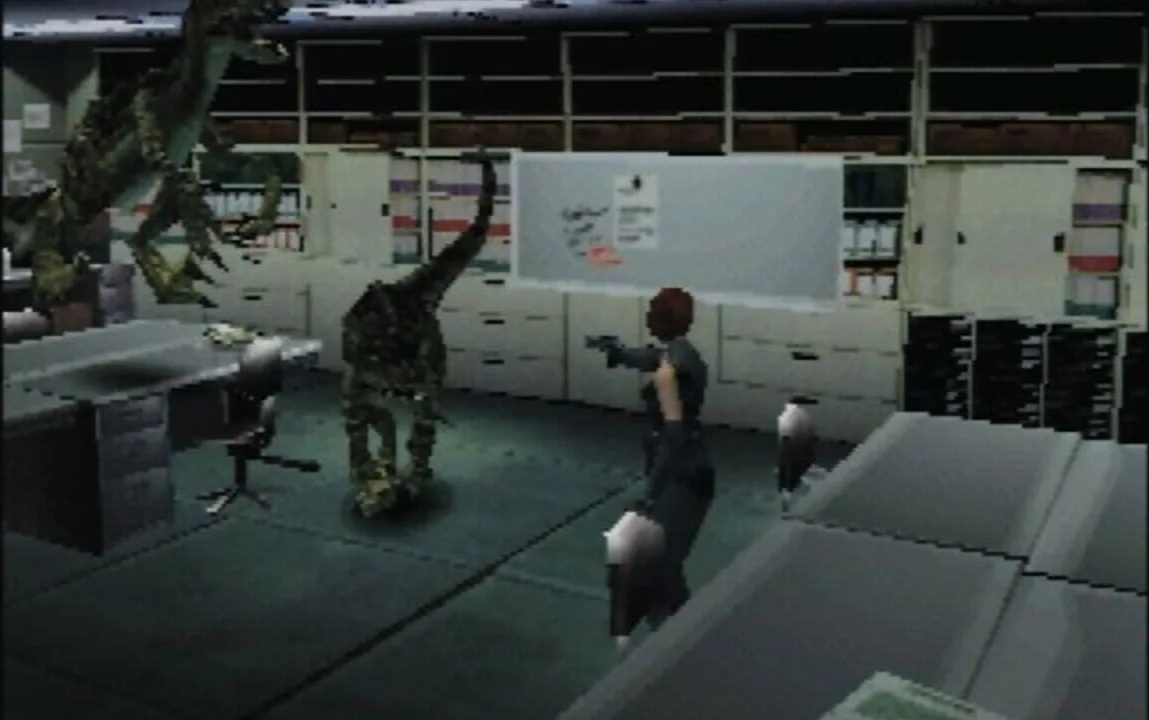
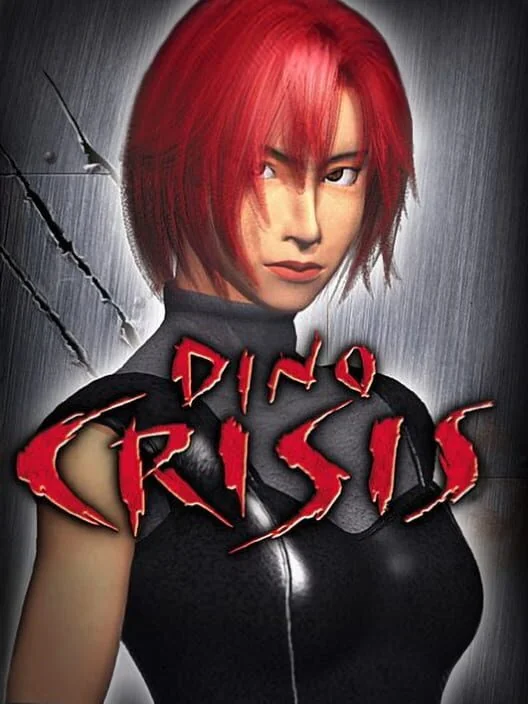
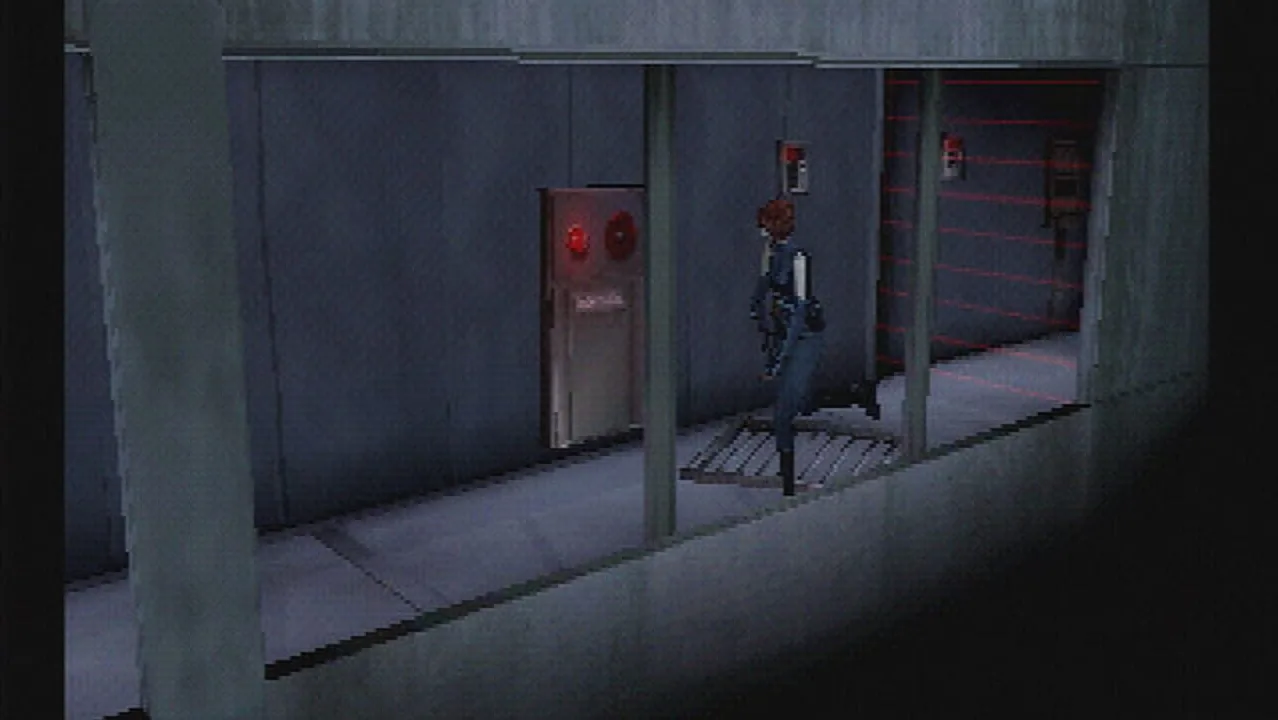
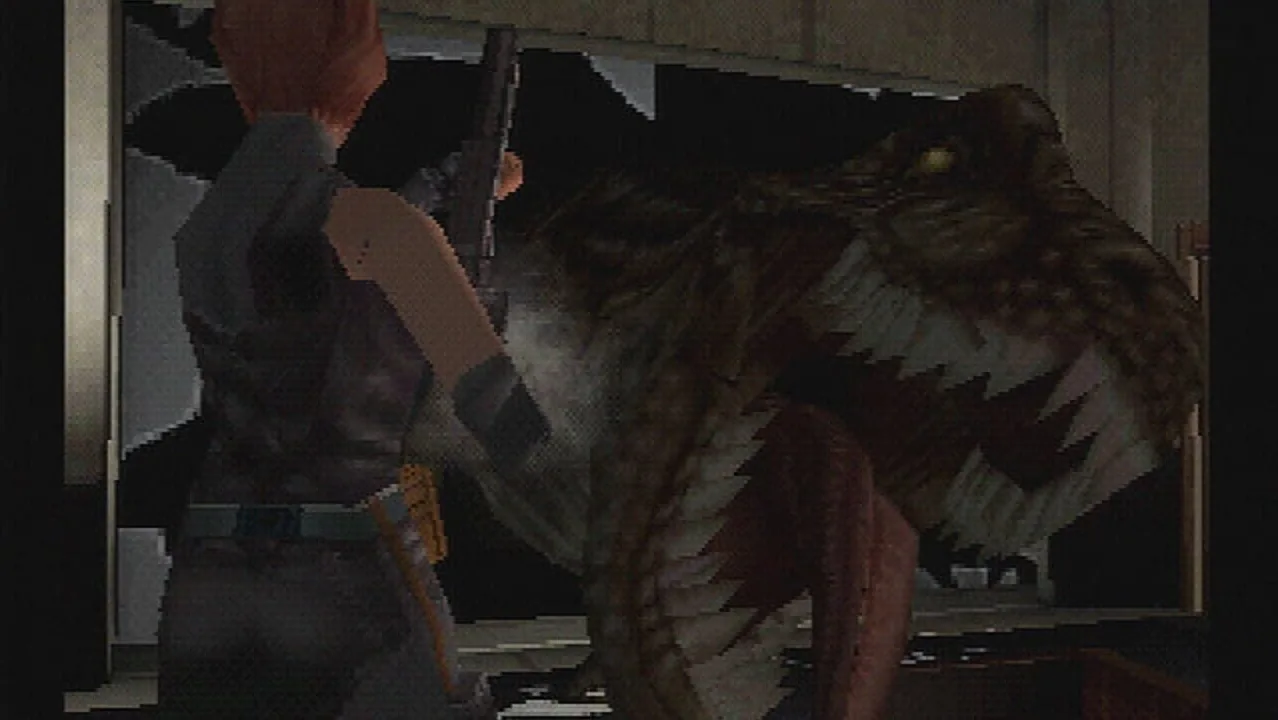
Dino Crisis is a survival horror video game developed and published by Capcom in 1999. Set in a remote research facility, it follows special agent Regina as she investigates a scientific experiment gone wrong. The game combines exploration, puzzle-solving, and combat against hostile dinosaurs. It uses a real-time 3D environment rather than pre-rendered backgrounds, distinguishing it from earlier Capcom horror titles. Dino Crisis is often noted for its emphasis on tension, limited resources, and fast, unpredictable enemies.
26. Twisted Metal (1995)
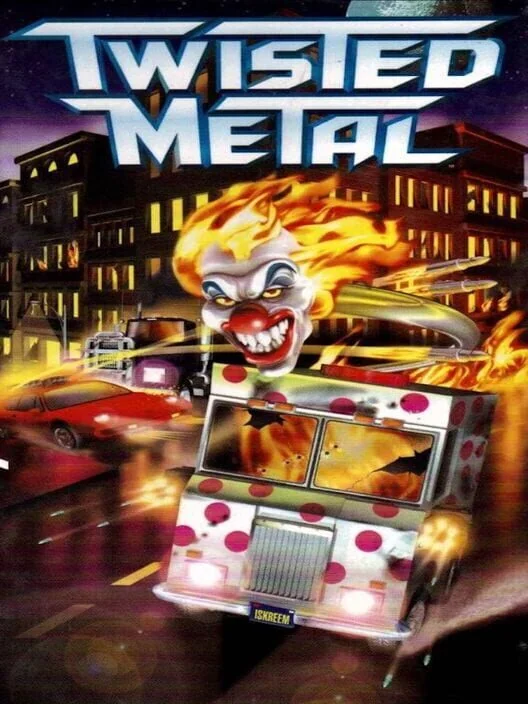
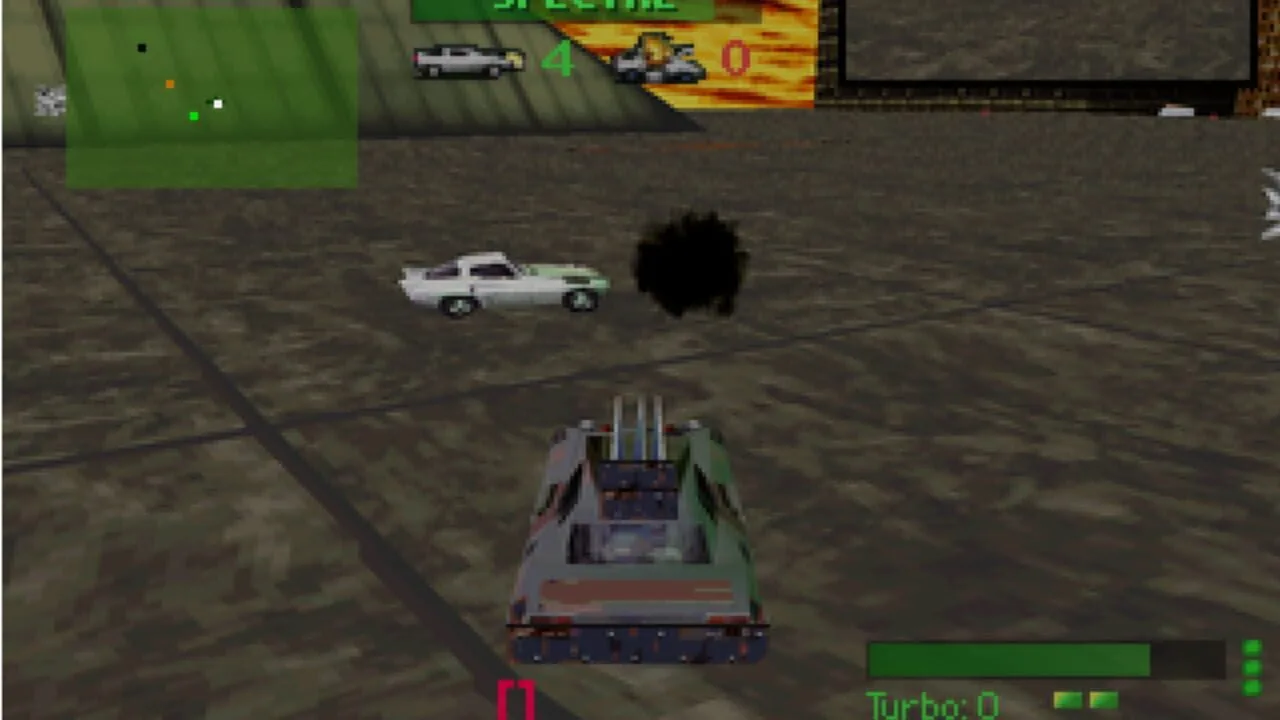
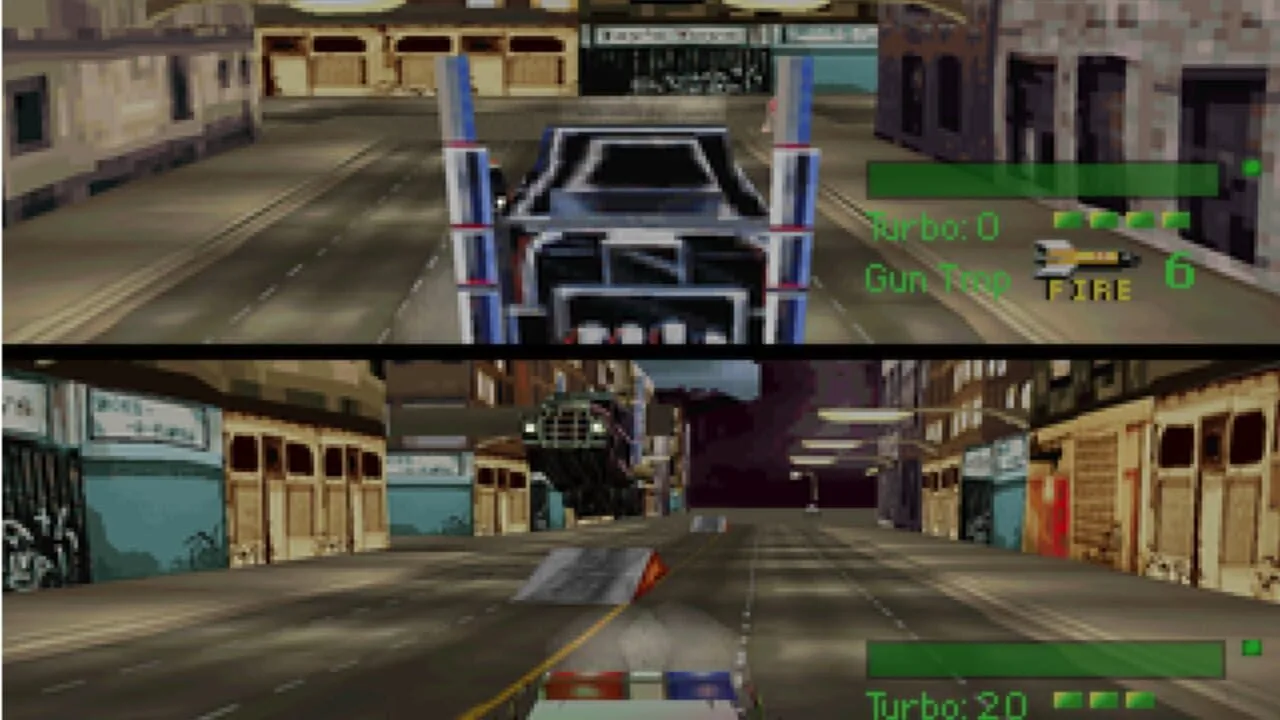
Twisted Metal consists of a series of arena-based battles against an increasing number of opponents in increasingly large arenas. These battles culminate in a face-off with the winner of the previous year's competition, Darkside, who drives a large armored car which fires multiple missiles at once.
Players can choose one of 12 different vehicles with which to enter combat. Each vehicle has a distinct driver and special move. The controls consist of accelerator, brake, "tight turn" (essentially a handbrake) and turbo on the face buttons, with main weapons and machine gun selection and control on the shoulder buttons.
Arenas are populated with weapon pickups to re-supply missile stocks, repair stations for repairing damage to your car, pedestrians, and course stewards armed with either machine guns or missile launchers.
25. Vagrant Story (2000)
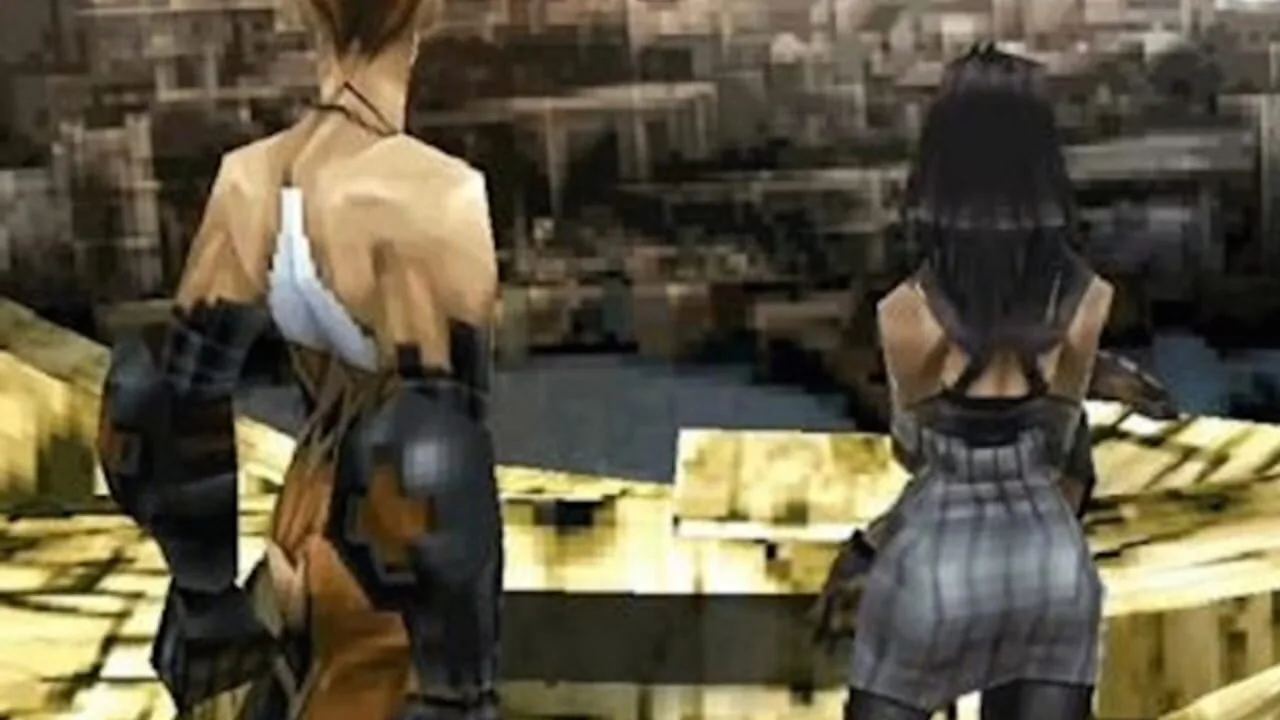
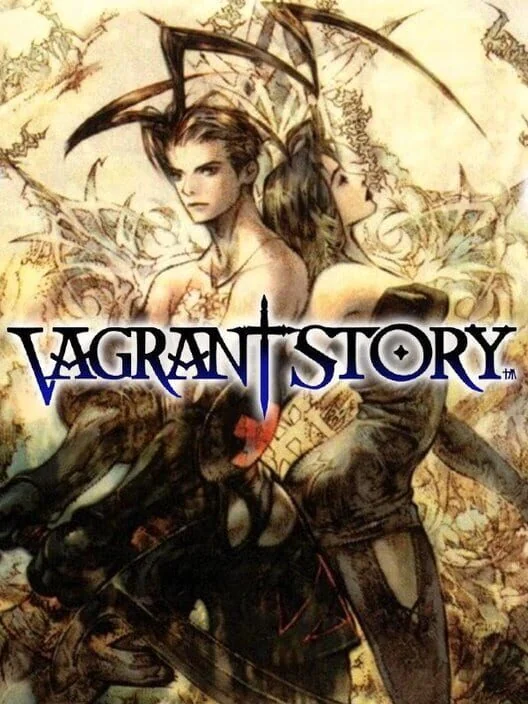
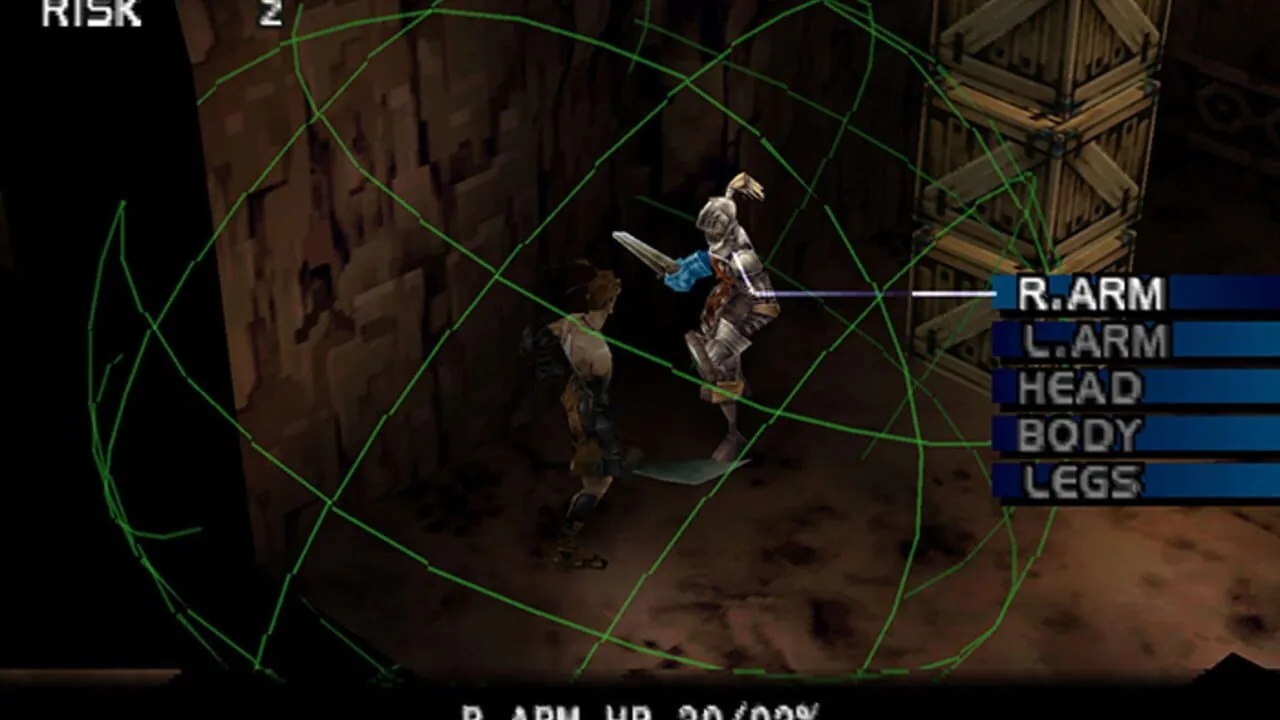
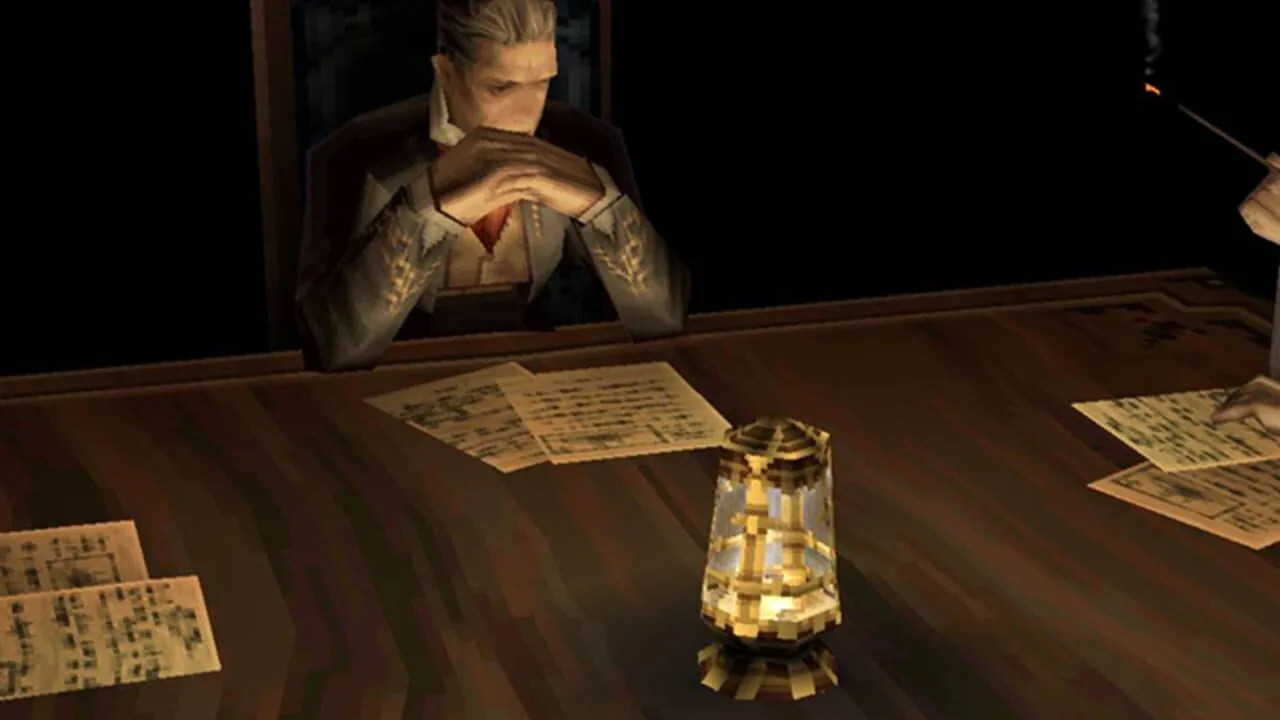
Adventure into a world of unparalleled depth and danger with SquareSoft's Vagrant Story. In this sweeping dungeon-crawling epic you play as Ashley Riot, a young assassin and spy for the organization known as Riskbreakers. Your goal is to unravel a deep and twisted plot and come to terms with the recent death of your wife and child. If this sounds a bit too cerebral never fear. Your path to recapturing your sense of humanity hinges on the destruction of countless vicious monsters and the exploration of dark and dangerous dungeons. Vagrant Story is awash in gorgeous scenery and features designs from Yasumi Matsuno and Akihiko Yoshida, the acclaimed artists and creators behind Final Fantasy Tactics.
24. Crash Bandicoot: Warped (1998)
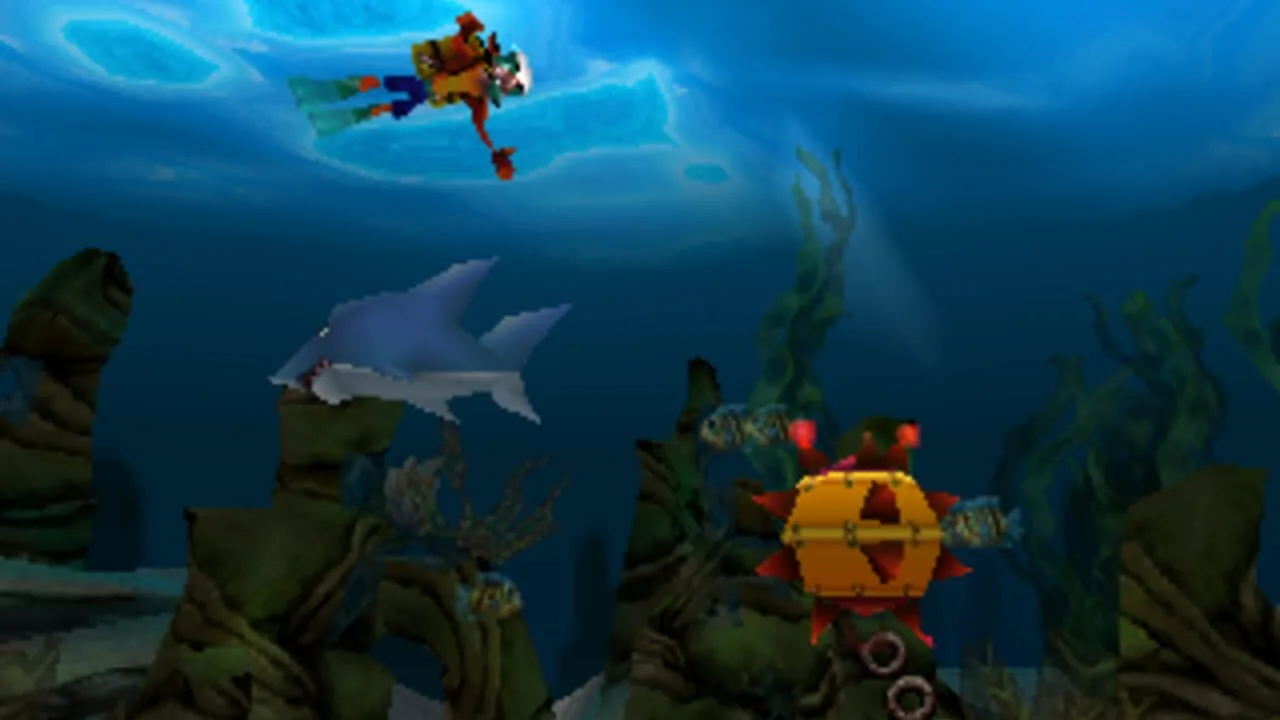
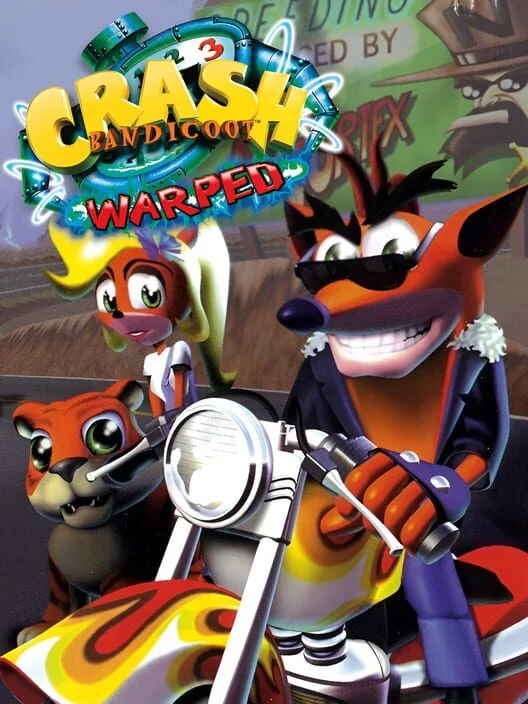
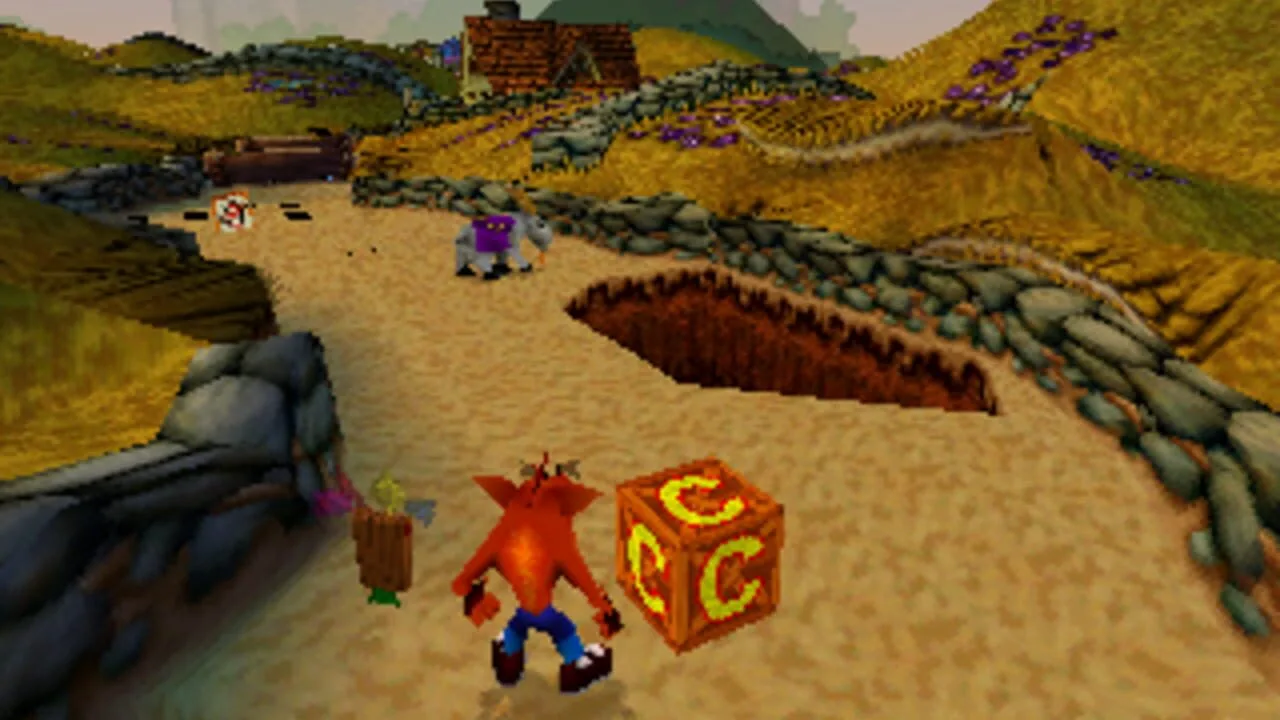
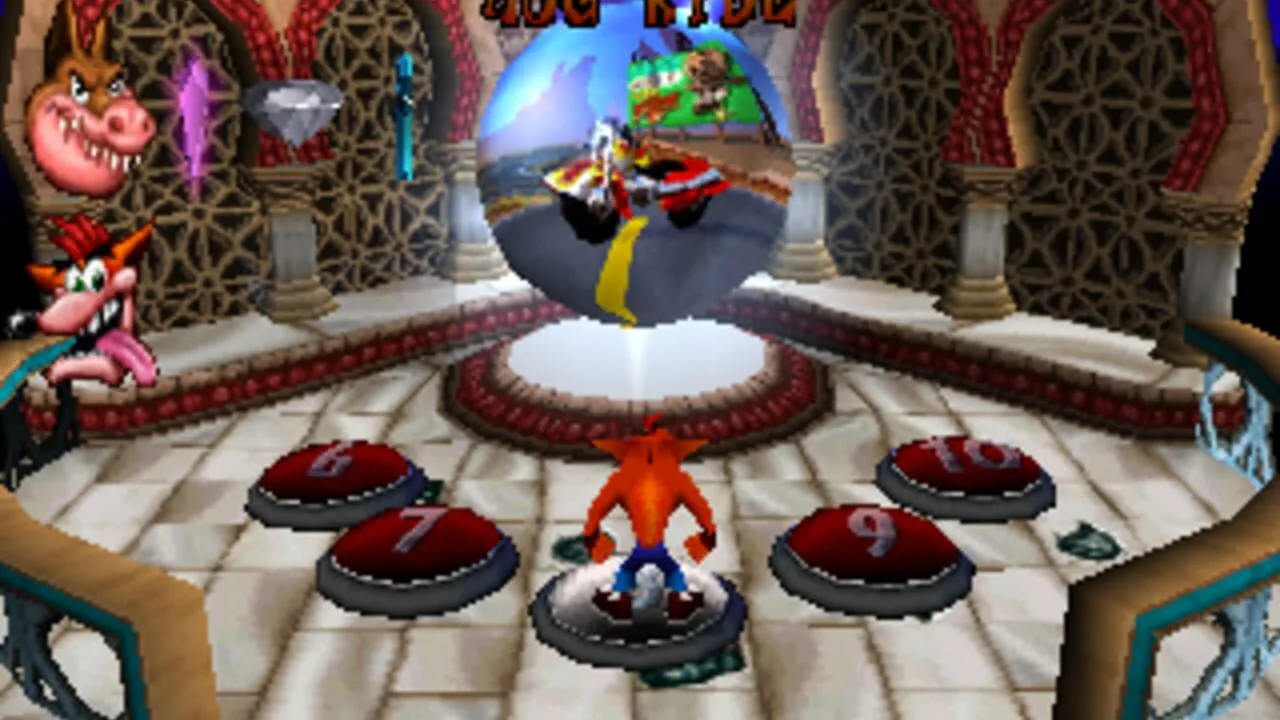
Crash Bandicoot: Warped is the third game in the Crash Bandicoot series and the first to feature Coco as a playable character. The player takes control of Crash and Coco Bandicoot, who must travel back and forward in time and gather 25 crystals before Uka Uka and Doctor Neo Cortex can do so. Much of the game takes place in the Time Twister which acts as the hub area of the game. The Time-Twister is split up into five chambers, each chamber has five buttons that open portals to different levels. The goal in each level is to find and obtain the crystal hidden in the level. Crash Bandicoot: Warped was lauded by critics in many areas, and the game has been considered one of the best video games of all time.
23. Syphon Filter (1999)
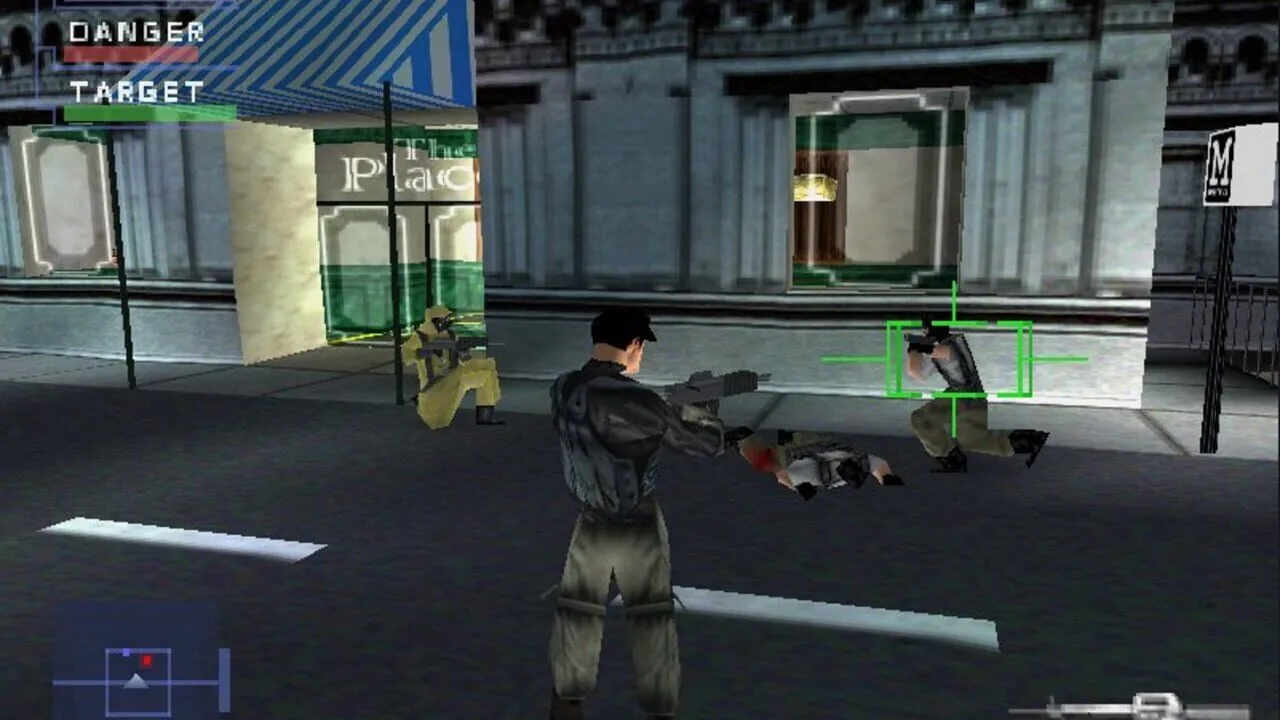
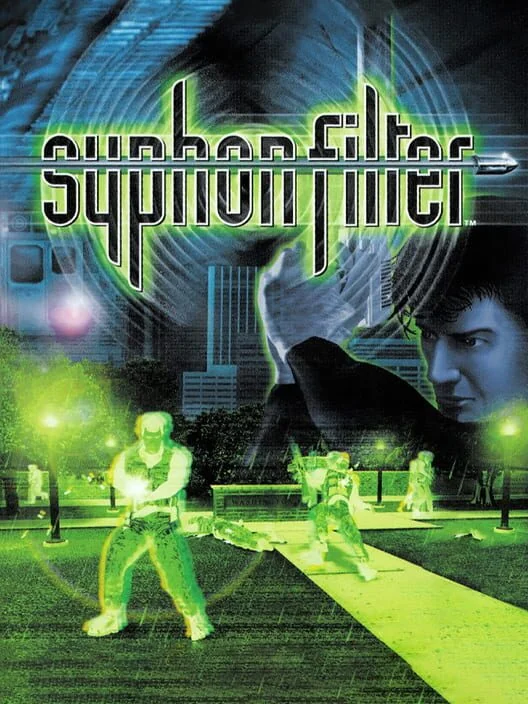
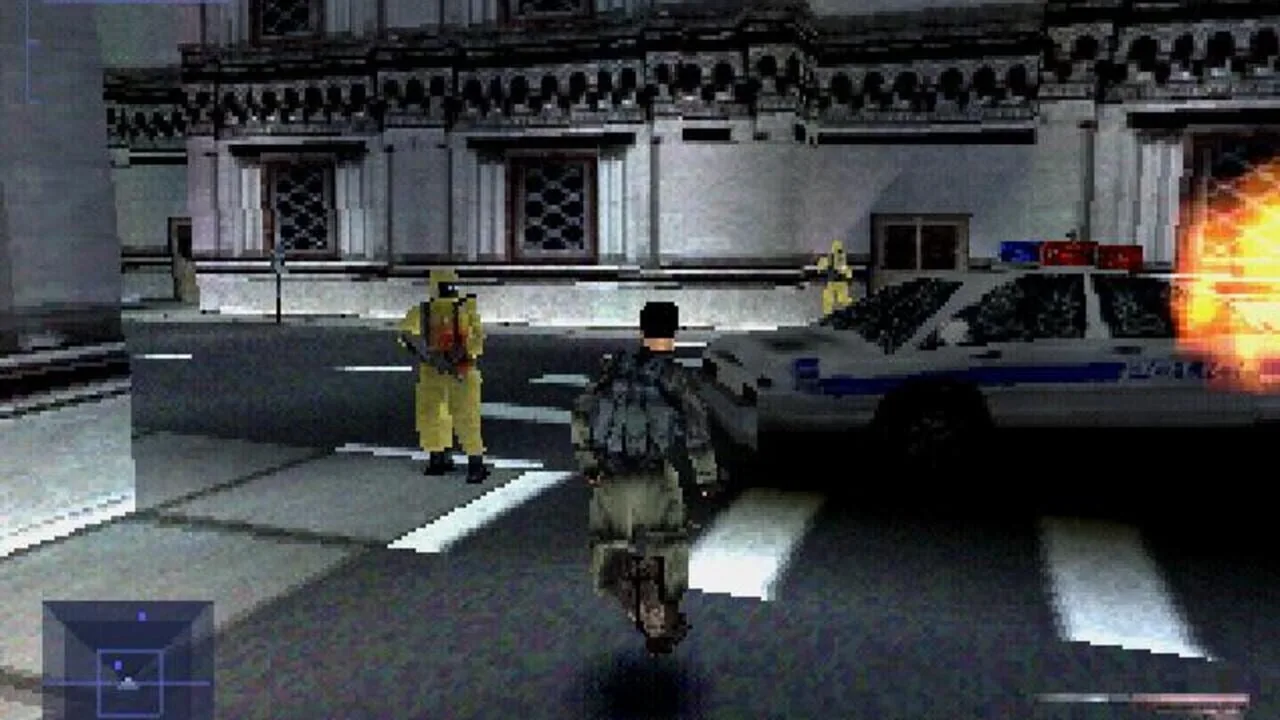
Syphon Filter is a third-person shooter stealth video game developed by Eidetic and published by 989 Studios exclusively for PlayStation. The plot centers on special agents Gabriel "Gabe" Logan and Lian Xing who are tasked by the United States government to apprehend a German international terrorist.
22. Ape Escape (1999)
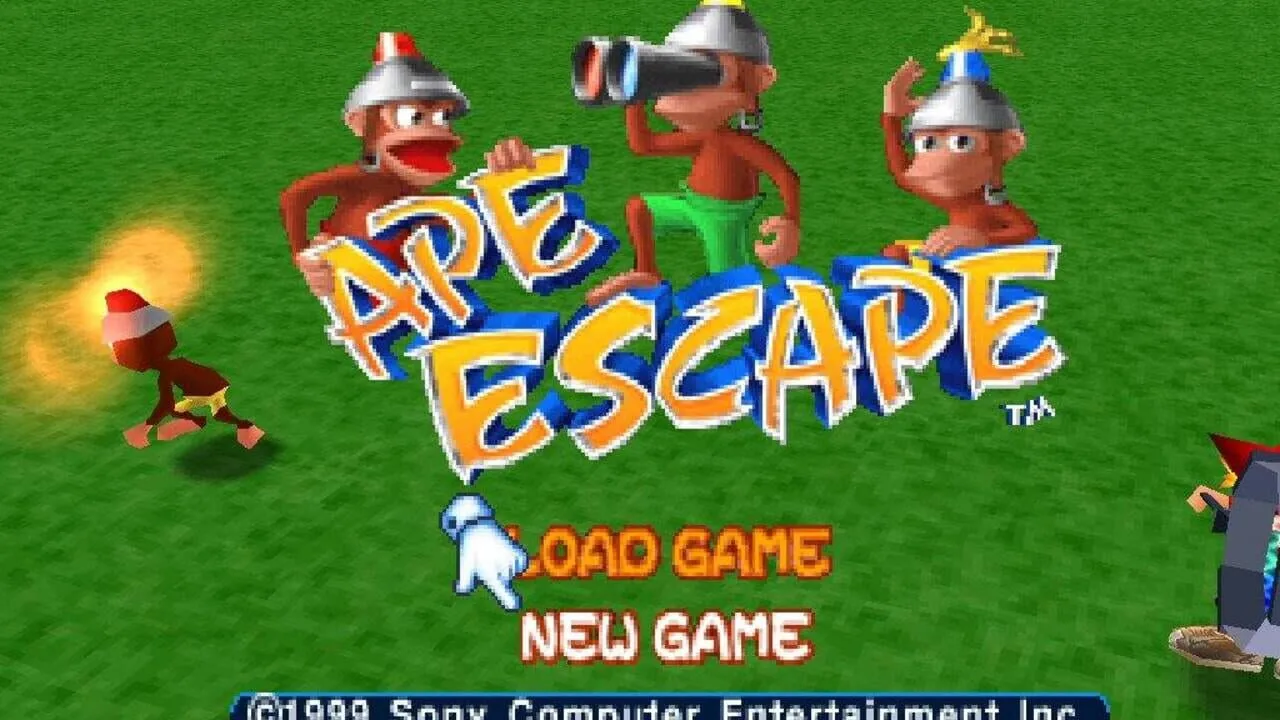
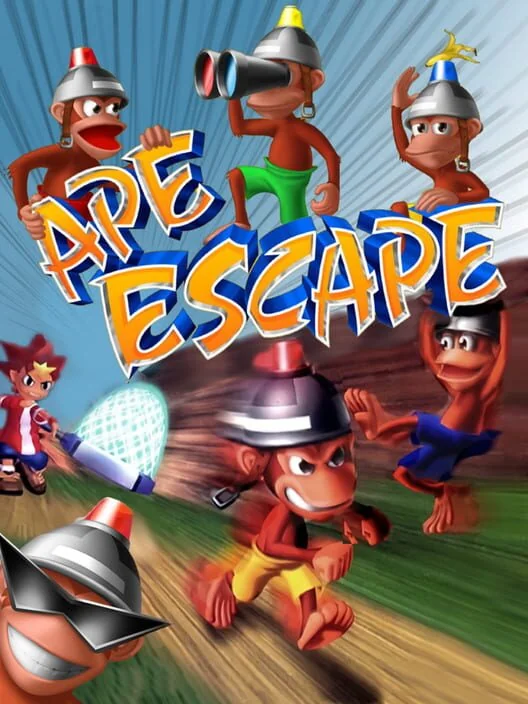
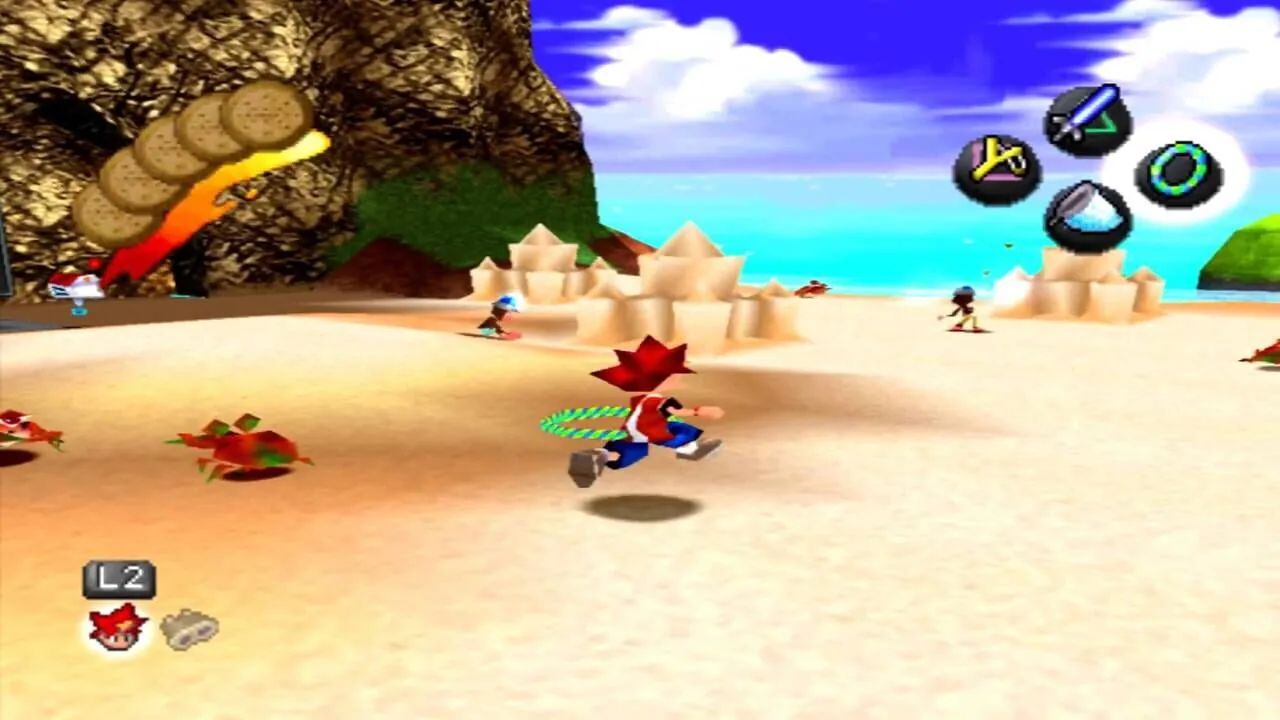
Ape Escape is a single-player 3D platformer released in 1999 for the Playstation. Using the analog stick, you must capture apes that have escaped throughout time to stop them from screwing up the fabric of time and space.
21. Legacy of Kain: Soul Reaver (1999)
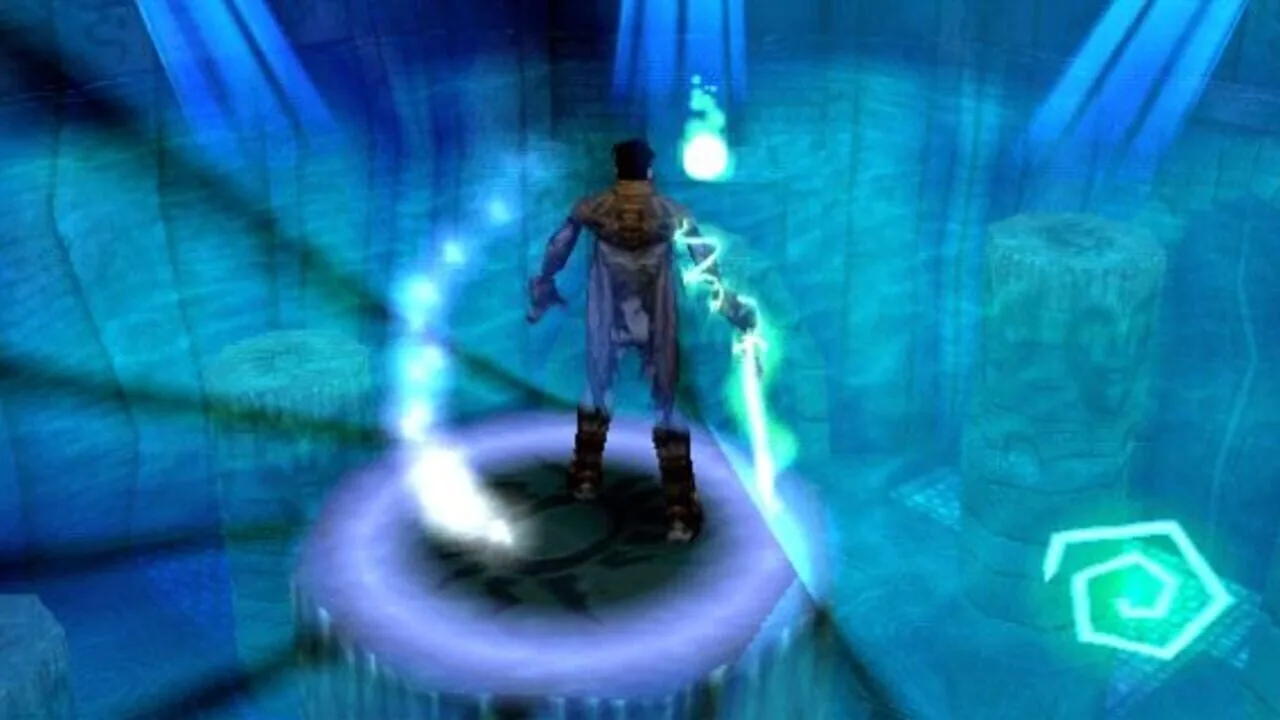
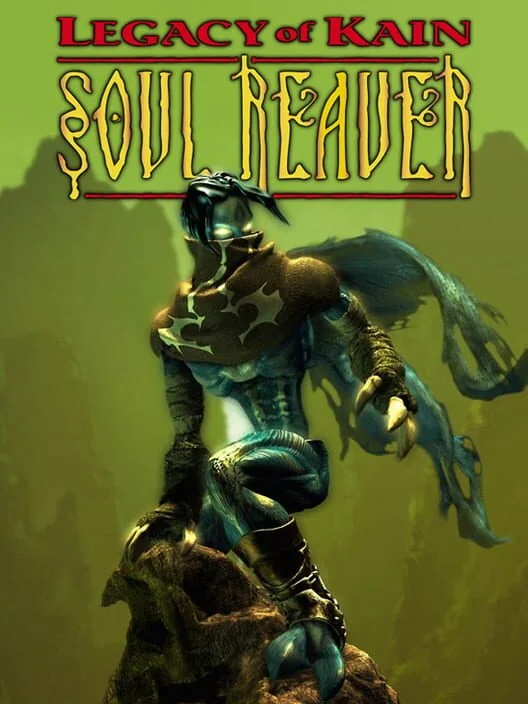
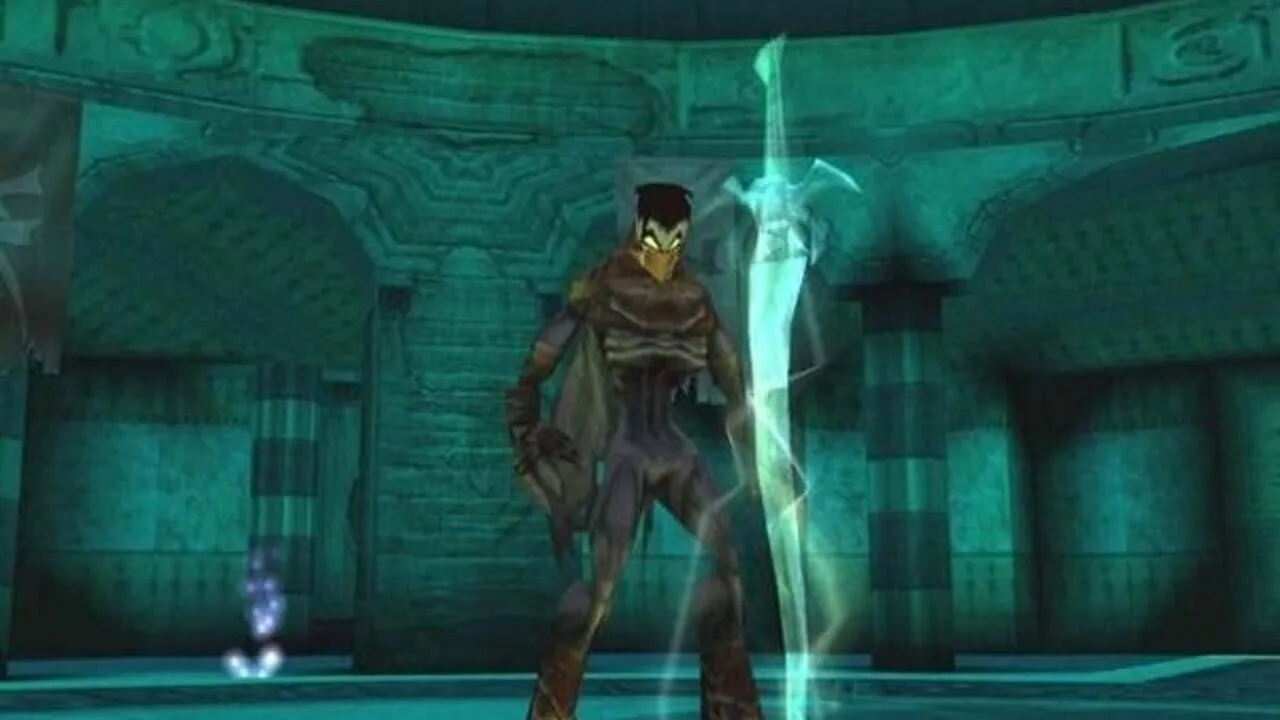
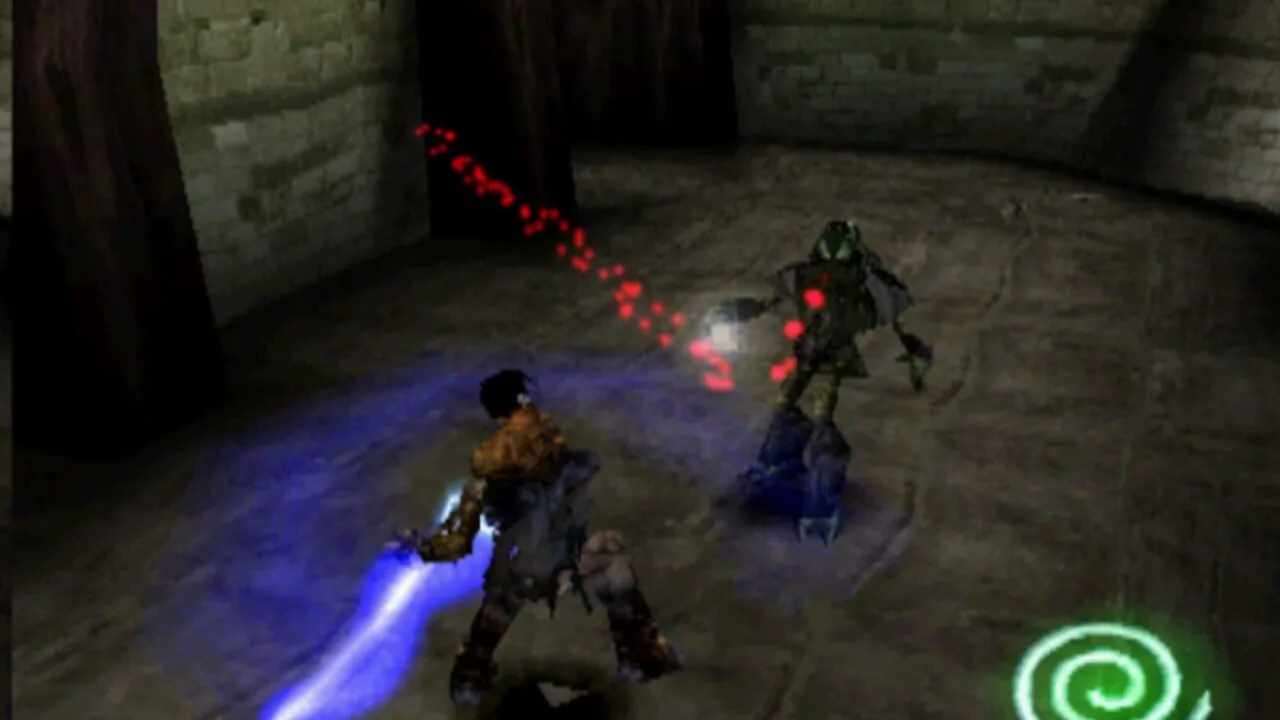
A third-person action-adventure game set after the events of Blood Omen: Legacy of Kain (1996). Kain has established a vampiric empire in the world of Nosgoth, but when his lieutenant and progeny, Raziel, evolves wings before him, Kain casts him down in jealousy. Centuries later, Raziel awakens in a corrupted form and sets out to take revenge against his former brethren.
20. Twisted Metal 2 (1996)
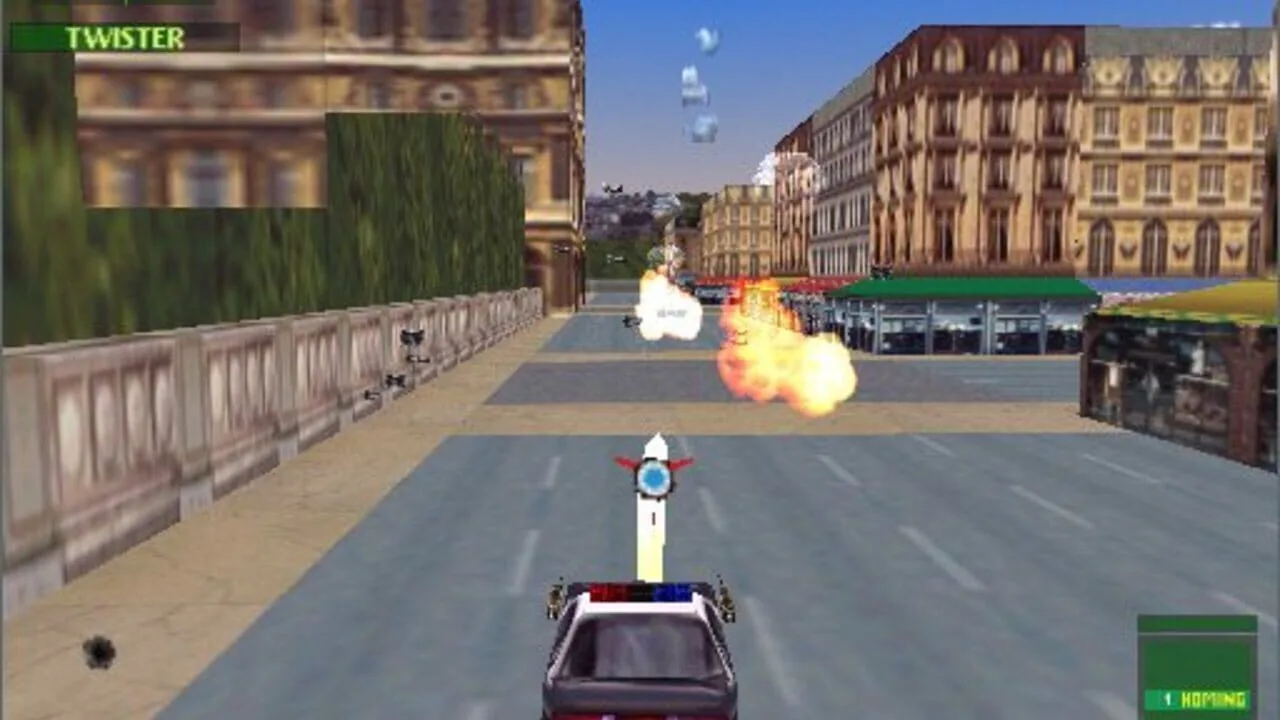
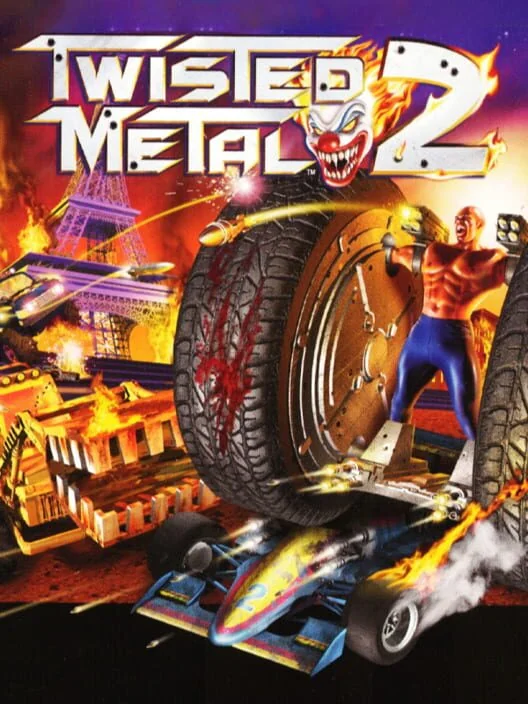
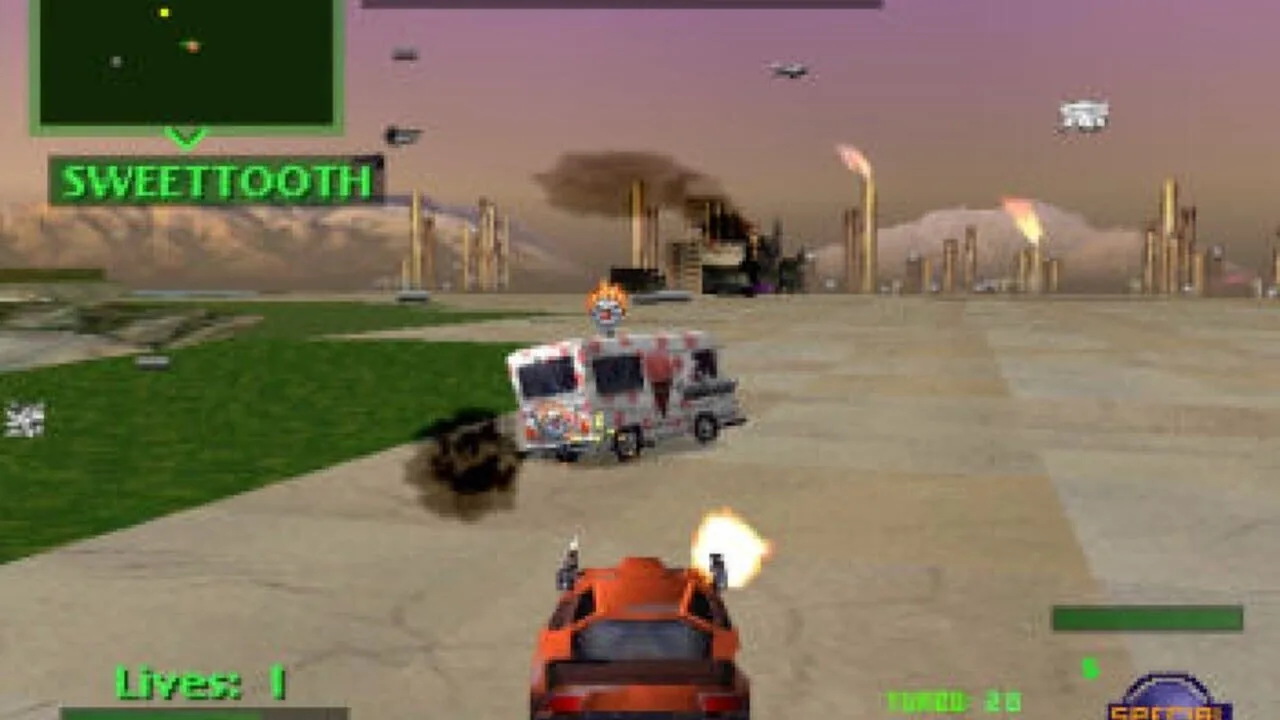
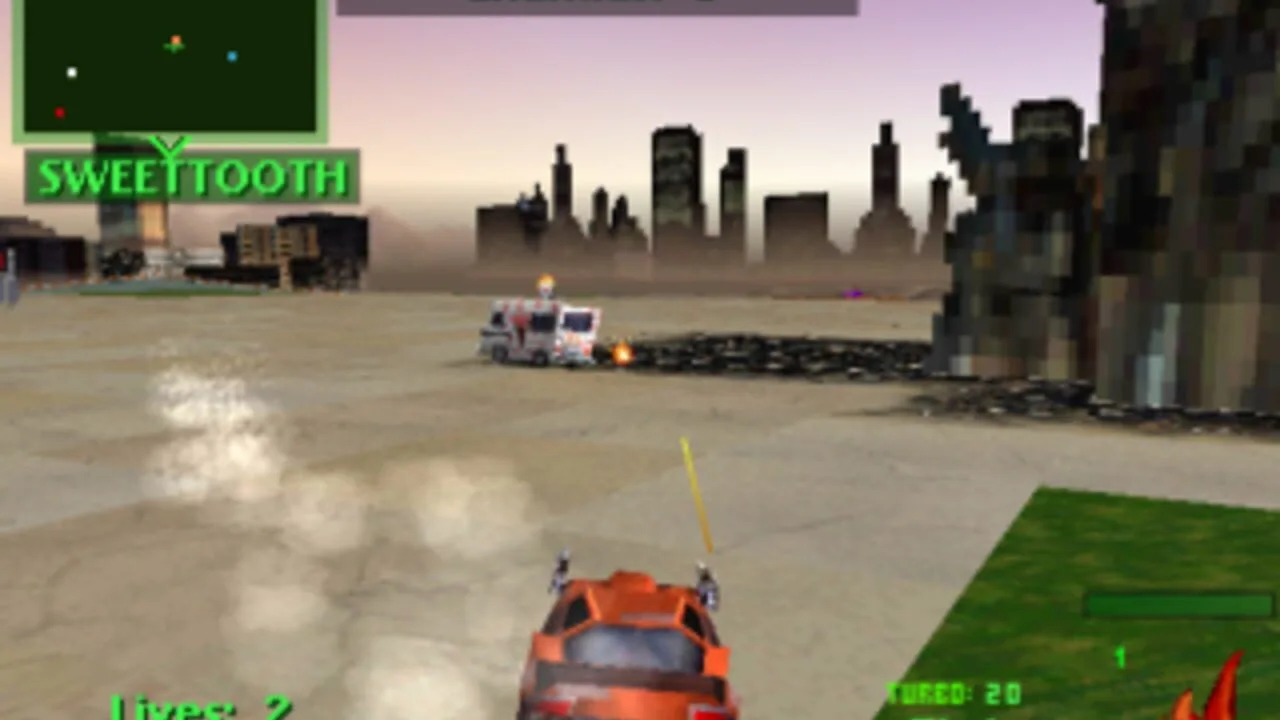
Twisted Metal 2 is a vehicular combat game released in 1996 for the PlayStation and PC. Players choose from a roster of armed vehicles to battle in destructive arenas across global locations. Each character has a unique backstory and special weapon. The gameplay emphasizes fast-paced action and environmental hazards. It is the second installment in the Twisted Metal series and is built on the formula of its predecessor with expanded content, such as vehicle-common advanced moves. These moves allow players to press button combinations in order to perform special rechargeable maneuvers such as cloak, shield, and a napalm blast.
19. Final Fantasy Tactics (1997)
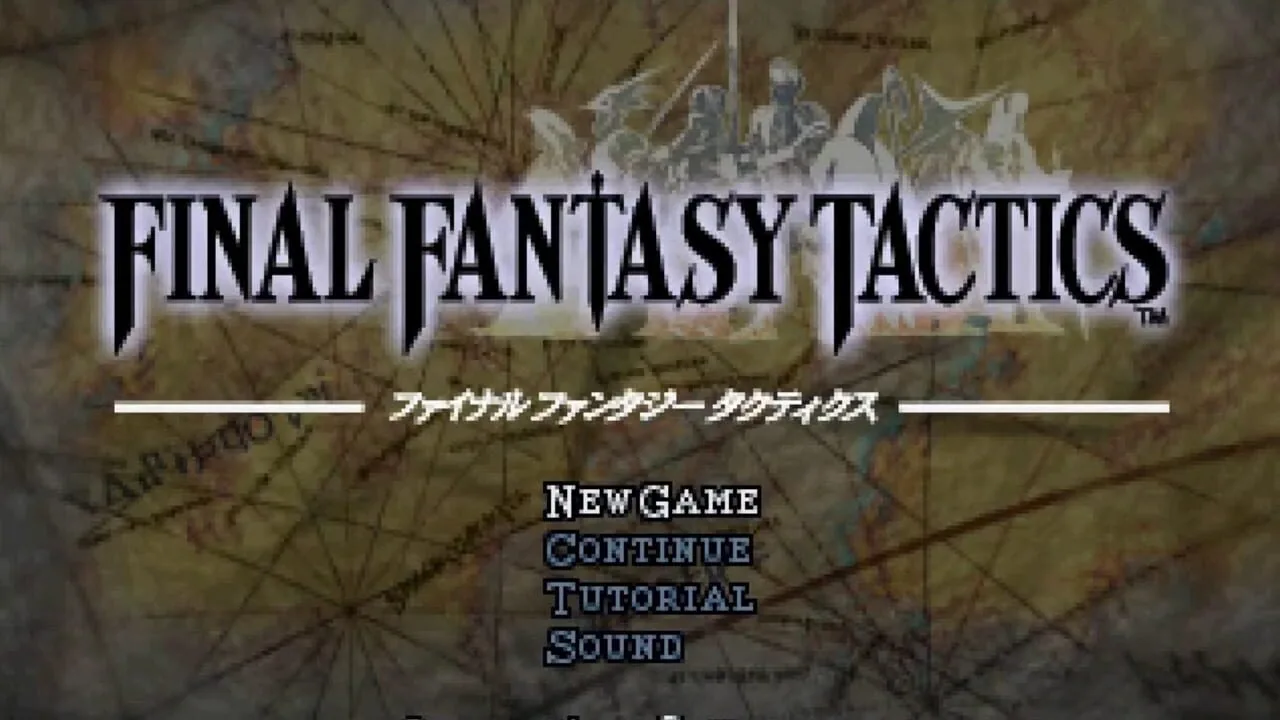
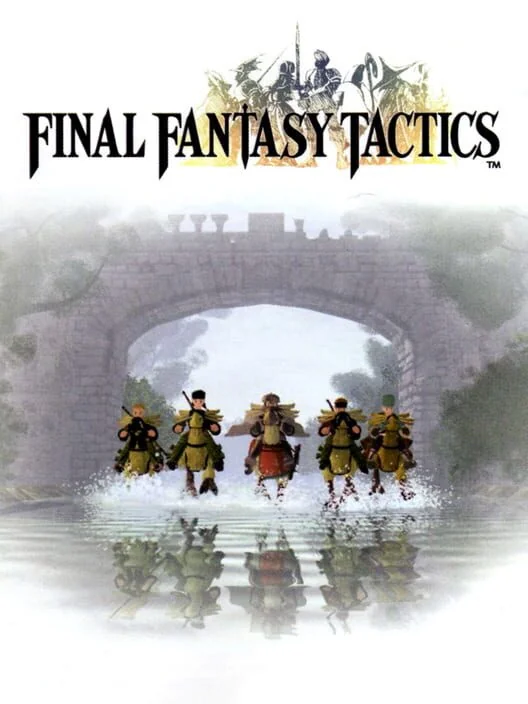
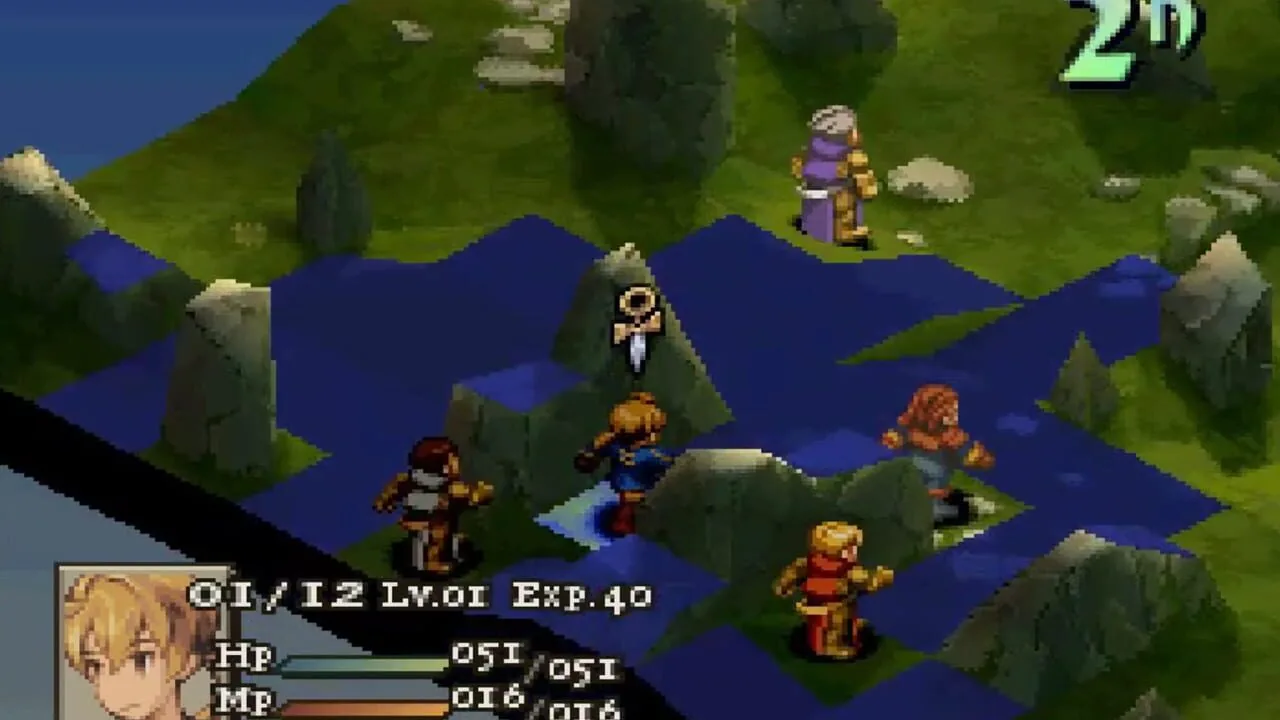
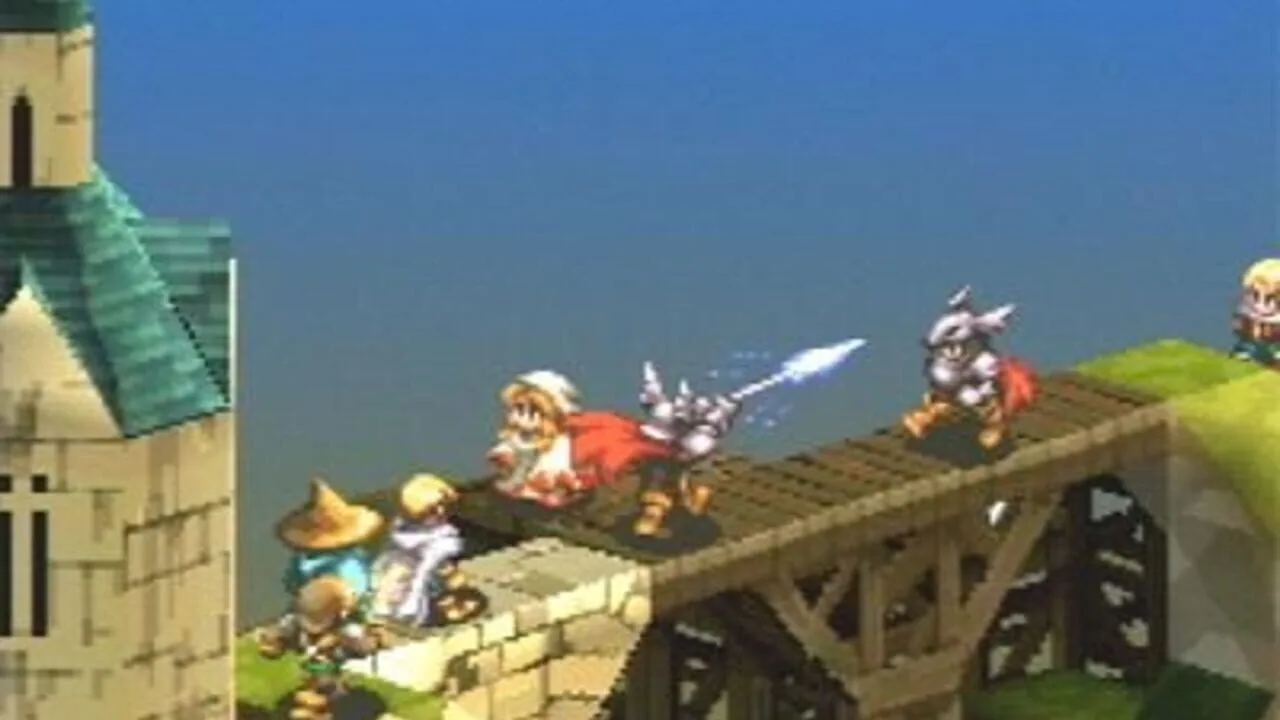
Lead epic battles in a new FINAL FANTASY world. Betrayal and darker dealings await in Squaresoft's game of war. Fight hundreds of battles across dangerous 3D terrain as an ancient blood feud awakens a deadlier foe.
18. The Legend of Dragoon (1999)
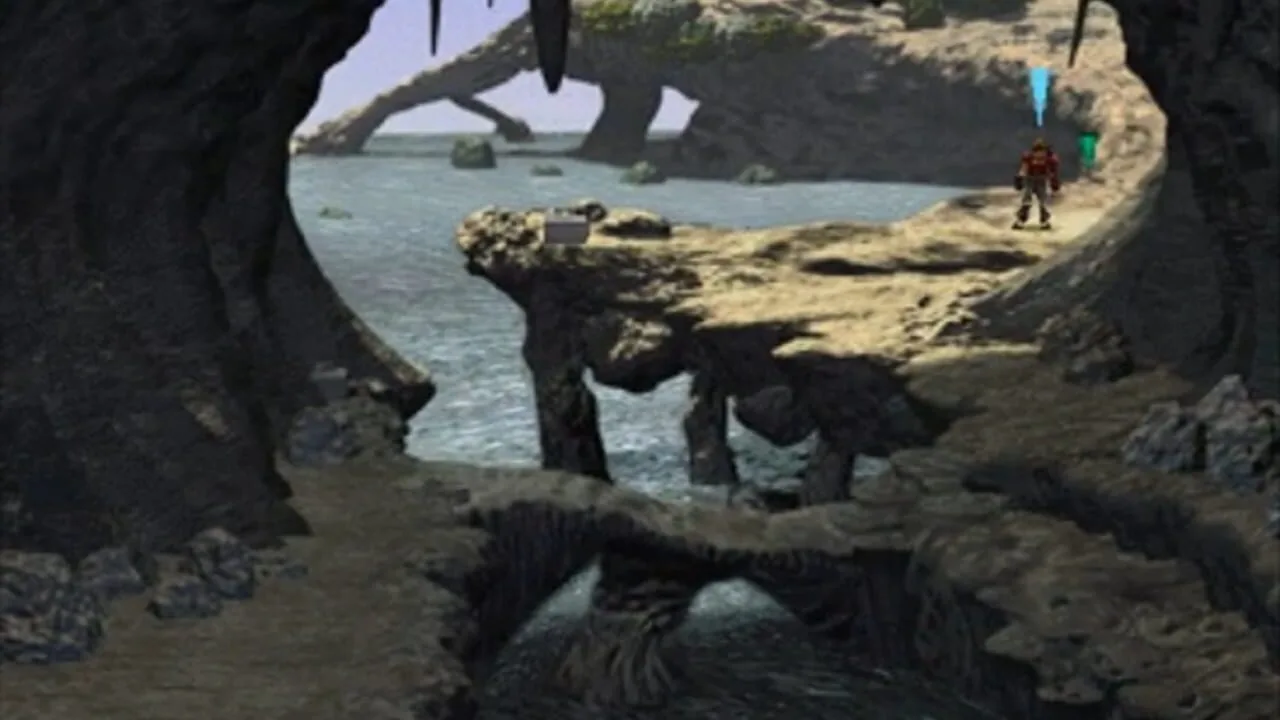
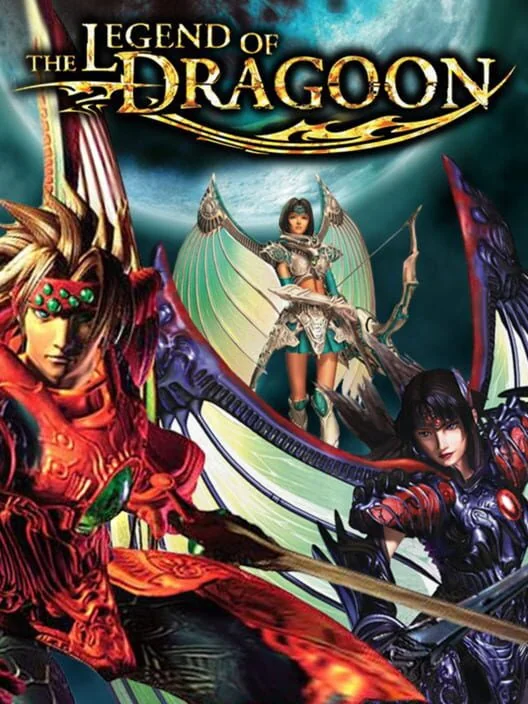
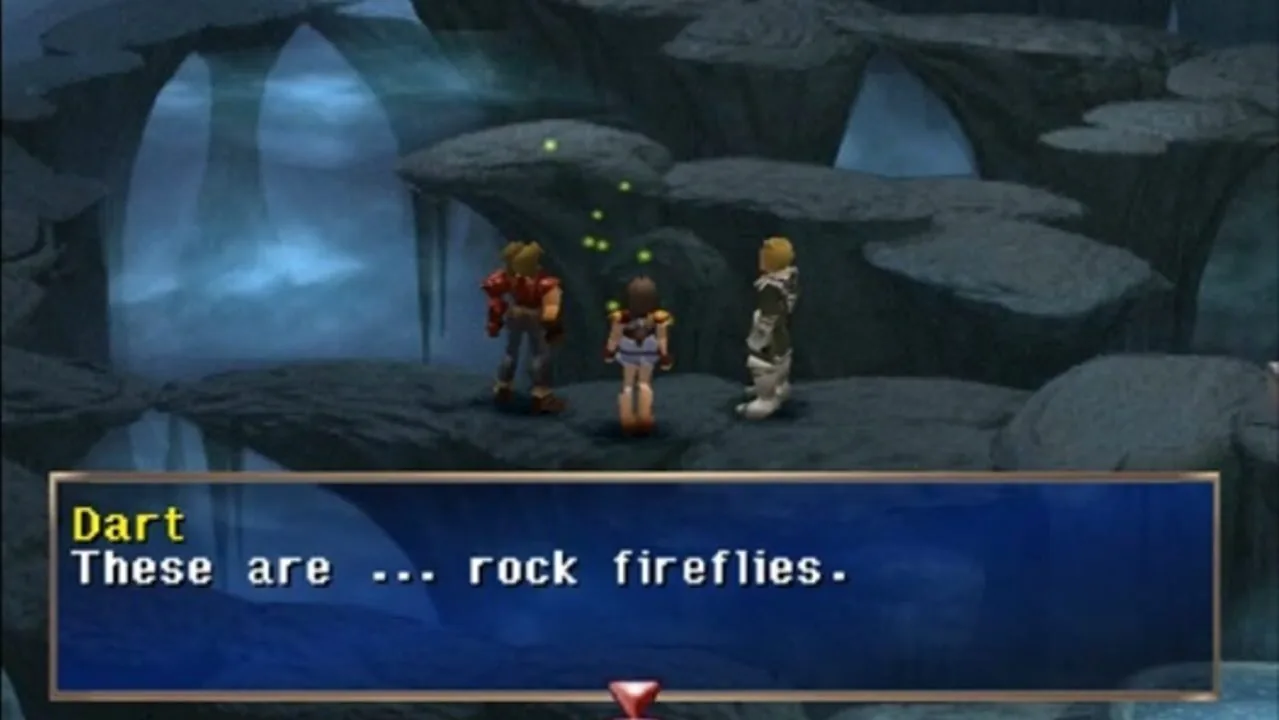
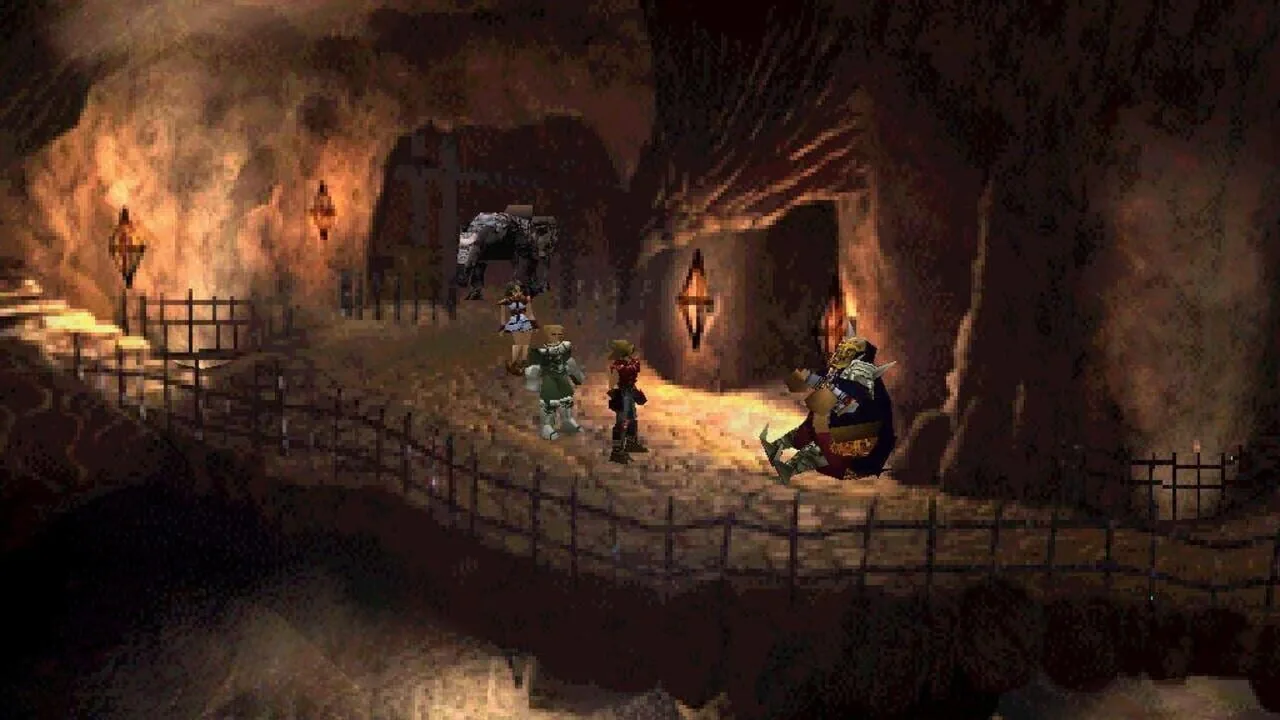
The Legend of Dragoon is a Japanese-style RPG, visually reminiscent of Final Fantasy VII (pre-rendered backgrounds, 3D characters and battle scenes, CG animations to advance the story). Battle mechanics follow the traditional turn-based prototype, with a few additions such as critical attacks dependent on precise timing, and "dragoon" transformations, which allow access to powerful techniques. Game progression is largely linear, with the "world map" replaced by locations represented as connected dots.
17. Gran Turismo (1997)
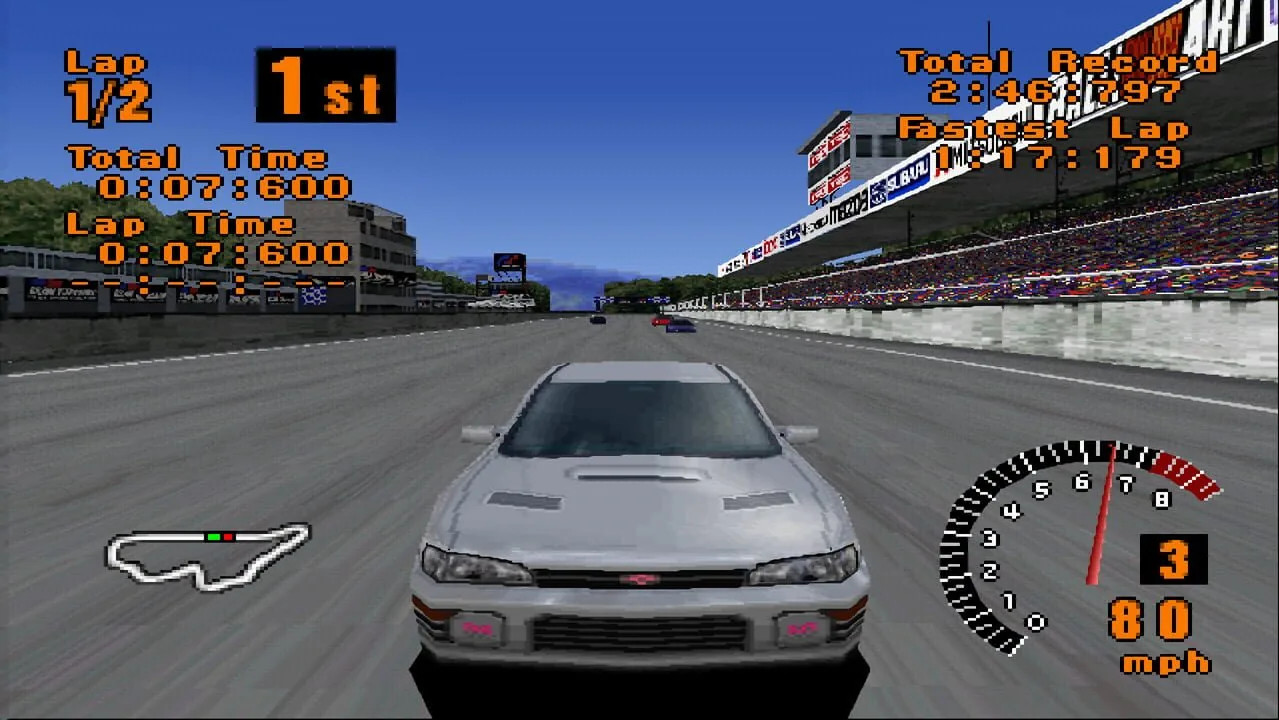

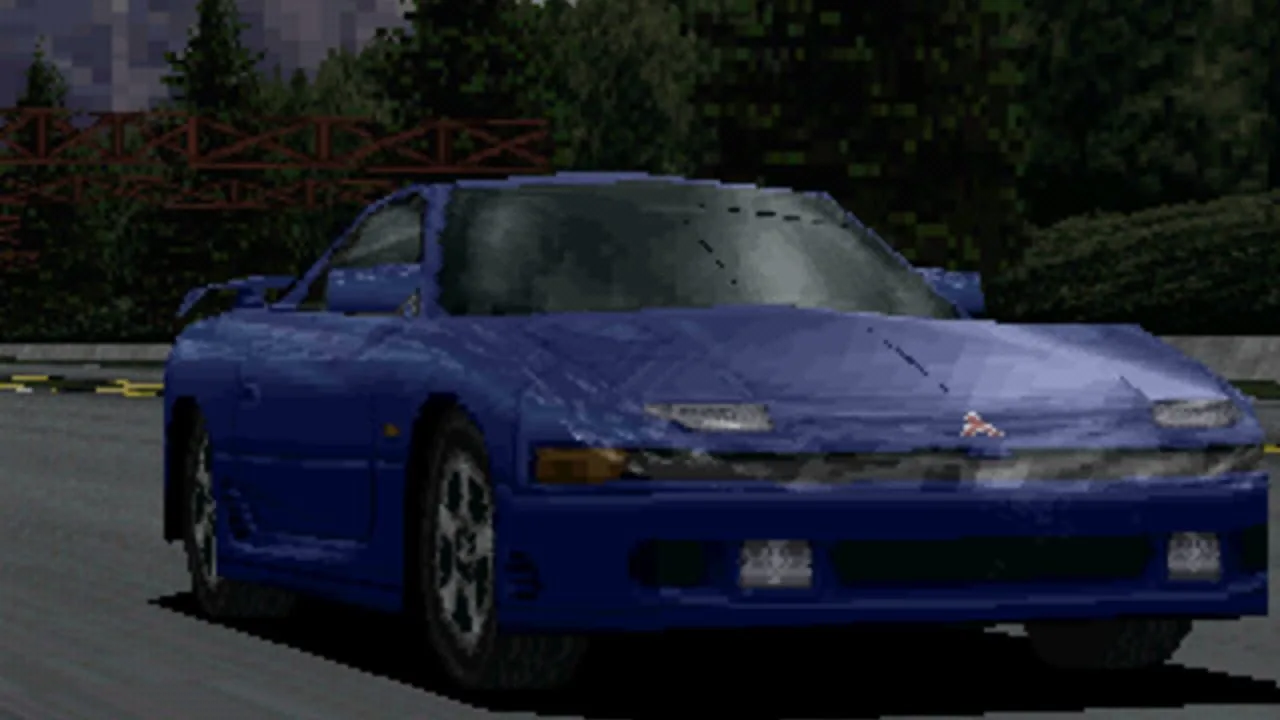
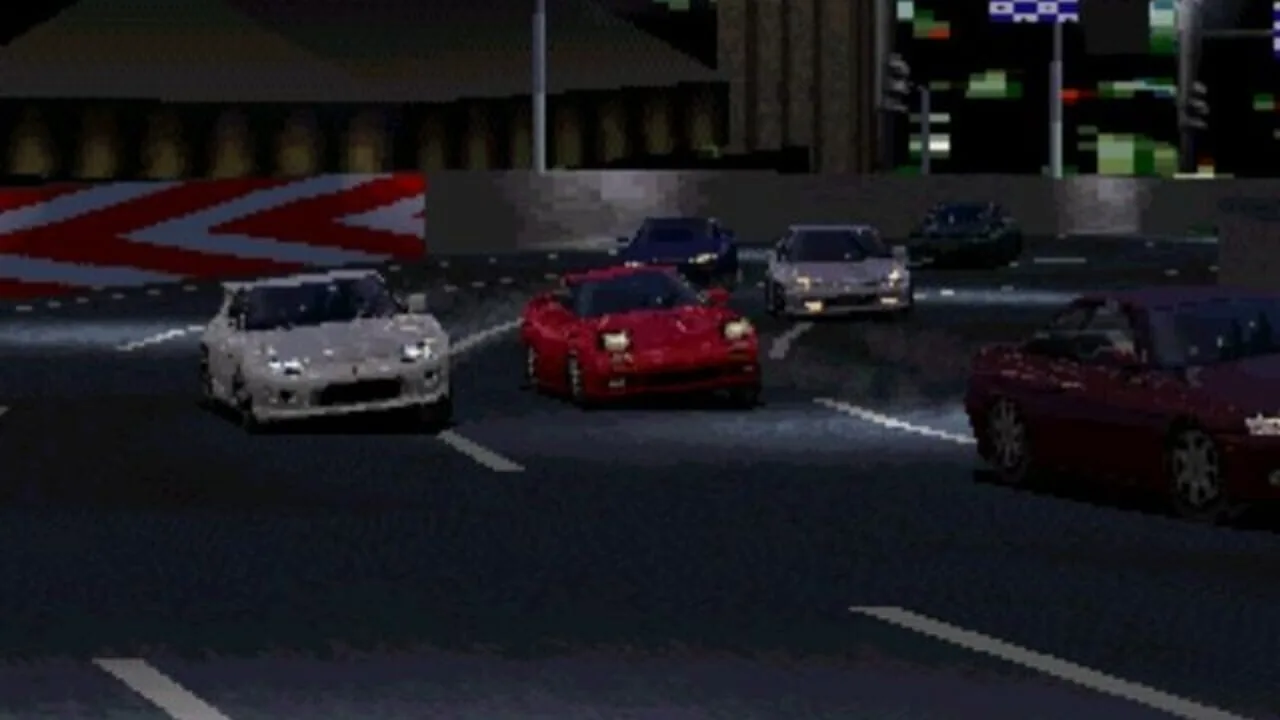
Gran Turismo is a racing game designed by Kazunori Yamauchi and is the first entry in the critically acclaimed simulator racing series bearing the same name. After five years of development time, it was well-received publicly and critically, shipping a total of 10.85 million copies worldwide as of March 2013, making it the best-selling PlayStation game. The game uses two different modes: Arcade Mode and Gran Turismo Mode. In the arcade mode, the player can freely choose the courses and vehicles they wish to use. Winning races unlocks additional cars and courses. However, Gran Turismo Mode requires the player to earn different levels of driver's licenses in order to qualify for events, and earn credits, trophies and prize cars by winning race championships. Gran Turismo features 140 cars and 11 race tracks (as well as their reversed versions).
16. Crash Team Racing (1999)
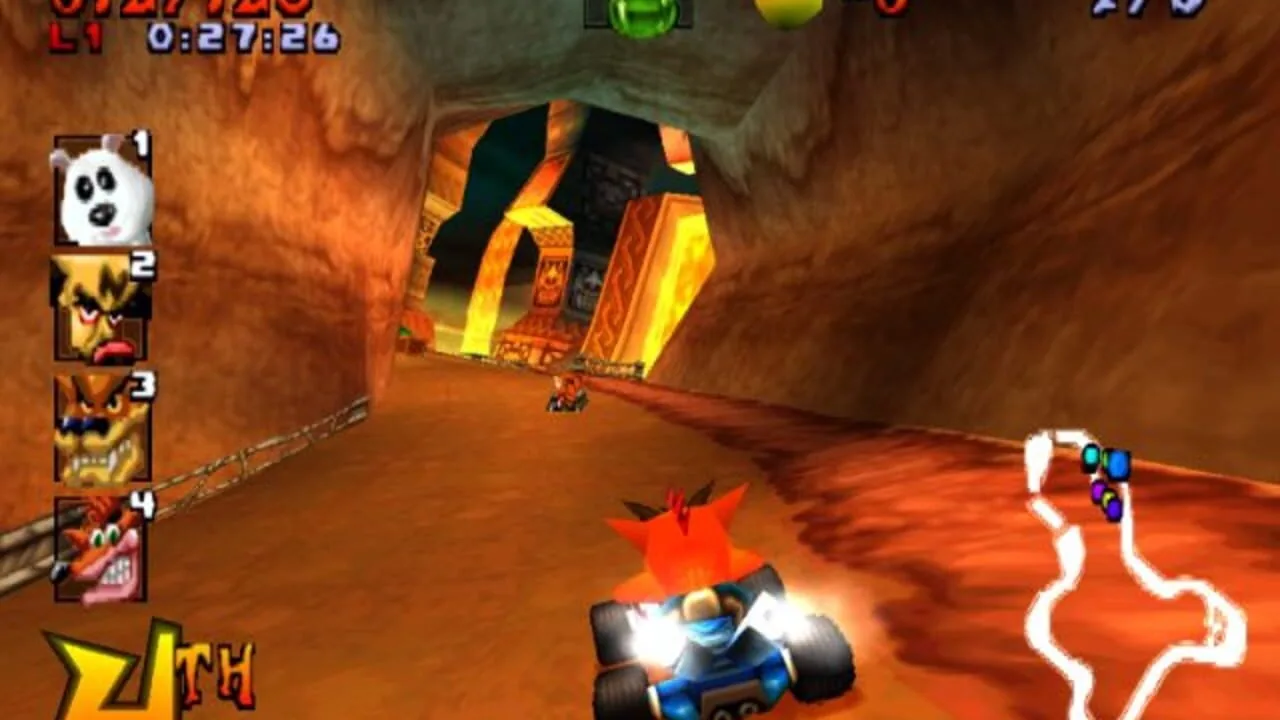
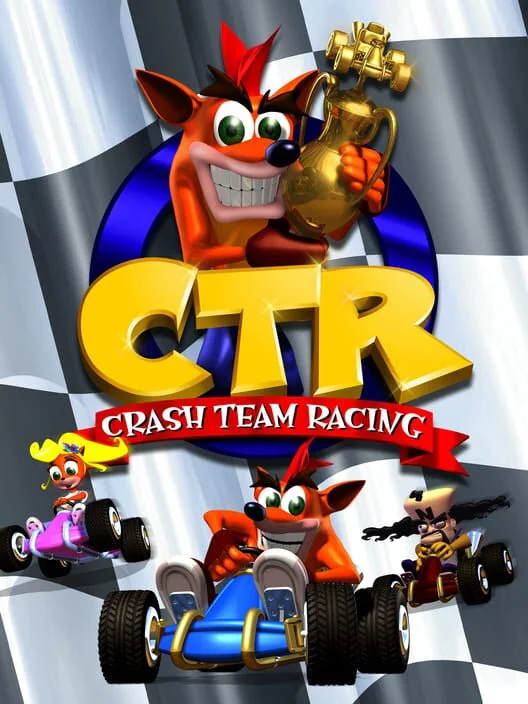
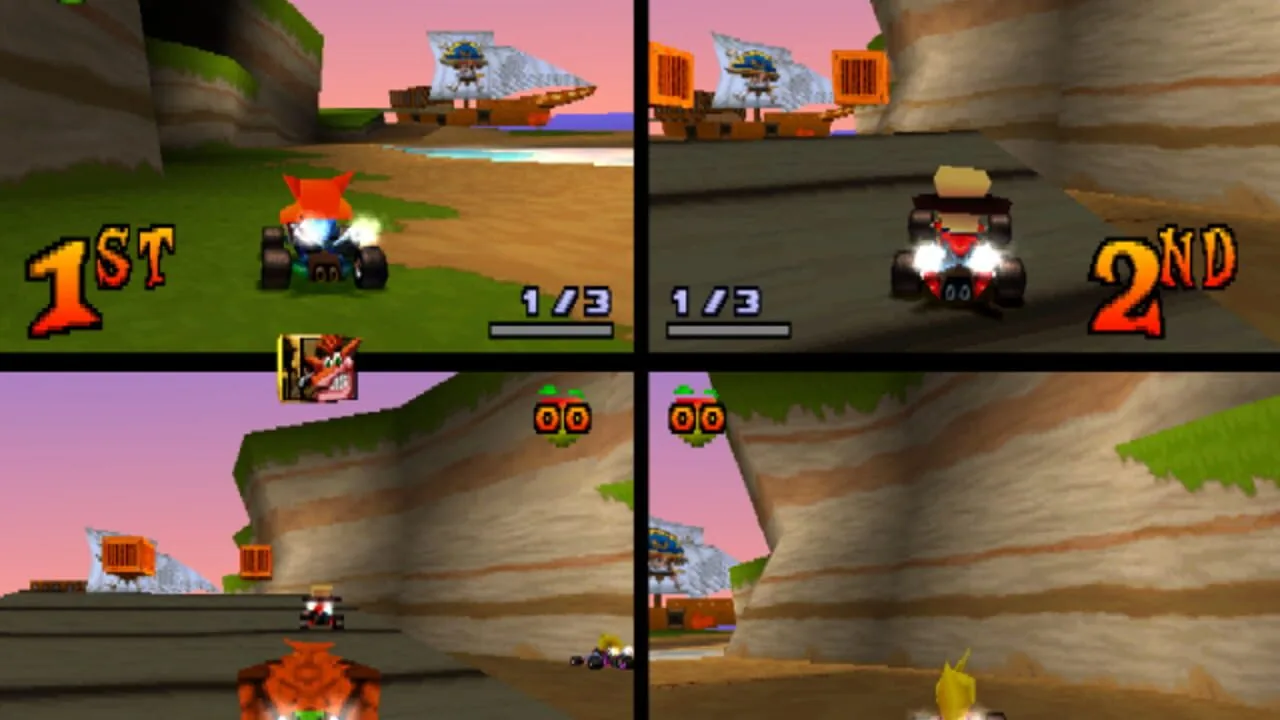
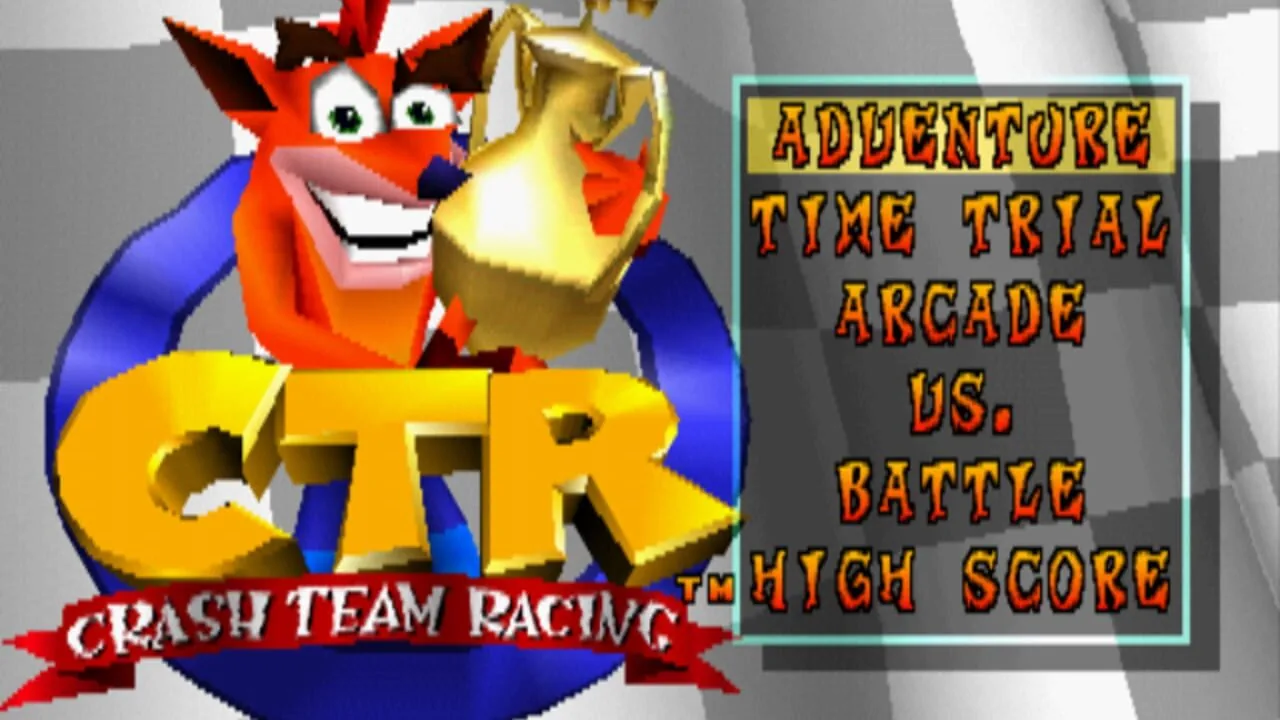
Crash Team Racing is a kart racing game featuring popular characters from the Crash Bandicoot series. The gameplay is very similar to other kart racing video games like Mario Kart: players have to choose a character and compete against the other racers on various racetracks. The story mode allows you to choose any one of the characters to complete all the main races and beat the ultimate boss Nitrous Oxide. Each of the main races are against 7 other AI competitors with 5 boss races. There are also a few arcade modes up to 4 players.
15. Resident Evil 3: Nemesis (1999)
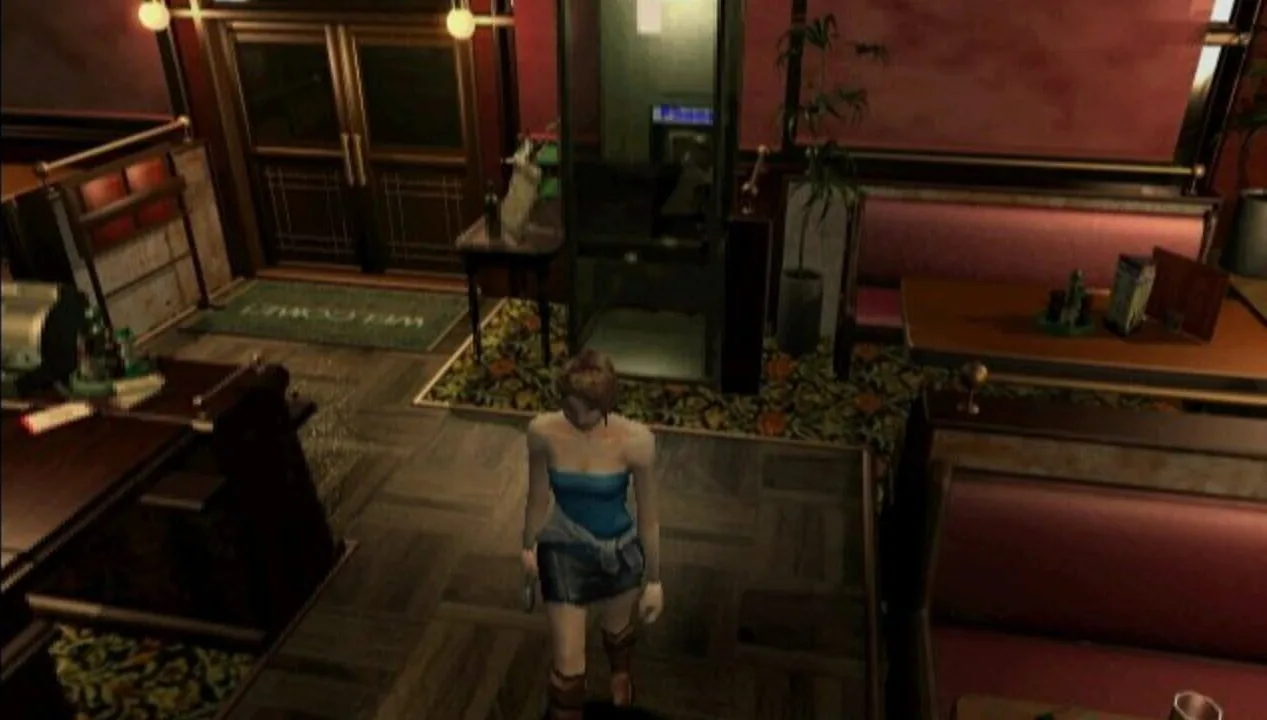
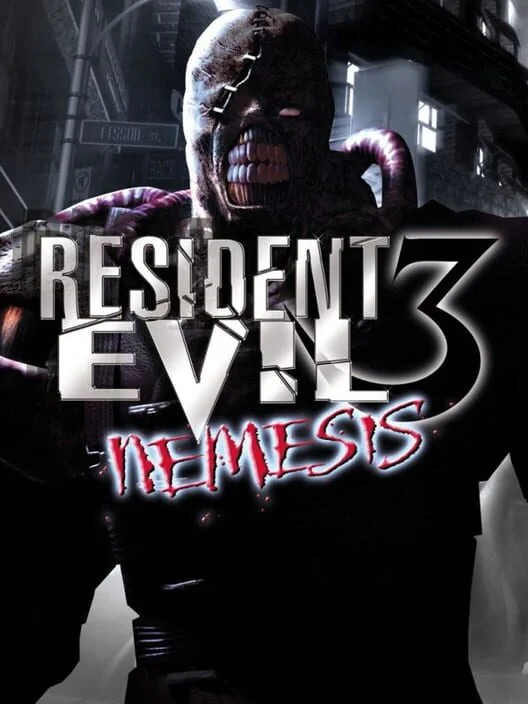
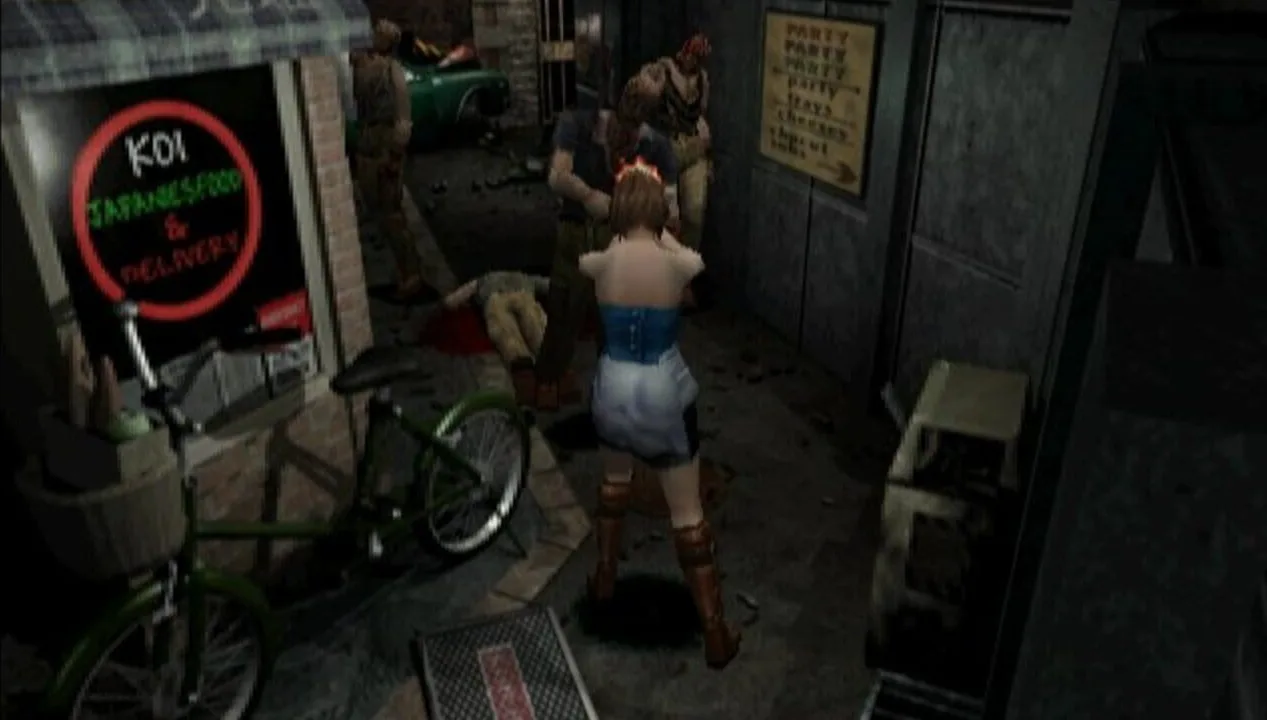
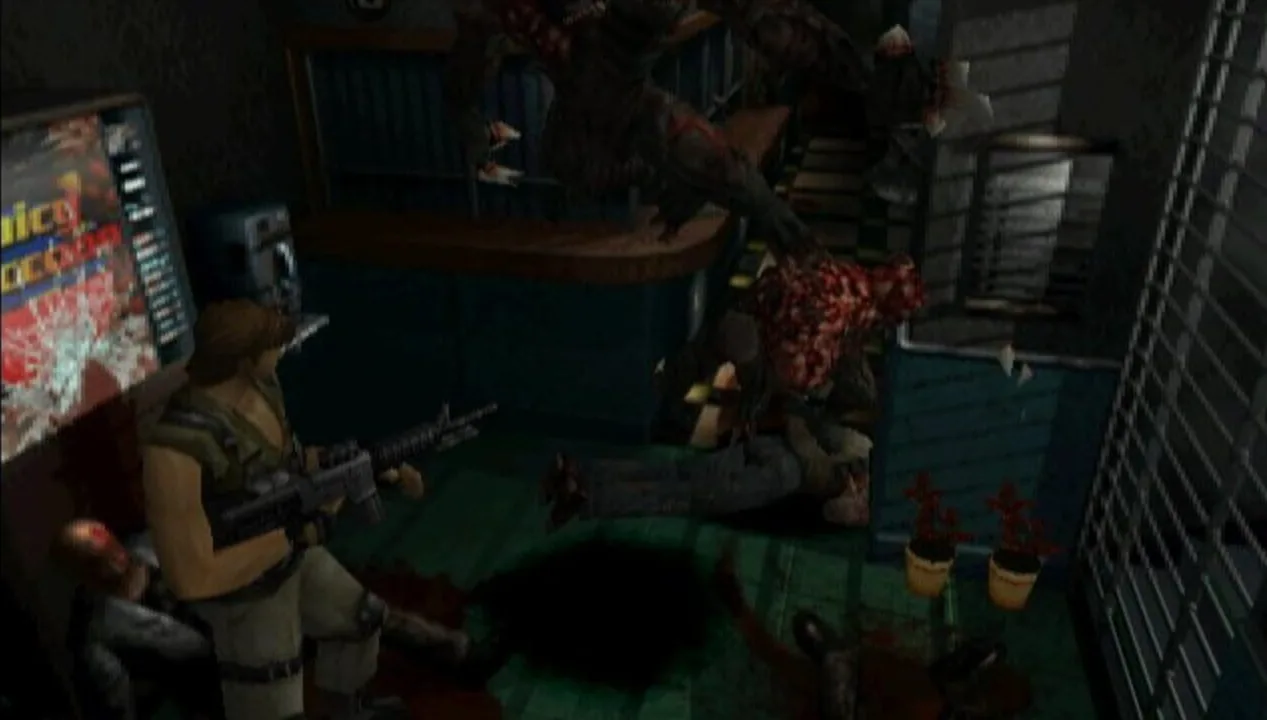
Resident Evil 3: Nemesis is a survival horror video game and the third instalment in the Resident Evil series. Like its two predecessors, it is a third-person action-adventure game with polygonal characters on pre-rendered backgrounds with cinematic camera angles. Although the game uses the same basic engine and gameplay as the previous games, the gameplay is improved by features such as auto-targeting, a 180-degree spin, and a new dodge move that allows Jill to avoid enemy attacks. The PC and Dreamcast versions include all eight of Jill's possible costumes, as well as the mercenary mini-game Operation Mad Jackal, which allows players to play as one of the three Umbrella soldiers. On the PlayStation version, these special features must be unlocked by beating the game with a high score.
14. Xenogears (1998)
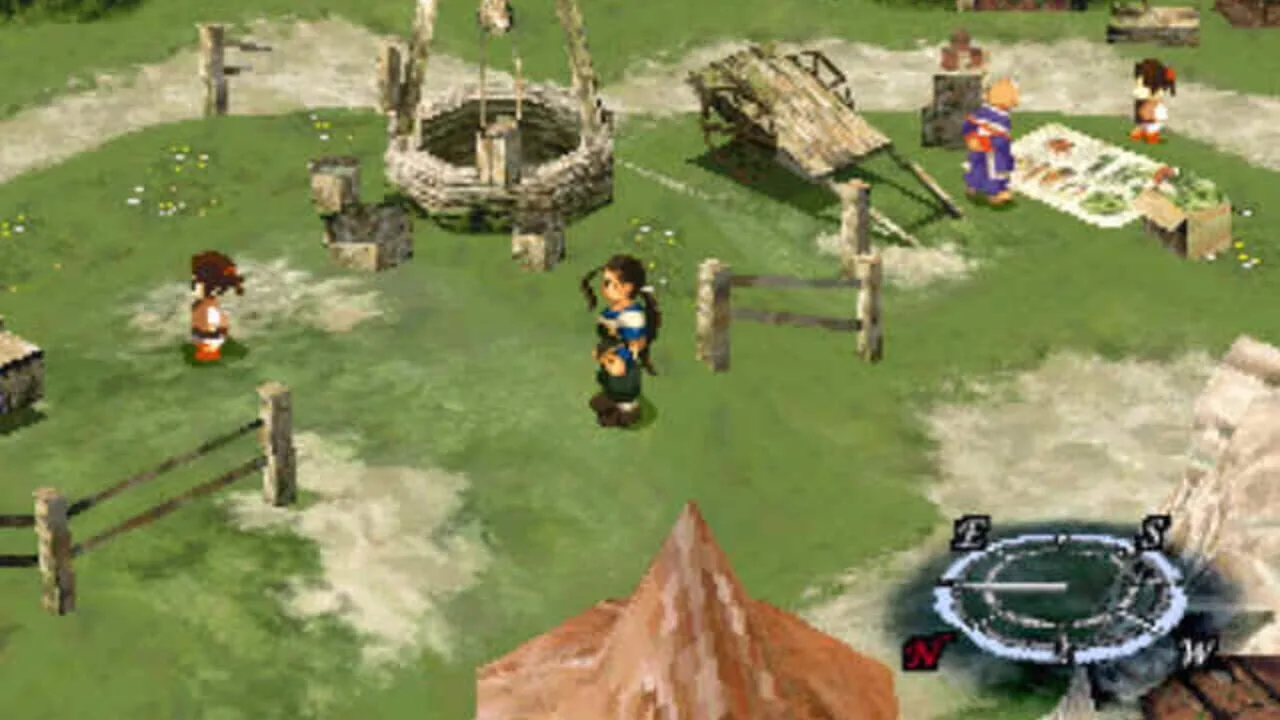
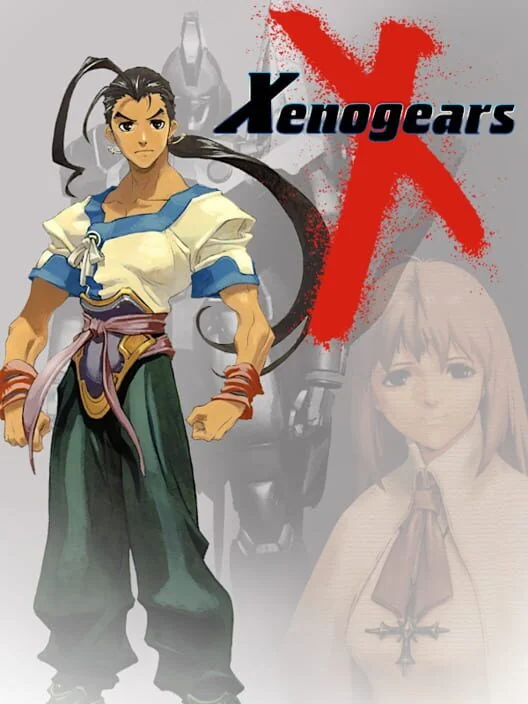
Xenogears Blends Authentic RPG Gameplay with Exquisite Hand-Drawn and Computer-Generated Animation in a Grand Science Fiction Tale. An intricate storyline involving many human and non-human characters will prove to captivate audiences of all ages.
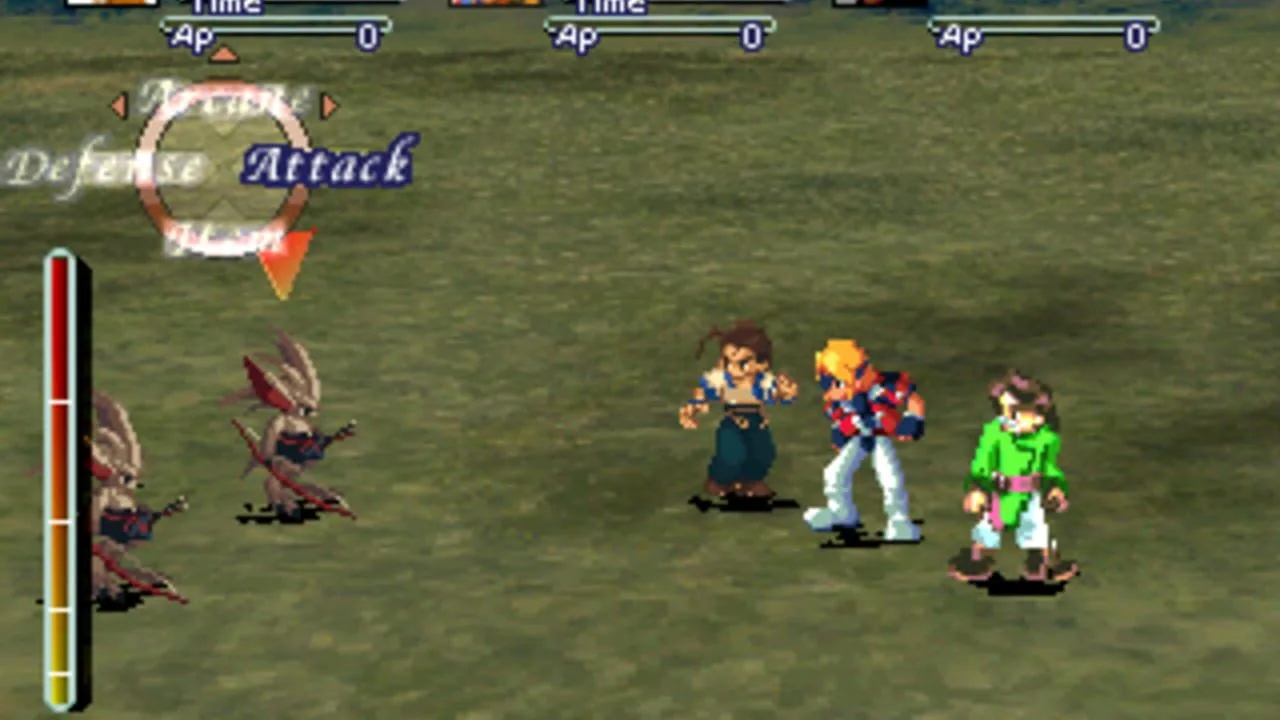
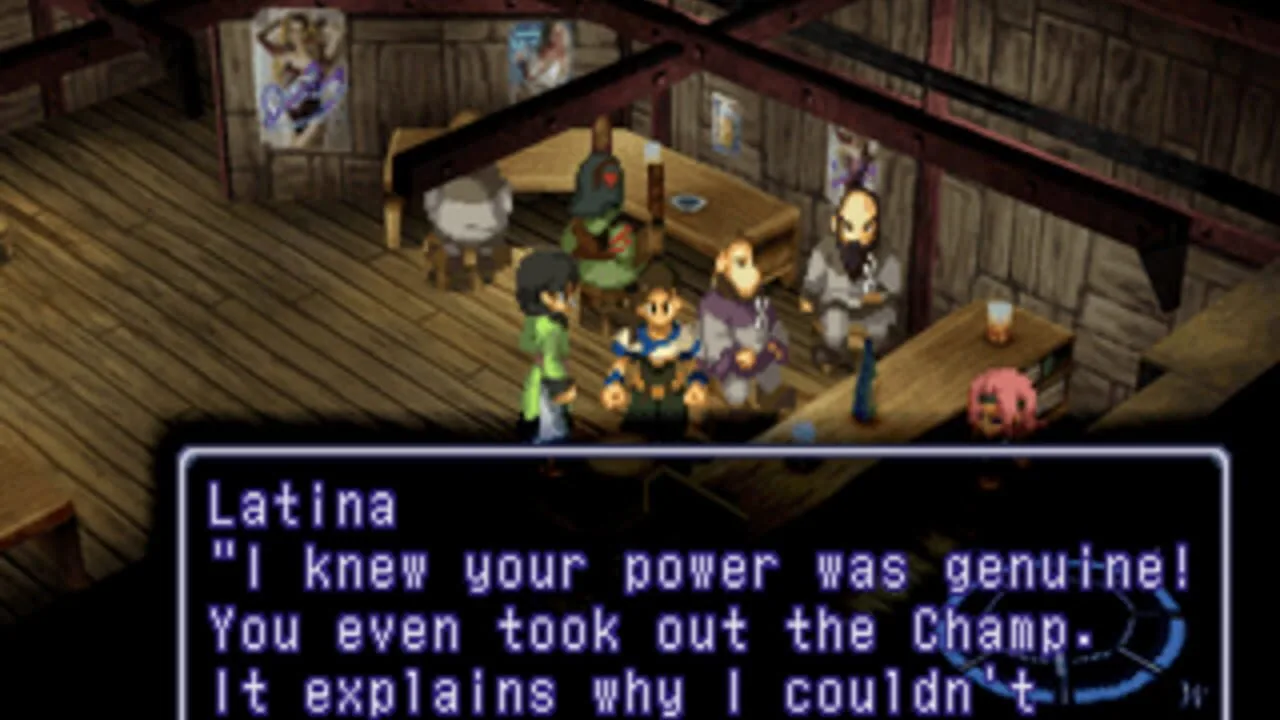
Players can rotate the amazingly detailed 3D gameplay maps 360 degrees, and have the ability to navigate around the environment by jumping and climbing. In battle, mega-robots can be controlled, adding great variety to play. A new real-time combat system eliminates restrictive menus, using button commands to provide fast-paced, intuitive action. Players can wield dramatic magical spells or engage in real-time polygonal robot vs. robot battles. Combined with dynamic camera angles and intense lighting effects, Xenogears is an experience that won't be forgotten.
13. Tomb Raider (1996)
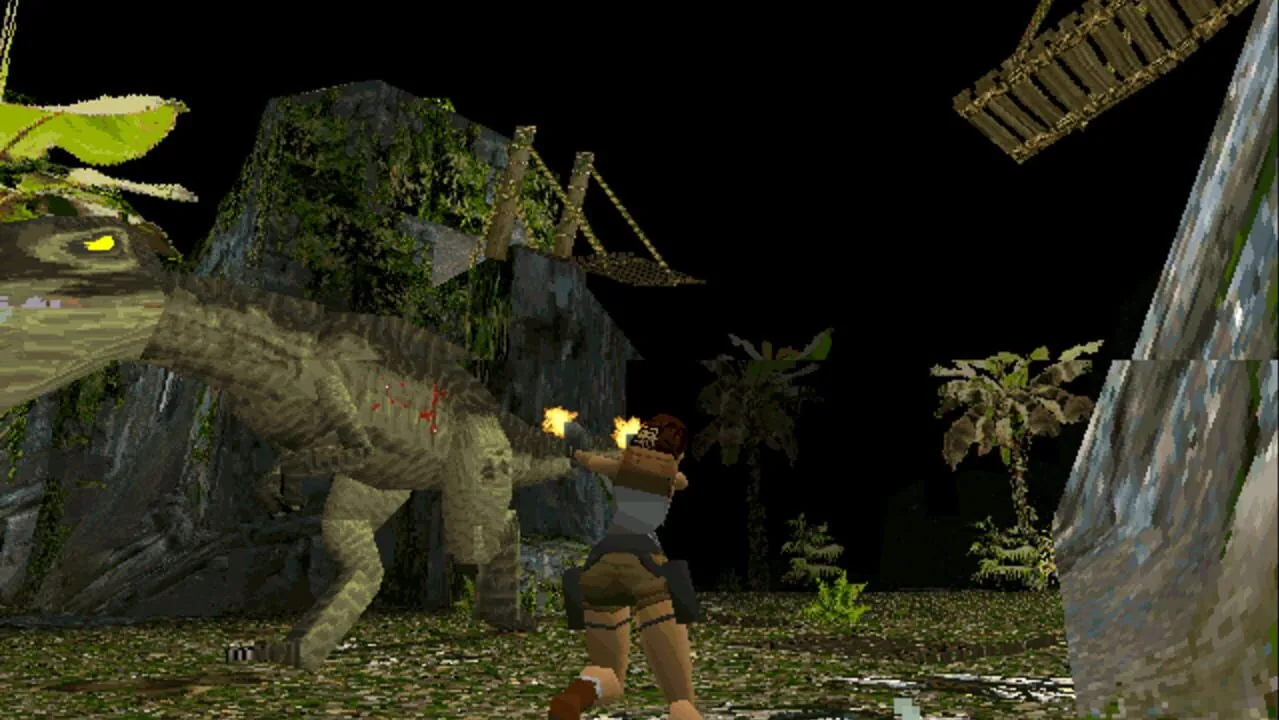
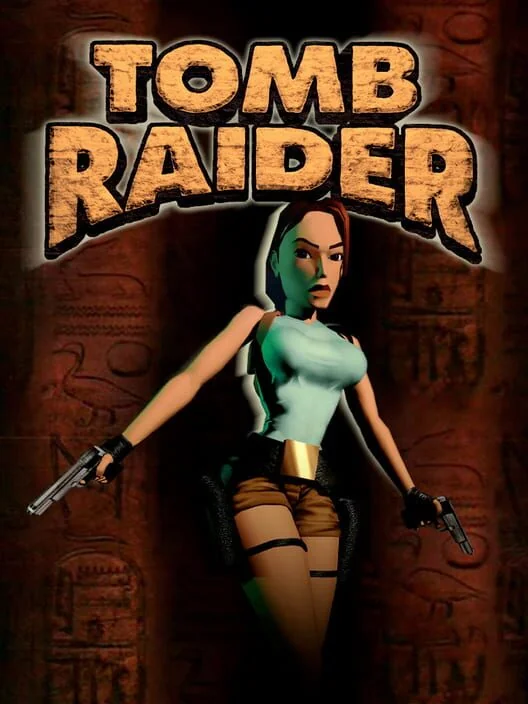
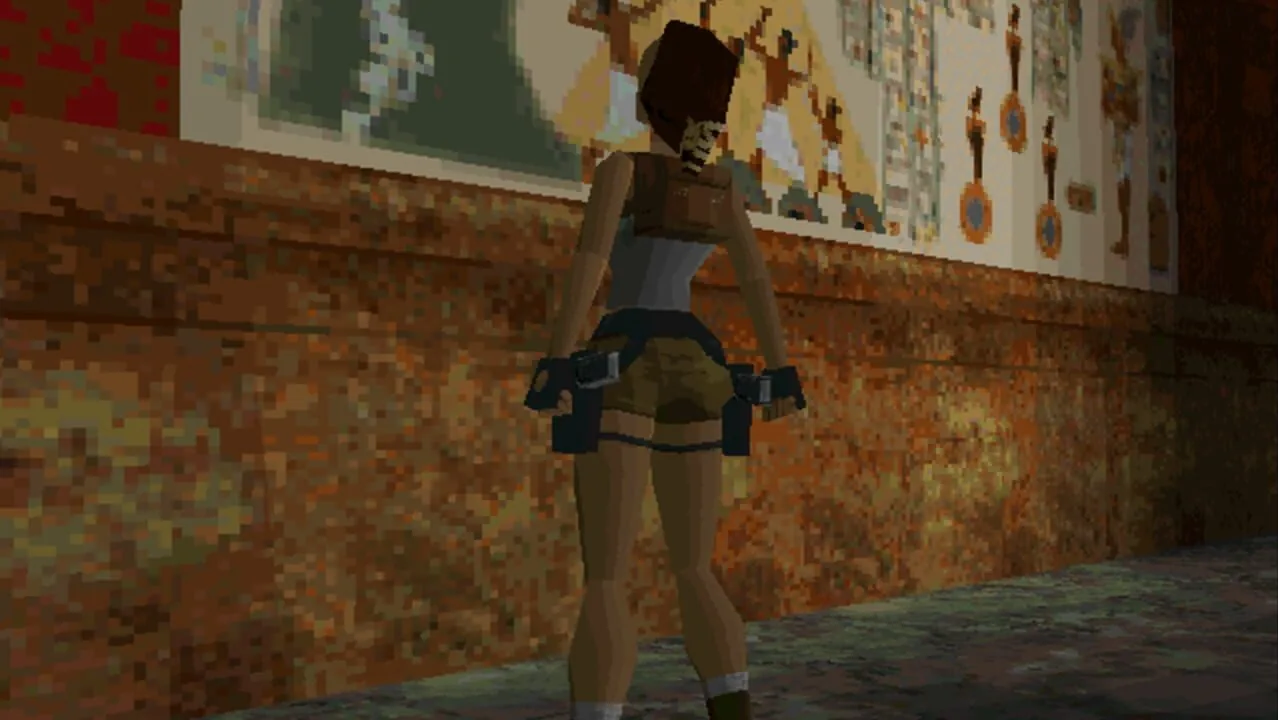
Tomb Raider is a 3D action game developed by Core Design and published by Eidos Interactive. The game follows the exploits of Lara Croft, a British female archaeologist in search of ancient treasures.
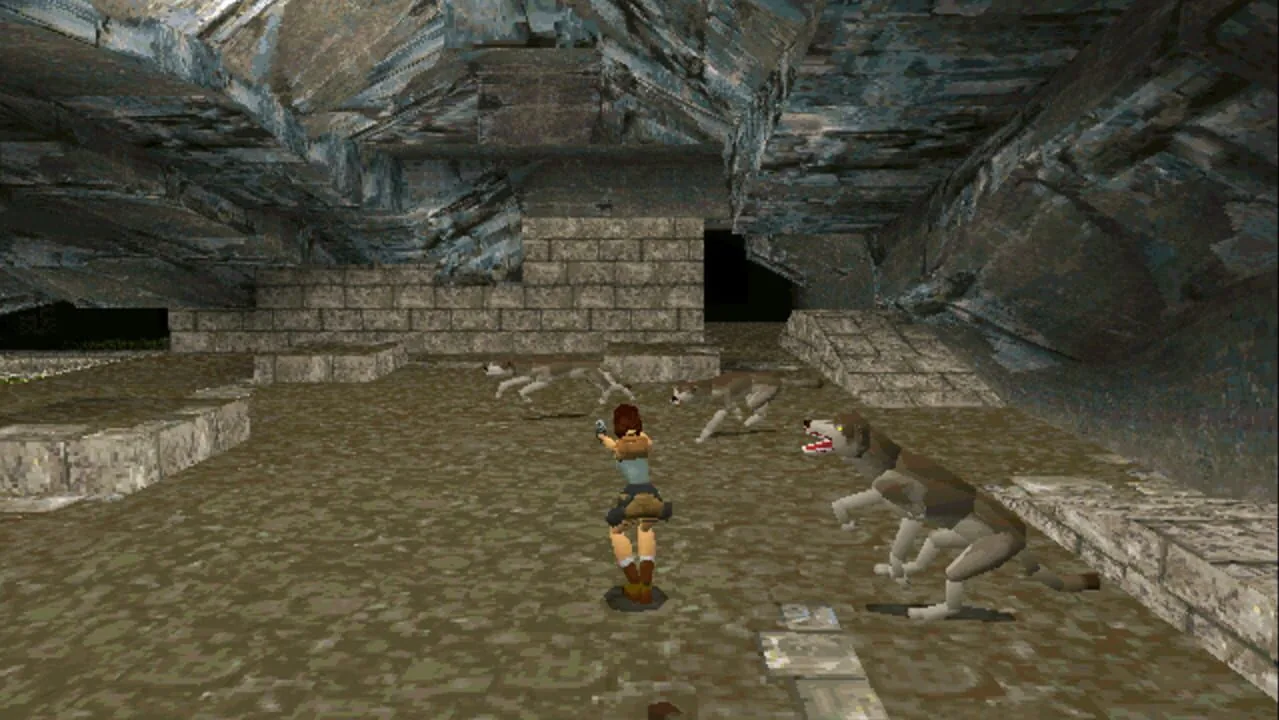
The objective of Tomb Raider is to guide Lara through a series of tombs and other locations in search of treasures and artifacts. On the way, she must kill dangerous animals and other creatures, while collecting objects and solving puzzles to gain access to an ultimate prize, usually a powerful artifact.
The game was critically acclaimed and widely influential, it spawned a number of sequels and a franchise of related media.
12. Final Fantasy VIII (1999)
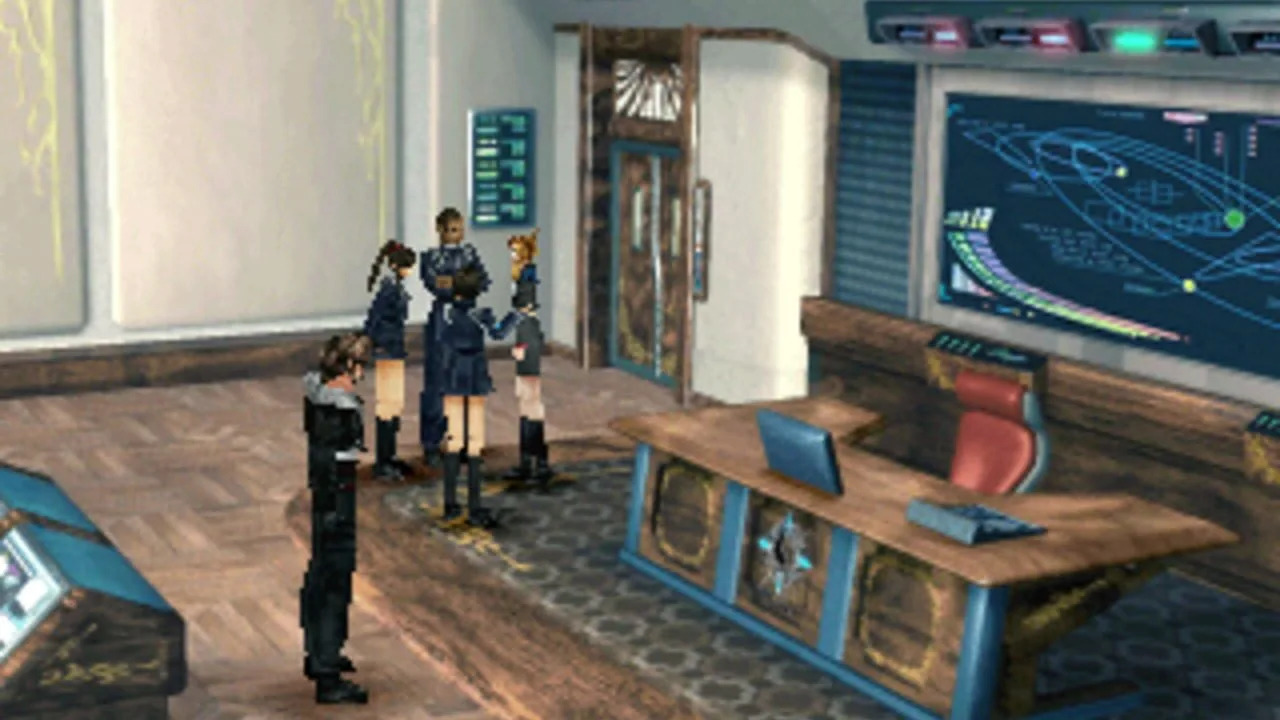
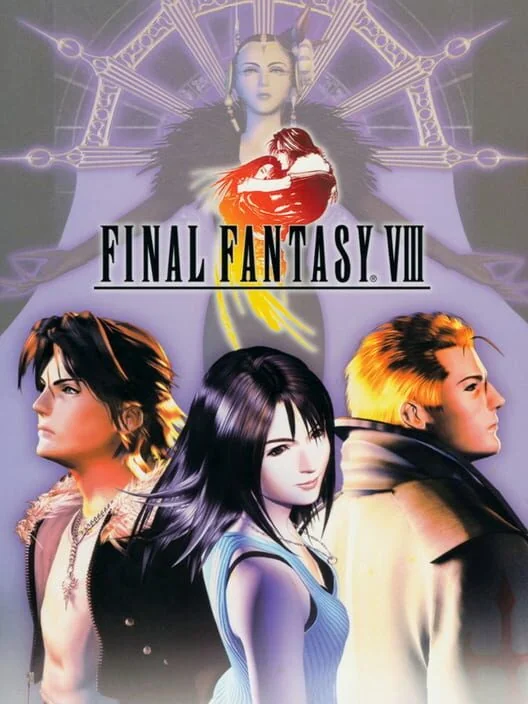
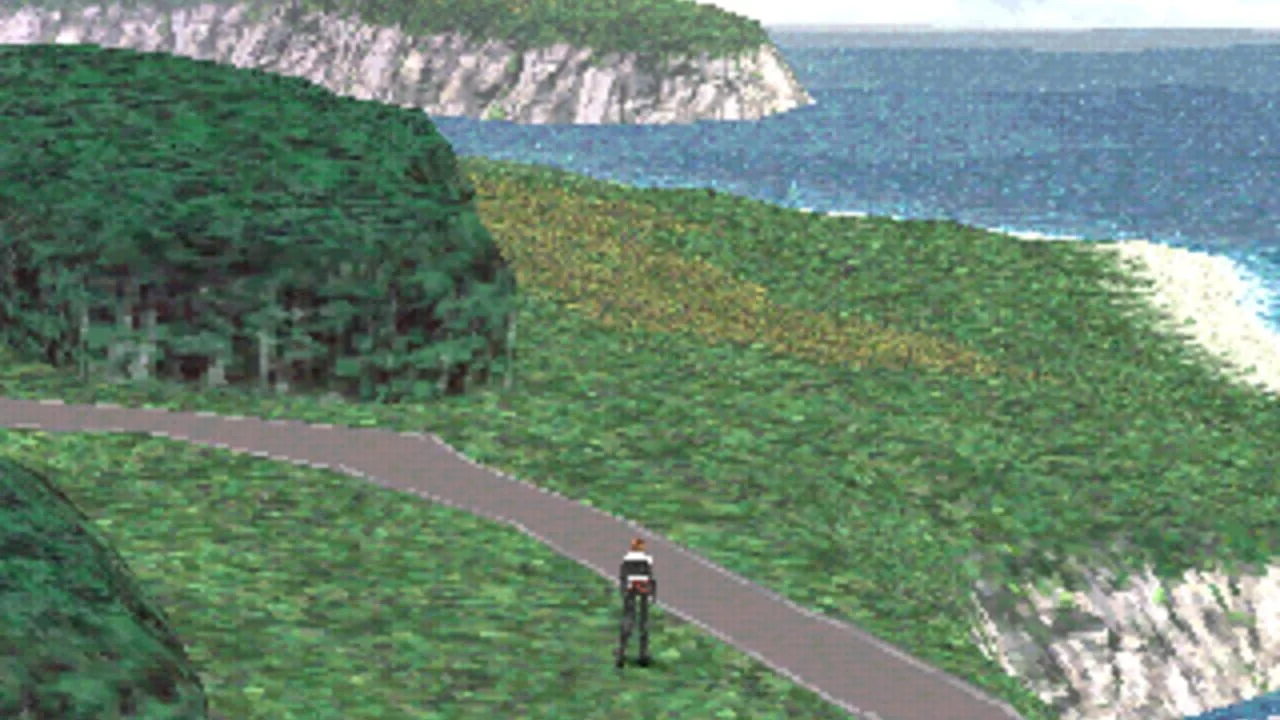
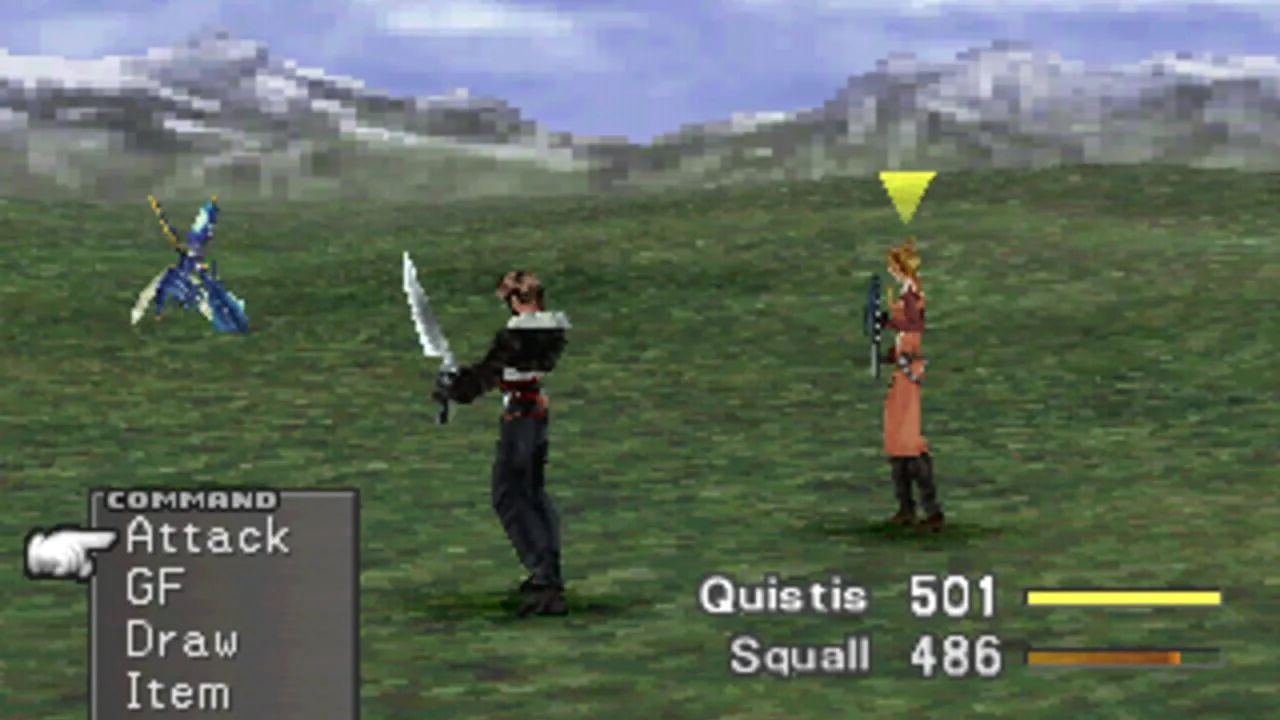
Final Fantasy VIII is the eighth main installment in the Final Fantasy series. The gameplay makes a departure from many series standards. While it still uses the Active Time Battle system, it deviates from the series' traditional means of boosting a character's power via leveling, although levels are not completely abandoned as they were in Final Fantasy II. In addition, it does not have a Magic Point-based system for spell-casting. Instead, magic is collected, drawn, and created from items, and is used to power up the characters via the junction system.
11. Gran Turismo 2 (1999)
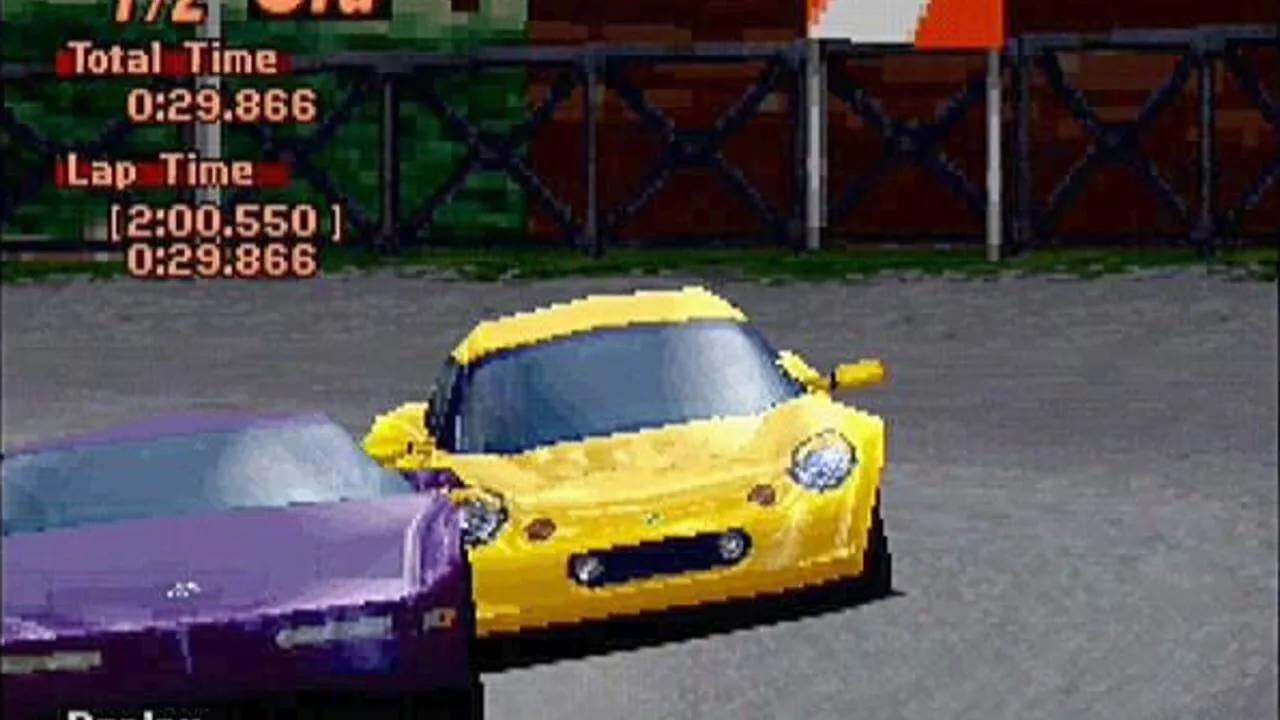
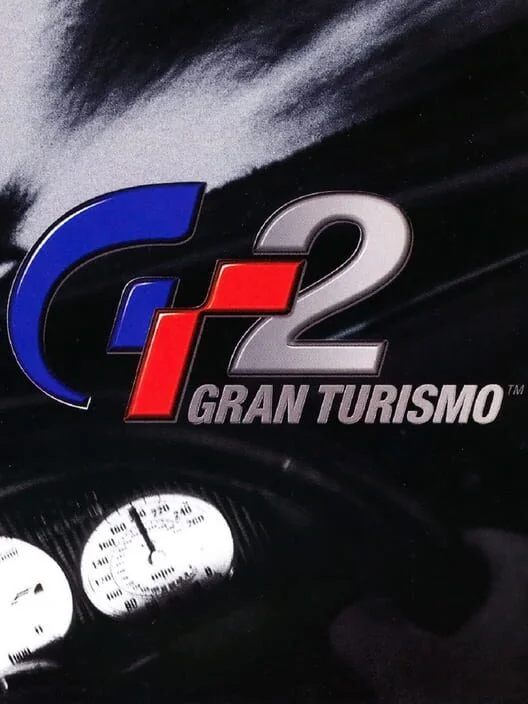
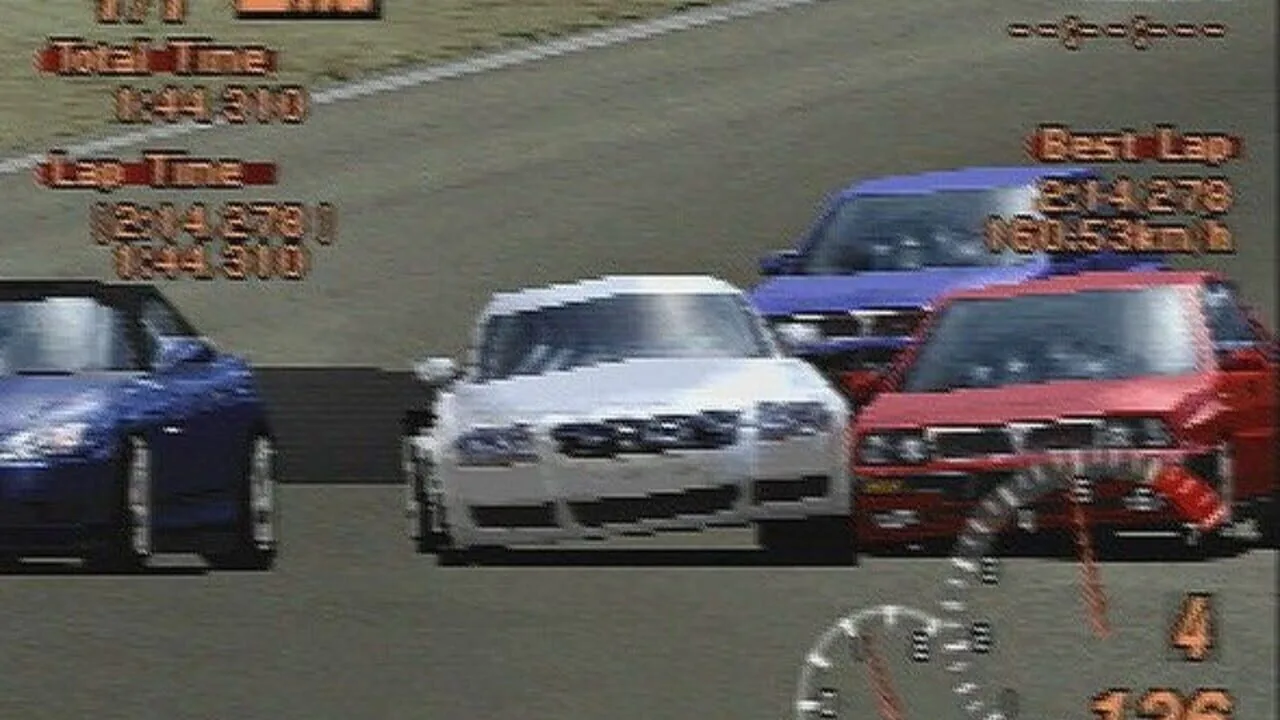
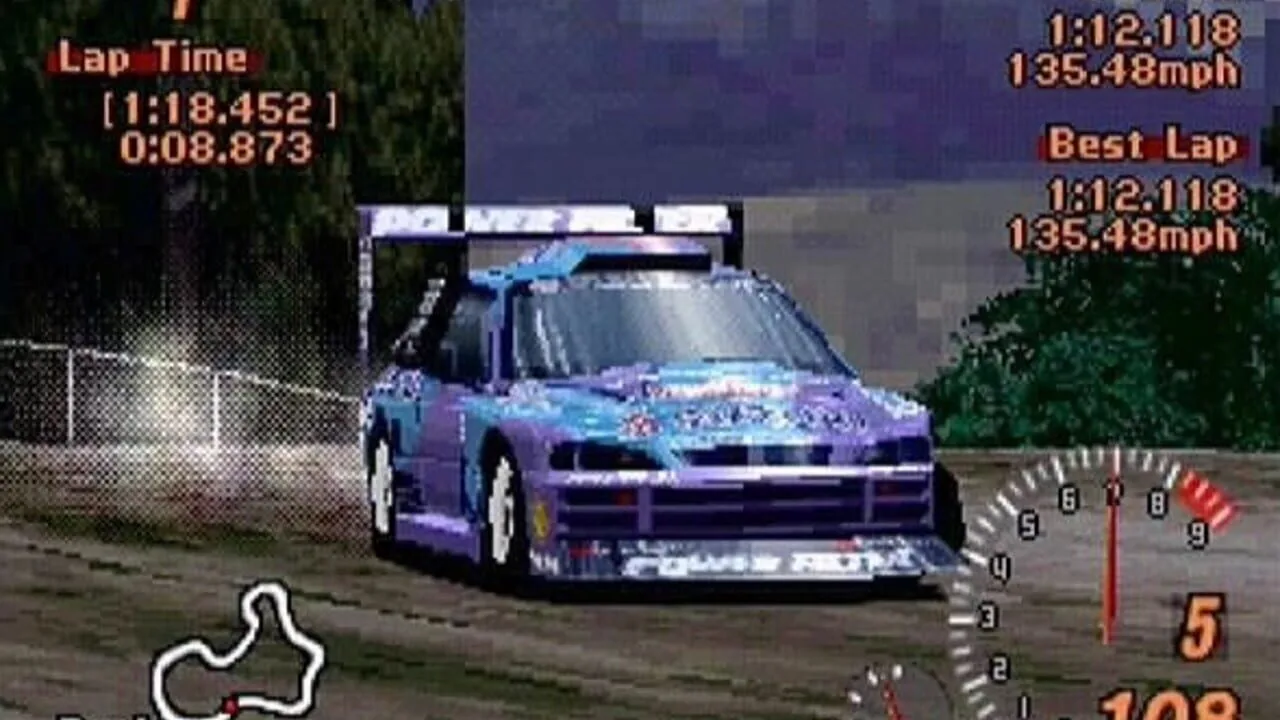
Gran Turismo 2 is a racing game for the Sony PlayStation and the sequel to Gran Turismo. The game uses two different modes: Arcade Mode and Gran Turismo Mode. In the arcade mode, the player can freely choose vehicles they wish to use, and can enable damage. However, the Gran Turismo Mode requires the player to earn driver's licenses, pay for vehicles, and earn trophies in order to unlock new courses. Gran Turismo 2 features nearly 650 automobiles and 27 racing tracks, including rally tracks. Compared with Gran Turismo, the gameplay, physics and graphics are very similar. The major changes are the vastly expanded number of cars, tracks and races in simulation mode. Other differences include that the player can race events separately, if they don't want to enter the whole tournament. The player is no longer able to "qualify" for each race entered.
10. Parasite Eve (1998)
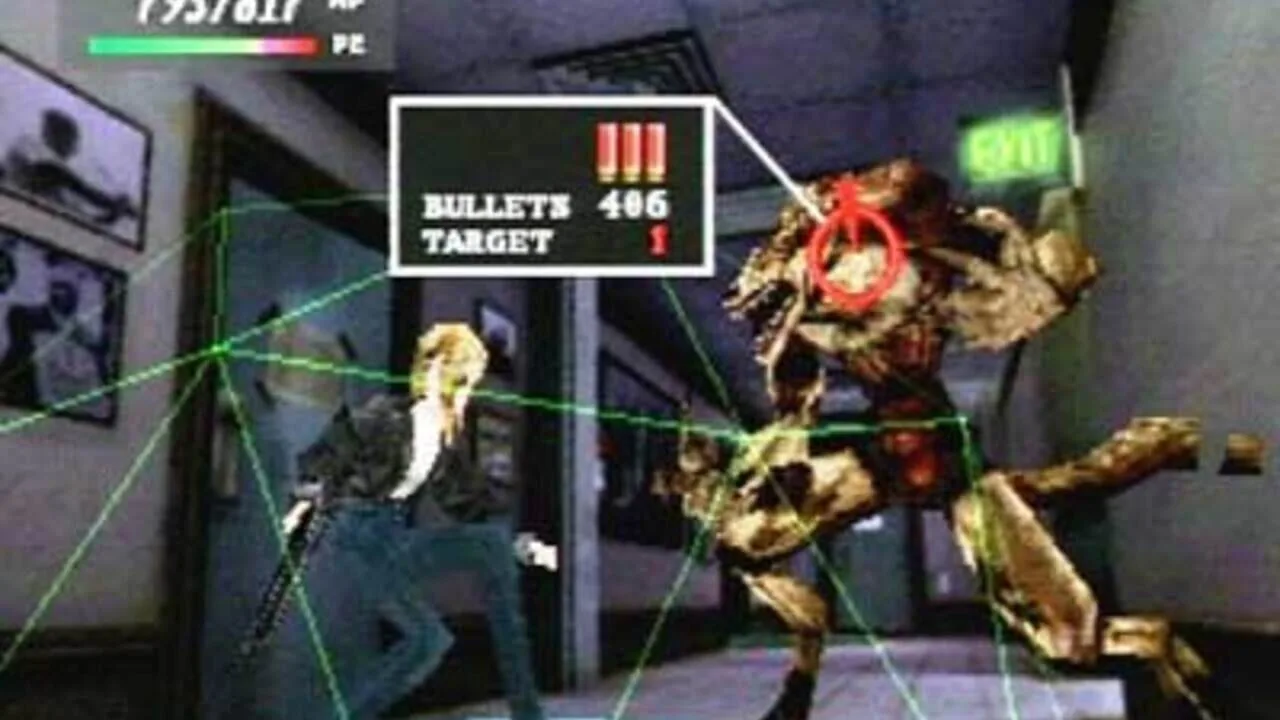
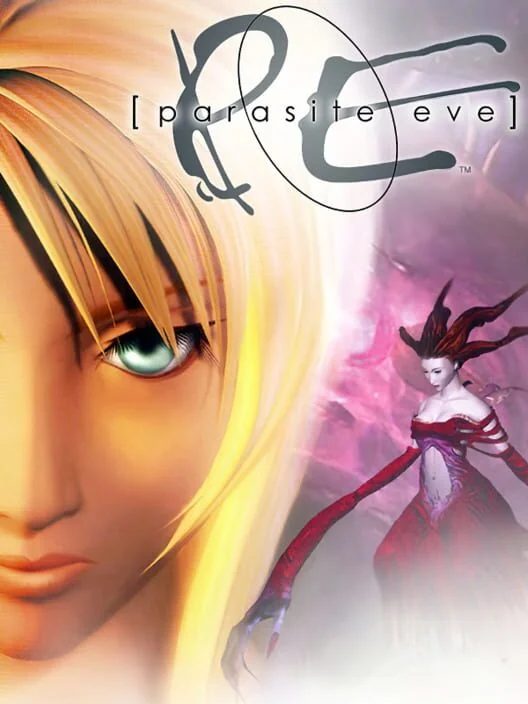
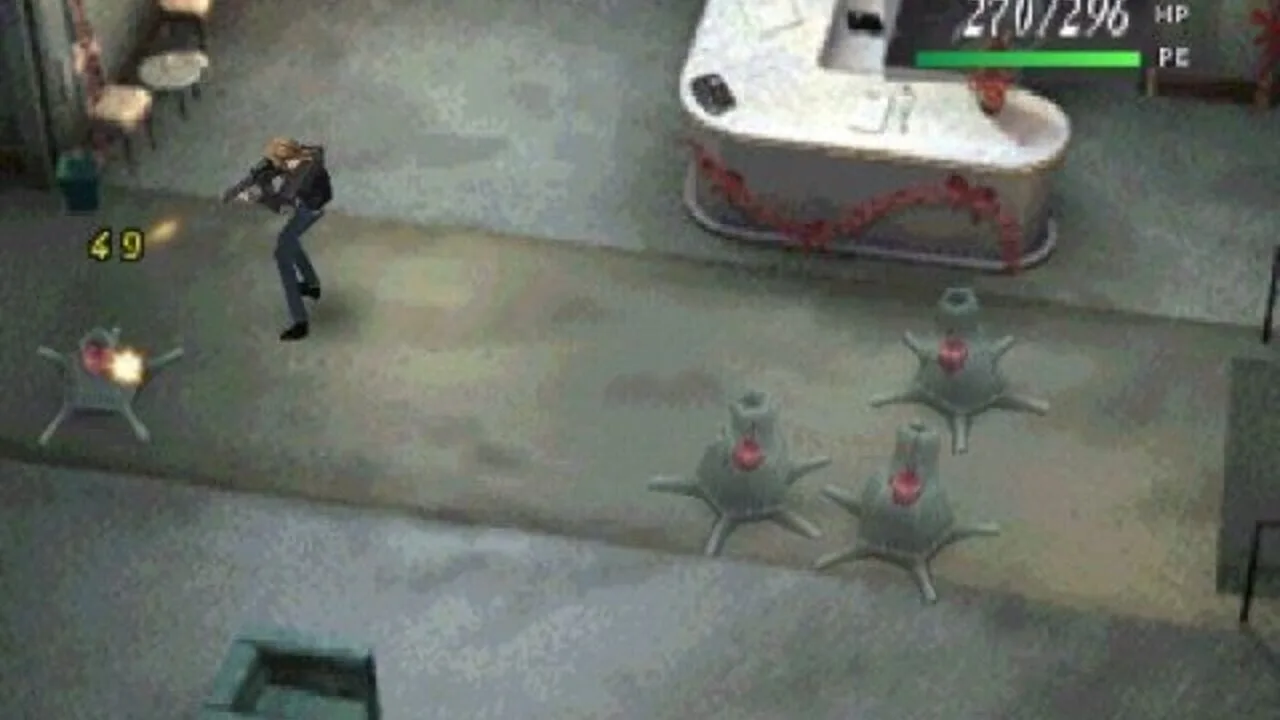
Parasite Eve is a survival horror role-playing video game developed and published by SquareSoft (now Square Enix) for the Sony PlayStation console. The game follows the story of Aya Brea, a rookie NYPD officer who becomes embroiled in a series of bizarre and deadly events related to a genetic mutation known as mitochondria. The game combines elements of horror, science fiction, and RPG gameplay, featuring real-time battles, exploration, puzzle-solving, and character development. The game's plot is inspired by the novel of the same name by Hideaki Sena, and its gameplay mechanics were influenced by the Final Fantasy series. Parasite Eve was critically acclaimed upon its release in 1998, and is widely regarded as a classic of the survival horror genre.

9. Crash Bandicoot (1996)
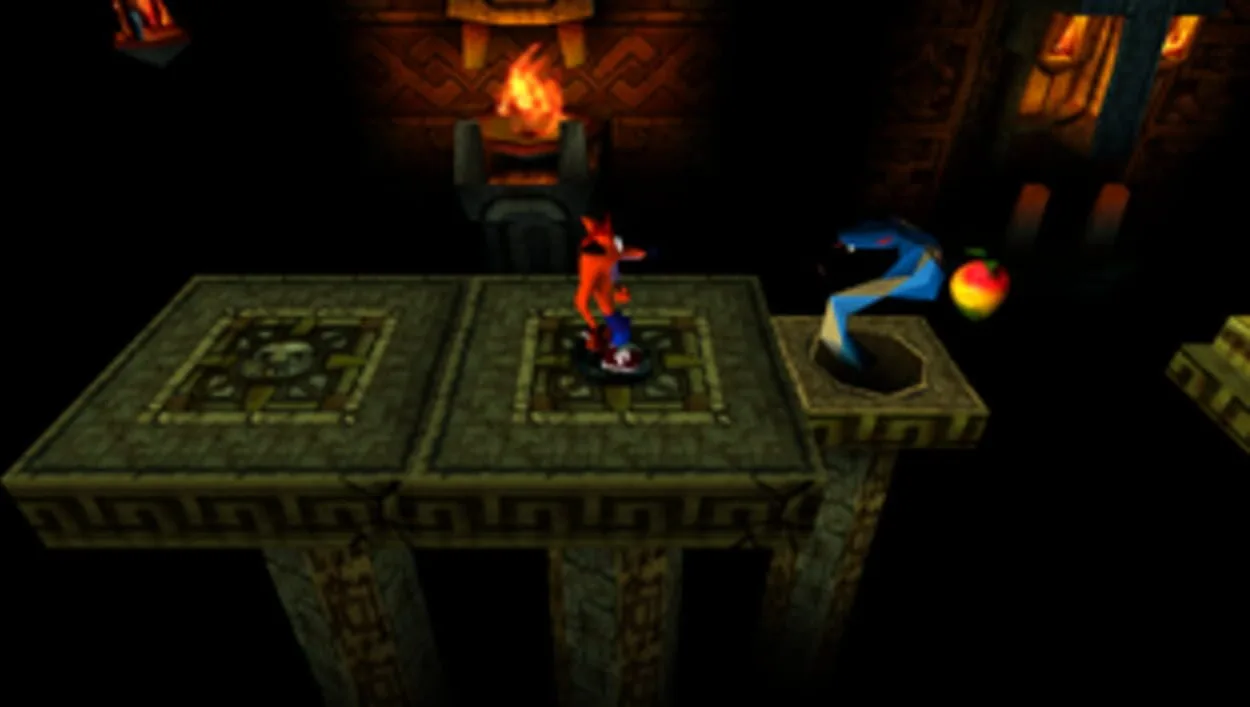
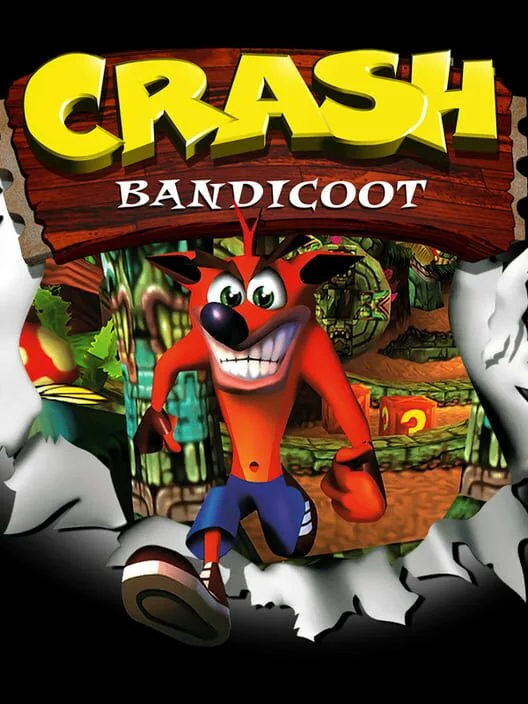
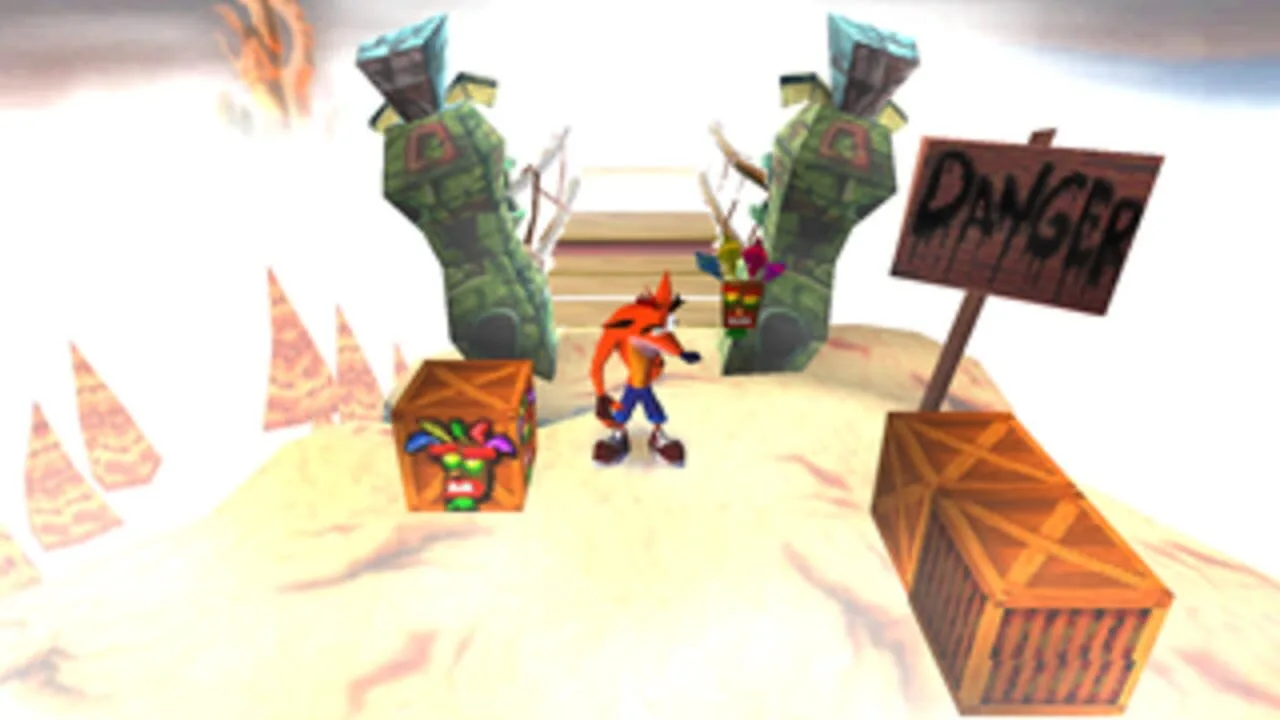
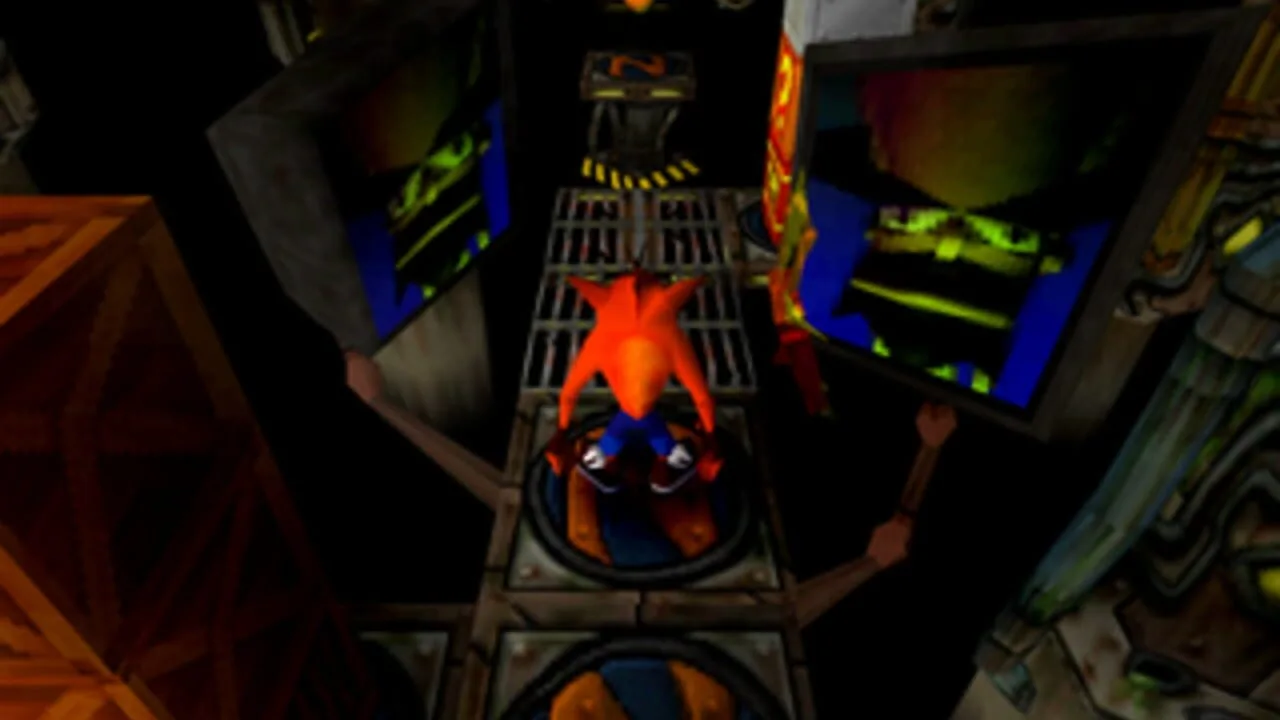
Crash Bandicoot is the first installment in the Crash Bandicoot series that established Naughty Dog's reputation in the video game industry. Its premises chronicle the creation of the titular Crash, a bandicoot who has been uplifted by the mad scientist Doctor Neo Cortex. The goal of Crash Bandicoot is to traverse several levels in sequence in order to progress. The game is played from a third-person perspective in which the camera trails behind Crash, though some levels showcase forward-scrolling and side-scrolling perspectives. Crash is able to defeat enemies by either jumping on them or using a spinning attack that launches them.
8. Final Fantasy IX (2000)
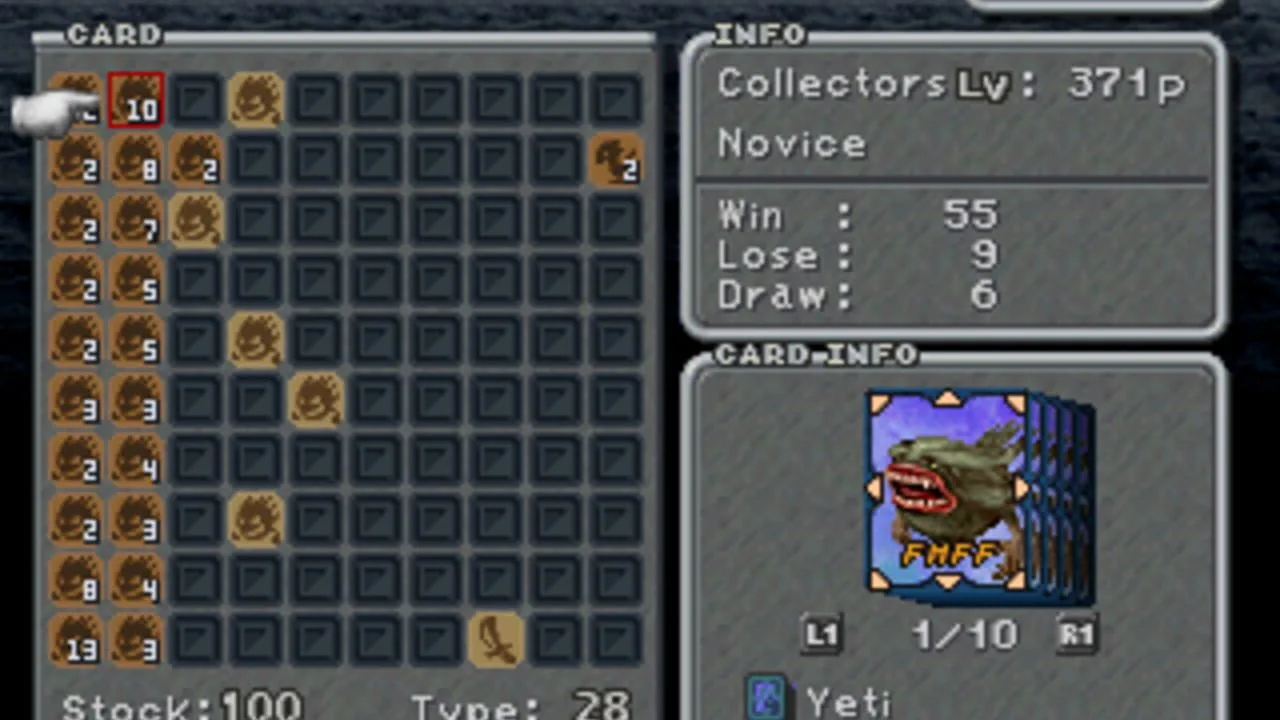
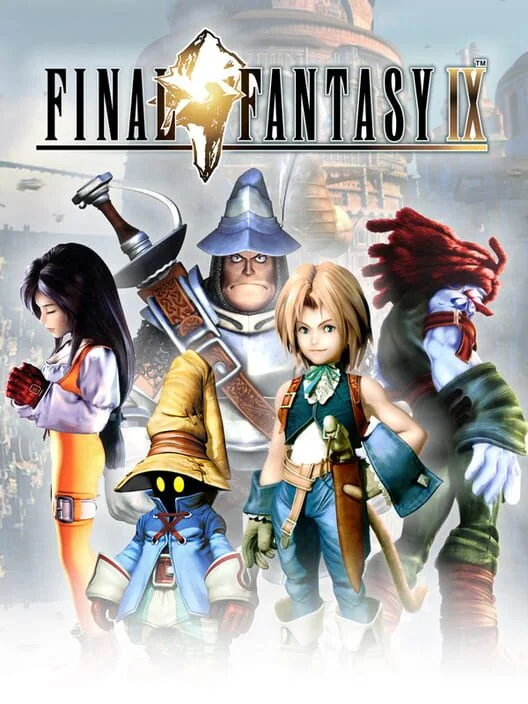
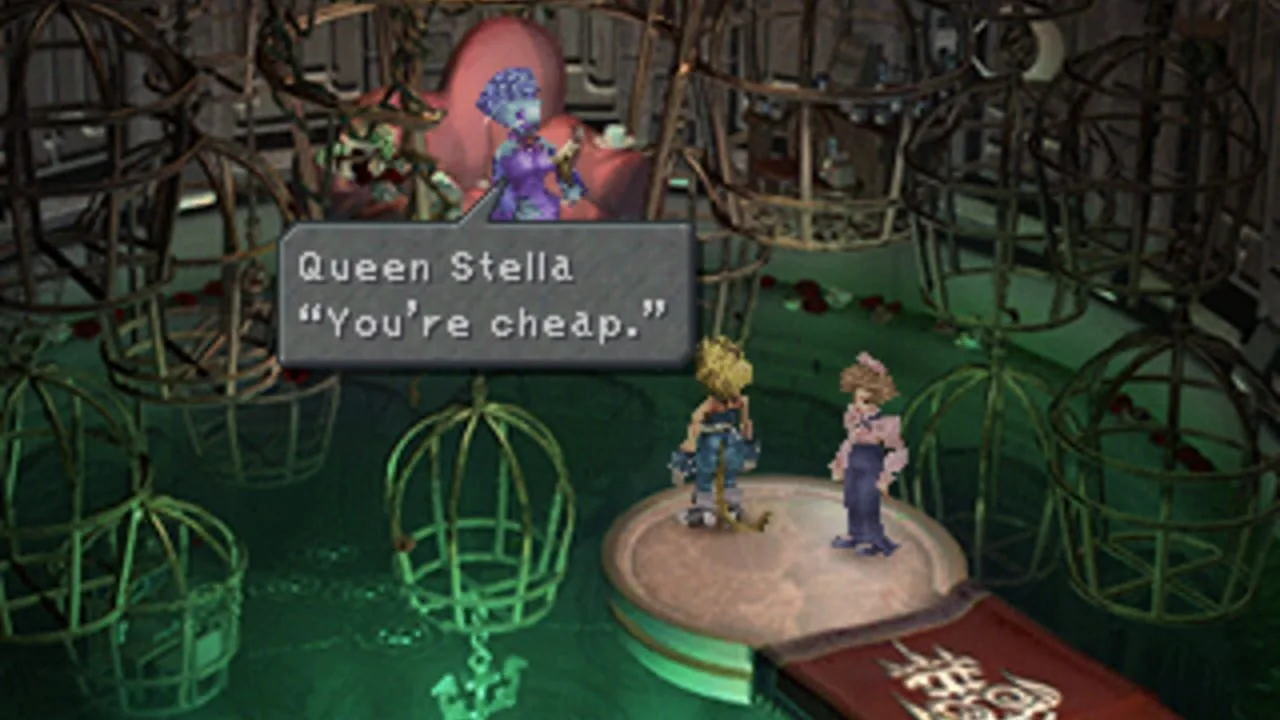
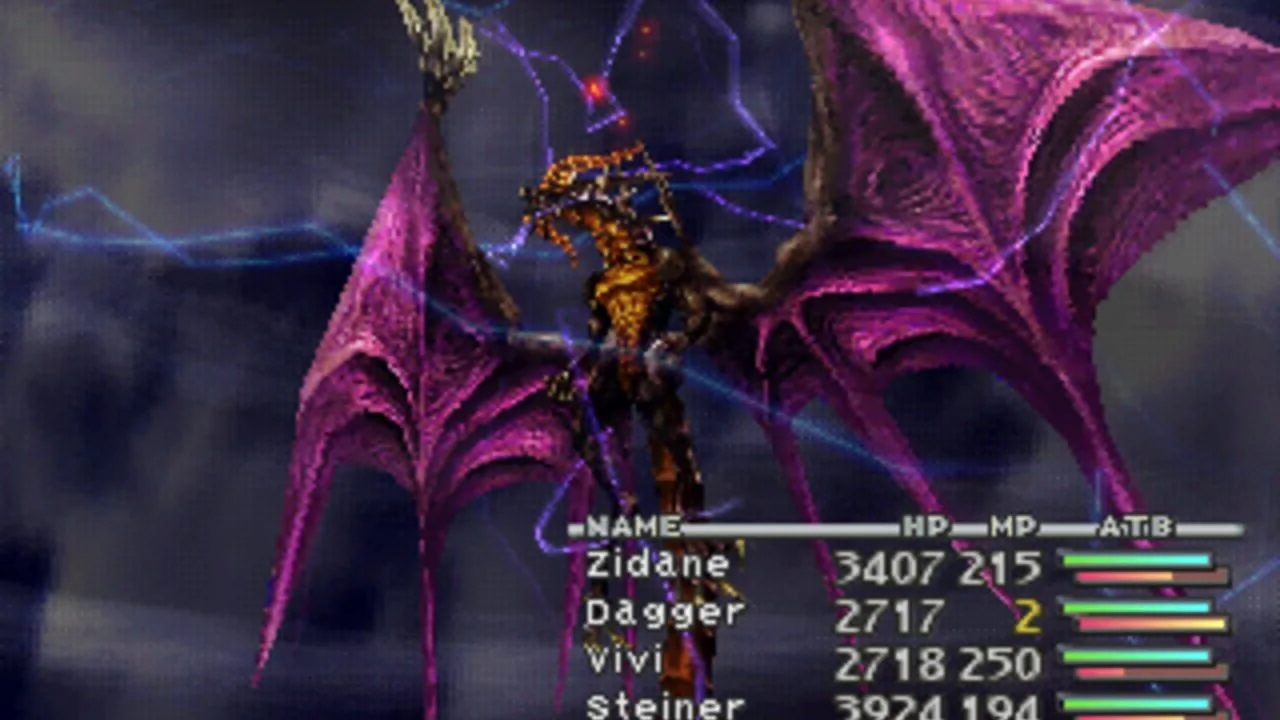
Final Fantasy IX is the ninth main installment in the FF series. The title is a return to the series's roots, with gameplay features and references to the past games featuring throughout, as well as a medieval fantasy setting and cartoonish art style as a break from the sci-fi slant style of Final Fantasy VII and Final Fantasy VIII.
7. Resident Evil (1996)
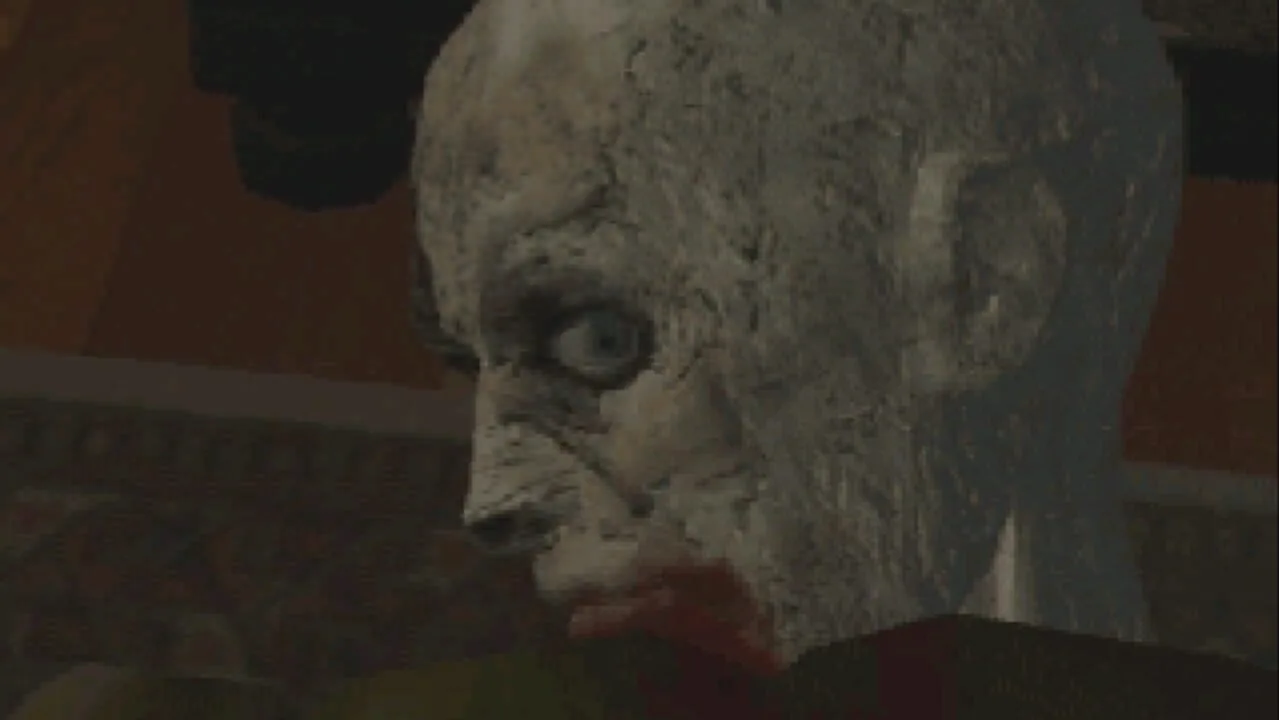
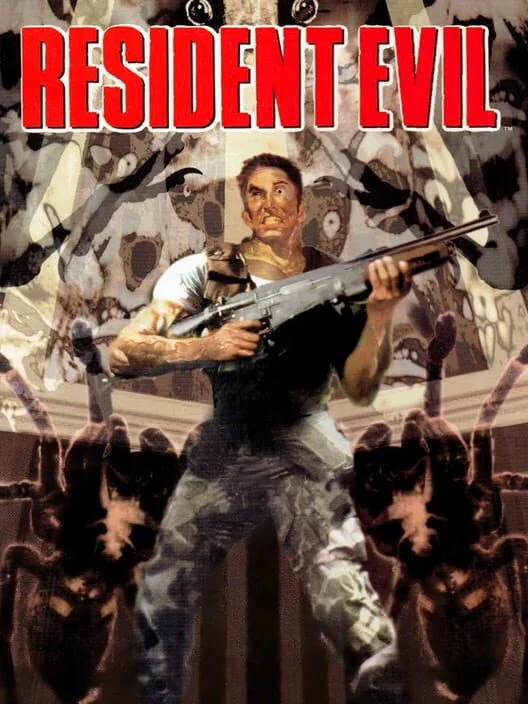
Resident Evil is a survival horror classic in which a group of special forces agents, known as S.T.A.R.S, struggle against hordes of zombies and various other mutants in a mysterious mansion as they try to uncover the truth behind the terrifying infection. The gameplay environment consists of polygonal 3D characters placed over pre-rendered 2D backgrounds. As such, the game relies on pre-determined camera angles for a view of the action instead of a real-time camera like most games. The game is credited for coining the phrase "survival horror" and popularizing the genre.
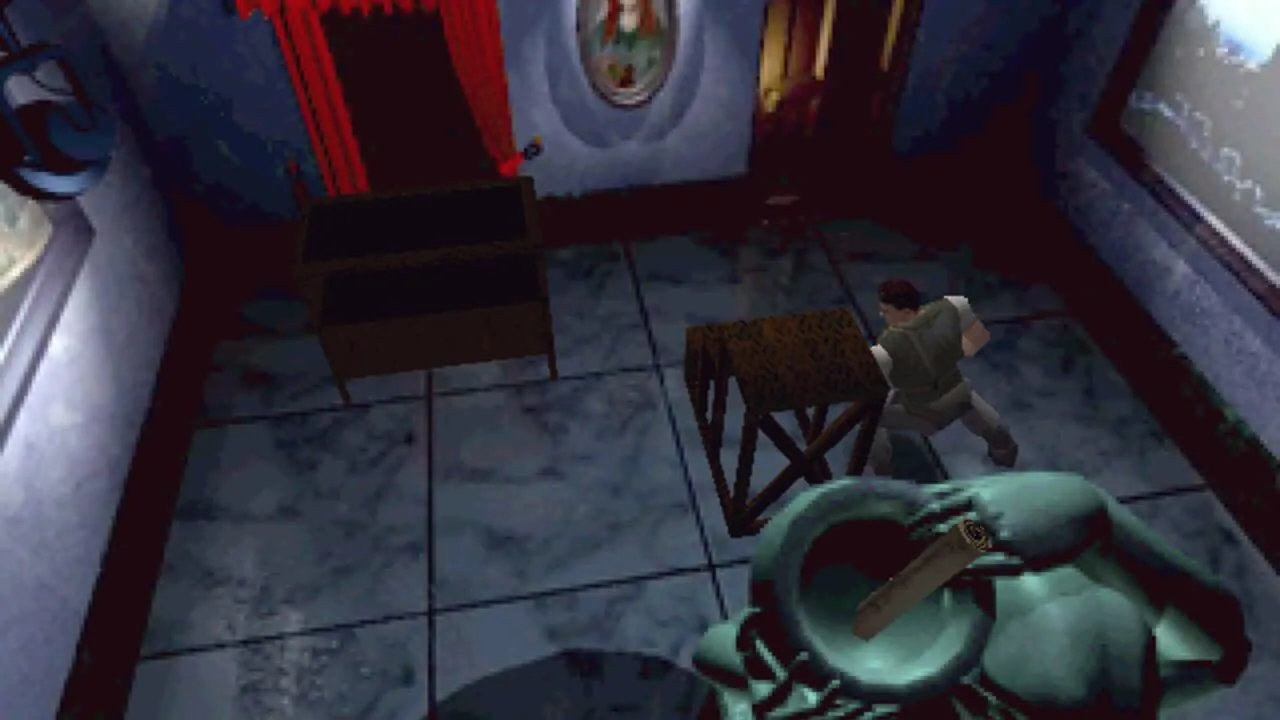
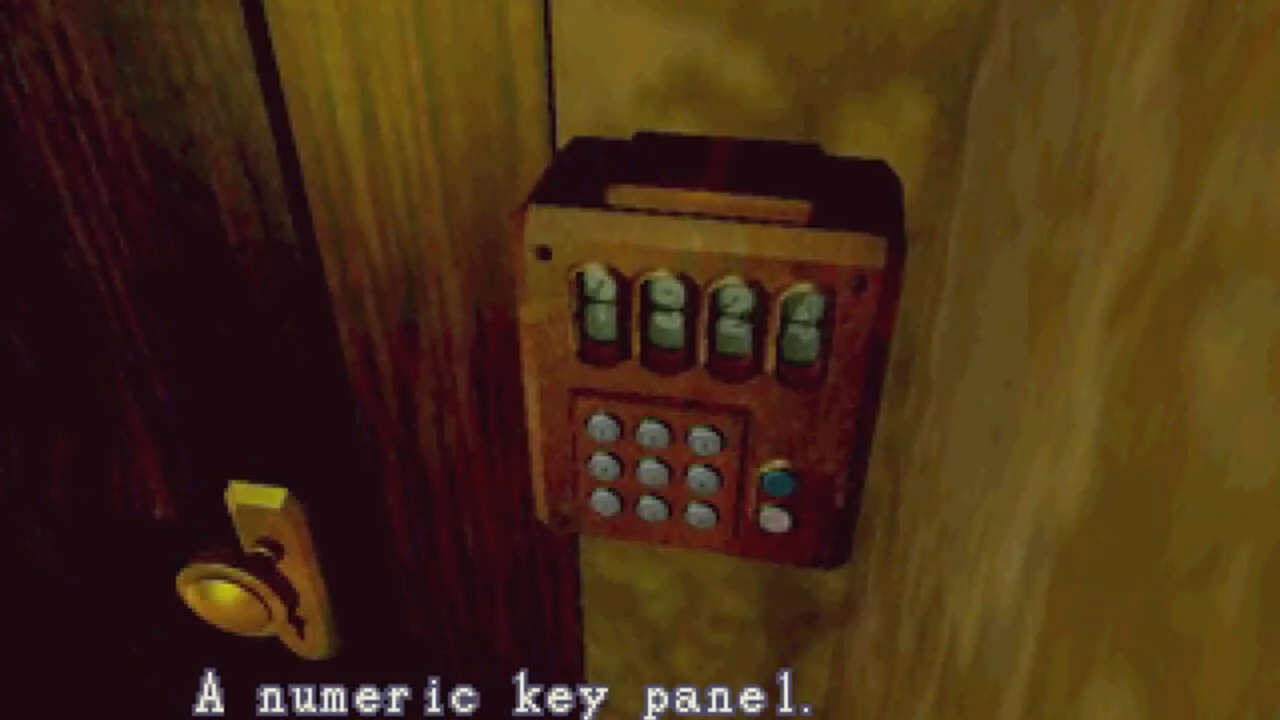
6. Silent Hill (1999)
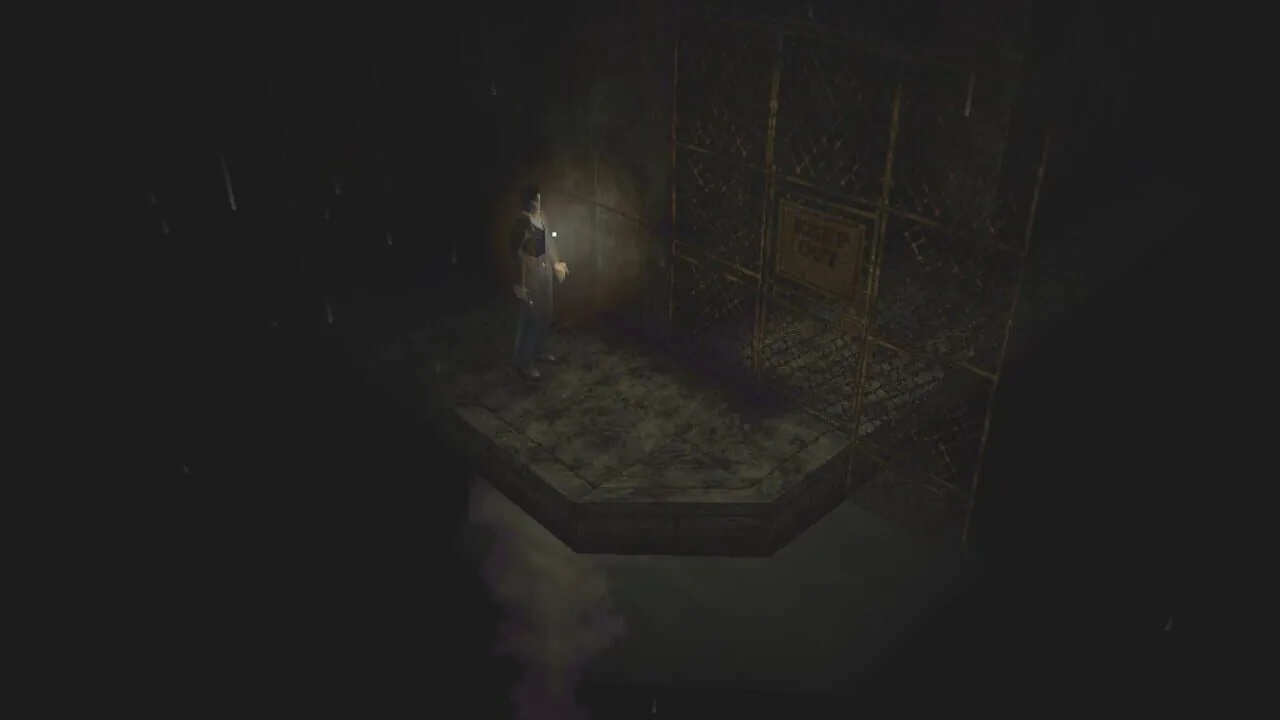
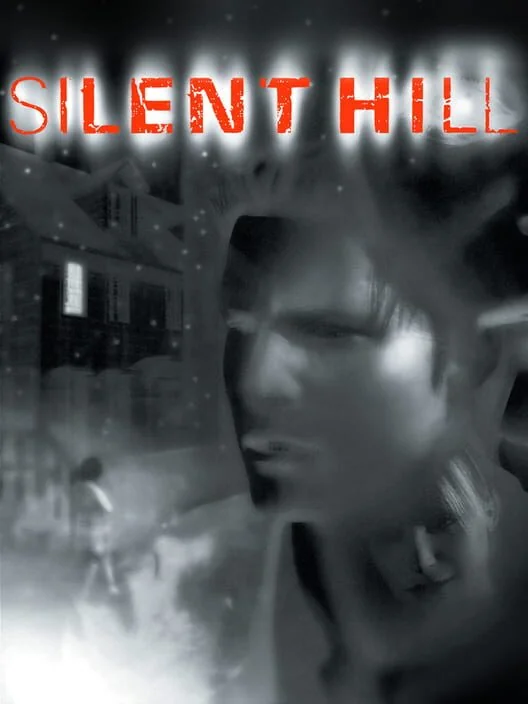
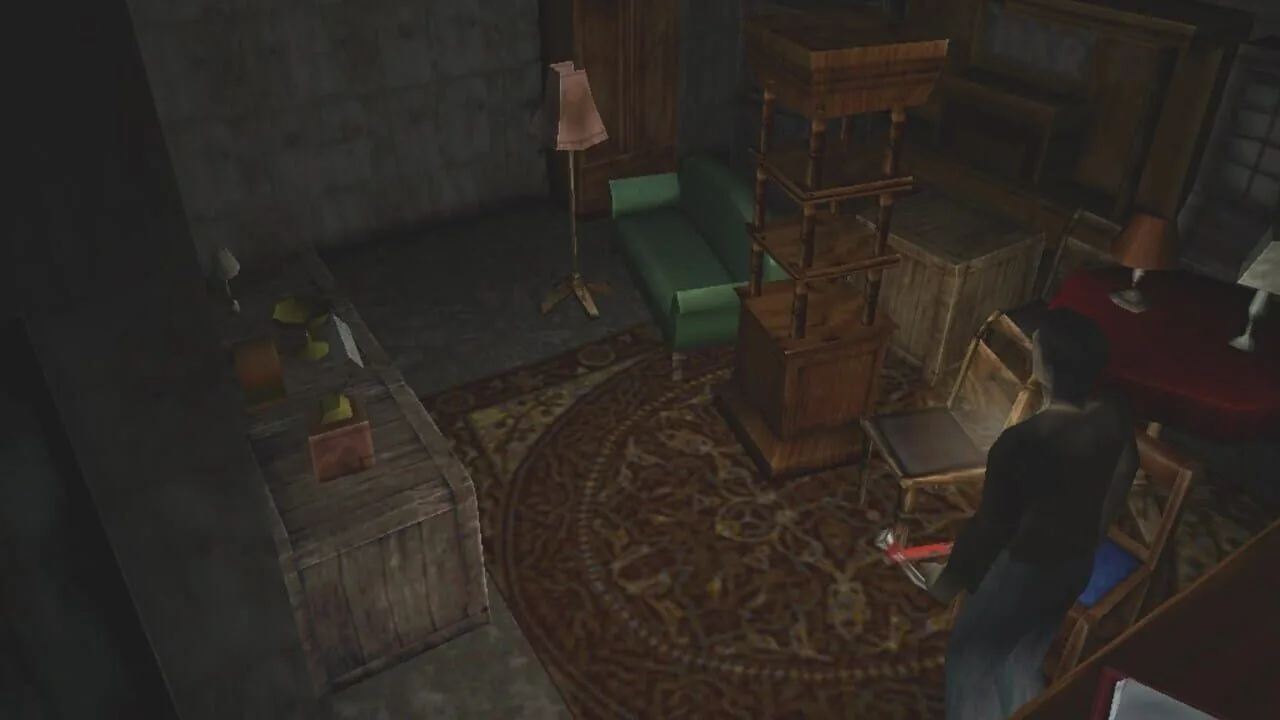
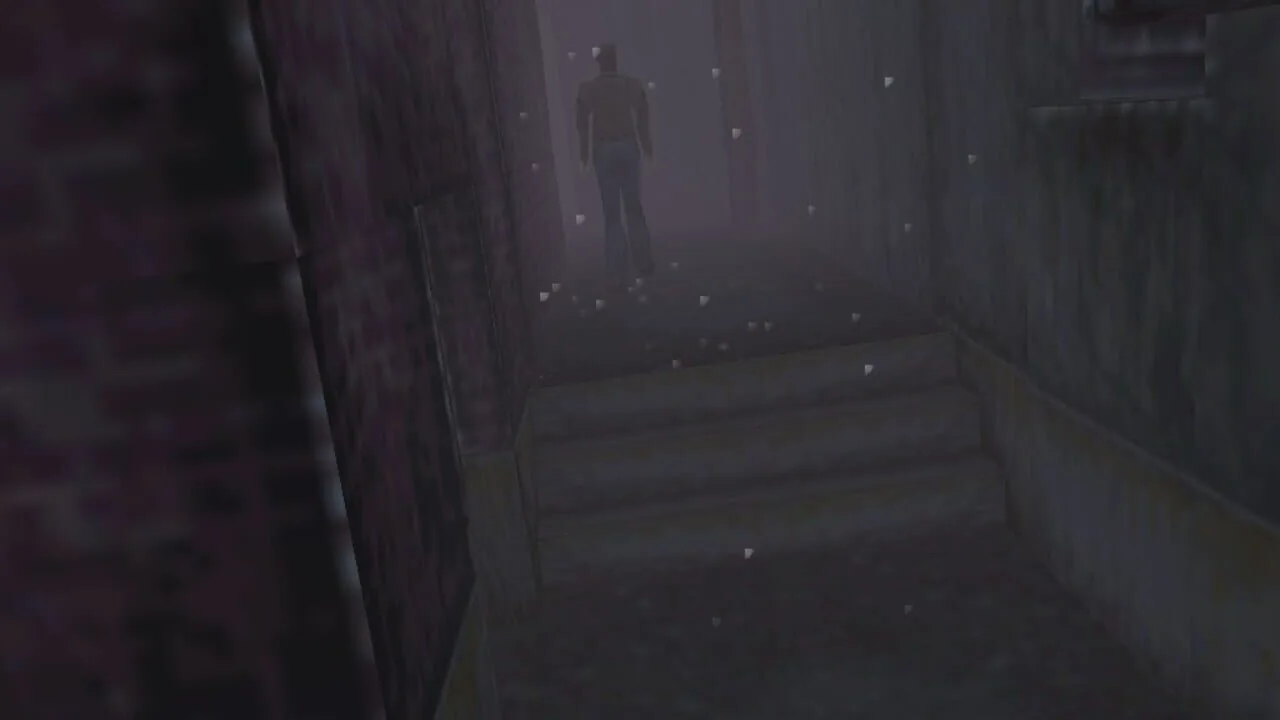
Silent Hill is the first installment in the Silent Hill series of psychological survival horror video games. Unlike earlier survival horror games that focused on protagonists with combat training, the main character Harry Mason is an average man. The gameplay consists of combat, exploration, and puzzle-solving. The controller vibration is used to indicate Harry's heartbeat and will vibrate on low health. The player must regularly enter an inventory screen to check Harry's health, use items, and equip different weapons.
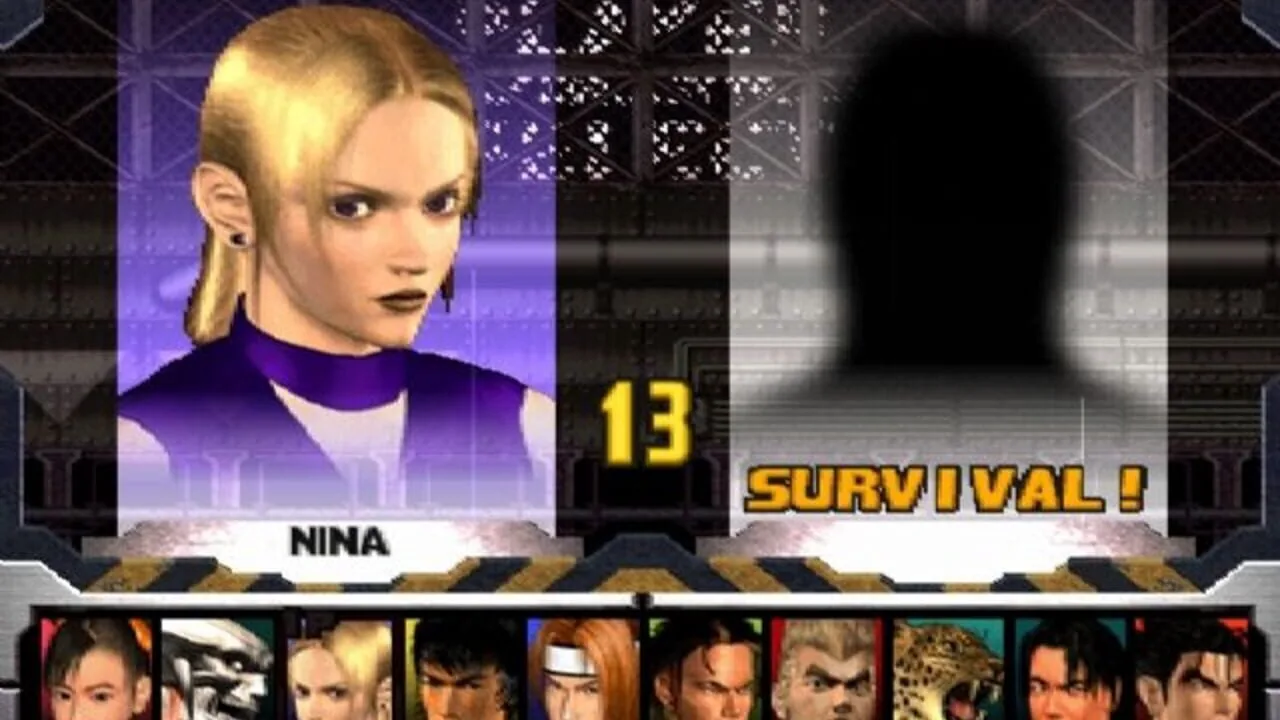
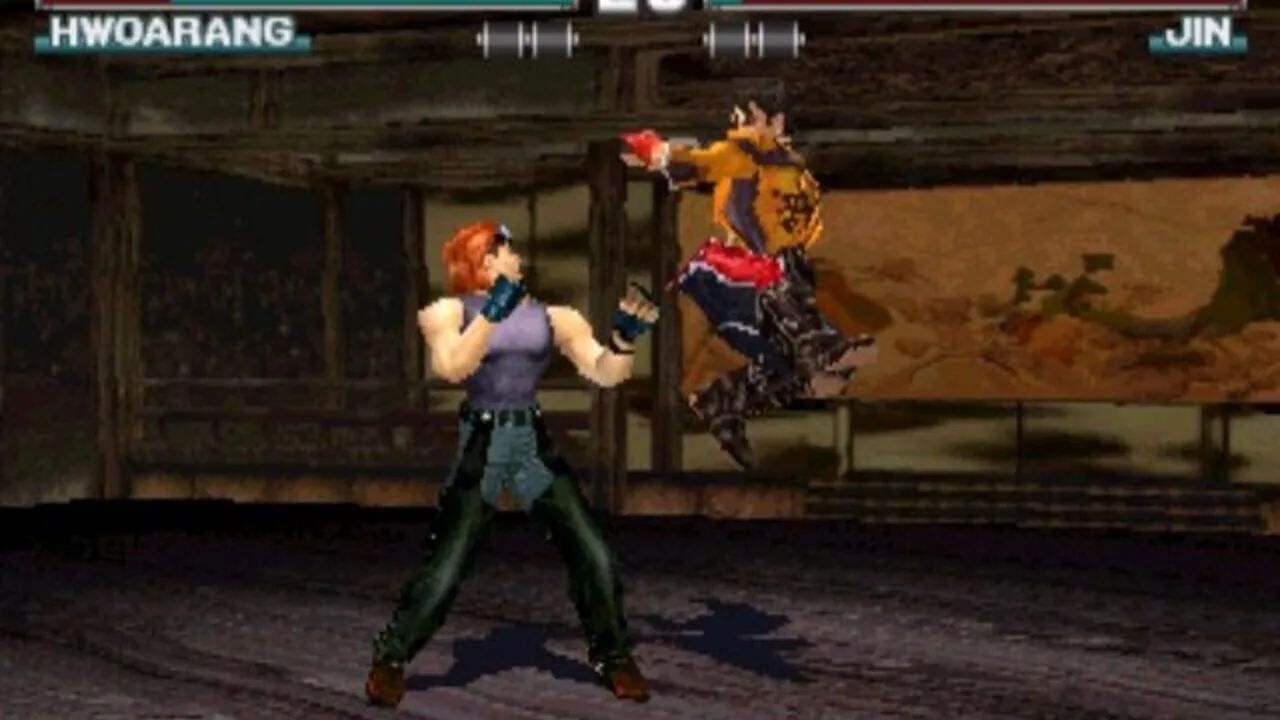
5. Tekken 3 (1998)
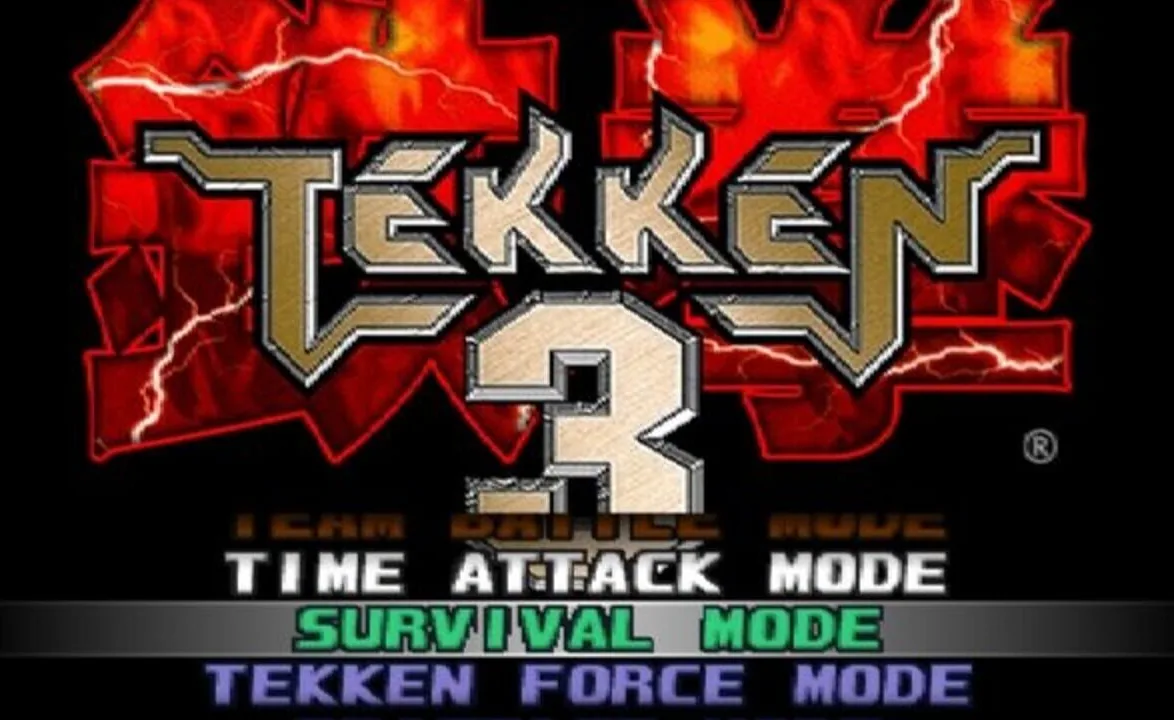
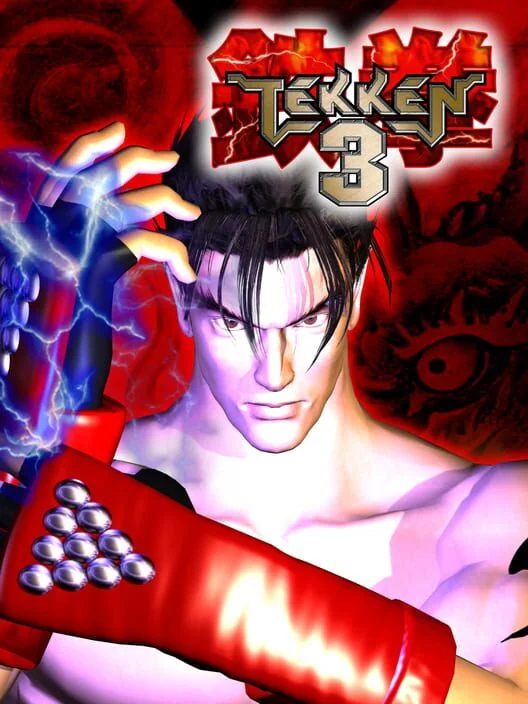
The console version of Tekken 3, which adds more content to the original arcade game, such as new characters and additional game modes.
With hidden features, faster gameplay, and new characters, the PlayStation version of Tekken 3 seeks to give you the fight of your life.
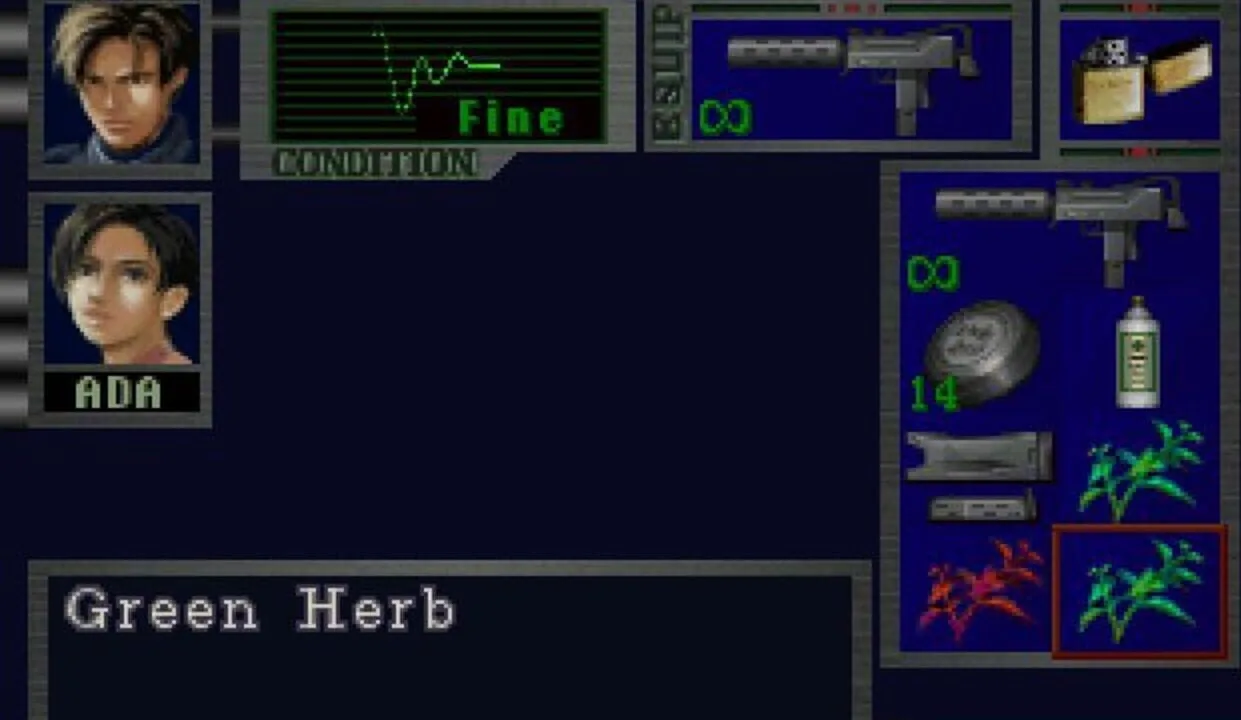
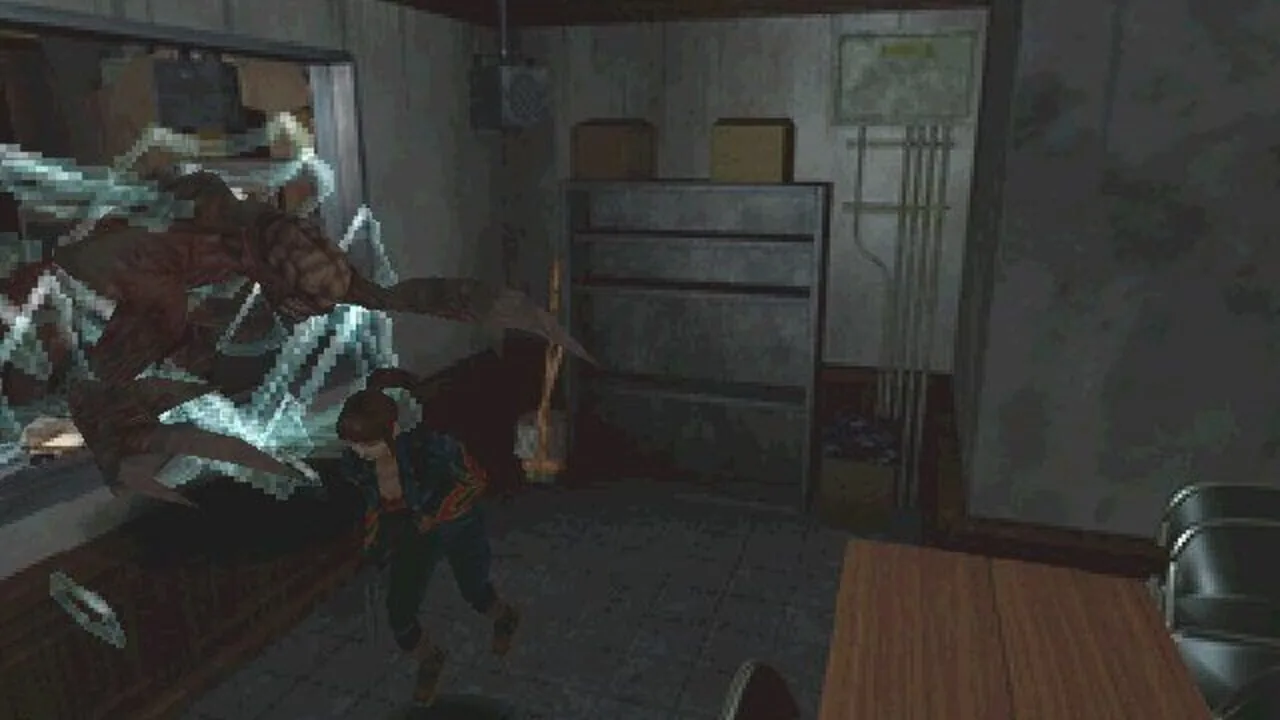
4. Resident Evil 2 (1998)
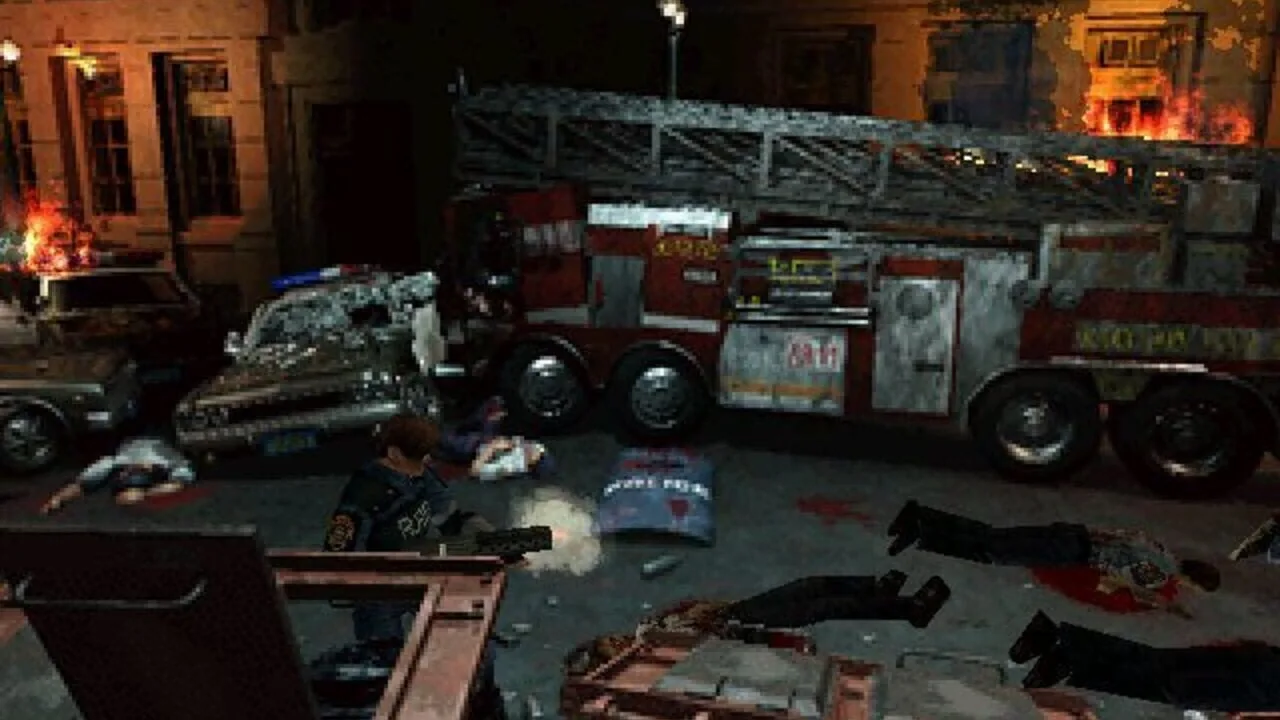
Resident Evil 2 is a sequel to the first Resident Evil title. Like the previous game in the series, Resident Evil 2 is a 3D action-adventure using three-dimensional polygon characters over two-dimensional pre-rendered backgrounds, with the action viewed through a variety of cinematic fixed camera angles in each room. Players can choose to play as one of two possible characters; each goes through the same initial scenario but with differences in the type of weaponry they find and the people they meet along the way.
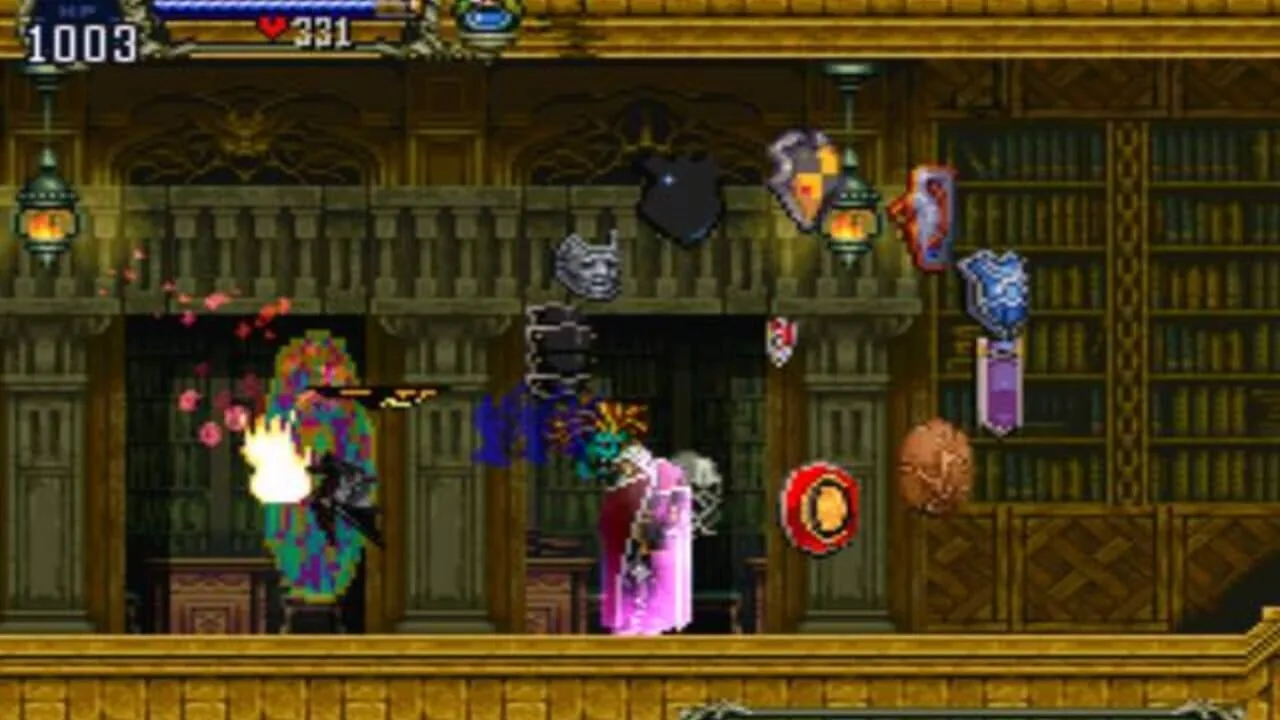
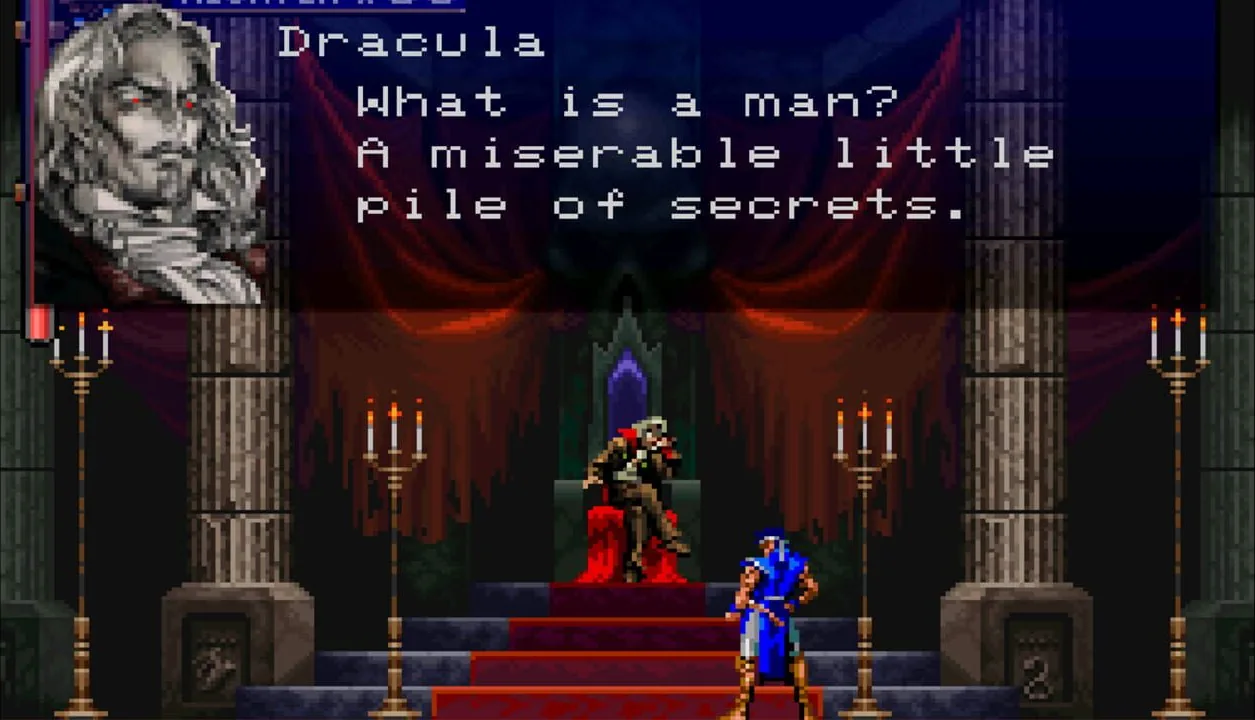
3. Castlevania: Symphony of the Night (1997)
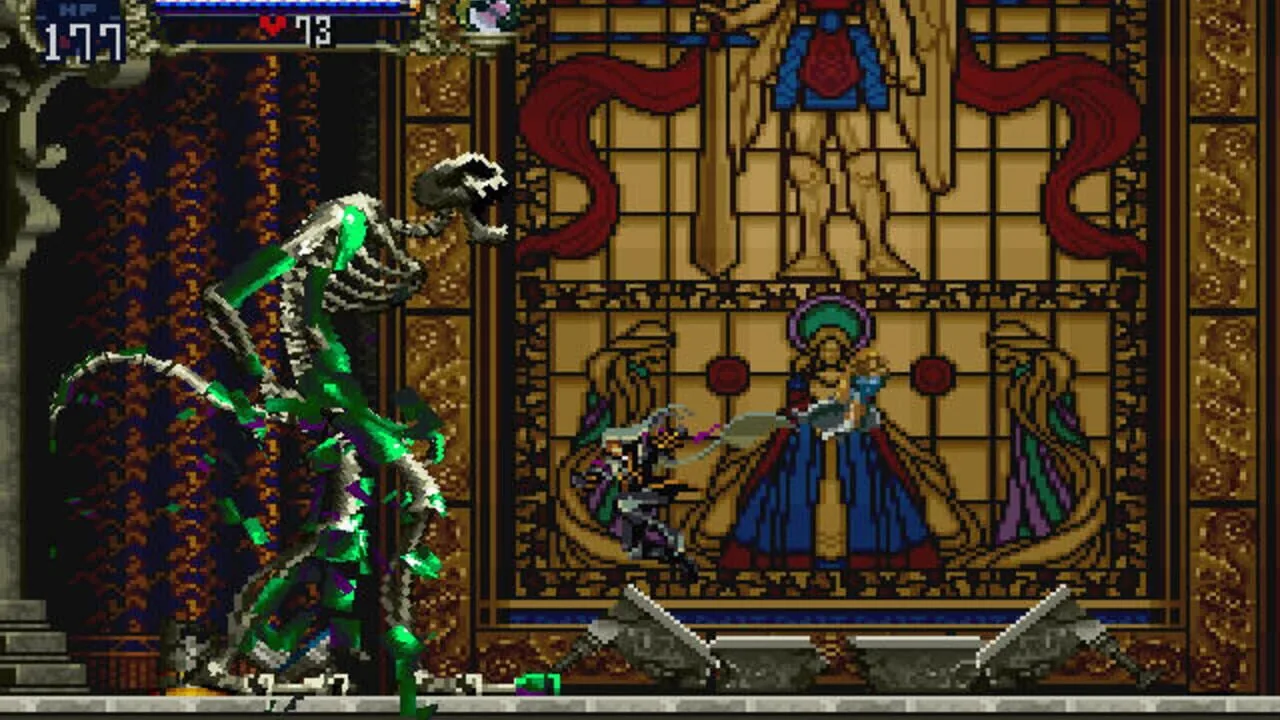
Having been awoken from his eternal slumber by the reappearance of Castlevania, Alucard must once again face the evil minions of darkness. Use your vampiric powers, along with weapons, potions, and other magical relics to change the tide of battle.
A mixture of platform and role-playing action with many hidden areas and secrets. Can you discover them all?
2. Final Fantasy VII (1997)
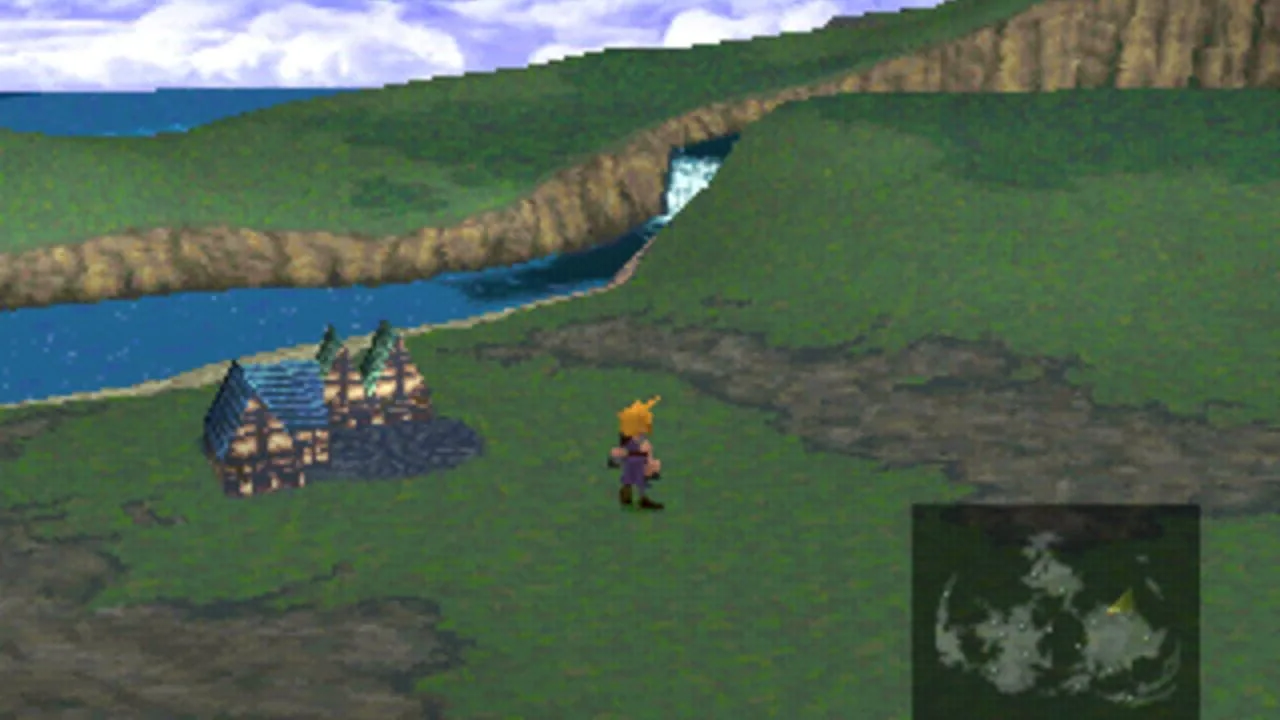
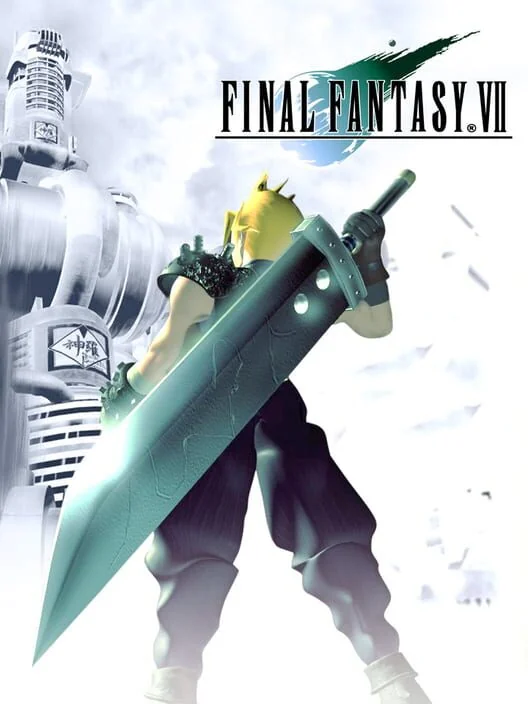
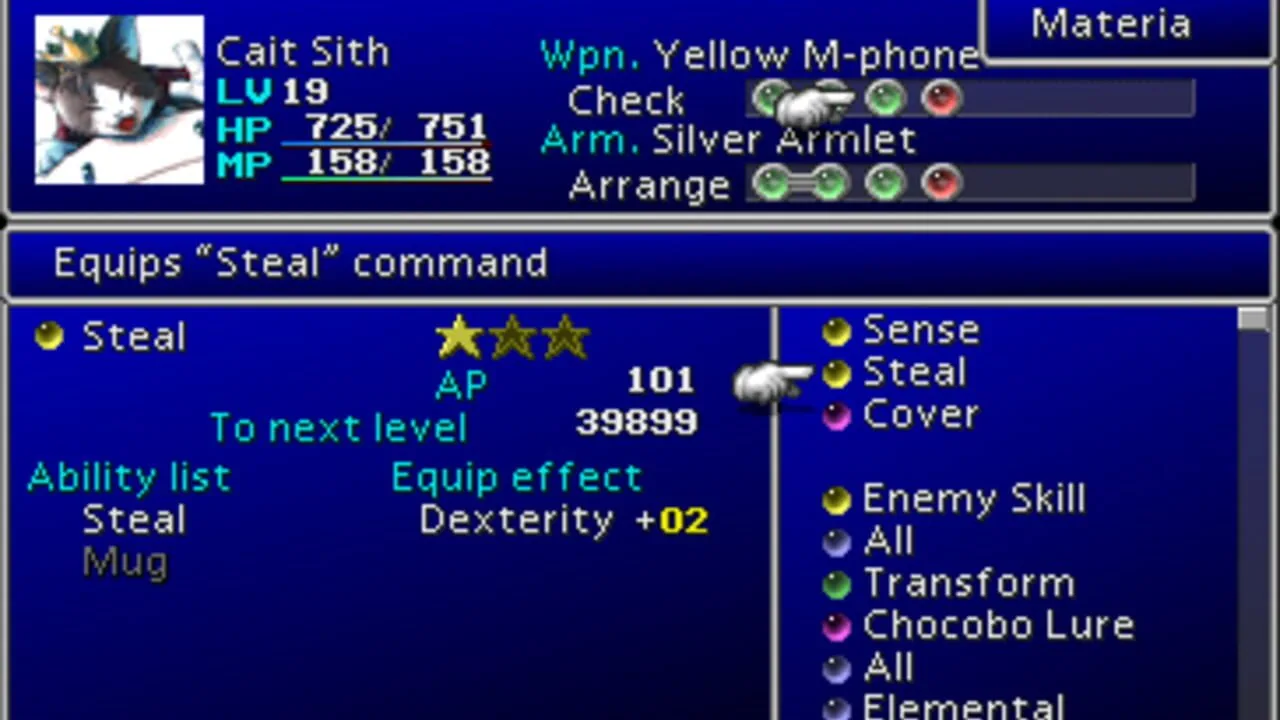
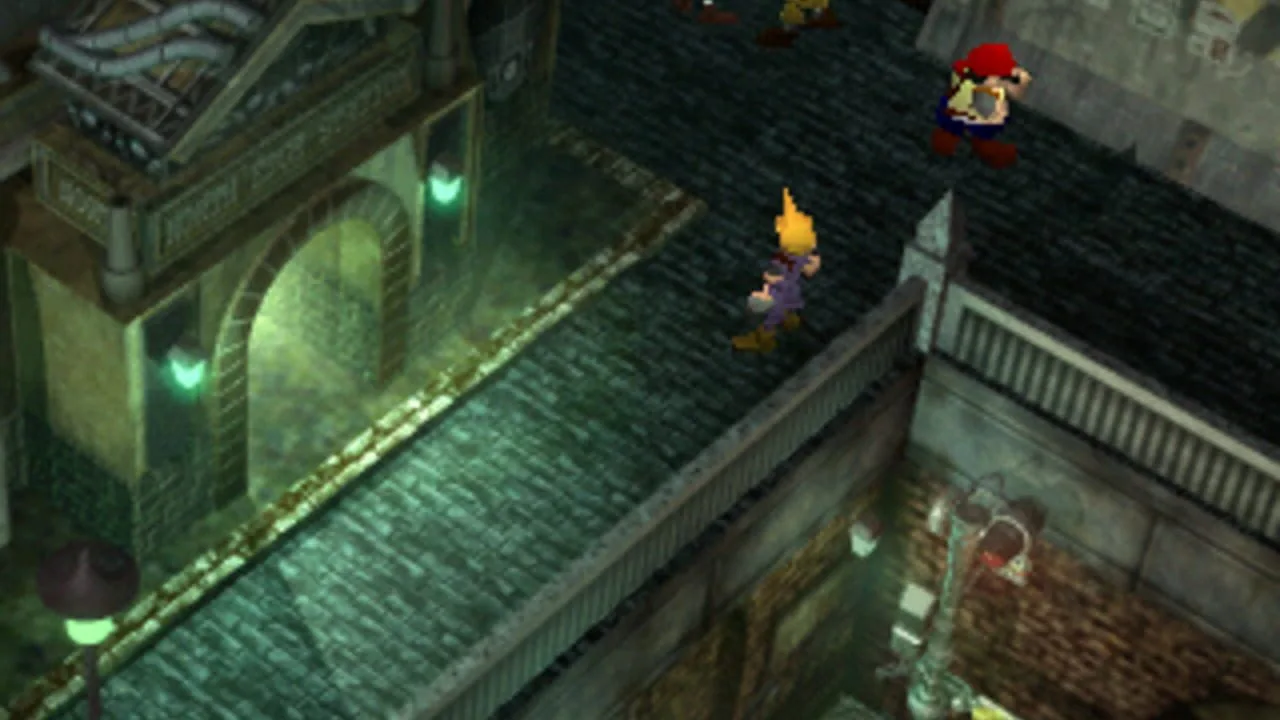
The Western release of Final Fantasy VII (released as Final Fantasy VII International in Japan) included additional elements and alterations, such as streamlining of the menu and Materia system, reducing the health of enemies, new visual cues to help with navigation across the world map, and additional cutscenes relating to Cloud's past.
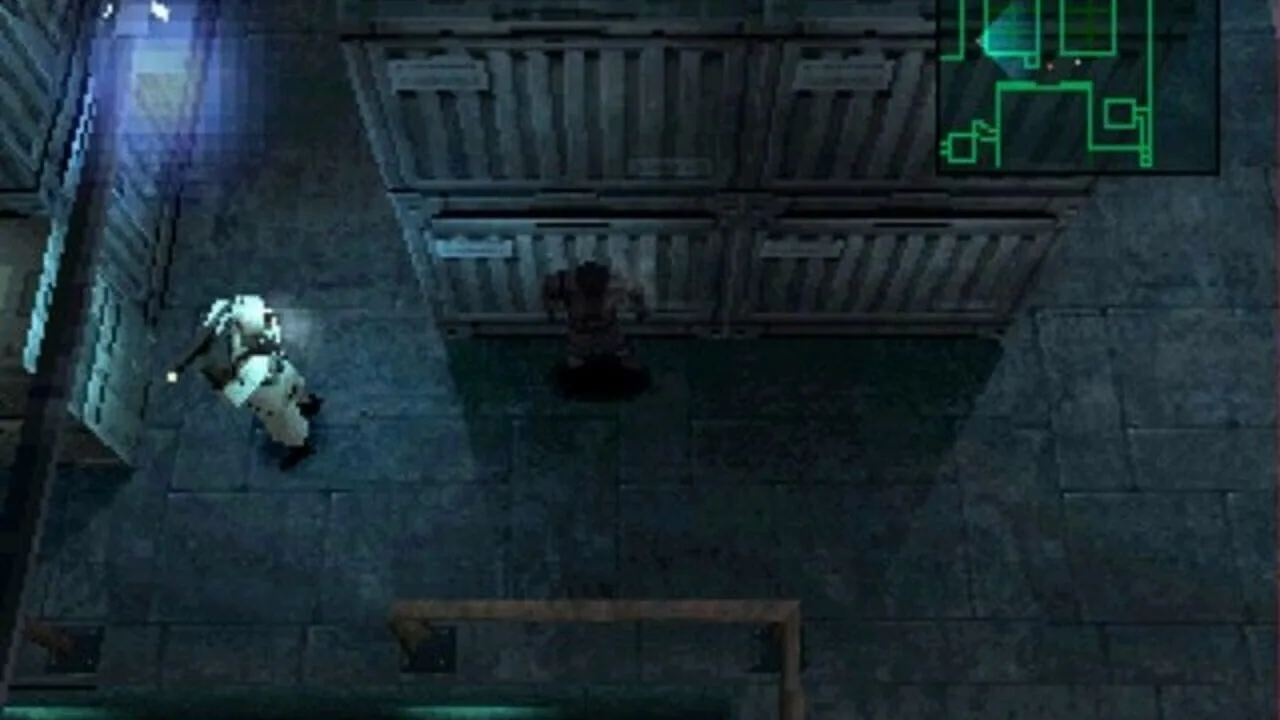
1. Metal Gear Solid (1998)
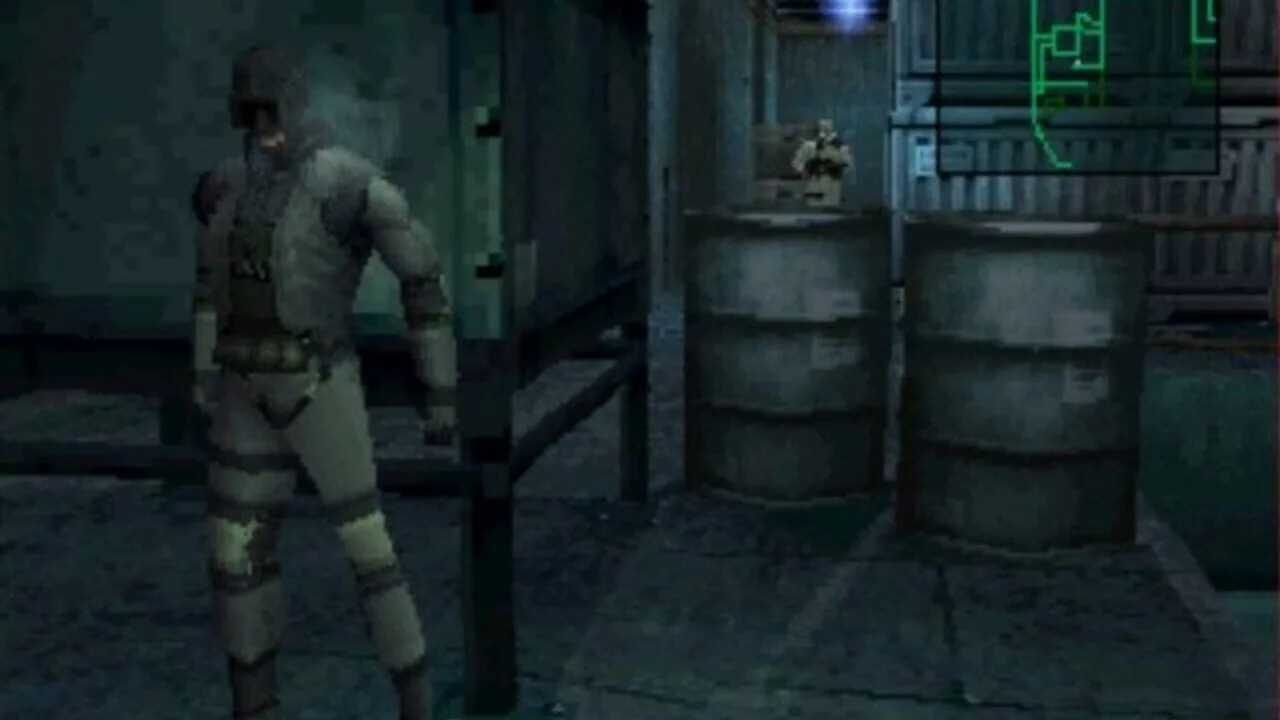

Metal Gear Solid is a stealth game created by Hideo Kojima which follows the MSX2 video games Metal Gear and Metal Gear 2: Solid Snake. Despite a transition to 3D, Metal Gear Solid's gameplay remains similar to his predecessors. The game utilizes a traditional top-down view and the player must navigate the protagonist Solid Snake through the game's areas without being detected. Detection will set off an alarm which draws armed enemies to his location. Conversations with Snake's allies and cutscenes are used extensively to advance the plot and gain more insight into it. Metal Gear Solid is regarded as one of the greatest and most important video games of all time, and helped popularize the stealth genre and in-engine cinematic cutscenes.
Every issue features one game worth playing, plus the latest retro news.