The PS1 was a platformer playground. When 3D arrived, every studio had to work out what a jump should feel like in a world with depth, and this console is where a lot of those answers were found. Sony lacked a mascot, so Naughty Dog and Universal built Crash Bandicoot for the PlayStation, and Spyro was released to reach younger players and take on the Nintendo 64. It was impressive how much personality they squeezed into worlds that ran on a console this early in the 3D era.
The big names are all here, with Crash and Spyro leading a pack of cheerful characters. So are the odd ones: a first-person robot rabbit, a world sculpted from clay, and a Castlevania with a whole upside-down castle. Here are the 25 best PS1 platformers.
25. The Adventures of Lomax (1996)
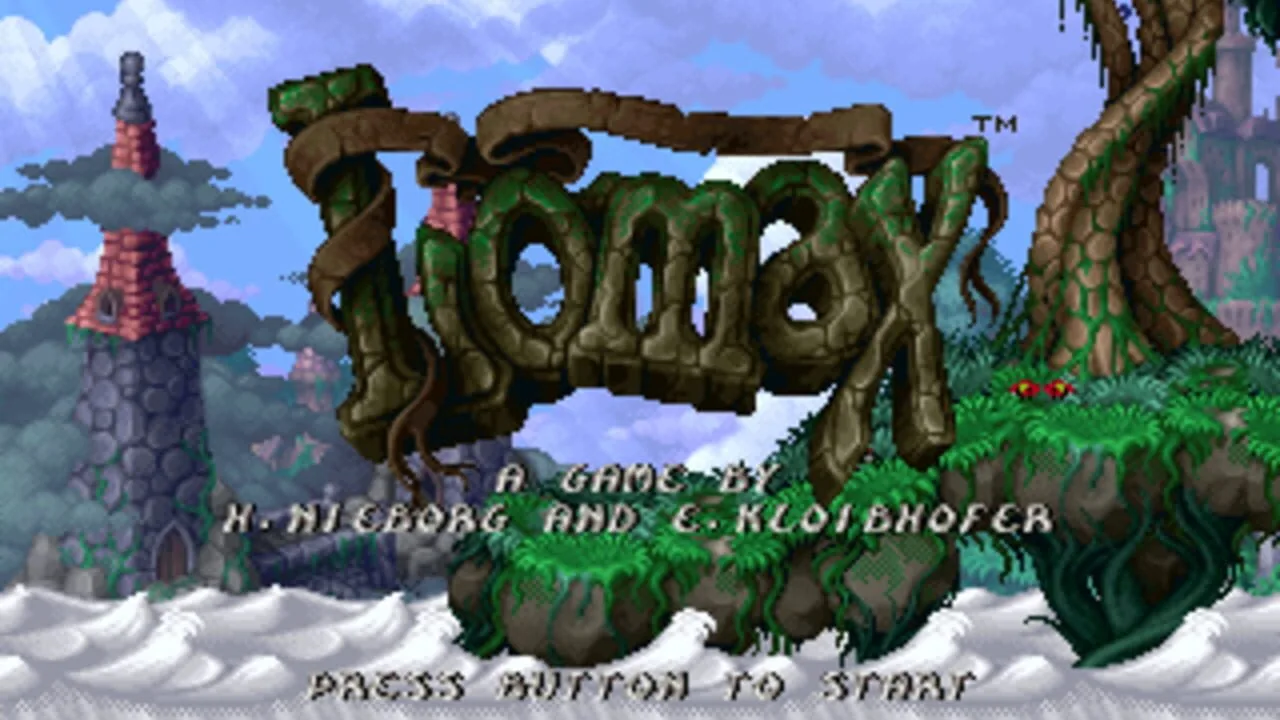
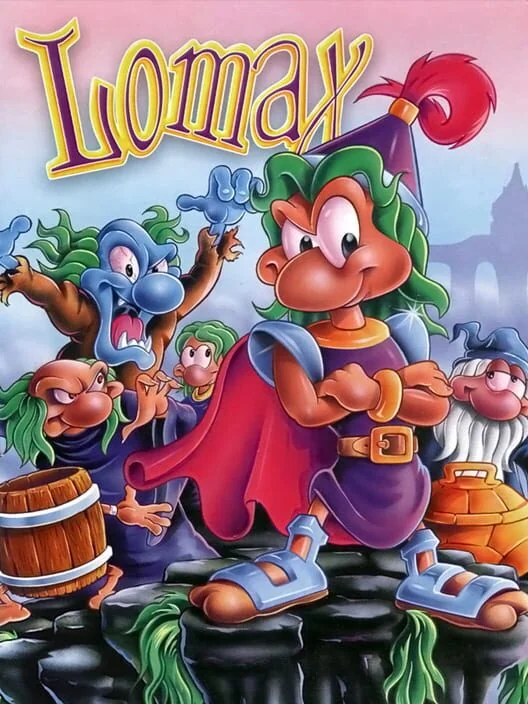
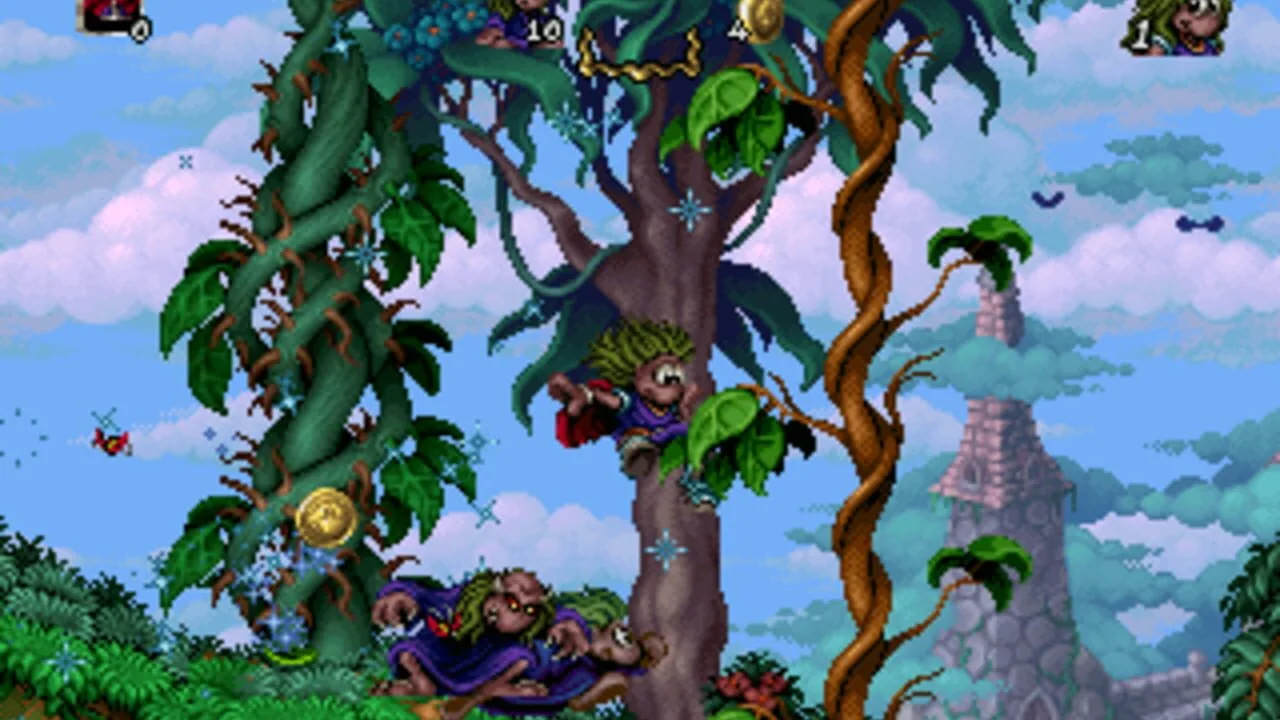
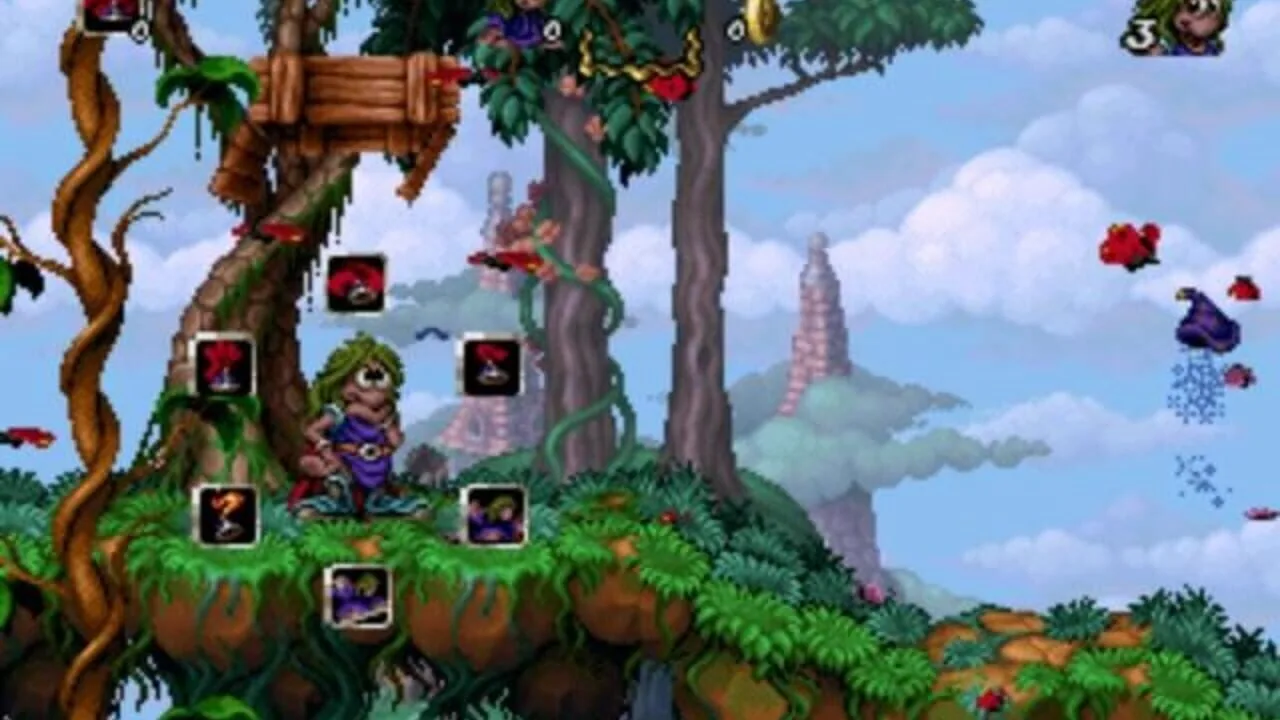
In The Adventures of Lomax, Evil Ed has nabbed Lomax's pals and tricked them into doing diabolical deeds, and only Lomax can break the hex. Psygnosis developed and published it in 1996, and it counts as part of the Lemmings series. You battle Ed's evildoers across bizarre lands in a fast and frantic thriller, and it reached North America in October 1996 and Japan in December 1997. In Europe it is simply called Lomax, and it arrived there in November 1996.
Players call it criminally underrated, a true legend, and one of the great 2D platformers on the console, right beside Rayman. It sits at the bottom of the list only because so few people have played it.
24. Tail Concerto (1998)
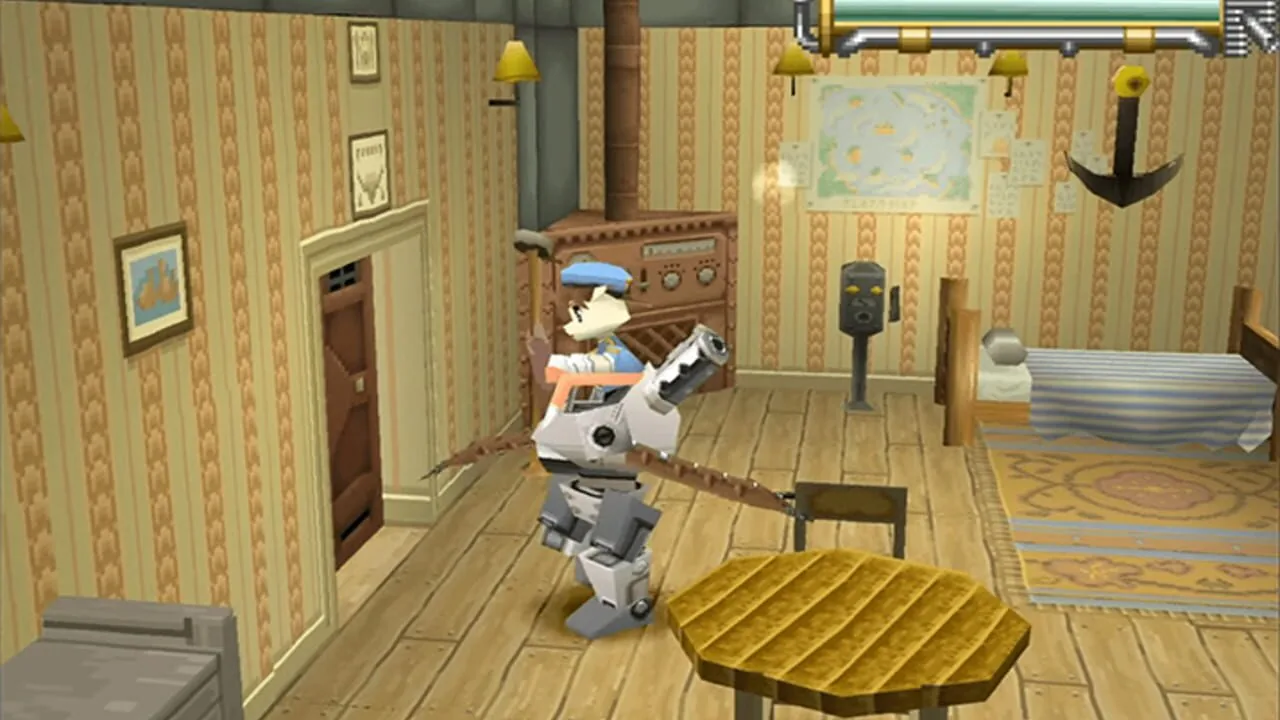
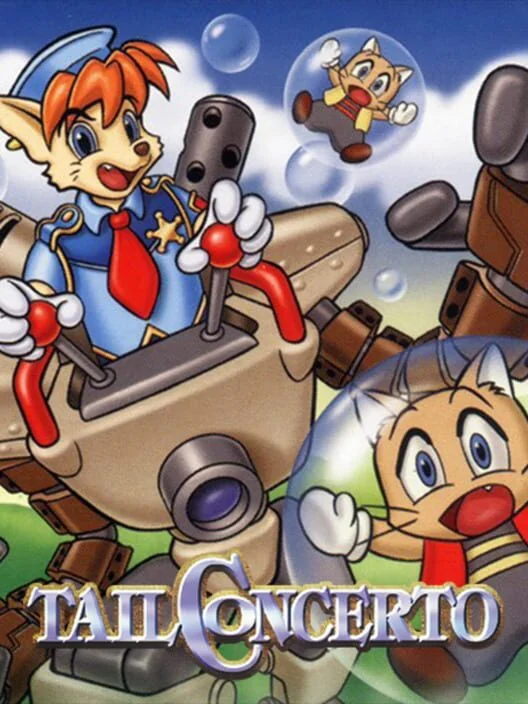
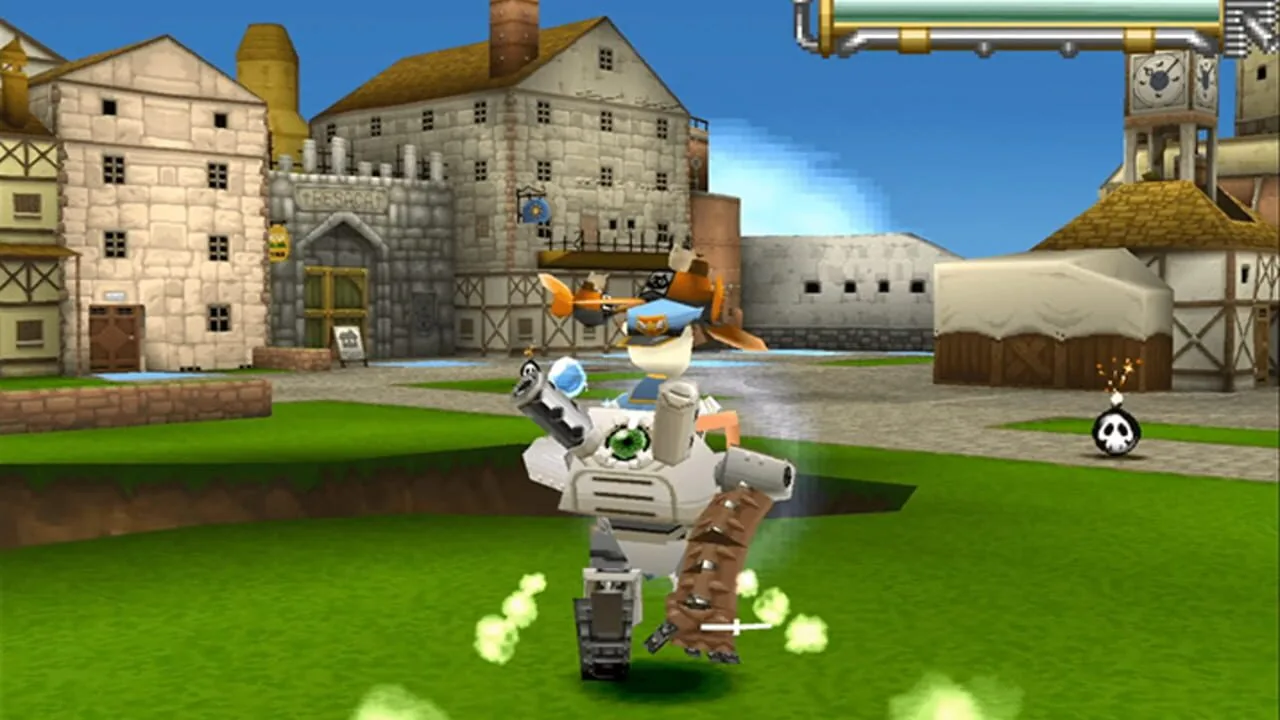
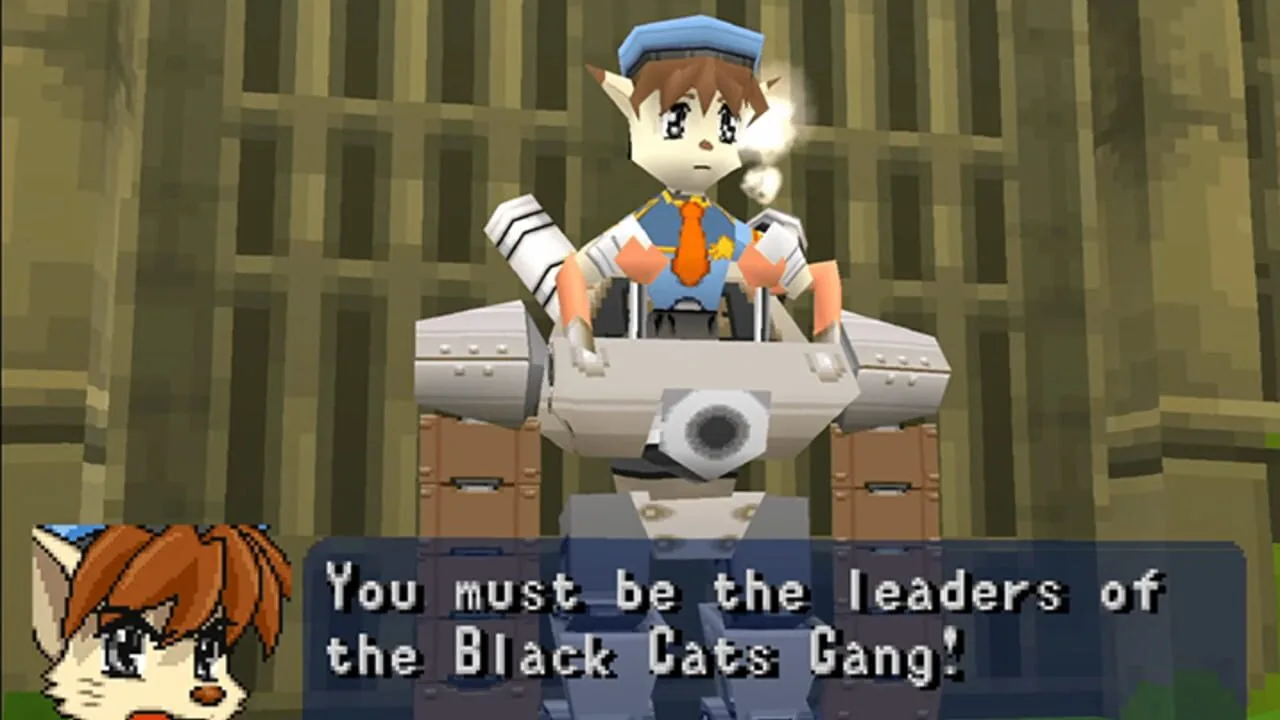
Tail Concerto lets you run, jump, climb and even fly through 9 floating islands, with anime sequences and spoken dialogue. It was the first game from CyberConnect, and the first in the Little Tail Bronx series, a steampunk fantasy world of floating islands full of anthropomorphic dogs and cats. Japan got it in April 1998, and Atlus USA brought an English version to North America in November 1999. Kokia sang the Japanese opening theme, For Little Tail, before her debut in the music business. It sold poorly in Japan, falling short of the publisher's expectations.
1UP's Jeremy Parish later compared it to the films of Hayao Miyazaki. Players call it charming, and even the ones who admit it is rough around the edges say it is pretty good.
23. Strider 2 (1999)
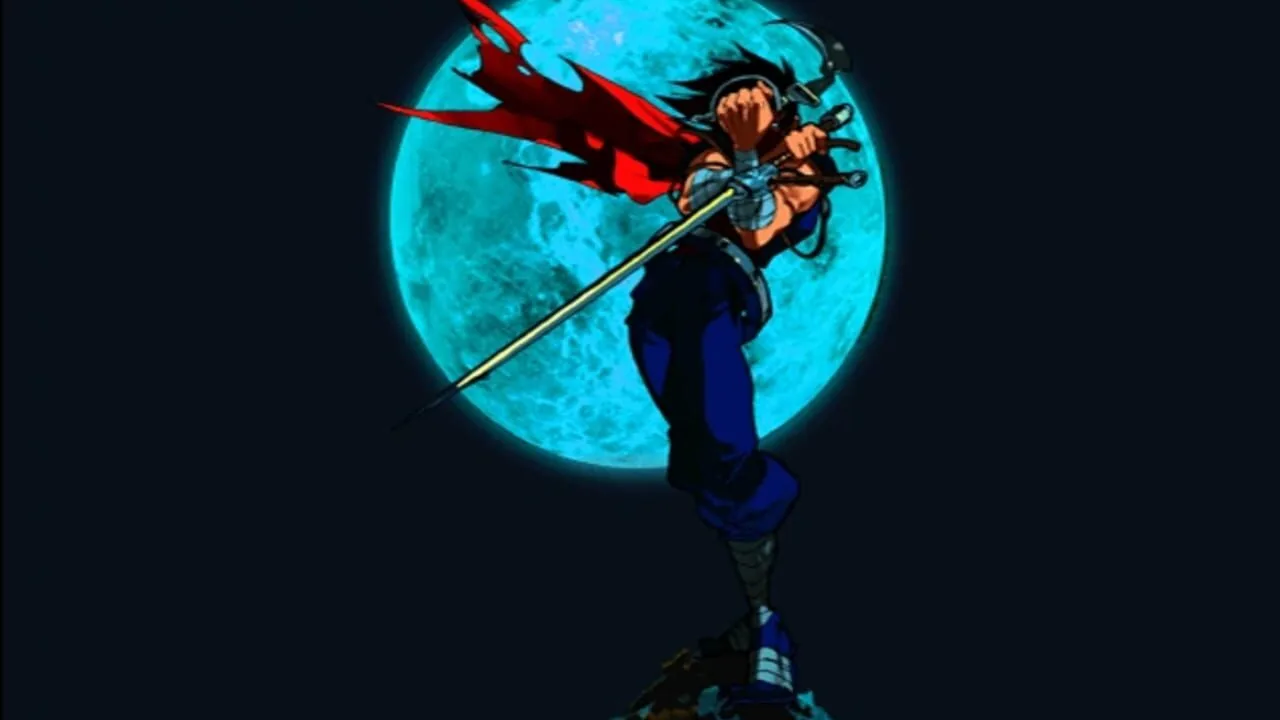
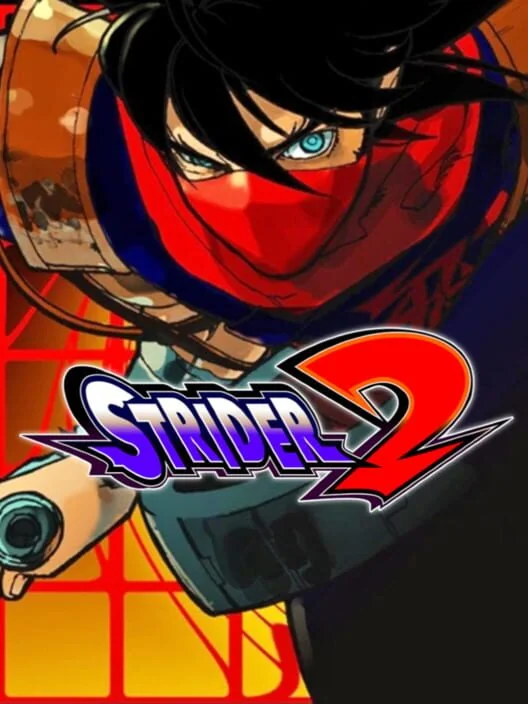
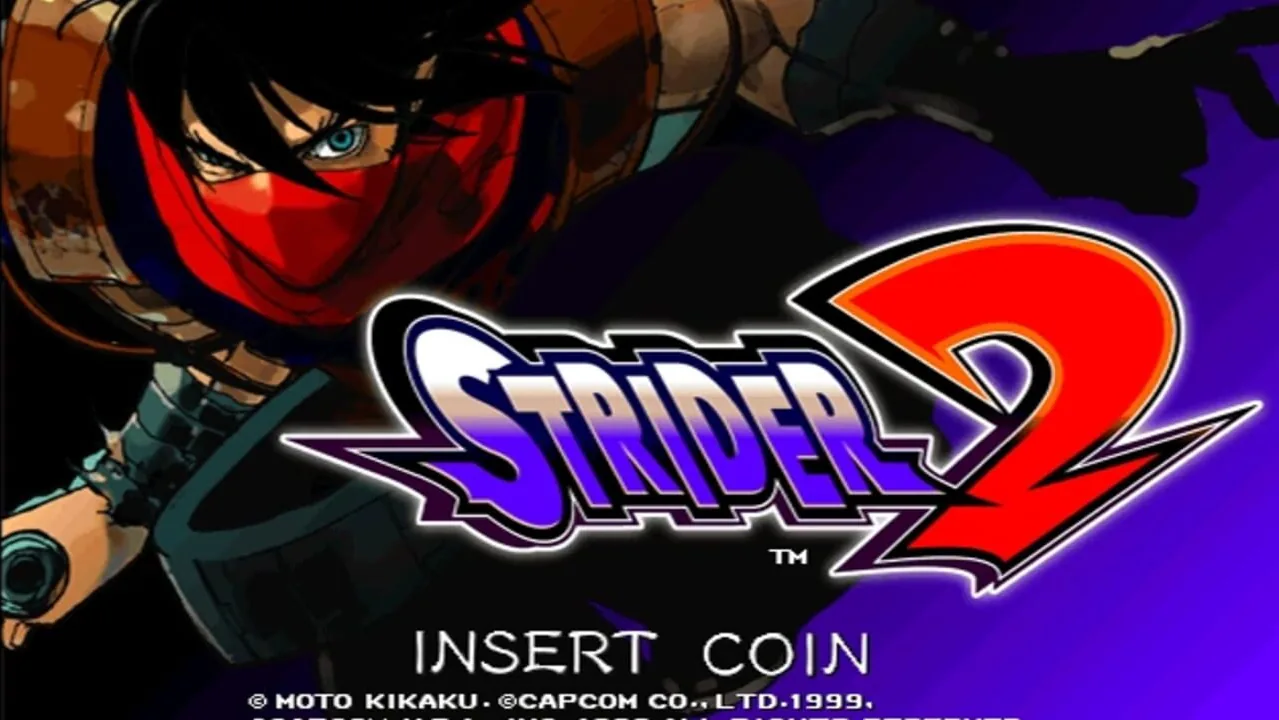
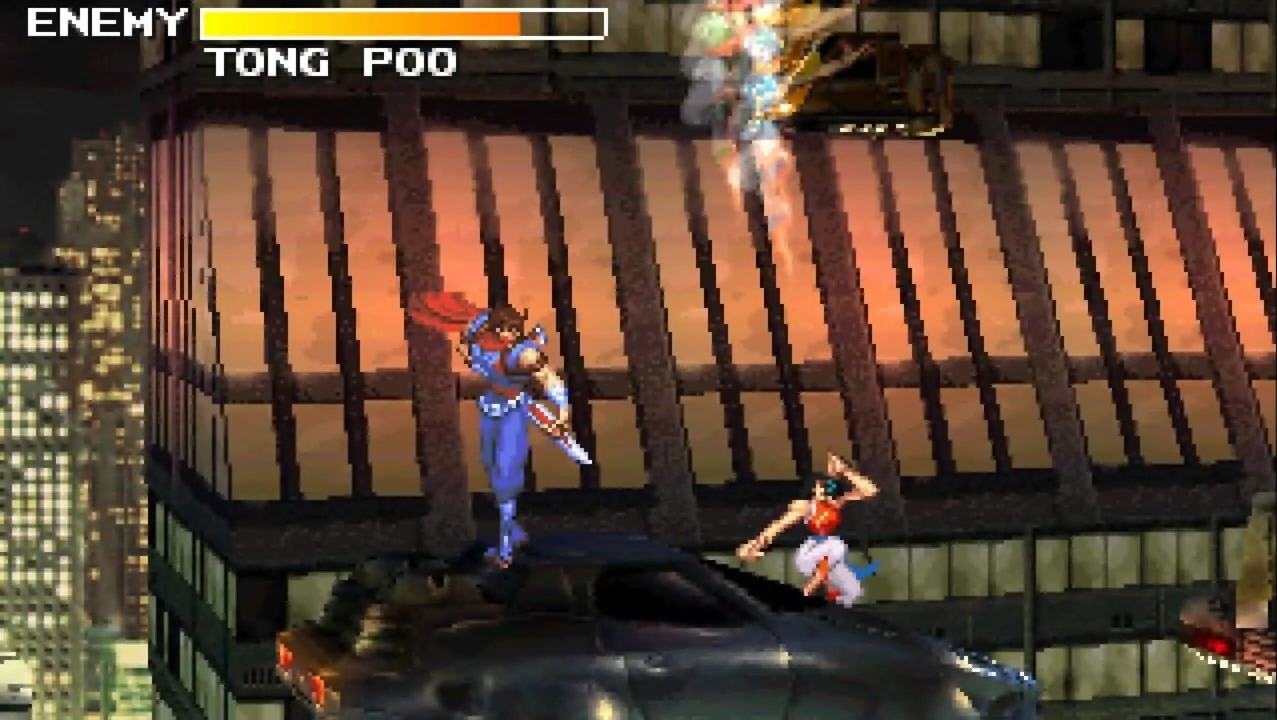
Strider 2 is the true sequel to the original Strider, and it ignores the Western-only Strider Returns entirely. Hiryu gets new moves, and the first three missions can be played in any order, with one of them set in Antarctica. It reached arcades in 1999 and the PlayStation in 2000, with the original Strider on a second disc. Strider Returns was made by someone other than Capcom, and most people hated it.
In the United States a printing error swapped the labels, so the sequel disc said Strider. A sequel that introduces itself as the original is a bold way to build a series. Critics and fans hailed it, though it did not sell well, and players call it short but awesome.
22. 40 Winks (1999)
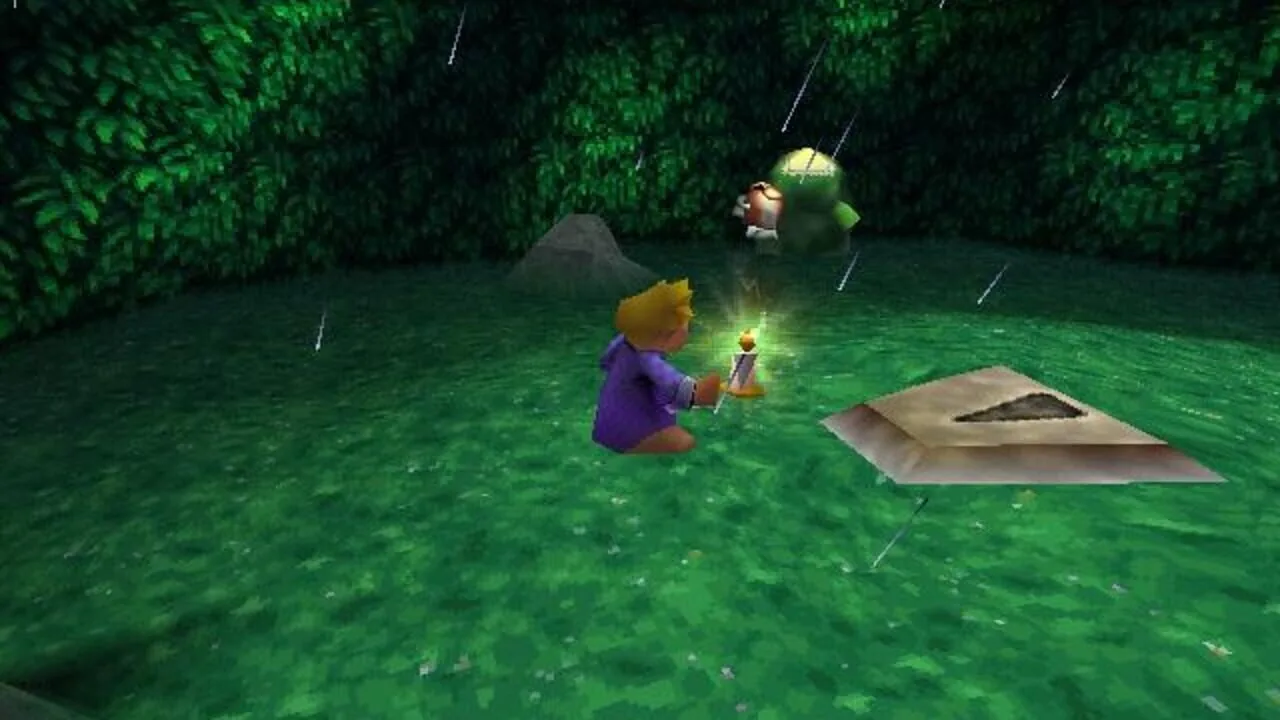
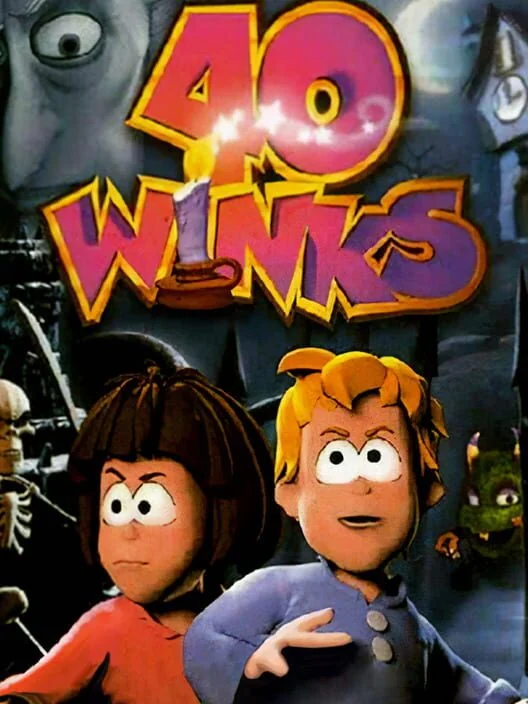
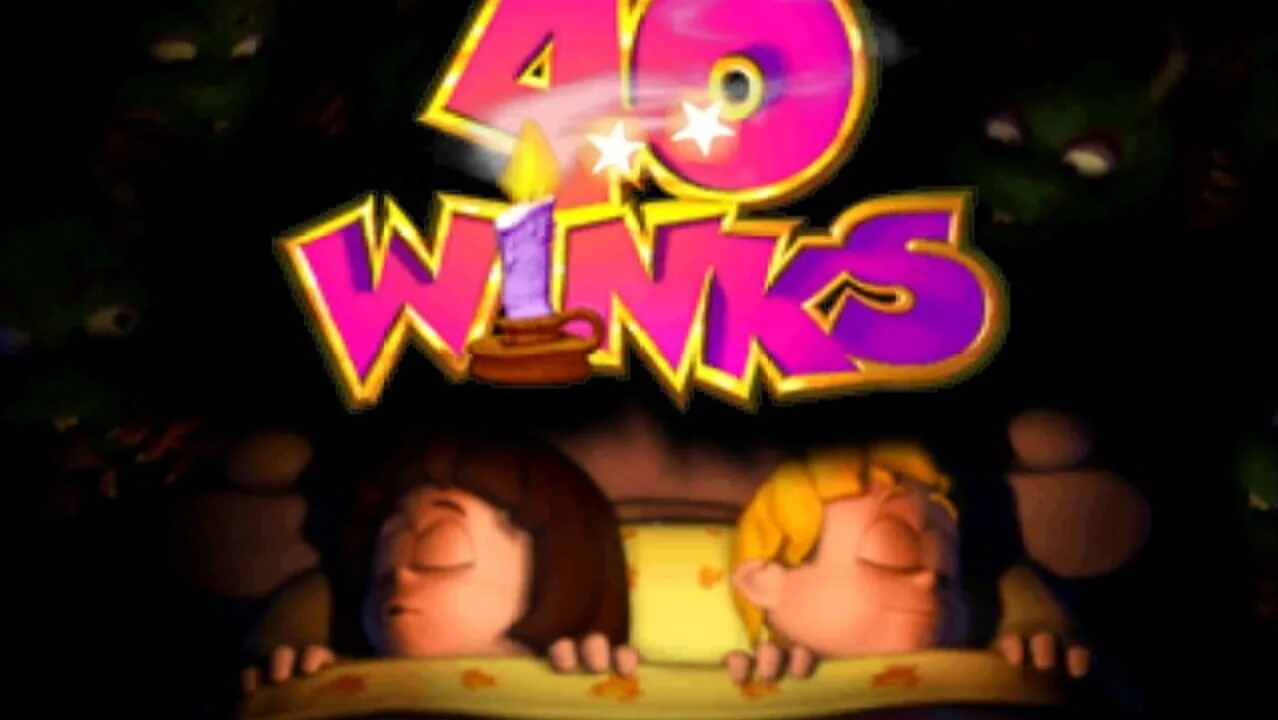
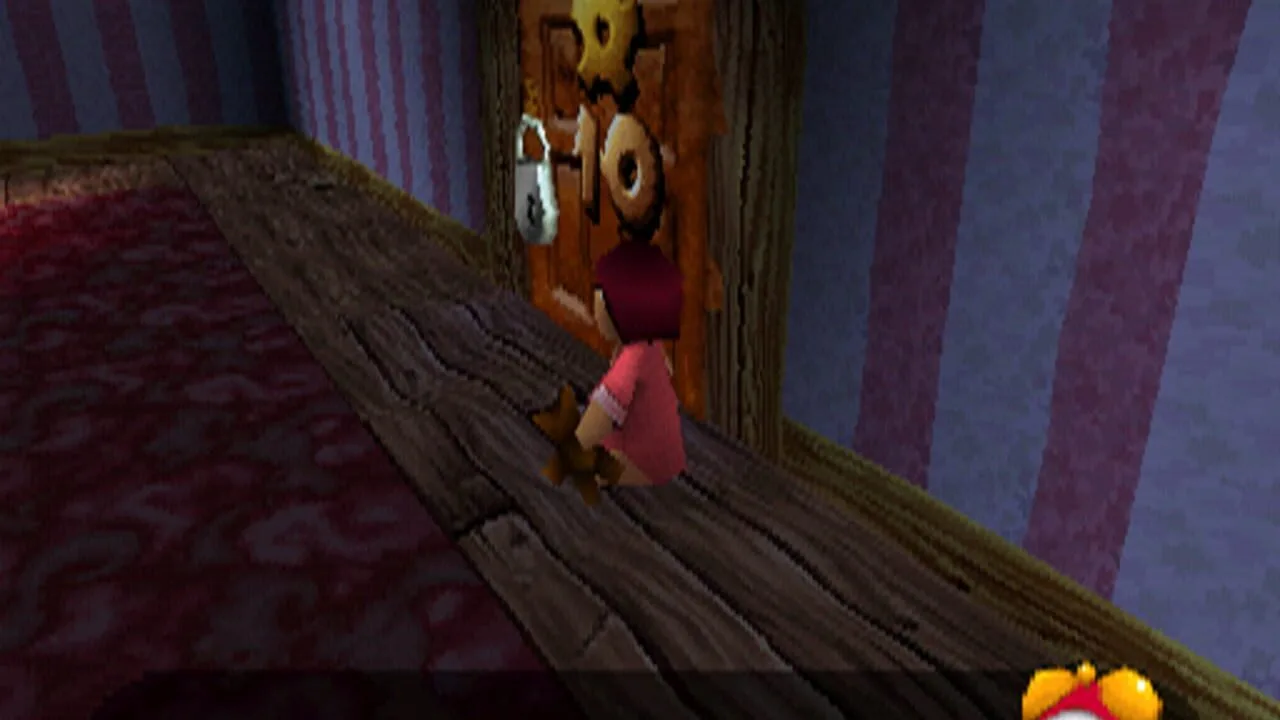
40 Winks puts you in the shoes of Ruff or Tumble, two children who battle ghosts, goblins and other monsters in their dream-world. They have to capture 40 winks before an evil old man named Nitekap turns them into hood-winks, the things responsible for nightmares. You also hunt for 12 dream keys to unlock the boss level, and you can morph into costumes such as a Jester or a Ninja. The PlayStation version reached Steam on 22 October 2018, and a cancelled Game Boy Color port turned up in 2021.
Players bring it up as one that rarely gets talked about, and they name it as one they enjoyed.
21. Pac-Man World (1999)
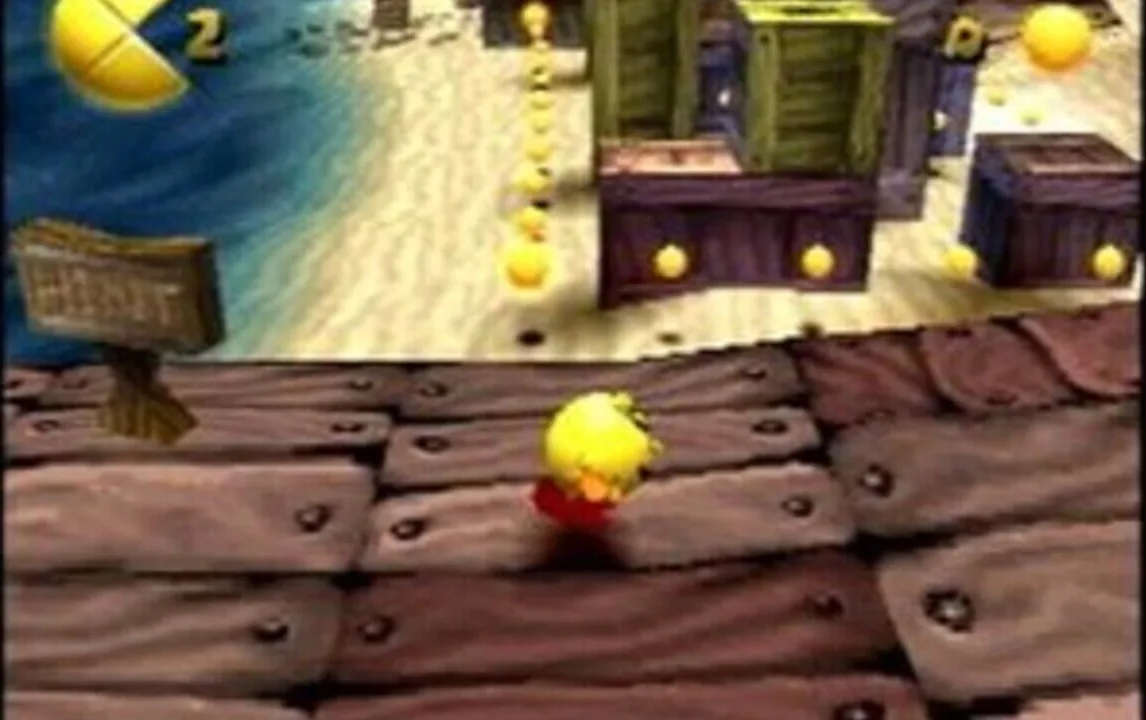
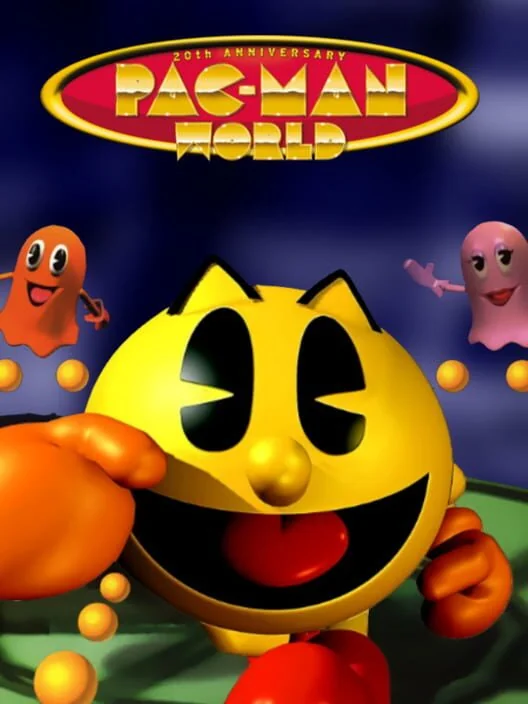
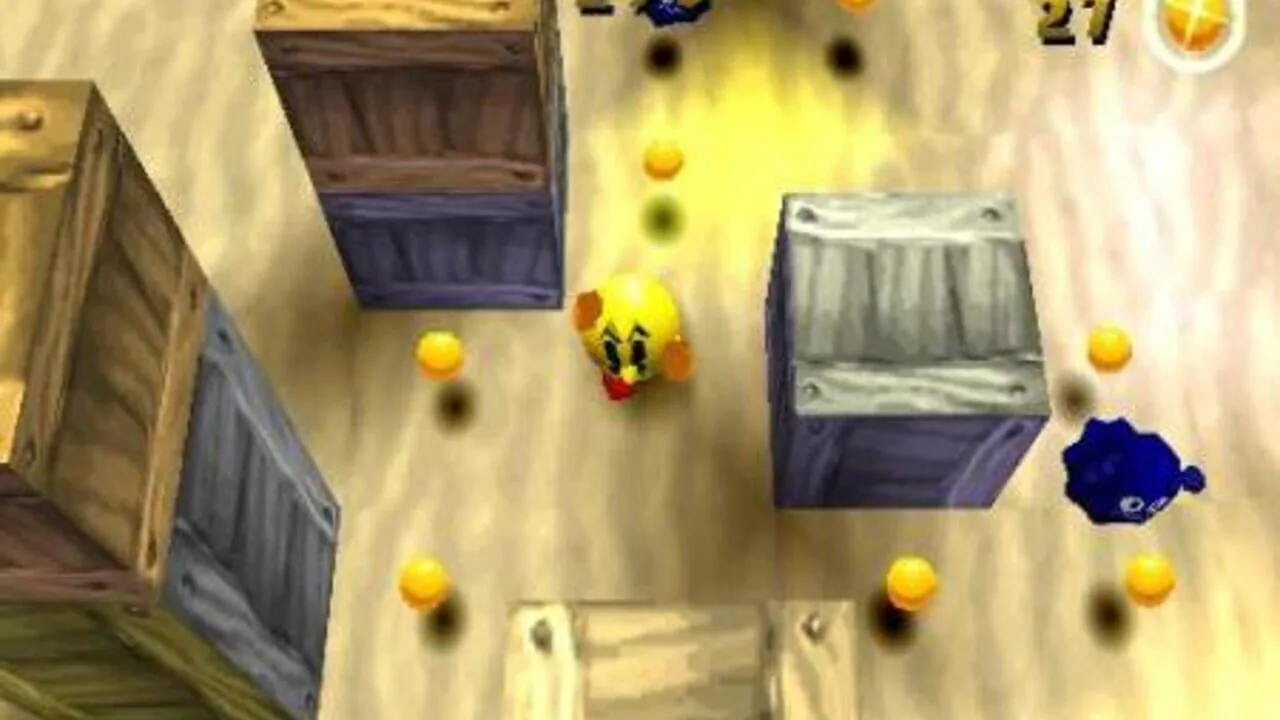
In Pac-Man World, Toc-Man and his ghosts have kidnapped Pac-Man's friends, and he has to venture into Toc-Man's lair on Ghost Island to rescue them. It is a 3D adventure full of tributes to the older games, with Inky, Blinky, Pinky and Clyde all back. The game began life as an open-world adventure called Pac-Man Ghost Zone. Twenty years after his first adventure in Pac-Land, Pac-Man comes home to find his house deserted. A remake, Pac-Man World Re-Pac, arrived in August 2022.
It sold 1.5 million copies worldwide, and critics praised the originality and the colourful graphics, though some found the backtracking repetitive. Players say it holds up, and they grab it once the obvious picks are taken.
20. Wild 9 (1998)
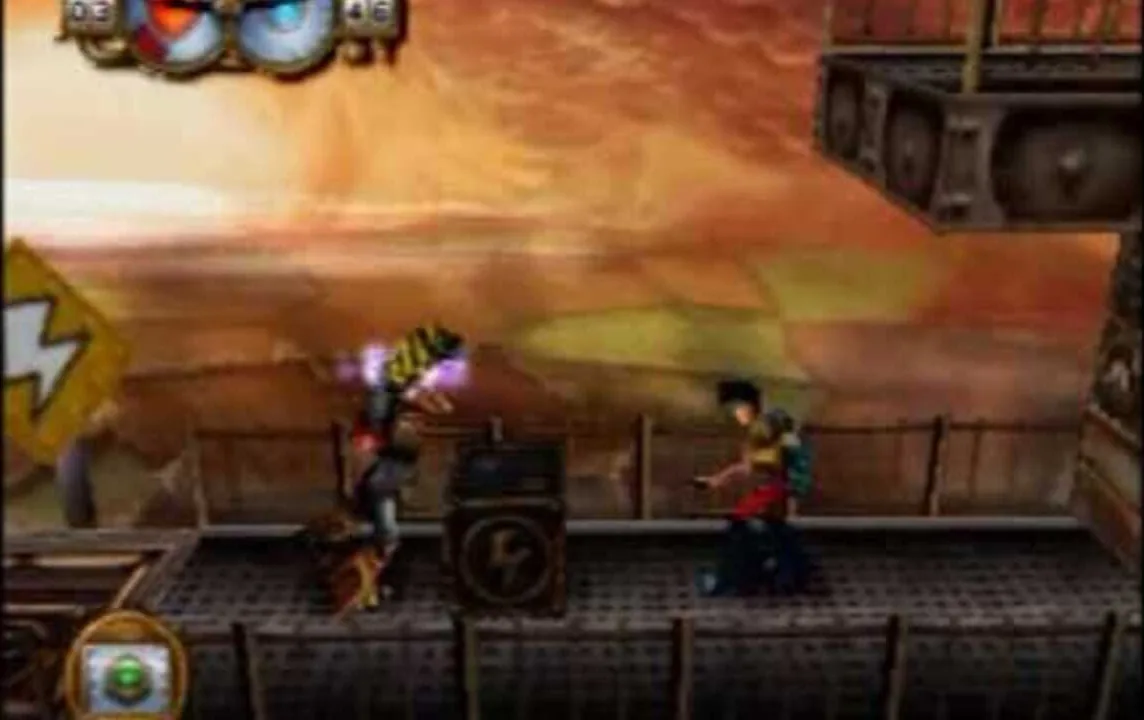
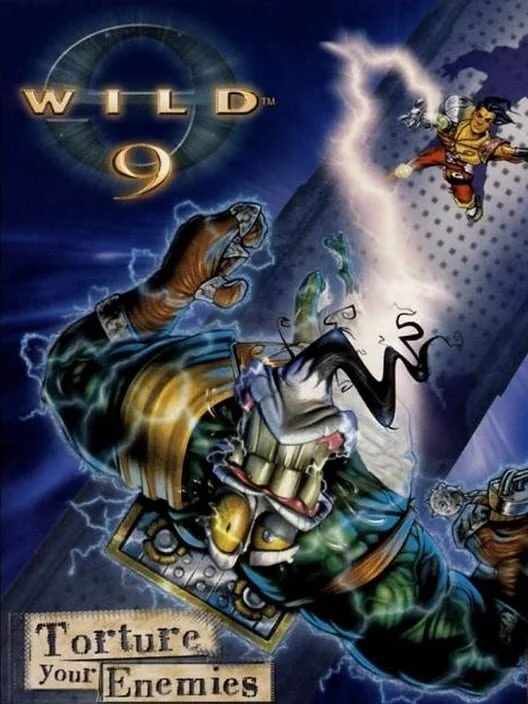
Wild 9 is a 2D platformer with 3D graphics, and it comes from the people behind Earthworm Jim: David Perry designed it, Shiny developed it and Interplay published it. The hook is the Rig, a weapon that works like an electronic lasso and can carry enemies around and smash them. A lasso that doubles as a wrecking ball is a cowboy's idea of overkill.
You use it to solve puzzles through ten levels, and a few stages switch to dodging obstacles and fighting bosses. It came out in North America and Europe in September 1998, and Karn kidnaps the rest of the Wild 9 crew, leaving Wex to rescue them. The players who found it call it good fun, and some name it among their favourite platformers on the console.
19. Castlevania: Symphony of the Night (1997)
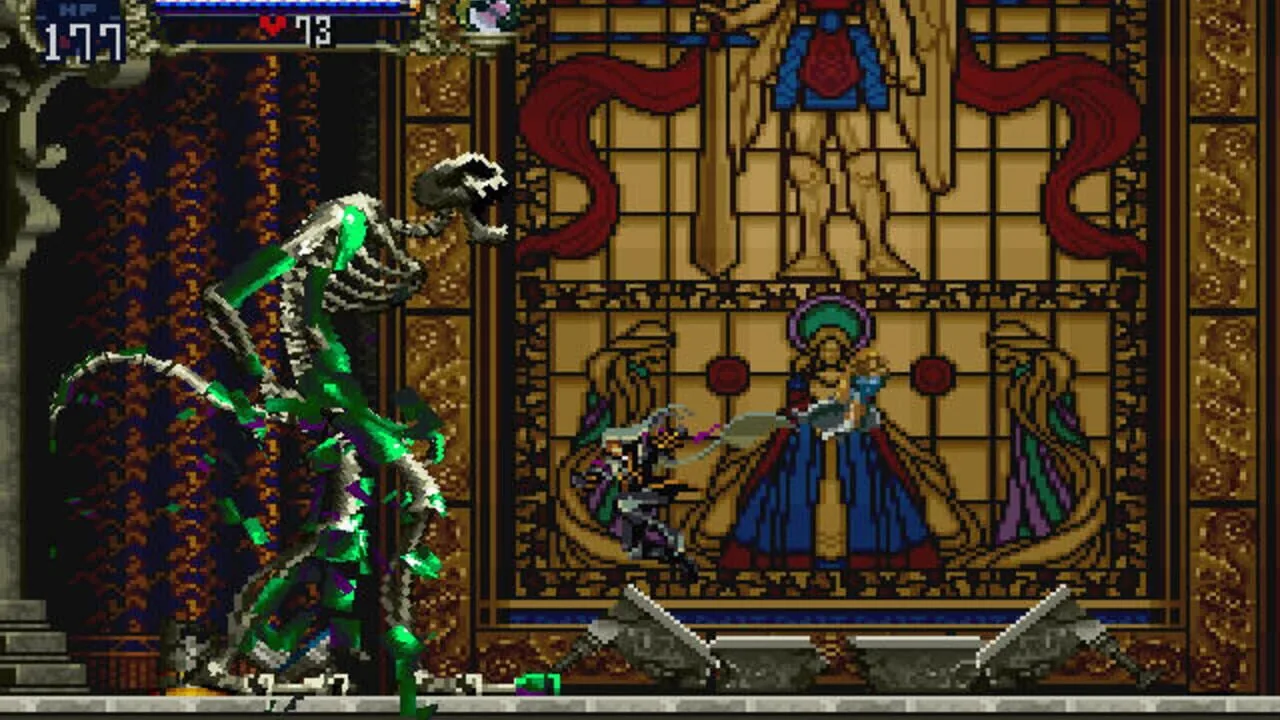
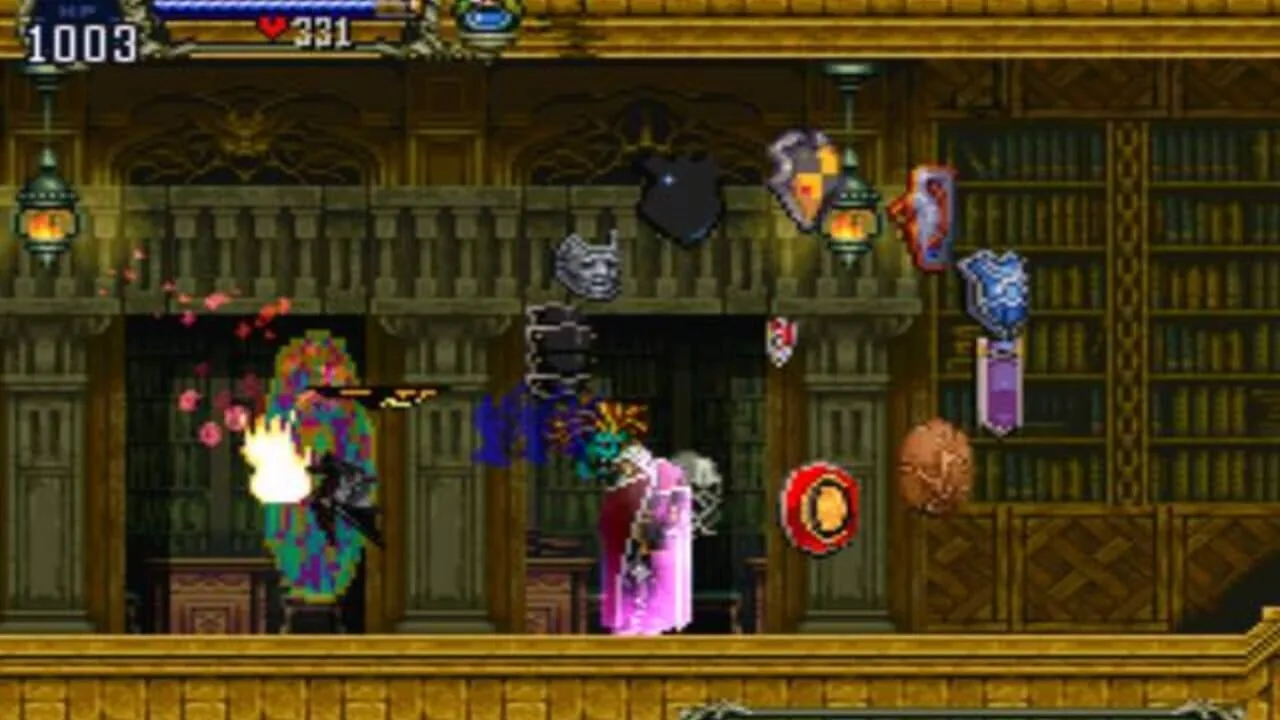
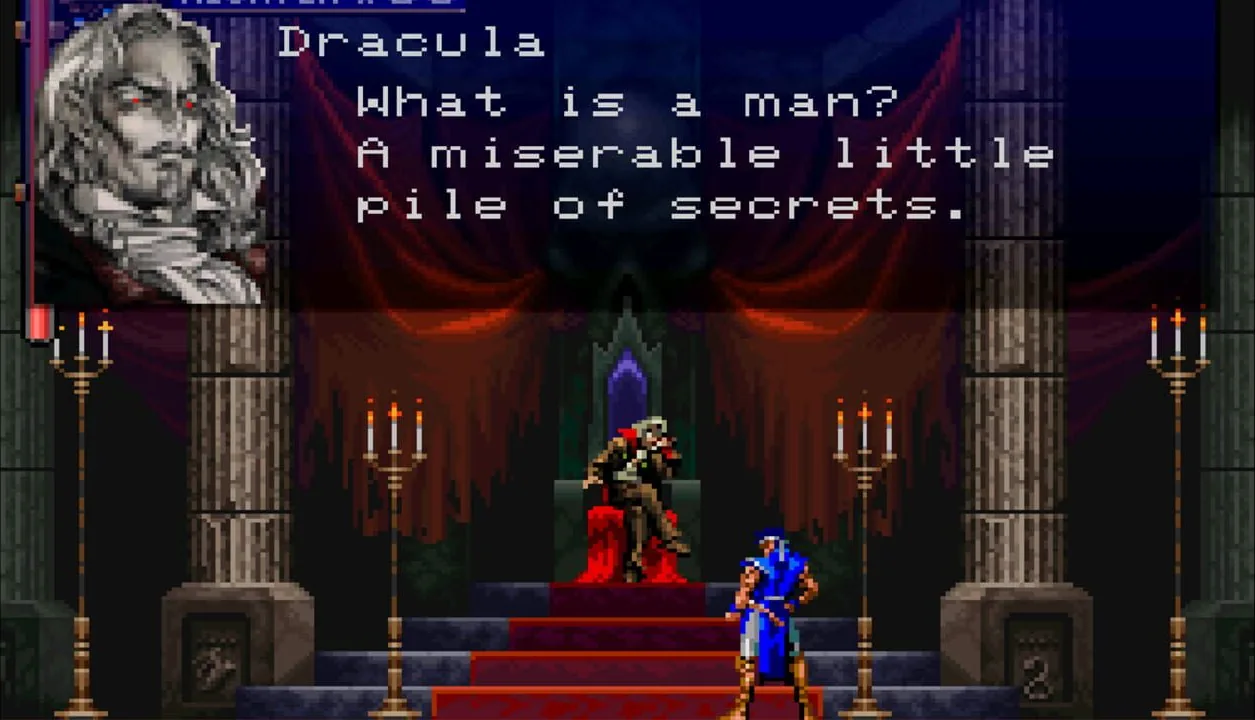
Alucard wakes from his eternal slumber when Castlevania reappears, and Symphony of the Night mixes platforming with role-playing action. Beating the castle reveals the second half, the Inverted Castle, an upside-down version with new enemies and bosses. Toru Hagihara directed and produced it, with Koji Igarashi as his assistant director. A Saturn port followed in Japan in 1998, but Igarashi said its video quality was lower because another team handled it.
It sold poorly at first, then gradually found an audience by word of mouth and went on to sell over 700,000 units in the United States and Japan. Critics often cite it as one of the best games of all time. Players call it the obvious pick, a no-brainer, and it sits this low only because many file it under something else.
18. Skullmonkeys (1998)
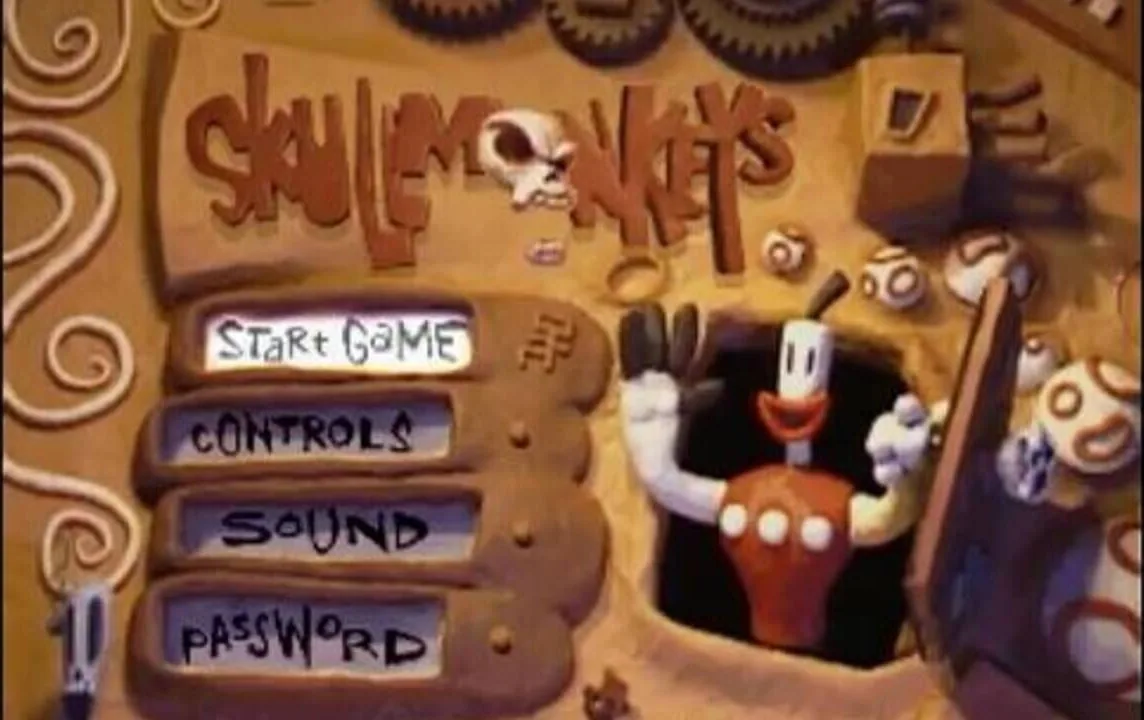
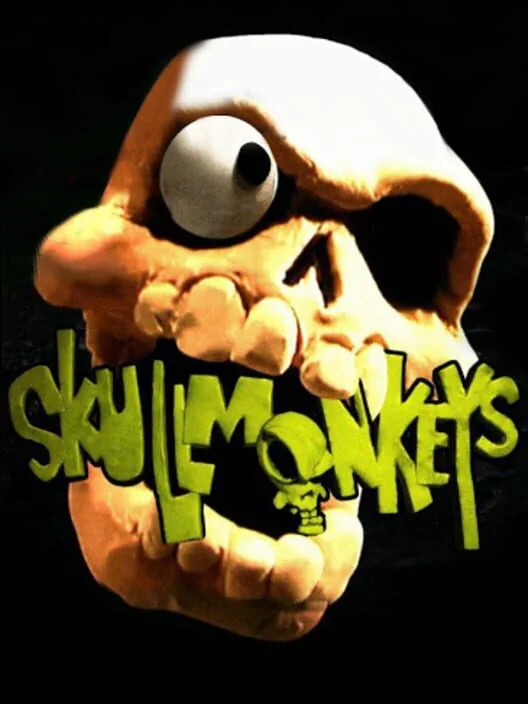
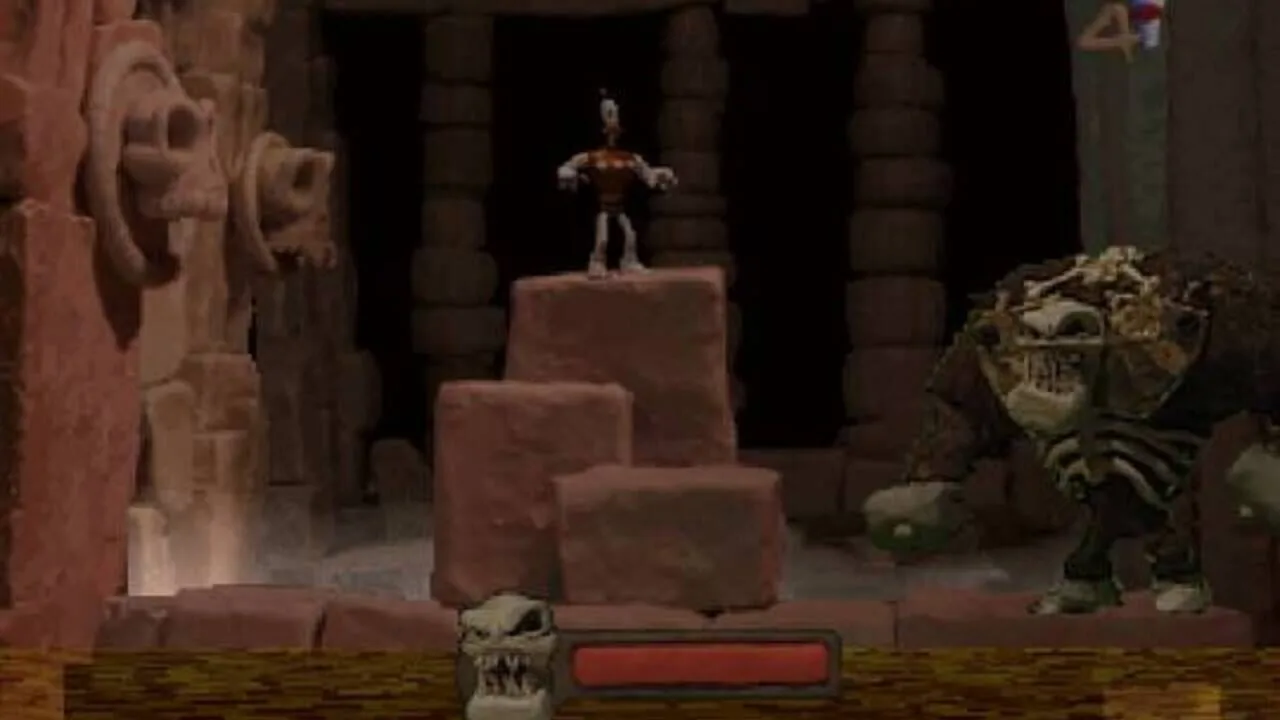
Skullmonkeys is a 2D platformer built entirely of Claymation characters, enemies and environments, like The Neverhood before it. Across seven worlds and ninety levels, you destroy Skullmonkeys by firing projectile weapons or by butt-bouncing off their heads. Extra lives come from collecting 100 clay balls, and secret levels play 1970s easy-listening music. Klogg, banished from the Neverhood, becomes the leader of the Skullmonkeys, and Klaymen is brought in to stop him. Terry Scott Taylor composed the soundtrack.
It was strictly two-dimensional at a time when that format looked outdated, and critics liked its visual style and music but bemoaned the lack of variety in the gameplay. Players name it among their favourites, often next to other offbeat platformers like Pandemonium.
17. Pandemonium! (1996)
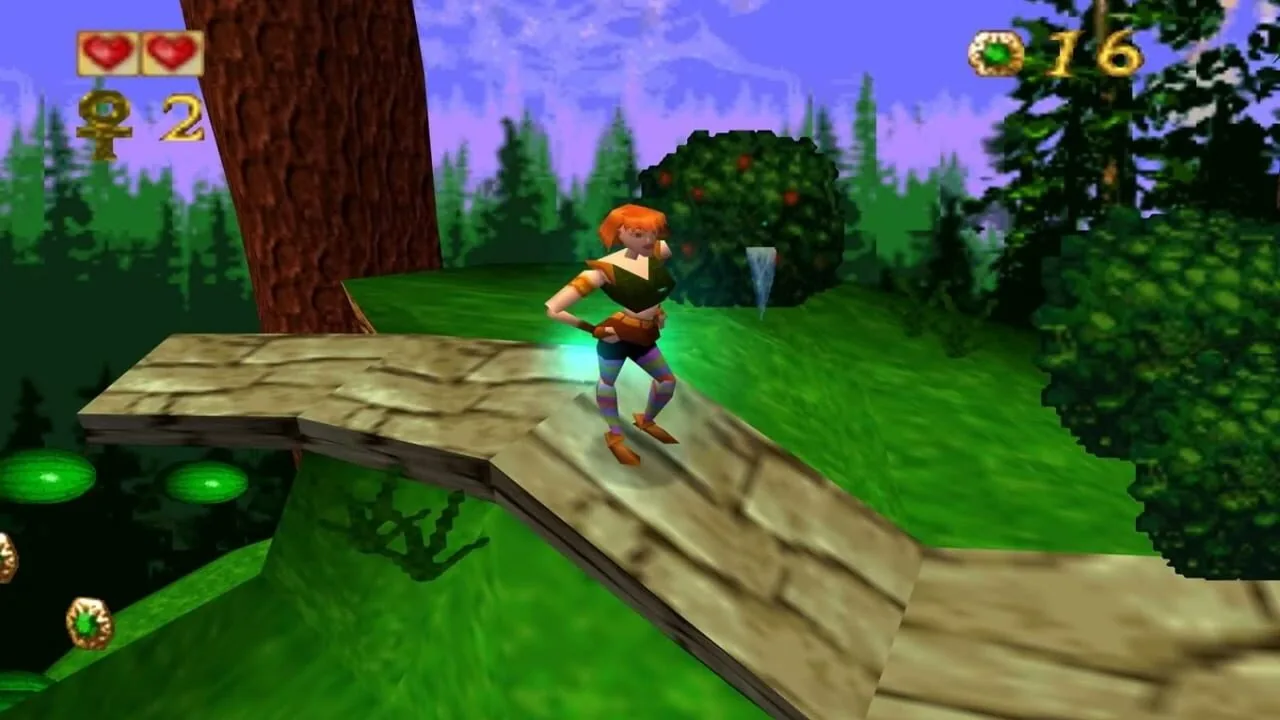
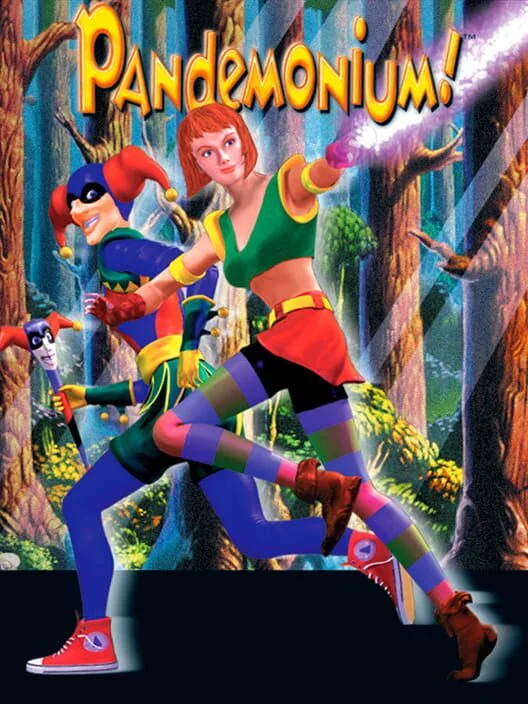
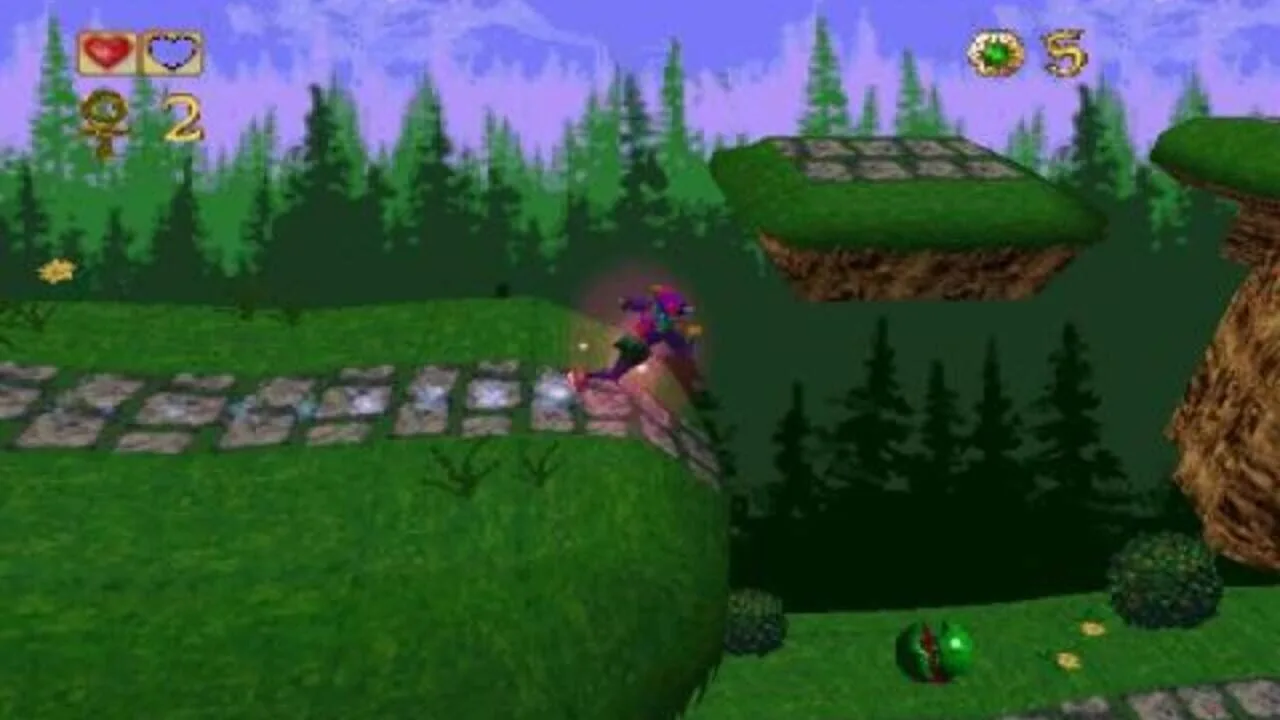
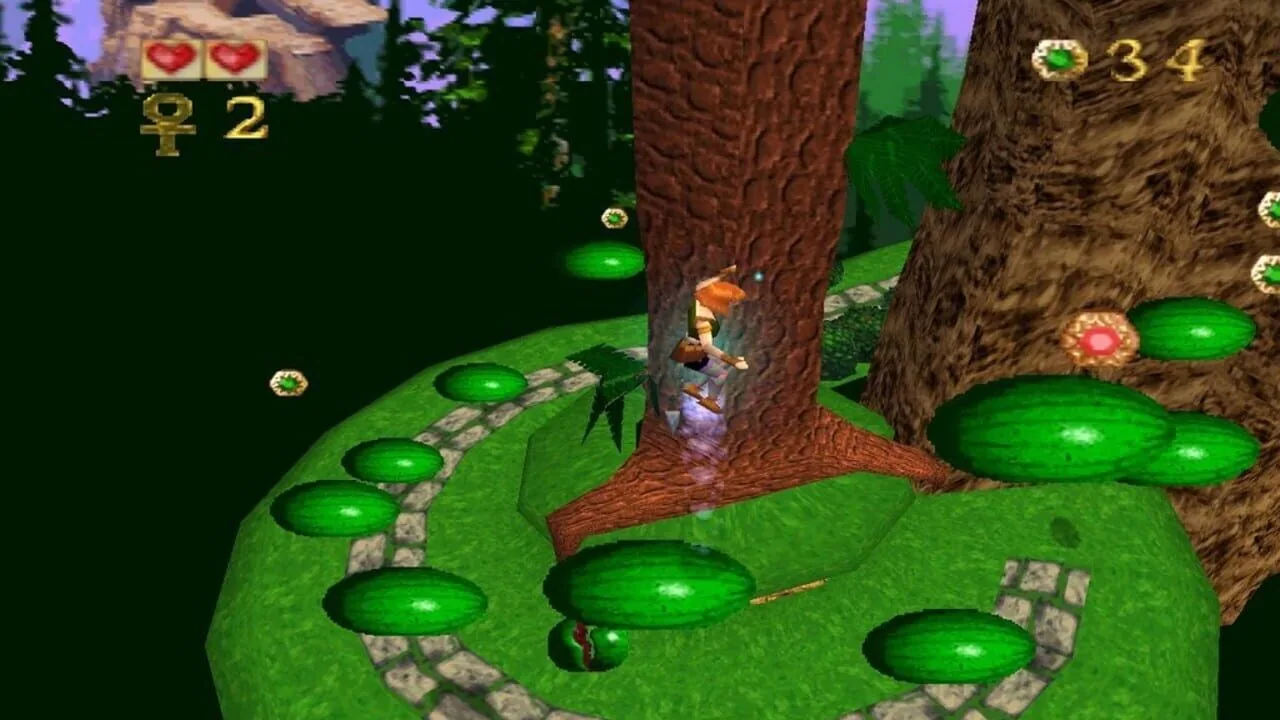
Pandemonium! gives you two heroes: Fargus, a joker, and Nikki, who unwittingly casts the spell that destroys the town. You pick one for each level, Fargus has a spinning attack, and Nikki can double jump. The goal is to reach the Wishing Engine and wish the town back to normal. The game is full of unique objects such as watermelons and spider webs. Fargus wastes the first wish on a chicken, which is the most relatable thing in the game.
Its sequel, Pandemonium 2, came out in 1997, and the Japanese version, Magical Hoppers, changes the story and cutscenes. Players are quick to ask for it when a list leaves it out, though some find it less smooth than they remembered.
16. Blasto (1998)
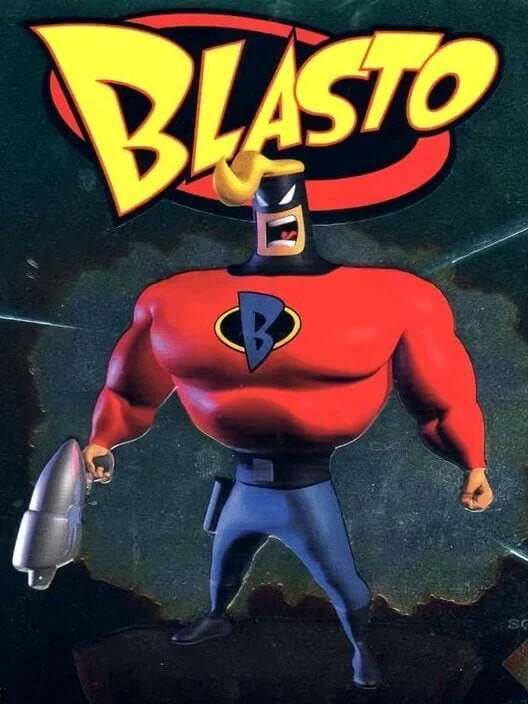
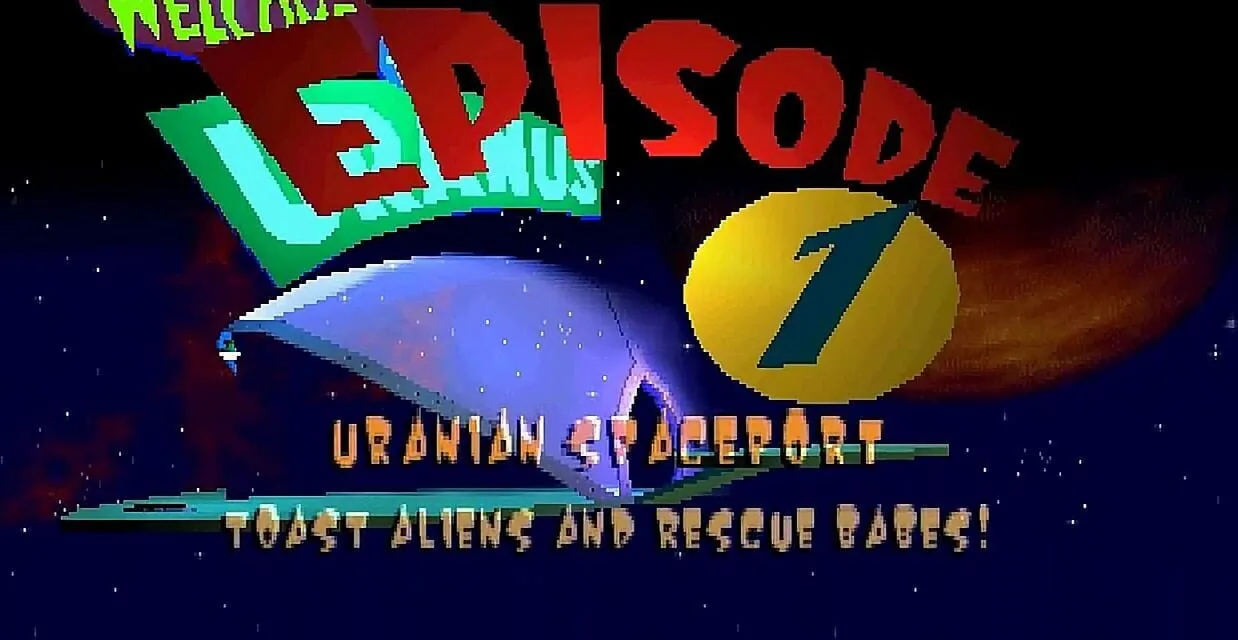
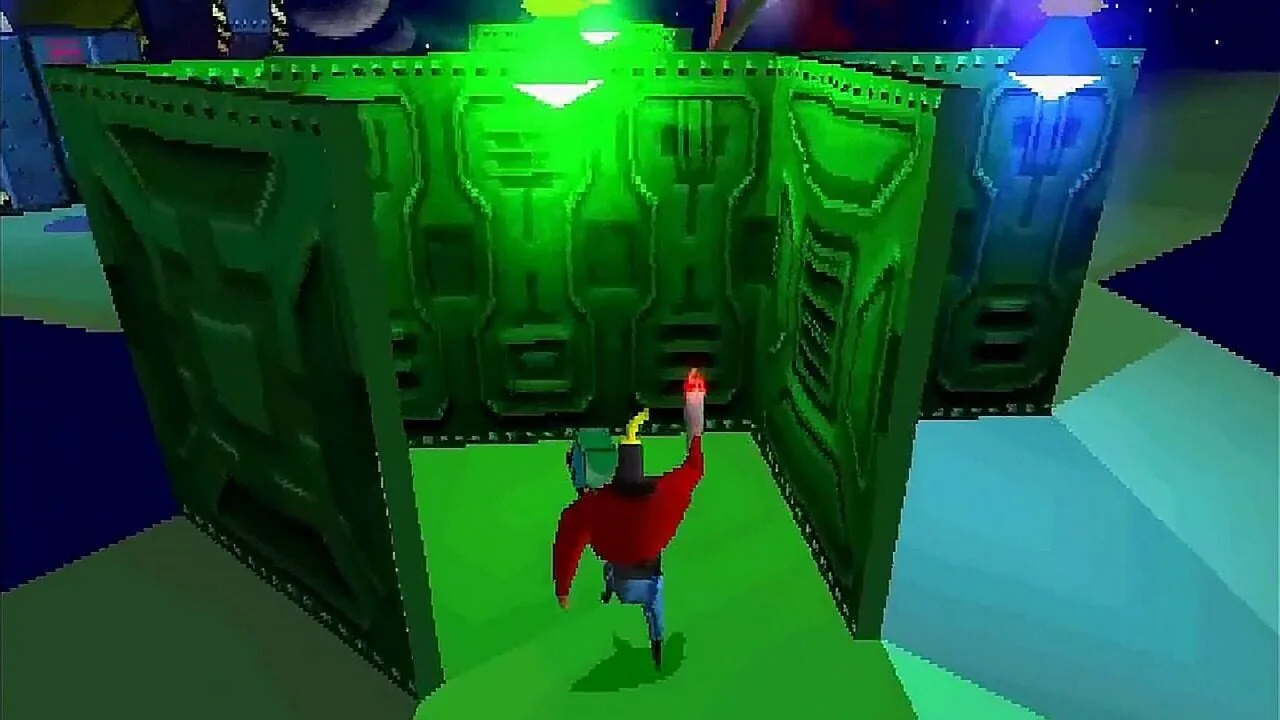
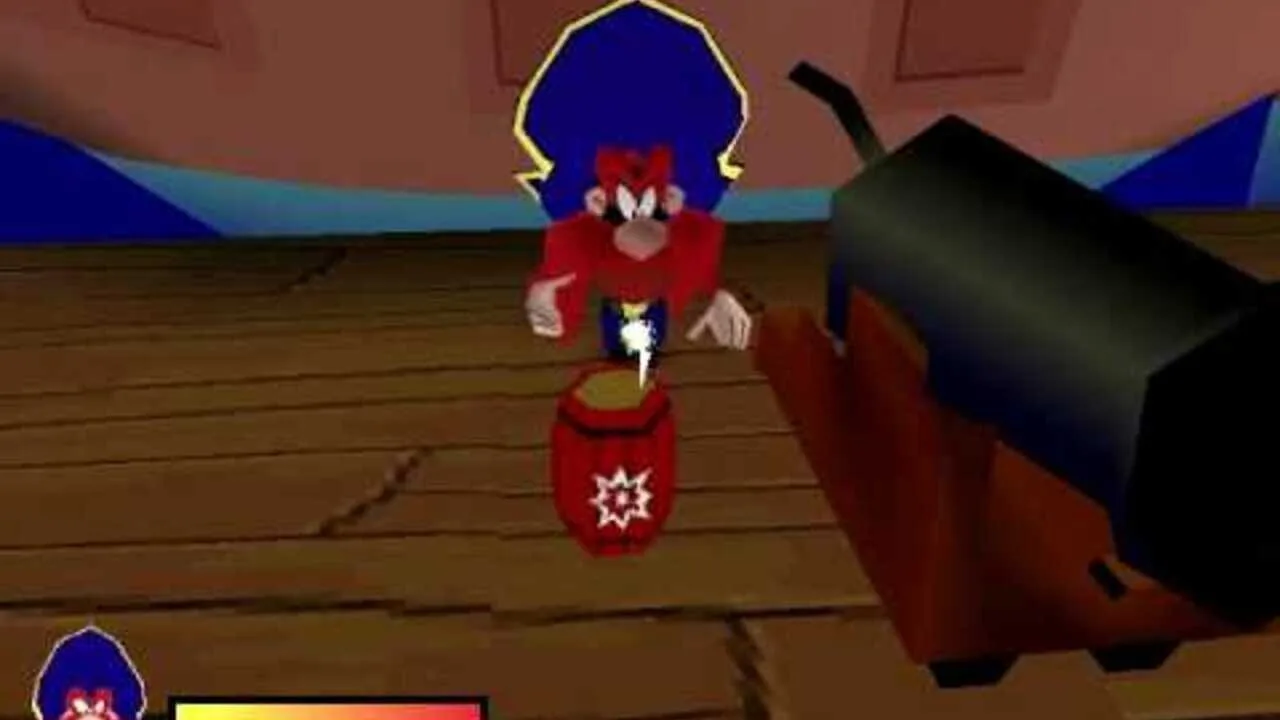
Blasto is a third-person shooter with platforming elements, starring the bombastic, slightly dimwitted superhero Captain Blasto. The alien overlord Bosc has conquered Uranus and wants Earth next. Phil Hartman voiced the captain, and Sony put a heavy marketing push behind the game, hoping for a bestseller. A Japanese release was planned as Captain Blasto, but it was cancelled for unknown reasons.
Critics were not kind. They complained of frustrating controls and long stretches of wandering in search of objectives, and a dimwitted hero lost in a big level is at least in character. Players still call it an under-the-radar pick with a charm of its own.
15. Tomba! 2: The Evil Swine Return (1999)
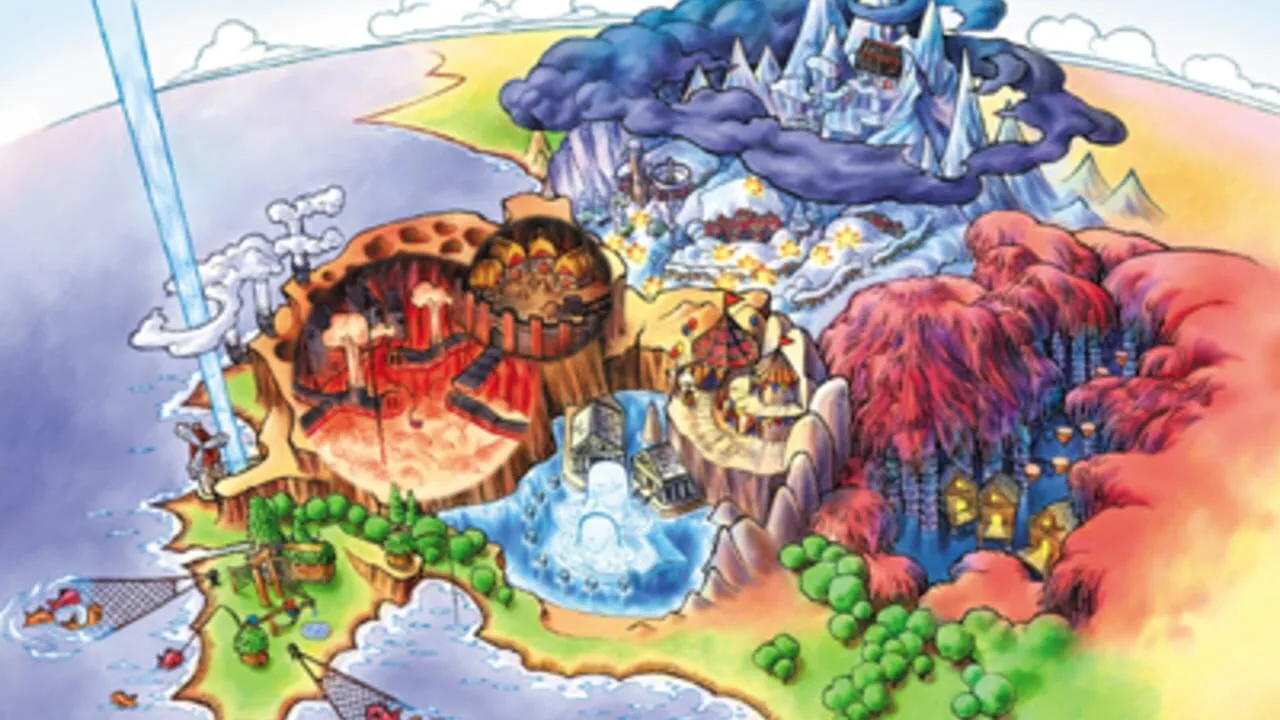
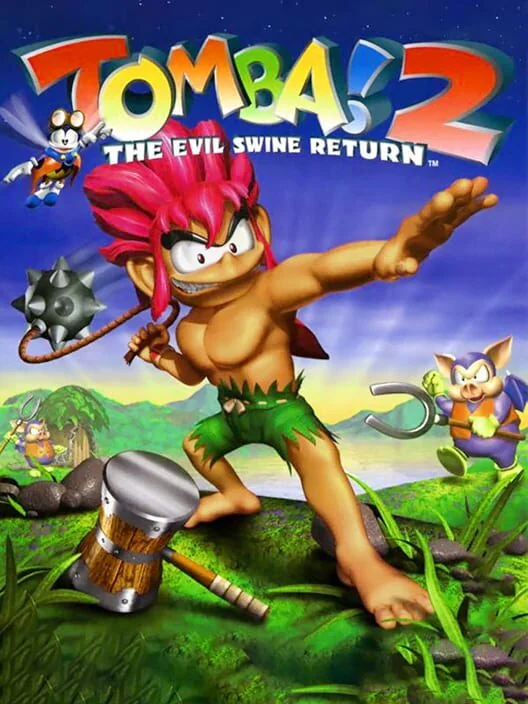
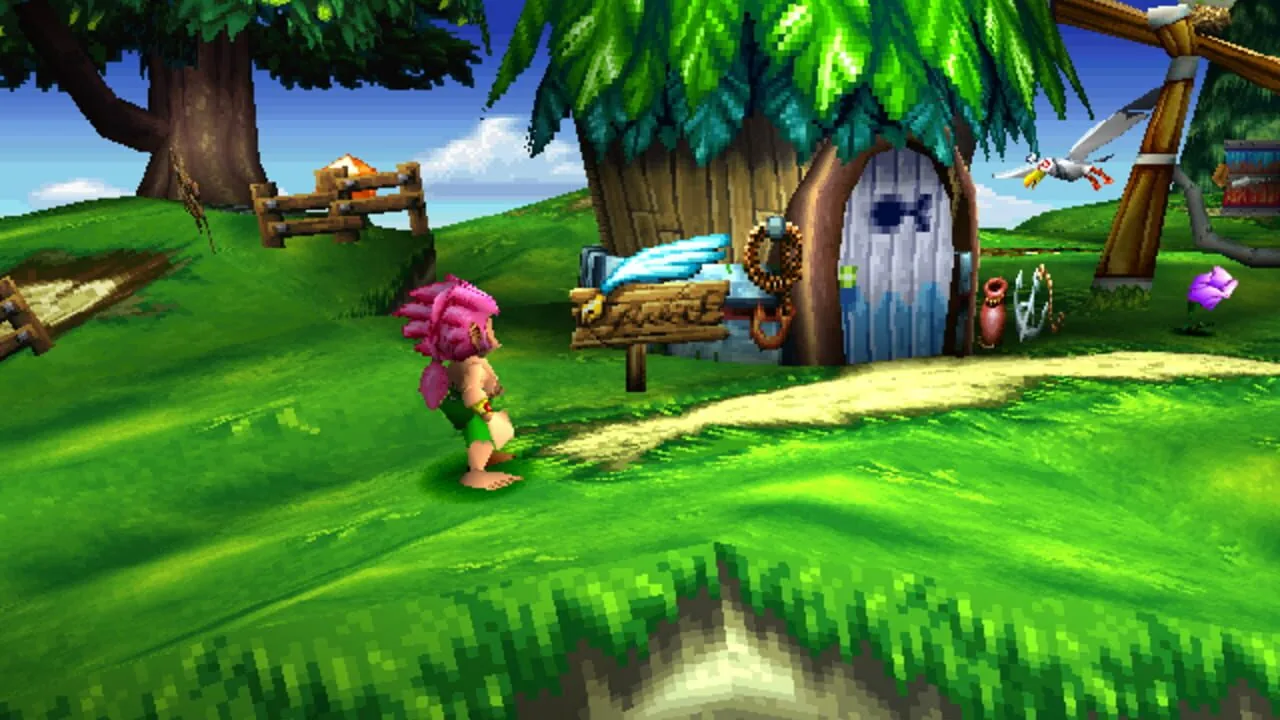
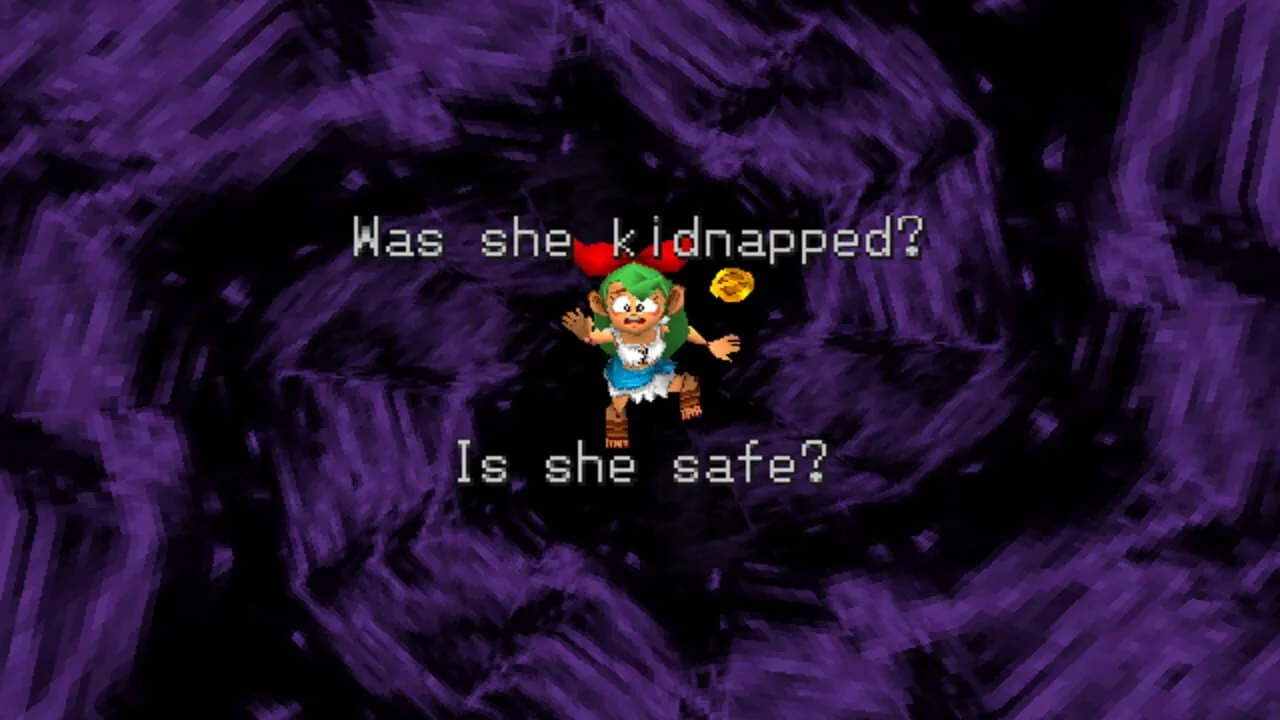
Tomba! 2: The Evil Swine Return keeps Tomba on set paths until a flashing arrow appears over his head, and some areas switch to a top-down view. There are 137 objectives to complete, from fetching a fishing hook to helping Santa Claus find his sack. Suits grant special powers, such as a flying squirrel suit that lets him glide long distances. It centres on Tomba trying to rescue his friend Tabby from an evil race of pigs, and it came out in Japan in 1999 and internationally the following year.
It was the first Tomba in full 3D graphics, and it sold less than the original, after which Whoopee Camp disbanded. Players almost always name the two Tomba games as a pair. The first one ranks much higher, at #3.
14. Crash Bandicoot: Warped (1998)
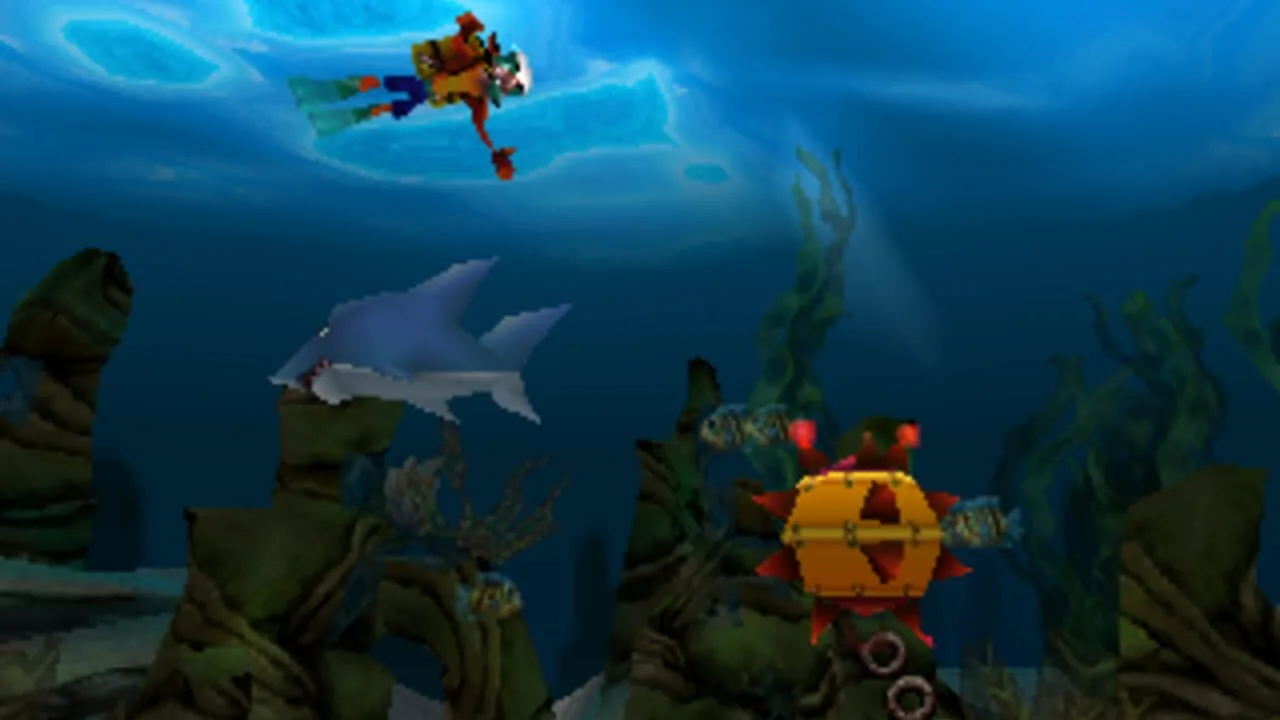
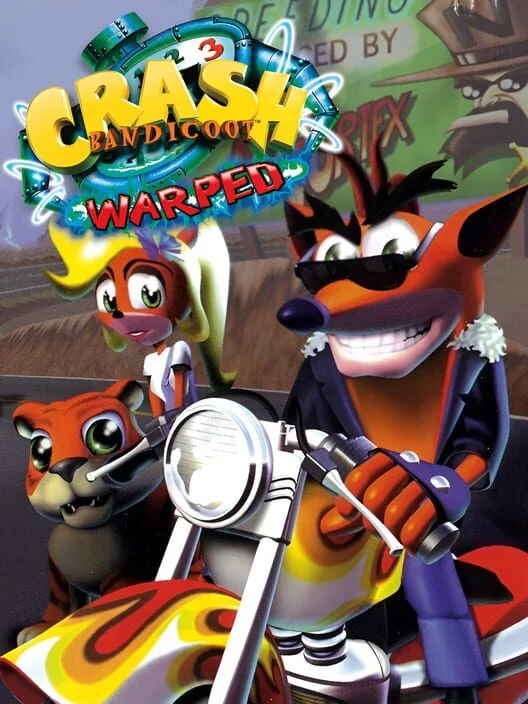
Crash Bandicoot: Warped is the third Crash, and the first where Coco is playable. Crash and Coco travel through time to gather 25 crystals before Uka Uka and Doctor Neo Cortex can. Naughty Dog had only ten and a half months to make it, and wrote three new gameplay engines for the airplane, jet-ski and motorcycle levels. Critics lauded it, and it has been called one of the best video games of all time. It became the first non-Japanese PlayStation game to sell over 1 million copies in Japan.
Its fans say it has the best visuals and gameplay of the three, and some rank it level with Crash 2. The list disagrees: Crash 2 sits nine places higher.
13. Klonoa: Door to Phantomile (1997)
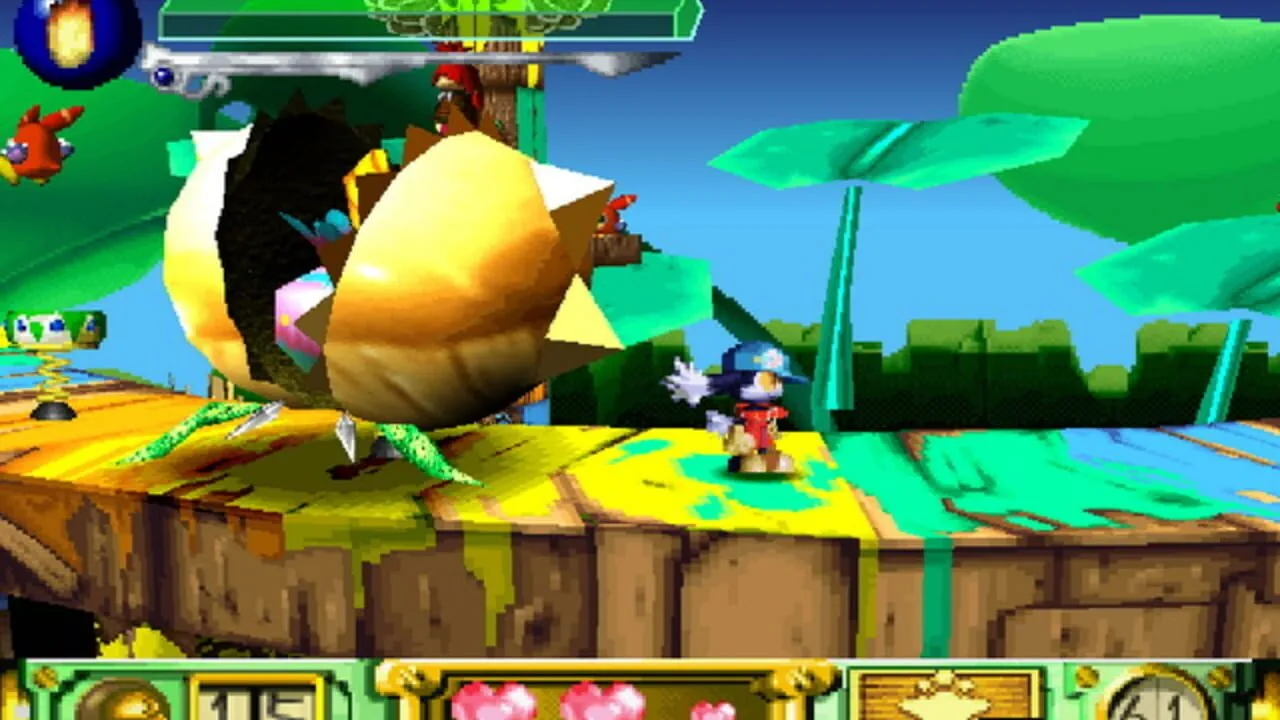
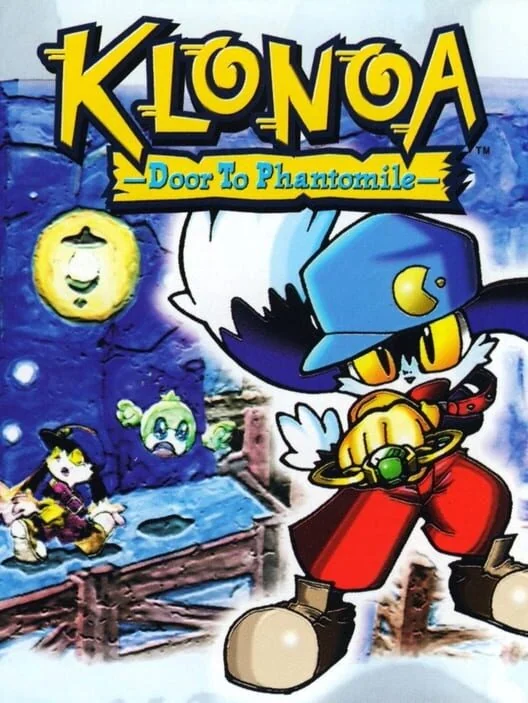
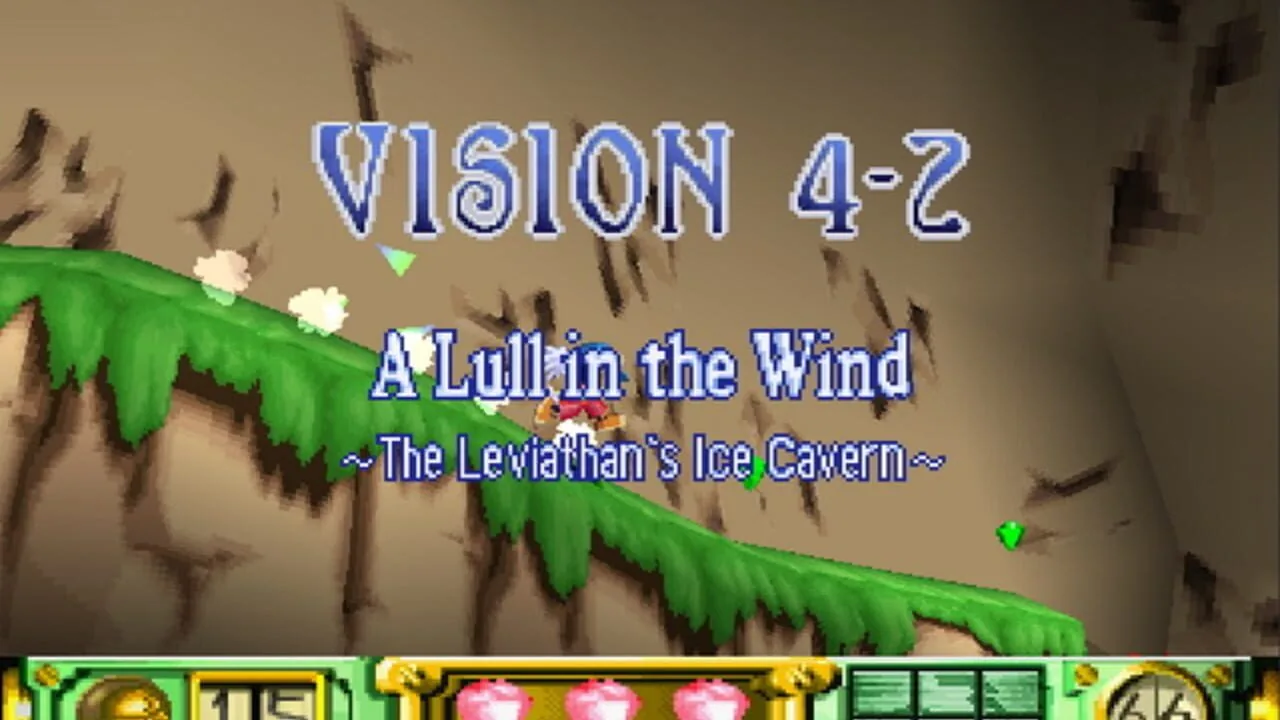
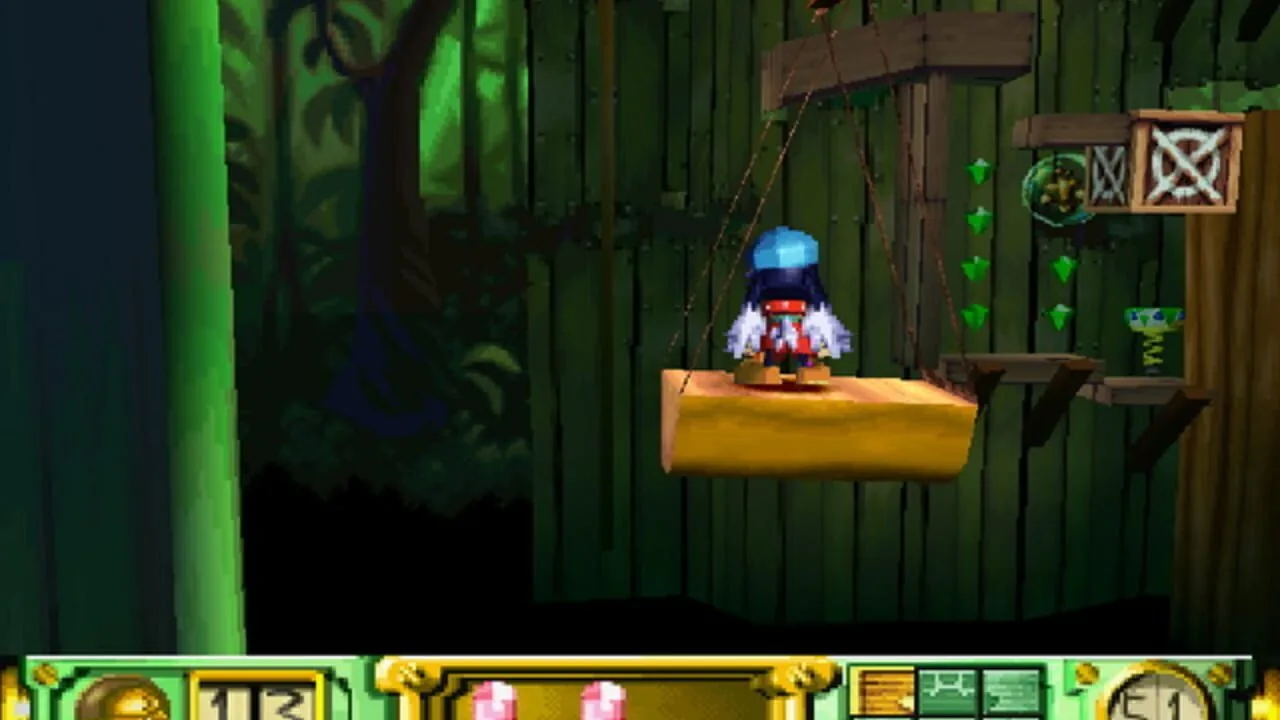
Klonoa: Door to Phantomile moves you along a two-dimensional path through a world rendered in 3D, so the path can curve and you can reach things off to the side. Hideo Yoshizawa directed it, picturing a dream world that could appeal to children and adults. Because of that theme, the enemies were designed as nightmarish. The game first used three buttons, then cut them to two for quicker input and faster play, and Yoshihiko Arai designed the characters. Paon remade it for the Wii in 2008.
Critics praised the clever level design and the visuals, although some found it too cute for their taste. Its fans back it hard, and some call it the best platformer on the console.
12. Jersey Devil (1997)
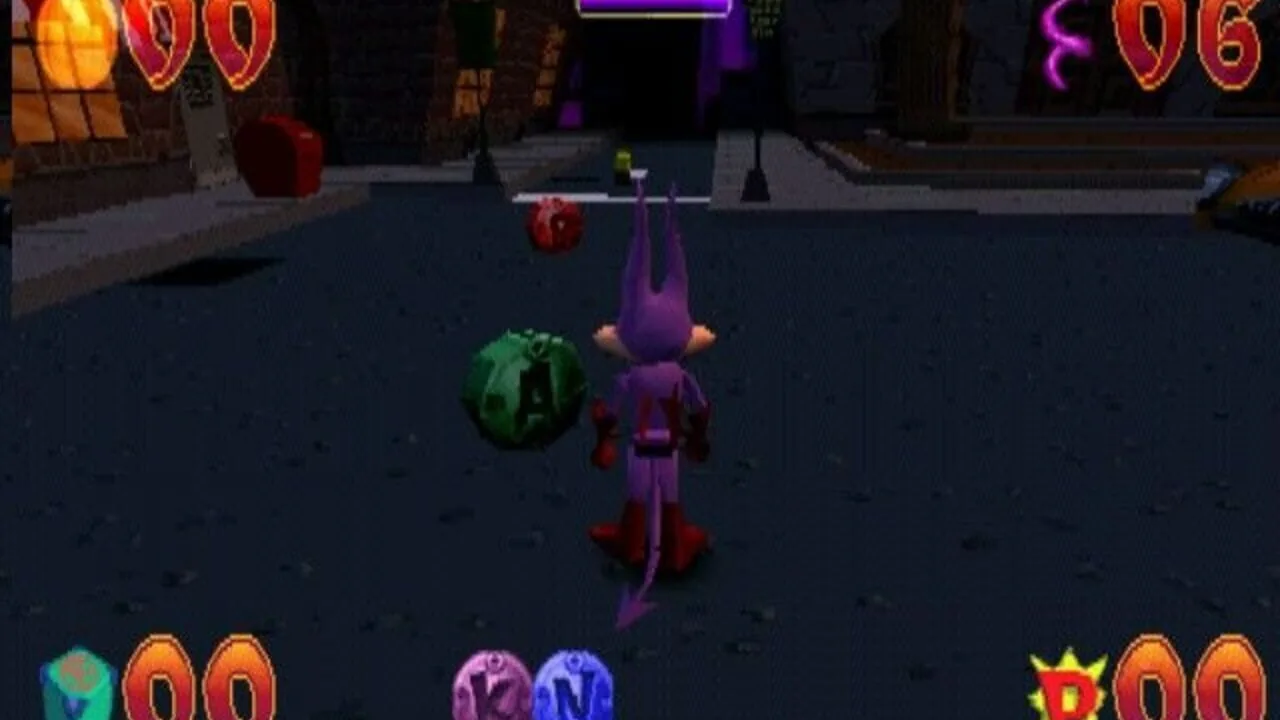
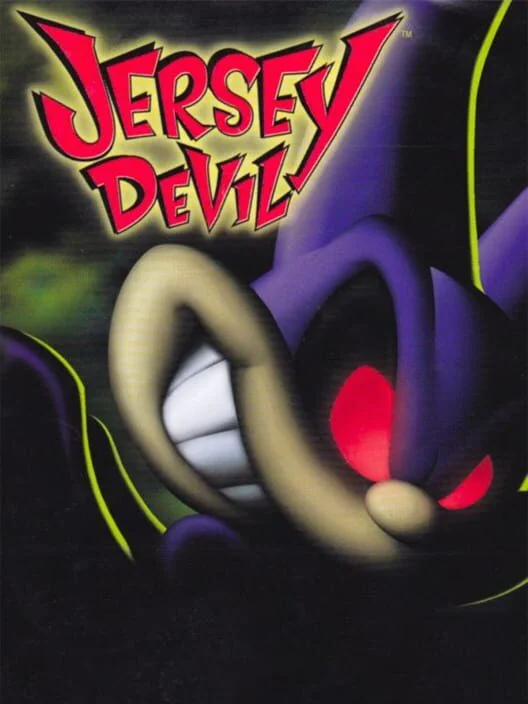
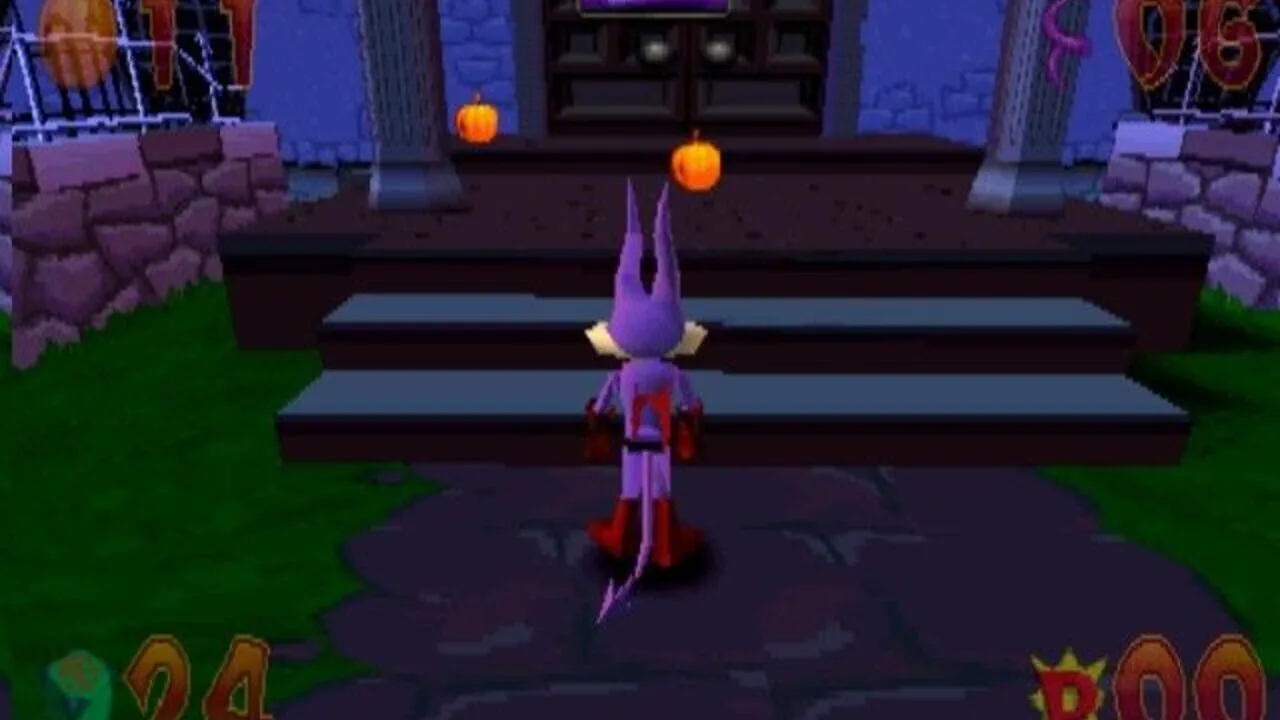
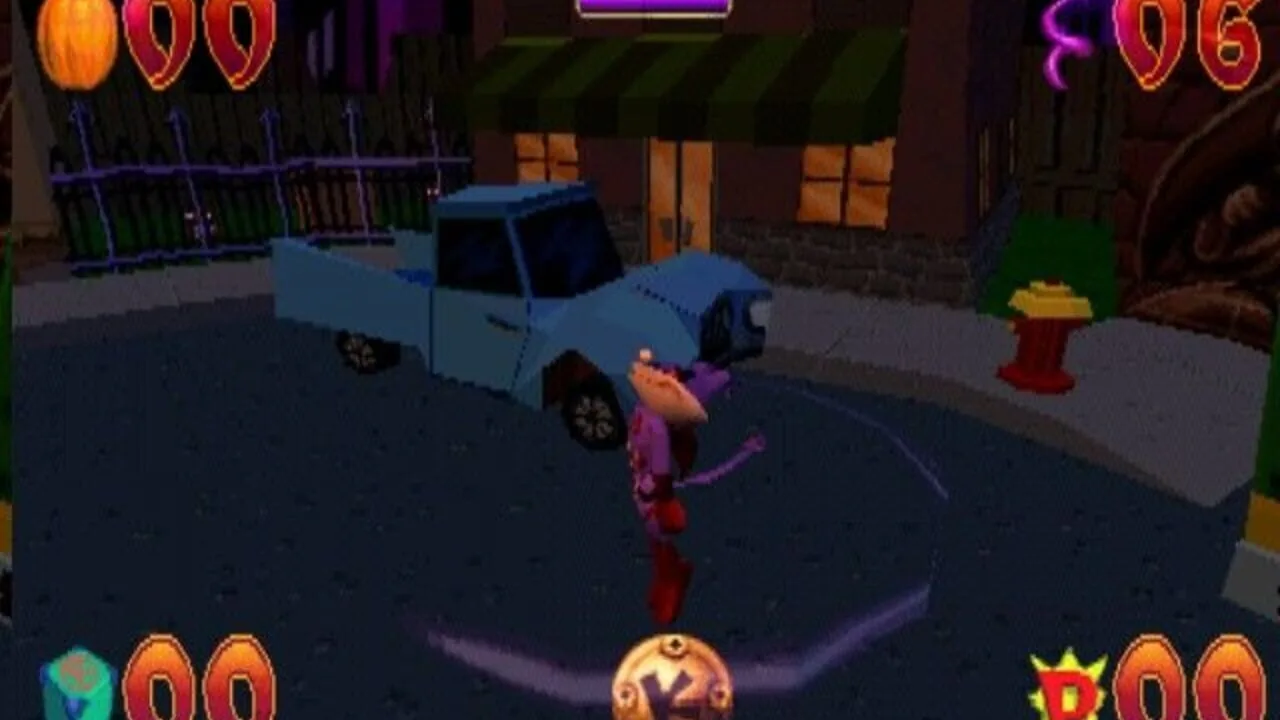
Jersey Devil is loosely based on the legendary New Jersey beast, except this one is a cute purple creature with long ears and small wings. The villain, Dr. Knarf, has built a legion of mutated vegetables, and you jump, glide and tail whip through them. In the opening cutscene, mutant vegetable monsters chase and kidnap the residents of a city. Fighting an army of mutated vegetables is the closest any child has come to enjoying their greens.
The 3D stages are themed, from a museum and a cemetery to a haunted house, with zombies, bats and spiders mixed in with the veggies. Players see it as a lesser-known pick that deserves more love.
11. Crash Bandicoot (1996)
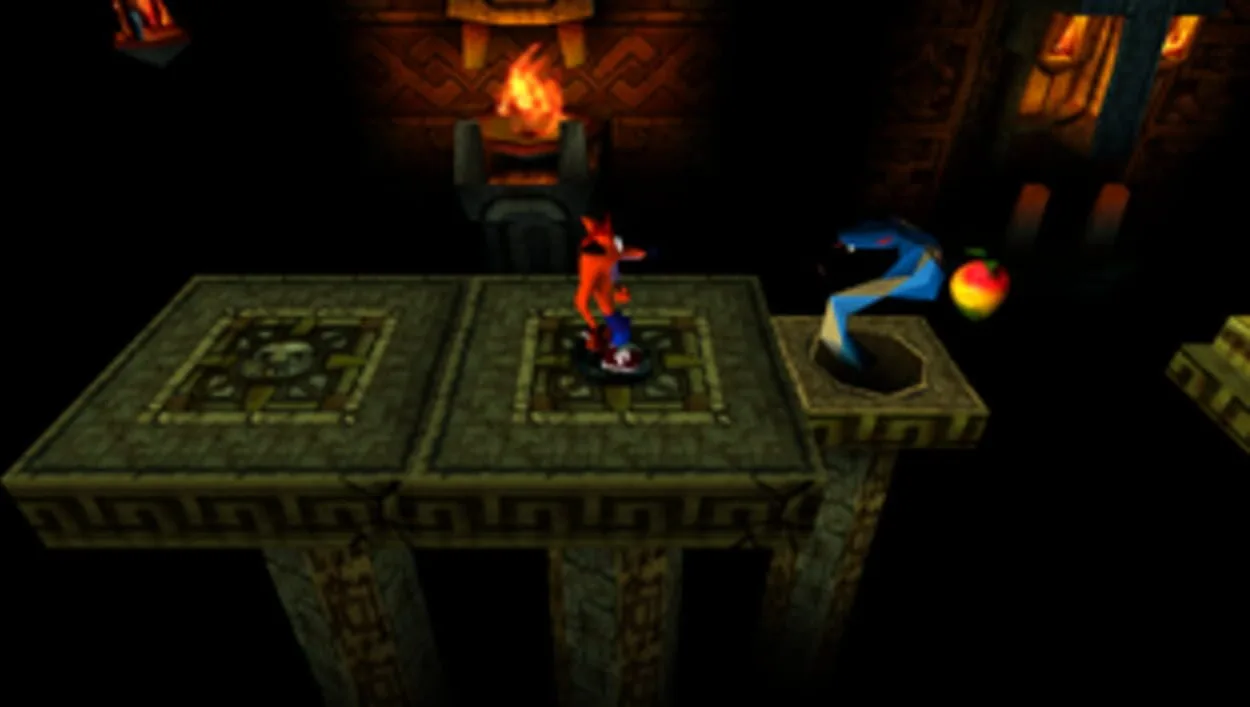
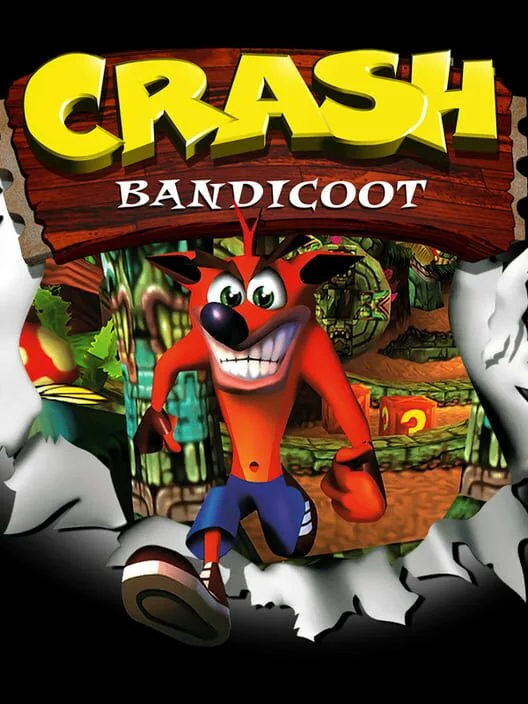
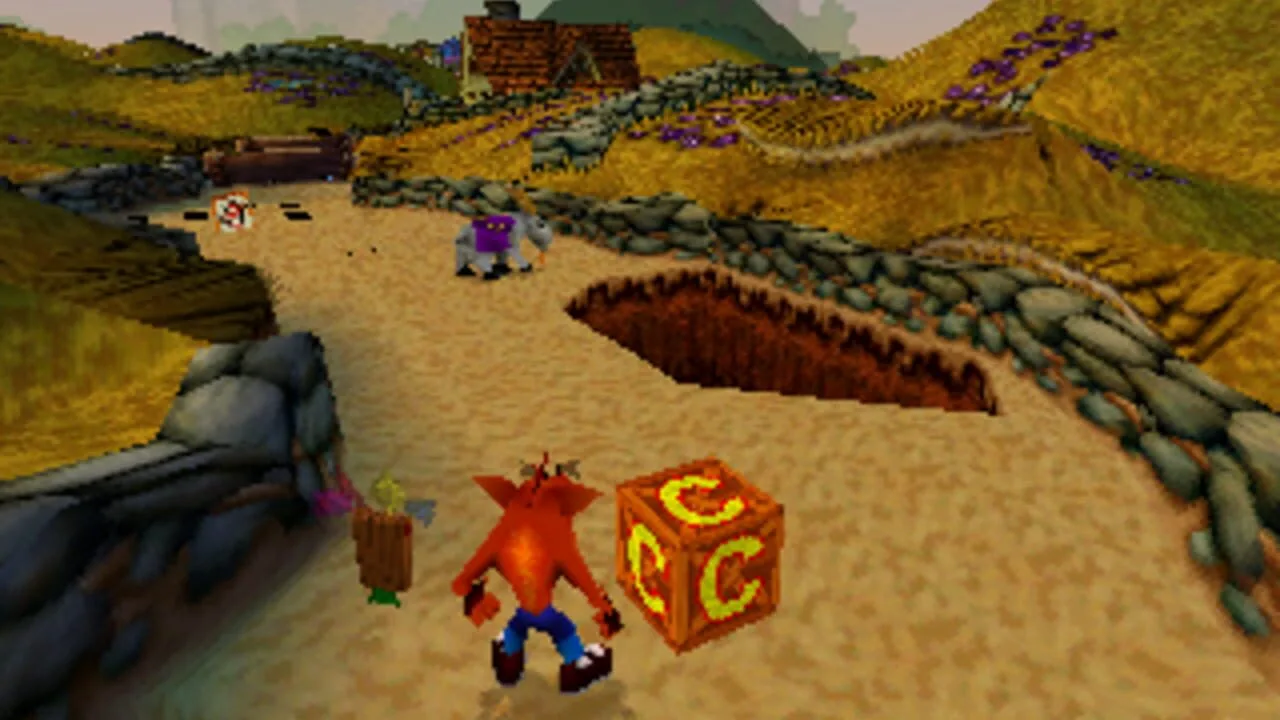
Crash Bandicoot is the game that established Naughty Dog's reputation. Crash is a bandicoot uplifted by the mad scientist Doctor Neo Cortex, and he can beat enemies by jumping on them or spinning into them. Publishers fought over it, and Universal Interactive won with a place on its lot and funding for three more games. Andy Gavin and Jason Rubin, the studio's co-founders, drove from Boston to Los Angeles after accepting the publishing deal. The Japanese release was extensively retooled.
It sold over 6 million units. Critics criticised its linearity, but players say it still holds up, graphics included. Its sequel ranks six places higher.
10. MediEvil (1998)
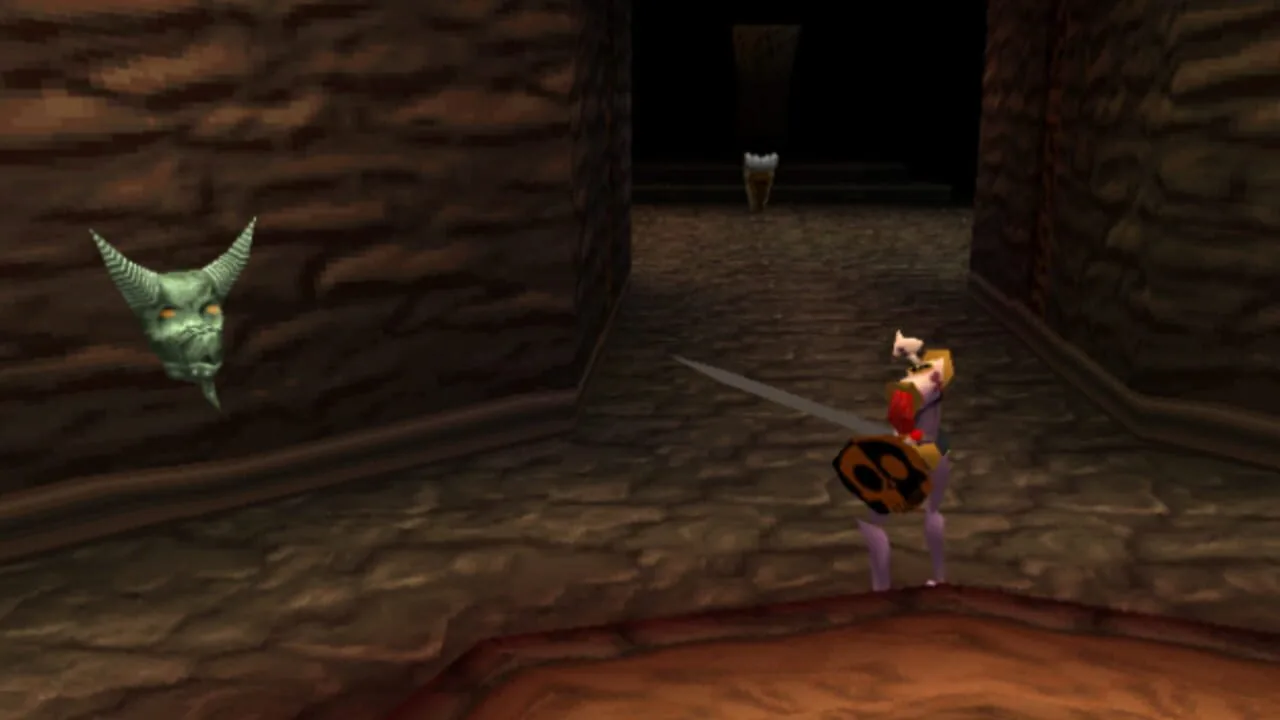
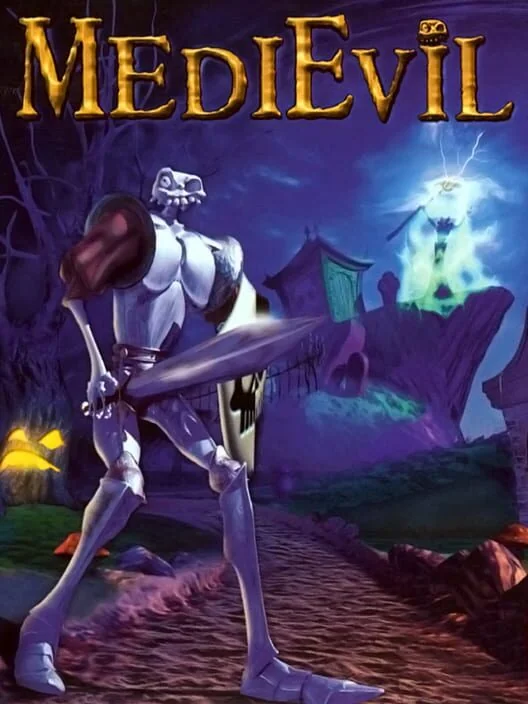
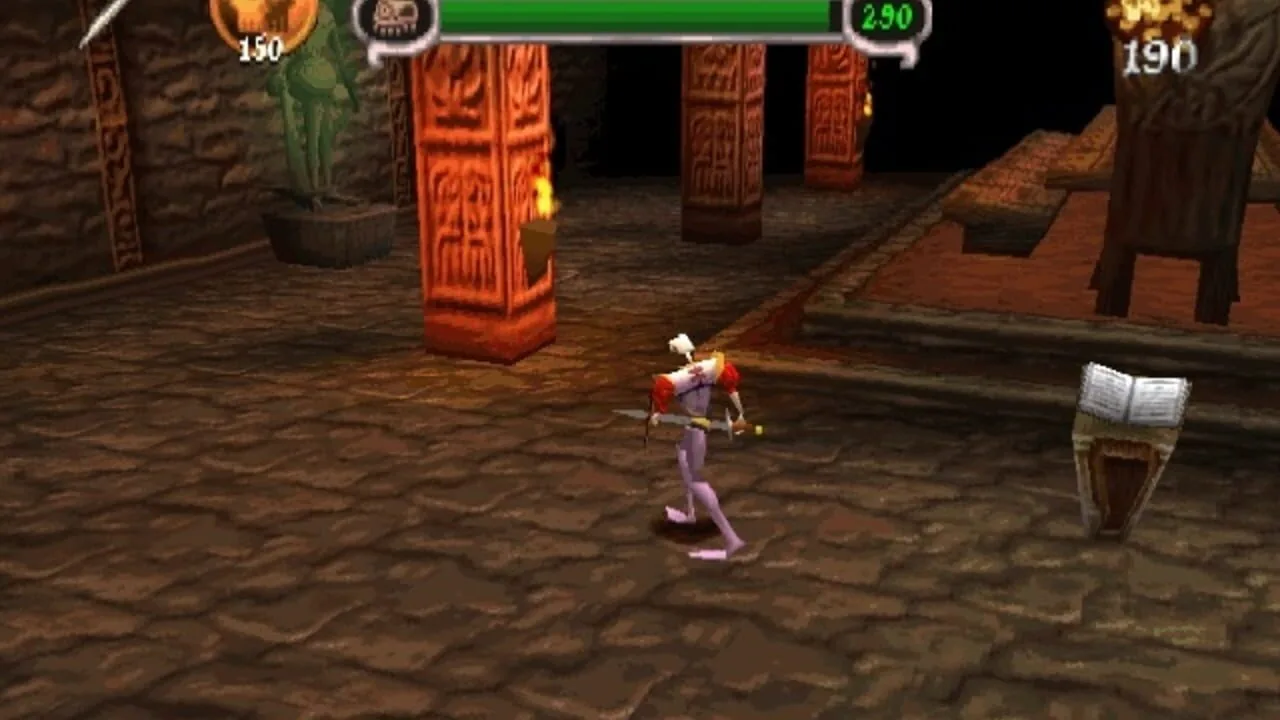
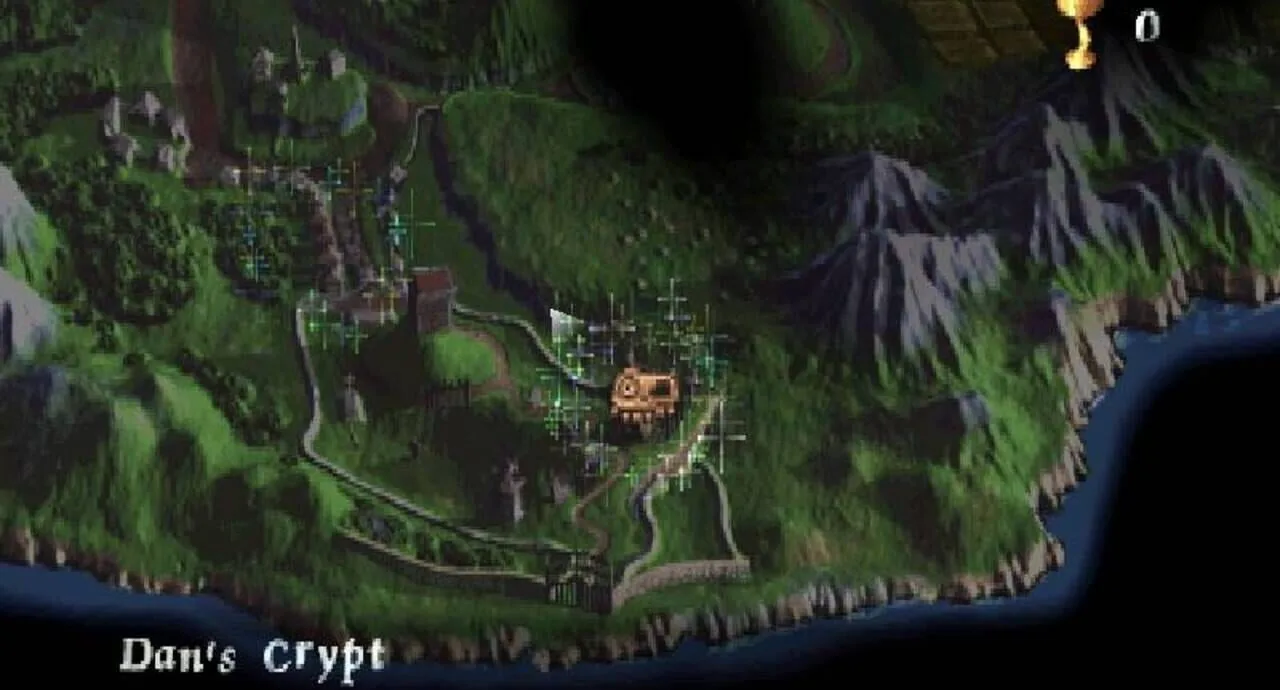
MediEvil follows Sir Daniel Fortesque, a skeletal knight accidentally resurrected to battle the sorcerer Zarok and save the kingdom of Gallowmere. When Dan has no items, he can rip off his own arm and use it as a weapon. Development began in 1995 under the working title Dead Man Dan. It reached Europe and North America in 1998 and Japan in 1999, and a sequel, MediEvil 2, followed in 2000.
It was criticised for its controls and cumbersome camera, but praised for its Halloween-themed look. Millennium Interactive first built the demo for several platforms before Sony stepped in. A remake followed for the PS4 in 2019. Players recommend the whole series, remake included, though some say it is lighter on platforming than the others here.
9. Bugs Bunny: Lost in Time (1999)
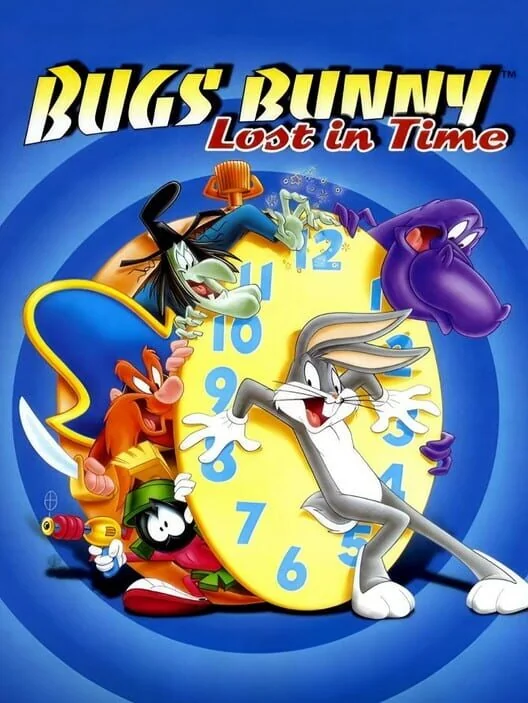
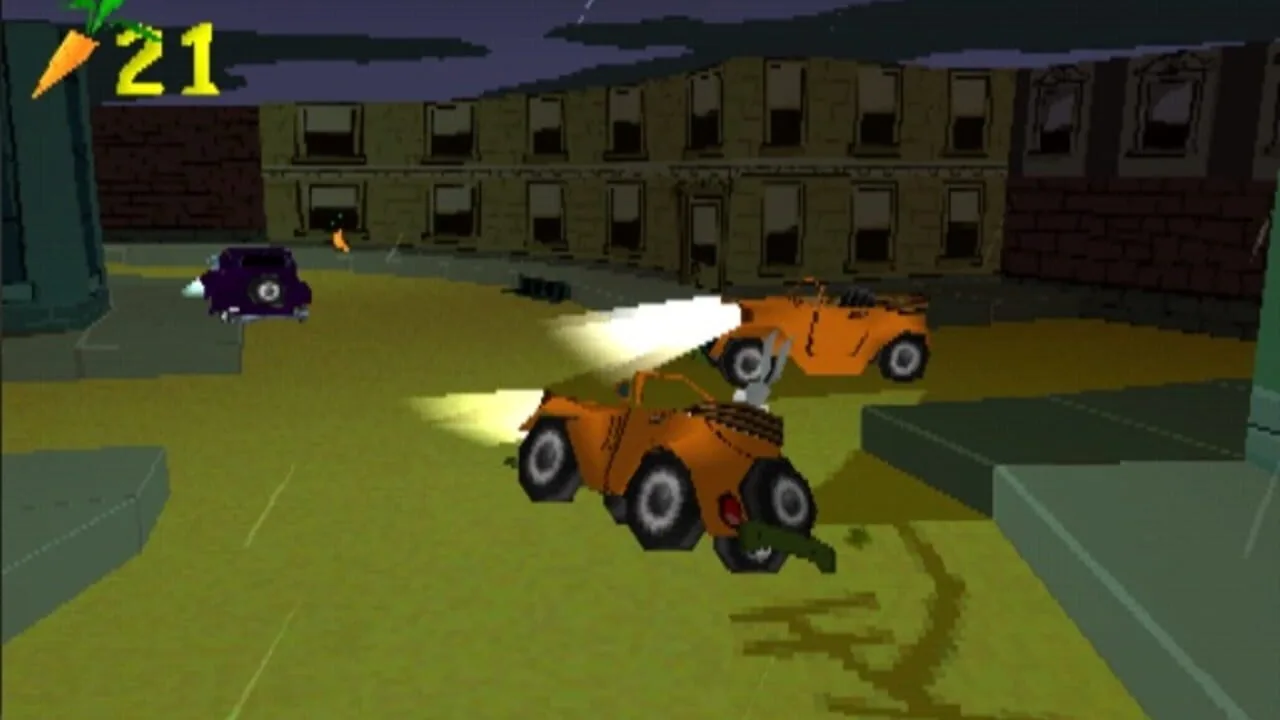
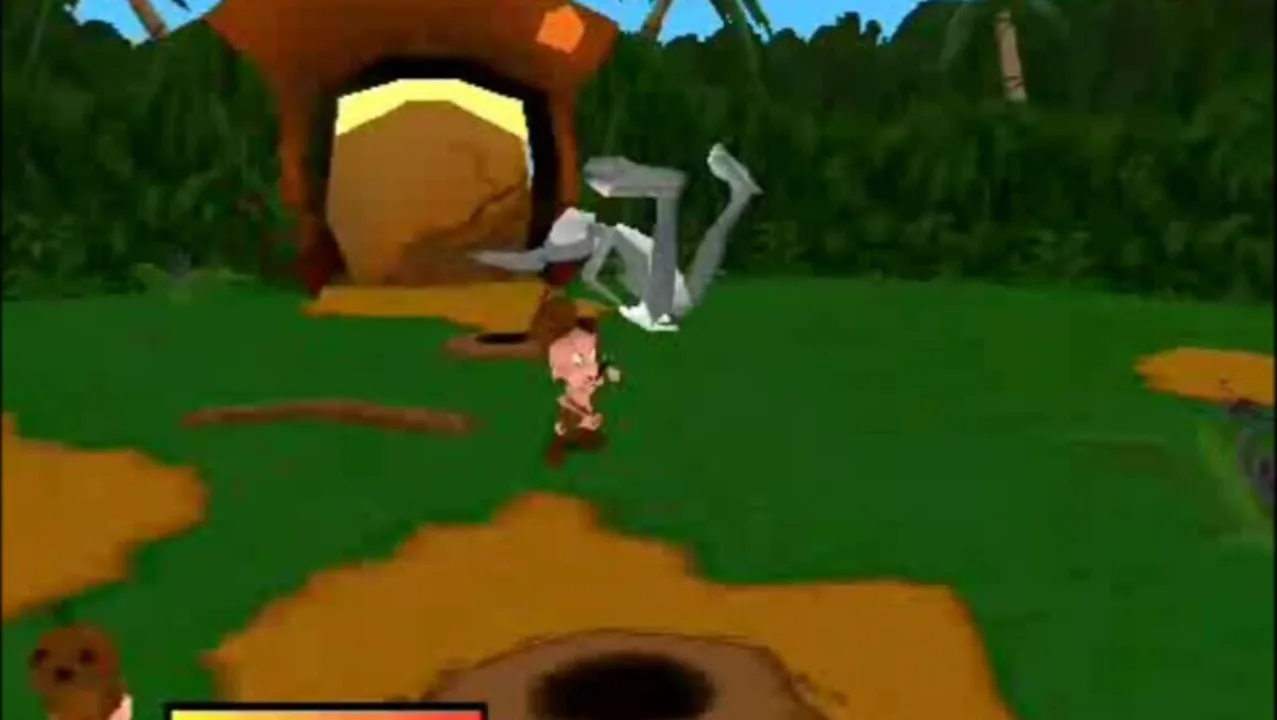
Bugs Bunny: Lost in Time starts when Bugs takes a wrong turn at Albuquerque and activates a time machine, which is the most Bugs way to begin any adventure. A sorcerer named Merlin Munroe tells him he is lost in time and must travel through five eras across 21 levels. He has to collect clock symbols and golden carrots to get home. It is based on Bugs Bunny and other Looney Tunes characters from Warner Bros.
Bugs Bunny & Taz: Time Busters followed in September of the next year. Players recommend this one as a fun 3D collect-a-thon with levels inspired by the old cartoons.
8. Jumping Flash! (1995)
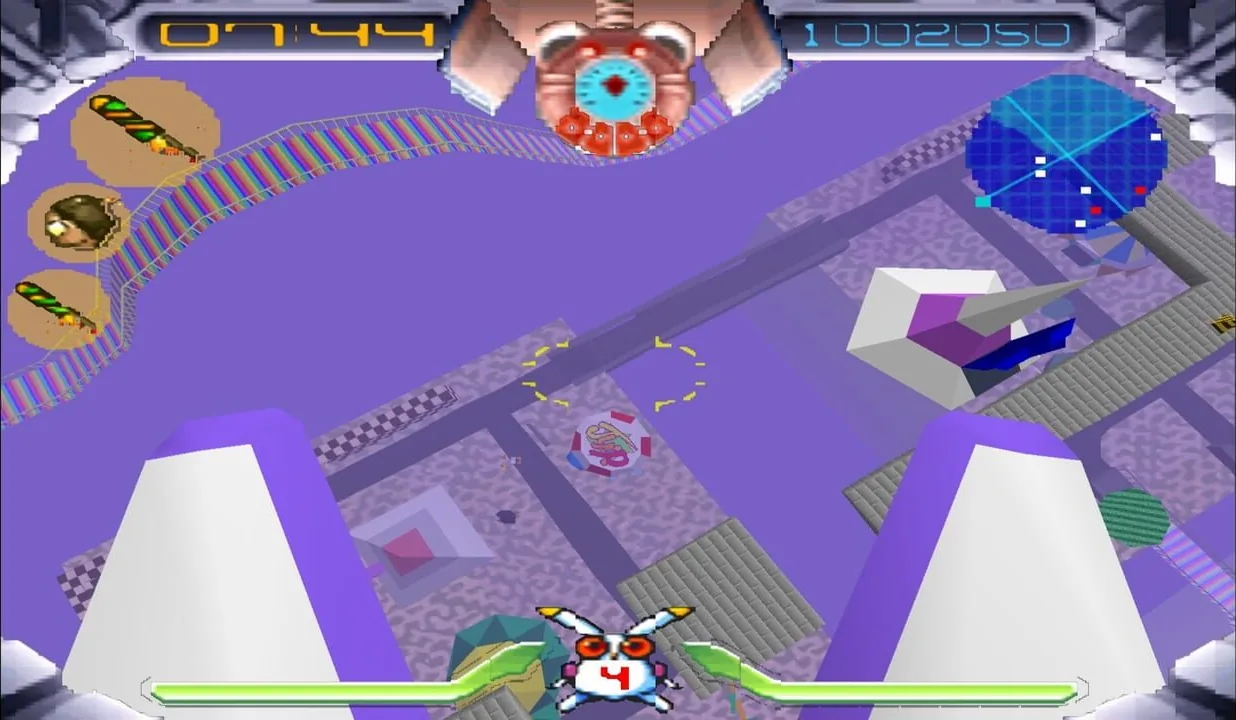
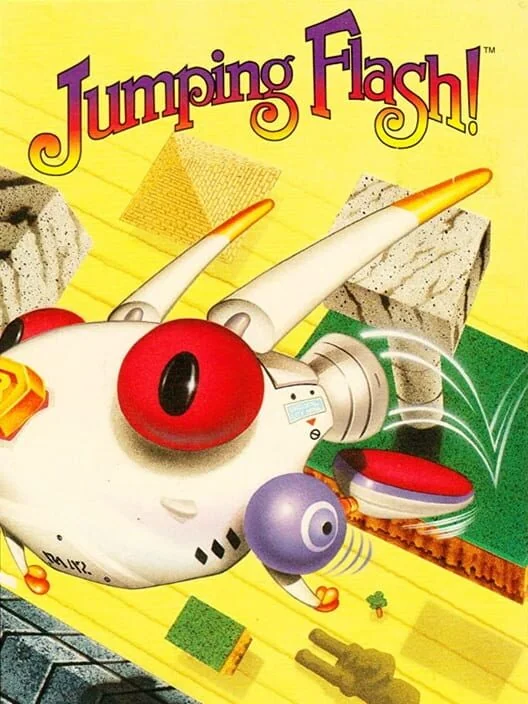
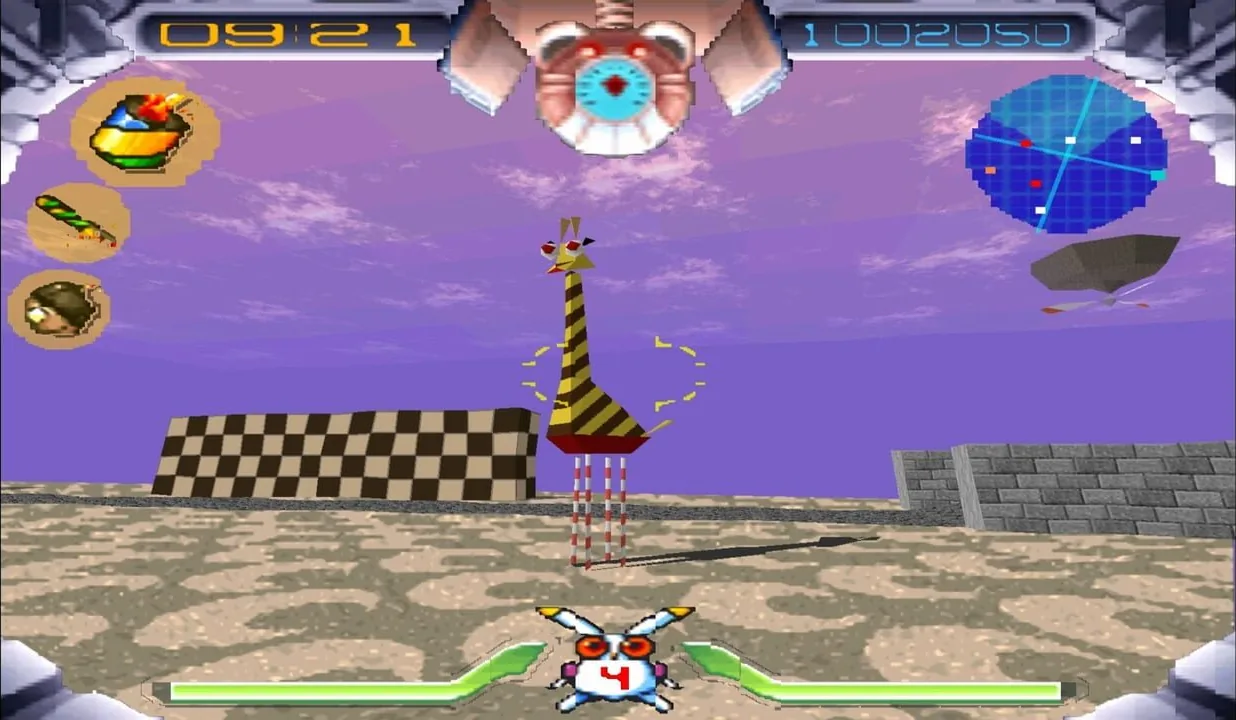
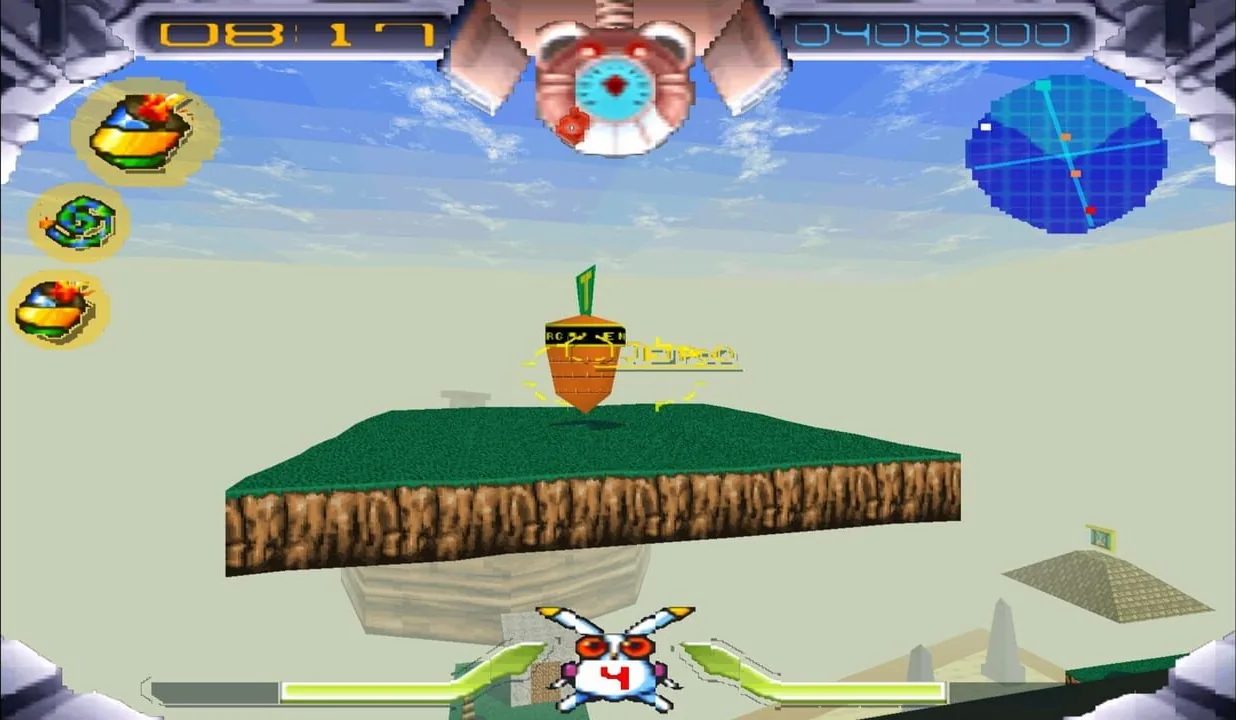
Jumping Flash! is a first-person platformer, and you play Robbit, a robotic rabbit hunting for the Jet Pods that Baron Aloha scattered. Exact and Ultra developed it for Sony in 1995. It holds the Guinness World Record as the first platform video game in true 3D, and Electronic Gaming Monthly gave it a Game of the Month award. Robbit moves freely in three dimensions and can rotate the camera in any direction, and Next Generation put it in its Top 100 Games of All Time a year later.
Later 3D platformers overshadowed it, but it spawned two sequels, Jumping Flash! 2 and Robbit Mon Dieu. Players remember it as an early 3D platformer that deserves a remake, and some call its first-person style still unique.
7. Spyro 2: Ripto's Rage! (1999)
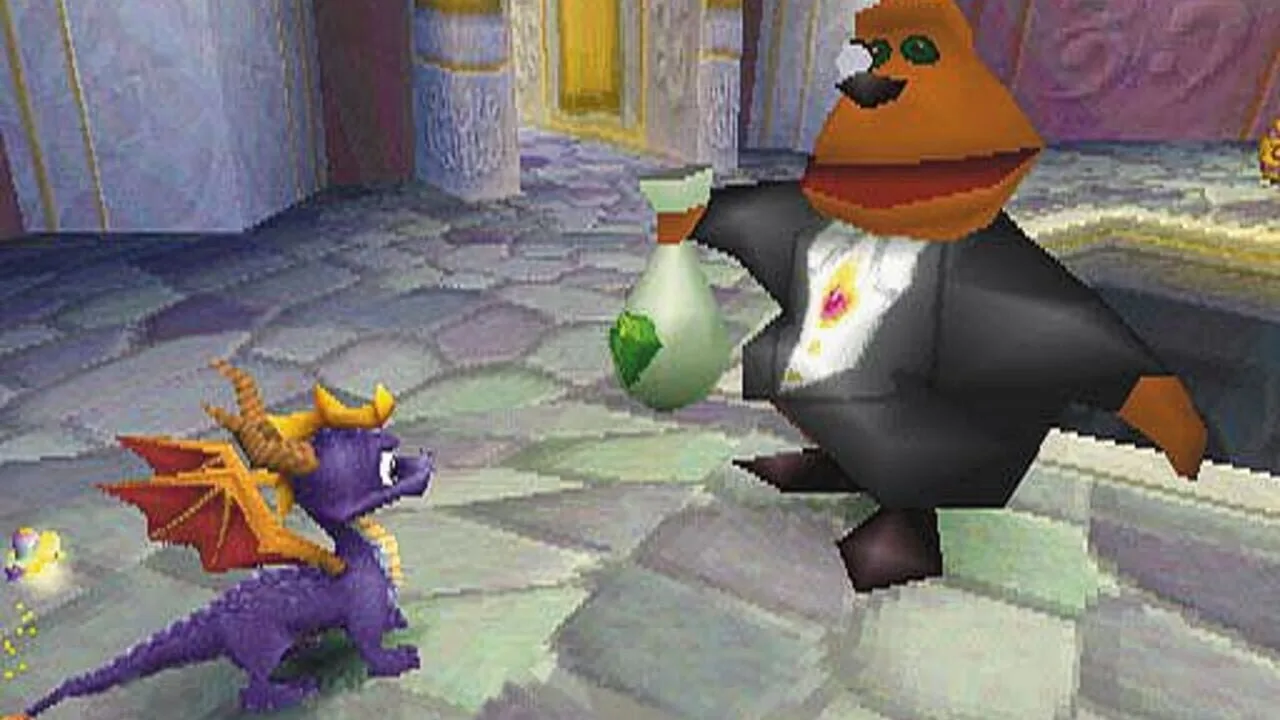
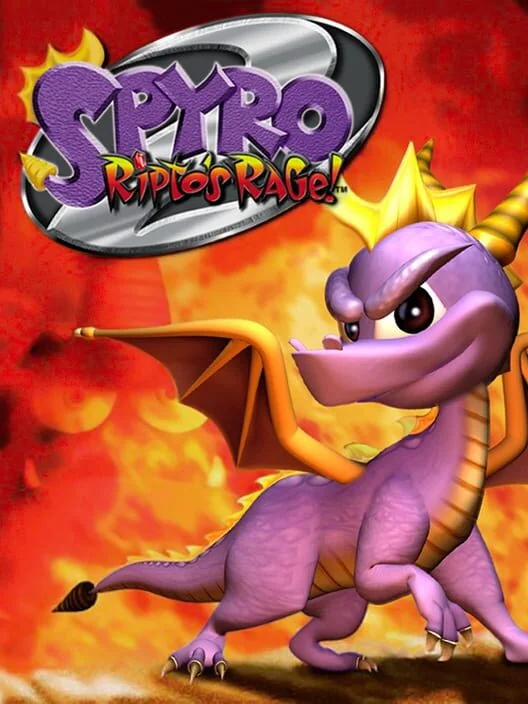
Spyro 2: Ripto's Rage! moves Spyro to the land of Avalar, where Elora the Faun and her friends summoned the warlock Ripto by accident. It plays like the first game, and the only notable change is that Spyro loses his side roll. Side quests, mini-games and boss battles add more variety than before, and Moneybags the bear teaches Spyro three new abilities for a price. The game splits into three homeworlds with portals to the various realms.
Critics praised the colourful graphics and the larger amount of content. Players were obsessed with it as kids, and even fans of the first game admit it is the better one. Even so, it sits one place below the original.
6. Spyro the Dragon (1998)
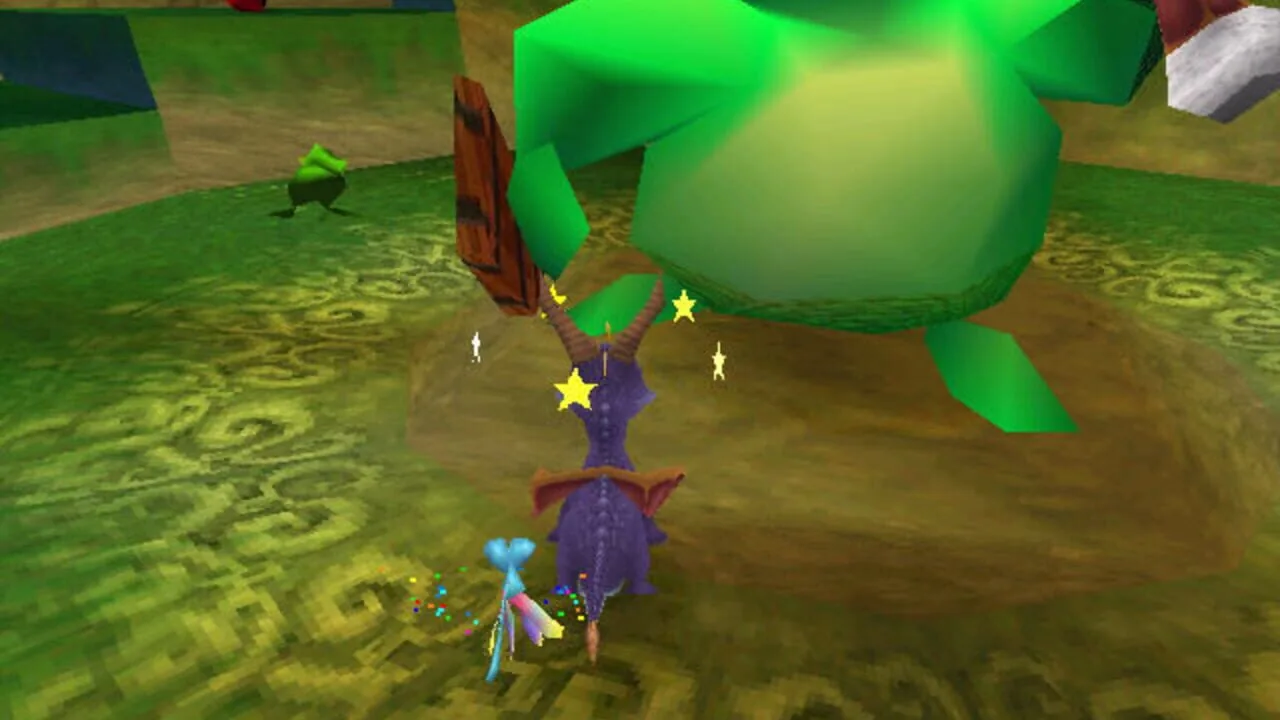
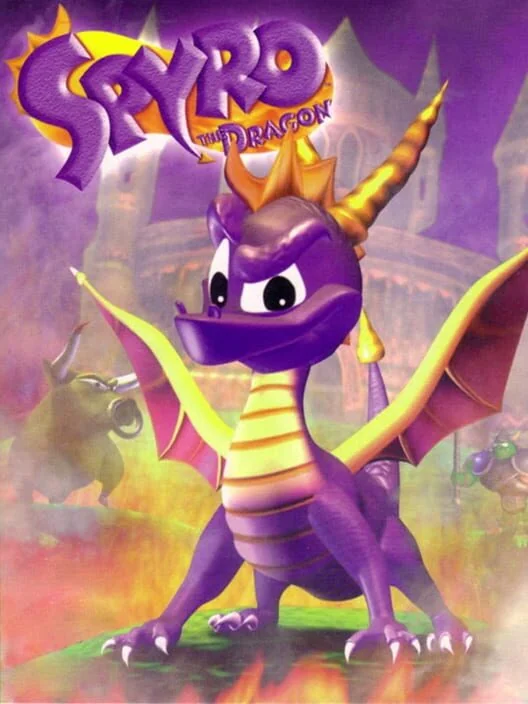
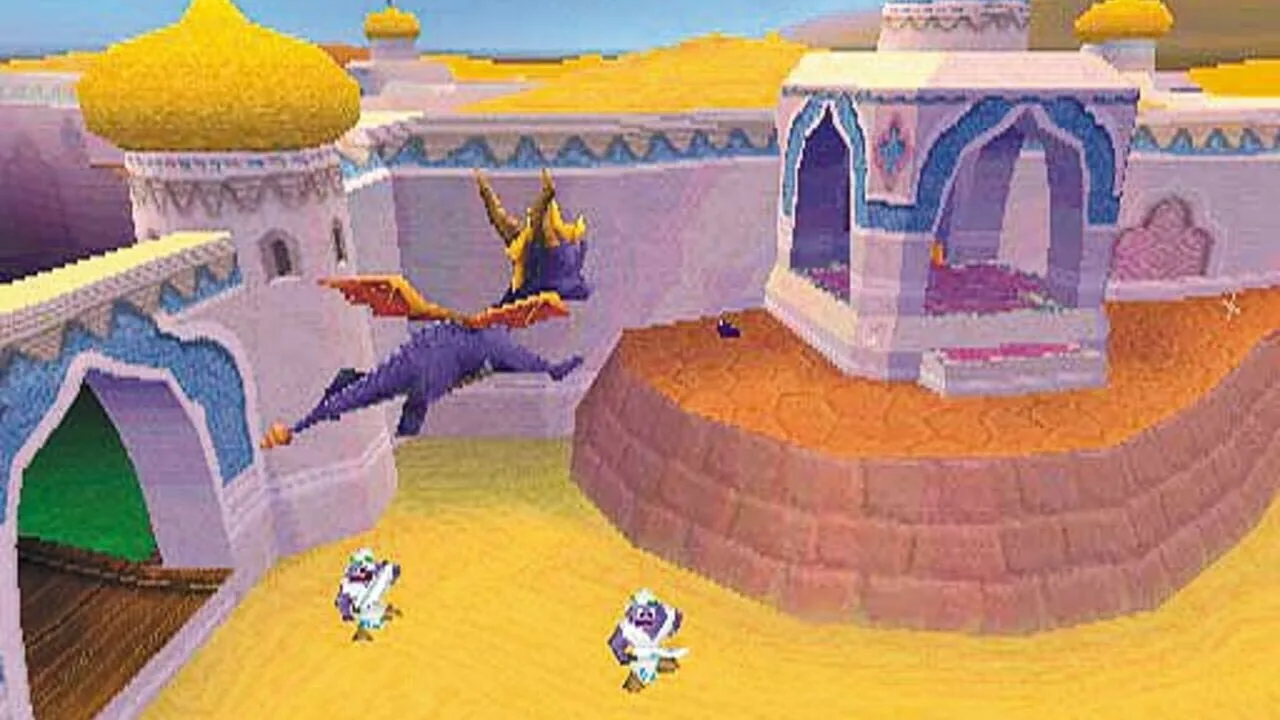
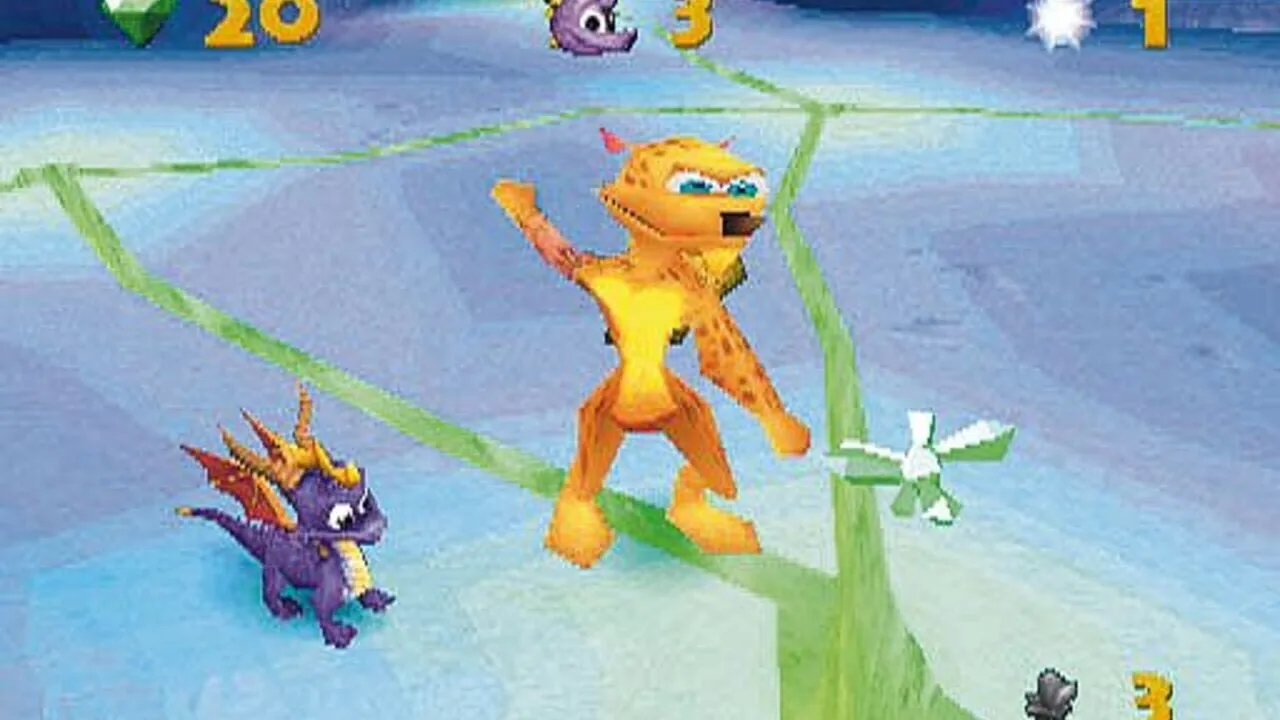
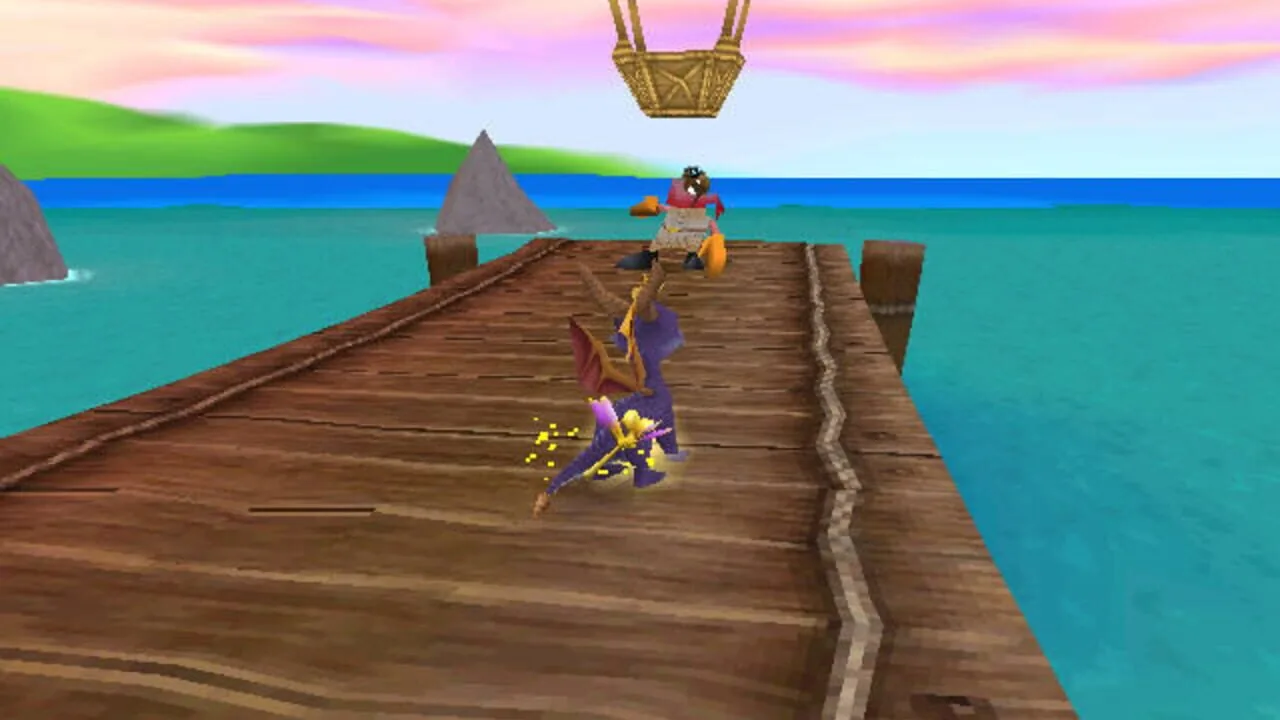
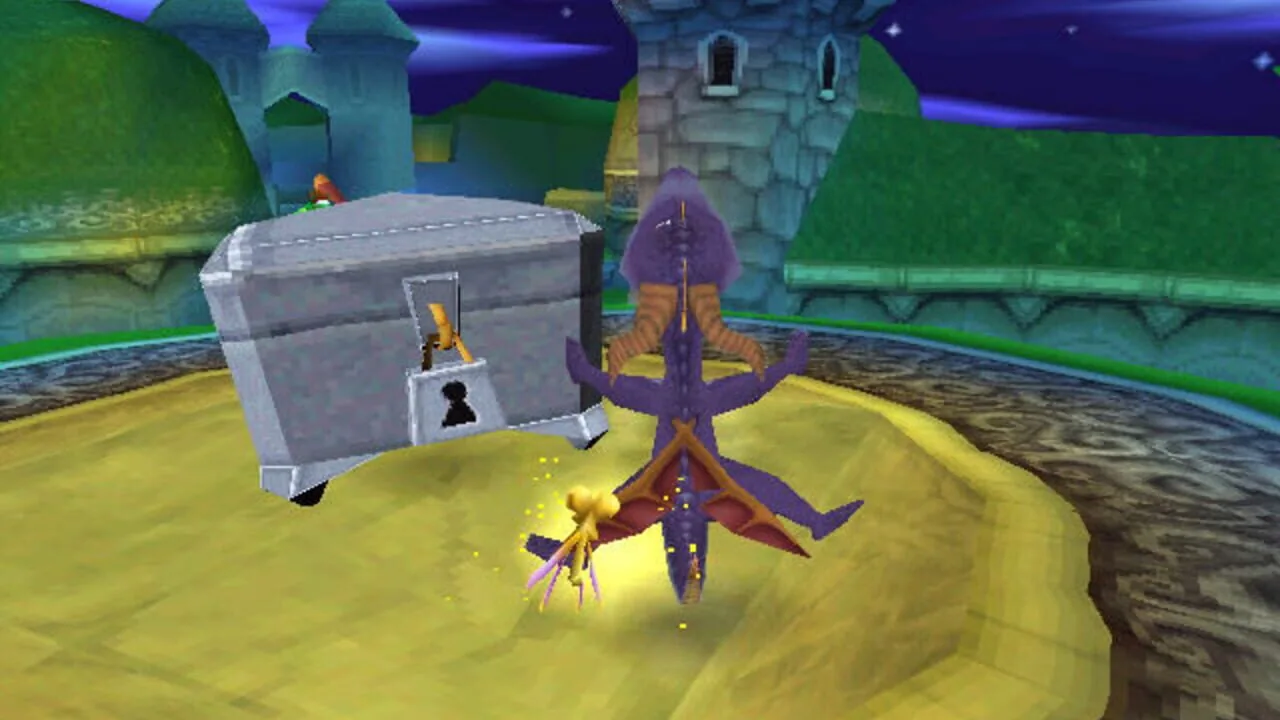
Spyro the Dragon is Insomniac Games' platformer about a young purple dragon and Sparx, his dragonfly friend, who doubles as the health meter. Gnasty Gnorc froze all the dragons in crystal, and Spyro has to free them. The game was one of the first on the PlayStation to use shifting levels of detail, which gave it an unusually long draw distance. Insomniac began it after its first game, Disruptor, sold poorly but impressed critics.
Stewart Copeland, the former drummer of the Police, composed the music, so the dragon had a better backing band than most. Sales were slow at first, then it sold nearly five million copies. Players say it is still so good, and they keep bringing up the soundtrack.
5. Crash Bandicoot 2: Cortex Strikes Back (1997)
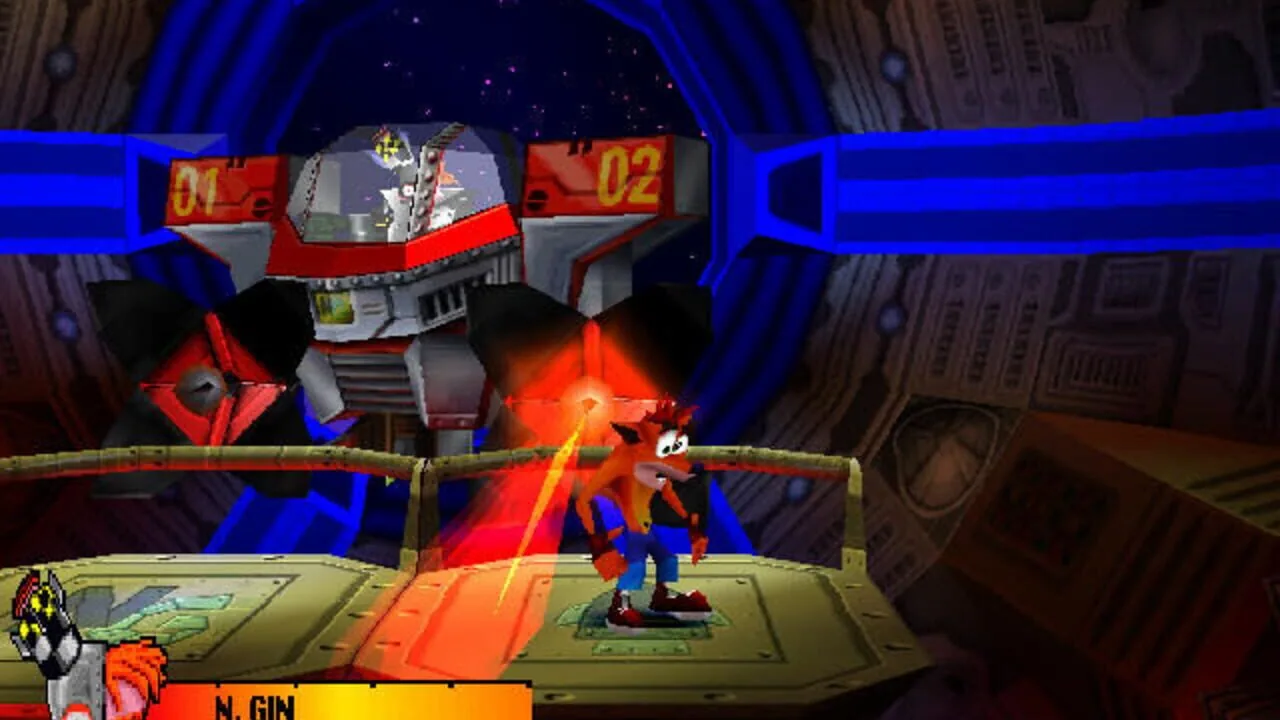
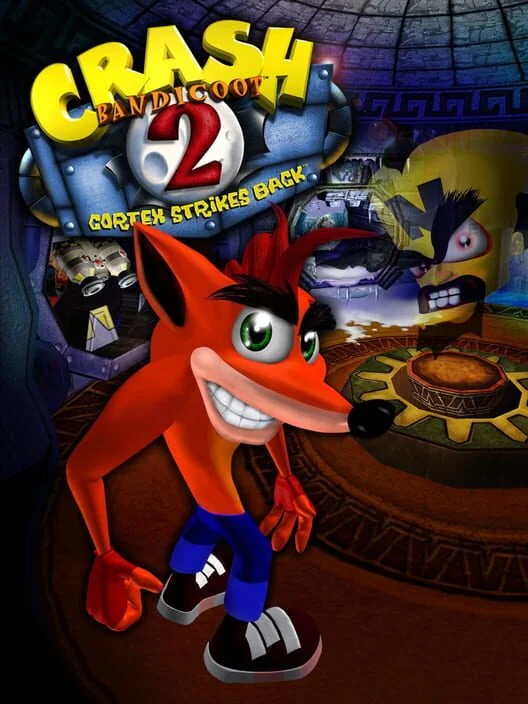
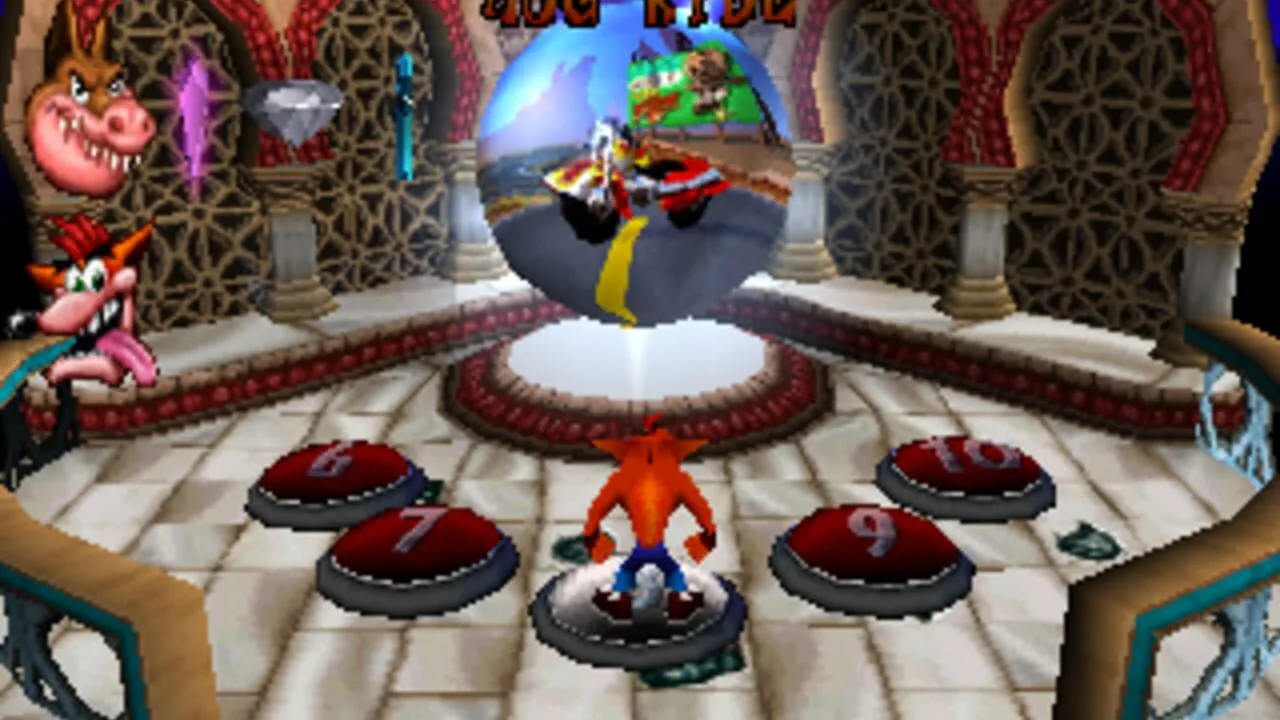
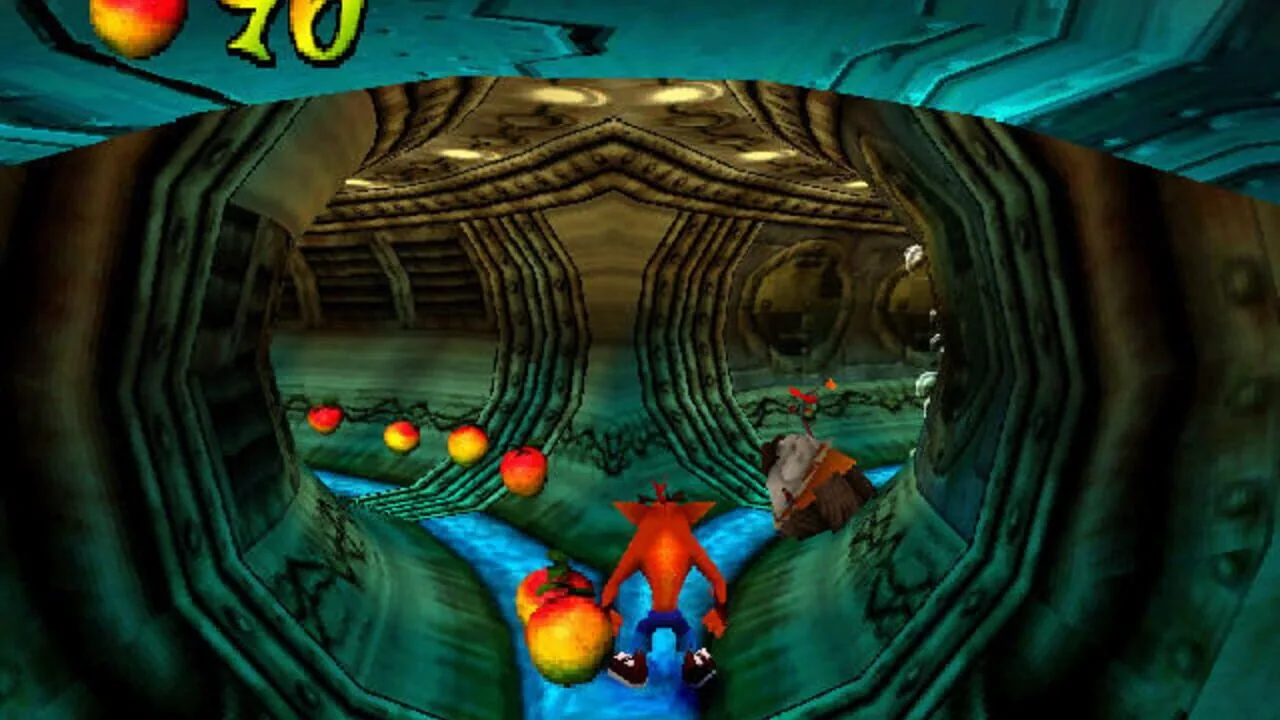
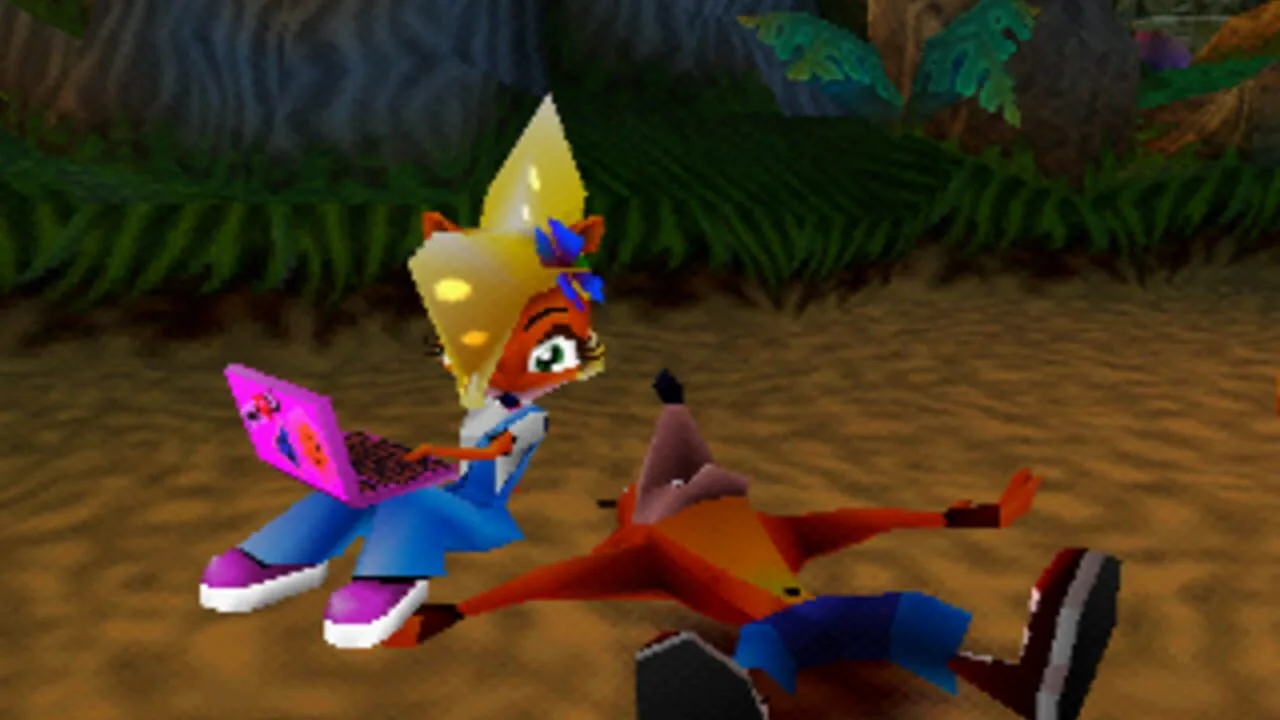
Crash Bandicoot 2: Cortex Strikes Back has Crash gathering 25 crystals for his own nemesis, Doctor Neo Cortex, across 25 levels reached through Warp Rooms. You smash crates for bonuses, and you slide into enemies with sharp necklines to defeat them. Producer Mark Cerny designed 90% of the levels. Production began in October 1996, and the sequel replaced its predecessor as the highest-selling Western title in Japan.
Josh Mancell wrote the soundtrack, and Clancy Brown voiced Cortex. Critics widely consider it superior to the first game, though they criticised the trial-and-error play. It sold more than 800,000 copies in Japan by April 1998. For many players it is the favourite Crash and the favourite platformer on the PS1.
4. Toy Story 2: Buzz Lightyear to the Rescue! (1999)
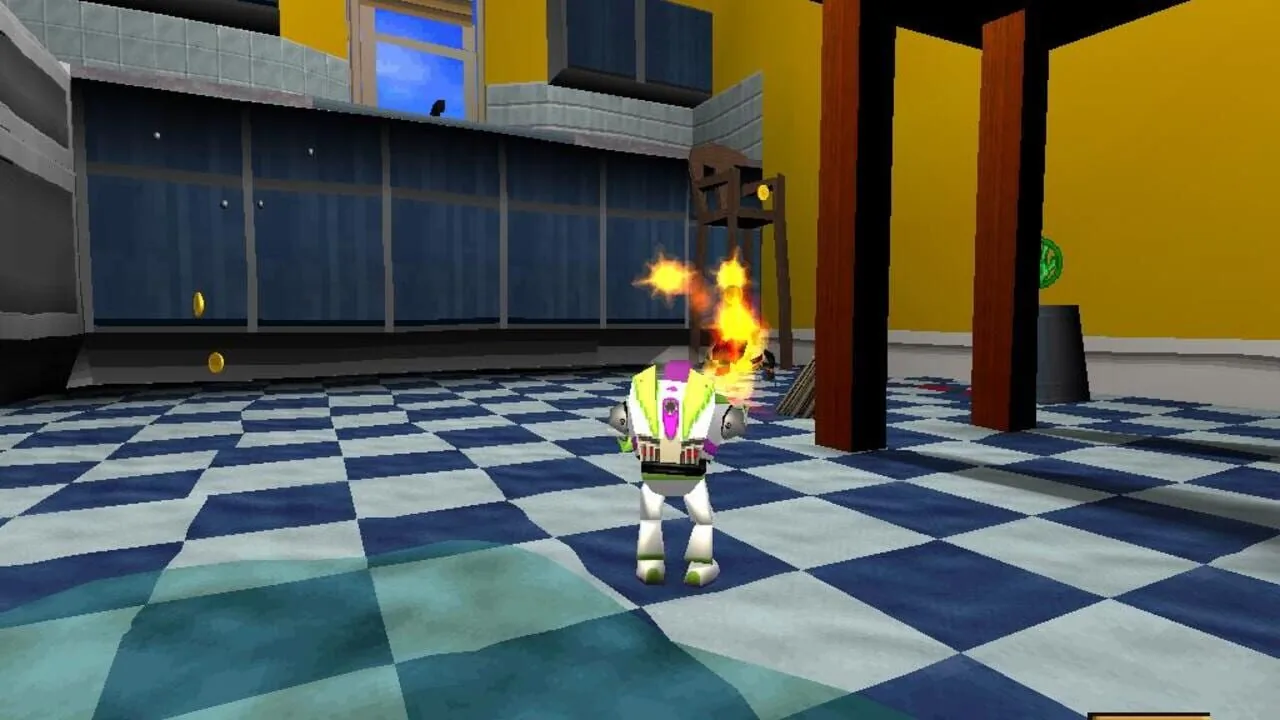
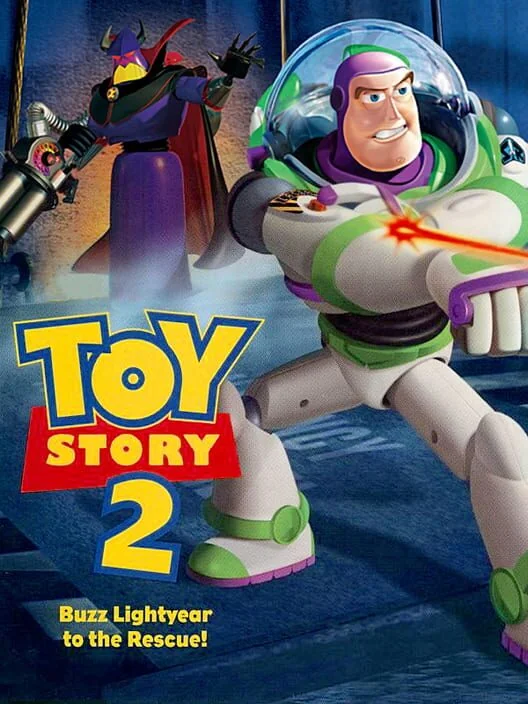
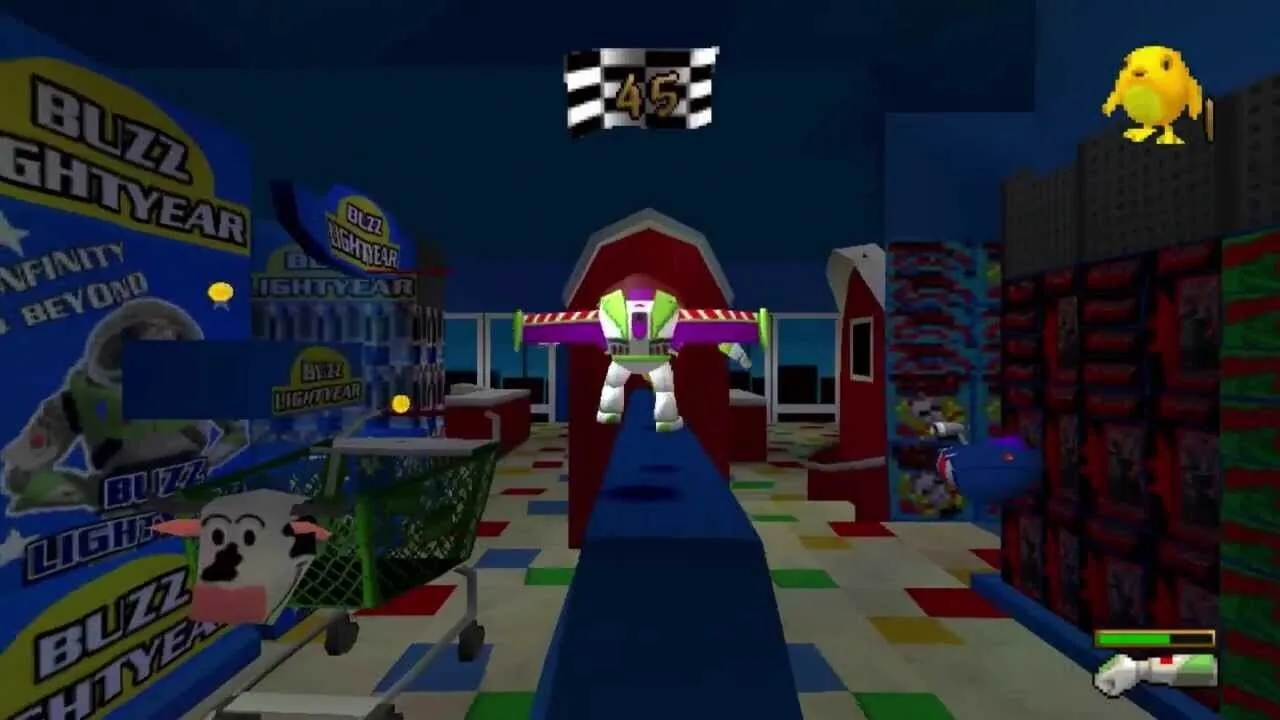
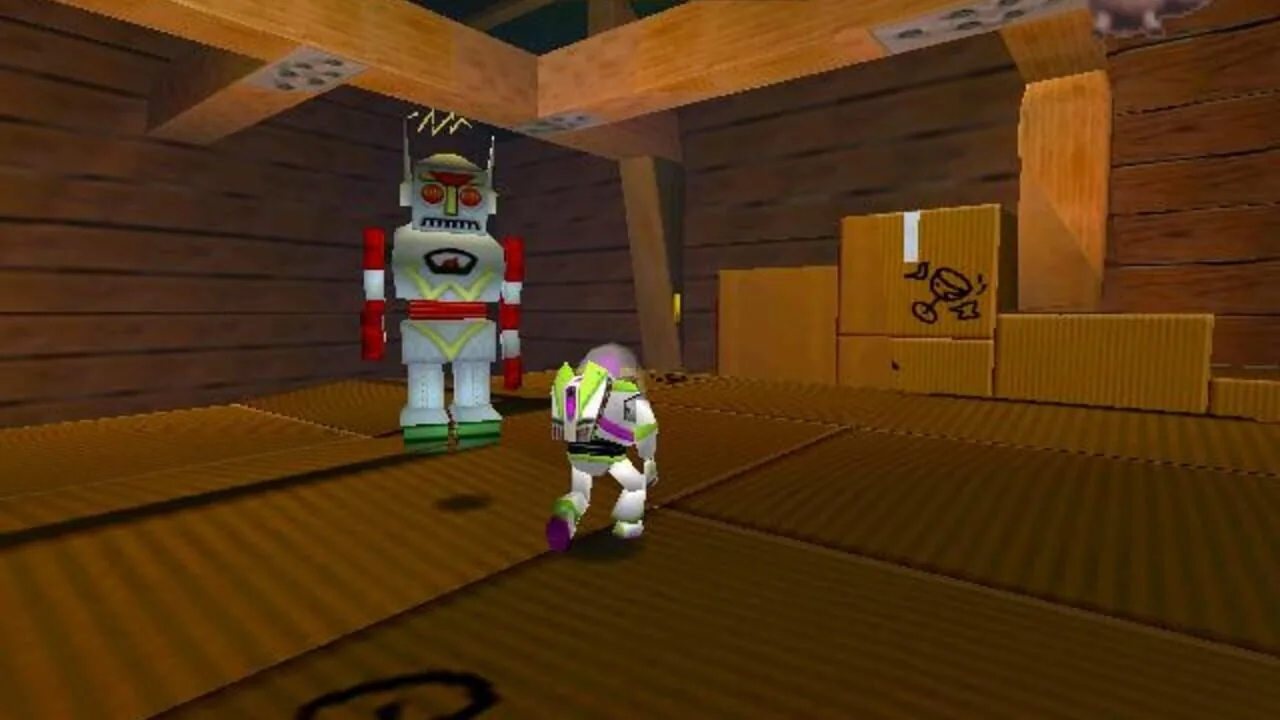
In Toy Story 2: Buzz Lightyear to the Rescue!, an evil toy collector has stolen Woody, and Buzz has to fight his way from the bedroom to the outside world to bring him home. It has fifteen levels, ten main ones and five boss levels, all inspired by locations from the film. Buzz has a wrist laser that can be charged for more power and aimed from a first-person view. It is based on the Disney and Pixar film, and the characters from the movie show up to help Buzz.
Not every reviewer was warm, and one found the scenery monotonous. Players call it an underrated banger, though they warn about some control jank and a nasty airport level with conveyor belts.
3. Tomba! (1997)
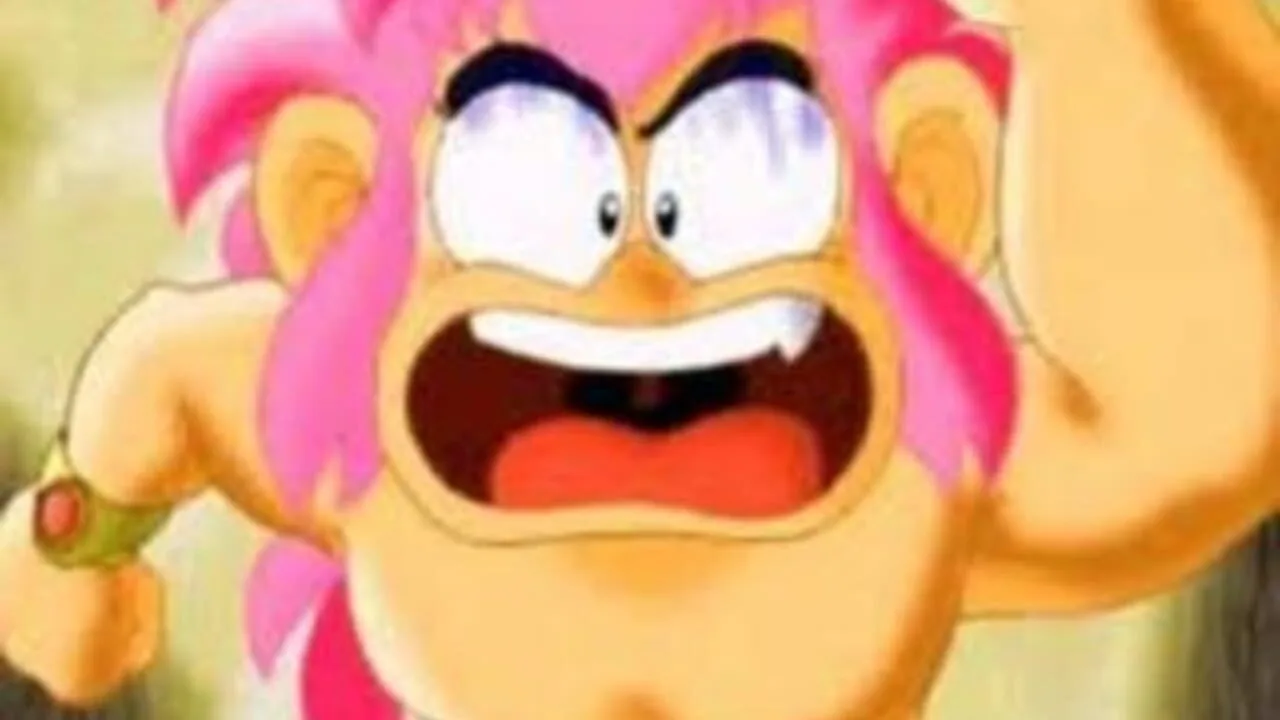
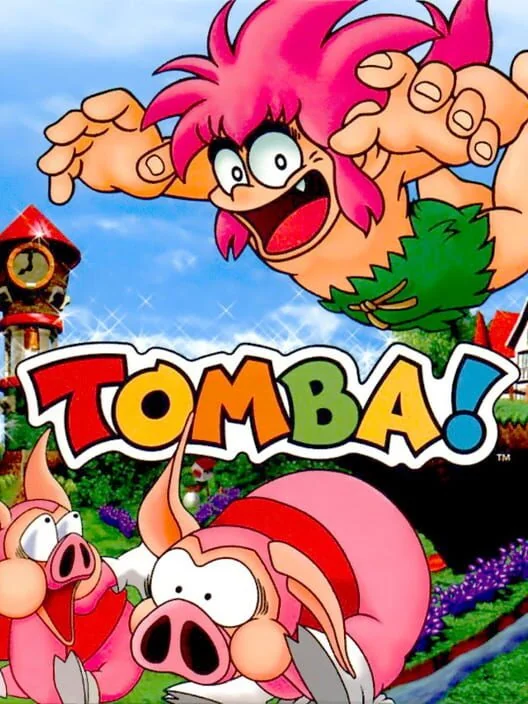
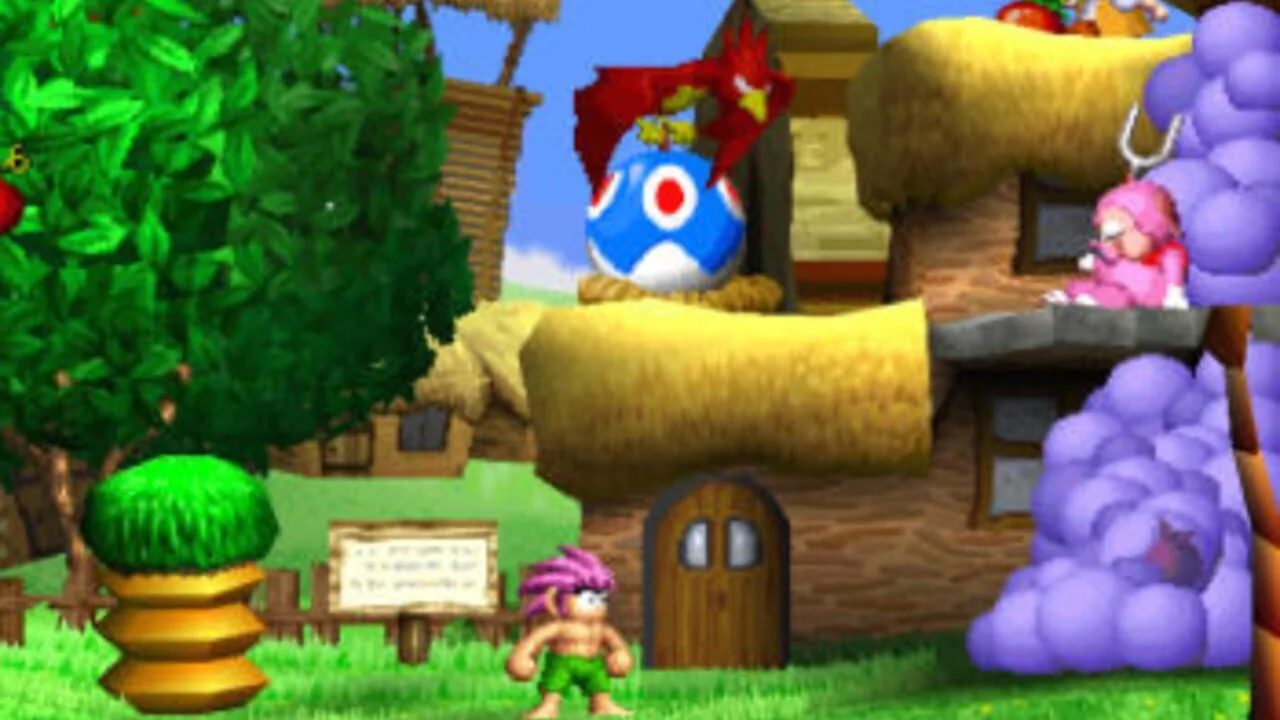
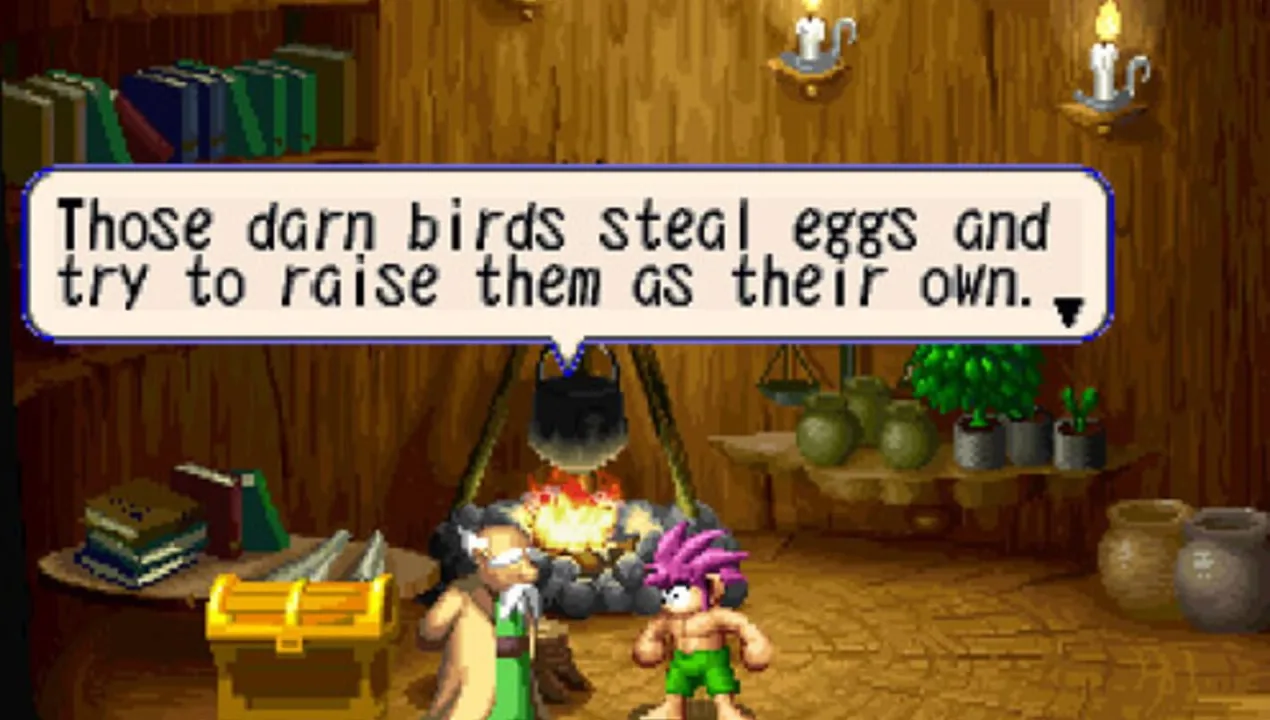
Tomba! stars a wild boy hunting for his grandfather's bangle, which some evil pigs have stolen. He attacks by jumping on enemies and grabbing them, and at certain points he can jump onto a new plane of the level. Missions earn adventure points that open boxes holding food and items, and you only need some of them to finish the game, while full completion needs all.
Tokuro Fujiwara made it after leaving Capcom, and critics praised the controls and visuals. It sold poorly but kept a cult following. In Europe it is called Tombi!, since "tomba" means grave in Italian, and a cheerful pig chase called Grave was never going to sell. Players rank it with Spyro and Crash among the best platformers on the console.
2. Rayman (1995)
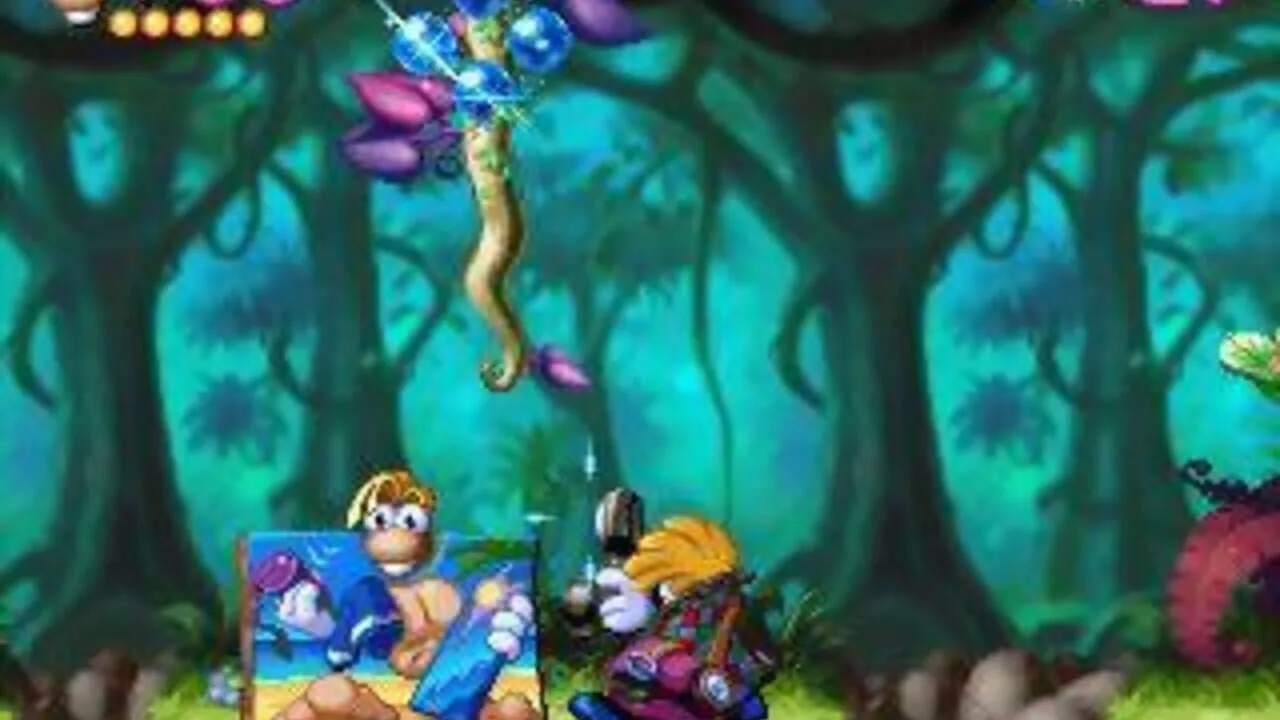
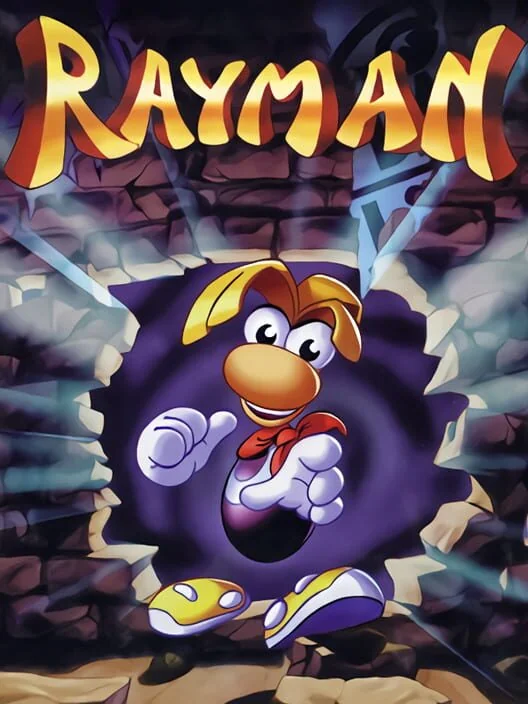
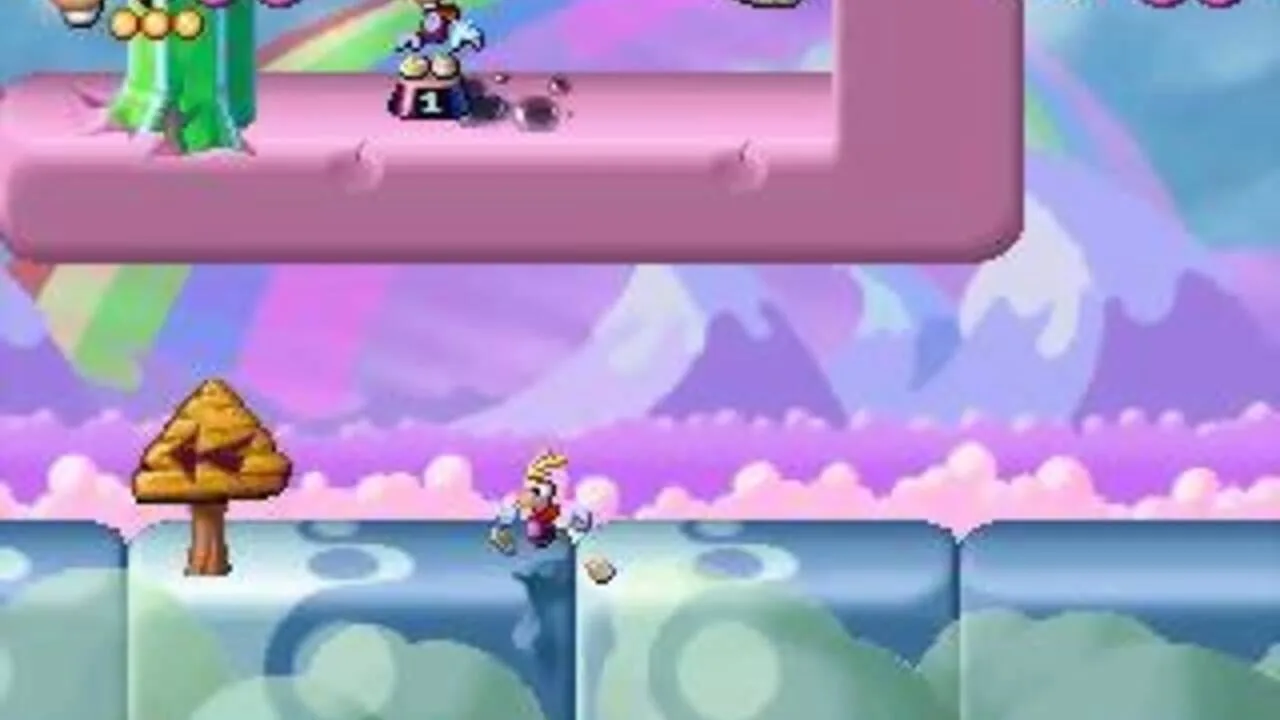
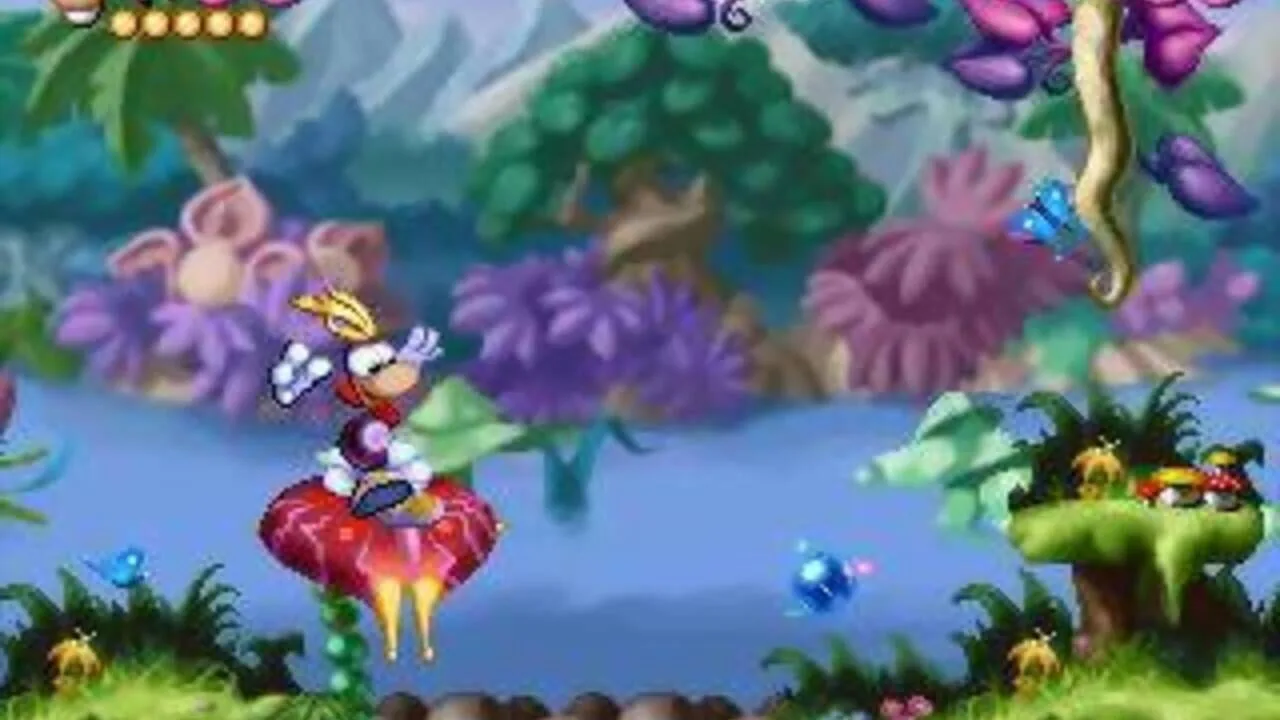
Rayman stars a big-nosed hero with no arms or legs, who hovers with his hair and fights by throwing his fists. Michel Ancel dreamed it up as a teenager, and Ubi Soft made it a launch title for the PlayStation in North America and Europe. Before that it was meant for the Super NES CD-ROM, and that cancelled version only saw an official release in 2026. The PlayStation version came out on 7 September 1995.
Critics praised its atmosphere, visuals and soundtrack, though some criticised its high difficulty. It became one of the best-selling PlayStation games. Players recommend it as a great 2D platformer, with a warning that it is brutally hard.
1. Ape Escape (1999)
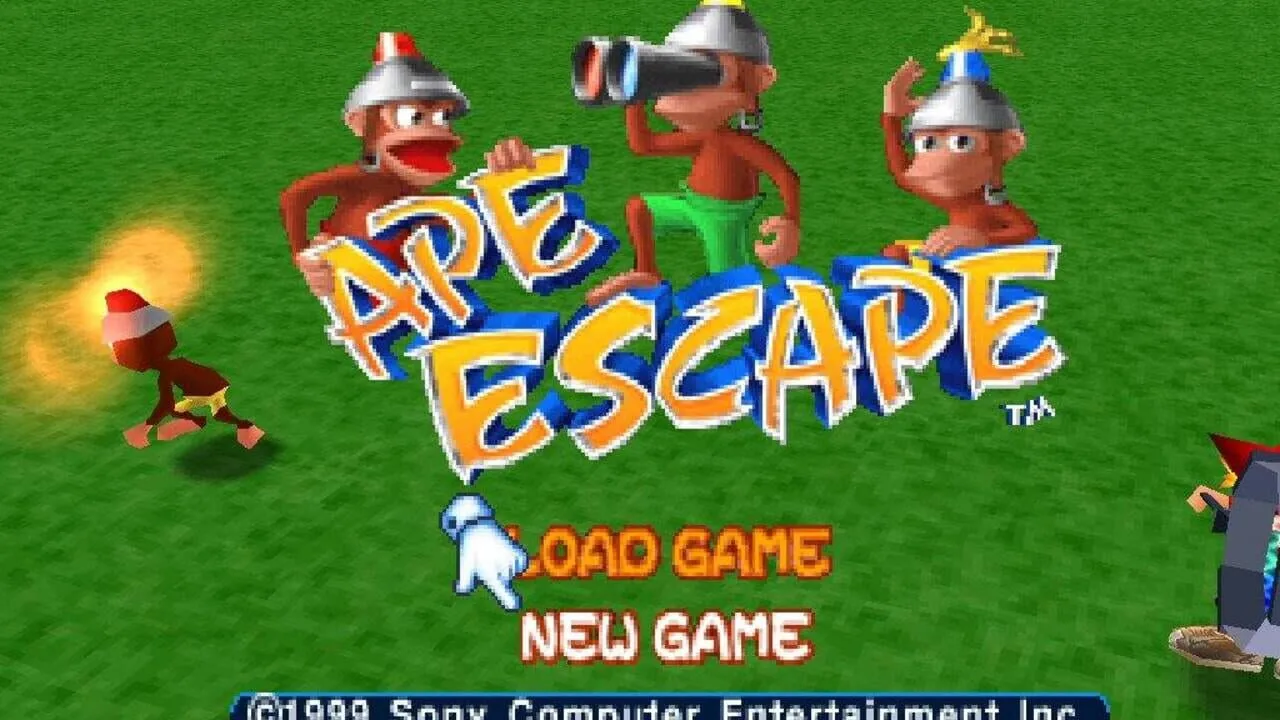
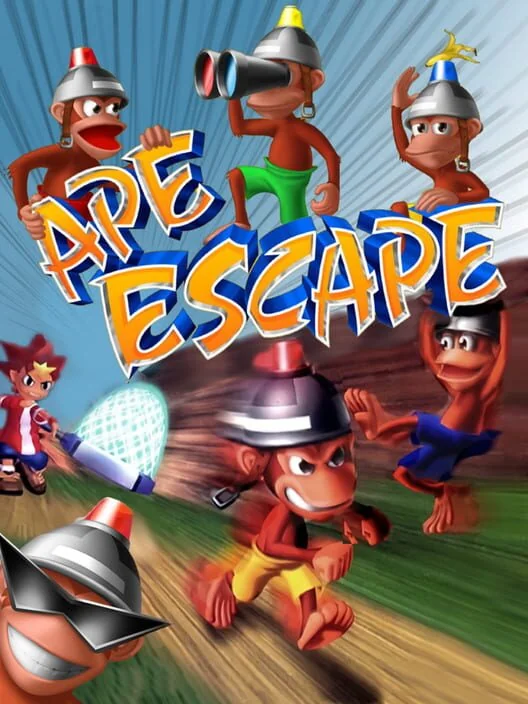
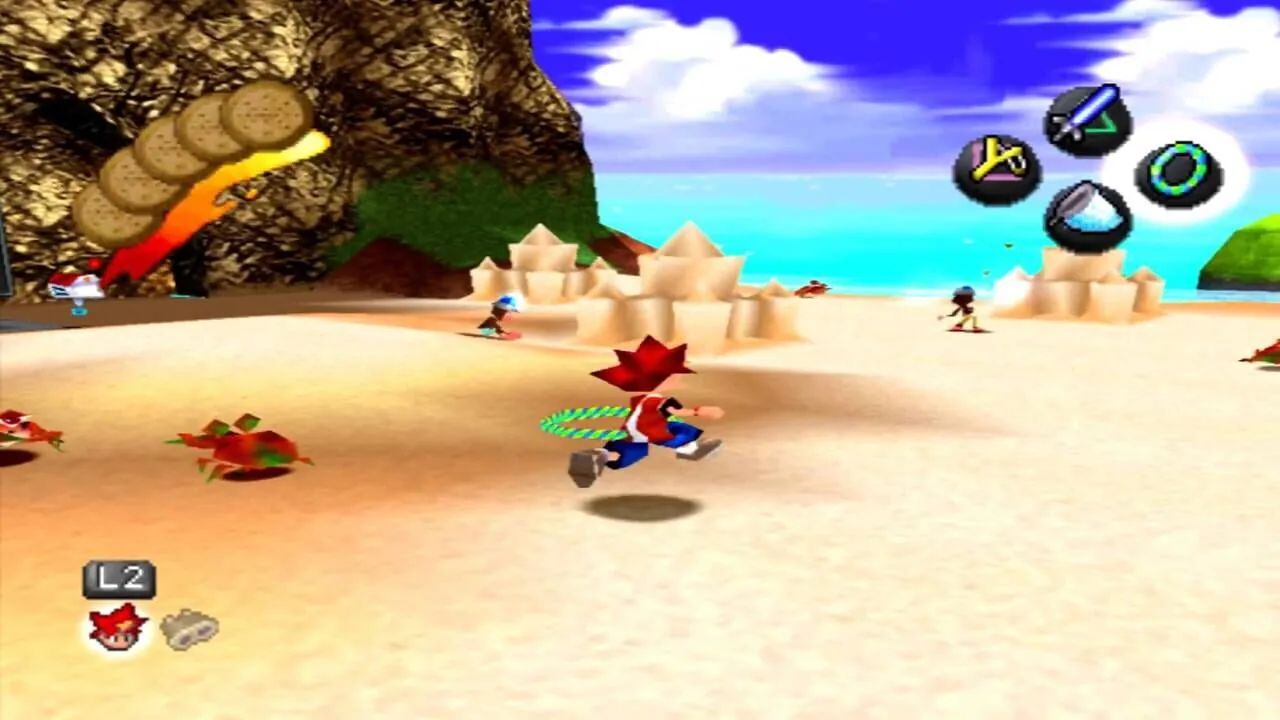
Ape Escape is a 3D platformer built around the analog stick, and your job is to capture apes that have escaped throughout time. It was the first game to require the DualShock controller, and development took over two years, mostly spent adapting to it. Spike must also face Specter, who has built himself a Monkey Helmet and brainwashed Jake. A direct sequel, Ape Escape 2, reached the PS2 in July 2001. A helmet gives the ape Specter enhanced intelligence and a malevolent streak. It is widely considered one of the greatest games on the PlayStation.
Critics praised the innovative dual analog controls, the graphics and the music, though the voice acting got some minor criticism. Players say it plays like a game from the next generation, and that it is best with a DualShock in hand.
Which one to play
There you have it, the whole list of the best PS1 platformers. These games are full of charm, and most of them are as fun now as they were back then.
If you are not sure where to start, play Spyro the Dragon or Crash Bandicoot 2, which are the friendliest. If you want a classic 2D platformer, go with Rayman, but be ready for a tough one. If you like something a bit different, Klonoa is a beautiful pick, while Skullmonkeys is the strange clay one. And for a hidden pick, try The Adventures of Lomax, which is a lot of fun and hardly anyone has played it.