The PS1 is where survival horror grew up. The console could finally show dark corridors, creaking doors and monsters lurching out of the shadows, and with fixed camera angles and never enough ammo, every game made you feel helpless in the best way. Konami built a whole haunted town, and Square turned horror into RPGs. Capcom even chased the formula into the jungle with dinosaurs.
There is a lot more here than the famous names, from a ghost ship and a haunted monastery to a game where you cannot fight back at all. Here are the 25 best PS1 horror games.
25. Nightmare Creatures II (2000)
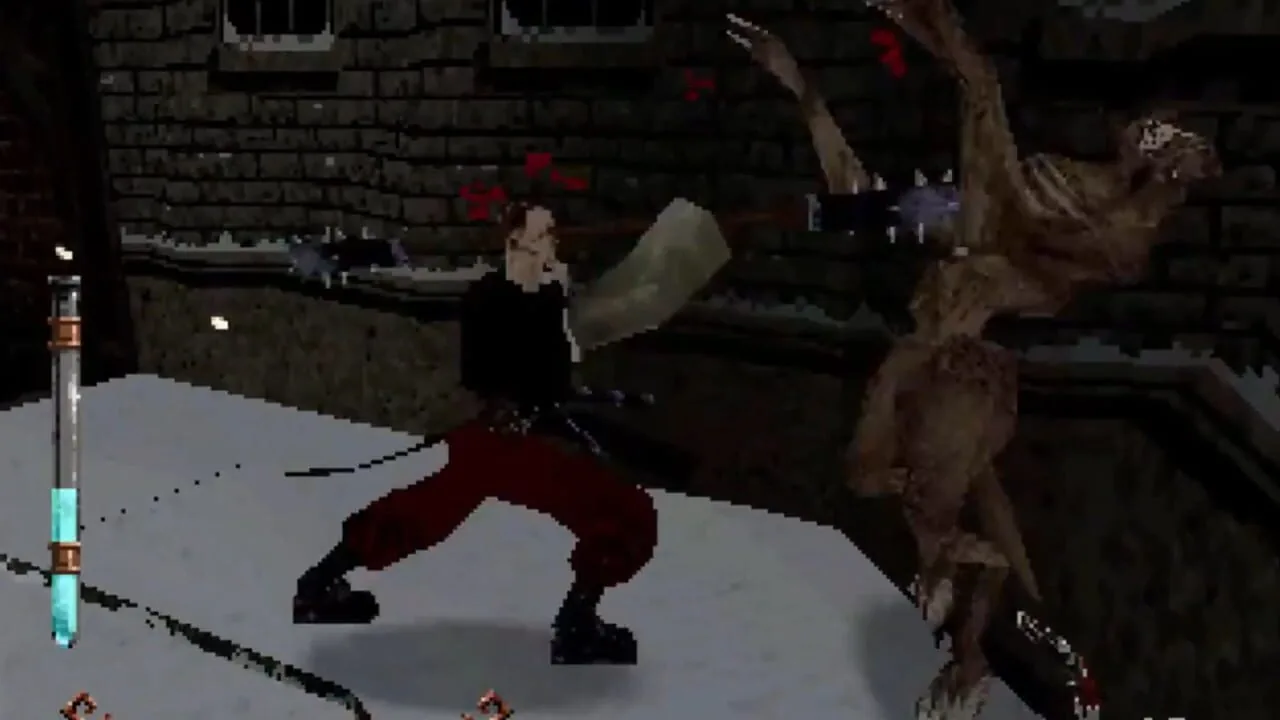
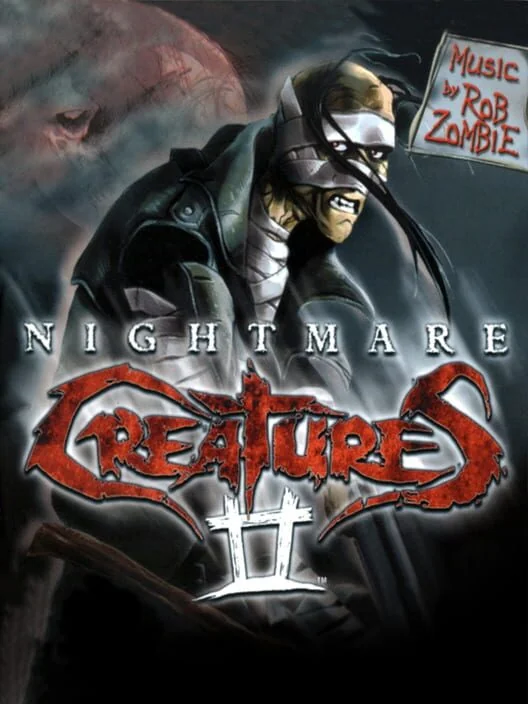
Nightmare Creatures II casts you as Herbert Wallace, an escaped test subject hunting the demonic scientist Dr. Adam Crowley through London and Paris. This time Wallace is the only playable character, and the option to play as a monster from the first game is gone. It is gorier and angrier than the first game, and that is the reason to play it.
The North American PlayStation version plays Rob Zombie songs over the cutscenes, from Hellbilly Deluxe and American Made Music to Strip By, and they set the mood perfectly. Frédéric Motte wrote the rest of the soundtrack. Reviews were mixed. Players nearly always recommend it together with the first game, which sits much higher, at #8.
24. Chaos Break (2000)
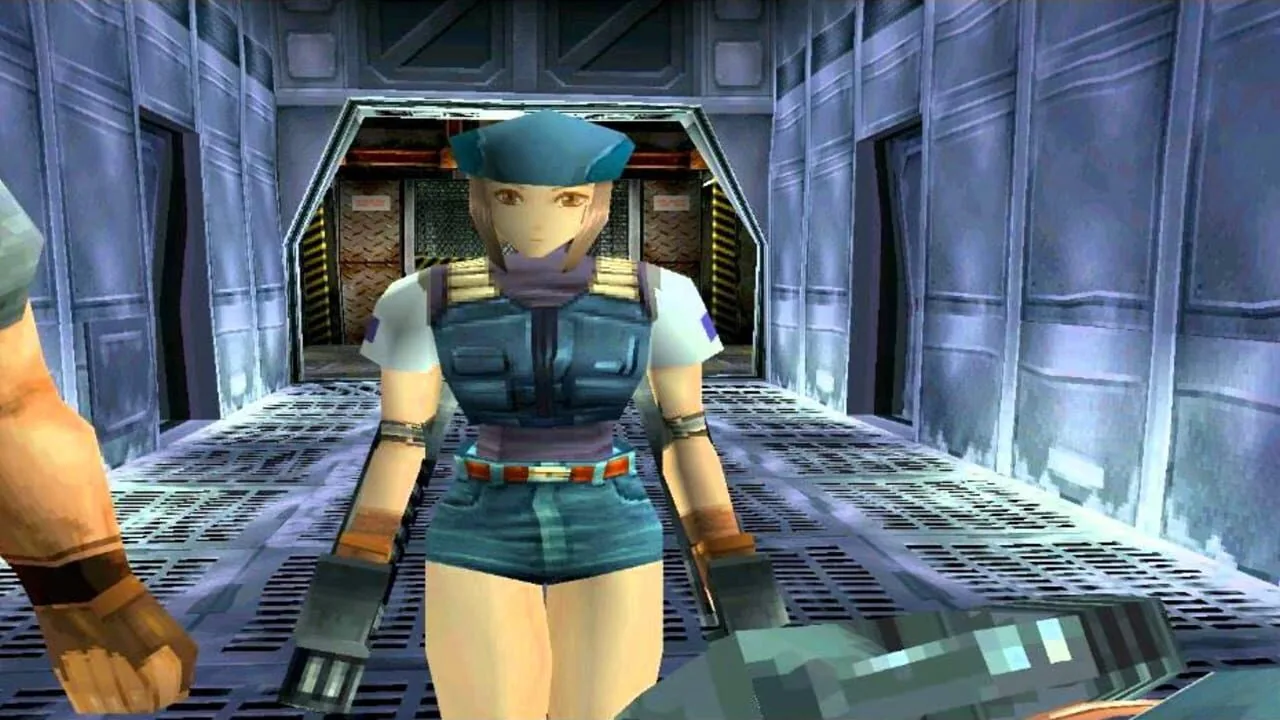
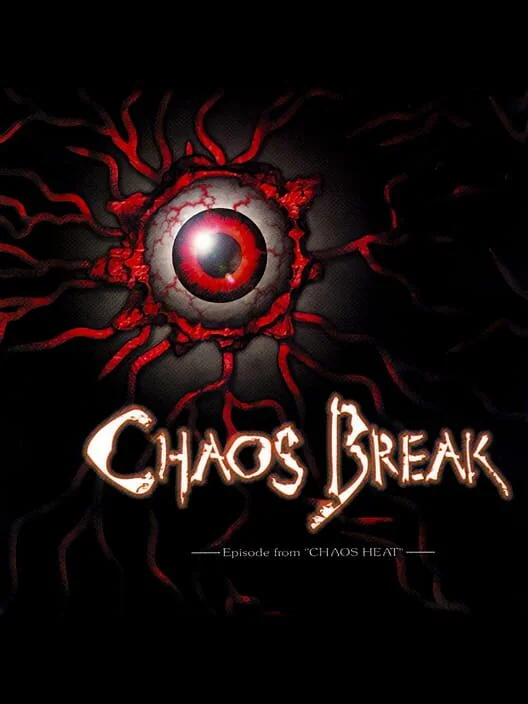
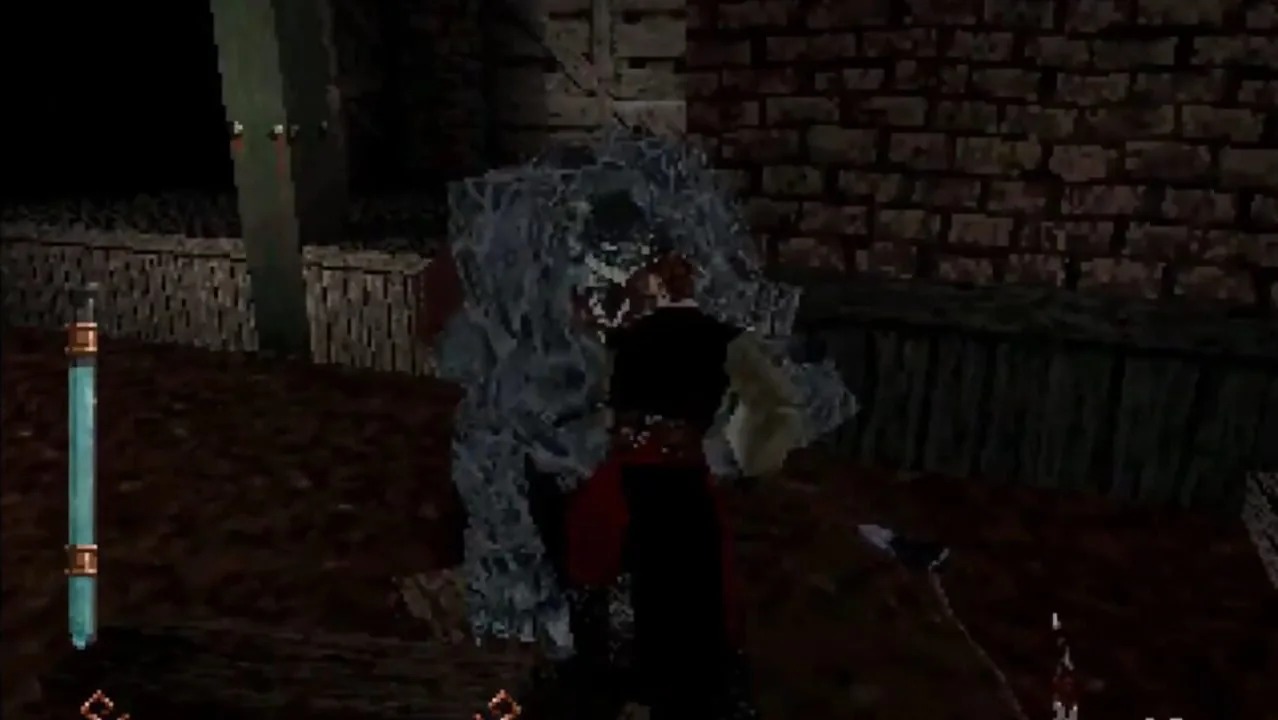
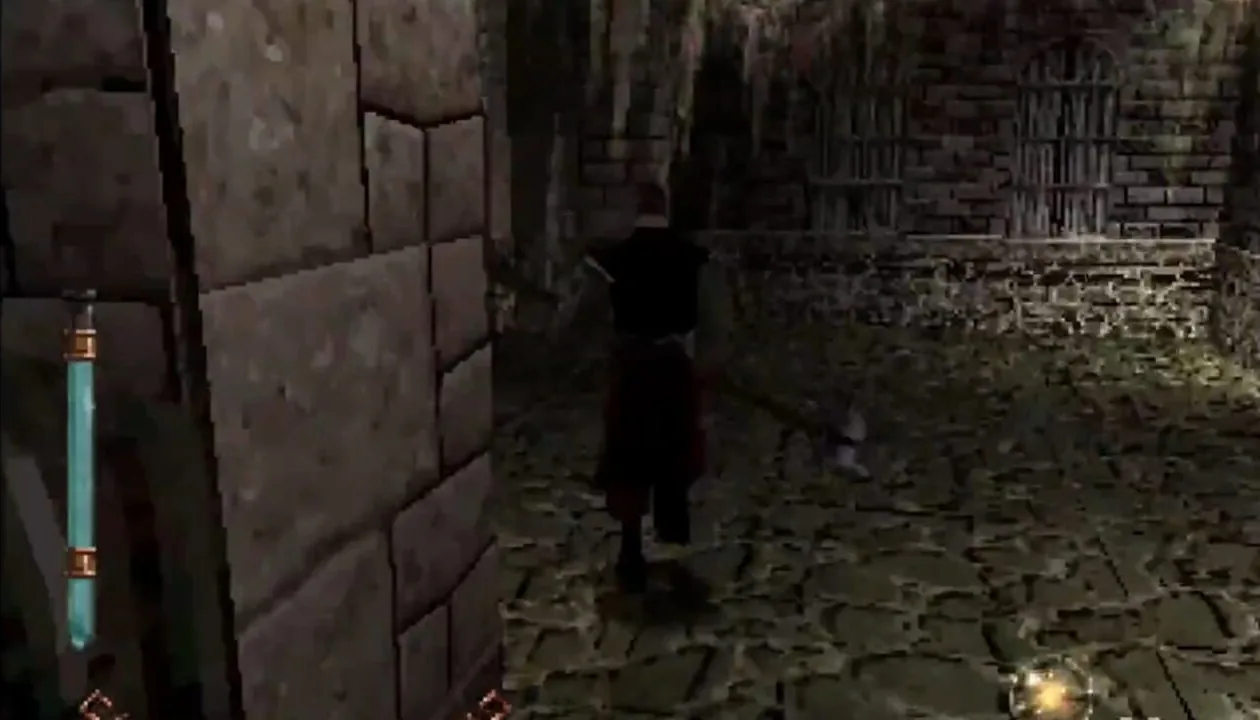
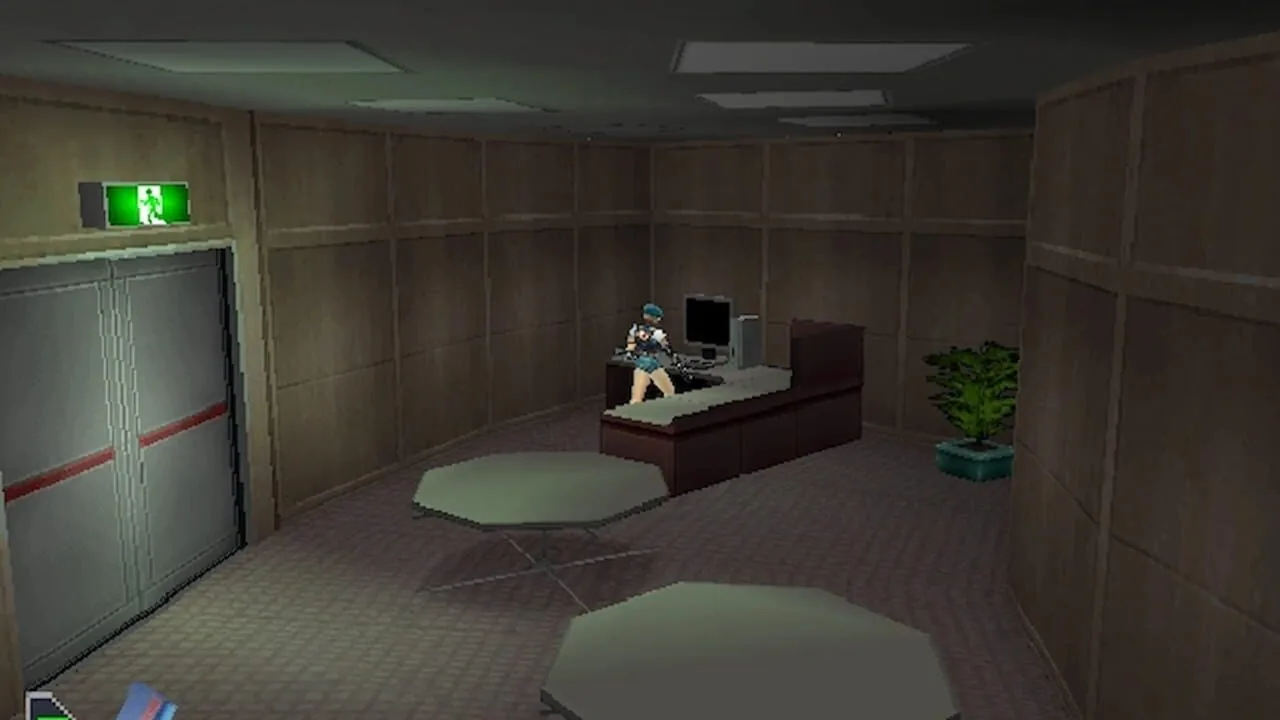
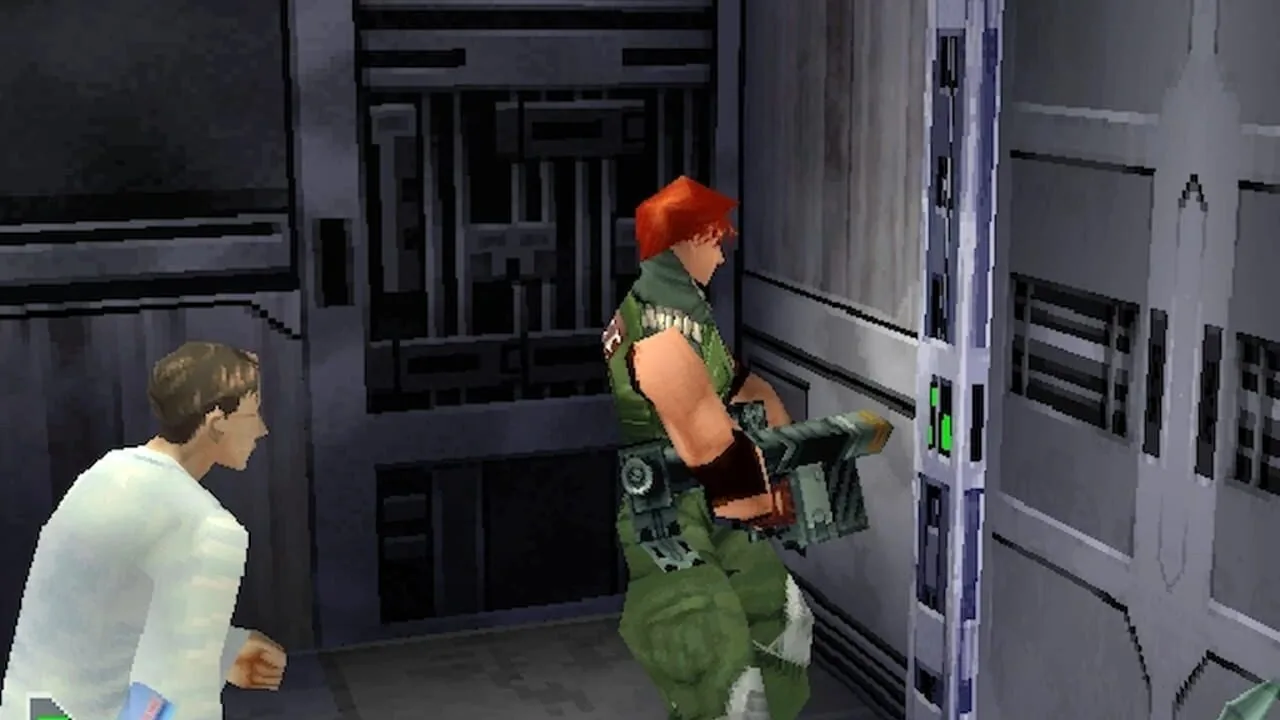
Chaos Break is a third-person shooter with echoes of Resident Evil, set in an abandoned biochemical laboratory on an isolated island. Taito made it as the sequel to its 1998 arcade game Chaos Heat. Taito is better known for Space Invaders and Bubble Bobble, so a gory lab shooter is not what you expect from them.
It came out in Japan in January 2000 and in Europe that December, and it never got a North American release, which is a big part of why so few people know it. Players call it a hidden gem, though some say it is horror themed rather than scary. If you have played the big Capcom games to death, it is a nice surprise, and it is short enough to finish in a weekend.
23. Vampire Hunter D (1999)
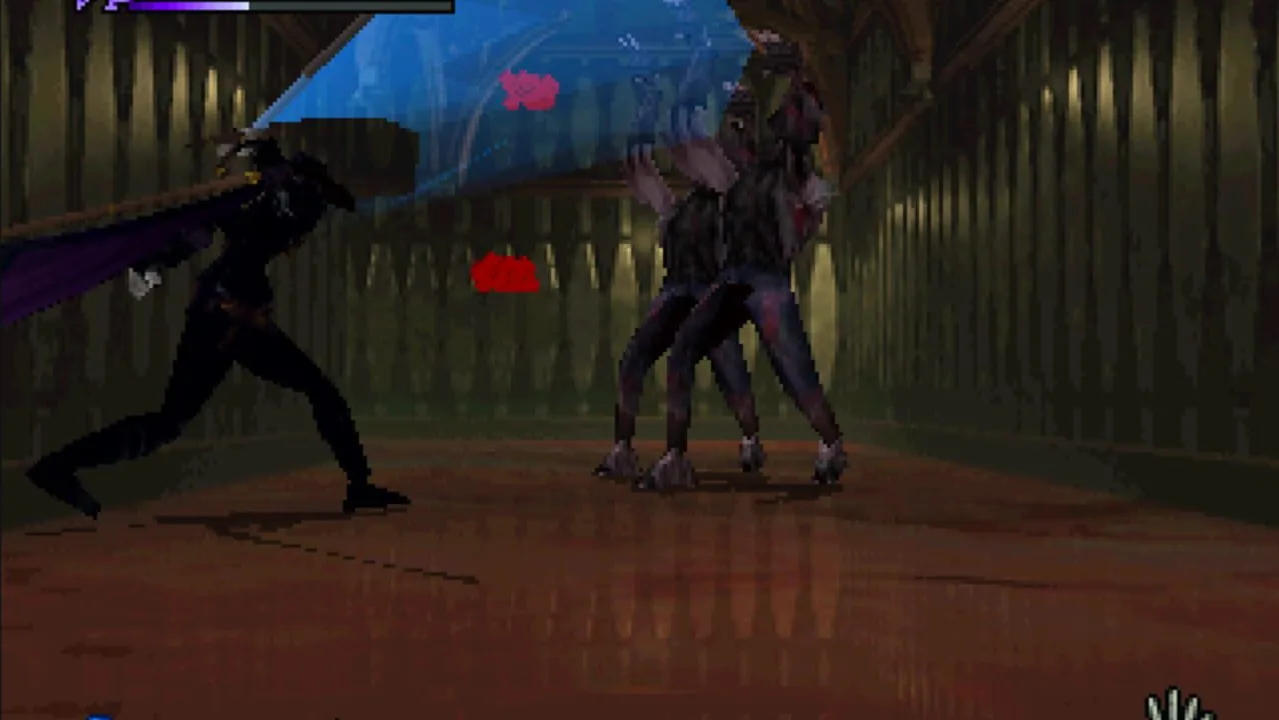
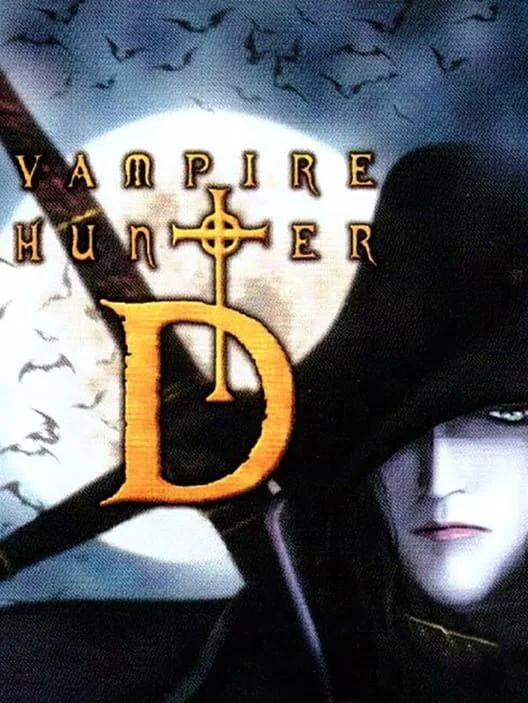
Vampire Hunter D is based on the books and films of the same name, and along with Countdown Vampires it is one of the few survival horror games about vampires. The story follows the second film, Vampire Hunter D: Bloodlust, which is itself based on the third novel.
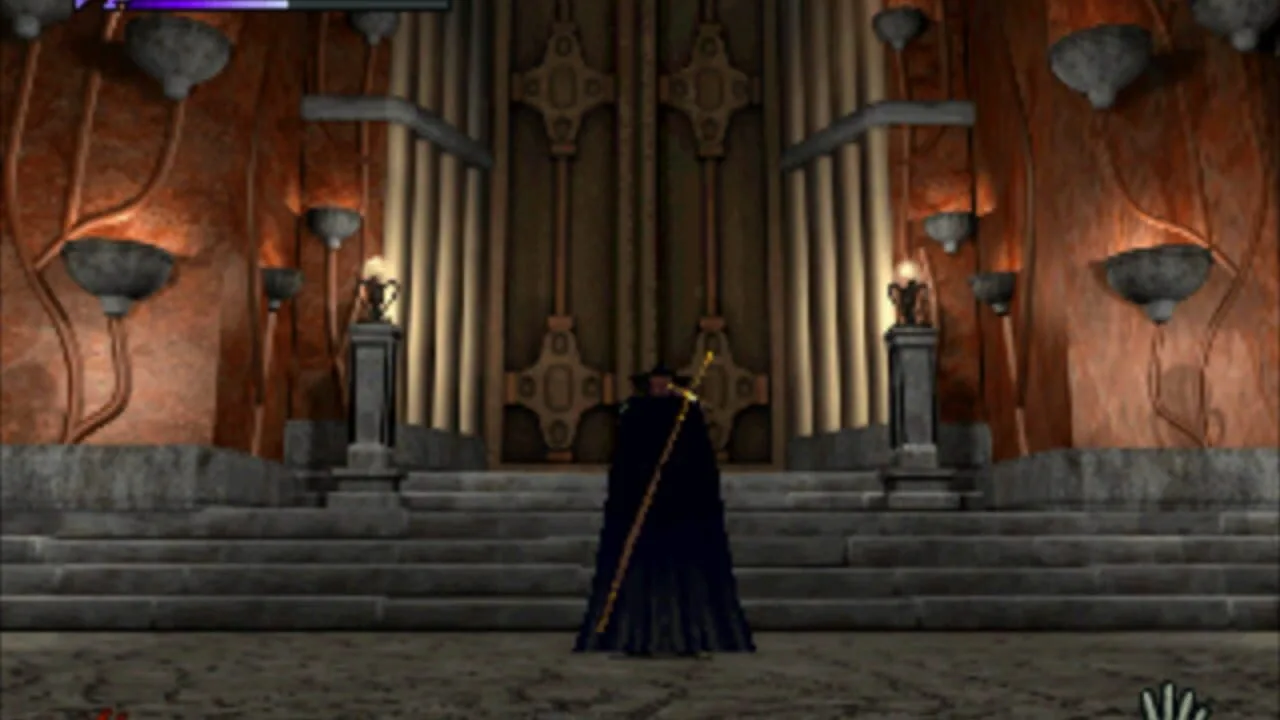
It plays a lot like the early Resident Evil games, with 3D characters over pre-rendered backgrounds, and you explore a castle collecting keys and solving puzzles. Leila, one of the rival hunters, even becomes playable for a while. There are three endings depending on what you do, and one of them is close to the end of the film. Players recommend it for a fun horror experience, and anime fans get a lot out of it.
22. Shadow Tower (1998)
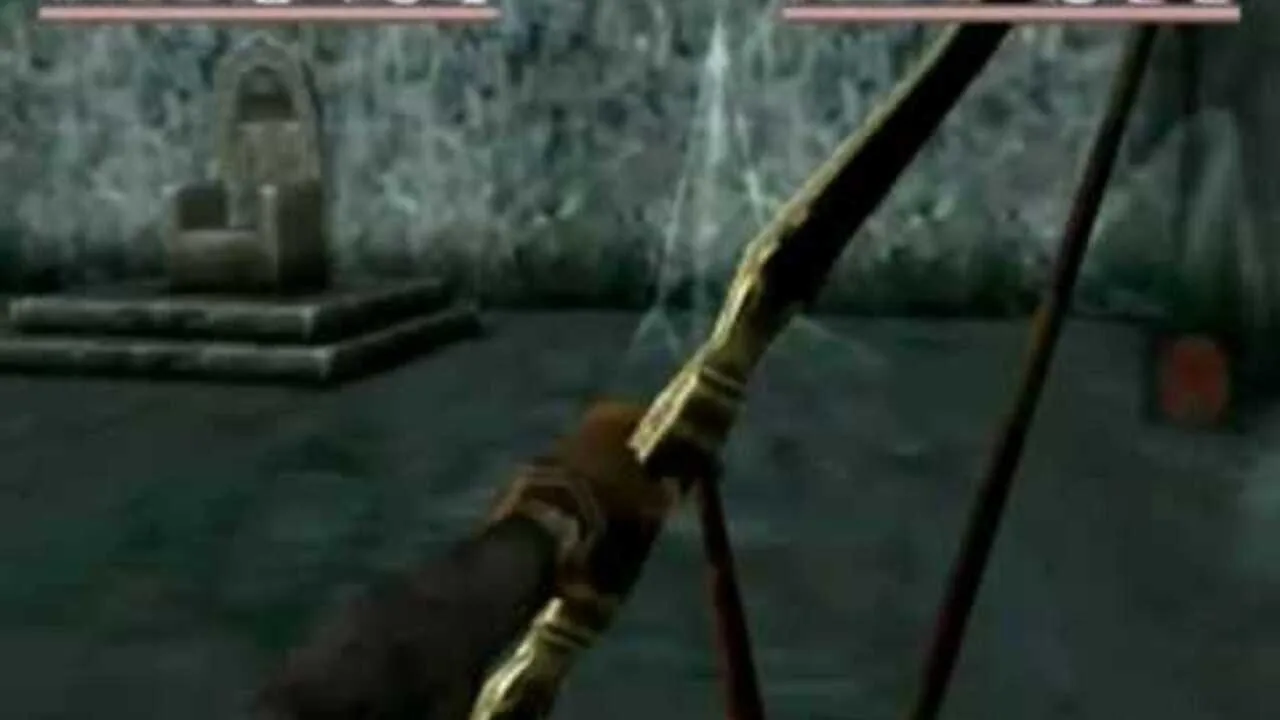
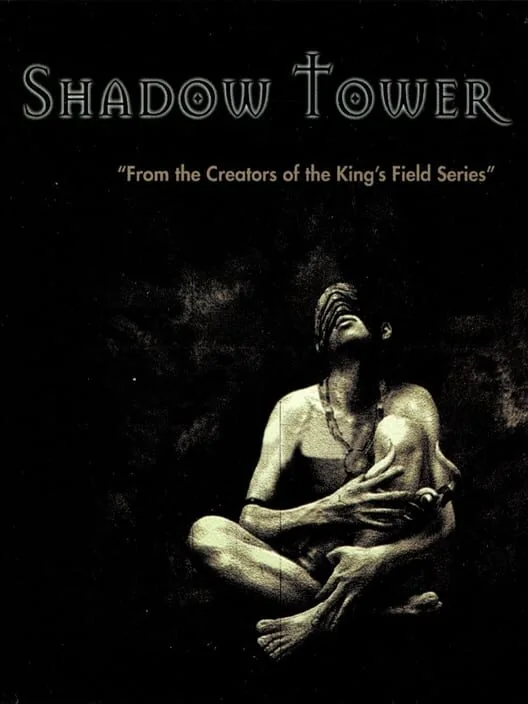
Shadow Tower is a first-person action RPG from From Software, released in 1998, and it has a lot in common with the King's Field games. Yes, that From Software. Agetec brought it to North America in November 1999, and a sequel, Shadow Tower Abyss, only came out in Japan.
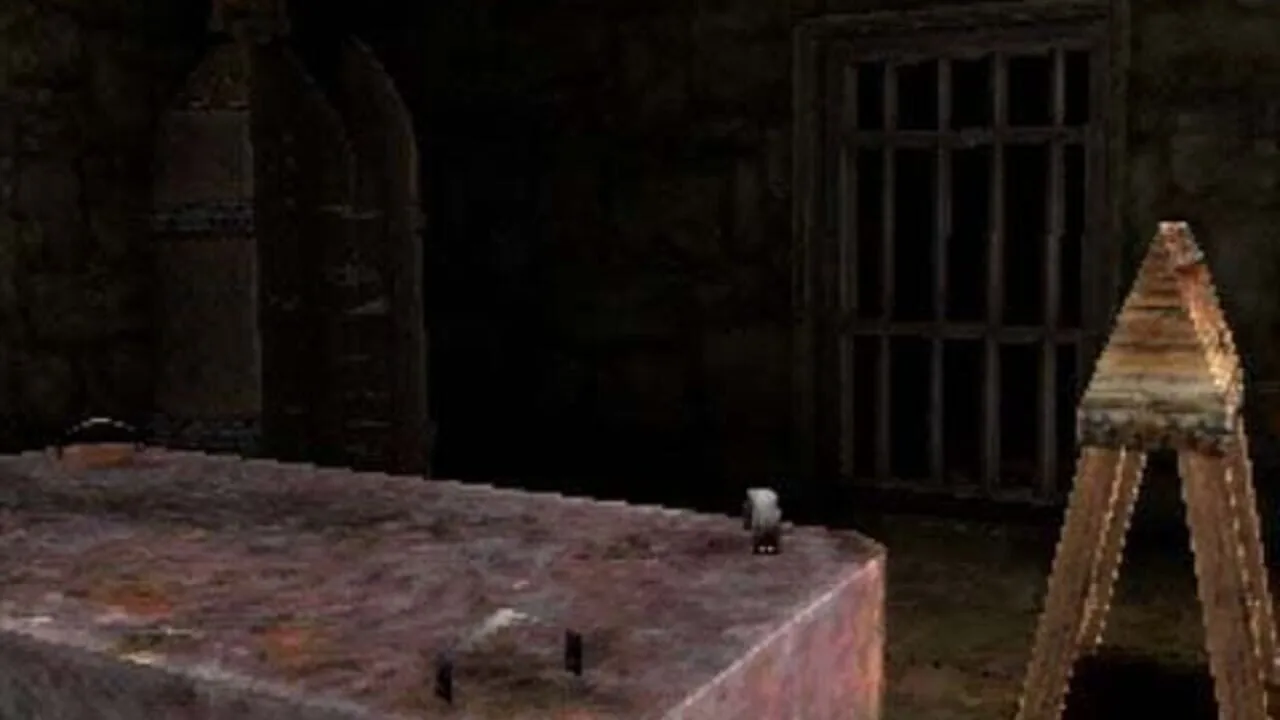
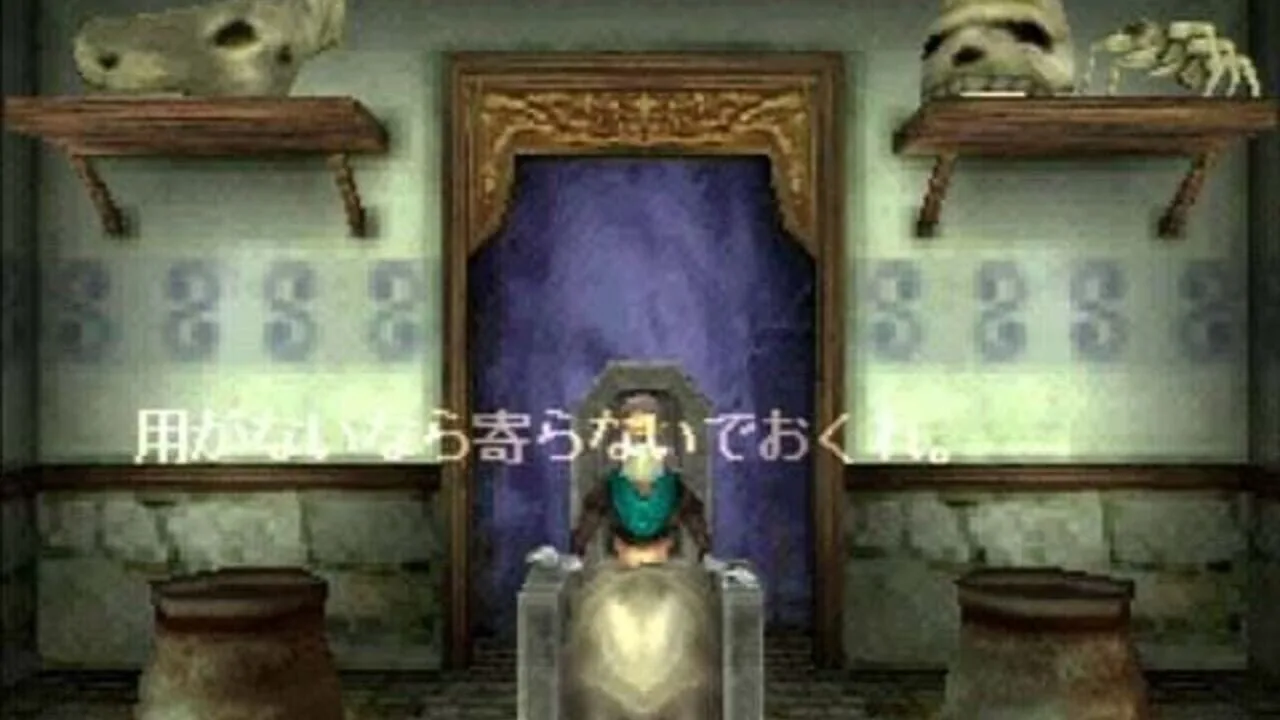
There is no music and no automap. Kota Hoshino wrote a soundtrack anyway, and since the game uses so little music, most of it went unused, with some pieces turning up later in Evergrace. Critics did not like it, and it averaged 49%, but the people who stuck with it found something special. Players count it as horror anyway, for its creepy atmosphere and a darkness so deep you can only see two steps ahead.
21. Alien Resurrection (2000)
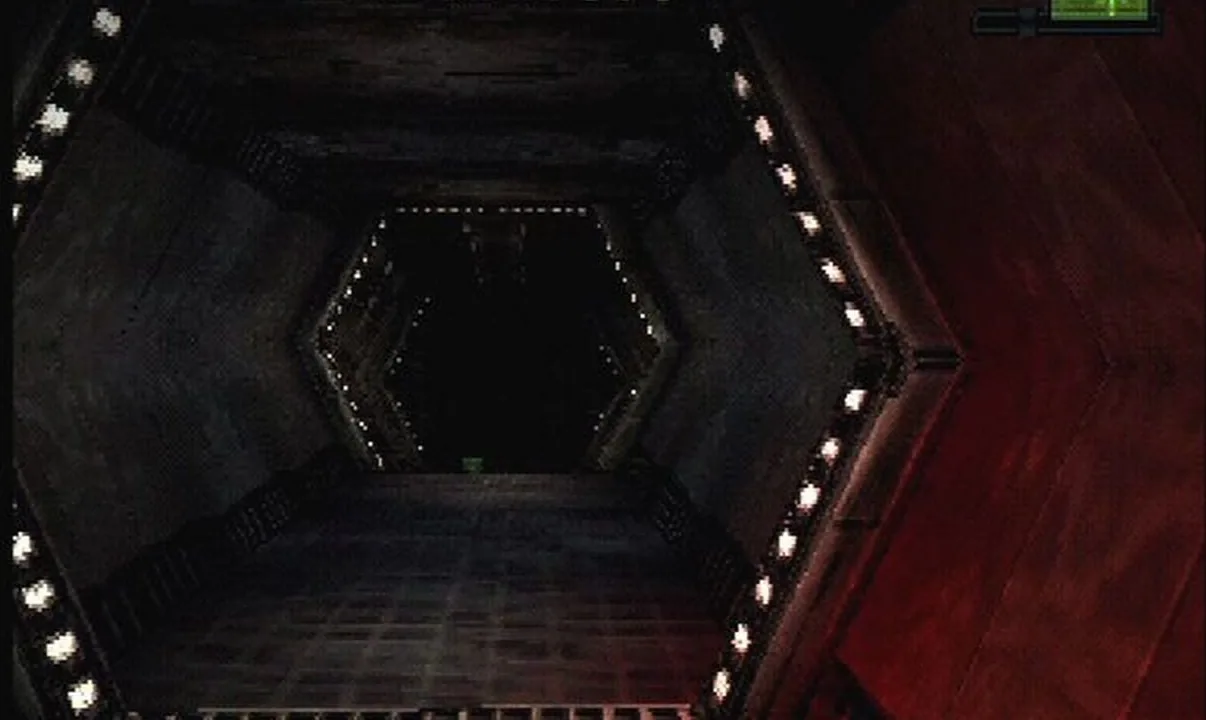
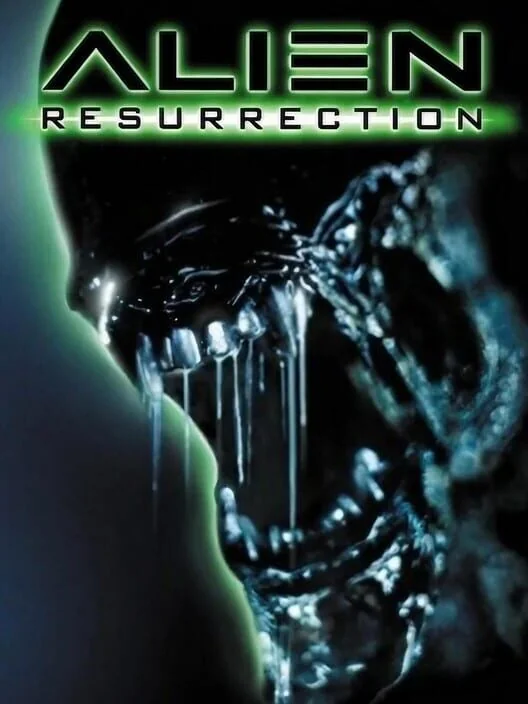
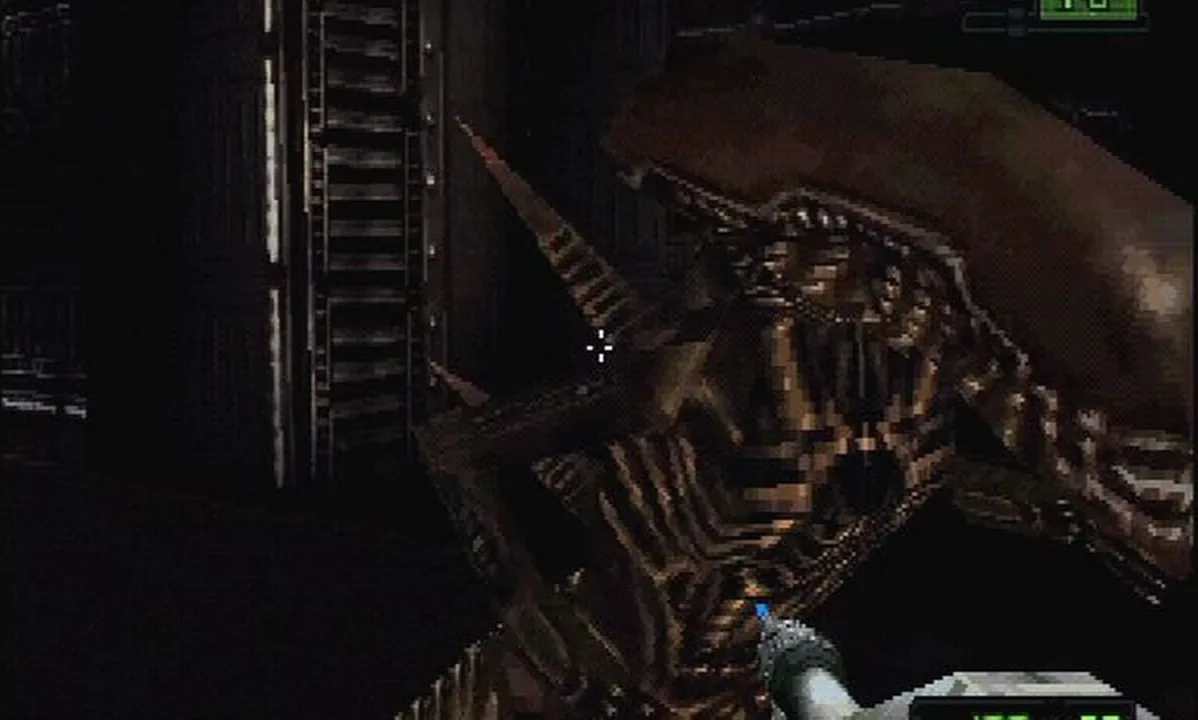
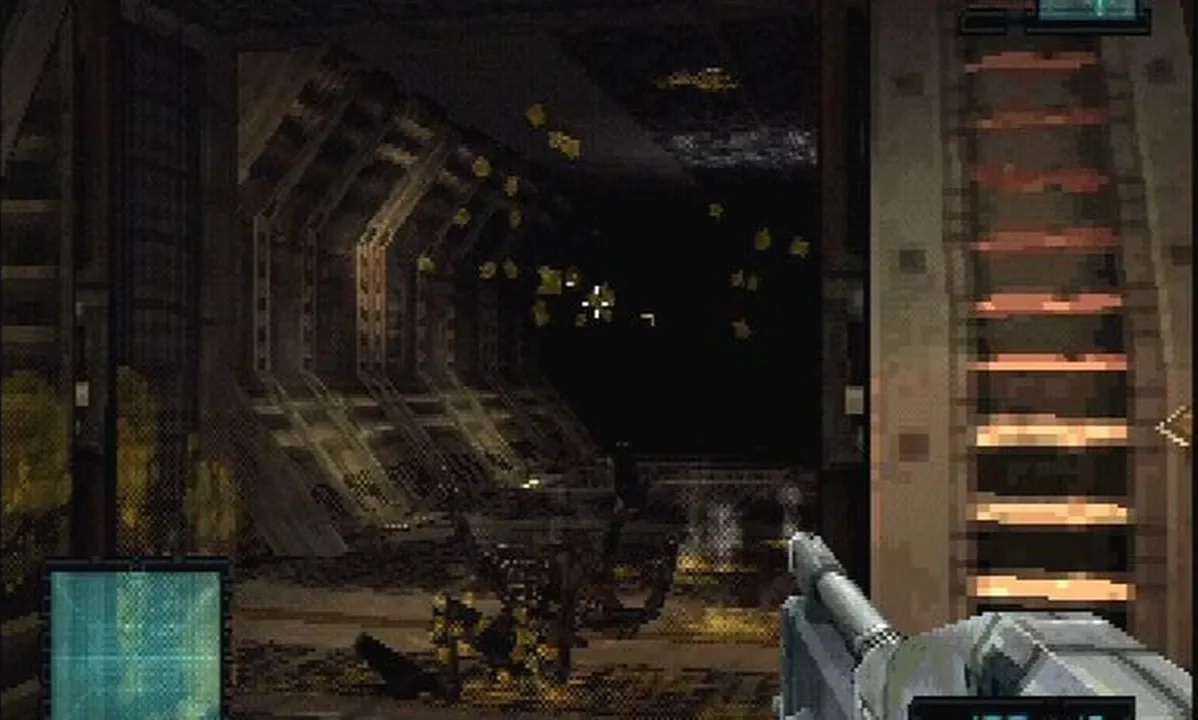
Alien Resurrection is a first-person shooter with limited ammo, and you switch between four characters from the film as the levels change. It was meant to be Fox Interactive's last Saturn game, until the Saturn version was dropped. There are ten levels, nine of them aboard the infested USM Auriga.
It was supposed to come out with the 1997 film, but it got stuck in development hell for a few years. Argonaut first built it as an overhead shooter inspired by Loaded, and the team found the film underwhelming when they saw it at a private screening. Their own game, Atom Zone, only appears in it very briefly. Players remember it as stupidly hard and genuinely frightening.
20. Evil Dead: Hail to the King (2000)
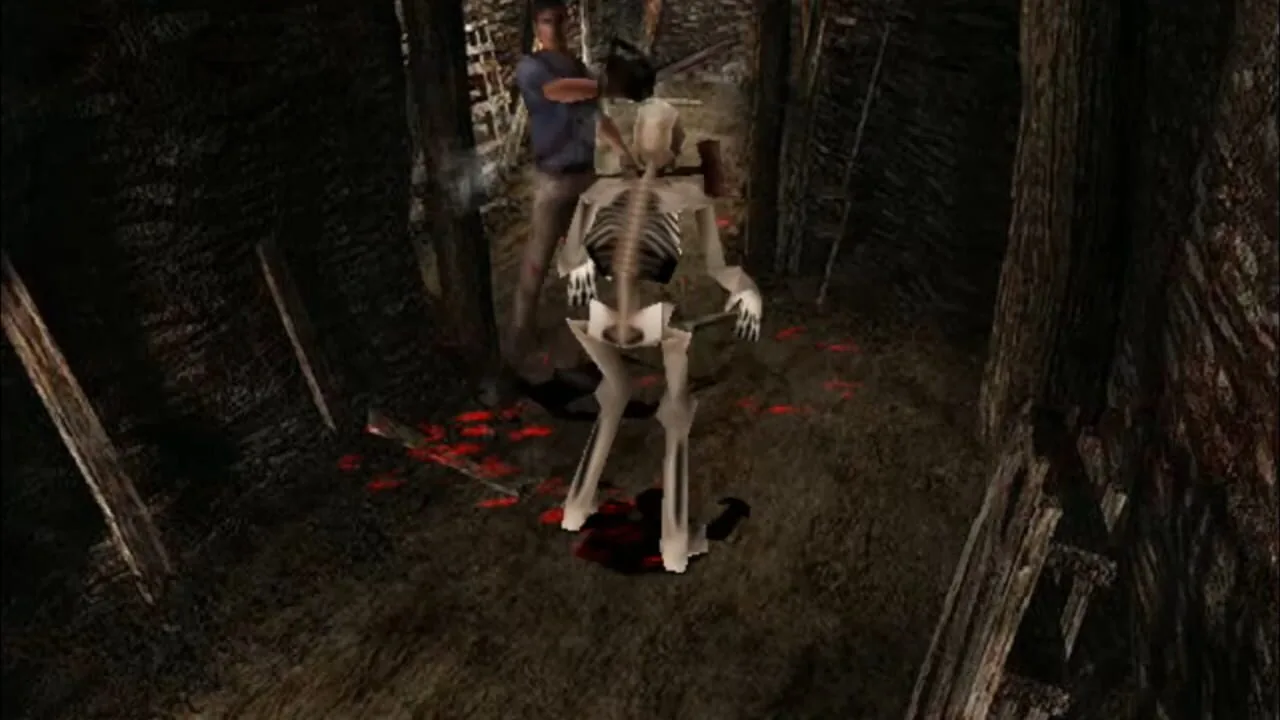
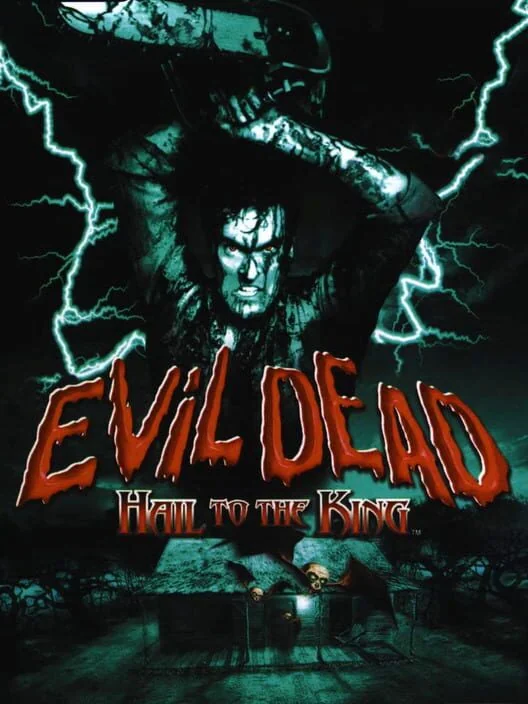
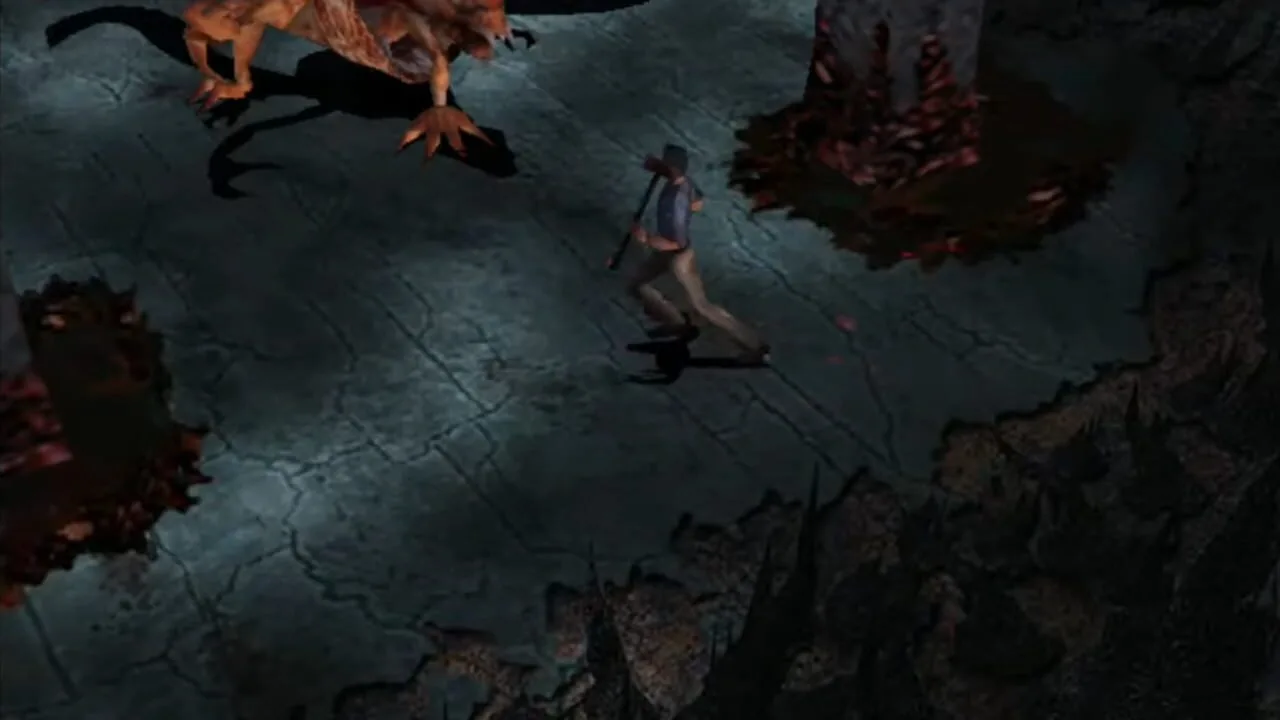
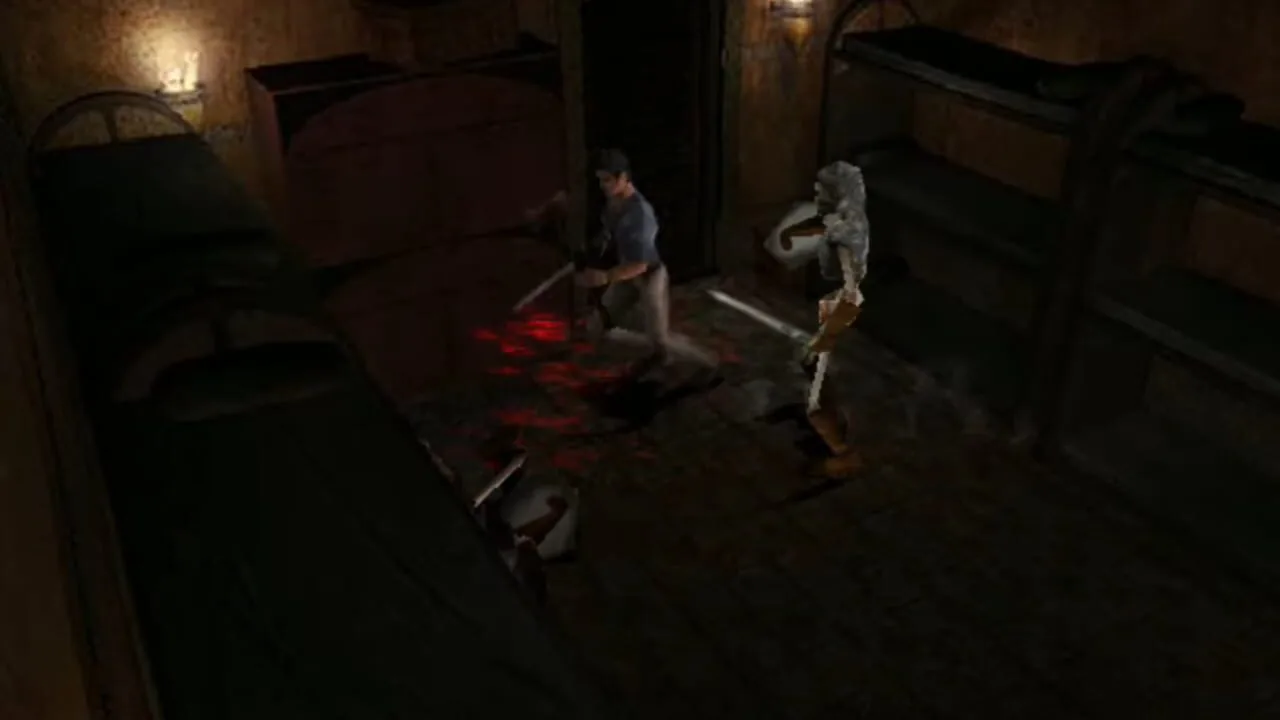
Evil Dead: Hail to the King starts in the cabin and the woods from the films, and Ash even travels back to the middle ages. Bruce Campbell voices him, new one-liners included. It works as a sequel to Army of Darkness, and it was only the second Evil Dead game, after one from 1984.
It plays like a Resident Evil game, with pre-rendered backgrounds, fixed camera angles and limited ammo, and even the chainsaw runs on limited fuel. Reviews of the PlayStation version were mixed. Players are split: some list it with the genre's regulars, and some call it awful. If you love the films, Bruce Campbell's lines carry it a long way, and you will forgive a lot.
19. Clock Tower II: The Struggle Within (1998)
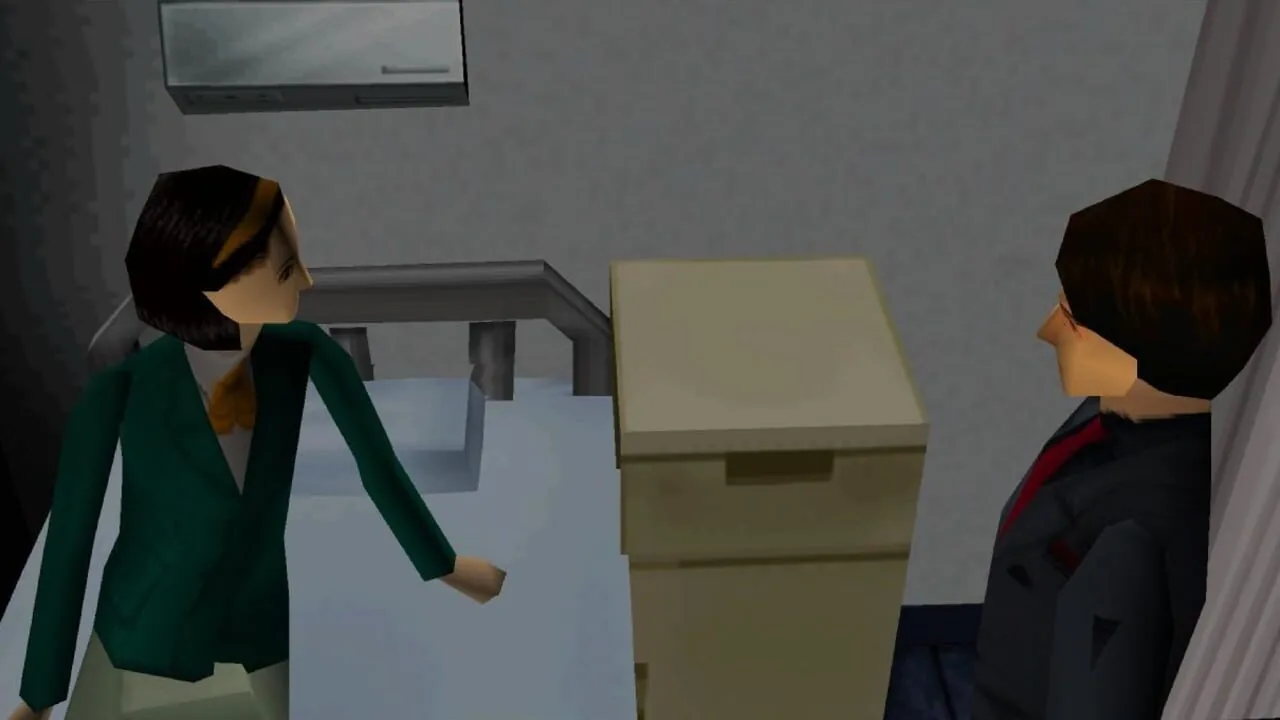
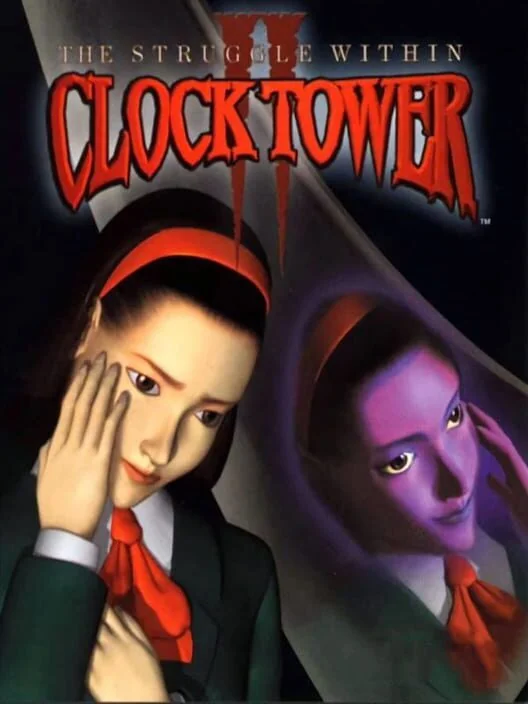
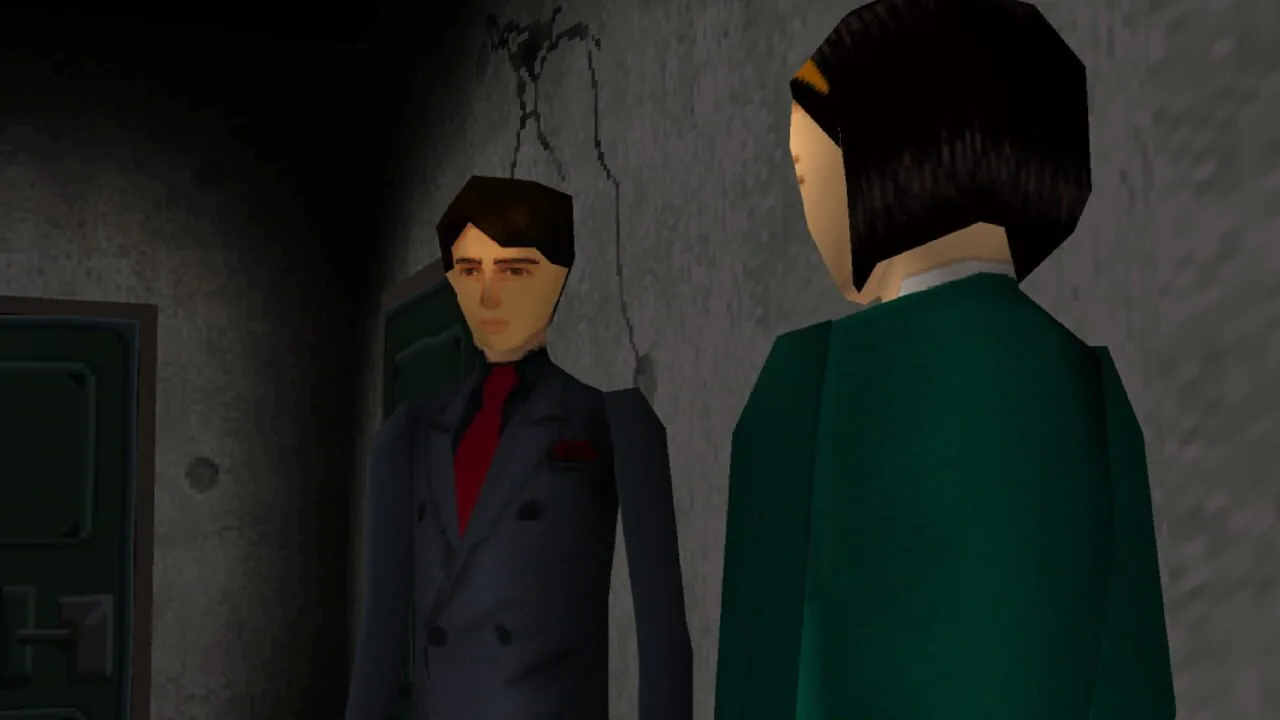
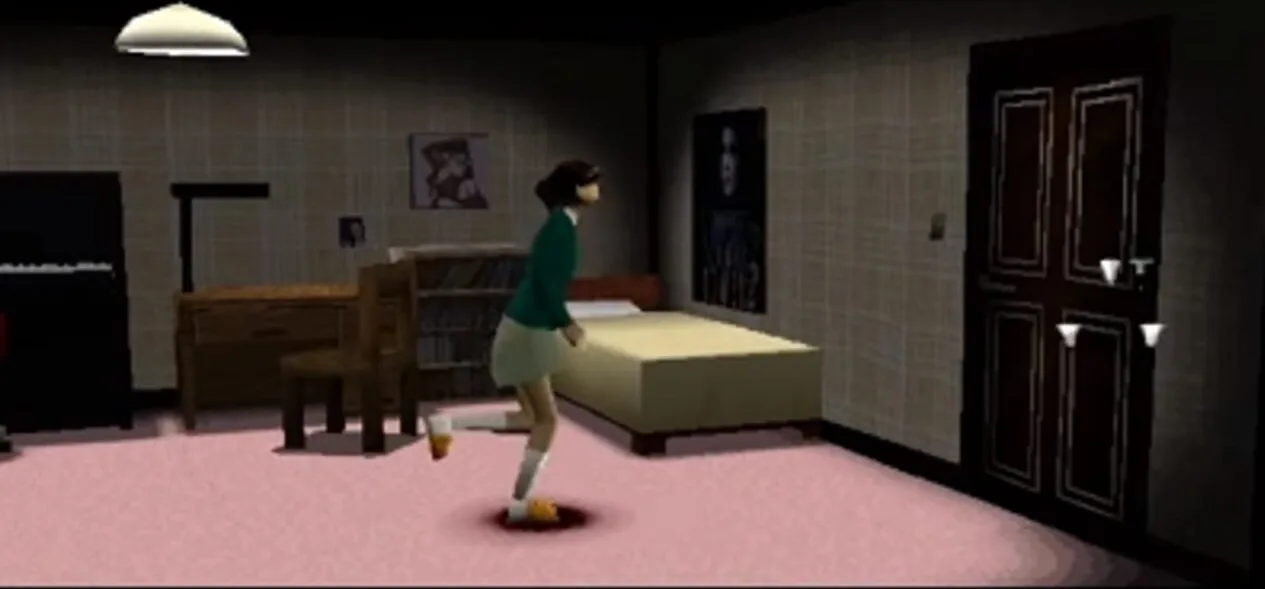
Clock Tower II: The Struggle Within is the game Japan knew as Clock Tower: Ghost Head, and the third in the series. It is set in Osaka, but the North American version moved it to Salinas, California, and gave the characters Western names. You play 17-year-old Alyssa Hale, who is sometimes taken over by an alter ego called Mr. Bates, and some events can only be cleared as him.
It was the first Clock Tower not directed by series creator Hifumi Kono, who felt he was out of material. Critics found the point-and-click controls slow and the trial and error tiring, and some compared it to a cult film, flawed but worth it for straying from the mainstream. Players spend a lot of time untangling the series numbering, and some say the first game was better. The numbering makes sense once you know the first game never left Japan.
18. Dino Crisis 2 (2000)
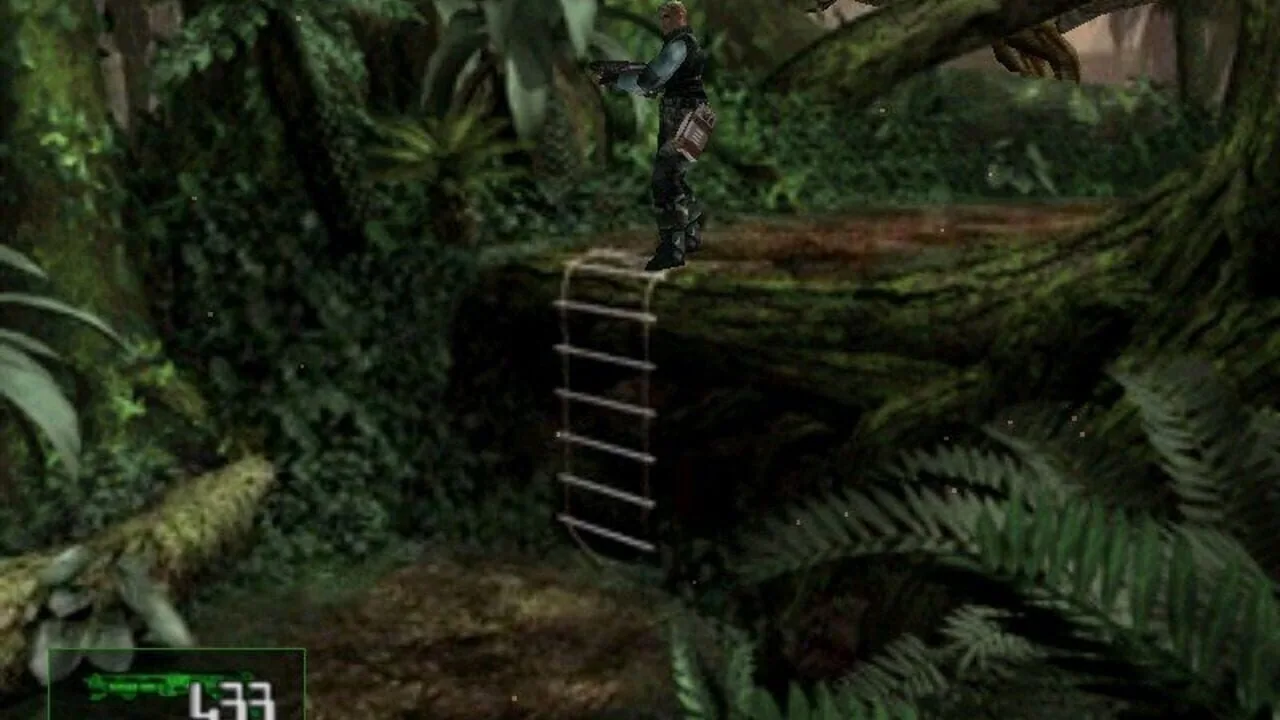
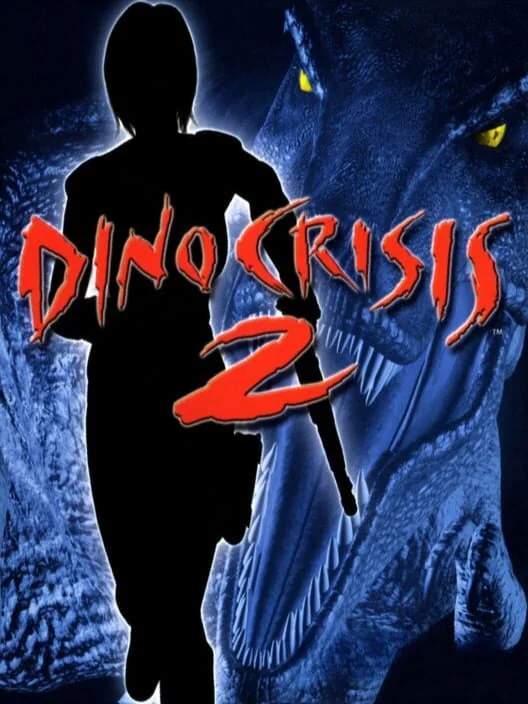
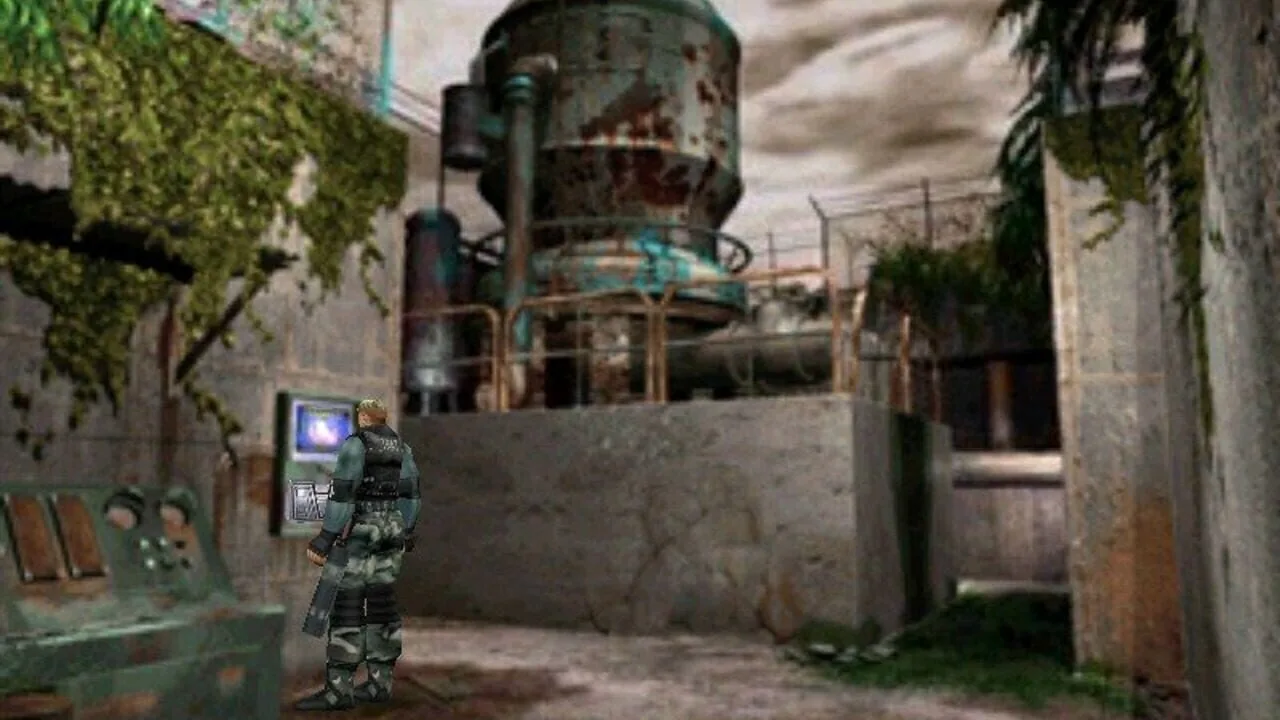
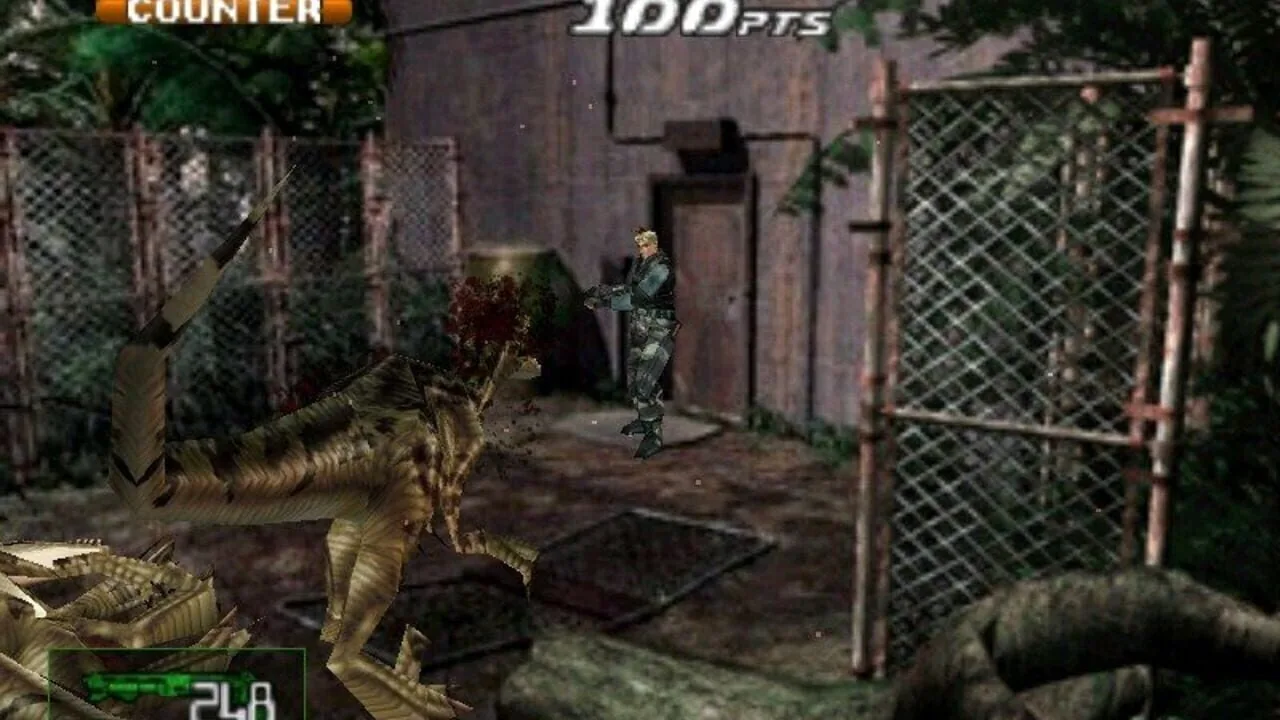
Dino Crisis 2 swaps much of the first game's survival horror for shooting. You always run, and you can carry a second gun. Shu Takumi directed it, the same Shu Takumi who created Ace Attorney, taking over from Shinji Mikami.
Regina and her team leader Dylan Morton are thrown through time with a whole research base, and the dinosaurs come in much bigger numbers. Going back to pre-rendered backgrounds let the team finally set it in a jungle, an idea the first game had to drop. It sold 1.19 million copies on the PlayStation, and critics liked that it felt less like Resident Evil. Players argue over whether it is horror at all, but most still recommend it.
17. Fear Effect (2000)
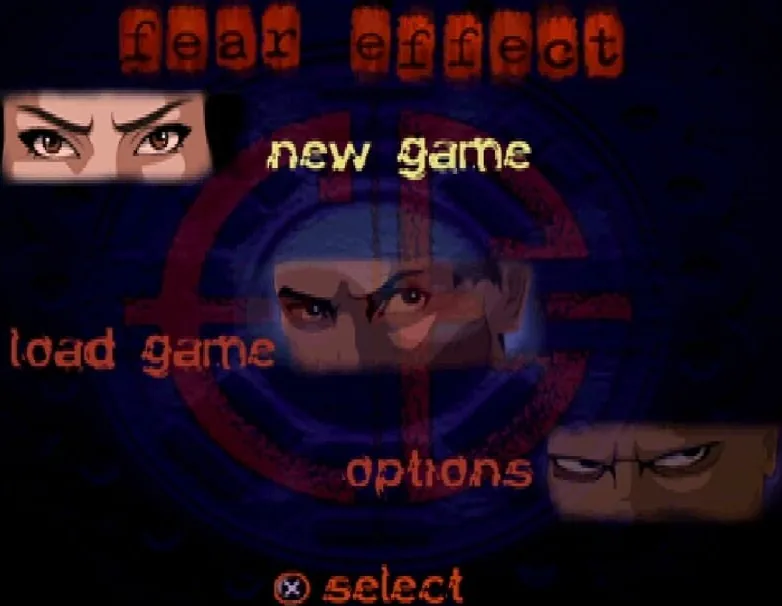
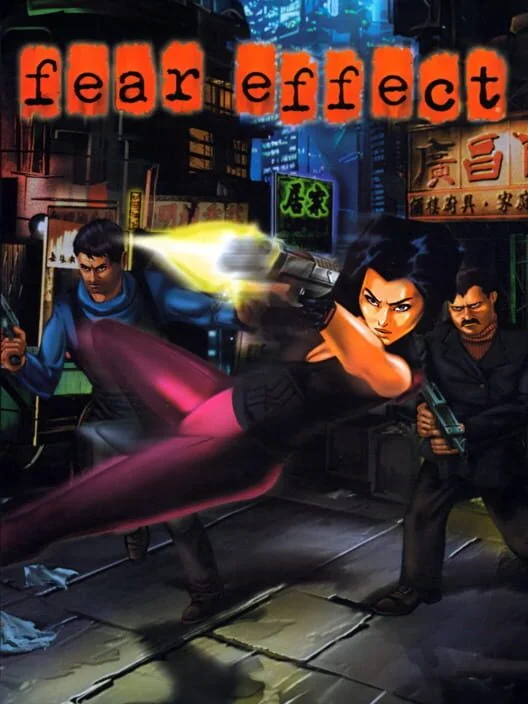
In Fear Effect, three ruthless mercenaries set out to find Wee Ming Lam, who has vanished, and ransom her back to her father, a powerful Triad leader in Hong Kong. It is set in the year 2050, and it mixes survival horror with stealth.
Its characters are drawn without shading so they look like a cartoon, and it was one of the first games to try that look. Critics loved how cinematic it felt, though Edge said the clumsy controls made the boss encounters absurdly difficult. Players recommend it and its sequel, and they point out that the crime story takes a supernatural turn. It still looks like nothing else on the PS1, and it is worth playing for that alone.
16. Alone in the Dark: The New Nightmare (2001)
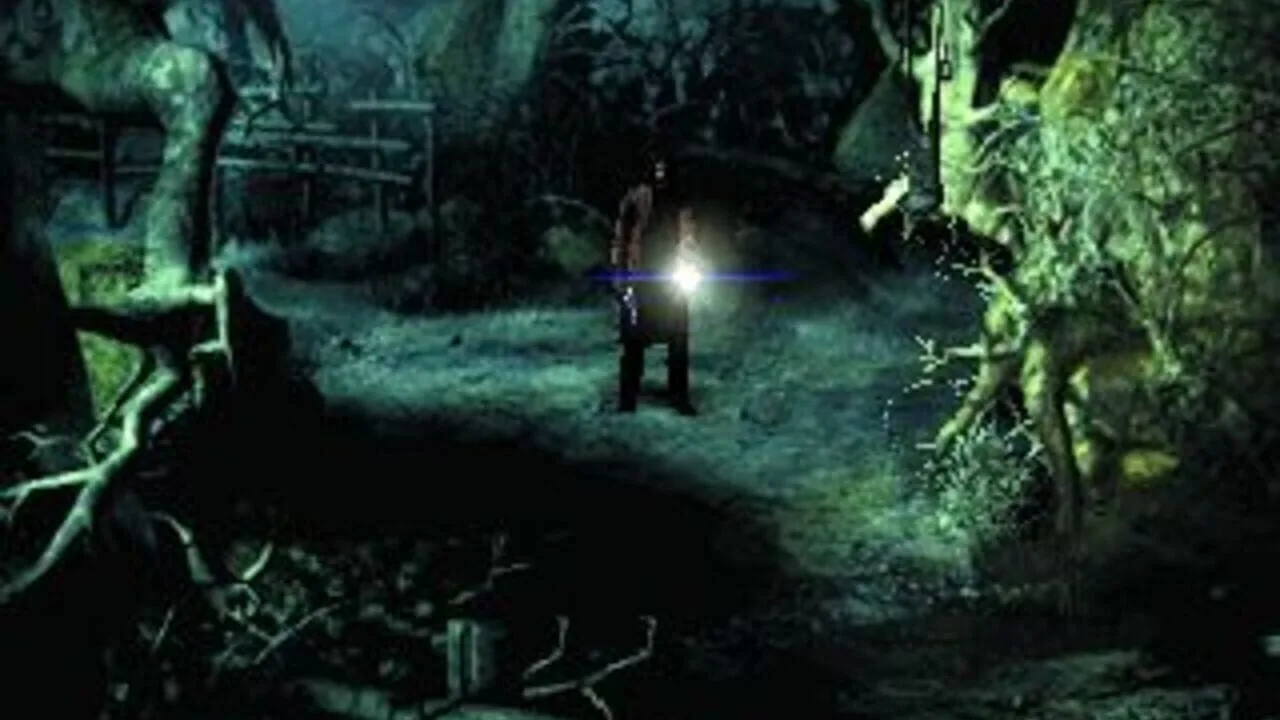
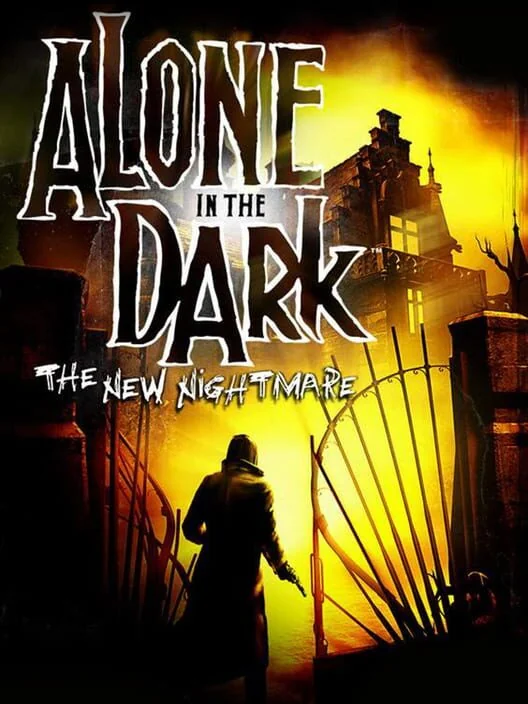
Alone in the Dark: The New Nightmare is the fourth game in the series, and you choose between two heroes: Carnby, who mostly fights, and Aline, who mostly solves puzzles. The story is set on October 31, 2001, which is about as on the nose as a horror game can get.
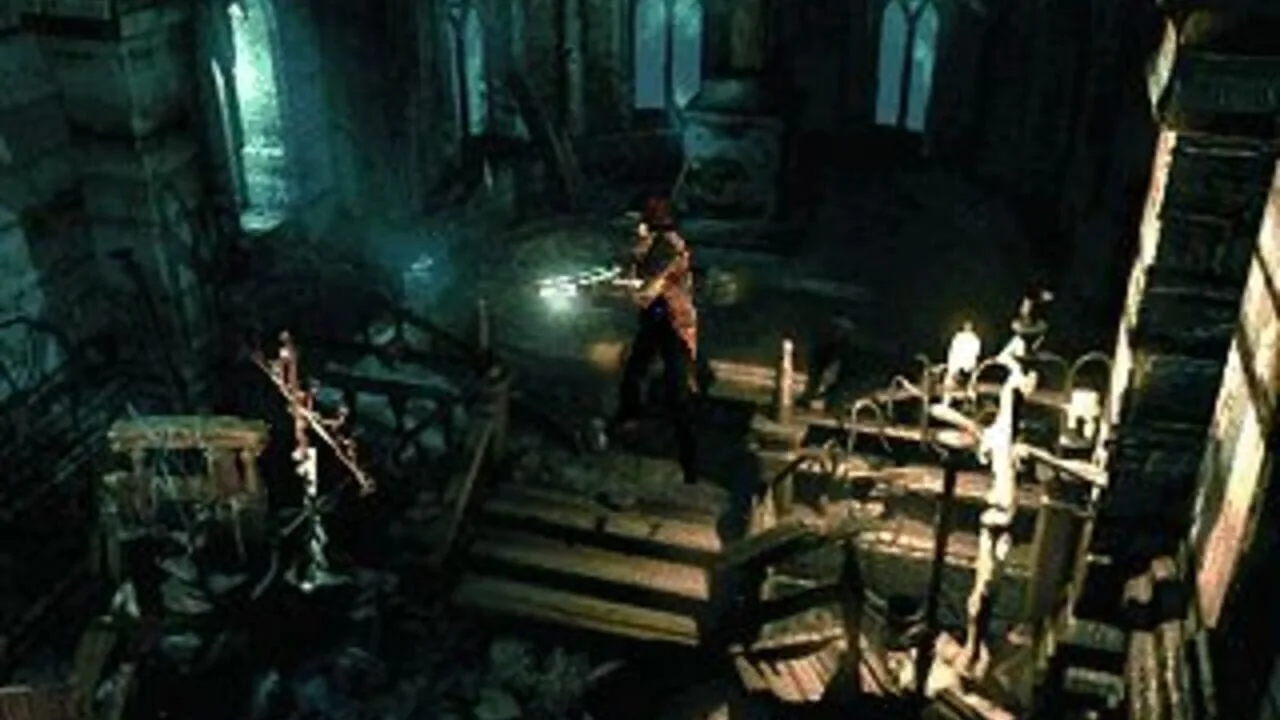
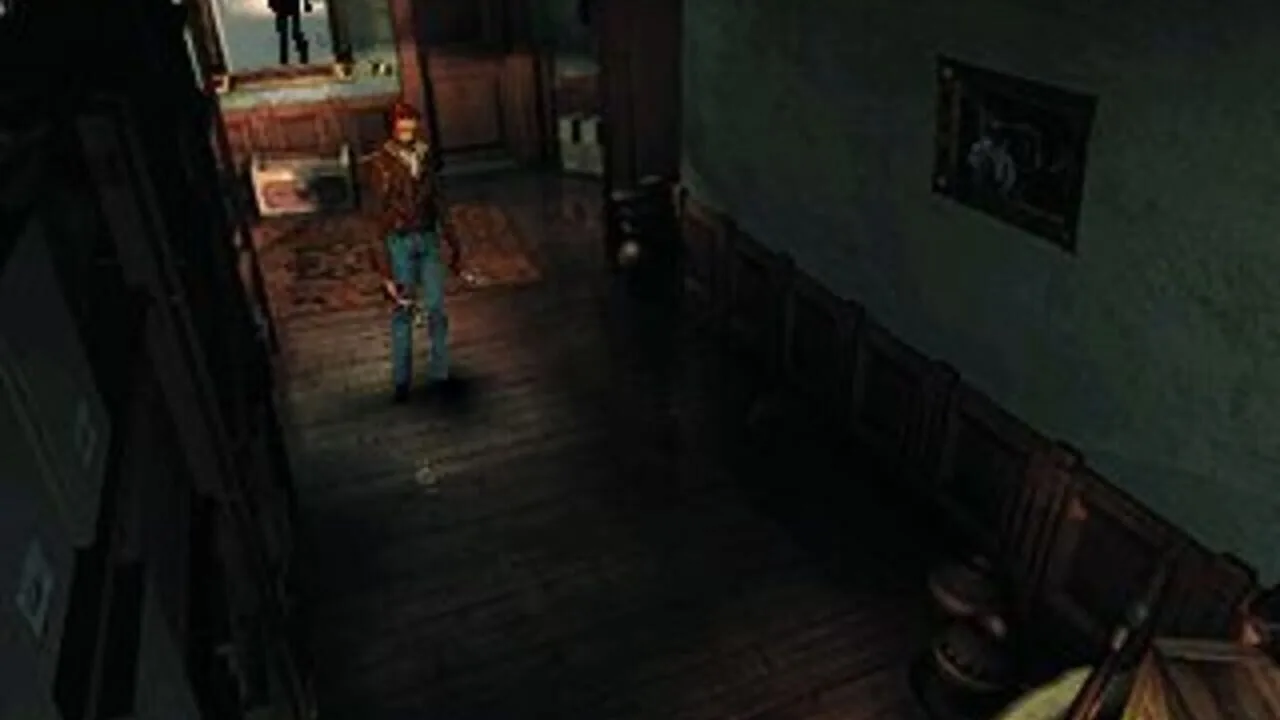
The big idea is the flashlight. The rooms are dark, and you shine it around to light up hidden details and items. It was the first Alone in the Dark built for consoles, and Capcom even planned to publish the PlayStation version in Japan before that release was cancelled. Players praise its graphics and atmosphere, and say it is genuinely scary. It is the best place to start with the series.
15. Countdown Vampires (1999)
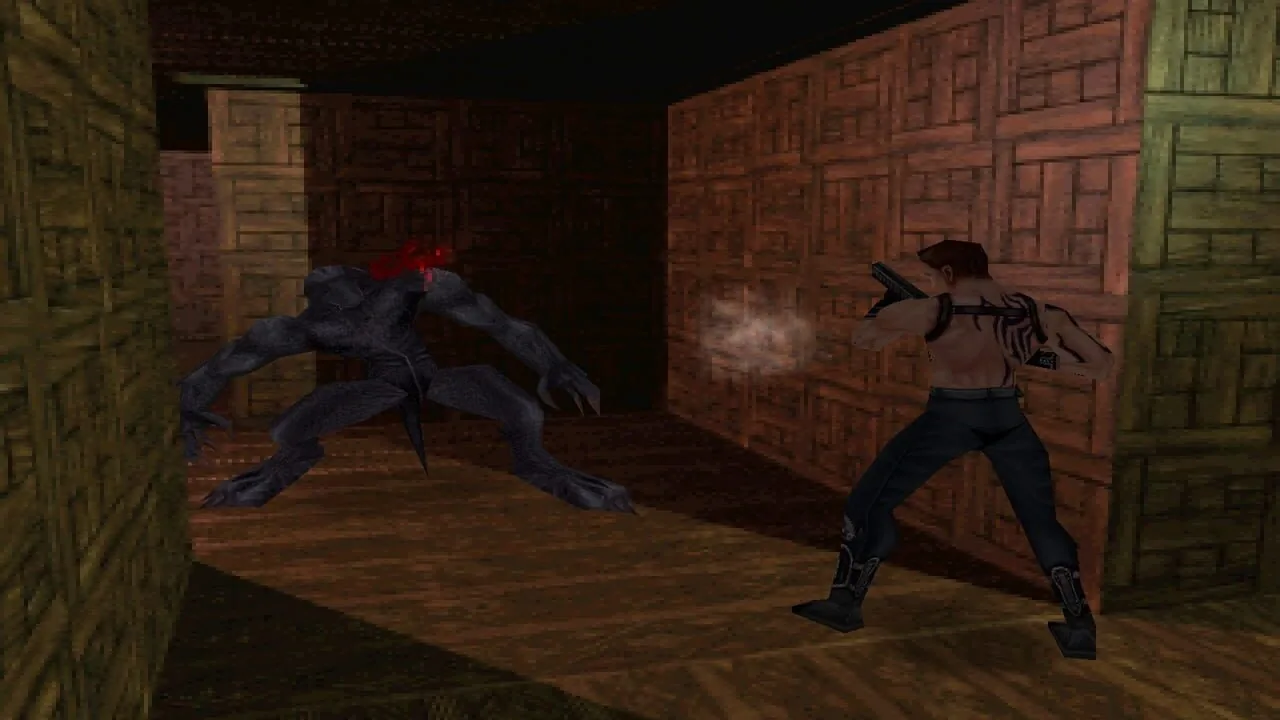
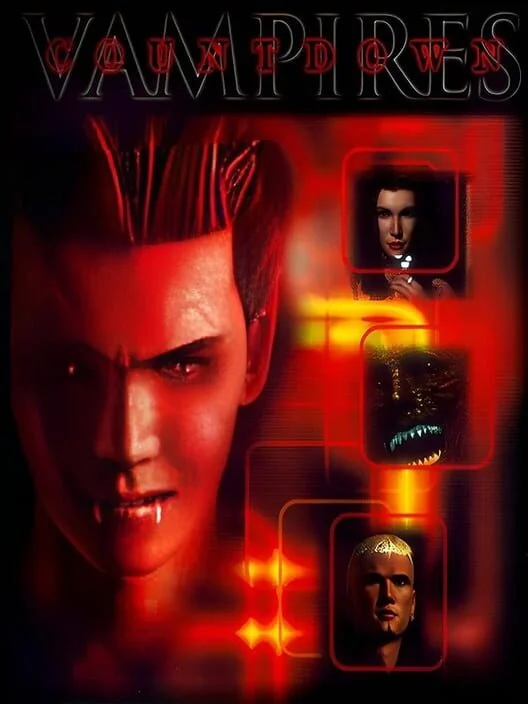
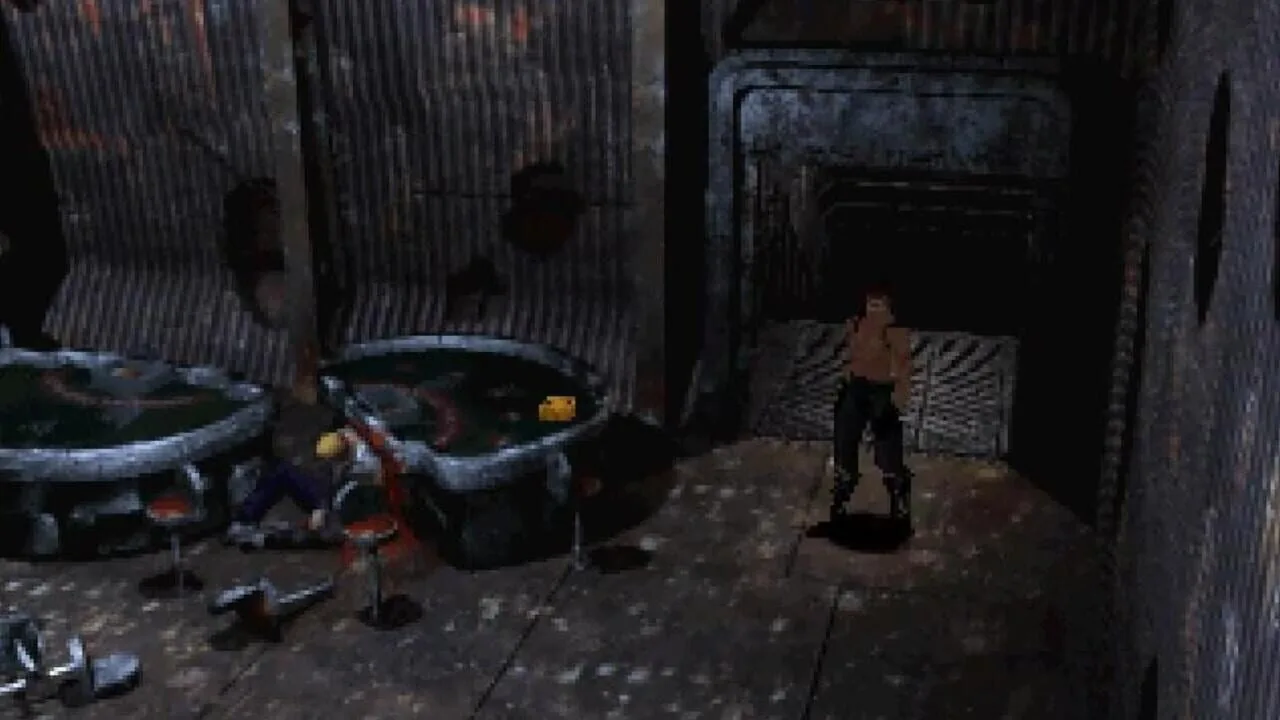
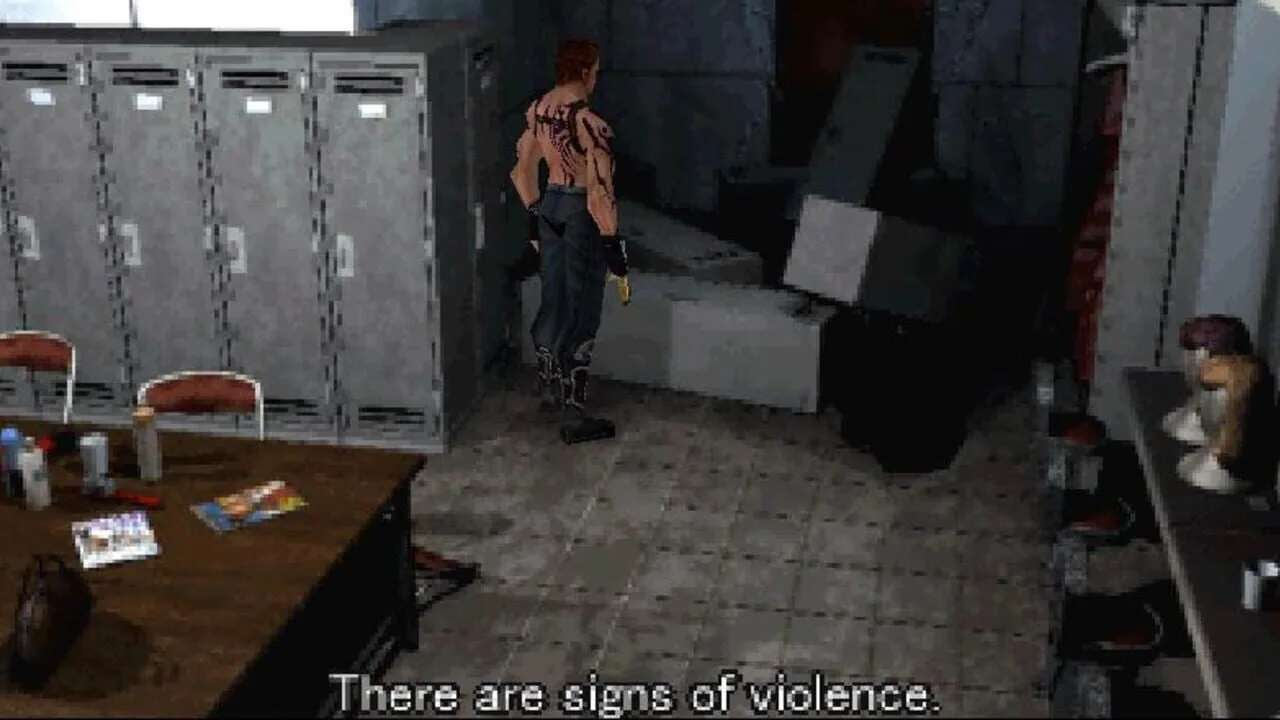
Countdown Vampires puts police officer Keith J. Snyder on security at the opening of a horror-themed hotel casino, where the sprinkler water turns black and transforms the dancers into vampires. Many of the creatures are infected people you can save instead of killing, so it pays to think about how you fight.
The first part is set in the casino, and you can play roulette and slot machines for money to buy food and drinks, which are your healing items. Clear it within eight hours and a special story mode unlocks with extra characters. Critics in the West hated it, though Famitsu gave it 30 out of 40. One player sums it up: "It's garbage but it will make you appreciate every horror game you ever played."
14. Resident Evil 3: Nemesis (1999)
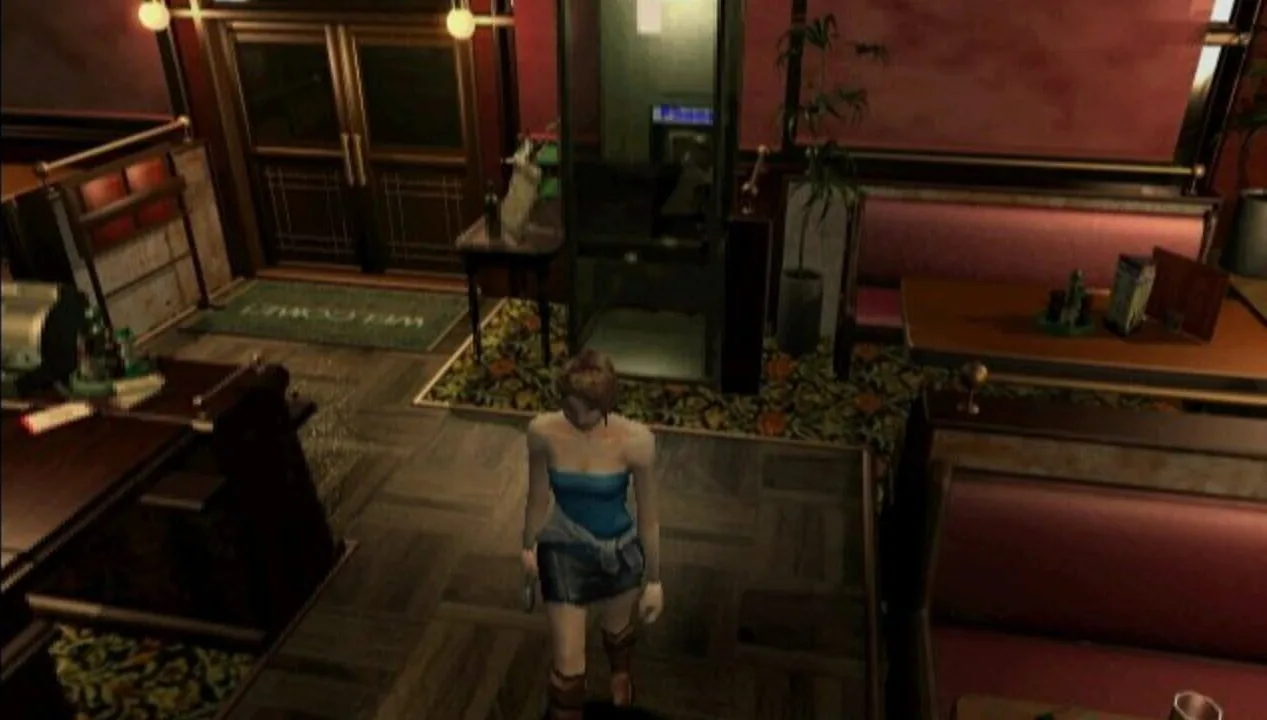
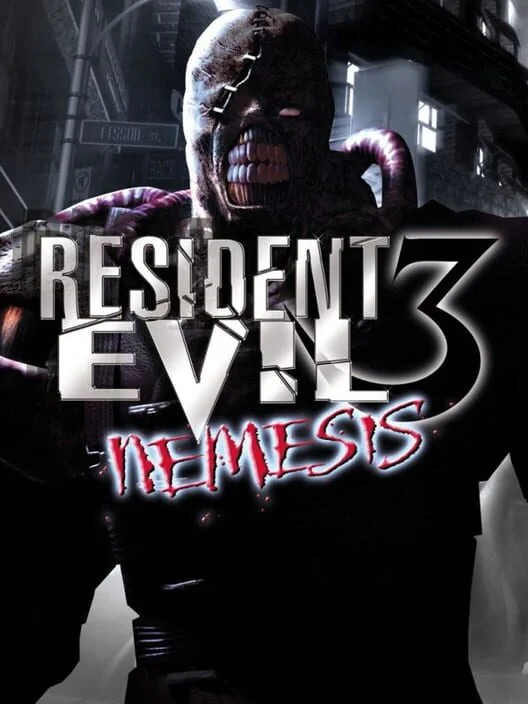
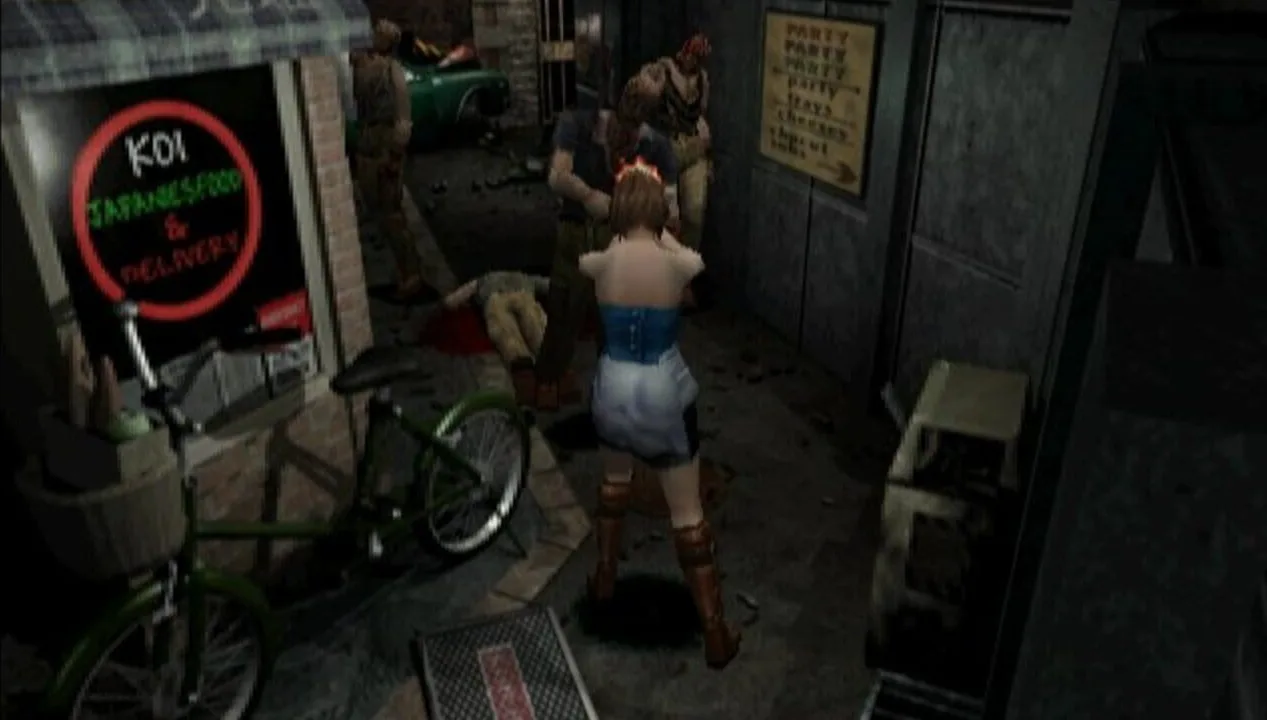
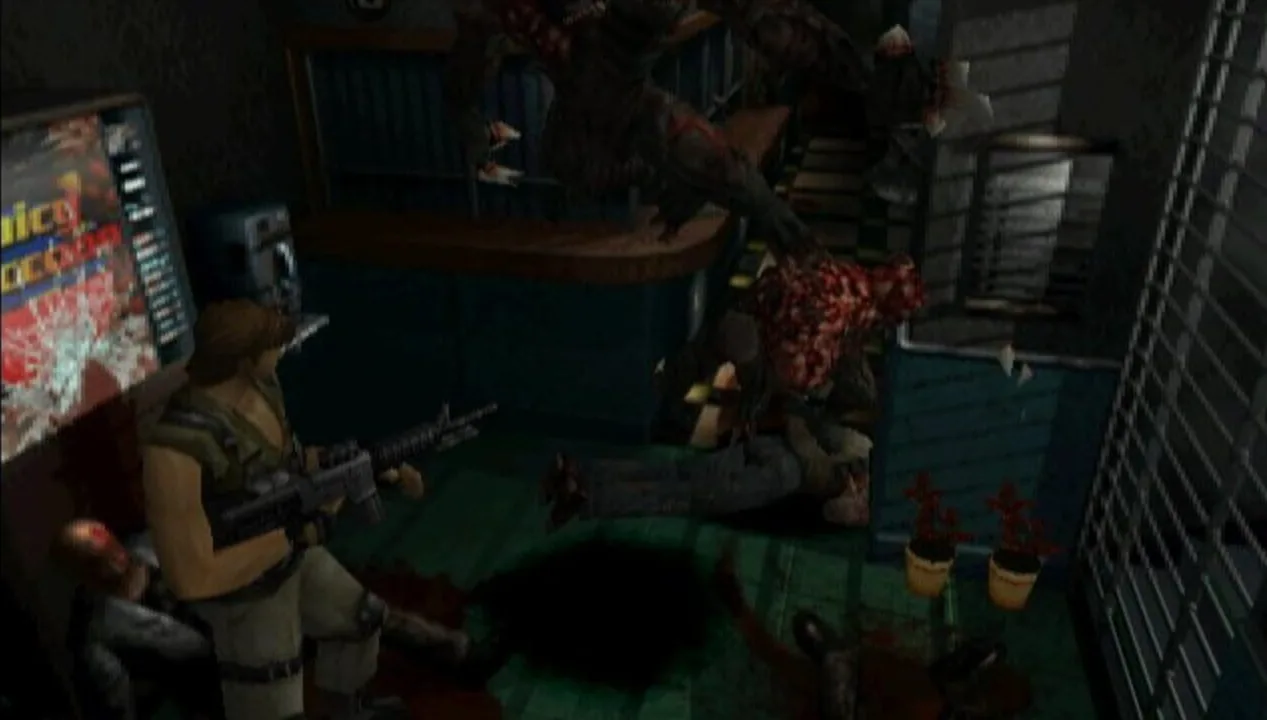
Resident Evil 3: Nemesis runs on the same engine as the first two games, but adds a dodge move and a quick 180-degree spin for Jill. It was built to be more action-heavy, with more enemies on screen, and some encounters change based on choices you make along the way.
The star is Nemesis, and critics praised him as an intimidating villain, along with the setting and the detailed graphics, though some found the game short and the story simple. It sold more than three million copies, and a remake came out in 2020. Players call it a given next to the second game, and some still remember losing sleep over it. Few villains in games have chased people as hard as this one.
13. Alien Trilogy (1996)
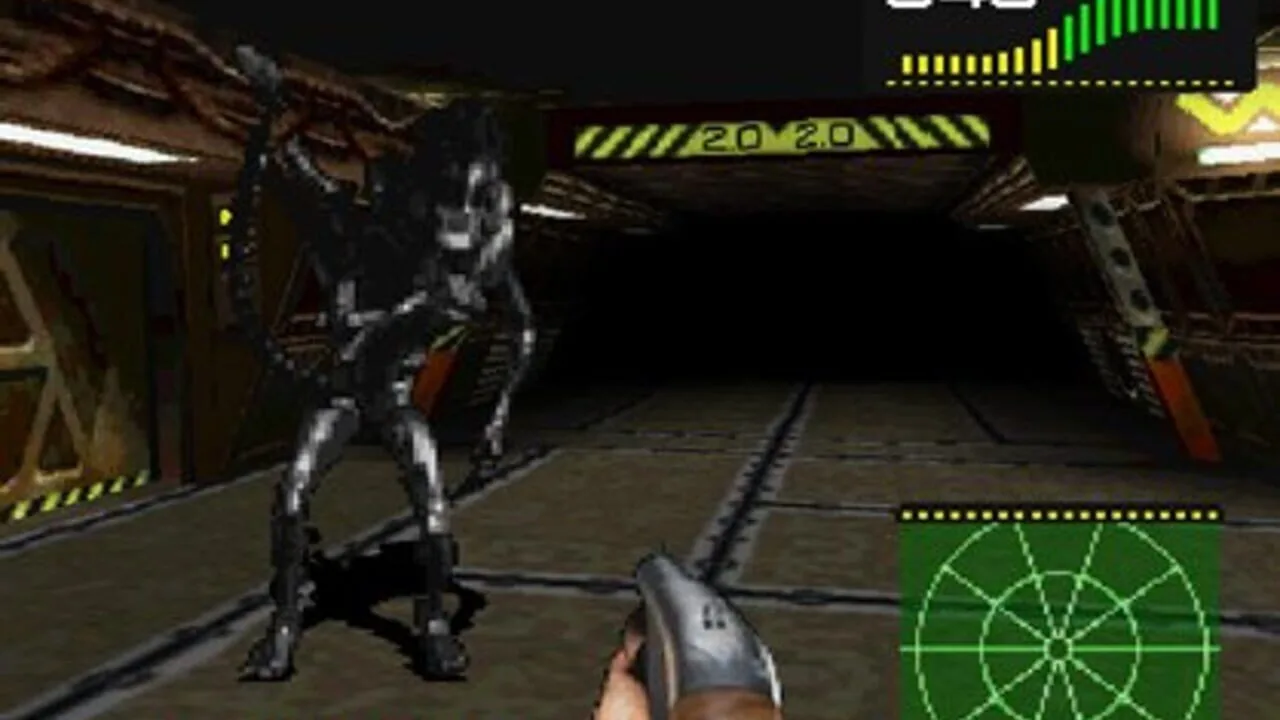
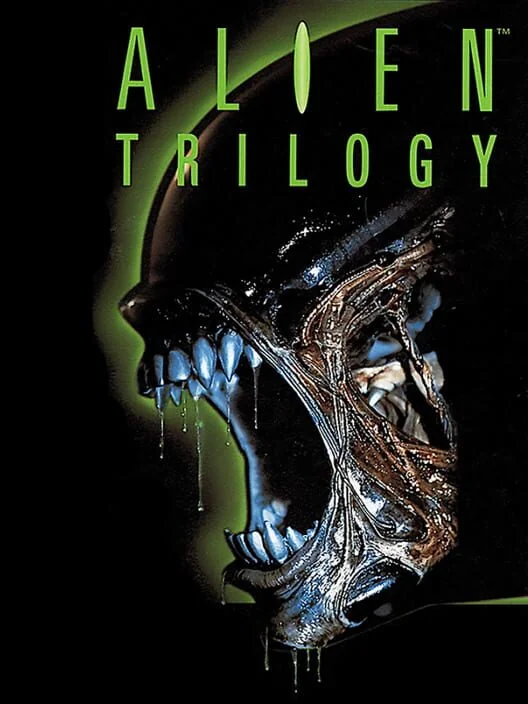
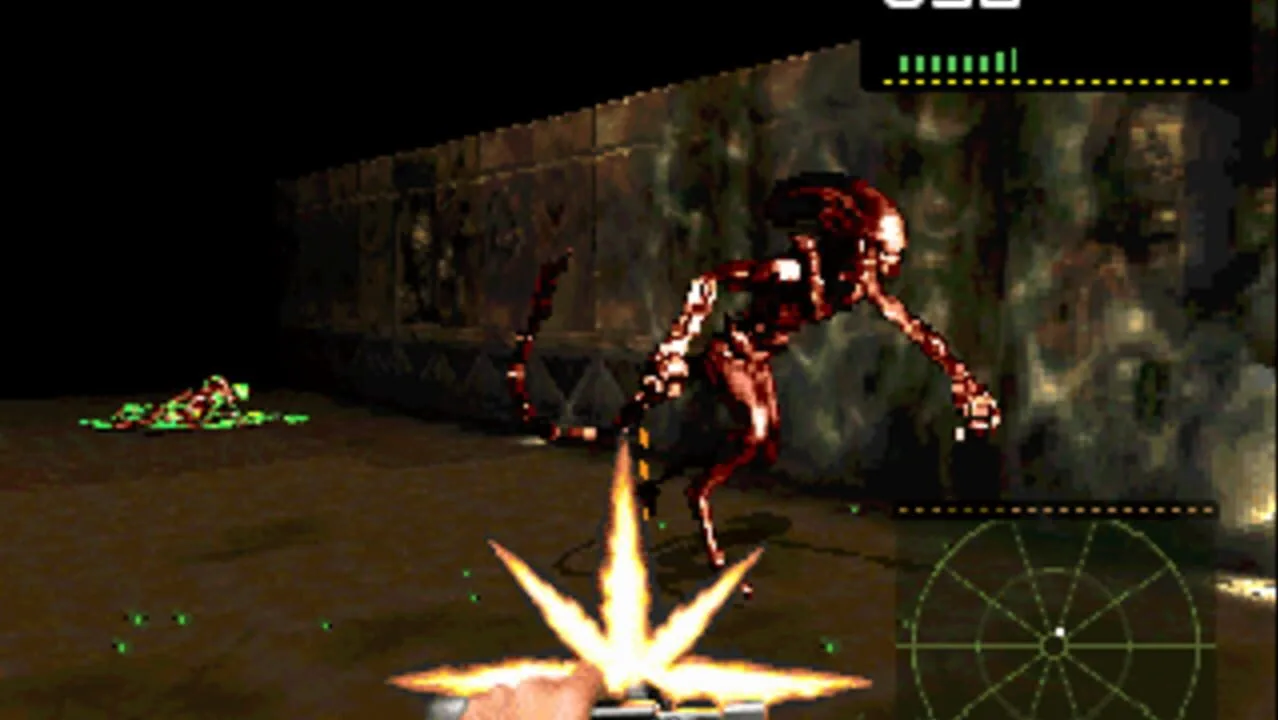
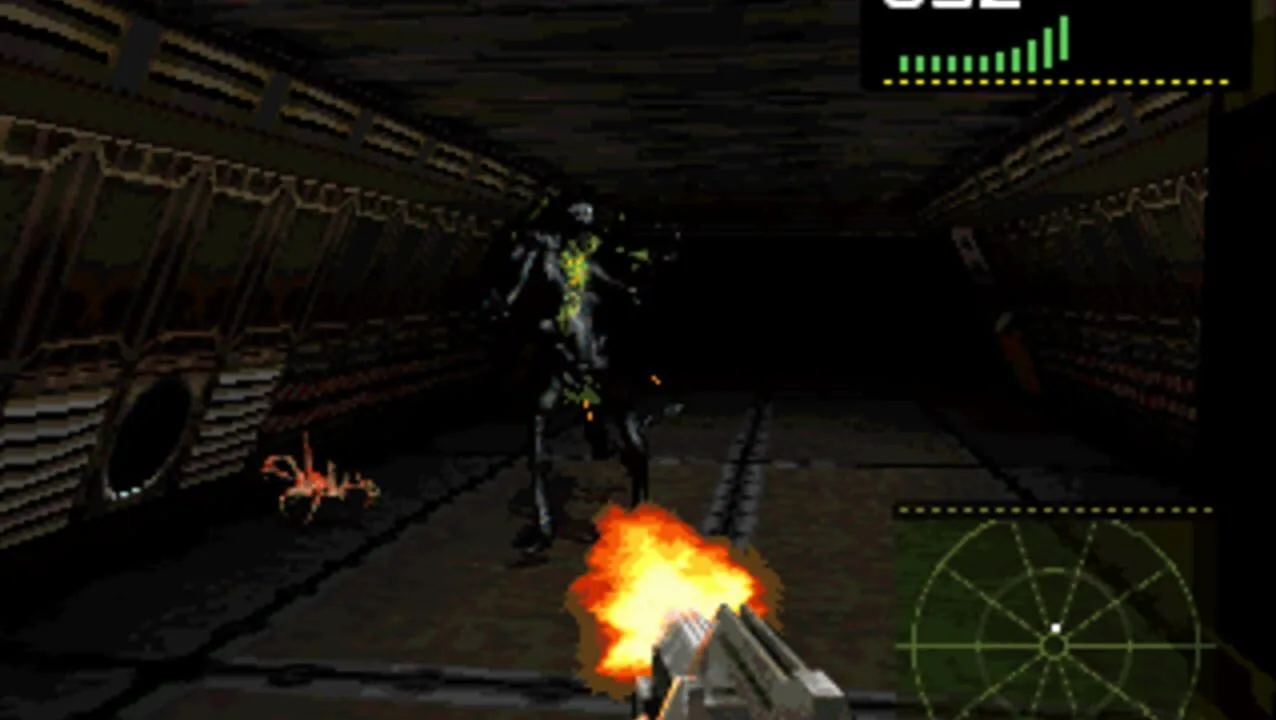
Alien Trilogy borrows from the films, face huggers and chest bursters included, across 30 levels and 3 Queen bosses. You play Ellen Ripley, and the story is told mostly through text briefings between missions, with the odd CGI cutscene.
It was one of the first games Probe made after Acclaim bought the studio, and it debuted Acclaim's much-hyped motion capture technology. Critics praised how well it recreated the films' atmosphere and how deep it was compared to other first-person shooters, and it sold well. Players say it is more creepy than scary, carried by its atmosphere and soundtrack. It is one of the best licensed games on the console.
12. Echo Night (1998)
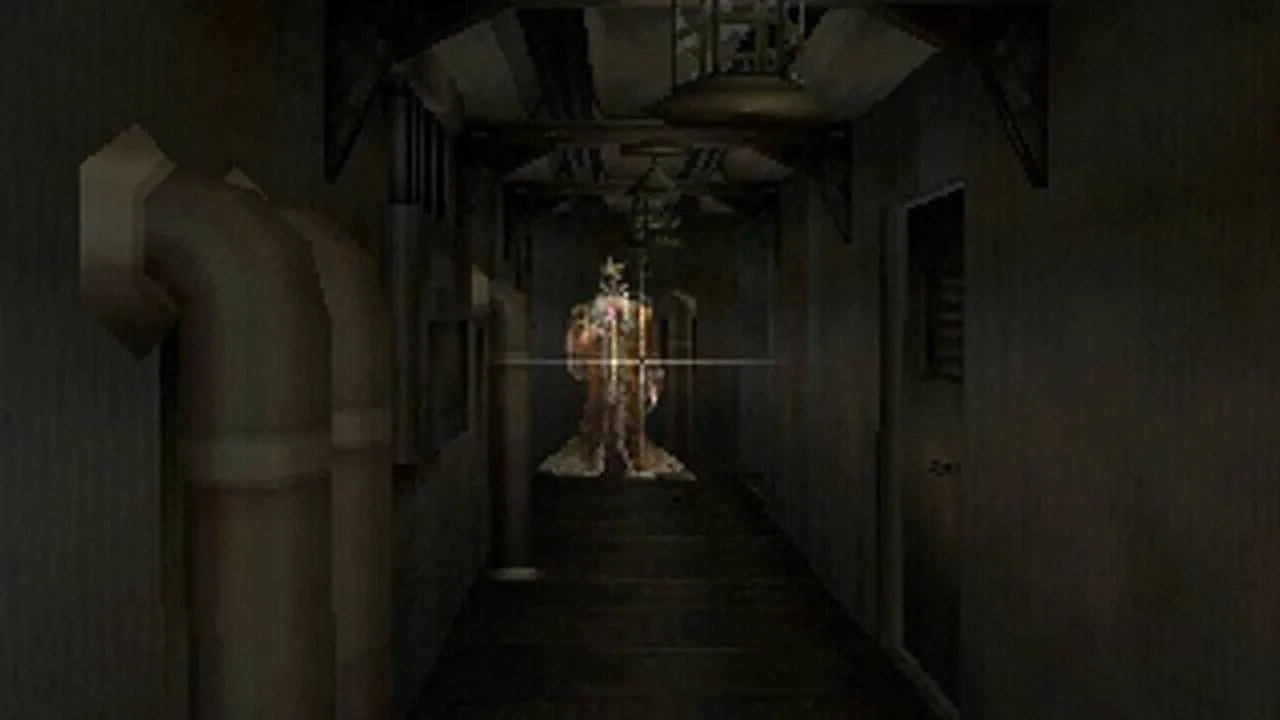
Echo Night is a mystery adventure from From Software, in which Richard Osmond tries to find out what happened to the Orpheus, a ship that vanished at sea. He is really searching for his missing father, and the trail leads to two magical stones and a ghost ship.
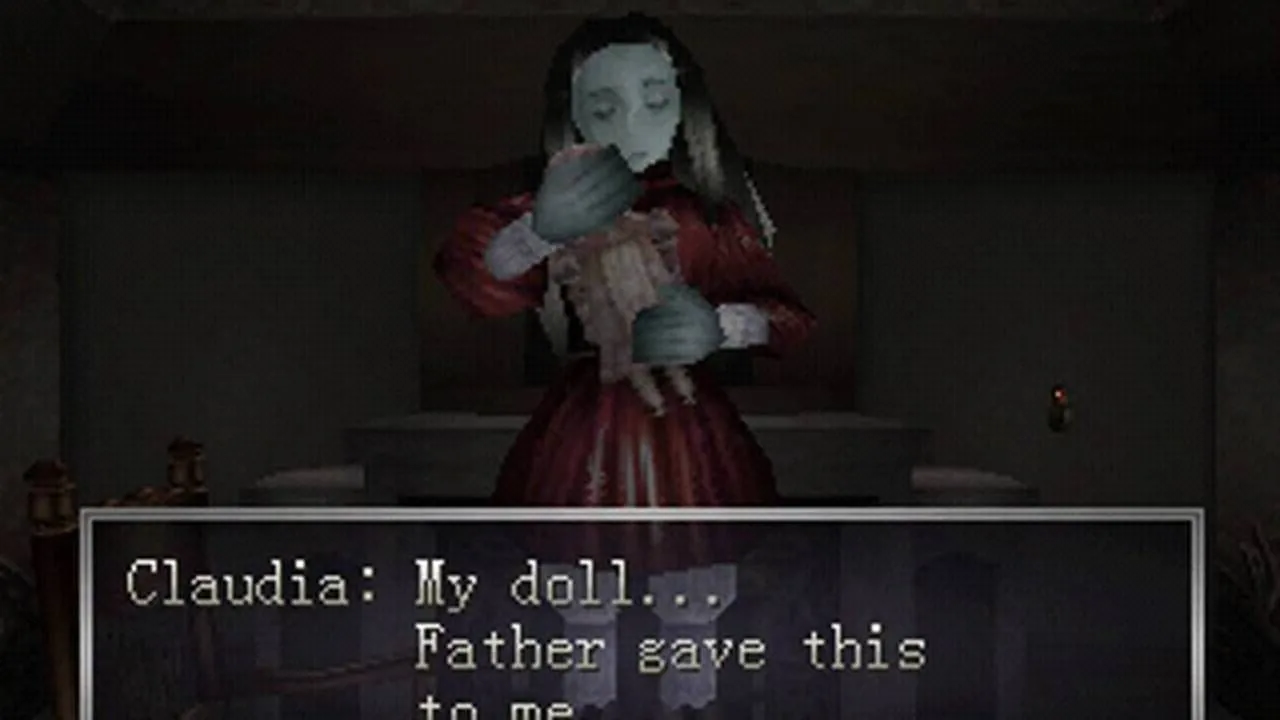
You explore in first person, and instead of fighting the ghosts you help their souls move on, which often opens the way forward. Even the light switches tend to need a puzzle solved first. The series went on with a Japan-only sequel and Echo Night: Beyond in 2004. Players call it the most hidden gem in survival horror, built on puzzles rather than combat. Like Shadow Tower, it shows From Software trying horror long before its most famous games.
11. Parasite Eve II (1999)
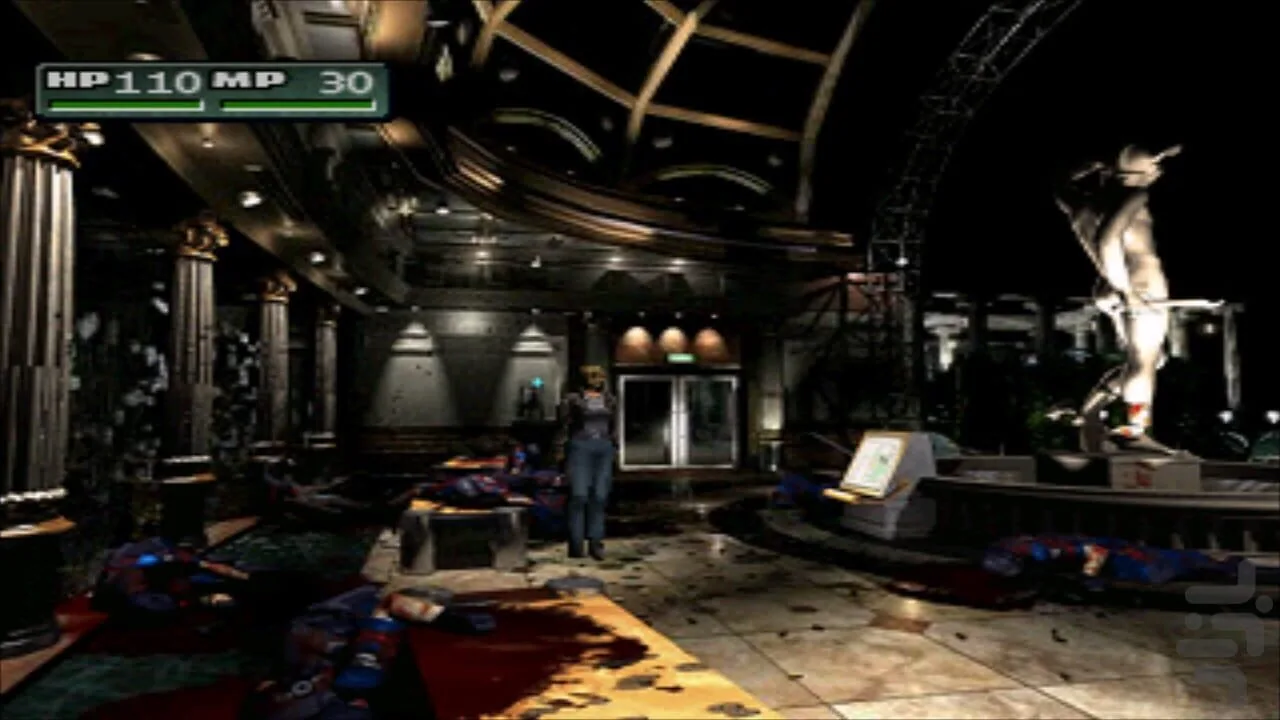
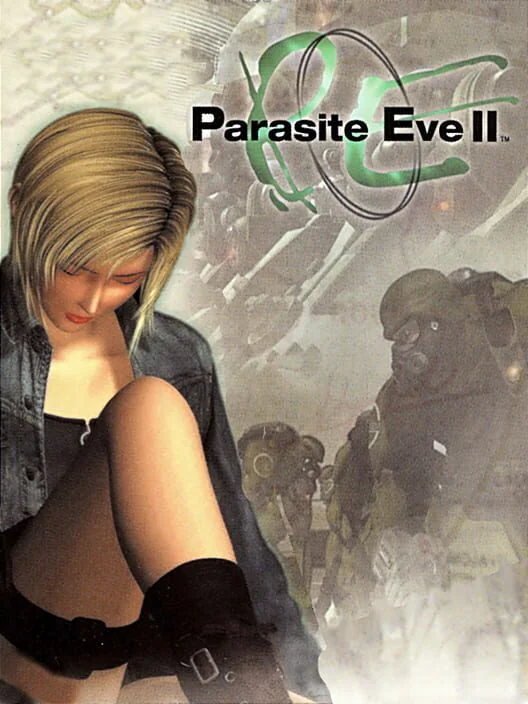
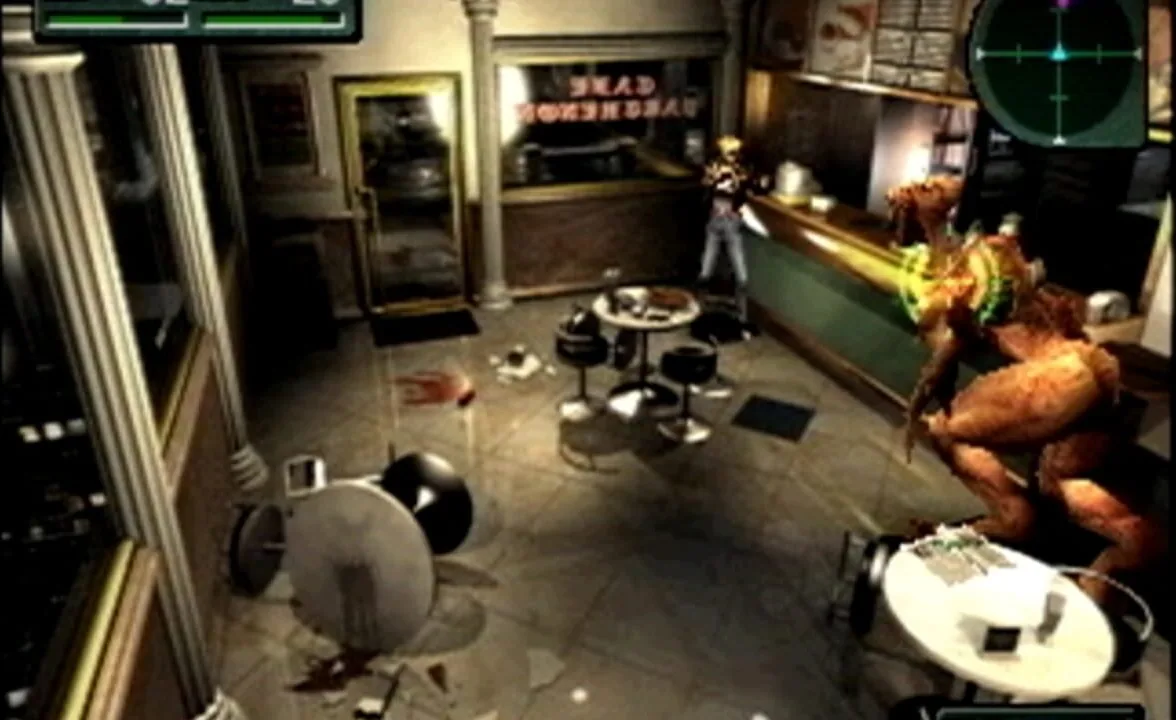
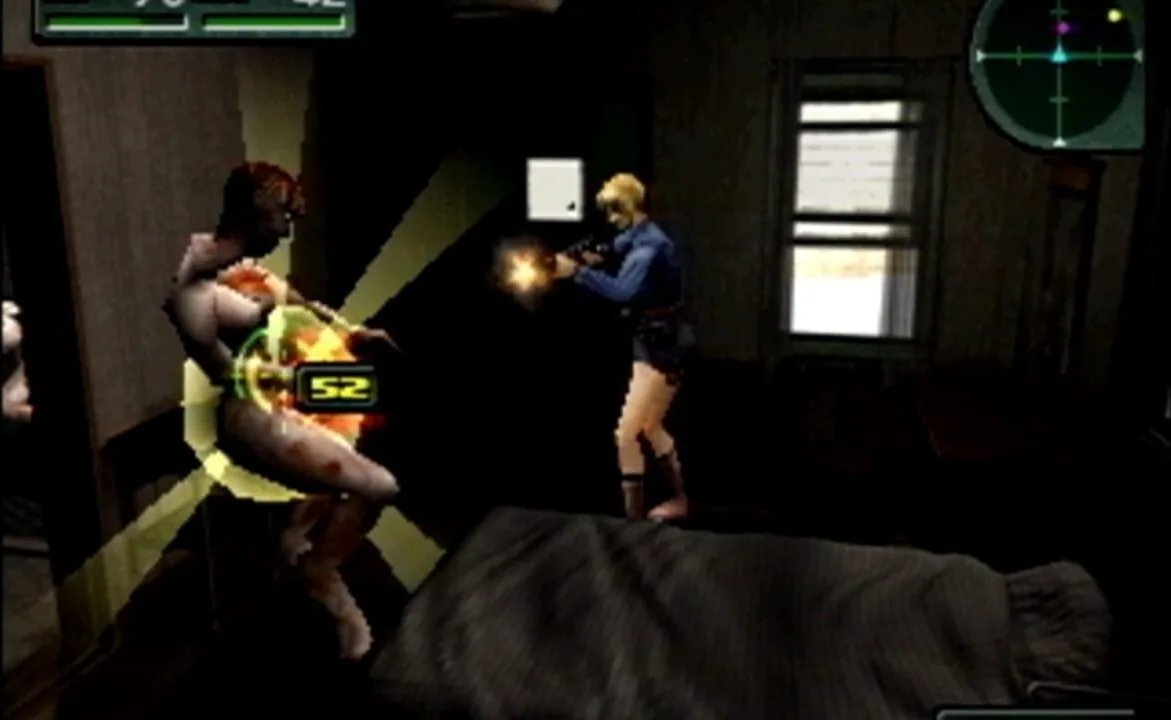
Parasite Eve II brings back Aya Brea, and unlike the first game it reached PAL regions too. Its battles happen in real time, which makes it feel much more like traditional survival horror. It is set three years after the first game.
You choose which powers Aya learns instead of unlocking them by level, and most areas have ammo boxes that never run out. The game wants you to fight, since fighting is the only way to earn experience. Critics liked it, though some found the controls dated. Players say it plays more like Resident Evil, and some think that is exactly why it went under the radar. If you liked the first game's story, this is where it goes next.
10. Hellnight (1998)
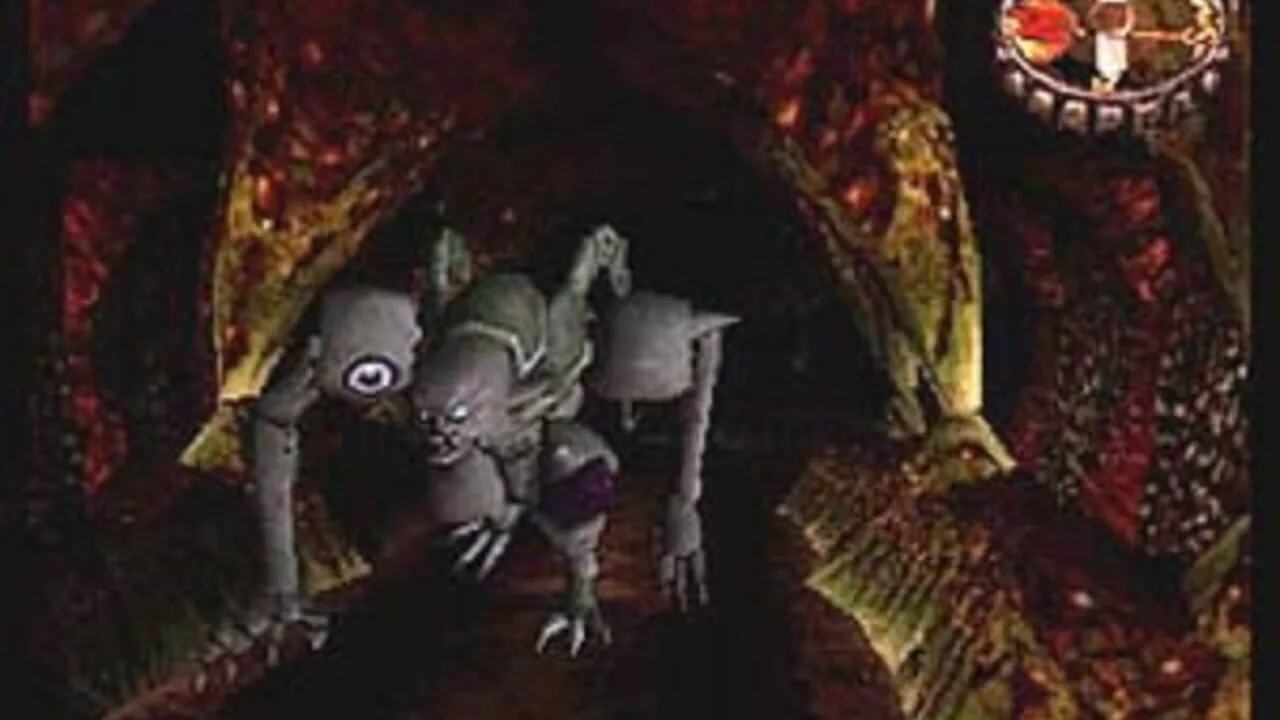
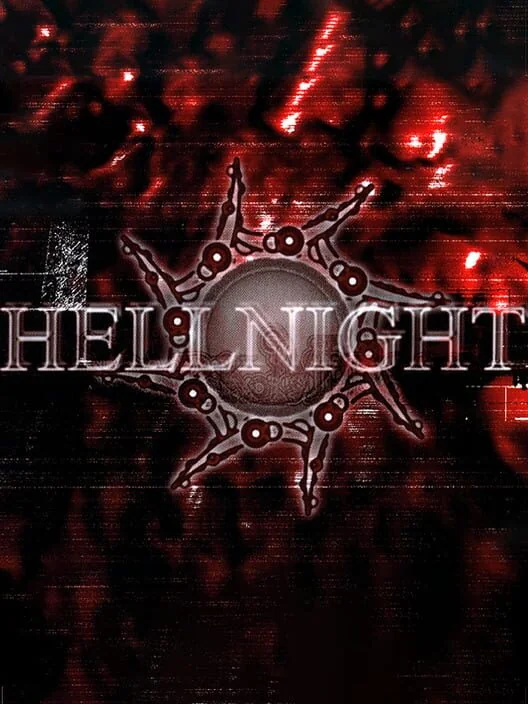
Hellnight has no combat at all. There is only one monster in the whole game, it cannot be killed, and it keeps chasing you through maze-like levels underground. You see it all in first person, and the only way to survive is to run.
You start as one of only two survivors of a crash, and along the way you pick up partners, one at a time, each with a different ability. One of them is Kyoji Kamiya, a serial killer carrying a gun he stole from his first victim, a cop. Not the company you would choose. The monster, called the Hybrid, keeps mutating as it hunts you through the tunnels known as the Mesh. Players remember it as the strangest, most unique horror game on the console.
9. Koudelka (1999)
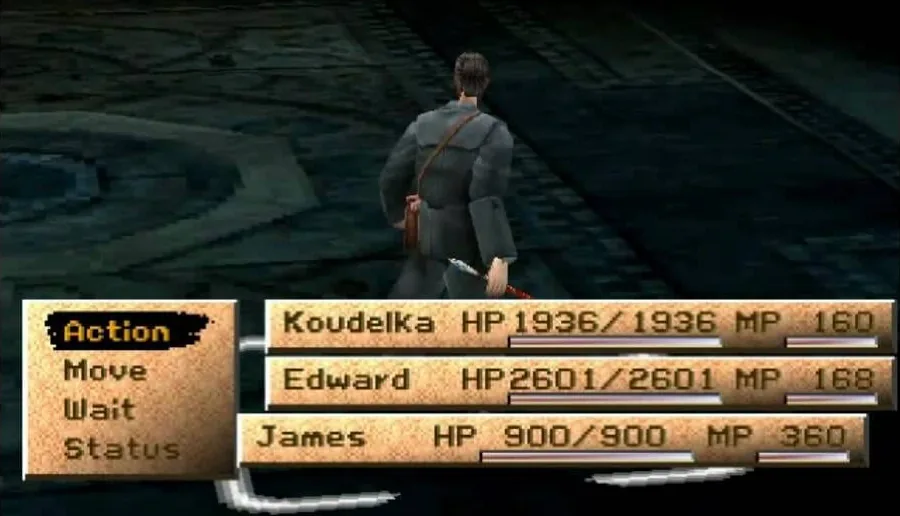
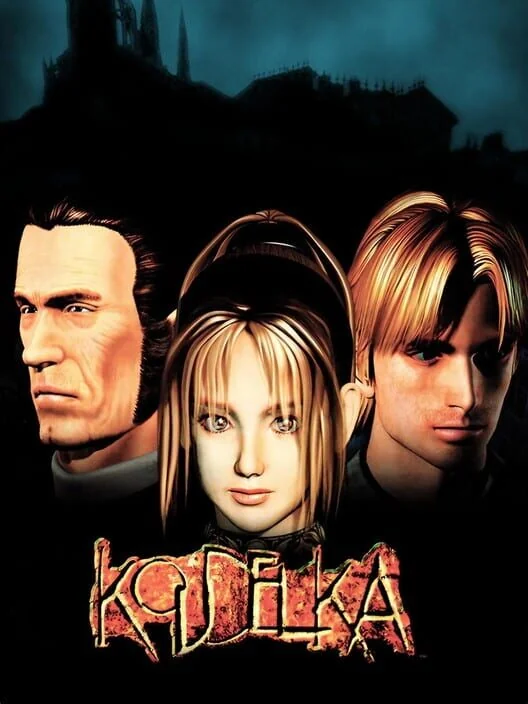
Koudelka is Sacnoth's debut, and the prequel to its Shadow Hearts series. It is set in the haunted Nemeton Monastery in Wales, where Koudelka Iasant and two strangers uncover the secrets of its dark past.
Hiroki Kikuta had composed the music for Secret of Mana at Square, and he wanted to direct his own game, but Square's structure kept him a composer. So he helped form Sacnoth in 1997 and made this, as its director, producer, writer and composer. The battles are turn-based on a grid, which is not what most horror fans expect. Players recommend it with a warning that it is a turn-based RPG in horror clothes.
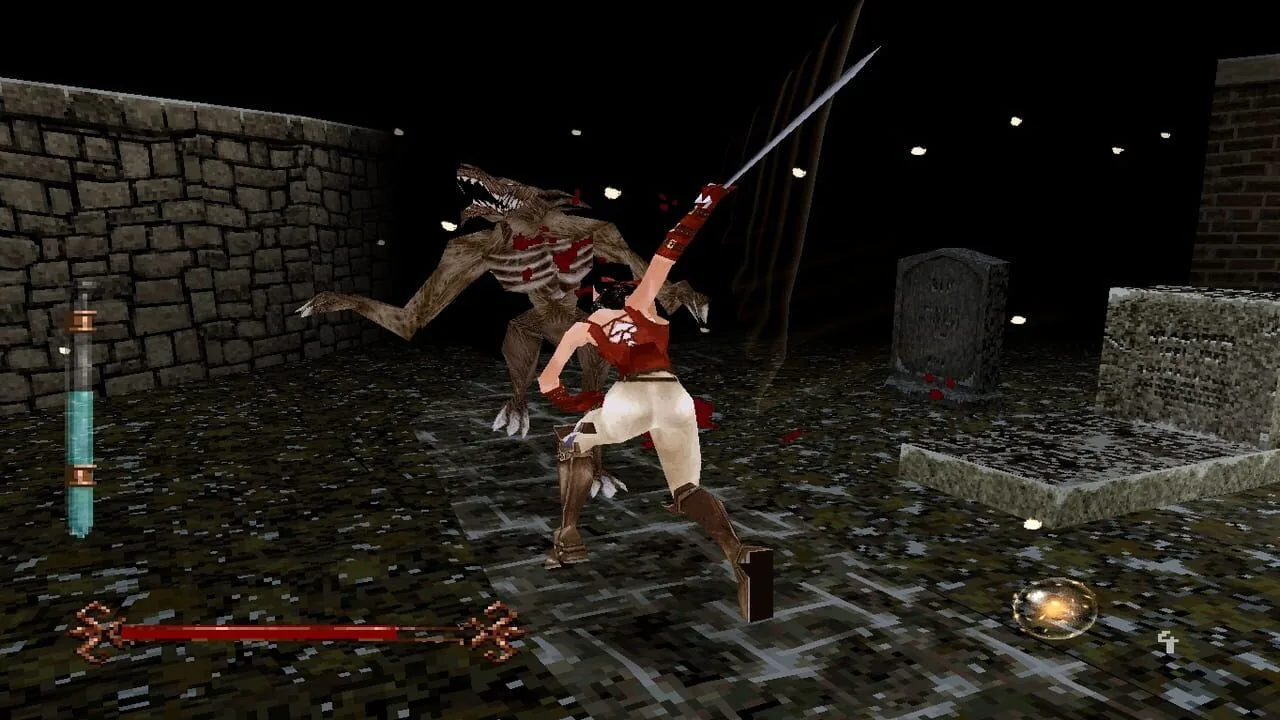
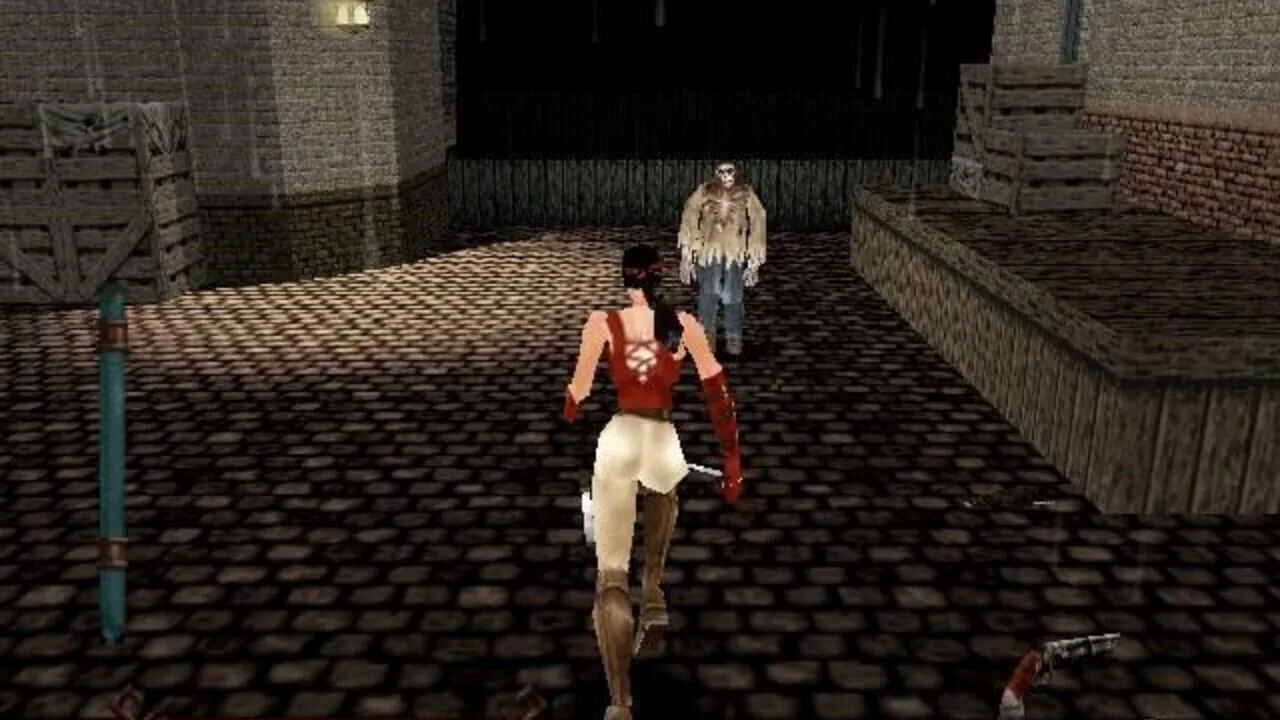
8. Nightmare Creatures (1997)
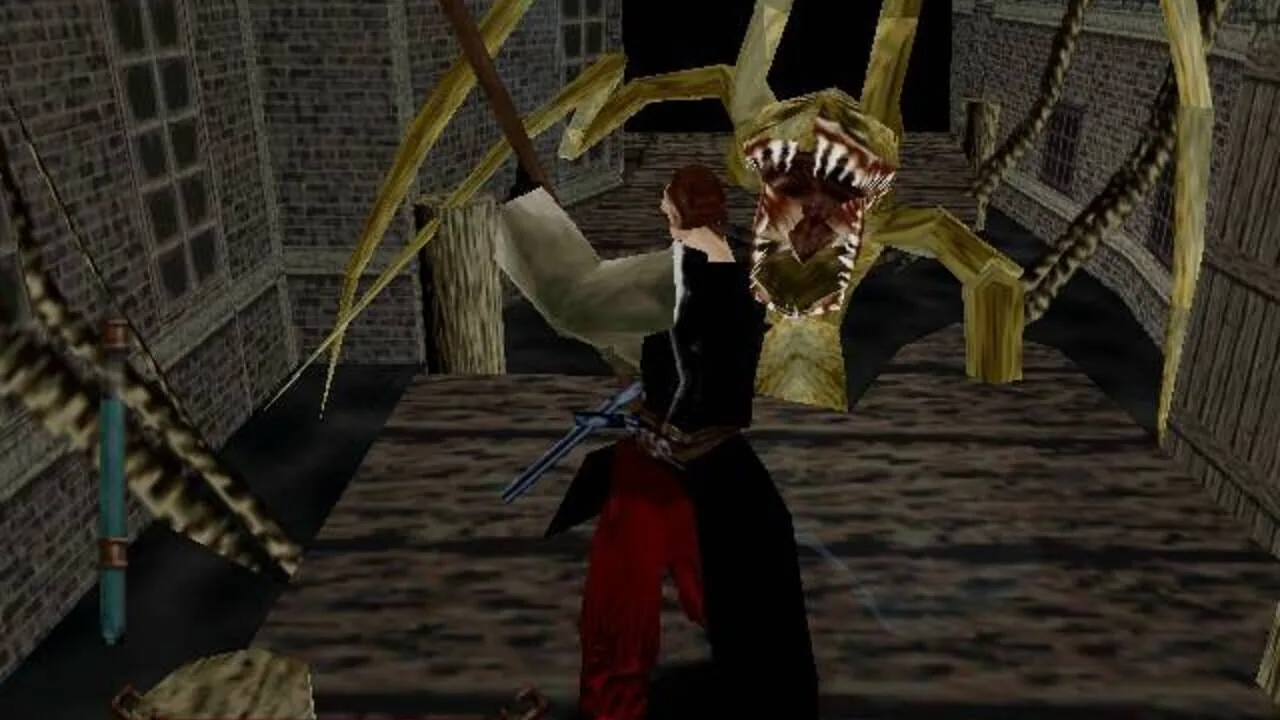
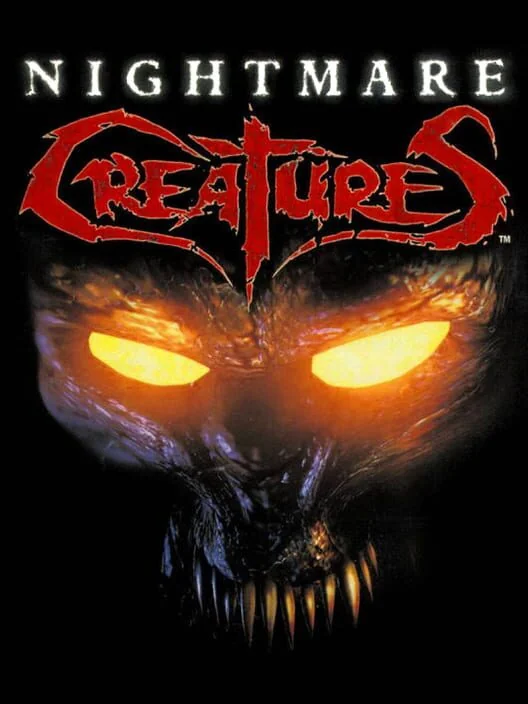
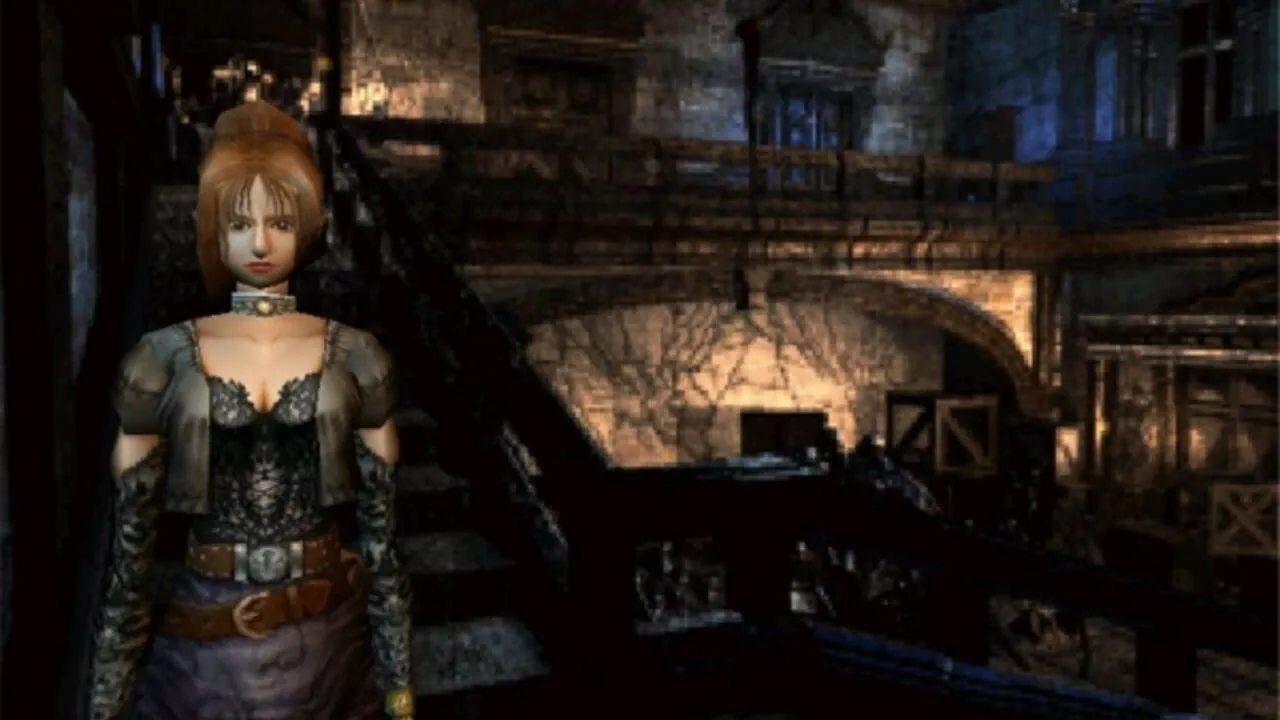
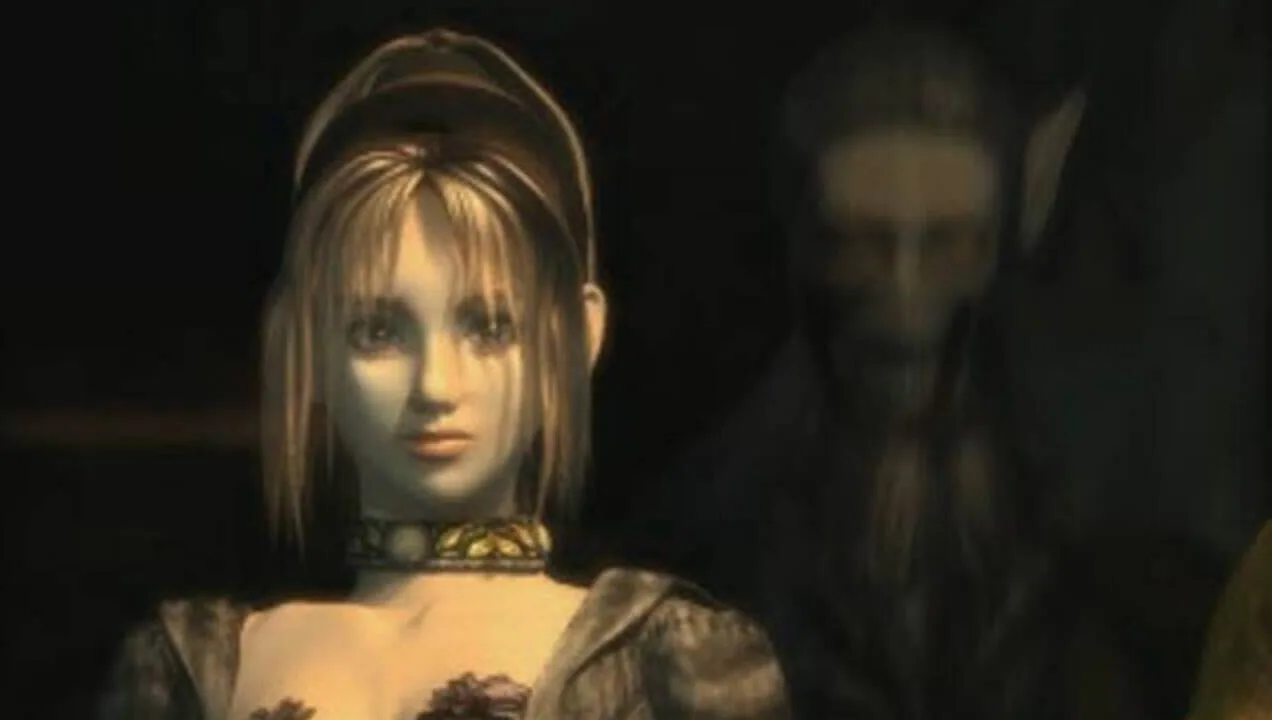
Nightmare Creatures rewrites London history: in its story, Samuel Pepys started the Great Fire to stop a devil-worshipping cult in 1666. The game itself takes place in 1834. You play either Ignatius or Nadia, hunting Adam Crowley, a mad scientist based on the real occultist Aleister Crowley.
Kalisto built it with its own 3D tools, and it plays as a gory action game more than a slow horror one, with lots of monsters to hack apart. A sequel followed three years later, and a third game was cancelled in 2004. Players call it a classic, though some say it is darker action more than horror. Pepys kept a famous diary, so presumably he wrote that down.
7. Resident Evil 2 (1998)
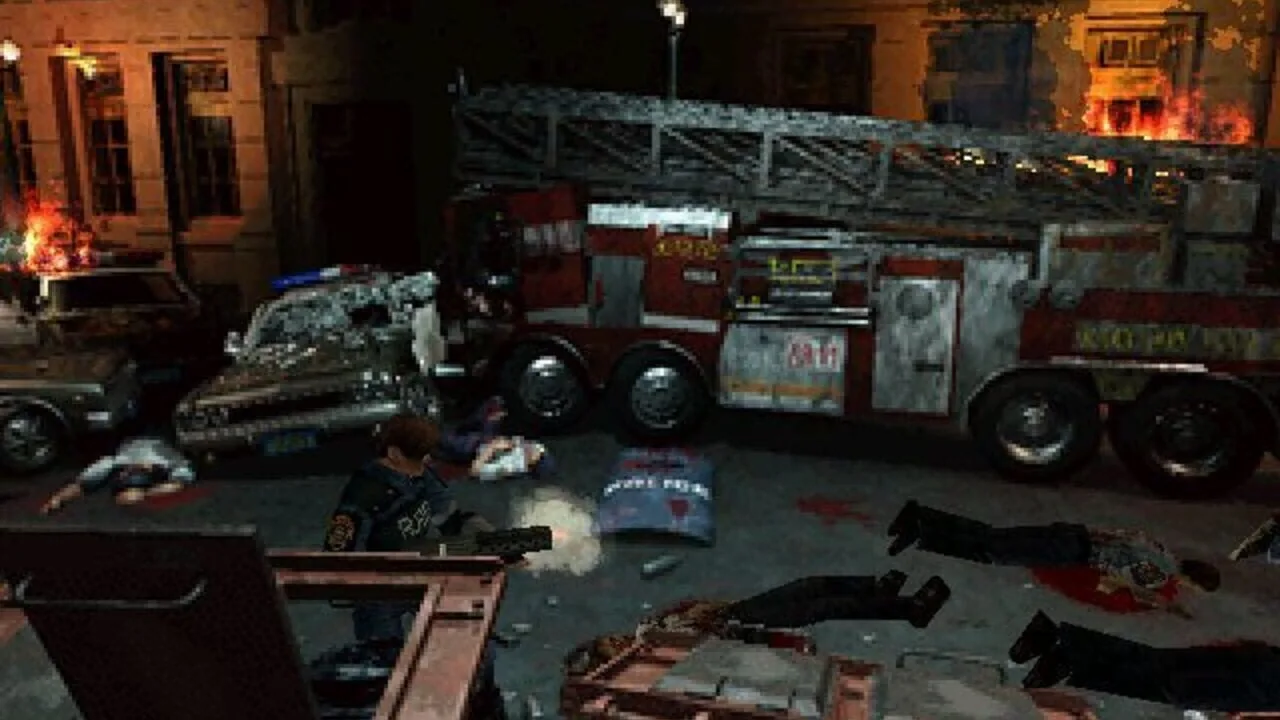
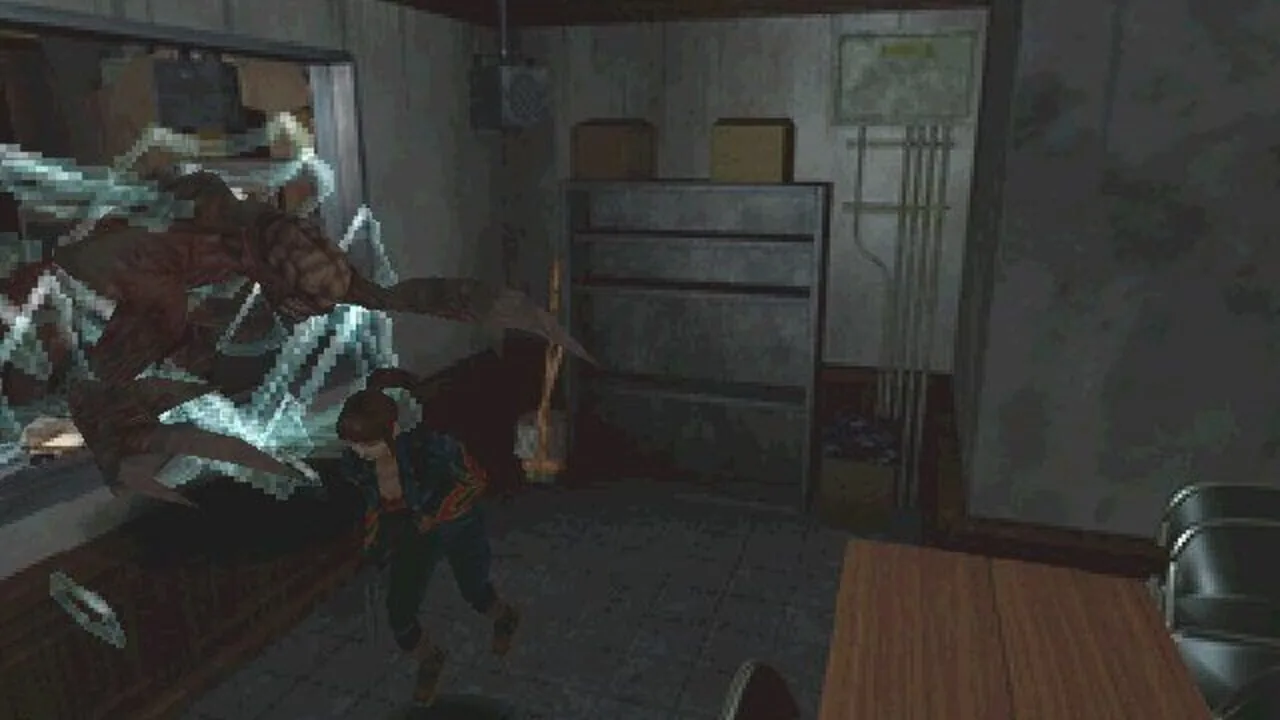
Resident Evil 2 lets you play as one of two characters, and each finds different weapons and meets different people along the way. Rookie cop Leon S. Kennedy and college student Claire Redfield have to escape Raccoon City after a biological weapon turns its people into zombies.
Shinji Mikami produced it and Hideki Kamiya directed it, with a team of about 50 people working for 21 months. It is the best-selling Resident Evil game for a single platform, at more than 6 million copies, and a full remake came out in 2019. Many players put it next to Silent Hill as the best horror game on the console, and for some it is their favourite game of all.
6. Galerians (1999)
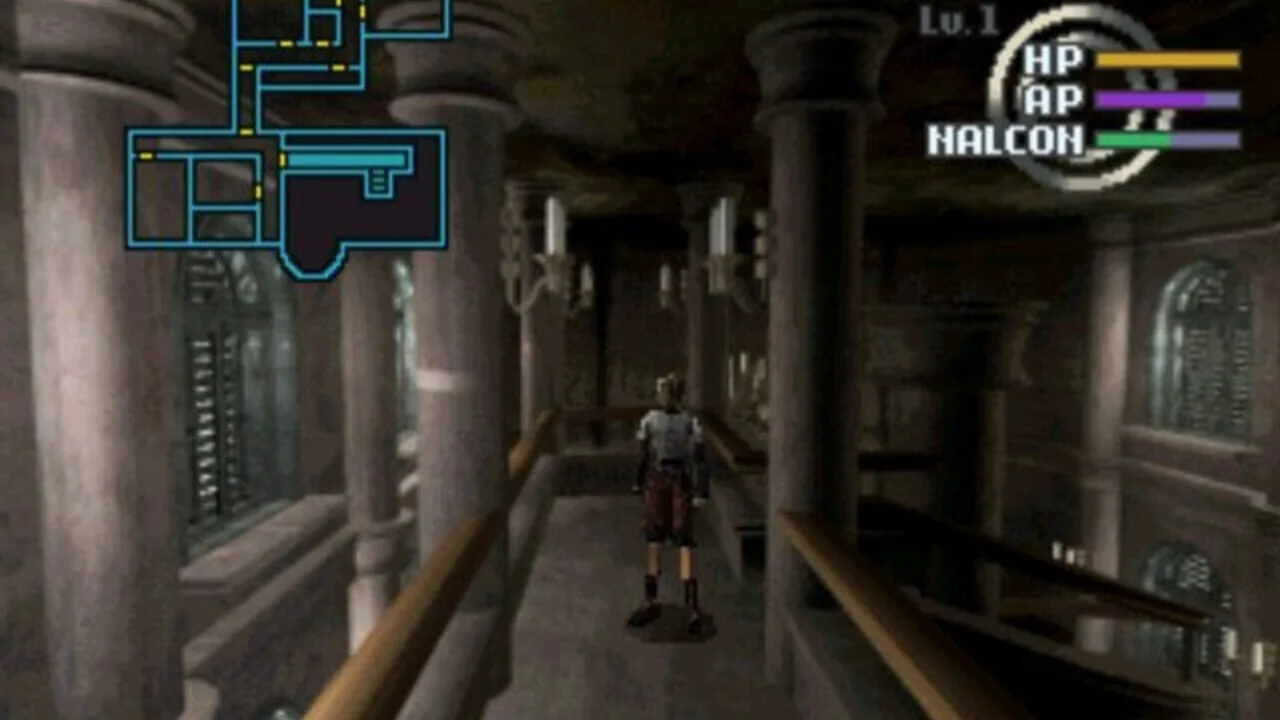
Galerians gives its hero no weapons at all. Rion fights with psychic powers that he has to top up by taking drugs, and if his meter fills he flies into an uncontrollable rage. It plays like the early Resident Evil games, but the drugs and the creepy body horror make it feel very different.
Rion has amnesia, and as he pieces his past back together he finds out he is humanity's last hope against the Galerians, genetically enhanced humans. Behind it all is Dorothy, an artificial intelligence that grew too fast for its creators to control. It got a sequel, Galerians: Ash, on the PS2. Players say few people have played it, and its fans would love a remake.
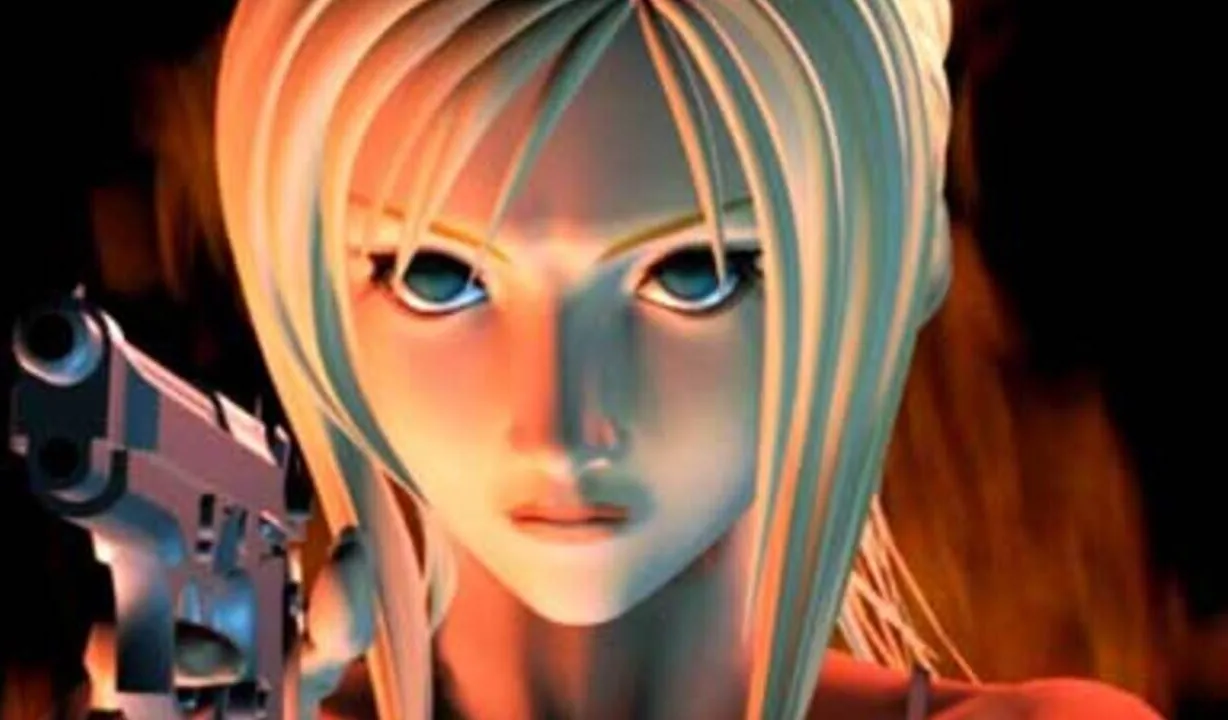
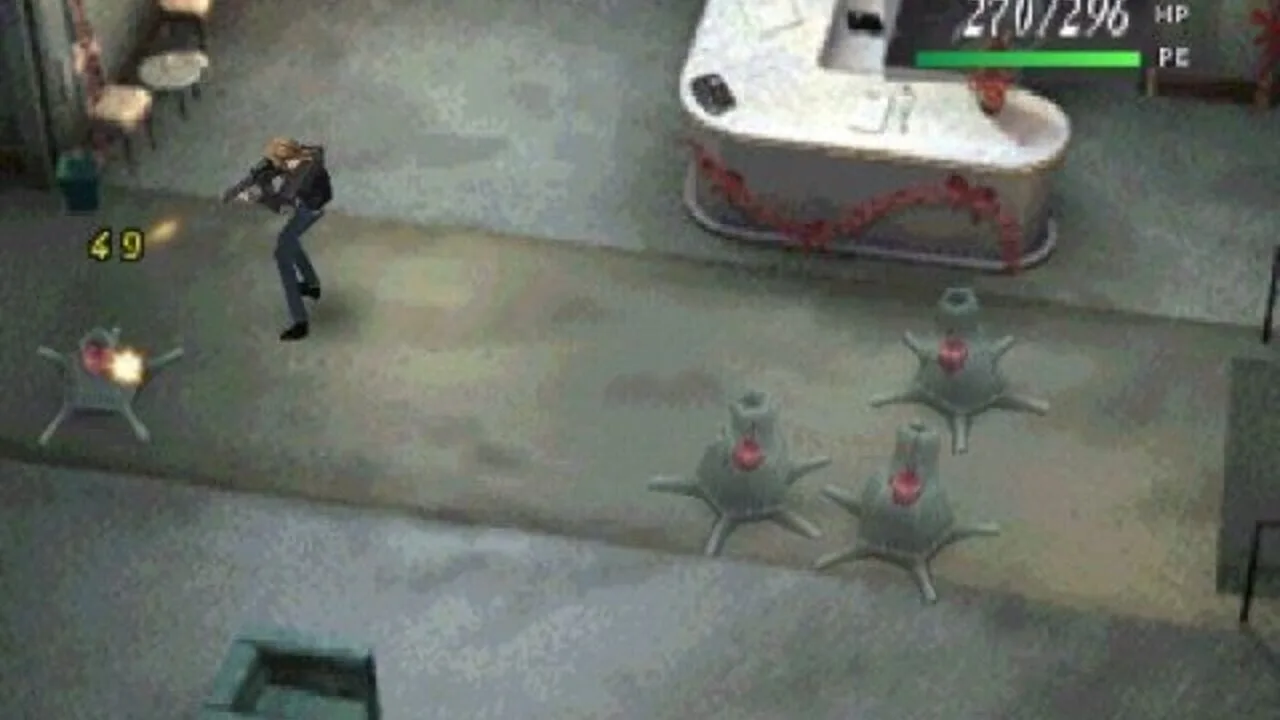
5. Parasite Eve (1998)
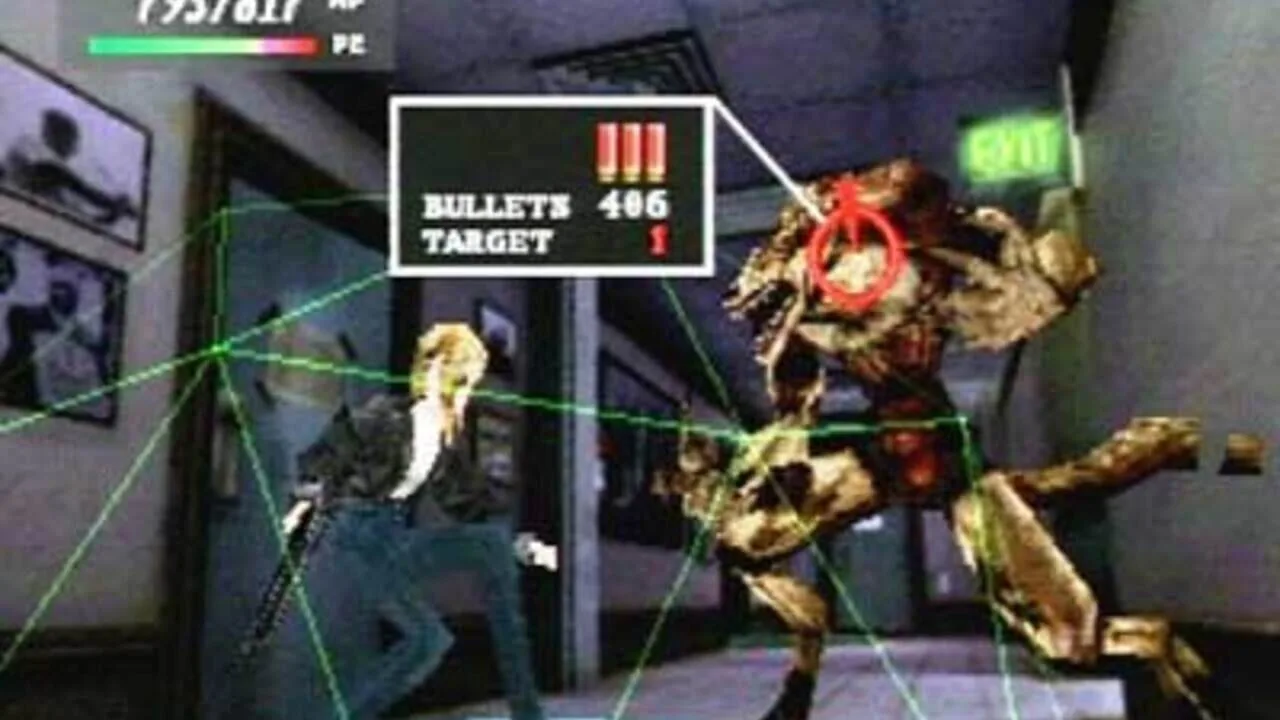
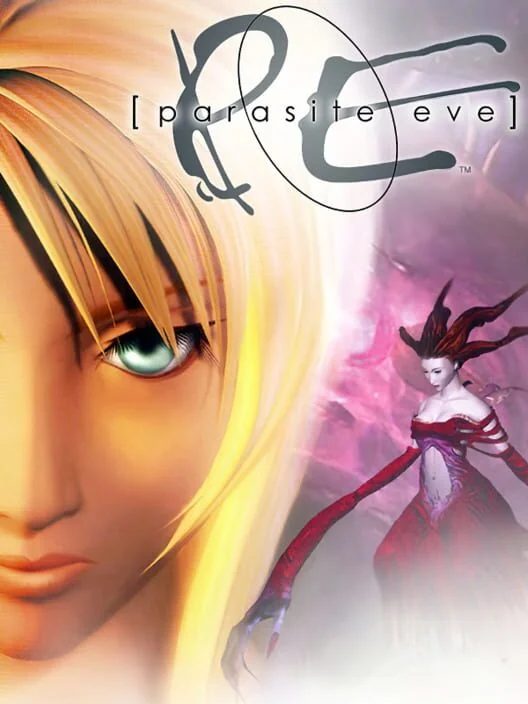
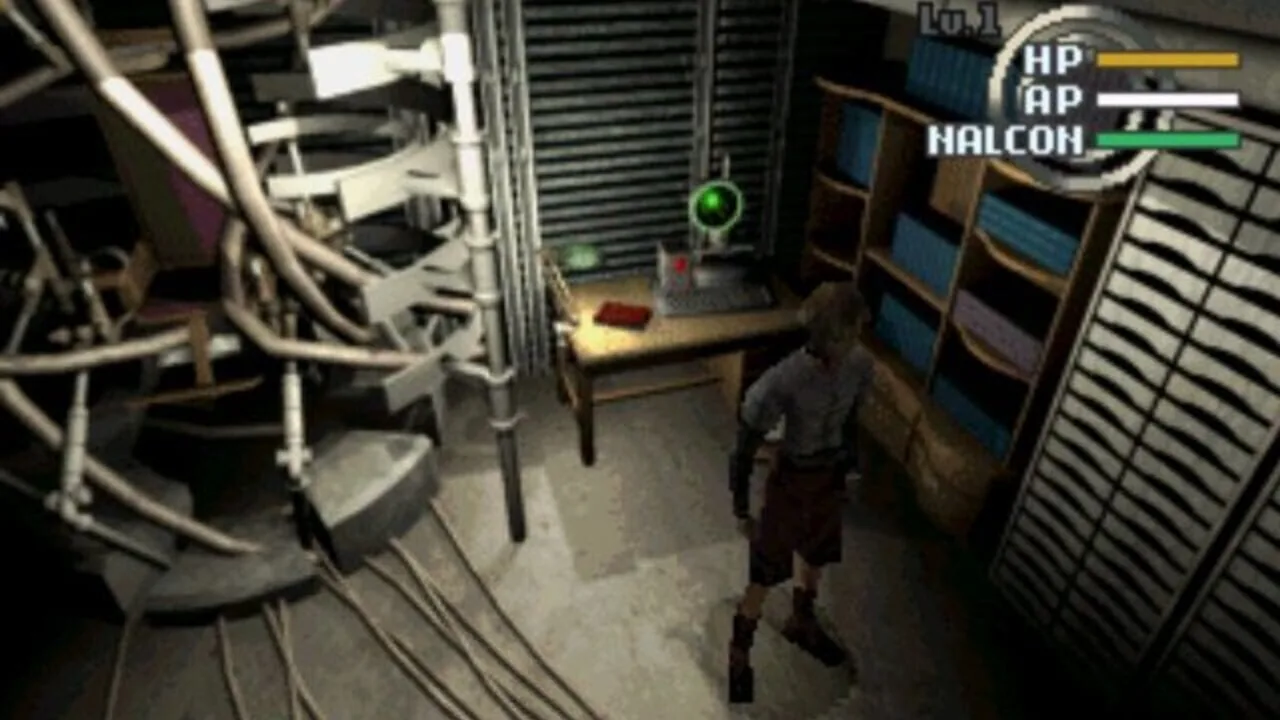
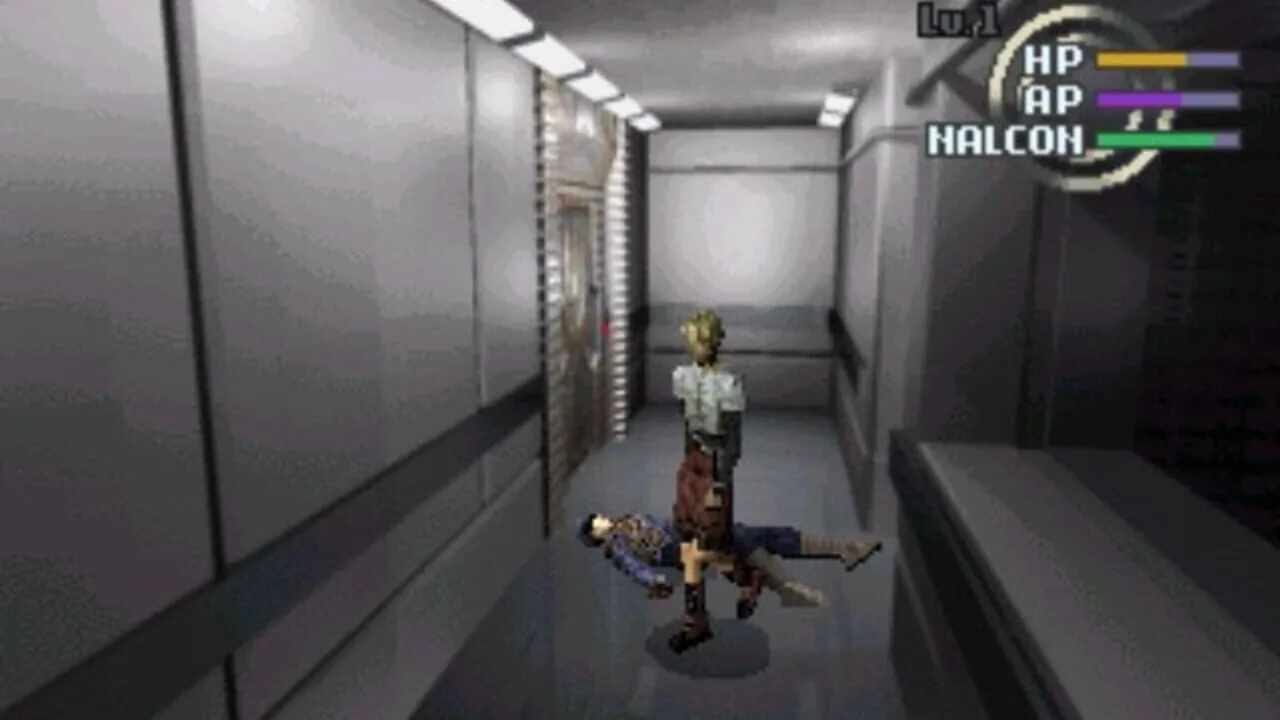
Parasite Eve is Square's survival horror RPG about Aya Brea, a rookie NYPD officer caught up in a deadly genetic mutation tied to mitochondria. The story is a sequel to Hideaki Sena's novel of the same name, and it covers six days in New York in 1997, as Aya tries to stop a woman called Eve from wiping out the human race.
Combat runs in real time but pauses while you pick your action, a clever mix of RPG and action. It was Square's first M-rated game and its first major collaboration between American and Japanese developers. Yoko Shimomura's cold, inorganic soundtrack is one of the best on the console. Critics praised the graphics and the gameplay but found it too linear. Players recommend it in the same breath as Resident Evil and Silent Hill.
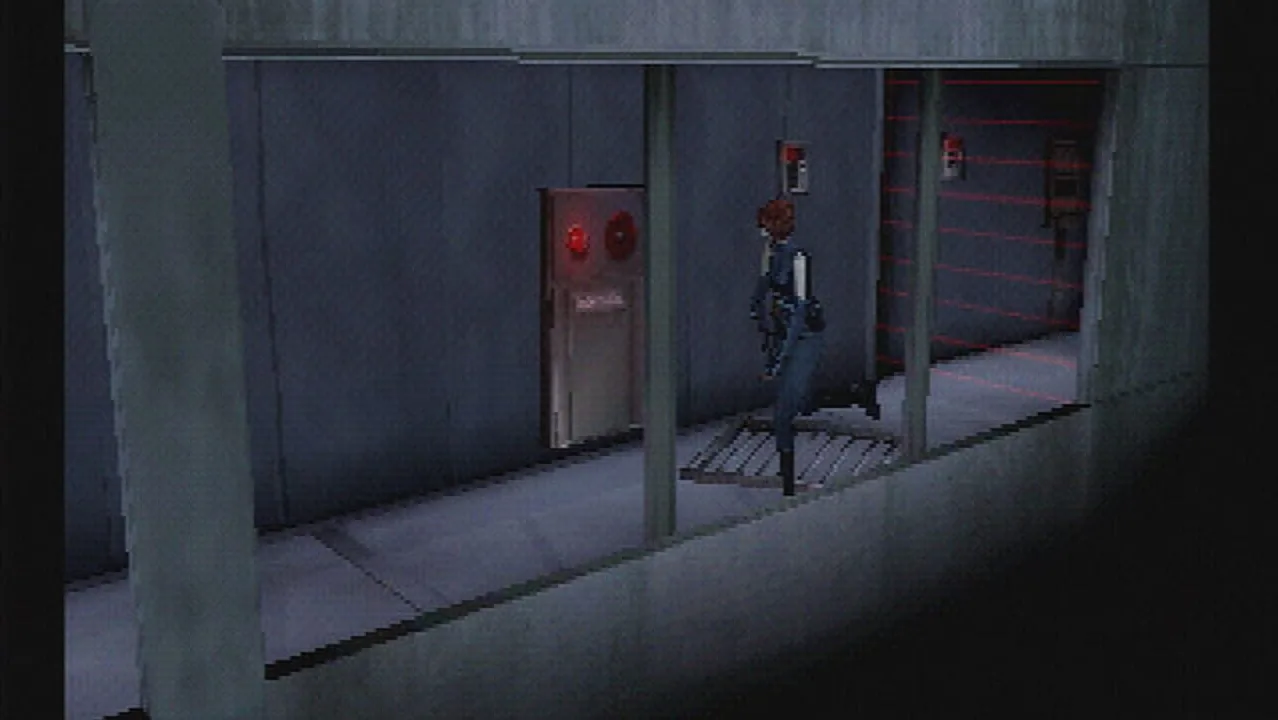
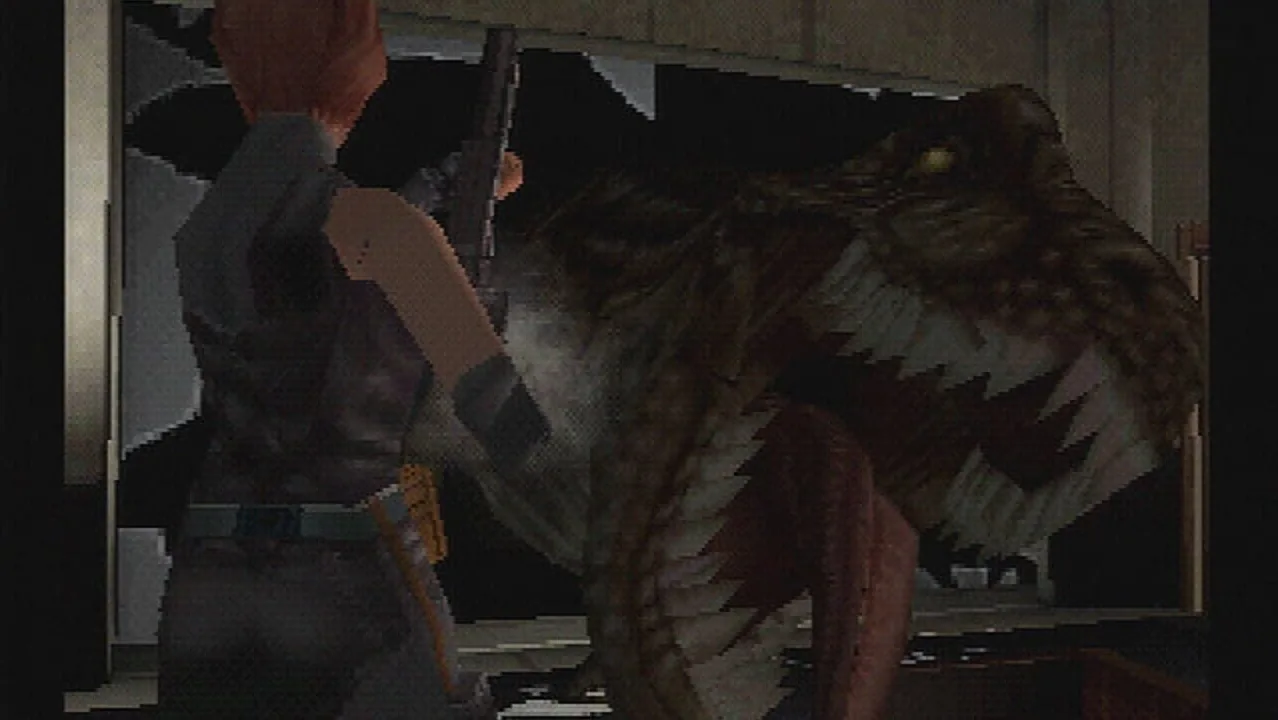
4. Dino Crisis (1999)
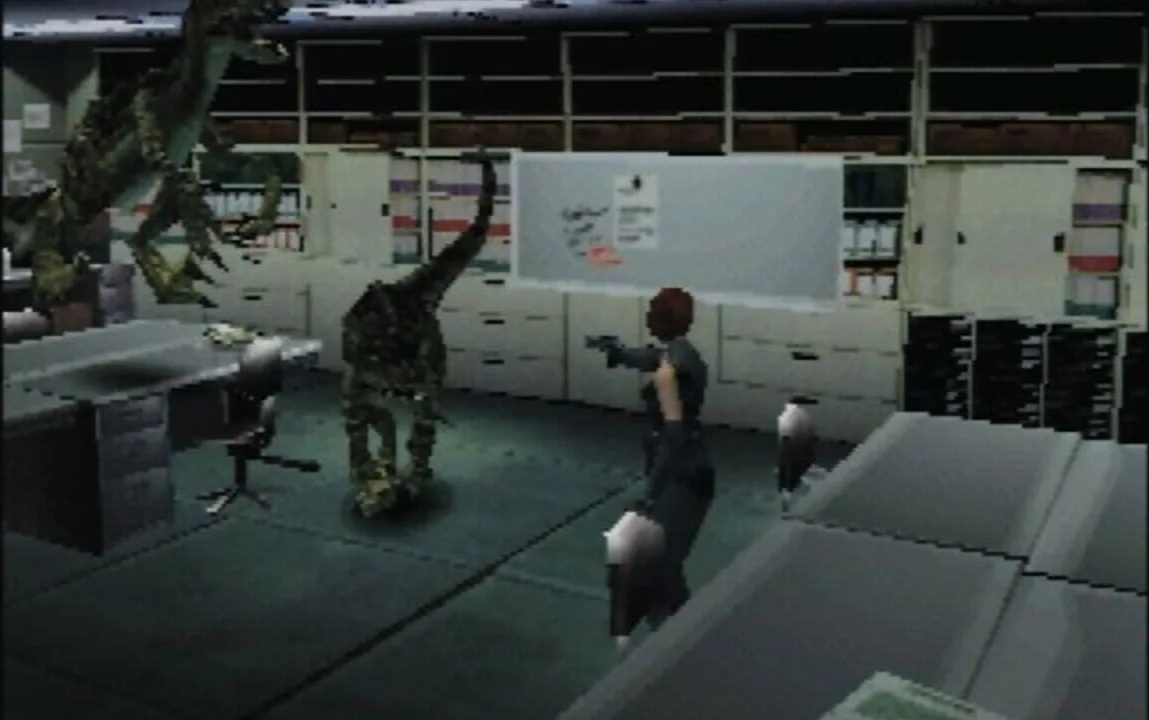
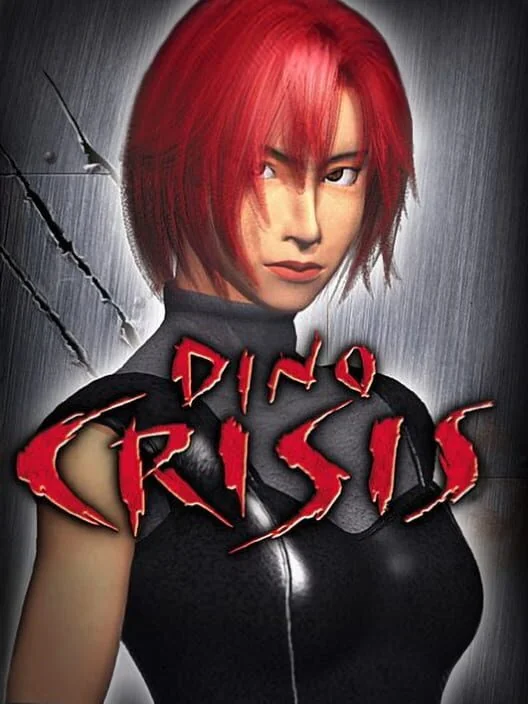
Dino Crisis is Capcom's 1999 survival horror game about special agent Regina, and unlike the earlier Capcom horror games it uses real-time 3D environments instead of pre-rendered backgrounds. It comes from the same team as Resident Evil, led by Shinji Mikami, who wanted even smarter dinosaurs than the ones he got.
Critics called it Resident Evil with dinosaurs and praised how intense it was, though some wanted more kinds of dinosaur. Players describe it as Resident Evil with the sun up and faster enemies, and some found it scarier than the first Resident Evil. It sold more than 2.4 million copies on the PlayStation, and it is easy to play today on PlayStation Plus, on GOG and, since February 2026, on Steam.
3. Clock Tower (1996)
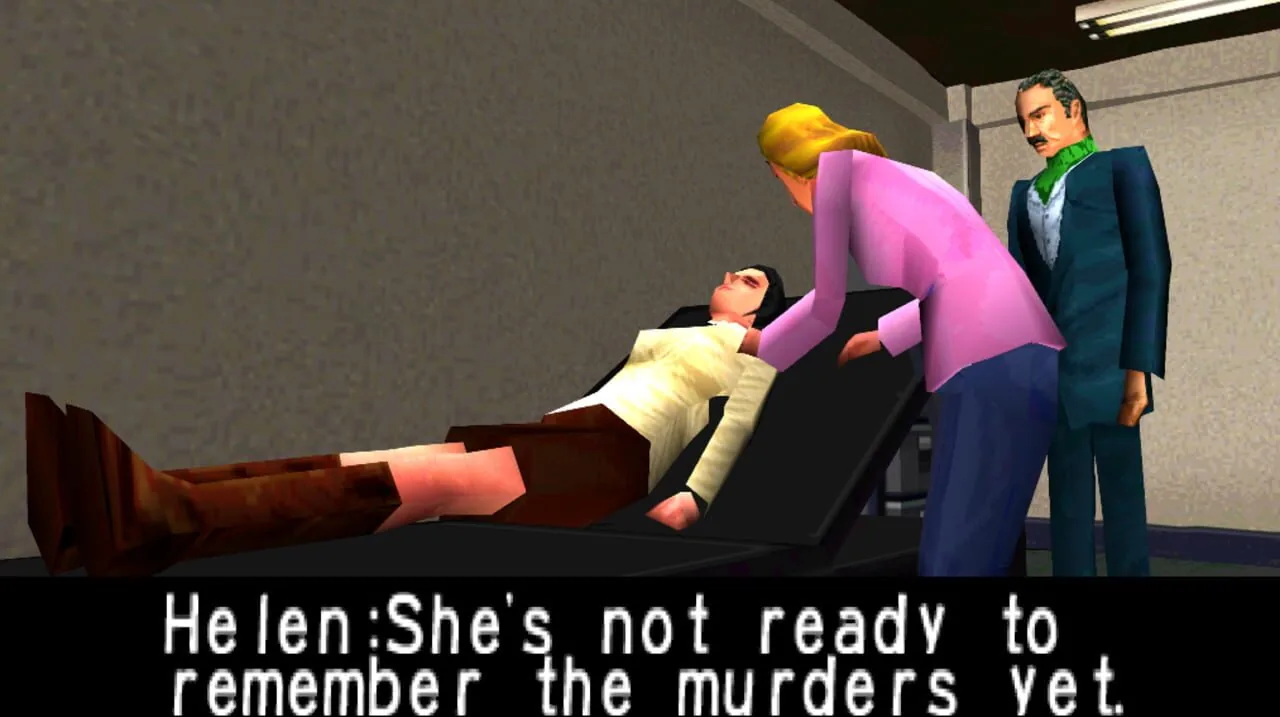
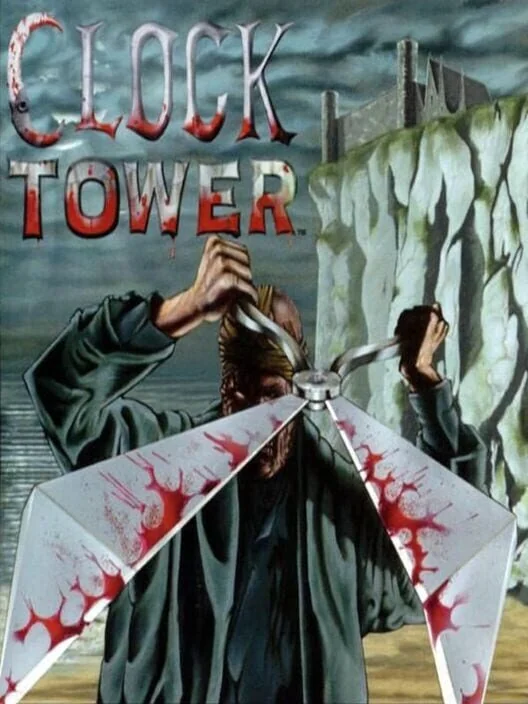
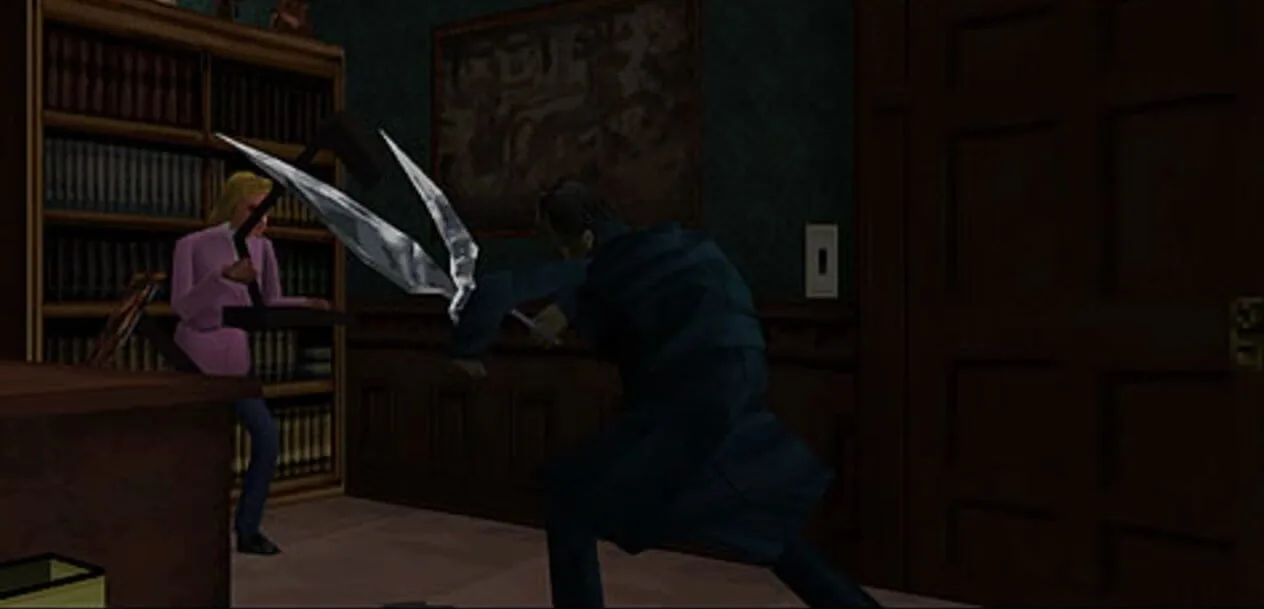
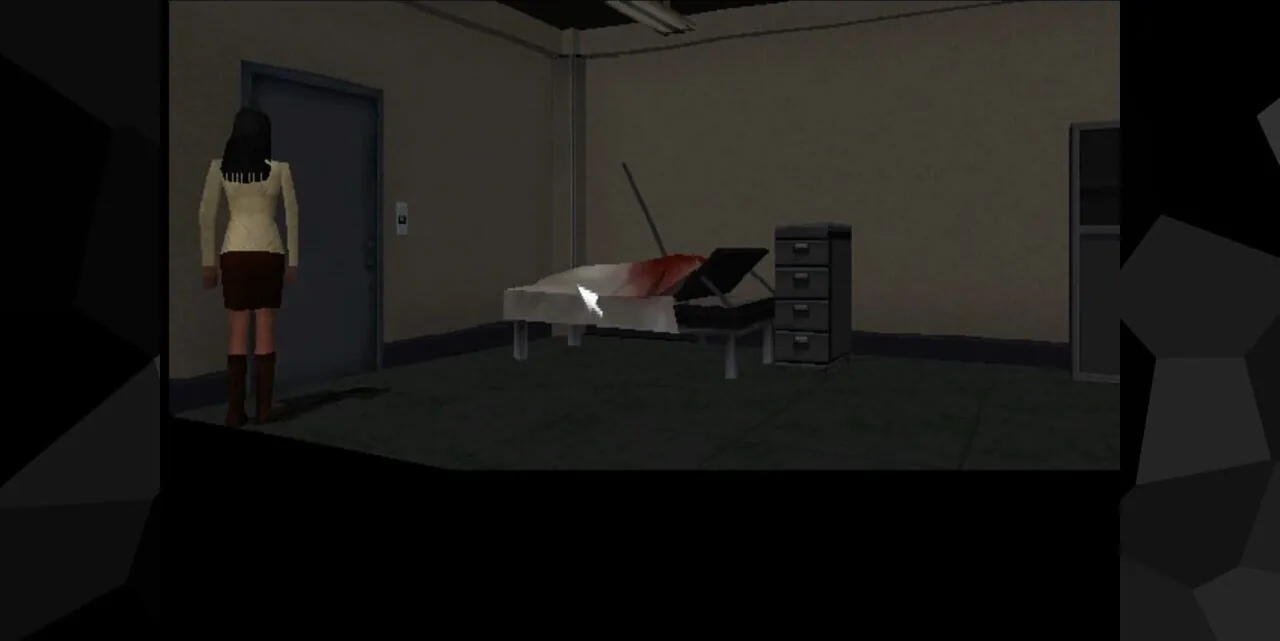
Clock Tower is a point-and-click survival horror game, the sequel to Clock Tower: The First Fear, and Japan knew it as Clock Tower 2. Jennifer Simpson is in treatment at a university research building in Oslo, still trying to cope with the Scissorman. Director Hifumi Kono did not want to make a sequel at first, then changed his mind when he saw what the new consoles could do.
He chose the PlayStation even though its future was uncertain at the time. It sold close to half a million copies, and critics praised its atmosphere and its story even when they found the rest mediocre. Players call it a classic and speak up when a list forgets it, though they warn it is slow. Being chased by a man with giant scissors never gets old.
2. Silent Hill (1999)
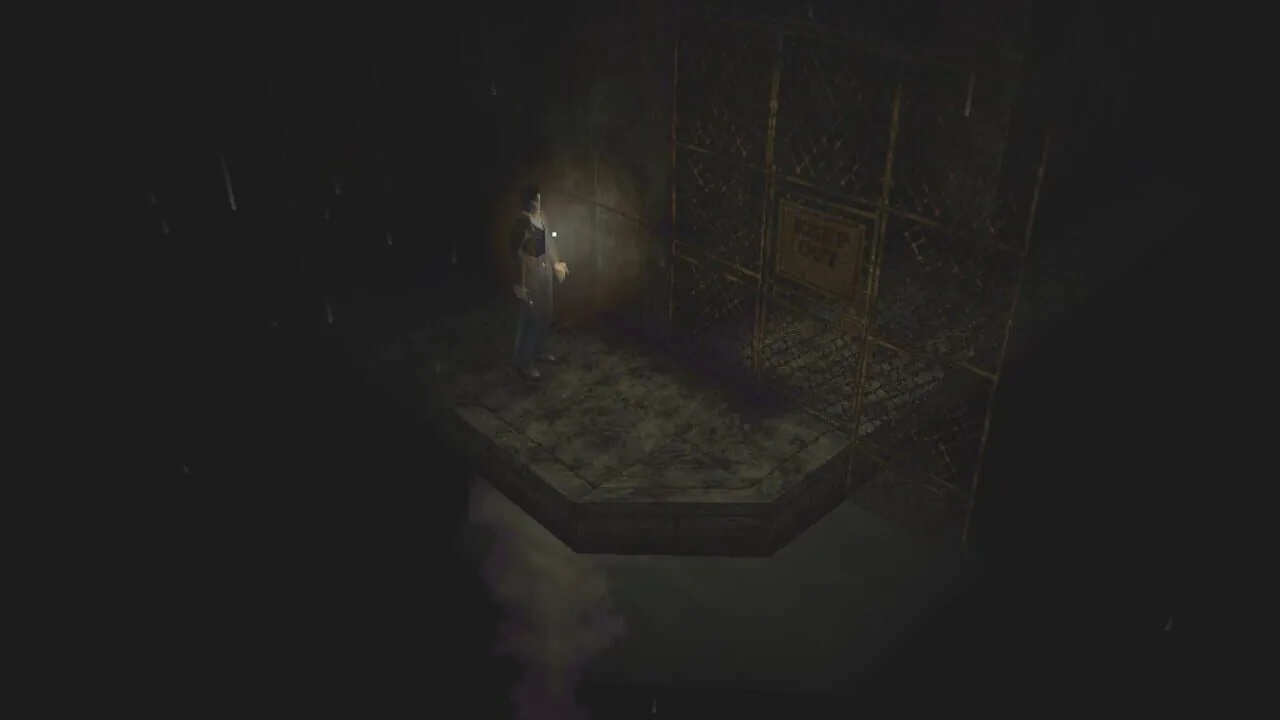
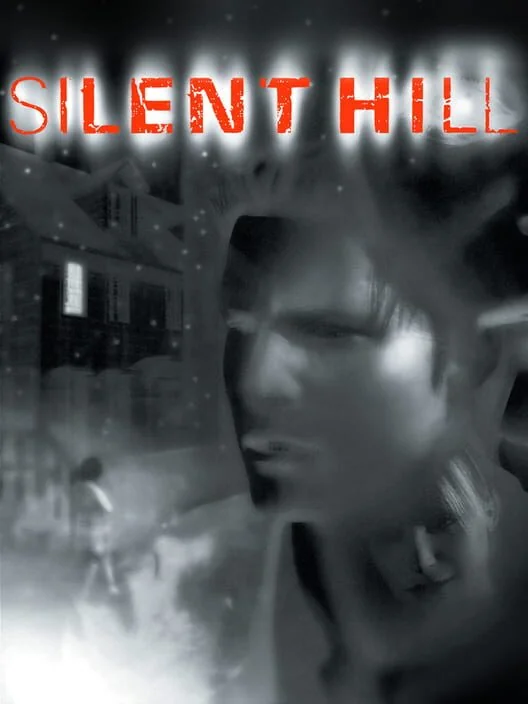
Silent Hill gives you Harry Mason, an average man rather than a trained fighter, and the controller vibrates with his heartbeat when his health runs low. He is searching the town for his missing adopted daughter, and he soon stumbles onto a cult trying to bring back the god it worships.
Your flashlight only lights a short distance, and you can only read the maps when there is enough light, so the dark is always closing in. There are five endings, including a joke ending. It did well with critics and in stores, and it led to Silent Hill 2 in 2001, with a remake by Bloober Team now in development. Players call it the predictable pick, and they remember being floored by how scary it was.
1. Resident Evil (1996)
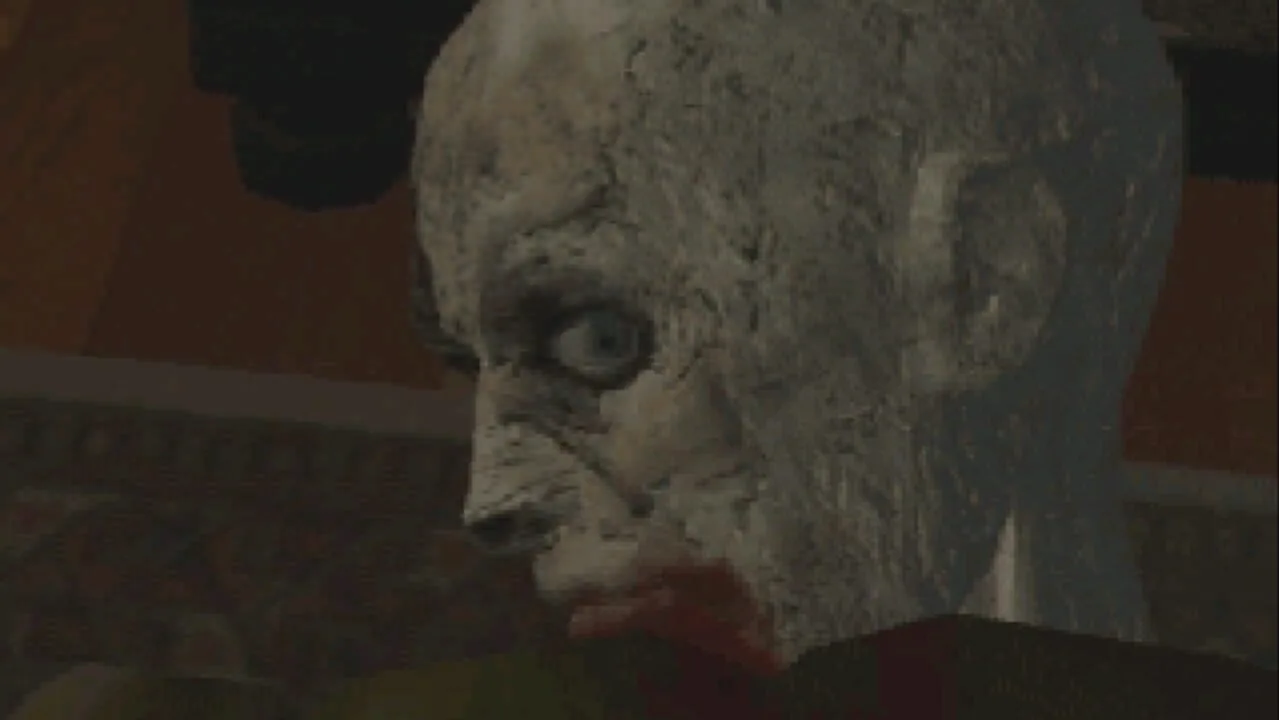
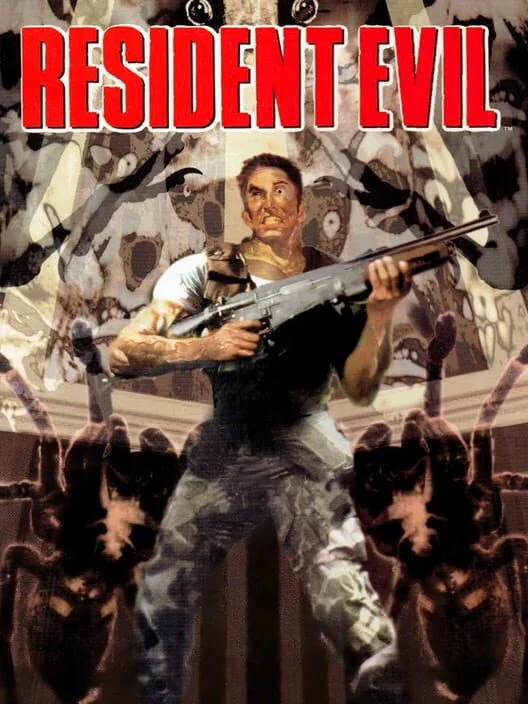
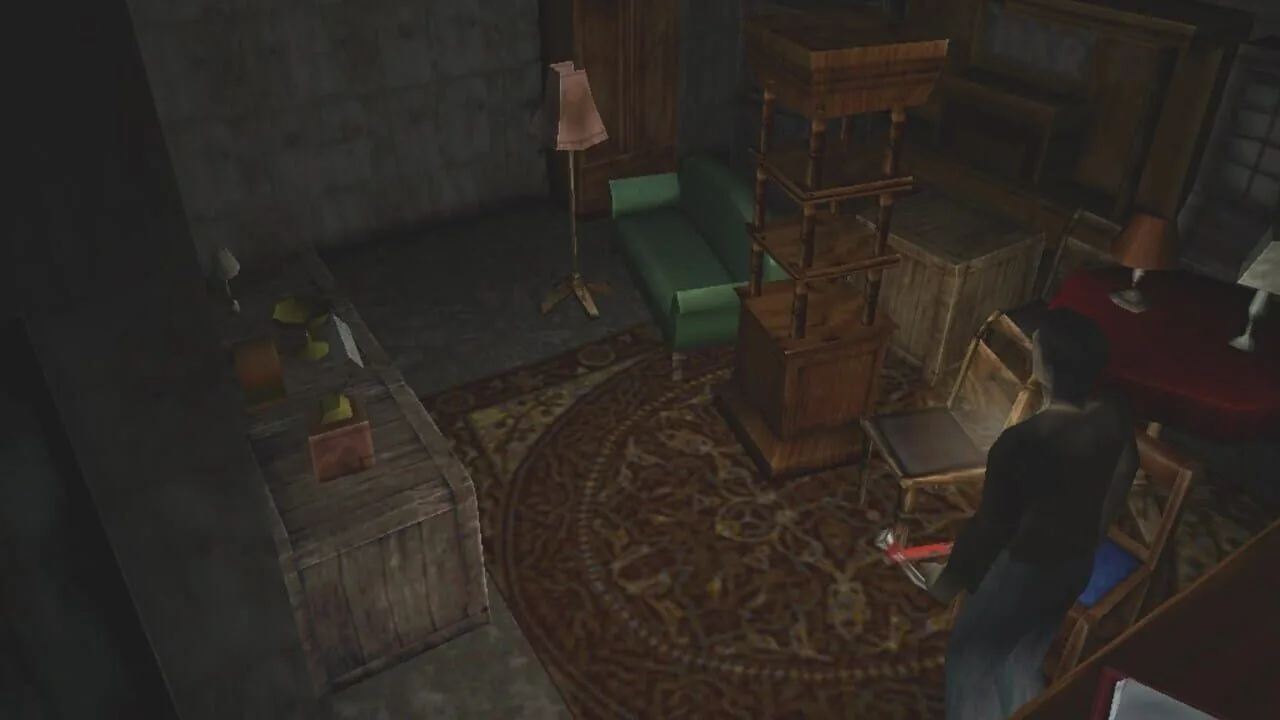
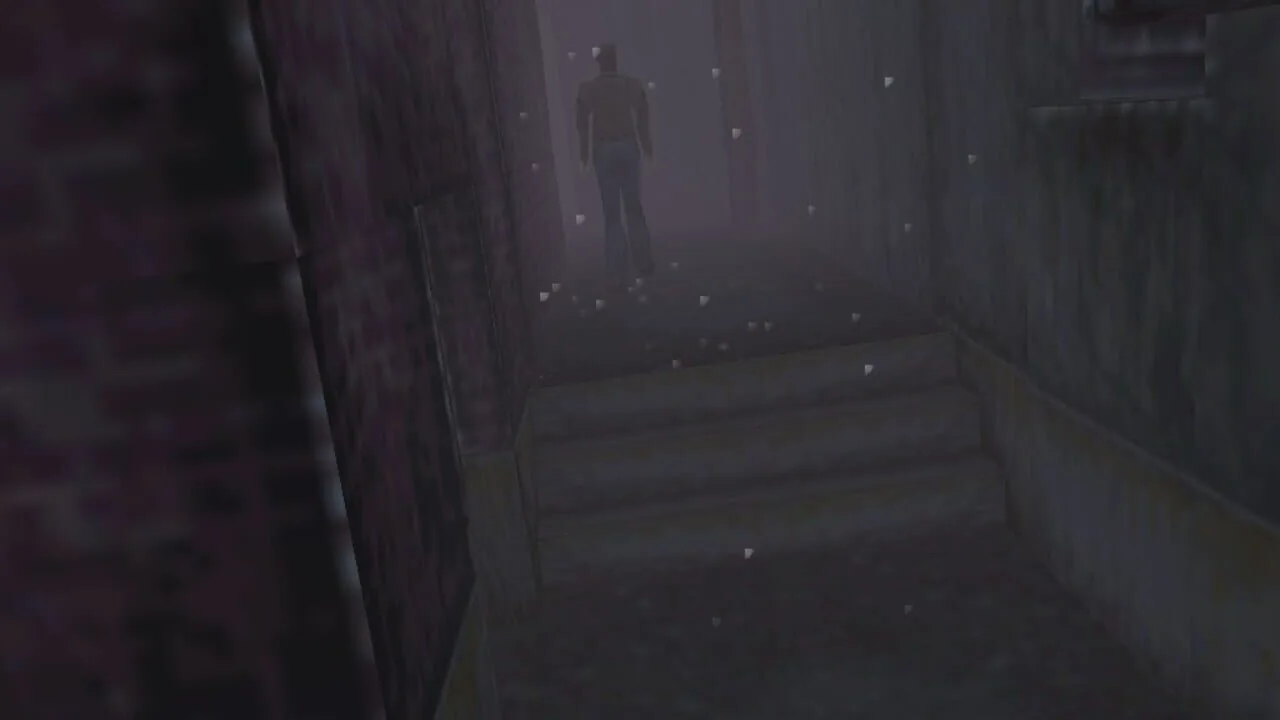
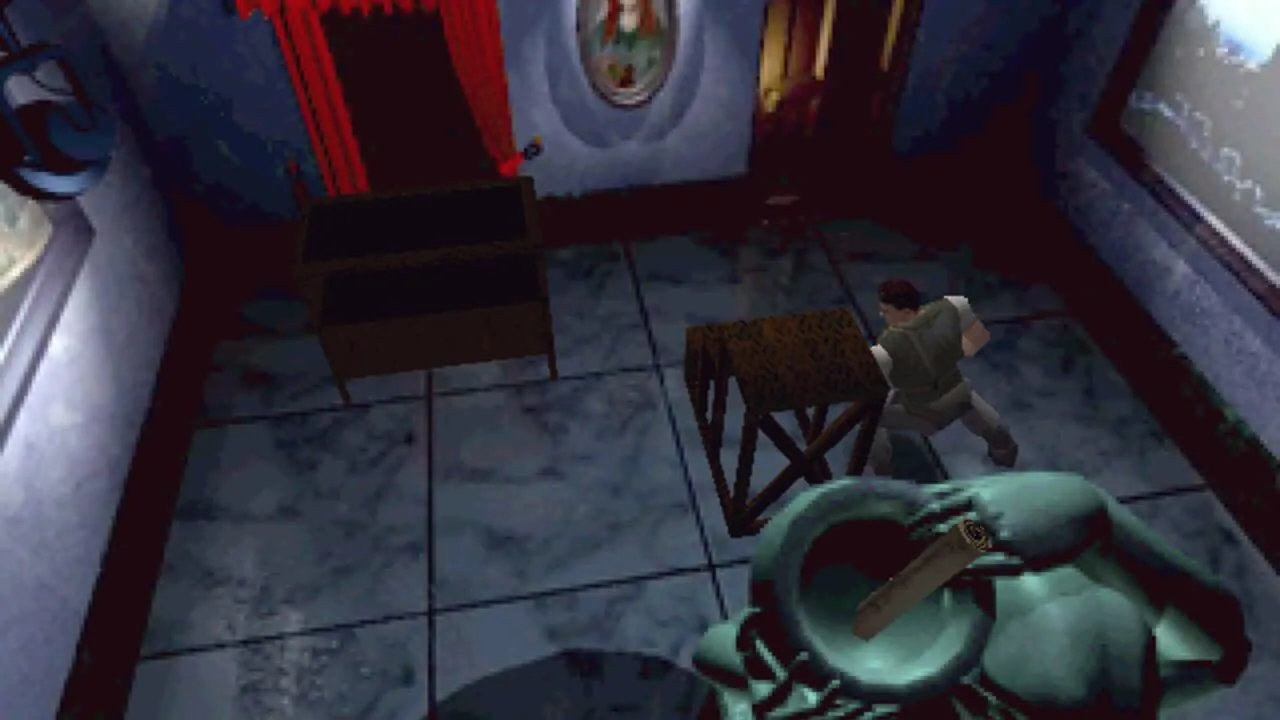
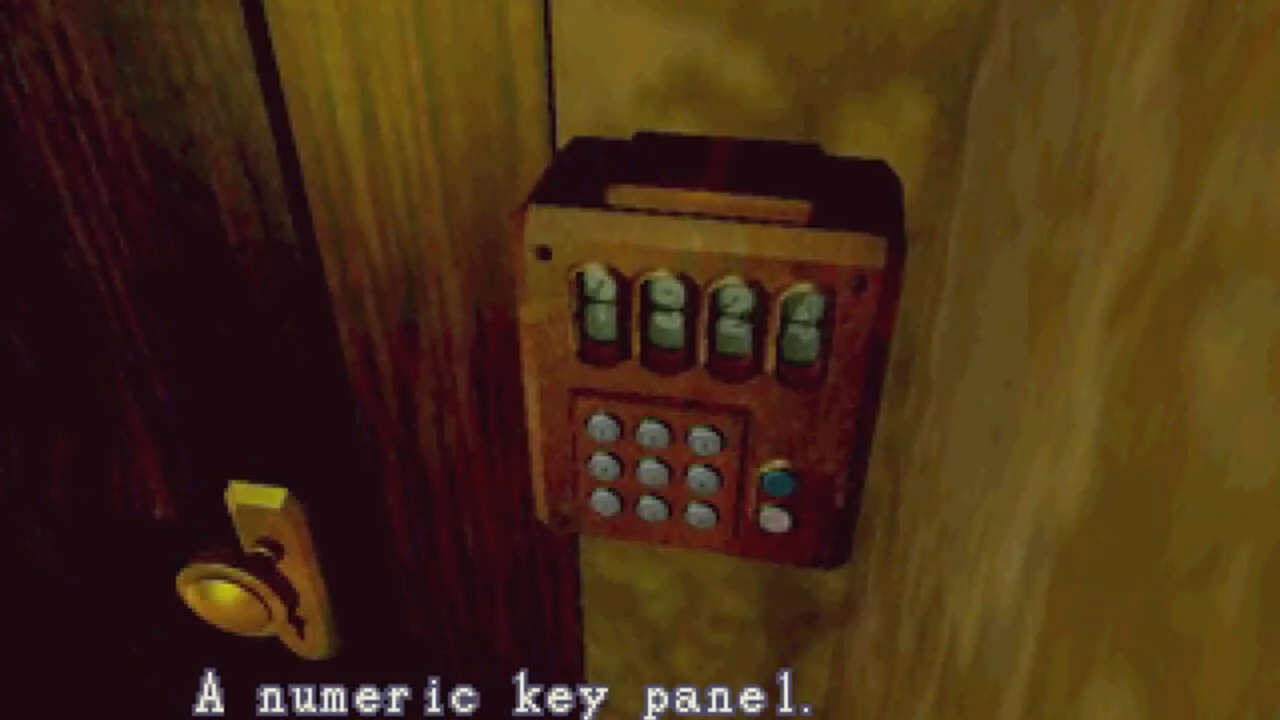
Resident Evil sends the S.T.A.R.S special forces team into a mysterious mansion full of zombies and other mutants. It is credited with coining the phrase survival horror, and with making the genre popular. Producer Tokuro Fujiwara based the idea on Sweet Home, a 1989 horror game he made, and it went through several redesigns, including a first-person version, before it became the game we know.
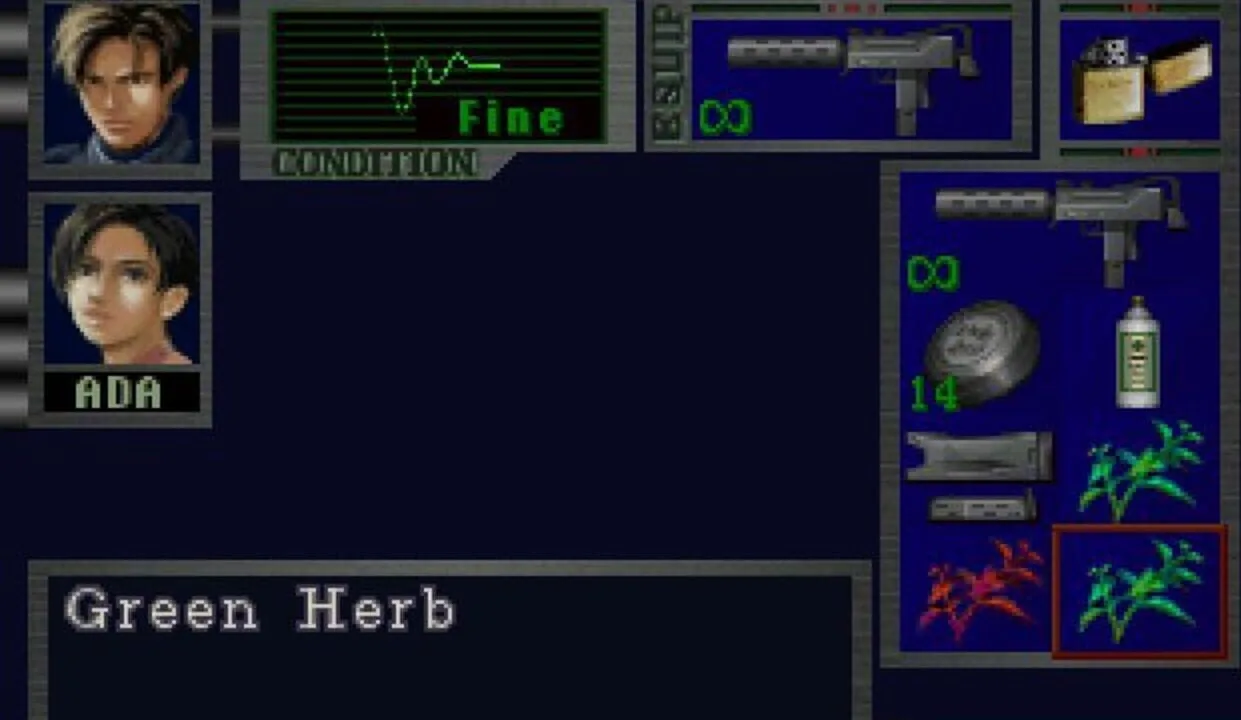
Chris and Jill start with only a survival knife and a handgun, and your health is shown as a heartbeat monitor in the menu, which is somehow scarier than a health bar. Critics loved the graphics and the atmosphere but not the dialogue or the voice acting, which are famous for all the wrong reasons. It sold about 4 million copies by December 1997. Players treat it as top tier, usually named as a set with the two sequels.
Which one to play
There you have it, the whole list of the best PS1 horror games. Some of these still scare people today, and even the clunky ones have an atmosphere that modern games struggle to match.
If you are not sure where to start, play the first Resident Evil, then Resident Evil 2. If you want something more psychological, Silent Hill is the one. If you like dinosaurs more than zombies, go for Dino Crisis. If you want a slow, tense chase, try Clock Tower. And for a hidden pick, Echo Night trades combat for ghosts and puzzles on a ship that vanished at sea.