The PlayStation turned up at a good time for licensed games. Its discs had room for cutscenes and real voice acting, so a game could finally feel a bit like the film or the cartoon it came from. Everybody with a famous name wanted one on the shelf. Fox put out games from its own film library, and Nickelodeon signed Rugrats over to THQ.
Most of those games were made fast and forgotten faster. The good ones came from studios that cared about the source and about the controller in your hands, and a couple came over from Japan with an anime attached. Here are the 12 best licensed PS1 games.
12. Star Wars: Dark Forces (1995)
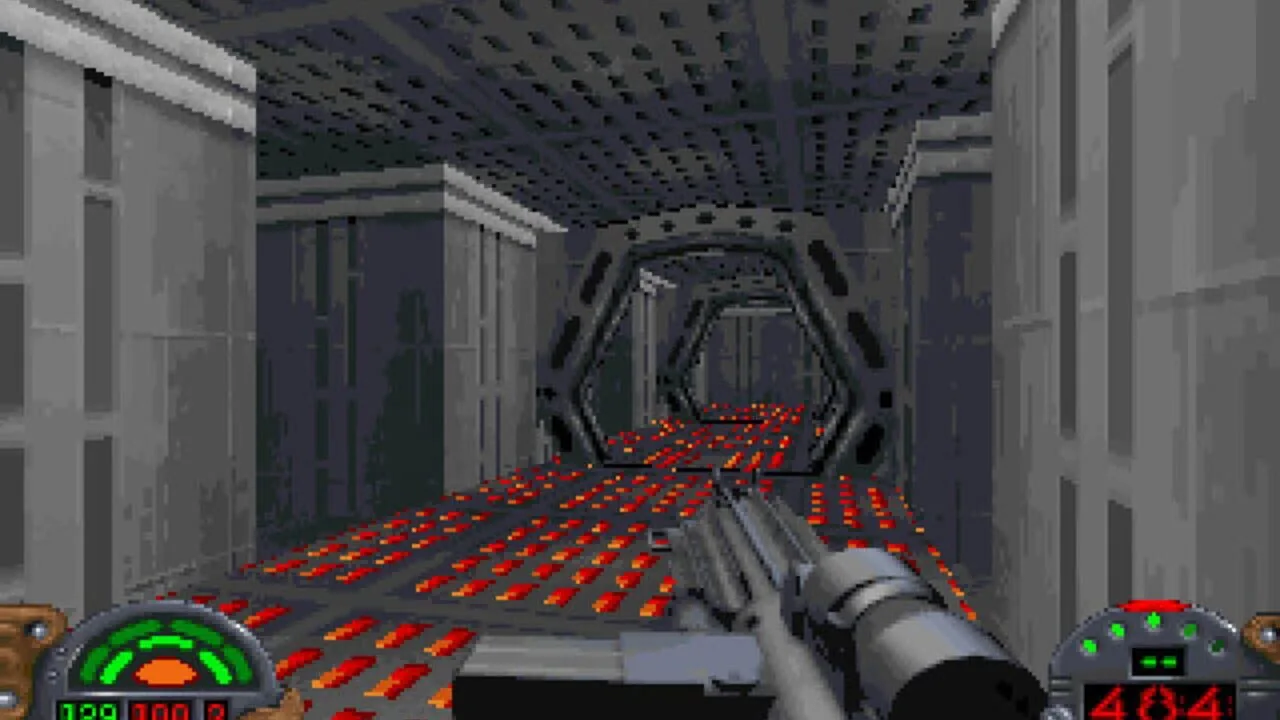
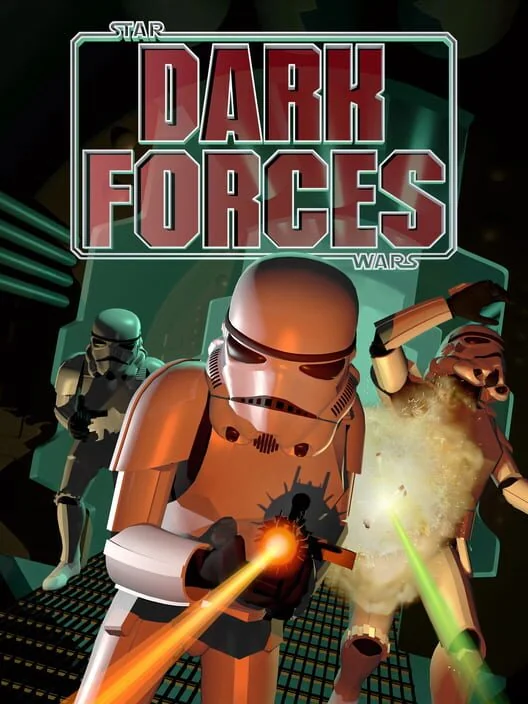
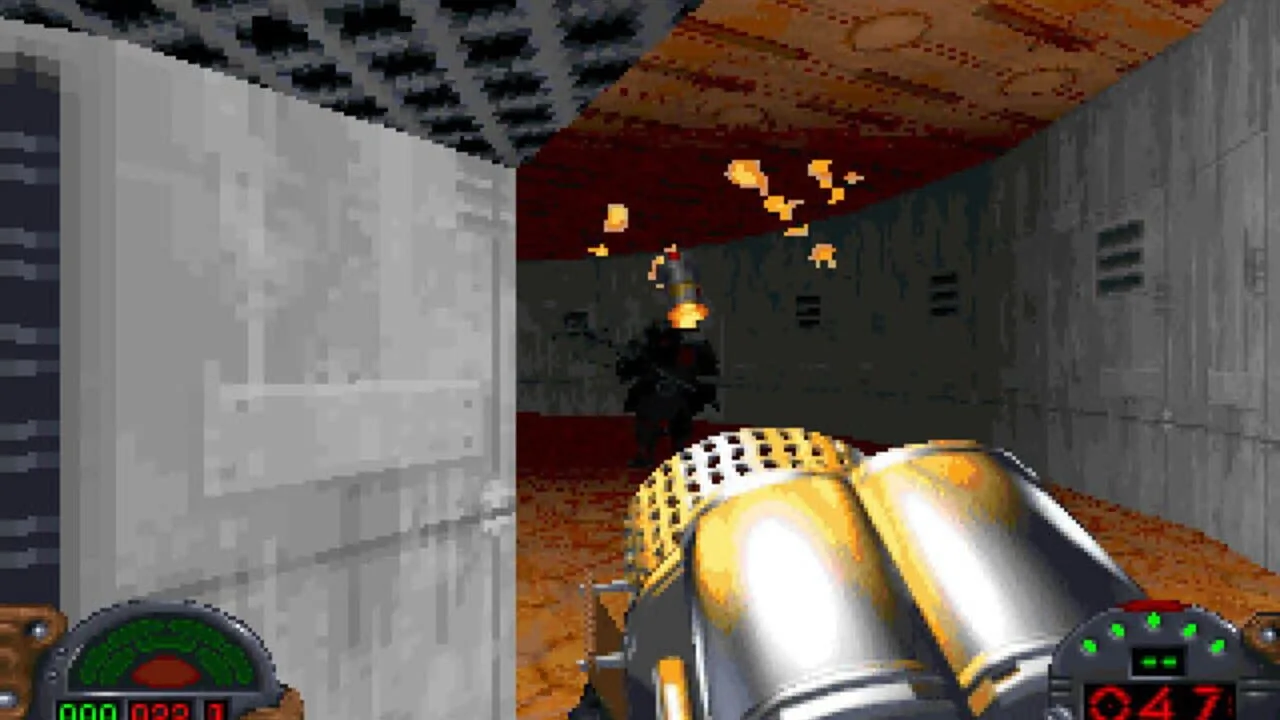
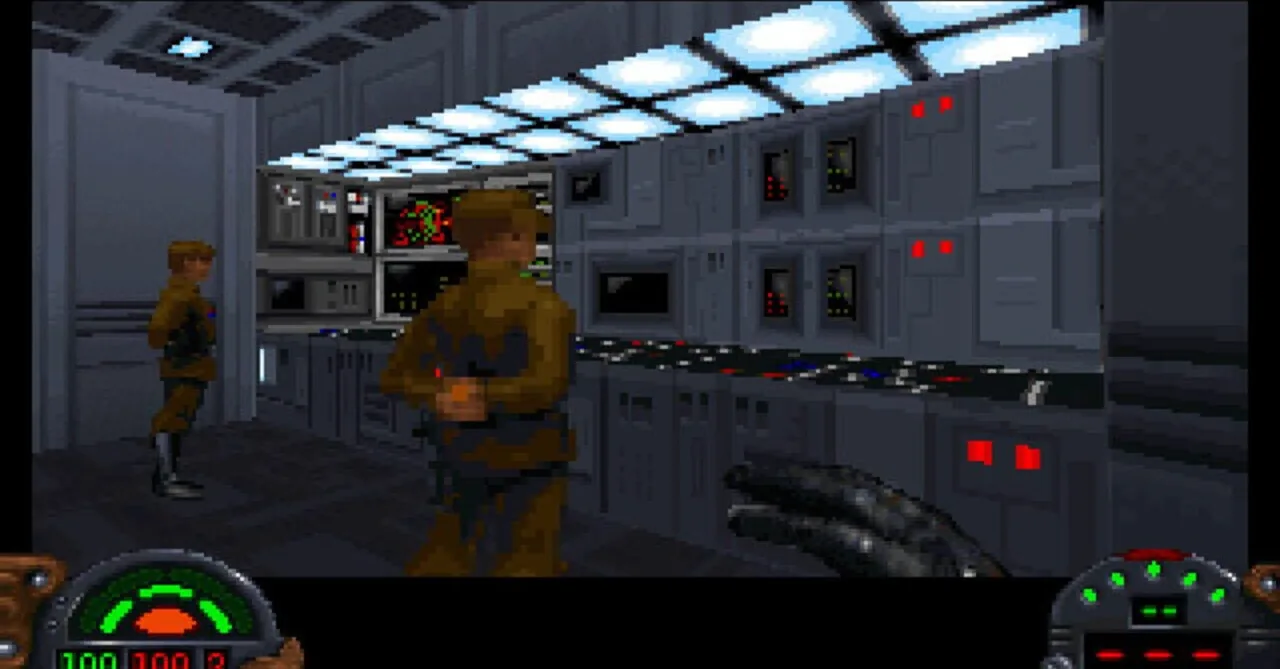
Dark Forces came out in 1995 for MS-DOS and Macintosh, and in 1996 for the PlayStation. You play Kyle Katarn, a mercenary working for the Rebel Alliance who uncovers the Empire's secret Dark Trooper Project. Unlike many Doom-style games of the time, its missions follow a storyline, and its levels are built to look like real places from the Star Wars universe, Star Destroyer interiors and Jabba's ship included. Its engine allowed level designs with multiple floors and the ability to look up and down, which was rare for a shooter back then.
The PlayStation version was criticized for poor graphics and slow frame rates, and that is fair. Players still put it on their lists of favourite PS1 games anyway. It also launched the Jedi Knight series, so every lightsaber fight Kyle had later starts here, with a blaster.
11. Gundam Battle Assault 2 (2002)
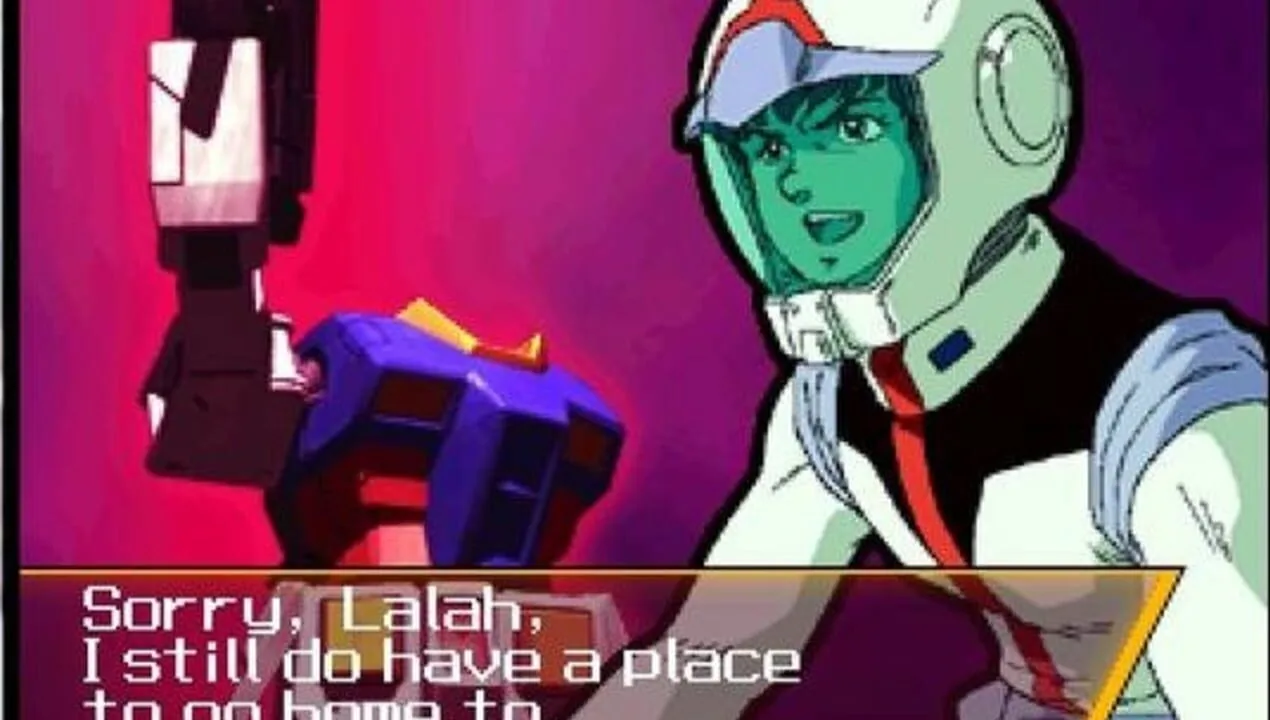
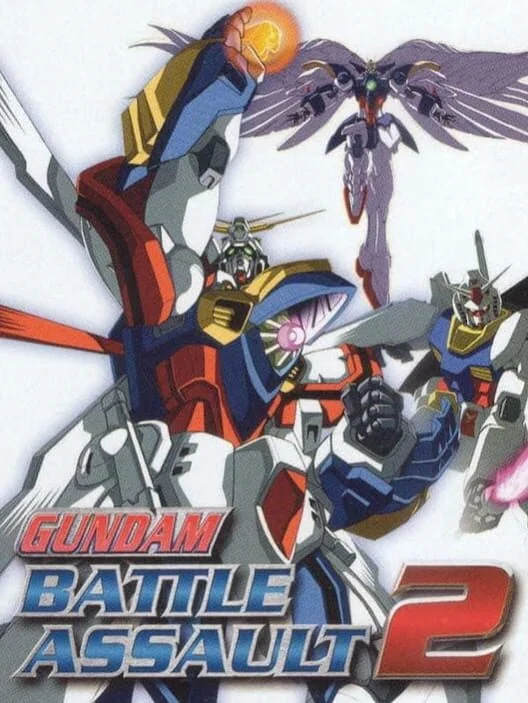
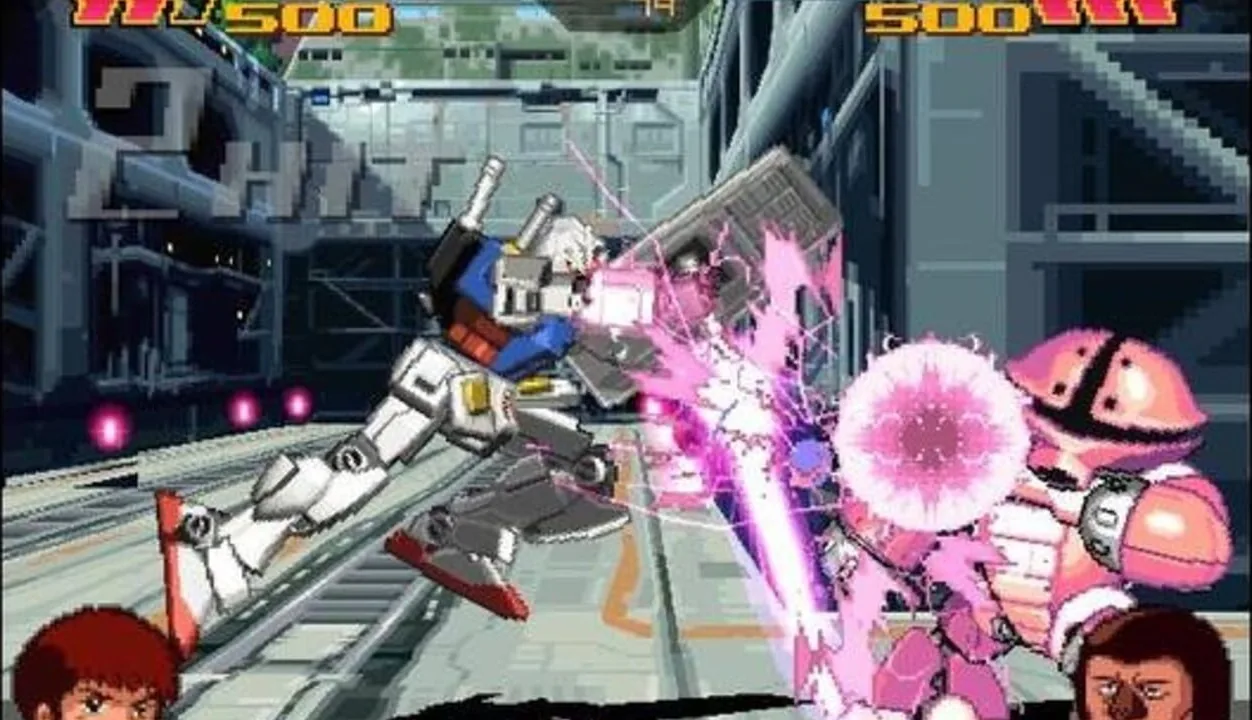
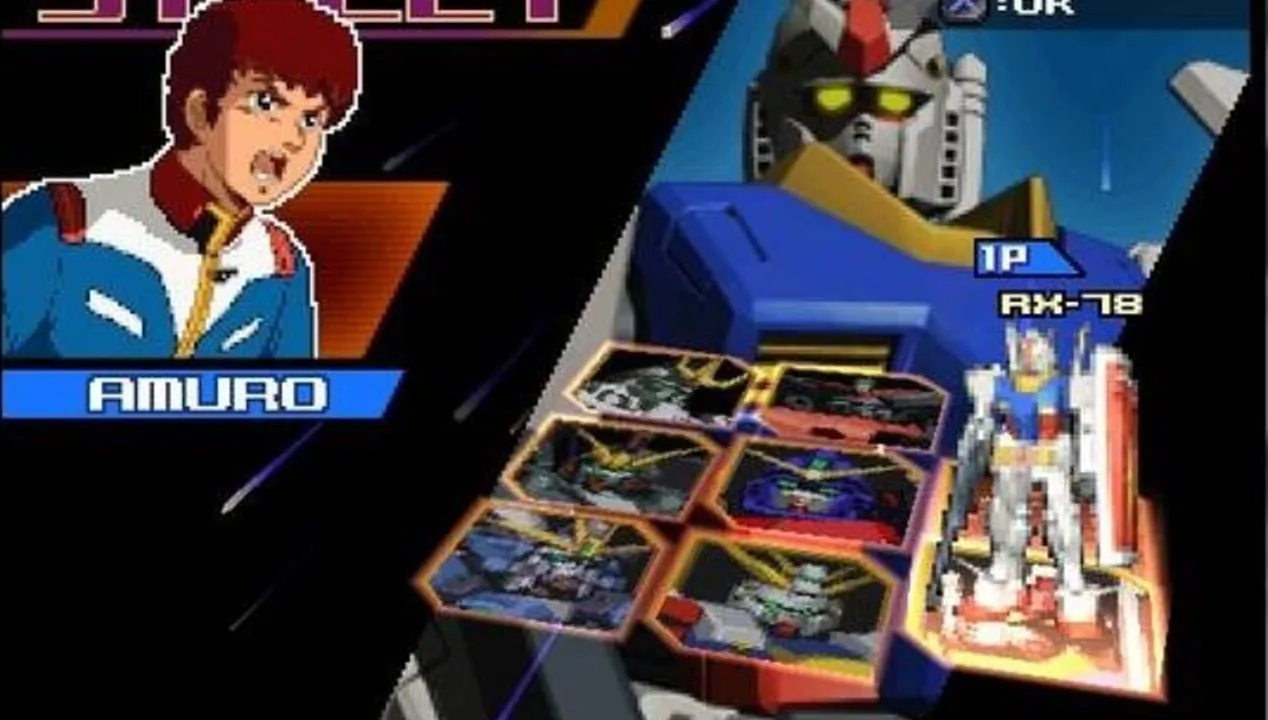
Gundam Battle Assault 2 is a 2D fighting game based on the Gundam franchise, a follow-up to Gundam: Battle Assault from 1998. It has 30 mobile suits drawn from three Gundam series, hand-drawn 2D graphics and three separate storylines. In one you are the Burning Gundam pilot, a martial arts specialist searching for his brother. In another you are Heero Yuy from Gundam Wing.
In Japan it came out as part of the Simple Characters 2000 Series of budget games, split into two separate games, one for G Gundam and one for Gundam Wing. Critics gave it a positive reception, and fighting game fans who found it rate it very highly. It is giant robots punching each other in hand-drawn 2D, which is either exactly your thing or a nice surprise.
10. Rugrats: Search for Reptar (1998)
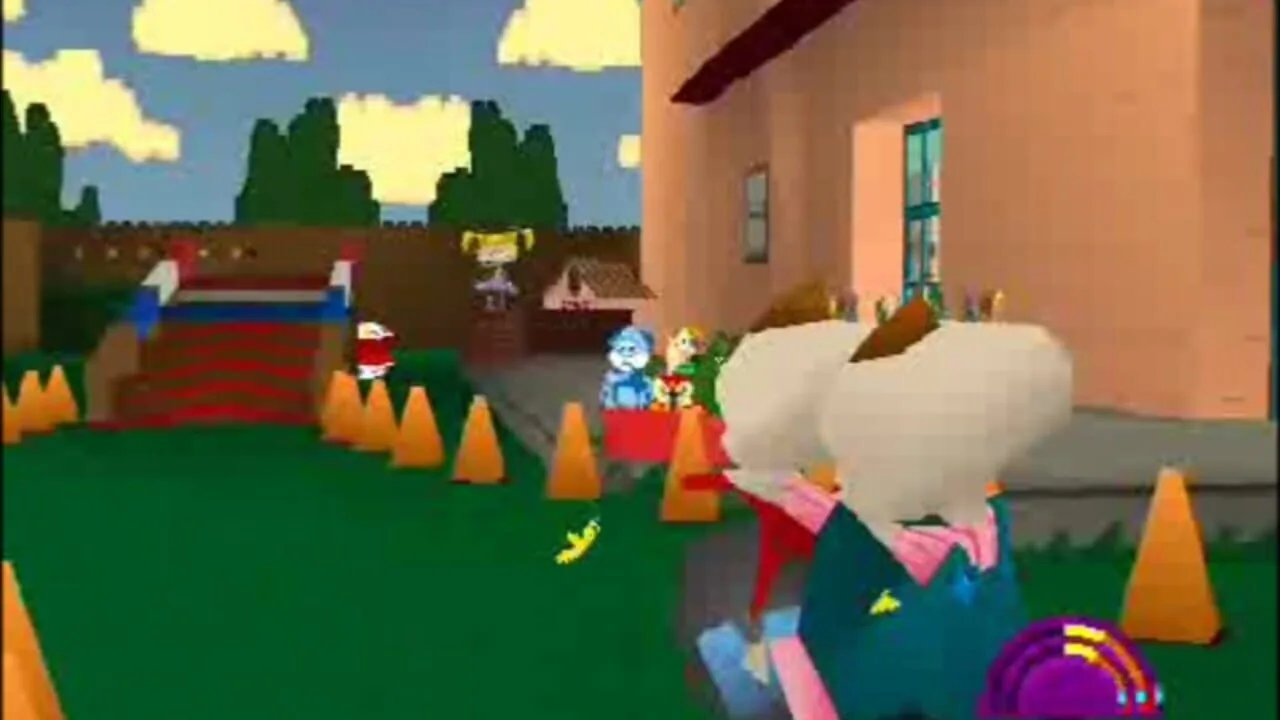
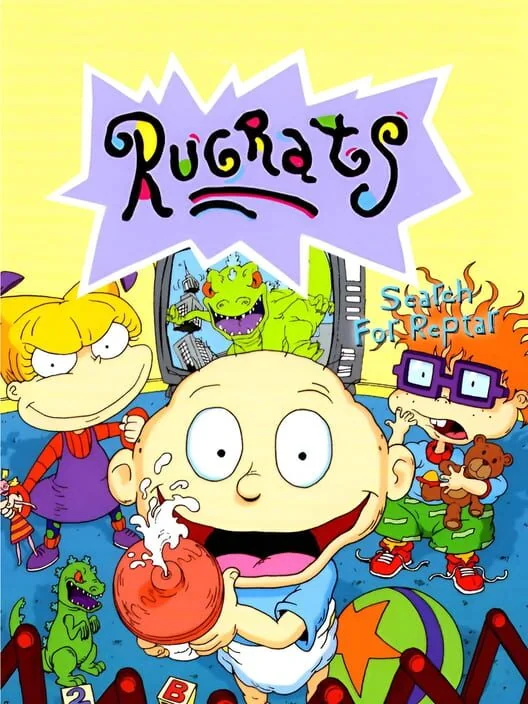
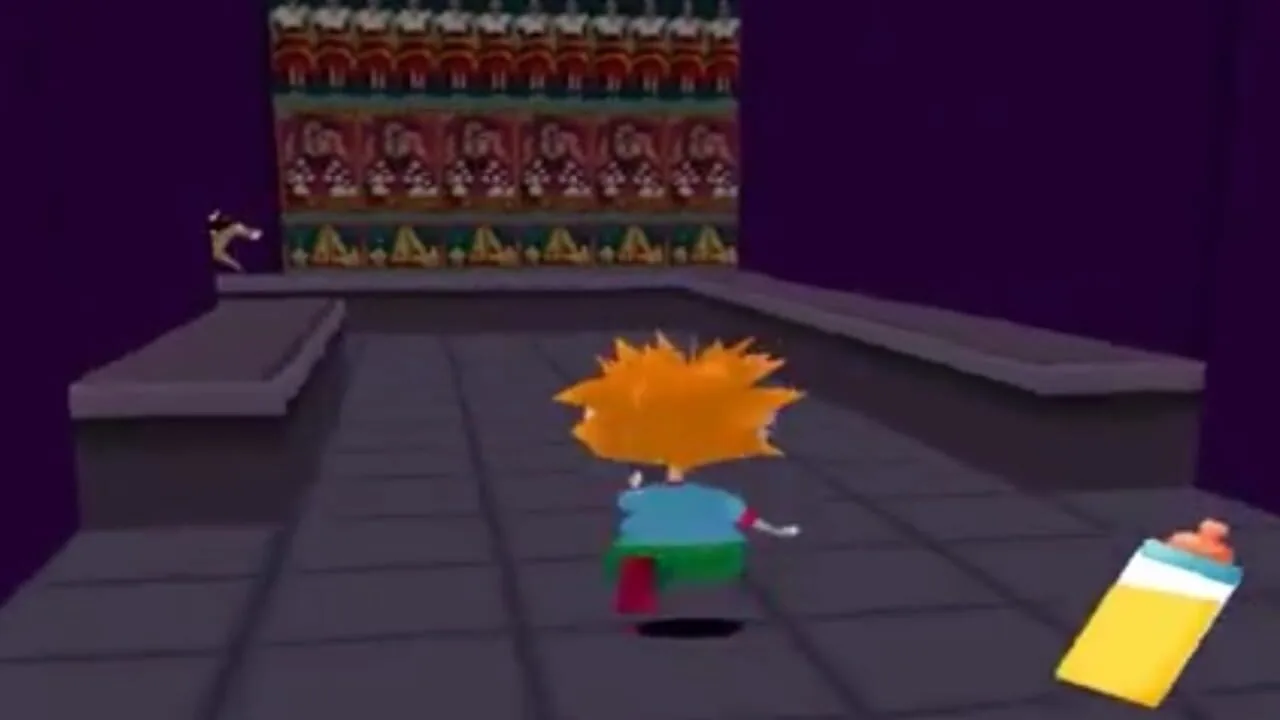
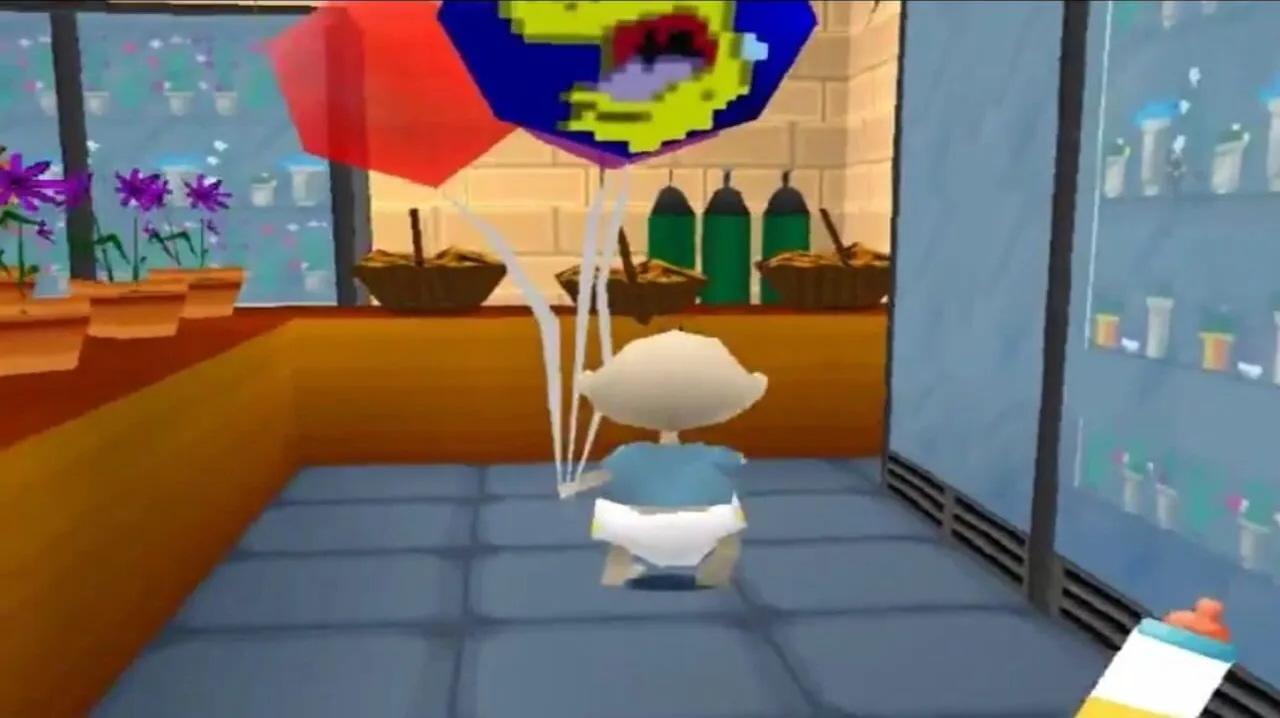
Search for Reptar was the first video game based on Rugrats, and it came out only on the PlayStation in late 1998. Tommy Pickles has lost pieces of his Reptar puzzle, and you go looking for them in 3D levels you can play in any order. Most of the stages are based on episodes of the show, and voice actors from the cartoon came back for it. THQ had signed a deal with Nickelodeon for the Rugrats license, and the game was developed to appeal to children ages seven to twelve.
It worked. Backed by the second-biggest marketing campaign for a video game in 1998, it sold nearly 1.5 million copies in the US and joined the Greatest Hits range. Reviews liked the graphics and went after the camera and controls. Players still name it among their PS1 favourites, and finishing the story opens a golf minigame for up to four players.
9. Yu-Gi-Oh! Forbidden Memories (1999)
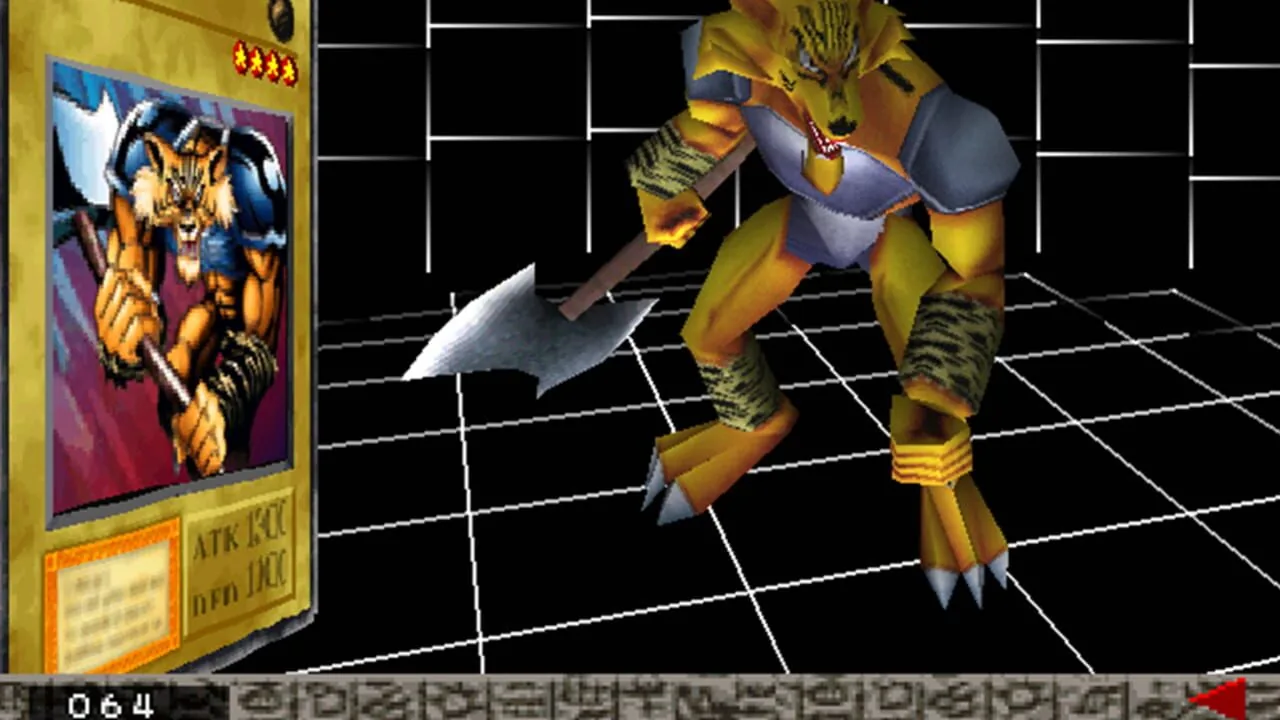
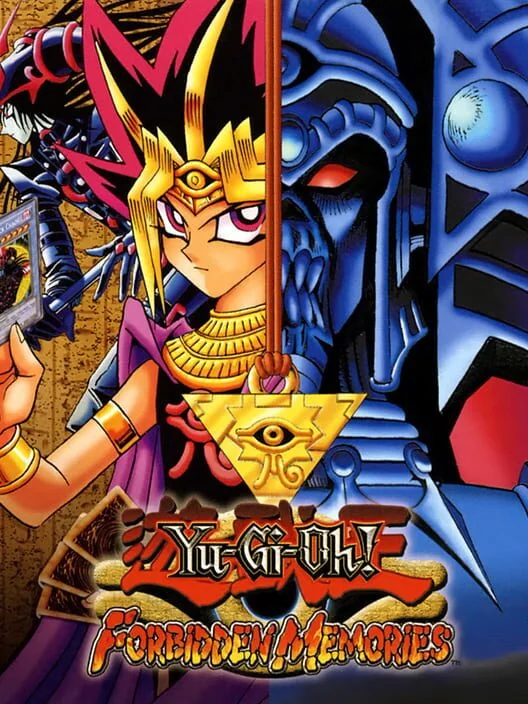
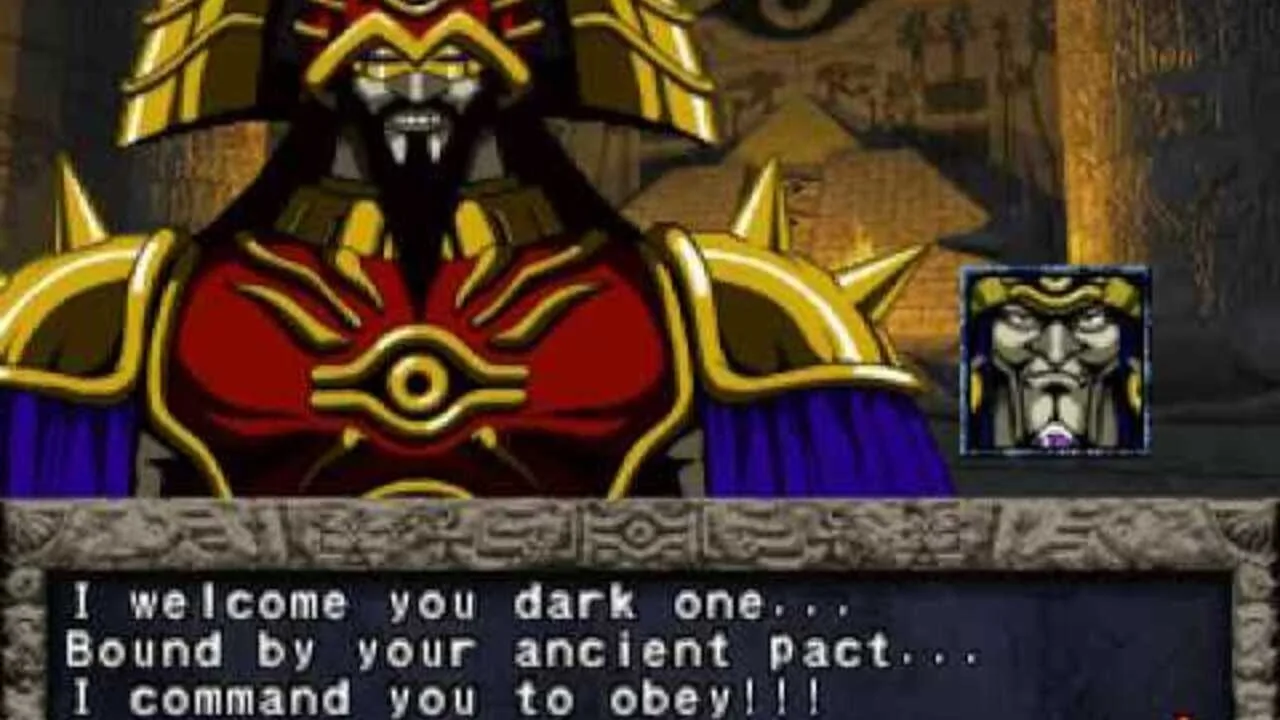
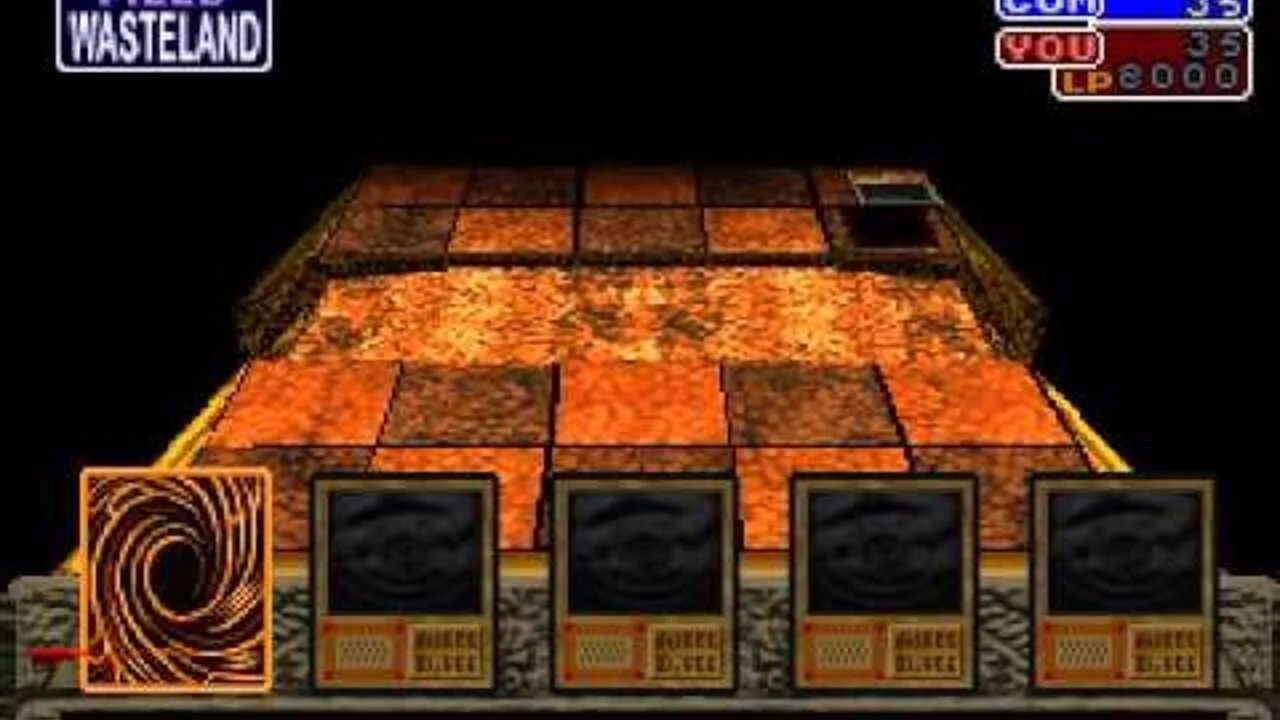
Forbidden Memories is a card game from Konami based on Kazuki Takahashi's Yu-Gi-Oh! manga. It came out in Japan in 1999, then in North America in 2002 and in Europe in 2003. The story jumps between Ancient Egypt and modern-day Domino City, and you duel characters from the series using a modified version of the card game.
Critics were not kind. They faulted its high difficulty and its lack of tutorials, and anyone who played it knows they had a point, because you lose a lot before you win anything. It sold over two million units in North America and Europe by 2004 all the same. Players still name it next to the biggest games on the console, which tells you how many afternoons it ate. If you grew up with the show, this is the one you remember.
8. Alien Resurrection (2000)
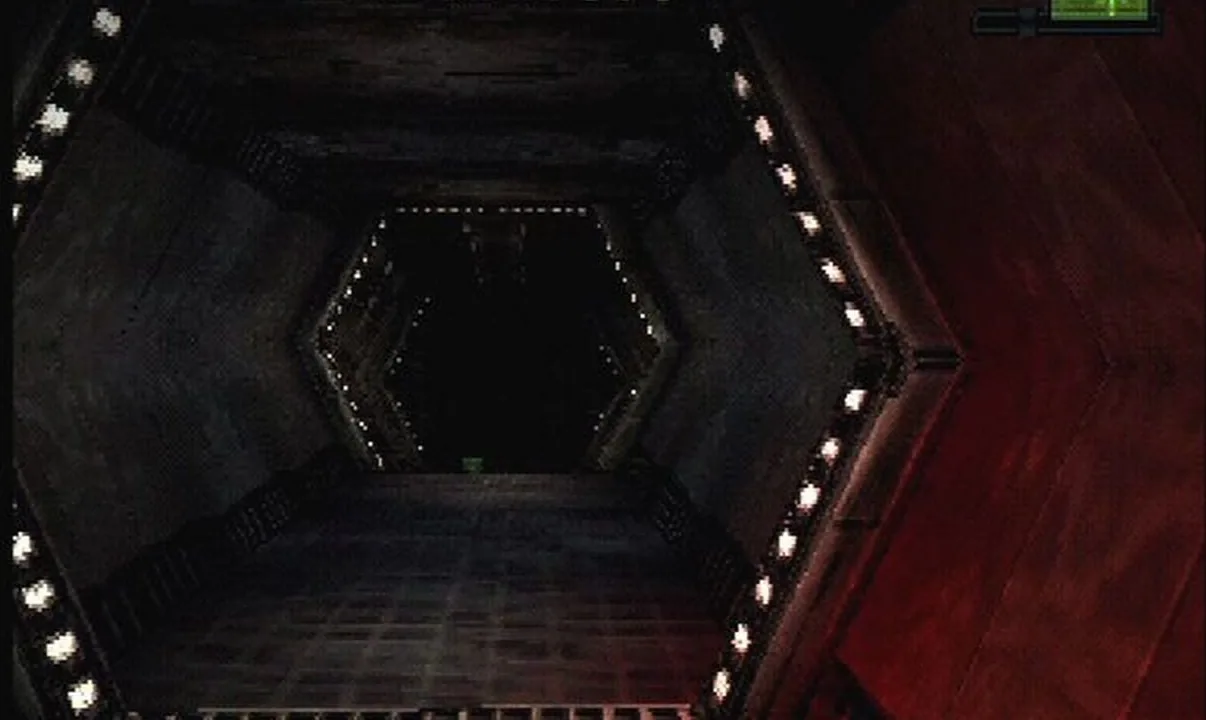
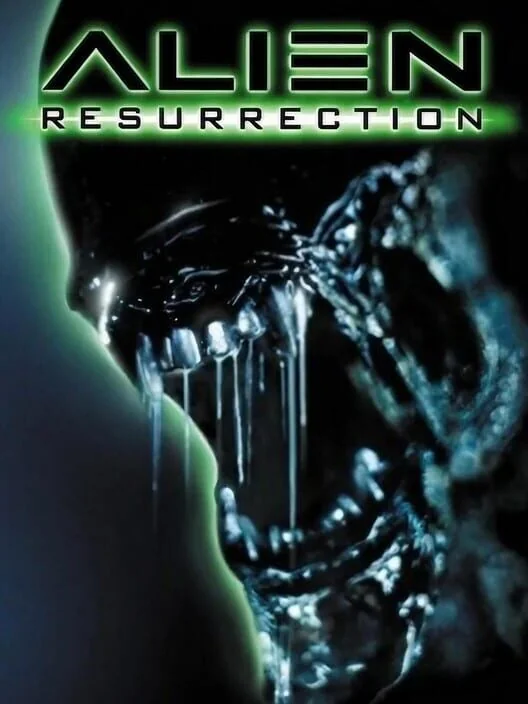
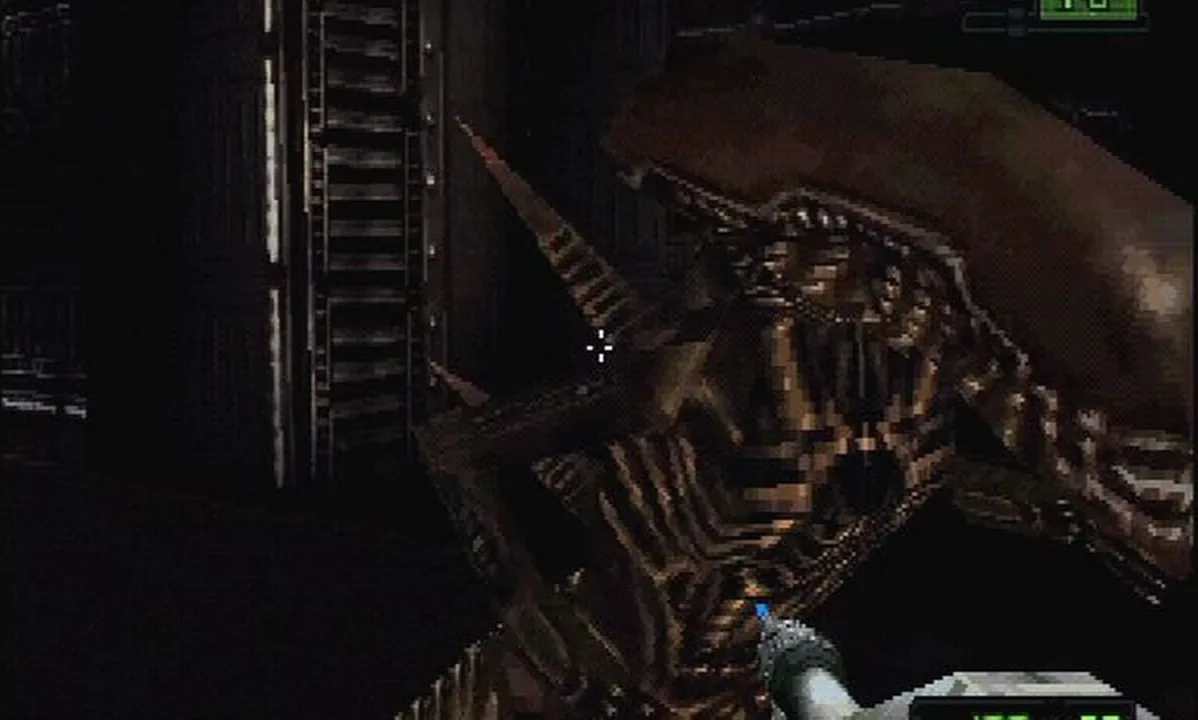
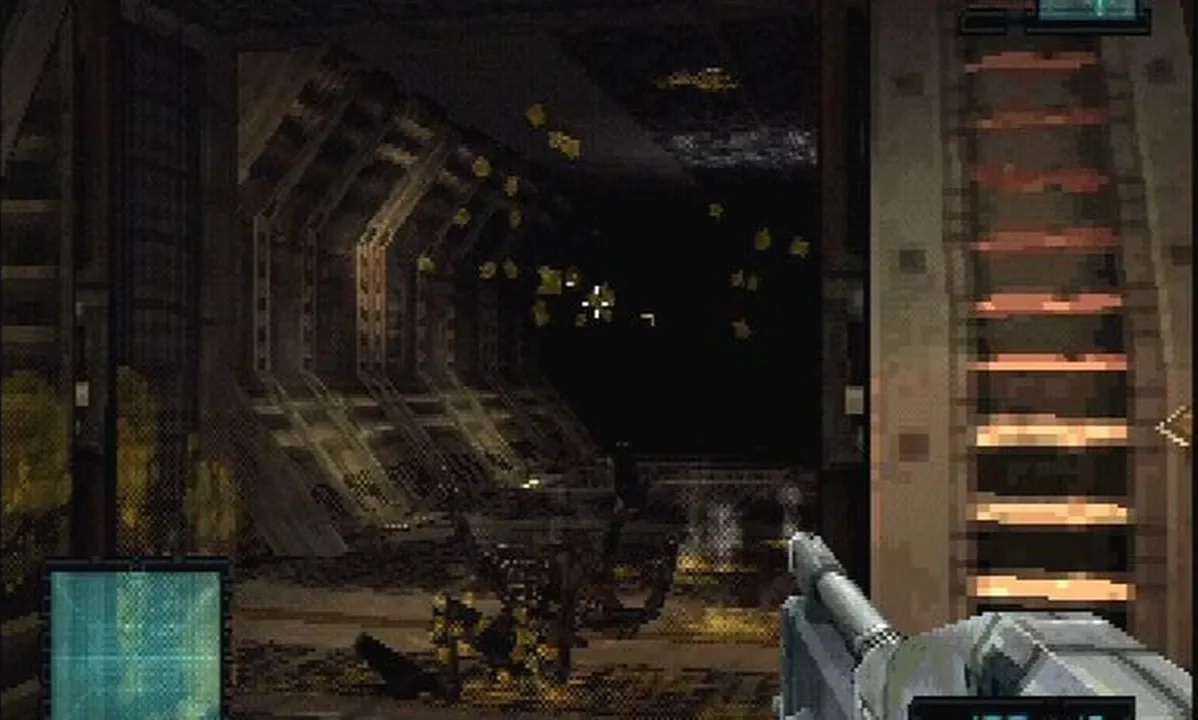
Alien Resurrection is a first-person shooter based on the film, with limited ammo and plenty of hazards to get around. You switch between four main characters at each level change, and each has a slightly different set of abilities: Call has a motion tracker, and Christie has his twin pistols from the film. The levels are about keeping the ship running while you make your way through it to escape.
It was meant to be Fox Interactive's last Sega Saturn game, but that version was pulled before it was finished, and PC and Dreamcast ports were never made because of poor sales. Players found it later anyway. One praised its "Extremely modern controls", and players still recommend it to anyone who wants a scarier shooter on the console.
7. Spider-Man 2: Enter Electro (2001)
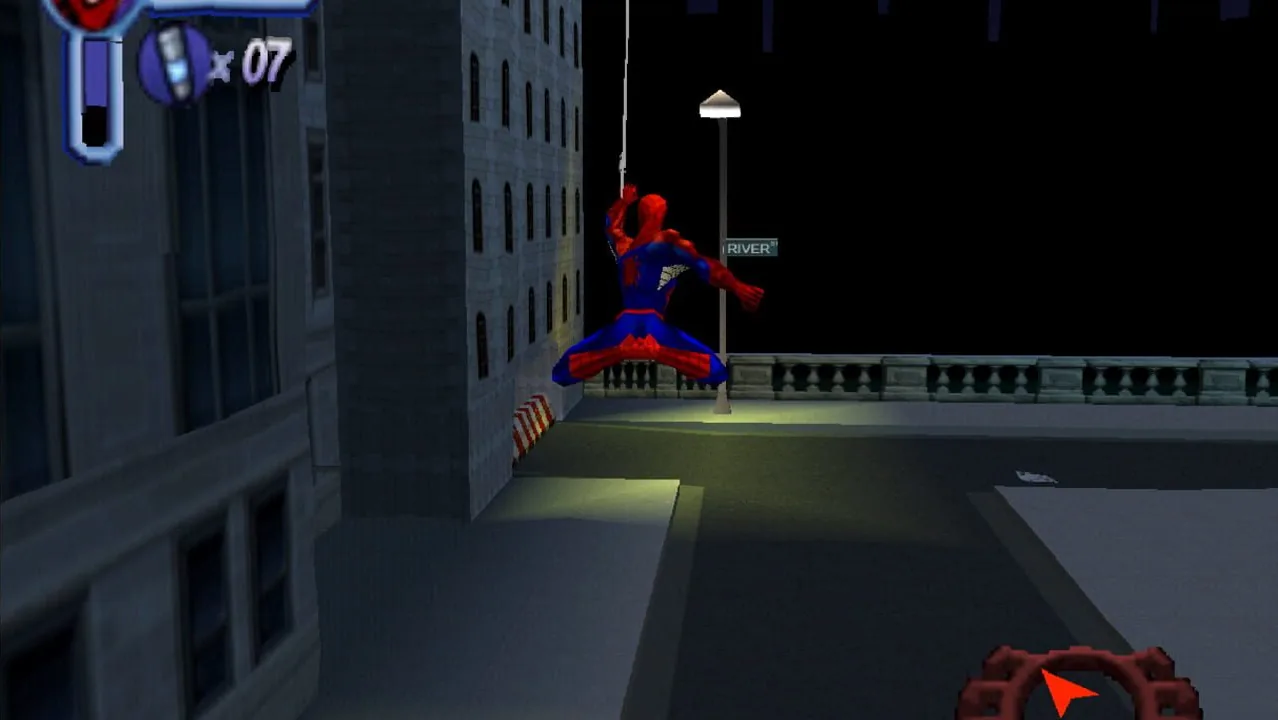
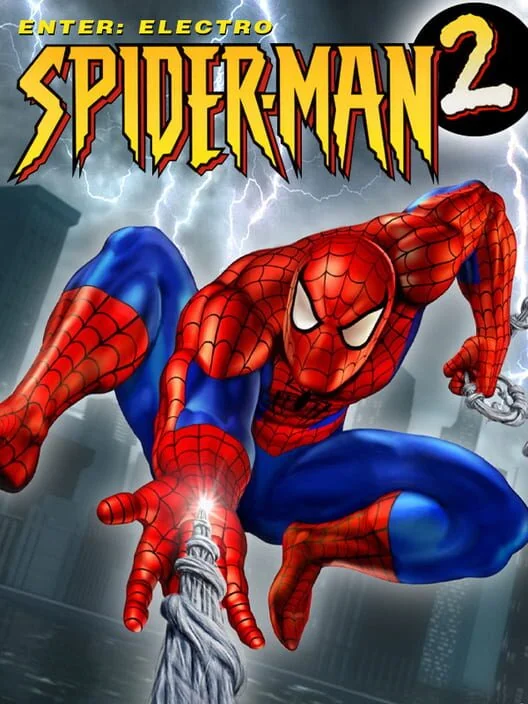
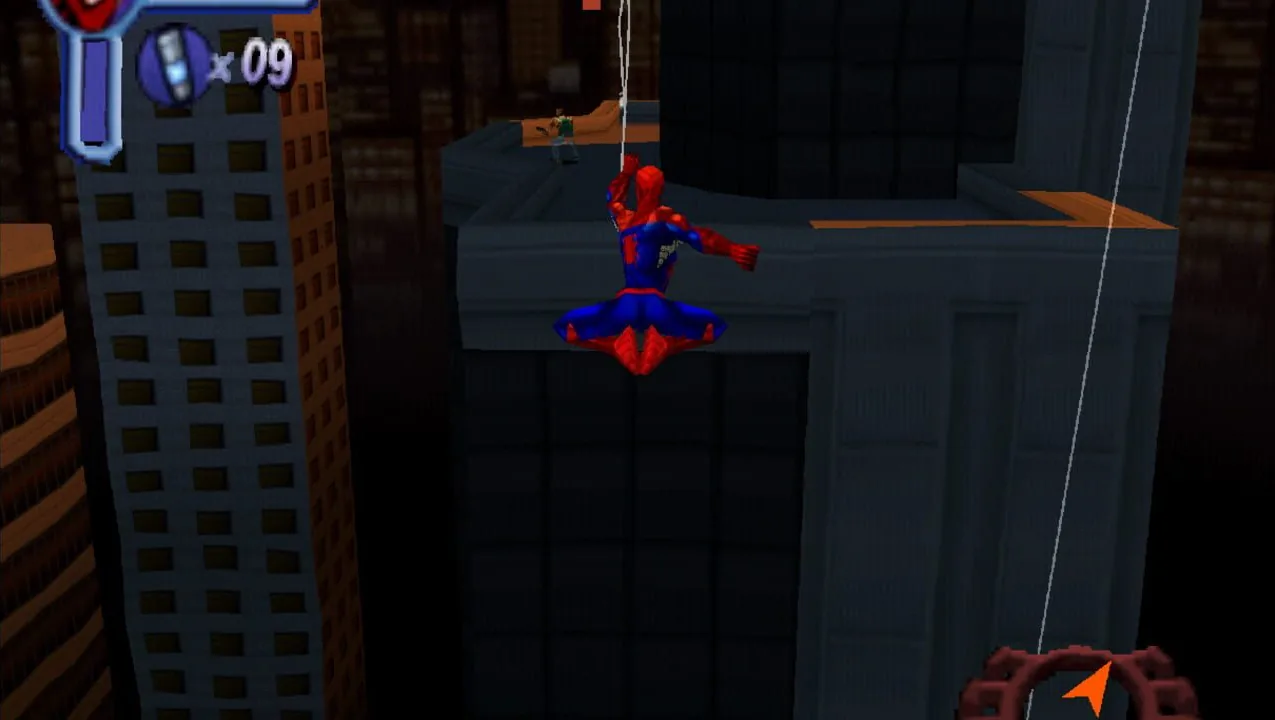
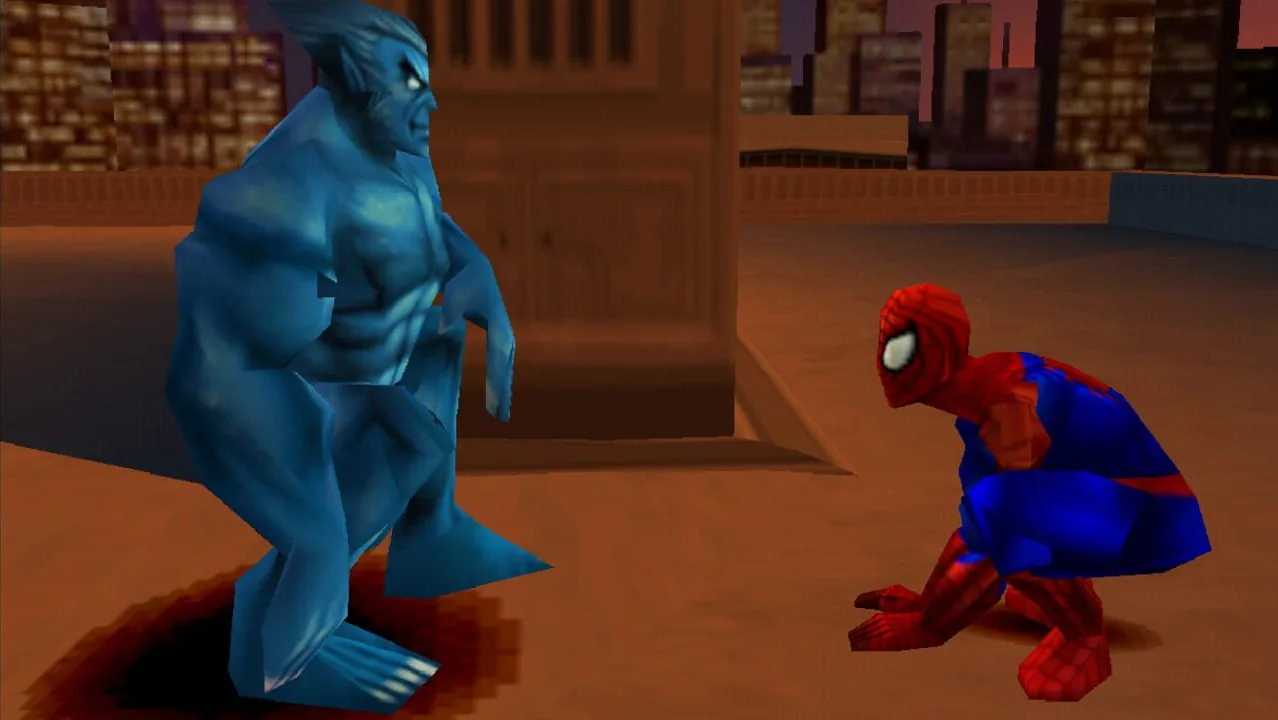
Enter Electro is the sequel to Spider-Man (2000), developed by Vicarious Visions and published by Activision only for the PlayStation. It picks up right after that game, with Spider-Man trying to stop a criminal conspiracy run by Electro. Two extra costumes came from comic-book artists Alex Ross and Dave Williams. Its final level was originally set on top of the World Trade Center, and after the September 11 attacks it was moved to a generic skyscraper during a release delay.
Critics gave it a mixed reception, and many called it a downgrade from its predecessor. Players are kinder. It still turns up on their PS1 lists, sometimes right after the first game. If you finish that one and want more swinging over the same yellow fog, this is where you go next.
6. Bugs Bunny: Lost in Time (1999)
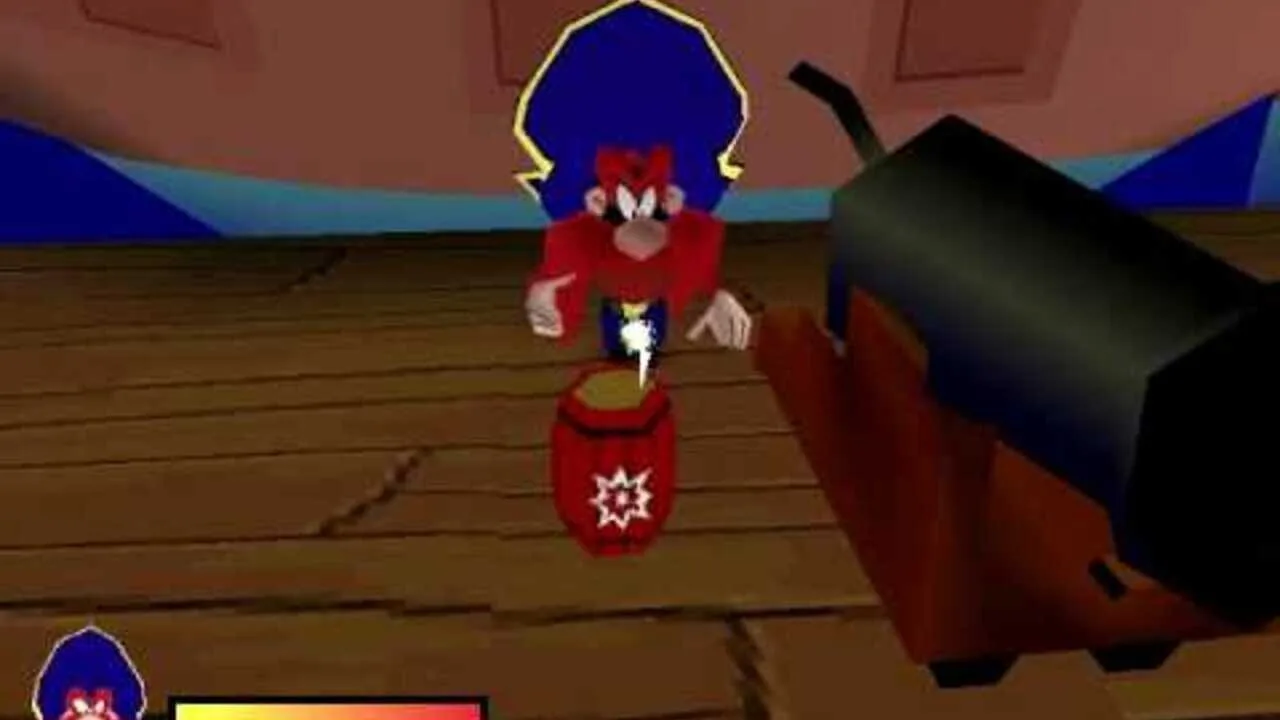
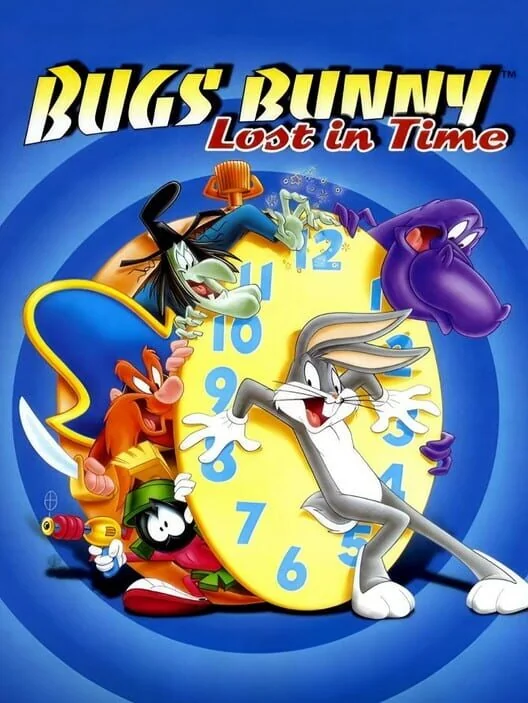
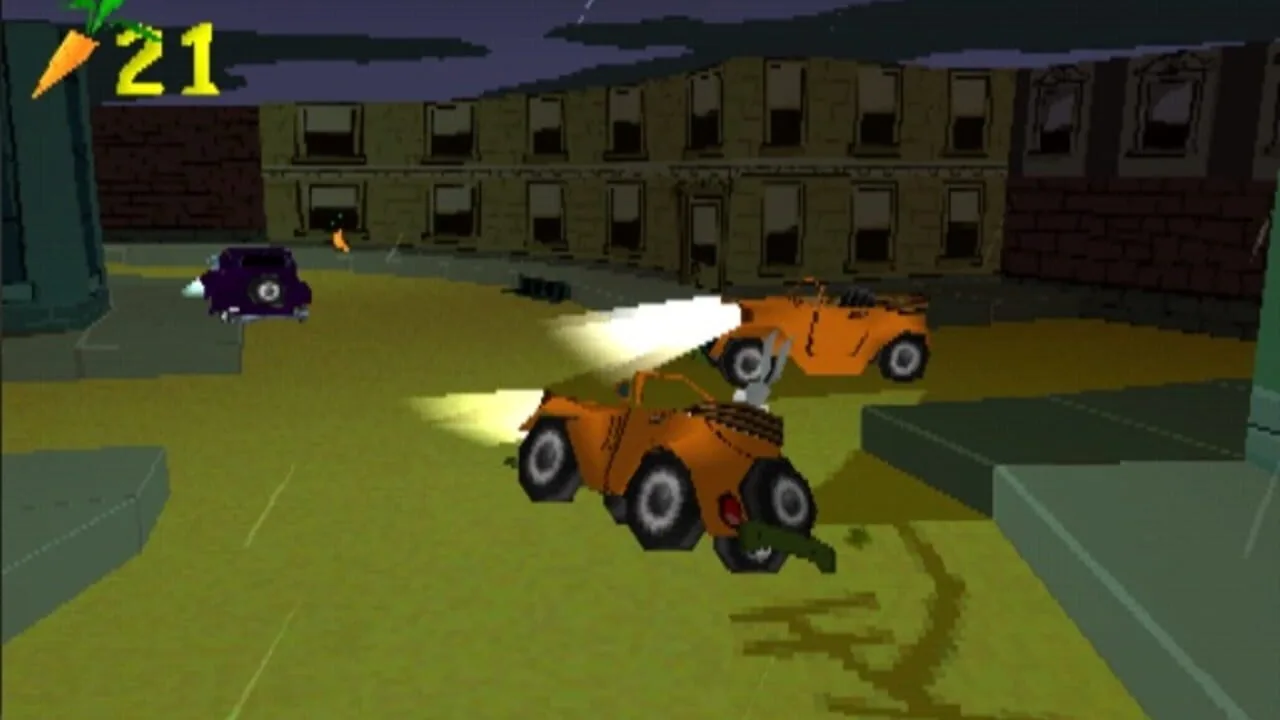
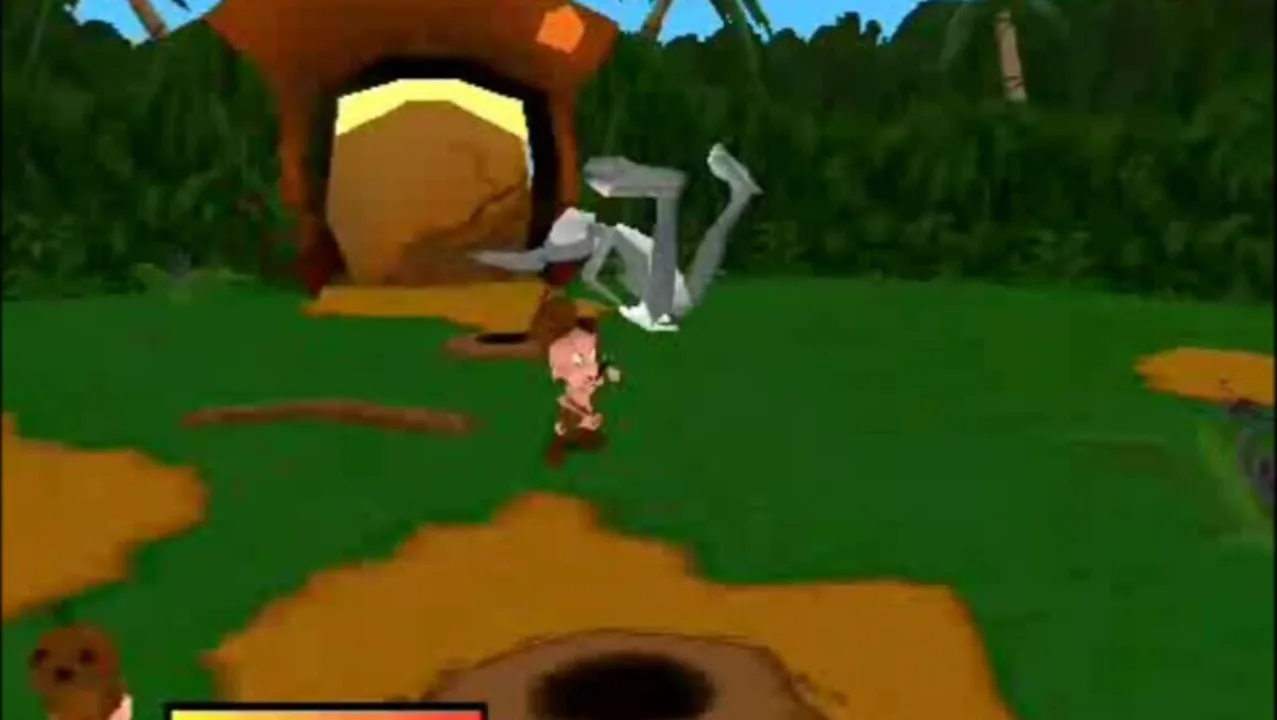
Bugs takes a wrong turn at Albuquerque, finds a time machine and switches it on. He ends up in a place called Nowhere, where a sorcerer named Merlin Munroe tells him he is lost in time. To get home he travels through five different eras, 21 levels in total, collecting clock symbols and golden carrots. The whole Looney Tunes gang from Warner Bros. is part of the license, and Bugs being Bugs, Merlin becomes "Moyle".
It got an indirect sequel, Bugs Bunny & Taz: Time Busters, the following year, but players remember this one far more often. They still call it great, and they still pick it when they want to step away from the obvious PS1 choices. It is a cartoon you get to play, and the cartoon is a good one.
5. Alien Trilogy (1996)
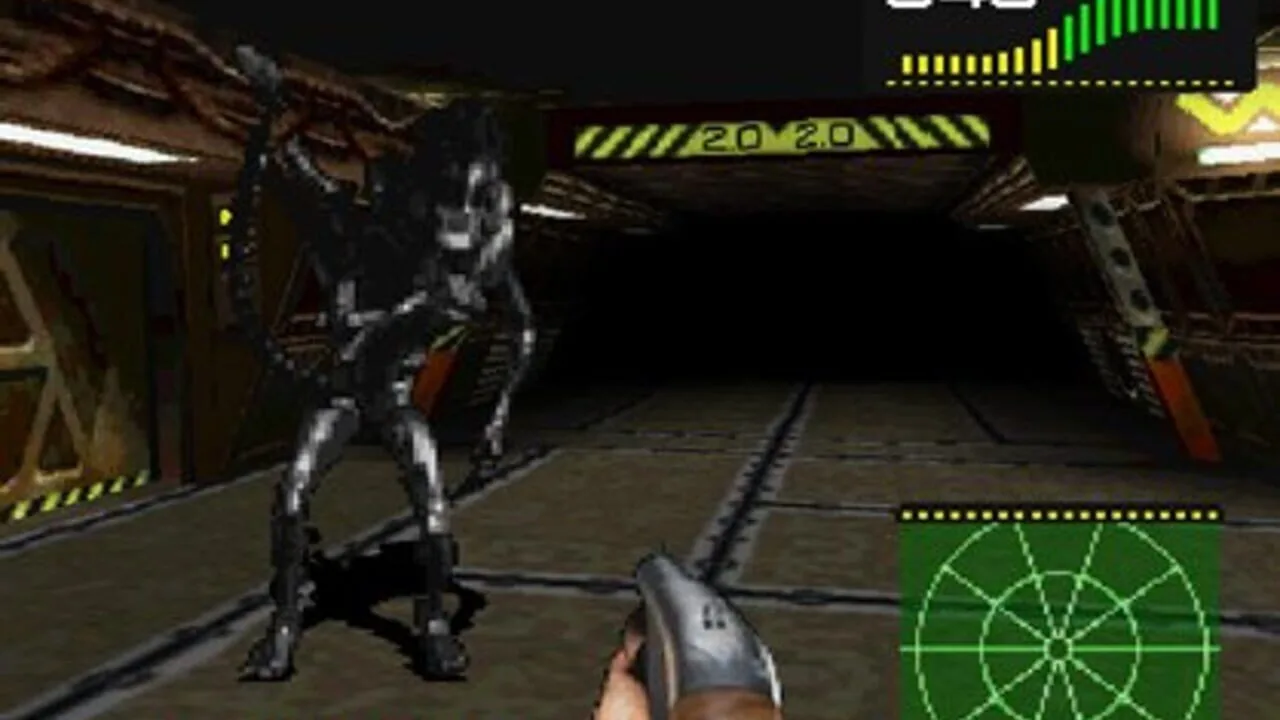
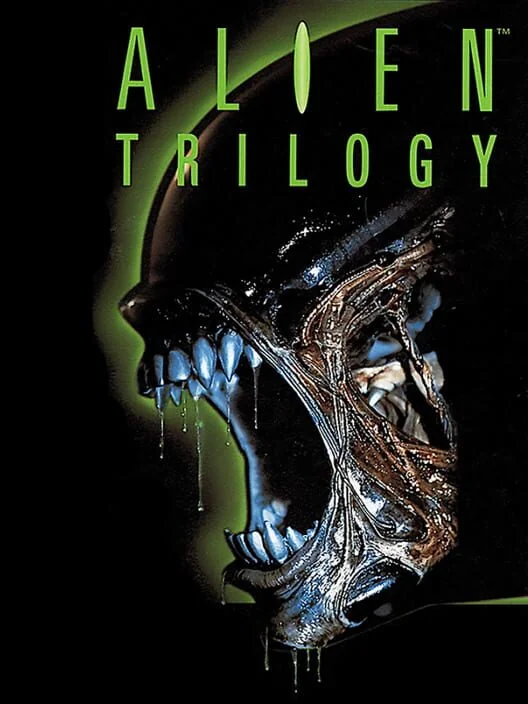
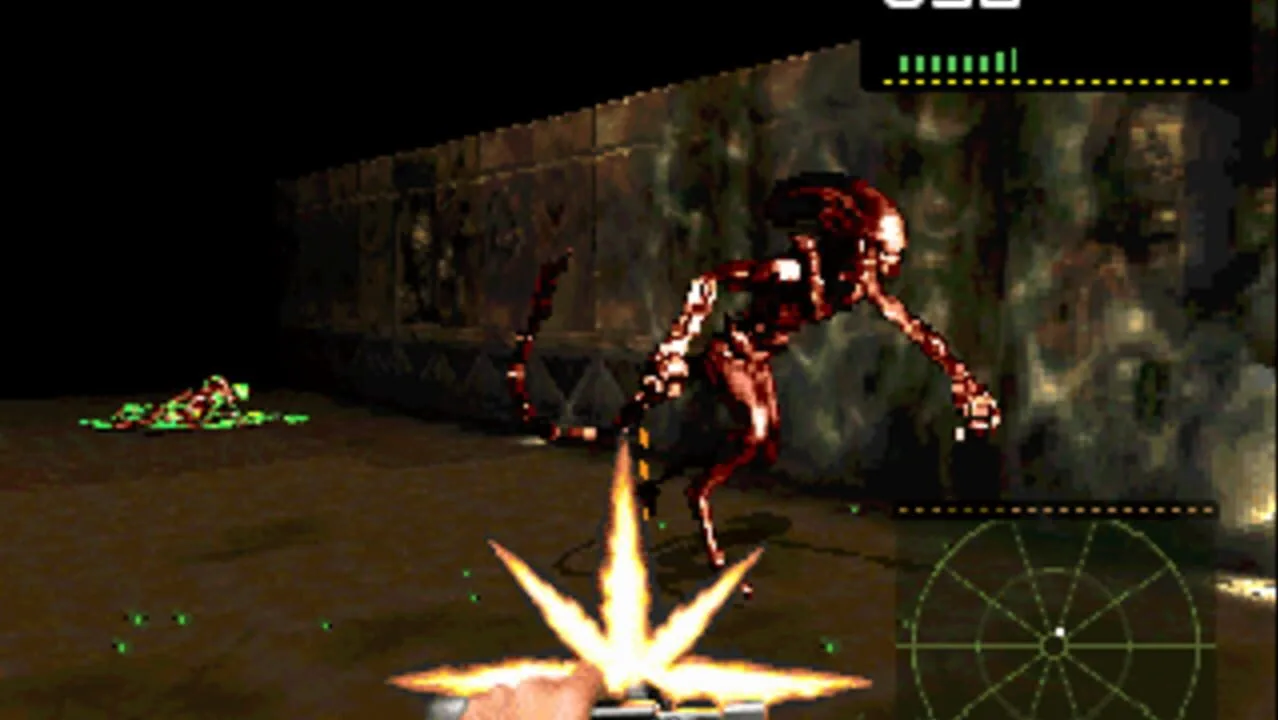
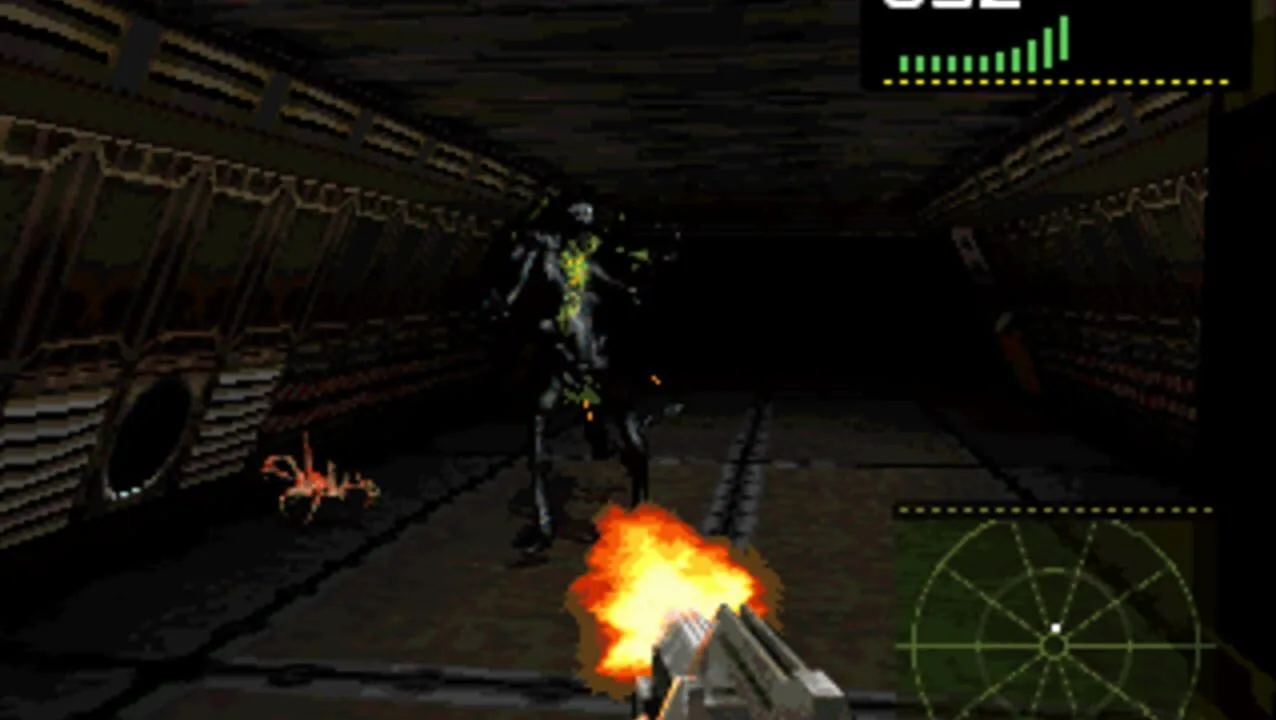
Alien Trilogy is a first-person shooter based on the first three movies in the Alien film series, with 30 levels and three Queen alien bosses. It does not retell the films. It draws on their settings and characters for an expanded, action-oriented story told through text-based mission briefings. It was one of the first games Probe made after Acclaim bought the studio, and it debuted Acclaim's much-hyped motion capture technology.
Critics praised its recreation of the films' atmosphere, and it was a commercial success. Probe was making it at the same time as Die Hard Trilogy, and players still tend to name the two together, which feels right for a pair of trilogies from one studio. If you want the dread of the films with a gun in your hands, start here.
4. Ghost in the Shell (1997)
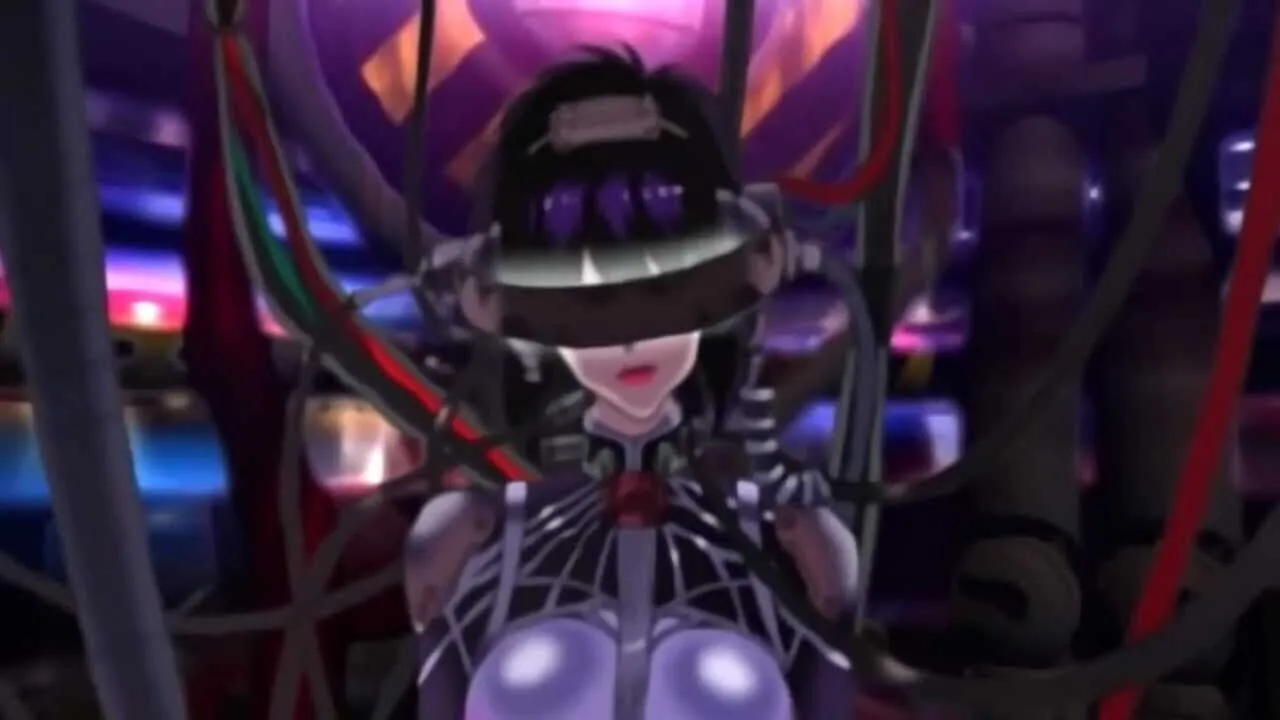
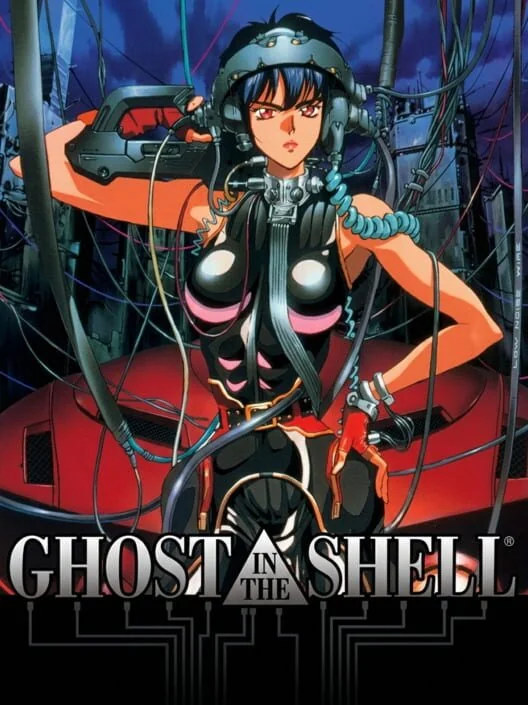
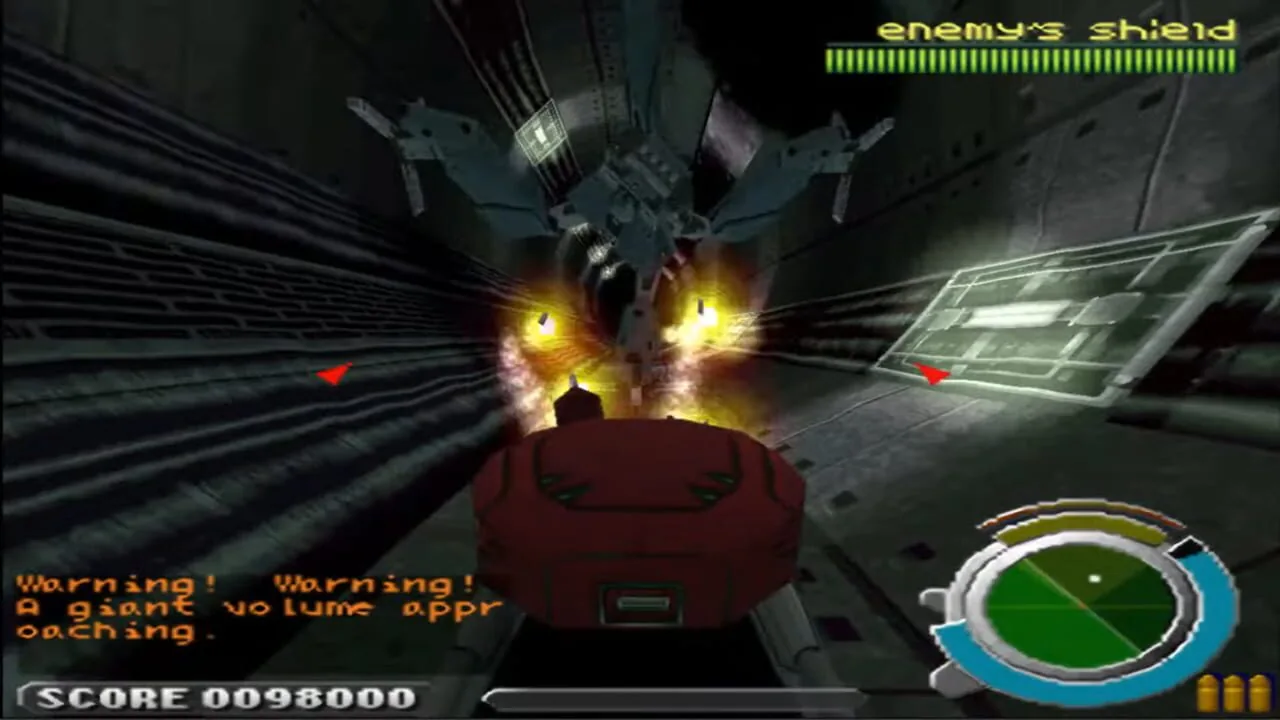
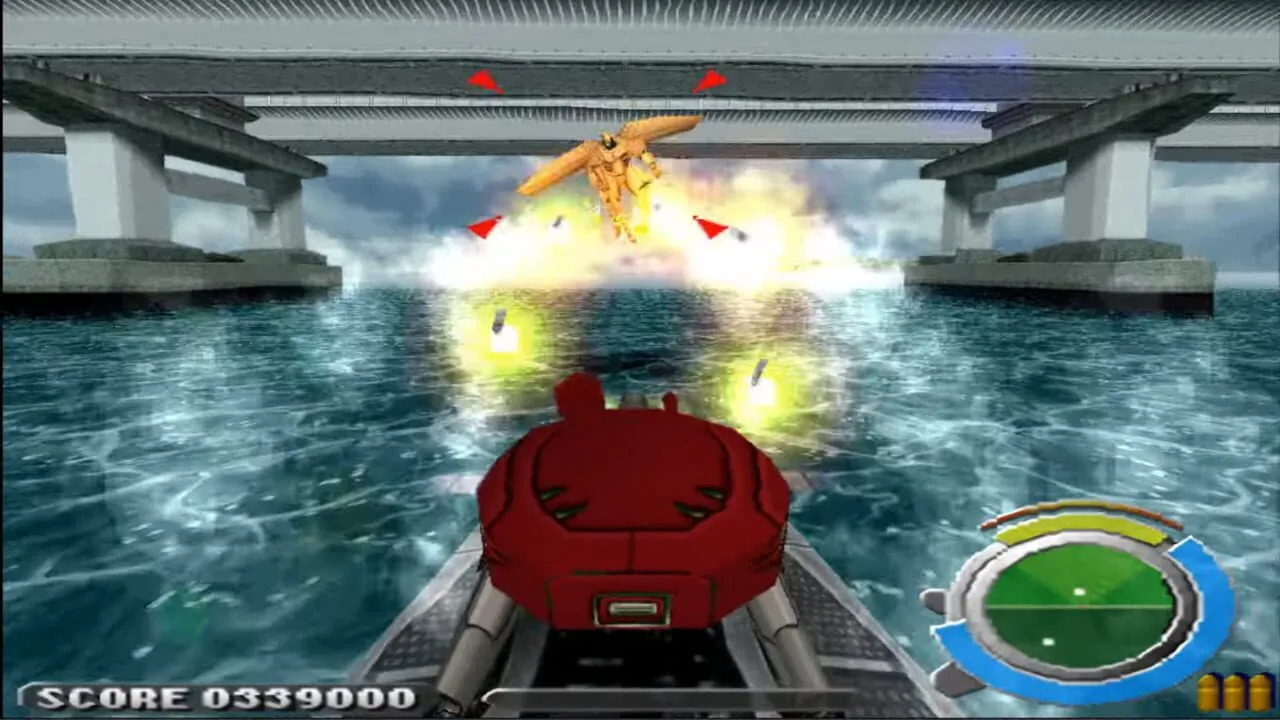
Ghost in the Shell is a third-person shooter developed by Exact and Production I.G. You play a recruit of Public Security Section 9 driving a Fuchikoma, a robotic fighting vehicle that can travel along walls and ceilings. Masamune Shirow, the author of the original manga, provided character and mecha designs. The English version uses the same voice cast as the English dub of the 1995 film, though the game takes its tone from the first volume of the manga. THQ released it in North America in December 1997.
Critics praised its graphics and its unusual wall-climbing, and they also called it repetitive and too easy. Both are true. Fifteen years after its release, Game Informer listed it as one of the best manga and anime-based games. Players love recommending it as a sleeper hit, and once you have driven a spider tank up the side of a building, you will see why.
3. Toy Story 2: Buzz Lightyear to the Rescue! (1999)
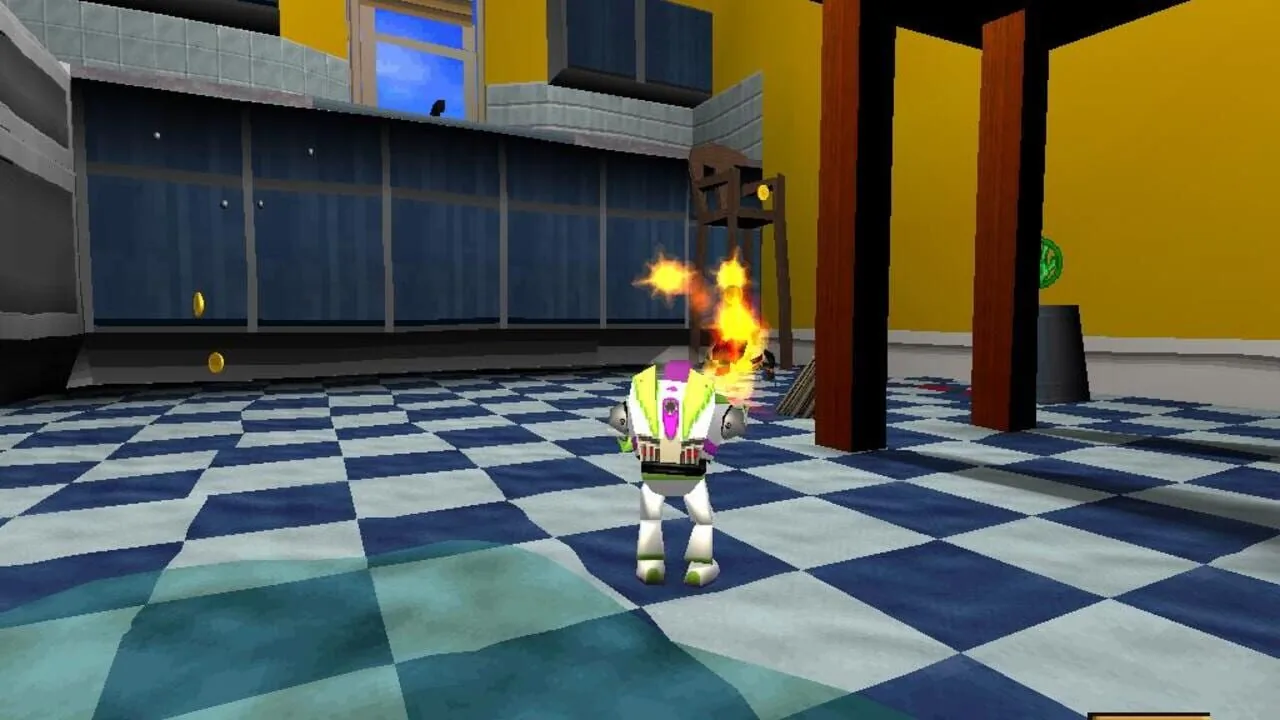
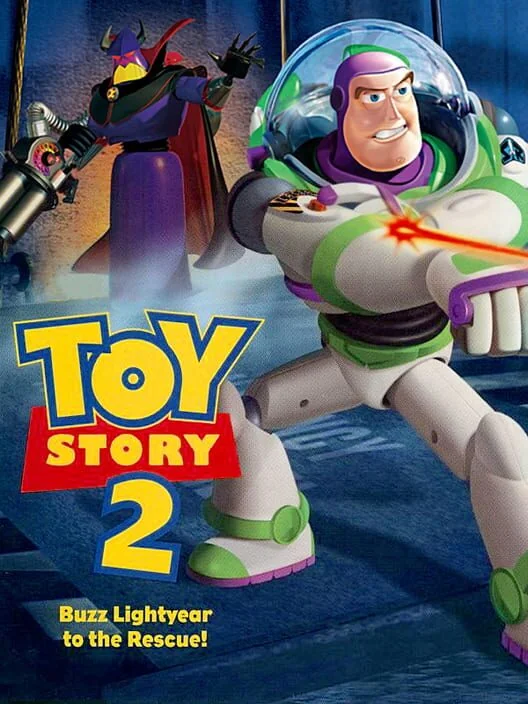
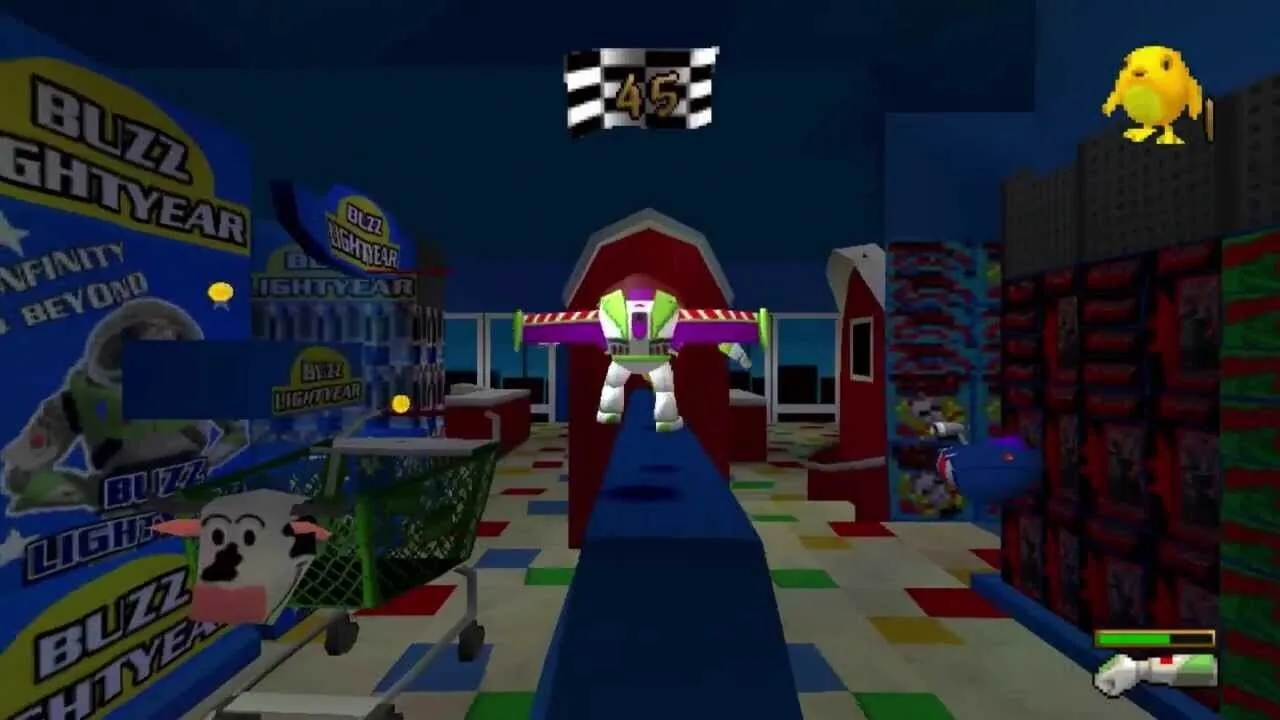
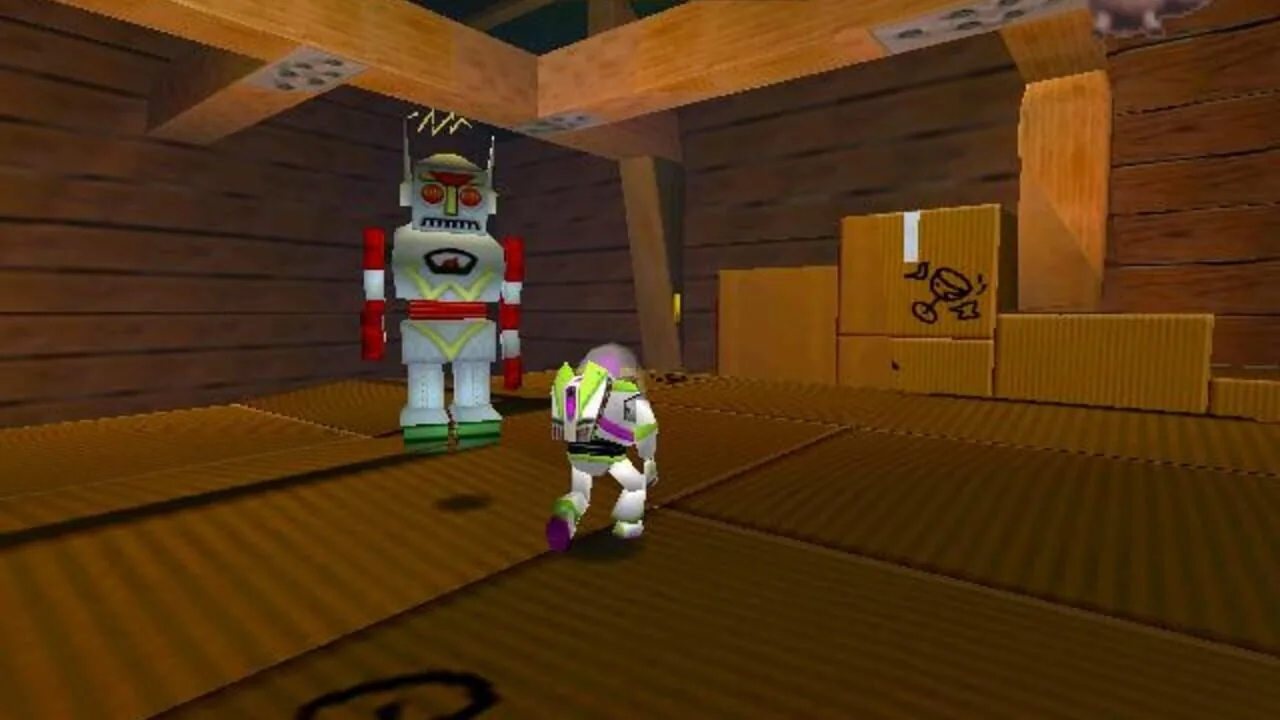
Buzz Lightyear to the Rescue is based on the Disney and Pixar film, and it came out for the PlayStation, Nintendo 64, Windows and Mac in late 1999. You control Buzz Lightyear as he explores fifteen levels, ten main levels and five boss levels, based on places from the film, all to rescue Woody. Buzz fights with a wrist laser that can be charged up for extra power, and you can aim it through a first-person view.
The PlayStation version has been re-released through emulation several times since, which is not something that happens to a movie game nobody liked. Players still recommend it as a game worth playing today. Plenty of licensed platformers from 1999 cannot say the same.
2. Die Hard Trilogy (1996)
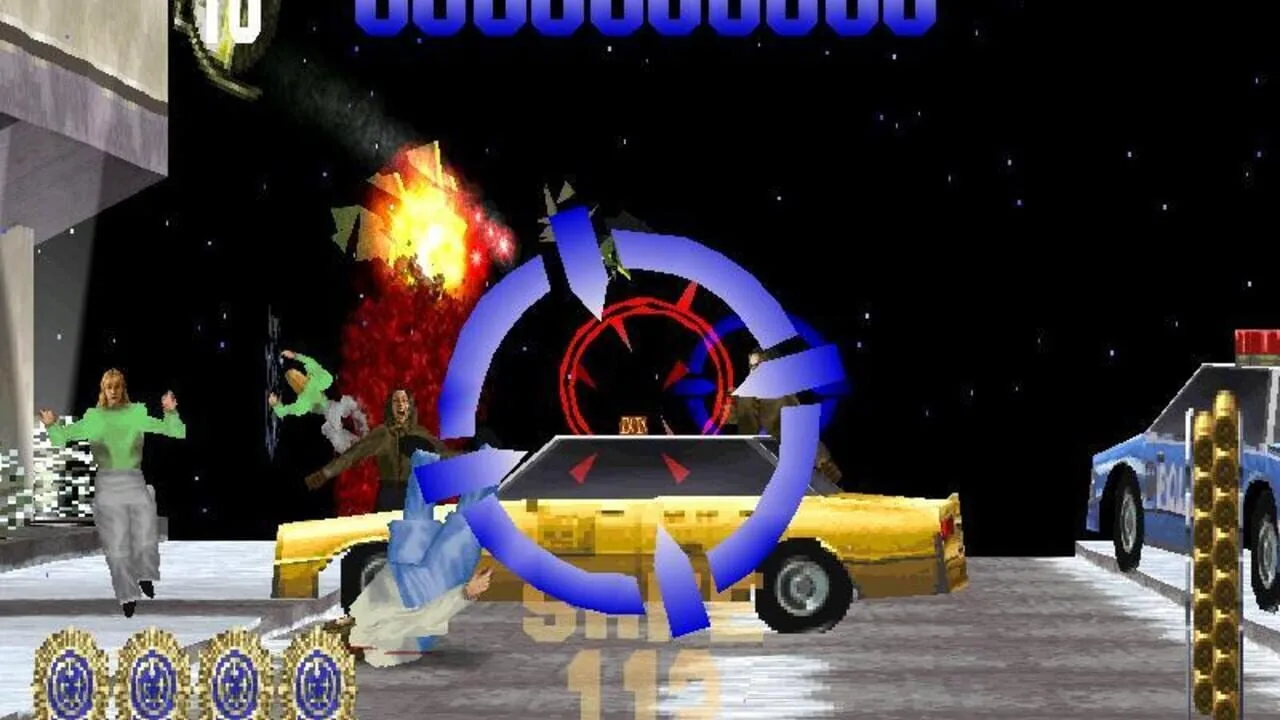
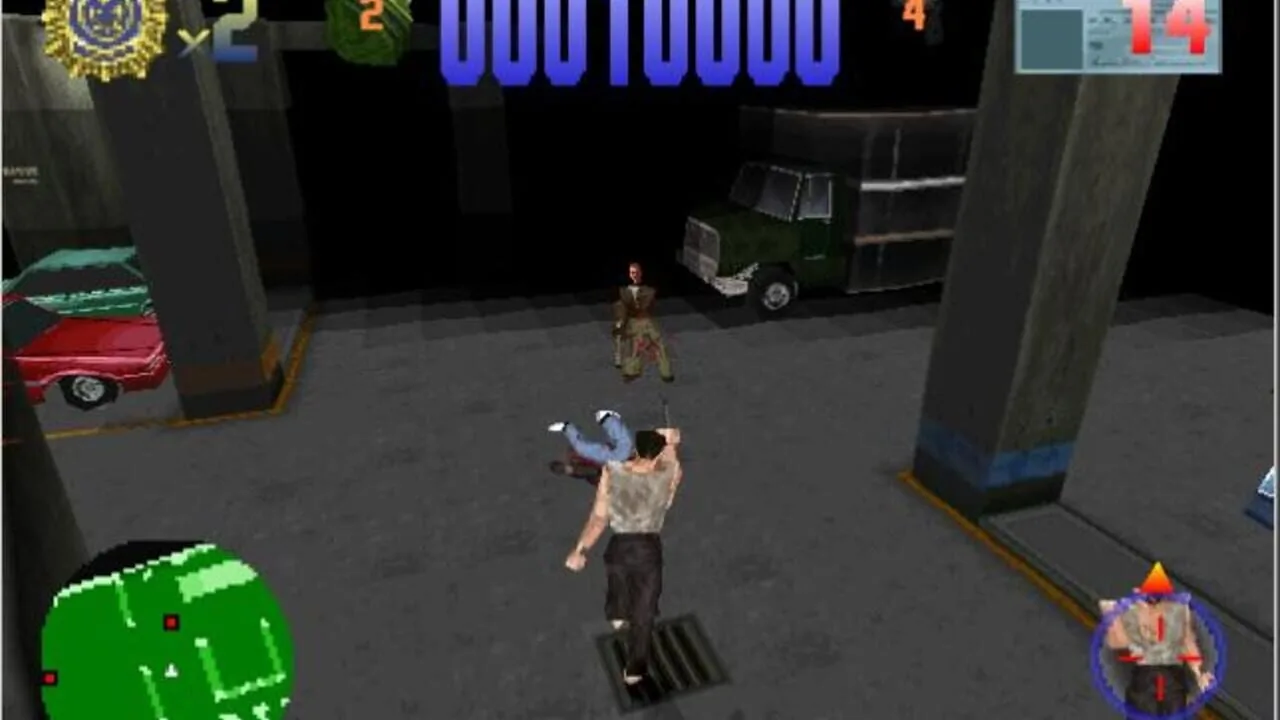
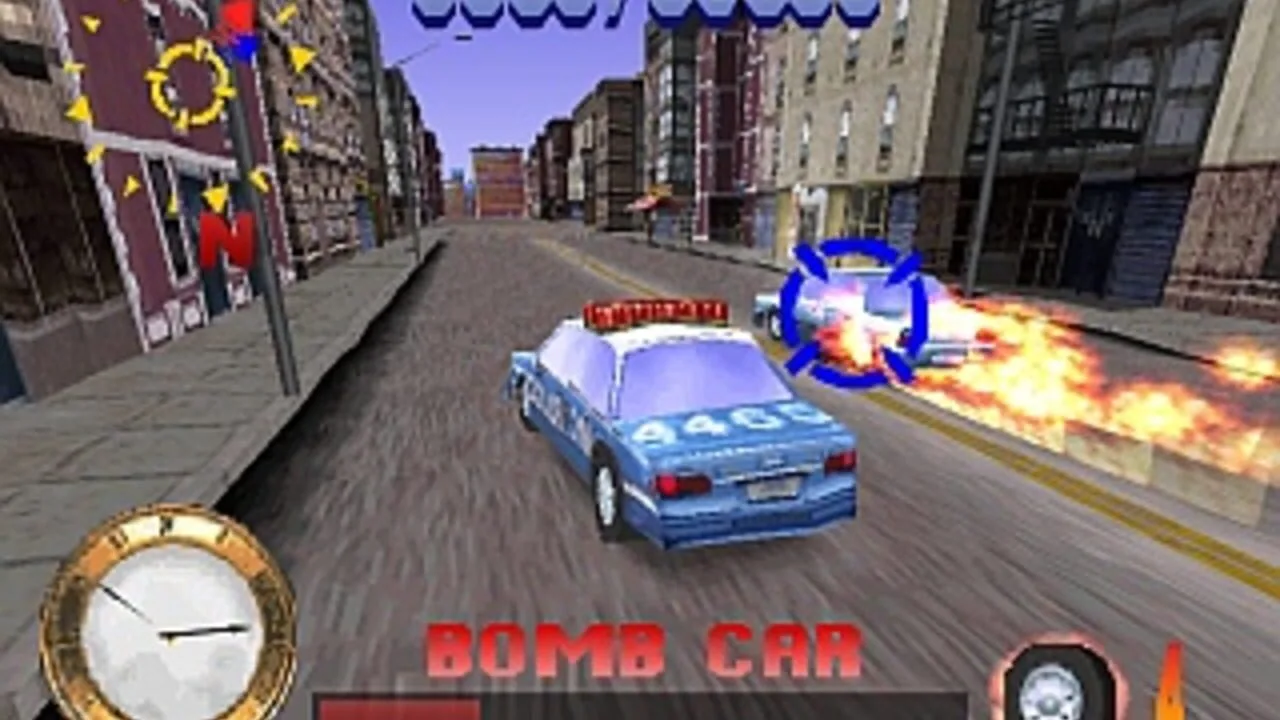
Die Hard Trilogy is based on the first three Die Hard films, and each film gets its own game in a different genre. A UK studio, Probe Entertainment, made it. The Die Hard with a Vengeance part was developed first, as a standalone release, until Fox Interactive insisted the game should be more closely linked to the films. So Probe built the other two parts as well, while it was also making Alien Trilogy.
That push from the publisher is the reason the game exists, and it is the best thing about it: three different games with one hero, all on one disc. A sequel, Die Hard Trilogy 2: Viva Las Vegas, kept the three playing styles with a story not connected to the films. Players still name the first one among their favourite PS1 games.
1. Spider-Man (2000)
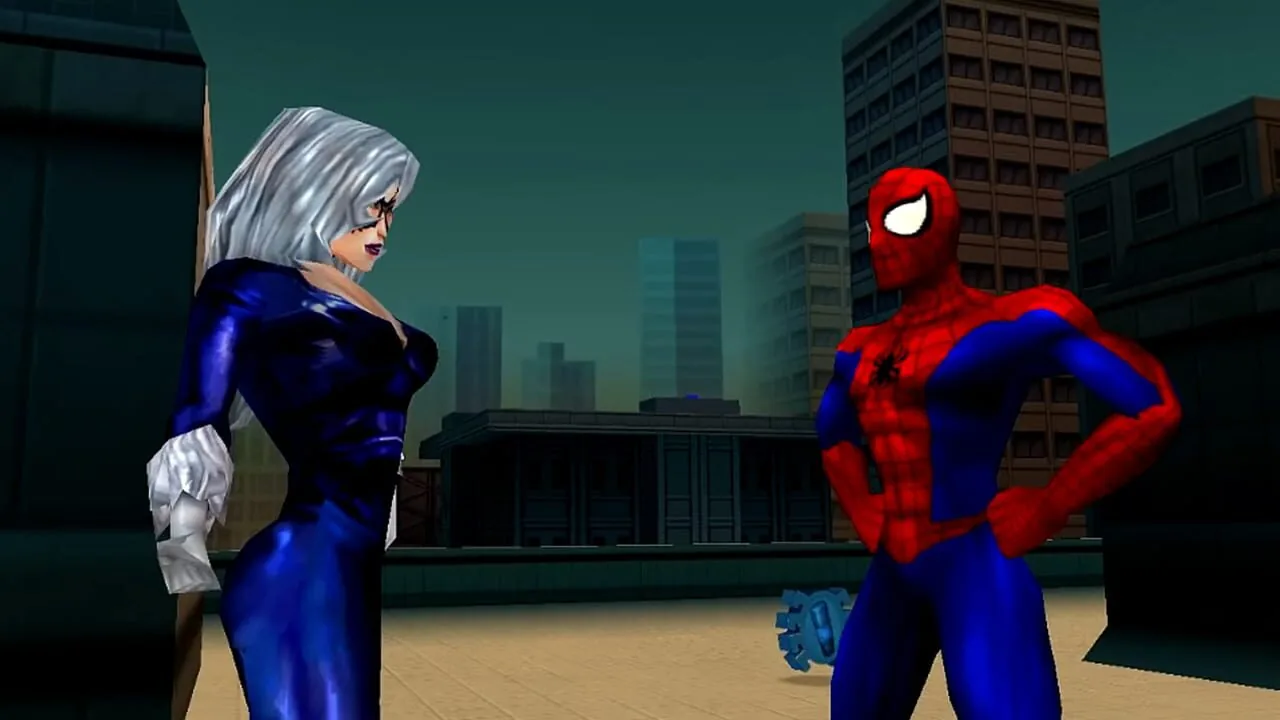
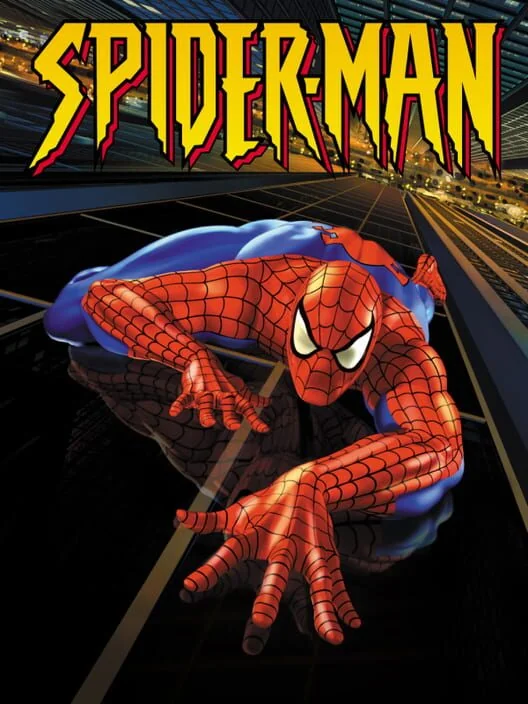
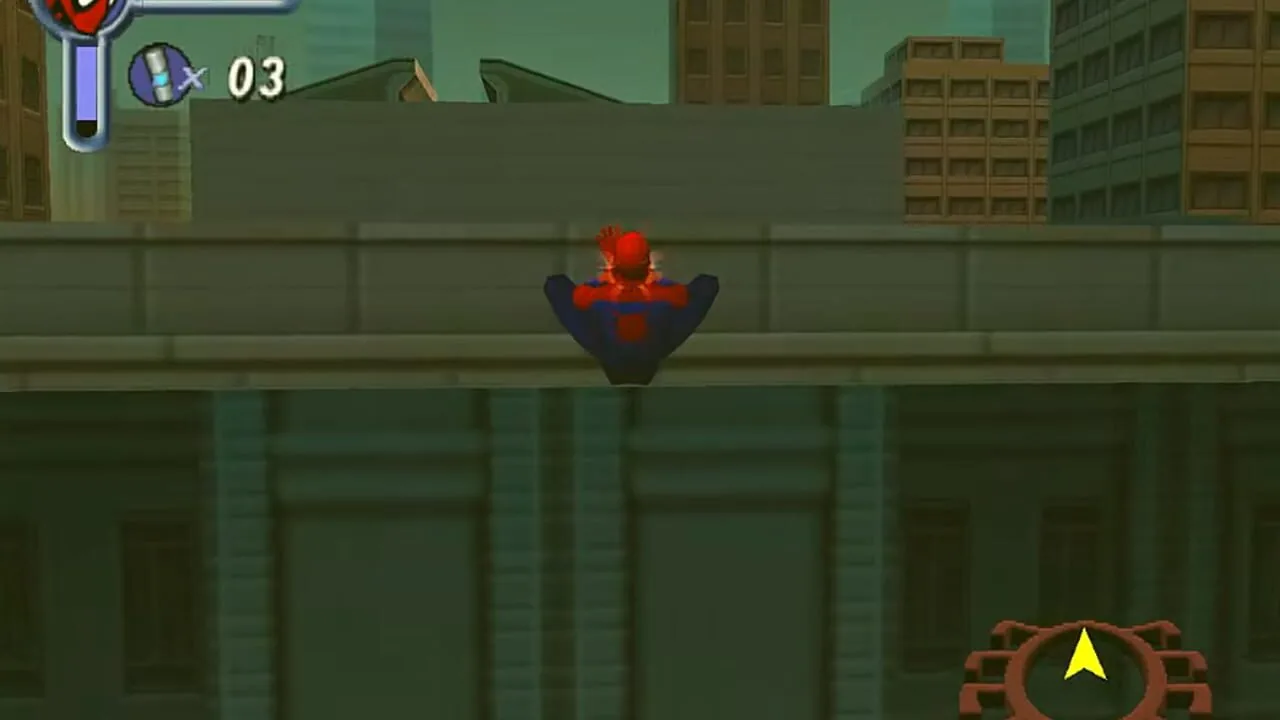
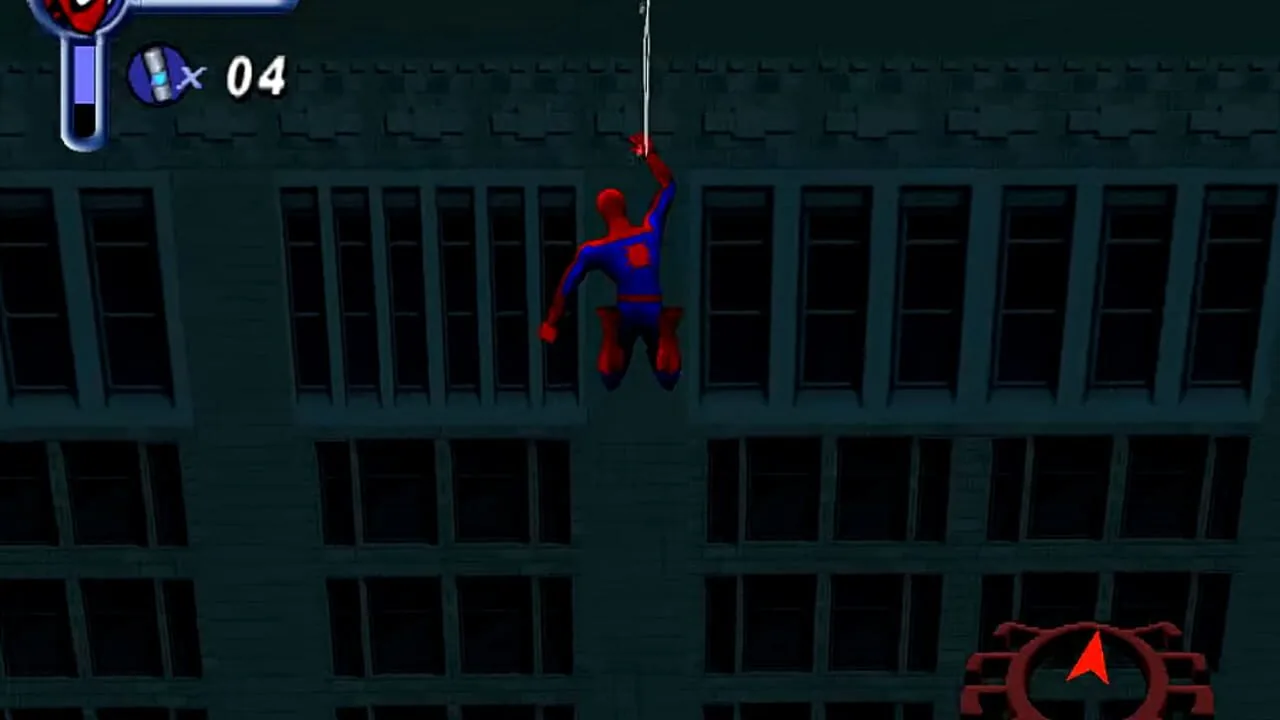
Spider-Man was developed by Neversoft and published by Activision, and it uses the same game engine as Tony Hawk's Pro Skater. It was the first Spider-Man game Activision published after getting the license. Stan Lee, who co-created the character, narrates, and the main song is a remix of the 1960s Spider-Man cartoon theme by Apollo 440. A mysterious fog covers the streets, and if you swing too low you fall into it.
The team also added a "Kid Mode" difficulty for younger players, and thought up Monster-Ock early in development as a way to end the game on a high note. It was later ported to the Nintendo 64 and Game Boy Color in the same year, and to the Dreamcast and Windows in 2001. Players recommend it more than any other licensed PS1 game, and by a wide margin.
Which one to play
There you have it, the whole list of the best licensed PS1 games. The top five would be worth playing even without the famous names on the box.
If you are not sure where to start, play Spider-Man. For a game to share with a younger player, Toy Story 2 is the pick, with Rugrats right behind it. If you want to be scared, play Alien Trilogy and then Alien Resurrection. Anime fans should start with Ghost in the Shell, and fighting game fans with Gundam Battle Assault 2. And for a hidden pick, try Bugs Bunny: Lost in Time.