The Vita was a lovely place to read a long story. The screen was big and sharp, and you could hold it close like a book and keep going in bed long after the lights were out. Players still say visual novels feel at home on the Vita, and the library backs them up.
Japanese studios kept making them for it, and they kept arriving in English well into 2017. Aksys Games and PQube brought over a lot of them, and Limited Run Games even put a few small ones on cartridges. You get time travel, murder trials, aliens, samurai and a dating sim about pigeons. Here are the 15 best PS Vita visual novels.

15. Collar x Malice (2016)
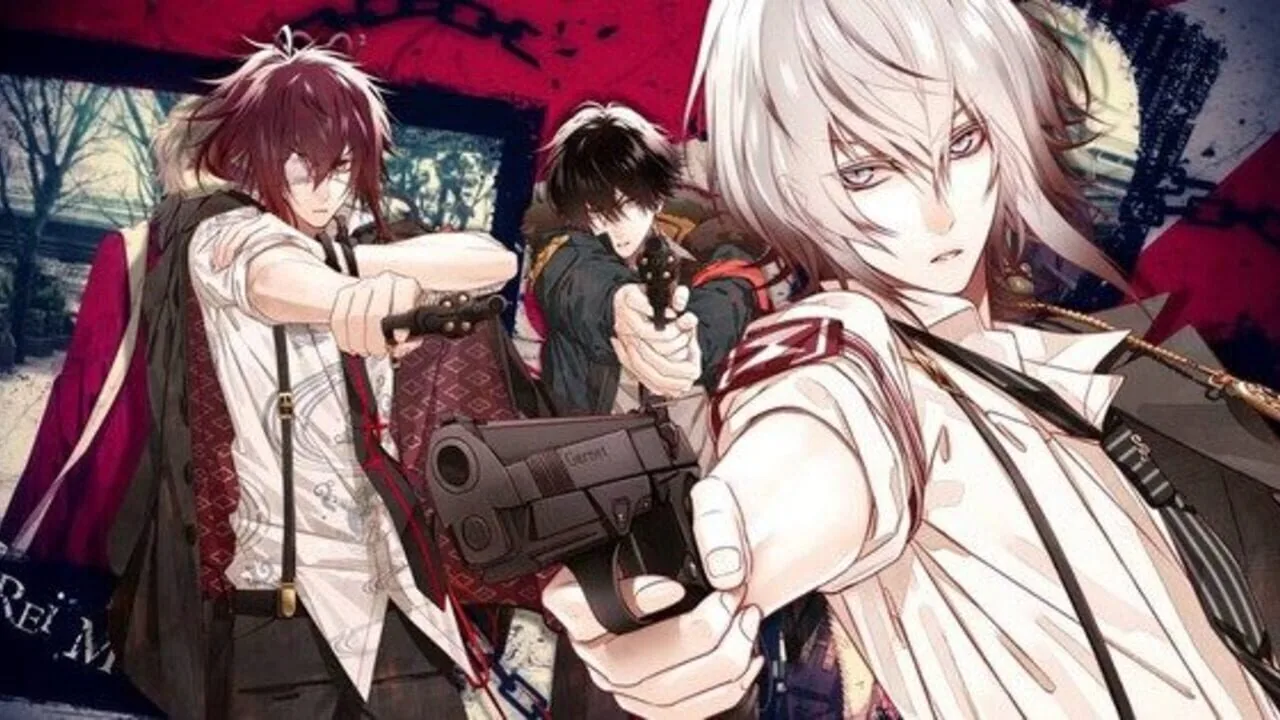
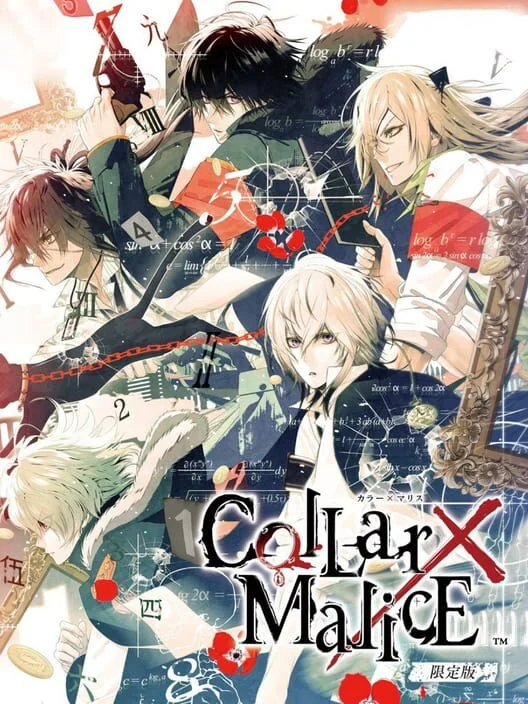
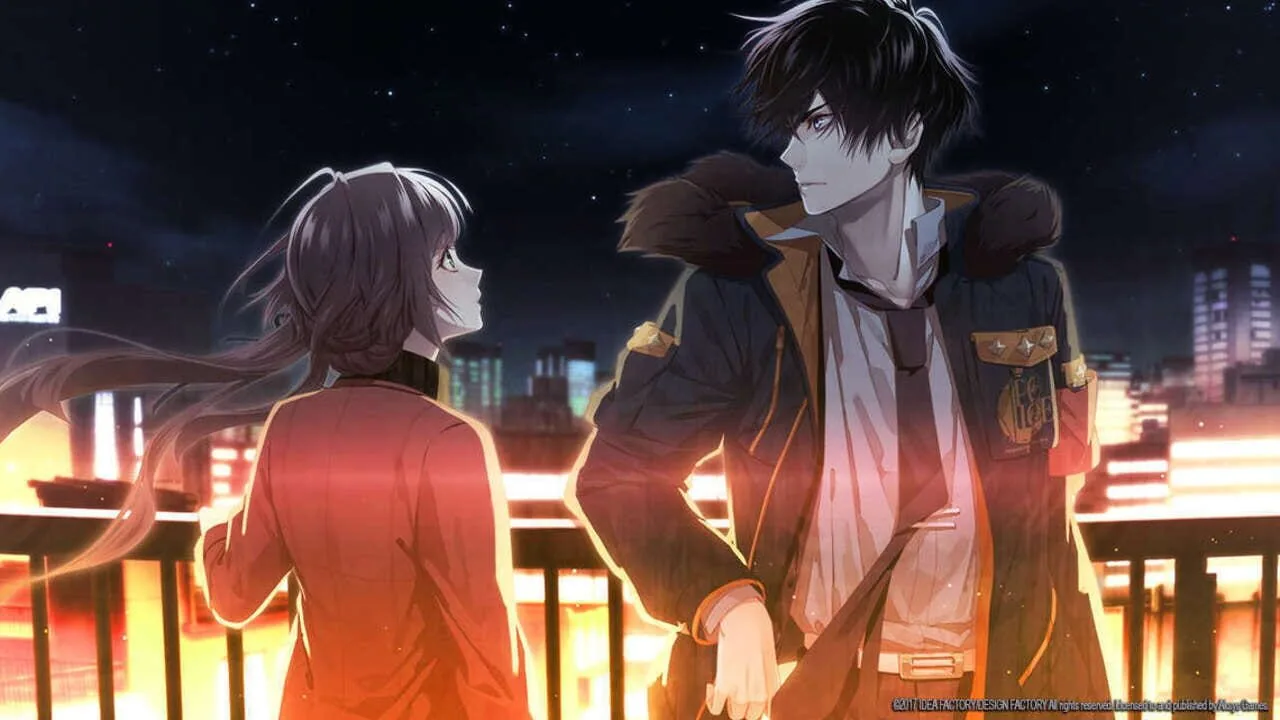
Collar x Malice came out on the Vita in Japan on August 18, 2016, and Aksys Games released it in North America and Europe on July 28, 2017. You play Ichika Hoshino, who is on patrol in Shinjuku, Tokyo, when someone attacks her and locks a collar with poison around her neck. That pulls her into the X-Day Incident, a case being investigated by five former police officers. It is an otome game, a romance where you play the heroine and choose which man to fall for.
It sold well in Japan for a niche game on a niche system. Players who know their otome games recommend it, and more than one calls it their favorite. A fan disc, Collar × Malice: Unlimited, followed on July 26, 2018, and a Nintendo Switch port came out in 2020.

14. Hakuoki: Kyoto Winds (2015)
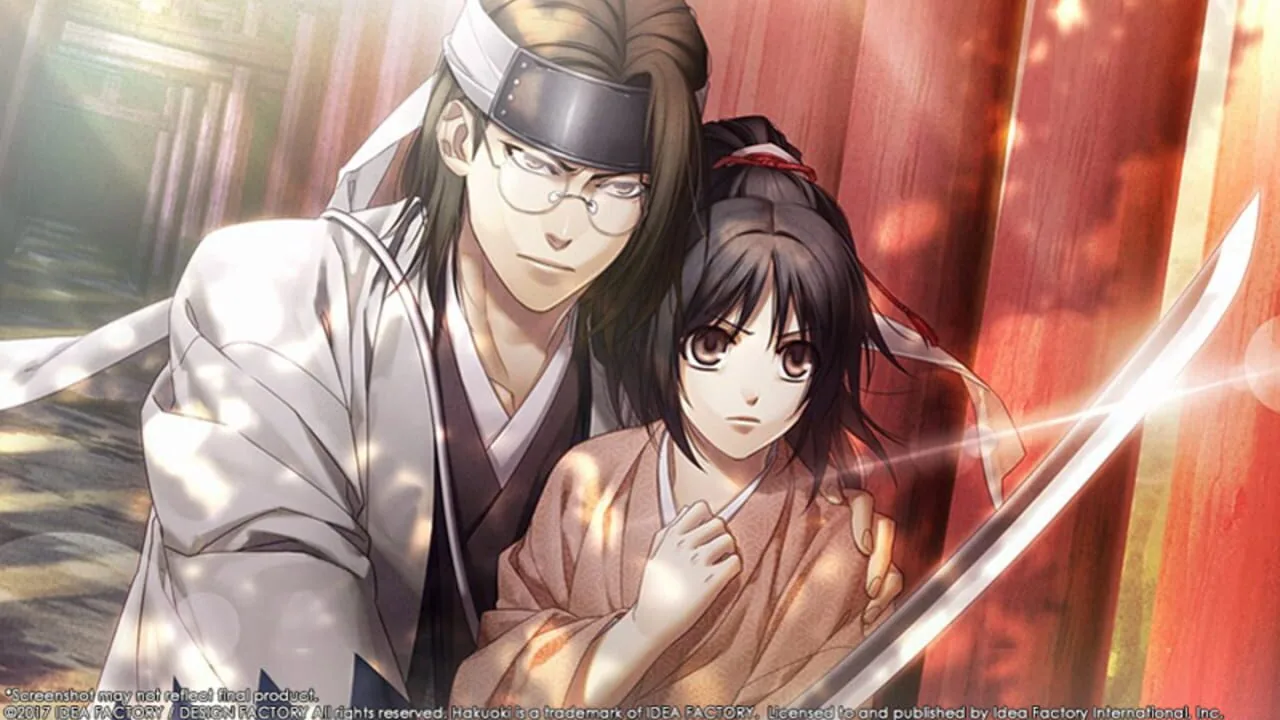
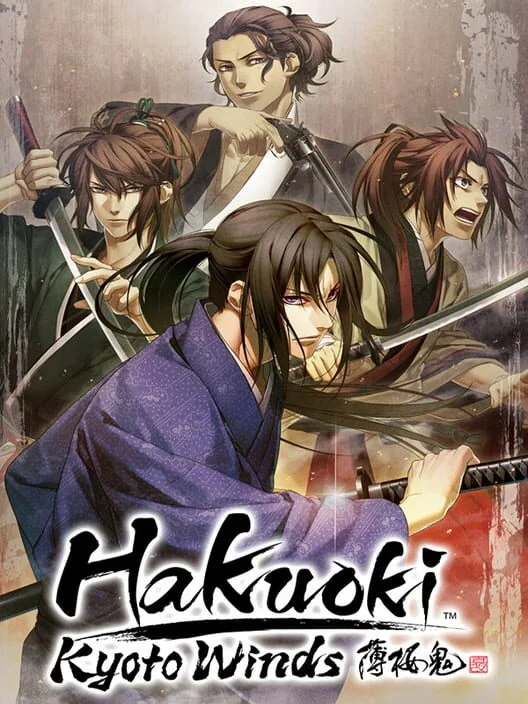
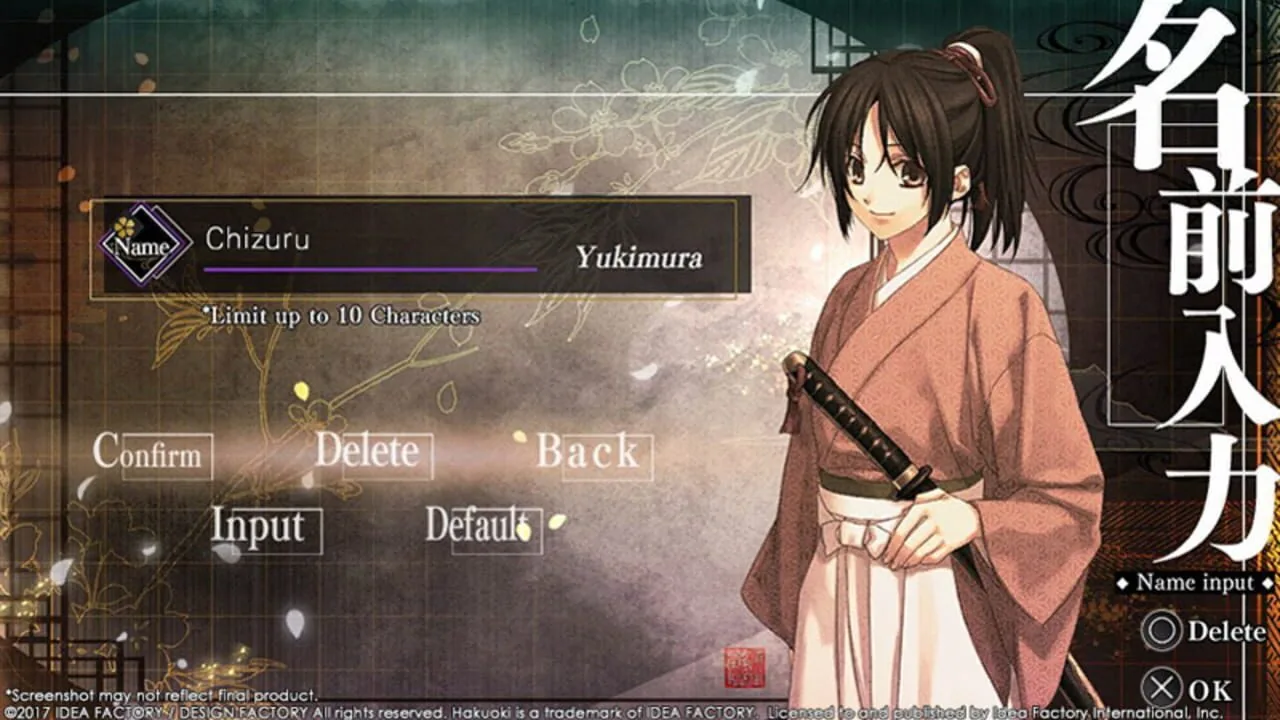
Kyoto Winds is a remastered retelling of Hakuoki, the visual novel series that began in 2008, and it covers the part of the story set in Kyoto. It is the Edo period, around the 1860s. Chizuru Yukimura goes to Kyoto to search for her father and is attacked by mad men. Members of the Shinsengumi cut them down, mistake her for a boy and take her into custody. Her father turns out to be the doctor behind the Water of Life, an elixir that turns whoever drinks it into a berserker called a Fury.
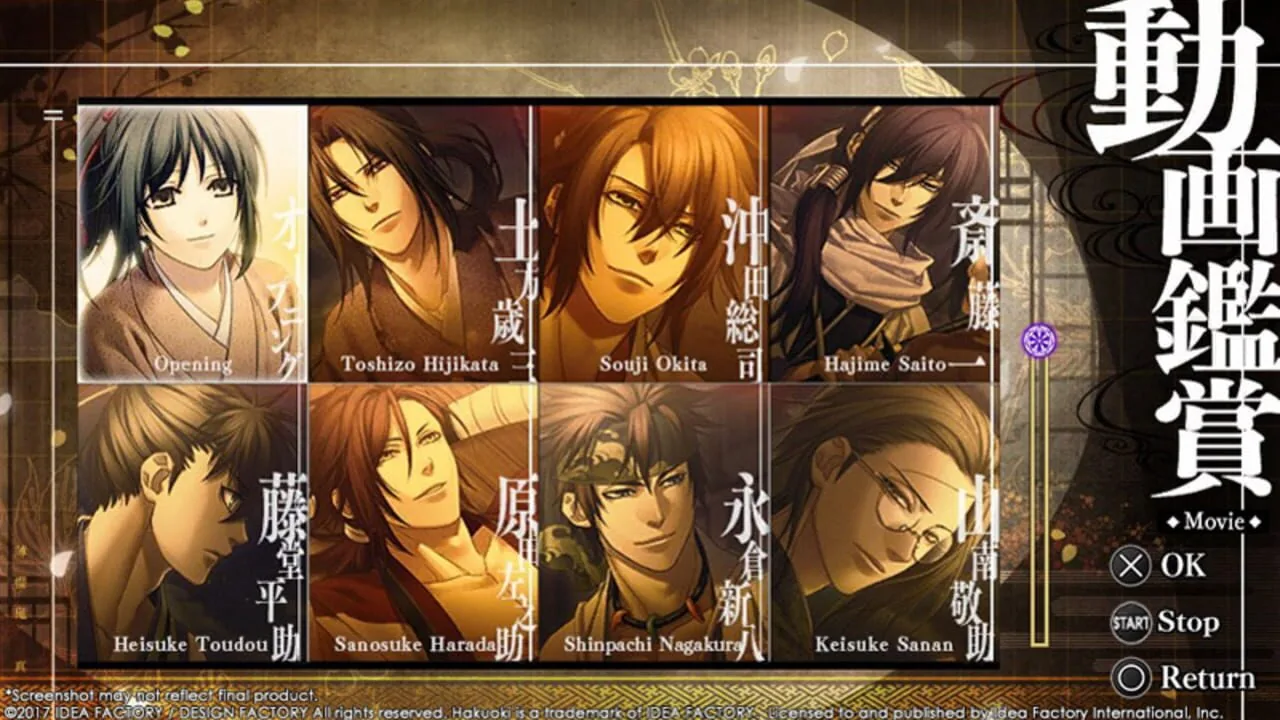
The remaster adds new characters and new love interests. Players name it whenever someone asks for a romance or a story game on the Vita. At each choice the game pauses until you pick, and the plot heads off in that direction. Studio Deen's anime first aired in 2010, and two films followed in 2013 and 2014.
13. Psycho-Pass: Mandatory Happiness (2015)
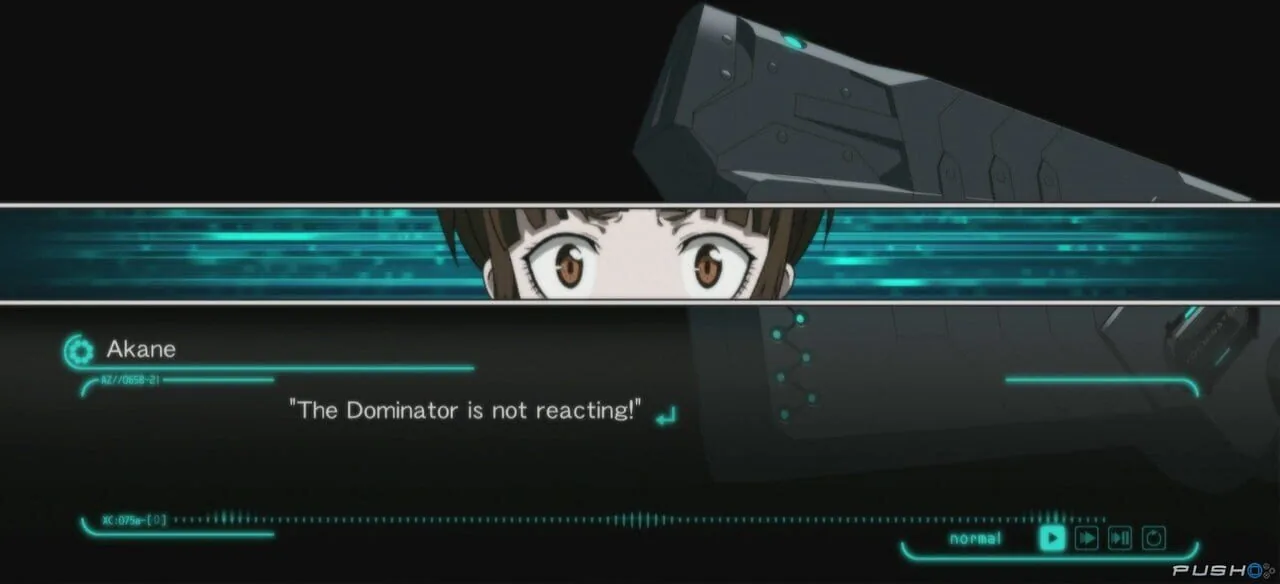
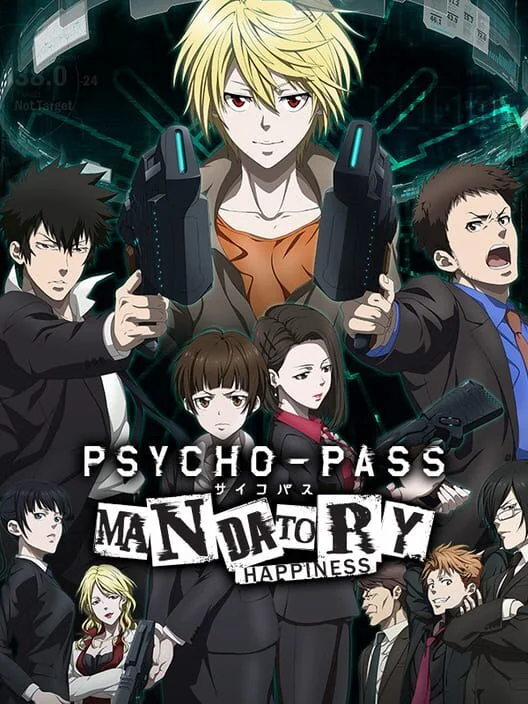
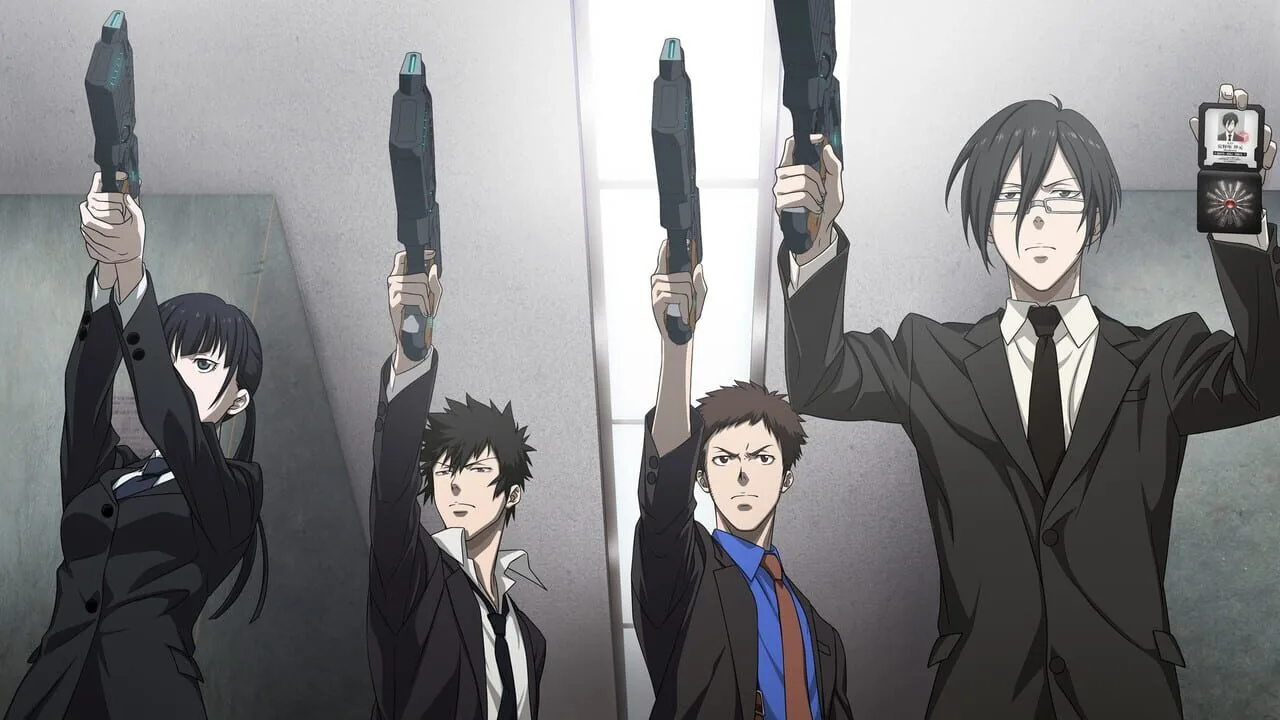
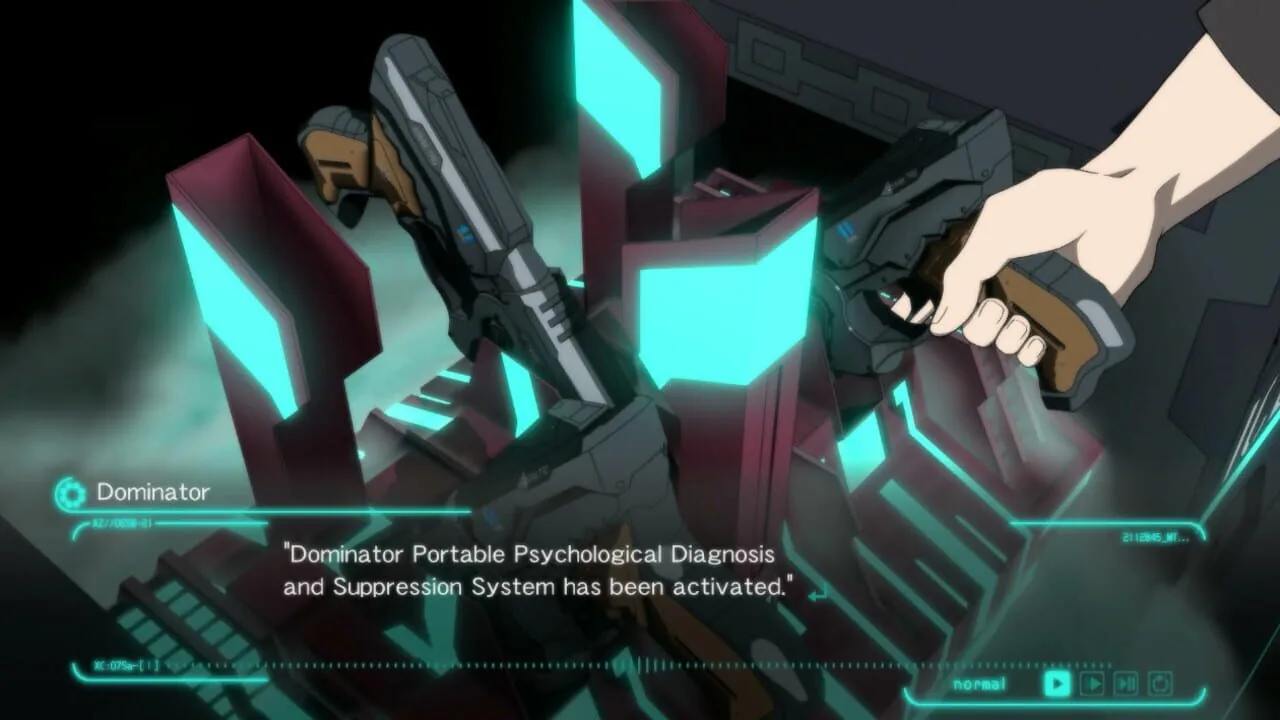
Mandatory Happiness is based on Psycho-Pass, the 2012 anime. It is set in a dystopian future Tokyo where people can be locked up before they commit a crime, on the strength of a personality scan called a Psycho-Pass. You follow two detectives, Nadeshiko Kugatachi and Takuma Tsurugi, in a story that takes place during the anime's first 12 episodes. Here a victim can become a criminal, and every choice has consequences. It came out first on the Xbox One in Japan in 2015. The Vita and PS4 versions followed in 2016.
It turns up on Vita visual novel lists next to Steins;Gate and Hakuoki. Hardcore Gamer called the story and characters "utterly compelling", then complained that the Vita port has no way to make the text bigger.
12. Hatoful Boyfriend (2011)
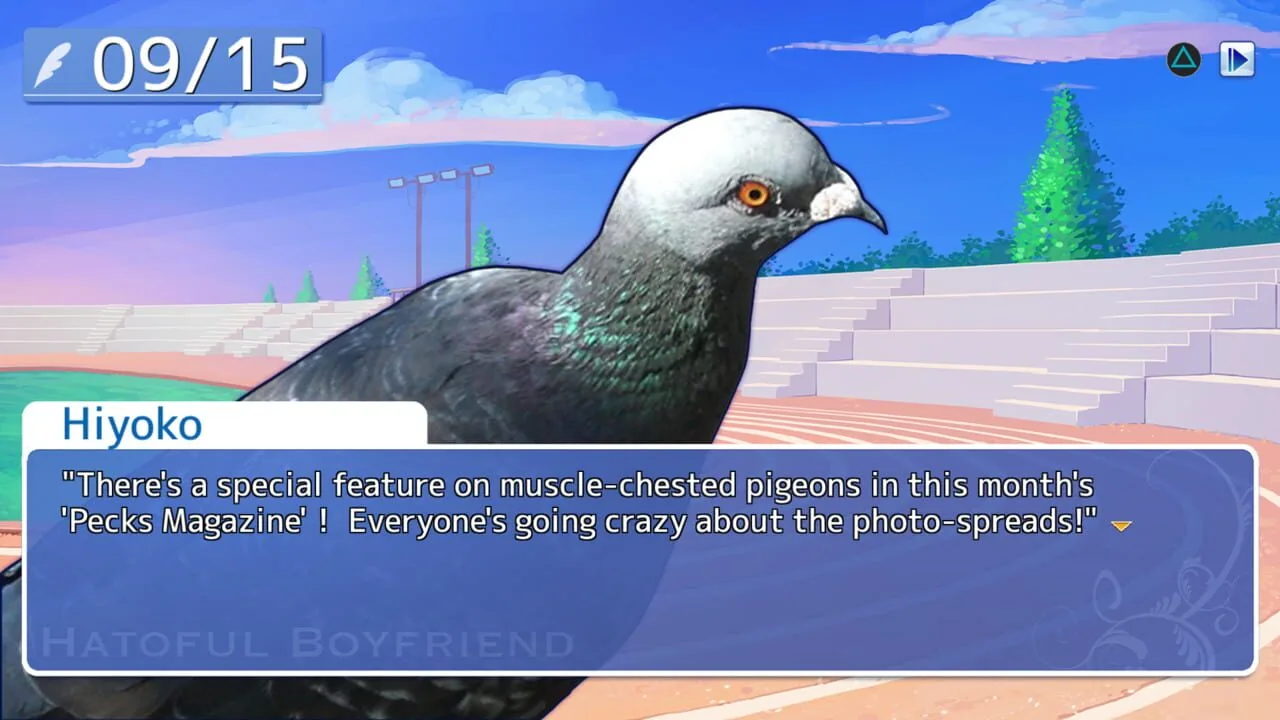
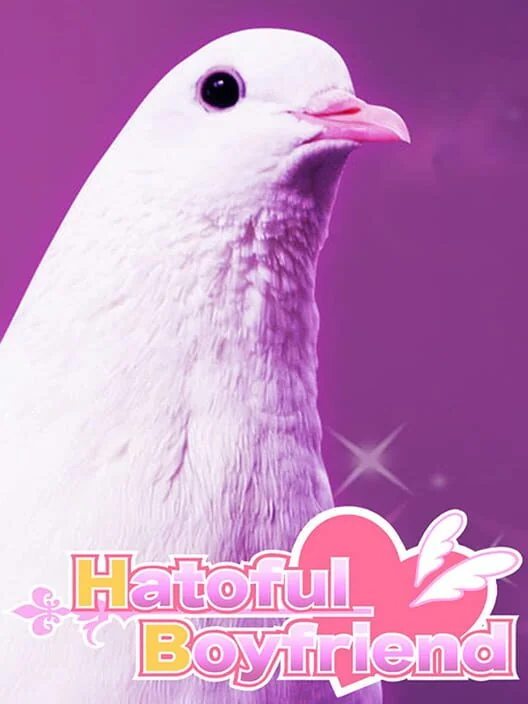
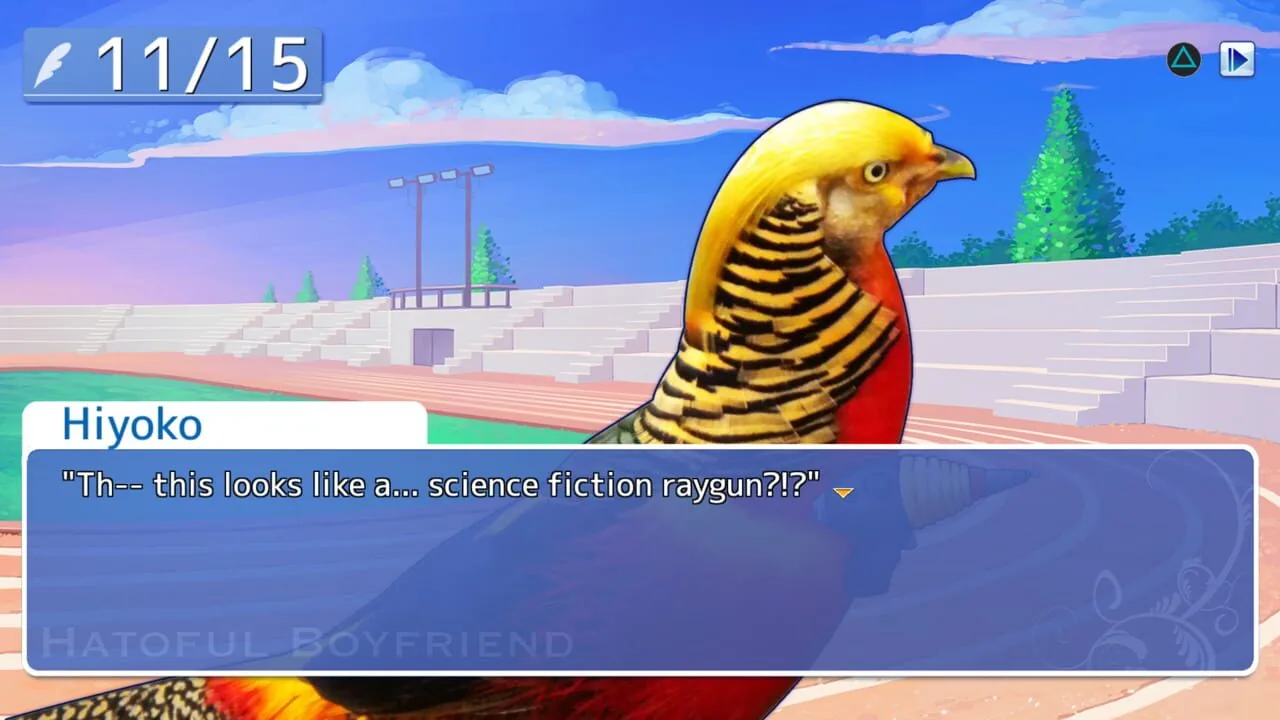
You are the only human student at St. PigeoNation's Institute, a school for talented birds, and you are there to find love. The game started as an April Fools' Day Flash game by the manga artist Hato Moa. Her dōjin circle, PigeoNation Inc., turned it into a full commercial version and released it at Comitia 98 on 30 October 2011. Mediatonic and Devolver Digital remade it for an international release, and the remake reached the Vita in North America on 21 July 2015. The title puns on hātofuru, which means "heartful" but sounds like the English word "hurtful", and on hato, the Japanese word for pigeon.
Players recommend it as a romance visual novel, and the people who played it call it odd and surprisingly deep. One player summed up the appeal: "I used to hate birds until I started dating them." Keep playing past the first endings and the story turns a lot darker.
11. Root Letter (2016)
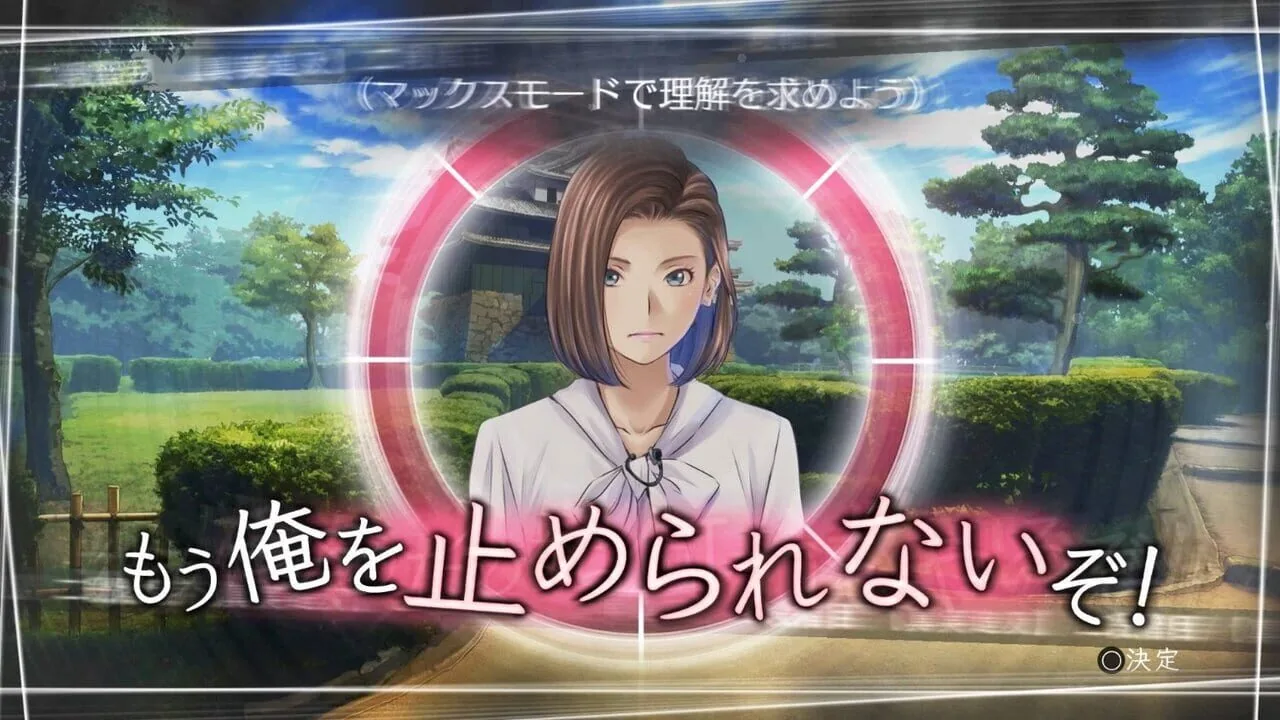
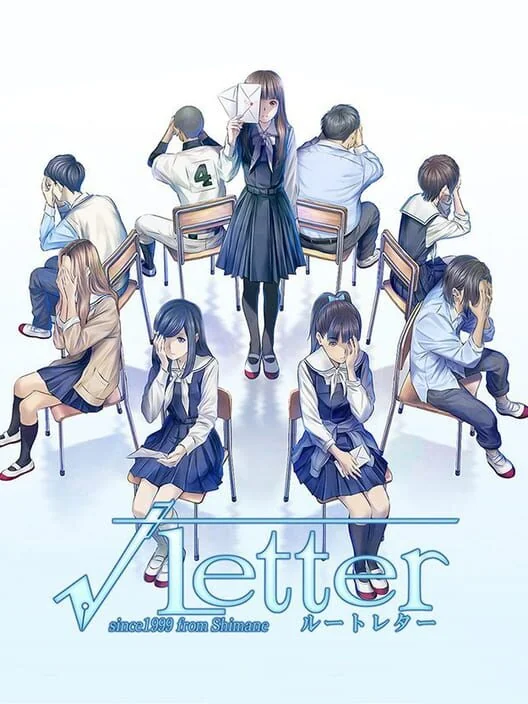
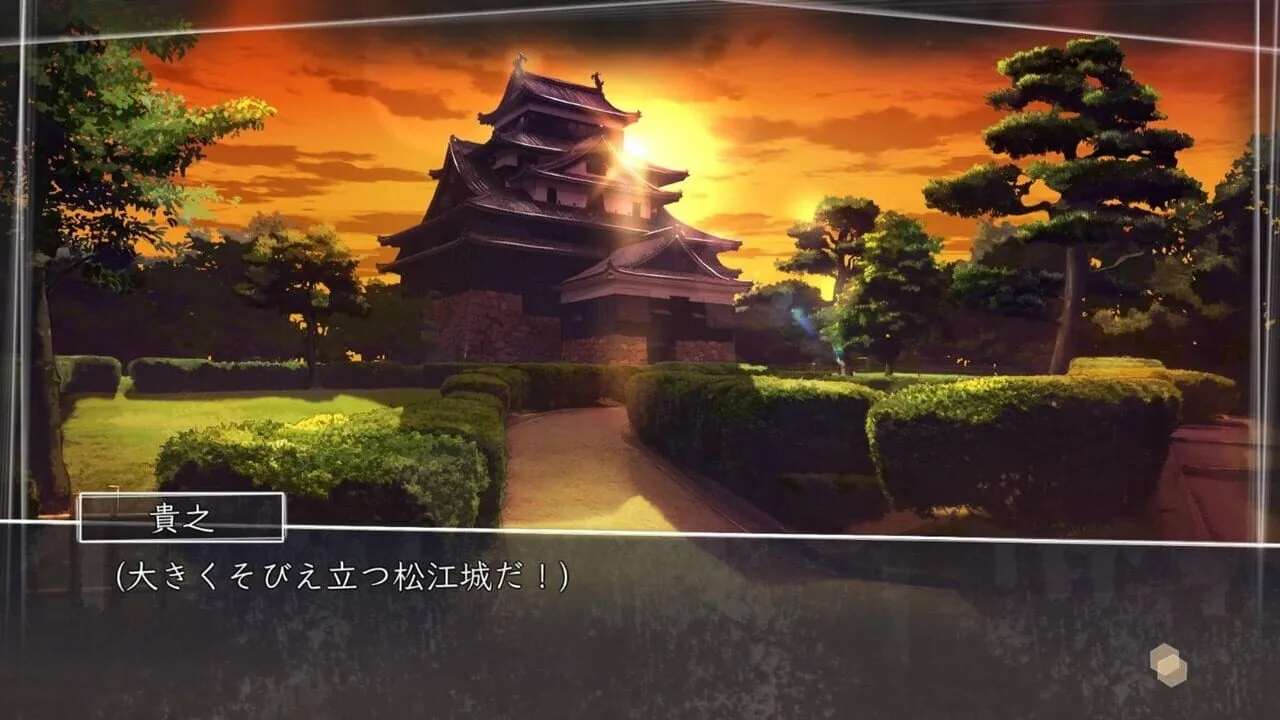
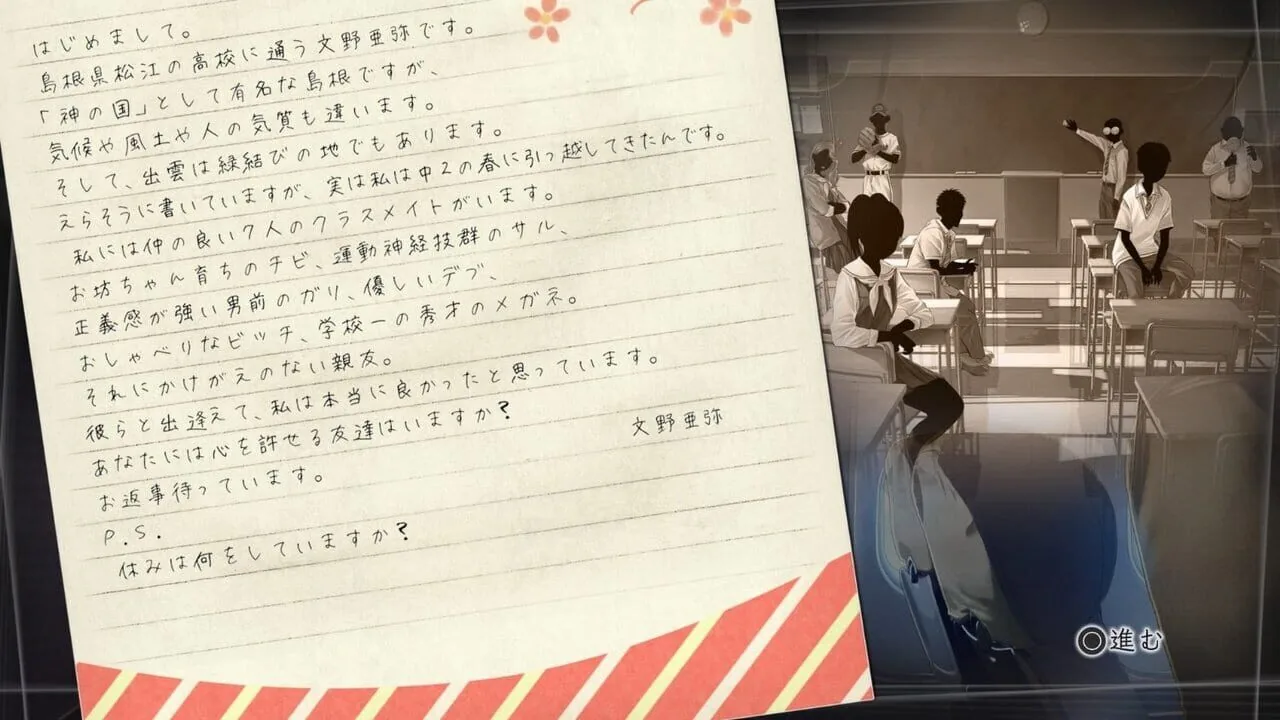
Root Letter is the first game in Kadokawa Games' Kadokawa Game Mystery brand. You go looking for Aya, a girl who vanished after receiving a particular letter. Most of the game is spent questioning the people who knew her to find out more about her. In other parts you relive earlier moments with Aya and play through them again.
Players put it next to Steins;Gate and the Zero Escape games when someone asks for a visual novel on the Vita. A follow-up, Root Film, came out in 2020. It is not a direct sequel, only a thematic one, so you can start with either. A live-action film was released on September 1, 2022, a gritty re-imagining of the game's story of someone searching for a former pen pal who disappeared.
10. Utawarerumono: Mask of Deception (2015)
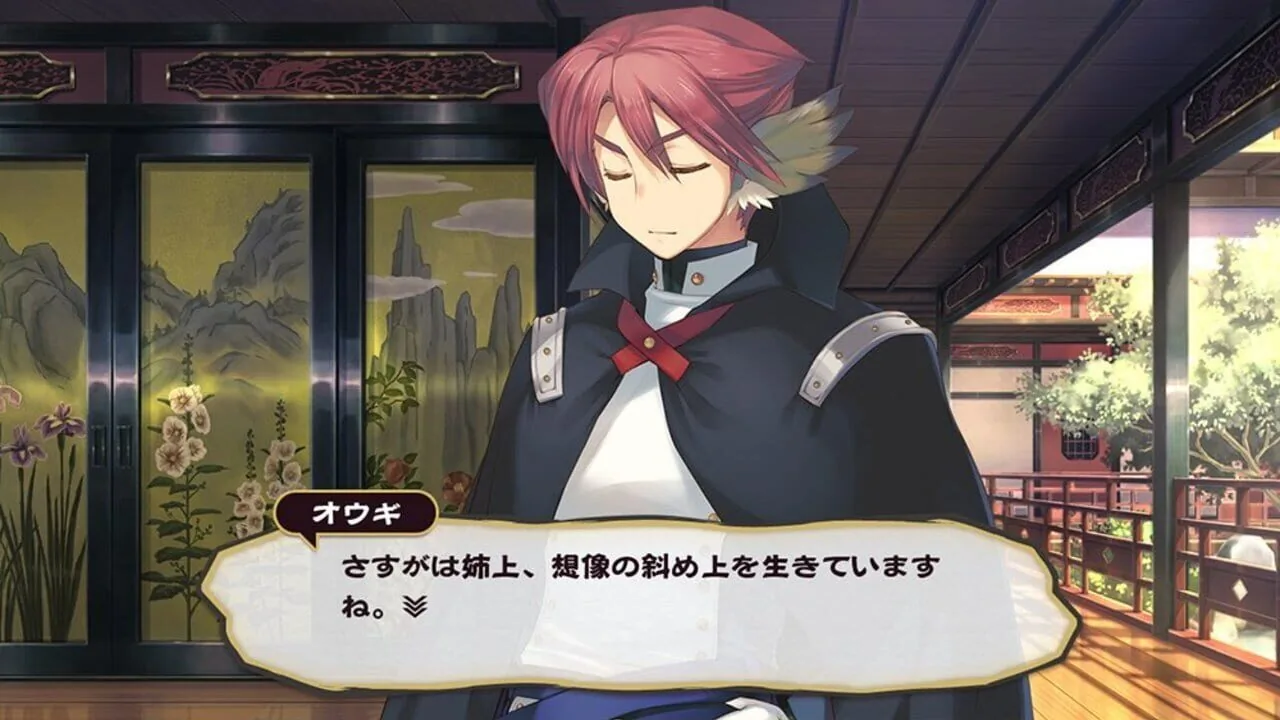
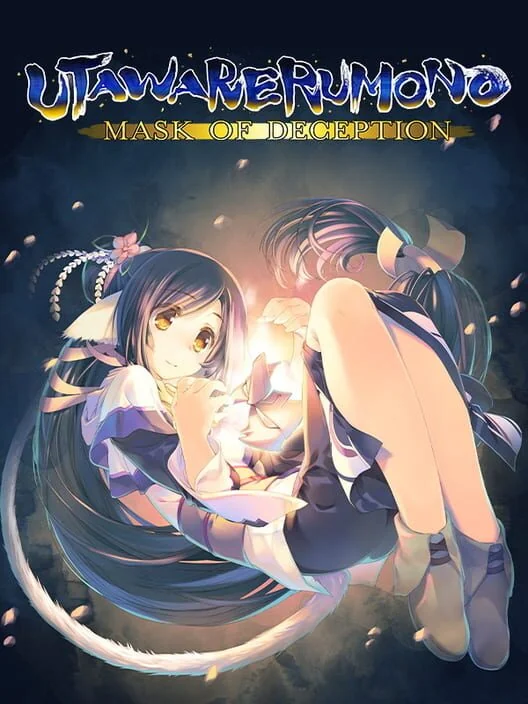
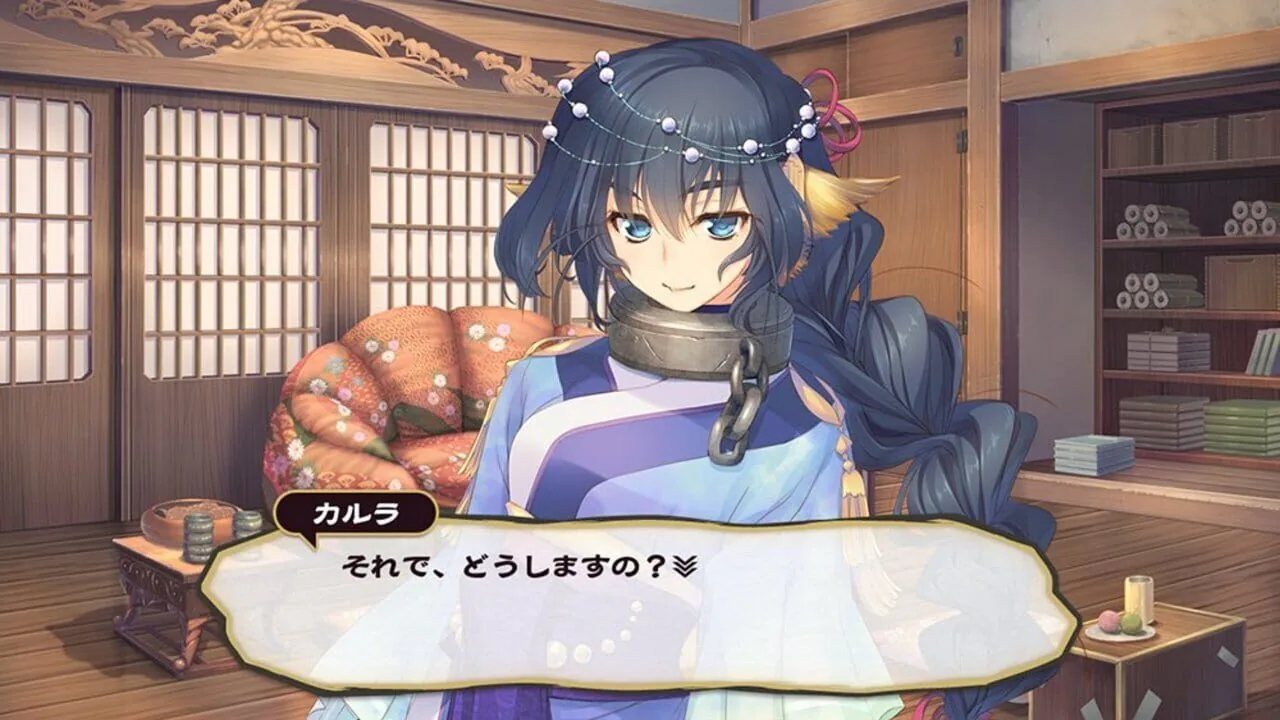
Mask of Deception opens on a snowy mountain. A man wakes up in an unfamiliar wilderness in a hospital gown, surrounded by deadly creatures, with no memory of anything. A girl named Kuon, who has animal ears and a tail, rescues him, takes him into her care and names him Haku. From there the game mixes a visual novel story with fast-paced strategy RPG battles. The first Utawarerumono was a PC game, later ported to the PS2, PSP, PS4 and Vita with the adult content removed.
Players like that it mixes an engaging story with strategy battles, and they point people who want something to do between the reading here.

9. Muv-Luv (2011)
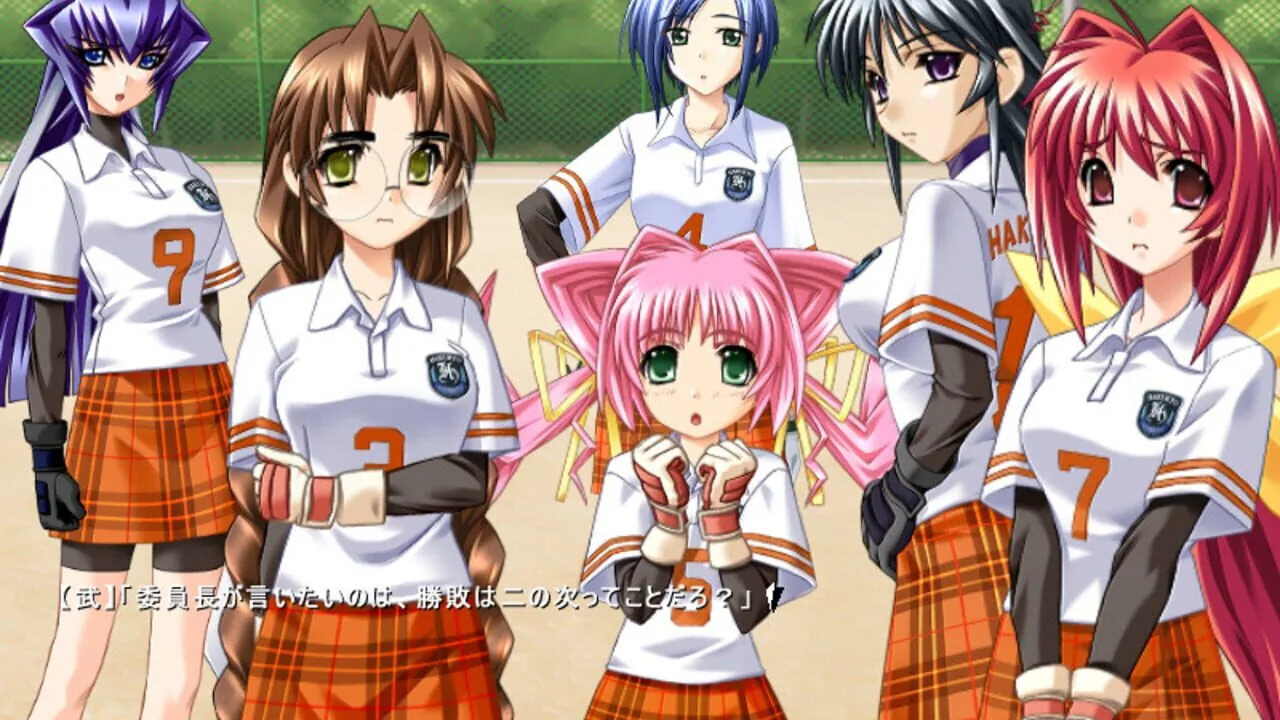
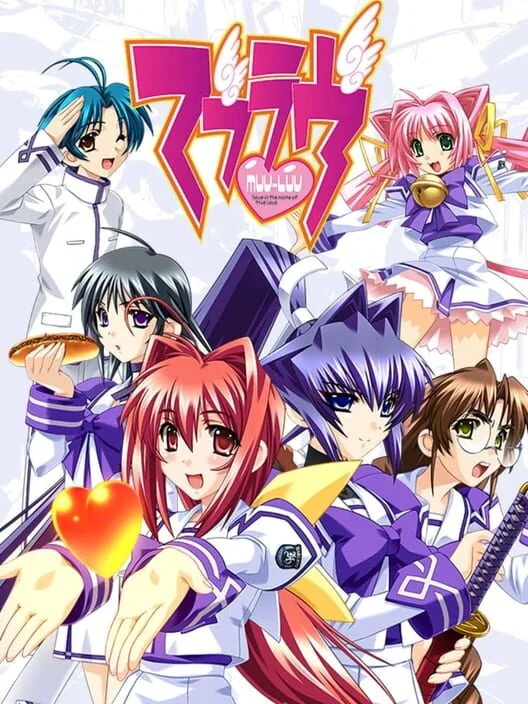
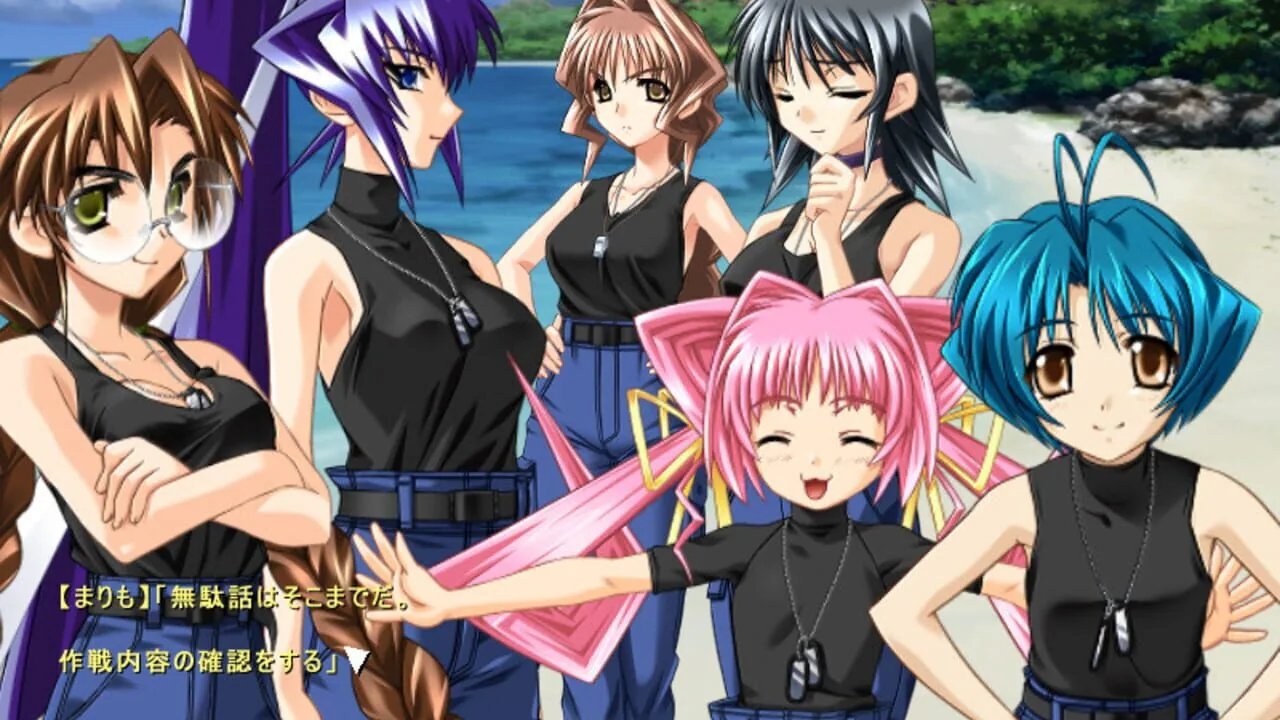
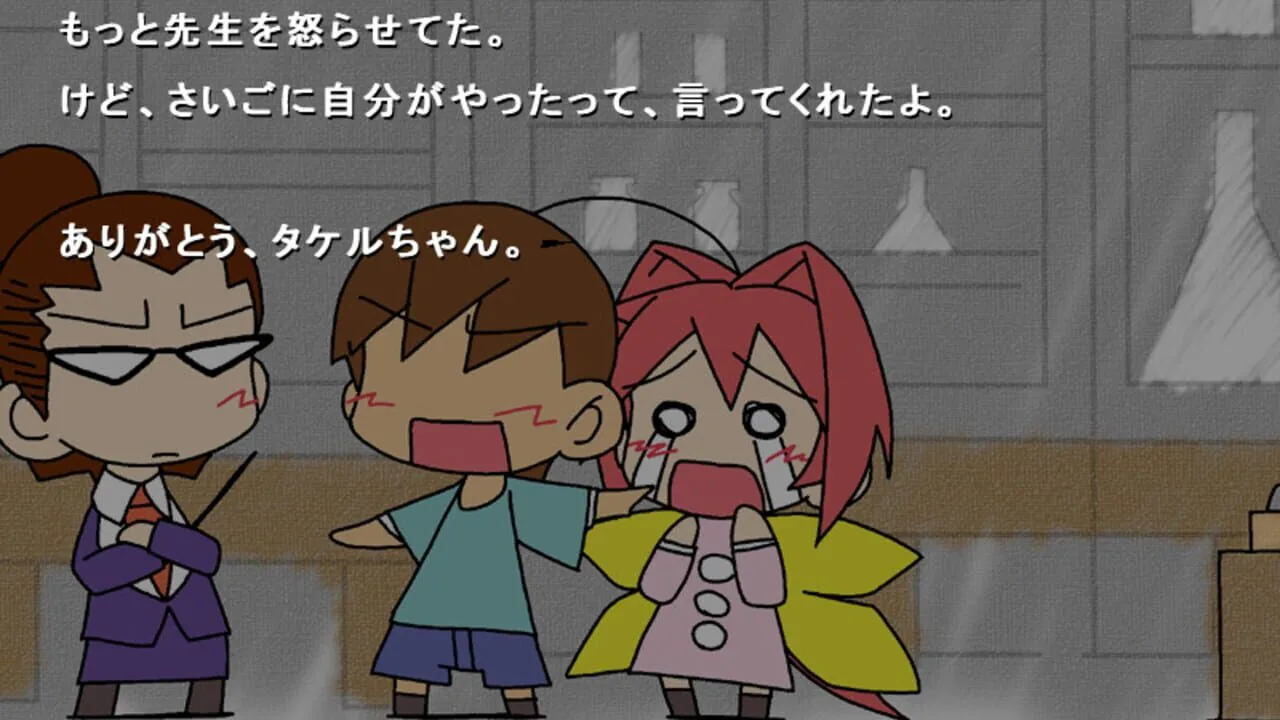
Muv-Luv began as an adult game, and later releases took the adult content out. It comes in two parts. Extra is a romance in which Meiya Mitsurugi, the heiress to a financially powerful family, is determined to be Takeru's bride. Finish the routes for the two main heroines, Sumika Kagami and Meiya, and Unlimited opens up. Unlimited explains that aliens called the BETA first arrived on Earth in 1973. In 2015 a Kickstarter funded the English release for PC, the Vita and mobile.
Players say to read it together with its sequel, Muv-Luv Alternative, which follows the storyline of Unlimited. At each choice the game pauses, and what you pick sends the plot in a different direction. A romance that turns into an alien war is a strange sell (it works anyway).
8. Danganronpa V3: Killing Harmony (2017)
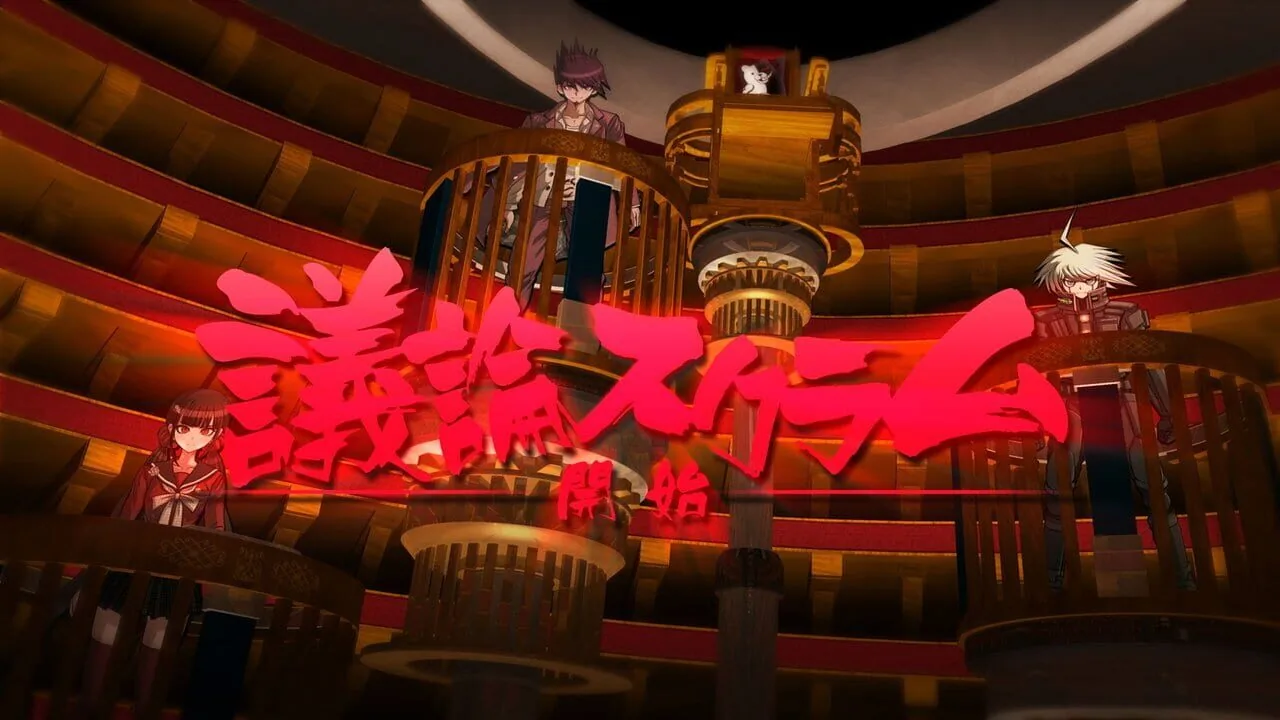
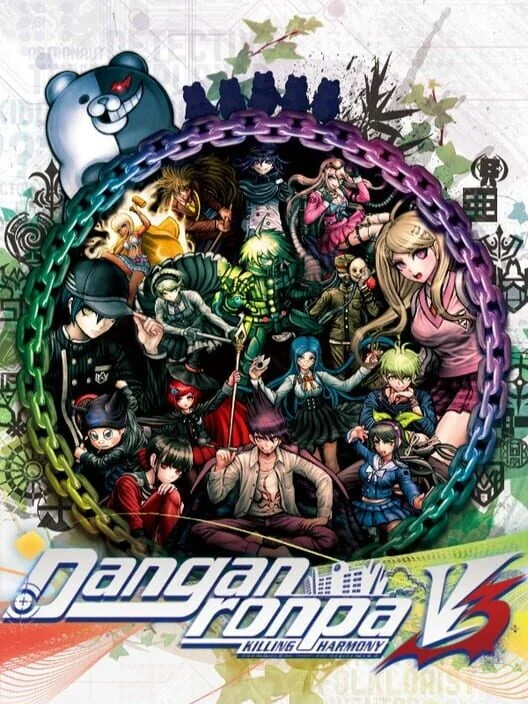
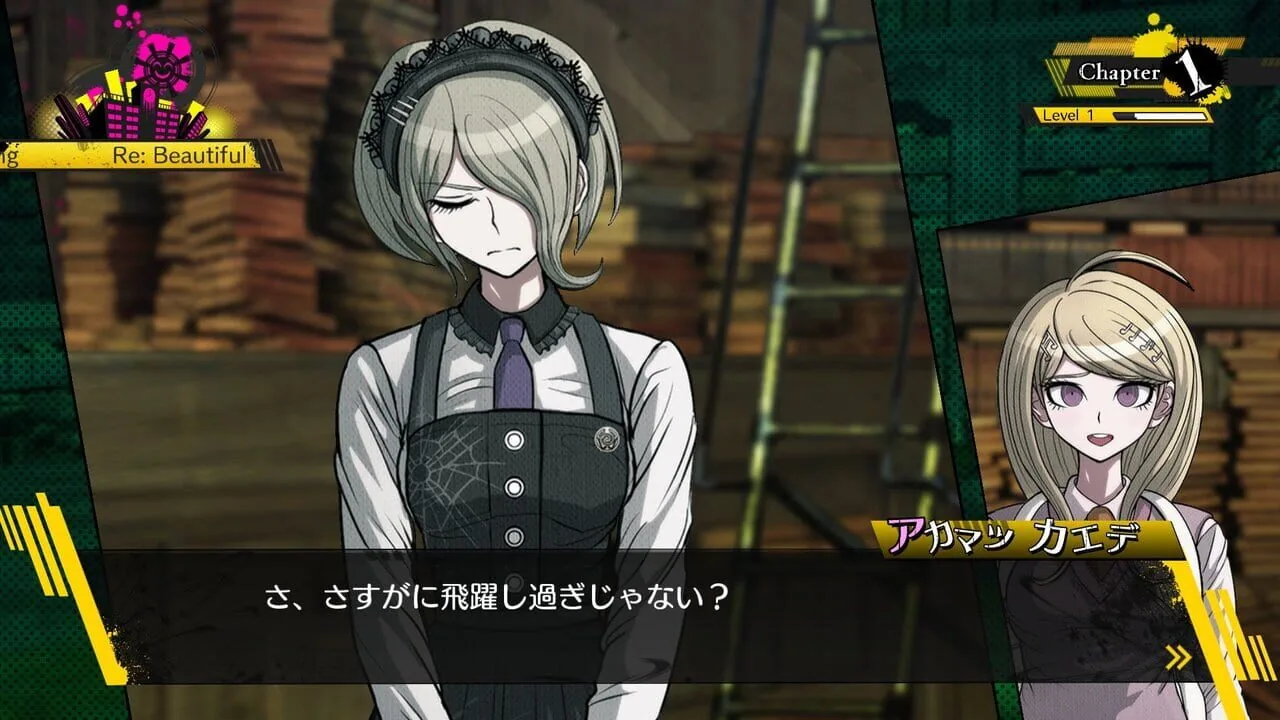
V3 came out in Japan in January 2017 for the PS4 and the Vita, and NIS America released it in North America and Europe in September 2017. A new cast of 16 characters are kidnapped and locked in a school. Monokuma, a robotic bear, tells them the only way to escape is to murder another student and not be voted the culprit at the class trial that follows. It plays the same way as the first two numbered games. In Salmon Team Mode, Monokuma cancels the killing game and turns it into a dating reality show.
Players count it with the first two as must-plays on the Vita. The ending is another matter. It divided critics and caused a real controversy. Kazutaka Kodaka said the first chapter took the longest to make of all three games.

7. Chaos;Child (2014)
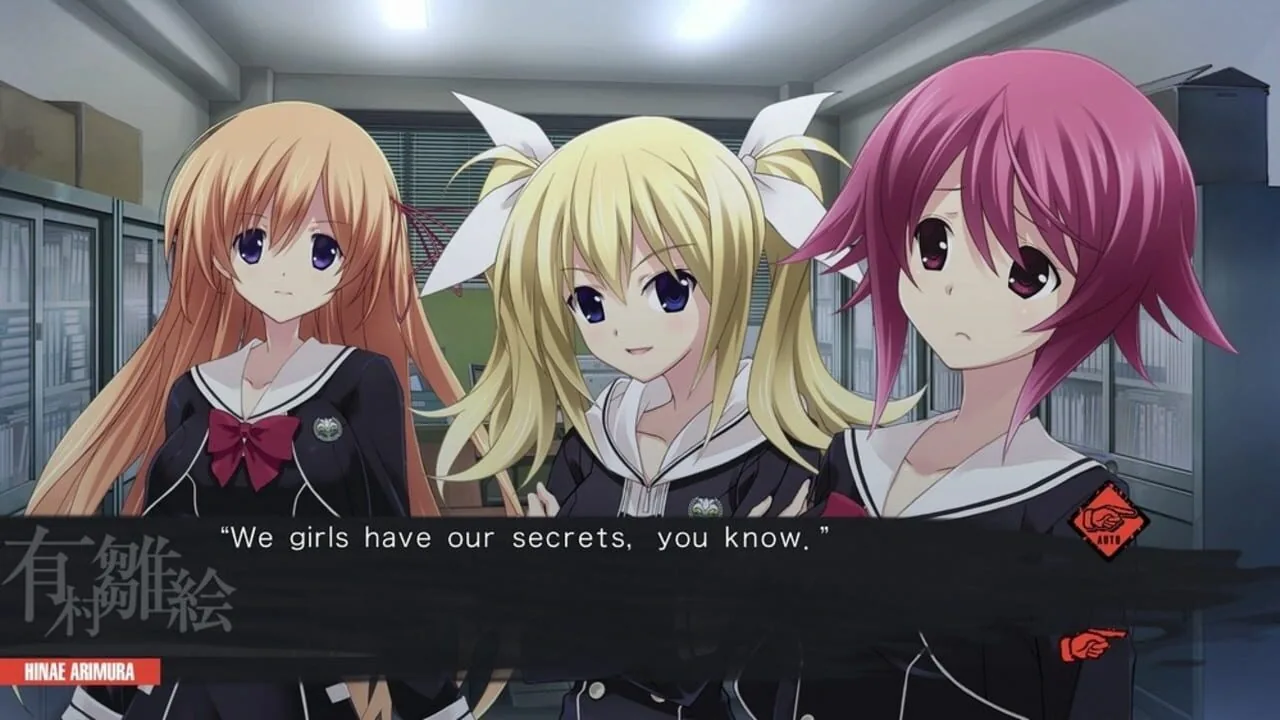
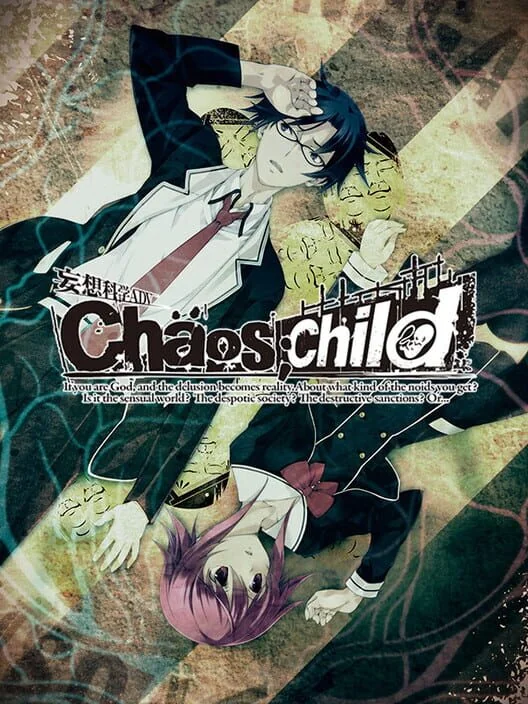
Chaos;Child is the fourth game in the Science Adventure series, the same series as Steins;Gate. It is set six years after the events of Chaos;Head, and its makers call it a "Delusional Science Adventure". Silver Link turned it into an anime directed by Masato Jinbo, with music by Takeshi Abo and Onoken and the main cast from the game reprising their roles.
Players who finish Steins;Gate get pointed here next, since it comes from the same people and shares the same universe. Ask players for the best visual novel on the Vita and plenty of them answer with nothing but its name. Takeshi Abo also composed the music for Steins;Gate 0, so fans of that soundtrack will feel at home.
6. Steins;Gate 0 (2015)
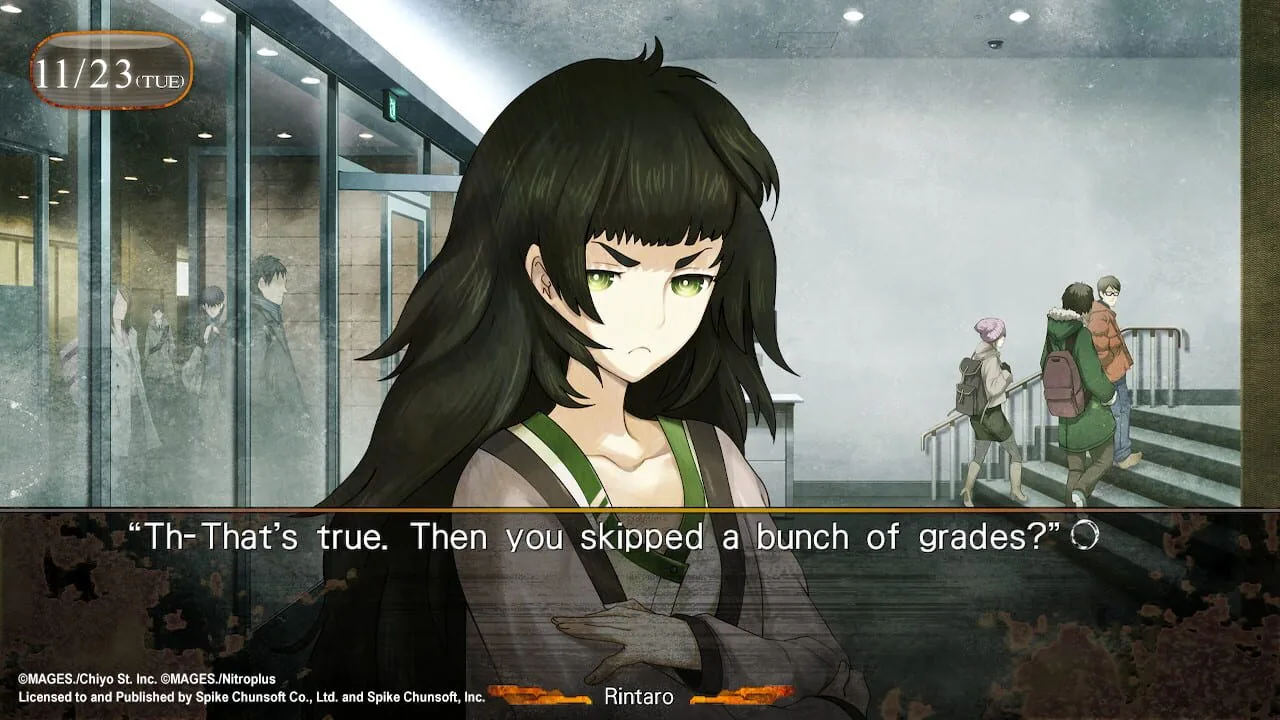
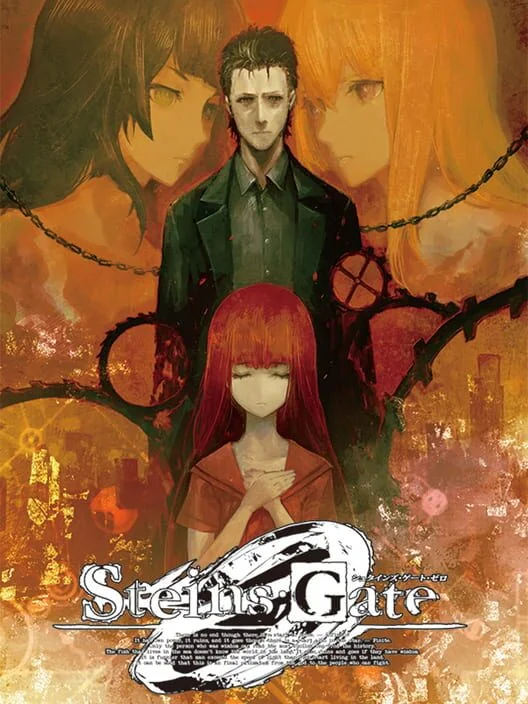
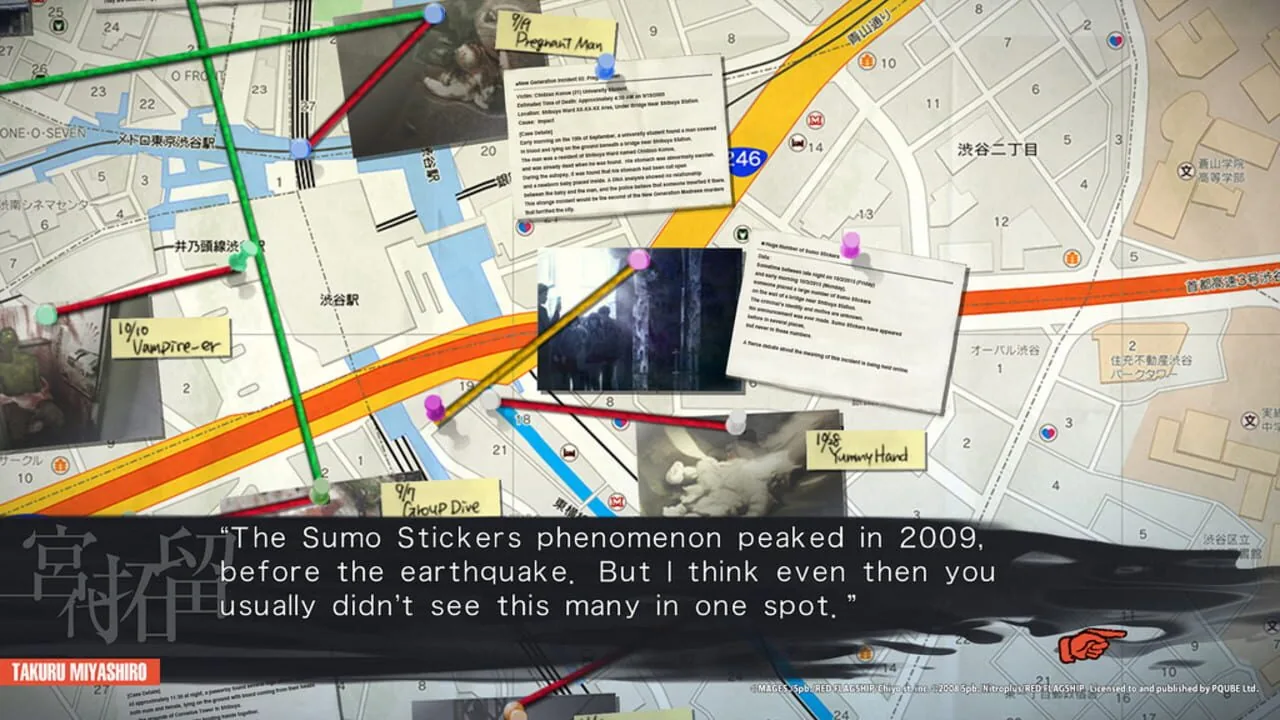
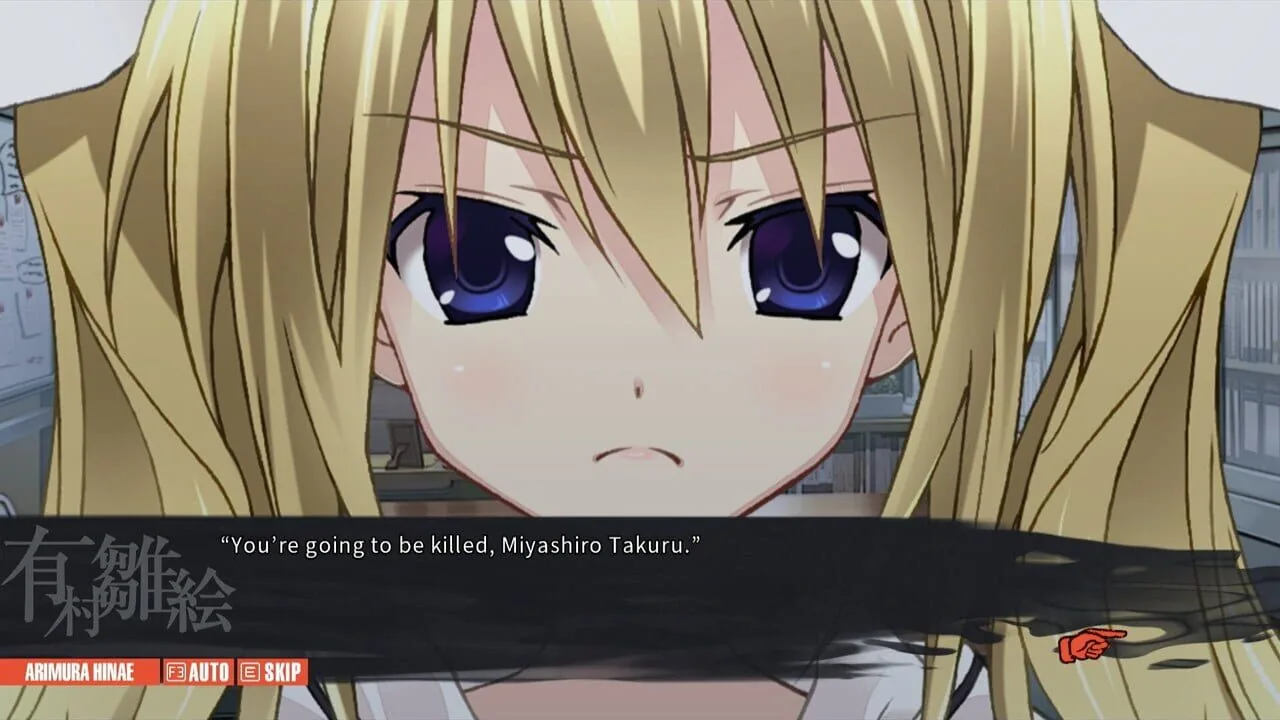
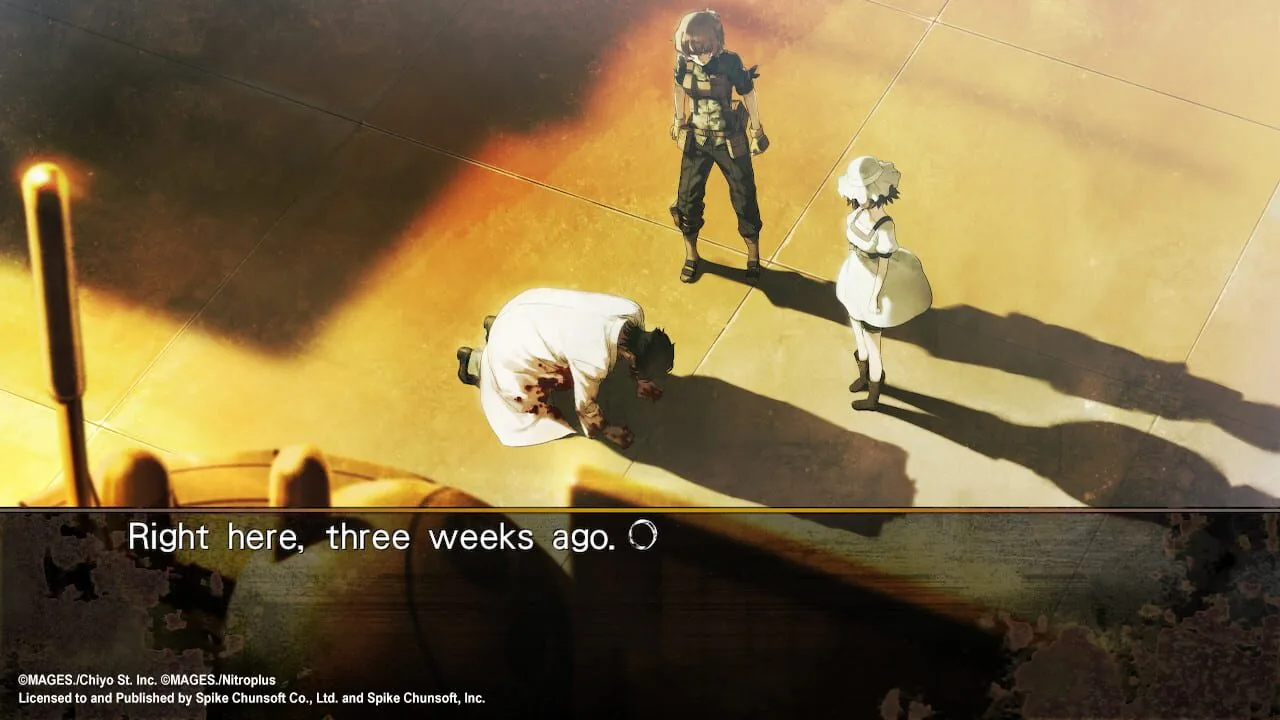
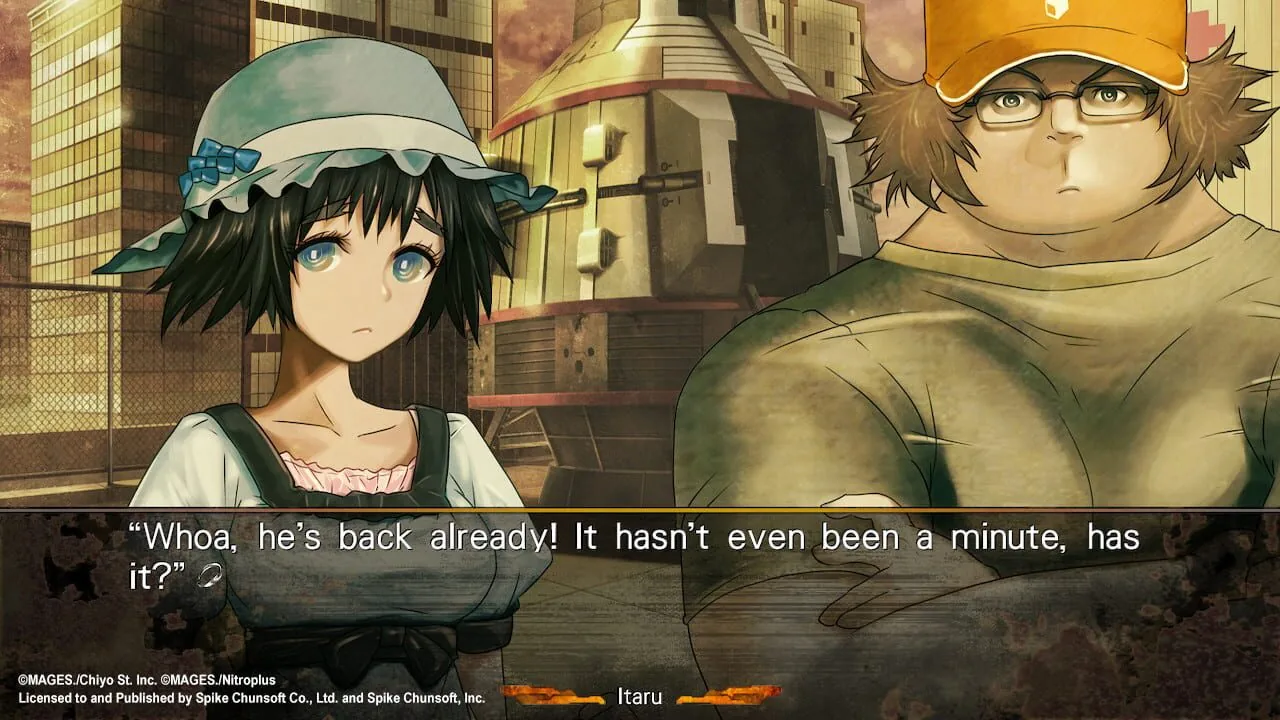
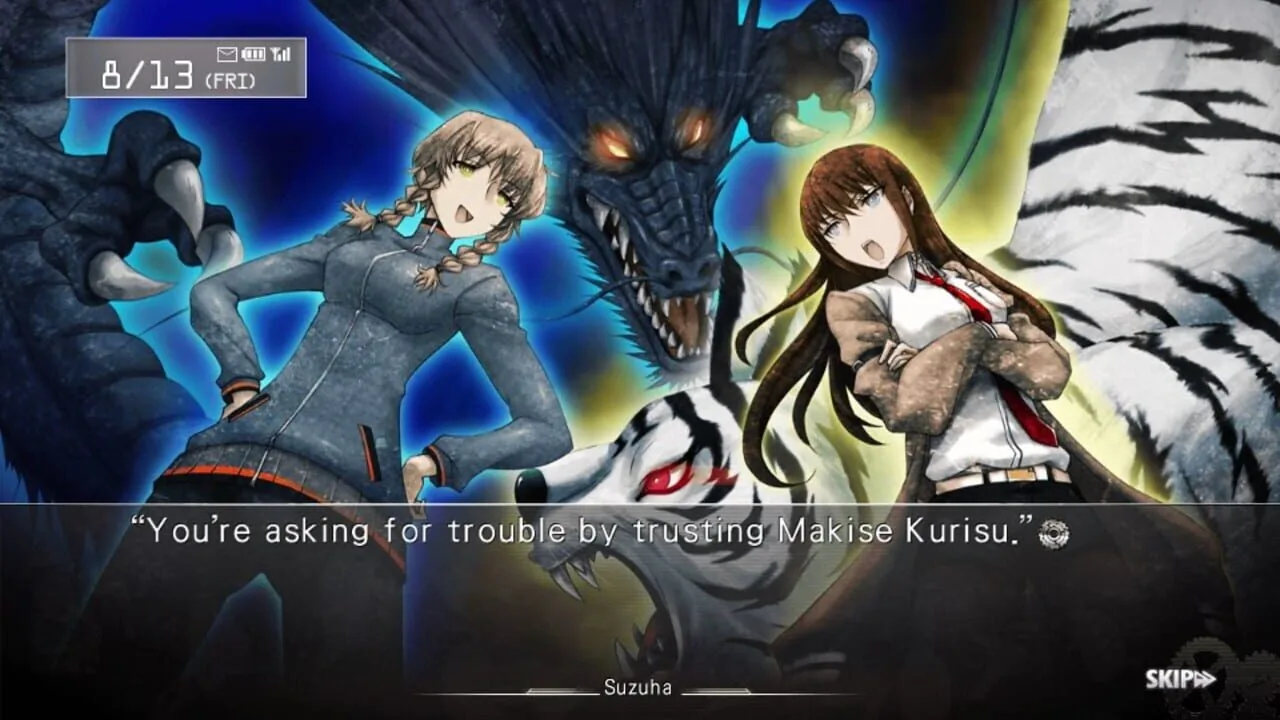
Steins;Gate 0 is the sequel to Steins;Gate and the fifth game in the Science Adventure series. 5pb. released it in Japan for the PS3, PS4 and Vita in December 2015, and PQube brought the Vita version to North America and Europe in 2016. You play Okabe Rintaro again, in the β World Timeline. Okabe refuses to try again and develops post-traumatic stress disorder. Then he sees Amadeus, a system that uses digitized memories as artificial intelligence avatars, and one avatar is based on Kurisu.
You steer the story by choosing whether to answer phone calls from the Amadeus, and early on it splits into two main branches. The English localization took five months. Players who finish Steins;Gate go on to this one, and some rank it even higher.
5. VA-11 Hall-A (2016)
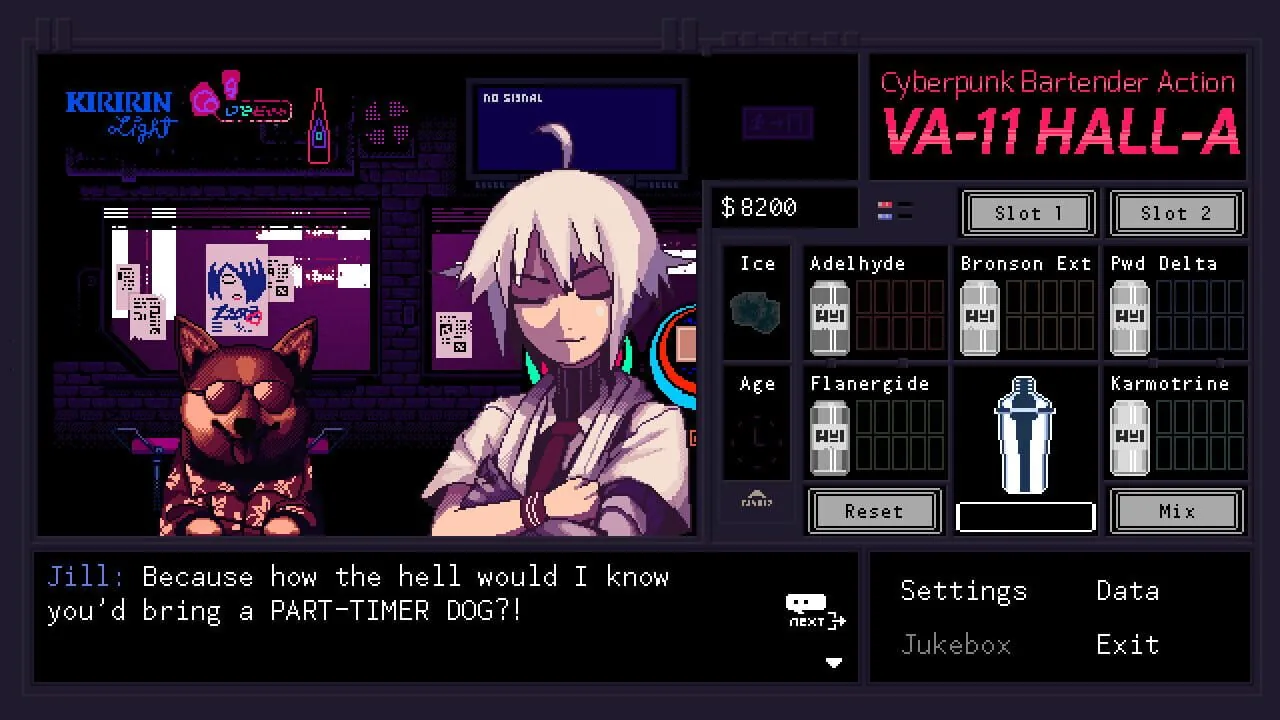

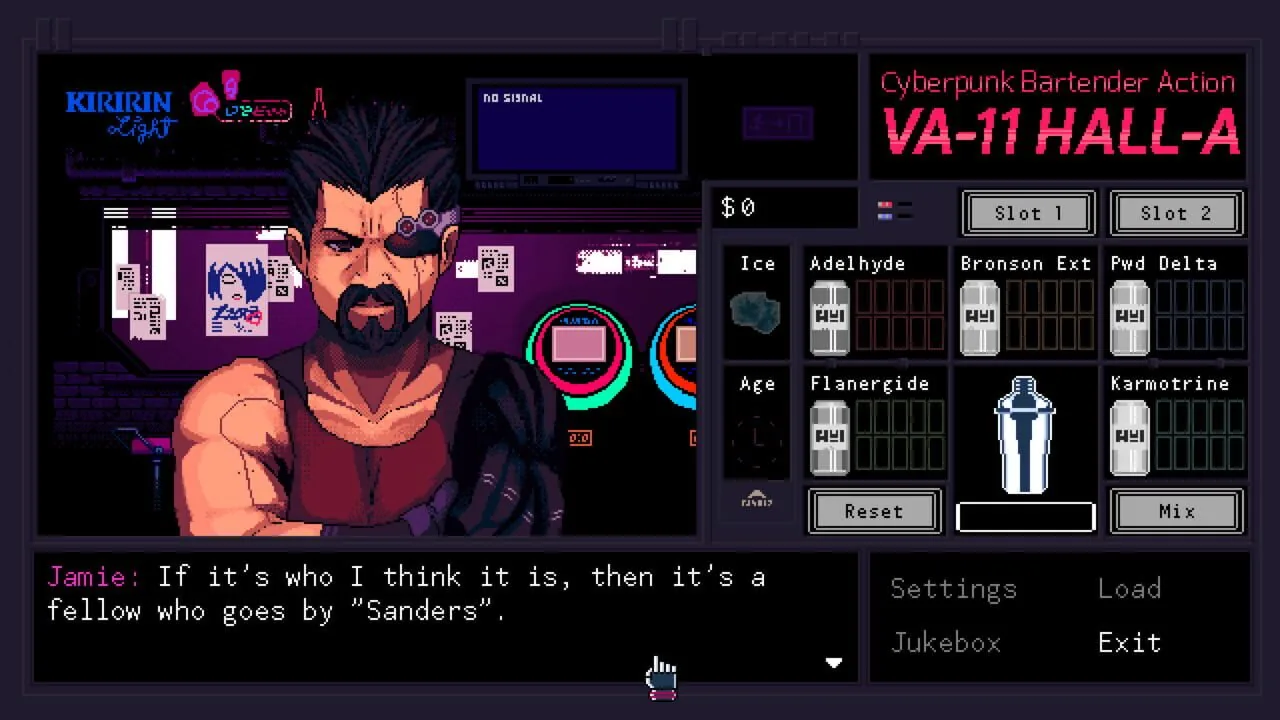
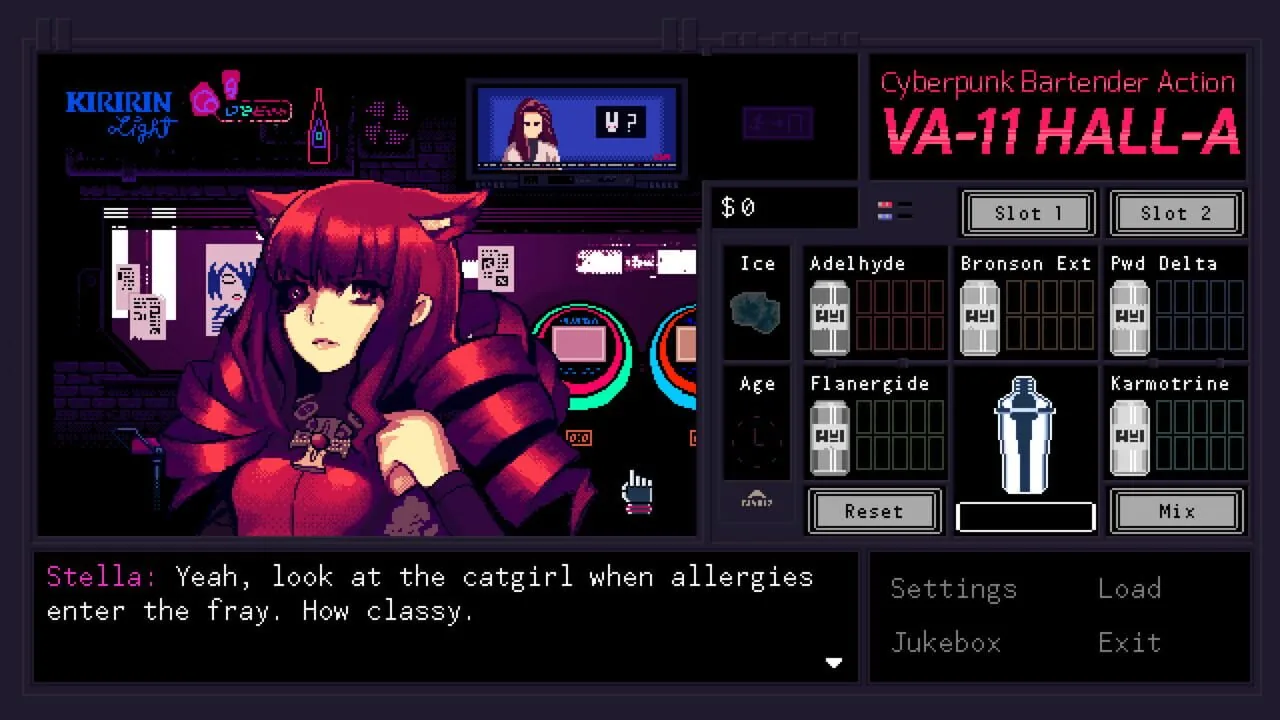
You are a bartender in a cyberpunk dystopia, and there are no dialogue options in the game. The drinks you make are the only way to change the direction of the story. Sukeban Games first made it for the Cyberpunk Game Jam of 2014 and liked the concept so much they turned it into a full game. It came out on PC on June 21, 2016. The Vita port is by Wolfgame, published by Limited Run Games. Its look draws on cyberpunk media, PC-98 games and anime, and it is partly inspired by Snatcher and Policenauts.
The cast are average people, the kind of side characters movies never flesh out. Players rate it highly and suggest it even to people new to visual novels. A sequel, N1RV Ann-A, has been delayed indefinitely. Pour one out.
4. Danganronpa 2: Goodbye Despair (2012)
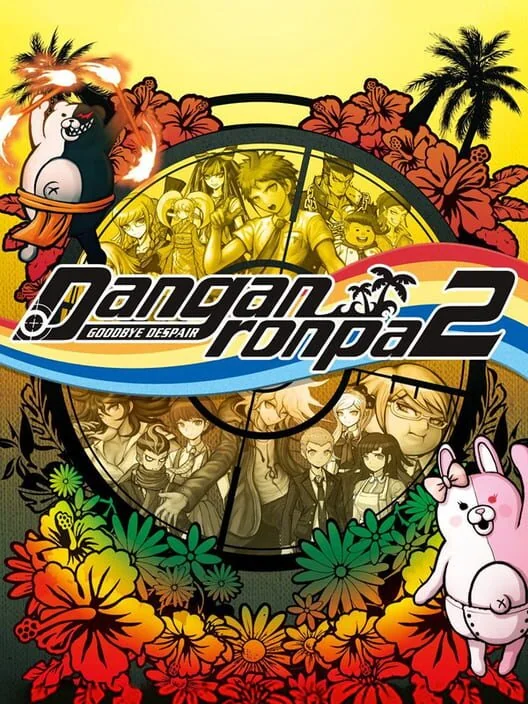
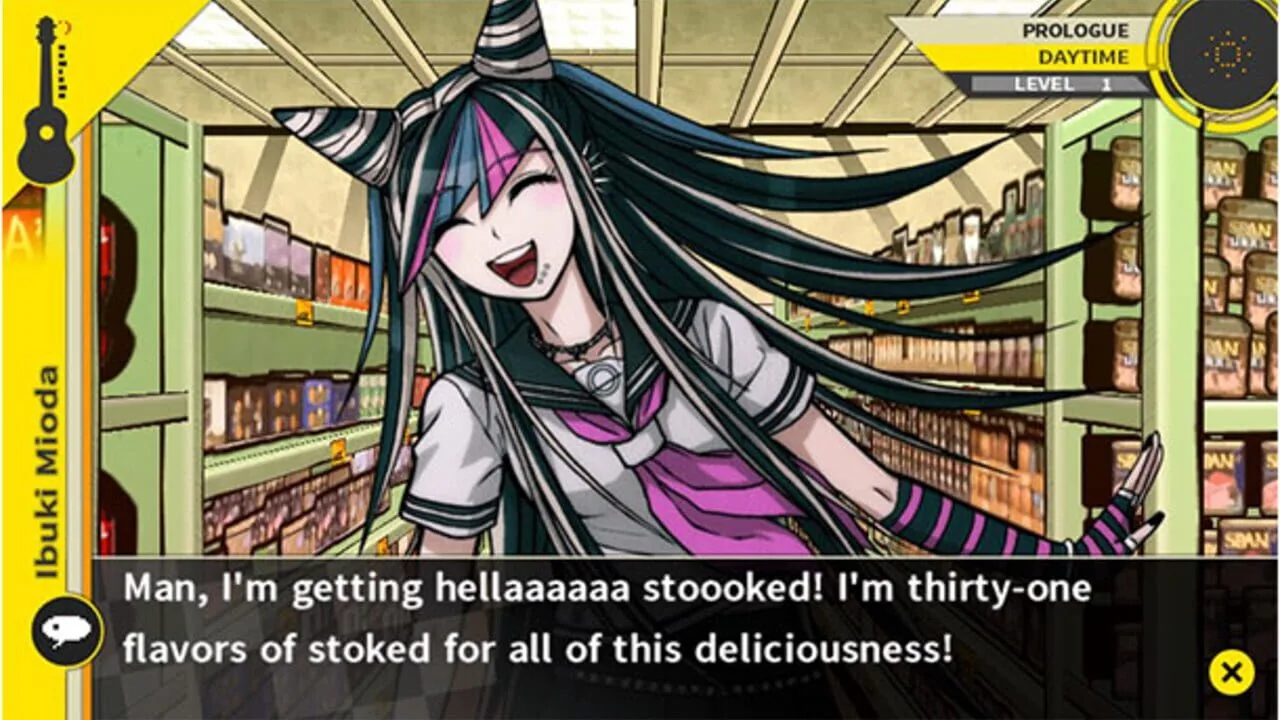
Hajime Hinata is a new student at Hope's Peak Academy, and on his first day his class goes on a field trip to Jabberwock island with Usami, a rabbit teacher who wants everyone to become friends. Then Monokuma appears and begins a new Killing Game. Kazutaka Kodaka wanted a mystery spread over a group of islands and took the idea from the TV series Lost. It came out on the PSP in Japan in July 2012, and a Vita port followed there in October 2013. NIS America released it worldwide in September 2014.
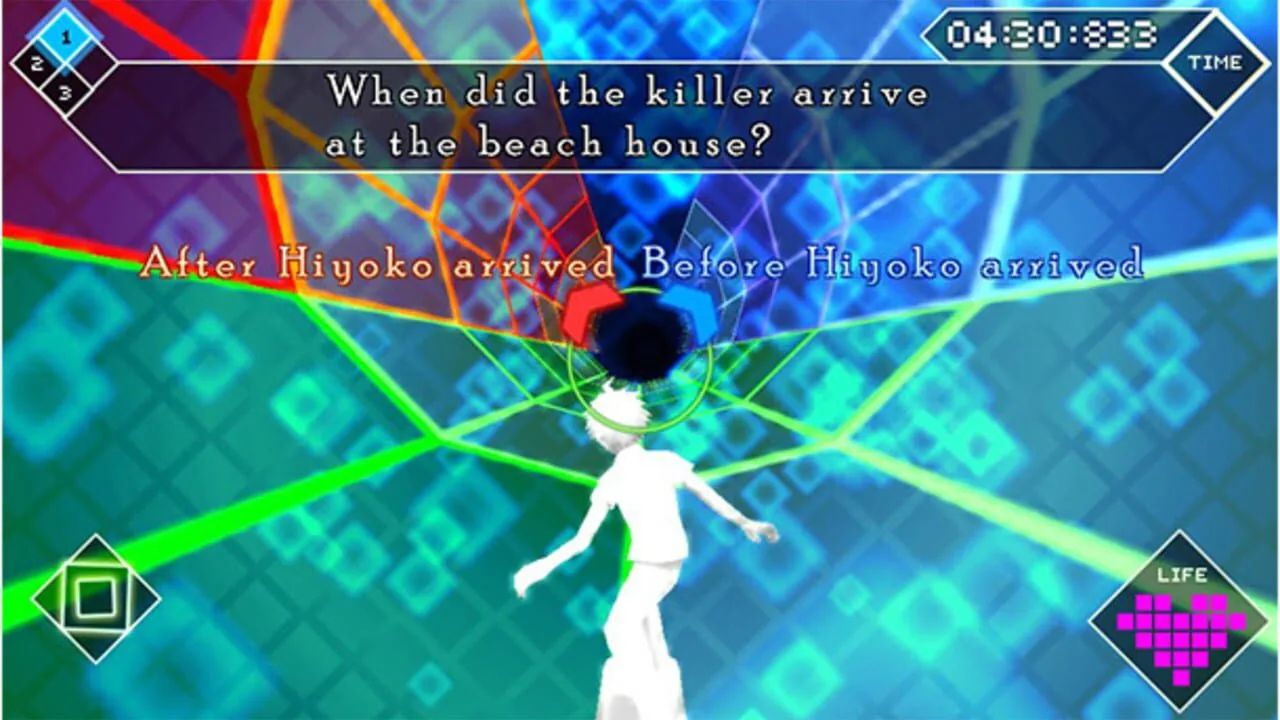
The trials get bigger. Rebuttal Showdowns put you in a duel with one student, and Logic Dive is a snowboarding minigame down a tube of logic. Players say to play the series in release order, so start with Trigger Happy Havoc and come here next. On the Vita both come in one bundle, Danganronpa 1-2 Reload.
3. Steins;Gate (2009)
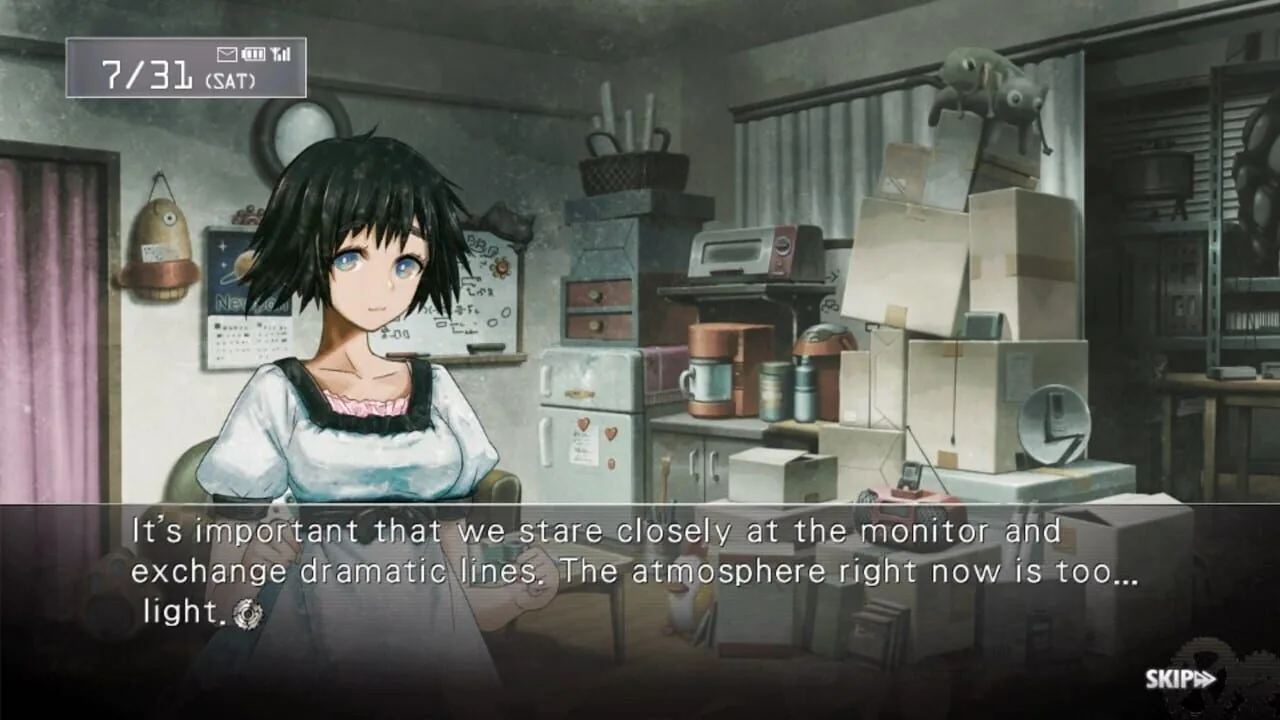
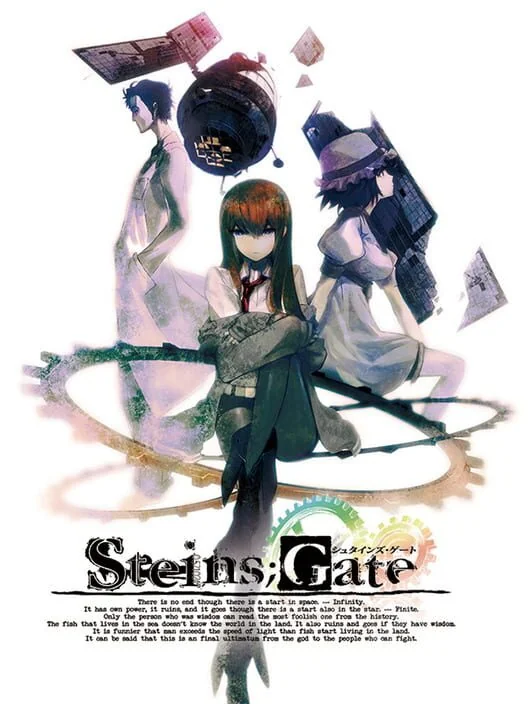
Steins;Gate is a visual novel by 5pb. and Nitroplus about time travel in Akihabara in 2010. Its makers call it a "hypothetical science ADV". It came out on the Xbox 360 in Japan in October 2009 and reached the Vita in March 2013. PQube released the Vita version in North America and Europe in 2015. The plot branches into different scenarios depending on how you interact with the people around you.
Players call it the best visual novel on the system, and a few say there is no competition. If the name rings a bell from TV, White Fox made the anime, which aired in Japan in 2011. A remake with fully animated scenes from it, Steins;Gate Elite, came to the Vita in 2019.
2. Zero Escape: Virtue's Last Reward (2012)
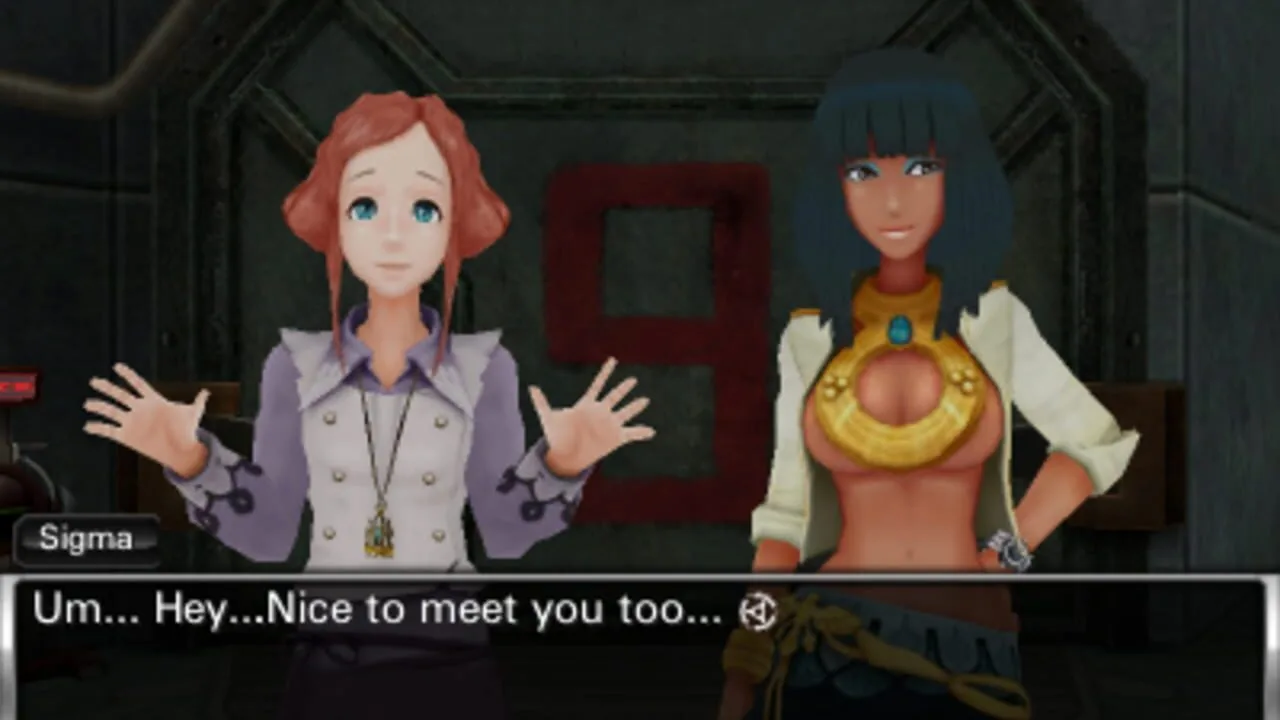
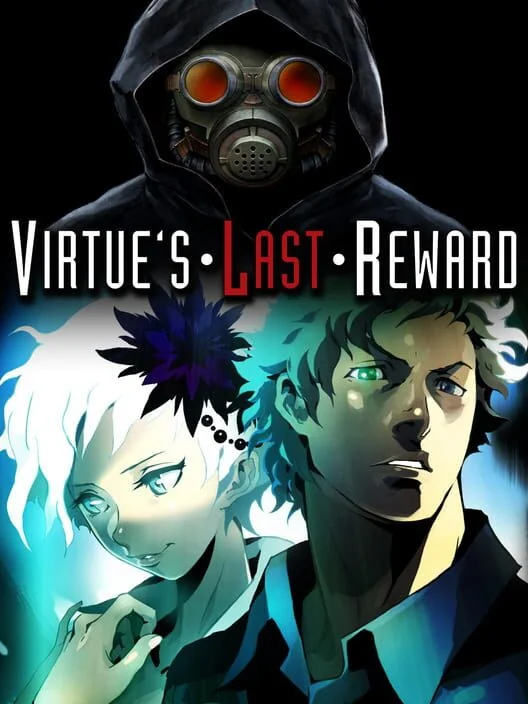
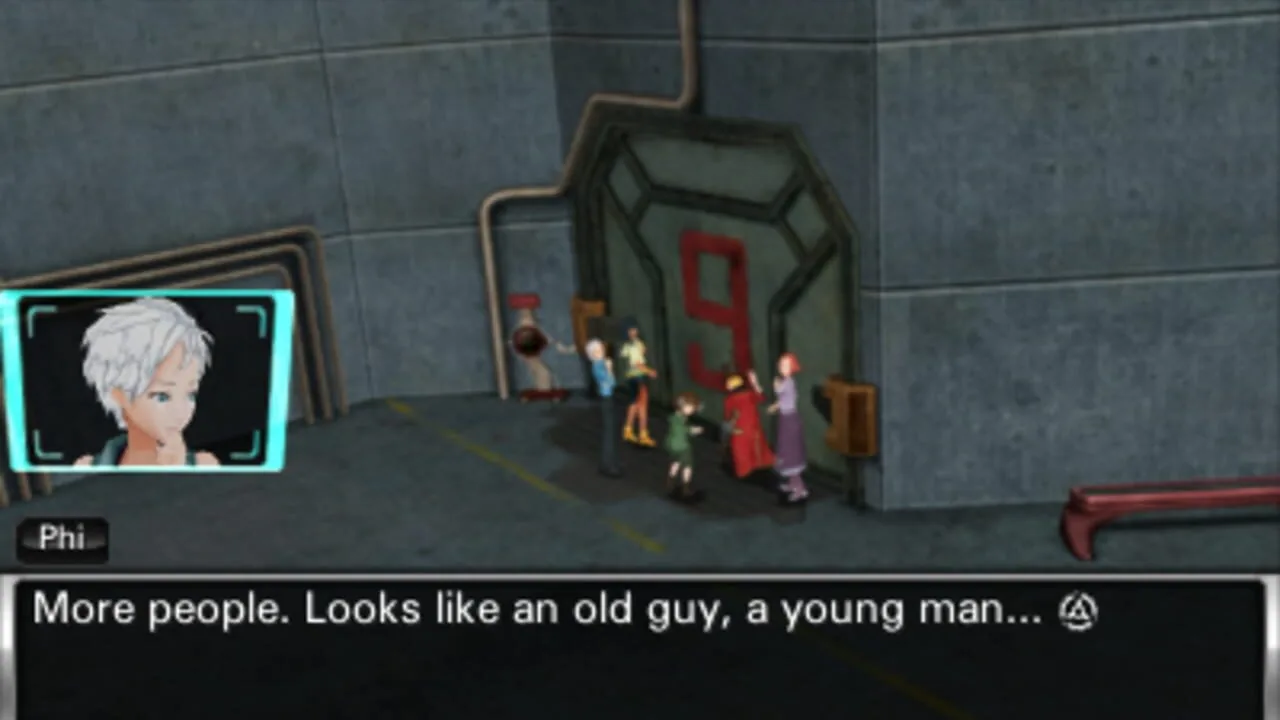
Virtue's Last Reward is the second Zero Escape game, and it came out on the 3DS and the Vita. It exists because the first game, Nine Hours, Nine Persons, Nine Doors, was an unexpected critical success in North America. Director Kotaro Uchikoshi wrote the script, and Aksys Games localized it. To escape the facility you need nine bracelet points, and the only way to earn them is the Ambidex Game. Between the story scenes you solve puzzle rooms in first-person Escape sections. A flowchart lets you go back to any scene you have finished and choose differently.
Players praise its story and its escape room puzzles in the same breath. It was a commercial failure in Japan, which led to the sequel being cancelled for a while. Vita owners can also get it in Zero Escape: The Nonary Games, released in March 2017 with an enhanced port of the first game.
1. Danganronpa: Trigger Happy Havoc (2010)
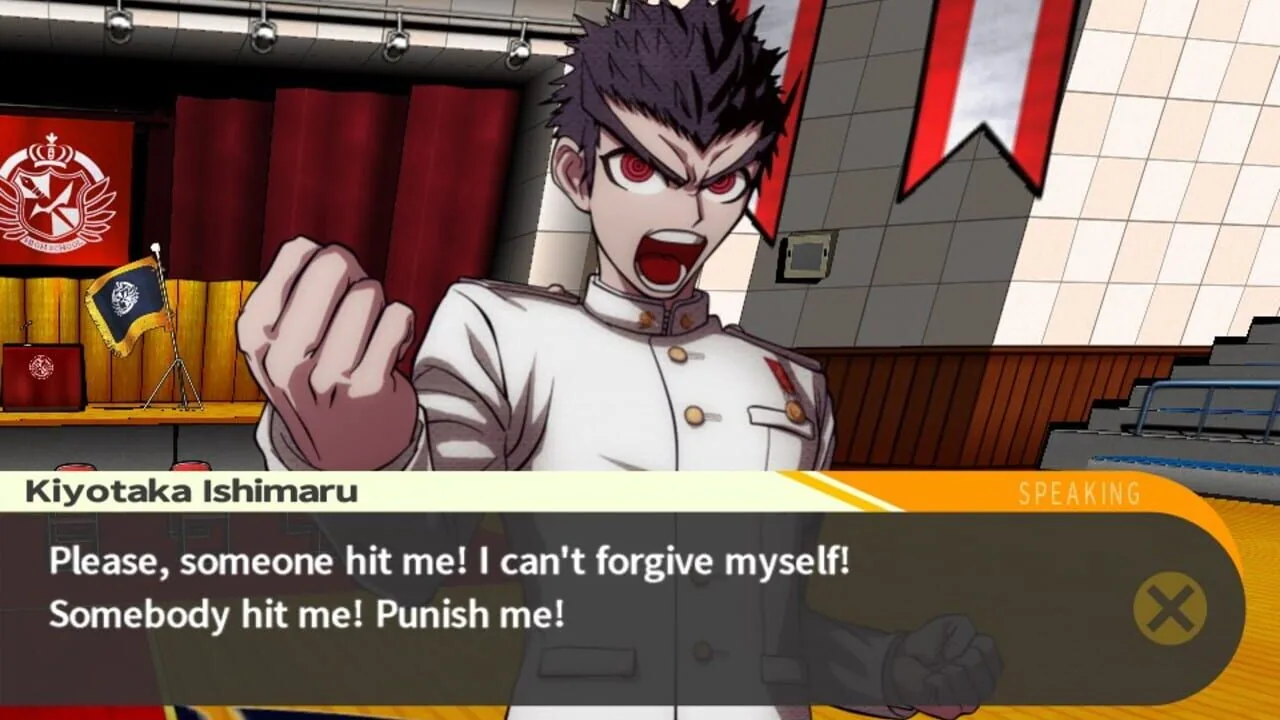
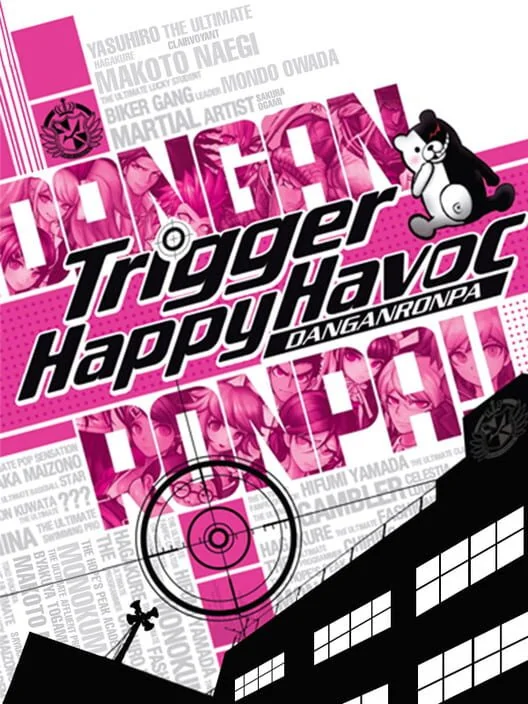
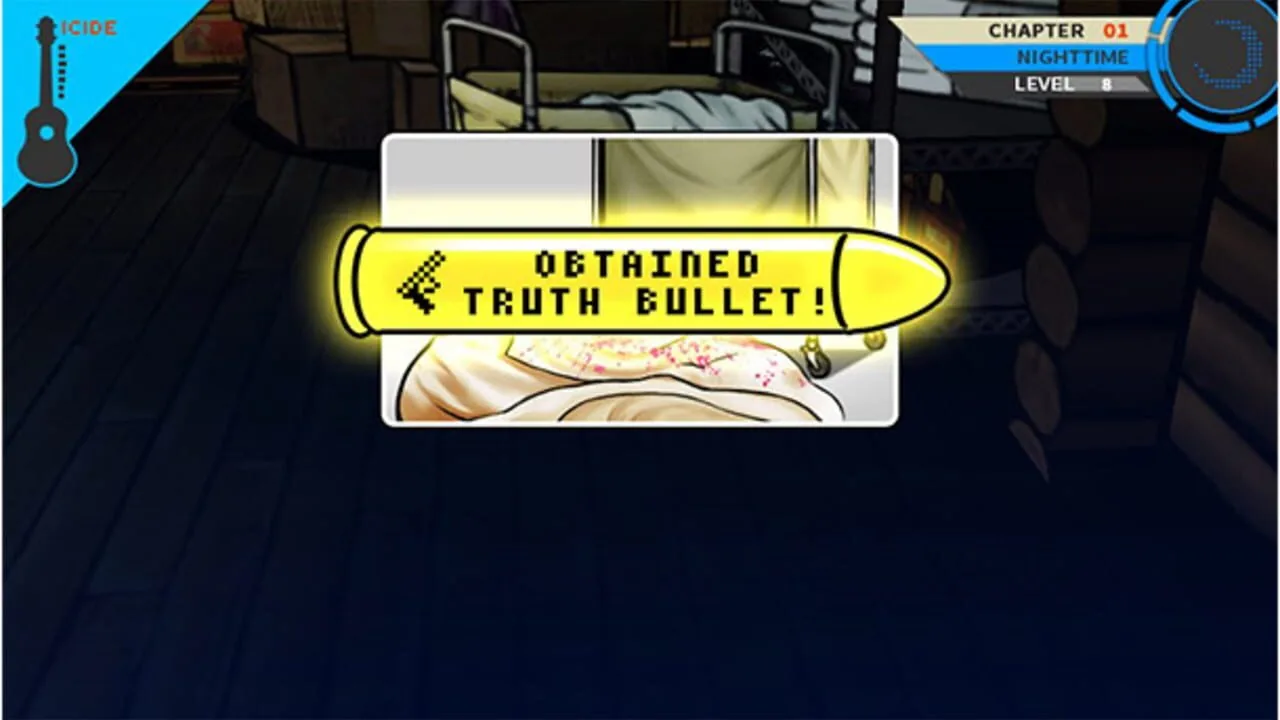
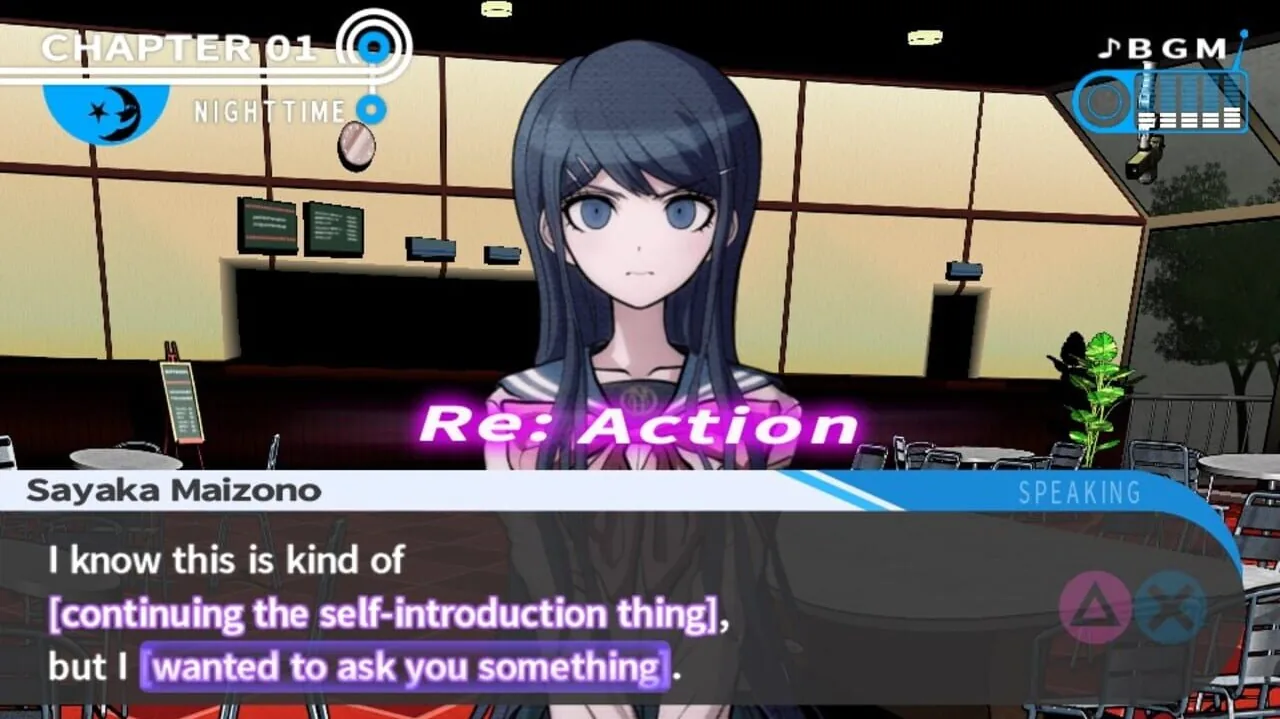
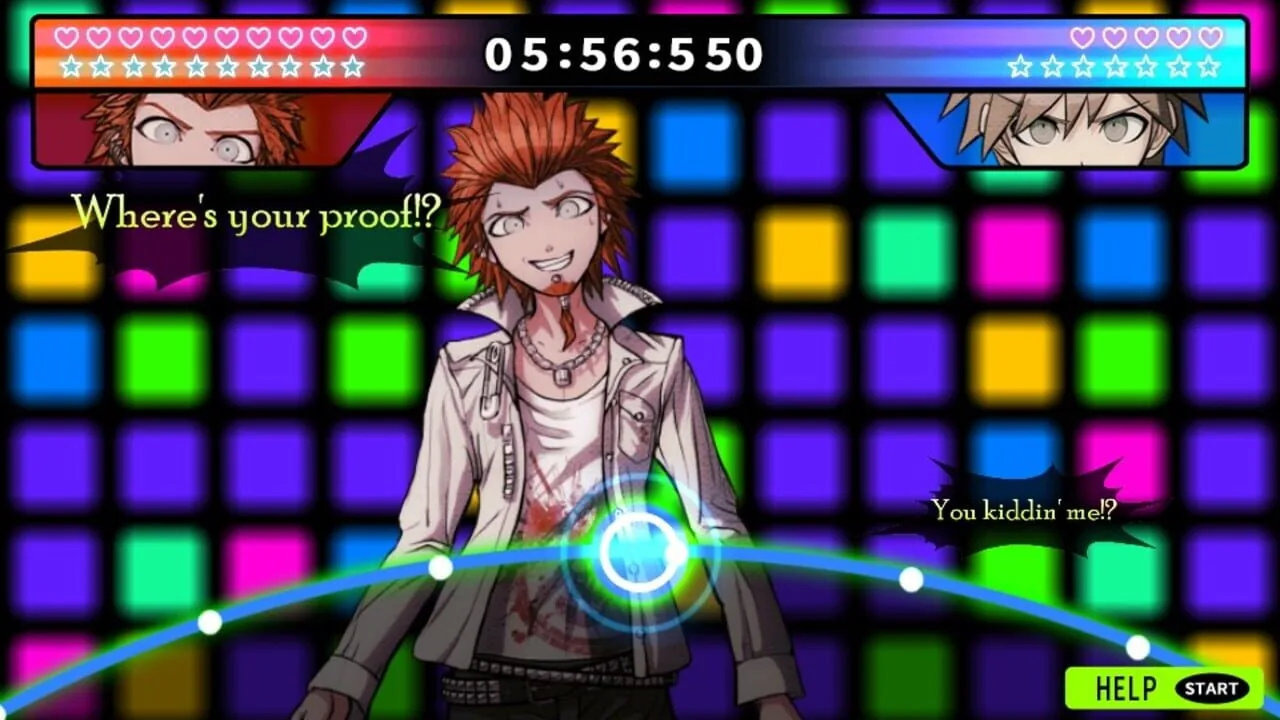
Danganronpa came out on the PSP in Japan in November 2010, and NIS America published it in English on PlayStation consoles in 2014. Monokuma tells the students of Hope's Peak Academy that the only way to leave is to murder another student and avoid being identified as the culprit. In the Daily Life sections you talk to classmates and move the plot along, with some dating sim mixed in. When a body turns up you investigate and then argue it out in a class trial, firing "Truth Bullets" of evidence at the lies in other students' statements. The Vita version added a School Life mode that unlocks after you clear the game once.
More players name it than any other visual novel on the Vita, and it is one of the first games they suggest to a new Vita owner. Critics praised the cast and story, though some found the trials too easy.
Which one to play
There you have it, the whole list of the best PS Vita visual novels. The top four hold up against the best stories on any handheld.
If you are not sure where to start, play Trigger Happy Havoc. If you like puzzles with your plot, pick Virtue's Last Reward. For a long story about time travel, read Steins;Gate and then Steins;Gate 0. If you want romance, Collar x Malice is the modern mystery and Hakuoki: Kyoto Winds is the history drama. For something short and different, mix drinks in VA-11 Hall-A. And for a hidden pick, try Root Letter.