The PlayStation brought the arcade light gun home right as the arcades went 3D. Namco made its own gun, the GunCon (G-Con if you live in Europe), and launched it in a bundle with its port of Time Crisis. Konami had a gun too, the Hyper Blaster, sold in North America as the Justifier. Games usually picked a side, so it pays to check which gun a game wants before you buy it.
Atari and Midway sent their digitized arcade shooters over, and Namco kept making cute shooting galleries for the whole family. There is one catch that has never changed: these guns want an old CRT TV. If you have the gun and the screen, here are the 16 best PS1 light gun games.
16. Point Blank 3 (2000)
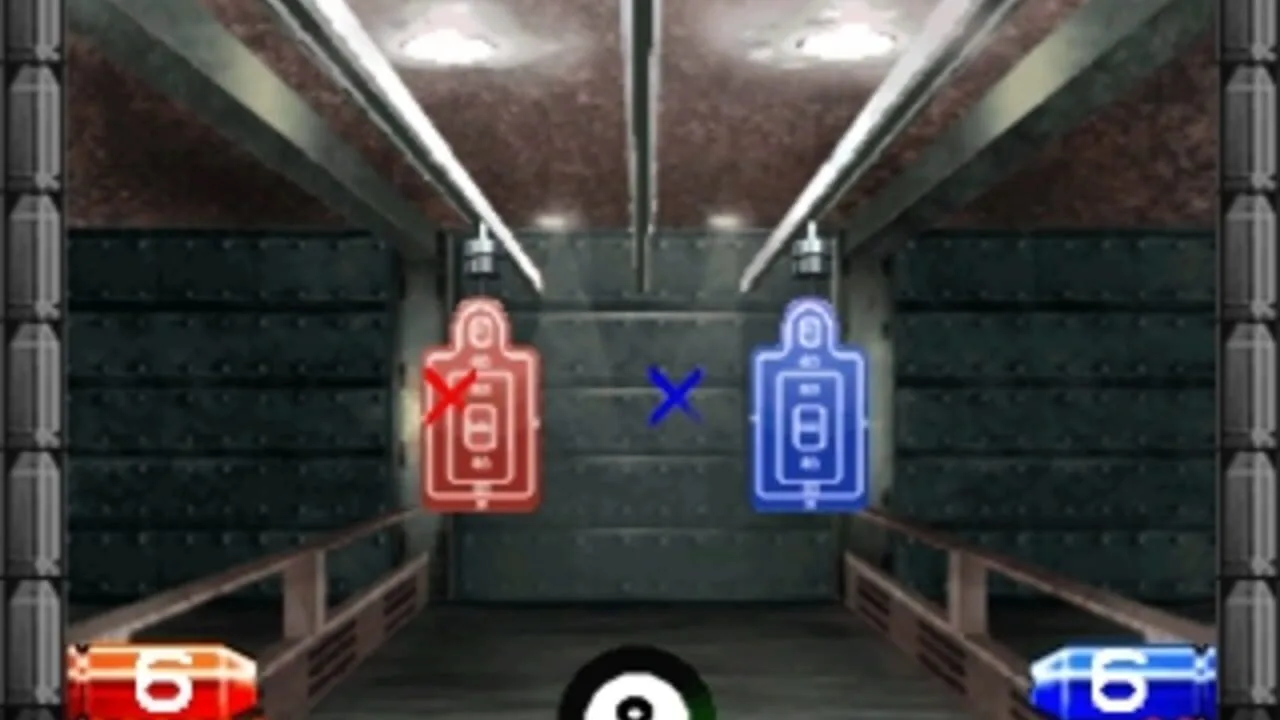
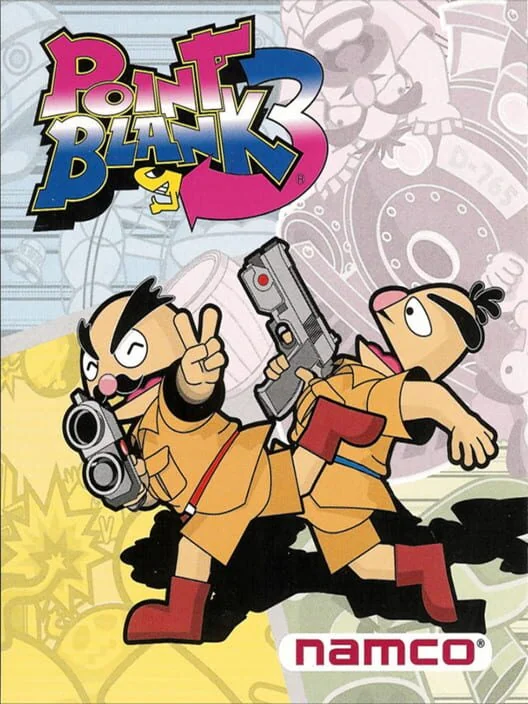
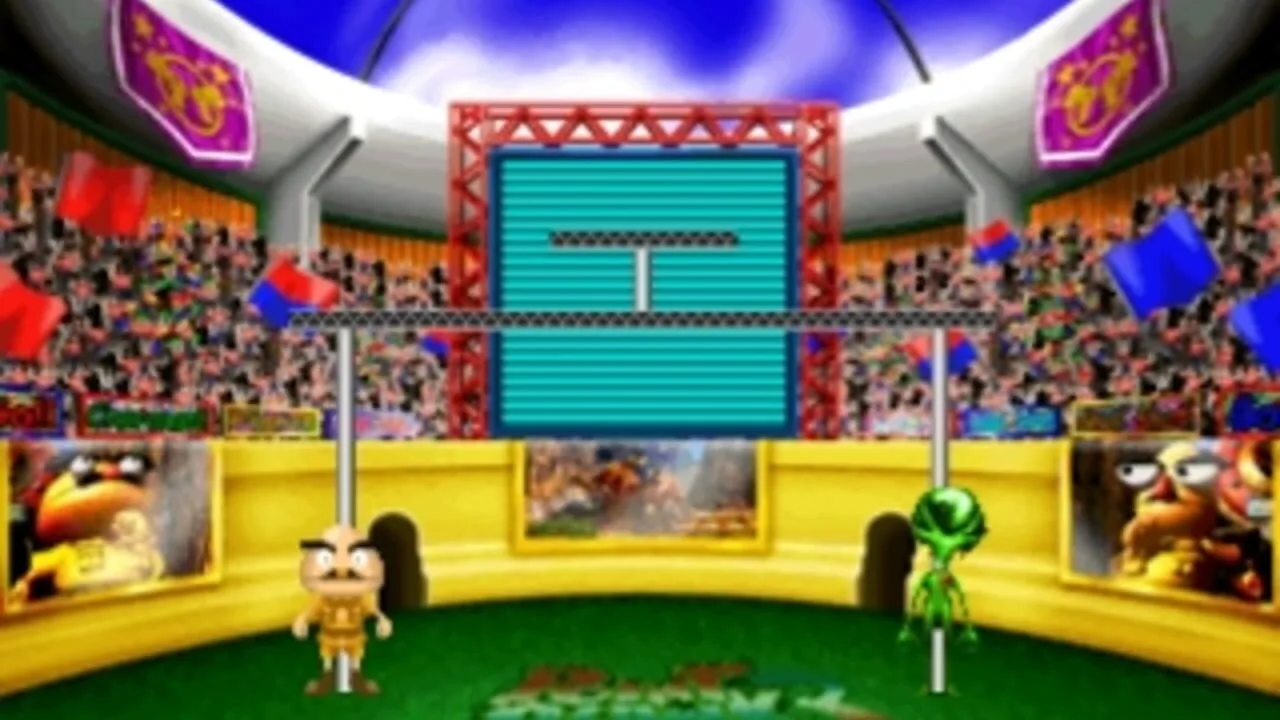
Point Blank 3 came out in arcades and on the PlayStation in 2000. Its Japanese name is a pun on Thumbelina, which tells you a lot about the mood. Like the first two, it is a run of short, non-violent shooting contests. One round asks for speed, the next for pinpoint accuracy, and you never know which one is coming until it starts.
It was the last Point Blank made for the PS1, and the formula did not need much fixing by then. If you already love the first two, this is more of the same, which is a compliment. Get a second GunCon if you can. Players agree that Point Blank is at its best with a friend holding the other gun and missing the easy targets.
15. Ghoul Panic (1999)
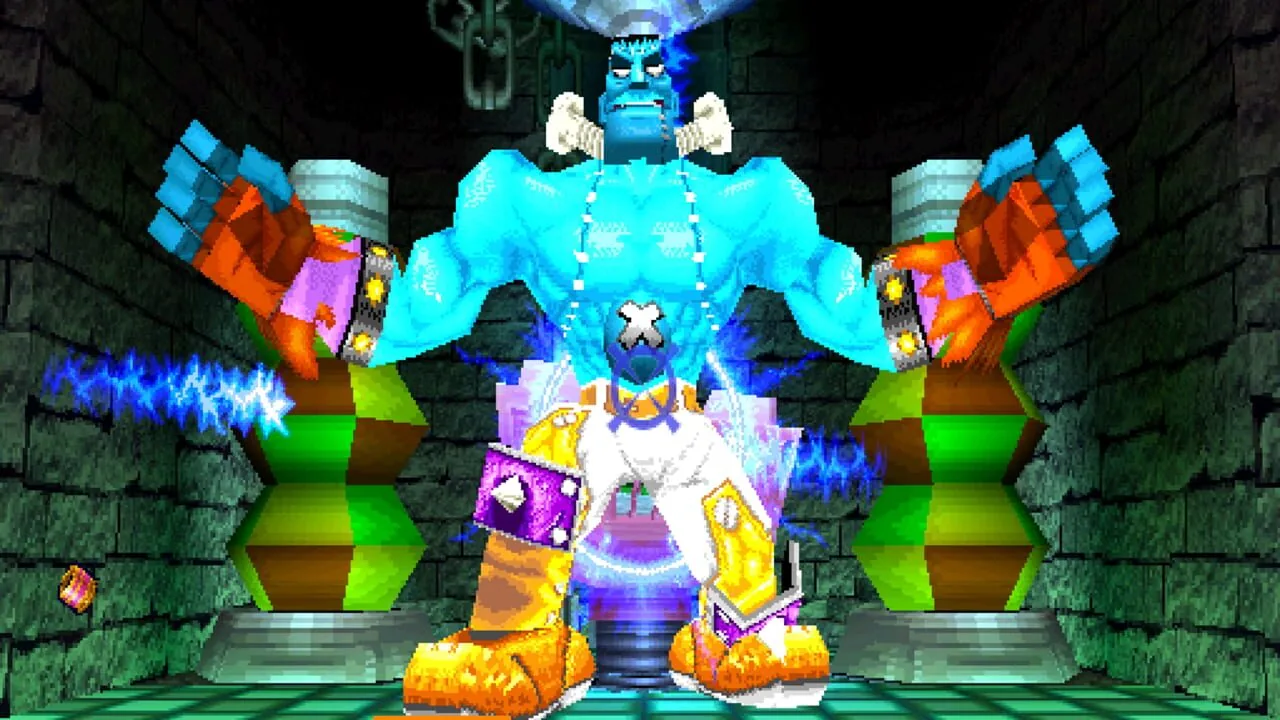
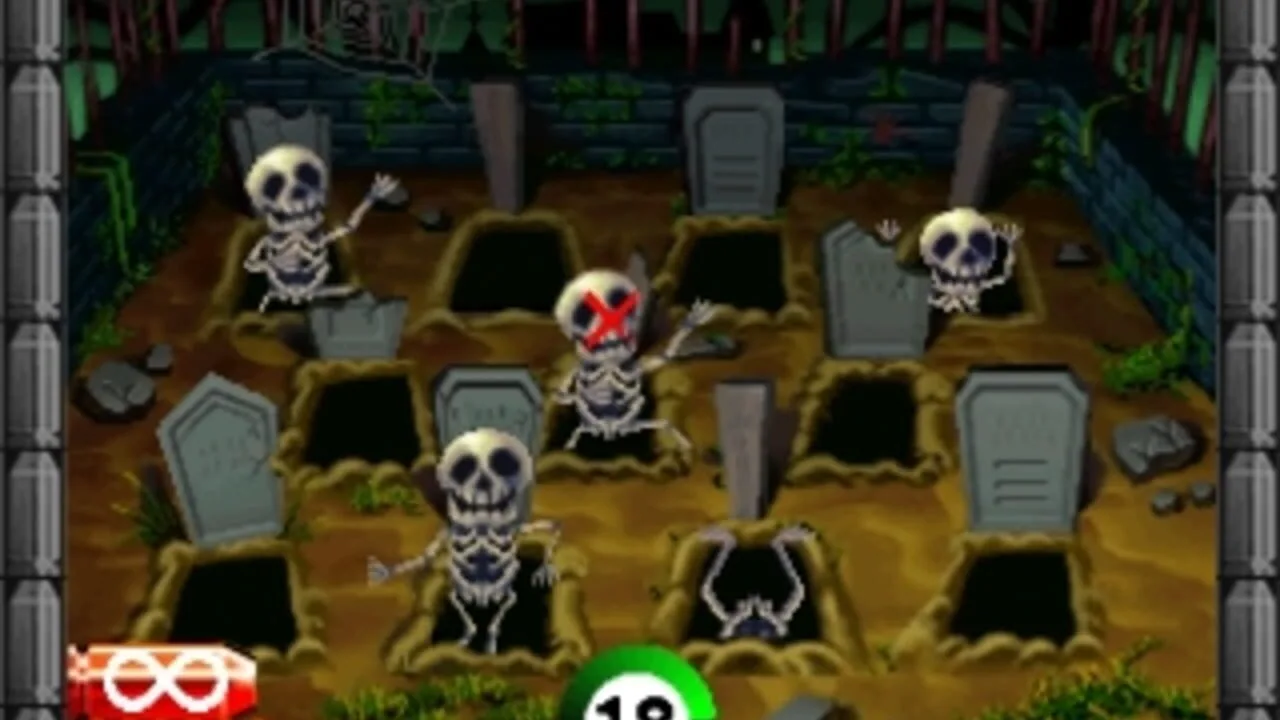
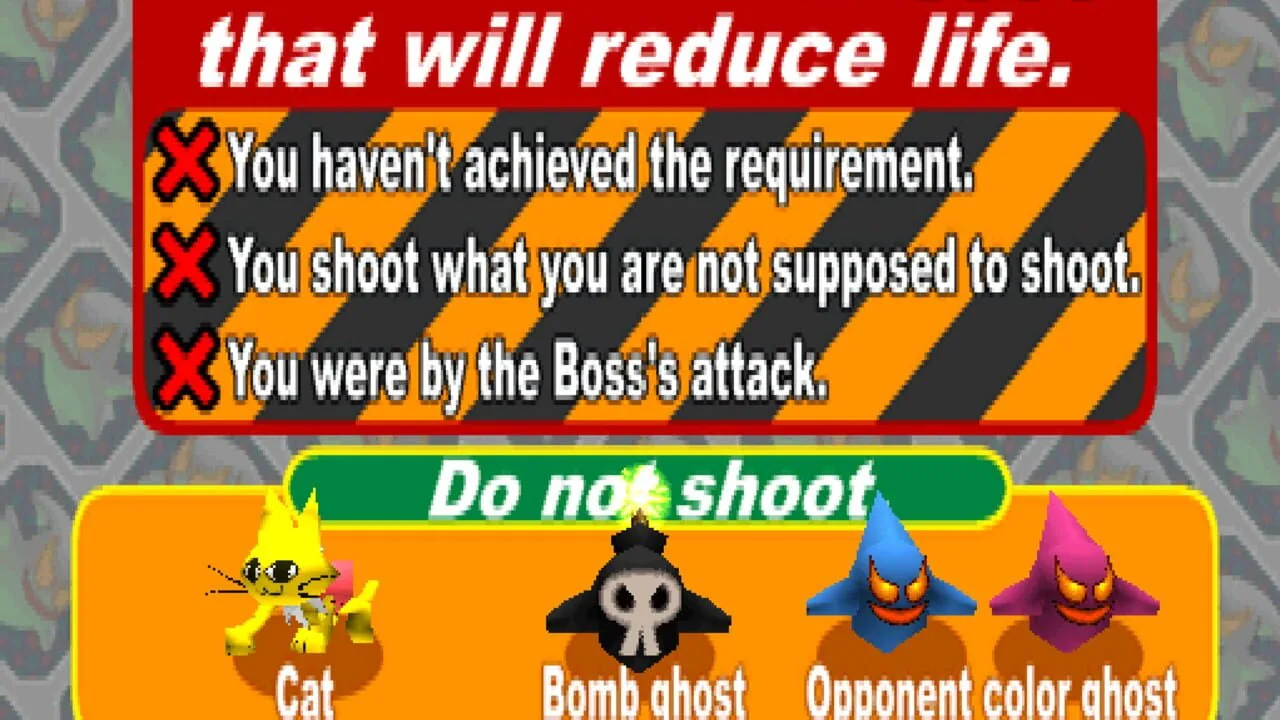
Ghoul Panic is a Namco light gun game that ran on the same arcade hardware as Point Blank, and it shows. You play a series of minigames, each with a quota to fill before time runs out. Sometimes you shoot a set number of ghosts. Sometimes you protect small, yellow cats from projectiles, and shooting one of those cats costs you a life. Each of the three stages ends with a boss, like Frankie, a Frankenstein's monster who throws things at you.
The PlayStation version came out in Japan on April 20, 2000, and in Europe later that year, so American players never got it. It works with the GunCon. Superjuegos said fans of Point Blank should try it, and the players who did find it have a great time with it.
14. Point Blank 2 (1996)
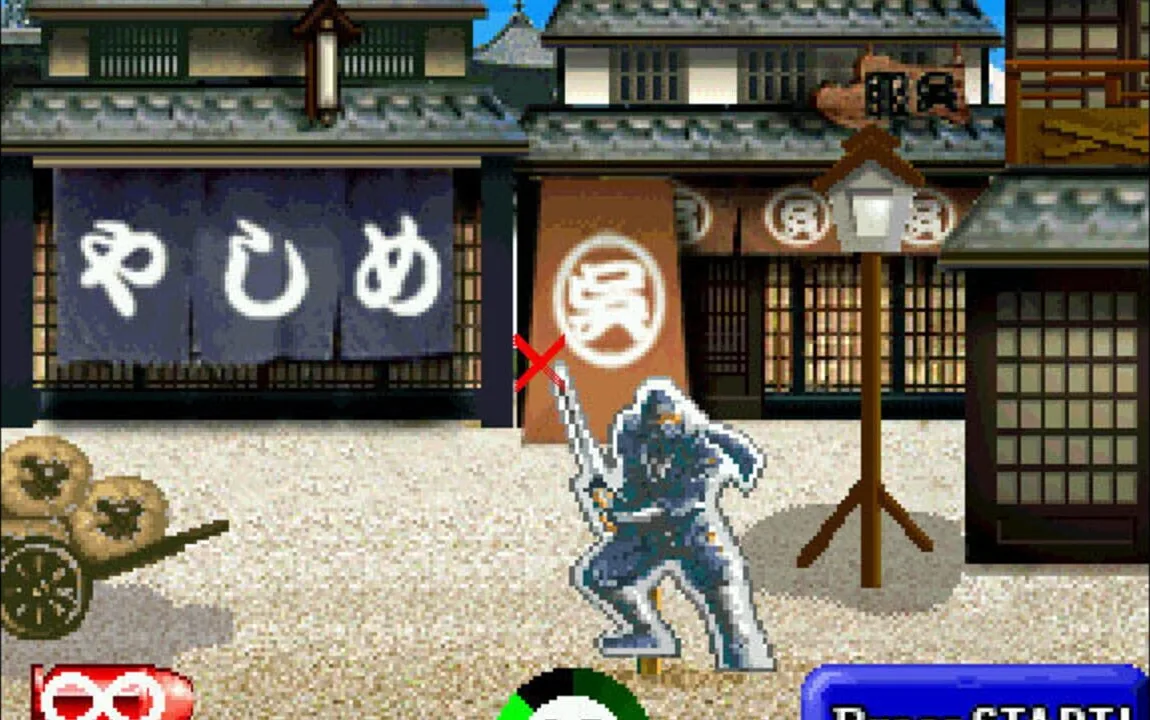
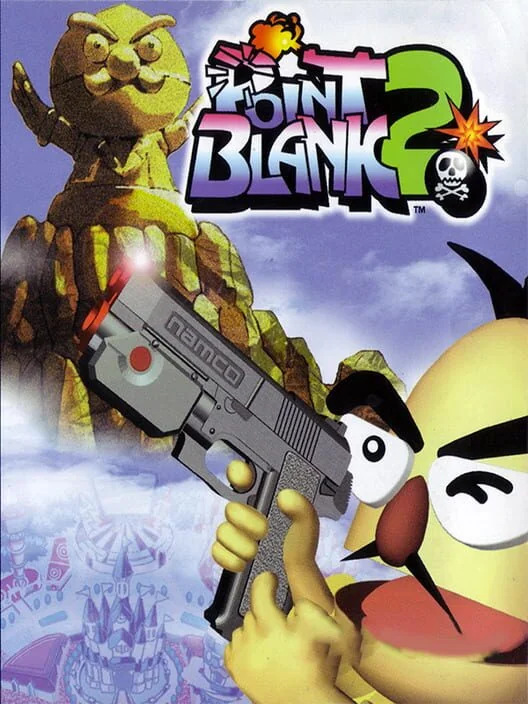
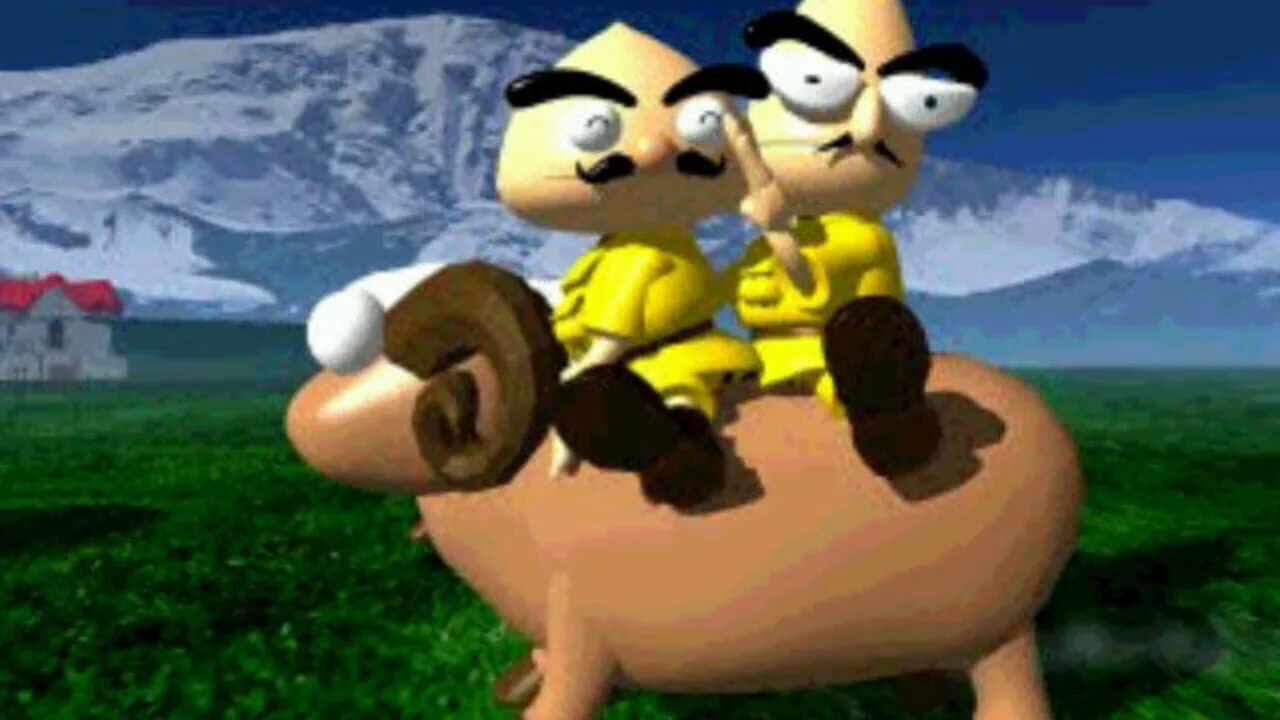
Point Blank 2 arrived in arcades and on the PlayStation in 1999, half a decade after the first game. It is the same idea with a new set of contests. At the end, the game grades you on your points, your lives left and the continues you used. Then it suggests what to do next, and sometimes that means go practise. Being told off by your own game is a special kind of humbling.
Players put it right next to the original, and some like it even more. One fan summed it up as "challenging without being cheap", which is about the best thing you can say about a shooting gallery. If you liked the first one, this is the obvious next step.
13. Maximum Force (1997)
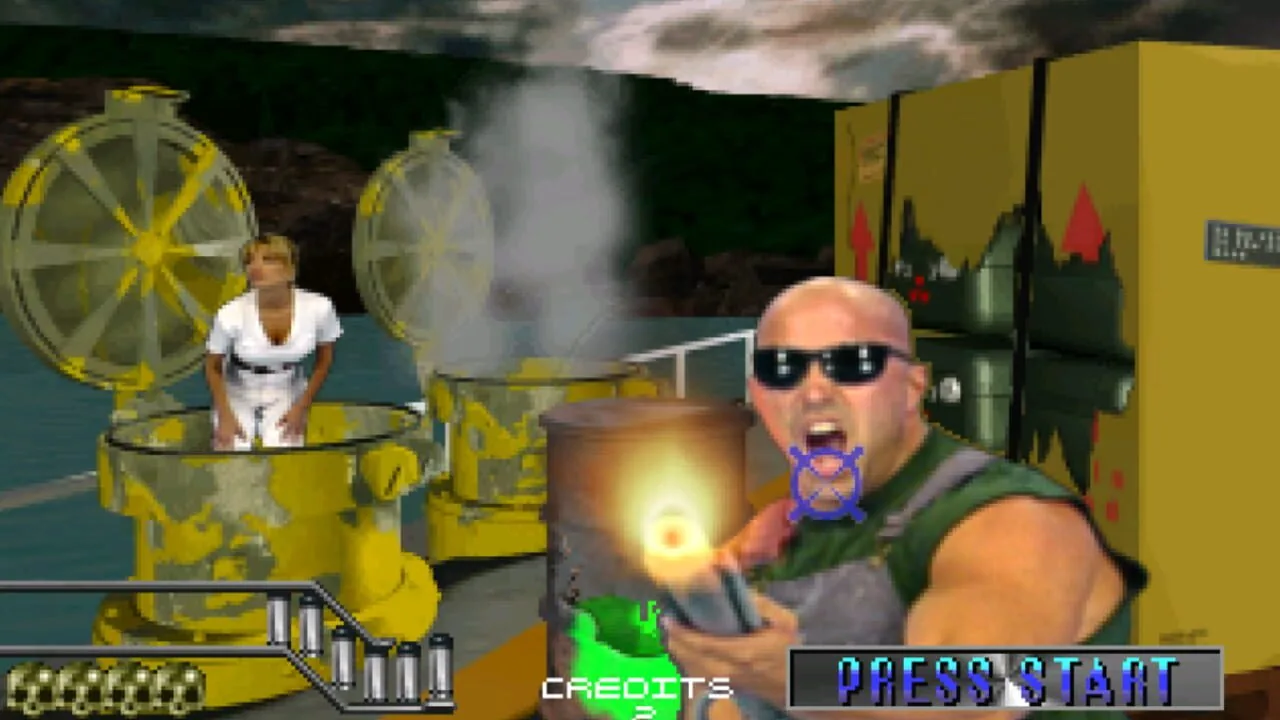
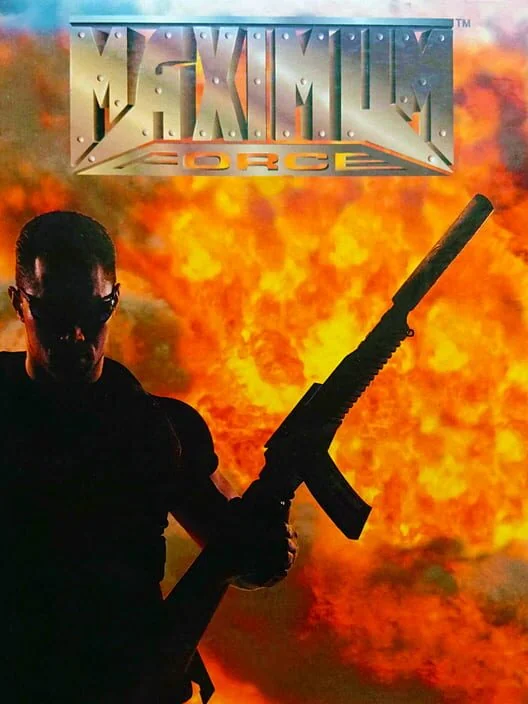
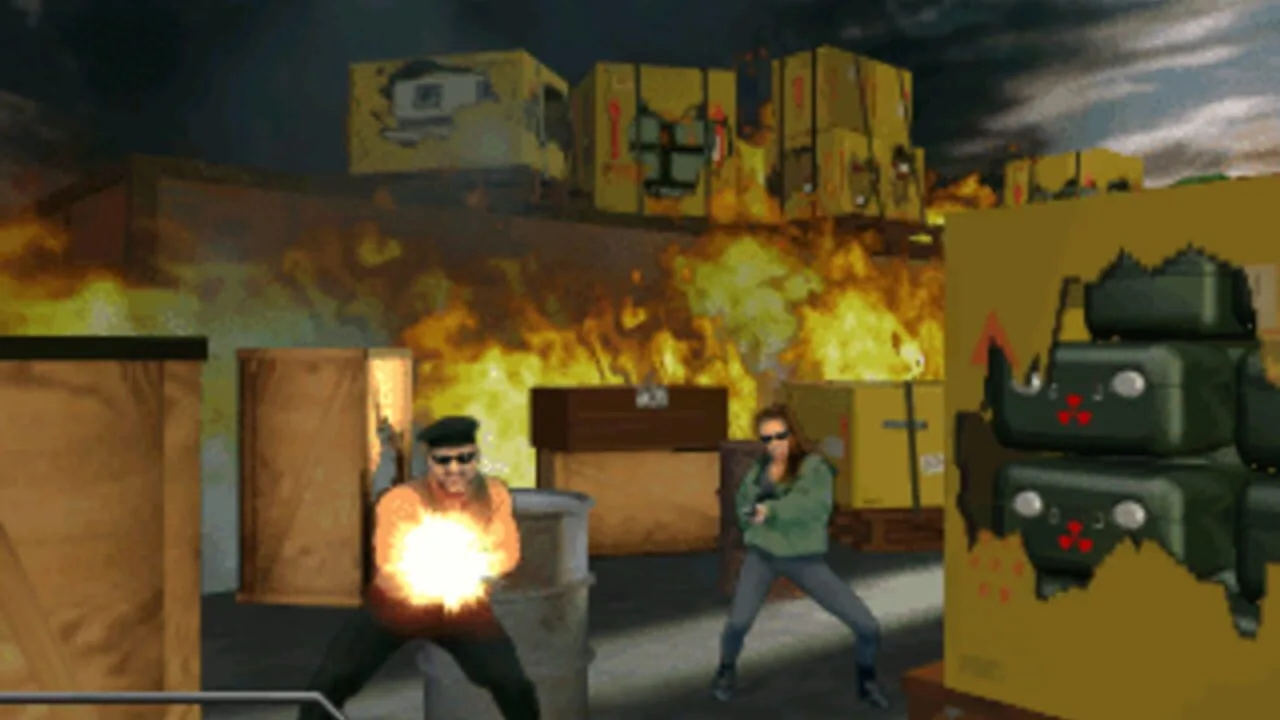
Maximum Force made its debut in January 1997 as Atari Games' follow-up to Area 51, built on the same arcade board with the same digitized look. You play a counter-terrorist agent fighting through three combat zones, and the first two can be played in any order. Shoot a hostage and you lose a life. Shoot the right object and you get pulled into a secret bonus zone, usually a shooting exercise for extra points.
In 1998 Atari put both games into one cabinet, Area 51 / Maximum Force Duo, and later ported Maximum Force to the PlayStation. Critics found digitized gun games old hat by then, though some said this one beat Area 51. Players tend to name the two games together, as one package of arcade shooting.
12. Die Hard Trilogy 2: Viva Las Vegas (2000)
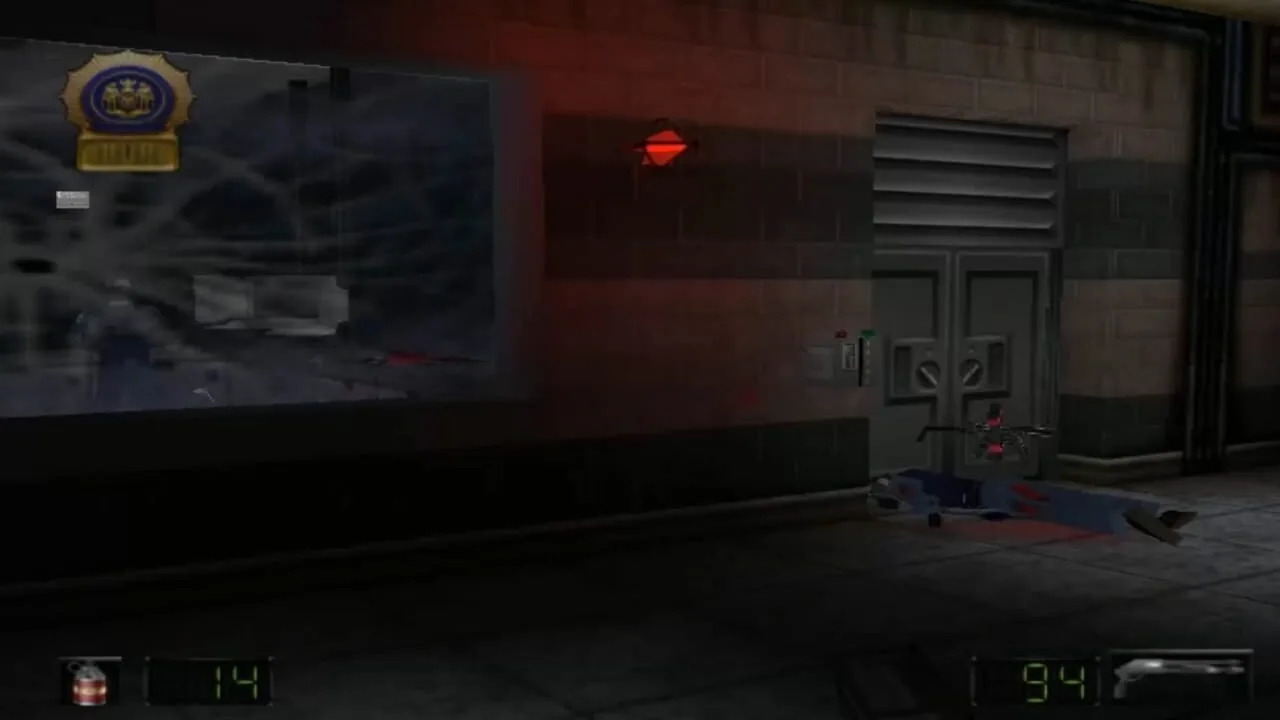
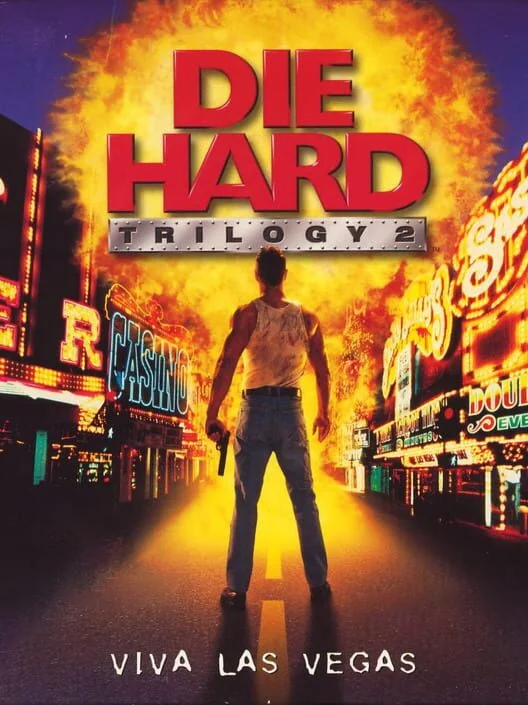
Die Hard Trilogy 2 keeps the three playing styles of the first game, but it tells one original story that switches between them. There are third-person action levels, light gun rail shooting and car chase driving levels. You can use the standard PlayStation controller, the PlayStation Mouse, light guns or steering wheels in the parts that suit them.
Fox Interactive asked Picture House to make it, a studio that included key members of the team behind the original. GameRevolution called the music "awful", which is harsh but not entirely unfair. It lives in the shadow of the first game, and that is about where it belongs. Still, if the original's airport shootout is your favourite part, Vegas gives you more of it.
11. Crypt Killer (1995)
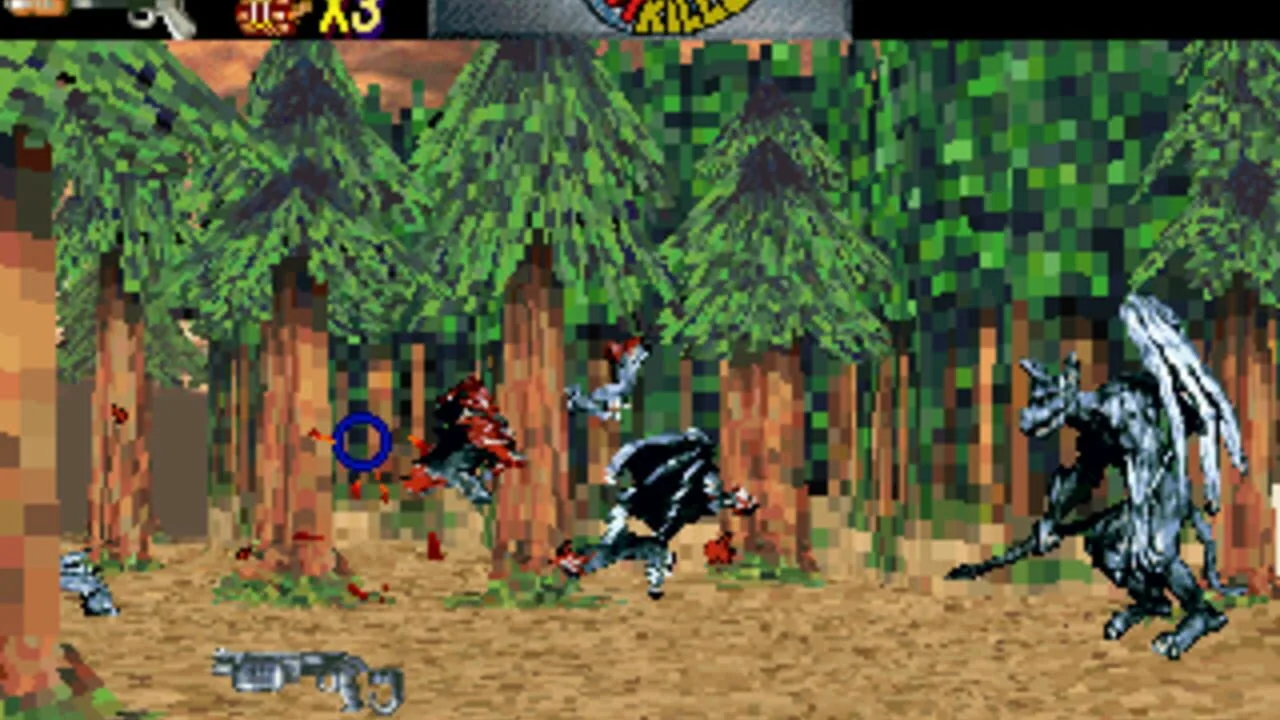
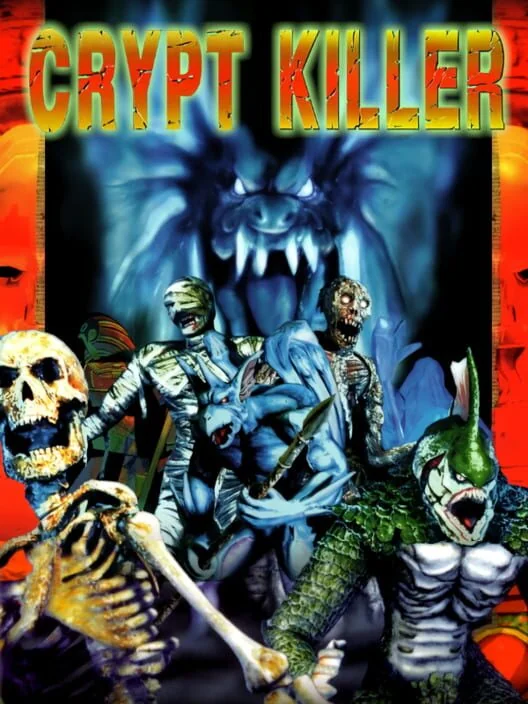
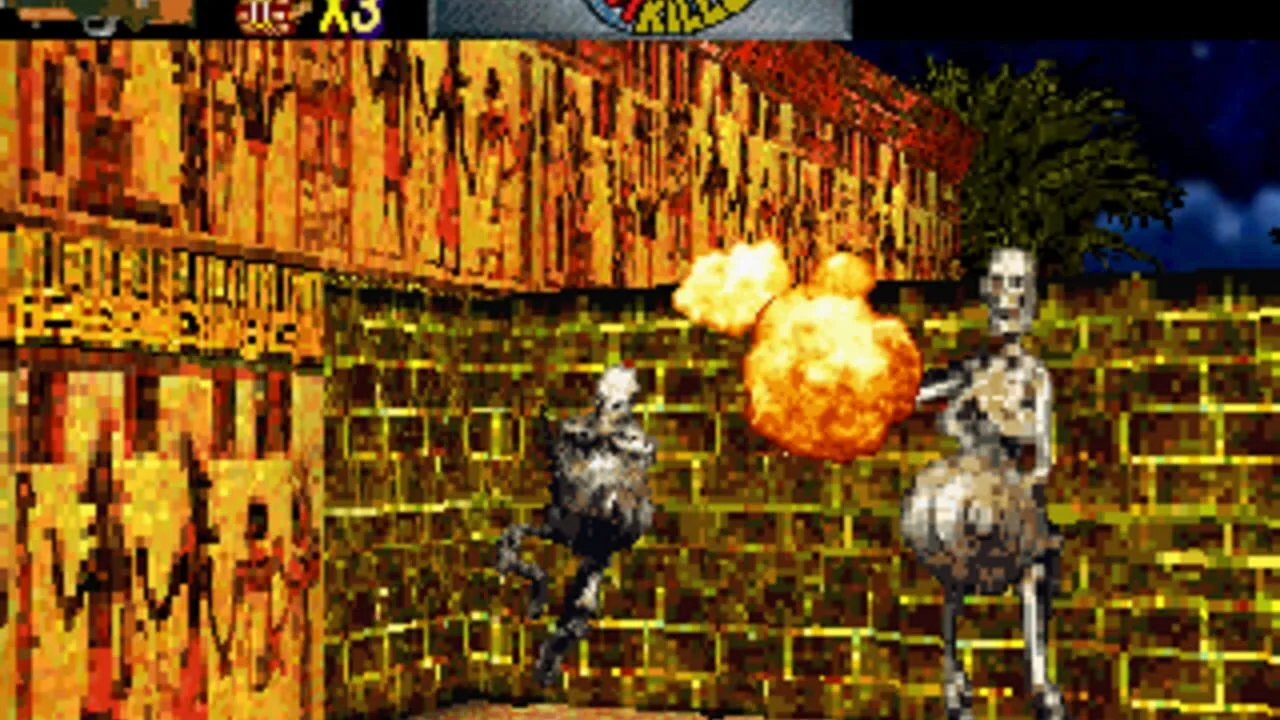
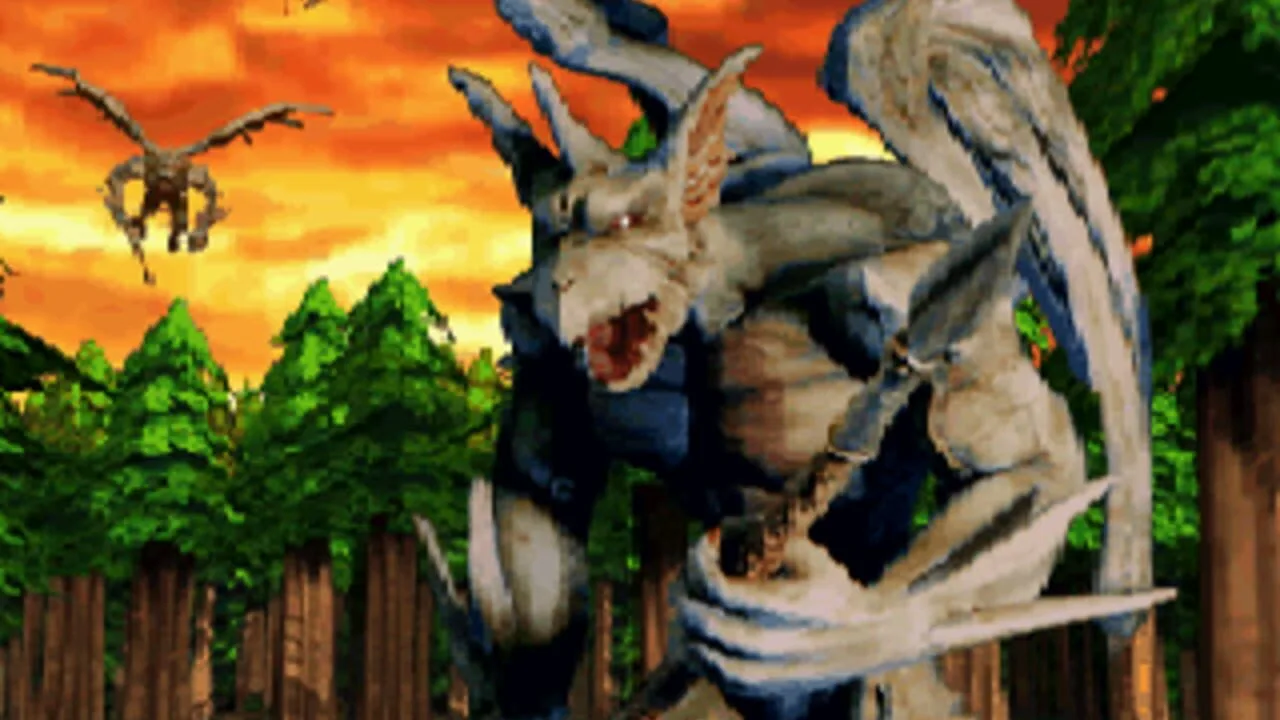
Crypt Killer came to the PlayStation and Sega Saturn in 1997, and Konami Computer Entertainment Tokyo made the PlayStation version. It works with Konami's own Hyper Blaster, sold in North America as the Justifier. You carry a shotgun through caves and crypts full of mummies and skeletons. The colors of the two Eyes of Guidance you collect decide which ending you see.
The best one is the Behind-The-Scenes Ending. You direct a movie based on the game, and it turns out every monster was a stunt man or an actor the whole time. Players are honest that the port is rough, and a few remember it mostly for the motion sickness. They still play it, mostly because the arcade cabinet left a mark on them as kids.
10. Rescue Shot (2000)
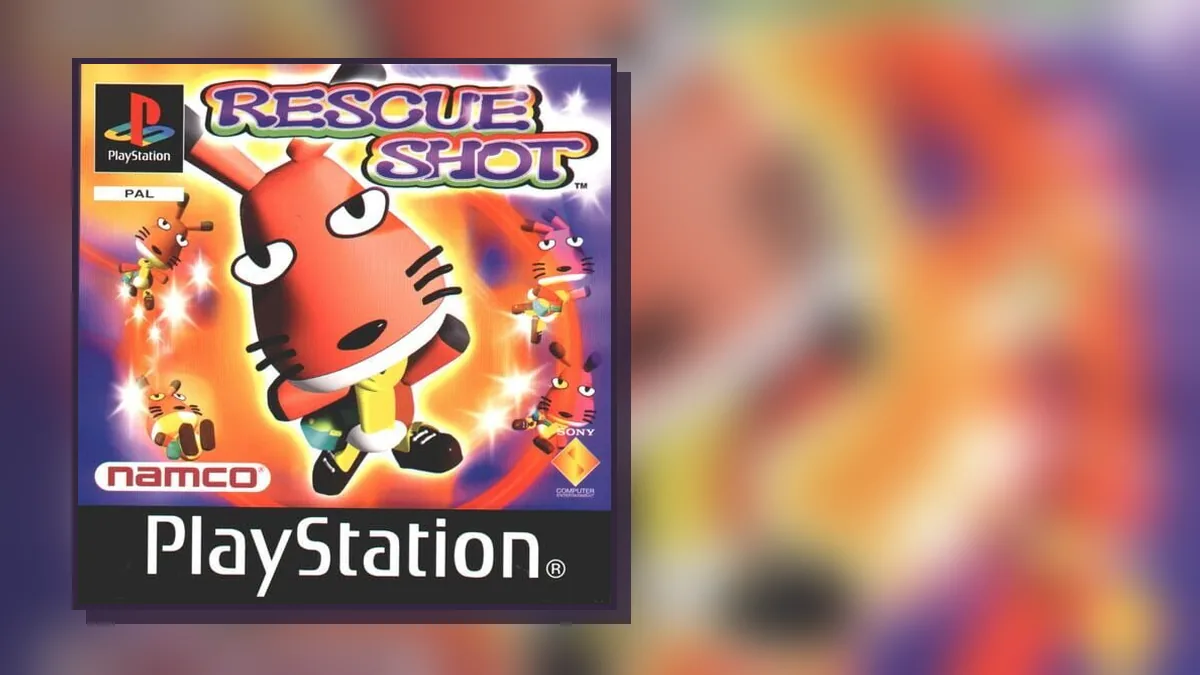
Rescue Shot is a Namco game built for younger players, and it is much more forgiving of poor aim than the rest of this list. It works with the controller, the GunCon and the PlayStation Mouse. You never shoot the hero. Instead you protect Bo, a harmless rabbit who lost his memory after falling from a cliff, as he wanders through each level with no idea of the danger.
You clear traps by shooting them, or by shooting Bo himself. A shot to the head makes him fall over and a shot to the rump makes him leap forwards, and neither one hurts him. Bo also eats any fruit he finds, so you need to shoot the poisonous mushrooms first. Players who found it call it a hidden gem that nobody talks about.
9. Judge Dredd (1998)
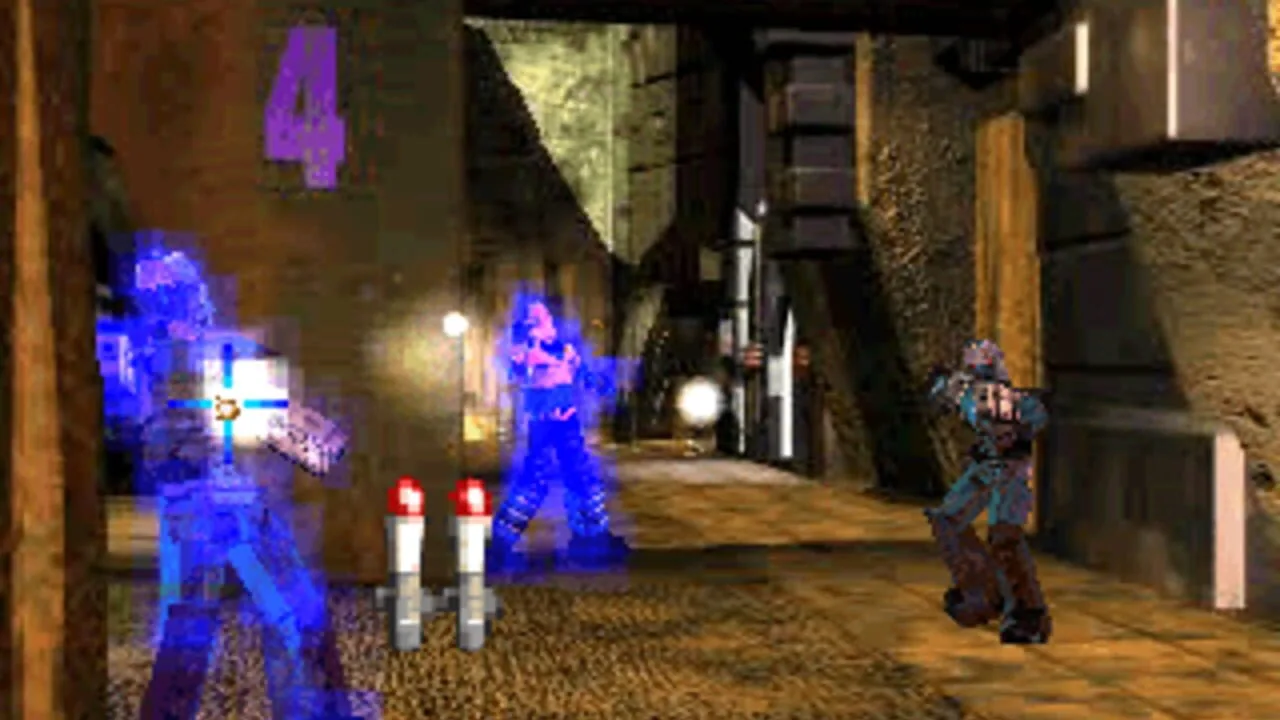
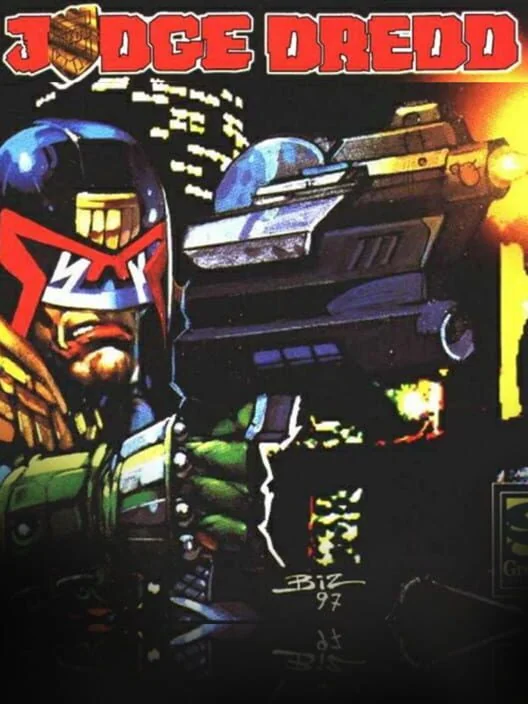
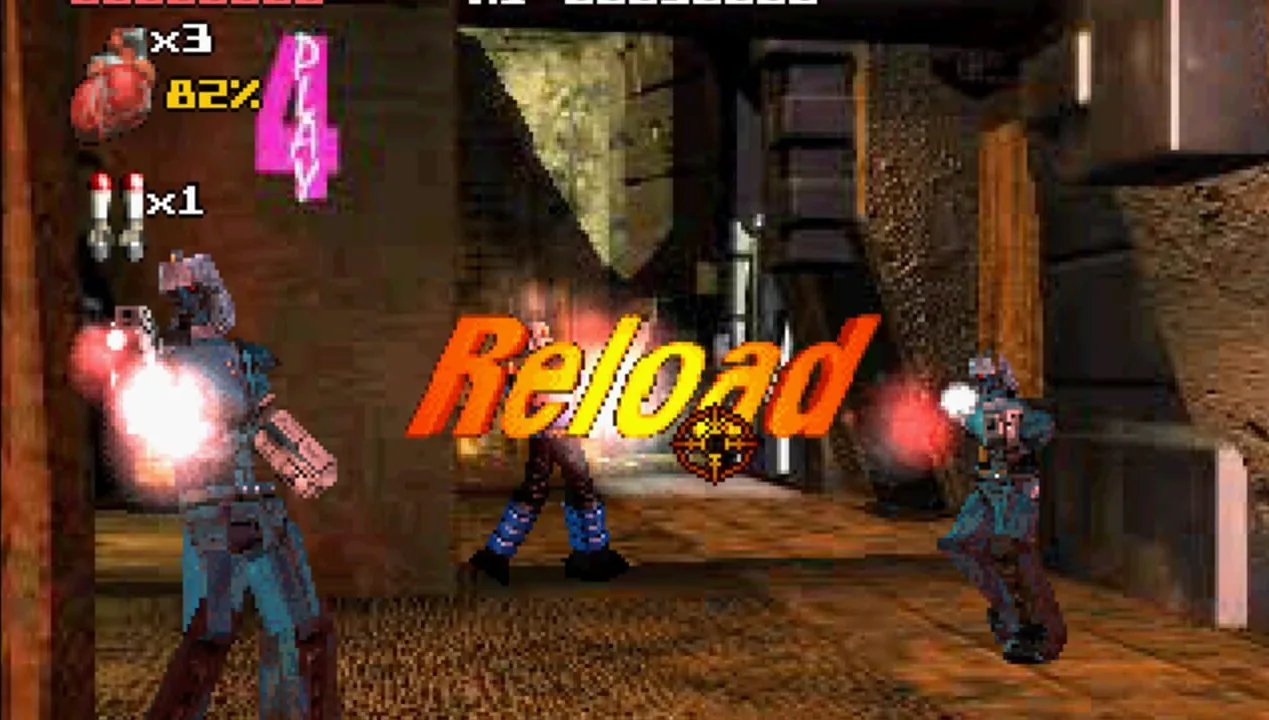
This Judge Dredd is a light gun game set in the 22nd century, based on the comic book rather than the film. Dredd chases an ex-judge prison escapee who has kidnapped the mayor, along with his army of androids. Acclaim made it for arcades, and Activision published the PlayStation version in North America. It was re-released on the PlayStation Network on 24 January 2008.
Critics hated it. All four members of the EGM review crew said even light gun fans would not enjoy it, while Next Generation praised its "clearest and most vibrant video". Players are kinder. They still recommend it as a solid gun game to play once you have finished Time Crisis, and a few call it a sleeper.
8. Time Crisis: Project Titan (2001)
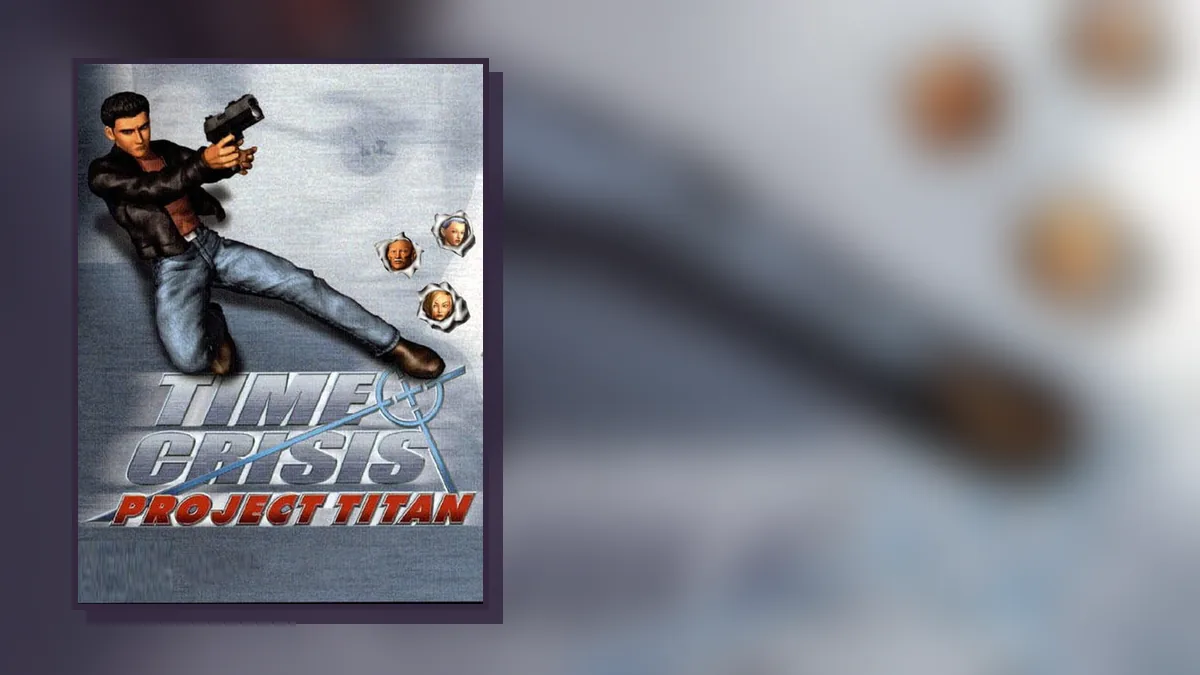
Project Titan is a direct sequel to the PlayStation version of the first Time Crisis, and it was only ever released on the PlayStation. Namco made it with Flying Tiger Entertainment, an American studio that went uncredited in Japan. The team spent two years on it. Namco built a new game because the arcade hardware of Time Crisis II was too different from the PlayStation to port.
Reviews were average, and the most common complaint was the graphics. GamePro called it "a thrilling weekend rental" for anyone who loves gun games. Players are much warmer about it. They recommend it right after the original and call it tons of fun. It even got nominated for a Best Console Shooter award, and lost to Halo.
7. Project Horned Owl (1995)
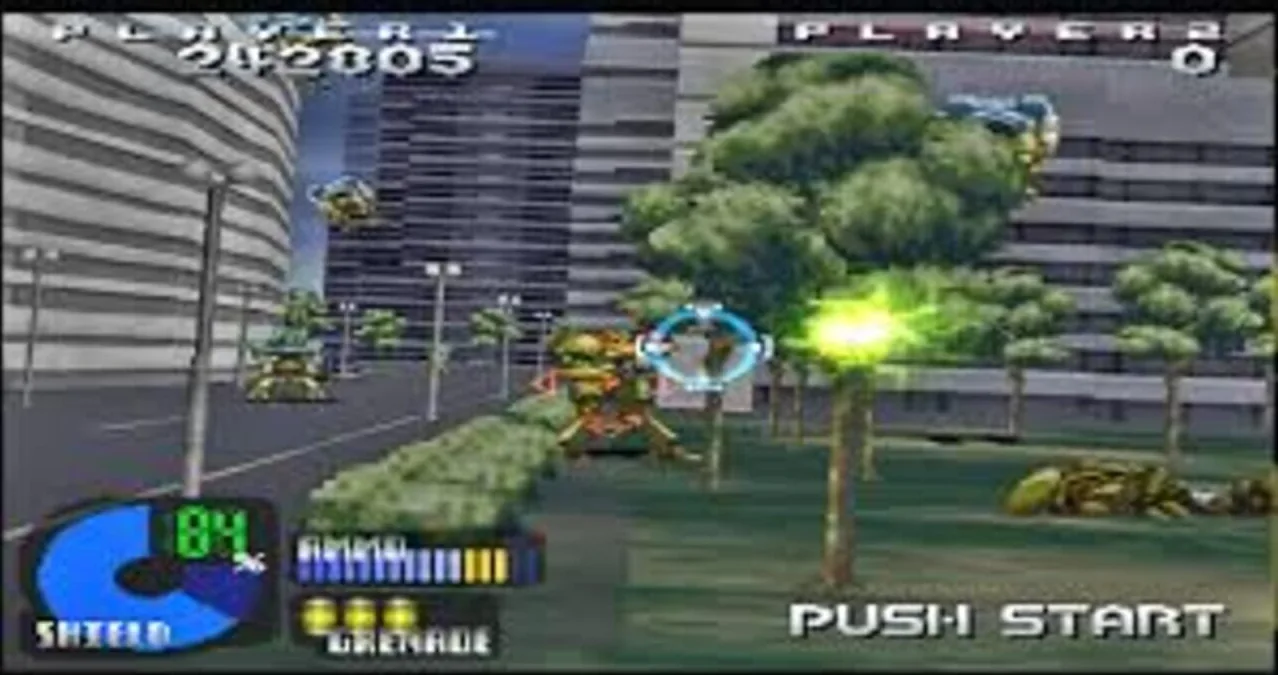
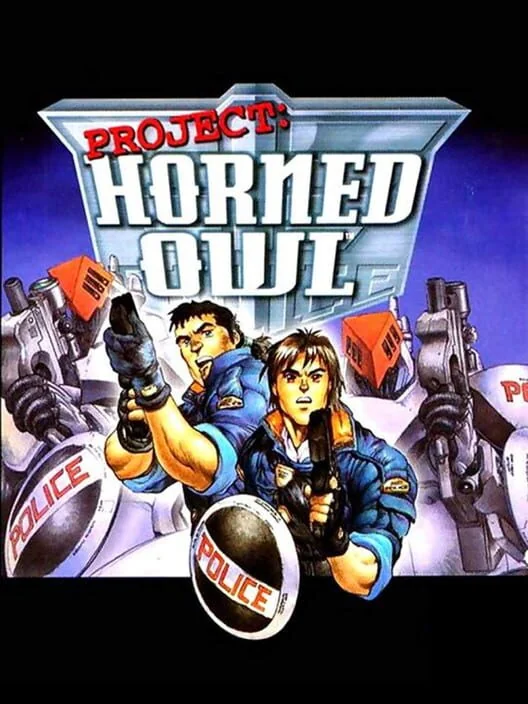
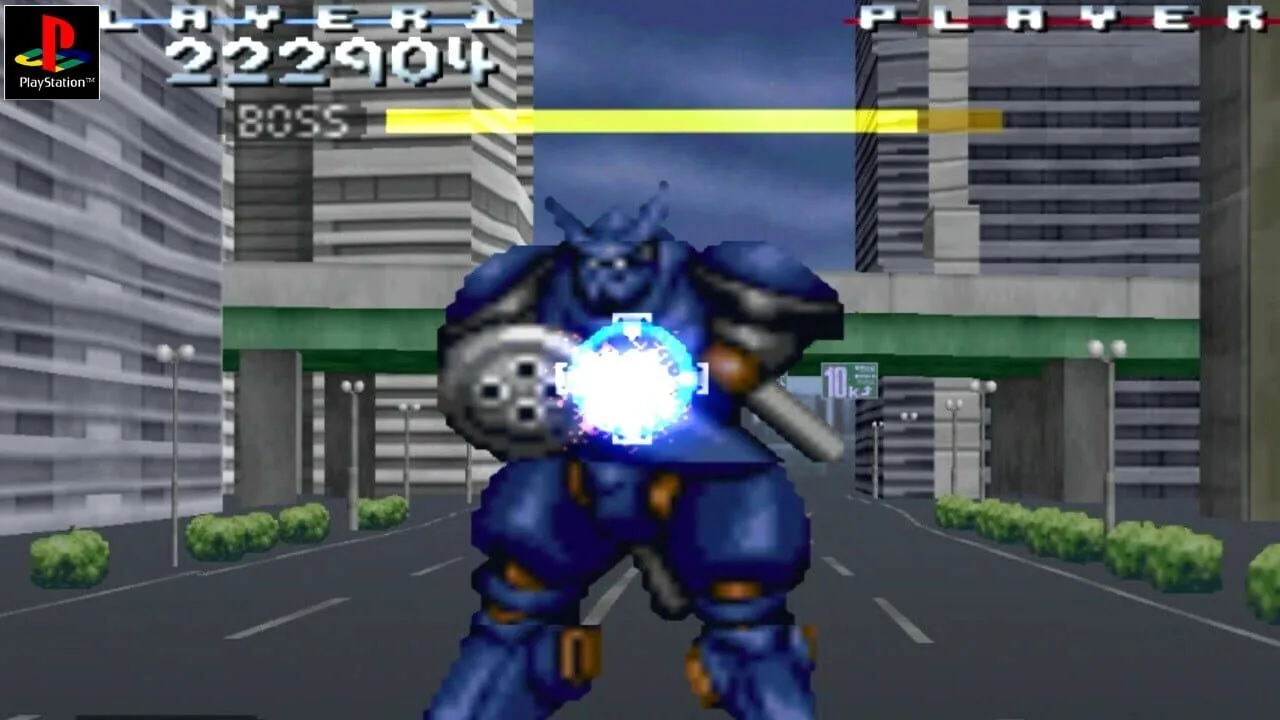
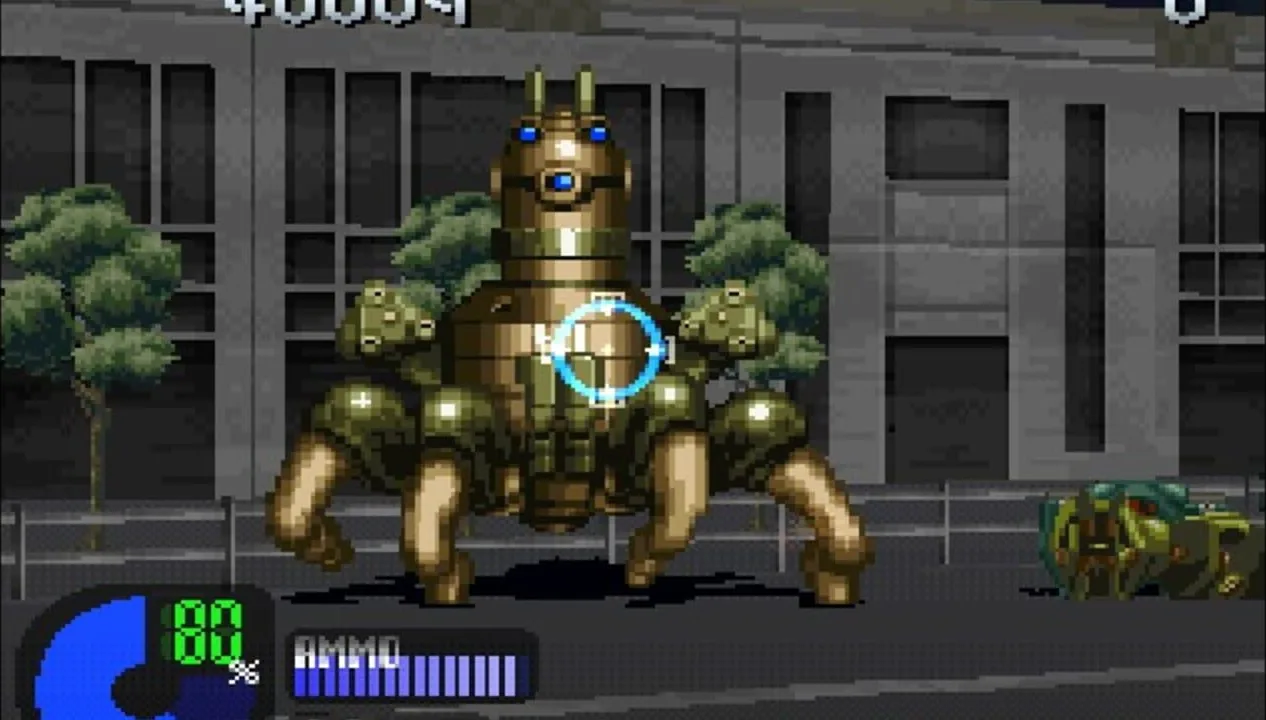
Project Horned Owl came out in Japan in 1995 and in North America in 1996. It is an arcade-style rail shooter set in Metro City, where you play one of two police officers in Horned Owl armored units, fighting a terrorist group called Metalica. An anime cutscene usually plays at the end of each stage. Alfa System developed it, with help from Sony's Japan Studio.
It works with the PlayStation Mouse or the Konami light gun, and one reviewer found it "much more fun when played with a light gun". Alfa System went on to make Elemental Gearbolt in the same style. Players remember it fondly as a fun light gun game packed with mecha.
6. Resident Evil Survivor (2000)
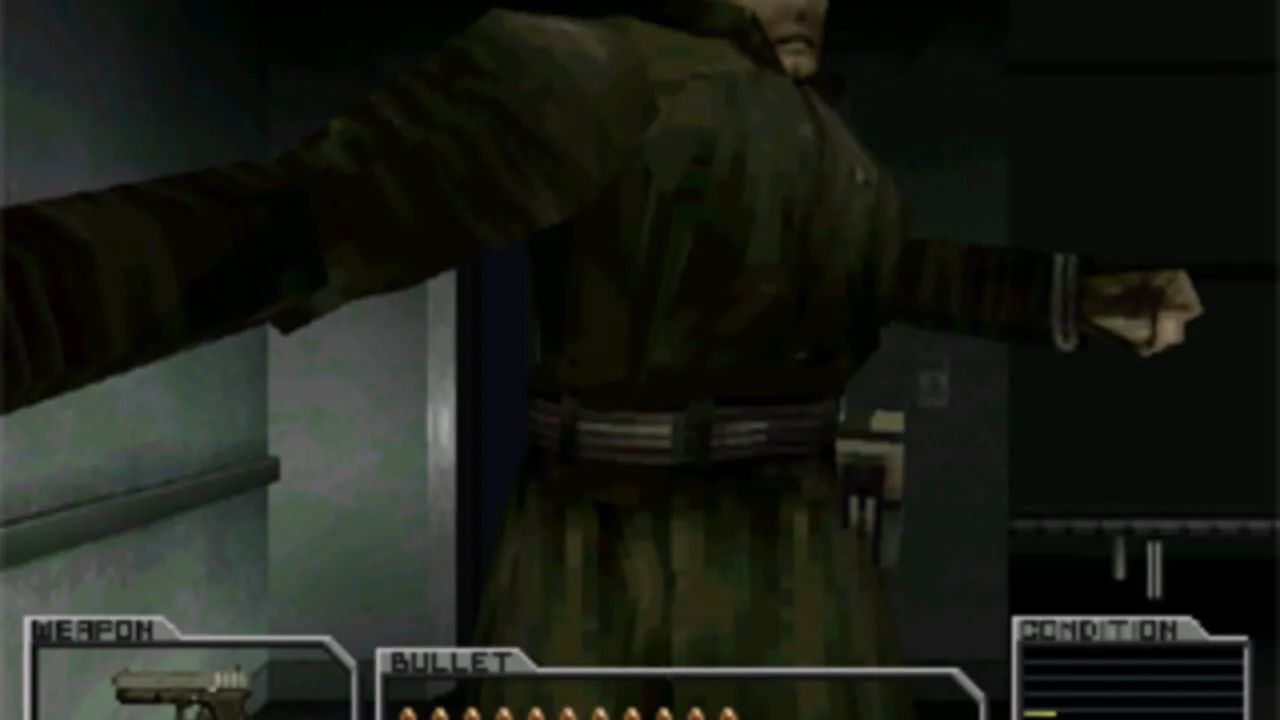
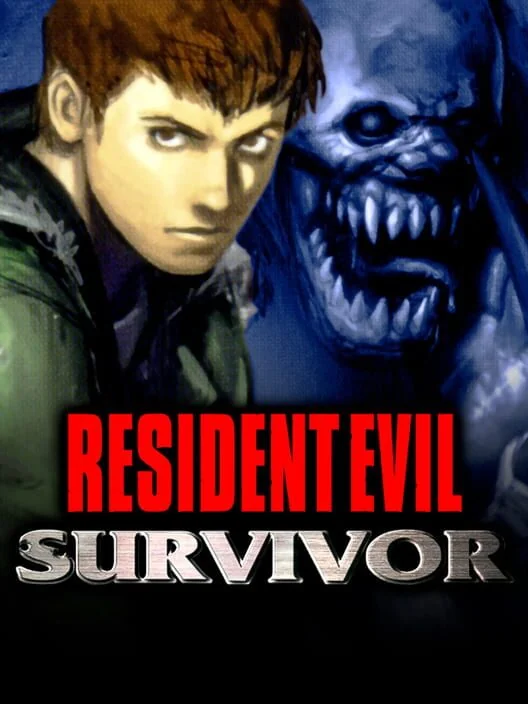
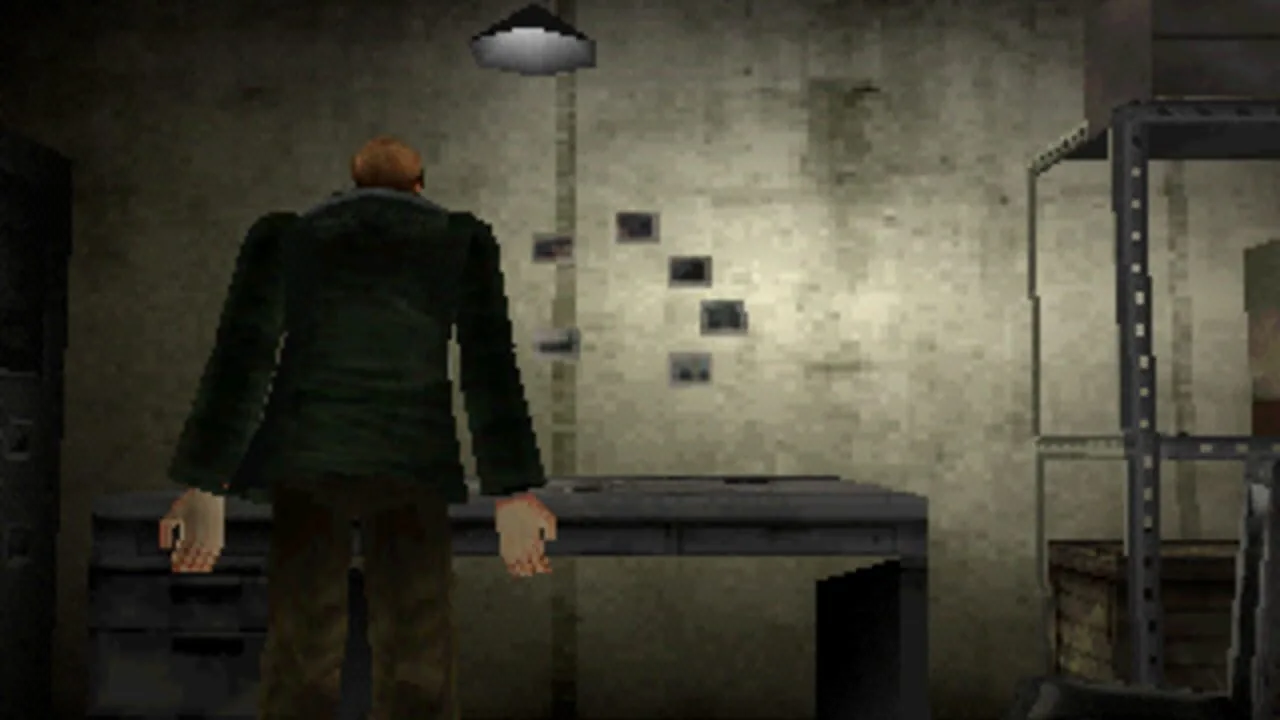
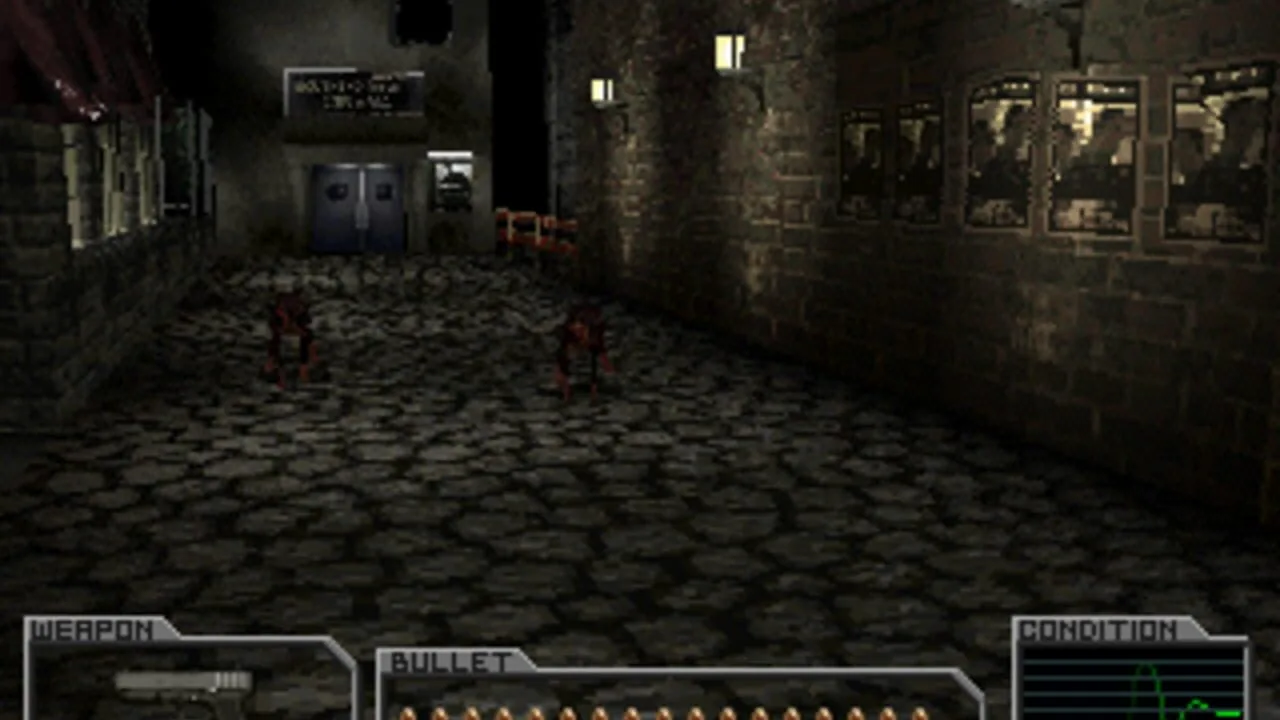
Resident Evil Survivor was the first Resident Evil played in first person, seventeen years before Resident Evil 7. It came out in Japan and Europe first, in early 2000. Those versions work with the GunCon, which made it one of the first light gun games where you walk around freely instead of riding a rail. You play a pilot who walks away from a crash with no memory of who he is.
American players got a worse deal, because the North American release had its light gun support removed. Reviews were unfavorable, and the game has a rough reputation. Players who stick up for it say it is more fun than people claim, with branching paths and some replay value. If you live in a PAL country and own a G-Con 45, it is worth a weekend.
5. Area 51 (1995)
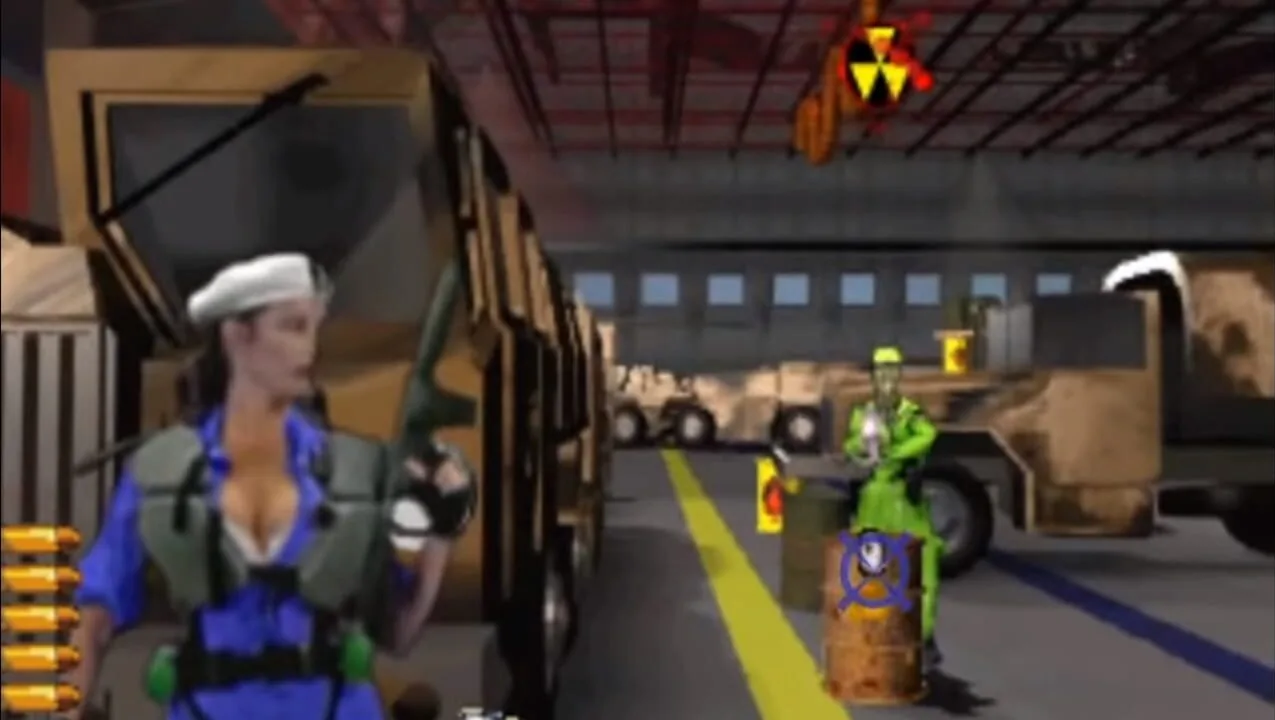
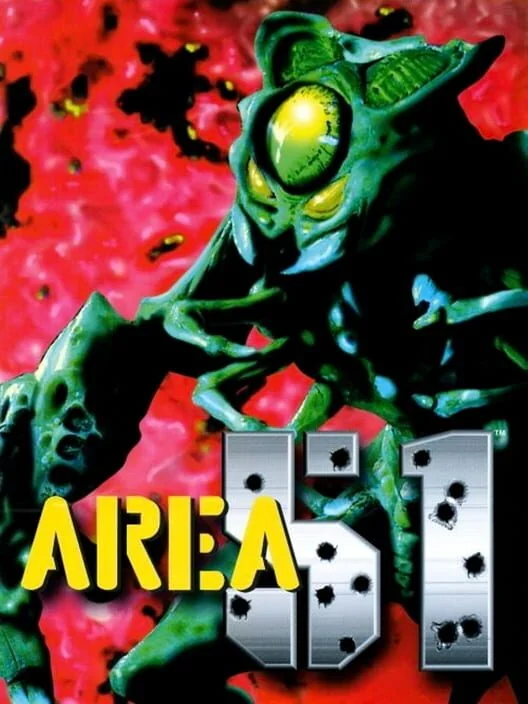
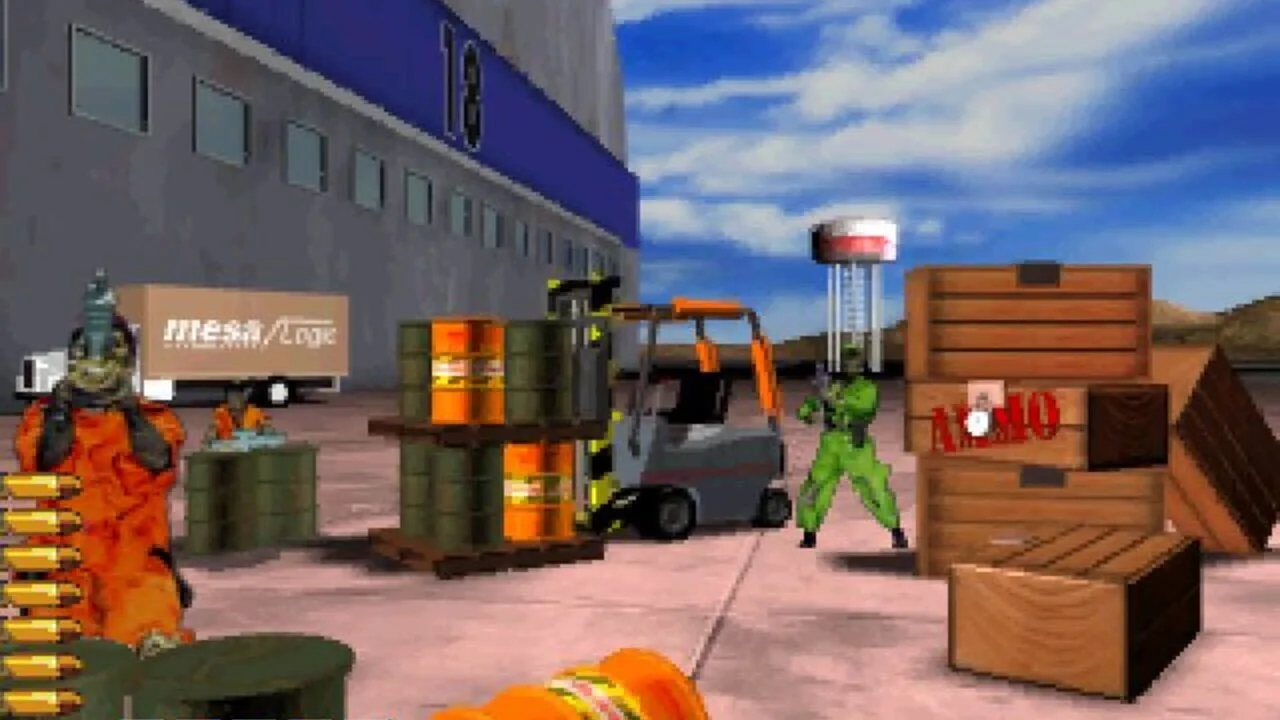
Area 51 was Atari Games' big arcade hit of 1995. You join a military team sent to stop the Kronn, an alien race, and their zombies from taking over the base. You must not hurt your own teammates. Shoot three of them and nothing else, though, and the game flips into Kronn Hunter mode, where you play a Hunter sent by the Kronn. Your pistol upgrades all the way to an automatic shotgun.
Midway released the PlayStation port in 1996. It supports the Konami Justifier, but not the Namco GunCon. Critics were lukewarm, but players loved it, and they still do. For a lot of them it was a childhood favourite, and the secret rooms are a big part of why. Shooting the right object warps you into a hidden bonus zone, and nobody forgets the first time it happens.
4. Elemental Gearbolt (1997)
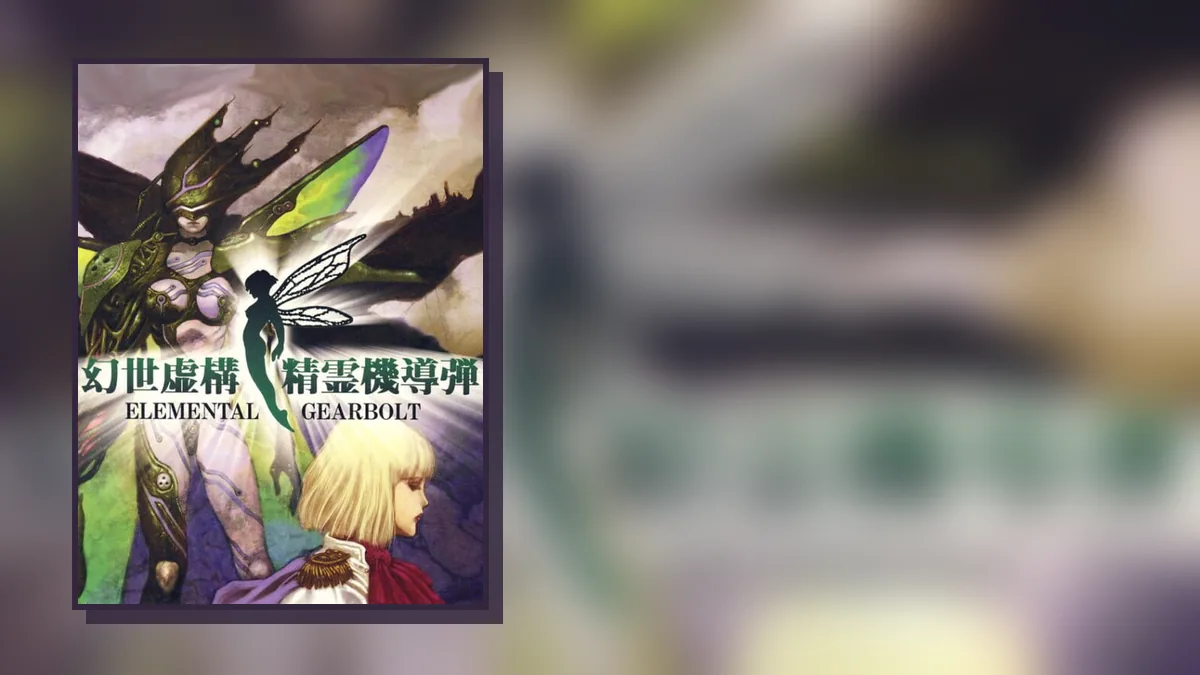
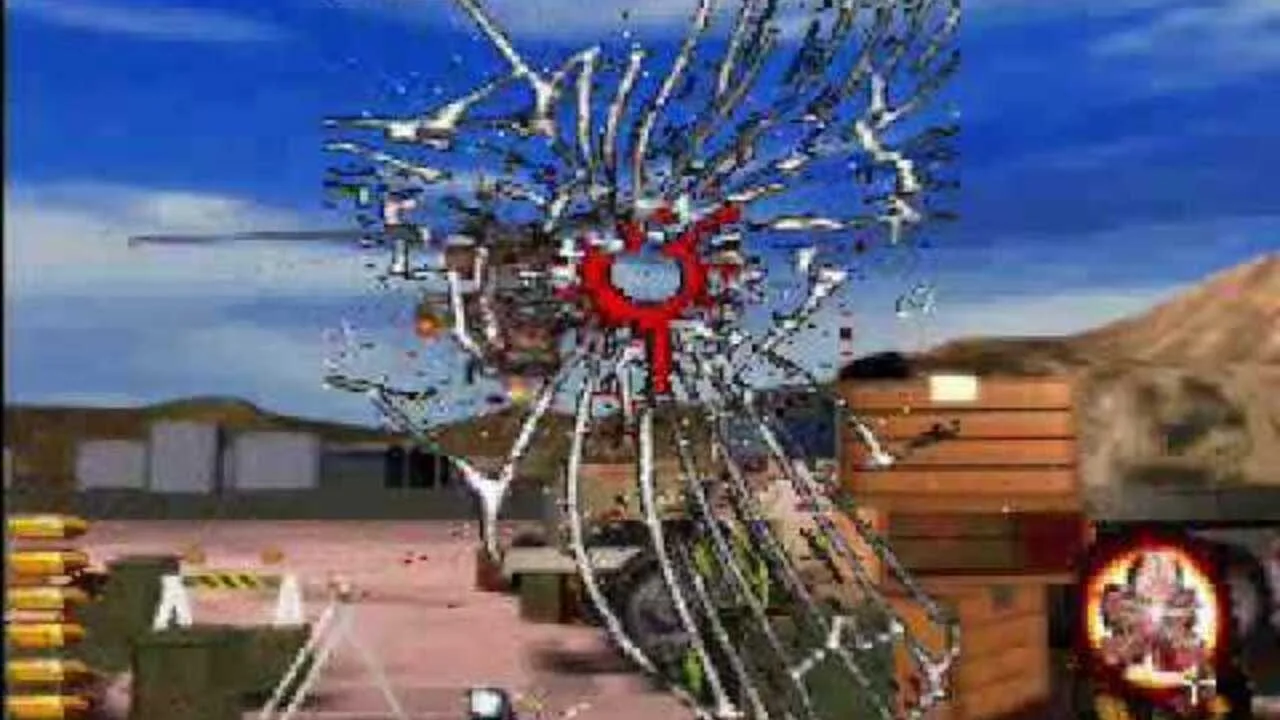
Elemental Gearbolt came out in Japan in December 1997 and in North America in August 1998, published by Working Designs, a company better known for RPGs. Nell and Seana are two sisters who are killed and brought back as Elementals, with powerful Holy Guns linked to their bodies. Their new bodies only last 24 hours. Critics loved the science fantasy setting, which was rare for a light gun game.
It has an orchestral soundtrack and anime cutscenes directed by Rintaro. It supports every licensed PlayStation light gun, so the gun question does not matter here. Working Designs even ran score contests, and some winners got gold-plated GunCons. Players rank it with the very best light gun games on the PS1, and a few go further and call it the best one ever made.
3. Point Blank (1994)
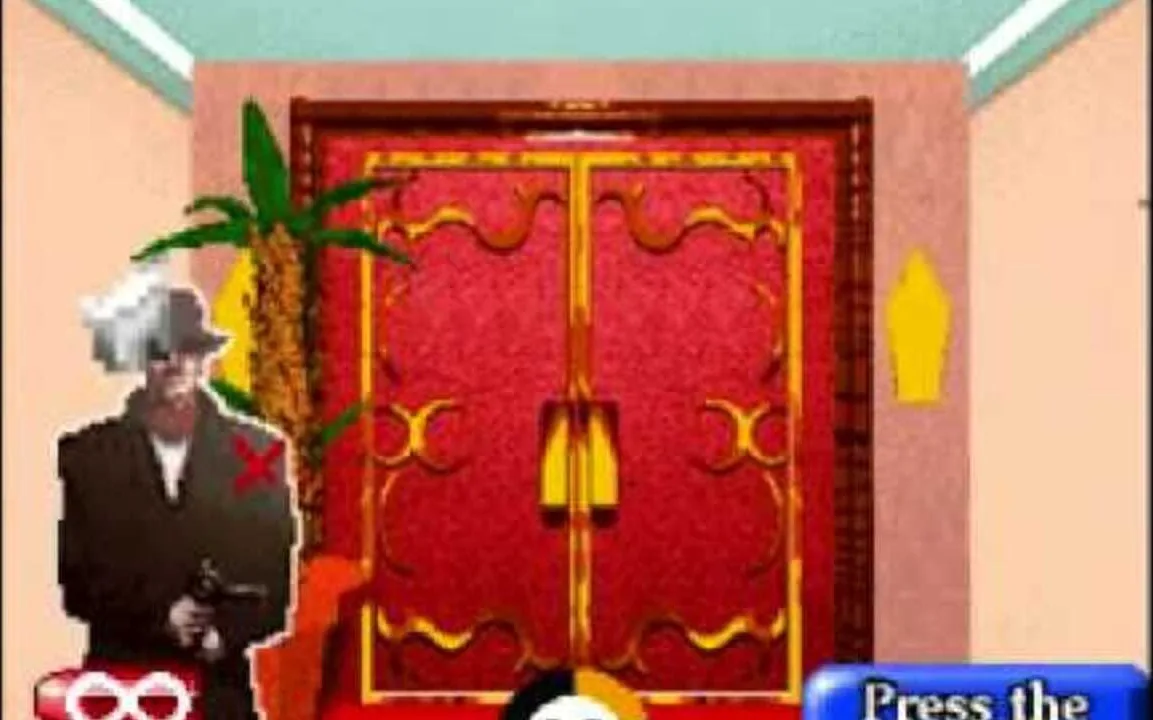
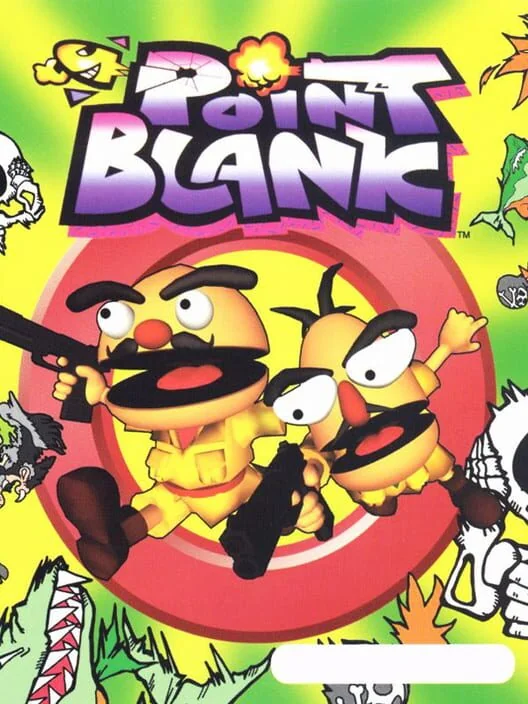
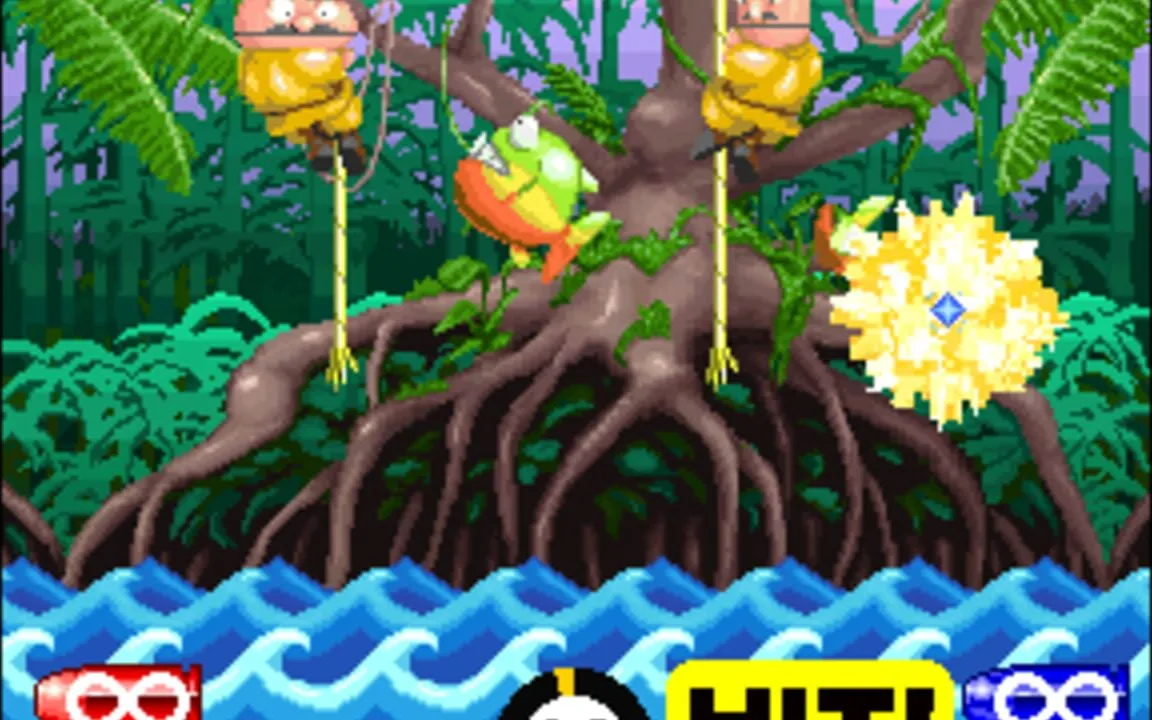
Point Blank started in arcades in 1994 and came to the PlayStation in 1997. It is a set of non-violent shooting contests for all ages. You might be shooting cardboard targets one moment and racing a timer the next. The PlayStation version added a lot: an arrange mode, many new modes and a full quest mode, and it supports the GunCon.
Two EGM reviewers wrote that it was the best light gun game they had ever played, and it tied with Resident Evil 2 for the magazine's Game of the Month. Not bad company for a game with no blood in it. Players agree it is endless fun.
2. Time Crisis (1997)
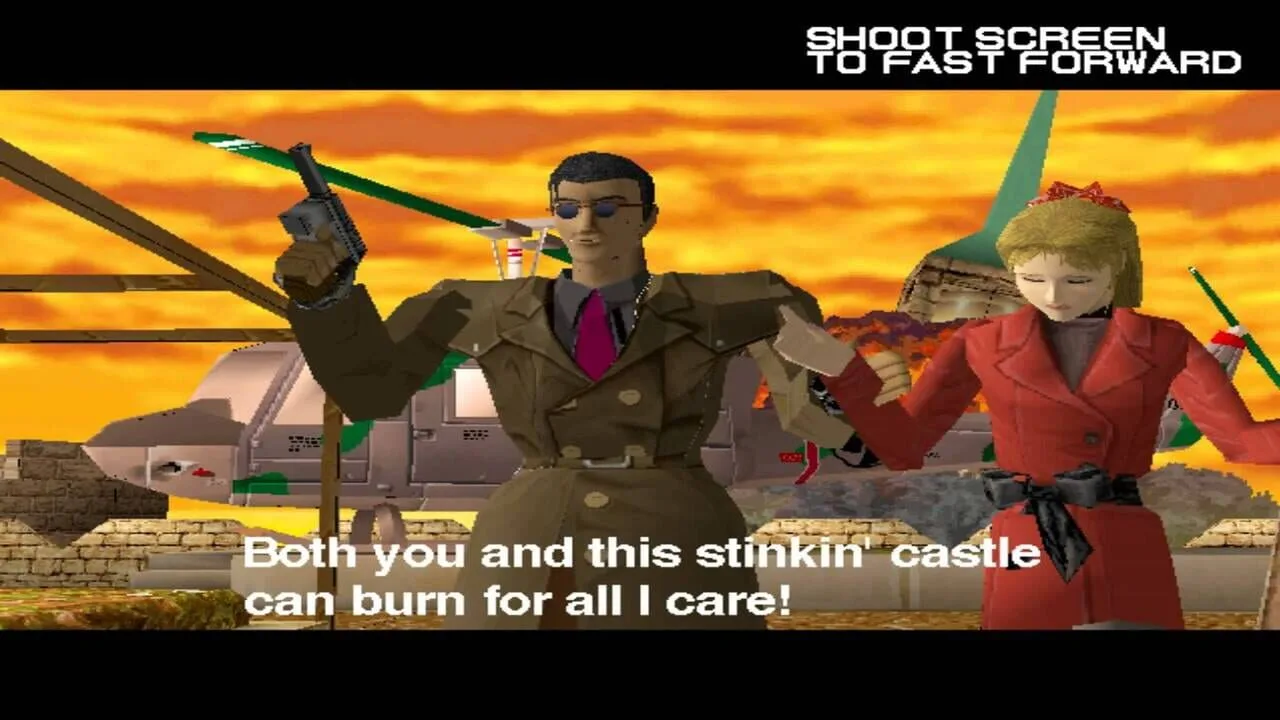
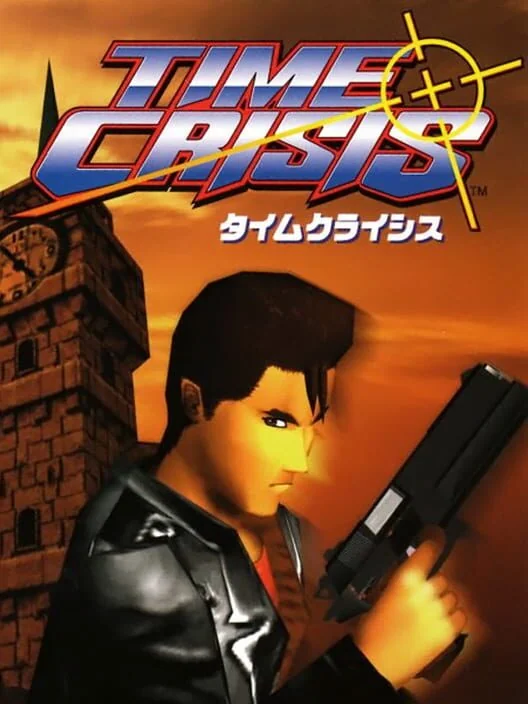
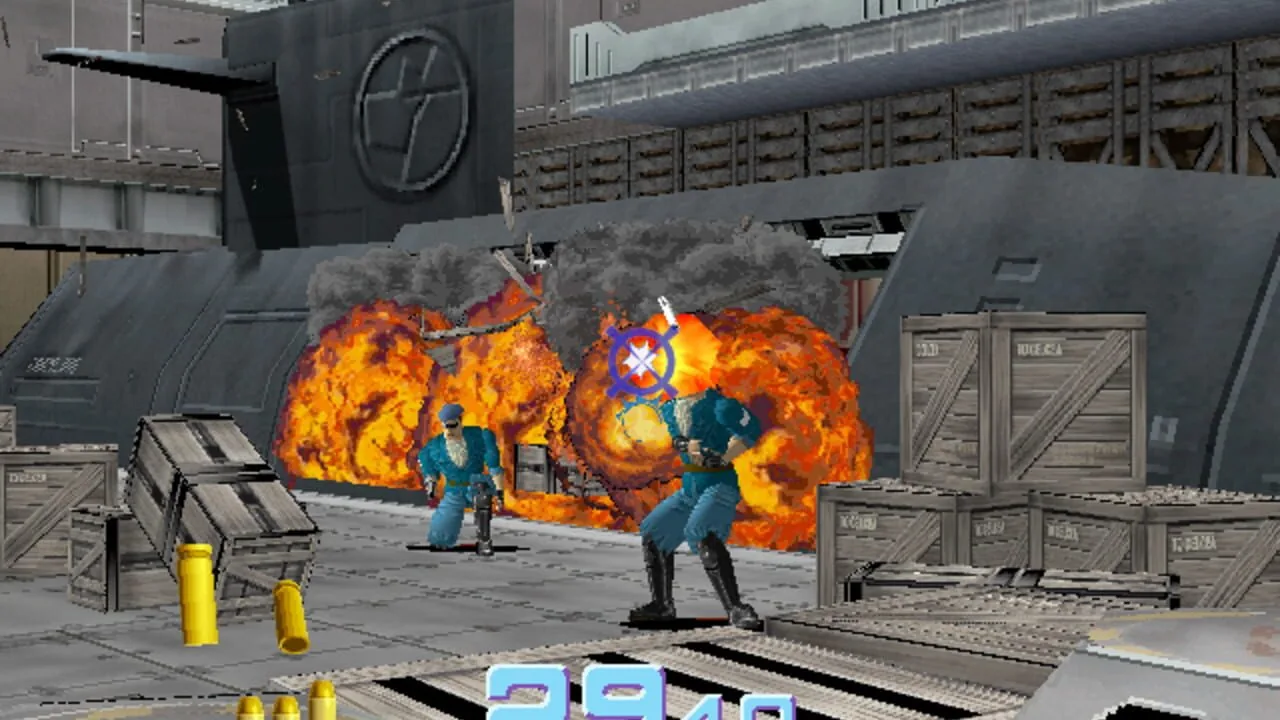
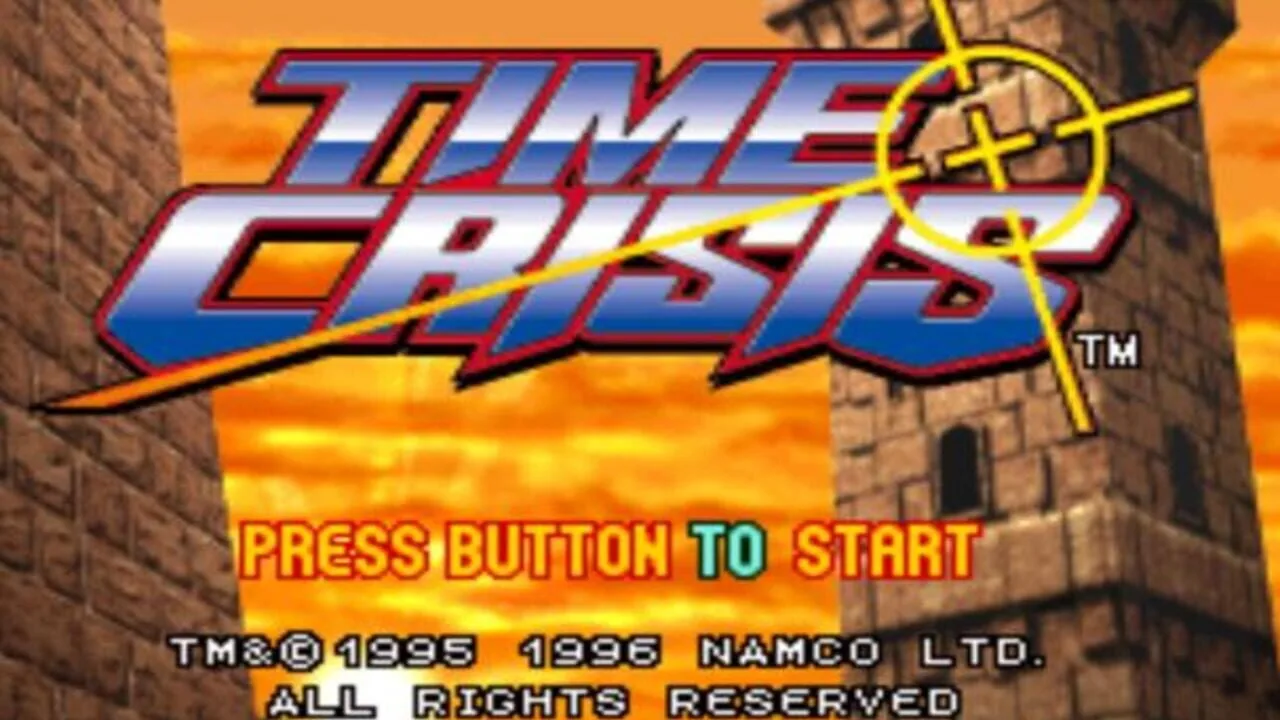
Time Crisis hit arcades in December 1995 and came to the PlayStation in 1997, bundled with the launch of the GunCon. Its big idea was cover. In the arcade a foot pedal decides when you duck to reload and dodge fire, and on the PlayStation a button does the same job. A countdown timer pushes you to take risks, because hiding too long ends the game.
The PlayStation version also has a side-story mode of its own. How fast you clear each area decides the path you take, and one path only opens if there are less than 22 seconds left on the clock. Players name it in the same breath as Point Blank, as one of the two classics of PS1 gun games.
1. Die Hard Trilogy (1996)
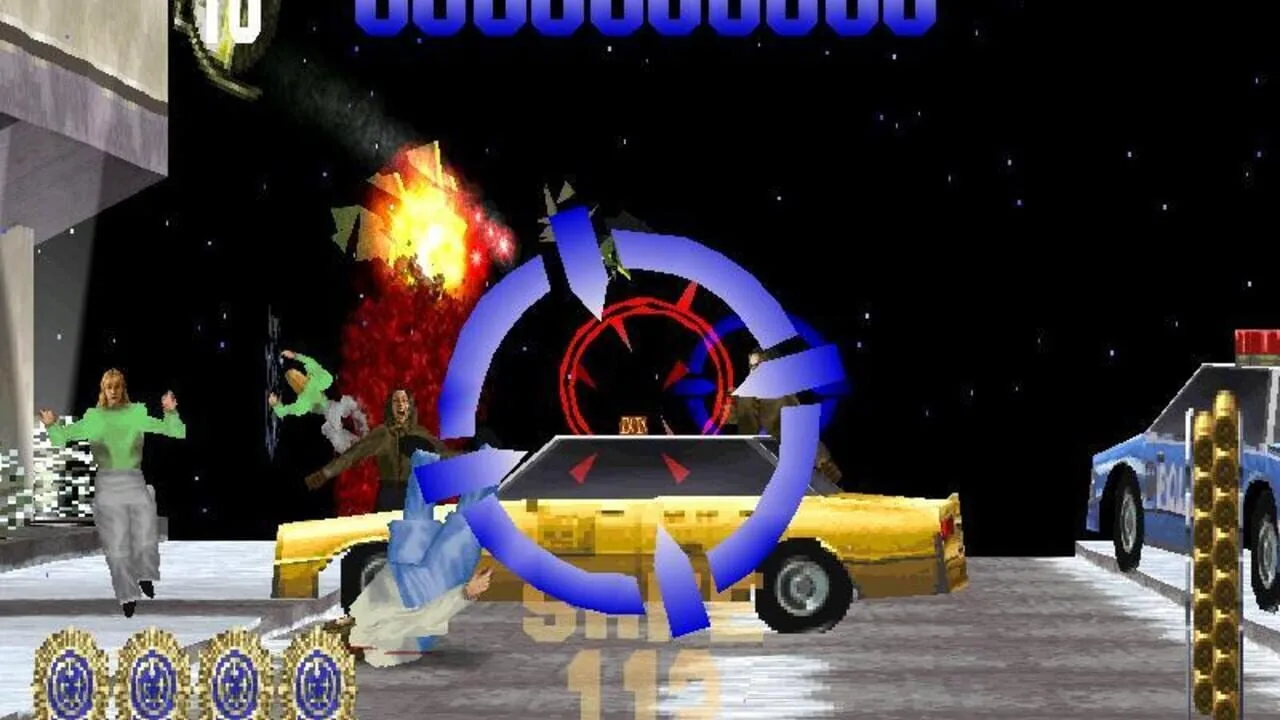
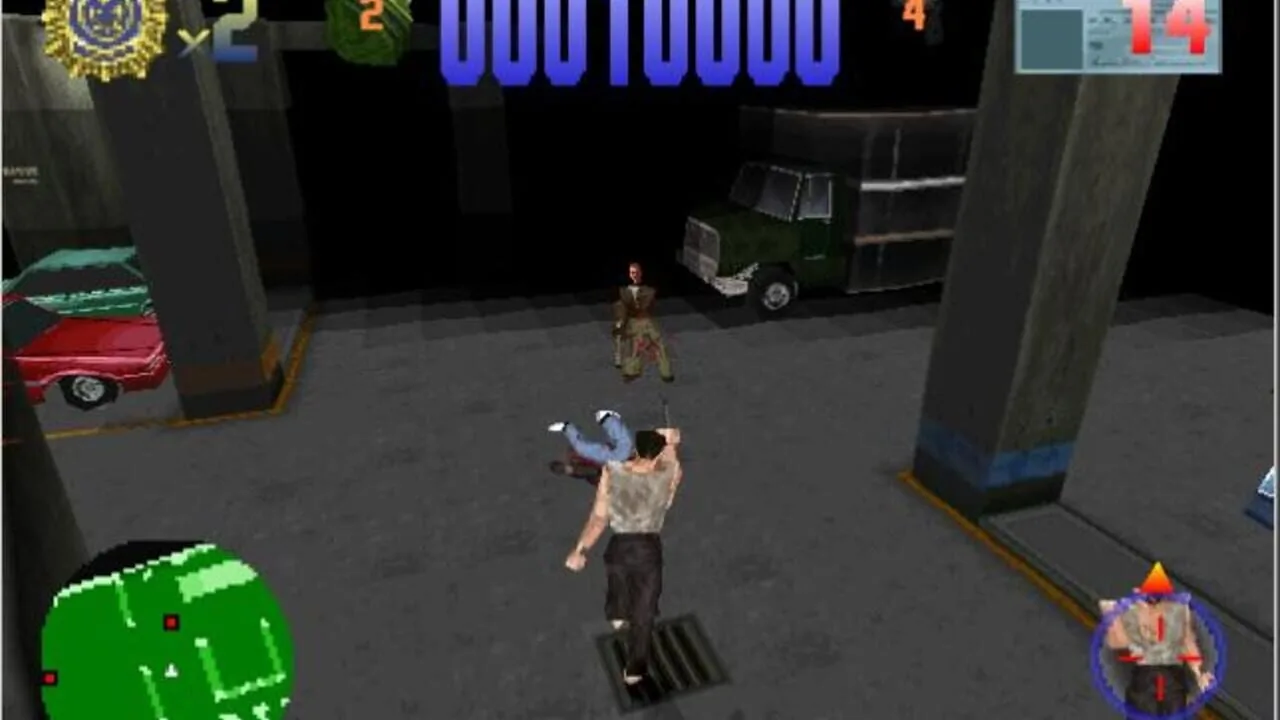
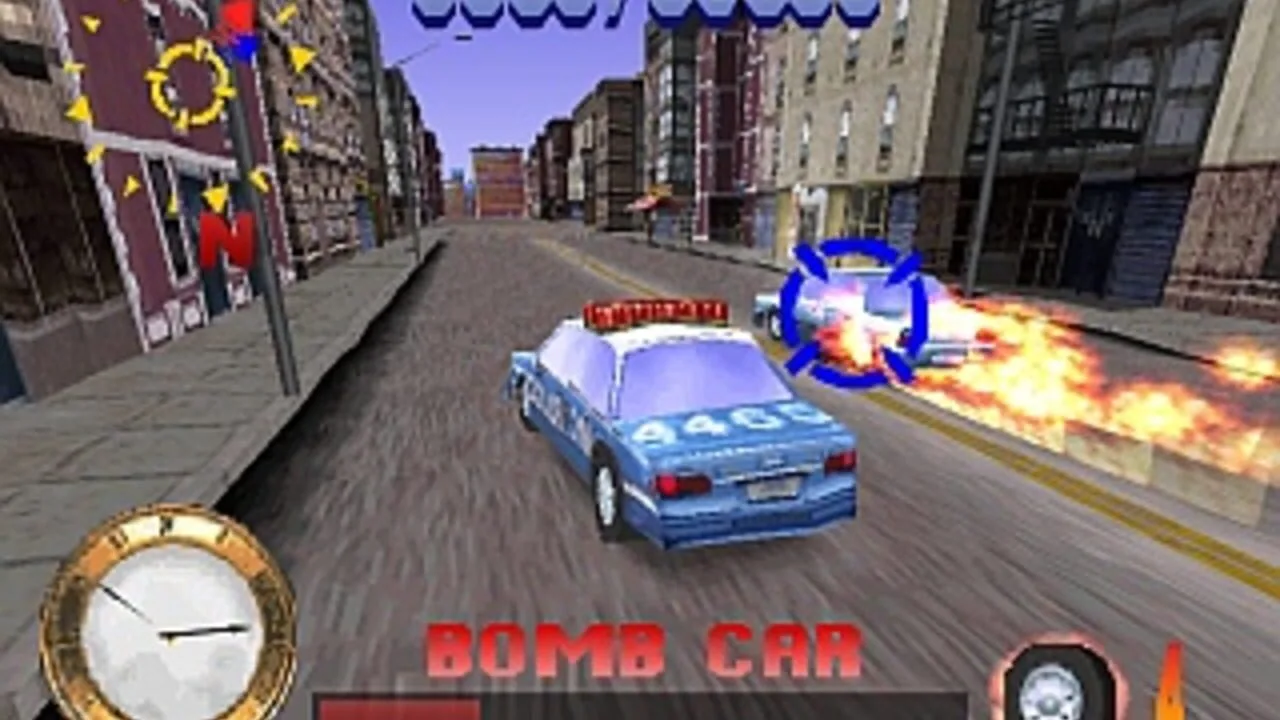
Die Hard Trilogy is three games in one, with each of the first three films turned into a different kind of game. Die Hard is a third-person shooter. In Die Hard with a Vengeance you drive a taxicab around New York City, looking for bombs to defuse before they go off. In between sits Die Hard 2: Die Harder, a rail shooter where you stop terrorists at Dulles Airport. You aim with a gamepad, a light gun or a mouse.
Probe Entertainment, a UK studio, made it. It is one of the few PS1 light gun games that does not work with the GunCon, and the most common complaint in reviews was that Die Harder needs the Konami gun to be any fun. Players named it more than any other game on this list, and they still call it great.
Which one to play
There you have it, the whole list of the best PS1 light gun games. Namco made almost half of them, and nearly all of them still feel like the arcade.
If you are buying a GunCon today and are not sure where to start, play Time Crisis. If you have a friend over, Point Blank is the one. If you own a Justifier, Die Hard Trilogy and Area 51 are made for it. For Resident Evil fans in Europe, Survivor is worth a try. If you like anime, Project Horned Owl and Elemental Gearbolt belong together. And for a hidden pick, give Rescue Shot a go.