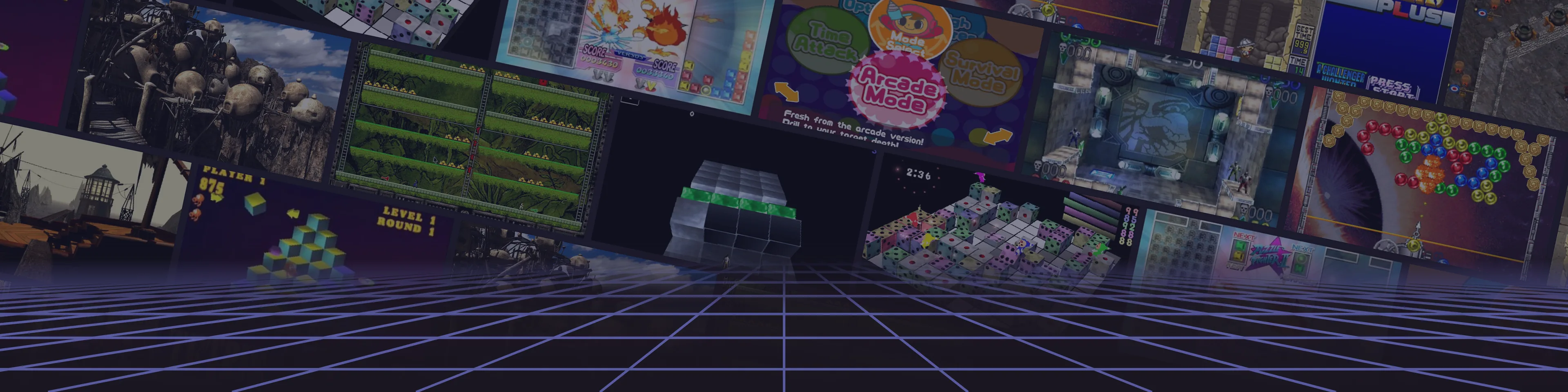
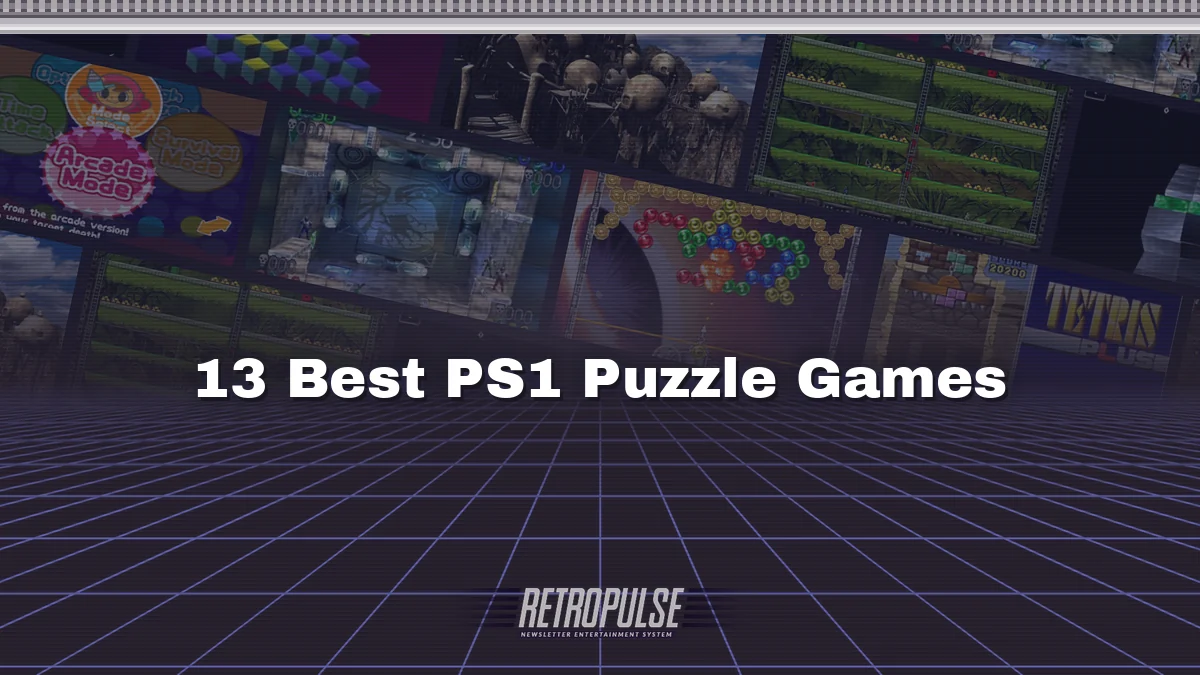
The PlayStation is not the first console people think of for puzzle games, and that is their loss. Capcom and Taito brought their arcade puzzlers home to it, and Namco sent over a late arcade hit that grew out of Dig Dug. Tetris showed up too, this time with a professor to rescue.
The PC crowd brought Myst and its sequel, two games that ask for nothing but patience. And some of the best puzzle games on the console came from small teams with strange ideas, including a homebrew project that became a million-seller. Here are the 13 best PS1 puzzle games.
13. Lode Runner: The Legend Returns (1994)
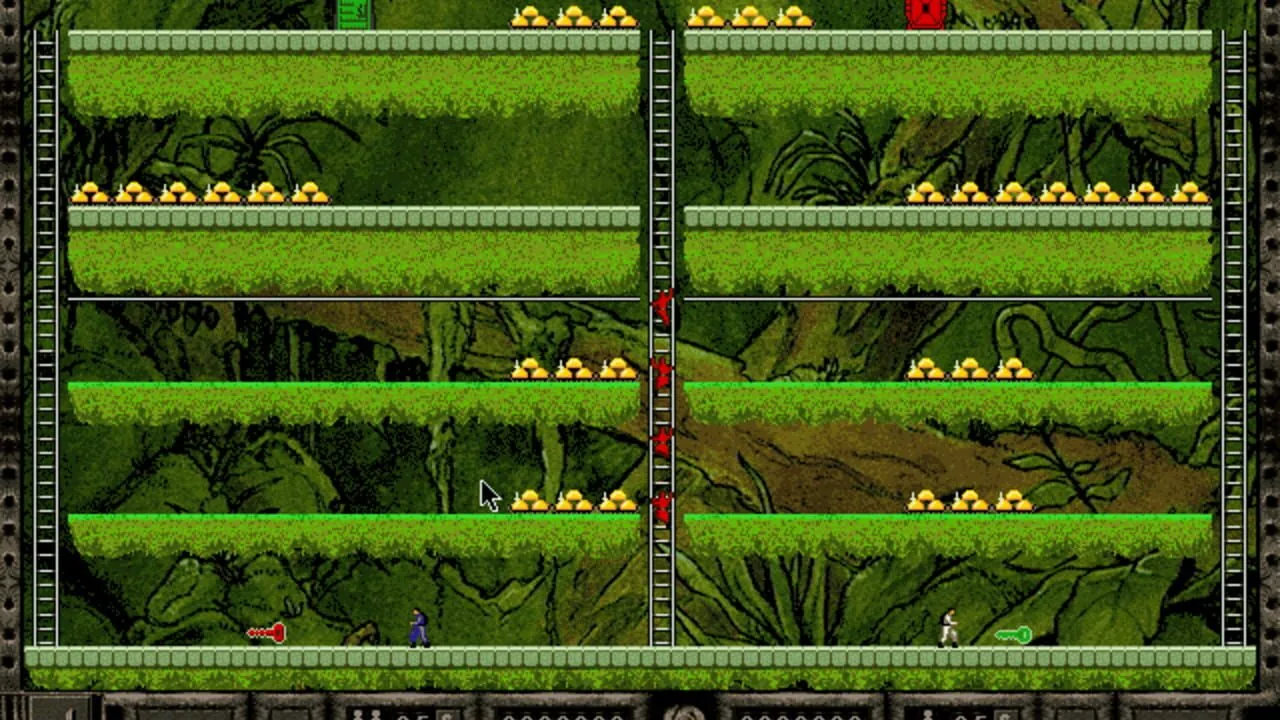
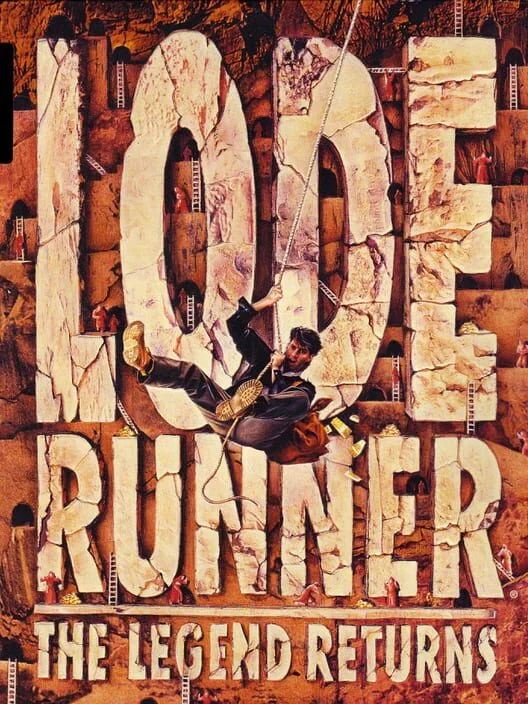
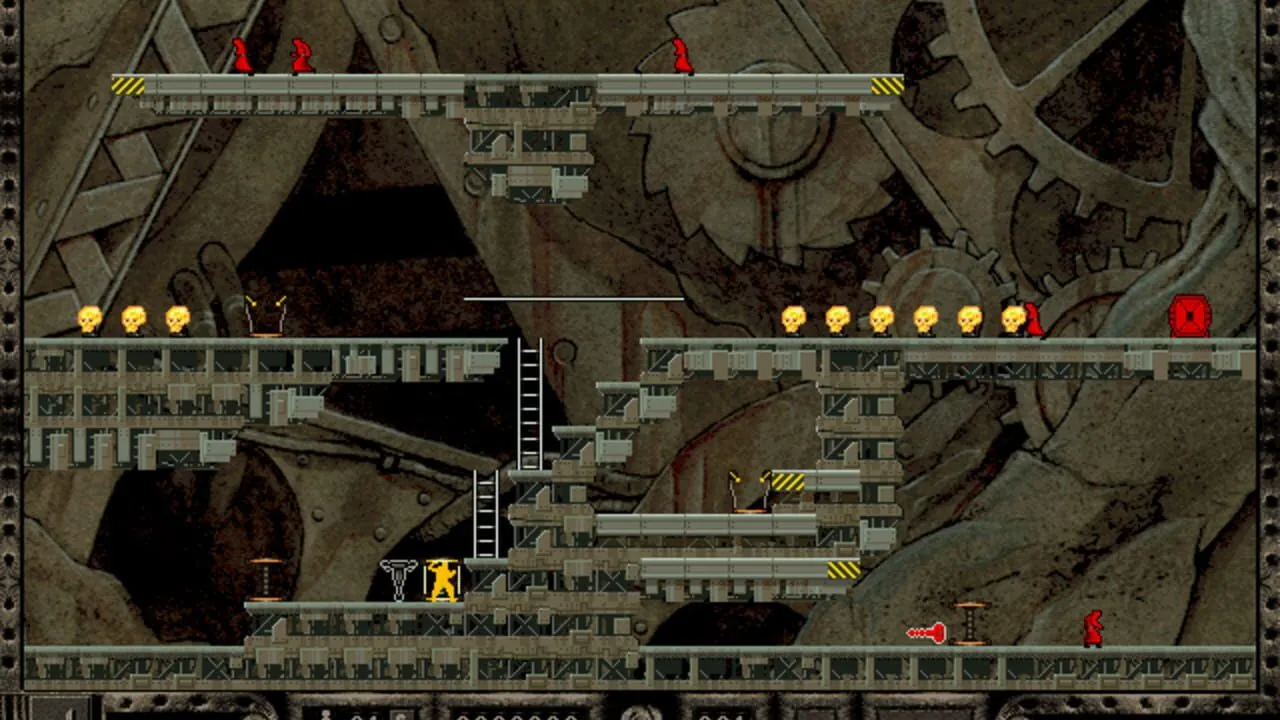
The Legend Returns came out for Windows, Mac OS, the Sega Saturn and the PlayStation. New elements include devices you can pick up and use only one at a time. It also has a level editor, where you can set a stage at night or in the day and change the background music no matter which tile set you picked.
The editors of PC Gamer US nominated it for their 1994 Best Puzzle Game award. It lost to Goblins Quest 3, a sentence nobody has said out loud in decades. One year later, Sierra released Lode Runner Online: The Mad Monks' Revenge, which fixed many of the bugs and added more to play. Players rank The Legend Returns last here, just behind Riven, and the gap between the two is tiny.
12. Riven: The Sequel to Myst (1997)
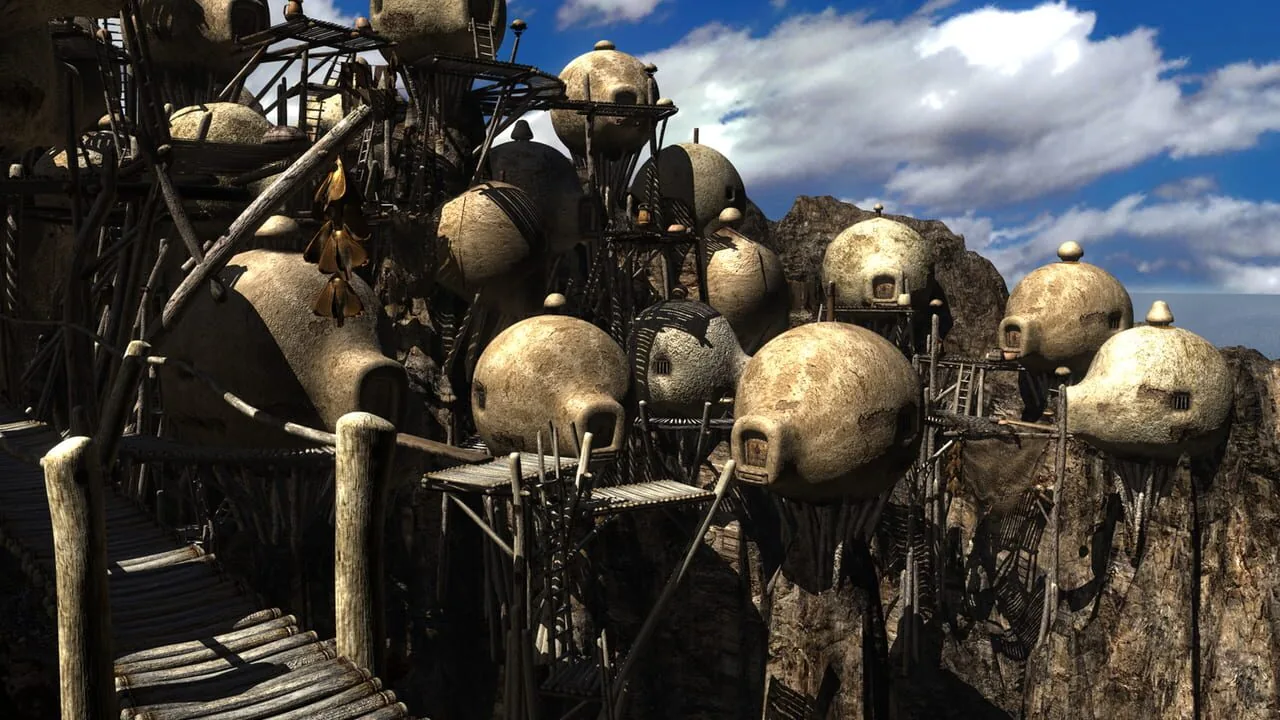
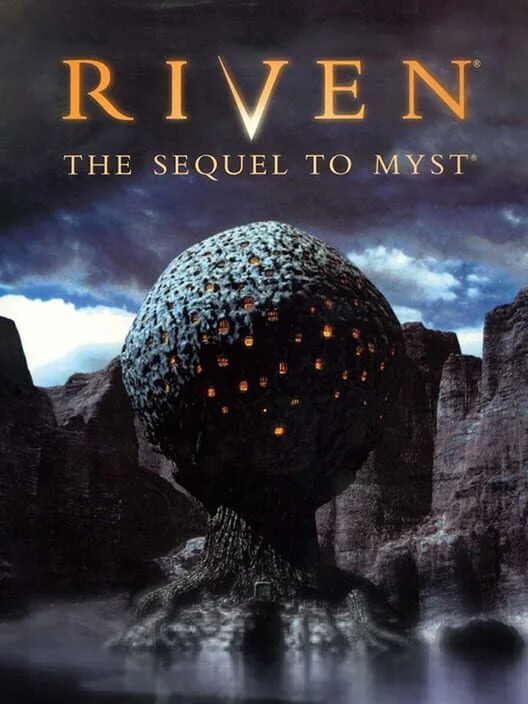
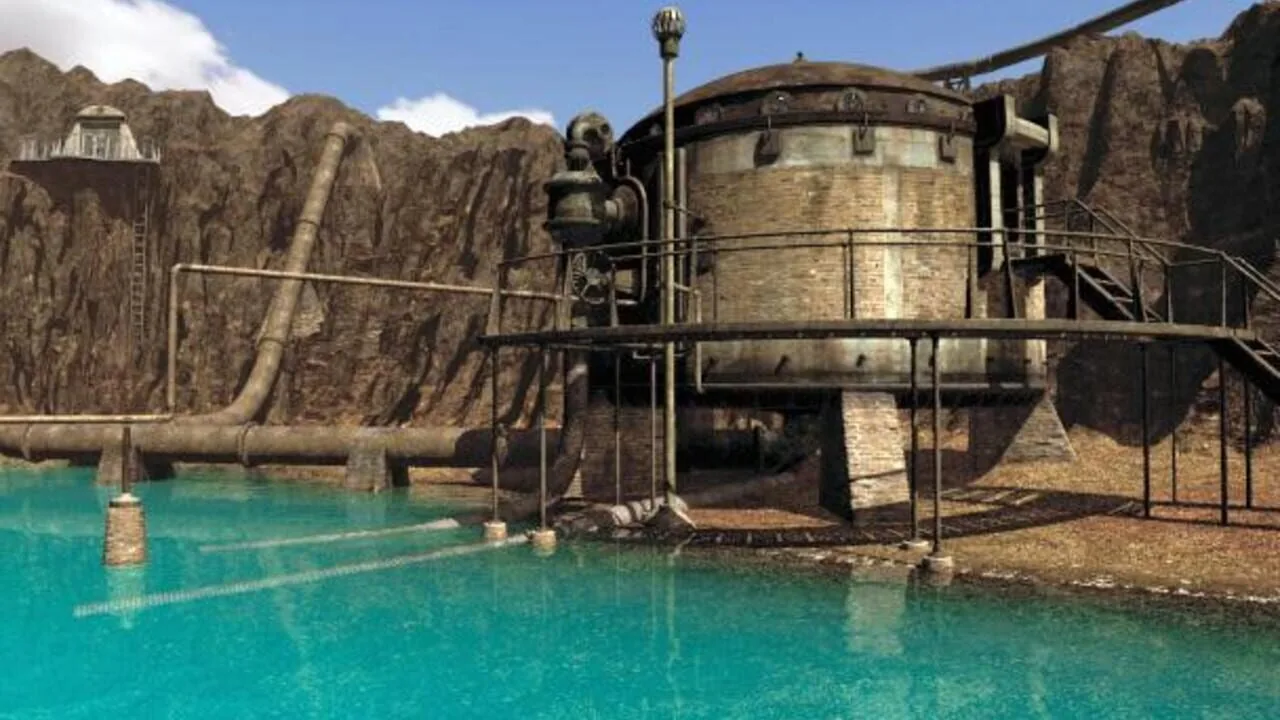
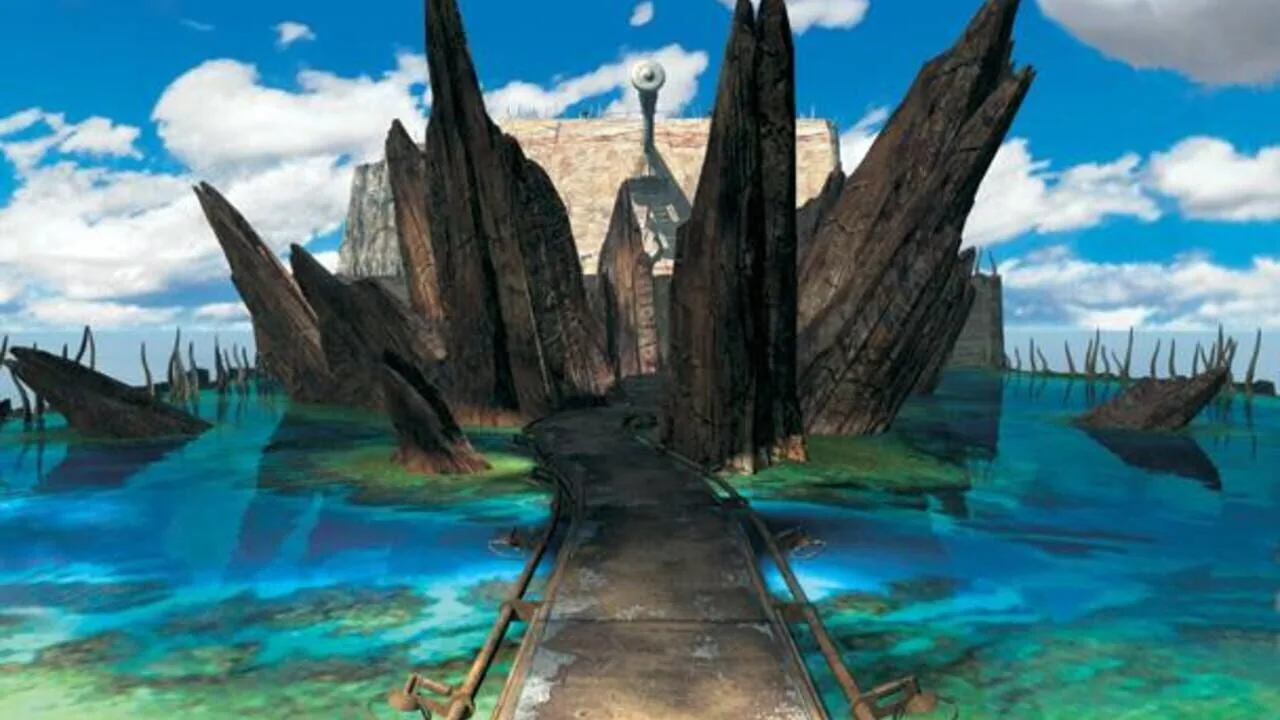
Riven is the sequel to Myst. Development began soon after Myst became a success and took more than three years. To give it a look of its own, director Robyn Miller and his brother Rand recruited production designer Richard Vander Wende as co-director. Like Myst, you play from a first-person view and point and click your way through. Atrus needs your help to free his wife Catherine, who is held hostage in the Age of Riven while it slowly collapses.
It was the best-selling game of 1997 and sold 1.5 million copies in one year. Salon said it approaches the level of art. Edge felt the point-and-click play held it back, and with a PlayStation pad in your hands you will see their point. It ranks two places below the first game.
11. Q*bert (1999)
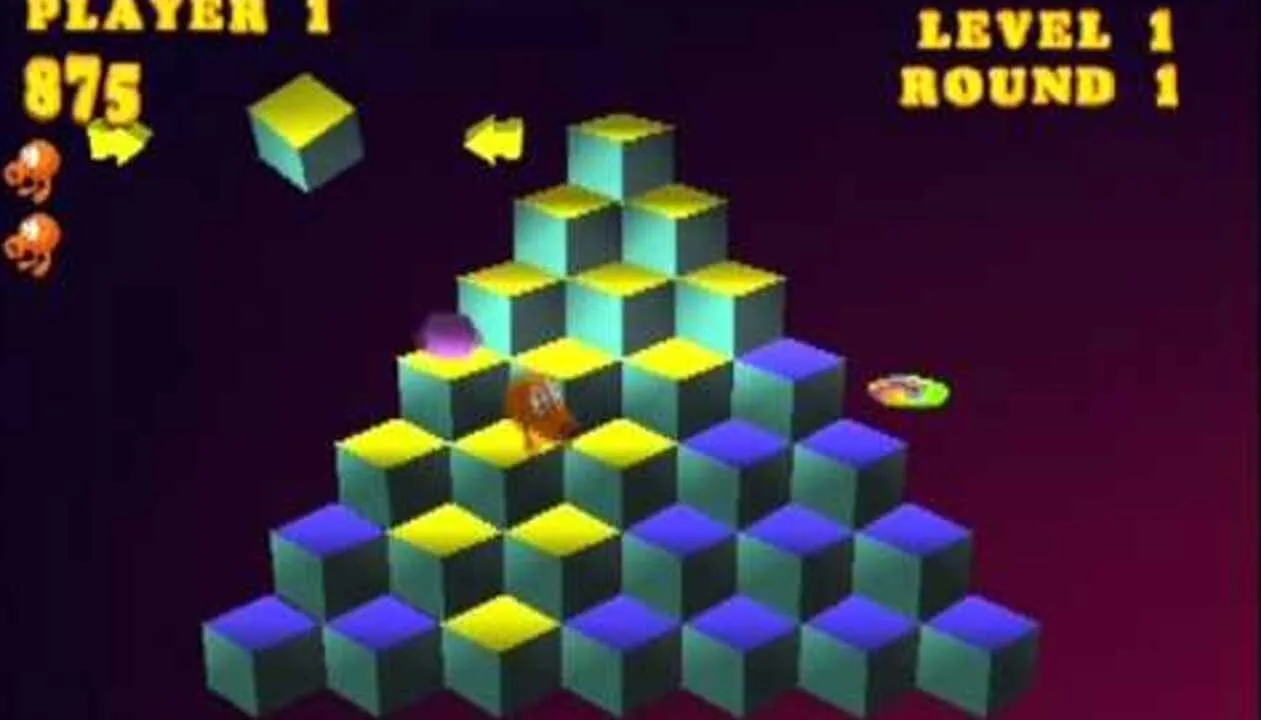
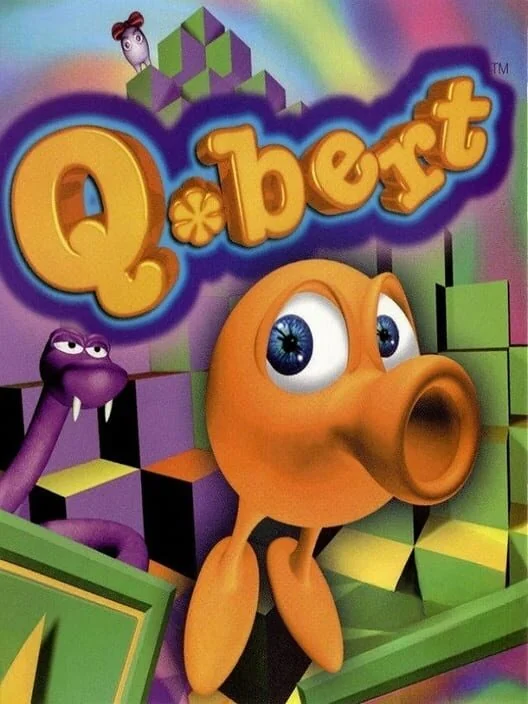
This Q*bert brings the arcade classic by Warren Davis and Jeff Lee to the PlayStation. Jeff Lee designed the hero, and one telling says the whole idea began when he drew a pyramid of cubes. The game was developed under the project name Cubes. You hop from cube to cube while Coily, a purple egg that bounces down the pyramid and hatches into a snake, chases you.
The original arcade cabinet had a lovely detail. Foam padding went onto the bracket that made the falling sound, because the developers decided a softer sound better matched a fall. The 1982 arcade game is the oldest idea on this list by far. Players still put it ahead of Riven and Lode Runner.
10. Myst (1993)
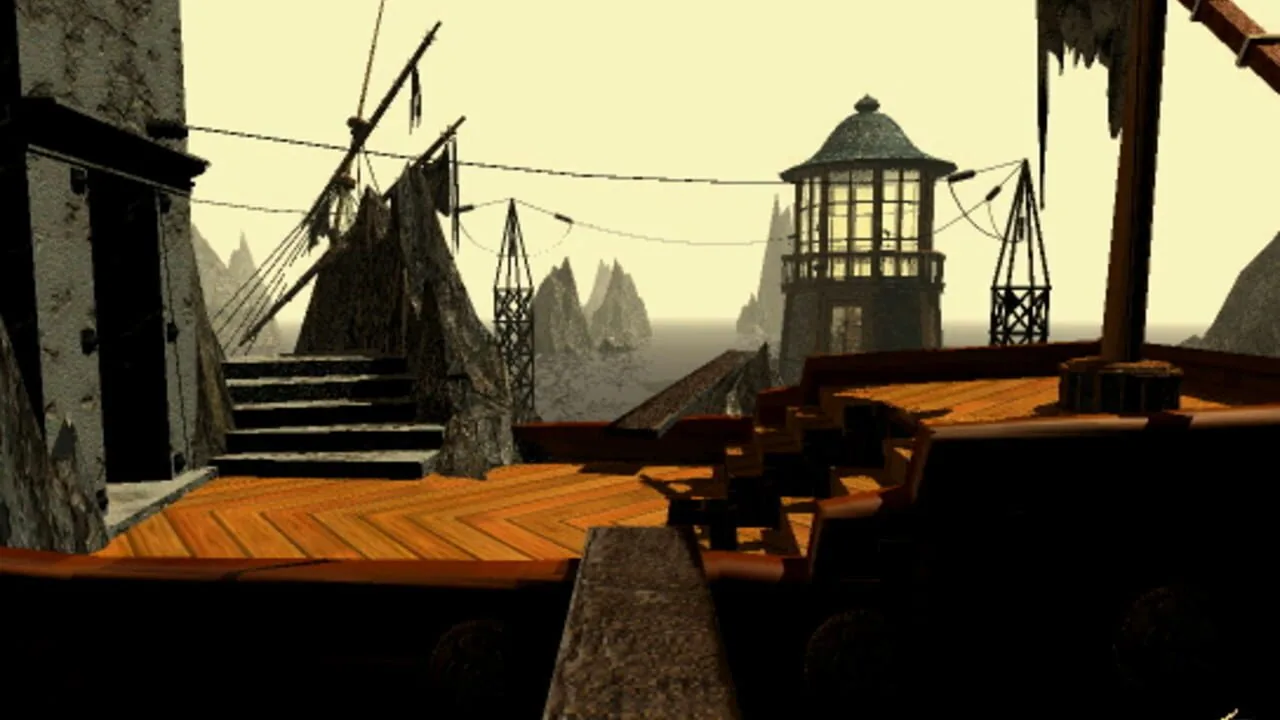
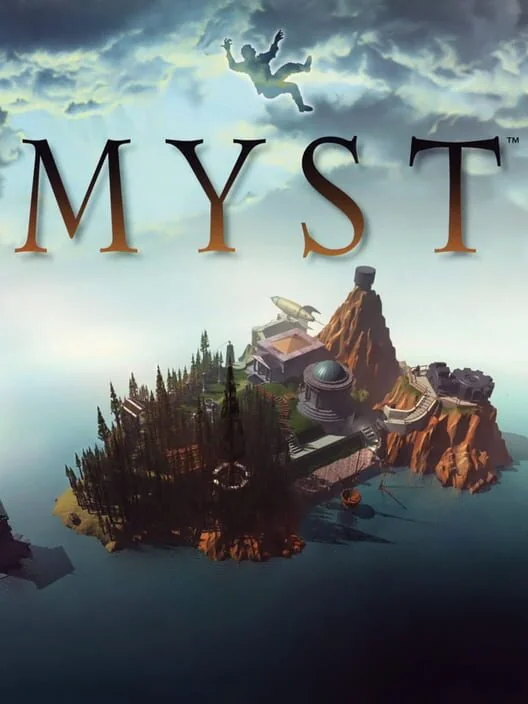
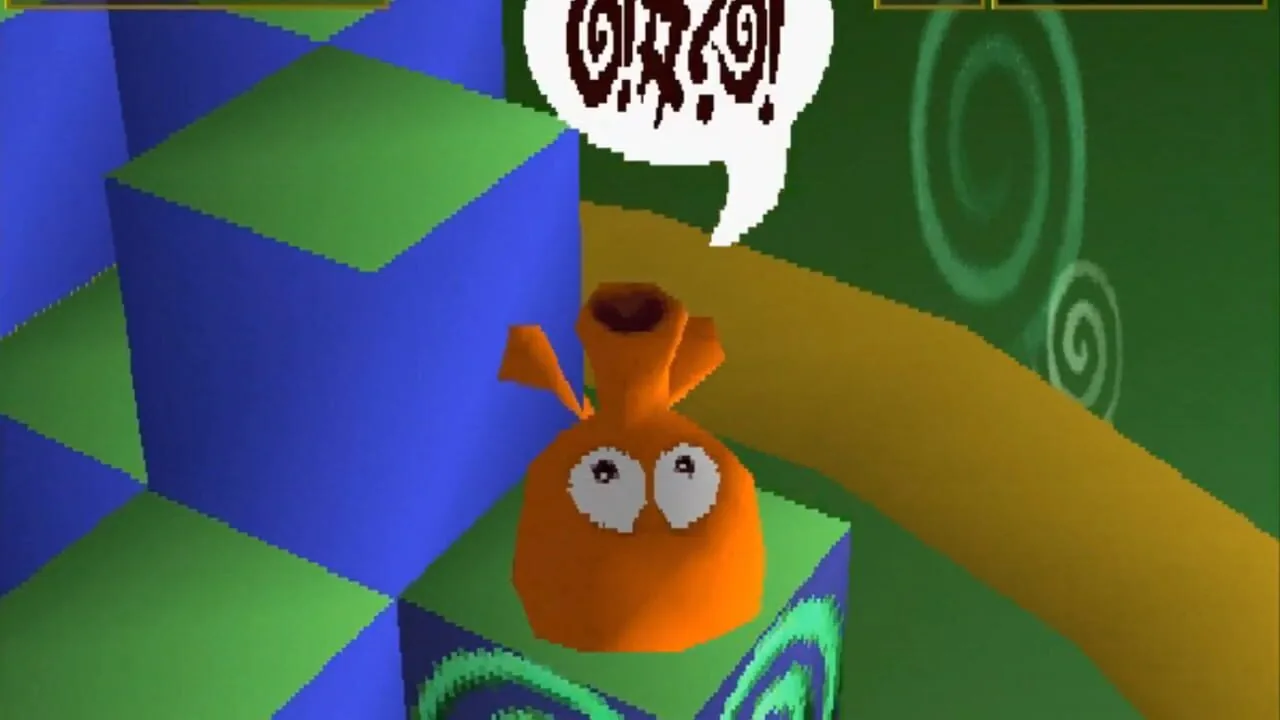
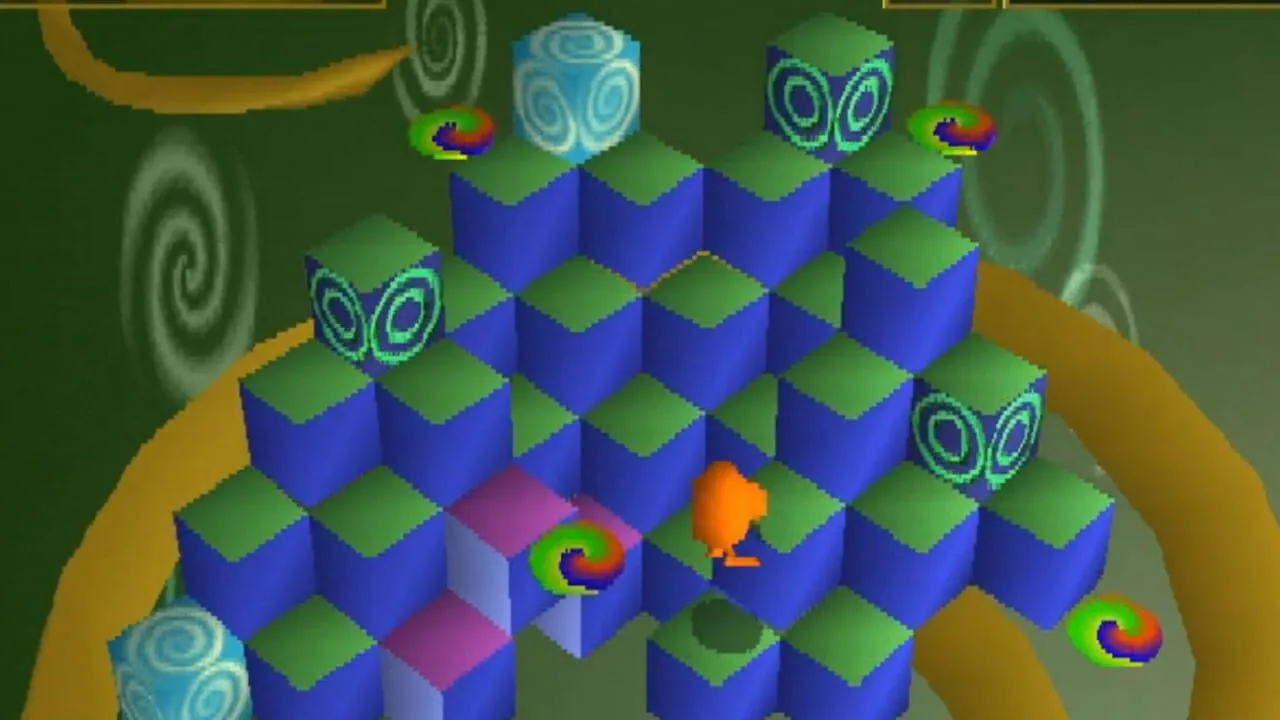
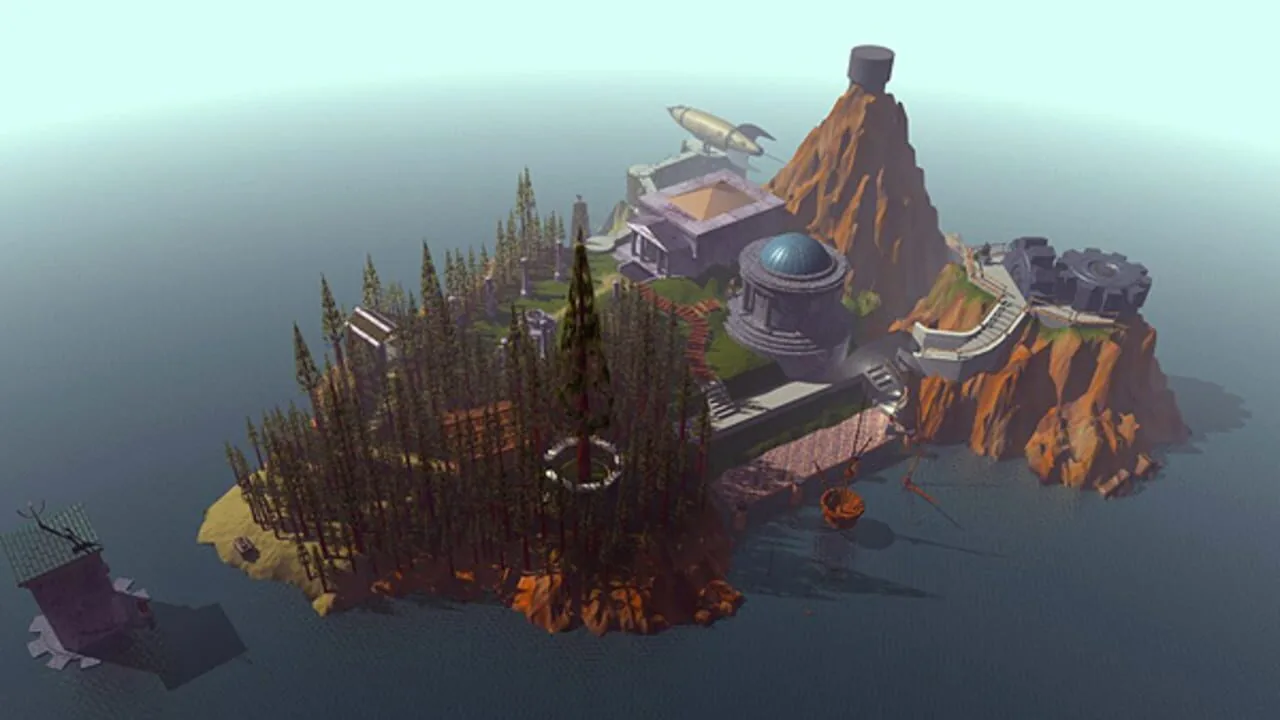
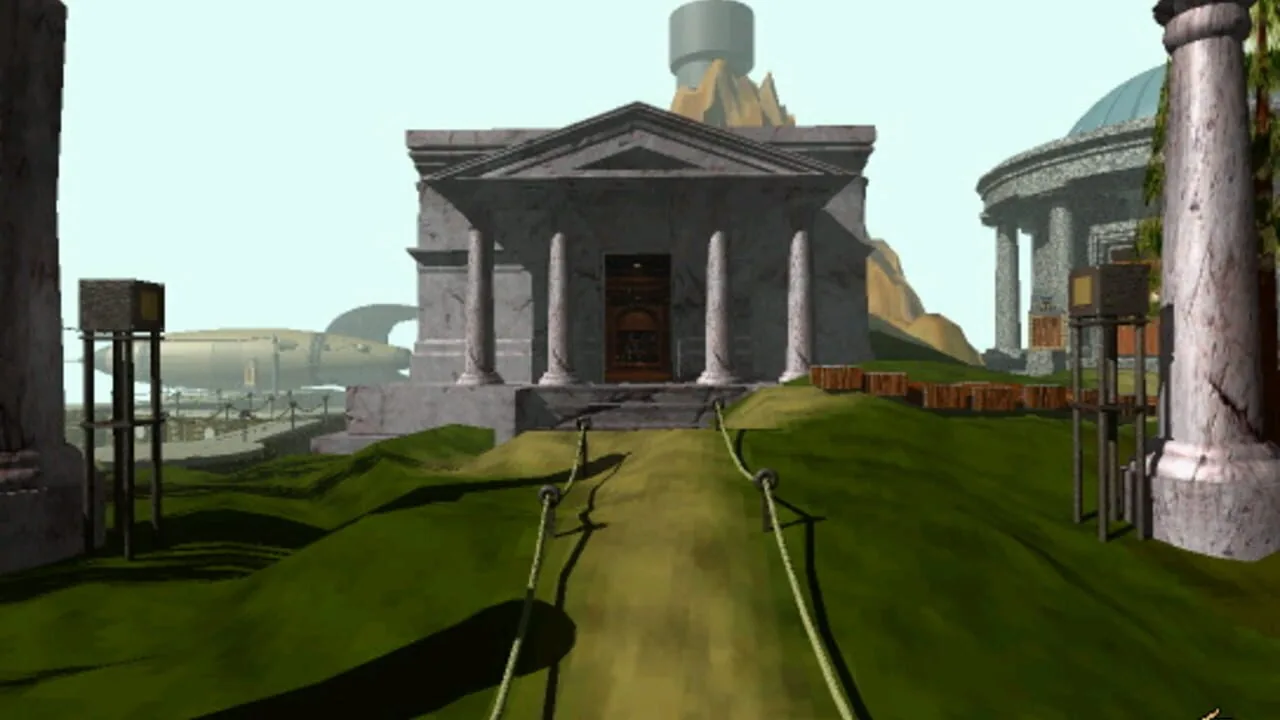
Myst came from brothers Rand and Robyn Miller, who had started out making black-and-white, largely plotless games for children. They built it on Apple Macintosh computers with HyperCard, so ports to other platforms needed a new engine, and the PlayStation got one of those versions. You explore an island full of books and clues and slowly work out what happened to two trapped brothers.
Myst helped drive adoption of the CD-ROM drive and inspired clones and parodies. One review summed up the appeal: there is "no time pressure to distract you, no arbitrary punishments put in your way". It is the slowest game on this list, and that is the point of it. Players rank it two places above its own sequel.
9. Sheep (2000)
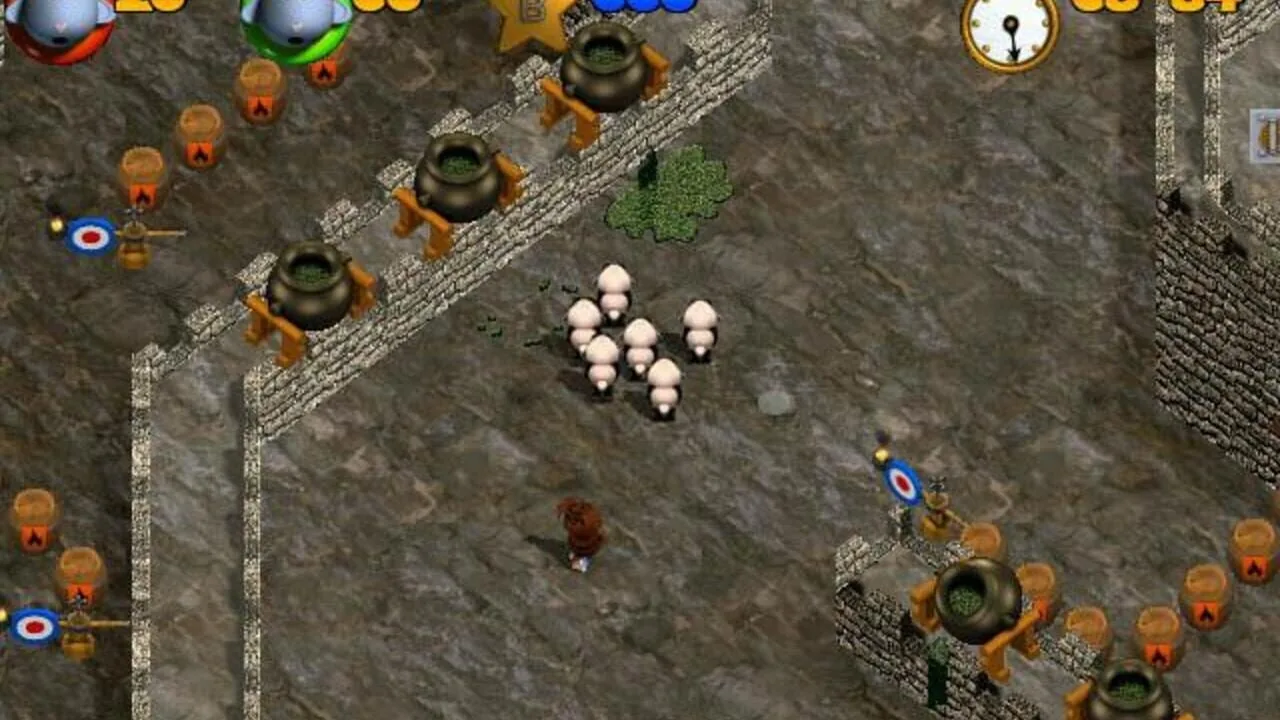
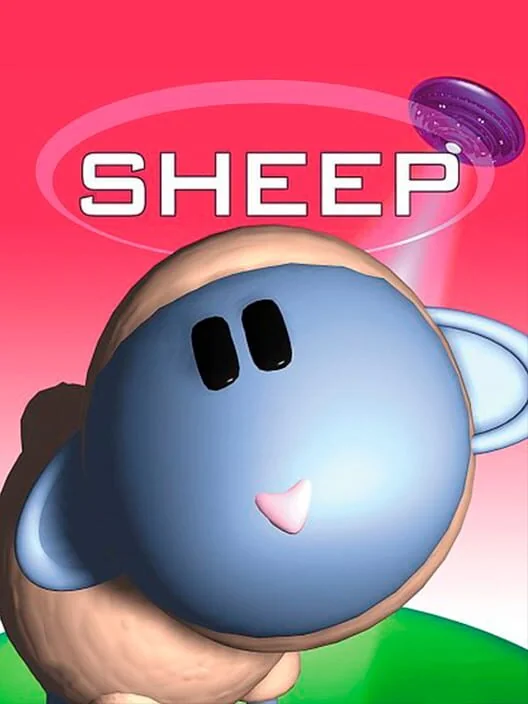
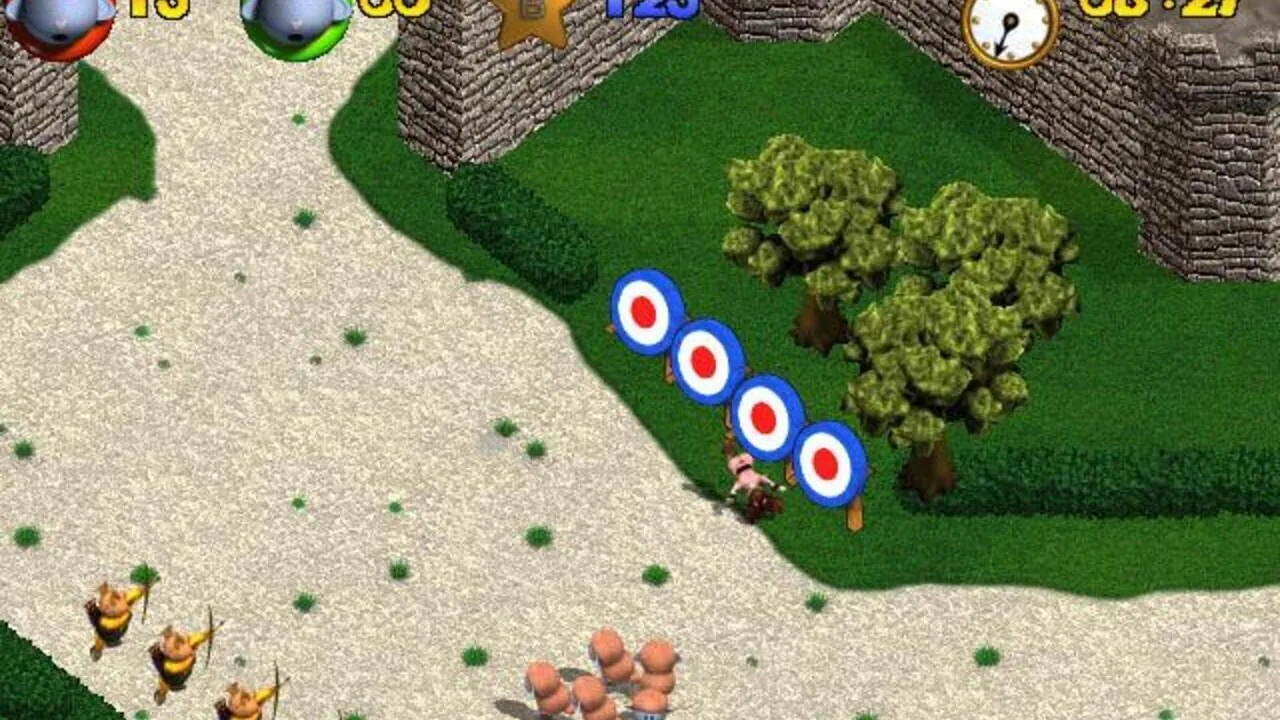
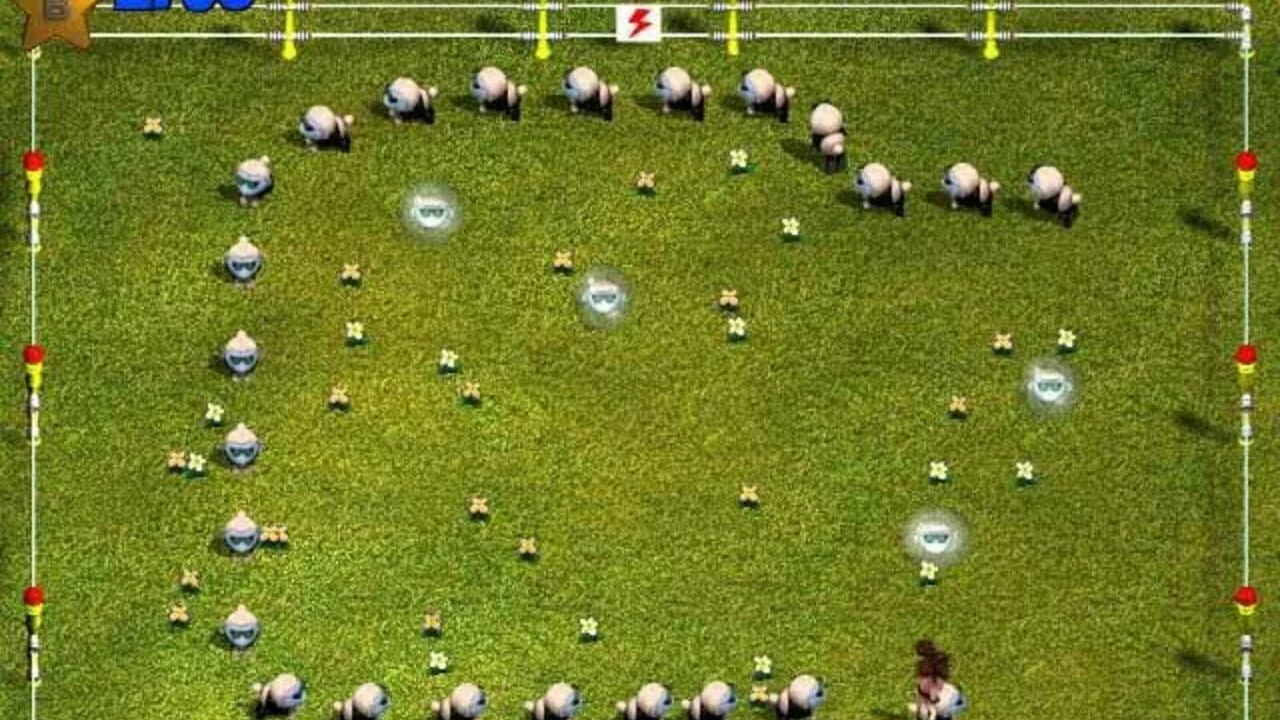
Sheep has a wonderfully silly story. Alien explorers from millennia ago devolved into domesticated sheep on Earth, and now their ancestors want them back. So they use mind control to enlist two humans, Bo Peep and Adam Half Pint, and two animals to herd the flocks through six worlds to a rendezvous with UFOs. You never control the sheep directly. You move objects and obstacles around and use what each herder is good at, against a time limit and a minimum number of sheep to save.
Sheep bears some similarity to Lemmings, and anyone who played that will feel at home. It came to Mac OS X in 2001 and to the Game Boy Advance in Europe in 2002, but the North American GBA release was cancelled. In America, the PlayStation disc was the console version to get.
8. Tetris Plus (1995)
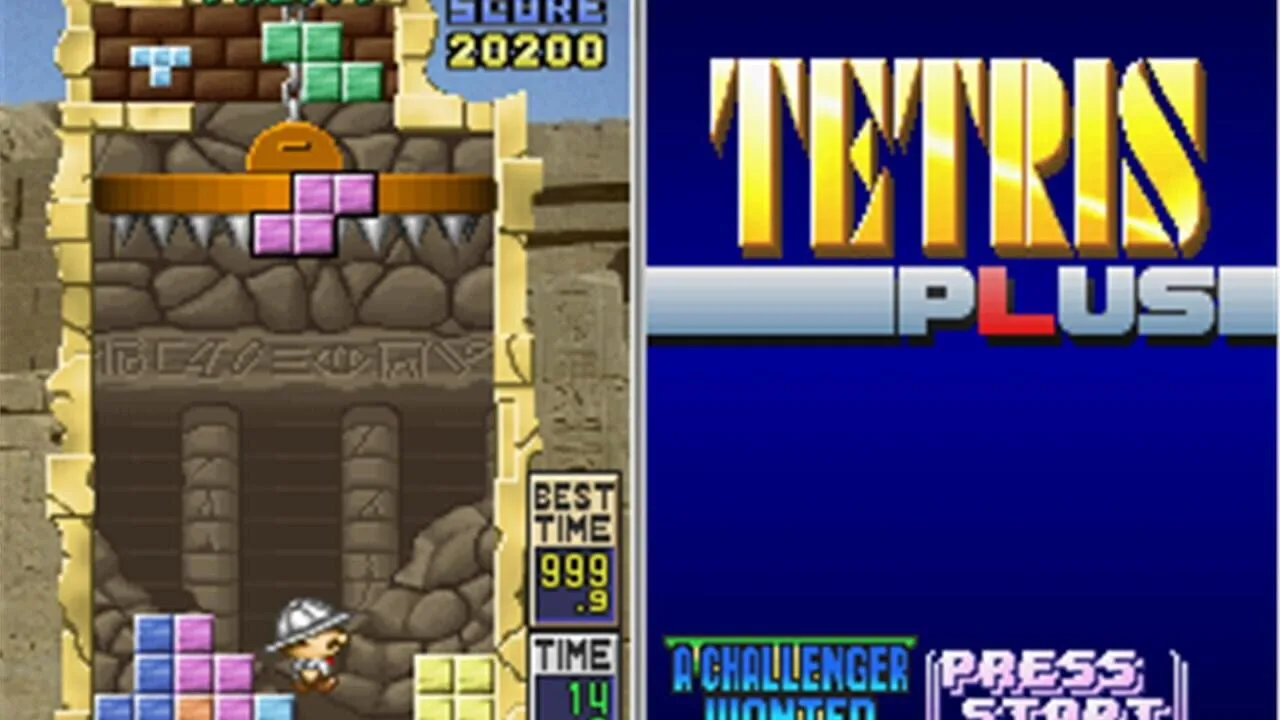
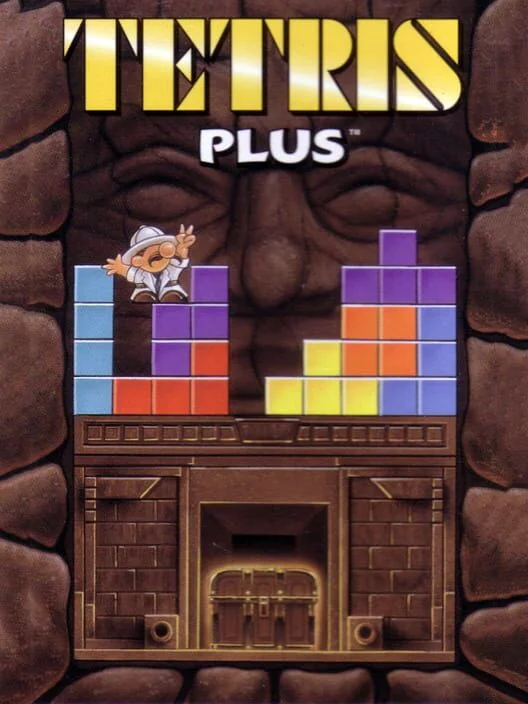
Tetris Plus started in arcades and was ported to the Sega Saturn, PlayStation and Game Boy in 1996, with Natsume making the home versions. It has two main modes, Classic Mode and Puzzle Mode. Classic is the Tetris everyone knows. Puzzle Mode is the new part, where you clear lines to get a professor down to safety, and the music turns frantic until he makes it.
You start in Egypt and work your way through Angkor Wat, Maya and Knossos, so it doubles as a very fast world tour. The arcade sequel Tetris Plus 2 followed in 1997. It is the only Tetris on this list, and players rank it one spot below Bust-A-Move 2.
7. Bust-A-Move 2: Arcade Edition (1996)
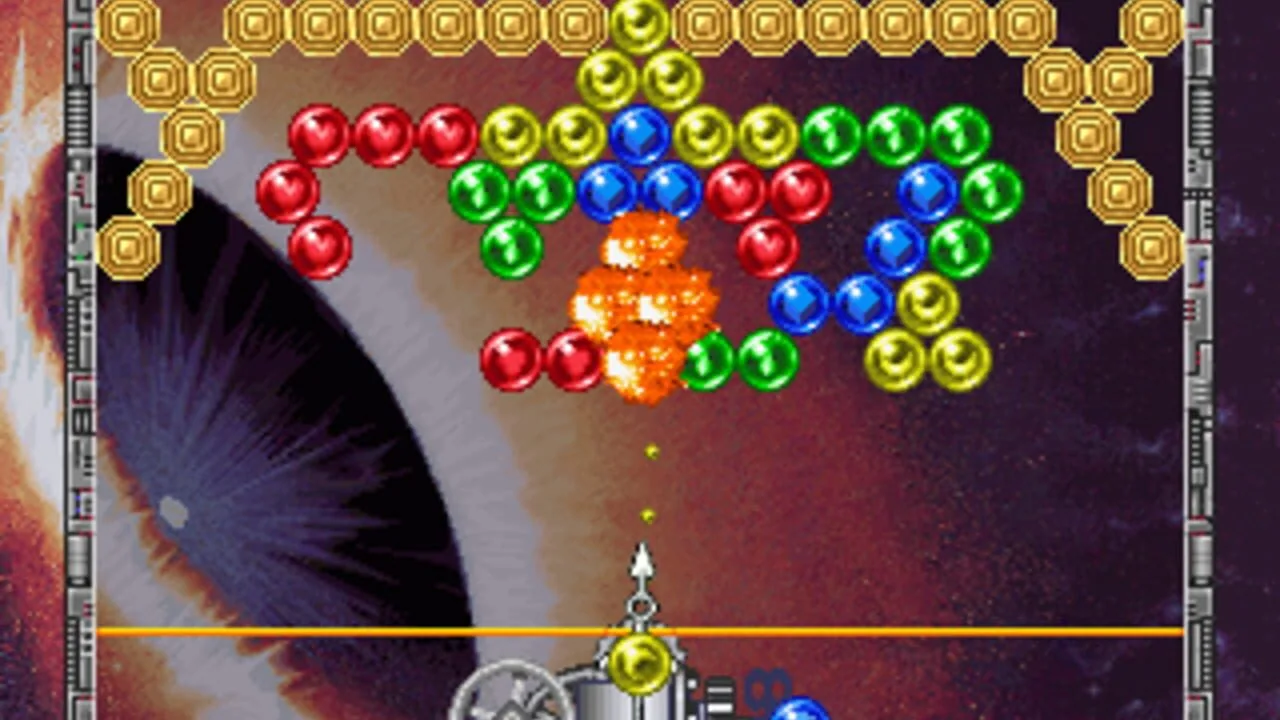
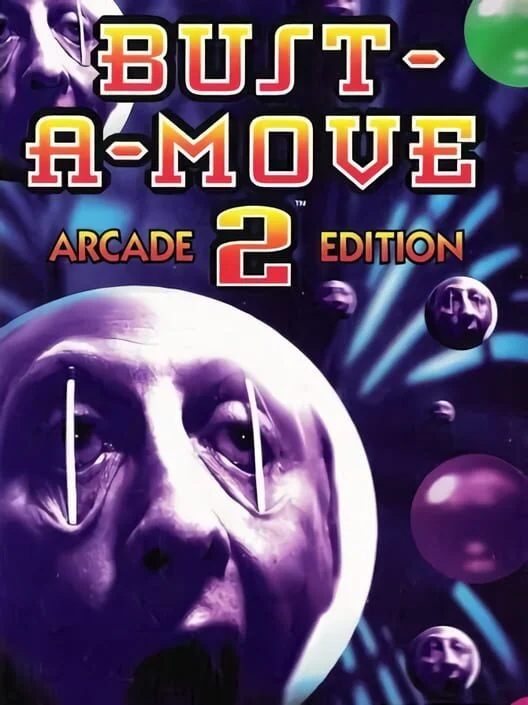
Bust-A-Move 2 is the first sequel to Puzzle Bobble, and Bust-A-Move 2: Arcade Edition is its name on home consoles in North America and Europe. It came out in arcades in 1995, and home conversions followed for the PlayStation, Sega Saturn, Nintendo 64 and Windows. Some of the contestants in the new tournament mode are based on characters from Bubble Bobble, including a Monsta and a Mighta.
The game is as cheerful as puzzle games get. The American box is another story. Print ads for the Saturn and PlayStation editions showed large blue balls with human faces trapped inside, moaning in apparent agony, with white sticks forcing their eyes open. The North American release then used that same art as its cover. People called it wildly inappropriate for a game young children could play, which is putting it mildly.
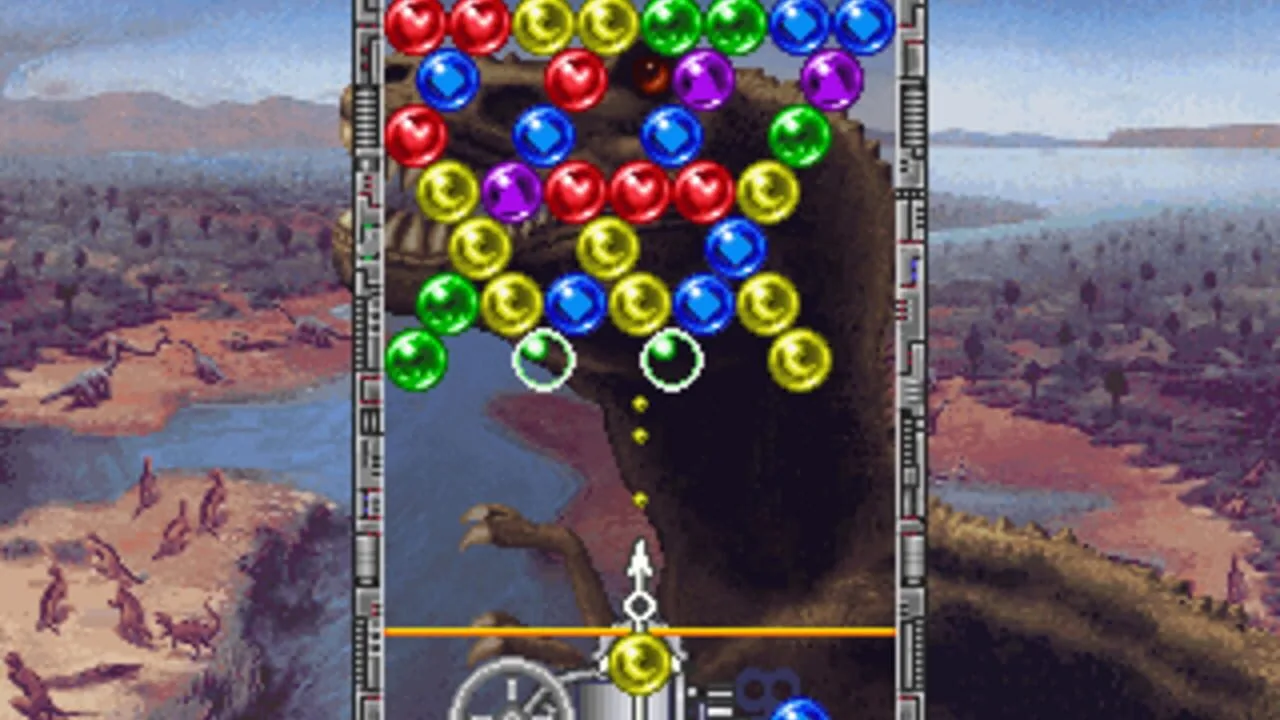
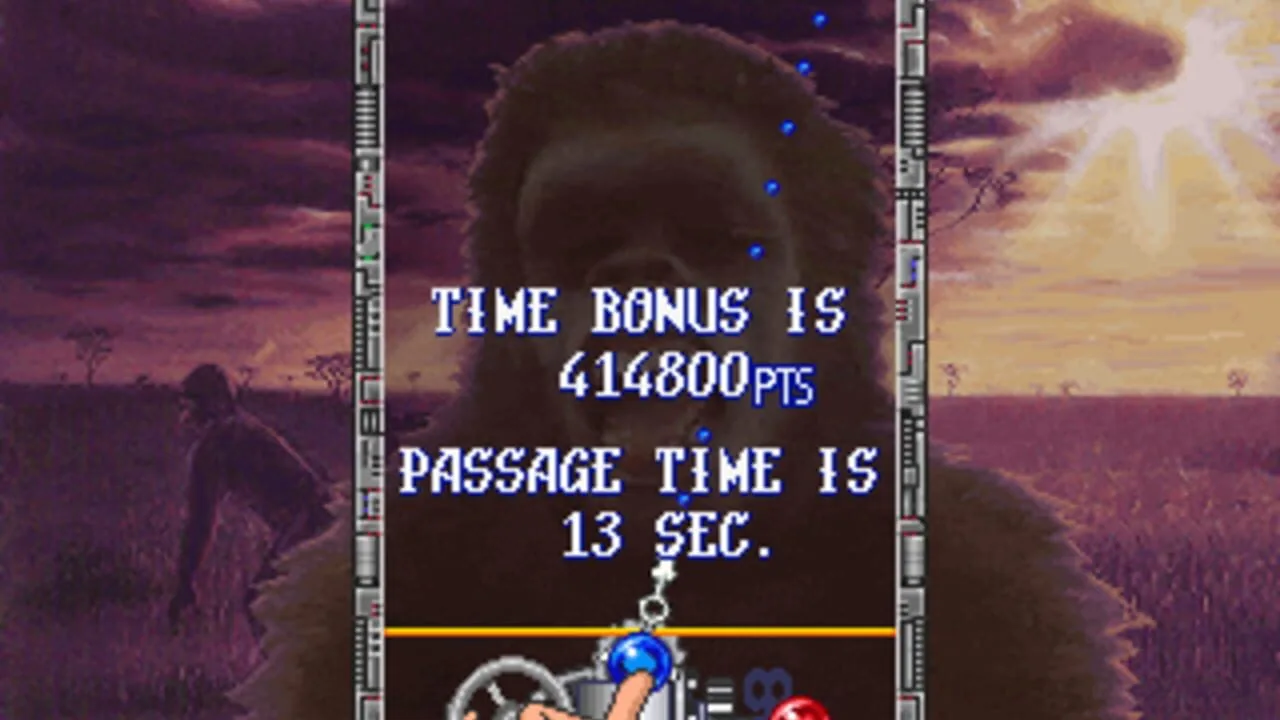
6. Blast Chamber (1996)
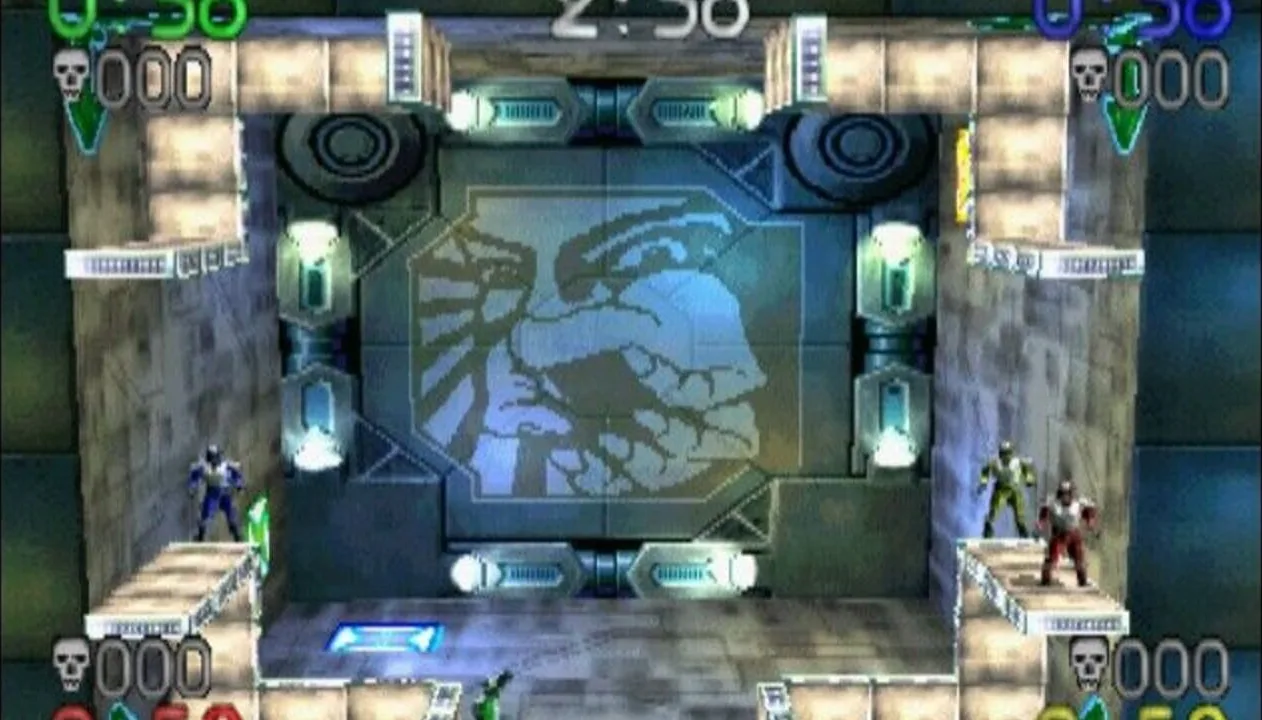
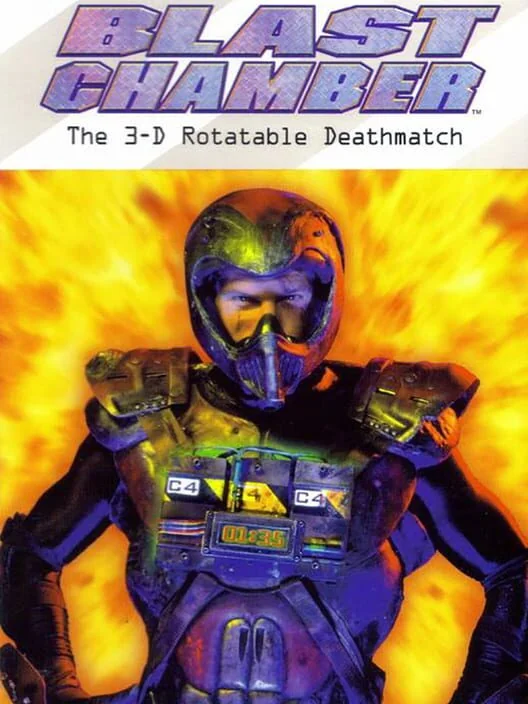
Blast Chamber was the first non-sports four-player game for the PlayStation and Saturn. The box makes the goal sound simple: "survive the game!" Get it wrong and you go out "in a flaming burst of C4". After each level you get 100 points for each second left on your timer, and you can drop a crystal in another player's chamber to cut time off theirs.
Activision's producers said they wanted to make something different, because there were already so many first-person shooters and driving games. A demo came out for MS-DOS in 1997, but the full version was never published, so the console versions are the only way to play it. It ranks sixth here, ahead of both Bust-A-Move 2 and Tetris Plus, which tells you how much fun it was with a full room.
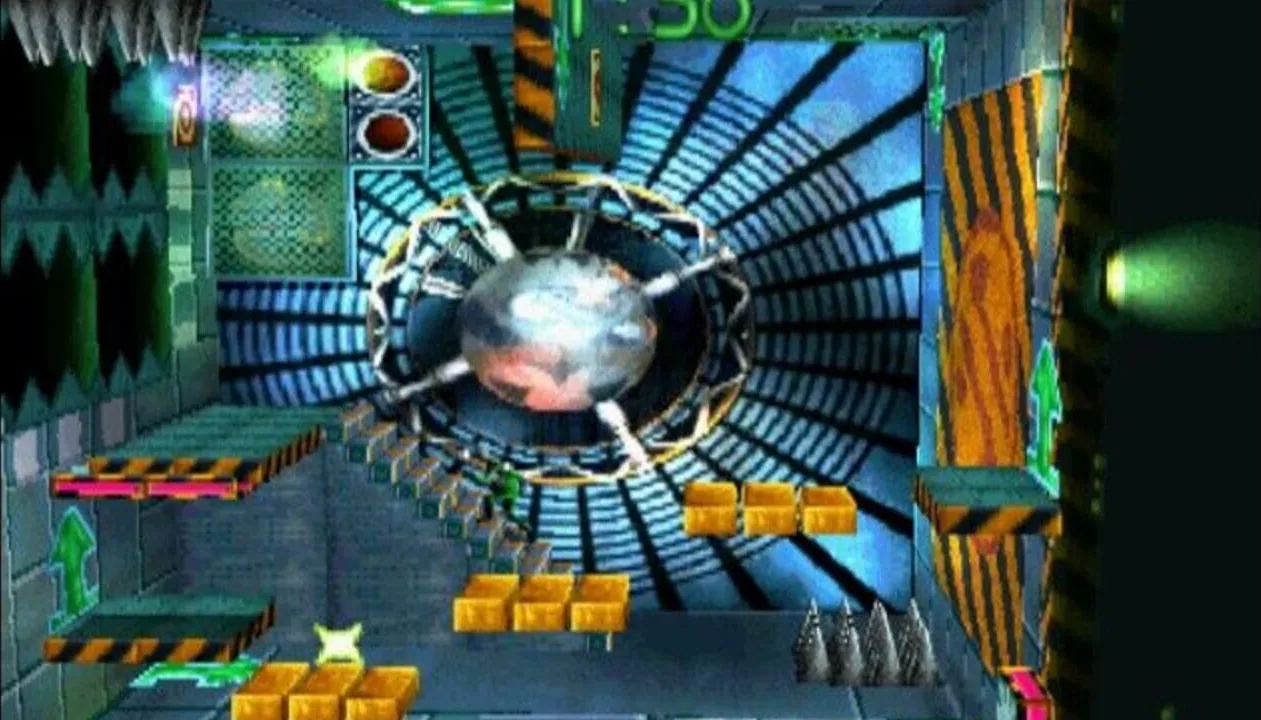
5. Mr. Driller (1999)
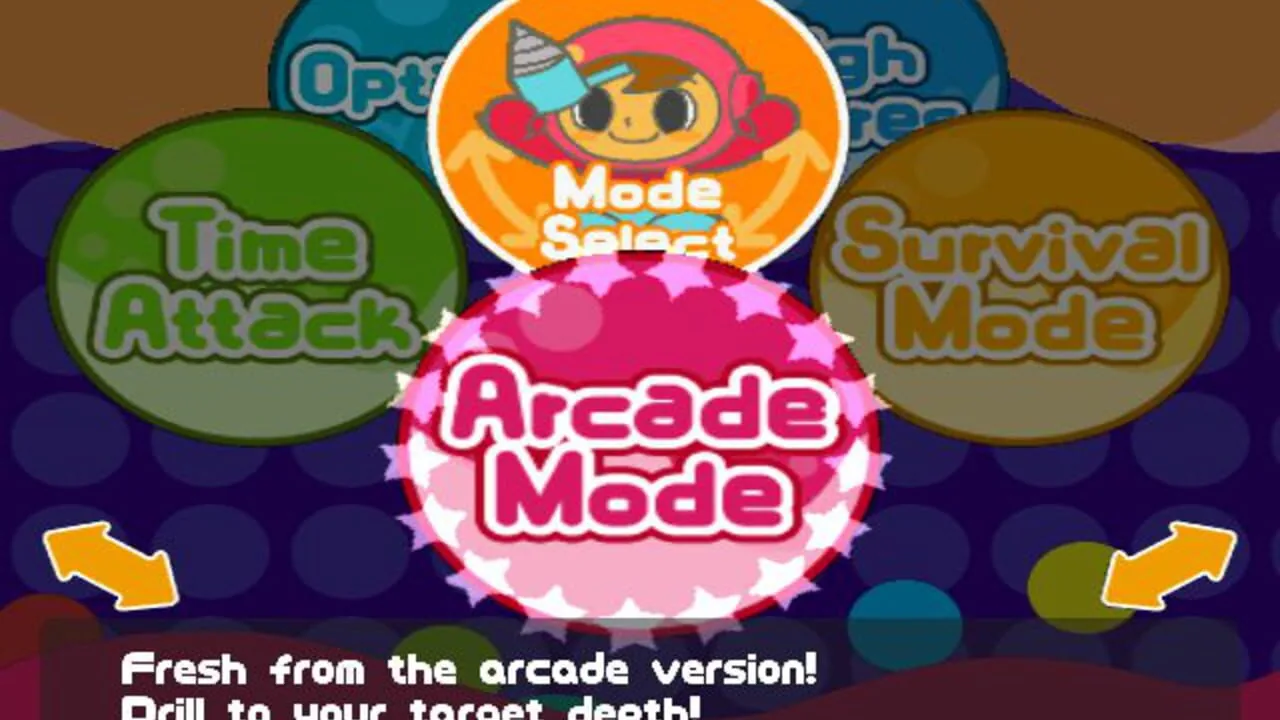
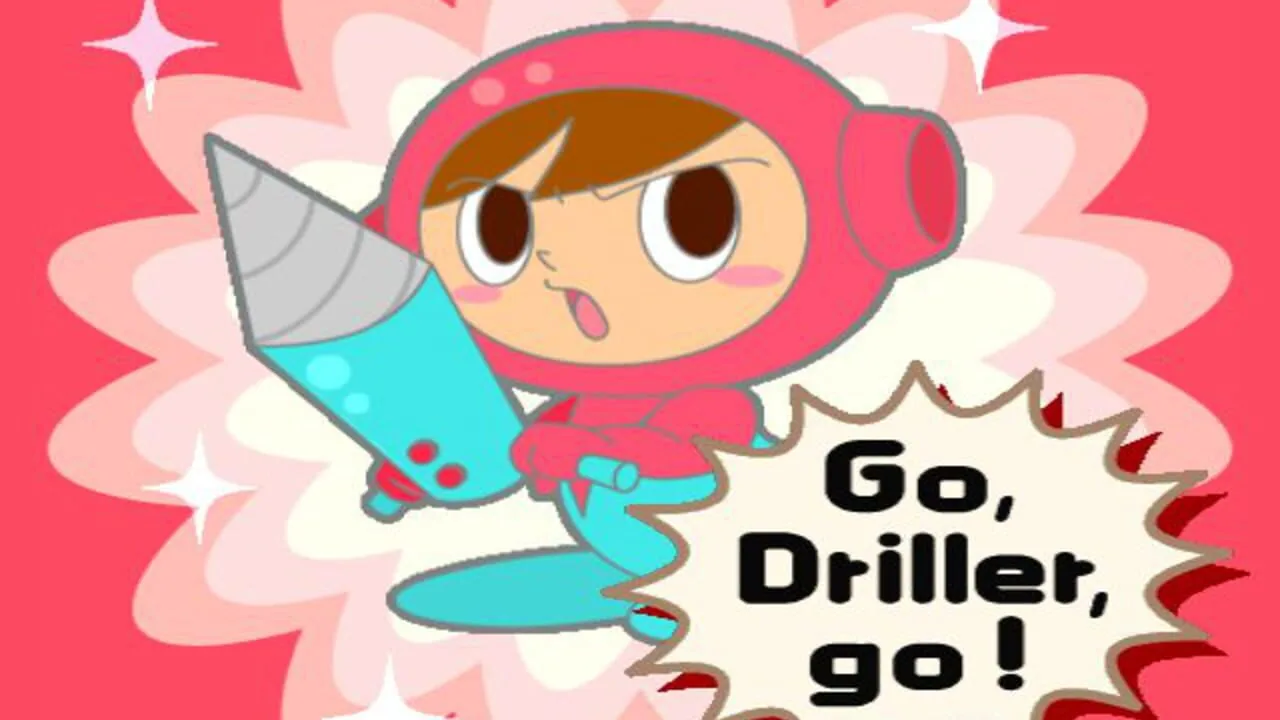
Mr. Driller is a 1999 Namco puzzle game. It was originally meant to be exclusive to home consoles, but Namco made it an arcade game first to help sales. You drill down through layers of colored blocks while your air supply runs low, and blocks disappear when four or more of the same color connect. Namco based it on Dig Dug, its own arcade game from 1982. Go Shiina, then a new hire, wrote the music because nobody else signed on.
Critics praised its "refreshing" premise and colorful look, but criticized its low replay value. It was one of the 20 games on the PlayStation Classic mini console. Players list it with the other big PS1 puzzle games.
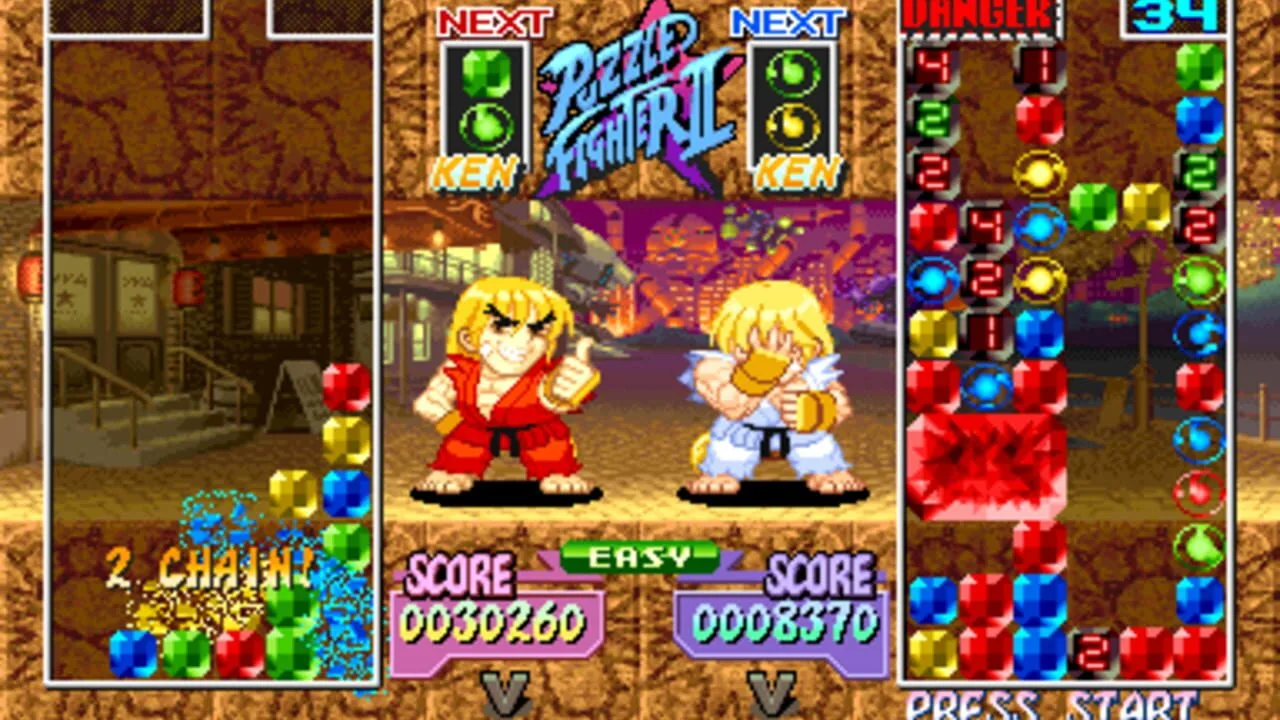
4. Super Puzzle Fighter II Turbo (1996)
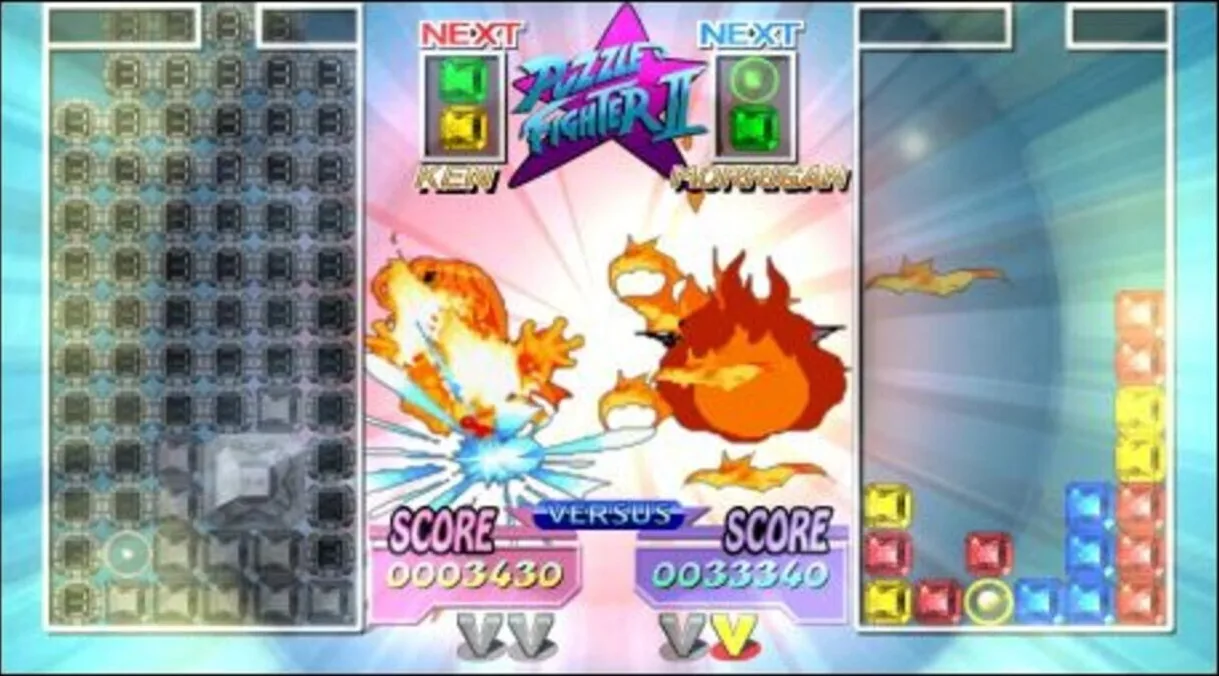
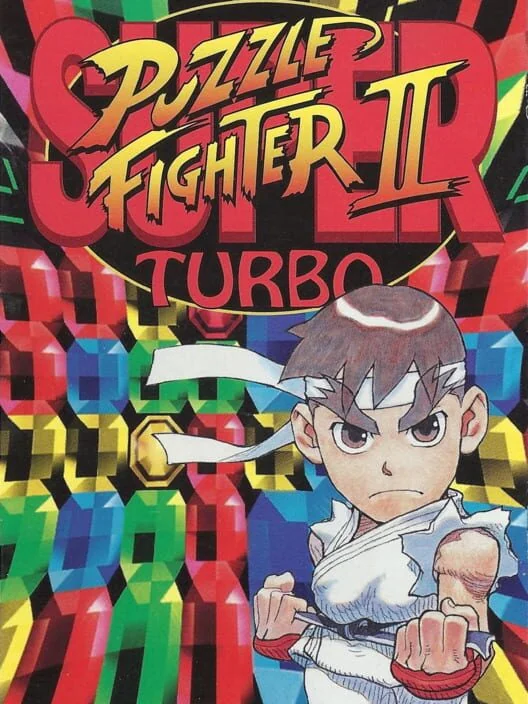
The title is a joke on Super Street Fighter II Turbo, since there were no other Puzzle Fighter games at the time. It was a response to Puyo Puyo 2, which had been sweeping the Japanese arcade scene. Gems only break when a Crash Gem of the same color touches them, and that sets up huge chain reactions. Every clear drops Counter Gems on your opponent, which turn into normal gems once they count down to zero.
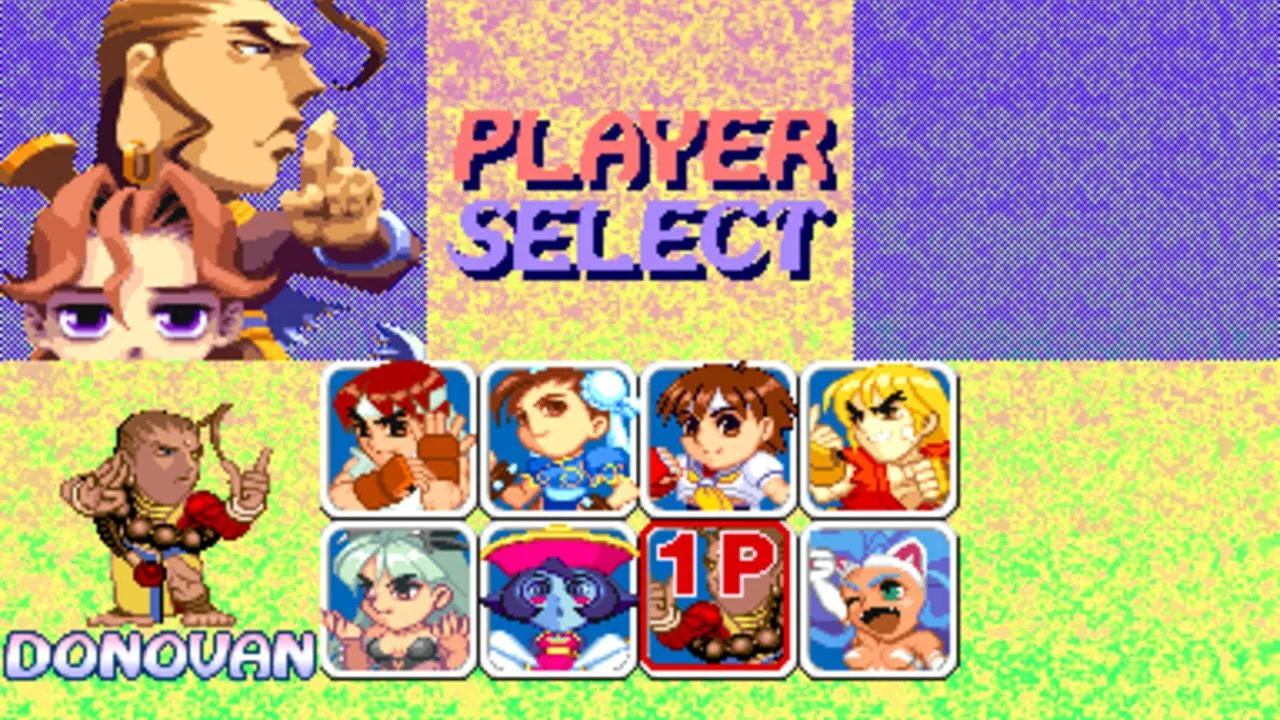
The fighters come from Street Fighter Alpha 2 and Darkstalkers, and the music and menus spoof those games too. Most of the same sprites came back in 1997 in Super Gem Fighter Mini Mix. One player summed it up: it is "really satisfying when you build up a huge stack of the same coloured gem and then smash it, destroying your opponent's board." That feeling is why two-player matches still get loud.
3. Devil Dice (1998)
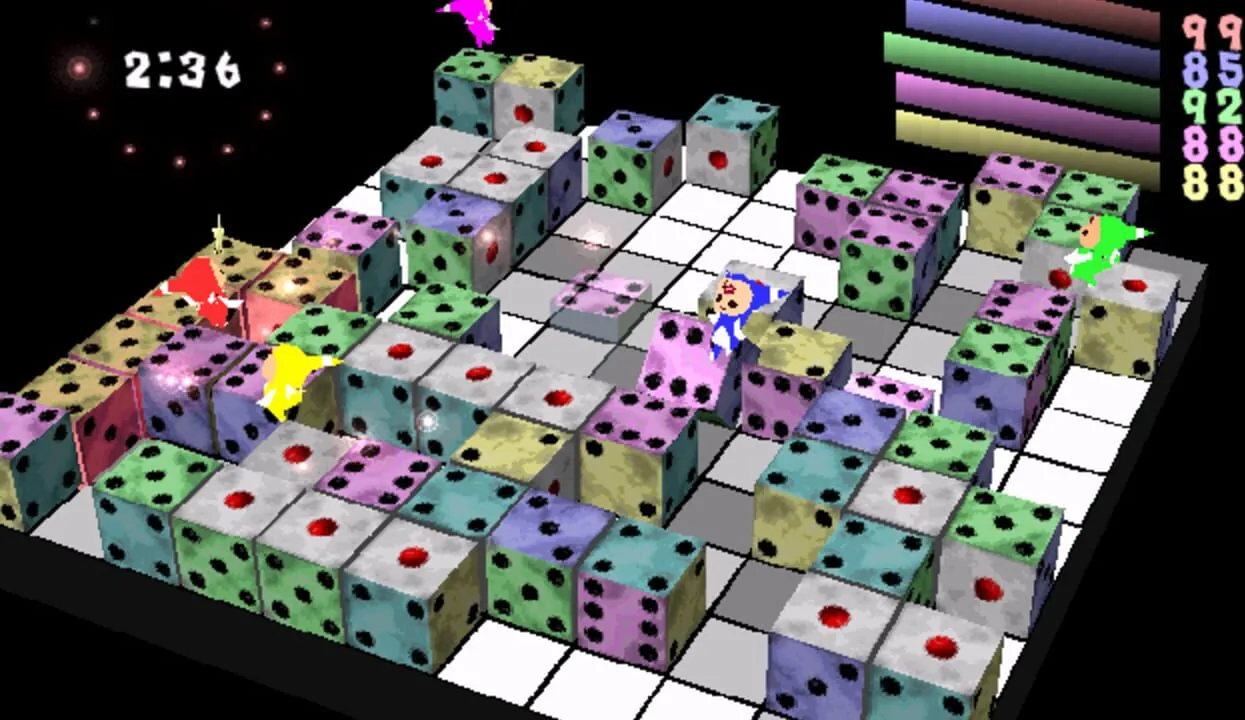
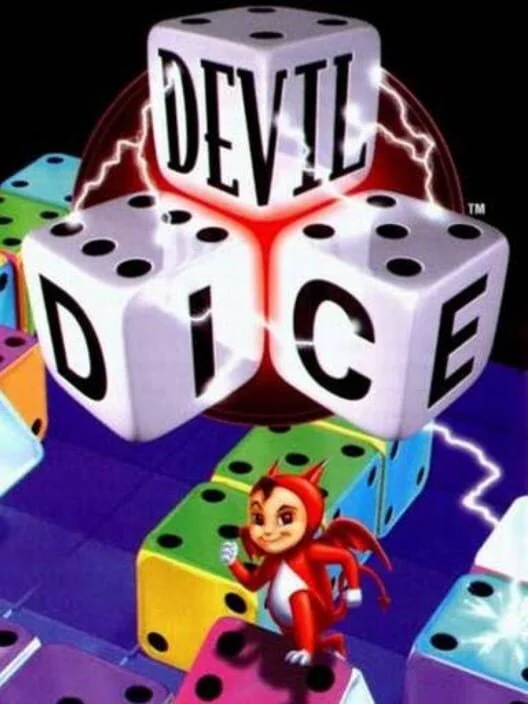
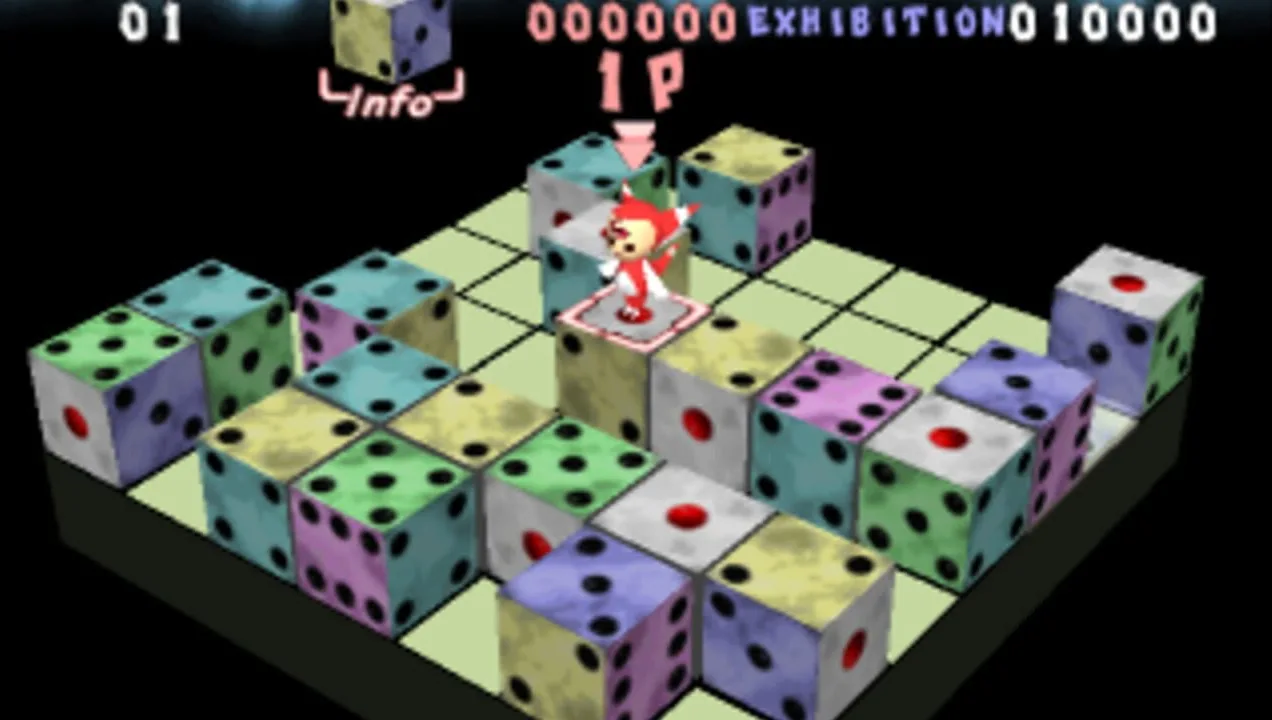
Devil Dice started as a homebrew game. Lead designer Yuichi Sugiyama made it for Game Yarōze, a Japan-only competition where people competed for the tools to make real PlayStation games. It is one of only a handful of games that made the leap from the Yaroze to a commercial release, and it became a million-seller. THQ released it in North America in 1998.
You control a small devil on a grid of large dice. Roll a die and a different face comes up. Make a group of matching dice at least as big as the number of pips and they sink into the floor, and you can add more dice to a sinking group for chain reactions. Puzzle mode asks you to clear every die in a limited number of moves. Players who know it keep recommending it as one of the best puzzle games on the PS1.
2. Intelligent Qube (1997)
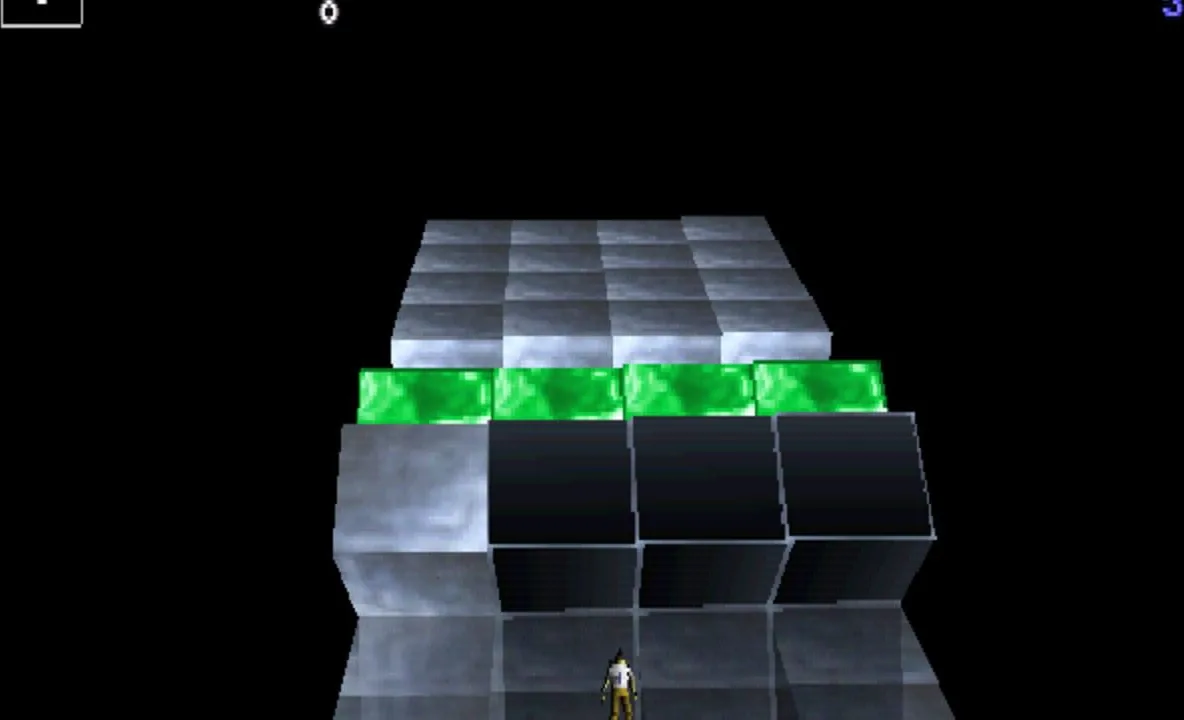
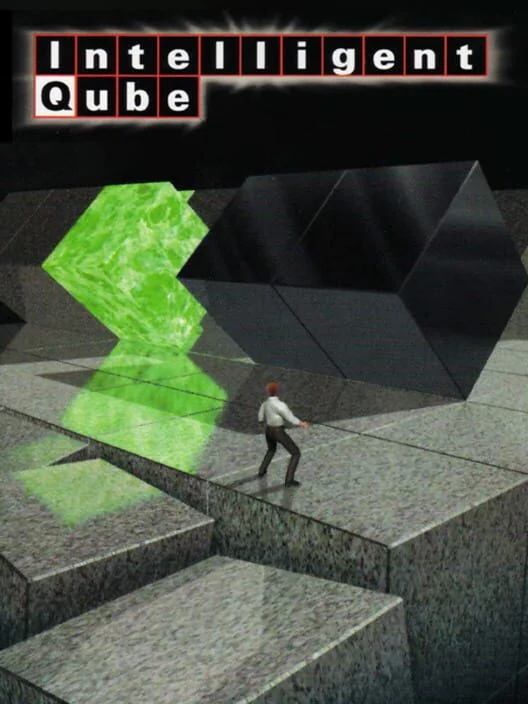
Intelligent Qube won the Excellence Award for Interactive Art at the 1997 Japan Media Arts Festival and did well in Japan. Cubes roll toward you a row at a time. On the first stage, 3 rows of 4 come at you at once, which is 12 blocks to deal with before they reach you. Reviewer Howard Grossman wrote that it is "centered around planning and execution rather than simple fast reflexes", and that is right. You win by thinking ahead.
A sequel came out as I.Q Final in Japan and Kurushi Final: Mental Blocks in Europe. Players call it a fun puzzle game and recommend it nearly twice as often as Devil Dice in third place.
1. Kula World
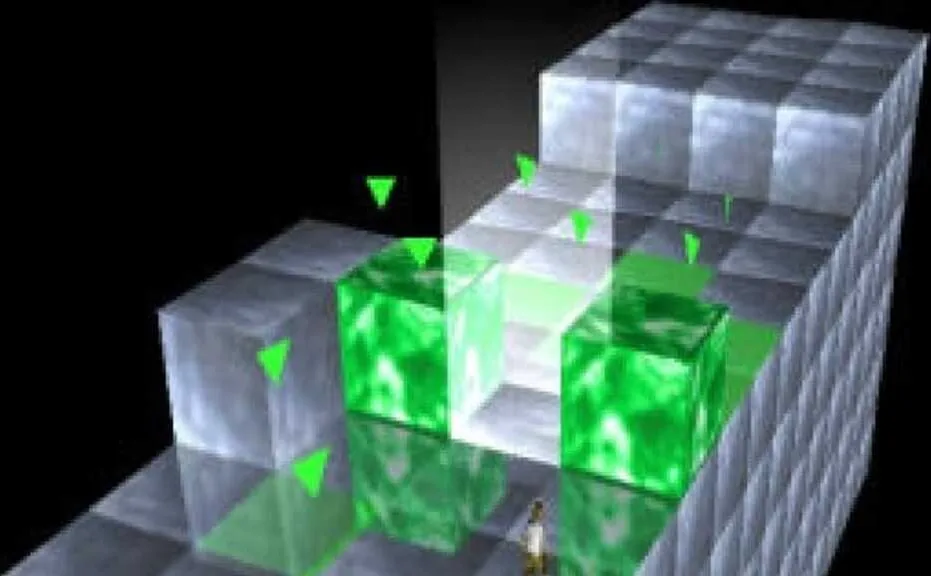
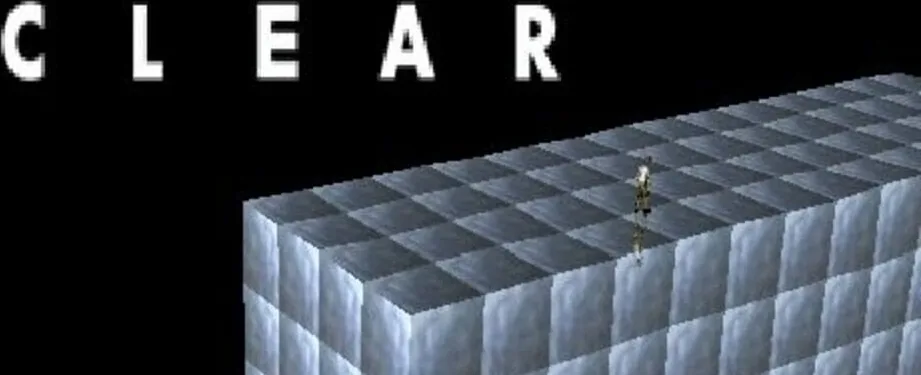
Kula World is the only game ever made by Game Design Sweden AB, which later became better known for launching Netbabyworld. You guide a ball around a level of floating blocks, and gravity changes direction as the ball moves, so a wall can become the floor. Points come from collecting keys and treasure and from finishing levels. In the two-player mode, each player copies every move so far and adds two more, until someone makes a mistake.
The game came out in 1998, and Sony's subsidiary Psygnosis released it in North America. Players there knew it as Roll Away. They call it amazing and challenging, and they recommend it nearly twice as often as any other PS1 puzzle game.
Which one to play
There you have it, the whole list of the best PS1 puzzle games. The top five hold up on any console.
If you are not sure where to start, play Kula World. For two players on one couch, Super Puzzle Fighter II Turbo is the one. If you want to think with no clock running, Myst and Riven take their time. For quick arcade puzzling, Mr. Driller is easy to pick up and hard to put down. And for a hidden pick, try Sheep.