The PlayStation was a great place to be if you liked to think before you moved. Square hired a lot of the people behind Ogre Battle, and the games they made there still get played today. These are the 25 best PS1 strategy games.
Atlus brought Tactics Ogre to North America in 1998, and Working Designs published Vanguard Bandits, a strategy RPG where knights pilot mecha. The PC crowd came over too. Westwood's Command & Conquer games were ported to the PlayStation, and Blizzard sent over Warcraft II. Bullfrog filled the shelves with parks and hospitals to run. Then there are the Worms games, which turned a living room into a war zone one turn at a time.
25. Sim Theme Park (1999)
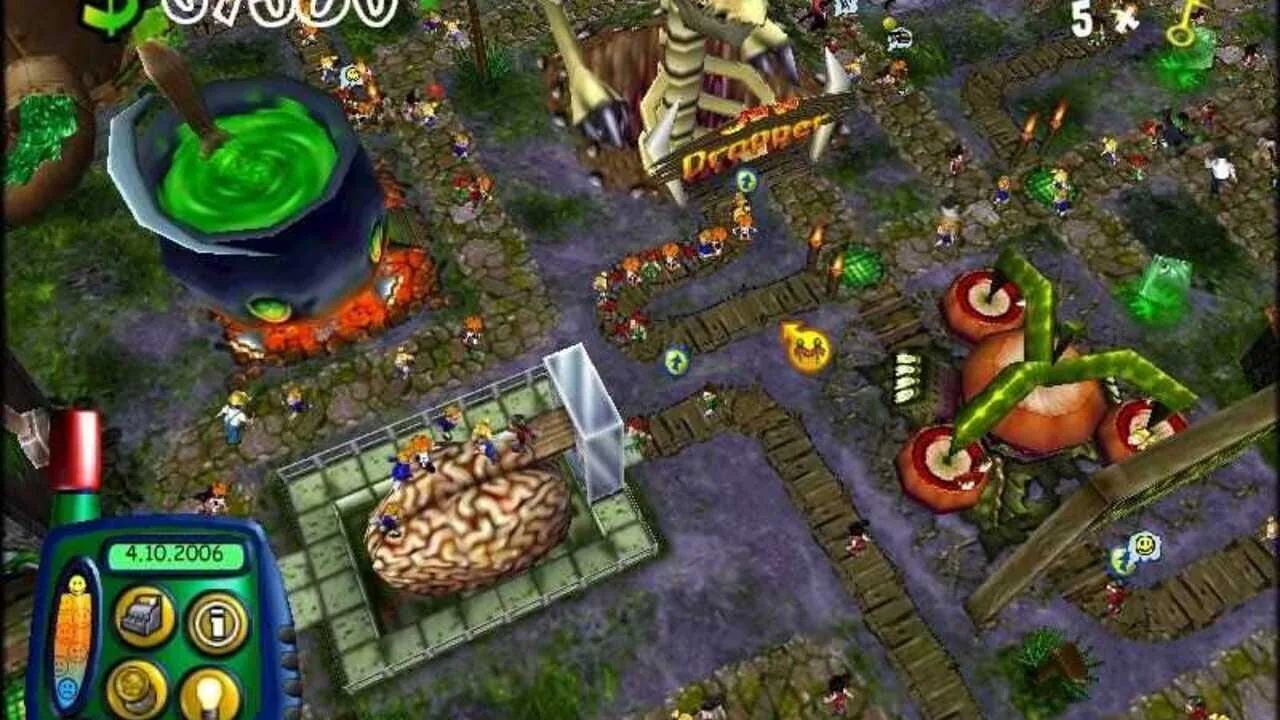
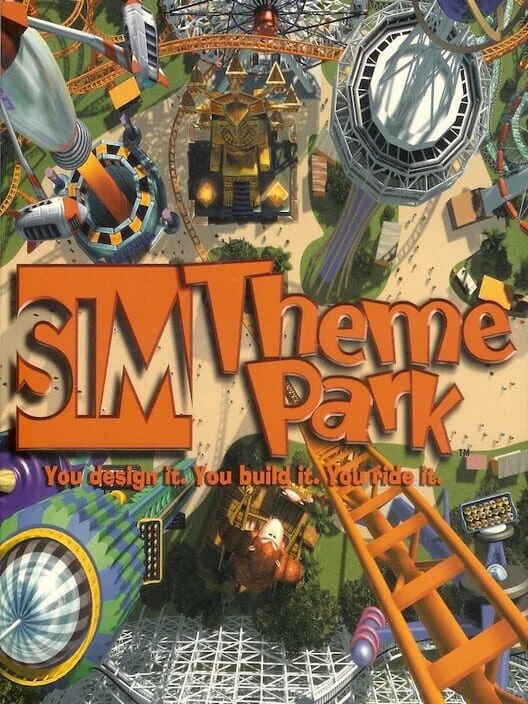
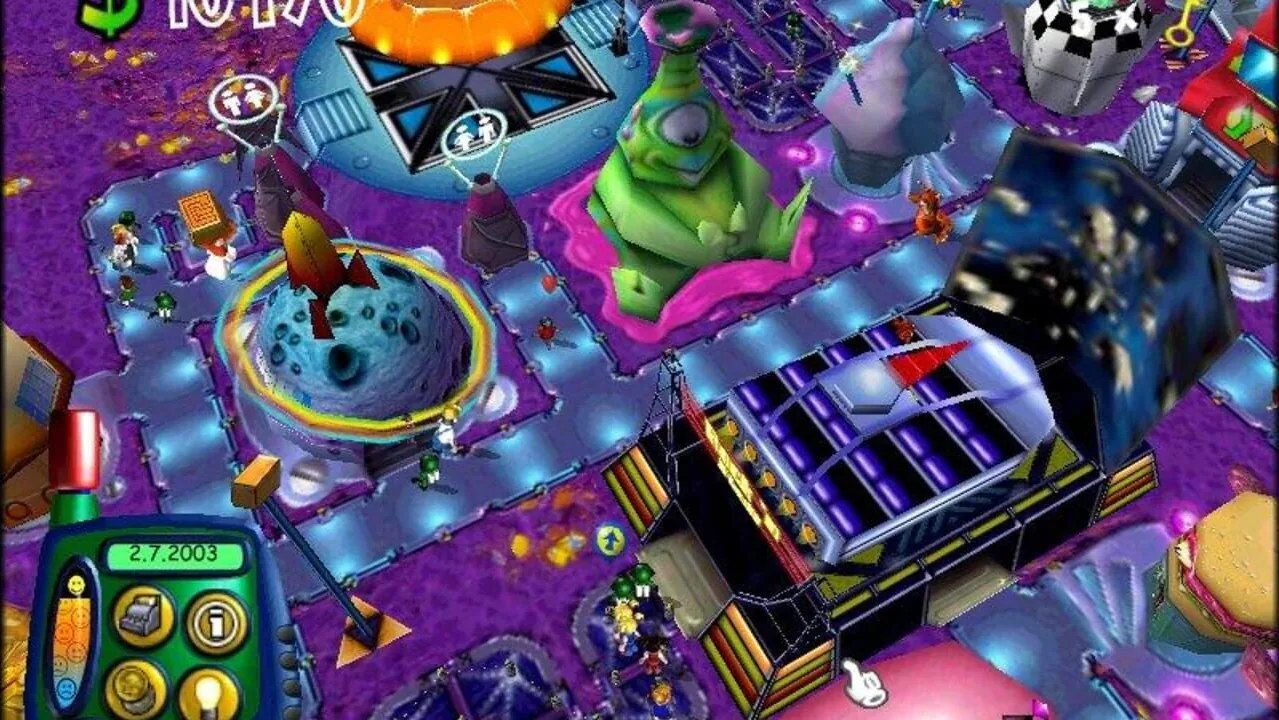
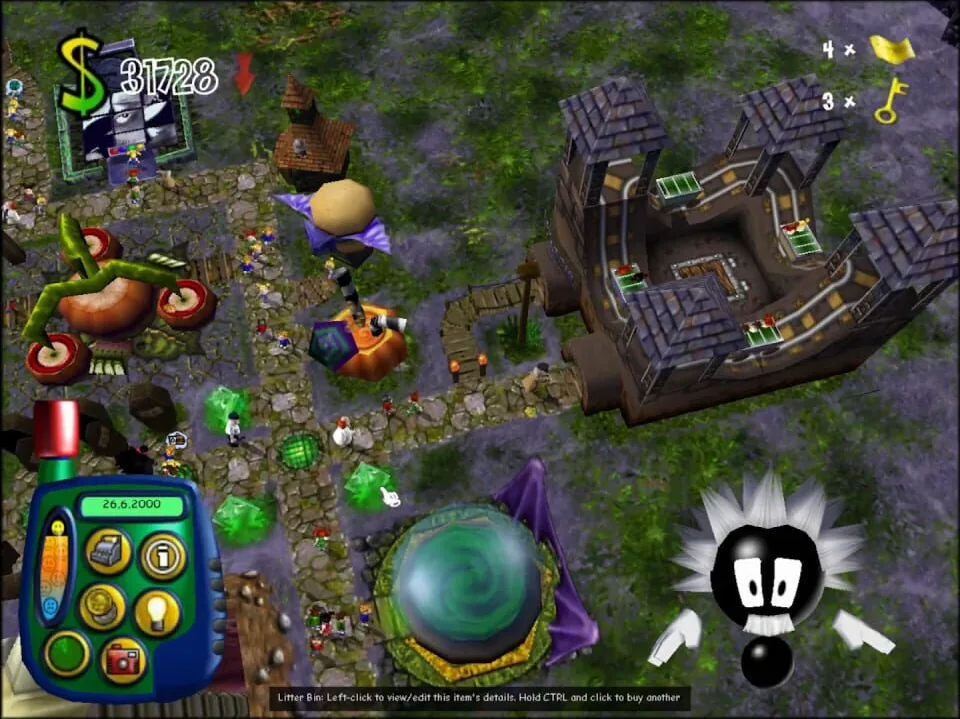
Sim Theme Park is the direct sequel to Theme Park, made because people at Bullfrog wanted to bring the original up to date. You build and manage an amusement park to make a profit and keep visitors happy. It was first made for Windows and then ported to the PlayStation. Reviewers complimented the sound and visuals, although some were critical of the interface. One critic's only real criticism was the difficulty of constructing roller coasters, which is a brave thing to struggle with in a roller coaster game.
The PC version won a BAFTA for its sound in 2000, and composer James Hannigan collected it on stage. Players still recommend it on the PS1, and it is the friendlier of the two park games here.
24. Command & Conquer: Red Alert - Retaliation (1998)
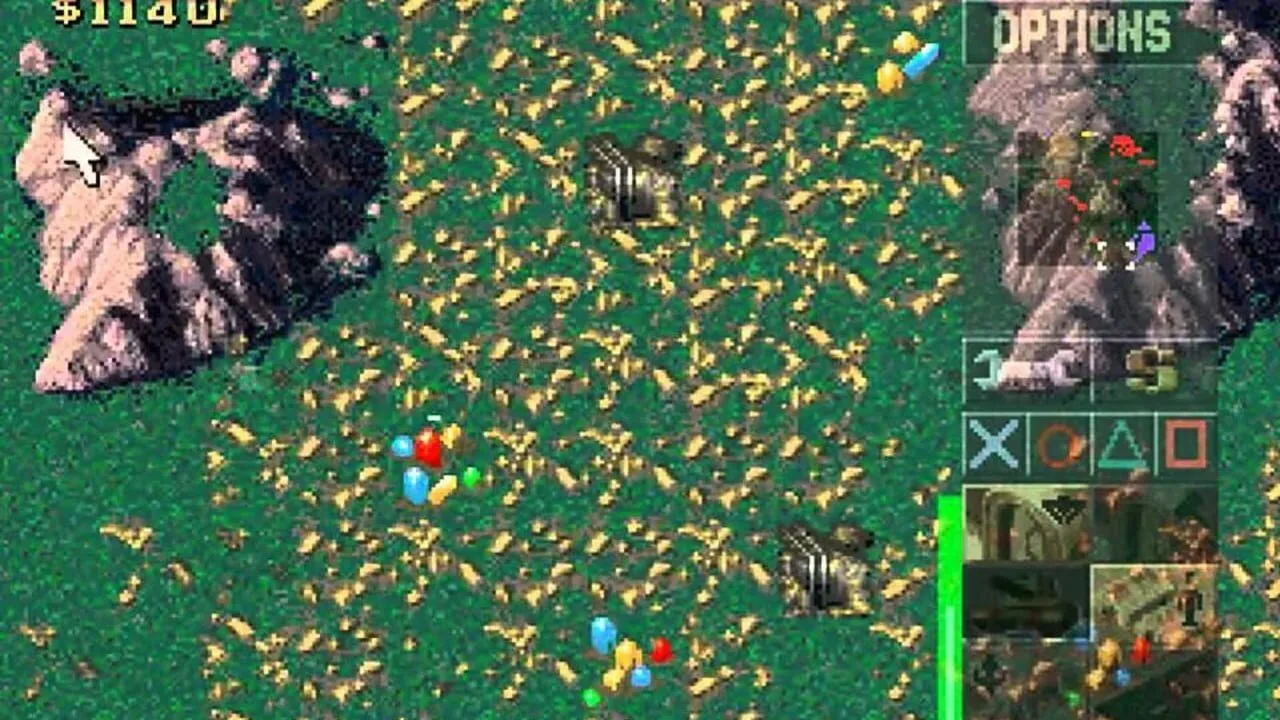
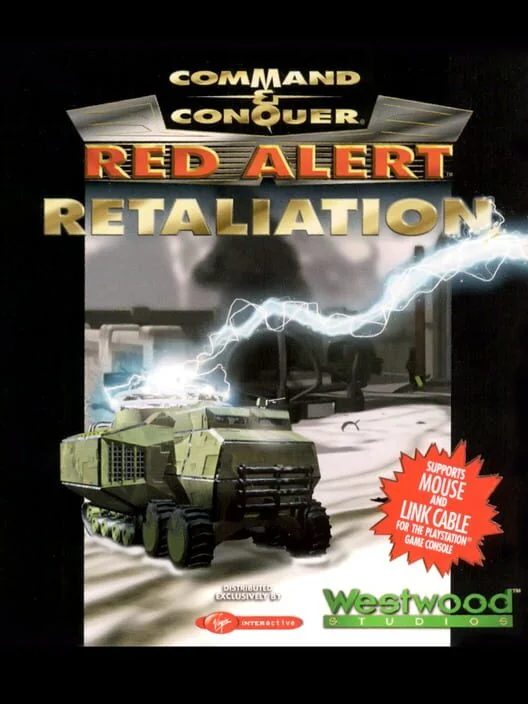
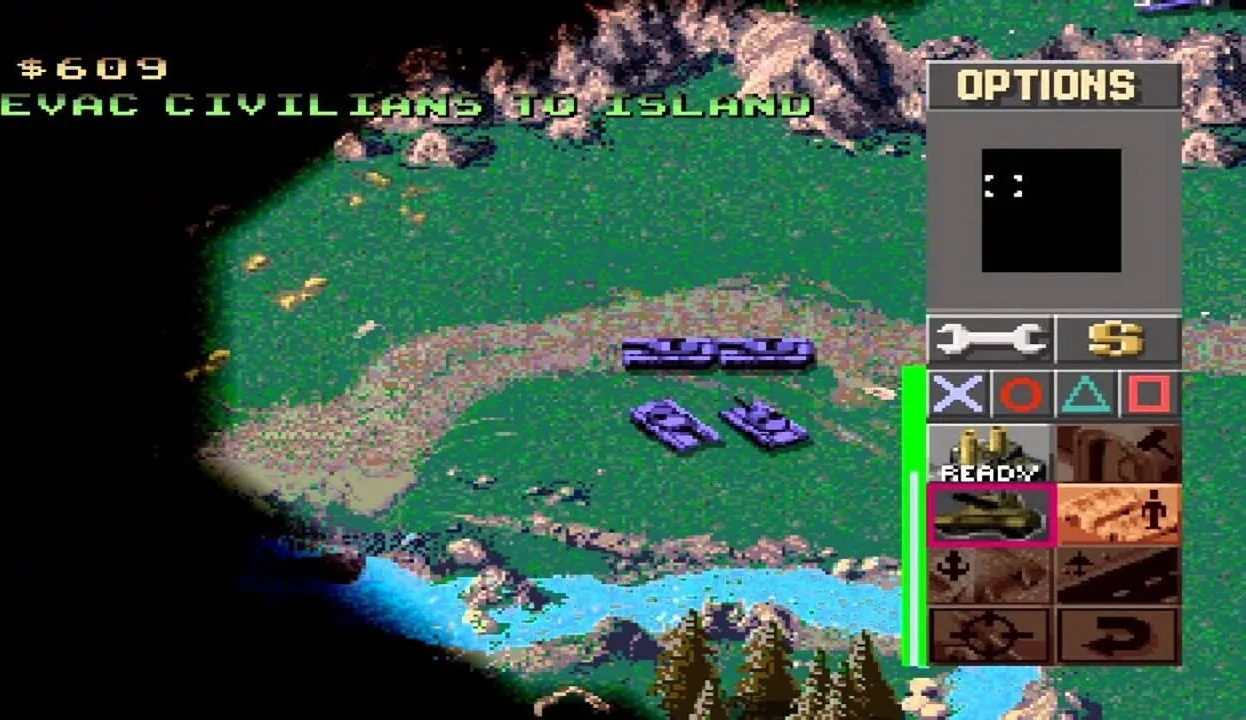
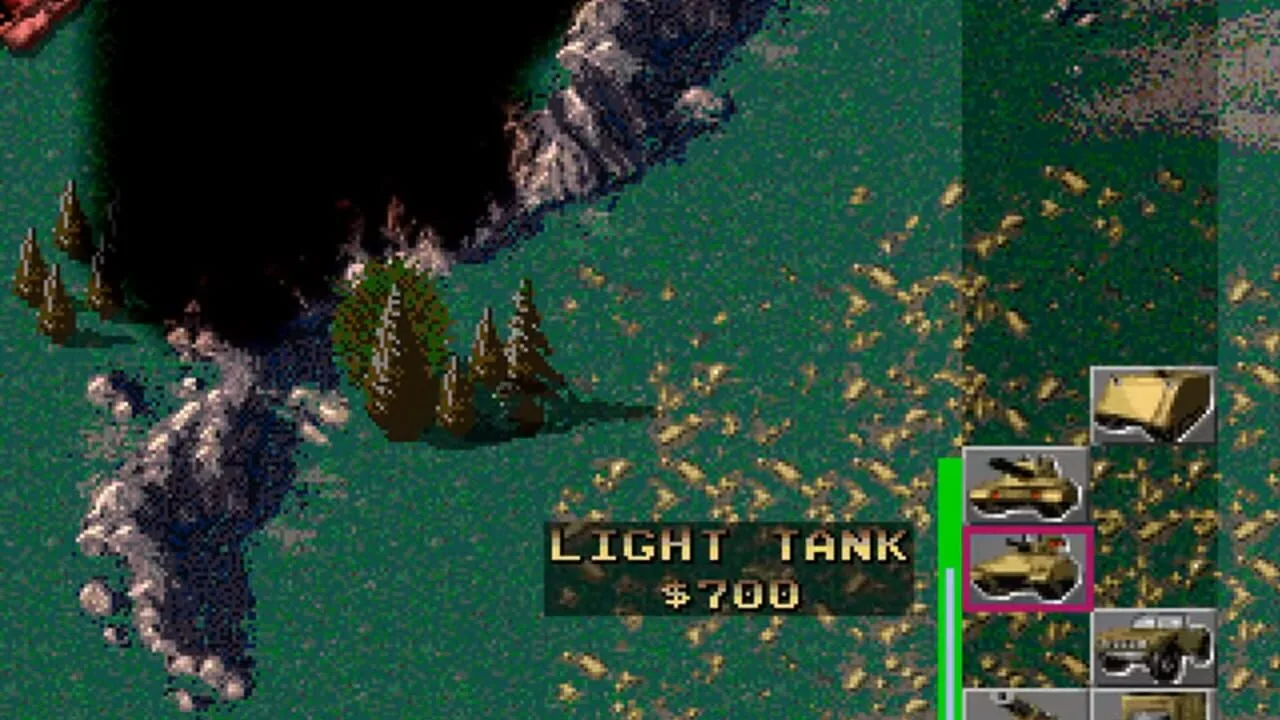
Red Alert is the prequel to the original Command & Conquer. It takes place in an alternate early history where the Allies battle an aggressive Soviet Union for control over the European mainland. Westwood designed the expansion packs for the PC game with help from Intelligent Games, a London developer, and they added new units, missions, maps and music. Retaliation is how that extra content reached the PlayStation.
One player summed up the deal: "you get Red Alert along with the content from Counterstrike and The Aftermath all in one two disc bundle!" If you want as much Red Alert as possible on a console, this is the version to get. The Red Alert games later became a lighthearted and comic series of their own, while the original line kept its serious tone.
23. Eternal Eyes (1999)
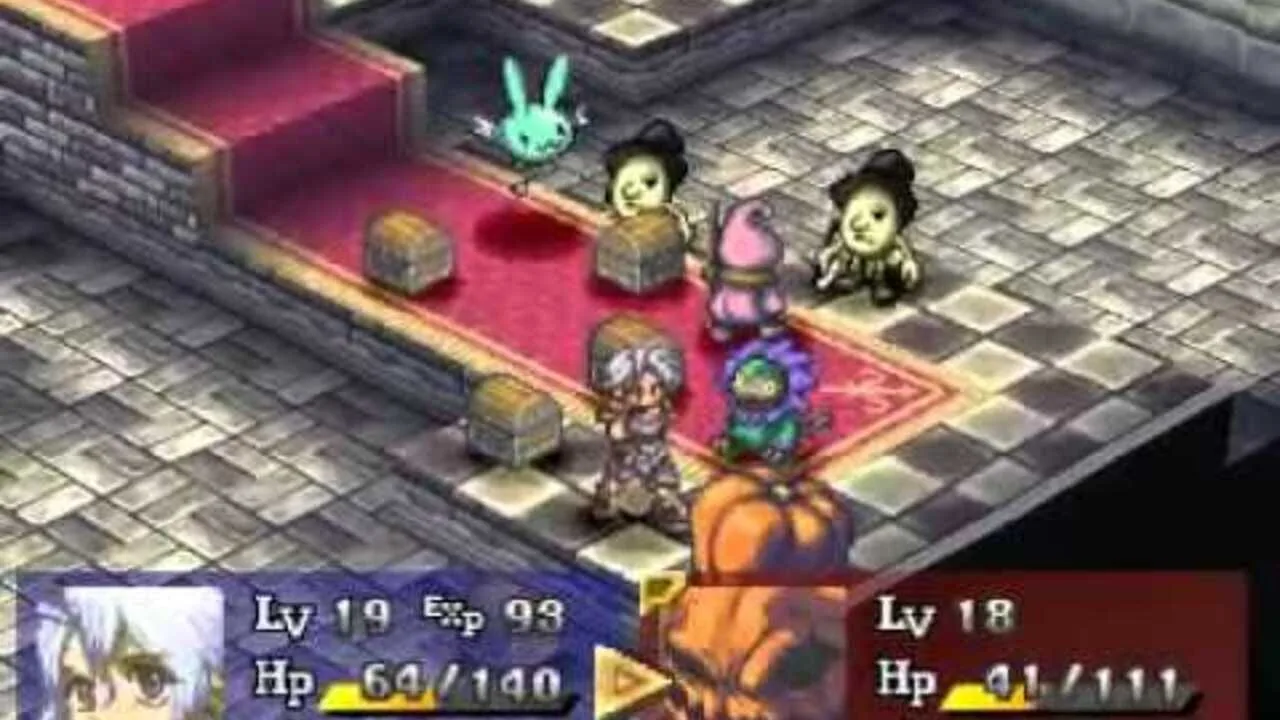
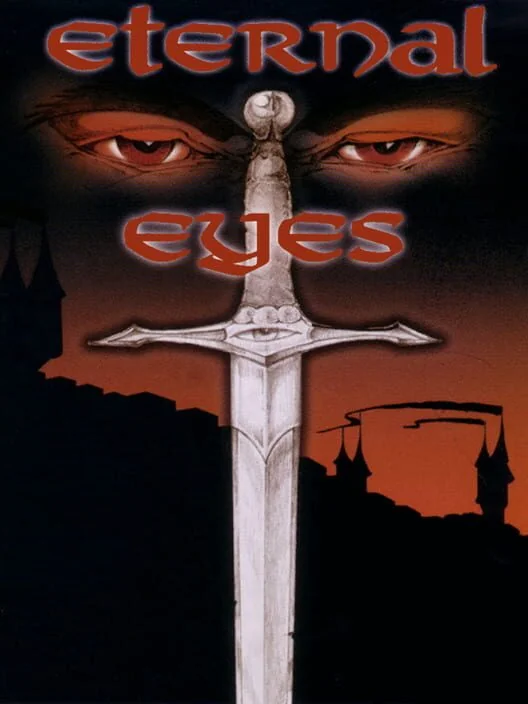
Eternal Eyes follows Luke and his sister Elena, two orphans living in a small house in the kingdom of Gross. After finding a mysterious jewel in a cave, they learn that their parents belonged to an ancient race named Eternal Eyes, people who could control inanimate dolls called Mappets. Now the kids have to learn to command Mappets of their own and stop a villain from resurrecting the Goddess of Destruction.
Critics were not kind. It received unfavorable reviews, and PlayStation Magazine gave it 1.5 out of 5. In Japan, Famitsu gave it 24 out of 40. The players who remember it wish more people did, and they talk about it the way you talk about a game you owned when you only owned a few.
22. Sid Meier's Civilization II (1996)
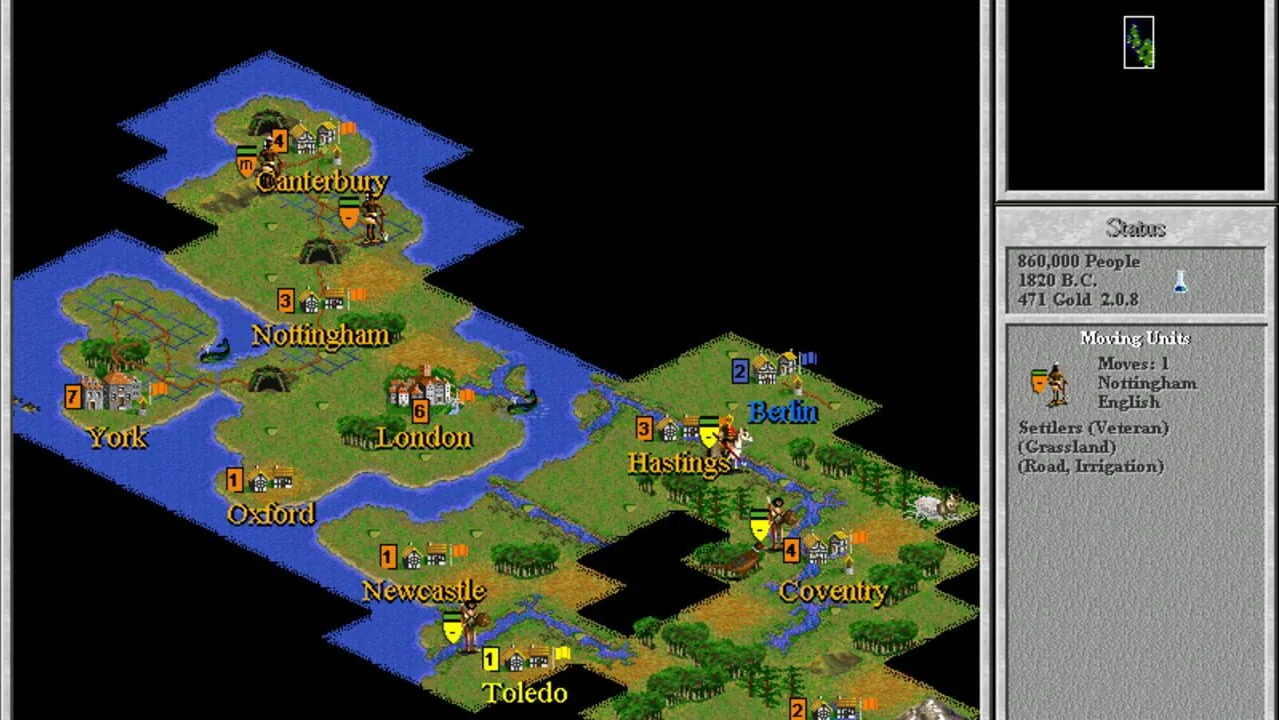
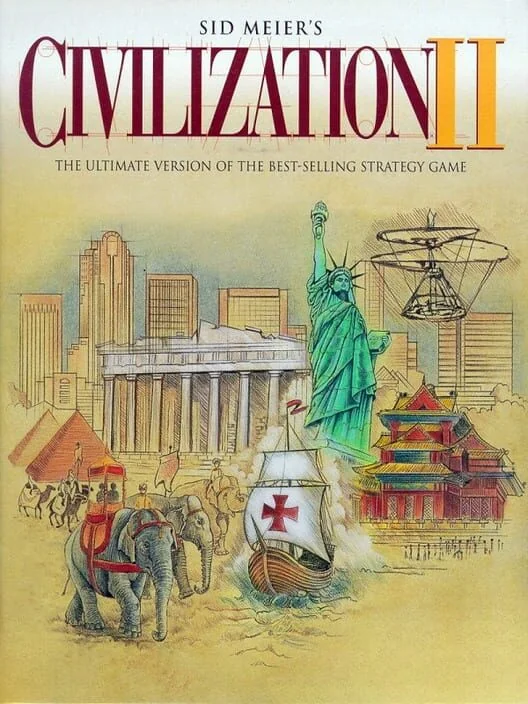
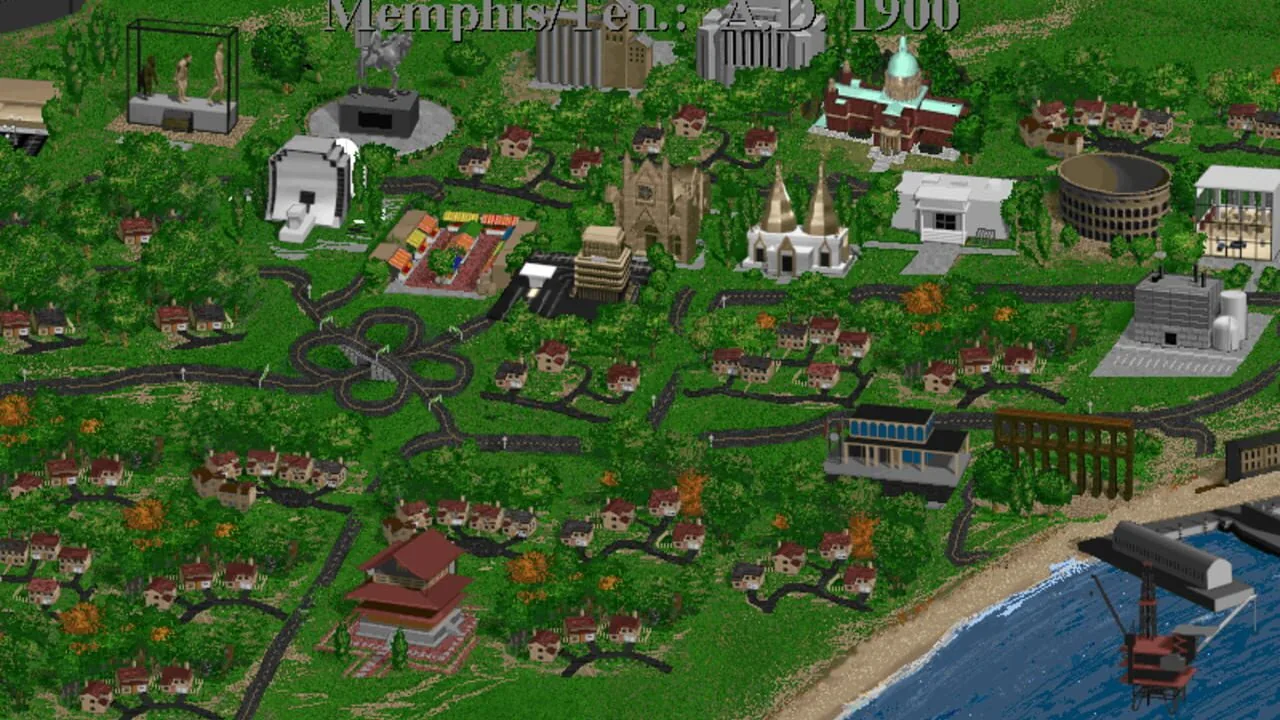
Civilization II is the turn-based strategy game about the whole of human history. You start in 4000 BC with one or a few units, including settlers to found your first cities, and grow a civilization from there. The units work like chess pieces, each one mirroring a historical type of soldier or job. The civilizations run from the Aztecs to the Zulus, and you can play on a random map or a pre-made one.
It was released for PCs in 1996 and later ported to the PlayStation by Activision. It sold around three million units by 2001 and has turned up on plenty of best games of all time lists. On a controller it asks for some patience, but it is the whole game, and it will eat your weekend.
21. Populous: The Beginning (1998)
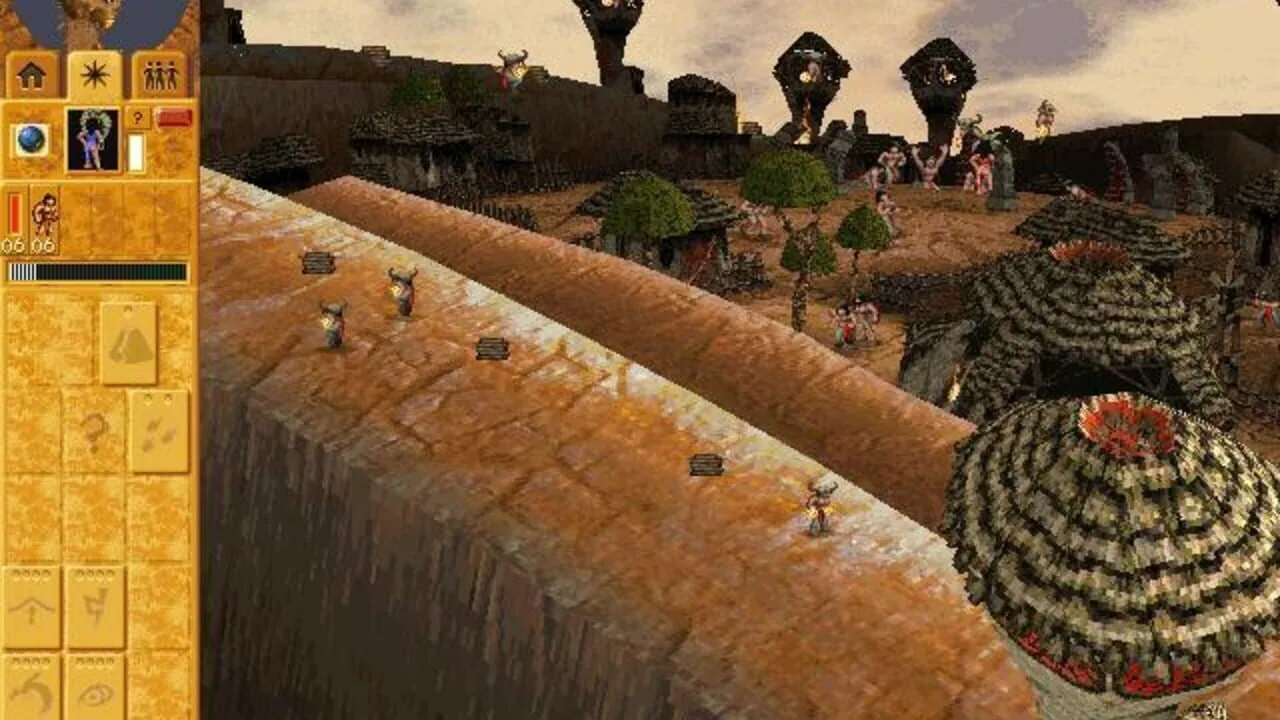
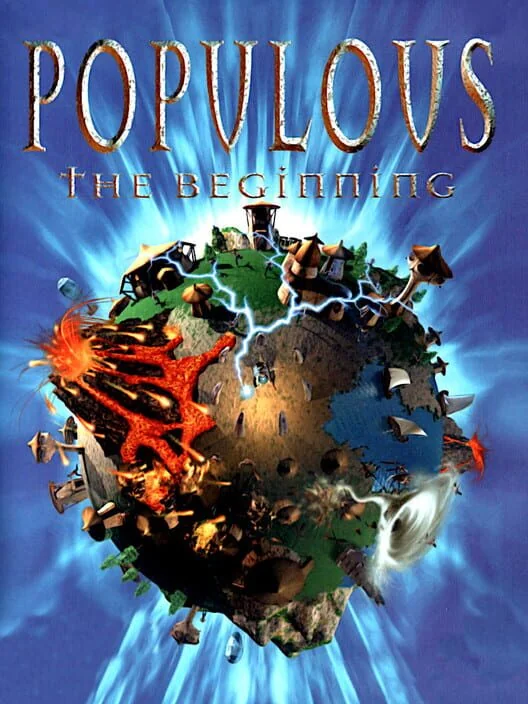
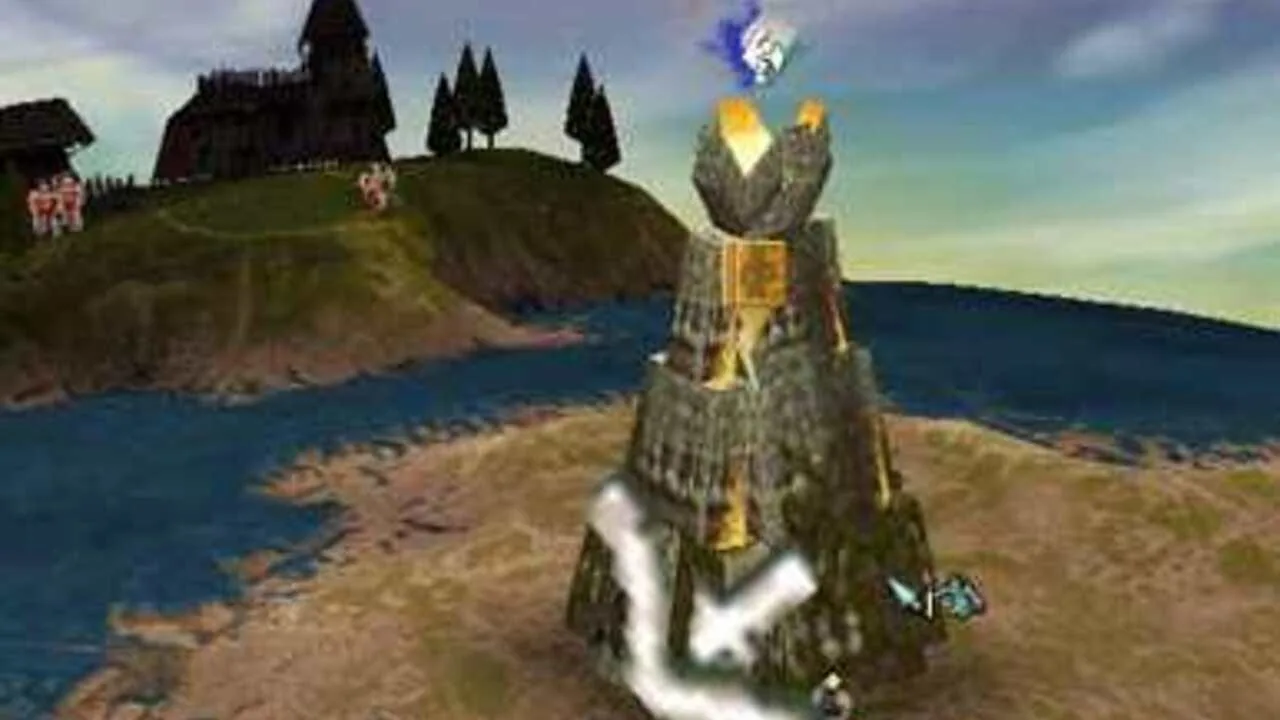
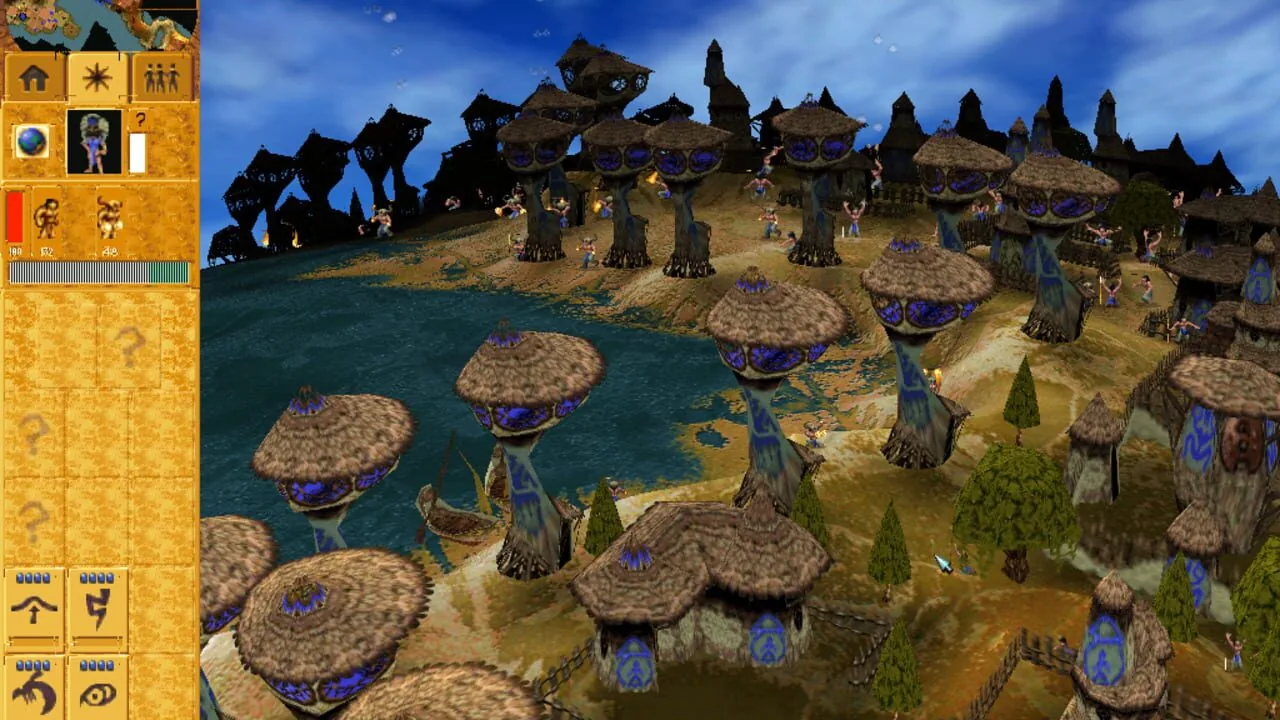
Populous: The Beginning came out on Windows in 1998 and on the PlayStation in 1999. Earlier Populous games made you a god nudging your followers around. This one puts you in the role of a shaman who directly leads her tribe against the other tribes, and the goal is to become a deity yourself. You start on the planet furthest from the sun and attack each planet in sequence. It was the first entry in the series to use 3D graphics, and Bullfrog waited four years after Populous II for the technology to catch up.
Critics liked the graphics but complained about the indecision between a real-time strategy game and a god game. Players are less fussy, and they still call it a fantastic game.
20. Warzone 2100 (1999)
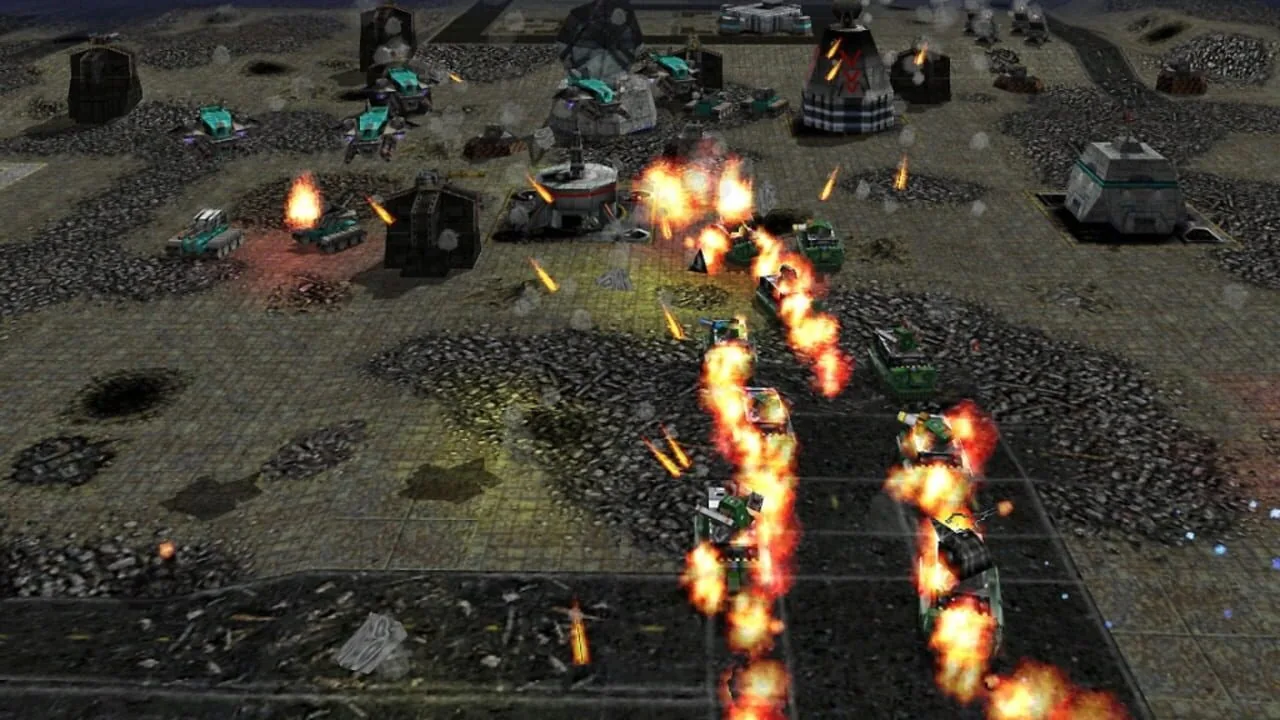
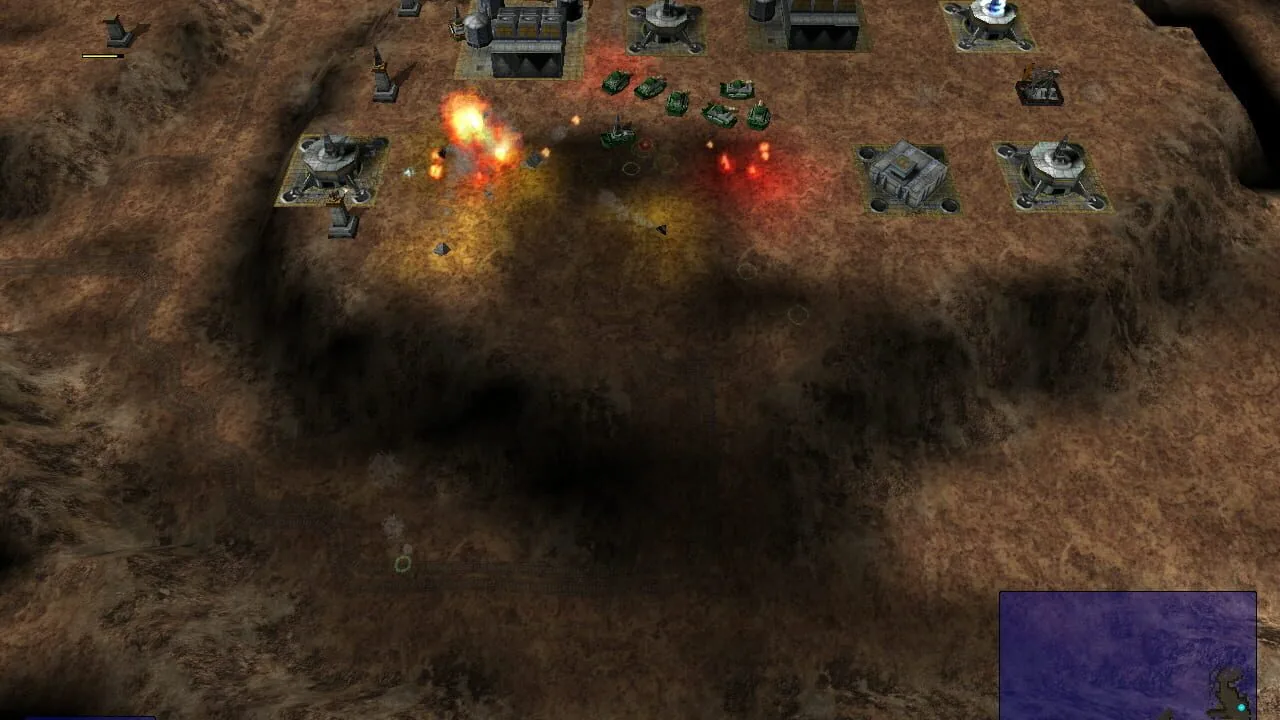
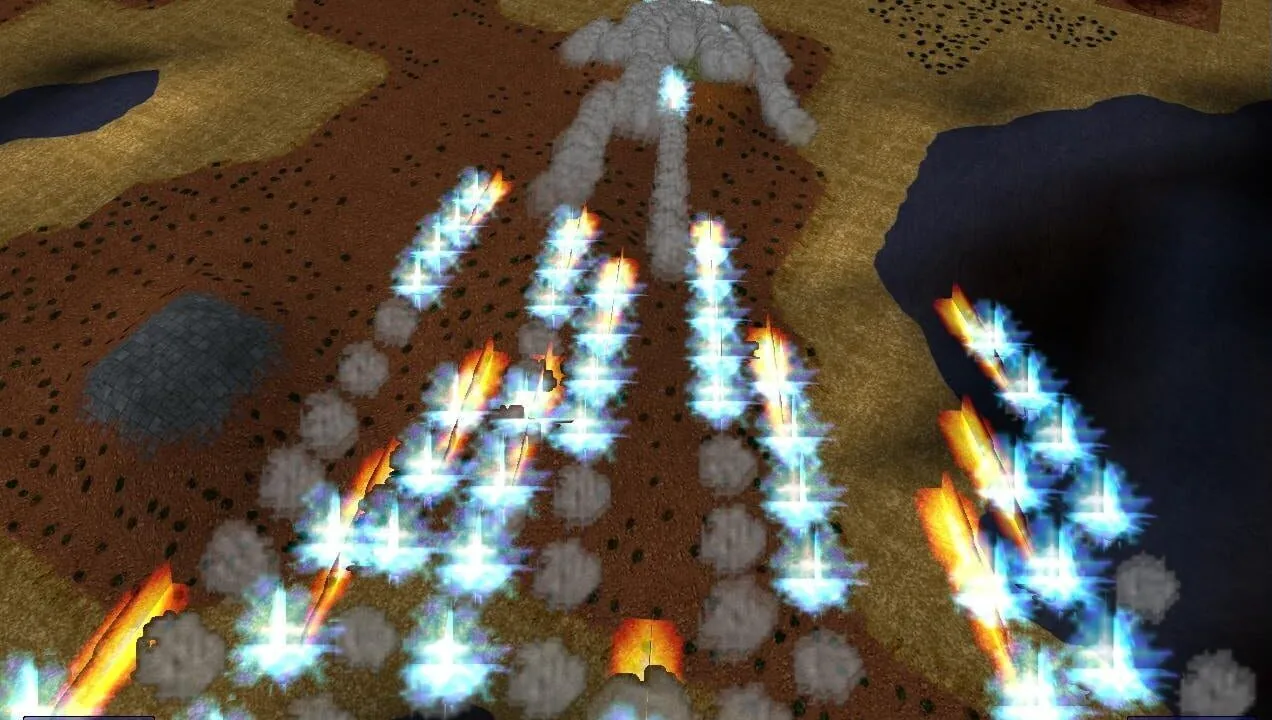
Warzone 2100 is a real-time strategy game from Pumpkin Studios, released in 1999 for Windows and the PlayStation. It is set after a huge missile defense system goes terribly wrong, and you lead a group of survivors who want to rebuild civilization using pre-war technology. It leans hard on artillery. You also get a massive research tree and a system for designing your own vehicles. Your old bases stay put as the maps expand, so the campaign feels like one long war.
On March 15, 2000, Pumpkin Studios was closed down by Eidos. Fans kept releasing unofficial patches, and the game later went fully open source. On the PS1 it is the deep cut, and players who know the console's strategy shelf bring it up.
19. WarGames: Defcon 1 (1998)
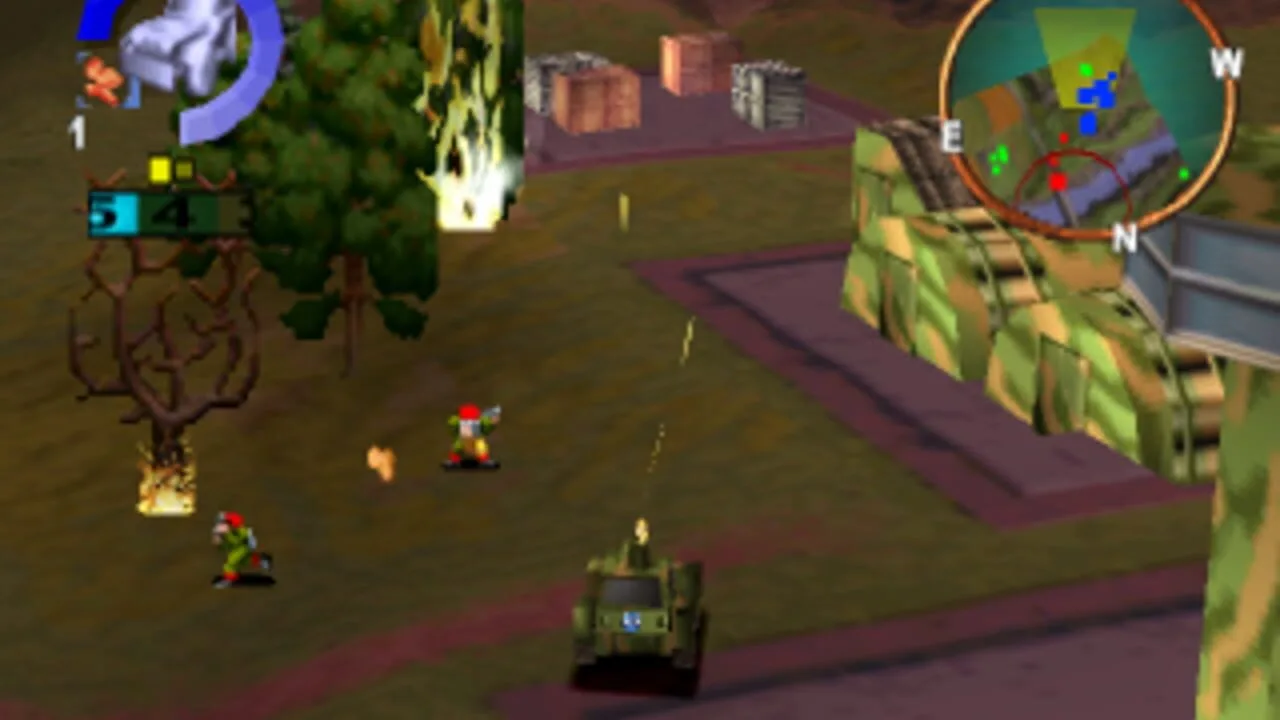
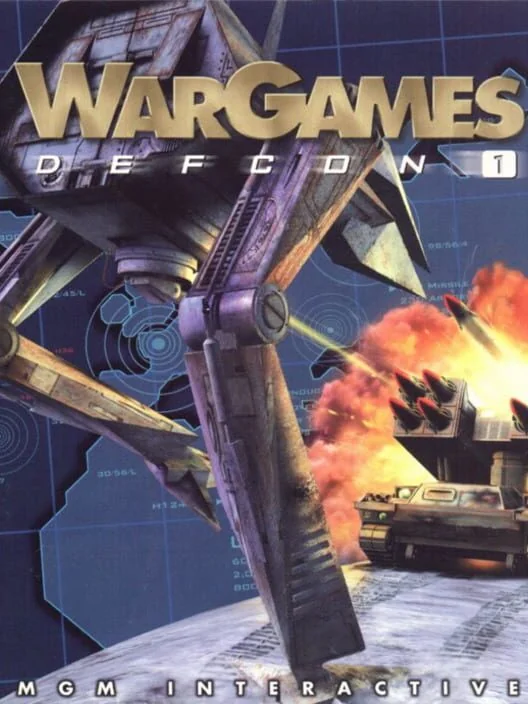
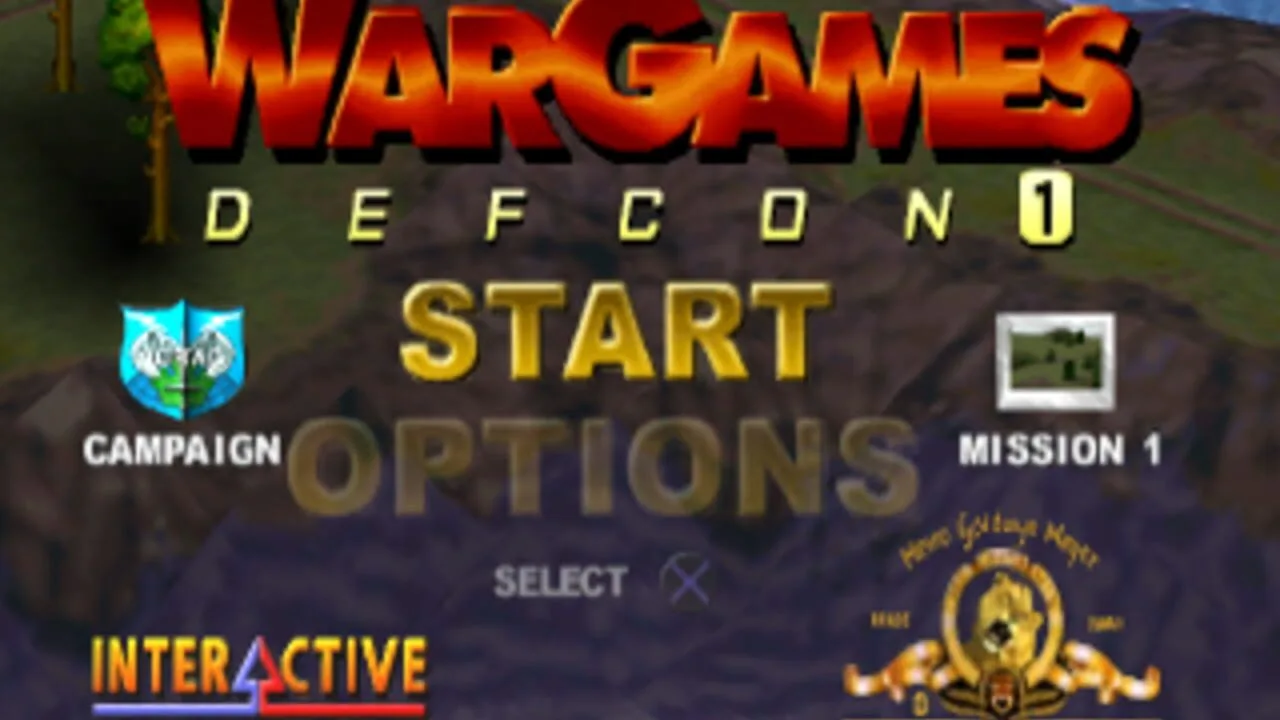
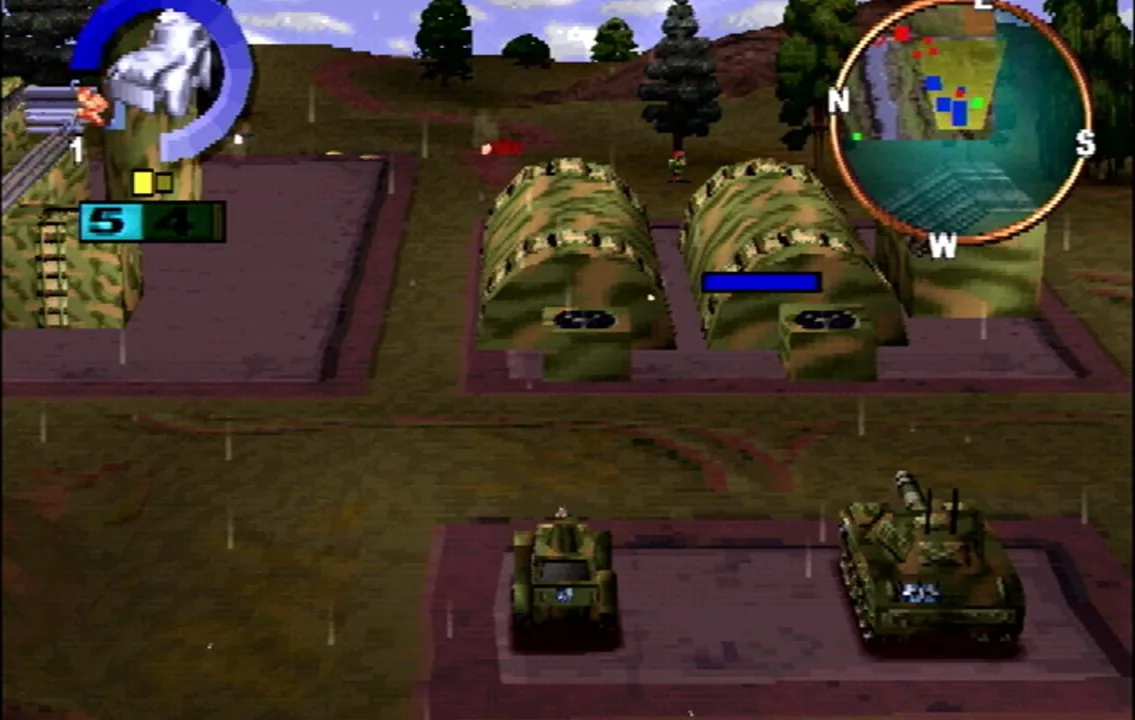
WarGames: Defcon 1 is loosely based on the movie WarGames, and its story was scripted by John Badham, the director of the original film. On the PlayStation you play as NORAD or as WOPR, so you can side with the humans or with the computer from the film. It is the most action-heavy game on this list, a strategy game where you also have to aim.
It sounds like a movie tie-in nobody asked for, years after the movie came out. It is better than that. Players who played it still talk about how much fun it was, and some of them count it among their personal favorites on the console.
18. Command & Conquer: Red Alert (1996)
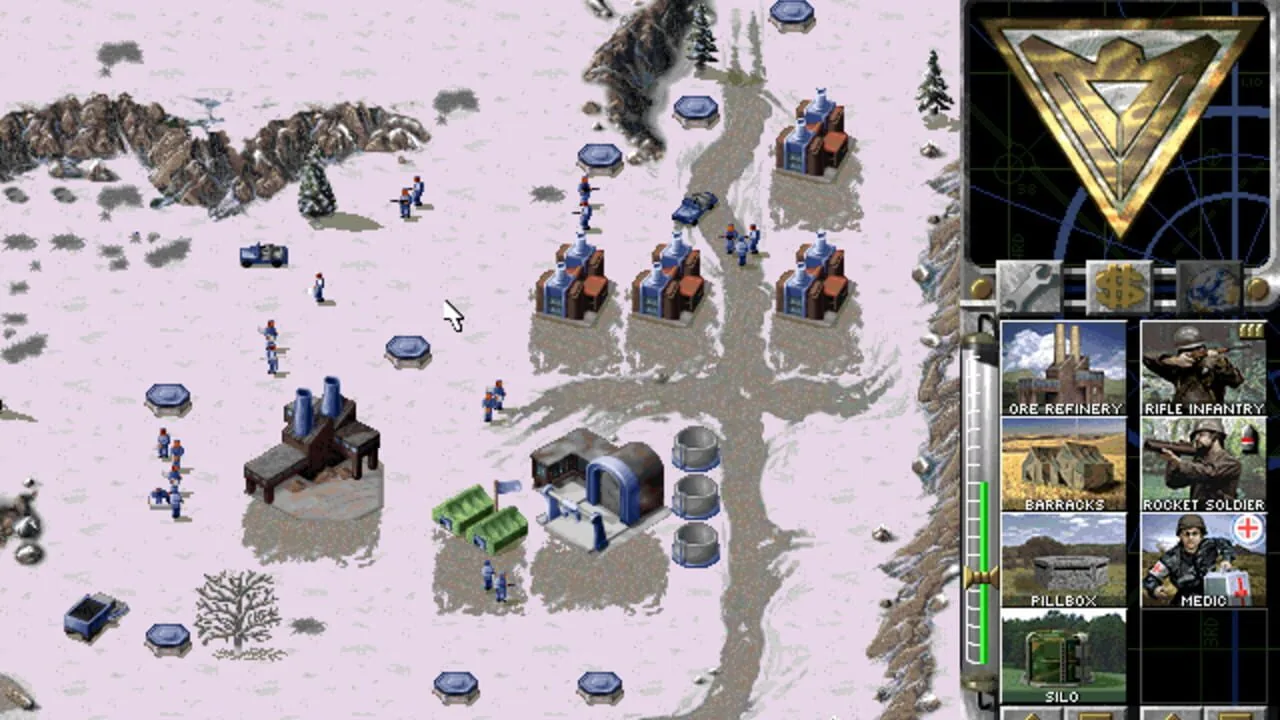
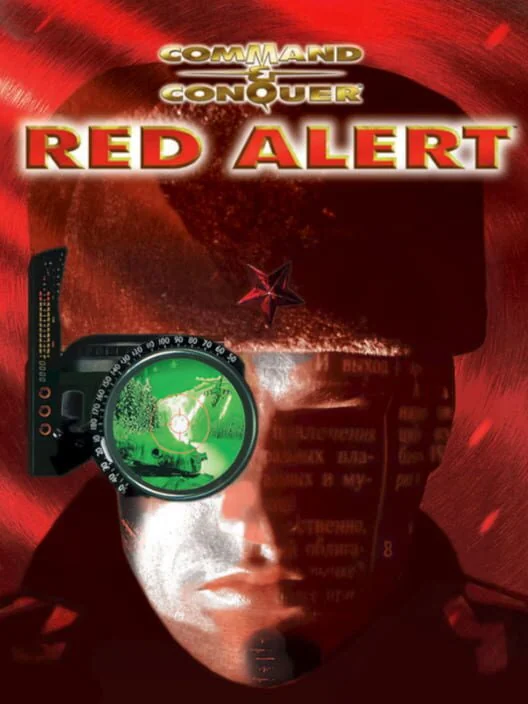
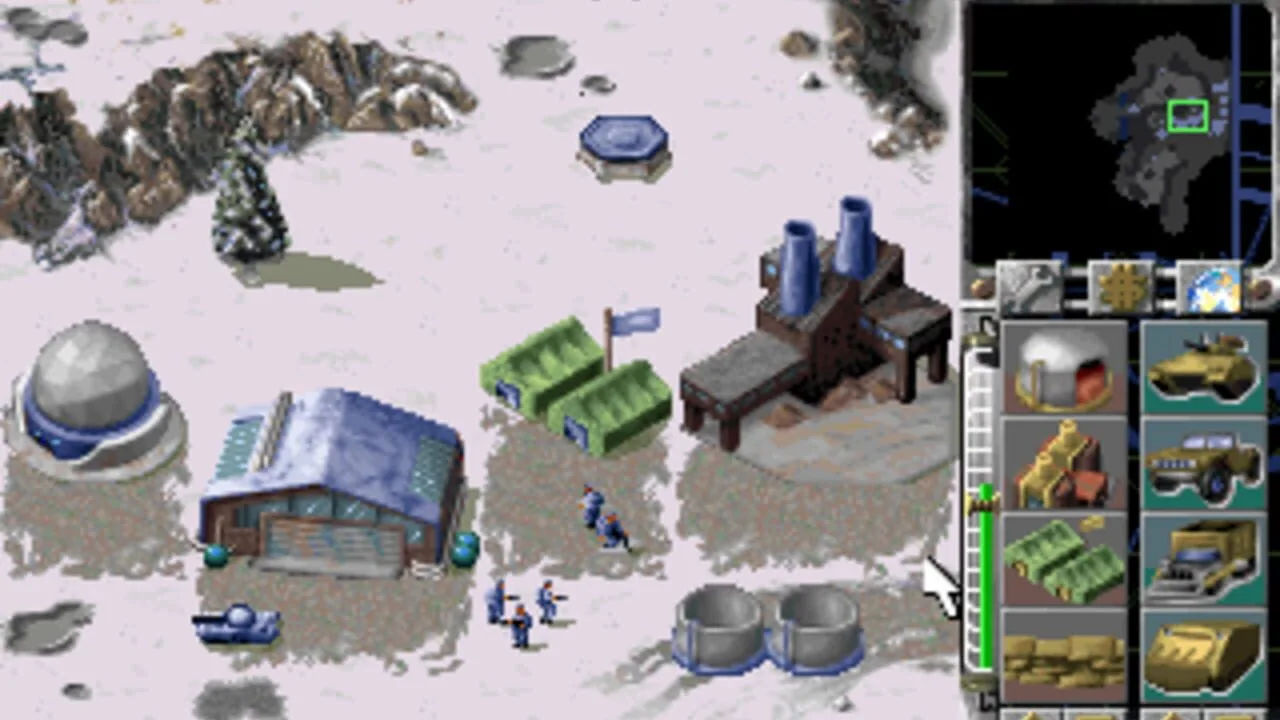
Red Alert starts with a time machine. A scientist returns to Landsberg, Germany, in 1924 and meets Adolf Hitler just after his release from prison, and history goes sideways from there. The USSR seizes land from China and then invades Eastern Europe, and the countries of Western Europe form the Allied Nations to fight back.
Base building has a catch. You have to build power plants to keep up with demand, or your radar and Tesla Coils stop working, so power plants are often the first thing an enemy hits. Engineers can capture a badly damaged enemy building, and if you take a Soviet war factory as the Allies you can build the Mammoth Tank yourself. Players rank it below the first Command & Conquer, though it is the more fun of the two.
17. Theme Hospital (1998)
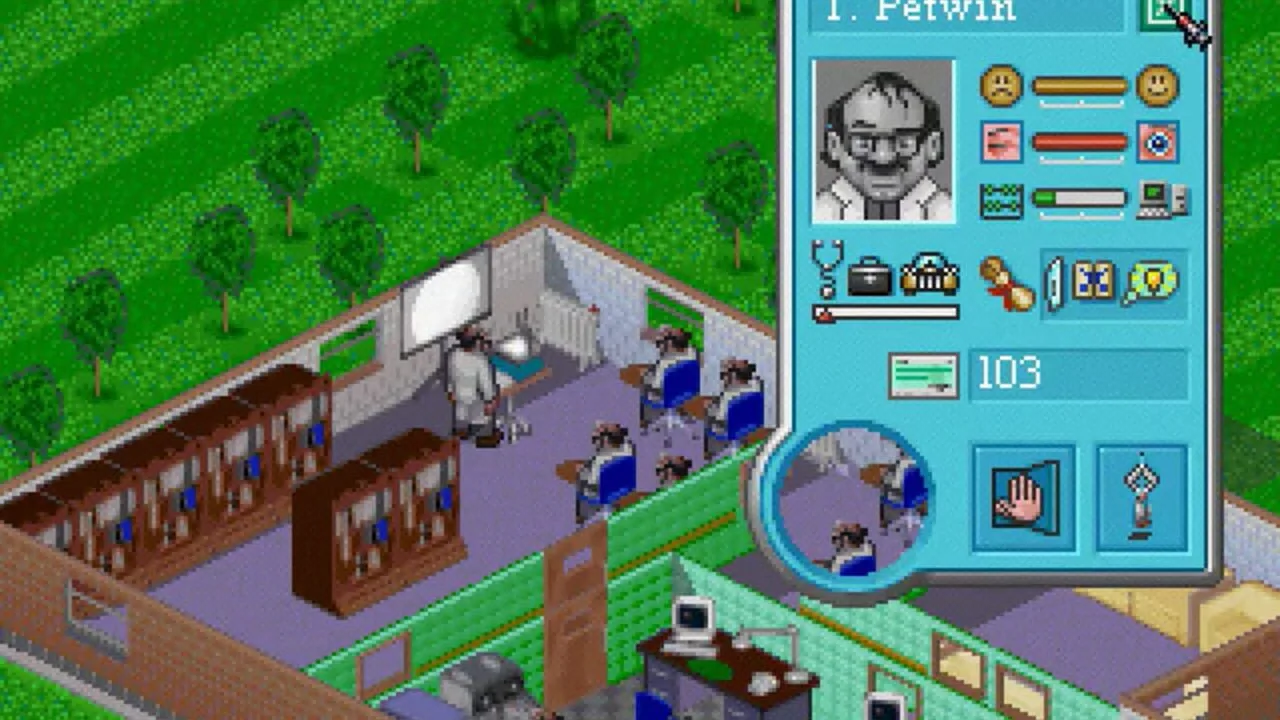
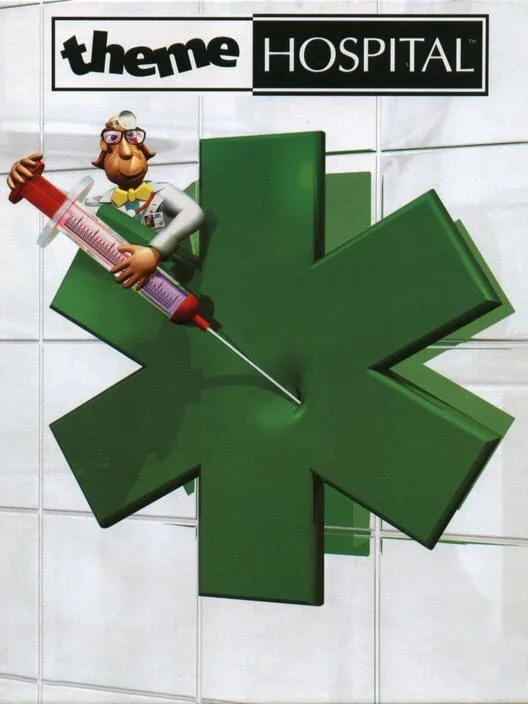
Theme Hospital came from Peter Molyneux and journalist James Leach, who were looking for other Theme games while talking about Theme Park. You run a hospital full of very silly illnesses. Bloaty Head was based on an allergic reaction Molyneux had, when his face became an "alarming size". Other diseases were planned and cut, including Animal Magnetism, which would see patients with attached animals that had to be cut away.
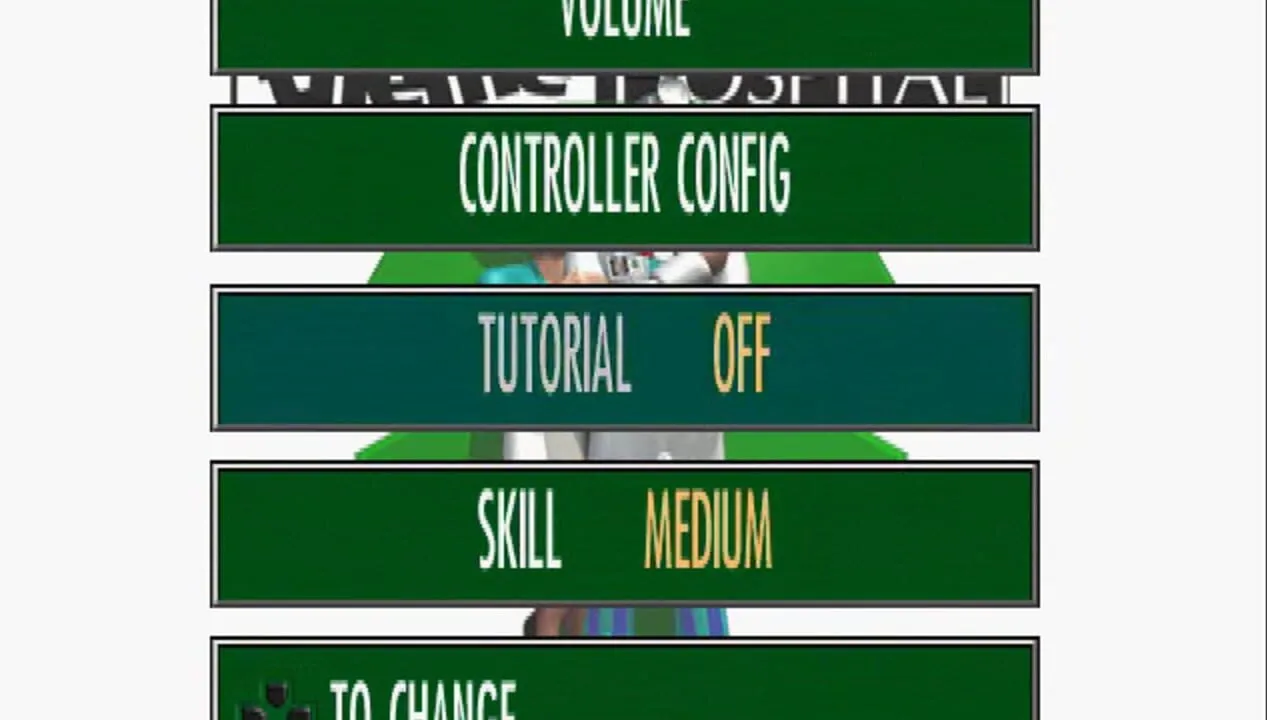
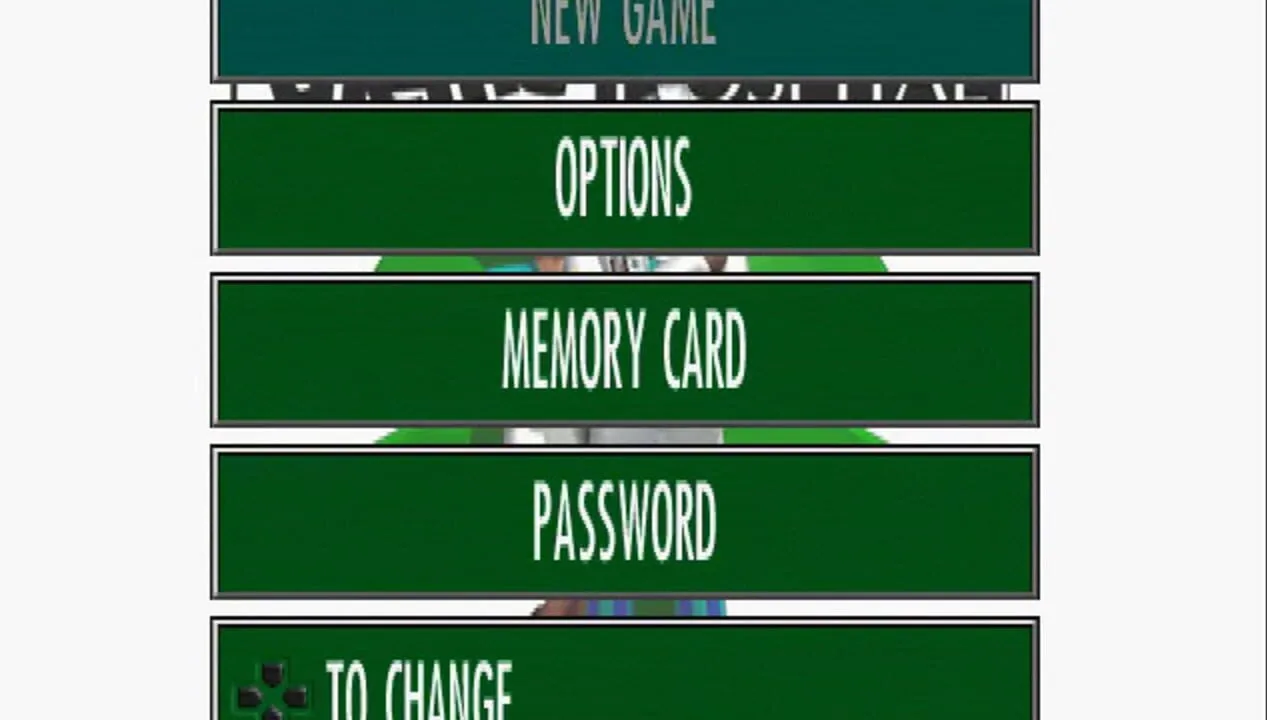
It sold over 4 million copies and was ported to the PlayStation in 1998. The PS1 port has a different menu system to suit the controller. In North America it came to the PlayStation Network in 2010. Players rank it below Theme Park.
16. Worms World Party (2001)
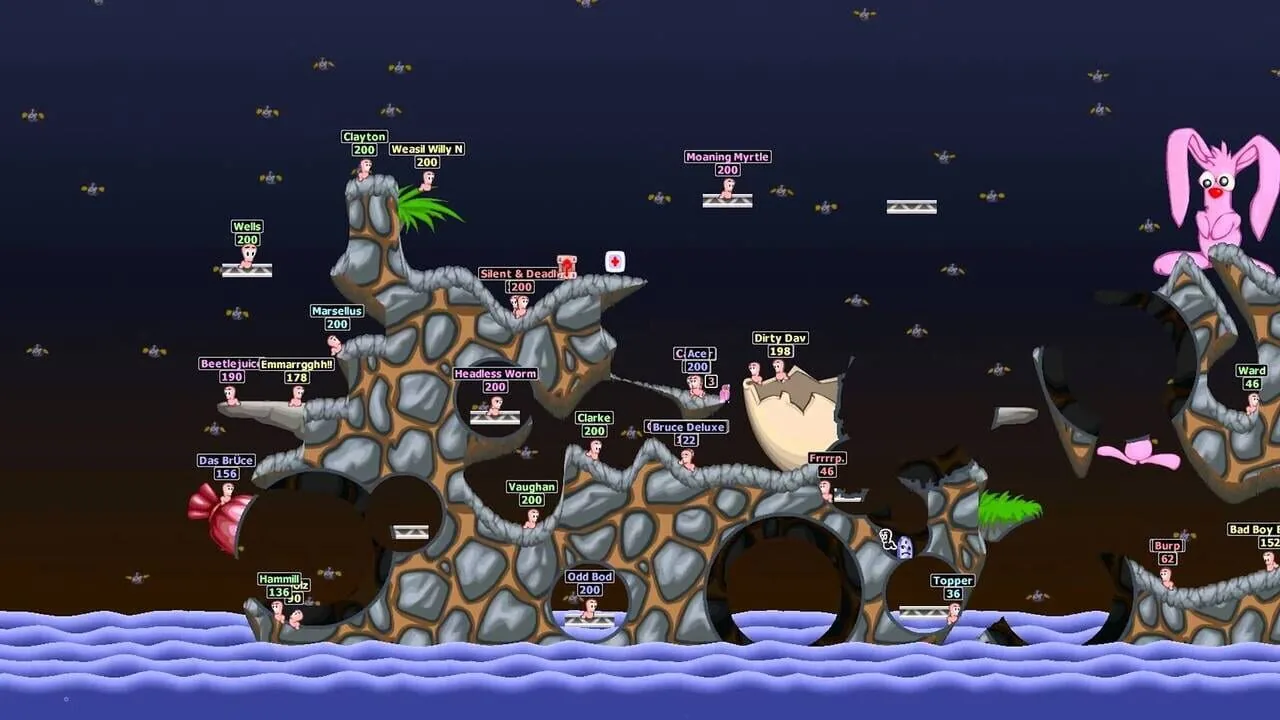
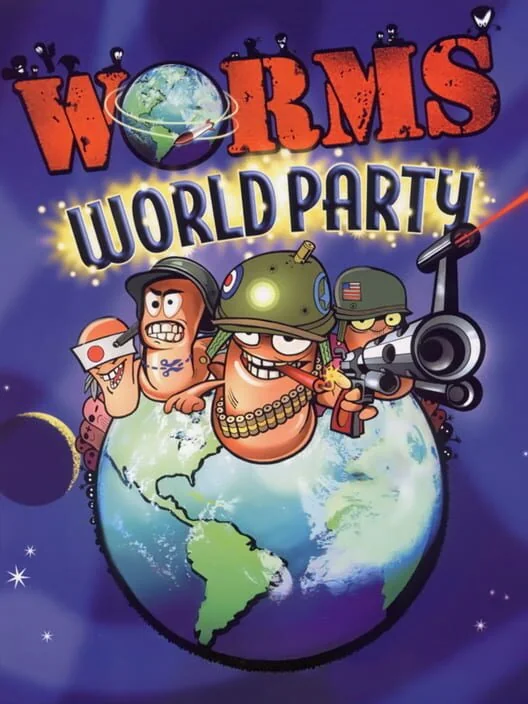
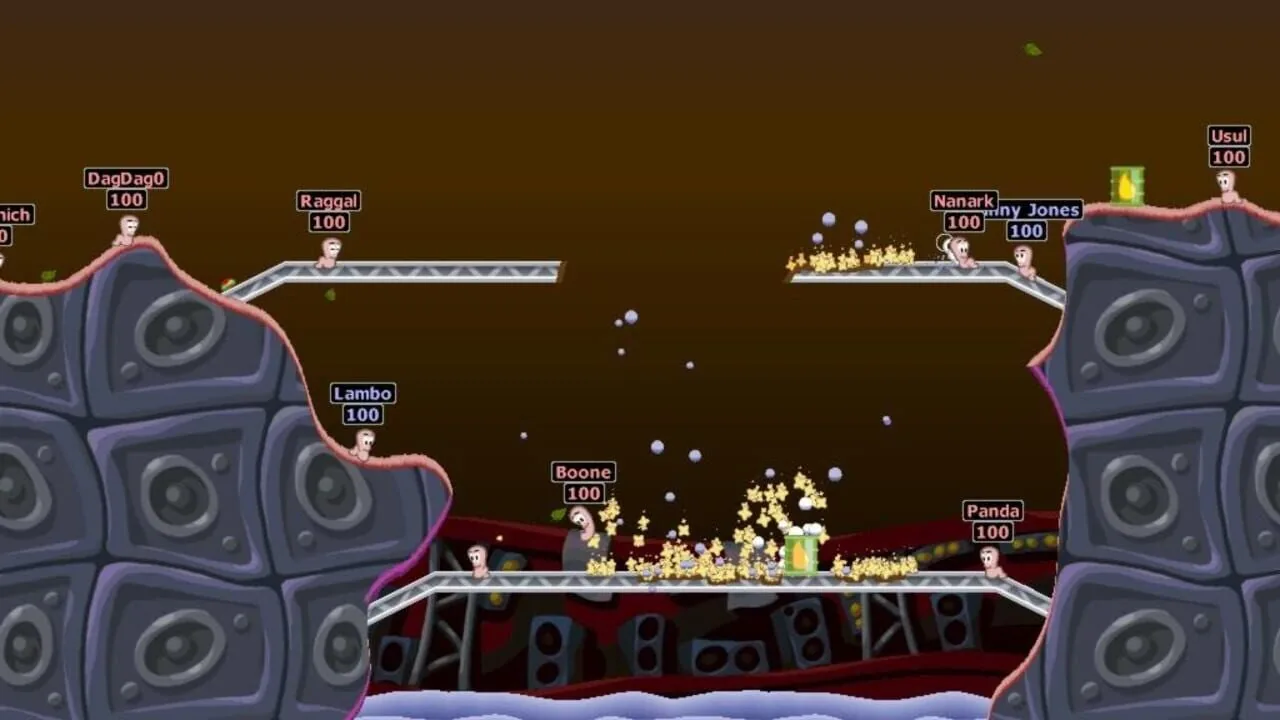
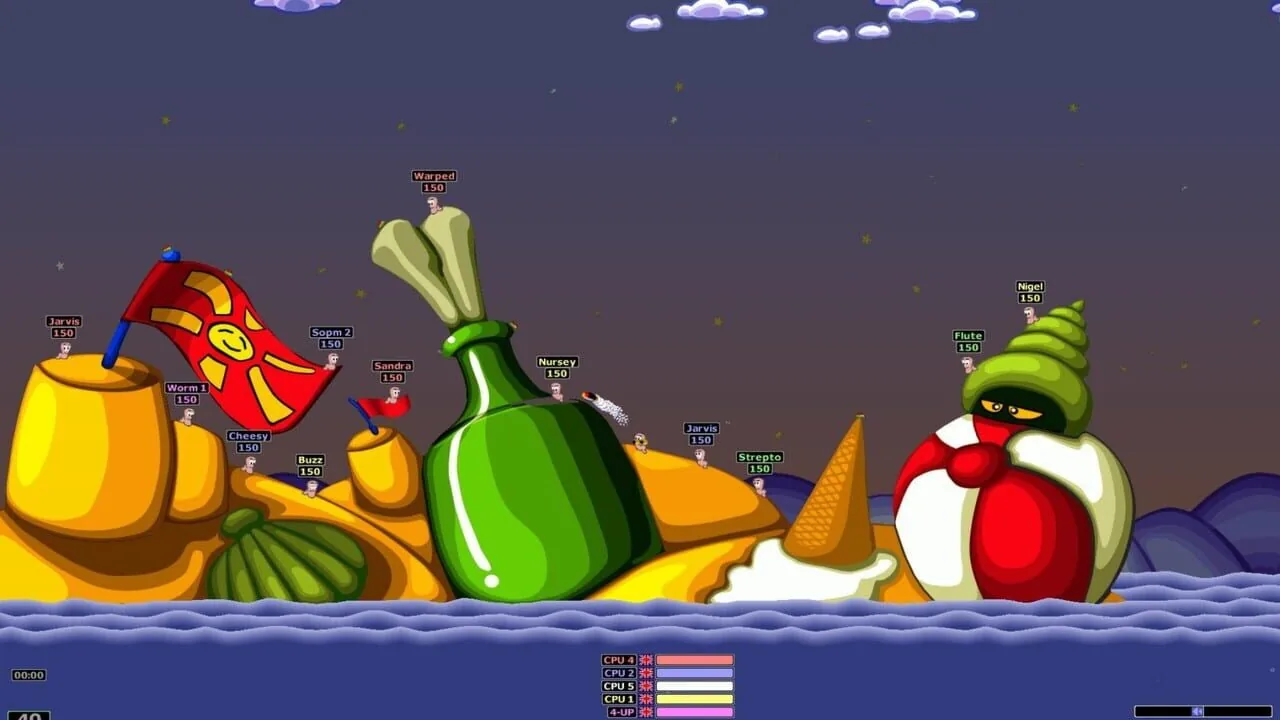
Worms World Party was the last 2D game in the main Worms series before it moved to 3D with Worms 3D. It keeps the chain reactions that make Worms fun to watch. A worm gets hit with a grenade and is thrown into a mine, which sets off another worm, which hits a third worm who slips into the water.
It was fairly well received at launch, but Worms fans have grown more mixed about it over the years. One reviewer said the heroic music and the comic voices were the best part of the game, "which isn't saying much." Players still put it behind the two older Worms games on the PS1, and if you own those, you can skip this one.
15. Arc the Lad (1995)
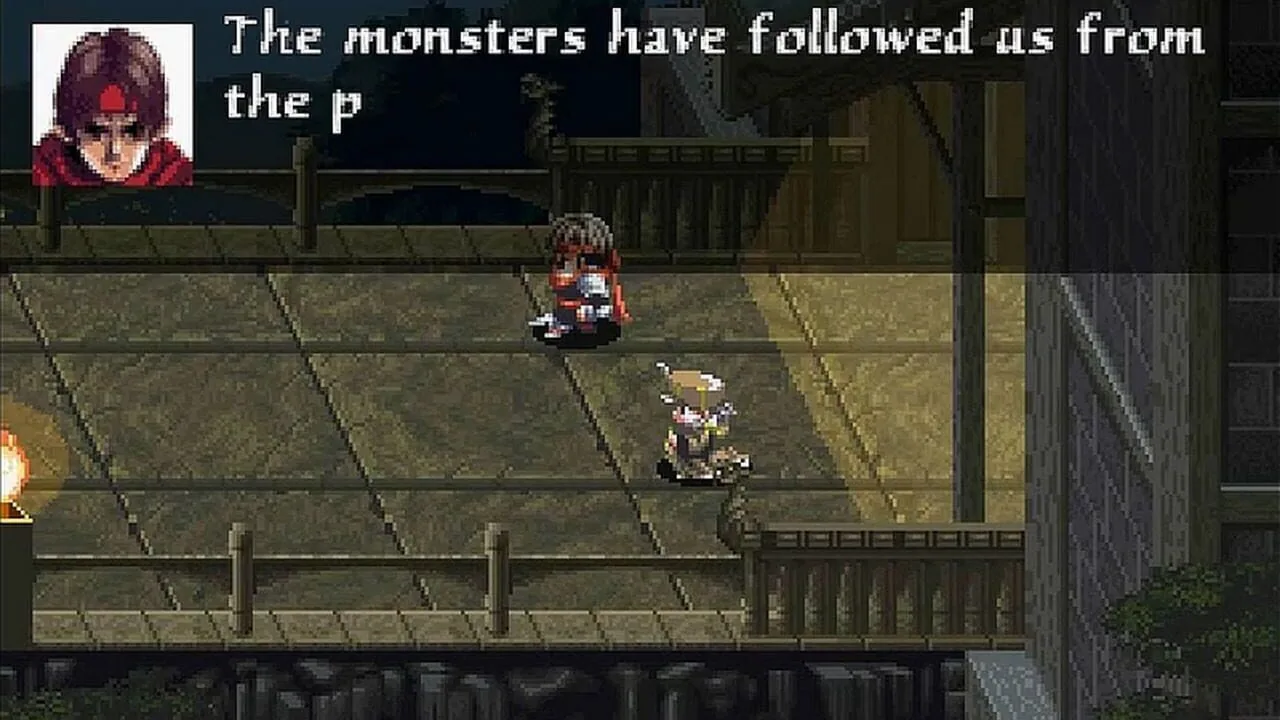
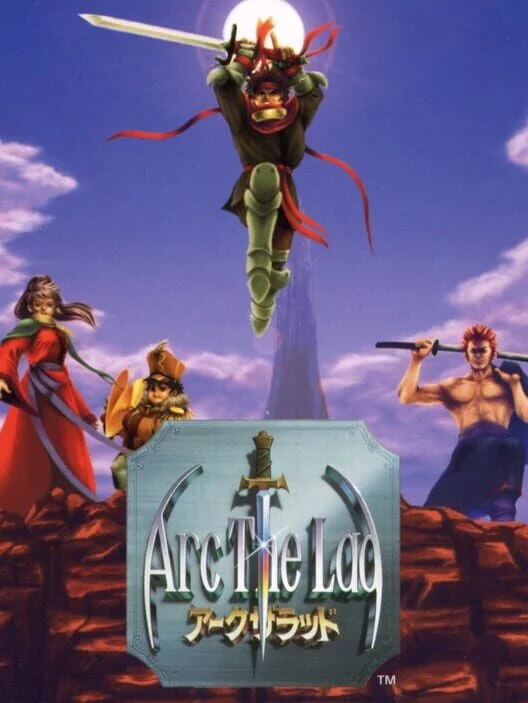
Arc the Lad is a tactical role-playing game by G-Craft and the first game in its series. It was the best-selling Japanese PlayStation game of 1995, with over a million copies sold. It was designed to be short on purpose, so only a handful of continents can be visited, and the orchestrated pieces were recorded by the Royal Philharmonic Orchestra.
Despite a heavy push from RPG fans and the gaming press, it never came out on its own outside Japan. English players finally got it in April 2002 as part of Arc the Lad Collection for the PS1, a year and a half after the PS2 had launched in North America. Players who love it recommend the whole series rather than the first game alone.
14. Vandal Hearts II (1999)
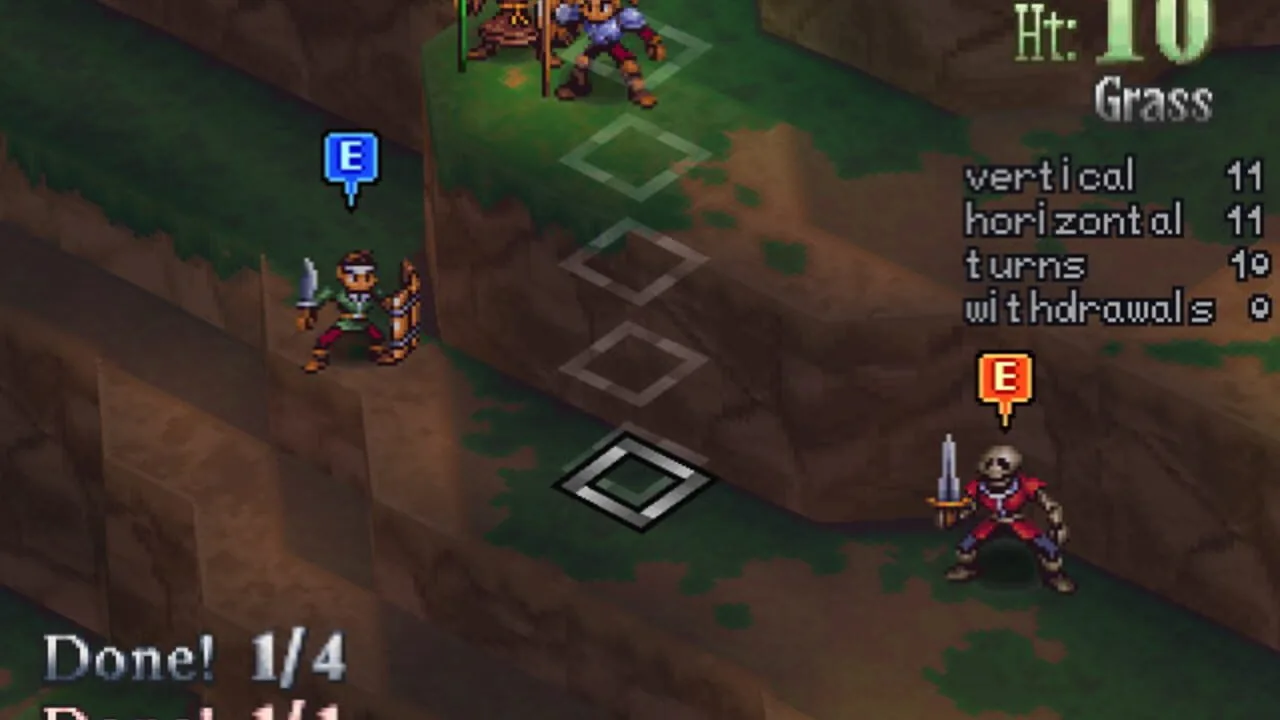
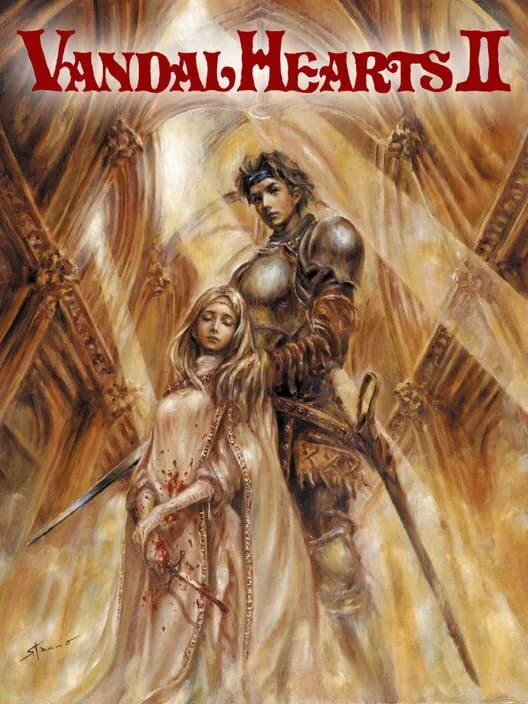
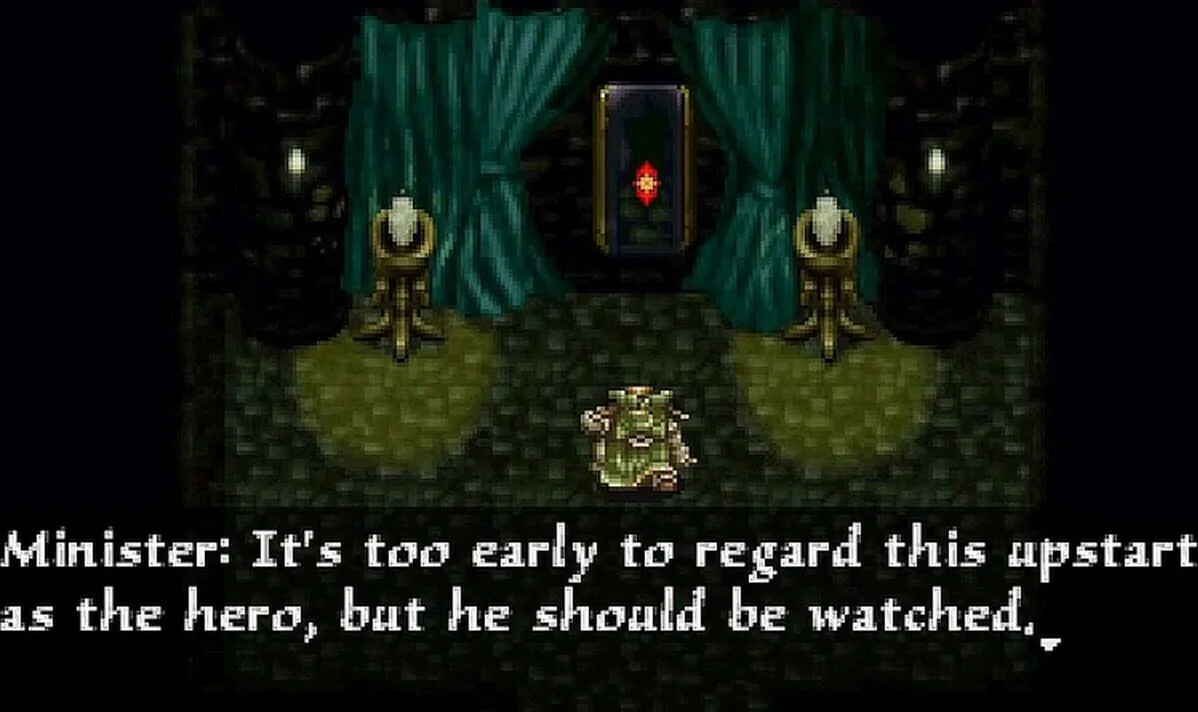
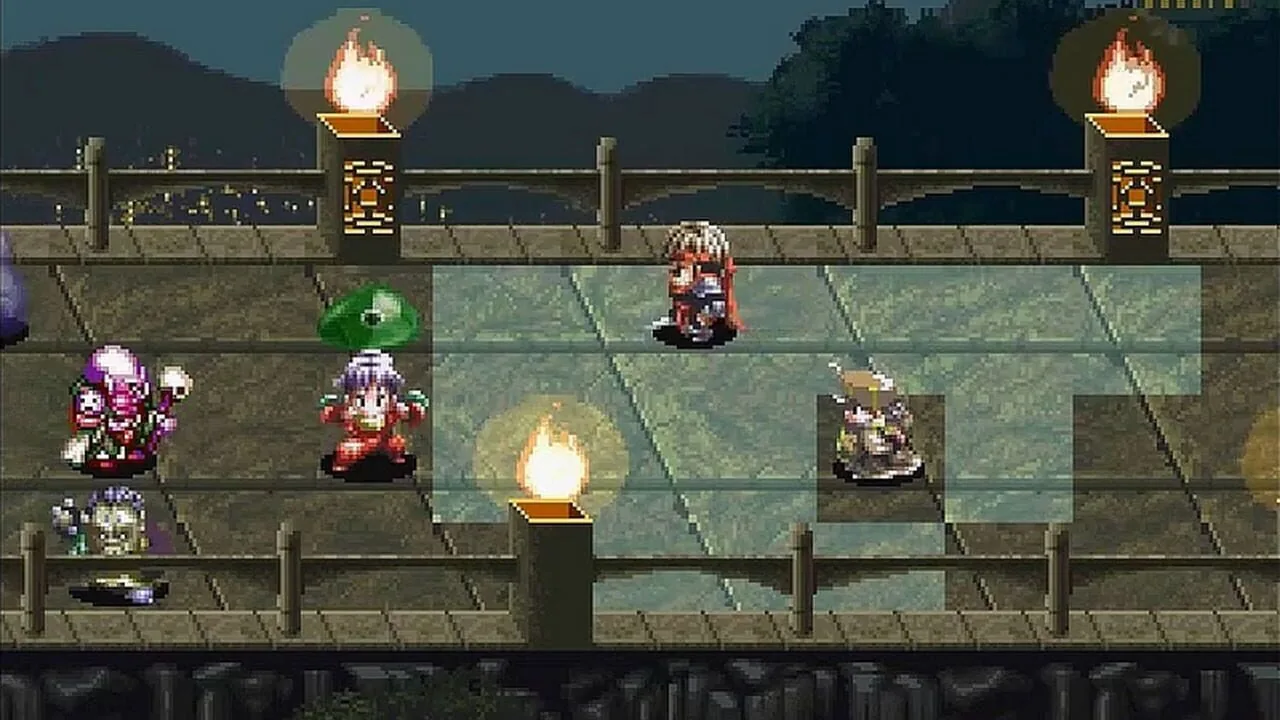
Vandal Hearts II is the sequel to the 1996 original, and it stays on the PlayStation. Nicola comes to the region to win support from Kossimo Byron, only to learn that Kossimo retired and gave the position to his son-in-law Graud. Later the party saves Prince Franz from an East Natra labor camp, but he has been mentally broken. Some locations only open up as the story moves on.
Players rank it well below the first game. Finish it with every weapon and you unlock a hidden scene where Joshua returns the Vandal Hearts sword to its resting place and meets a warrior who seems to be Ash from the first game. Play the original first, then decide if you need more.
13. Warcraft II: The Dark Saga (1997)
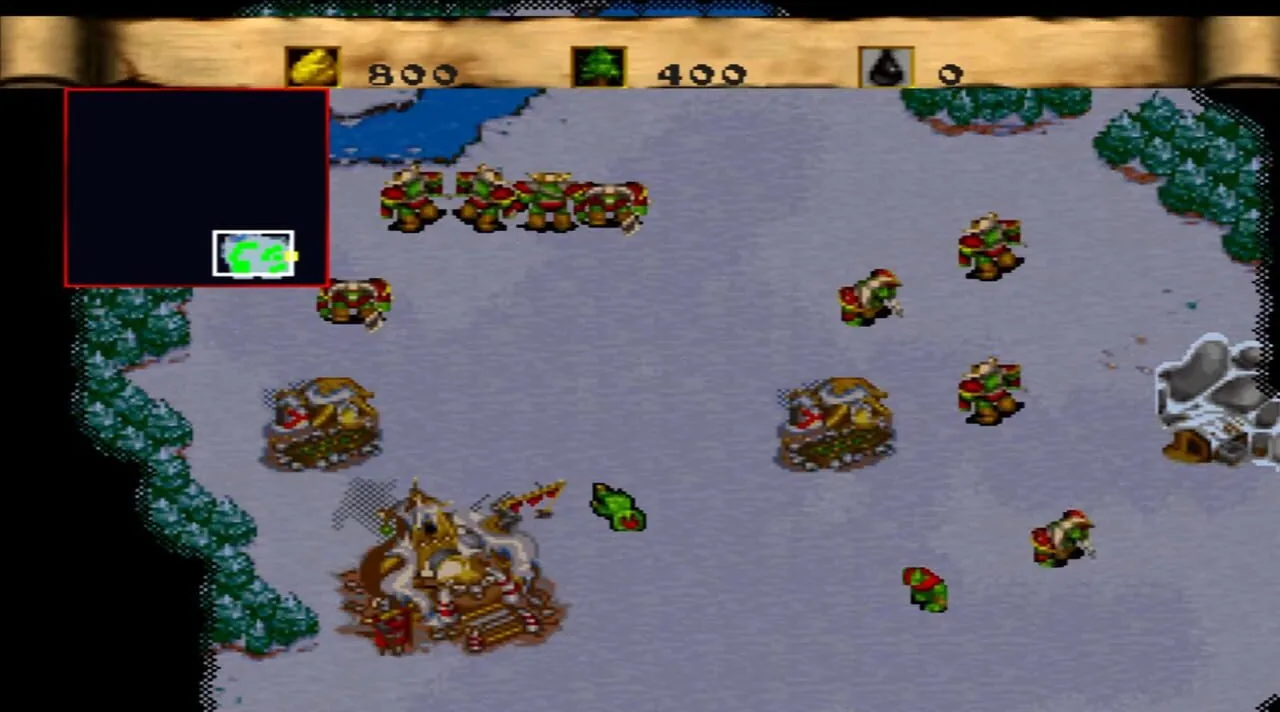
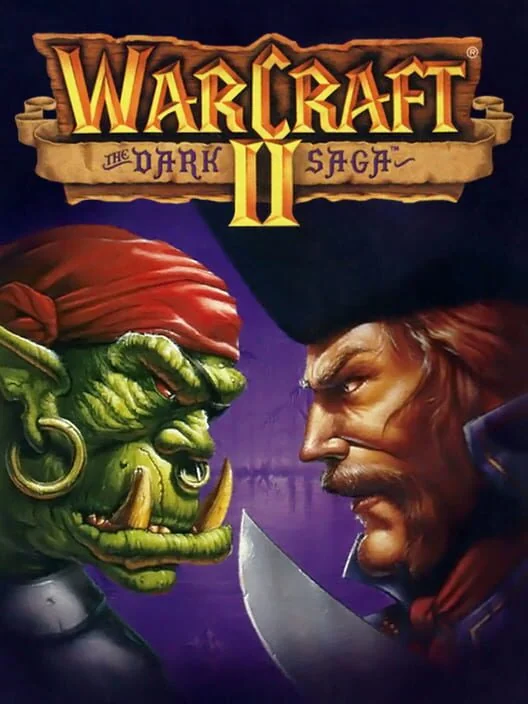
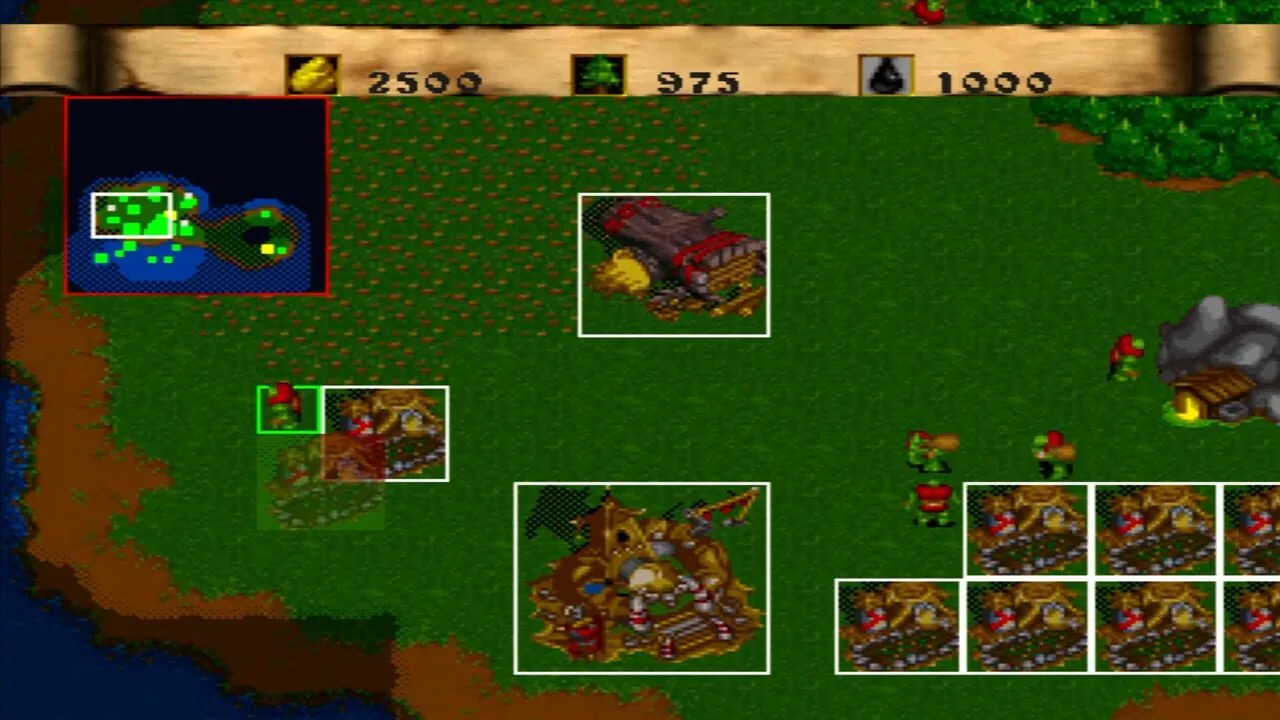
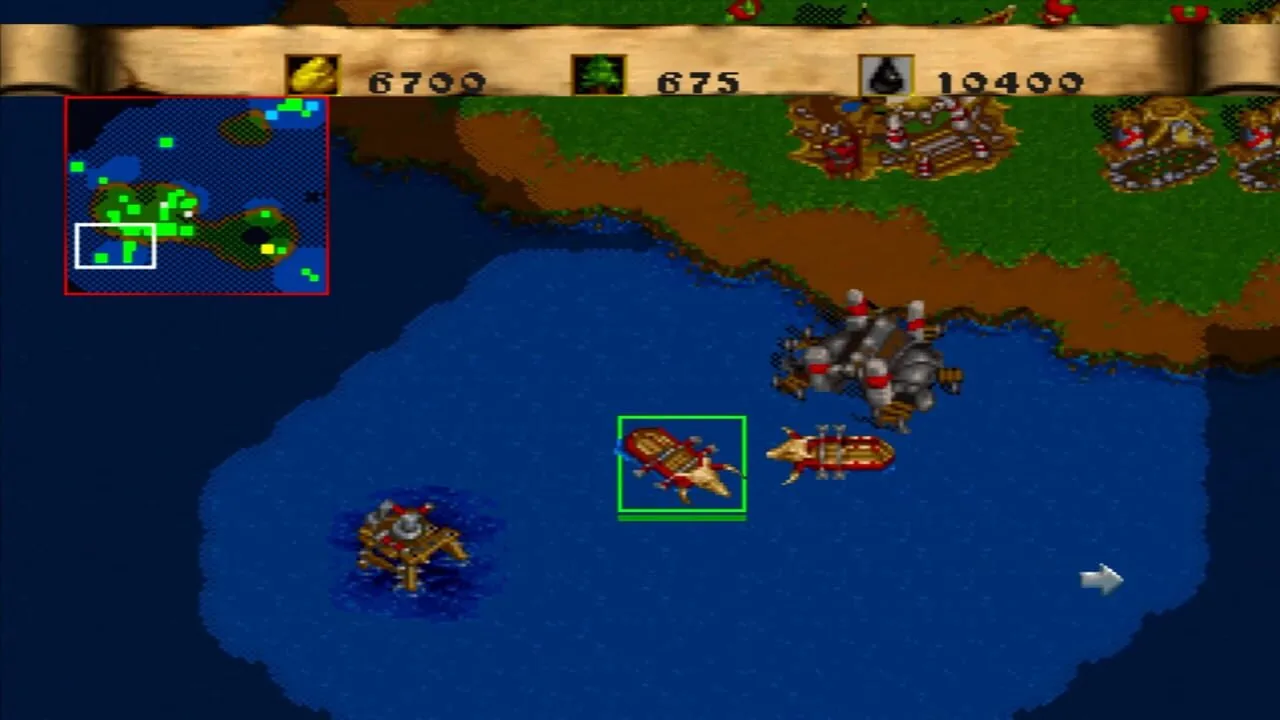
Warcraft II: Tides of Darkness was the sequel to Warcraft: Orcs & Humans, and it won most of the major PC gaming awards in 1996. The Dark Saga is the console compilation for the PlayStation and Sega Saturn, with the Beyond the Dark Portal expansion on board. The fog of war hides every bit of map you have not explored, and enemy units disappear again once they leave your units' sight.
Warcraft II sold above 3 million units by 2001, and roughly two-thirds were sold in the United States. Players who played it on the PS1 still call it one of the best strategy games there, even with a gamepad in hand. Blizzard canceled the adventure game Warcraft Adventures in 1998, and Warcraft III later used parts of its characters and storyline.
12. Vanguard Bandits (1998)
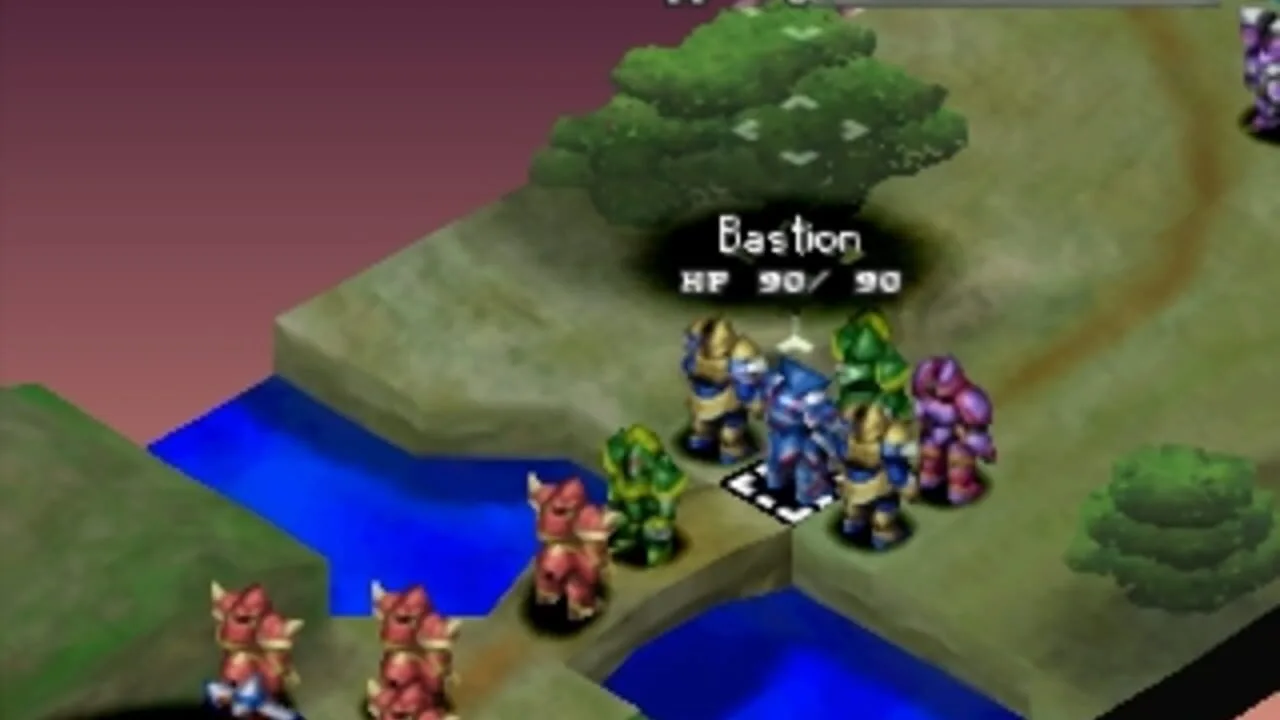
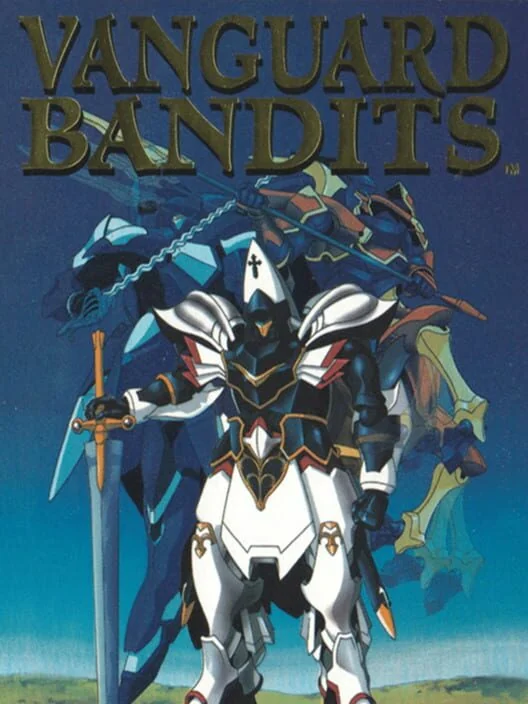
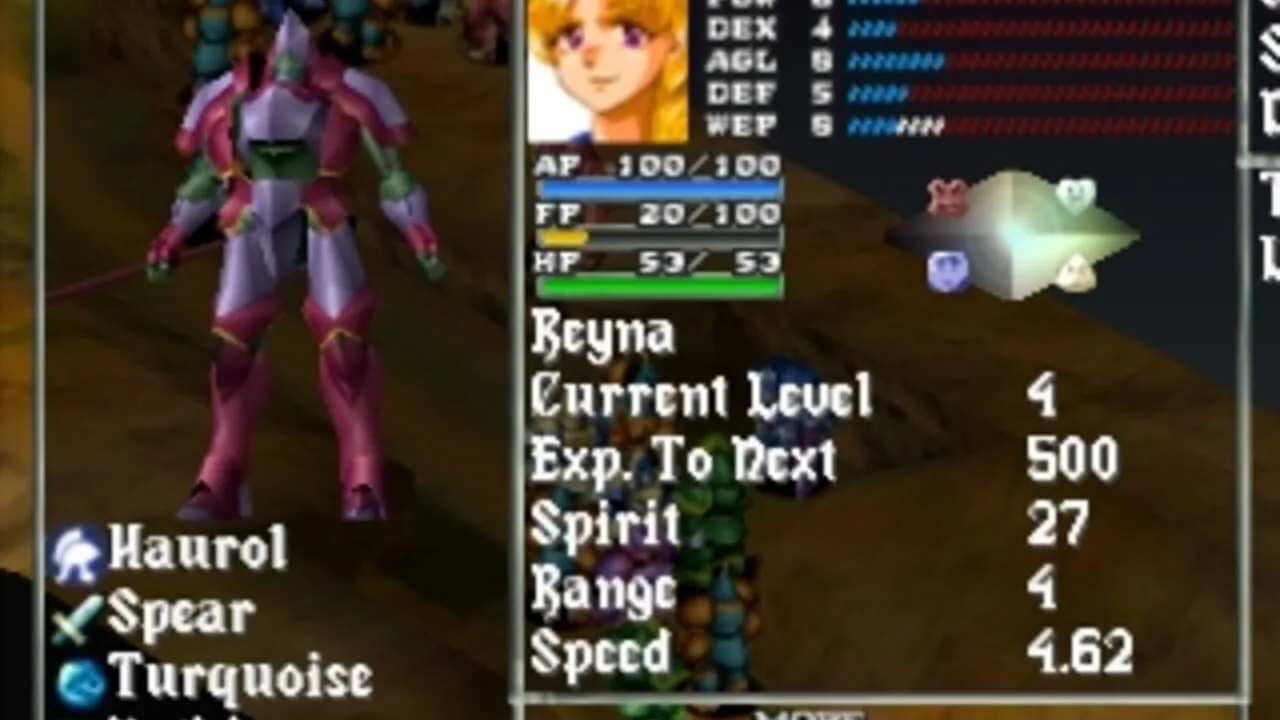
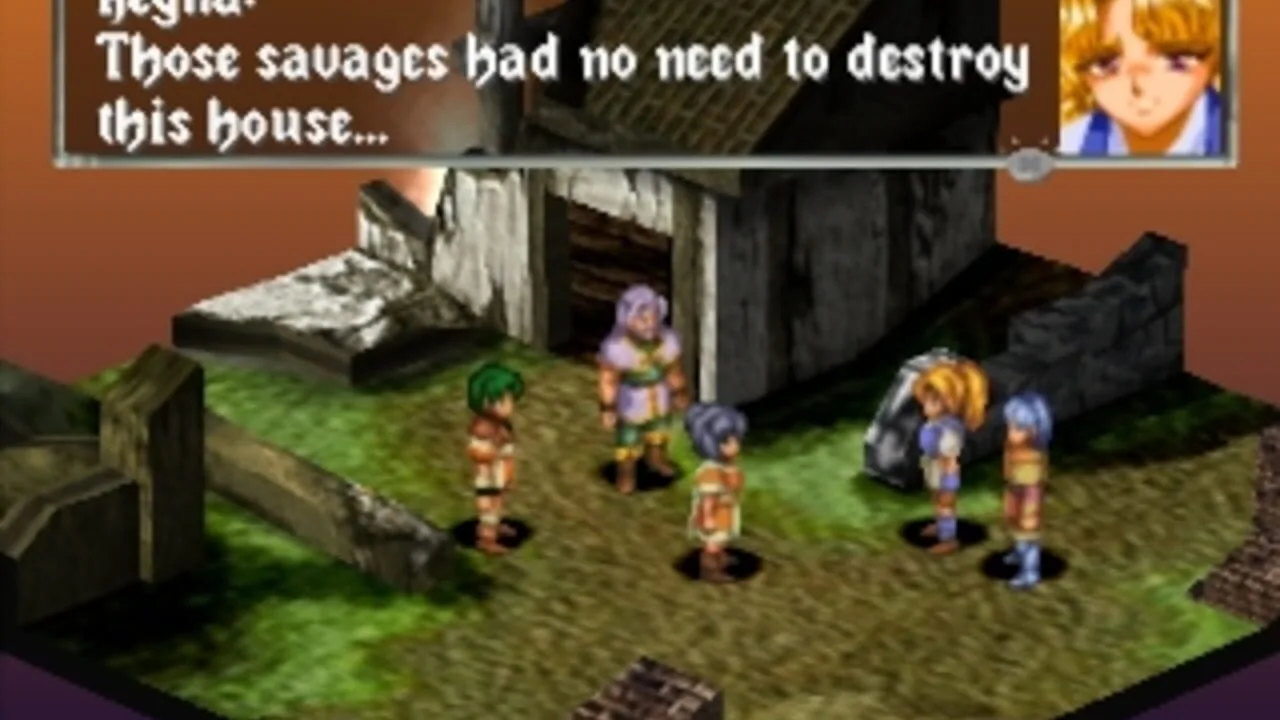
In Vanguard Bandits the mecha are called ATACs. You guide Bastion, a young rebel drawn into a holy war waged by the bloodthirsty General Faulkner and his mercenary forces. Every time an ATAC attacks or defends, a detailed 3D battle animation with music plays over the grid. Most attacks only reach adjacent squares, and the direction you face matters, since some defensive moves only work against frontal attacks.
Different battles and events happen depending on your choices in story scenes and on the morale of your group. That makes it worth a second run. Players who know it keep bringing it up.
11. Theme Park (1994)
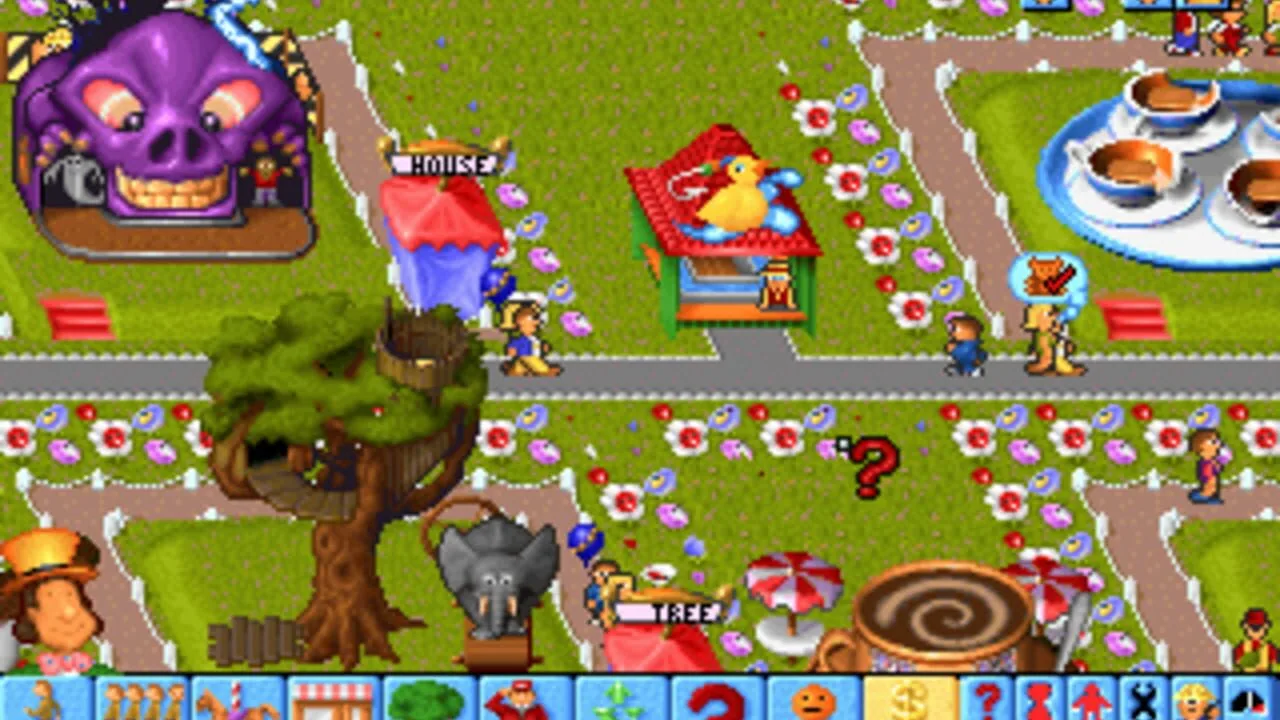
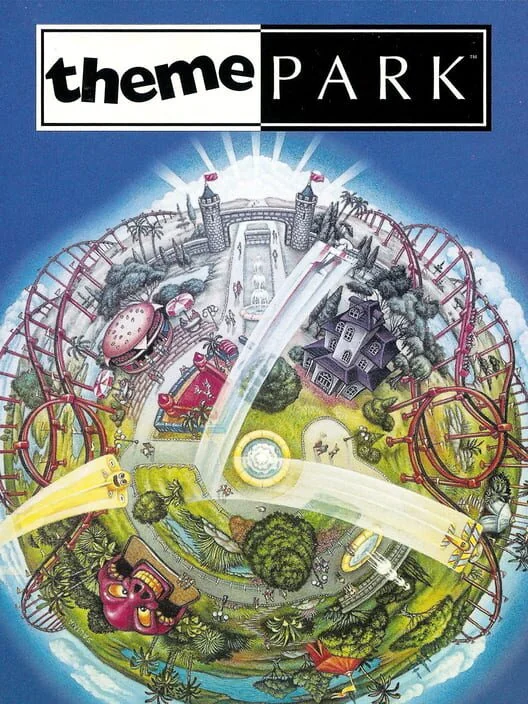
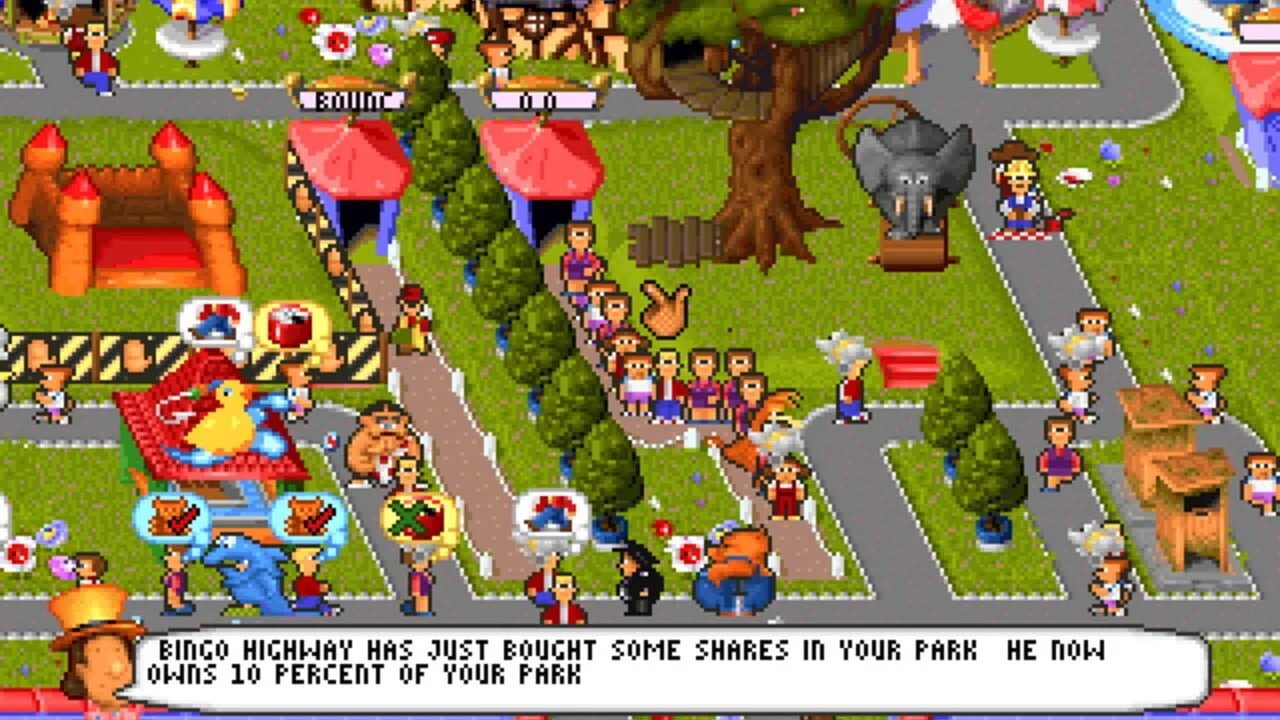
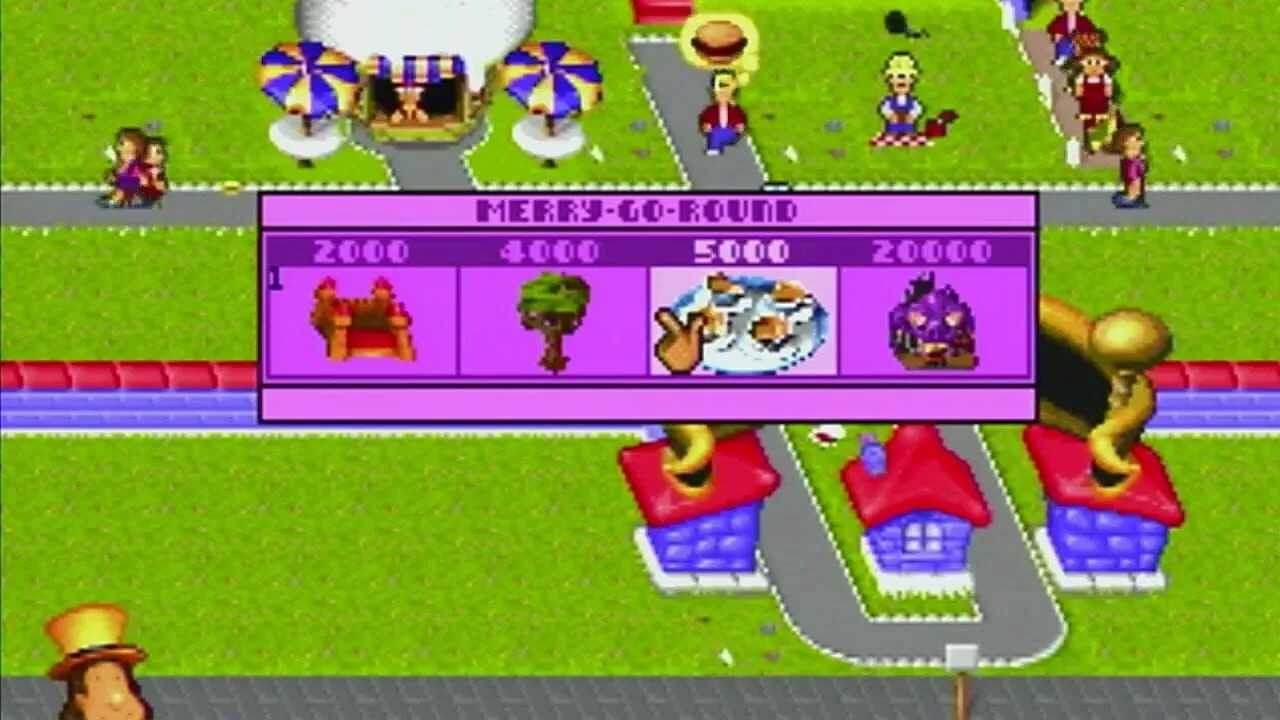
Theme Park is the first game in Bullfrog's Theme series. You build an amusement park, and the team aimed for as much realism as possible during about a year and a half of development. It came out on lots of computers in June 1994 and went on to sell 15 million units. Japan even got its own version, Shin Theme Park, on the Saturn and PlayStation in 1997, with the visuals redone to appeal to a Japanese audience.
Critics praised its gameplay and humour, with minor complaints about the console ports' lack of save and mouse support. Players keep slipping it into their lists of PS1 favourites anyway. Theme Hospital, a few places back, is its thematic successor.
10. Ogre Battle: The March of the Black Queen (1993)
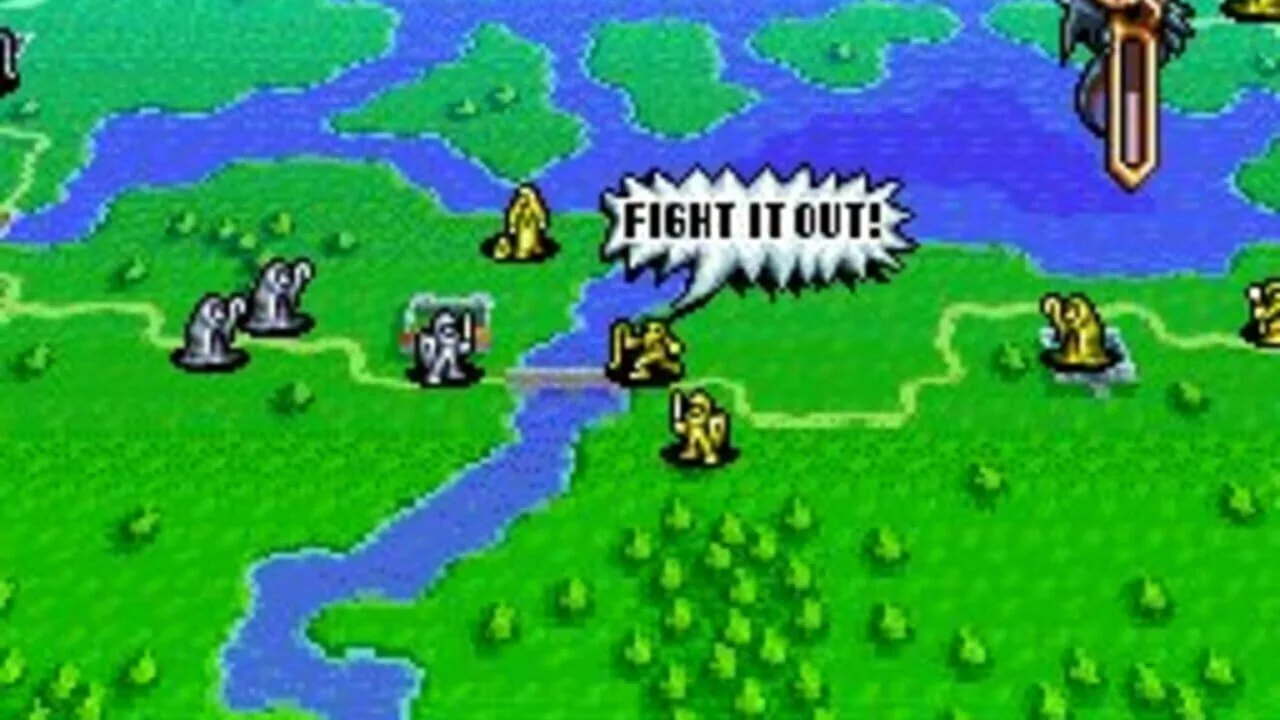
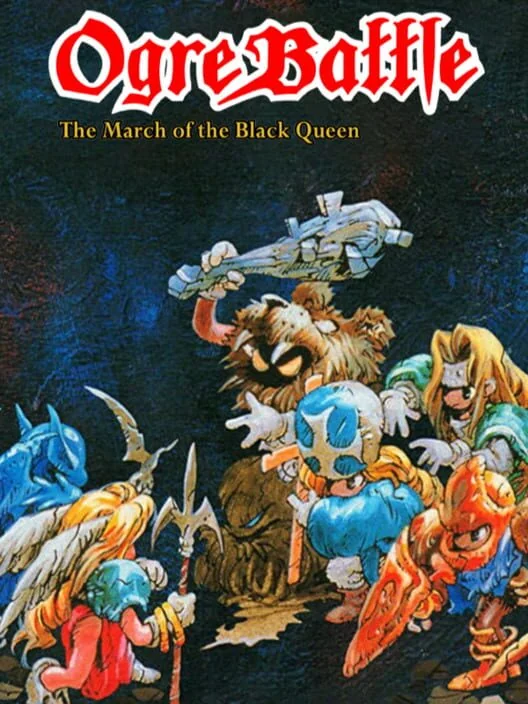
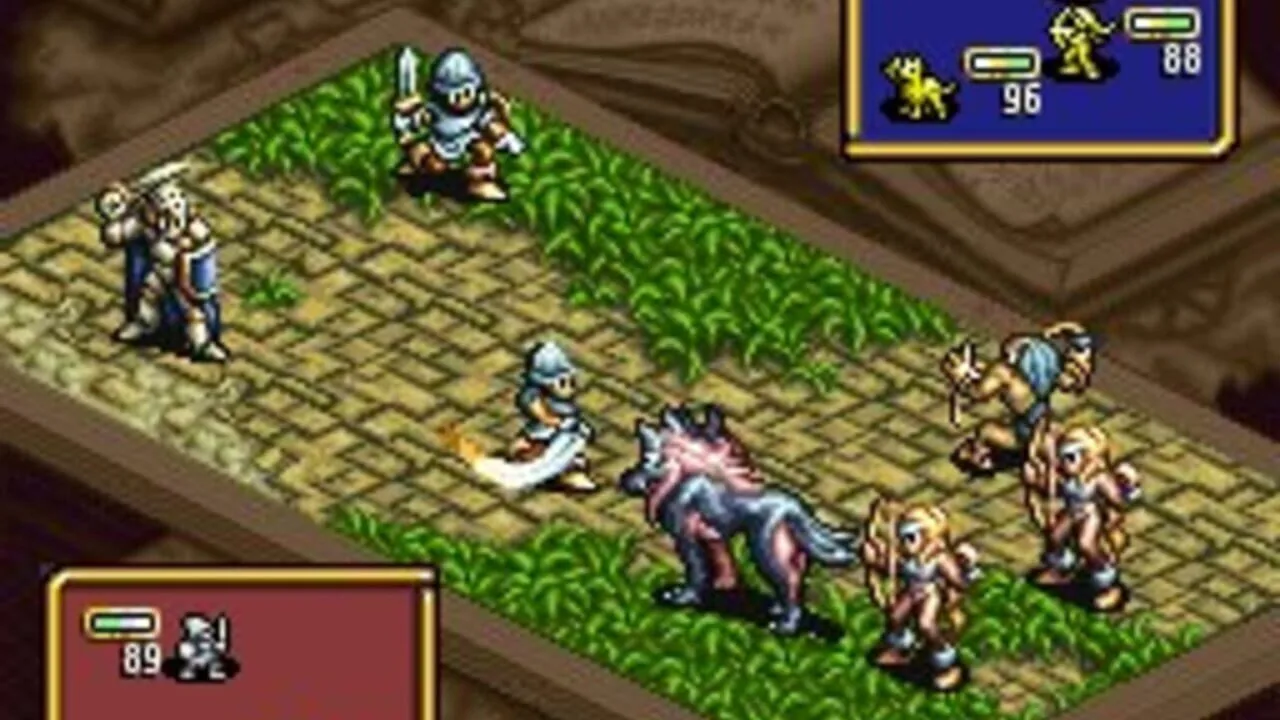
Ogre Battle was first published on the Super NES by Quest in Japan and by Enix America in North America. It is the first game in the Ogre Battle series, directed by Yasumi Matsuno, who designed it with Akihiko Yoshida. It mixes real-time movement with RPG character building. In a battle you don't control your units directly. You pick a tactic for each unit, such as Best, Strong, Weak or Leader, and the characters follow it when choosing whom to attack.
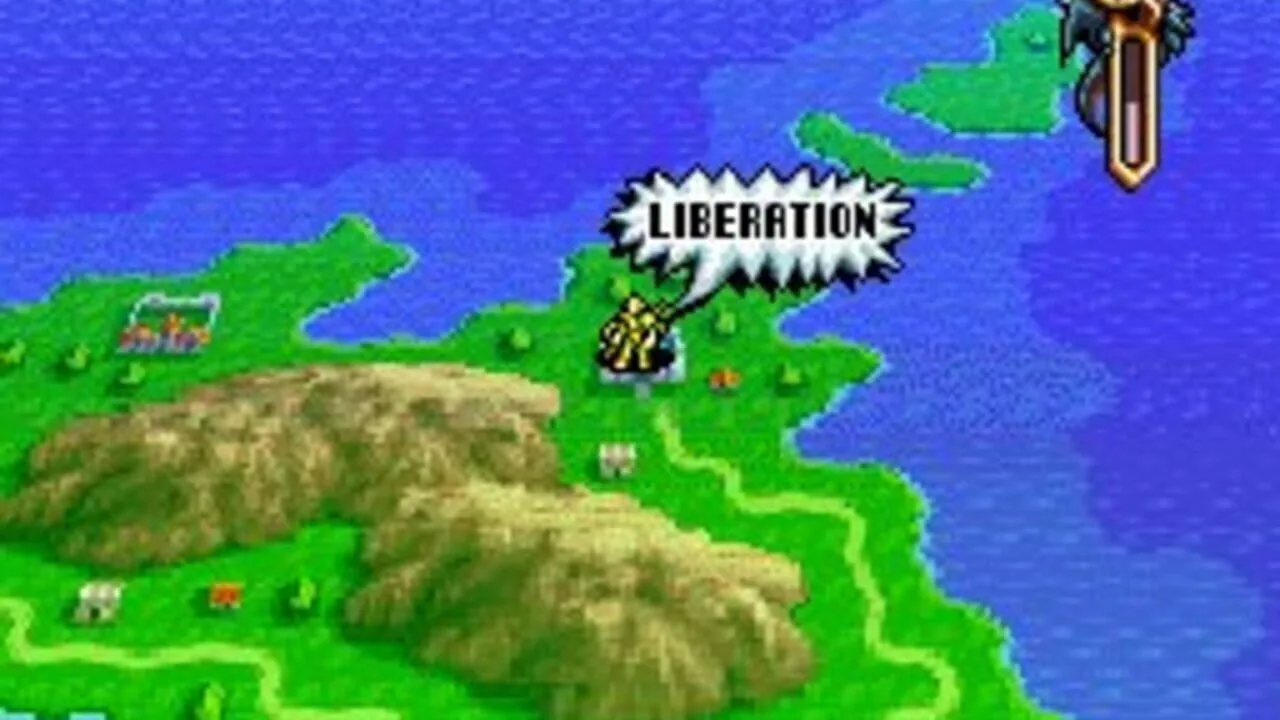
The PlayStation port came with enhancements to the original gameplay. Alignment matters a lot, but there is a way around it: keep your low and high alignment characters in separate units, and only liberate towns with high-alignment units, and you can still see the best ending. Players almost always name it together with Tactics Ogre, its successor.
9. Worms (1995)
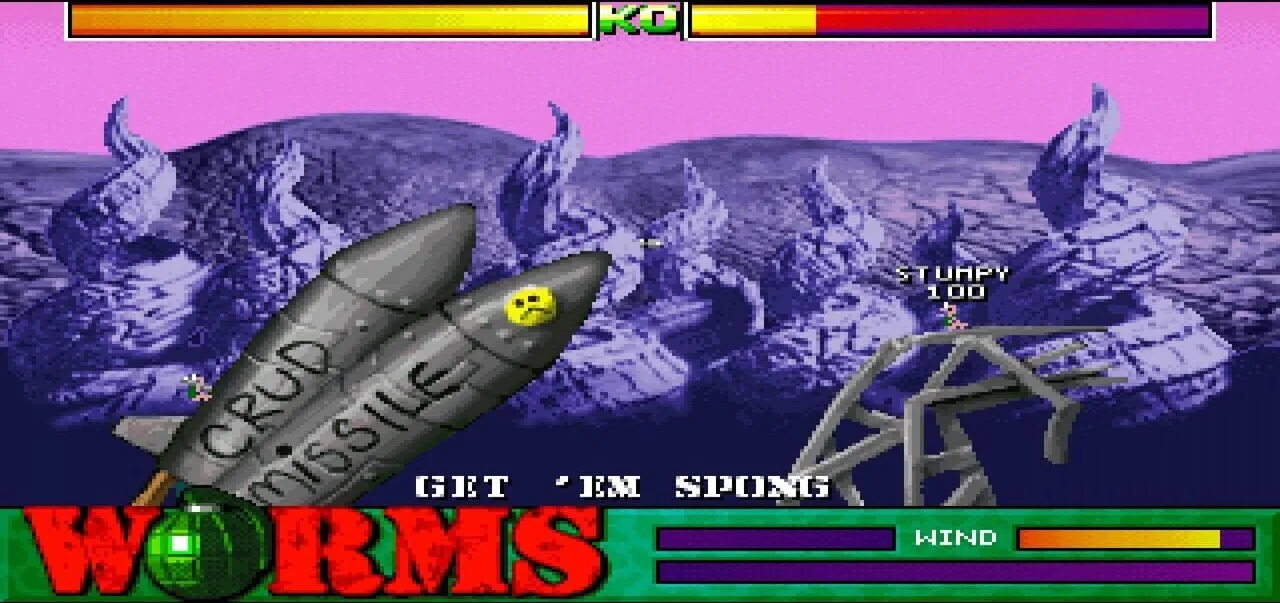
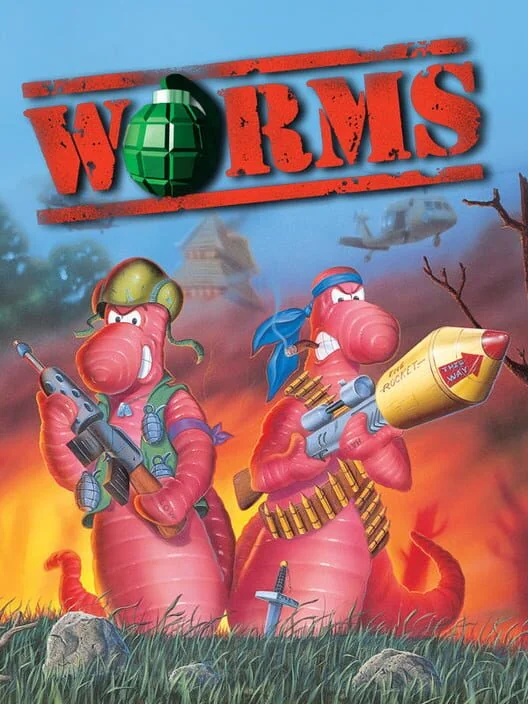
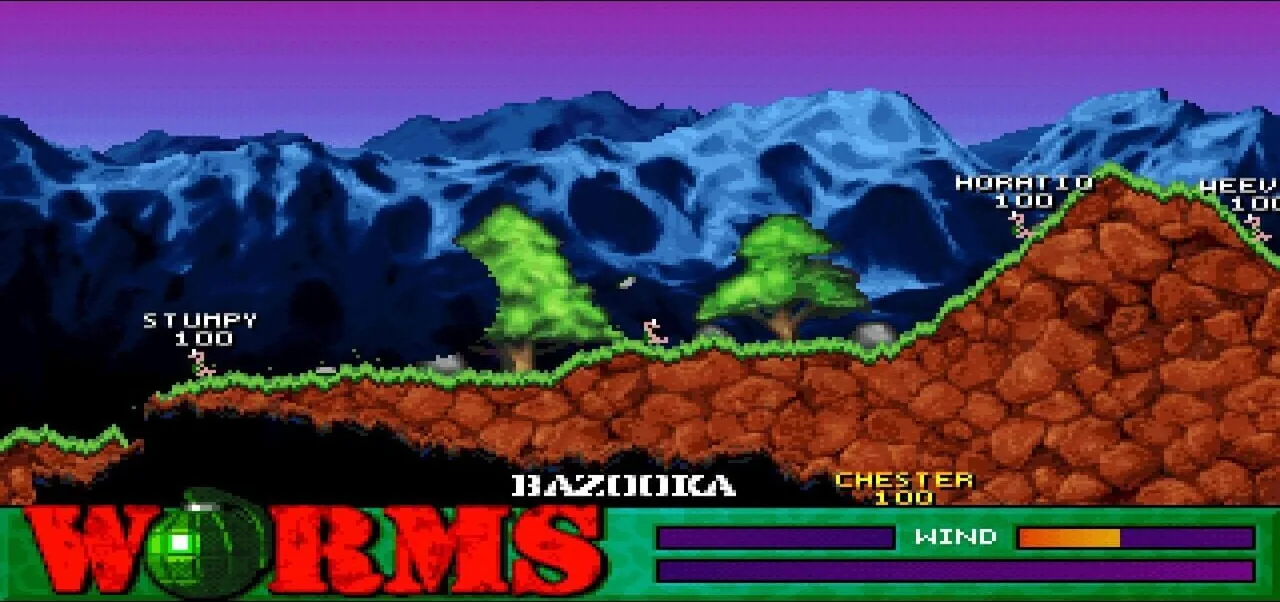
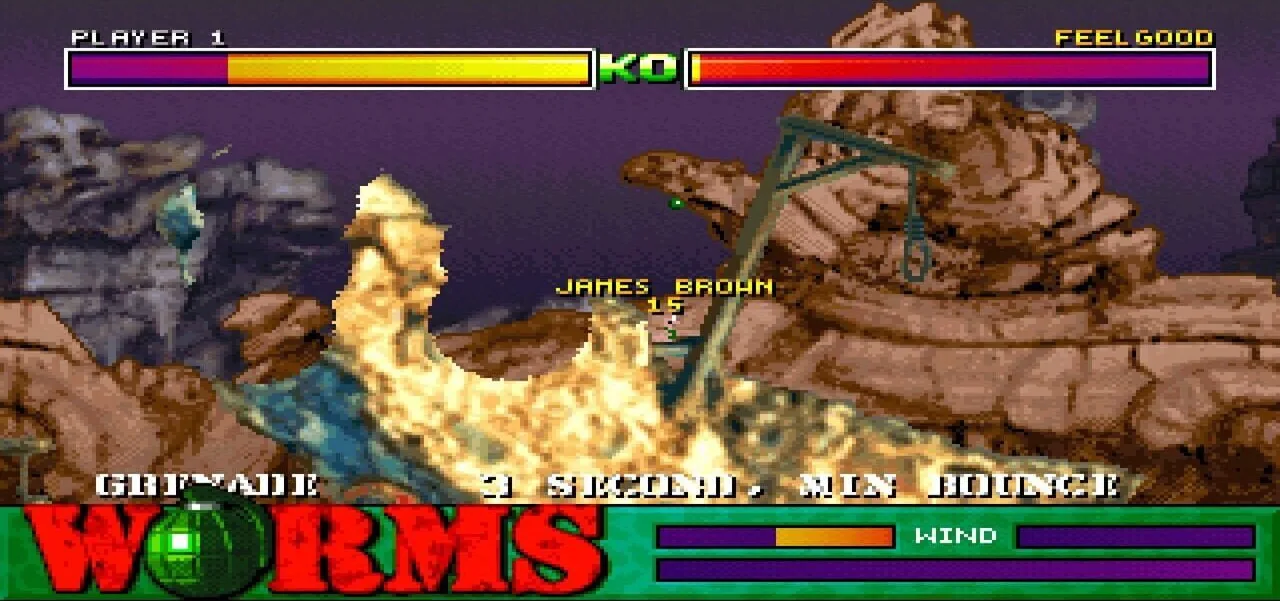
Worms is where the series starts. Andy Davidson began it as an amusement experiment on a Casio graphing calculator before moving it to the Amiga. He had trouble pitching it until the 1994 ECTS, where Team17's co-founder Martyn Brown immediately offered to develop and publish it. It first came out in Europe for the Amiga in November 1995, with console ports in the years after. Levels are randomly generated from seeds, with over 55,000 possible level creations.
Across all its versions it sold around 5 million units by 2006. Team17 also planned a Virtual Boy version back in 1995. After a few weeks, they cancelled that plan. Good call. On the PS1, players rank it right behind Armageddon among the Worms games.
8. Brigandine (2017)
In Brigandine you pick one of the nations of the continent of Forsena and try to conquer the others by taking their castles. Each troop is led by a Rune Knight and filled out with monsters, from dragons to pixies. Atlus released it in North America the same year, under the title Brigandine: The Legend of Forsena. In 2000 an expanded Grand Edition followed, with a multiplayer mode for up to six players.
A sequel, Brigandine: The Legend of Runersia, finally arrived on the Switch in June 2020. Players who love Final Fantasy Tactics and Front Mission 3 point each other to this one. It is the closest thing the PS1 has to a board game of conquest, and it plays fast.
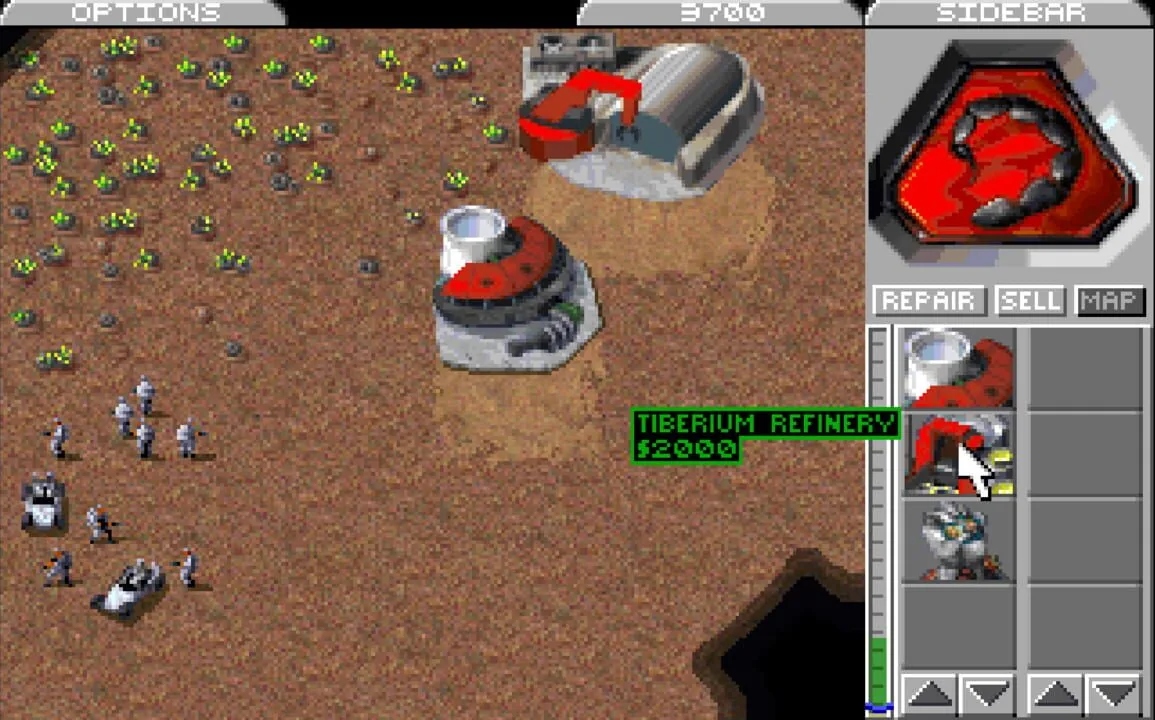
7. Command & Conquer (1995)
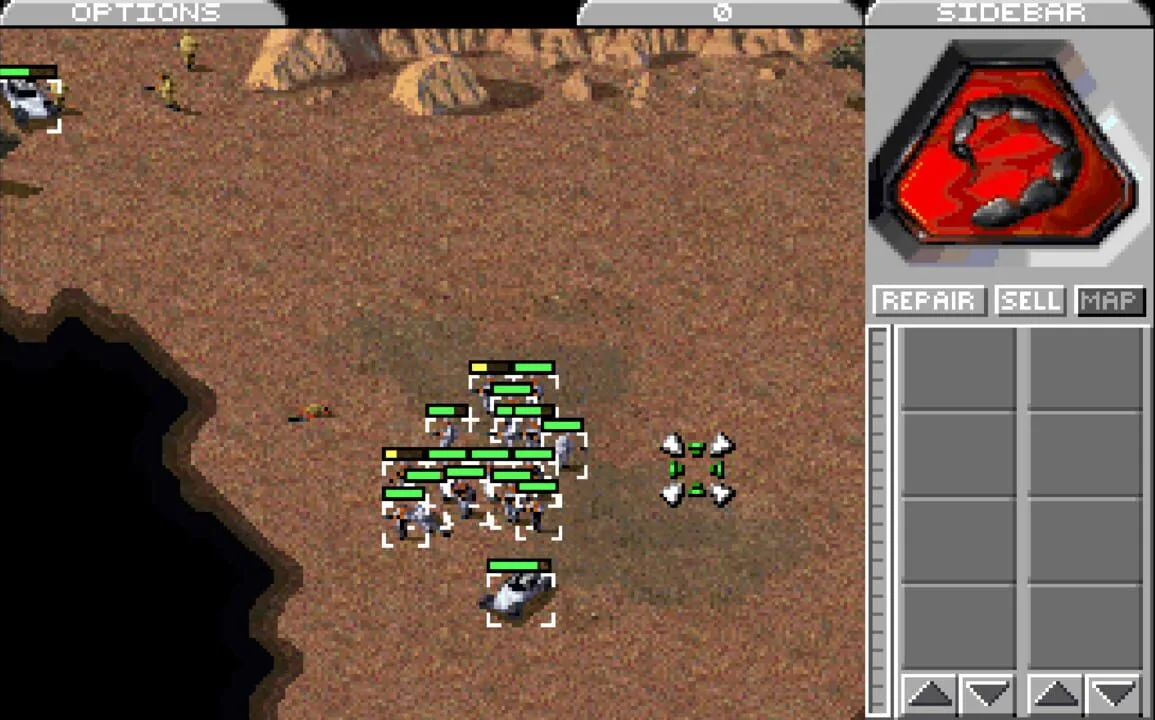
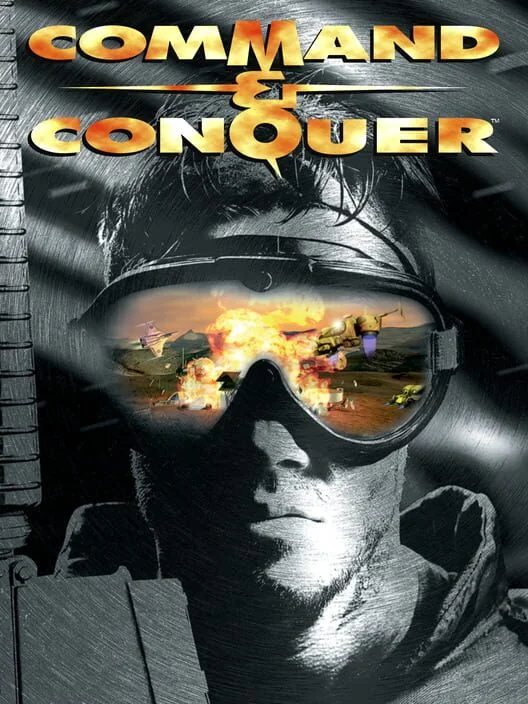
Westwood came up with Command & Conquer during the final stages of making Dune II, and it expands on ideas explored in that game. Inspired by the Gulf War, the team gave it a modern warfare setting, with live-action full motion video cut scenes starring Westwood employees and a few professional actors. In the GDI campaign you establish a beachhead in Nod territory in Eastern Europe and push on to Poland and Belarus.
It sold over three million copies and won numerous awards. Players agree it plays best with a mouse, and if you own a PlayStation Mouse, this is the game to plug it in for.
6. Tactics Ogre (2022)
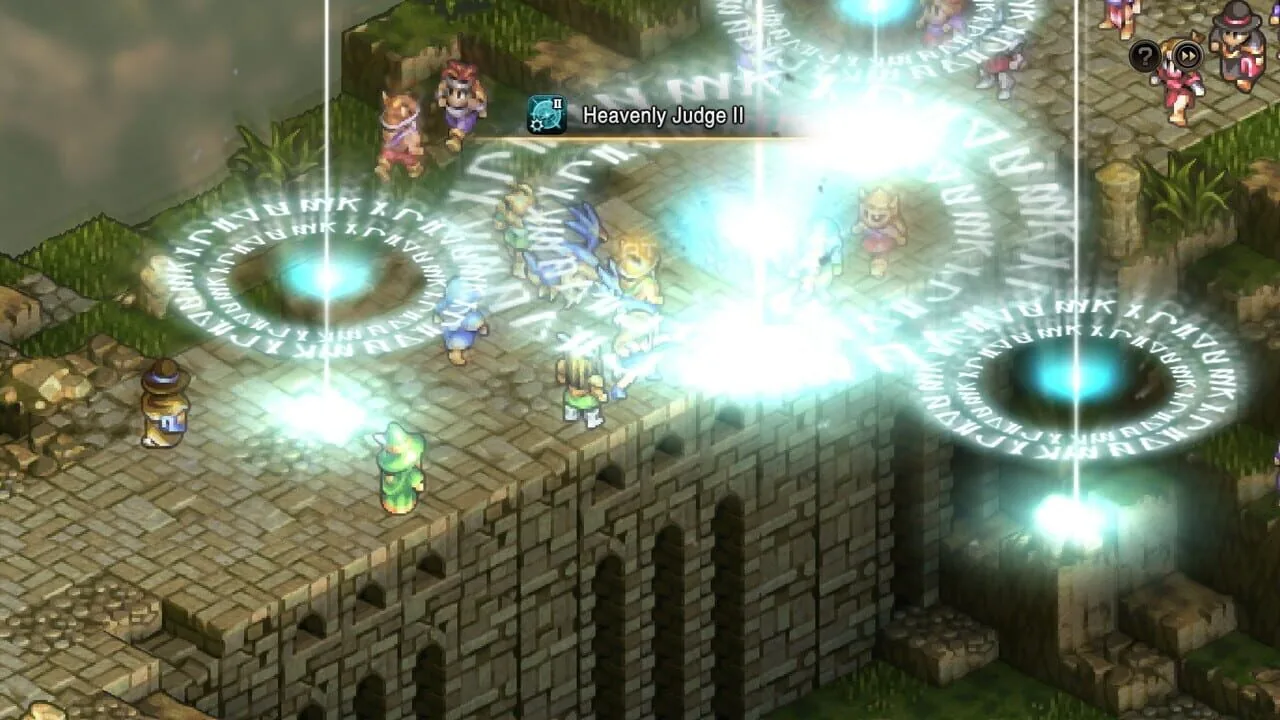
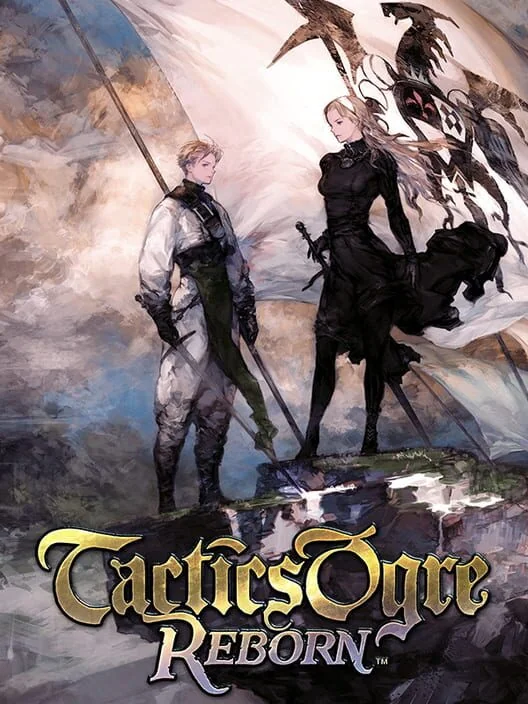
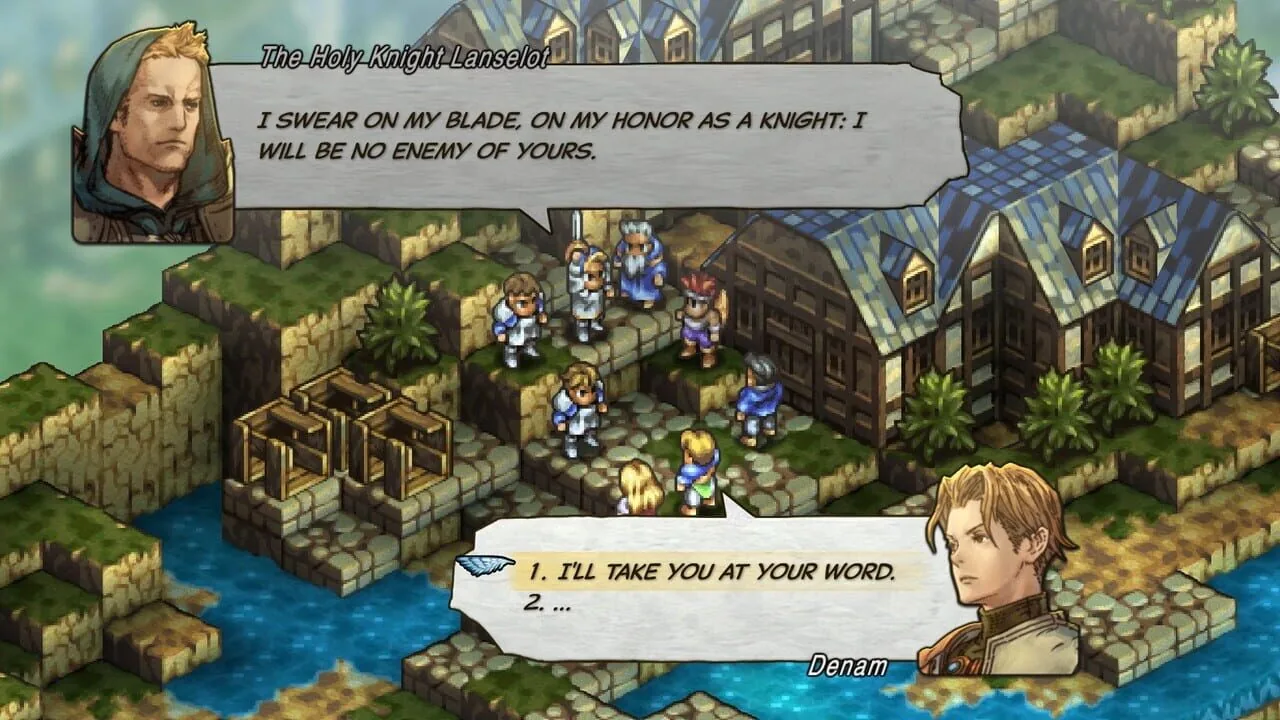
Tactics Ogre is the successor to Ogre Battle. Production lasted two and a half years, with Yasumi Matsuno as director, writer and lead designer. It drops the real-time battles of Ogre Battle for a chess-inspired combat system, and its story was inspired by conflicts in Europe and Asia. After their ruler dies with no direct heirs, the three primary ethnic groups of Valeria end up in a civil war. Akihiko Yoshida designed the characters, and Hitoshi Sakimoto and Masaharu Iwata wrote the music.
It came to the PlayStation in 1997, and Atlus released that version in North America in 1998. The PS1 port was criticised for technical issues, but players nearly always name it next to Final Fantasy Tactics. After finishing it, Matsuno left Quest and joined Square.
5. Worms Armageddon (1999)
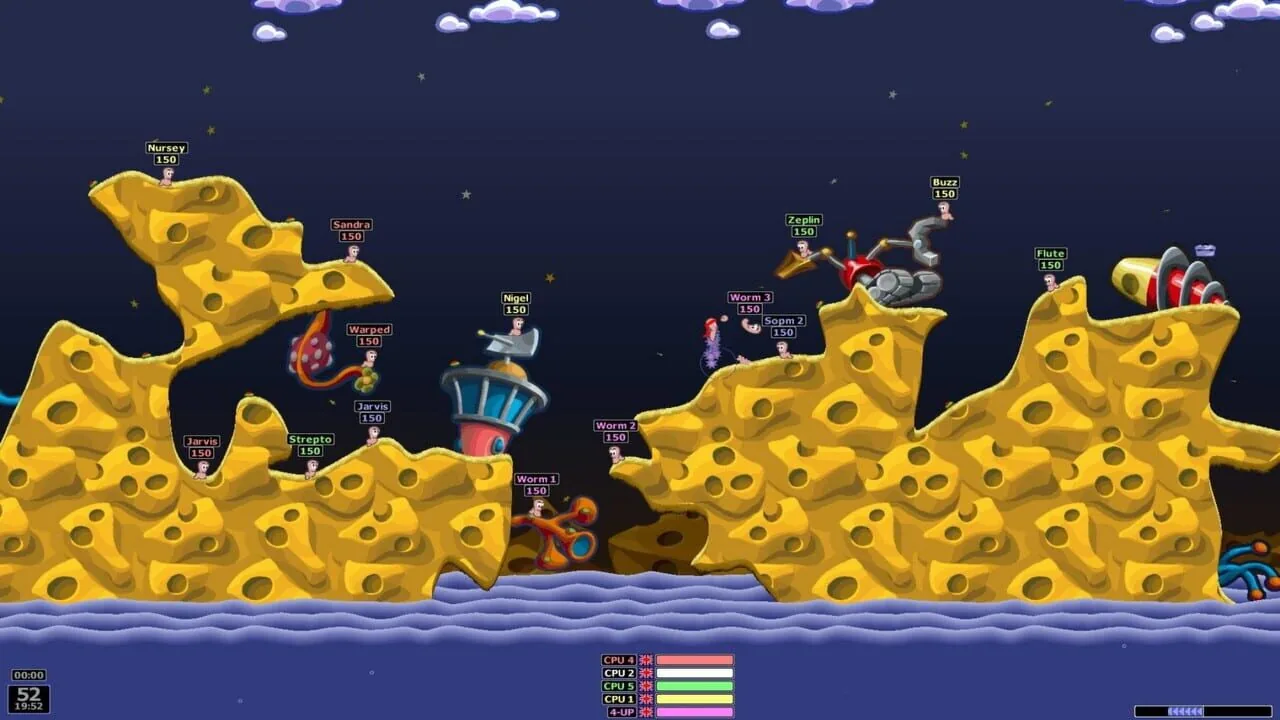
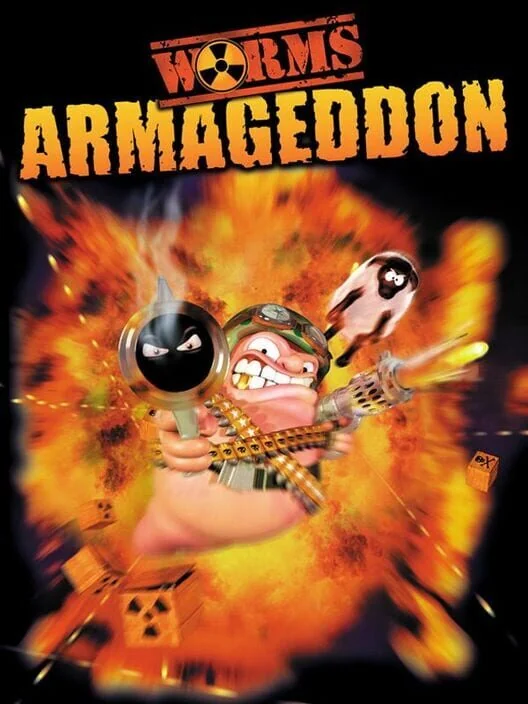
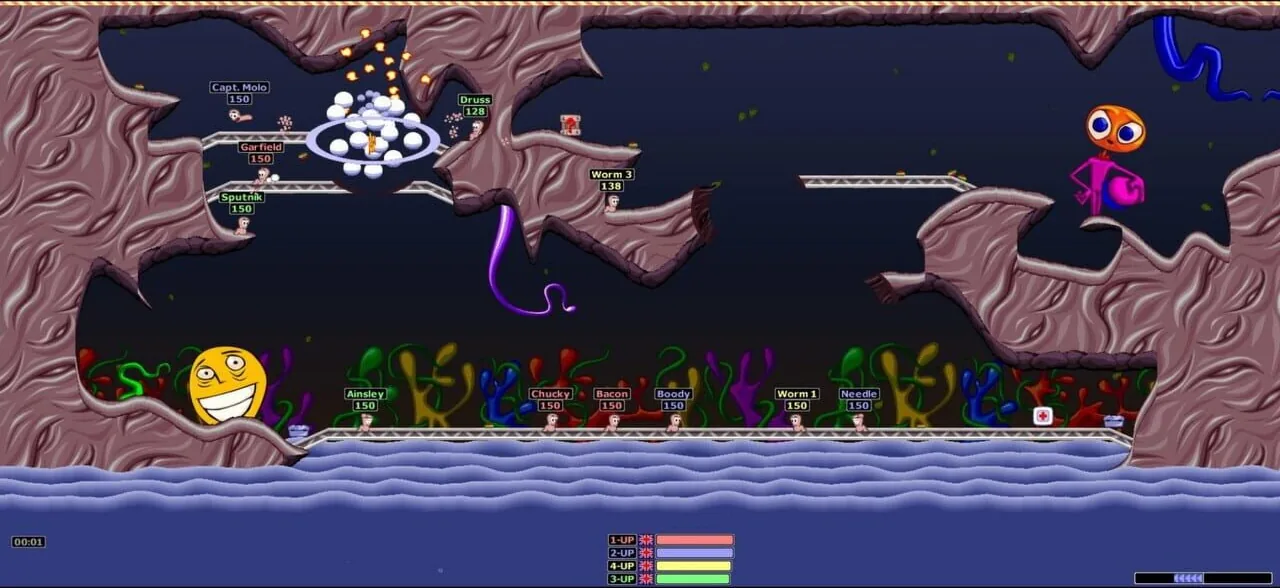
Worms Armageddon started as an expansion pack for Worms 2, with the working title Wormageddon, before it was released as a standalone game. It came out on Windows first and was later ported to the PlayStation, Dreamcast, Nintendo 64 and Game Boy Color. Each turn you can only move one of your worms. The weapons go from the shotgun and bazooka to the sheep, which serves as a mobile explosive. You can even give your team its own grave marker and victory fanfare.
Critics praised it on every platform, and it has been on a number of greatest games of all time lists. The Electric Playground gave the PlayStation version nine out of ten, calling it "a wonderful breath of fresh air for strategy gaming." When players pick one Worms game for the PS1, this is usually it.
4. Vandal Hearts (1996)
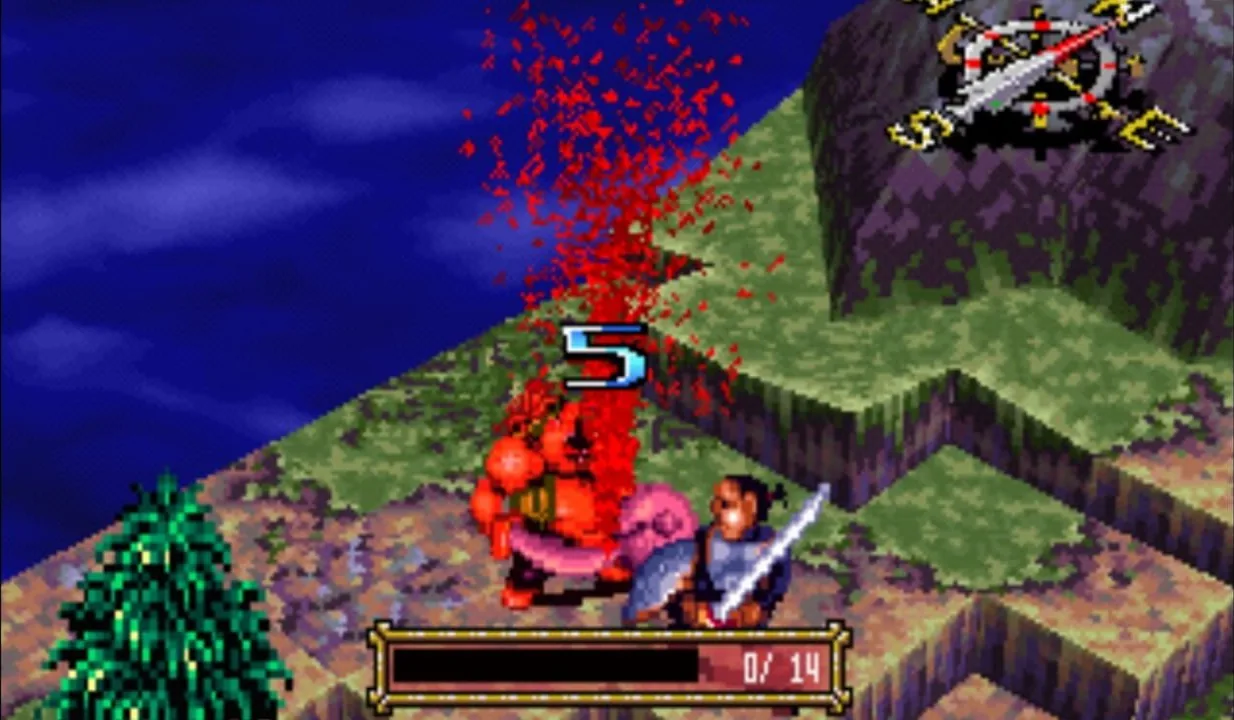
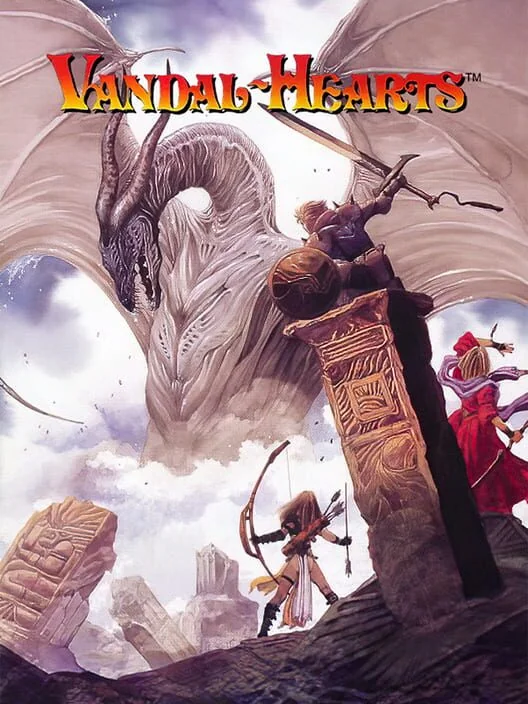
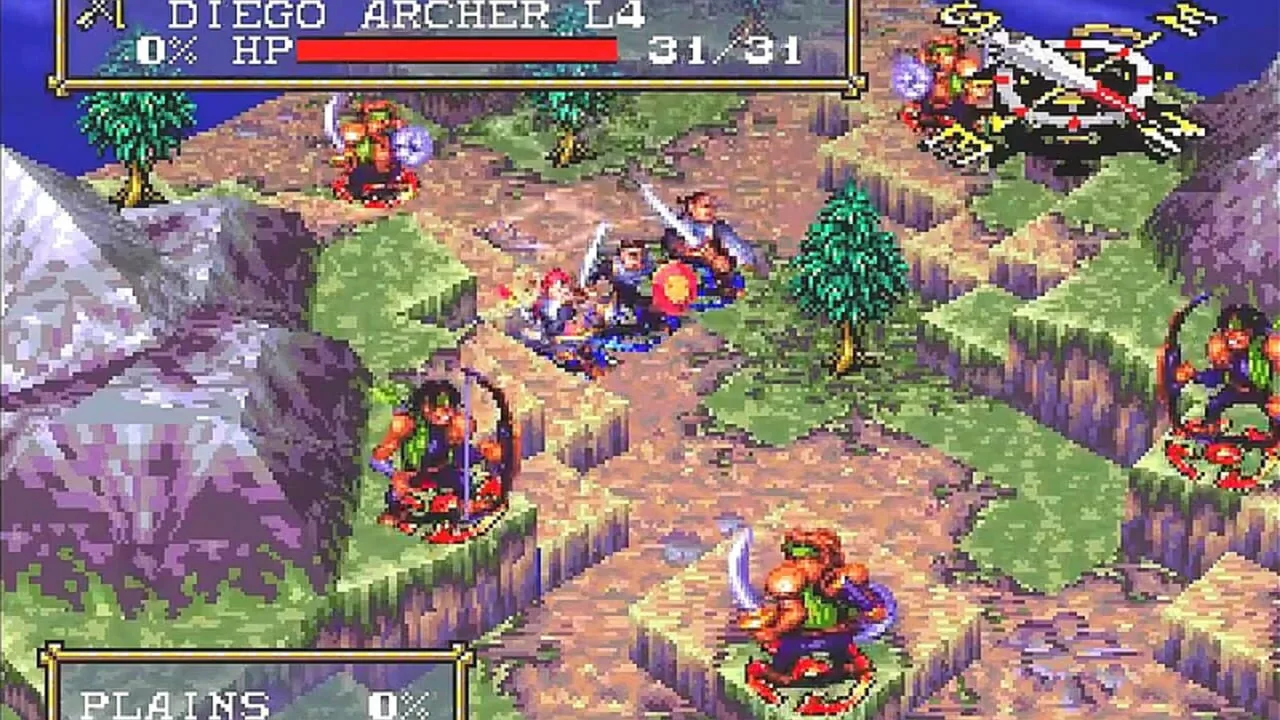
Vandal Hearts is a 3D turn-based strategy game. You play Ash Lambert, a hero torn between saving his country and restoring honor to the disgraced Lambert dynasty. The battlefields have sloped surfaces that can work for you or against you, and the classes follow a hierarchy like Rock, Paper, Scissors, with melee fighters most effective against archers.
It came out in Japan in 1996 and was localized to North America and Europe in early 1997, a year before the big Square tactics game reached North America. It got a sequel on the PS1 and a prequel, Flames of Judgment, on PlayStation Network and Xbox Live Arcade. Players often name it in the same breath as Final Fantasy Tactics, and it is the easier of the two to get into.
3. Front Mission 3 (1999)
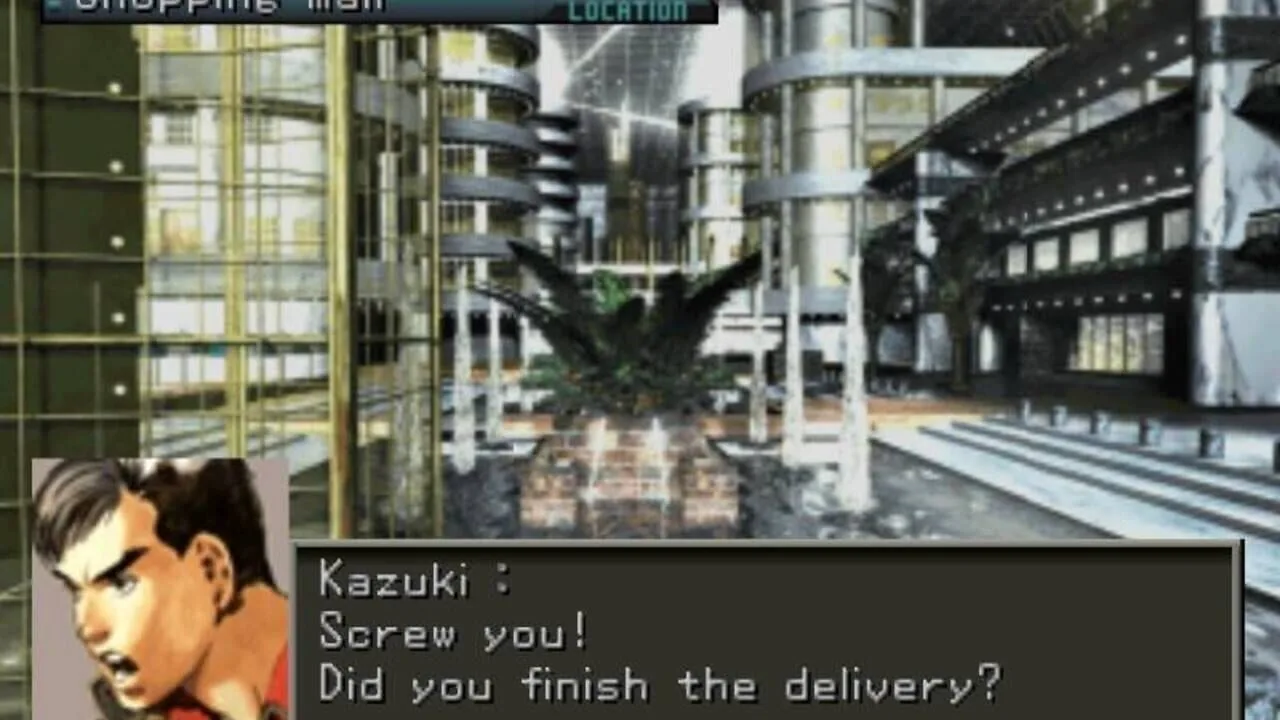
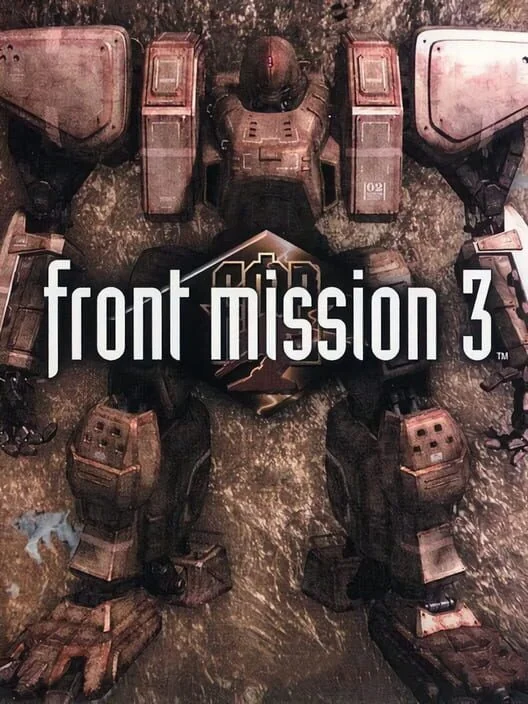
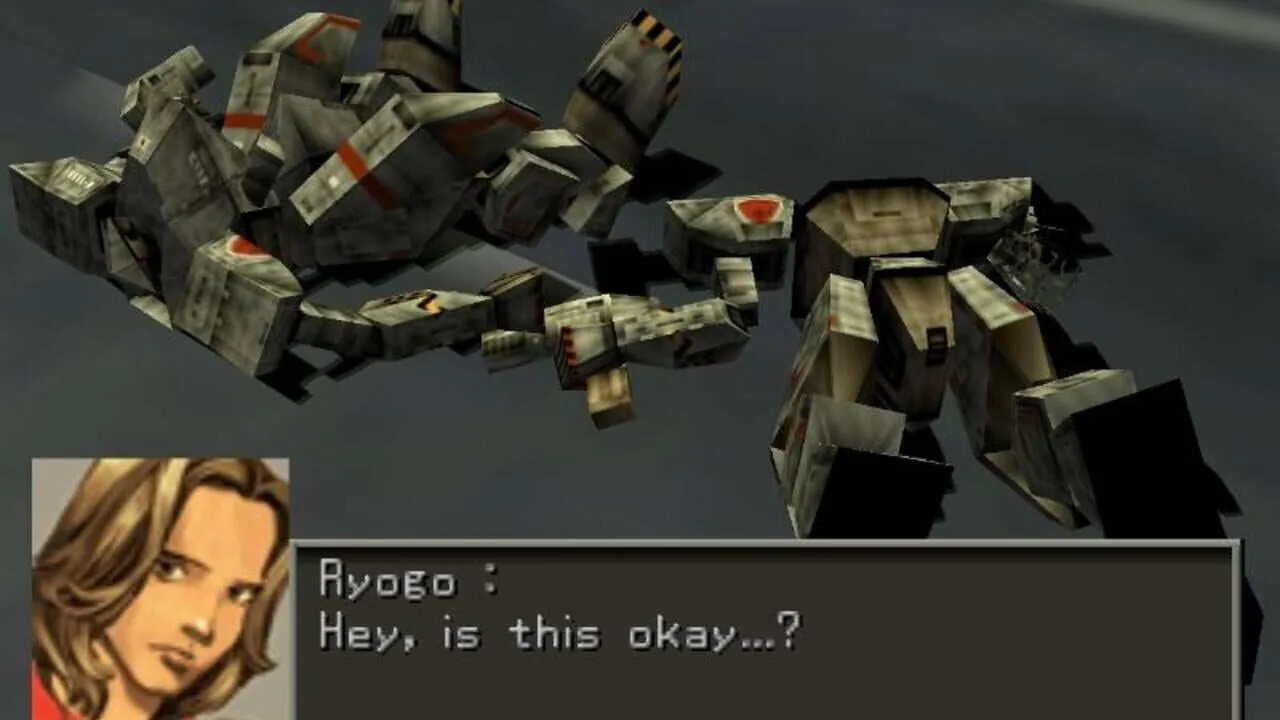
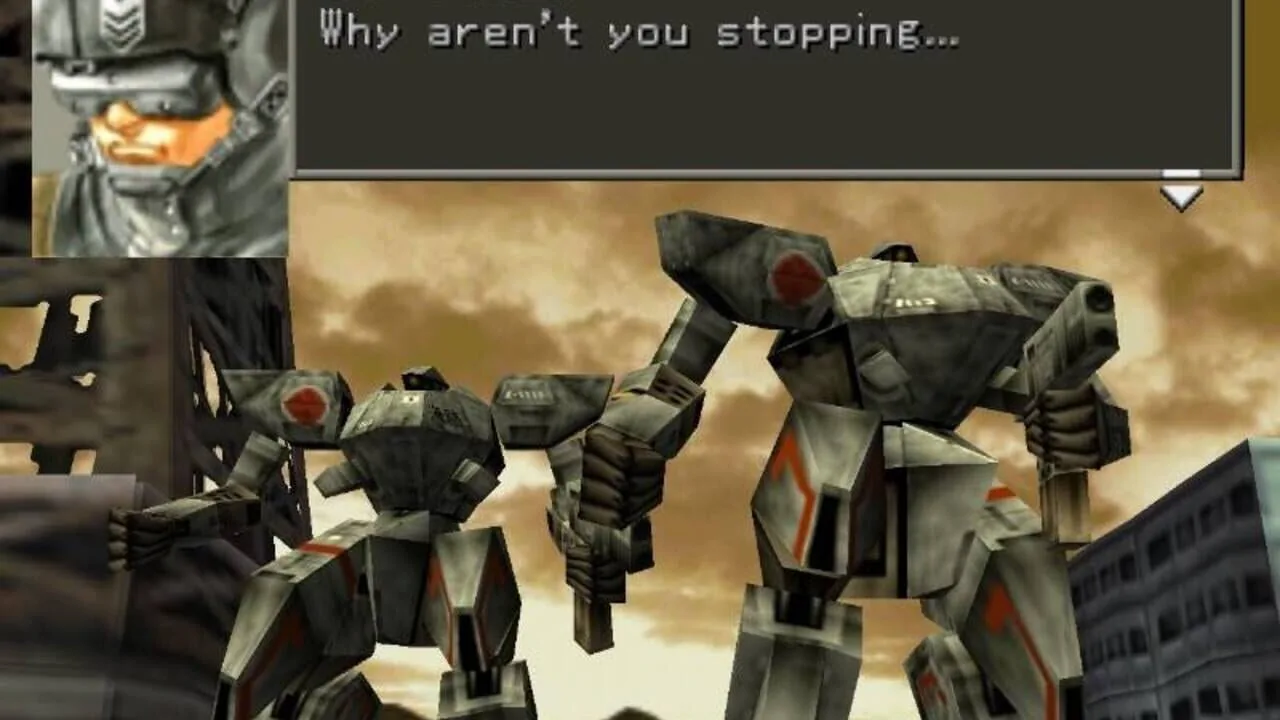
Front Mission 3 is a tactical role-playing game from Square about mecha called wanzers. It came out in Japan in 1999 and in North America and Europe in 2000, and it was the first Front Mission game released outside Japan. It follows Japanese wanzer test pilot Kazuki Takemura after a mysterious explosion at a Japanese Defense Force base in 2112. There are two plots, and which one you get depends on a choice you make. Between missions you set up your wanzers, then sortie for the next fight.
A remake came out on the Switch in June 2025, with Windows and other consoles following in January 2026. Players put it in their personal favourites right next to Metal Gear Solid, and it finished in a dead heat with the game above it.
2. Hogs of War (2000)
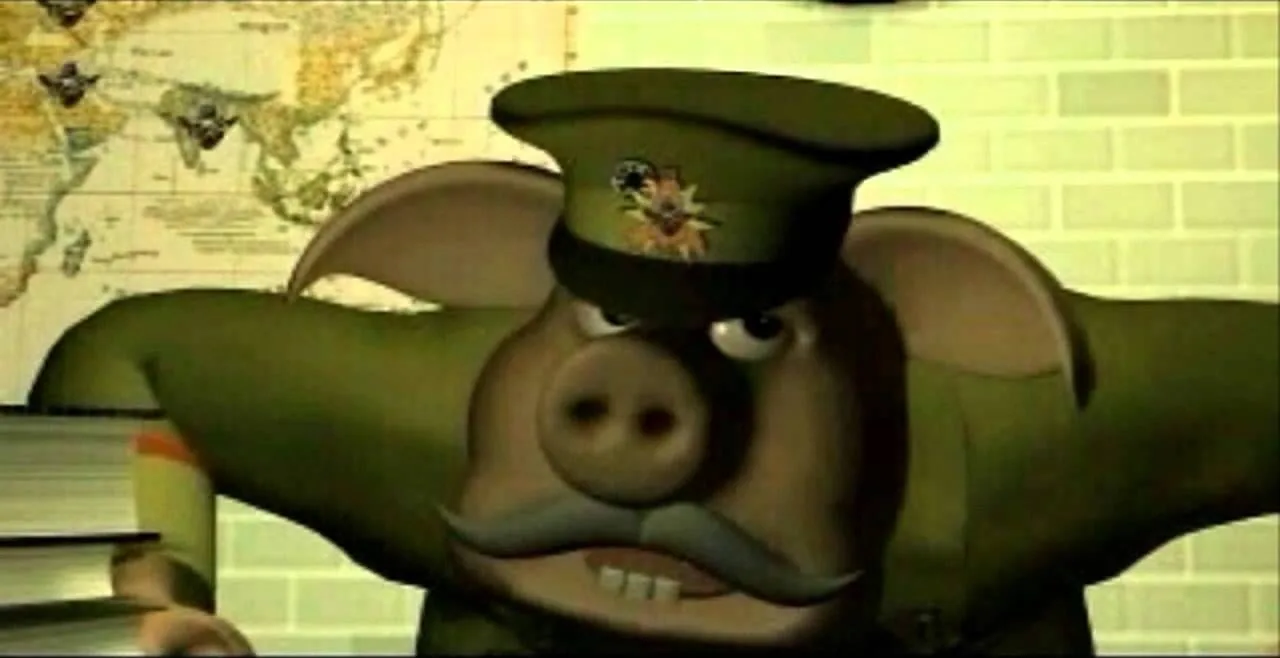
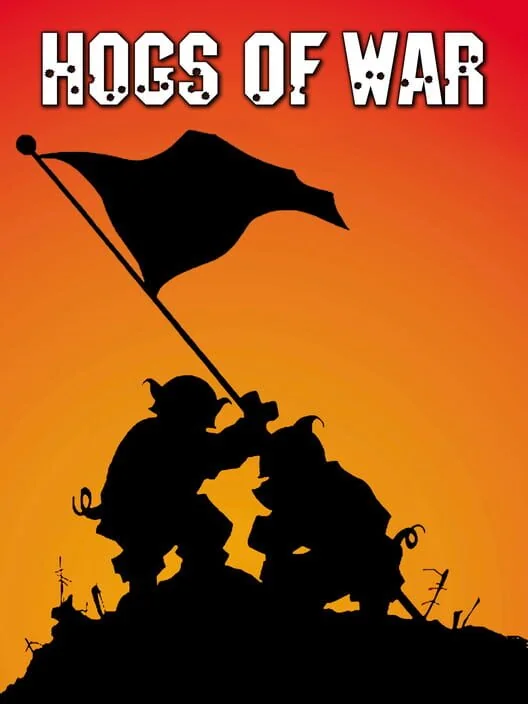
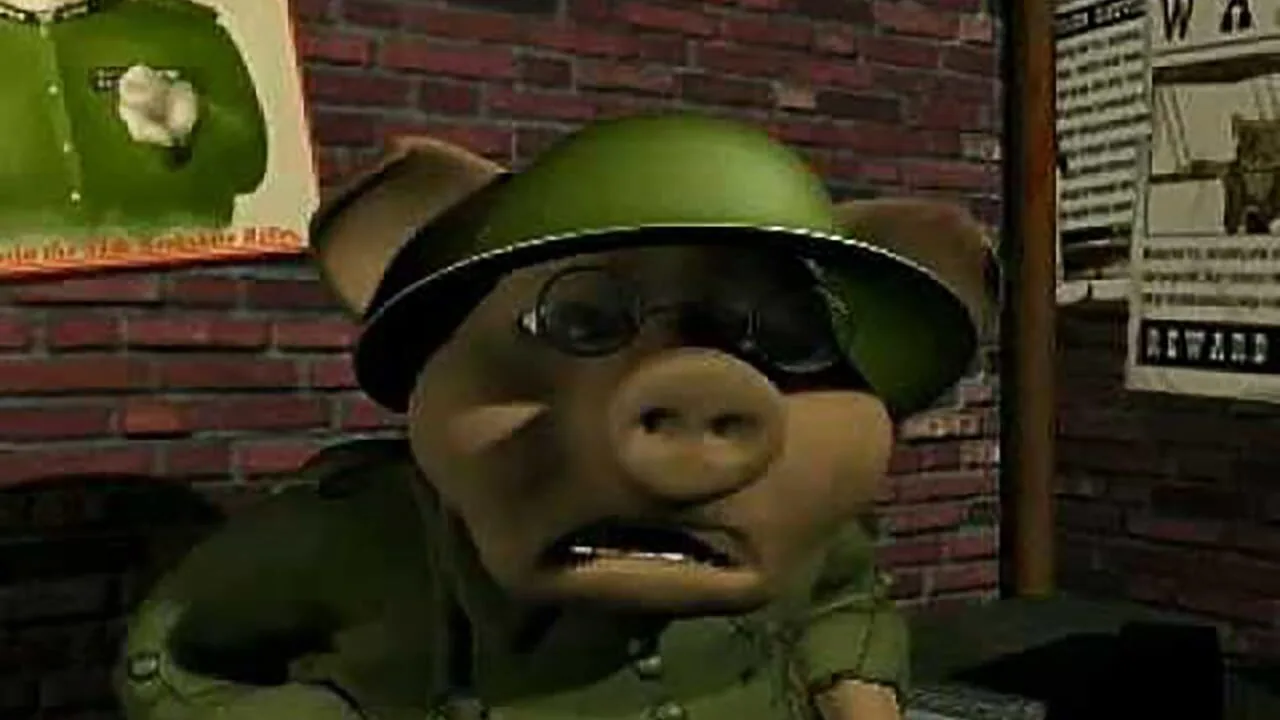
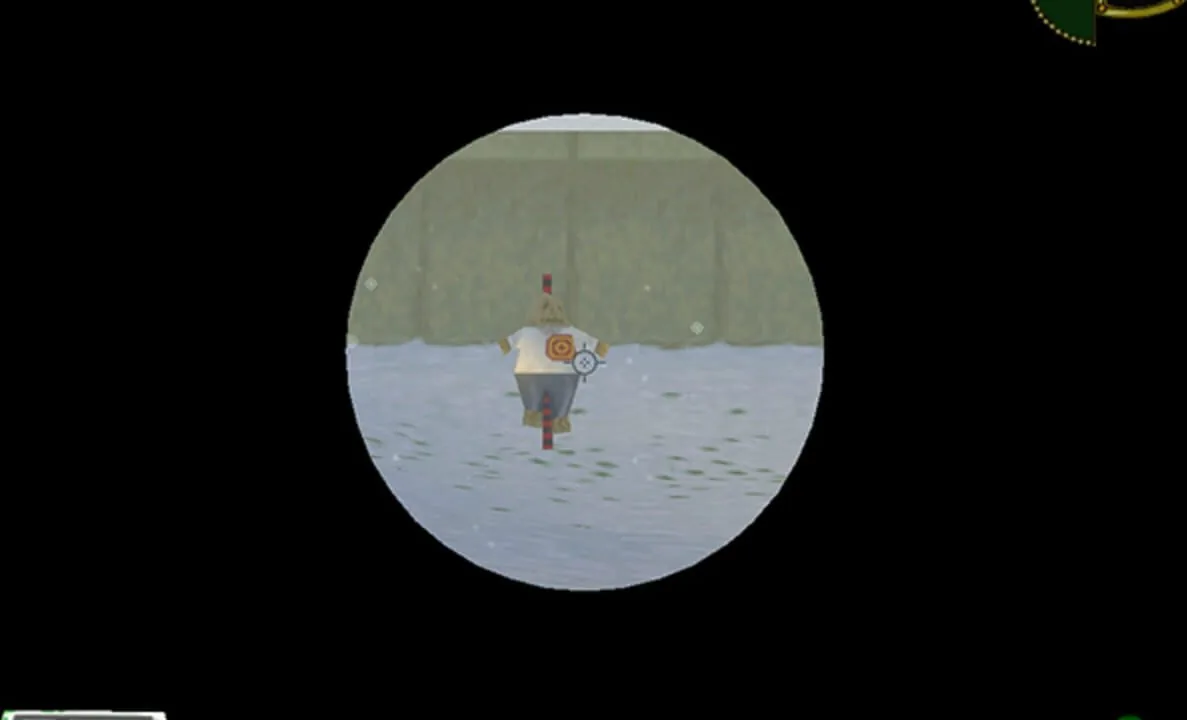
Hogs of War is a turn-based tactics game where anthropomorphic pigs fight in the First World War. Each turn you control one hog in third person and run it around the map, but you can only attack when standing still. Your turn can also end early if you walk into a mine field or fall from somewhere high. Gremlin's founder Ian Stewart was inspired by the film Babe as well as Command & Conquer and Worms, and developer Andrew Fox described it as Worms "except in 3D and with pigs".
The humour draws on Blackadder Goes Forth, and British comedic actors Rik Mayall and Marc Silk do the voices. It got mixed reviews at launch but high praise for its comedy, and players still talk about it with real affection. An official remaster is in production.
1. Final Fantasy Tactics (1997)
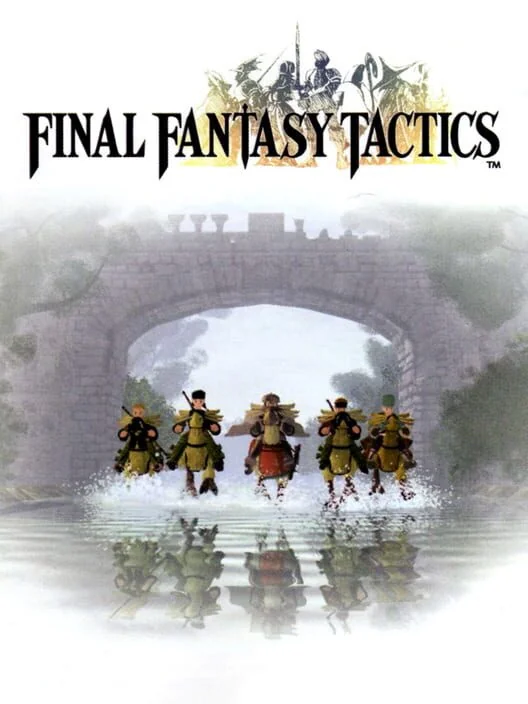
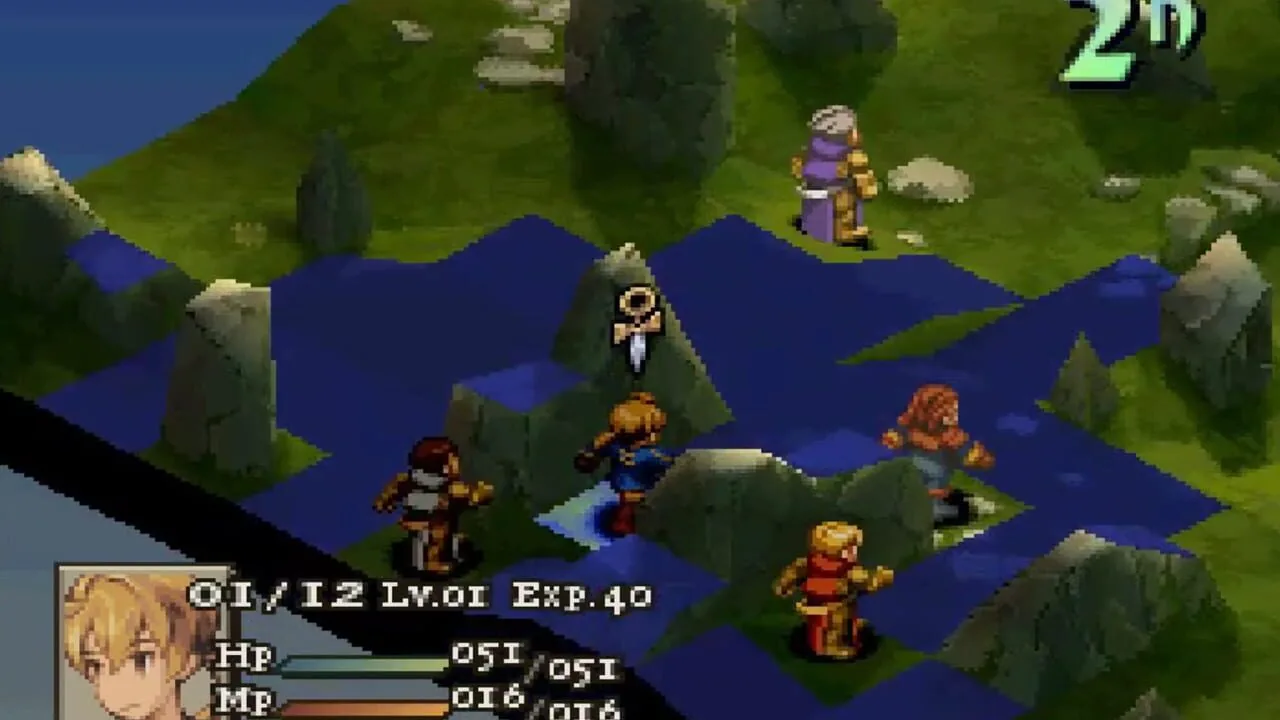
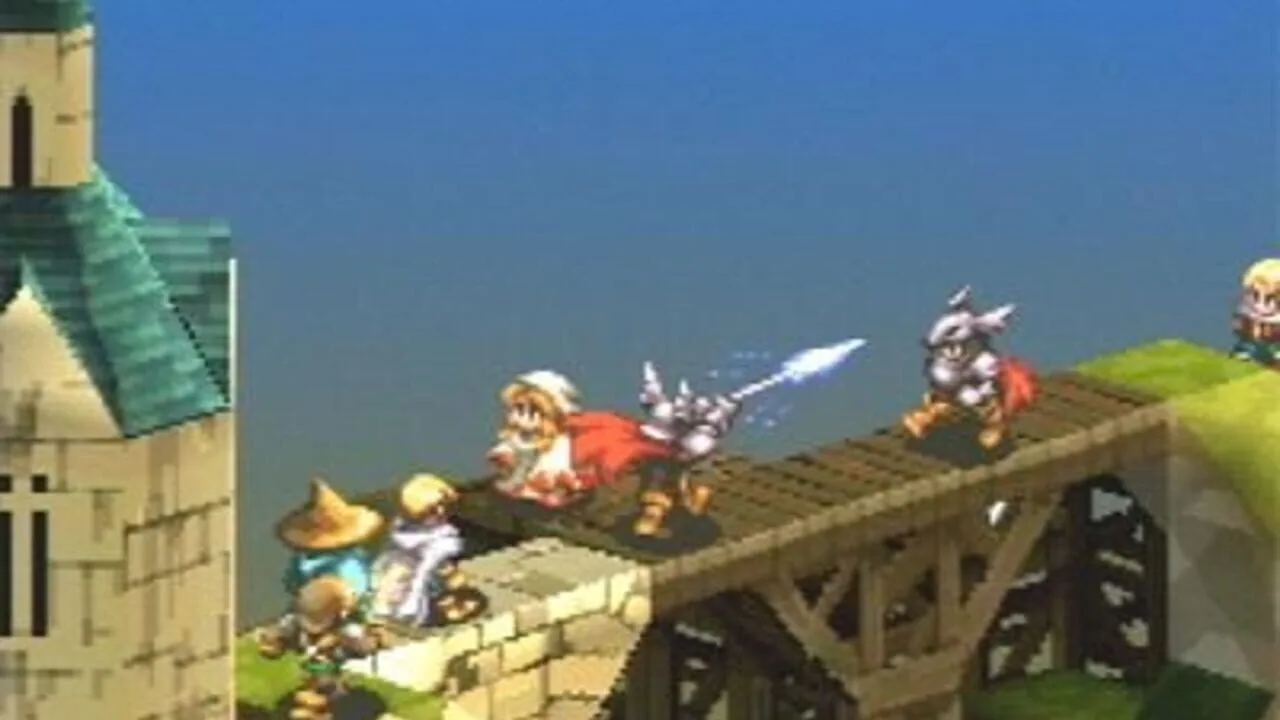
Final Fantasy Tactics came out in Japan in June 1997 and in North America in January 1998. It is the first game of the Tactics sub-series and the first set in the world later known as Ivalice. Yasumi Matsuno directed and wrote it, and Hiroyuki Ito designed the battles. You see the story mostly through the eyes of Ramza, and it slowly shows the Glabados Church controlling Ivalice and engineering the war. You recruit generic soldiers and build them up with the Job system.
The PlayStation version sold over 2.4 million copies worldwide by August 2011, and it has become a cult classic. An enhanced port, The War of the Lions, followed in 2007, and the remaster The Ivalice Chronicles came out on September 30, 2025. Players recommend it more than twice as often as anything else on this list.
Which one to play
There you have it, the whole list of the best PS1 strategy games. The top five hold up against the best strategy games of the nineties on any system.
If you are not sure where to start, play Final Fantasy Tactics. If you want traditional grid battles that are easier to learn, Vandal Hearts is the one. For mecha, pick Front Mission 3 and then Vanguard Bandits. If your group only has one controller, pass it around for Hogs of War or Worms Armageddon. PC strategy fans with a PlayStation Mouse should try Command & Conquer. And for a hidden pick, try Brigandine.