The PlayStation was where tactics games stopped being a strange import and became something you could find on the shelf at the mall. The discs had room for long, twisty war stories, and the hardware could show a battlefield in 3D, hills and rooftops included, so where you stood finally mattered as much as who you brought.
Most of the best ones came out of Japan, and a few small publishers did the hard work of bringing them over. Atlus brought Tactics Ogre and Brigandine to North America, and Working Designs gave us Vanguard Bandits and the Arc the Lad games. There are also mechs and aliens in here, plus a pair of grim Warhammer campaigns for people who like losing whole regiments. Here are the 16 best PS1 tactics games.
16. Arc the Lad III (1999)
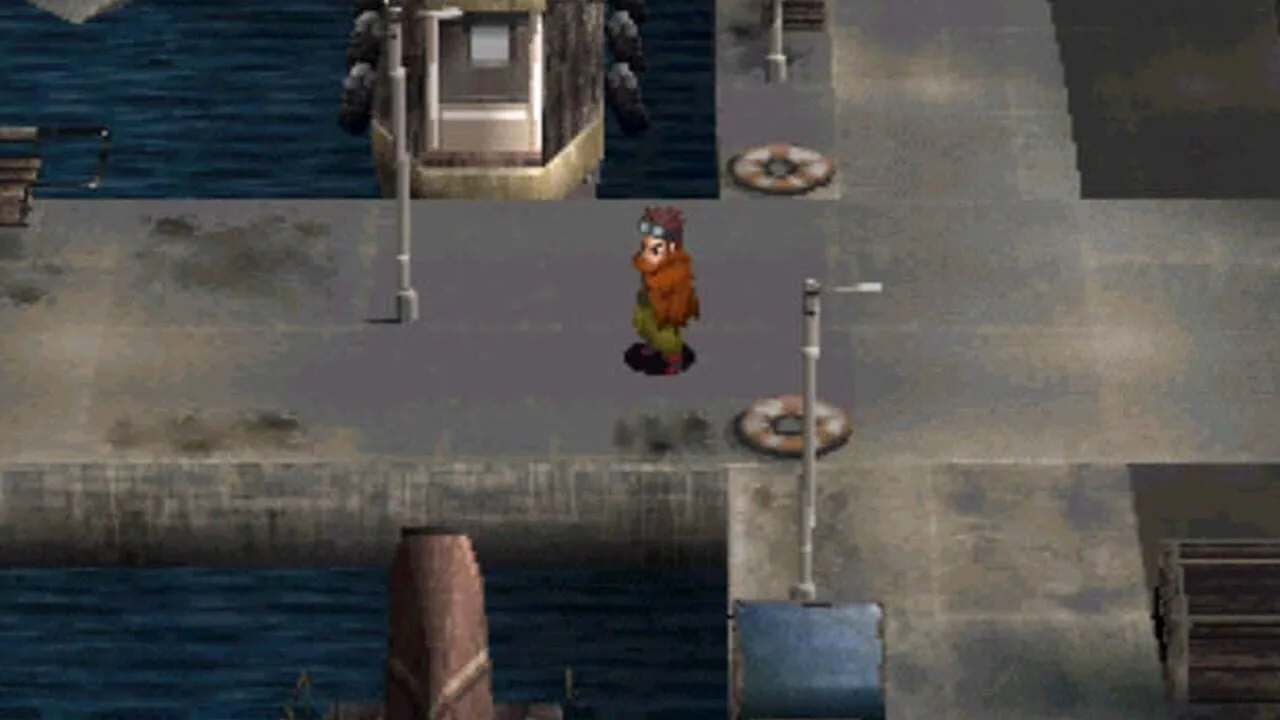
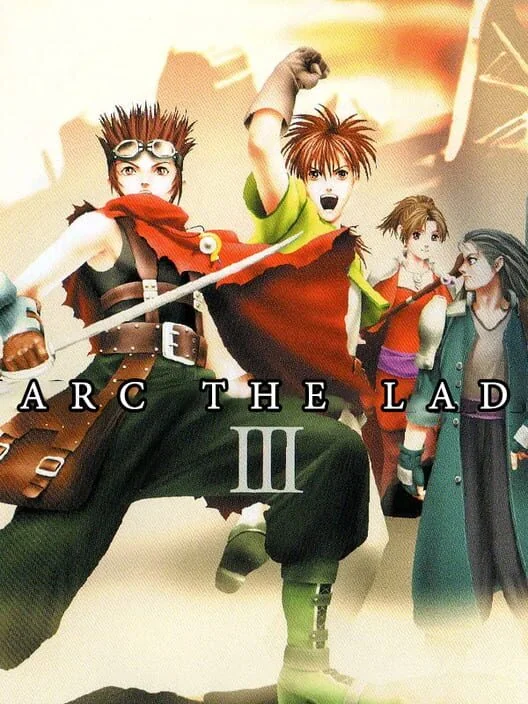
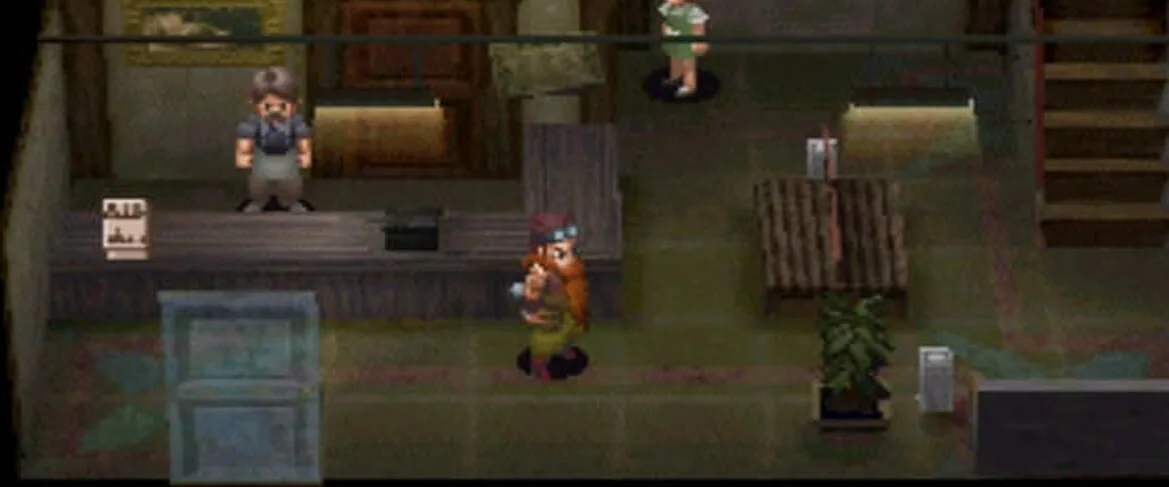
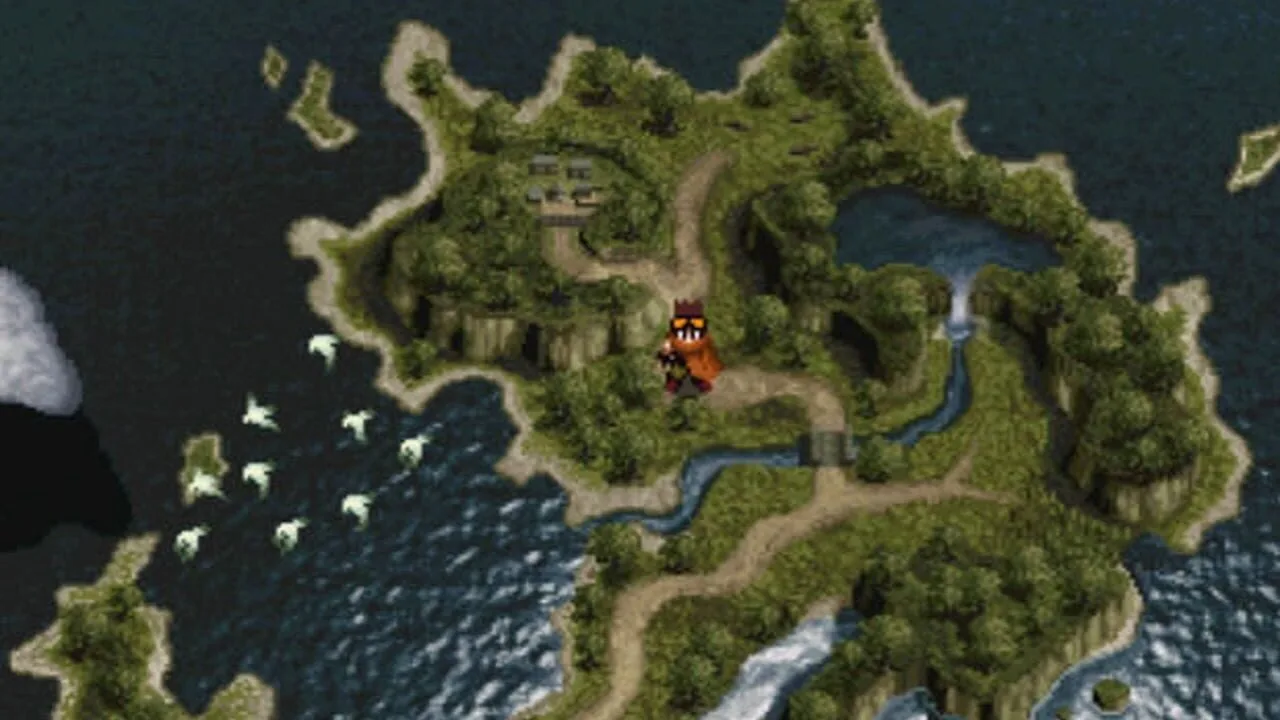
Arc the Lad III is the third main game in the series, and the first one not made by G-Craft, as the company was absorbed into Square after the release of Front Mission 2. The heroes this time work for a hunters' guild, and the plot pulls them into a fight with the Academy over the Dark One. A new lead, Alec, gets promoted to the same hunter status as Elc and Shu from the second game.
English players had to wait for it. It was released internationally for the first time in 2002, as part of Arc the Lad Collection, which is a long time to sit on the end of a trilogy. It is the lowest-ranked of the three Arc games here, so think of it as the one you play because you already love the other two.
15. Warhammer: Shadow of the Horned Rat (1995)
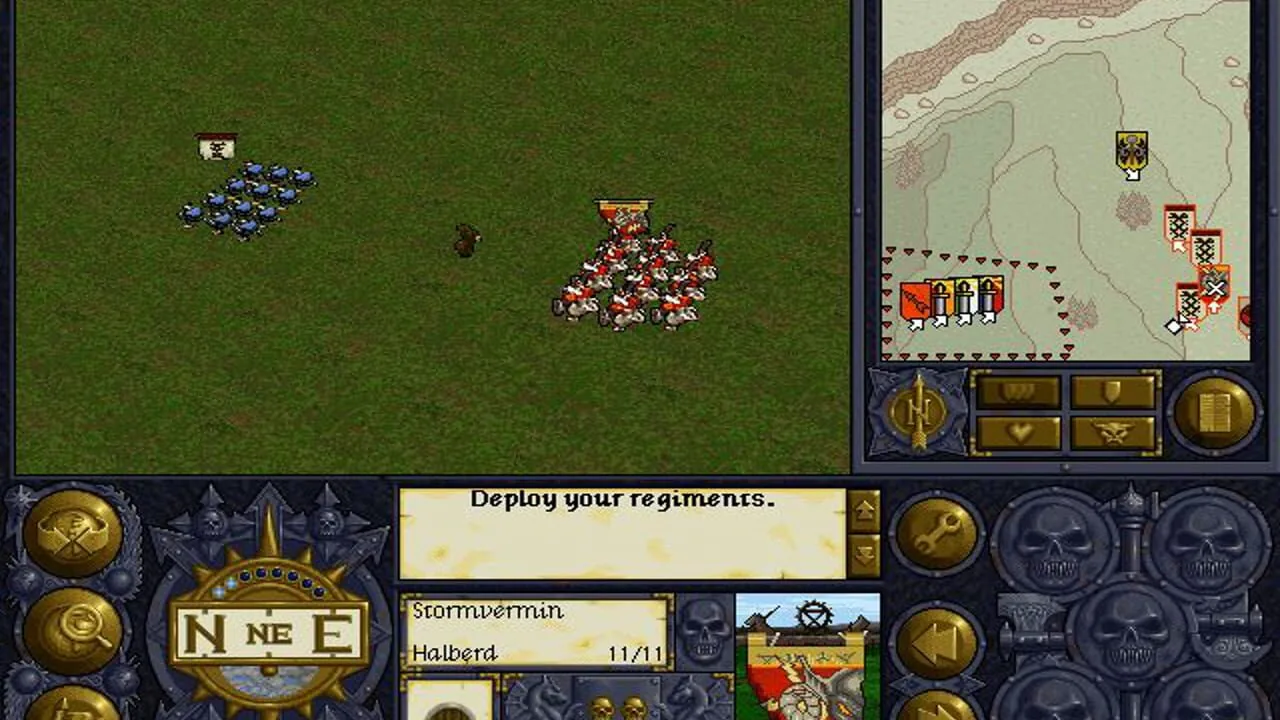
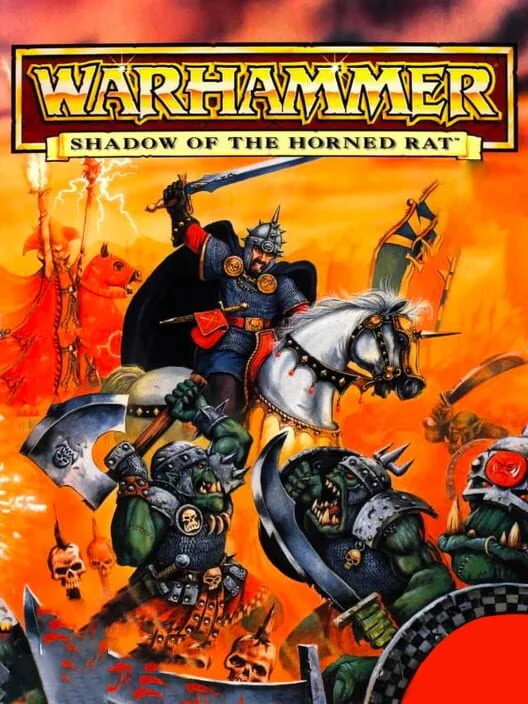
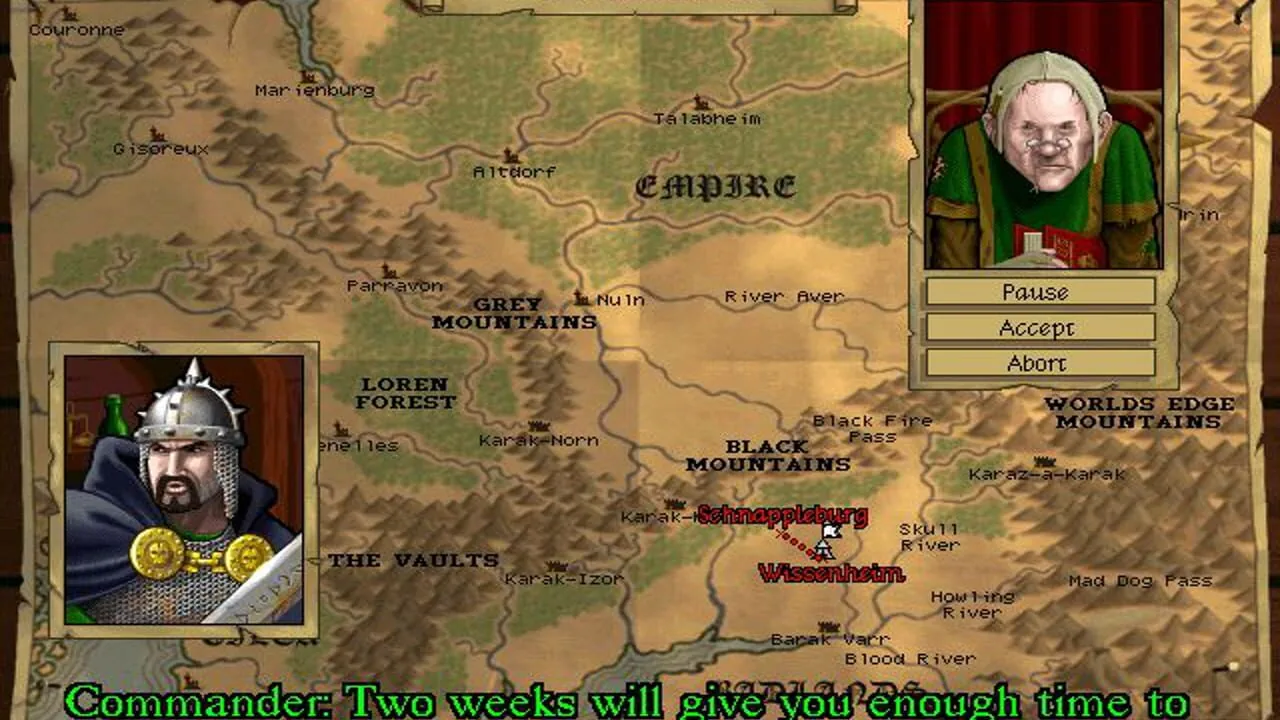
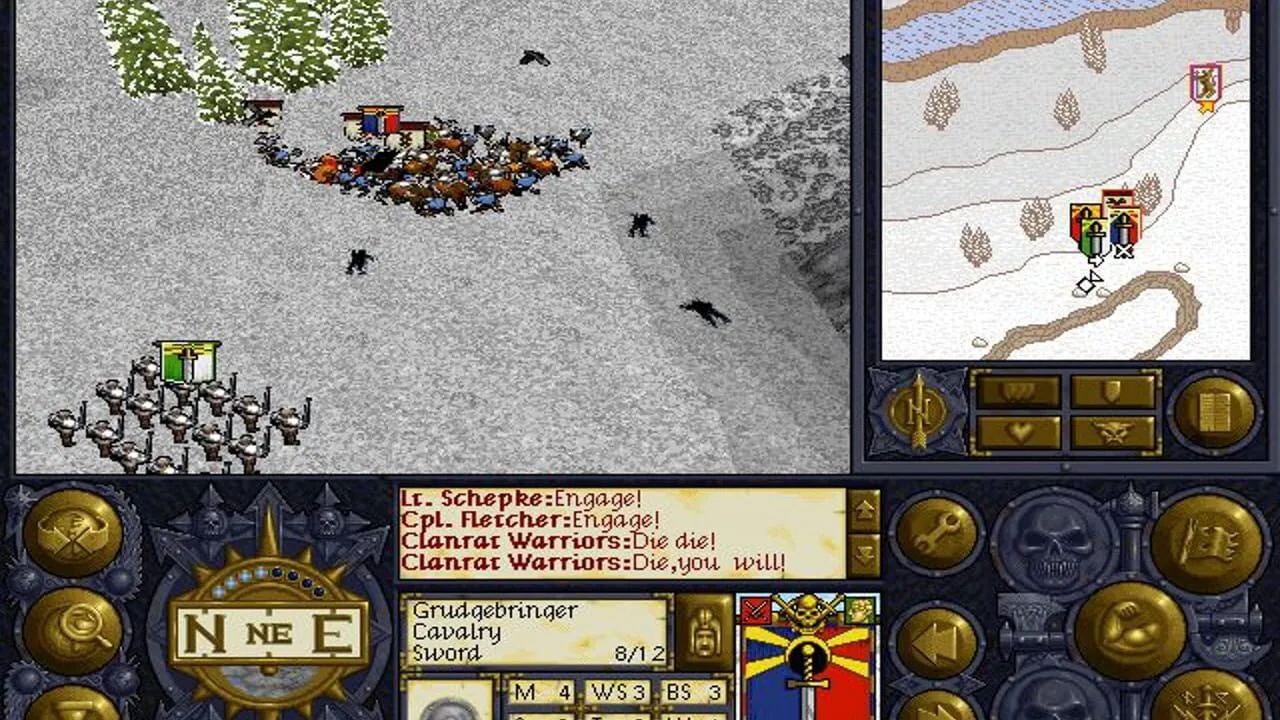
Warhammer: Shadow of the Horned Rat came out for Windows in November 1995 and reached the PlayStation in November 1996. It is a battle game set in the Warhammer world, where you lead Bernhardt's army from fight to fight, and the whole campaign hangs on how carefully you keep that army alive. Losses come in two kinds. Injured soldiers sit out until after the next battle, while dead ones have to be replaced between missions, often in a town, and the number of recruits on offer changes from place to place.
The story kicks off when a skaven grey seer named Thanquol finds a piece of a runic crystal that can power an ancient elven artifact. Reviews were mixed, with some criticism of the gameplay, but it was a runner-up for Computer Gaming World's 1995 Strategy Game of the Year. It is slow and punishing, and its sequel is the friendlier place to start.
14. Arc the Lad II (1996)
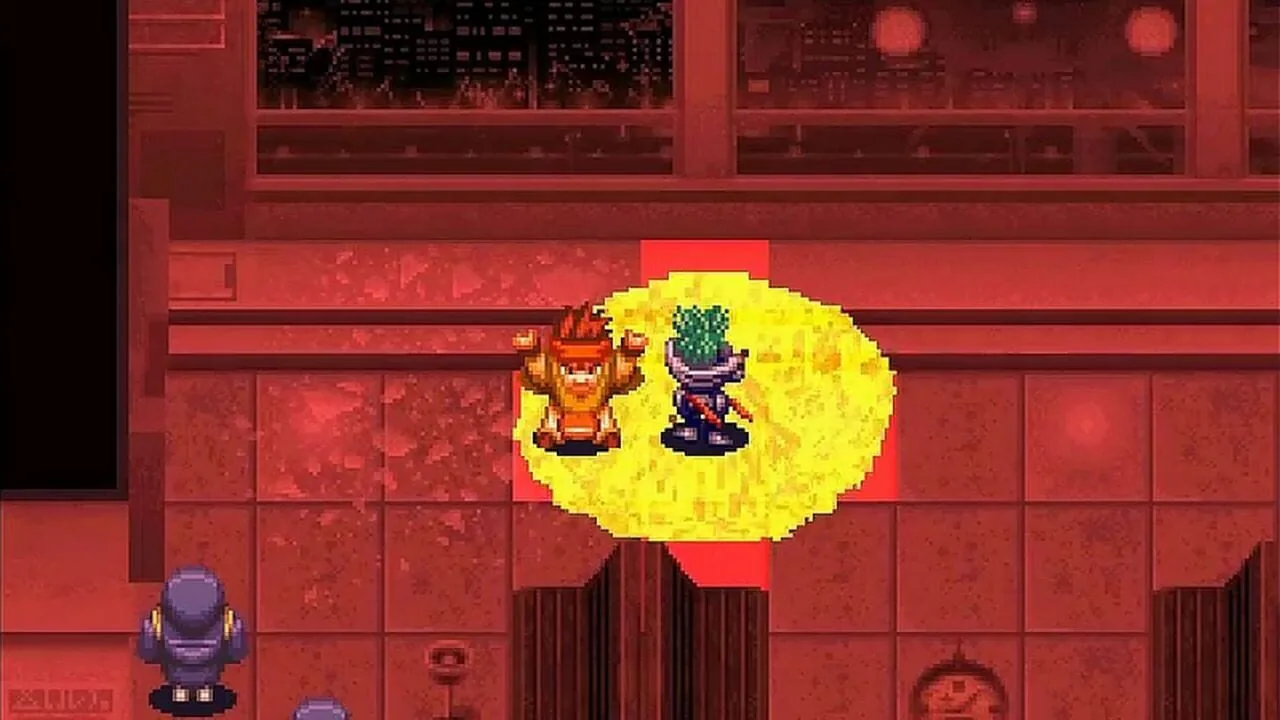
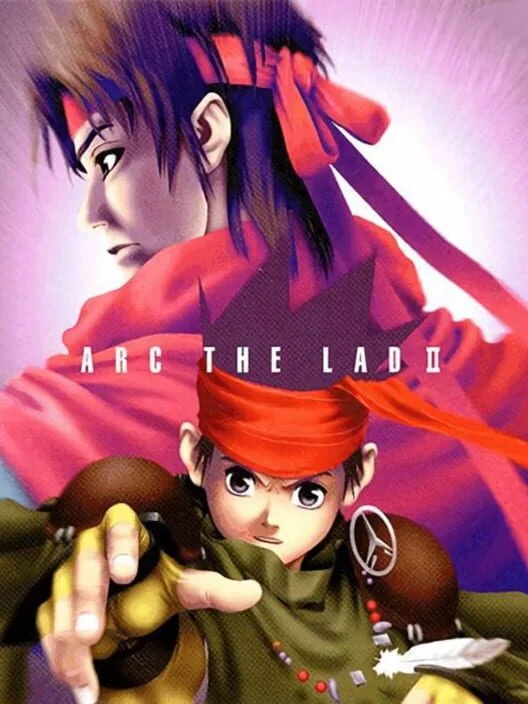
Arc the Lad II continues the story of the first game, but the focus shifts from Arc to a new hero, Elc. The world is larger and the cast is more varied, and the fights still use the same strategy-based combat. It also adds jobs you pick up as you travel, and some of them only become available after you finish related jobs or reach certain plot points. It even got its own anime series.
Like the first game, it was only released in Japan on its own. English players got it in Working Designs' Arc the Lad Collection, so on a PS1 in English that box is the only way in. It ranks between the other two Arc games here, which feels about right for the middle of a trilogy.
13. X-COM: UFO Defense (1994)
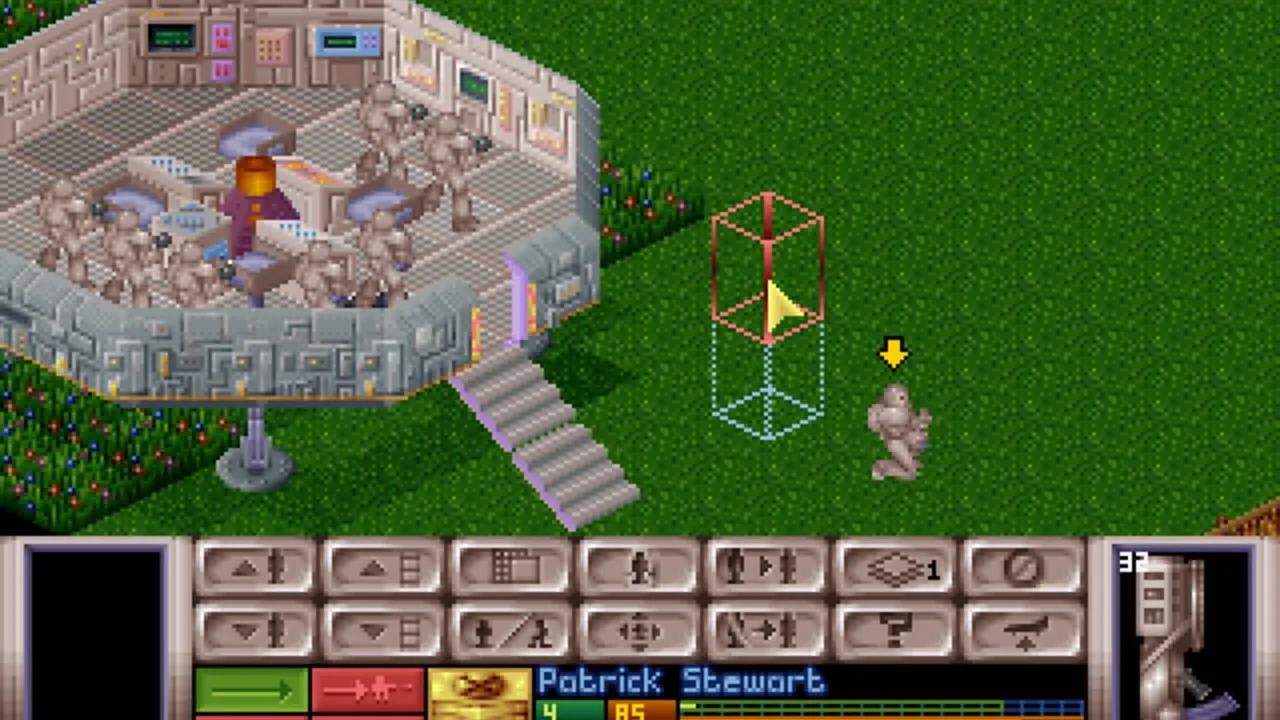
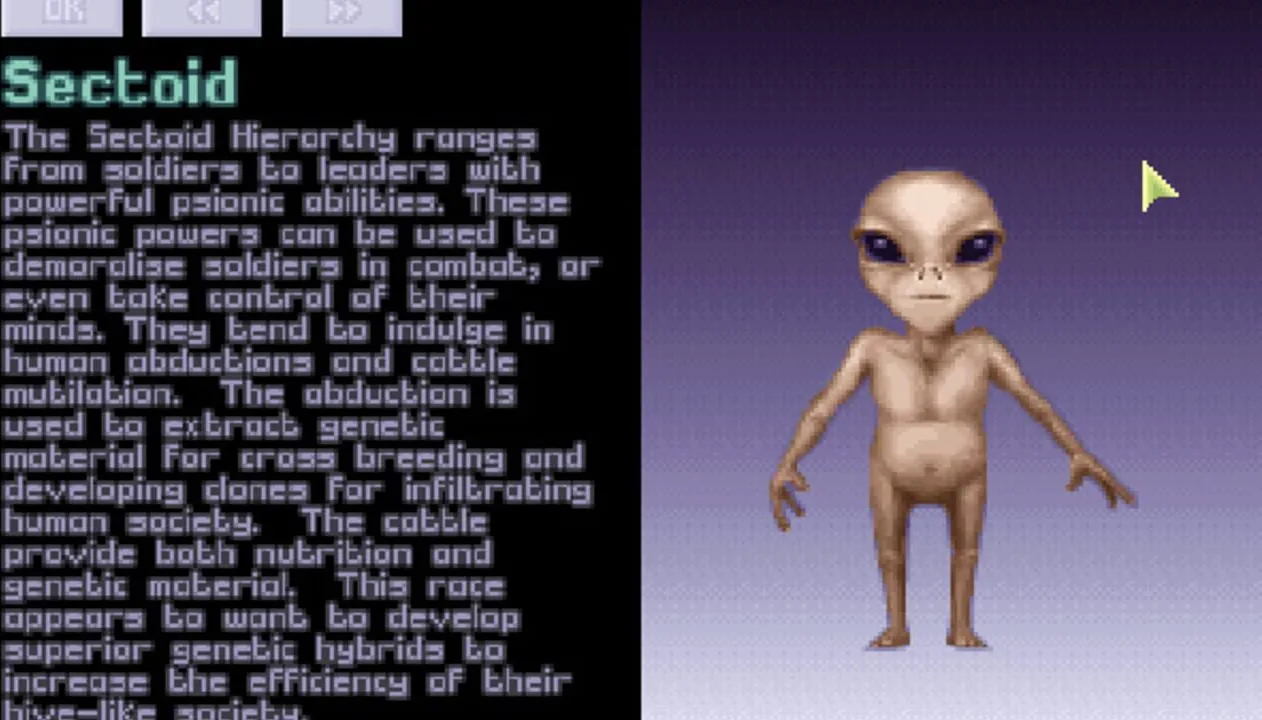
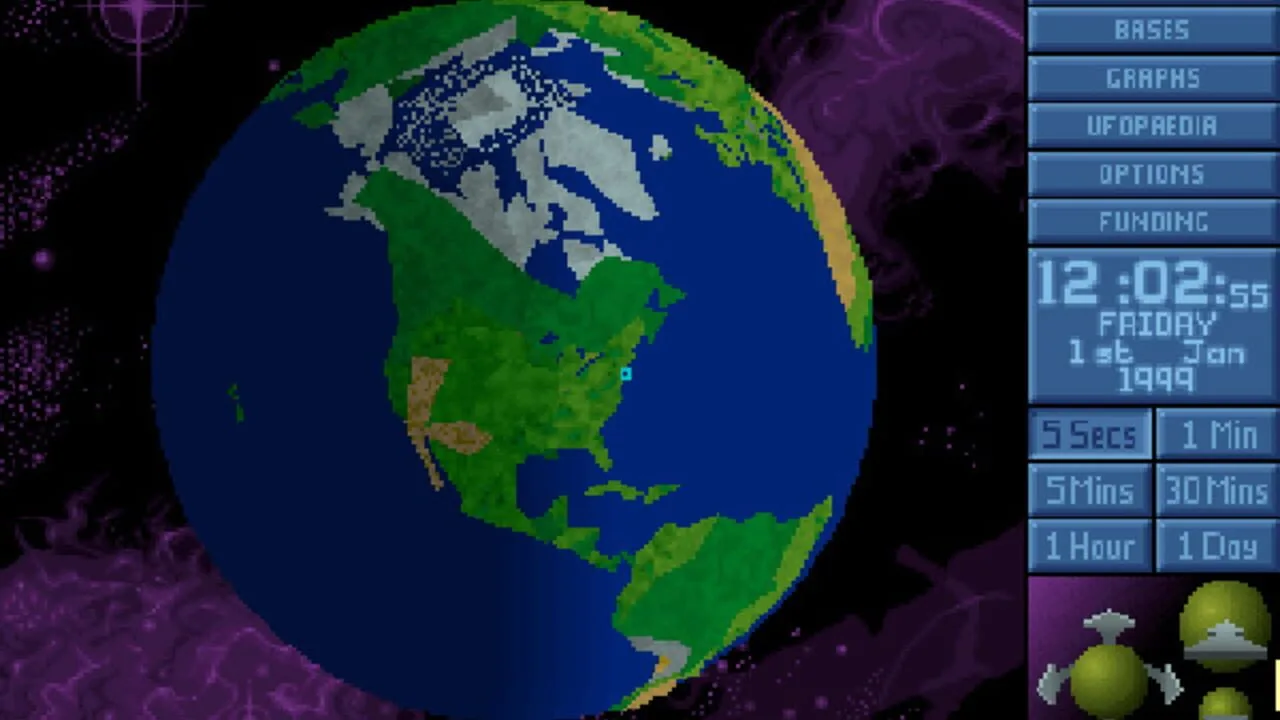
X-COM: UFO Defense started life as a planned sequel to Julian Gollop's 1988 game Laser Squad, and it turned into something much bigger. It was published by MicroProse for DOS and Amiga computers, and the PlayStation got it too. On one level you run the whole organisation: you research new technology, build bases, manage money and staff, and watch the skies for UFOs. Then a ship comes down and you send a squad in, where every soldier has Time Units to spend on each step and each shot.
The soldiers who die on a mission stay dead. You will name them after your friends anyway.
Players who played it on the PS1 still rate it very highly. It was the first and best-received game in the series, and the 2012 remake is also regarded as one of the greatest games of all time.
12. Rhapsody: A Musical Adventure (1998)
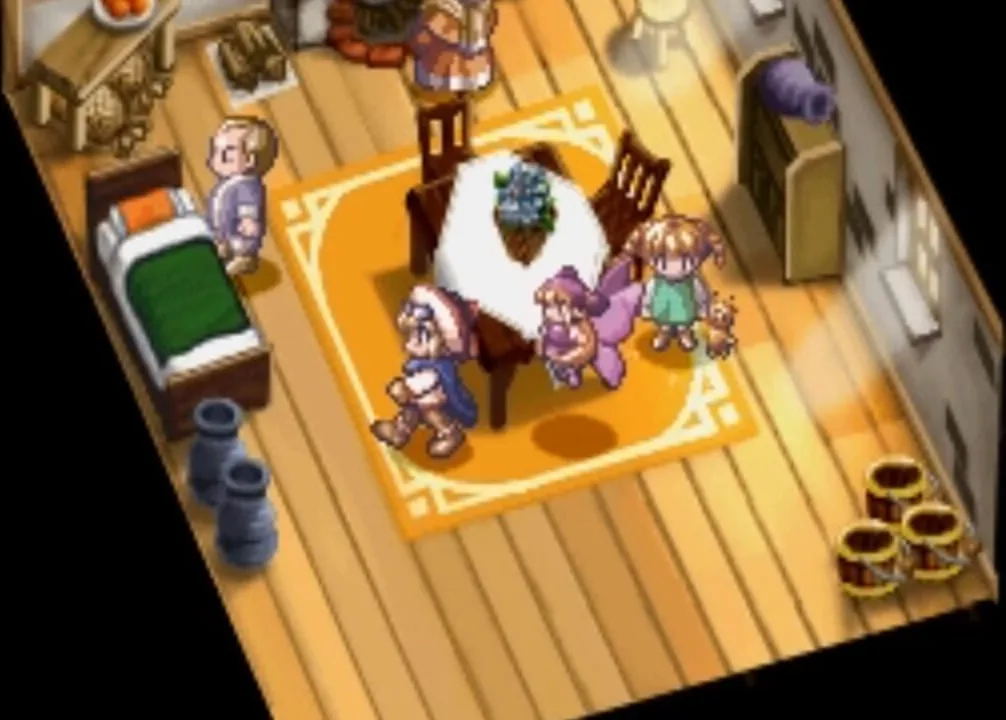
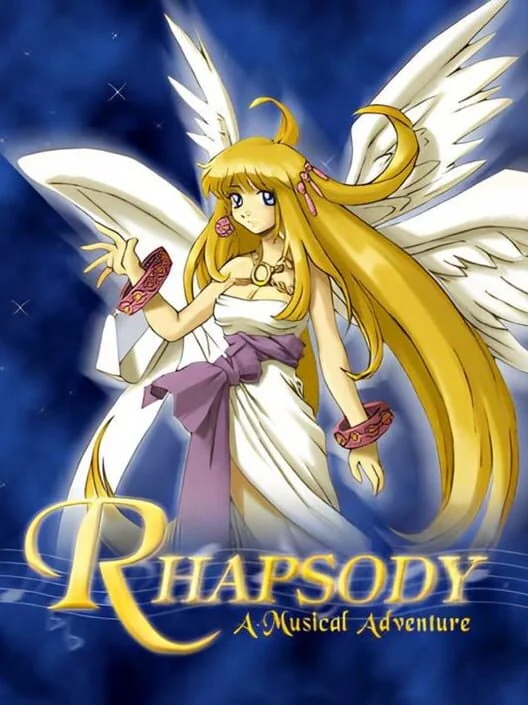
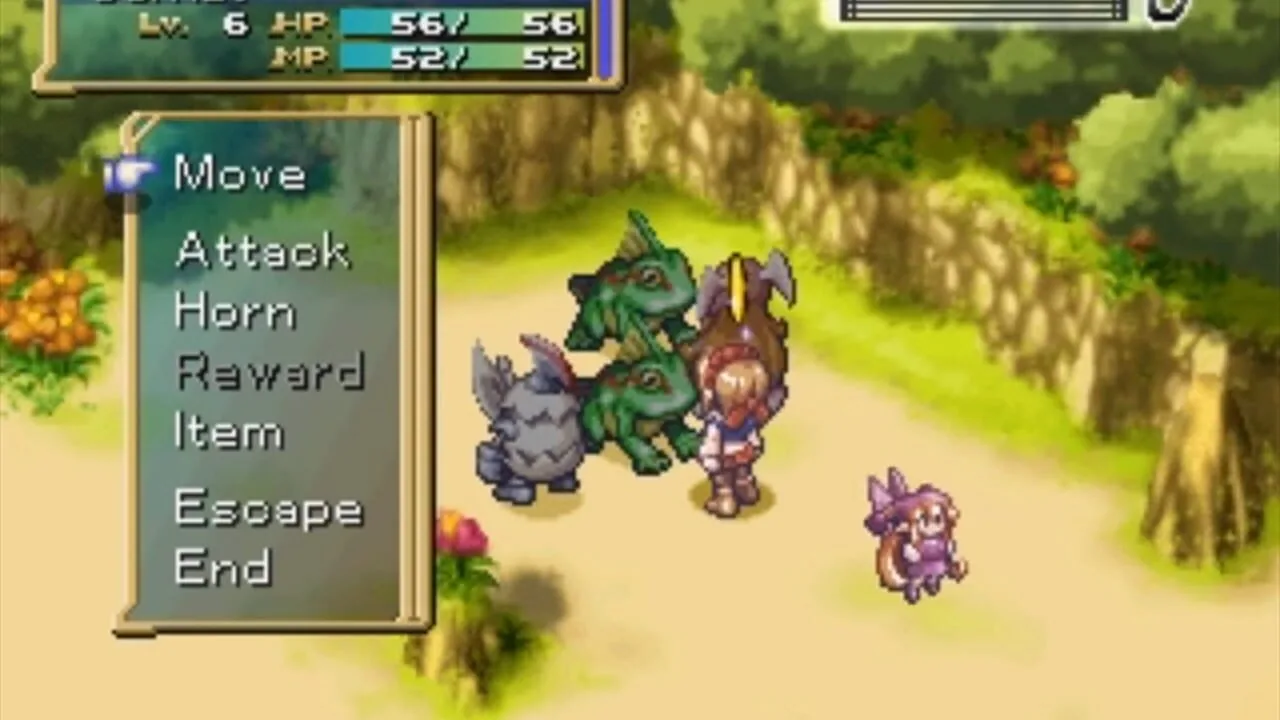
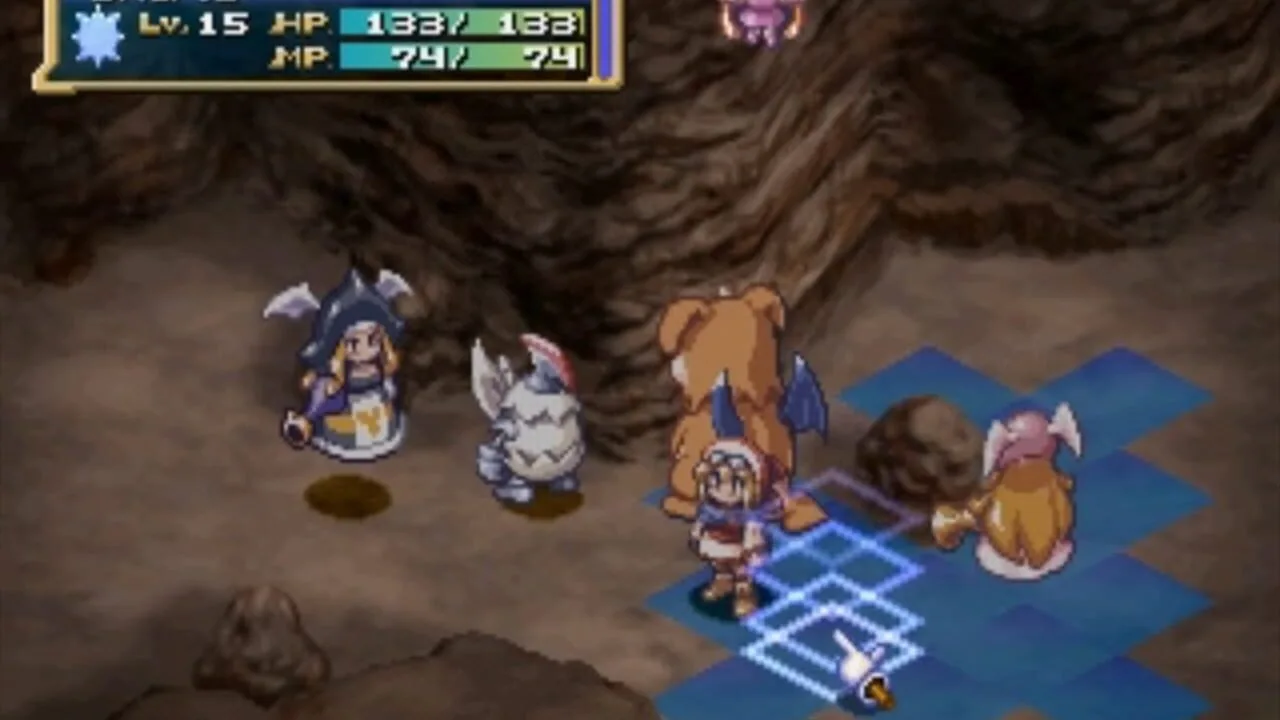
Rhapsody: A Musical Adventure is, and we mean this literally, a musical. The cut scenes are sung rather than spoken, and you can listen to the lyrics in Japanese or English or turn them off entirely. Sohei Niikawa first came up with the idea shortly after he joined Nippon Ichi Software in 1996. In battle, most of the party can only hit enemies up close unless they have a long-range skill, and you can save at any time except during a fight, which was a kindness back then.
The North American release came with a soundtrack CD of vocal and instrumental songs, which tells you how seriously everyone took the singing. A Nintendo DS version followed on September 23, 2008, with the battles changed. Players who found it keep recommending it, and it deserved a much bigger audience than it got.
11. Warhammer: Dark Omen (1998)
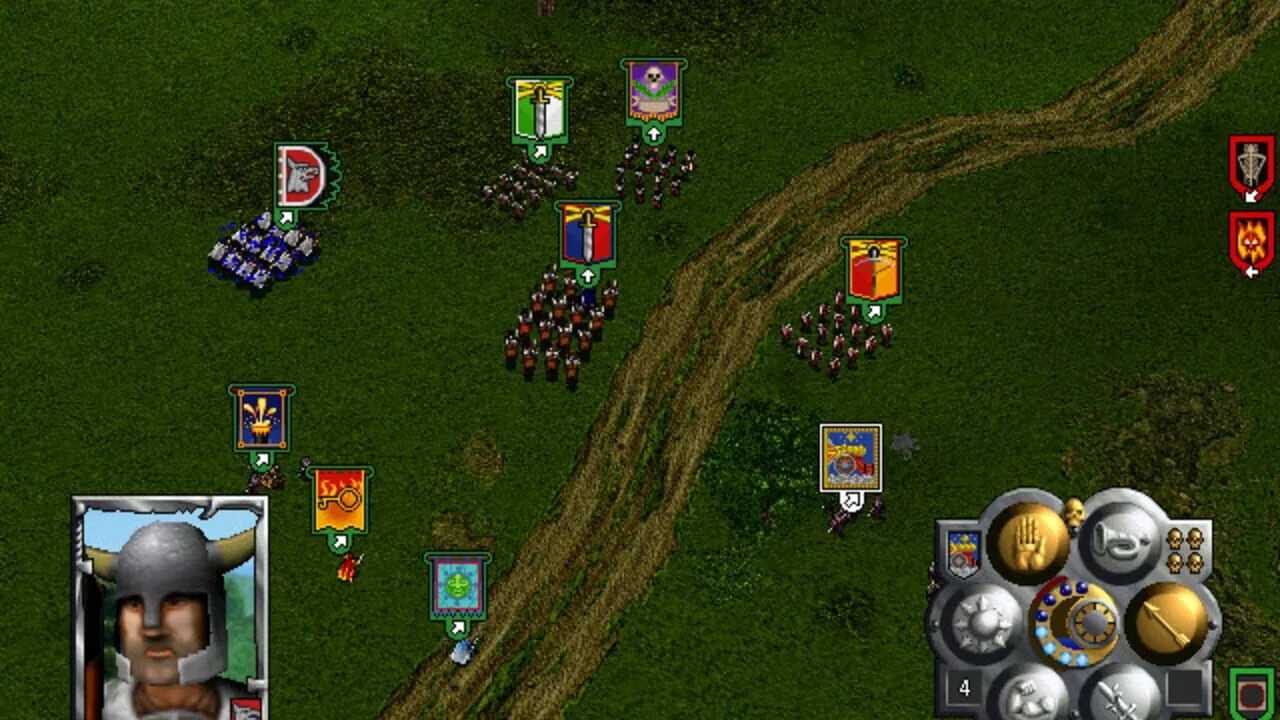
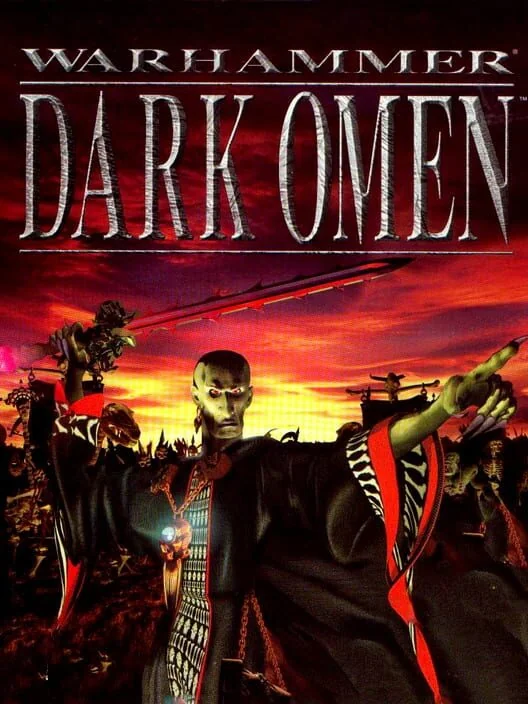
Warhammer: Dark Omen is the sequel, made by Mindscape with Games Workshop and published by Electronic Arts in Spring 1998 for Windows and the PlayStation. The big change is proper 3D terrain, and it matters more than it sounds. Archers and artillery now need a clear line of sight before they can fire, so where you park your cannon on a hill decides the battle. Bernhardt is back too, and this time the campaign takes him to Sylvania to deal with a vampire lord.
Reviews liked the improvements over its predecessor, though the difficulty level took some criticism, and the PlayStation port was widely panned. Players who loved the Warhammer games on the console still bring them up all the same. If you want a tactics game where one bad charge can cost you everything, this is it.
10. Eternal Eyes (1999)
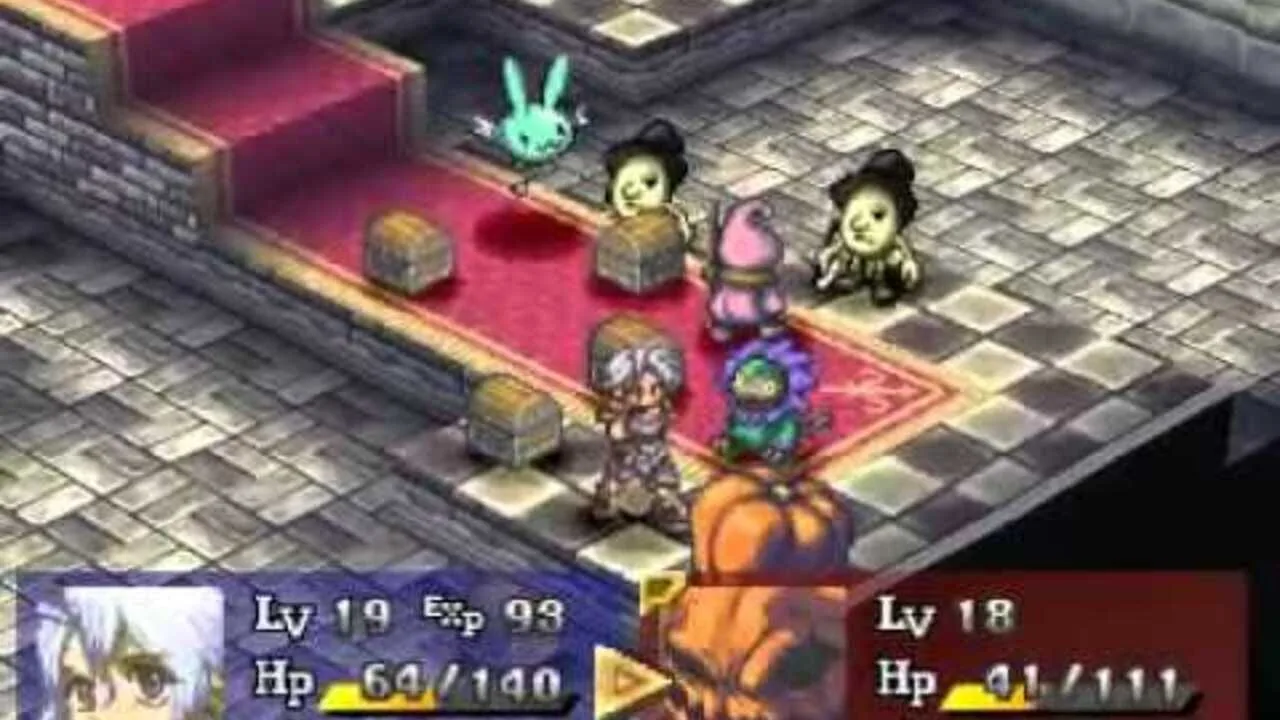
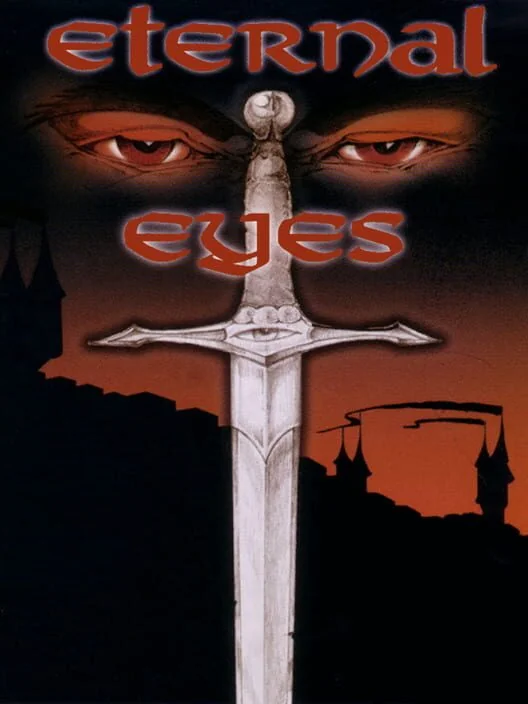
Critics were not kind to Eternal Eyes, and the game received unfavorable reviews on the whole. PlayStation Magazine gave it 1.5 out of 5 and RPGamer gave it 1 out of 5. RPGFan was kinder at 70%, and in Japan Famitsu gave it 24 out of 40. On paper, that is a game nobody should remember.
And yet here it is, in the top ten. The players who do remember it would like a lot more people to join them, and they bring it up next to the console's big RPGs without any embarrassment. It is the kind of game you found in a rental store because the box looked cool and then played all weekend. If you have finished the big names on this list and want one more that nobody else at the table has played, give it a try.
9. Arc the Lad (1995)
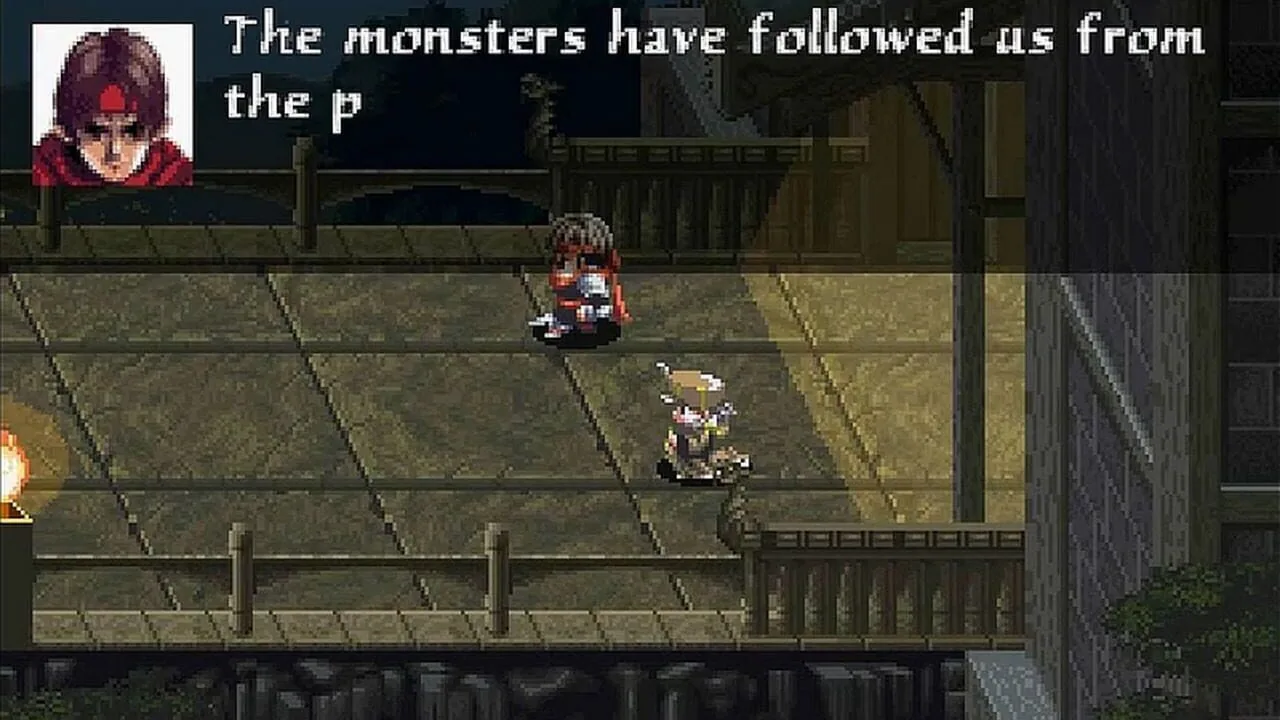
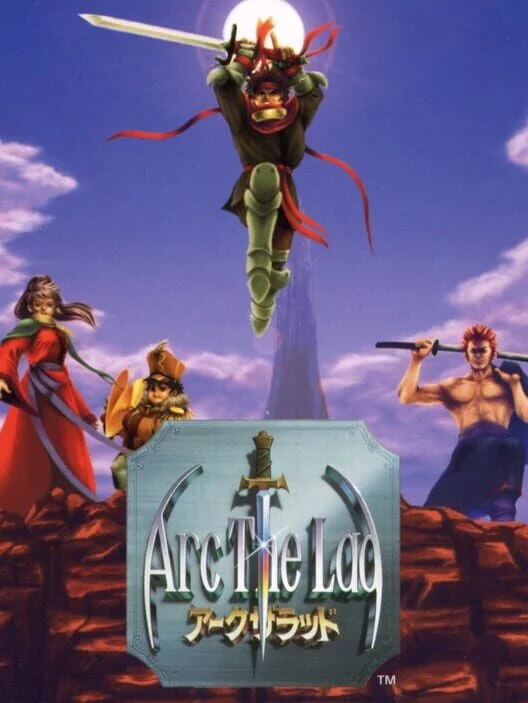
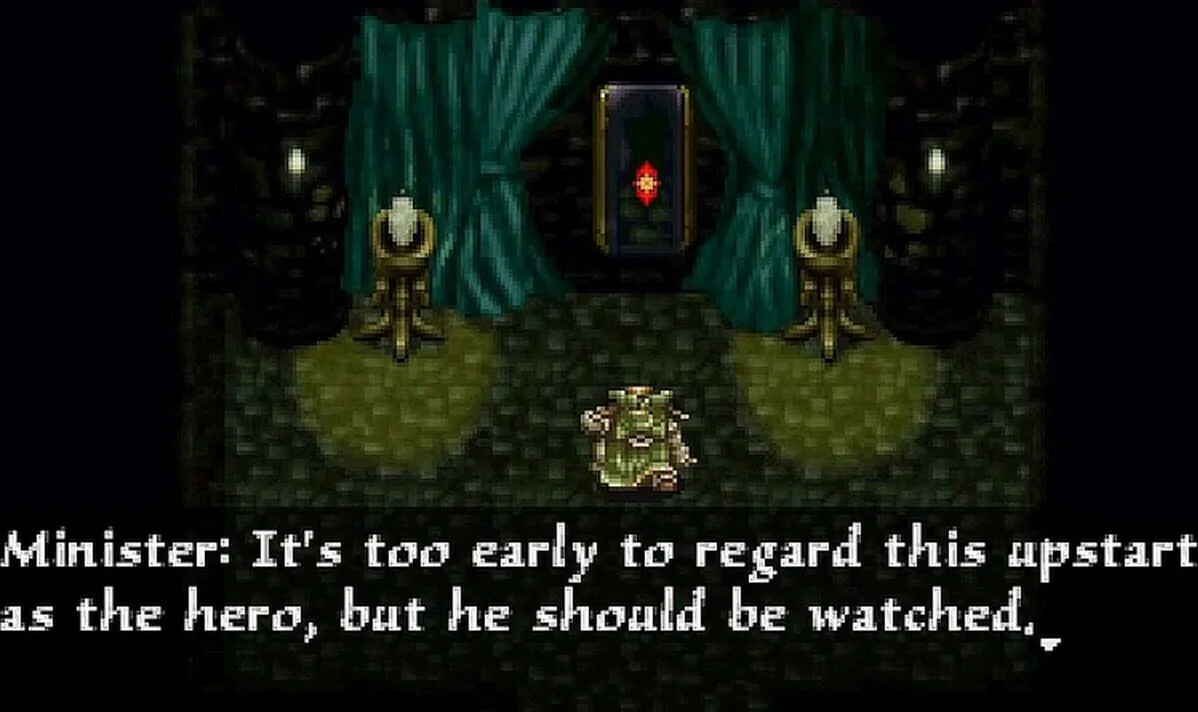
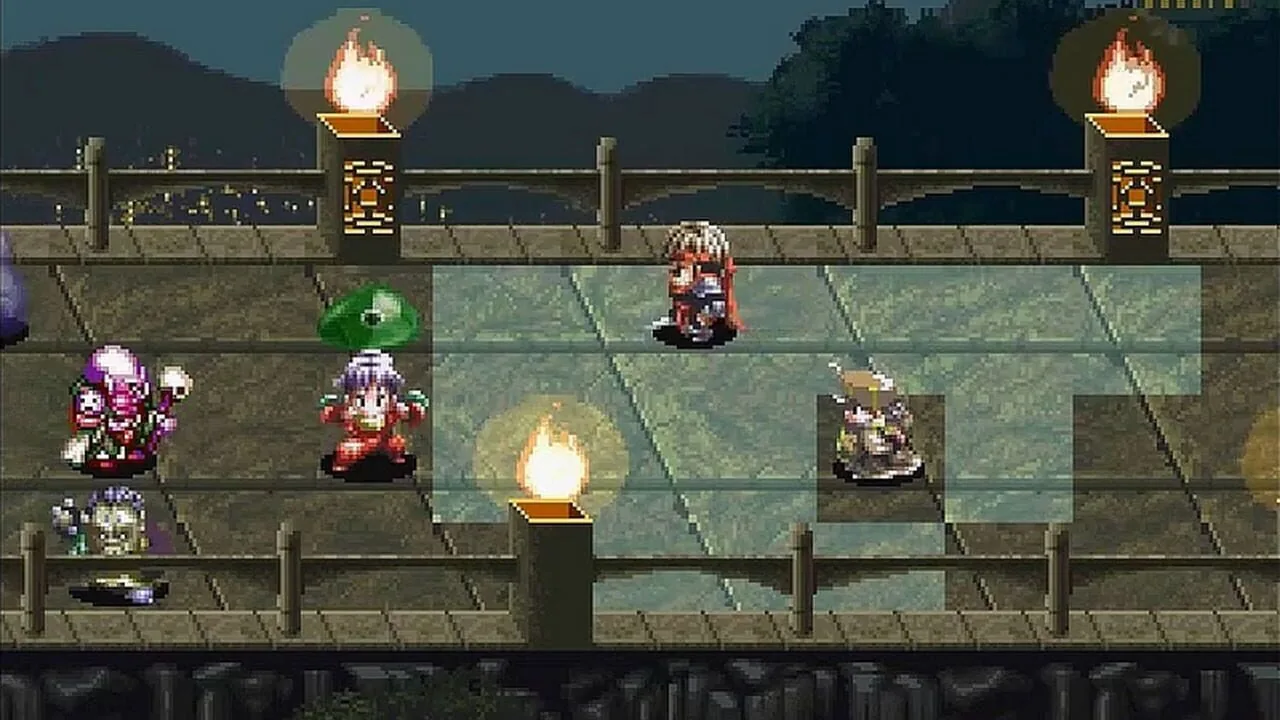
The first Arc the Lad is short on purpose. It was intentionally designed to be short, and only five continents of the world can be visited, with the rest saved for the sequels. You follow Arc, who is revived by a Guardian after a defeat and told to reignite the flame, and the story spends a lot of its time setting up the bigger games to come. The orchestrated pieces of the soundtrack were recorded by the Royal Philharmonic Orchestra, which was a real flex for an early PS1 game.
RPG fans and the gaming press pushed hard for a North American release, and it still never came out on its own outside Japan. English players finally got it in April 2002 as part of Arc the Lad Collection, a year and a half after the PS2 launched in North America. Players who love it tend to recommend the whole series instead of this one game.
8. Vandal Hearts II (1999)
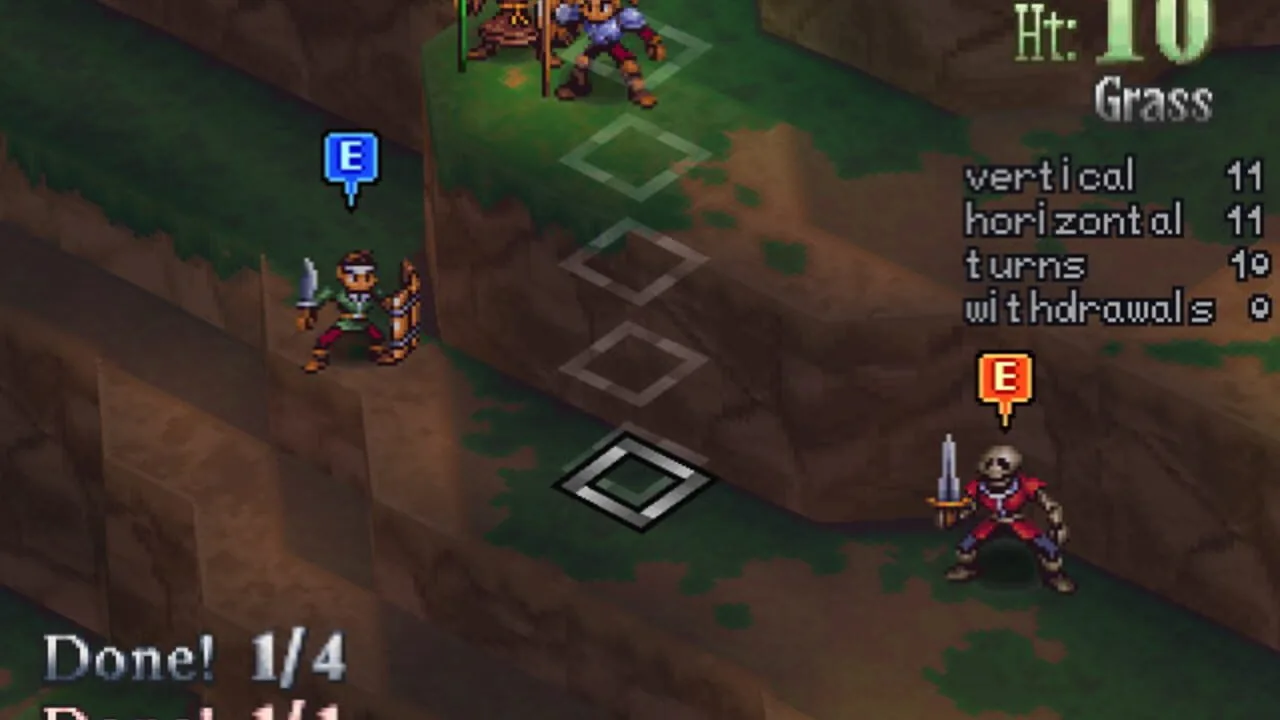
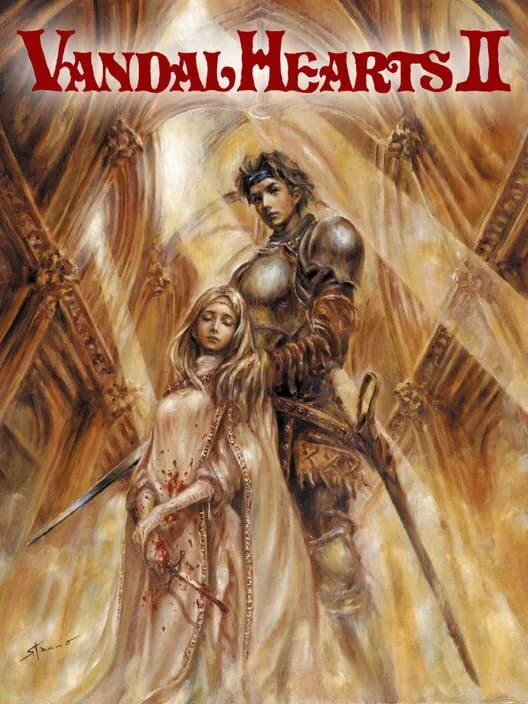
Vandal Hearts II is the sequel to the 1996 game, and it leaves Ash behind for a messier story about politics and war. Its people spend a lot of time asking for help and not getting it. Nicola comes to the region looking for support from Kossimo Byron, only to learn that he has retired and handed his position to his son-in-law Graud. Later the group saves Prince Franz from an East Natra labor camp, and he is so broken that he only comes to life when given orders.
The world is less open than you might hope, since some locations open up only to advance the story. Collect every weapon, though, and you get a hidden scene: Joshua returns the Vandal Hearts sword to its resting place and meets a Vandalier warrior implied to be Ash from the first game. It ranks well below the original here, but fans of the first game will want to see that ending.
7. Vanguard Bandits (1998)
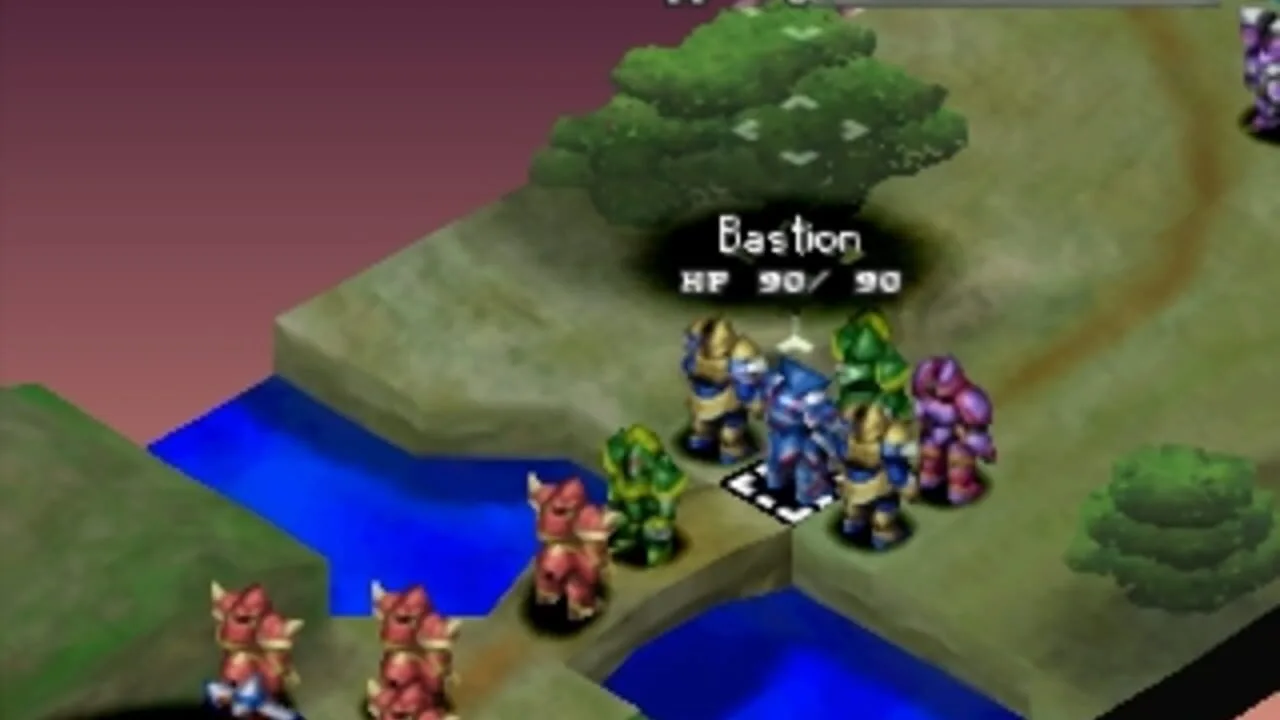
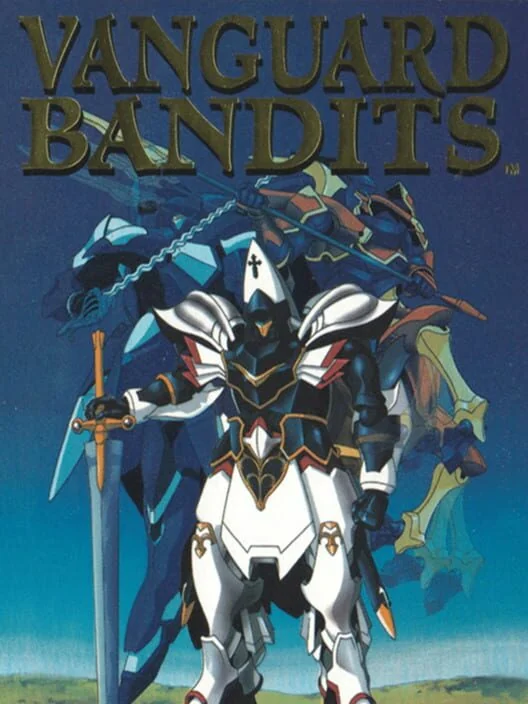
Vanguard Bandits is a strategy RPG in a medieval fantasy world in which knights and soldiers pilot mecha, and Working Designs published it in North America. The mechs are called ATACs, and every time one attacks or defends, a detailed 3D battle animation with music plays over the grid. Most attacks only reach the next square. Some go further, and Turbulence hits from four squares away. The heaviest attacks use Collision, which rams the defender at full force and always knocks it over unless the attack is dodged or parried.
The story branches too, and which battles you fight depends on choices you make in the story scenes and even on the group's morale. Players who know it keep making sure it is not forgotten. In a genre full of sad kings and sadder princes, a game about knights in giant robots is a hard thing to pass up.
6. Ogre Battle: The March of the Black Queen (1993)
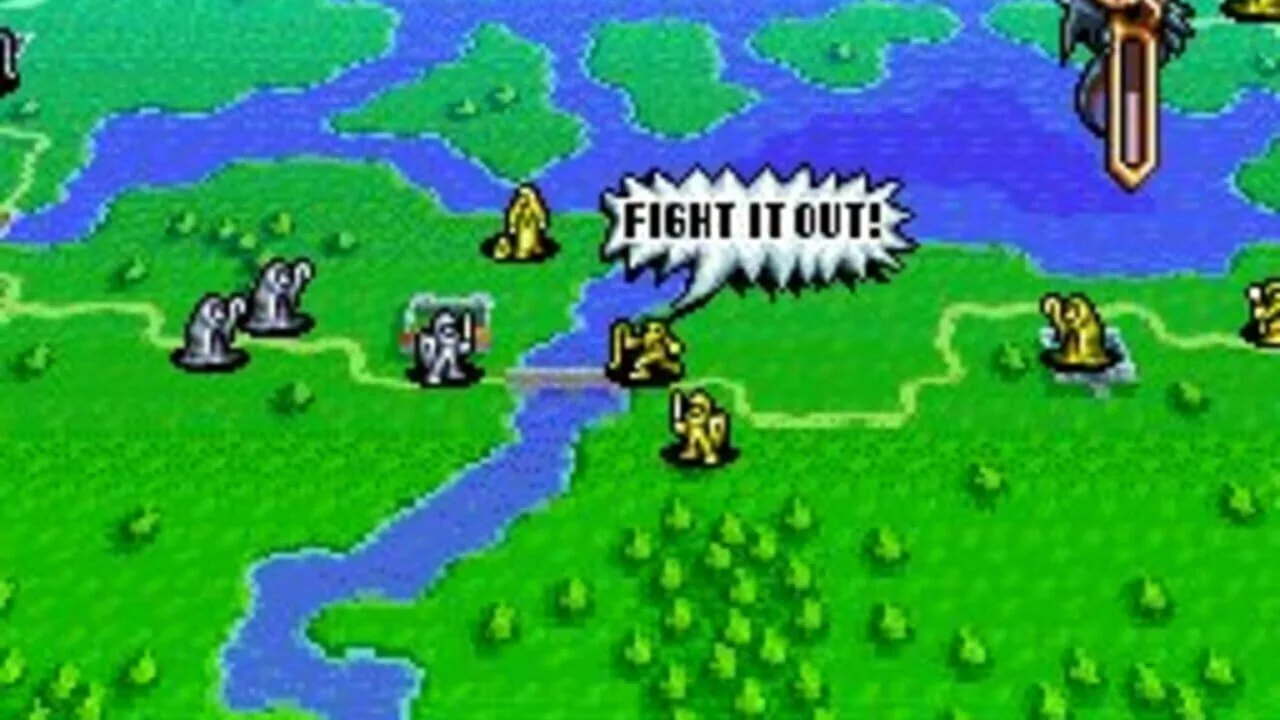
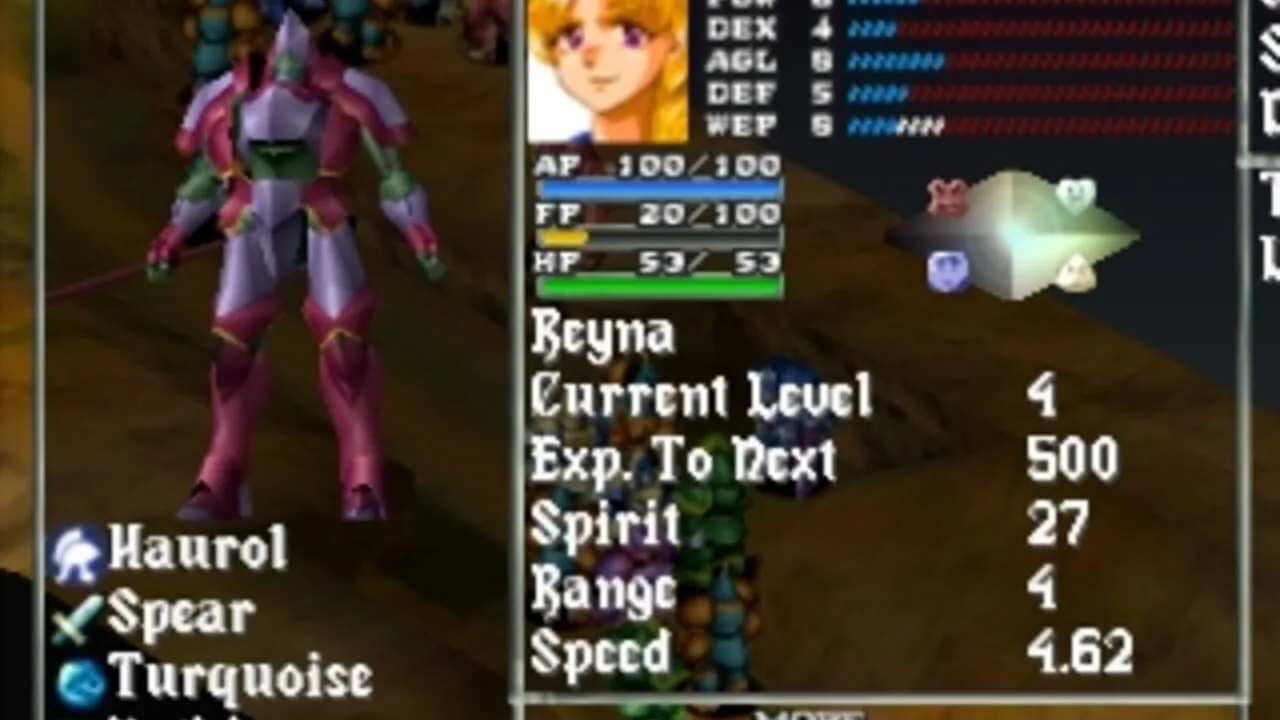
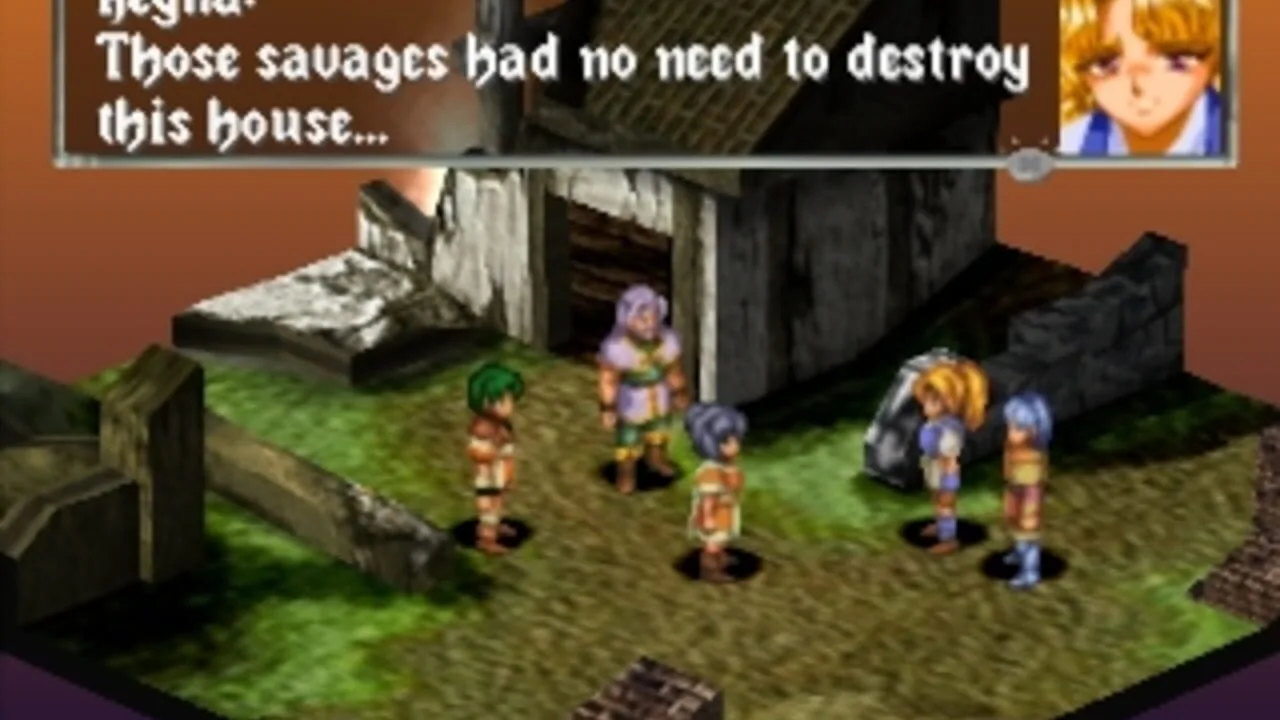
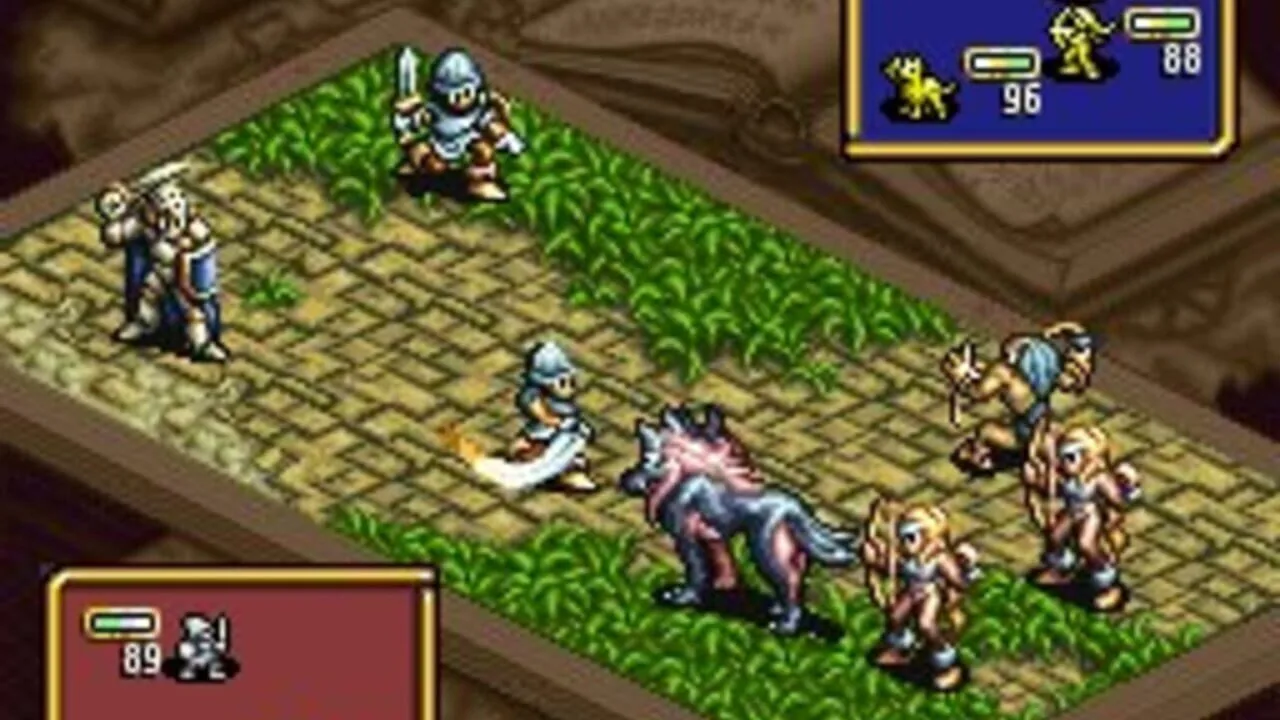
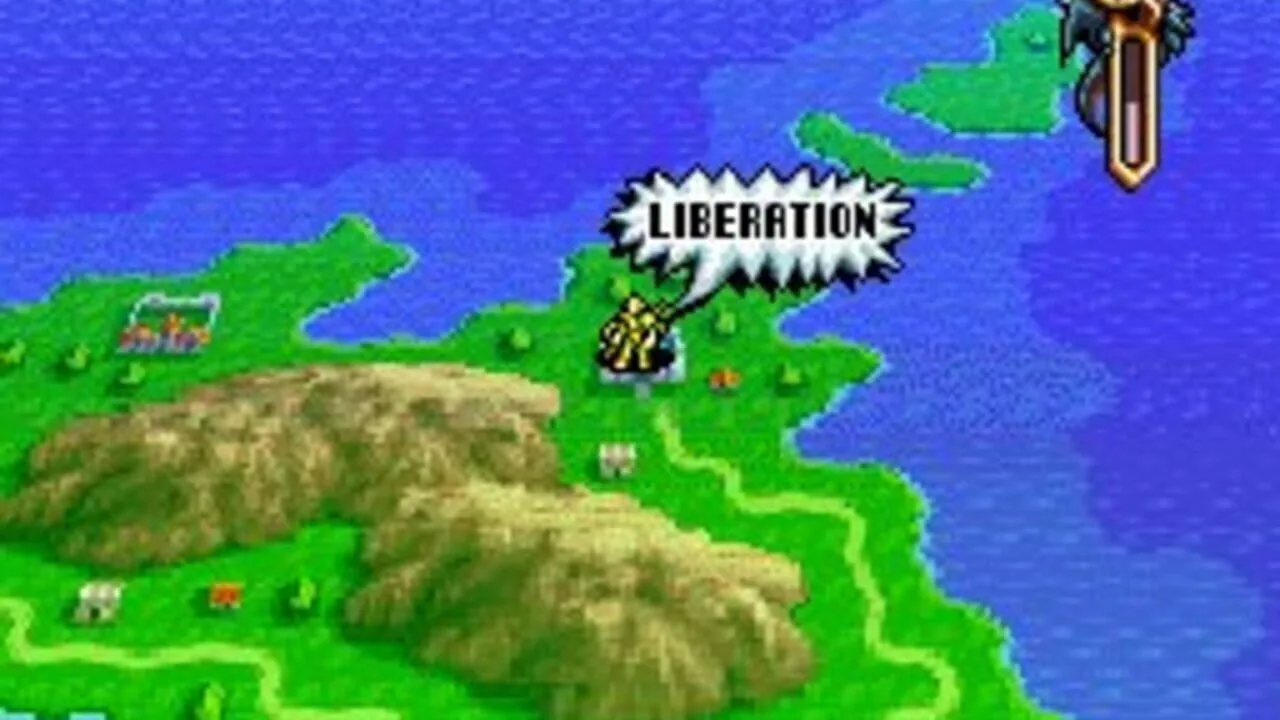
Ogre Battle: The March of the Black Queen started on the Super NES, published by Quest in Japan and by Enix America in North America, and it is the first game in the Ogre Battle series. Yasumi Matsuno directed it and designed it with Akihiko Yoshida. It is an odd one to put on a tactics list, because you never control your units directly in a fight. You move armies around a big map in real time, and when two units clash you pick a tactic for them to follow, such as Best, Strong, Weak or Leader.
The map is full of little secrets. Vampires and werewolves only fight in the evening, and some towns and temples stay hidden until a unit walks over them. The PlayStation port came with enhancements made to the original gameplay. Players almost always mention it together with Tactics Ogre, and they are right to, since this is where that whole family of games began.
5. Brigandine (2017)
Brigandine came to North America through Atlus the same year it launched, under the title Brigandine: The Legend of Forsena. You pick one of the nations on the continent of Forsena and set out to conquer the rest by taking their castles. Your armies are organized into troops, each led by a human or elven knight and filled out with monsters, from pixies all the way up to dragons. You can view every castle on the continent, but only your own nation's castles are yours to manage.
It is the most board-game-like entry here, in a good way: half the fun is deciding which castle to leave weakly guarded. Players often list it right next to Final Fantasy Tactics and Front Mission 3, and anyone who loves those two should try it. An expanded Grand Edition came out in 2000 with multiplayer for up to six players, and a sequel, The Legend of Runersia, reached the Switch in June 2020.
4. Tactics Ogre (2022)
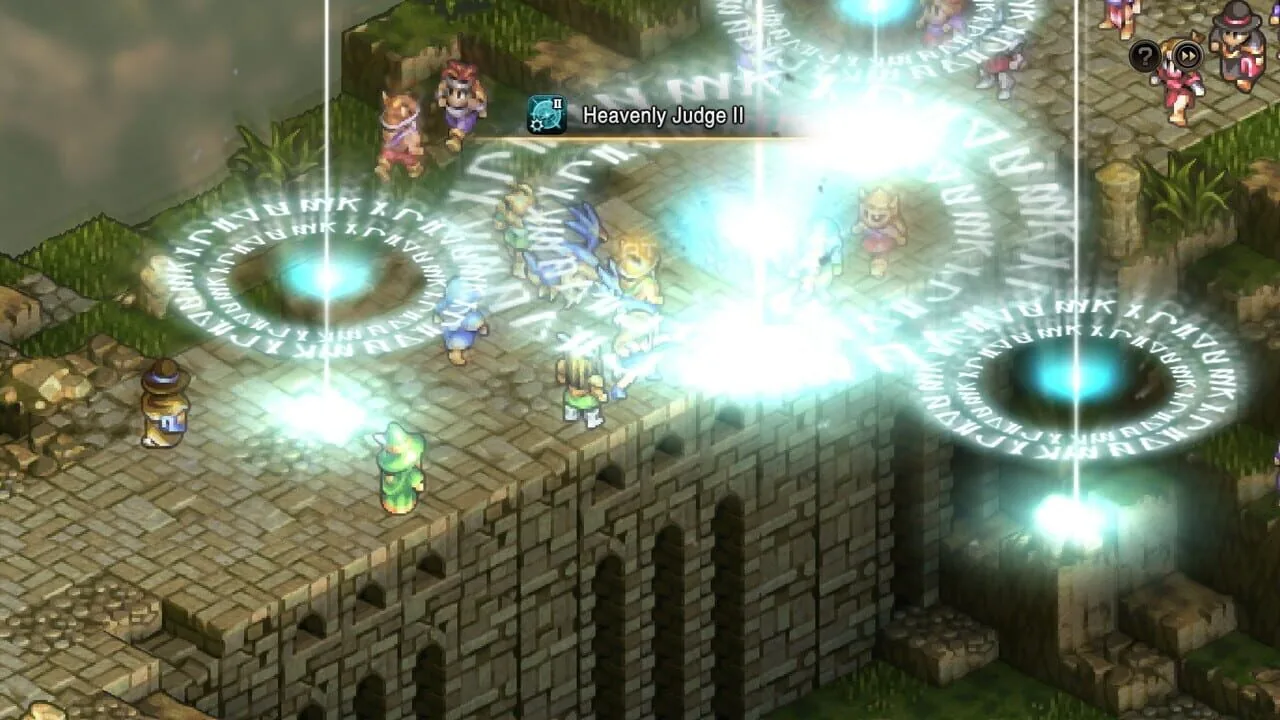
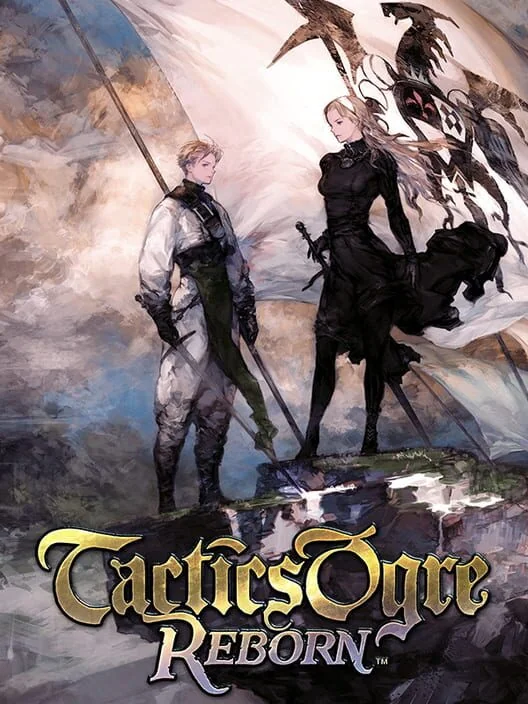
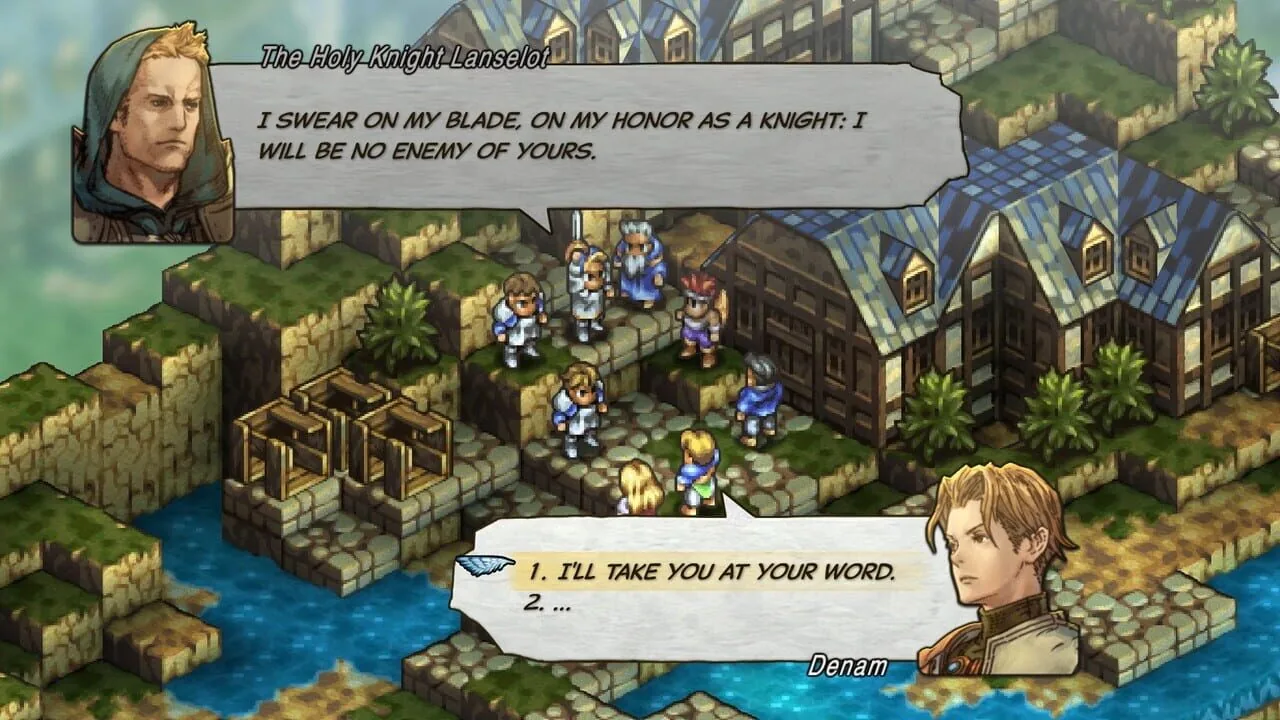
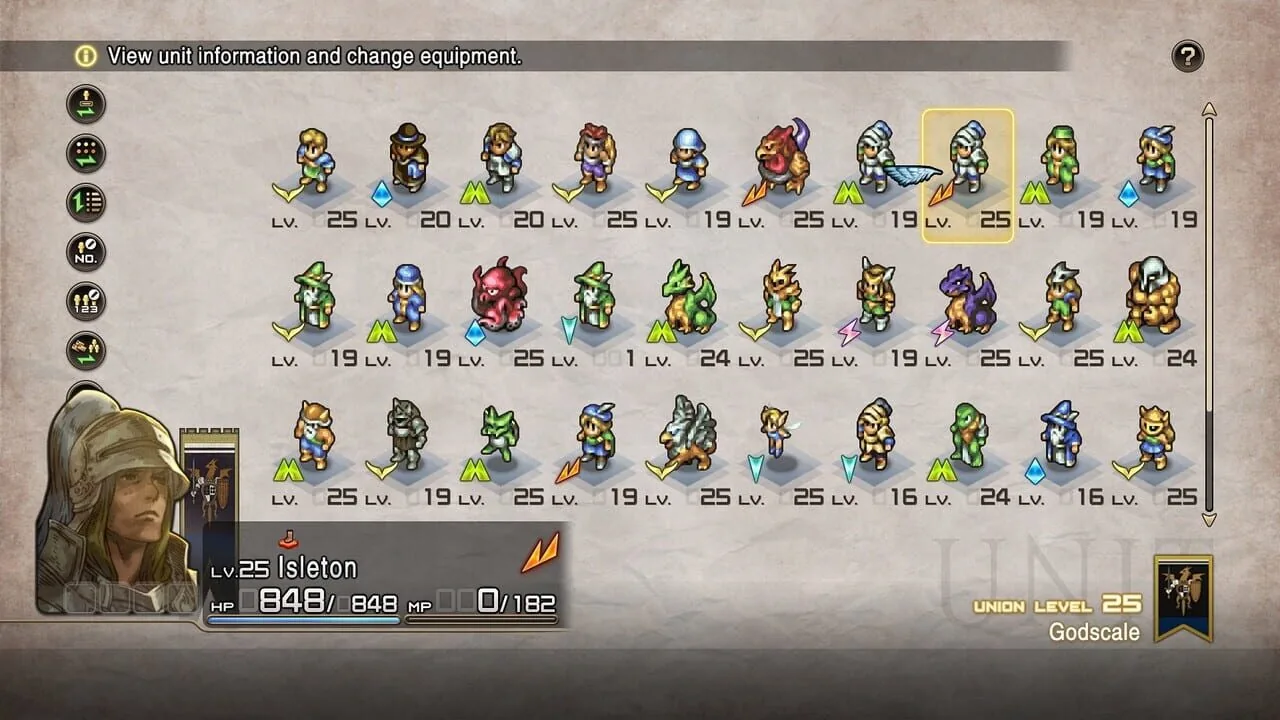
Tactics Ogre began on the Super Famicom, where it sold 500,000 units in Japan, and was later ported to the Saturn in 1996 and the PlayStation in 1997. The PlayStation version is the one that reached North America, released by Atlus USA in 1998. Production lasted two and a half years, with Yasumi Matsuno as director and writer, and he swapped the real-time battles of Ogre Battle for a chess-inspired combat system. The story was inspired by conflicts in Europe and Asia, and it is heavy on personal and political drama.
Fair warning: the PlayStation version was criticised for technical issues. The music by Hitoshi Sakimoto and Masaharu Iwata, though, is still fondly remembered by the composers themselves. Players tend to recommend it in the same breath as Final Fantasy Tactics, which makes sense, because Matsuno left Quest after finishing it and went to Square, where he made that game next. A remake for the PSP followed in 2010.
3. Vandal Hearts (1996)
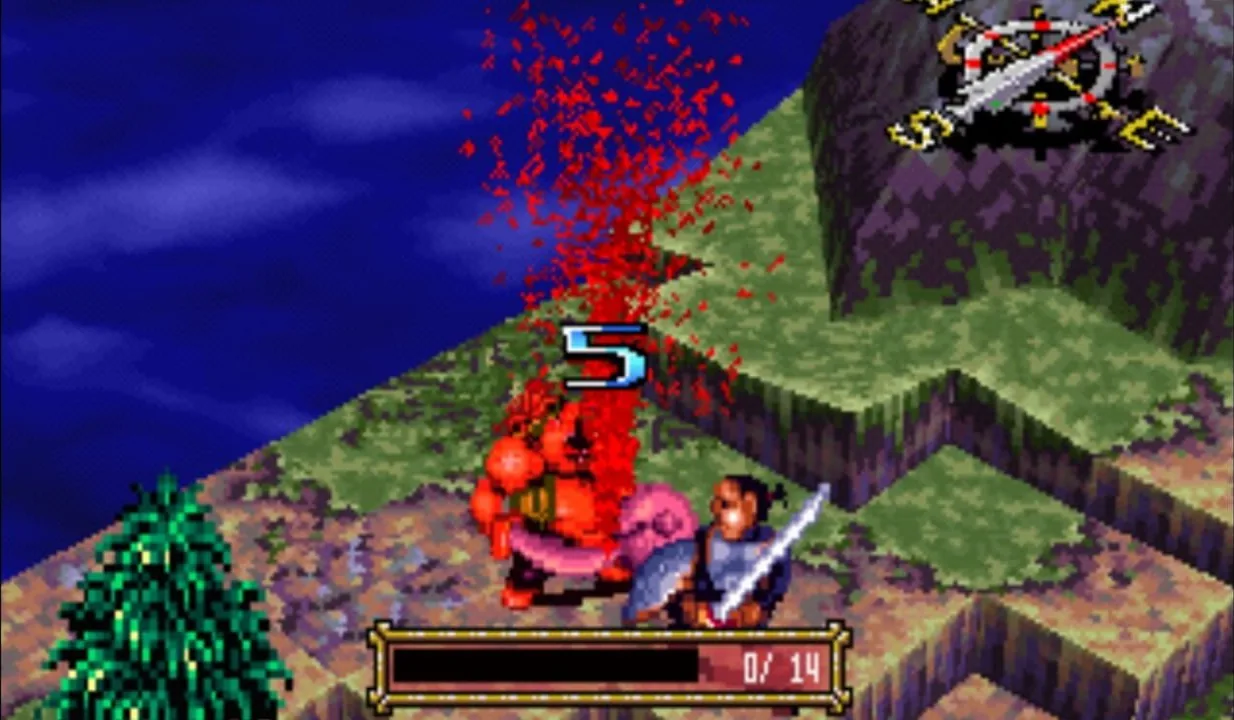
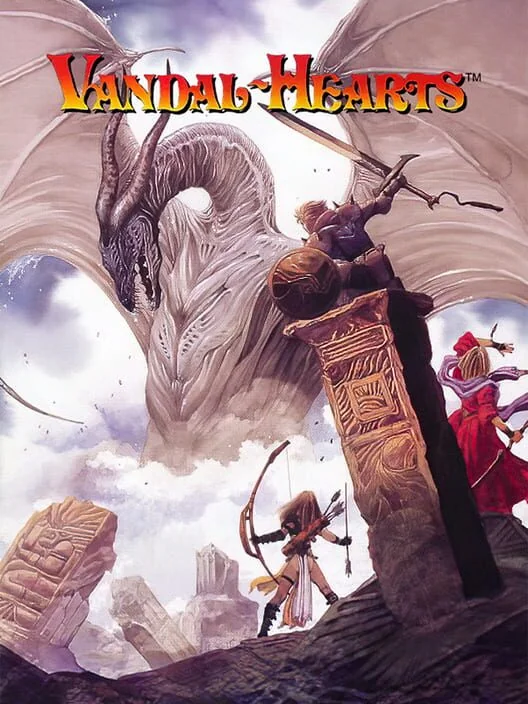
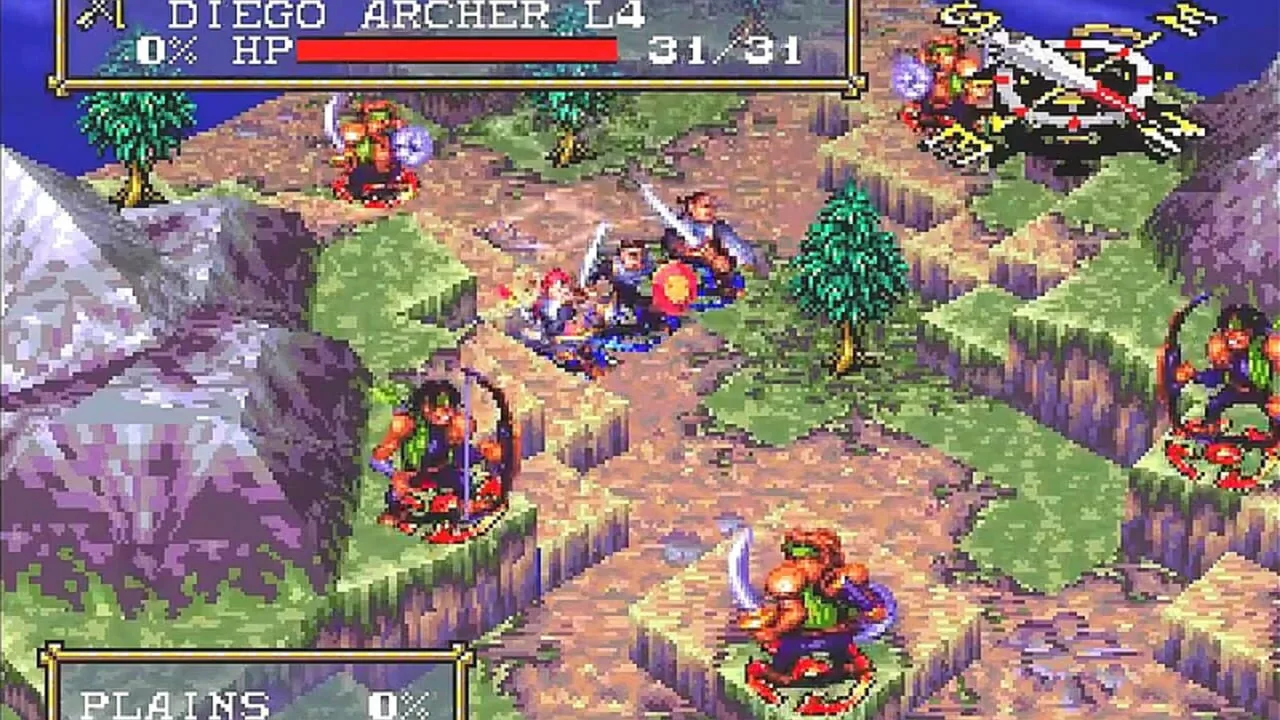
Vandal Hearts reached the West a year before Final Fantasy Tactics did. It came out in Japan in 1996 and was localized for North America and Europe in early 1997, while the Saturn version was only released in Japan. The classes work like Rock, Paper, Scissors, so melee fighters such as Swordsmen and Armors are most effective against Archers, and a lot of the game comes down to lining up the right matchup before the enemy does.
It is the easiest way into the genre on the PS1, with rules you can learn in one battle and a story that does not take forever to get going. Players still name it next to the console's best RPGs, not only its tactics games. A sequel followed on the PS1, and a prequel called Flames of Judgment came out on PlayStation Network and Xbox Live Arcade. In 2004, Konami announced a Vandal Hearts game for the Nintendo DS, but it was later cancelled.
2. Front Mission 3 (1999)
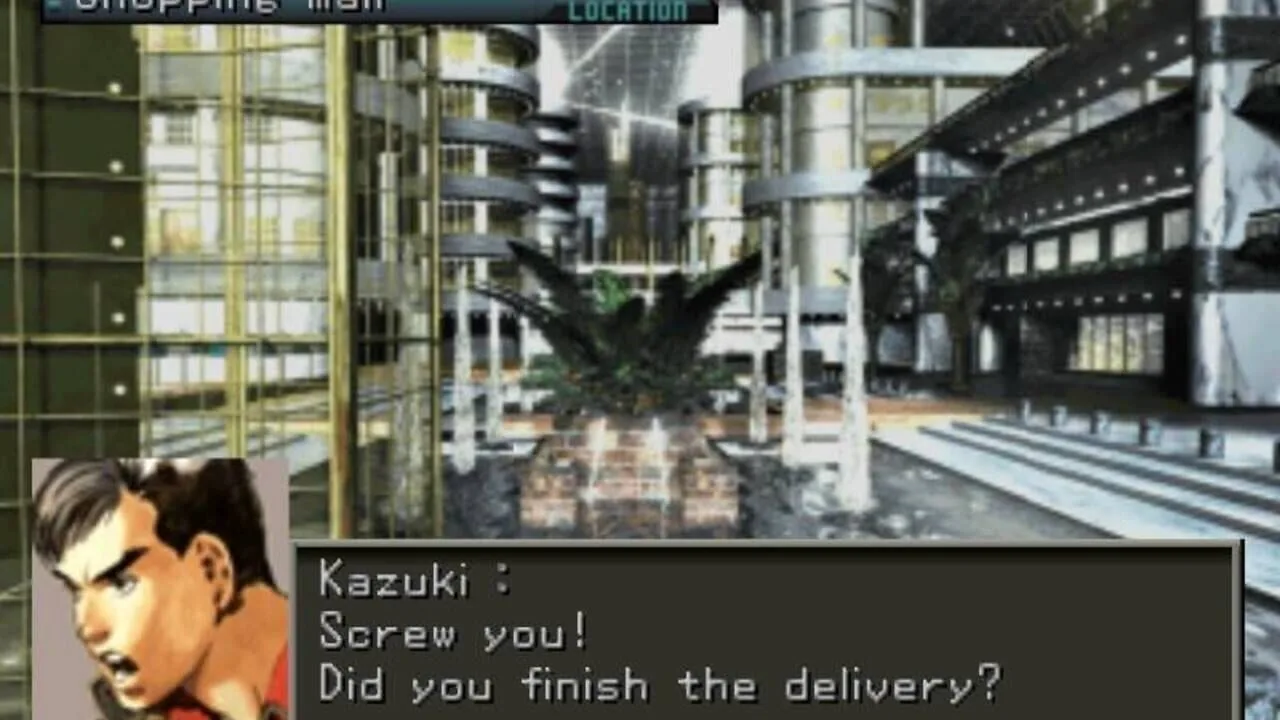
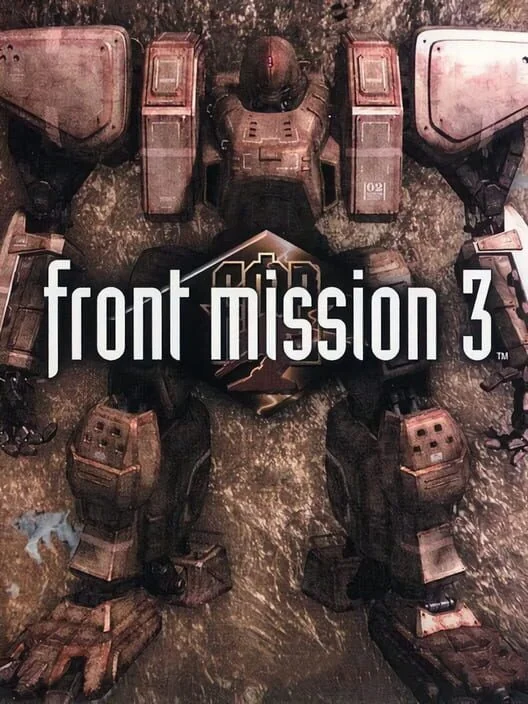
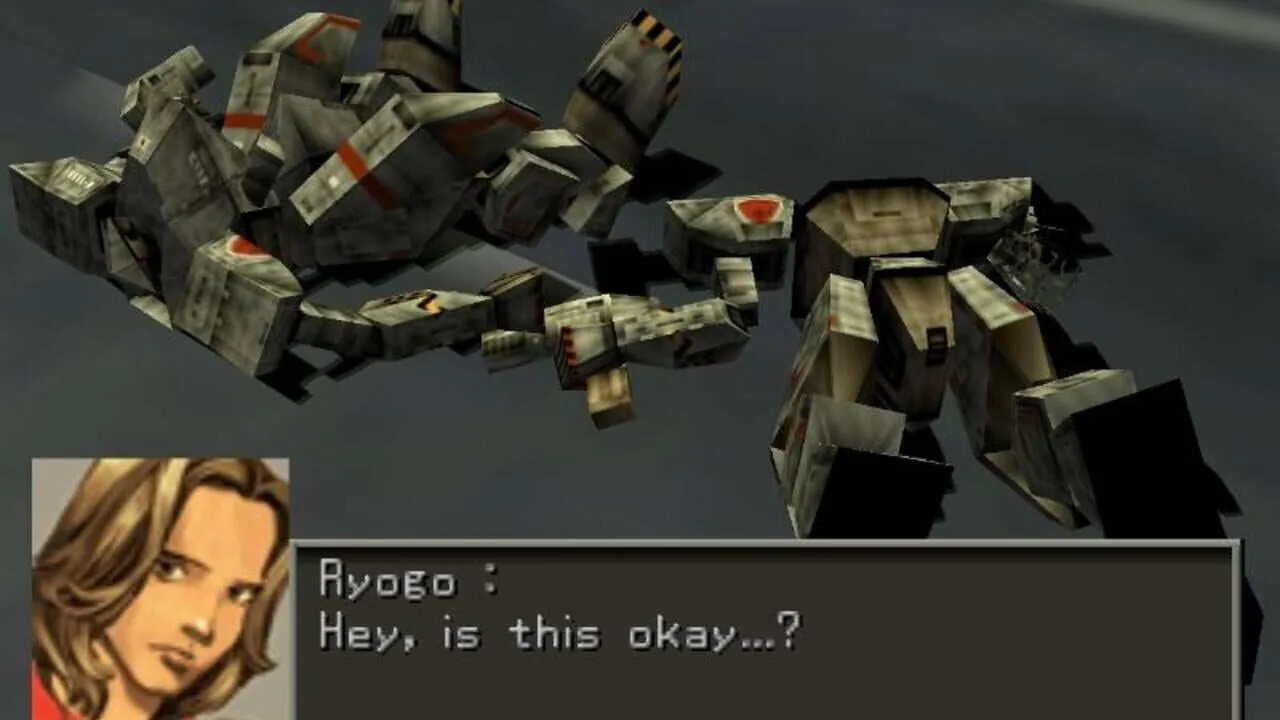
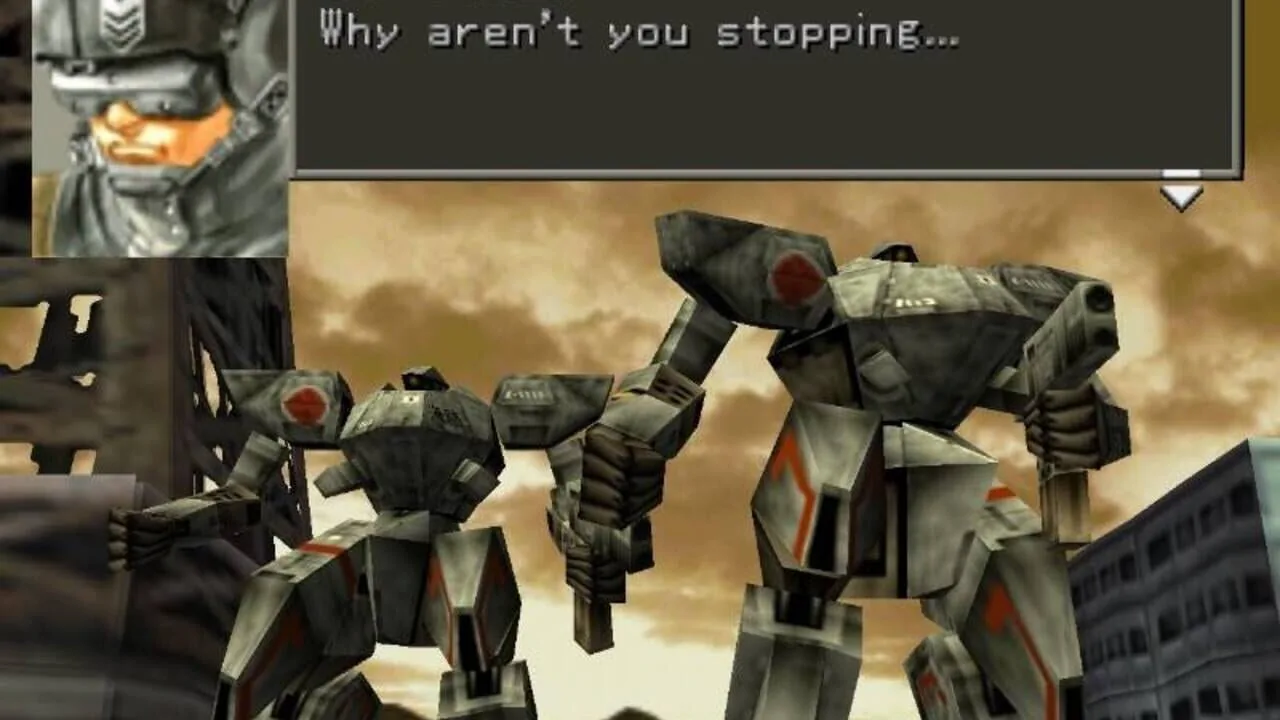
Front Mission 3 is the one that finally brought the series west. It came out in Japan in 1999, then in North America through Square Electronic Arts and in Europe in 2000, and it was the first Front Mission to come out in North America. Everything revolves around wanzers, the series' giant mechs, and between missions you set yours up before you sortie for the next one. It settles into a steady loop of fighting and garage time, and it is very hard to put down.
The clever part is the story. There are two separate plots, both following Japanese wanzer test pilots Kazuki Takemura and Ryogo Kusama. One scenario stars Alisa Takemura, while the other revolves around scientist Emma Klamsky. The soundtrack was split between Hayama, with 20 tracks, and Matsuo, with 26. Players who played it still call it a great game and list it with their PS1 favourites. A remake reached the Switch on June 26, 2025, with more ports following on January 30, 2026.
1. Final Fantasy Tactics (1997)
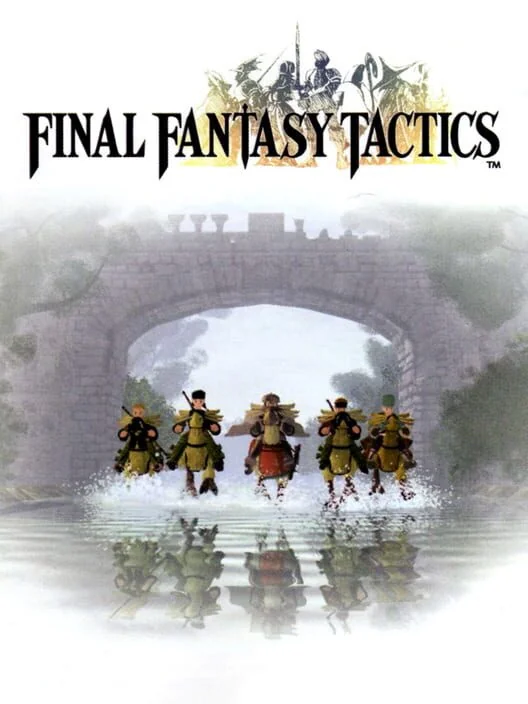
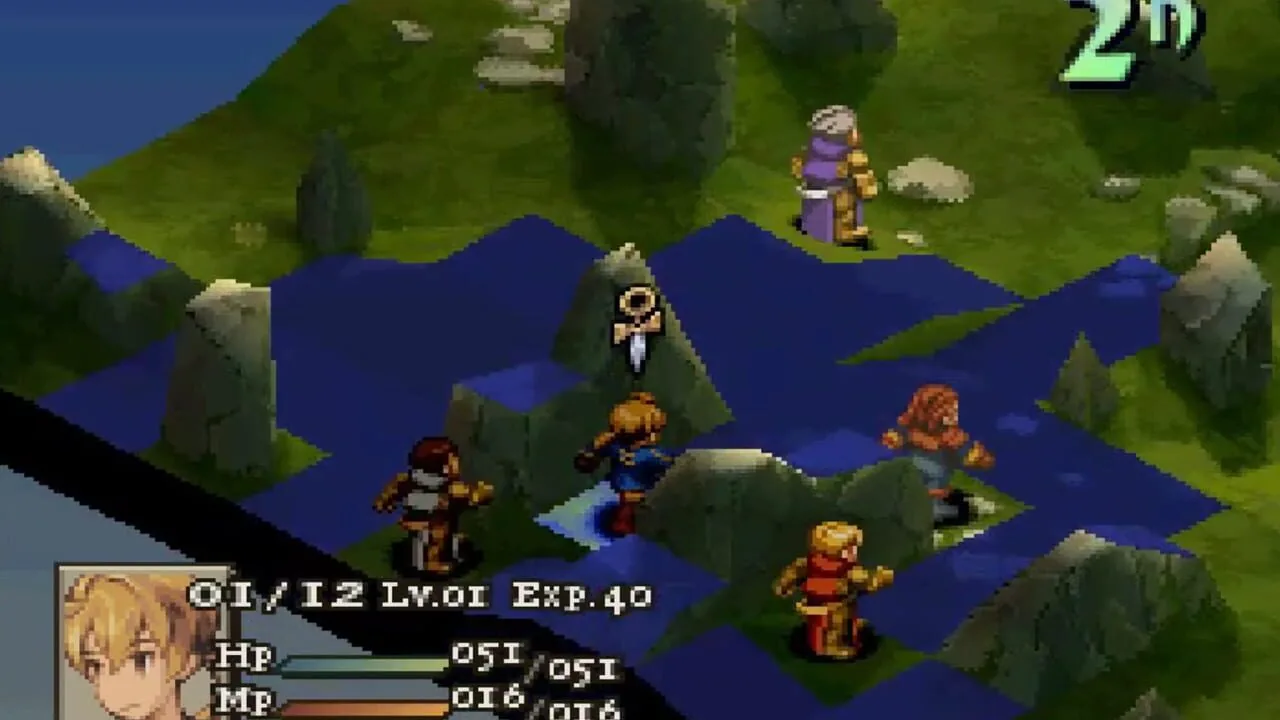
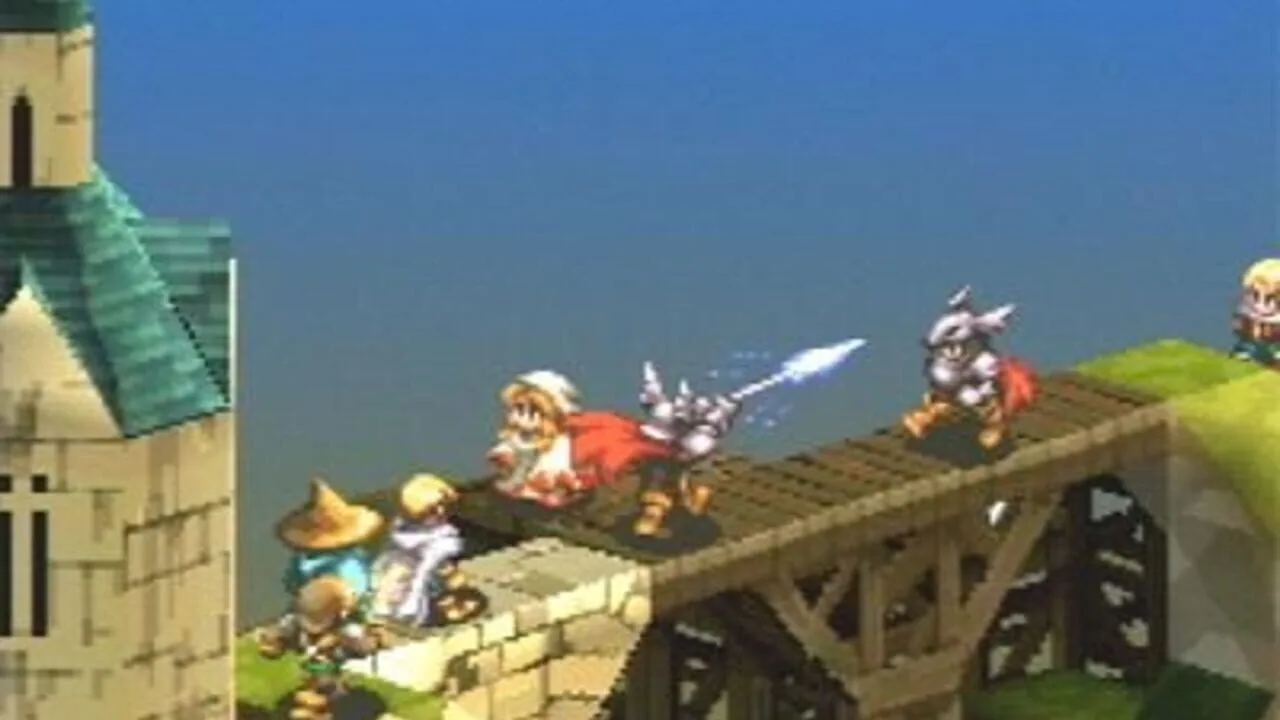
Final Fantasy Tactics came out in Japan in June 1997 and in North America in January 1998, published by Sony Computer Entertainment. Matsuno directed and wrote it, while Hiroyuki Ito designed the battles. A lot of the Ogre Battle staff came along too, including artists Hiroshi Minagawa and Akihiko Yoshida and composers Hitoshi Sakimoto and Masaharu Iwata. It is the first game set in the world later known as Ivalice, and its plot is told mostly from Ramza's side, as he ends up regarded as a heretic by the church. You recruit generic soldiers and customize them with the Final Fantasy Job system.
It sold over one million units in Japan during 1997 and over 2.4 million worldwide by August 2011, and it has become a cult classic. Players recommend it more than any other PS1 tactics game, more than twice as often as the game in second place. One player said its mix of sprites and low poly maps is "pretty damn close to timeless", and it is hard to argue. An enhanced port, The War of the Lions, followed in 2007, and an expanded remaster, The Ivalice Chronicles, was released on September 30, 2025.
Which one to play
There you have it, the whole list of the best PS1 tactics games. The top five alone could keep you busy for a year.
If you are not sure where to start, play Final Fantasy Tactics. If you want classic grid battles that are easy to learn, start with Vandal Hearts. For mechs, Front Mission 3 is the pick, and Vanguard Bandits is the oddball follow-up. If you would rather run a war on a map than fight it one square at a time, try Brigandine or Ogre Battle: The March of the Black Queen. Fans of Matsuno's writing should go to Tactics Ogre next. And for a hidden pick, try Rhapsody: A Musical Adventure, the only game here where the cut scenes are sung.