The PlayStation started life as a Nintendo add-on. Sony was building a CD-ROM drive for the Super Nintendo, and on the first day of the 1991 Consumer Electronics Show it announced the partnership and its new Play Station. At 9 am the next day, however, Nintendo's Howard Lincoln walked on stage and revealed that Nintendo was now allied with Philips, in what has been called "the greatest ever betrayal" in the industry.
So Sony built a console of its own. Even Sega's board in Tokyo turned down a joint CD machine, reportedly because "Sony doesn't know how to make hardware". The PlayStation then became the first computer entertainment platform to ship over 100 million units, and it took less than a decade to do it. (Reports of Sony's hardware skills had been slightly exaggerated.)
Key facts
- Released
- December 3, 1994 in Japan, September 9, 1995 in North America, September 29, 1995 in EuropeSource
- Launch price
- ¥39,800 in Japan, US$299 in North America, £299 in the UKSource
- Units sold
- 102.49 millionSource
- Best-selling game
- Gran Turismo, 10.85 million copiesSource
- Games sold
- 962 million, across more than 4,000 gamesSource
- Designed by
- Ken Kutaragi and Sony Computer EntertainmentSource
- Media
- CDSource
- Discontinued
- March 23, 2006Source
How a broken Nintendo deal made Sony a console maker
Ken Kutaragi had already talked Nintendo into using his SPC-700 sound chip in the SNES, and he was nearly fired for working with Nintendo without Sony's knowledge. Even after the 1991 split, the two companies kept talking about a Play Station with a slot for SNES games, and roughly two hundred prototype machines were built. Still, Sony severed all ties with Nintendo on May 4, 1992.
A month later Kutaragi showed Sony's leadership a CD-ROM system he had been building in secret, with immersive 3D graphics. Many of the older executives saw Nintendo and Sega as toy makers and opposed it. However, once Kutaragi reminded president Norio Ohga of the humiliation Nintendo had caused him, Ohga kept the project alive and became one of its strongest supporters.
The console that came out of it put 3D polygon graphics first and made game production easy for third parties. As a result, many companies that were furious with Nintendo moved over, Squaresoft the most notable of them. Meanwhile its library skewed older, with Resident Evil and Silent Hill on it while Nintendo fought off a kiddy image. The smaller PS one arrived in 2000, and production finally ended on March 23, 2006, over eleven years after launch.
The best PlayStation games
Ranked by how often players recommend them, with picks other players backed counting extra. Metal Gear Solid takes #1, and Final Fantasy VII is second.
 1Metal Gear Solid (1998)
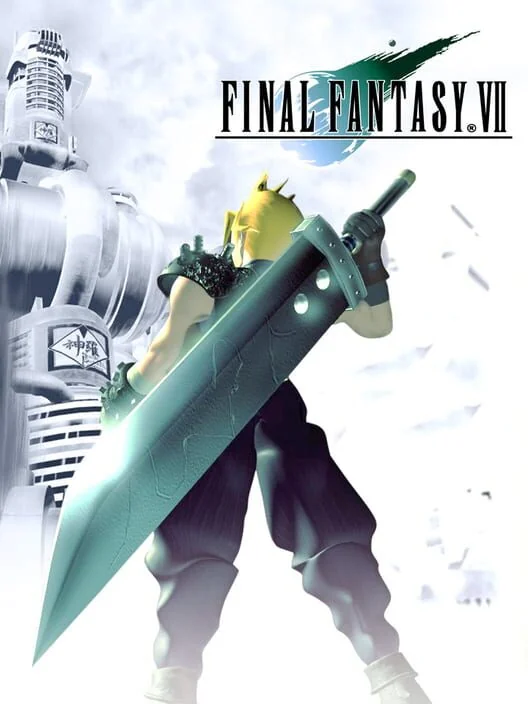 2Final Fantasy VII (1997)
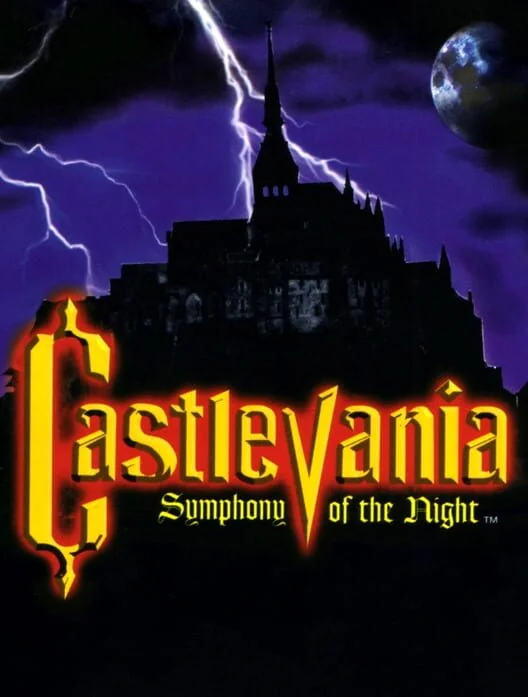 3Castlevania: Symphony of the Night (1997)
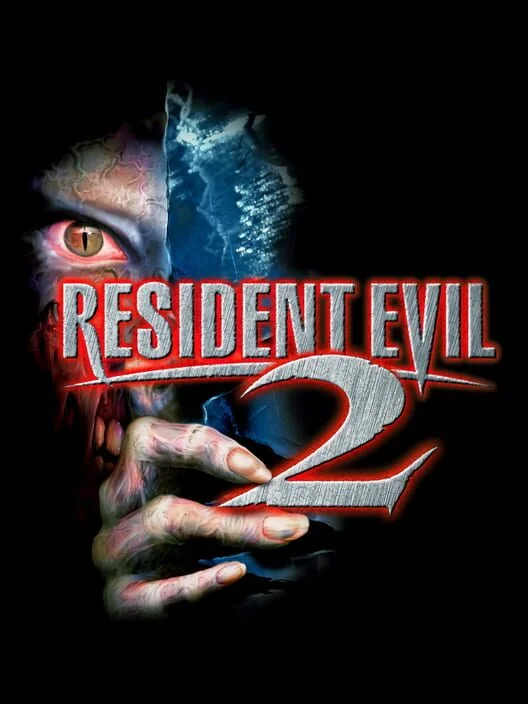 4Resident Evil 2 (1998)
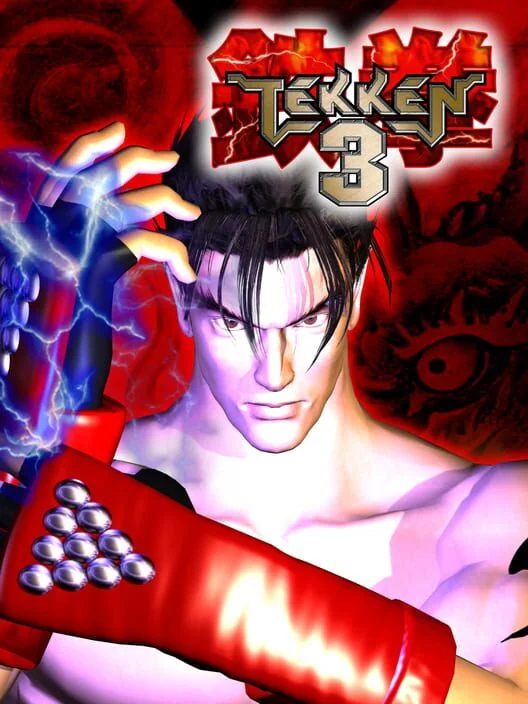 5Tekken 3 (1998)
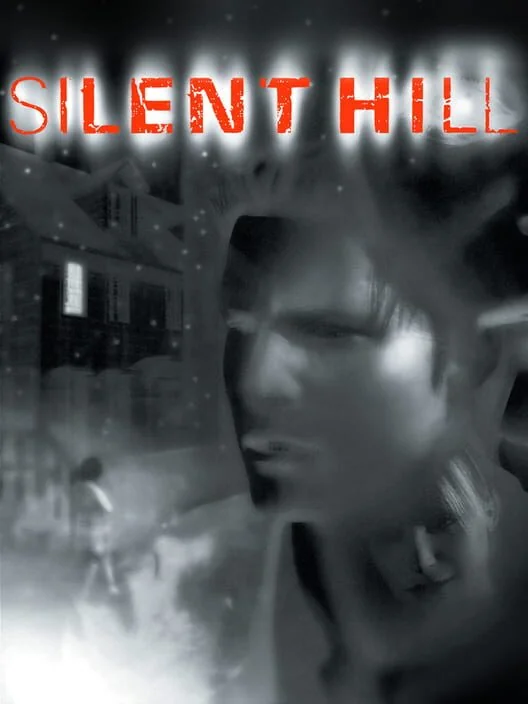 6Silent Hill (1999)
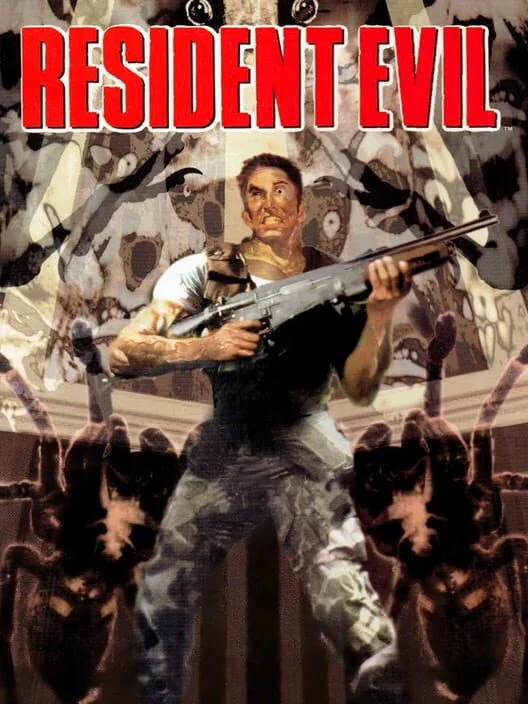 7Resident Evil (1996)
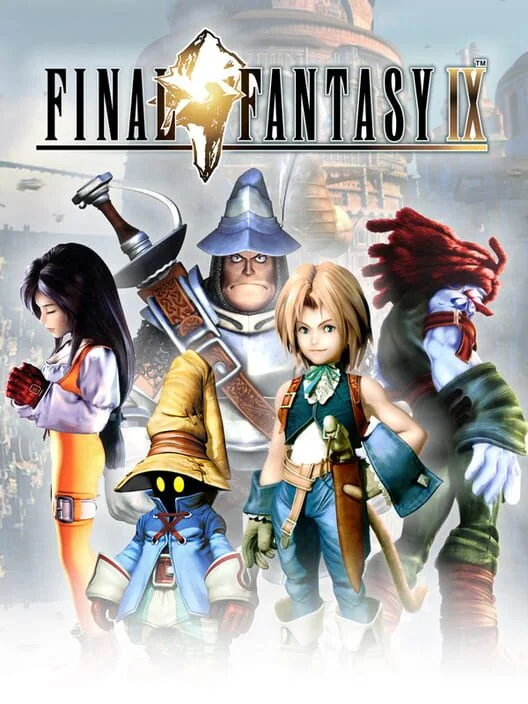 8Final Fantasy IX (2000)
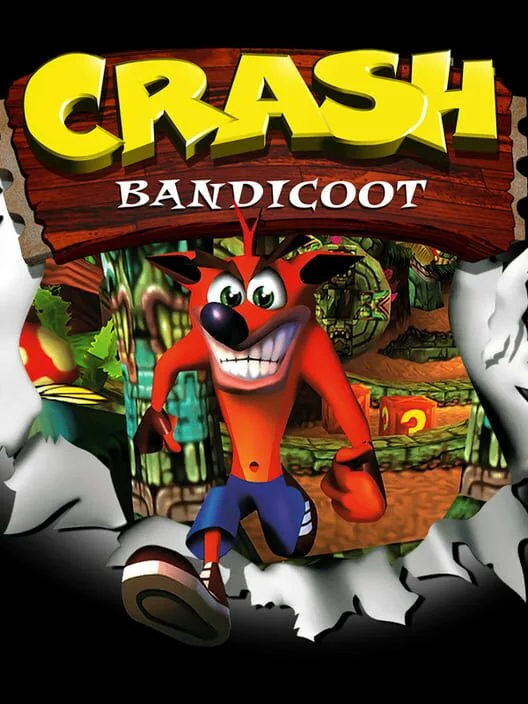 9Crash Bandicoot (1996)
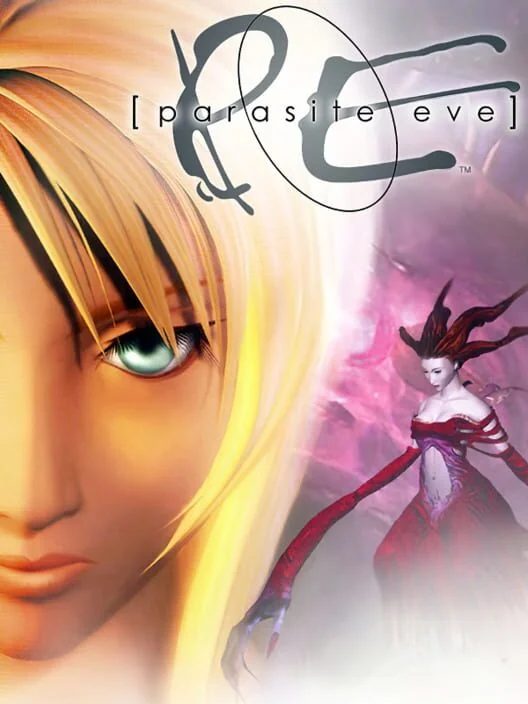 10Parasite Eve (1998)
Every PlayStation list
Best games
 10 Best PS1 Fan Translations
 10 Most Expensive PS1 Games
 10 Worst PS1 Games
 100 Best PSX Games
 12 Best PS1 Ports
 14 Best PS1 Compilations
 20 Best PS1 Soundtracks
 25 Best PS1 Action Games
 25 Best PS1 Fighting Games
 25 Best PS1 Hidden Gems
 25 Best PS1 Horror Games
 25 Best PS1 Platformers
 25 Best PS1 Racing Games
 25 Best PS1 Sports Games
 25 Best PSX RPGs
 8 Best PS1 Board and Card Games
Handhelds for PlayStation games
PlayStation games are much easier to emulate accurately than Saturn or N64 games, so almost every handheld in our database plays them well.
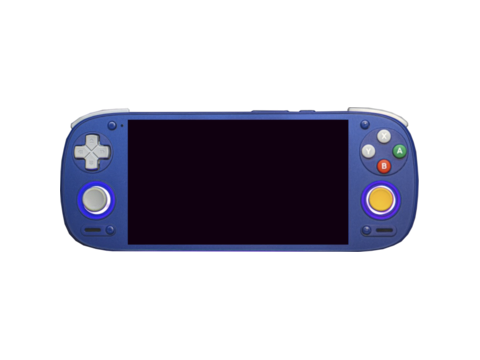 Retroid Pocket 5Nov 2024 · $200
- Mangmi Air XOct 2025 · $100
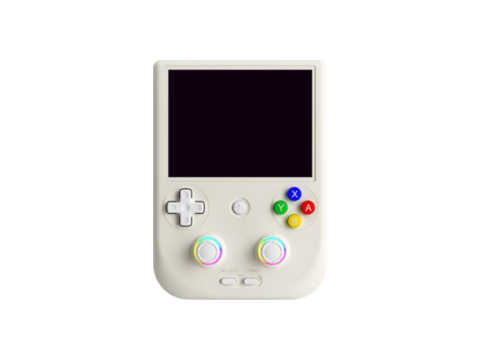 RG-406VSep 2024 · $155
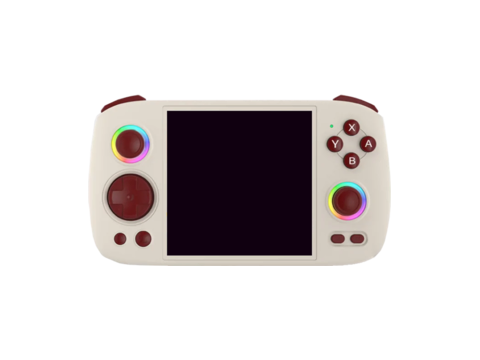 RG CubeJun 2024 · $170
256 of 279 handhelds in our database play PlayStation games well (80 or more out of 100). Best under $100 →