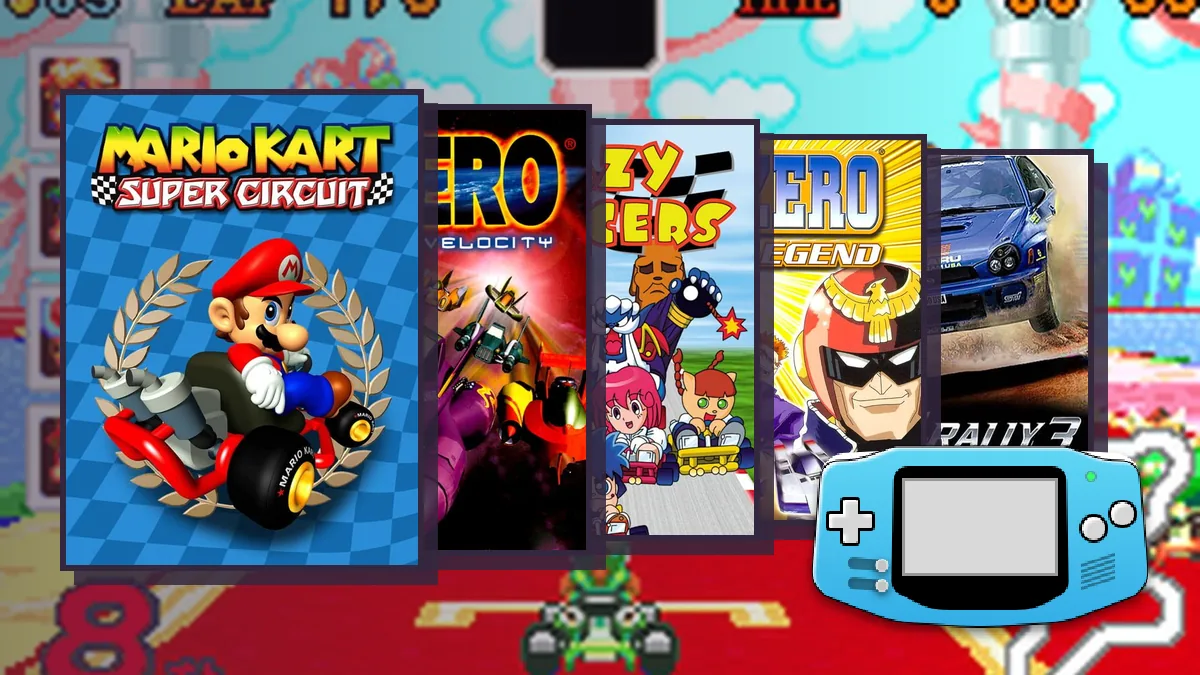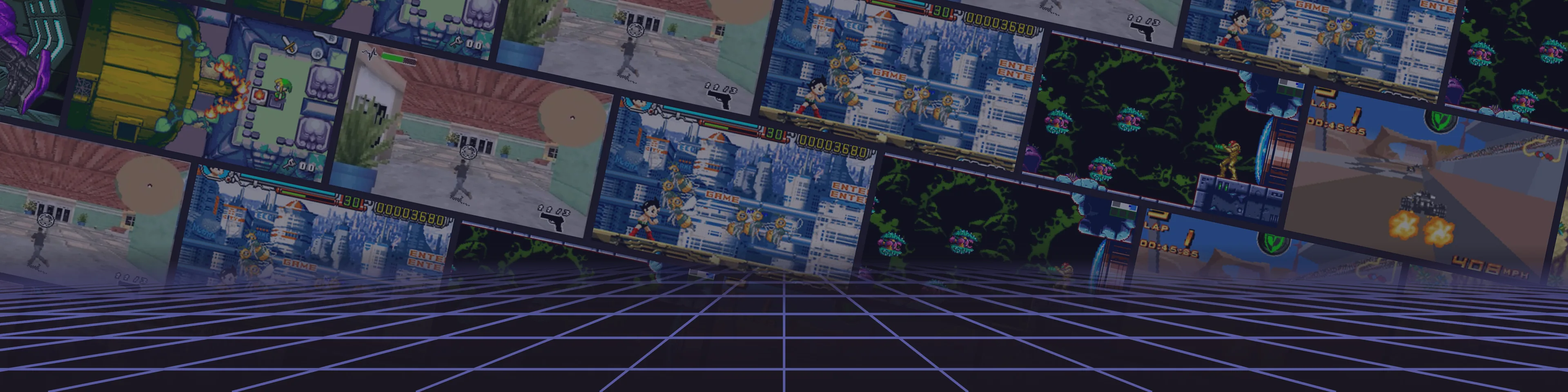
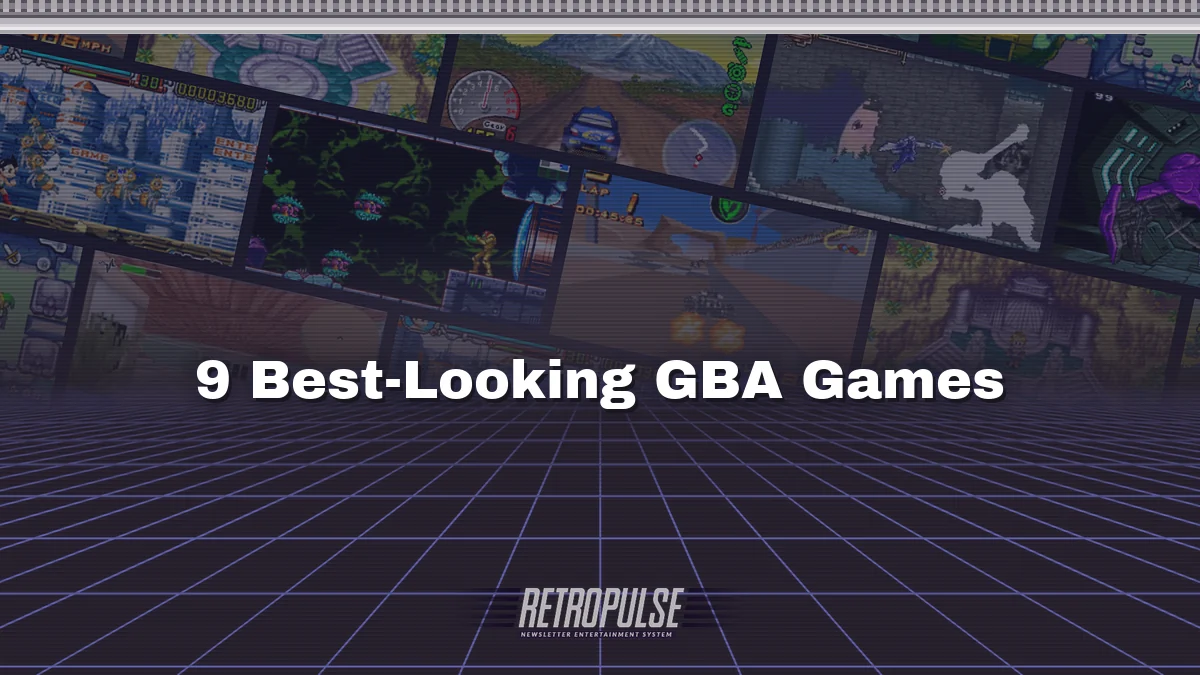
The Game Boy Advance was the handheld where sprite art grew up. Studios that had spent the 90s on the Super Nintendo brought those skills to a screen you could hold, and the best of them made it look easy. A few went further and tried racing and driving in 3D on a machine that was never built for it.
Some of these are the biggest names on the system, and a couple are games most people walked straight past in the shop. Here are the 9 best-looking GBA games.
9. Drome Racers (2002)
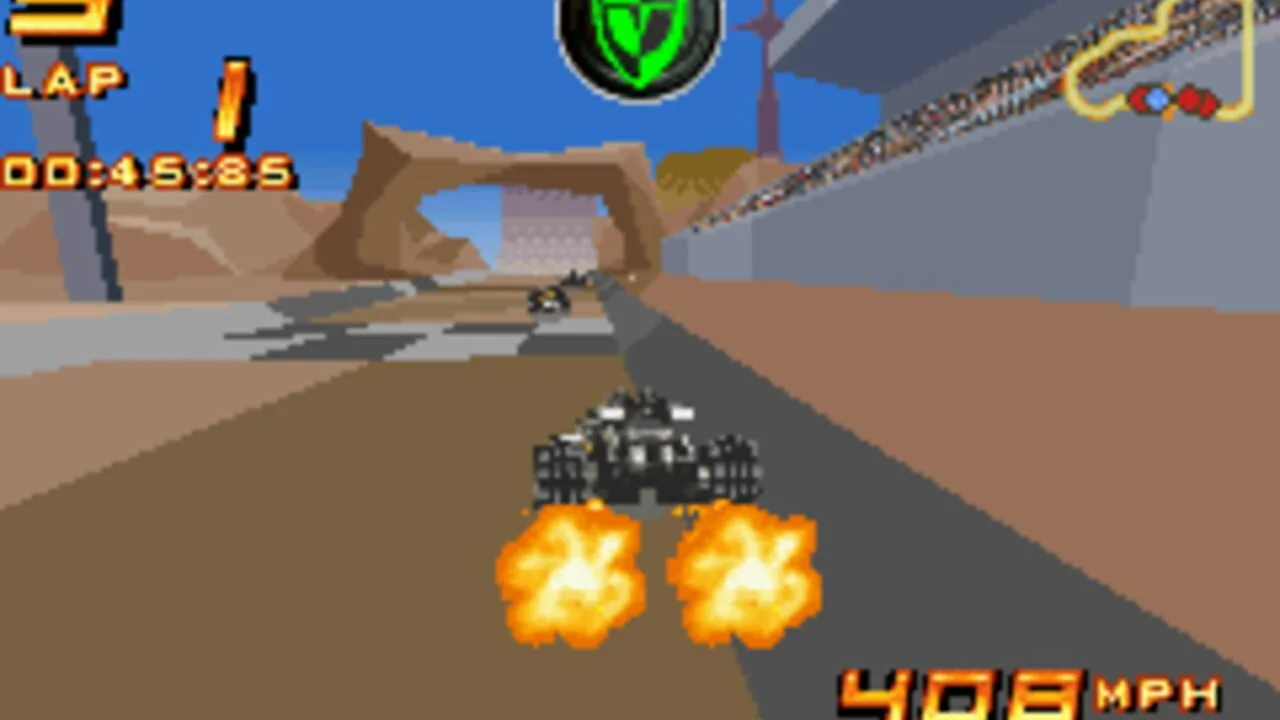
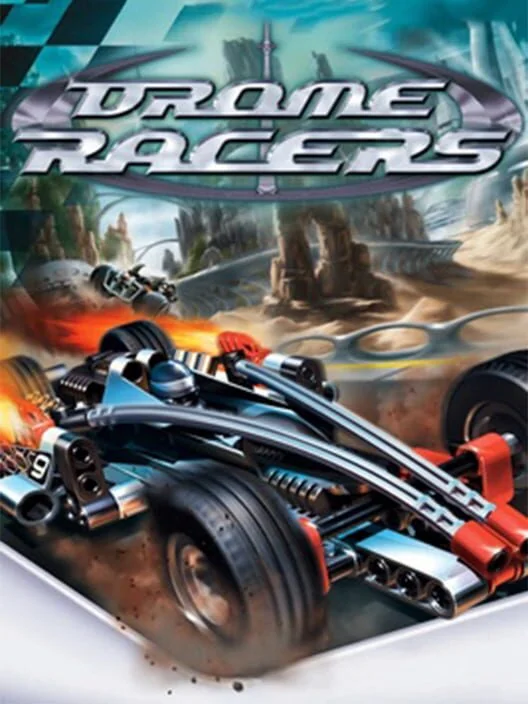
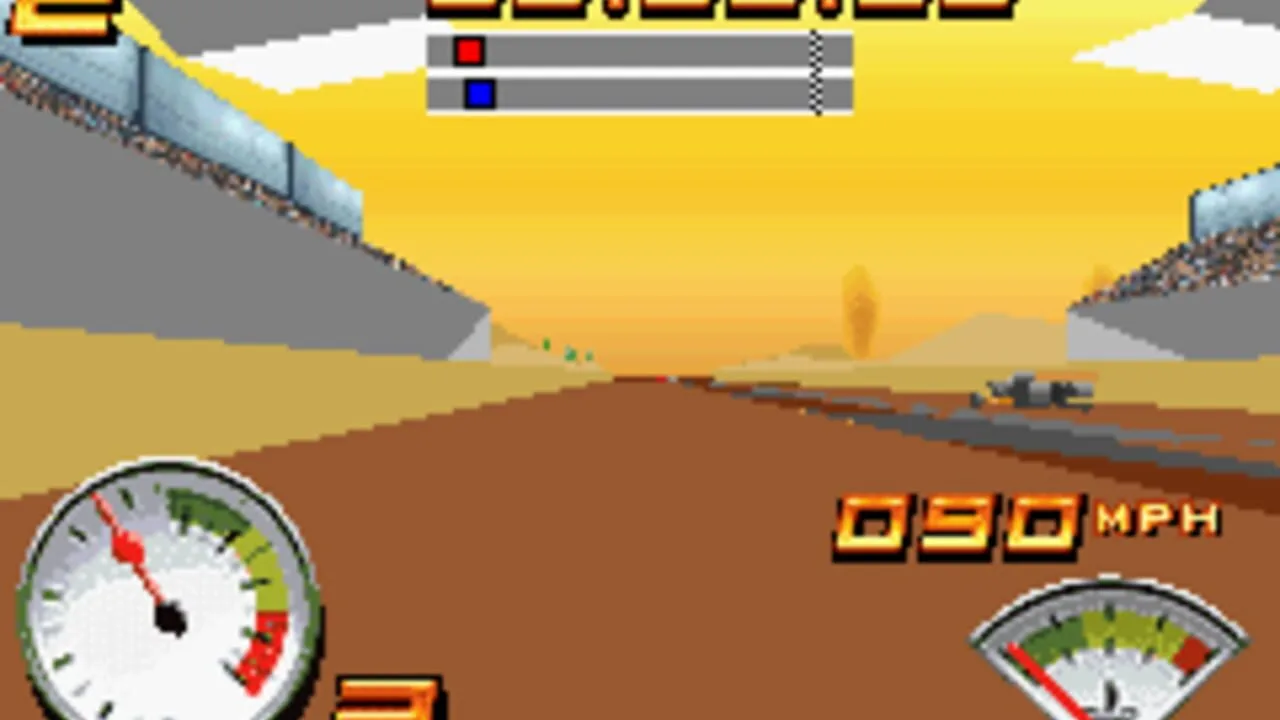
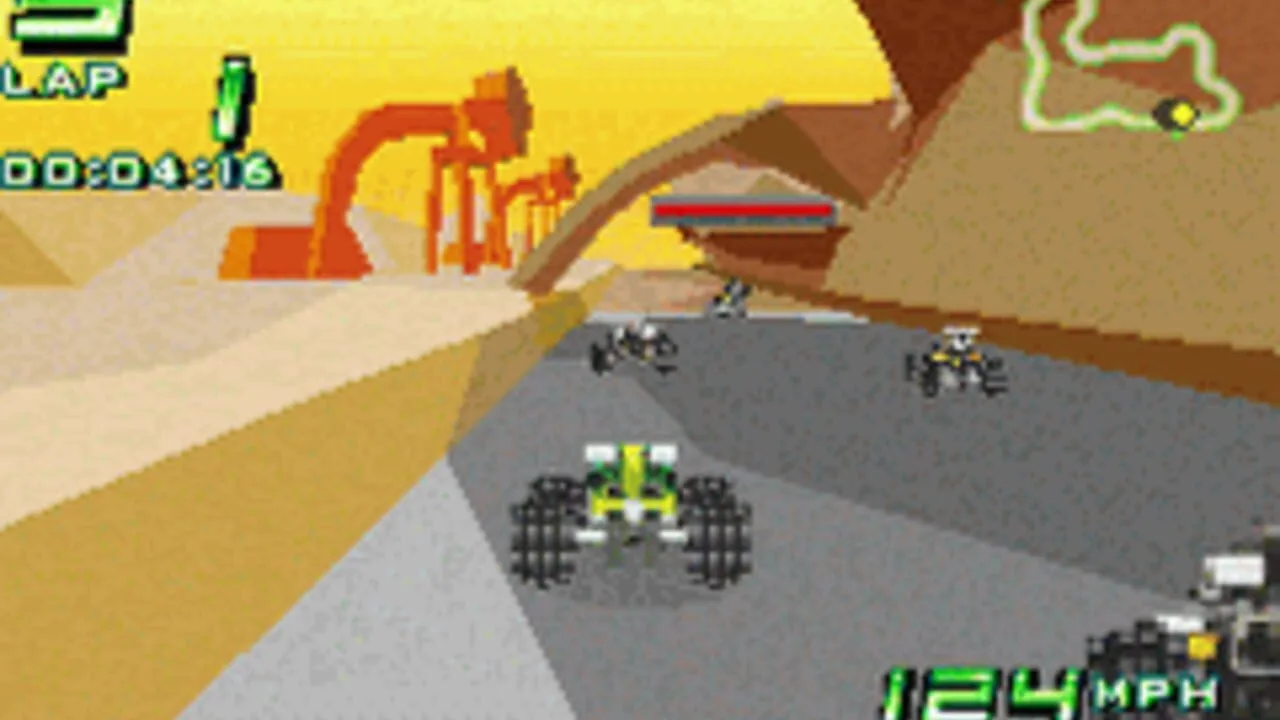
Drome Racers began as a Lego racing game for the PlayStation 2 and PC, with cars based on the 2002 Lego Racers toy range. It was the third Lego racing game from Attention to Detail, and the Game Boy Advance got a spin-off of its own, published by THQ. The console game is set in the year 2015 and has you chasing the Drome Championship, where each race is a set of stages strung together.
Of all the games here, this is the one nobody saw coming. It made the list because players hunting for a good-looking racer on the GBA picked it out next to games with much bigger names. If you built those Lego cars as a kid, watching them tear around a handheld screen is a treat of its own.
8. Metroid: Zero Mission (2004)
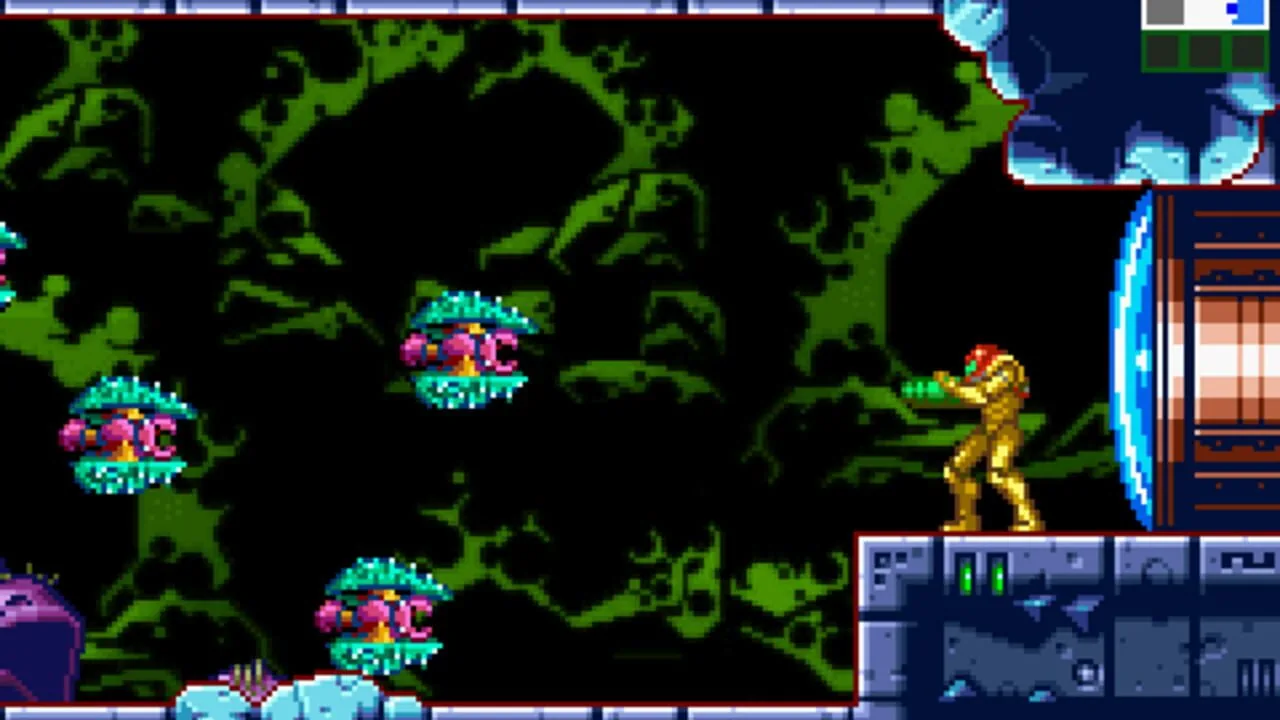
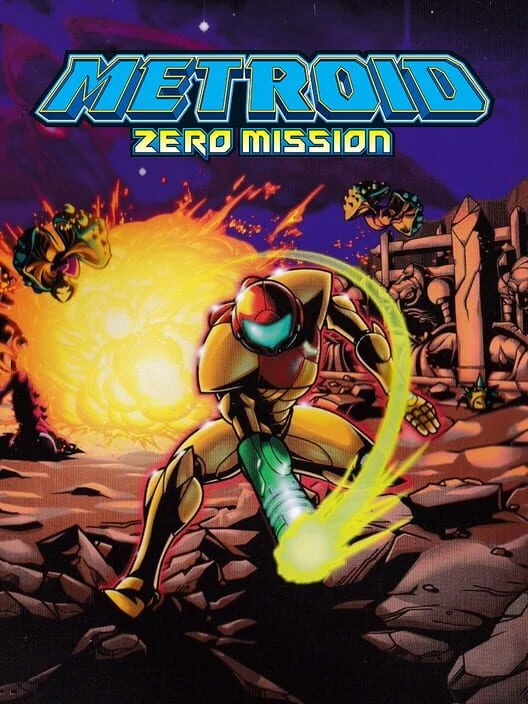
Zero Mission retells Samus Aran's first mission on planet Zebes, the story of the original Metroid, with all-new cut-scenes and action sequences. It runs on a rebuilt version of the engine from Metroid Fusion, and finishing it unlocks an emulated version of the original Metroid. In one stretch Samus is more vulnerable than usual, crawling through ducts on her hands and knees with only a weak pistol that briefly stuns enemies.
Critics praised the graphics, and IGN said it "looks, sounds, and plays absolutely wonderfully", though it also found the game too short and too easy. It sits a few places below Fusion here, which makes sense for two games that share an engine. If Fusion is the one you have played, this is the easy next step.
7. Astro Boy: Omega Factor (2003)
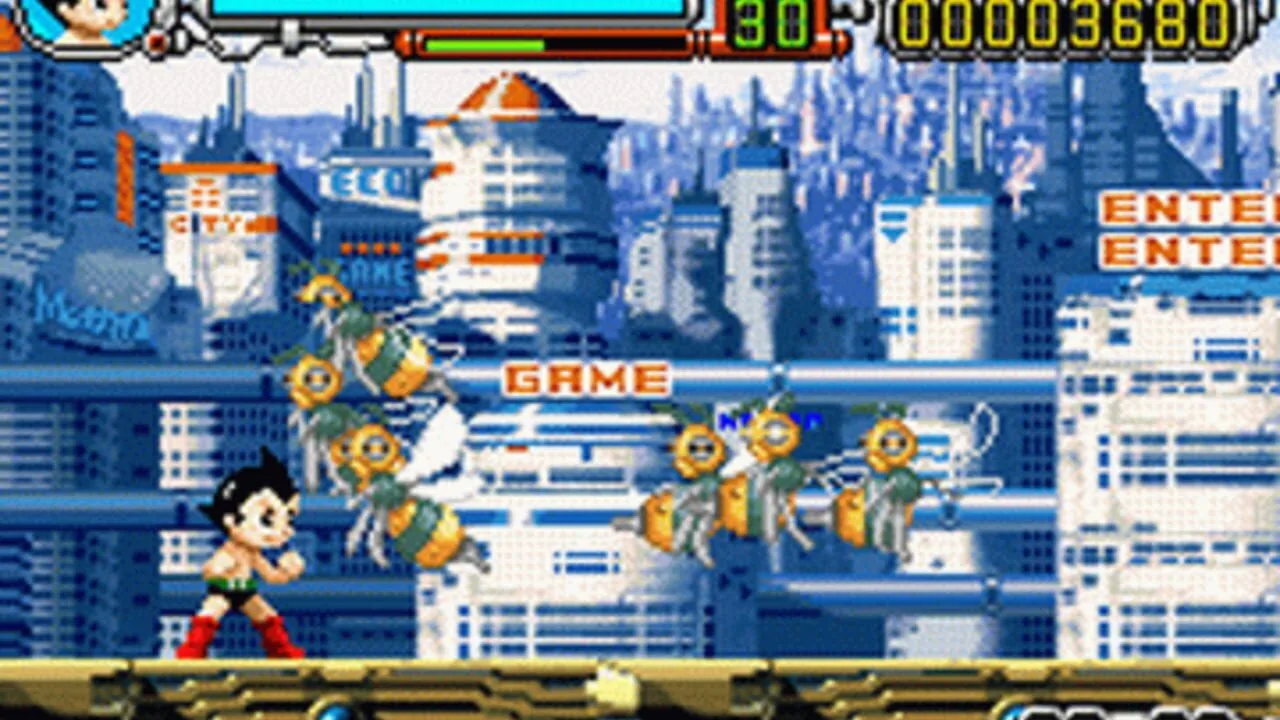
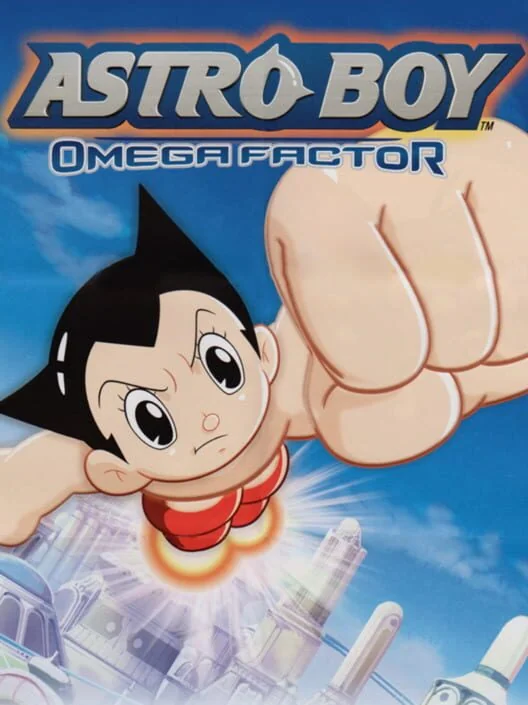
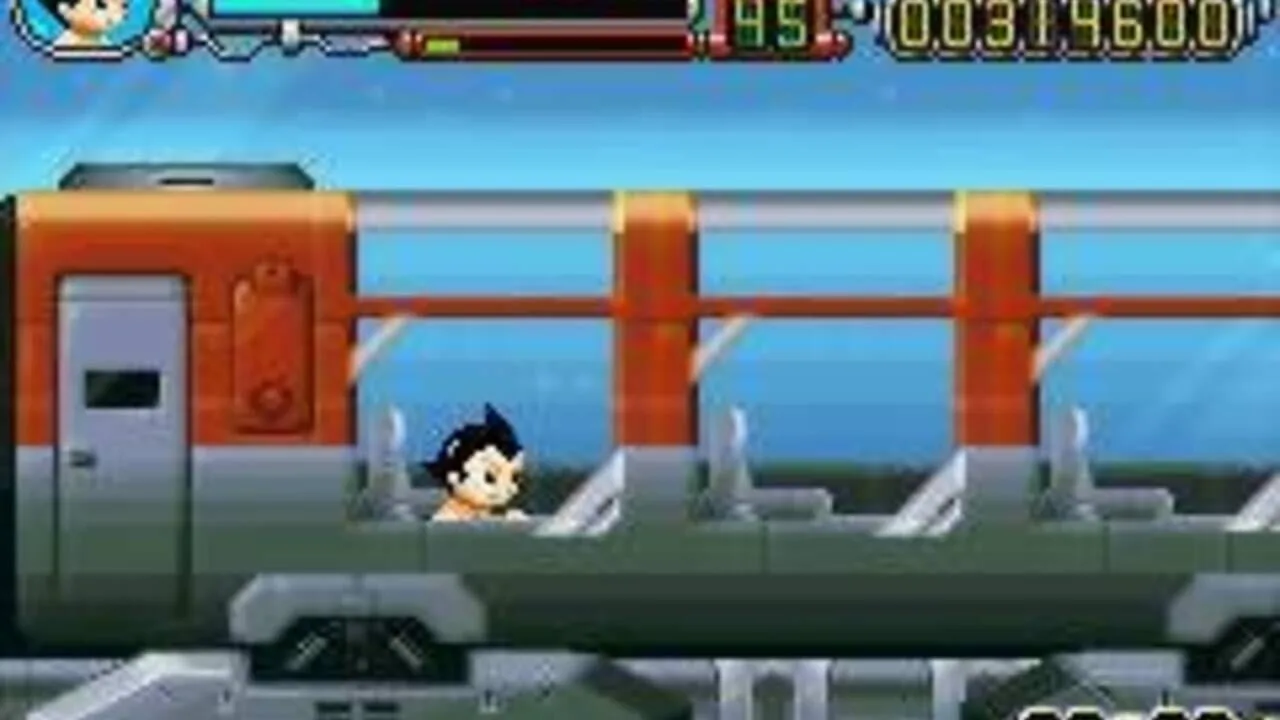
Omega Factor was co-developed by Treasure and Hitmaker as part of a collaboration between Sega and Tezuka Productions, and it is based on Osamu Tezuka's Astro Boy. It came out in Japan on December 18, 2003. North America waited until August 17, 2004, because the release was held back to coincide with the premiere of the Astro Boy TV series, and Treasure used the delay to make some improvements. Astro has seven super abilities and an original seven-episode story to get through, facing Atlas, Blue Knight and more than 40 other characters.
Critics saved their strongest praise for the visuals. Treasure games always seem to have more on screen than the hardware should allow, and this one is no exception. The story about bringing robots and humans back together also has more heart than a licensed game needs to.
6. Driv3r (2005)
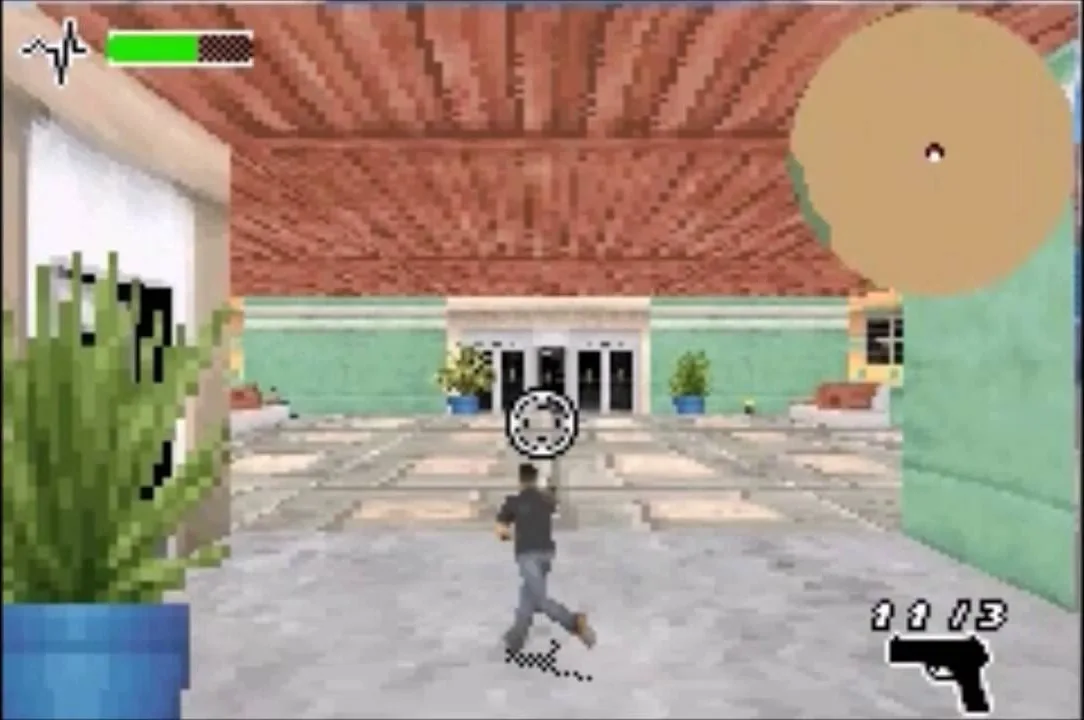
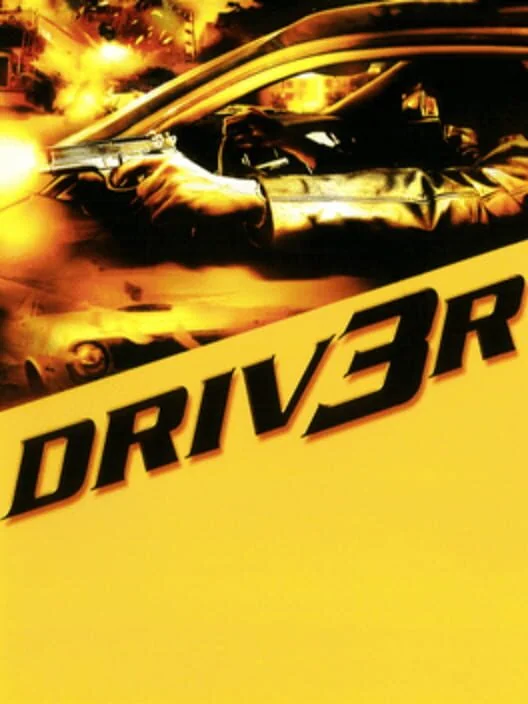
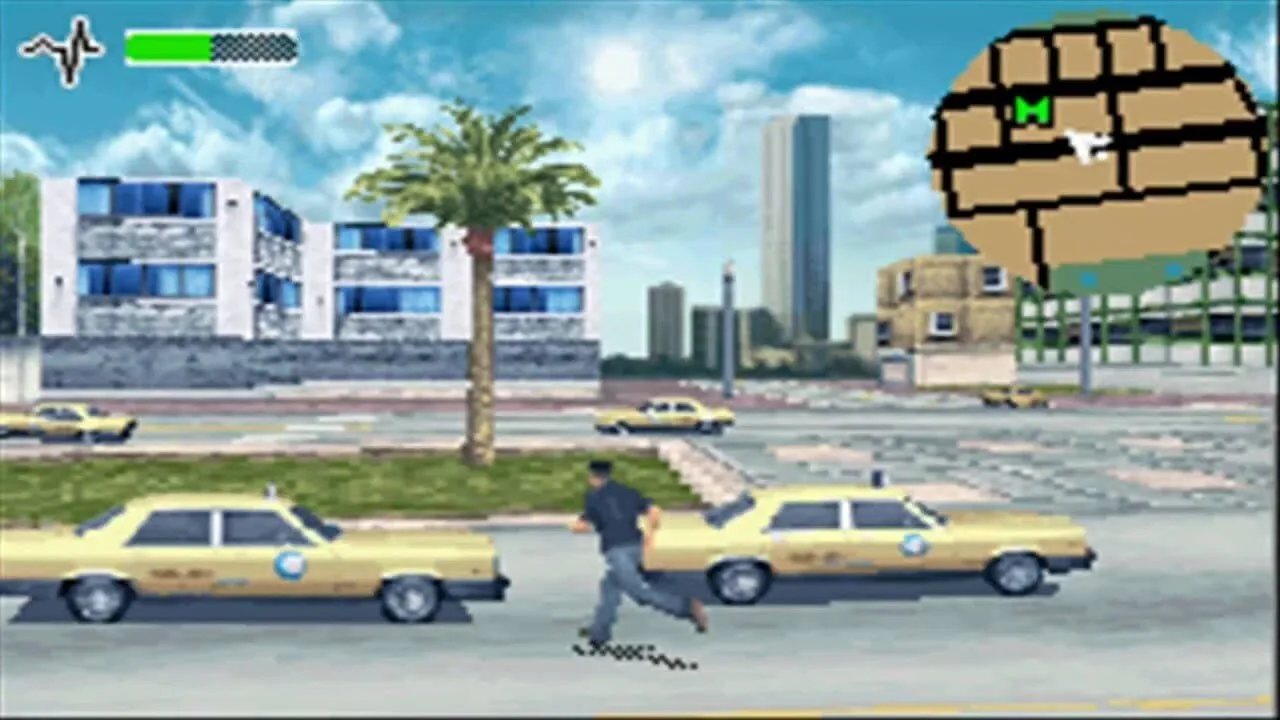
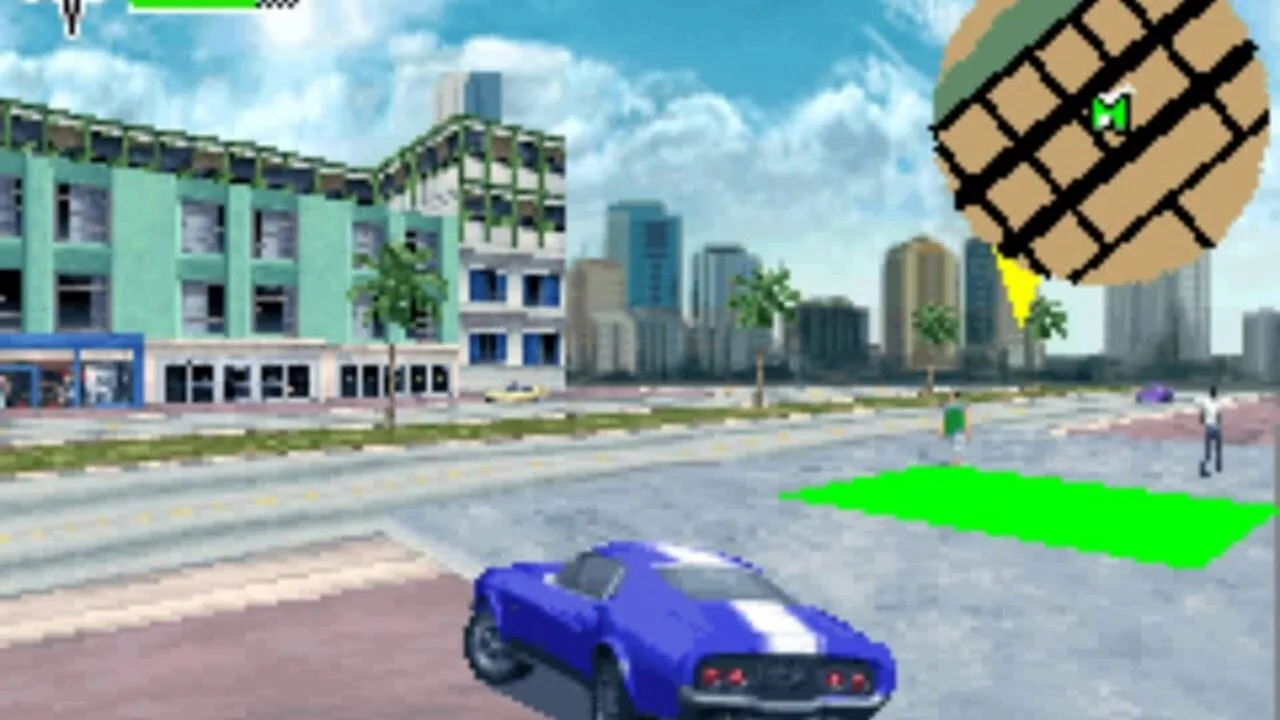
Driv3r came out on the PlayStation 2 and Xbox in June 2004, and the Game Boy Advance version followed in October 2005. Reflections Interactive developed the game and Atari published it. The console versions have virtual recreations of three major cities, Miami, Nice and Istanbul, and add on-foot sections and gun combat to the series' driving. Reviews were mixed, but the graphics were one of the things critics praised.
The handheld version looks like it should not run at all. Players who saw it running were stunned. On a system that mostly lived on sprites, a car game with this much going on was a lot to ask of a cartridge, and it pulled off far more than anyone expected.
5. The Legend of Zelda: The Minish Cap (2004)
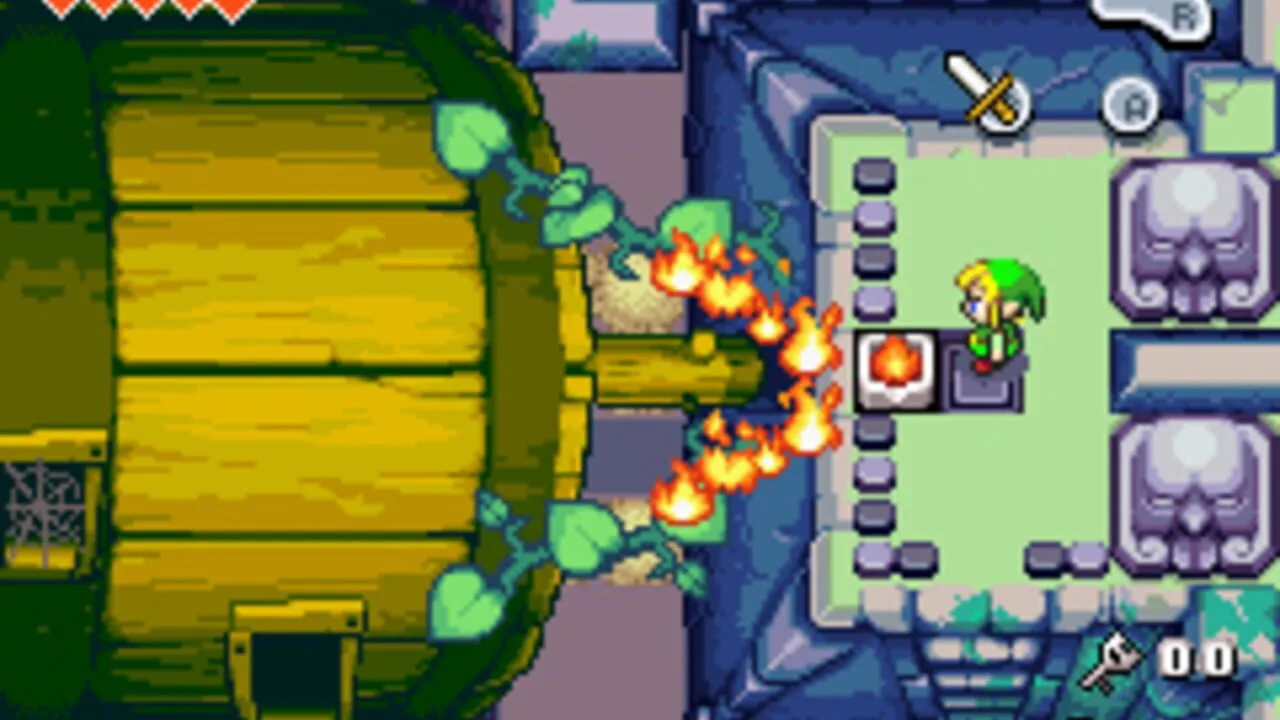
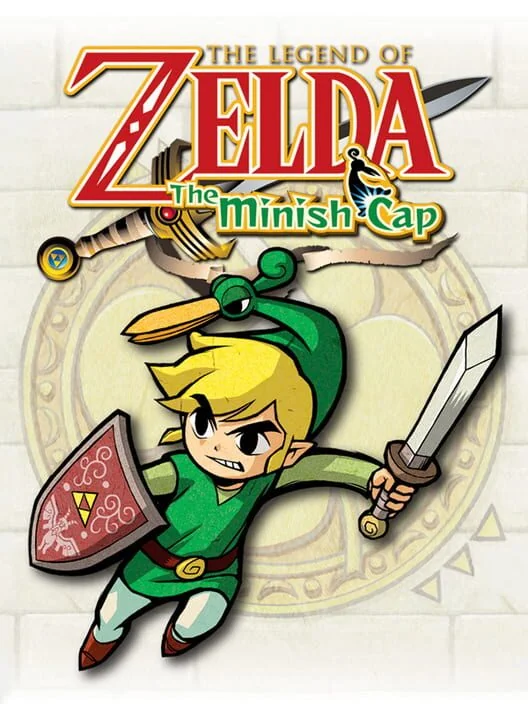
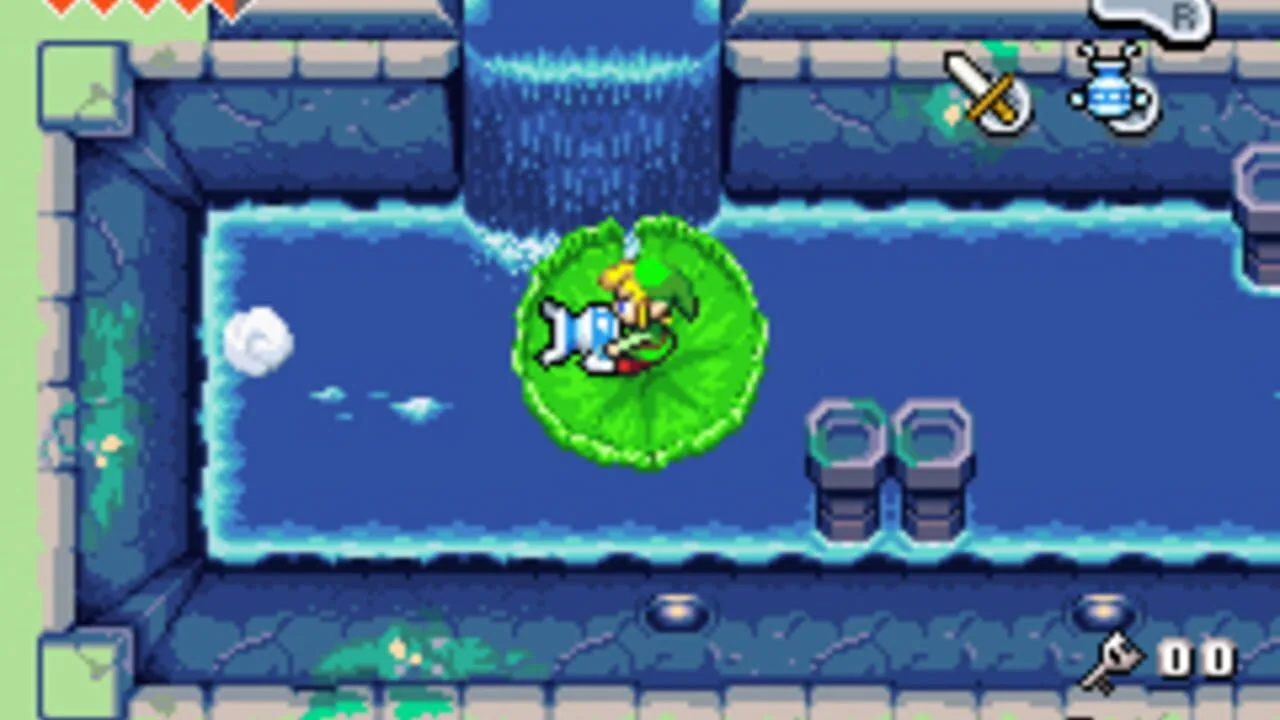
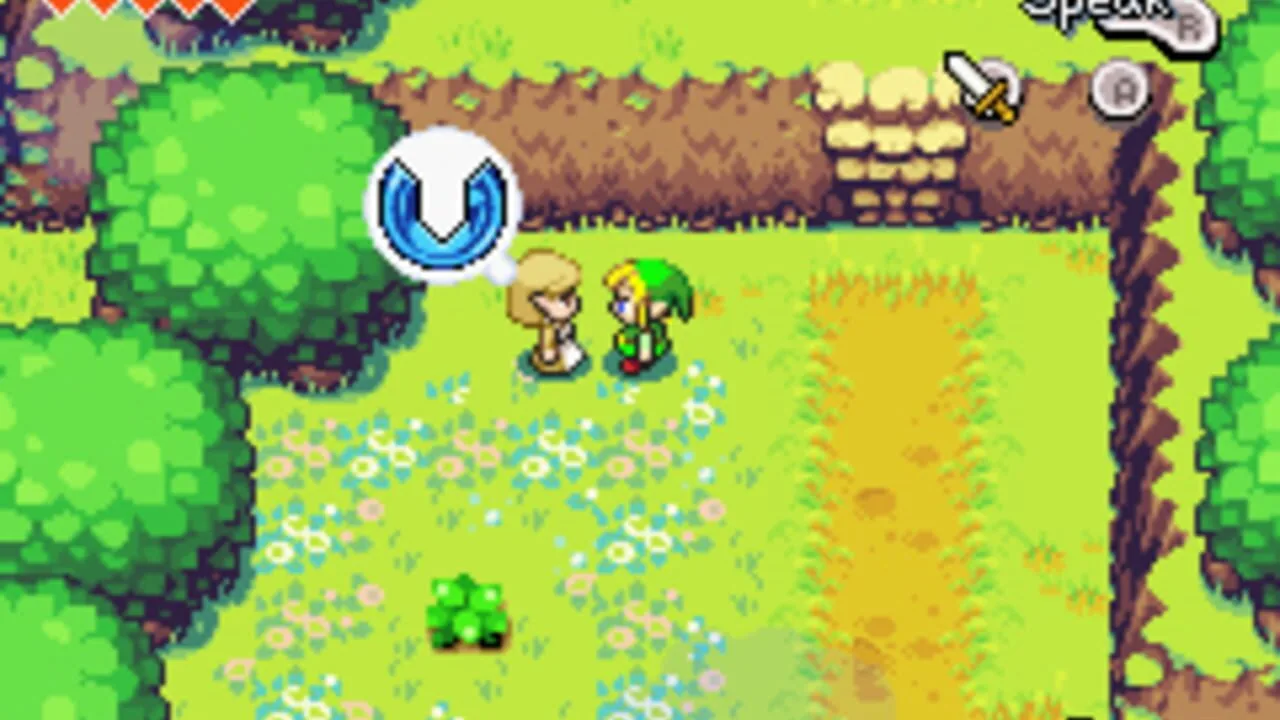
The Minish Cap is the twelfth game in The Legend of Zelda series. It came out in Japan and Europe in 2004 and in North America the following year, as a prequel to Four Swords that tells the origins of the Four Sword and the villain Vaati. Link can shrink to Minish size through portals around Hyrule, and you see the world through the eyes of a human or of a Minish, a race of tiny people. You also hunt for Kinstone pieces and match them to progress or win prizes.
Reviewers welcomed the art, which continues the whimsical style of The Wind Waker. Aonuma was impressed with Hyrule Town and said it even surpasses Clock Town in Majora's Mask. Players call it gorgeous, and the pixel art has aged beautifully.
4. Metroid Fusion (2002)
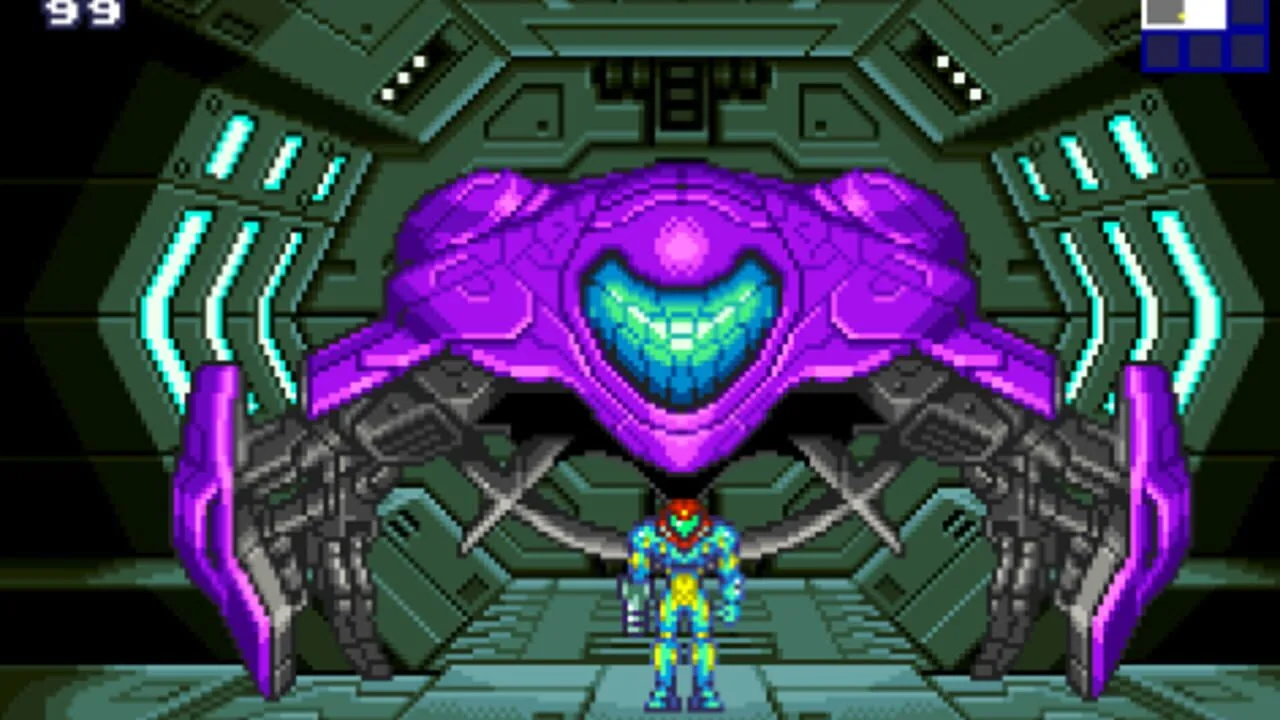
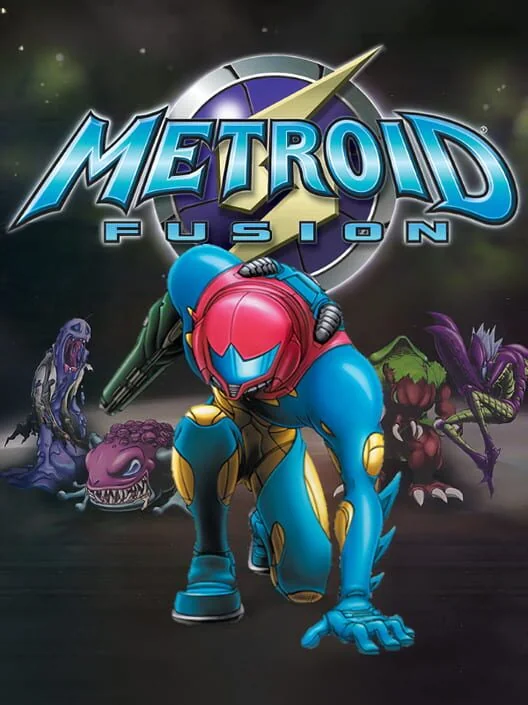
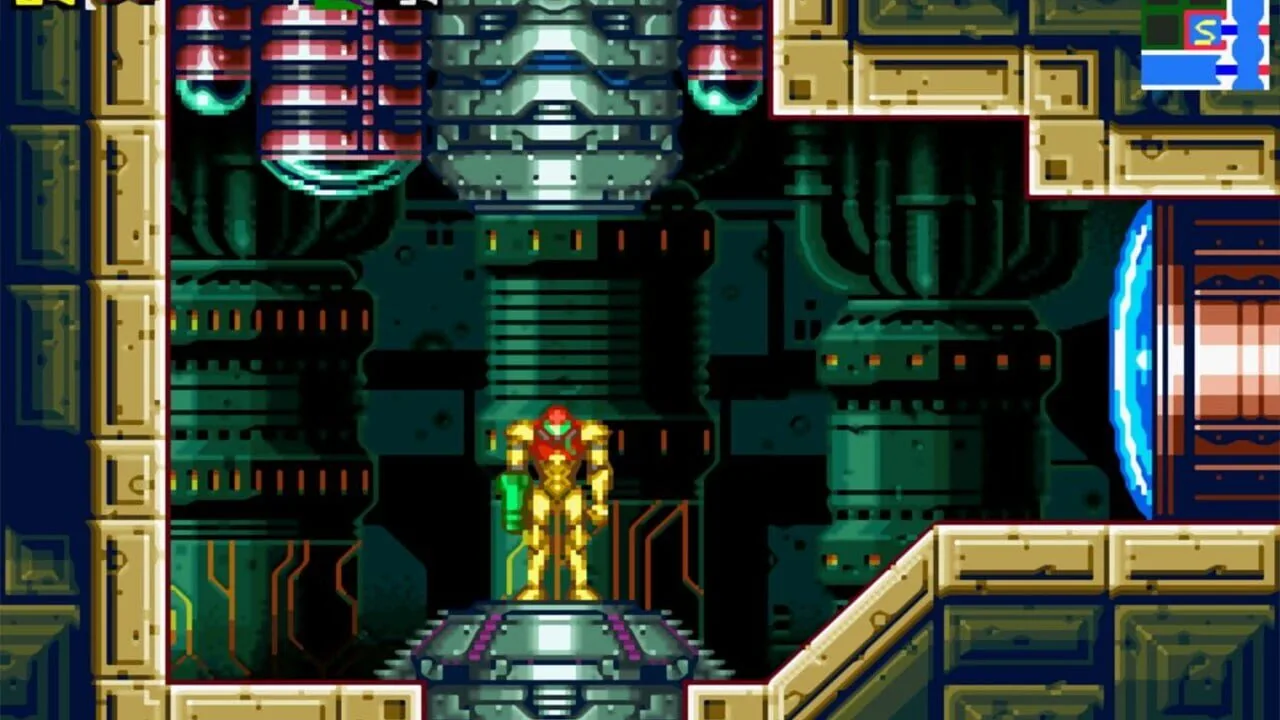
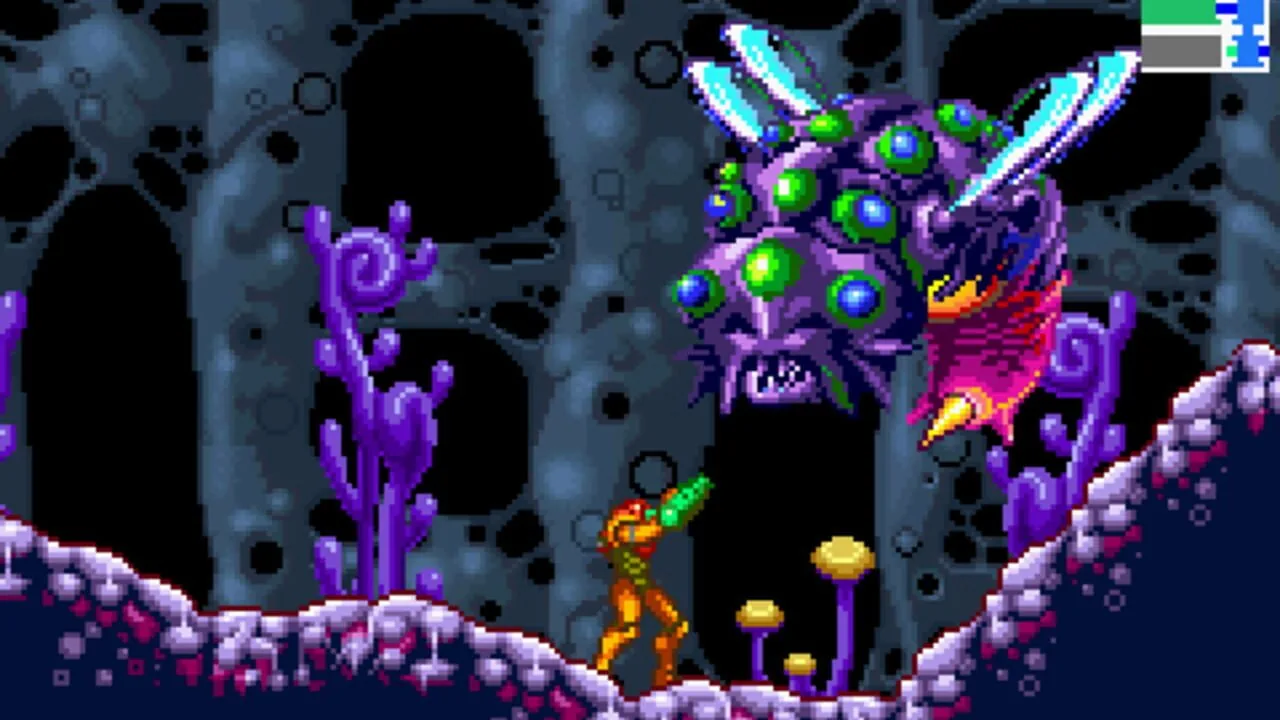
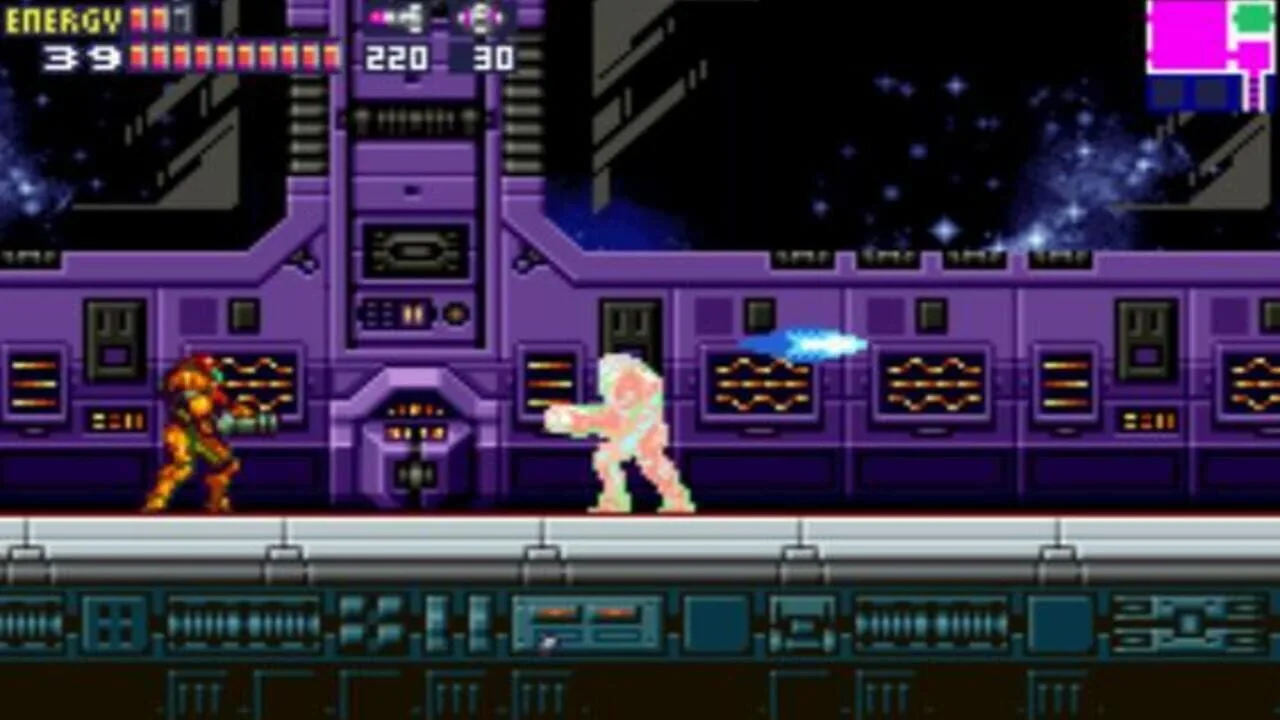
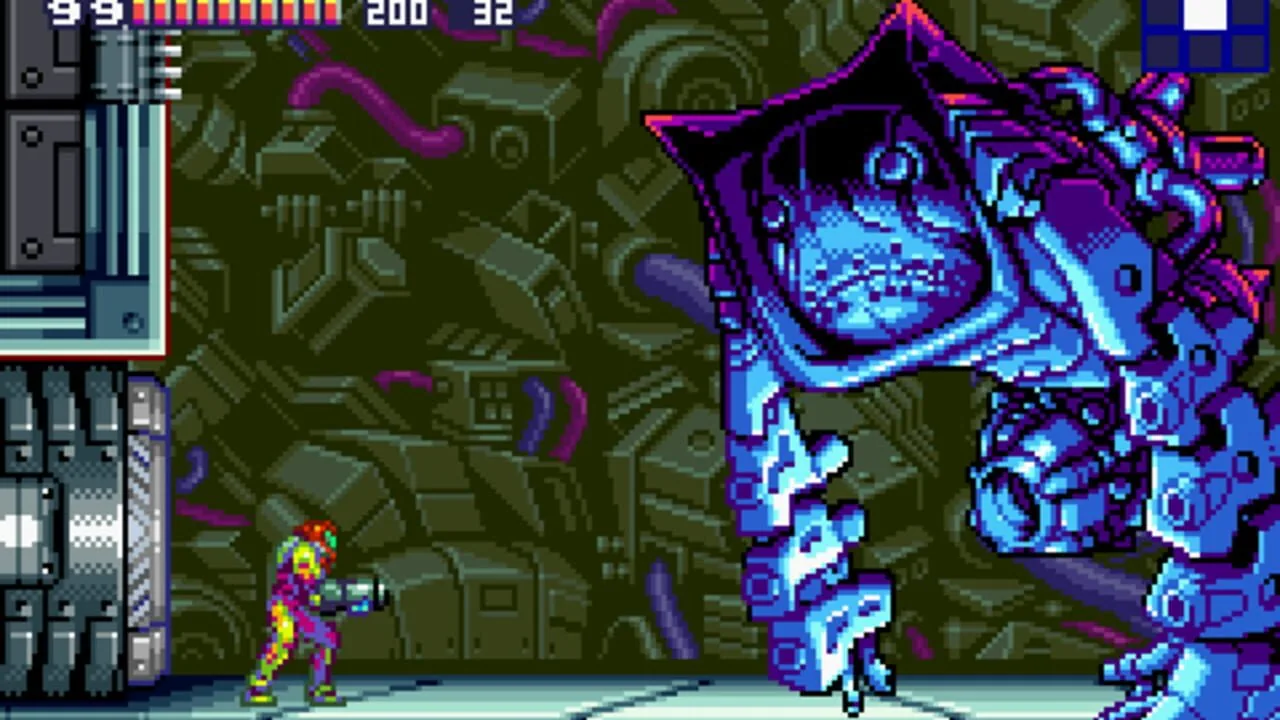
Metroid Fusion came out in North America on November 18, 2002. Nintendo R&D1 made it, the same team that created Super Metroid, and the screen layout and controls follow Super Metroid closely, with enhancements. Health and missile drops are replaced by X Parasites released after you defeat enemies. The music by Minako Hamano and Akira Fujiwara goes for serious ambient tracks over melody, because Hamano did not want the exploration themes to be annoying.
Critics praised its graphics as much as its gameplay, and it won Handheld Game of the Year from the Academy of Interactive Arts & Sciences. Players put it near the top whenever they list the best-looking games on the GBA. It is a dark game, and the art makes every new sector feel like trouble.
3. Castlevania: Aria of Sorrow (2003)
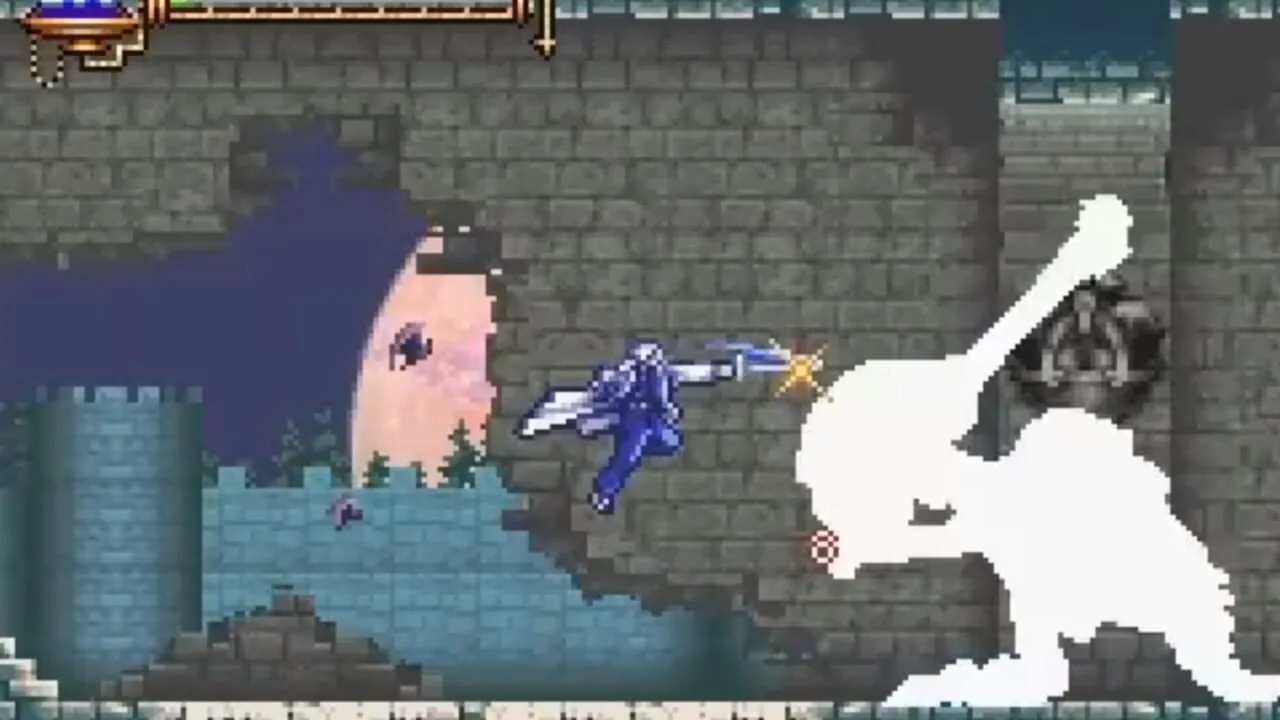
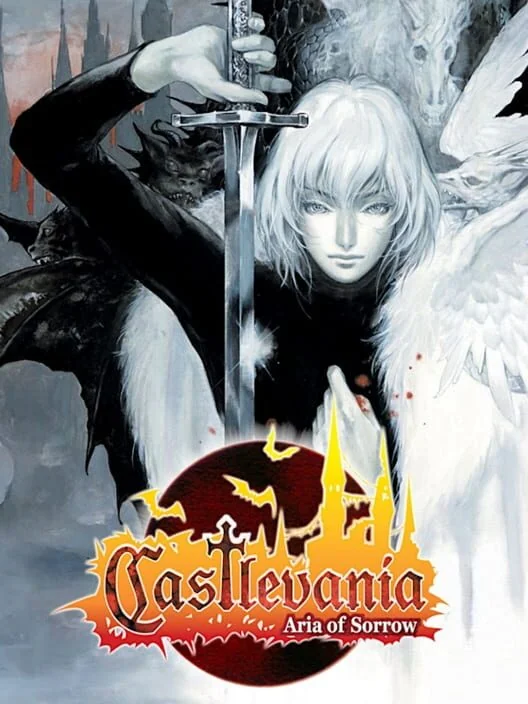
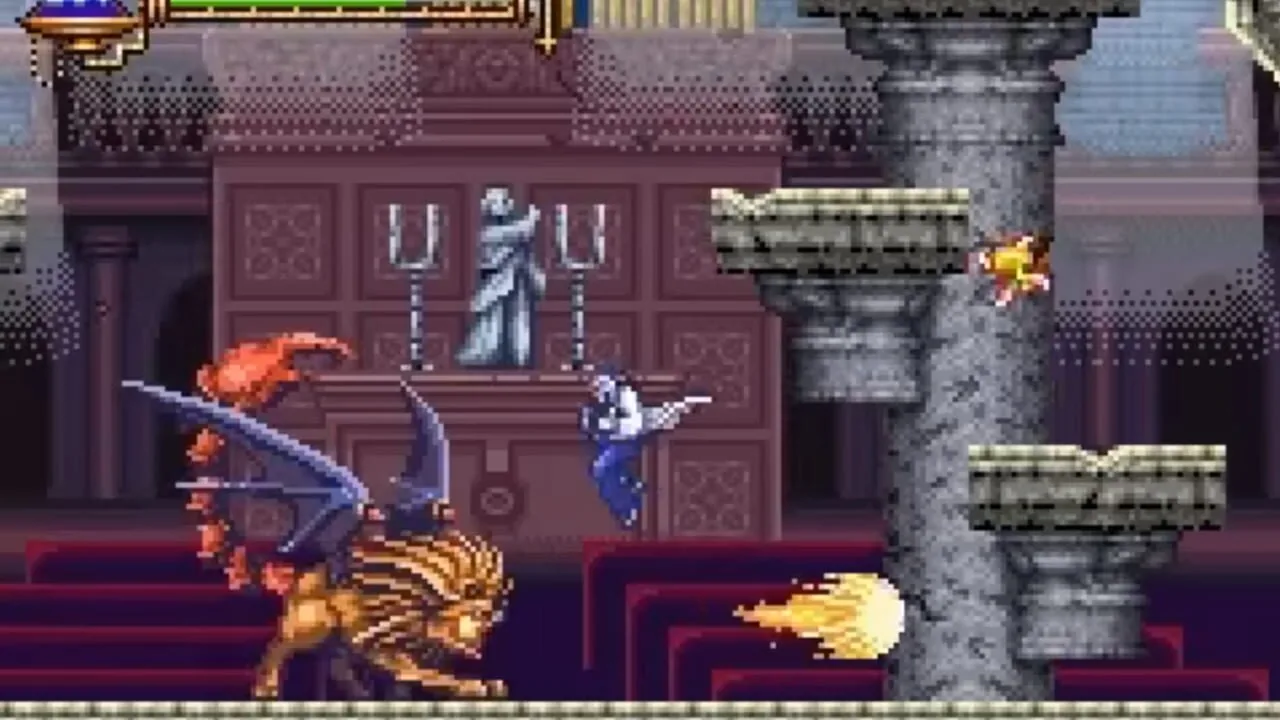
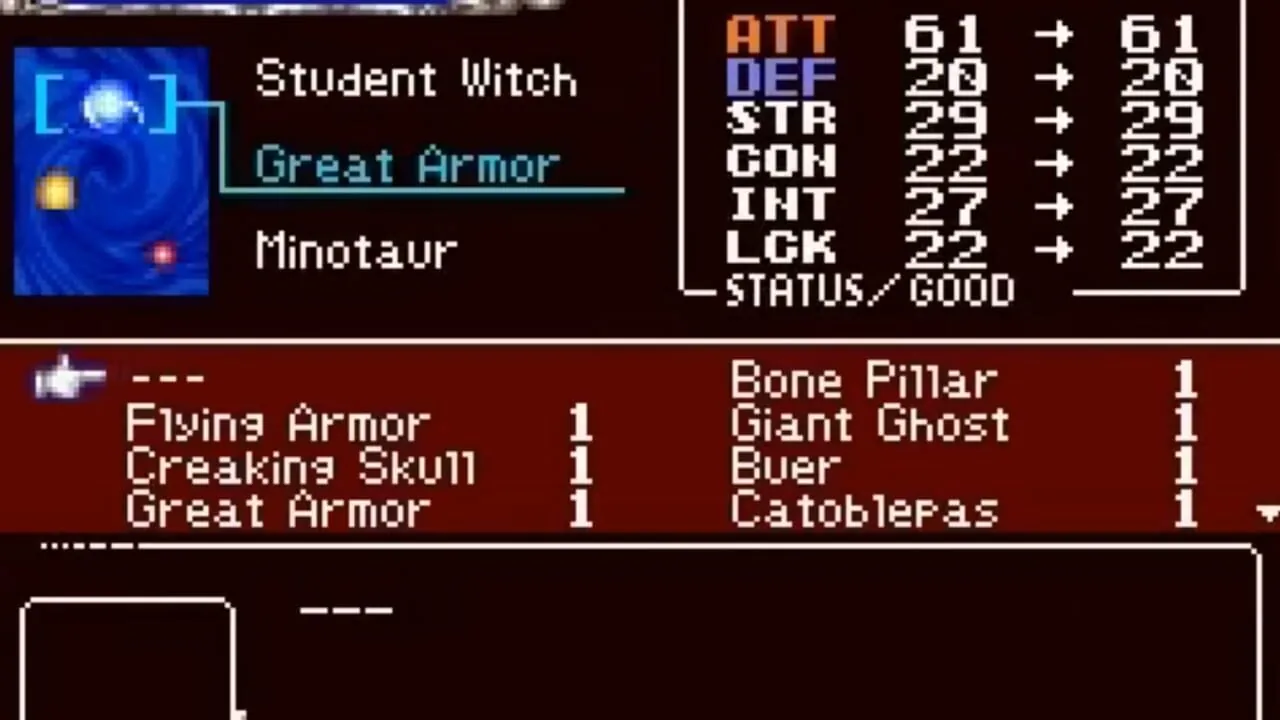
Aria of Sorrow jumps ahead to the year 2035. Soma Cruz is about to witness the first solar eclipse of the 21st century when he blacks out and wakes up inside a mysterious castle. Koji Igarashi oversaw its development in parallel with Harmony of Dissonance, Junichi Murakami was new to the series as director, and Michiru Yamane returned to compose the music alongside Takashi Yoshida and Soshiro Hokkai. It came out in May 2003 and sold poorly in Japan, but it did well in the United States.
Critics praised its visuals along with the Tactical Soul System, and some called it the best Castlevania since Symphony of the Night. Players keep bringing it up whenever the talk turns to the best-looking games on the system. It has some of the finest sprite work Konami ever put on a handheld.
2. V-Rally 3 (2002)
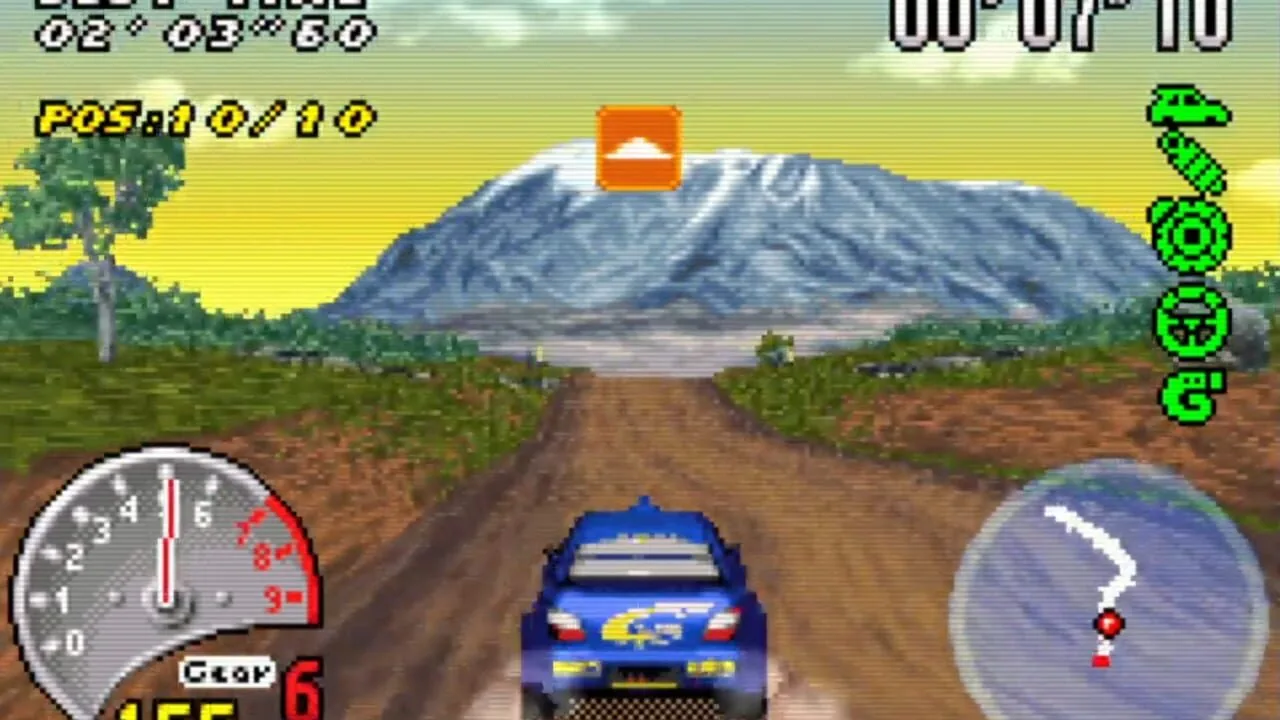
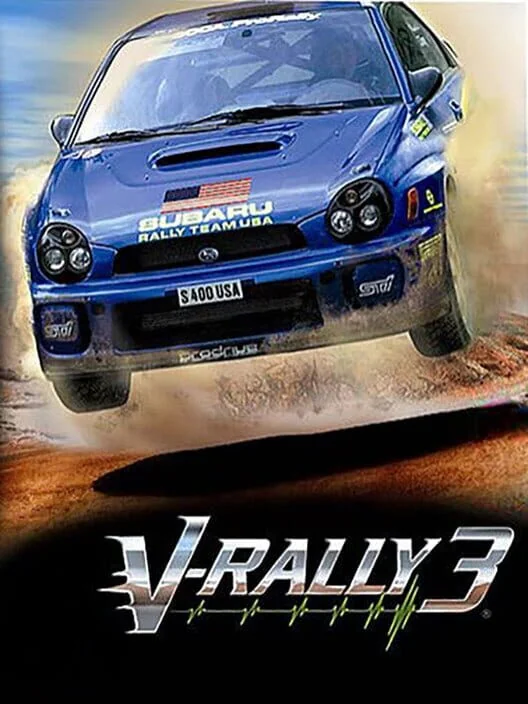
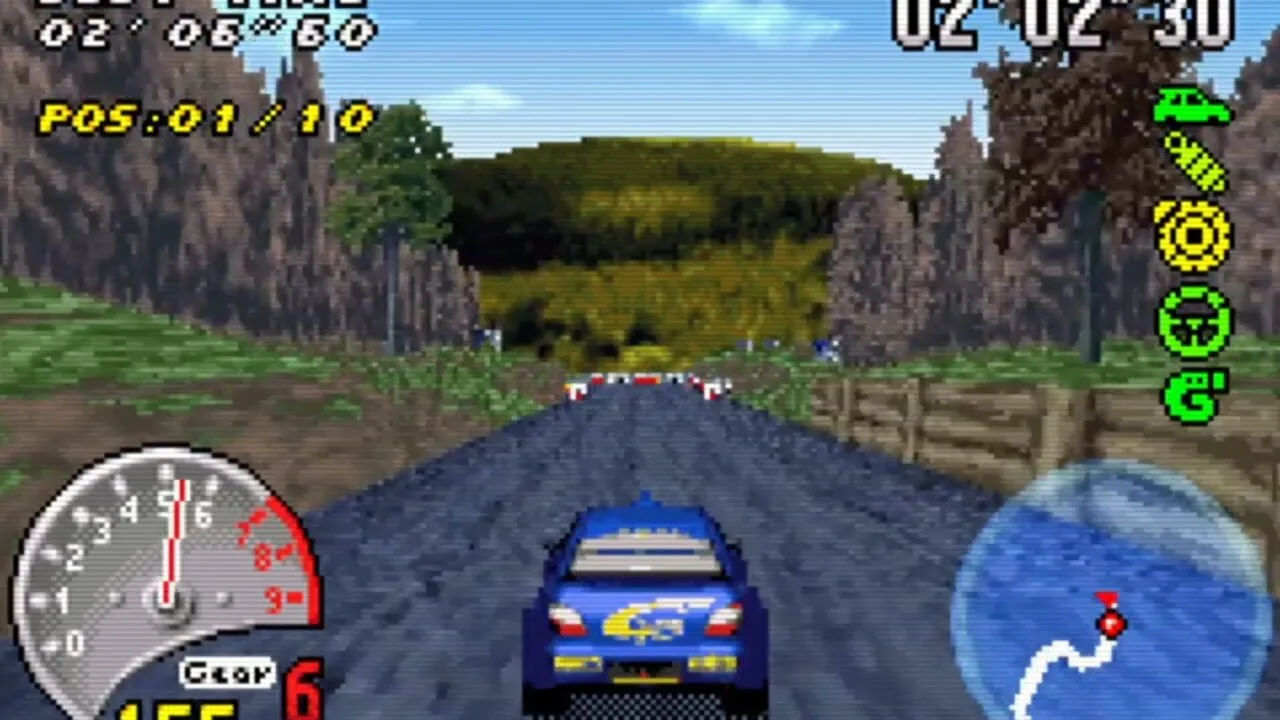
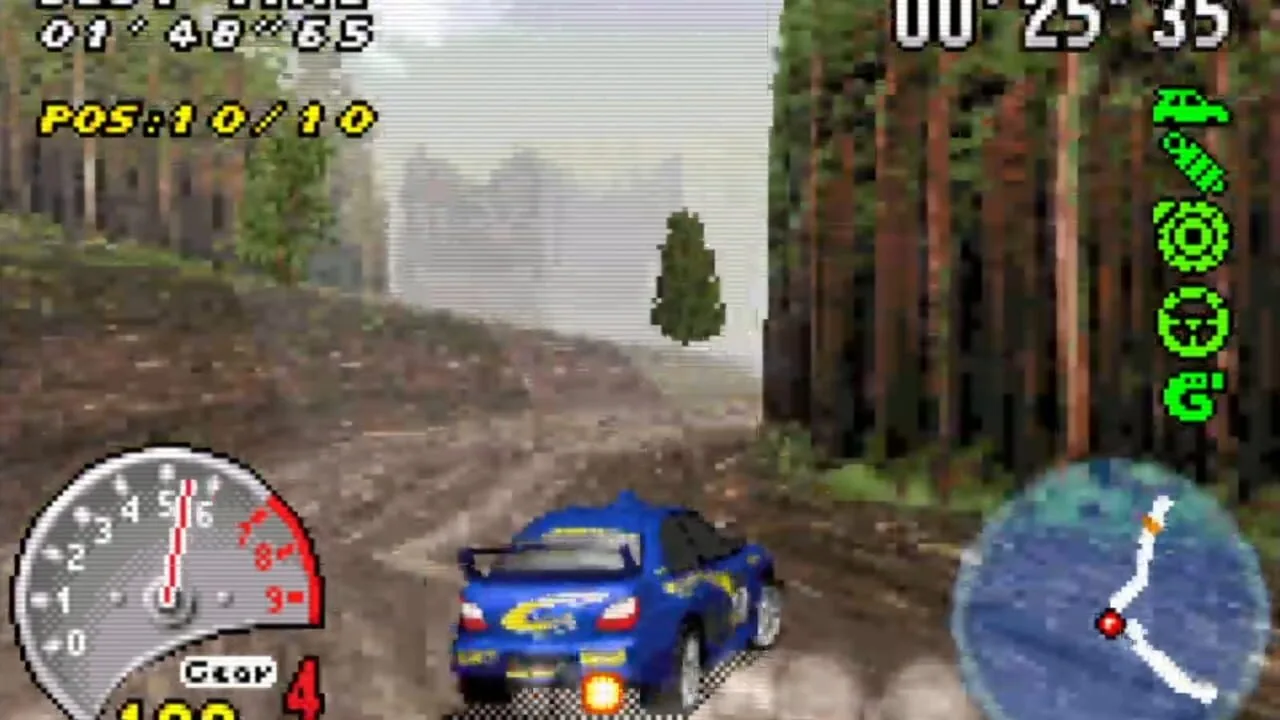
V-Rally 3 is the sequel to V-Rally 2. It came out on the PlayStation 2 and Game Boy Advance in 2002, then reached Xbox, GameCube and PC in 2003. The Game Boy Advance version adapts the console game with its own selection of cars and tracks, and a graphics engine made for the handheld. Reviews were favorable, and the series came back with V-Rally 4 in 2018.
This is the GBA game people show to anyone who thinks the system could only do flat 2D. Players call it technically impressive, a 3D rally game that pulls it off on hardware that had no business running it. It came in second, ahead of Zelda, which tells you how much it surprised people. It also plays well, and plenty of showpieces cannot say that.
1. Golden Sun (2001)
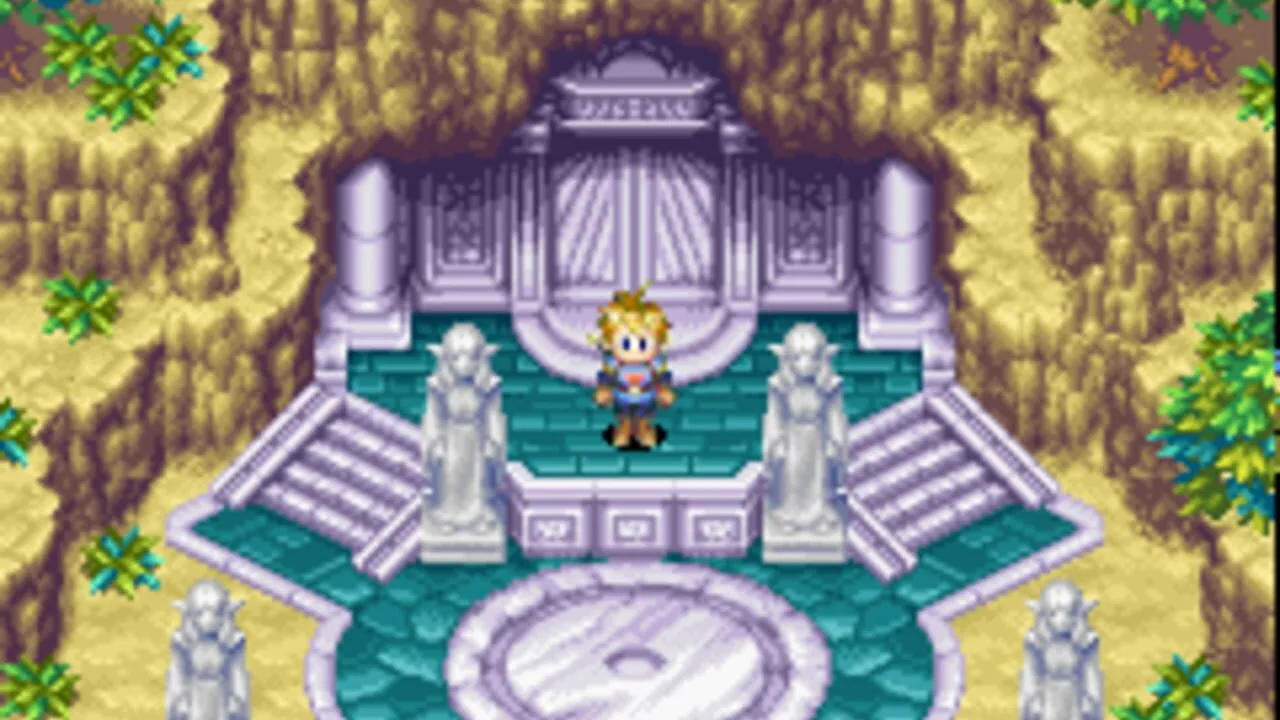
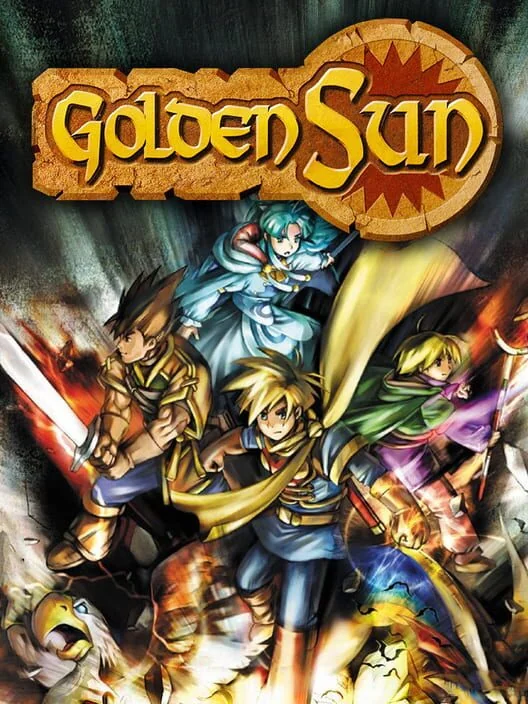
Golden Sun came out on the Game Boy Advance in 2001, and The Lost Age followed in 2002. You control Isaac and his companions as they journey through the world of Weyard to stop a group from releasing a mysterious power called Alchemy. Along the way you gather elemental Djinn and combine them in unique ways, on top of your Psynergy magic. Nintendo Power named it the Best GBA Game of 2001, and the first two games sold over a million copies in the United States and Japan.
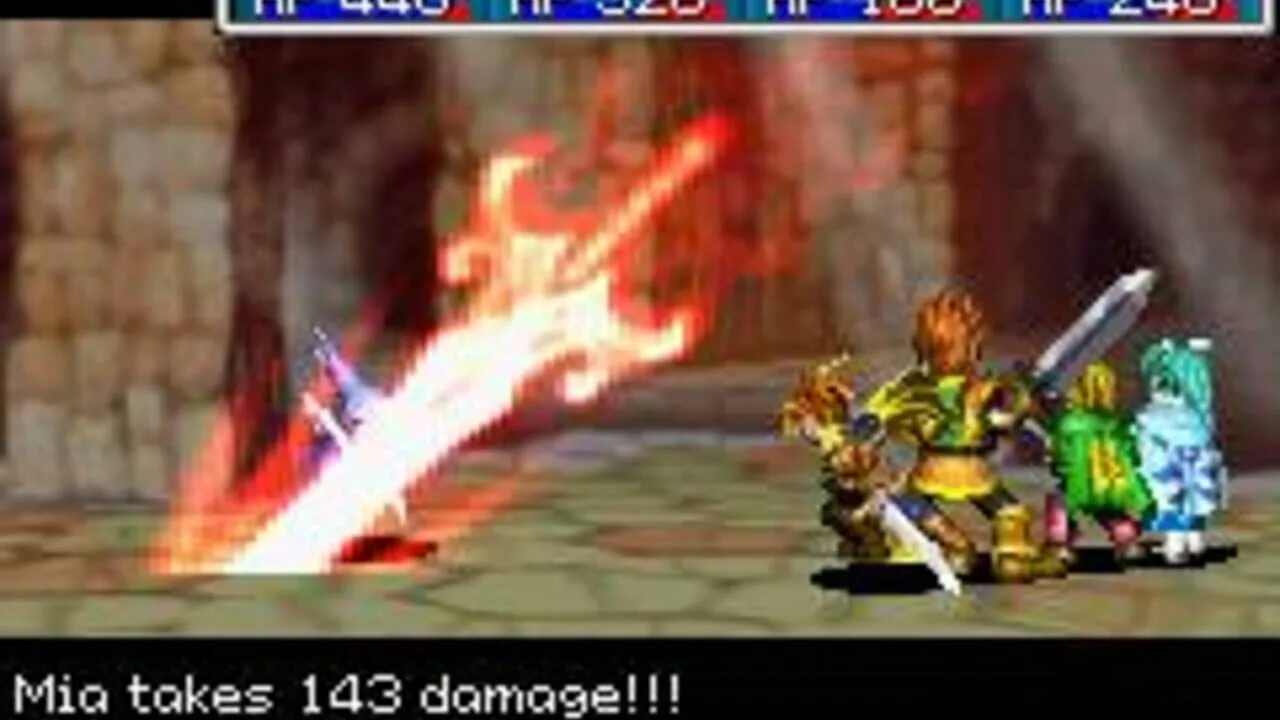
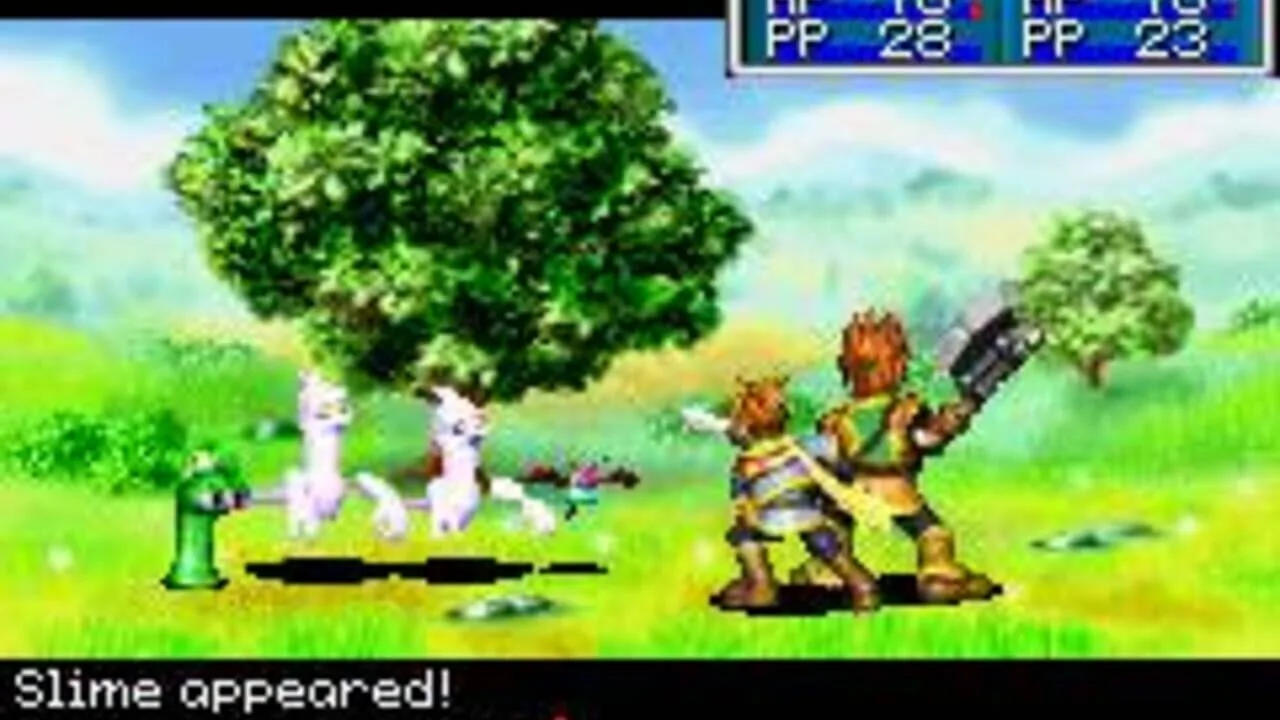
The battles are what people remember. Players still talk about the summons, and for a lot of them the first battle scene felt like a look at the future. It finished well ahead of every other game on this list.
Which one to play
There you have it, the whole list of the best-looking GBA games. Every one of them still looks great today.
If you are not sure where to start, play The Minish Cap. If you want a long RPG with spells that fill the screen, Golden Sun is the pick. For exploring and slowly getting stronger, start with Metroid Fusion and move on to Zero Mission, and if you want that idea in a gothic castle, go to Aria of Sorrow. To see what the GBA could do in 3D, try V-Rally 3. And for a hidden pick, give Astro Boy: Omega Factor a go.