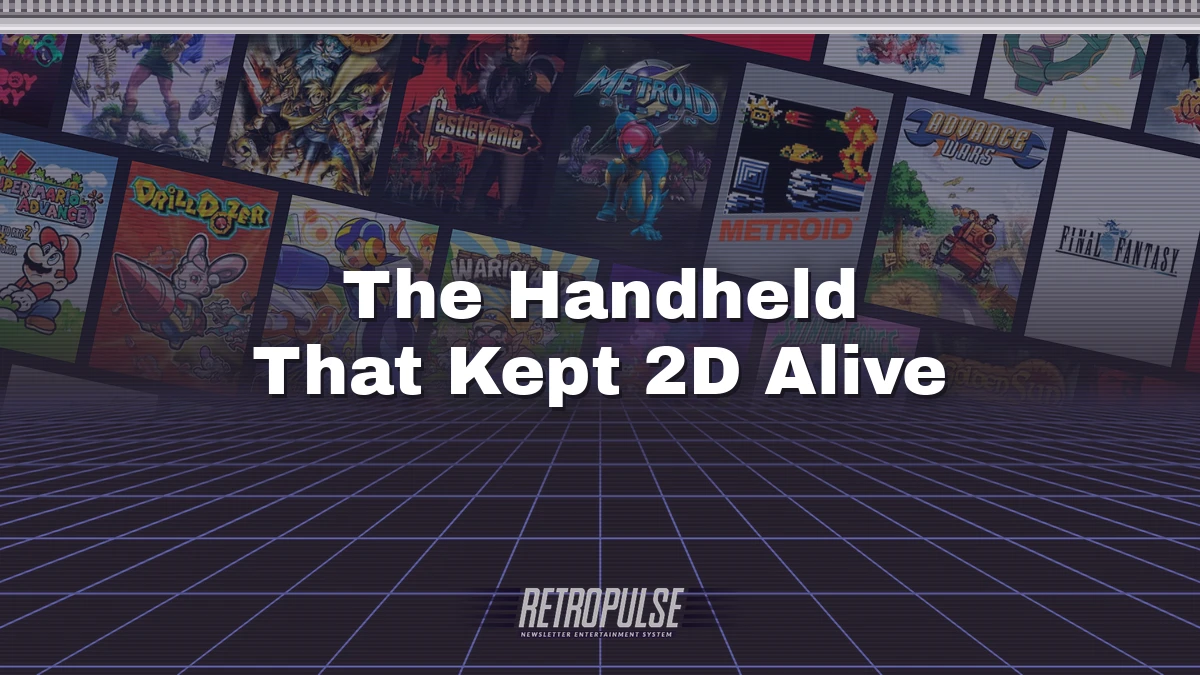
The Game Boy Advance looked backward on purpose, and it worked. While the home consoles were dabbling in 3D and polygons, Nintendo's 2001 handheld embraced 2D and sprites, with hardware comparable to the Super Nintendo. So it became the place where nearly every major system and series that came before it got a port, from Super Mario Bros. 3 to Super Mario World.
The 32-bit chip inside it came out of Project Atlantis, the color prototype Nintendo had shelved years earlier. The original model had one famous flaw, though: a dark screen. That is why the clamshell Game Boy Advance SP arrived in early 2003 with a front-light you could switch on and off. The fix for a dark screen was, in fact, a light.
Key facts
- Released
- March 21, 2001 in Japan, June 11, 2001 in North America, June 22, 2001 in EuropeSource
- Launch price
- US$99.99Source
- Units sold
- 81.51 million, the SP and Micro includedSource
- Best-selling game
- Pokémon Ruby and Sapphire, 16 million copiesSource
- Shape designed by
- Gwénaël Nicolas and his studio Curiosity Inc.Source
- Power
- Two AA batteriesSource
- Screen
- 2.9-inch color screen, 240 by 160 pixelsSource
- Discontinued
- 2008 in the Americas, by the end of 2010 everywhere elseSource
How the shelved 32-bit Game Boy finally shipped, sideways
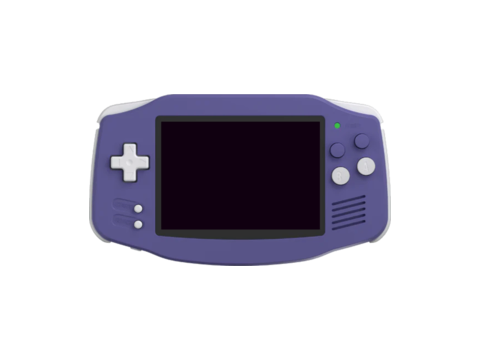
Still under pressure from rival handhelds, Nintendo started on a successor to the Game Boy Color, codenamed Advanced Game Boy, that would use the 32-bit power of Project Atlantis. It was announced on September 1, 1999. However, the change everyone could see was the shape: French designer Gwénaël Nicolas and his Tokyo studio Curiosity Inc. turned the Game Boy on its side and put the buttons beside the screen instead of below it. By March 2001 the price was set at $99.99, and Nintendo went on to spend about $75 million marketing the system in North America.
The library leaned into what the hardware did best. It played Game Boy and Game Boy Color cartridges too, while its own library was full of SNES-like role-playing games and ports from older 8-bit and 16-bit systems. As a result the handheld became a living time capsule for players who grew up with those games, a current system still getting new releases in the styles of the past.
Meanwhile the hardware kept changing around the games. The SP's front-light came in 2003, and a brighter backlit SP followed on September 19, 2005. That same month the much smaller Game Boy Micro arrived, back in the original's sideways shape. Even the Nintendo DS, launched on November 21, 2004 and able to play GBA games, needed almost four years to catch its own predecessor: Nintendo only announced that the DS had passed the GBA in worldwide sales in late October 2008.
The best Game Boy Advance games
Ranked by how often players recommend them, with picks other players backed counting extra. Golden Sun takes #1, and Metroid Fusion sits third.
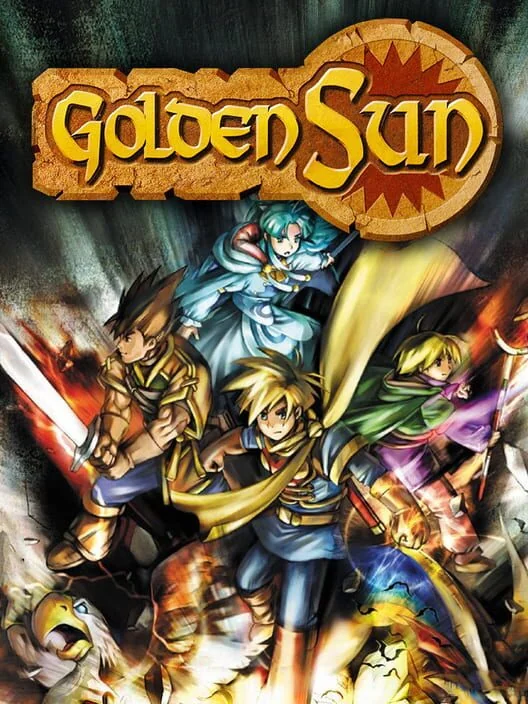 1Golden Sun (2001)
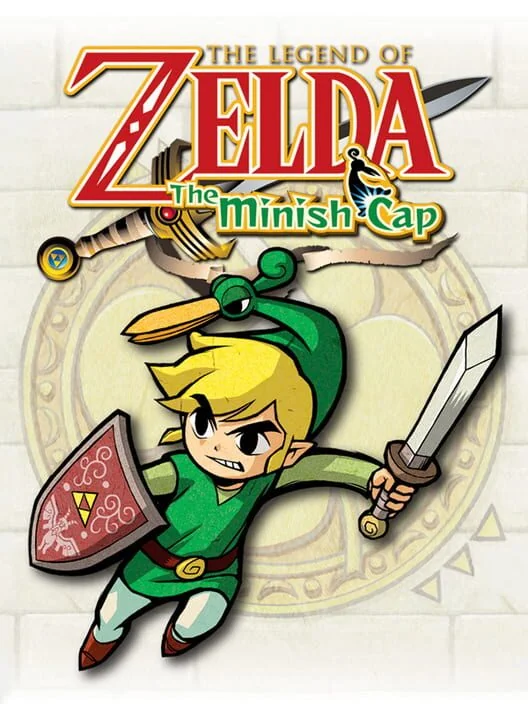 2The Legend of Zelda: The Minish Cap (2004)
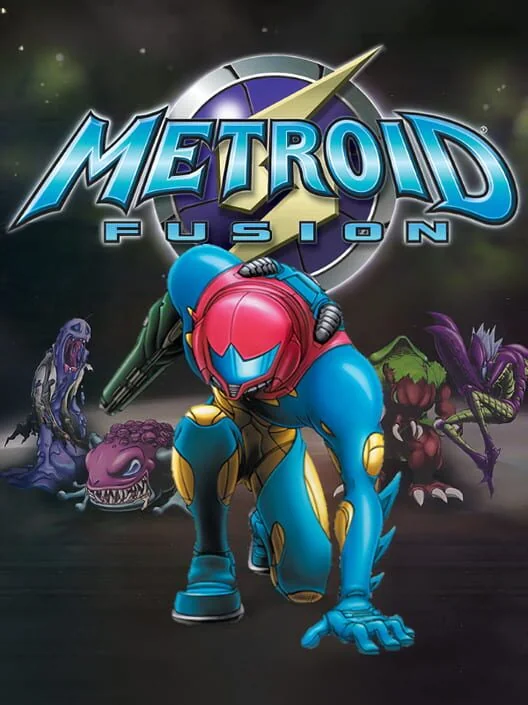 3Metroid Fusion (2002)
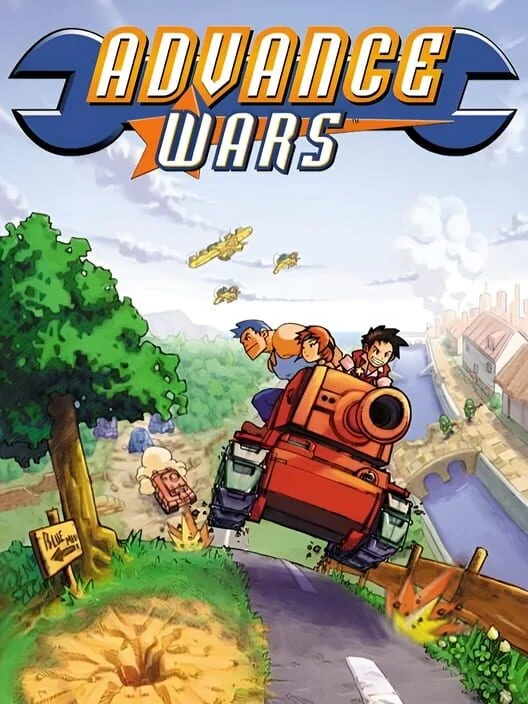 4Advance Wars (2001)
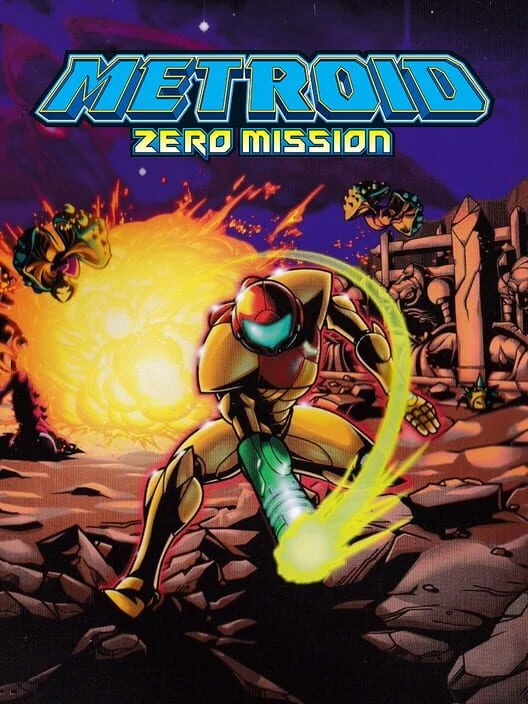 5Metroid: Zero Mission (2004)
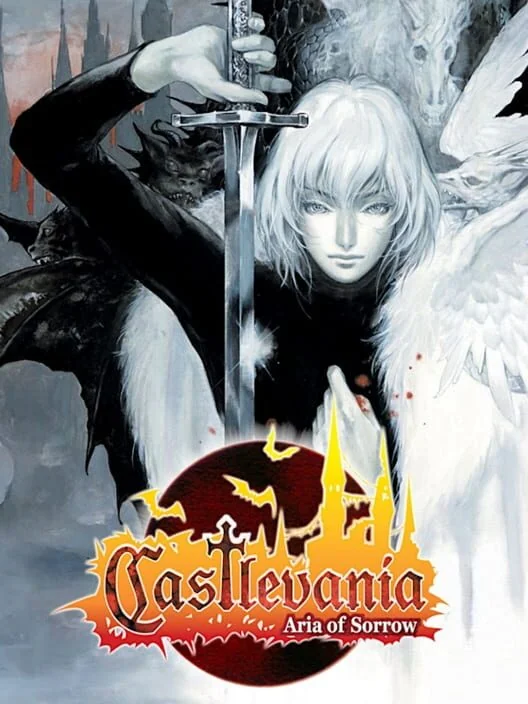 6Castlevania: Aria of Sorrow (2003)
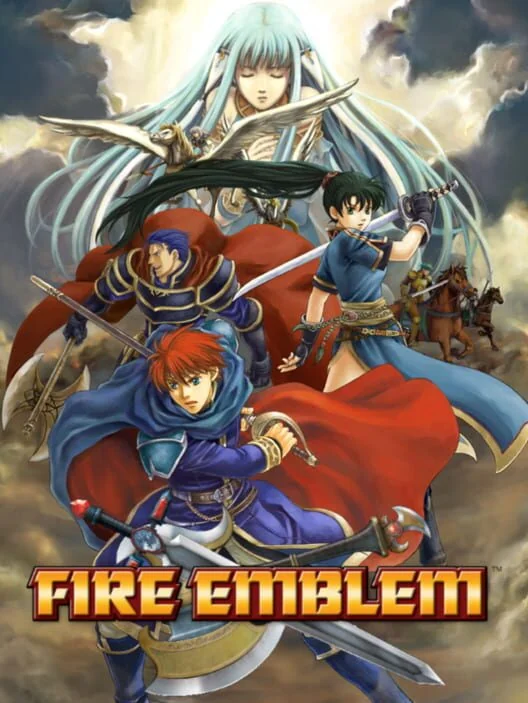 7Fire Emblem (2003)
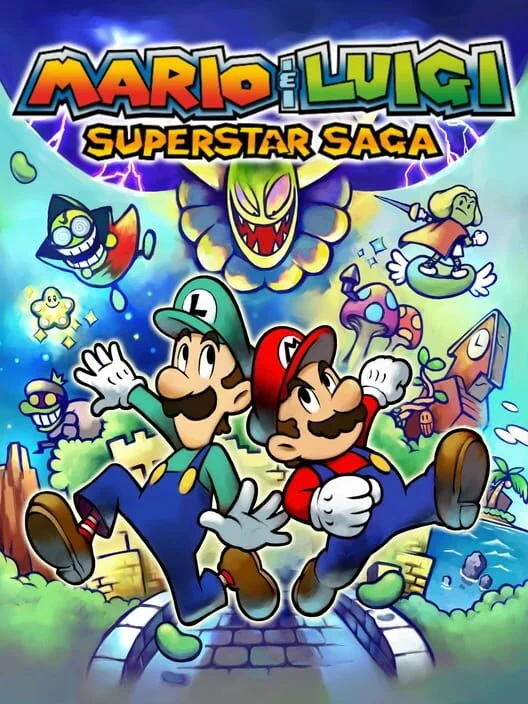 8Mario & Luigi: Superstar Saga (2003)
 9Mother 3 (2006)
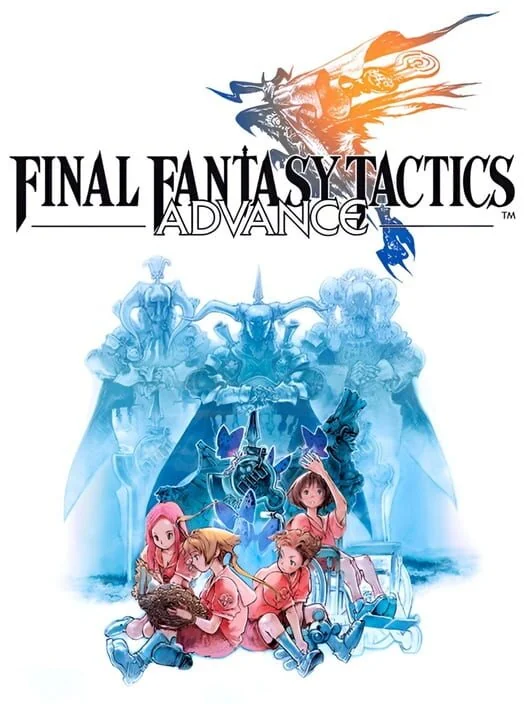 10Final Fantasy Tactics Advance (2003)
Every Game Boy Advance list
Best games
 11 Best GBA Fan Translations
 11 Best GBA Strategy Games
 14 Best GBA Fighting Games
 15 Best GBA Puzzle Games
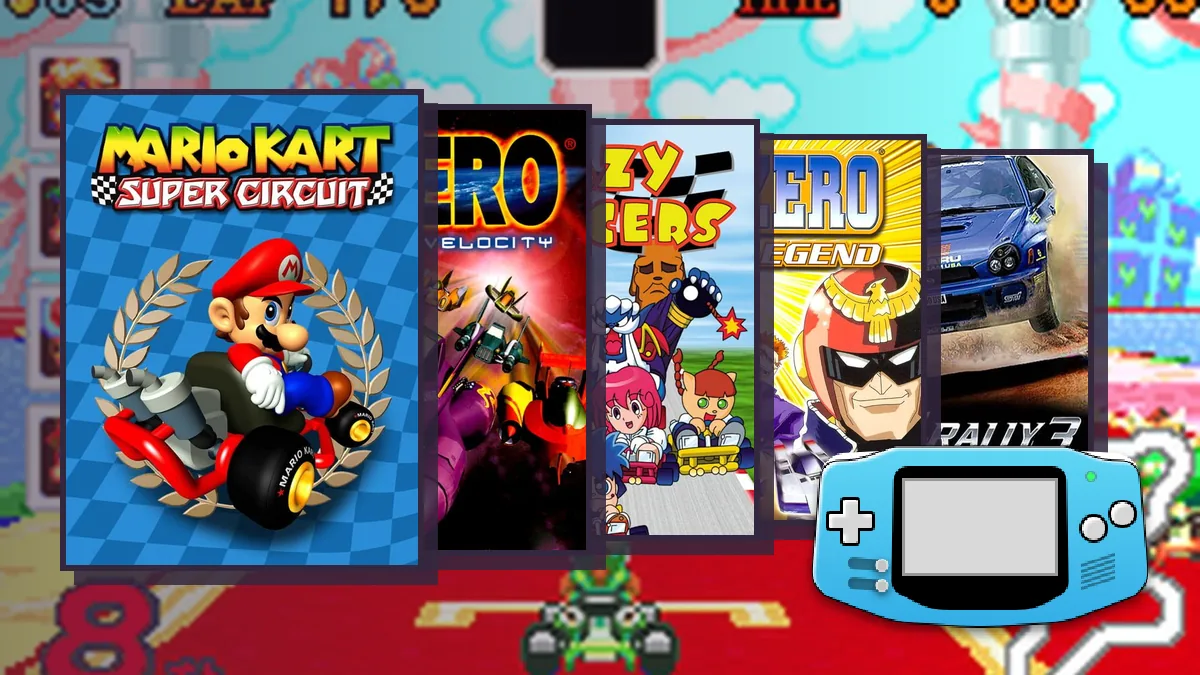 17 Best GBA Racing Games
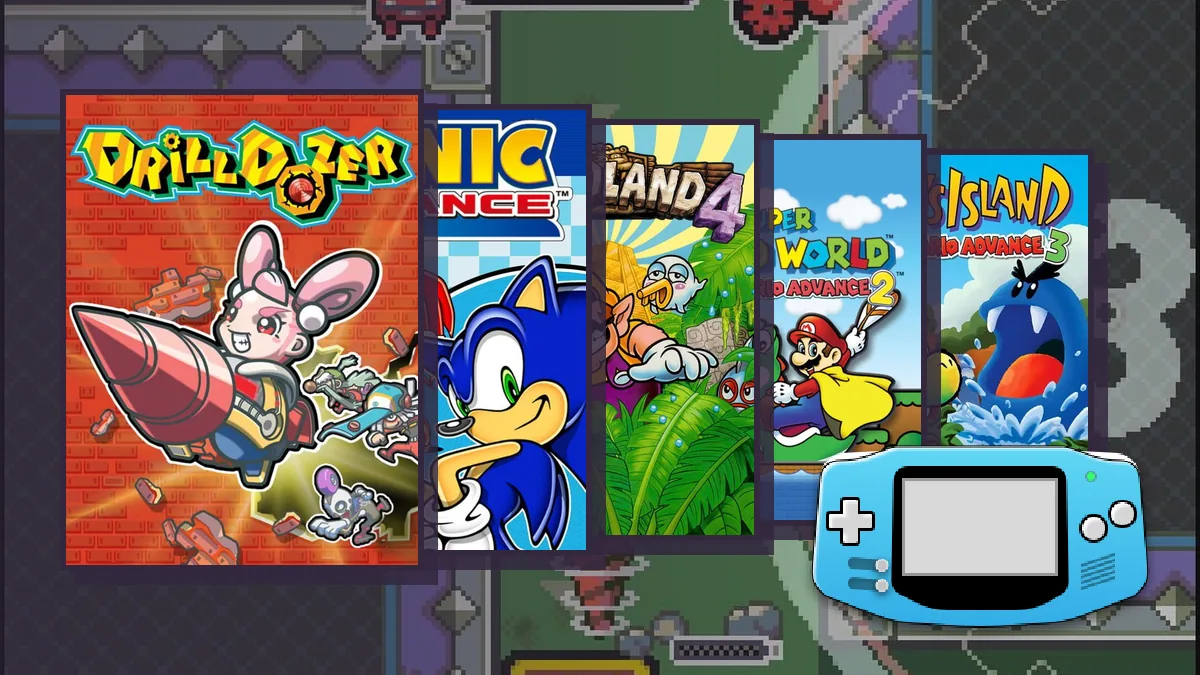 18 Best GBA Platformers
 25 Best GBA Action Games
 25 Best GBA RPGs
 8 Best GBA Demakes
 8 Best GBA Homebrew Games
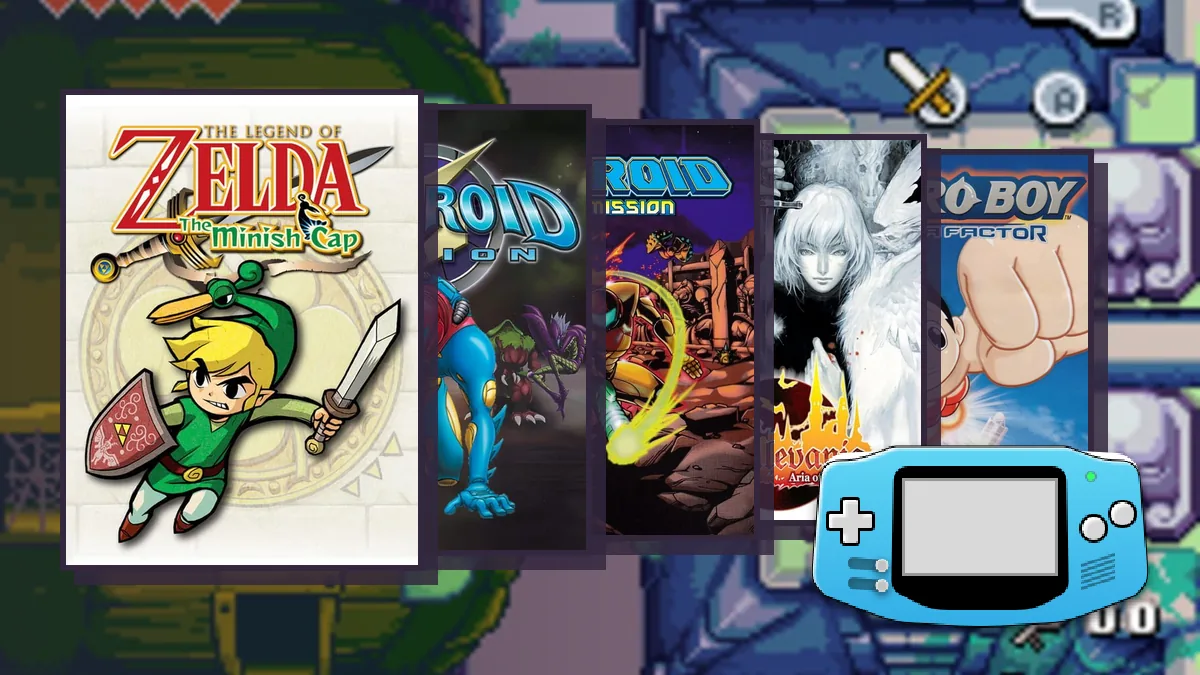 Best Action Games
 Best Adventure Games
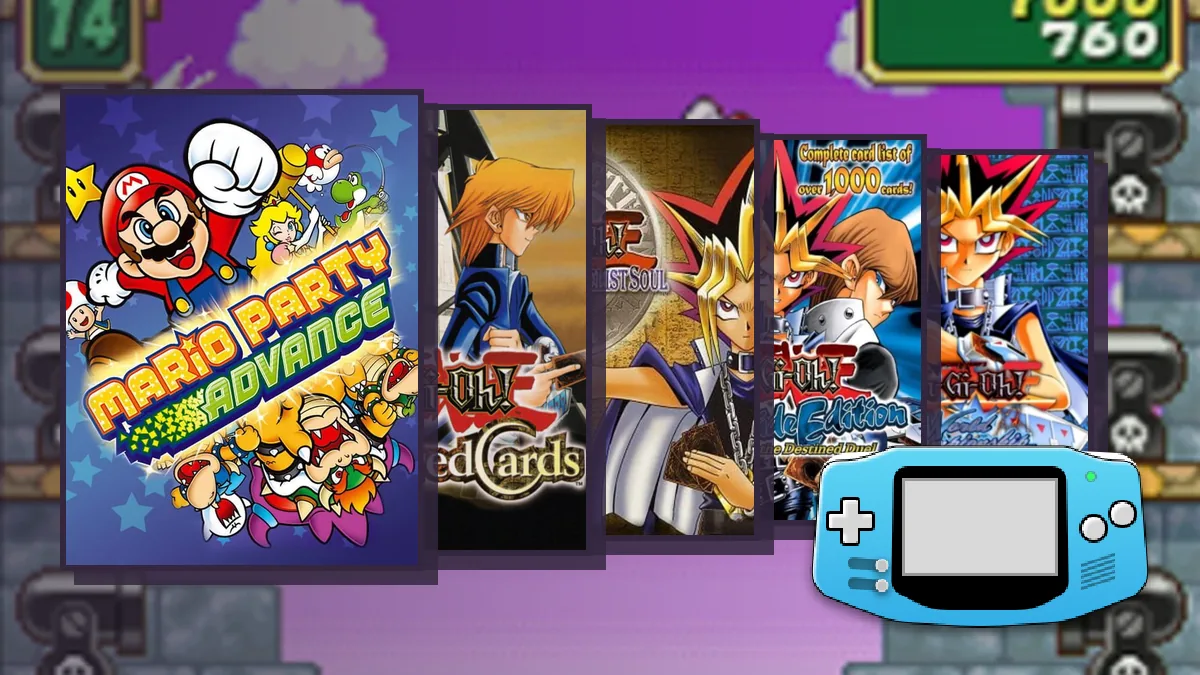 Best Board and Card Games
 Best Games
 Best Hidden Gems
 Best Ports
 Best Sports Games
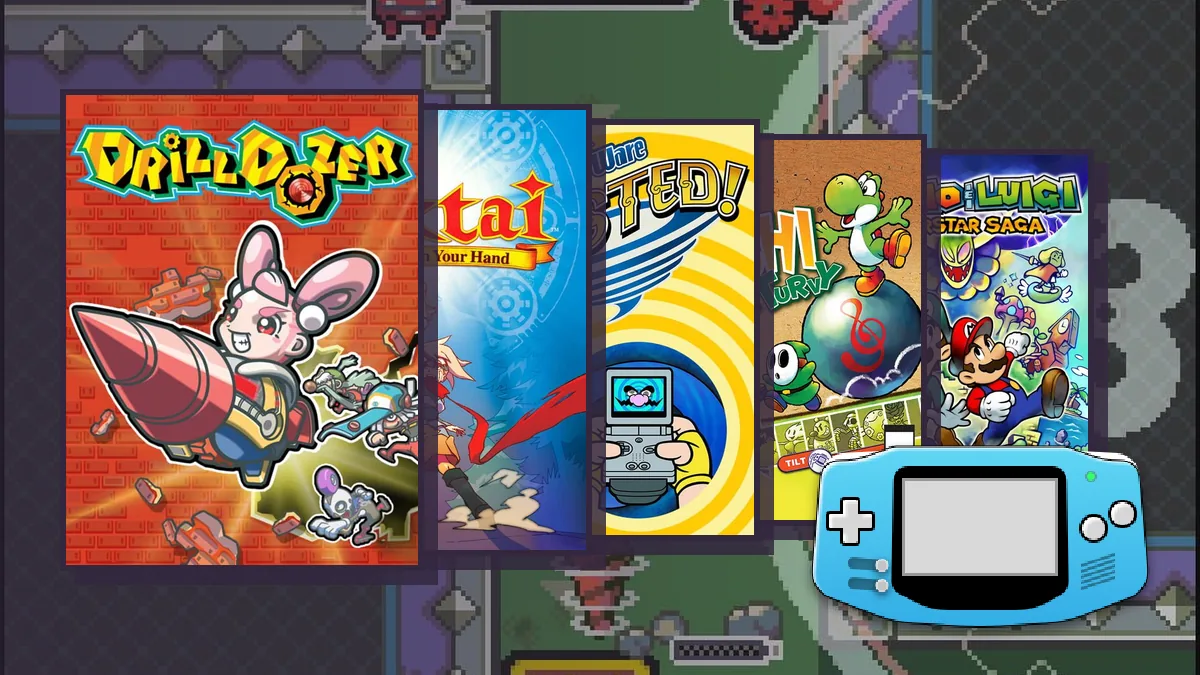 Best Unique Games
 Most Expensive Games
 Most Unique Games
 Worst Games


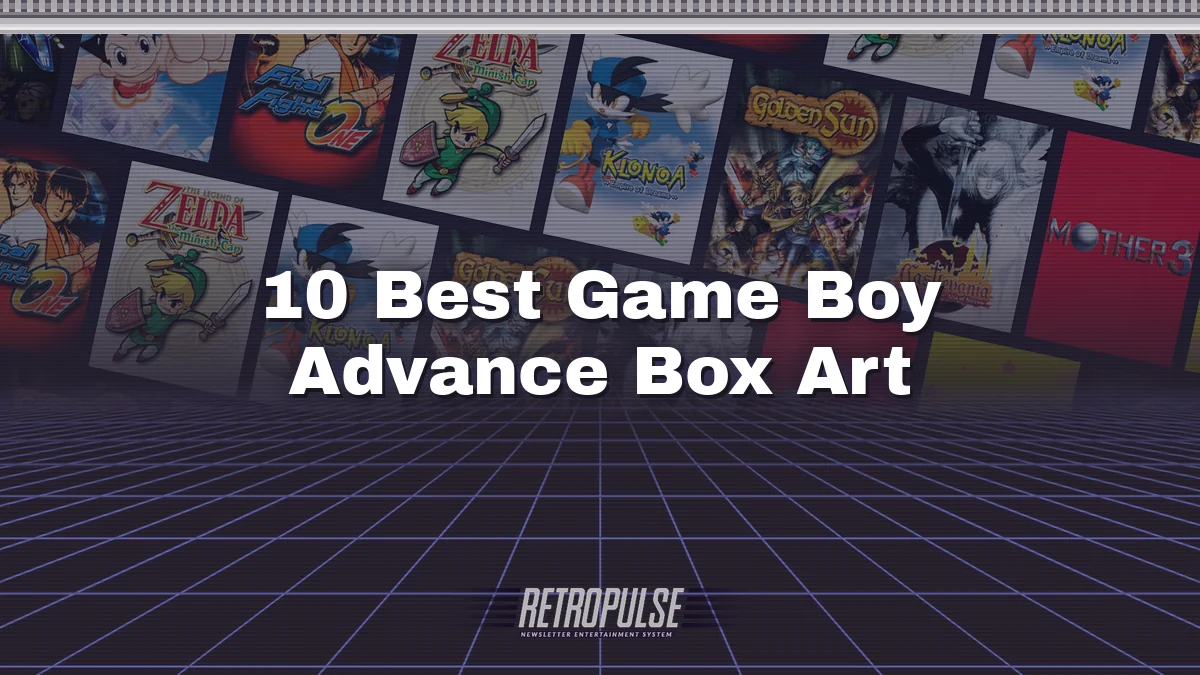
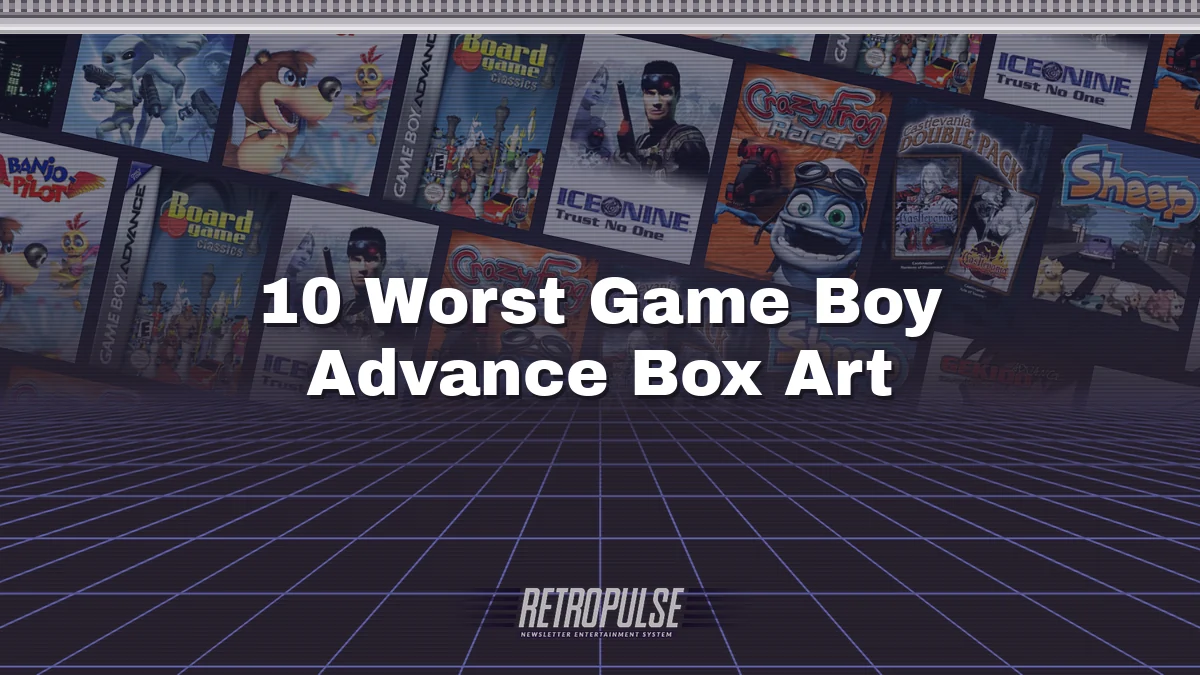
Box art
Handhelds for Game Boy Advance games
Almost every emulation handheld runs GBA games well, so the real difference is how much of the screen the picture fills. The ones below fill the most of it with even pixels.
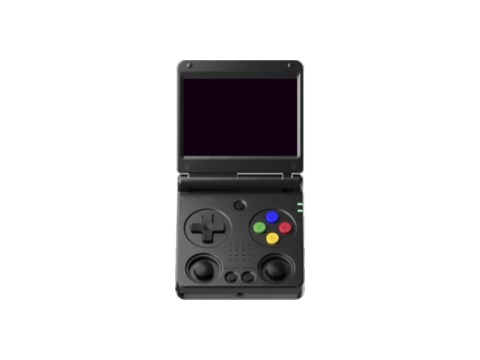
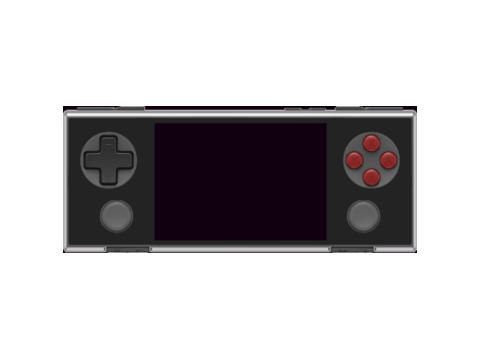
275 of 279 handhelds in our database play Game Boy Advance games well (80 or more out of 100). Best handhelds for GBA → Best under $100 →