The Game Boy lost the spec war and won everything else. The Atari Lynx arrived at the same time with more power, and the Sega Game Gear followed a year later. Even so, Nintendo's handheld cost much less and ran for 10 to 30 hours on four AA batteries, so it outsold both of them anyway. (Four shades of green against full color, and the green won. Never underestimate people who just want the batteries to last.)
Nintendo's president expected 25 million sales in three years. Instead the Game Boy sold 32 million in that time, and Tetris did a lot of the lifting. It came in the box everywhere except Japan and became the best-selling game on the system.
Key facts
- Released
- April 21, 1989 in Japan, July 31, 1989 in North America, September 28, 1990 in EuropeSource
- Launch price
- ¥12,500 in Japan, US$89.95 in North AmericaSource
- Units sold
- 118.69 million together with the Game Boy Color, 64.42 million of them monochrome models sold before the Color arrivedSource
- Best-selling game
- Tetris, over 30 million copiesSource
- Best-selling series
- Pokémon Red, Blue and Yellow, more than 46 million copies togetherSource
- Designed by
- Gunpei Yokoi and Nintendo R&D1Source
- Power
- Four AA batteries, 10 to 30 hours of playSource
- Screen
- Four shades with a pea-green tint and no backlightSource
- Discontinued
- 2003Source
How a cheaper, greener handheld won
Gunpei Yokoi modeled the Game Boy on his own Game & Watch line, and the project spent three years in development. In 1987 Hiroshi Yamauchi asked for a successor to Game & Watch priced under ¥10,000. However, the cost of the display killed that target, so the Game Boy went on sale for ¥12,500 instead.
Tetris was not even ready for the Japanese launch. It was finished in time for North America, though, and Henk Rogers, who had the rights, convinced Nintendo of America president Minoru Arakawa to make it the pack-in game instead of Super Mario Land. His argument was that Mario mostly appealed to young boys while Tetris would appeal to everyone. He was right, annoyingly. On top of that, the Link Cable let two players go head to head in real time, which turned a puzzle game into a grudge match.
Meanwhile the hardware barely changed, and yet the sales kept coming. The Game Boy Pocket finally sharpened the screen and dropped the green tint, while the backlit Game Boy Light never left Japan. Then Pokémon made the aging handheld a bestseller again, and it helped keep Nintendo afloat during the troubled N64 years. As a result, when the Game Boy line was discontinued in 2003, it was the best-selling game console of all time. As of 2025 it still sits fourth, behind the Nintendo DS, the PlayStation 2 and the Nintendo Switch.
The best Game Boy games
Ranked by how often players recommend them, with picks other players backed counting extra. The Legend of Zelda: Link's Awakening takes #1, and Tetris is second.
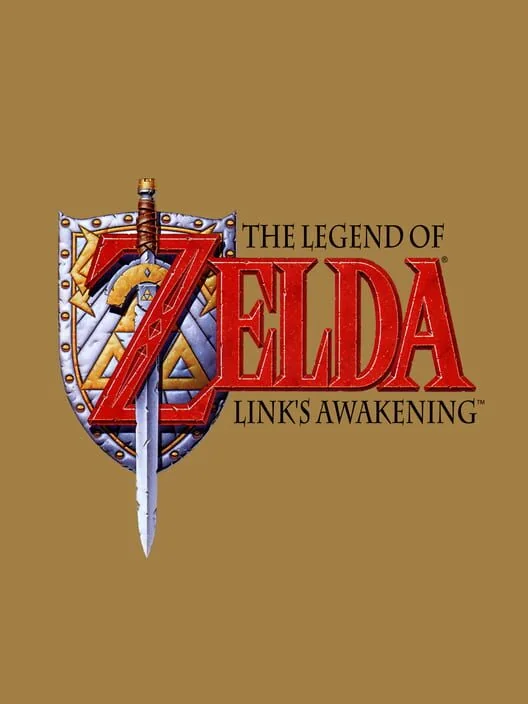 1The Legend of Zelda: Link's Awakening (1993)
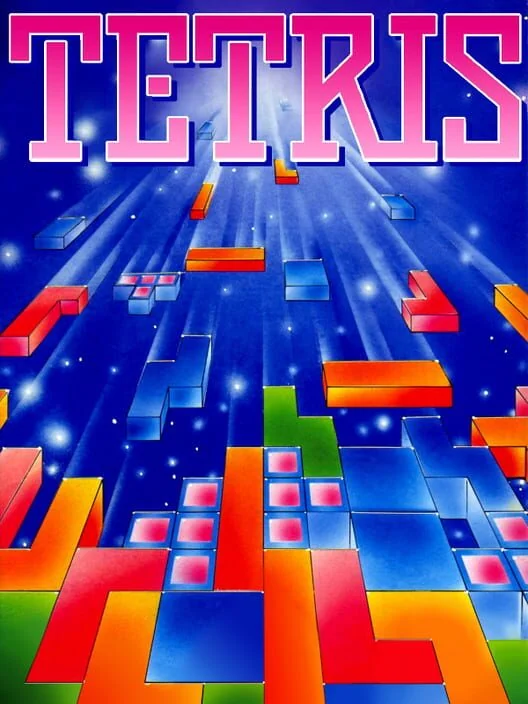 2Tetris (1989)
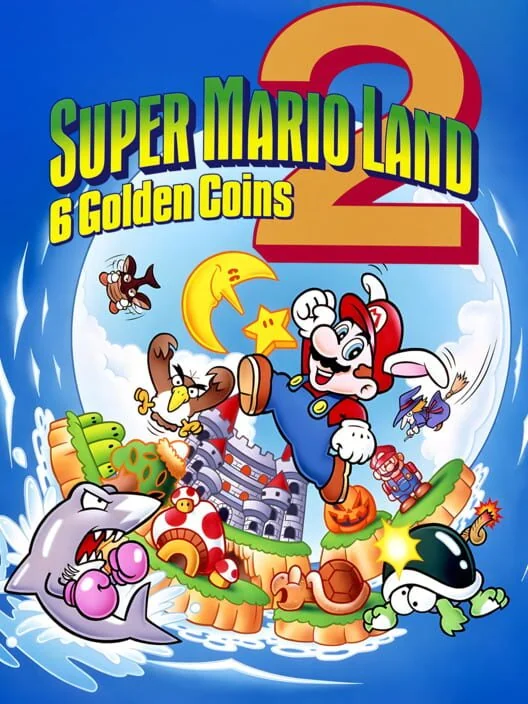 3Super Mario Land 2: 6 Golden Coins (1992)
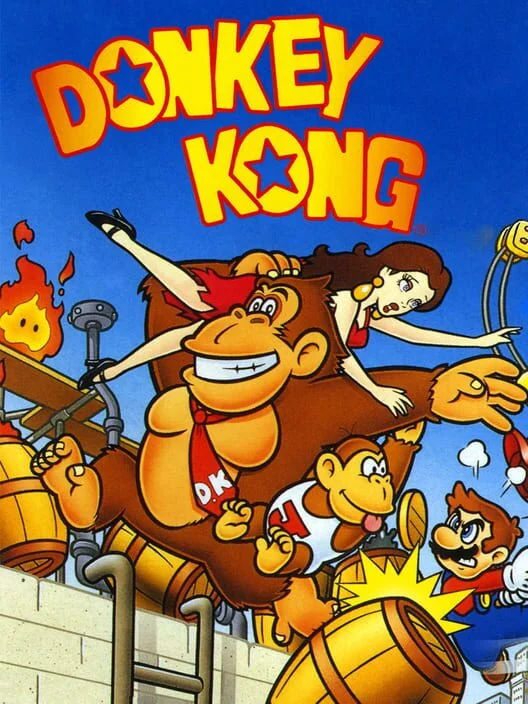 4Donkey Kong (1994)
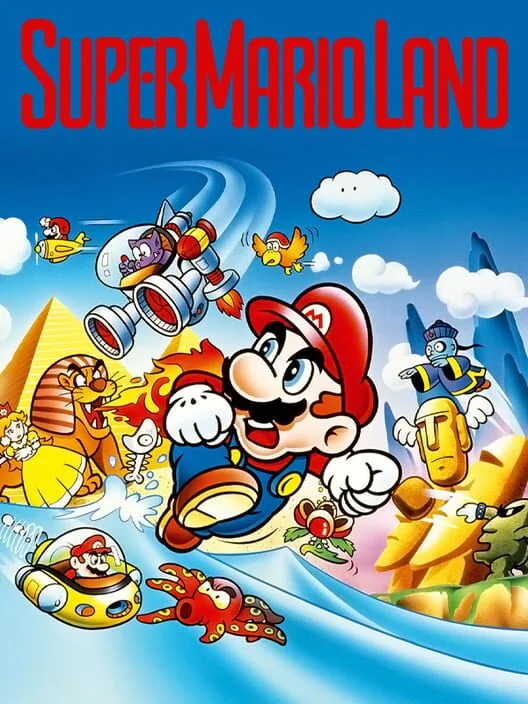 5Super Mario Land (1989)Read the retrospective
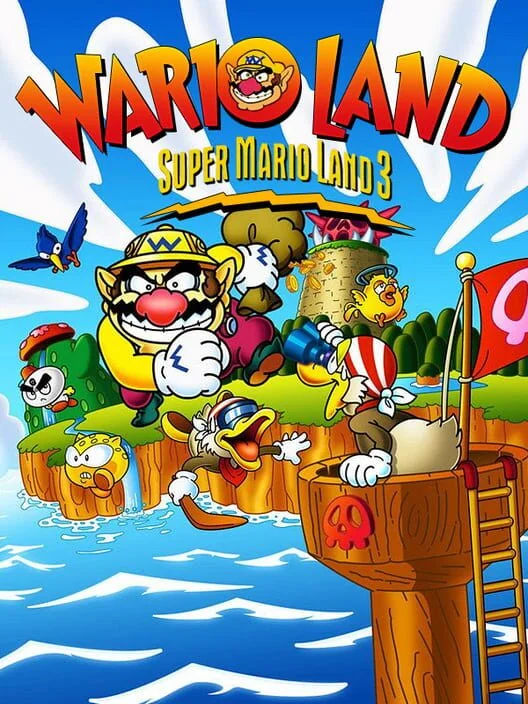 6Wario Land: Super Mario Land 3 (1994)
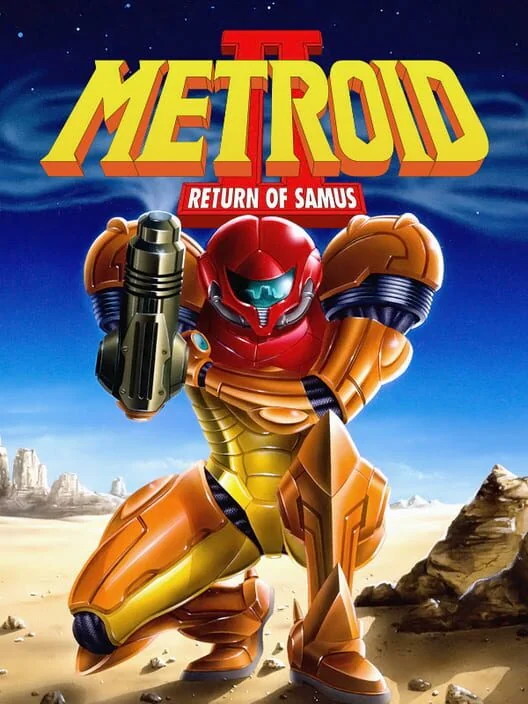 7Metroid II: Return of Samus (1991)Read the retrospective
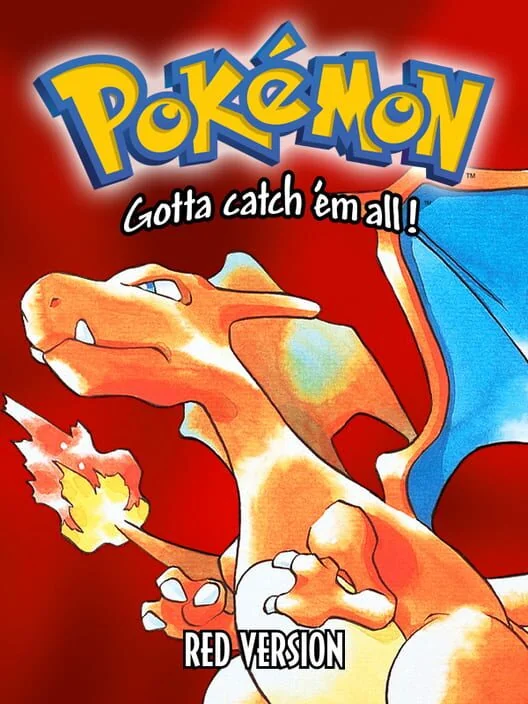 8Pokémon Red Version (1996)
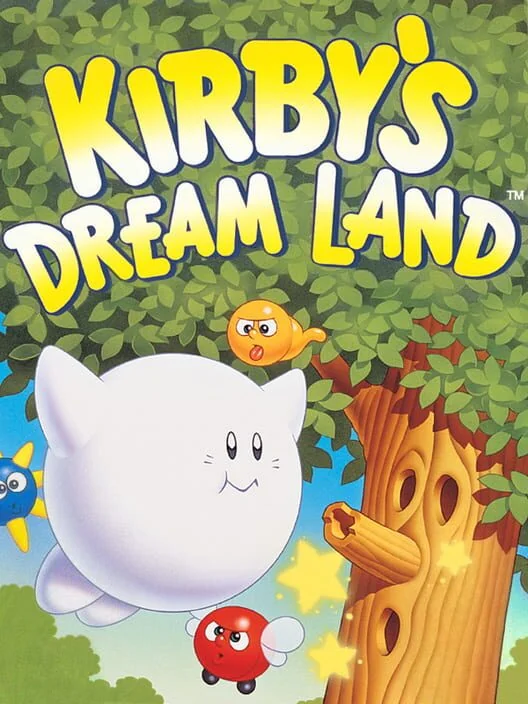 9Kirby's Dream Land (1992)
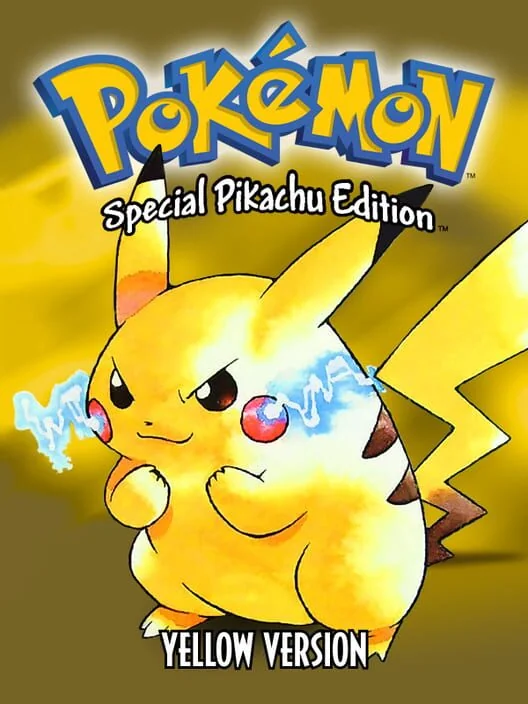 10Pokémon Yellow Version: Special Pikachu Edition (1998)
Further down the list, with a retrospective
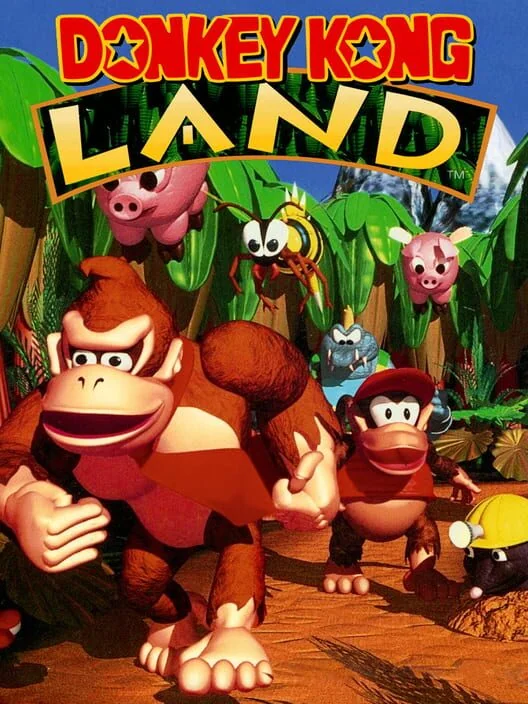 19Donkey Kong Land (1995)Read the retrospective
Every Game Boy list
Best games
 Best Action Games
 Best Action Games
 Best Adventure Games
 Best Demakes
 Best Fighting Games
 Best Games
 Best Hidden Gems
 Best Homebrew Games
 Best Platformers
 Best Ports
 Best Puzzle Games
 Best Racing Games
 Best RPGs
 Best Sports Games
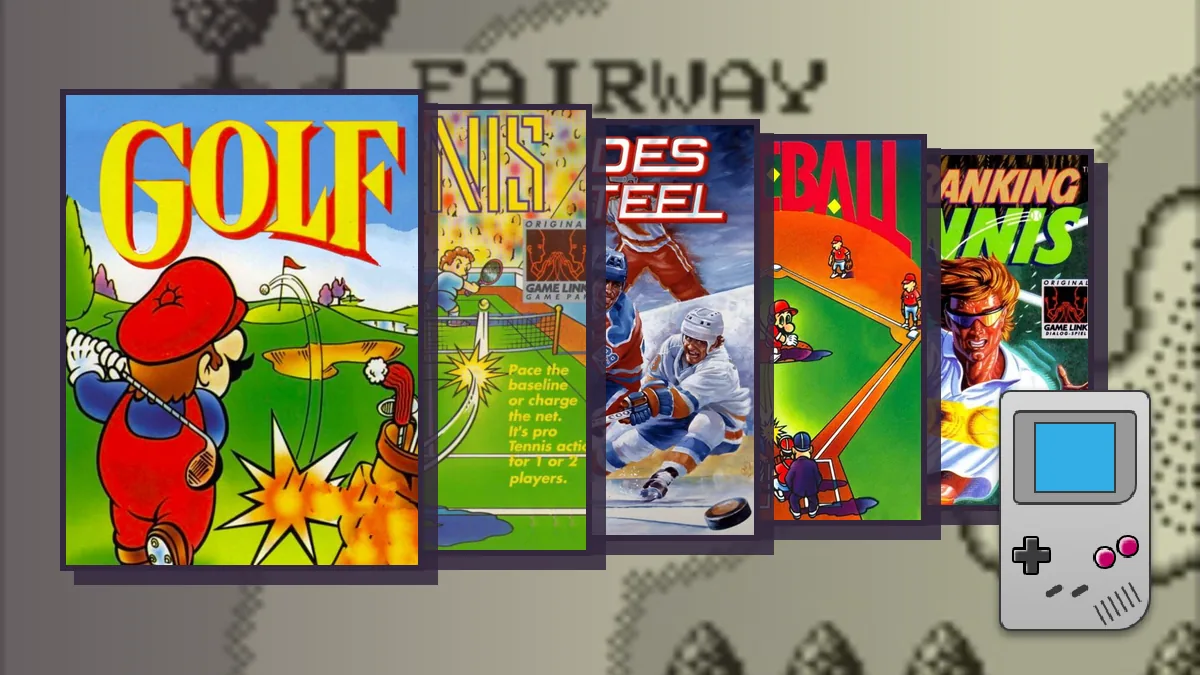 Best Sports Games
 Most Expensive Games
 10 Best-Looking Game Boy Color Games
 Best GBC Action Games
 Best GBC Adventure Games
 Best GBC Board and Card Games
 Best GBC Games
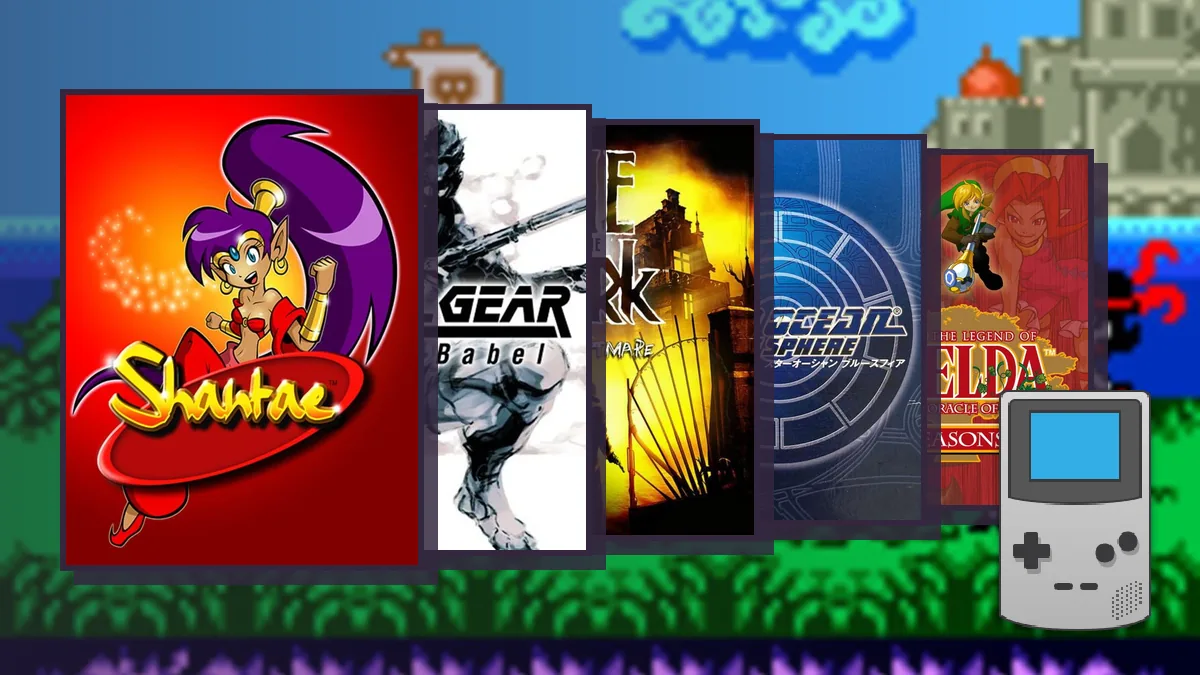 Best GBC Graphics Games
 Best GBC Hidden Gems
 Best GBC Platformers
 Best GBC Puzzle Games
 Best GBC Racing Games
 Best GBC RPGs
 Most Expensive GBC Games
By theme
Game Boy retrospectives
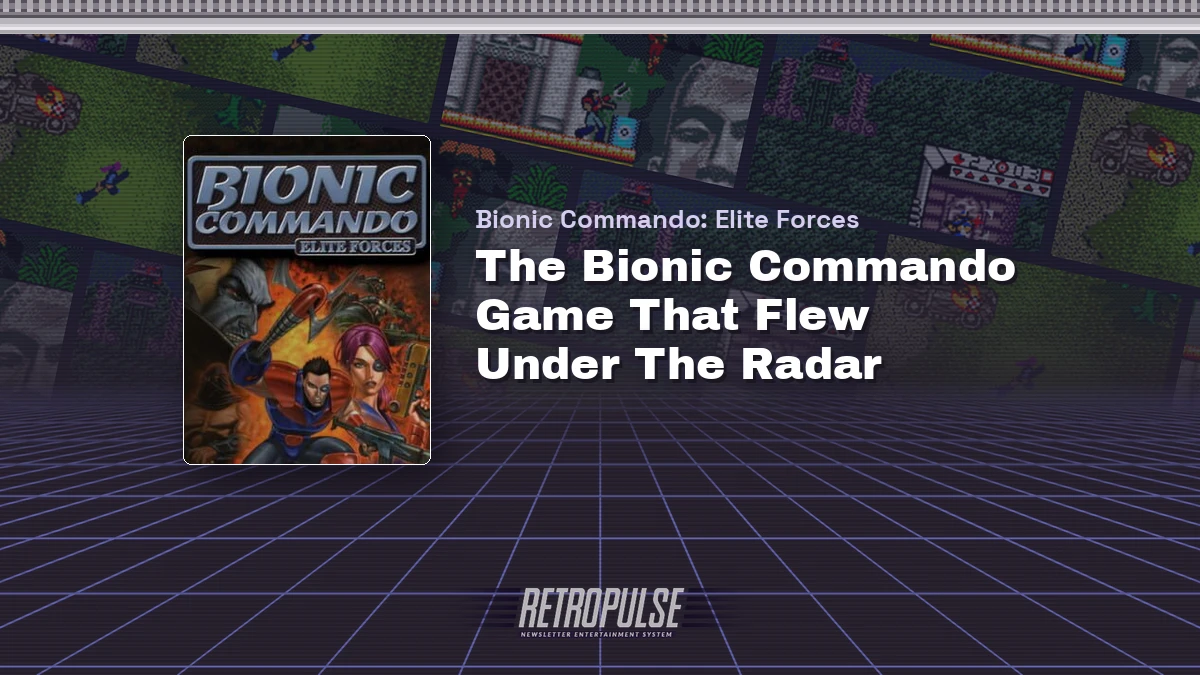 Bionic Commando: Elite Forces
 Bomberman Quest
 Donkey Kong Land
 Dragon Ball Z: Legendary Super Warriors
 Dragon Warrior III
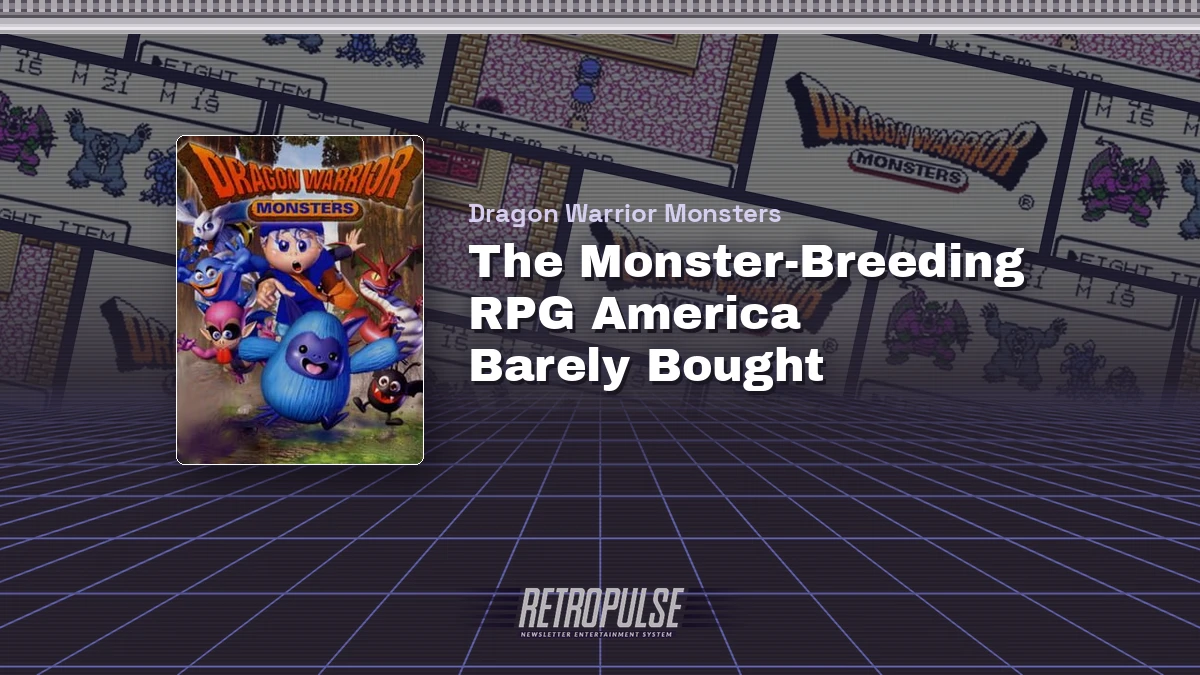 Dragon Warrior Monsters
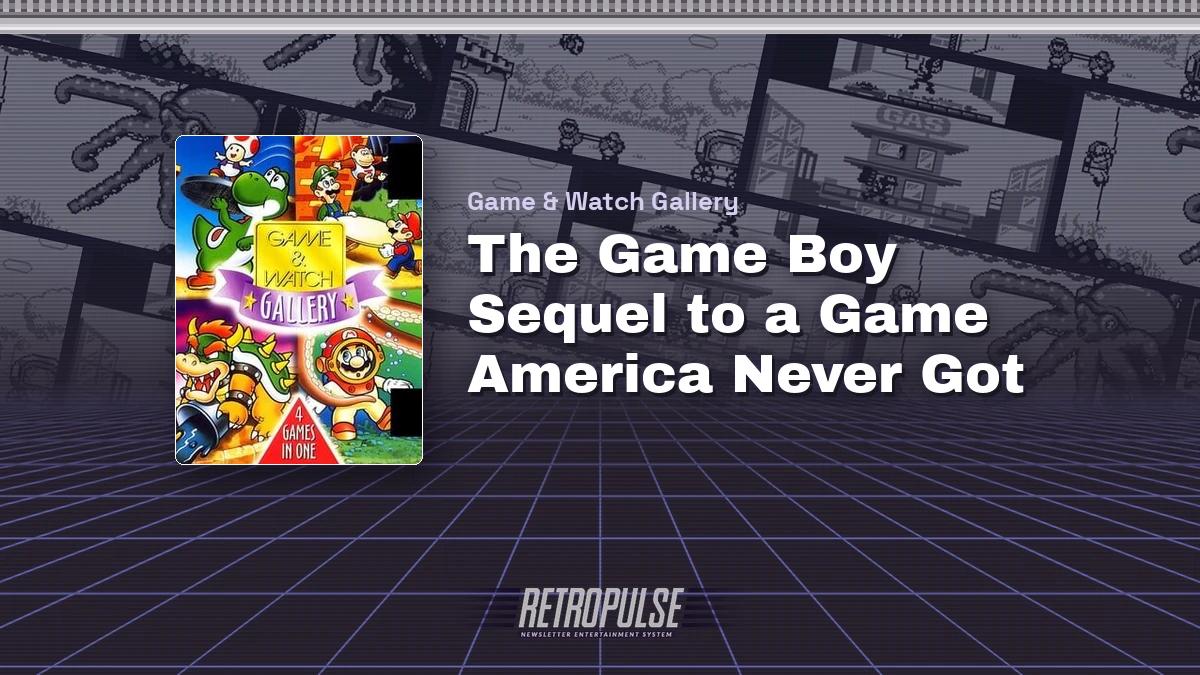 Game & Watch Gallery
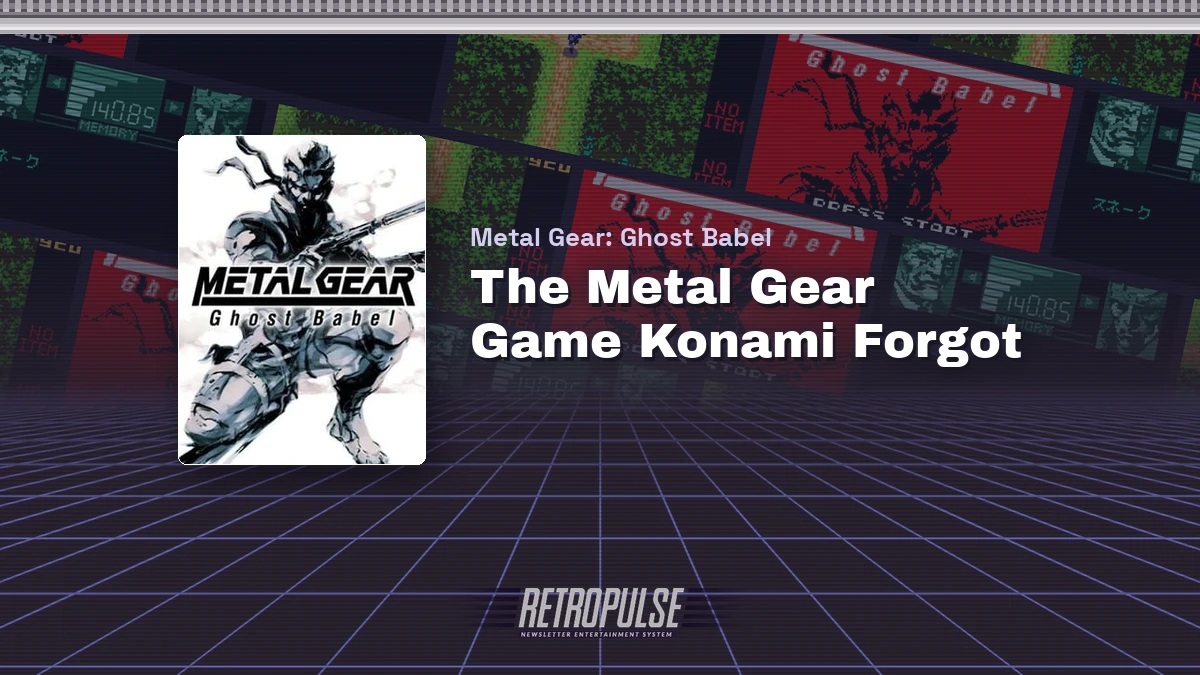 Metal Gear: Ghost Babel
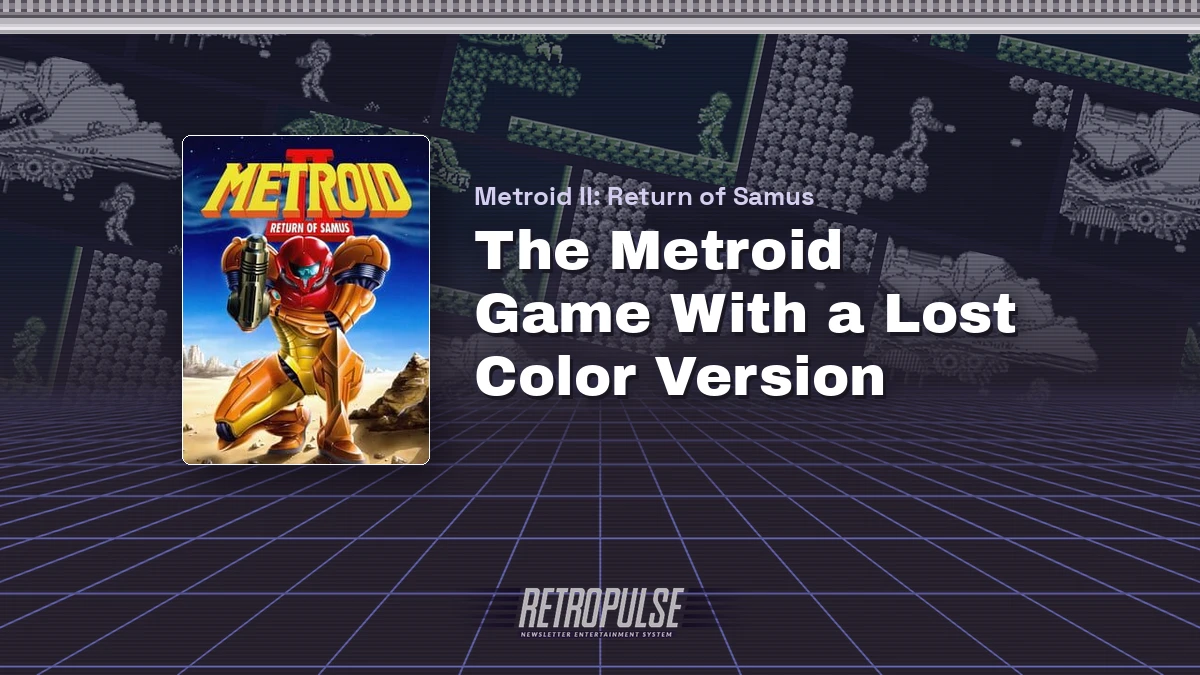 Metroid II: Return of Samus
 Pokémon Pinball
 Pokémon Puzzle Challenge
 Rayman
 Resident Evil Gaiden
 Street Fighter Alpha
 Super Mario Land
 Survival Kids
 The Legend of Zelda: Link's Awakening DX
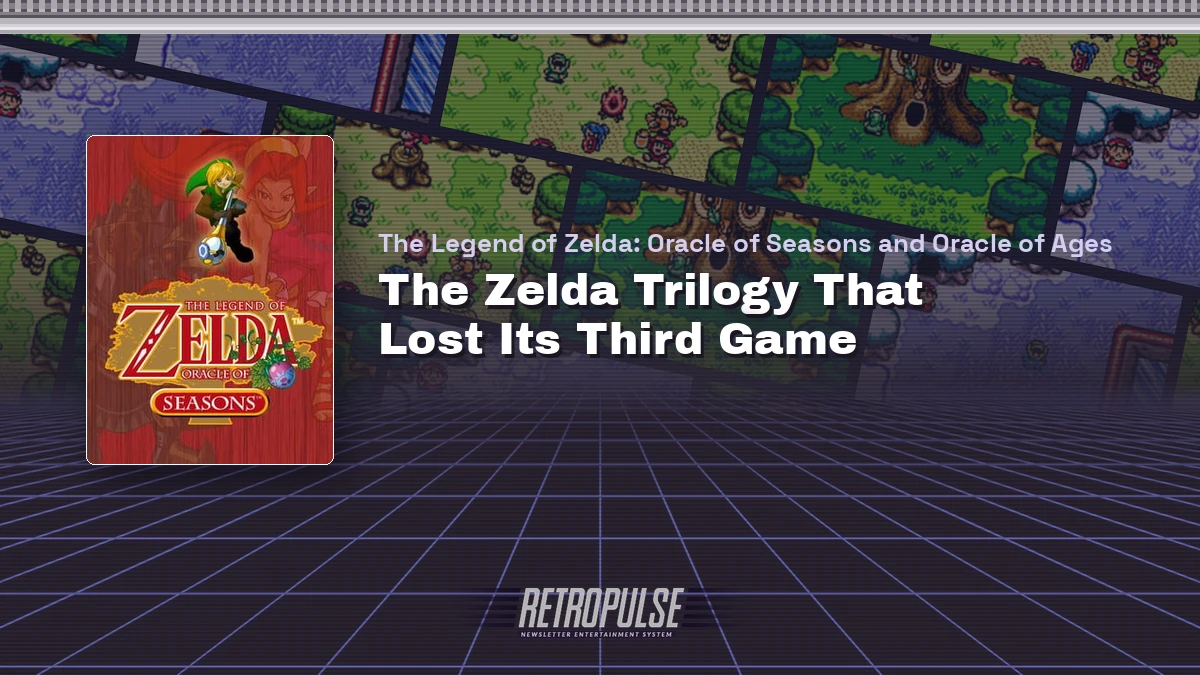 The Legend of Zelda: Oracle of Seasons and Oracle of Ages
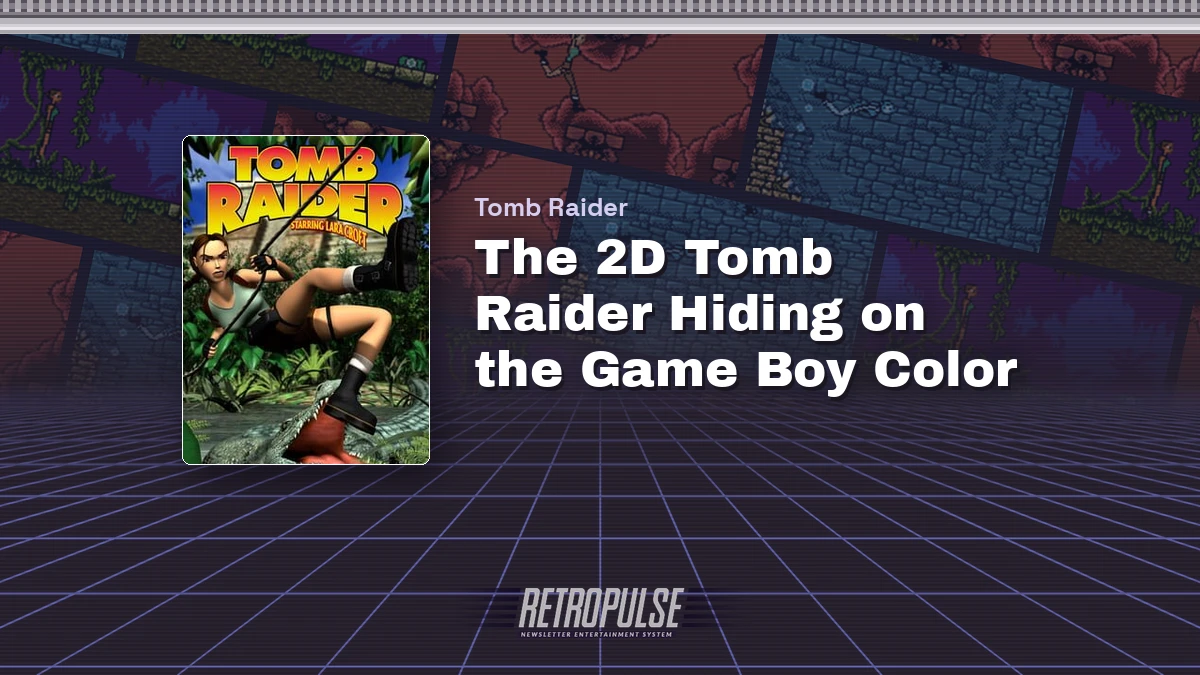 Tomb Raider
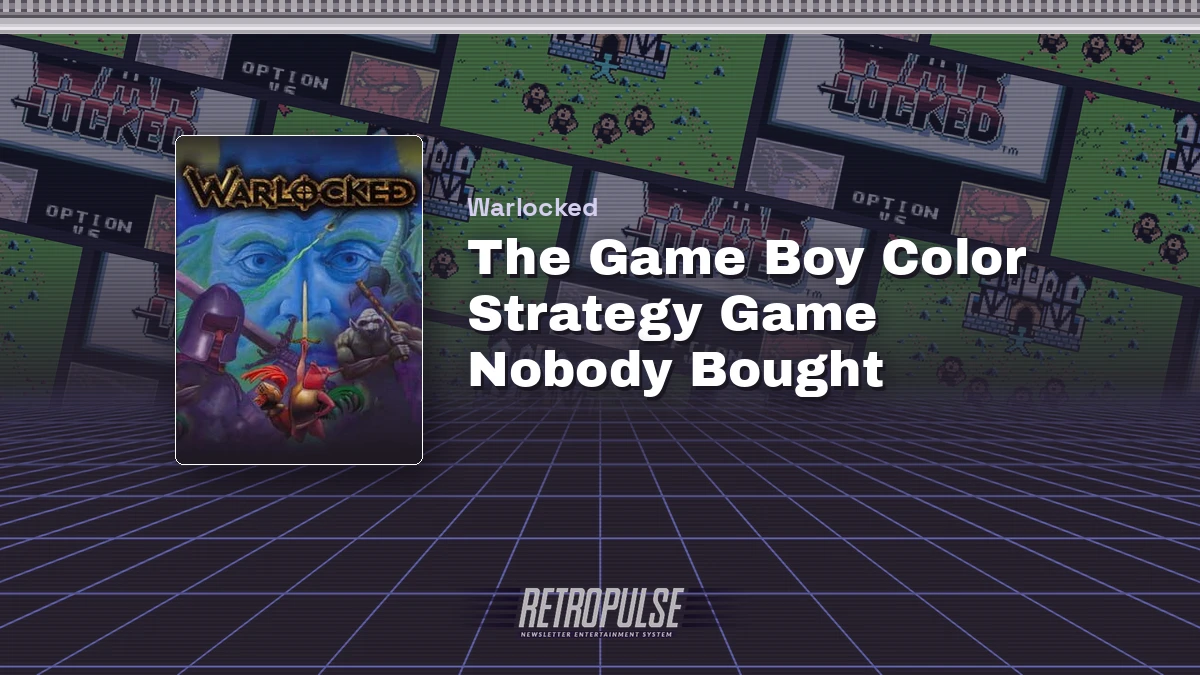 Warlocked
Game Boy features
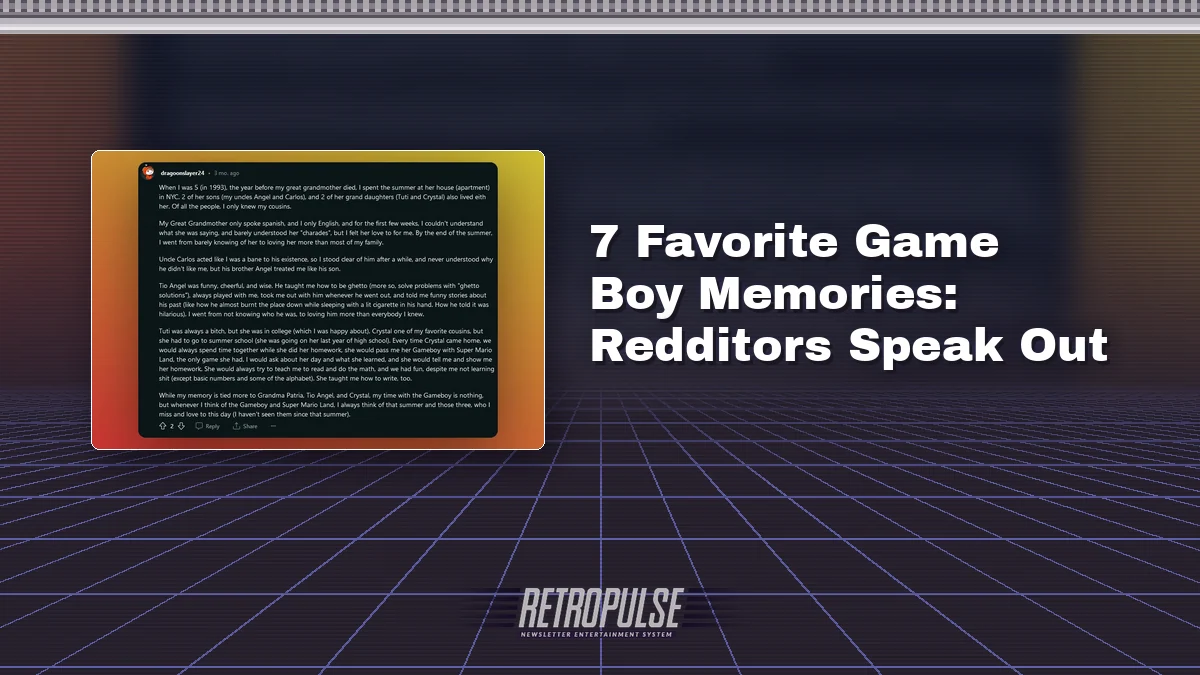 7 Favorite Game Boy Memories: Redditors Speak Out
 Check Out This Chiptune Cover of the Tears of the Kingdom Theme
 10 Amazing Custom Game Boys
 Here's What a Nintendo Smartphone Might Look Like
 This Fun Piece of Game Boy Merch Just Got a Facelift
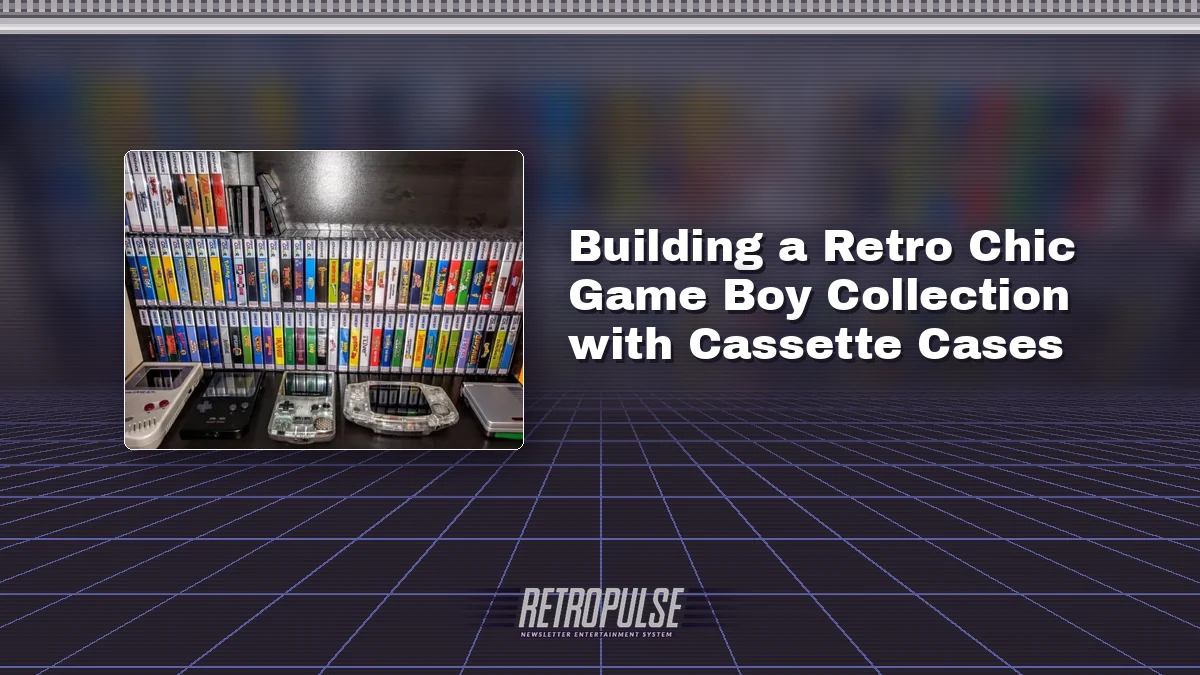 Building a Retro Chic Game Boy Collection with Cassette Cases
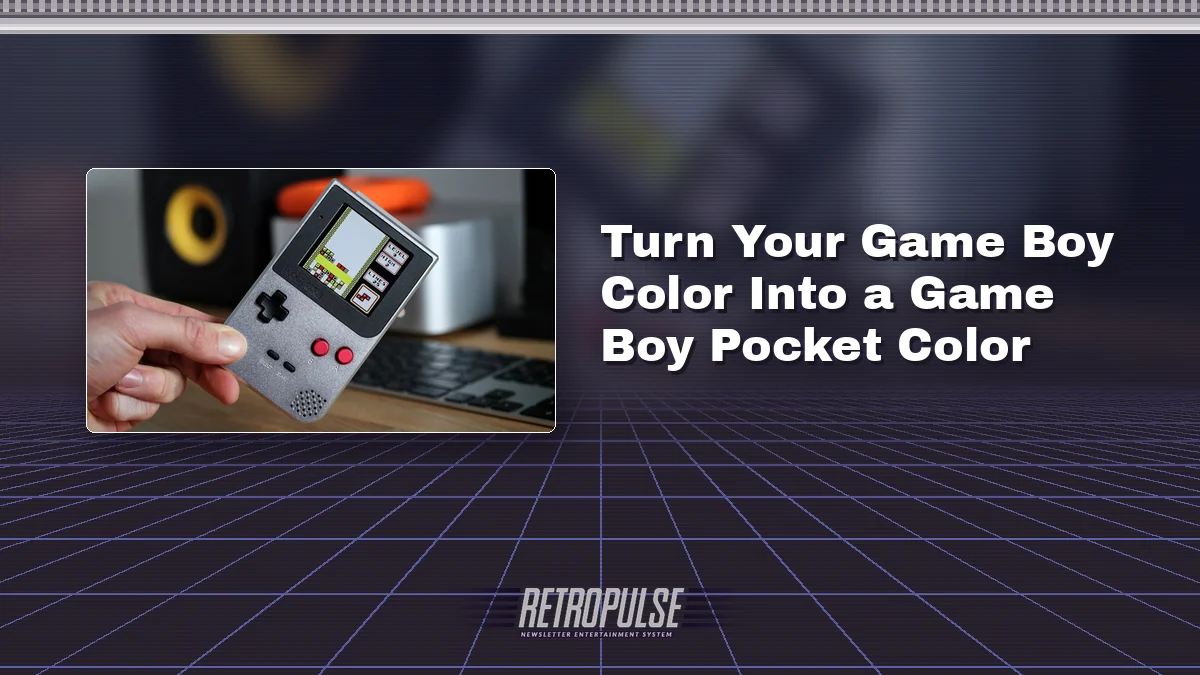 Turn Your Game Boy Color Into a Game Boy Pocket Color
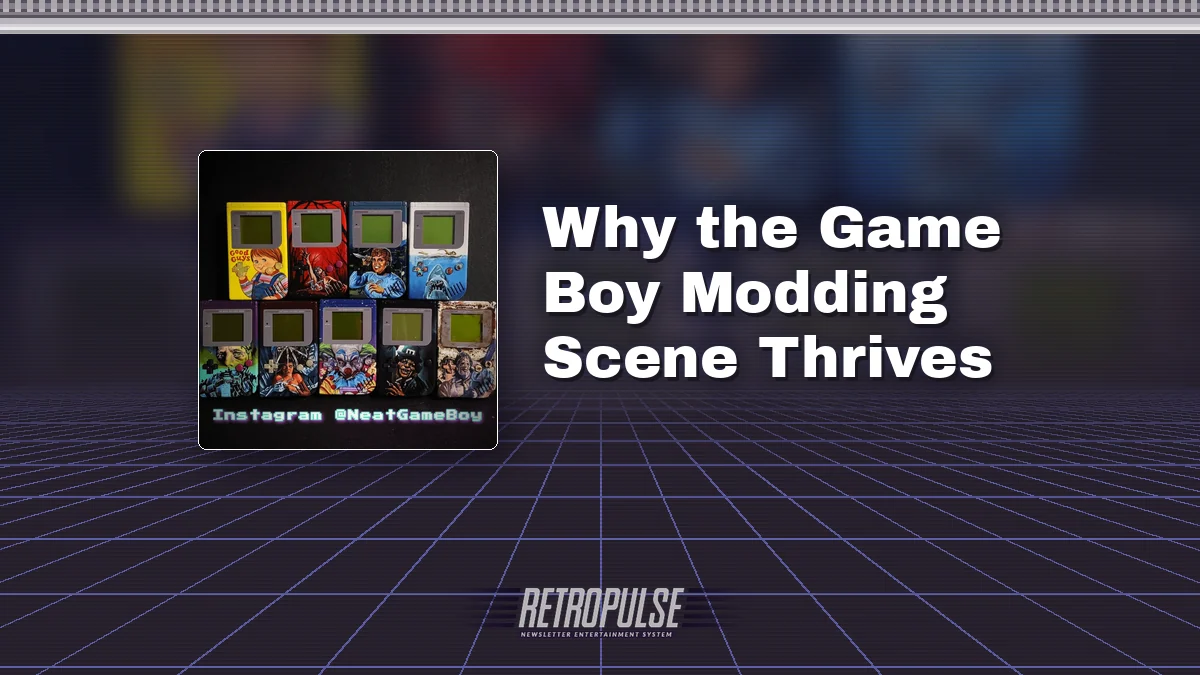 Why the Game Boy Modding Scene Thrives
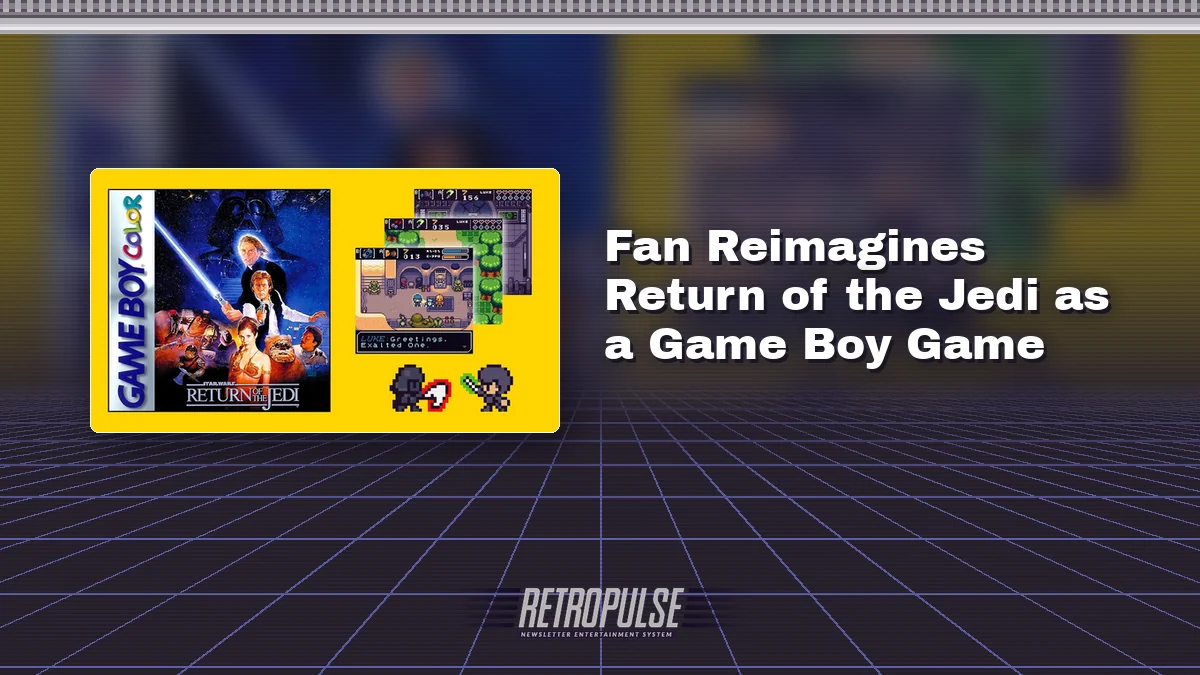 Fan Reimagines Return of the Jedi as a Game Boy Game
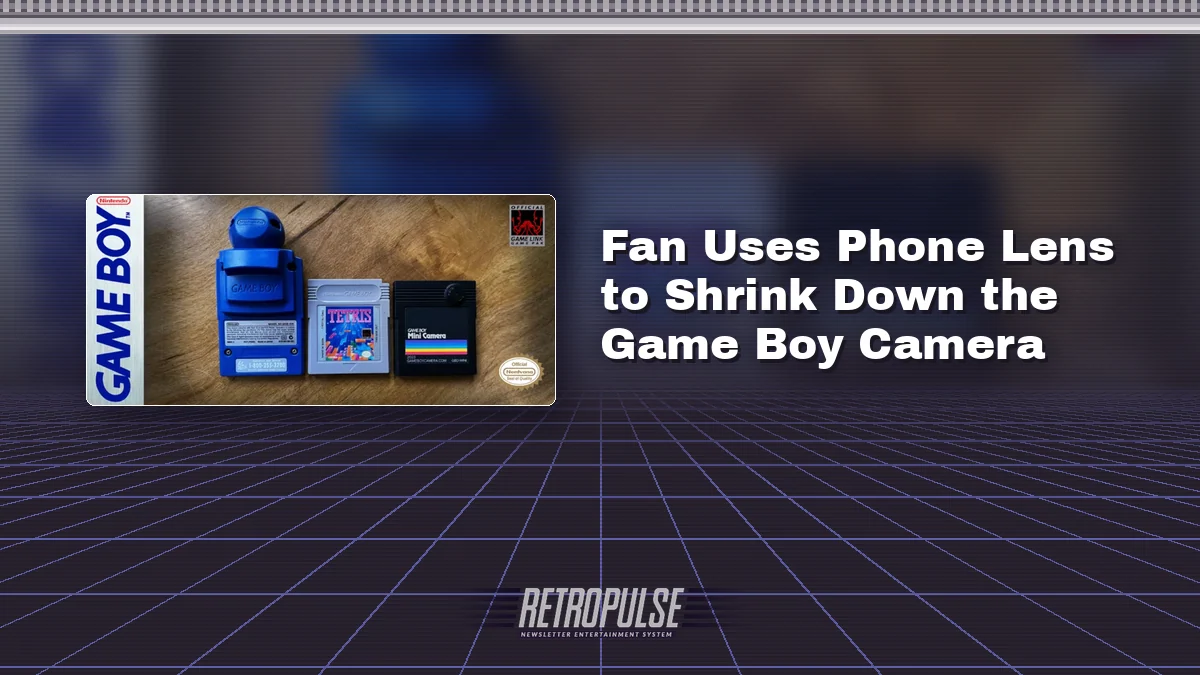 Fan Uses Phone Lens to Shrink Down the Game Boy Camera
 Breath of the Wild Demake Brings the Open-world Epic to Game Boy
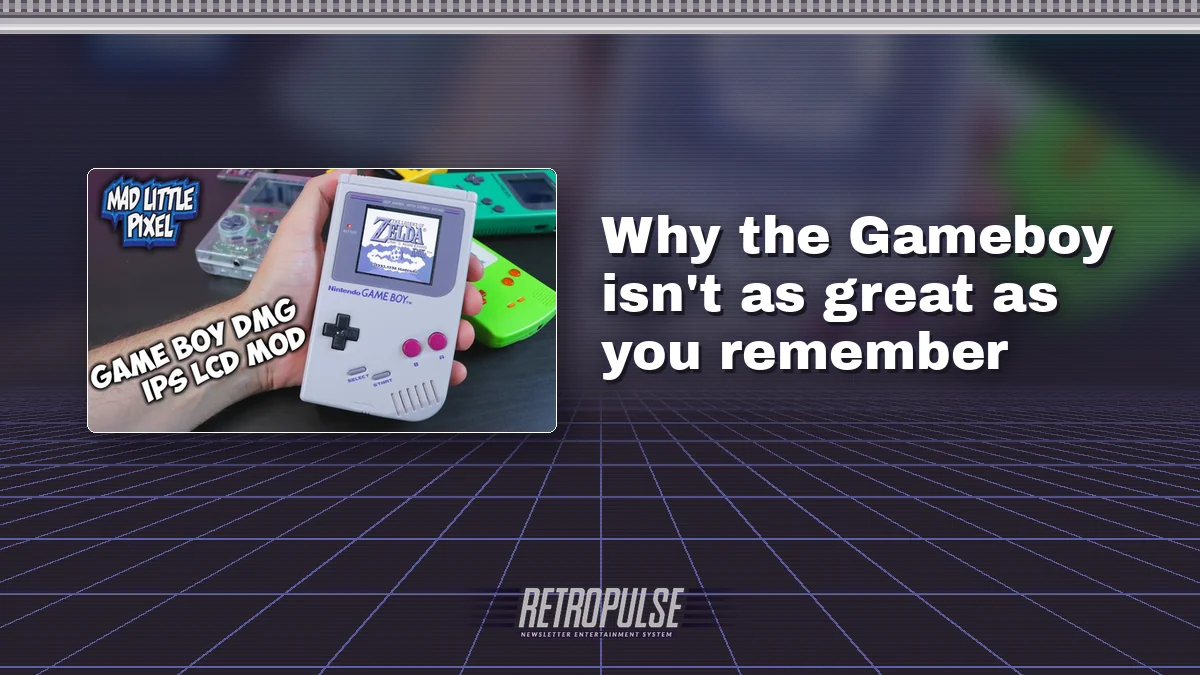 Why the Gameboy isn't as great as you remember
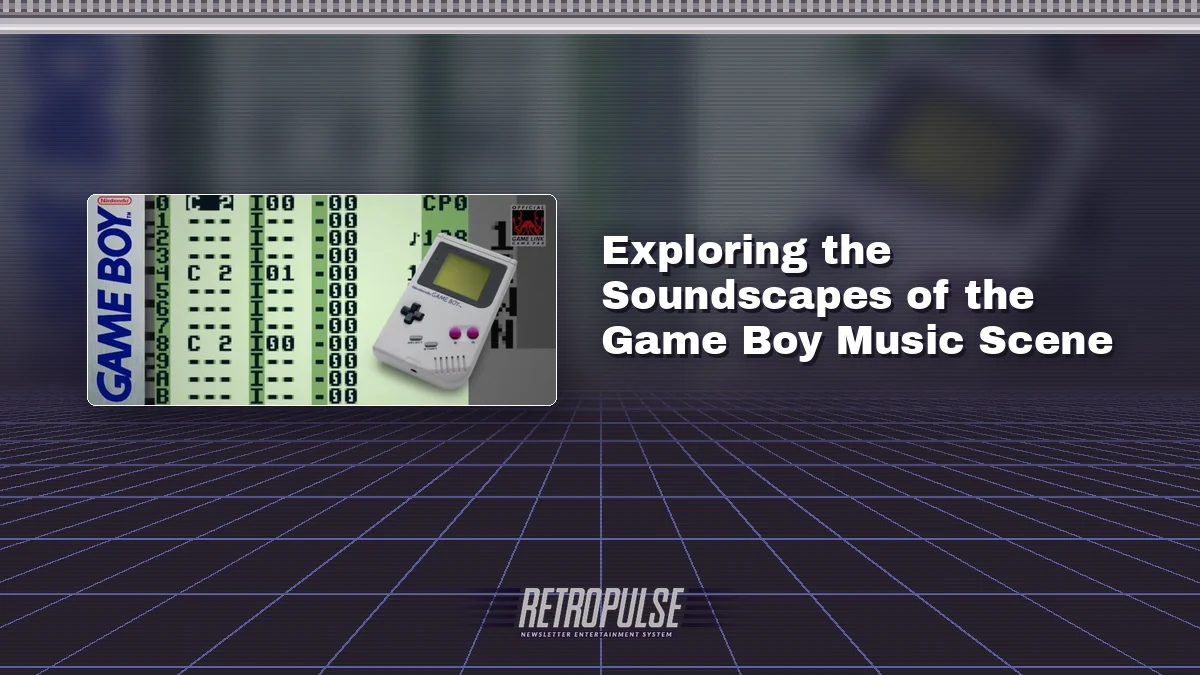 Exploring the Soundscapes of the Game Boy Music Scene
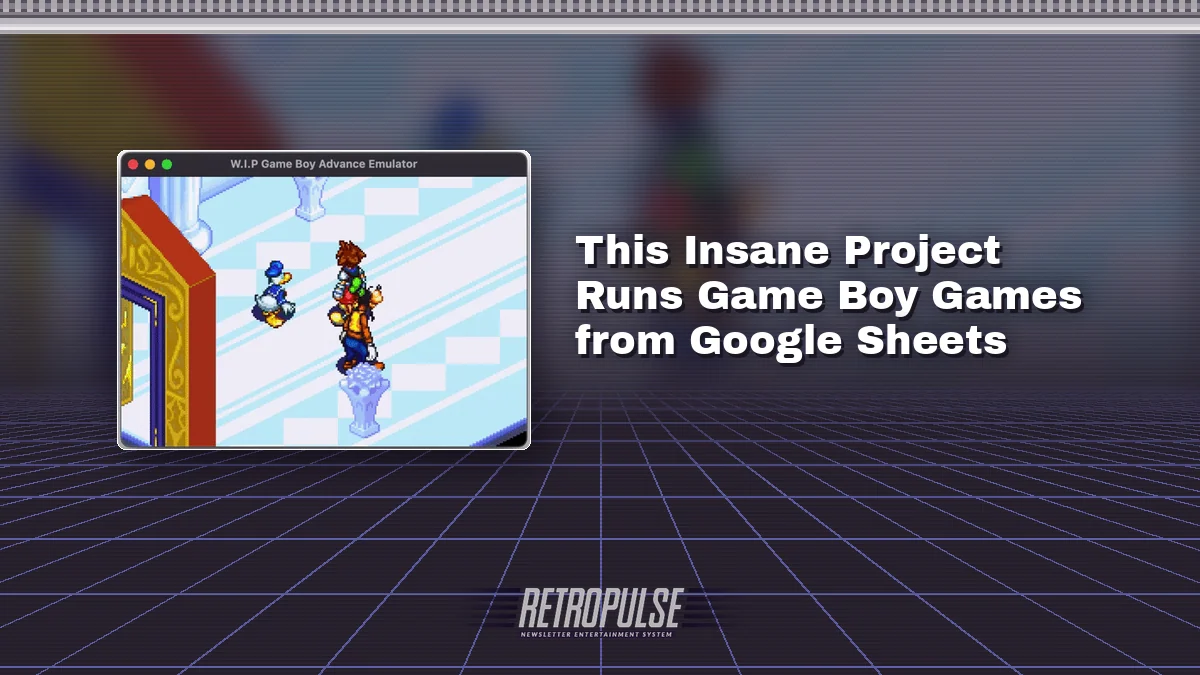 This Insane Project Runs Game Boy Games from Google Sheets
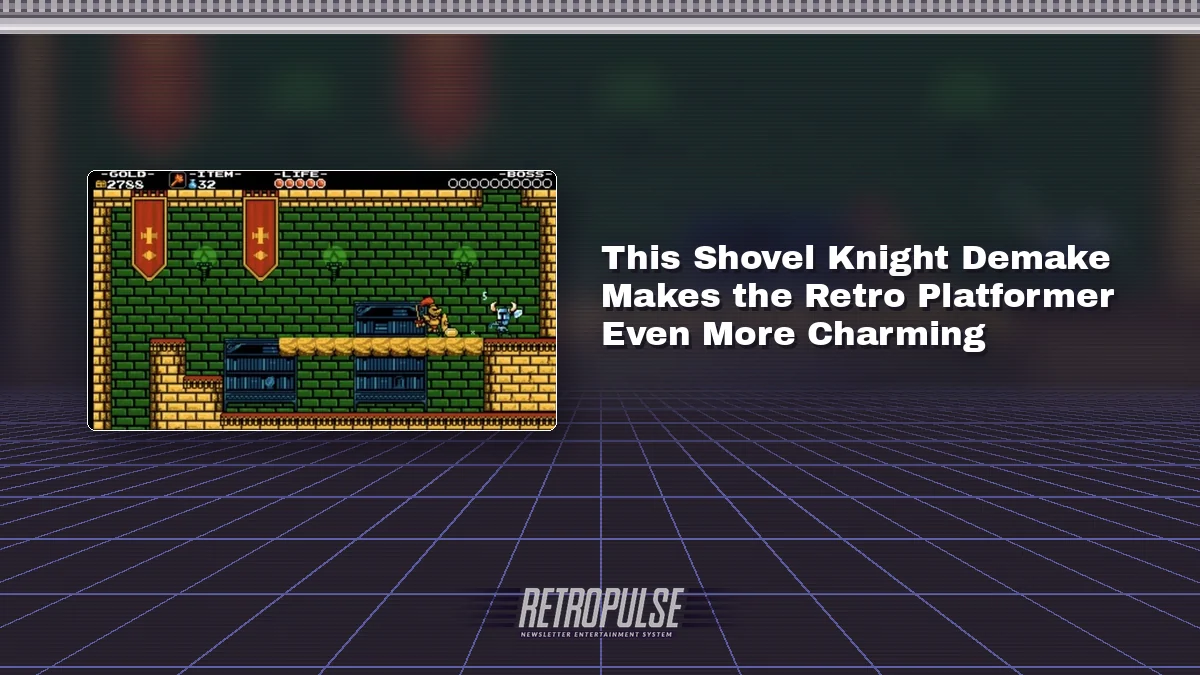 This Shovel Knight Demake Makes the Retro Platformer Even More Charming
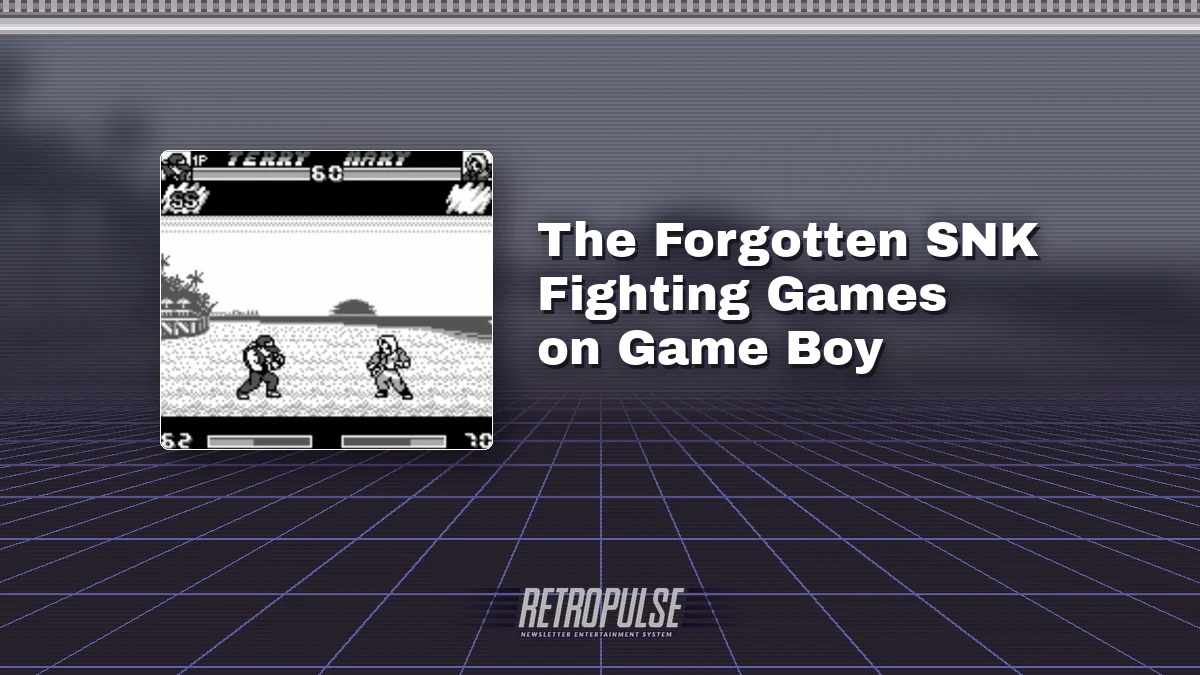 The Forgotten SNK Fighting Games on Game Boy
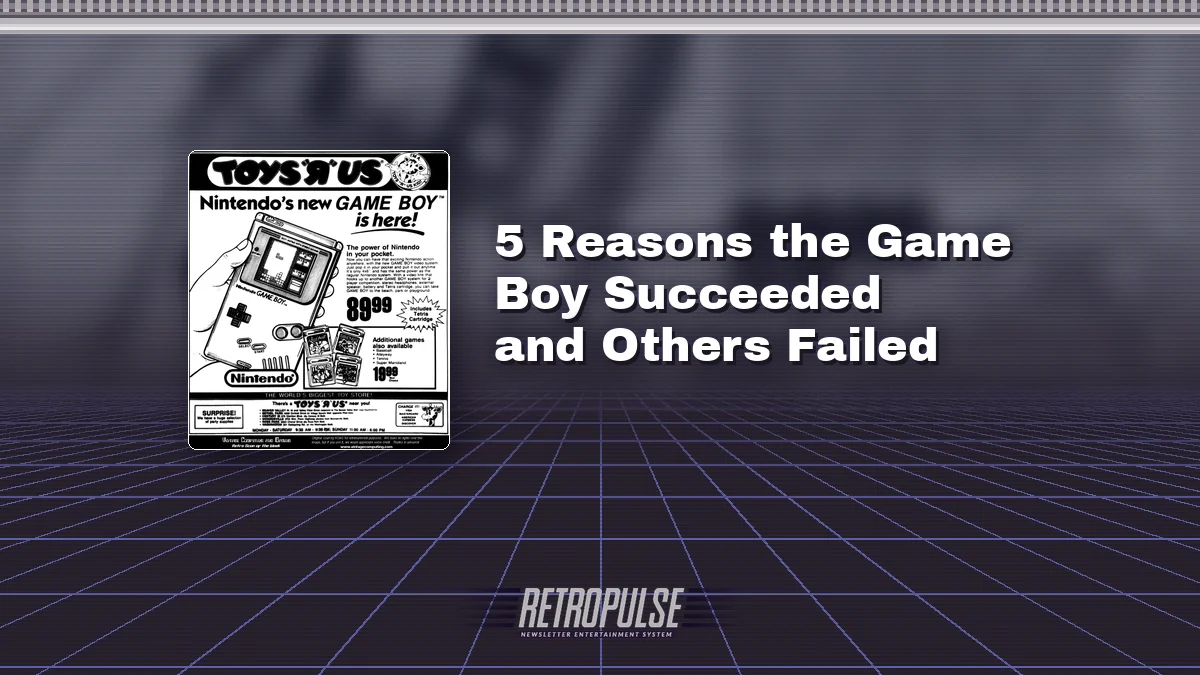 5 Reasons the Game Boy Succeeded and Others Failed
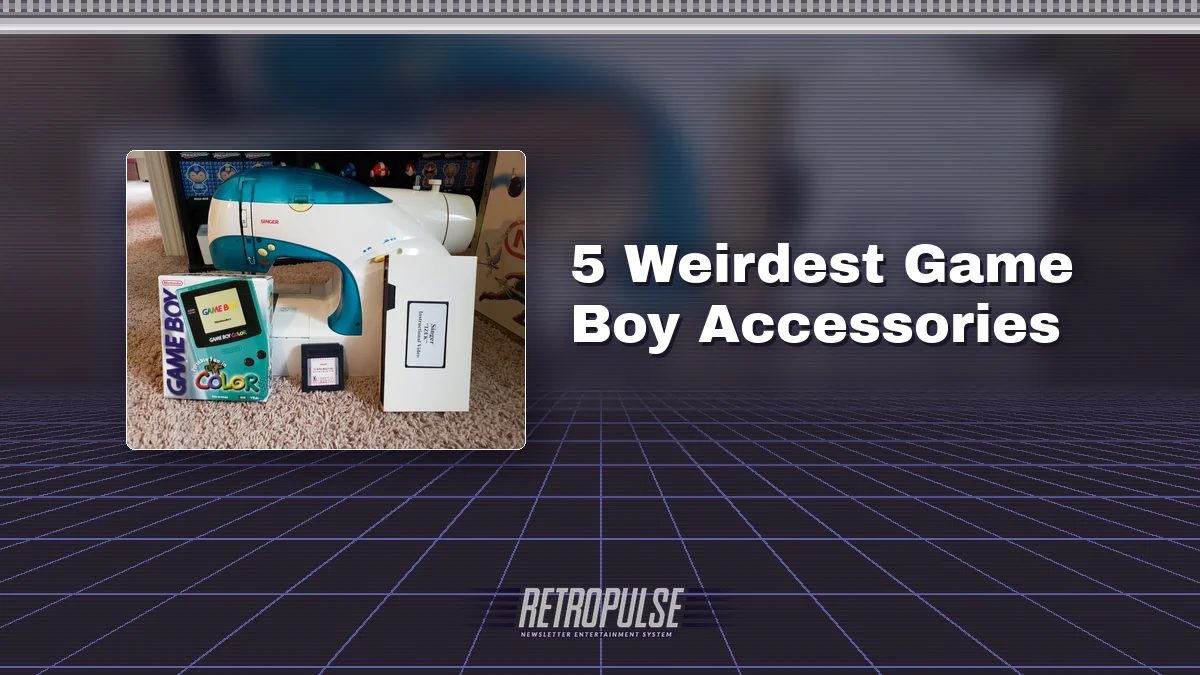 5 Weirdest Game Boy Accessories
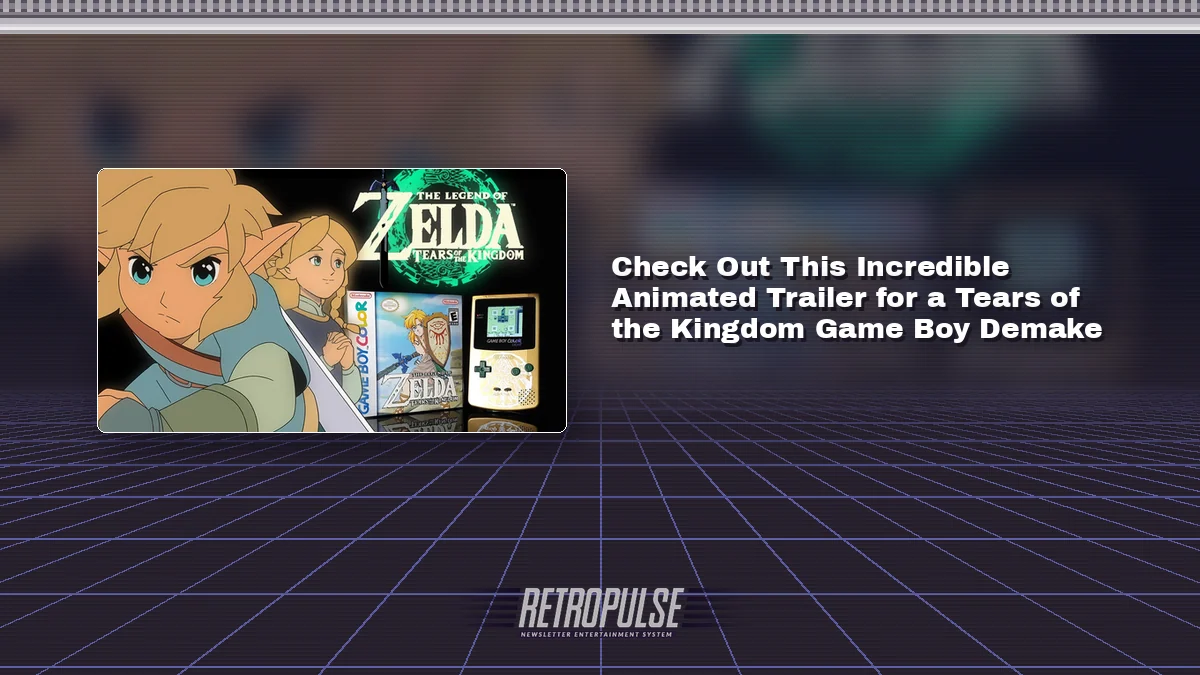 Check Out This Incredible Animated Trailer for a Tears of the Kingdom Game Boy Demake
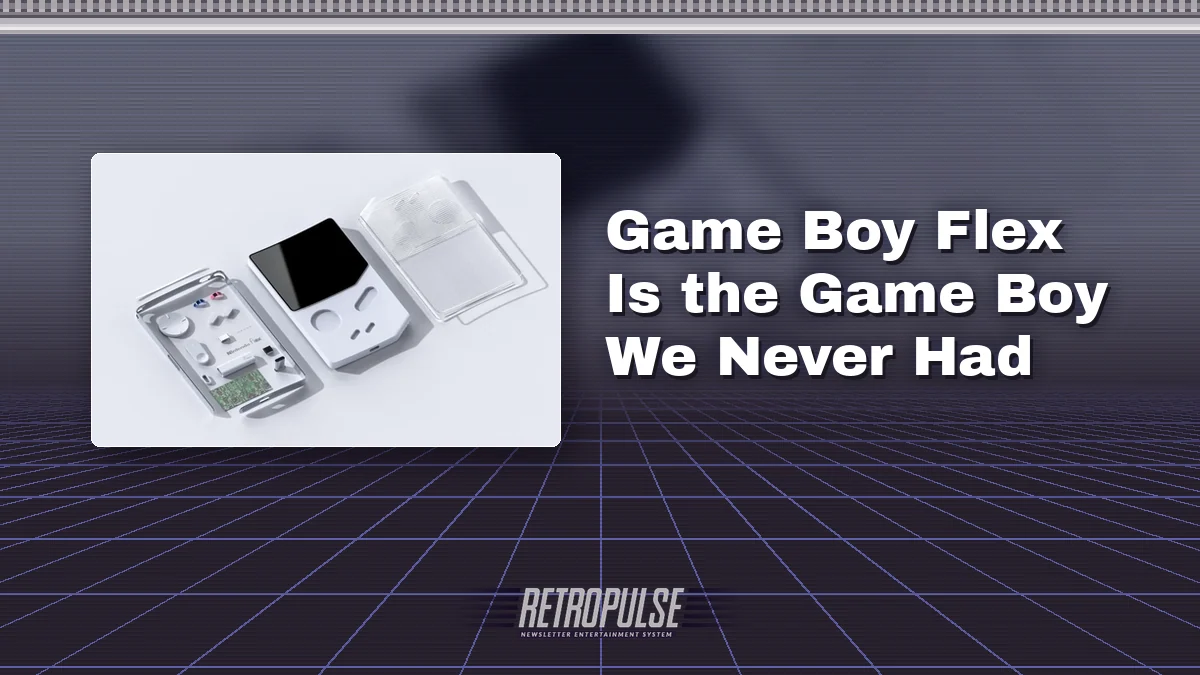 Game Boy Flex Is the Game Boy We Never Had
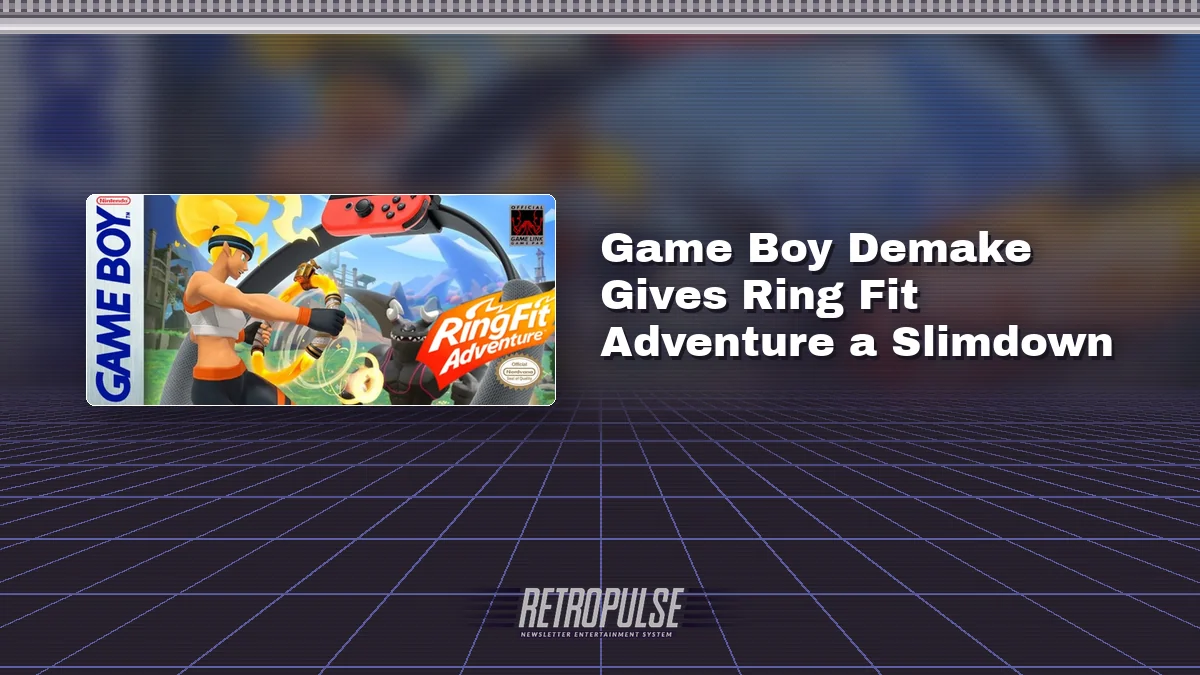 Game Boy Demake Gives Ring Fit Adventure a Slimdown
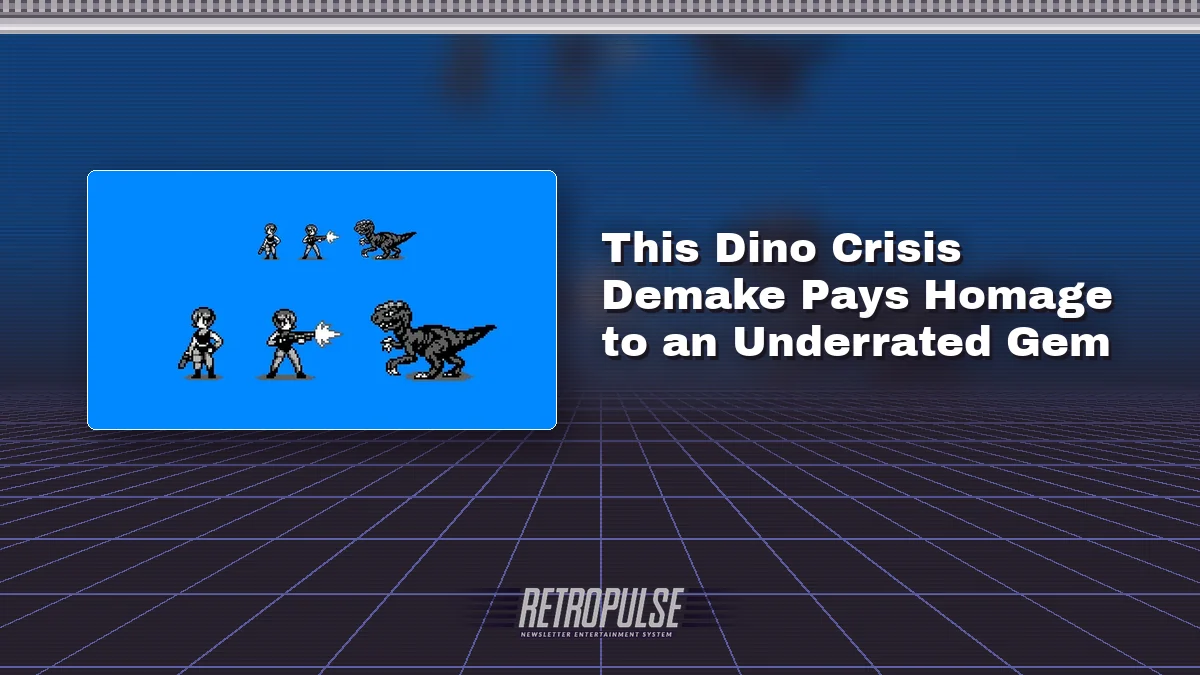 This Dino Crisis Demake Pays Homage to an Underrated Gem
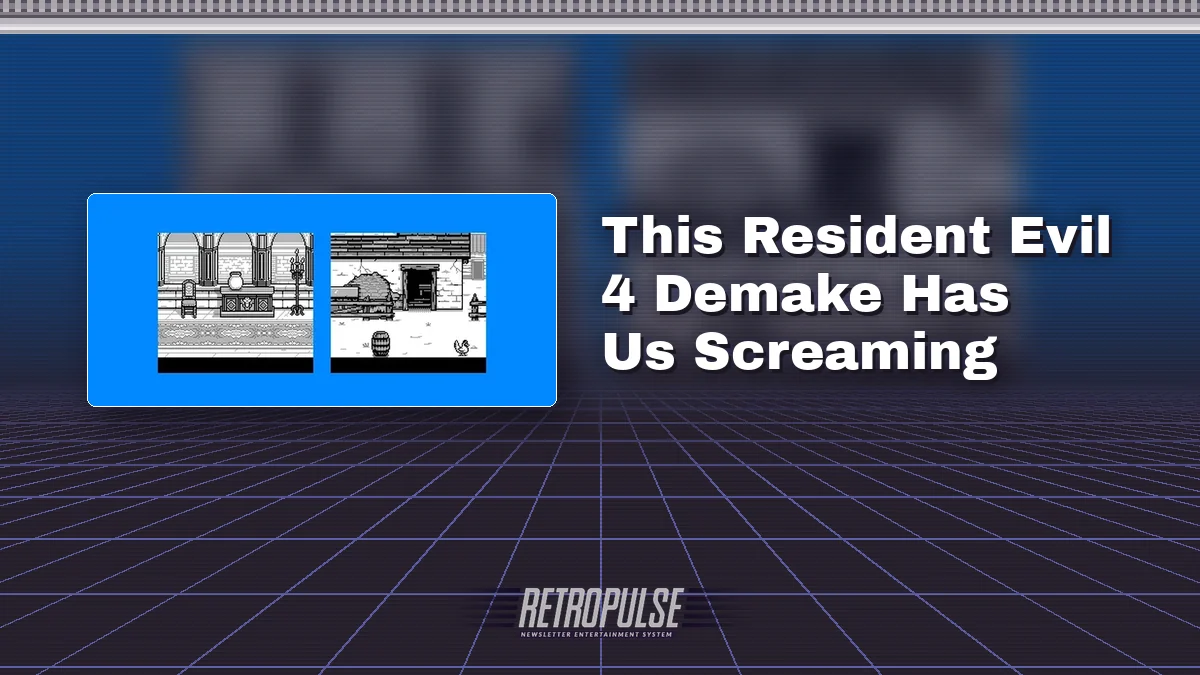 This Resident Evil 4 Demake Has Us Screaming
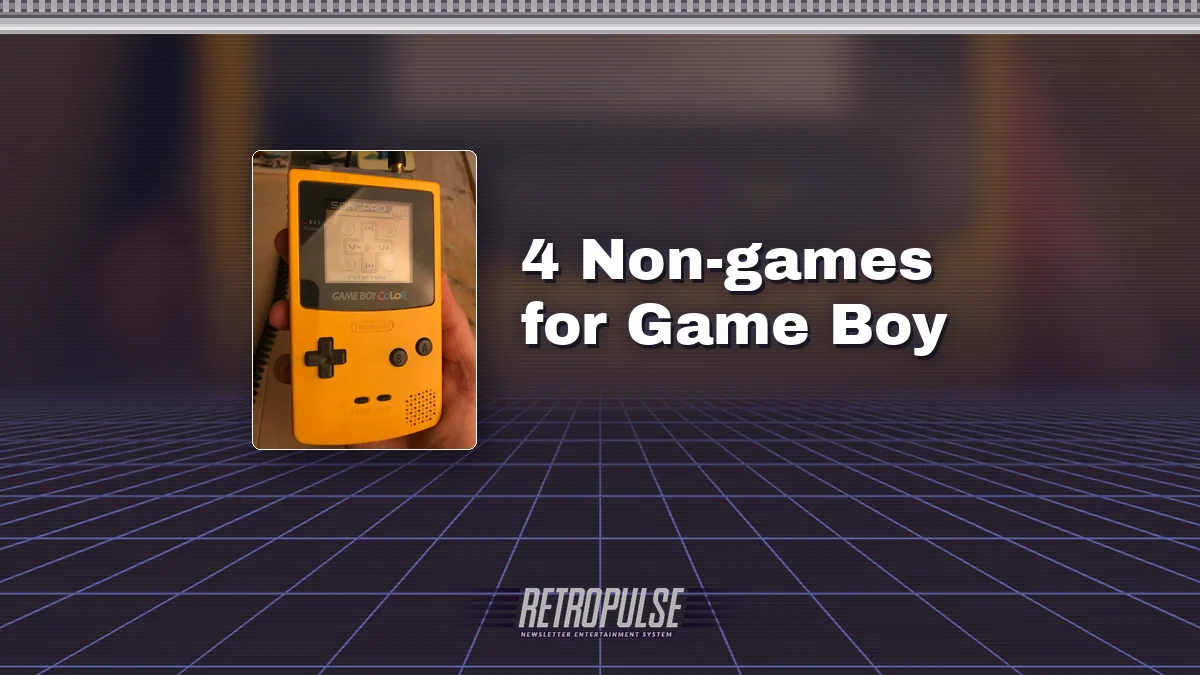 4 Non-games for Game Boy
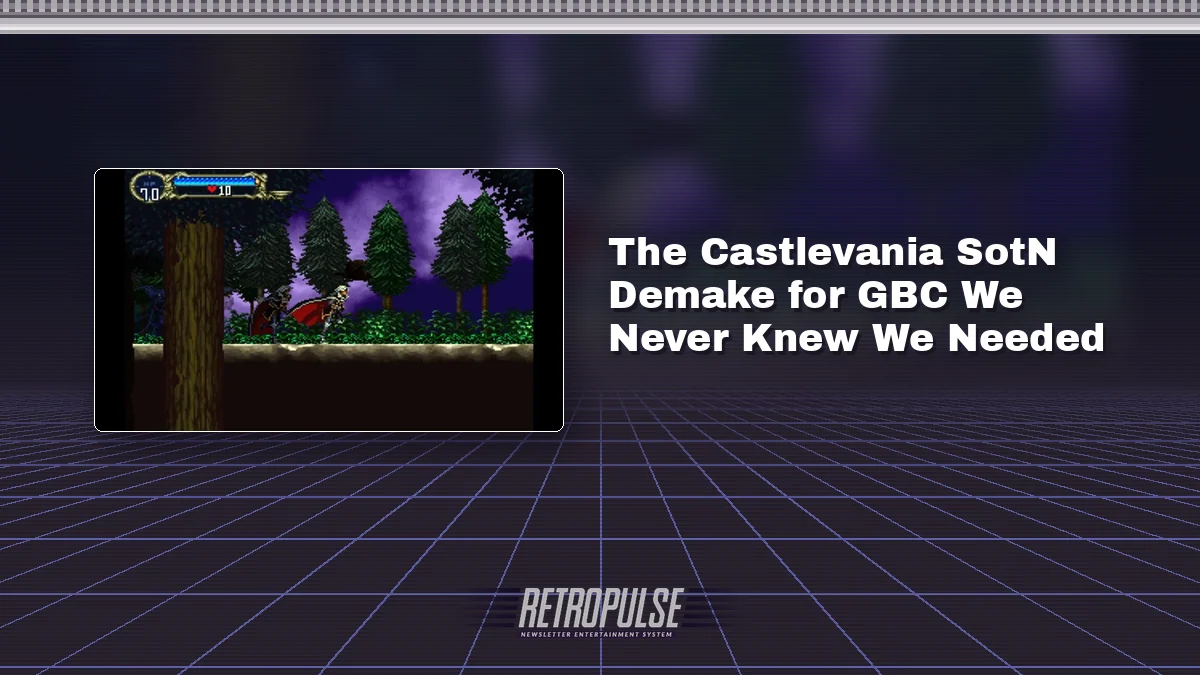 The Castlevania SotN Demake for GBC We Never Knew We Needed
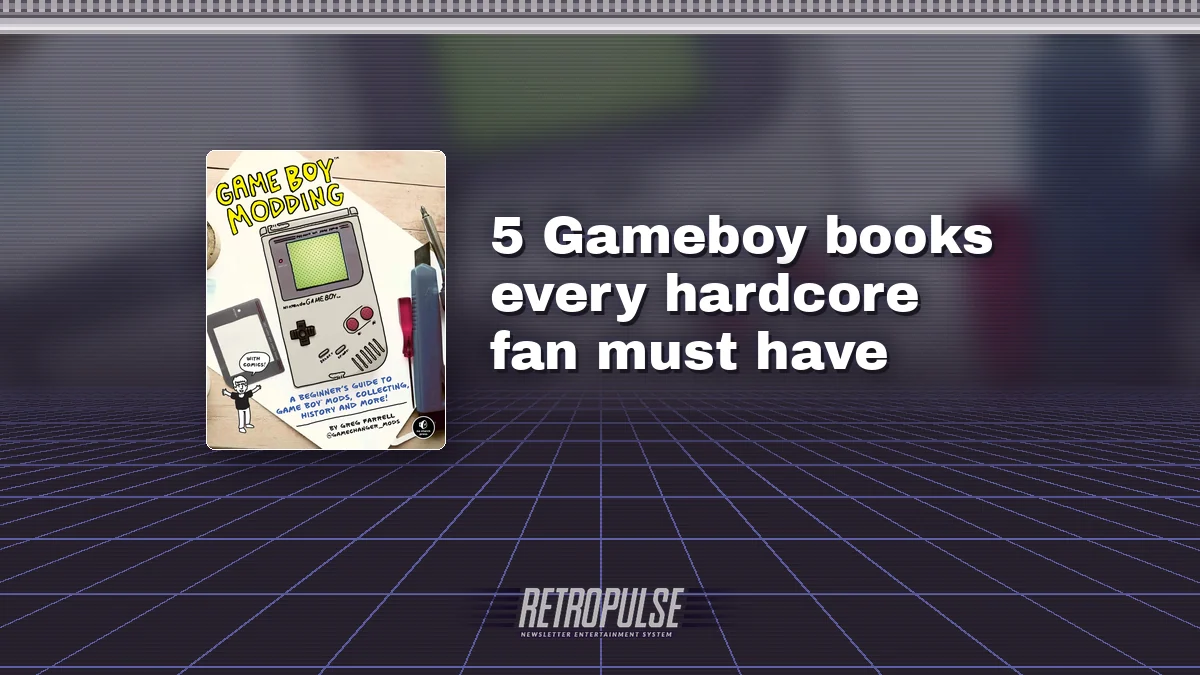 5 Gameboy books every hardcore fan must have
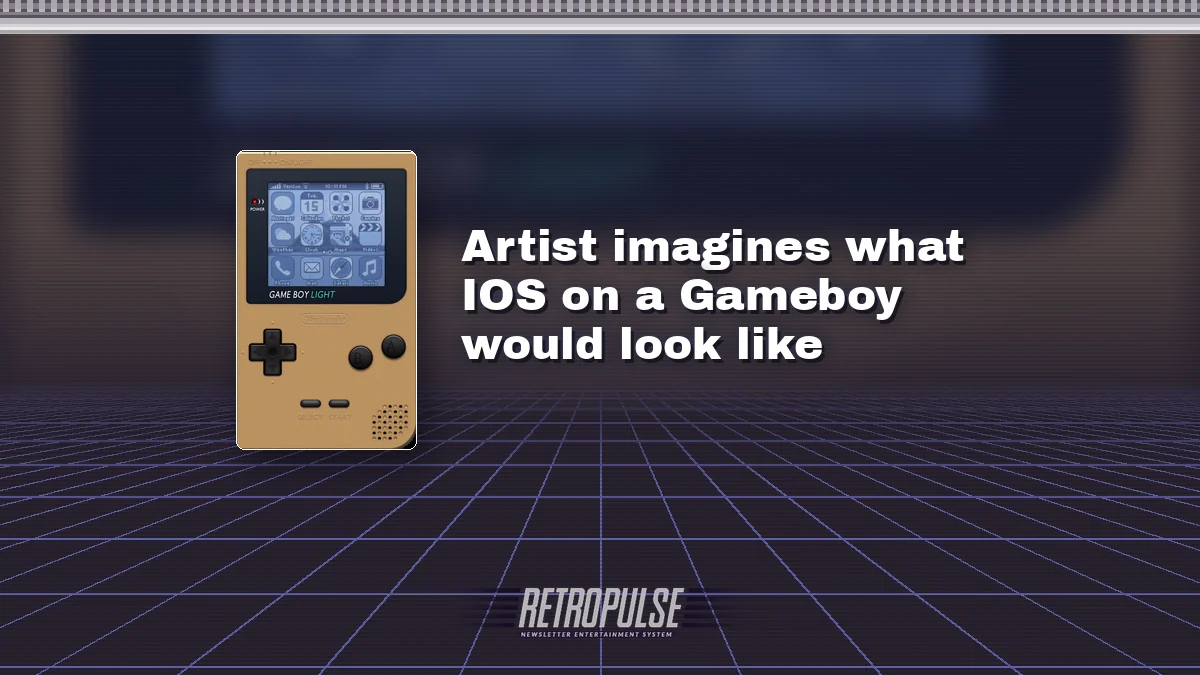 Artist imagines what IOS on a Gameboy would look like
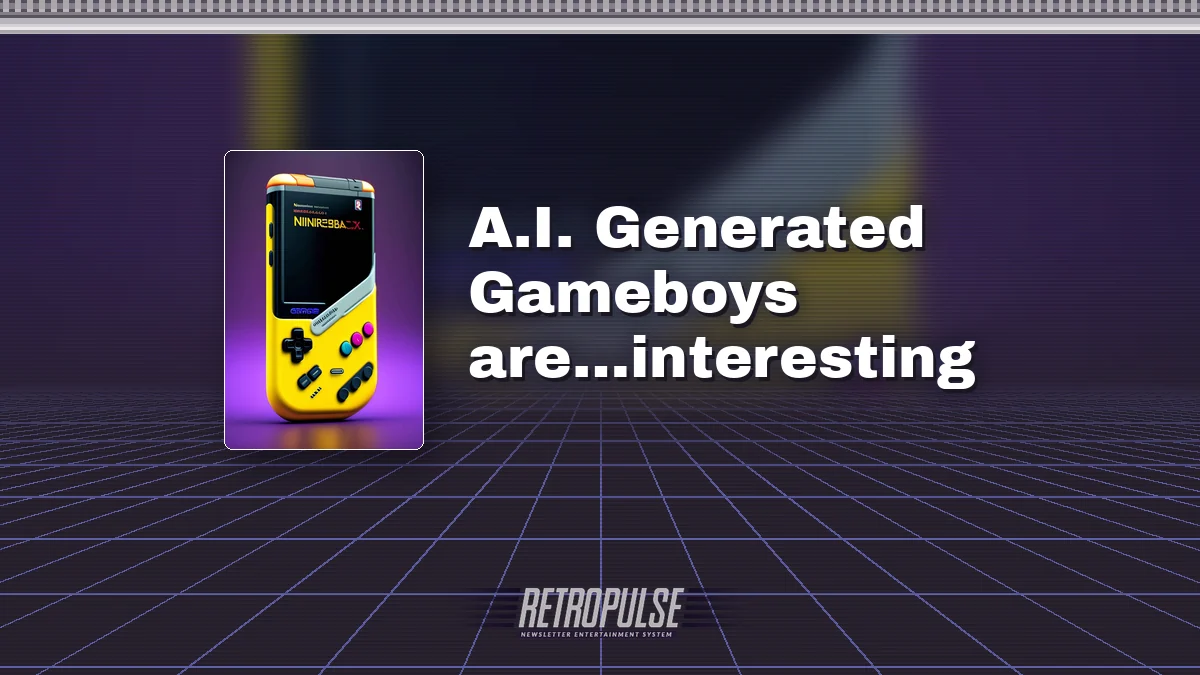 A.I. Generated Gameboys are…interesting
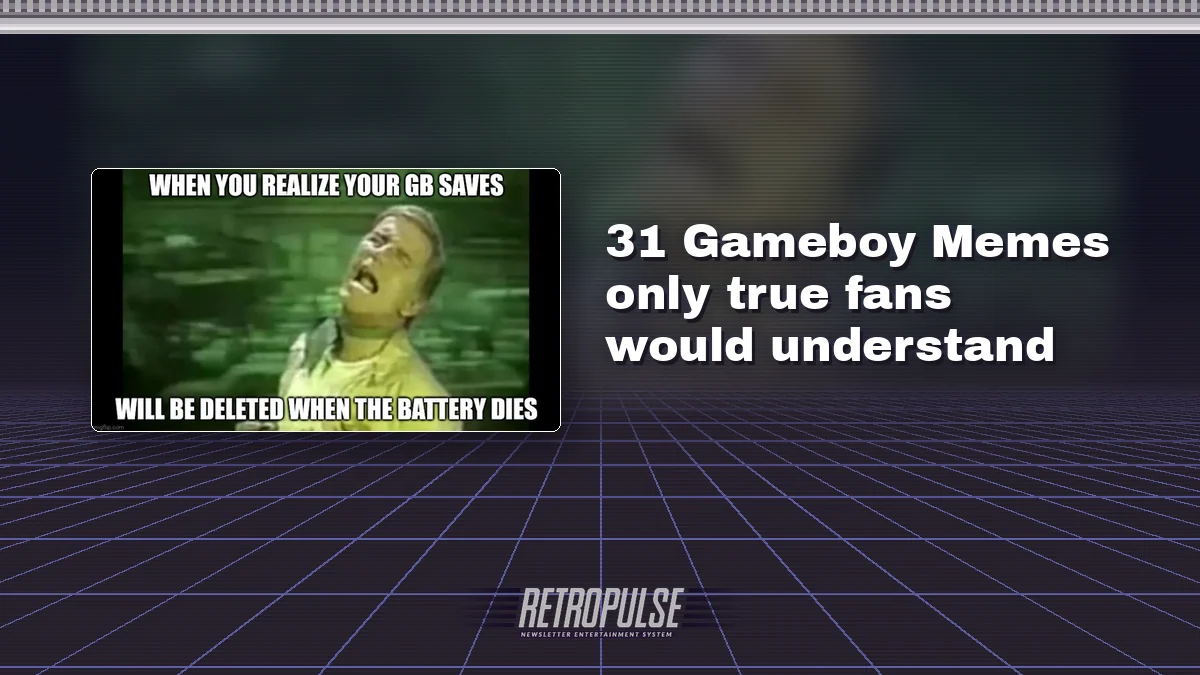 31 Gameboy Memes only true fans would understand
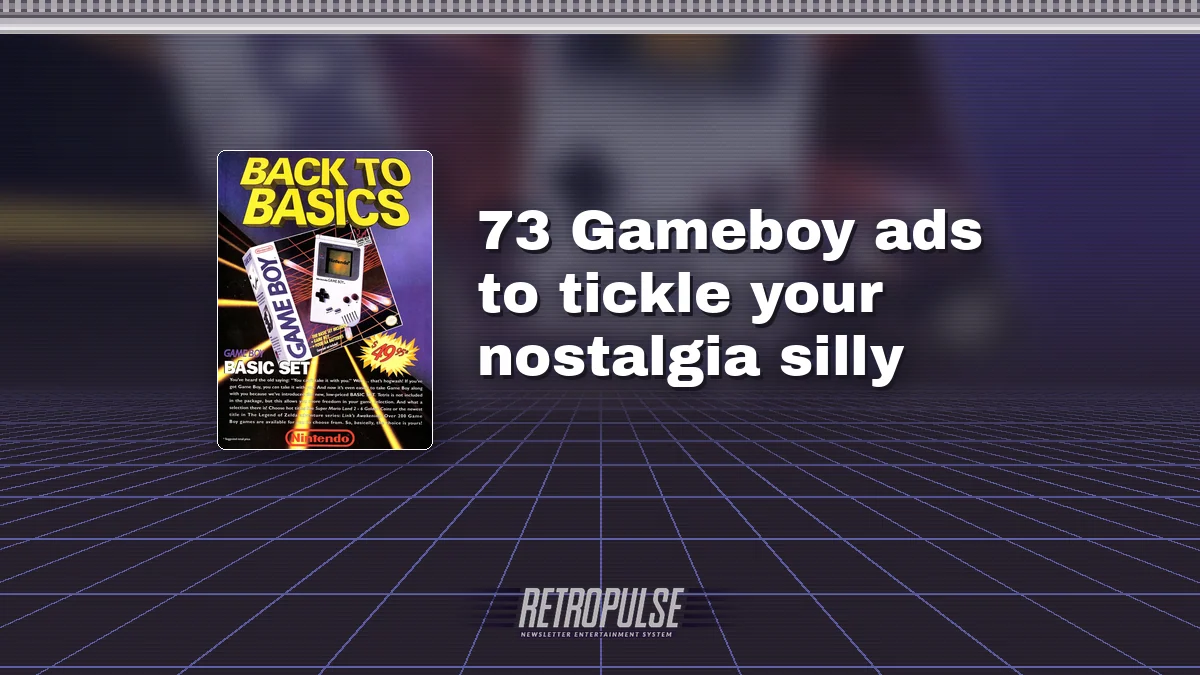 73 Gameboy ads to tickle your nostalgia silly
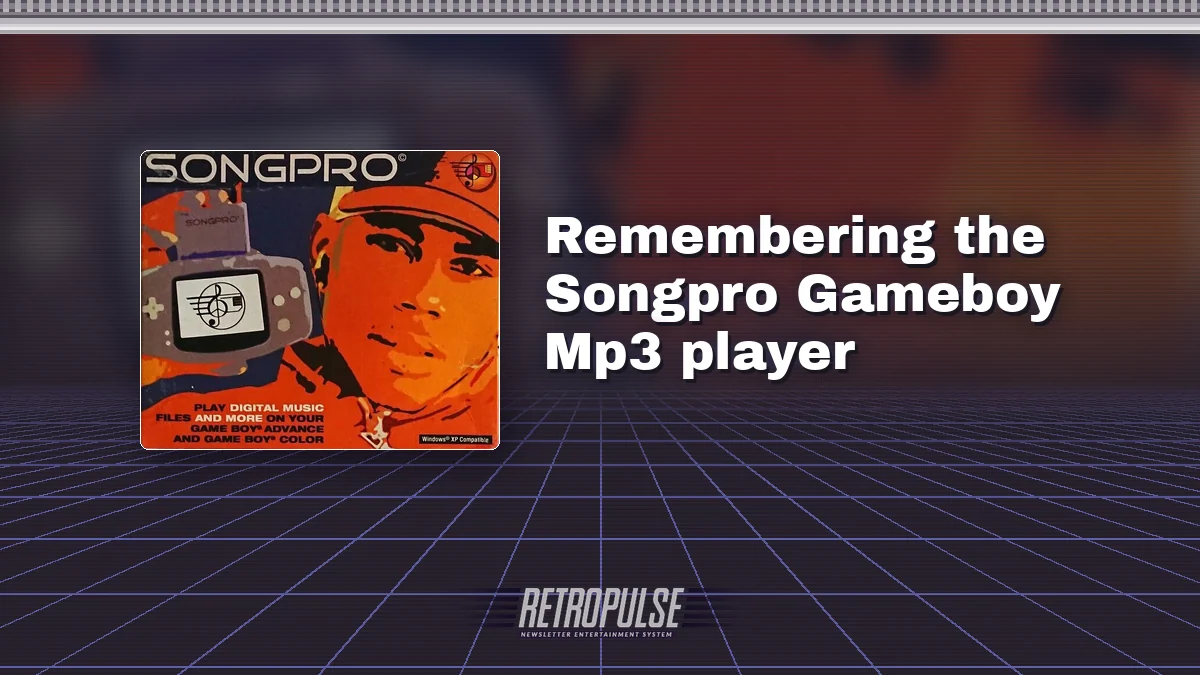 Remembering the Songpro Gameboy Mp3 player
Handhelds for Game Boy games
Almost every emulation handheld plays Game Boy games well, so pick one for its shape and screen. The best vertical ones copy the original's shape.
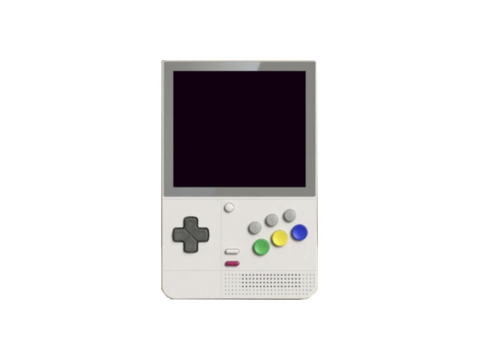 Retroid Pocket ClassicApr 2025 · $120
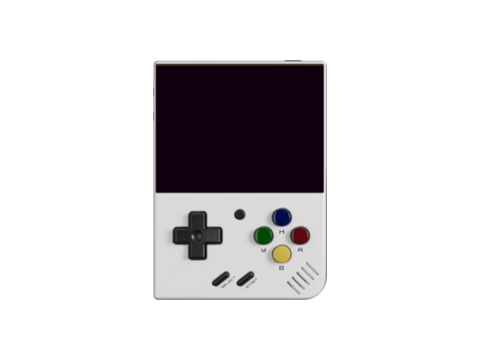 Miyoo Mini PlusMar 2023 · $50
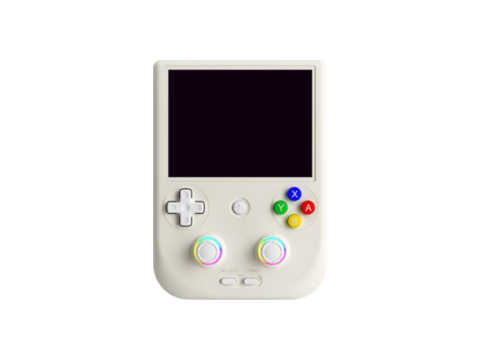 RG-406VSep 2024 · $155
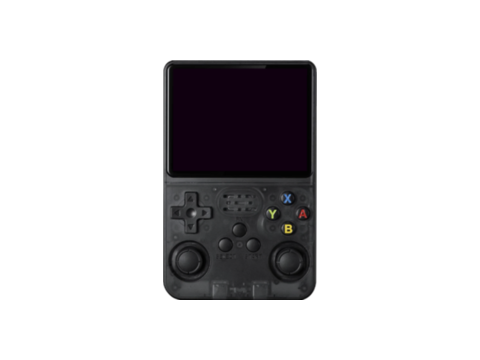 R36SOct 2023 · $40
277 of 279 handhelds in our database play Game Boy games well (80 or more out of 100). Best vertical handhelds → Best under $100 →